

LGBTQ+ Video Games That Were Ahead Of Their Time



The history of LGBTQ+ representation in video games spans several decades and includes a wide variety of genres and platforms. Many titles challenged industry norms by featuring diverse characters and inclusive storylines long before such themes became mainstream. These games provided visibility for queer identities through complex narratives and player choice mechanics. By examining the pioneers of the medium it is possible to see how interactive entertainment has evolved to reflect real world diversity.
‘Moonmist’ (1986)

This early text adventure game features what is widely considered the first lesbian character in gaming history. The plot involves a mystery set in a haunted castle where players must uncover various secrets. While the character orientation is presented subtly it remains a significant milestone for mid eighties interactive fiction. This inclusion occurred during an era when queer representation was virtually nonexistent in digital entertainment.
‘Caper in the Castro’ (1989)

Designed as a murder mystery this game takes place in the iconic Castro district of San Francisco. It was created specifically to raise awareness about the AIDS crisis and the queer community during the late eighties. Players take on the role of a private investigator searching for a missing drag queen. The title is historically important for being one of the first games explicitly developed with an LGBTQ+ focus.
‘Circuit’s Edge’ (1989)

Based on a cyberpunk novel this role playing game includes characters that identify as transsexual within its futuristic setting. It explores a gritty urban environment where diverse sexualities and identities are part of the world building. The game does not shy away from adult themes or the complexities of its characters. Its inclusion of queer elements in the late eighties showed a willingness to explore mature social topics.
‘Great Greed’ (1992)

This Game Boy role playing game features a unique ending where the protagonist can marry a character of the same gender. While the North American translation remained largely intact this choice was remarkably progressive for a handheld title in the early nineties. The player has the agency to choose their partner regardless of traditional gender roles. This mechanic predates similar systems in much larger modern franchises by several decades.
‘Streets of Rage 3’ (1994)
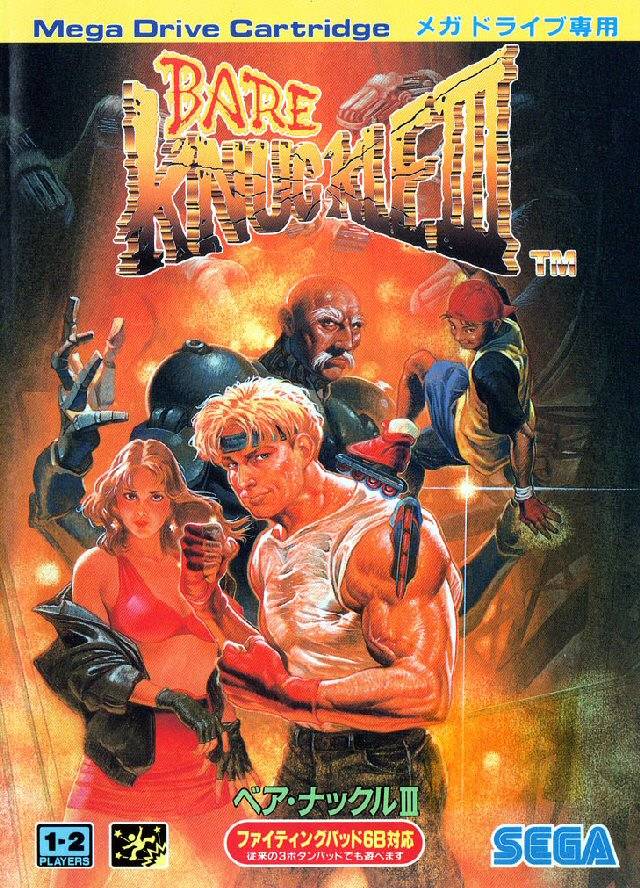
The Japanese version of this beat em up title features a character named Ash who is a flamboyant sub boss. Although the character was removed from Western releases due to censorship he represents an early example of queer aesthetics in action games. Ash exhibits a design inspired by glam rock and queer culture of the time. His presence in the original release highlights the differences in cultural reception regarding LGBTQ+ characters during the mid nineties.
‘Orion Burger’ (1996)
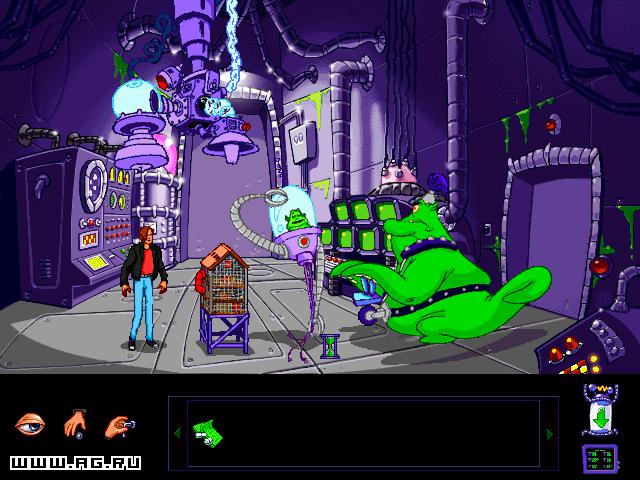
This point and click adventure game includes a character who openly discusses his orientation during the story. The narrative centers on a human trying to save Earth from being turned into space food by aliens. Amidst the comedic plot the game treats its queer character with a level of normalcy that was rare for the period. It stands out as an example of naturalistic inclusion in a genre known for its eccentric storytelling.
‘Phantasmagoria 2: A Puzzle of Flesh’ (1996)

The protagonist of this horror sequel is a bisexual man who navigates a series of disturbing and supernatural events. His best friend is an openly gay man and the game explores their relationship with significant depth. It was one of the first mainstream titles to feature a non heterosexual lead character. The story addresses themes of identity and repression within its dark psychological narrative.
‘Fallout’ (1997)
The original ‘Fallout’ allows players to complete certain quests through flirtation regardless of the gender of the characters involved. This flexibility was a hallmark of the early design philosophy at Black Isle Studios. It provided a level of player agency that was uncommon in the late nineties role playing landscape. The inclusion of these options helped establish the franchise as a pioneer of inclusive character interactions.
‘Fallout 2’ (1998)
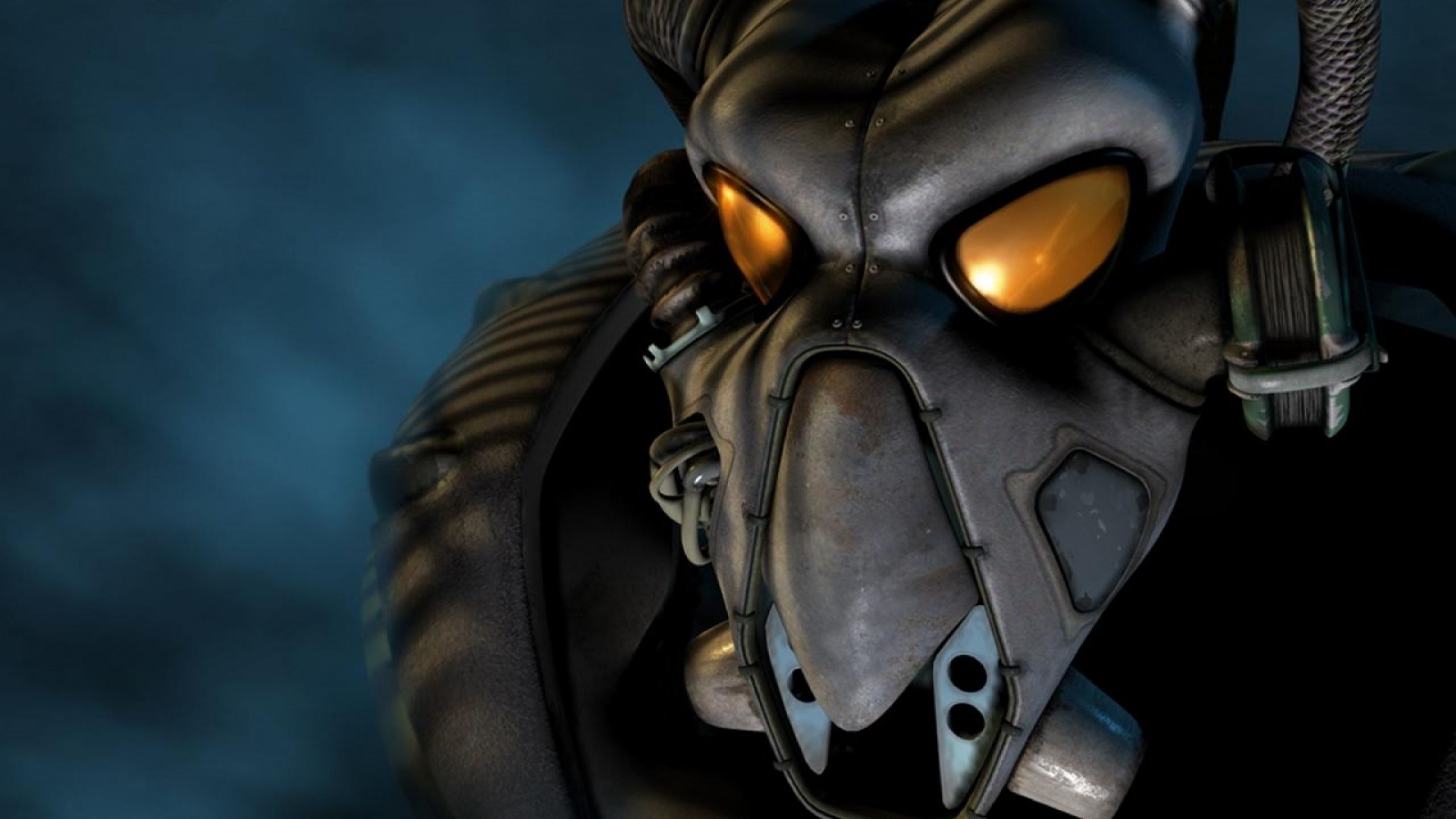
This sequel went a step further by becoming the first major video game to allow same sex marriage. Players can enter into a legal union with characters of the same gender in several of the post apocalyptic towns. The game treats these marriages with the same mechanical benefits and consequences as opposite sex unions. This landmark feature was implemented years before such rights were legally recognized in many parts of the real world.
‘Persona 2: Innocent Sin’ (1999)
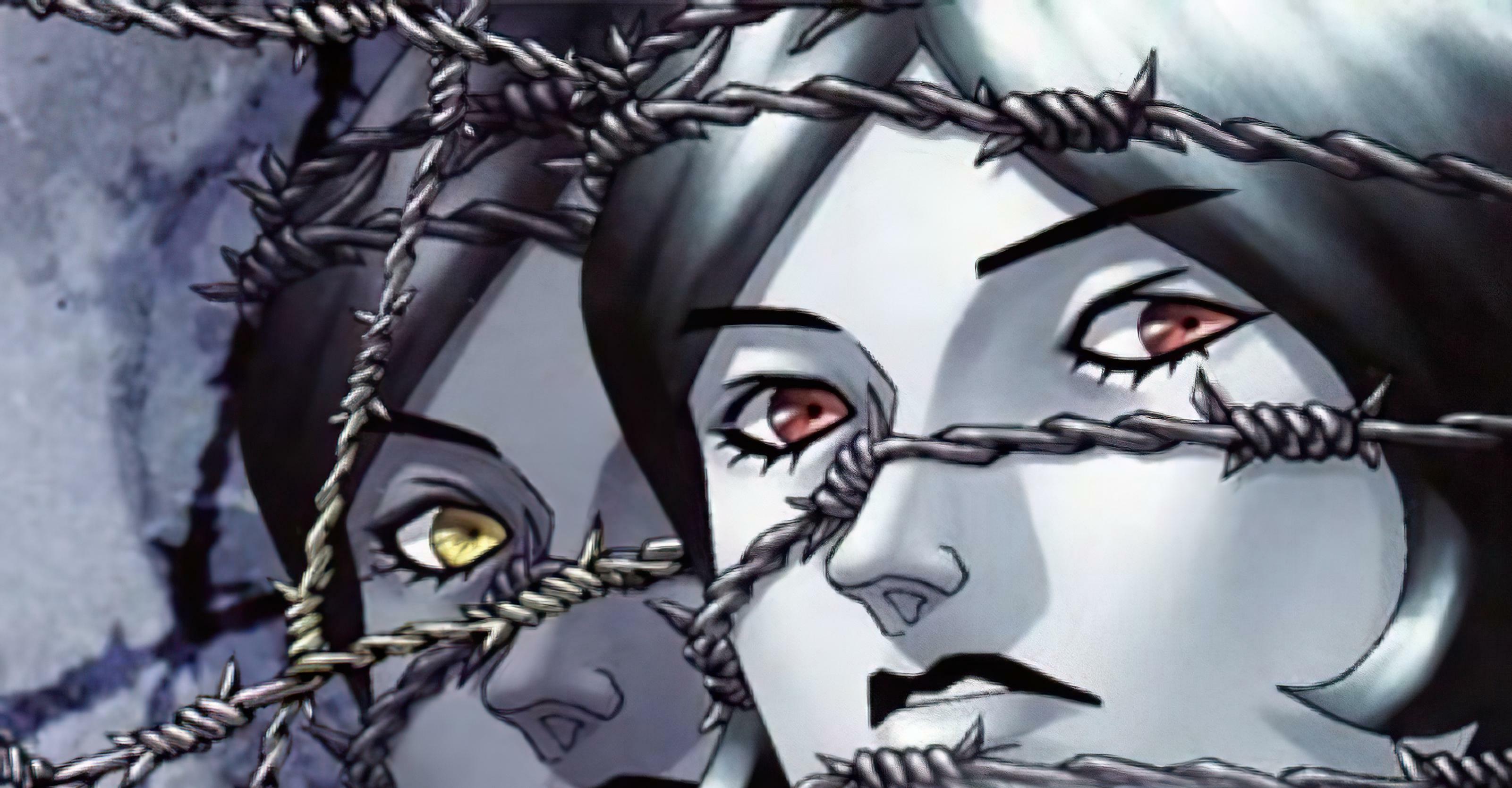
In this Japanese role playing game the player can choose to enter a romantic relationship with a male party member. This inclusion was particularly notable given the conservative nature of mainstream gaming in Japan at the time. The relationship is handled with sincerity and affects the dialogue between characters. It remains a fan favorite entry for its willingness to depict queer romance in a high profile series.
‘The Longest Journey’ (1999)
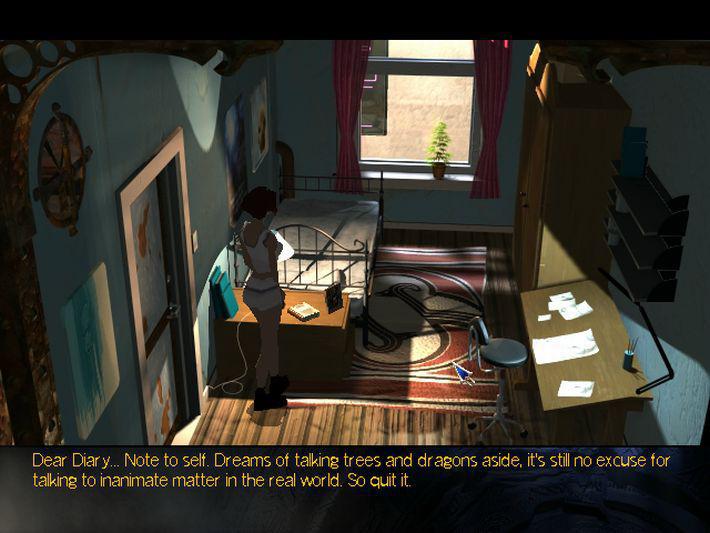
This acclaimed adventure game features a diverse cast of characters including an elderly lesbian couple who are portrayed with warmth and dignity. The protagonist interacts with them naturally as part of her journey through a world of magic and technology. These characters are not defined solely by their orientation but are fully realized individuals within the plot. This nuanced approach to secondary characters helped set a new standard for writing in the genre.
‘The Sims’ (2000)
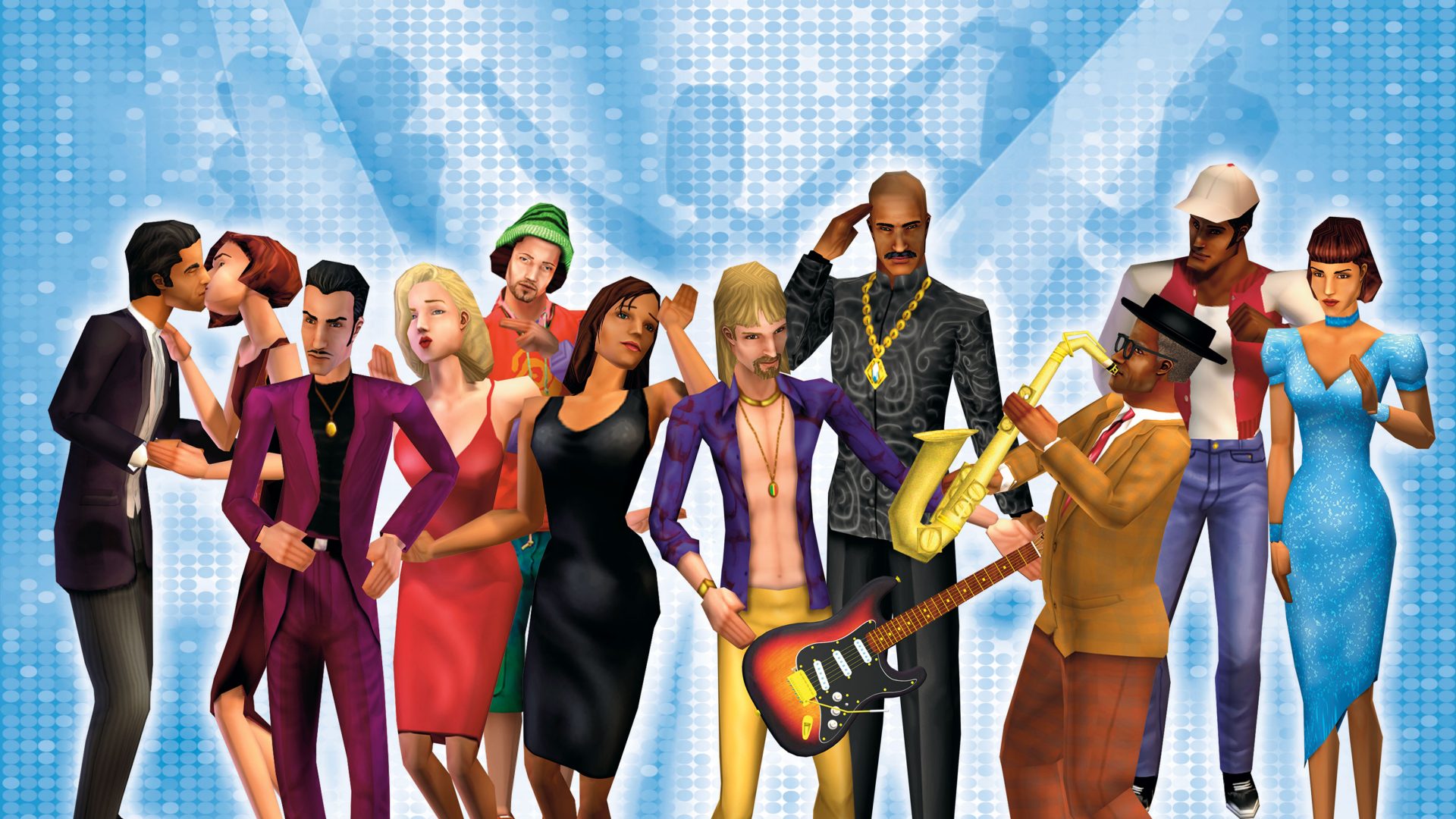
When this life simulation game launched it famously allowed players to form romantic relationships between characters of any gender. This feature was initially the result of a programmer working from an older design document but it became a defining aspect of the franchise. It allowed millions of players to see their own lives and identities reflected in a mainstream hit. The freedom to create diverse families helped ‘The Sims’ become a cultural phenomenon.
‘Final Fantasy IX’ (2000)
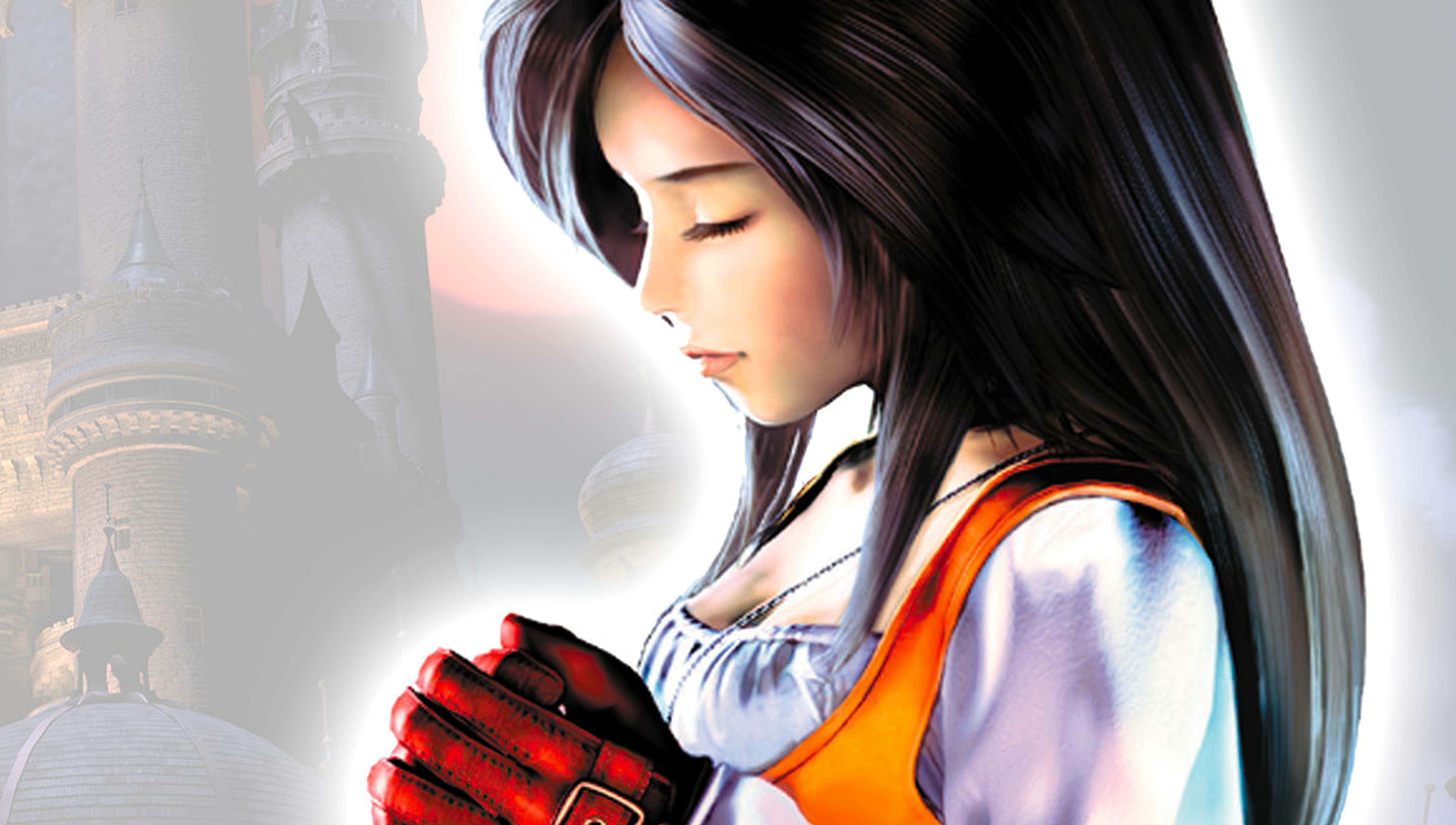
The character Quina Quen in this legendary RPG is a member of a genderless race and is referred to using various pronouns. This representation of a non binary identity was quite unique for a major console release at the turn of the millennium. Quina is a core member of the party and brings a distinct perspective to the group dynamics. The game treats the gender identity of Quina as a natural part of the diverse fantasy setting.
‘Metal Gear Solid 2: Sons of Liberty’ (2001)
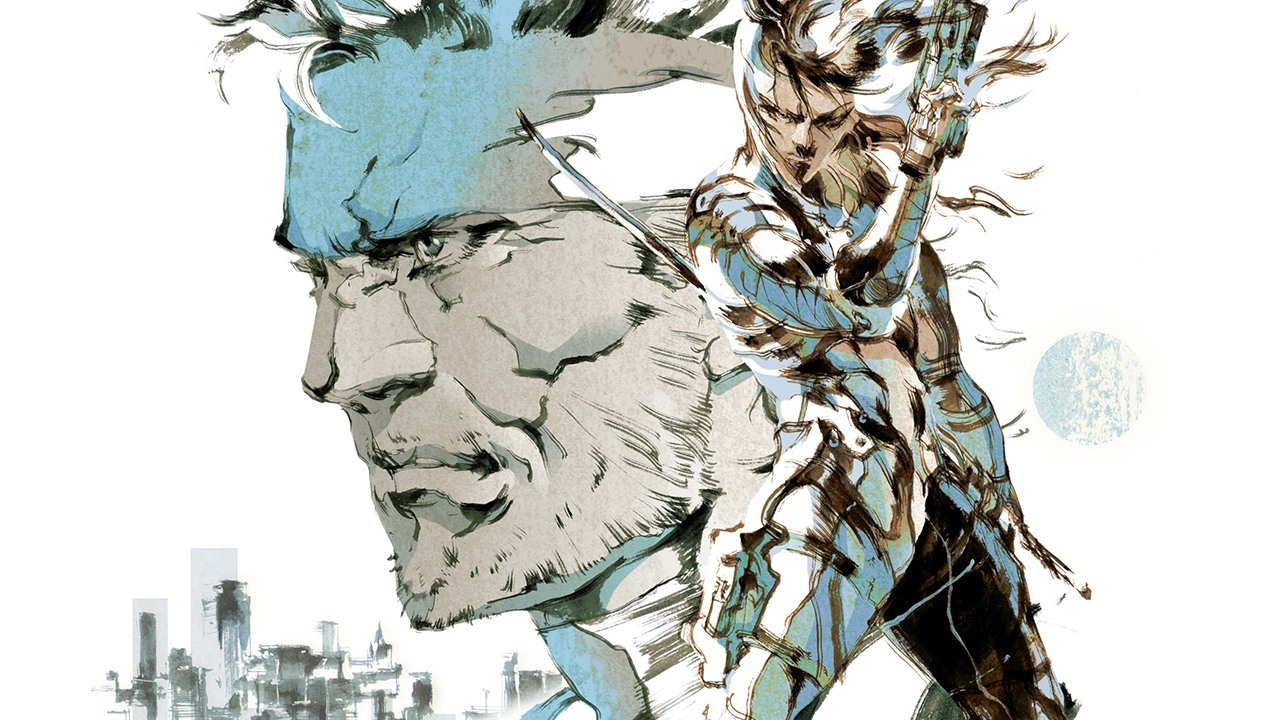
This cinematic action title features a character named Vamp who is explicitly identified as bisexual. His orientation is mentioned casually by other characters as a part of his backstory and identity. The game uses this detail to add depth to his enigmatic and threatening persona. It was a rare instance of a high profile action game acknowledging non heterosexual identities in its primary cast.
‘Fear Effect 2: Retro Helix’ (2001)
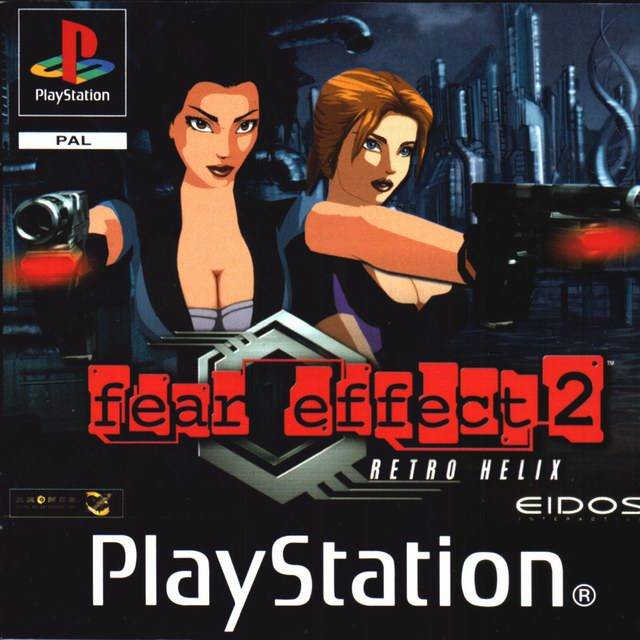
This prequel gained significant attention for its depiction of a romantic relationship between its two female leads. While the marketing of the era often leaned into sensationalism the game itself featured a core bond between the protagonists. Their relationship is central to the narrative and motivates many of their actions throughout the story. It stands as an early example of a major action title featuring a queer couple as the primary focus.
‘Star Wars: Knights of the Old Republic’ (2003)
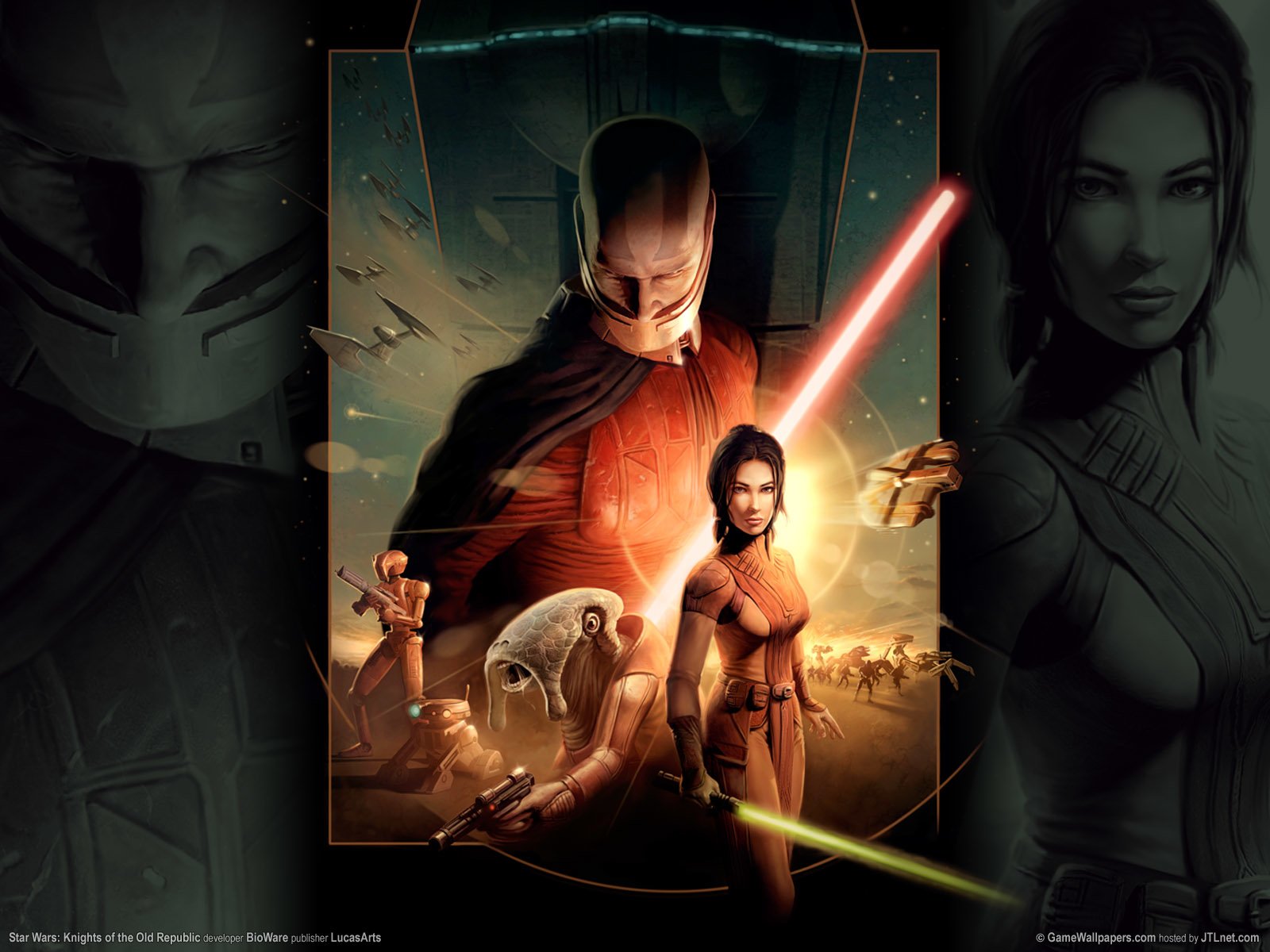
This beloved space opera RPG introduced Juhani who is the first explicitly queer character in the ‘Star Wars’ gaming universe. Players can engage in a romantic arc with her if they are playing as a female protagonist. Her story involves themes of redemption and self discovery within the Jedi Order. Juhani helped pave the way for more diverse storytelling in one of the most popular media franchises in the world.
‘The Temple of Elemental Evil’ (2003)
Based on a classic ‘Dungeons & Dragons’ adventure this game features a quest where the player can marry a male pirate. If the player character is male the game acknowledges the union and provides a unique wedding scene. This was a rare inclusion for a licensed tabletop adaptation at the time. It demonstrated a commitment to providing players with a wide range of role playing opportunities.
‘Vampire: The Masquerade – Bloodlines’ (2004)
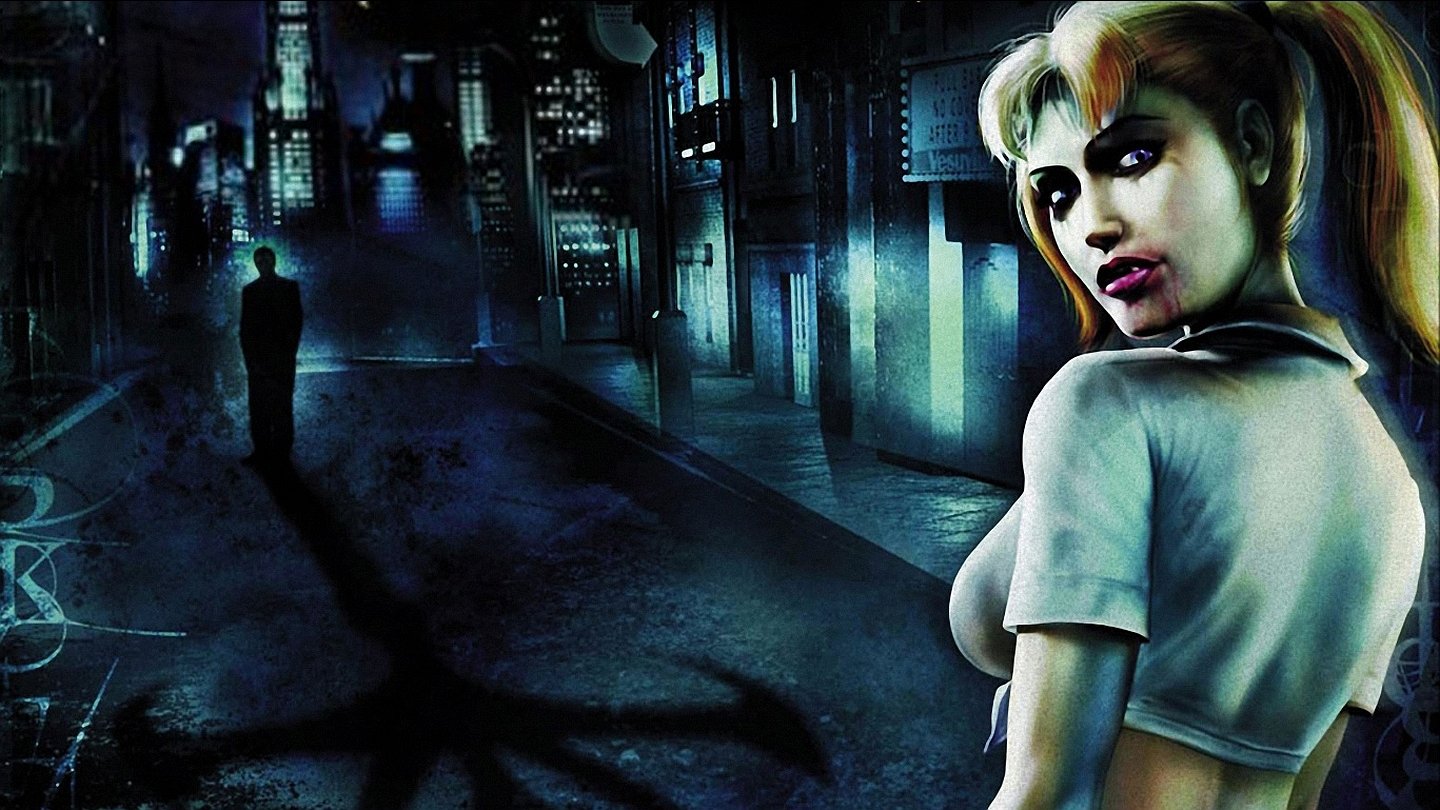
This cult classic RPG offers players the ability to flirt with and seduce characters of various genders to achieve their goals. The dark urban fantasy setting is home to a diverse array of vampires and humans with fluid identities. Players have significant freedom in how they define their character’s social and romantic life. The writing is often praised for its mature and realistic depiction of its queer cast members.
‘Fable’ (2004)
The world of Albion in this action RPG allows players to flirt with and marry almost any adult NPC regardless of gender. This level of social freedom was a major selling point and encouraged players to express themselves in different ways. The game tracks the reputation of the player based on their social interactions and family choices. It helped normalize the idea of same sex relationships in large scale fantasy adventures.
‘Jade Empire’ (2005)
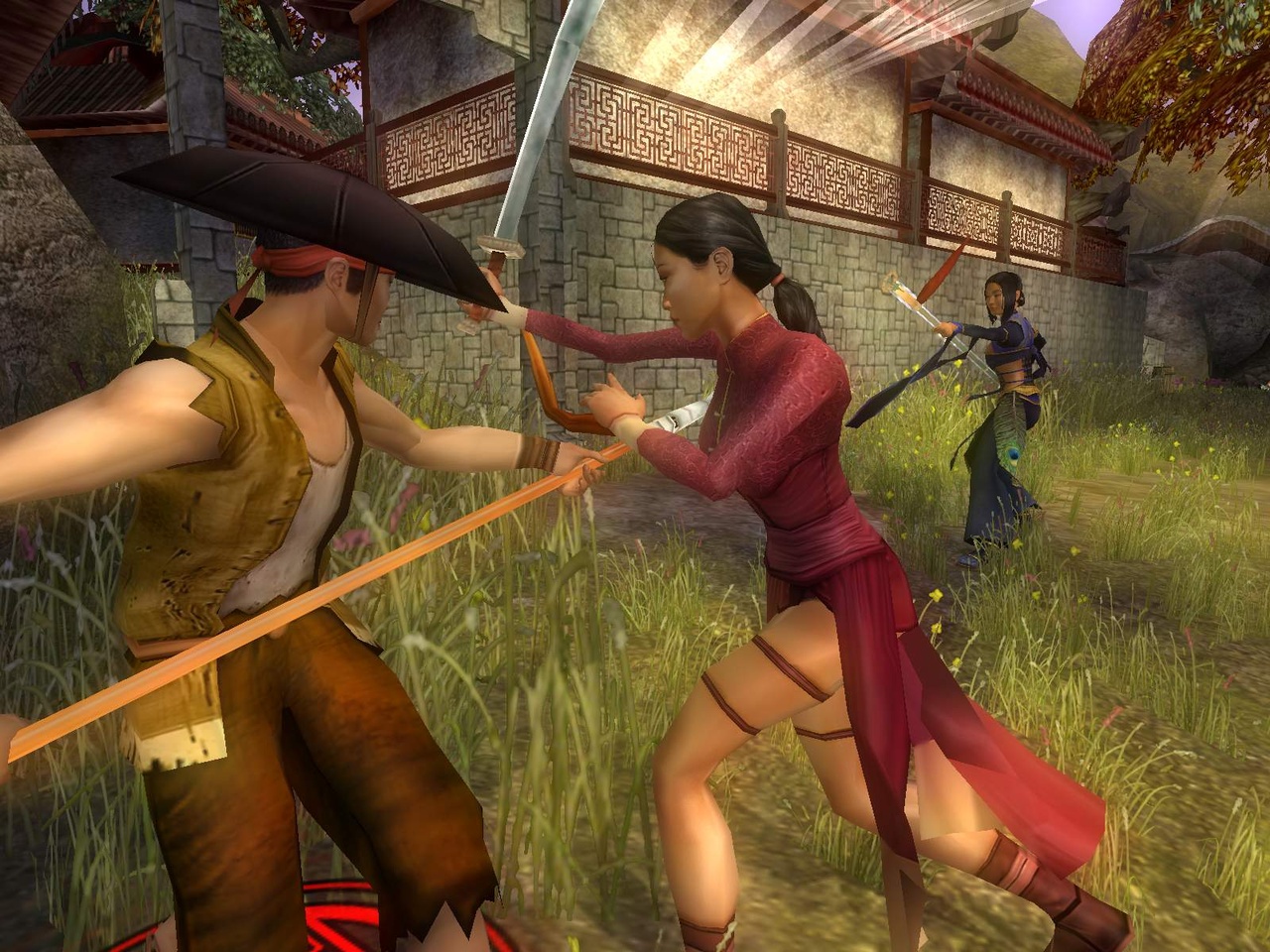
Set in a world inspired by Chinese mythology this BioWare title allows for same sex romances between the player and certain followers. These storylines are treated with the same emotional weight as the heterosexual options. The game explores the personal histories and motivations of these companions through extensive dialogue trees. It was a significant step forward for representation in the action RPG genre during the mid 2000s.
‘Bully’ (2006)
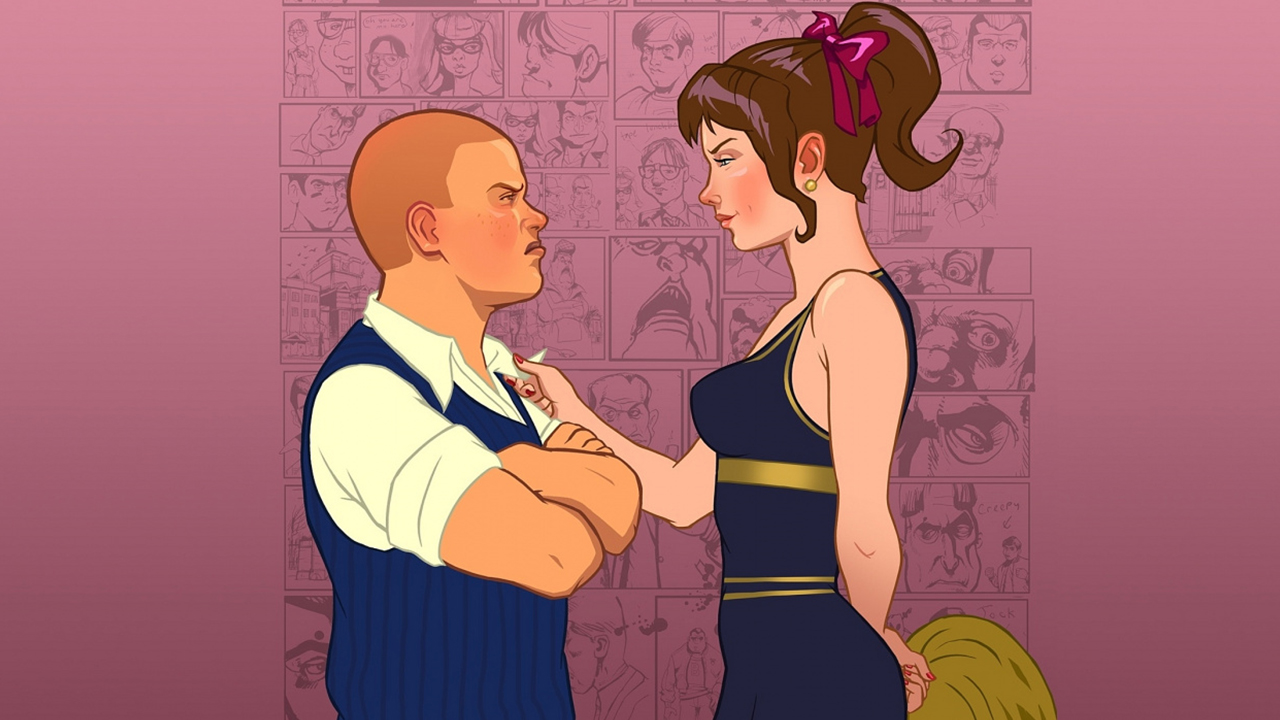
In this school based adventure game the protagonist can receive gifts and kisses from both male and female classmates. These interactions are a part of the social gameplay mechanics and provide health bonuses. While the game was controversial for many reasons it was quietly progressive in its inclusion of bisexual options for its lead character. It depicted teenage experimentation in a way that felt consistent with its rebellious spirit.
‘Mass Effect’ (2007)
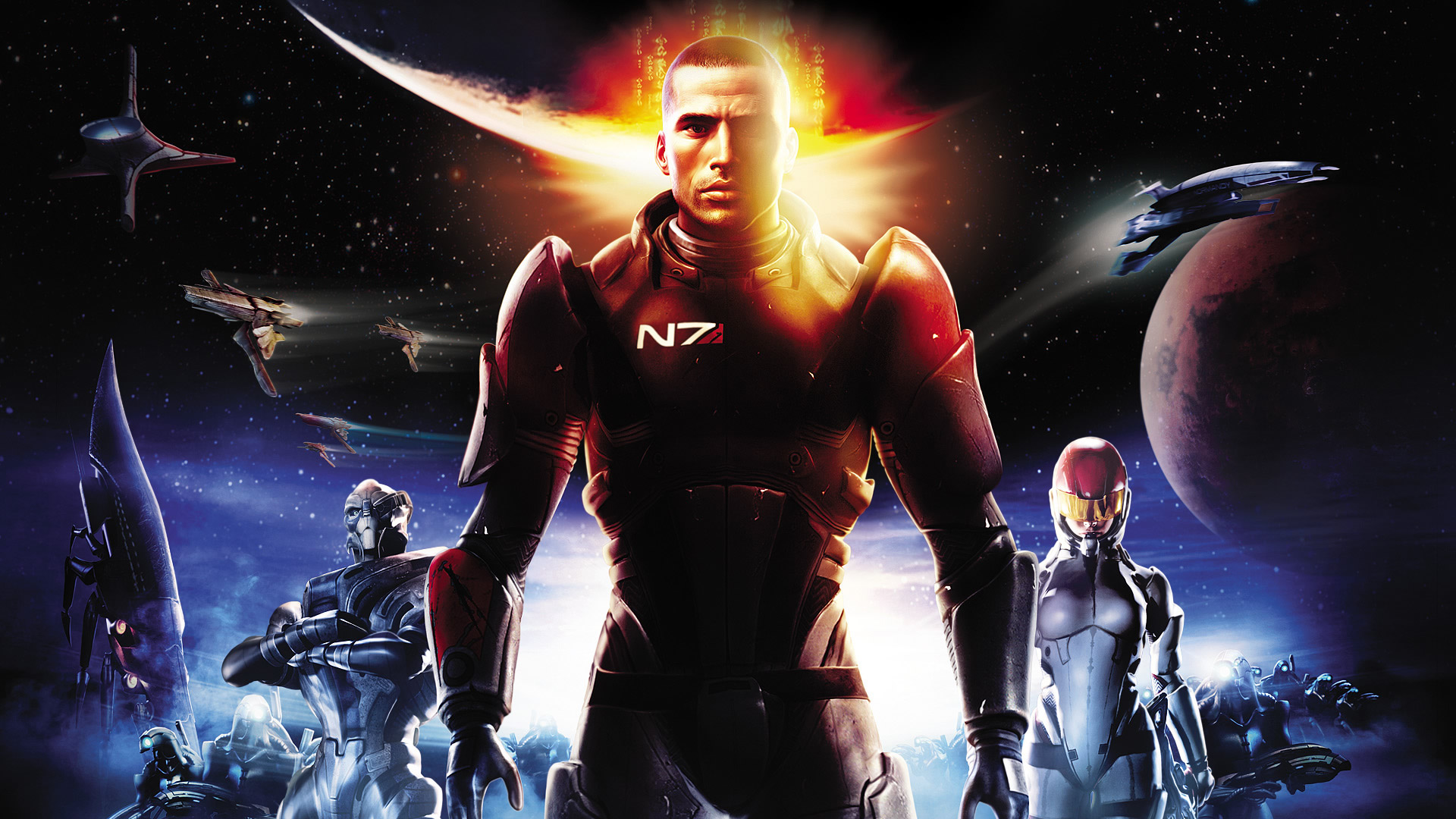
The first entry in this epic sci-fi trilogy includes a romance option between the female protagonist and an alien character named Liara. Since Liara belongs to a mono gendered race the relationship serves as a bridge for exploring queer themes in space. The game features deep character development and cinematic storytelling that makes the bond feel significant. This relationship became one of the most iconic parts of the early series.
‘Fable II’ (2008)
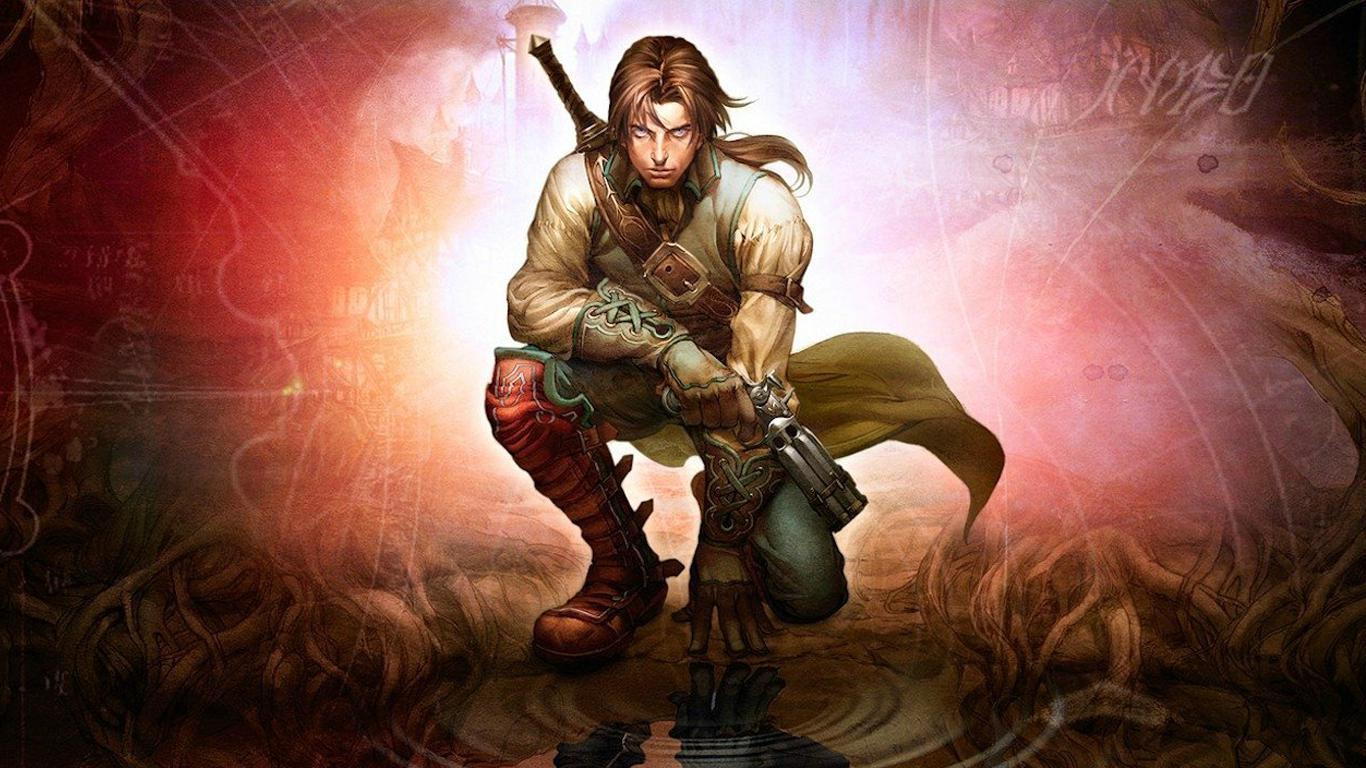
Expanding on the foundations of the original this sequel offers even more depth to its social and family systems. Players can engage in same sex marriages and adopt children to build a diverse household in the world of Albion. The game world reacts to the player’s choices and family status in various ways. It remains a landmark title for its celebration of player freedom and inclusive world building.
‘Dragon Age: Origins’ (2009)
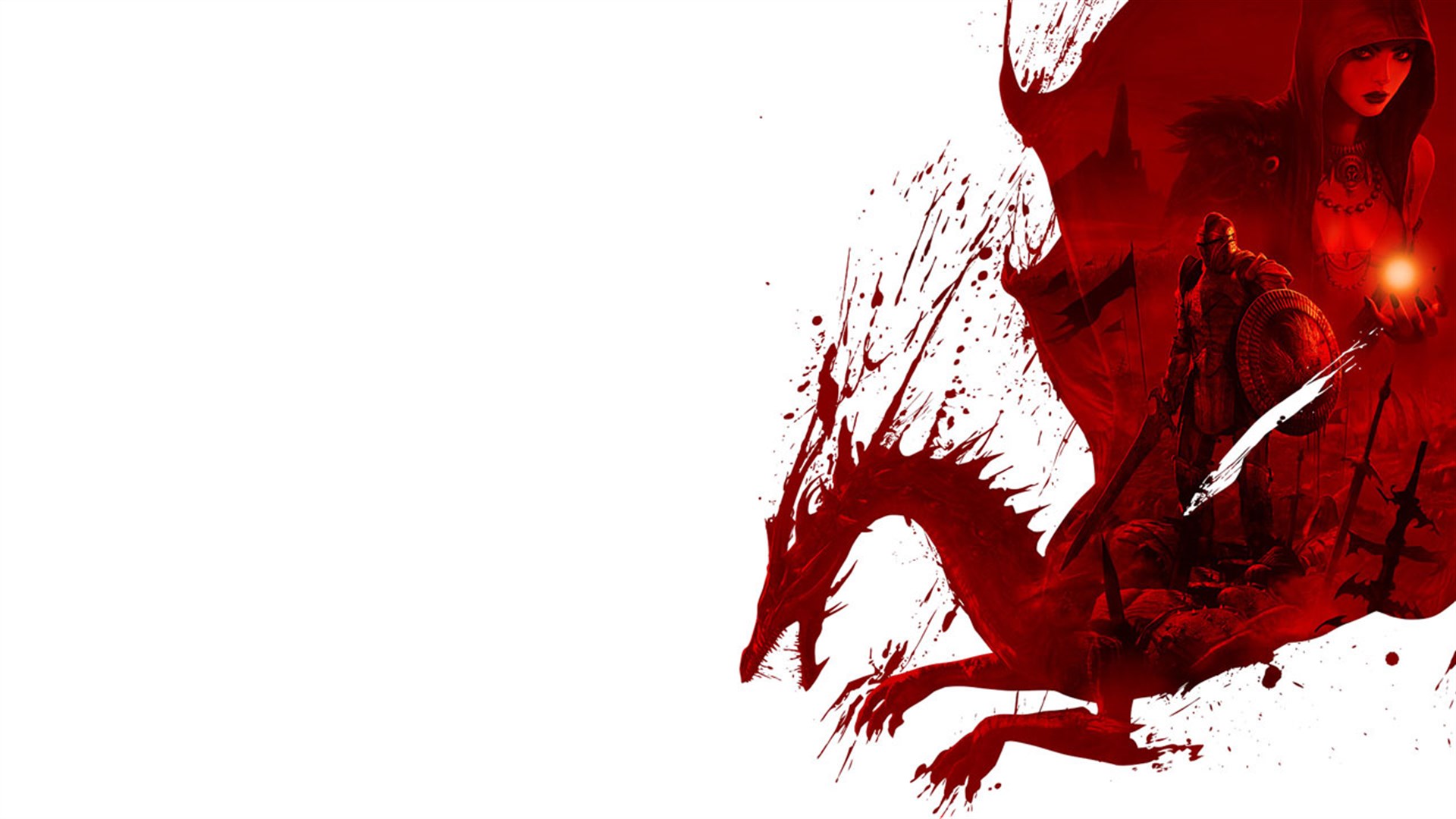
This dark fantasy RPG features two bisexual companions who can be romanced by a player character of any gender. Leliana and Zevran provide distinct perspectives on the world and have complex backstories involving their identities. The game allows players to explore these relationships through detailed conversations and gift giving. It set a high bar for how diverse romances could be integrated into an epic narrative.
‘Fallout: New Vegas’ (2010)
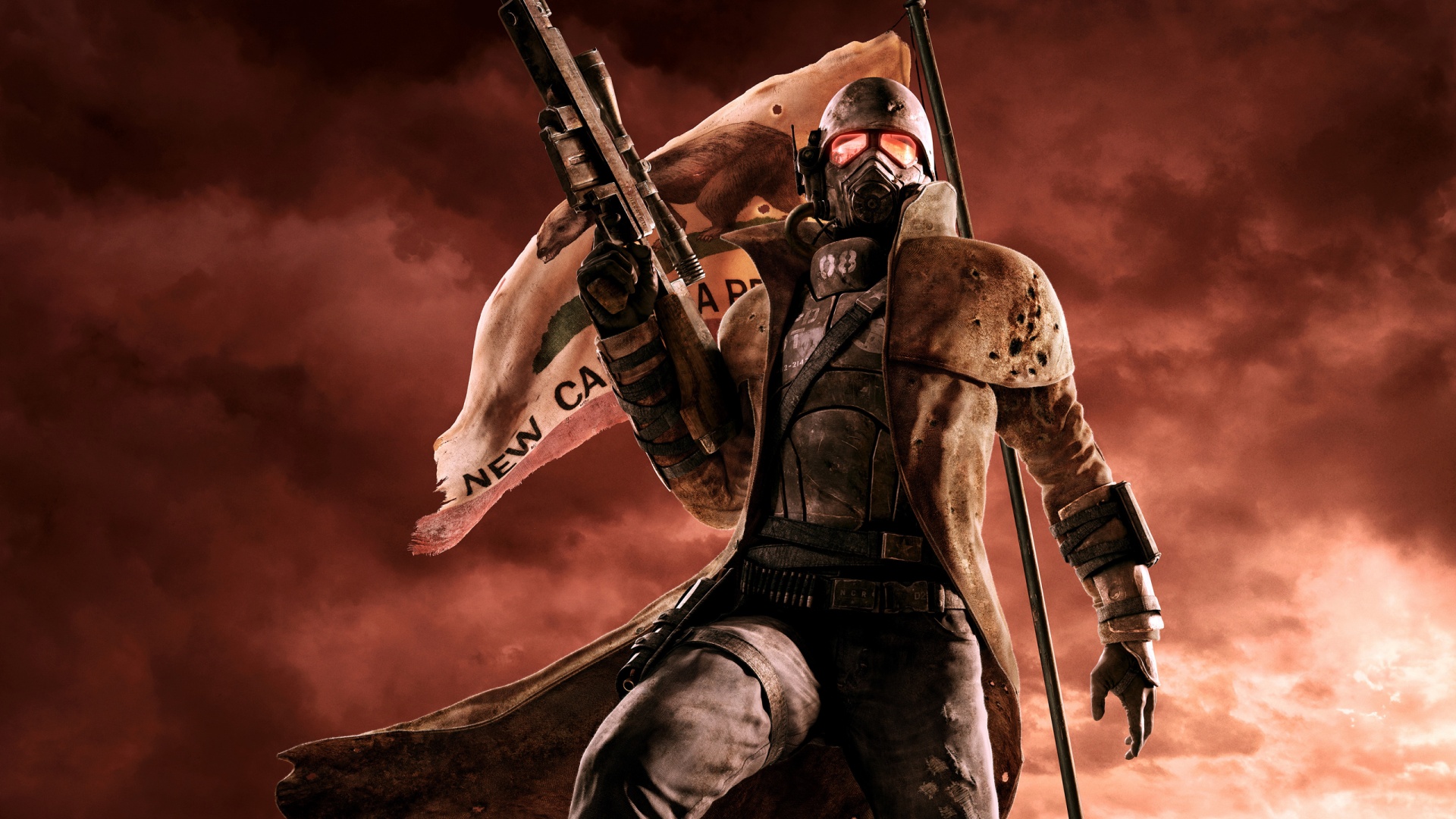
This entry in the post apocalyptic series includes specific perks that allow players to access unique dialogue with same sex characters. The perks Confirmed Bachelor and Cherchez La Femme provide both combat bonuses and narrative opportunities. Several major characters in the game world are also written as explicitly queer with their own personal stories. This approach made the Mojave Wasteland feel diverse and lived in.
‘Dragon Age II’ (2011)
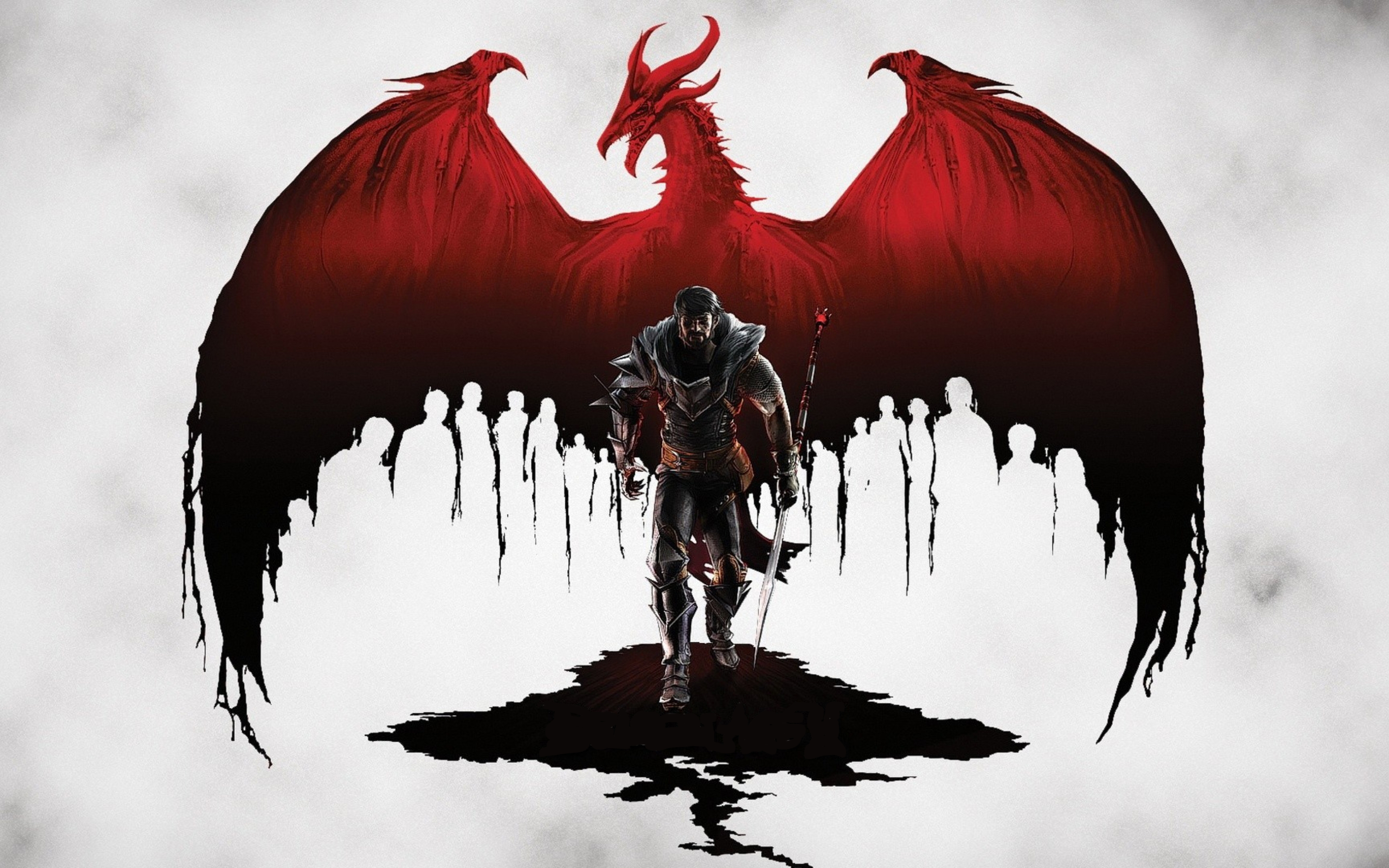
Every romanceable companion in this sequel is open to a relationship with the protagonist regardless of gender. This design choice ensured that all players could experience the romantic subplots with their favorite characters. The story spans a decade and shows how these relationships evolve over time in the city of Kirkwall. It was a bold move that further cemented the commitment of the series to inclusivity.
‘The Elder Scrolls V: Skyrim’ (2011)

This massive open world RPG allows players to marry a wide variety of NPCs regardless of gender through the use of the Amulet of Mara. Once married the characters can live together and share resources in any of the player’s homes. The system is simple but effective in allowing players to define their own domestic lives. This feature helped make the world of ‘Skyrim’ feel welcoming to a broad audience of players.
‘Mass Effect 3’ (2012)
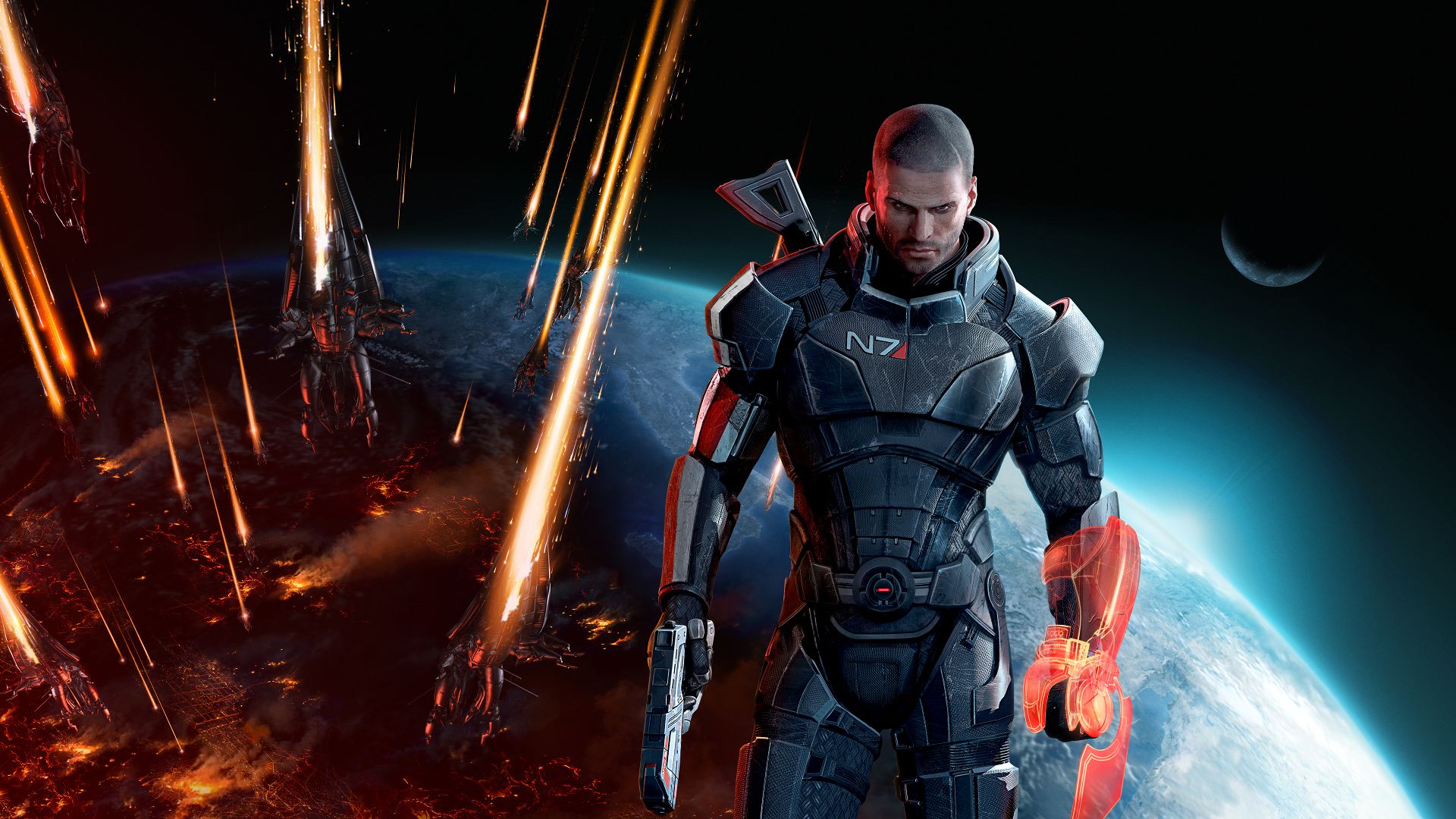
The final chapter of the original trilogy introduced the first exclusive same sex romance options for both male and female protagonists. Characters like Steve Cortez and Samantha Traynor offer meaningful storylines that are grounded in the reality of the galactic war. These relationships provide emotional stakes and personal growth for the characters involved. The inclusion of these paths was a direct response to player feedback for more representation.
‘Borderlands 2’ (2012)
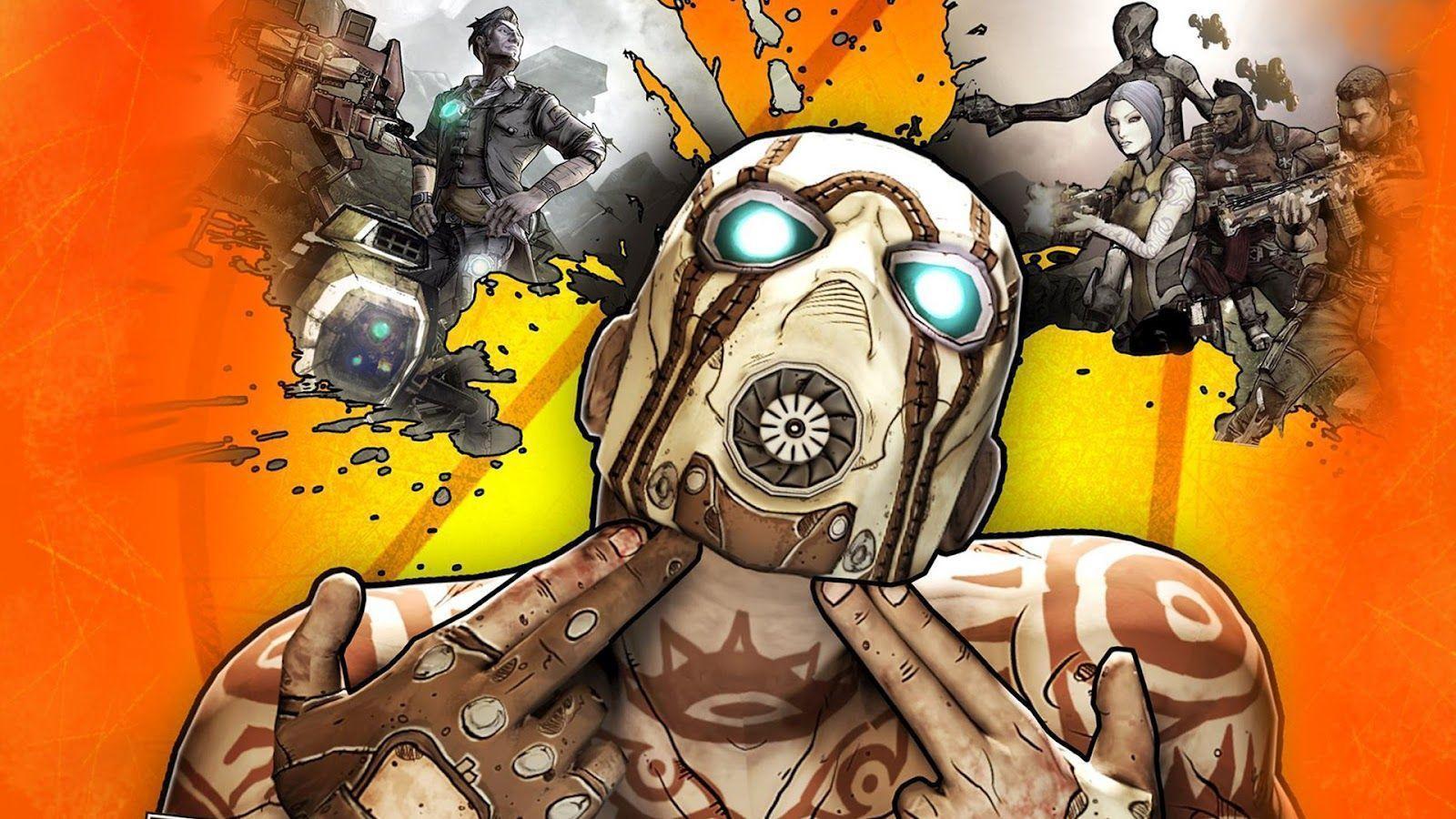
This popular looter shooter features a diverse cast of characters with various orientations that are revealed through dialogue and logs. Characters like Sir Hammerlock and Janey Springs are openly queer and speak about their past relationships naturally. The game integrates these details into its irreverent and fast paced world without making them the sole focus of the characters. It showed that diverse representation could thrive in high energy action titles.
‘Gone Home’ (2013)
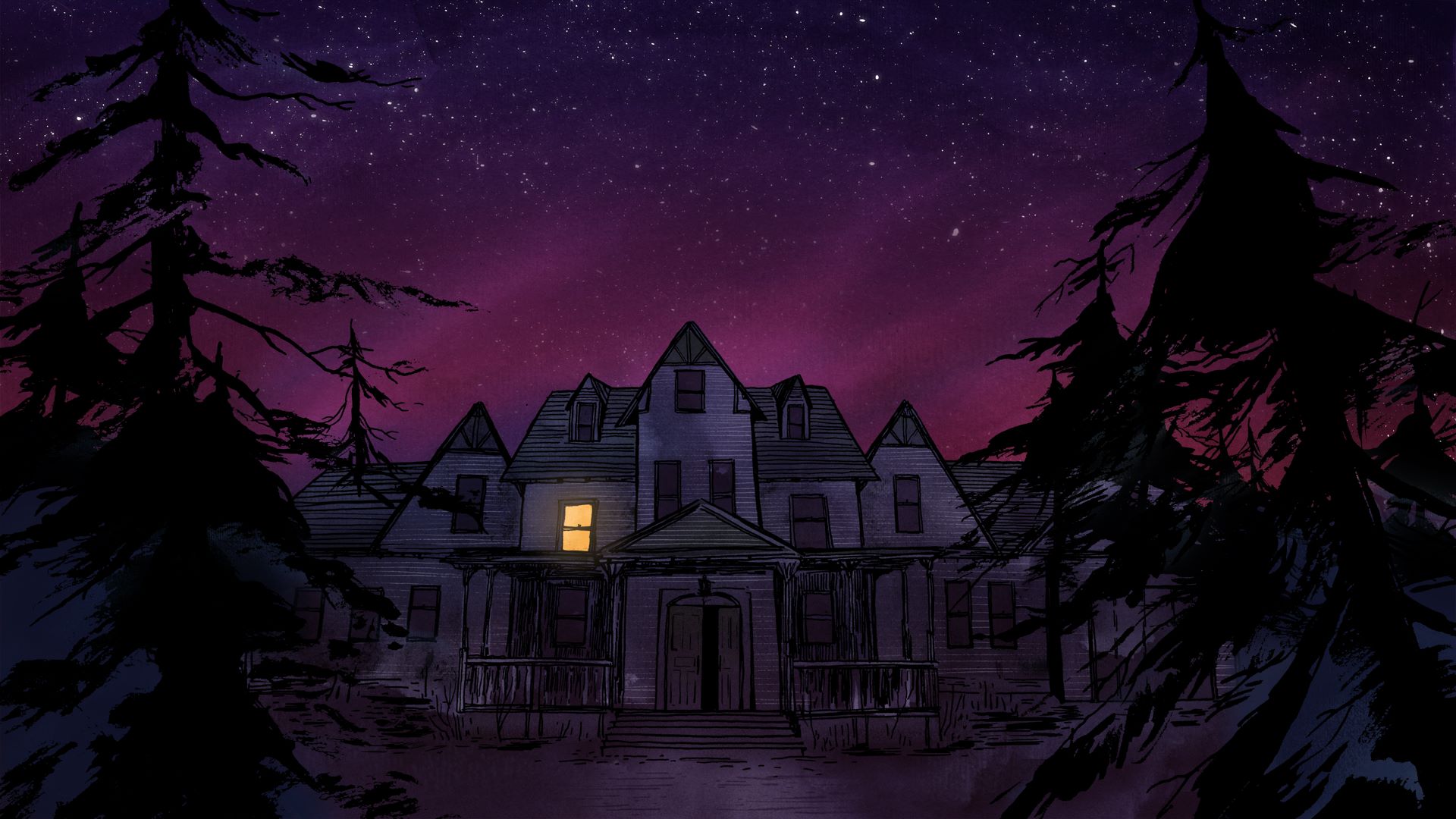
This atmospheric exploration game centers entirely on a young woman discovering her sister’s coming out story through notes and environmental clues. It is a deeply personal and grounded narrative that focuses on the challenges of queer youth in the nineties. The game was praised for its emotional honesty and its innovative approach to storytelling. It proved that a small scale indie title could have a massive impact on the conversation around representation.
‘Dragon Age: Inquisition’ (2014)
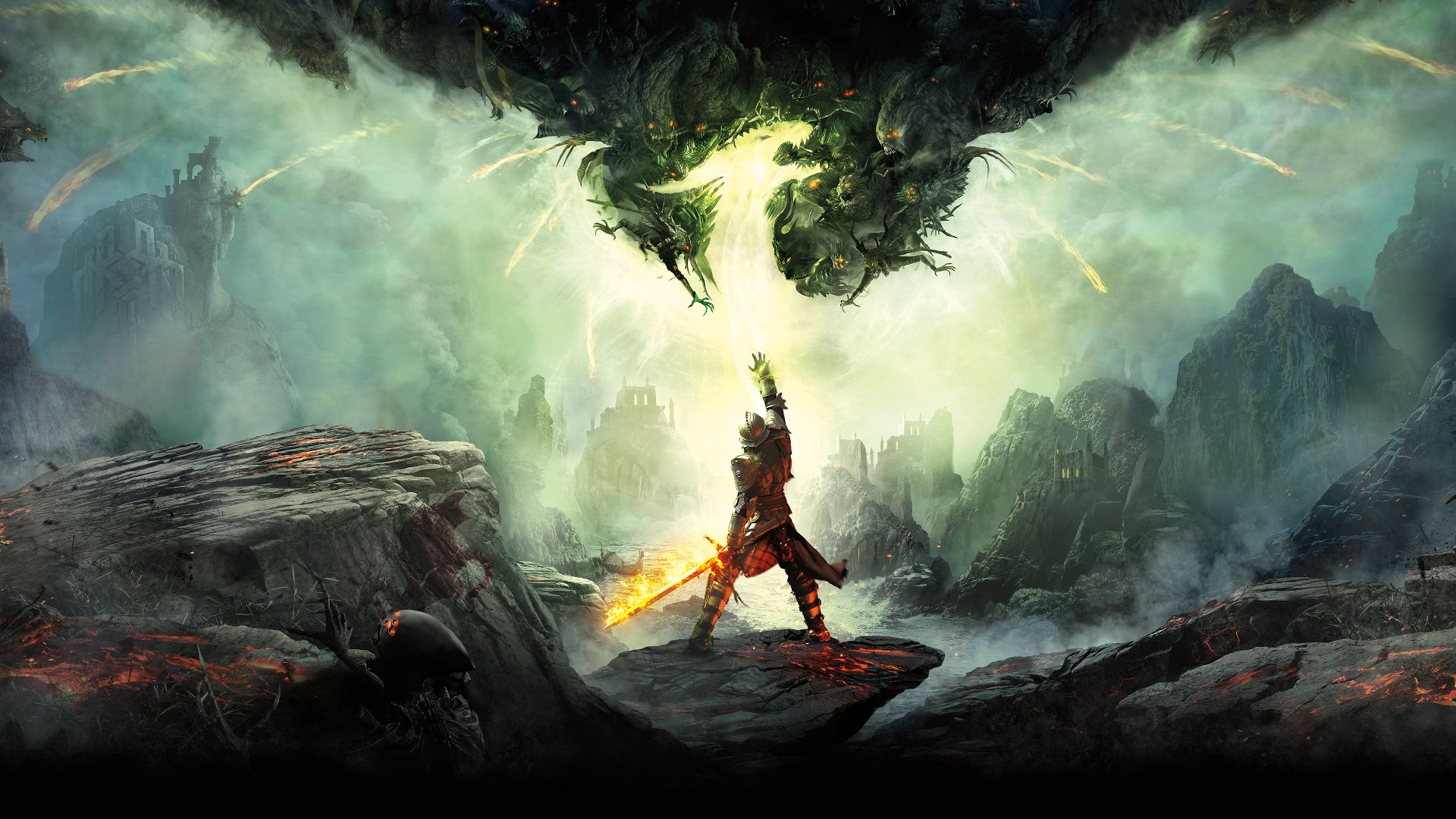
This entry features the first character in the series whose sexuality is a central part of his personal quest and character arc. Dorian Pavus is a gay mage whose story deals with family rejection and societal expectations. The game also includes a trans character named Krem who is a respected member of a mercenary company. These inclusions were lauded for their depth and for the respectful way they were integrated into the lore.
‘Life is Strange’ (2015)
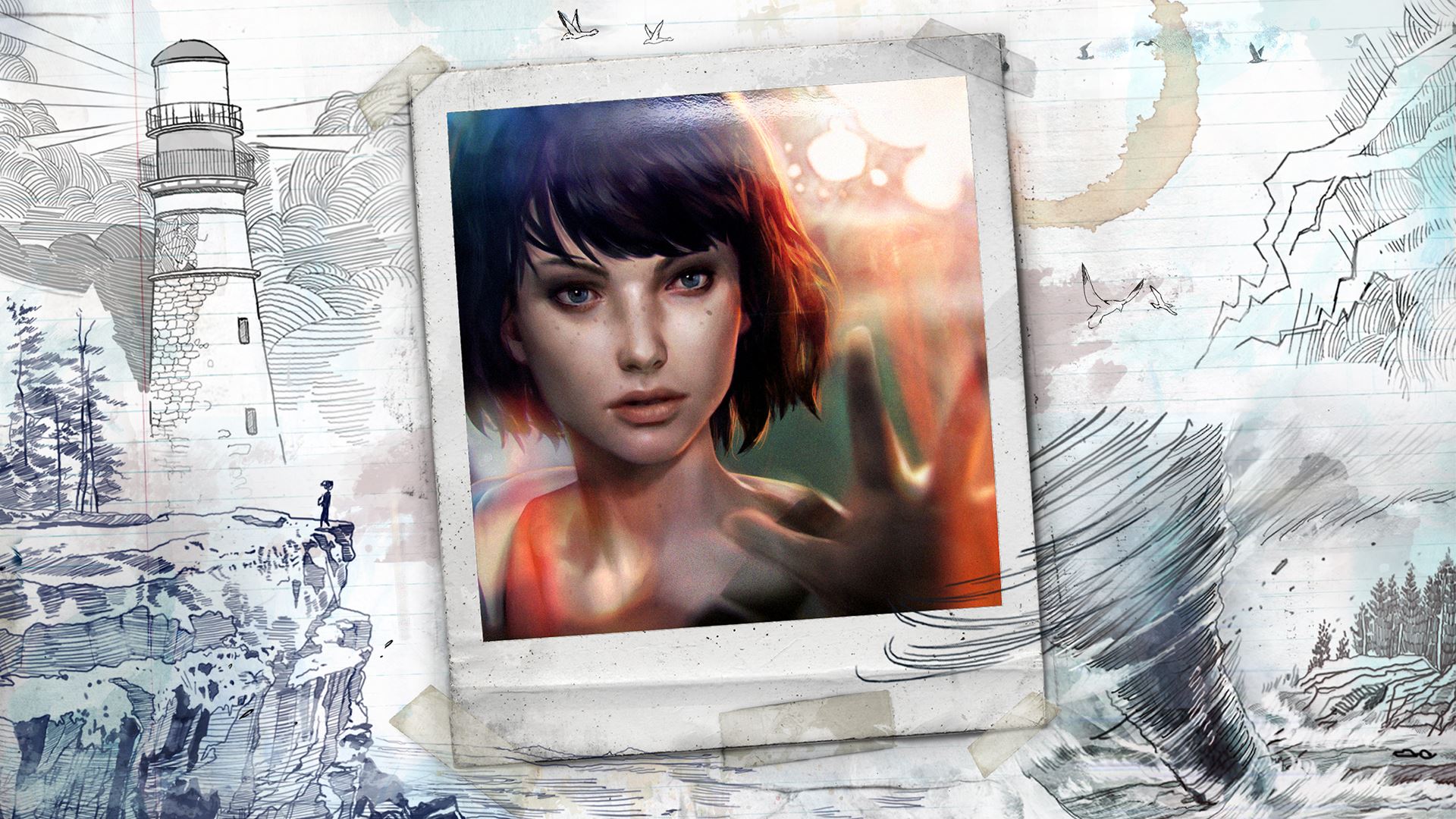
This episodic adventure focuses on the relationship between two teenage girls as they navigate supernatural mysteries and personal drama. The bond between Max and Chloe can evolve into a romance depending on the choices made by the player. It captures the intensity and complexity of young queer love with a high degree of sensitivity. The game became a major success and a touchstone for many players seeking authentic representation.
‘Undertale’ (2015)
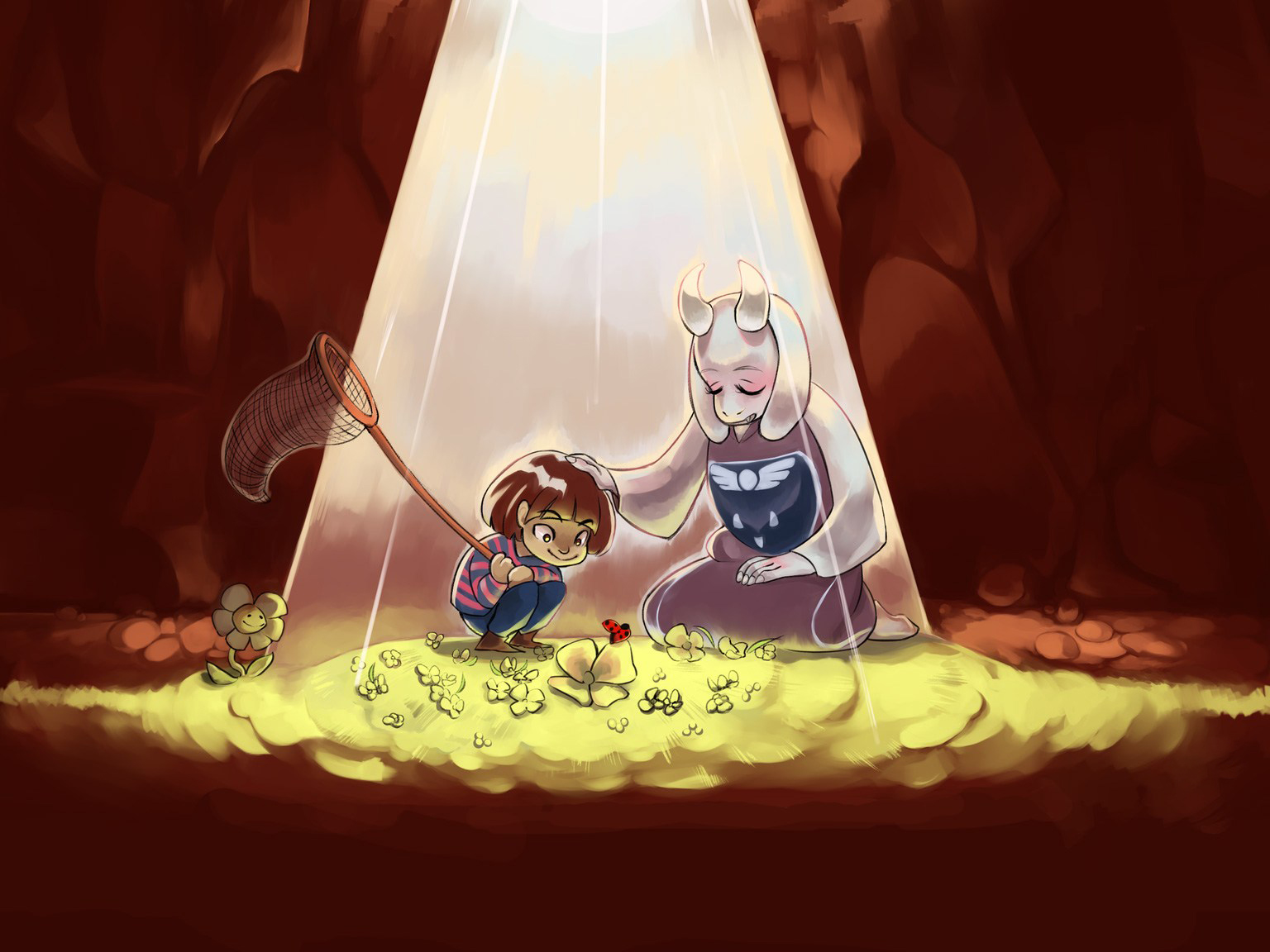
This indie sensation features several queer characters and a narrative that emphasizes empathy and understanding. The relationship between the characters Alphys and Undyne is a key part of the story and is handled with both humor and heart. Additionally the protagonist is a child of ambiguous gender which allows all players to project themselves onto the character. Its subversion of RPG tropes extends to its inclusive and diverse cast. in the long term popularity and warmth of the game’s community.
‘Overwatch’ (2016)
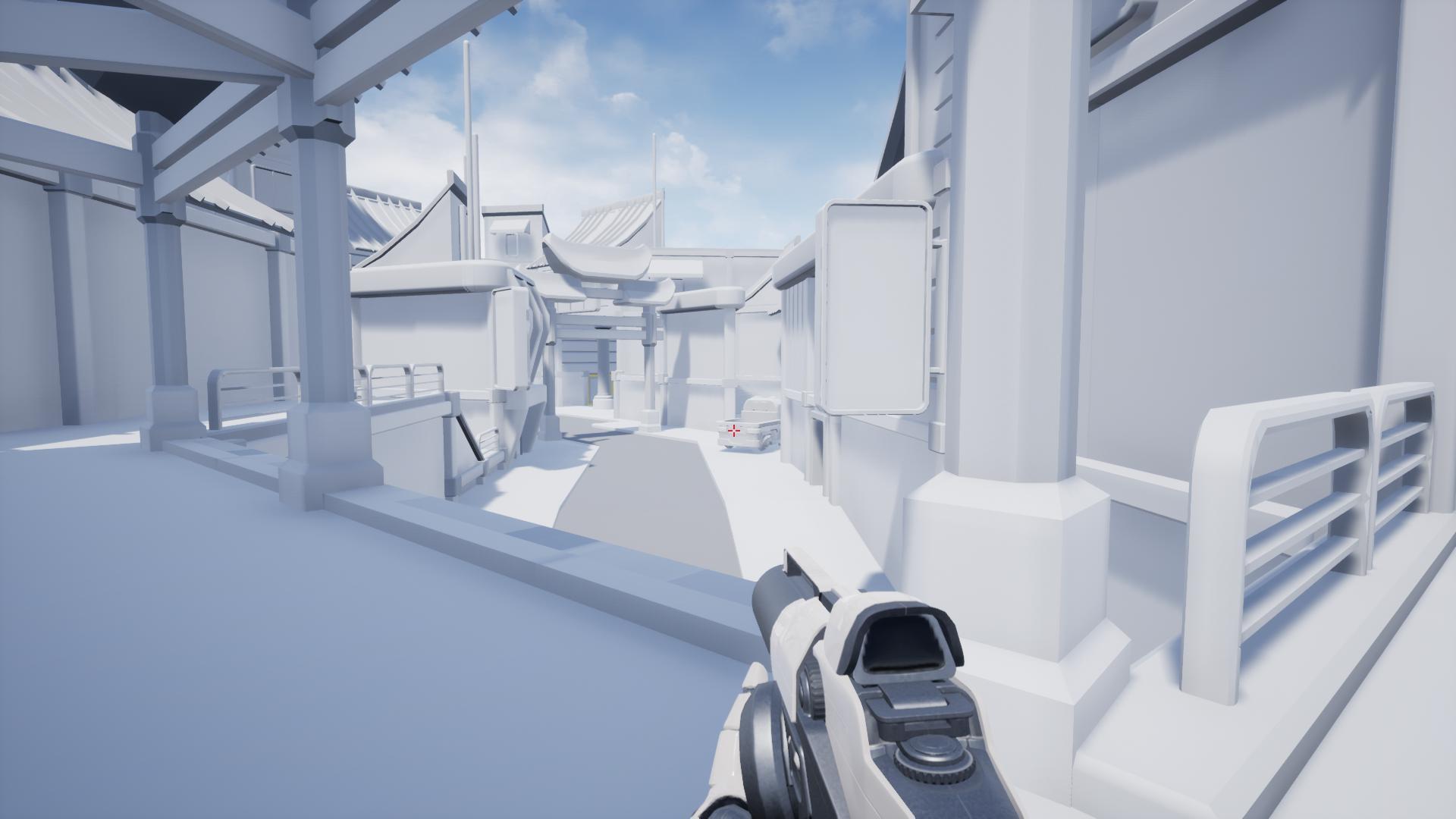
The lore of this team based shooter has revealed several of its main heroes to be part of the LGBTQ+ community. Tracer who is the face of the game was the first to be confirmed as gay in a digital comic. Later the character Soldier 76 was also revealed to have had a past relationship with a man. These revelations helped broaden the appeal of the game and showed that heroes of all identities have a place in the future.
‘Night in the Woods’ (2017)
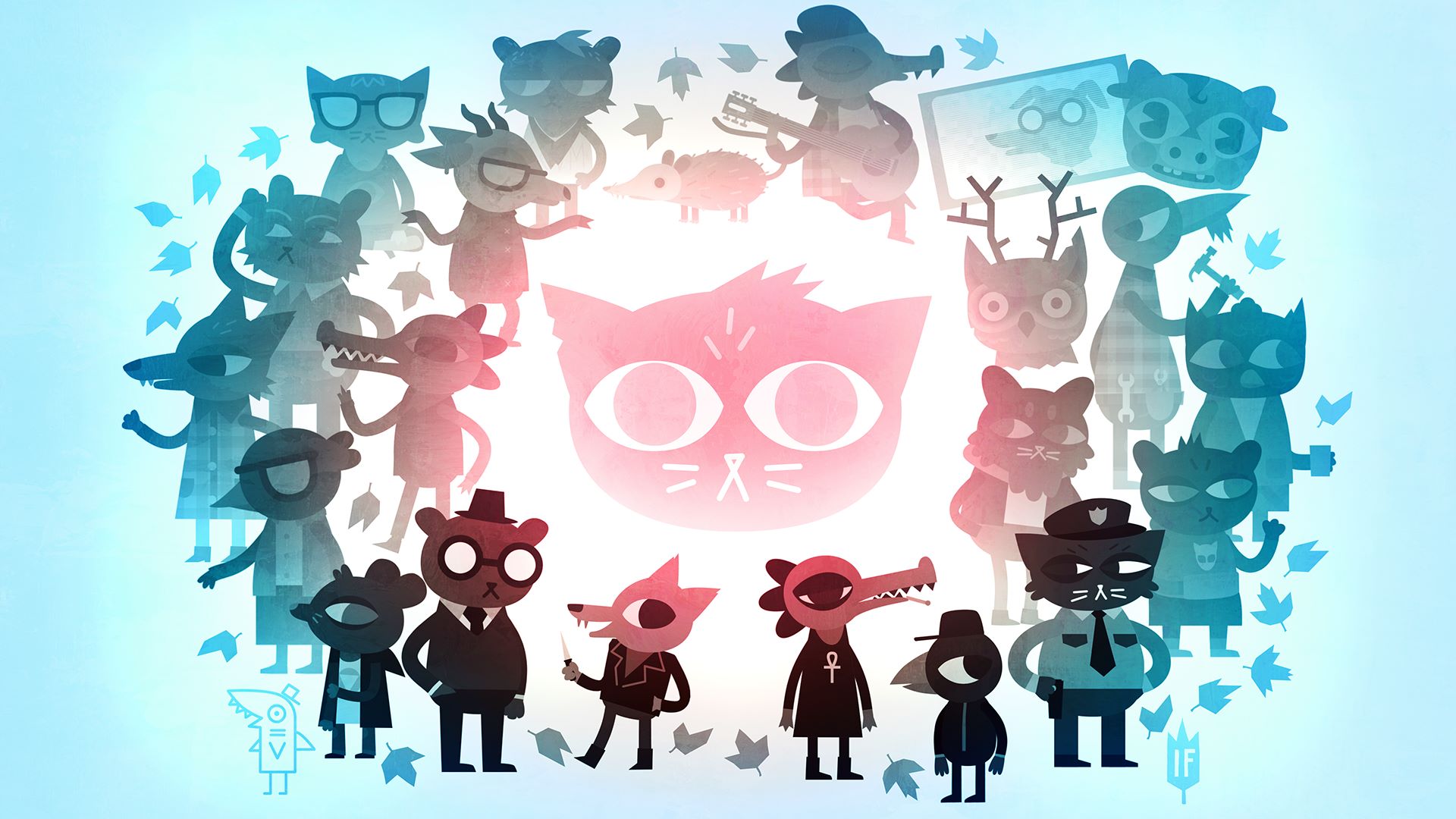
This narrative driven game features a protagonist who is pansexual and a core group of friends that includes a gay couple. The story deals with themes of mental health and the struggles of small town life with great nuance. The relationships between the characters feel authentic and are shaped by their shared history and personal challenges. It is widely regarded for its excellent writing and its relatable depiction of queer adulthood.
‘Assassin’s Creed Odyssey’ (2018)

Set in Ancient Greece this massive action RPG allows players to choose between a male or female lead and romance characters of any gender. The historical setting is used to explore a world where sexuality was more fluid than in later eras. Players can engage in numerous romantic side quests throughout their journey across the Mediterranean. This freedom was a major step for the long running franchise in terms of player expression.
‘Apex Legends’ (2019)
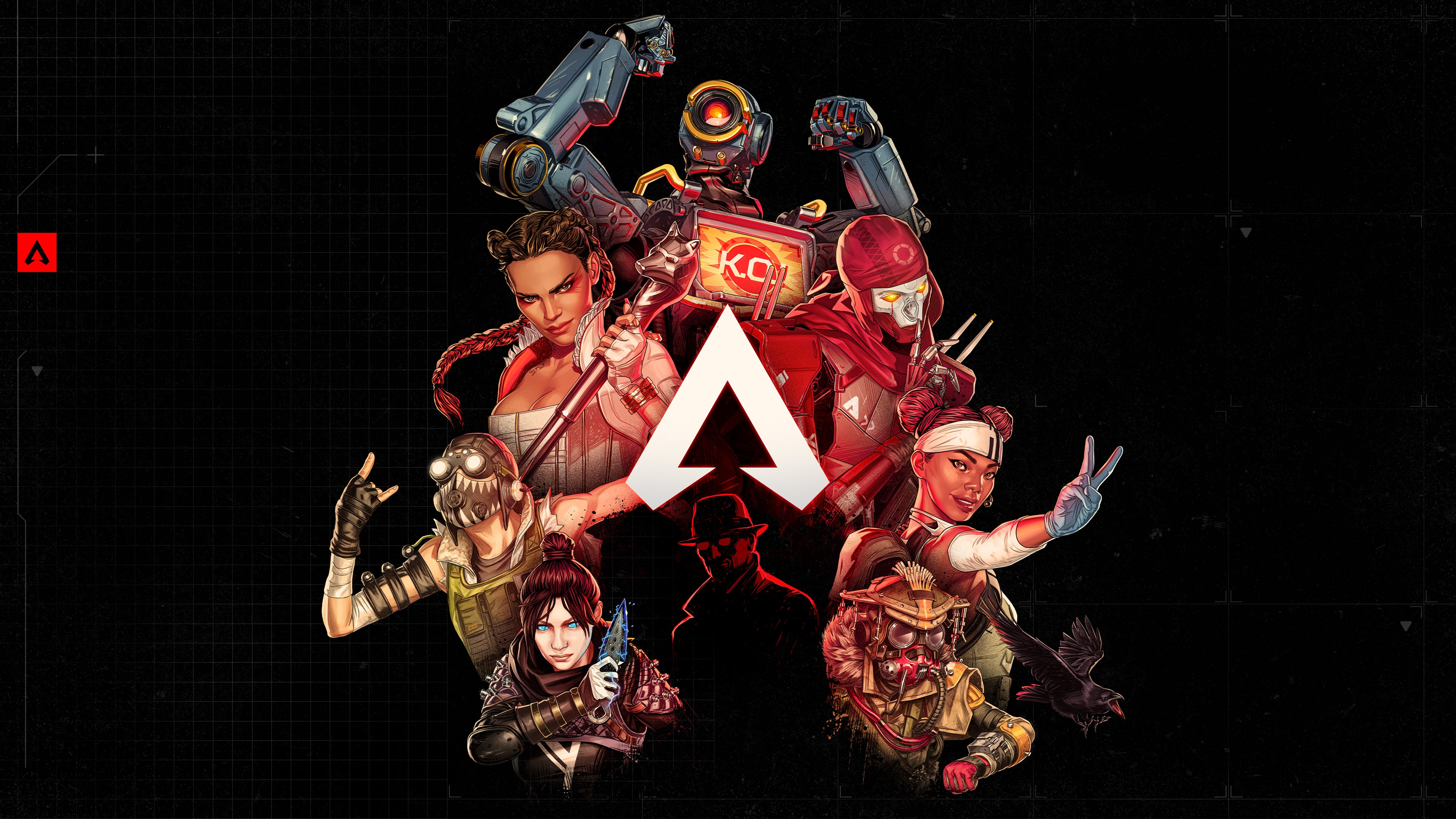
This battle royale title features one of the most diverse rosters in the genre with several characters identifying as LGBTQ+. Characters like Gibraltar and Bloodhound were confirmed as queer and non binary respectively from the game’s launch. The developers have continued to add diverse legends each with their own rich backstories and identities. This commitment to representation has made the game a leader in inclusive character design for competitive shooters.
‘Outer Wilds’ (2019)
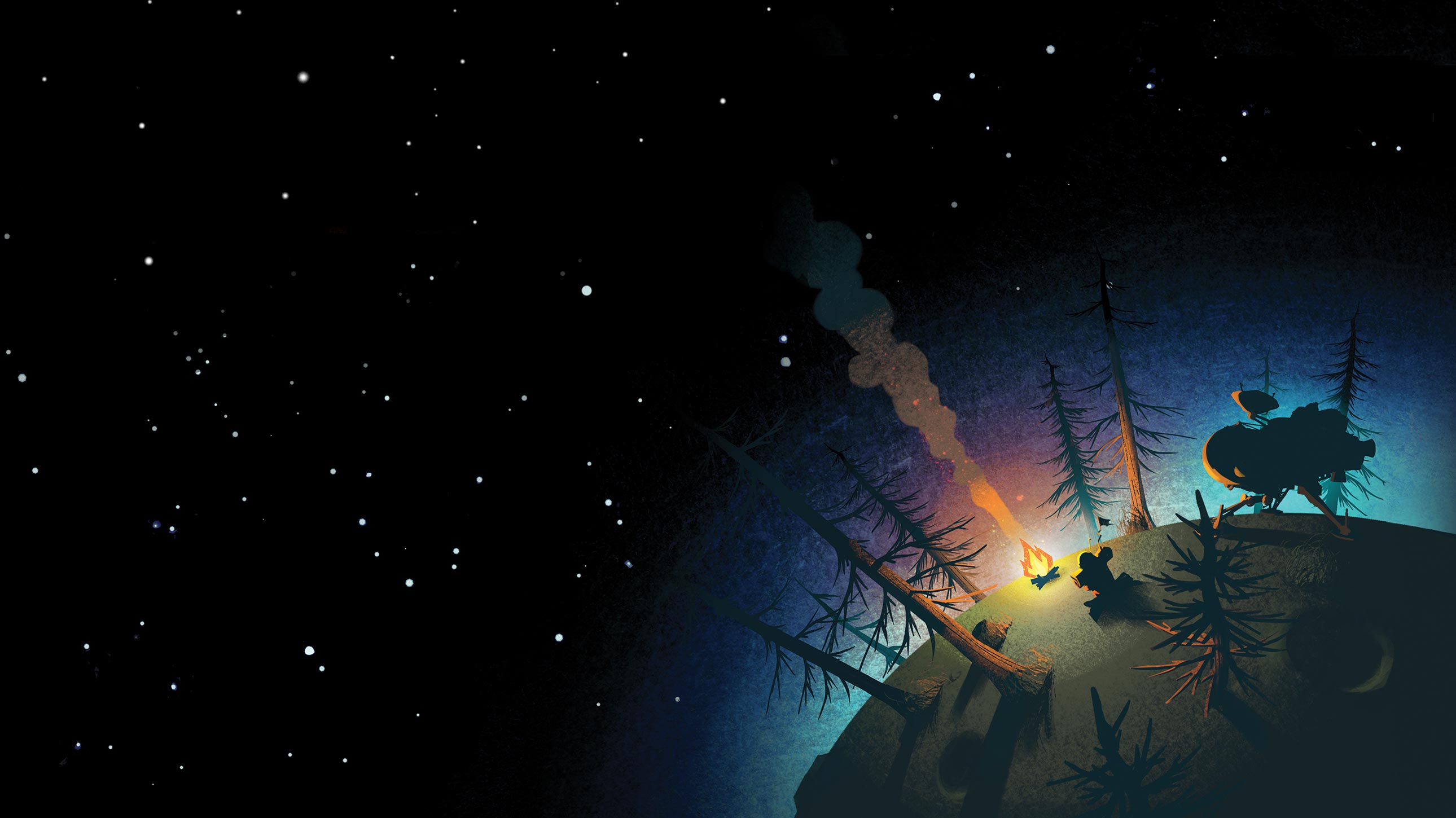
In this space exploration mystery the alien race known as the Hearthians is entirely genderless and uses they/them pronouns. This detail is a natural part of their biology and culture and is reflected in all of their interactions. It provides a unique perspective on identity within a narrative focused on curiosity and the end of the universe. The game’s world building is subtle but effective in creating an inclusive environment.
‘The Last of Us Part II’ (2020)
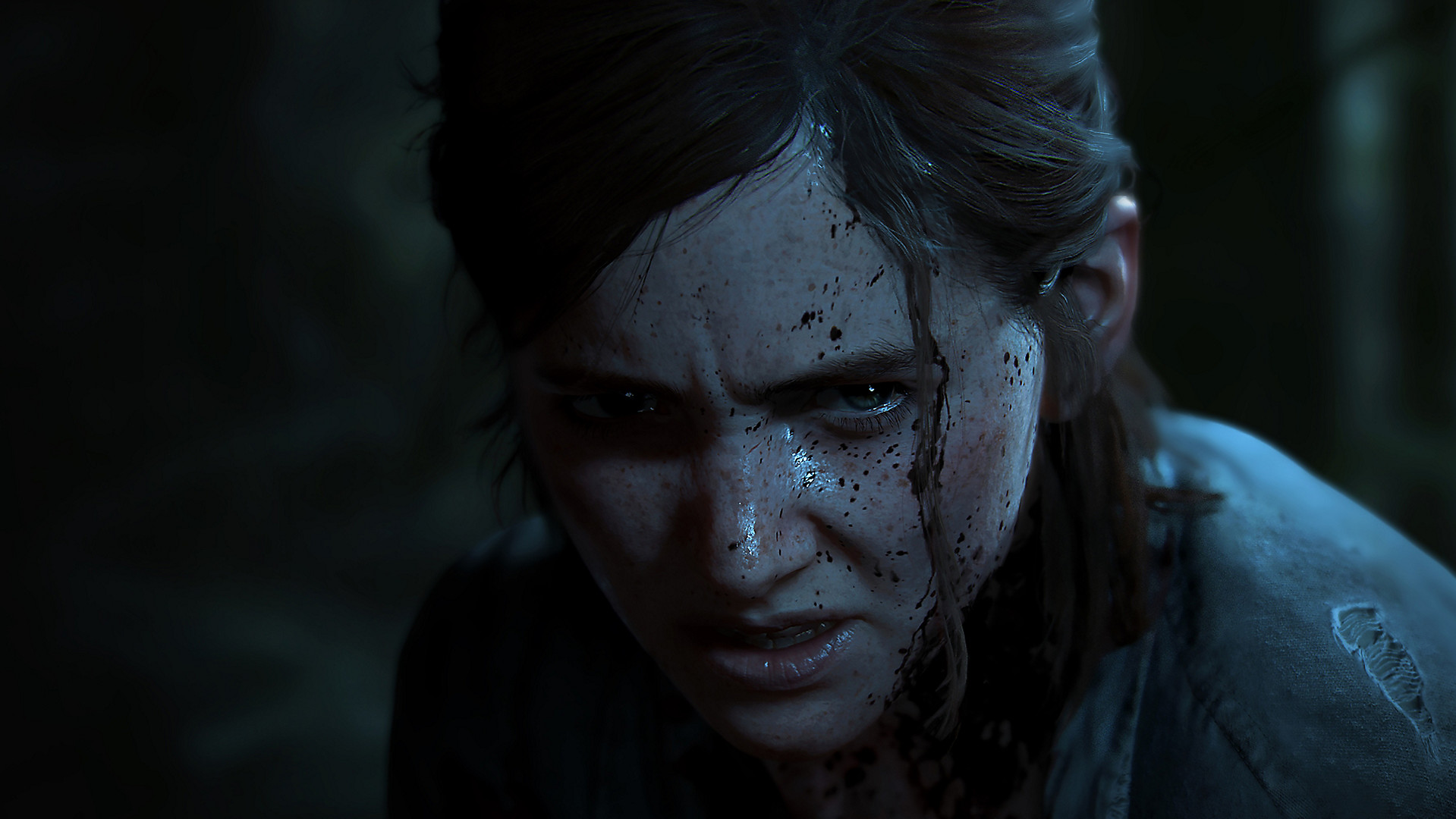
This sequel continues the story of Ellie and features her relationship with her girlfriend Dina as a central pillar of the narrative. The game also introduces Lev a trans teenager whose journey is a significant part of the second half of the story. It explores the themes of trauma and resilience through the lens of these queer characters in a brutal world. The game was a major commercial and critical success that brought queer stories to a massive audience.
‘Tell Me Why’ (2020)
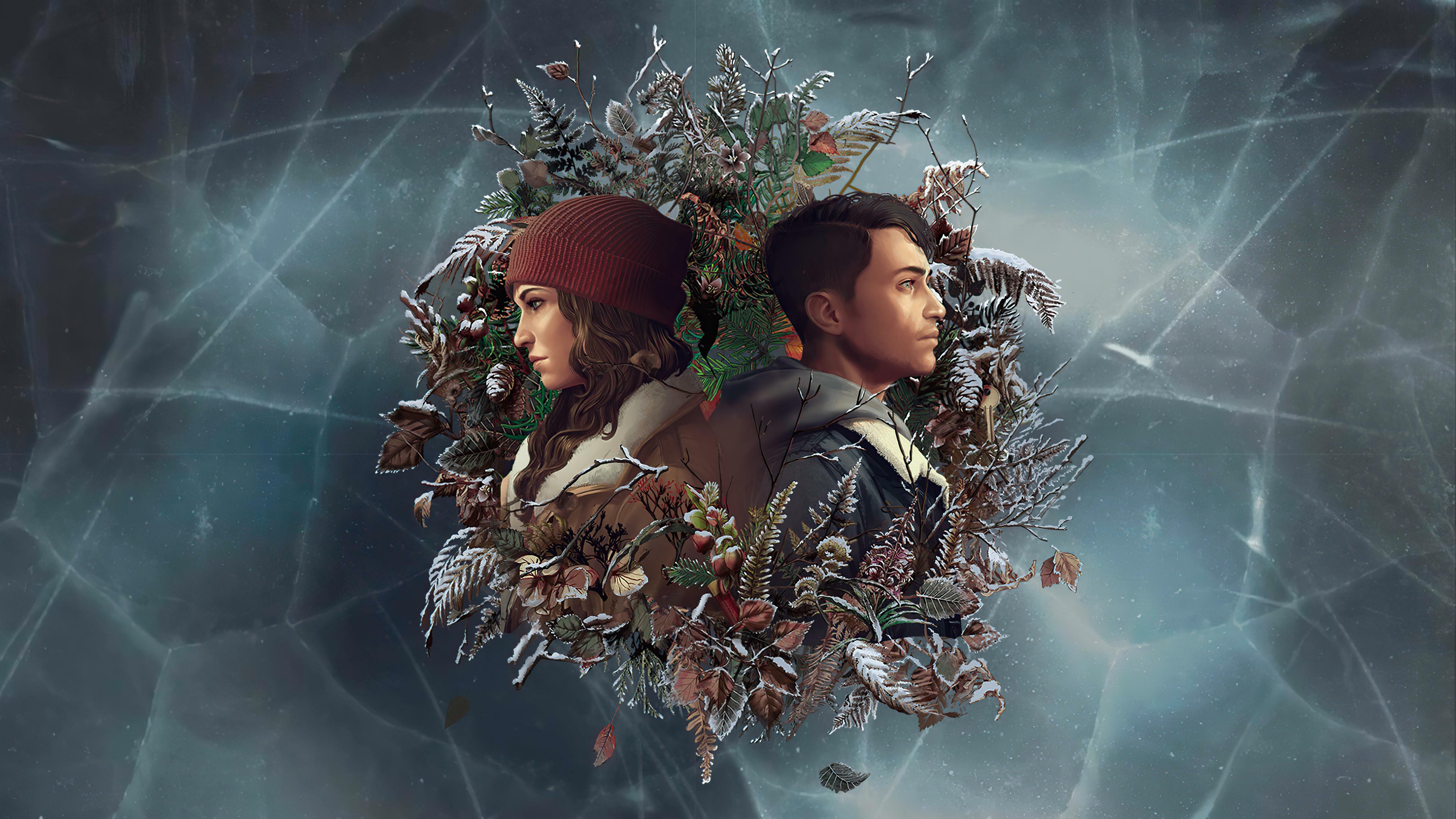
This narrative adventure from the creators of ‘Life is Strange’ features the first trans man as a lead character in a major studio release. The story follows twins as they return to their childhood home to uncover the mysteries of their past. The portrayal of the trans protagonist was developed with extensive input from GLAAD and members of the trans community. It is a landmark title for its authentic and respectful representation.
‘Hades’ (2020)
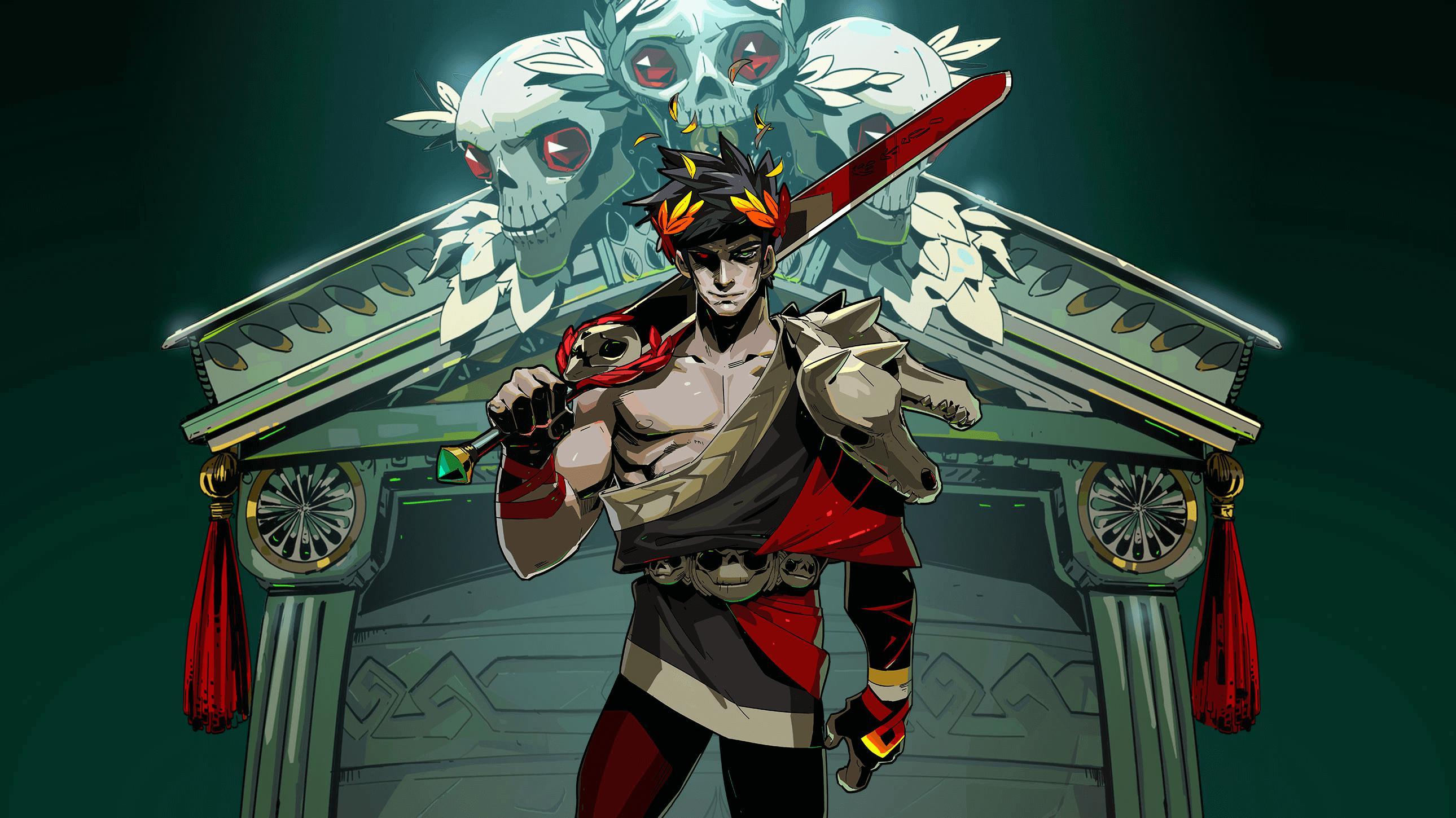
This acclaimed roguelike features a protagonist who can engage in romantic relationships with both male and female characters from Greek mythology. The writing explores these bonds with depth and shows how they fit into the complex family dynamics of the underworld. The game treats these queer romances as a natural and beautiful part of the character’s life. Its success helped show that inclusive storytelling can be a core part of an addictive gameplay loop.
‘Cyberpunk 2077’ (2020)
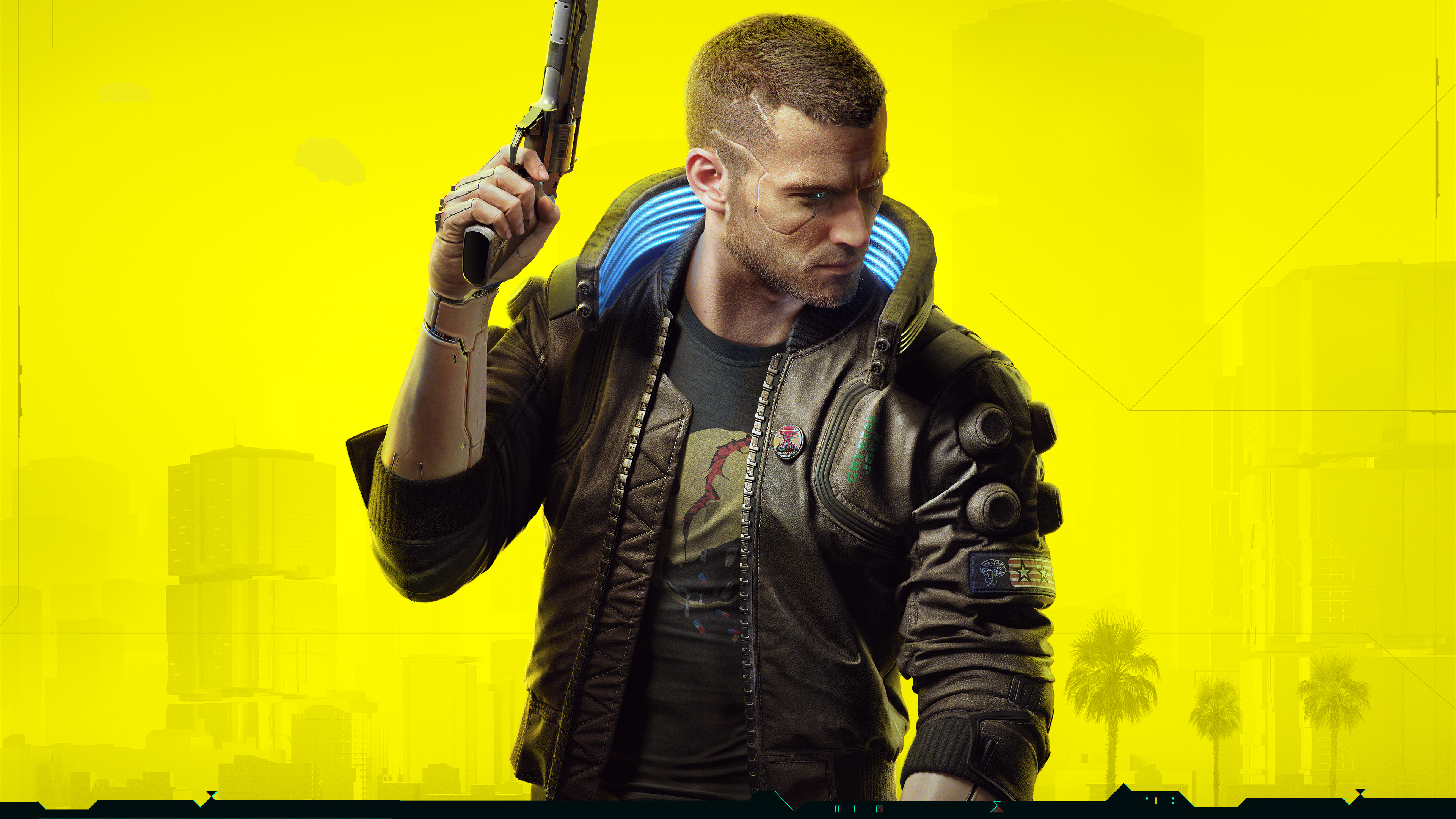
In the futuristic setting of Night City players have significant freedom to define their character’s gender and appearance including their voice and anatomy. The game features several major romance options that are restricted based on the player’s chosen identity. This approach allows for specific and meaningful romantic arcs that reflect the diversity of the cyberpunk genre. The world itself is filled with characters and stories that explore fluid identities and social norms.
‘Baldur’s Gate 3’ (2023)
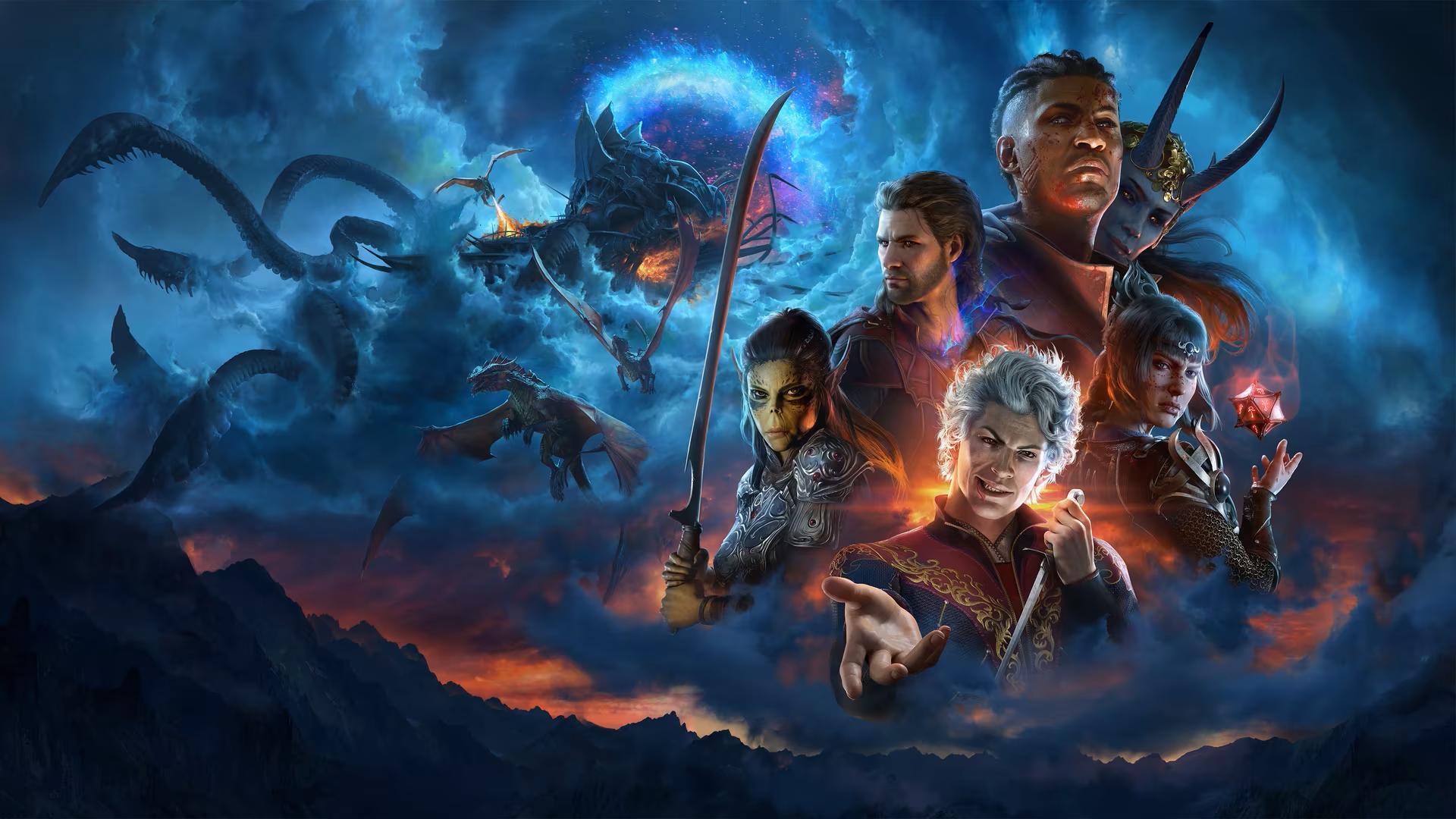
This massive role playing game offers unparalleled freedom in character creation and romantic choice. All of the primary companions are available for romance regardless of the player’s gender or race. The game features deep and complex storylines that address themes of identity and personal agency. It has been widely praised for its inclusive world building and for the way it allows every player to see themselves in the story.
Share your favorite memories of playing these groundbreaking titles in the comments.