Lines Actors Refused To Say On Screen – And Why


Actors push back on dialogue more often than people realize, usually to protect character integrity, avoid language they find offensive, or keep a moment from ringing false. Sometimes the script changes and the scene becomes iconic. Other times the line gets rewritten quietly and no one notices until years later when the story comes out in interviews. Here are notable cases where performers said no to specific words and explained why it mattered.
Harrison Ford
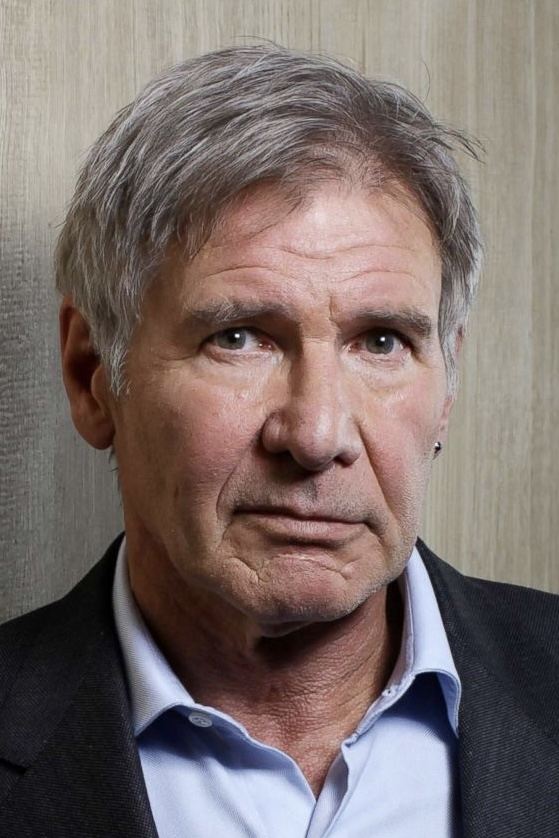
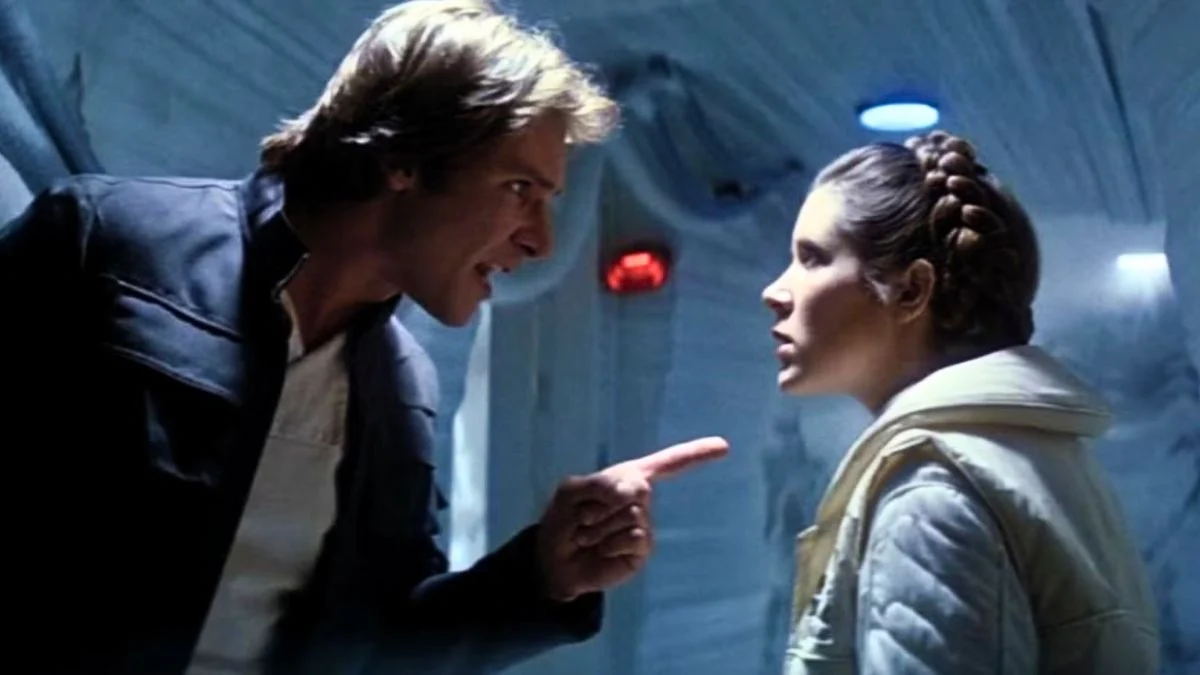
In ‘Star Wars: The Empire Strikes Back’ the original script had Han Solo answer “I love you” with a straightforward reply. Ford refused to echo the line and argued that Han would keep it roguish. The exchange was reworked on set and he delivered “I know,” which fit the character’s edge and tightened the scene. The change preserved Han’s persona while keeping the emotion of the moment intact.
William Shatner
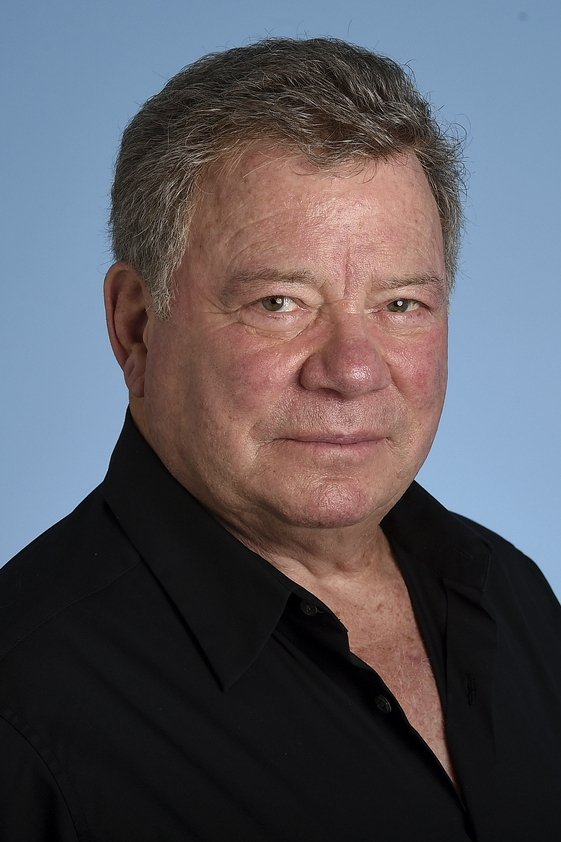
During the filming of the ‘Star Trek’ episode ‘Plato’s Stepchildren’ the network asked for alternate takes that avoided an on-screen kiss. Shatner refused to give a usable non-kiss version and deliberately protected the scripted moment. The production kept the original take, preserving what became a landmark TV scene. His stance ensured the episode aired with the boundary-pushing beat intact.
Chevy Chase
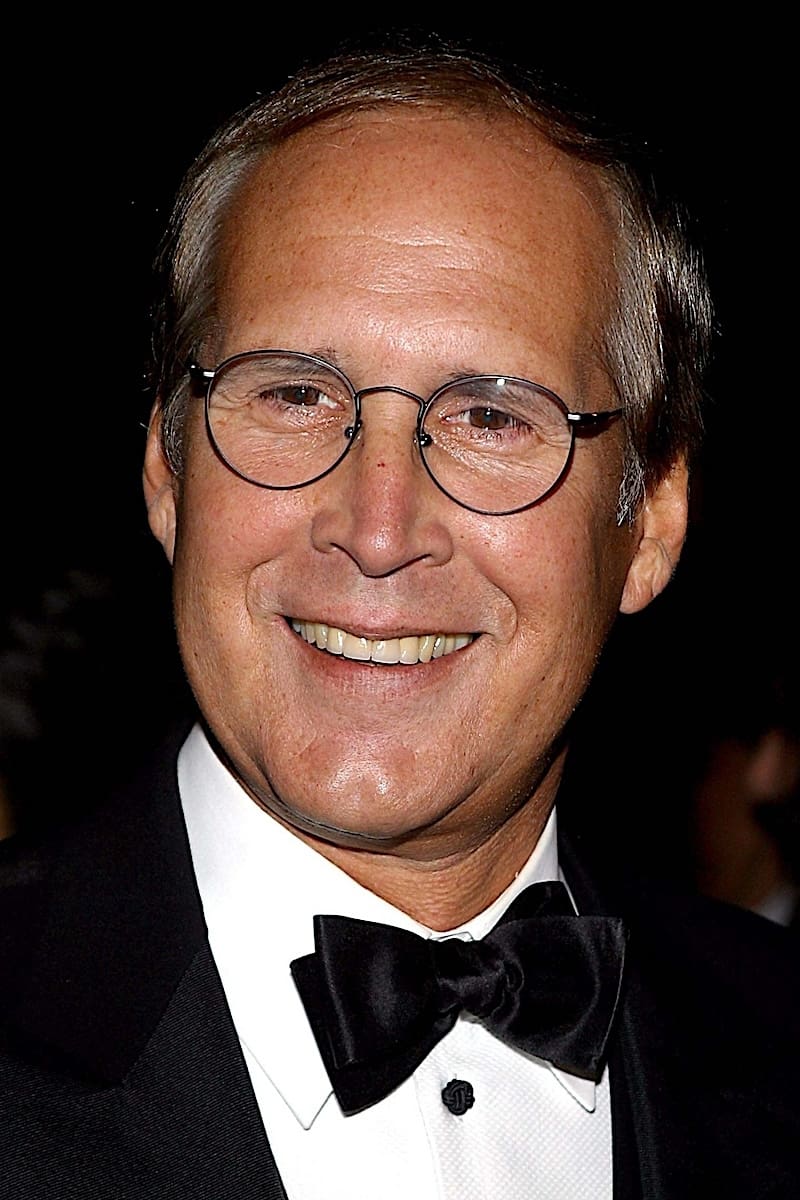
On ‘Community’ he objected to dialogue he considered racially offensive for his character. Chase pushed back during rehearsal and raised concerns about how the wording landed. The moment prompted rewrites so the joke did not rely on slurs. The adjustment kept the scene’s intent without language he found unacceptable.
Leonardo DiCaprio
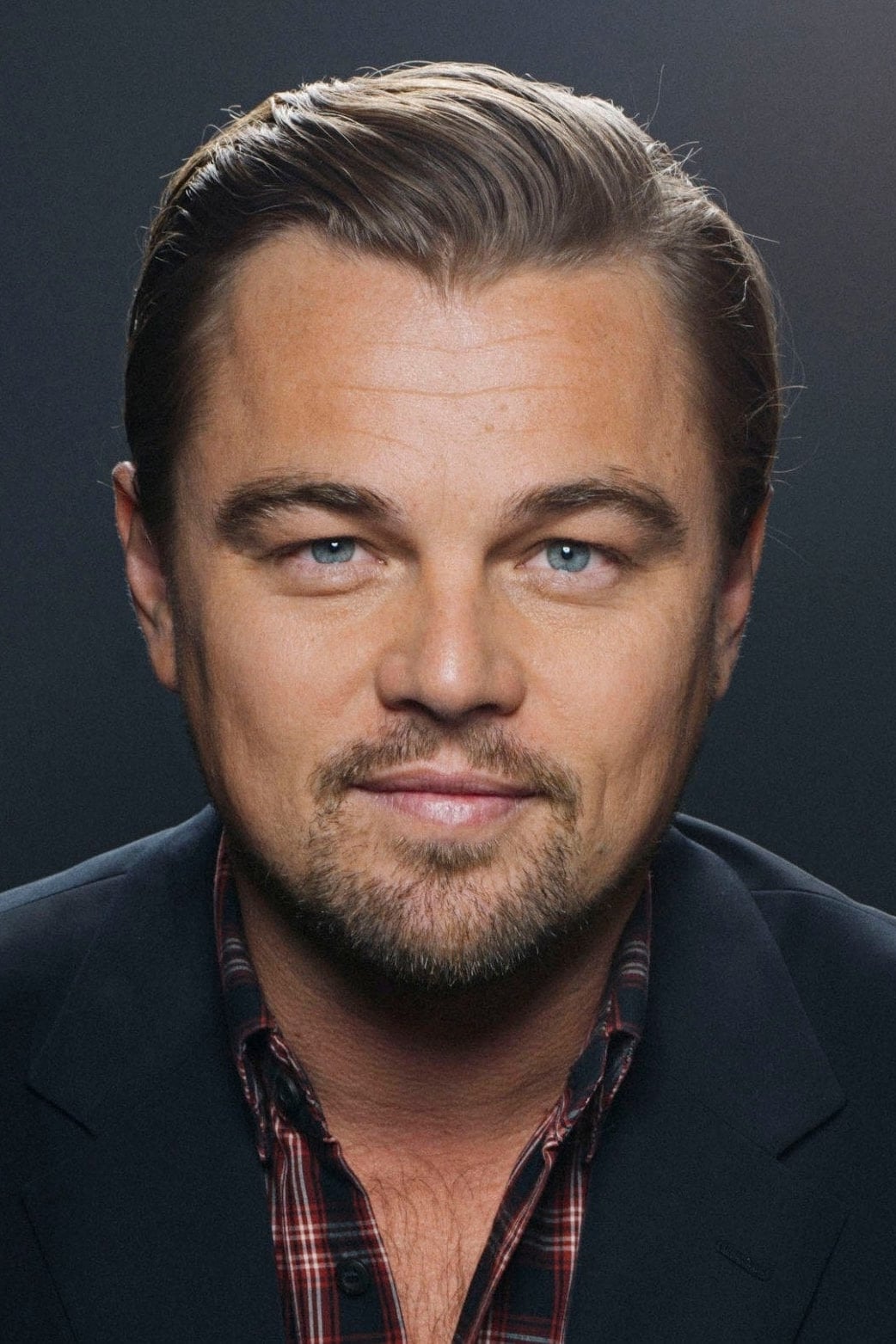
While shooting ‘Titanic’ he initially balked at a celebratory line he felt sounded corny. The production discussed how to deliver the moment so it felt earned and not cartoonish. After working through tone and context, the team locked the take that made it into the film. The hesitation led to a delivery that matched the character’s rush of emotion.
Hugh Laurie
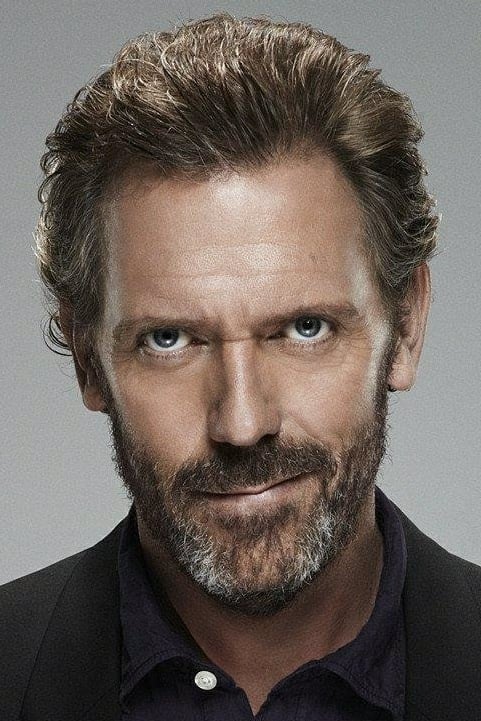
On ‘House’ he regularly flagged brand-name references or pharma-specific slogans that read like advertising. Laurie preferred generic phrasing that kept the medical drama from sounding like a commercial. Writers accommodated by swapping in neutral terms while preserving clinical accuracy. The result kept dialogue sharp without promotional language.
Emma Watson

During the ‘Harry Potter’ series, Watson spoke up when a line for Hermione strayed from the character’s established ethics. The note focused on keeping Hermione’s wording precise and principled. The script was tweaked so the intent stayed the same but the phrasing matched prior characterization. That approach helped maintain continuity across multiple films.
Dwayne Johnson
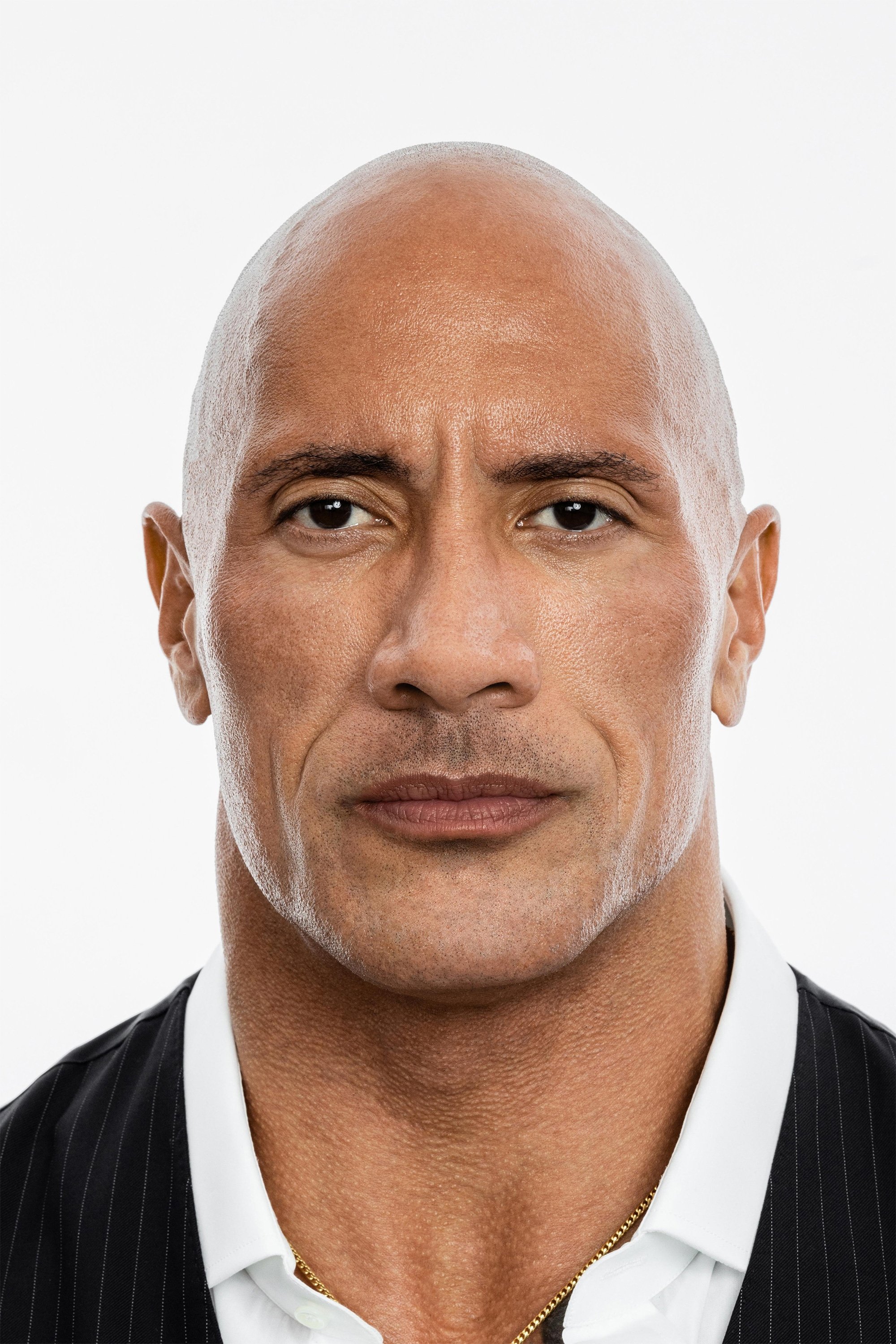
On big franchise sets he is known to refuse dialogue that undercuts a hero’s moral center with gratuitous insults. Johnson often asks for wording that keeps tough-guy banter but avoids slurs or needlessly cruel shots. Writers typically rework the line to keep the joke while aligning with his screen persona. The outcome preserves tone without crossing personal boundaries.
Sandra Oh
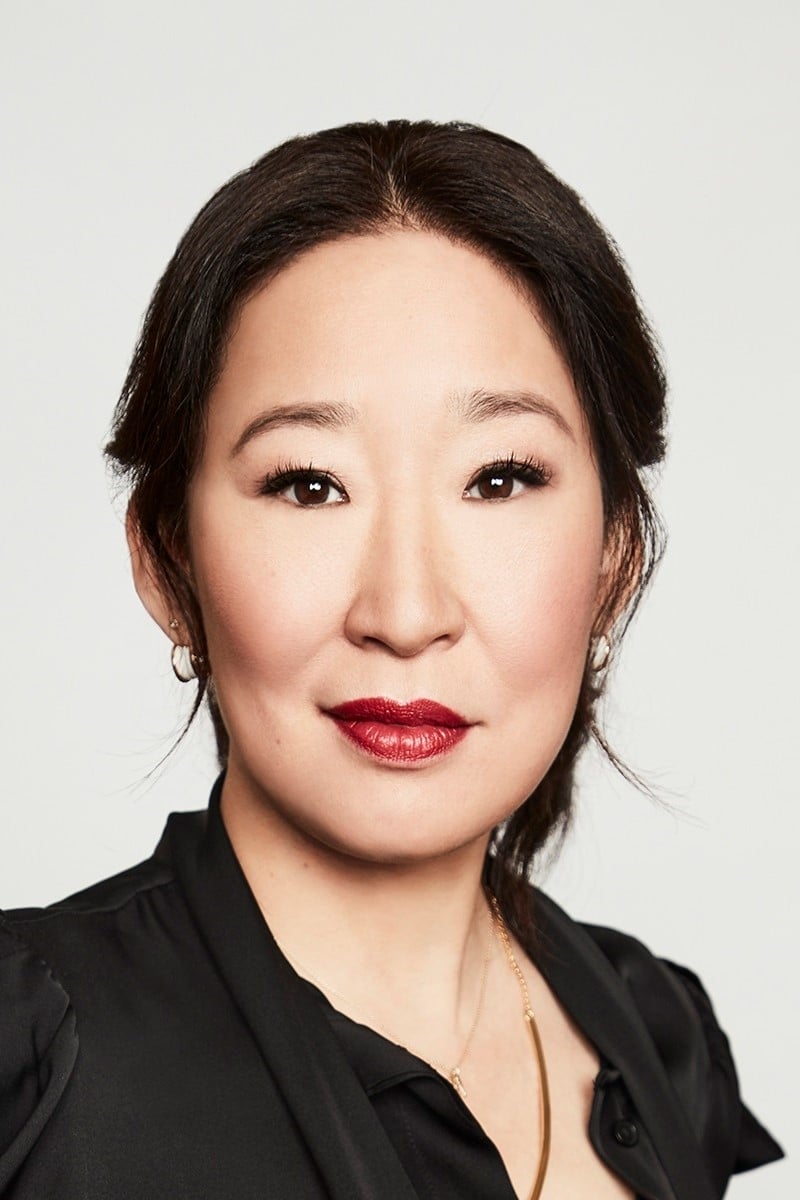
While working on ‘Grey’s Anatomy’ she flagged lines that framed Cristina Yang in ways that clashed with the character’s professional voice. Oh requested surgical rewrites that emphasized precision and agency. The show adjusted language so the beats played the same but with Cristina’s trademark clarity. It reinforced character consistency across long-running arcs.
Keanu Reeves
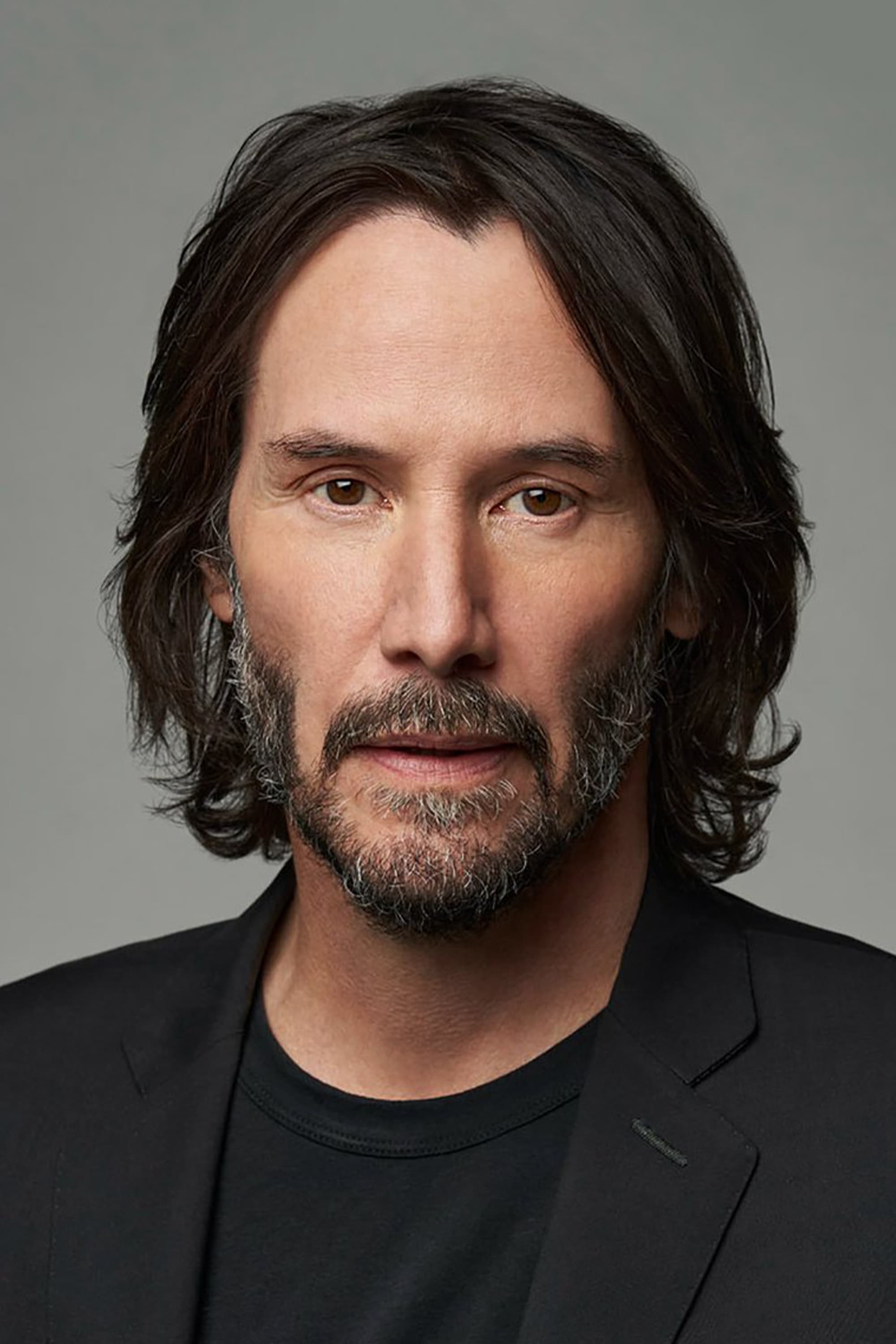
Reeves has declined one-liners that felt out of place in otherwise serious sequences. He favors dialogue that serves mood and pacing rather than punchlines that break immersion. On set, that feedback leads to trims or alternate wording that keeps tension intact. The practice helps maintain the restrained tone associated with roles like those in ‘Speed’ and ‘John Wick’.
Viola Davis
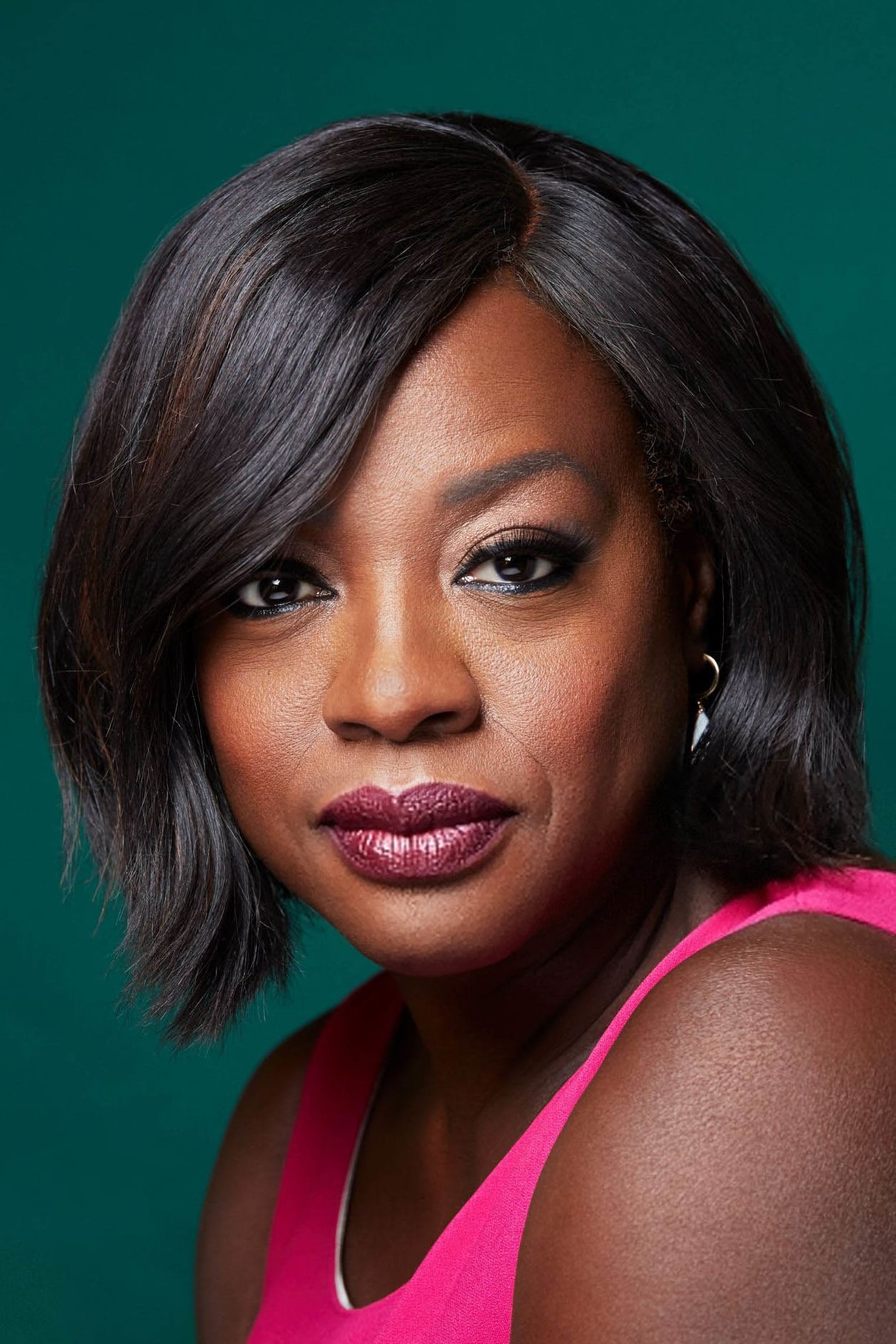
Davis has spoken about requesting changes when lines lean on stereotypes rather than character truth. She pushes for wording that reflects lived experience and specific motivations. Writers have responded by reframing the same beat with more precise language. Those adjustments strengthen scenes in projects like ‘How to Get Away with Murder’ without losing dramatic impact.
Chris Evans

As Captain America he has flagged modern quips that read too slick for Steve Rogers. Evans works with writers to keep humor while preserving the character’s earnest cadence. Lines get reshaped so the hero sounds principled rather than snarky. The result keeps team banter lively without breaking character continuity across films like ‘The Avengers’.
Gillian Anderson

On ‘The X-Files’ Anderson often pushed for scientific clarity in Scully’s dialogue. She would refuse casual shortcuts if they muddied terminology or Scully’s analytical voice. Scenes were revised to keep the exposition accurate and faithful to the character’s training. That attention to language helped ground the show’s stranger cases in credible detail.
Share the examples you remember in the comments and tell us which behind-the-scenes dialogue change surprised you most.