

Live-Action Anime Adaptations That Were Labeled “Culturally Insensitive” by Fans

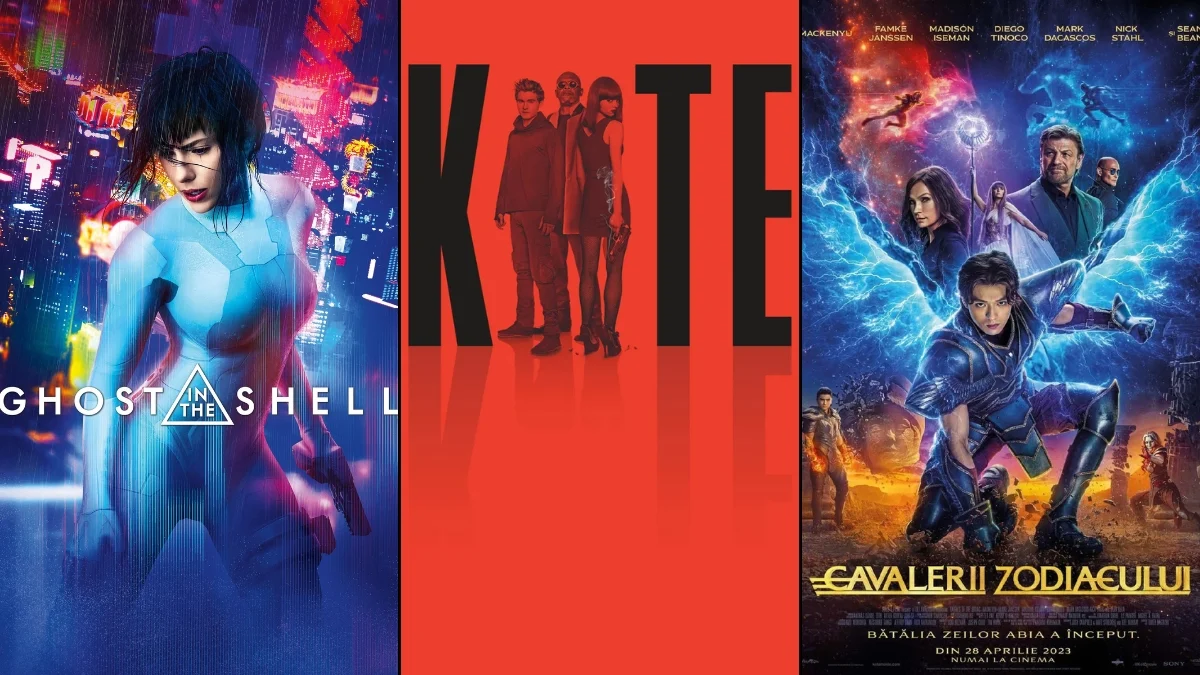


The transition of anime and manga into live-action cinema has often been met with significant backlash regarding the handling of cultural identity and heritage. While some adaptations strive for authenticity, others have faced accusations of whitewashing, Westernization, or misrepresenting the source material’s ethnic nuances. Fans frequently criticize these projects when they feel the core identity of the characters or the cultural setting has been erased for global marketability. These controversies highlight the ongoing tension between creative interpretation and the preservation of a property’s original cultural essence.
‘Ghost in the Shell’ (2017)
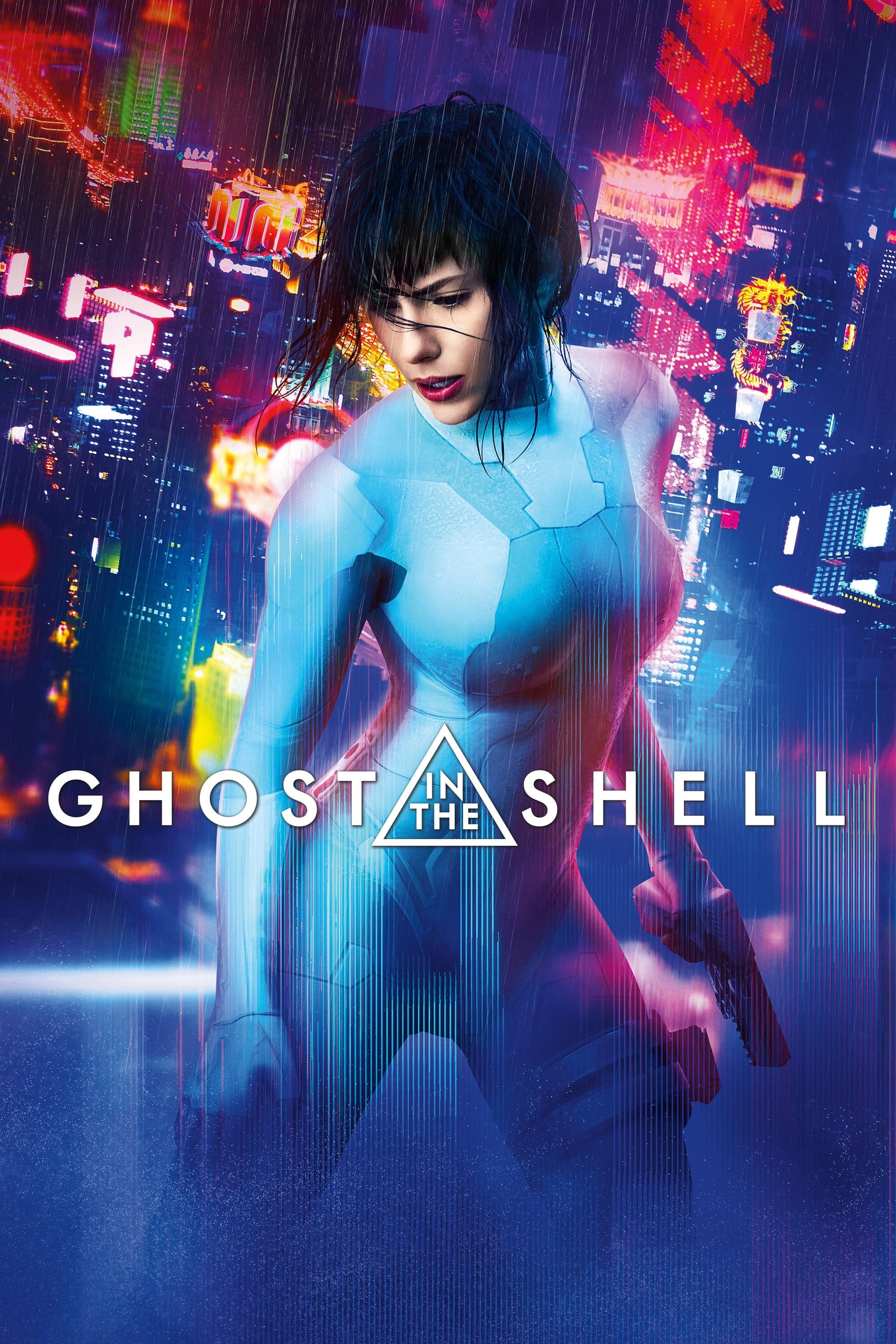
The casting of Scarlett Johansson as Major Motoko Kusanagi in ‘Ghost in the Shell’ sparked an international conversation regarding whitewashing in Hollywood. Fans argued that the role should have been given to an actress of Japanese descent to remain faithful to the original manga and anime. While the production attempted to justify the casting through a plot twist involving the character’s identity, critics labeled it a superficial workaround. The controversy overshadowed the film’s visual achievements and contributed to its underwhelming box office performance.
‘Death Note’ (2017)
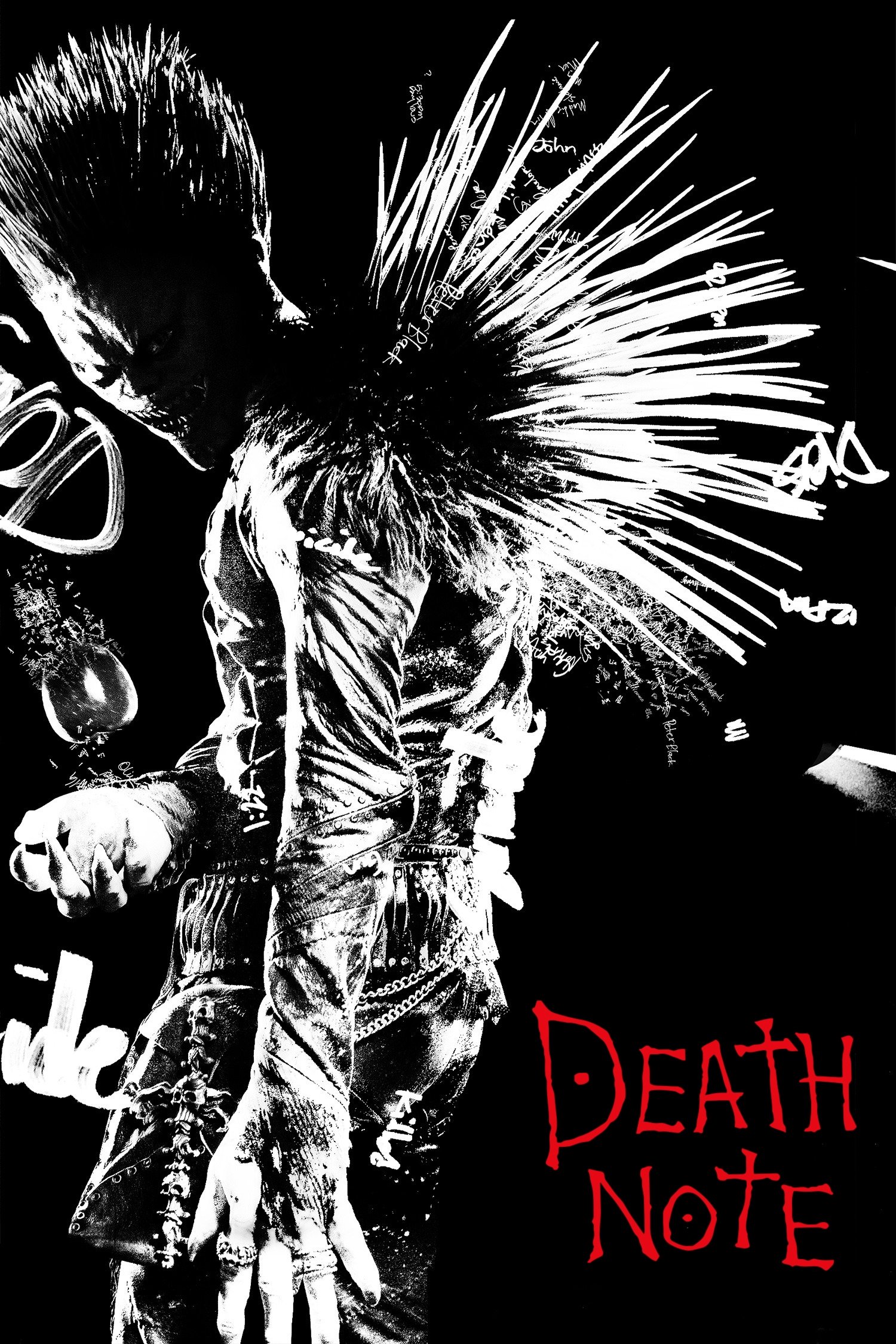
Netflix’s adaptation of the acclaimed manga ‘Death Note’ moved the setting from Tokyo to Seattle, replacing the original Japanese characters with American counterparts. Many viewers felt this change stripped the story of its cultural context and the specific social pressures present in the Japanese school system. The casting of Nat Wolff as Light Turner and Margaret Qualley as Mia Sutton was seen as a missed opportunity for Asian representation. Fans criticized the film for Westernizing a story deeply rooted in Japanese philosophical themes regarding justice and the afterlife.
‘Dragonball Evolution’ (2009)
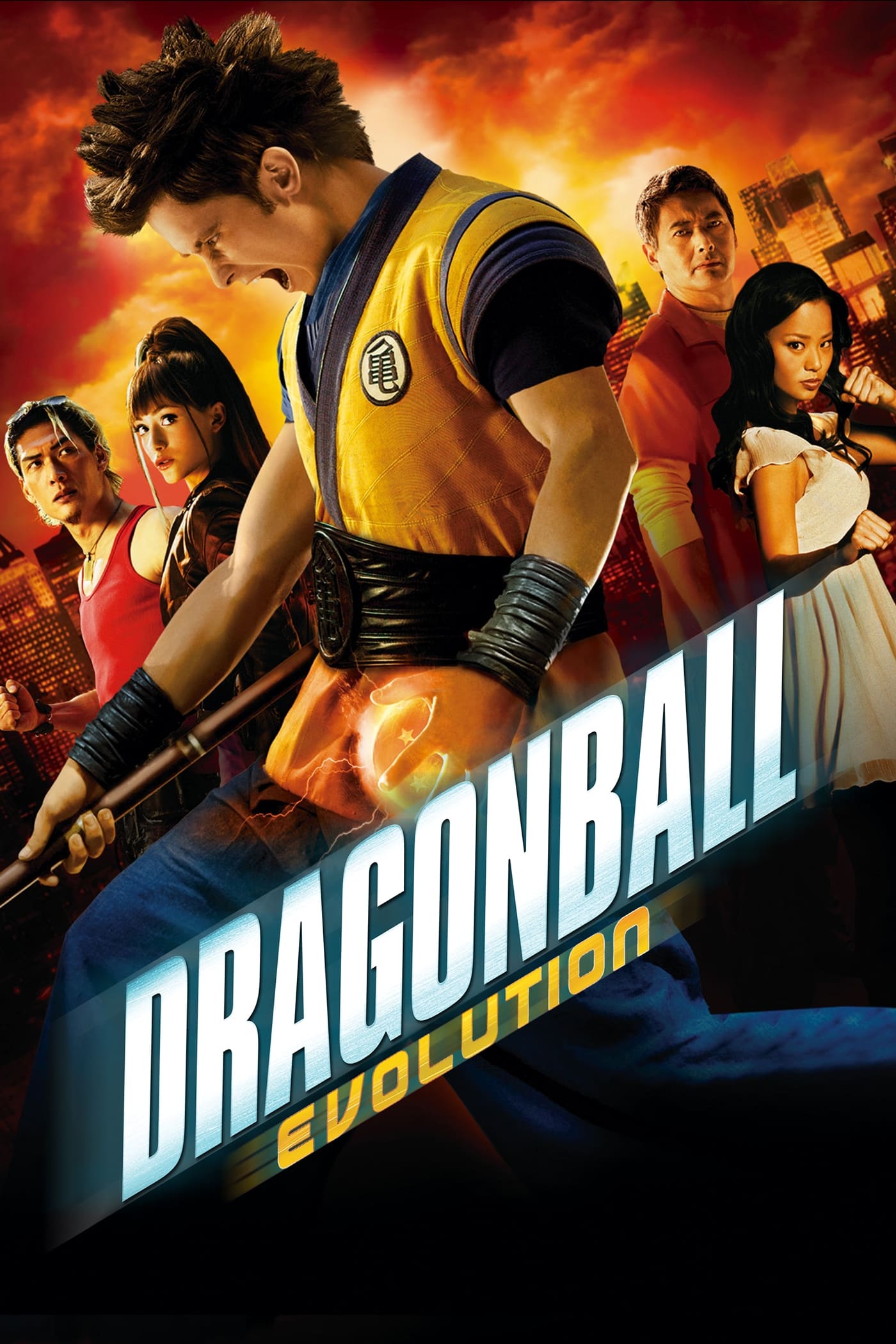
This production is frequently cited as one of the most egregious examples of cultural insensitivity in ‘Dragon Ball’ adaptations. By casting Justin Chatwin as Goku and setting the story in a contemporary American high school, the film discarded the Eastern mysticism and folklore central to the original series. Fans were outraged by the erasure of the ‘Dragon Ball’ aesthetic and the simplification of its complex world-building. The backlash was so severe that the screenwriter later apologized to the fan community for the creative choices made during production.
‘Speed Racer’ (2008)
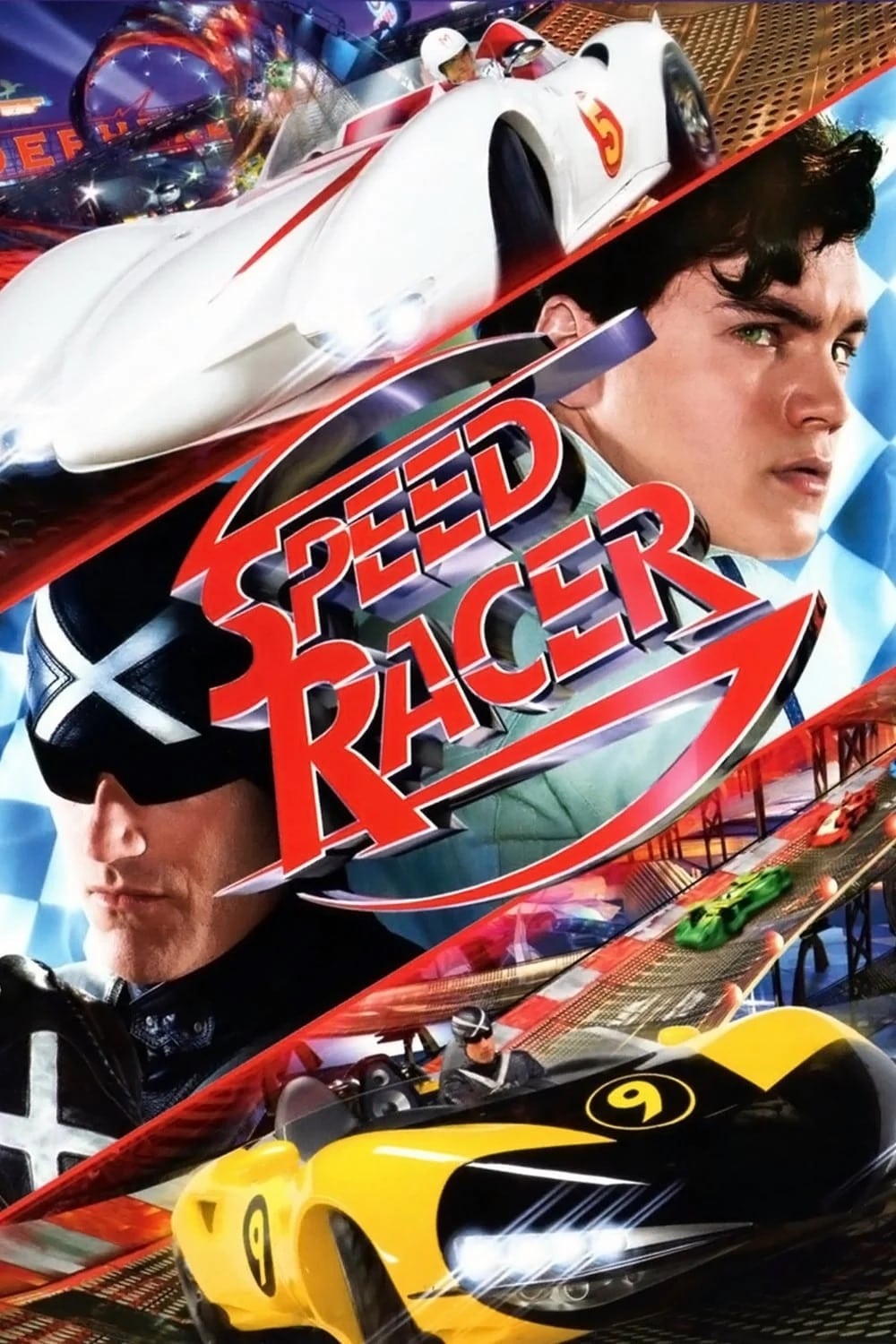
The Wachowskis’ adaptation of the 1960s anime ‘Speed Racer’ utilized a primarily Western cast for a property that originated in Japan. While the film is celebrated for its avant-garde visual style, some viewers felt the casting of Emile Hirsch ignored the character’s Japanese origins as Go Mifune. The decision to localize the story for a global audience resulted in the removal of specific cultural markers from the source material. Despite its later status as a cult classic, the initial reception was marred by discussions of missed representation.
‘Oldboy’ (2013)
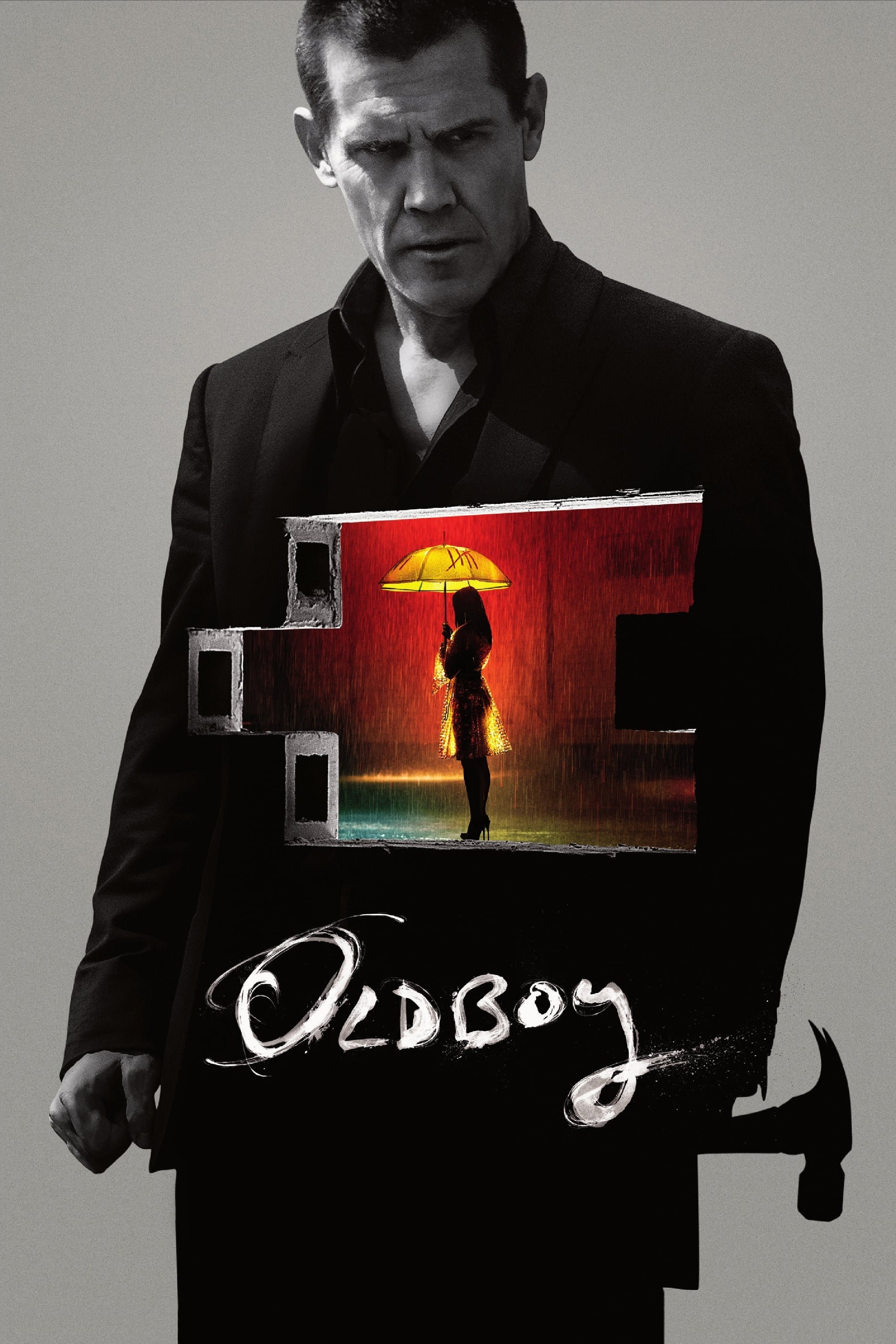
Based on the Japanese manga of the same name, Spike Lee’s ‘Oldboy’ shifted the narrative to an American setting with Josh Brolin in the lead. Fans of both the manga and the iconic South Korean film adaptation felt the American version lacked the visceral impact and cultural nuance of its predecessors. The removal of the story from an East Asian context was viewed as a commercial attempt to sanitize a challenging narrative for Western audiences. The film struggled to find an audience, as many felt it failed to justify its existence as a remake.
‘Street Fighter: The Legend of Chun-Li’ (2009)
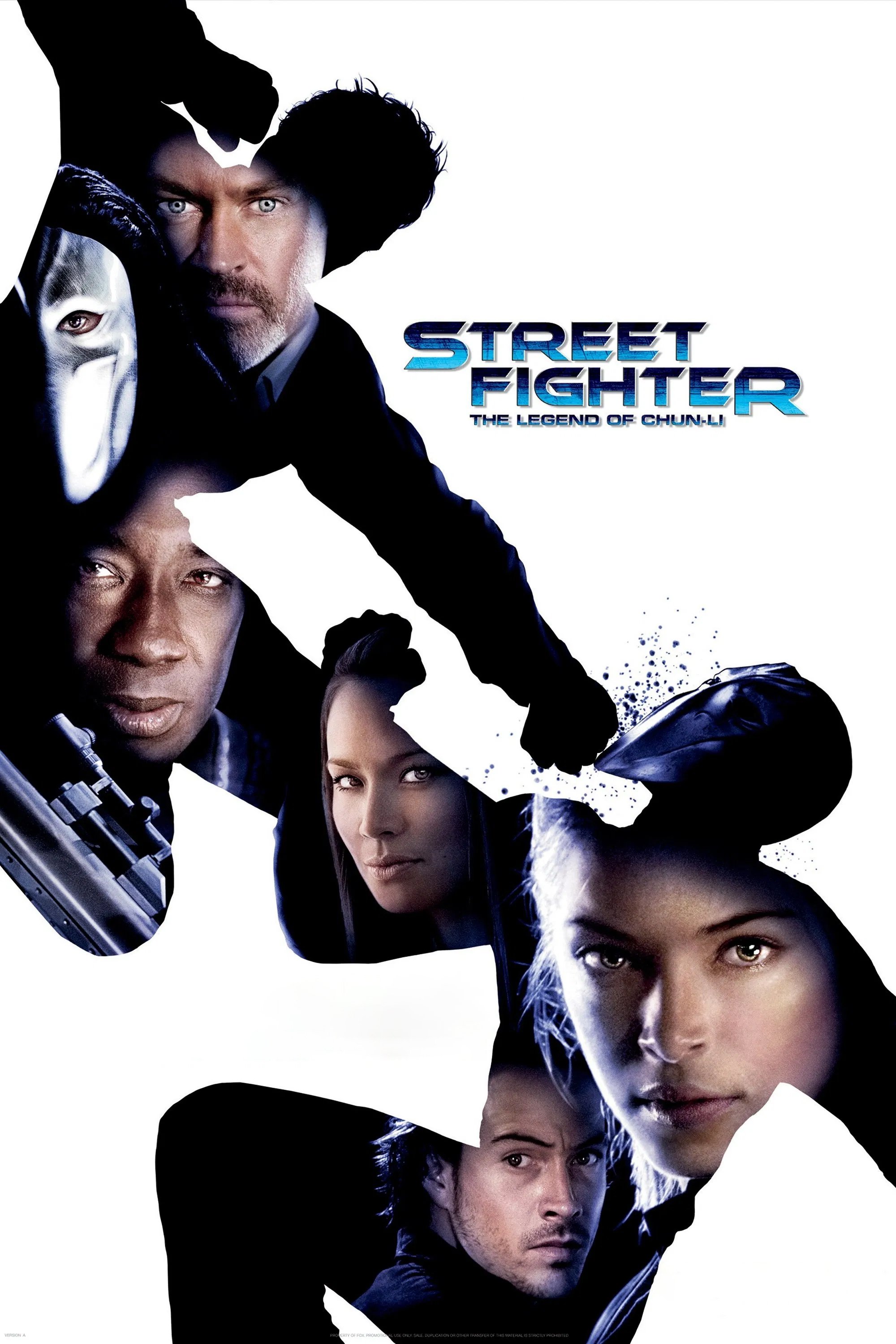
The decision to cast Kristin Kreuk as the iconic Chinese martial artist Chun-Li was met with significant backlash from the ‘Street Fighter’ community. Critics argued that the film ignored the character’s ethnic heritage in favor of a more marketable Western-centric cast. The narrative also deviated heavily from the established lore, stripping the character of her specific cultural background. This adaptation was widely panned for its poor writing and its failure to respect the source material’s diversity.
‘Kite’ (2014)
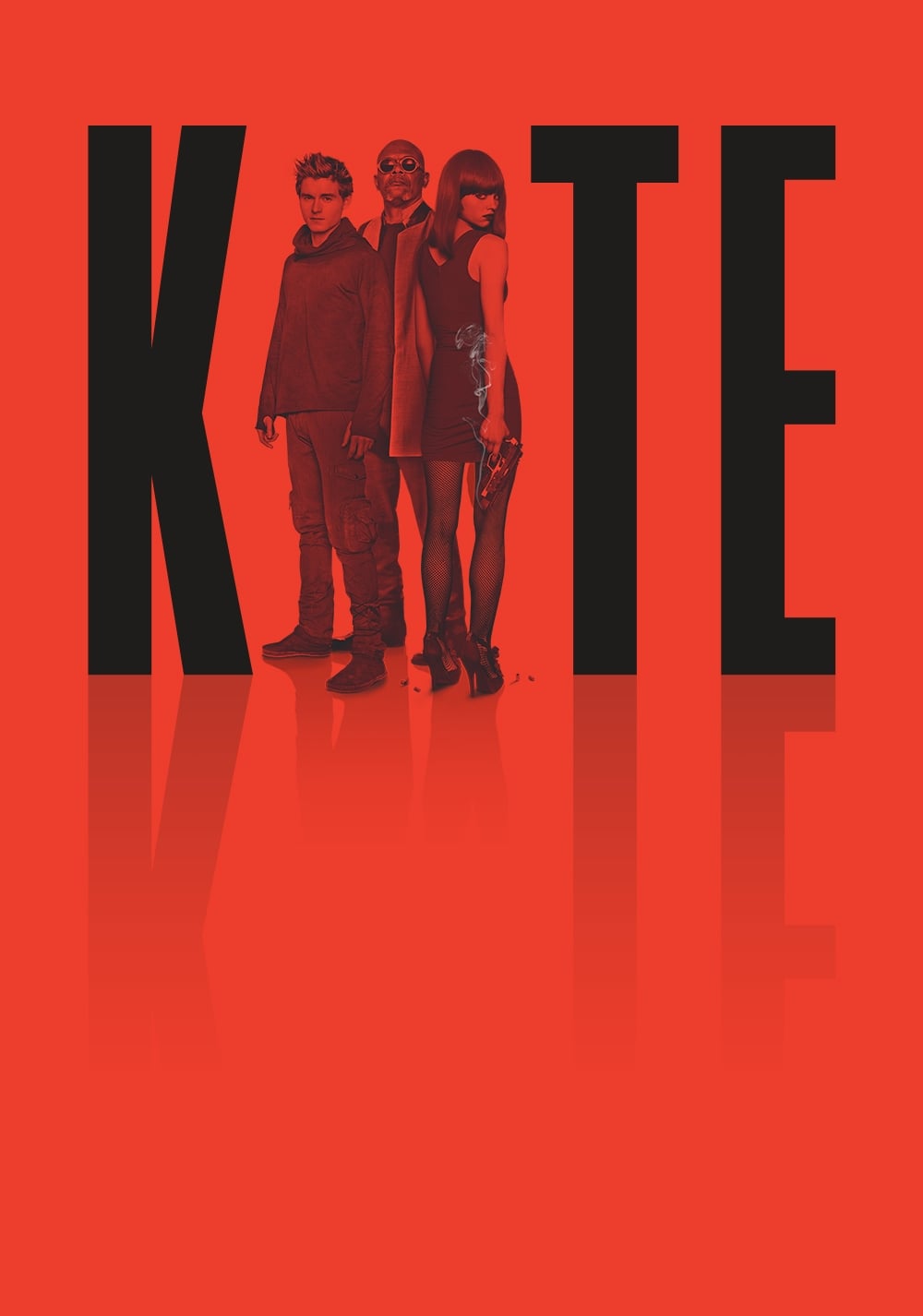
Based on the controversial 1998 anime ‘Kite’, this live-action version moved the story to a generic, post-financial collapse setting. By casting India Eisley as Sawa, the production was accused of whitewashing a character meant to be Japanese. Fans felt the film lacked the stylistic flair and the dark, culturally specific grit that defined the original animation. The adaptation failed to resonate with audiences, often being criticized for its uninspired translation of the source material.
‘Fullmetal Alchemist’ (2017)
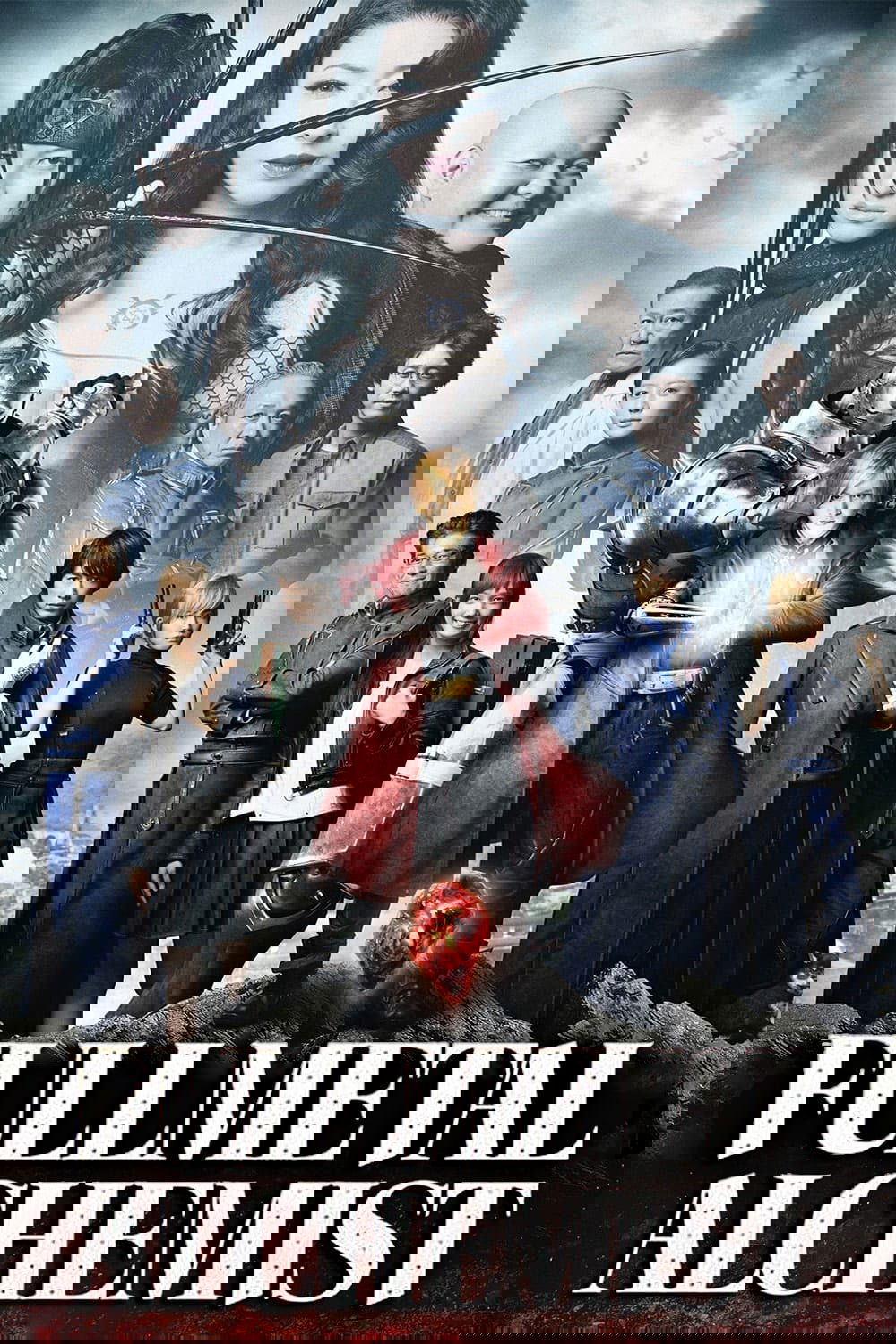
Unlike many Hollywood adaptations, this Japanese production of ‘Fullmetal Alchemist’ used an entirely Japanese cast to portray characters that are canonically Western in appearance. This led to a unique debate among fans regarding cultural fidelity versus domestic production standards. While some appreciated the Japanese dialogue and direction, others felt the aesthetic was jarring because the story is set in a fictionalized version of Europe. The film highlighted the complexities of adaptation when the source material itself uses a foreign cultural setting.
‘Attack on Titan’ (2015)

The live-action ‘Attack on Titan’ faced criticism for its decision to cast Japanese actors for characters who are explicitly stated to be of various European ethnicities in the manga. In the original story, Mikasa is notable for being the only character of East Asian descent, making the casting of an all-Japanese ensemble a significant departure. Fans argued that this change undermined the narrative themes of racial rarity and survival within the walls. The film’s departure from the source material’s geographical and ethnic world-building was a major point of contention.
‘Cowboy Bebop’ (2021)
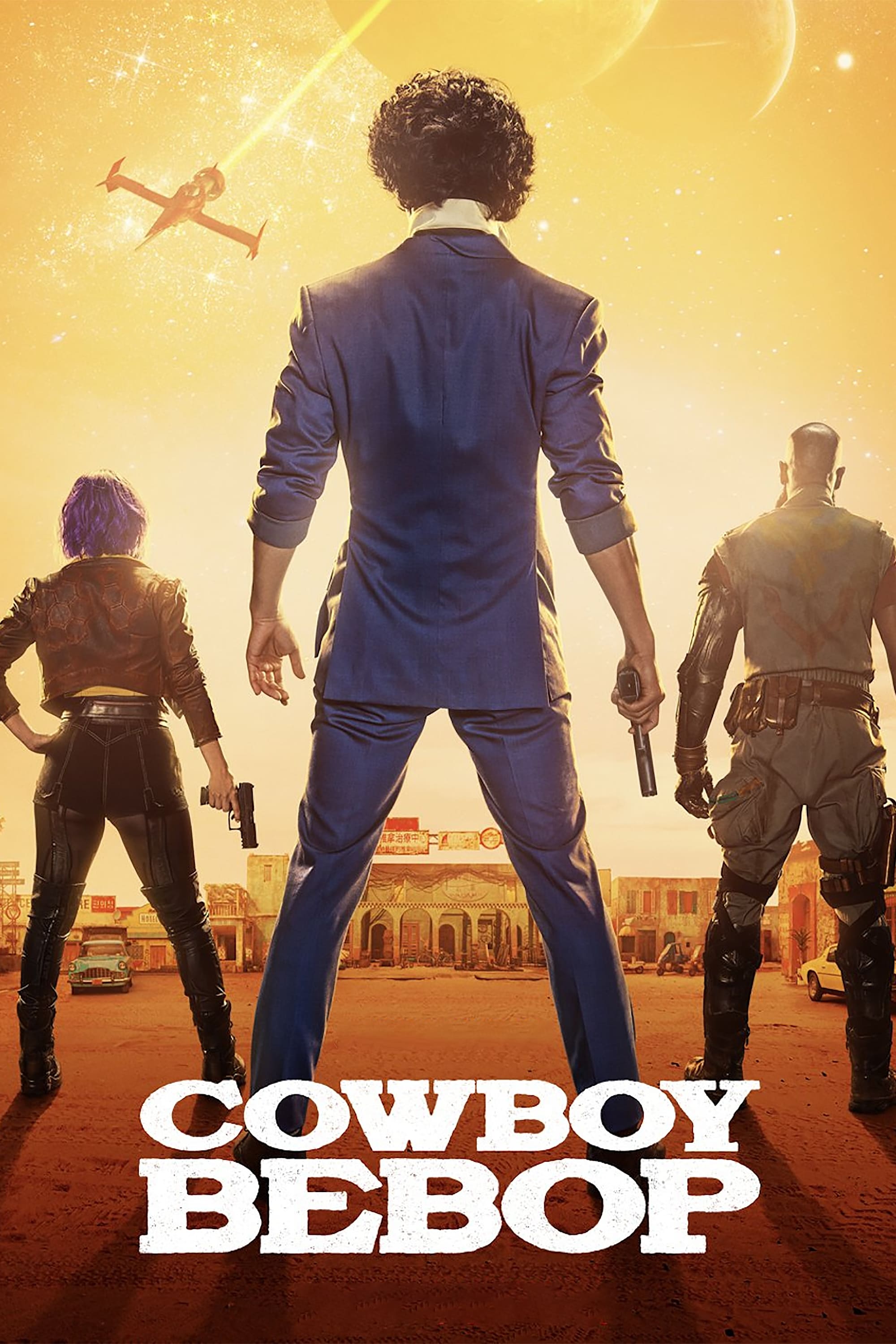
Netflix’s ‘Cowboy Bebop’ attempted to modernize the beloved series but faced criticism for changes made to the characters and tone. While the cast was diverse, some fans felt the writing caricatured certain cultural elements or changed character backstories in ways that felt insincere. The portrayal of Jet Black and Faye Valentine sparked debates about how to balance modern sensibilities with the spirit of the original anime. Ultimately, the show was canceled after one season, with many viewers citing a lack of cultural and tonal authenticity.
‘Cavalerii Zodiacului’ (2023)

This international co-production of ‘Saint Seiya’ attempted to bring the classic manga to a global audience with a multicultural cast. However, some fans felt the Westernization of the dialogue and the generic action-movie tropes ignored the series’ Greek and Japanese mythological roots. The casting of Mackenyu as Seiya was praised, but the surrounding production was criticized for feeling like a disconnected Hollywood blockbuster. Critics noted that the film struggled to bridge the gap between its Japanese origins and its Western cinematic ambitions.
‘Bullet Train’ (2022)
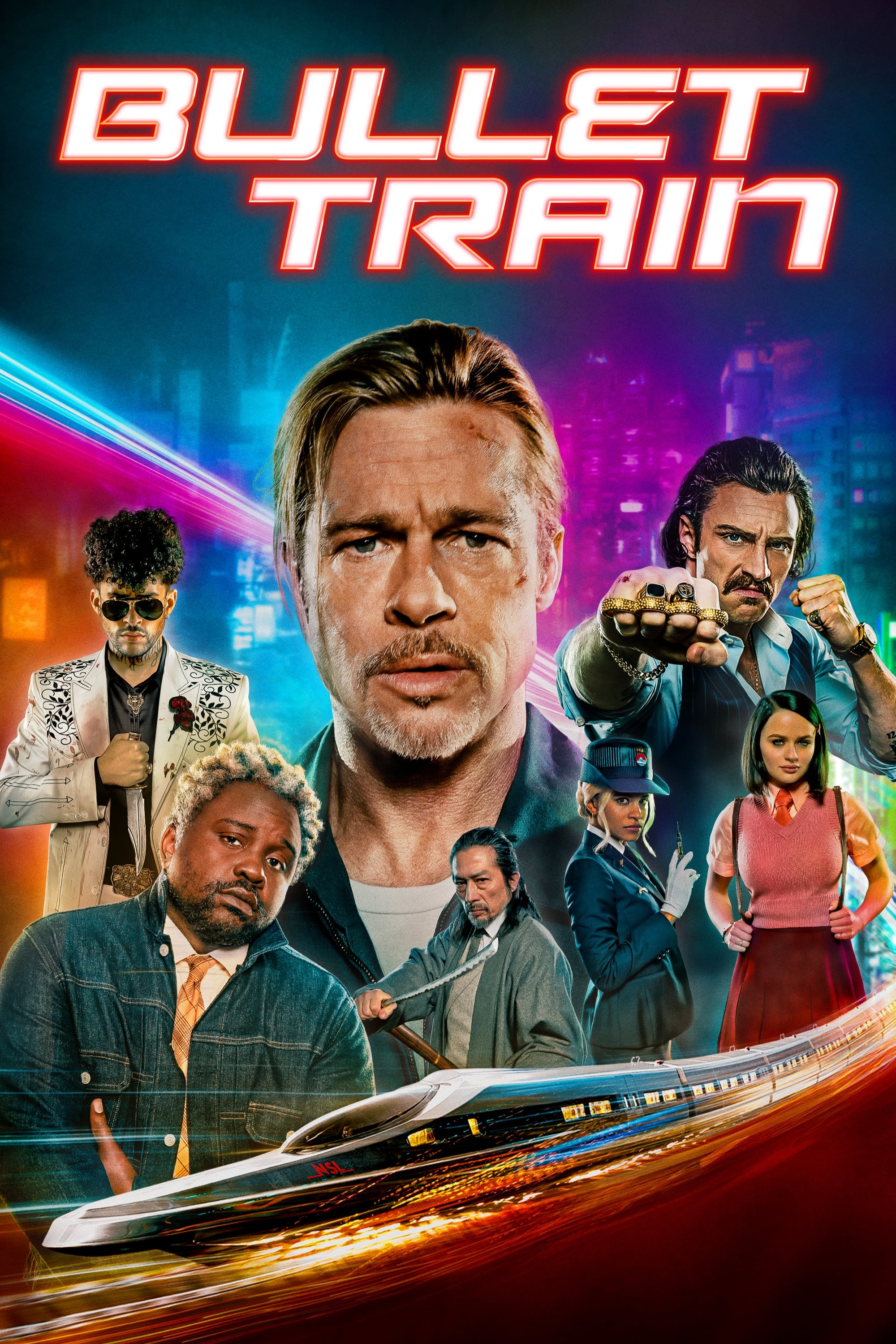
Though based on the Japanese novel ‘Maria Beetle’ which inspired several manga adaptations, ‘Bullet Train’ was criticized for its predominantly non-Asian lead cast. The story, which takes place entirely in Japan, featured Brad Pitt and Joey King in roles originally written as Japanese. Advocacy groups criticized ‘Bullet Train’ for contributing to the erasure of Asian actors in stories set in East Asia. While the film was a commercial success, it remains a focal point in discussions about modern whitewashing.
‘Edge of Tomorrow’ (2014)

This film is an adaptation of the Japanese light novel and manga ‘All You Need Is Kill’. The production moved the setting from Japan to Europe and changed the protagonist, Keiji Kiriya, into an American officer named William Cage, played by Tom Cruise. Fans of the original work argued that the transition erased the specific cultural perspective of the Japanese military found in the source material. Although ‘Edge of Tomorrow’ received critical acclaim, it is frequently cited as an example of Hollywood’s tendency to Westernize foreign intellectual properties.
‘Fist of the North Star’ (1995)
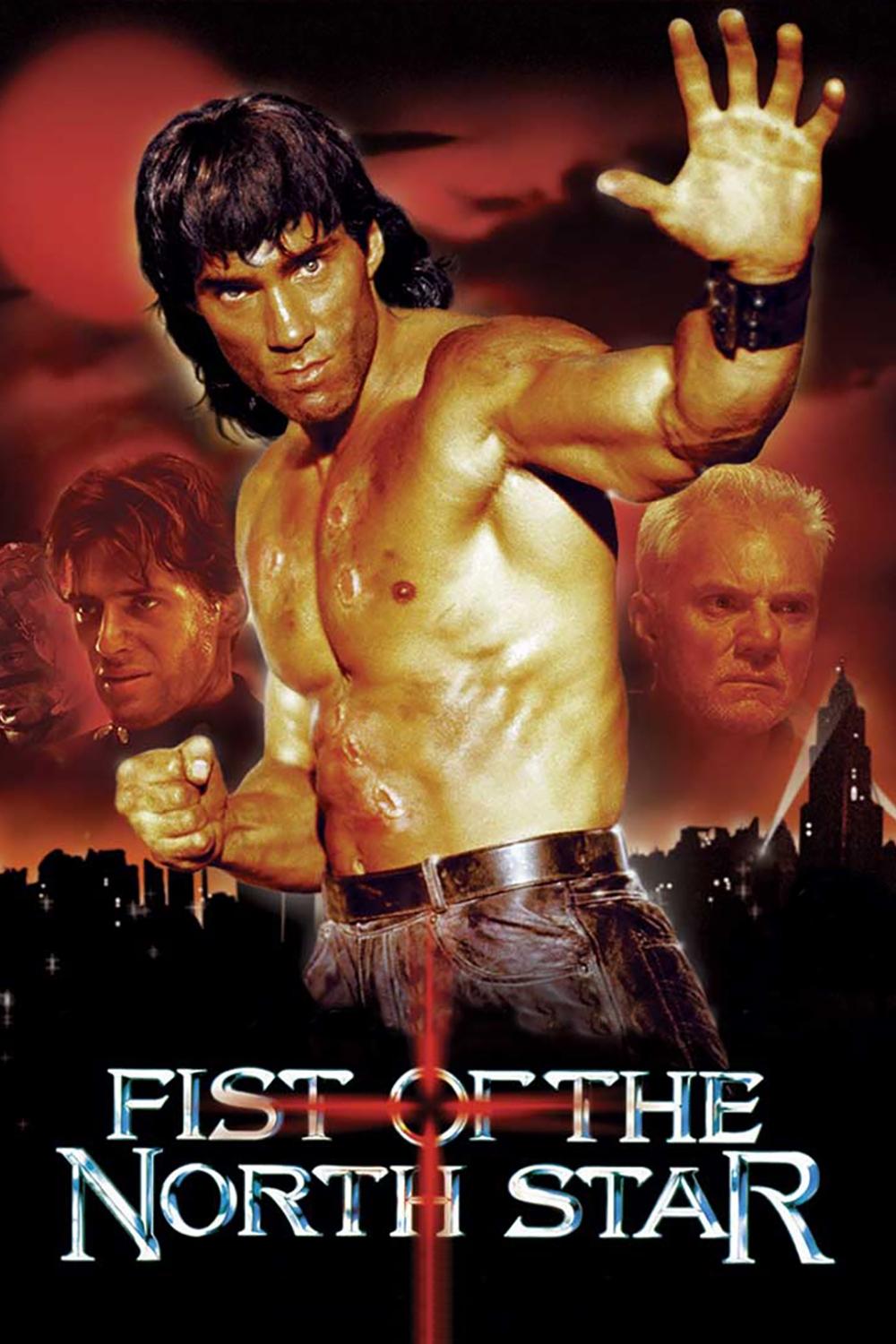
The live-action version of ‘Fist of the North Star’ is often remembered for its low-budget execution and Westernized casting. Gary Daniels took on the role of Kenshiro, a character deeply influenced by Japanese martial arts cinema and Eastern philosophies. The film’s failure to capture the post-apocalyptic Eastern aesthetic of the ‘Fist of the North Star’ manga left many fans disappointed. Critics argued that the adaptation stripped away the spiritual and cultural weight of the series, turning it into a generic American action movie.
‘The Guyver’ (1991)
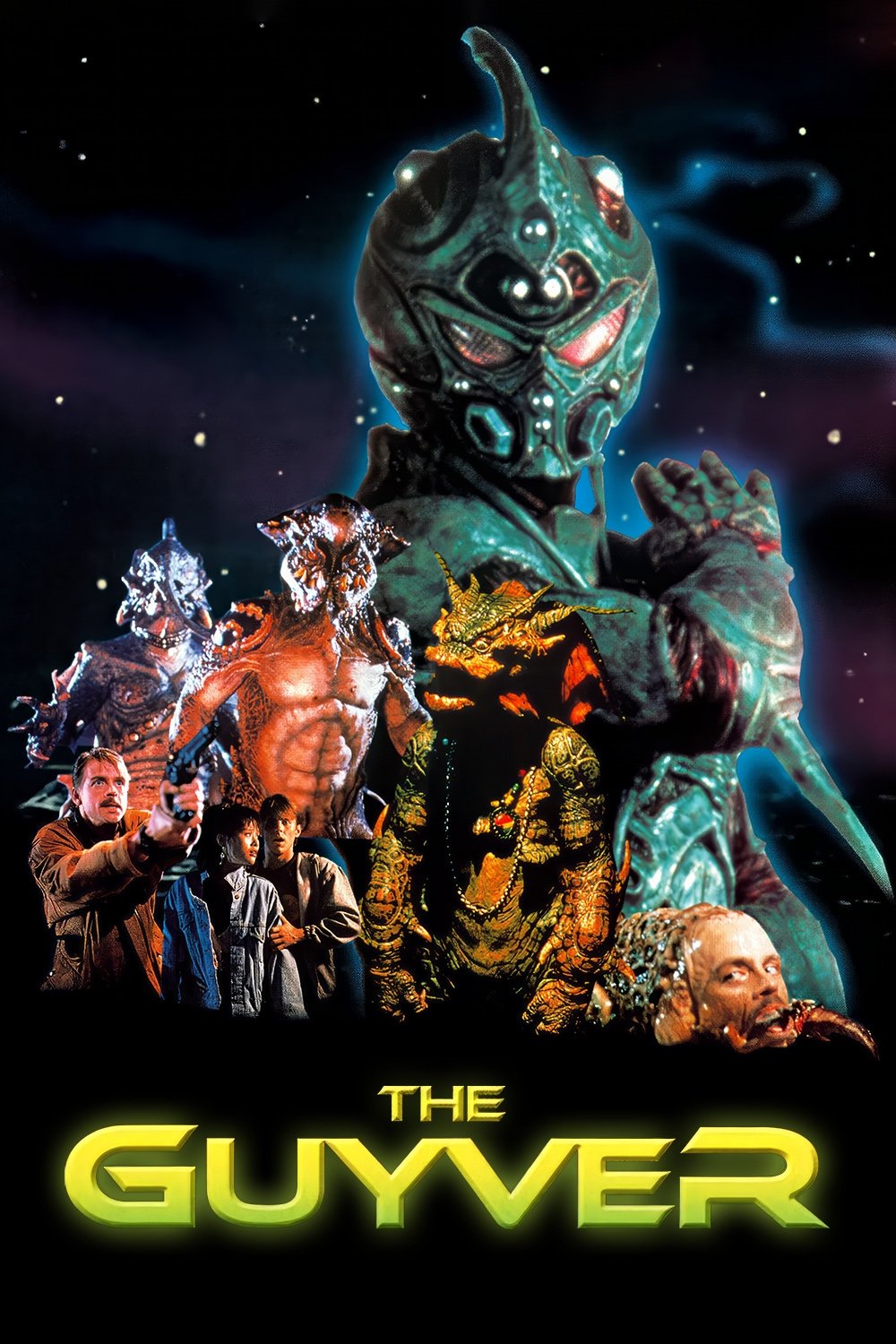
Based on the manga ‘Bio-Booster Armor Guyver’, this American-produced film replaced the Japanese setting and characters with Western counterparts. Mark Hamill appeared in a supporting role, while the lead was played by Jack Armstrong, moving the story away from its roots in Japanese body horror. Fans of the original ‘The Guyver’ felt the film’s campy tone and Westernized hero missed the mark of the source material’s darker themes. The adaptation is often viewed as a product of an era where Hollywood struggled to understand the cultural nuances of Japanese media.
‘Crying Freeman’ (1995)
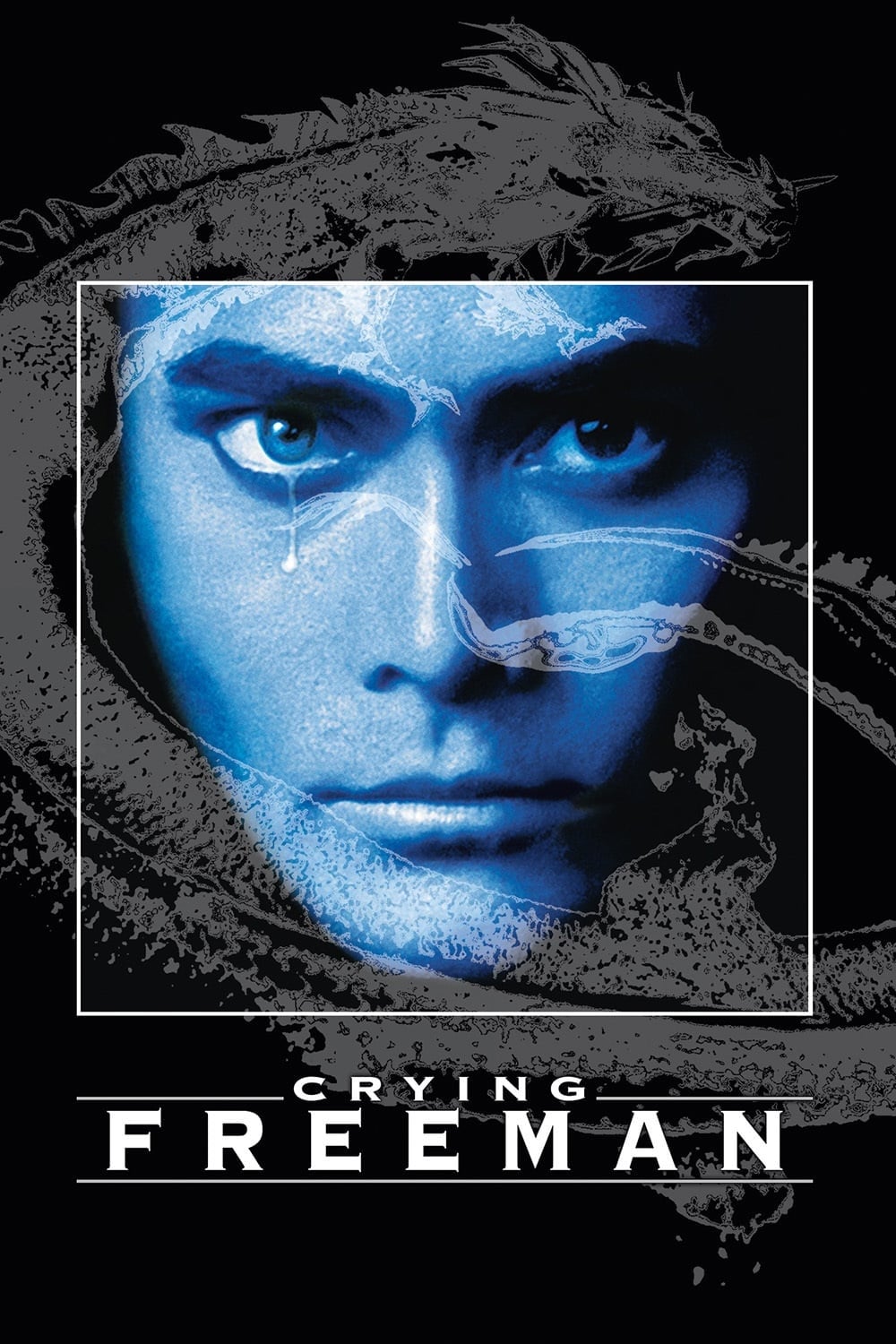
Directed by Christophe Gans, ‘Crying Freeman’ is based on the manga by Kazuo Koike and Ryoichi Ikegami. The film cast Mark Dacascos as the lead, who is an assassin of Chinese descent in the source material. While Dacascos has Asian heritage, some fans felt the Western production prioritized a Hollywood-style action narrative over the specific cultural underpinnings of the original manga. The adaptation of ‘Crying Freeman’ was praised for its visual style but faced scrutiny for how it handled the protagonist’s cultural identity.
‘Blood: The Last Vampire’ (2009)

The live-action version of the iconic ‘Blood: The Last Vampire’ anime cast Jun Ji-hyun as the lead protagonist, Saya. While the actress is of Korean descent, the production was criticized for moving the story to an Americanized military base and using English as the primary language. Fans felt this shift diluted the Japanese cultural atmosphere that was essential to the original film and series. The adaptation of ‘Blood: The Last Vampire’ was frequently compared unfavorably to its animated predecessor for its lack of cultural depth.
Share your thoughts on these controversial anime adaptations in the comments.