


Live-Action Movies That Whitewashed Anime Characters Fans Loved

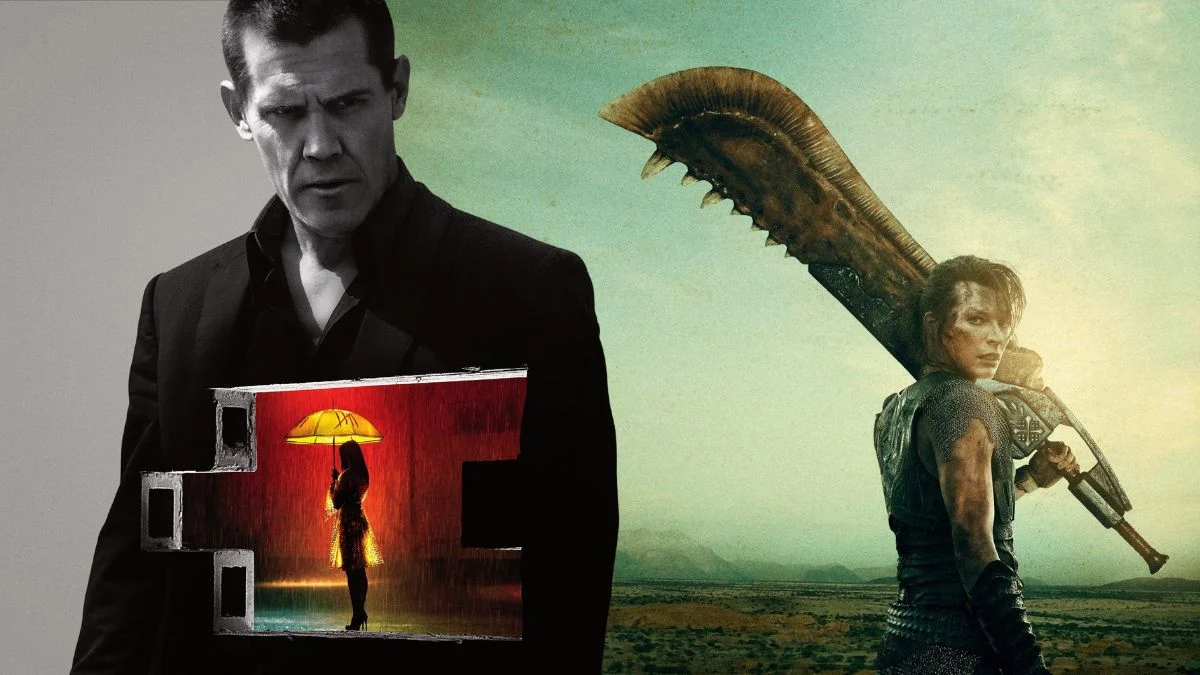


The transition of anime and manga to live action cinema has often been met with controversy regarding the casting of lead roles. Fans frequently express disappointment when characters of Japanese or Asian heritage are portrayed by Western actors in big budget adaptations. This practice often stems from studio attempts to market films to a wider international audience through established Hollywood stars. While some adaptations manage to capture the spirit of the source material others are defined primarily by their departure from the original cultural context. These films highlight the ongoing conversation about representation and diversity within the entertainment industry.
‘Dragonball Evolution’ (2009)
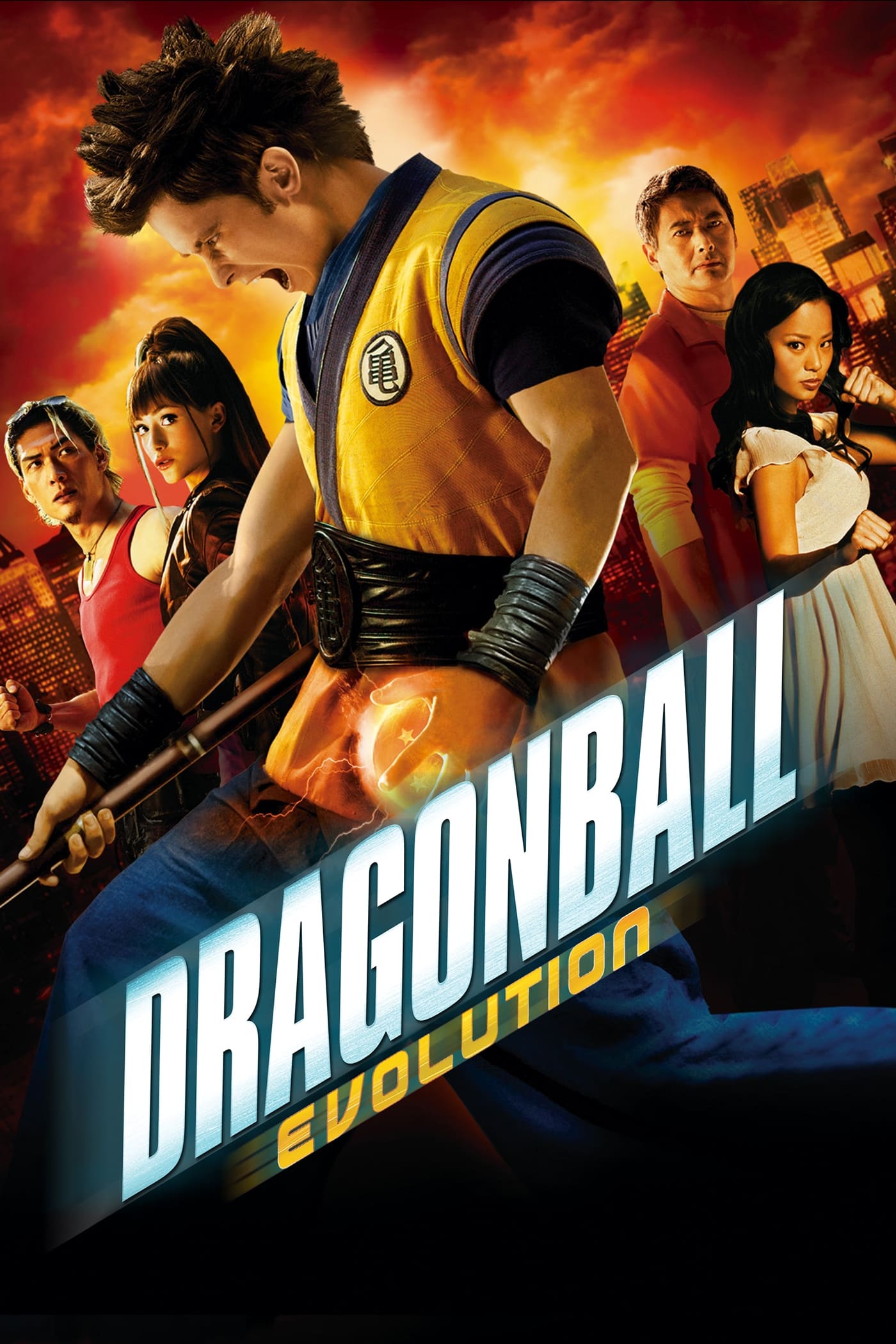
Justin Chatwin plays the lead role of Goku who is a powerful martial artist searching for mystical artifacts. The original manga and anime series are deeply rooted in Japanese culture and Chinese folklore through the journey of a young Asian protagonist. This adaptation relocated the story to a Western high school setting and removed many traditional elements of the character. Fans criticized the production for ignoring the ethnicity of the source material in favor of a Caucasian lead. The film remains a primary example of how Hollywood adaptations can deviate significantly from their origins.
‘Ghost in the Shell’ (2017)
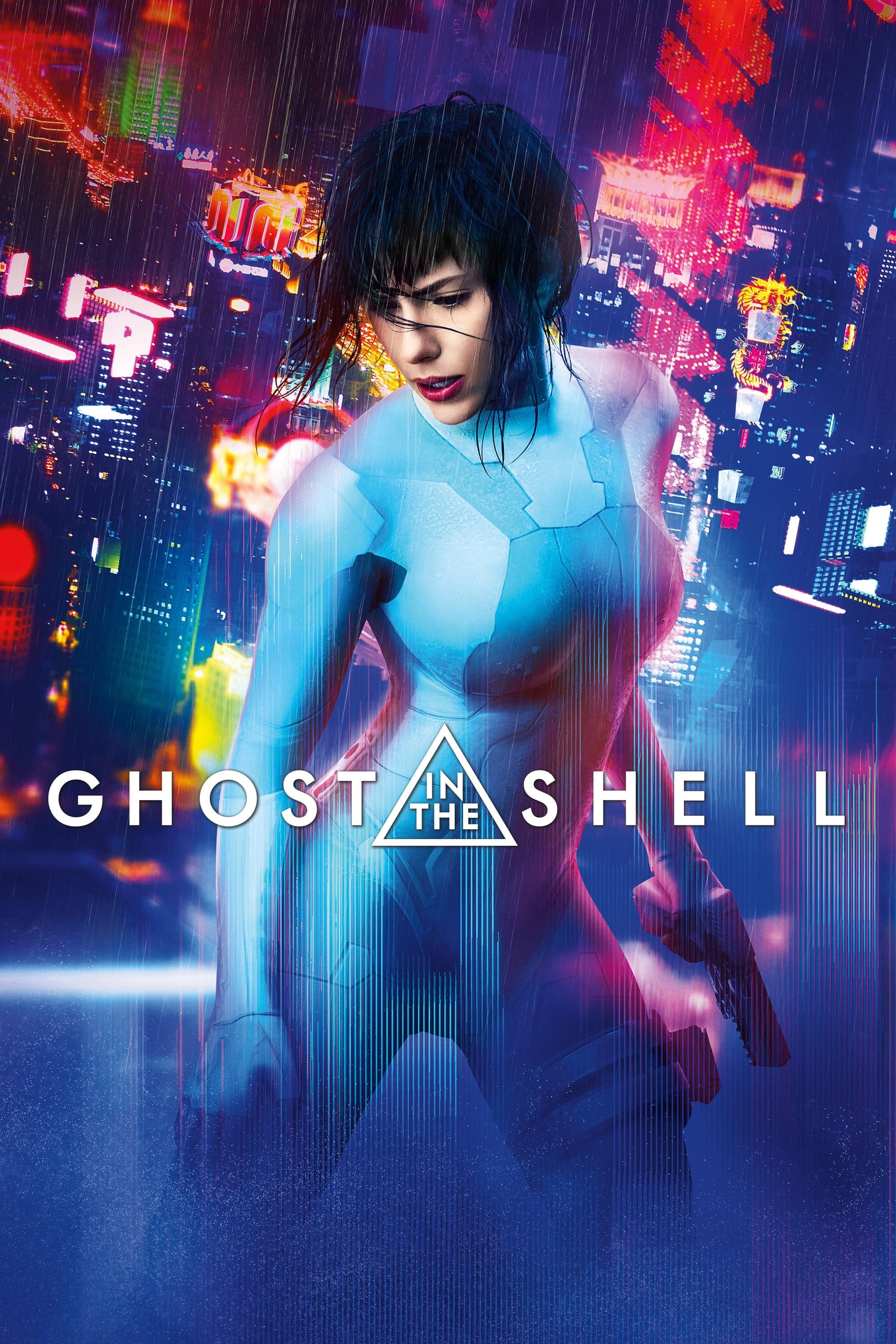
Scarlett Johansson stars as the Major who is a cybernetic soldier working for a task force in futuristic Japan. The casting of a Western actress for a character named Motoko Kusanagi led to significant backlash from audiences and critics alike. Producers defended the decision by citing the universal themes of the story and the international appeal of the lead star. The narrative includes a plot point that explains her appearance through a technological transfer of her consciousness. Despite high production values the film struggled at the box office due in part to the casting controversy.
‘Death Note’ (2017)
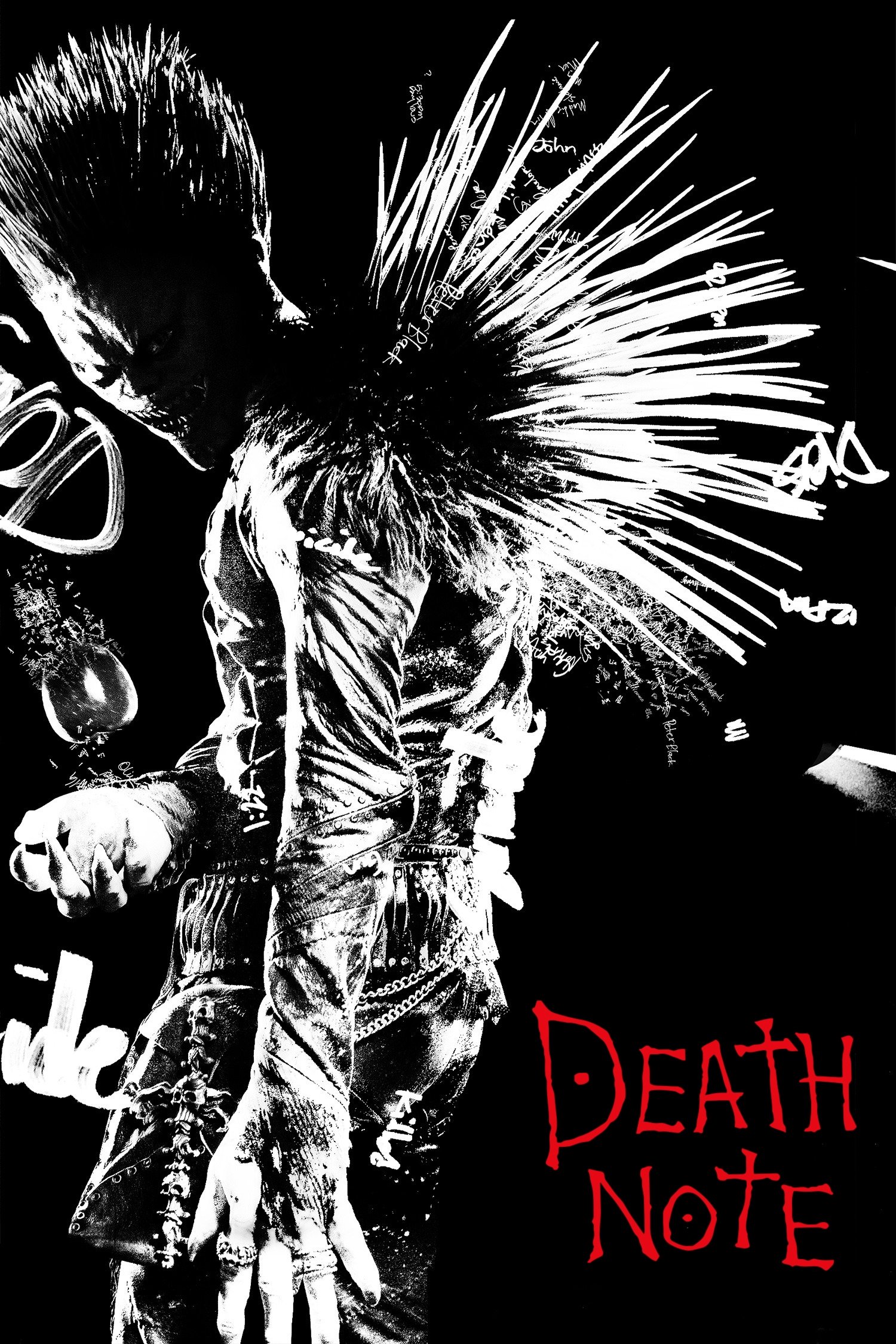
Nat Wolff portrays Light Turner who is a high school student who discovers a supernatural notebook with the power to kill. This American production moved the setting from Tokyo to Seattle and changed the names of the primary Japanese characters. While the original series focused on the intellectual battle between Light Yagami and the detective L this version prioritized teen drama. Fans of the anime expressed frustration over the removal of the specific cultural nuances that defined the original story. The movie received mixed reviews for its interpretation of the source material.
‘The Last Airbender’ (2010)
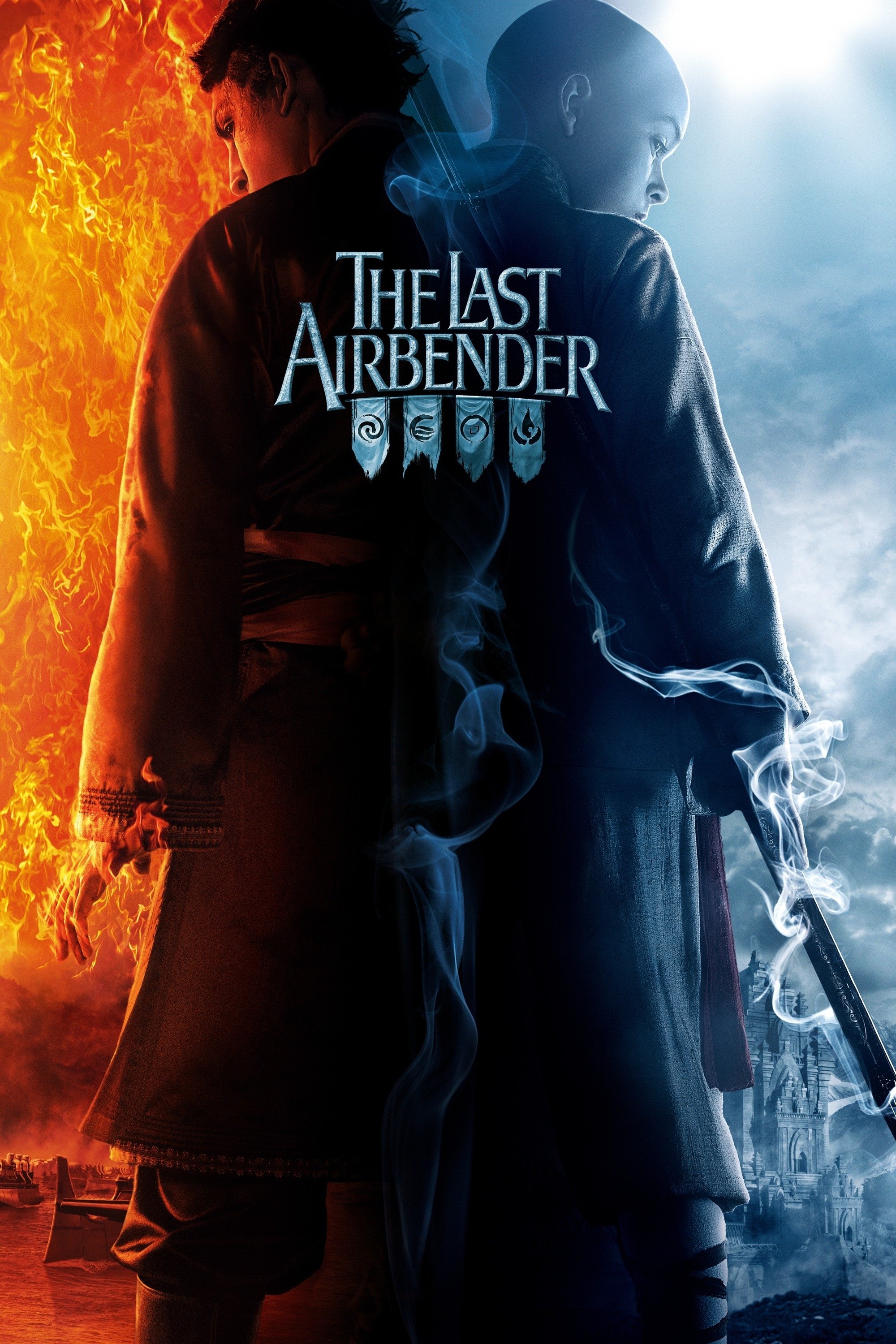
This film adapts a beloved animated series that draws heavy inspiration from various East Asian and Inuit cultures. Noah Ringer and Nicola Peltz were cast as Aang and Katara who are the primary heroes of the story. The decision to cast Caucasian actors in these roles while casting the villainous characters with people of color drew widespread condemnation. Critics and fans pointed out that the casting choices undermined the cultural foundation of the entire franchise. This project is often cited as a major turning point in the public discourse surrounding whitewashing in cinema.
‘Speed Racer’ (2008)
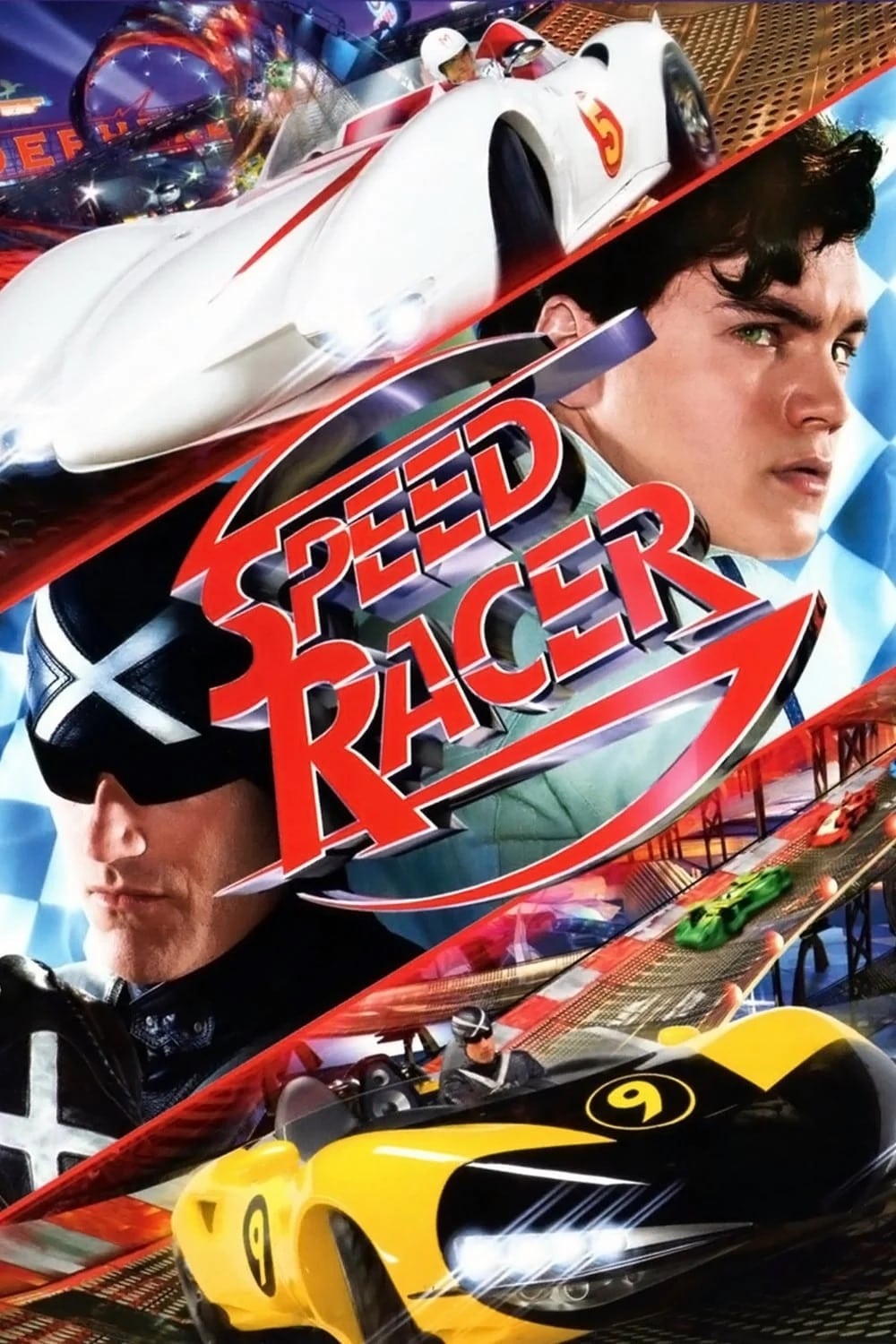
Emile Hirsch takes the lead role of a young driver who competes in high stakes racing competitions around the world. The original series was a Japanese production titled ‘Mach GoGoGo’ which featured a Japanese family at its center. This live action version maintained the vibrant aesthetic of the anime but cast Western actors for the Mifune family roles. Although the film eventually gained a cult following the initial reception was marred by concerns over cultural adaptation. The production focused more on visual spectacle than the specific origins of its protagonist.
‘Edge of Tomorrow’ (2014)

Tom Cruise plays Major William Cage who is a soldier caught in a time loop during an alien invasion. The movie is based on the Japanese light novel and manga titled ‘All You Need Is Kill’ by Hiroshi Sakurazaka. In the original story the protagonist is a Japanese recruit named Keiji Kiriya who experiences the same supernatural phenomenon. The adaptation shifted the setting to Europe and changed the identity of the lead character to suit a Hollywood star. While the film was a critical success many fans of the source material noted the loss of the original cultural identity.
‘Bullet Train’ (2022)
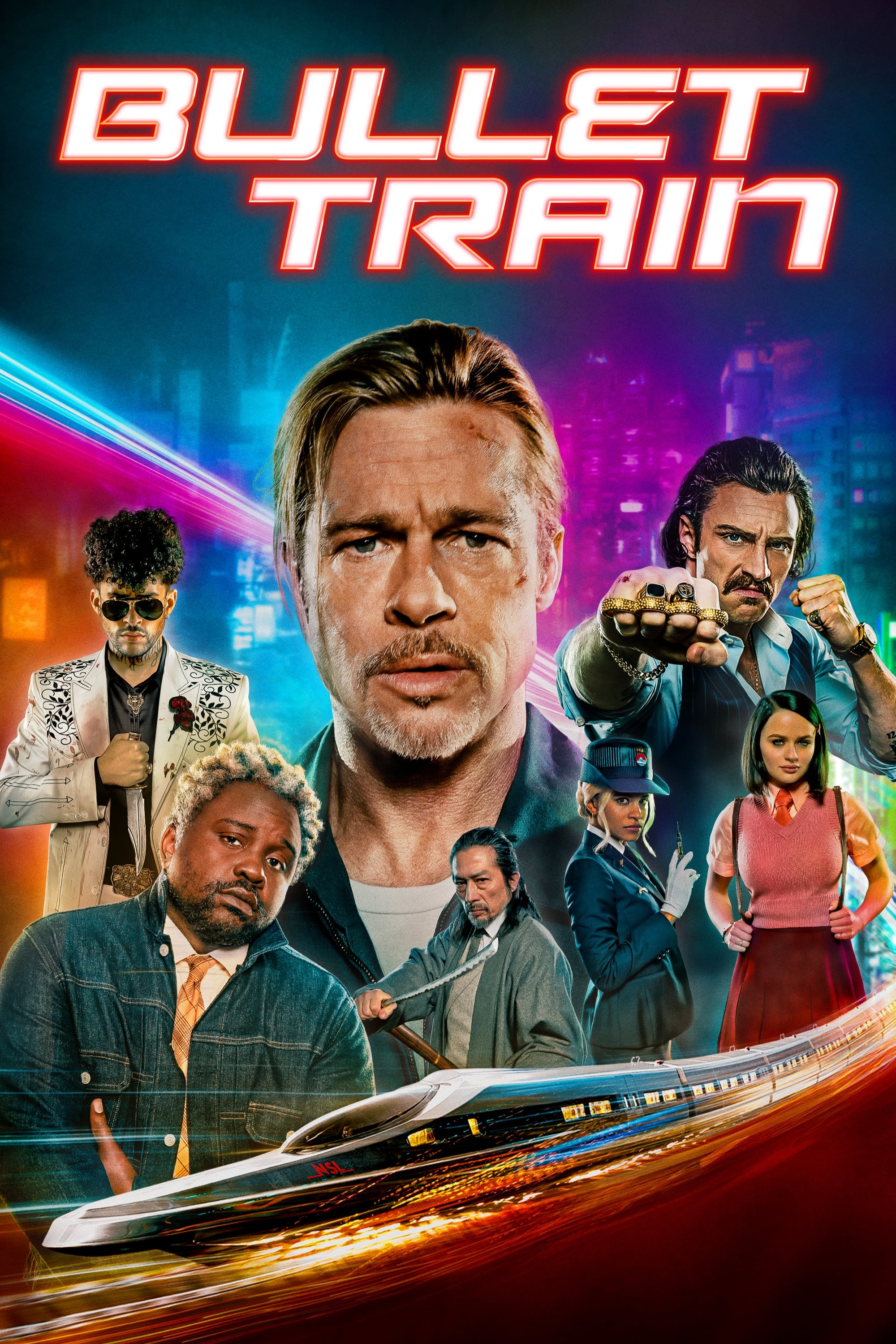
Brad Pitt stars as an assassin named Ladybug who completes a mission on a high speed train in Japan. The movie is based on the novel ‘Maria Beetle’ by Japanese author Kotaro Isaka which features an entirely Japanese cast of characters. The film replaces many of these roles with American and British actors despite keeping the story set within Japan. Authors and cultural critics debated whether the change in ethnicity was necessary for a global audience. The production utilized the Japanese setting as a backdrop for a primarily Western cast.
‘Fist of the North Star’ (1995)
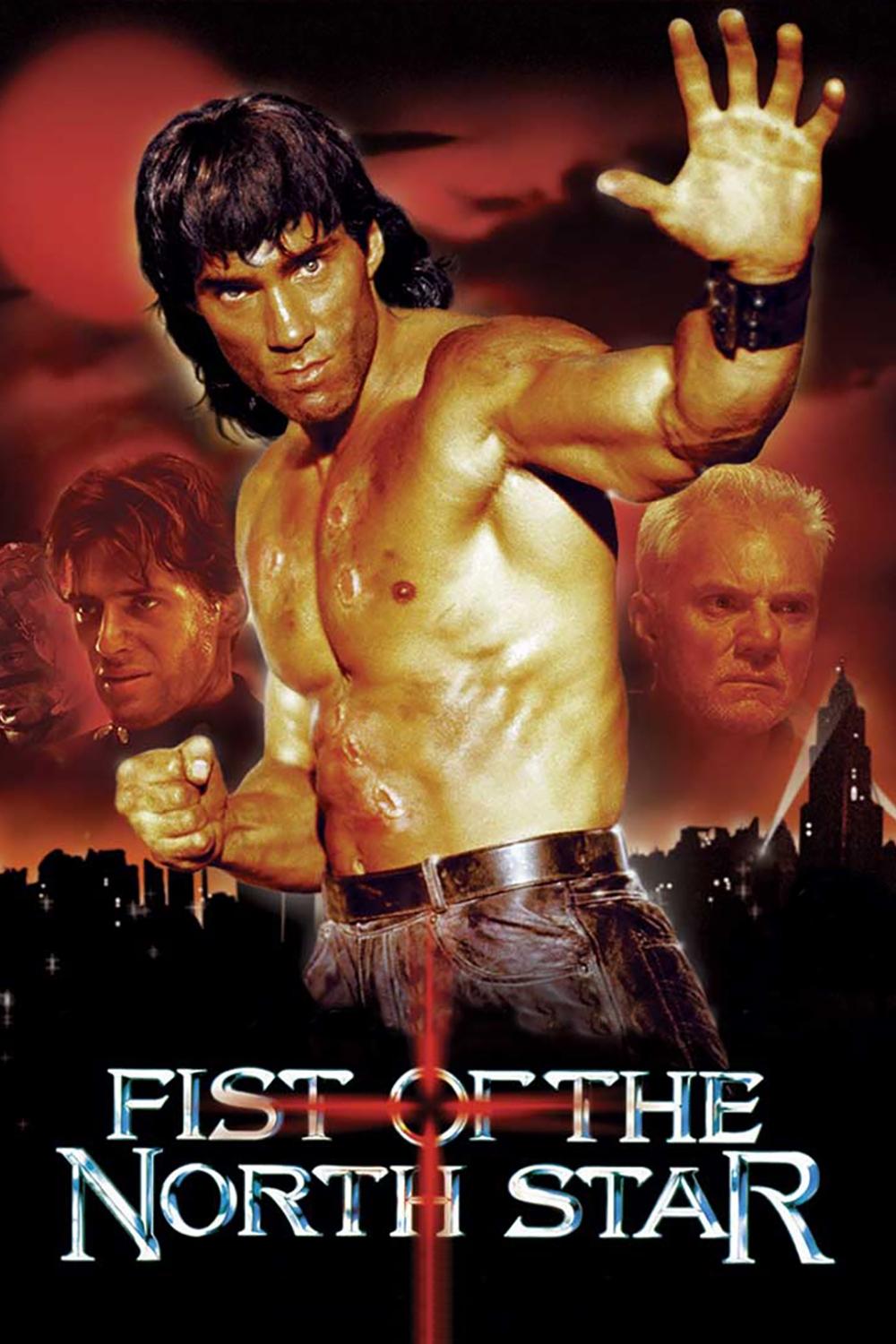
Gary Daniels portrays Kenshiro who is a martial artist surviving in a post apocalyptic wasteland. The source material is a legendary manga and anime series that follows a Japanese warrior using a unique fighting style. This American direct to video production cast a British martial artist in the lead role and moved the production to the United States. Fans felt that the low budget adaptation failed to capture the intensity and cultural weight of the original protagonist. It remains a lesser known example of the early wave of Western anime adaptations.
‘The Guyver’ (1991)
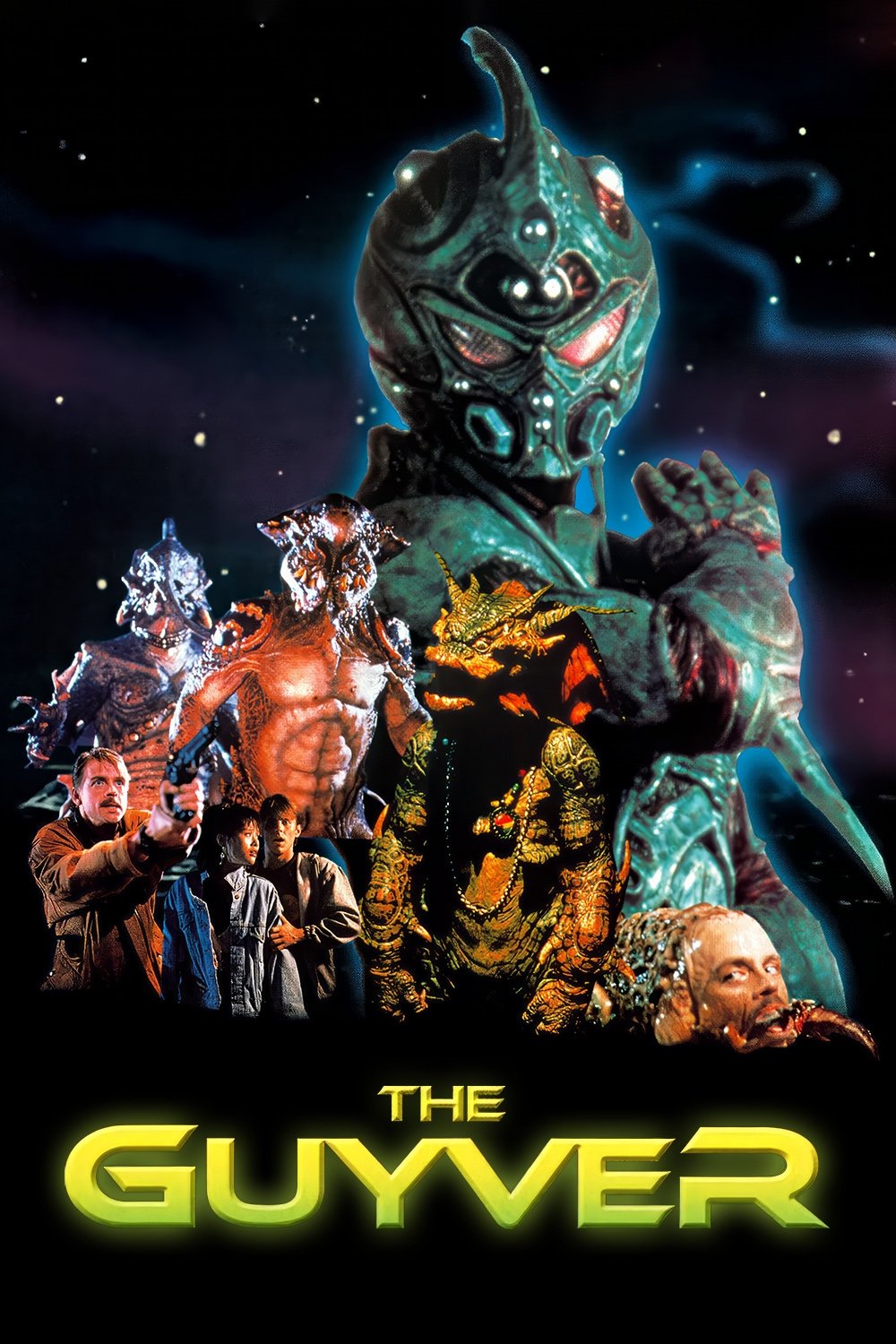
Jack Armstrong plays Sean Barker who is a student who discovers a suit of alien armor that grants him incredible powers. The character is based on Sho Fukamachi from the Japanese manga series ‘Bio Booster Armor Guyver’. This adaptation features a primarily Western cast and shifts the action to an American city. While the film was praised for its practical creature effects it was criticized for losing the tone of the source material. The production represents an early attempt to bring niche Japanese properties to a domestic Western audience.
‘Crying Freeman’ (1995)
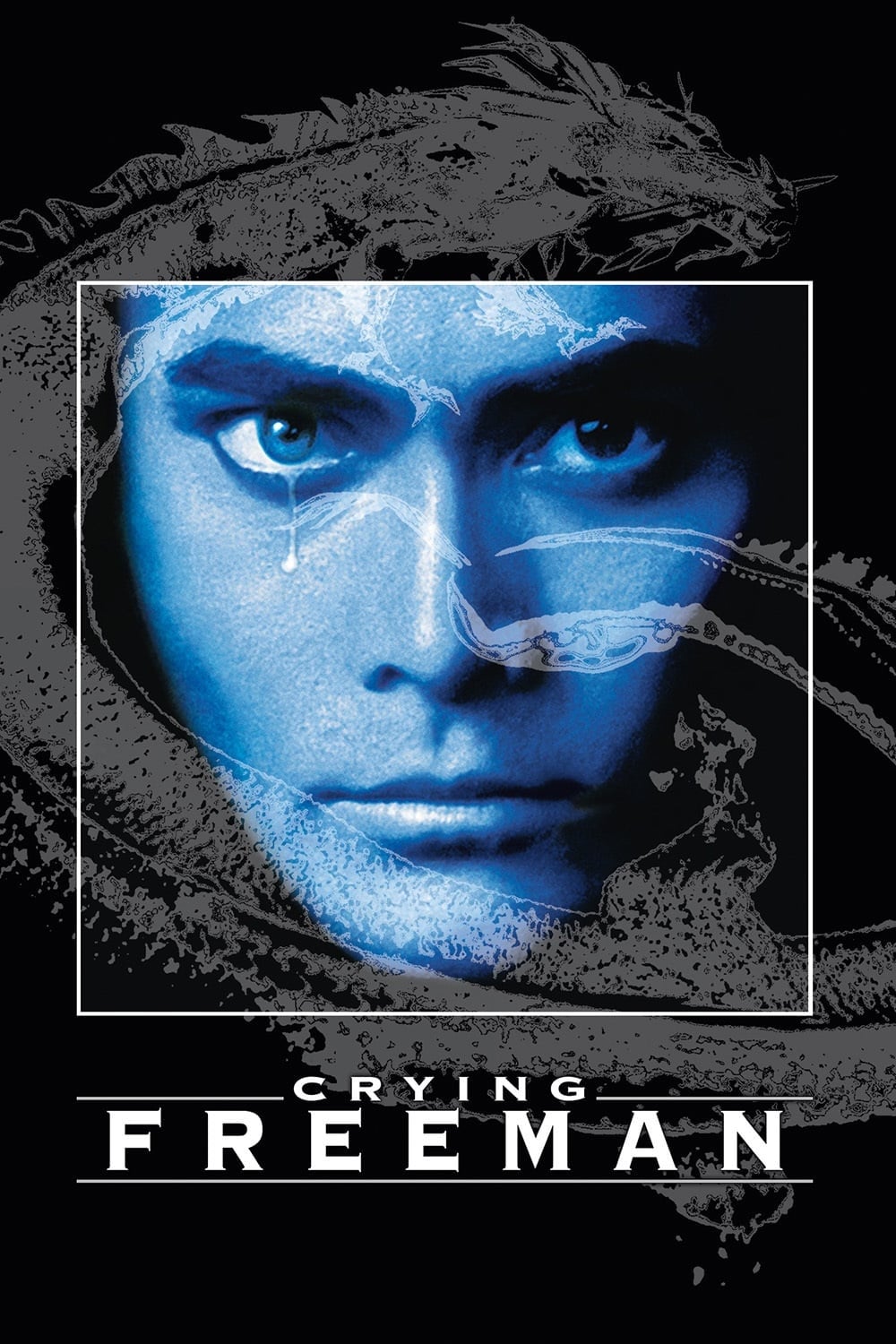
Mark Dacascos stars as Yo Hinomura who is an assassin who sheds tears after every kill he commits. The story is based on a Japanese manga about a Japanese potter who is kidnapped and brainwashed by a Chinese crime syndicate. This live action version features an actor of mixed heritage but simplifies the complex ethnic background of the protagonist. The film was well received for its martial arts choreography and visual style in international markets. It serves as an example of how mid nineties action films adapted Asian source material for global distribution.
‘Oldboy’ (2013)
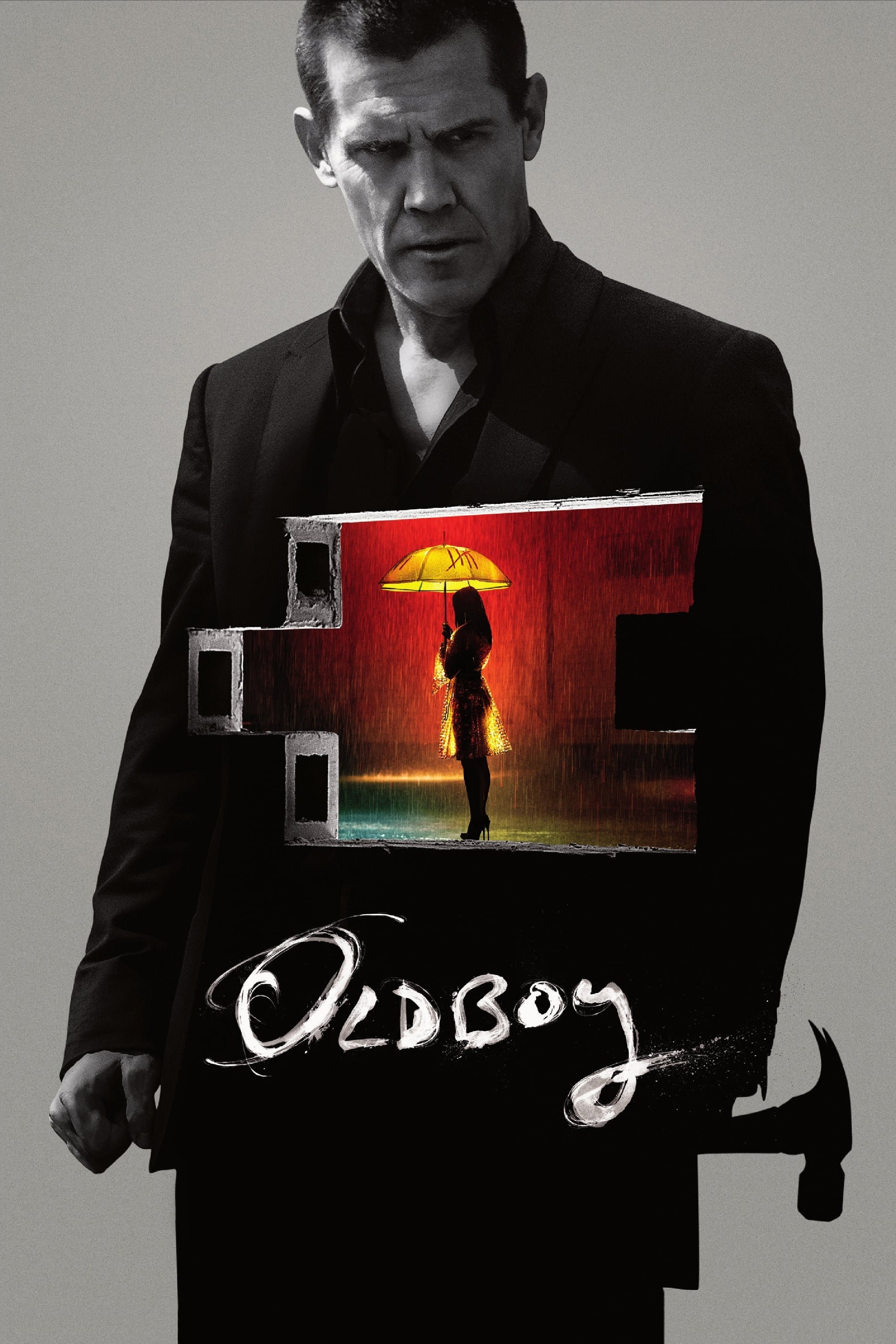
Josh Brolin plays Joe Doucett who is a man seeking revenge after being imprisoned in a room for twenty years. The film is an American remake of a South Korean movie which was itself based on a Japanese manga. By shifting the setting to the United States the production replaced the original Asian characters with a Caucasian cast. Critics noted that the remake lacked the emotional depth and cultural impact of the previous iterations. The decision to Westernize the story was seen as unnecessary by many fans of the original manga.
‘Priest’ (2011)
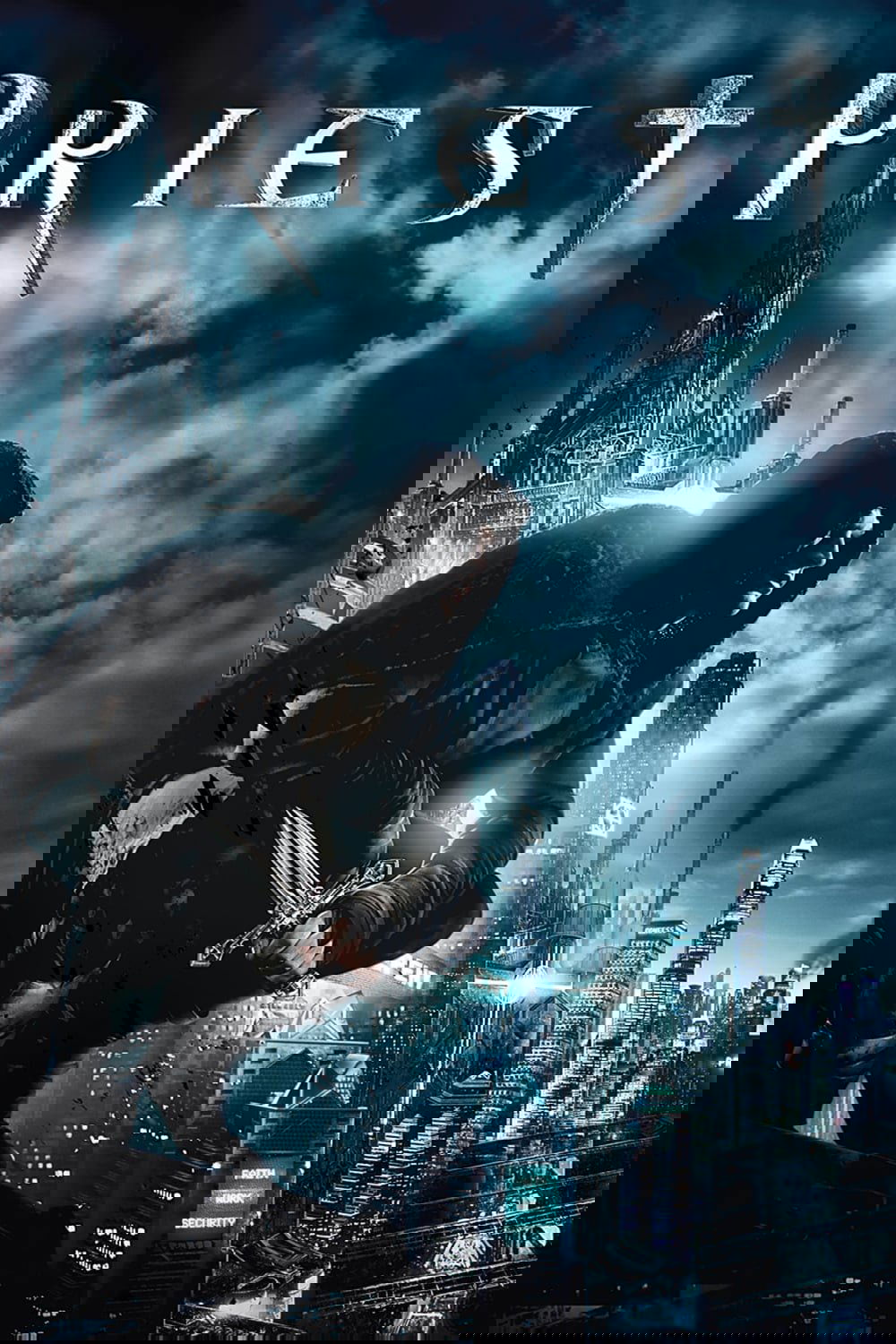
Paul Bettany stars as a warrior priest who hunts vampires in an alternate post apocalyptic reality. The film is loosely based on a Korean manhwa that follows a protagonist named Ivan Isaacs who makes a pact with a demon. This adaptation changed the character into a Western soldier of the church and altered the setting to a desert wasteland. Fans of the source material were disappointed by the significant changes to the lore and the identity of the lead character. The movie focused on high speed action sequences rather than the dark themes of the original comic.
‘Kite’ (2014)
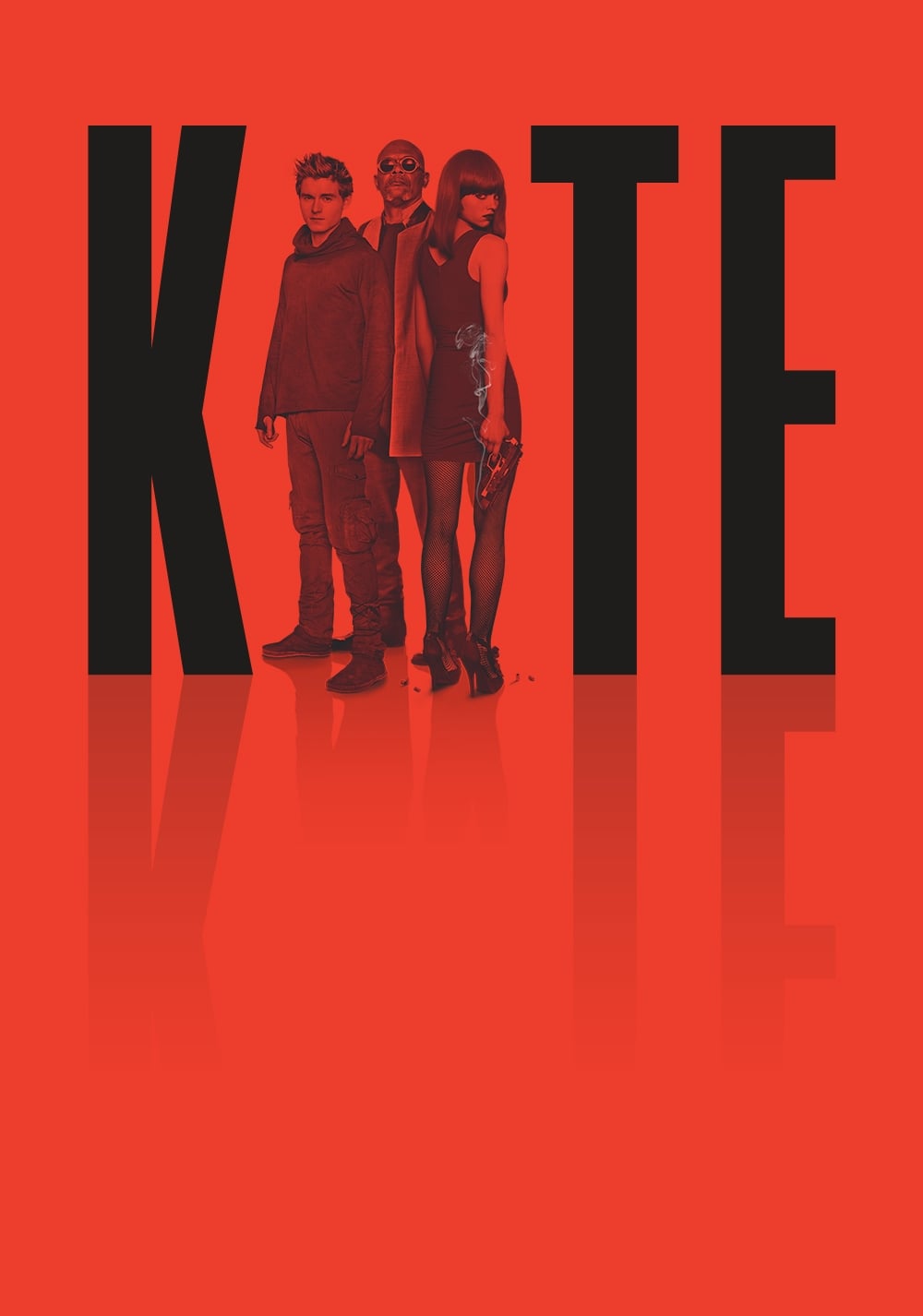
India Eisley portrays Sawa who is a young woman seeking revenge against the people who murdered her parents. The film is based on a controversial and highly influential Japanese adult anime of the same name. While the original protagonist is a Japanese schoolgirl the live action version features a Western lead in a generic futuristic city. The production was criticized for its lack of focus and for failing to capture the unique aesthetic of the animation. It serves as another instance of a niche anime property being adapted with a different cultural perspective.
‘Alita: Battle Angel’ (2019)
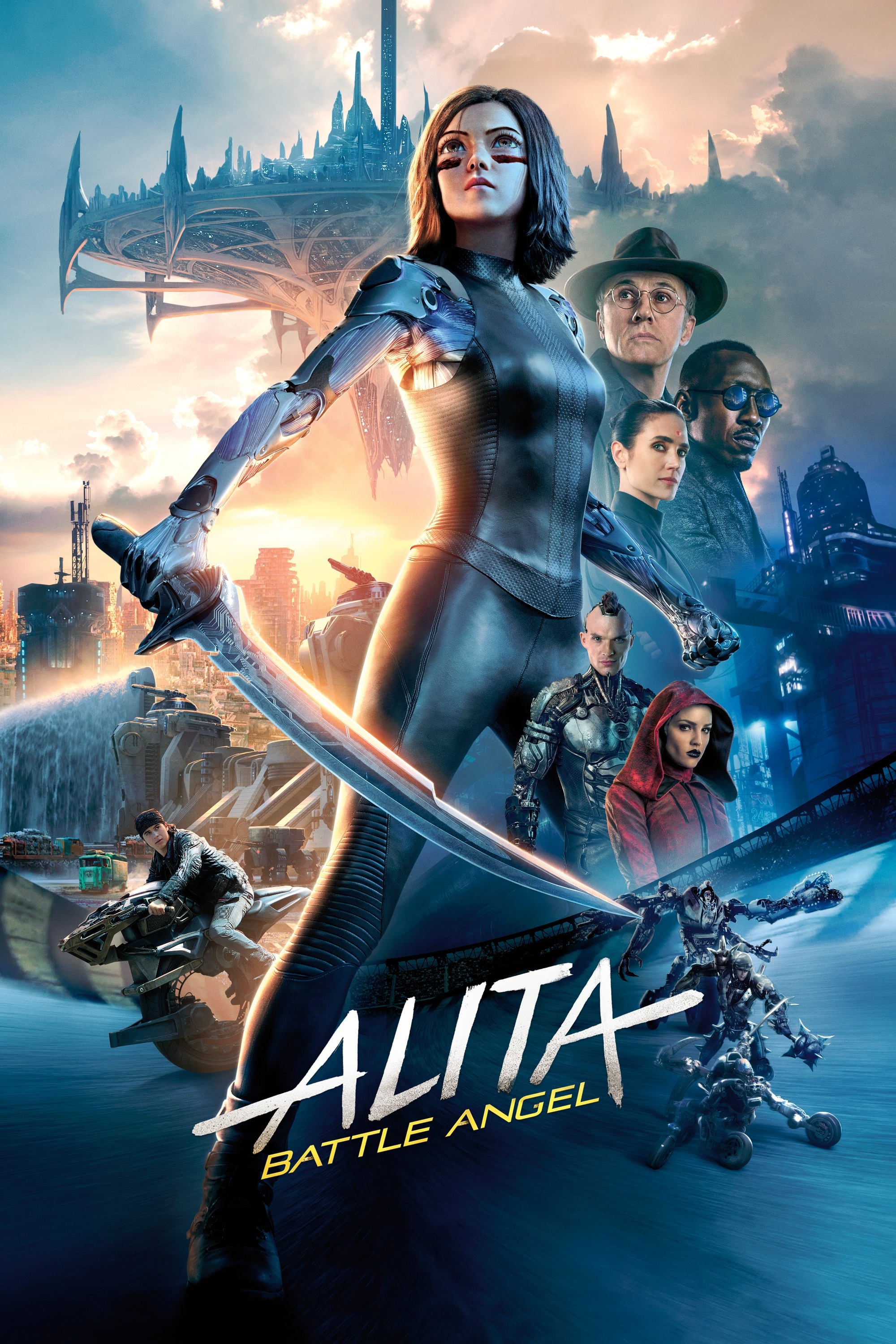
Rosa Salazar provides the performance capture for Alita who is a cyborg discovered in a scrapyard by a compassionate doctor. The character is based on Gally from the Japanese manga series ‘Gunnm’ which takes place in a dystopian future. While the film features a diverse cast the lead character and several supporting roles were portrayed by actors outside of the original ethnic background. Director Robert Rodriguez and producer James Cameron focused on creating a visually stunning world with advanced technology. Fans were divided on the adaptation of the character despite the high praise for its visual fidelity.
‘Blood: The Last Vampire’ (2009)

Gianna Jun portrays Saya who is a half human half vampire warrior tasked with hunting demons on an American military base. The film is based on a Japanese anime set in Tokyo during the nineteen sixties. This adaptation moved the setting and cast Western actors in prominent roles while maintaining a Korean actress in the lead. The production was criticized for its poor visual effects and for losing the atmospheric tension of the original film. It represents the challenges of adapting short form anime into feature length Western movies.
‘Street Fighter’ (1994)
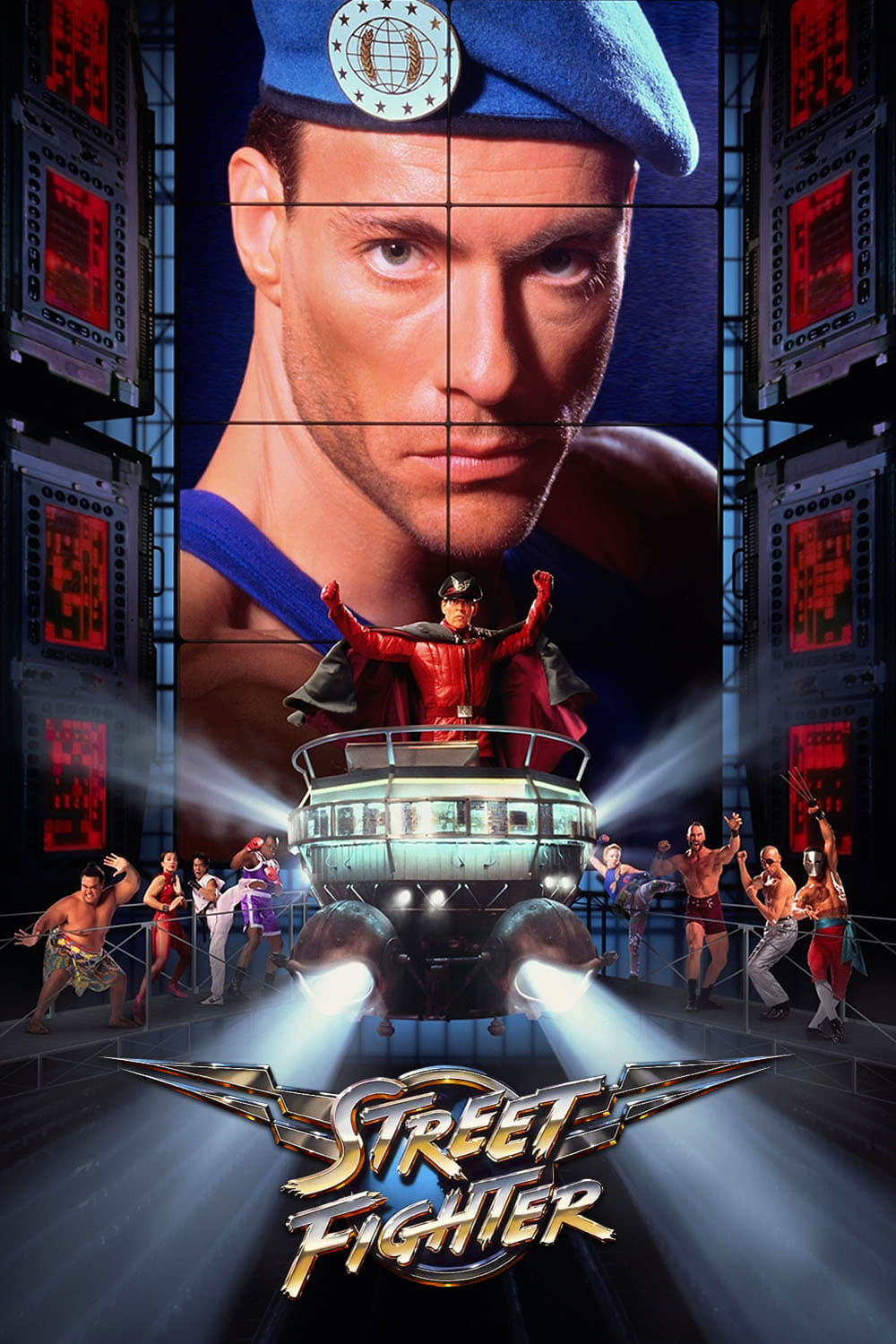
Jean Claude Van Damme stars as Colonel Guile who leads a military mission to stop a powerful dictator. While the character of Guile is American in the video games and anime the film centers the narrative on him instead of the Japanese protagonist Ryu. The ensemble cast features actors from various backgrounds but focuses primarily on the Western lead for its marketing. Fans of the original series felt that the movie deviated too far from the martial arts roots of the franchise. This production set a precedent for how video game and anime properties would be handled by major studios.
‘Street Fighter: The Legend of Chun-Li’ (2009)
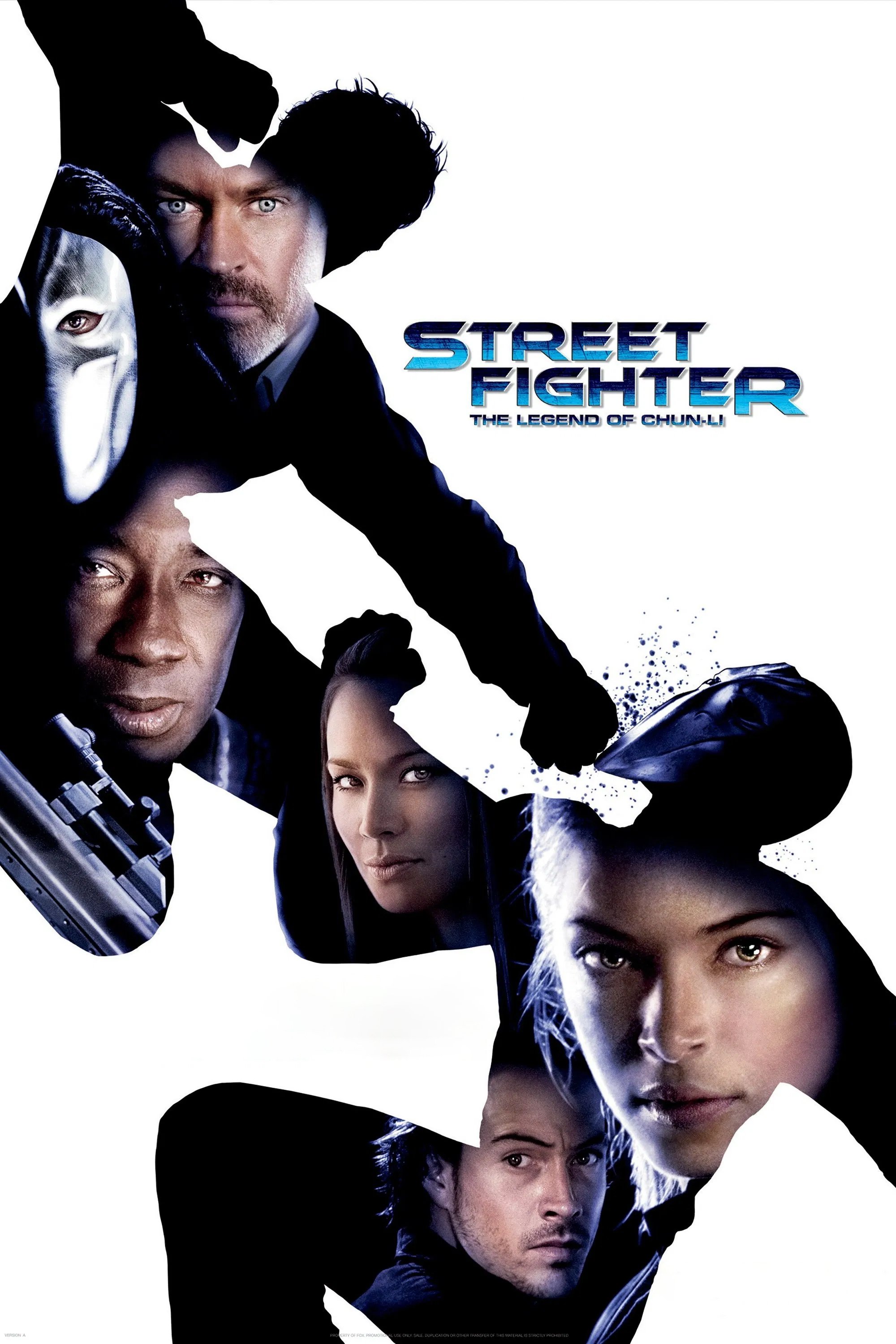
Kristin Kreuk takes the lead role of a woman seeking to rescue her father from a criminal organization. Although the actress has partial Chinese heritage the casting was seen by some as a missed opportunity for a more direct representation. The supporting cast includes Chris Klein as Charlie Nash who is a character originally depicted with different traits in the games. The film was widely panned for its script and its departure from the established lore of the series. It struggled to find an audience among hardcore fans of the anime and game adaptations.
‘Tekken’ (2009)
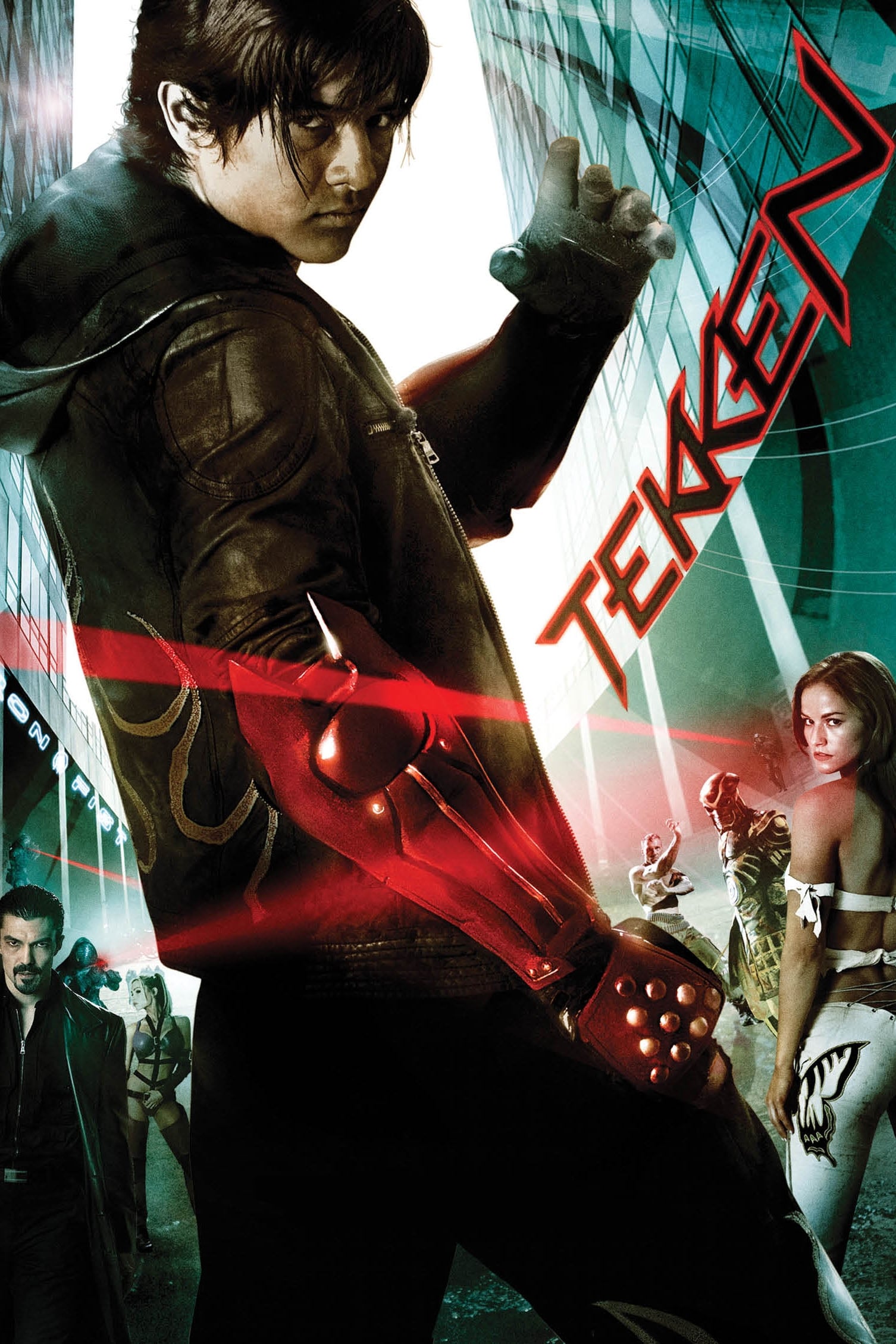
Jon Foo stars as Jin Kazama who is a young fighter entering a tournament to avenge his mother. The character is Japanese in the original series but the actor in this live action version has a different ethnic background. Other major characters from the Japanese game were also portrayed by Western actors to appeal to international markets. The film received negative reviews for its low production value and its loose interpretation of the source material. Fans noted that the casting failed to honor the specific cultural identities of the legendary fighters.
‘Æon Flux’ (2005)
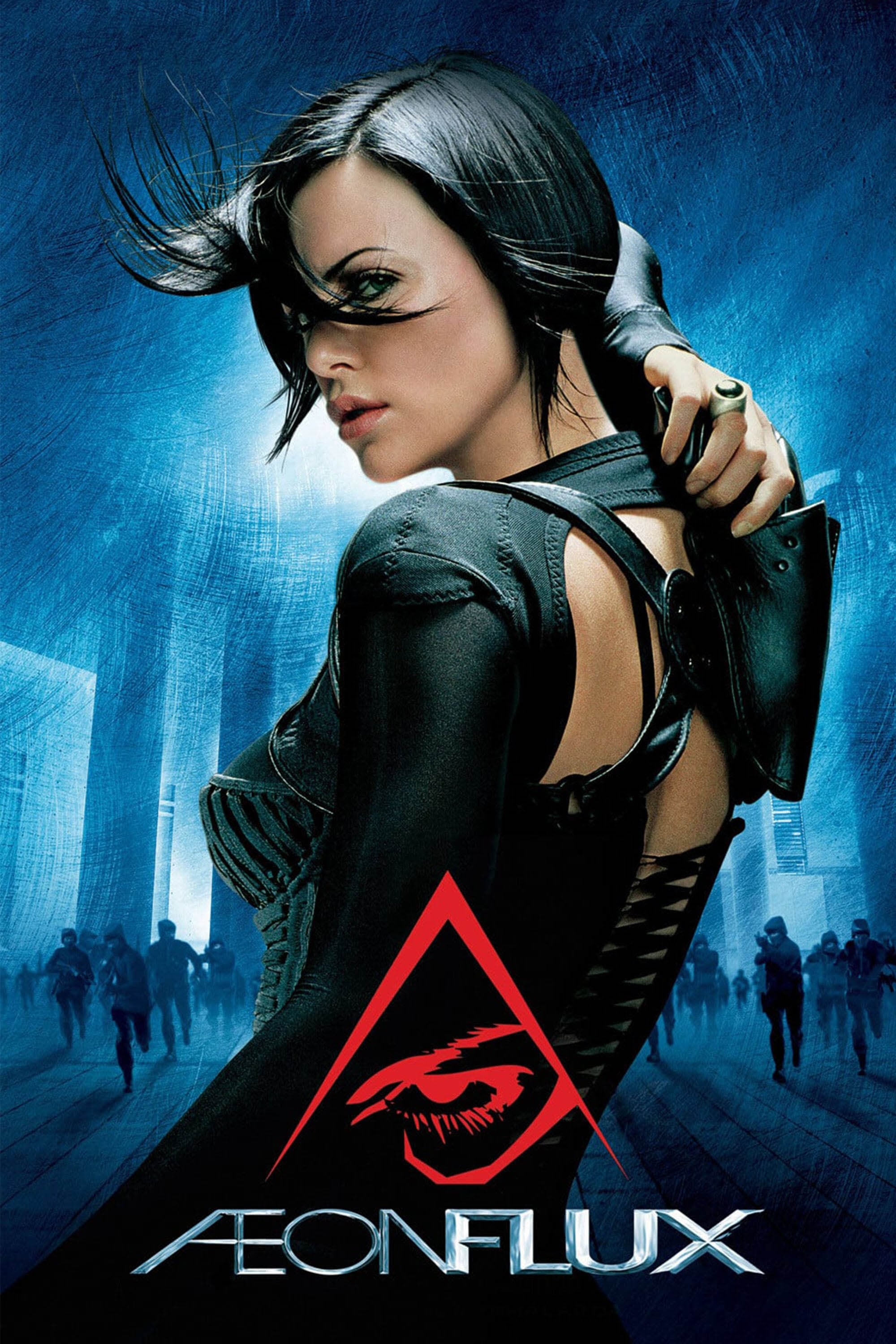
Charlize Theron plays the title character who is a skilled assassin fighting against a totalitarian government in the distant future. The film is based on an animated series created by Peter Chung which became a cult hit on television. The original show featured an avant garde style and a protagonist with a unique and non specific ethnic background. This live action adaptation transformed the story into a more conventional science fiction action movie with a Hollywood lead. Fans felt that the transition lost the experimental spirit and cultural ambiguity of the original animation.
‘Godzilla’ (1998)

This film reimagines the legendary Japanese monster as a creature that terrorizes New York City after nuclear testing. Matthew Broderick stars as a scientist who must help the military stop the giant lizard from destroying the city. The original franchise is a cornerstone of Japanese cinema and serves as a metaphor for national trauma. By removing the story from its Japanese context and casting a Western lead the film alienated many long time fans. The production was criticized for its departure from the established design and spirit of the character.
‘Transformers’ (2007)
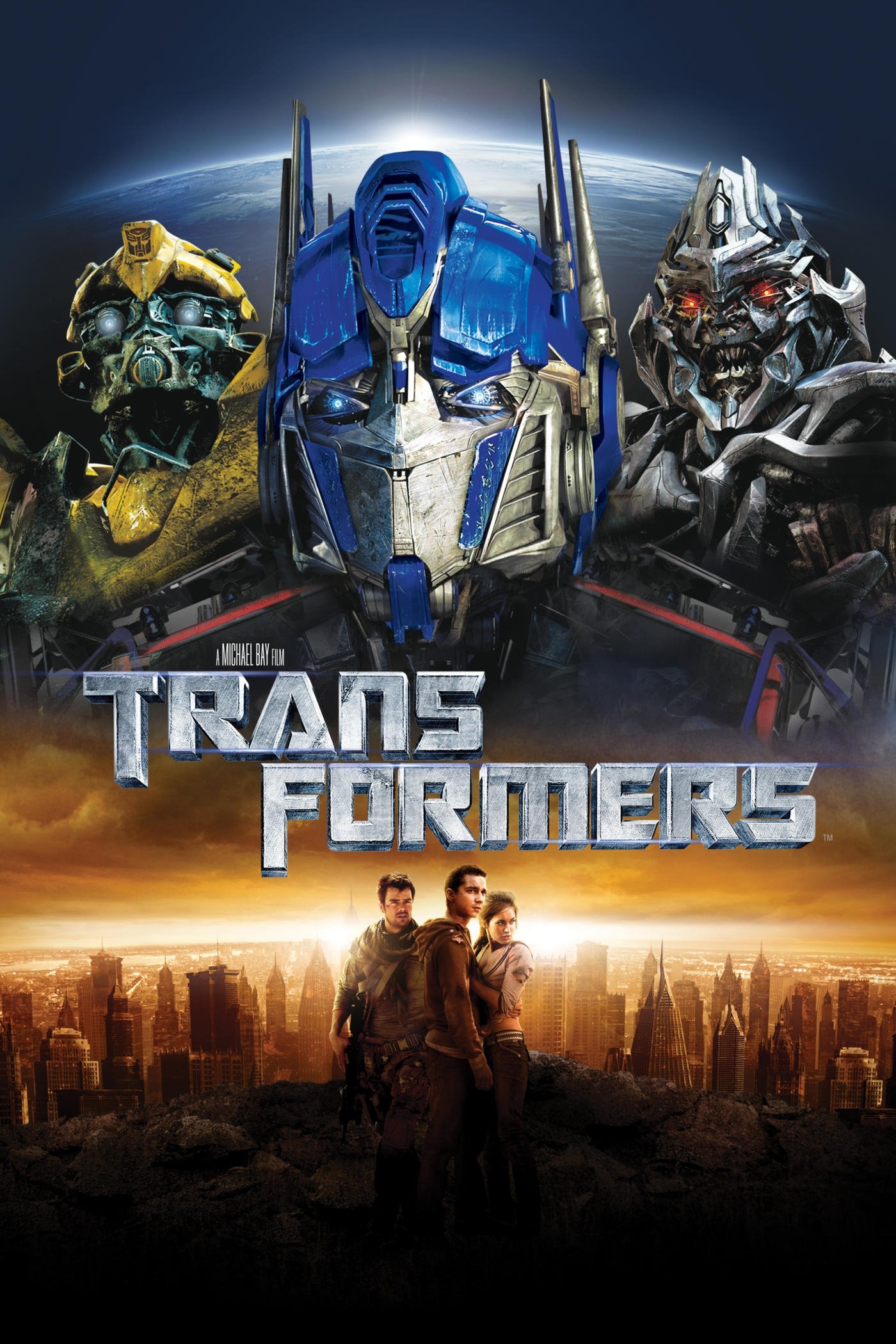
Shia LaBeouf stars as a teenager who becomes caught in a war between two factions of giant robots. The franchise originated from a Japanese toy line and animated series that featured various international characters and settings. This live action adaptation focused heavily on American military involvement and a Western protagonist. While the film was a massive commercial success it marked a shift away from the original Japanese influences of the brand. The narrative prioritized high energy action and state of the art visual effects for a domestic audience.
‘Power Rangers’ (2017)
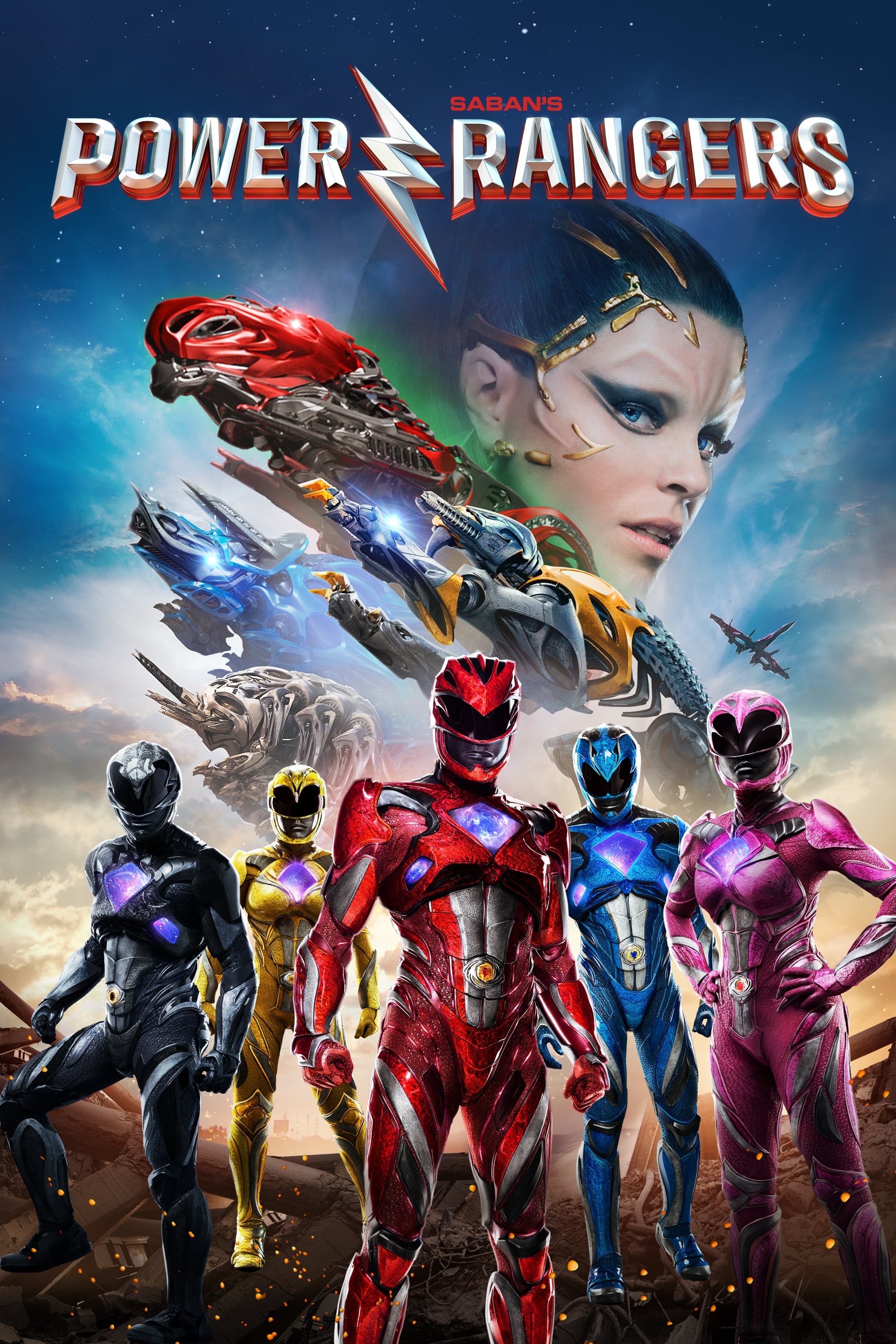
This movie serves as a reboot of the franchise that was originally adapted from the Japanese ‘Super Sentai’ series. While the film features a diverse cast it also includes Western stars like Elizabeth Banks in iconic villainous roles. The production updated the origins of the characters to fit a contemporary American high school setting. Fans of the original Japanese shows often note how the Western versions change the cultural context of the heroics. This film attempted to balance nostalgia with a new aesthetic for a modern generation of viewers.
‘Mortal Kombat’ (1995)
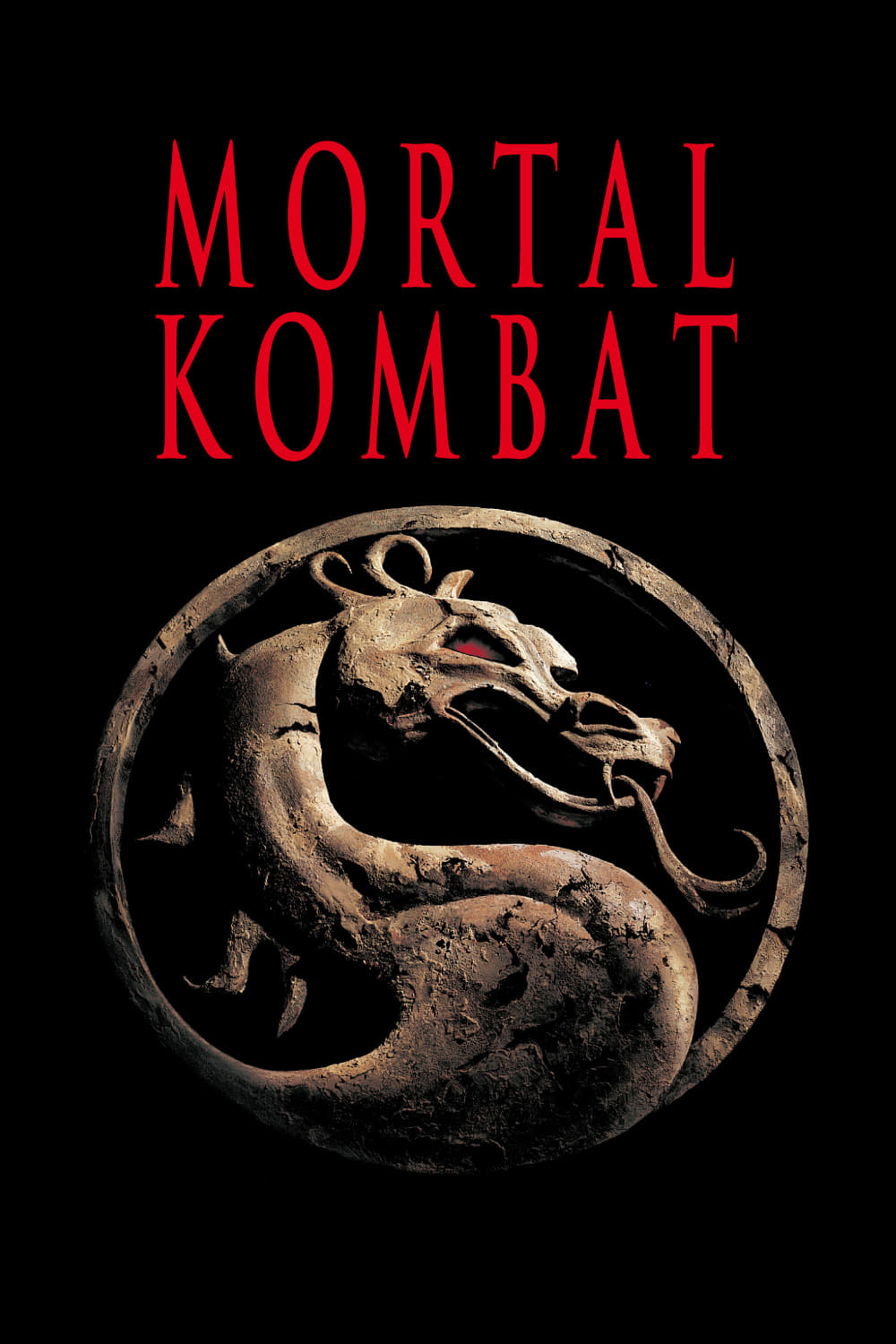
Christopher Lambert portrays Raiden who is the god of thunder and protector of the Earthrealm. The character is based on a Japanese deity from traditional mythology and is depicted as Asian in many iterations of the series. The casting of a Western actor for this pivotal role was a common practice in nineties action cinema. While the film is fondly remembered by many fans the casting remains a point of discussion regarding historical representation. The production relied on established stars to sell a story based on a popular game and anime.
‘Double Dragon’ (1994)
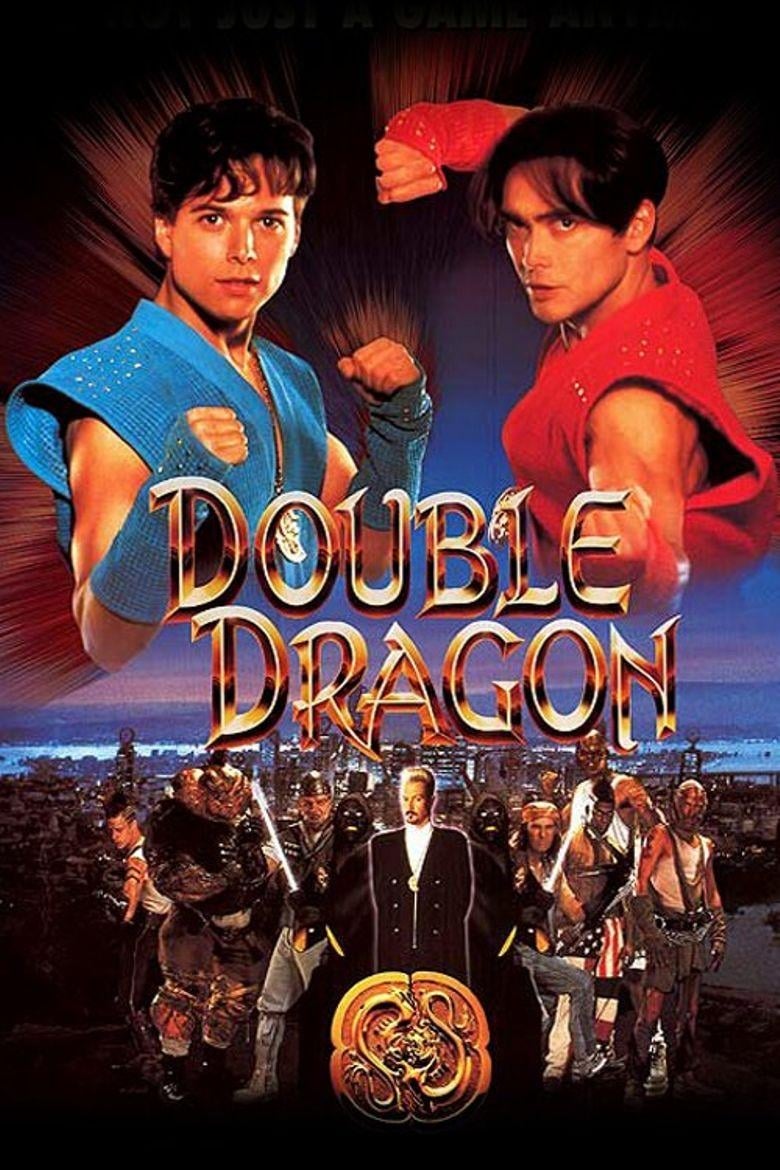
Scott Wolf and Mark Dacascos star as brothers Billy and Jimmy Lee who must protect a powerful ancient medallion. The characters were originally conceived as martial artists in a setting influenced by Asian urban culture. This live action version turned the story into a campy adventure set in a post apocalyptic Los Angeles. The film was a critical and commercial failure that struggled to capture the essence of the source material. It serves as a reminder of the era when video game and anime adaptations were often heavily Westernized.
‘Super Mario Bros.’ (1993)
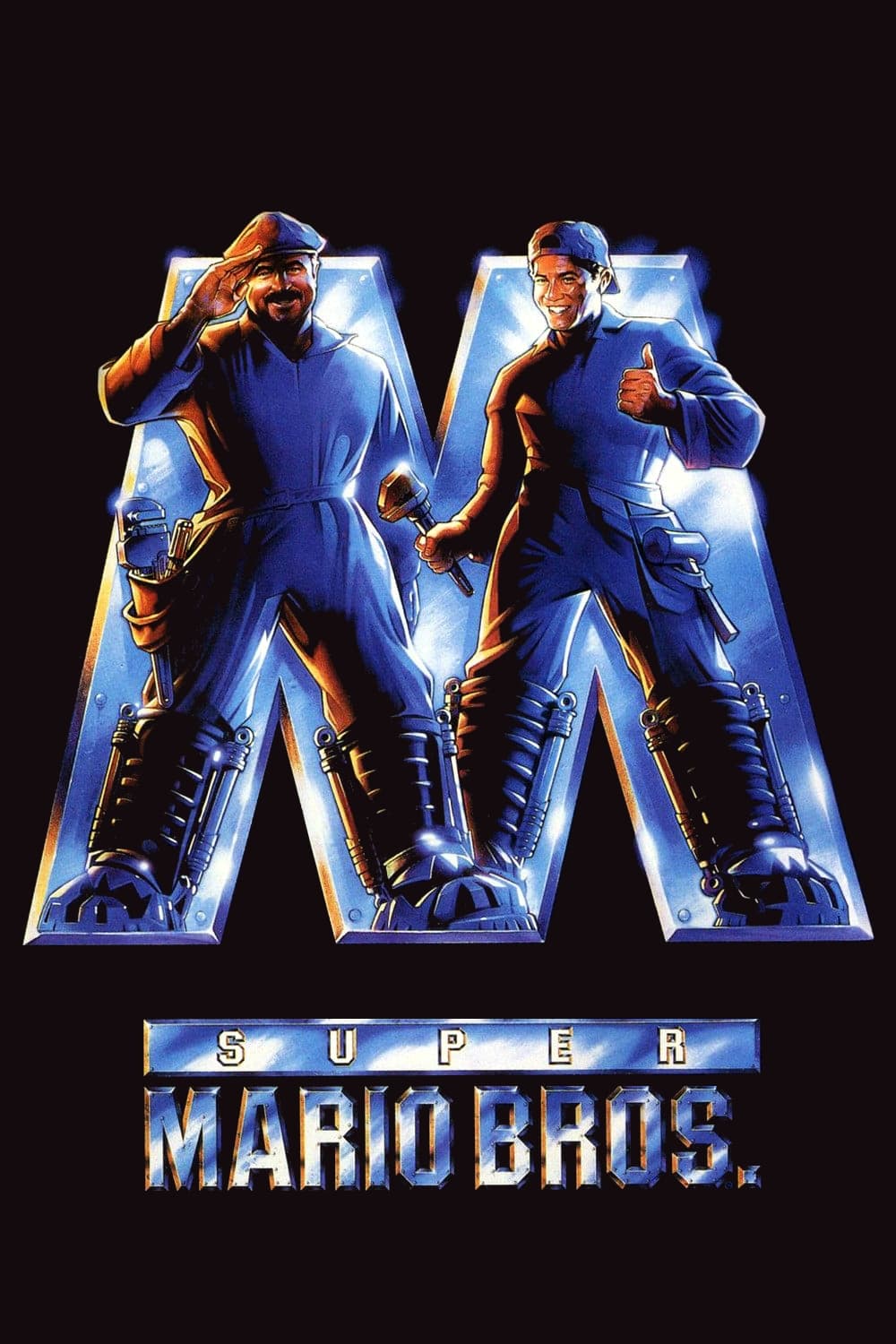
Bob Hoskins and John Leguizamo play the iconic brothers who travel to another dimension to rescue a princess. The franchise is the most famous creation of Japanese game designer Shigeru Miyamoto and has multiple anime adaptations. This film took significant creative liberties with the source material and featured a primarily Western cast and setting. The production is often cited as one of the most unusual adaptations of a Japanese property in Hollywood history. Fans of the original series found the dark and gritty tone to be a massive departure from the games.
‘The King of Fighters’ (2010)
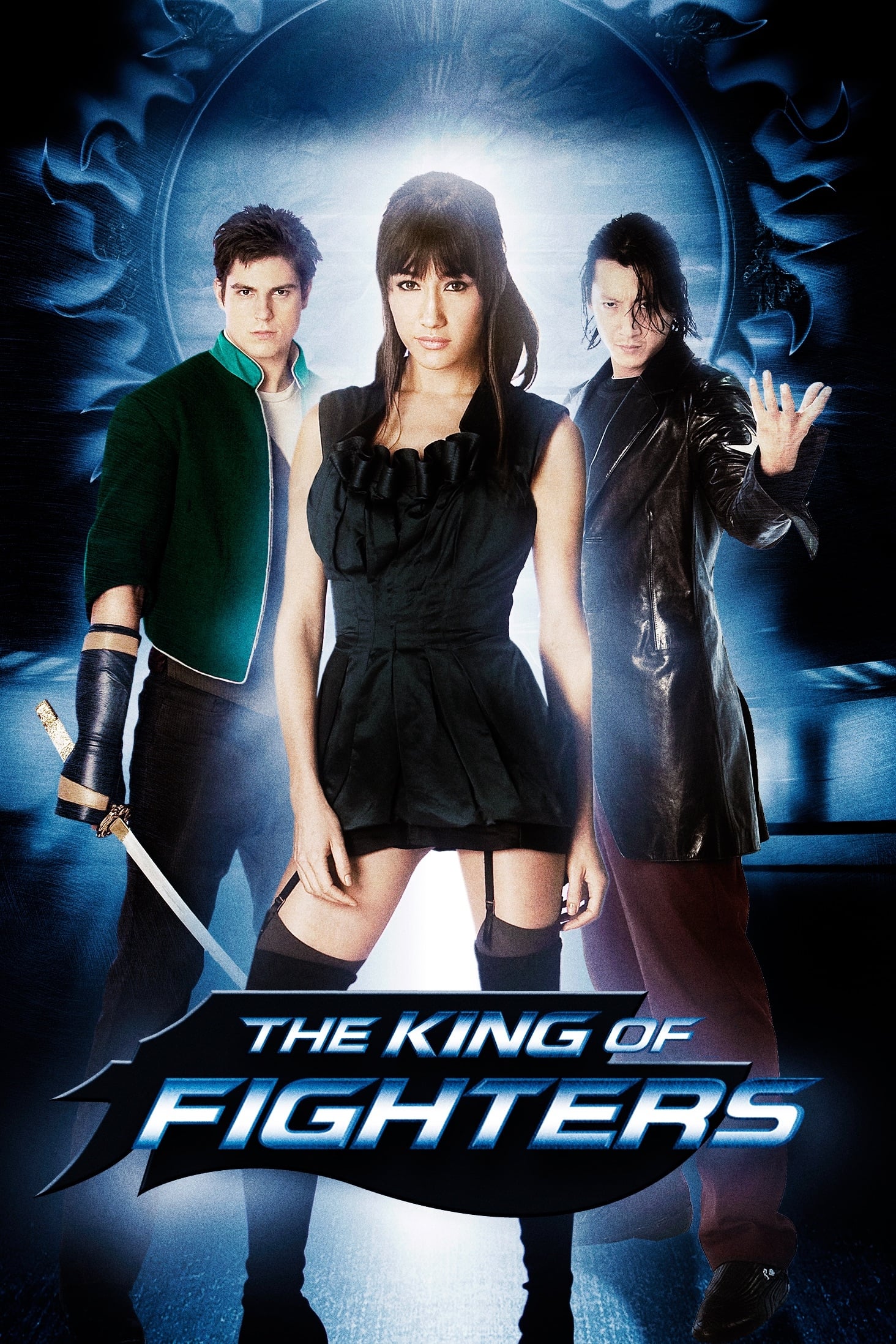
Sean Faris stars as Kyo Kusanagi who is a fighter with the power to control fire. The protagonist is Japanese in the original games and anime but is portrayed by a Caucasian actor in this adaptation. Other central characters like Terry Bogard were also reimagined to fit the Western casting choices of the production. The film was criticized for its poor writing and for ignoring the deep lore of the franchise. It represents a recurring trend of adapting Japanese fighting properties with little regard for the original ethnicity of the leads.
‘Resident Evil’ (2002)
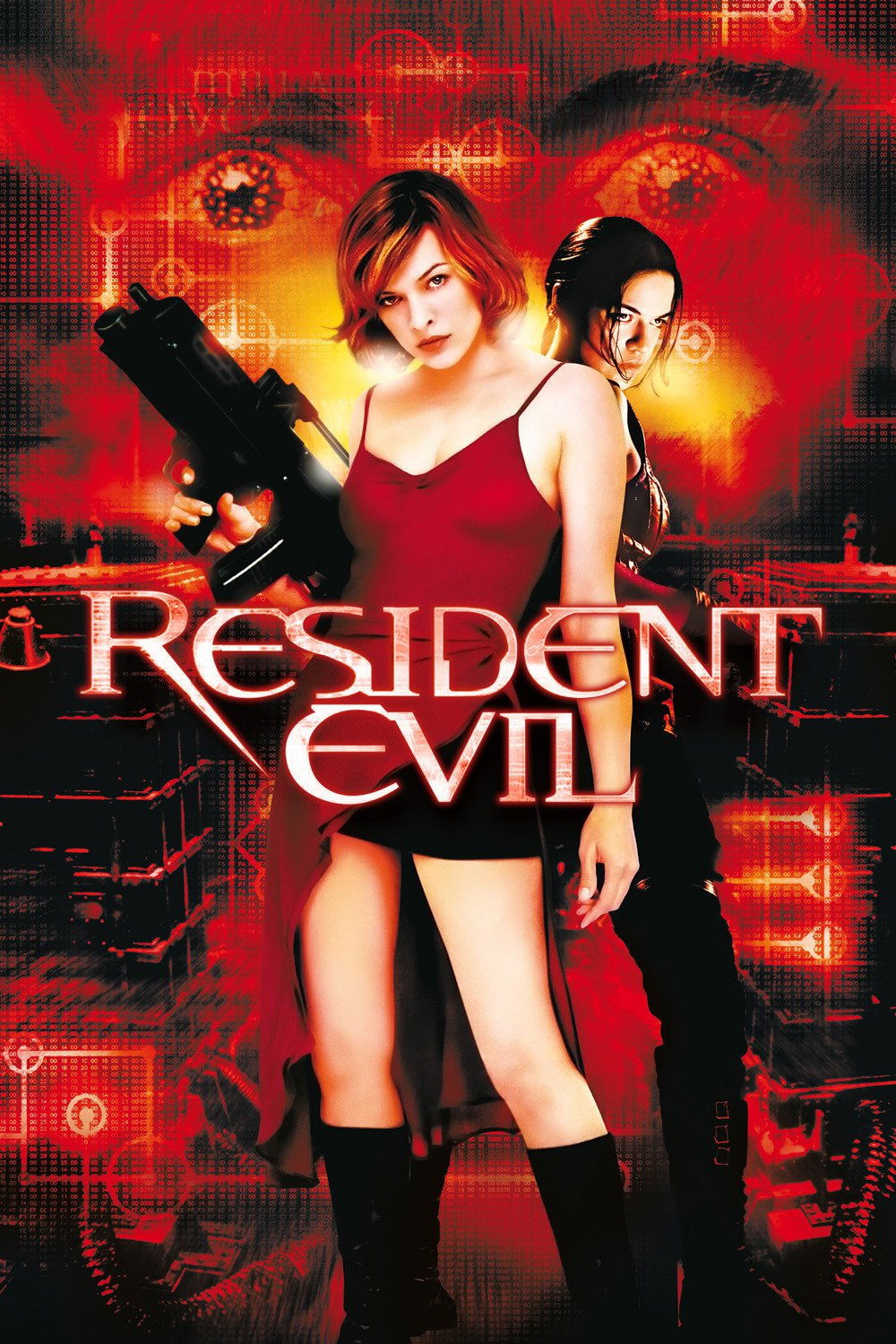
Milla Jovovich portrays Alice who is an original character created for the live action film series based on the Japanese games. While the games feature a diverse cast of characters with various backgrounds the movies focused on a new Western protagonist. The films moved the action to different global locations but maintained a primarily Western perspective throughout the franchise. This decision allowed the producers to create a unique cinematic universe separate from the source material. Fans of the anime and games have long debated the impact of these creative choices on the identity of the brand.
‘Monster Hunter’ (2020)

Milla Jovovich stars as Captain Artemis who is a soldier transported to a world filled with giant monsters. The film is based on a popular Japanese game franchise that has also been adapted into various anime series. The story introduces a Western military element that was not present in the original fantasy setting of the source material. This adaptation focuses on the survival of the American characters in a foreign and hostile environment. It serves as a modern example of how Japanese fantasy properties are often framed through a Western lens for global cinema.
‘Godzilla’ (2014)
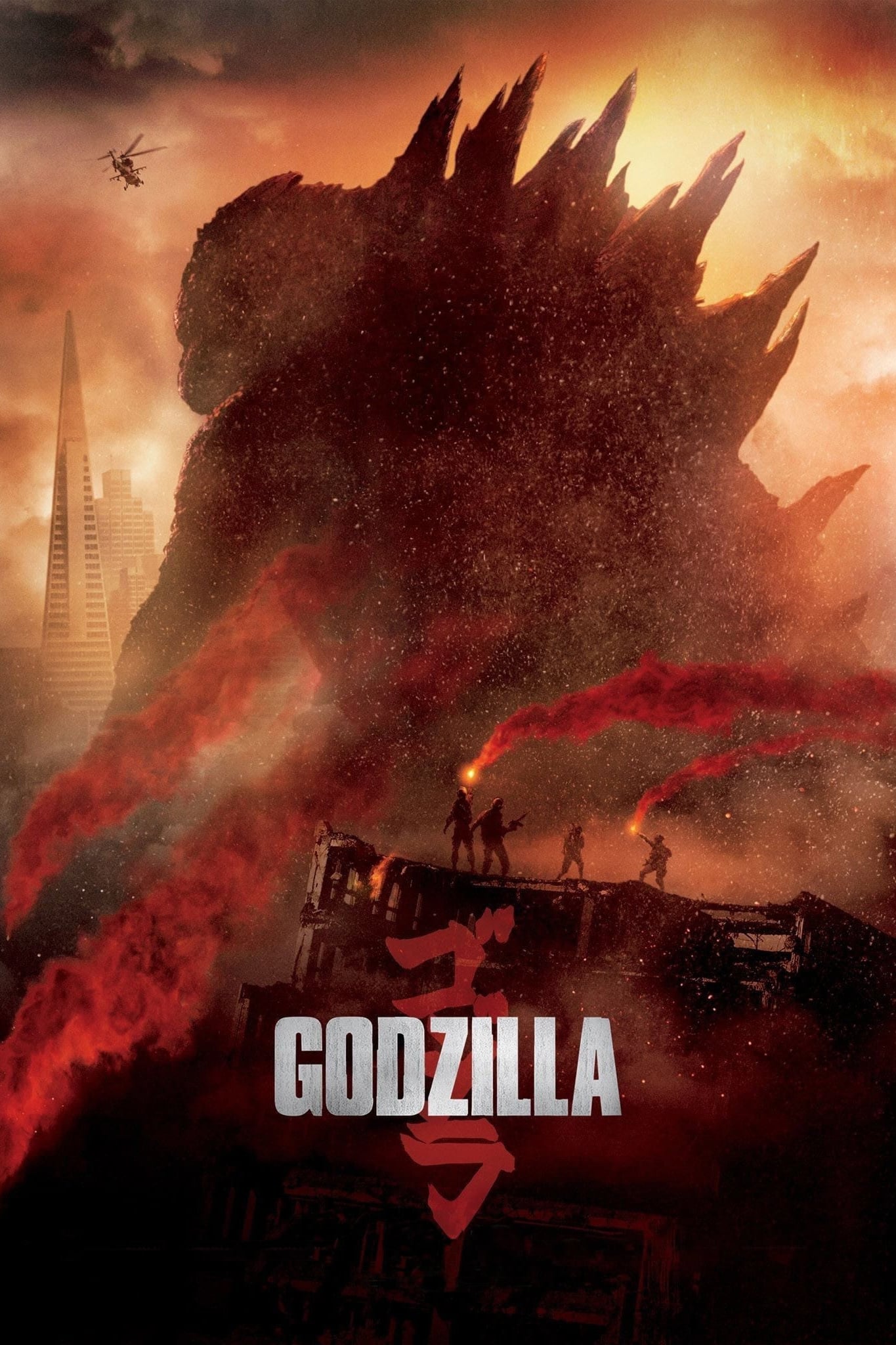
Aaron Taylor Johnson stars as a military officer who becomes caught in the middle of a battle between ancient monsters. This American production serves as a reboot of the iconic Japanese franchise that originated in 1954. While the film attempts to treat the monster with respect the central human narrative focuses primarily on Western military perspectives. Many fans of the original series noticed that the Japanese origins of the titular creature were relegated to the background. The movie prioritizes global scale and realistic visual effects over the cultural nuances of the previous Japanese entries.
‘Mortal Kombat’ (2021)
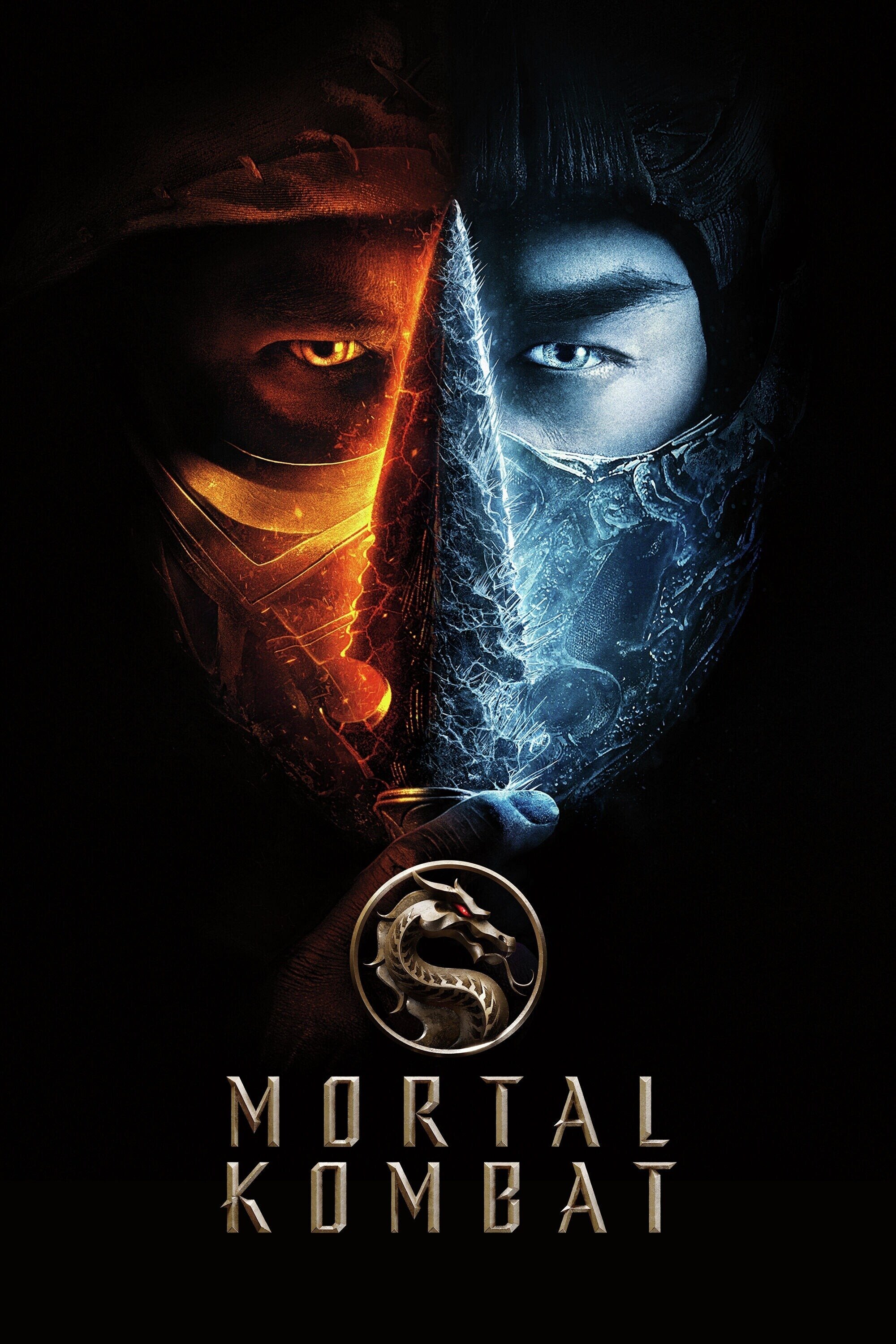
Lewis Tan portrays Cole Young who is a new character created specifically for this reboot of the fighting franchise. The character is an MMA fighter who discovers his hidden heritage and joins a team of warriors to defend the world. While the film features a more diverse and ethnically accurate cast than the previous versions it still centers on a new protagonist. This decision allowed the producers to introduce the world to audiences through a character who was not part of the original games or anime. Fans were divided on whether the inclusion of a new lead was necessary for the narrative.
‘Sonic the Hedgehog’ (2020)
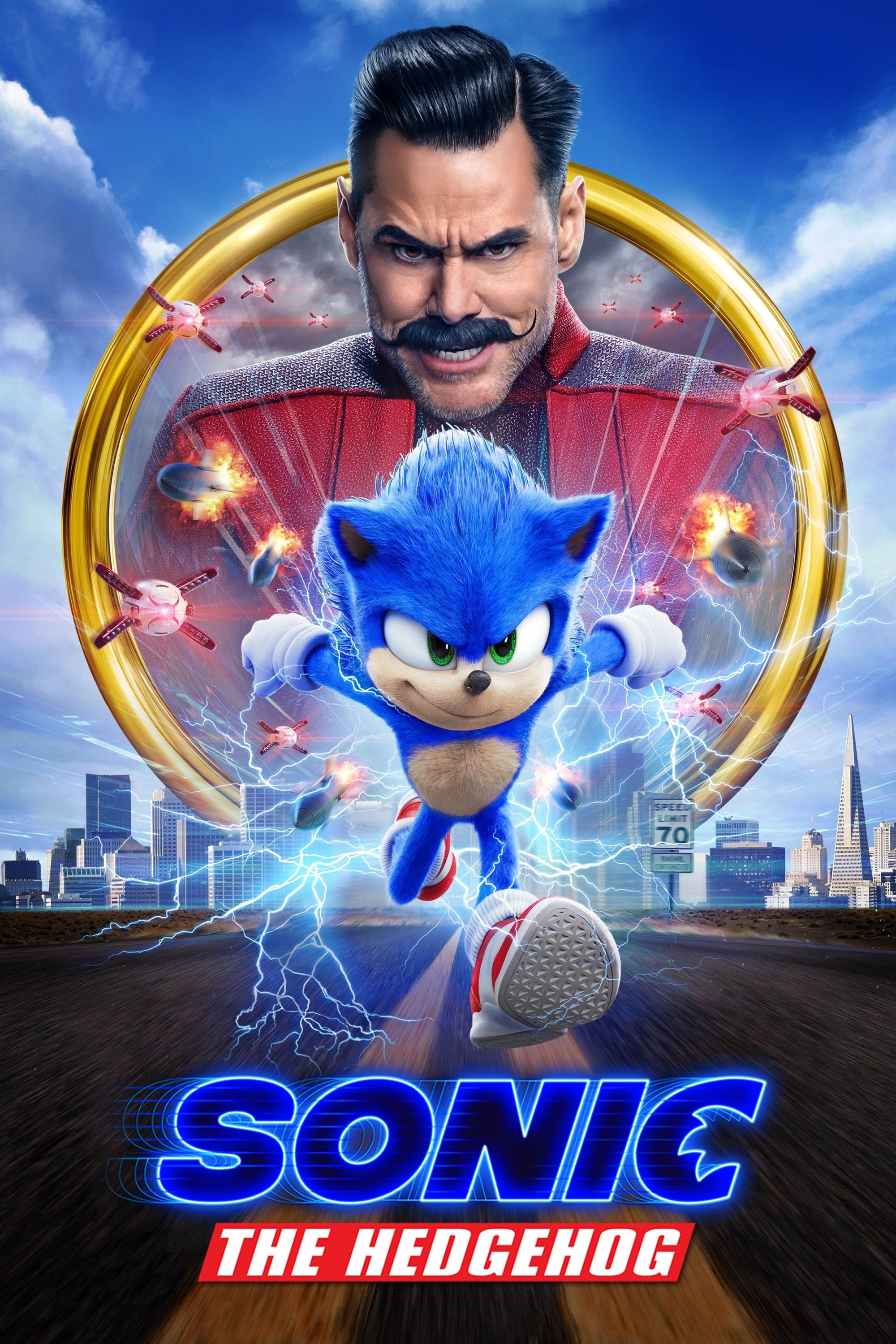
Ben Schwartz provides the voice for the title character who is a blue hedgehog with superhuman speed. The character originated from a series of Japanese video games which were later adapted into multiple anime shows. This film places the character in a small American town and pairs him with a Western police officer played by James Marsden. The narrative focuses on the friendship between the alien hedgehog and his human companion in a contemporary domestic setting. While the film was a major hit it represents the standard Hollywood approach of placing Japanese characters in Western environments.
‘G.I. Joe: The Rise of Cobra’ (2009)
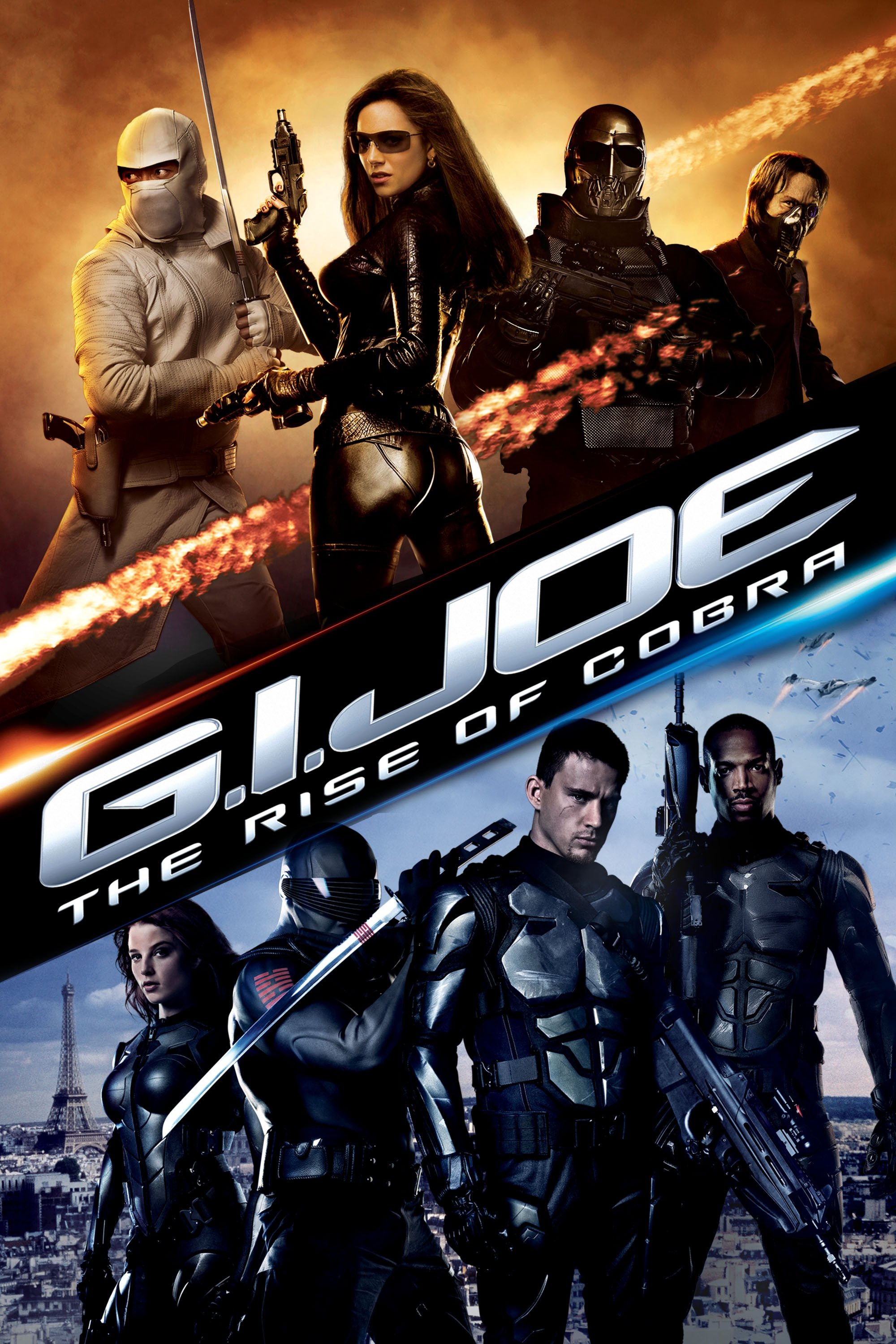
Channing Tatum stars as Duke who is a military leader in an elite international task force. While the franchise is based on American toys it features a rich history of animated series including several Japanese coproductions. The film focuses on Western leads despite the global nature of the team and the heavy influence of ninja culture. Characters like Snake Eyes and Storm Shadow are central to the plot yet the narrative is driven by the American soldiers. This adaptation prioritized high tech gadgets and action sequences for a summer blockbuster audience.
Tell me your thoughts on these live action adaptations and the casting choices in the comments.