


15 Low-Budget Horror Films That Became Box Office Hits

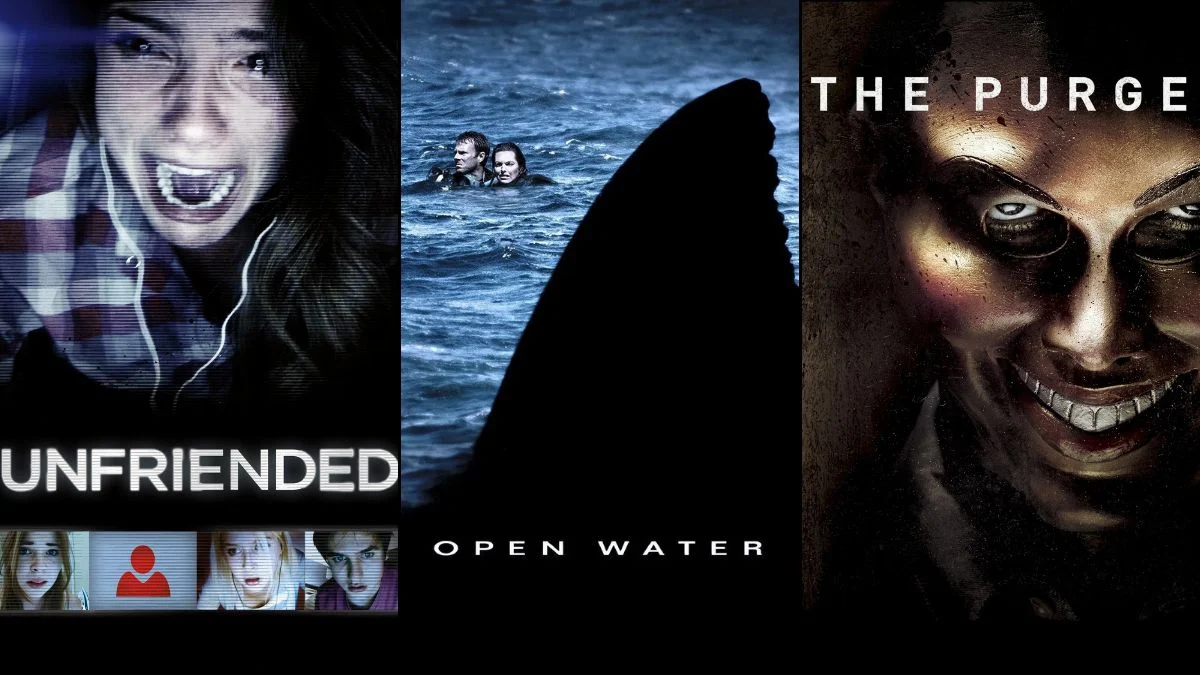


Horror movies don’t need big budgets to scare audiences or make millions. Low-budget horror films often rely on clever ideas, strong storytelling, and creative marketing to become massive hits. These films prove that a small investment can lead to huge returns when done right. From found-footage frights to classic slashers, the movies on this list beat the odds and raked in big money at the box office.
Many of these films launched franchises, made stars out of unknown actors, or changed the horror genre forever. They show that you don’t need fancy special effects or big names to create something terrifying and profitable. Let’s dive into 15 low-budget horror films that became box office sensations.
‘The Blair Witch Project’ (1999)
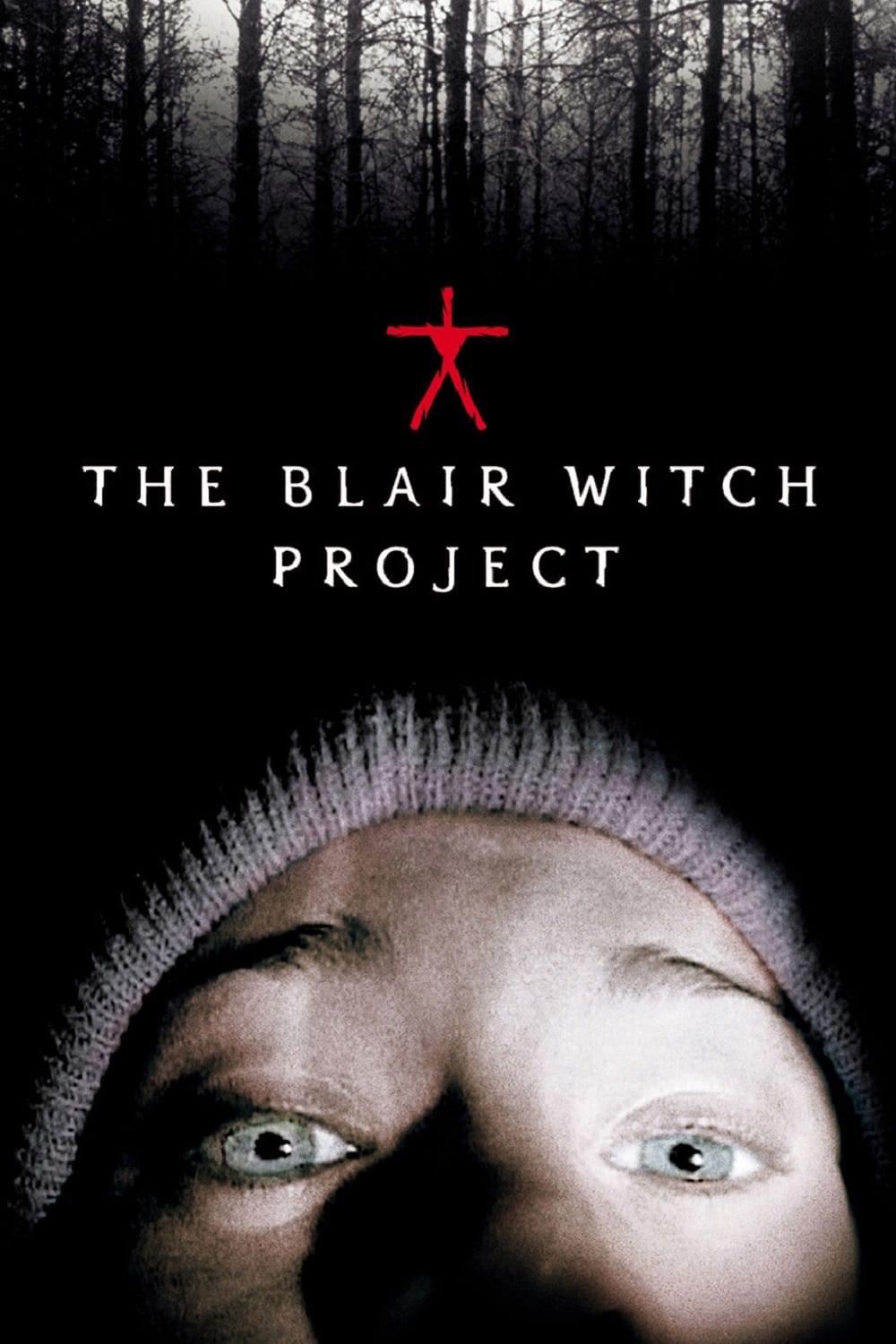
Made for just $60,000, ‘The Blair Witch Project’ used a found-footage style to tell the story of three filmmakers lost in a haunted forest. Its shaky camera work and eerie atmosphere made it feel real, terrifying audiences. A clever marketing campaign, including a website hinting the story was true, fueled its hype. The film grossed $248 million worldwide, making it one of the most profitable movies ever.
The success came from its simplicity and the fear of the unknown. With no big stars or special effects, it relied on suspense and imagination. It kicked off the found-footage craze and inspired countless imitators. Its impact on horror and indie filmmaking is still felt today.
‘Paranormal Activity’ (2007)
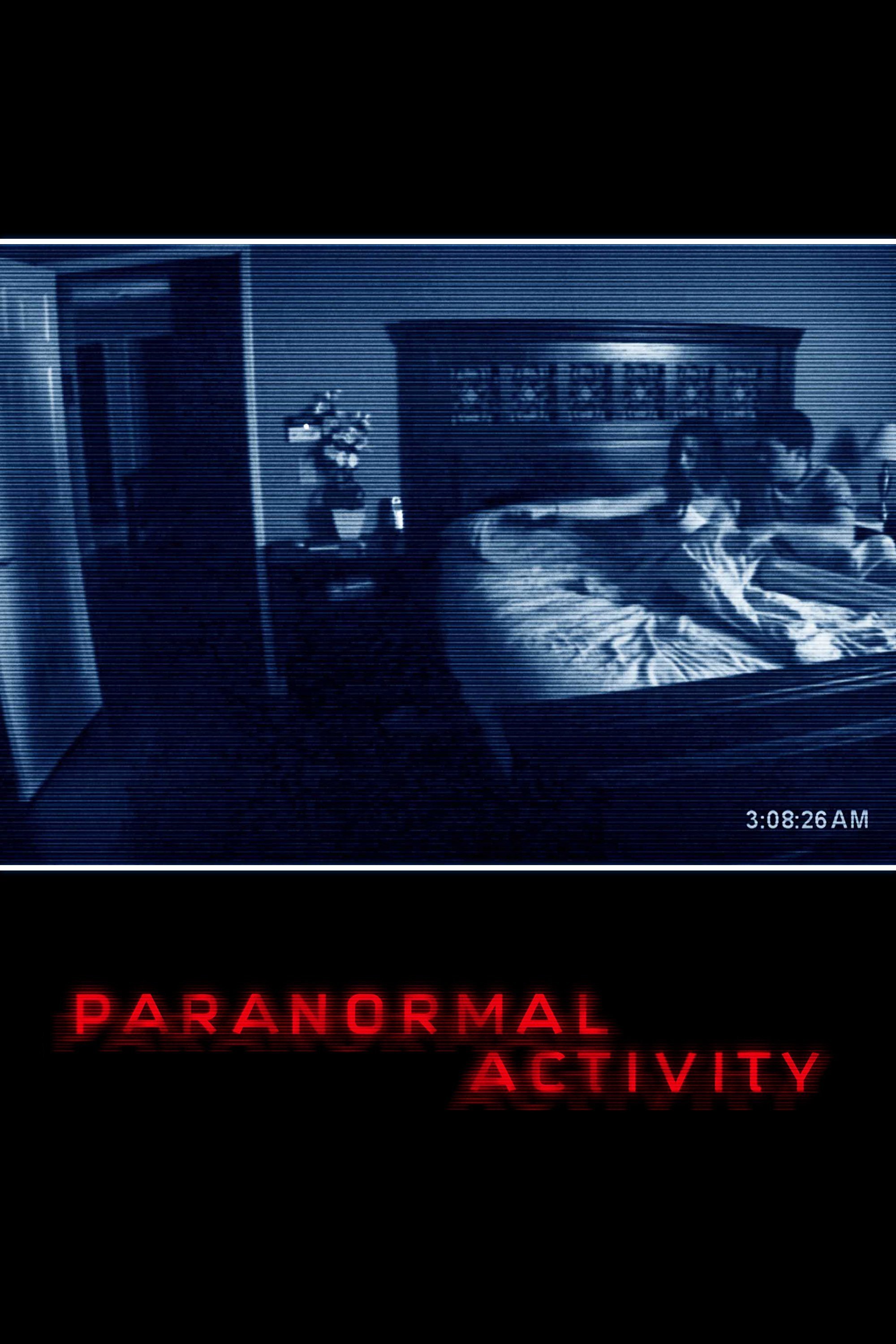
Shot for a tiny $15,000, ‘Paranormal Activity’ follows a couple haunted by a demon in their home. Filmed in one house with consumer cameras, it built terror through subtle scares and tension. A viral marketing campaign, including audience reaction footage, drove its popularity. It grossed $193 million worldwide, becoming one of the most profitable films ever.
The film’s success led to a franchise with multiple sequels. Its low-budget approach showed that suggestion can be scarier than flashy effects. Director Oren Peli’s debut proved you don’t need experience or money to make a hit. It remains a benchmark for low-budget horror.
‘Psycho’ (1960)
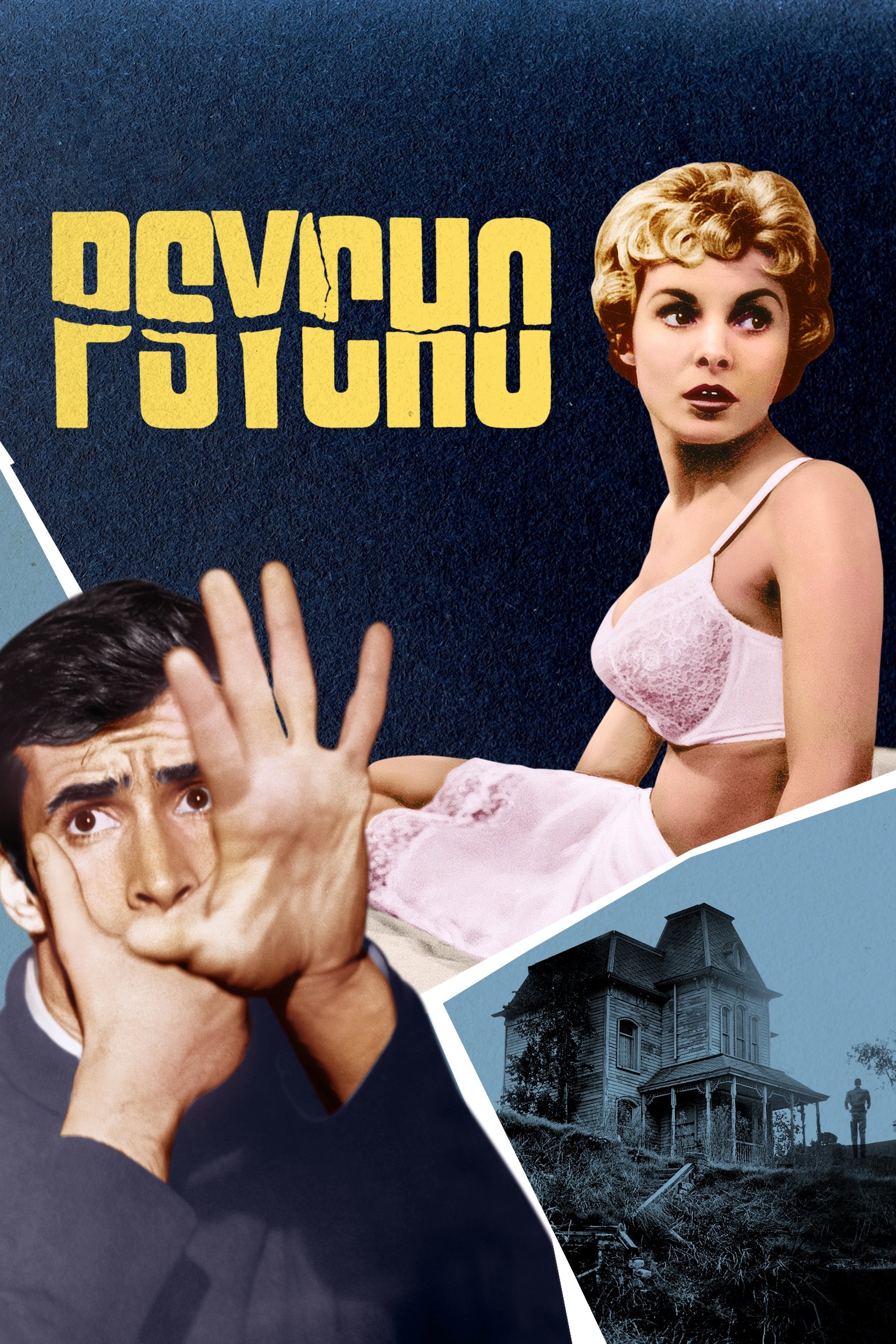
Alfred Hitchcock’s ‘Psycho’ was made for $800,000, a small budget for its time. The story of a secretary stumbling into a murderer’s lair shocked audiences with its twists and iconic shower scene. Hitchcock funded it himself, taking a 60% stake, which paid off big. The film grossed $50 million, a huge sum then.
Its black-and-white cinematography and off-screen violence kept costs low but didn’t skimp on scares. ‘Psycho’ set the stage for the slasher genre and made Norman Bates a horror legend. Its influence is seen in countless horror films today. Hitchcock’s gamble proved low-budget horror could be groundbreaking.
‘Halloween’ (1978)
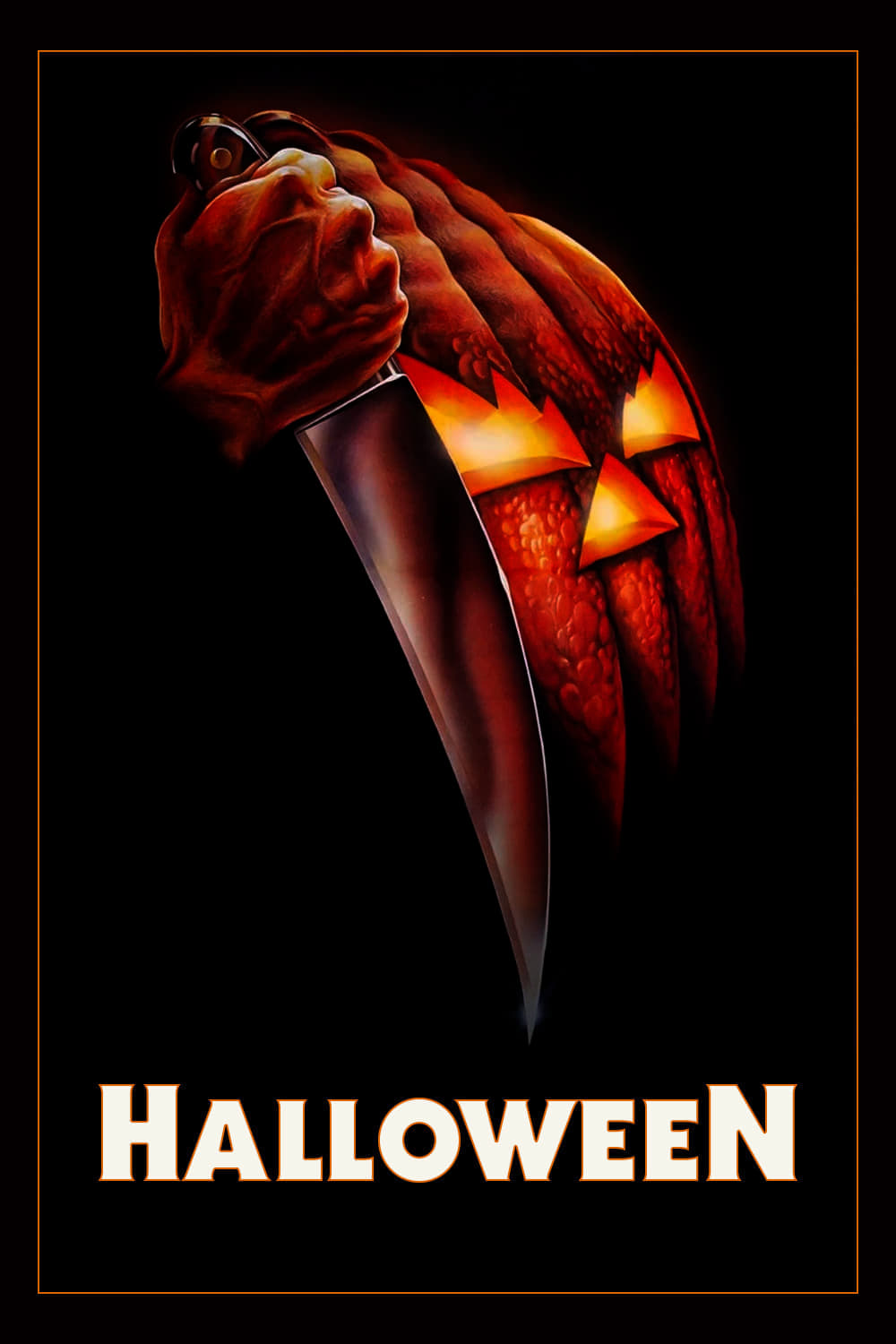
John Carpenter’s ‘Halloween’ cost $325,000 and introduced the world to Michael Myers, a masked killer stalking a babysitter. Shot in just 20 days, it used simple techniques like a haunting score and clever camera work to build fear. It grossed $70 million worldwide and became a horror classic.
The film’s success launched a franchise and made Jamie Lee Curtis a scream queen. Its low budget didn’t stop it from delivering iconic scares. ‘Halloween’ showed that a strong story and atmosphere could outshine expensive effects. It remains a cornerstone of the slasher genre.
‘Friday the 13th’ (1980)

Made for $550,000, ‘Friday the 13th’ follows camp counselors hunted by a mysterious killer at Crystal Lake. Its gritty violence and shocking twists hooked audiences. Despite mixed reviews, it grossed nearly $60 million and spawned a massive franchise. The film’s simple premise and raw energy made it a hit.
Director Sean S. Cunningham leaned on practical effects and unknown actors, including Kevin Bacon. The film’s success came from its relentless pace and memorable kills. It helped define the slasher genre alongside ‘Halloween’. Its legacy lives on in sequels and pop culture.
‘Saw’ (2004)
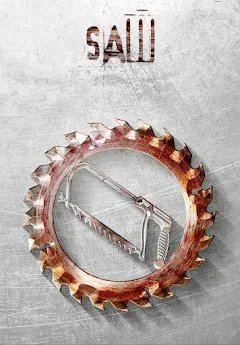
With a budget of $1.2 million, ‘Saw’ introduced Jigsaw, a killer forcing victims into deadly games. Shot in 18 days, it used a single location and intense storytelling to create dread. The film grossed $103 million worldwide and launched a franchise. Its unique premise and twist ending hooked audiences.
Director James Wan’s debut showed how creativity can trump budget. The film’s gruesome traps and moral dilemmas set it apart from typical horror. ‘Saw’ proved low-budget films could compete with big blockbusters. Its influence on the torture-horror subgenre is undeniable.
‘Get Out’ (2017)
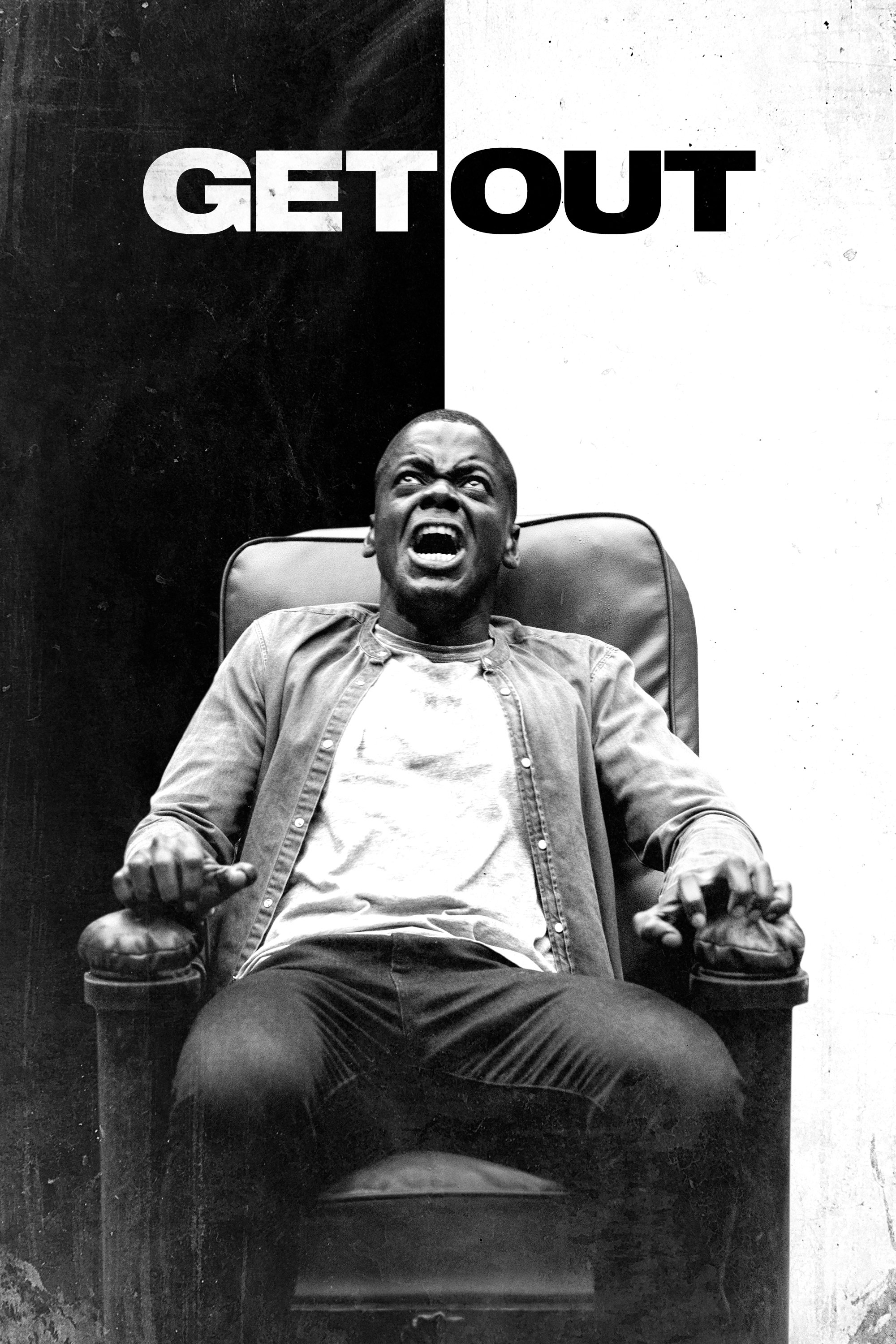
Jordan Peele’s ‘Get Out’ was made for $4.5 million, the highest budget on this list. It follows a Black man uncovering sinister secrets while meeting his white girlfriend’s family. Its mix of social commentary and horror struck a chord, grossing $255 million worldwide. The film won an Oscar for Best Screenplay.
Peele’s smart script and tight direction made every dollar count. The film’s “sunken place” concept became a cultural phenomenon. ‘Get Out’ showed low-budget horror could tackle big themes and still dominate the box office. It redefined modern horror storytelling.
‘Night of the Living Dead’ (1968)
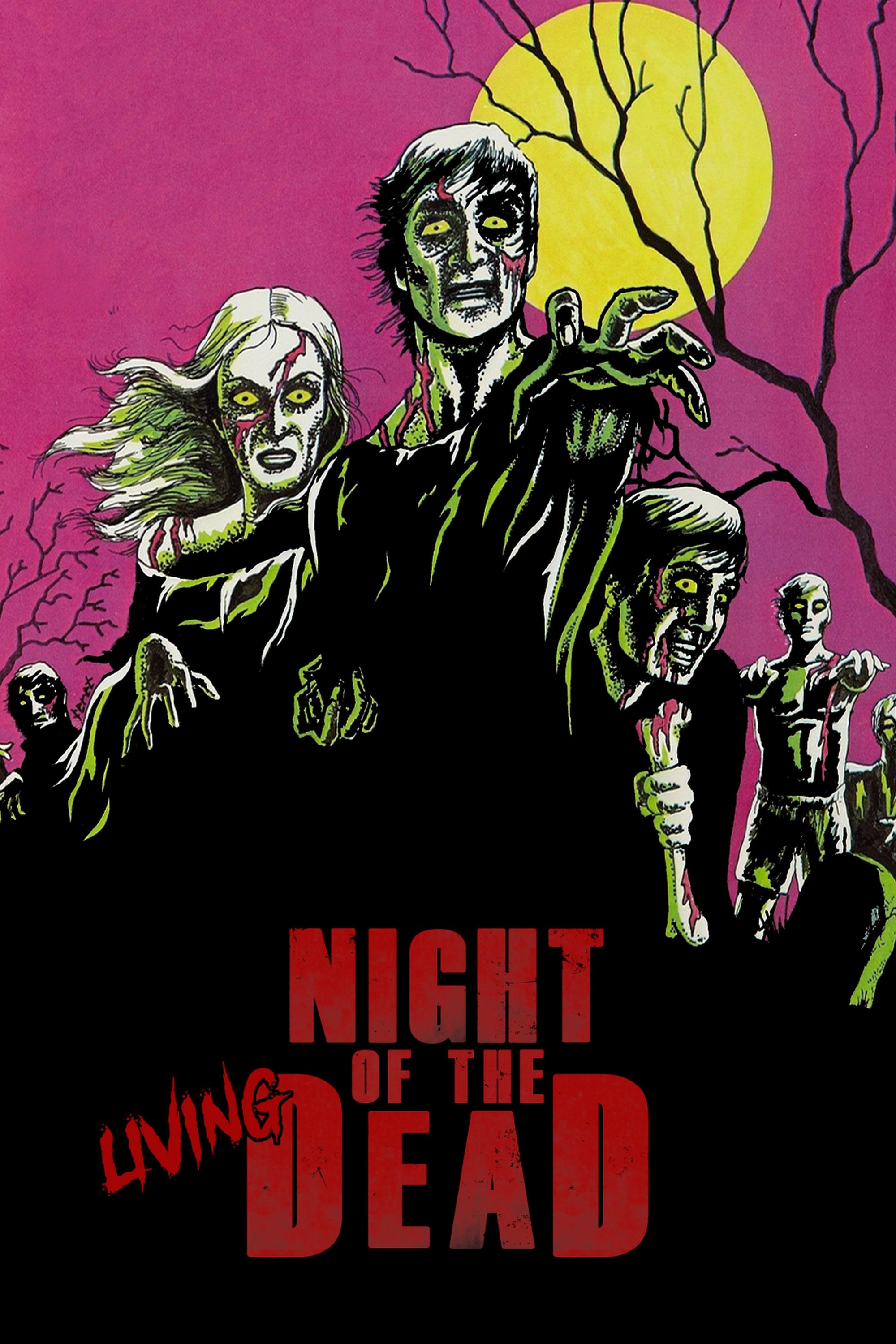
George Romero’s ‘Night of the Living Dead’ cost just $114,000 and created the modern zombie genre. Shot in black and white, it follows survivors trapped in a farmhouse during a zombie outbreak. Its gritty realism and social commentary resonated, grossing $30 million worldwide. It became a cult classic.
The film’s low budget forced creative choices, like using local actors and minimal effects. Its shocking ending and themes of racism made it stand out. Romero’s debut influenced countless zombie films and shows. Its success proved small budgets could yield big impact.
‘The Texas Chain Saw Massacre’ (1974)
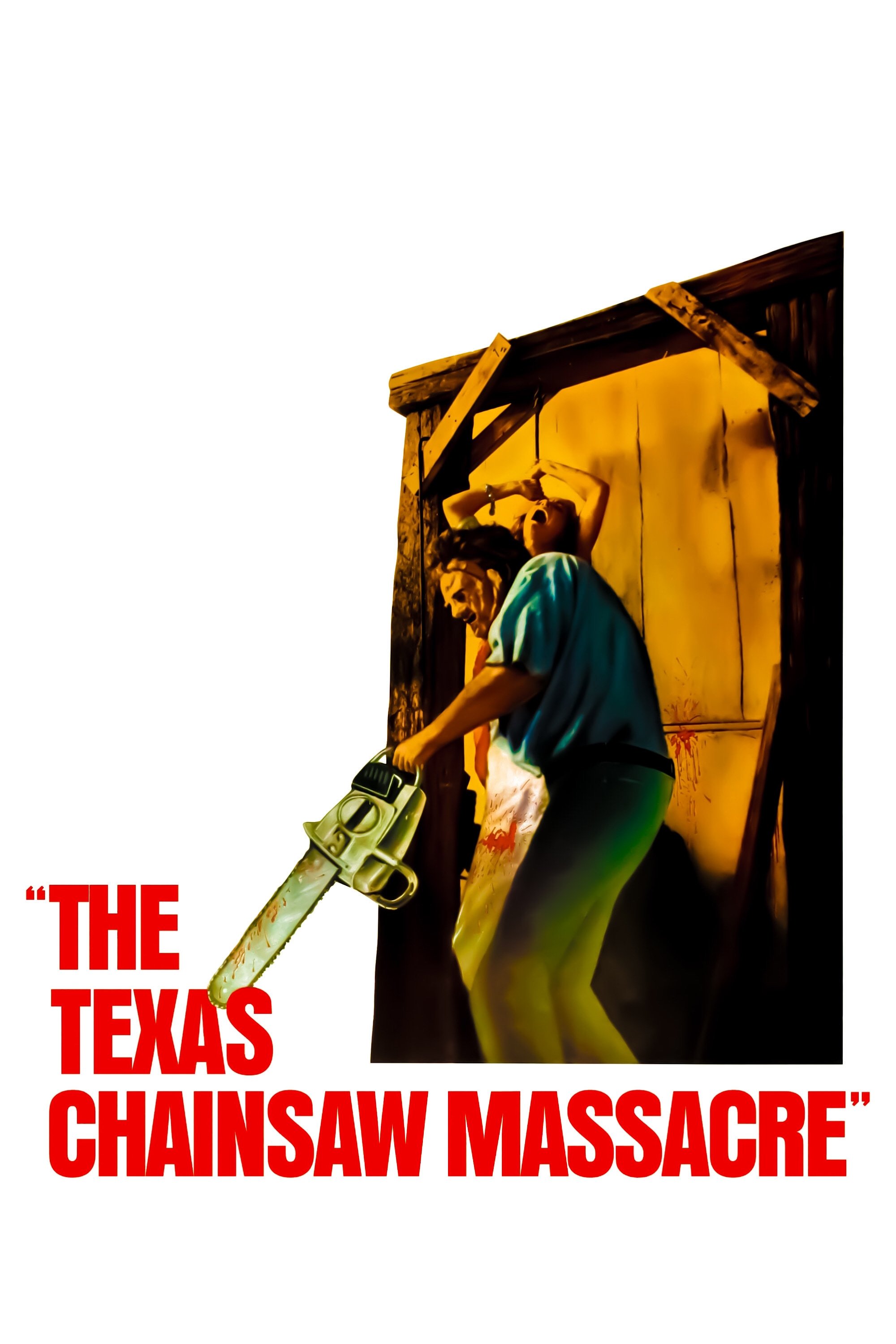
Made for $300,000, ‘The Texas Chain Saw Massacre’ follows friends hunted by a cannibalistic family. Its raw, documentary-like style terrified audiences. Despite bans in some countries, it grossed over $30 million. The film’s gritty realism made it a horror legend.
Director Tobe Hooper used real locations and practical effects to keep costs low. The film’s intense atmosphere and iconic villain, Leatherface, left a lasting mark. It spawned sequels and remakes but none matched the original’s raw power. Its success showed low-budget horror could shock and awe.
‘The Evil Dead’ (1981)

Sam Raimi’s ‘The Evil Dead’ was made for $375,000 and follows friends unleashing demons in a remote cabin. Its wild camera work and over-the-top gore won fans. The film grossed $29 million worldwide and launched a franchise. It made Raimi a horror icon.
Shot with a small crew and DIY effects, the film’s energy was infectious. Its mix of horror and dark humor set it apart. ‘The Evil Dead’ proved a low budget could deliver big scares and creativity. Its influence is seen in horror-comedy today.
‘Carrie’ (1976)
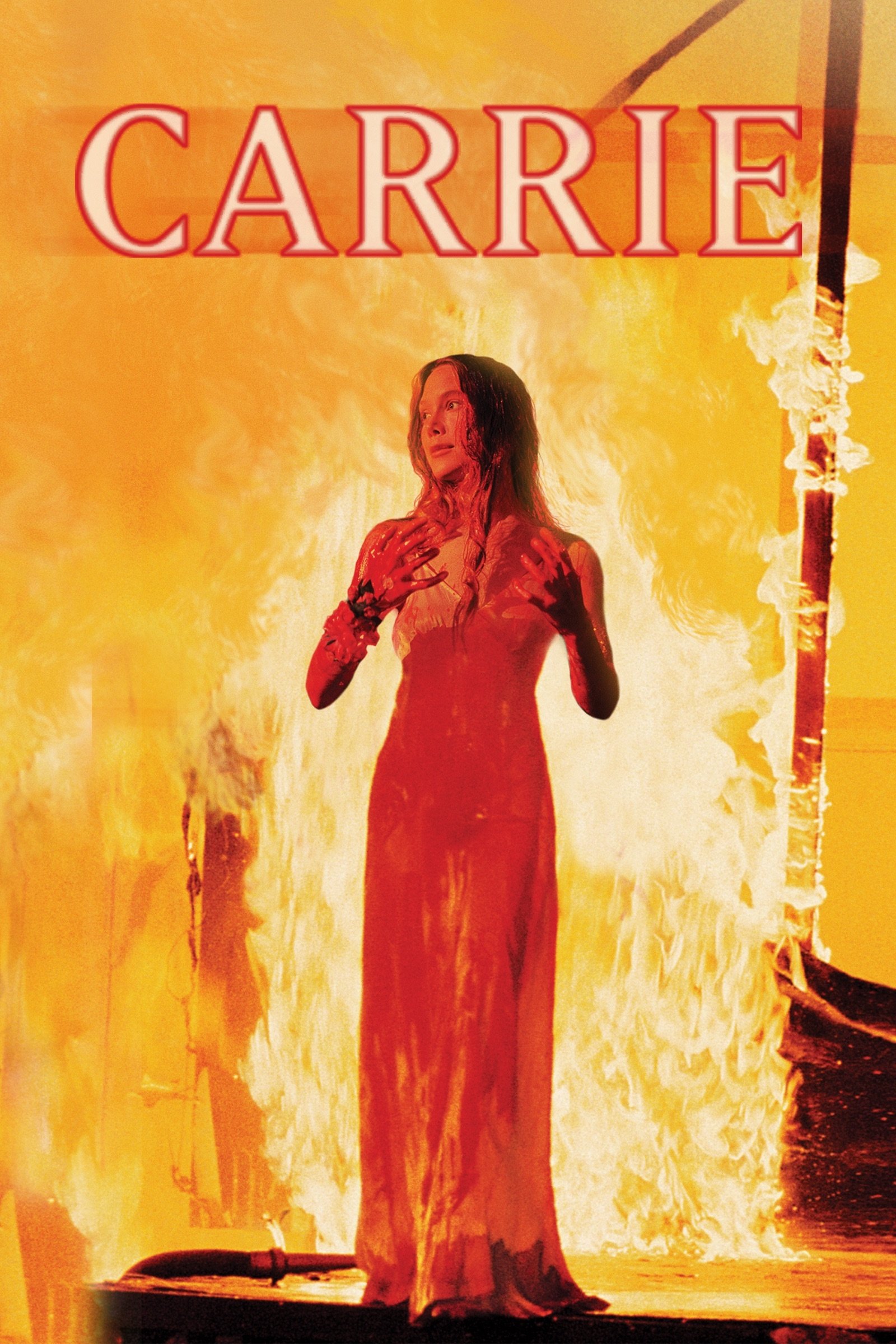
Based on Stephen King’s first novel, ‘Carrie’ cost $1.8 million to make. It tells the story of a bullied teen with telekinetic powers seeking revenge. The film grossed $33 million and earned two Oscar nominations. Its prom scene remains one of horror’s most iconic moments.
Director Brian De Palma used practical effects and a tight script to maximize impact. Sissy Spacek’s performance as Carrie made her a star. The film’s success showed King’s stories could translate to the screen. It remains a classic in horror history.
‘The Purge’ (2013)
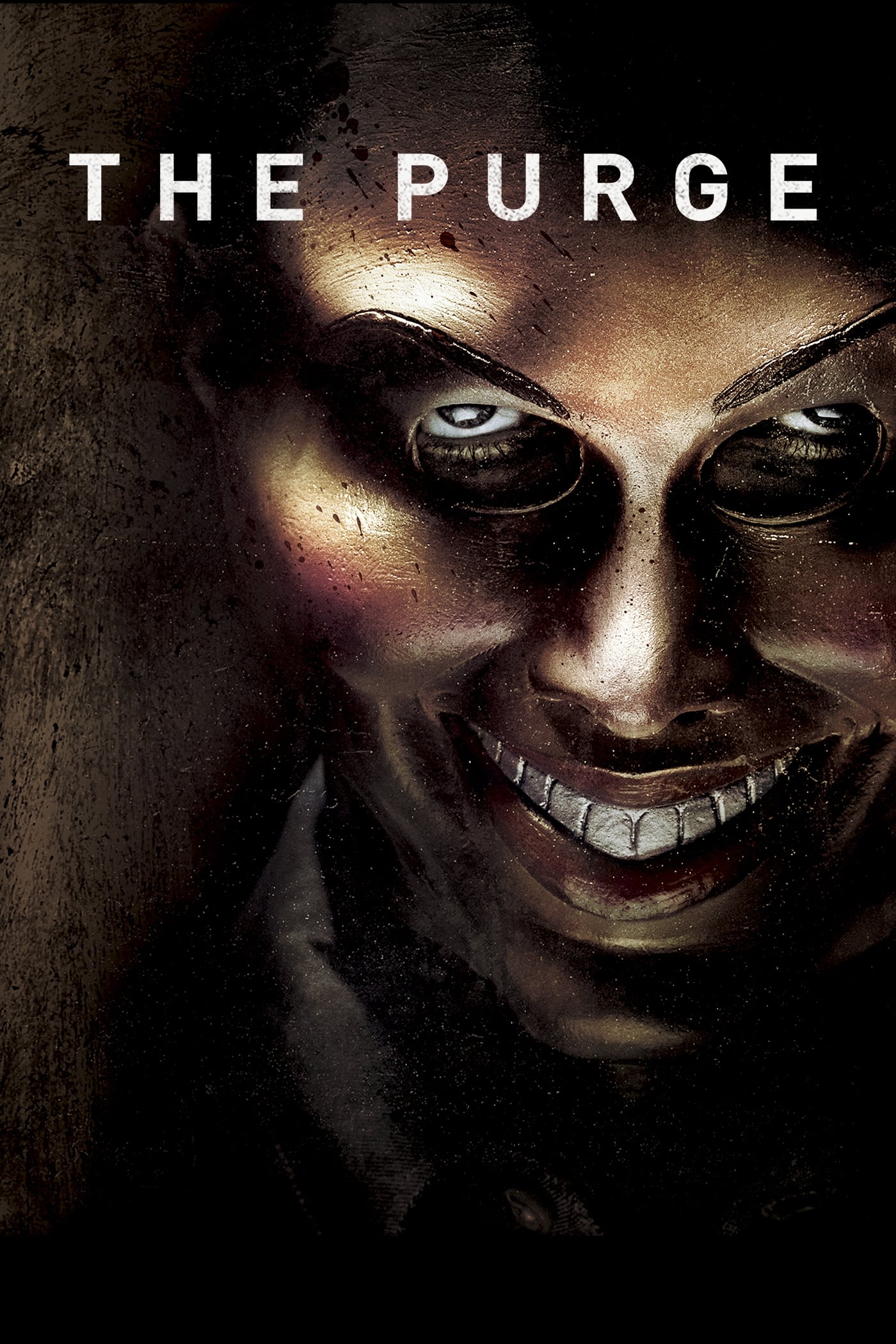
Made for $3 million, ‘The Purge’ imagines a future where all crime is legal for one night. Its high-concept premise and tense home-invasion plot hooked audiences. The film grossed $89 million worldwide and launched a franchise. Its success came from a simple but bold idea.
Director James DeMonaco kept costs low by focusing on one location and a small cast. The film’s social commentary on violence and inequality added depth. ‘The Purge’ showed low-budget horror could spark cultural conversations. Its sequels expanded the world but the original remains the standout.
‘Terrifier’ (2016)
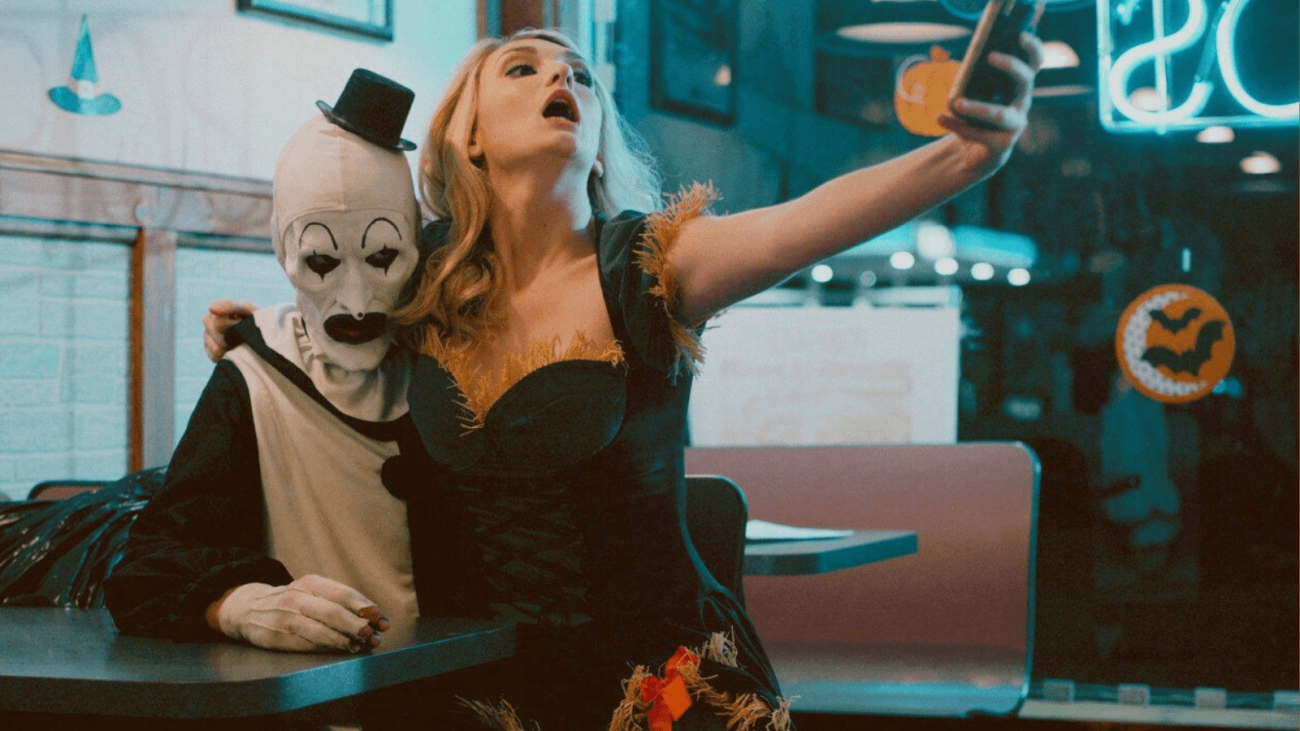
With a budget of just $35,000, ‘Terrifier’ introduced Art the Clown, a sadistic killer stalking victims. Its extreme gore and retro style appealed to horror fans. The film grossed $339,946 domestically, a huge return for its tiny budget. Its sequel later earned $15 million.
Director Damien Leone relied on practical effects and a chilling villain to create impact. The film’s cult following grew through word-of-mouth. ‘Terrifier’ proved micro-budget horror could find an audience. Art the Clown is now a modern horror icon.
‘Unfriended’ (2014)
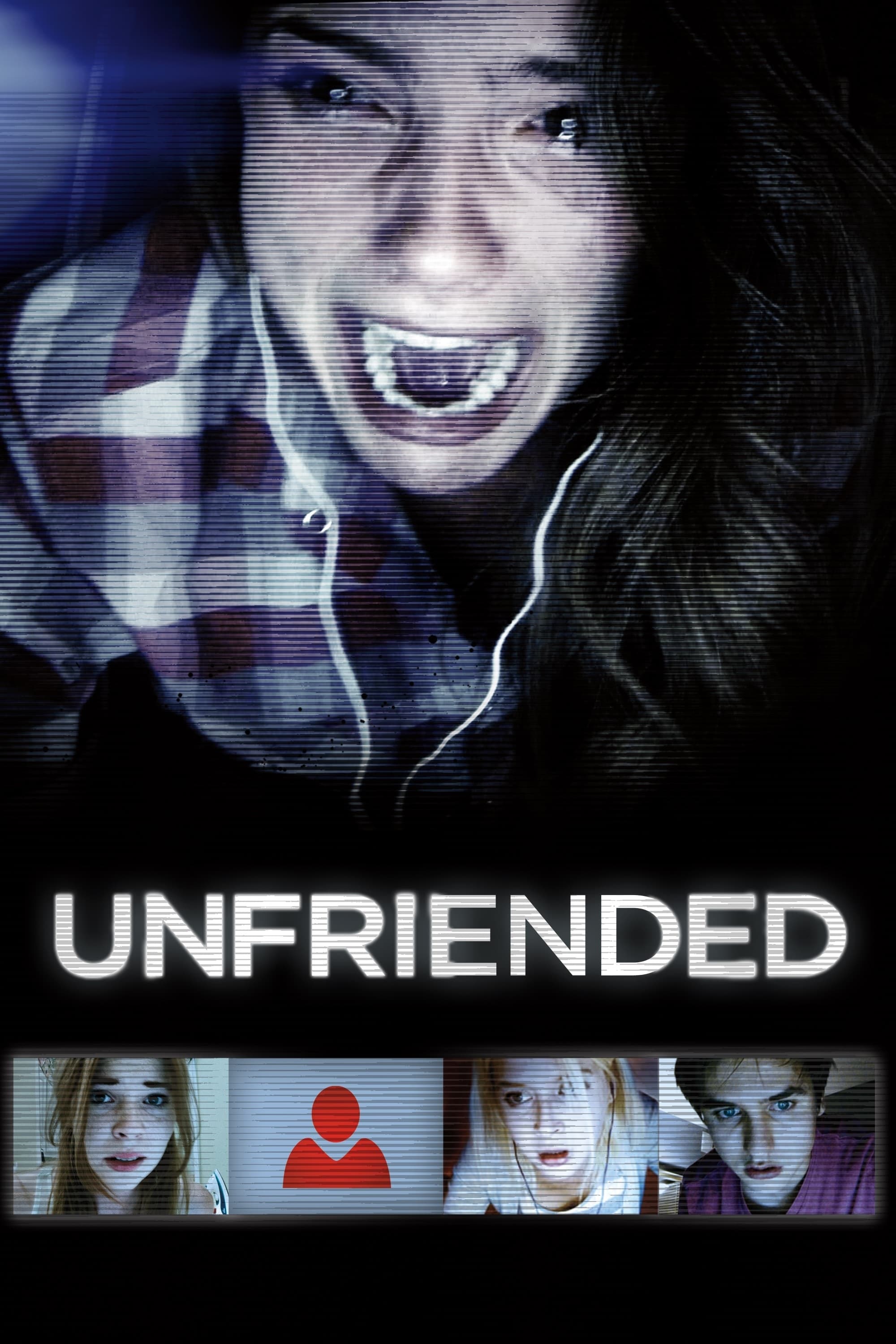
Shot for $1 million, ‘Unfriended’ unfolds entirely on a computer screen as teens are haunted by a vengeful ghost. Its innovative format and real-time tension gripped audiences. The film grossed $62 million worldwide, boosted by creative marketing like a creepy Facebook campaign. It was a fresh take on horror.
The low budget focused on a single setting and unknown actors. Director Levan Gabriadze used the digital age to craft a new kind of scare. ‘Unfriended’ showed how modern technology could refresh the genre. Its success led to a sequel and inspired similar films.
‘Open Water’ (2003)
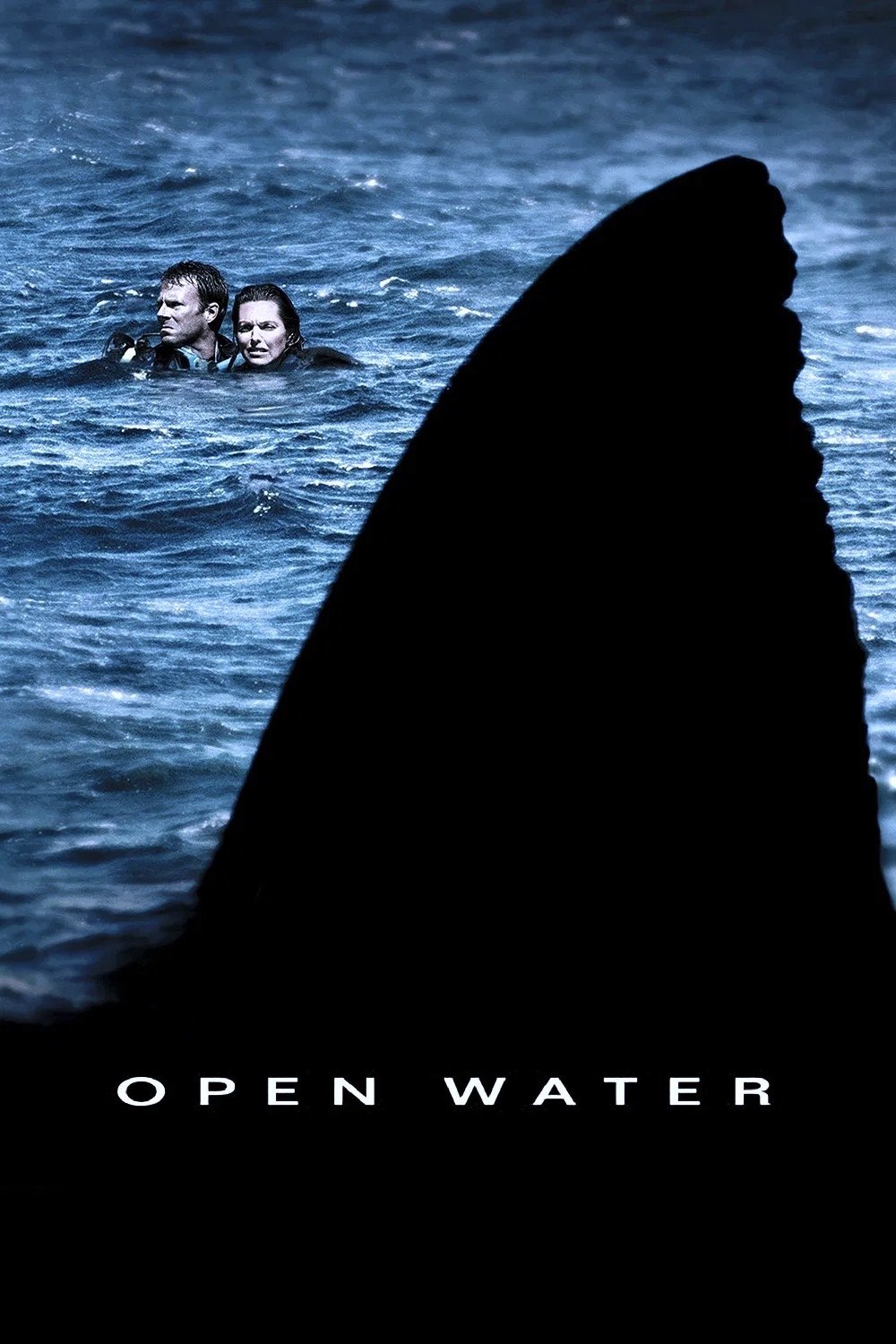
Made for $500,000, ‘Open Water’ follows a couple stranded in shark-infested waters after a diving trip goes wrong. Its minimalist approach and real sharks created raw terror. The film grossed $55 million worldwide, tapping into universal fears of abandonment and nature’s dangers.
Shot on digital cameras with a small crew, it kept costs low but tension high. The story’s basis in real events added to its chilling effect. ‘Open Water’ proved a simple premise could deliver big scares. Its success showed low-budget horror could feel painfully real.
What’s your favorite low-budget horror hit, and why did it scare you? Share your thoughts in the comments!