


Major Actors Who Don’t Support The SAG-AFTRA Strike

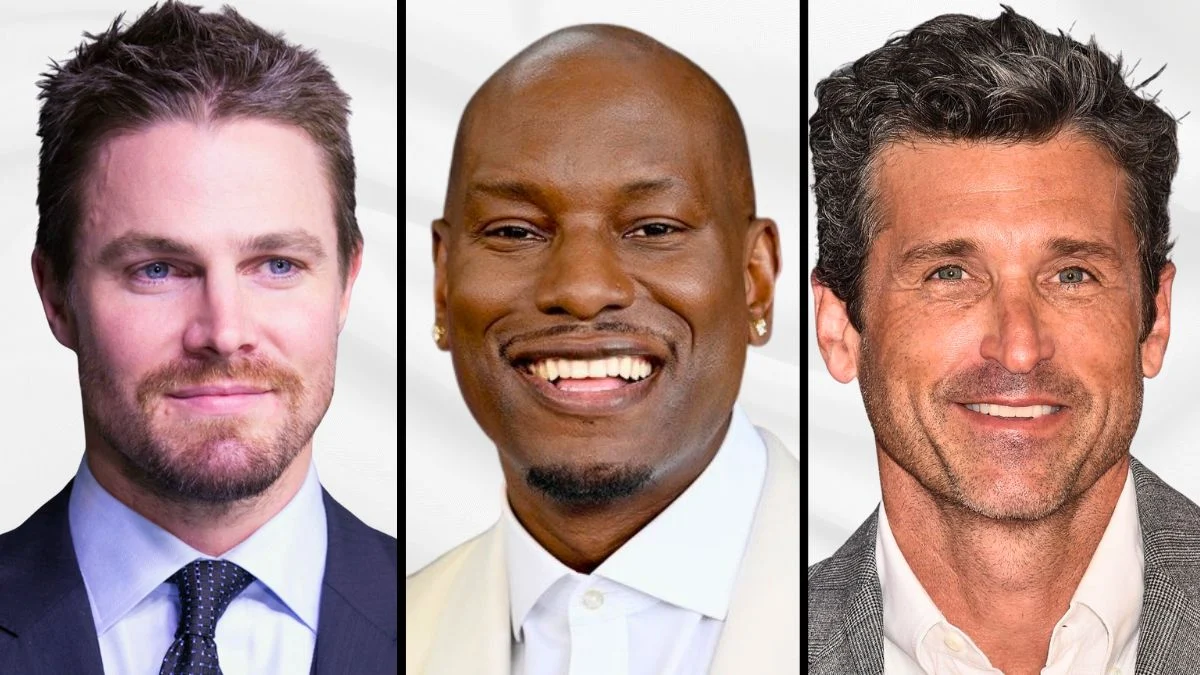


The SAG-AFTRA strike of 2023 saw historic solidarity among Hollywood performers who ceased working to demand better wages and protections against artificial intelligence. While the vast majority of the union’s 160,000 members marched on picket lines or paused their careers, a select group of actors expressed criticism, frustration, or continued to work through various exceptions. Some high-profile names openly questioned the strategy of the union leadership or labeled the strike rules as counterproductive to their careers. Others utilized interim agreements or foreign contracts to keep cameras rolling while their peers stood still. This list explores the male actors who either verbally opposed the strike’s tactics or continued their professional activities during the shutdown.
Stephen Amell
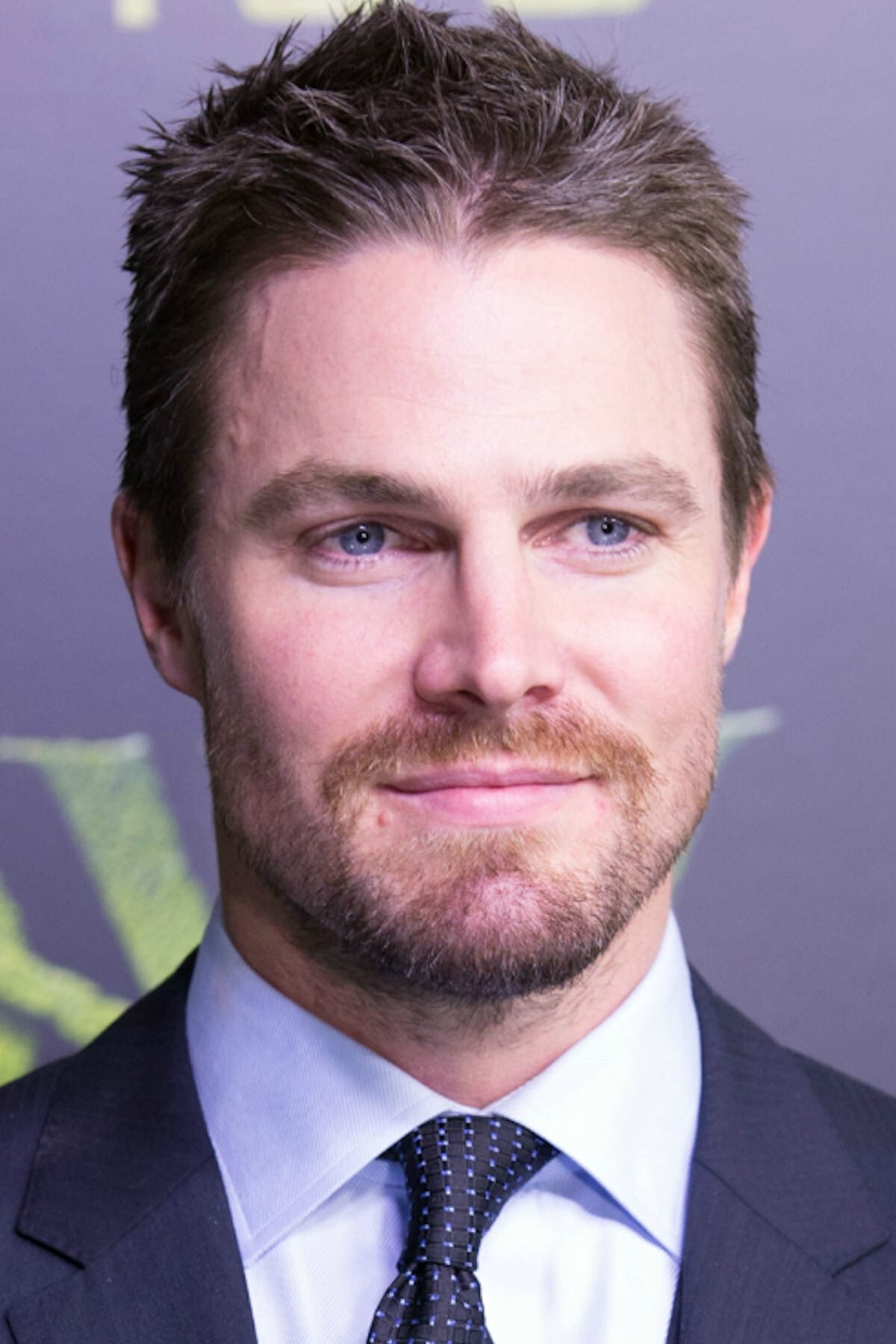
The former star of the superhero series ‘Arrow’ became the most vocal critic of the strike during a fan convention appearance. He explicitly stated that he did not support striking and described the tactic as myopic and reductive for the industry. His comments drew immediate backlash from fellow actors and fans who felt he was undermining the collective bargaining power of the union. Amell later attempted to clarify his stance by affirming his support for the union leadership while maintaining his dislike for the act of striking itself.
Kevin Sorbo
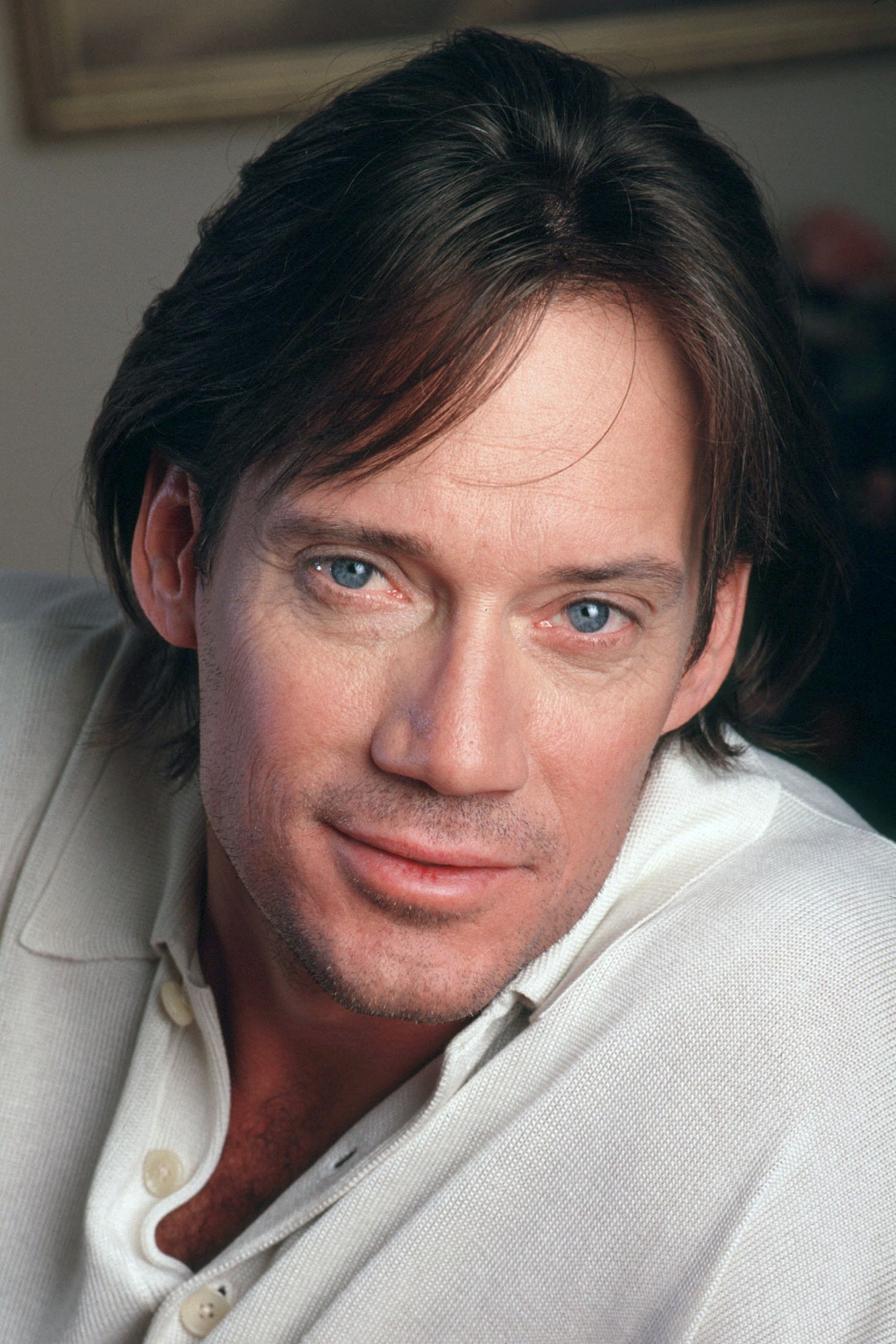
This actor known for his role in ‘Hercules: The Legendary Journeys’ has long been a critic of the Hollywood establishment and its unions. Sorbo publicly mocked the strike and the complaints of actors regarding fair pay. He took to social media to claim that he makes better movies independently and dismissed the concerns raised by union president Fran Drescher. His position aligned with his broader political views which often stand in opposition to mainstream industry trends.
Bill Maher
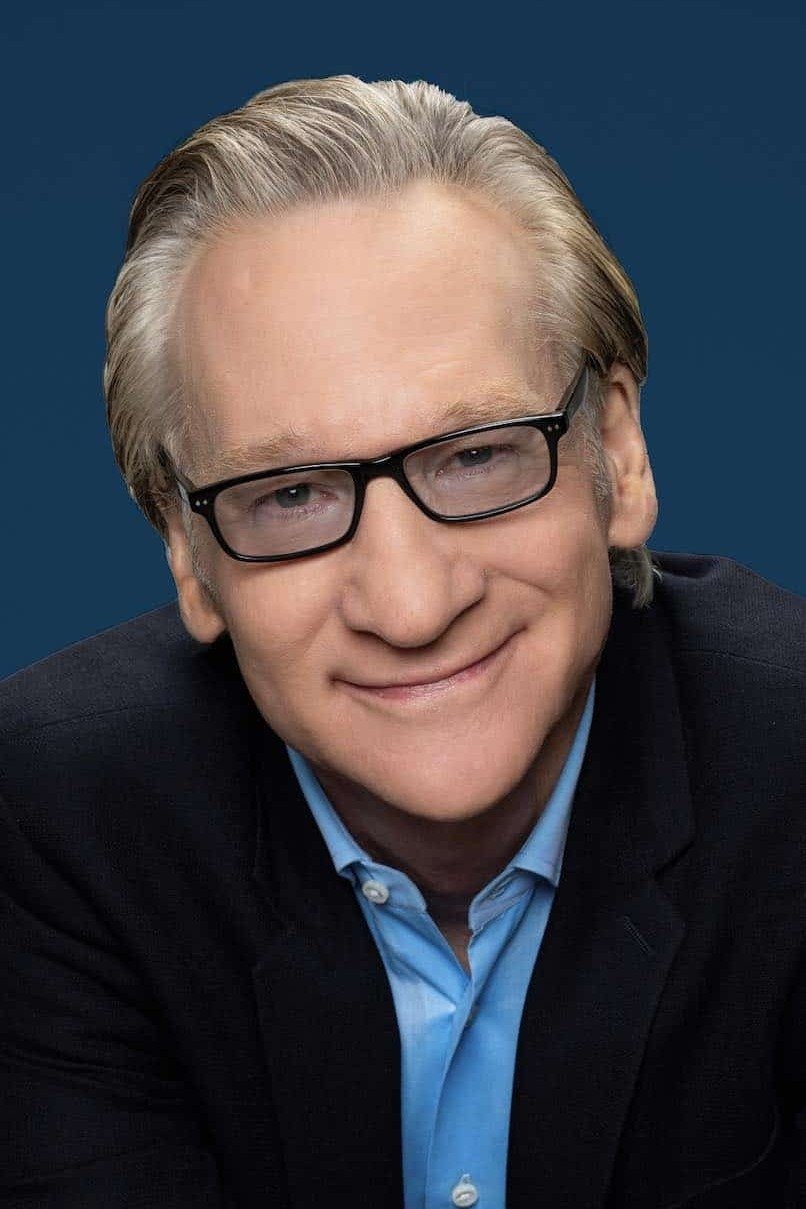
The host of ‘Real Time’ expressed significant skepticism regarding the demands of the writers and actors during the concurrent strikes. He criticized the guilds for what he viewed as entitlement and argued that writers are not owed a living wage if their work does not generate profit. Maher also announced plans to bring his talk show back to the air without writers before the strike had concluded. This move was seen as a direct challenge to the solidarity of the labor movement before he eventually paused production due to pressure.
Zachary Levi
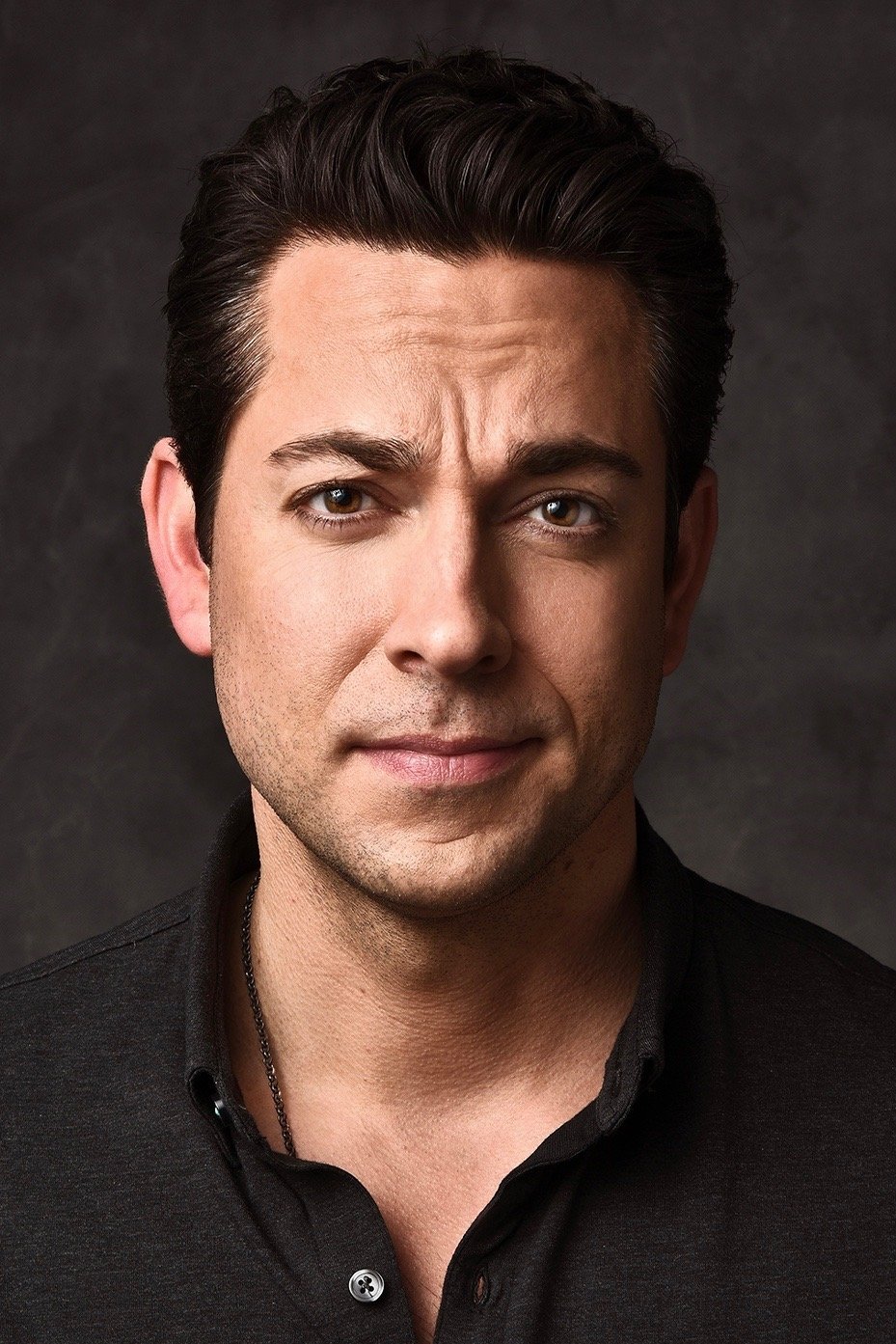
The lead actor of the ‘Shazam!’ franchise voiced frustration with the strict rules imposed by the union during the work stoppage. He described the regulations preventing actors from discussing their past work at fan conventions as dumb and counterintuitive. Levi argued that these restrictions hurt the actors and their relationship with fans more than they impacted the studios. He later issued a statement reaffirming his support for the union after his initial comments went viral.
Tyler Perry
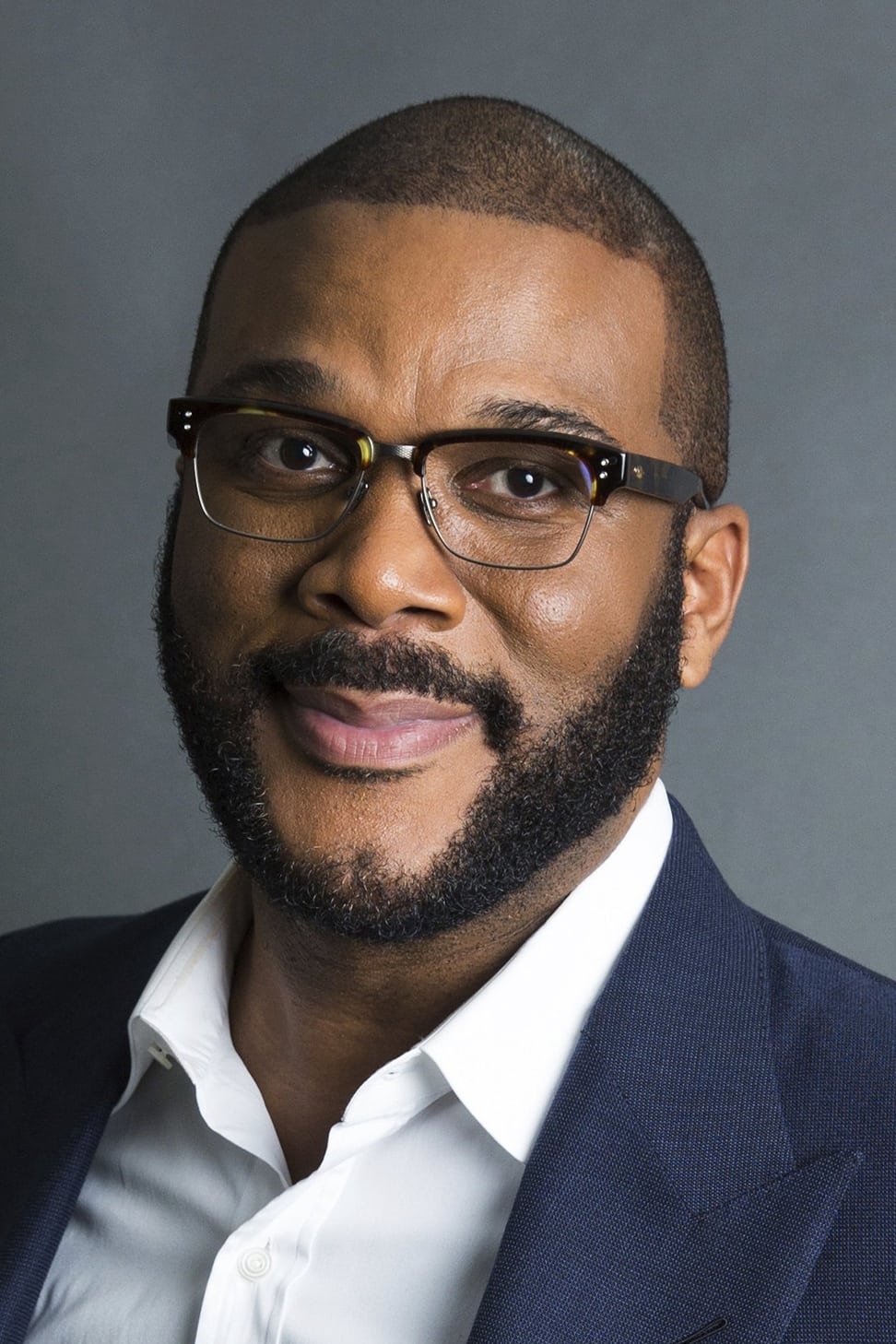
The media mogul and actor expressed frustration with the prolonged duration of the strike and the impact it had on the industry. Perry publicly urged the union to accept a deal and declare victory rather than continuing to hold out for every demand. He emphasized that the deal would only last three years and suggested that actors should return to work to stabilize the business. His pragmatic approach clashed with the hardline strategy adopted by the union negotiating committee.
Tom Cruise
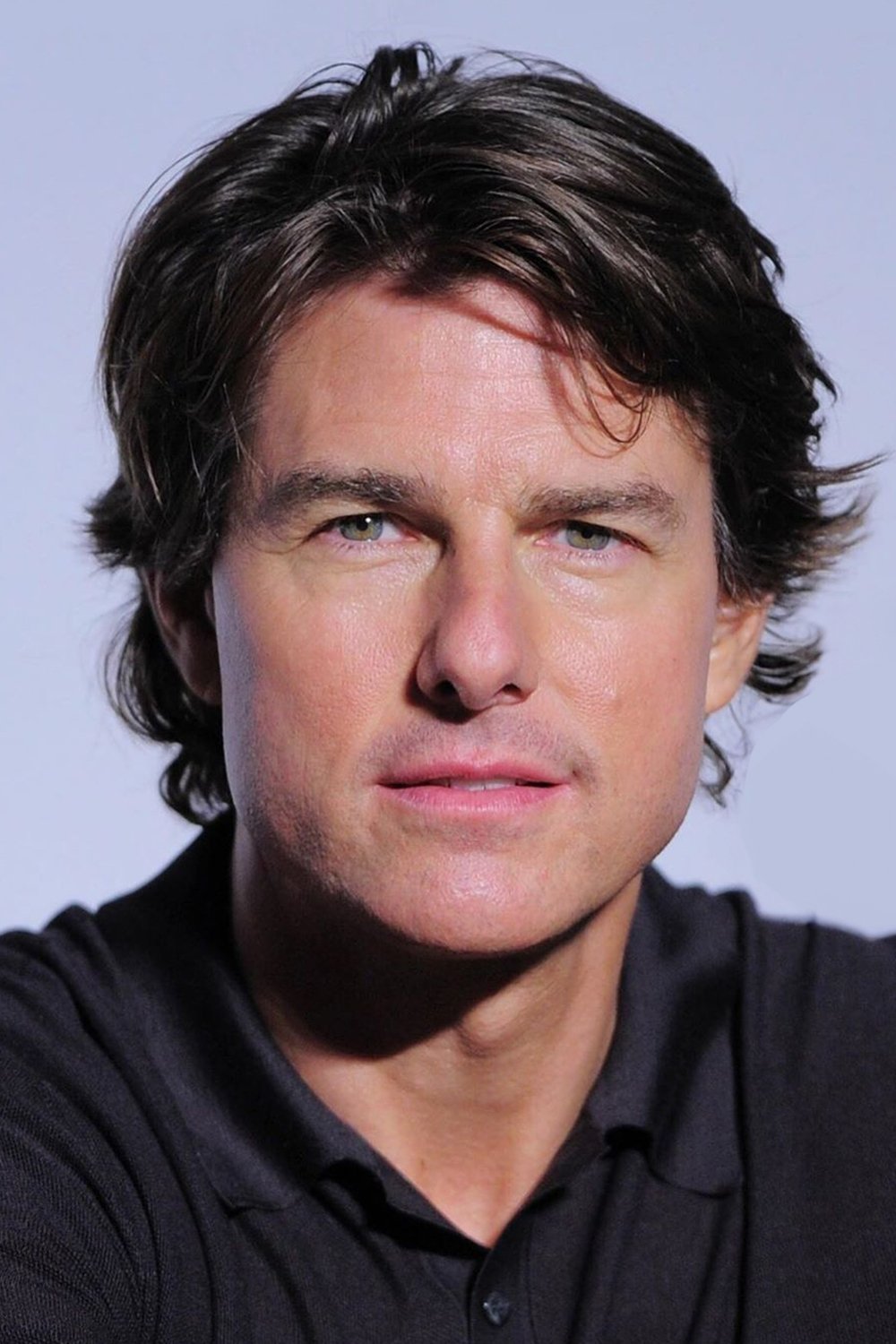
The star of the ‘Mission: Impossible’ franchise lobbied the union to allow actors to continue promoting films during the strike. He argued that the complete blackout on promotion would cause irreparable damage to the theatrical movie business. While he supported the union on issues like stunt performer pay and AI protection, his push for promotional waivers was rejected by leadership. Cruise stood apart from the strategy of total silence that the union deemed necessary for leverage.
Tyrese Gibson
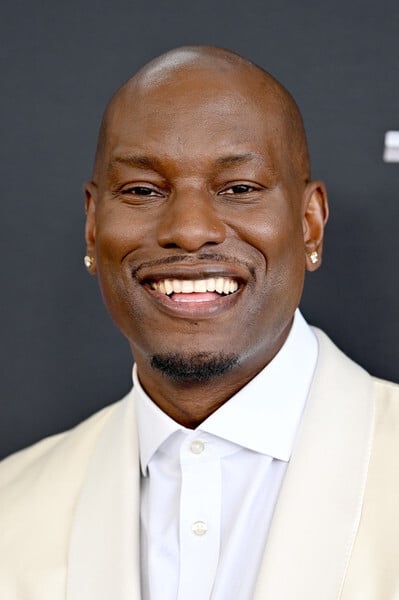
This actor from the ‘Fast & Furious’ franchise blamed the strike for his personal financial difficulties. He publicly stated in legal documents that the work stoppage prevented him from earning the income necessary to pay high child support costs. Gibson framed the strike as a hindrance to his livelihood rather than a necessary sacrifice for long-term gains. His comments highlighted the immediate financial strain the shutdown placed on working actors.
Jon Voight
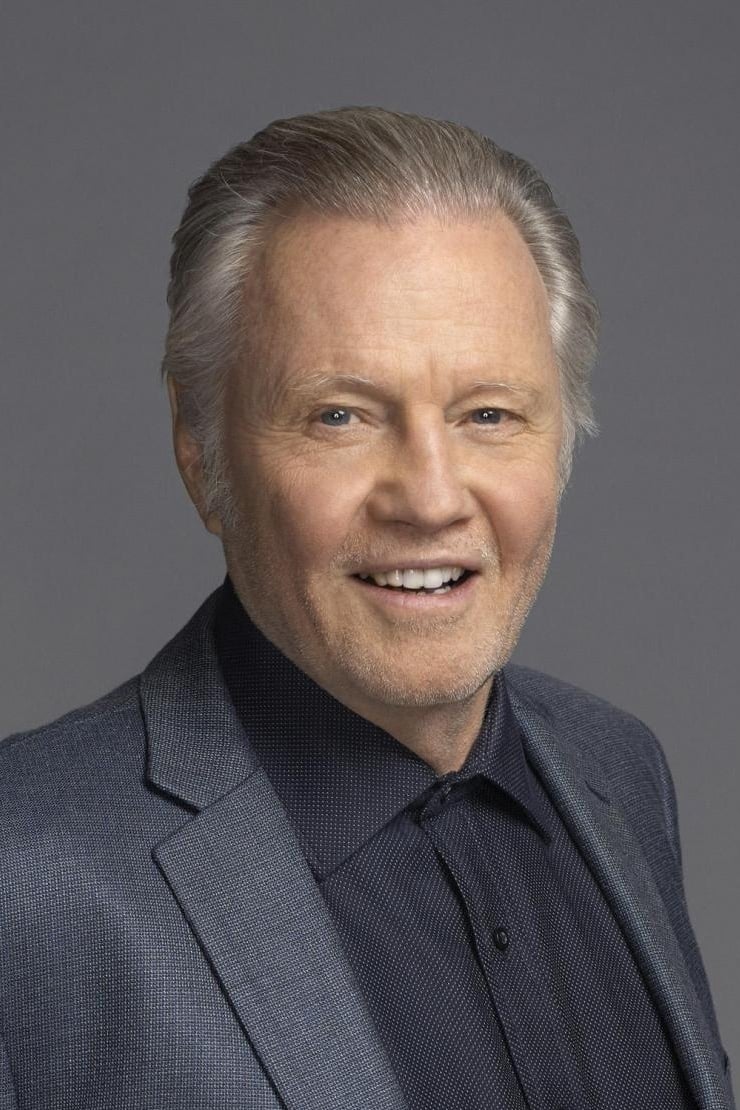
The Academy Award-winning actor has frequently criticized the political and social movements within Hollywood. He did not align with the strike’s messaging and has generally opposed the initiatives of the current union leadership. Voight maintained his distance from the picket lines and the collective action taken by his peers. His stance reflected his long-standing position as a conservative voice within a largely liberal industry.
Dean Cain
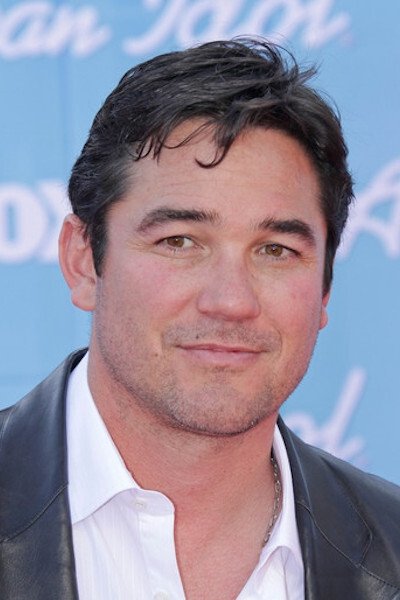
Known for playing Superman in the 90s, Cain has become a vocal critic of Hollywood unions and their political leanings. He expressed skepticism about the strike and the demands being made by the guild. Cain often aligns with independent productions and has criticized the mainstream industry for its business practices and cultural messaging. He did not participate in the displays of solidarity seen from other high-profile union members.
Rob Schneider
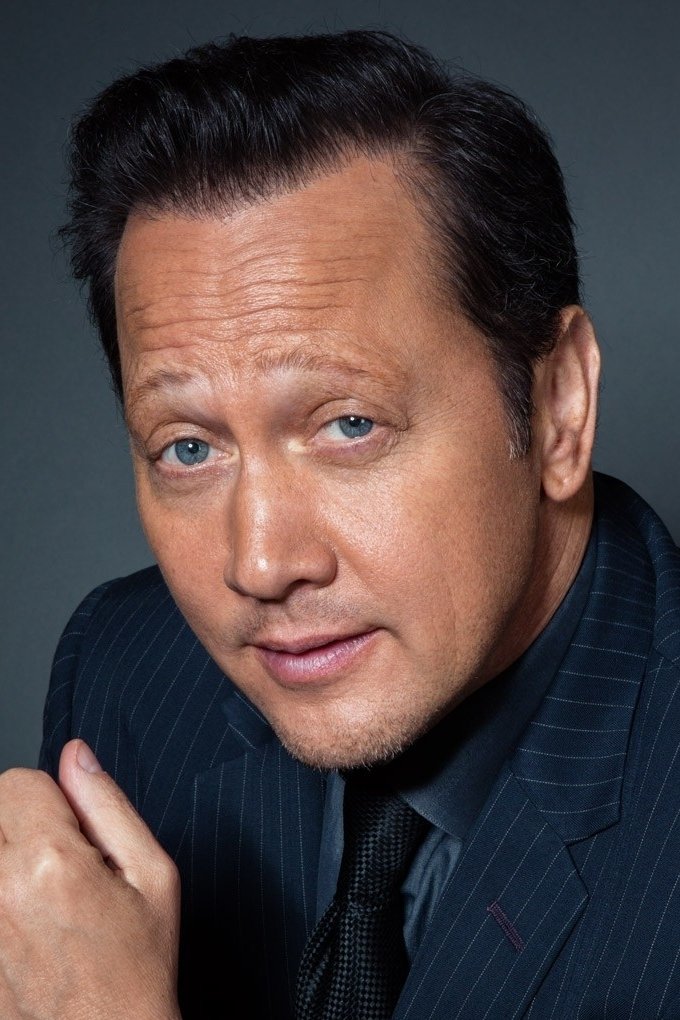
The comedic actor and former ‘Saturday Night Live’ cast member has been increasingly critical of the entertainment industry’s structure. He expressed little sympathy for the strike and the complaints of actors regarding residuals. Schneider has shifted his career away from major studio productions and often critiques the political nature of Hollywood unions. His public persona during the strike was one of detachment rather than support.
James Woods
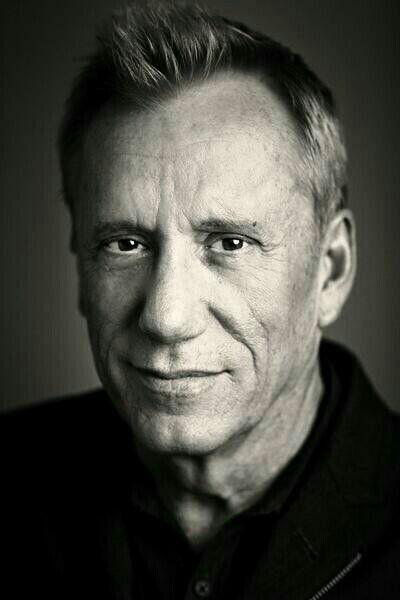
This veteran actor has largely stepped away from the mainstream industry and frequently criticizes its institutions. Woods did not support the strike and has often voiced opposition to the collective actions of Hollywood guilds. He views the industry through a lens that rejects the standard union narratives regarding labor disputes. His lack of support was consistent with his reputation as a contrarian in the entertainment business.
Adam Driver
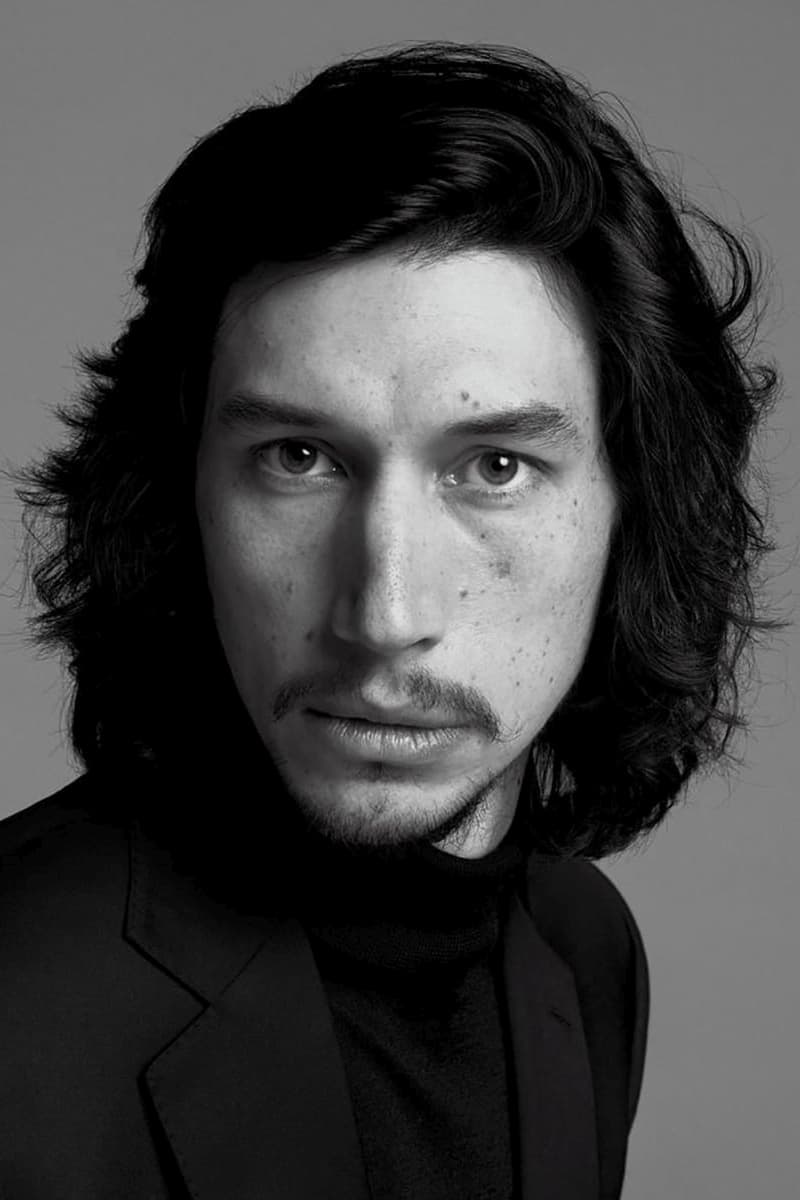
While many stars stopped working entirely, Driver utilized a union-approved interim agreement to film and promote ‘Ferrari’. He appeared at the Venice Film Festival to support the movie while his colleagues were picketing in Los Angeles. His decision to work drew criticism from peers who felt that continuing any production undermined the strike’s impact. Driver defended his actions by stating that the independent nature of the film proved that studios could meet union demands.
Patrick Dempsey
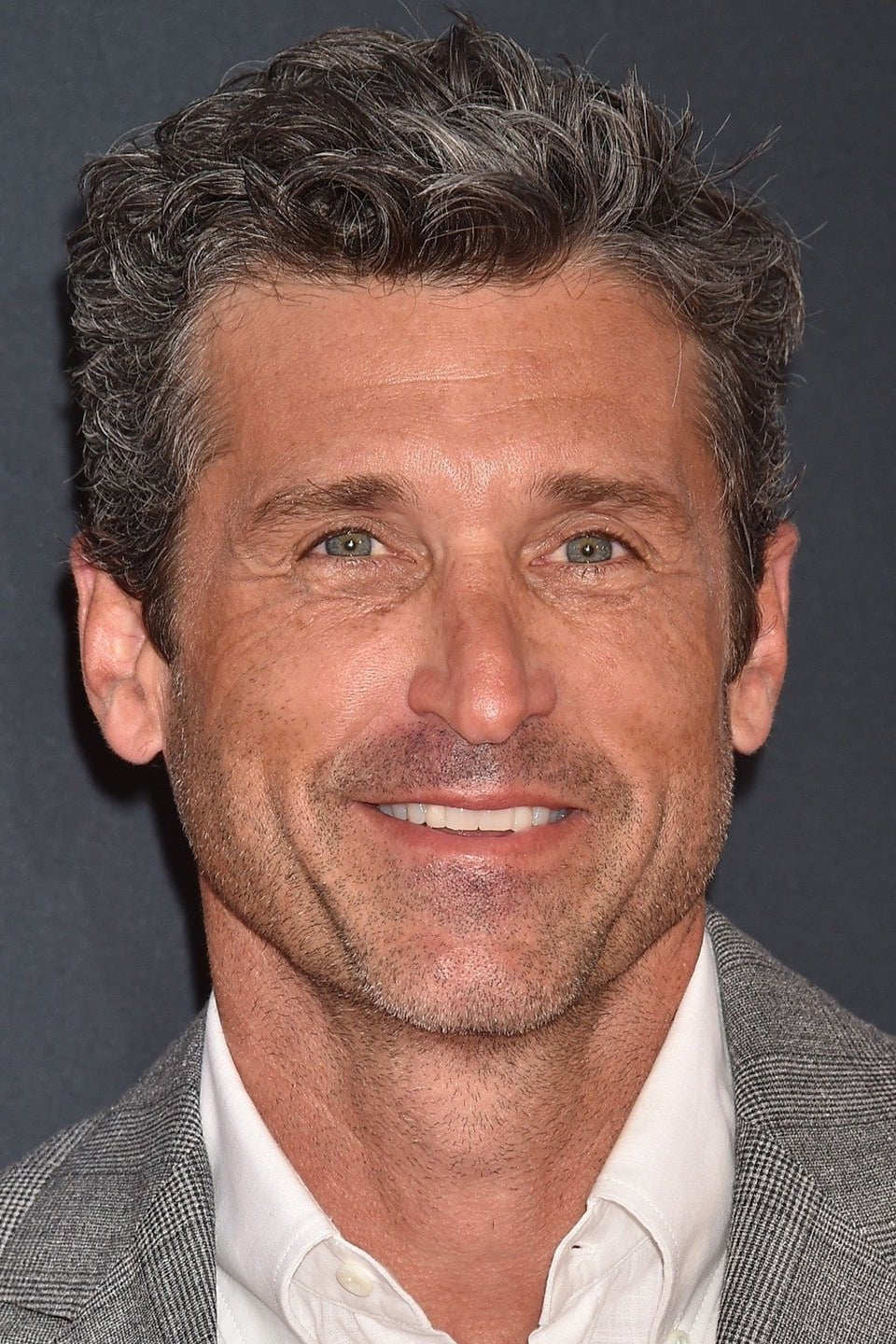
The ‘Grey’s Anatomy’ alum joined Adam Driver in promoting the film ‘Ferrari’ during the height of the strike. He attended red carpet events and press conferences under the protection of an interim agreement. This participation was technically allowed but was viewed by some hardliners as crossing a moral picket line. Dempsey continued his professional duties while the majority of the union remained inactive.
Paul Rudd
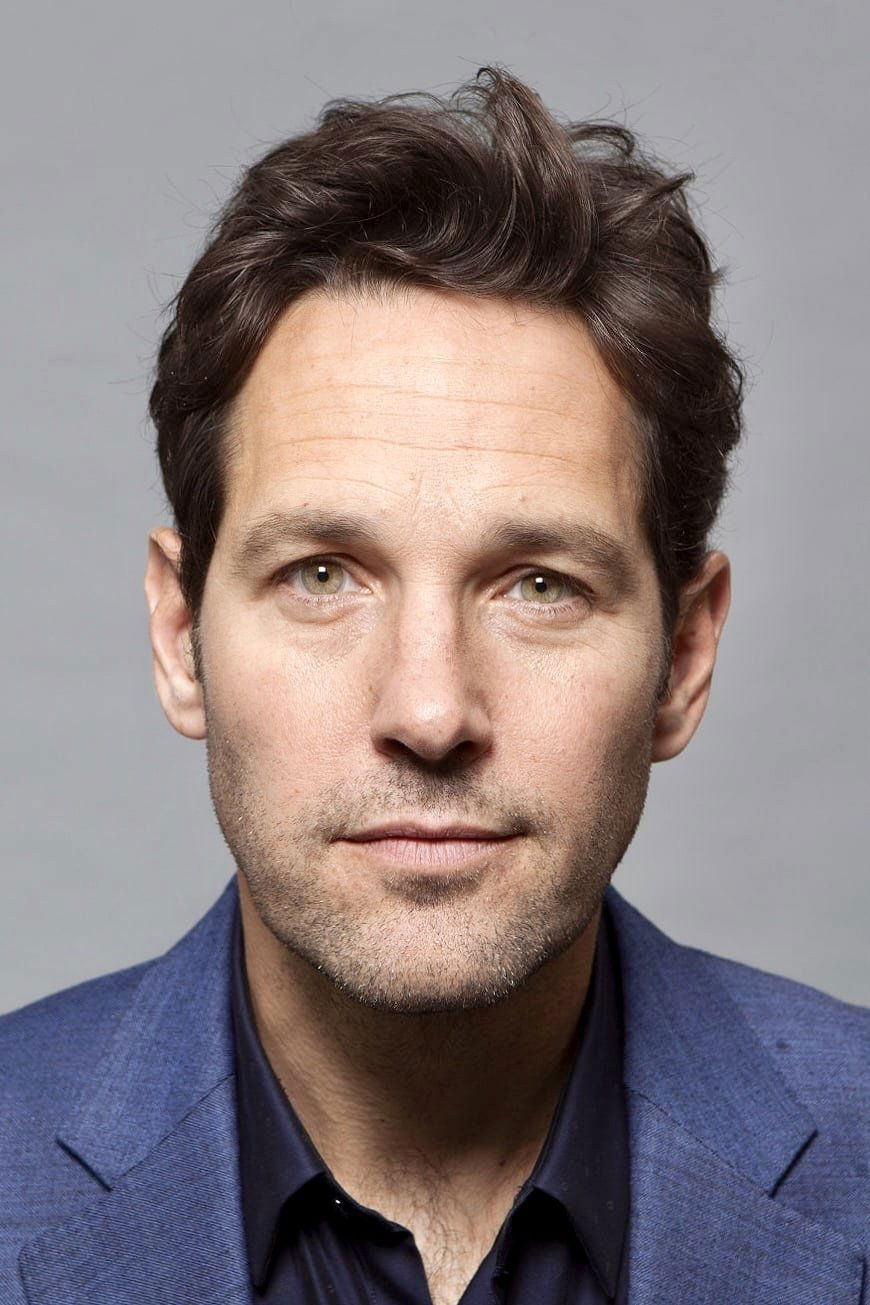
The ‘Ant-Man’ star continued to work during the strike by filming the independent movie ‘Death of a Unicorn’. The production was granted a waiver by the union because the studio was not part of the major alliance. Rudd continued his acting work on set while major productions across the globe were shut down. His participation in an active production highlighted the divide between actors who could find waiver work and those who could not.
Matthew McConaughey
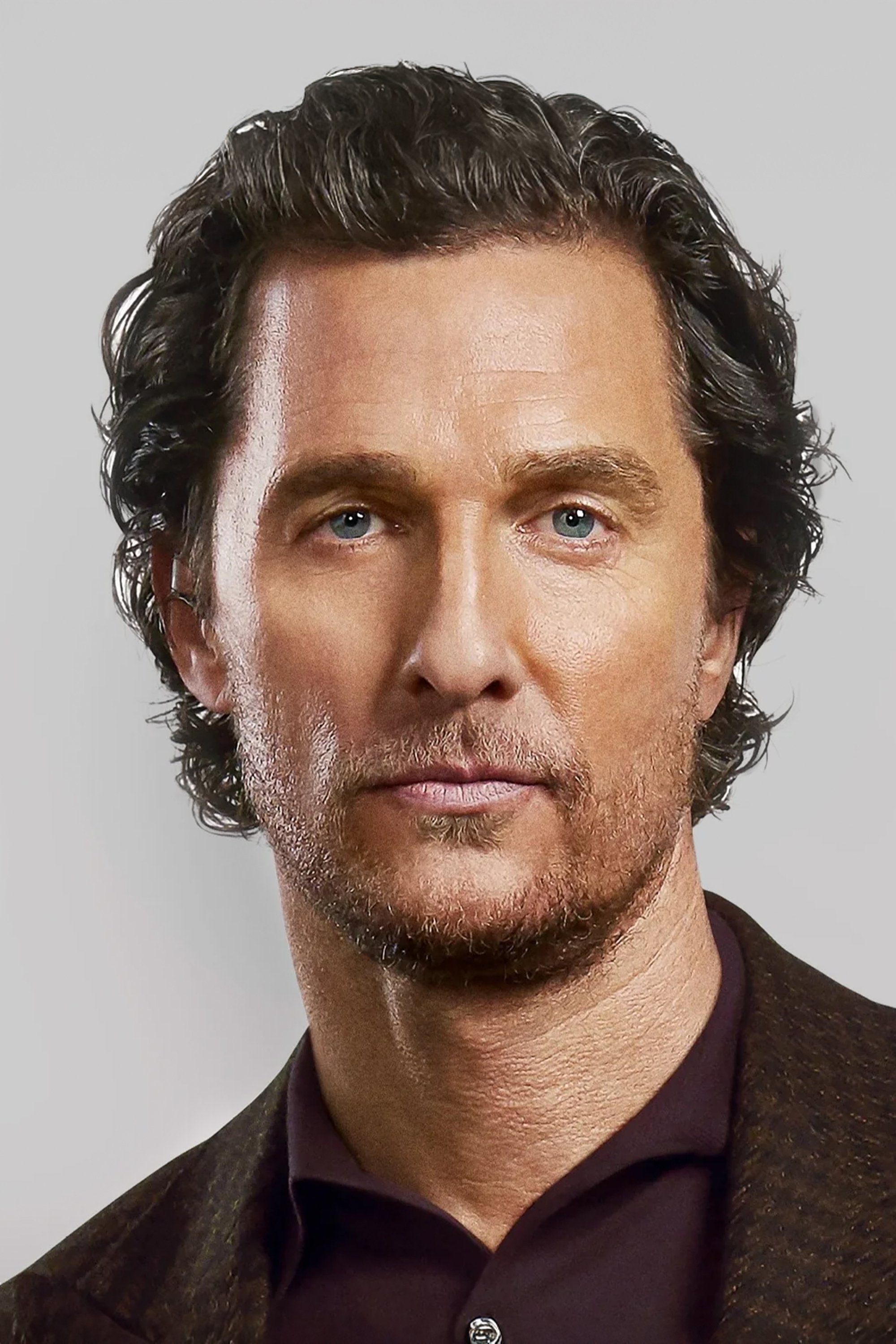
McConaughey starred in the crime thriller ‘The Rivals of Amziah King’ which continued filming throughout the strike. The production secured an interim agreement that allowed the cast to keep working despite the general shutdown. His decision to proceed with the project kept him employed and active on set during the months of the dispute. This move placed him in the small category of A-list stars who did not stop working.
Nicolas Cage
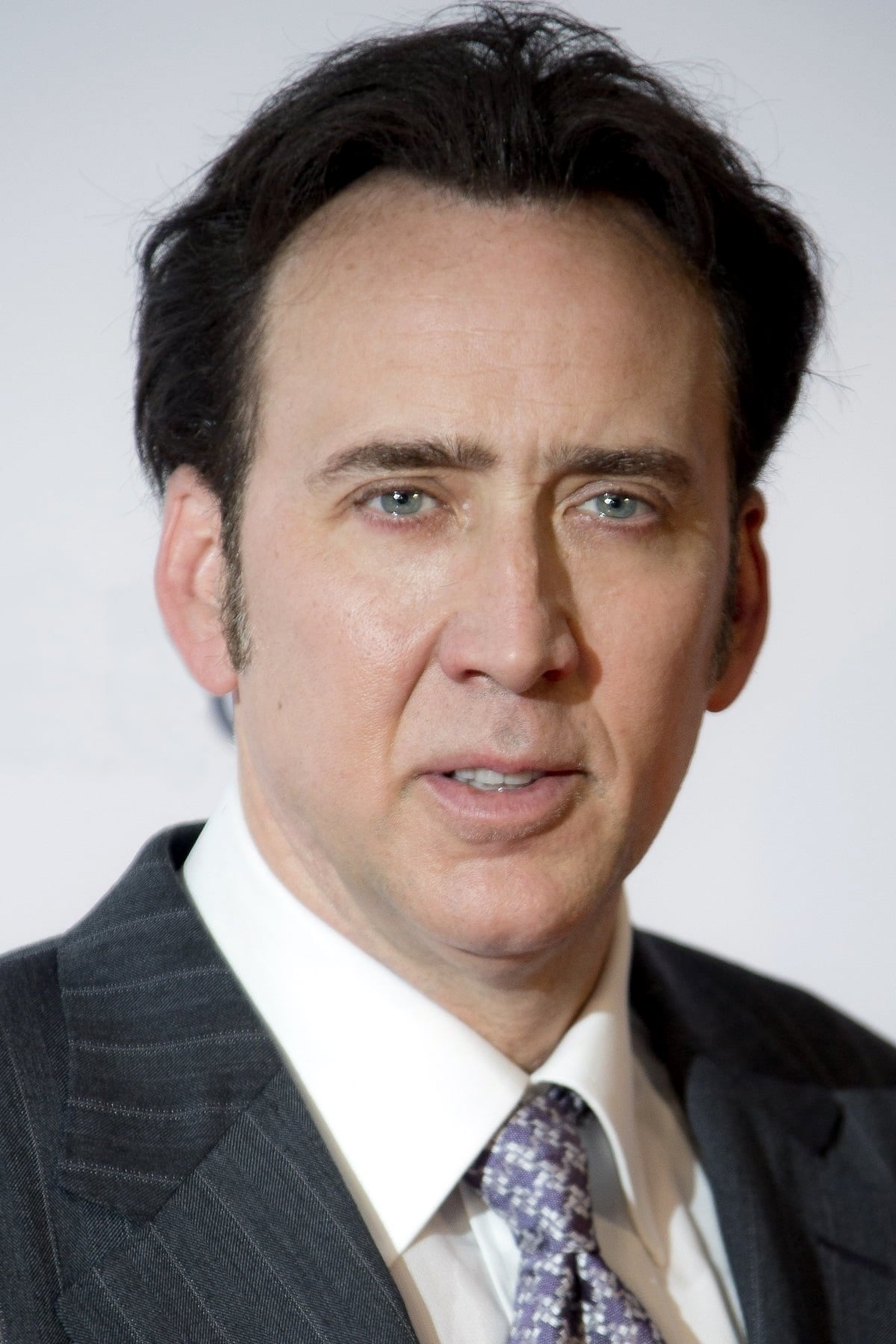
The prolific actor continued his work on the psychological thriller ‘The Surfer’ in Australia during the strike. The production was one of the few to receive an interim agreement allowing filming to proceed. Cage remained active in his craft while the industry in the United States came to a standstill. His continued work demonstrated the effectiveness of the waiver system even as it caused debate among union members.
Mads Mikkelsen
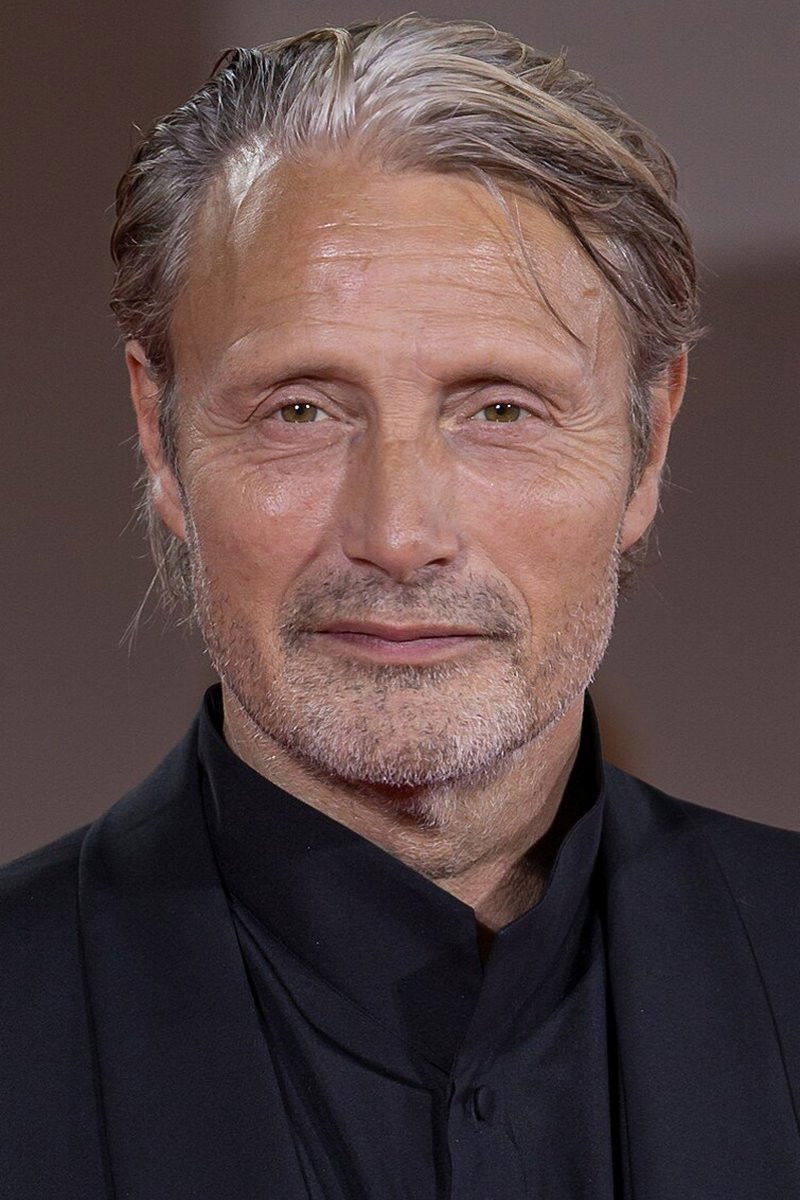
The Danish actor worked on the horror film ‘Dust Bunny’ which was granted an exception to continue filming. Mikkelsen utilized the interim agreement to maintain his shooting schedule during the labor dispute. His participation in the project allowed the production to avoid the costly delays faced by major studio films. This kept him working on set while most SAG-AFTRA members were unable to earn a paycheck.
Gerard Butler
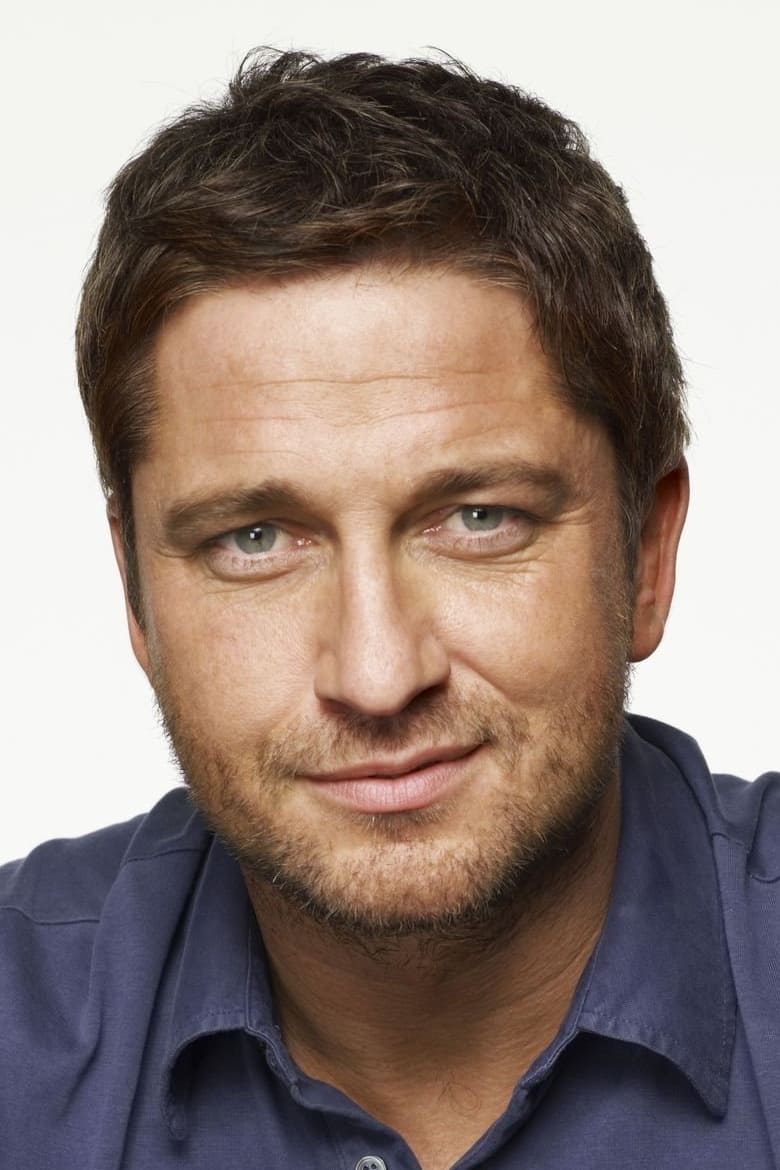
Butler continued filming his role in ‘In the Hand of Dante’ under a union waiver. The production moved forward in Italy while the strike effectively froze Hollywood productions. His work on the film was permitted because the producers agreed to the union’s terms independently. Butler was one of the few action stars who managed to keep a production active during the global stoppage.
Mel Gibson
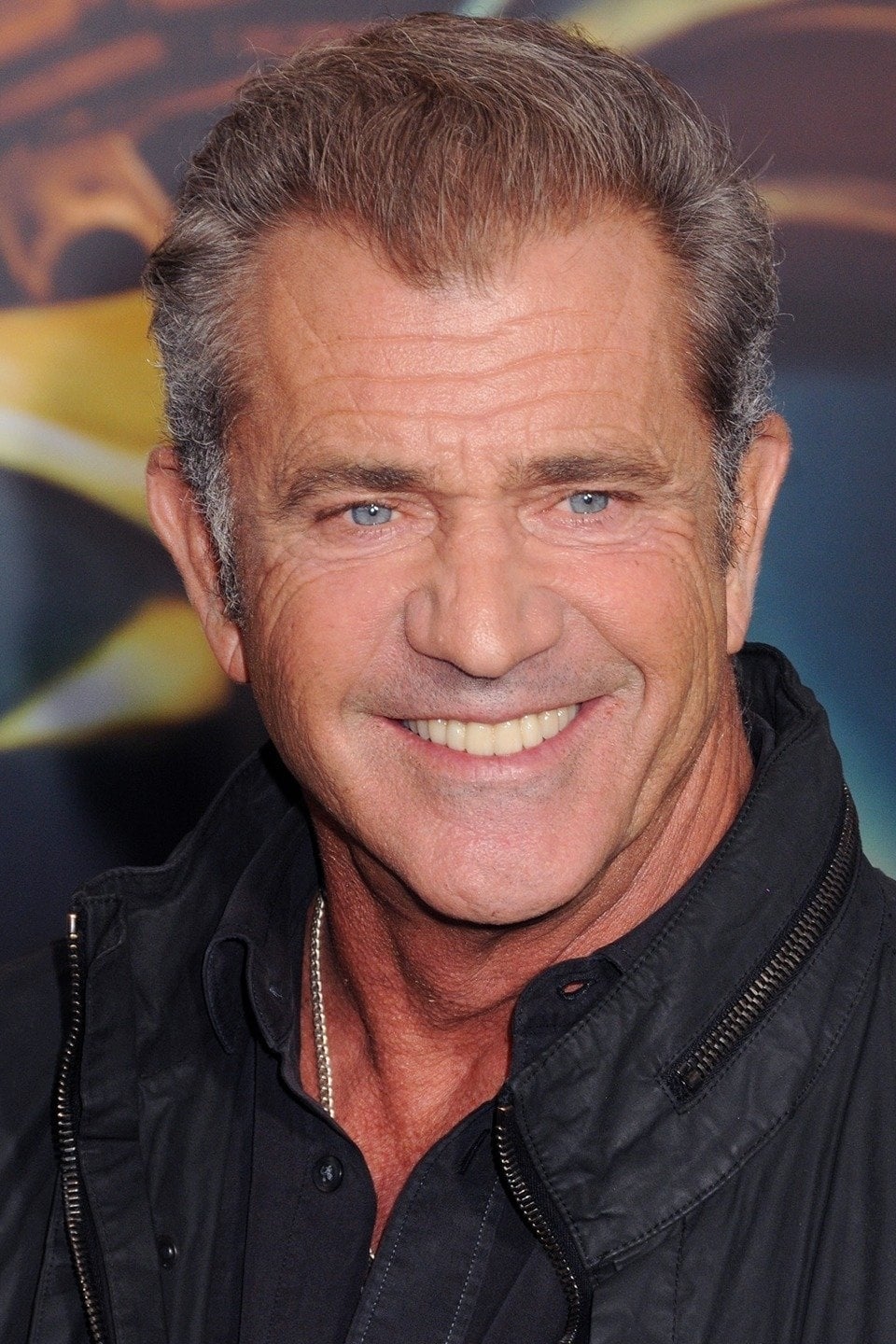
The controversial actor and director worked on the film ‘Flight Risk’ during the strike period. The production was granted an interim agreement that allowed Gibson and his cast to continue filming. His involvement in an active production provided a sharp contrast to the idle status of most industry professionals. Gibson continued his work without publicly engaging in the solidarity efforts of the strike.
Shia LaBeouf
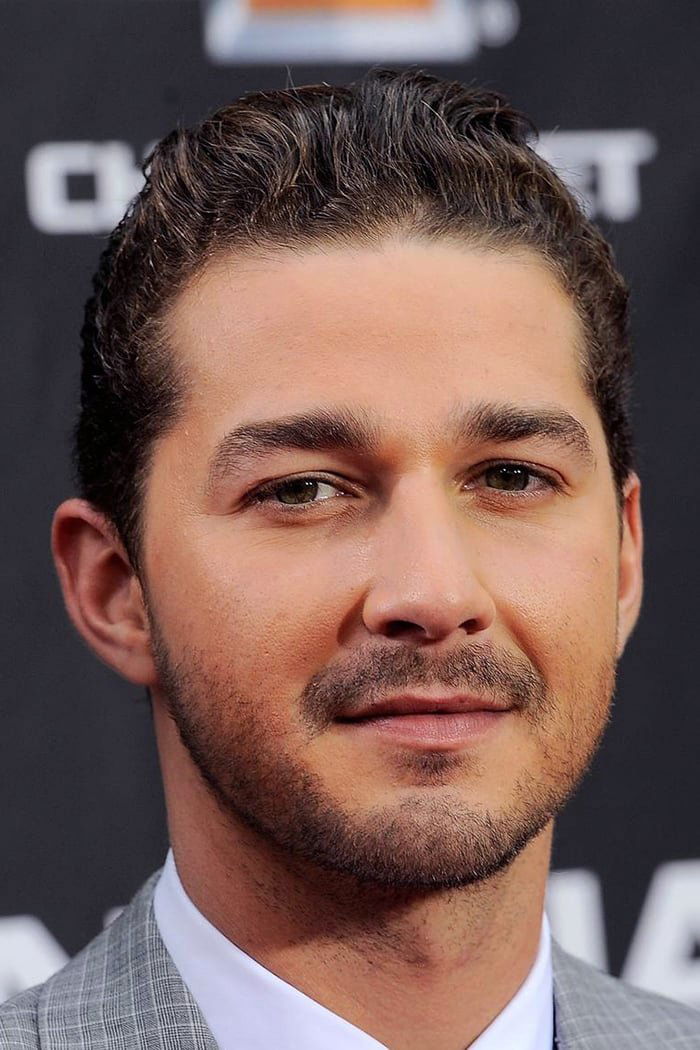
LaBeouf worked on Francis Ford Coppola’s film ‘Megalopolis’ which secured a waiver to film during the dispute. He was able to continue his performance duties because the film was independently financed. His participation kept him active on a major set while the rest of the industry was paused. LaBeouf focused on the production rather than the labor politics playing out in Los Angeles.
Dustin Hoffman
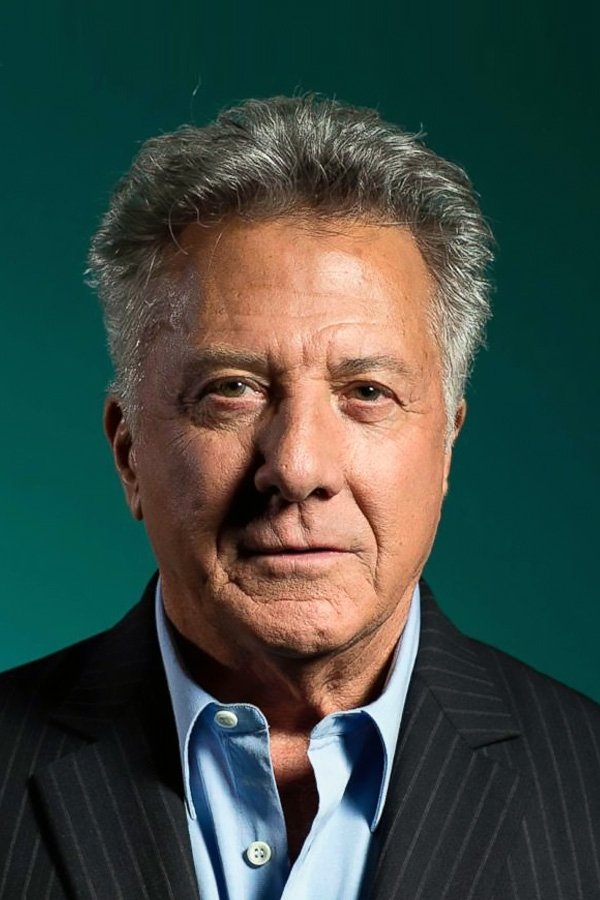
The legendary actor starred in the film ‘Lucca Mortis’ which received permission to film under an interim agreement. Hoffman continued his work on the project while his fellow actors were prohibited from studio productions. His ability to work highlighted the specific exceptions that allowed independent films to survive the strike. He remained employed and active during a period of historic unemployment for actors.
Sean Penn
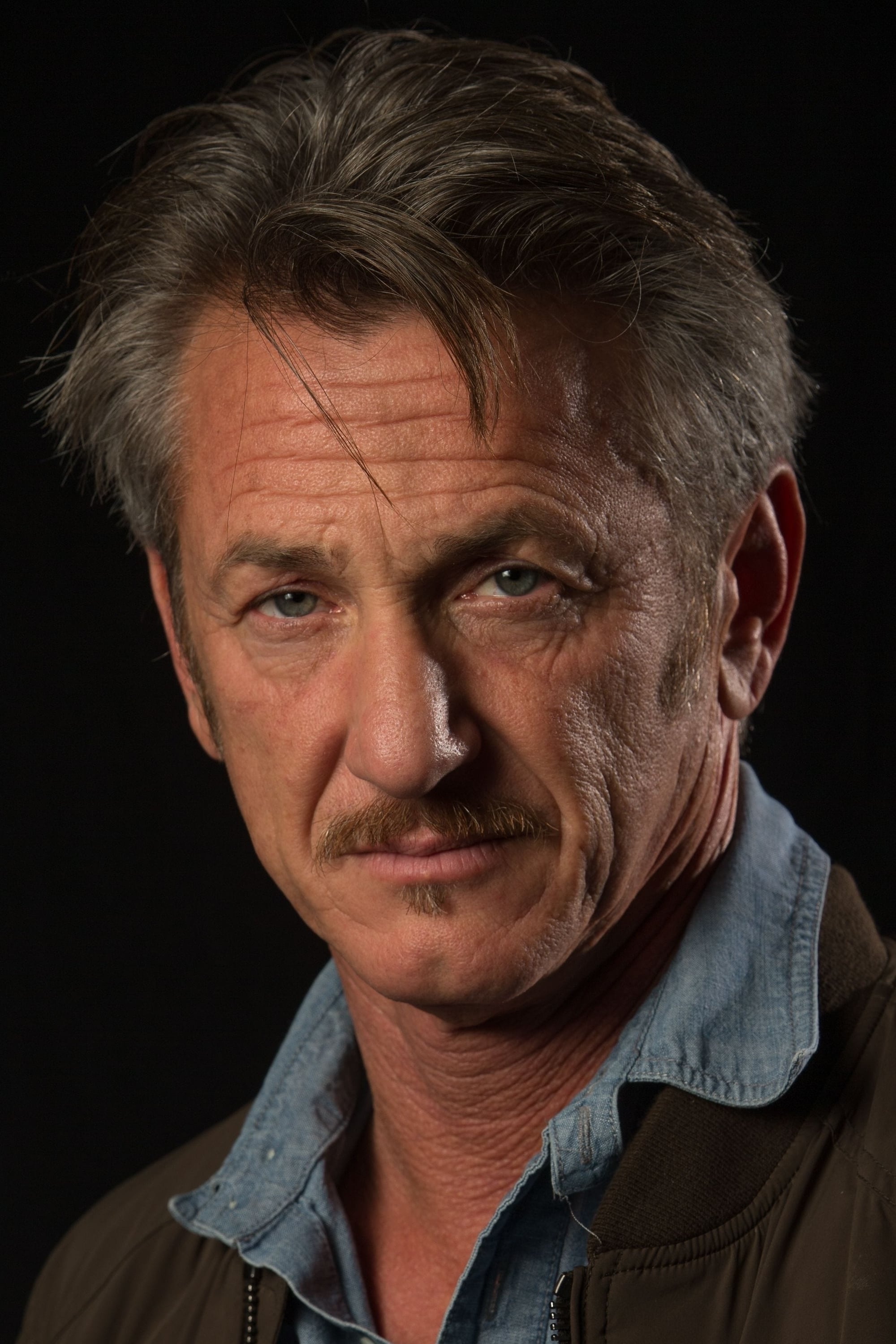
Penn worked on the film ‘Daddio’ which was another production that utilized an interim agreement. He continued his acting duties alongside Dakota Johnson while the strike was in full effect. Penn has been a long-time activist but chose to utilize the waiver system to keep the film alive. His work on the project ensured its completion during a volatile time for the industry.
Mark Wahlberg
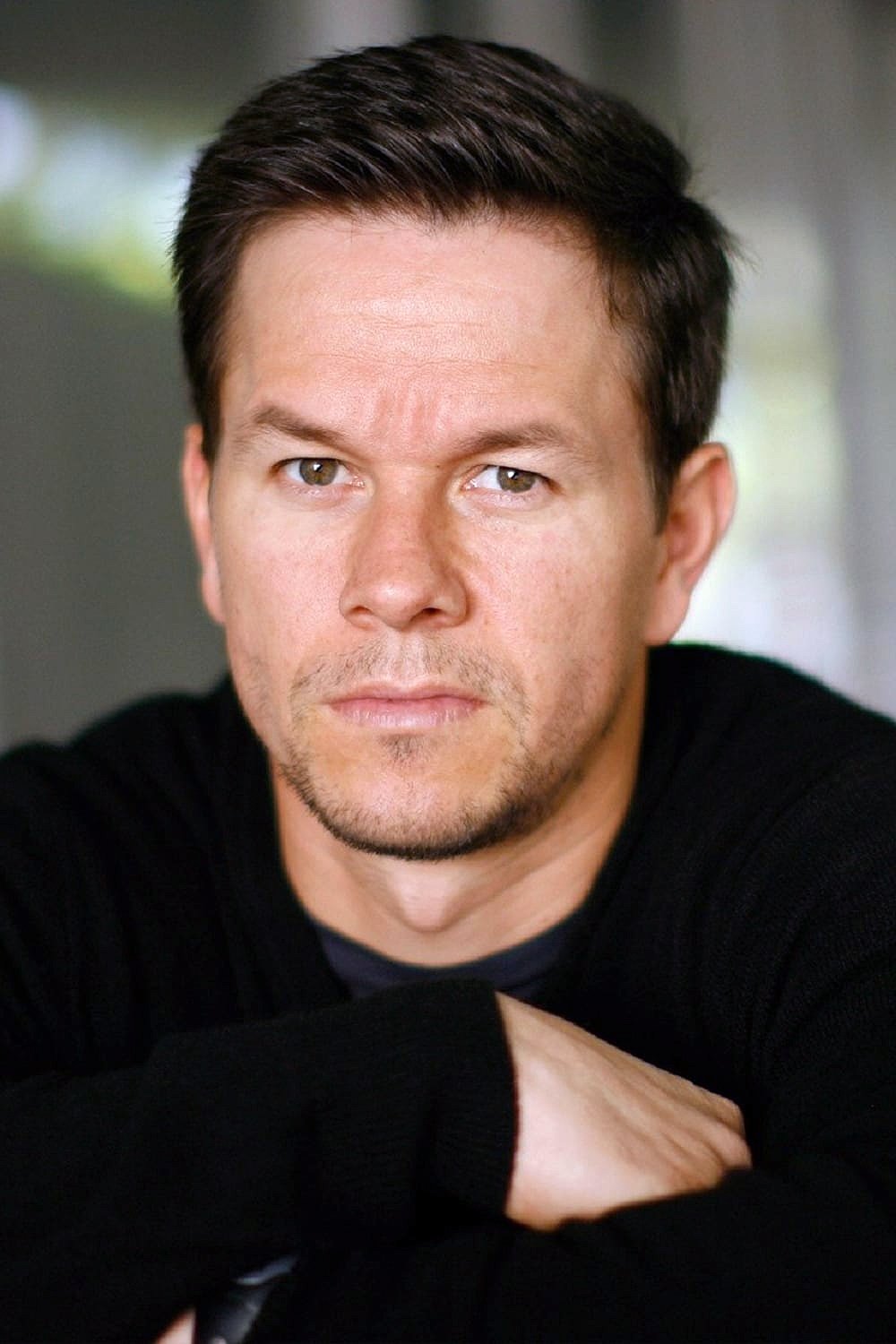
Wahlberg was attached to the production of ‘Flight Risk’ which continued under a waiver. He worked on the film directed by Mel Gibson while major studio projects were grounded. Wahlberg focused on maintaining the production schedule rather than pausing for the strike. His continued activity on set was made possible by the independent status of the production company.
Anthony Mackie
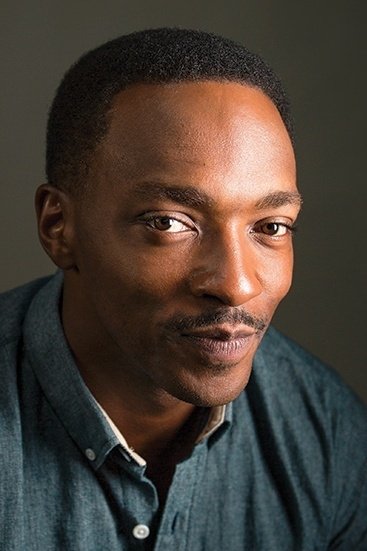
Before the strike officially began, Mackie expressed deep concern about the potential work stoppage calling it a disaster for the industry. He warned that a strike would be a shit show and criticized the studios for forcing the situation. While he supported the need for a fair deal, his comments revealed a reluctance to embrace the strike as a primary tactic. Mackie feared the long-term consequences of shutting down the Marvel machine and the wider industry.
George Clooney
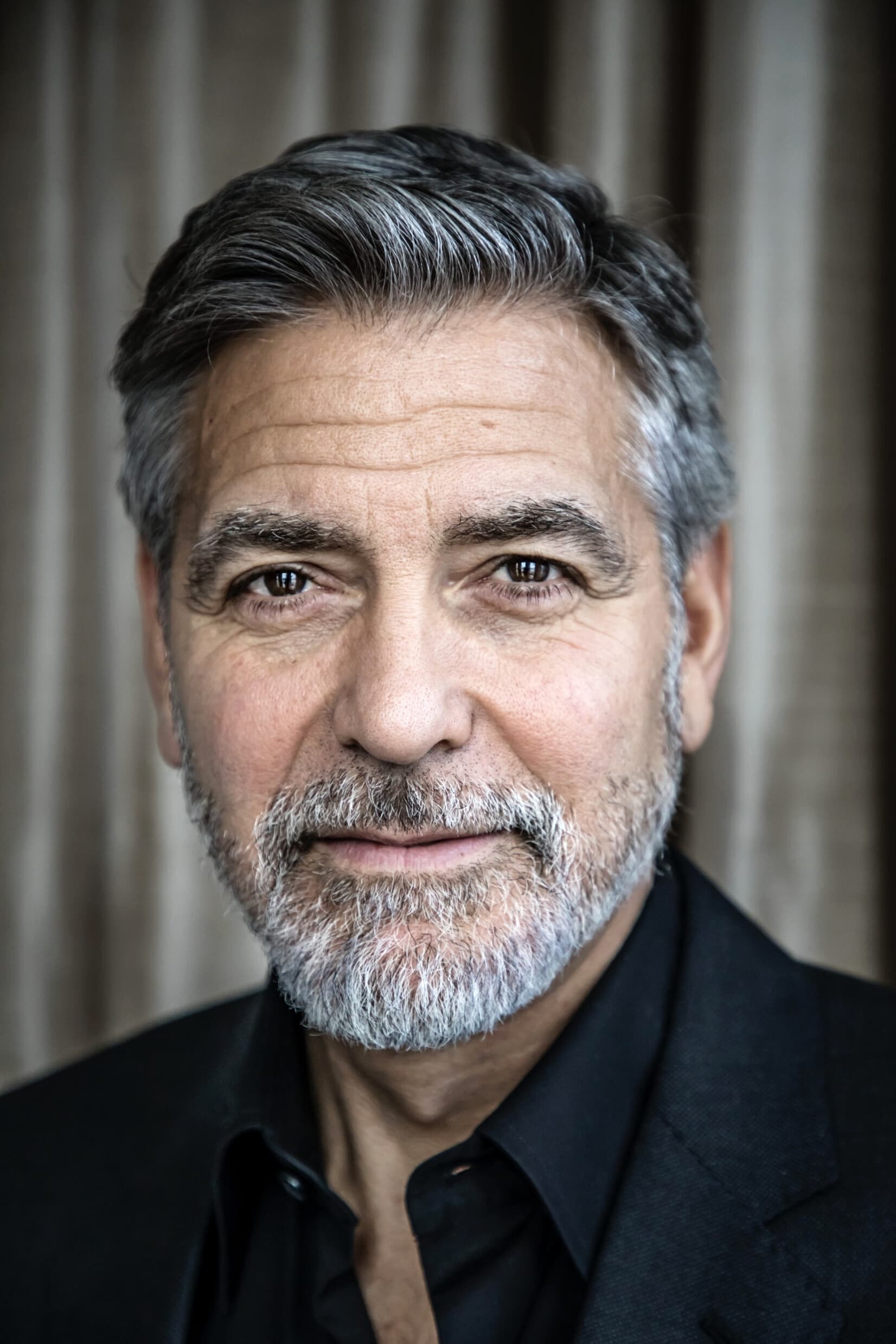
Clooney led a group of A-list actors who proposed a removal of the cap on union dues to help end the strike. His proposal was an attempt to bypass the deadlock between the union and the studios by having wealthy actors pay more. The union leadership rejected the offer and stated that it did not address the core issues of the contract. Clooney’s intervention suggested a desire to end the strike quickly rather than continue the long attrition battle.
Ben Affleck
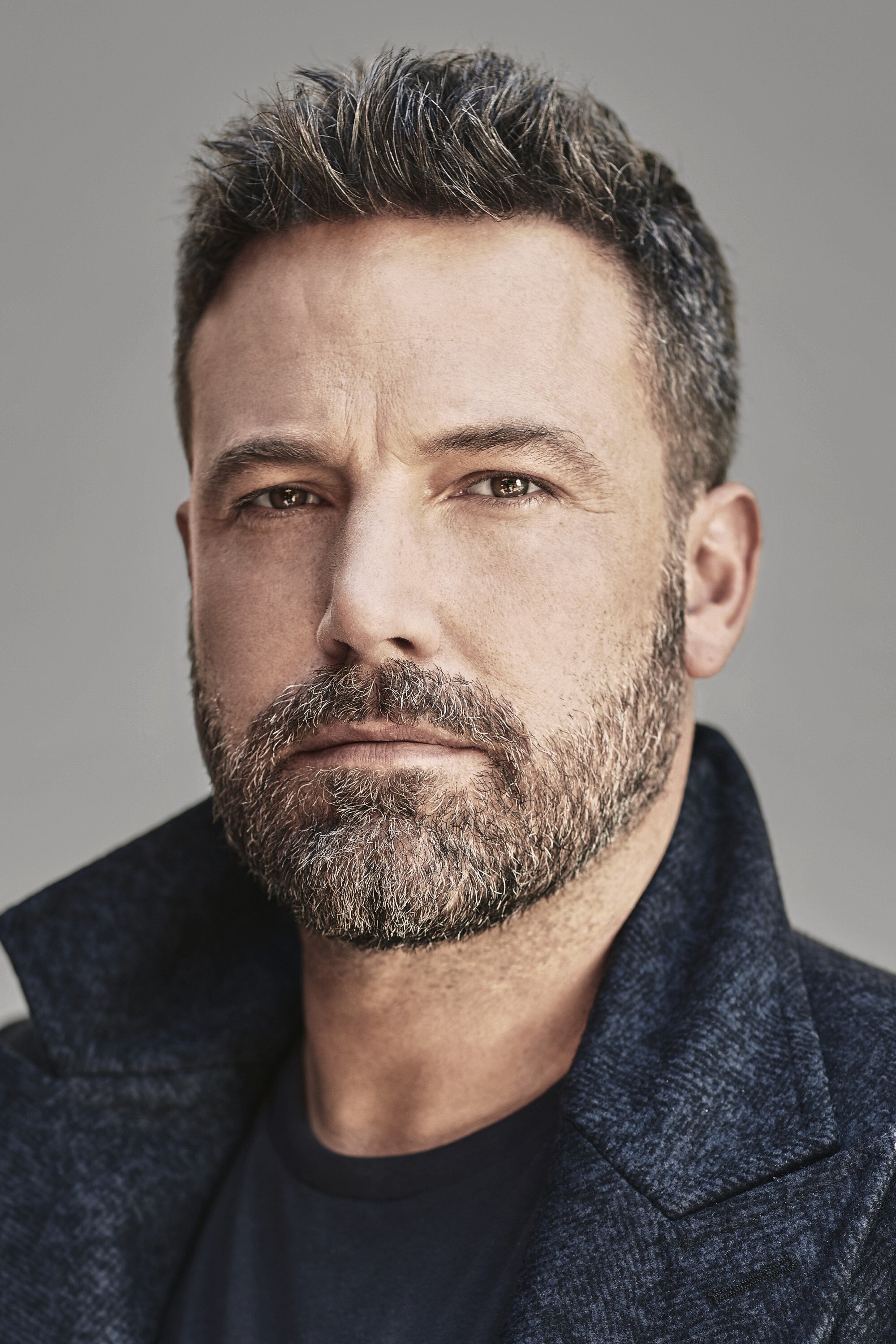
Affleck joined George Clooney in presenting the alternative financial proposal to union leadership. He sought a solution that would resolve the dispute without prolonging the work stoppage for working-class actors. His involvement in the proposal indicated a dissatisfaction with the stalled negotiations. Affleck aimed for a pragmatic financial fix that the union ultimately deemed insufficient.
Isaiah Washington
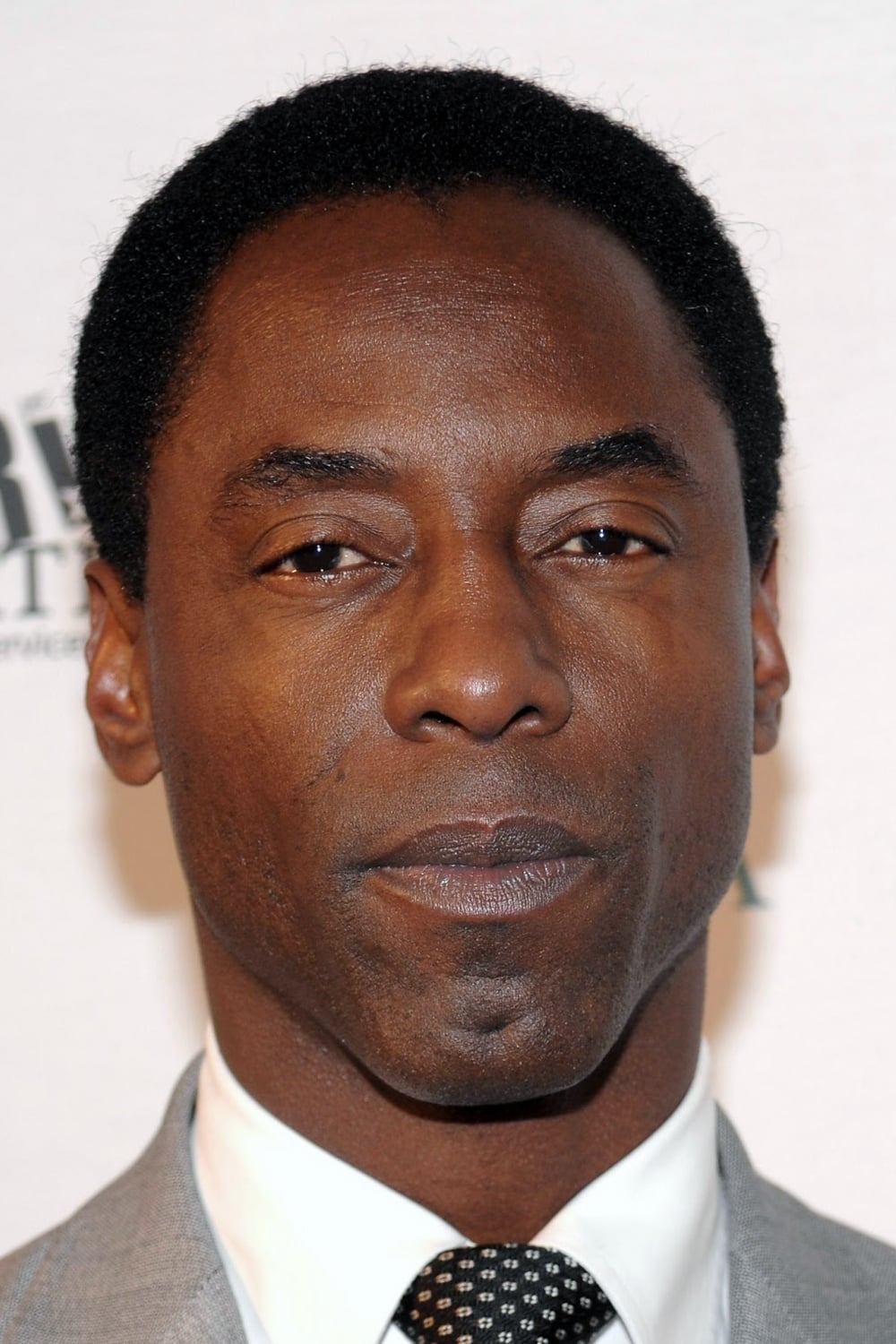
The former ‘Grey’s Anatomy’ actor has been a vocal critic of the Hollywood establishment for years. He did not express support for the strike and often critiques the actions of the actors’ guild. Washington views the industry hierarchy as flawed and has distanced himself from its collective actions. His perspective remained critical of the mainstream consensus during the labor dispute.
Russell Brand
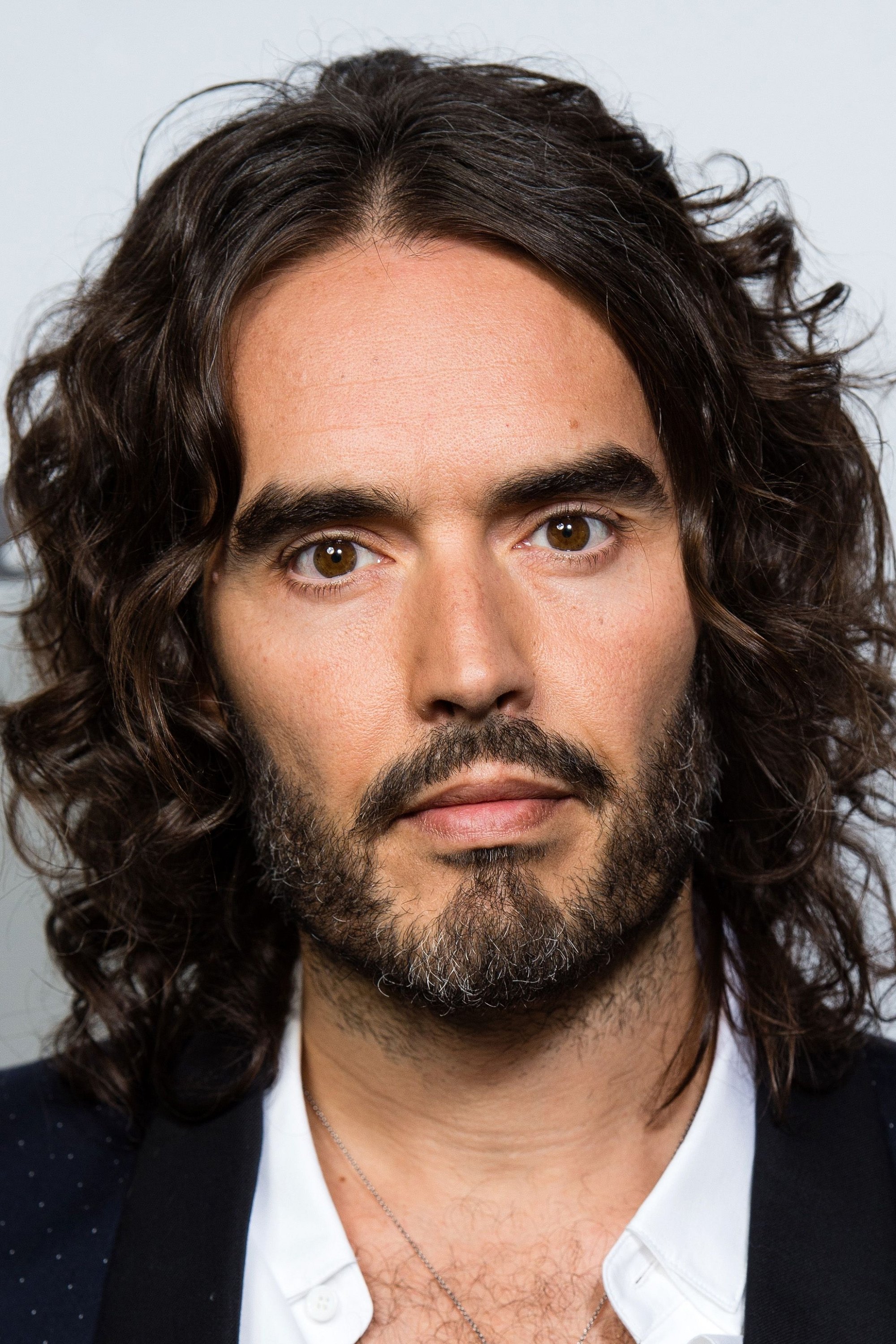
Brand has reinvented himself as an online commentator who is deeply skeptical of mainstream media and entertainment structures. He criticized the corporate nature of the industry and the effectiveness of the strike. Brand argued that the issues ran deeper than the contract disputes being negotiated. His commentary often mocked the celebrity culture that was central to the strike’s publicity.
Scott Baio
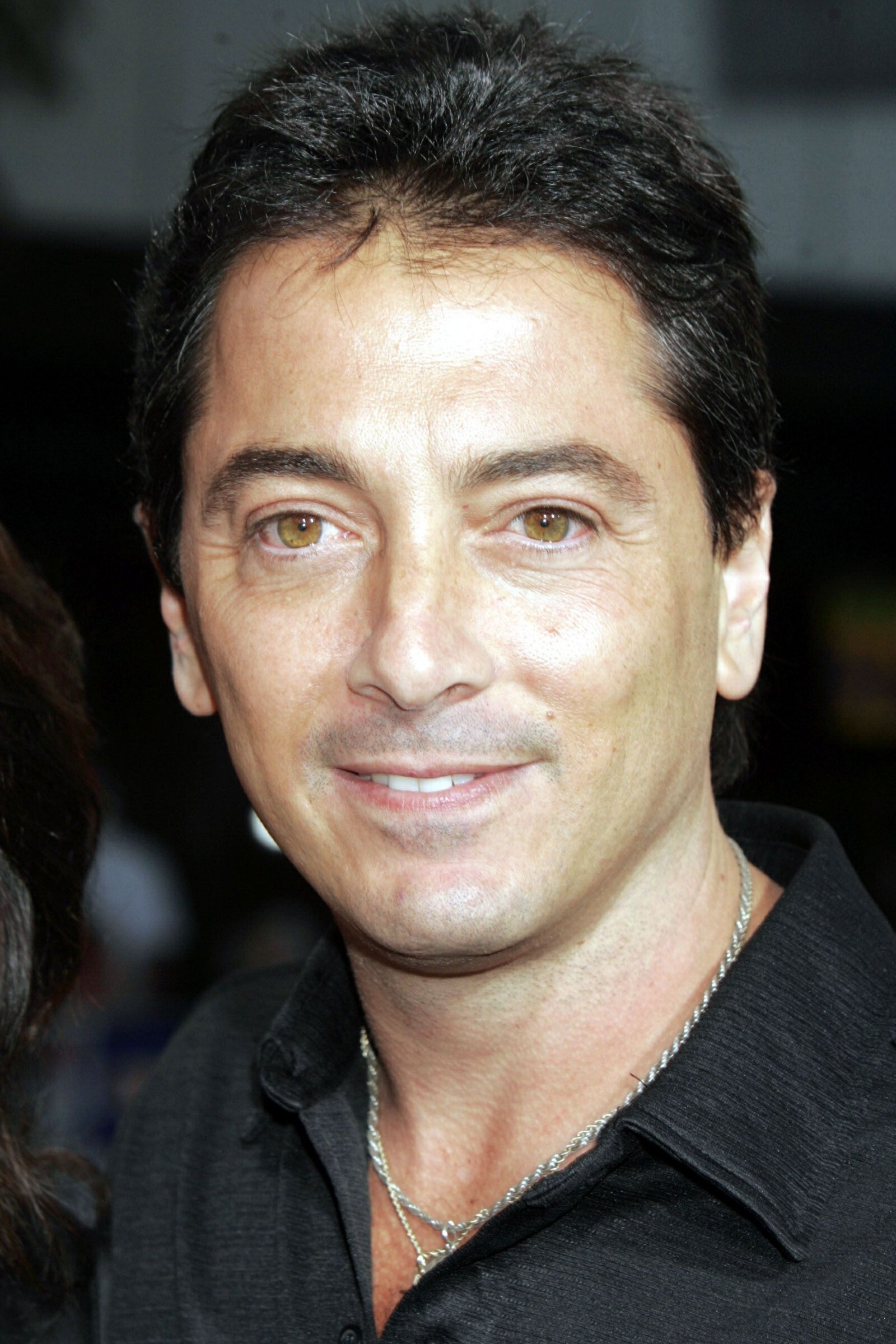
Baio is a staunch conservative who frequently opposes the political and social initiatives of Hollywood unions. He expressed no solidarity with the strike and criticized the actors involved. His views align with a rejection of organized labor tactics in the entertainment industry. Baio remained a vocal outsider during the months of picketing.
Jim Caviezel
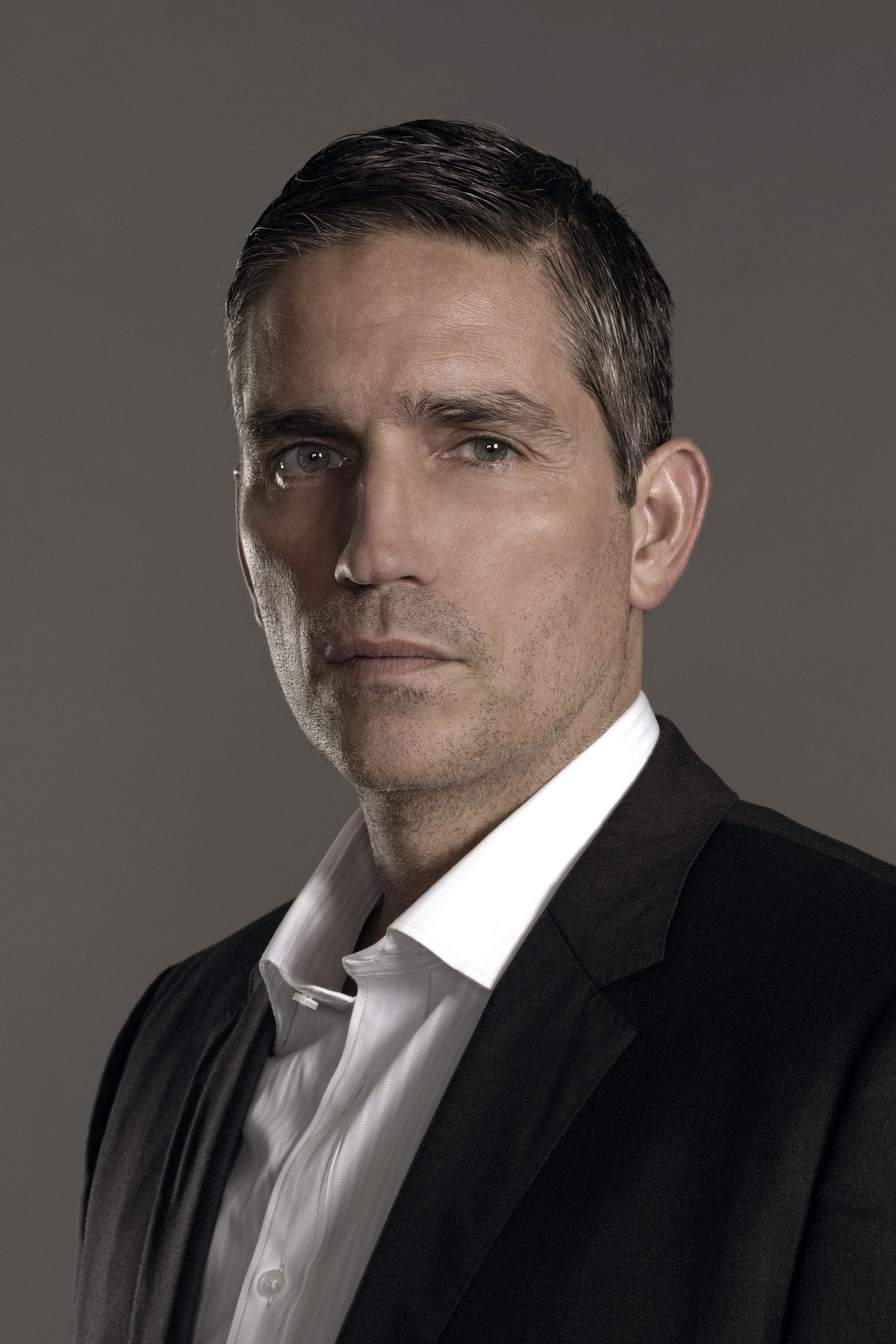
The star of ‘Sound of Freedom’ operates largely outside the major studio system and its union politics. Caviezel did not align himself with the SAG-AFTRA strike efforts. He has frequently criticized the values of Hollywood and its leadership. His success with independent films allowed him to remain detached from the studio disputes.
Randy Quaid
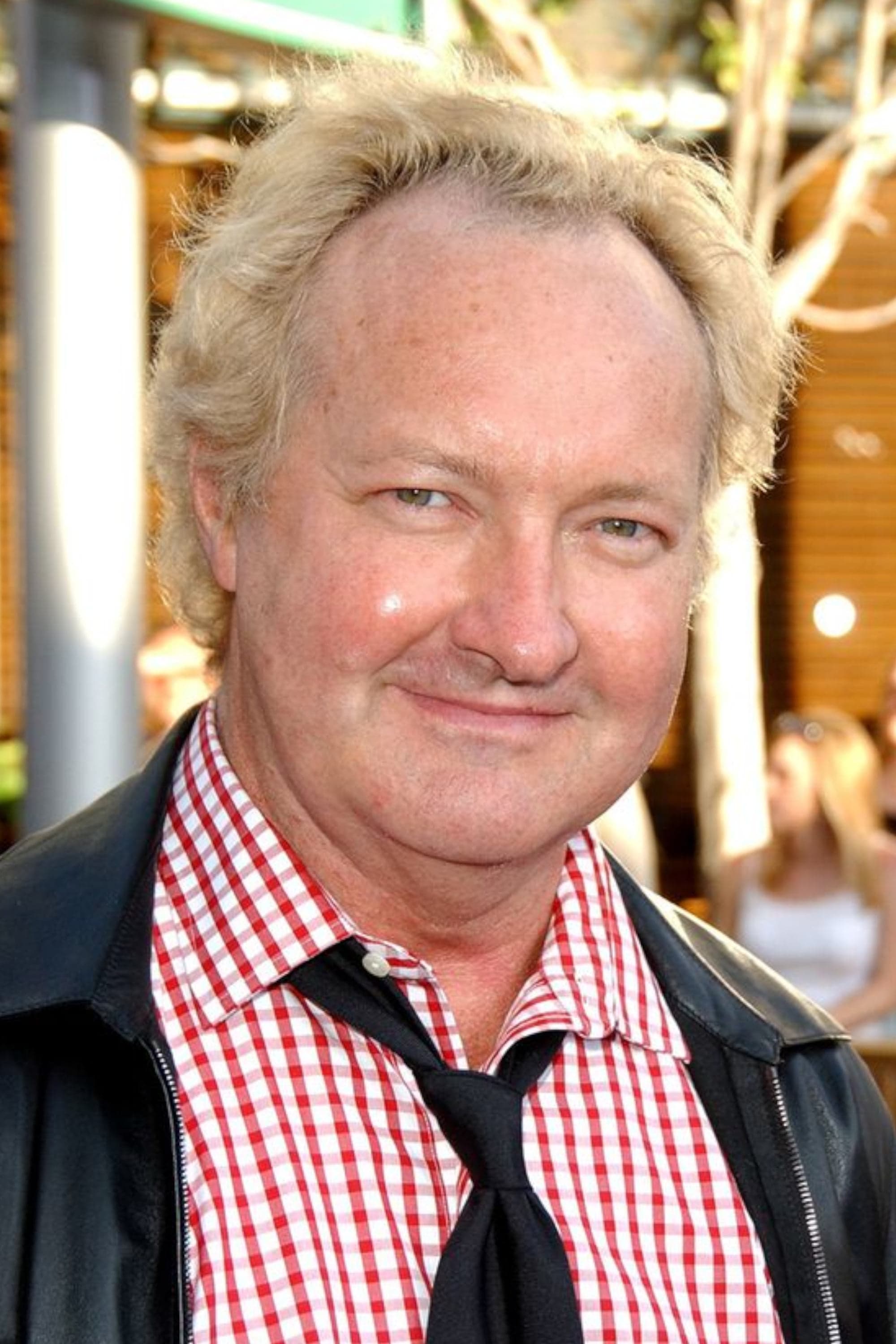
Quaid has been an outspoken critic of Hollywood for over a decade and lives in self-imposed exile from the industry. He posted bizarre videos and comments that mocked the industry and its labor disputes. Quaid views the entire studio system as corrupt and did not support the union’s efforts to negotiate with it. His opposition is part of a larger, long-standing feud with the entertainment business.
Ewan McGregor
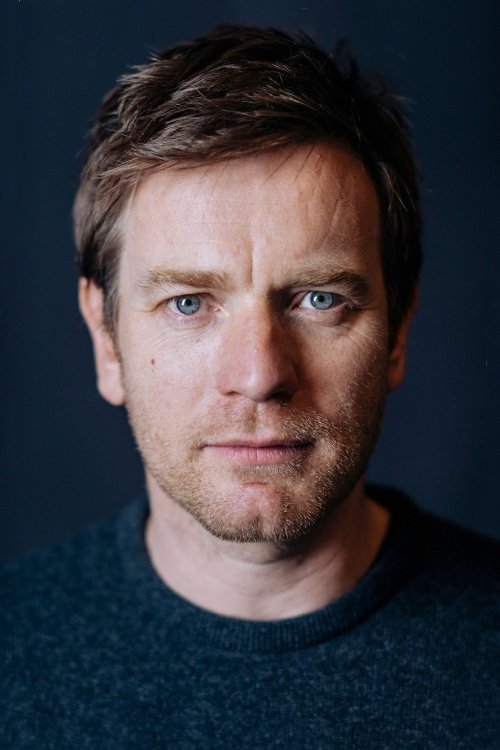
McGregor continued filming the series ‘A Gentleman in Moscow’ because it was produced under a UK equity contract. The British union laws prevented him from striking in solidarity with his American counterparts. He was legally required to continue working despite the SAG-AFTRA shutdown. This forced him to cross a virtual picket line that many of his US-based peers could not.
Simon Pegg
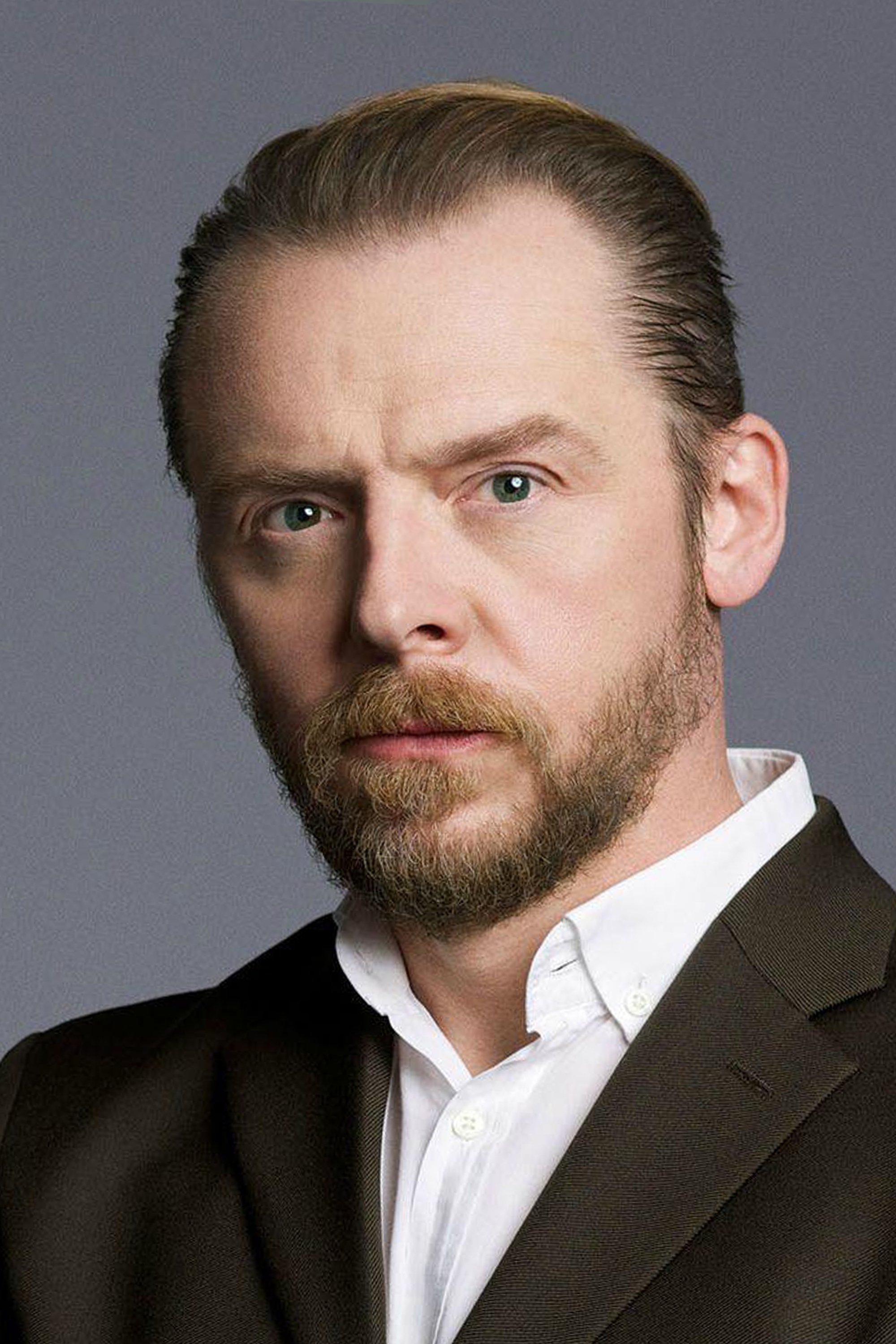
Pegg also continued working under UK Equity rules which forbade solidarity strikes. He expressed frustration that he could not join his American colleagues in stopping work. However, his continued presence on set was mandated by the anti-strike laws in the United Kingdom. Pegg remained active professionally due to these legal constraints rather than a personal desire to work.
Andrew Garfield
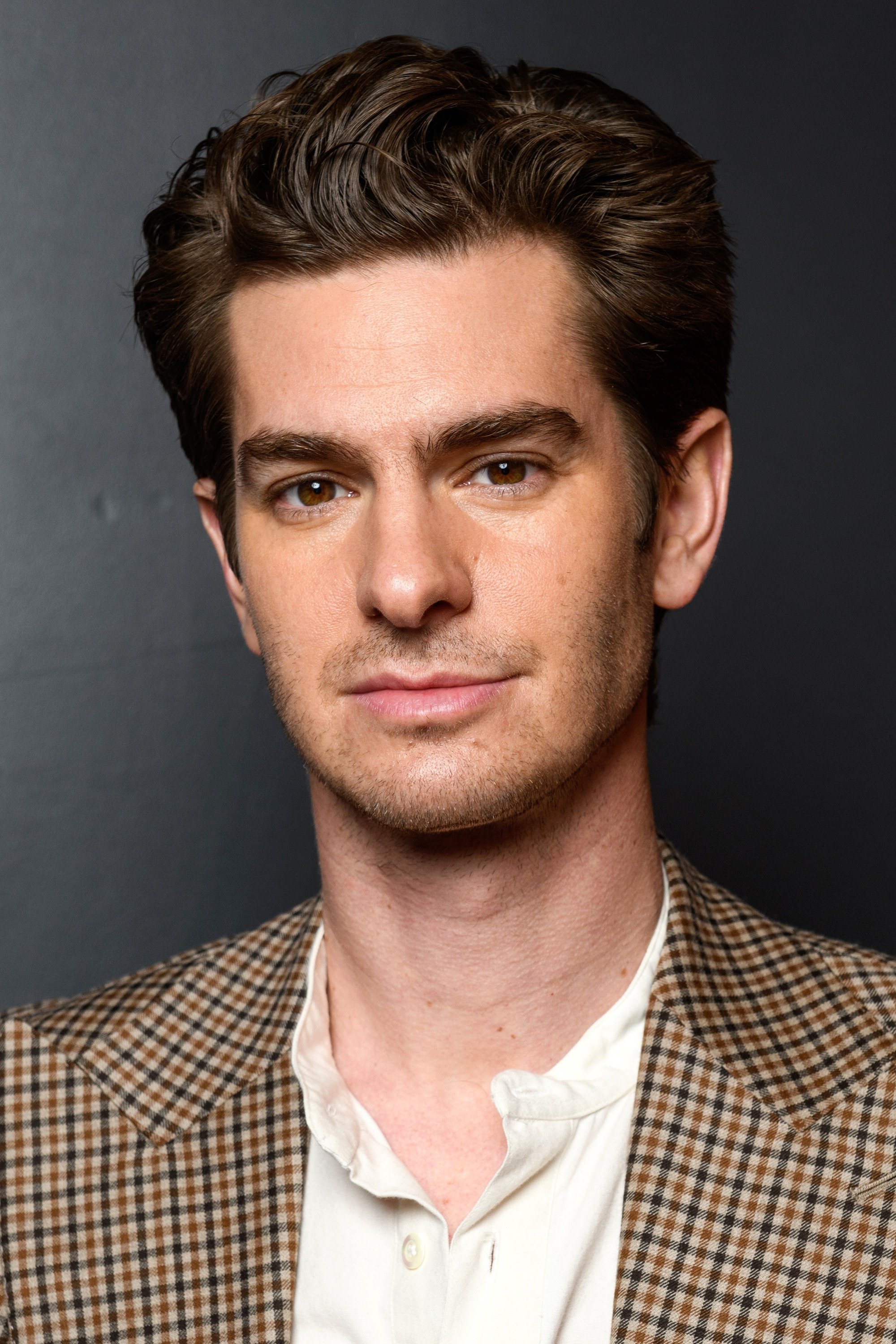
Garfield worked on the film ‘We Live in Time’ which shot in the UK under a studio waiver. He continued his acting duties while the strike was ongoing in the United States. His participation was allowed because the production was not affiliated with the major studios being struck against. Garfield navigated the complex rules to keep working while the industry was largely paused.
Jude Law
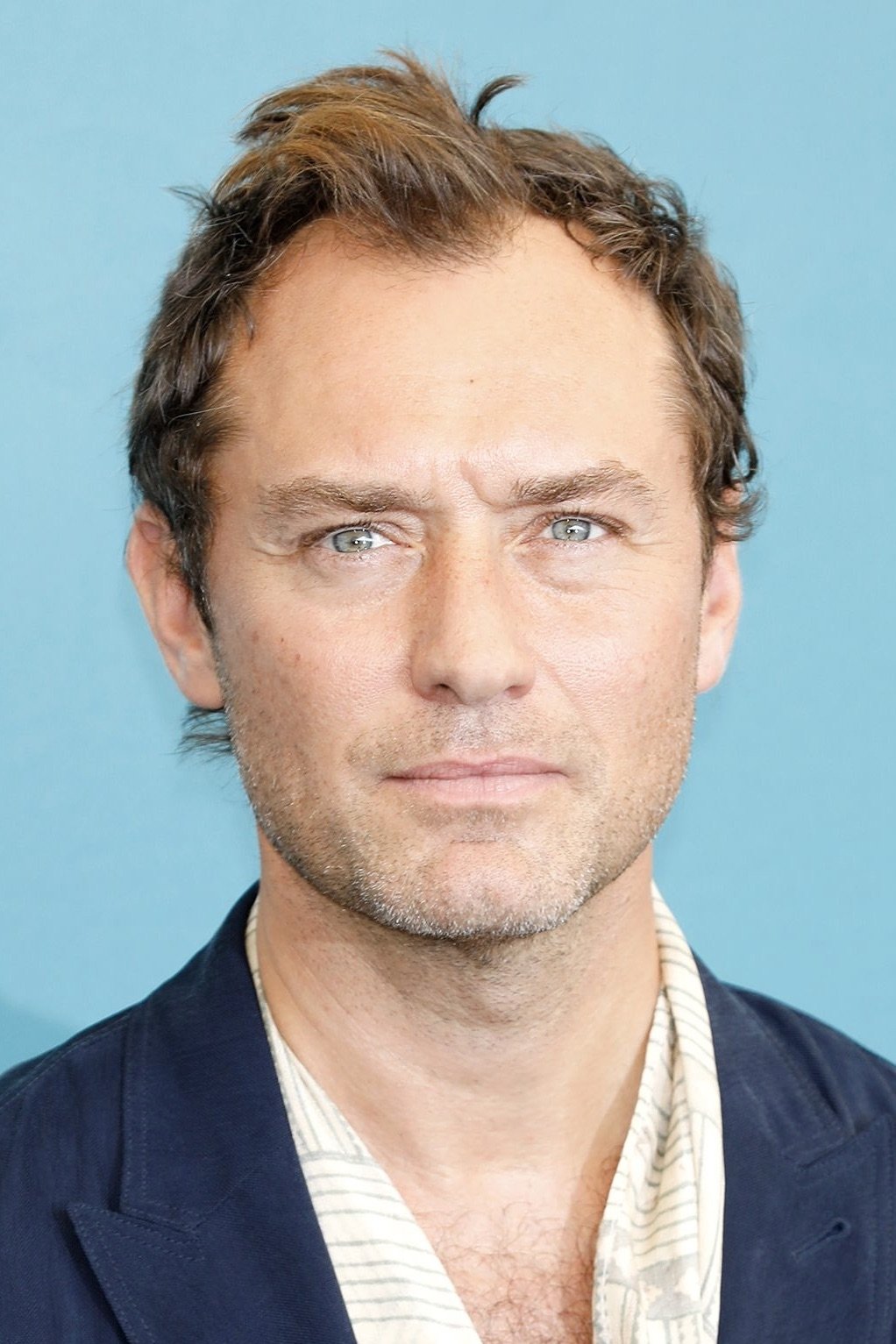
Law starred in the film ‘The Order’ which secured an interim agreement to film during the strike. He continued to work on the project in Canada while the shutdown was in effect. Law utilized the waiver system to maintain his schedule and complete the film. His work was a result of the independent nature of the production.
Joel Kinnaman
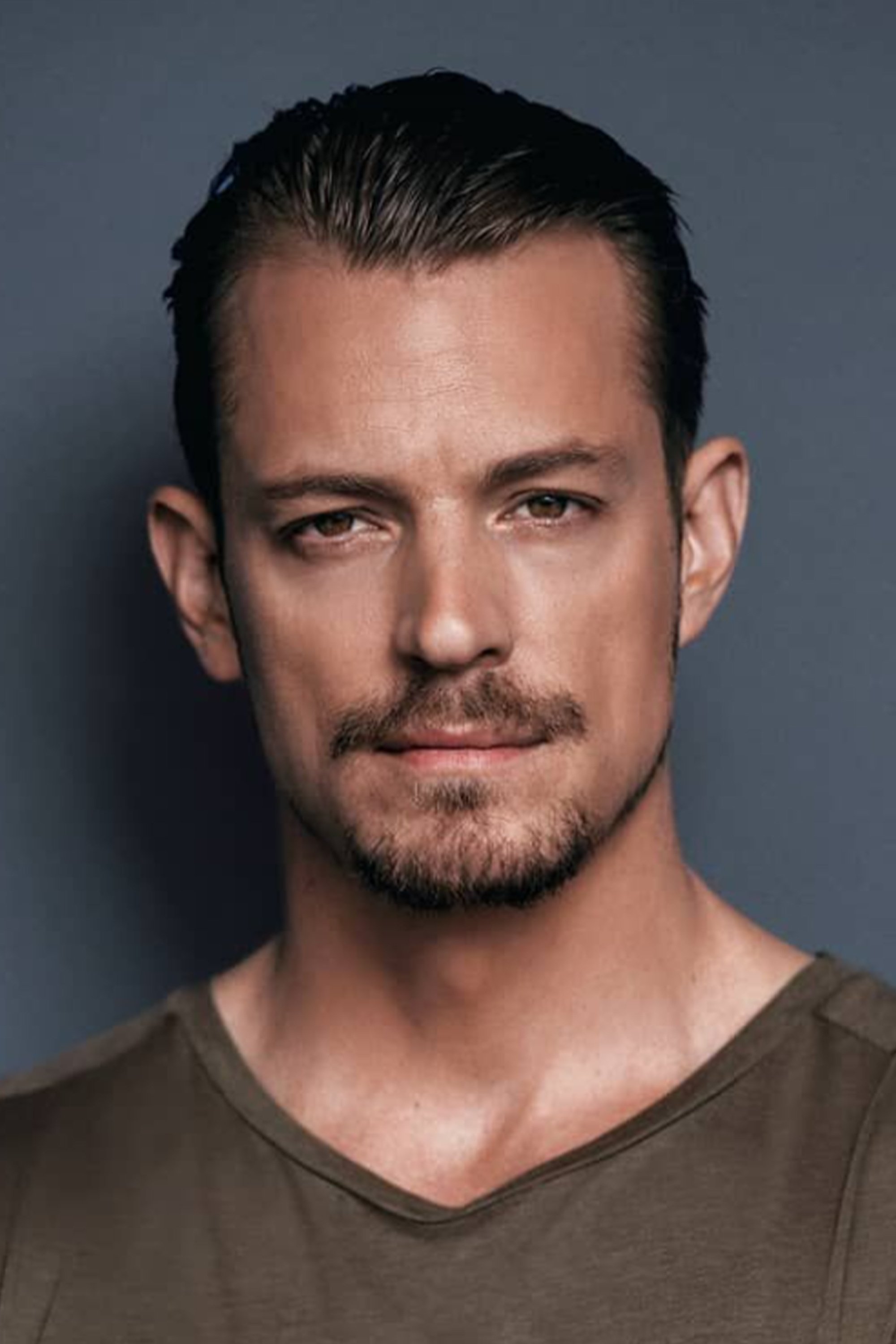
Kinnaman continued filming the action movie ‘The Silent Hour’ under a SAG-AFTRA interim agreement. He worked on the set in Malta and Toronto while his peers were picketing. The waiver allowed him to bypass the strike restrictions that halted major studio films. Kinnaman remained one of the few action stars employed during the dispute.
Kit Harington
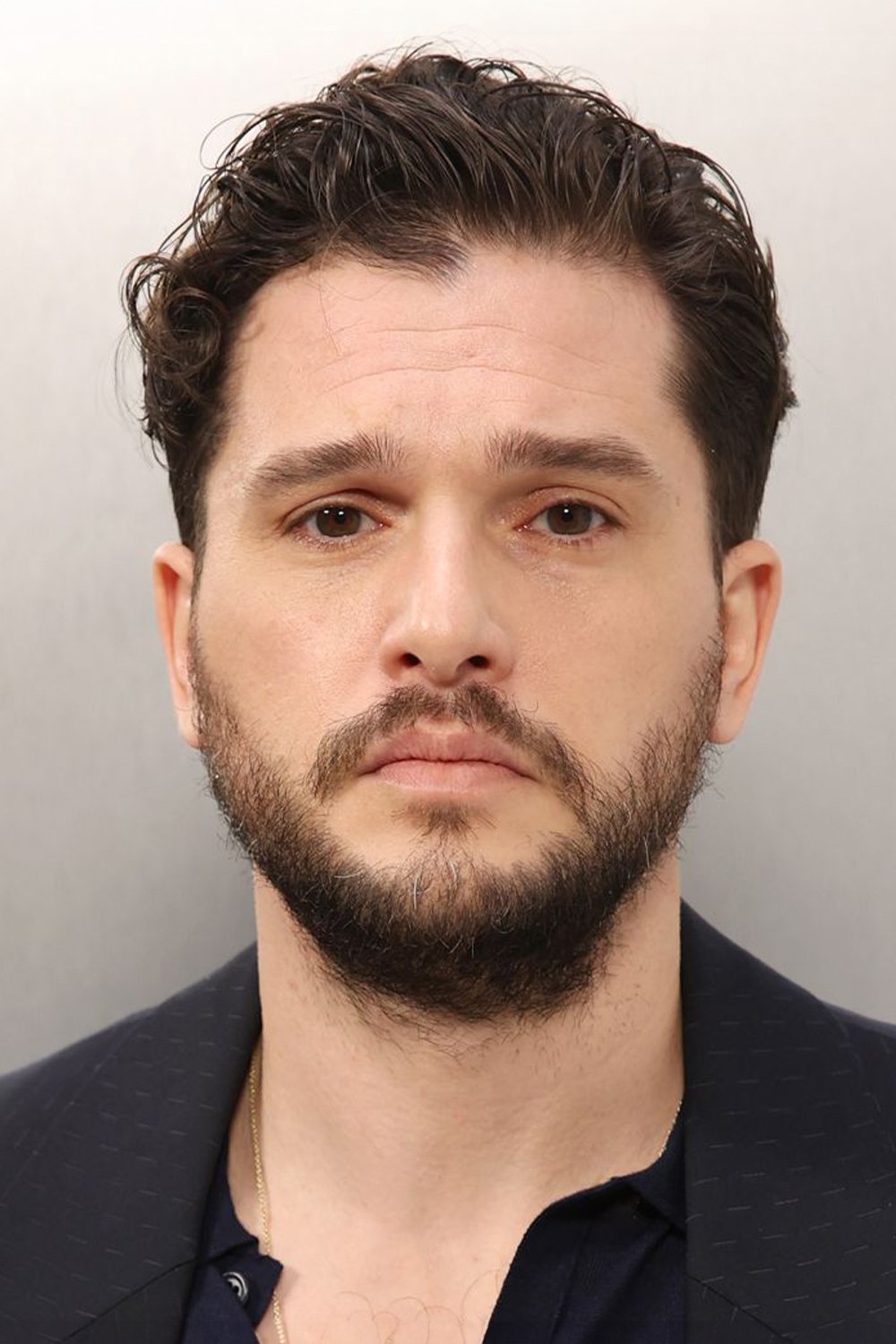
The ‘Game of Thrones’ star worked on the film ‘Eternal Return’ which was granted a waiver. Harington continued his acting work on the independent production during the strike. His ability to work was due to the film’s independent financing and agreement to union terms. He stayed active in the industry while most production lights were dark.
Djimon Hounsou
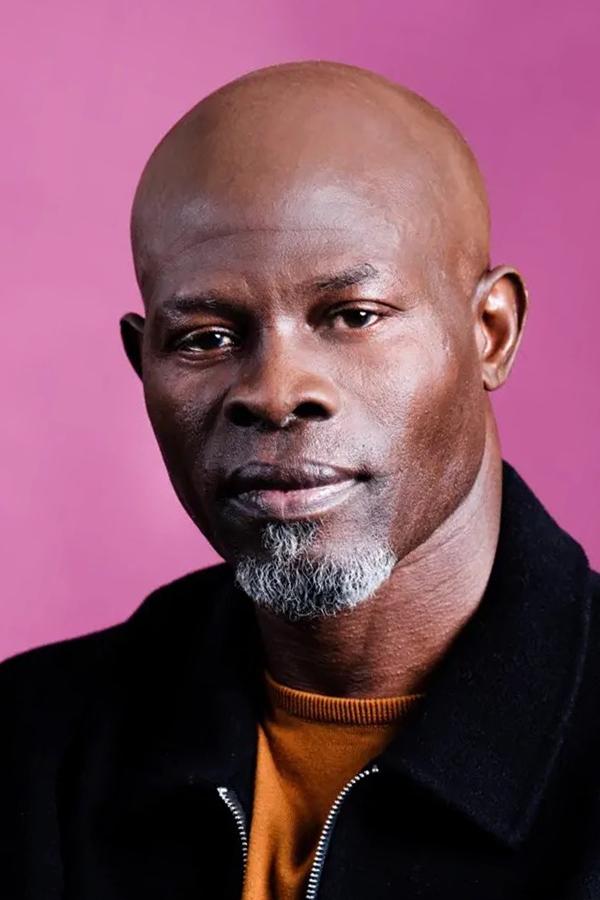
Hounsou worked on the thriller ‘The Zealot’ which received an interim agreement from the union. He continued filming in Vancouver during the height of the labor dispute. His participation in the project was permitted because it was not a major studio production. Hounsou kept his career moving forward through the waiver exception.
Travis Fimmel
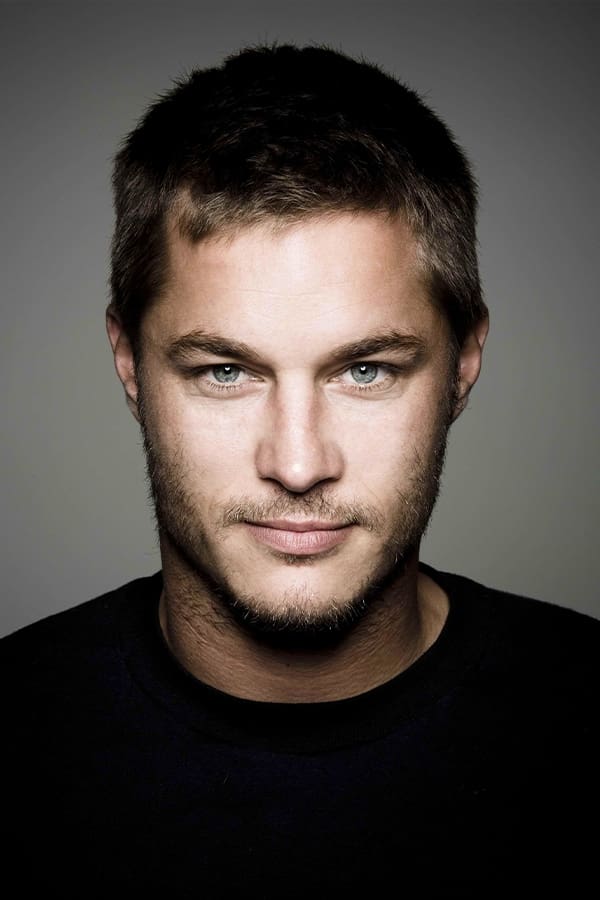
Fimmel worked on the series ‘Boy Swallows Universe’ in Australia during the strike period. The production was covered under Australian union rules and allowed him to continue filming. He was not subject to the same immediate shutdown as actors working solely under US contracts. Fimmel’s location and contract status kept him working through the summer.
Christoph Waltz
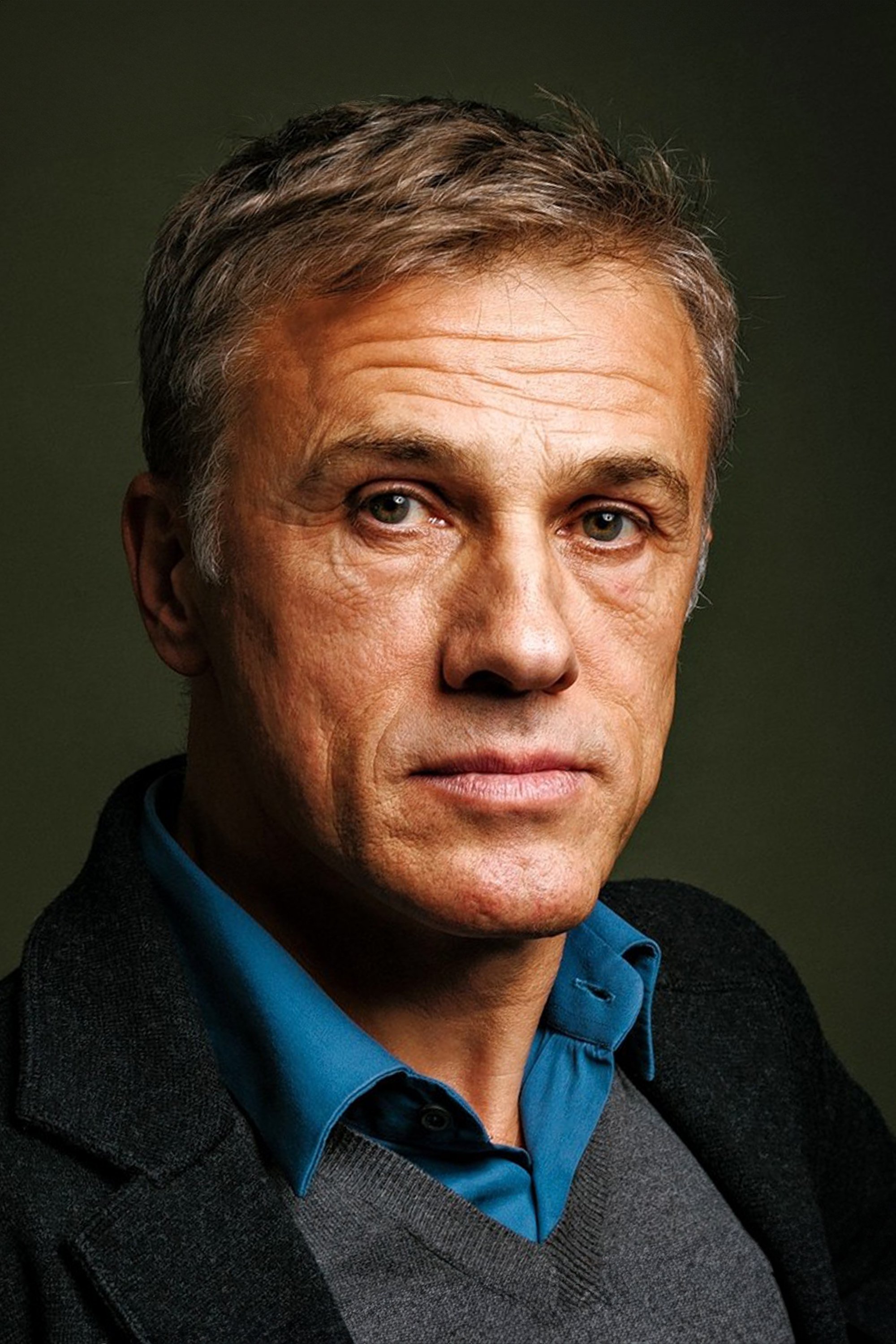
Waltz starred in an untitled action-comedy that secured an interim agreement to film during the strike. He continued his work on the production while the major studios were locked in negotiations. His participation highlighted the ability of international and independent productions to navigate the strike. Waltz remained active on set while the majority of the union was on strike.
Tell us what you think about these actors’ decisions in the comments.