


Major Stars Who Are Openly Critical of the #MeToo Movement

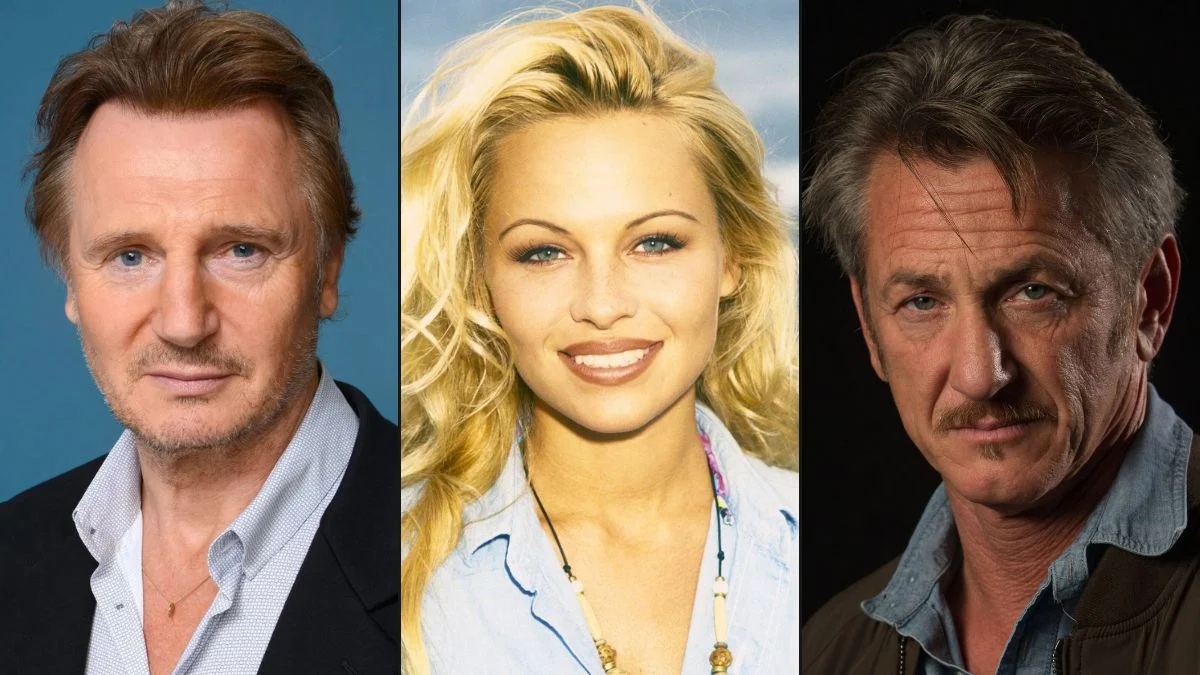


The #MeToo movement reshaped how the entertainment world talks about power and accountability. It also sparked a wide range of reactions from public figures who welcomed the shift or questioned parts of it. This list looks at major stars who have openly criticized elements of the movement. Some focused on due process and public shaming. Others worried about nuance or what they saw as cultural overreach.
These perspectives come from interviews and public statements that drew strong responses at the time. A few of these stars later clarified or softened their words. Others stood by them. The summaries below reflect what each person has said on the record. The goal is to show where they were coming from and how they explained their concerns.
Catherine Deneuve

The French screen icon signed an open letter that argued the movement risked sliding into puritanism and that society should still allow room for flirtation. Her stance centered on preserving personal freedoms while acknowledging that abuse exists.
Soon after, she clarified that she supported people who speak out while warning against what she called witch hunts. She positioned her view as a plea for complexity rather than a rejection of accountability.
Brigitte Bardot
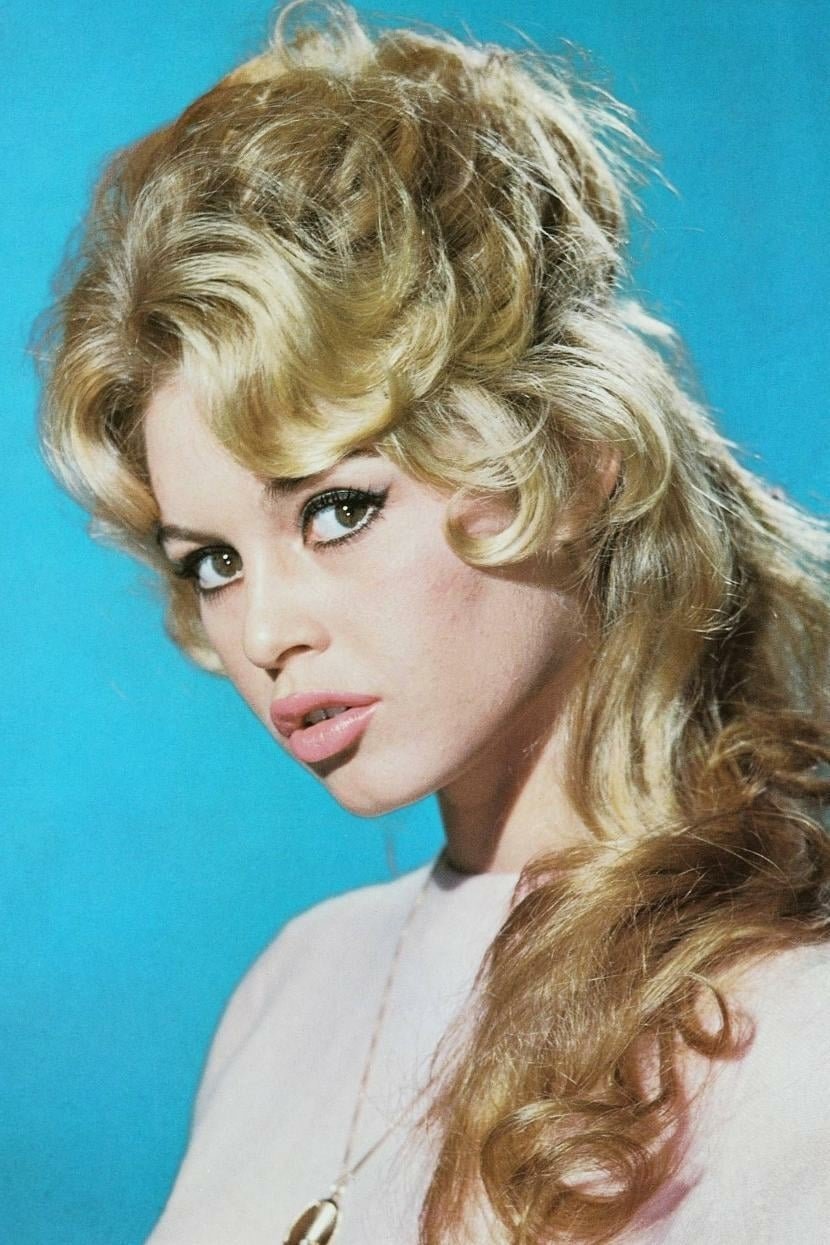
Brigitte Bardot criticized actresses who shared their stories and used blunt language that many found dismissive. She framed much of the conversation as exaggerated and said the industry needed less posturing and more honesty.
Her comments aligned with a broader debate in France about the line between cultural change and personal choice. She has shown little interest in revising or walking back her position.
Liam Neeson
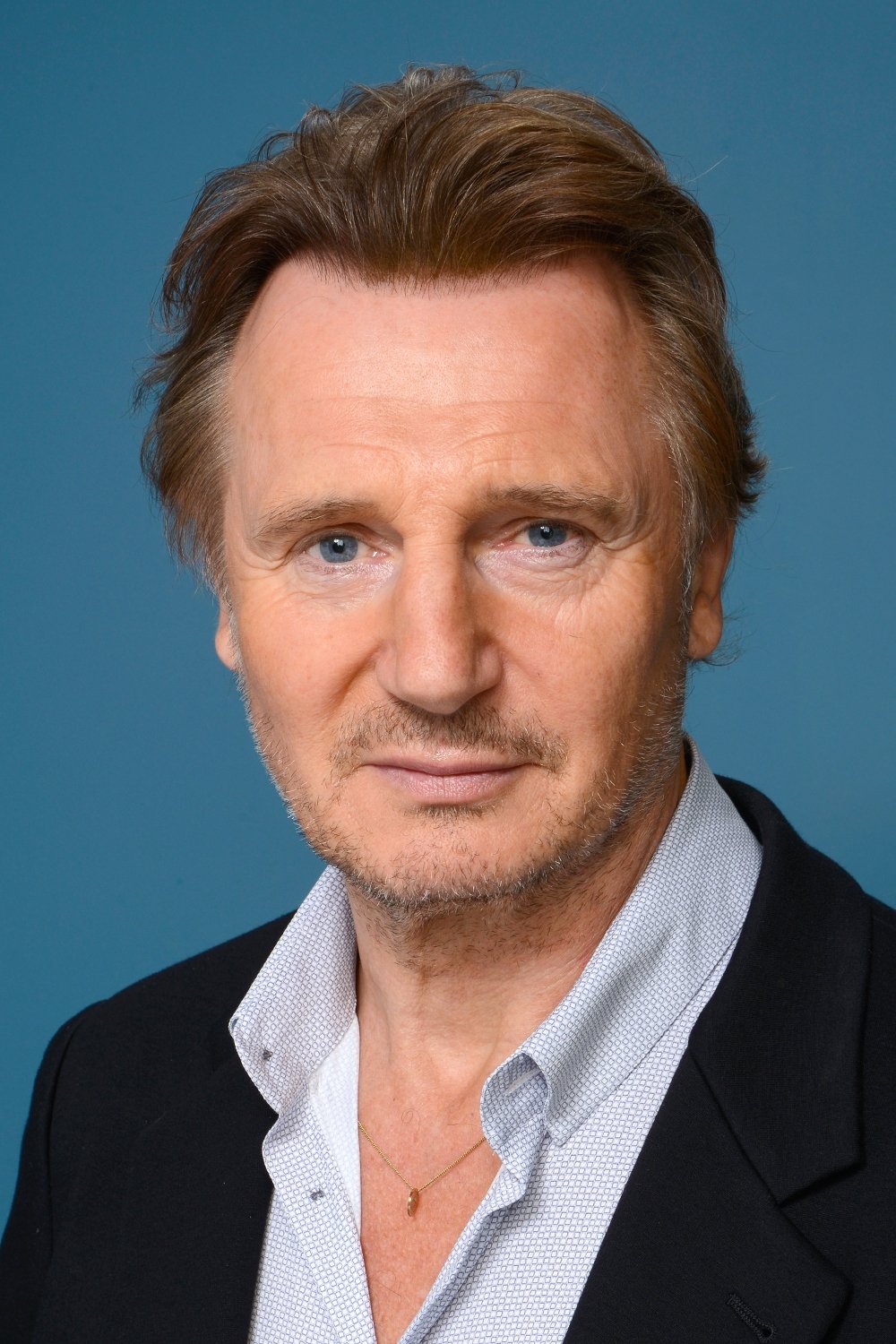
Liam Neeson said parts of the conversation around misconduct felt like a witch hunt. He emphasized that allegations should be investigated with care rather than tried in the court of public opinion.
He also said he supported accountability and consequences when wrongdoing is proven. His point was that a rush to judgment can harm people and muddy the search for truth.
Sean Penn
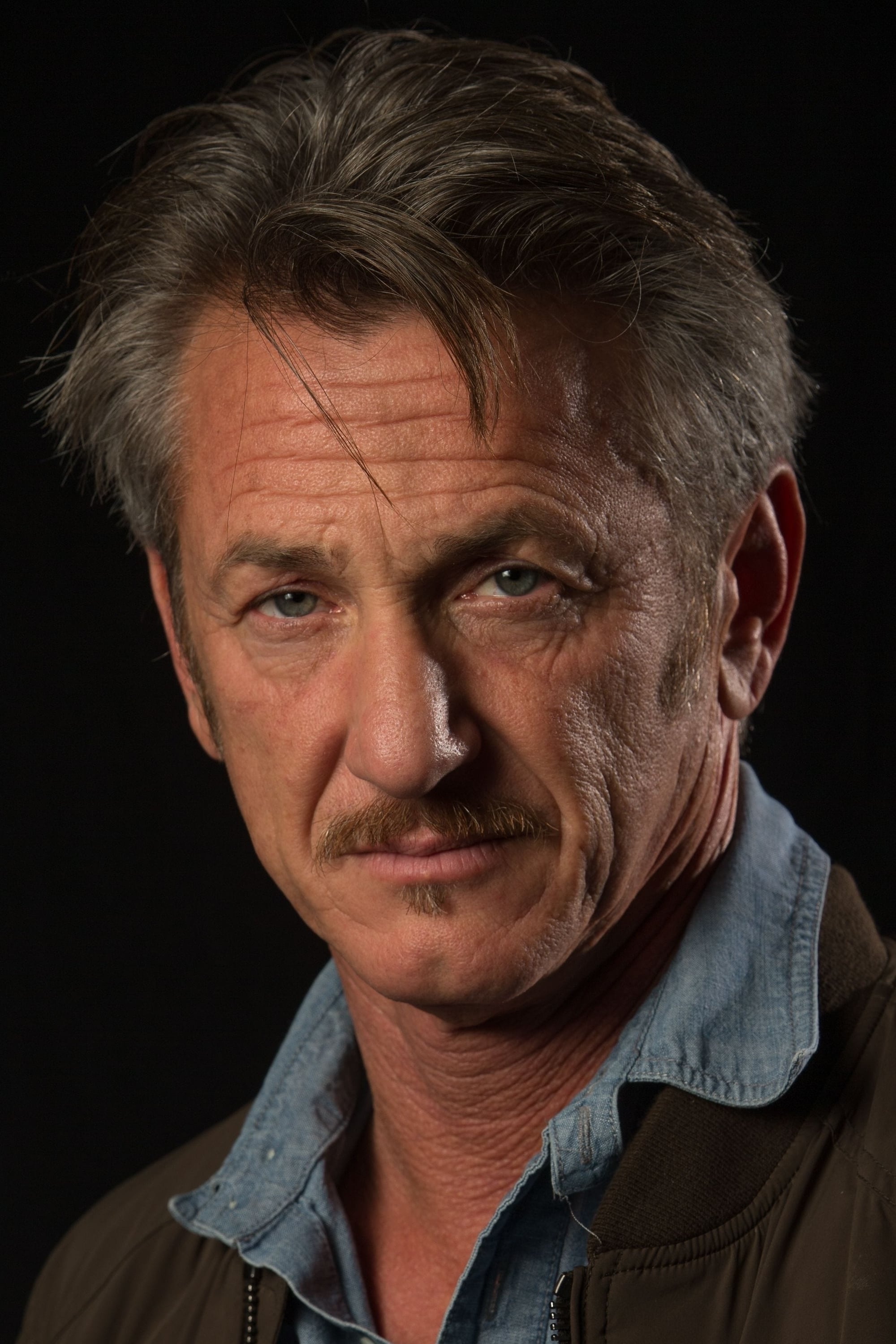
Sean Penn argued that the climate had become too black and white. He warned that the way people were talking past each other could divide men and women rather than help them work together.
He called for more common sense and less sensationalism. He said productive change would come from careful dialogue and clear standards rather than broad outrage.
Matt Damon
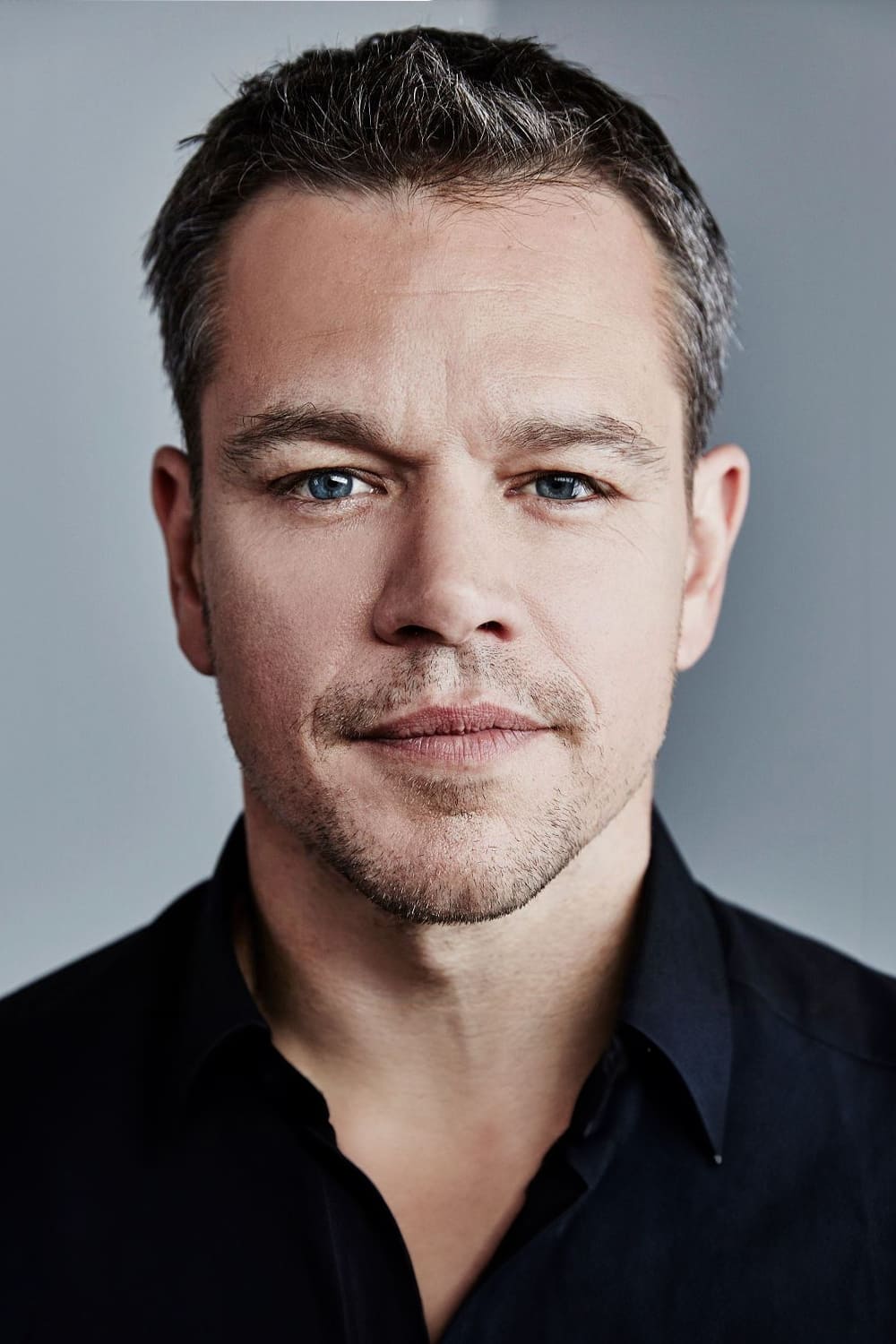
Matt Damon said there is a spectrum of behavior and that different actions deserve different responses. Many felt the way he framed that idea minimized harm, which set off a wave of criticism.
He later apologized for how his comments landed and said he was trying to add nuance. The episode showed how difficult it was for high profile voices to weigh in without backlash.
Pamela Anderson
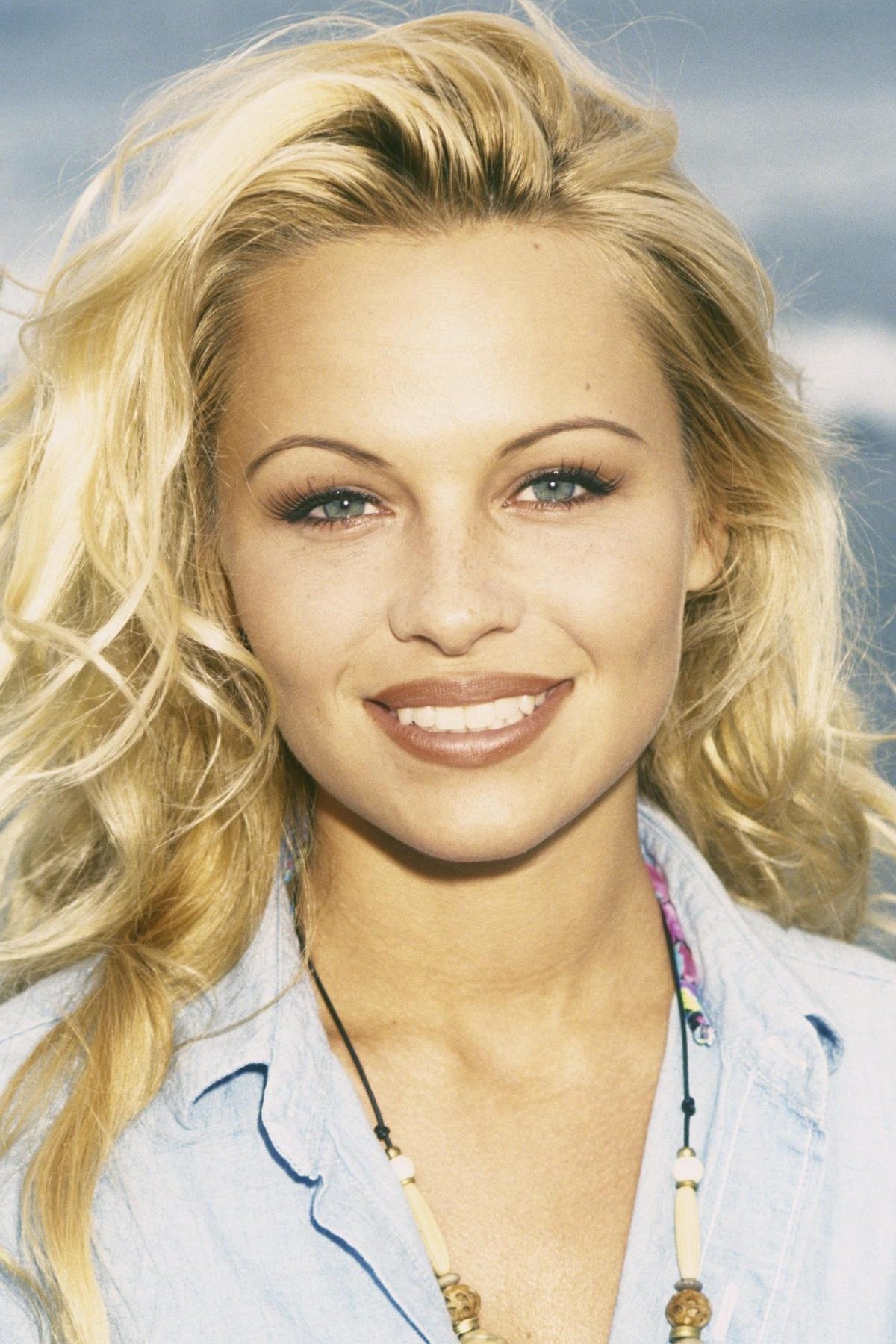
Pamela Anderson questioned parts of modern feminism and said the movement could paralyze men. She argued that common sense and personal safety should guide choices in the industry.
She also described the latest wave as a bore and urged people to think for themselves. Supporters and critics clashed over whether her view helped or harmed the broader push for change.
Woody Allen
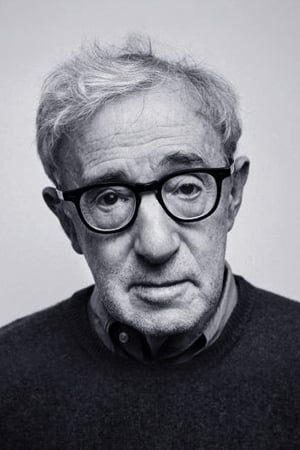
Woody Allen said he worried about a witch hunt atmosphere. He expressed sympathy for victims while warning that minor behavior might be treated like major offenses.
He later claimed he had long advocated for respectful behavior and once suggested he could be a face for reform. That assertion drew fresh criticism and kept his comments in the headlines.
Javier Bardem
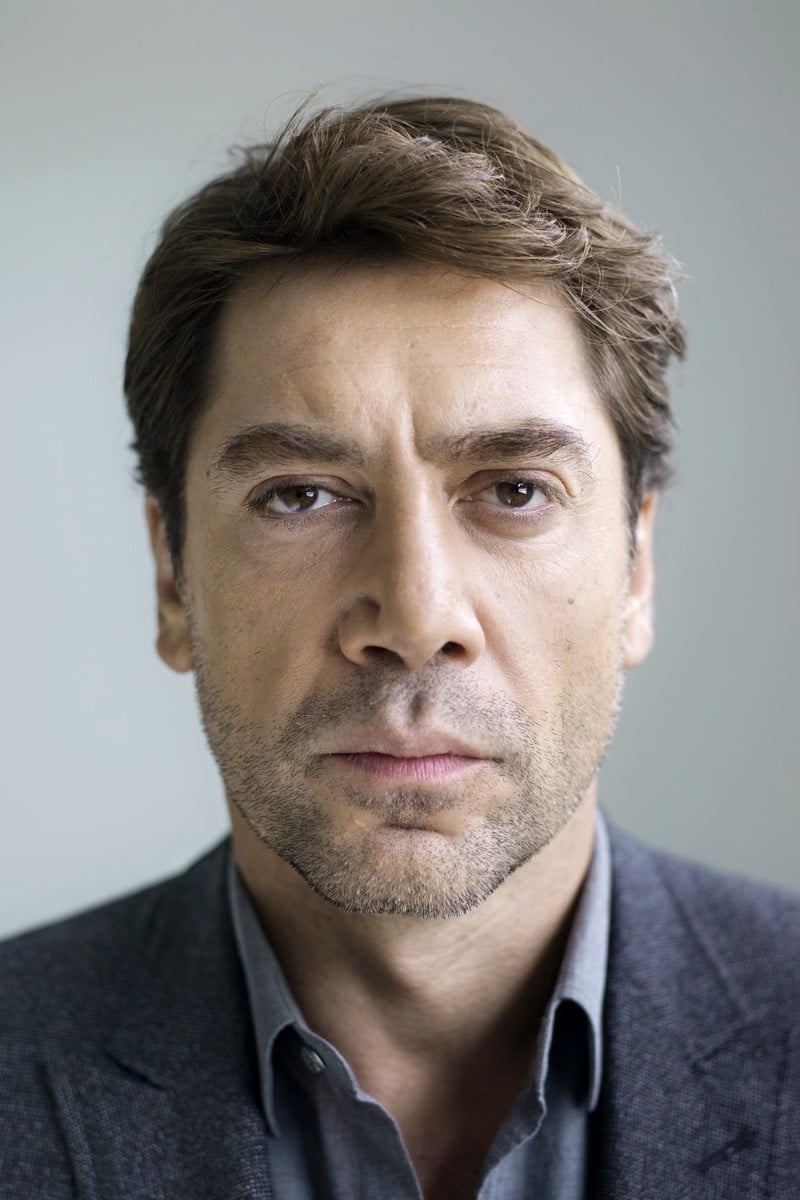
Javier Bardem defended Woody Allen and criticized what he saw as a rush to condemn without due process. He said he would work with Allen again and urged people not to treat accusations as established facts.
His stance placed him among the few A list actors who openly questioned the industry’s response. It also highlighted how debates about fairness and procedure were playing out among top artists.
Terry Gilliam
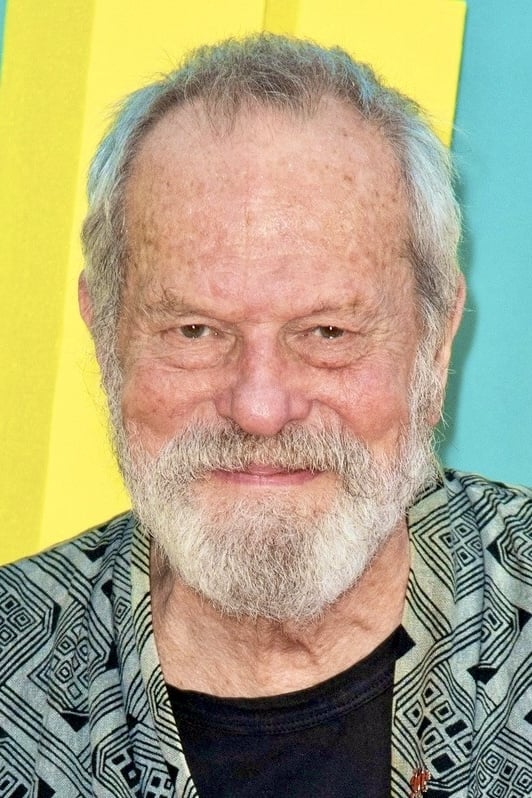
Terry Gilliam called the movement a witch hunt and said some adults made choices as they navigated Hollywood. He framed his view as a pushback against what he saw as blanket blame.
In later interviews he doubled down and presented himself as resisting groupthink. His comments kept him at the center of the controversy over the movement’s scope.
Michael Haneke
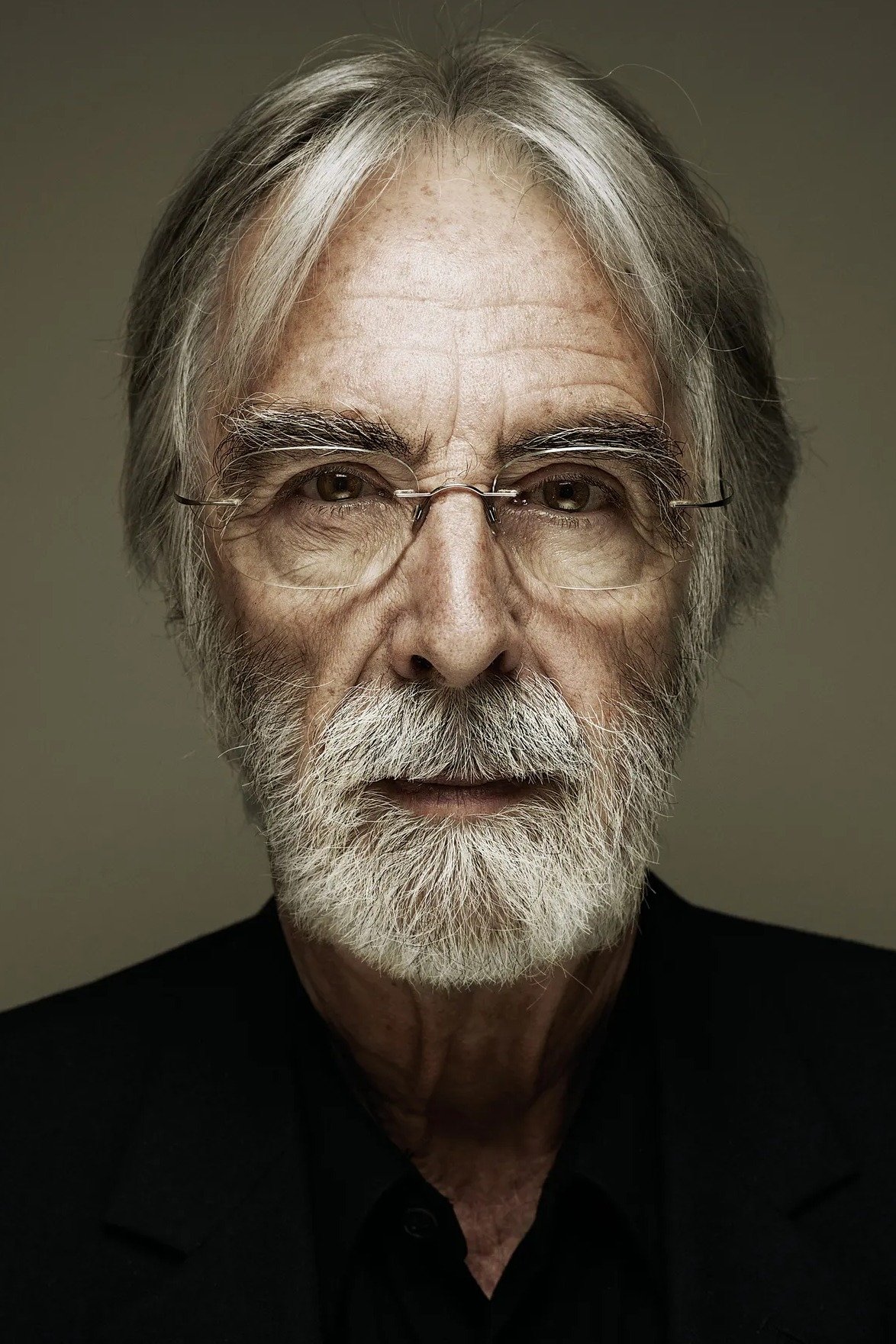
Michael Haneke said the climate had turned into a witch hunt and warned about a new puritanism in culture and art. He argued that the atmosphere risked chilling expression.
He also said crimes must be punished but that hysteria and prejudgment help no one. His position added a European auteur’s voice to the chorus of skeptics.
Morrissey

Morrissey questioned parts of the movement in interviews and suggested that some reactions went too far. His remarks prompted heavy criticism across music and media.
He later disputed how his words were presented while others pointed to recordings to argue that the coverage was accurate. The episode showed how fraught these conversations were even outside film and television.
Bill Maher
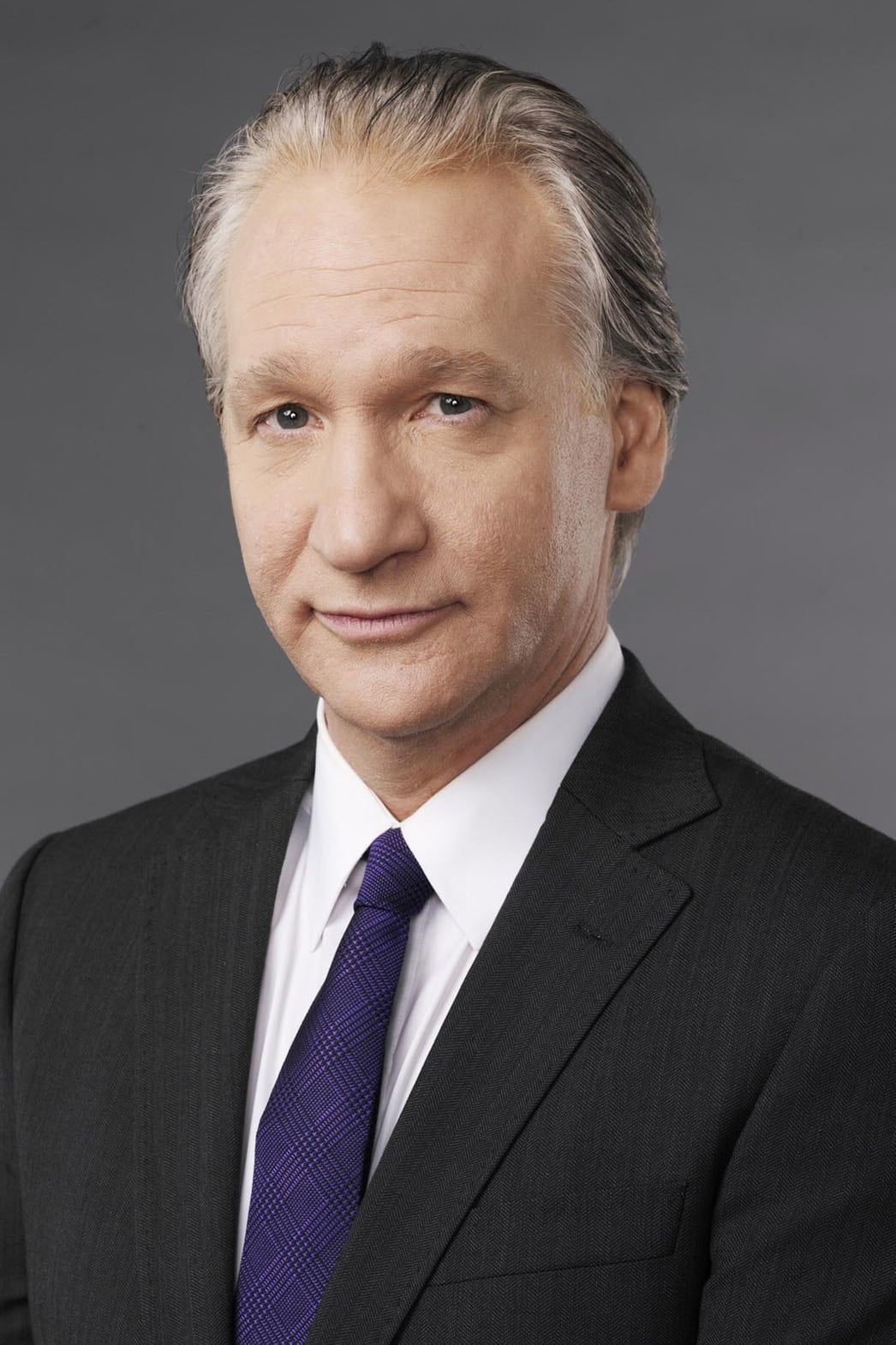
Bill Maher used his platform on ‘Real Time with Bill Maher’ to argue that parts of the movement were becoming overzealous. He warned about a slide into what he called MeCarthyism and pushed for nuance.
He questioned zero tolerance approaches and said the culture felt policed in unhelpful ways. His take kept the debate going about how to handle accusations and accountability in public life.
Share your take on these perspectives and tell us which comments you agree or disagree with in the comments.