


Male Actors Who Publicly Criticized the Modern Diversity Mandates

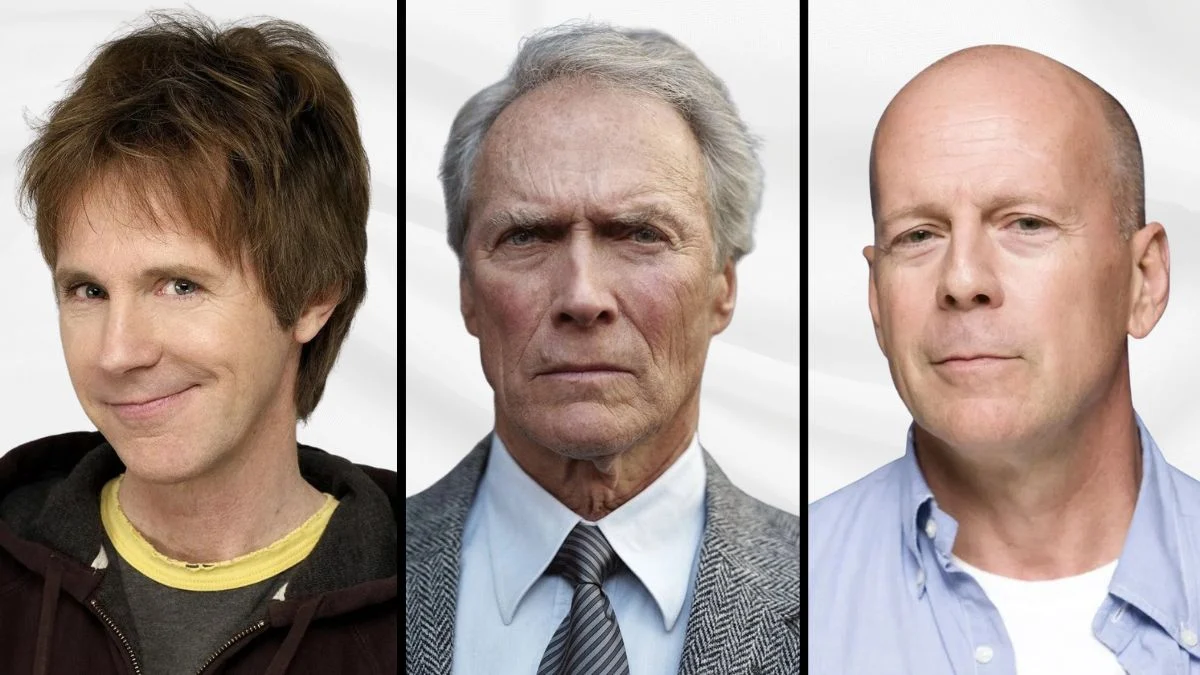


The entertainment industry has seen a significant shift toward formalized diversity mandates that influence casting and production decisions. While many figures support these initiatives as a necessary step for equity, several prominent male actors have publicly expressed concerns regarding their impact on artistic integrity. These performers often argue that creative choices should prioritize merit and narrative needs over bureaucratic requirements. Their perspectives contribute to an ongoing debate about the balance between social progress and the traditional methods of filmmaking. This list explores various male actors who have shared their critical views on these modern industry standards.
Adam Baldwin
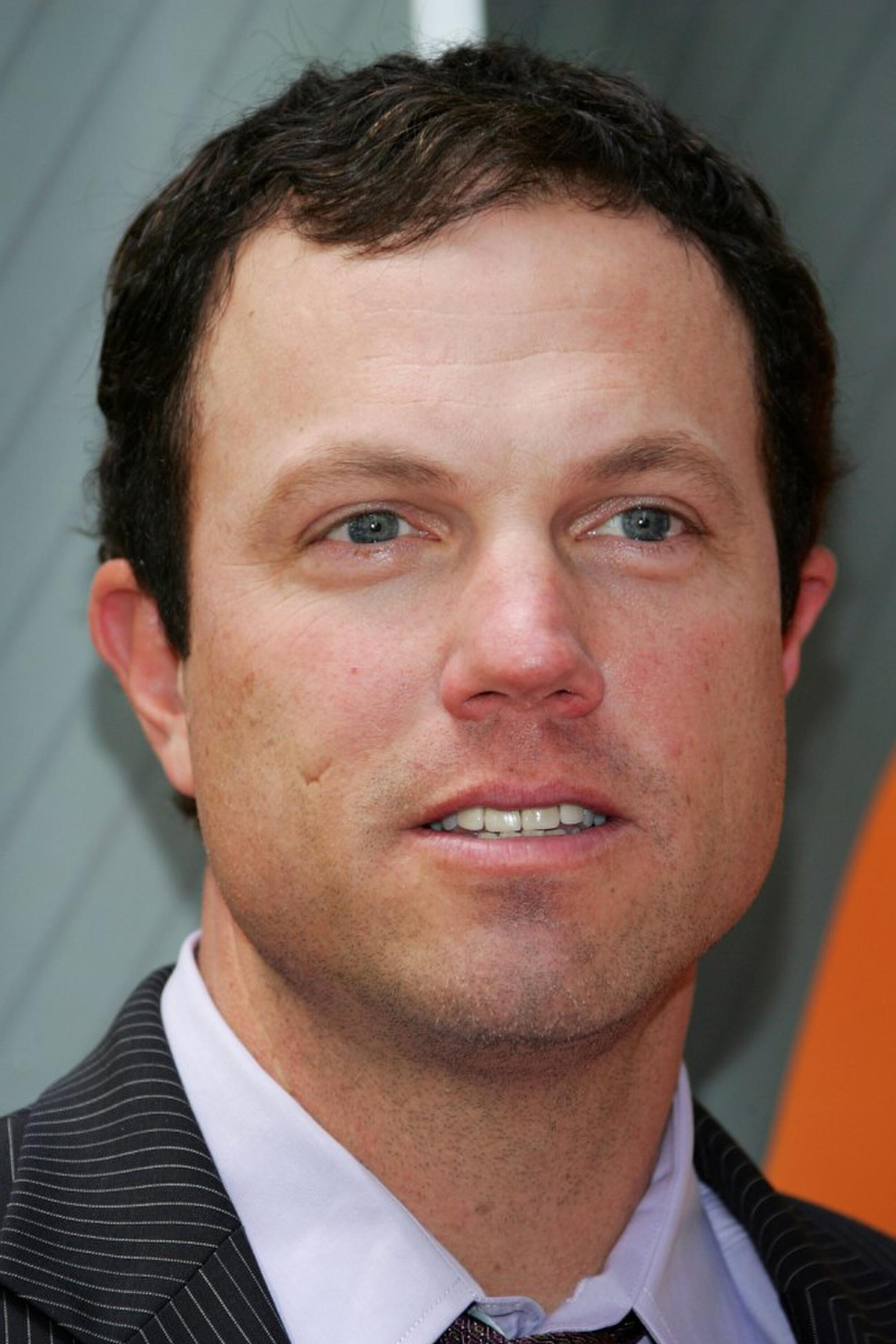
The actor known for his roles in ‘Firefly’ and ‘Full Metal Jacket’ has long been a critic of political influence in Hollywood. He has frequently shared his views on social media regarding the implementation of diversity quotas and their effect on artistic freedom. Baldwin argues that these mandates prioritize identity politics over the quality of the storytelling and the skill of the actors. He suggests that the industry should focus on meritocracy rather than meeting specific demographic targets. His outspoken nature has made him a recognizable voice in the debate over the direction of modern entertainment.
Anthony Hopkins
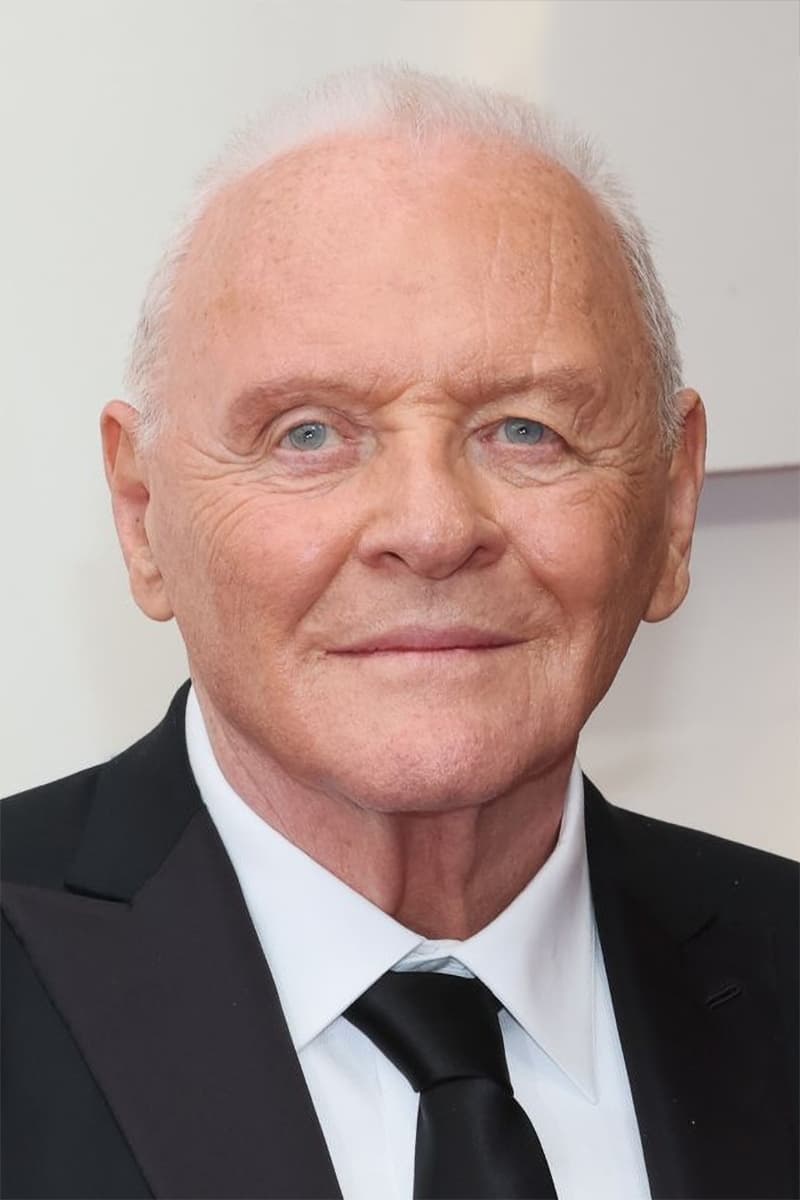
The legendary performer has expressed his detachment from the modern political trends that dominate the film industry. He suggested in interviews that actors should focus on their craft rather than using their platforms to push specific social or organizational agendas. Hopkins has voiced a preference for art that remains independent of contemporary mandates and administrative oversight. He believes that the essence of acting lies in personal transformation rather than meeting external criteria. His views emphasize a more traditional approach to the profession of acting.
Ben Stiller
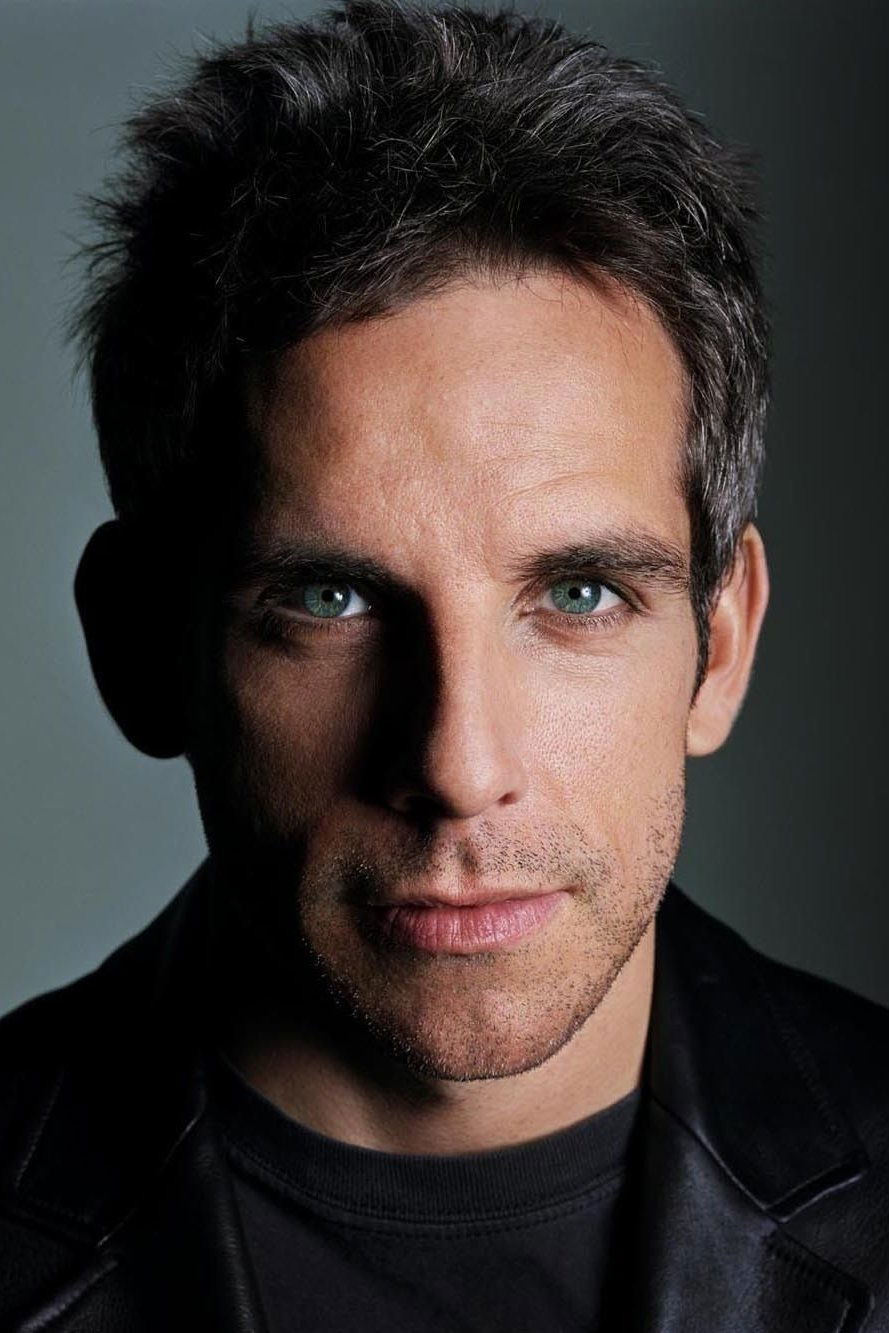
Ben Stiller recently defended his work on ‘Tropic Thunder’ against modern criticisms that target its unconventional casting choices. He stated that he makes no apologies for the film and remains proud of the satirical intent behind the production. The actor suggested that the current climate of extreme sensitivity can hinder the ability of filmmakers to explore complex or provocative themes. Stiller argues that comedy requires a certain level of freedom that modern mandates often attempt to regulate. His comments highlight the tension between creative risks and modern industry expectations.
Bill Burr
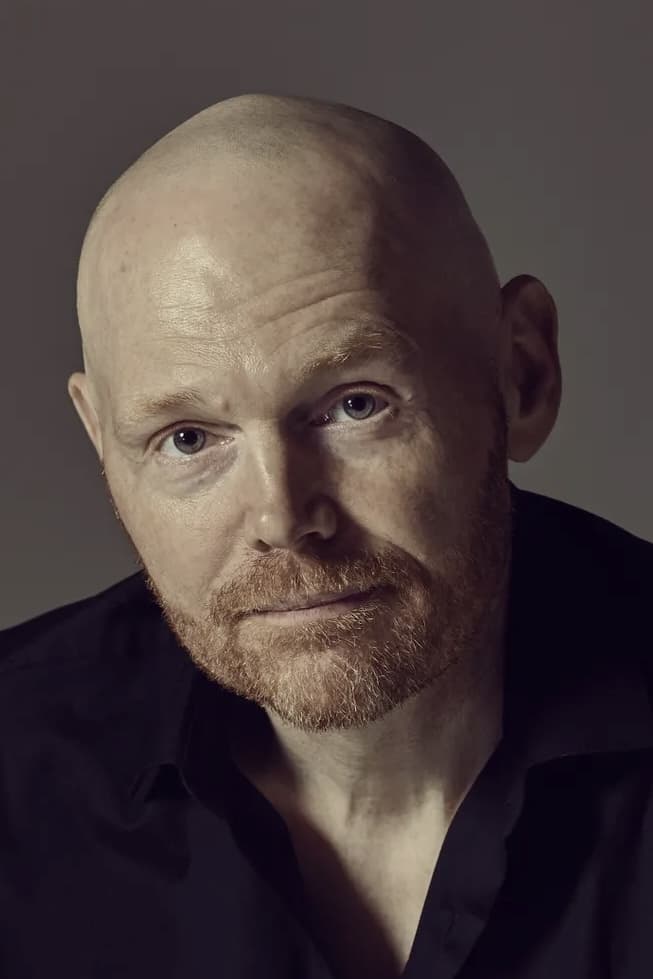
Bill Burr has used his platform as a comedian and actor to critique the rigid social expectations placed on modern performers. He often points out the inconsistencies in how diversity mandates are applied and the pressure to conform to specific cultural narratives. Burr argues that the focus on equity in Hollywood sometimes overlooks the fundamental goal of creating entertainment that resonates with an audience. He has expressed frustration with the culture of outrage that often accompanies discussions about casting and representation. The performer remains a vocal proponent of individual freedom in the creative process.
Brian Cox
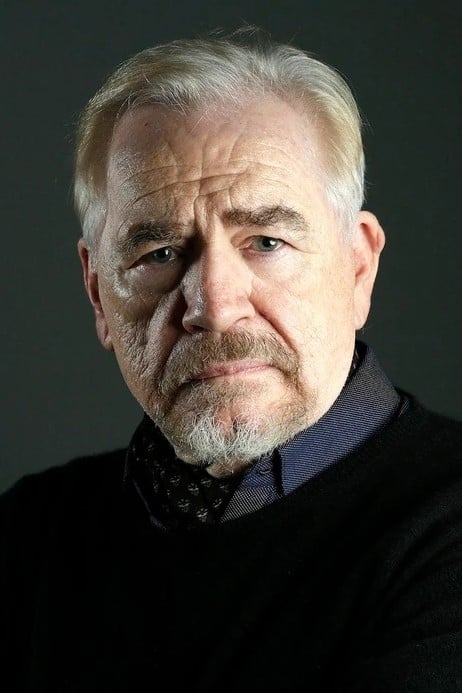
The ‘Succession’ star has expressed his dissatisfaction with the growing trend of social mandates within the film and television industry. He argued that the current cultural climate often prioritizes political correctness over the authenticity of a performance. Cox has stated that the focus on identity politics can be restrictive for actors who are trained to inhabit characters from all walks of life. He believes that the industry should return to a system where the most talented individual is selected for a role regardless of social criteria. These remarks have positioned him as a critic of contemporary Hollywood standards.
Bruce Willis
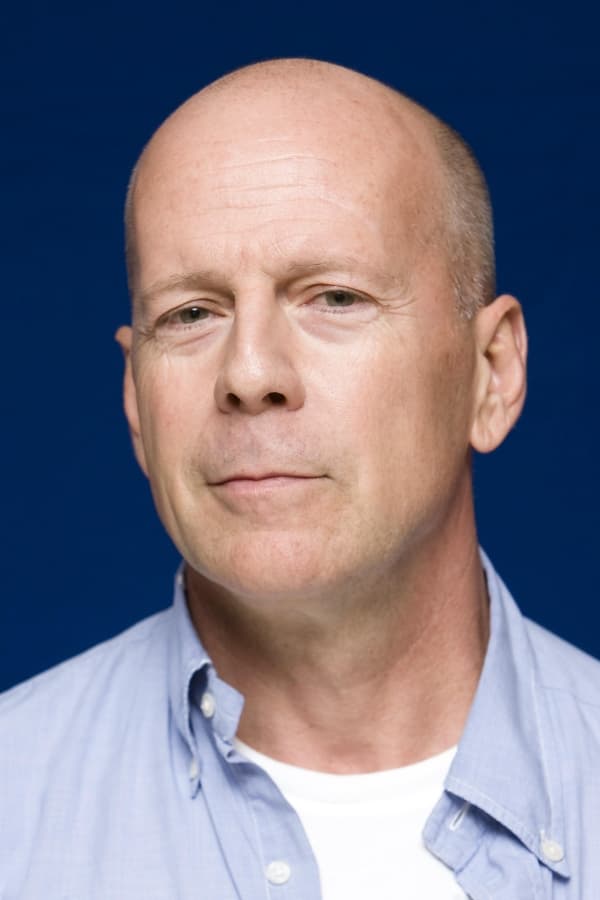
Before his retirement from acting, Bruce Willis was known for his preference for straightforward storytelling without heavy political messaging. He occasionally commented on the changing nature of the industry and the increasing influence of corporate agendas on creative decisions. Willis expressed a desire for the film business to focus on entertaining the public rather than adhering to specific ideological mandates. He often championed the idea of the individual hero and the importance of a compelling script above all else. His career reflects a dedication to the traditional action genre that prioritized audience satisfaction.
Chris Rock
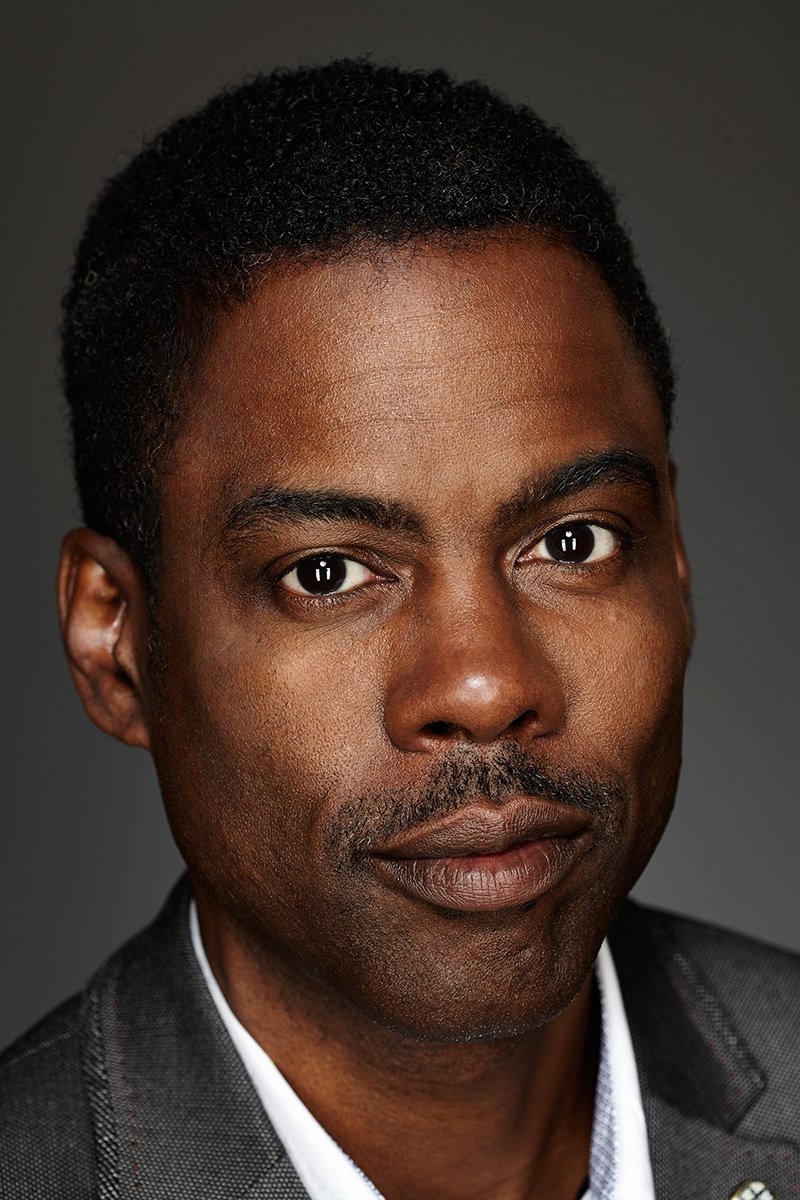
Chris Rock has frequently commented on the limitations that modern mandates and cancel culture place on the world of comedy. He suggested that the formal requirements for diversity at major awards shows are often performative and do not address the real needs of the creative community. Rock argues that the best way to achieve progress is through excellence and opportunity rather than forced quotas. He has voiced concern that the current environment makes it difficult for artists to take necessary risks. His perspective is shaped by decades of experience as a prominent figure in both film and stand up comedy.
Clint Eastwood
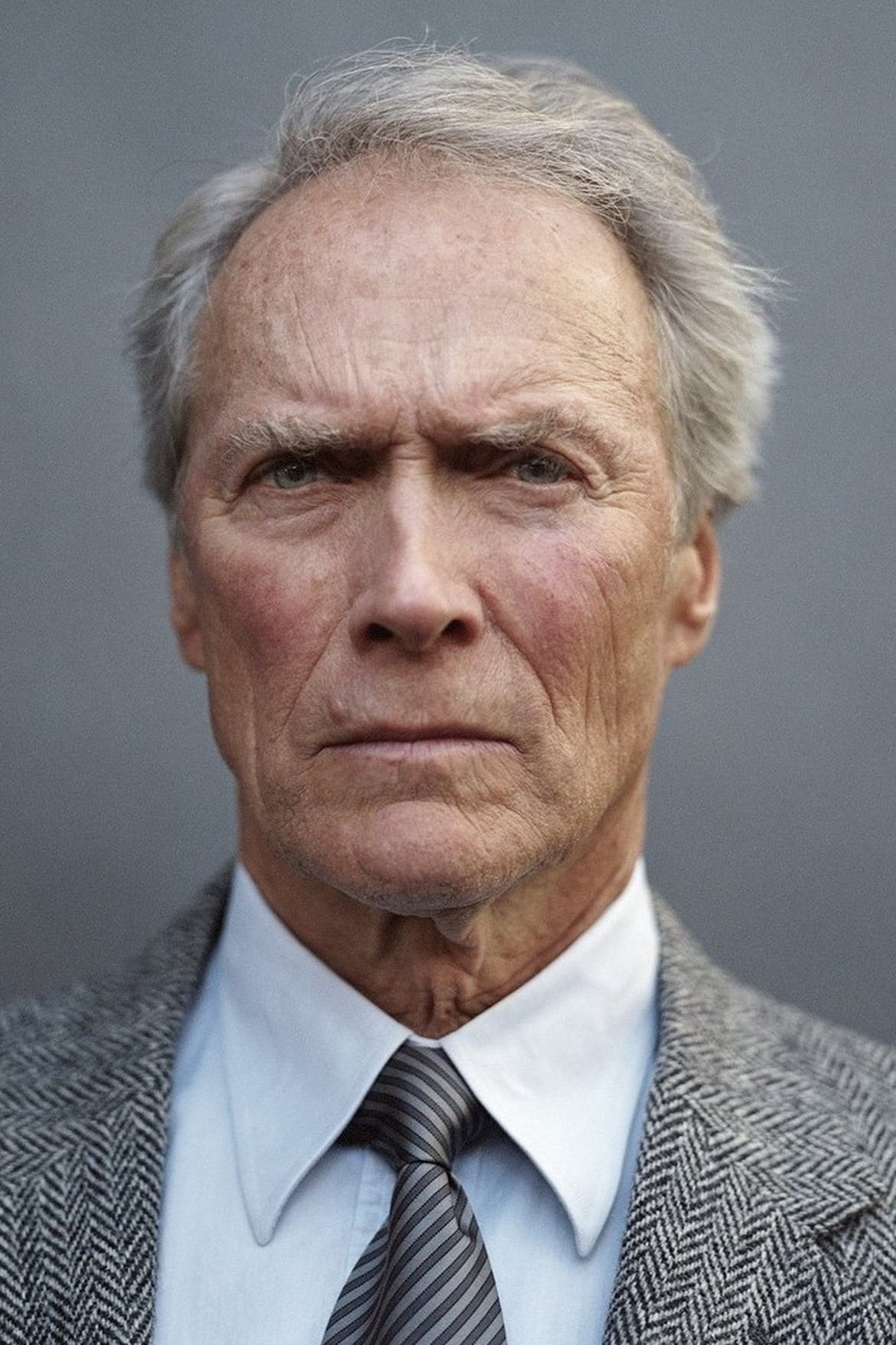
Clint Eastwood has long been a critic of what he describes as a overly sensitive culture that influences modern filmmaking. He has argued that the film industry should remain focused on telling great stories without being burdened by political correctness. Eastwood suggests that the implementation of mandates can stifle the raw and honest nature of cinema. He has consistently operated with a high degree of independence to avoid the restrictions imposed by major studio requirements. His views are a reflection of his status as a traditionalist in the world of American film.
Dana Carvey
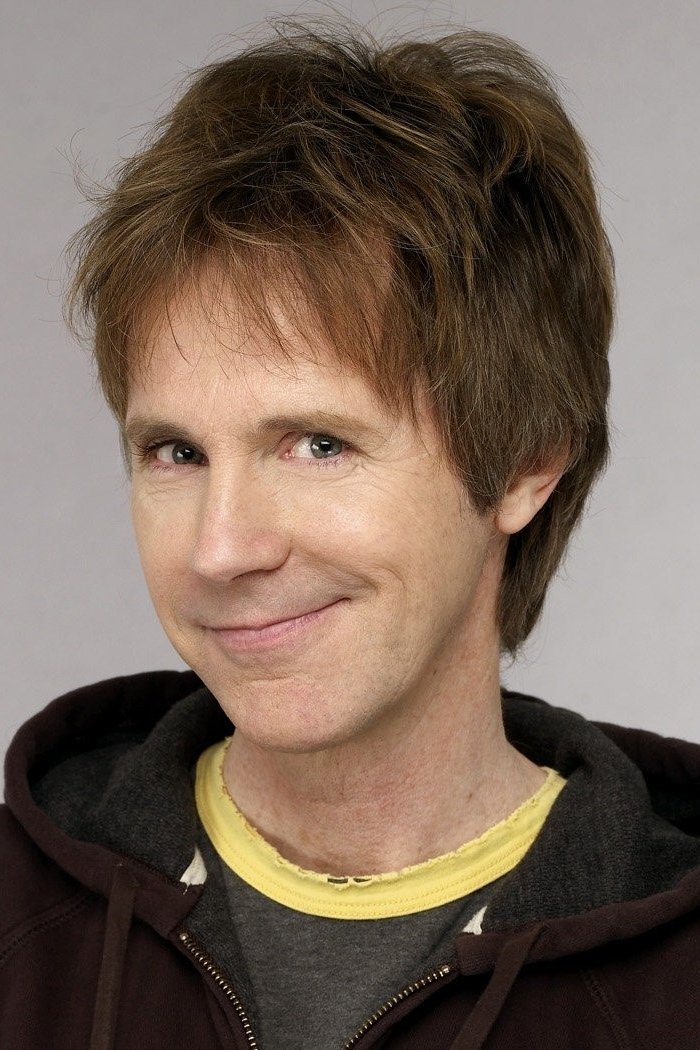
Dana Carvey has spoken about the challenges of navigating the modern entertainment landscape as a comedian who specializes in impressions and satire. He has expressed concern that the new standards of sensitivity and mandate driven casting make certain forms of humor nearly impossible to perform. Carvey argues that comedy serves as a necessary outlet for discussing social issues without the constraints of rigid rules. He suggests that the industry should be more open to various perspectives rather than enforcing a singular cultural narrative. His observations highlight the shifting boundaries of what is considered acceptable in the entertainment world.
Dave Chappelle
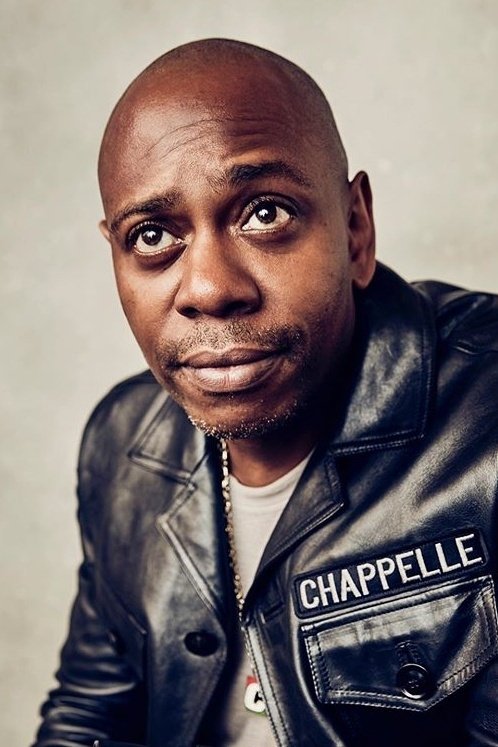
Dave Chappelle has become one of the most visible critics of the mandates and social pressures that define modern Hollywood. He has frequently addressed these topics in his specials, arguing that artists should not be forced to adhere to specific ideological standards. Chappelle believes that the creative process must remain free from the influence of corporate and social agendas to be truly impactful. He has faced significant backlash for his views but continues to advocate for the independence of the performer. His work serves as a continuous commentary on the conflict between individual expression and institutional control.
David Spade

David Spade has commented on the ways in which modern industry mandates have changed the casting and writing process for comedy films. He suggested that the fear of violating social norms often prevents writers from creating the kind of irreverent content that defined his early career. Spade argues that the current environment is less conducive to the spontaneous and edgy humor that audiences traditionally enjoy. He has expressed a preference for a more relaxed atmosphere where creative decisions are not dictated by administrative oversight. His remarks reflect a nostalgia for a time when comedy was less regulated by social standards.
Dean Cain
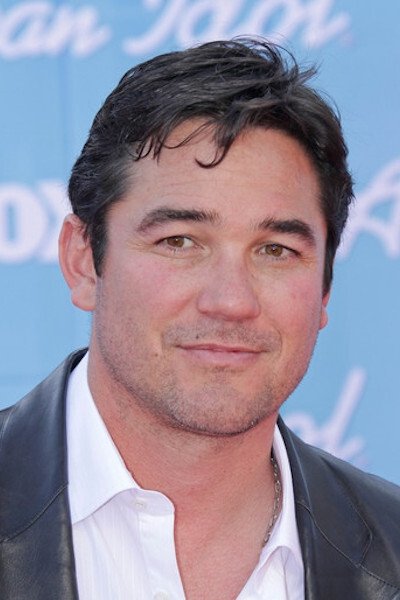
Dean Cain has been an outspoken critic of the shift toward identity politics and diversity mandates in the entertainment sector. He argues that these policies often compromise the quality of the production and alienate a significant portion of the audience. Cain believes that the focus should always be on the best actor for the job rather than meeting specific demographic requirements. He frequently discusses these issues in public forums and advocates for a return to merit based standards in Hollywood. His perspective is often centered on the importance of maintaining traditional values in storytelling.
Dennis Quaid
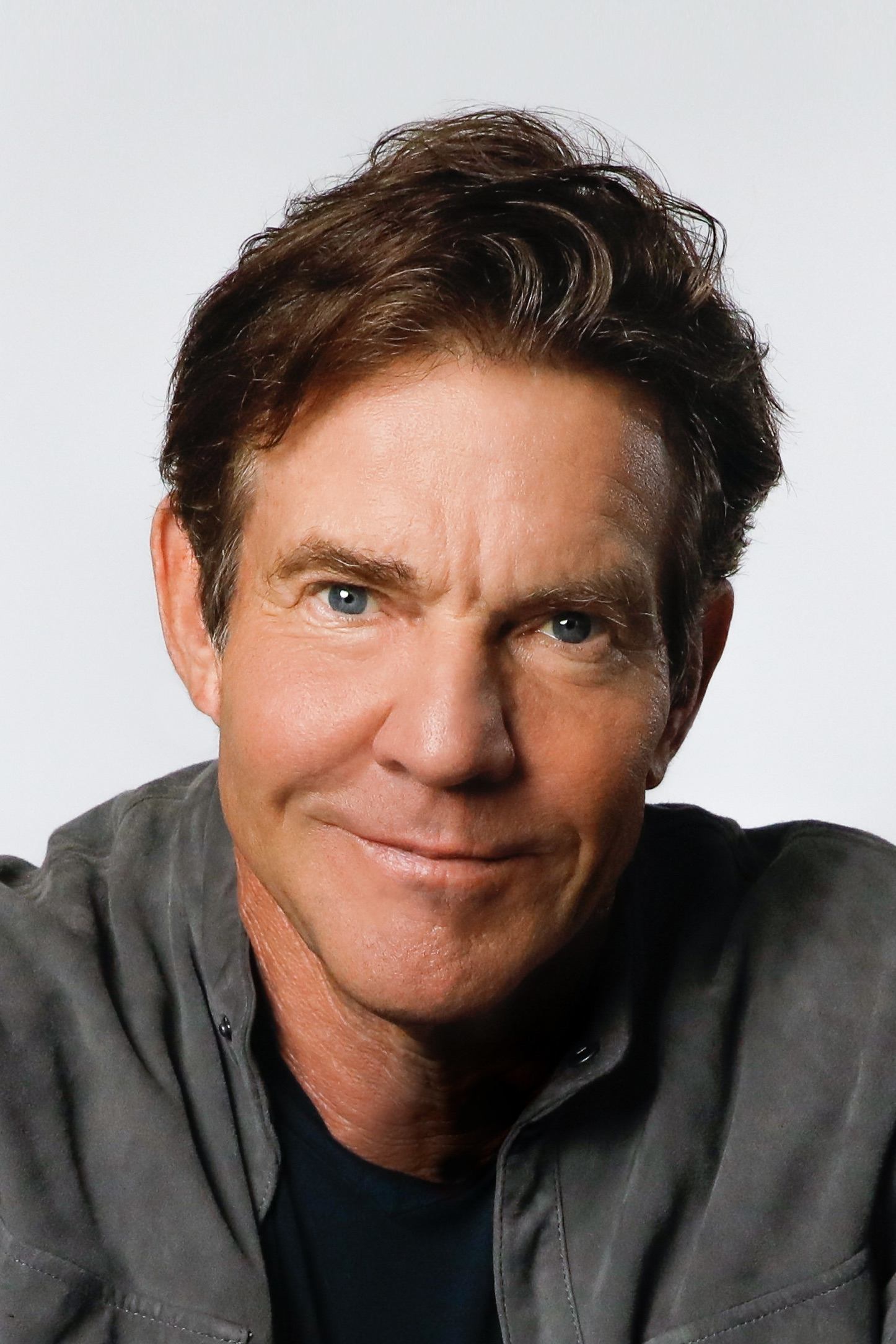
Dennis Quaid has expressed concern about the increasing polarization and the presence of political mandates in the film industry. He suggested that Hollywood should strive to be a place where people of all viewpoints can work together without being forced to follow a specific agenda. Quaid argues that the focus on modern social requirements can distract from the primary goal of creating high quality entertainment. He believes that the industry is at its best when it remains open to a wide range of stories and perspectives. His comments reflect a desire for a more inclusive environment that values creative merit above all else.
Gary Sinise
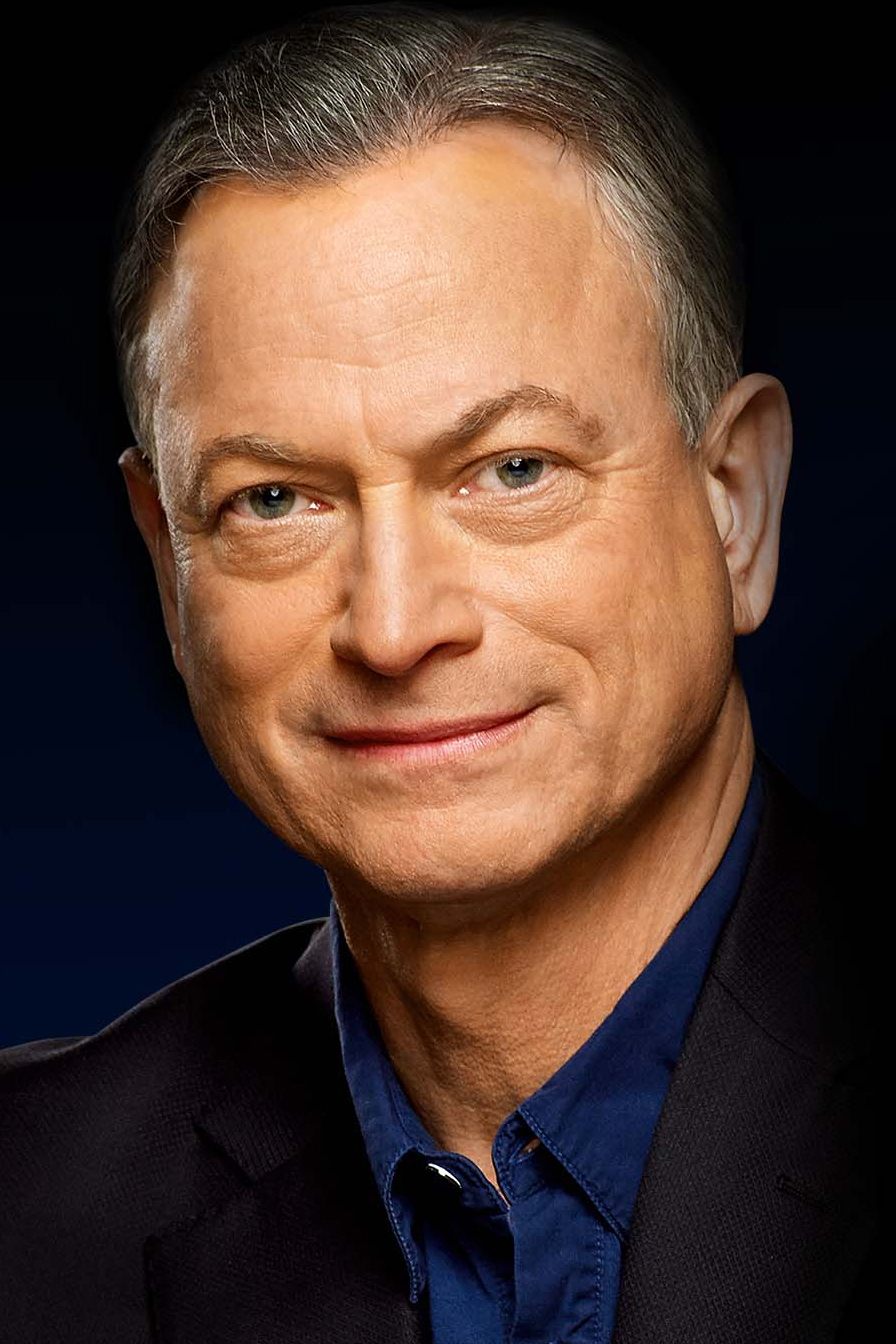
Gary Sinise has maintained a career focused on supporting veterans and telling stories of sacrifice and honor. He has occasionally voiced his concerns about the modern direction of the industry and the influence of political agendas on casting. Sinise advocates for a professional environment where merit and character are the primary considerations for any role. He suggests that the focus on formalized mandates can sometimes overlook the diverse experiences of those who do not fit into specific modern categories. His work often highlights a commitment to traditional storytelling and the importance of artistic integrity.
Ian McKellen
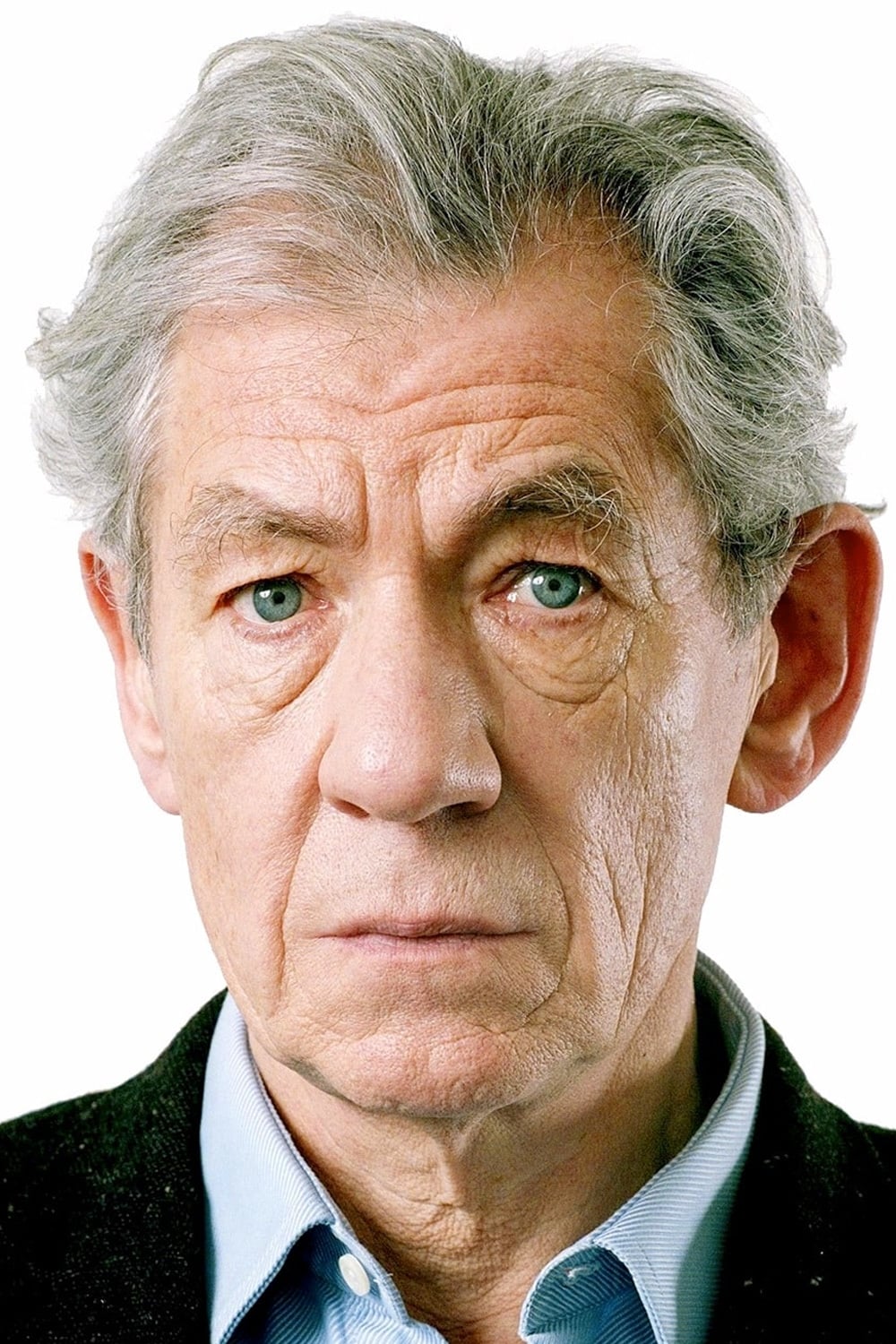
Ian McKellen has raised questions about the effectiveness and fairness of formalized diversity quotas in the context of major film awards. While he has long been a proponent of representation, he has expressed skepticism about the implementation of strict mandates to achieve social goals. The actor suggested that the industry should focus on providing opportunities for all rather than relying on bureaucratic rules to dictate outcomes. He believes that the art of acting is about the ability to portray any person regardless of one’s own background. His views represent a nuanced take on the balance between inclusion and artistic freedom.
Isaiah Washington
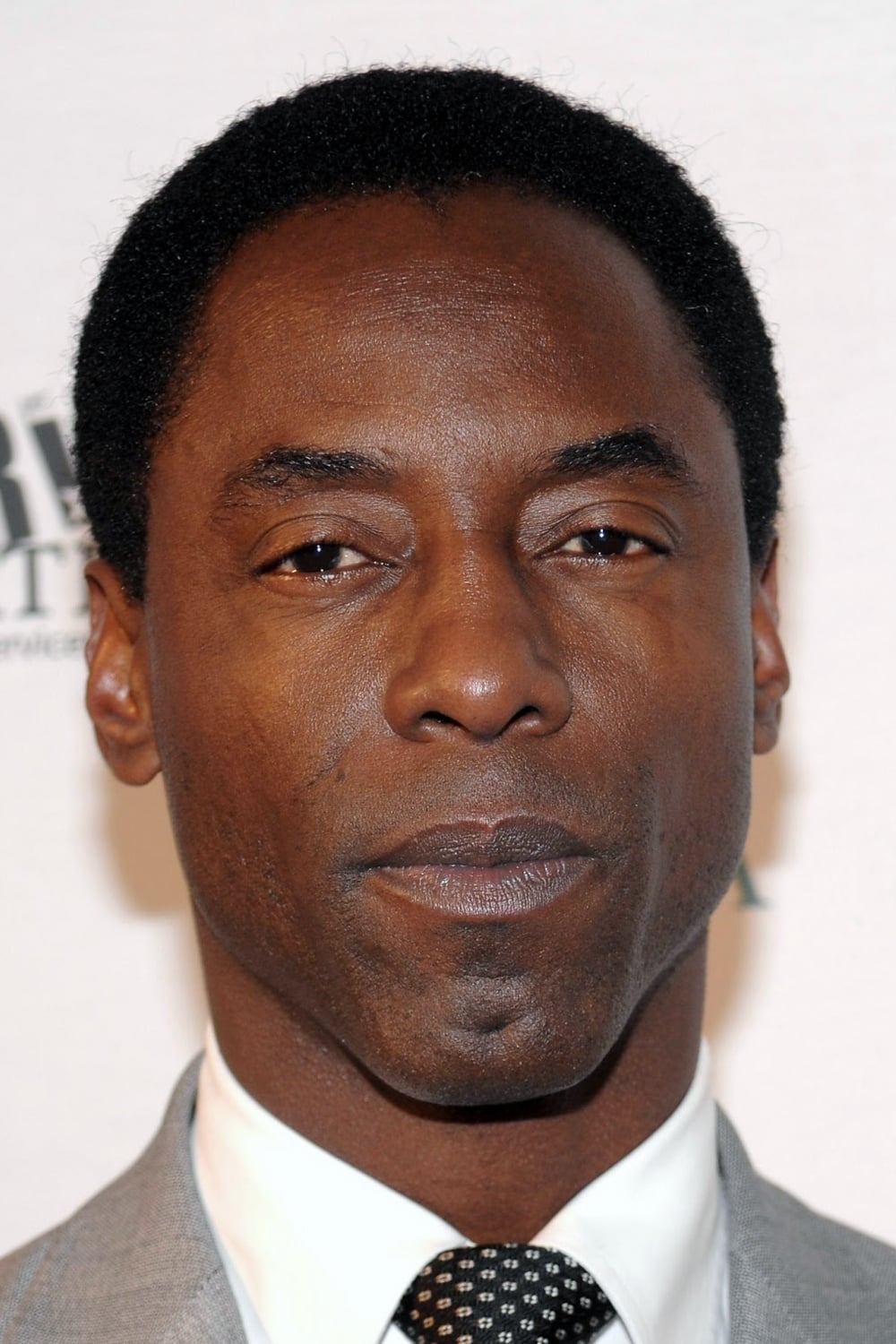
Isaiah Washington has been vocal about his experiences with the industry’s social and political mandates after his high profile departure from a major television show. He argues that the modern environment in Hollywood often punishes those who do not strictly adhere to specific cultural narratives. Washington has criticized the mandates for being exclusionary to performers who hold different perspectives or backgrounds. He suggests that the industry uses these rules to maintain control over the public discourse. His comments have made him a significant figure in the debate over the social climate of the entertainment business.
James Woods
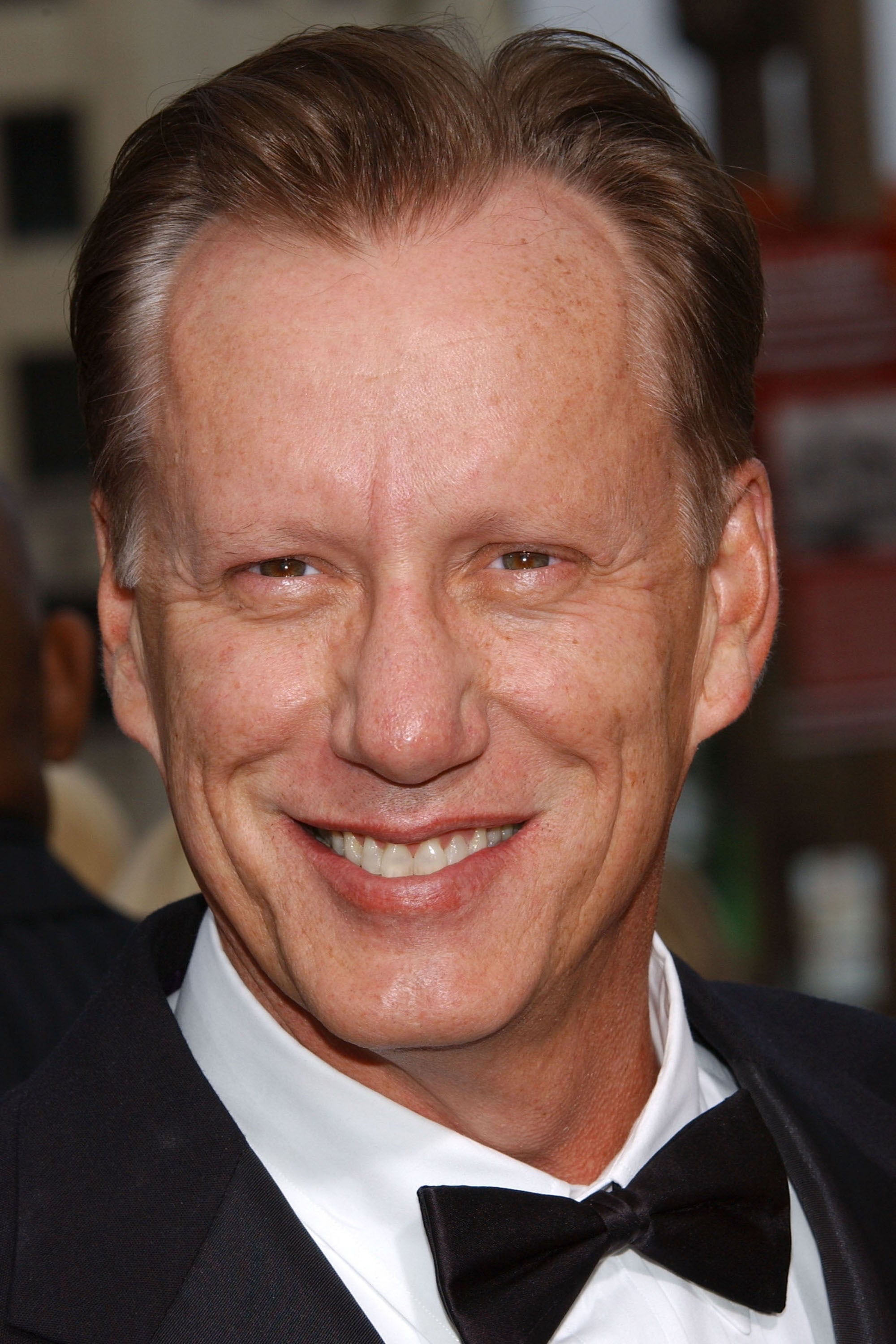
James Woods is one of the most prominent critics of the political and social mandates that currently influence Hollywood. He has frequently argued that these policies represent a form of ideological enforcement that hinders true creativity. Woods suggests that the focus on diversity mandates often comes at the expense of veteran performers and high quality scripts. He has used his social media presence to highlight examples of what he considers to be overreach by industry institutions. His outspoken criticism has made him a controversial yet influential voice in this ongoing discussion.
Jerry Seinfeld
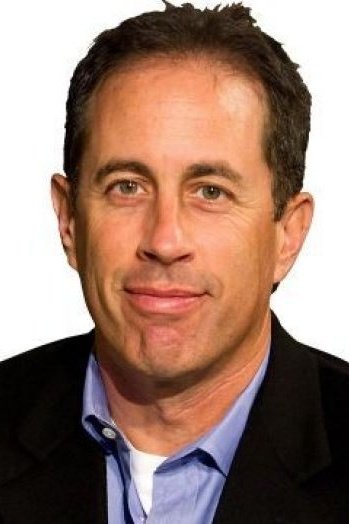
Jerry Seinfeld has famously criticized the impact of political correctness and modern social mandates on the world of comedy. He argued that the extreme sensitivity of the current cultural climate has made it difficult for comedians to perform on college campuses and in film. Seinfeld believes that the primary function of comedy is to provide entertainment and observation rather than to satisfy social requirements. He suggested that the quality of creative output suffers when artists are forced to self censor. His remarks sparked a wide conversation about the future of comedy in a mandate driven environment.
Jim Caviezel
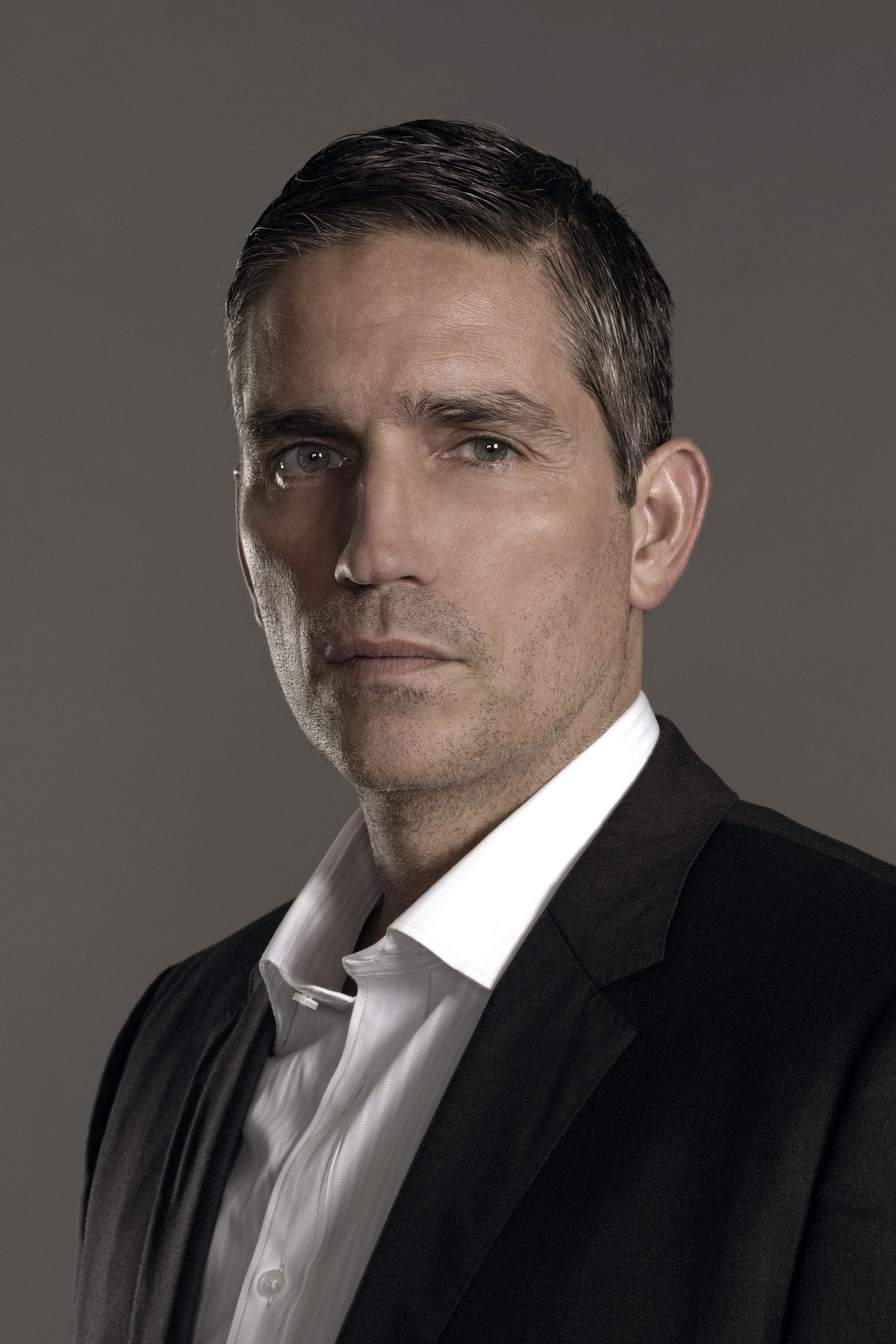
Jim Caviezel has spoken about the challenges he has faced in the industry due to his personal beliefs and the prevailing social mandates. He argues that Hollywood has become increasingly intolerant of perspectives that do not align with modern secular requirements. Caviezel suggests that the focus on specific diversity initiatives can sometimes exclude stories that are rooted in faith or traditional values. He has advocated for an industry that is truly diverse in thought and narrative rather than just in demographic markers. His career choices often reflect his desire to tell stories that challenge the modern status quo.
John Cleese
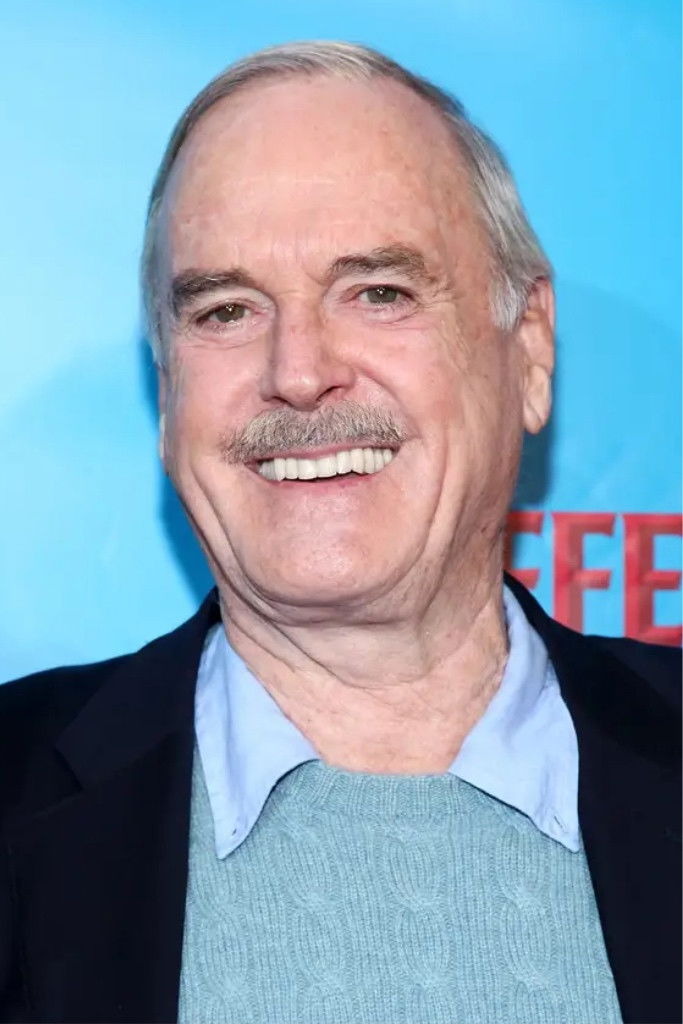
The ‘Monty Python’ cofounder has been a consistent critic of the modern mandates that he believes are destroying the spirit of comedy. He argued that the pressure to adhere to specific social guidelines prevents the kind of boundary pushing satire that is essential for a healthy society. Cleese has stated that the current environment in the film and television industry is increasingly restrictive and humorless. He has even moved projects to different platforms to avoid the oversight of modern diversity and sensitivity departments. His perspective is based on a long career of using humor to challenge institutional norms.
Jon Lovitz
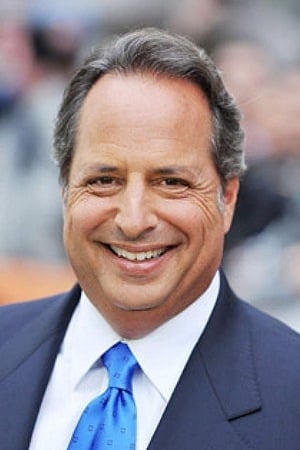
Jon Lovitz has expressed his frustration with the modern standards of political correctness that influence the entertainment industry today. He has pointed out that the current mandates make it difficult for comedians to explore certain topics without fear of professional consequences. Lovitz argues that the focus on meeting specific social criteria often takes precedence over the talent and timing required for comedy. He believes that the industry should be a place where artists are free to experiment and fail without being judged by modern ideological standards. His comments reflect the concerns of many veteran performers from the ‘Saturday Night Live’ era.
Jon Voight
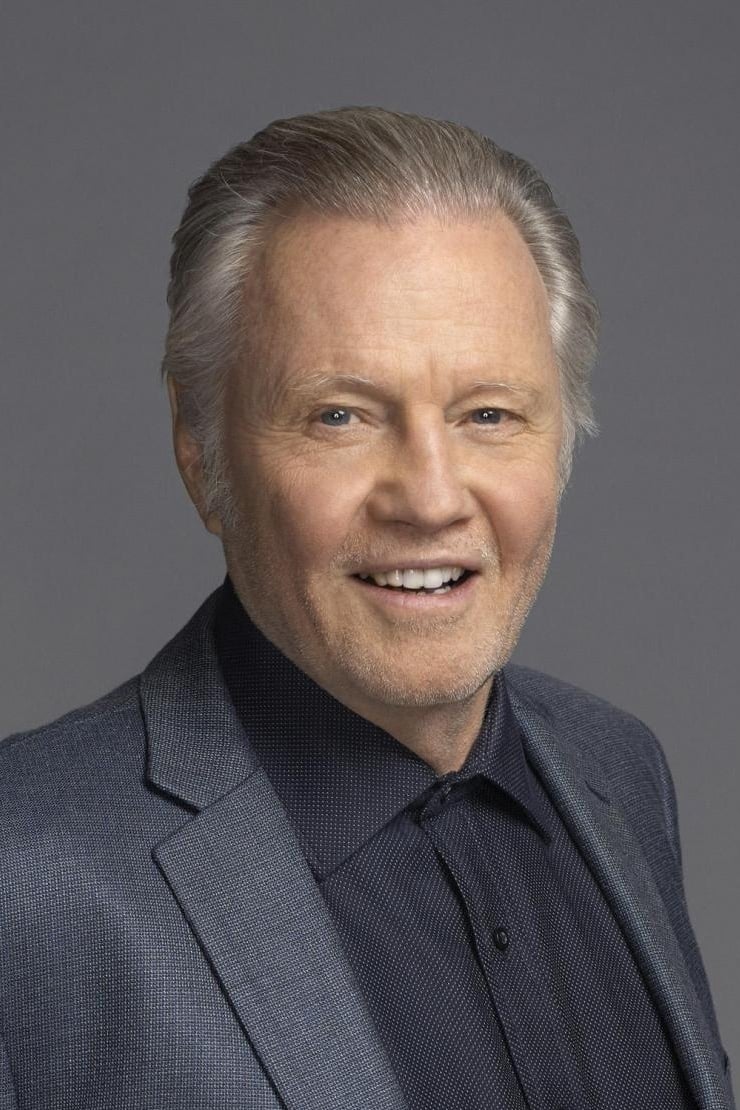
Jon Voight is an outspoken critic of the social and political agendas that he believes have taken over the modern film industry. He has argued that the implementation of diversity mandates is a move toward institutional control that limits artistic expression. Voight suggests that the focus on modern requirements often overlooks the universal themes that make cinema a powerful medium. He has frequently called for a return to the values that he believes defined the golden age of Hollywood. His public statements often emphasize the need for liberty and merit in the creative arts.
Kelsey Grammer
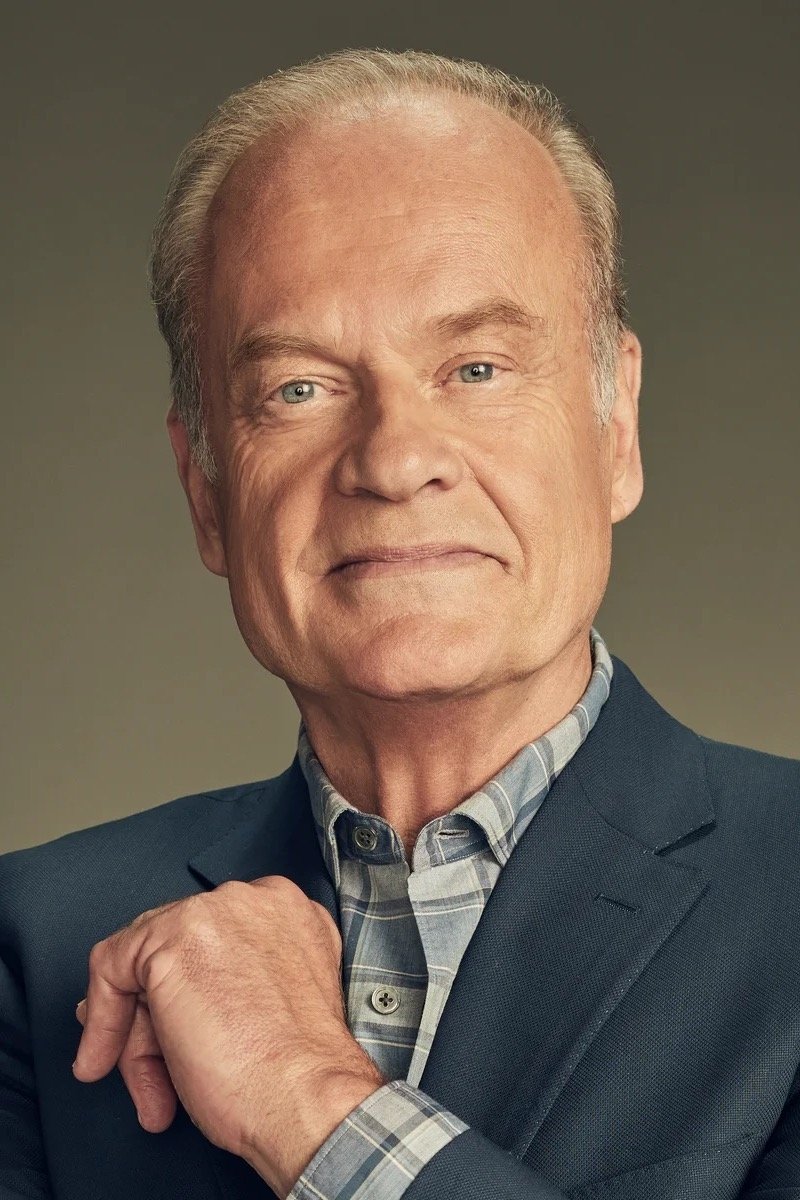
Kelsey Grammer has spoken about being a performer with different political views in an industry that often mandates specific social narratives. He has noted that the current focus on diversity and political alignment can create a difficult environment for those who do not conform. Grammer argues that the quality of the work should be the only metric used to judge an actor or a production. He has successfully navigated the industry for decades while maintaining his stance on the importance of individual merit. His perspective highlights the challenges of maintaining ideological diversity in modern Hollywood.
Kevin Hart
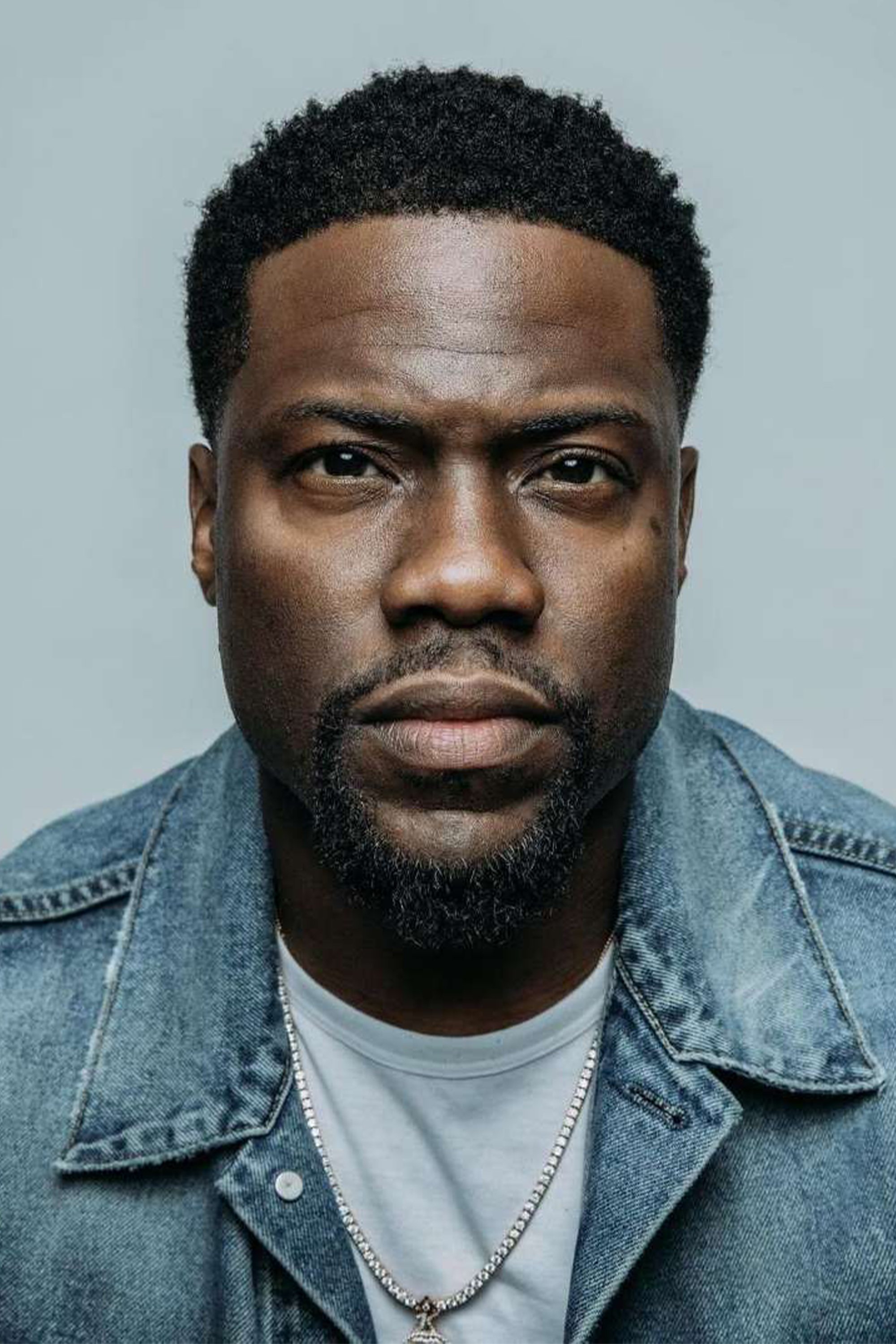
Kevin Hart has faced the consequences of modern social mandates and has spoken about the need for a more forgiving and open creative environment. He suggested that the constant scrutiny of an artist’s past and present behavior can stifle the growth and risk taking necessary for comedy. Hart argues that the industry should focus on the positive impact of an entertainer’s work rather than enforcing rigid behavioral and social standards. He has voiced concern that the current climate makes it difficult for new talent to emerge without being perfect by modern standards. His experiences have made him a vocal advocate for common sense in industry regulations.
Kevin Sorbo
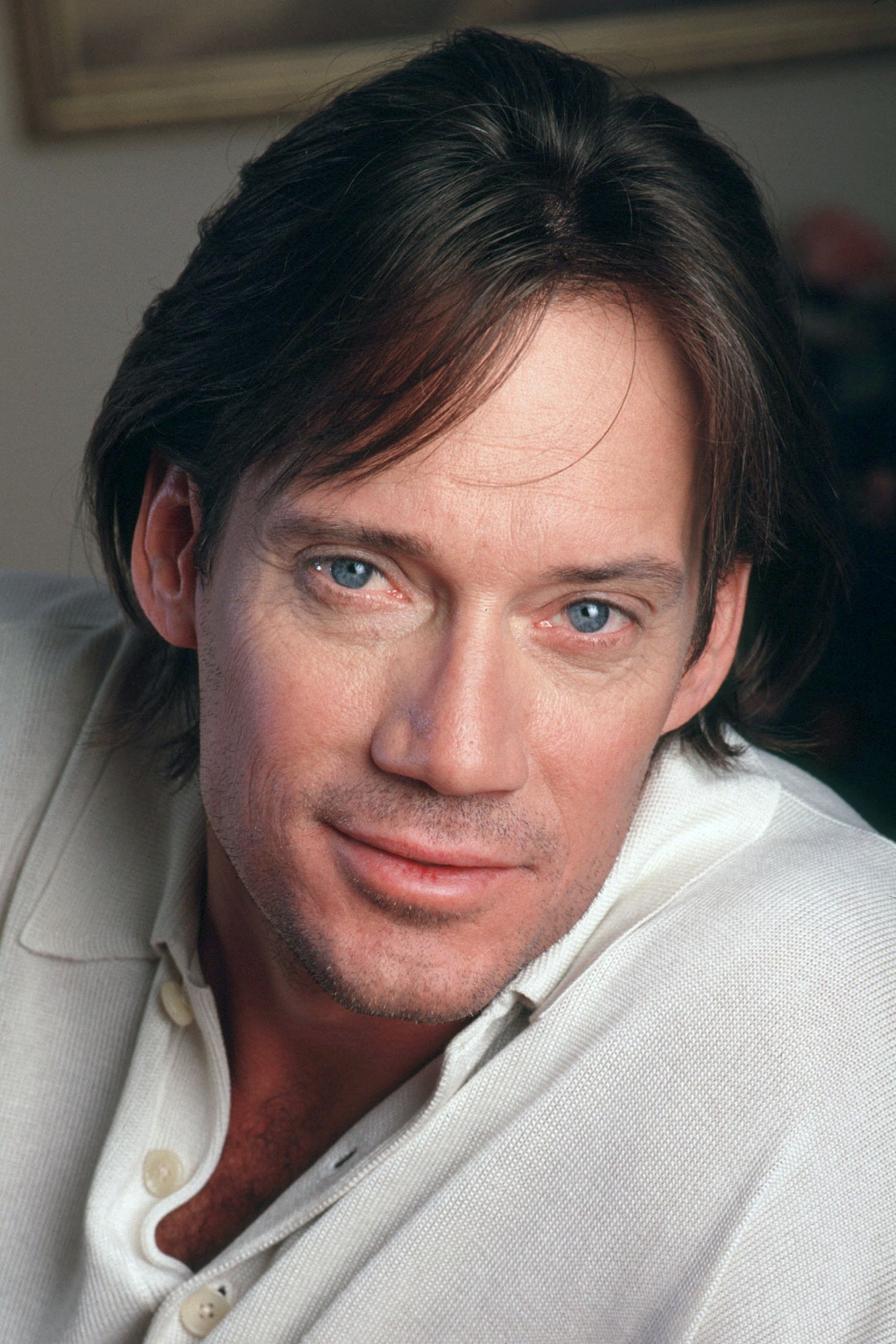
Kevin Sorbo has been a vocal critic of the perceived bias and mandates that influence the casting process in modern Hollywood. He argues that his personal beliefs have led to fewer opportunities in an industry that claims to value diversity. Sorbo suggests that the modern requirements for representation often exclude individuals who do not subscribe to a specific political ideology. He has turned to independent filmmaking to produce projects that reflect his own values without the interference of major studio mandates. His perspective is rooted in his experiences as an actor who has moved outside the traditional studio system.
Kirk Cameron
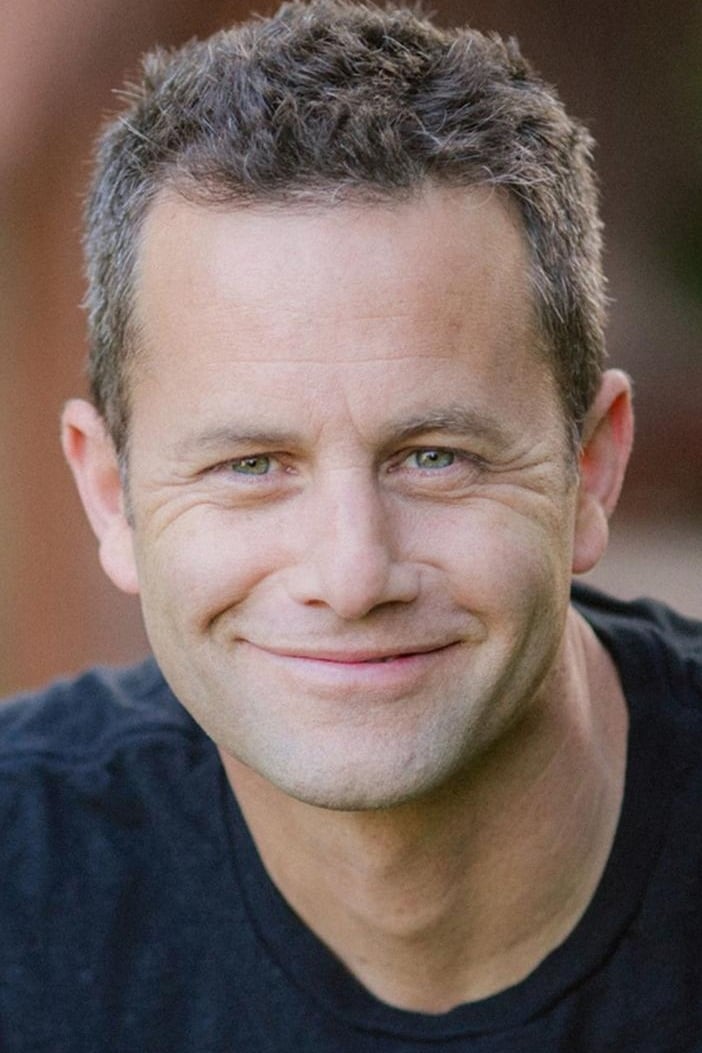
Kirk Cameron has transitioned from a child star to a filmmaker who focuses on projects with traditional and faith based themes. He has criticized the modern industry for creating mandates that he believes are hostile to his worldview. Cameron argues that the focus on specific diversity markers often ignores the importance of moral and philosophical diversity. He suggests that the entertainment world should be more welcoming to stories that reflect the values of a large portion of the American public. His work is a direct response to what he considers to be the restrictive nature of modern Hollywood.
Kurt Russell
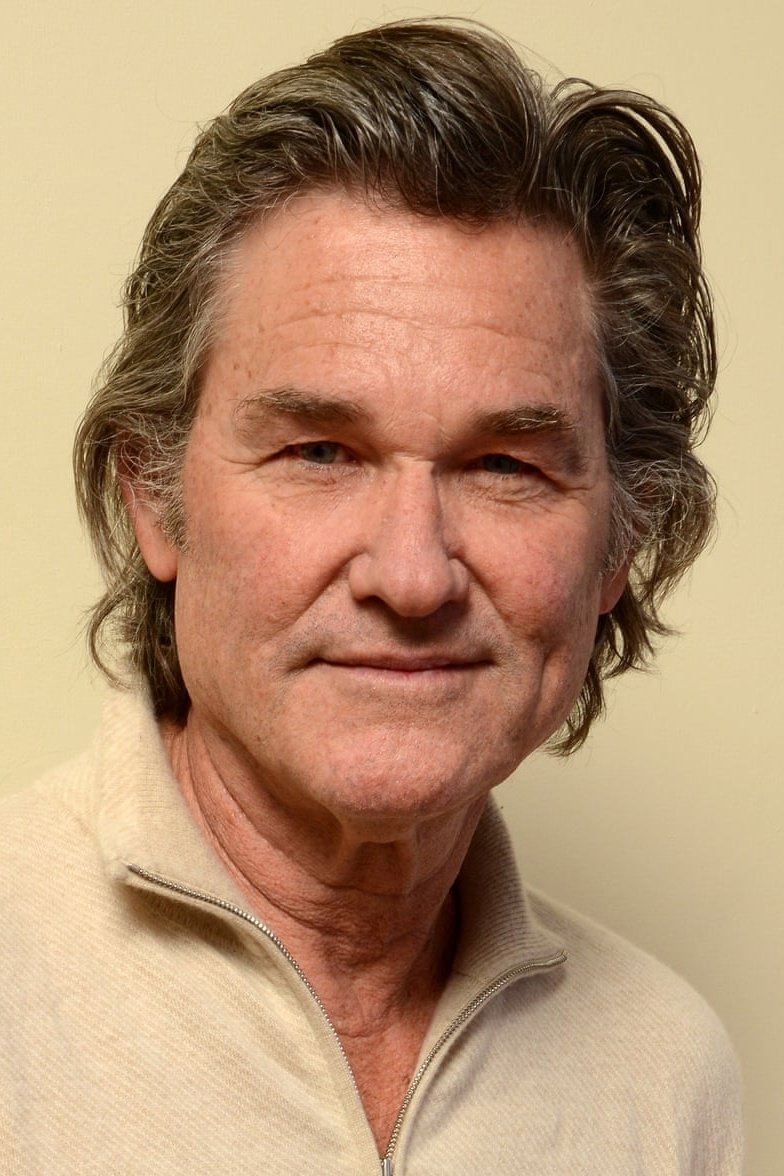
Kurt Russell has maintained a consistent view that actors should remain entertainers and avoid becoming involved in the mandates of political culture. He has suggested that the industry works best when it focuses on creating a sense of wonder and excitement for the audience. Russell argues that the increasing pressure on performers to align with social requirements can detract from the magic of the cinematic experience. He believes in the importance of individual responsibility and the freedom to pursue artistic goals without external interference. His long career is marked by a focus on the craft of acting rather than the politics of the industry.
Laurence Fox
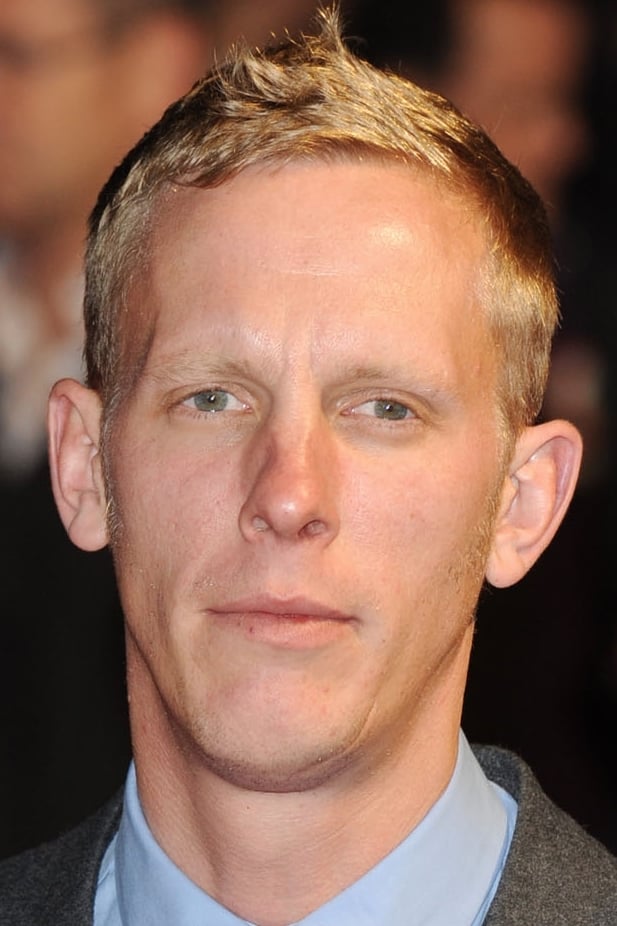
Laurence Fox became a prominent critic of institutional diversity initiatives after appearing on a televised debate program. He argued that modern casting requirements often prioritize identity markers over the specific needs of a theatrical or cinematic script. The actor eventually launched his own political platform to challenge what he views as excessive social engineering in British culture. He has frequently used his public profile to highlight the tension between artistic tradition and modern diversity standards. Fox remains a vocal advocate for removing mandates that he believes compromise the quality of storytelling.
Matthew McConaughey
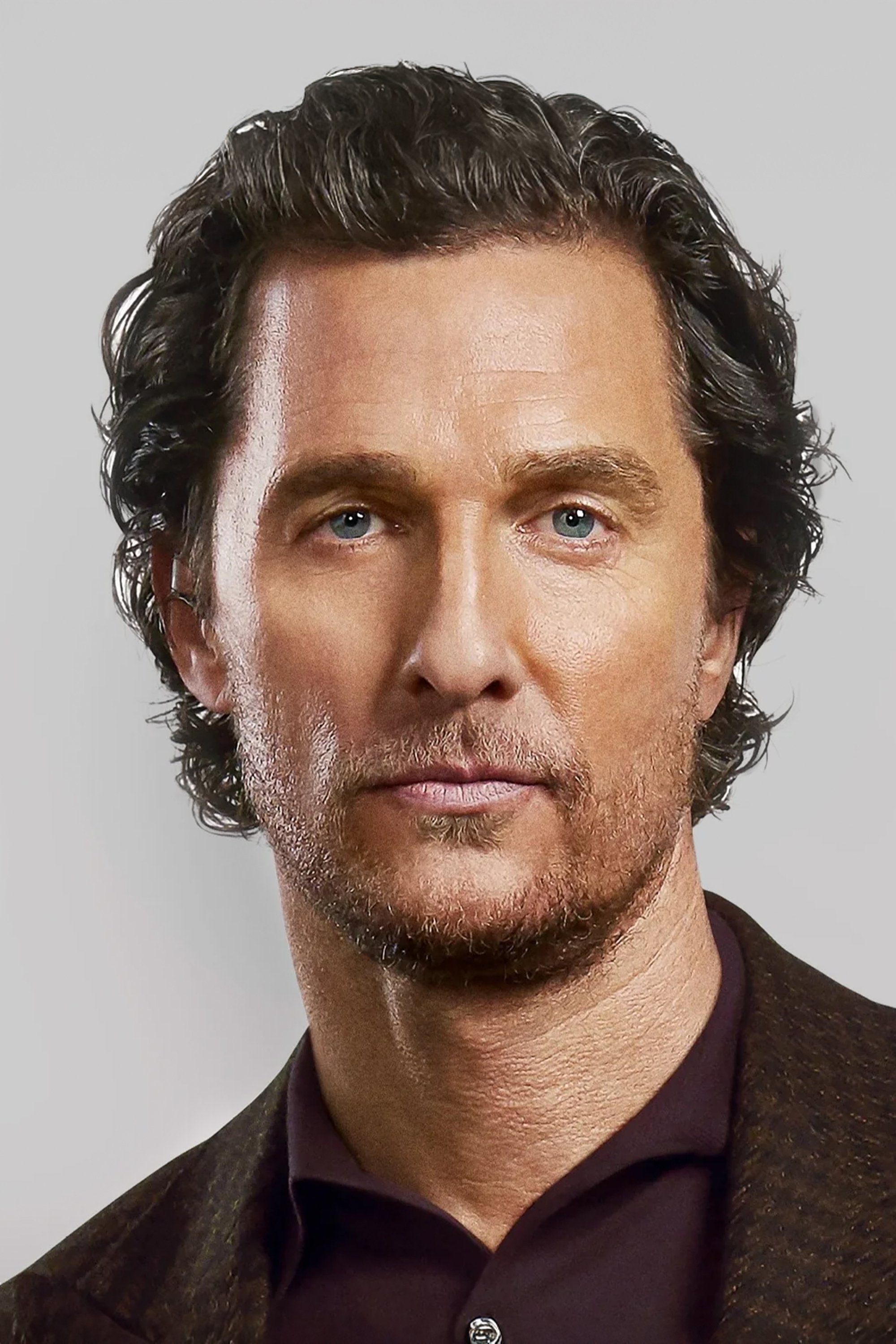
The Oscar winning actor has spoken out against what he perceives as a culture of illiberalism within the entertainment industry. He suggested that some modern requirements force performers to self censor or adhere to certain political narratives to maintain their careers. McConaughey emphasized the importance of intellectual diversity and open dialogue rather than rigid organizational mandates. He expressed a desire for a return to a landscape where individual merit and creative freedom take precedence over bureaucratic checkboxes. These comments were part of a broader discussion regarding the pressures faced by contemporary artists in Hollywood.
Mel Gibson
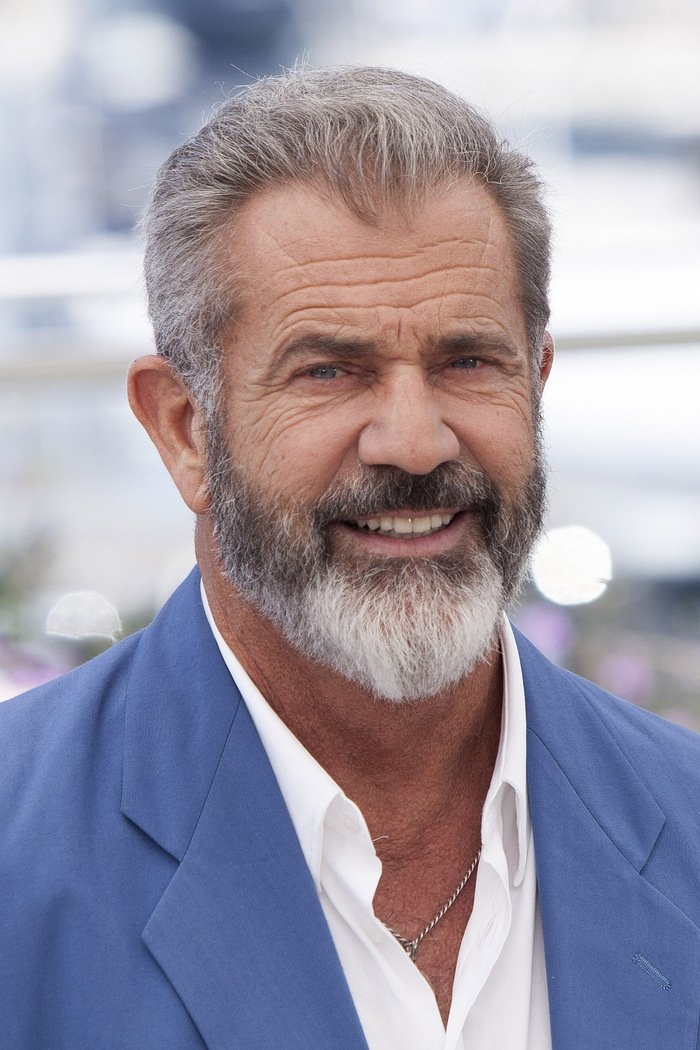
Mel Gibson has commented on the changing landscape of Hollywood and the increased influence of corporate and social mandates on filmmaking. He has suggested that the focus on modern requirements can lead to a homogenization of stories and a lack of authentic creative voices. Gibson argues that the industry was once more open to independent thinkers who were willing to take significant risks. He believes that the current system of mandates and oversight can be a hindrance to the creation of truly powerful and original art. His work as a director often reflects a desire to operate outside the traditional constraints of the studio system.
MGK
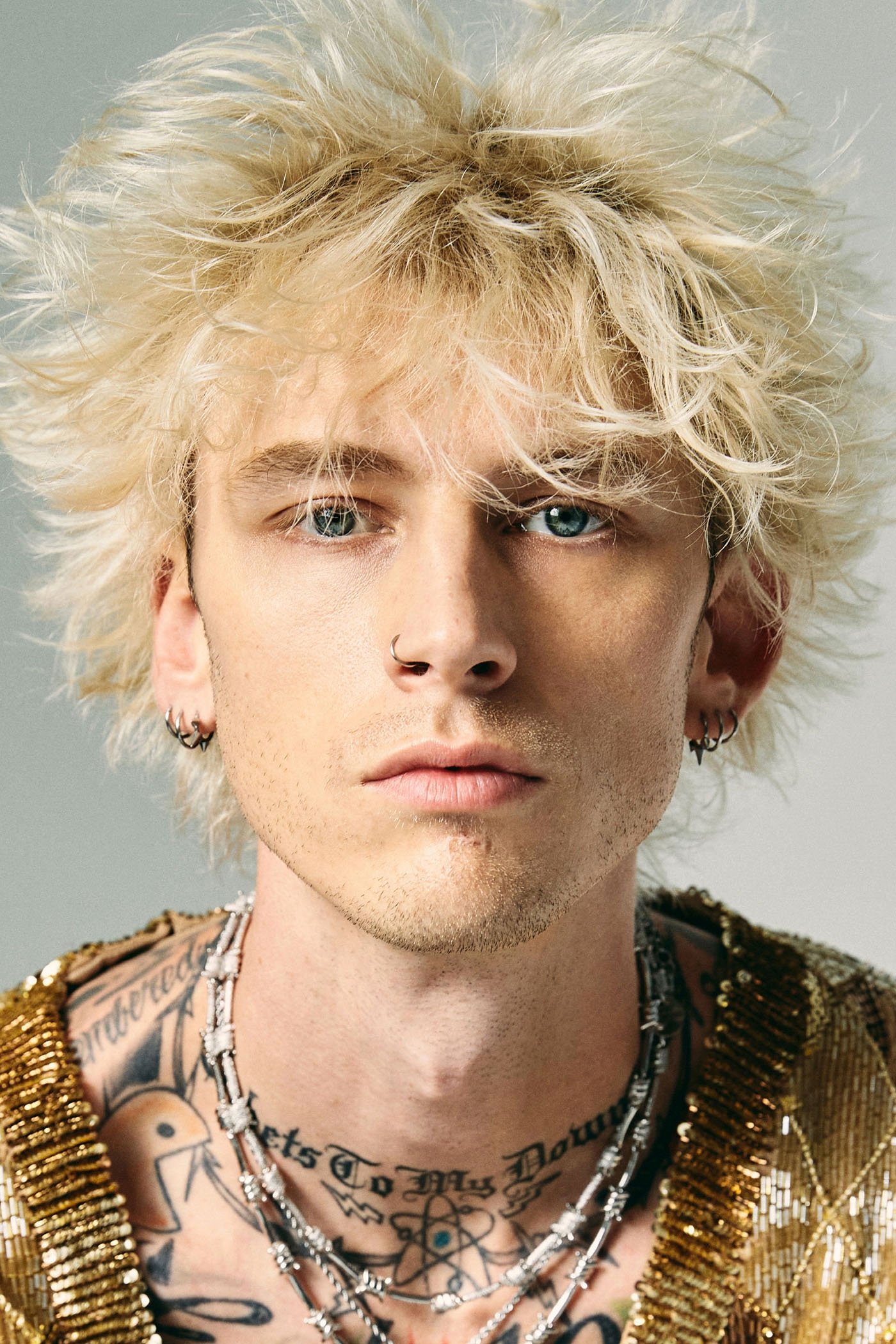
The musician and actor has shared his frustrations with the industry requirements that often dictate how a person should present themselves. He has touched upon the pressures of conforming to modern social standards while trying to maintain an authentic artistic voice. MGK has suggested that the focus on certain mandates can sometimes hinder the raw expression that defines successful art. While his comments are often centered on his personal experiences they reflect a skepticism toward the increasing regulation of the creative arts. He continues to advocate for more flexibility in how artists are allowed to navigate their careers.
Michael Caine
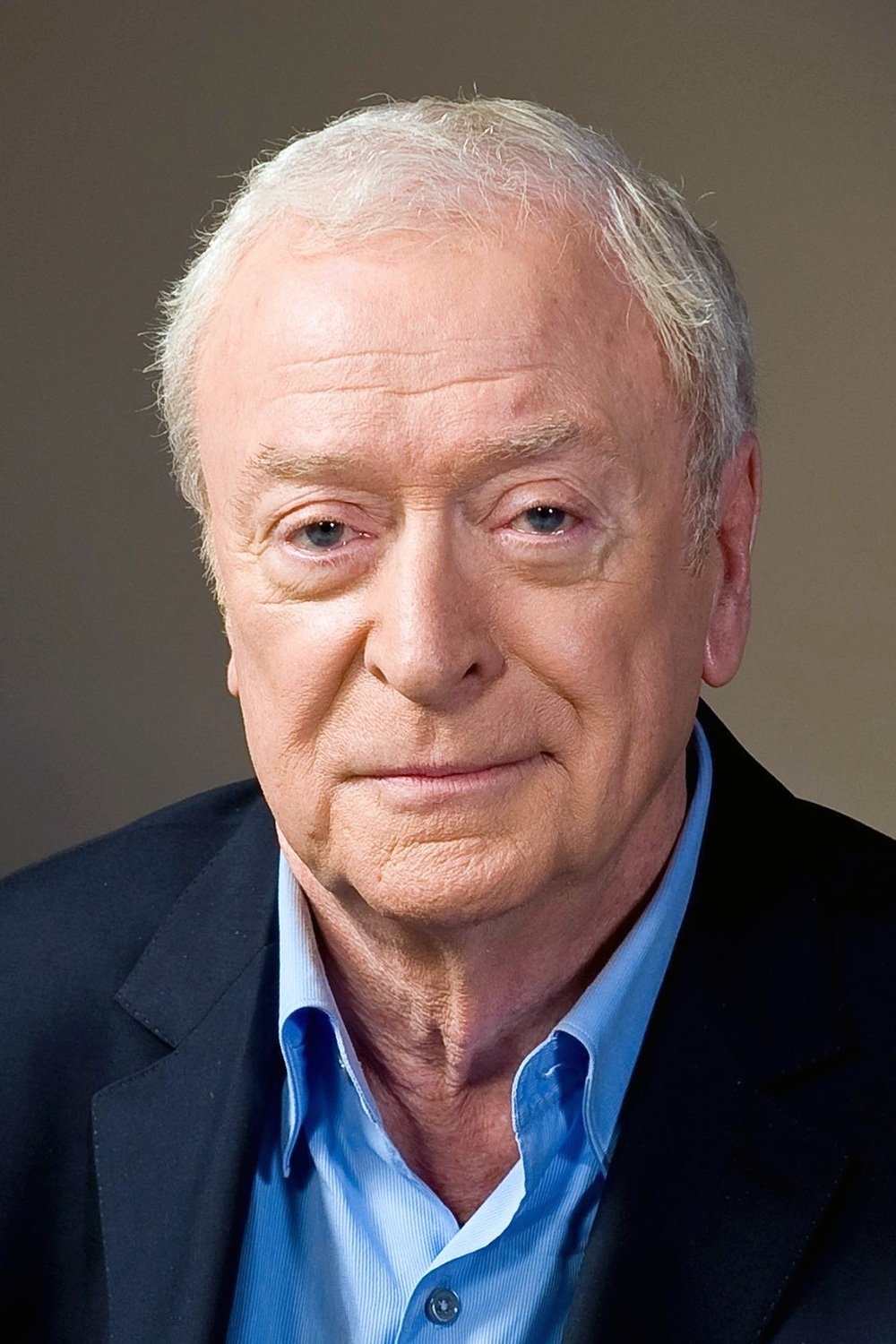
The legendary British actor has expressed his weariness with the increasing pressure to be politically correct in the film industry. He argued that the focus on modern mandates can make the creative process feel boring and overly regulated. Caine suggested that the best films are made when actors and directors are allowed to follow their instincts rather than social guidelines. He has stated that he prefers a more straightforward approach to casting and storytelling that prioritizes talent. His comments reflect the perspective of a veteran who has seen the industry change significantly over several decades.
Michael Kenneth Williams
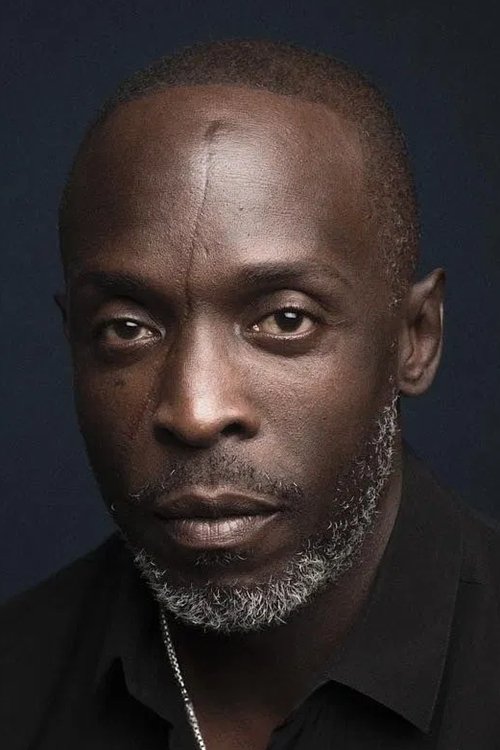
The actor famous for his role in ‘The Wire’ spoke about the complexities of industry mandates and how they can sometimes feel performative. He expressed a desire for true equity in the industry rather than just meeting specific diversity checkboxes that he felt were often superficial. Williams argued that the focus should be on the depth of characters and the quality of the narrative rather than bureaucratic requirements. He encouraged a deeper look at systemic issues rather than relying on modern mandates to solve the problem of representation. His perspective was deeply rooted in his experiences navigating the challenges of Hollywood.
Michael Rapaport
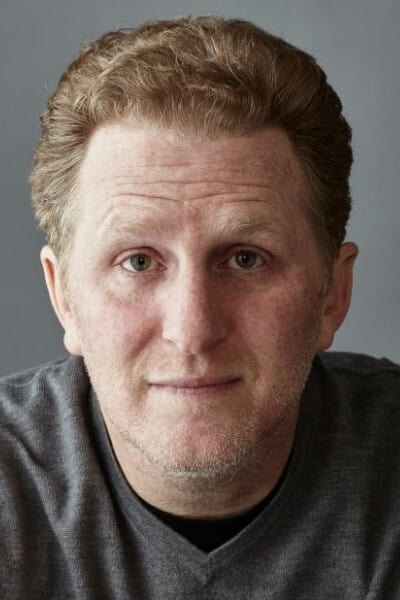
Michael Rapaport has been a vocal and often blunt critic of the social mandates and political climate within the entertainment world. He frequently uses his podcast and social media to call out what he considers to be hypocrisy in how diversity initiatives are implemented. Rapaport argues that the industry often prioritizes appearance over real talent and honest conversation. He has expressed frustration with the way modern standards are used to judge performers and their creative output. His outspoken nature has made him a prominent voice for those who feel the industry has become too focused on optics.
Nick Searcy
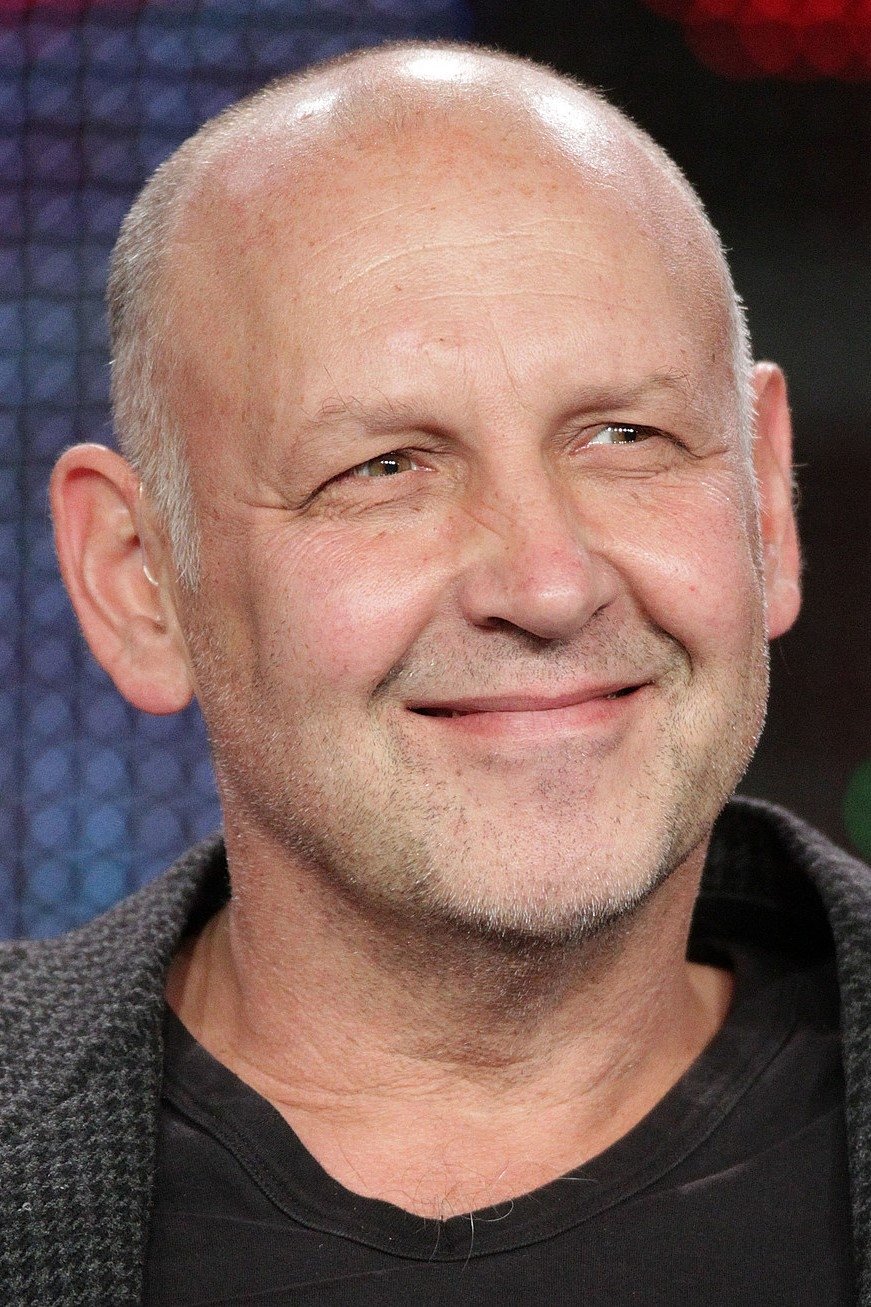
The actor known for his role in ‘Justified’ is an outspoken critic of the political mandates that he believes dominate modern Hollywood. He argues that these policies create a hostile environment for performers who do not share the prevailing cultural views. Searcy suggests that the focus on diversity mandates often leads to a decline in the quality of television and film productions. He has frequently used his platform to advocate for more ideological balance and a return to merit based hiring. His comments highlight the professional challenges faced by those who openly oppose industry trends.
Richard Dreyfuss
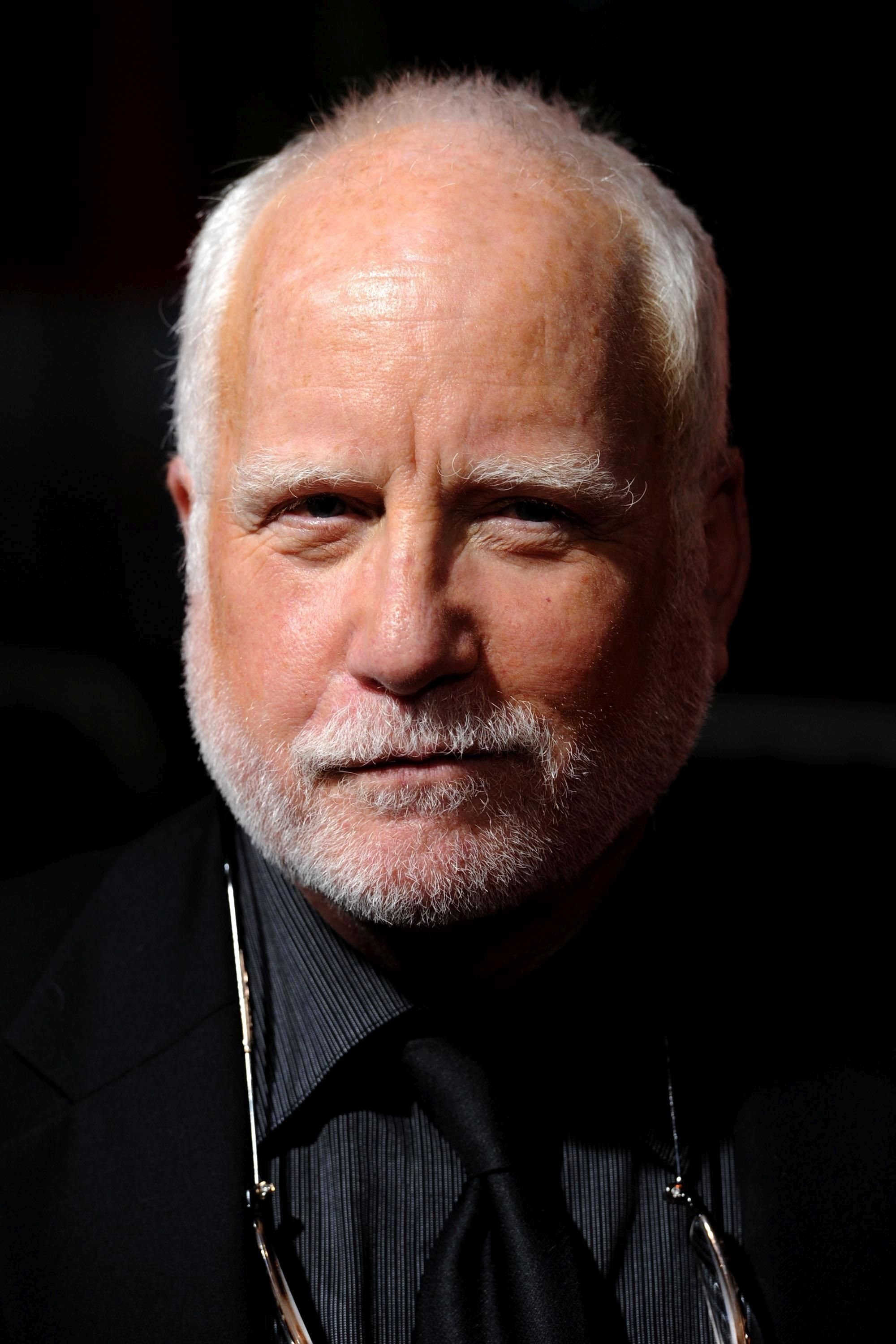
Richard Dreyfuss has been one of the most vocal opponents of the new diversity rules implemented for the Academy Awards. He argued that these standards are patronizing to the very groups they aim to help while simultaneously stifling individual creativity. The actor suggested that the mandates treat the film industry like a government agency rather than an art form. He expressed these views during an interview where he emphasized that art should remain a medium for free expression without external requirements. His comments sparked a wide conversation about the future of traditional filmmaking values.
Ricky Gervais
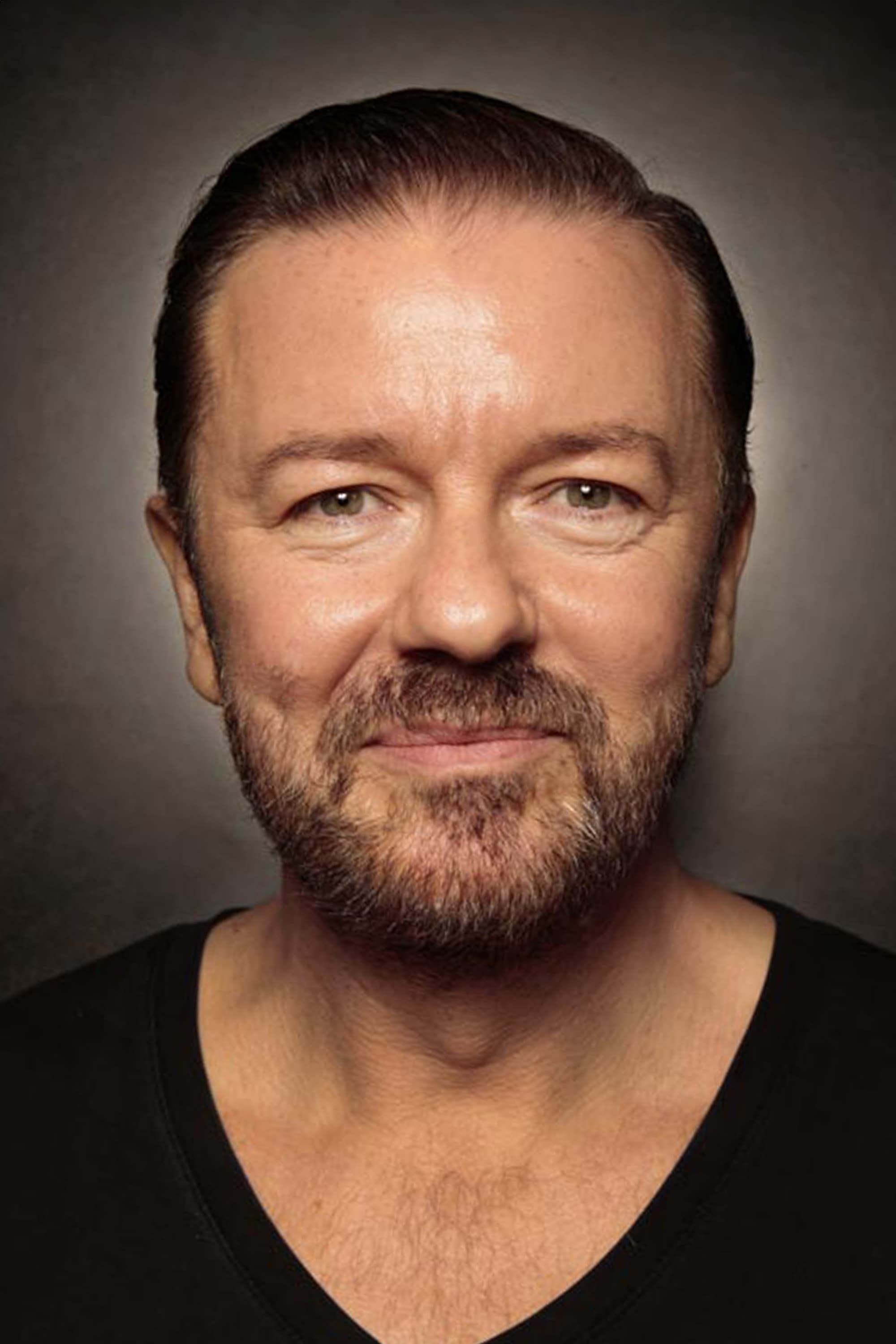
Ricky Gervais has used his roles as an actor, writer, and award show host to lampoon the social mandates of the entertainment industry. He frequently points out the gap between the public stances of Hollywood figures and the reality of the industry’s business practices. Gervais argues that the focus on political correctness and modern mandates often results in a lack of honesty and humor in the media. He believes that comedians should be free to mock anything and anyone without fear of violating institutional rules. His performances often challenge the very standards that modern mandates seek to enforce.
Rob Schneider
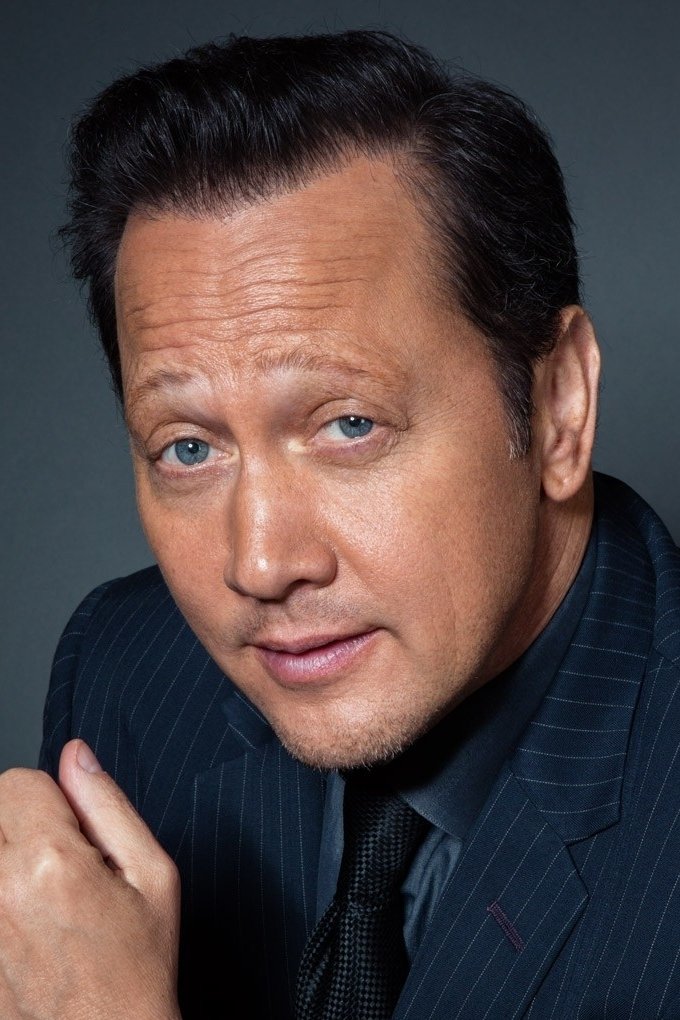
Rob Schneider has been a consistent critic of the modern diversity mandates and the political climate in Hollywood comedy. He has argued that the current focus on social requirements has made the entertainment industry less inclusive of different viewpoints. Schneider suggests that the mandates often lead to a form of self censorship that harms the creative process. He has become an advocate for independent media and a return to a more open and less regulated artistic environment. His views reflect a broader frustration with the perceived narrowing of acceptable discourse in the arts.
Robert Davi
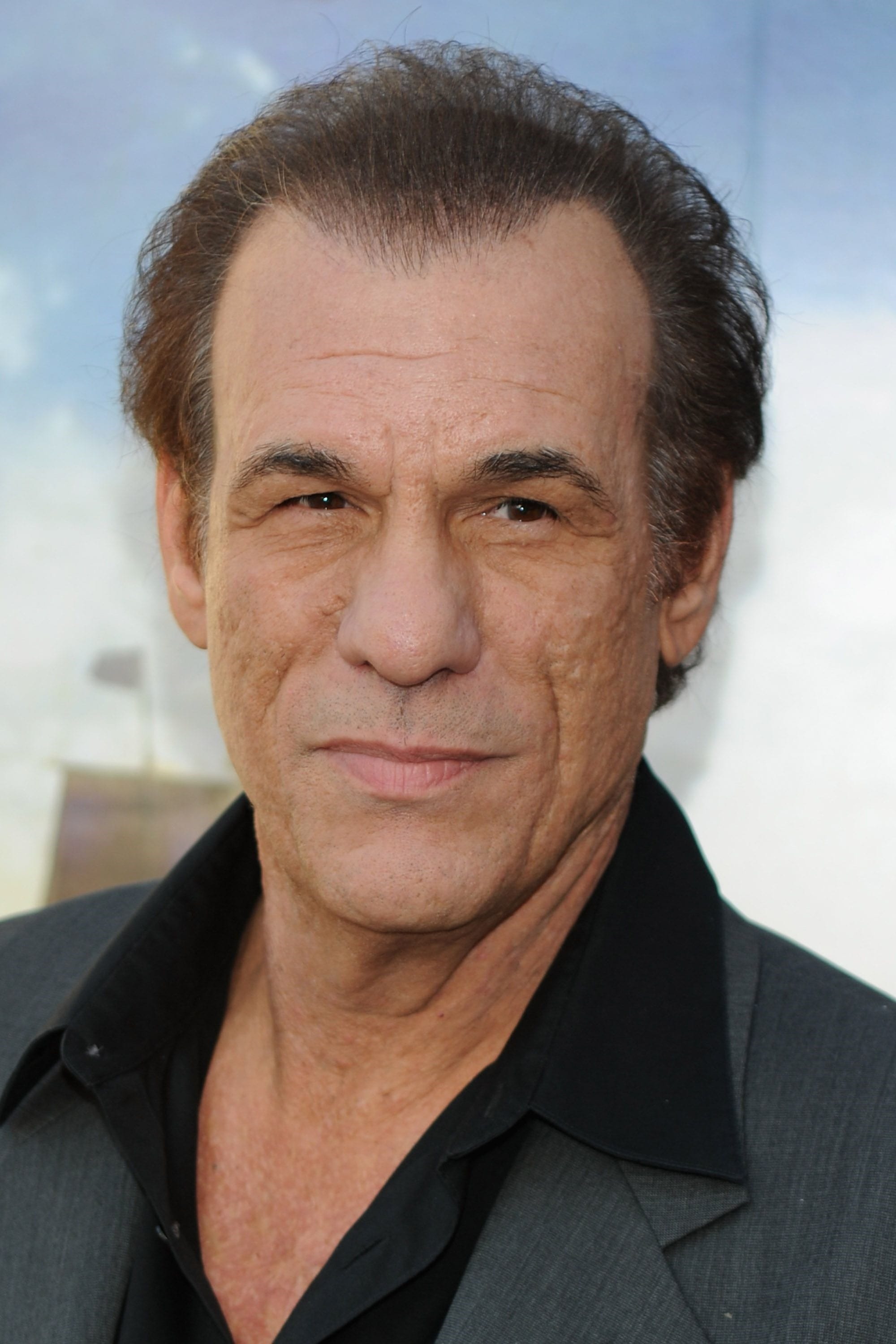
The actor and singer has publicly criticized the shift toward social mandates that he believes prioritize political goals over artistic quality. He argues that Hollywood has moved away from the values of excellence and merit that once defined the industry. Davi suggests that the implementation of diversity quotas can be a form of discrimination against those who do not fit into specific modern categories. He has been a vocal proponent of creating films that celebrate traditional themes and individual achievement. His perspective is shaped by his long career in both mainstream and independent cinema.
Robert Downey Jr.
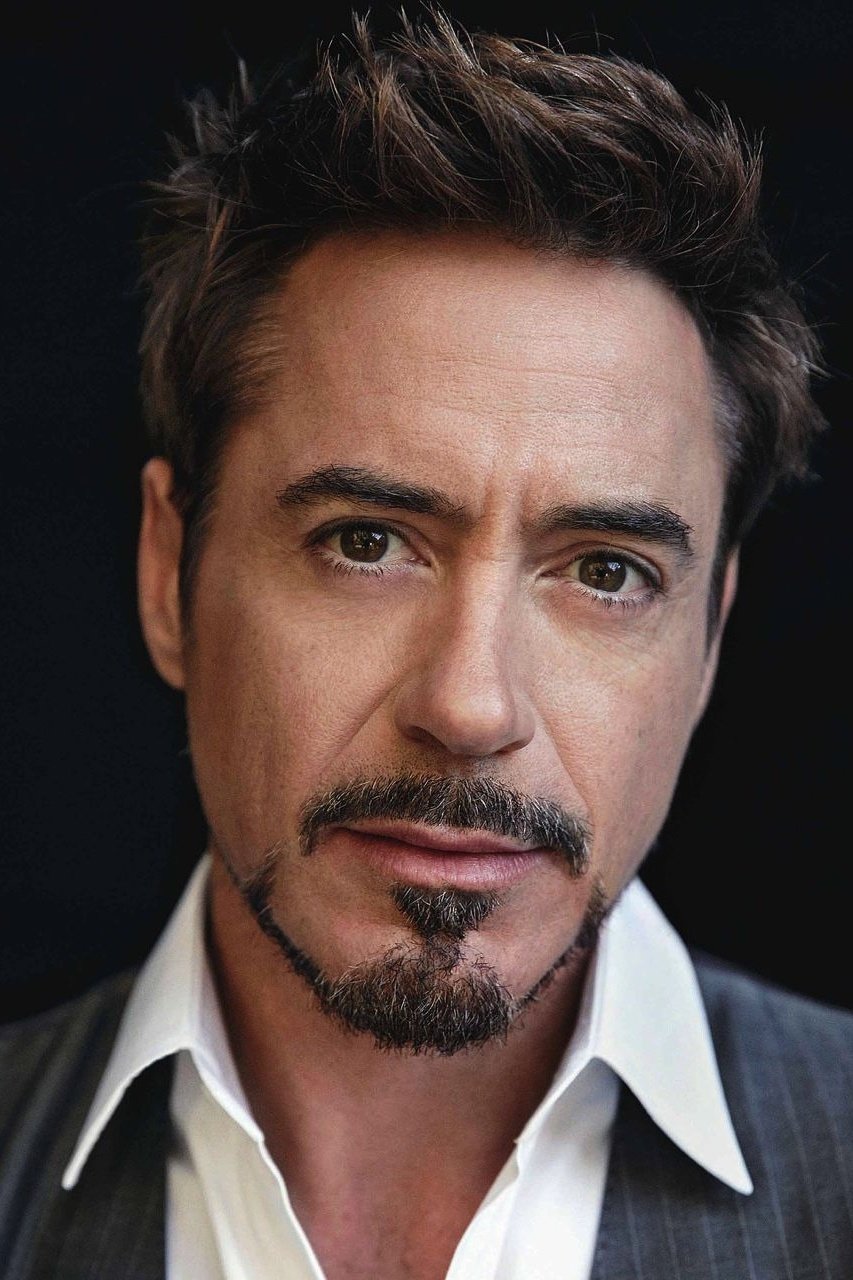
Robert Downey Jr. has defended the creative choices made in ‘Tropic Thunder’ and reflected on how the industry has changed since its release. He suggested that the satirical nature of the film might be more difficult to produce in the current climate of strict social mandates. The actor has noted that the focus on modern sensitivity can sometimes limit the ability of filmmakers to use humor to address complex social issues. While he supports the general goal of inclusion, he has voiced a preference for artistic freedom and the use of context in storytelling. His comments highlight the challenges of creating bold comedy in a more regulated environment.
Russell Brand
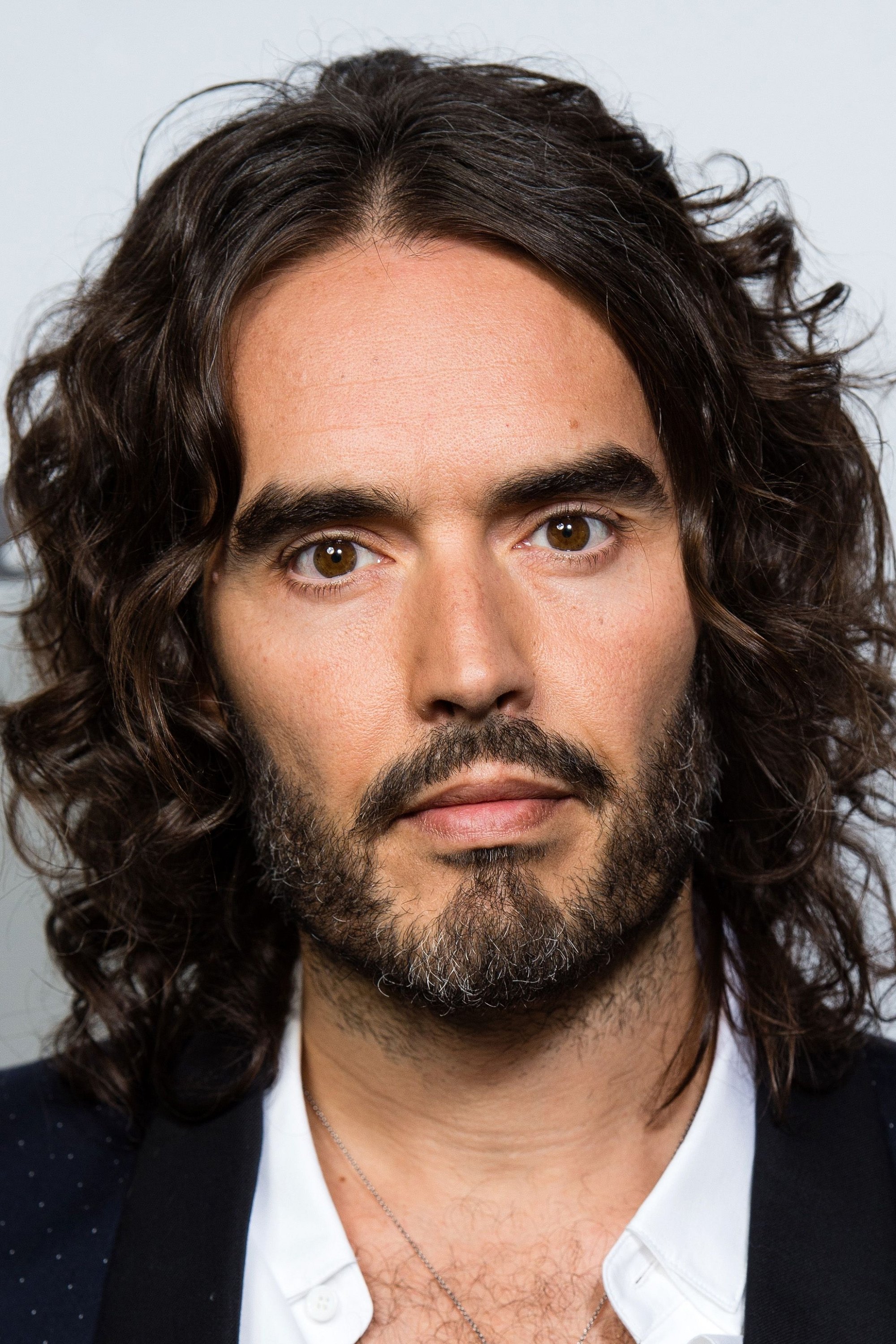
Russell Brand has transitioned from a mainstream actor and comedian to a critic of institutional systems, including those in Hollywood. He has argued that many modern diversity mandates are a form of corporate signaling that does not result in real change. Brand suggests that these policies are often used to maintain the status quo while appearing to be progressive. He has criticized the way the industry uses social agendas to control the public image of performers. His perspective focuses on the need for a more authentic and less managed approach to the arts.
Sean Penn
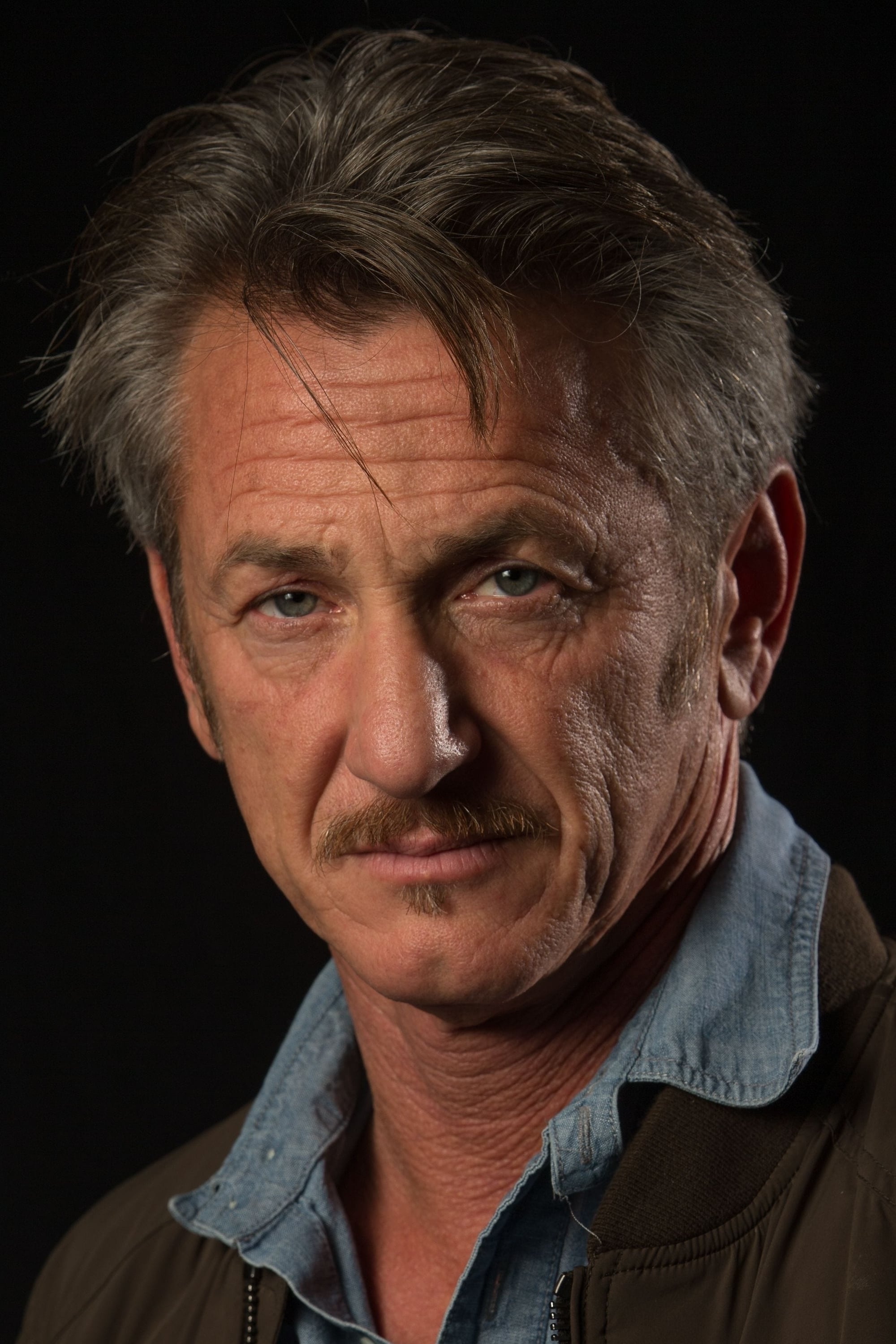
Sean Penn has expressed strong criticism of the Academy Awards diversity mandates, describing them as anti art and mandatory. He argued that the implementation of strict requirements for eligibility is a move toward a more regulated and less creative industry. Penn suggested that the focus on identity markers can undermine the fundamental purpose of filmmaking as a form of human expression. He has voiced concern that the industry is moving toward a system where bureaucratic rules dictate the value of a production. His remarks highlight a preference for a more traditional and less institutionalized approach to film.
Seth MacFarlane
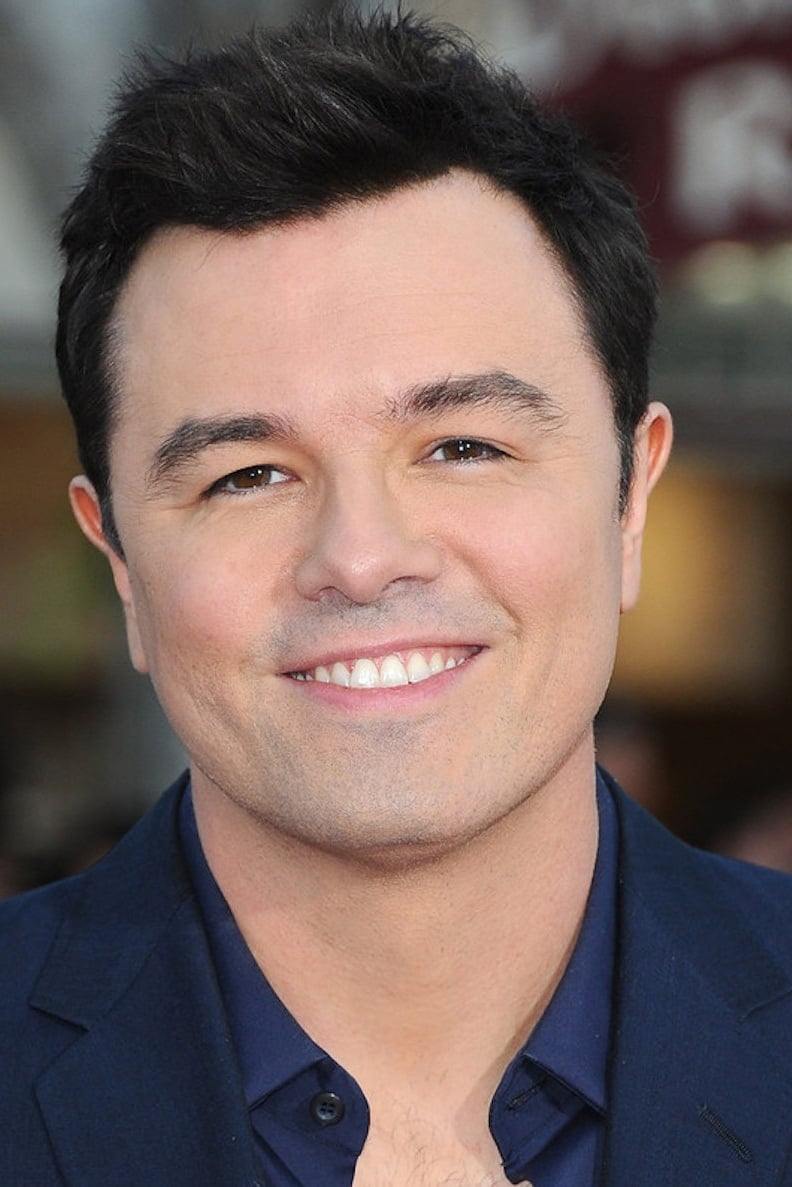
The creator of ‘Family Guy’ has spoken about the challenges of working within a television landscape that is increasingly influenced by social mandates. He has criticized the rigid rules and the fear of controversy that often dictate what can be broadcast. MacFarlane argues that comedy requires the freedom to be offensive and to challenge established norms. He suggests that the focus on meeting specific cultural requirements can lead to a decline in the quality and originality of modern programming. His work continues to push the boundaries of what is allowed in the current industry climate.
Stephen Fry

Stephen Fry has provided a nuanced critique of the identity politics and mandates that influence the modern cultural landscape. While he supports the goal of a more inclusive society, he has warned against the dangers of prioritizing identity over individual humanity. Fry suggests that the focus on specific social markers can lead to a more fragmented and less empathetic culture. He has expressed concern that the arts are becoming a battleground for political mandates rather than a space for shared experience. His views emphasize the importance of intellectual freedom and the complexity of the human condition.
Sylvester Stallone
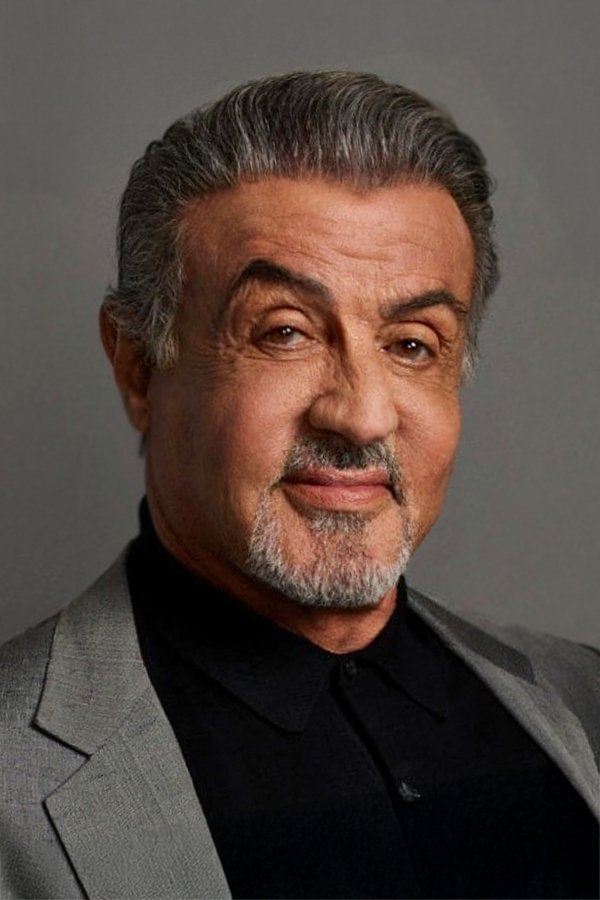
Sylvester Stallone has occasionally commented on the changing nature of the film industry and the focus on modern social requirements. He has suggested that the action genre should remain focused on the archetypal hero and the universal struggle between good and evil. Stallone argues that the implementation of specific mandates can sometimes complicate the straightforward and powerful storytelling that audiences love. He has maintained a high degree of control over his own projects to ensure they reflect his vision for entertainment. His perspective is rooted in a career spent creating some of the most iconic characters in cinema history.
Terrence Howard
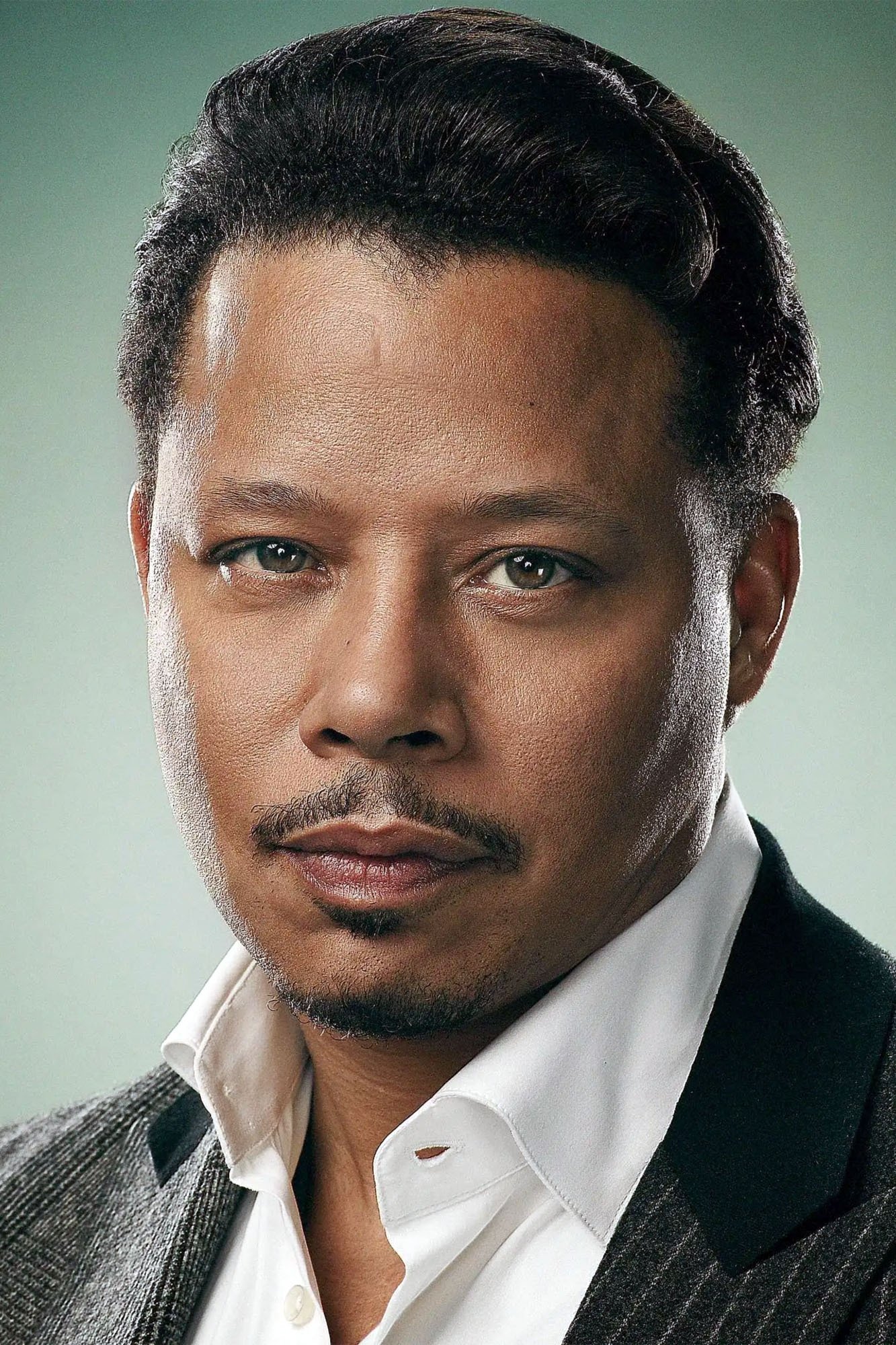
Terrence Howard has spoken about his frustrations with the industry’s business practices and the mandates that influence casting and pay. He has argued that the system often fails to recognize the unique contributions of individual artists who do not fit into specific social narratives. Howard suggests that the focus on modern diversity initiatives can sometimes be a distraction from the need for true artistic and economic equity. He has advocated for a more transparent and fair environment where merit is the primary metric for success. His comments reflect a desire for a deeper structural change within the entertainment world.
Tim Allen
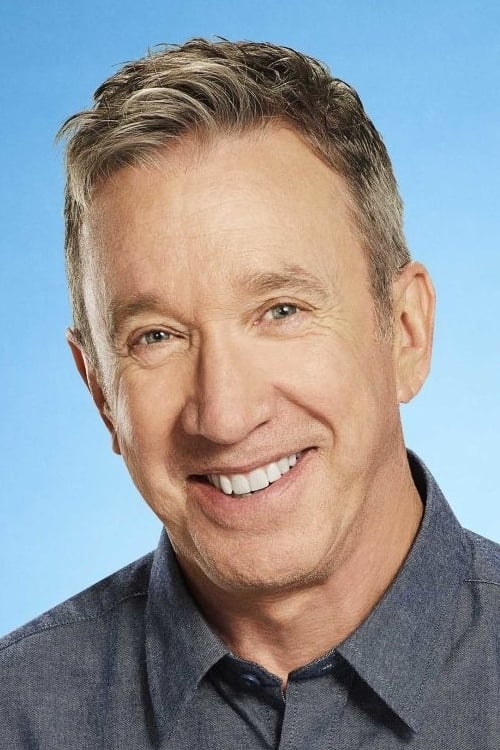
Tim Allen has been a vocal critic of the political and social mandates that he believes led to the cancellation of his show ‘Last Man Standing’. He argues that the industry has become less tolerant of perspectives that reflect traditional or conservative values. Allen suggests that the focus on modern diversity requirements often excludes the very groups that form a large part of the American audience. He has advocated for a more balanced approach to programming that includes a wider range of viewpoints. His perspective is shaped by his experiences as a successful actor who has felt the impact of industry shifts.
Vince Vaughn
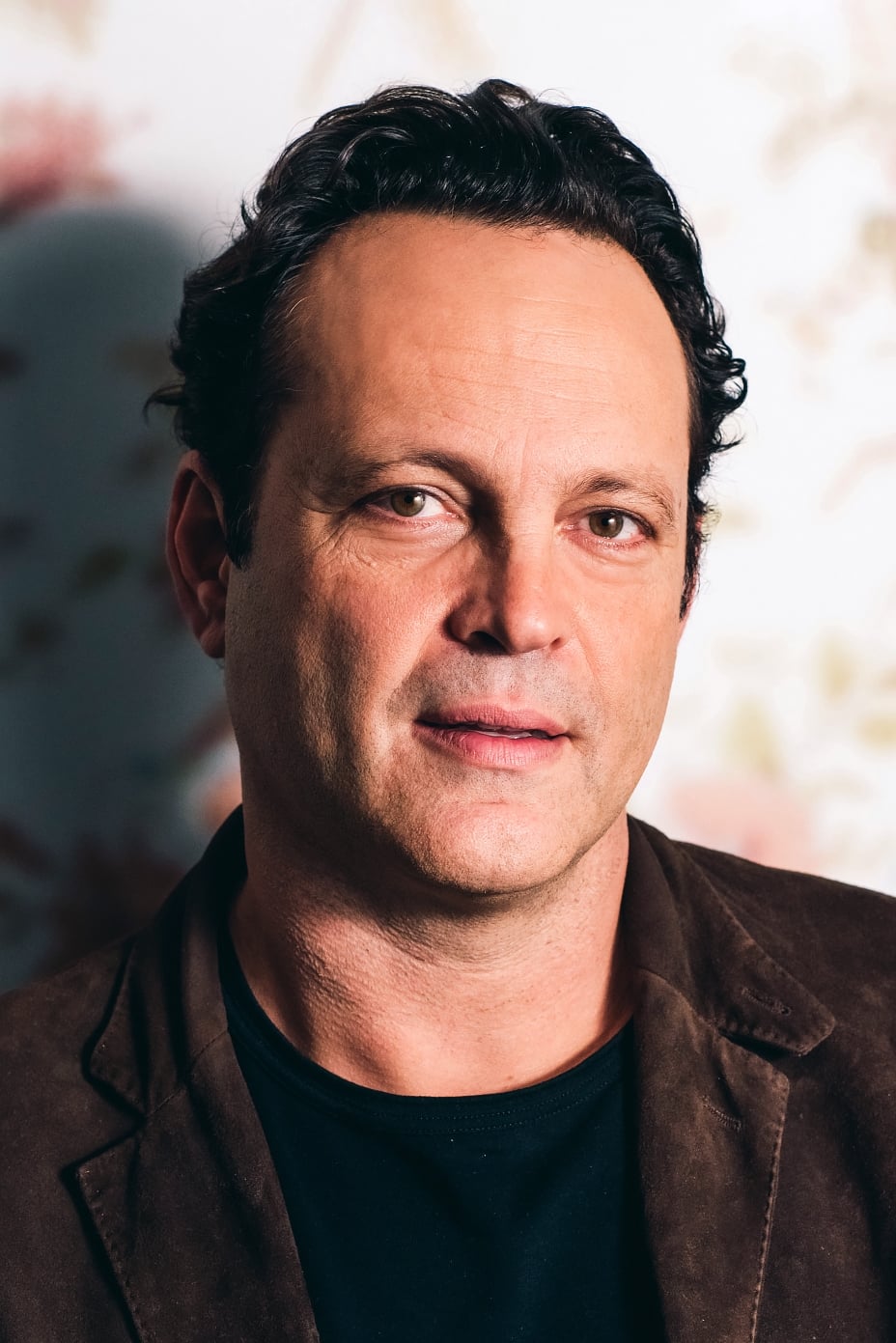
Vince Vaughn has described the modern entertainment industry as a monoculture that often discourages dissenting opinions and creative independence. He has suggested that the focus on specific social mandates can lead to a lack of originality in filmmaking. Vaughn argues that the industry works best when it allows for a competition of ideas and a focus on merit. He has frequently worked outside the major studio system to produce films that reflect his own sense of humor and storytelling. His remarks highlight the tension between institutional requirements and the desire for creative freedom.
Ye
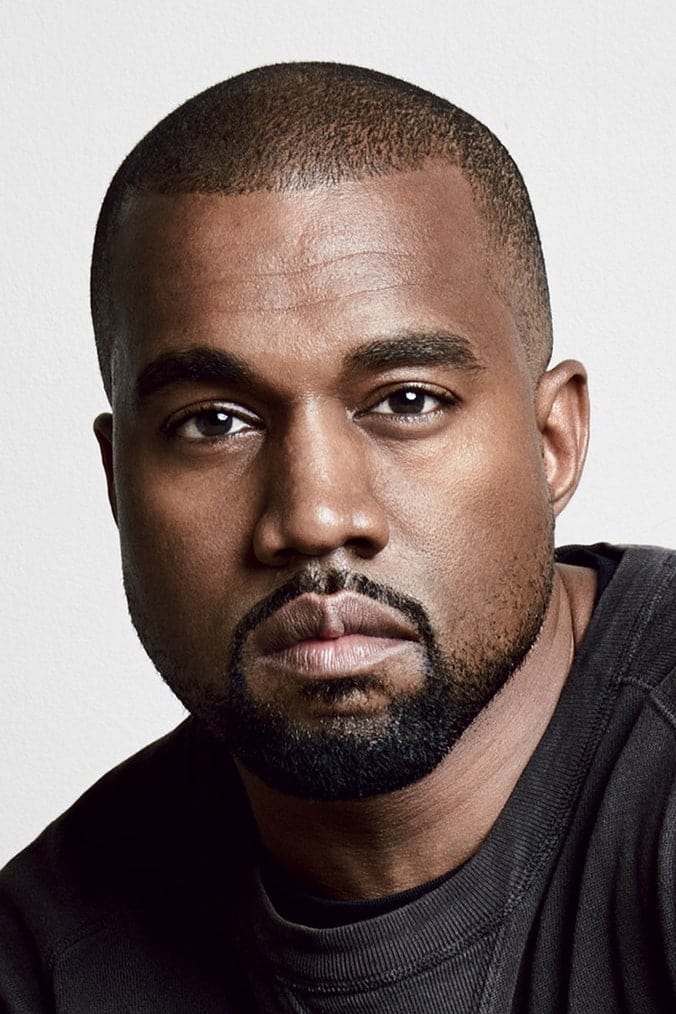
The artist formerly known as Kanye West has frequently spoken out against the perceived control that major corporations have over the entertainment industry. He has criticized the mandates and structural systems that he believes limit the creative output of independent thinkers. Ye argues that the industry uses social agendas to maintain power over performers and their public personas. His critiques often extend to the way casting and marketing are handled to suit specific cultural narratives. These statements have made him a polarizing figure in the conversation about Hollywood business practices.
Please share your thoughts on these industry perspectives in the comments.