


Male Actors Who Publicly Defended Comedians After Their Cancellation

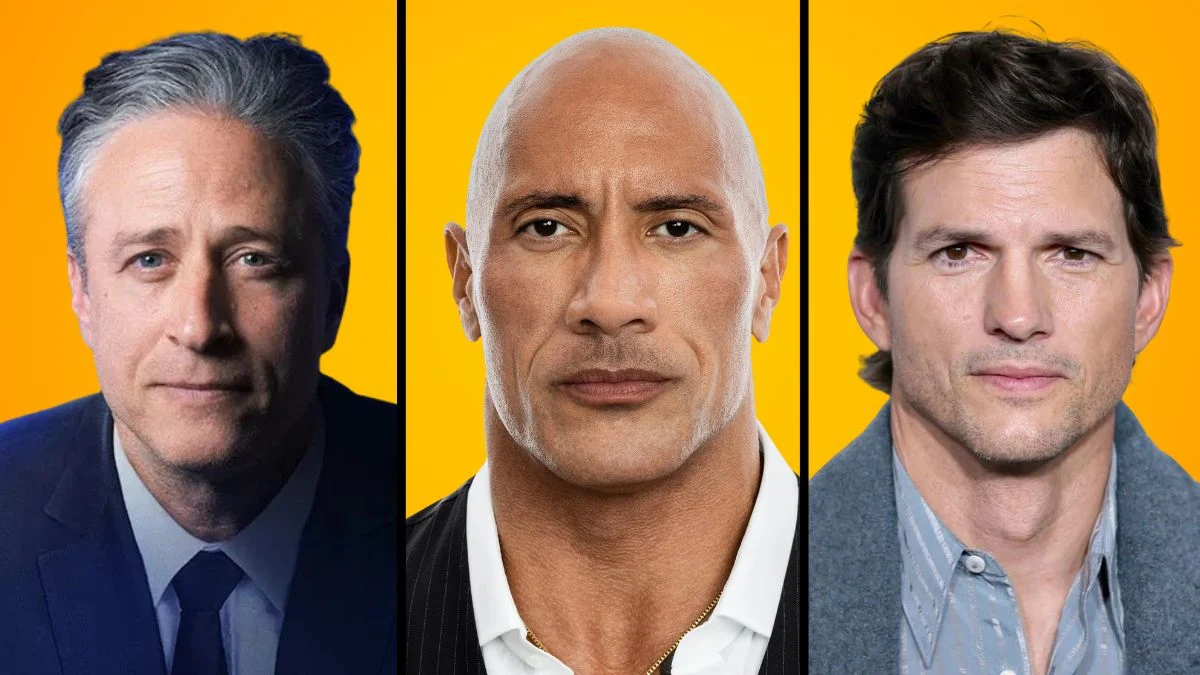


The landscape of modern entertainment has been significantly altered by the rise of cancel culture where public figures face intense scrutiny for their past and present actions. While many performers distance themselves from controversial peers some male actors have chosen to publicly defend comedians who have been targeted for removal from the industry. These defenses often center on the importance of artistic expression and the belief that the stage should remain a space for provocative discourse. By speaking out these actors navigate a complex media environment while advocating for the nuance and professional longevity of their colleagues. The following list highlights prominent male actors who have used their platforms to stand by comedians during some of their most difficult professional moments.
Jerry Seinfeld
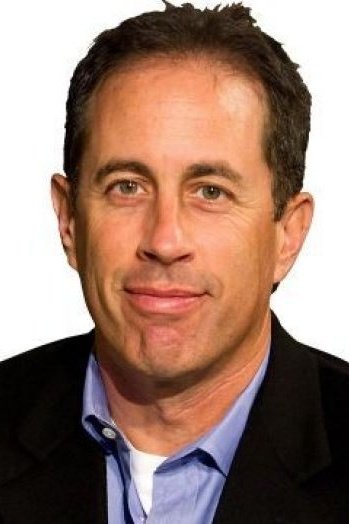
Jerry Seinfeld spoke out in support of several peers who faced public backlash for their comedic content. He notably expressed support for Dave Chappelle after the release of ‘The Closer’ sparked controversy regarding its subject matter. Seinfeld argued that the climate for comedy has become overly sensitive and restrictive for performers. He also shared his perspective on the career of Roseanne Barr during her industry exile. The veteran actor and comedian continues to advocate for creative freedom in the entertainment industry.
Kevin Hart
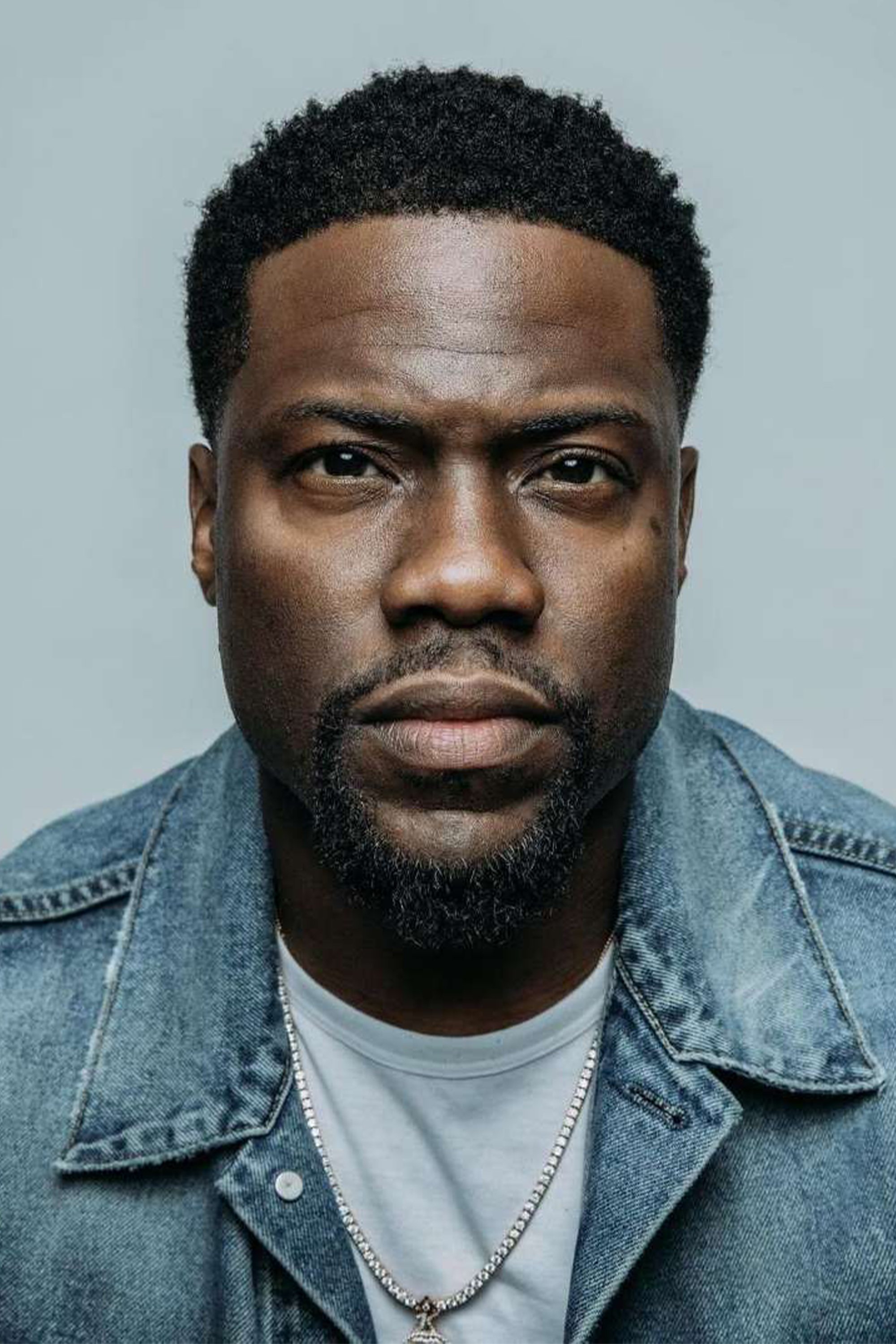
Kevin Hart used his platform to defend Ellen DeGeneres when her talk show faced allegations of a toxic workplace environment. He described her as one of the kindest people he has ever met and urged the public to remember her contributions to entertainment. Hart also voiced his support for Dave Chappelle following the release of his polarizing special ‘The Closer’ on Netflix. He emphasized the importance of nuance and the reality of the comedian’s intent during these public debates. Hart himself previously stepped down from hosting the ‘Academy Awards’ due to a past controversy.
John Goodman
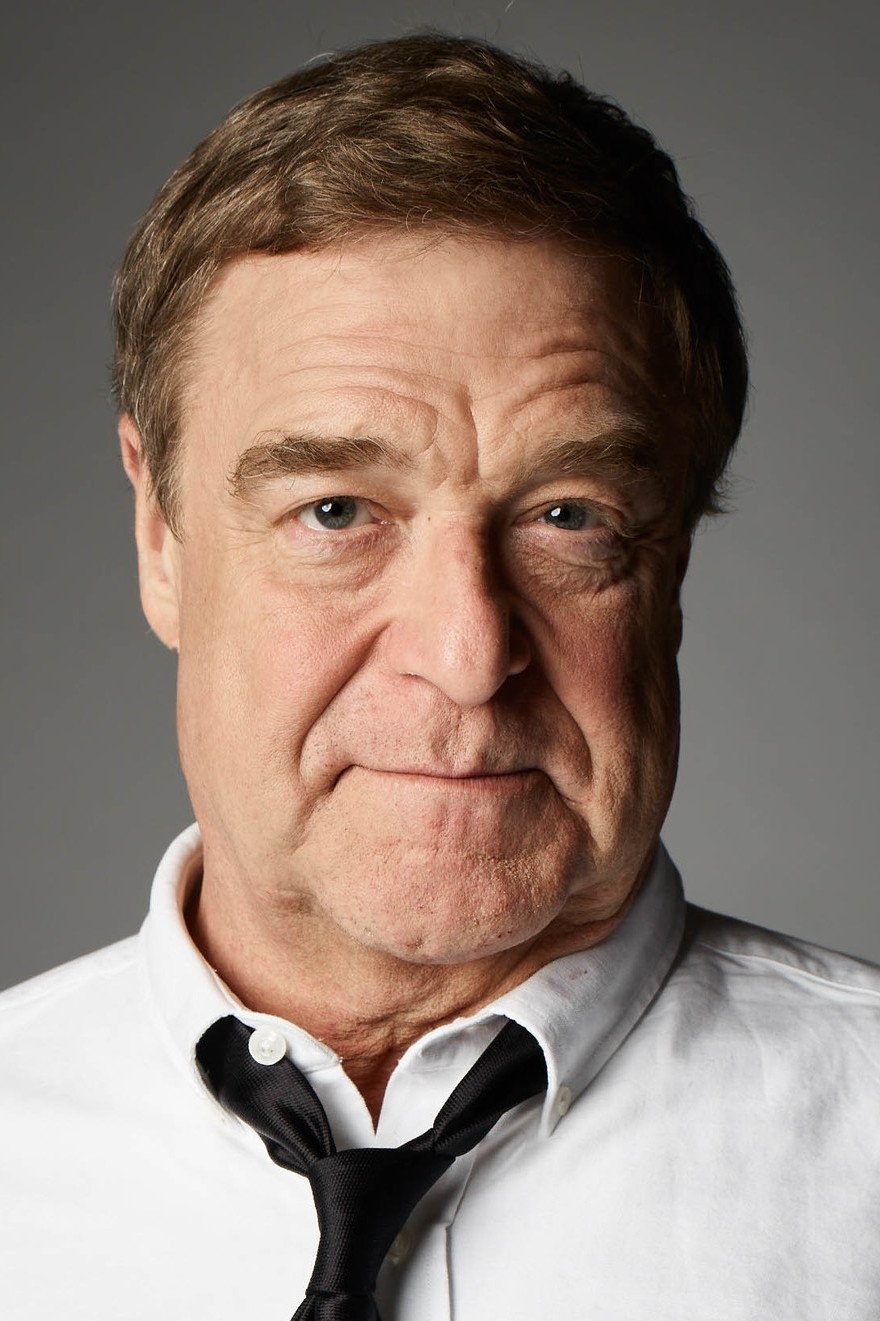
John Goodman stood by his longtime costar Roseanne Barr after her eponymous television series ‘Roseanne’ was canceled by ABC. He stated that he knew she was not a racist and expressed his heartbreak over the professional fallout she experienced. Goodman continued to work on the spin off series ‘The Conners’ while maintaining his personal respect for Barr. He explained that her absence was a significant shift for the cast and crew who had worked together for decades. His public comments provided a rare defense for Barr during a period of intense public scrutiny.
Jamie Foxx
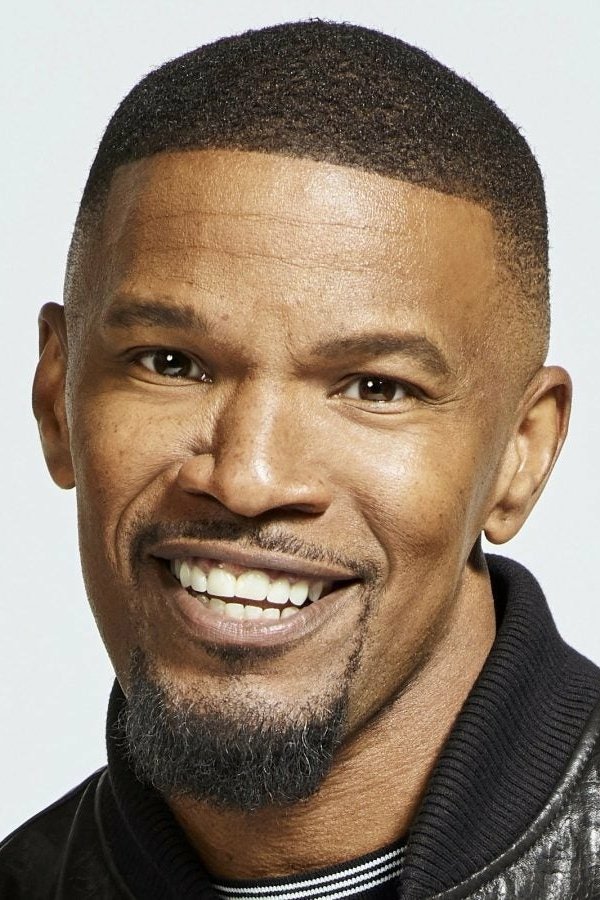
Jamie Foxx came to the defense of Dave Chappelle during a public tribute at the ‘Kennedy Center Honors’. He praised Chappelle for his bravery and his willingness to tackle difficult subjects in his work. Foxx noted that comedians serve a specific role in society and should be allowed to speak their truth without fear of permanent cancellation. He has often spoken about the need to protect the art of stand up comedy from excessive censorship. Foxx remains a vocal supporter of the creative community and its right to push boundaries.
Jon Stewart
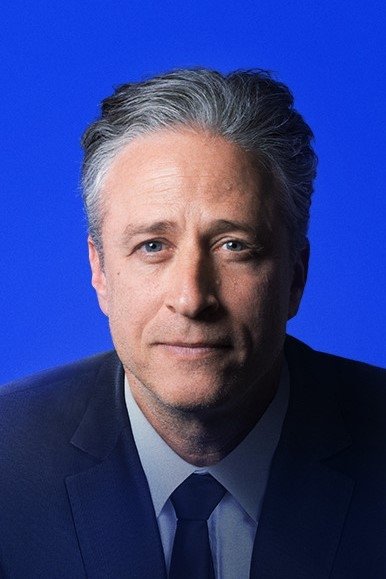
Jon Stewart addressed the controversy surrounding Dave Chappelle by emphasizing the importance of dialogue over cancellation. He suggested that engagement and conversation are more productive than simply removing a performer from the public sphere. Stewart highlighted his long history with Chappelle and defended his character while acknowledging the sensitivities involved. He often uses his platform to discuss the complexities of free speech in the modern media landscape. His perspective focused on the value of comedy as a tool for social commentary.
Steve Harvey
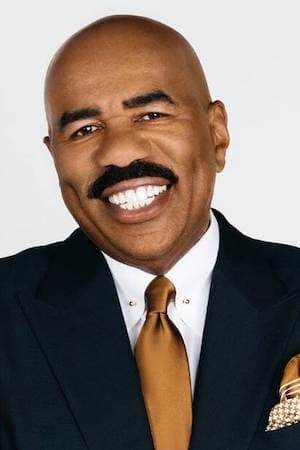
Steve Harvey voiced his support for Ellen DeGeneres during the period when ‘The Ellen DeGeneres Show’ was under investigation. He described her as a person of high character and expressed his disbelief at the negative reports circulating in the media. Harvey also commented on the general state of cancel culture and how it affects the careers of veteran entertainers. He maintained that his personal experiences with DeGeneres were always positive and professional. Harvey continues to be a prominent voice in the industry regarding the treatment of television personalities.
Anthony Anderson
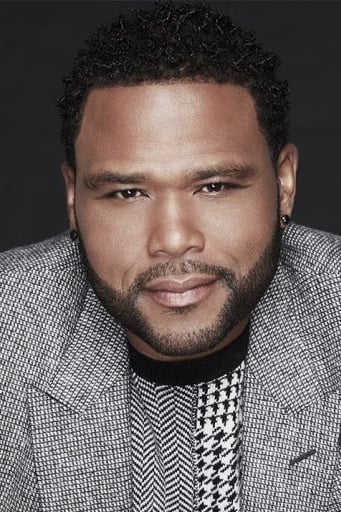
Anthony Anderson defended Kevin Hart when the actor faced intense criticism for past social media posts. He praised Hart for his work ethic and his commitment to helping others in the industry. Anderson argued that people should be allowed to grow and evolve from their past mistakes without being permanently cast out. He expressed disappointment over the situation that led to Hart stepping down from the ‘Academy Awards’ hosting duties. Anderson has frequently advocated for second chances within the Hollywood community.
Dwayne Johnson
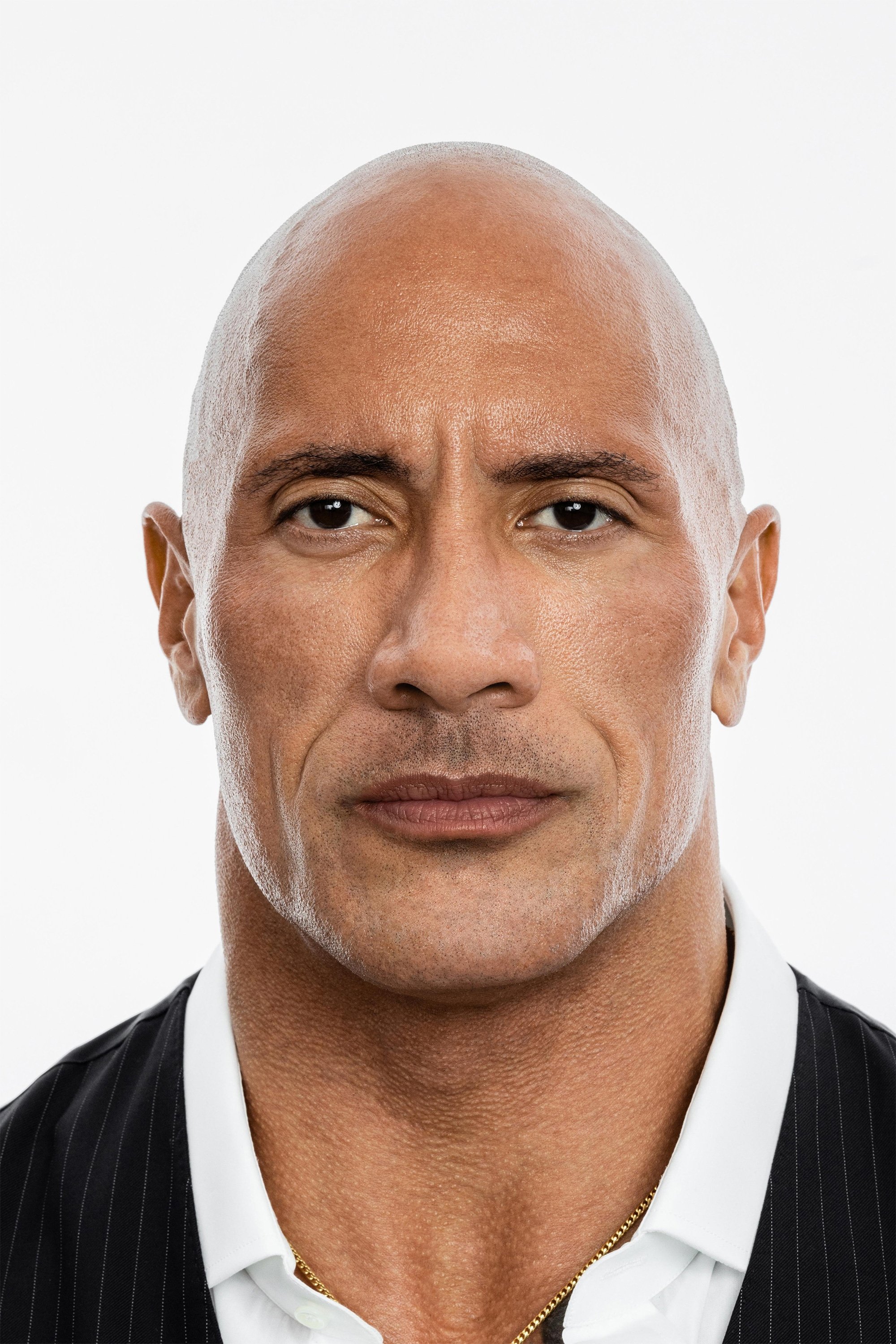
Dwayne Johnson initially offered support to Joe Rogan during a controversy involving the podcaster and comedian. He responded to a video Rogan posted by calling it a great and insightful message. Johnson noted that he looked forward to having a drink with Rogan and discussing various topics in person. Although he later clarified his position following further developments, his initial outreach was a significant moment of support from a major movie star. He remains one of the most influential figures in entertainment today.
Chris Pratt
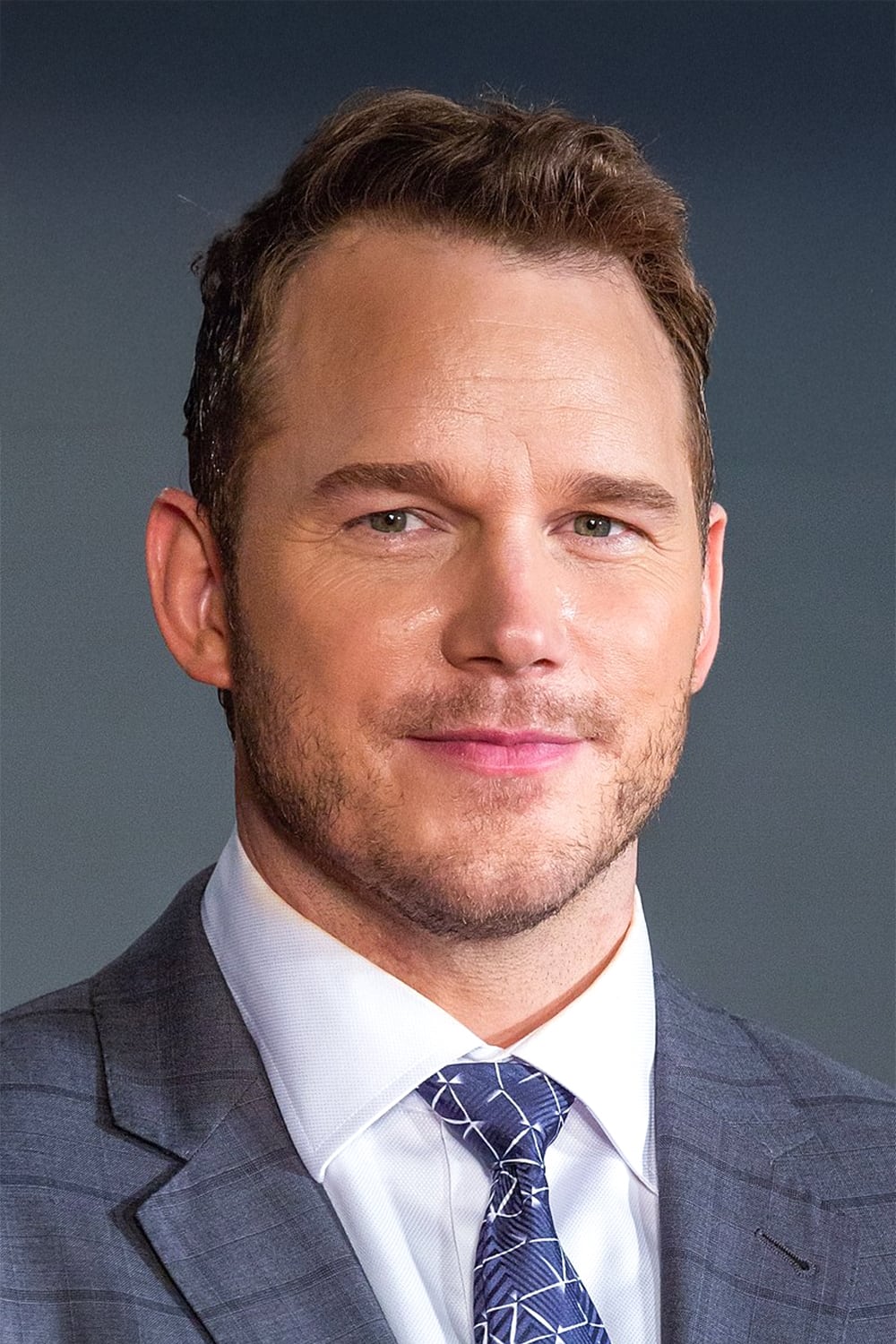
Chris Pratt has been a vocal supporter of Joe Rogan and other figures who have faced calls for cancellation. He shared social media posts that emphasized the importance of open communication and listening to different perspectives. Pratt often advocates for a more compassionate approach to public discourse and disagrees with the swift nature of online backlash. He has faced his own share of industry scrutiny and frequently stands by peers who find themselves in the center of media storms. His public stance focuses on the value of free expression in the arts.
David Spade

David Spade supported Ellen DeGeneres during her public professional struggles by focusing on her long history of philanthropy. He appeared on ‘The Ellen DeGeneres Show’ multiple times and consistently spoke well of her character. Spade argued that the atmosphere of comedy requires a certain level of leeway that is currently being challenged. He has also defended other comedians who have been targeted by online campaigns for their jokes. Spade remains a fixture in the comedy world who values the traditions of the craft.
Alec Baldwin
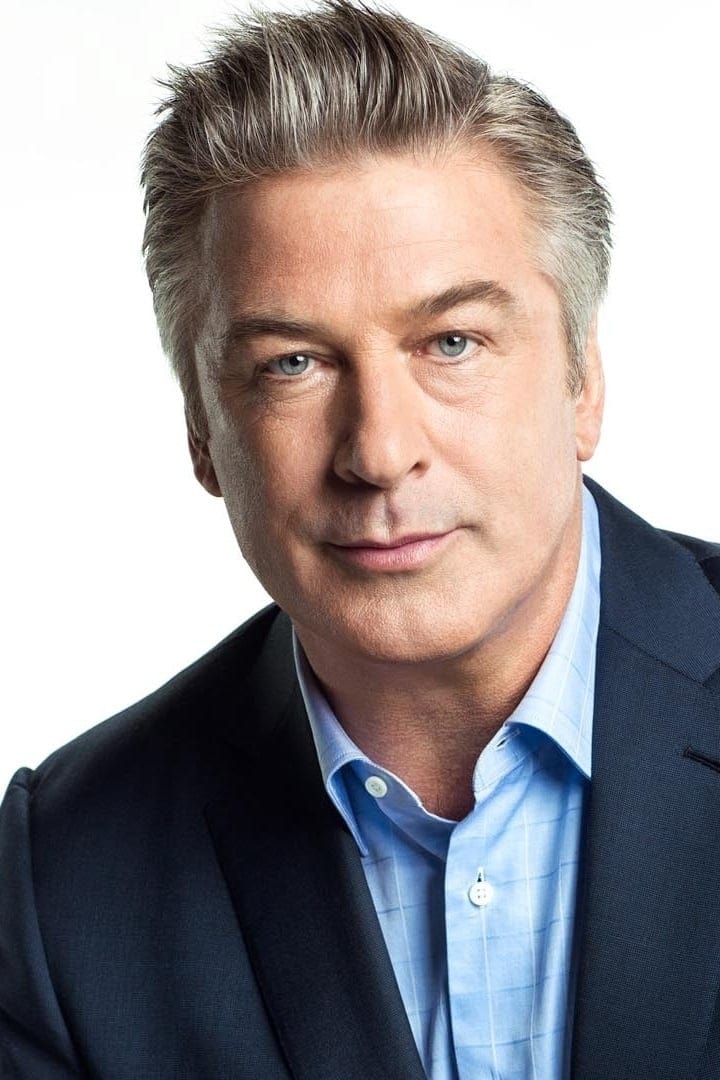
Alec Baldwin defended Ellen DeGeneres on social media by stating that her contributions to culture were being overlooked. He mentioned that his experiences with her were consistently pleasant and that the vitriol against her seemed disproportionate. Baldwin has often spoken out against cancel culture and its impact on the entertainment industry. He believes that the public should focus on the totality of a person’s career rather than isolated incidents. His defense of DeGeneres was part of a larger conversation he frequently engages in regarding fame and public perception.
Ashton Kutcher
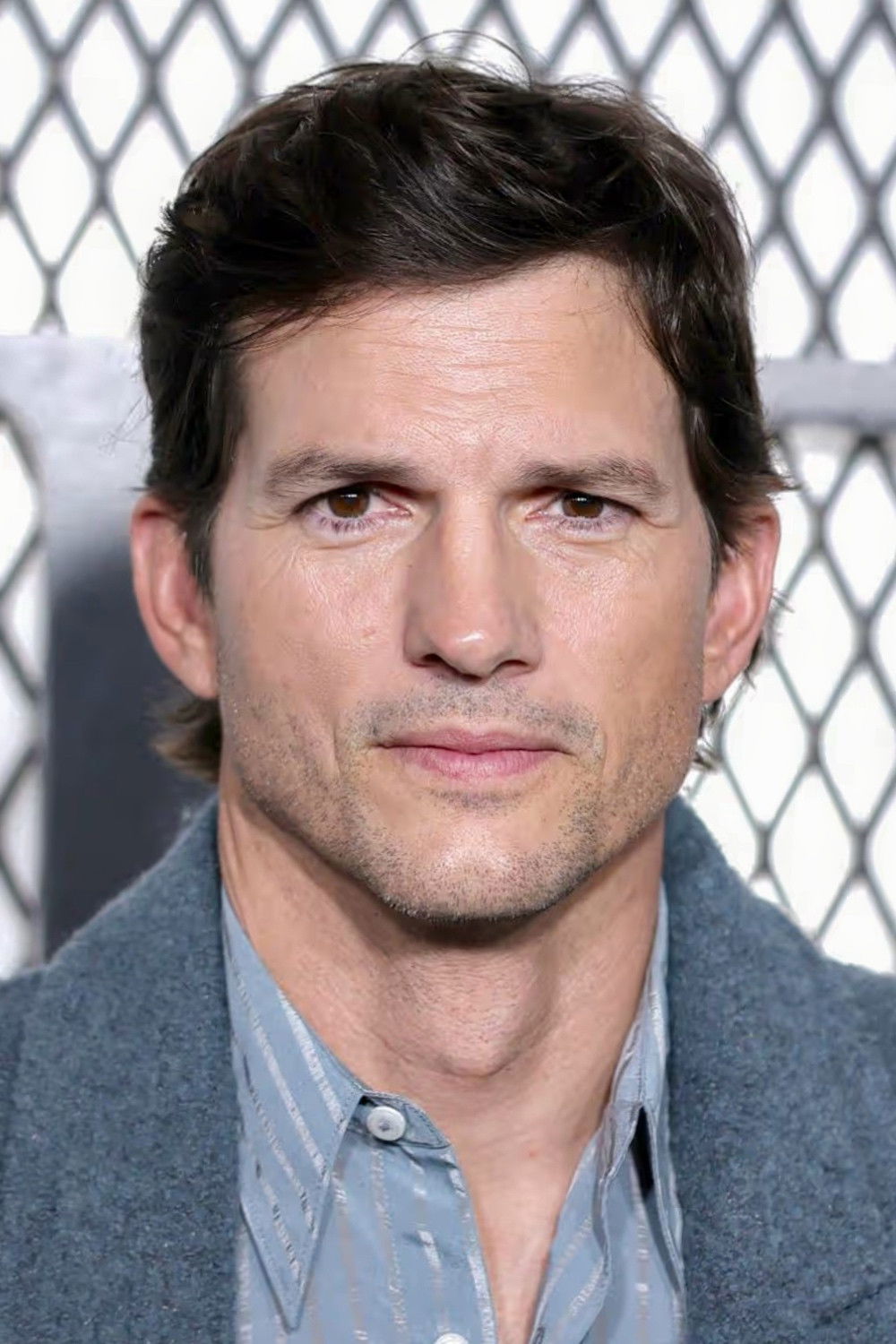
Ashton Kutcher used his social media platform to post a message of support for Ellen DeGeneres. He described her as a person who treats everyone with respect and kindness regardless of their status. Kutcher emphasized that his personal interactions with her did not align with the negative stories being told in the news. He has been active in various social causes and often speaks about the importance of character in Hollywood. His public defense was noted for its directness and focus on personal experience.
Michael Rapaport
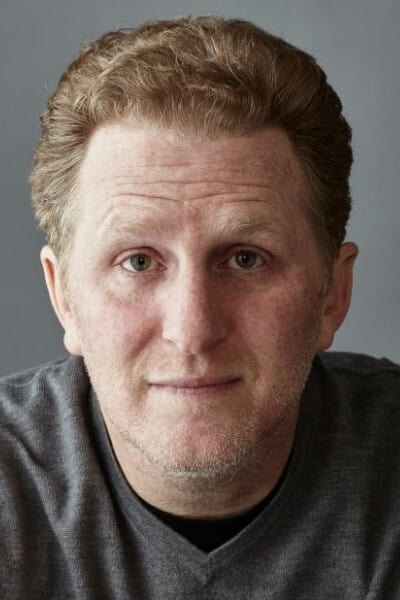
Michael Rapaport has frequently defended various comedians including Dave Chappelle and Chris Rock. He often uses his podcast and social media to criticize the concept of cancel culture in the arts. Rapaport argues that comedians are meant to be provocative and that their work should not be judged by the same standards as other professions. He has been particularly vocal about the need to protect the sanctity of the comedy club stage. His style is characterized by a blunt and unapologetic defense of his peers.
Rob Schneider
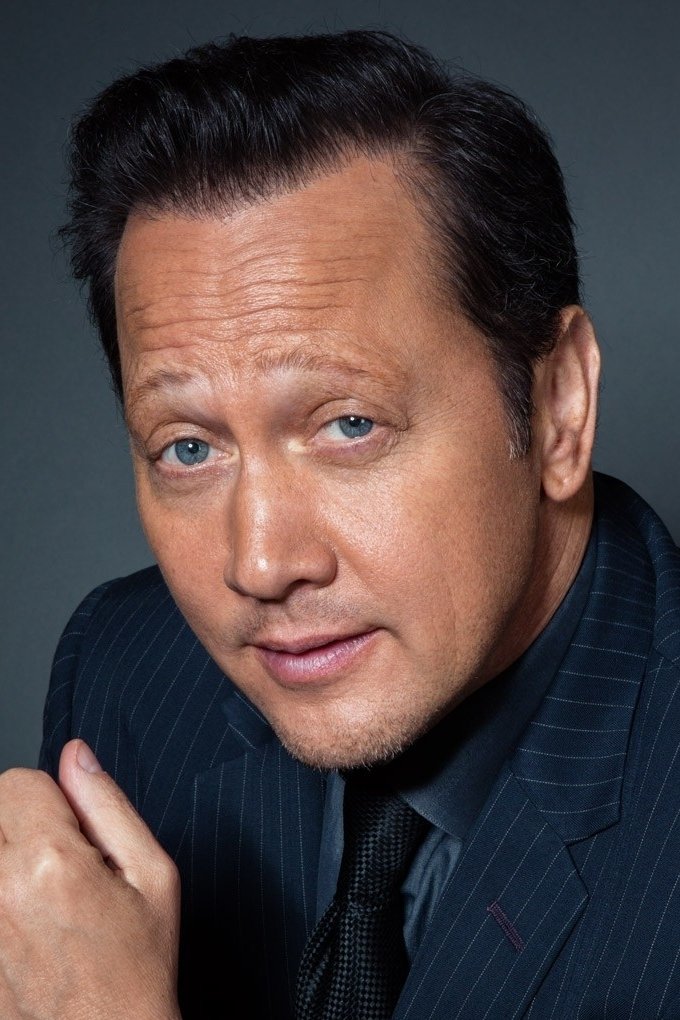
Rob Schneider is a frequent critic of cancel culture and has defended many comedians who have faced professional backlash. He has spoken out in favor of Dave Chappelle and Shane Gillis among others. Schneider argues that comedy is an essential part of a free society and that performers should not be fired for their jokes. He often participates in discussions about the changing landscape of the entertainment industry and the role of the audience. His advocacy centers on the idea that humor is subjective and should be protected.
Jim Carrey

Jim Carrey spoke out in defense of Kathy Griffin after she faced a federal investigation and significant career loss due to a controversial photo. He stated that it is the job of a comedian to cross the line at all times and that the reaction to her work was extreme. Carrey emphasized that art often reflects the intensity of the political climate. He noted that comedians serve as a mirror to society even when the image is uncomfortable. Carrey has long been an advocate for creative expression in all its forms.
Bryan Cranston
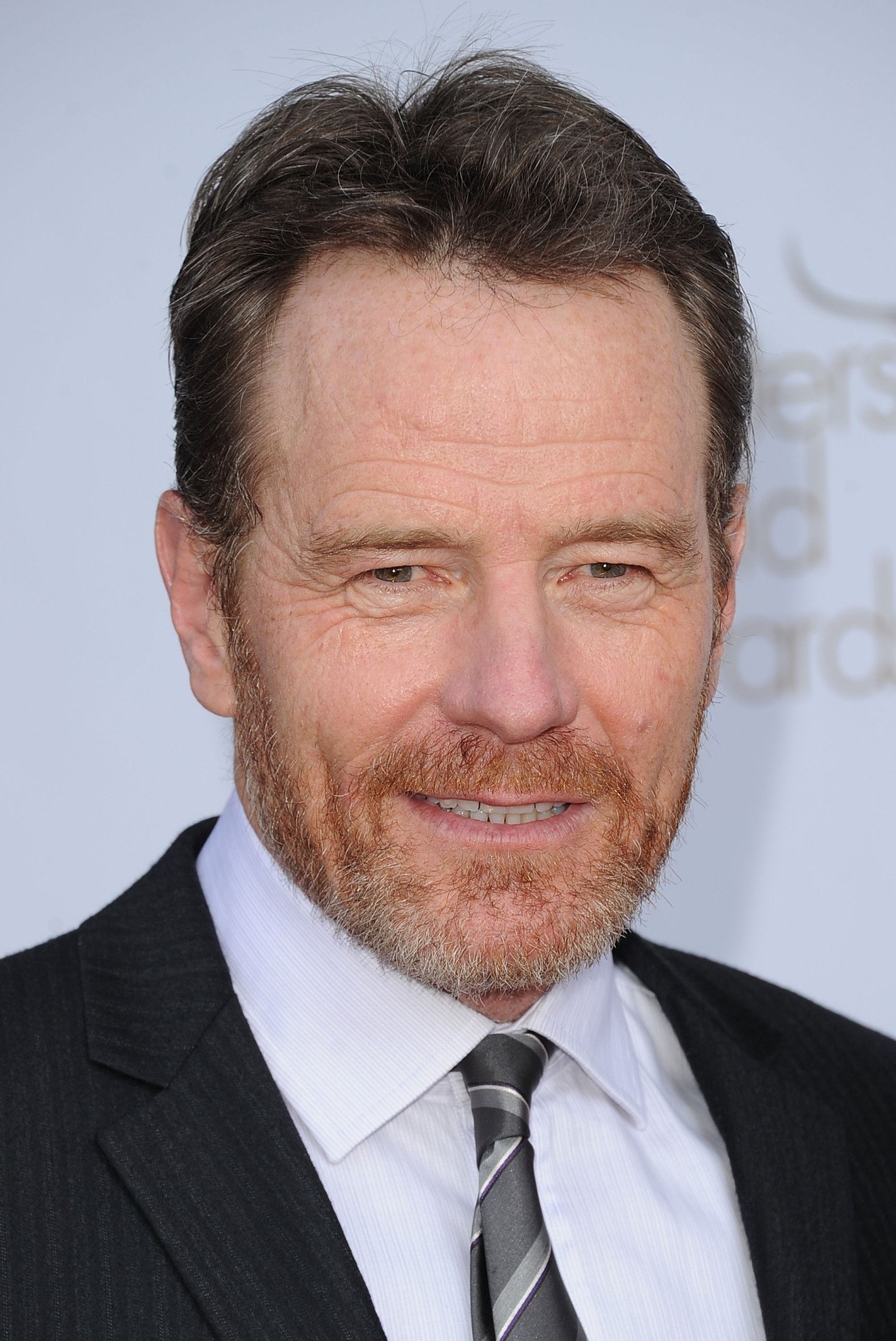
Bryan Cranston defended Kevin Hart during the ‘Academy Awards’ controversy by discussing the concept of growth. He suggested that if a person has truly changed and apologized for past behavior they should be allowed to move forward. Cranston highlighted the danger of judging someone solely by their past without considering their current character. He expressed his support for Hart as a talented performer who deserved the opportunity to host the prestigious event. His comments were focused on the necessity of forgiveness in public life.
Jerry O’Connell
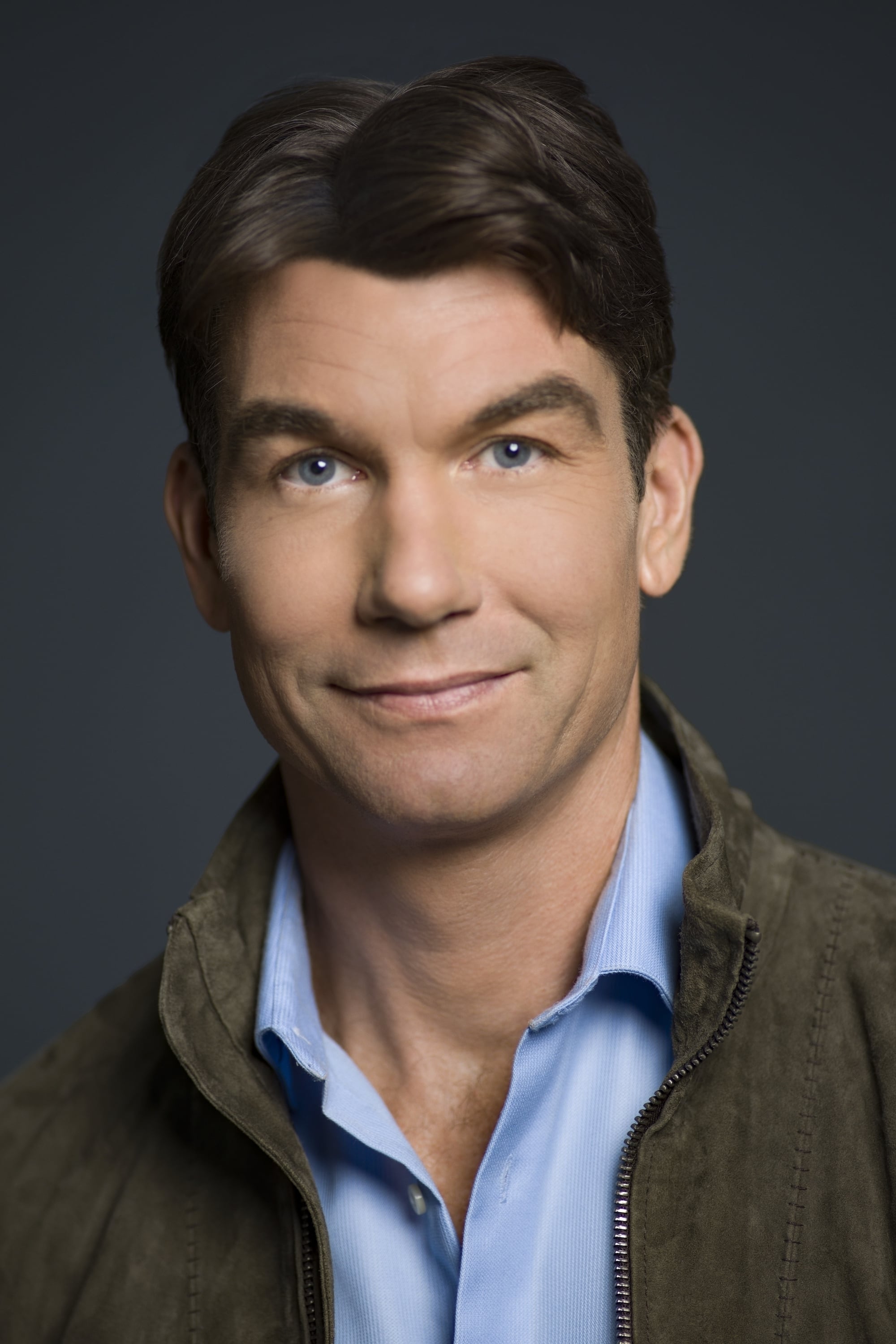
Jerry O’Connell shared his positive experiences working with Ellen DeGeneres during the height of her public controversy. He spoke about her professionalism and the way she treated the staff on her program. O’Connell urged people to consider the years of joy she provided to her audience. He expressed his belief that she is a good person who was being unfairly targeted by a wave of negative media. His defense was rooted in his personal friendship and professional history with the host.
Jay Leno
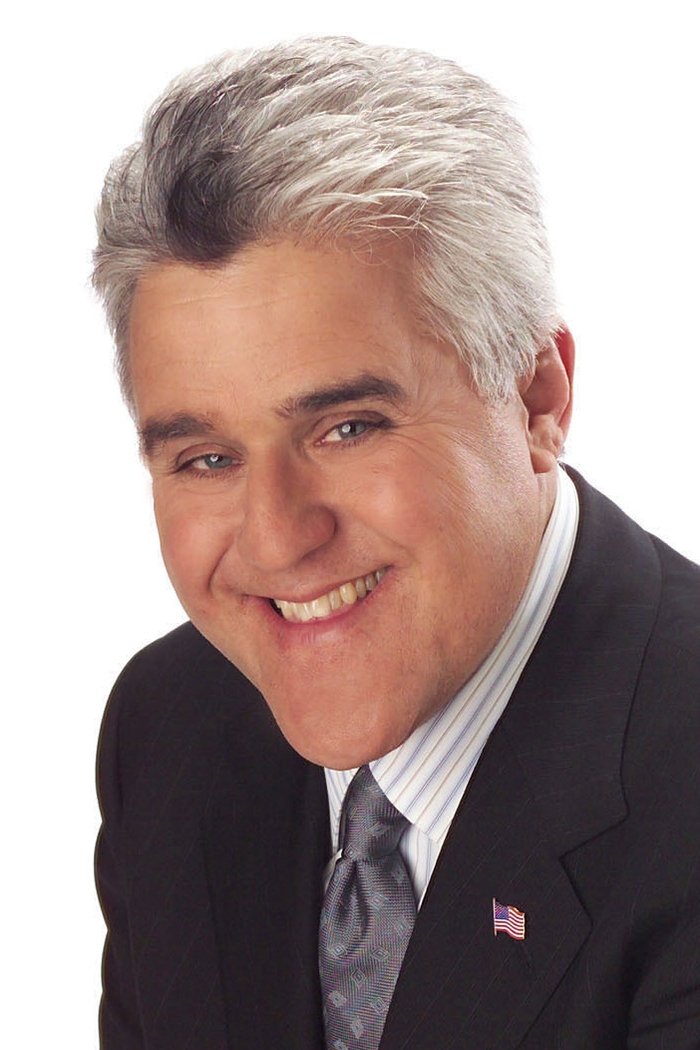
Jay Leno defended Ellen DeGeneres by describing her as a kind and decent person. He appeared on her show to show solidarity and spoke to the media about her positive impact on the industry. Leno has also expressed concern about the way modern comedy is being policed by various interest groups. He believes that the focus should be on the humor rather than the politics of the performer. Leno remains a legendary figure in late night television who often supports his fellow hosts.
Nick Cannon
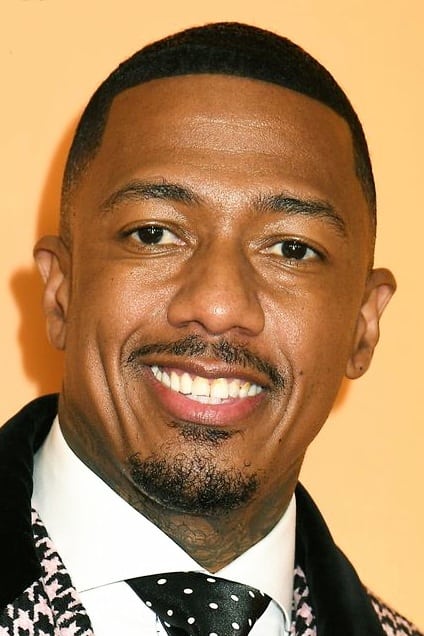
Nick Cannon came to the defense of Kevin Hart and several other comedians by pointing out inconsistencies in how the public reacts to old content. He shared old social media posts from various actors to highlight that many performers have histories that could be scrutinized. Cannon argued for a more balanced approach to evaluating the pasts of public figures. He has been a vocal proponent of allowing entertainers to learn from their mistakes. His actions during the Hart controversy were meant to challenge the fairness of cancel culture.
Marlon Wayans
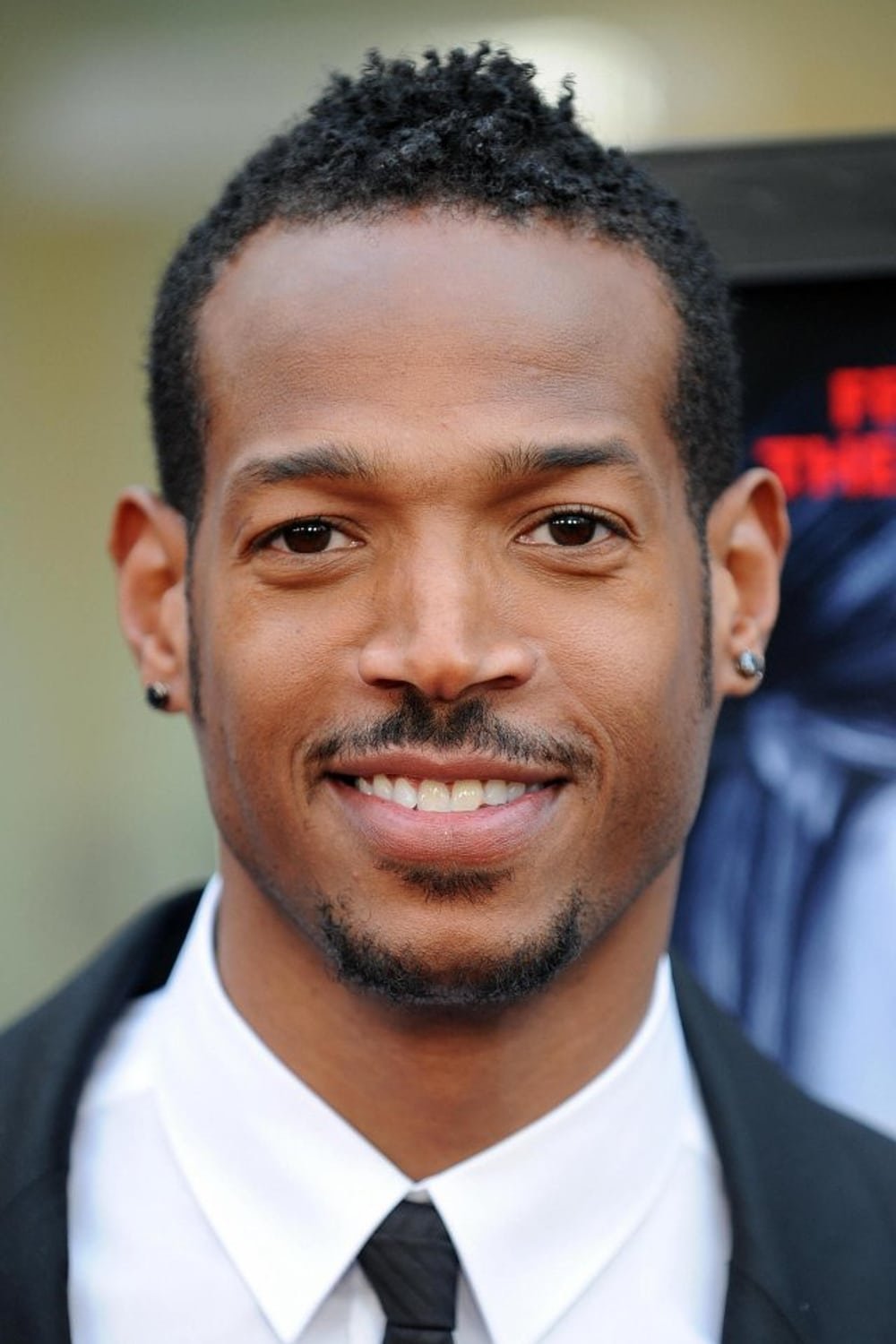
Marlon Wayans has defended Dave Chappelle and the right of comedians to perform their material without fear of being canceled. He explained that comedy is a place where people go to laugh at things they might not laugh at in real life. Wayans argued that Chappelle is a master of his craft and that his intent is never to cause harm. He has often spoken about the importance of maintaining the freedom of the stage for future generations of performers. Wayans believes that the current climate is making it difficult for new comedians to develop their voices.
Damon Wayans
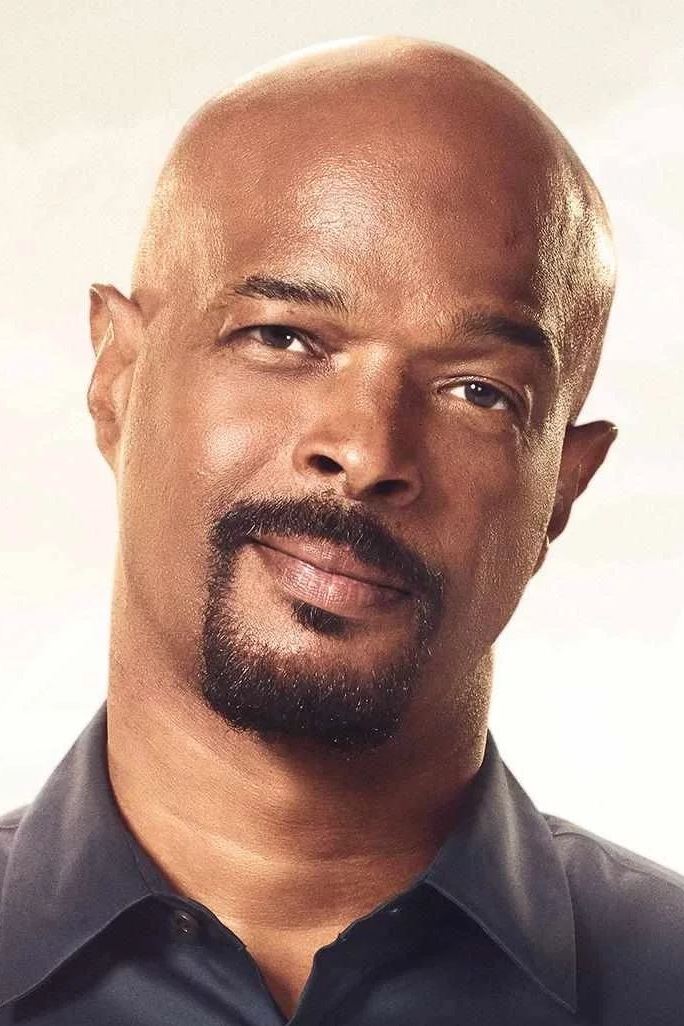
Damon Wayans voiced his support for Dave Chappelle after the release of his controversial Netflix specials. He stated that Chappelle is a genius who is pushing the boundaries of what is acceptable in society. Wayans argued that the backlash against the comedian was an attempt to stifle free speech in the name of political correctness. He has a long history in the industry and has seen how the standards for comedy have shifted over the decades. His defense of Chappelle was rooted in a desire to protect the art of the stand up special.
Cedric the Entertainer
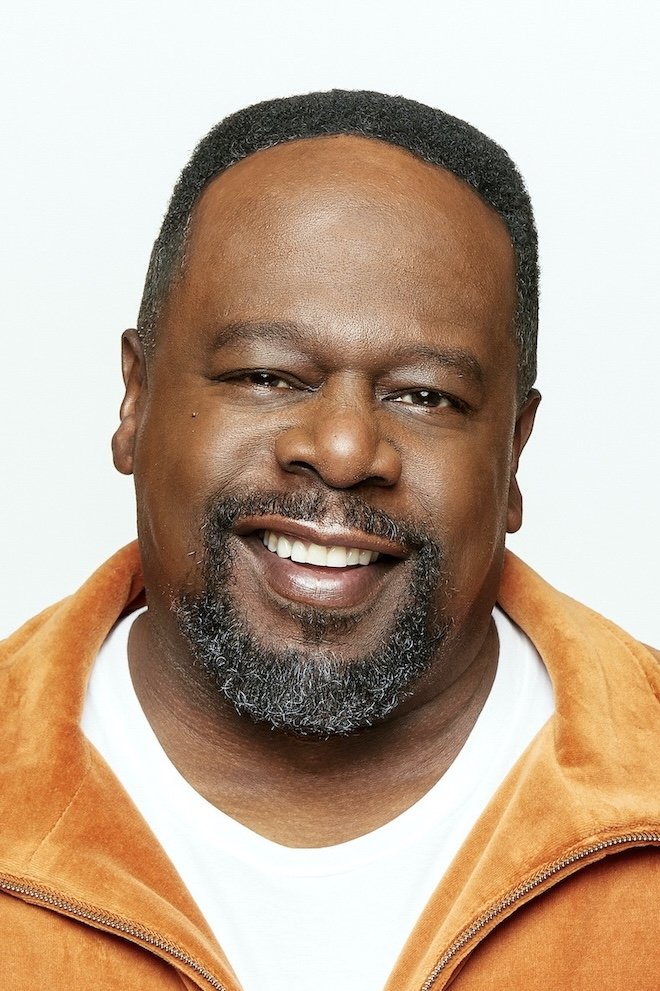
Cedric the Entertainer spoke about the controversy surrounding Dave Chappelle and the nature of stand up comedy. He suggested that people should be able to separate the performer’s persona from their personal beliefs. Cedric argued that the goal of a comedian is to find the humor in every situation regardless of how sensitive the topic might be. He expressed his respect for Chappelle’s talent and his commitment to his artistic vision. Cedric continues to be a leading figure in the comedy community who advocates for his peers.
D.L. Hughley
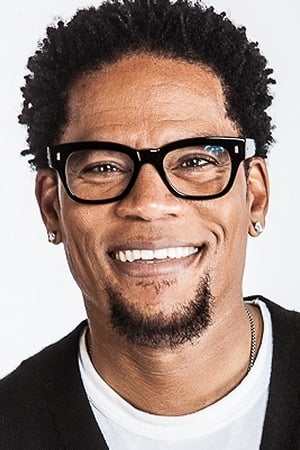
D.L. Hughley has frequently defended comedians who have come under fire for their jokes or public statements. He spoke out in support of Dave Chappelle and emphasized that comedians are supposed to be the ones who say the things others are afraid to say. Hughley argued that the attempt to silence performers is a dangerous trend for the industry. He has also discussed his own experiences with controversy and the importance of standing by one’s work. His perspective is informed by his decades of experience in television and film.
Terry Crews
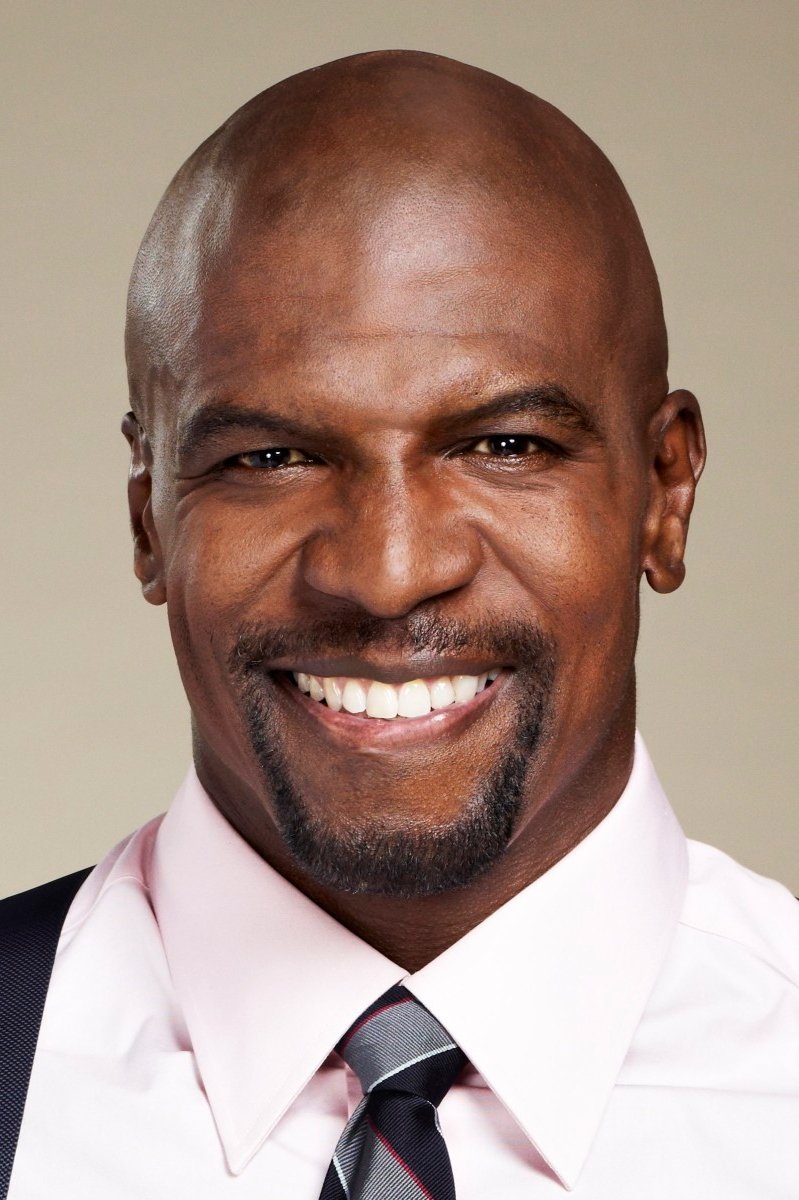
Terry Crews offered words of support for various comedians and public figures who have faced cancellation. He has spoken about the importance of redemption and the need for a more empathetic culture. Crews emphasized that everyone makes mistakes and that the focus should be on how people move forward and make amends. He has defended peers in the industry by highlighting their positive qualities and their contributions to the craft. His stance is often focused on the human element of these public controversies.
Patton Oswalt
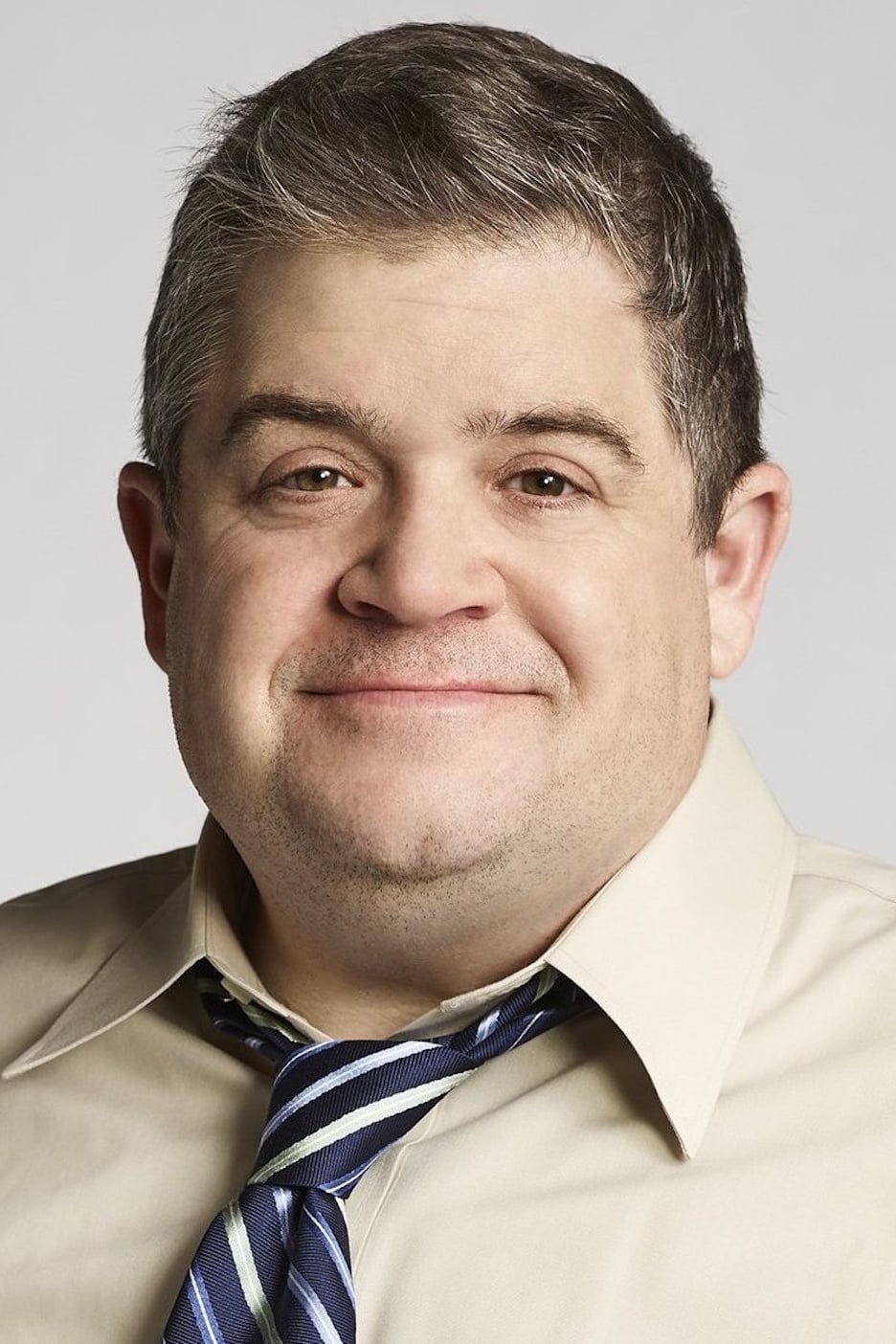
Patton Oswalt defended his decision to perform with Dave Chappelle after facing criticism from his own fanbase. He explained that they have been friends for over thirty years and that he values their relationship despite their disagreements. Oswalt wrote a lengthy message about the complexity of friendship and the importance of not cutting people off. He expressed his belief in Chappelle’s genius as a comedian while acknowledging the pain some of his material caused. His defense was notable for its attempt to bridge the gap between opposing viewpoints.
Bill Burr
Bill Burr has been a fierce critic of cancel culture and has defended numerous comedians including Dave Chappelle and Louis C.K. He often uses his platform to mock the idea that comedians should be held to the same standards as politicians. Burr argues that the stage is a place for experimentation and that failure or offense is part of the process. He has spoken out against the role of social media in amplifying outrage against performers. His defense of his peers is usually delivered with his trademark honesty and skepticism of public narratives.
Russell Brand
Russell Brand has used his online platforms to defend several comedians and media figures who have been targeted by cancel culture. He often discusses the broader implications of censorship and the role of the mainstream media in shaping public opinion. Brand has spoken in support of Joe Rogan and Dave Chappelle by emphasizing the value of independent voices. He argues that the public should have the right to decide for themselves what content they want to consume. His perspective often links entertainment controversies to larger social and political issues.
Ice-T
Ice-T came to the defense of Dave Chappelle by stating that people need to stop being so sensitive about comedy. He posted on social media that Chappelle is a comedian and that his job is to make jokes about everything and everyone. Ice-T has a long history in both the music and acting worlds and has seen many shifts in what is considered acceptable. He argued that the current climate of outrage is detrimental to the creative process. His support for Chappelle was direct and focused on the traditional role of the comic.
Michael Che
Michael Che used his platform on ‘Saturday Night Live’ and social media to support comedians facing public backlash. He has joked about the nature of cancel culture and defended the right of performers to tell provocative jokes. Che specifically mentioned his support for Dave Chappelle and other peers who have been criticized for their material. He argues that the audience has the power to simply not watch if they are offended. Che continues to be an influential voice in the New York comedy scene.
Jerrod Carmichael
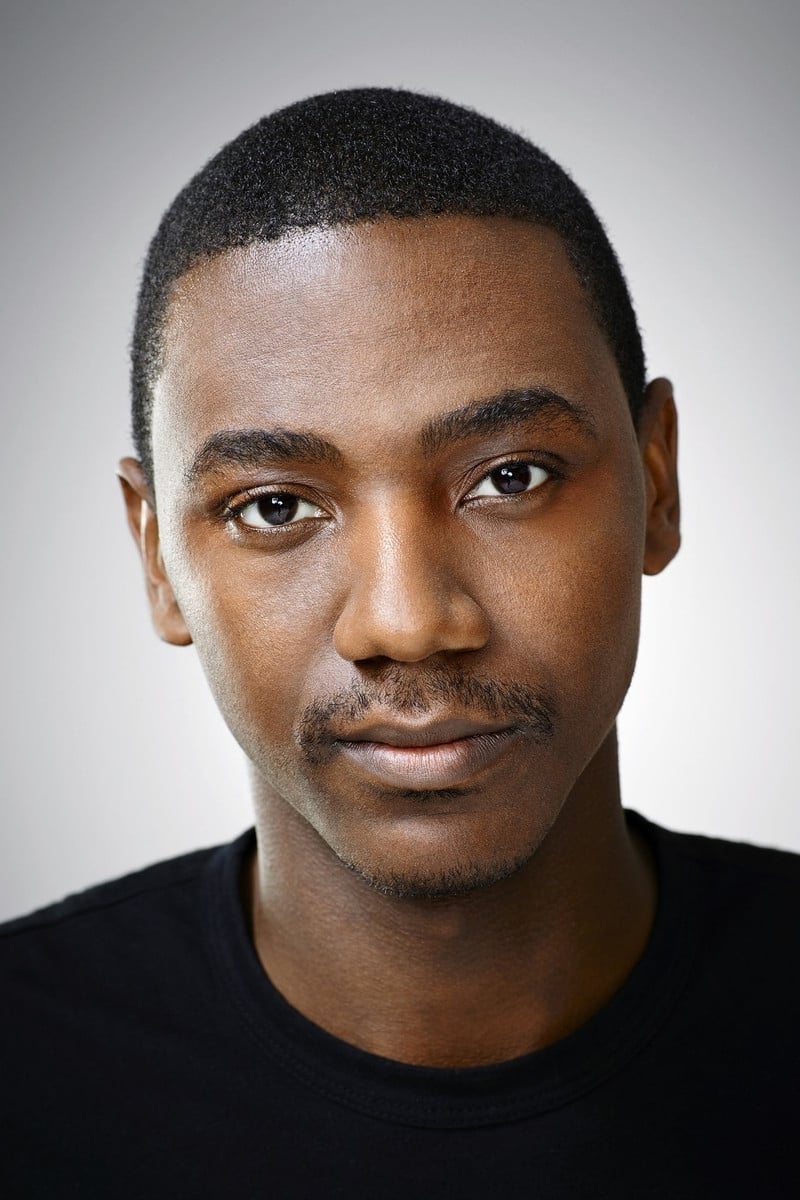
Jerrod Carmichael defended Dave Chappelle by criticizing the way the public and the media handled the controversy surrounding his specials. He suggested that the outrage often feels performative and does not lead to actual progress. Carmichael emphasized that Chappelle is an artist who is trying to work through complex ideas on stage. He has also spoken about the pressure on modern comedians to be perfect in every aspect of their lives. His comments were focused on the need for more nuance in how we judge public figures.
Dave Chappelle
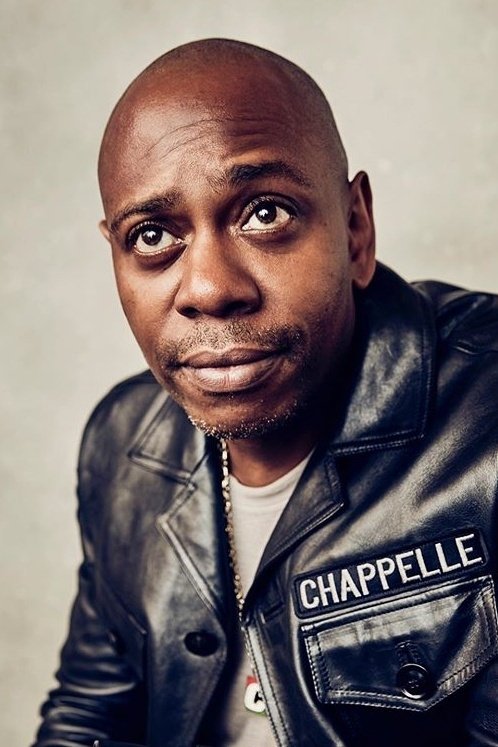
Dave Chappelle has frequently defended other comedians who have faced professional consequences for their work. He spoke out in support of Louis C.K. and Kevin Hart during his own stand up specials and interviews. Chappelle argues that the cancel culture movement is a threat to the art of comedy and free expression. He often uses his stage time to highlight the absurdity of the public’s reaction to certain jokes. His defense of his peers is a recurring theme in his recent body of work.
Ricky Gervais
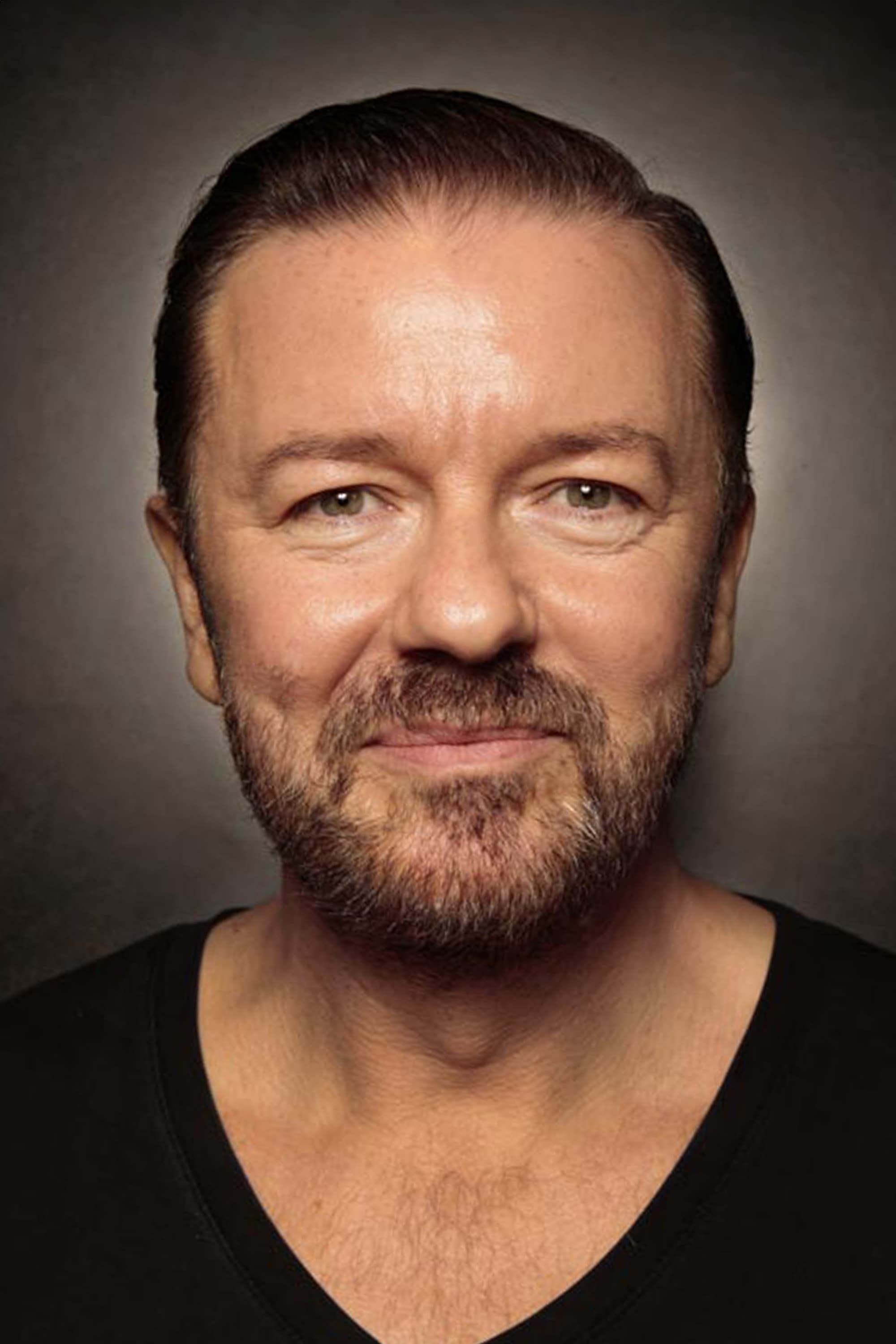
Ricky Gervais is a vocal opponent of cancel culture and has defended many performers who have come under fire. He argues that comedians should be able to joke about any subject and that offense is taken rather than given. Gervais has supported Dave Chappelle and others by stating that the freedom of speech is the most important right in a democracy. He frequently uses his hosting roles and social media to challenge the limits of what can be said. His stance is consistent with his own history of provocative humor.
Bill Maher
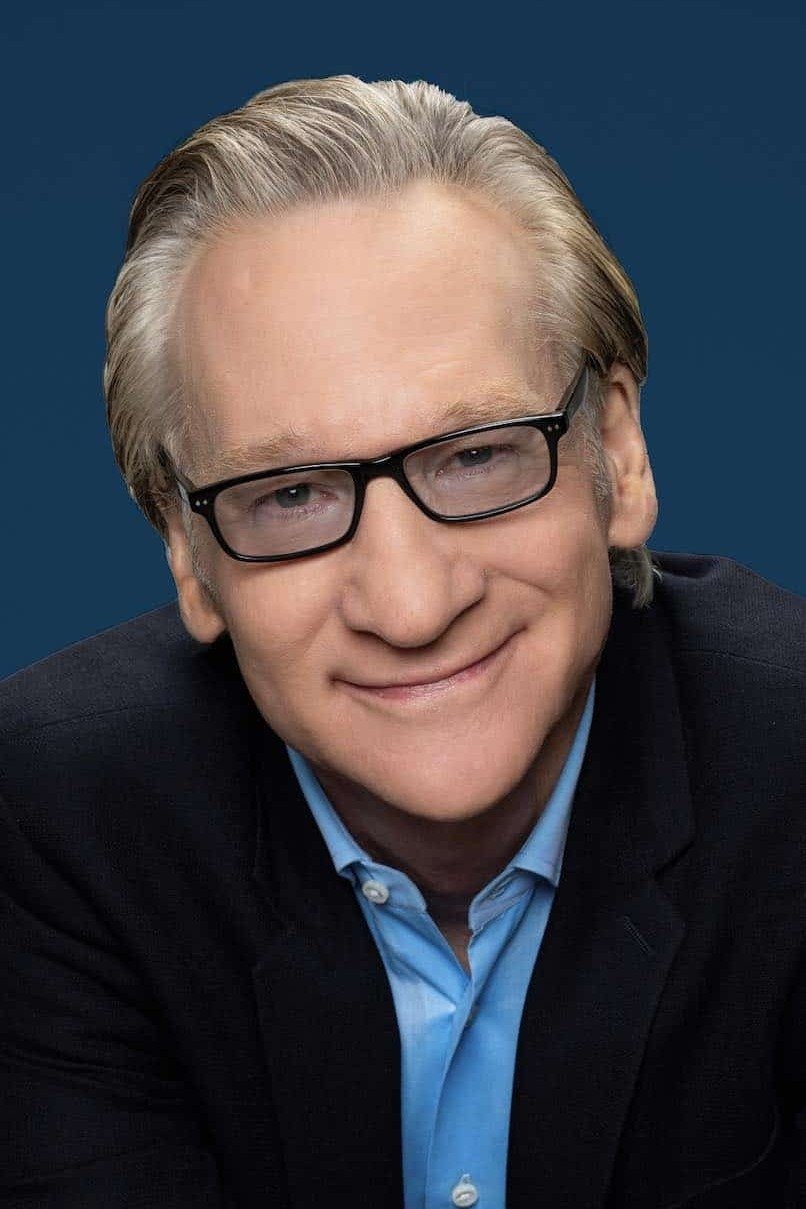
Bill Maher has used his television show ‘Real Time with Bill Maher’ to defend several comedians who have been canceled. He has spoken out in favor of Roseanne Barr, Dave Chappelle, and Louis C.K. by arguing that the punishment often outweighs the offense. Maher believes that the current trend of moral policing is hurting the quality of entertainment and discourse. He frequently criticizes what he describes as the “woke” movement’s impact on the comedy industry. His defenses are typically rooted in his libertarian views on free speech.
Jeff Ross
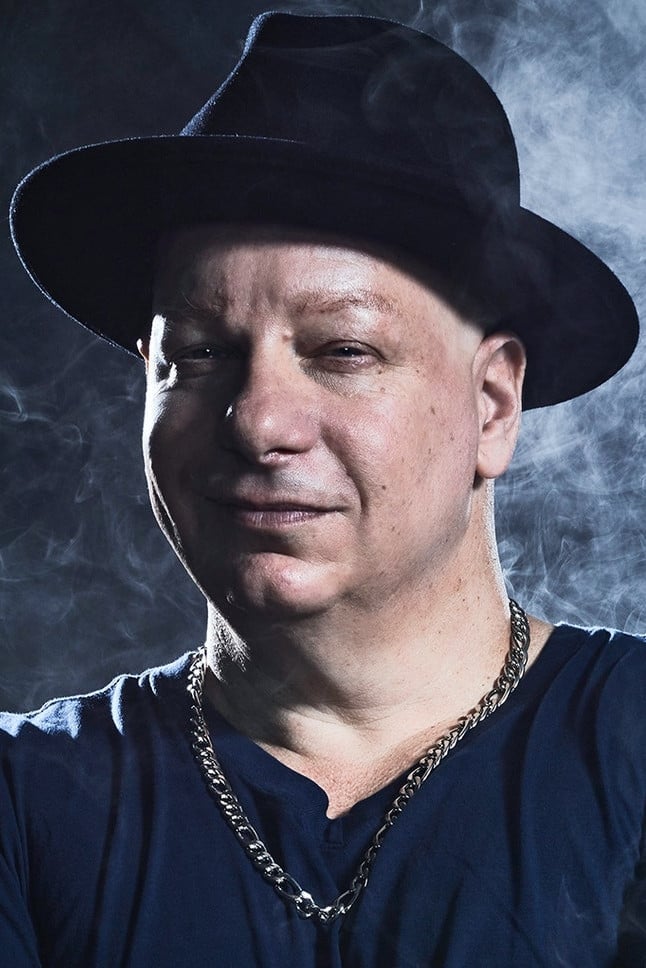
Jeff Ross, known as the Roastmaster General, has defended his fellow comedians against the pressures of cancel culture. He argued that comedy is a sacred space where the unspeakable can be explored through humor. Ross has stood by friends and colleagues who have faced public shaming for their material or past actions. He believes that the ability to laugh at ourselves is essential for a healthy society. His advocacy is focused on protecting the tradition of the roast and the freedom of the stand up stage.
Adam Sandler
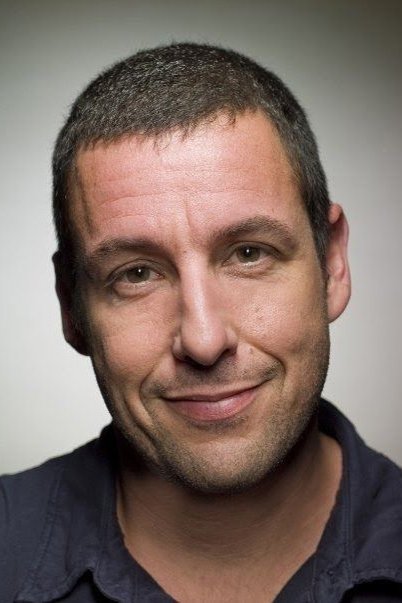
Adam Sandler has consistently supported his friends and fellow actors in the comedy world during their times of trouble. He famously stood by Chris Rock and David Spade and has maintained long term professional relationships with actors who have faced public scrutiny. Sandler rarely engages in public feuds and instead focuses on providing work and support for his community. He has spoken about the importance of loyalty and the shared bond between comedians. His quiet support is well known throughout the Hollywood industry.
Ben Stiller
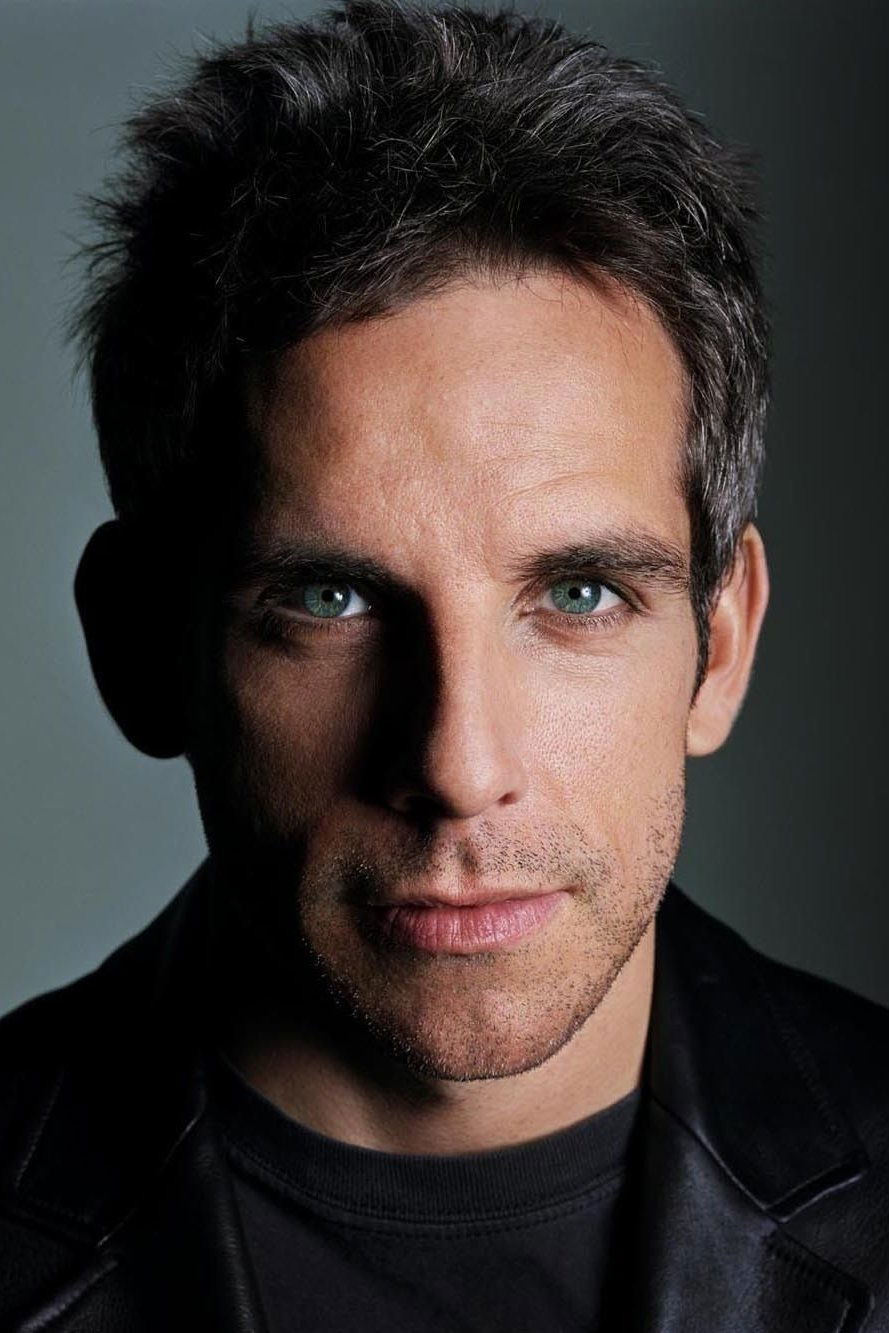
Ben Stiller defended the film ‘Tropic Thunder’ and his costars when the movie faced renewed criticism years after its release. He stood by the creative choices made in the film and argued that the parody was aimed at the industry itself. Stiller has also supported fellow comedians who have been targeted by social media campaigns for their past work. He emphasizes the context in which comedy is created and the intent of the performers. His perspective is that of a veteran director and actor who understands the complexities of satire.
Kevin James
Kevin James has voiced his support for peers like Shane Gillis and other comedians who have lost professional opportunities due to controversy. He often emphasizes the talent and hard work of his fellow performers. James maintains that comedy should be a space for all kinds of voices and that the public should be more forgiving. He has maintained a close relationship with Adam Sandler and other comedians who value professional loyalty. His stance is one of solidarity with the community of performers he has been a part of for decades.
David Cross
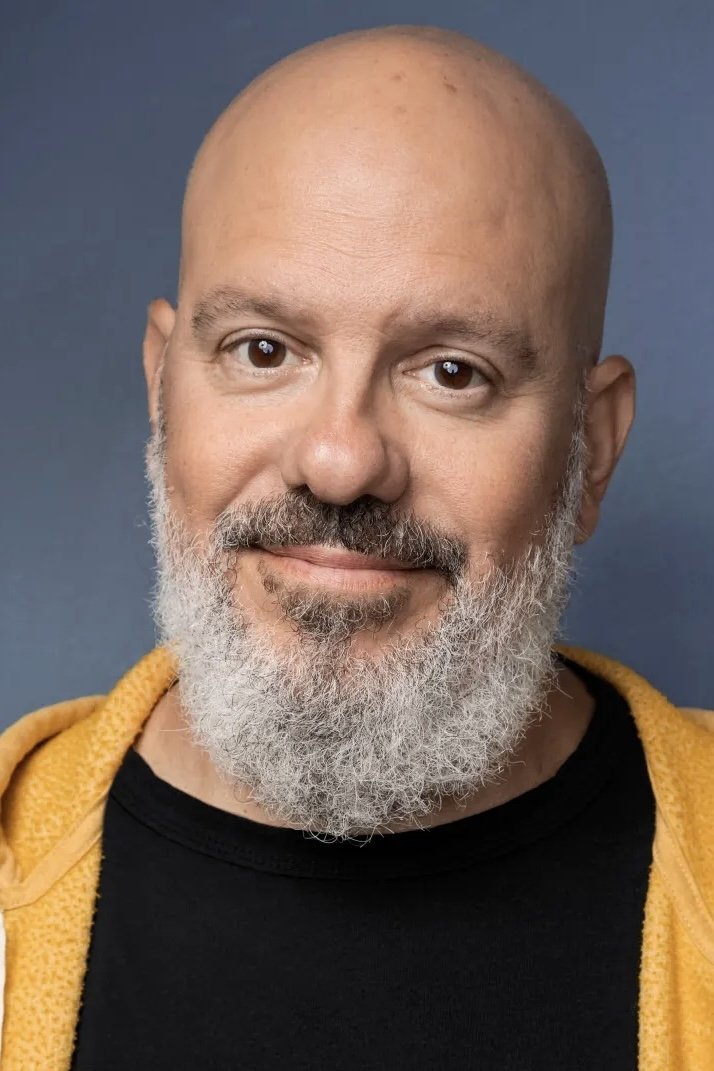
David Cross defended Louis C.K. after the comedian faced sexual misconduct allegations and subsequent professional exile. He spoke about the difficulty of reconciling a friend’s personal actions with their professional talent. Cross argued that C.K. is one of the greatest comedians of his generation and that his contribution to the craft remains significant. While acknowledging the gravity of the situation, he expressed a desire for a path to redemption for his colleague. His comments were among the most prominent defenses from within the alternative comedy scene.
Michael Ian Black
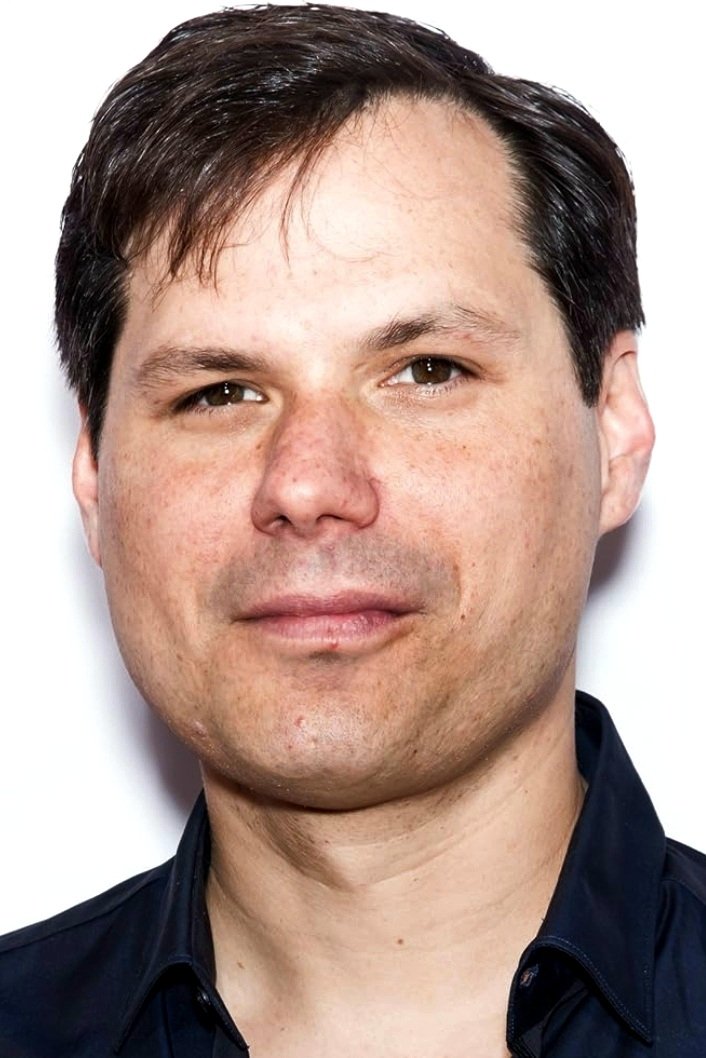
Michael Ian Black initiated a public discussion about whether Louis C.K. should be allowed to return to the stage. He argued that there should be a way for people to work again after they have faced the consequences of their actions. Black suggested that permanent cancellation does not allow for growth or reconciliation. He faced his own backlash for these comments but maintained that the conversation was necessary for the industry. His perspective was focused on the ethics of the professional banishment of artists.
Norm Macdonald
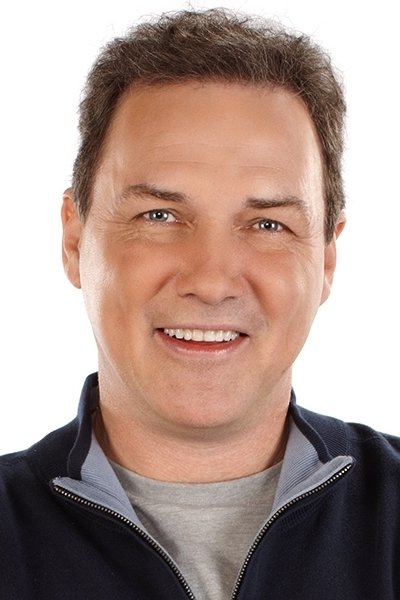
Norm Macdonald was a staunch defender of Roseanne Barr and Louis C.K. during their respective controversies. He stated that he was heartbroken for his friends and criticized the speed with which the industry turned on them. Macdonald argued that the public and the media are often too quick to judge without knowing the full story. He frequently used his unique comedic voice to point out the hypocrisy he saw in cancel culture. His defense was characterized by a deep personal loyalty and a skeptical view of institutional authority.
Please share your thoughts on these public defenses and the current state of the industry in the comments.