


‘Man of Steel’ Mistakes You’ll Never Be Able to Unsee

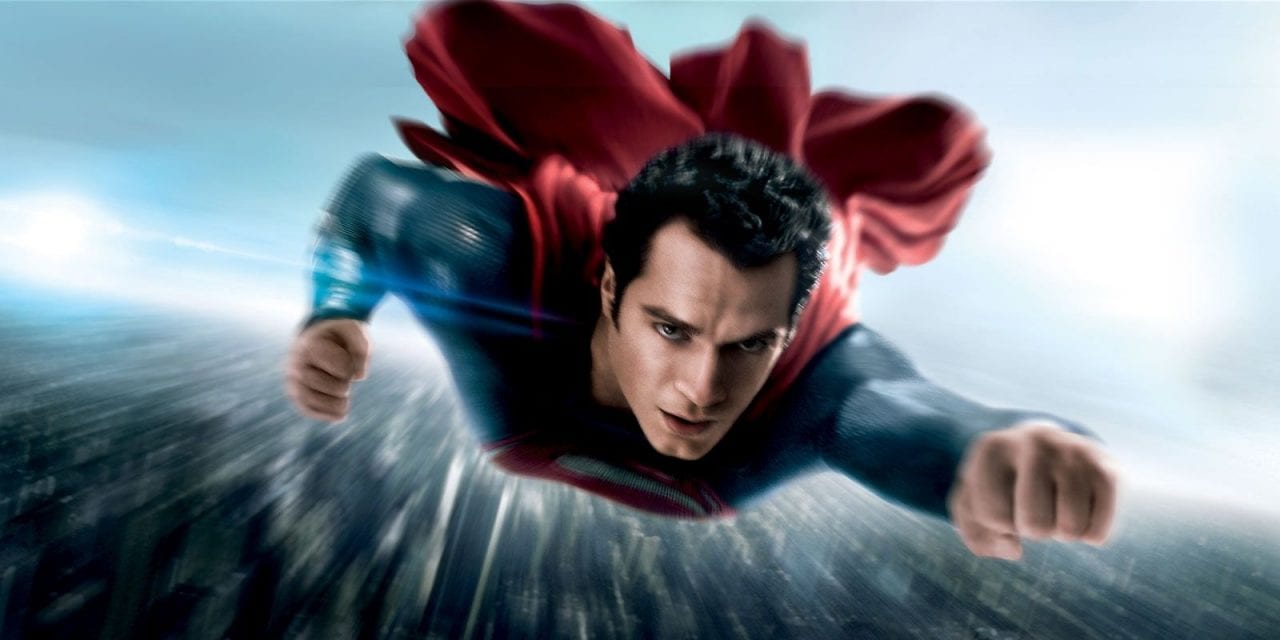


‘Man of Steel’ put a modern, more grounded spin on Superman, but it also introduced a bunch of choices and inconsistencies that fans have picked apart ever since. Some of these “mistakes” are straight-up story logic issues, while others clash with long-running comic traditions or even rules the movie itself sets up. Once you know what you are looking at, it becomes easier to spot where character motivations, timelines, or worldbuilding feel out of sync. Whether you see them as fun nitpicks or serious flaws, these details have fueled debates among comic readers and casual viewers alike.
The Confusing Timeline of Clark’s Childhood
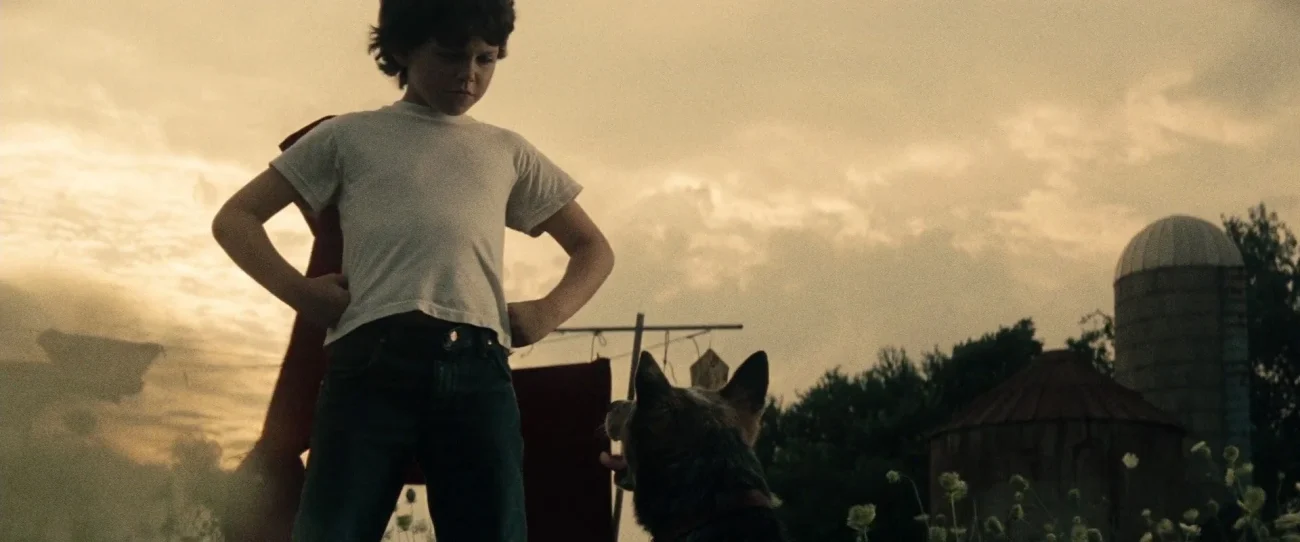
Clark’s early years in ‘Man of Steel’ are shown through flashbacks that jump between different ages and school stages, which has led viewers to question how neatly the timeline actually lines up. In one scene, he appears to be a young grade-schooler dealing with emerging powers on a school bus, and in another he seems older but still navigating very similar struggles with classmates and identity. The film does not clearly anchor these flashbacks with dates, grades, or seasons, so it is difficult to pin down exactly when key events in his development occur. This makes it harder to track how long he spends wrestling with his abilities before choosing a path in adulthood. Fans often cross-reference comic and previous film versions of Clark’s youth to understand how these moments usually fit into his life story.
Jonathan Kent’s Tornado Death and Power-Level Questions
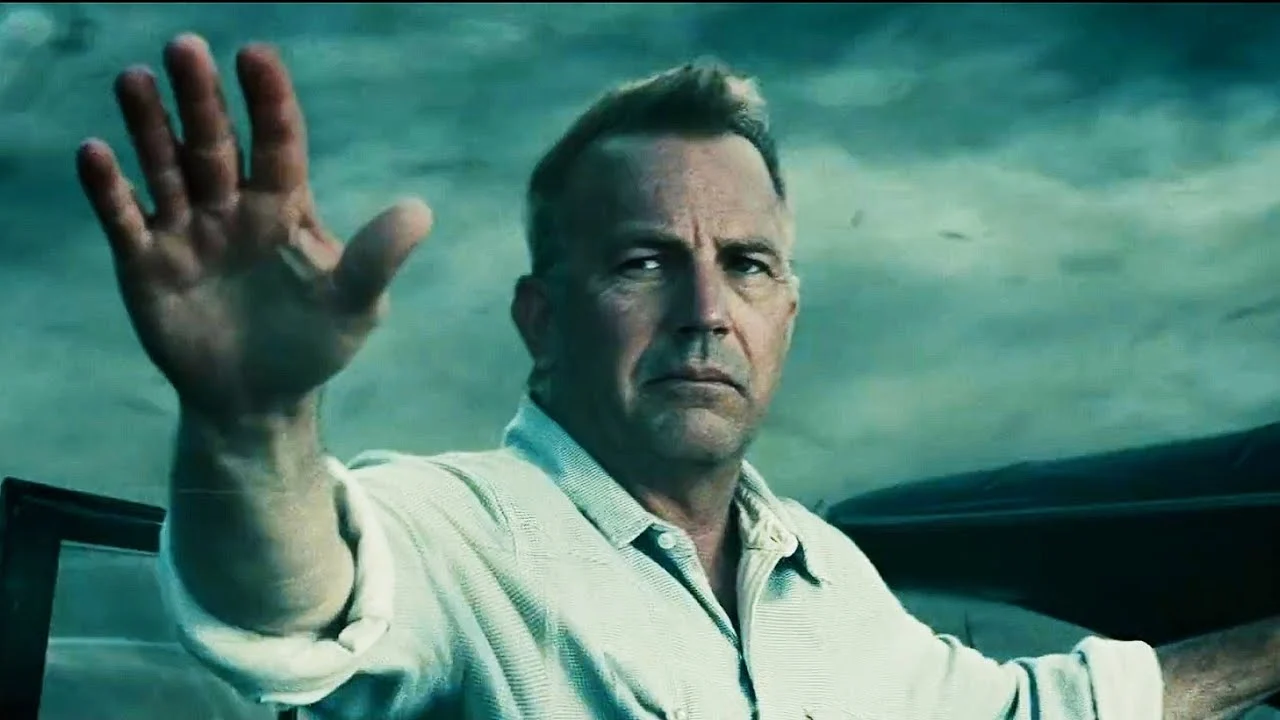
Jonathan Kent’s death during the tornado is one of the most talked-about scenes in ‘Man of Steel’ because it leans heavily on Clark staying hidden instead of using his powers. By this point in the story, the movie has already shown Clark performing impressive feats of strength and endurance as a young man, including surviving extreme conditions and saving people in secret. The tornado sequence presents a situation where distance, speed, and visibility all matter, and viewers often compare those factors to earlier scenes where Clark moves quickly and quietly without being noticed. In many comic versions and in films like ‘Superman’, Jonathan’s death is usually due to something Clark cannot prevent, such as a heart attack, which emphasizes the idea that even he has limits. The tornado scene, by contrast, hinges on a moral and strategic choice rather than a clear physical barrier.
The Kryptonian Atmosphere vs. Superman’s Powers
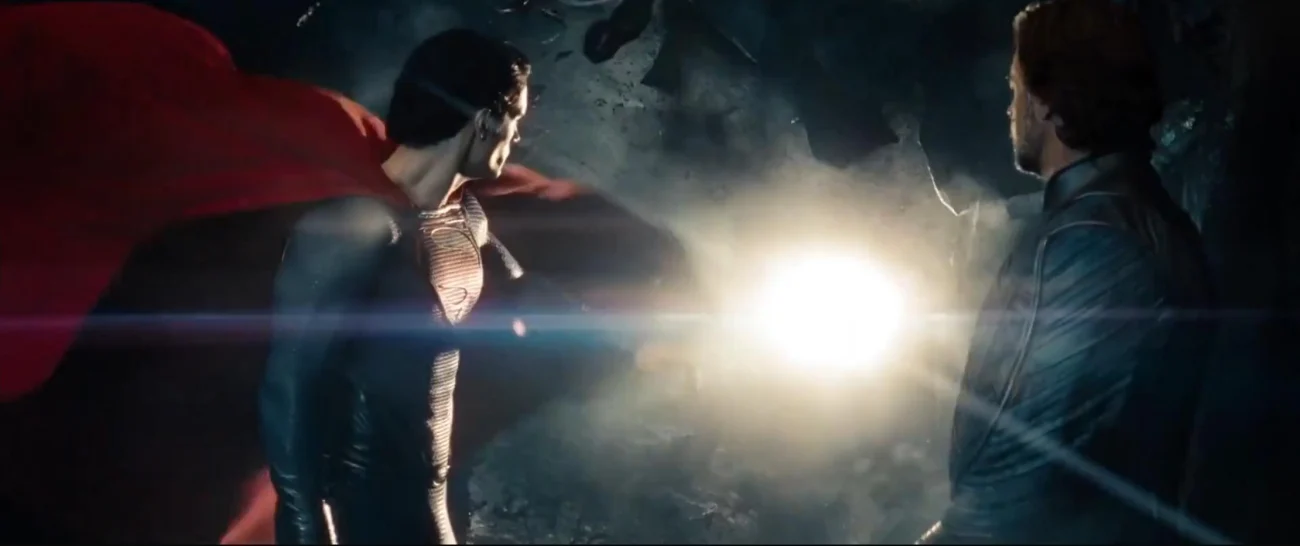
‘Man of Steel’ introduces a new twist on Superman’s abilities by tying them partly to Earth’s atmosphere and yellow sun, with Kryptonian environments weakening him. On Zod’s ship, Clark struggles to breathe and loses strength because the air is adjusted to match Krypton, highlighting how his body adapted to Earth’s conditions. Later in the film, however, he is able to fight near Kryptonian technology and environments without always showing the same level of weakness, which has led fans to question how consistently the rule is applied. The movie briefly mentions his ability to adapt over time, but it does not carefully walk through how quickly that adaptation occurs in each situation. Viewers often compare these details to decades of comics where the focus is usually on solar radiation rather than atmospheric composition alone.
Zod’s Terraforming Plan and Its Built-In Problems
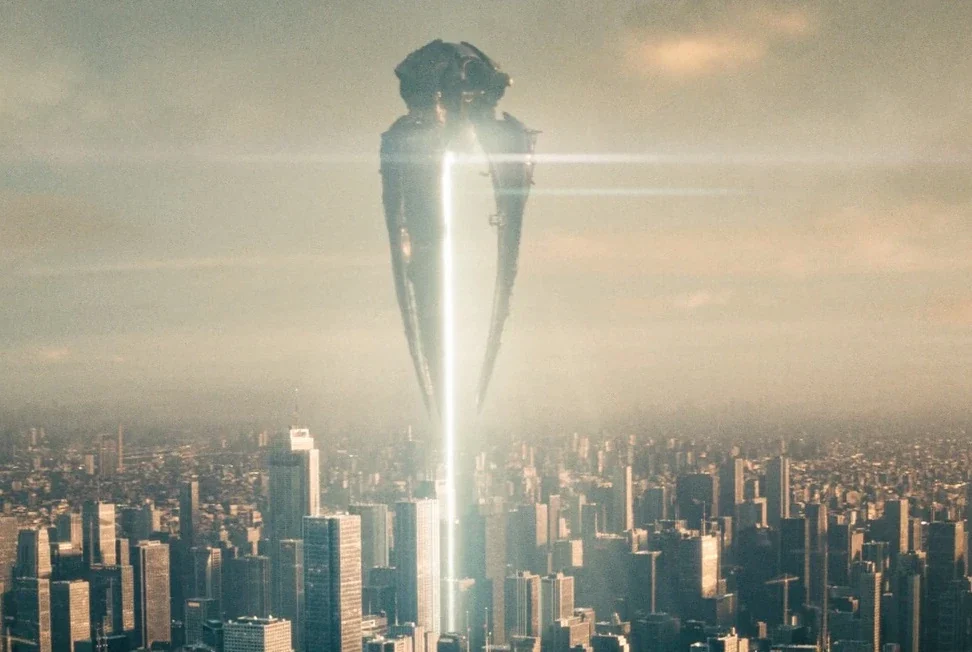
General Zod’s plan involves using the World Engine to terraform Earth into a new Krypton, effectively changing gravity and atmosphere to match his home planet. In ‘Man of Steel’, Superman’s powers are explained as a combination of Earth’s sun and environment acting on his Kryptonian physiology over many years. This has led to a common observation: if Earth really became Krypton-like again, Zod and his followers might lose the same enhanced abilities that give them such an edge, or at least see them drastically altered. The movie does not explicitly address how long-term terraforming would affect their strength once the transformation was complete. Fans often point out that, in many comic stories, Kryptonians generally gain their powers under yellow sunlight but remain relatively ordinary under red sunlight or Krypton-like conditions, which adds another layer of confusion to Zod’s strategy.
The Scale of Metropolis’s Destruction
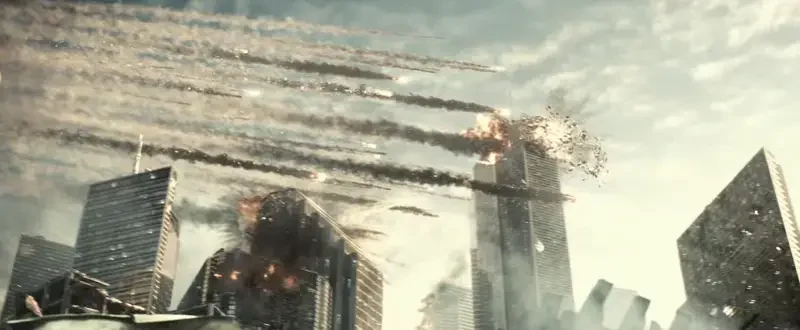
The final act of ‘Man of Steel’ shows a massive battle in Metropolis, with skyscrapers collapsing, streets devastated, and large portions of the city clearly damaged or destroyed. Visuals of dust clouds, falling debris, and panicked crowds strongly imply a very high casualty count and long-term economic impact for the city. Later stories, such as those in ‘Batman v Superman: Dawn of Justice’, lean into the idea that this destruction left deep scars on both the public and specific characters like Bruce Wayne. Fans examining the sequence often compare it to earlier Superman films and animated series where large fights still show more deliberate efforts to move the action away from densely populated areas. This contrast has made the Metropolis battle a major reference point in discussions about how superhero movies depict collateral damage on screen.
Clark’s Instant Leap to Daily Planet Reporter
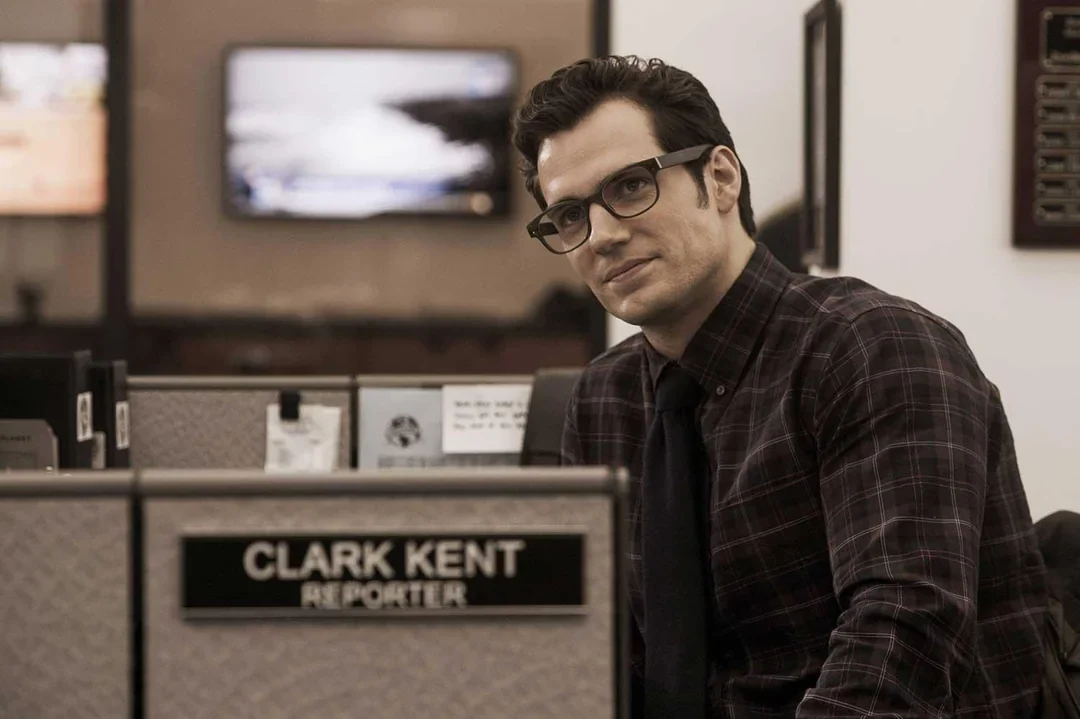
At the end of ‘Man of Steel’, Clark Kent appears at the Daily Planet as a new reporter, introducing himself to Lois Lane and joining the staff. The film does not show any traditional career path—such as journalism school, internships, or smaller reporting jobs—that would normally explain how he landed a position at a major metropolitan newspaper. In earlier portrayals across comics, animated series, and previous films, Clark is often shown explicitly chasing stories, writing articles, or working at smaller outlets before or alongside his time at the Daily Planet. Here, the movie focuses more on his life of wandering and manual labor jobs around the world, which leaves a gap in the professional qualifications side of his identity. That abrupt transition has become a frequent talking point when fans compare different versions of Clark’s civilian life.
The World Engine’s Gravity Beam and How It Works
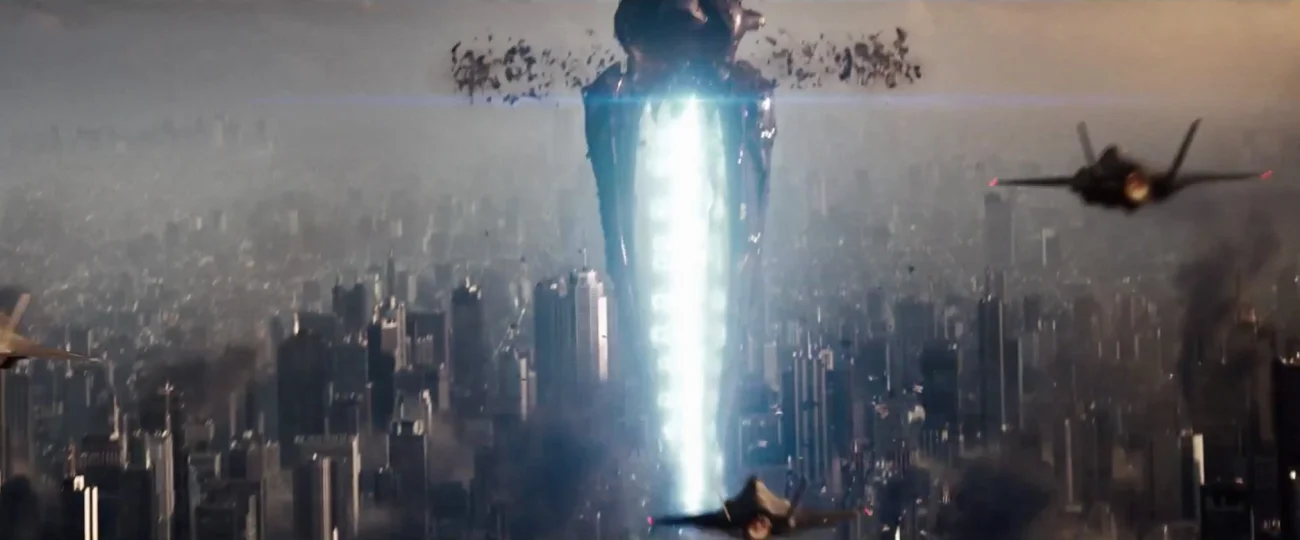
The World Engine sequence in ‘Man of Steel’ features a gravity beam pounding the surface, lifting and slamming debris and vehicles in a rhythm that visually sells how violent the terraforming process is. Within that scene, cars and chunks of concrete are shown rising and falling in a very specific pattern, while Superman struggles to approach and eventually destroys the machine. Viewers have noticed that his ability to move through the gravity field appears different from the way inanimate objects behave, sometimes suggesting selective or inconsistent application of the beam’s effects. The film presents the World Engine as advanced Kryptonian technology manipulating gravity on a massive scale but does not provide much technical explanation beyond that. As a result, fans often analyze individual shots in slow motion to see whether the physics line up with how the device is described in dialogue.
The Military’s Rapid Trust in Superman
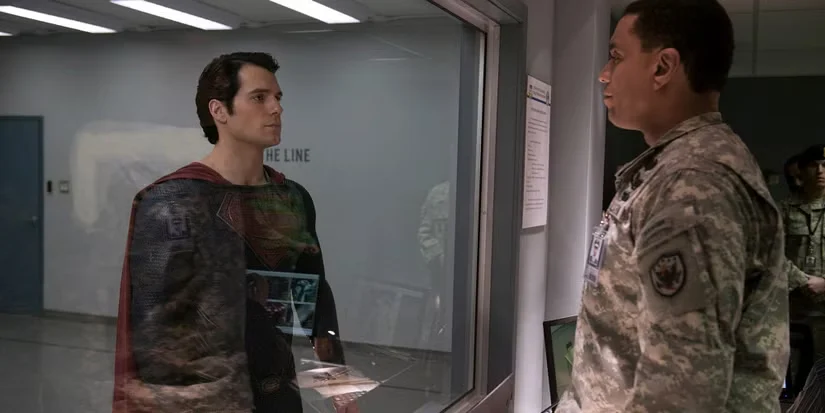
Throughout ‘Man of Steel’, Earth’s governments and the United States military react to the sudden appearance of Kryptonians with understandable caution, deploying troops and advanced aircraft in response. However, by the end of the film, there is a noticeable shift in tone as some key military figures move from suspicion to a sort of cautious acceptance of Superman. The transition includes scenes such as the drone encounter, where Clark directly addresses surveillance and boundaries, and the general seems relatively calm in the aftermath of a global crisis. Compared with the scale of destruction in Metropolis and Smallville, this relatively quick softening has raised questions about how realistically institutions would respond to an alien with godlike powers. Subsequent films, including ‘Batman v Superman: Dawn of Justice’, revisit this topic in more detail, showing political hearings and media debates that expand on those initial reactions.
The Iconic Neck Snap and Superman’s Moral Code
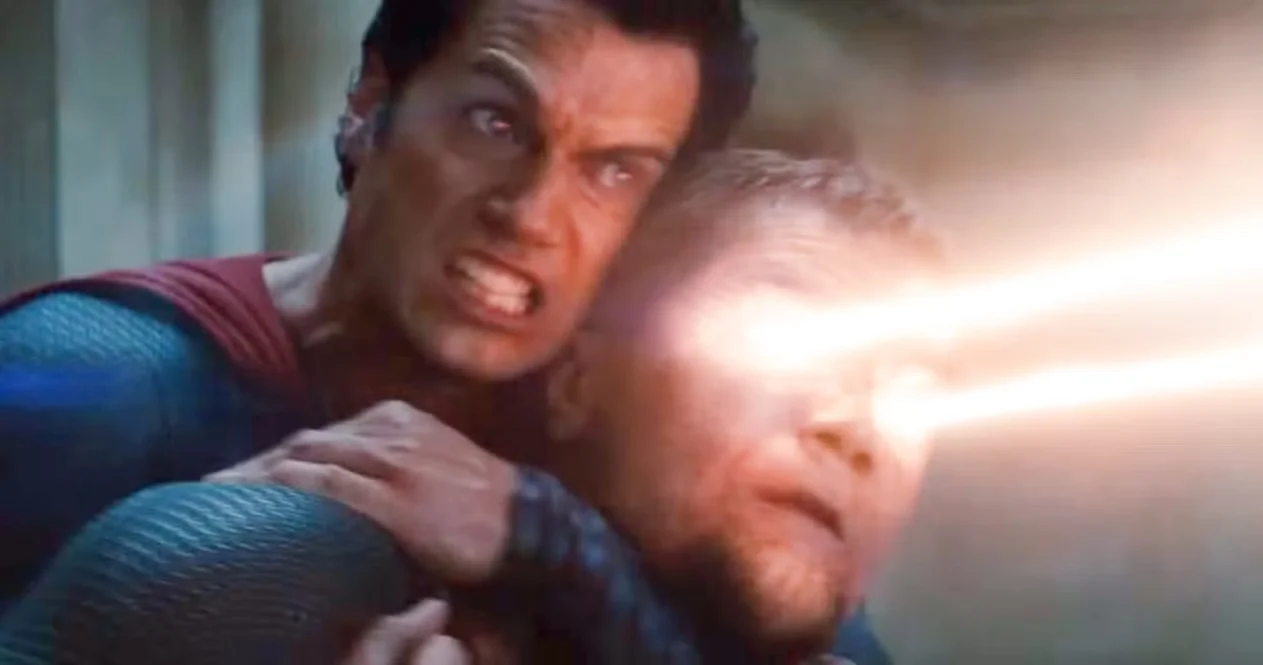
The climax of ‘Man of Steel’ ends with Superman killing Zod, a moment that sharply contrasts with many classic takes on the character’s moral boundaries. In long-running comic lore and in earlier screen versions, Superman is often portrayed as going to great lengths to avoid lethal force, emphasizing capture, restraint, or alternative solutions even in desperate situations. The decision to have him snap Zod’s neck immediately sparked comparisons to key comic storylines where he faces similar dilemmas, such as the famous encounters with villains who threaten entire cities. This moment has been heavily analyzed in interviews, fan discussions, and critical essays, often in the context of how modern superhero films handle darker or more “realistic” scenarios. The scene also becomes a foundational reference point for later films in the same universe, where characters question what kind of symbol Superman really is.
The Glasses Disguise and Public Recognition
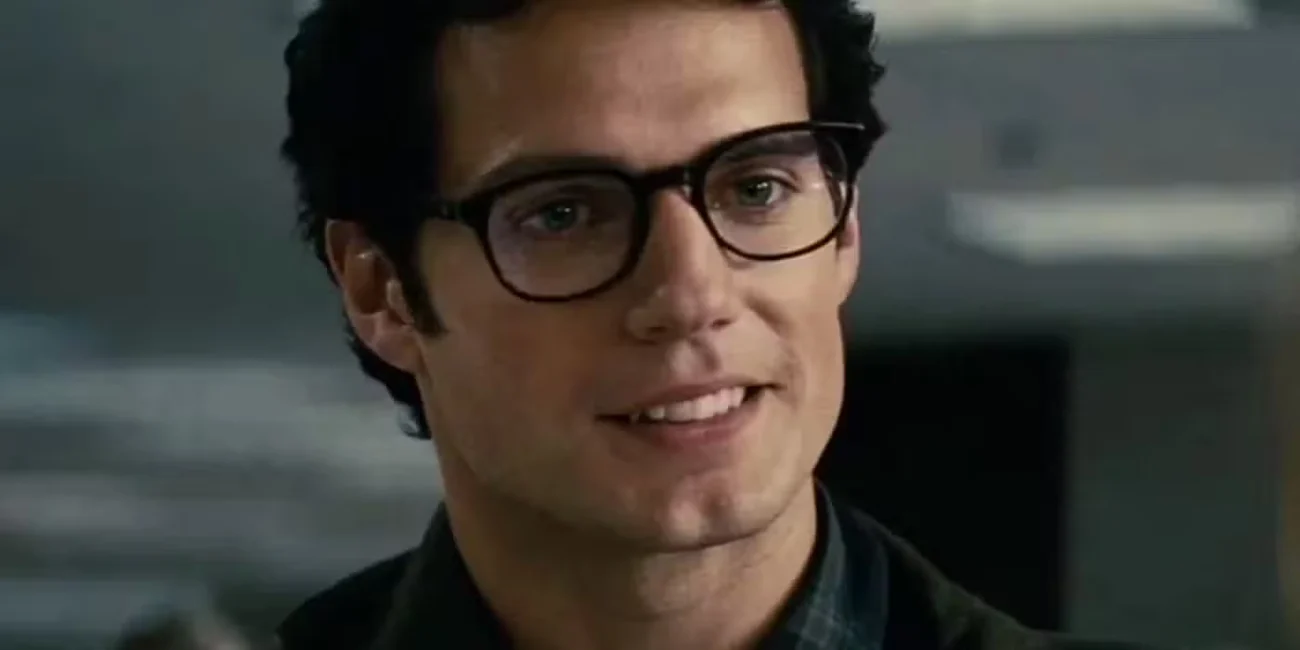
At the very end of ‘Man of Steel’, Clark adopts the familiar glasses and mild-mannered persona as he joins the Daily Planet, completing one of Superman’s most iconic transformations. However, the same film shows Lois Lane tracking him down through years of eyewitness accounts and photographic clues, establishing that his face has been seen in multiple intense situations. This raises questions about how effective a simple pair of glasses and a change in posture would be in a world where digital recordings, news coverage, and social media can preserve images indefinitely. In earlier eras of the character’s history, the disguise was easier to accept because technology and media were less pervasive, making anonymity more believable. Fans frequently compare this modern setup to older comics, animated series, and films to debate how well the classic secret-identity trope holds up in a contemporary setting.
Now that you’ve walked through these ‘Man of Steel’ missteps and inconsistencies, share which ones stand out most to you—and any others you’ve spotted—in the comments.