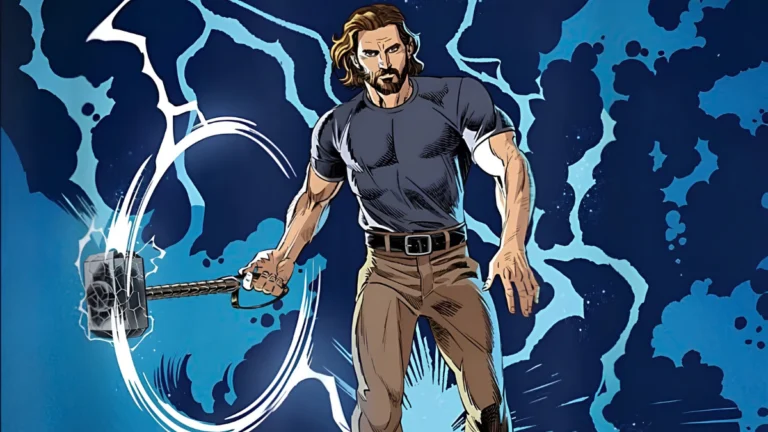
Mark Ruffalo Fires Back at Antisemitism Accusations, Says His Criticism Targets the Merger, Not Jewish People

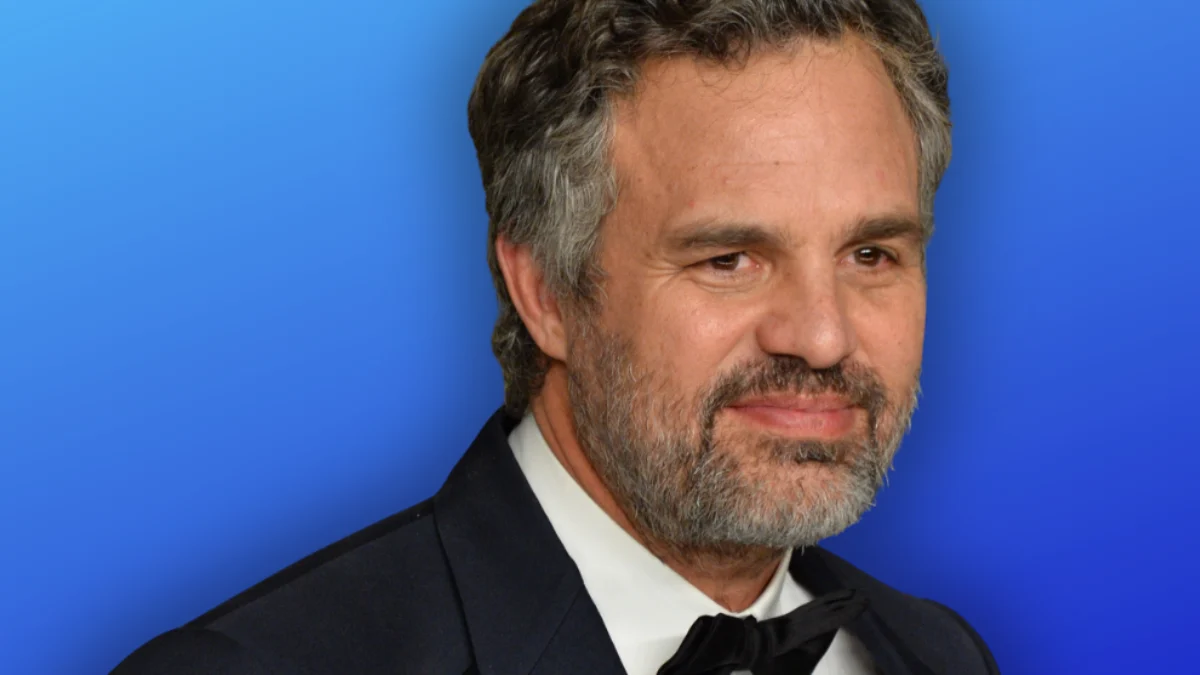

Corporate mergers rarely generate the kind of heated public back-and-forth that’s currently playing out between one of Hollywood’s most outspoken actors and one of the industry’s most powerful media companies. What began as a straightforward business dispute has escalated into a much more complicated conversation about language, intent, and where legitimate criticism ends and something more troubling begins.
Mark Ruffalo has spent months positioning himself as one of the most vocal Hollywood critics of the proposed $111 billion Paramount-Warner Bros. Discovery merger, testifying against the deal at a Senate hearing and signing an industry-wide open letter opposing the acquisition. That opposition intensified last week when Paramount publicly accused him of invoking antisemitic tropes after he tied the Ellison family and their company Oracle to Israel’s military actions in Gaza.
Ruffalo has now issued a detailed response addressing those accusations directly. “Criticizing the actions of the Israeli prime minister, a military technology contract, or the executives who supply it is not the same as criticizing Jewish people,” Ruffalo said. “This merger has real consequences for real people, and for the entire country. The $111 billion deal would hand one family control over CNN, HBO and Warner Bros., backed in part by foreign money whose influence on editorial decisions has never been fully explained to the public.”
Ruffalo’s response leans heavily into concerns about media consolidation rather than the geopolitical framing that sparked the initial controversy. By emphasizing the scale of the potential deal, one family gaining control over major outlets including CNN, HBO, and Warner Bros., he’s positioning his objections as rooted in broader worries about concentrated media ownership and undisclosed financial influence.
That framing directly counters Paramount’s characterization of his earlier remarks. The company had stated that invoking terms like “genocide” and “apartheid” in the context of a corporate transaction “cheapens the very real suffering those words are meant to describe,” calling his rhetoric “a bridge too far.”
The controversy traces back to comments Oracle executive vice chair Safra Catz made in 2024, describing some of the company’s technology as “profoundly scary” while discussing its use in supporting the Israeli military following the October 7, 2023 attacks. Ruffalo circulated that clip as part of his broader argument against the merger, drawing a direct line between Oracle’s involvement in the deal and its ties to Israeli defense efforts.
Larry Ellison, Oracle’s co-founder, is the father of Paramount CEO David Ellison, whose company is spearheading the merger with Warner Bros. Discovery. That family connection has become central to Ruffalo’s argument, as he’s suggested Oracle’s technology and its broader capabilities could eventually extend into the combined media company’s operations.
Beyond the public dispute with Ruffalo, the Paramount-Warner Bros. Discovery merger is also facing separate antitrust challenges from 12 U.S. states. That legal scrutiny exists independently of the controversy Ruffalo has generated, though his public campaign has added a considerably higher-profile dimension to the broader opposition surrounding the deal.
Ruffalo has consistently maintained that his criticism stems from concerns about the merger’s real-world consequences, including potential job losses and unchecked media consolidation, rather than any hostility toward a particular group. Whether that distinction resonates with critics who’ve accused him of crossing into antisemitic territory remains a central point of contention in this ongoing dispute.
With both sides continuing to publicly stake out their positions, this conflict shows no signs of cooling down anytime soon. As the merger itself continues moving through legal and regulatory channels, the parallel public battle over Ruffalo’s rhetoric appears likely to remain a fixture of the broader conversation surrounding the deal.
Do you think Mark Ruffalo's criticism is about the merger rather than antisemitism?
Have something to add? Let us know in the comments!