


Marlon Brando’s Career: From ‘The Men’ to ‘The Score’

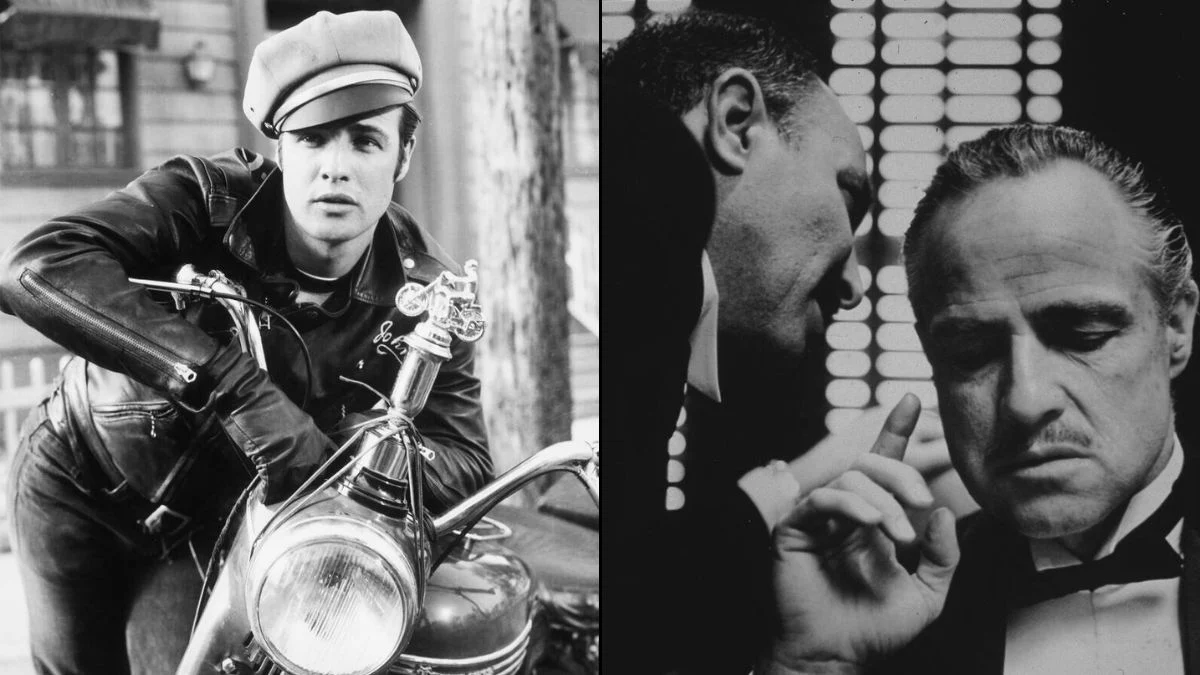


Marlon Brando was not just an actor; he was a force of nature who changed the art of screen performance forever. Before him, acting in Hollywood was often theatrical and polished. Brando brought a raw, mumbling, and intensely realistic style that made audiences feel they were watching a real person, not a performer. This “Method” acting revolutionized the craft and influenced generations of actors who followed.
His career was a story of incredible highs and notorious lows. He was a rebel who became one of the biggest stars in the world, fighting with directors and studios while creating some of the most iconic characters in film history. From his explosive debut as a troubled veteran to his legendary turn as a mob boss, Brando’s filmography is a timeline of a brilliant, complicated, and truly unforgettable artist.
‘The Men’ (1950)
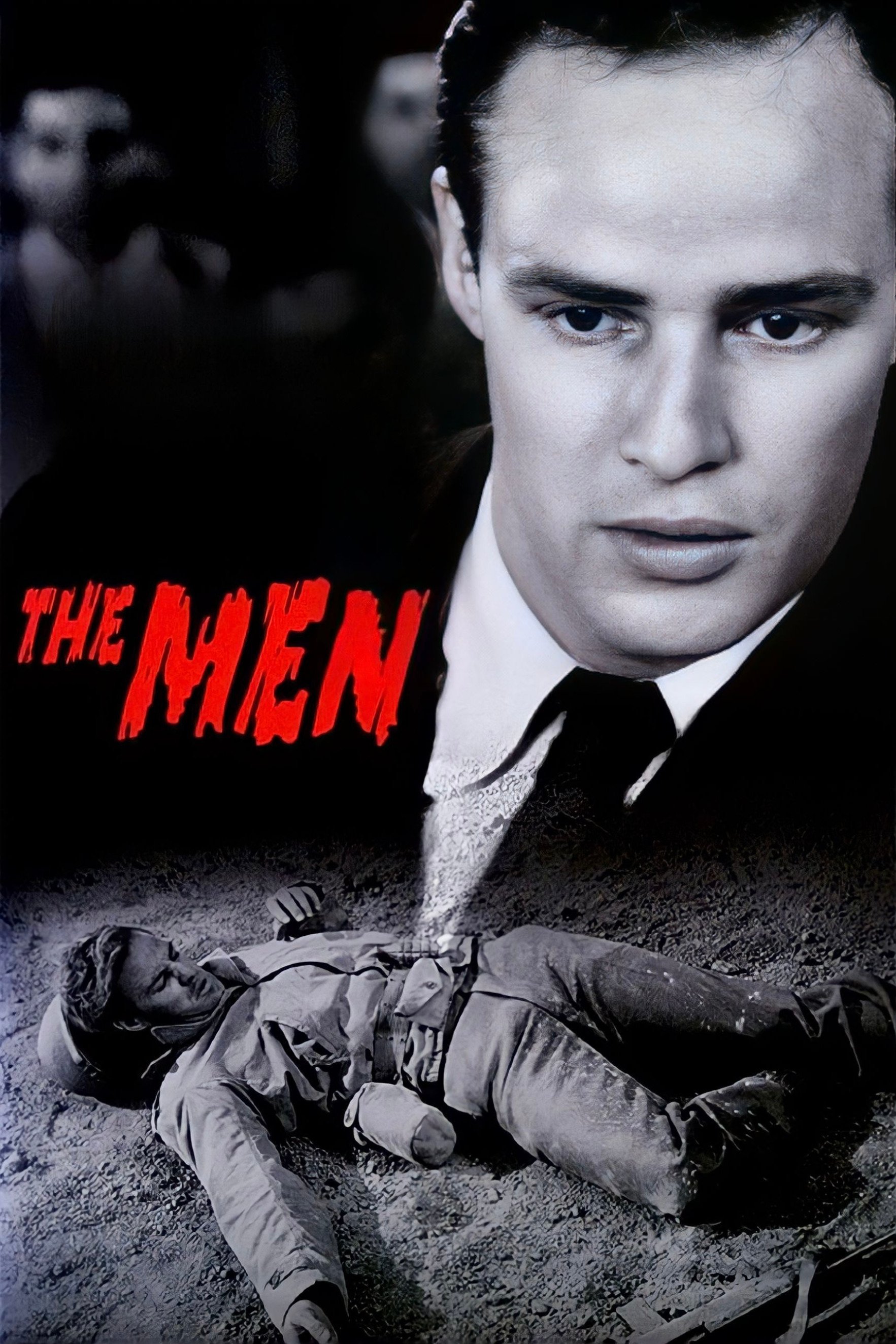
In his feature film debut, Marlon Brando played Kenneth “Ken” Wilcheck, a young Army lieutenant who is paralyzed from the waist down in combat. The story focuses on his difficult and emotional struggle to adjust to his new life in a veterans’ hospital, and the effect it has on his relationship with his fiancée.
To prepare for the role, Brando famously spent a month living in a real veterans’ hospital, using a wheelchair and interacting with the patients. His incredibly realistic and deeply felt performance immediately announced the arrival of a major new talent and introduced audiences to his intense, immersive style of acting.
‘A Streetcar Named Desire’ (1951)
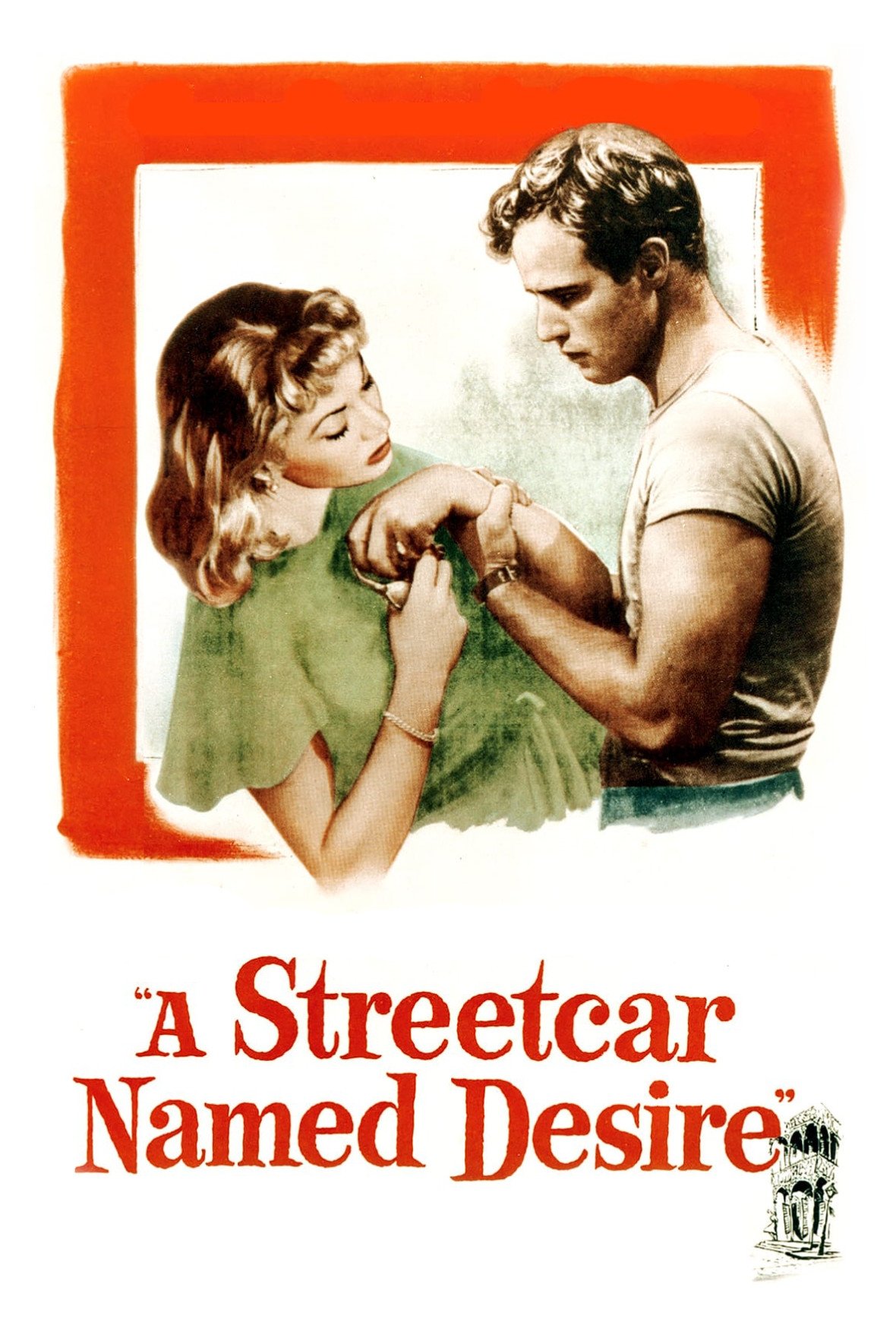
Brando delivered one of the most iconic performances in cinema history as Stanley Kowalski. Reprising the role he originated on Broadway, he plays a brutish and primal factory worker whose life is disrupted when his wife’s delicate and deceptive sister, Blanche DuBois, comes to stay with them in their cramped New Orleans apartment.
His raw, animalistic energy was a shock to audiences and critics alike, making him a superstar and a symbol of a new, rebellious masculinity. The performance, which earned him his first of four consecutive Oscar nominations, is a landmark in film history that permanently changed what was possible in screen acting.
‘Viva Zapata!’ (1952)
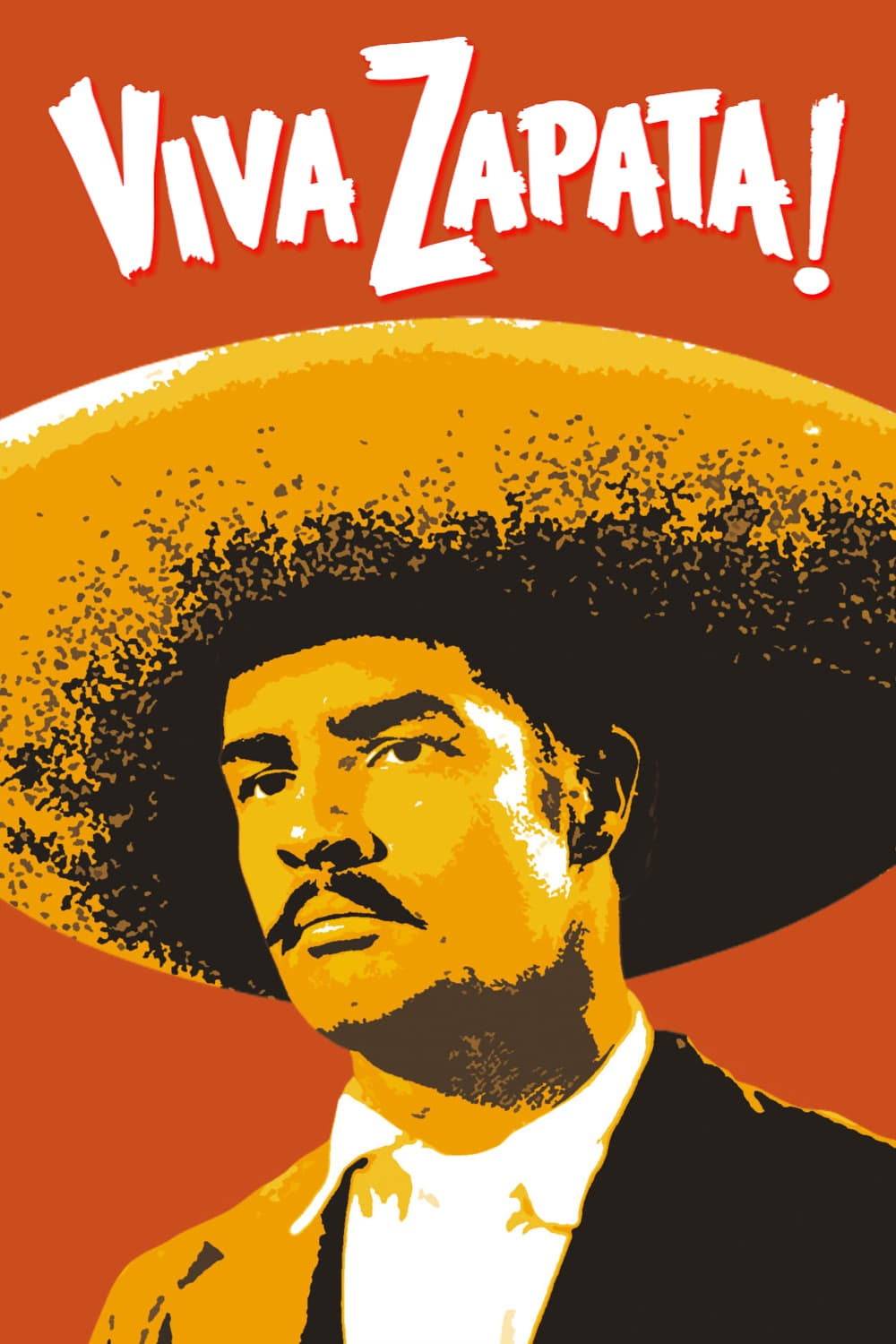
In this biographical film, Brando portrayed the famed Mexican revolutionary Emiliano Zapata. The story follows Zapata’s journey from a peasant farmer to a powerful and idealistic leader who fights for land reform and the rights of his people during the Mexican Revolution.
Brando earned his second Oscar nomination for his powerful and commanding performance. He captured the passion and determination of the historical figure, proving he could carry a major historical epic and solidifying his status as one of the most talented actors of his generation.
‘Julius Caesar’ (1953)
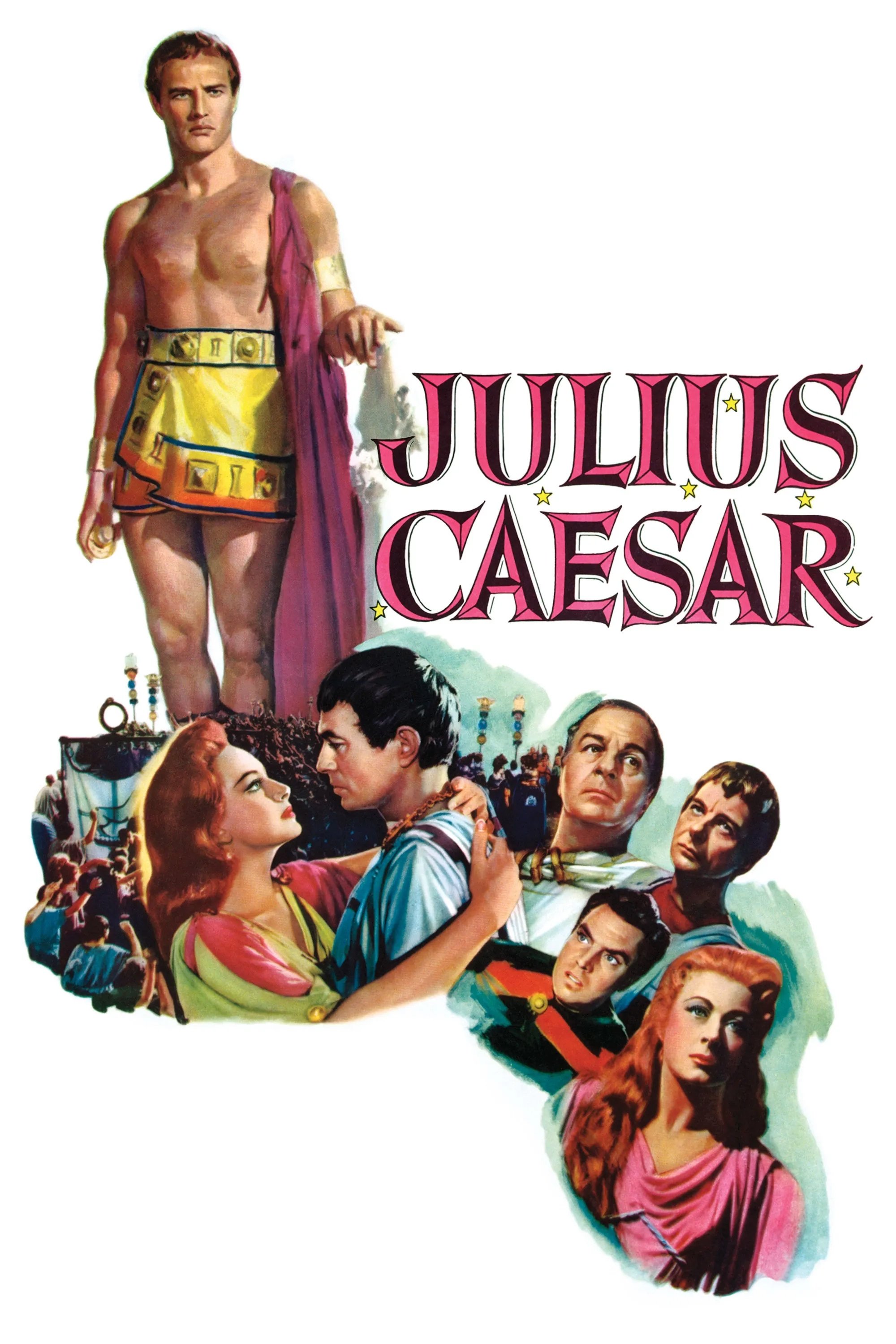
Taking on the role of Mark Antony, Brando surprised many who thought of him only as a mumbling rebel. In this prestigious adaptation of Shakespeare’s play, he proved he could handle classical language and deliver a powerful, eloquent performance.
His famous “Friends, Romans, countrymen” speech is a highlight of the film, showcasing his technical skill and silencing critics who doubted his versatility. The role demonstrated his ambition to be seen as a serious actor, not just a personality, and earned him another Academy Award nomination.
‘The Wild One’ (1953)
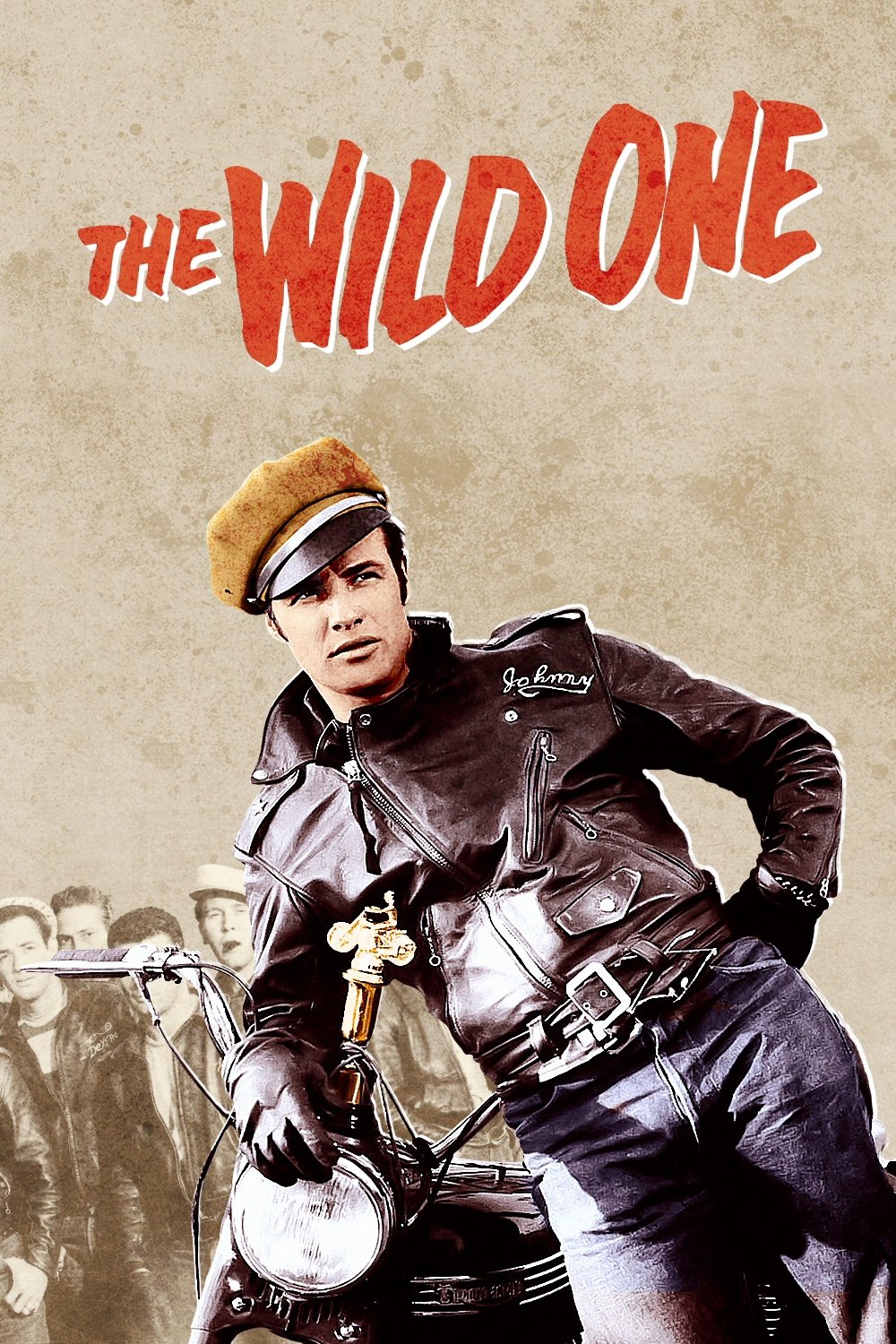
Brando created an enduring cultural icon as Johnny Strabler, the leader of a rebellious motorcycle gang that terrorizes a small town. When asked what he’s rebelling against, his character famously retorts, “Whaddaya got?”
His image in this film—the leather jacket, the tilted cap, the motorcycle—became the definitive look of the 1950s rebel and a symbol of teen angst for generations. The movie was considered so controversial at the time that it was banned in the United Kingdom for fourteen years.
‘On the Waterfront’ (1954)
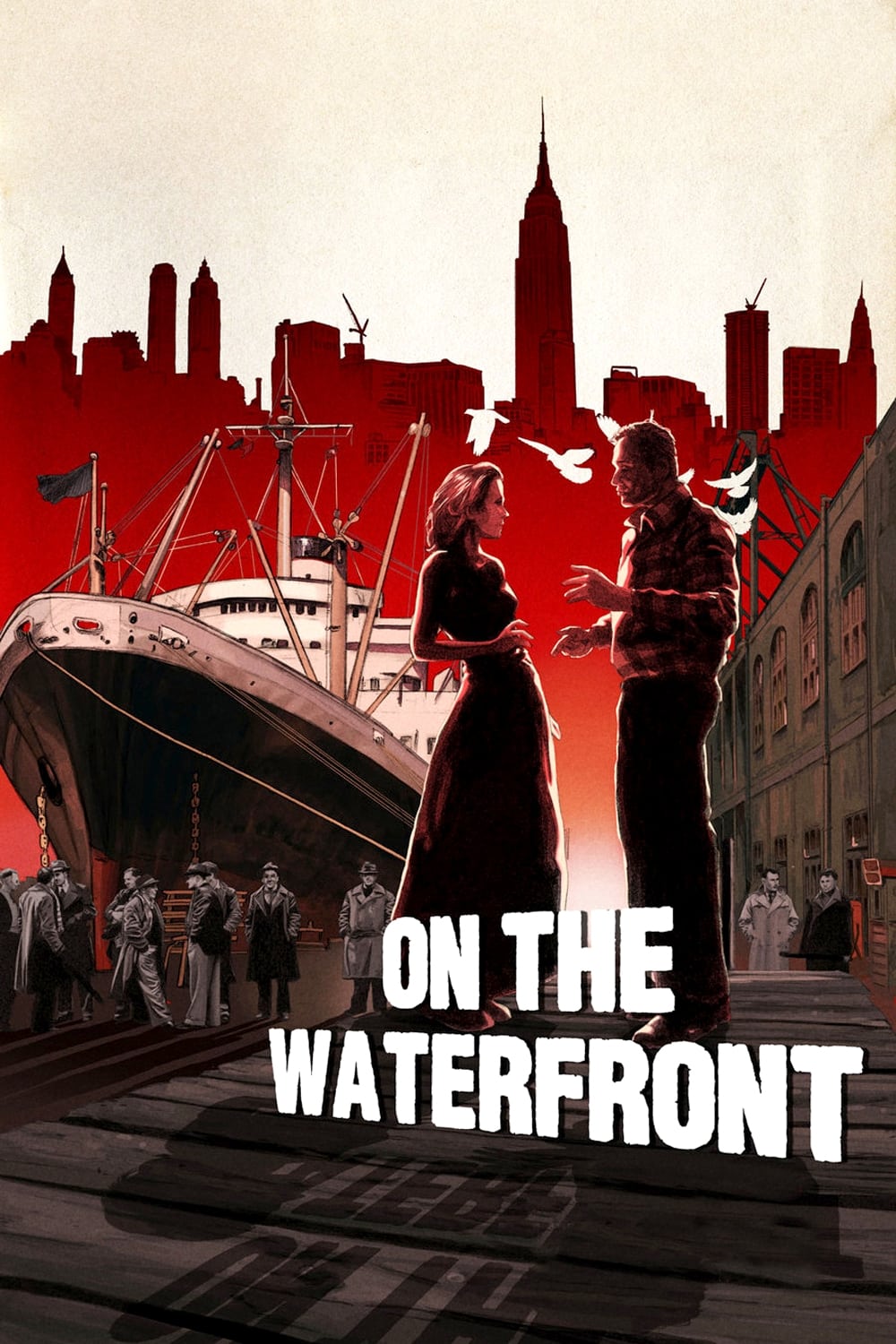
Brando won his first Academy Award for his legendary performance as Terry Malloy, a former prize-fighter who works as a longshoreman on the corrupt docks of Hoboken. Terry struggles with his conscience as he is forced to decide between staying loyal to the mob-connected union boss or telling the truth about a murder.
His performance is a masterclass in emotional vulnerability and is considered one of the greatest in film history. The famous scene in the back of a taxi where he tells his brother, “I coulda been a contender,” is a perfect example of his heartbreaking and powerful acting.
‘Désirée’ (1954)
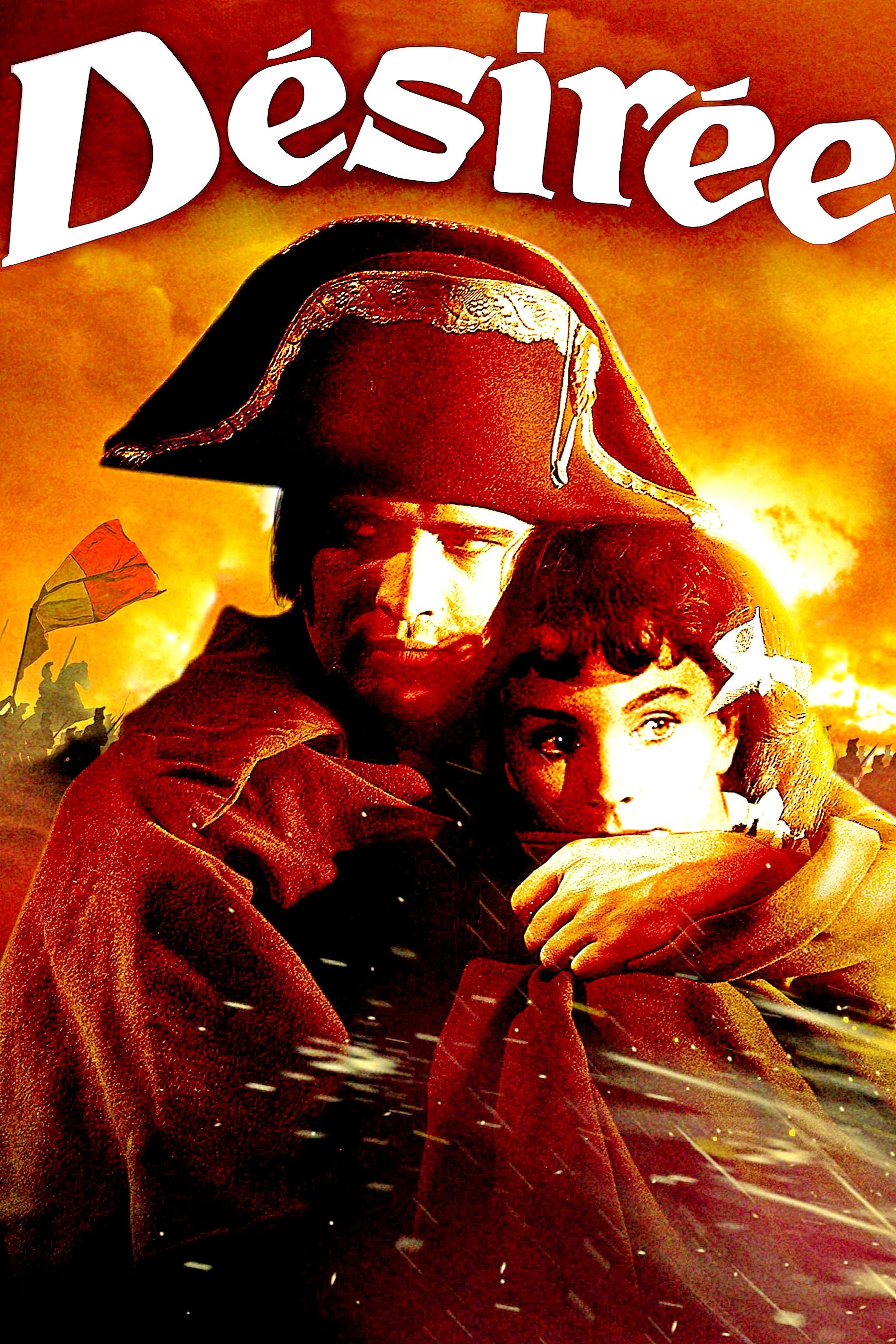
In this lavish historical epic, Brando took on the role of the French emperor, Napoleon Bonaparte. The film tells the story of Napoleon’s life and romances through the eyes of Désirée Clary, one of his first loves who would go on to become the Queen of Sweden.
This was a more traditional costume drama, and Brando famously disliked the experience of making the film. While he looks the part of the famous emperor, the role is often seen as one that did not fully utilize his unique, naturalistic talents.
‘Guys and Dolls’ (1955)
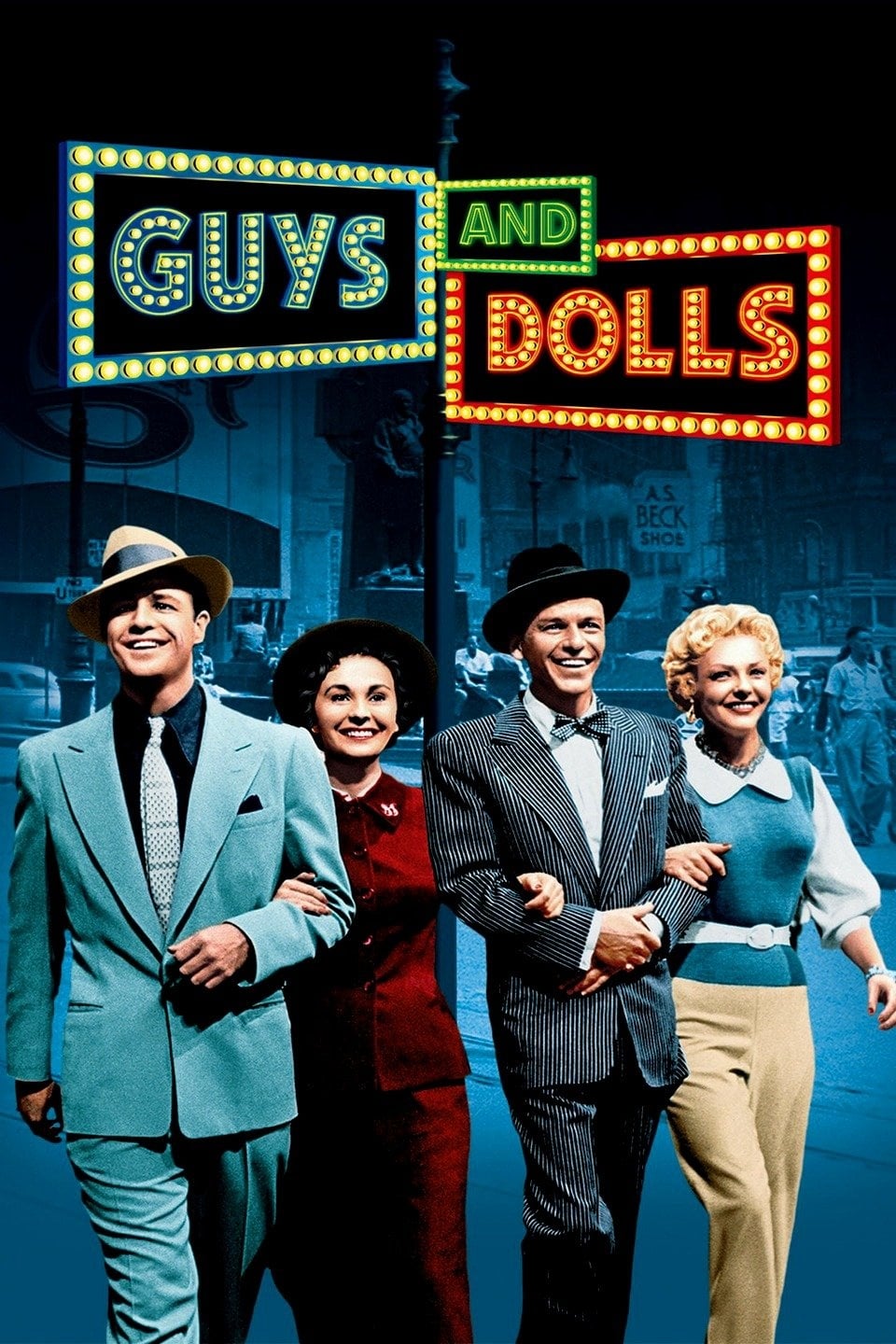
In a surprising career move, Brando starred in this classic movie musical as the suave gambler Sky Masterson. The story follows Sky as he makes a bet that he can take any “doll” to Havana, and ends up falling for a virtuous mission worker.
Brando took on the challenge of singing and dancing, proving his willingness to stretch as a performer. While not a natural singer, his immense charisma and star power carried him through the musical numbers, including the famous song “Luck Be a Lady.”
‘The Teahouse of the August Moon’ (1956)
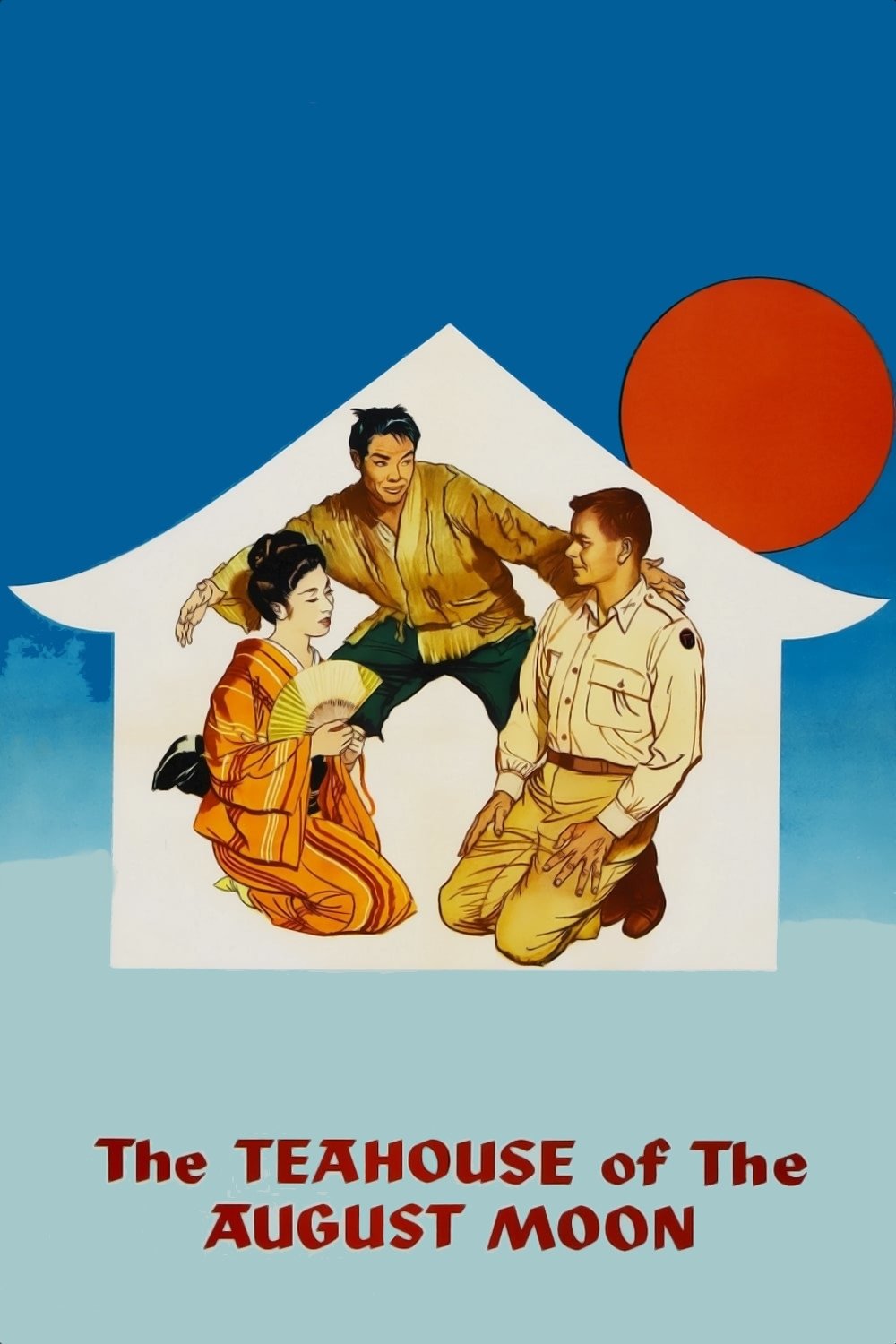
In a role that is controversial by modern standards, Brando played Sakini, a clever Okinawan interpreter. The comedy follows an American captain who is sent to a small village in Okinawa to teach the locals about democracy and American ways.
Brando underwent a significant physical transformation for the role, which required extensive makeup. At the time, the film was a huge box office success, and his charming and funny performance was praised by critics.
‘Sayonara’ (1957)
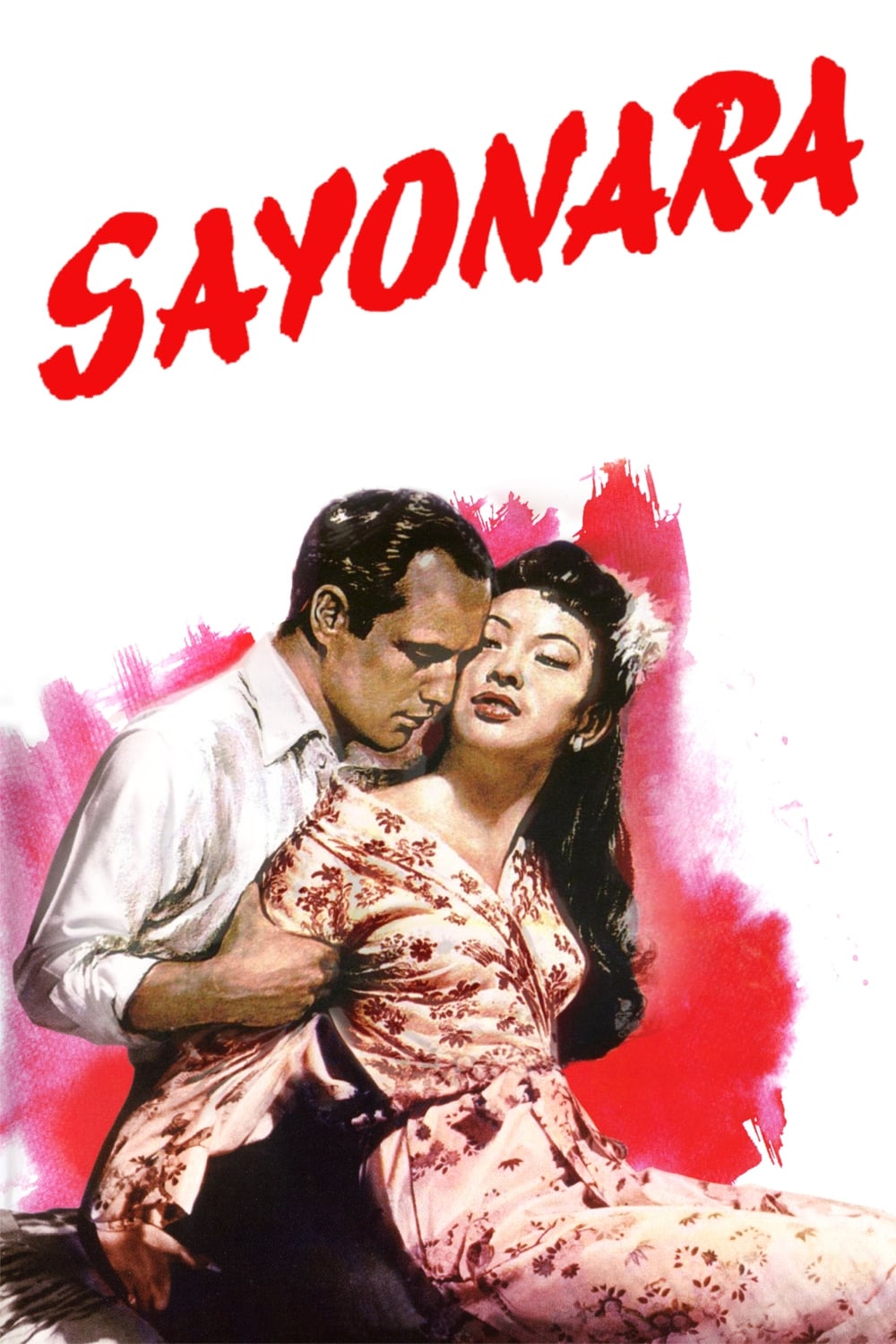
Brando starred as Major Lloyd “Ace” Gruver, an American Air Force pilot stationed in Japan during the Korean War. Despite being engaged to an American woman, he falls in love with a famous Japanese performer, forcing him to confront the prejudices of both cultures.
The film was a mature and progressive look at interracial romance for its time. Brando earned another Oscar nomination for his performance as a man whose heart overrides the racist policies of the military.
‘The Young Lions’ (1958)
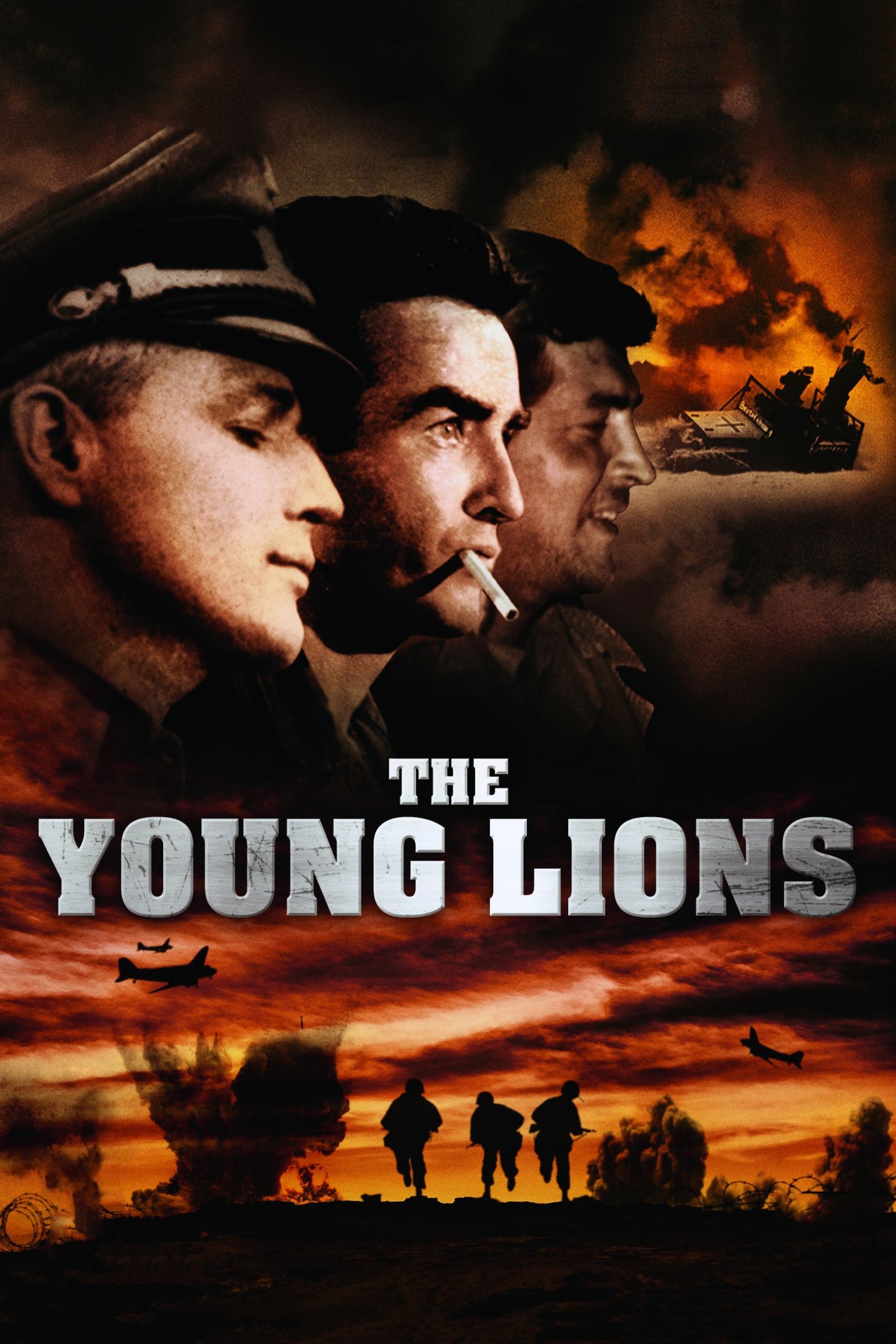
In this World War II drama, Brando played Lieutenant Christian Diestl, a German ski instructor who becomes an officer in the Nazi army. The film follows his story alongside the stories of two American soldiers, showing the different experiences of the war.
Brando controversially chose to portray his character with humanity and complexity, showing his disillusionment with the war. He dyed his hair blond and affected a German accent, delivering a thoughtful performance that explored the nature of good and evil.
‘The Fugitive Kind’ (1960)
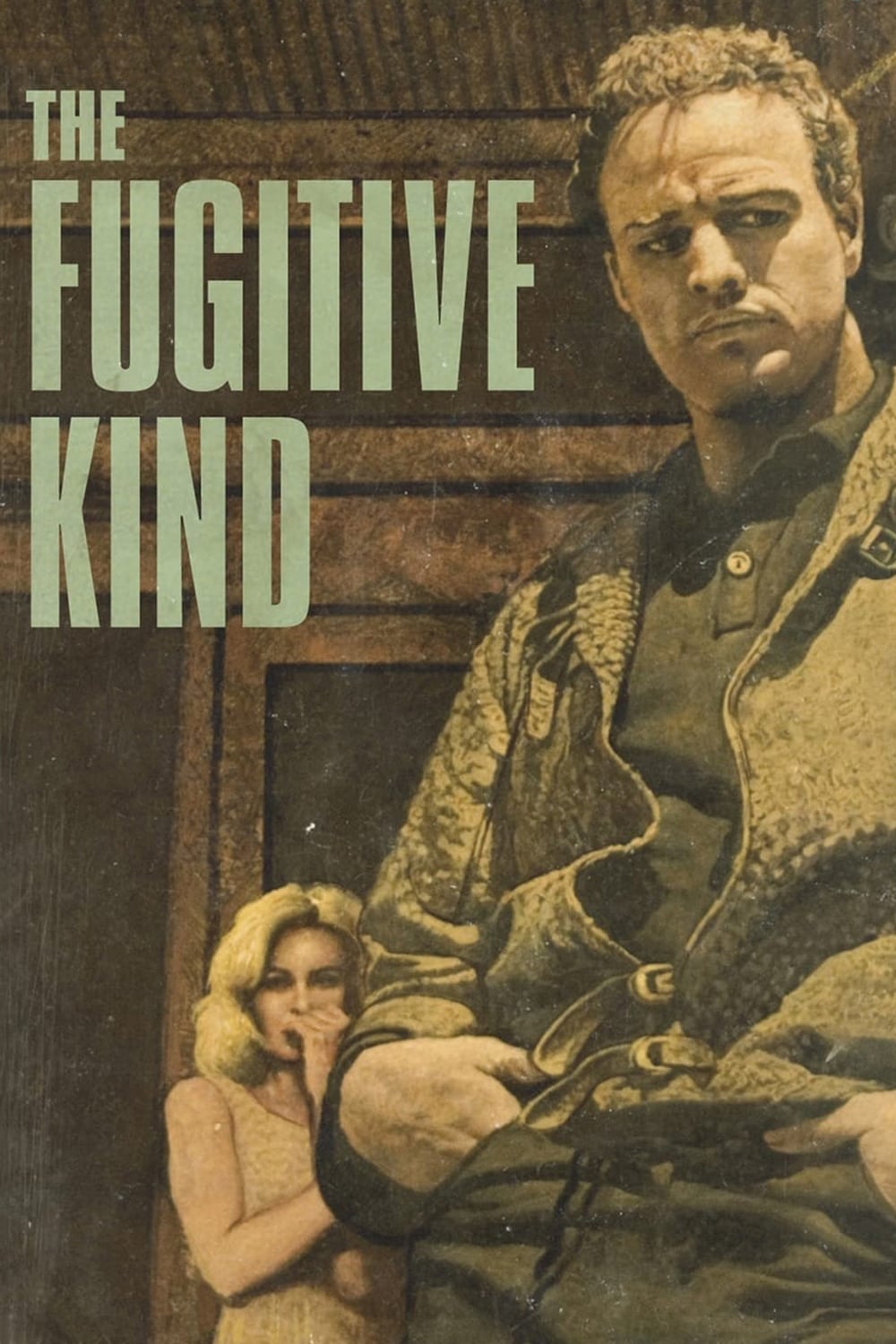
Based on a Tennessee Williams play, this film features Brando as Valentine “Snakeskin” Xavier, a mysterious drifter with a guitar and a dark past. He takes a job in a small-town store in the deep South and becomes entangled with two lonely and troubled women.
The role of a smoldering, poetic outsider was a perfect fit for Brando. He delivered a moody and magnetic performance in this Southern Gothic drama, bringing the complex Williams character to life.
‘One-Eyed Jacks’ (1961)
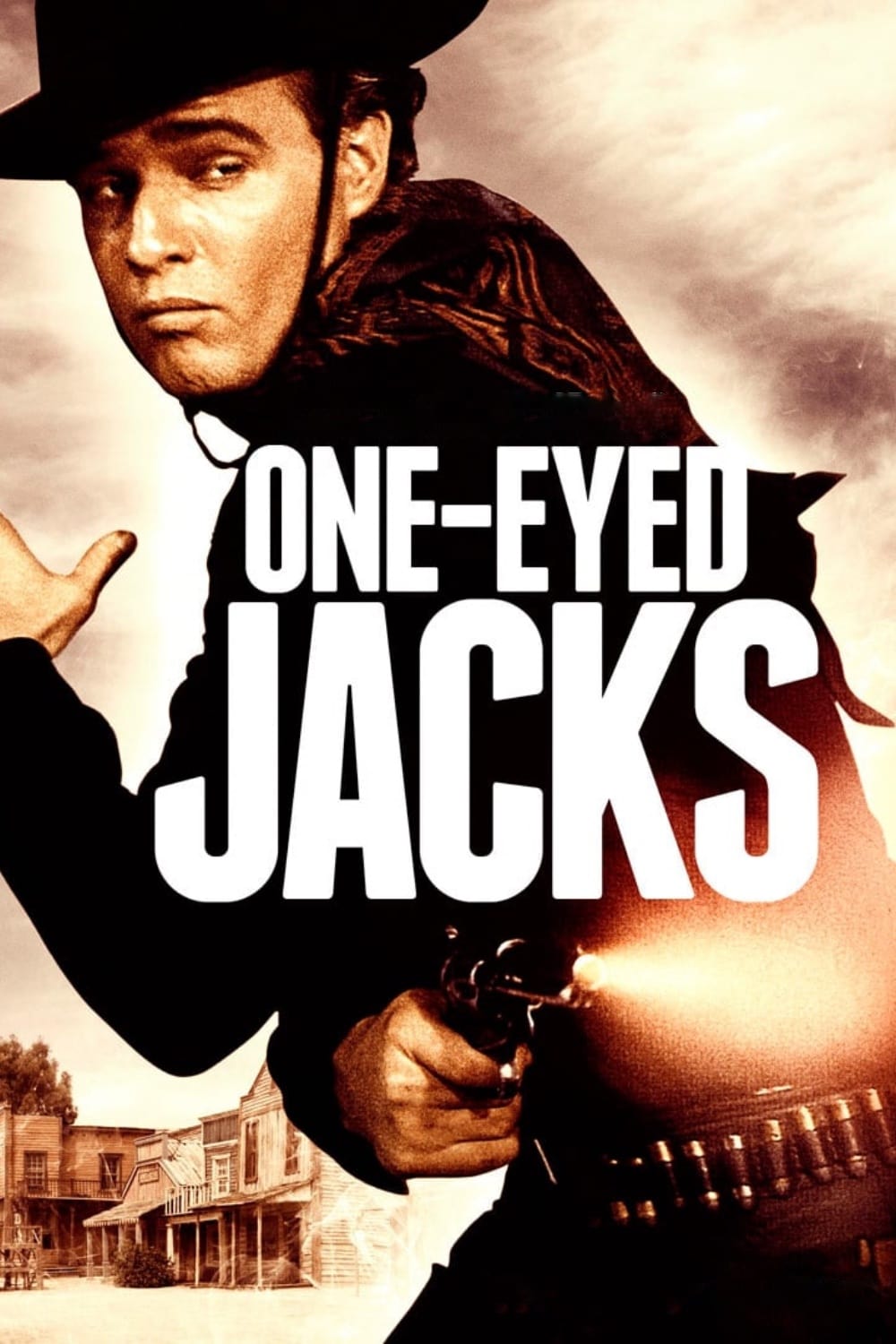
This film marks the only time Marlon Brando ever worked as a director. He also starred as Rio, an outlaw who escapes from prison seeking revenge on his former partner who betrayed him and left him to be captured.
The production was famously long, difficult, and expensive, as Brando obsessed over every detail. The result is a unique and visually stunning psychological Western, with a dark, brooding performance from Brando at its center.
‘Mutiny on the Bounty’ (1962)
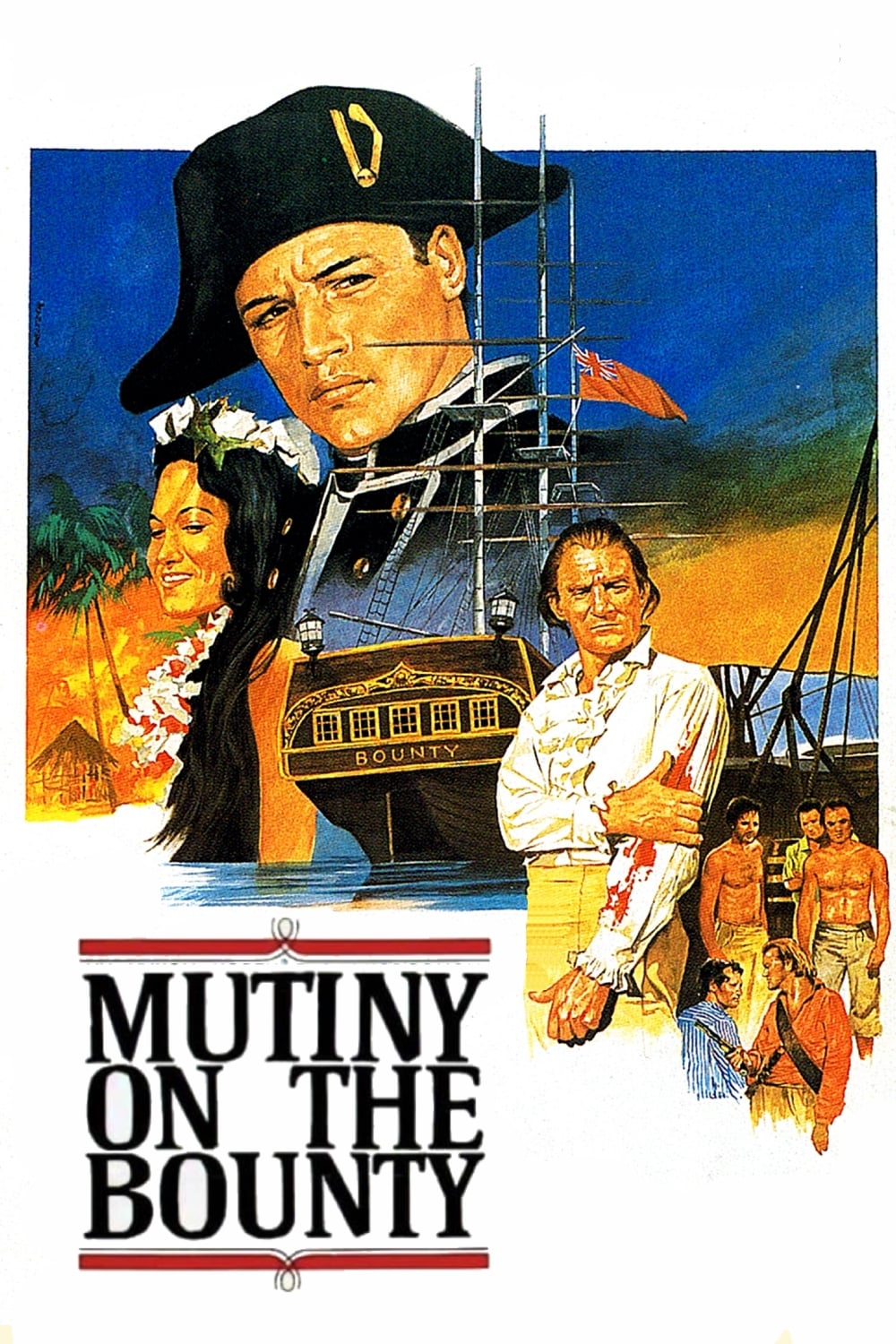
Brando played the historical figure Fletcher Christian, the English sailor who led the famous mutiny against the tyrannical Captain Bligh. The film was a huge Technicolor epic filmed on location in Tahiti.
This production was another notoriously troubled one, with reports of Brando’s difficult on-set behavior becoming legendary. The movie was a massive financial failure and marked the beginning of a difficult period in his career.
‘The Ugly American’ (1963)
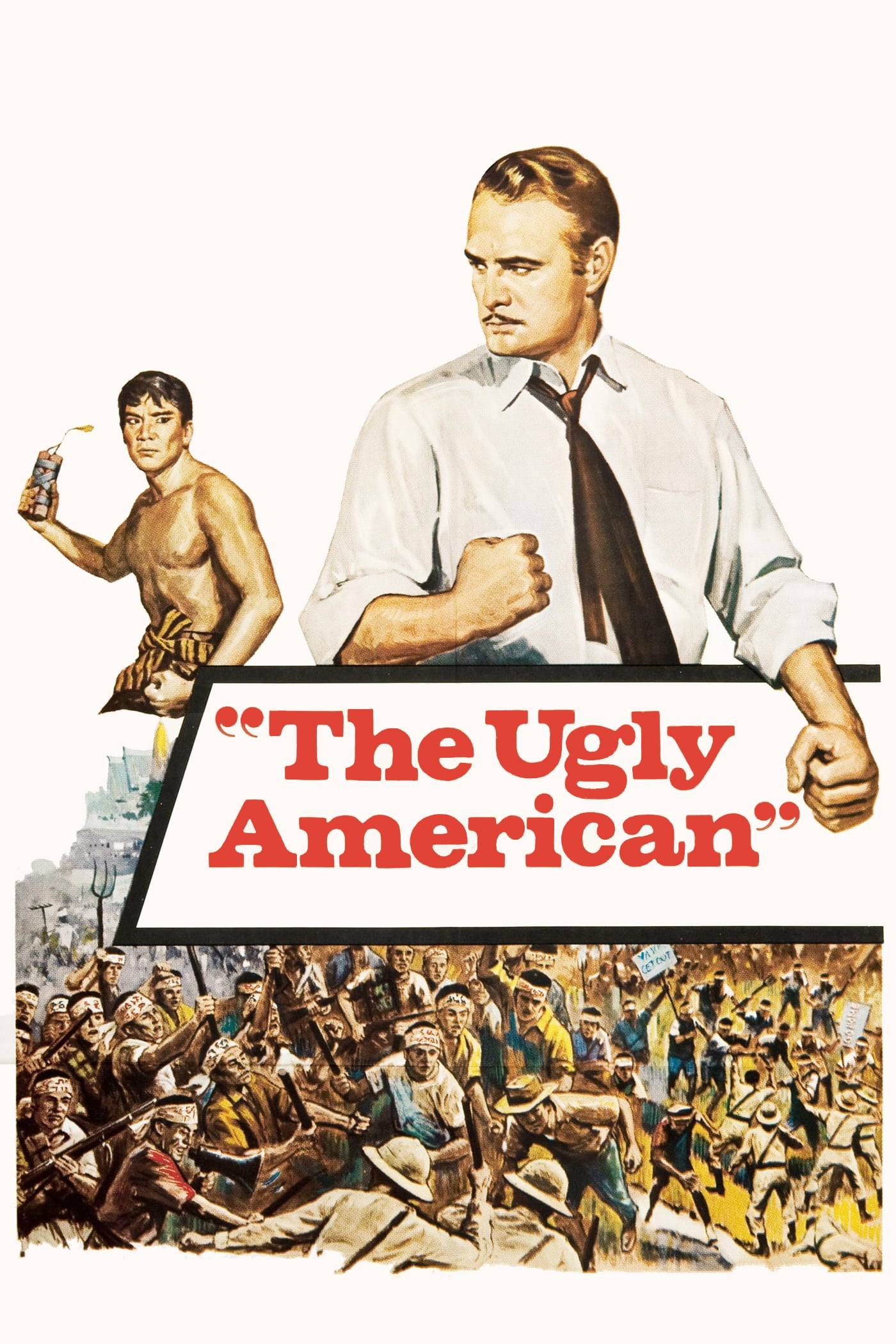
In this political thriller, Brando played Ambassador Harrison Carter MacWhite. He is a newly appointed American ambassador to a fictional country in Southeast Asia who finds himself in the middle of a civil war fueled by communist and American interests.
The film was a serious attempt to explore the complexities of American foreign policy. Brando gives a committed performance as a well-meaning but naive man who learns hard lessons about the consequences of American intervention.
‘Bedtime Story’ (1964)
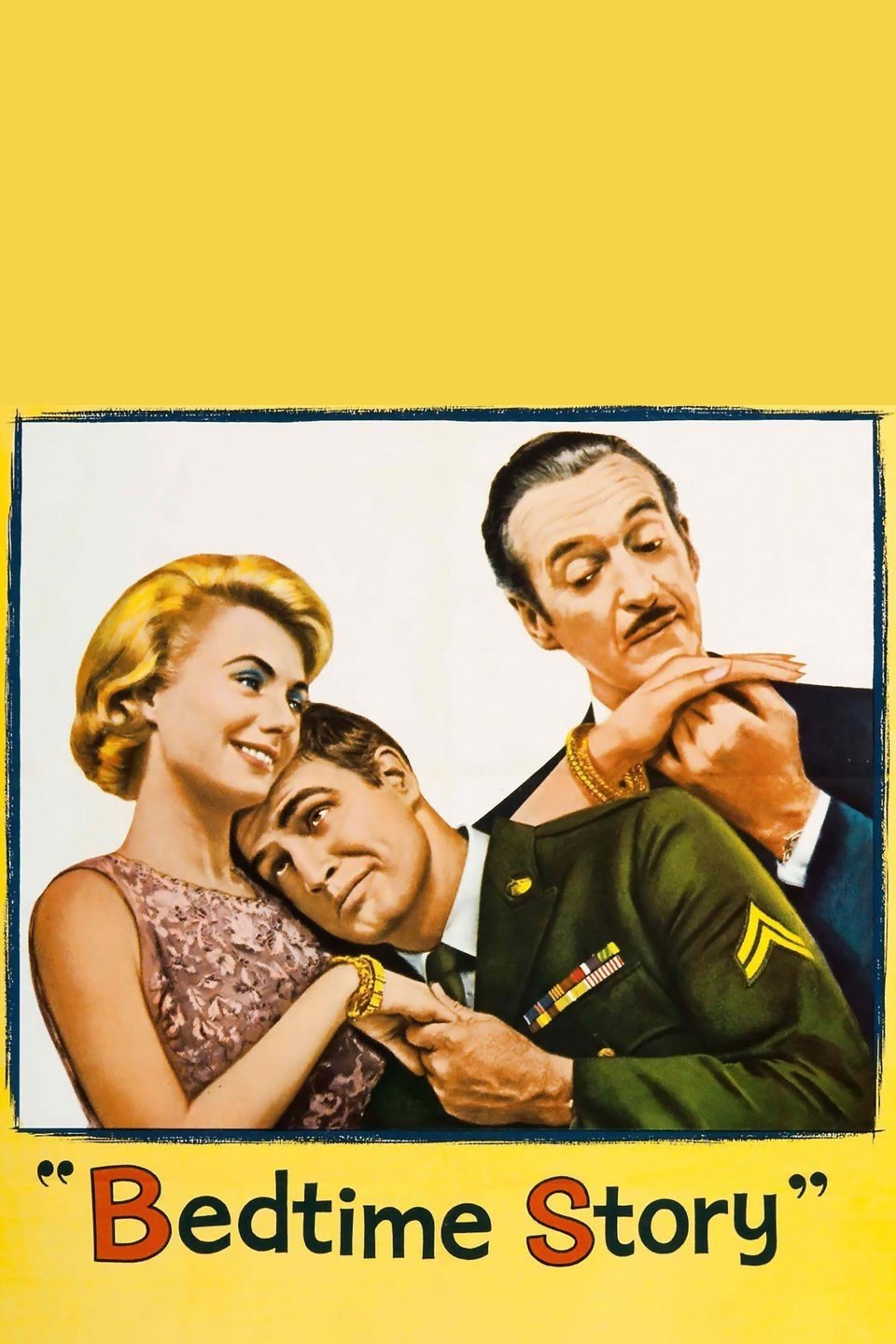
This lighthearted comedy paired Brando with David Niven. Brando played Freddy Benson, a crass American con man who competes with a sophisticated European rival to swindle a wealthy heiress on the French Riviera.
The film was a chance for Brando to showcase his comedic talents. The story was later famously remade as ‘Dirty Rotten Scoundrels’ with Steve Martin in the Brando role.
‘Morituri’ (1965)
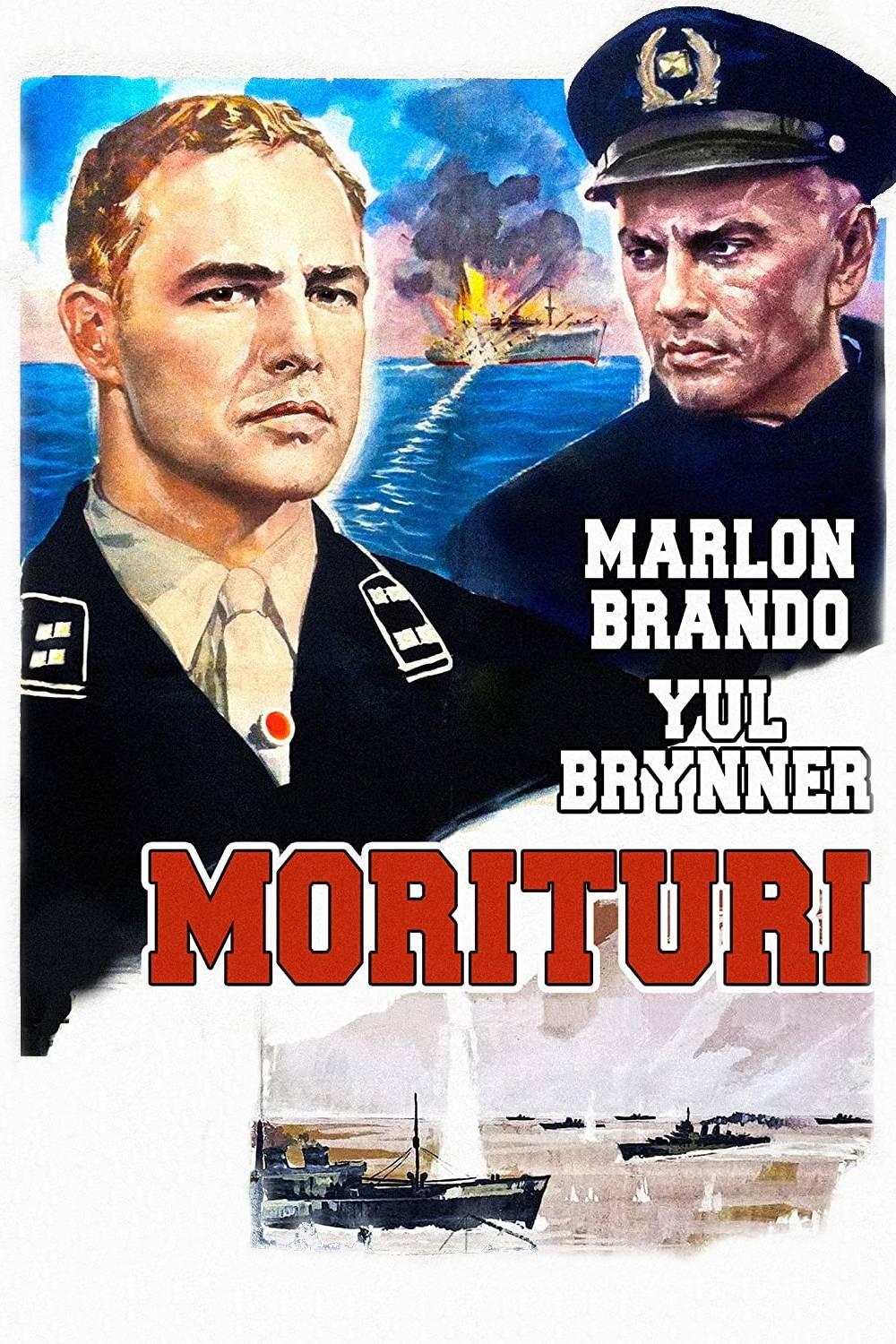
In this World War II spy thriller, Brando played Robert Crain, a German deserter living in India who is blackmailed by the British secret service. He is forced to pose as an SS officer on a German blockade runner to help the Allies capture its valuable cargo of rubber.
Brando gives a weary and cynical performance as a man trapped between warring powers. The film is a tense and complex thriller set on the high seas.
‘The Chase’ (1966)
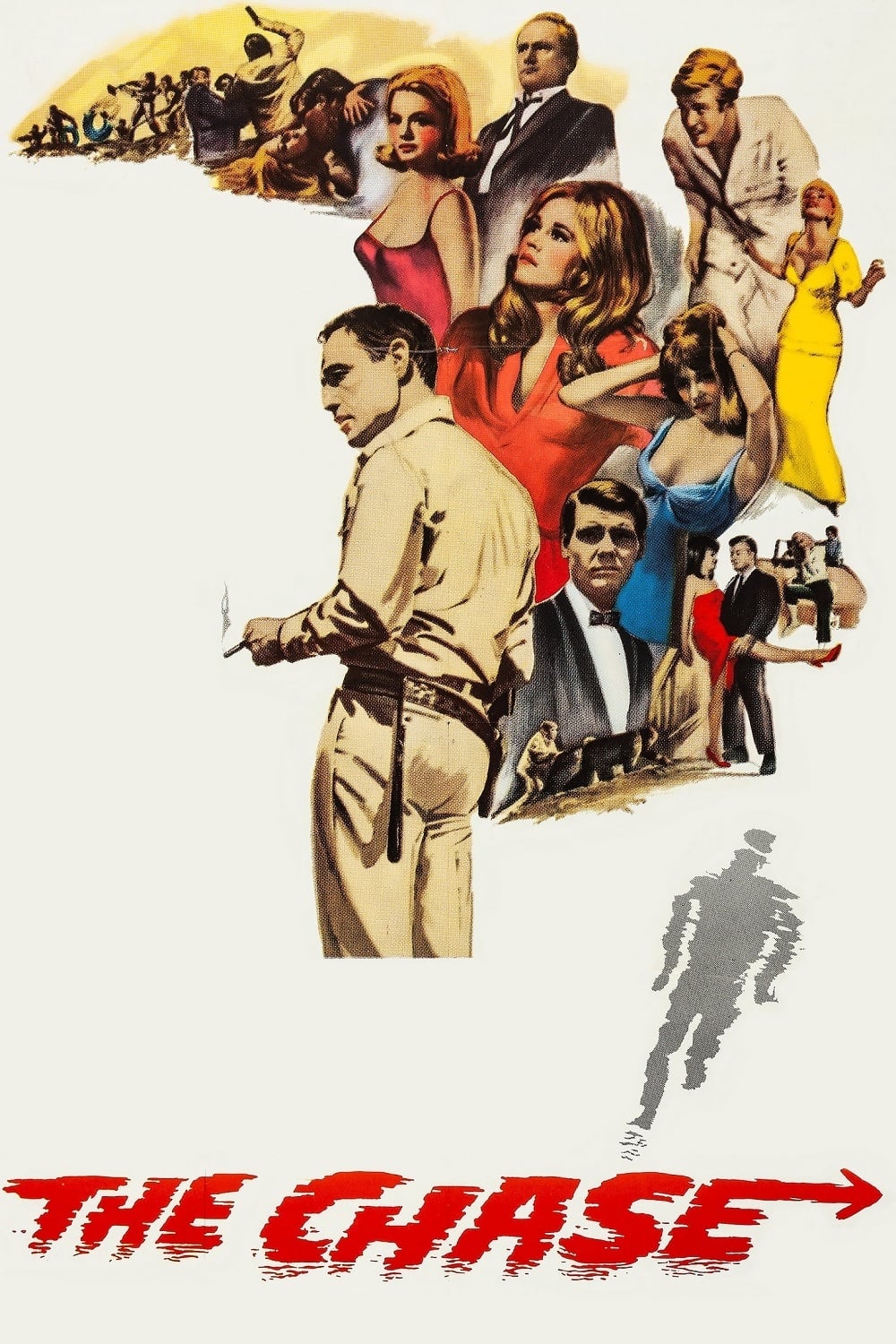
Brando starred as Sheriff Calder, the decent lawman of a small, corrupt Texas town. The story unfolds over one chaotic Saturday, as the townspeople’s greed and racism explode when they learn a local convict has escaped and is heading their way.
As the moral center of the film, Brando delivers a powerful performance, showing a man trying to uphold the law in a town that has lost its moral compass. The film is a searing critique of violence and hypocrisy in American society.
‘The Appaloosa’ (1966)
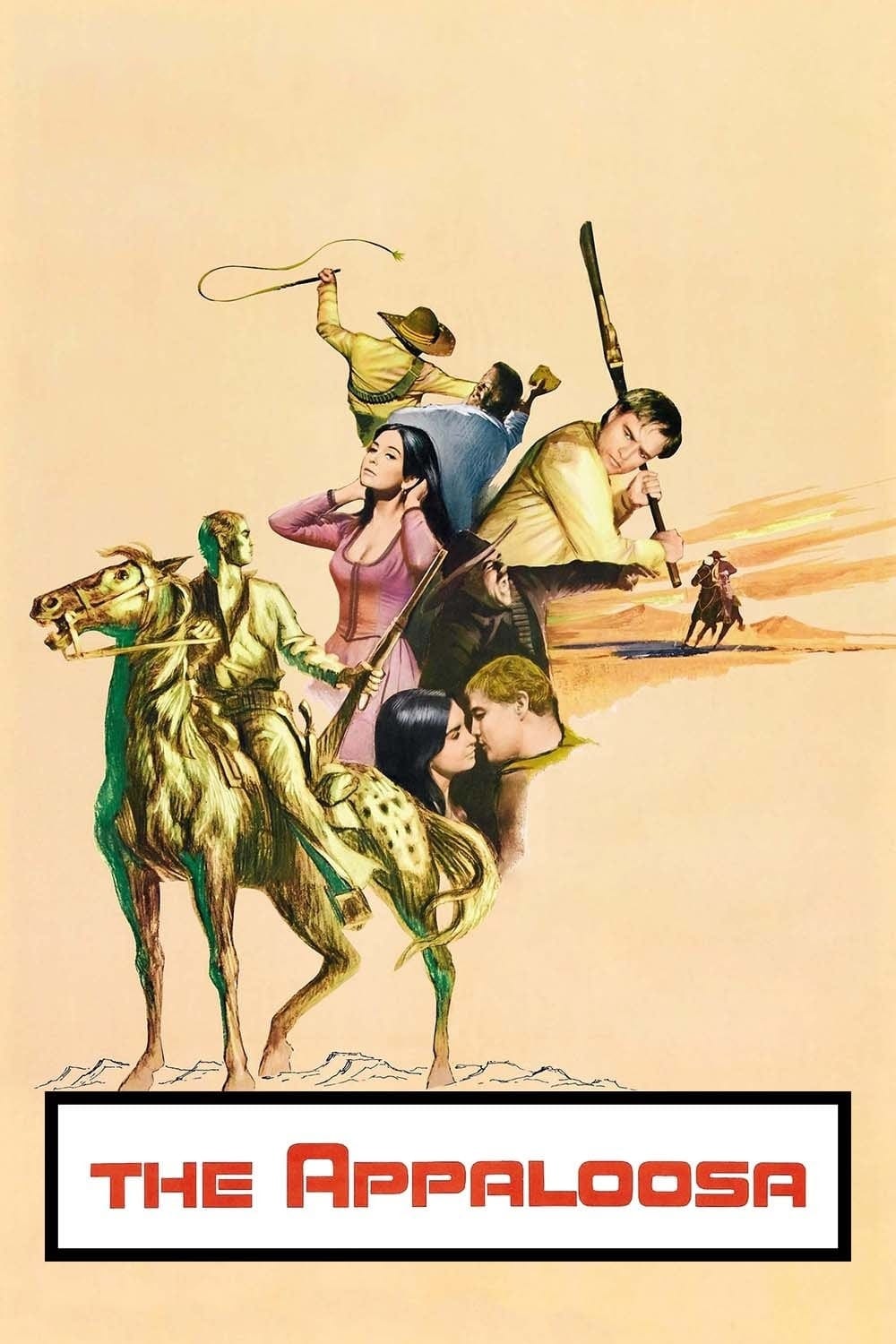
In this Western, Brando played Matt Fletcher, a buffalo hunter who wants to settle down and start a horse ranch. His plans are ruined when a powerful Mexican bandit steals his prized Appaloosa horse, forcing him on a dangerous journey to get it back.
The role was another in a series of films from the 1960s that failed to connect with a wide audience. However, Brando gives a solid performance as the determined and rugged hero of this simple revenge story.
‘A Countess from Hong Kong’ (1967)
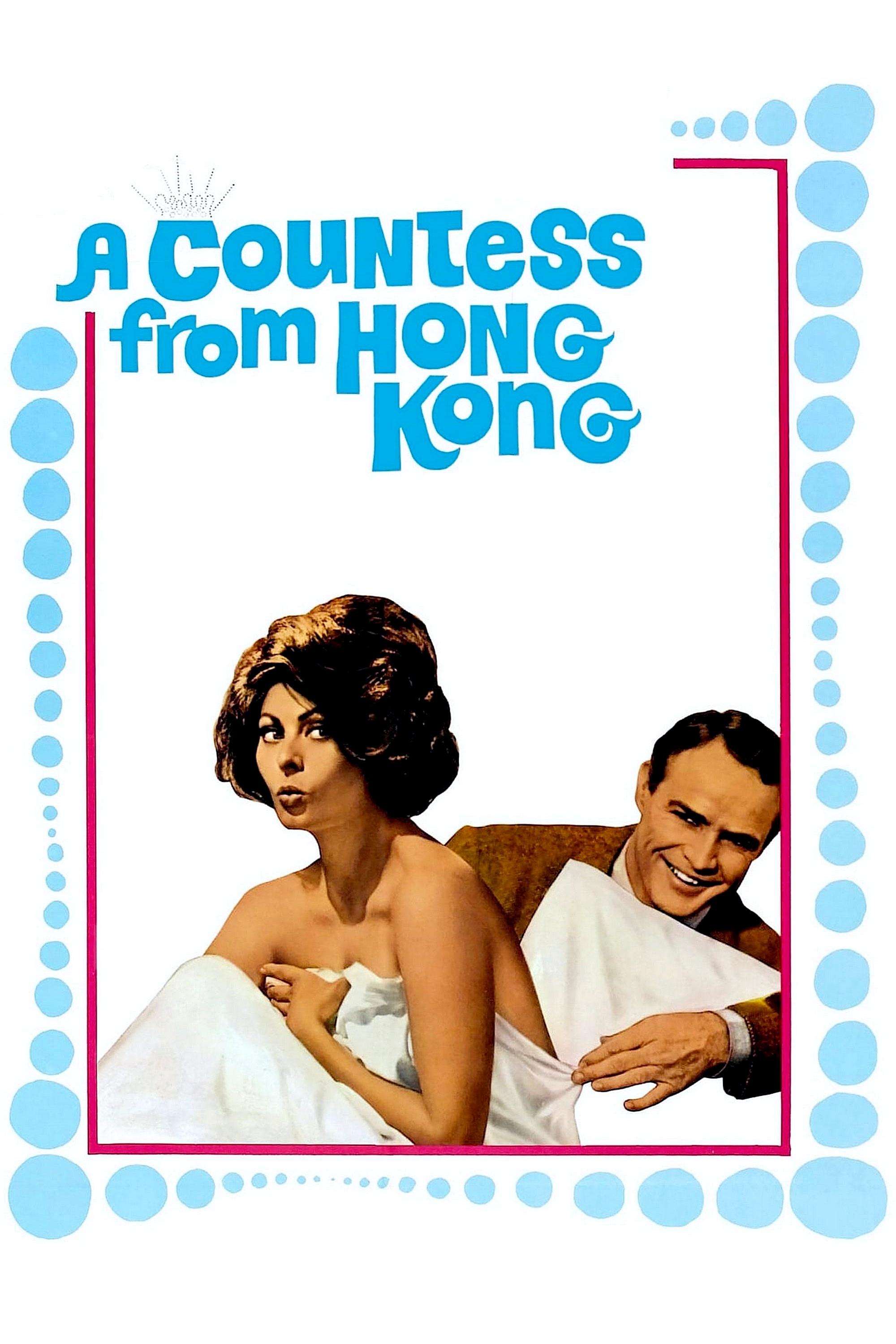
This film is notable for being the last movie directed by the legendary Charlie Chaplin. Brando played Ogden Mears, a wealthy American ambassador sailing back to the United States. He discovers a Russian countess has stowed away in his cabin.
The production was famously difficult, as Brando’s Method acting style clashed with Chaplin’s meticulously planned approach. The film was a critical and commercial failure, a disappointing end to Chaplin’s incredible career.
‘Reflections in a Golden Eye’ (1967)

Brando gave one of his most complex and daring performances as Major Weldon Penderton. He plays a repressed and closeted U.S. Army officer living on a military base in the South, whose secret desires lead to tragedy.
The film dealt with themes of sexuality and obsession that were highly controversial for the time. Brando’s strange and unsettling performance was a brave choice and a powerful portrait of a deeply troubled man.
‘Candy’ (1968)
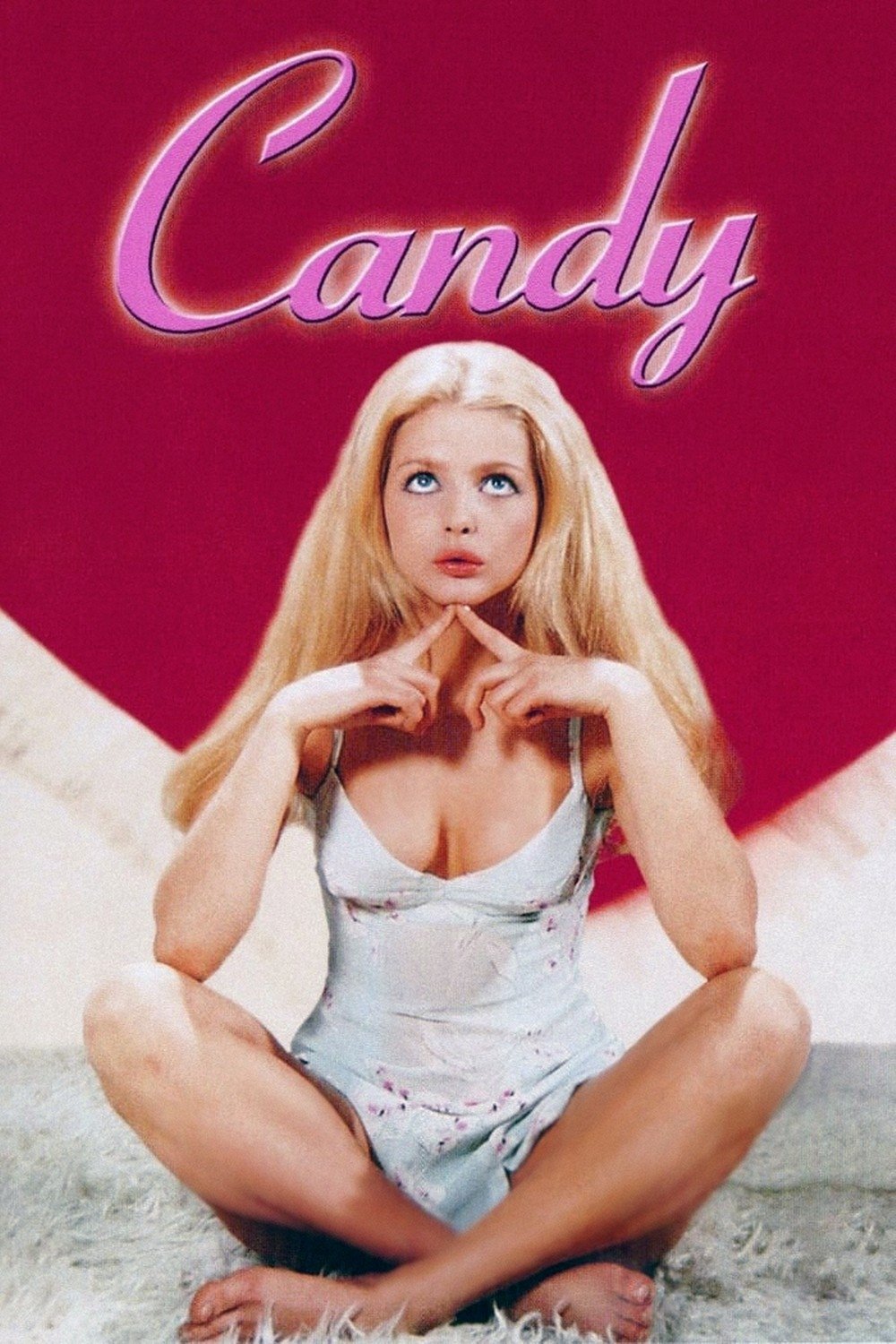
In this bizarre, psychedelic satire, Brando had a memorable cameo as a phony spiritual guru named Grindl. The film follows the surreal adventures of a naive young woman who encounters a series of strange men.
Brando’s appearance, in which he wears a long wig and preaches from the back of a semi-truck, is one of the film’s weirdest moments. The role was part of a string of eccentric choices he made during a major slump in his career.
‘The Night of the Following Day’ (1969)
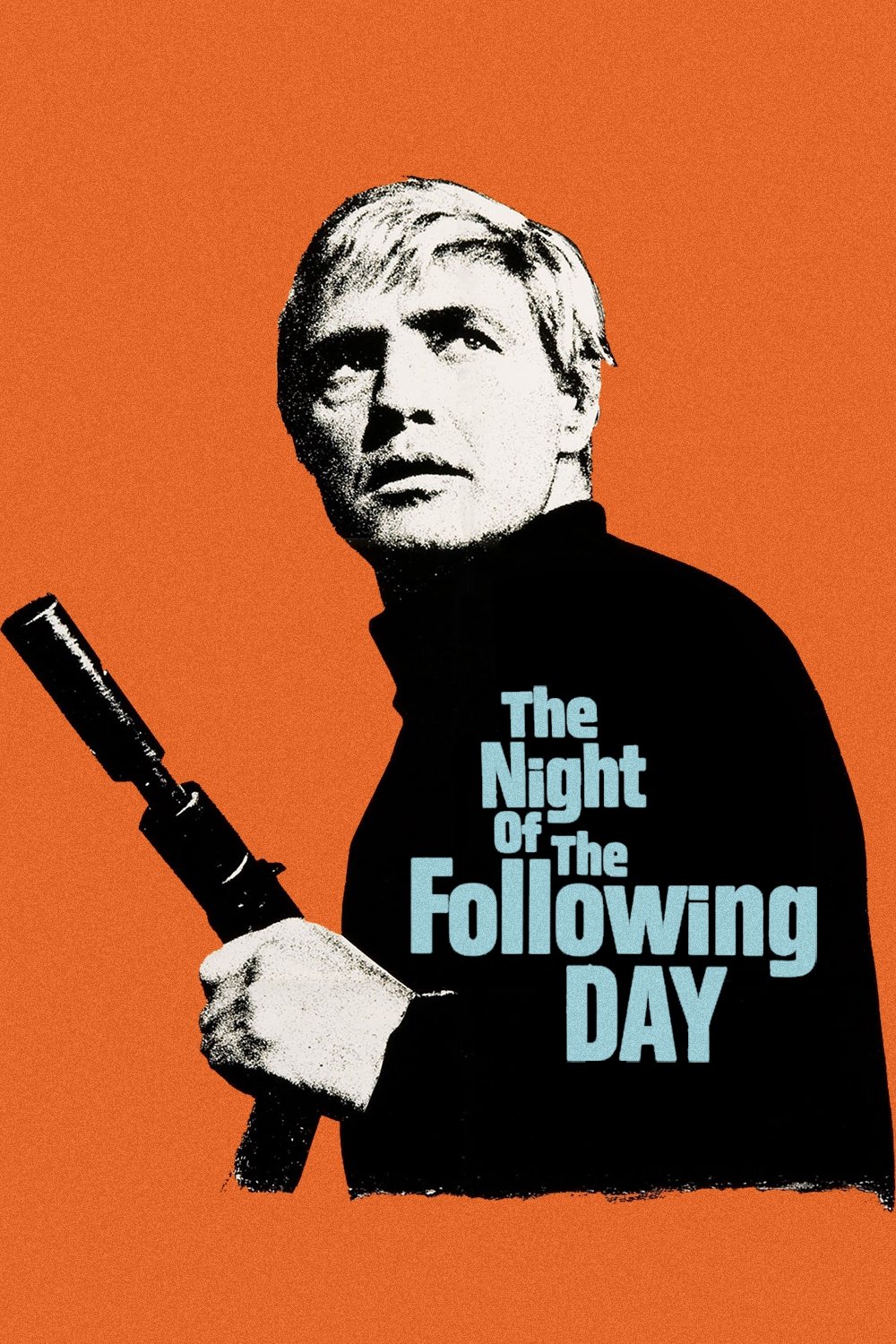
In this crime thriller, Brando played a chauffeur who is part of a team of kidnappers. The gang abducts a young heiress in Paris, but their carefully laid plans begin to fall apart due to mistrust and betrayal within the group.
The role of a tough, blond-haired kidnapper was another unconventional choice. The film is a moody and grim thriller that showcased a harder, more cynical side of Brando’s persona.
‘Burn!’ (1969)
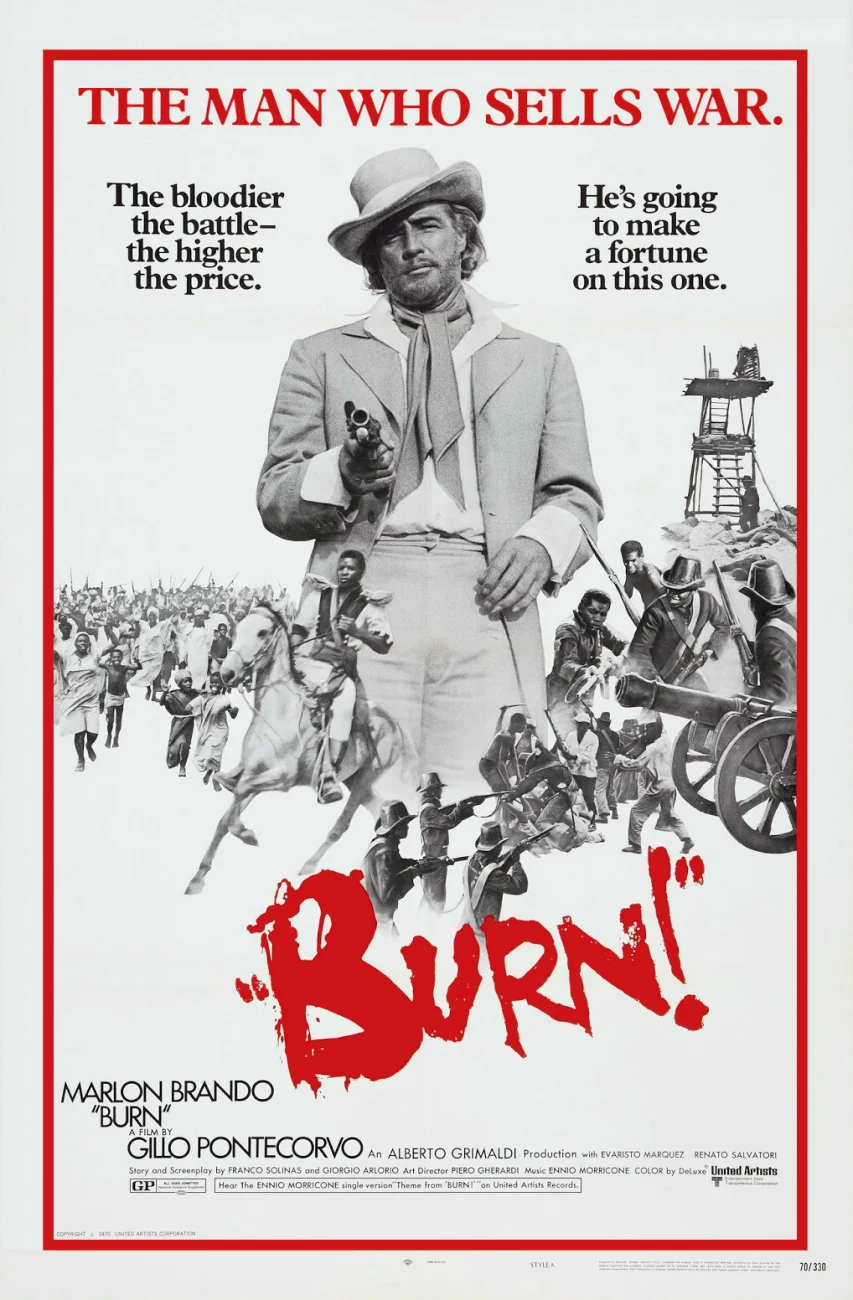
Brando played Sir William Walker, a British agent sent to a Caribbean sugar island in the mid-19th century. His mission is to manipulate a slave revolt to break the Portuguese sugar monopoly, only to return years later to crush the very rebellion he started.
This political film was one of Brando’s personal favorites, and he gave a brilliant performance as the cynical and manipulative agent of colonialism. The film is a powerful statement about revolution and oppression.
‘The Godfather’ (1972)
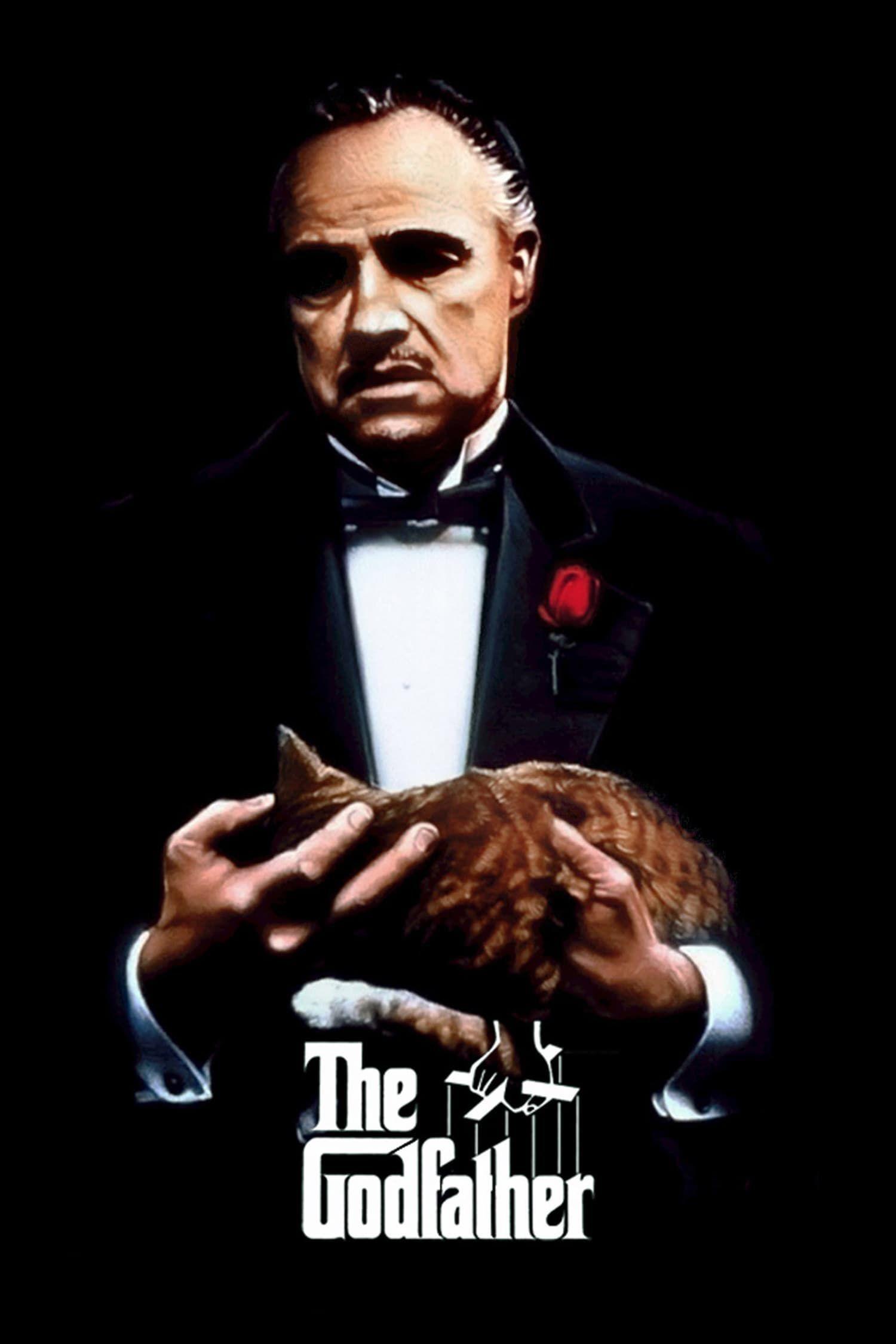
After a decade of box office failures, Brando staged one of the greatest comebacks in history with his monumental performance as Don Vito Corleone. As the aging patriarch of a powerful New York crime family, he created a character that is both terrifying and deeply human.
With his jowly makeup, raspy voice, and quiet authority, Brando’s transformation was astonishing. He won his second Academy Award for the role but famously refused it, sending activist Sacheen Littlefeather to protest the treatment of Native Americans by the film industry.
‘Last Tango in Paris’ (1972)
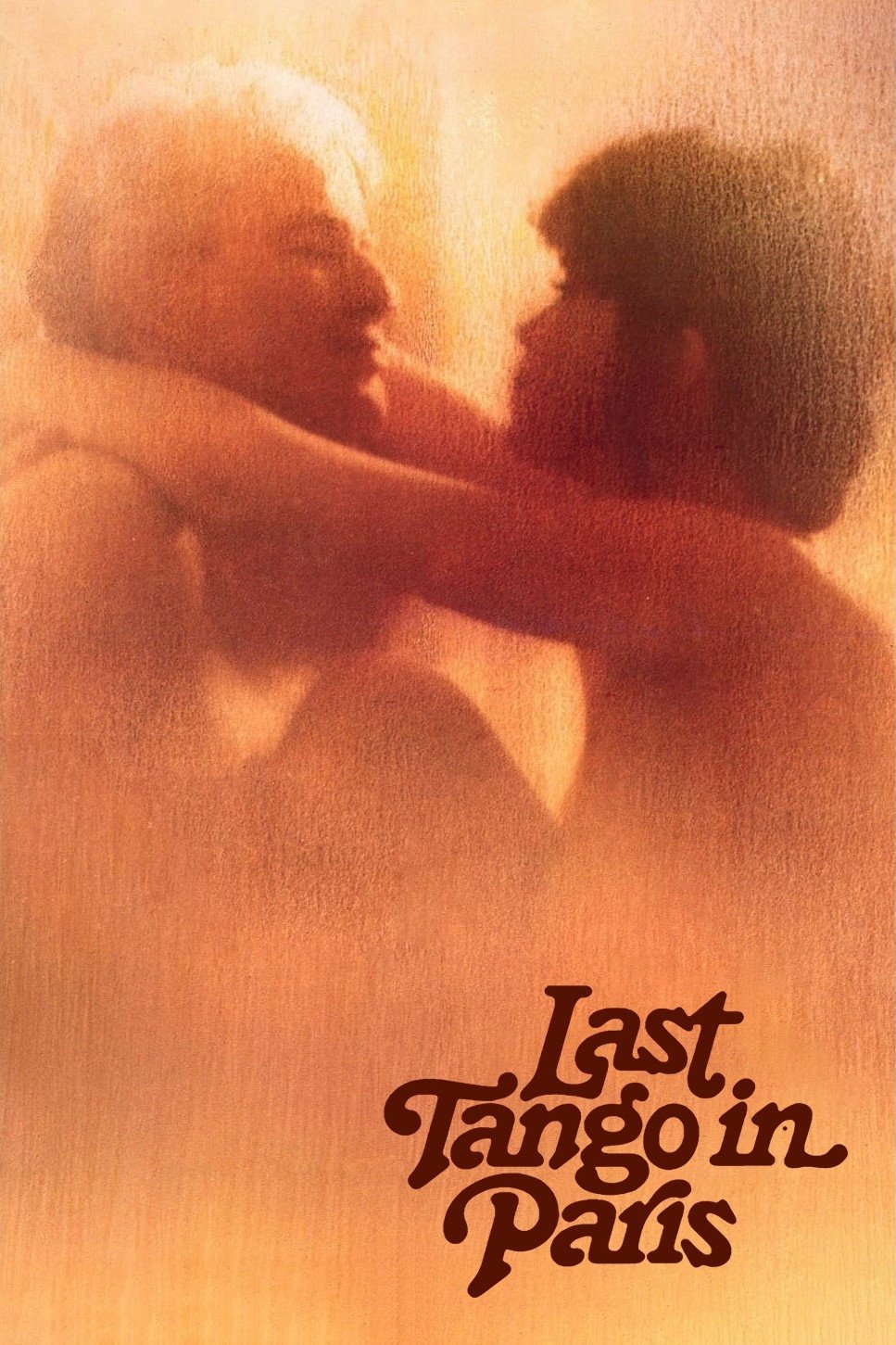
Brando gave his most raw and emotionally exposed performance in this controversial film. He played Paul, a grieving middle-aged American who enters into a brutal and anonymous sexual relationship with a young Parisian woman.
Much of the dialogue was improvised, and Brando drew on his own deep-seated pain and grief for the role. The performance earned him another Oscar nomination and is considered by many to be one of his bravest and most devastating achievements.
‘The Missouri Breaks’ (1976)
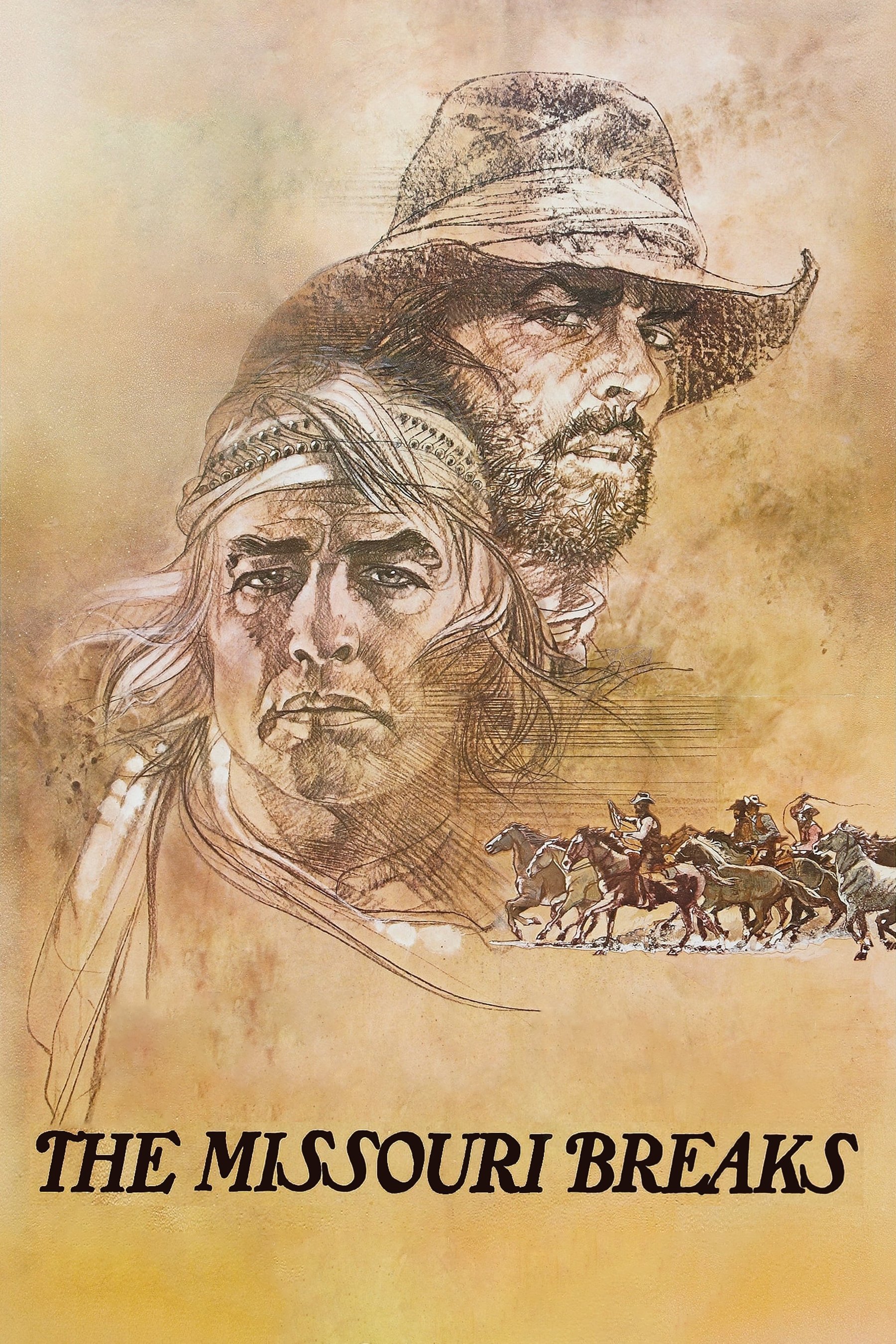
This offbeat Western paired Brando with Jack Nicholson. Brando played Robert E. Lee Clayton, a bizarre and highly eccentric “regulator” who is hired by a wealthy rancher to hunt down a gang of horse thieves.
Brando’s performance is famously strange; he wears a variety of weird costumes, speaks in a soft Irish brogue, and uses a number of strange weapons. It is one of his most indulgent and unpredictable performances.
‘Superman’ (1978)
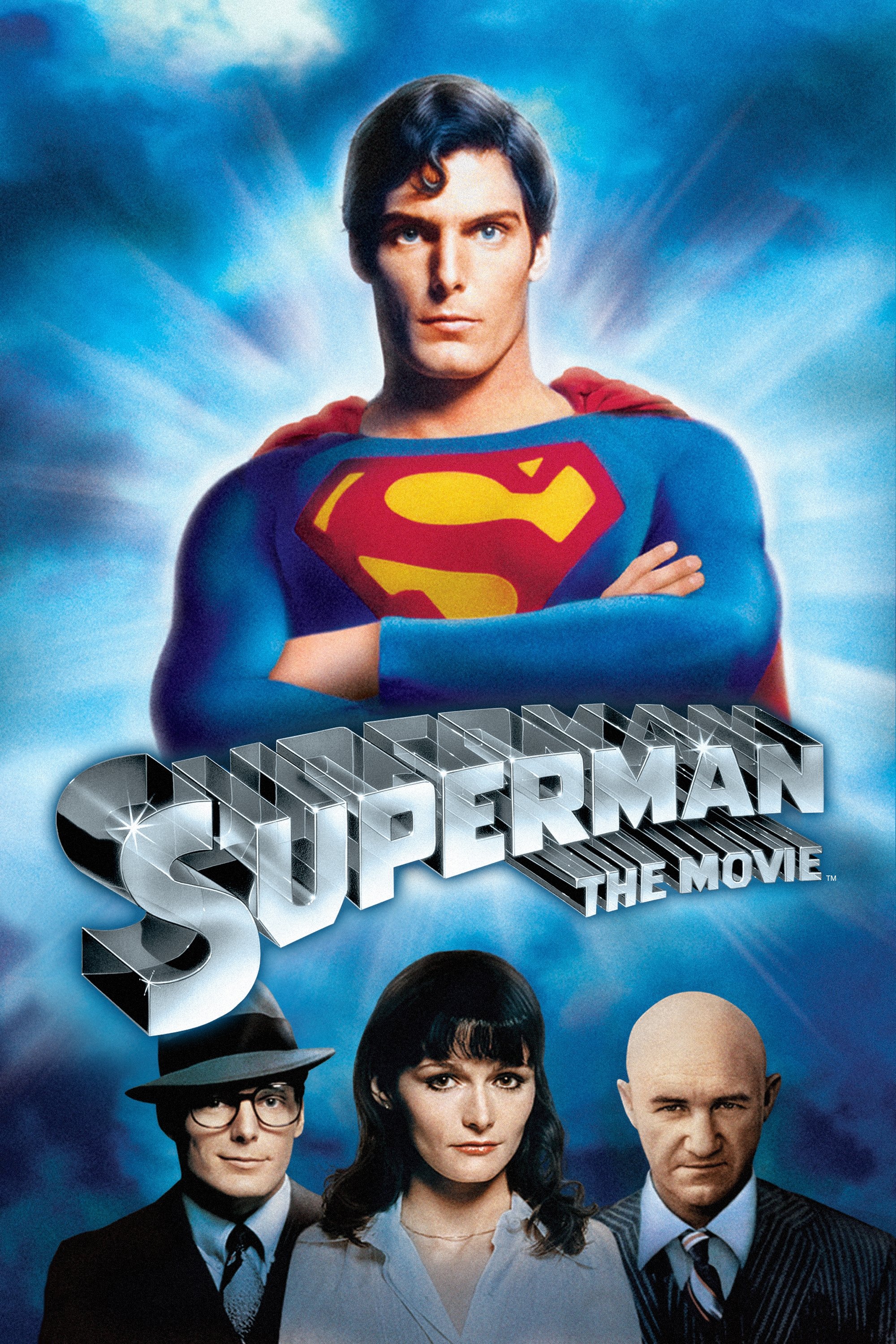
Brando took on the role of Jor-El, the wise and noble father of Superman. He appears in the opening scenes of the film on the planet Krypton, making the difficult decision to send his only infant son to Earth to save him from their world’s destruction.
For just a few minutes of screen time, Brando was paid a then-record-breaking salary, cementing his status as a legendary figure who could command huge fees for small parts. His powerful presence gave the film a sense of gravity and importance right from the beginning.
‘Apocalypse Now’ (1979)
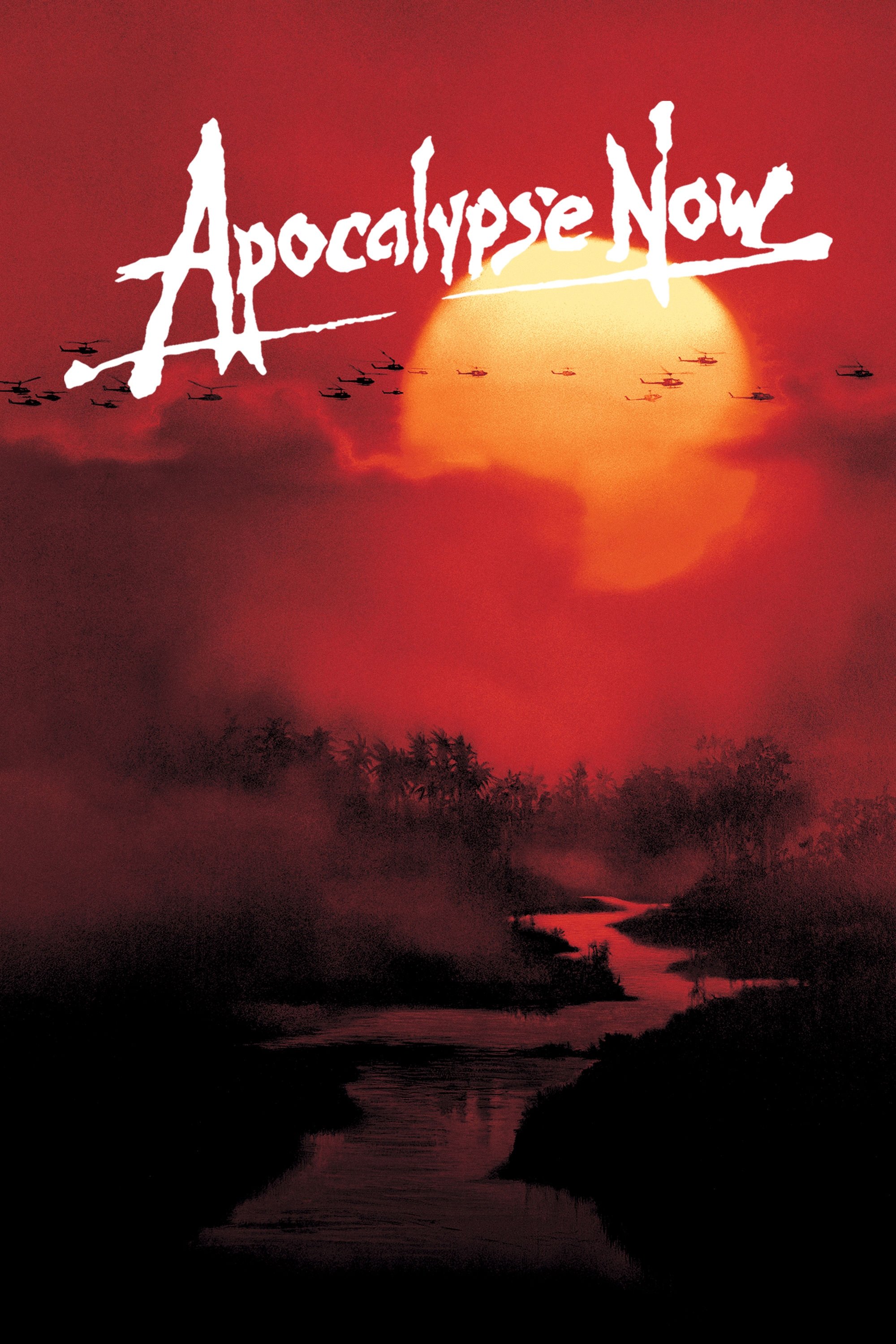
In one of his most mythic roles, Brando played the mysterious and insane Colonel Walter E. Kurtz. Hidden deep in the Cambodian jungle during the Vietnam War, the brilliant but renegade Green Beret commander has created his own army of followers who worship him like a god.
Brando famously arrived on the set overweight and having not read the script, but he improvised much of his chilling and philosophical dialogue. Shrouded in shadow, his mesmerizing performance as the terrifying Kurtz is unforgettable, culminating in his haunting final whisper, “The horror… the horror.”
‘A Dry White Season’ (1989)
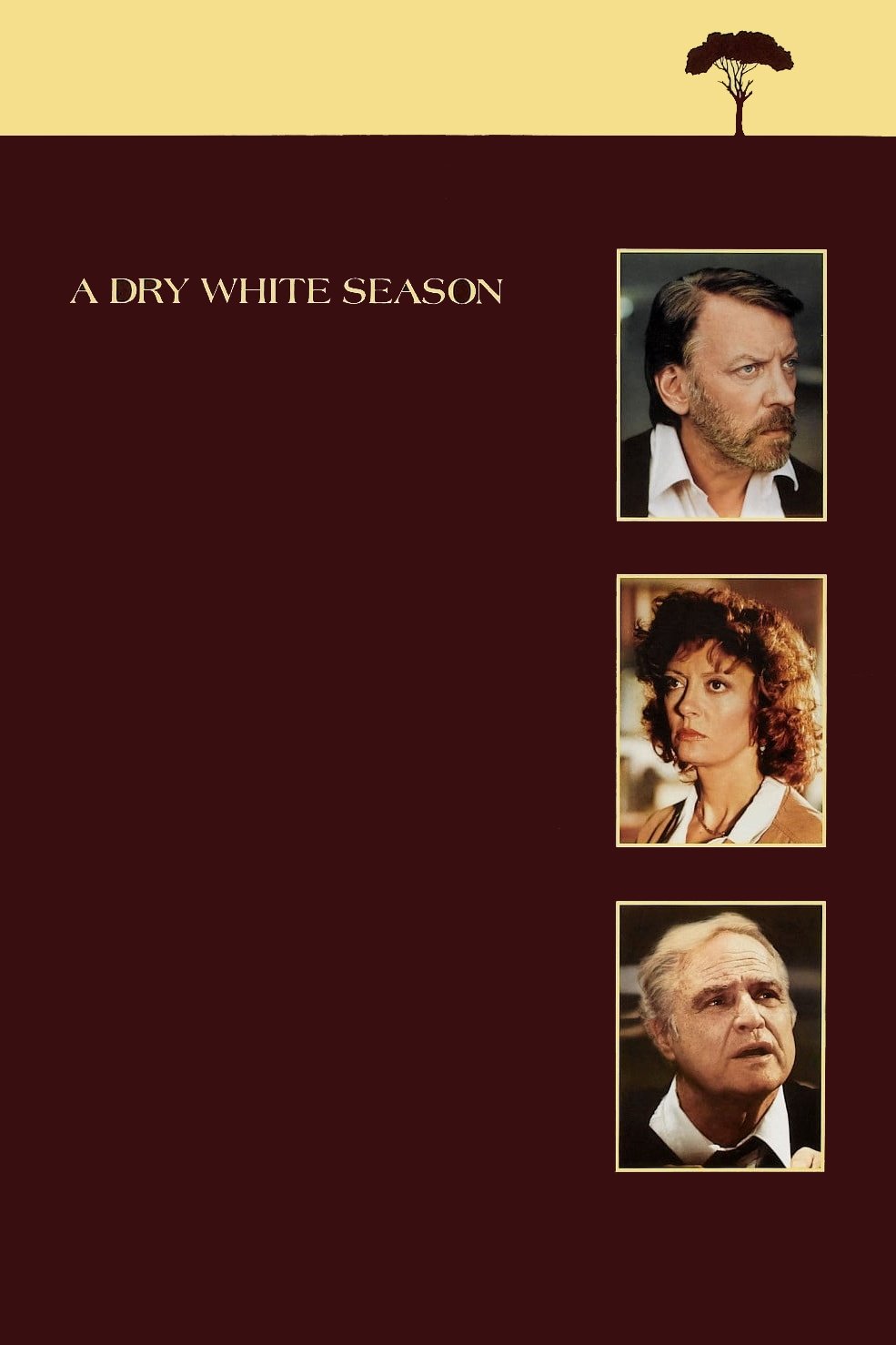
After a nine-year absence from the screen, Brando returned for this powerful anti-apartheid drama. He played Ian McKenzie, a charismatic and clever human rights lawyer who takes on the case of a white schoolteacher trying to expose a murder committed by the secret police in South Africa.
Brando worked for a very small salary because he believed in the film’s message. In just a few courtroom scenes, he showed that he had lost none of his power, earning his eighth and final Academy Award nomination for his supporting role.
‘The Freshman’ (1990)
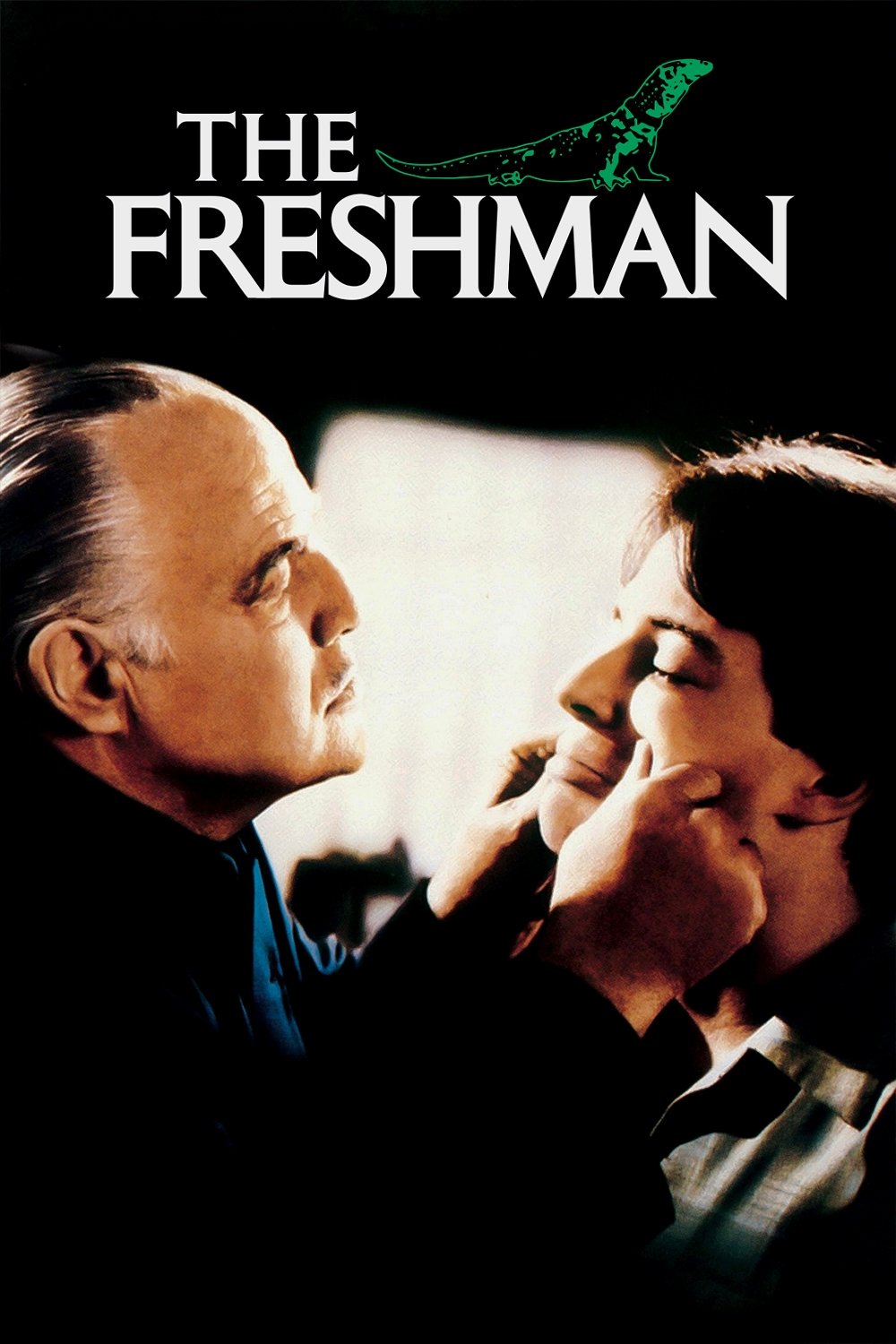
In a delightful comedic turn, Brando played Carmine Sabatini, a powerful and charming importer who bears a striking resemblance to Vito Corleone. He takes a young film student under his wing, leading to a series of funny and absurd situations.
The role was a brilliant parody of his most famous character, showing that Brando had a great sense of humor about his own legend. His performance, which even includes a scene on ice skates, was praised by critics and audiences.
‘Don Juan DeMarco’ (1995)

Brando played Dr. Jack Mickler, a psychiatrist who is on the verge of retirement. His final case is a mysterious young man who believes he is the legendary lover, Don Juan, and who tells the doctor fantastic stories of his romantic adventures.
This was a gentle and warm-hearted role for Brando in his later years. He gives a charming performance as a man whose own life is re-awakened by the passion and romance of his patient’s stories.
‘The Island of Dr. Moreau’ (1996)
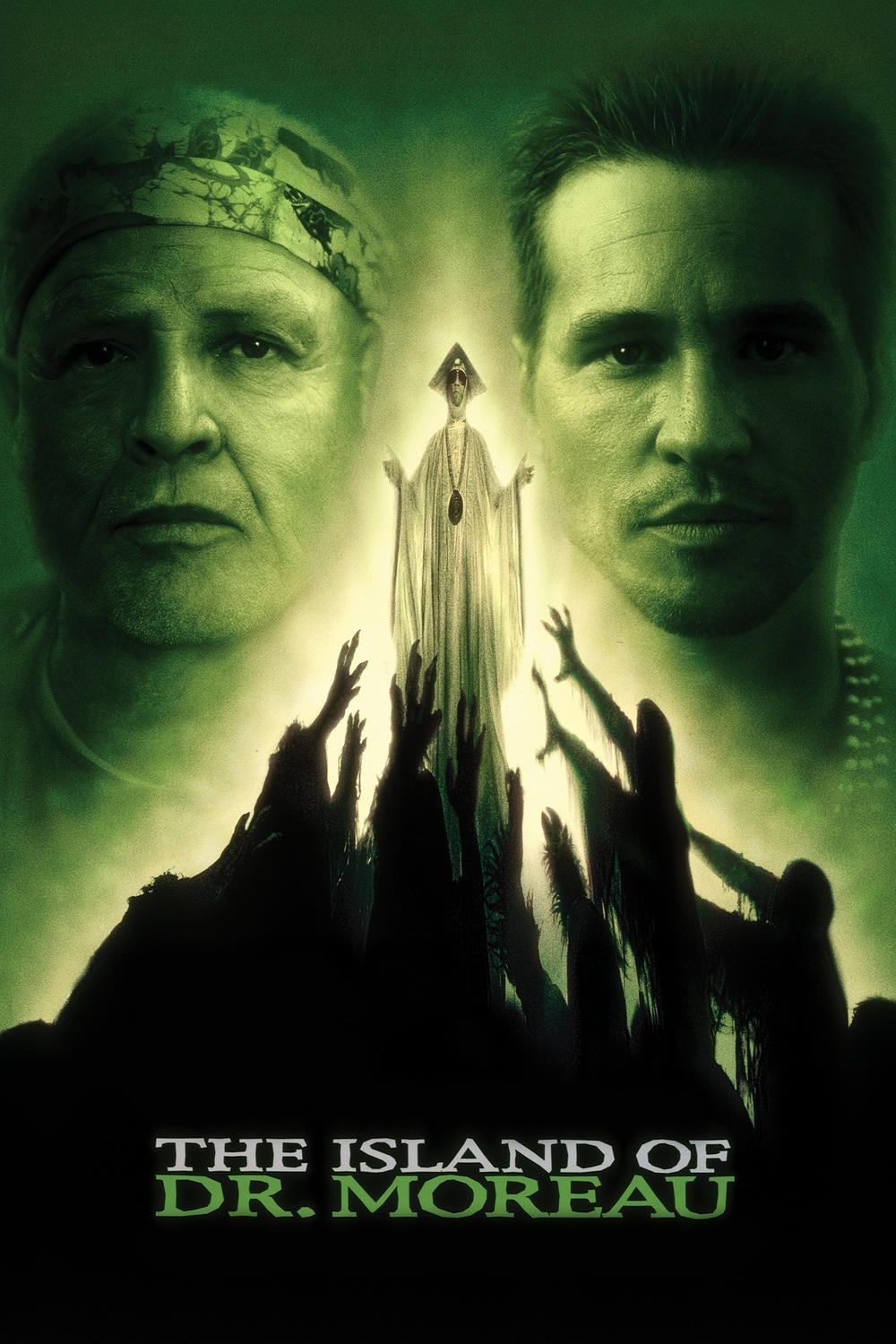
In this sci-fi horror film, Brando played the title role of Dr. Moreau, a brilliant but mad scientist who lives on a remote island creating half-human, half-animal creatures. The film is notorious for its disastrous and chaotic production.
Brando’s behavior on set was famously bizarre, and his creative choices—such as wearing white makeup and an ice bucket on his head—were strange. The resulting performance is eccentric and unsettling, a memorable part of one of Hollywood’s most troubled films.
‘The Score’ (2001)
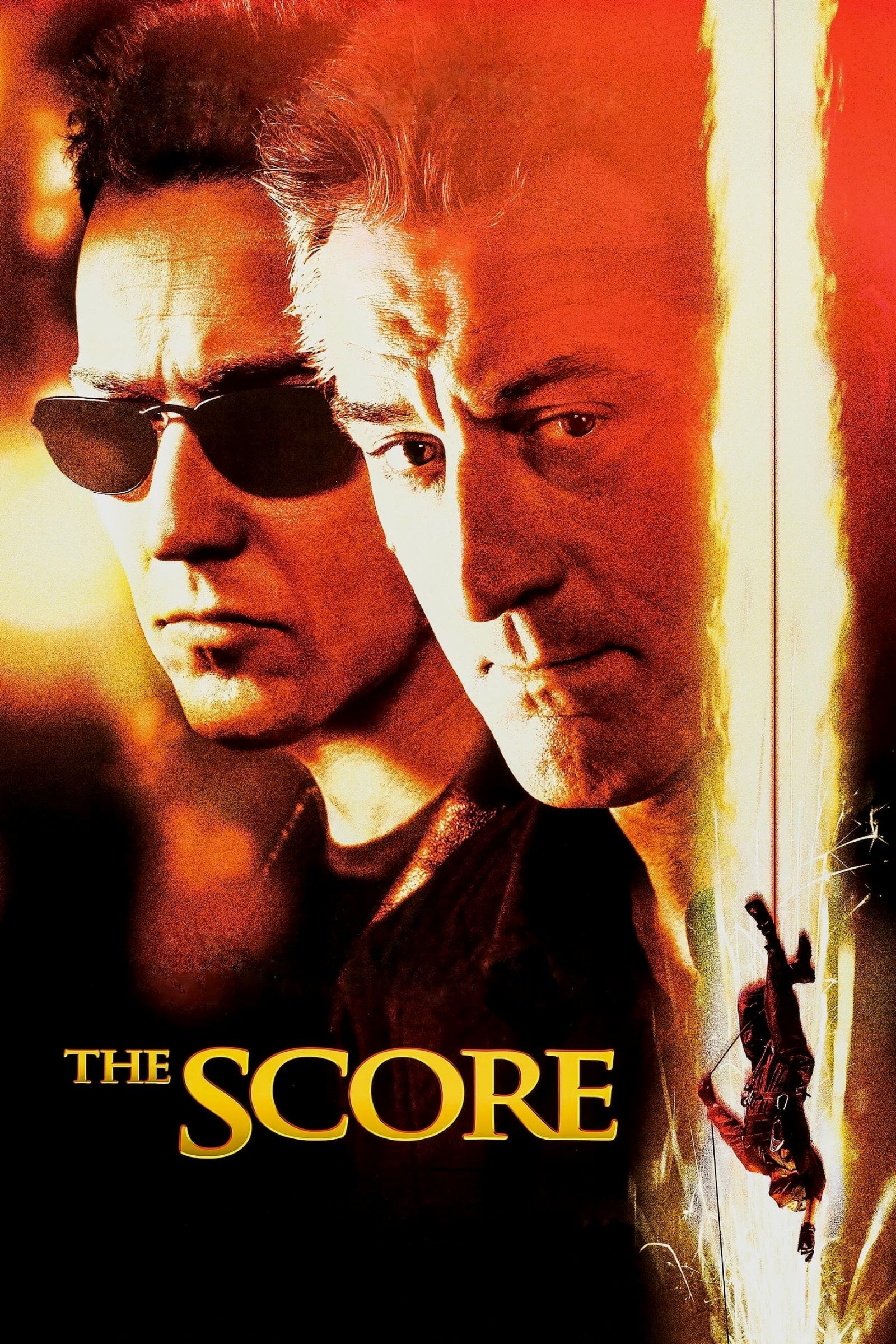
In his final completed film role, Brando played Max, a charismatic but ruthless fence. He convinces an expert safecracker to put off his retirement and team up with a cocky young thief for one last big heist.
The film brought together three generations of acclaimed actors, as Brando starred alongside Robert De Niro and Edward Norton. He gives a solid supporting performance, a fittingly cool and professional end to his legendary career.
Which Marlon Brando performance do you believe truly changed acting forever? Let us know your thoughts below.