


Martin Scorsese Names the Stars Who Shaped His Early Love of Cinema

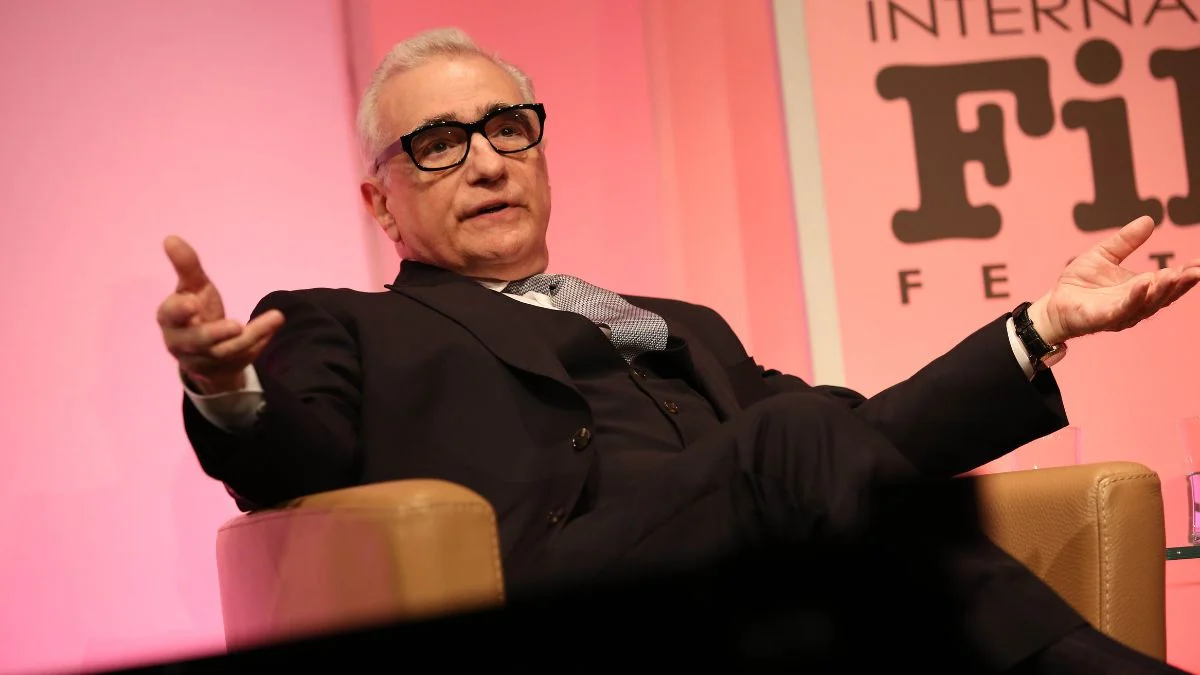


Martin Scorsese emerged into the mainstream during the early 1970s, establishing himself as a cornerstone of American cinema’s most experimental decade. Following the gritty realism of Mean Streets in 1973, he showcased his versatility with the romance Alice Doesn’t Live Here Anymore before delivering his enduring urban nightmare, Taxi Driver, in 1976.
This period of intense creativity also saw him delve into the world of music with the 1978 documentary The Last Waltz, setting a precedent for a career that would move fluidly between narrative fiction and non-fiction.
While Scorsese’s work has influenced generations of filmmakers, from the Safdie brothers to Greta Gerwig, his own artistic foundation was built on a deep appreciation for global cinema.
In his youth, he was profoundly moved by masters like Akira Kurosawa, Yasujirō Ozu, and Alfred Hitchcock, often citing Ikiru and Tokyo Story as essential texts. However, he credits the 1946 war drama Paisan by Roberto Rossellini as the true catalyst for his filmmaking journey.
He recalled watching the film on television with his grandparents, noting that their visceral reaction to the images of their homeland was just as present and vivid to him as the characters themselves.
This early exposure taught Scorsese that cinema was more than just a collection of images; it was a powerful bridge between the work and its audience. He was captivated by the idea that a film could be made under extremely tough conditions with inferior equipment and still possess a transformative energy.
Beyond the directors, he found inspiration in stars like the Indian actor Sabu and the American screen presence Victor Mature. Sabu’s work in The Thief of Bagdad and Mature’s performances in noirs like Kiss of Death provided the young Scorsese with a diverse range of cinematic archetypes to study.
As of February, the 83-year-old filmmaker remains as active as ever, currently on location in Prague to begin principal photography on his latest feature, What Happens at Night. This psychological thriller, adapted from Peter Cameron’s novel, marks his seventh collaboration with Leonardo DiCaprio and features Jennifer Lawrence and Patricia Clarkson in leading roles.
The story follows an American couple who travel to a snowy European town to adopt a baby, only to become trapped in a vast, nearly deserted hotel populated by enigmatic and unsettling figures. DiCaprio has noted that Scorsese encouraged him to study Hitchcock’s Vertigo as a primary reference point for the film’s atmospheric tension.
In addition to his narrative work, Scorsese is also putting the finishing touches on a new documentary project titled Life Is a Carnival: A Musical Celebration of Robbie Robertson. The film captures a massive tribute concert held at the Kia Forum in Los Angeles, featuring legendary performers such as Eric Clapton, Van Morrison, and Mavis Staples.
This project serves as a final, poignant collaboration between the director and his longtime friend and music producer, who passed away in 2023. Between these major shoots, Scorsese recently made time to celebrate the 50th anniversary of Taxi Driver with archival tributes and a public conversation about the film’s troubling, enduring legacy.
Scorsese also continues to keep several high-profile projects in development, including a long-gestating Frank Sinatra biopic that DiCaprio recently confirmed is still in the works. While production on a film about the life of Jesus was recently delayed, the director’s move into the eerie, surreal territory of What Happens at Night suggests he is entering a new, experimental phase of his late career.
Do you think Martin Scorsese’s decision to return to the unsettling, psychological themes found in What Happens at Night is a fitting evolution of his career? Share your thoughts in the comments.