


Michael Caine’s Career: From ‘Morning Departure’ to ‘ The Great Escaper’

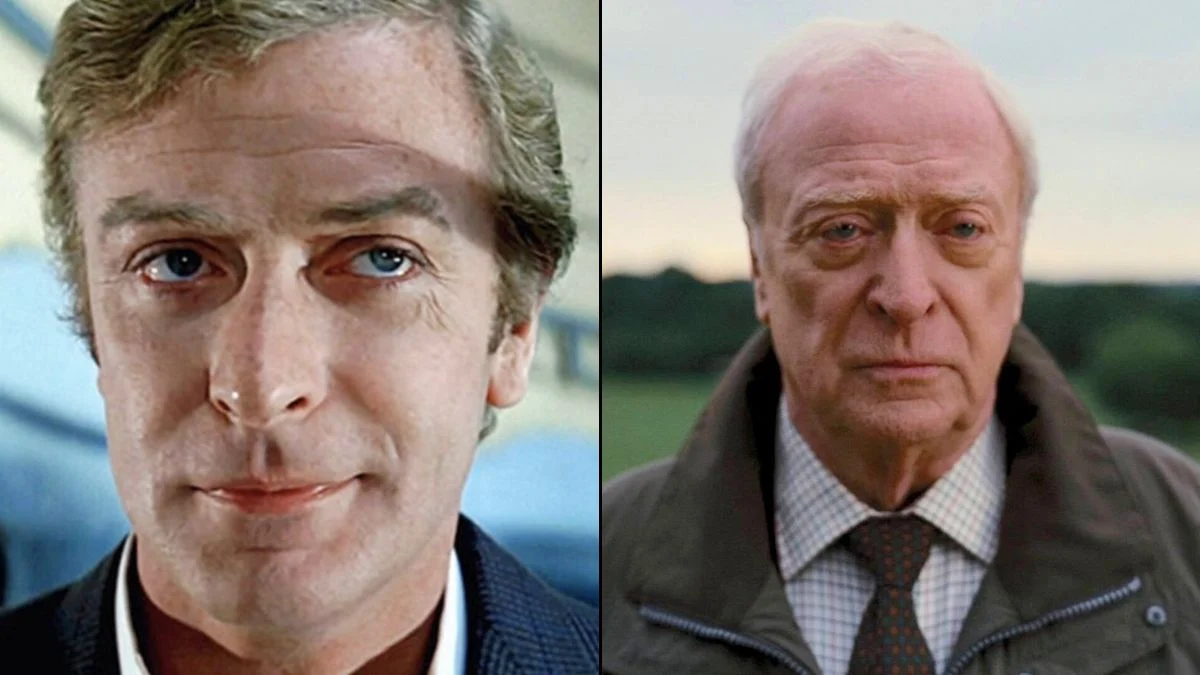


Sir Michael Caine is a British film icon, recognized globally for his distinctive Cockney accent and a career spanning more than seven decades. He has appeared in over 160 films, effortlessly moving between genres and playing a vast range of characters. From charming rogues and tough-guy anti-heroes to wise mentors, Caine has become a symbol of versatility and enduring talent in the world of cinema.
His journey from a young actor in small, often uncredited parts to a two-time Academy Award-winning legend is a remarkable story of persistence. Caine broke through as a major star in the 1960s, defining the decade with roles that captured the spirit of the era. He has remained a beloved and respected figure ever since, working with acclaimed directors and starring in some of the biggest blockbusters of the 21st century, proving his timeless appeal to audiences of all ages.
Morning Departure (1950)
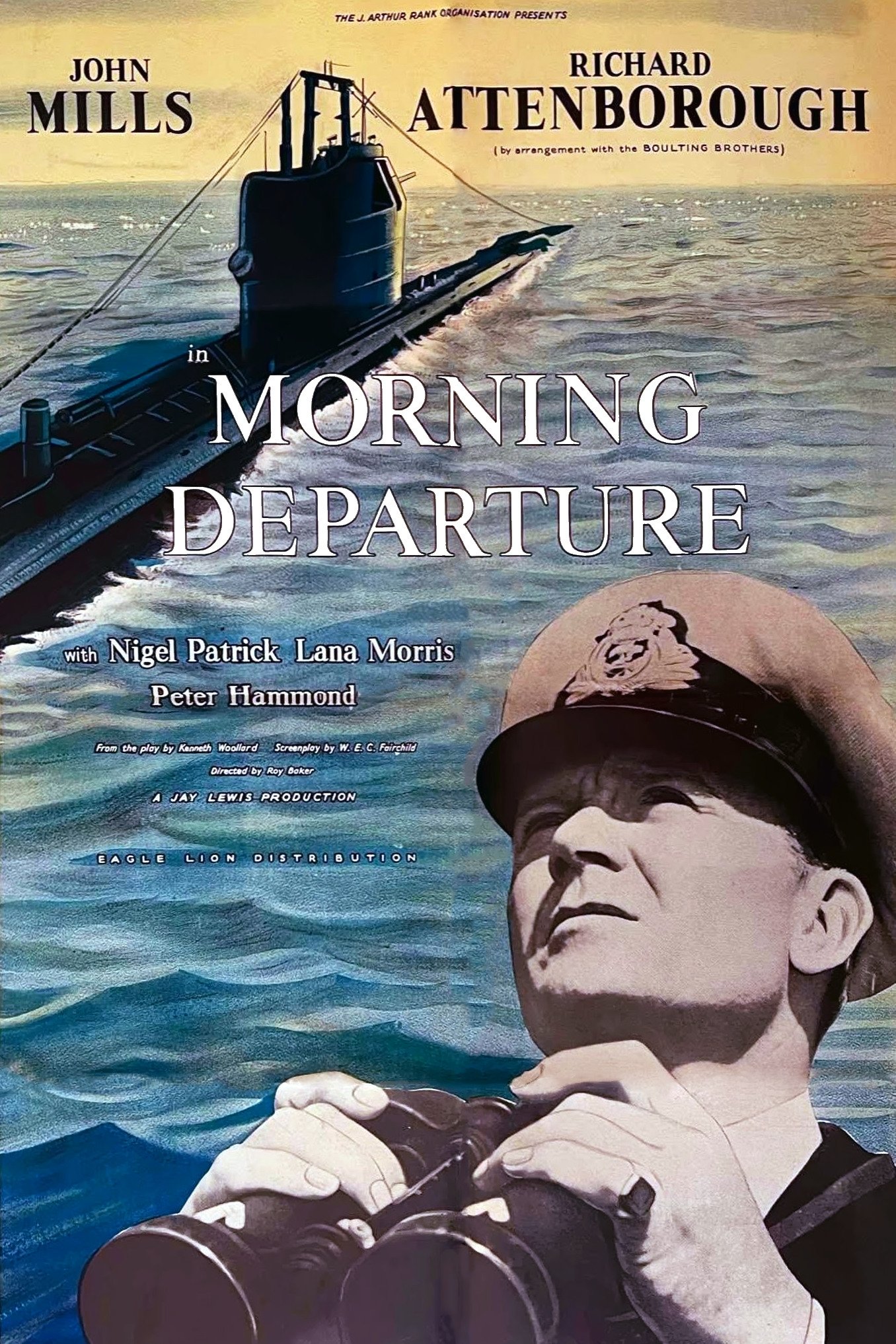
Michael Caine’s first appearance on the silver screen was a brief, uncredited role as a teaboy in the British naval drama ‘Morning Departure’. The film tells the story of a British submarine crew trapped on the seabed after striking a mine. It focuses on the crew’s struggle for survival and the difficult decisions their commander must make.
This tiny part marked the humble beginning of a legendary career. Caine was just a teenager at the time, and like many aspiring actors, he started with roles that offered little screen time but valuable experience on a professional film set. It would be several years before he landed a credited role and began his slow climb to stardom.
Sailor Beware (1956)

In this British comedy, Michael Caine had another minor role as a sailor. The film, which was later released in the U.S. as ‘Sailor Beware!’, is a farce about a Royal Navy sailor who is terrified to marry his fiancée because of her domineering mother. Caine’s part was small and uncredited.
During this early phase of his career, Caine was primarily working in theater and taking any film work he could get. These small appearances were stepping stones, helping him gain more exposure in the British film industry while he honed his craft on the stage.
A Hill in Korea (1956)

Michael Caine’s first credited film role was in the war drama ‘A Hill in Korea’. He played Private Lockyer, one of a small group of British soldiers cut off behind enemy lines during the Korean War. The film was notable for featuring a cast of future stars, including Stanley Baker and Robert Shaw.
Although still a minor character, this role was a significant step for Caine. It was his first named part in a feature film and gave him a chance to work alongside other talented young actors. The experience of making a war movie on location also provided him with valuable professional training.
The Steel Bayonet (1957)
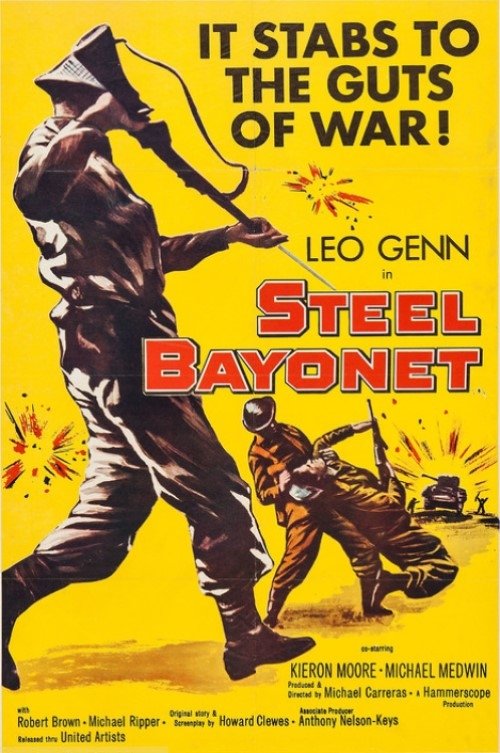
In this war film set in North Africa during World War II, Caine played an uncredited German soldier. The story follows a company of British soldiers as they defend a farmhouse observation post from relentless enemy attacks. It was a gritty, low-budget production from Hammer Film Productions.
Caine’s role in ‘The Steel Bayonet’ was another small part in a career that was still in its earliest stages. He was still years away from his breakthrough and was building his resume with any available work in the British film industry.
How to Murder a Rich Uncle (1957)
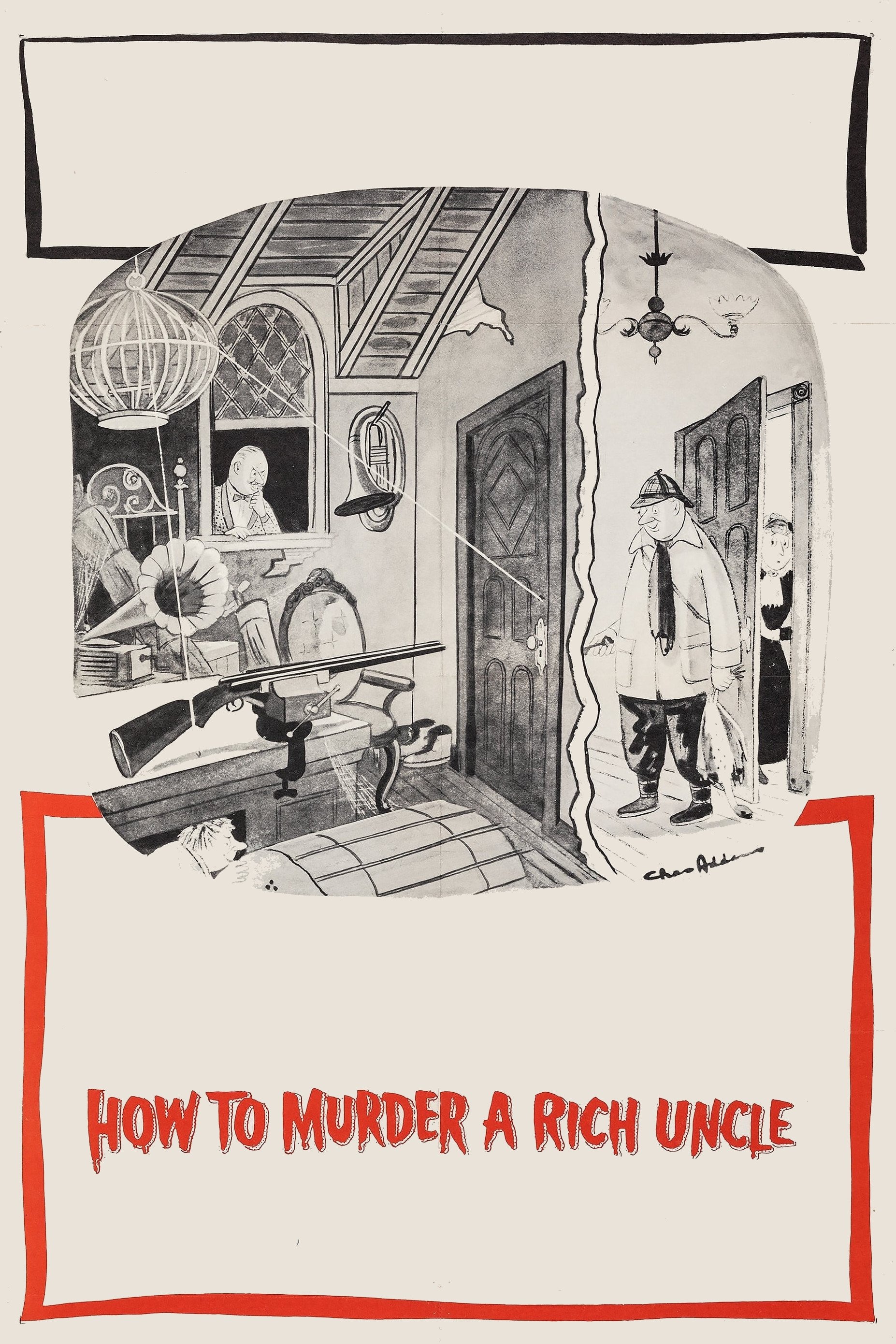
This British comedy featured Caine in the small role of Gilrony. The film, directed by and starring Nigel Patrick, is about a man who plans to murder his wealthy American uncle to save his heavily mortgaged estate. The plot is complicated when the uncle proves to be much harder to kill than expected.
The film also featured the acclaimed actor Charles Coburn as the titular rich uncle. For Caine, it was another minor role that gave him the opportunity to be part of a professional film production and observe more established actors at work.
A Woman of Mystery (1958)
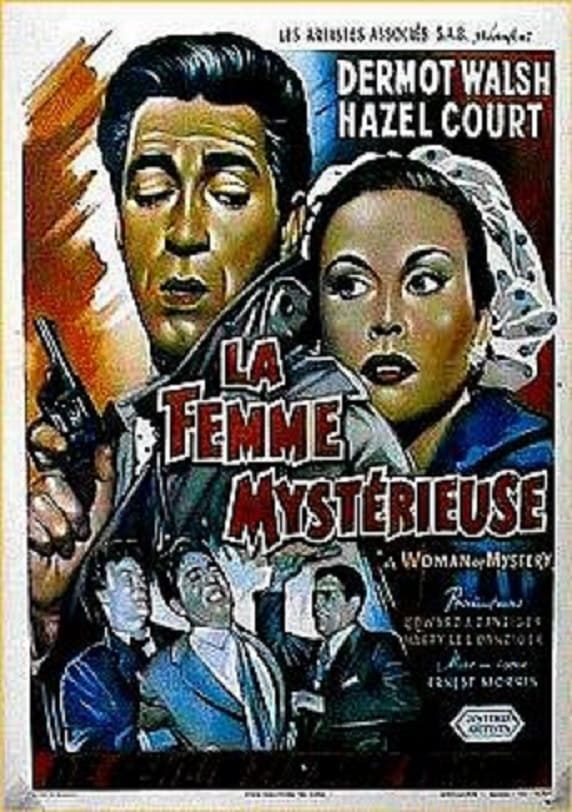
Caine appeared in an uncredited minor role in the crime thriller ‘A Woman of Mystery’. The film follows a journalist who investigates a case involving a woman who believes her life is in danger after her boss, a German scientist, is murdered. It was a classic B-movie thriller of its era.
This was one of several small, often uncredited, parts Caine took in 1958. He was working constantly, trying to get noticed by directors and casting agents in a competitive industry. Each role, no matter how small, was a step forward.
Carve Her Name with Pride (1958)

In the acclaimed biographical war drama ‘Carve Her Name with Pride’, Caine had a brief, uncredited part as a thirsty prisoner on a train. The film tells the true story of Violette Szabo, a British agent who spied on the Nazis in occupied France during World War II, starring Virginia McKenna.
The movie was a major British production, and being a part of it, even in a non-speaking role, was a valuable experience. It placed him in a high-profile film known for its quality and powerful storytelling.
The Key (1958)
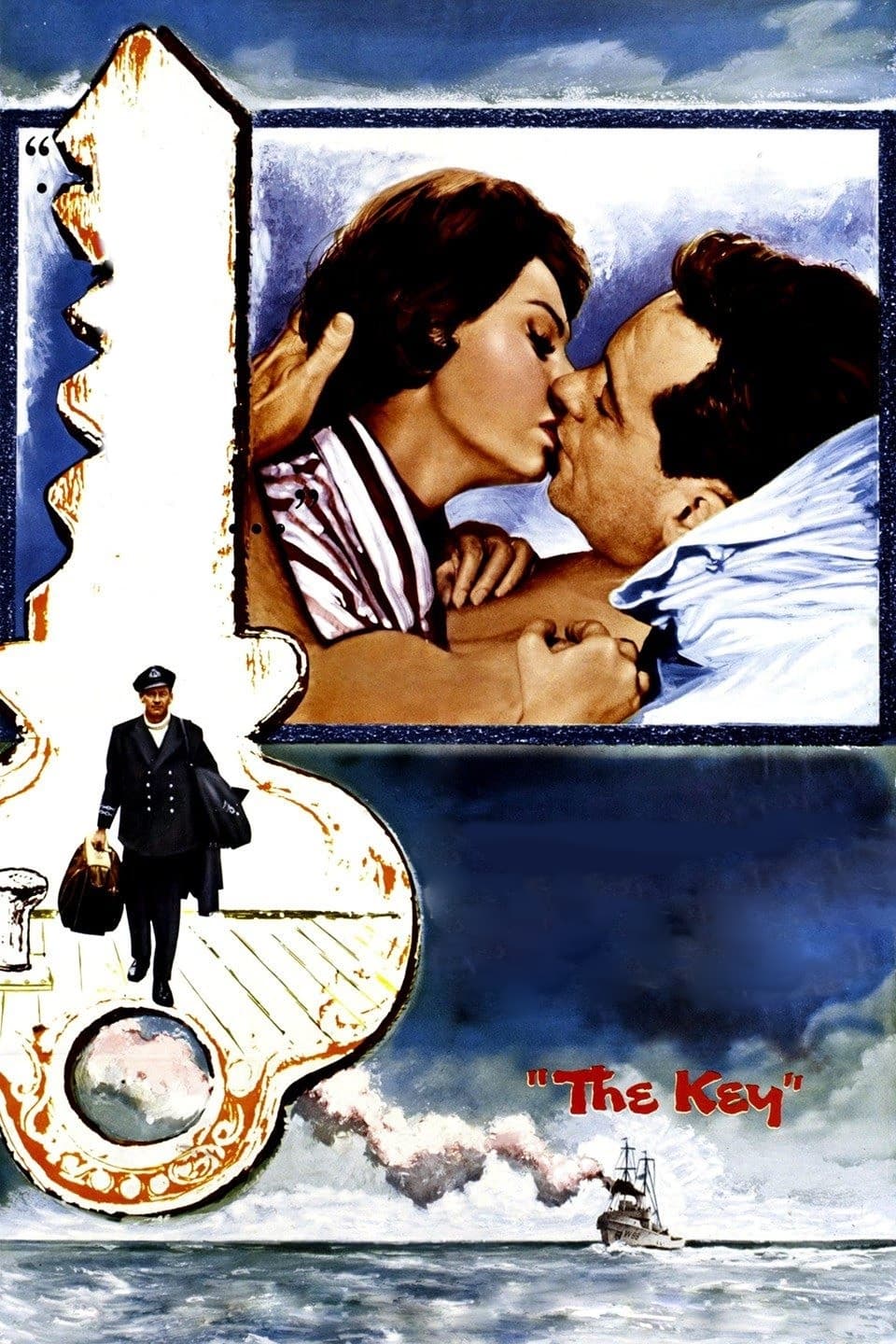
Caine had another uncredited bit part in the war drama ‘The Key’, directed by Carol Reed. The film, starring William Holden and Sophia Loren, is about the dangerous lives of the tugboat captains who rescued damaged Allied ships during World War II.
This role was another example of Caine’s early work, taking on any available part to gain experience and make connections within the film industry.
Blind Spot (1958)
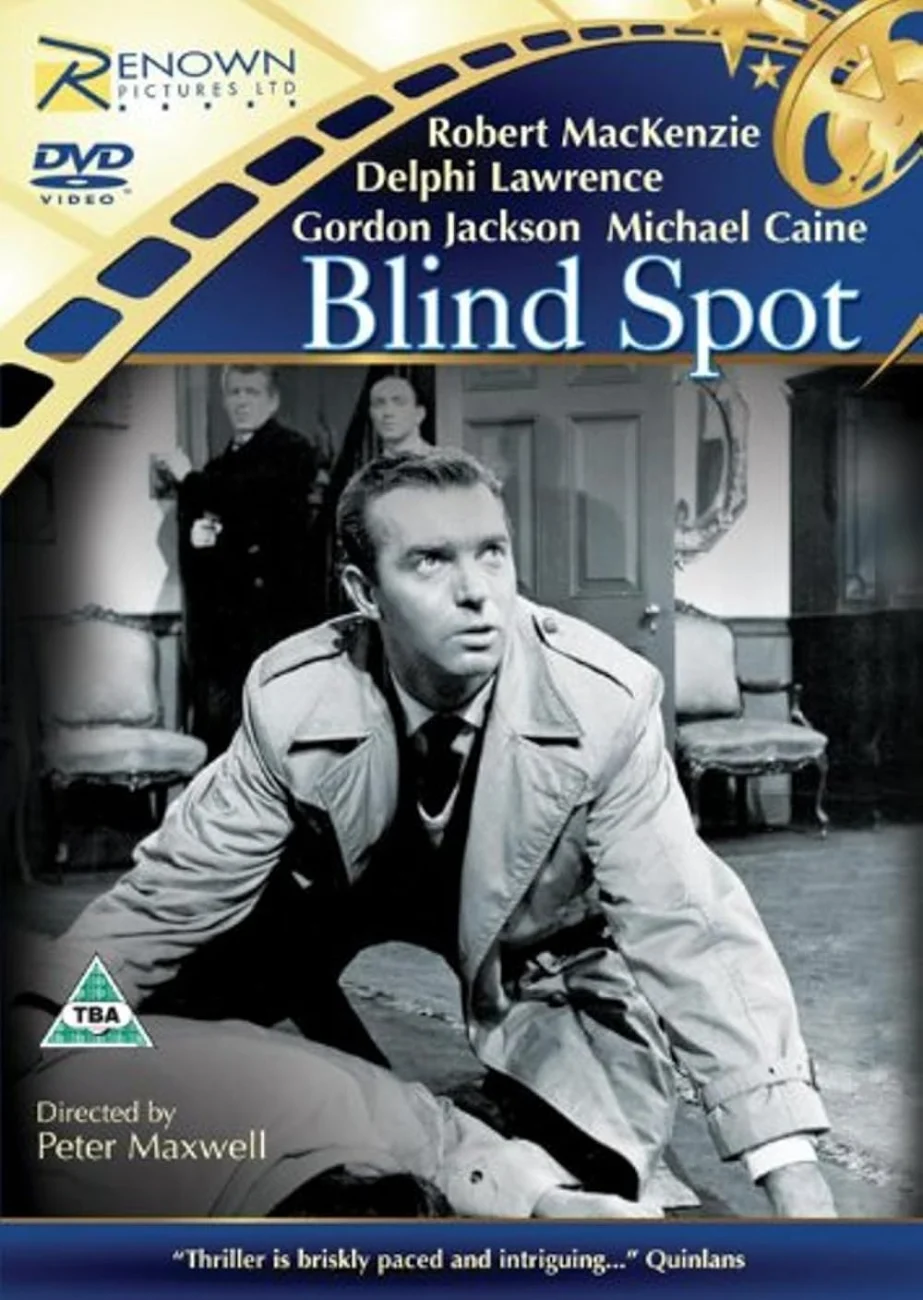
‘Blind Spot’ marked a significant milestone in Michael Caine’s early career, as it was his first leading role. He played Johnny Brent, a man who discovers a dead body after an apparent burglary, only to find himself caught in a conspiracy when the police can find no evidence that a crime ever took place.
Although it was a low-budget B-movie, this film gave Caine his first chance to carry a picture. It was a crucial opportunity for the young actor to prove he could handle a starring role, moving him from uncredited bit parts to the top of the bill.
The Two-Headed Spy (1958)
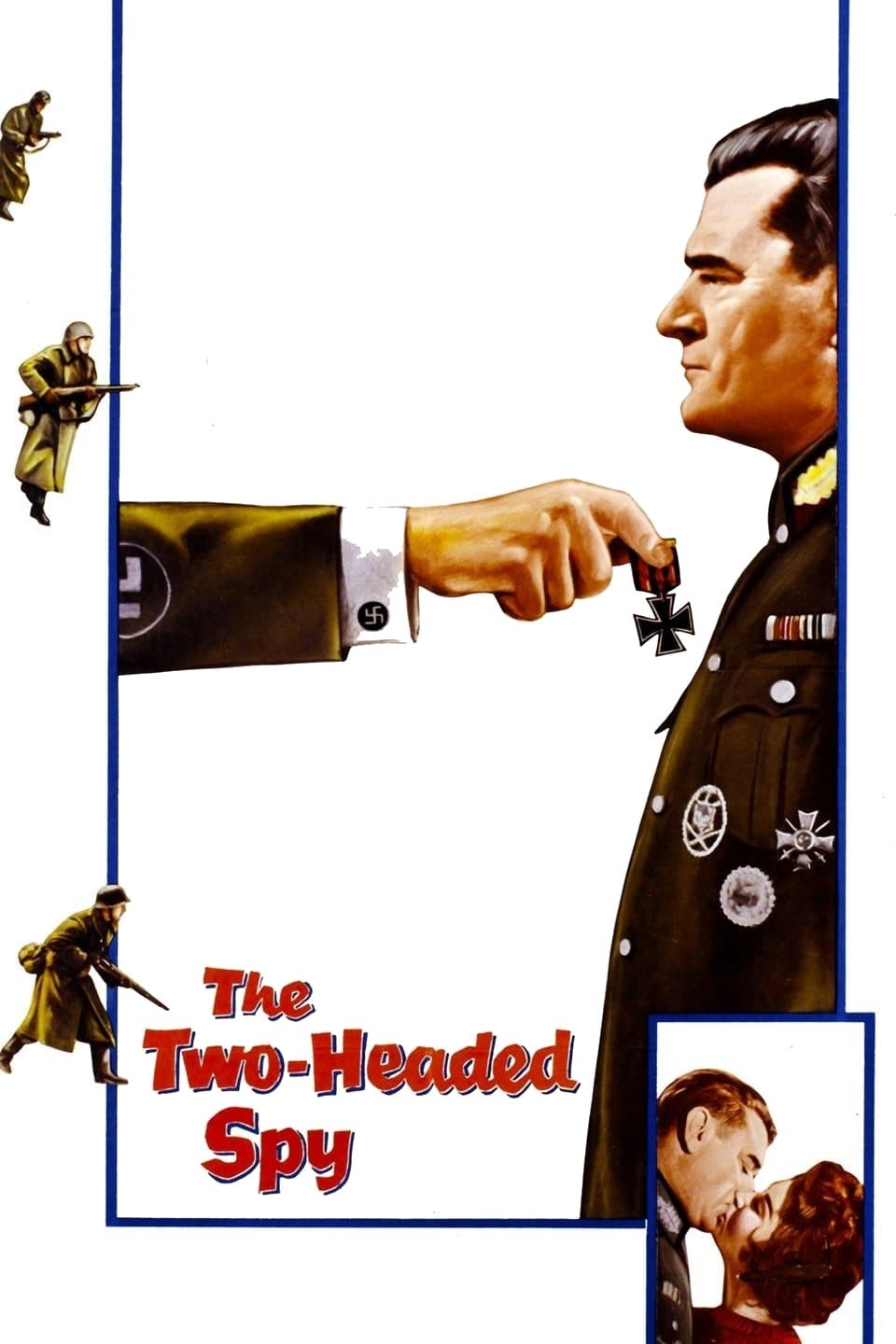
In this spy thriller, Caine had a small role as a Gestapo agent. The film stars Jack Hawkins as a British spy who has successfully infiltrated the German High Command during World War II, rising to a position of authority while secretly sending information to the Allies.
Returning to a smaller role after his first lead part, Caine continued to build his resume. This role gave him experience in the spy genre, a category of film that would later make him a household name.
Passport to Shame (1958)

Caine appeared as a bridegroom in the crime drama ‘Passport to Shame’. The film tells the story of a young French woman who comes to London to get married but is tricked into a life of prostitution by a criminal organization. The movie was a gritty social-commentary thriller.
His role was minor, but the film itself was part of a wave of British movies exploring the dark underbelly of society. Caine’s early career is notable for its variety, as he took parts in comedies, war films, and tough crime dramas.
Danger Within (1959)
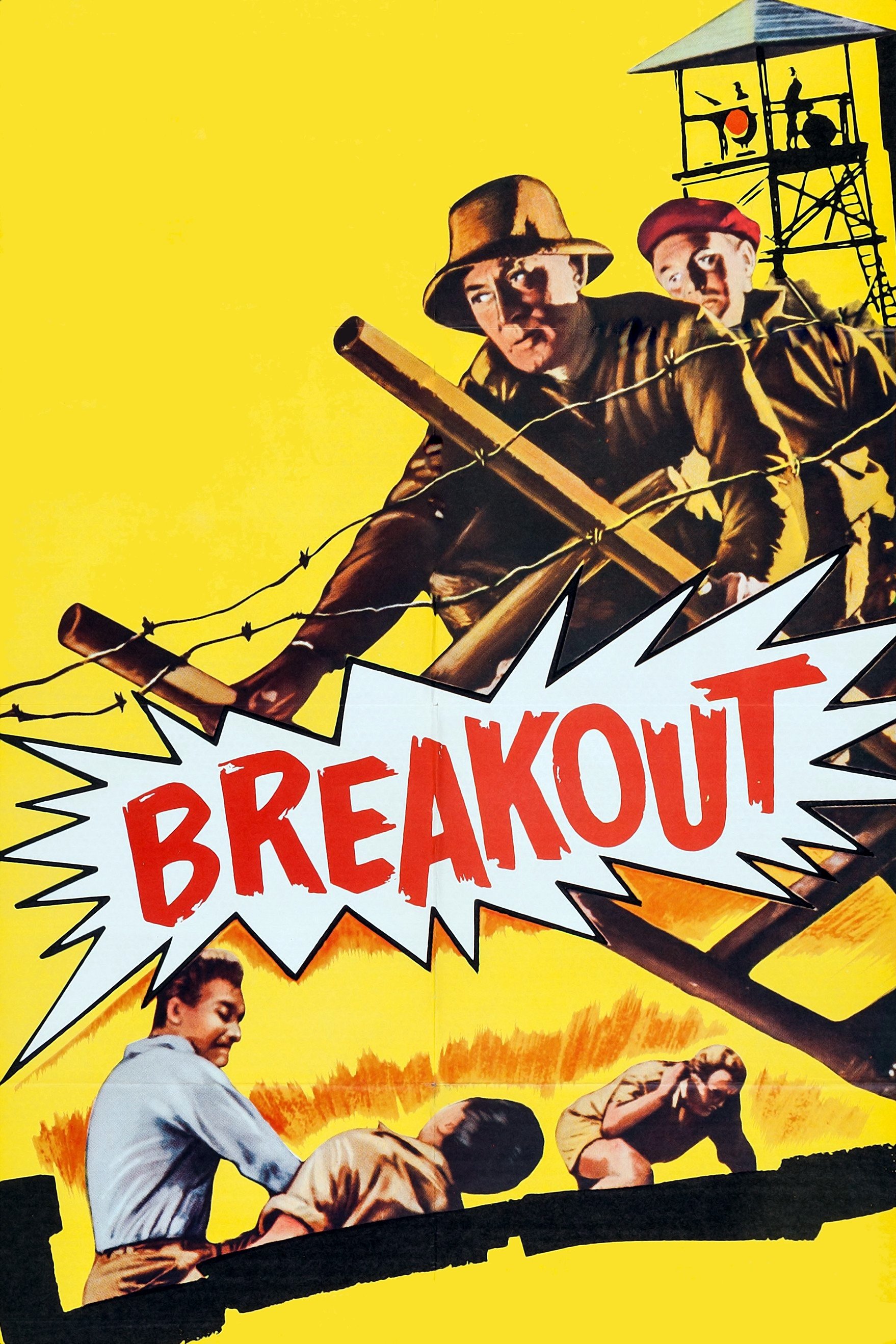
In this prisoner-of-war film, Caine had an uncredited role as a prisoner with a pin-up photograph. The movie is set in a POW camp in Italy during World War II and follows the prisoners’ attempts to organize a mass escape, all while trying to uncover a traitor in their midst.
The film featured a strong cast of British actors, including Richard Todd and Richard Attenborough. It was another war film for Caine, a genre that was extremely popular in British cinema at the time.
Foxhole in Cairo (1960)

Caine played a character named Weber in the spy drama ‘Foxhole in Cairo’. The film is based on the true story of two German spies sent to Cairo during World War II to steal Allied war plans. It was a tale of espionage and counter-espionage set in North Africa.
This was another supporting role for Caine as he continued to establish himself as a reliable character actor. The film’s cast included other notable actors like James Robertson Justice and Adrian Hoven.
The Bulldog Breed (1960)
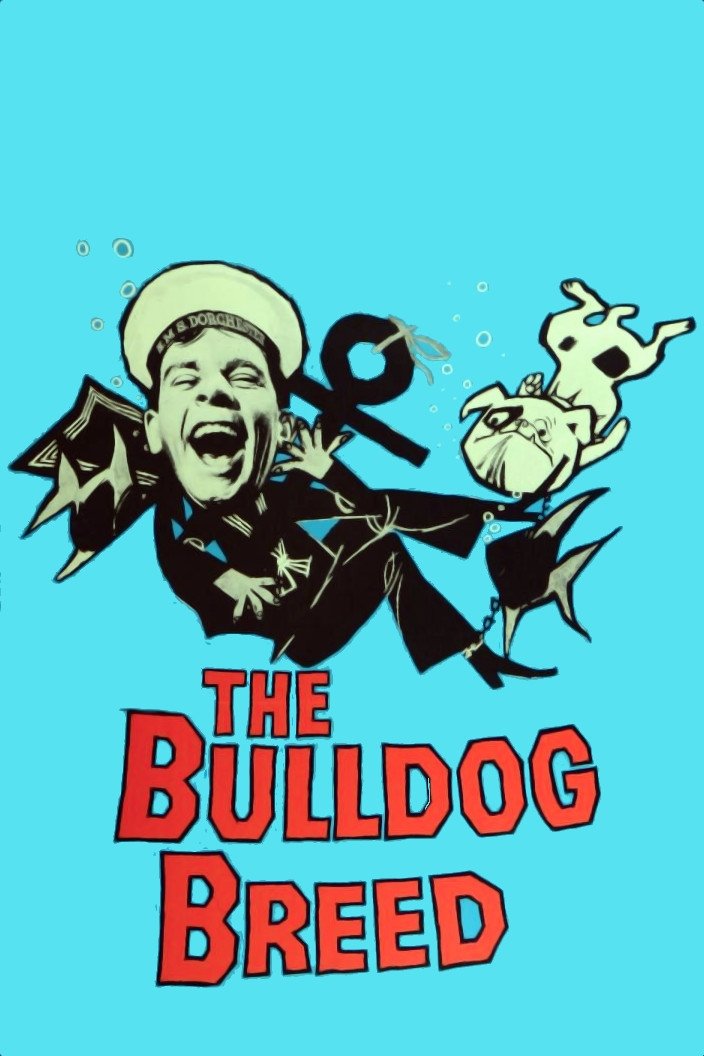
In this comedy starring popular British entertainer Norman Wisdom, Caine had a small, uncredited role as a sailor involved in a cinema fight. The film follows Wisdom’s character as he tries to join the Royal Navy to impress a woman, leading to a series of slapstick misadventures.
This cameo was a minor appearance in a mainstream comedy. It shows that Caine was still taking any work he could find, appearing in a wide range of films as he waited for his big break.
The Day the Earth Caught Fire (1961)

Caine had a brief, uncredited part as a checkpoint policeman in the science-fiction disaster film ‘The Day the Earth Caught Fire’. The movie follows a group of London newspaper reporters who discover that nuclear testing has knocked the Earth off its axis and sent it hurtling towards the sun.
The film is considered a classic of British sci-fi, known for its intelligent script and realistic, documentary-style approach. Caine’s small role was part of this gritty, acclaimed production.
Solo for Sparrow (1962)
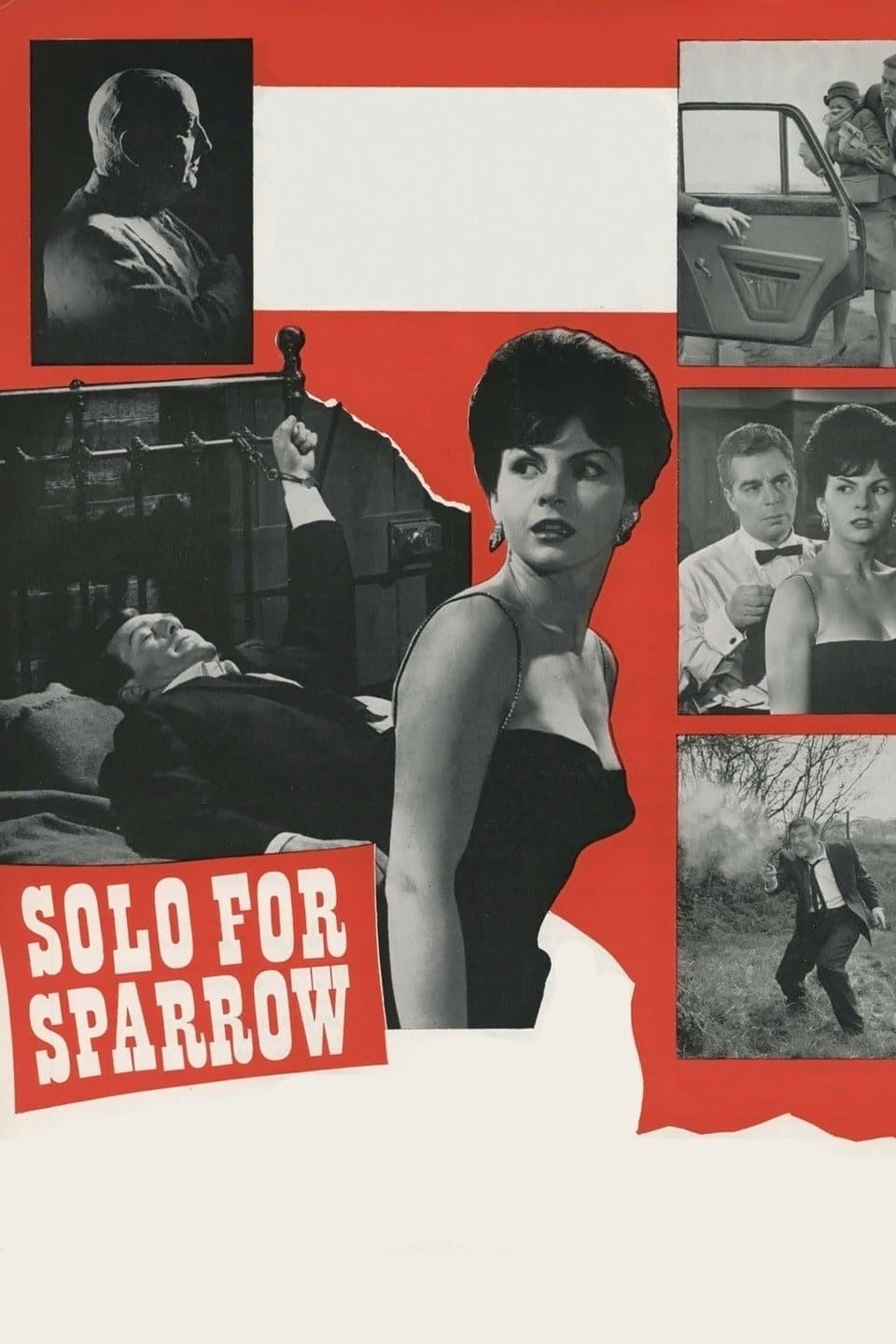
In the crime thriller ‘Solo for Sparrow’, Caine had a supporting role as Paddy Mooney. The film is about a police inspector who, while on leave, decides to solve a series of jewelry store robberies on his own. Caine’s character is a small-time crook involved in the criminal underworld.
This was a more substantial part for Caine than many of his previous roles. It allowed him to play a more defined character in a B-movie crime drama, a genre he had plenty of experience in by this point in his career.
The Wrong Arm of the Law (1963)
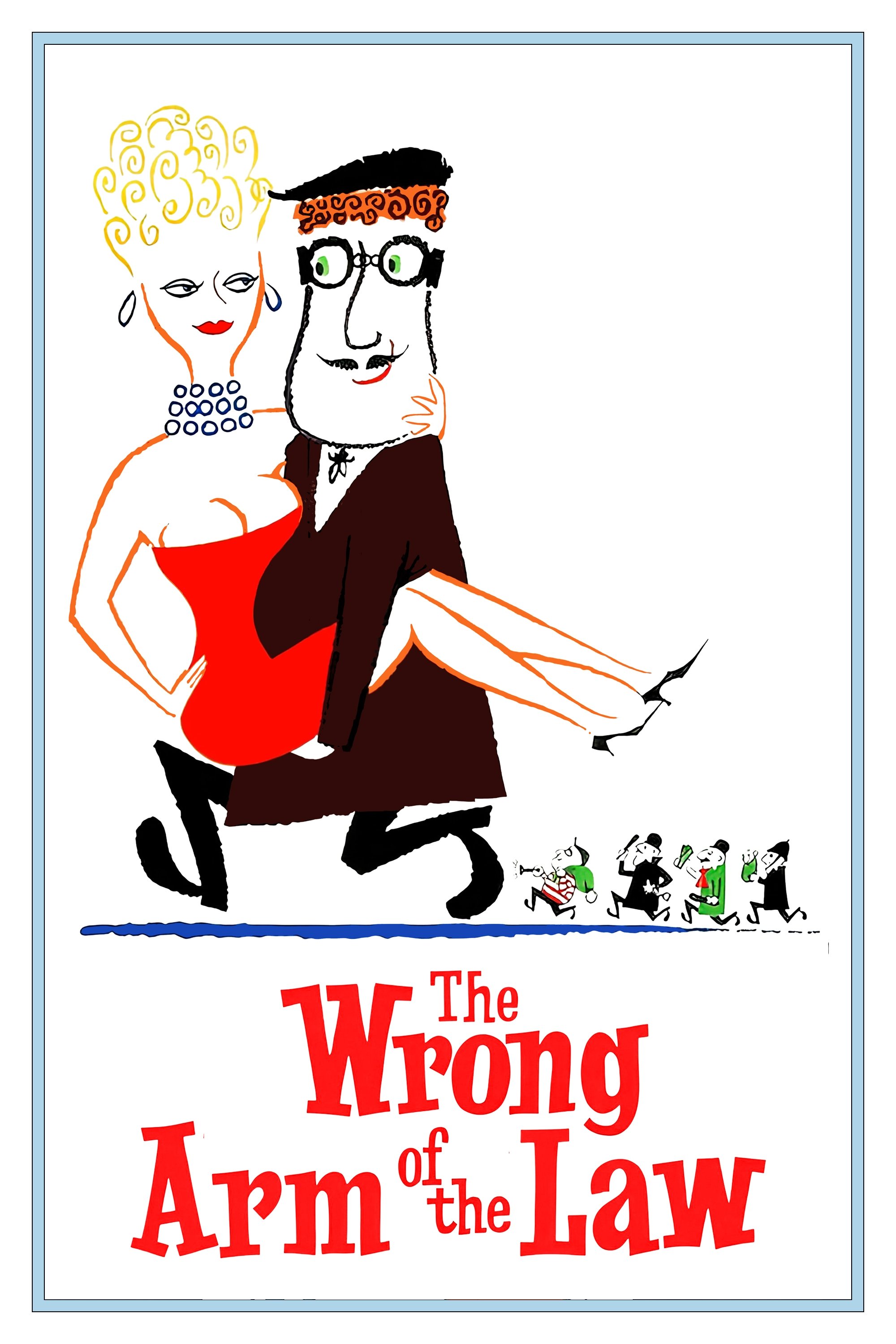
Caine had a very brief, uncredited role as a police constable in this British comedy. The film stars Peter Sellers as the leader of a London criminal gang who finds his organization’s profits are being stolen by a rival gang impersonating police officers.
This was one of Caine’s last uncredited roles before his career exploded. He was on the cusp of stardom, and this small part in a major comedy starring one of Britain’s biggest stars was a sign of things to come.
Zulu (1964)
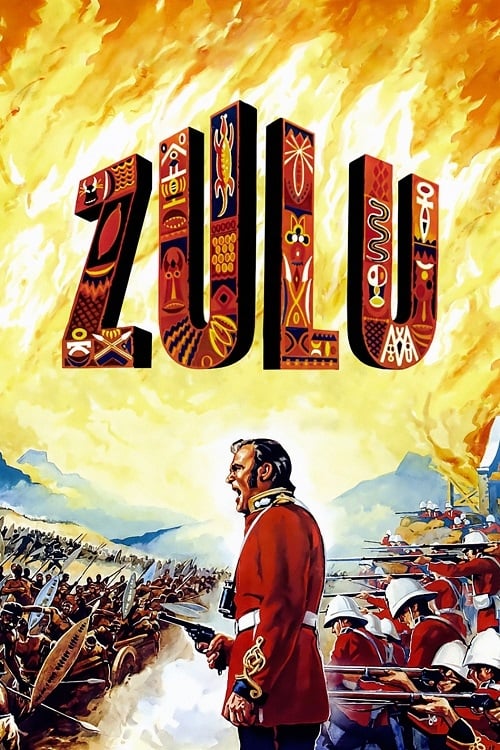
This was the film that made Michael Caine a star. He played Lieutenant Gonville Bromhead, an aristocratic officer in the British army, in the epic war film ‘Zulu’. The movie depicts the historic Battle of Rorke’s Drift, where a small contingent of British soldiers defended their outpost against a massive attack by Zulu warriors.
Caine’s portrayal of the upper-class but brave officer was a breakout performance. It showcased his incredible screen presence and ability to convey complex emotions. The film was a massive international success and instantly turned him into a household name.
The Ipcress File (1965)
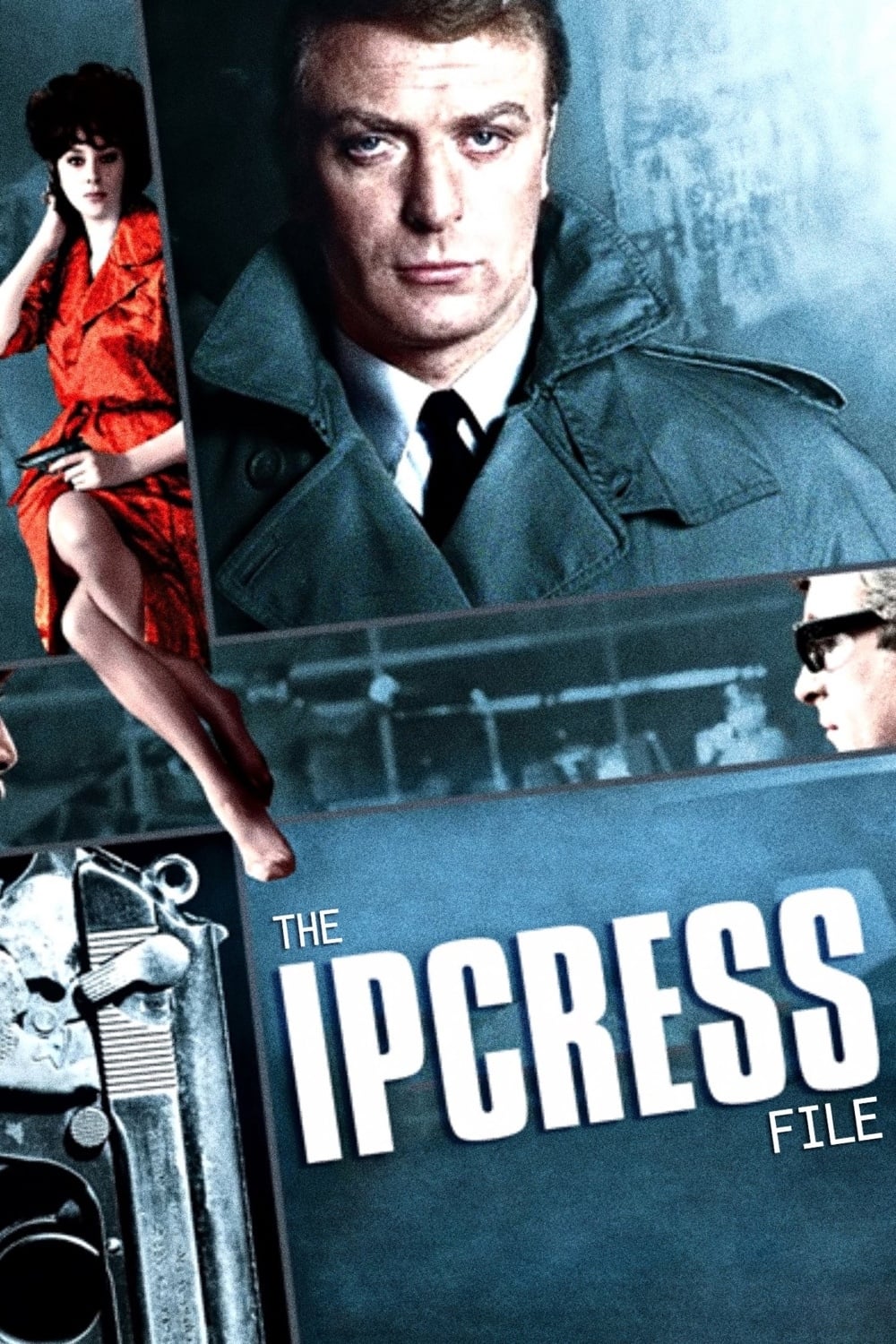
Following the success of ‘Zulu’, Caine cemented his stardom with his role as the spy Harry Palmer in ‘The Ipcress File’. Unlike the glamorous James Bond, Palmer was a working-class, spectacle-wearing spy with a cynical attitude. The film follows him as he investigates the brainwashing of British scientists.
Harry Palmer became one of Caine’s signature roles, defining a new kind of gritty, realistic spy. The film was a critical and commercial success, praised for its stylish direction and intelligent plot. It spawned several sequels and established Caine as a major leading man.
Alfie (1966)
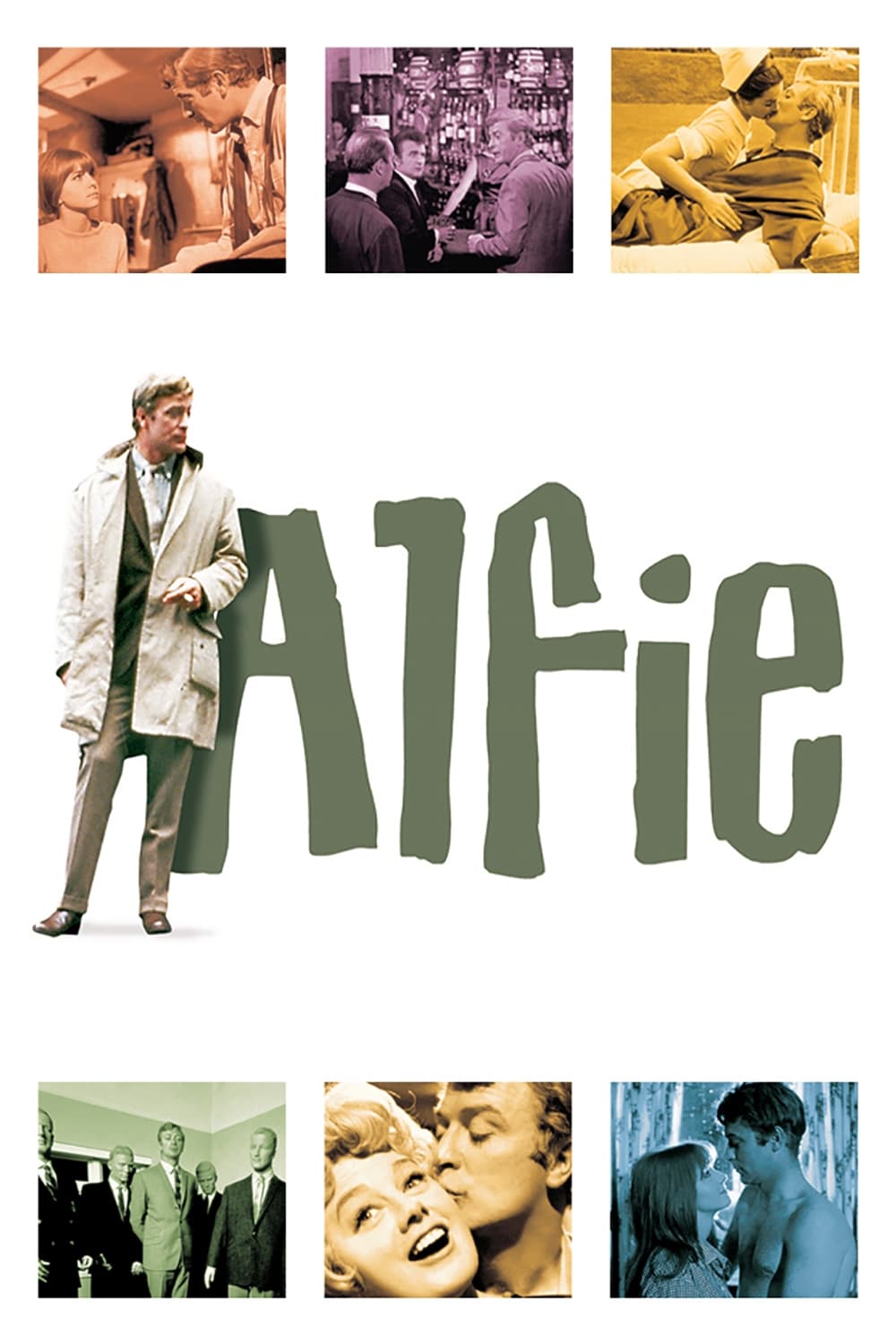
Caine gave one of his most iconic performances in the title role of ‘Alfie’. He played Alfie Elkins, a charming and irresponsible Londoner who drifts through life, using and discarding women. The character frequently breaks the fourth wall to speak directly to the audience about his selfish philosophy.
The role earned Caine his first Academy Award nomination for Best Actor and turned him into a symbol of the Swinging Sixties. His performance was praised for being both charismatic and ultimately tragic, as he forces the audience to confront the emptiness of his character’s life.
The Wrong Box (1966)
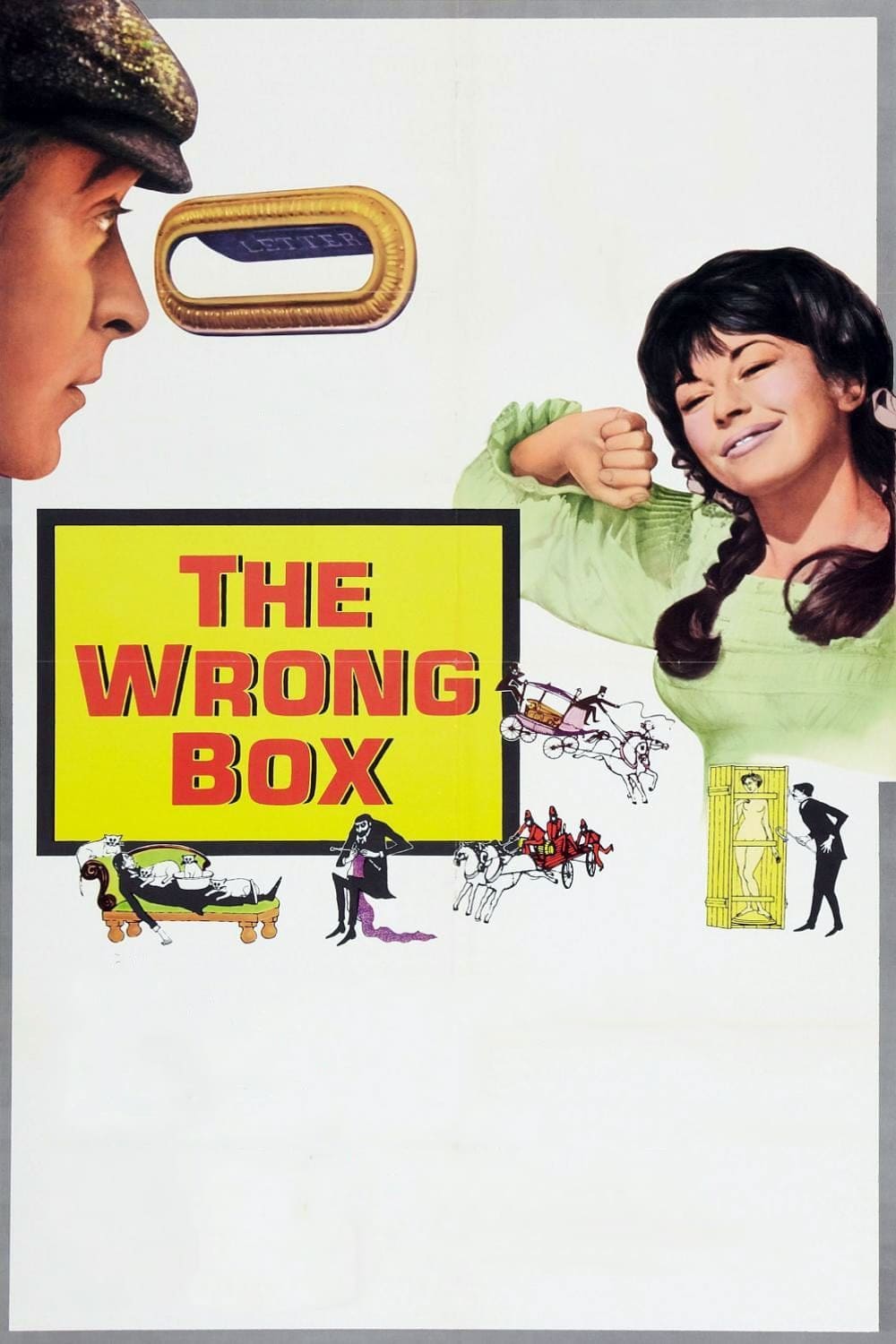
In this Victorian-era British comedy, Caine played Michael Finsbury, a naive young man who gets caught up in a chaotic plot involving a tontine, a type of life insurance lottery. The film features an ensemble cast of well-known British comedic actors, including Peter Cook, Dudley Moore, and John Mills.
This role demonstrated Caine’s comedic timing and his ability to hold his own in an ensemble of comedy legends. ‘The Wrong Box’ was a lighthearted farce that showcased a different side of his acting talent after the intensity of his previous roles.
Gambit (1966)
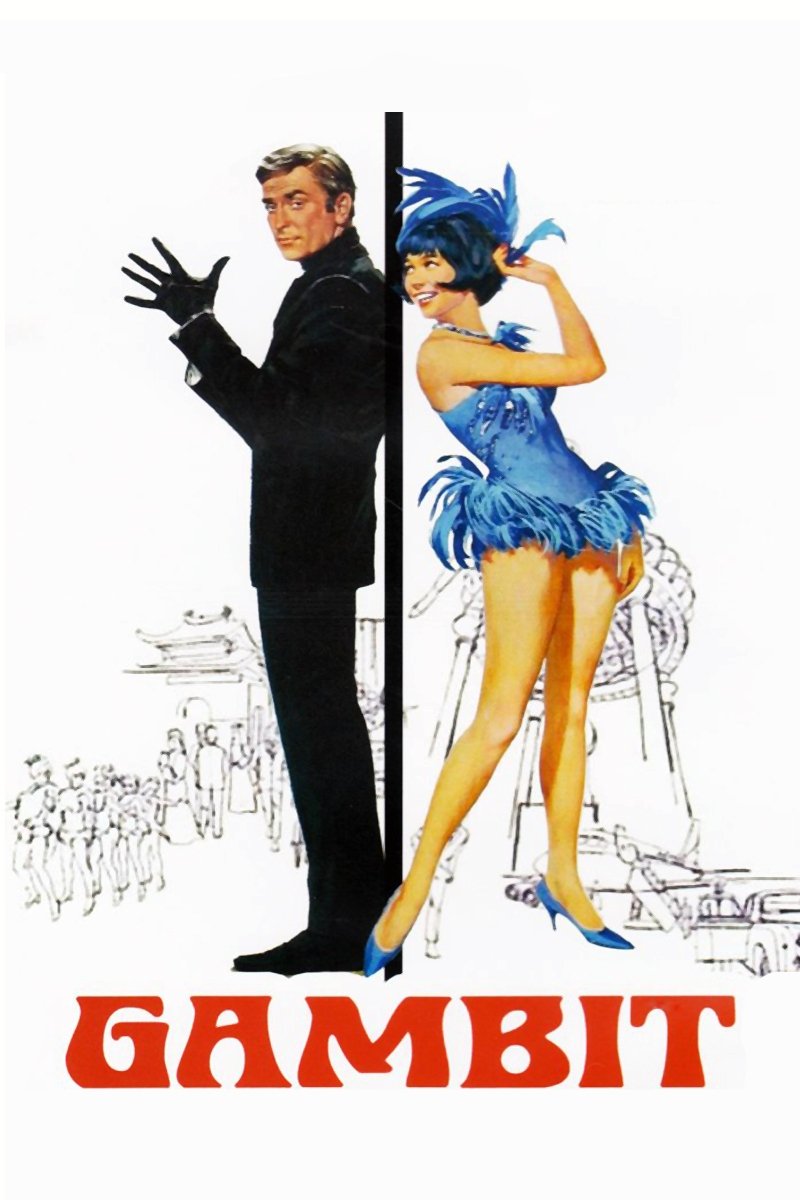
Caine starred opposite Shirley MacLaine in the heist comedy ‘Gambit’. He played Harry Tristan Dean, a clever Cockney cat burglar who devises a seemingly perfect plan to steal a priceless statue from a wealthy businessman. The film is known for its clever plot, which is shown first as imagined by Harry and then as it actually happens.
The movie was a stylish and entertaining caper that played on the chemistry between its two leads. It earned three Academy Award nominations and was another international success for Caine, further solidifying his status as a top box-office draw.
Funeral in Berlin (1966)
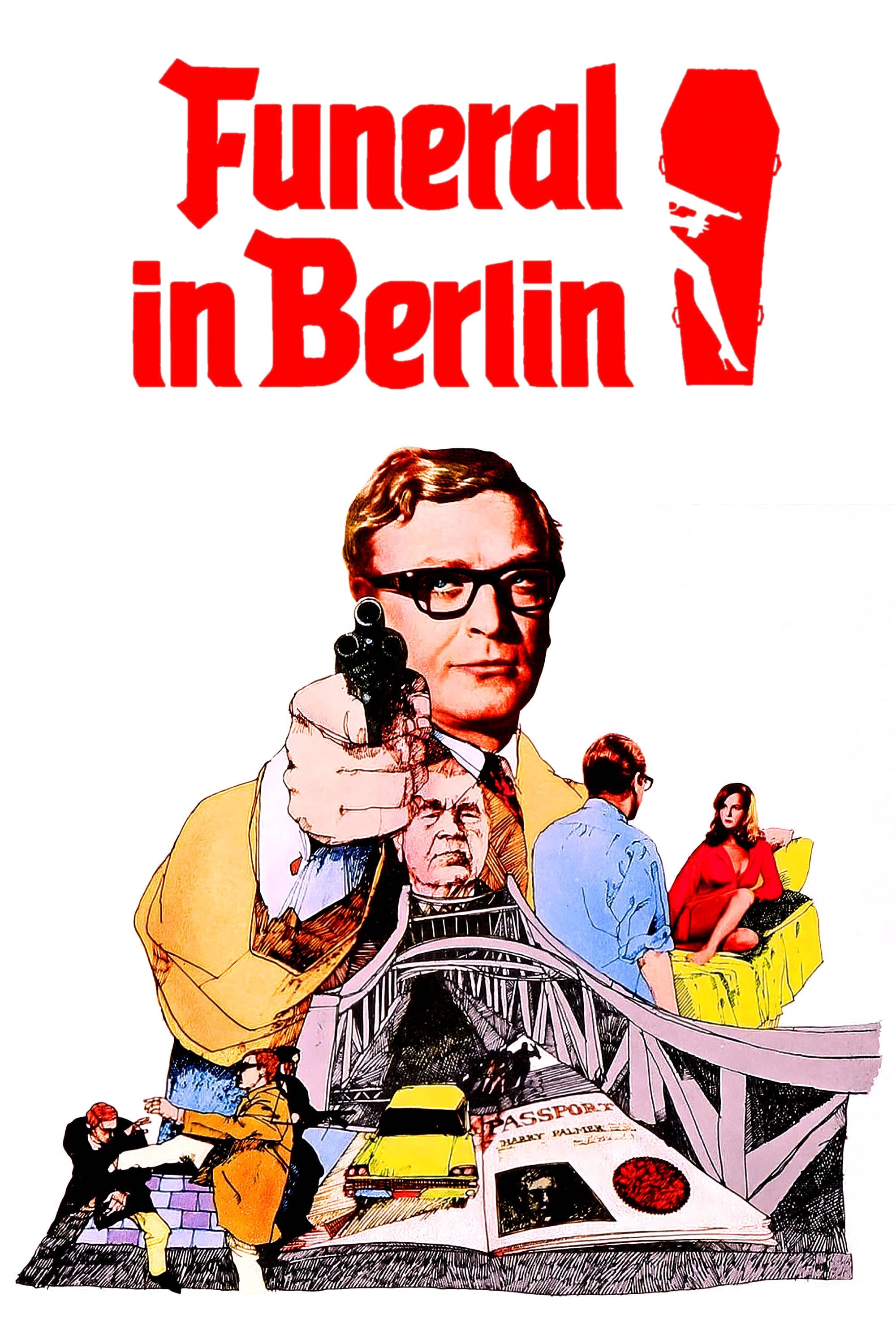
Caine reprised his role as the spy Harry Palmer in ‘Funeral in Berlin’, the first sequel to ‘The Ipcress File’. In this film, Palmer is sent to Berlin to arrange the defection of a high-ranking Soviet intelligence officer. He soon finds himself caught in a web of deceit and double-crosses in the divided city.
The film continued the gritty, realistic tone of the first movie and was another solid entry in the Harry Palmer series. It cemented Palmer as the thinking person’s spy and gave Caine another successful vehicle to showcase his cool, understated charisma.
Hurry Sundown (1967)
In this drama directed by Otto Preminger, Caine played Henry Warren, a ruthless Georgia landowner who tries to buy up land from his neighbors, including his own cousin, for a large industrial development. The film, set in the American South shortly after World War II, deals with themes of greed and racial tension.
The movie was a notable departure for Caine, as he played an American character in a large-scale melodrama. The film received largely negative reviews, but it was an opportunity for Caine to work with a legendary director and stretch his acting range.
Woman Times Seven (1967)
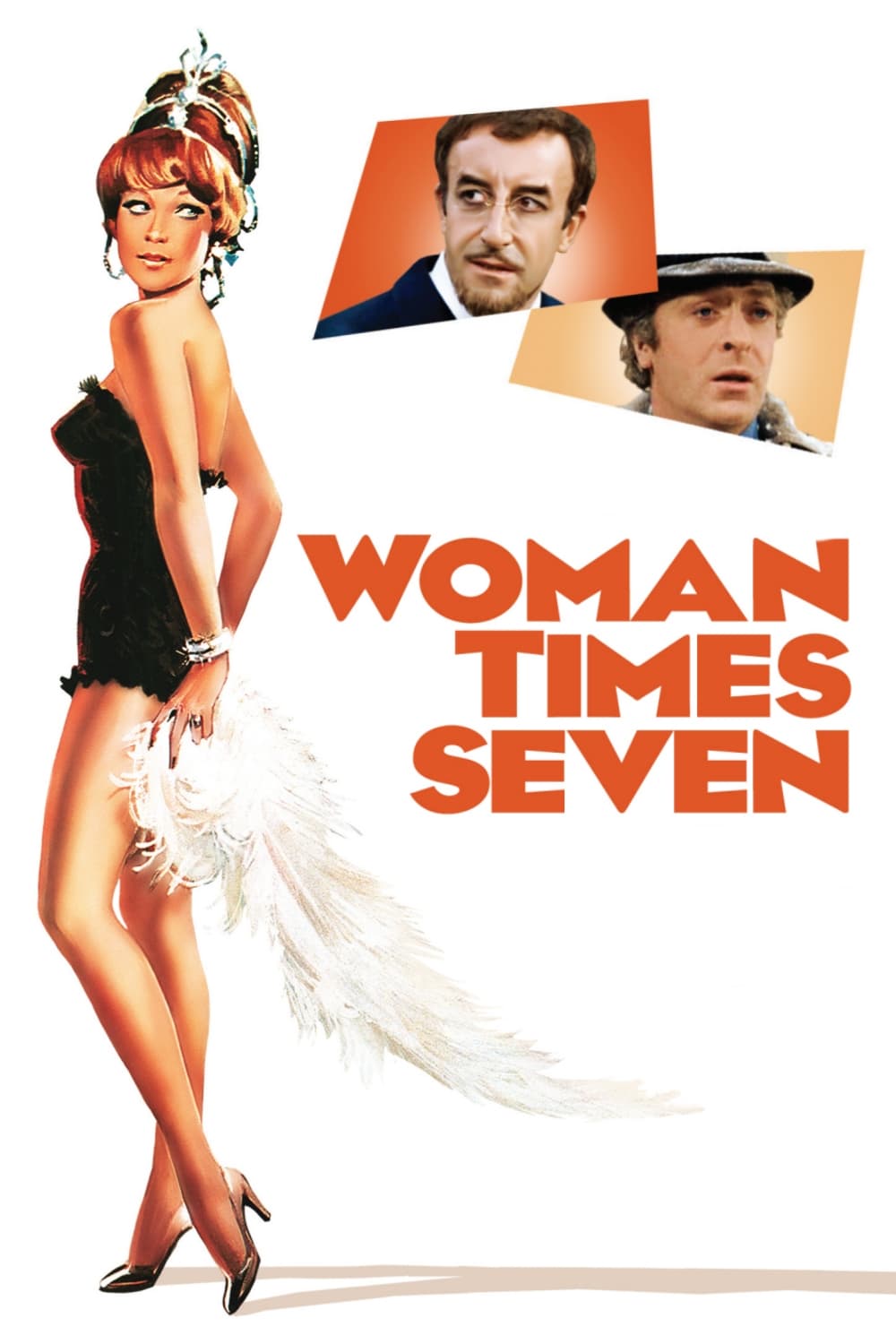
Caine appeared in one segment of this anthology film titled ‘Woman Times Seven’. The movie consists of seven short stories, all starring Shirley MacLaine in different roles, exploring various aspects of love and infidelity. Caine’s segment, “Show,” features him as a handsome stranger who encounters a woman trying to make her husband jealous.
This was a small role in a European-style comedy-drama directed by the acclaimed Italian filmmaker Vittorio De Sica. It was a light, stylish piece that paired him once again with his ‘Gambit’ co-star, Shirley MacLaine.
Billion Dollar Brain (1967)
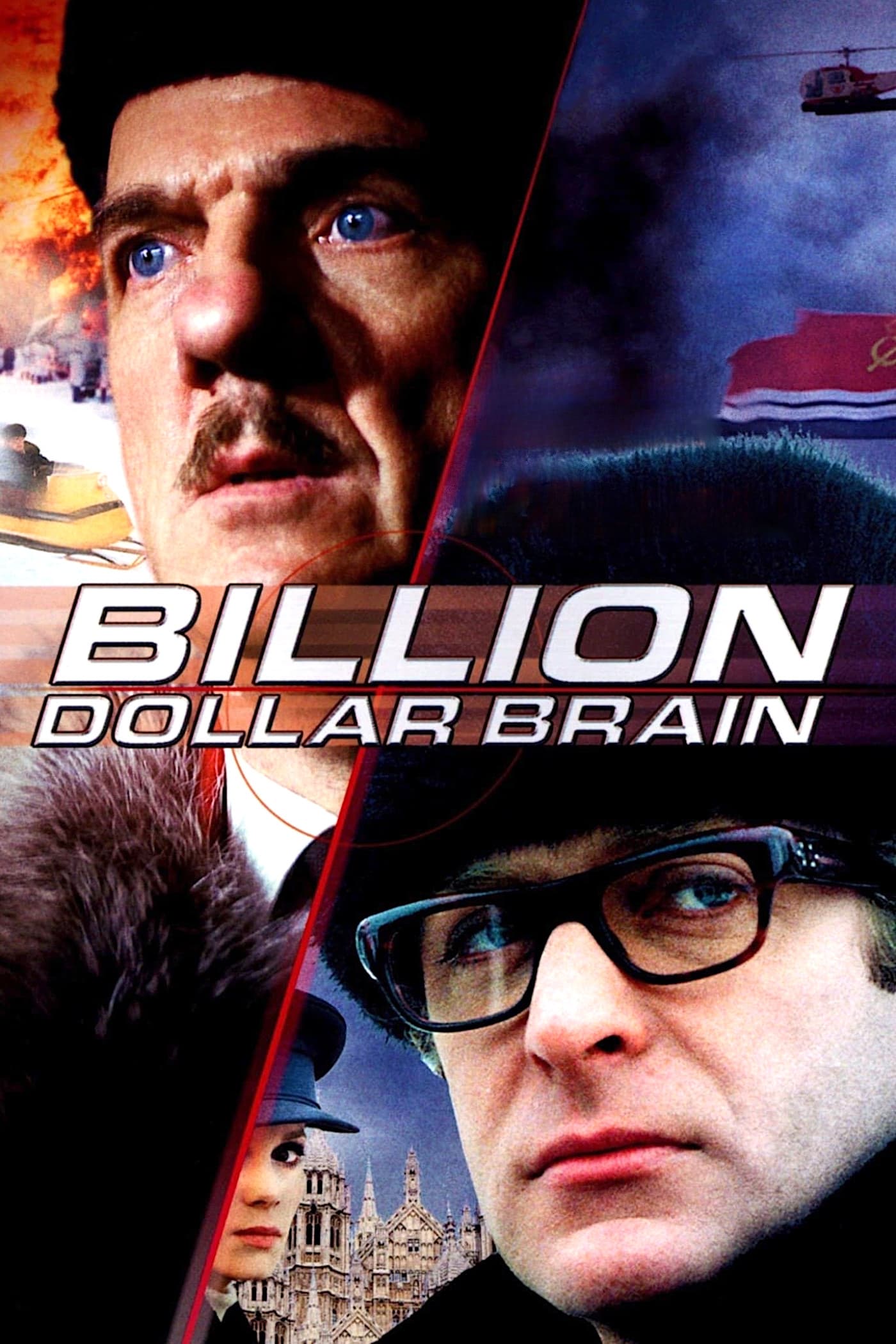
Caine played Harry Palmer for the third time in ‘Billion Dollar Brain’. In this installment, a reluctant Palmer is pulled back into the world of espionage and sent to Finland, where he uncovers a plot by an eccentric anti-communist Texas millionaire to invade the Soviet Union using a powerful computer.
Directed by the flamboyant Ken Russell, this was the most outlandish and surreal of the original Harry Palmer films. While it was not as critically acclaimed as its predecessors, it has since become a cult classic for its unique visual style and Cold War paranoia.
Deadfall (1968)
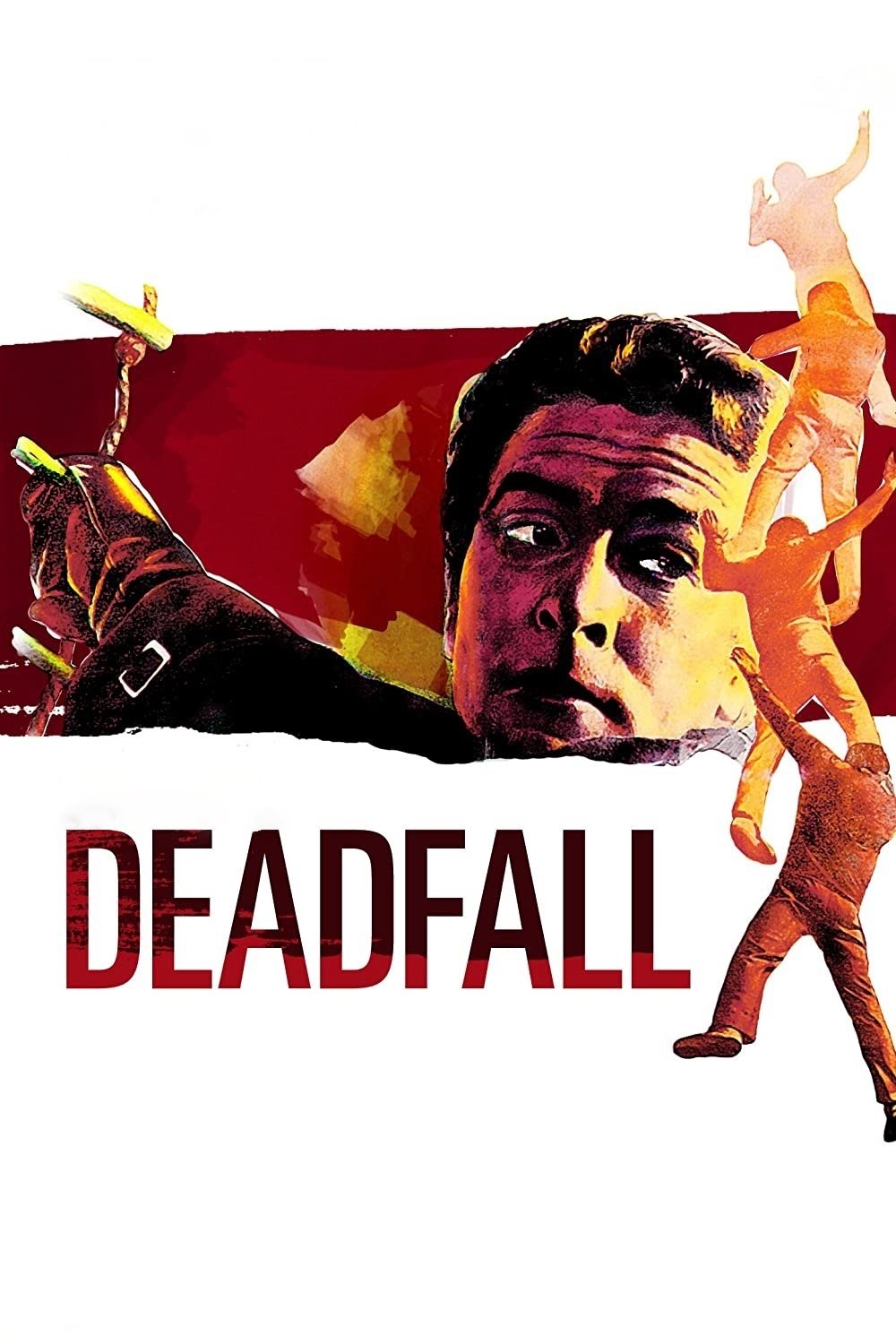
In this crime drama, Caine played Henry Stuart Clarke, a cat burglar who gets involved with a married couple who are also jewel thieves. The film explores the complex psychological and romantic relationships between the three characters as they plan a major heist.
Directed by Bryan Forbes, the film was noted for its complex narrative structure and a 20-minute-long sequence depicting the central heist in near silence. The movie also featured a score by the legendary composer John Barry.
The Magus (1968)

Caine starred as Nicholas Urfe, a young English writer who takes a teaching job on a remote Greek island. There, he meets a mysterious and wealthy man who draws him into a series of elaborate and confusing psychological games, blurring the lines between reality and illusion.
Based on a famous and complex novel by John Fowles, the film was famously difficult to understand and received poor reviews. Caine himself later joked that he did not understand what the film was about, but it remains a fascinating and ambitious failure from the era.
Play Dirty (1969)
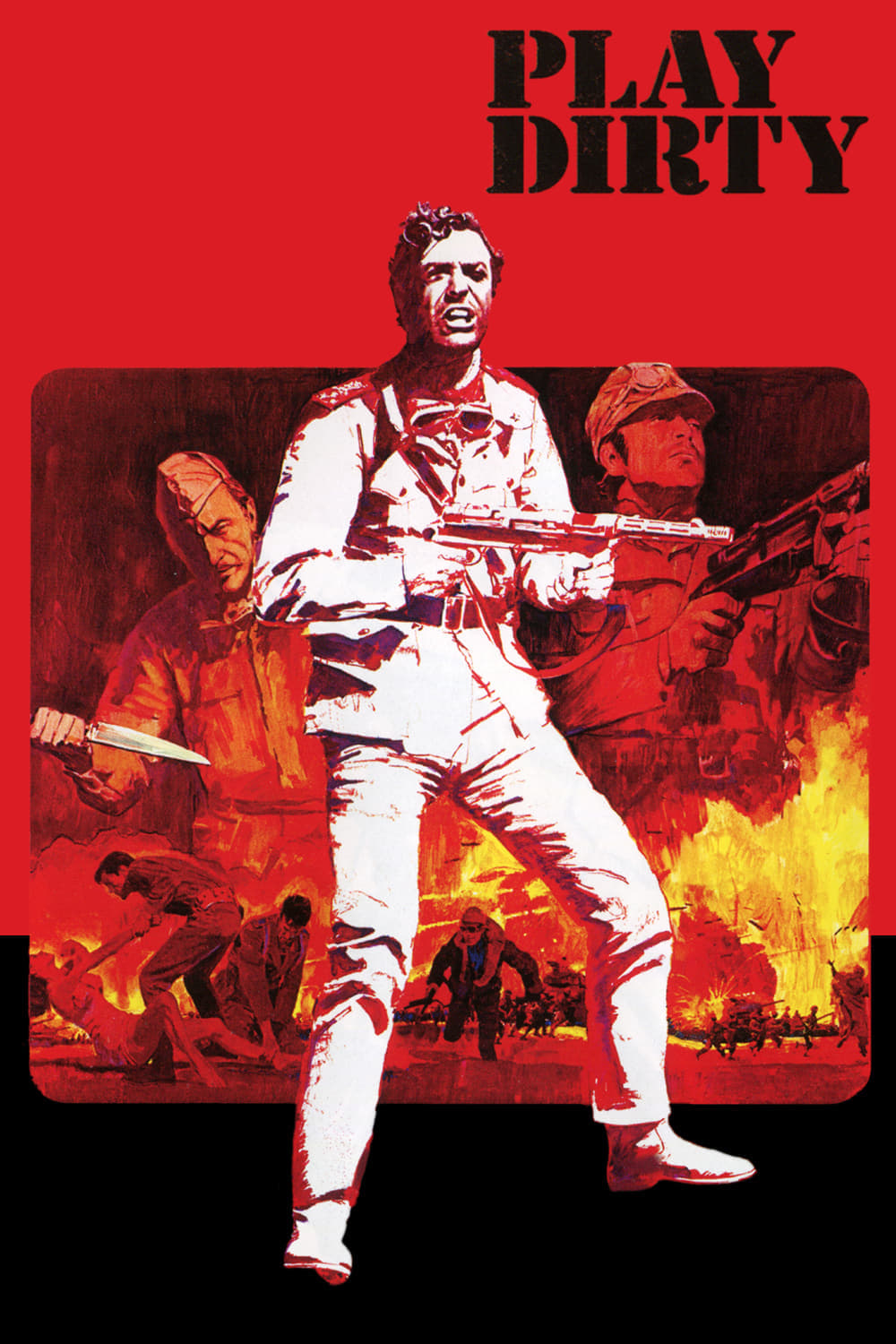
In the war film ‘Play Dirty’, Caine played Captain Douglas, a British army officer who is assigned to lead a team of criminals and mercenaries on a dangerous commando mission behind enemy lines in North Africa. The film is known for its cynical and anti-authoritarian tone, portraying war as a brutal and corrupt business.
Caine’s character is an oil executive in civilian life who is unprepared for the harsh realities of leading a team that operates outside the normal rules of warfare. The movie was a gritty and realistic take on the war film genre, a stark contrast to more heroic depictions.
The Italian Job (1969)
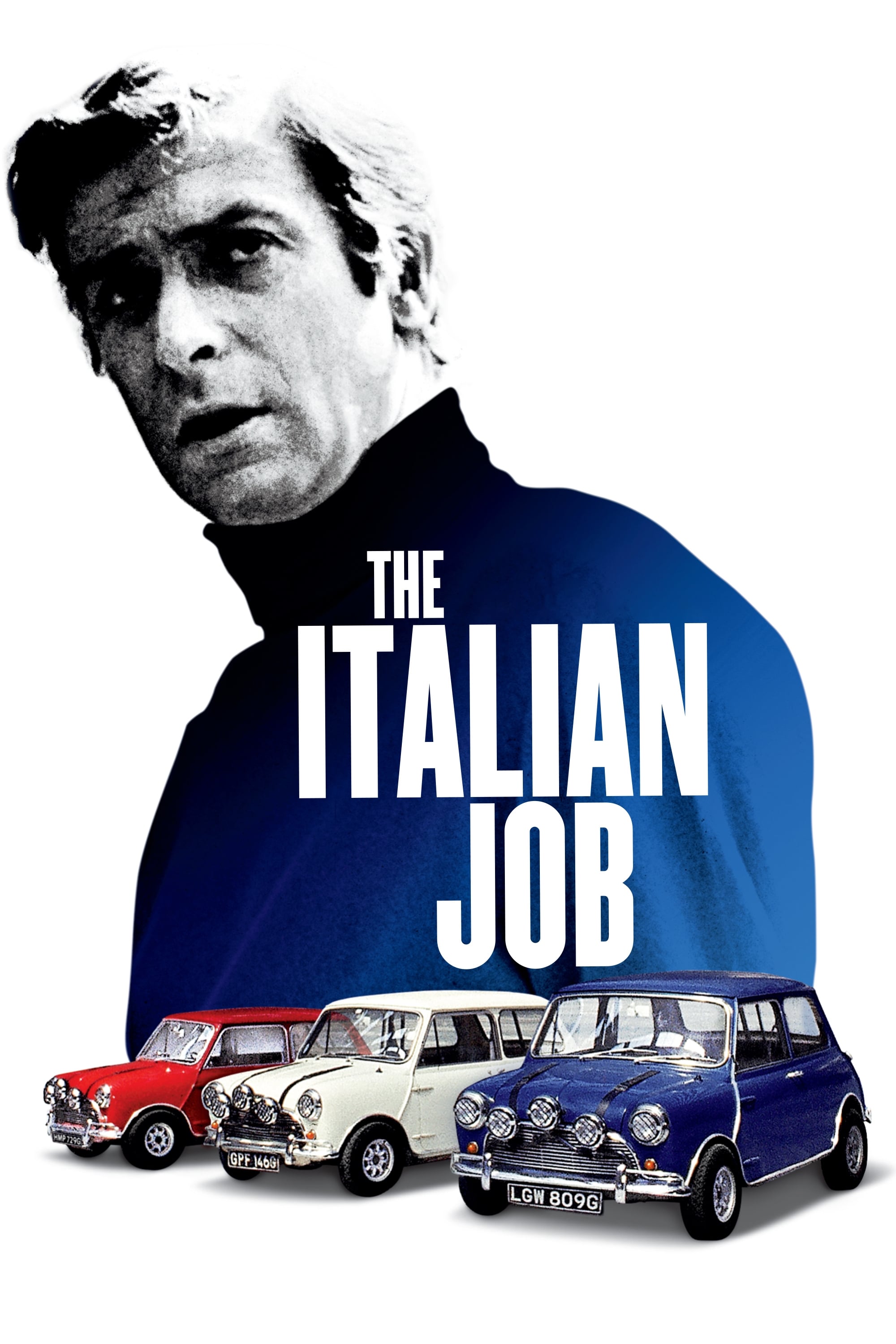
Caine starred as Charlie Croker in one of the most beloved British films of all time, ‘The Italian Job’. He played the leader of a gang of Cockney criminals who plan to steal a shipment of gold in Turin, Italy, by creating a massive traffic jam. The film is famous for its thrilling car chase sequence featuring three Mini Coopers.
The movie is a classic caper comedy, perfectly capturing the optimistic spirit of 1960s London. Caine’s charismatic performance and the film’s iconic set pieces have made it a cultural touchstone. The line, “You’re only supposed to blow the bloody doors off!” has become one of the most famous quotes in British cinema.
Battle of Britain (1969)

In this epic war film depicting the air campaign between the Royal Air Force and the Luftwaffe, Caine was part of a massive all-star cast. He played Squadron Leader Canfield, a fighter pilot leading a squadron of Spitfires. The film is renowned for its spectacular aerial combat sequences.
Although his role was relatively small, Caine’s presence added star power to the ensemble. It was another opportunity for him to participate in a large-scale historical drama, paying tribute to the pilots of World War II.
Too Late the Hero (1970)
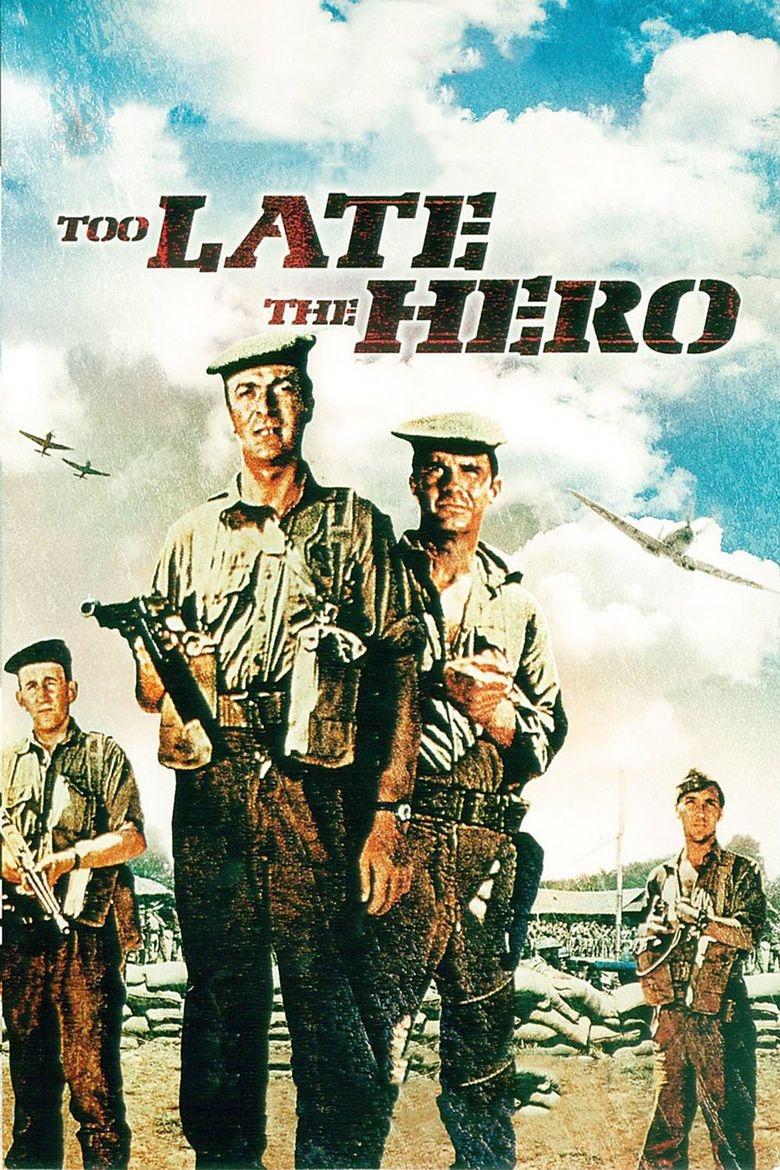
Caine starred in this gritty war film as Private Tosh Hearne, a cynical, Cockney-speaking British soldier. The plot follows a small group of British and American soldiers on a mission to destroy a Japanese radio transmitter on a remote Pacific island during World War II.
The film, directed by Robert Aldrich, was praised for its intense action and psychological drama. Caine’s character is a reluctant soldier who clashes with his American officer counterpart, highlighting the tensions and brutal realities of jungle warfare.
Simon, Simon (1970)
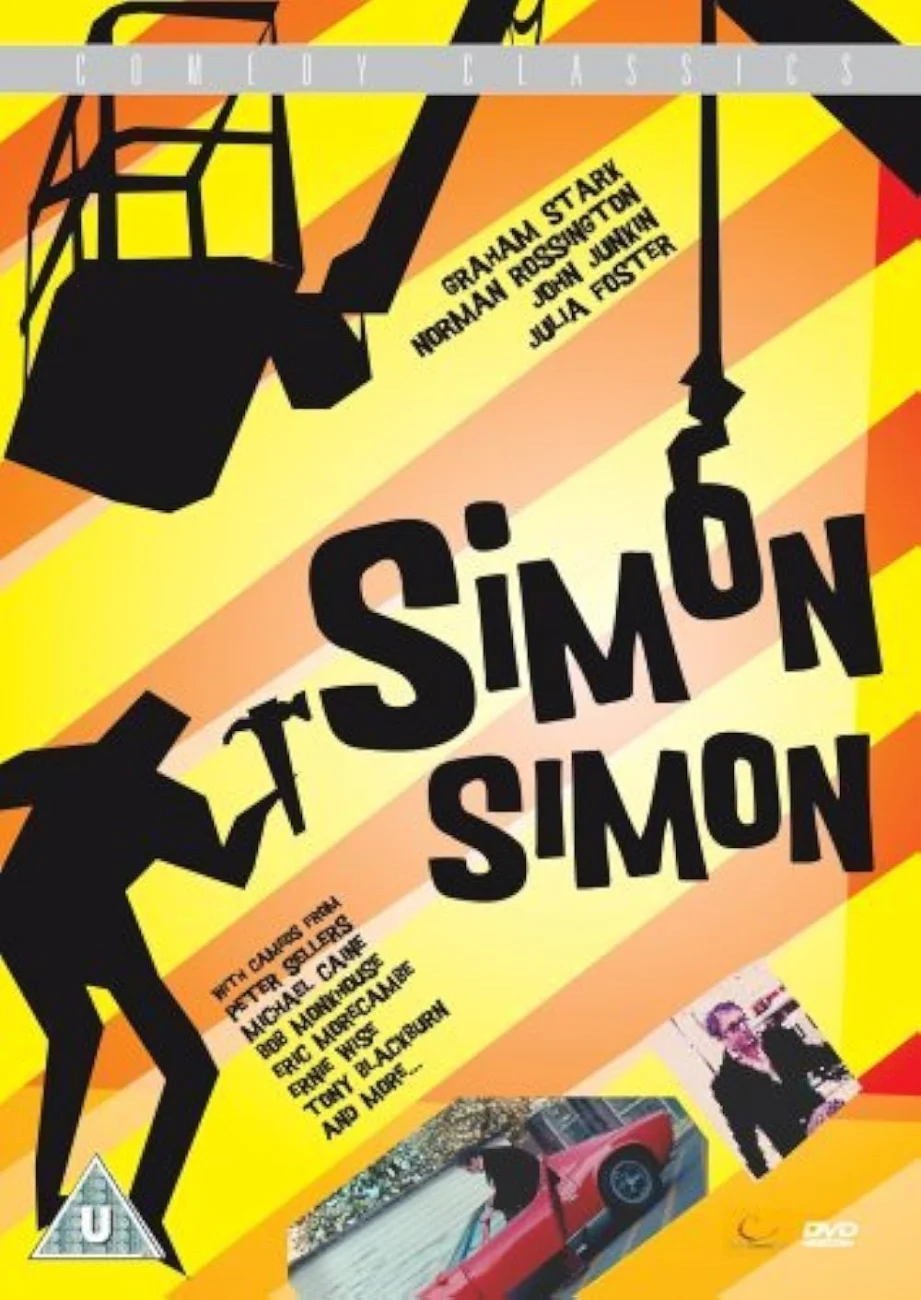
In this short silent comedy film directed by Graham Stark, Michael Caine made a brief cameo appearance as himself. The movie is a slapstick homage to the silent films of the past, following two clumsy handymen as they cause chaos.
Caine’s appearance was a friendly gesture for director and fellow actor Graham Stark. The short was filled with cameos from other British comedy stars of the era.
Get Carter (1971)
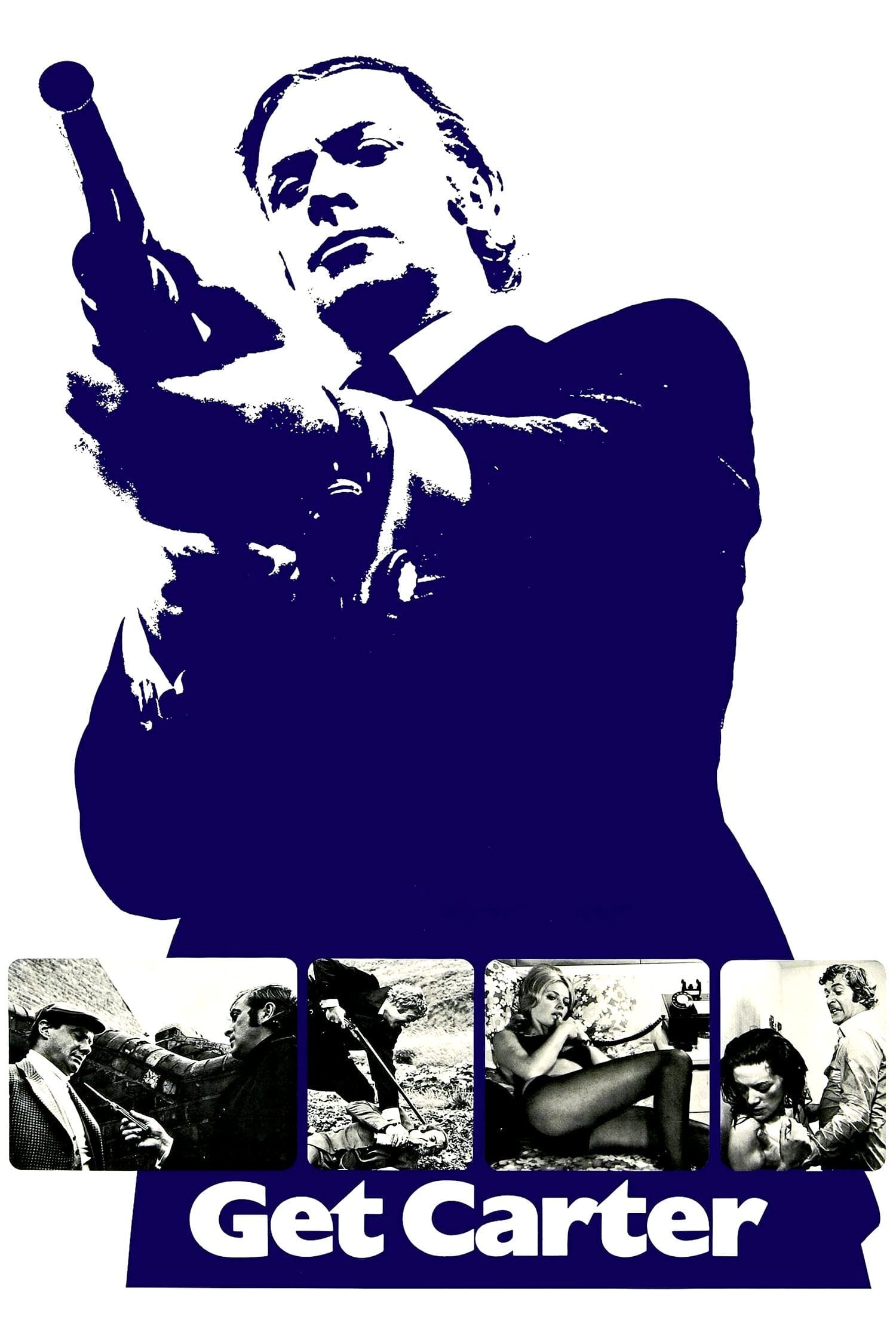
Caine delivered one of his most powerful and iconic performances as the London gangster Jack Carter in the crime thriller ‘Get Carter’. The film follows Carter as he travels to the north of England to investigate the suspicious death of his brother. His quest for revenge leads him deep into a violent criminal underworld.
This role marked a significant departure for Caine, as he played a ruthless and cold-hearted anti-hero. The film’s gritty realism and brutal violence were shocking at the time, and it has since become a landmark of British cinema. Caine’s performance as the stylish but deadly gangster is considered one of his absolute best.
The Last Valley (1971)
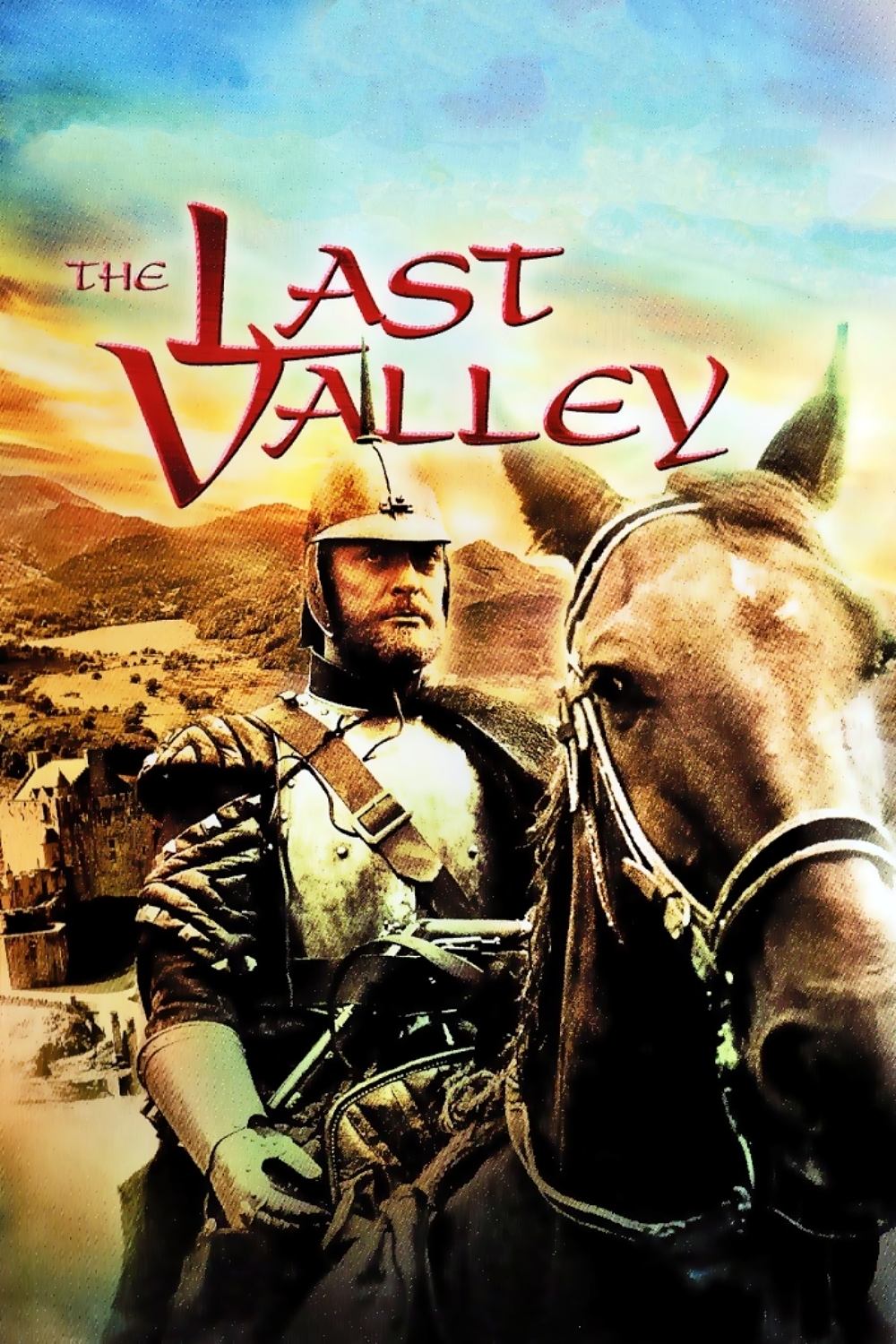
In this historical drama set during the Thirty Years’ War, Caine played “The Captain,” the pragmatic and brutal leader of a band of mercenaries. He and his soldiers take refuge in a peaceful, untouched valley, and he forms a tense truce with the village’s leader.
The film is a thoughtful exploration of war, peace, and faith, with Caine giving a strong performance as a man of violence who has grown weary of conflict. It was an ambitious and visually impressive epic, shot on location in Austria.
Kidnapped (1971)
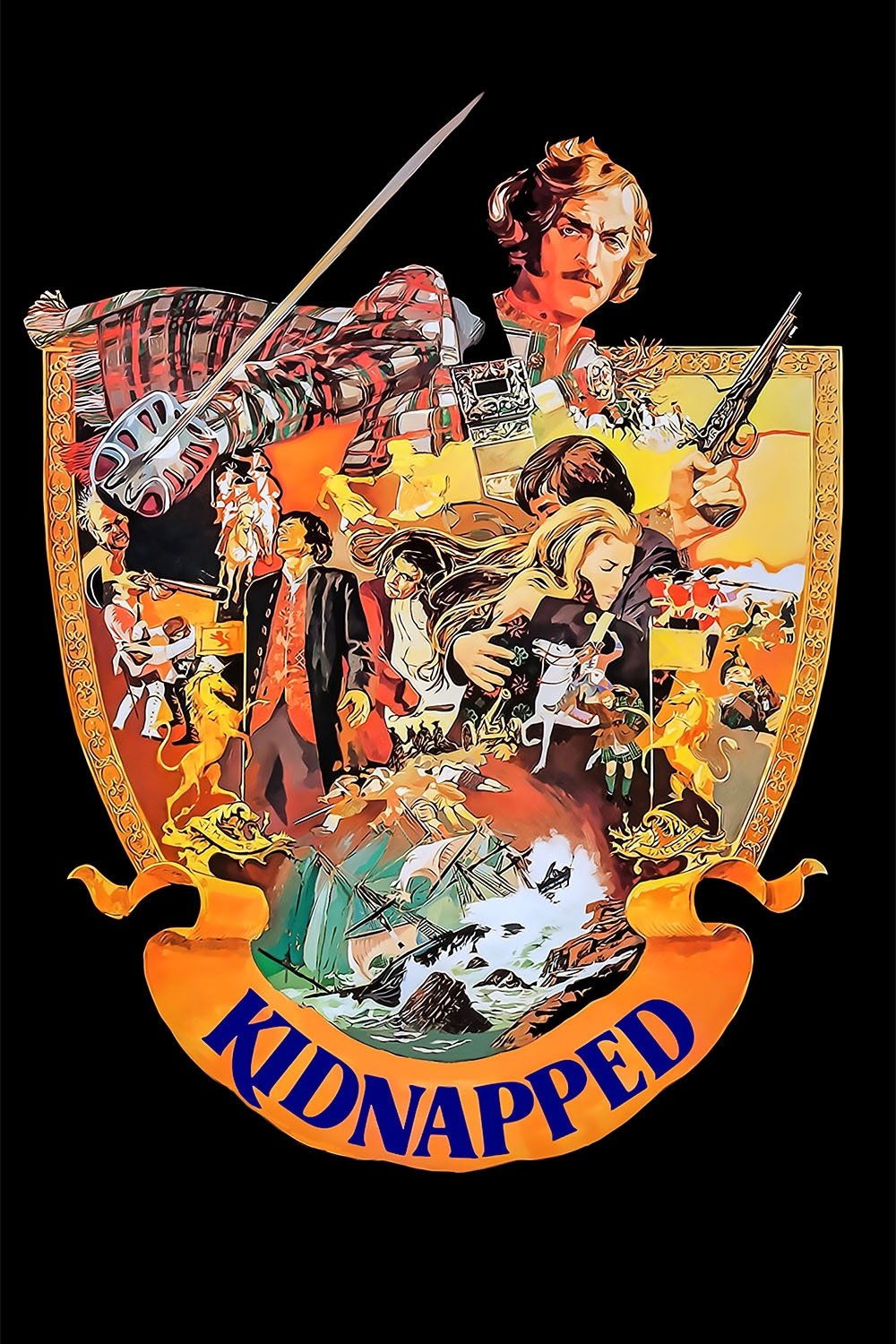
Caine starred as the Scottish adventurer Alan Breck in this adaptation of Robert Louis Stevenson’s classic novel. The film tells the story of a young man who is cheated out of his inheritance and teams up with Caine’s character, a wanted Jacobite rebel, as they are pursued across the Scottish Highlands.
This role allowed Caine to play a swashbuckling historical hero. He donned a kilt and adopted a Scottish accent for the part, showcasing his versatility in a family-friendly adventure story.
Zee and Co. (1971)

Caine starred alongside Elizabeth Taylor and Susannah York in this intense romantic drama. He played Robert Blakeley, an architect caught in a destructive love triangle with his volatile wife, Zee (Taylor), and a younger woman (York). The film is a raw and emotional look at a marriage falling apart.
The movie was noted for the powerhouse performances of its three leads. Caine held his own against the formidable screen presence of Elizabeth Taylor, in a film that explored complex adult relationships with unflinching honesty.
Pulp (1972)
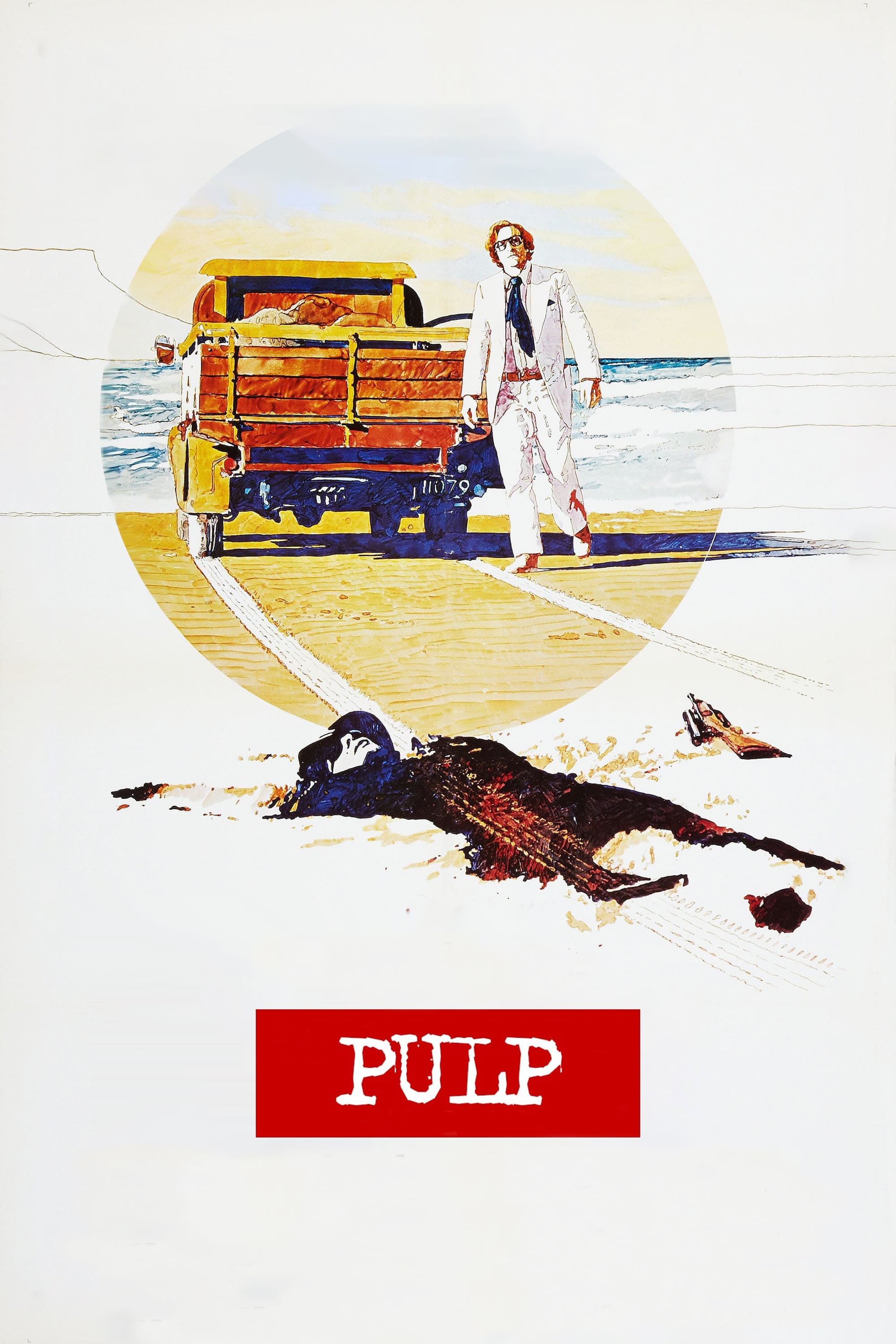
Re-teaming with ‘Get Carter’ director Mike Hodges, Caine starred in the comedy-thriller ‘Pulp’. He played Mickey King, a writer of cheap, trashy pulp novels who is hired to ghostwrite the autobiography of a mysterious retired actor. He soon finds himself caught up in a real-life murder mystery that is stranger than any of his fictional stories.
‘Pulp’ was a clever and self-aware parody of the hardboiled crime genre. Caine’s performance was a comedic take on the kind of tough-guy characters he had played in other films, showcasing his sharp sense of humor.
Sleuth (1972)
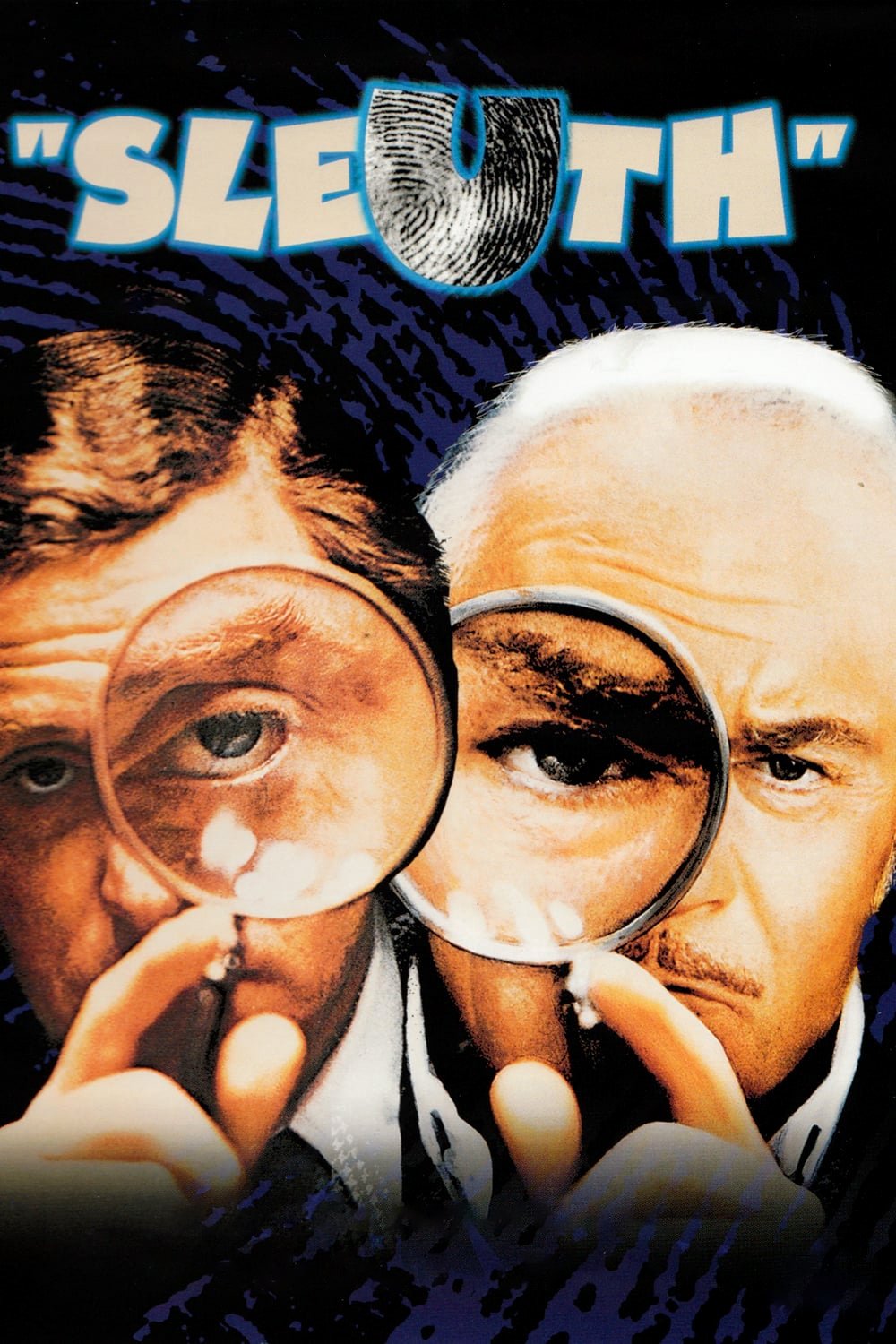
Caine starred opposite the legendary Laurence Olivier in the film adaptation of the hit play ‘Sleuth’. He played Milo Tindle, a hairdresser who is invited to the country manor of a famous mystery writer (Olivier), who happens to be his lover’s husband. The two men engage in a series of elaborate and dangerous games of cat and mouse.
The film was a masterclass in acting, with both Caine and Olivier giving brilliant performances. Caine earned his second Academy Award nomination for Best Actor for his role, and the film is remembered as one of the greatest two-character thrillers ever made.
The Black Windmill (1974)
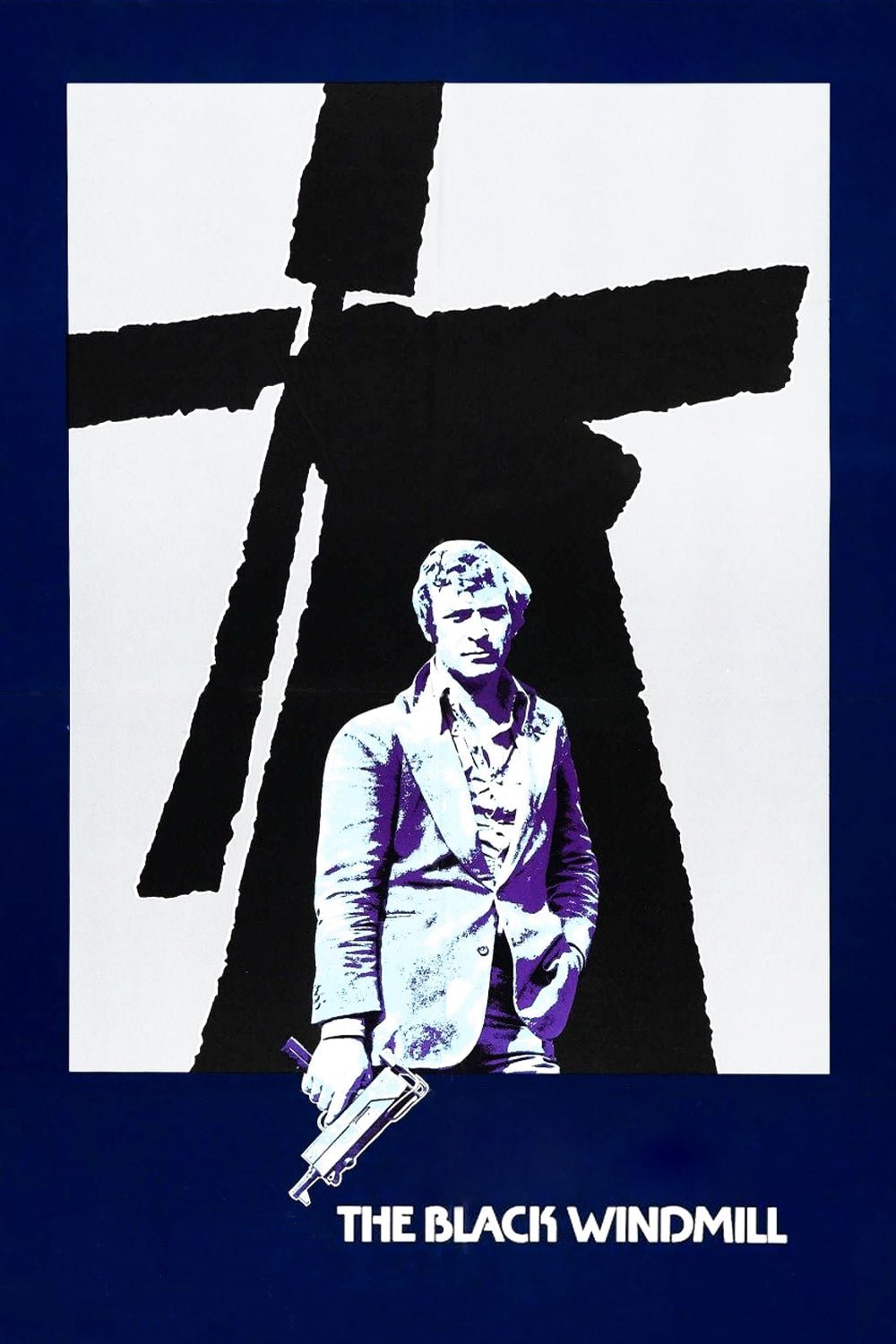
In this spy thriller directed by Don Siegel, Caine played Major John Tarrant, a British intelligence agent whose son is kidnapped. To pay the ransom, he is forced to go against his own agency, uncovering a conspiracy within the world of international espionage.
The film was a tense and action-packed thriller that put Caine in the familiar role of a government agent. However, this time his character’s motivations were deeply personal, as he fought to save his family.
The Marseille Contract (1974)

Caine played a professional hitman named John Deray in ‘The Marseille Contract’. He is hired by an American agent to assassinate a French drug lord who is untouchable by the law. The film is an action-packed crime thriller set in the south of France.
The movie featured an international cast, including Anthony Quinn and James Mason. It was a solid, if conventional, entry in the action genre, giving Caine another opportunity to play a cool and efficient man of violence.
The Wilby Conspiracy (1975)
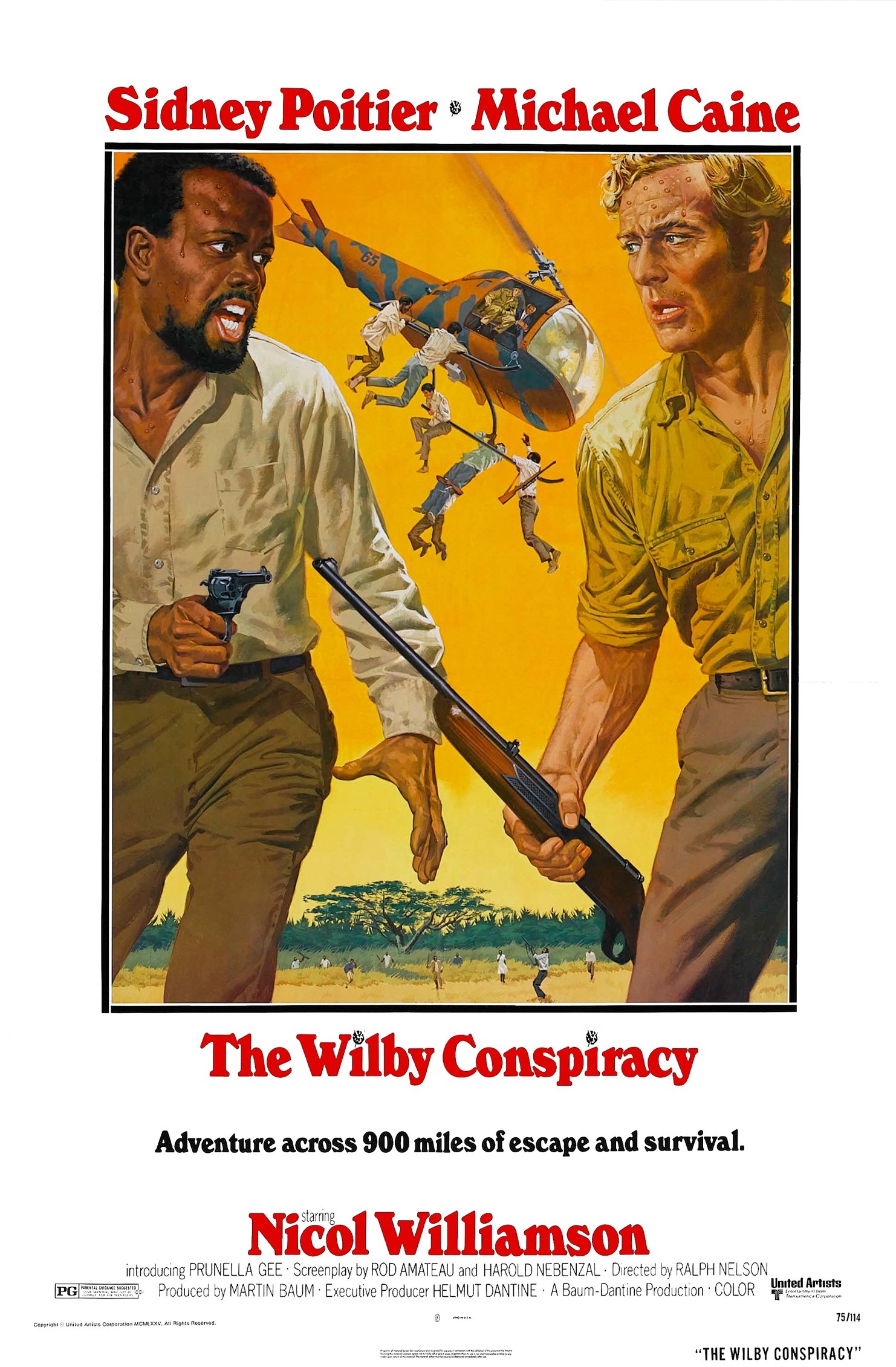
Set in apartheid-era South Africa, this thriller starred Caine as Jim Keogh, a British engineer who helps a black revolutionary, played by Sidney Poitier, escape from the police. The two men are forced to go on the run together, pursued by a ruthless secret police officer.
The film was a tense political thriller that tackled the injustices of the apartheid system. It was the second time Caine and Poitier had worked together, and their on-screen chemistry was a highlight of the movie.
The Romantic Englishwoman (1975)

In this complex drama, Caine played Lewis Fielding, a successful novelist who suspects his wife is having an affair after she takes a trip to Germany. His jealousy and paranoia lead him to invite the man he suspects into their home, blurring the lines between his life and his fiction.
The film was a sophisticated and literary exploration of marriage, jealousy, and the creative process. It featured a strong cast that included Glenda Jackson and Helmut Berger.
The Man Who Would Be King (1975)
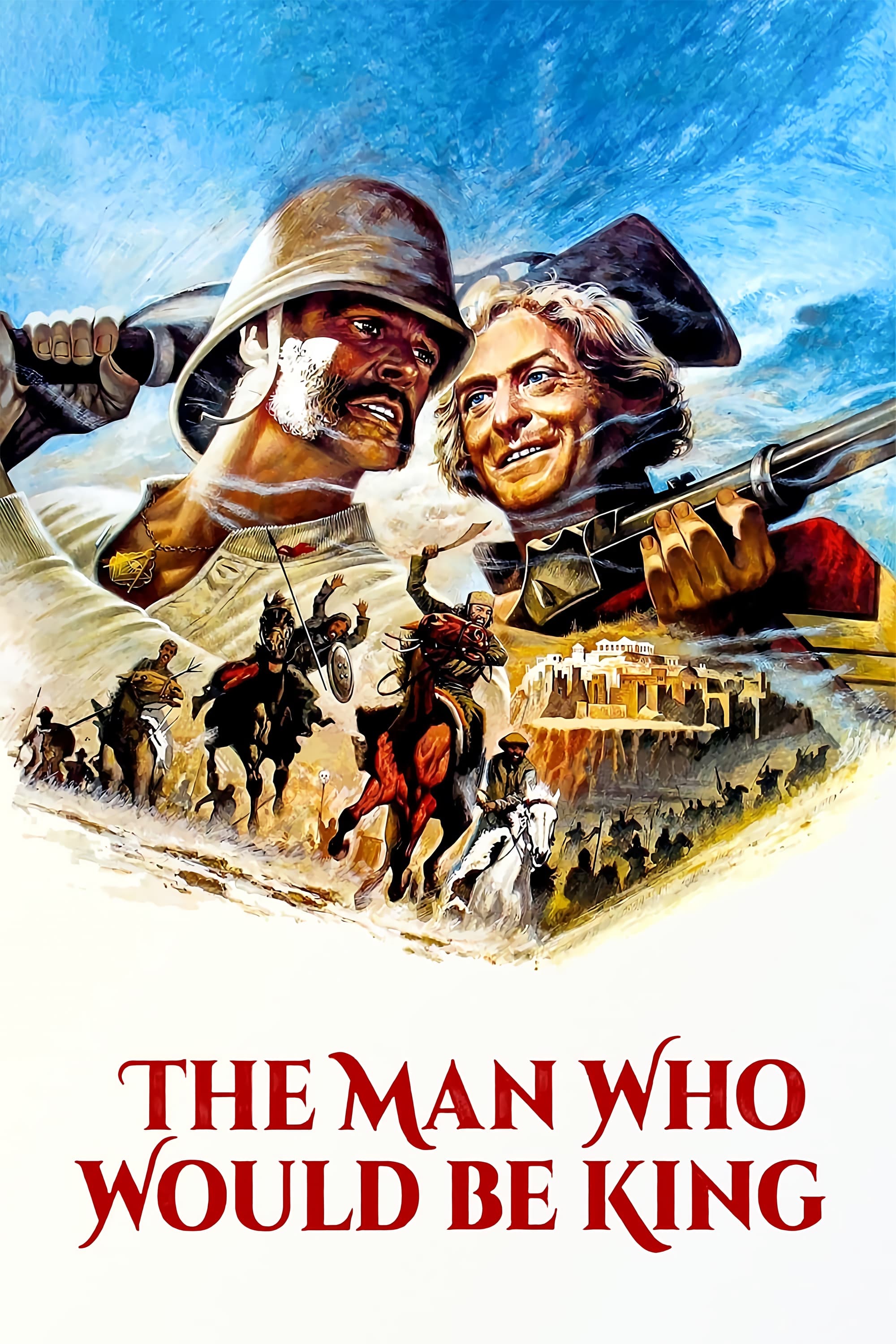
Caine co-starred with Sean Connery in John Huston’s classic adventure film ‘The Man Who Would Be King’. They played Peachy Carnehan and Daniel Dravot, two former British soldiers in 19th-century India who decide to travel to a remote part of Afghanistan to set themselves up as kings.
The film is a grand, old-fashioned adventure with epic scope and great humor. The chemistry between Caine and Connery is legendary, and their performances as the two roguish adventurers are considered among their very best. The movie is celebrated as one of the greatest adventure films ever made.
Peeper (1976)
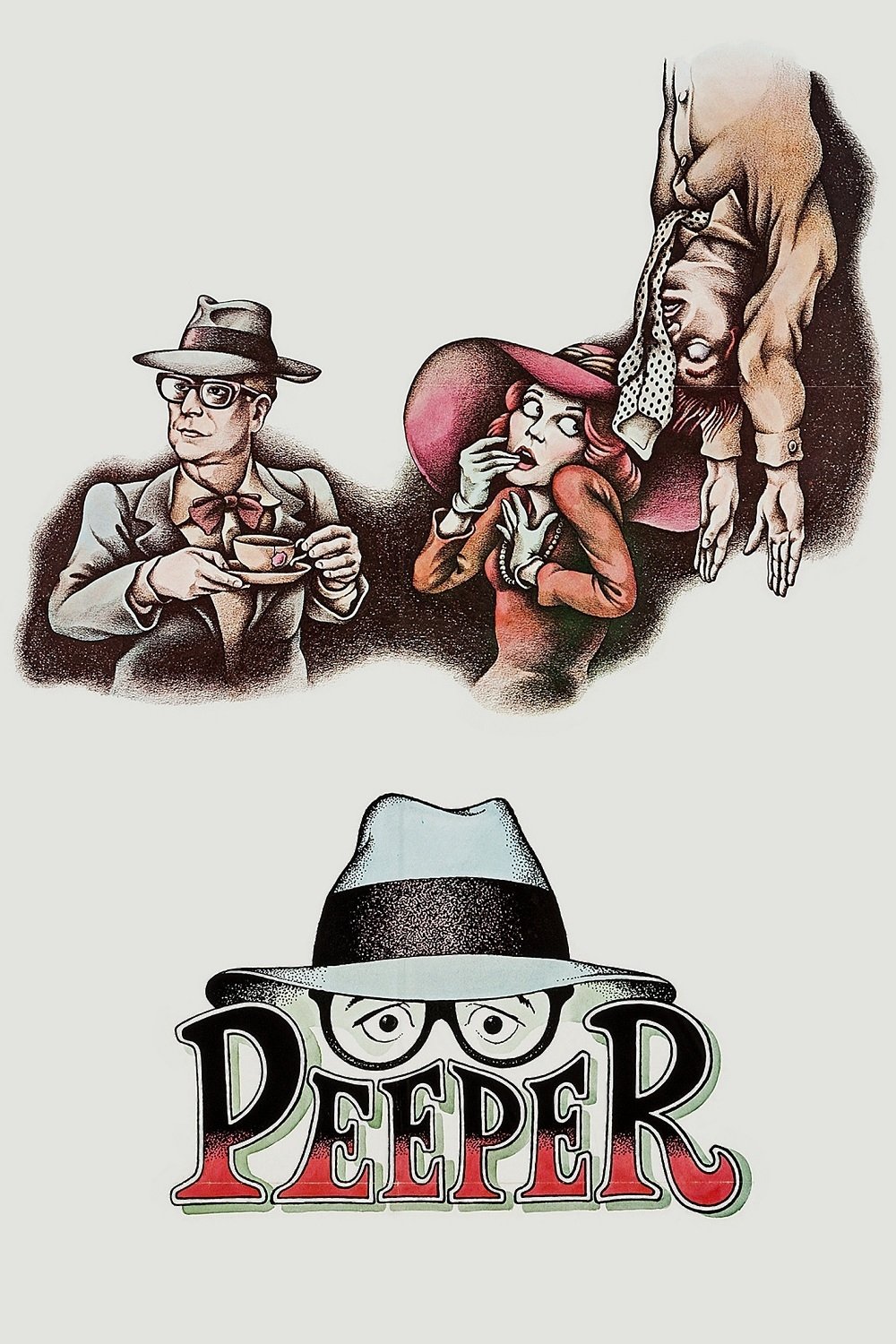
In this comedic tribute to 1940s detective films, Caine played Leslie C. Tucker, a down-on-his-luck private eye in Los Angeles. He is hired to find a woman’s long-lost daughter, a seemingly simple case that quickly becomes complicated and dangerous.
The film was a lighthearted parody of the film noir genre, with Caine playing a more bumbling version of the classic hardboiled detective. The movie also starred Natalie Wood and was an affectionate nod to a bygone era of Hollywood.
Harry and Walter Go to New York (1976)
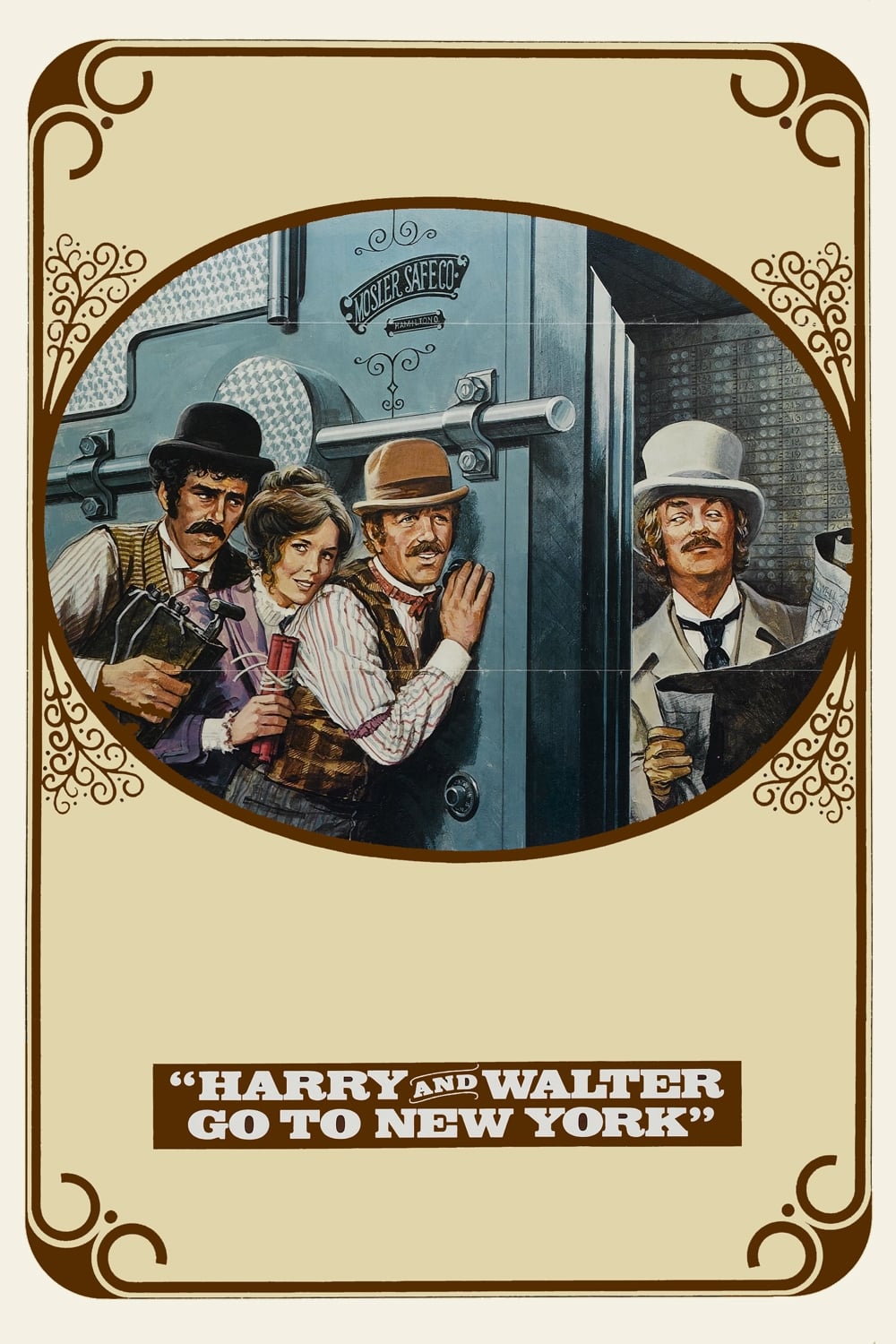
Caine teamed up with James Caan and Elliott Gould in the comedy ‘Harry and Walter Go to New York’. Caan and Gould played two small-time vaudeville performers who get involved in the schemes of Adam Worth (Caine), a sophisticated master bank robber.
The film was a slapstick period comedy that aimed for a light, old-fashioned feel. Caine played the charming and elegant “gentleman thief,” providing a stark contrast to the bumbling antics of his co-stars.
The Eagle Has Landed (1976)
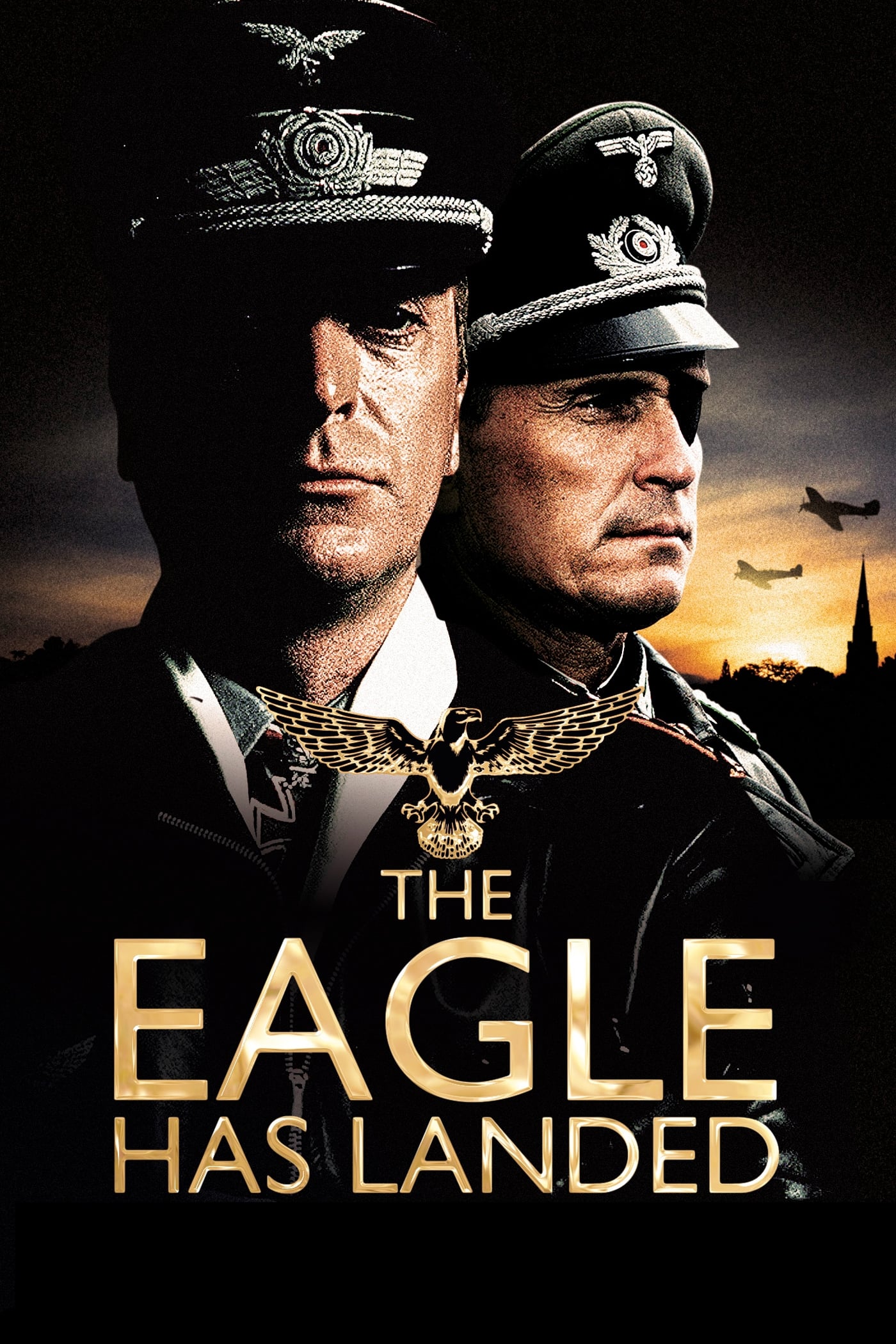
In this popular war film, Caine played Colonel Kurt Steiner, the leader of a team of German commandos sent on a secret mission to kidnap Winston Churchill during World War II. The film is notable for portraying the German soldiers as its protagonists.
Caine gave a charismatic and sympathetic performance as the honorable German officer who is disillusioned with the Nazi regime but loyal to his men. The movie was a huge box-office success and remains a classic of the war genre.
A Bridge Too Far (1977)
Caine was part of the enormous all-star cast of Richard Attenborough’s epic war film ‘A Bridge Too Far’. The movie recounts the true story of Operation Market Garden, a failed Allied attempt to seize a series of bridges in the Netherlands during World War II. Caine played Lieutenant Colonel Joe Vandeleur, a real-life commander of the Irish Guards.
The film was a massive and ambitious production, praised for its historical accuracy and scale. Caine’s role was one of many, but he delivered a memorable performance as the cool and confident tank commander leading his troops into battle.
Silver Bears (1978)
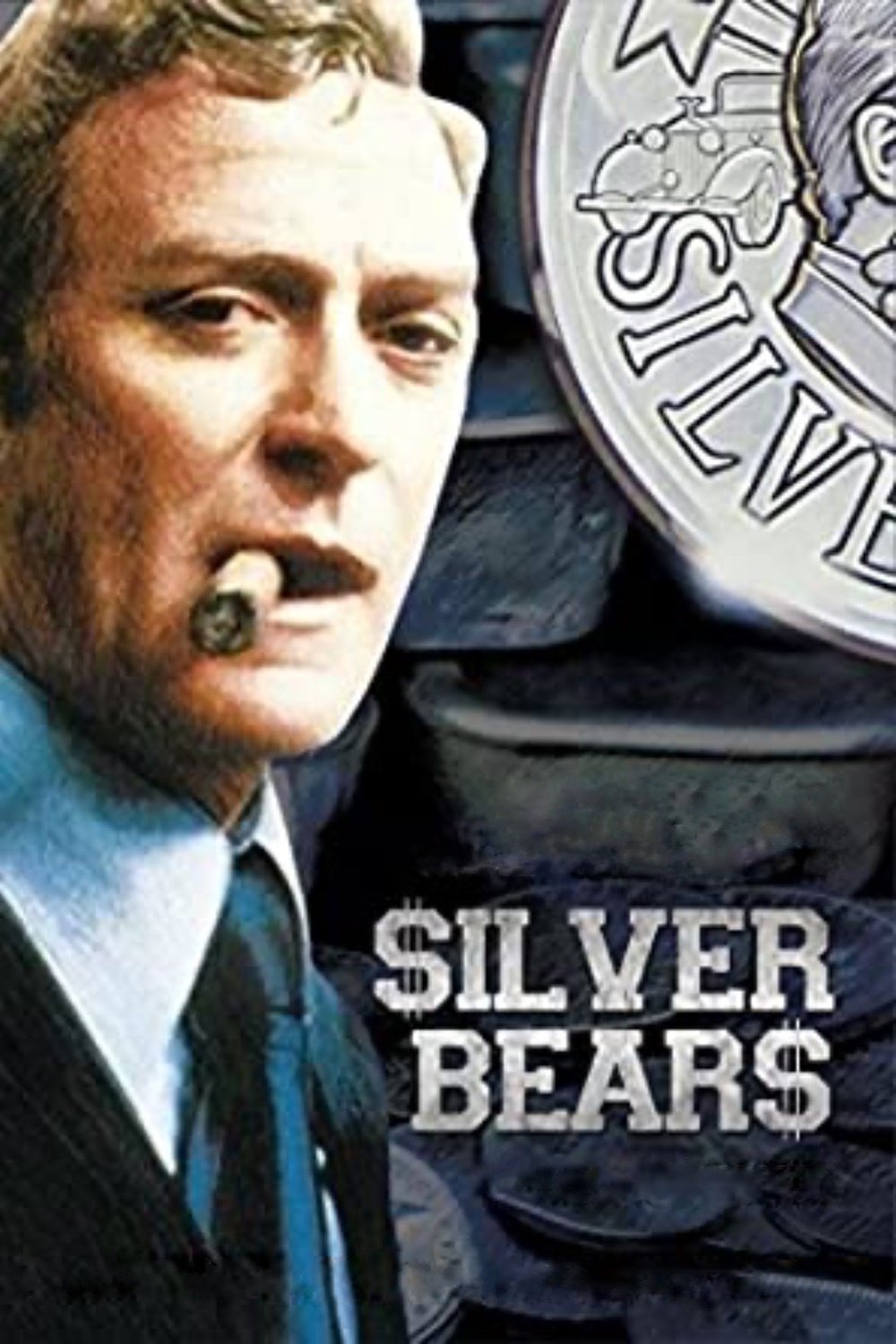
In this comedy, Caine played Doc Fletcher, a financial genius who works for a mob boss. He is sent to Switzerland to help set up a bank as a money-laundering operation, and he ends up buying a silver mine in Iran, leading to chaos in the world’s silver market.
‘Silver Bears’ was a complicated financial farce with a large ensemble cast that included Cybill Shepherd and Louis Jourdan. It was a lighthearted caper that allowed Caine to play a clever, fast-talking schemer.
The Swarm (1978)
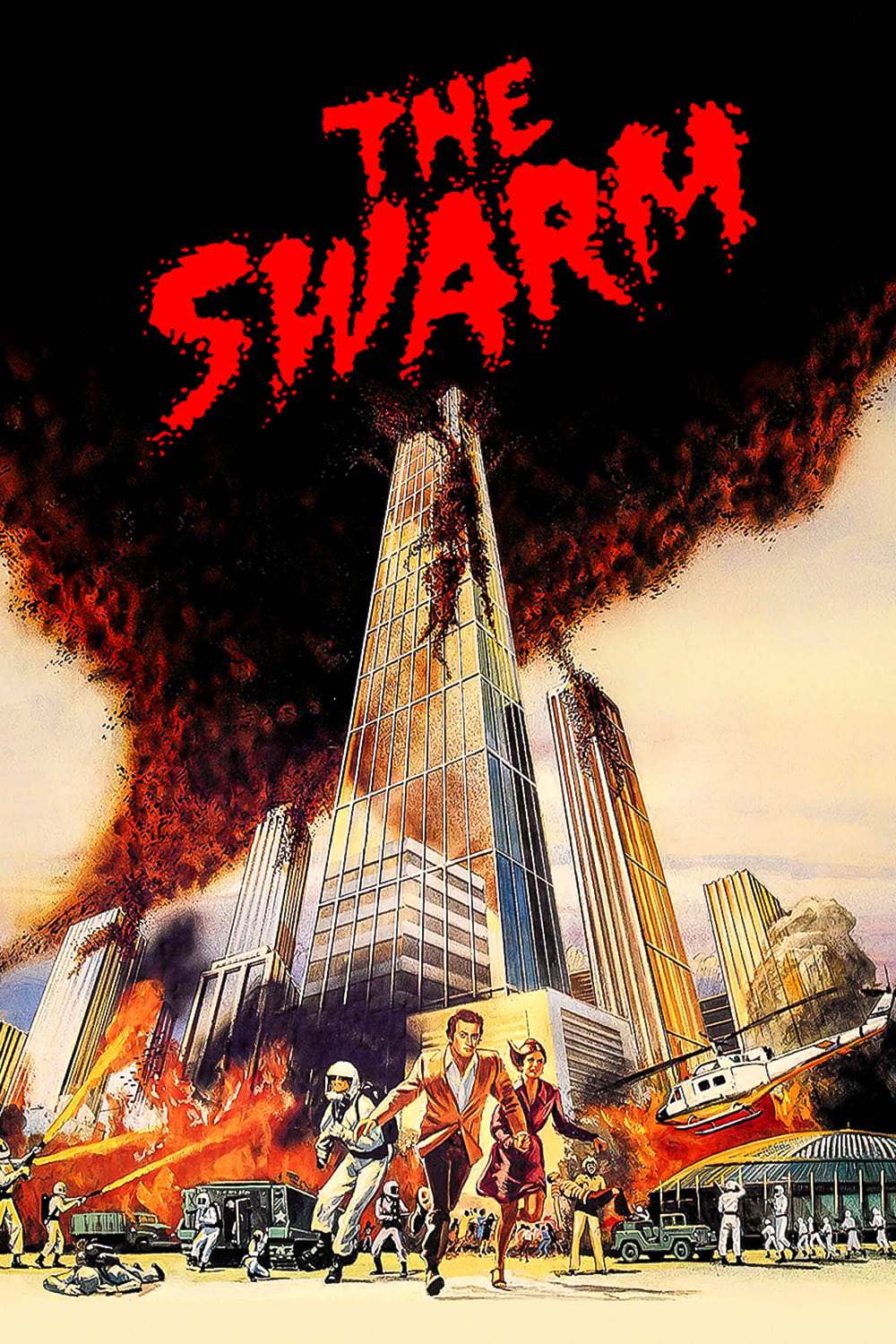
Caine starred in Irwin Allen’s disaster movie ‘The Swarm’ as Dr. Bradford Crane, a heroic scientist who tries to stop a deadly swarm of killer bees from attacking Texas. The film featured a huge all-star cast, which was typical for the disaster genre of the 1970s.
The movie was famously a critical and commercial failure and is often cited as one of the worst films ever made. Despite this, it has gained a cult following over the years for its unintentional humor and over-the-top melodrama.
California Suite (1978)
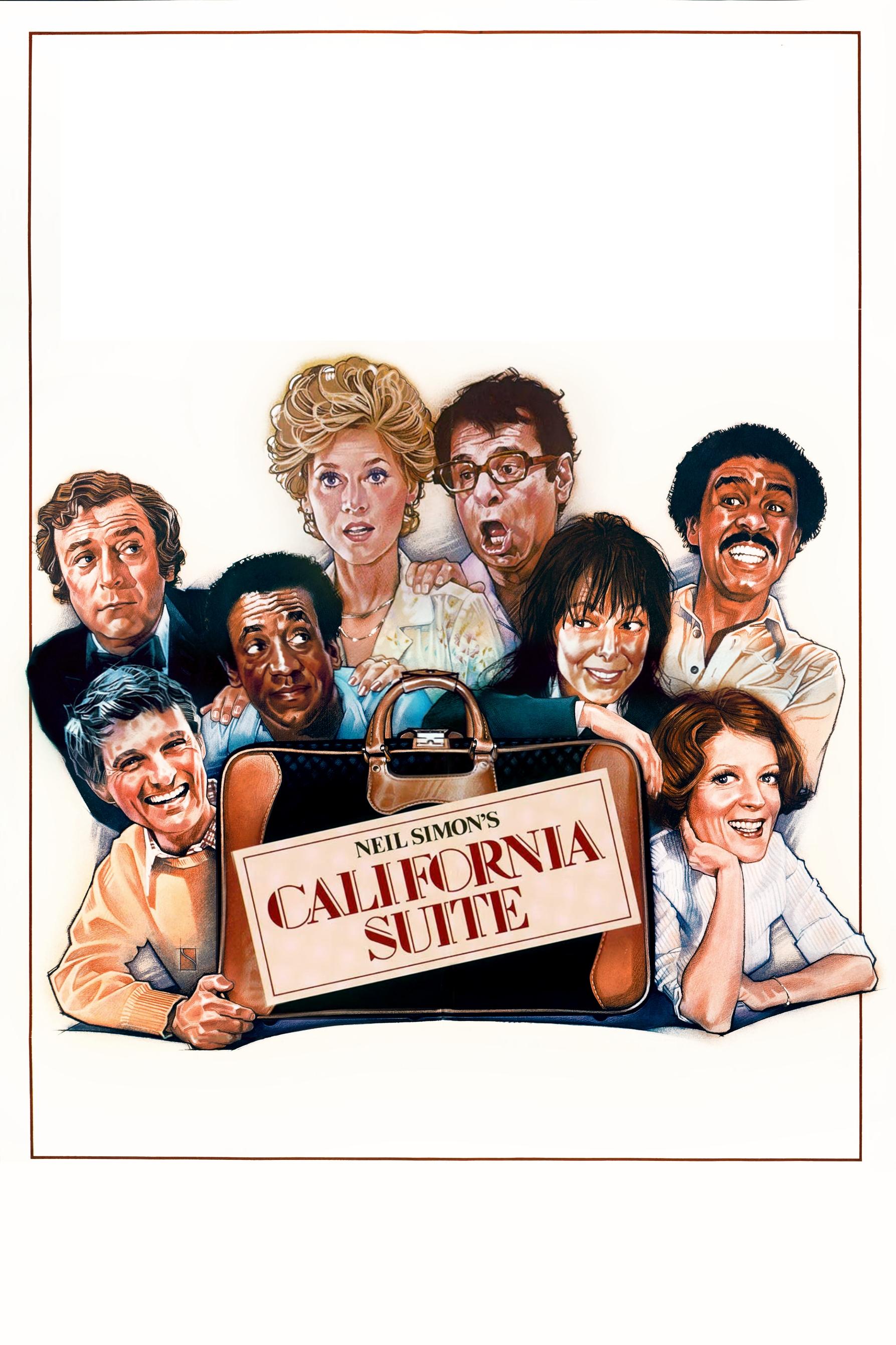
In this comedy written by Neil Simon, Caine was part of an ensemble cast in a series of vignettes set at the Beverly Hills Hotel. He appeared in the segment “Visitors from London” opposite Maggie Smith, playing a bisexual antiques dealer who is nominated for an Academy Award.
The film was a witty and sophisticated comedy. Caine’s performance was praised for its humor and vulnerability, and his chemistry with Maggie Smith was a highlight of the movie.
Ashanti (1979)
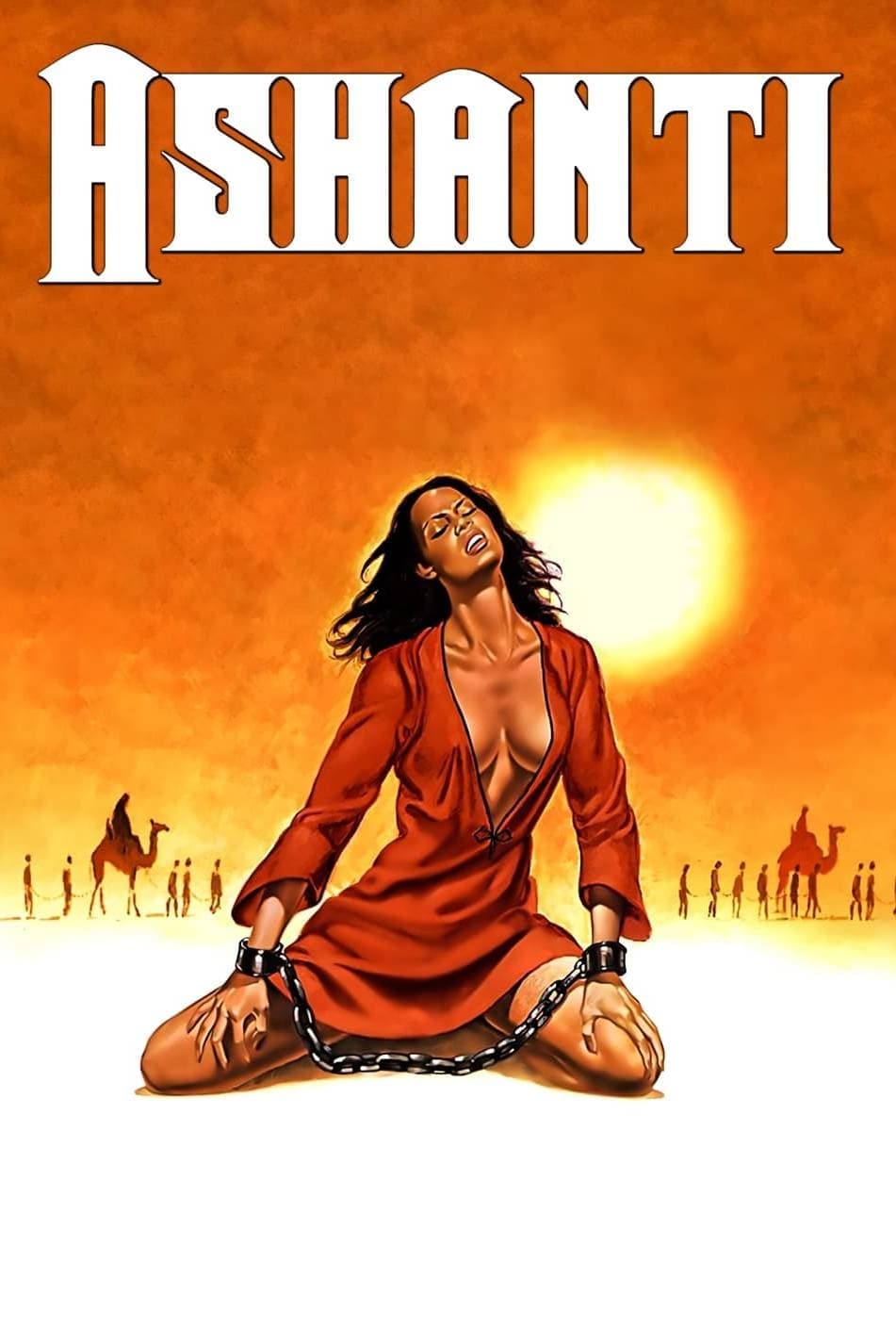
Caine starred in this action-adventure film as Dr. David Linderby, a doctor whose wife is kidnapped by slave traders while they are working in Africa. He embarks on a desperate and dangerous journey across the desert to rescue her, teaming up with a variety of allies along the way.
The movie was an action-packed adventure that aimed to be a serious look at modern-day slavery. However, it received poor reviews and was not a financial success.
Beyond the Poseidon Adventure (1979)
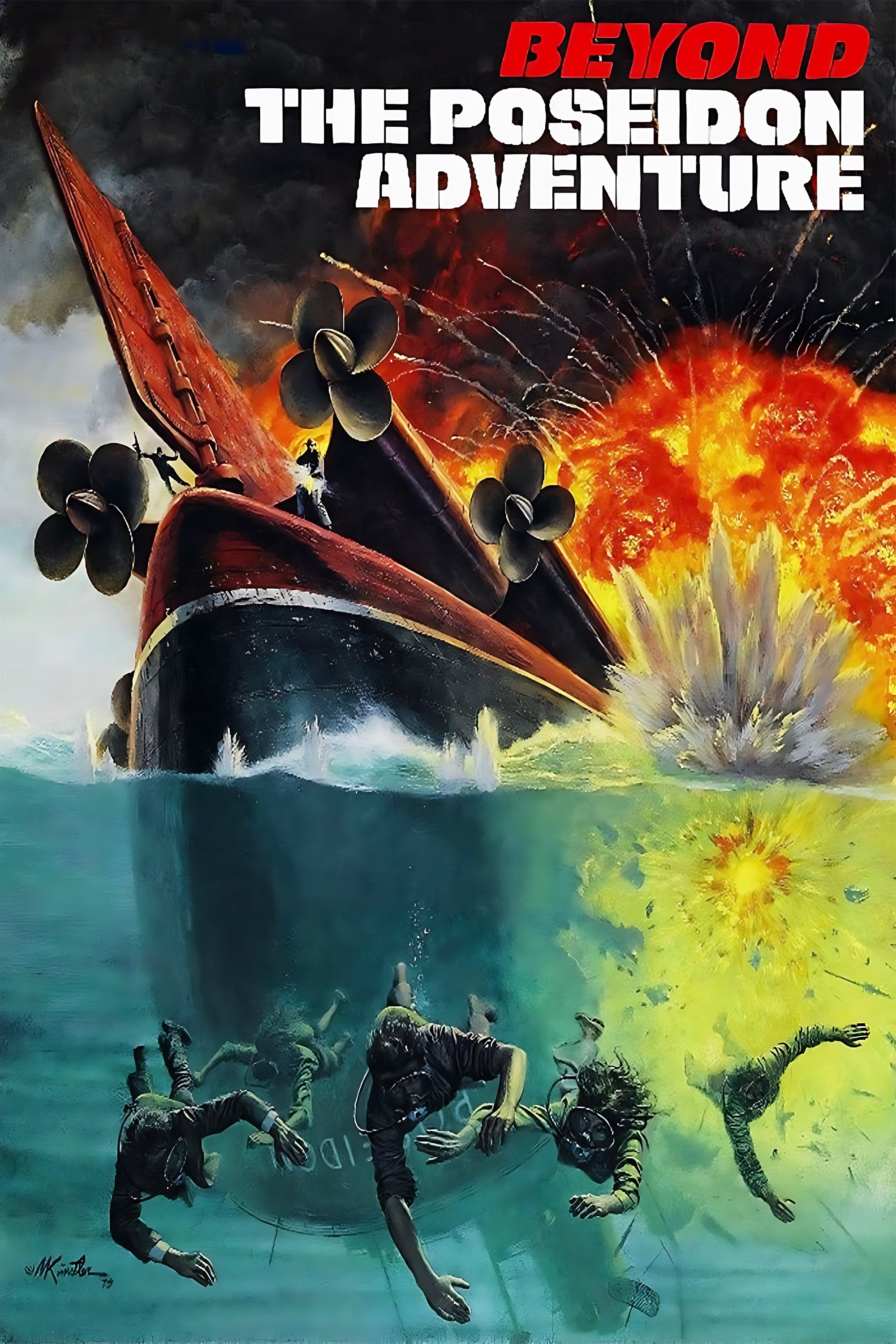
In this sequel to the hit disaster film ‘The Poseidon Adventure’, Caine played Captain Mike Turner, a salvage tug captain. He decides to board the still-capsized ocean liner in search of treasure, only to find there are other survivors and another group of salvagers with sinister motives.
The film was another Irwin Allen production with an all-star cast, but it failed to recapture the excitement of the original and was a major box-office flop.
Dressed to Kill (1980)
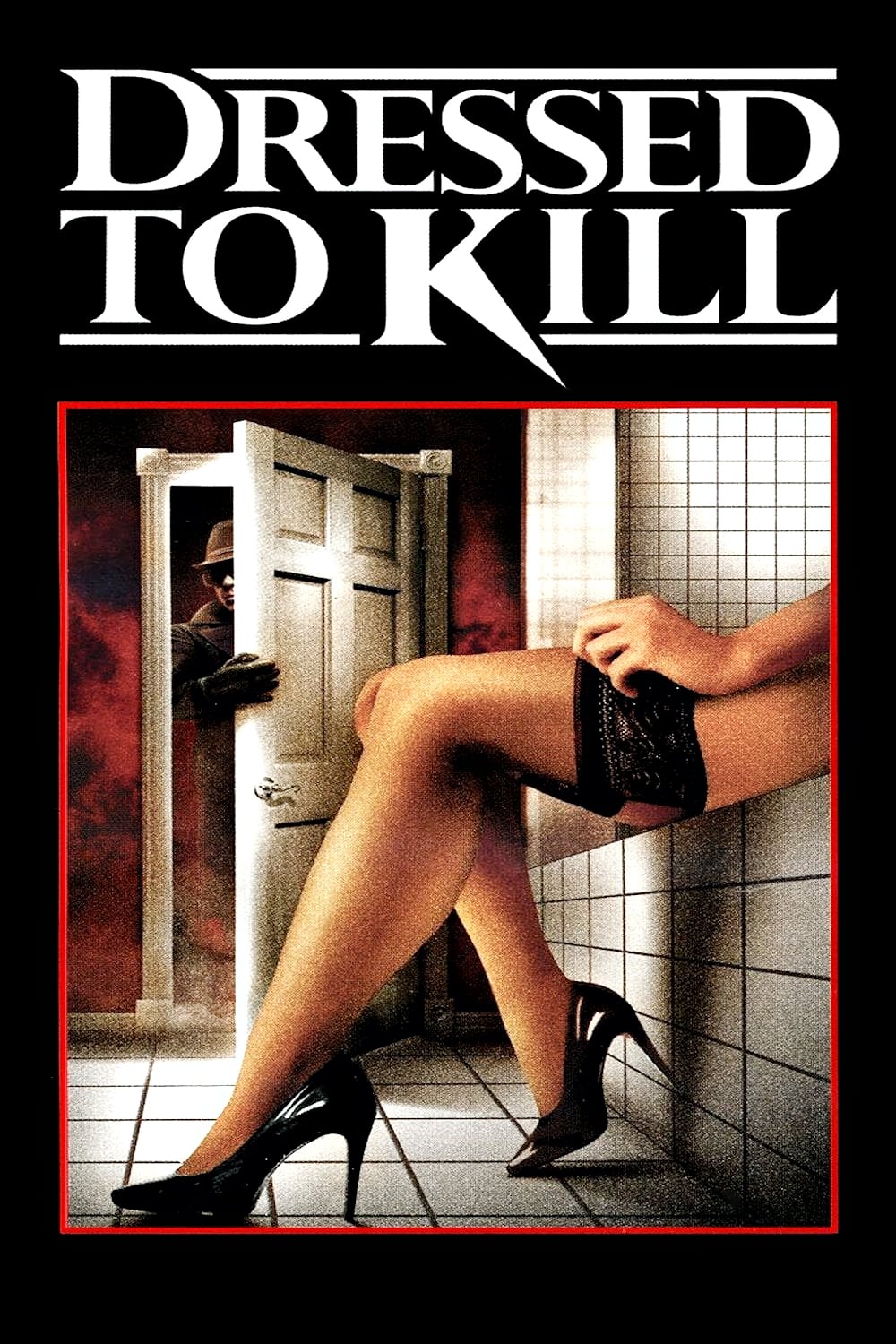
Caine starred in Brian De Palma’s stylish and controversial thriller ‘Dressed to Kill’. He played Dr. Robert Elliott, a psychiatrist whose patient is brutally murdered after a secret rendezvous. The film is a suspenseful mystery known for its Hitchcock-inspired plot twists and visual flair.
The movie was a box-office hit and is considered one of De Palma’s most iconic films. Caine’s performance as the calm and collected psychiatrist was a key part of the film’s suspenseful atmosphere.
The Island (1980)
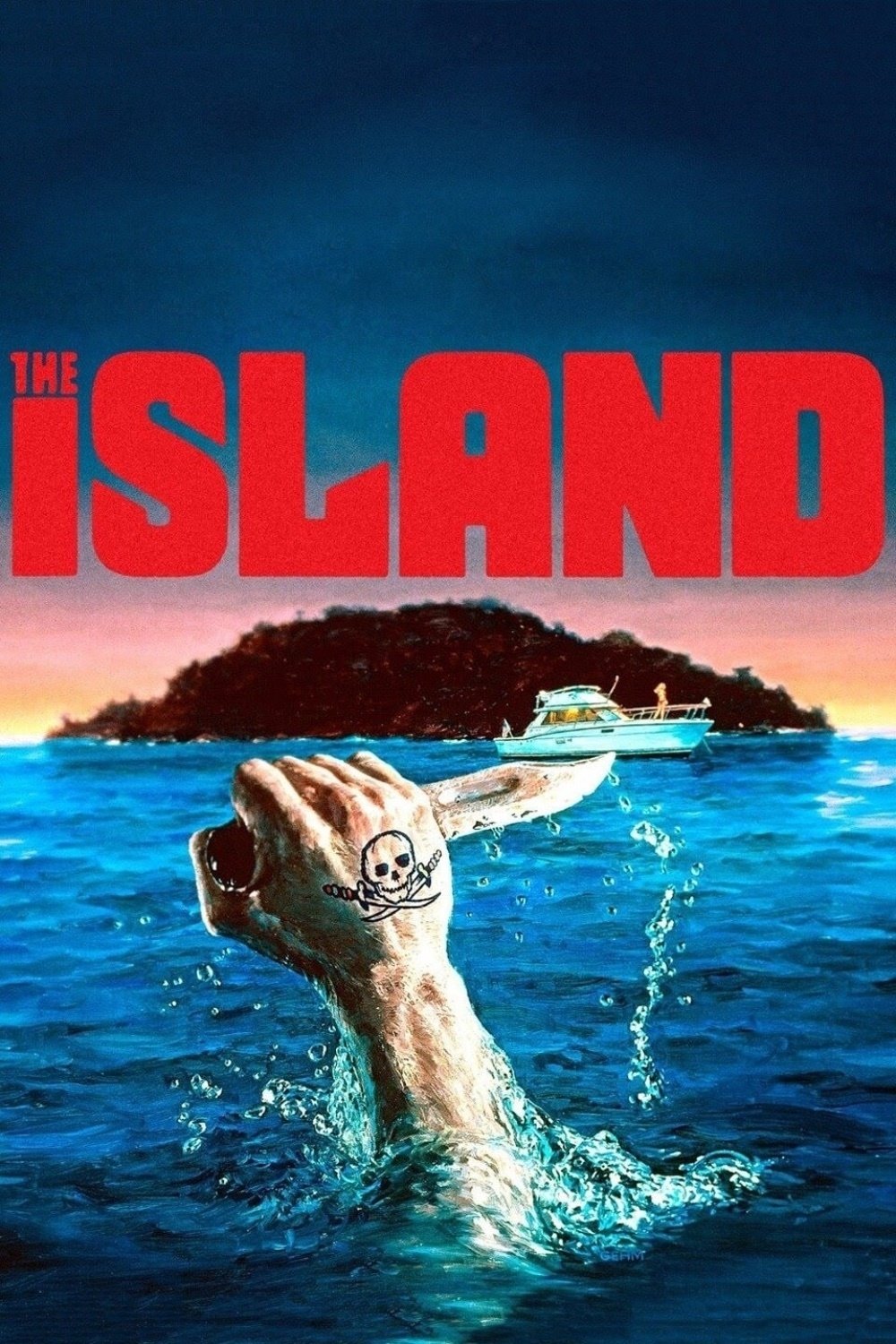
In this thriller, Caine played Blair Maynard, a journalist who travels to the Caribbean to investigate the mysterious disappearances of ships in the Bermuda Triangle. He and his son are captured by a band of modern-day pirates who have been living in isolation for centuries.
The film was an unusual mix of action and adventure with a bizarre premise. It was not well-received by critics or audiences at the time of its release.
The Hand (1981)
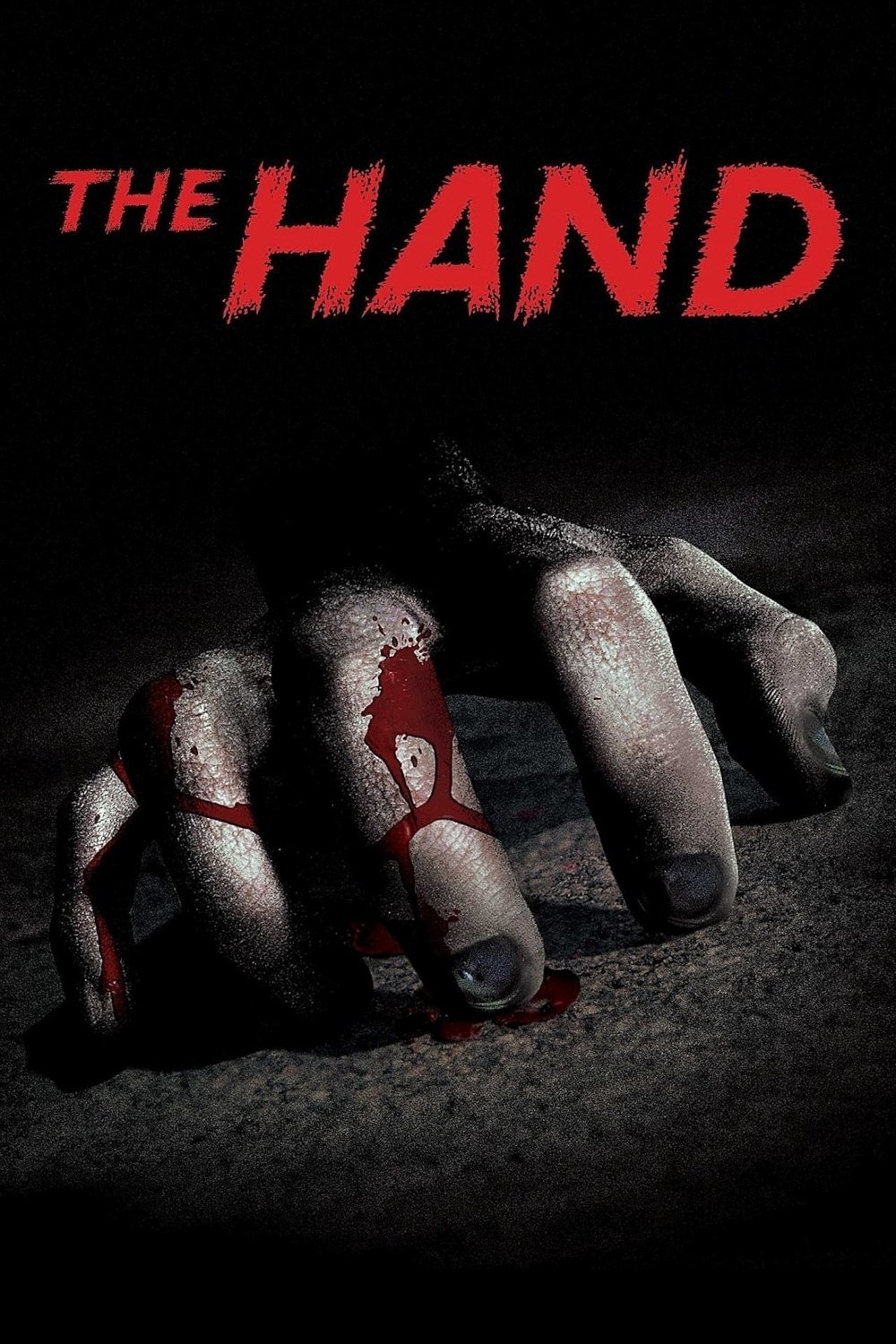
Caine starred in this psychological horror film directed by Oliver Stone. He played Jonathan Lansdale, a comic book artist whose drawing hand is severed in a car accident. He soon begins to suspect that his disembodied hand has come back to life and is committing a series of brutal murders.
The movie was a tense and disturbing thriller that played on fears of losing control. Caine gave a committed and intense performance as a man descending into madness.
Escape to Victory (1981)
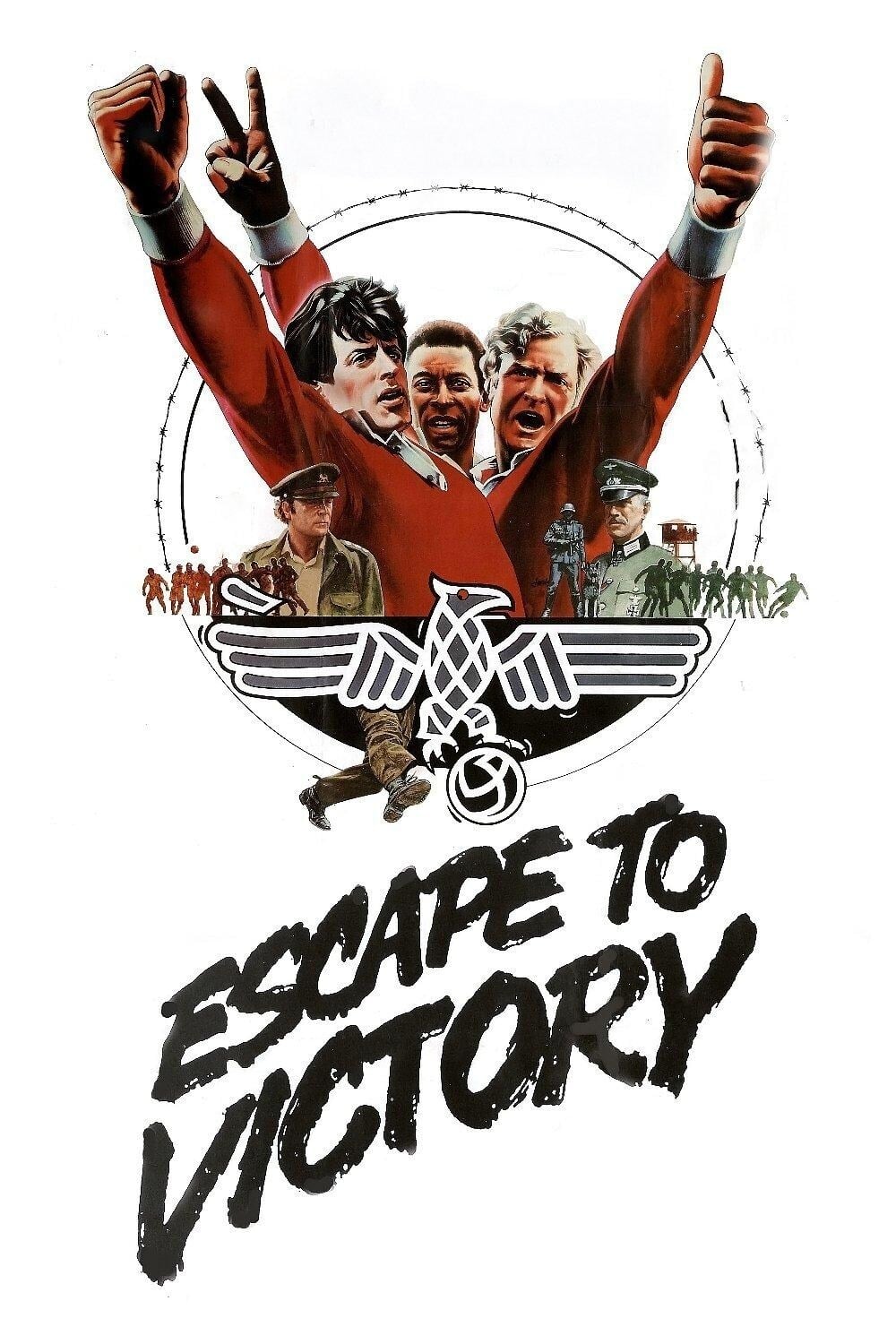
In this beloved film, Caine played Captain John Colby, a former professional soccer player who is a prisoner of war in a German camp during WWII. He agrees to assemble a team of Allied POWs to play an exhibition match against a German team, all while an elaborate escape plan is being organized.
The movie is famous for its exciting soccer sequences and its incredible cast, which included Sylvester Stallone and soccer legends like Pelé and Bobby Moore. Caine provided the heart of the film as the team’s dedicated captain and coach.
Deathtrap (1982)
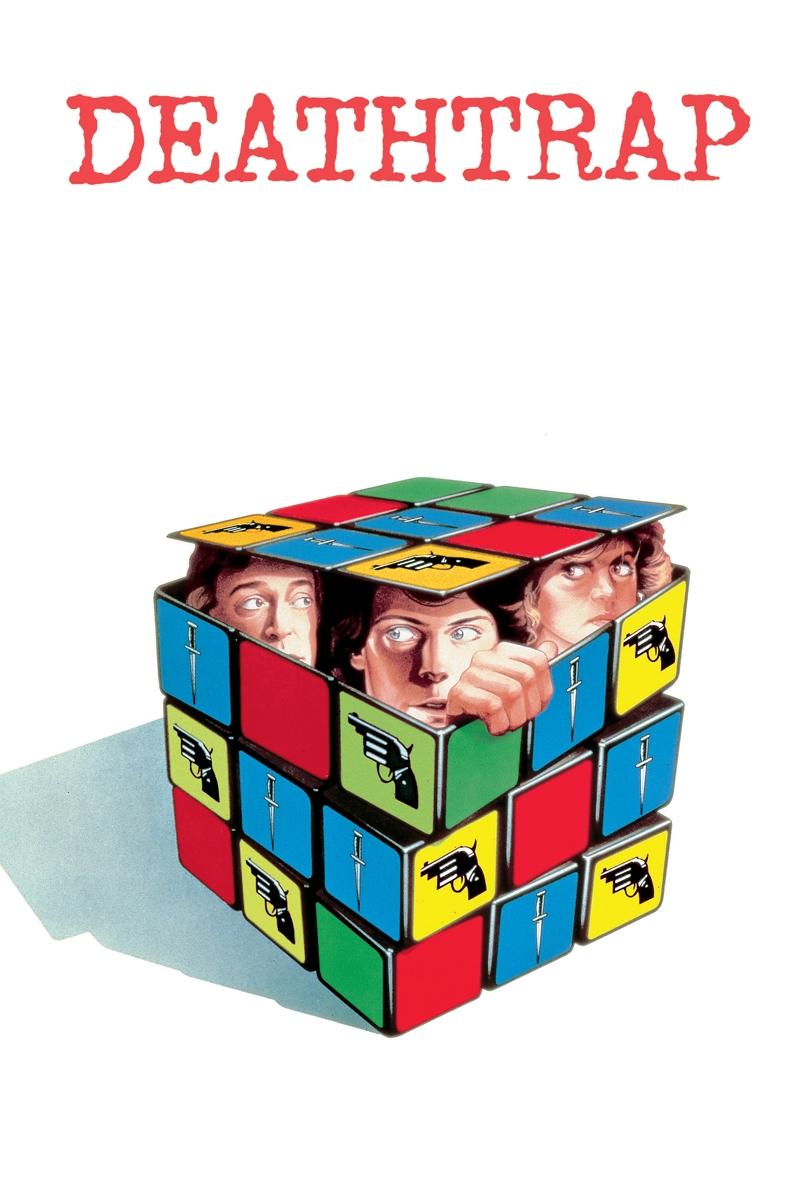
Caine starred in the film adaptation of the hit Broadway play ‘Deathtrap’. He played Sidney Bruhl, a once-successful playwright who is suffering from writer’s block. When he receives a brilliant script from a former student, he plots to murder him and steal the play for himself.
The film is a clever and witty thriller filled with shocking twists and turns. It re-teamed Caine with his ‘California Suite’ co-star Christopher Reeve and was praised for its sharp dialogue and suspenseful plot.
Educating Rita (1983)
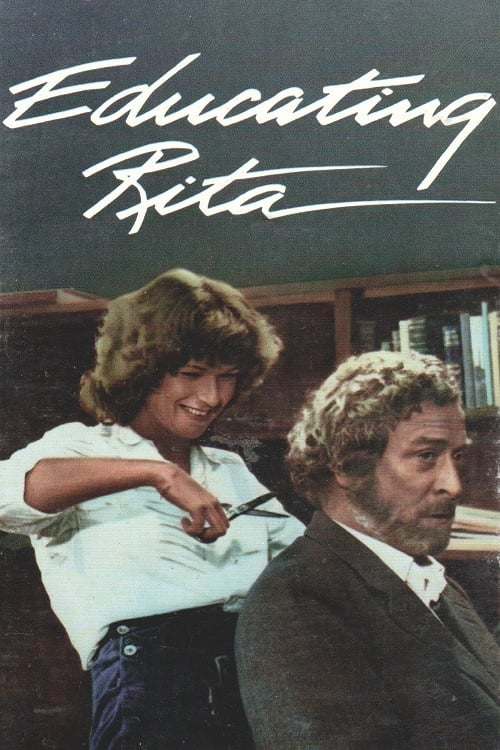
Caine gave one of his most acclaimed performances as Dr. Frank Bryant in ‘Educating Rita’. He played a cynical, alcoholic university professor who takes a job tutoring a working-class hairdresser named Rita (played by Julie Walters) for an open university course. He is reinvigorated by her passion for learning, and she is transformed by her education.
The film was a huge critical and commercial success. Caine’s portrayal of the world-weary but brilliant professor earned him his third Academy Award nomination for Best Actor and a Golden Globe award. It is considered one of the finest performances of his career.
The Honorary Consul (1983)
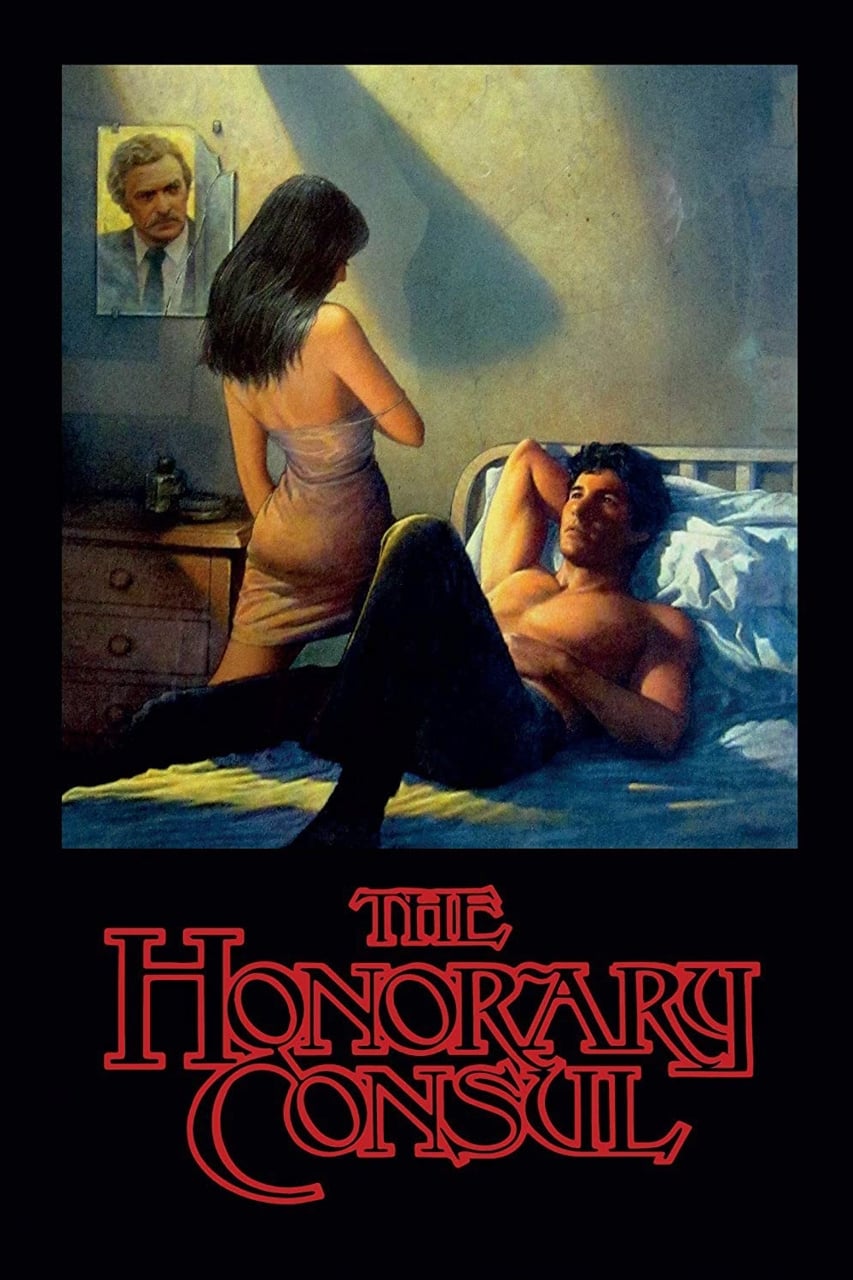
In this drama, Caine played Charley Fortnum, a heavy-drinking and inept British consul in a small Argentinian town. He is accidentally kidnapped by a group of revolutionaries who mistook him for the American ambassador. The film also starred Richard Gere as a doctor who gets involved in the situation.
Based on a novel by Graham Greene, the film was a complex drama that explored themes of love, politics, and morality. Caine’s performance as the pathetic but ultimately sympathetic consul was highly praised.
The Jigsaw Man (1983)
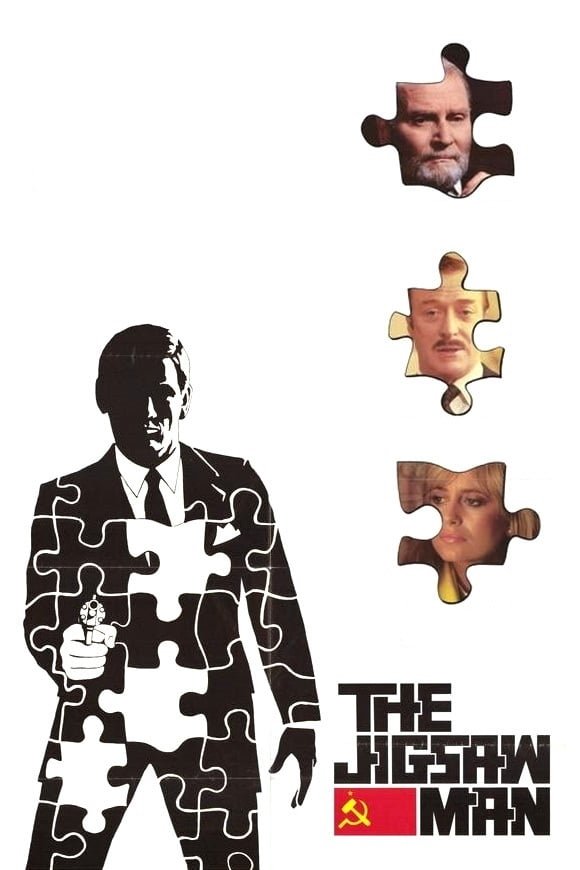
Caine played a dual role in this spy thriller as Philip Kimberly, a former head of British intelligence who defected to the Soviet Union. After receiving plastic surgery, he is sent back to London on a mission by the KGB, but he has his own agenda.
The film was a complicated espionage story that reunited Caine with his ‘Silver Bears’ co-star Laurence Olivier. It had a troubled production and was not released until several years after it was filmed.
Monty Python’s The Meaning of Life (1983)
Michael Caine made a brief, uncredited cameo appearance in the classic British sketch comedy film ‘Monty Python’s The Meaning of Life’. He appeared as a British soldier during a segment set in the Anglo-Zulu War.
His appearance was a fun, blink-and-you’ll-miss-it moment in a film filled with absurdity and satire. It was a nod to his own iconic role in the film ‘Zulu’.
Blame It on Rio (1984)
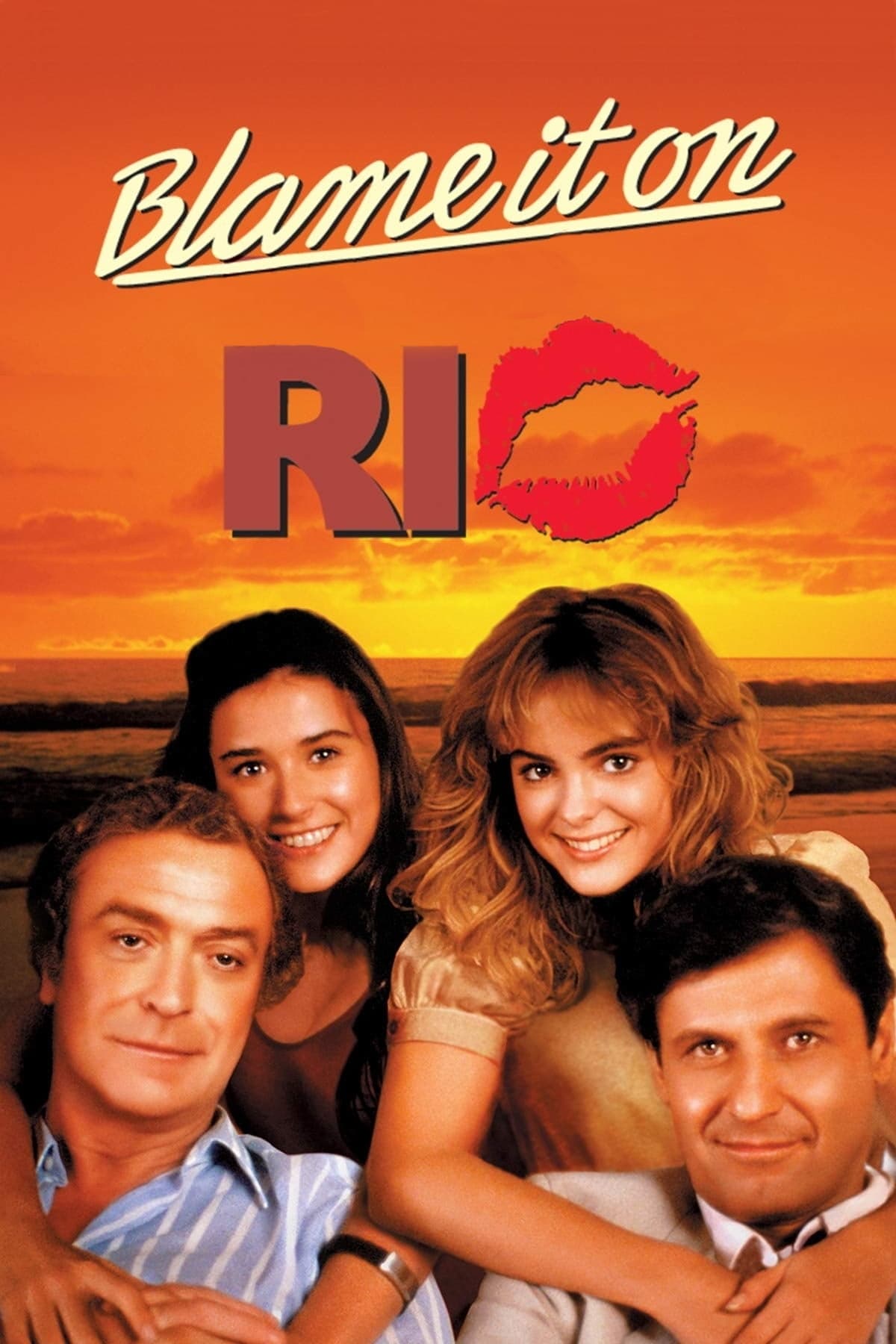
In this romantic comedy, Caine played Matthew Hollins, a man who goes on vacation to Rio de Janeiro with his best friend. His life gets incredibly complicated when he has an affair with his best friend’s teenage daughter.
The film was a remake of a French comedy and was controversial for its subject matter. It was a lighthearted farce set against the beautiful backdrop of Rio.
Water (1985)
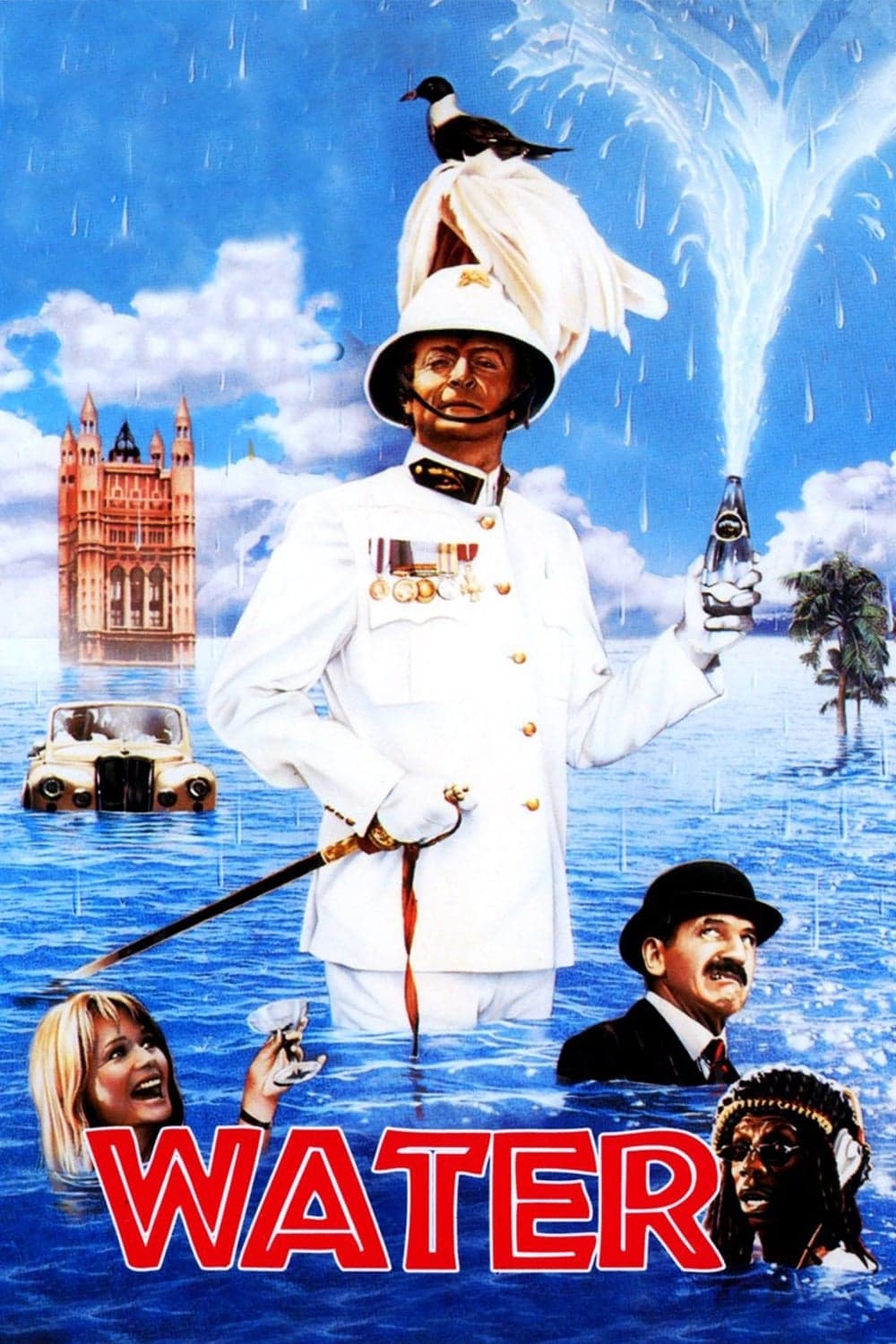
Caine played Governor Baxter Thwaites in the comedy ‘Water’. He is the governor of a small, forgotten British colony in the Caribbean. The island is thrown into chaos when an American oil company discovers a spring that produces pure mineral water, leading to an international incident.
The film was a satirical comedy with an ensemble cast that included Billy Connolly and Leonard Rossiter. It also featured cameo appearances by former Beatles George Harrison and Ringo Starr.
The Holcroft Covenant (1985)
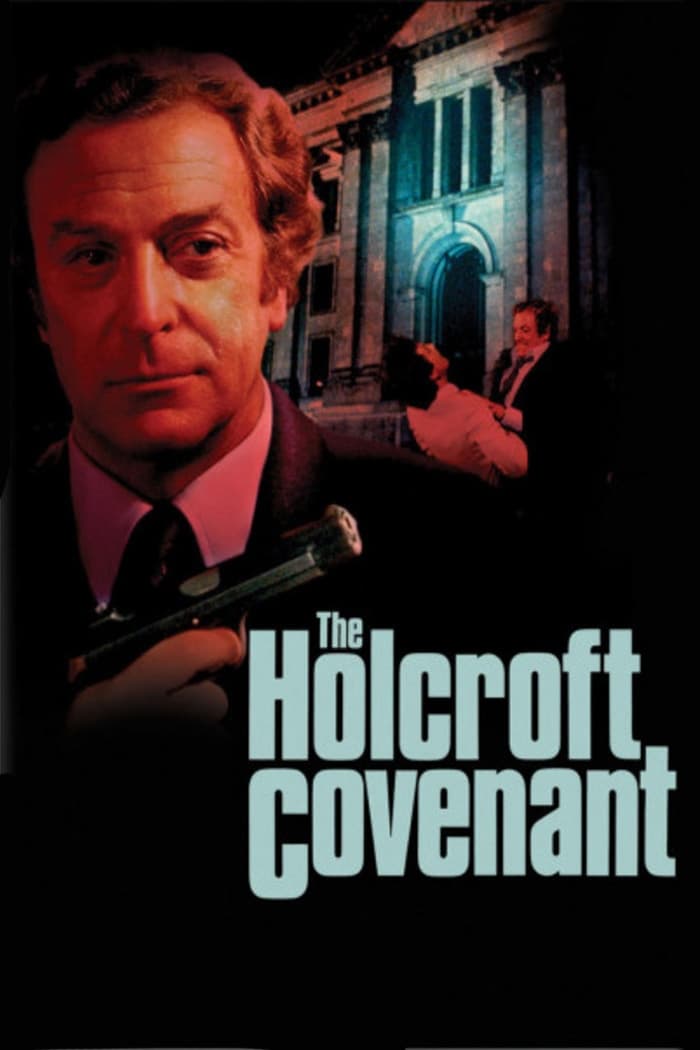
In this thriller, Caine played Noel Holcroft, an American architect living in New York. He learns that his late father, who was a Nazi general, left behind a secret fortune intended to be used to establish a fourth reich. Holcroft must then race to stop the conspiracy.
Based on a novel by Robert Ludlum, the film was a complex and fast-paced conspiracy thriller. It was directed by the acclaimed filmmaker John Frankenheimer.
Hannah and Her Sisters (1986)

Caine won his first Academy Award, for Best Supporting Actor, for his role as Elliot in Woody Allen’s ‘Hannah and Her Sisters’. The film tells the interconnected stories of three sisters and the men in their lives over the course of two years. Caine’s character is married to Hannah but is secretly in love with her sister, Lee.
The film is considered one of Woody Allen’s masterpieces, and Caine’s performance was singled out for its nuance and emotional depth. His portrayal of a man tormented by his own desires was both funny and heartbreaking.
Sweet Liberty (1986)
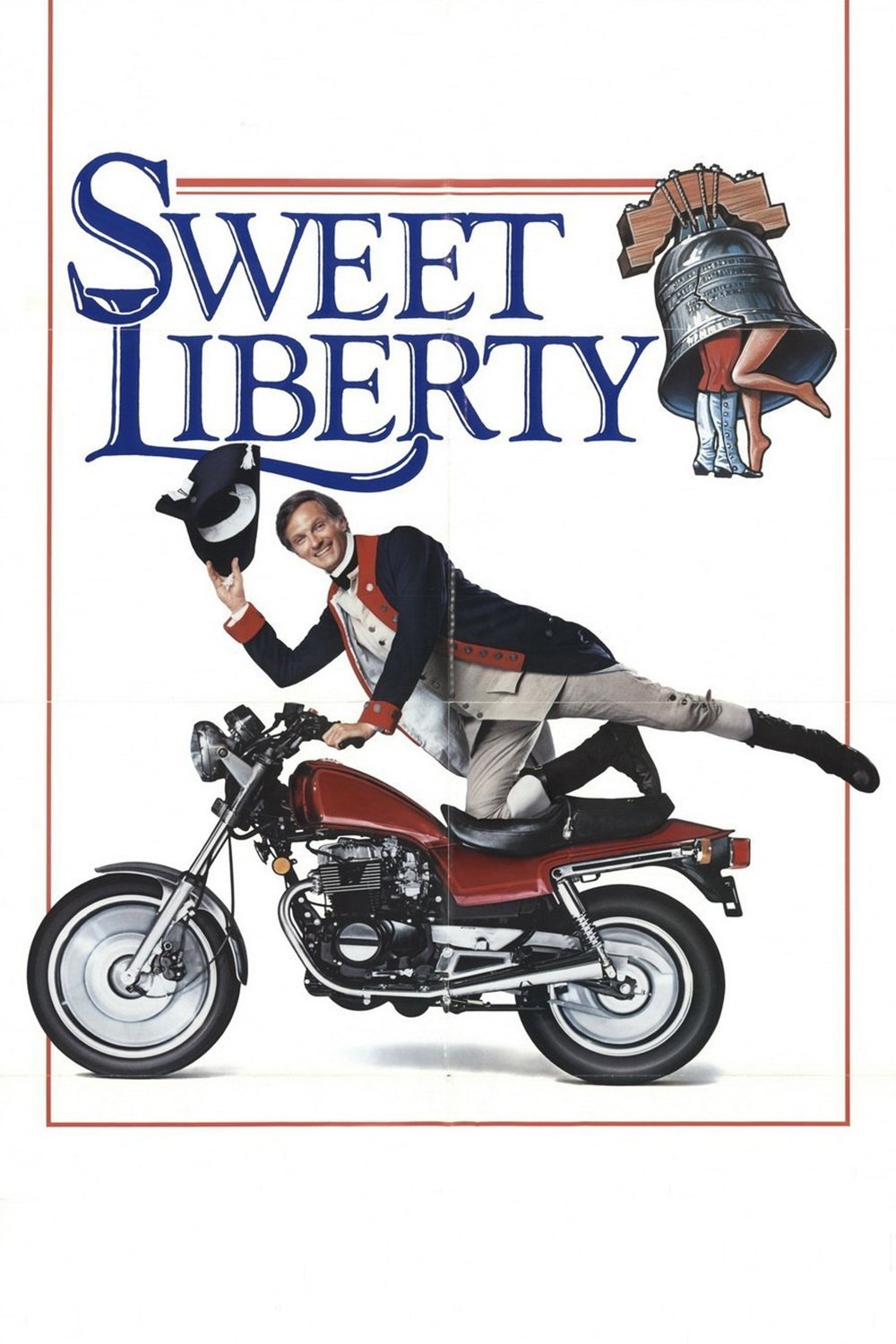
In this comedy written and directed by Alan Alda, Caine played Elliott James, a vain and womanizing movie star. He comes to a small town to star in a historical film written by a local professor, played by Alda. The two men clash over the film’s historical accuracy and their interest in the same woman.
The film was a gentle satire of Hollywood filmmaking and the clash between art and commerce. Caine’s role as the egotistical movie star was a fun, self-parodying performance.
Mona Lisa (1986)

Caine played the vicious gangster Mortwell in the British crime drama ‘Mona Lisa’. The film stars Bob Hoskins as a low-level criminal who gets a job driving a high-class call girl. Caine’s character is the ruthless crime boss who controls both of them.
Although it was a supporting role, Caine made a powerful impression as the menacing and sadistic villain. His performance was a chilling reminder of the intensity he could bring to a role, a stark contrast to some of the lighter films he was making at the time.
Half Moon Street (1986)
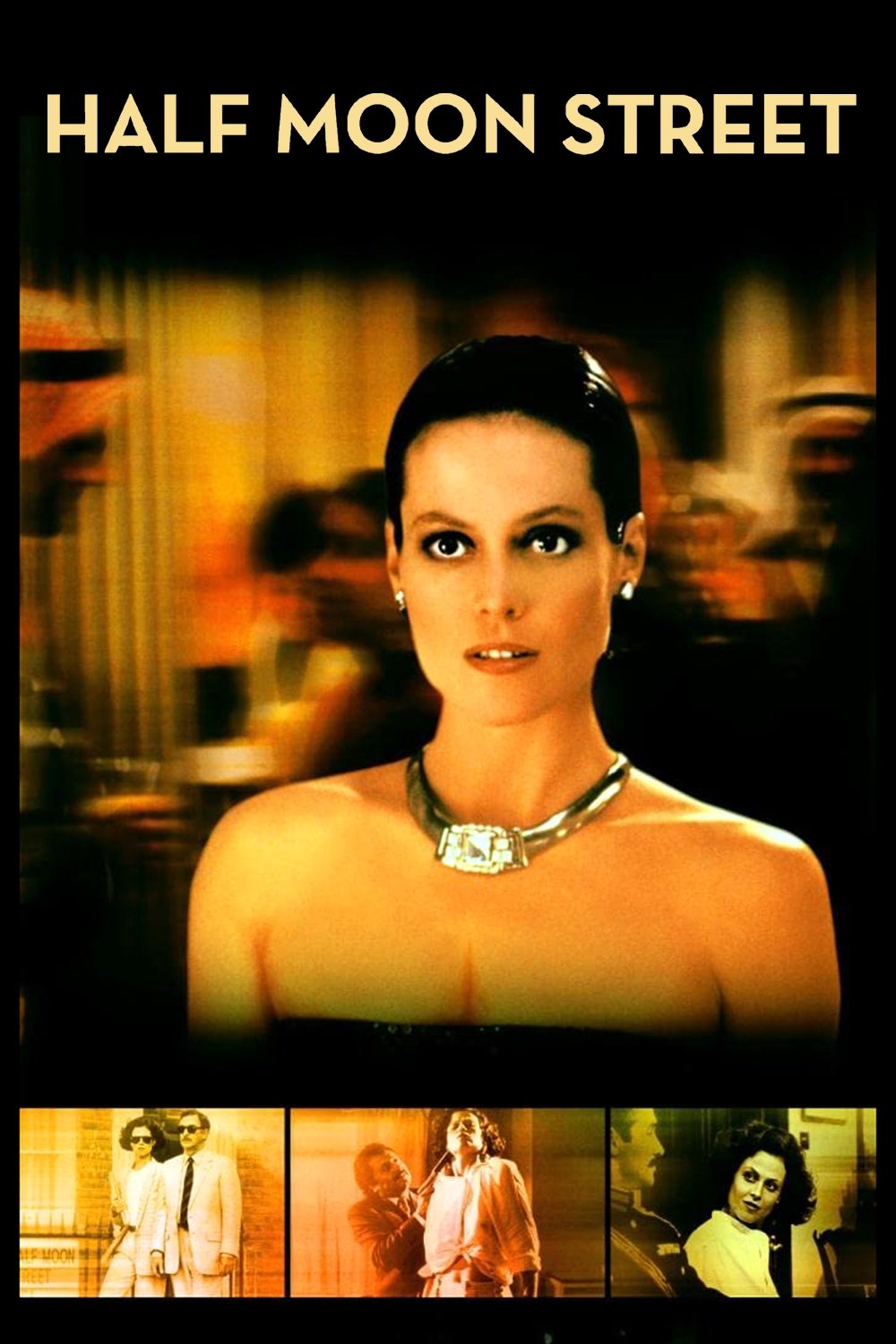
In this thriller, Caine played Lord Sam Bulbeck, a high-ranking British diplomat who becomes involved with an American academic, played by Sigourney Weaver, who is moonlighting as a high-class escort. Their relationship puts them both in danger when it becomes entangled in international politics.
The film was a stylish thriller that explored themes of power, politics, and relationships. It was noted for the strong chemistry between Caine and his co-star, Sigourney Weaver.
The Whistle Blower (1986)
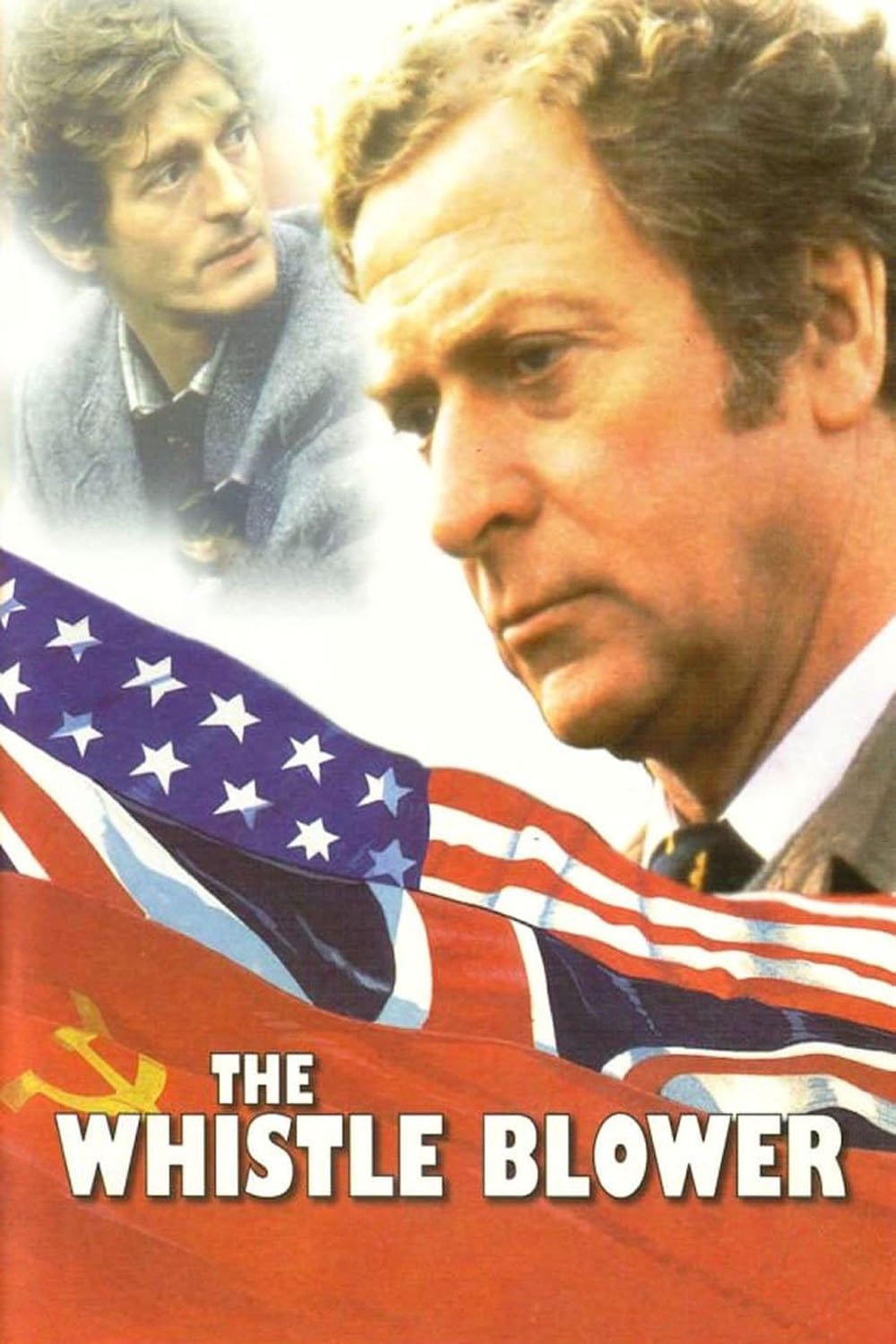
Caine starred in this spy thriller as Frank Jones, a British veteran and small business owner. His life is turned upside down when his son, who works as a linguist for British intelligence, dies under mysterious circumstances. He sets out to uncover the truth, finding himself in a dangerous world of government conspiracies.
The film was a gripping and paranoid thriller that reflected Cold War anxieties. Caine gave a powerful performance as an ordinary man fighting against a powerful and corrupt system.
The Fourth Protocol (1987)
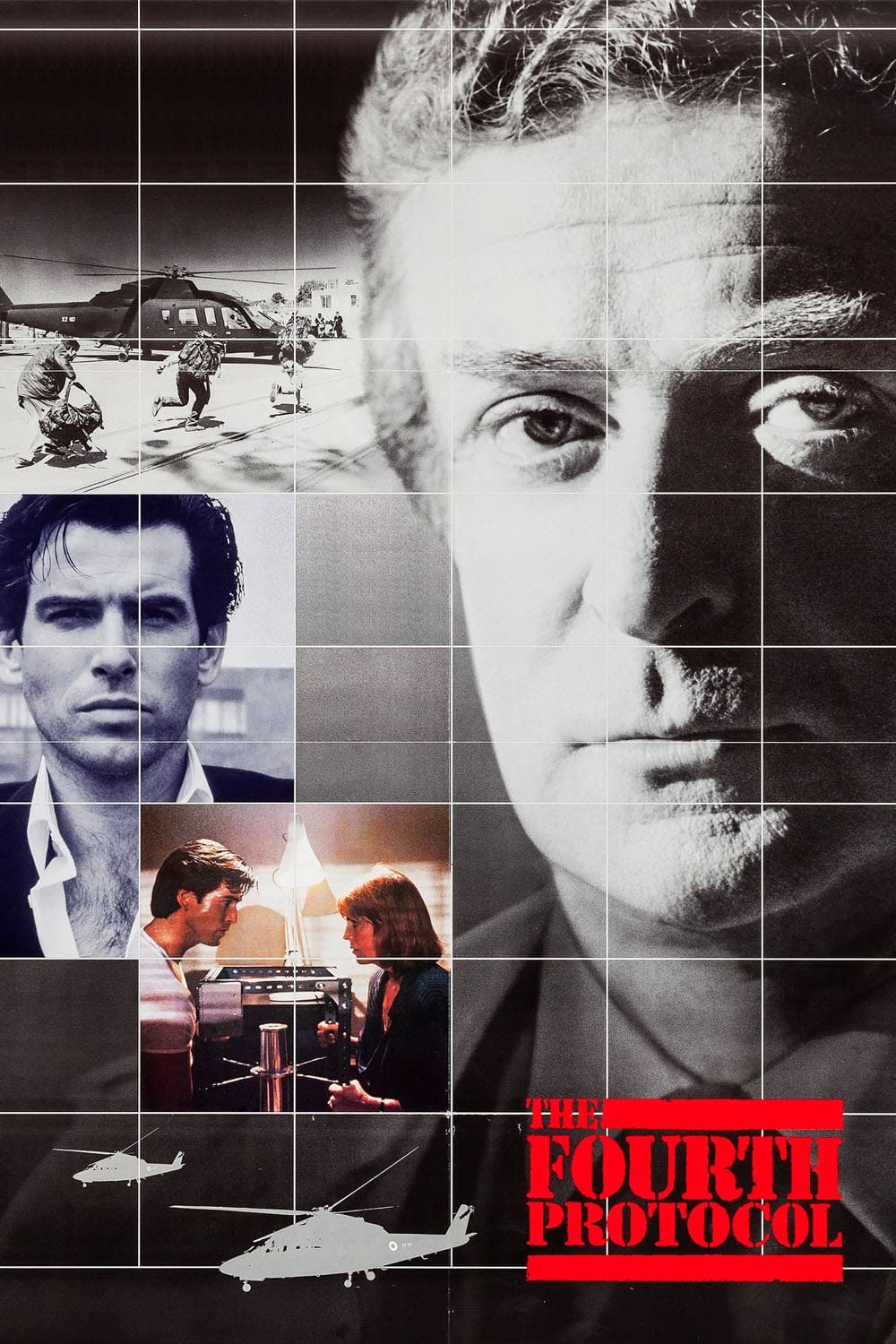
In this spy thriller, Caine played John Preston, a veteran British intelligence officer. He uncovers a secret KGB plot to assemble and detonate a nuclear bomb in the UK to destabilize NATO. Caine also served as an executive producer on the film and co-wrote the screenplay.
Based on a novel by Frederick Forsyth, the film was a tense and intelligent Cold War thriller. It was a personal project for Caine and allowed him to play a tough, no-nonsense hero in the mold of his earlier spy roles.
Jaws: The Revenge (1987)
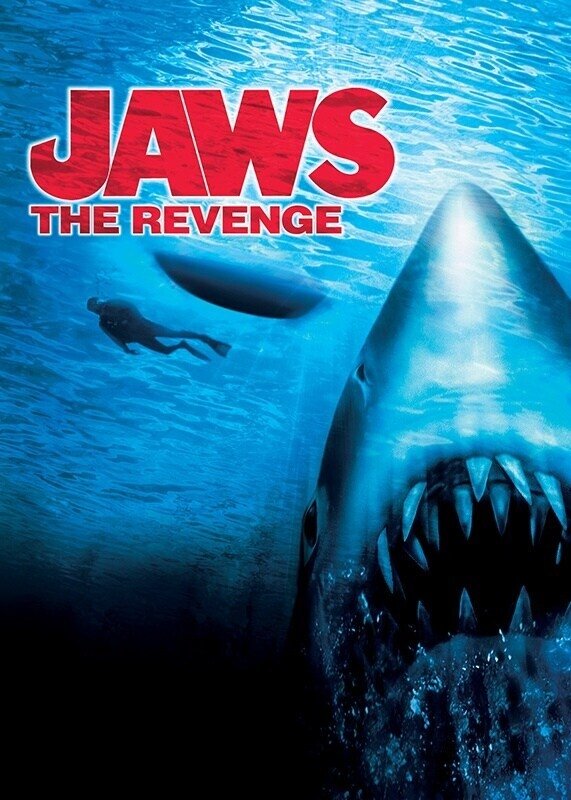
Caine played the charming charter pilot Hoagie Newcombe in ‘Jaws: The Revenge’, the fourth and final film in the ‘Jaws’ series. He helps Ellen Brody battle a great white shark that seems to be seeking revenge on her family.
The film was a massive critical and commercial failure, often cited as one of the worst sequels ever made. Caine famously missed collecting his Oscar for ‘Hannah and Her Sisters’ because he was filming this movie, later joking that while he never saw the film, he had seen the house that it paid for and it was lovely.
Surrender (1987)

In this romantic comedy, Caine played Sean Stein, a cynical, wealthy writer who has been through multiple expensive divorces. He pretends to be poor to test whether a woman will love him for himself and not his money. He meets a struggling artist, played by Sally Field, who has her own reasons for distrusting rich men.
The film was a lighthearted battle-of-the-sexes comedy that relied on the charm of its two veteran leads.
Without a Clue (1988)
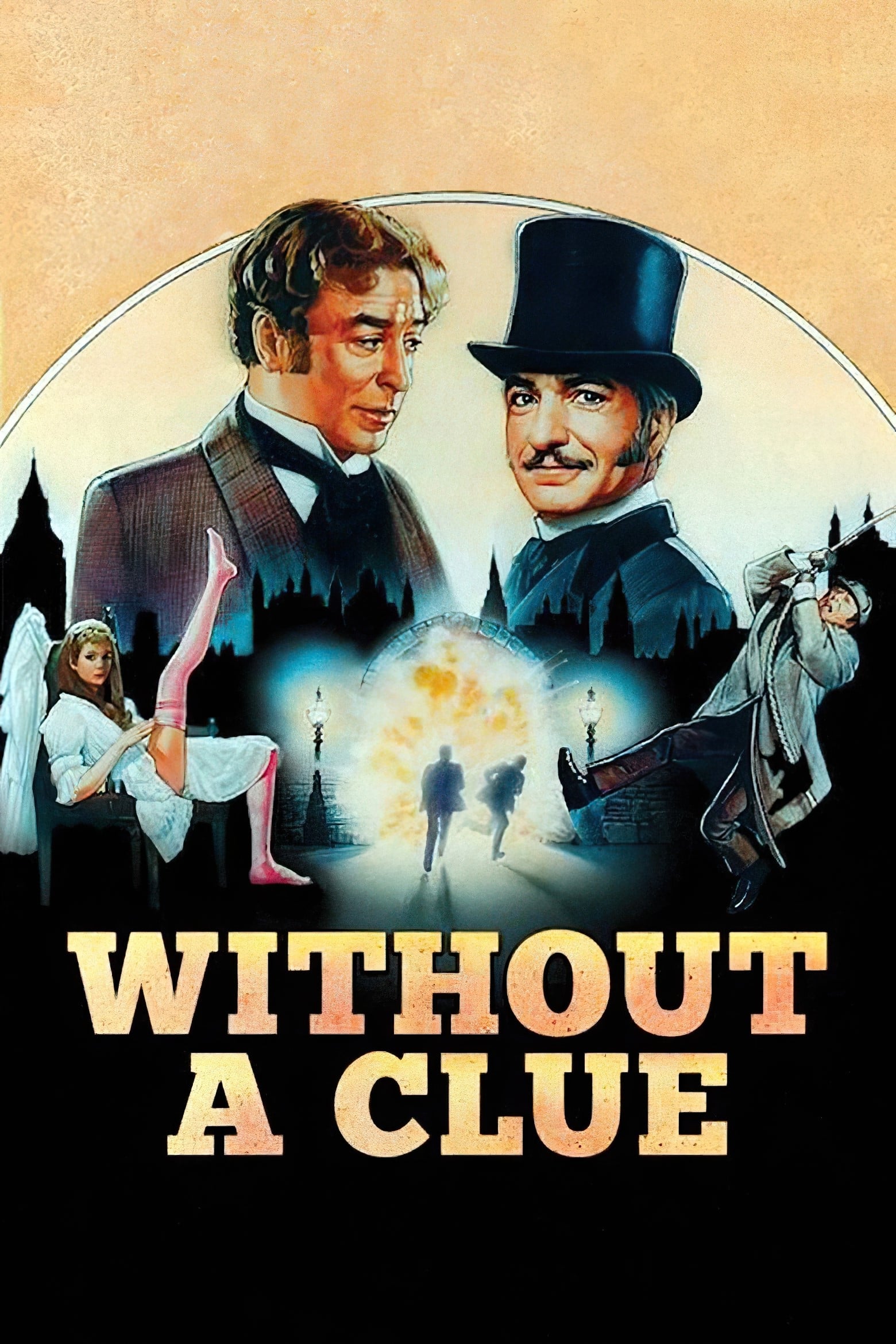
Caine starred in this comedic take on the Sherlock Holmes stories, playing the title role of the famous detective. However, in this version, Holmes is actually a bumbling, drunken actor named Reginald Kincaid, who was hired by Dr. Watson (played by Ben Kingsley), the true genius detective, to be the public face of his investigations.
The film was a clever and hilarious reversal of the classic Holmes and Watson dynamic. Caine’s performance as the incompetent but lovable fake detective was a comedic tour de force.
Dirty Rotten Scoundrels (1988)

Caine teamed up with Steve Martin for the classic comedy ‘Dirty Rotten Scoundrels’. Caine played Lawrence Jamieson, a sophisticated and elegant con artist who operates on the French Riviera. His comfortable life is disrupted by the arrival of a small-time, crass American hustler, played by Martin, and the two make a bet to see who can swindle an American heiress first.
The film is a masterclass in comedic timing and features brilliant chemistry between its two stars. Caine’s portrayal of the suave, sophisticated con man is one of his most beloved comedic performances. The movie remains a fan favorite and a benchmark for the genre.
A Shock to the System (1990)
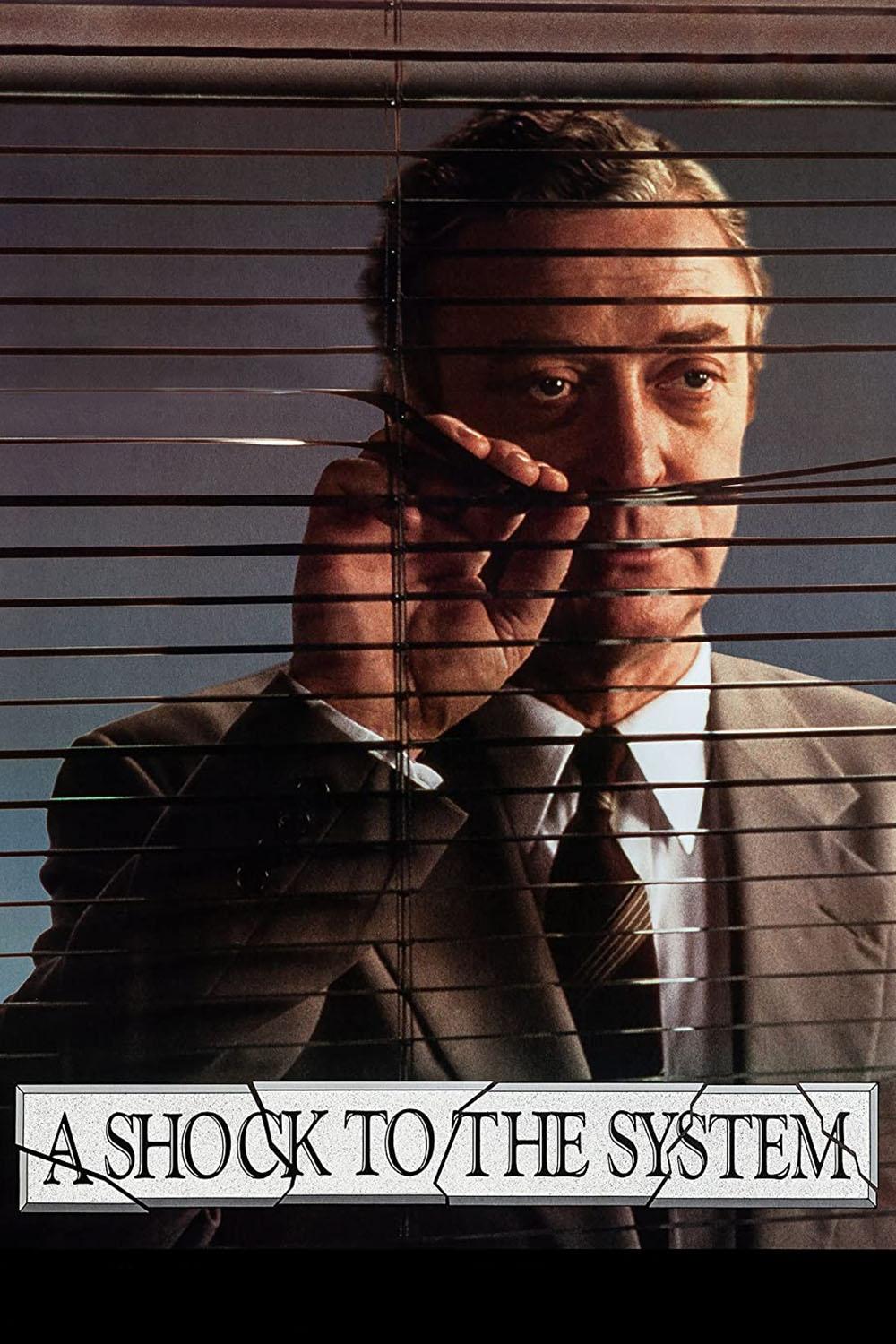
In this black comedy, Caine played Graham Marshall, a mild-mannered advertising executive who gets passed over for a promotion. After accidentally causing the death of a man on the subway, he discovers he has a talent for murder and begins to eliminate everyone who stands in his way.
The film was a darkly funny satire of corporate ambition and greed. Caine’s performance was praised for its chilling portrayal of an ordinary man who transforms into a cold-blooded killer.
Jekyll & Hyde (1990)
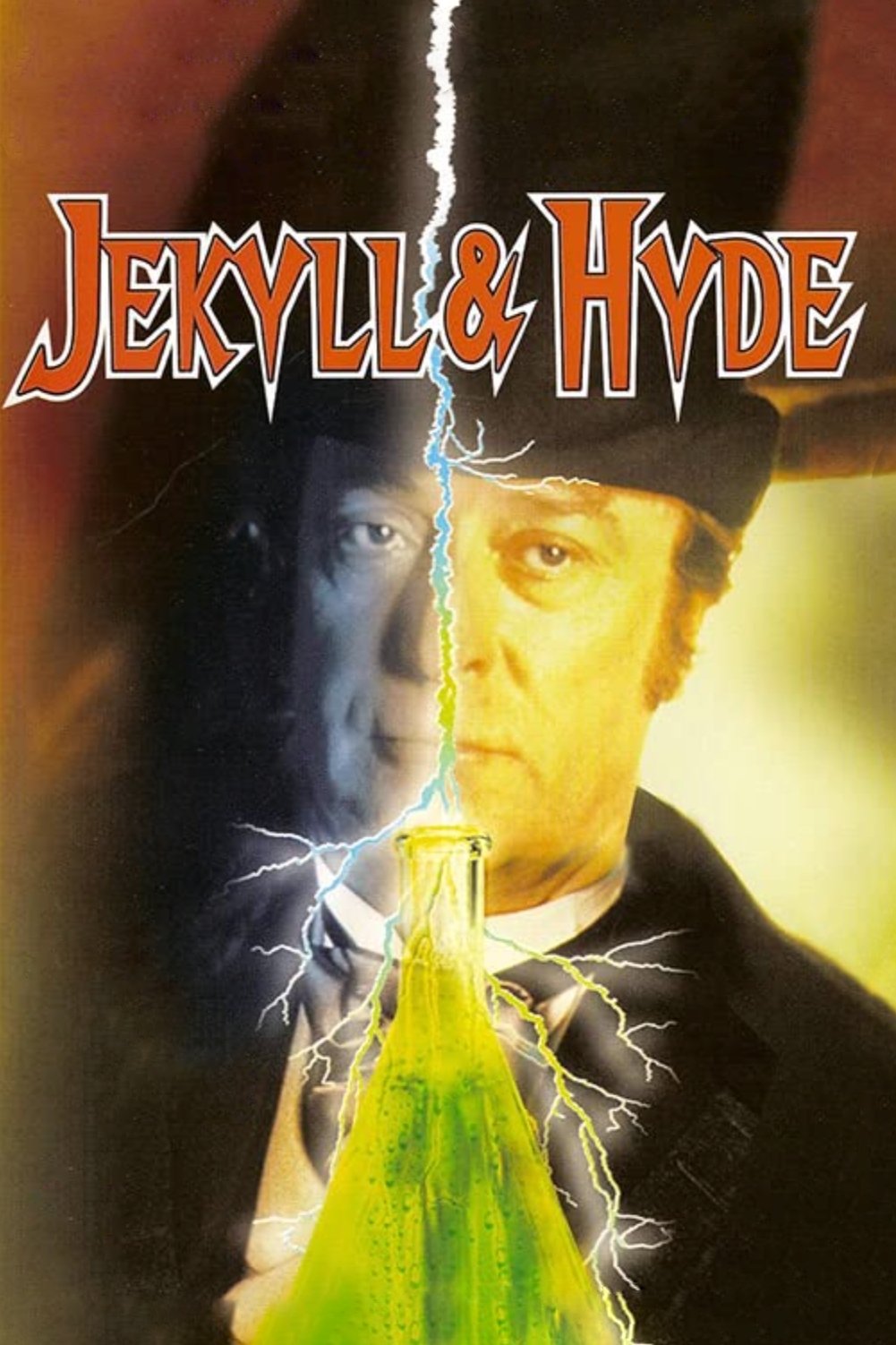
Caine took on the famous dual role of Dr. Henry Jekyll and his evil alter ego, Mr. Edward Hyde, in this television film adaptation of Robert Louis Stevenson’s classic gothic novel. The story follows the respected doctor who creates a potion that unleashes his hidden, monstrous personality.
This role gave Caine the opportunity to tackle one of the most famous characters in literature. His performance explored the duality of human nature, portraying both the kind and gentle doctor and the purely evil Hyde.
Mr. Destiny (1990)
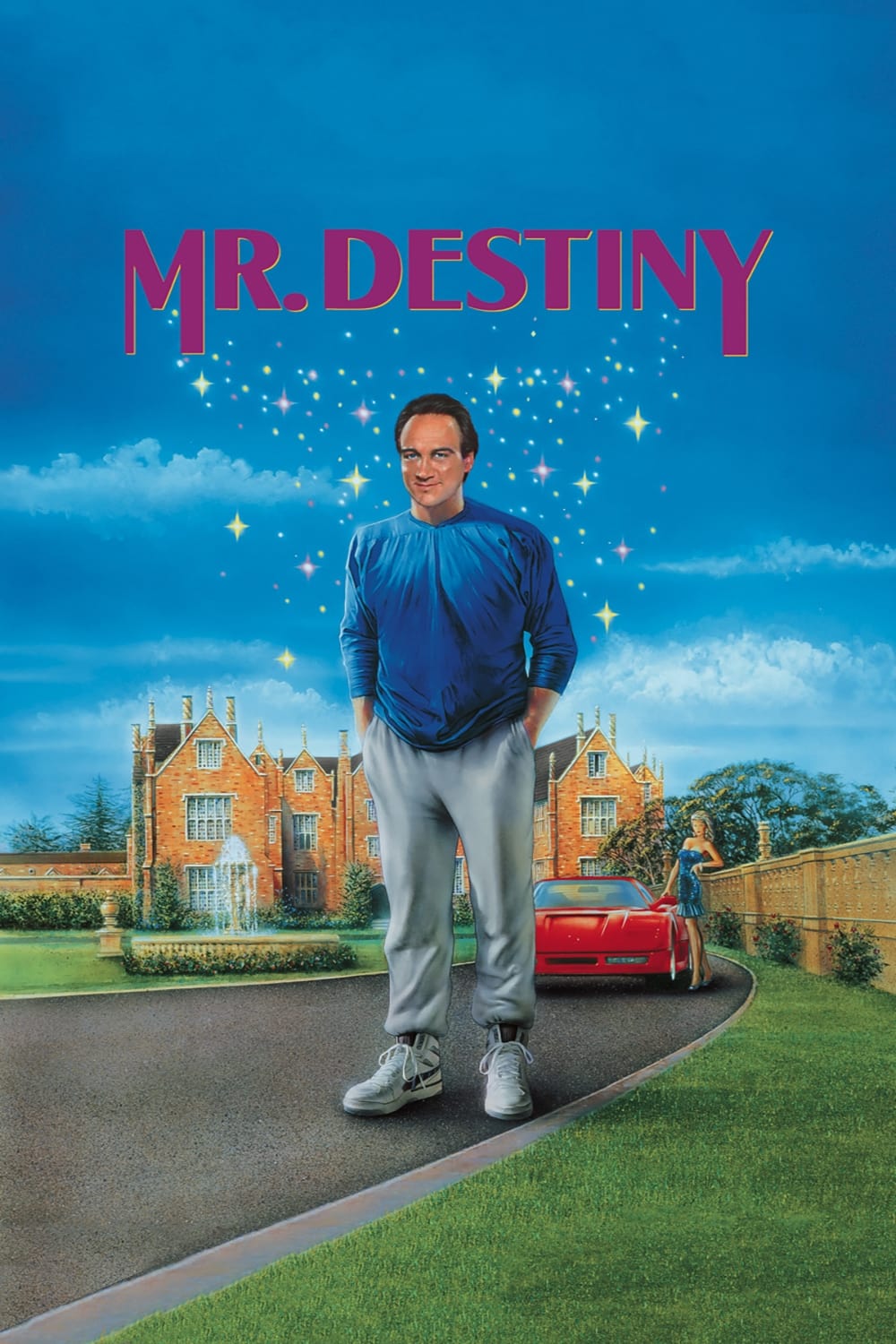
In this fantasy comedy, Caine played Mike, a mysterious bartender who is actually a guardian angel-like figure named Mr. Destiny. He helps a frustrated businessman, played by James Belushi, see what his life would have been like if he had not made a crucial mistake in a high school baseball game years ago.
Caine’s role was a charming and whimsical supporting part. He served as the magical guide who sets the film’s plot in motion, similar to the angel Clarence in ‘It’s a Wonderful Life’.
Bullseye! (1990)
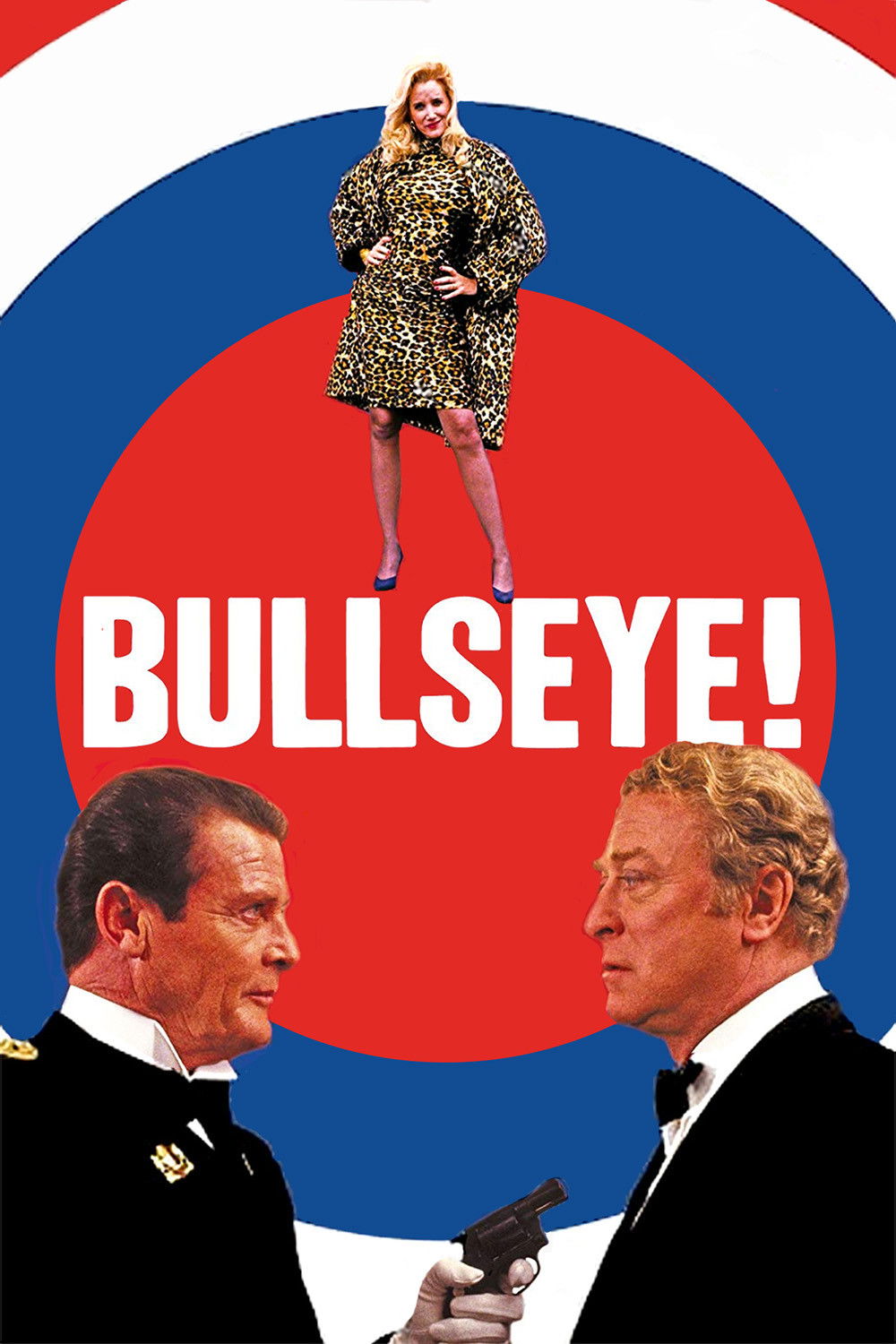
This comedy reunited Caine with his ‘The Man Who Would Be King’ co-star Roger Moore. They played a pair of small-time con artists who also happen to be lookalikes for two nuclear physicists. They are hired by British intelligence to impersonate the scientists as part of a complicated scheme.
The film was a chaotic farce that gave Caine and Moore a chance to work together again. It was directed by Michael Winner, who had previously worked with Caine on the film ‘Pulp’.
Noises Off… (1992)
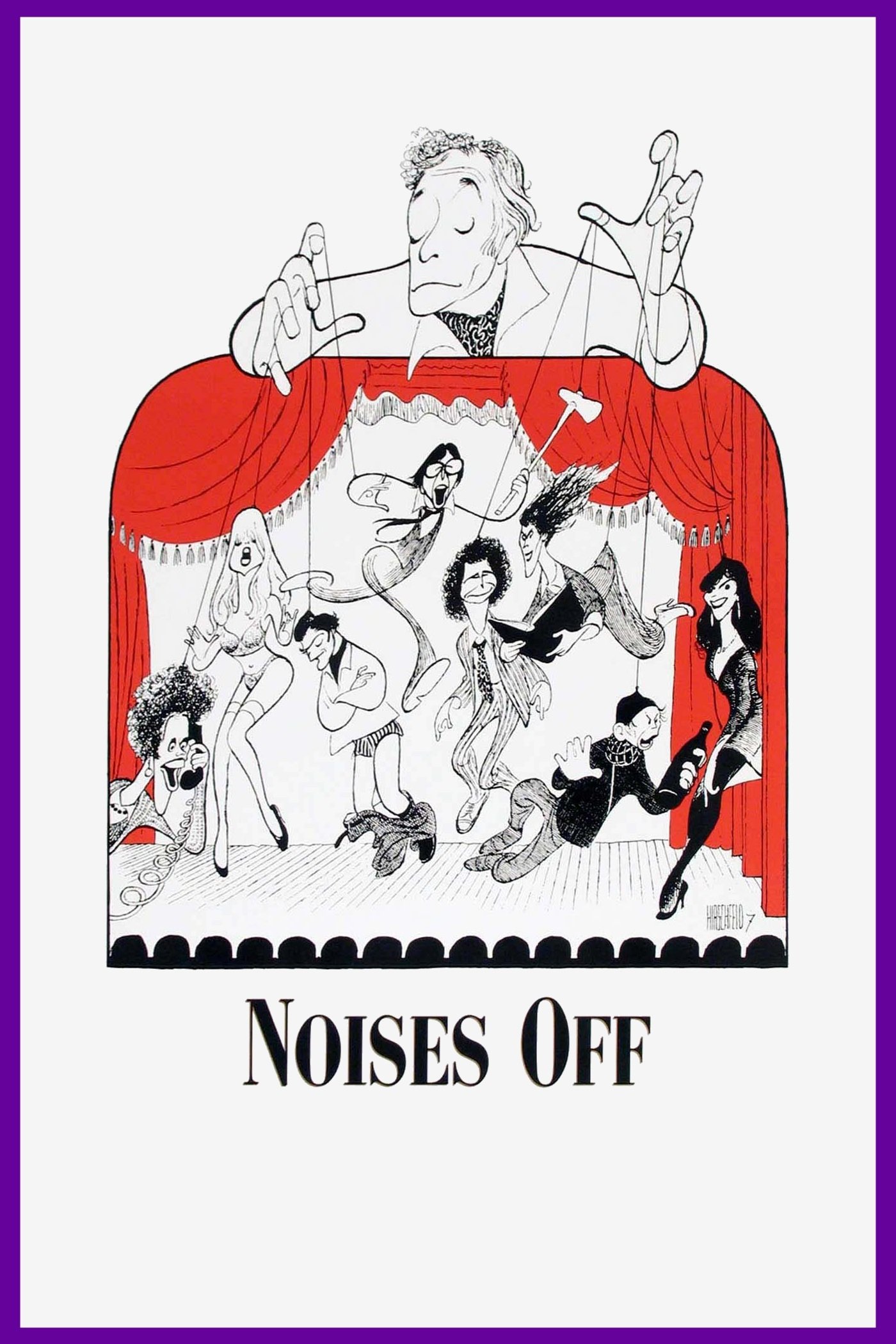
Caine was part of an ensemble cast in this film adaptation of the celebrated stage farce ‘Noises Off’. He played Lloyd Fellowes, the increasingly exasperated director of a touring theater company. The film shows the chaotic backstage antics and on-stage disasters of the cast during three separate performances of the same play.
The movie is a masterfully constructed piece of slapstick comedy, requiring precise timing from its entire cast. Caine was the anchor of the film, playing the relatively straight man to the escalating madness around him.
Blue Ice (1992)
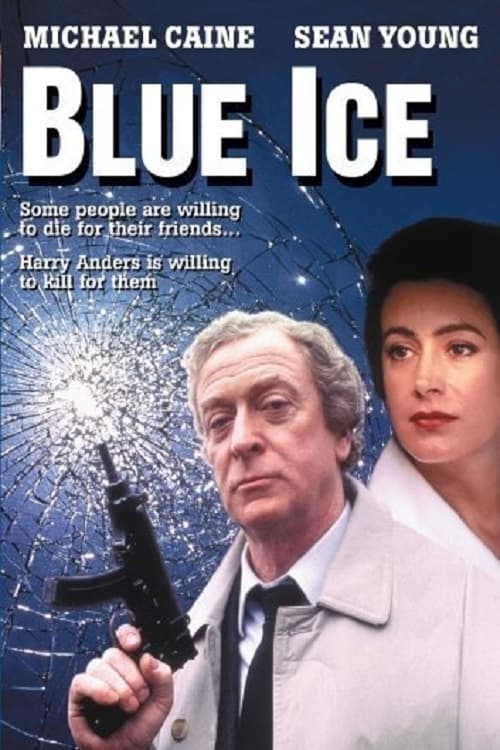
In this thriller, Caine returned to the world of espionage, playing a character named Harry Anders. The name was a deliberate nod to his famous spy character, Harry Palmer. Anders is a former spy who now owns a jazz club, but he is drawn back into a dangerous world of conspiracy when he meets a mysterious woman.
Caine also served as a producer on the film. It was a stylish, neo-noir thriller that updated the classic spy genre for the 1990s.
The Muppet Christmas Carol (1992)
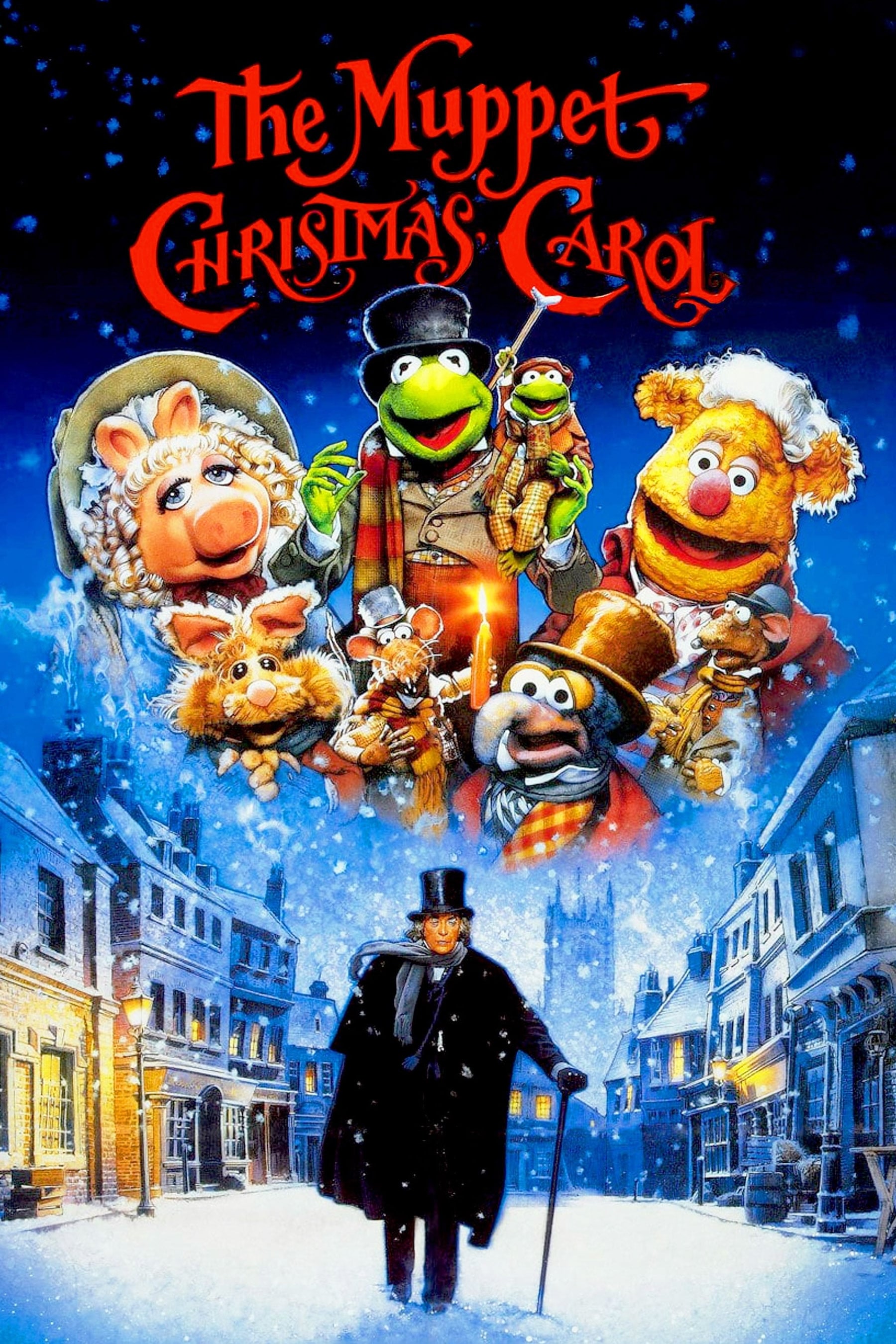
Caine took on the iconic role of Ebenezer Scrooge in ‘The Muppet Christmas Carol’. This beloved adaptation of Charles Dickens’ classic story features the Muppets in most of the other roles, with Caine as the film’s central human character. He played the role completely straight, treating his fuzzy co-stars as if they were serious dramatic actors.
His decision to play the part with sincerity and emotional depth is a key reason for the film’s enduring success. His transformation from a bitter miser to a man filled with joy is genuinely moving, and the film has become a holiday classic for generations of viewers.
On Deadly Ground (1994)
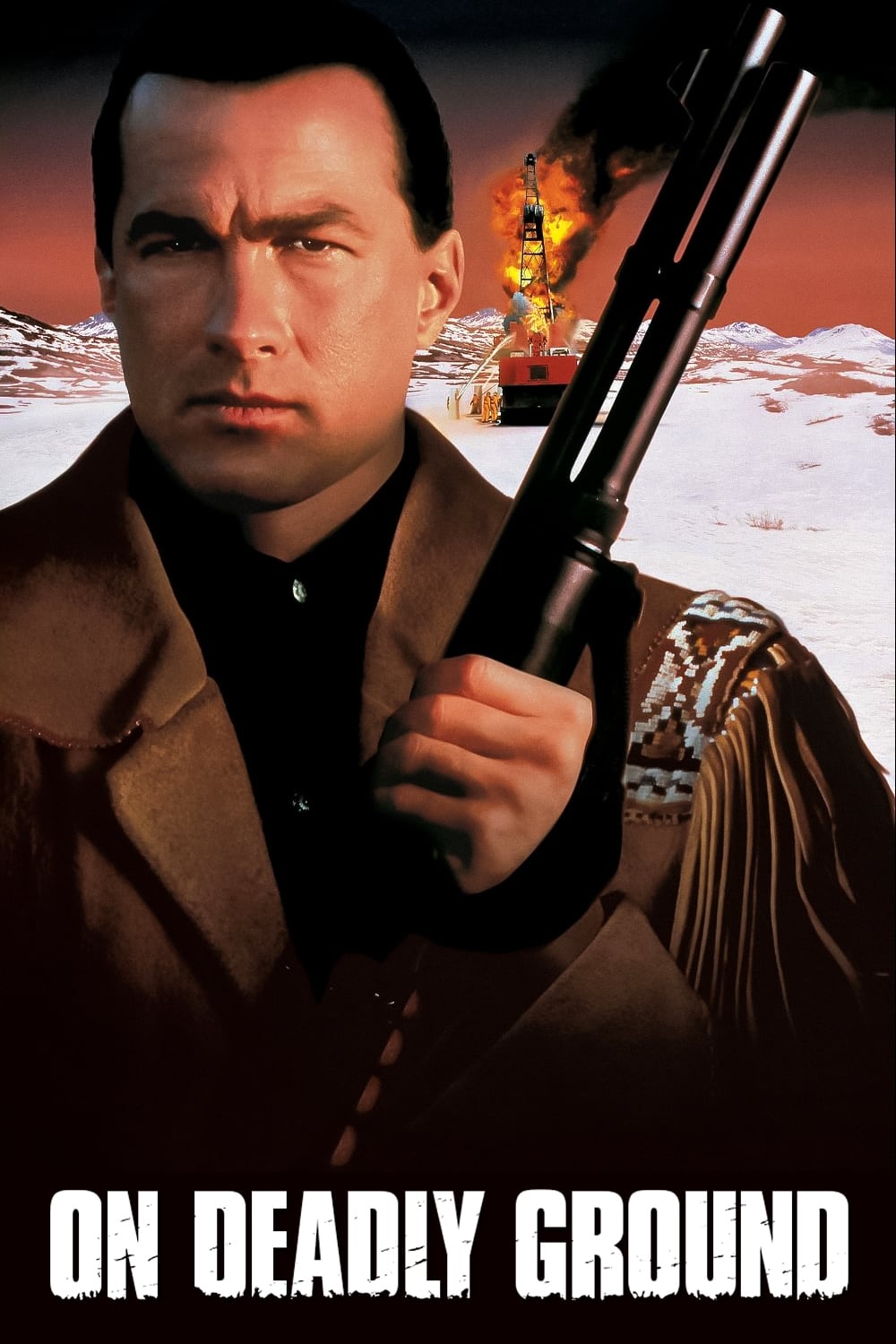
In this action film directed by and starring Steven Seagal, Caine played the villain, Michael Jennings. Jennings is a corrupt and ruthless oil tycoon who is willing to do anything to open a new refinery in Alaska, even if it means causing an environmental disaster and killing anyone who gets in his way.
Playing the antagonist in a high-profile action movie was a departure for Caine. He brought a sense of menace and gravitas to the role of the greedy corporate villain.
Blood and Wine (1996)
Caine starred alongside Jack Nicholson in this noir thriller. He played Victor ‘Vic’ Spansky, a safecracker and career criminal who teams up with a wine merchant (Nicholson) to steal a valuable diamond necklace. Their plan goes wrong, leading to betrayal and violence.
The film was a gritty and atmospheric crime drama. Caine’s performance as the aging, world-weary thief was highly praised, and his scenes with Jack Nicholson were noted for their intensity.
Shadow Run (1998)

In this thriller, Caine played Haskell, a high-level criminal who is hired to break a man out of a high-security private prison. The plan is to use the man’s son to create a diversion, but the operation quickly becomes more complicated and dangerous than expected.
The film was a tense, low-budget heist movie that gave Caine another opportunity to play a clever and experienced criminal mastermind.
Curtain Call (1998)
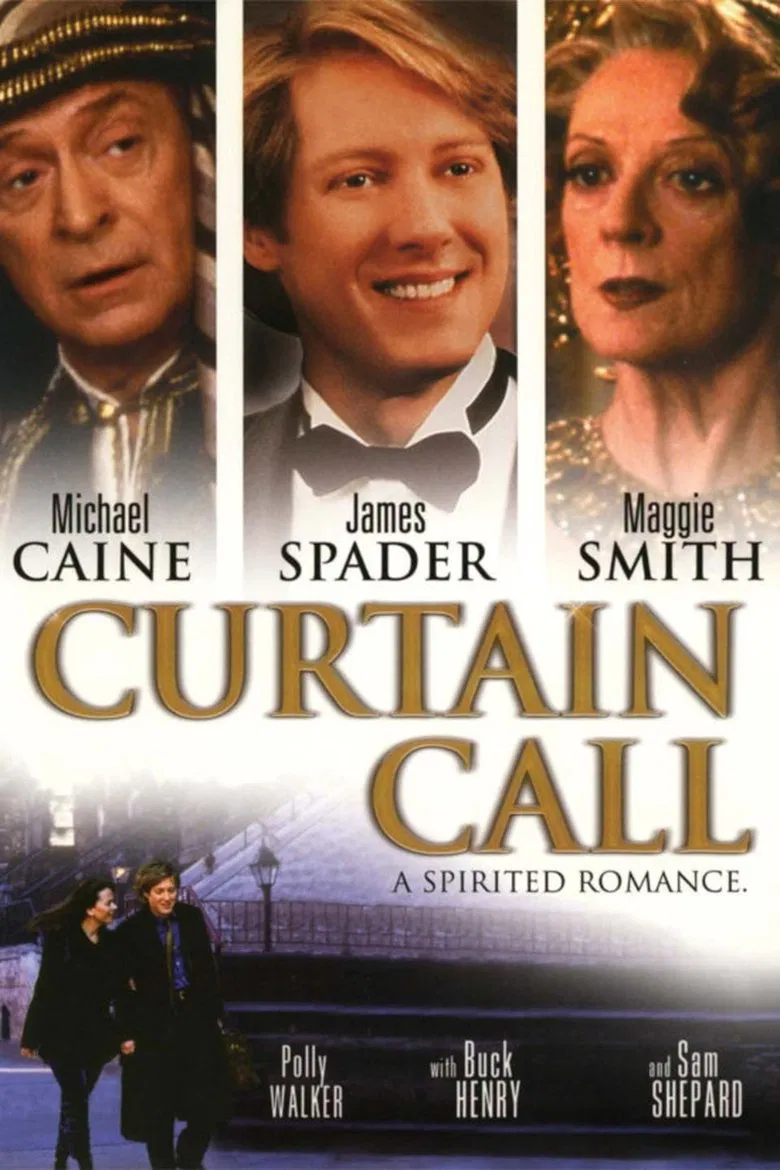
Caine co-starred with James Spader in the romantic comedy ‘Curtain Call’. Spader plays a man who buys a new house, only to discover that it is haunted by the ghosts of a bickering couple, played by Caine and Maggie Smith. The ghosts then proceed to meddle in his love life.
This lighthearted fantasy comedy reunited Caine with his ‘California Suite’ co-star Maggie Smith. Their comedic chemistry as the ghostly couple was a highlight of the film.
Little Voice (1998)

Caine gave a critically acclaimed performance as the sleazy, small-time talent agent Ray Say in ‘Little Voice’. He discovers a painfully shy young woman who has an incredible talent for perfectly mimicking famous singers. He sees her as his ticket to the big time and ruthlessly tries to exploit her talent.
His portrayal of the desperate and pathetic agent earned him a Golden Globe Award. It was a complex performance, capturing both the character’s charm and his cruel ambition.
The Cider House Rules (1999)
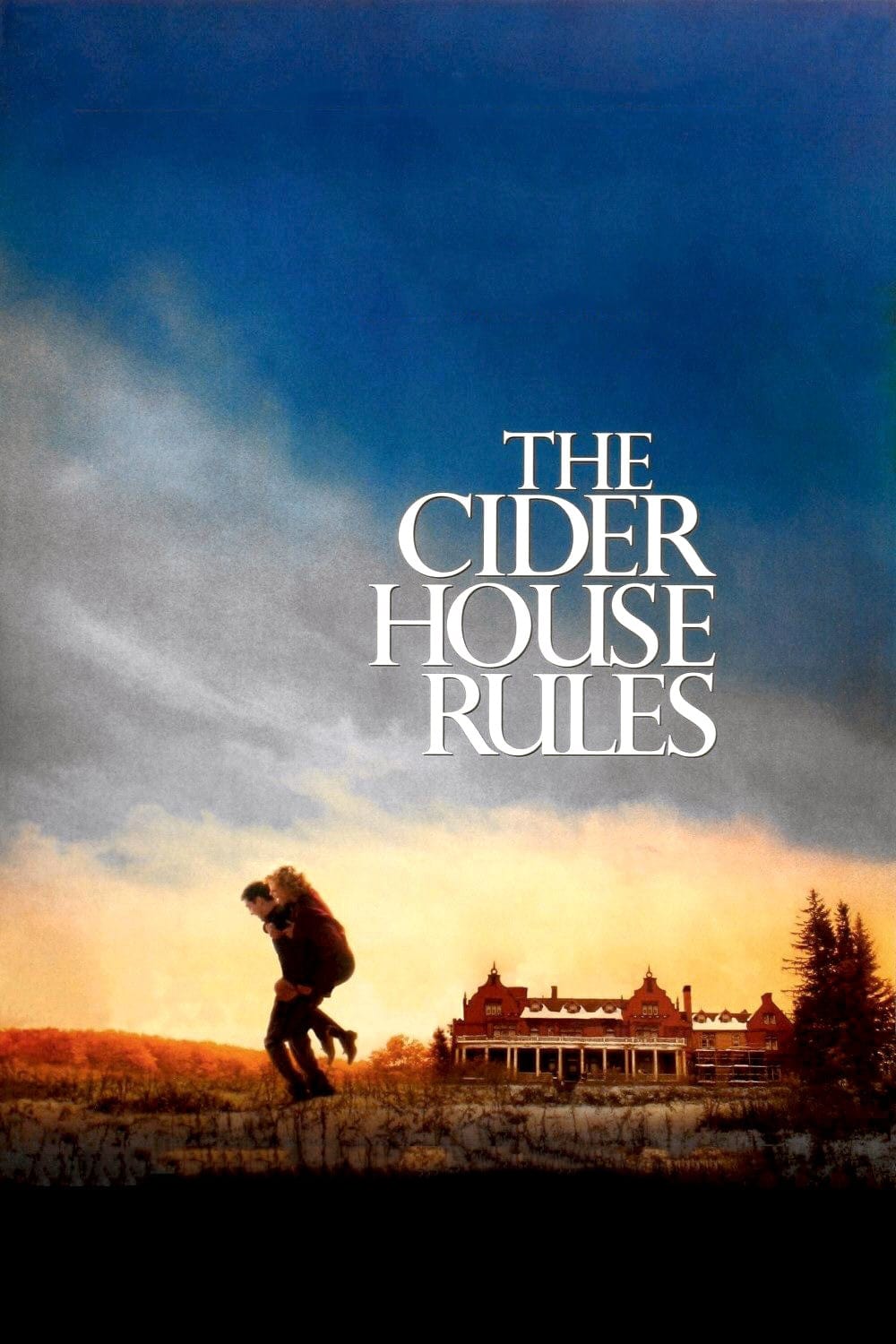
Caine won his second Academy Award for Best Supporting Actor for his role as Dr. Wilbur Larch in ‘The Cider House Rules’. He played the kind-hearted doctor who runs an orphanage in rural Maine during the 1940s. He serves as a father figure to the orphans, particularly a young man named Homer Wells.
The role was a warm, wise, and deeply moving performance that became one of the most celebrated of his career. His gentle delivery of the line, “Goodnight, you princes of Maine, you kings of New England,” is one of the film’s most memorable moments.
The Debtors (1999)
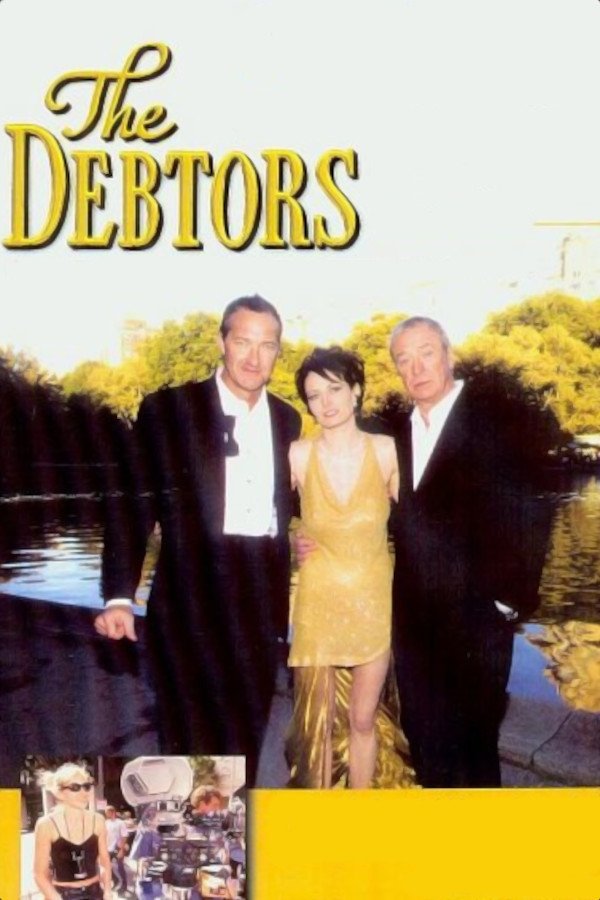
In 1999, Caine was part of the ensemble cast of ‘The Debtors’. The film follows a group of people who are all addicted to something, whether it be gambling, shopping, or something else. Caine played a character who is an addict.
The film had a famously troubled production and was never officially released in theaters, though it has been screened at some film festivals.
Quills (2000)
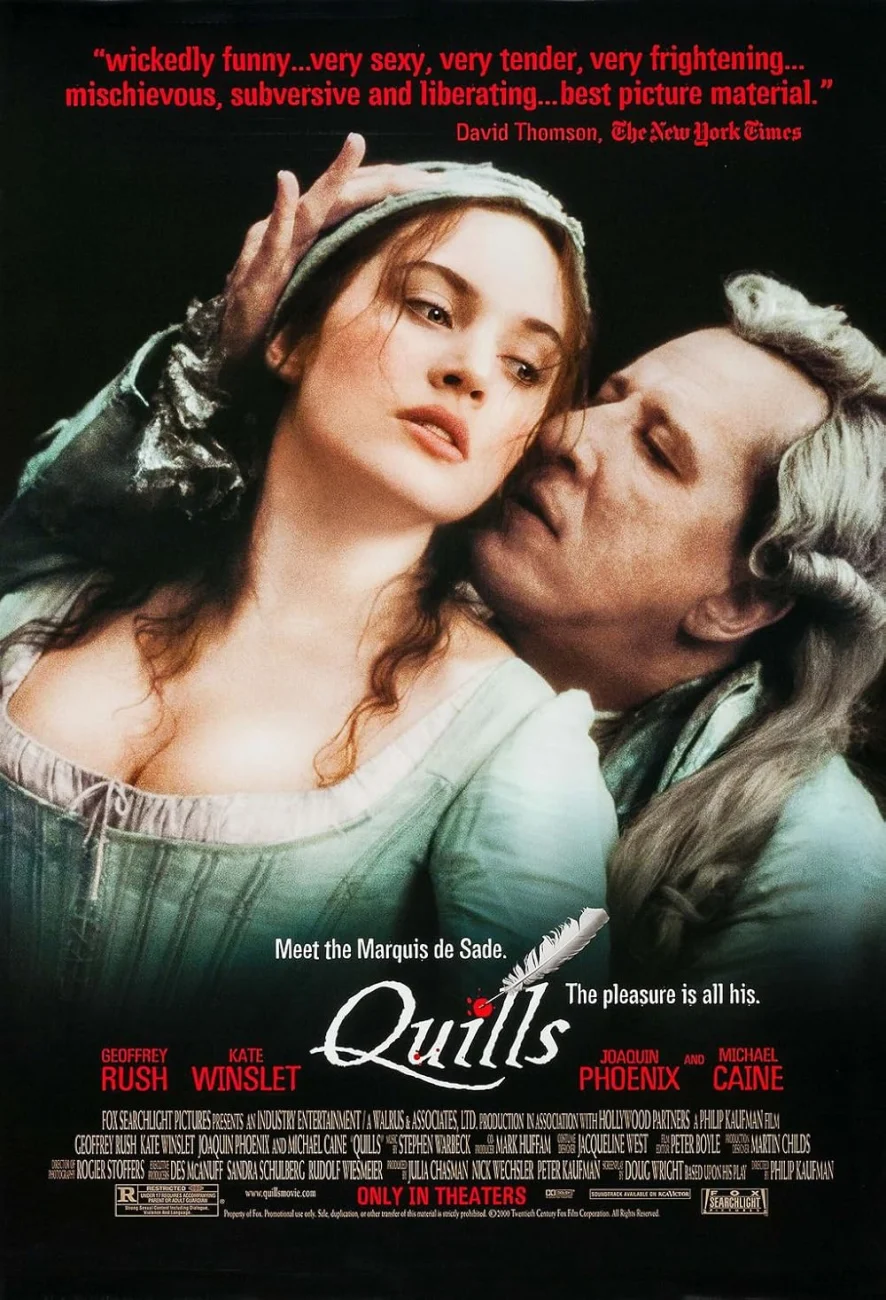
In this historical drama, Caine played Dr. Royer-Collard, a psychiatrist who is brought in to run the asylum where the infamous Marquis de Sade is imprisoned. The film is a battle of wills between the doctor, who believes in cruel but “curative” treatments, and a liberal-minded priest who believes in therapy.
The film was a provocative and intelligent exploration of censorship, sexuality, and sanity. Caine’s role as the stern and authoritarian doctor was a key part of the film’s central conflict.
Shiner (2000)
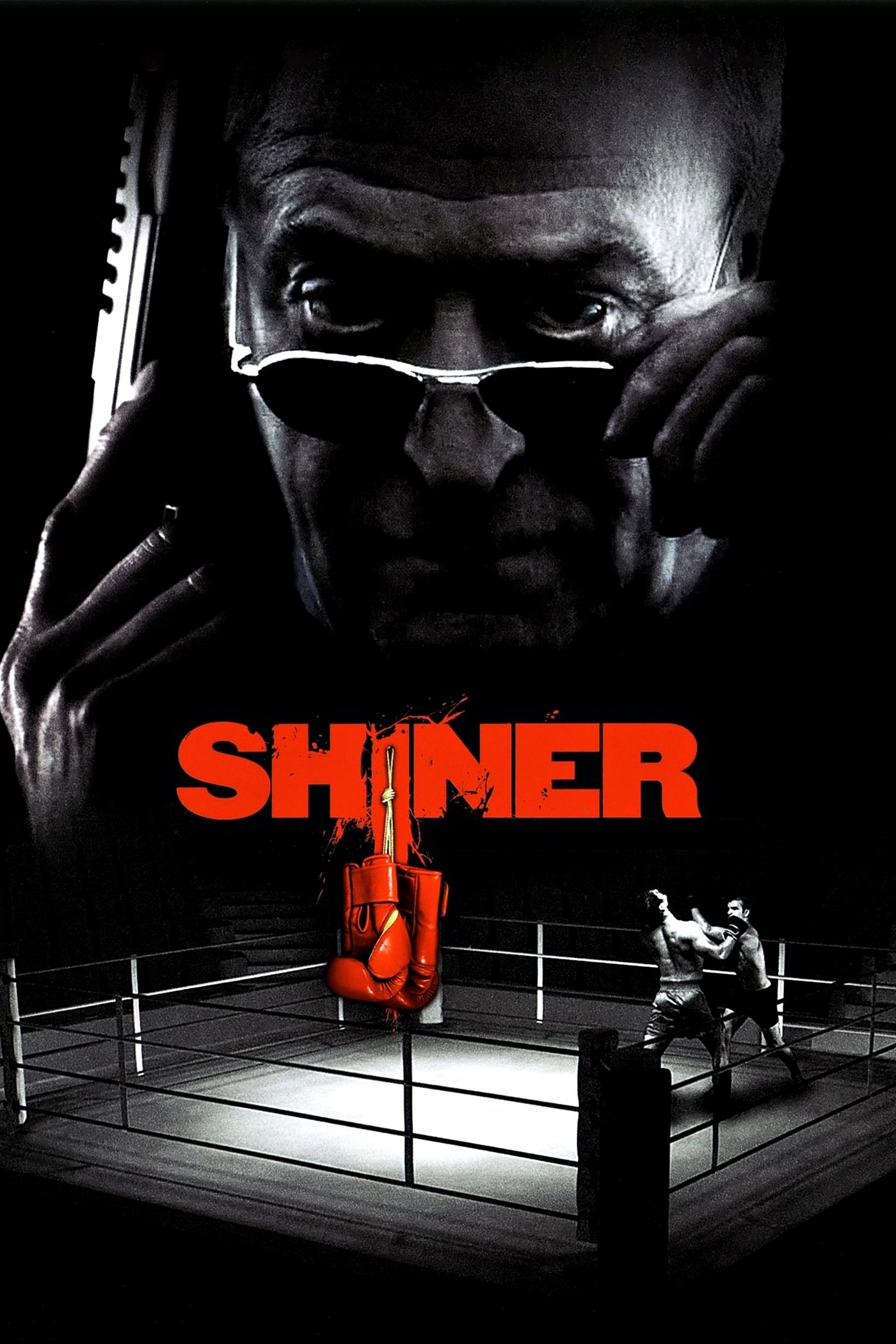
Caine starred as Billy ‘Shiner’ Simpson in this British crime drama. He played a small-time boxing promoter who is staking everything he has on one big fight for his son. On the day of the fight, everything begins to go wrong, and his life spirals out of control.
This was a gritty, intense role for Caine, and he gave a powerful performance as a man whose dreams are crumbling around him. The film was a dark character study that allowed him to showcase his dramatic range.
Get Carter (2000)
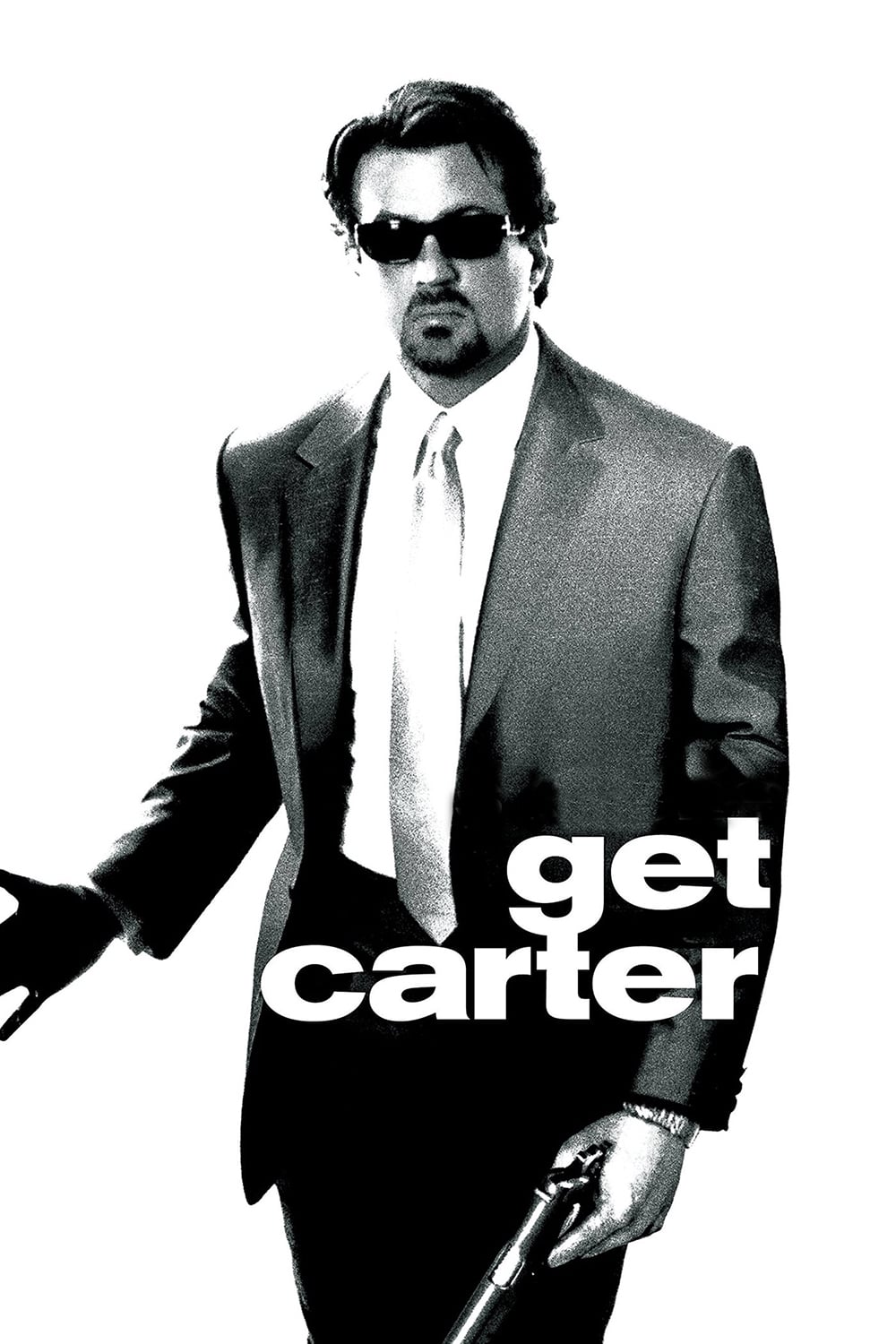
In the American remake of his own classic film, Caine made a special cameo appearance as Cliff Brumby. The remake stars Sylvester Stallone in the role of Jack Carter. The character of Brumby was a key figure in the original film, played by another actor.
Caine’s participation was a nod to the original film’s legacy. It was a fun moment for fans, allowing the original Carter to pass the torch to the new one.
Miss Congeniality (2001)

Caine had a memorable supporting role in the hit comedy ‘Miss Congeniality’. He played Victor Melling, a snooty but brilliant beauty pageant consultant who is hired by the FBI to transform a rough-and-tumble agent, played by Sandra Bullock, into a believable pageant contestant.
The film was a huge box-office success, and Caine’s performance was a highlight. His comedic chemistry with Sandra Bullock was praised, and his role as the sophisticated mentor provided many of the film’s best laughs.
Last Orders (2001)
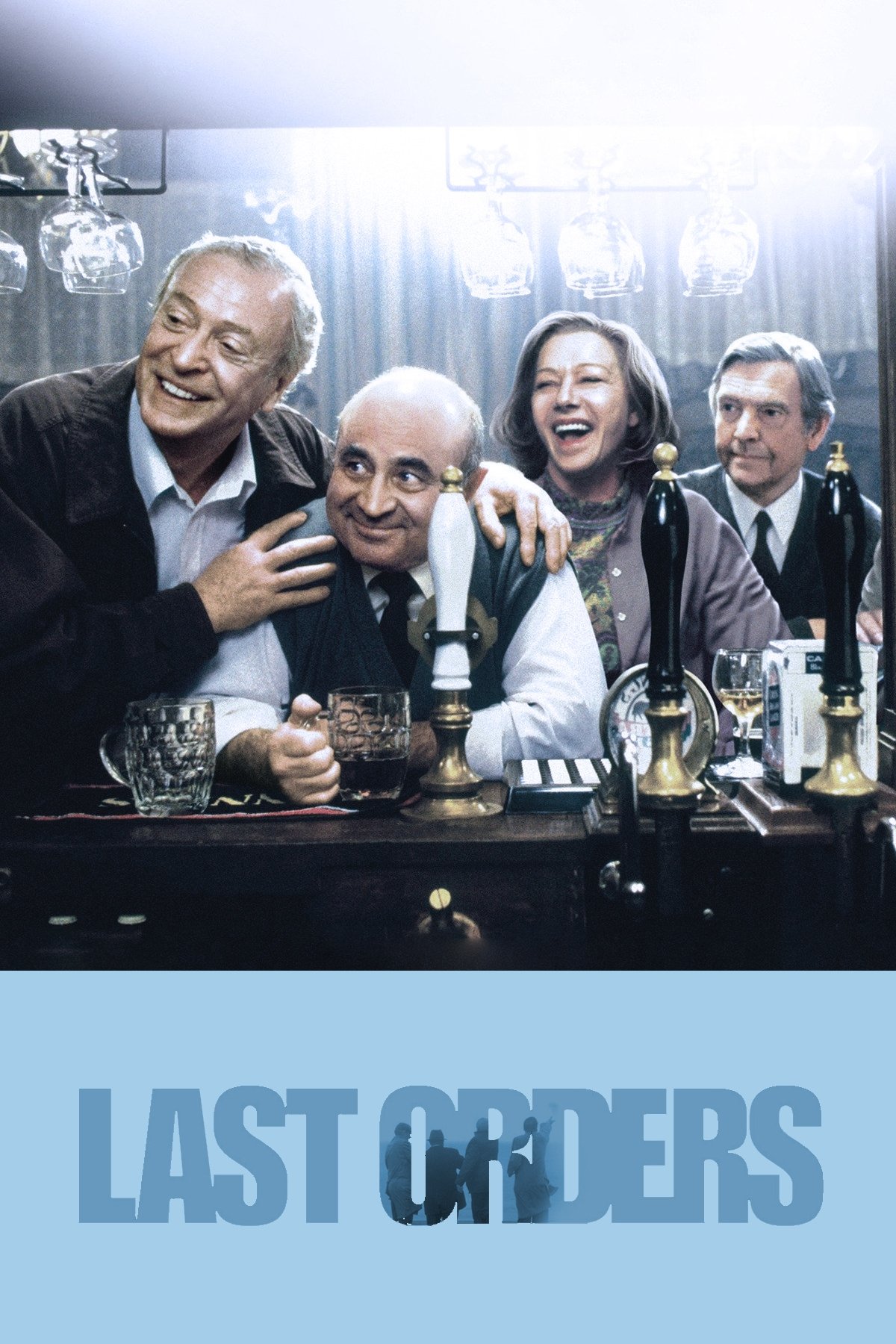
Caine was part of an ensemble of veteran British actors in the drama ‘Last Orders’. The film follows a group of old friends who travel from London to the seaside town of Margate to scatter the ashes of their friend, Jack. Along the way, they reminisce about their lives and their relationship with the deceased.
Caine played Jack, the friend whose death sets the story in motion. He appears in a series of flashbacks that reveal his life story and his connection to the other characters. The film was a moving and poignant look at friendship, memory, and aging.
Austin Powers in Goldmember (2002)

Caine joined the cast of the ‘Austin Powers’ series for its third installment, ‘Austin Powers in Goldmember’. He played Nigel Powers, the super-spy father of Austin Powers. The character is a parody of the kind of suave spy characters Caine himself played in the 1960s.
The role was a perfect piece of casting, allowing Caine to poke fun at his own screen image. He fit seamlessly into the film’s absurd and hilarious world, and his performance was a highlight of the popular comedy sequel.
The Quiet American (2002)

Caine earned his sixth and final Academy Award nomination for his lead role in ‘The Quiet American’. He played Thomas Fowler, a cynical British journalist covering the war in 1950s Vietnam. His life becomes entangled with a young, idealistic American aid worker, and he is drawn into a world of political intrigue and moral compromise.
It was a powerful and nuanced performance that many critics considered to be the best of his entire career. Caine captured the character’s world-weariness and his complex emotional journey with incredible skill.
Quicksand (2003)
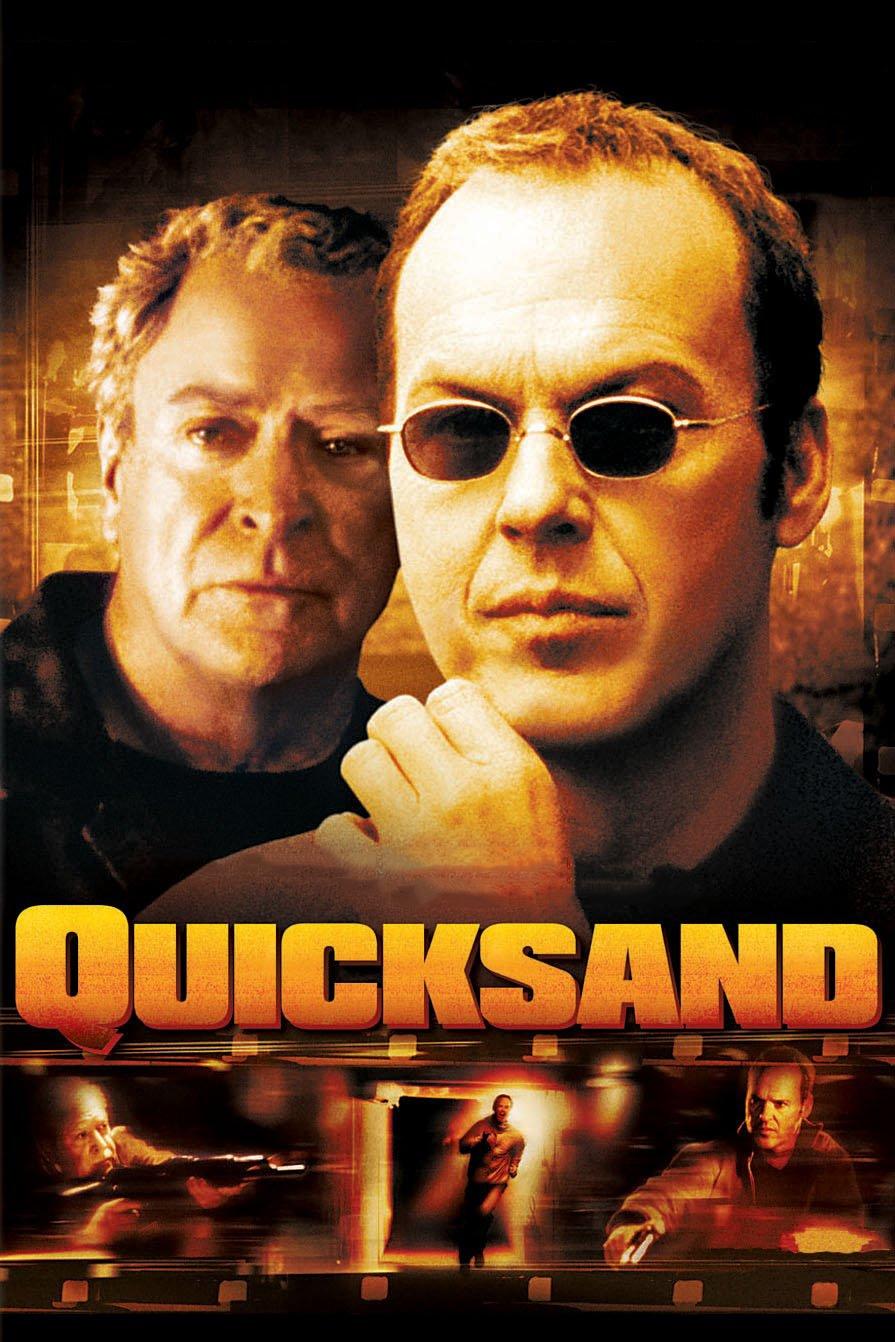
In this thriller, Caine played Jake Mellows, a once-famous movie star who is now down on his luck. He gets caught up in a money-laundering scheme involving the mob after witnessing a murder.
The film was a direct-to-video thriller that also starred Michael Keaton. It was a complex crime story with a twisting plot.
The Actors (2003)

Caine co-starred with Dylan Moran in the Irish comedy ‘The Actors’. Caine played O’Malley, a veteran actor who convinces his nephew to help him con a local gangster out of a large sum of money by using their acting skills to impersonate different people.
The film was a lighthearted caper that played on the idea of actors using their skills for criminal purposes. Caine’s role as the theatrical, scheming old pro was a fun, comedic performance.
Secondhand Lions (2003)
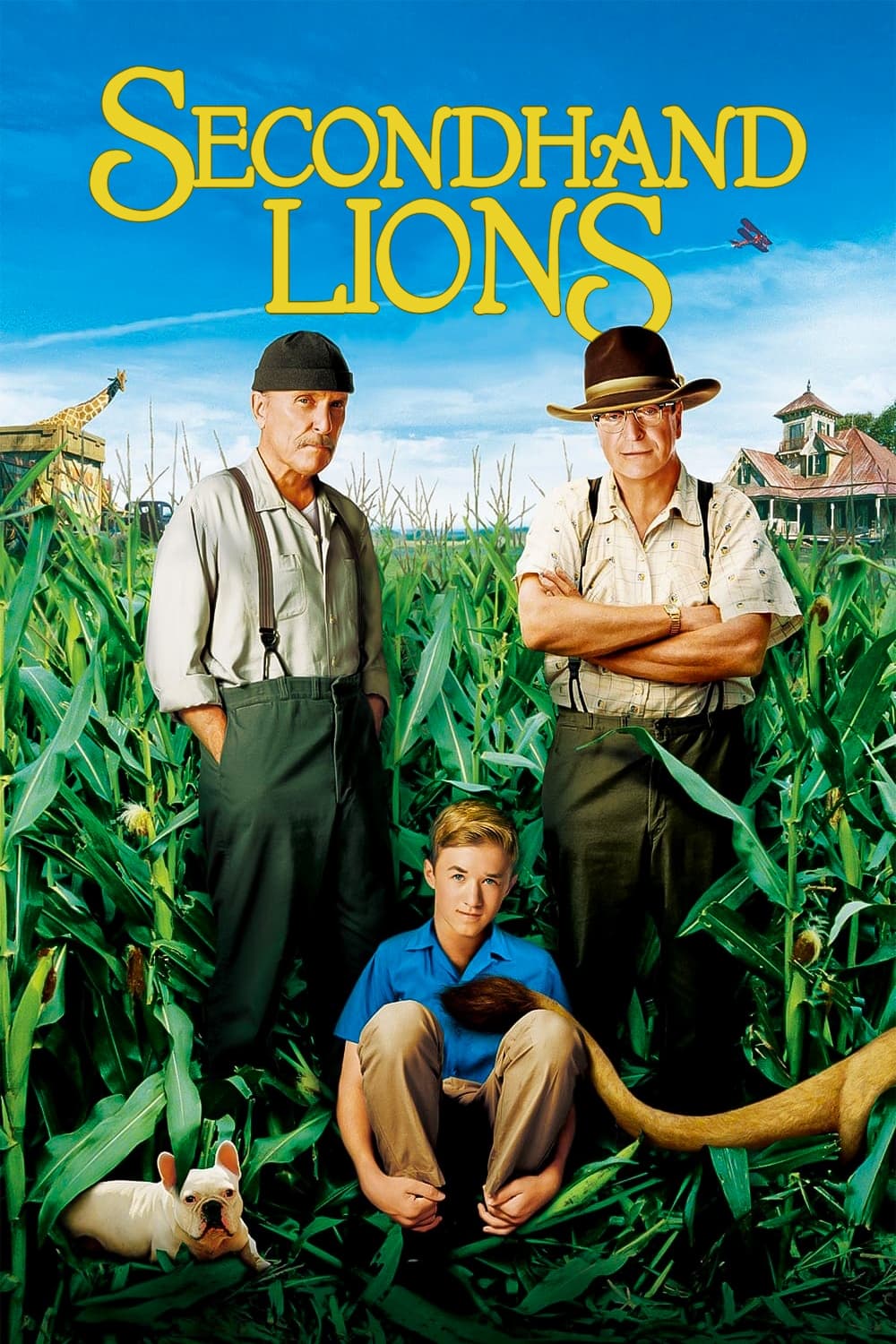
Caine co-starred with Robert Duvall in the heartwarming family film ‘Secondhand Lions’. They played Garth and Hub, two eccentric and mysterious old brothers who are rumored to have a hidden fortune. They are forced to take in their shy great-nephew for the summer, and they regale him with fantastic stories of their adventurous past.
The film was a charming and moving story about family and the power of storytelling. Caine’s performance as the more gentle and storytelling-inclined brother was full of warmth and humor.
The Statement (2003)

In this thriller, Caine played Pierre Brossard, a former Nazi collaborator who has been in hiding for decades, protected by elements within the Catholic Church. When a new investigation is opened, he is forced to go on the run again, pursued by a determined judge and a mysterious group of assassins.
The film was a tense political and moral thriller based on a true story. Caine gave a compelling performance as a man haunted by his past and desperate to survive.
Around the Bend (2004)
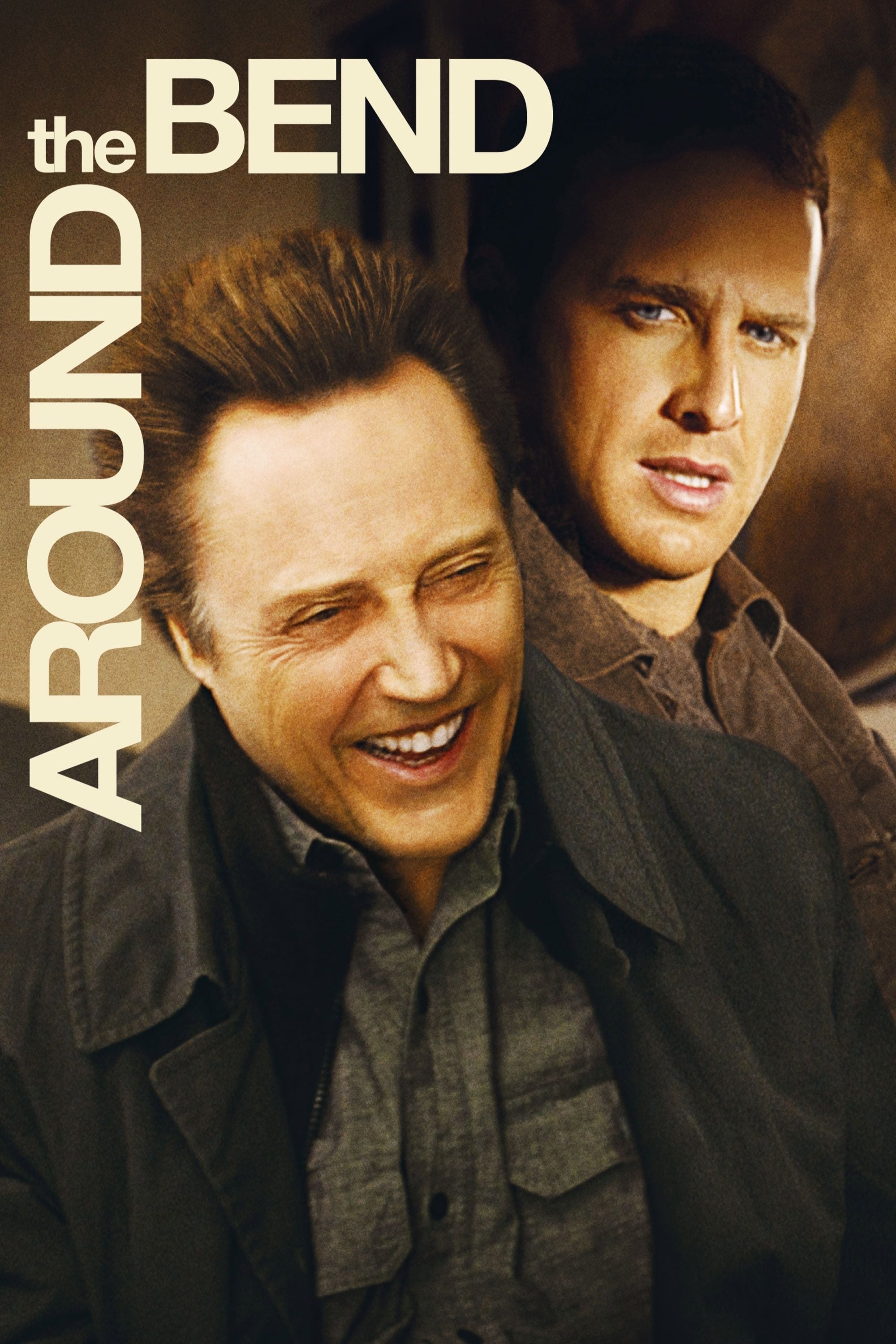
Caine was part of a multi-generational cast in the family drama ‘Around the Bend’. He played Henry Lair, the elderly patriarch of a family of men. His dying wish is for his son, grandson, and great-grandson to go on a road trip together to uncover a series of family secrets.
The film is a story about fathers, sons, and reconciliation. Caine’s character sets the plot in motion, and his presence is felt throughout the film even after his character’s death.
Batman Begins (2005)
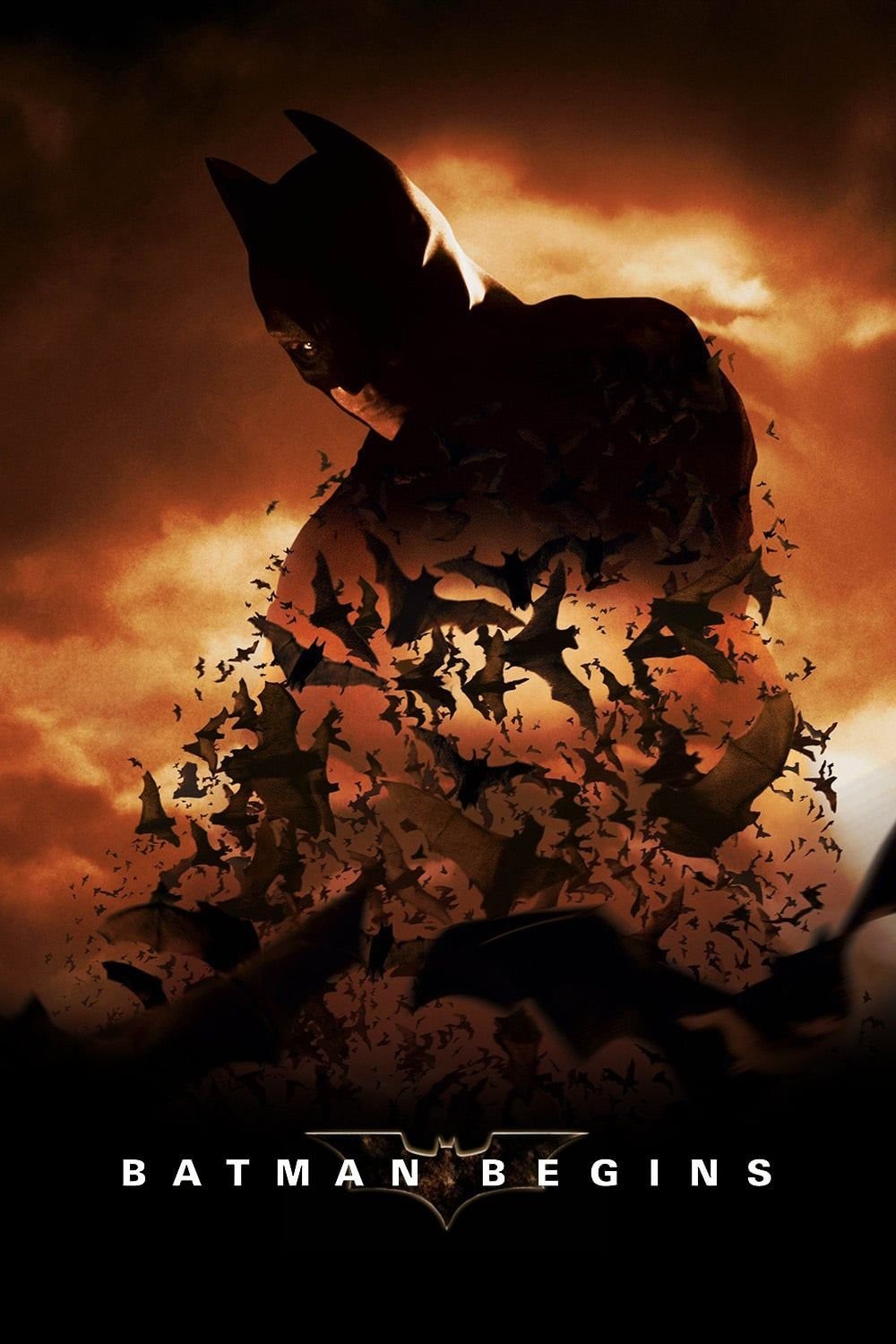
Caine took on the role of Alfred Pennyworth, the loyal butler and father figure to Bruce Wayne, in Christopher Nolan’s ‘Batman Begins’. The film rebooted the Batman franchise with a dark and realistic tone, exploring the origins of the iconic superhero.
Caine’s portrayal of Alfred was a key part of the film’s success. He provided the heart and conscience of the story, delivering his lines with a perfect blend of warmth, wit, and wisdom. This was his first of many collaborations with director Christopher Nolan.
Bewitched (2005)
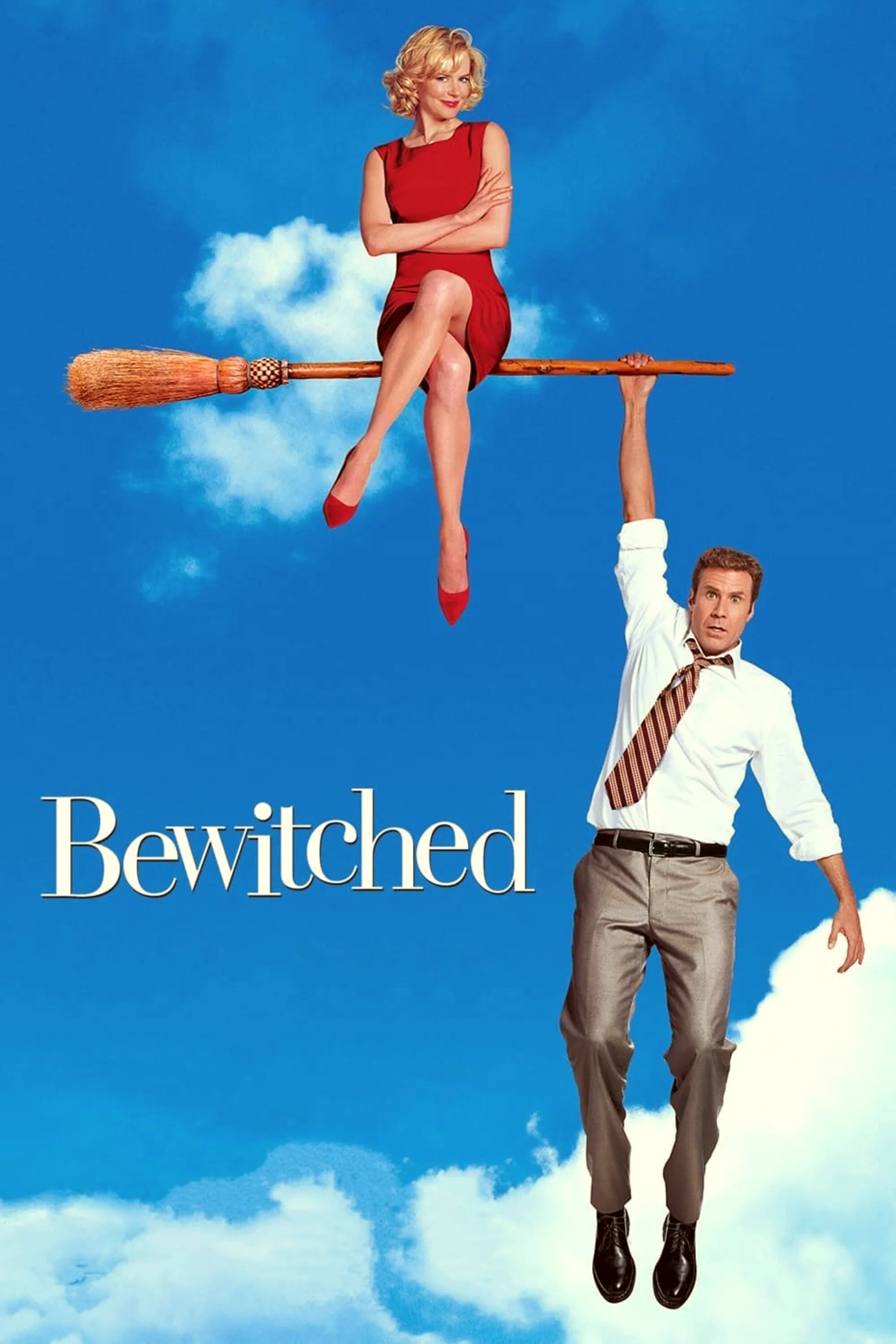
In this romantic comedy based on the classic television show, Caine played Nigel Bigelow, a veteran actor who is also a real-life warlock. He co-stars in a remake of the ‘Bewitched’ TV show with an actual witch, played by Nicole Kidman, who is trying to live a normal life.
The film was a meta-comedy that played with the premise of the original show. Caine’s role as the charming but mischievous warlock was a fun supporting part.
The Weather Man (2005)
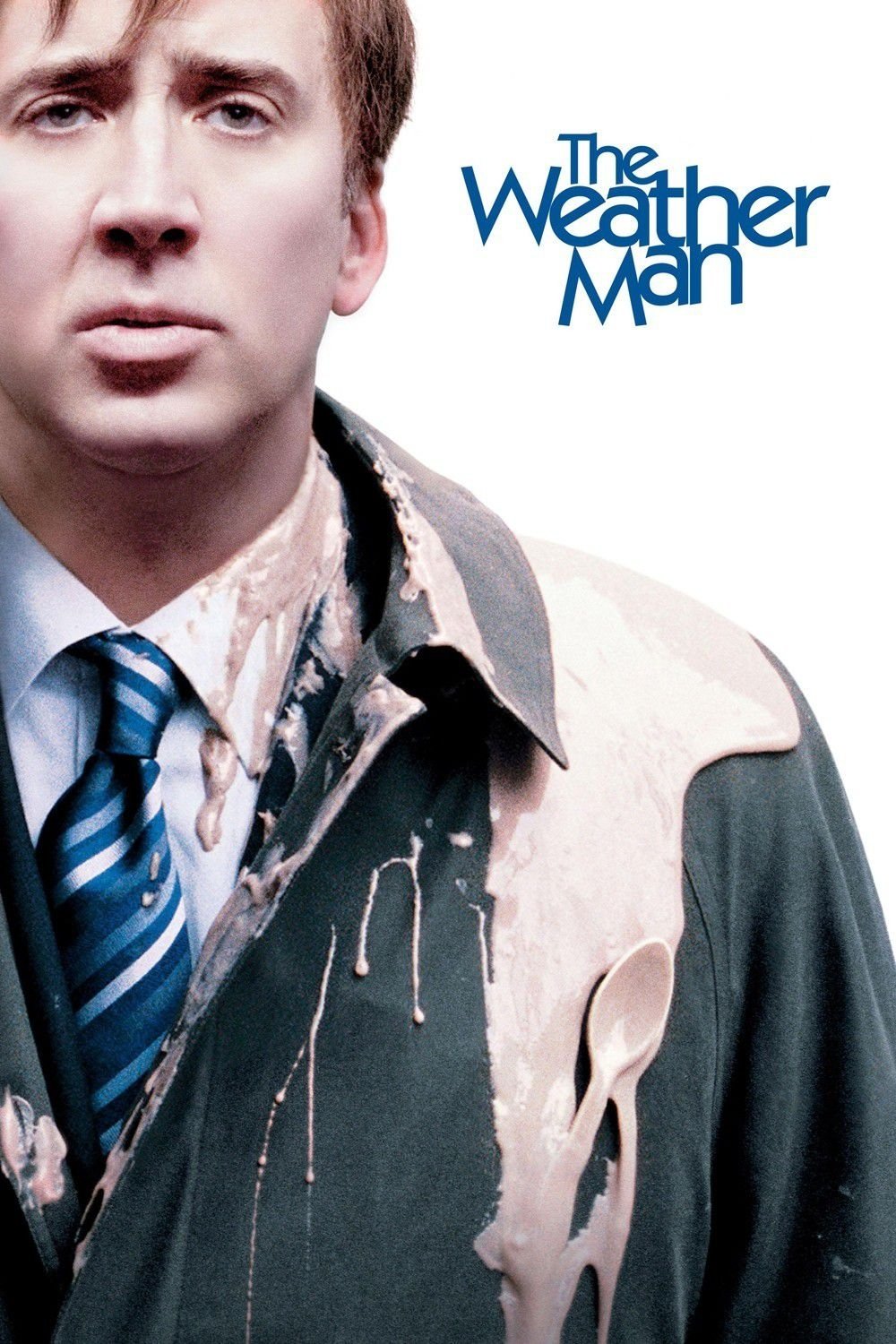
Caine had a supporting role in the drama ‘The Weather Man’, playing Robert Spritzel, the acclaimed novelist father of the main character, a troubled TV weather man played by Nicolas Cage. The film is a character study of a man trying to get his personal and professional life in order.
Caine’s character is a respected and successful figure who his son feels he can never live up to. His performance brought gravitas and emotional weight to the complex father-son relationship.
Children of Men (2006)
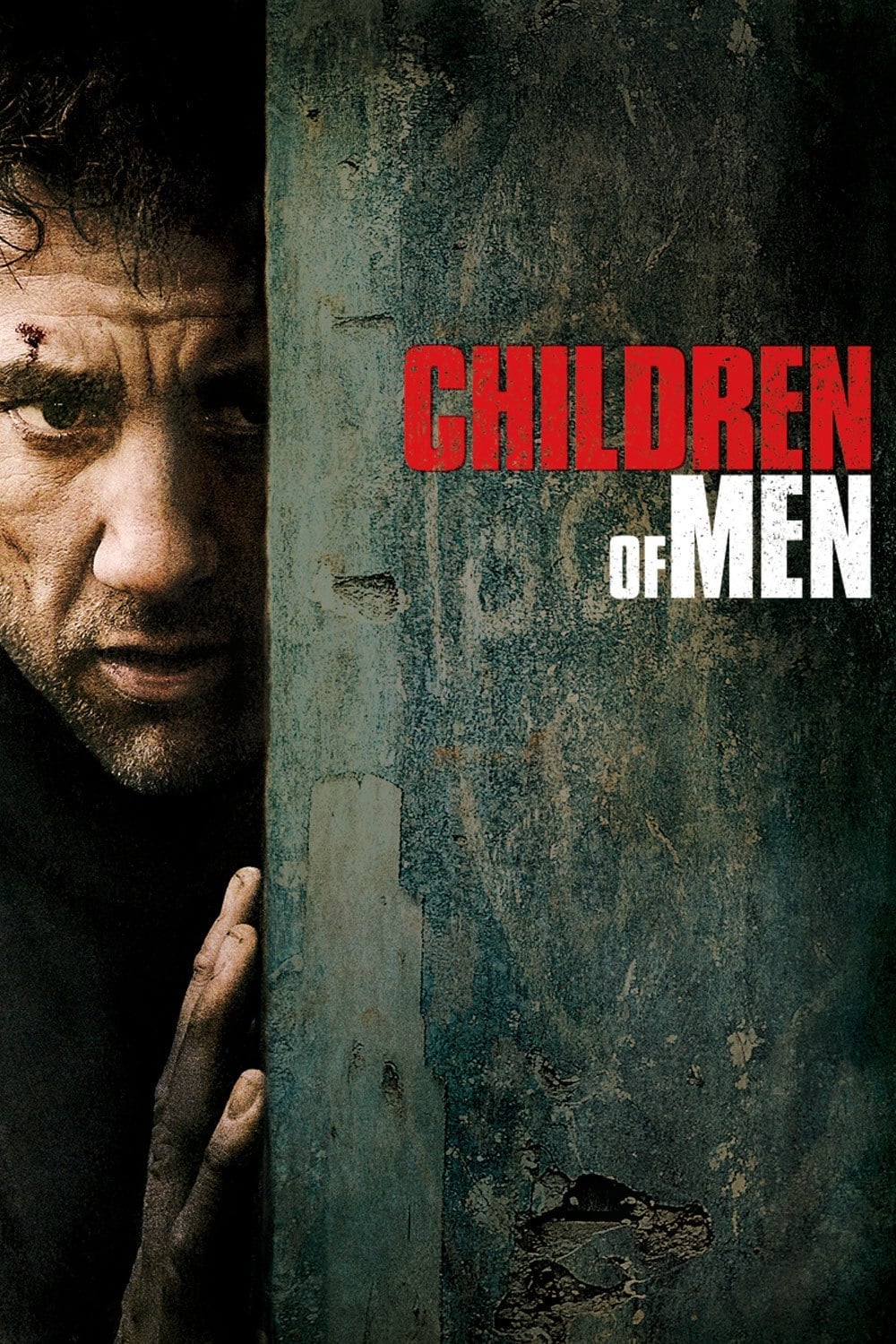
In Alfonso Cuarón’s acclaimed dystopian thriller ‘Children of Men’, Caine had a memorable supporting role as Jasper. In a world where humanity has become infertile, Caine played a aging hippie and former political cartoonist who helps protect the only pregnant woman on Earth.
Despite his limited screen time, Caine’s performance was a standout. He brought warmth, humor, and heart to a dark and bleak story, and his character became a fan favorite.
The Prestige (2006)

Re-teaming with director Christopher Nolan, Caine played John Cutter in the mystery-thriller ‘The Prestige’. The film tells the story of two rival magicians in 19th-century London, played by Hugh Jackman and Christian Bale. Caine’s character is an engineer who designs their illusions and serves as a mentor figure.
Cutter also acts as the film’s narrator, guiding the audience through the complex and twisting plot. Caine’s performance provided a grounding presence and moral center amidst the story’s dark obsessions.
Flawless (2007)

Caine co-starred with Demi Moore in the heist thriller ‘Flawless’. Set in 1960s London, he played Mr. Hobbs, a disgruntled janitor at a major diamond company. He convinces a female executive (Moore), who has been passed over for promotion, to help him steal a fortune in diamonds.
The film was a stylish and intelligent caper. Caine’s performance as the seemingly simple but brilliant mastermind was praised by critics.
Sleuth (2007)
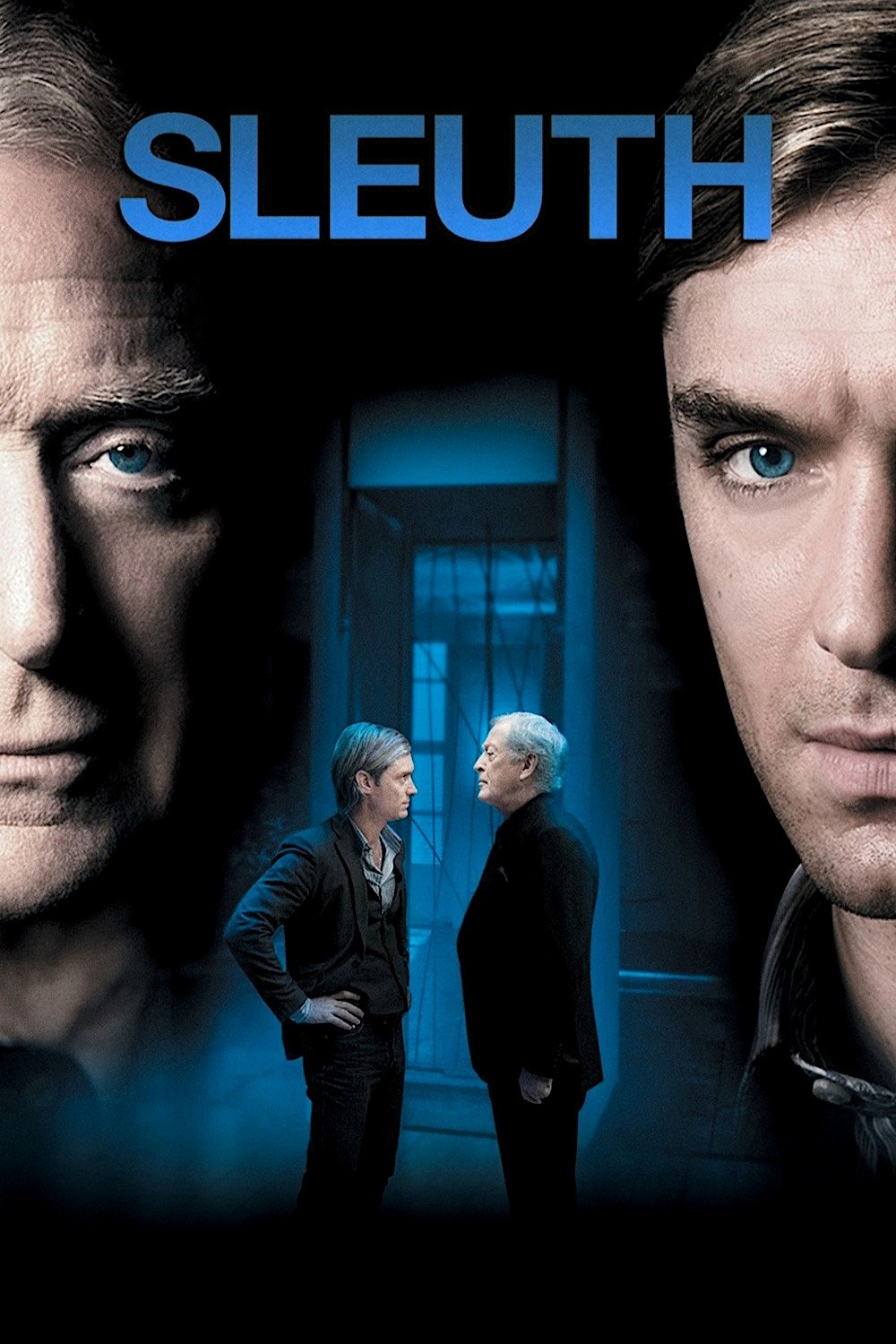
In a unique cinematic turn, Caine starred in the remake of ‘Sleuth’, the film that had earned him an Oscar nomination 35 years earlier. This time, he played the older role of the mystery writer, Andrew Wyke, which was originally played by Laurence Olivier. Jude Law took on the role of Milo Tindle, which was Caine’s original part.
The remake featured a new, modern script by the Nobel Prize-winning playwright Harold Pinter. It was a fascinating project that allowed Caine to revisit a career-defining film from a completely new perspective.
The Dark Knight (2008)
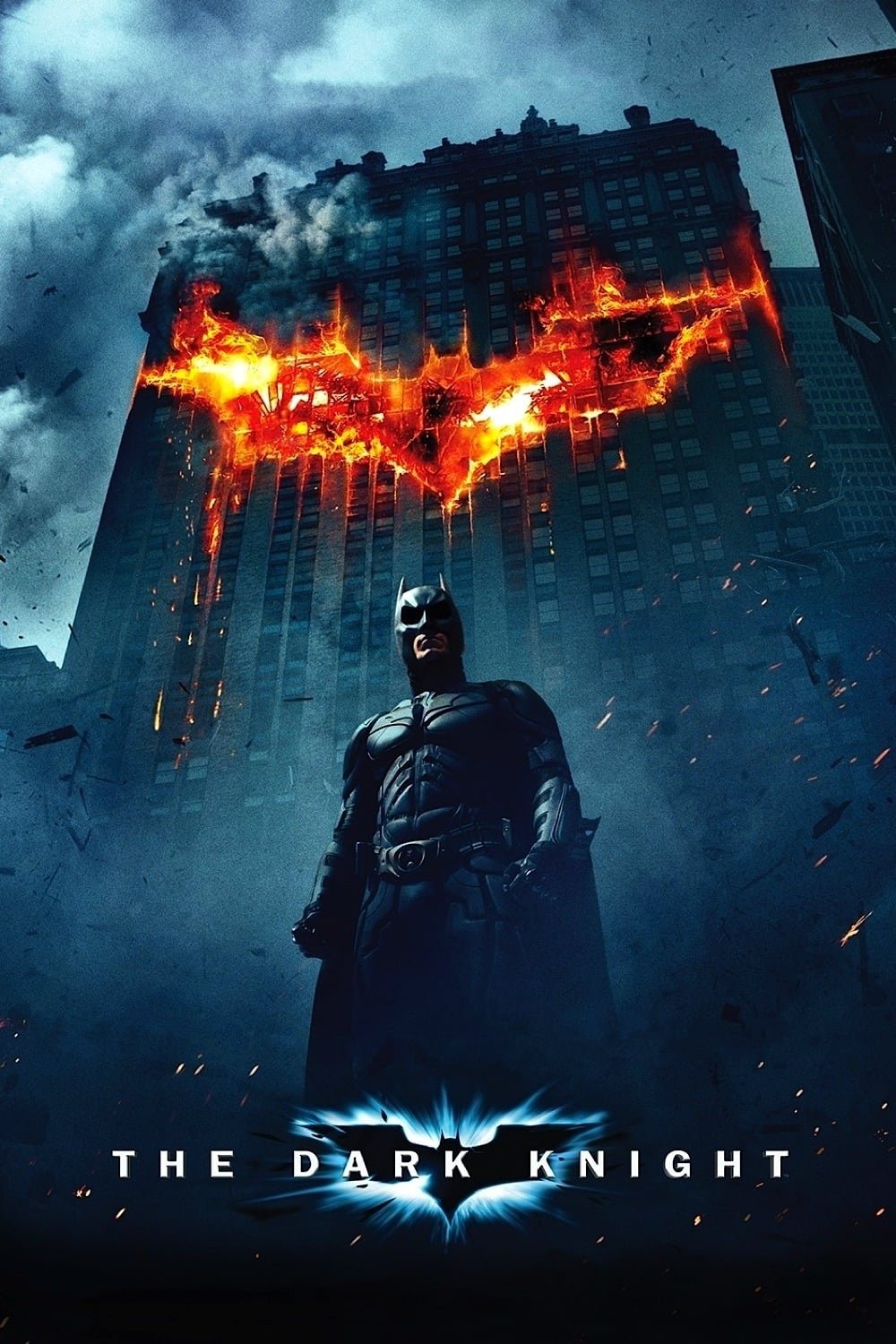
Caine reprised his role as Alfred Pennyworth in ‘The Dark Knight’, the second installment in Christopher Nolan’s Batman trilogy. The film was a massive critical and commercial success, famous for Heath Ledger’s iconic, Oscar-winning performance as the Joker.
As in the first film, Alfred served as Bruce Wayne’s moral compass and emotional anchor. Caine’s scenes provided moments of warmth and wisdom amidst the film’s dark and intense narrative. He was the steadfast heart of the acclaimed sequel.
Is Anybody There? (2008)
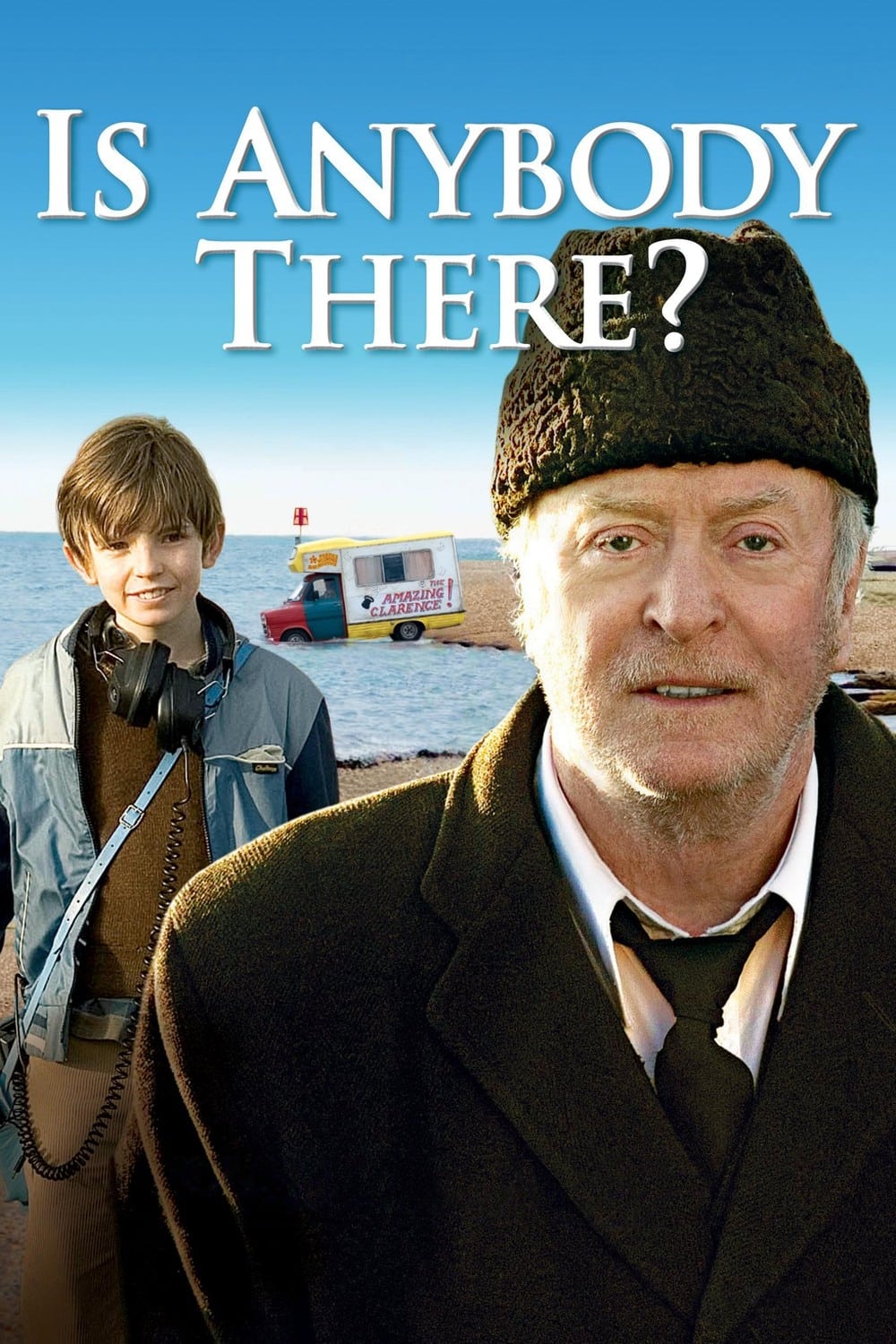
In this touching drama, Caine played Clarence, a retired magician in the early stages of dementia who moves into a retirement home. He forms an unlikely friendship with a ten-year-old boy who is obsessed with the afterlife and the ghosts he believes inhabit the home.
Caine gave a powerful and moving performance as a man struggling with the loss of his memory and identity. It was a poignant look at aging, mortality, and the importance of human connection.
Harry Brown (2009)
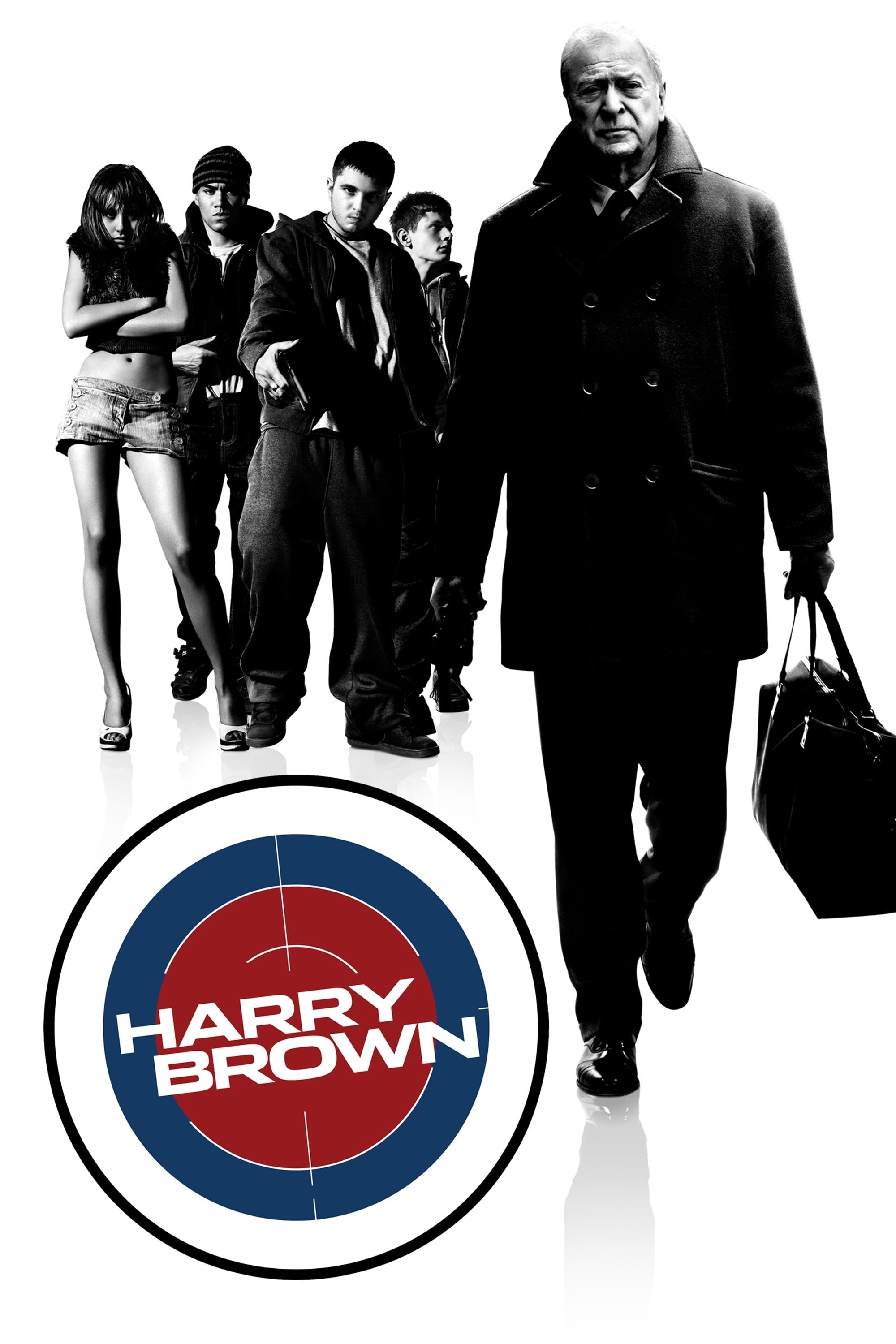
Caine played the title role in the gritty vigilante thriller ‘Harry Brown’. He portrayed a lonely and law-abiding pensioner and former Royal Marine living on a violent London council estate. After his best friend is murdered by a local gang, he takes the law into his own hands.
The film was a dark and brutal thriller that was often described as a modern-day ‘Death Wish’. Caine’s performance as the elderly man pushed to violence was intense and powerful, earning him critical acclaim.
Inception (2010)
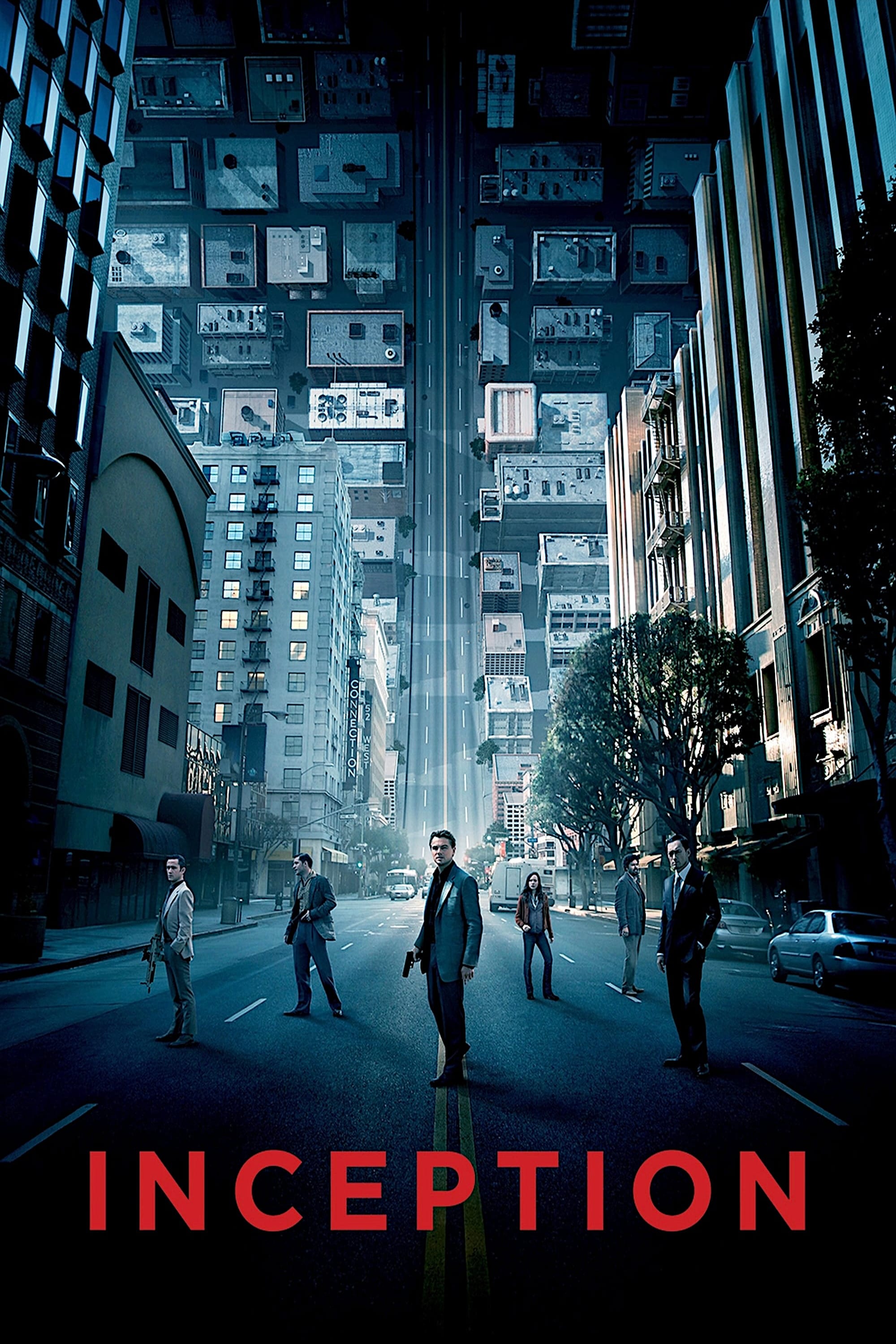
In his fourth collaboration with Christopher Nolan, Caine played Professor Stephen Miles in the mind-bending sci-fi thriller ‘Inception’. Miles is a professor and the father-in-law of the main character, Dom Cobb (Leonardo DiCaprio). He also serves as a mentor to the young architect who designs the film’s dream worlds.
Although it was a small supporting role, it was a crucial one. Caine’s character provided a link to Cobb’s past and his motivation to return home. As with his other Nolan roles, he brought a sense of gravitas and warmth to the film.
Gnomeo & Juliet (2011)
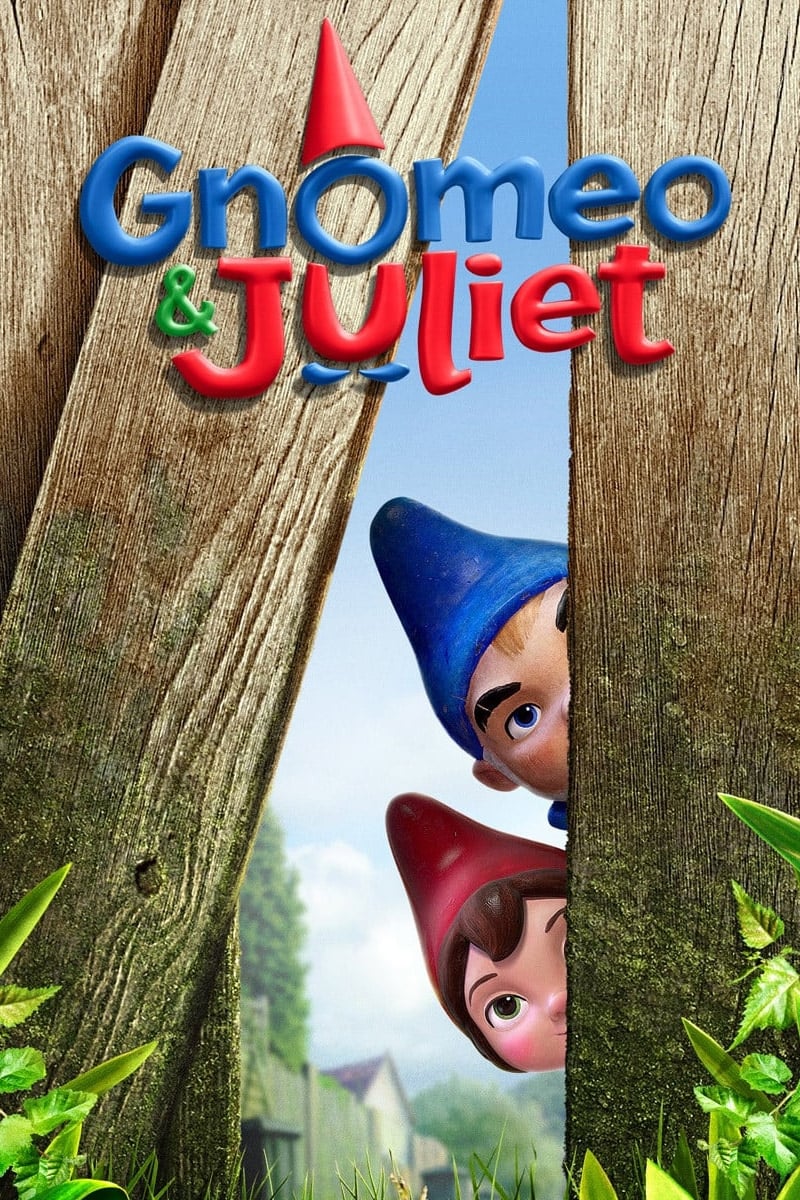
Caine lent his voice to the animated comedy ‘Gnomeo & Juliet’, a retelling of Shakespeare’s famous tragedy with garden gnomes. He voiced the character of Lord Redbrick, the stern and overprotective father of Juliet and the leader of the red gnomes.
This role showcased Caine’s talent for voice acting. He brought a sense of comedic authority to the role in this charming and family-friendly animated hit.
Cars 2 (2011)

Continuing his work in animation, Caine voiced the character of Finn McMissile in the Disney-Pixar film ‘Cars 2’. Finn McMissile is a suave and sophisticated British secret agent, a car version of James Bond. He mistakes the tow truck Mater for an American spy, pulling him into a world of international espionage.
The character was a playful homage to the classic spy roles Caine himself was famous for. He brought his signature charm and coolness to the animated character.
Journey 2: The Mysterious Island (2012)

In this family-friendly adventure film, Caine played Alexander Anderson, the long-lost grandfather of the main character. The film follows a group of adventurers as they travel to a mythical island in search of him. Caine’s character is a quirky and eccentric explorer who has been living on the island for years.
The role allowed Caine to play a fun, larger-than-life character in a big-budget adventure movie. He starred alongside Dwayne “The Rock” Johnson, and the two had a great comedic chemistry.
The Dark Knight Rises (2012)
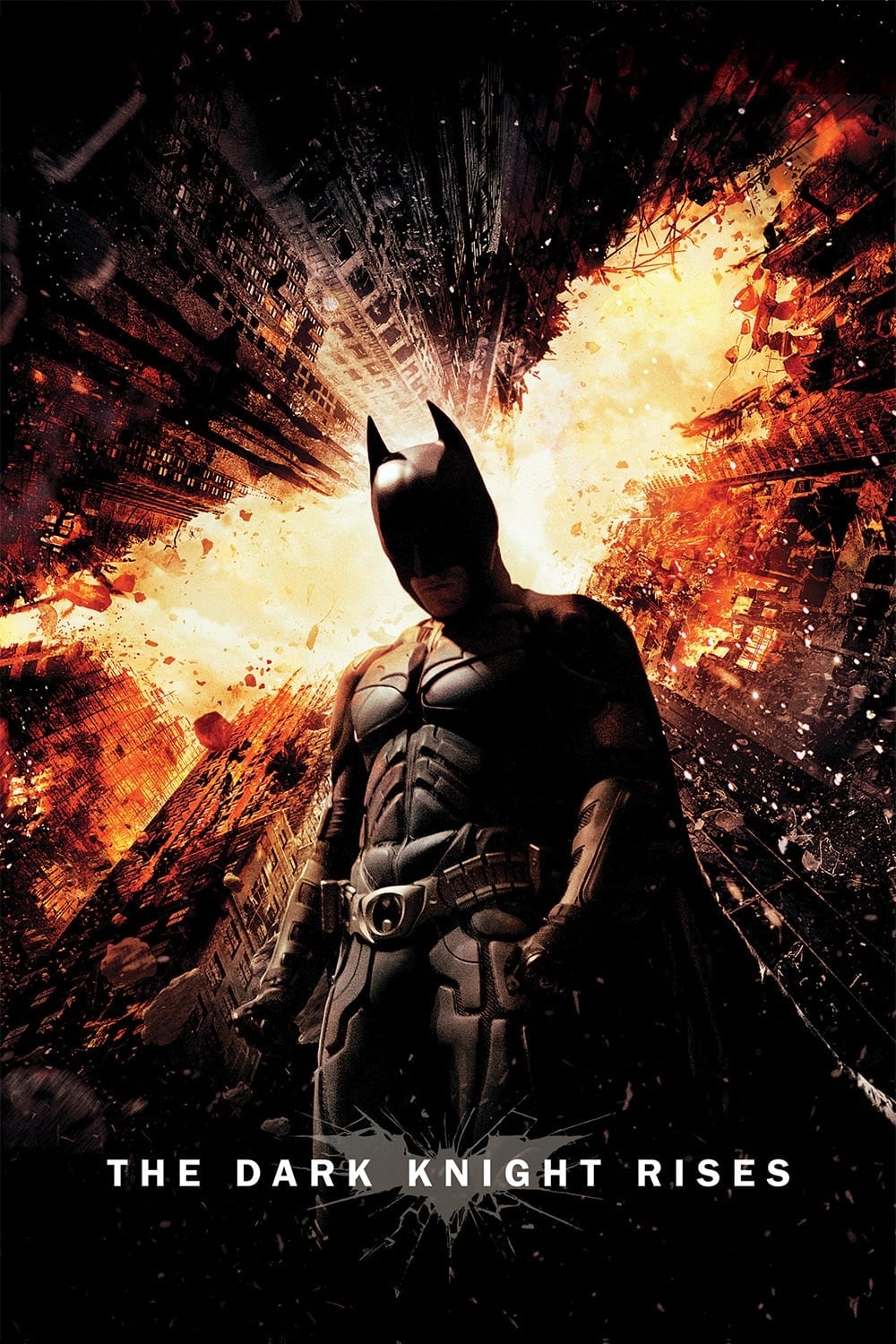
Caine made his final appearance as Alfred Pennyworth in ‘The Dark Knight Rises’, the epic conclusion to Christopher Nolan’s Batman trilogy. In this film, Alfred is deeply concerned for Bruce Wayne’s well-being and urges him to give up being Batman and try to live a normal life.
His performance in this film was perhaps the most emotional of the series. His scenes with Christian Bale were powerful and heartbreaking, providing the emotional core of the entire trilogy. His final scene in the film gave the character a perfect and satisfying conclusion.
Now You See Me (2013)
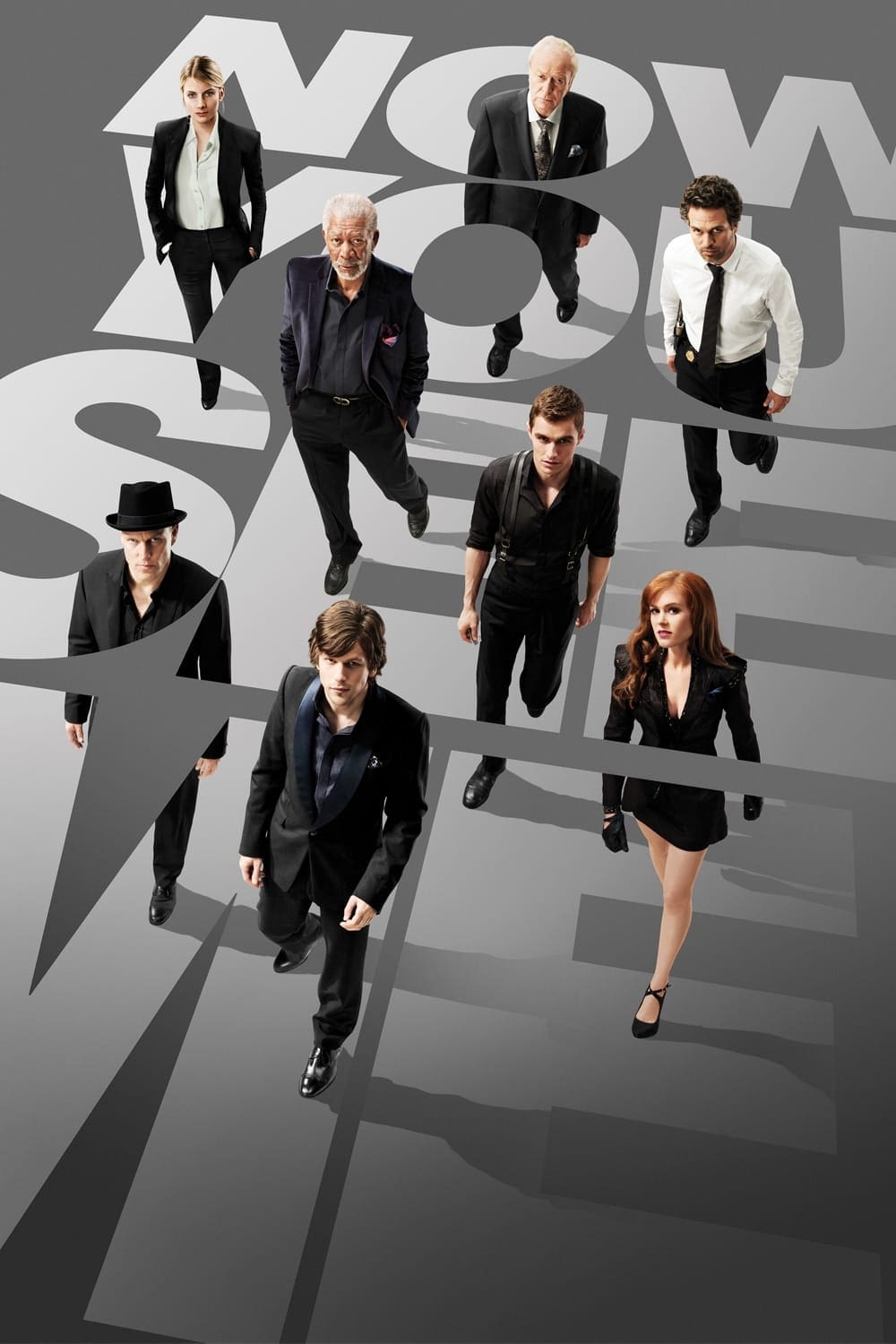
In the heist thriller ‘Now You See Me’, Caine played Arthur Tressler, a wealthy insurance magnate who sponsors a group of magicians known as the Four Horsemen. The magicians perform a series of elaborate heists during their shows, and Tressler becomes a key figure in the investigation.
Caine’s character was a powerful and influential figure who pulls strings from behind the scenes. The film was a stylish and fast-paced thriller with a twisting plot.
Mr. Morgan’s Last Love (2013)
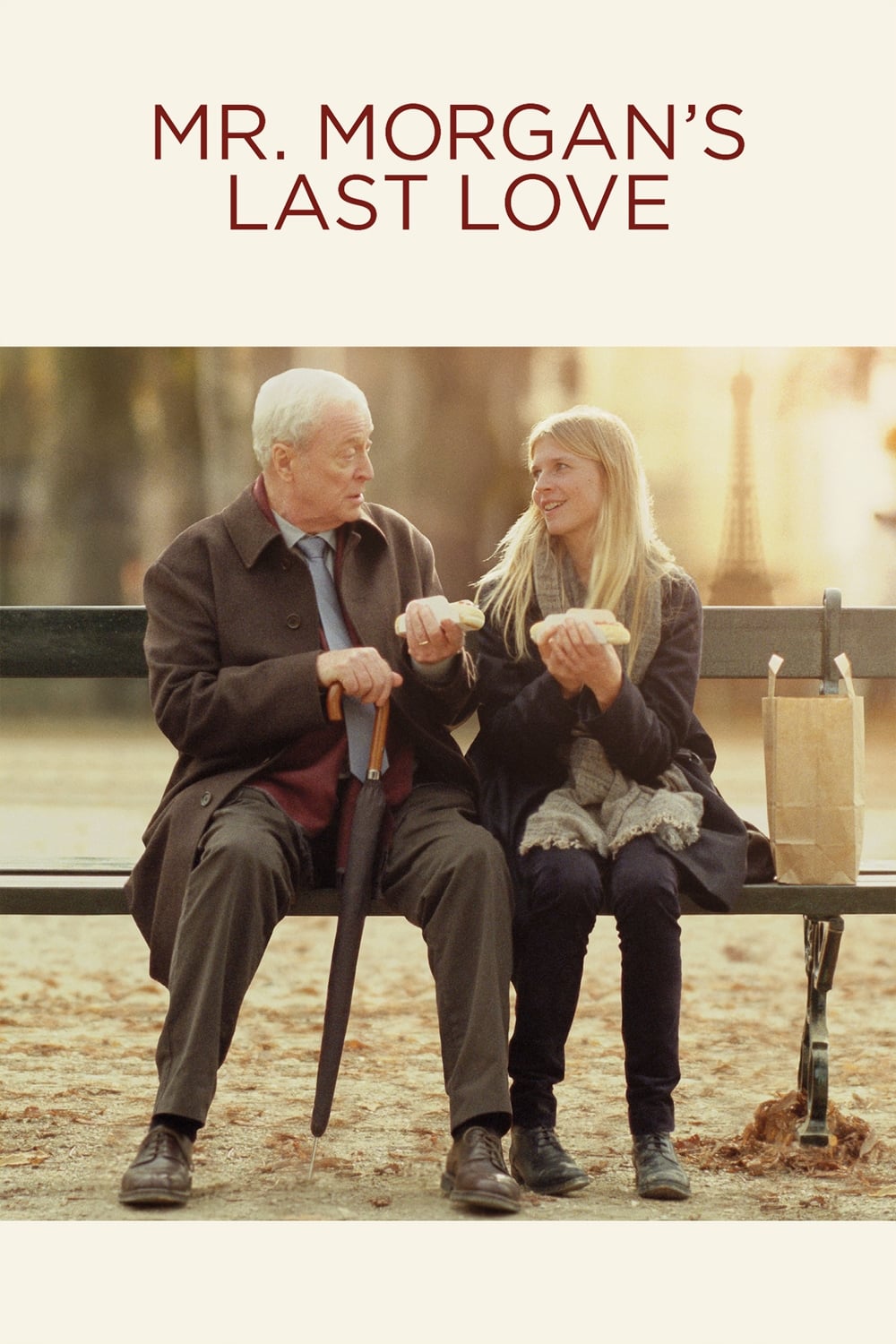
Caine played the lead role of Matthew Morgan in this drama. He portrayed a widowed and lonely American professor living in Paris who is contemplating suicide. He forms a life-changing, platonic friendship with a young French dance instructor, which helps him to rediscover the joy in life.
The film was a gentle and poignant character study about grief, aging, and finding connection in unexpected places. Caine gave a touching and vulnerable performance as a man struggling to move on after the death of his wife.
Stonehearst Asylum (2014)
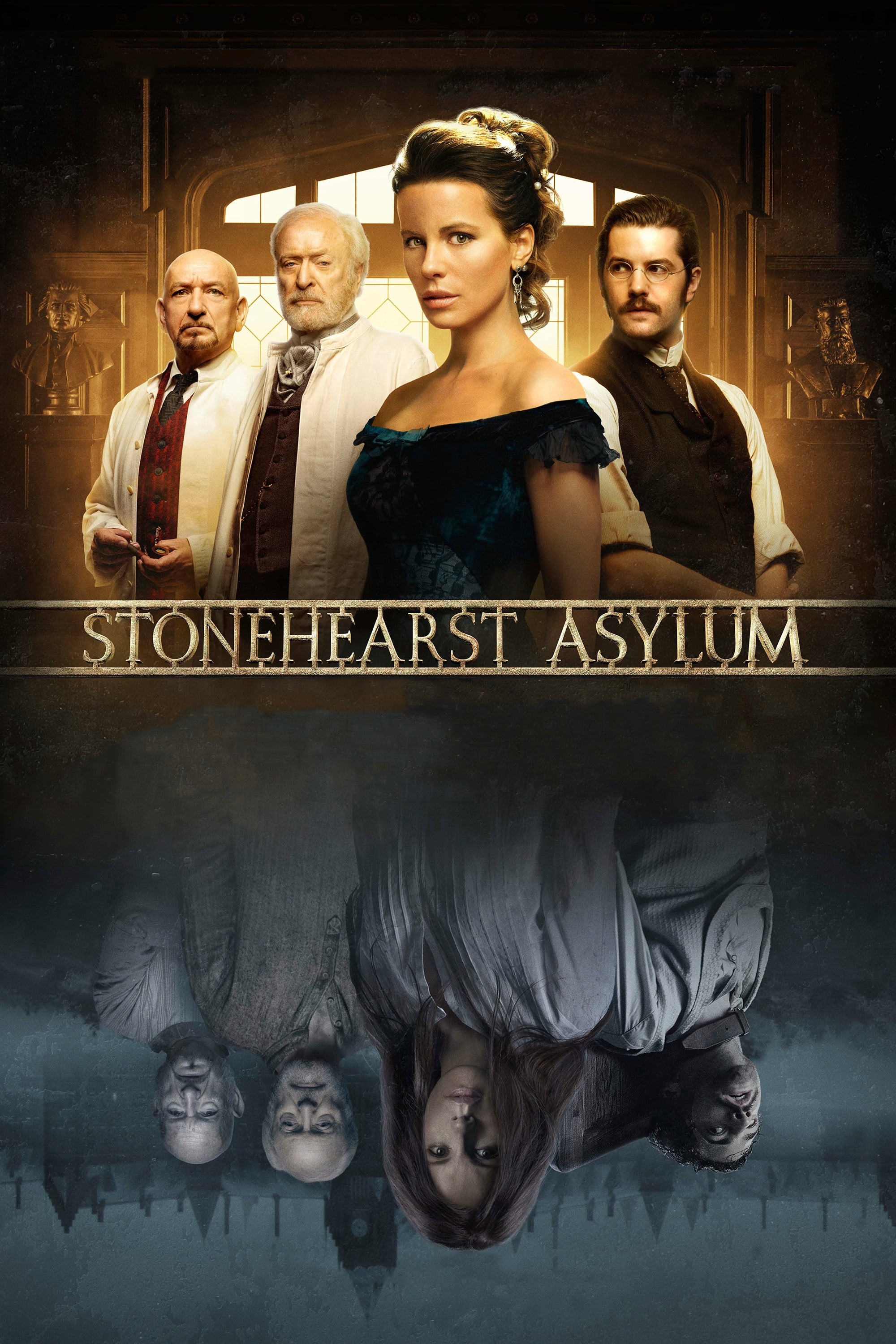
In this gothic thriller, Caine played Dr. Benjamin Salt. The film is set in a remote mental asylum in the 19th century. A young doctor arrives for a job, only to discover that the inmates have taken over the asylum and are posing as the staff.
Based on a short story by Edgar Allan Poe, the film was an atmospheric and suspenseful mystery. Caine’s character is a key figure in the film’s central twist.
Interstellar (2014)

In his sixth film with director Christopher Nolan, Caine played Professor John Brand in the sci-fi epic ‘Interstellar’. Brand is a brilliant NASA physicist who masterminds a plan to send a team of astronauts through a wormhole to find a new habitable planet for humanity.
He is also the mentor to the film’s protagonist, played by Matthew McConaughey, and the father of a fellow astronaut played by Anne Hathaway. Caine’s performance brought intellectual and emotional weight to the film’s ambitious scientific and human story.
Kingsman: The Secret Service (2015)
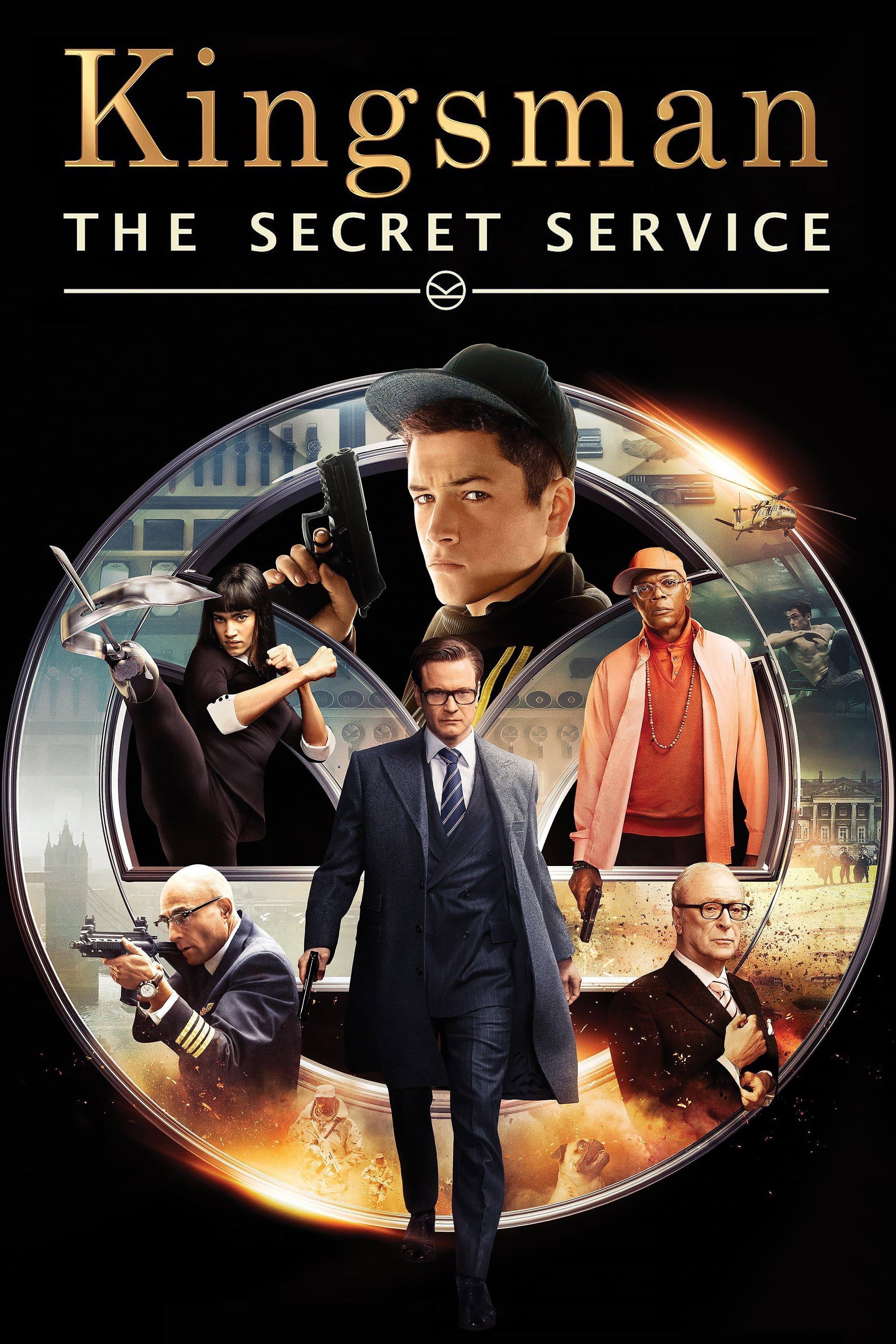
Caine played Arthur, the code-named leader of a secret British spy organization, in the action-comedy ‘Kingsman: The Secret Service’. He is the head of the Kingsman agency and oversees the recruitment of a new agent, a street-smart kid named Eggsy.
The film was a stylish and action-packed parody of the spy genre. Caine’s role as the dignified but firm leader was a nod to the classic spy movies of the past, including his own.
Youth (2015)

In this drama, Caine played Fred Ballinger, a retired and acclaimed classical composer who is on vacation at a luxury resort in the Swiss Alps. He reflects on his life, his career, and his relationships while interacting with his best friend, a film director played by Harvey Keitel.
The film was a visually stunning and meditative look at art, aging, and memory. Caine gave a subtle and deeply felt performance that was widely praised by critics.
The Last Witch Hunter (2015)
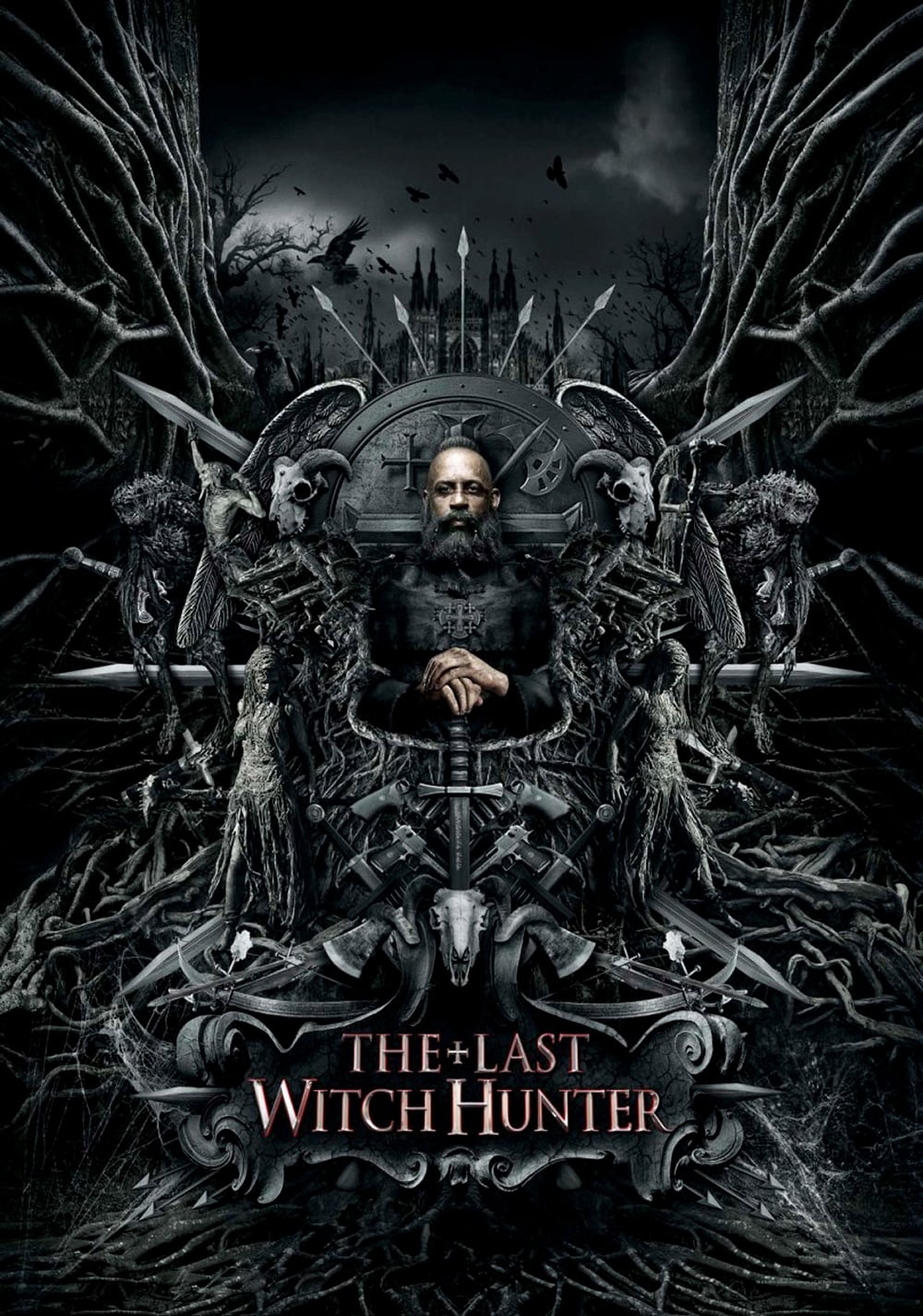
Caine had a supporting role in the fantasy-action film ‘The Last Witch Hunter’. He played Father Dolan, the 36th in a line of priests who serve as a handler and chronicler for an immortal witch hunter, played by Vin Diesel.
This role was that of a wise mentor and keeper of secrets, a type of character Caine has excelled at playing in his later career.
Now You See Me 2 (2016)

Caine reprised his role as the wealthy insurance magnate Arthur Tressler in the sequel ‘Now You See Me 2’. In this installment, his character’s motivations and connections to the world of magic and crime are further explored.
The sequel brought back the original cast for another globe-trotting adventure filled with illusions and plot twists.
Going in Style (2017)

Caine co-starred with Morgan Freeman and Alan Arkin in the comedy ‘Going in Style’. They played three lifelong friends and retirees who decide to rob the bank that dissolved their pensions. The film is a lighthearted heist comedy about seniors fighting back against the system.
The movie was a remake of a 1979 film and was a box-office success. The chemistry and comedic timing of the three veteran actors were the main highlights of the film.
Dunkirk (2017)
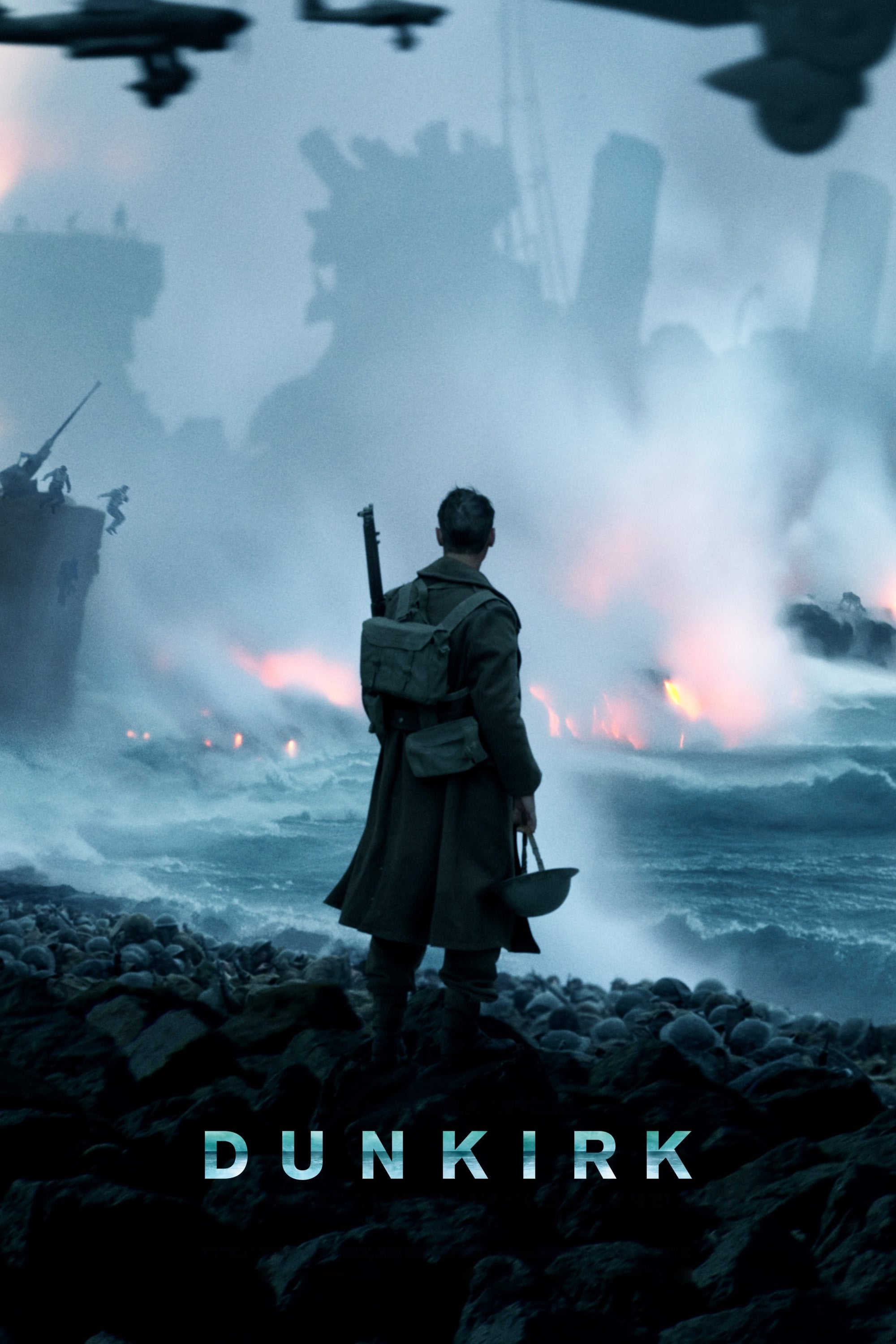
In his seventh collaboration with Christopher Nolan, Caine had an uncredited voice-only cameo in the war epic ‘Dunkirk’. He voiced the Fortis Leader, a Royal Air Force squadron leader who speaks over the radio to the pilots played by Tom Hardy and Jack Lowden.
His distinctive voice was a fun Easter egg for fans of his work with Nolan. The director included his voice as a small good-luck charm for the film.
My Generation (2017)

Caine produced and served as the narrator for the documentary ‘My Generation’. The film is a look back at the cultural revolution of the 1960s in London, as told by Caine and other surviving icons of the era. The movie uses archival footage and interviews to capture the spirit of the Swinging Sixties.
The documentary was a personal project for Caine, allowing him to reflect on the decade that made him a star. It was a vivid and energetic celebration of a transformative period in British history.
Dear Dictator (2018)
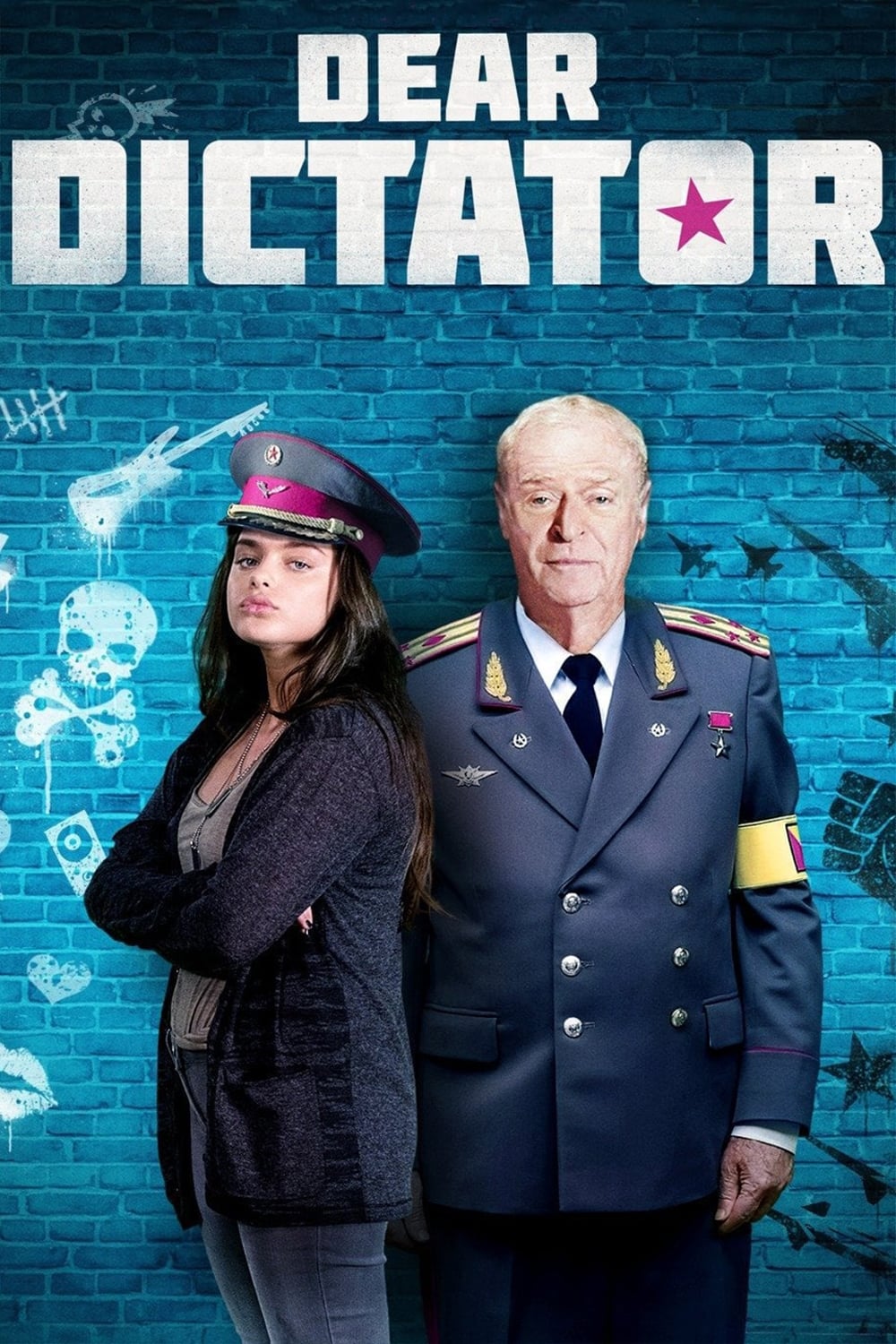
In this satirical comedy, Caine played General Anton Vincent, a deposed Caribbean dictator. After being overthrown, he flees to the suburban home of a teenage girl who had been his pen pal for a school project. He then proceeds to teach her how to be a ruthless rebel in her own high school.
The film was a quirky and dark comedy with an absurd premise. Caine’s performance as the out-of-place dictator was a fun, comedic turn.
Sherlock Gnomes (2018)

Caine reprised his voice role as Lord Redbrick in the animated sequel ‘Sherlock Gnomes’. In this film, the garden gnomes from ‘Gnomeo & Juliet’ hire the famous detective Sherlock Gnomes to investigate the mysterious disappearance of other gnomes from gardens across London.
It was another opportunity for Caine to lend his famous voice to a family-friendly animated adventure.
King of Thieves (2018)
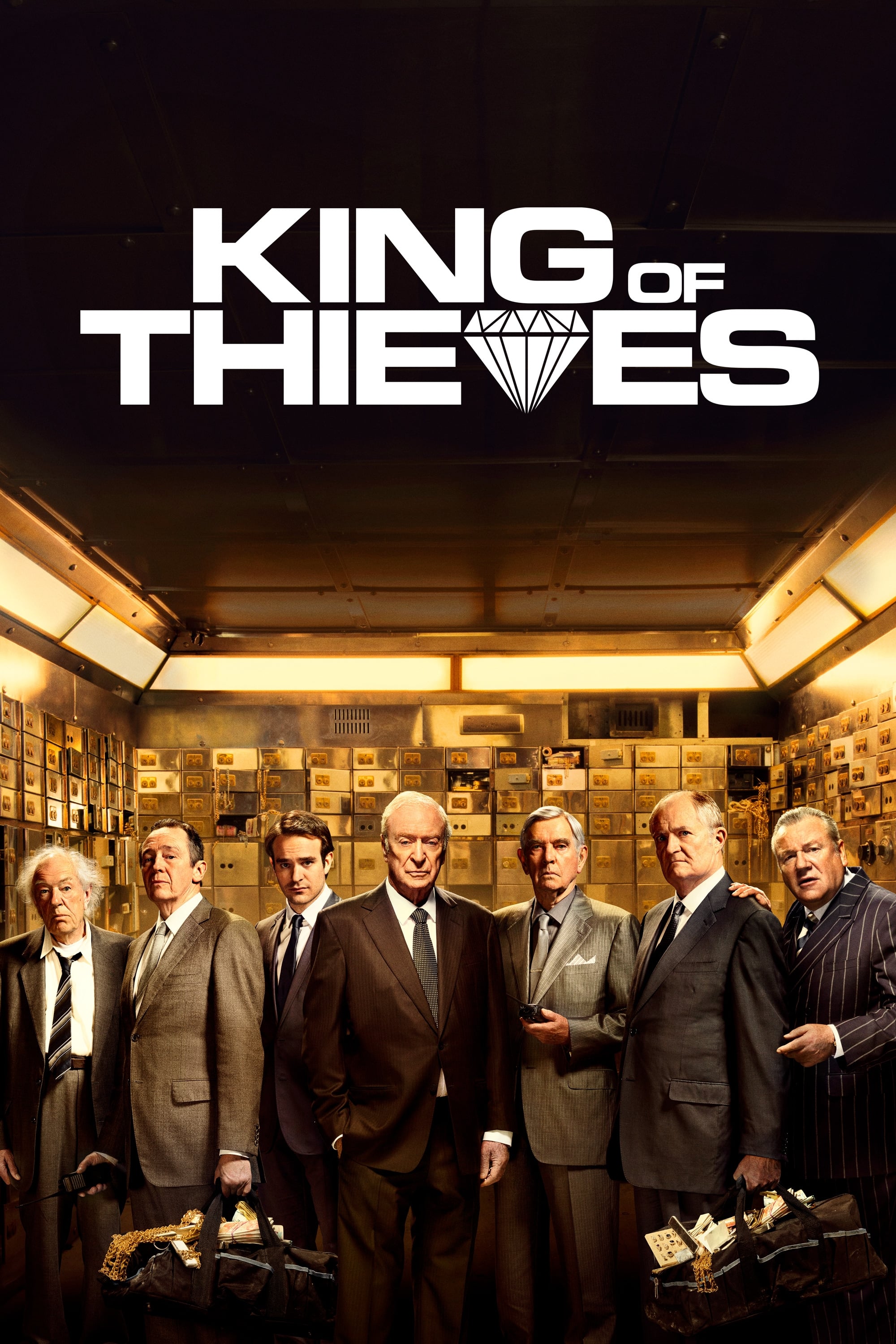
Caine led an ensemble cast of veteran British actors in the crime film ‘King of Thieves’. The movie is based on the true story of the Hatton Garden heist, where a group of elderly career criminals pulled off a major jewel robbery in London. Caine played Brian Reader, the 77-year-old mastermind of the heist.
The film was a fascinating look at a real-life crime and allowed Caine to play a character that was both a frail old man and a seasoned criminal. It was a return to the British gangster genre that he had helped define decades earlier.
Come Away (2020)

In this fantasy drama, Caine had a supporting role as Charlie. The film serves as a prequel to both ‘Alice in Wonderland’ and ‘Peter Pan’, reimagining the title characters as siblings. When their family is struck by tragedy, they escape into a world of imagination.
Caine’s role was part of an ensemble cast in this whimsical and poignant fairy tale.
Four Kids and It (2020)
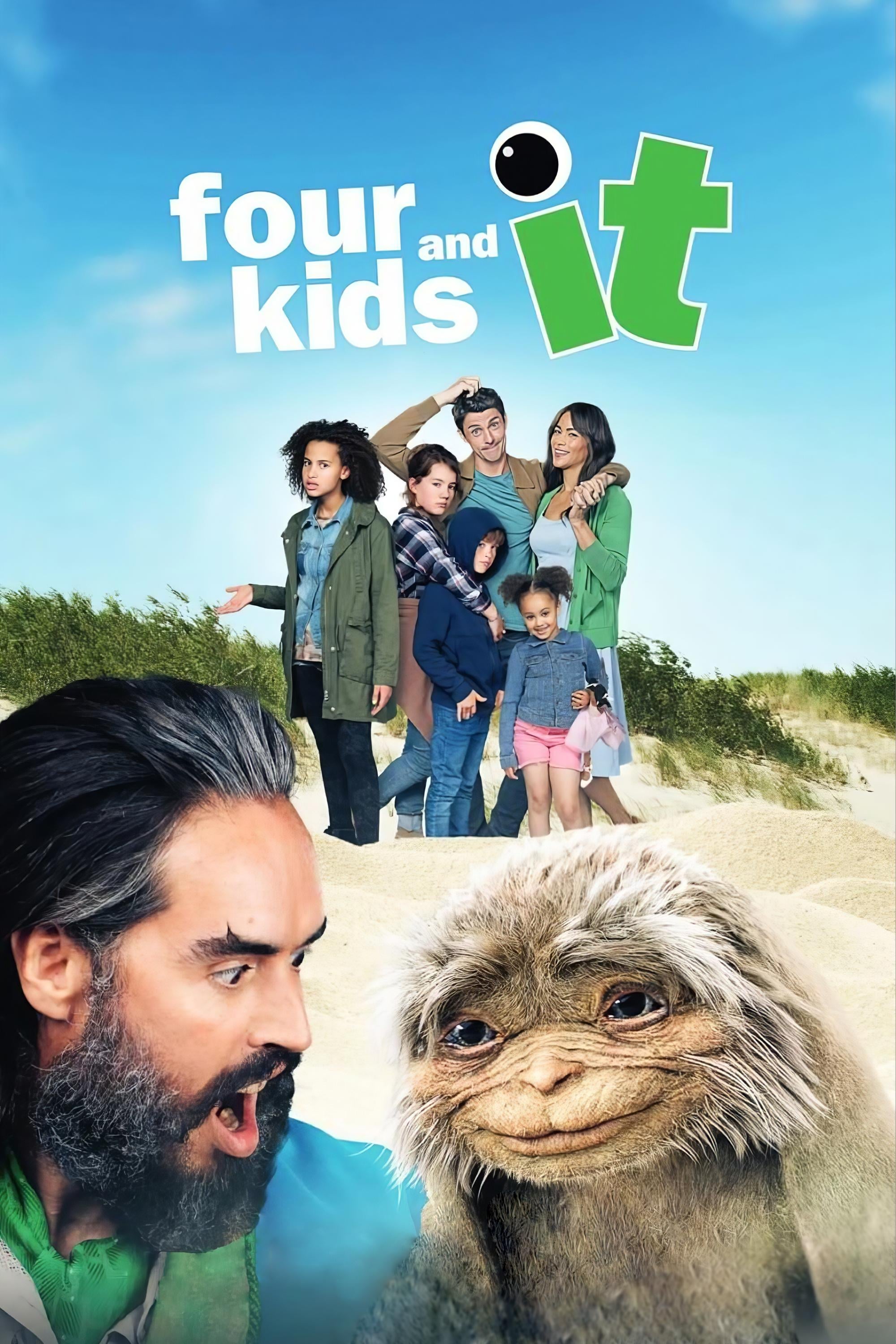
Caine provided the voice for the Psammead, a magical, wish-granting creature, in the family film ‘Four Kids and It’. The movie follows a group of children on vacation who discover the grumpy, sand-dwelling creature who can grant them one wish per day.
Based on a classic children’s novel, the film was a charming fantasy adventure. Caine’s voice work brought the magical creature to life with a mix of grumpiness and charm.
Tenet (2020)
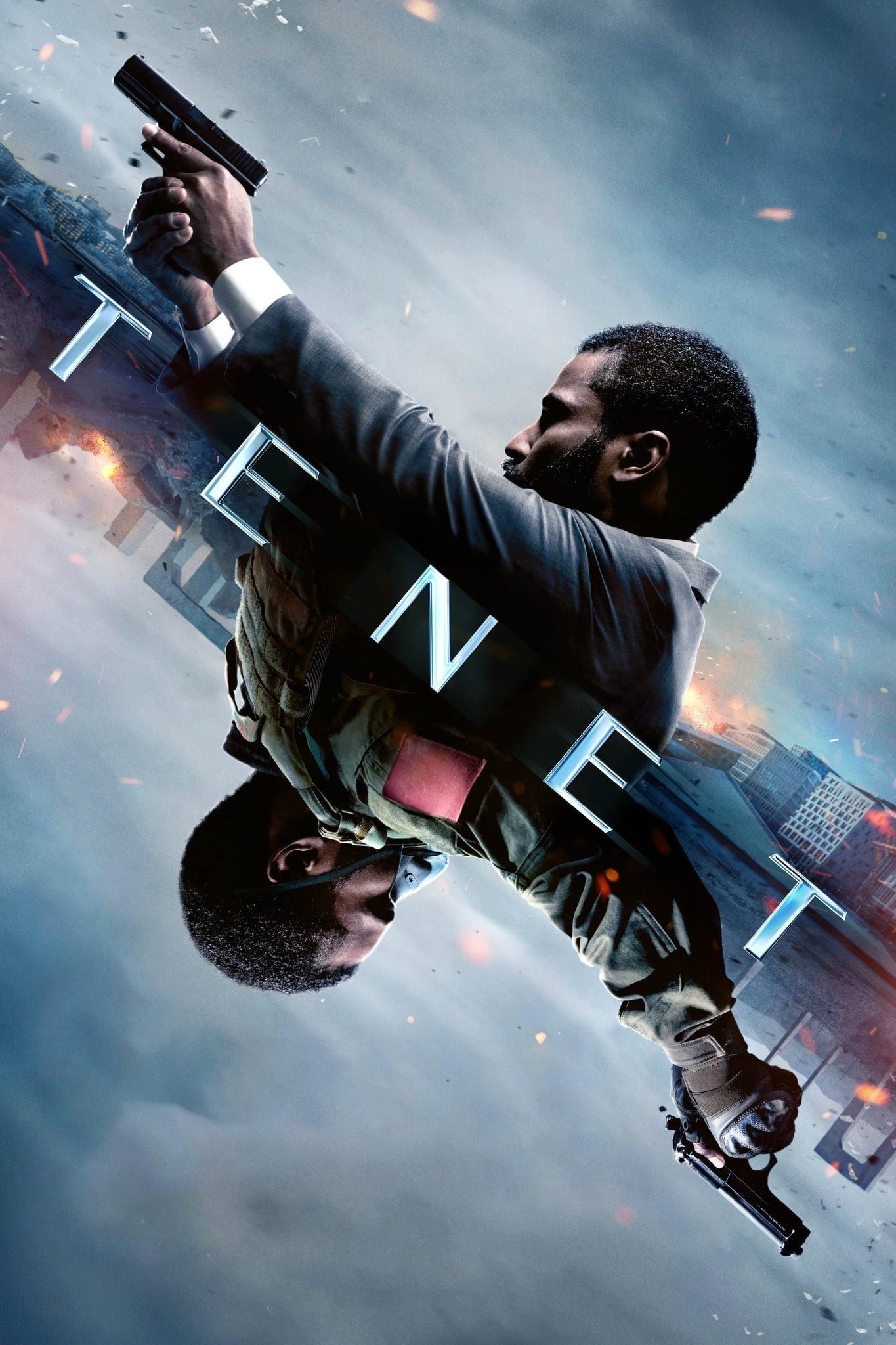
In his eighth and final film with Christopher Nolan, Caine had a brief but memorable scene in the sci-fi thriller ‘Tenet’. He played Sir Michael Crosby, a veteran British intelligence officer who meets with the film’s protagonist to give him information and guidance.
As with his other Nolan films, Caine’s presence provided a link to the director’s other work and brought a sense of gravitas to his scene. It was a small but significant part in a complex and mind-bending film.
Twist (2021)
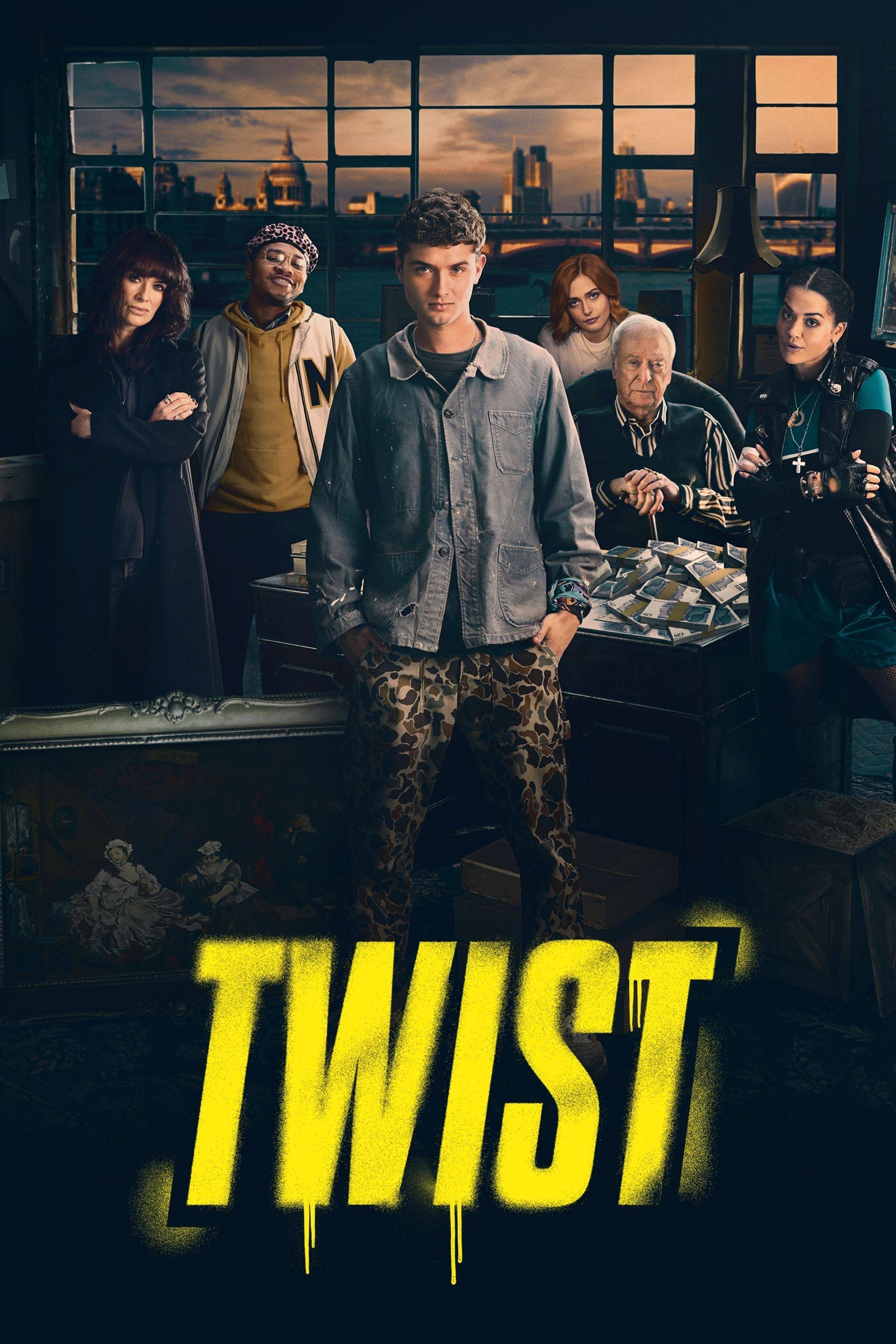
In this modern-day retelling of Charles Dickens’ ‘Oliver Twist’, Caine played Fagin. In this version, the story is set in contemporary London and revolves around a group of parkour-loving street kids who are used as art thieves by Fagin.
This role saw Caine taking on another classic literary character. He portrayed Fagin as a charming but manipulative mentor figure in this updated, action-packed version of the famous story.
Best Sellers (2021)

Caine starred as Harris Shaw in the comedy-drama ‘Best Sellers’. He played a cranky, reclusive, and hard-drinking author who wrote a masterpiece decades ago but has not published since. To save her father’s publishing house, a young editor convinces him to go on one last book tour for a previously unpublished novel.
The film was a heartfelt story about art, legacy, and unlikely friendships. Caine’s performance as the grumpy old author was praised for its humor and emotional depth.
Medieval (2022)
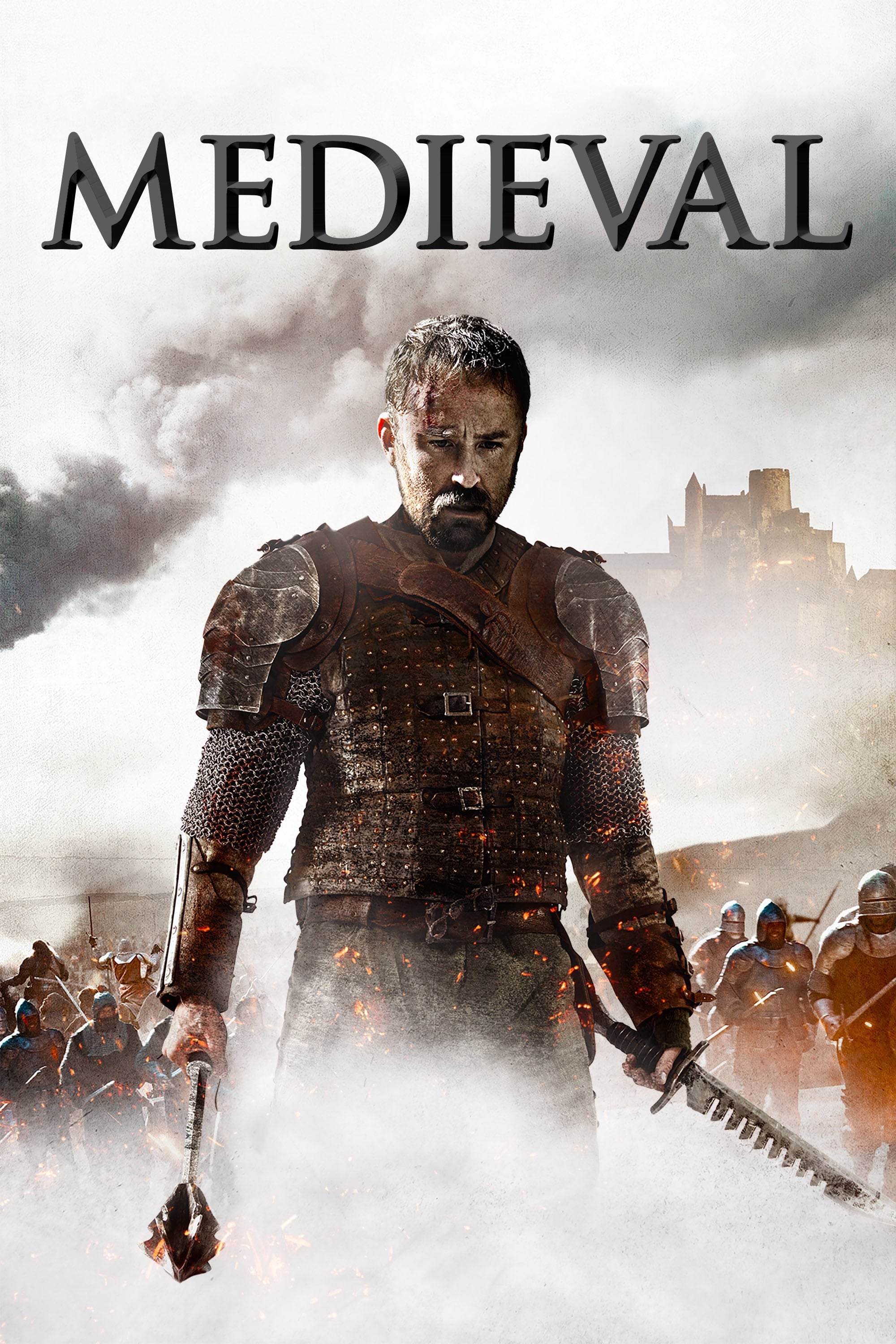
In the historical action film ‘Medieval’, Caine played Lord Boresh. The film tells the story of the 15th-century Czech warlord Jan Žižka. Caine’s character is a nobleman and a key political figure in the events of the story.
The role was a supporting part in a large-scale historical epic. Caine brought his customary authority and gravitas to the role of the powerful nobleman.
The Great Escaper (2023)
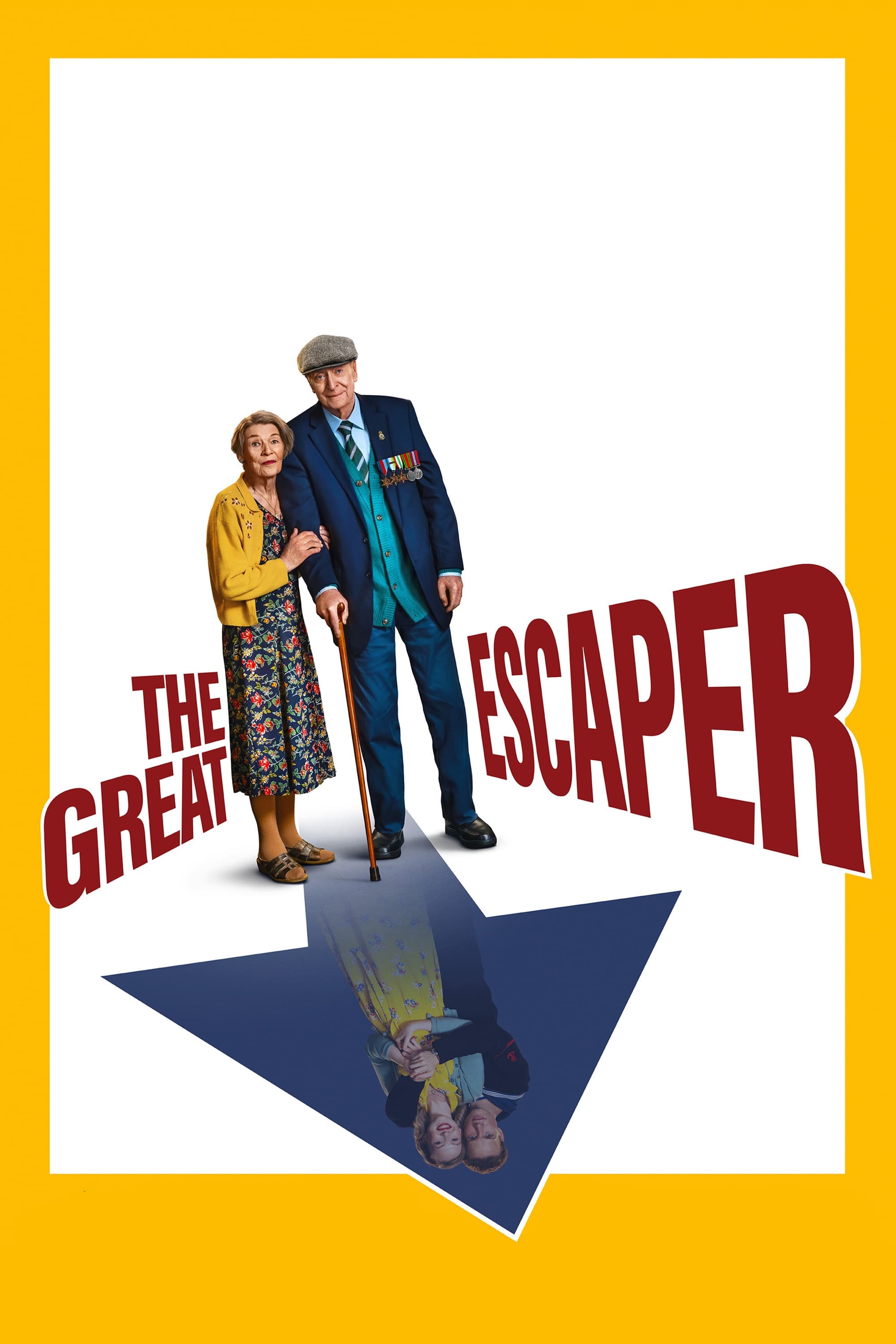
In what he announced would be his final starring role, Caine played the real-life World War II veteran Bernard Jordan in ‘The Great Escaper’. The film tells the true story of the 89-year-old who, in 2014, secretly left his nursing home to travel to France for the 70th anniversary of the D-Day landings. The film also starred Glenda Jackson in her final role.
The movie was a poignant and heartwarming farewell to a legendary career. Caine’s performance was deeply moving, capturing the spirit and determination of a man honoring his past, providing a fitting and emotional end to one of cinema’s greatest careers.
From a gritty spy to a beloved butler, which Michael Caine role has stayed with you the most? Share your favorite in the comments.