


Michael Mann Compares Today’s Politics to the ’60s—But Says the Resistance Today is ‘South Park’

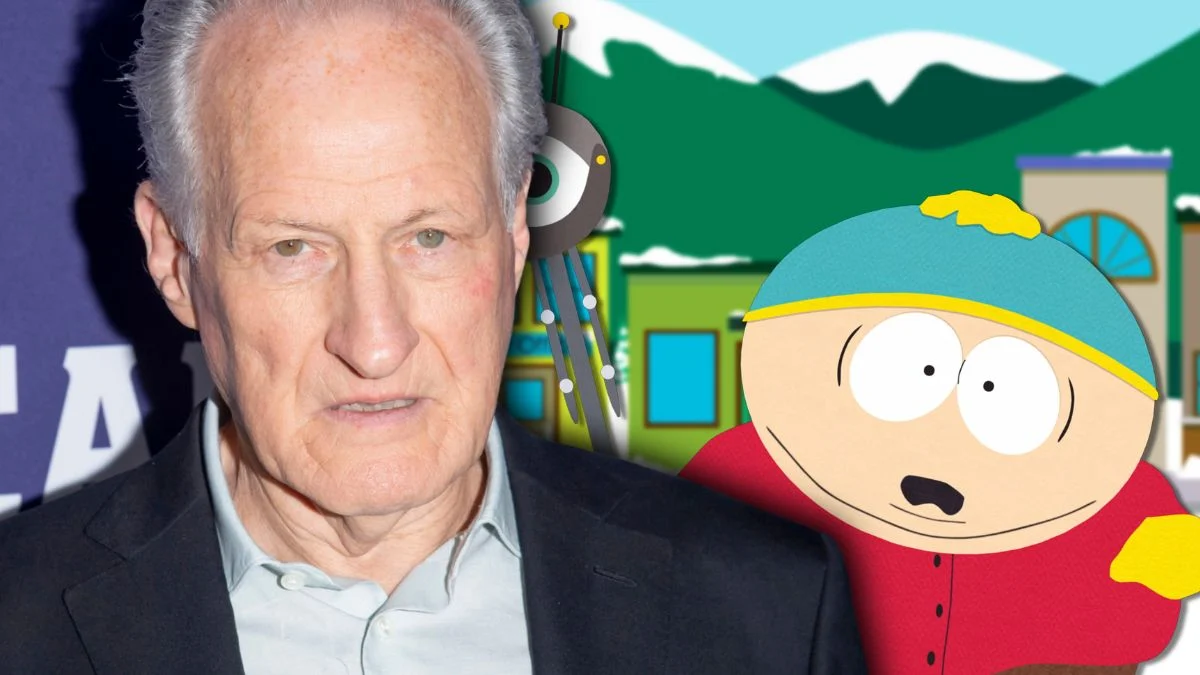


Director Michael Mann reflected on his career and his views on today’s political climate while attending the Lumière Festival in Lyon, where he is being honored with a career tribute.
The festival has been showcasing a retrospective of his work, including 12 of his films, his pilot for the Max series Tokyo Vice, and his prison-set sports drama The Jericho Mile. Mann will receive a special Lumière Award from French actor Isabelle Huppert later this week.
Mann spoke about how his early experiences shaped his films. He recalled documenting the 1968 student uprisings in Paris for NBC. “That experience was so formative to me personally, because ’68 was this pivotal year,” he said.
He described the year as one of major events that changed how people thought about politics and society, mentioning the Democratic Convention in Chicago, the violence in Mexico City, and the deaths of Martin Luther King and Bobby Kennedy.
Mann said these events influenced many of his films, including Ali (1974) and his documentary work like Rumble in the Jungle.
He also commented on how he sees similarities between that era and the current political situation in the U.S. Mann joked, “What’s going now is like the ’60s in America in a sense. Except that the vanguard and the resistance today is in ‘South Park,’” earning laughs from the audience.
On the topic of upcoming projects, Mann shared an update on Heat 2. He said negotiations are ongoing and the sequel could move forward by summer 2026.
He also expressed interest in exploring new genres. “I’ve always wanted to do a significant science fiction film. I haven’t done it yet,” he said, mentioning his admiration for French comics like Metal Hurlant, which were influential in the sci-fi and fantasy world.
Mann’s presence at the Lumière Festival has highlighted both his past work and his plans for the future. The tribute and screenings give audiences a chance to revisit his influential career and see how his experiences from the late 1960s still resonate in his storytelling today.
Have something to add? Let us know in the comments!