‘Monster: The Lizzie Borden Story’ Traces a Real 1892 Axe Murder Case Netflix Reimagines Through Fiction



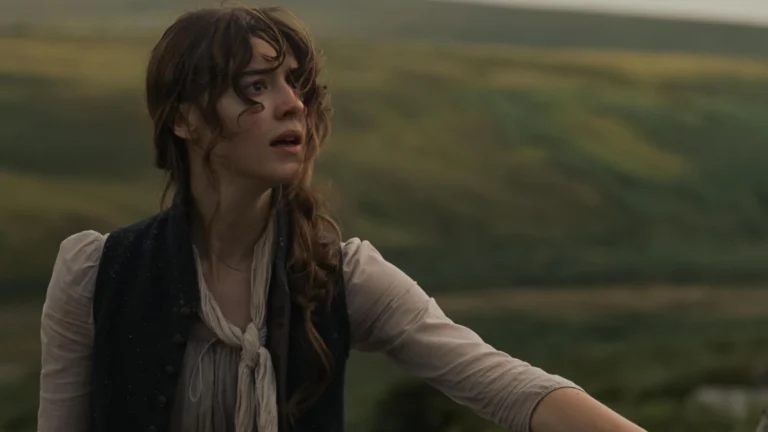
The fourth season of Ryan Murphy and Ian Brennan’s true crime anthology has arrived with a familiar question attached to a new subject, how much of what viewers are watching actually happened. ‘Monster: The Lizzie Borden Story’ is the upcoming fourth season of the American biographical crime drama anthology series Monster, created by Ian Brennan for Netflix, and it centers on murder suspect Lizzie Borden, played by Ella Beatty, who was tried and acquitted of the 1892 axe murders of her father and stepmother in Fall River, Massachusetts.
Unlike the show’s previous seasons, which dramatized twentieth century killers, this installment reaches back more than a century for its source material. The series marks the first installment of the anthology to focus on an alleged female perpetrator, and its foundation is a documented court case rather than a purely speculative script.
The Real Lizzie Borden Case That Inspired the Series
The events depicted trace back to an actual unsolved American crime. On the morning of August 4, 1892, Andrew and Abby Borden were found murdered in their Fall River home, with Andrew struck repeatedly in the head and face with a sharp instrument. Lizzie, then 32 years old, was the one who discovered the scene, and she alerted the maid, Bridget Sullivan, to her father’s dead body.
Suspicion built quickly around her. Lizzie’s inquest testimony aroused further suspicion, with authorities believing she had opportunity and motive to kill her parents, and she was arrested on August 11, 1892. Her actions in the days that followed also raised eyebrows, as she gave contradictory answers to questions and burned a dress she claimed had been stained during housework, which police considered the destruction of evidence.
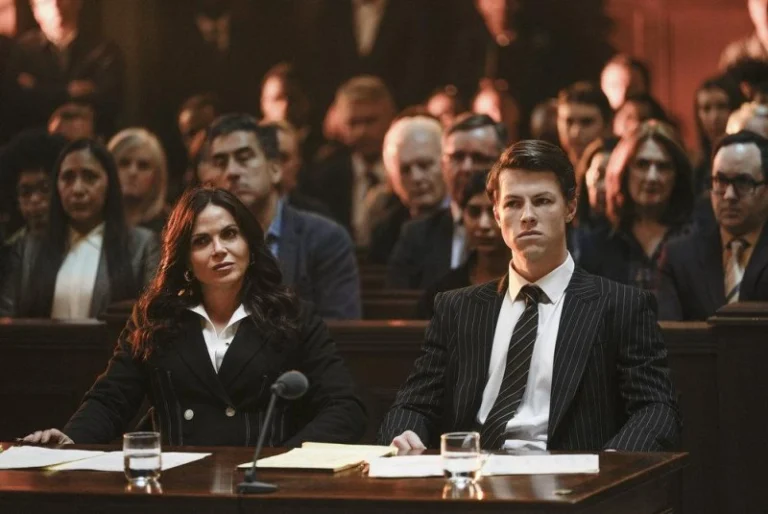
The trial that followed became a national sensation. Her trial began on June 5, 1893, and fifteen days later an all-male jury deliberated for about 90 minutes before finding her not guilty. Historians point to a key evidentiary gap, since the prosecution was unable to find any physical evidence conclusively tying Lizzie Borden to the crimes. The case was never solved, and Lizzie went on to live an isolated life in Fall River until her death in June 1927.
Contemporary attitudes about gender may have shaped the outcome as much as the evidence did. One period newspaper account described Borden as quiet, modest and well bred, far removed from the image of a brawny, muscular, coarse looking woman capable of such violence. The jury pool itself skewed in her favor as well, since Fall River was excluded from jury selection, tilting the panel toward small agricultural towns filled largely with farmers, tradesmen and practicing Protestants, some with daughters close to Borden’s own age.
How the Netflix Adaptation Reframes the Borden Household
Where the true story is bound by courtroom transcripts and newspaper coverage, the Netflix version takes clear creative liberties. According to the official logline, the series follows a repressed daughter of a wealthy New England family and her rebellious maid who find themselves trapped in a house built on humiliation and cruelty, escaping into a fantasy of sex, power and revenge. That framing pushes the narrative well beyond a straightforward courtroom drama.
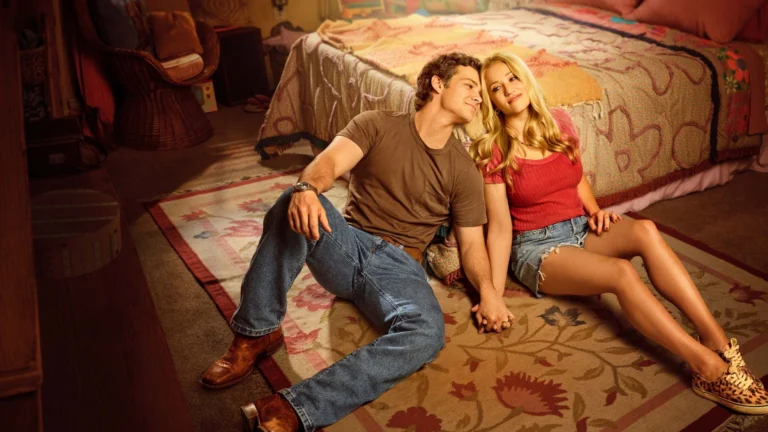
The show also leans into a specific theory about the household dynamics. Coverage of the trailer notes that the series appears to run with the idea that Andrew was abusive toward Lizzie and that she was in a sexual relationship with housemaid Bridget, who helped her carry out the attack. That is a dramatized interpretation rather than an established historical fact, and it represents one of the more significant departures the adaptation makes from the documented record.
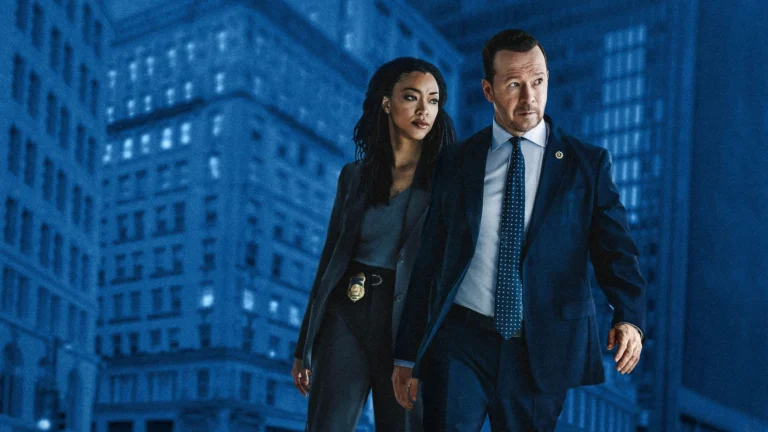
The cast assembled to tell this version includes several recognizable names. Alongside Beatty, the season features Vicky Krieps, Charlie Hunnam, Rebecca Hall, Jessica Barden, Joey Pollari, Billie Lourd and Sarah Paulson. Krieps plays Bridget Maggie Sullivan, the Bordens’ live in maid, while Hunnam plays Andrew Borden and Hall plays Abby Borden. Paulson’s role adds another true crime figure into the mix, since she portrays serial killer Aileen Wuornos, previously played by Charlize Theron in the 2003 film Monster, a performance that won Theron the Academy Award for best actress.
Fall River Setting and the Cultural Legacy Behind the Story
Part of what makes this case durable material is how thoroughly it has been documented and revisited. The countless newspaper articles, courtroom sketches, testimonies, autopsy reports and photos connected to the trial remain easily accessible today, giving each new adaptation a substantial historical record to draw from or depart from. Public fascination with the case has never really faded, inspiring numerous films, stories, plays and even operas over the decades.
That legacy extends to the physical location itself. The Borden home, originally addressed at 92 Second Street before the address was later changed, is now operated as a bed and breakfast. Visitors can still walk through the rooms where the murders took place, a detail that has kept the case tangible in a way many historical crimes are not.
The ‘Monster’ franchise has built its identity on revisiting cases the public already thinks it knows, though not without controversy. Real people connected to previous subjects, including the families tied to Jeffrey Dahmer, the Menendez brothers and Ed Gein, have criticized the show’s approach as exploitative, reigniting debate over the ethics of true crime fiction. Choosing a nineteenth century case where every direct participant has long since died appears to sidestep that particular criticism, even as the show introduces its own fictionalized liberties.
What Ella Beatty and the Producers Have Said About the Role
Casting a lead for a character this scrutinized required a specific search process. After an extensive search, Murphy and Brennan settled on Ella Beatty to bring Lizzie to life, an actor who previously appeared in Murphy’s ‘Feud: Capote vs. The Swans’ and in the Sundance drama ‘If I Had Legs I’d Kick You’. Trailer footage has already generated conversation online, with one exchange showing Lizzie declaring “Just let me have the first whack” in a moment critics have flagged as characteristic of the show’s tonal choices.
The series arrived with a clear release timeline attached. ‘Monster: The Lizzie Borden Story’ premiered on Netflix on September 17, giving the fourth chapter of the anthology a full eight episode rollout. Whether audiences respond to this version of Fall River the way they did to earlier seasons remains to be seen, but the gap between the documented trial and the show’s fictionalized love story angle is likely to be the central point of discussion.
Given how far this adaptation strays from the courtroom record while still borrowing the outline of a genuine unsolved case, it raises a fair question for anyone who has now watched it or read through the real history, where do you think the show crossed the line from dramatization into invention, and does that choice change how you see Lizzie Borden’s story.