


Morgan Freeman Compared This Role to “Prostitution”

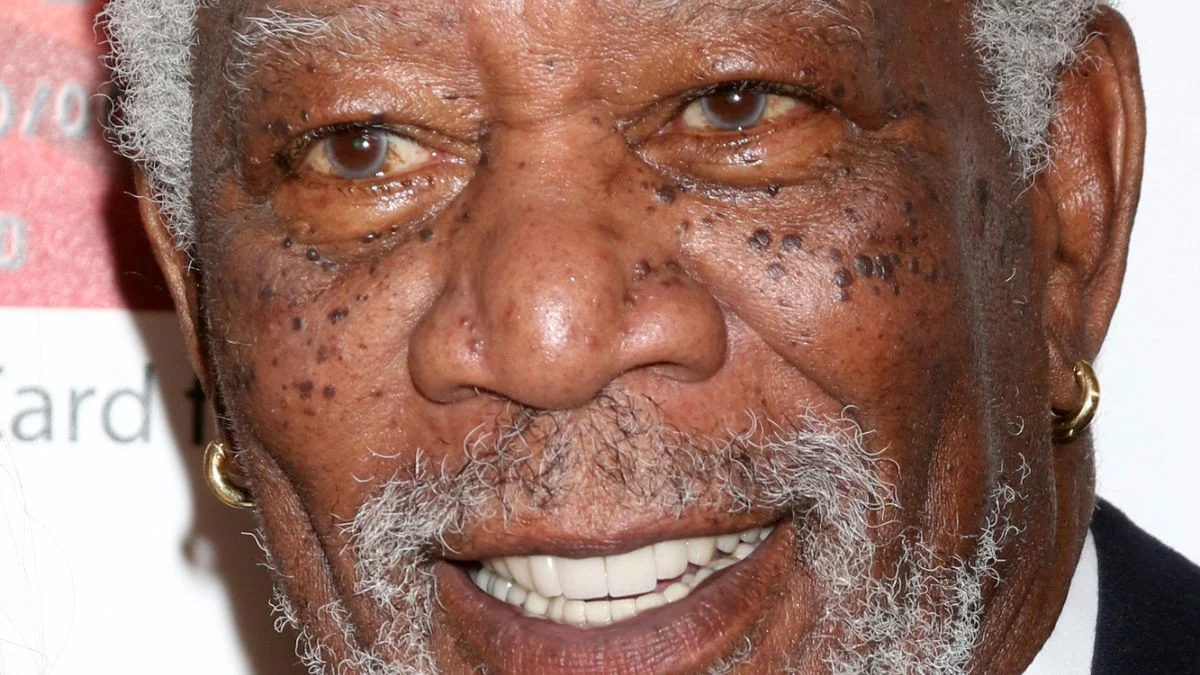


Morgan Freeman once described his time on the children’s show The Electric Company as “basic prost*****,” reflecting the frustration he felt while working on the series early in his career. The legendary actor, now known for his wise and calm screen presence, admitted that his stint on the show was far from enjoyable.
Freeman joined the cast of The Electric Company in 1971 and remained a key player for six seasons, appearing in nearly 800 episodes. He played a variety of characters, from the bookish Easy Reader to the quirky Vincent the Vegetable Vampire, and even a disc jockey named Mel Mounds.
“I enjoyed the first two years, thinking that I’d move on after that,” Freeman told Alex Simon. “But it became basic prost******, I guess.” He admitted he kept taking the work for the steady paycheck, even as he grew increasingly frustrated with himself for not walking away. “Kept doing that every year, and kept getting angrier and angrier at myself for not having the courage to walk away,” he added.
The show was a staple of educational children’s programming, produced by the Children’s Television Workshop, now known as Sesame Workshop. Aimed at helping elementary students improve reading and grammar skills, the program ran from 1971 to 1977, with reruns airing through 1985 and again on Noggin from 1999 to 2003. Freeman recognized that staying on the show for so long could have pigeonholed him.
“Otherwise, I would’ve been Fred Rogers! I would’ve been Captain Kangaroo! You ever see Sesame Street? There’s friends of mine who’ve been on that show nearly 30 years,” he said.
While Freeman’s time on the show provided steady work, it ultimately served as a stepping stone. He avoided being typecast as a children’s TV actor and went on to build a career that made him one of Hollywood’s most respected performers. Looking back, Freeman sees the experience as a lesson in knowing when to move on.
“Then they cancelled the show in 1976, and what a let-down! No more job,” he said. The cancellation gave him the freedom to pursue more challenging and varied roles, eventually leading to the wise, commanding characters he is famous for today, a far cry from the rough-edged characters he played early in his career.
Freeman’s reflections show how even the most celebrated actors start in roles that don’t always align with their future image. It’s a reminder that early career struggles are often stepping stones, and even legendary actors like Freeman had to work jobs they didn’t fully enjoy to reach their potential. What do you think about Freeman’s description of his early career? Share your thoughts in the comments.