

15 Most Cathartic Comebacks In Anime

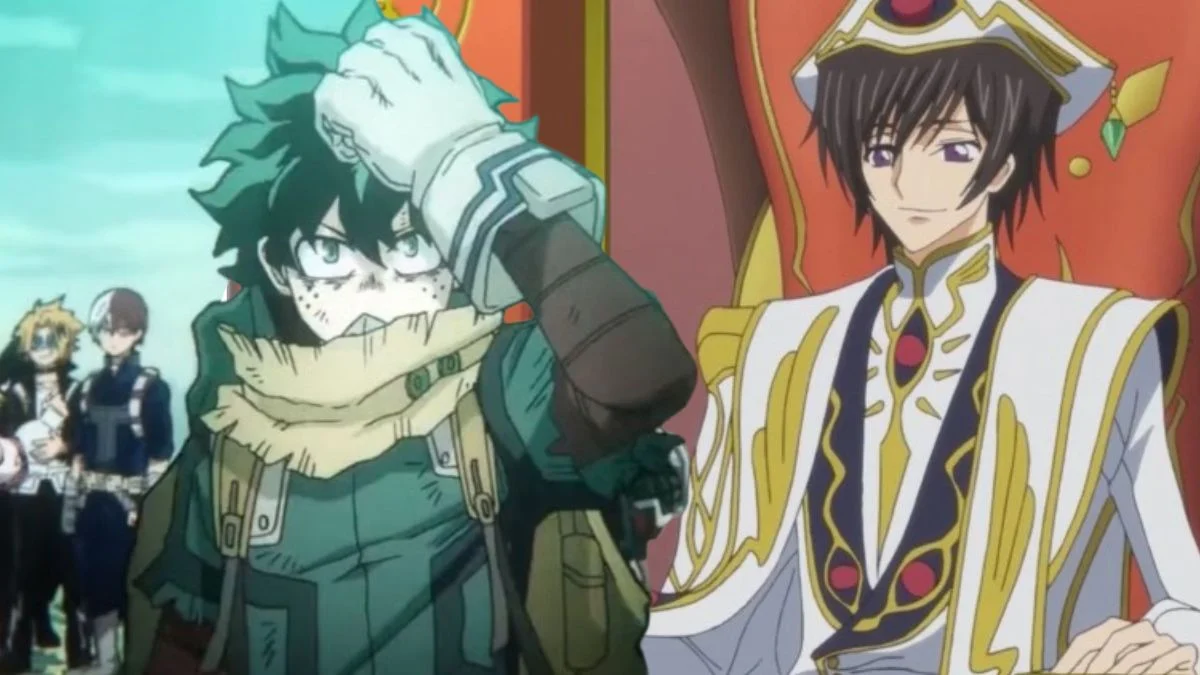


Some anime comebacks feel like a switch flipping when a character reclaims everything they lost and more. These moments land because they follow real setbacks, injuries, or exile, then pay them off with a decisive return that changes the story’s direction. From shonen battles to sports showdowns, each turnaround below is rooted in clear context like training arcs, tactical adjustments, or psychological breakthroughs. For each entry, you’ll also find the studio that brought the moment to life, since the animation often sells the comeback as much as the writing.
Rock Lee’s return against Kimimaro — ‘Naruto’ (2002–2007)
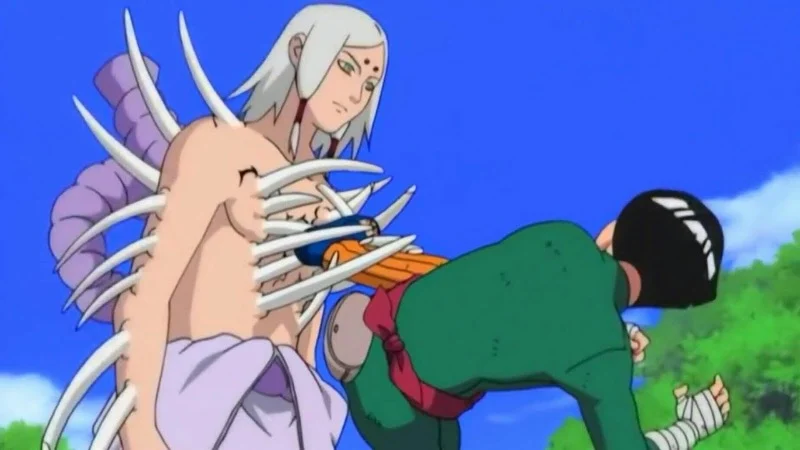
After surgery that nearly ended his career, Rock Lee rushes to back up his friends during the Sasuke Retrieval mission and steps back onto the battlefield against Kimimaro. He starts shakily, then finds his footing and buys precious time until Gaara arrives. The sequence highlights how his rehabilitation paid off and how taijutsu alone can stall a far deadlier opponent. Studio Pierrot frames his footwork and speed cleanly so viewers can track every exchange.
Luffy’s third bout with Crocodile — ‘One Piece’ (1999–present)
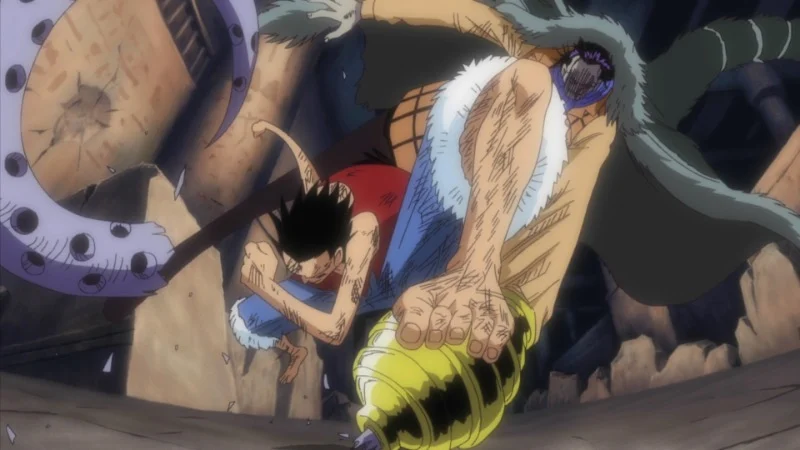
Luffy loses twice to Crocodile before returning for a final showdown beneath Alabasta. He adapts by exploiting water to counter Crocodile’s sand and refuses to repeat earlier mistakes. The fight’s geography matters as he forces close quarters and negates the Devil Fruit advantage. Toei Animation emphasizes stamina and grit through extended cuts that show the clash momentum shifting.
Tanjiro reengages Rui on Mount Natagumo — ‘Demon Slayer: Kimetsu no Yaiba’ (2019–present)
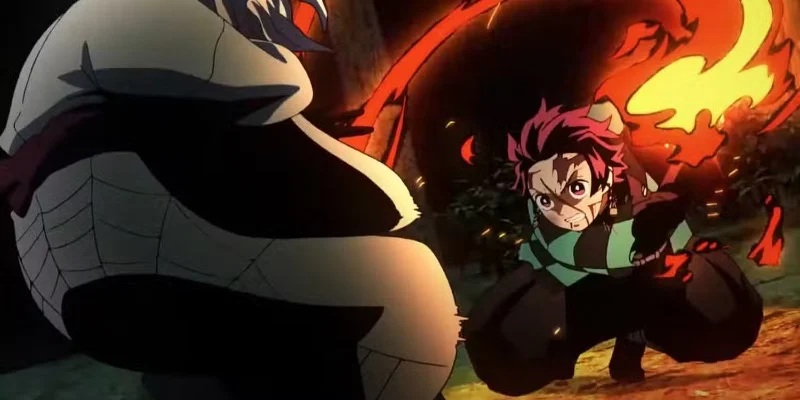
Pinned by Rui’s threads, Tanjiro recalibrates his breathing and sword forms to break free and reenter the fight. He blends Water Breathing with a technique he learned from his father to alter tempo and reach. The comeback hinges on reading thread tension and timing rather than brute force. Ufotable’s camera work tracks the thread lattice and sword arcs so the tactical change is obvious.
Deku’s return to U.A. after the vigilante arc — ‘My Hero Academia’ (2016–present)
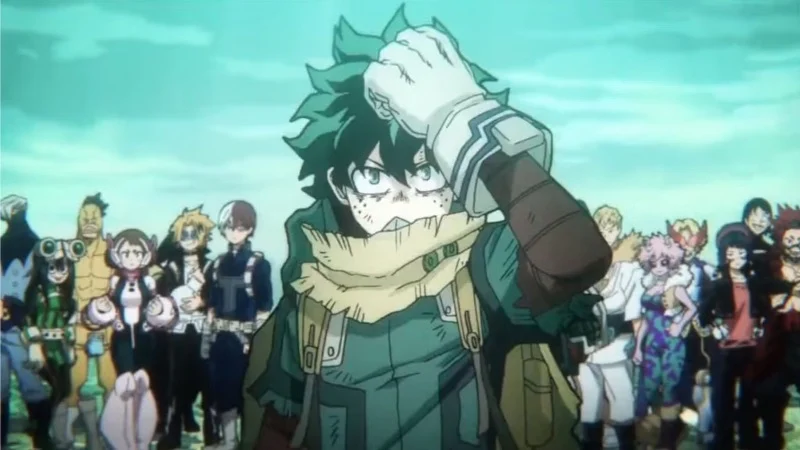
Exhausted and ostracized, Deku eventually accepts help from his classmates and returns to U.A. to regroup. The sequence maps how responsibilities are redistributed so he can recover and plan. It also realigns the class around coordinated defense instead of solo heroics. Bones stages the confrontation and reconciliation with careful staging that shows each Quirk countering Deku’s evasions.
Armin back on the front line after transformation — ‘Attack on Titan’ (2013–2023)
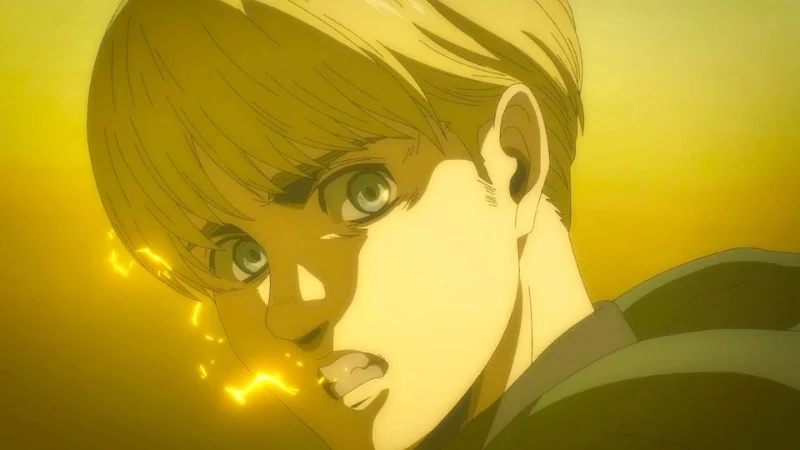
After surviving near death and transforming, Armin returns to the field with a new role that leverages strategy over raw power. He functions as both a tactical planner and a last-resort deterrent. The comeback restructures the squad’s approach to sieges and evacuations. Wit Studio and later MAPPA present his presence as a pivot in battlefield control with measured build-ups before deployment.
Gon’s recovery and reunion atop the World Tree — ‘Hunter x Hunter’ (2011–2014)
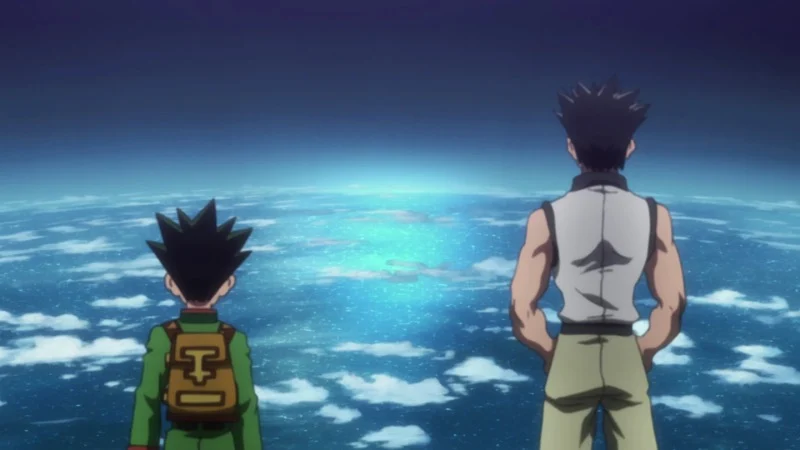
Following the toll of the Chimera Ant conflict, Gon’s body and Nen are compromised and he steps away from fighting. He gradually recovers and travels to meet Ging, which resets his goals and outlook. The return shifts him from revenge-driven choices to informed exploration. Madhouse punctuates the turnaround with quiet staging and wide shots that focus on conversation rather than combat.
Hinata’s return to the court after the ball boy phase — ‘Haikyu!!’ (2014–2020)
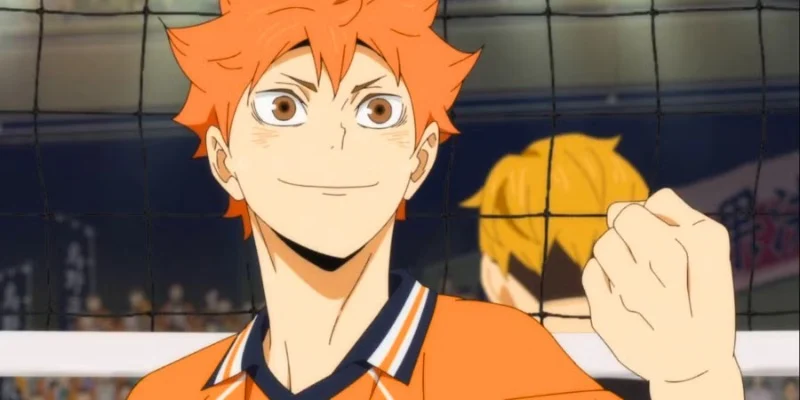
Banned from practice, Hinata volunteers as a ball boy at a rival camp and studies high-level play from the sidelines. He returns to Karasuno with improved reads, first-touch control, and better serve receive. The change shows up immediately in transition plays and longer rallies. Production I.G highlights first touches and court spacing so the skill gains are easy to see.
Kuroko’s reentry with a refined misdirection — ‘Kuroko’s Basketball’ (2012–2015)
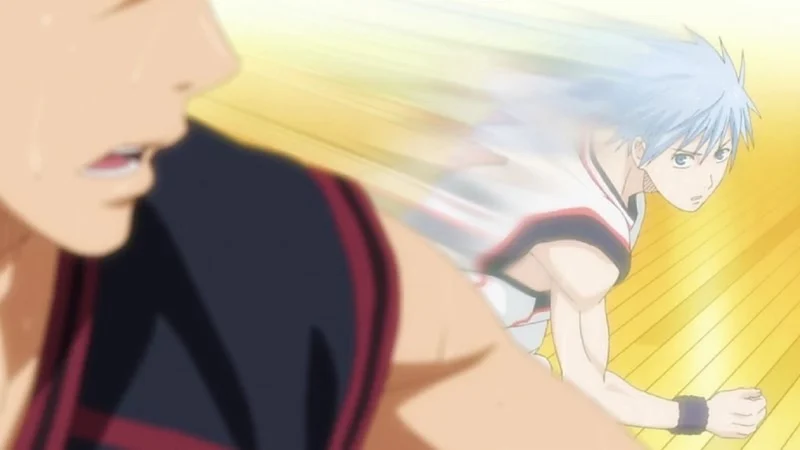
After opponents adapt to his style, Kuroko steps back, refines his passing lanes, and returns with a variation that baits defenders. He pairs the adjustment with better timing from teammates to reopen high-percentage looks. The comeback is less about speed and more about visual deception. Production I.G uses tracked passes and controlled cuts to clarify how lines of sight are manipulated.
Thorfinn’s comeback from slavery to a new purpose — ‘Vinland Saga’ (2019–2023)
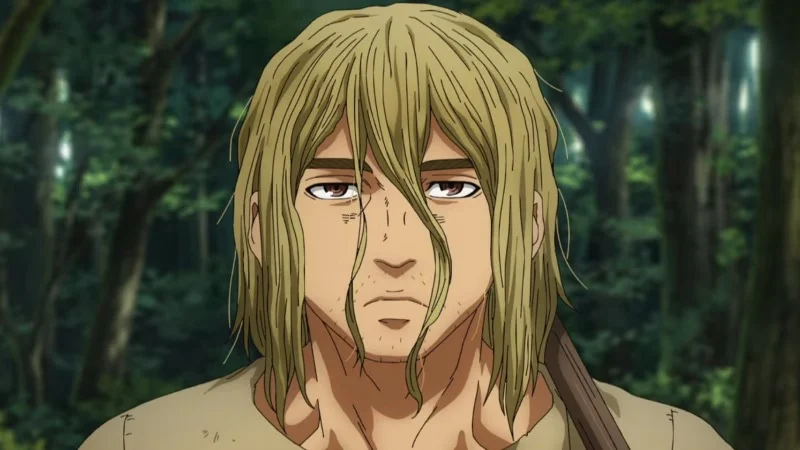
Enslaved and stripped of direction, Thorfinn rebuilds himself through labor and dialogue rather than revenge. He returns to freedom with a defined plan to create a settlement without war. The shift affects alliances, trade, and travel routes across the North Atlantic setting. Wit Studio and later MAPPA underscore the change with grounded environments and restrained action beats.
Mob regaining control to protect the city — ‘Mob Psycho 100’ (2016–2022)
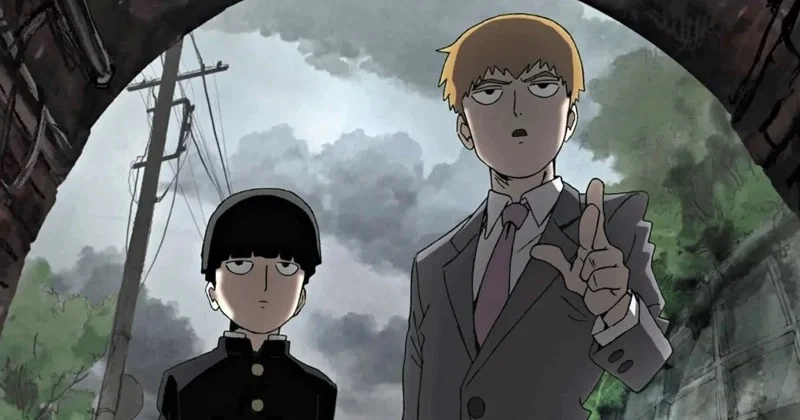
Mob spirals into an uncontrolled state that threatens everything around him, then fights through it to set clear priorities. He reenters the crisis with boundaries that guide how and when he uses power. The comeback centers on consent and restraint rather than escalation. Bones conveys this with visual metaphors that settle as Mob reasserts himself.
Ed’s late-series return to the front after recalculating the cost — ‘Fullmetal Alchemist: Brotherhood’ (2009–2010)
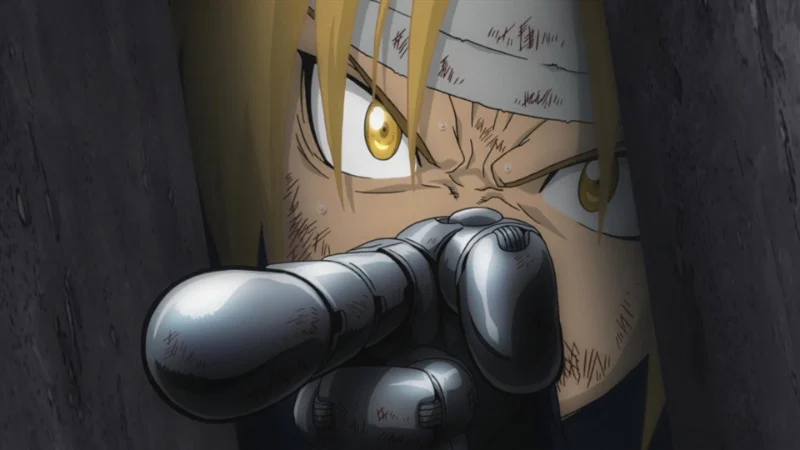
Faced with impossible trades, Ed steps back, reassesses the equivalent exchange at play, and returns with a plan that refuses human sacrifice. He coordinates allies and retools tactics against homunculi control points. The turnaround changes objectives from survival to dismantling the plot’s core mechanism. Bones threads the comeback through intercut logistics that show each ally’s part.
Ichigo’s reforged entry into Seireitei — ‘Bleach: Thousand-Year Blood War’ (2022–2024)
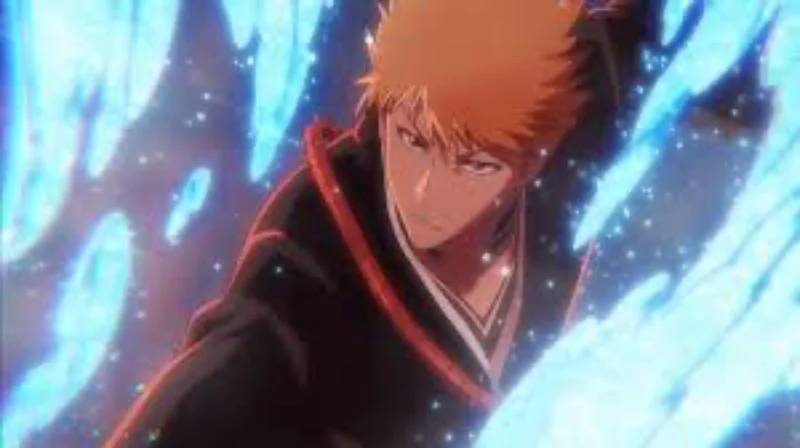
After an initial defeat against the Quincy, Ichigo withdraws, unlocks the truth of his Zanpakuto, and returns with twin blades. The comeback lets him read and counter stolen powers more effectively. It marks a structural change in how his abilities scale against Sternritter threats. Studio Pierrot communicates the upgrade with crisp weapon choreography and clarified ability cues.
Jotaro’s standstill heart trick against DIO — ‘JoJo’s Bizarre Adventure: Stardust Crusaders’ (2014–2015)
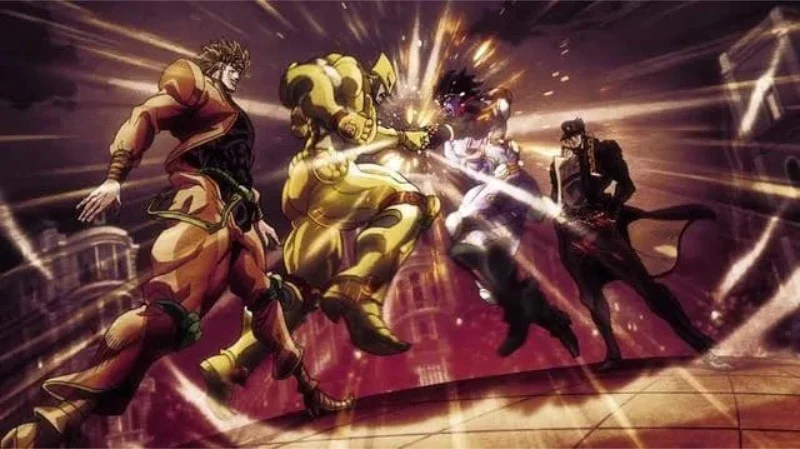
Beaten by time stop, Jotaro feigns death to study DIO’s limits and reenters the fight with a plan to catch him off guard. He mirrors time stop cues and manipulates movement windows to close distance. The comeback is built on measured observation rather than a sudden strength bump. David Production maps the timing beats so counters are readable.
Lelouch’s public return to seize control — ‘Code Geass: Lelouch of the Rebellion’ (2006–2008)
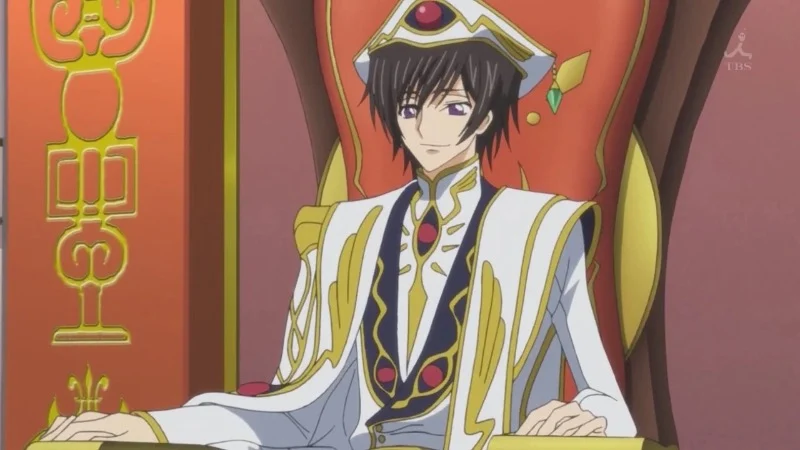
After losing leverage, Lelouch reappears as Zero with a layered strategy that combines Geass, staged rescues, and media control. He consolidates factions and turns scattered uprisings into coordinated action. The move rewrites the power map and forces his opponents into reactive positions. Sunrise frames the comeback with large-scale crowd scenes and skyline shots that show shifting authority.
Natsu’s return to lead the guild into the Alvarez war — ‘Fairy Tail’ (2009–2019)
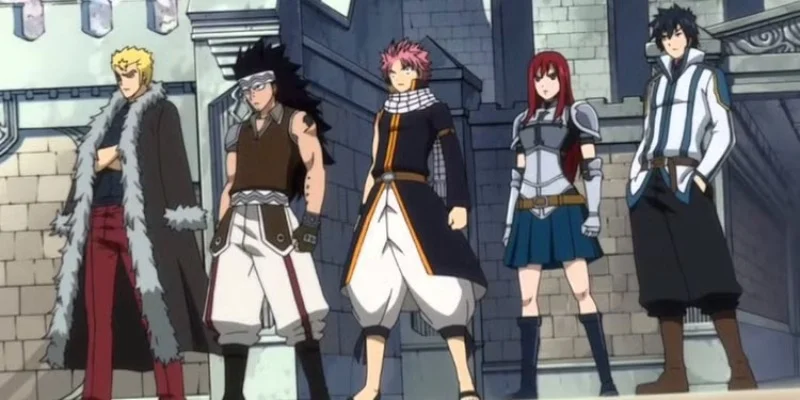
Natsu disappears to train and returns with improved Dragon Slayer control as external threats close in. He reunites the core team, sets objectives, and pushes for rapid mobilization. The comeback stabilizes guild morale and clarifies the path to confronting Zeref and Alvarez forces. A-1 Pictures with Satelight and later Bridge animate the regrouping with energetic team beats and clear battle staging.
Share your favorite anime comebacks in the comments and tell us which moments fired you up the most.