

20 Most Controversial Games of All Time, Ranked

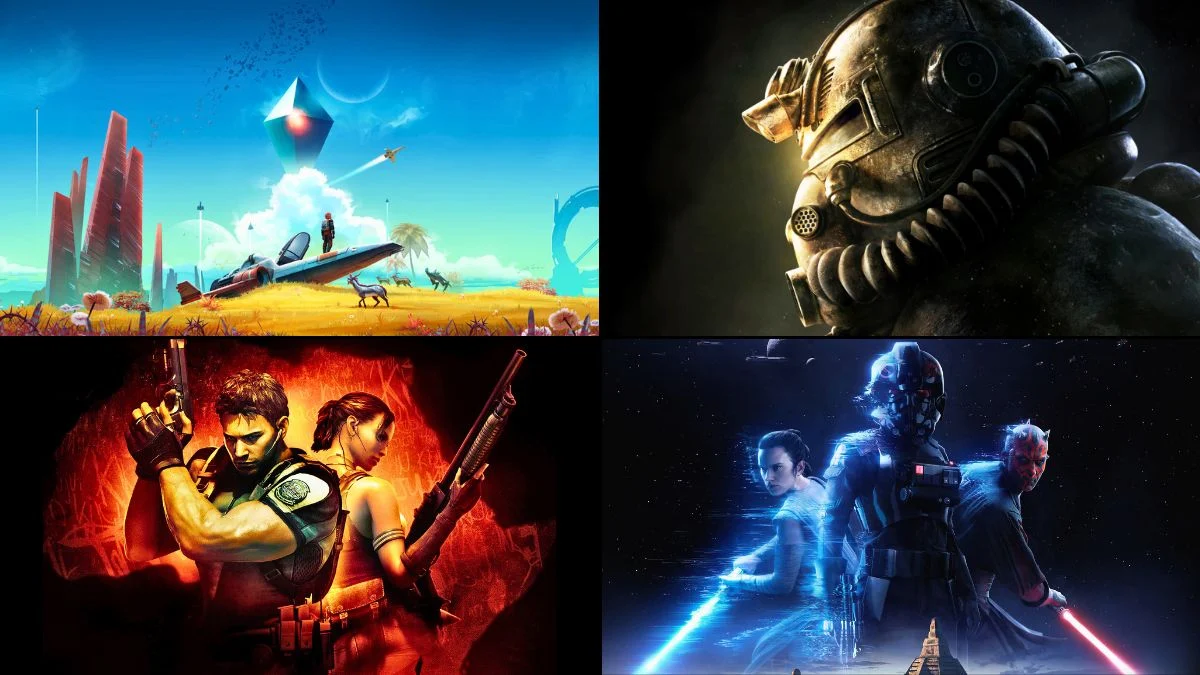


Video games have sparked debates about violence, politics, culture, and business practices for decades. The titles below drew headlines, protests, bans, or policy changes that reshaped how the industry operates and how players engage with games. This countdown looks at the flashpoints that triggered the biggest public reactions and lasting industry consequences.
‘No Man’s Sky’
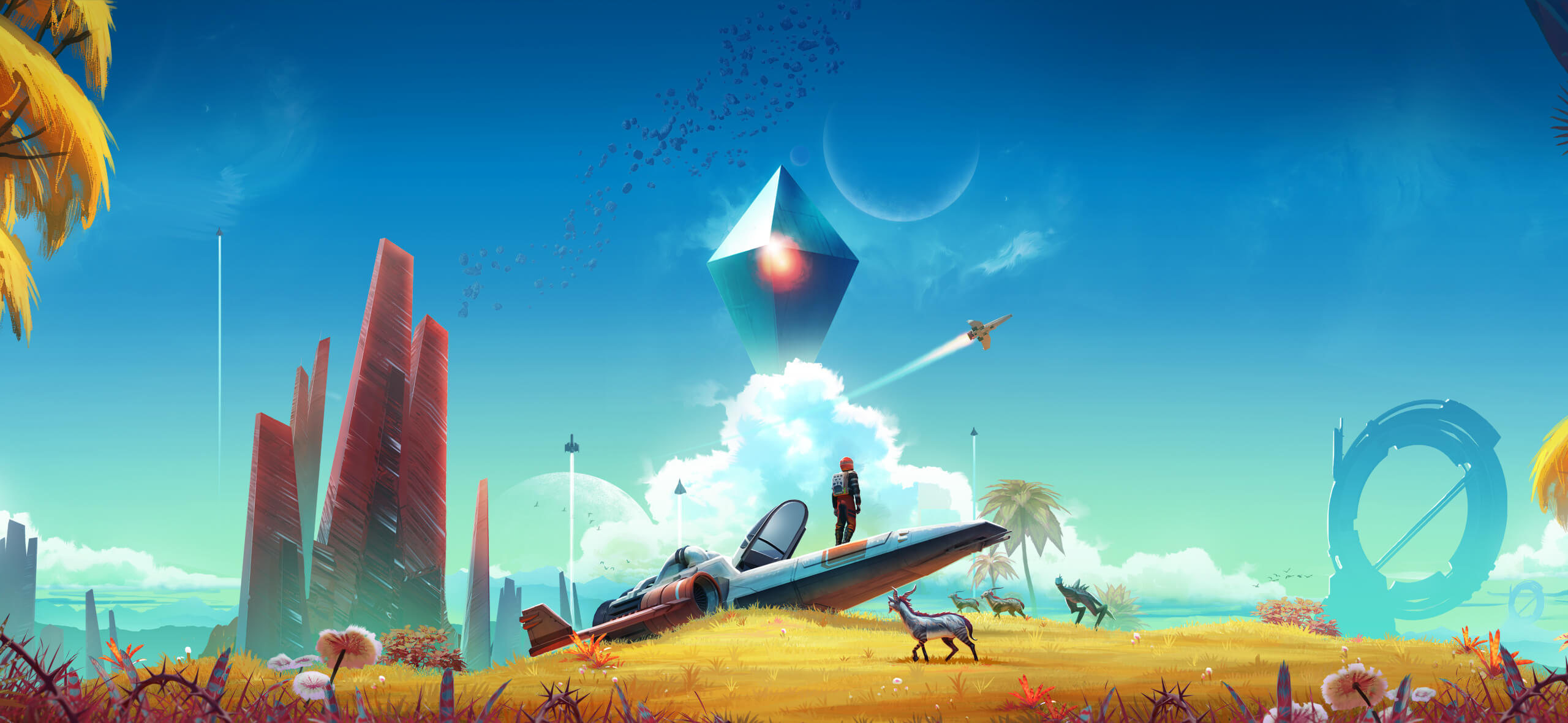
The game launched with grand promises of deep space exploration but shipped with missing features that led to consumer complaints and refund requests. Regulators in the UK reviewed its advertising after players said trailers oversold core systems. The developers issued large updates that gradually added base building, multiplayer, and expeditions. The turnaround became a case study in post-launch support and expectations management.
‘Fallout 76’
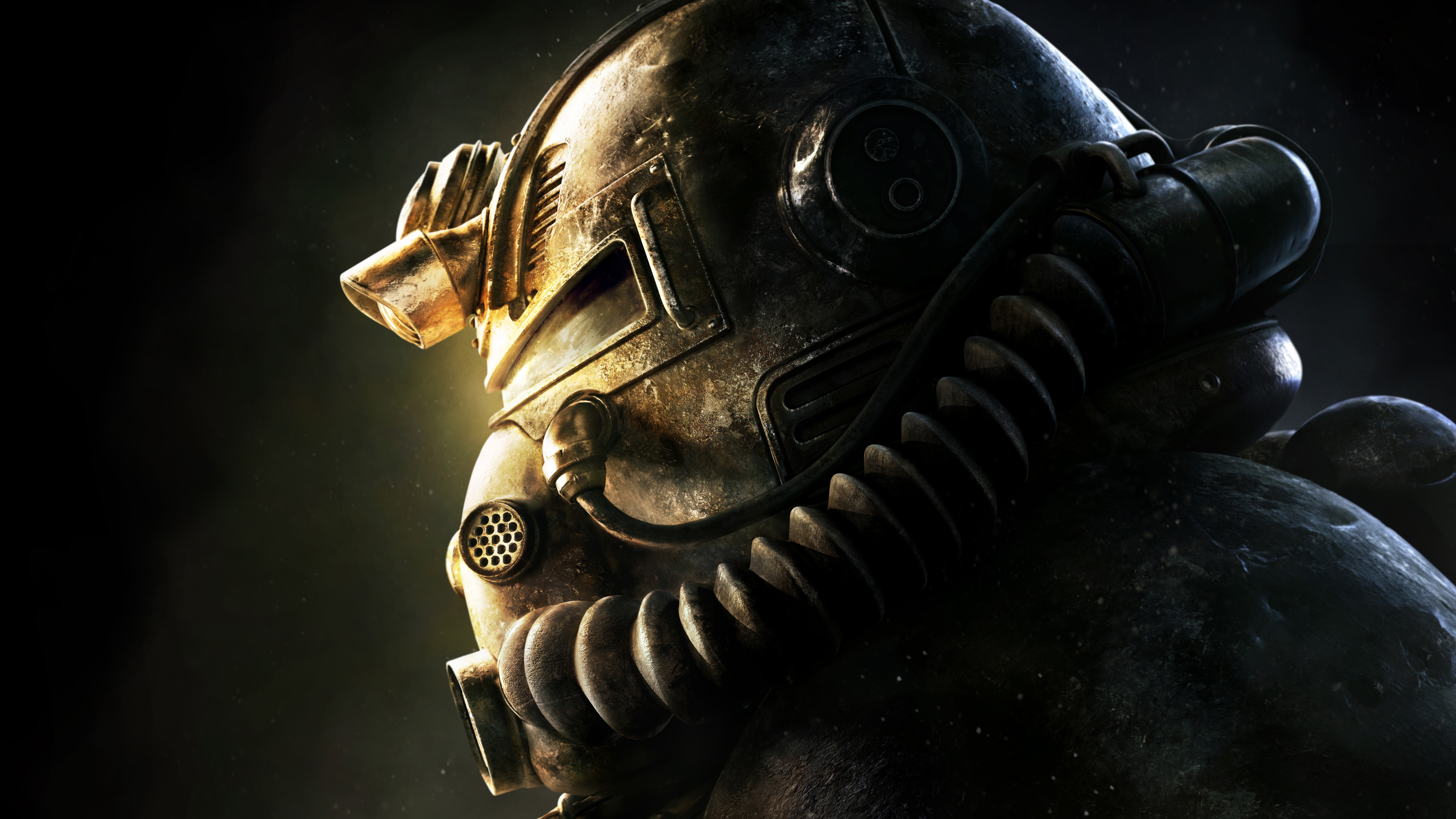
This online spin on a beloved RPG series arrived with widespread bugs and server issues that hampered progression. A collector’s edition drawstring bag controversy led to customer backlash and compensation offers. Refund policies and regional consumer laws became part of the discussion as players sought remedies. Subsequent patches and content seasons stabilized performance and added new quest lines.
‘Diablo Immortal’
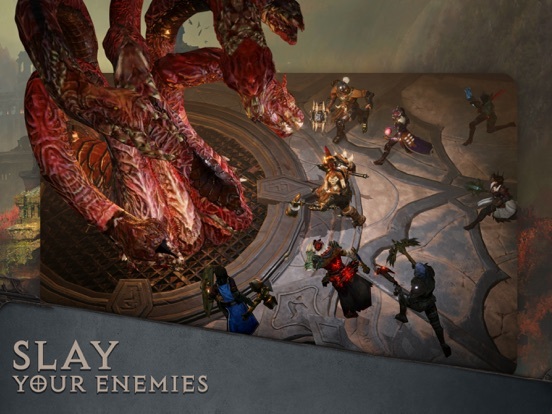
The mobile action RPG faced criticism over an aggressive monetization model that emphasized spending on progression. Prelaunch queries about its business approach coincided with regional restrictions linked to loot box regulations. The game skipped release in certain European markets where gambling laws apply to randomized rewards. Ongoing events and battle passes kept engagement high while the monetization debate continued.
‘Star Wars Battlefront II’
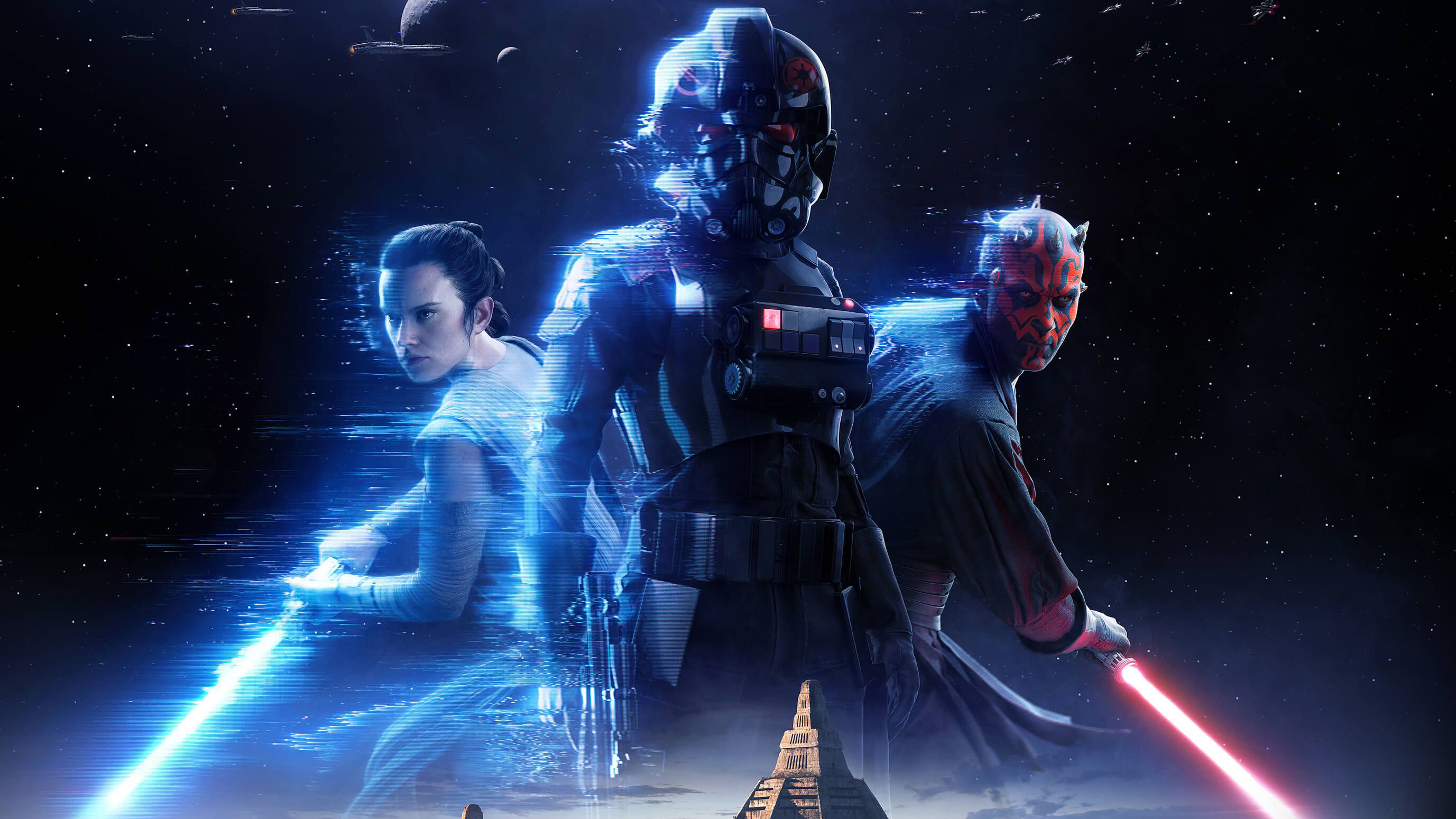
Players encountered progression systems tied to loot boxes that affected competitive balance at launch. Intense backlash prompted the temporary removal of microtransactions while developers reworked the economy. Government bodies in several countries examined whether randomized crates resembled gambling. A redesigned progression model and cosmetics-only purchases were implemented afterward.
‘Cyberpunk 2077’
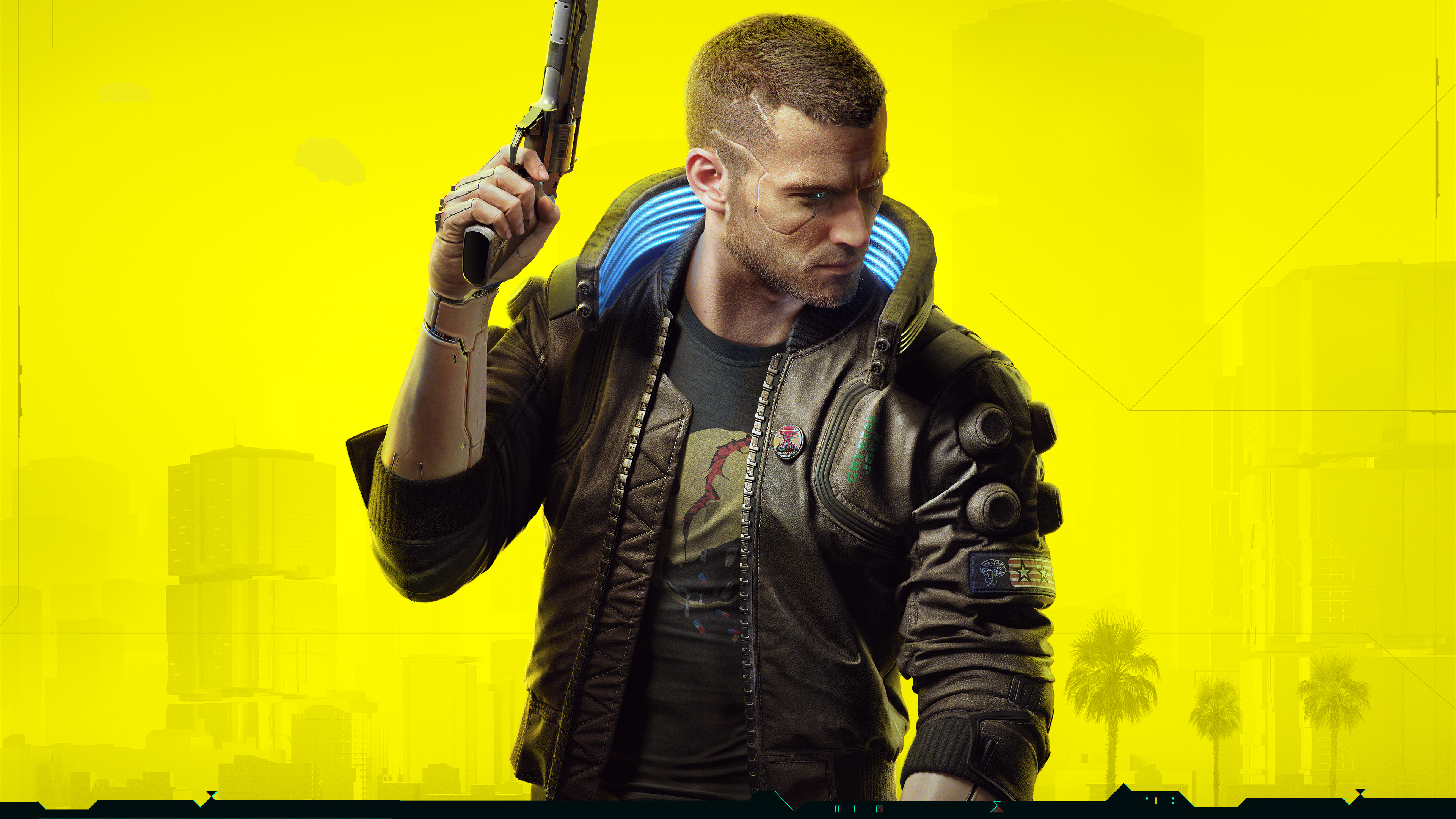
At release the open world RPG exhibited performance problems on last-gen consoles that impacted frame rates and stability. The publisher offered refunds and one console storefront temporarily delisted the game before reinstating it after updates. Hotfixes and large patches improved AI, police behavior, and memory management. Major expansions later introduced new story content and system overhauls.
‘Hotline Miami 2: Wrong Number’
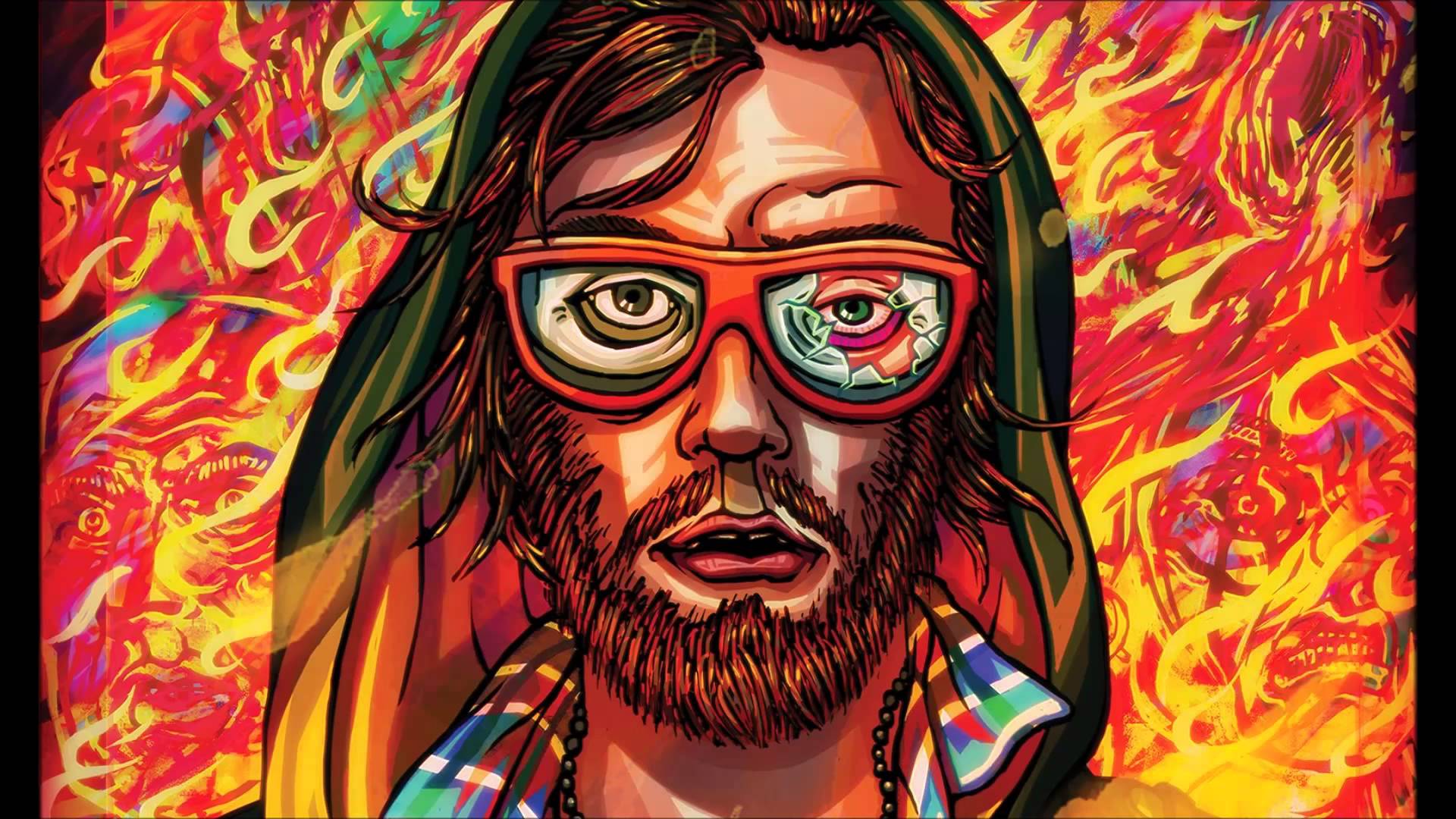
The ultra-violent top-down shooter was refused classification in Australia due to concerns about sexual violence content. The developers advised players in that market not to purchase keys from unofficial sources. The rating decision reignited debates over the scope and consistency of classification guidelines. Outside restricted regions the game released on PC and consoles with an M rating.
‘Bully’
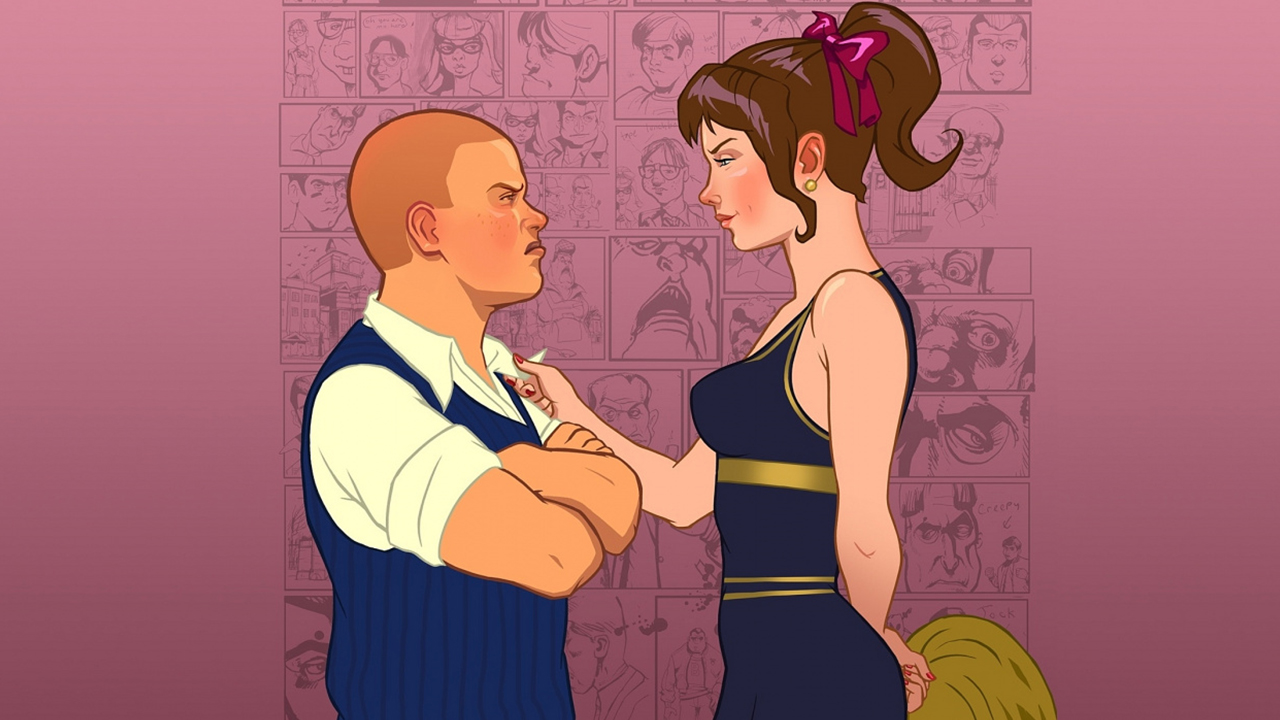
This school-set action game prompted lawsuits and attempts to block release in several countries over worries about classroom violence. One region required a title change to avoid perceived glamorization of bullying. Rating boards concluded the content fit within teen or mature categories, depending on region. Ports and a scholarship edition later extended availability across platforms.
‘Resident Evil 5’
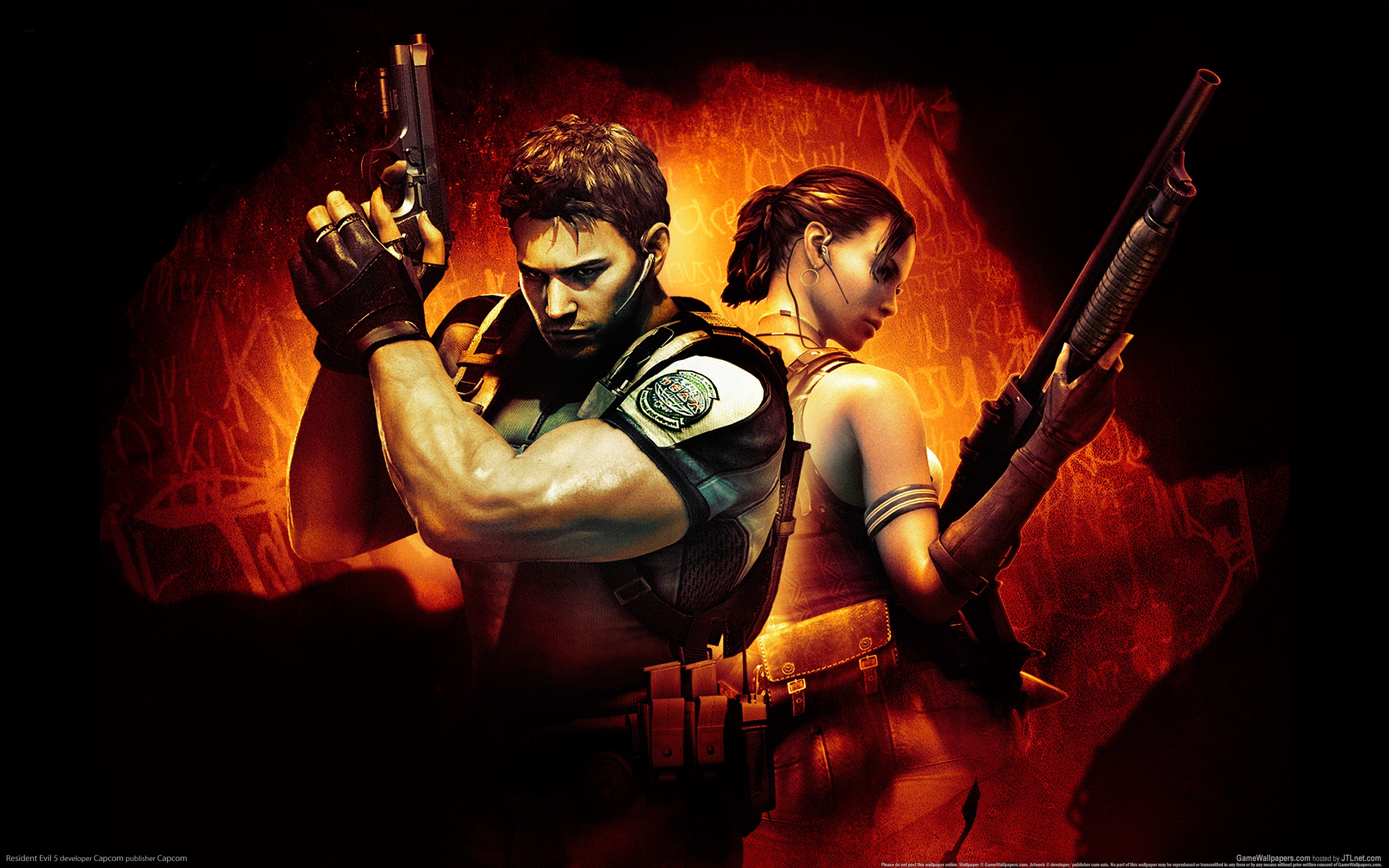
Early trailers and the in-game setting sparked criticism over imagery and themes tied to colonial narratives. Commentators highlighted how enemy design and locations could be interpreted within sensitive historical contexts. The publisher addressed the concerns by emphasizing the global cast and broader storyline. The game sold strongly and continued the franchise’s focus on cooperative action.
‘Rule of Rose’
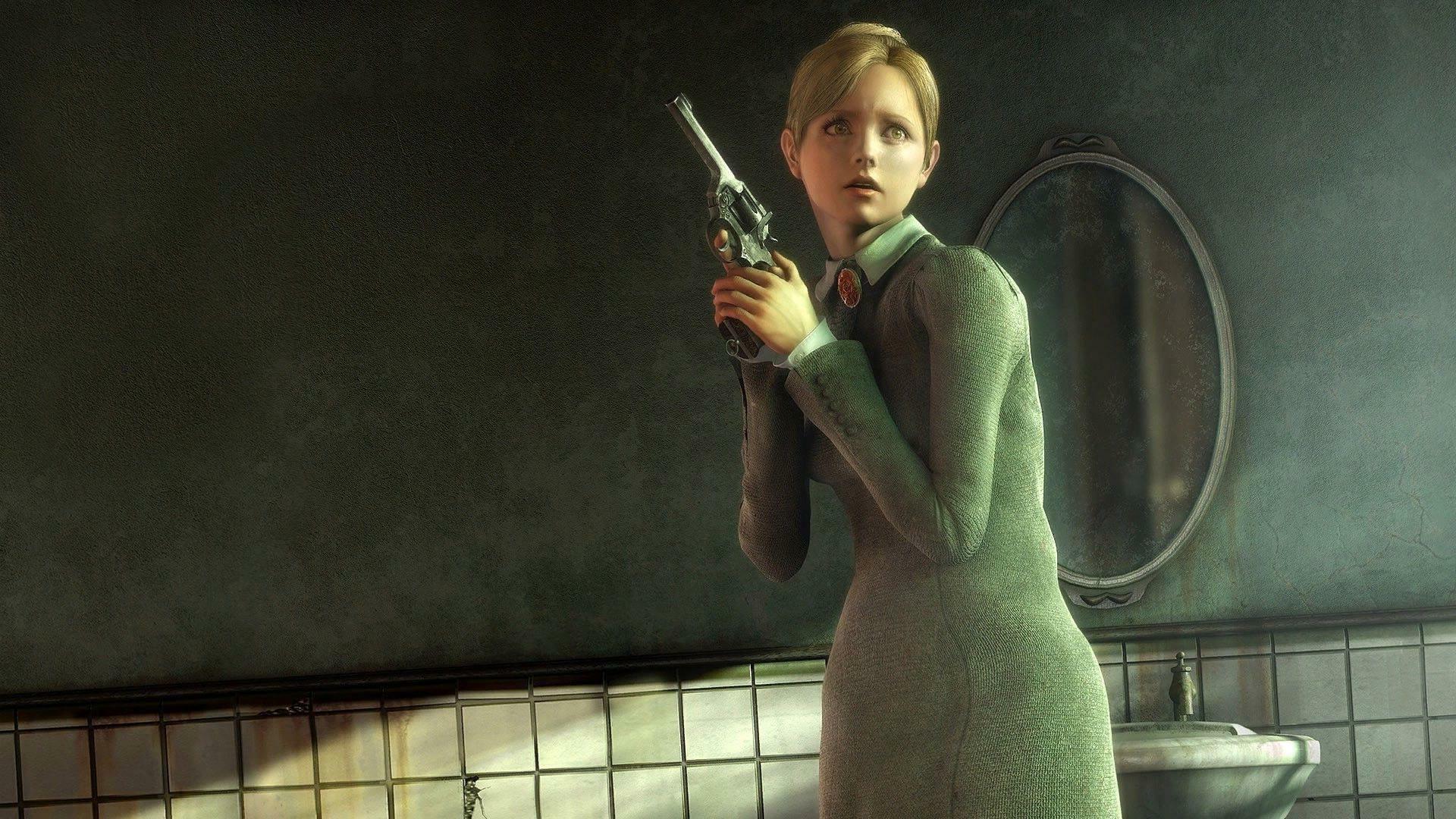
Rumors about extreme content triggered a moral panic in parts of Europe that led to political statements and calls for bans. Investigations found many claims were inaccurate or exaggerated. Nevertheless, distribution was curtailed in several countries and the title became difficult to obtain. The episode is often cited in discussions about misinformation and classification processes.
‘Six Days in Fallujah’
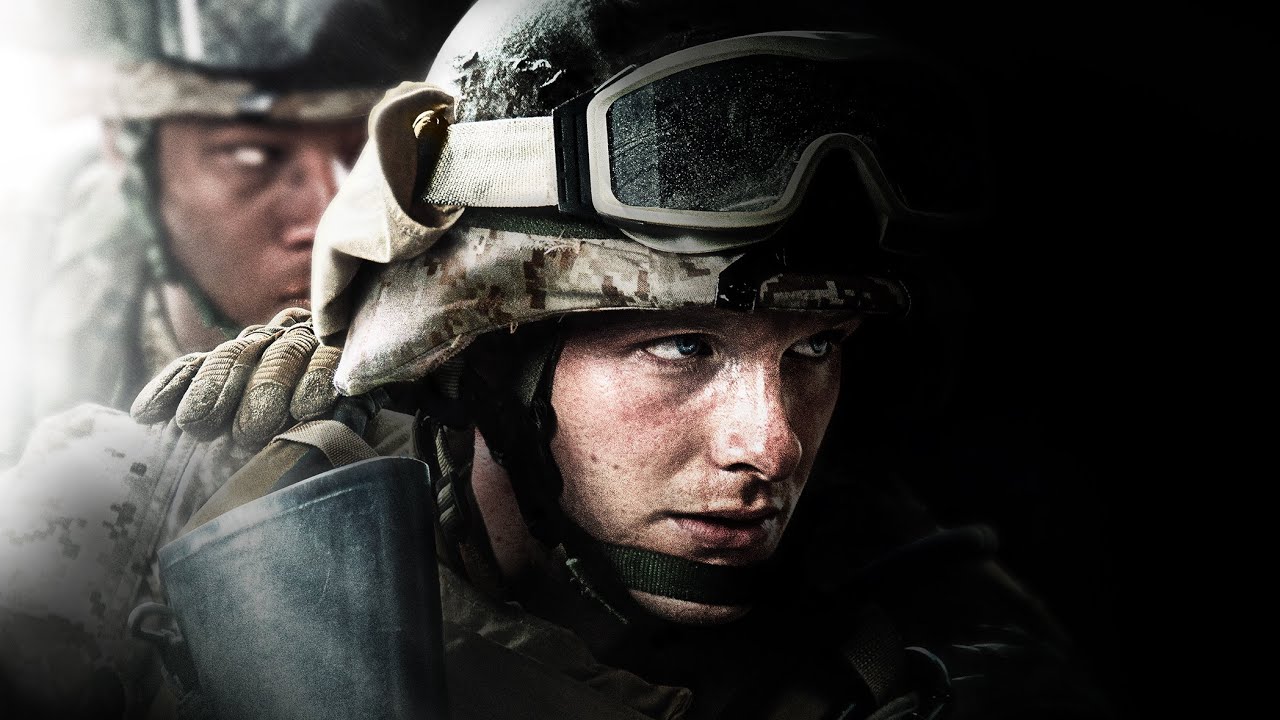
This tactical shooter attempted to depict a recent real-world battle and drew objections from veterans’ groups and activists. The original publisher withdrew and the project was shelved before being revived years later by a new team. Developers emphasized documentary elements and interviews to frame the narrative. The game’s releases and updates continued to attract scrutiny over representation and timing.
‘Super Columbine Massacre RPG!’
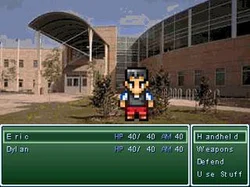
This freeware title recreated events surrounding a school tragedy and led to petitions and removals from exhibitions. Debates centered on whether games can serve as social commentary when dealing with recent trauma. Hosting platforms faced pressure over access and visibility. Scholars later cited the game in discussions about artistic expression and media responsibility.
‘Postal 2’
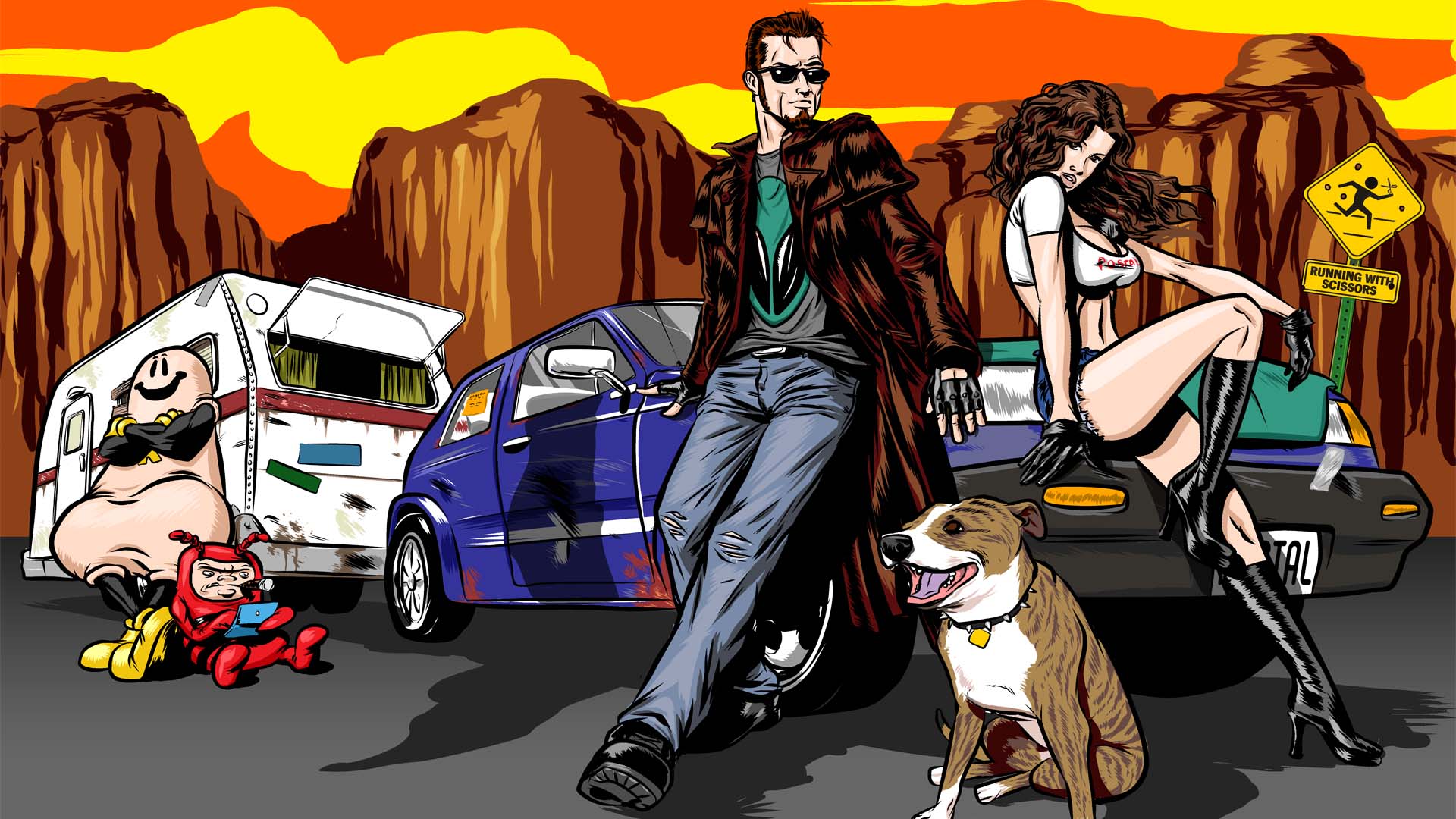
The first-person satire was banned or restricted in multiple countries due to depictions of cruelty and offensive humor. Some retailers refused to stock physical copies and certain platforms blocked digital distribution. Developers released patches and expansion packs that doubled down on open choice mechanics. The series became a reference point in conversations about taste and censorship.
‘Hatred’
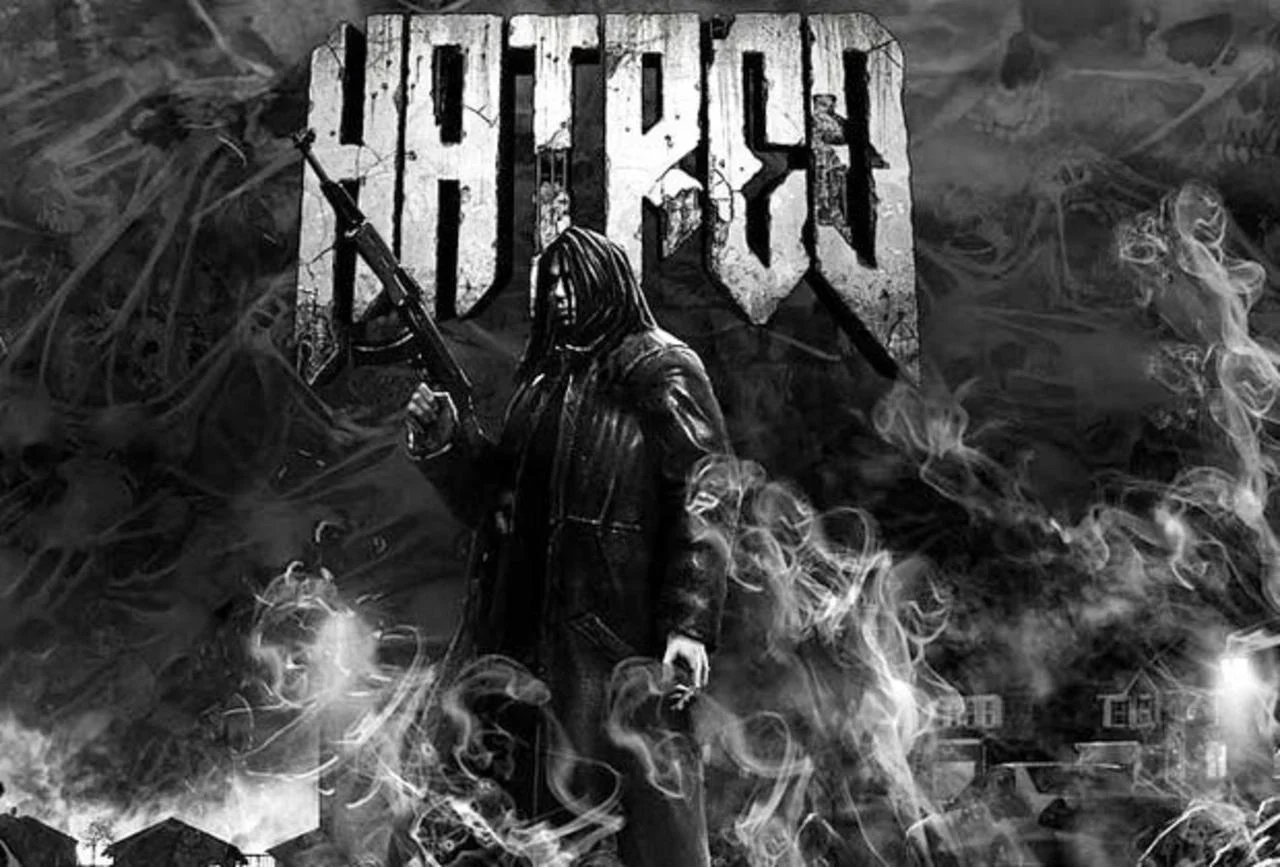
Initially removed from a major PC platform’s curation program before being reinstated, the game launched with an Adults Only rating in North America. The marketing framed it as a challenge to perceived political correctness in game content. Several streaming services restricted broadcasting of gameplay at release. Critics and players argued over whether shock value alone justified publication.
‘Manhunt’

Following a high-profile crime in the UK, media outlets speculated about links to the game despite police statements that dismissed direct causation. The title was banned in certain countries and sold as an adults-only experience in others. Discussions focused on realism, snuff film aesthetics, and the limits of interactivity. The controversy influenced how stealth-kill systems and ratings were presented in marketing.
‘Manhunt 2’
Ratings boards initially issued an Adults Only certificate that would have blocked console release in major markets. The publisher submitted a modified version with reduced execution visuals to obtain a mature classification. One country’s board banned the game for a period before appeals and revisions. Researchers and advocates cited the case in policy papers on classification thresholds.
‘Call of Duty: Modern Warfare 2’
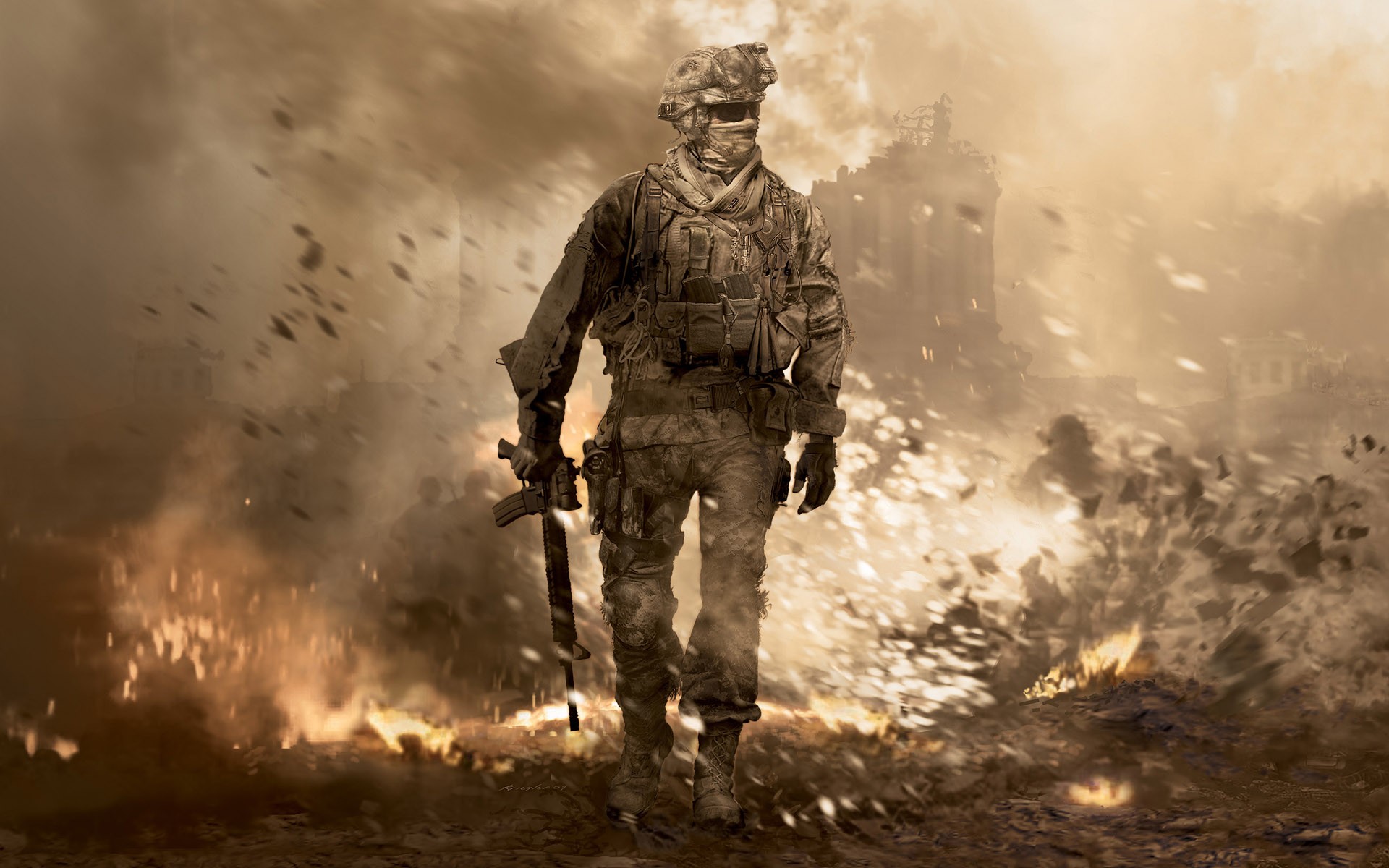
A mission involving civilian casualties at an airport prompted content warnings and an option to skip the level. Some international versions removed interactivity or altered the sequence. News outlets debated the inclusion of context and player agency in sensitive scenarios. The series retained record-breaking sales while adjusting its approach to advisory screens.
‘Night Trap’
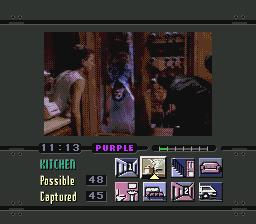
Footage of this full motion video title was used in televised hearings about video game violence and sexuality in the early 1990s. Retailers pulled stock after the publicity spike and the publisher later reissued it on modern platforms. The case highlighted differences between interactive and passive media in regulatory debates. It remains a touchpoint for how ratings boards communicate content to parents.
‘Mortal Kombat’
Graphic digitized violence and gore led to national attention and congressional hearings in the United States. The outcome accelerated the creation of a standardized age rating system for games. Arcade and home versions differed in blood depiction, which fueled scrutiny of console policies. Subsequent entries added parental controls and detailed content descriptors.
‘Grand Theft Auto: San Andreas’
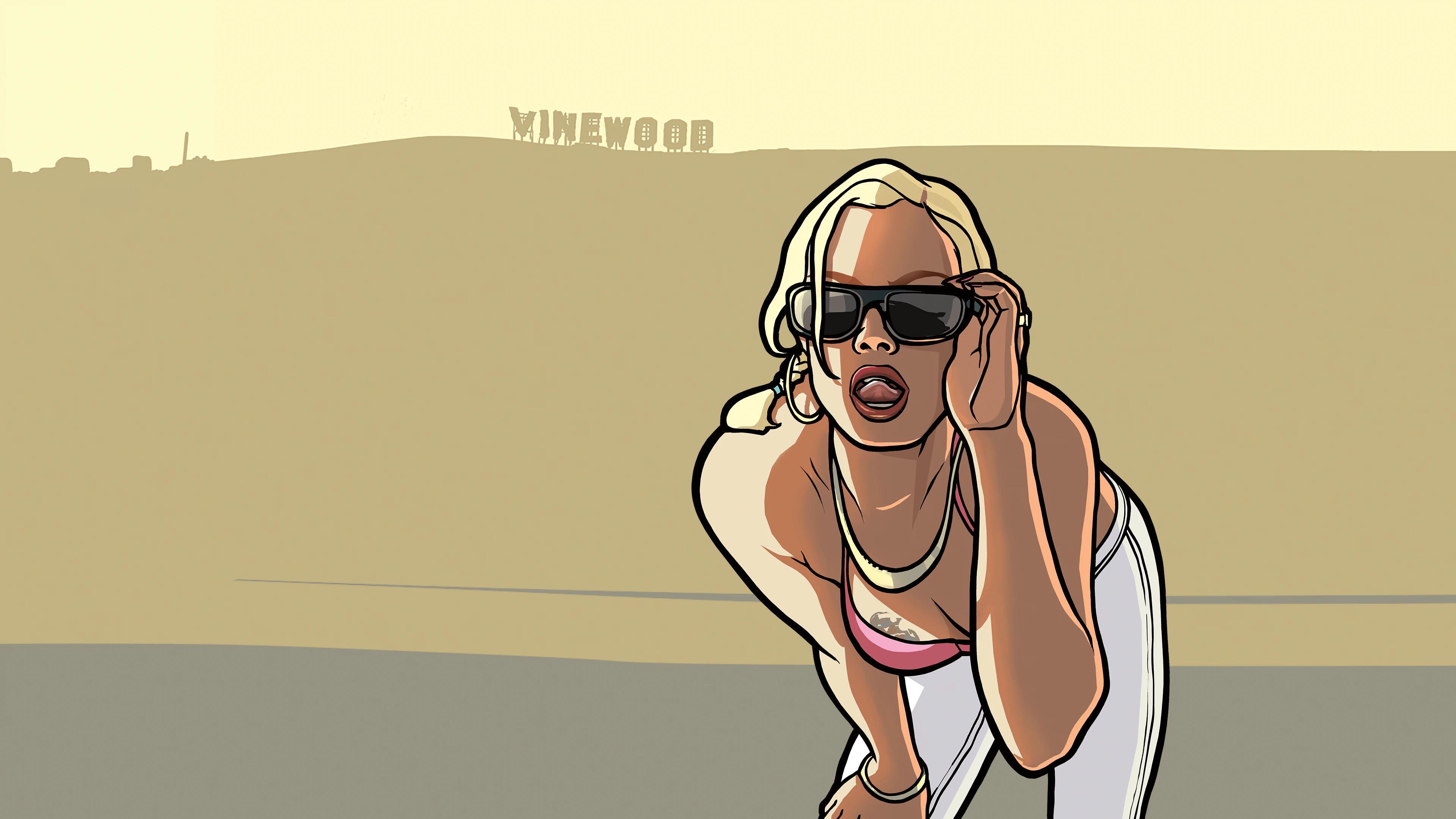
The discovery of the hidden ‘Hot Coffee’ minigame triggered a recall and a temporary Adults Only re-rating in the United States. Retailers pulled copies and the publisher released patched versions that disabled the code. Lawsuits and regulatory reviews examined how locked content should be classified. The incident reshaped disclosure practices and tightened platformholder certification.
‘Grand Theft Auto V’
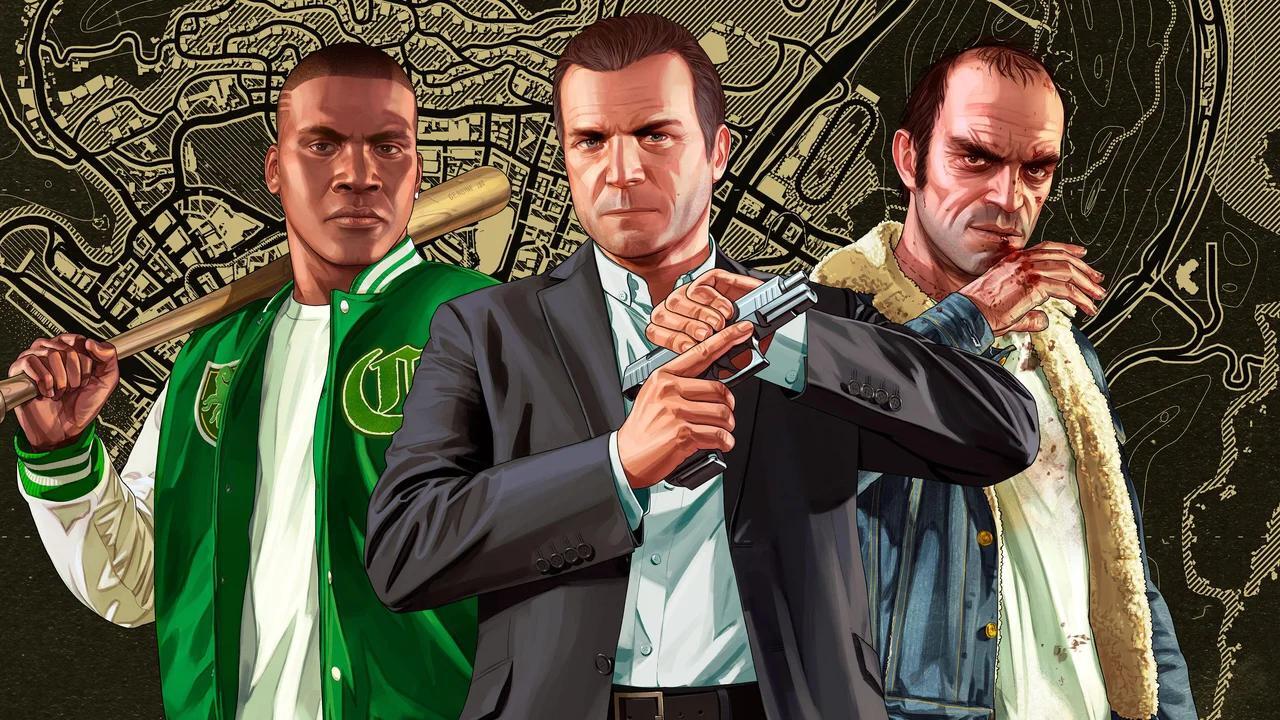
A mission depicting torture drew condemnation from advocacy groups and editorials worldwide. Major retailers in Australia removed the game from shelves following petitions that criticized depictions of gender-based violence. Online components later faced scrutiny over shark cards and griefing tools that affected player safety measures. The franchise’s legal and policy footprint influenced store guidelines, age gates, and content labeling across the industry.
Tell us which titles you would add or move up and why in the comments.