

Most Controversial Nerfs In Competitive Gaming History Ranked



Competitive gaming relies on a delicate balance of mechanics and power levels that developers must constantly maintain. When a specific character or weapon becomes too dominant it often forces the creators to intervene with drastic reductions in power known as nerfs. These changes can completely alter the competitive landscape and leave professional players scrambling to adapt to a new meta. The history of esports is filled with moments where community outrage reached a boiling point over these adjustments.
‘Apex Legends’ (2019) – Pathfinder Grapple
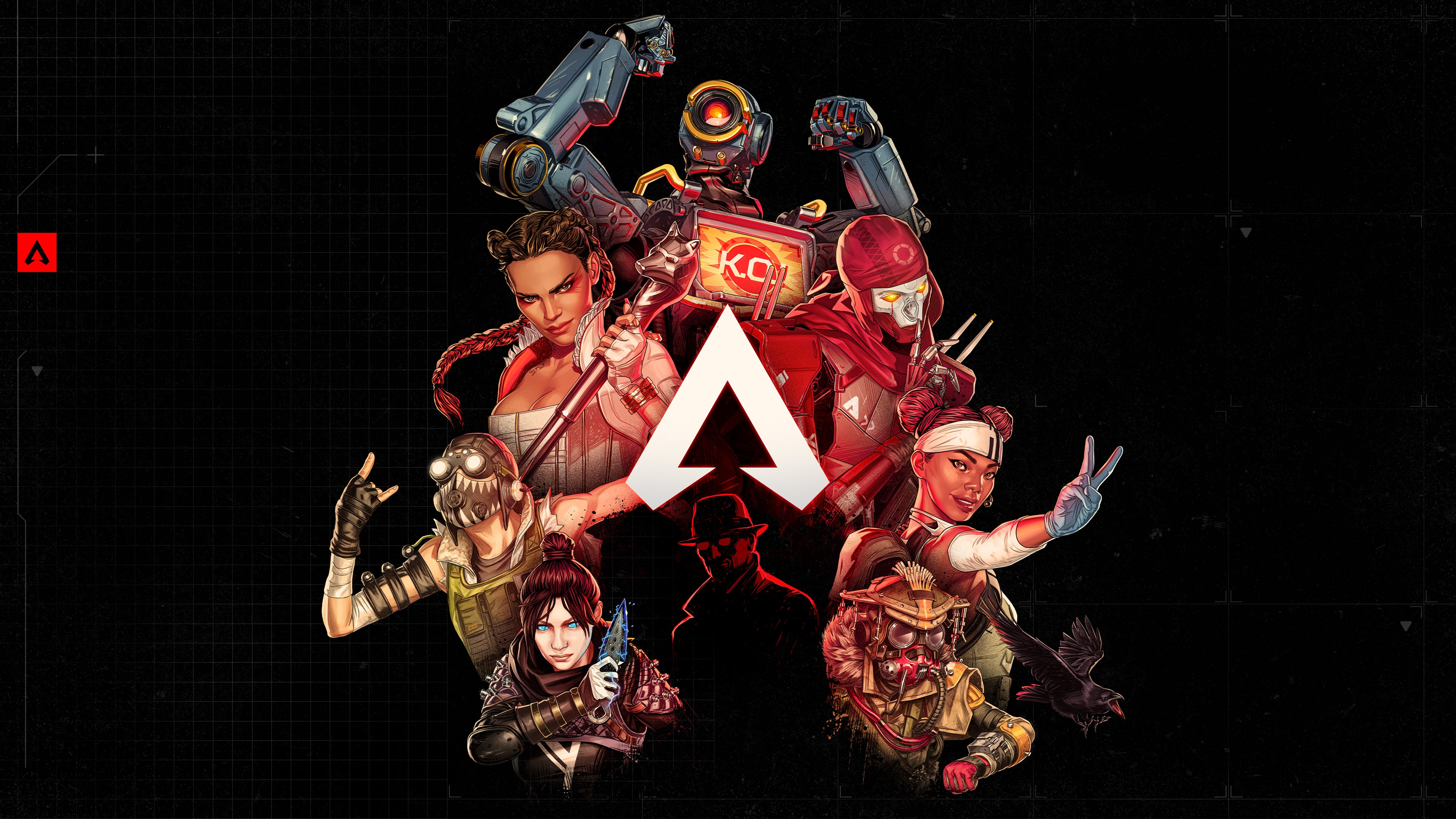
Respawn Entertainment made a drastic change to the mobile robot Pathfinder that shocked the community in Season 5. The developers increased the cooldown of his grappling hook from a quick fifteen seconds to a massive thirty-five seconds. This adjustment fundamentally changed how aggressive players could be during engagements and escapes. Many fans felt the character was rendered useless compared to other legends with better mobility options. It took several seasons and further adjustments for the developers to find a middle ground for this beloved character.
‘Team Fortress 2’ (2007) – The Sandman
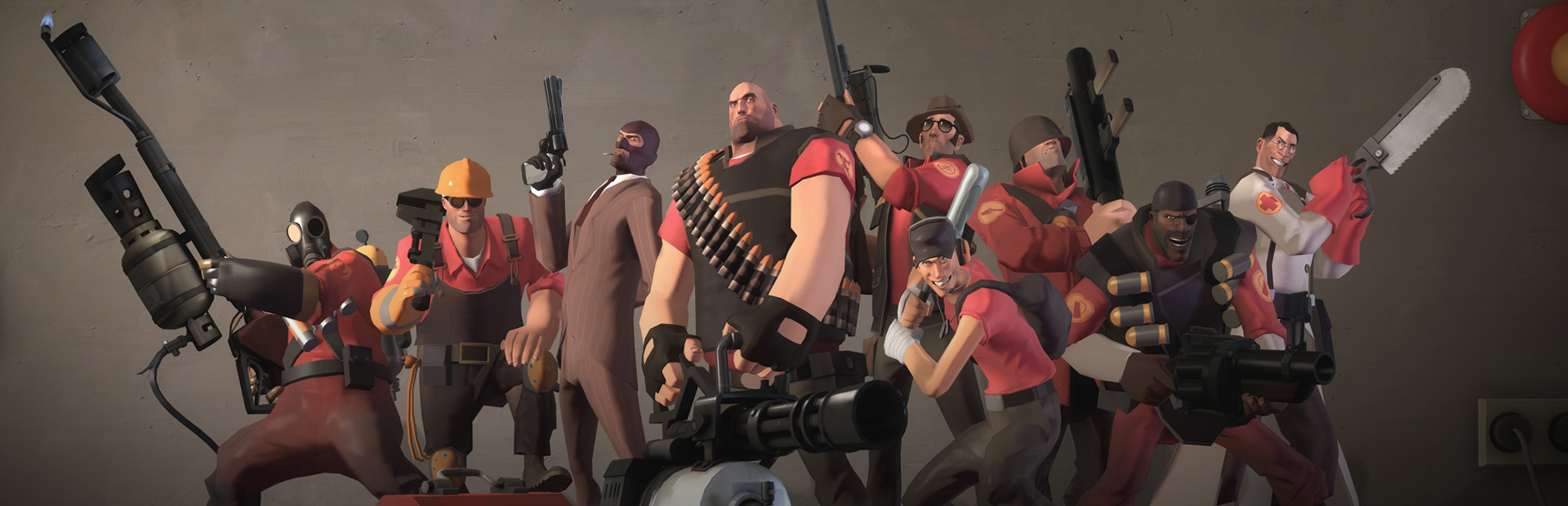
Valve originally designed the Sandman baseball bat to stun opponents completely and leave them helpless. The competitive community complained for years that the mechanic removed player agency and felt unfair in a skill-based shooter. The developers eventually changed the stun mechanic to a simple slow that merely reduced movement speed. This alteration effectively removed the weapon from serious play and angered those who had mastered its distinct playstyle.
‘Valorant’ (2020) – Chamber
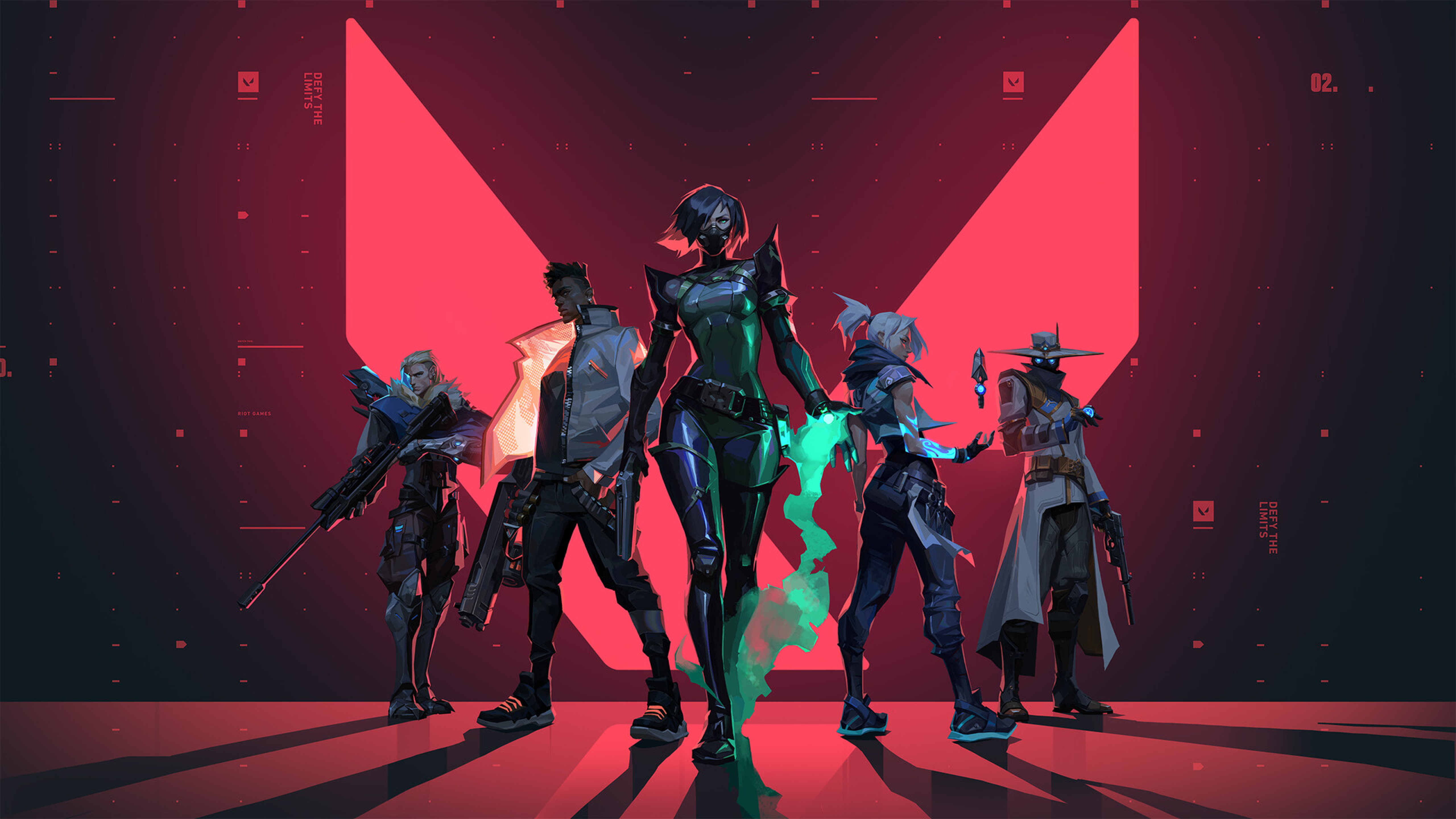
Riot Games introduced Chamber as a sentinel who could hold sites with lethal efficiency using his unique weapons. The agent dominated the professional scene for nearly a year until the developers dismantled his kit. They significantly reduced the range of his teleport and increased the cooldowns on his trademark abilities. Professional players were forced to abandon the agent almost overnight after he fell from a must-pick status to the bottom of the tier list.
‘Pokemon X and Y’ (2013) – Gale Wings
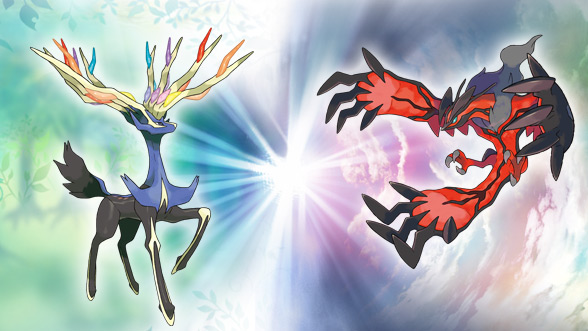
Game Freak introduced the ability Gale Wings which gave priority to Flying-type moves when the Pokemon had full health. This allowed the Pokemon Talonflame to dominate the competitive scene by attacking before opponents could react. The developers nerfed the ability in the next generation so it only worked when the user had one hundred percent hit points. This change instantly removed Talonflame from competitive viability and upset players who had spent time breeding the perfect creature.
‘Street Fighter V’ (2016) – Nash
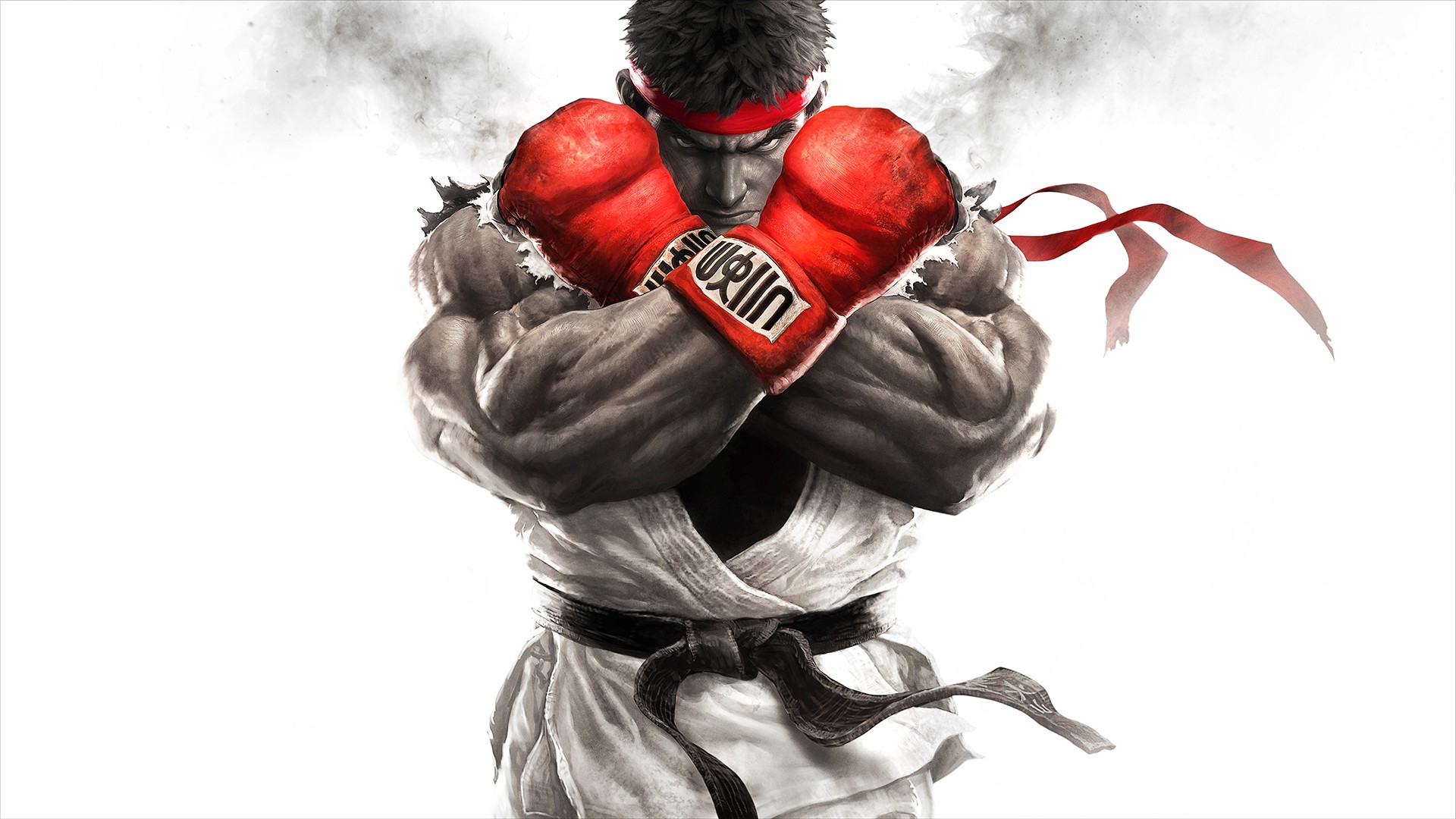
Capcom initially designed Nash as a high-tier character with excellent movement and pressure tools during the first season of the game. The Season 2 balance patch systematically removed his movement options and reduced the effectiveness of his normal attacks. Players who had won major tournaments with the character suddenly found themselves unable to compete at the same level. The severity of the nerf served as a warning that no character was safe from the balance team.
‘World of Warcraft’ (2004) – Will of the Forsaken
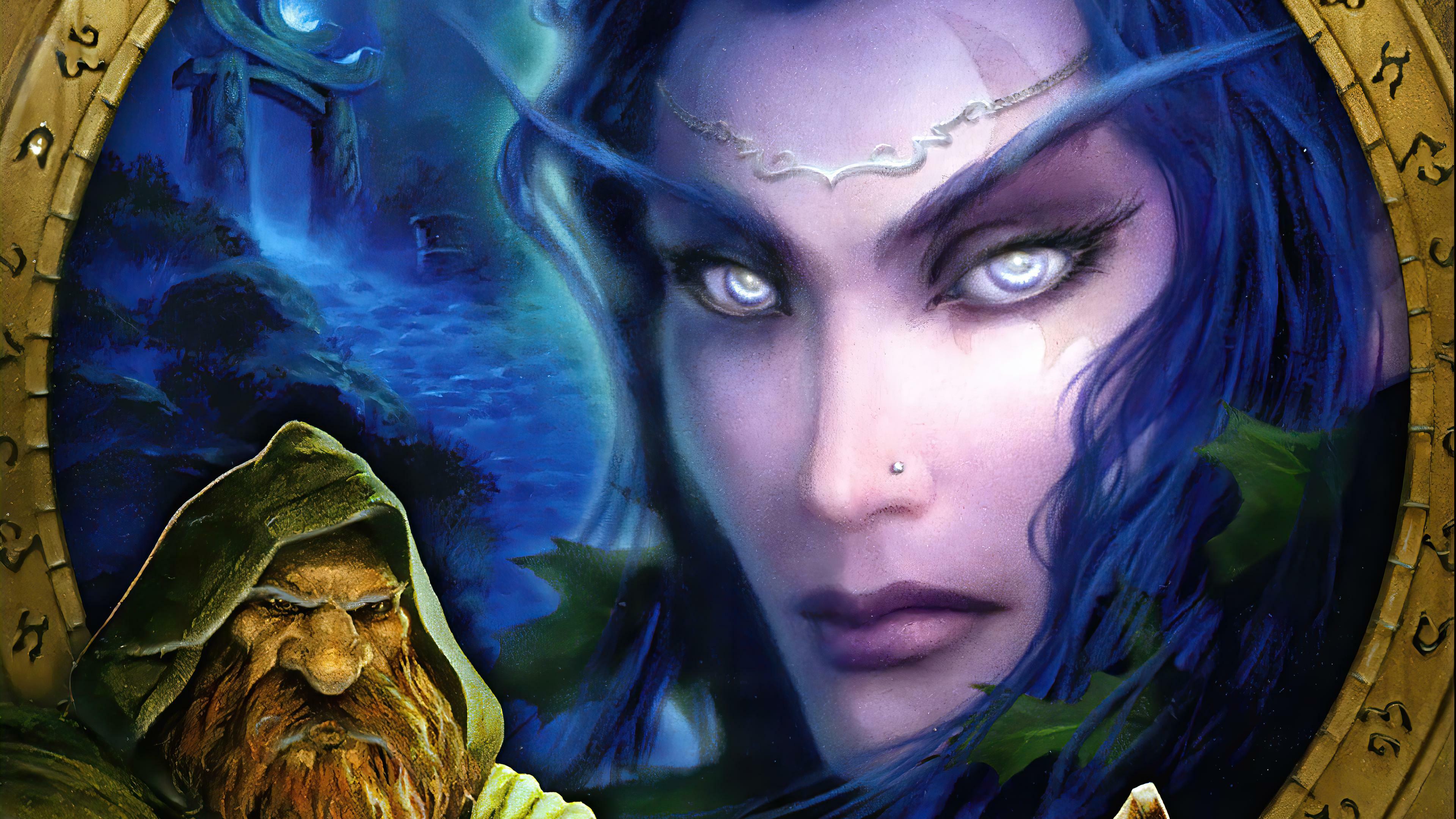
Blizzard Entertainment created a racial ability for Undead characters that allowed them to break fear and sleep effects instantly. This ability was considered essential for player-versus-player combat and caused a massive population imbalance between factions. The developers eventually added a shared cooldown with the PvP trinket to reduce its oppressive utility. This change caused an uproar among Horde players who felt their primary competitive advantage had been unfairly stripped away.
‘Call of Duty: Warzone’ (2020) – DMR 14
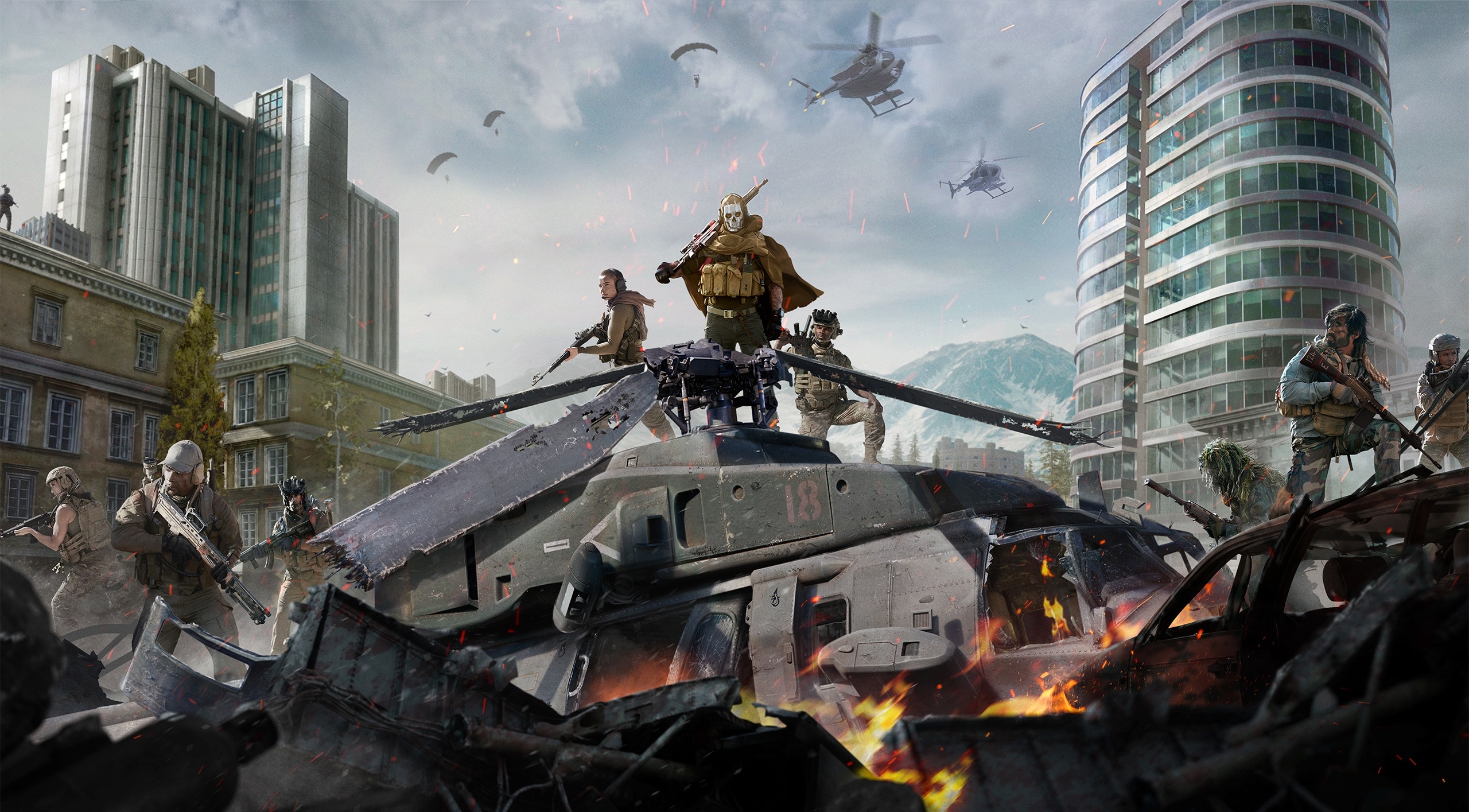
Raven Software struggled to integrate weapons from ‘Call of Duty: Black Ops Cold War’ into the battle royale ecosystem. The DMR 14 semi-automatic rifle dominated the game because it had minimal recoil and could destroy armor in milliseconds. The developers applied multiple damage reductions and recoil increases to finally curb its dominance. The period of its reign is still remembered with frustration by players who felt the game was unplayable during that time.
‘Dota 2’ (2013) – Terrorblade
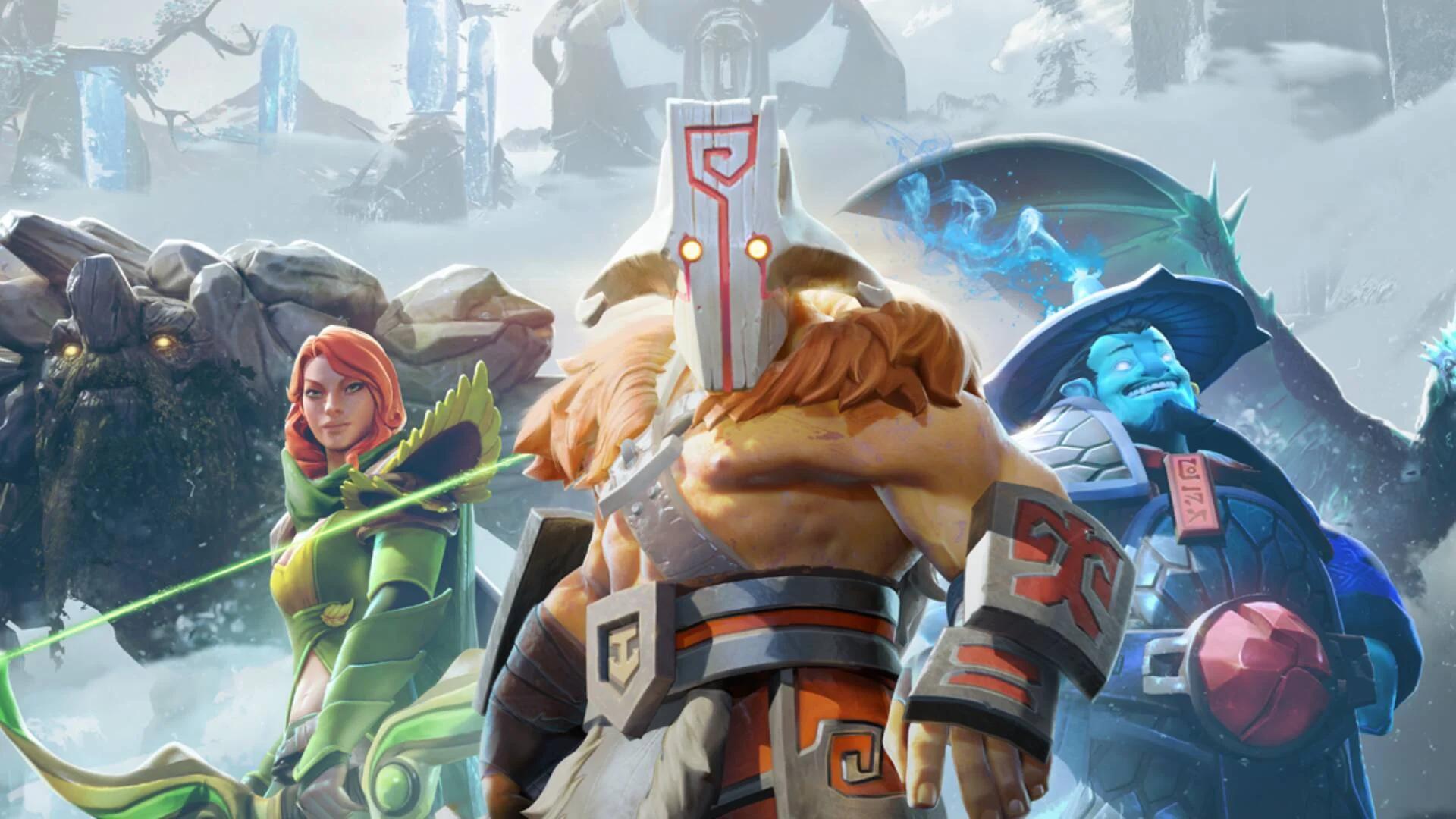
Valve has a history of reworking heroes but the changes to Terrorblade were particularly harsh for carry players. The developers significantly reduced his movement speed and the effectiveness of his illusion abilities. These changes made him extremely vulnerable in the early game and much harder to farm with efficiently. The community criticized the heavy-handed approach that turned a powerhouse carry into a situational pick.
‘Super Smash Bros. Ultimate’ (2018) – Pichu
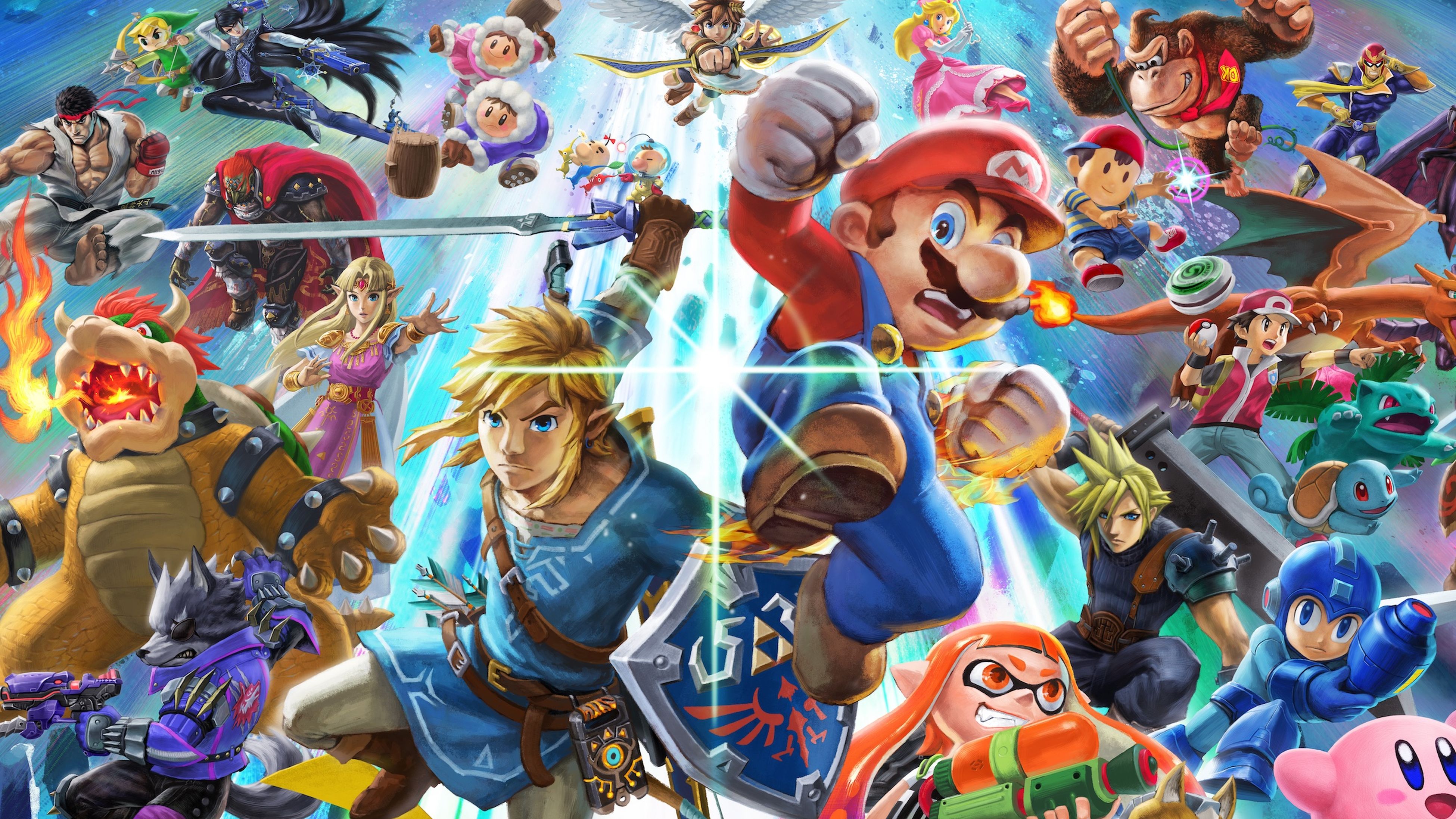
Nintendo accidentally created a top-tier monster with the tiny electric mouse Pichu during the early life of the game. The character was small and hard to hit but dealt massive damage with lightning loops. The developers increased the size of its hitbox and the amount of self-damage it took for using attacks. These changes relegated the character to a low tier and discouraged professionals from using him in tournaments.
‘Overwatch’ (2016) – Roadhog Hook
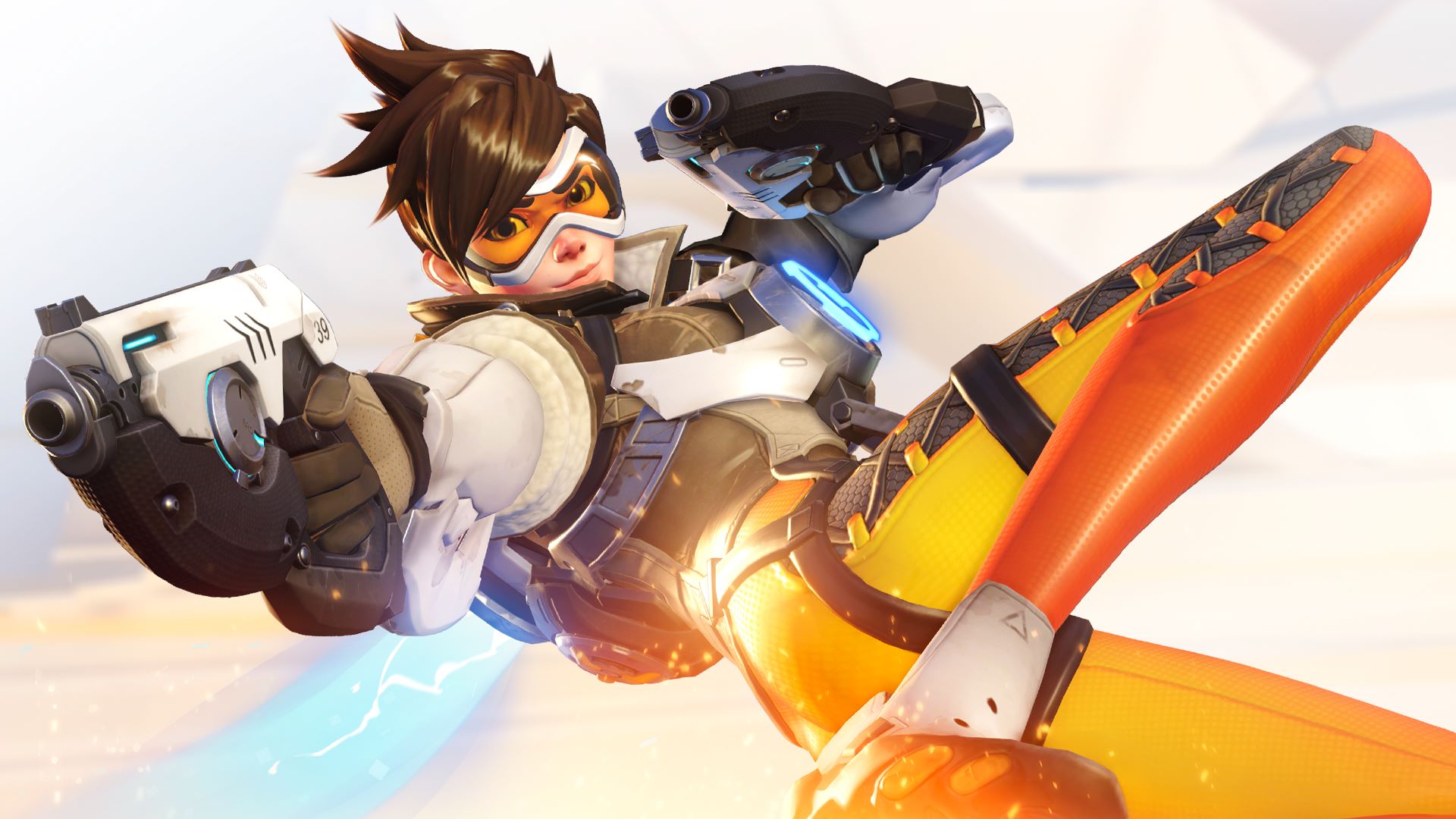
Blizzard Entertainment designed Roadhog around his ability to hook enemies and eliminate them with a single shotgun blast. The developers altered the hook mechanics to break if the target left the line of sight and reduced his scrap gun damage. This combination of nerfs made his signature combo inconsistent and unreliable for securing kills. Tank players felt the character lost his identity and purpose until later rework attempts restored some power.
‘Hearthstone’ (2014) – Starving Buzzard
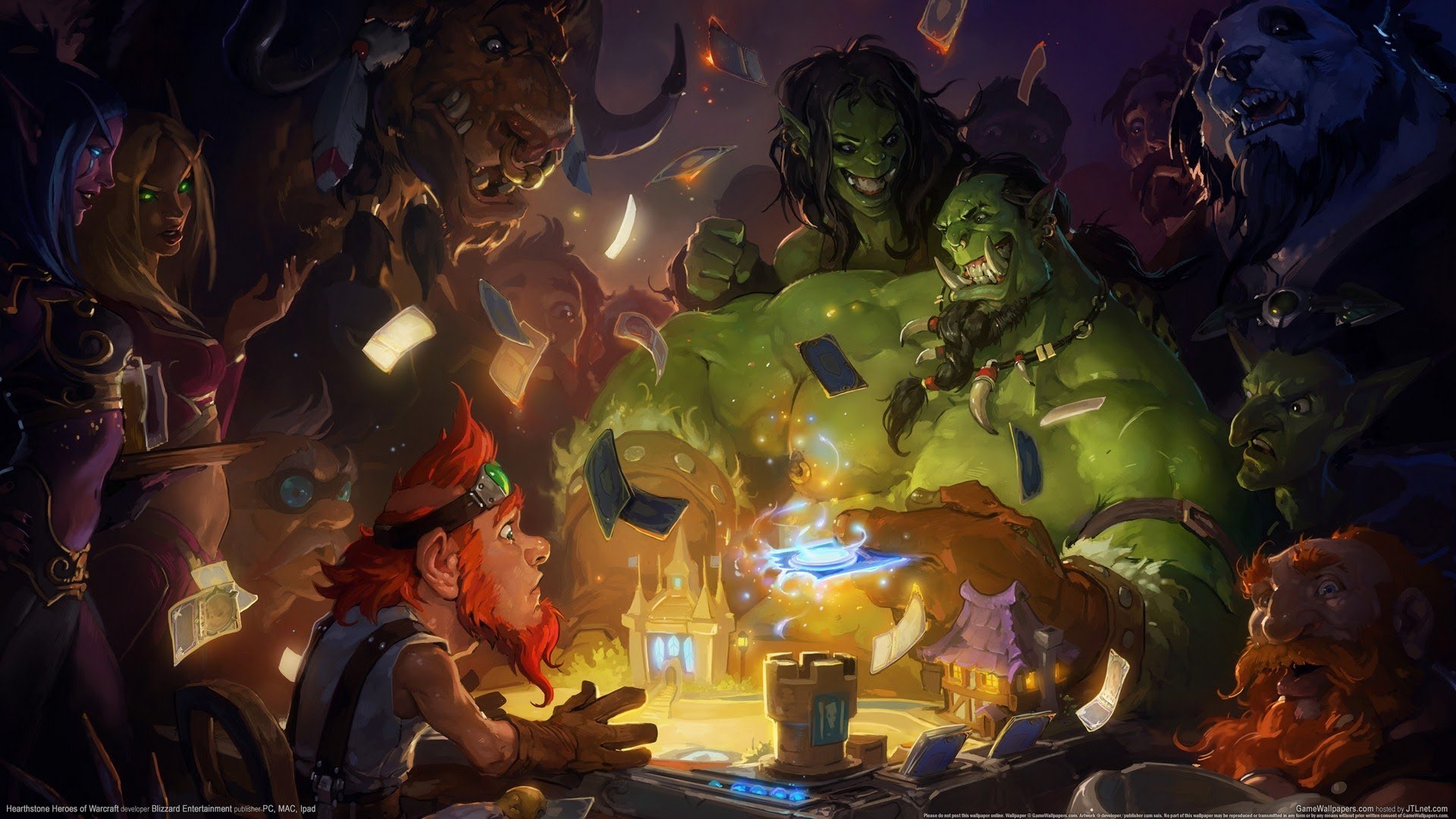
Blizzard Entertainment took action against the Hunter class which was drawing too many cards with the Starving Buzzard. The developers increased the mana cost of the card from two to five while only slightly adjusting its stats. This drastic change made the card unplayable and effectively killed the combo deck archetype it supported. The term “Buzzard nerf” became shorthand in the community for overcorrecting a balance issue.
‘Rainbow Six Siege’ (2015) – Blackbeard
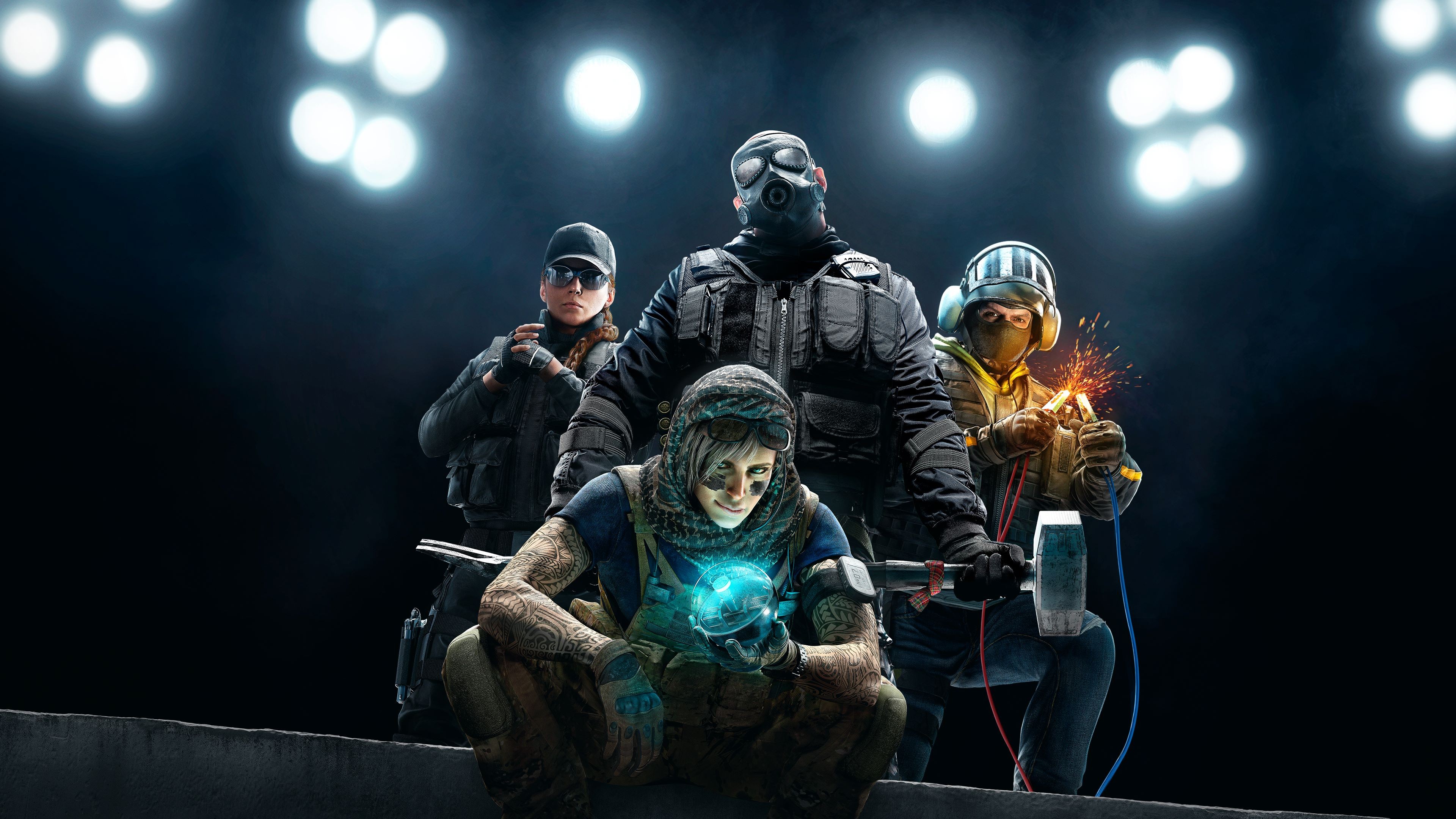
Ubisoft introduced the operator Blackbeard with a rifle shield that could block lethal headshots and win almost any duel. The developers progressively nerfed his shield health from a massive eight hundred points down to the durability of cling wrap. High-level players complained that his fundamental design broke the one-shot headshot rule of the game regardless of the shield health. He remains one of the most controversial operators ever added to the tactical shooter.
‘Destiny’ (2014) – Vex Mythoclast
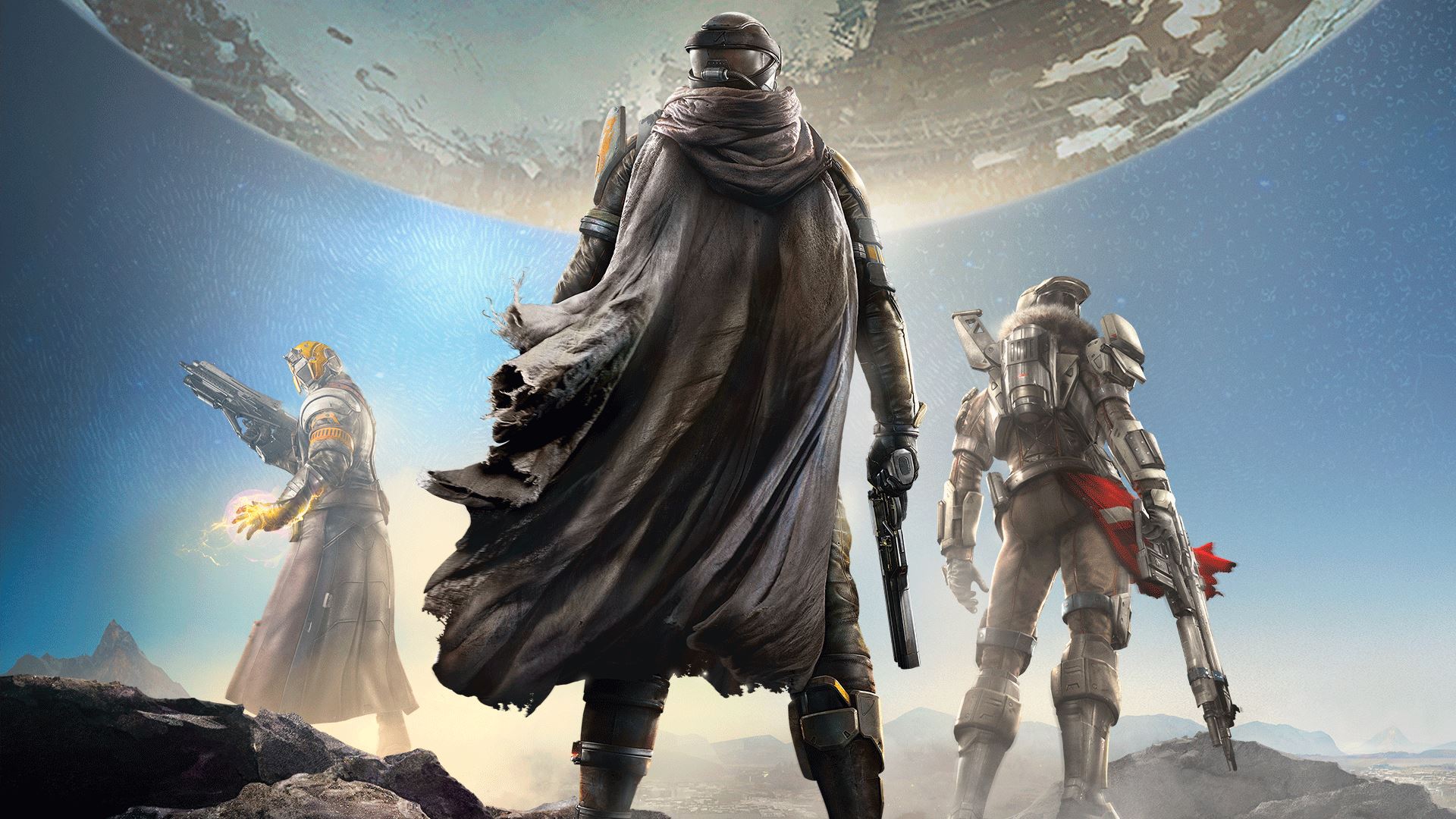
Bungie rewarded players who completed the hardest raid in the game with an exotic fusion rifle called the Vex Mythoclast. The weapon was so powerful in competitive multiplayer that it melted opponents faster than any other gun. The developers quickly slashed its damage output by over thirty percent in a hotfix. This knee-jerk reaction angered the hardcore community who felt their raid achievement was devalued immediately.
‘Super Smash Bros. for Wii U’ (2014) – Diddy Kong
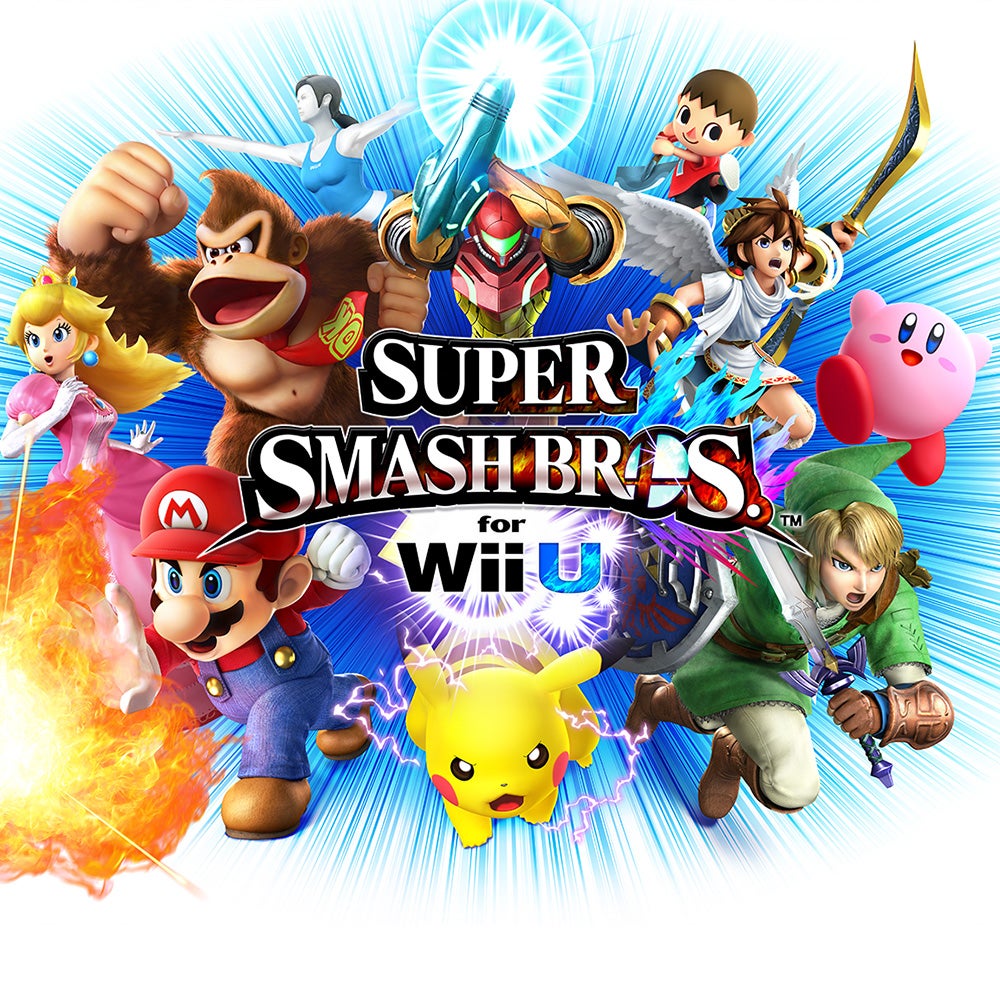
Nintendo struggled to balance Diddy Kong because his “Hoo Hah” grab combo could eliminate opponents at low percentages. The developers reduced the damage and knockback of his aerial attacks to prevent the combo from connecting reliably. The crowd at tournaments used to chant “Hoo Hah” whenever the character appeared on screen. The nerf was celebrated by observers but forced Diddy Kong mains to completely relearn their neutral game.
‘Tekken 7’ (2015) – Leroy Smith
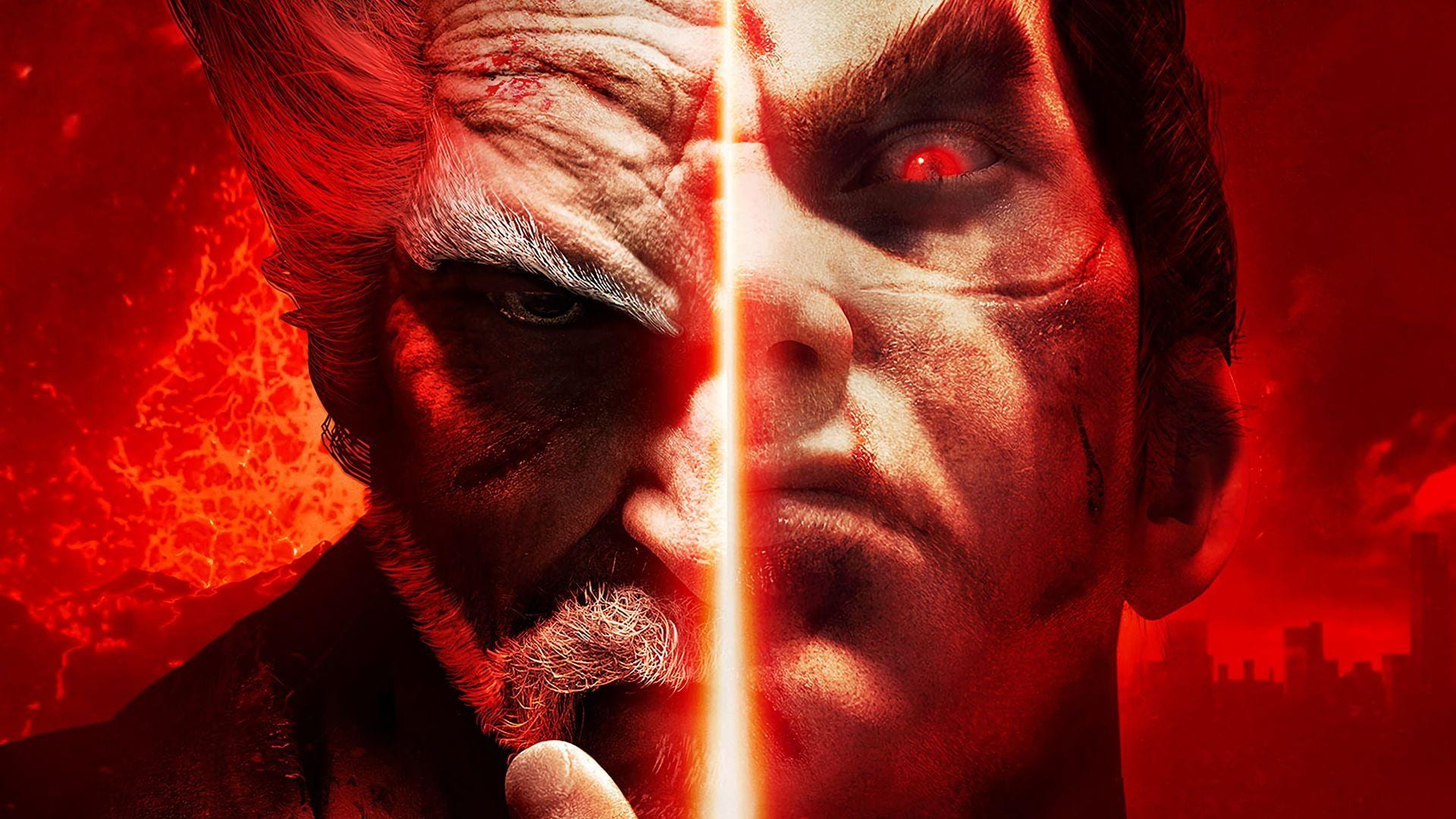
Bandai Namco released the DLC character Leroy Smith in a state that many considered completely broken. He dominated the EVO Japan tournament where six of the top eight players used him. The developers released a patch shortly after that reduced damage and increased recovery frames on his key moves. The speed and severity of the nerf validated complaints that the character was pay-to-win upon release.
‘League of Legends’ (2009) – Irelia
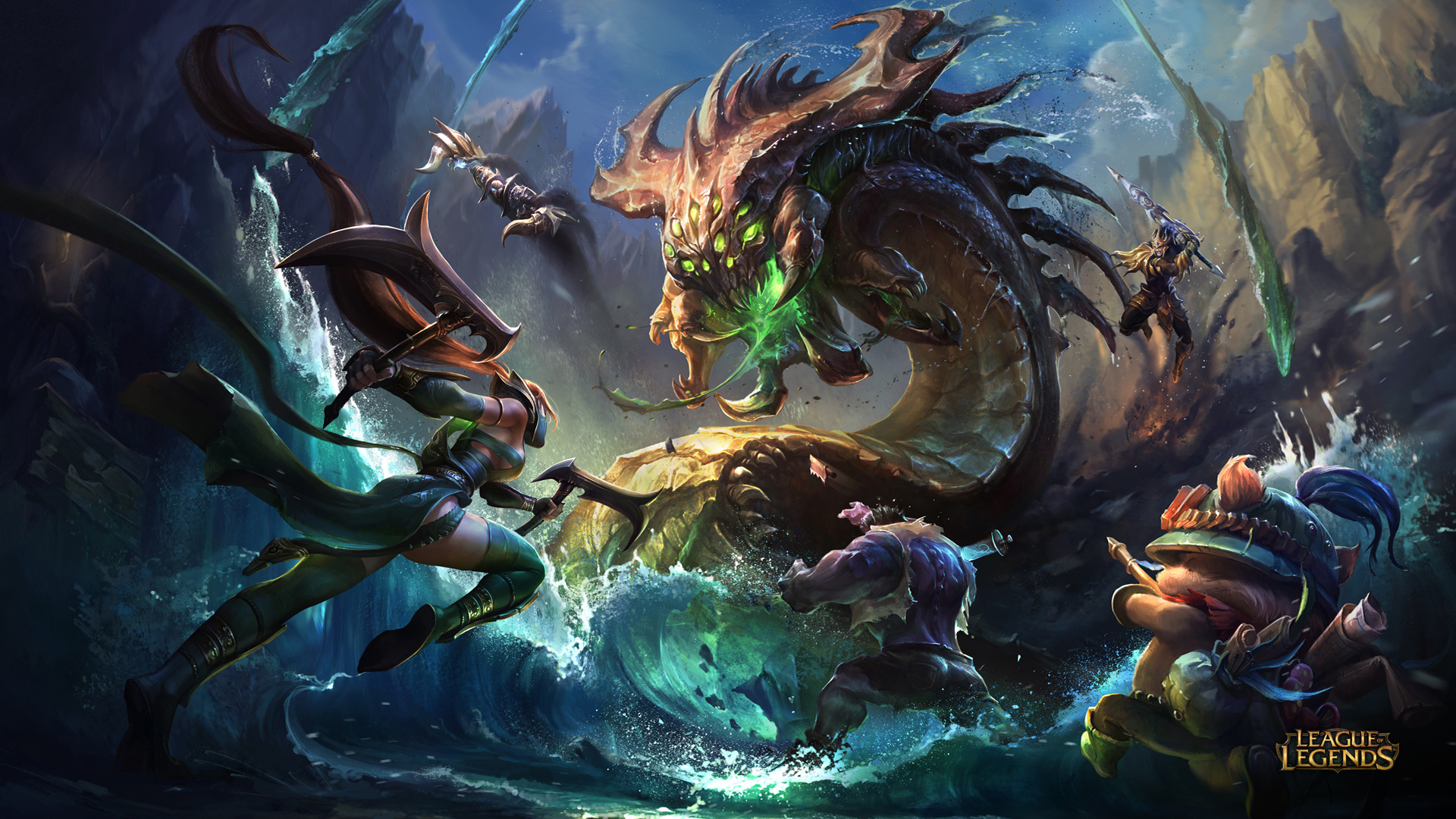
Riot Games found themselves in a meme culture nightmare where they seemed to nerf Irelia regardless of her actual win rate. The developers reduced the healing on her ultimate ability and the base damage of her skills multiple times. The phrase “Better nerf Irelia” became a community catchphrase whenever patch notes were released. It highlighted the disconnect between player perception and developer data regarding her power level.
‘Fortnite’ (2017) – Double Pump
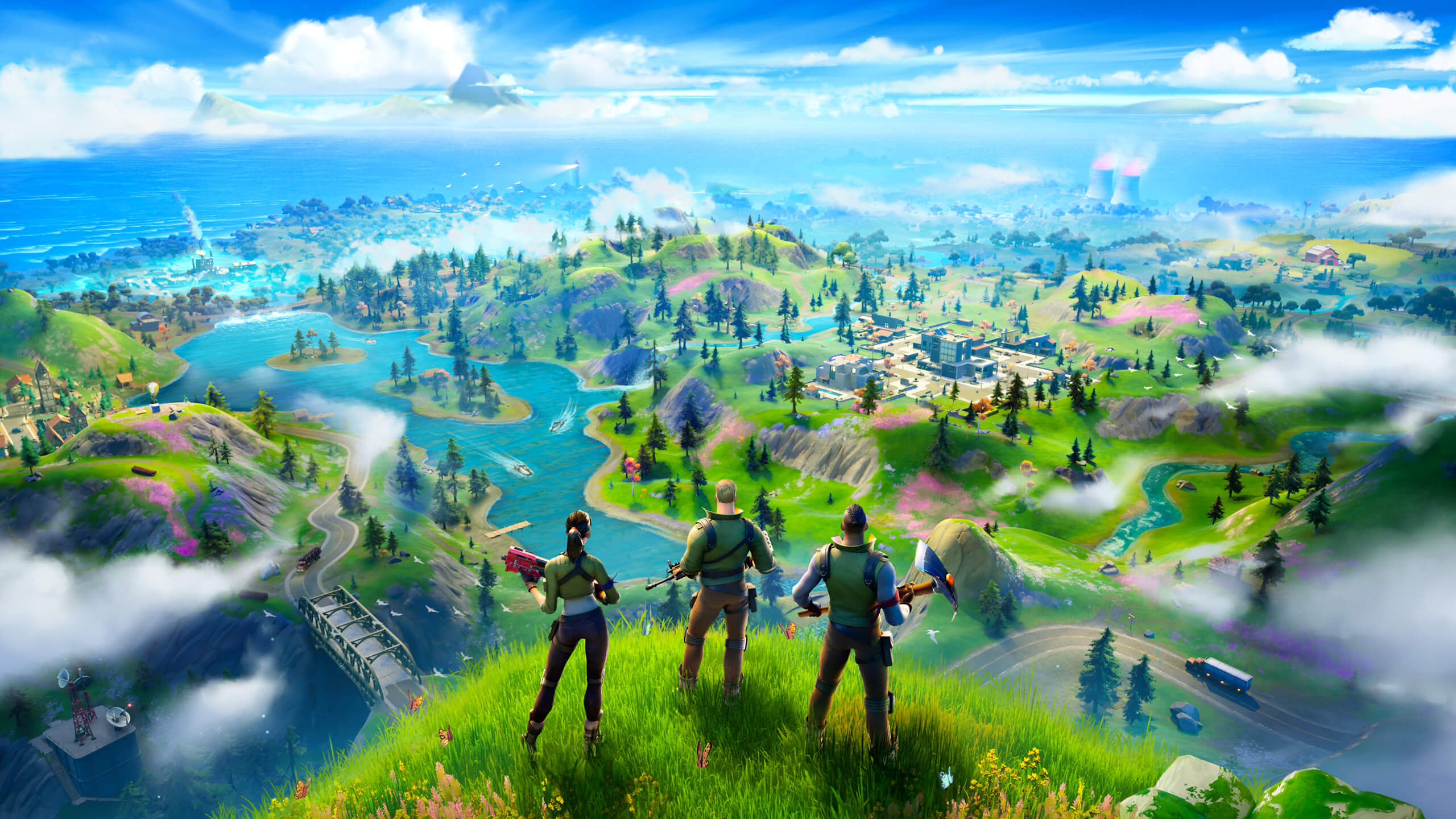
Epic Games faced a unique mechanic exploit where players carried two shotguns to bypass the fire rate cap. This technique allowed players to output massive burst damage by quickly switching between weapons. The developers added a delay when equipping shotguns to make this strategy impossible to execute. While necessary for balance it removed a high-skill mechanic that many streamers and pros had popularized.
‘Call of Duty: Modern Warfare 2’ (2009) – Model 1887
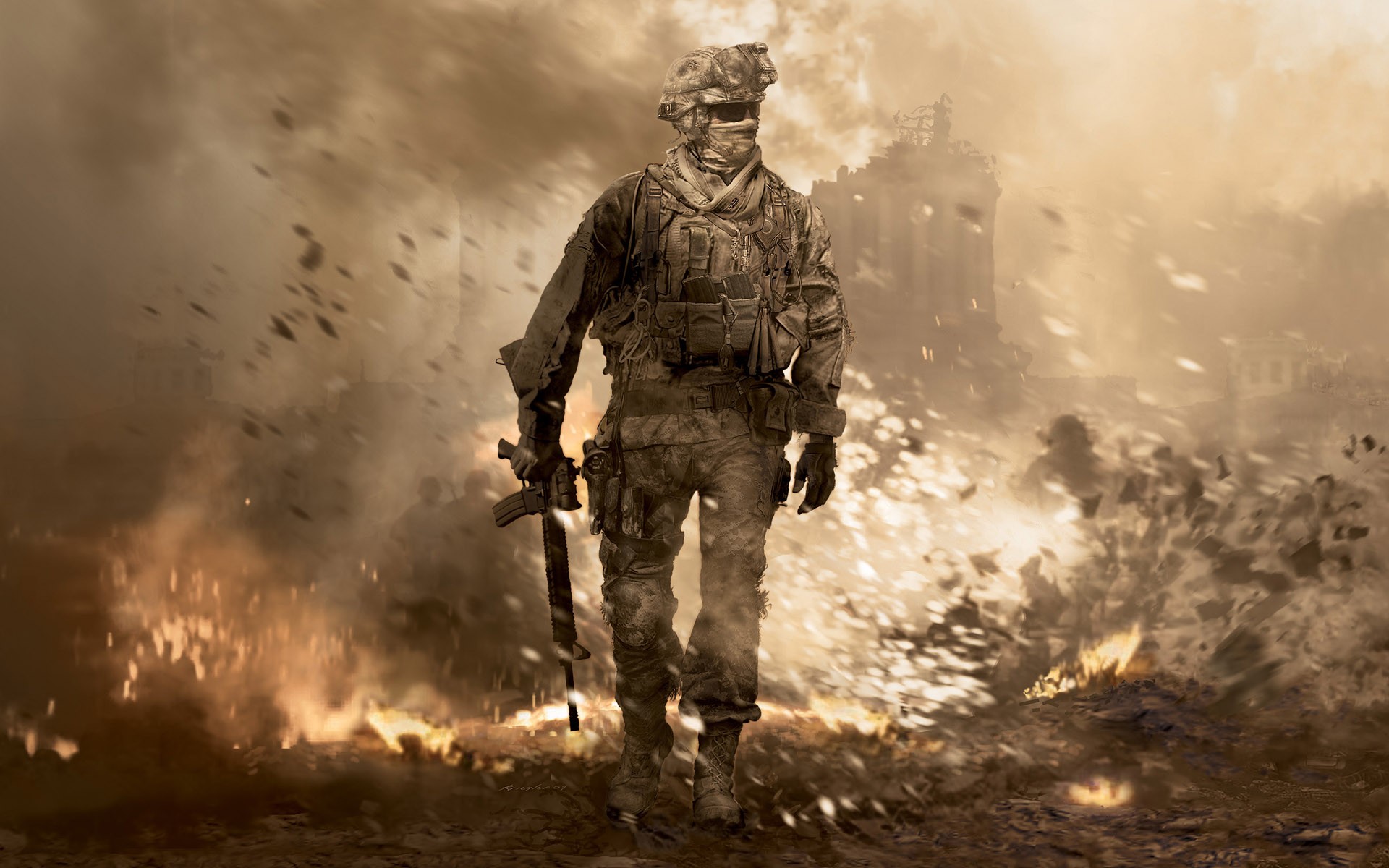
Infinity Ward inadvertently created the ultimate sniper rifle in the form of the Akimbo Model 1887 shotguns. These dual-wielded weapons had an absurd range that could kill enemies from across the map. The developers patched the range significantly to force players to use them in close quarters. The pre-nerf version of these guns remains legendary for being the most broken weapons in the franchise history.
‘World of Warcraft’ (2004) – Retribution Paladin
Blizzard Entertainment briefly made Retribution Paladins unstoppable gods during the pre-expansion patch for Wrath of the Lich King. The Divine Storm ability dealt so much damage that Paladins could kill multiple enemies instantly in battlegrounds. The developers issued a hotfix nerf within twenty-four hours to reduce the damage numbers. It remains one of the shortest but most chaotic periods of imbalance in the MMO’s history.
‘Overwatch’ (2016) – Mercy
Blizzard Entertainment reworked the healer Mercy to give her a powerful ability called Valkyrie that lasted for twenty seconds. She became a mandatory pick for every team because she could resurrect multiple teammates instantly. The developers spent months issuing consecutive nerfs to her healing output and resurrection count to break her stranglehold on the meta. Support players felt targeted while damage dealers celebrated the end of the “Moth Meta.”
‘Counter-Strike: Global Offensive’ (2012) – AWP Movement
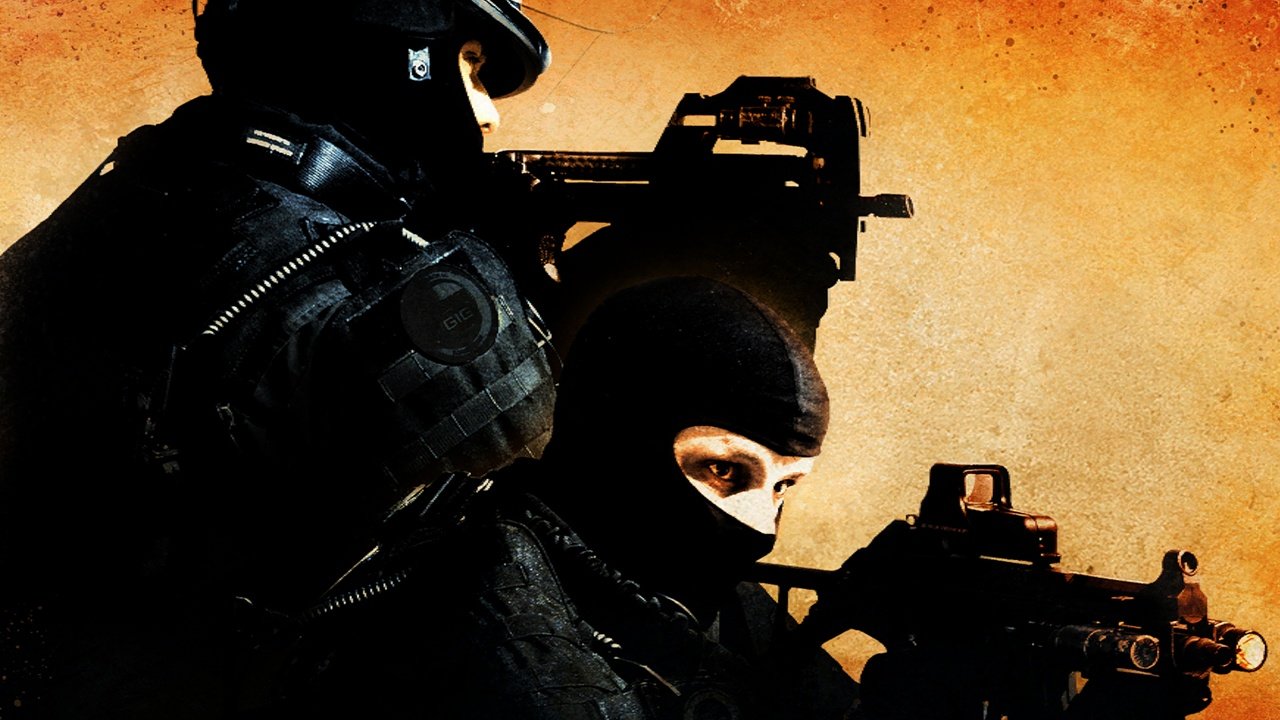
Valve decided to lower the movement speed while scoped with the AWP sniper rifle to curb aggressive play. This change significantly impacted players who relied on peeking corners quickly to secure kills. Many professional players voiced their frustration that a dynamic playstyle was being removed from the game to lower the skill ceiling. The developer stood by the decision to encourage more tactical holding rather than individual dominance.
‘Hearthstone’ (2014) – Warsong Commander
Blizzard Entertainment completely obliterated the Grim Patron warrior deck by changing the Warsong Commander card. The card originally granted charge to minions with low attack but was altered to simply buff charge minions. This change removed the core win condition for one of the most high-skill decks in the history of the game. Players described the adjustment as removing the soul of the card rather than properly balancing it.
‘Counter-Strike: Global Offensive’ (2012) – R8 Revolver
Valve introduced the R8 Revolver with stats that allowed it to kill enemies with a single shot to the body. The weapon was effectively a pocket sniper rifle that cost very little in-game currency. The developers realized their mistake within days and reduced the damage and firing speed drastically. It stands as the most broken weapon release in the history of tactical shooters.
‘Super Smash Bros. for Wii U’ (2014) – Bayonetta
Nintendo included Bayonetta as the final DLC character and she immediately broke the competitive integrity of the game. Her zero-to-death combos allowed her to carry opponents to the top of the screen and kill them with little effort. The developers applied nerfs to her combo potential but she remained the best character in the game until the end. The controversy surrounding her dominance led to booing at major tournaments.
‘League of Legends’ (2009) – Kassadin
Riot Games struggled for years to balance the Void Walker Kassadin due to his unparalleled mobility and silence mechanic. The character boasted a ninety-five percent ban rate in competitive play because his Riftwalk ability allowed him to escape almost any situation. The developers eventually reduced the range and removed the silence to stop him from taking over matches. This character remains the gold standard for balance nightmares in the history of the MOBA genre.
Share your own memories of the most heartbreaking nerfs you have experienced in the comments.