Most Creative Power Systems In Anime

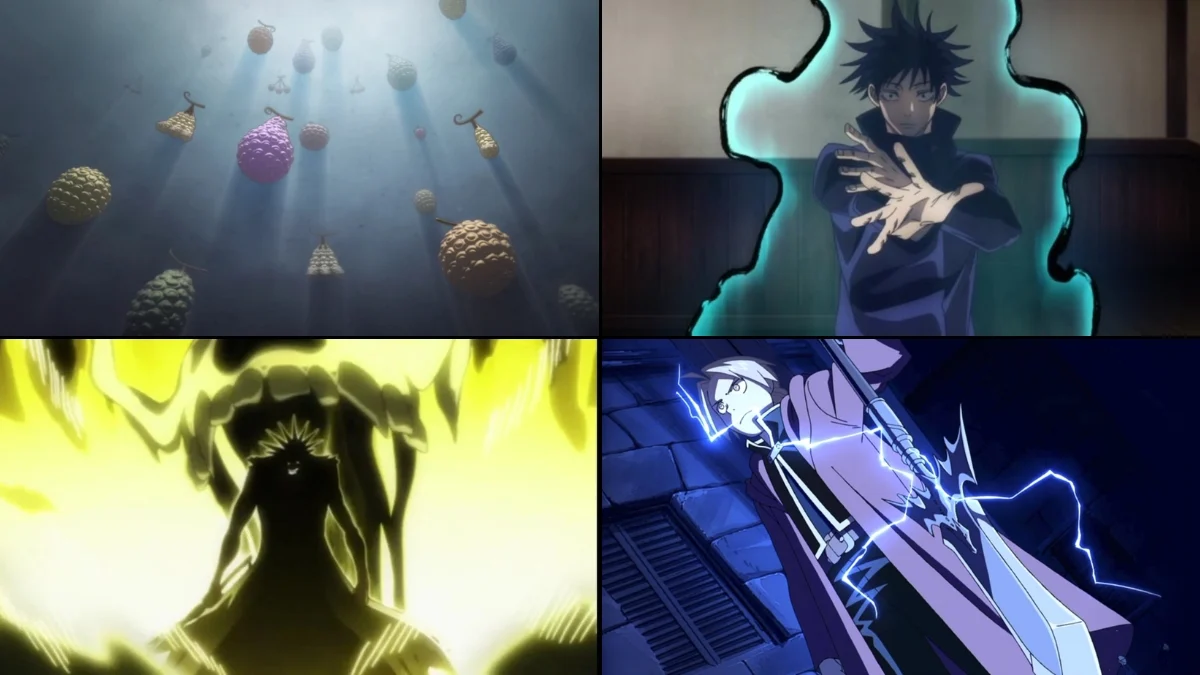

From alchemical circles to reality-bending contracts, anime worldbuilding often hinges on crisp, rule-driven power frameworks that shape how characters train, fight, and grow. This list gathers twenty-five series that define their abilities with clear mechanics—how power is acquired, what governs its use, and what limitations or costs keep it grounded—so you can see how each system works under the hood.
‘Fullmetal Alchemist: Brotherhood’ (2009–2010) – Alchemy
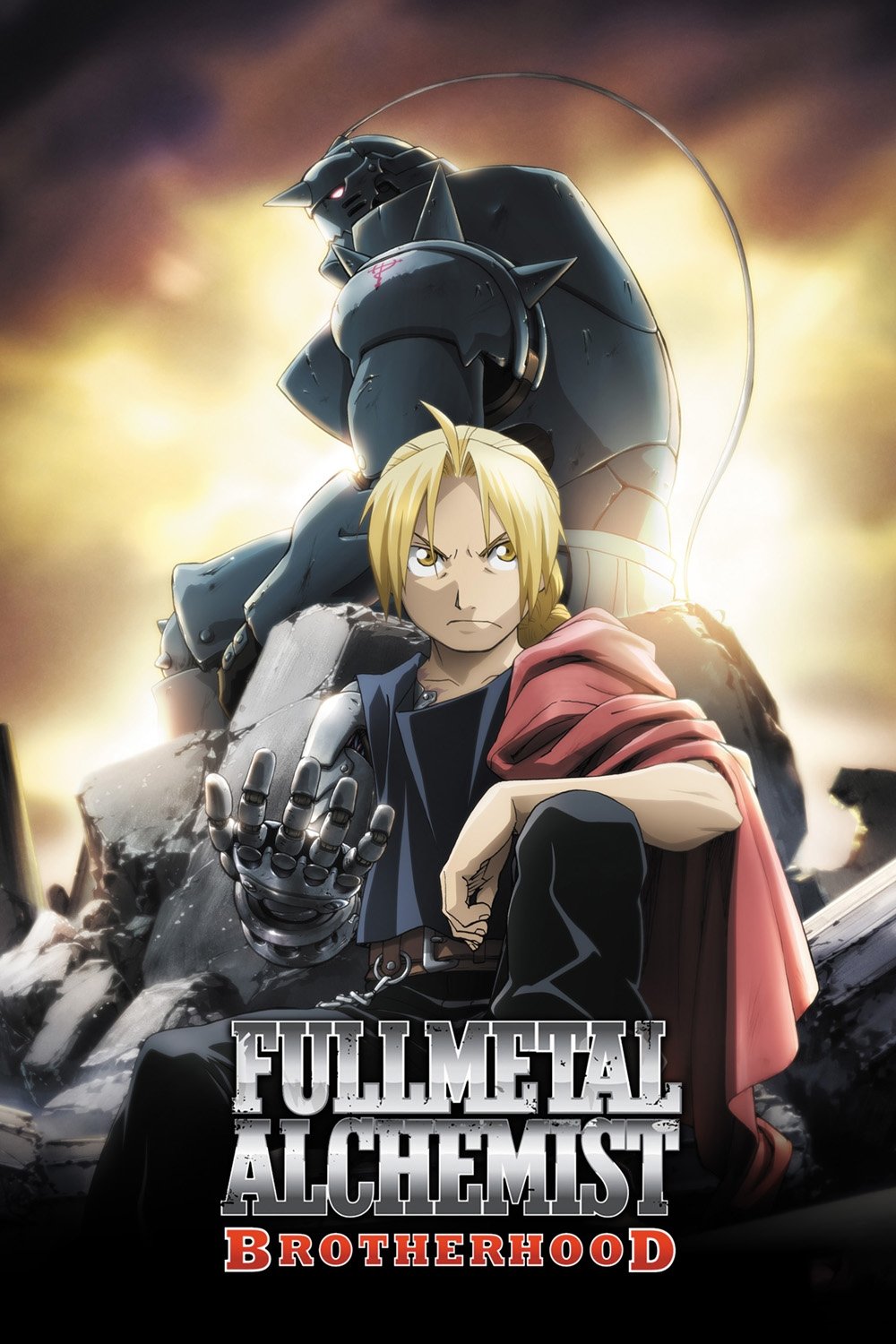
Alchemy operates on the principle of Equivalent Exchange, requiring an equal value trade to transmute matter. Practitioners use arrays—geometric glyphs that encode the formula—for precise transformations ranging from metallurgy to biomatter reconstruction. National Alchemists leverage specialized branches like flame, steel, and decomposition, each with unique arrays and constraints. Human transmutation is forbidden, and attempts invoke catastrophic backlash and metaphysical tolls enforced by the Gate of Truth.
‘Hunter x Hunter’ (2011–2014) – Nen
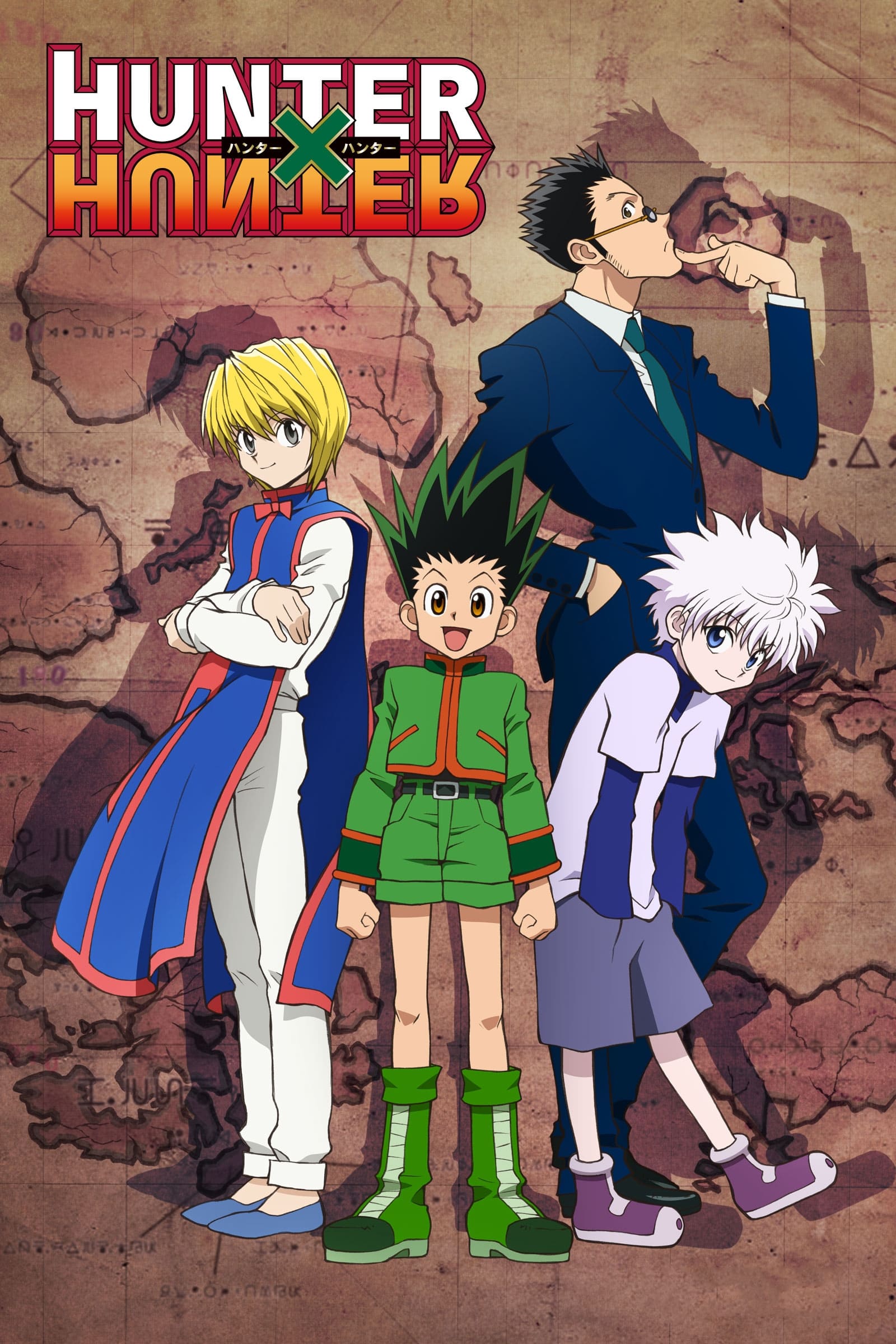
Nen is the disciplined manipulation of life energy (aura) categorized into Enhancement, Emission, Manipulation, Transmutation, Conjuration, and Specialization. Users learn core techniques—Ten, Zetsu, Ren, Hatsu—to protect, conceal, amplify, and personalize their abilities. Contracts and limitations increase power in exchange for conditions, penalties, or risks, making specificity a key design element. Mastery depends on training, innate category alignment, and tactical use of Gyo, In, En, and related applications.
‘Jujutsu Kaisen’ (2020– ) – Cursed Energy
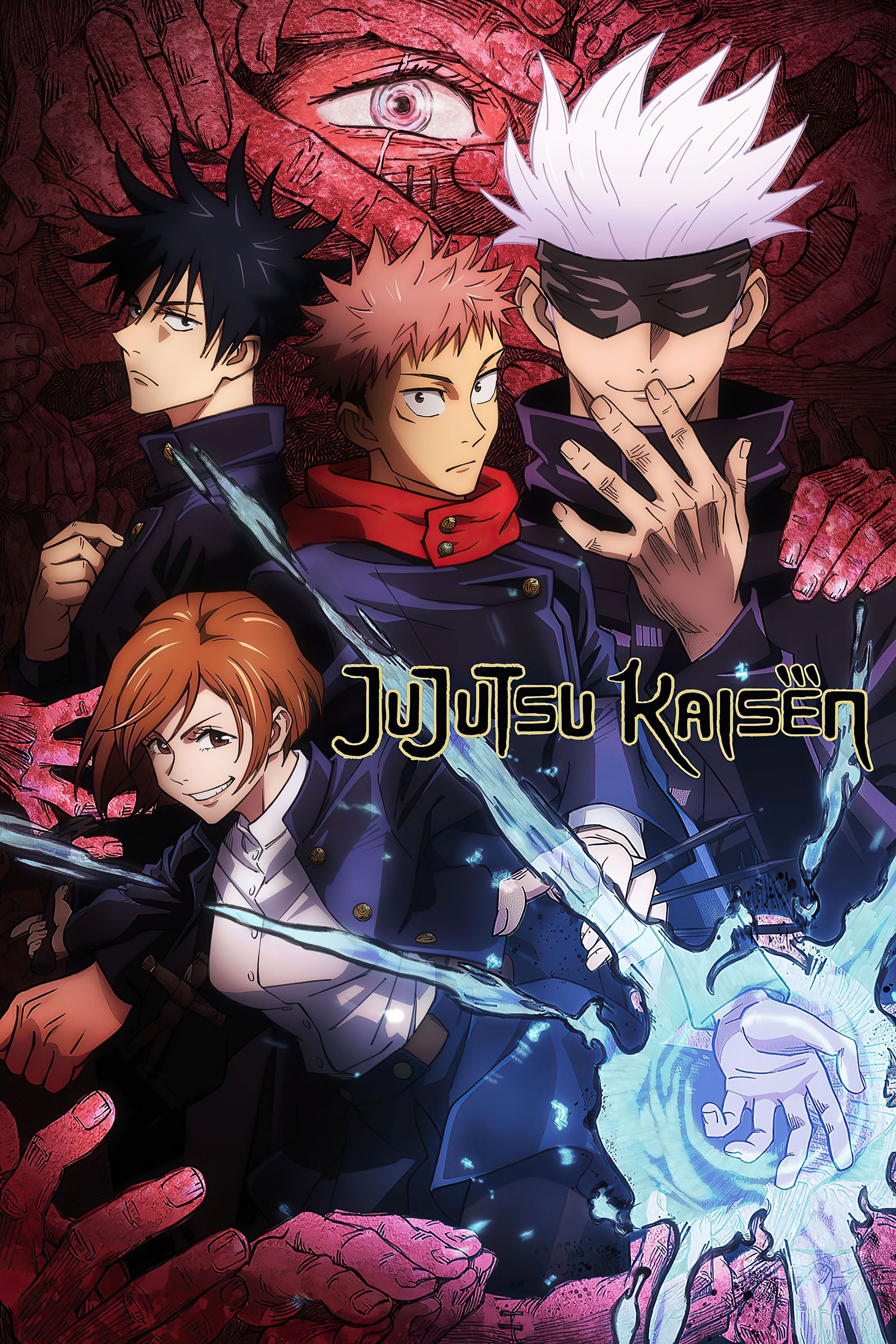
Cursed Energy arises from negative human emotions and is refined through Jujutsu to exorcise curses. Sorcerers channel this energy into techniques, reinforce strikes with Cursed Energy, and deploy Domain Expansion to impose guaranteed-hit rule sets within bounded spaces. Reverse Cursed Techniques enable healing by inverting output, while binding vows raise potency through self-imposed restrictions. Tools imbued with curses, innate techniques, and precise control over flow determine combat effectiveness.
‘Naruto’ (2002–2007) – Chakra & Jutsu

Chakra blends physical and spiritual energy, molded through hand seals to execute ninjutsu, genjutsu, and taijutsu enhancements. Nature transformation (fire, wind, lightning, earth, water) and shape manipulation define technique properties and complexity. Advanced forms like Sage Mode draw on ambient natural energy with strict control requirements, while Tailed Beast chakra introduces massive reserves with compatibility constraints. Ninja training emphasizes chakra control exercises and elemental affinity testing to expand repertoire safely.
‘One Piece’ (1999– ) – Devil Fruits & Haki
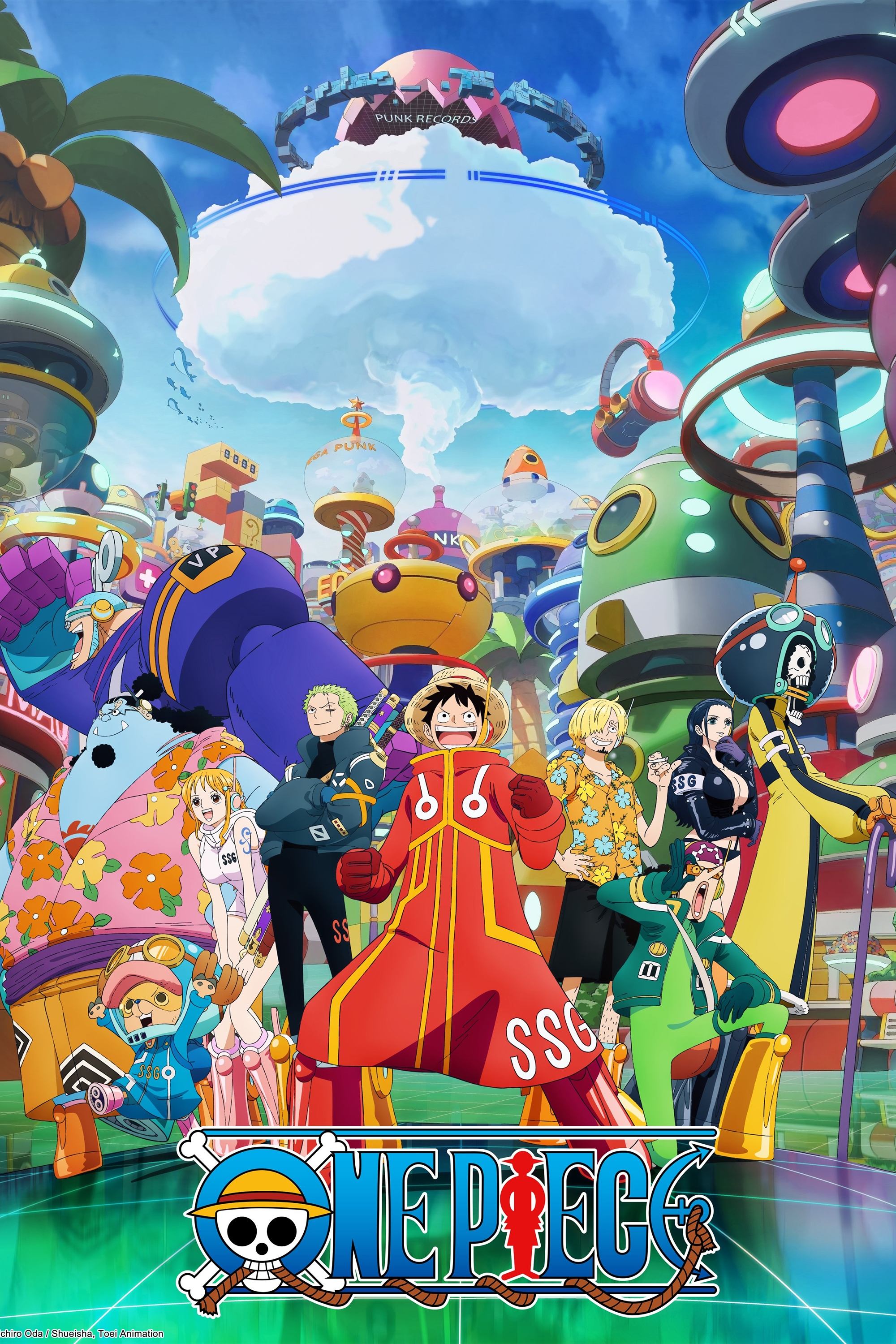
Devil Fruits grant unique abilities—Paramecia, Zoan, or Logia—at the cost of permanent inability to swim and vulnerabilities to specific counters. Haki provides willpower-based capabilities: Kenbunshoku for sensory perception, Busoshoku for armament reinforcement, and Haoshoku for overwhelming presence. Zoan awakenings and specialized subtypes offer further evolution with biological trade-offs. Mastery hinges on training, creative application, and mitigation of weaknesses like seawater exposure and seastone restraint.
‘My Hero Academia’ (2016– ) – Quirks
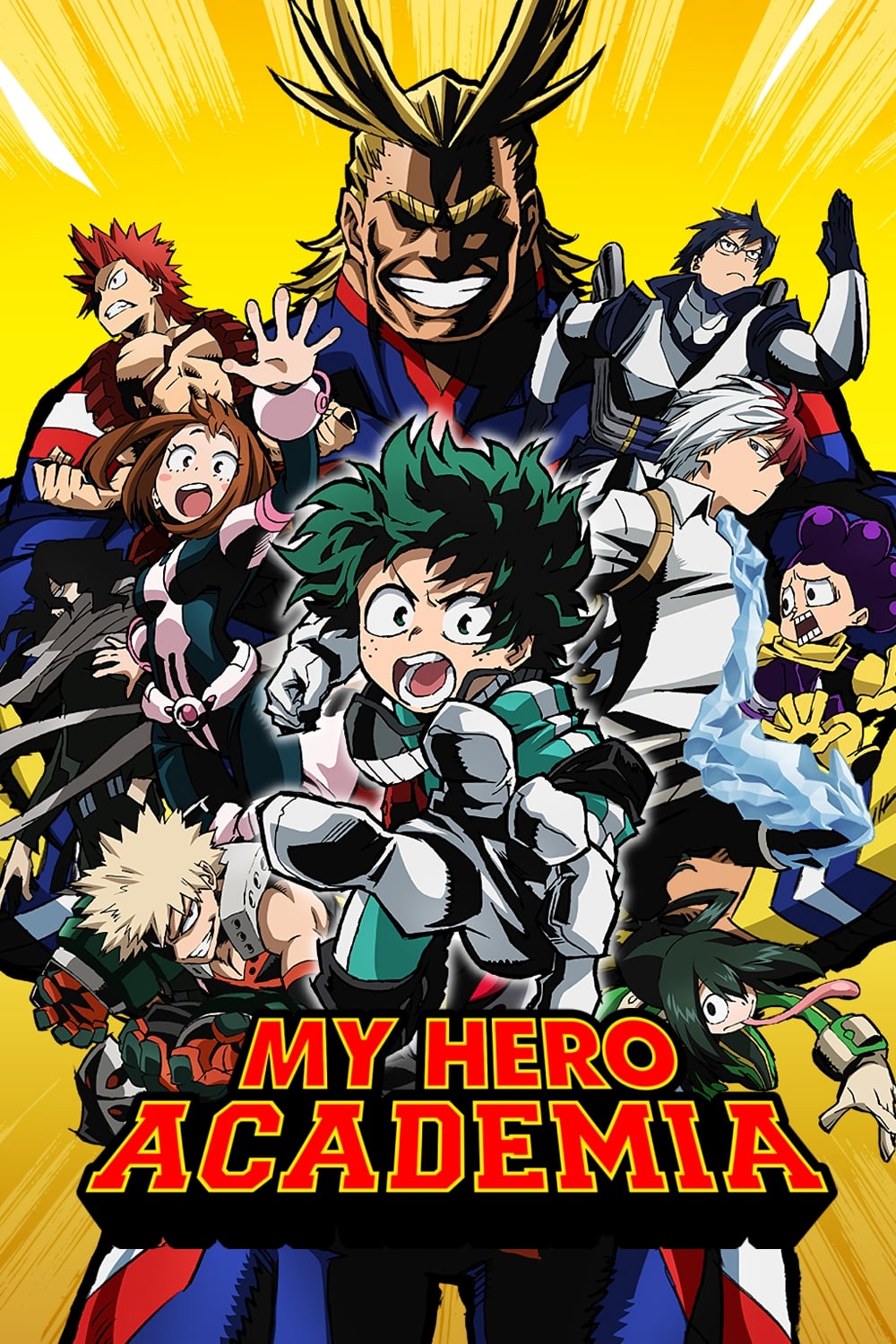
Quirks are heritable metahuman traits that manifest in childhood and range from physiological mutations to energy projection. Regulation requires licensing, standardized training, and support gear to safely channel or stabilize output. Some Quirks stack or interact—through lineage or transfer techniques—creating complex inheritance dynamics and compatibility issues. Public safety laws, hero rankings, and support technology shape responsible usage and escalation protocols.
‘JoJo’s Bizarre Adventure’ (2012–2024) – Stands
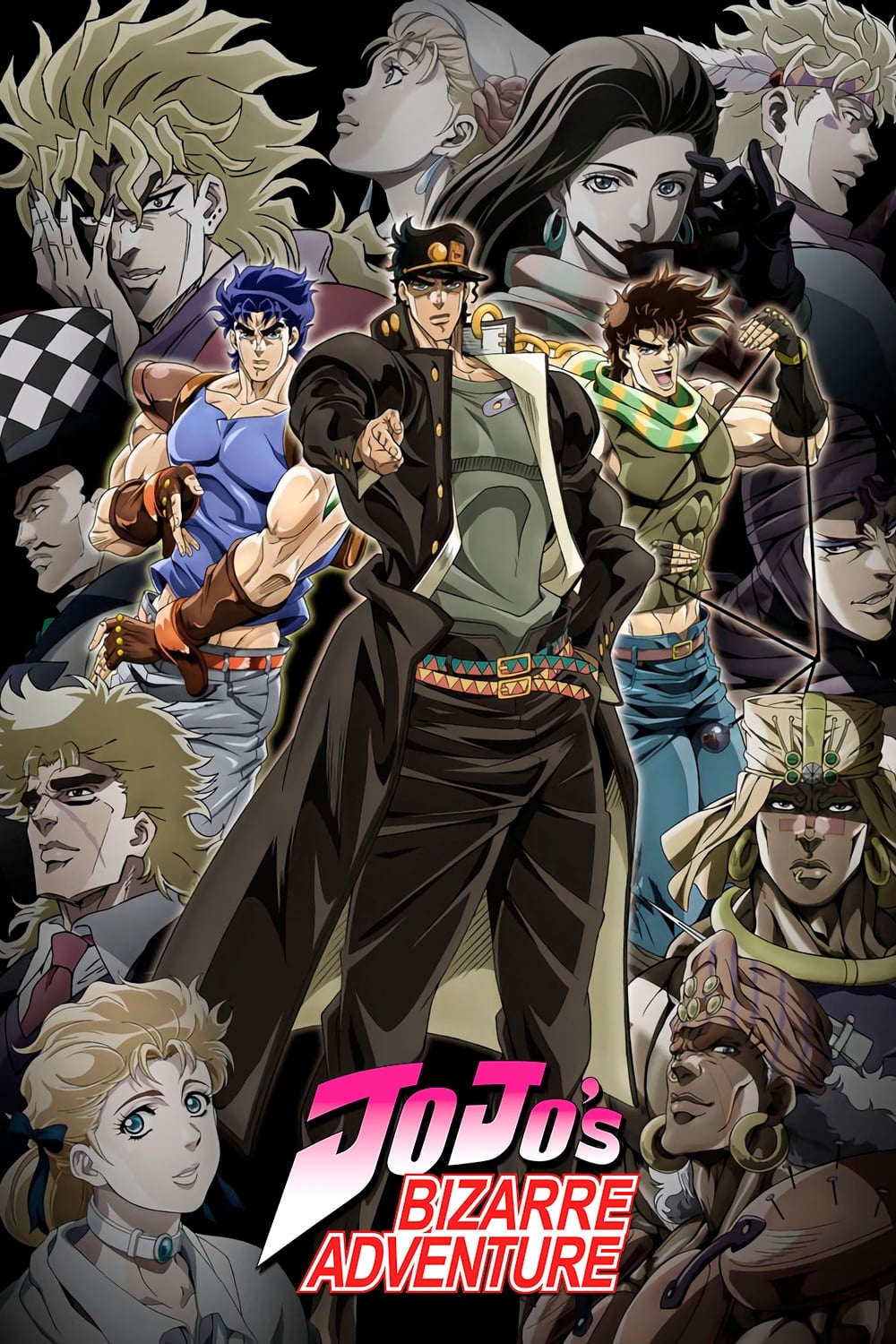
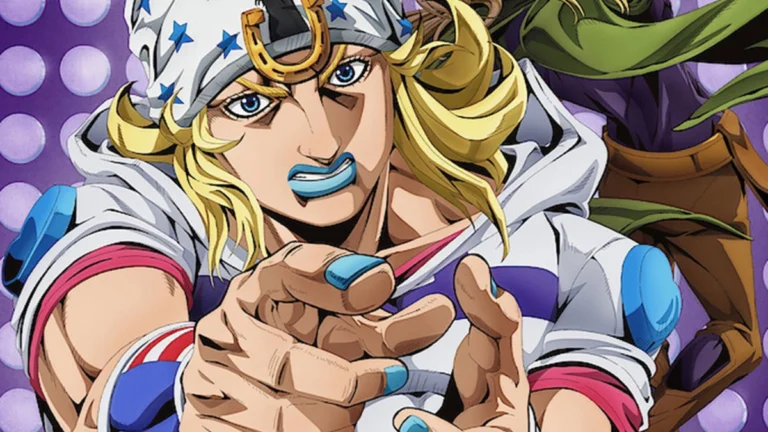
Stands are external manifestations of a user’s life force with defined abilities, stats, and operational ranges. Many abilities follow precise rules—time manipulation, causality tricks, or object-bound conditions—that demand exploitation of loopholes rather than brute force. Stand users are typically the only ones who can see other Stands, and harm to a Stand reflects on its user. Stand arrows, bloodlines, and evolution scenarios govern awakening and transformation.
‘Bleach’ (2004–2012) – Reiryoku & Zanpakutō
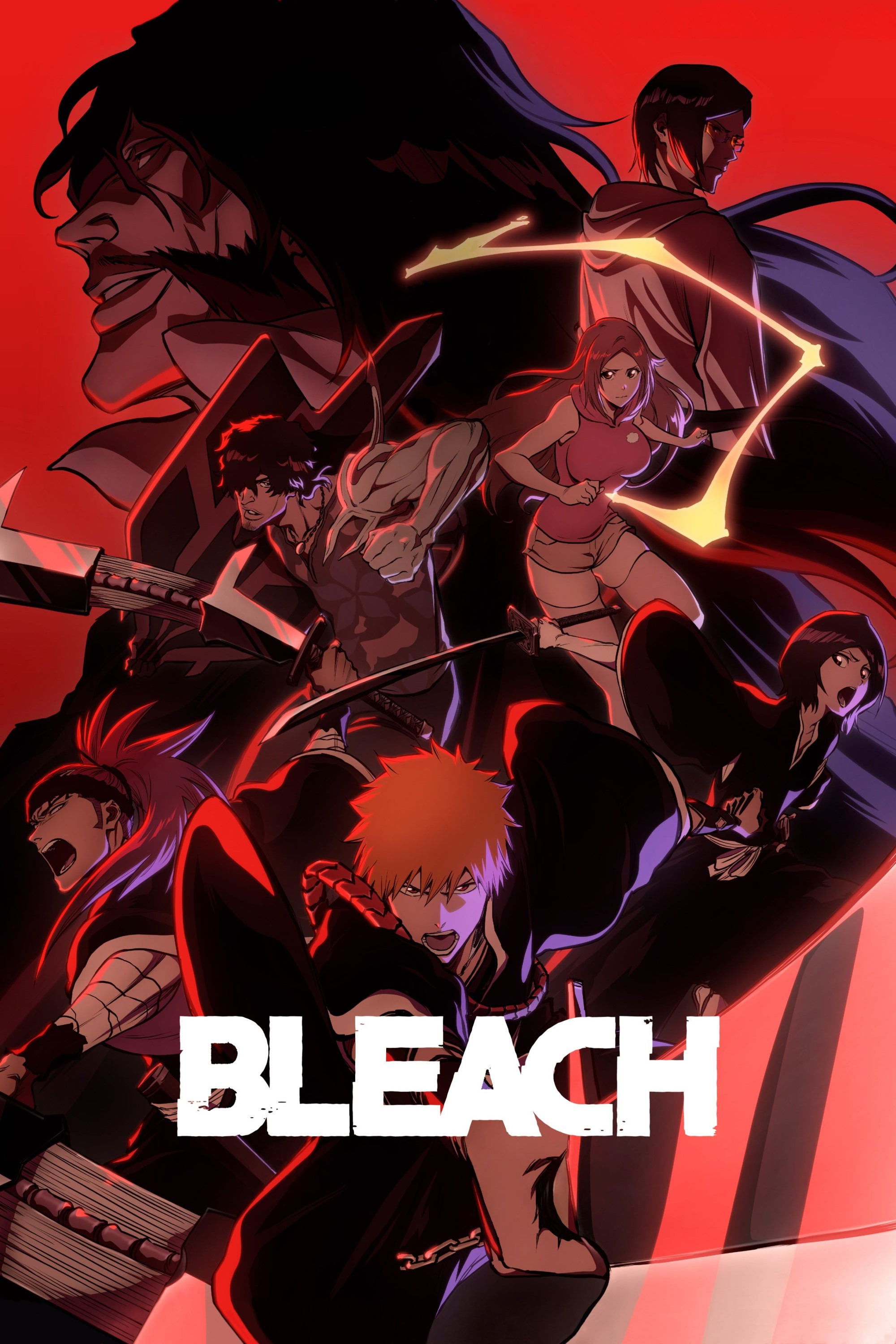
Spiritual power (reiryoku) fuels Soul Reaper techniques including Kidō spells, Shunpo movement, and Zanpakutō releases. Each Zanpakutō manifests a unique spirit and power set with Shikai and Bankai forms unlocked through mastery and communion. Hollows and Arrancar employ Cero blasts, Hierro, and Resurrección, reflecting alternate evolutions of the same energy substrate. The balance of worlds, soul density, and hierarchical training structures regulate capability ceilings and risks.
‘Demon Slayer: Kimetsu no Yaiba’ (2019– ) – Breathing Styles & Demon Blood Arts
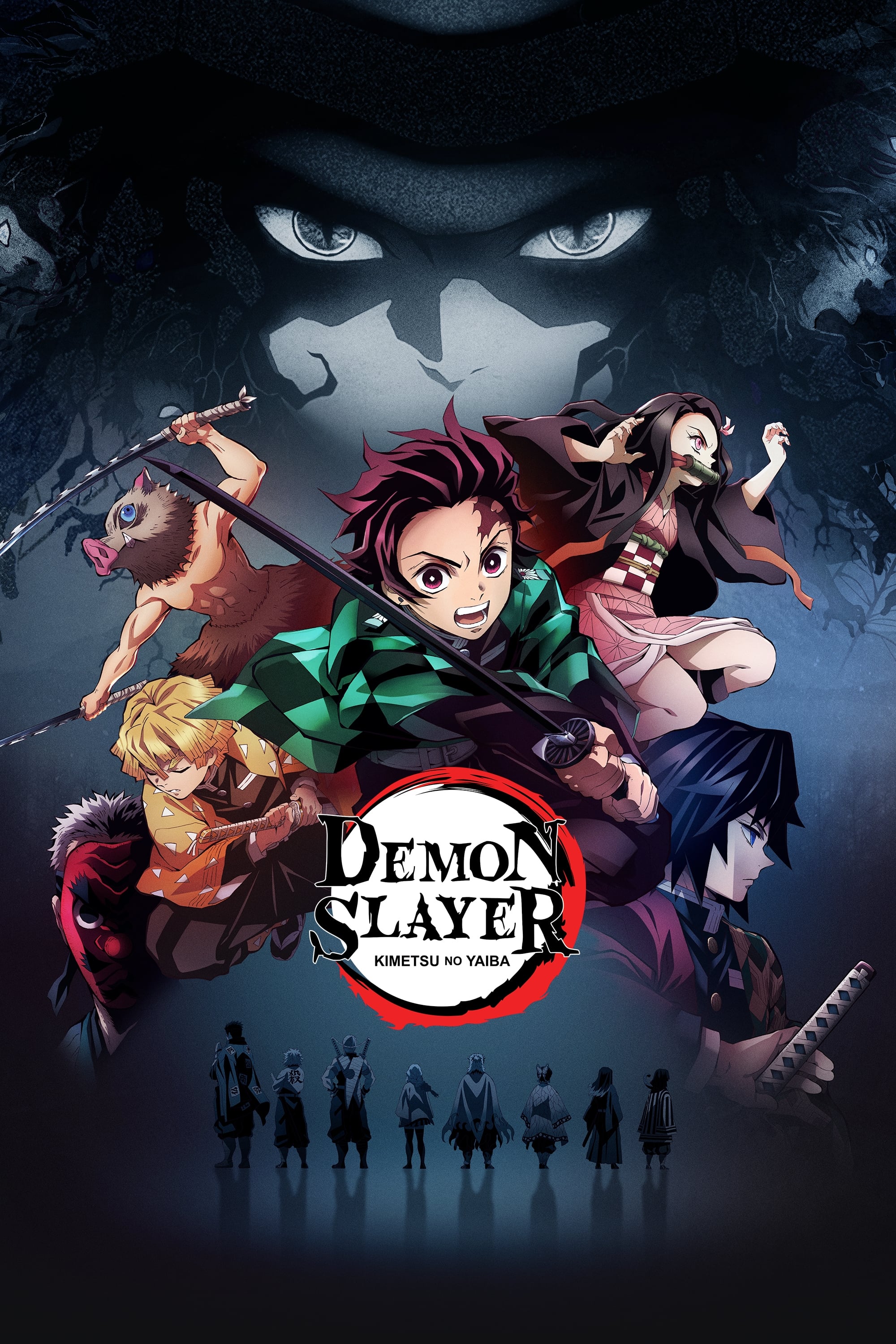
Breathing Styles use focused respiration to enhance strength, perception, and sword forms, each with codified stances and named techniques. Branch styles evolve from foundational schools, adapting footwork, rhythm, and muscle control for specific applications. Demons wield Blood Demon Arts—ability sets tied to physiology and consumption—countered by Nichirin blades and wisteria-based tactics. Mastery correlates with lung capacity, endurance training, and precision timing under combat stress.
‘Soul Eater’ (2008–2009) – Soul Resonance & Demon Weapons
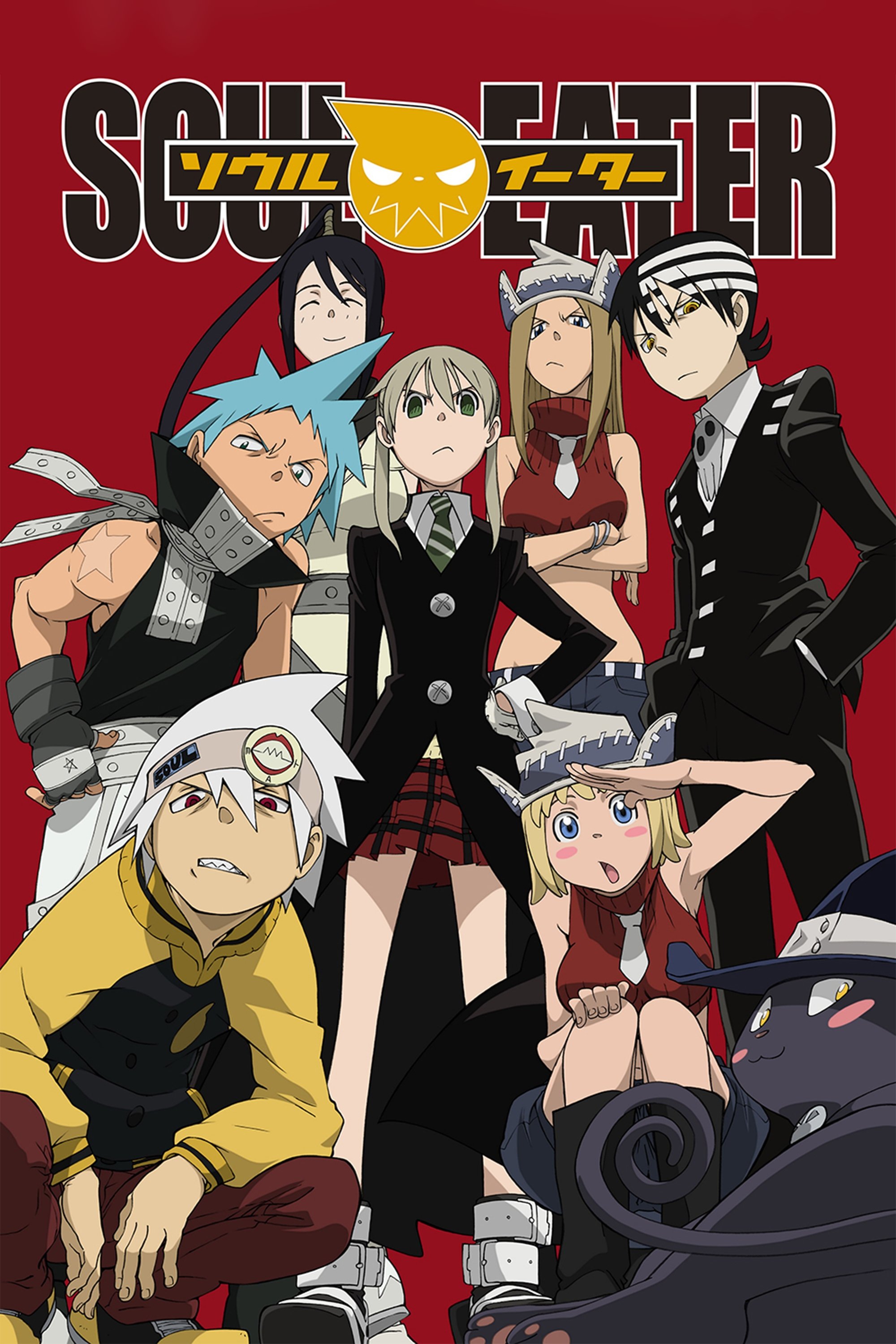
Meisters partner with human-weapon hybrids who transform into armaments with distinct properties. Synchronizing soul wavelengths enables amplified techniques and Resonance forms that unlock advanced attacks. Collecting corrupted souls and witch souls follows strict quotas tied to weapon evolution into a Death Scythe. Emotional stability, compatibility, and wavelength control directly affect power output and synchronization success.
‘Fate/stay night [Unlimited Blade Works]’ (2014–2015) – Magecraft & Servant Contracts
!['Fate/stay night [Unlimited Blade Works]' (2014–2015) - Magecraft & Servant Contracts](https://image.tmdb.org/t/p/original/jyqi5BkDoKKIA2WAoz3HBtRHld3.jpg)
The Holy Grail framework summons Servants—Heroic Spirits—bound by classes with parameters, skills, and Noble Phantasms. Masters supply prana through Command Seals, enforcing orders and fueling abilities within a ritual ecosystem. Magecraft systems cover reinforcement, projection, bounded fields, and curses, each with lineage-based knowledge and circuits. The war’s rules, leyline access, and contract integrity define resource limits and strategic deployment.
‘Puella Magi Madoka Magica’ (2011) – Soul Gems & Witches
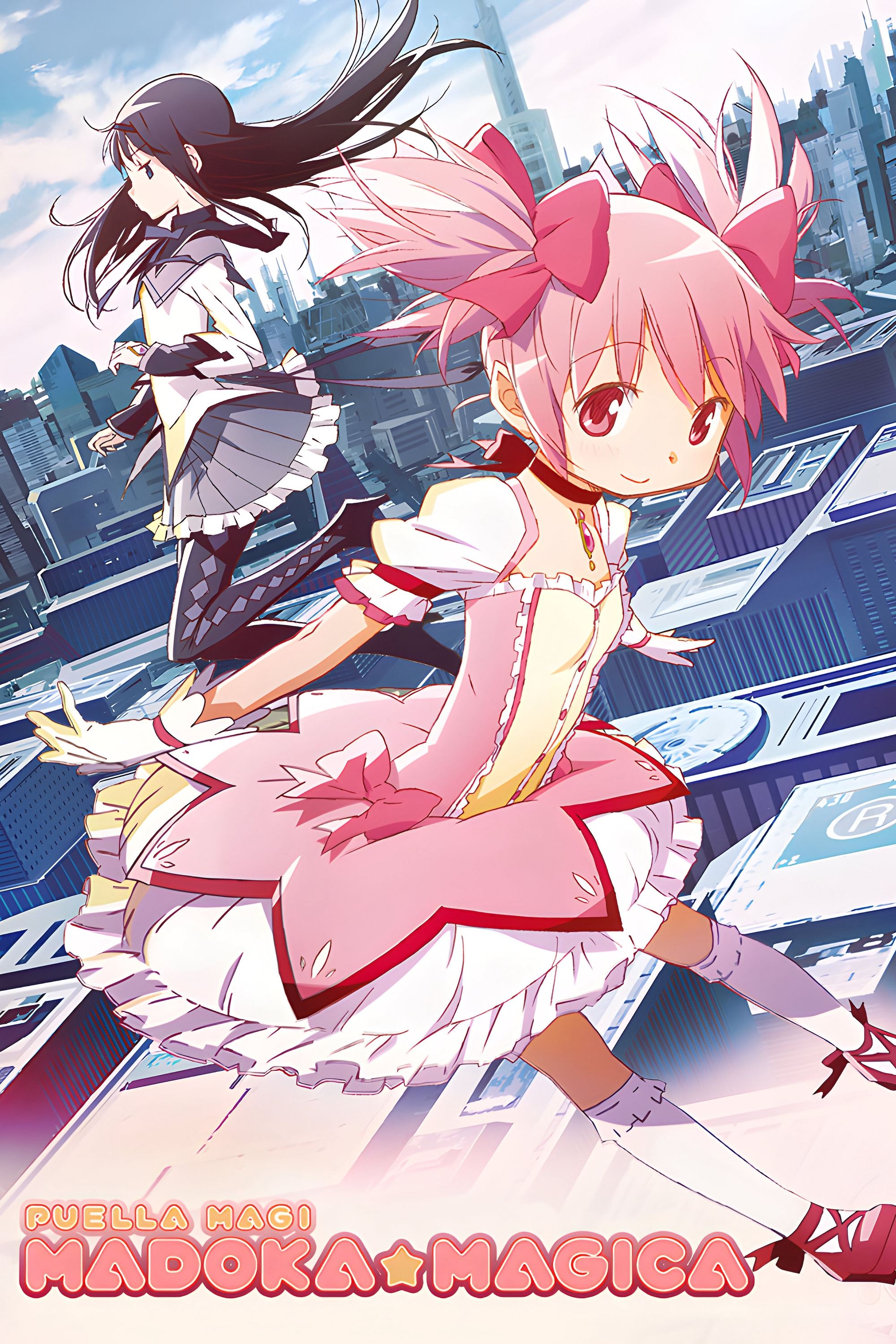
Magical girls form contracts transforming their souls into Soul Gems that power abilities and weapons. Using magic generates corruption; when a Gem saturates, purification with Grief Seeds is required to prevent failure. The system’s closed loop connects Soul Gems, emotional states, and the emergence of Witches, establishing conservation-like constraints. Abilities vary by individual wish, creating deterministic links between desire, risk, and combat role.
‘Kill la Kill’ (2013–2014) – Life Fibers & Kamui
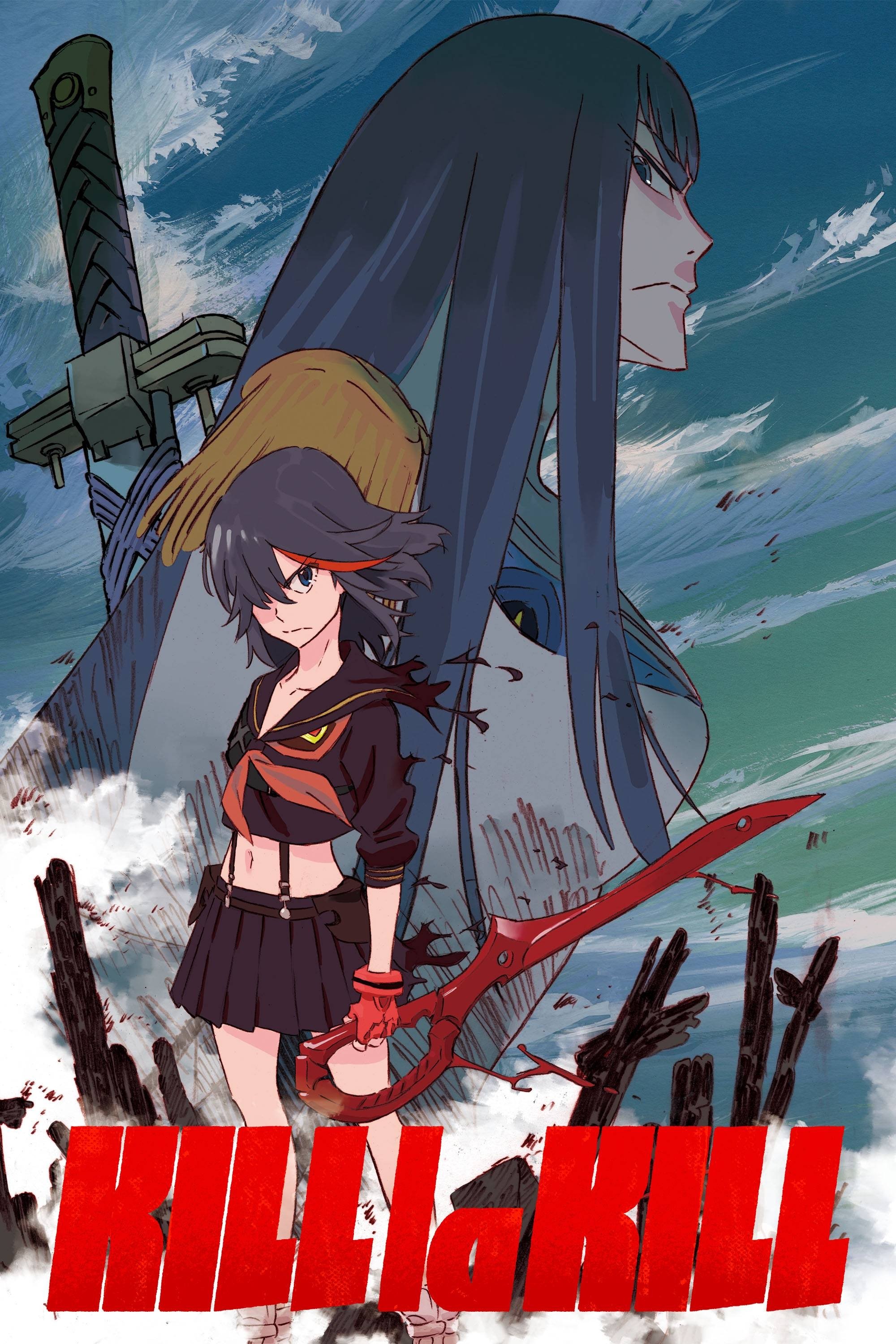
Life Fibers are sentient threads integrated into clothing, granting power through uniform star-ranks and transformed Kamui outfits. Synchronization between wearer and garment determines access to enhanced forms with specific activation conditions. Combat revolves around fiber control, scissor blades designed to cut fibers, and hierarchical academy structures that manage distribution. Energy intake, modesty constraints, and compatibility govern safe operation and endurance.
‘Black Clover’ (2017– ) – Grimoires & Mana

Mages receive grimoires that record and evolve spells aligned with personal mana attributes. Mana skin, zone utilization, and reinforcement techniques optimize expenditure and defense. Anti-magic exists as a unique counter-system that nullifies or reflects spells under specific contact rules. Royal lineage, spirits, and dungeon artifacts contribute to tiered power growth within guild-like squads.
‘Fairy Tail’ (2009–2019) – Guild Magic & Lacrima
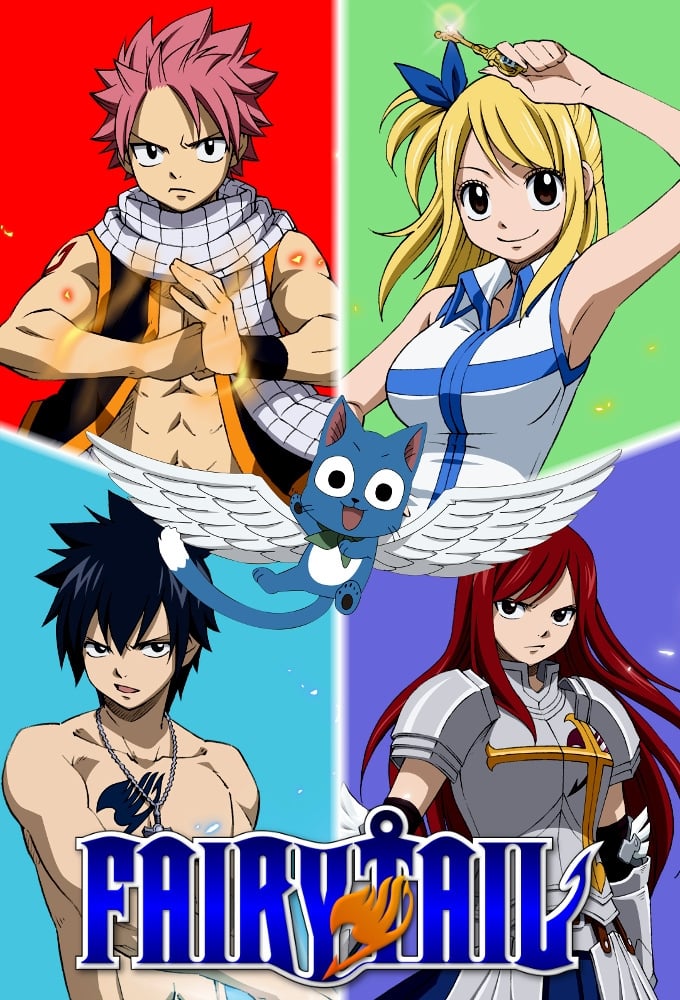
Magic divides into caster types used directly and holder types channeled through items, with lacrima crystals storing or augmenting power. Dragon Slayer Magic introduces physiological adaptations—scent, consumption mechanics, and transformations—tied to specialized training or implantation. Guild rules, teams, and ranked quests structure legal use and advancement. Magic fatigue, counter-elements, and contract terms provide measurable constraints during prolonged engagements.
‘REBORN!’ (2006–2010) – Dying Will Flames

Dying Will Flames represent attributes—Sky, Storm, Rain, Sun, Lightning, Cloud, Mist—each with characteristic properties and applications. Box Weapons and rings act as conduits, responding to user compatibility and flame purity. Techniques combine attribute interactions for defensive hardening, illusions, healing, or area control. Inheritance ceremonies, sealing mechanics, and flame harmonization govern progression and leadership succession.
‘Magi: The Labyrinth of Magic’ (2012–2014) – Rukh, Magoi & Djinn Equip

Rukh constitutes the fundamental particles of life and destiny, while magoi is the energy mages convert for spells. Metal vessels house Djinn, enabling Djinn Equip and Household Vessels with element-specific abilities and equip stages. Overuse of magoi causes exhaustion, and black rukh signifies corrupted flow with distinct consequences. Dungeon conquest expands capacity, artifacts, and recognition within political and commercial networks.
‘Gurren Lagann’ (2007) – Spiral Power
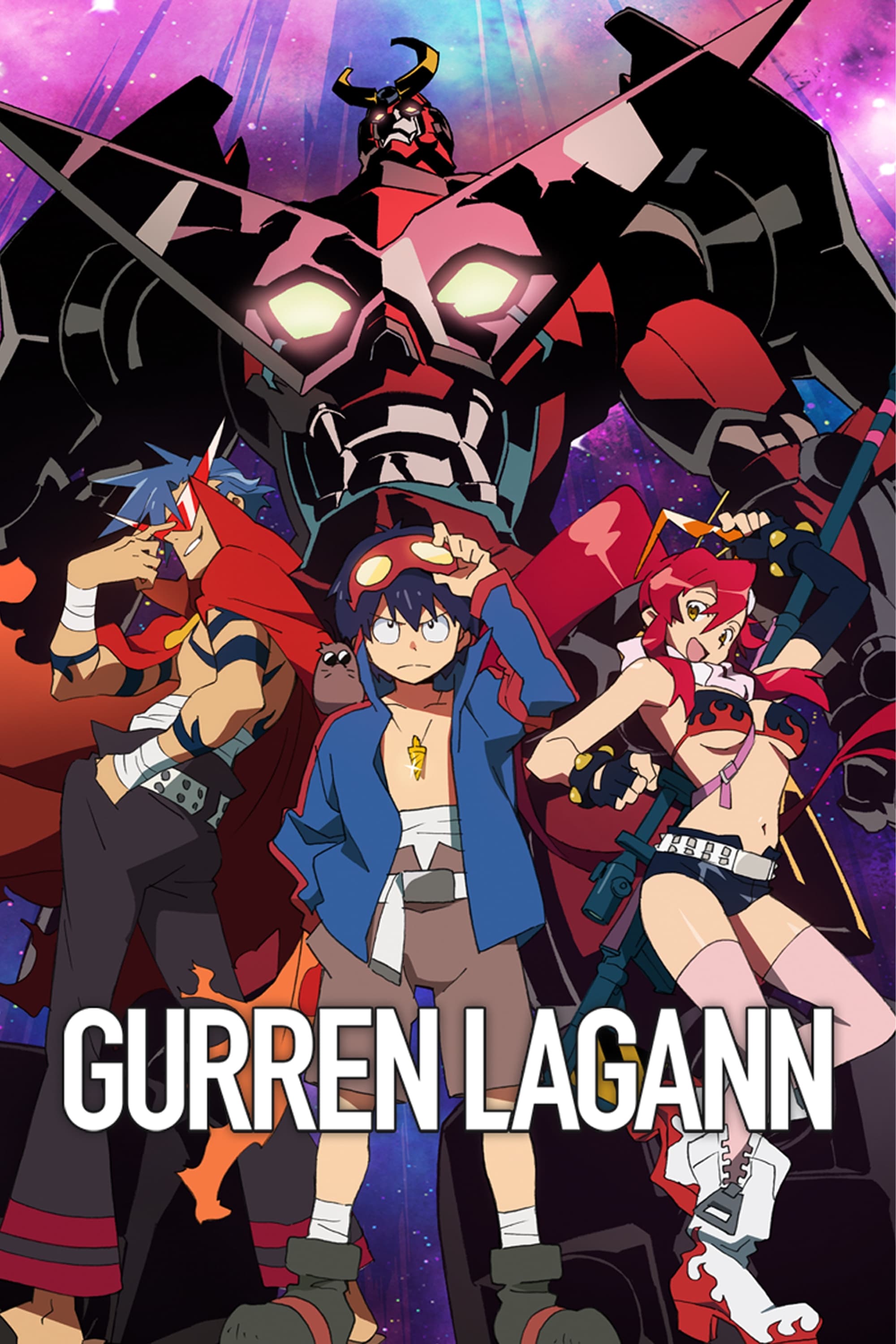
Spiral Power draws from evolutionary potential, scaling output with will and population growth. Mecha systems channel this energy to break probabilistic limits, enabling combining, larger forms, and space-time feats under defined escalation steps. Anti-Spiral counters restrict expansion by imposing probability constraints and dimensional seals. Usage reflects feedback loops between morale, genetic markers, and mech conduits.
‘Yu Yu Hakusho’ (1992–1995) – Spirit Energy & Techniques
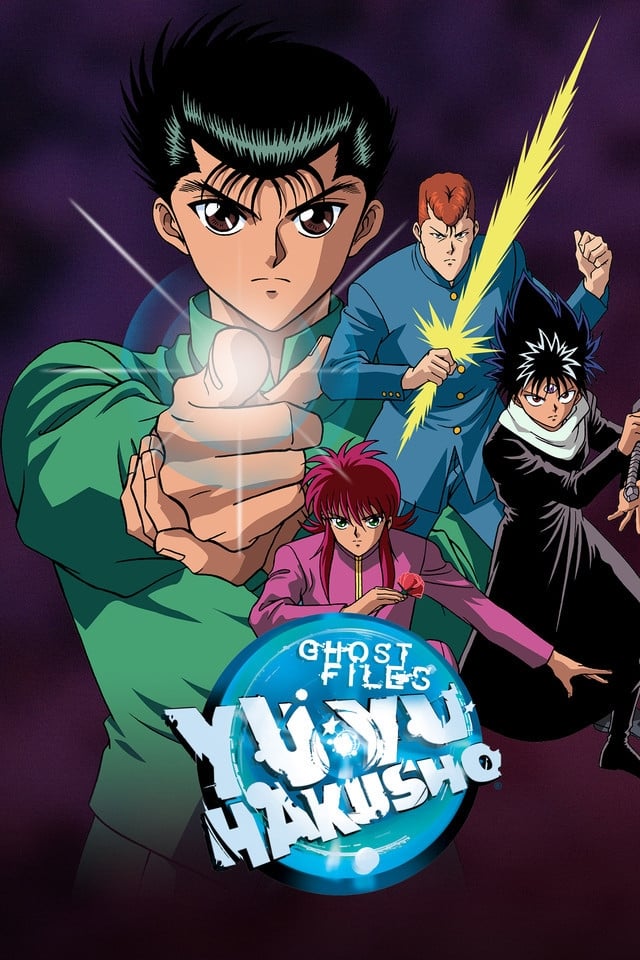
Spirit energy enables techniques like the Spirit Gun, barriers, and channeling into melee combat. Training refines control, allowing amplification, projectile shaping, and defensive formations. Demonic energy operates on parallel principles with different affinities and transformation risks. Tournament and mission structures provide regulated arenas for testing growth, limits, and classifications.
‘Tokyo Ghoul’ (2014–2018) – Rc Cells & Kagune
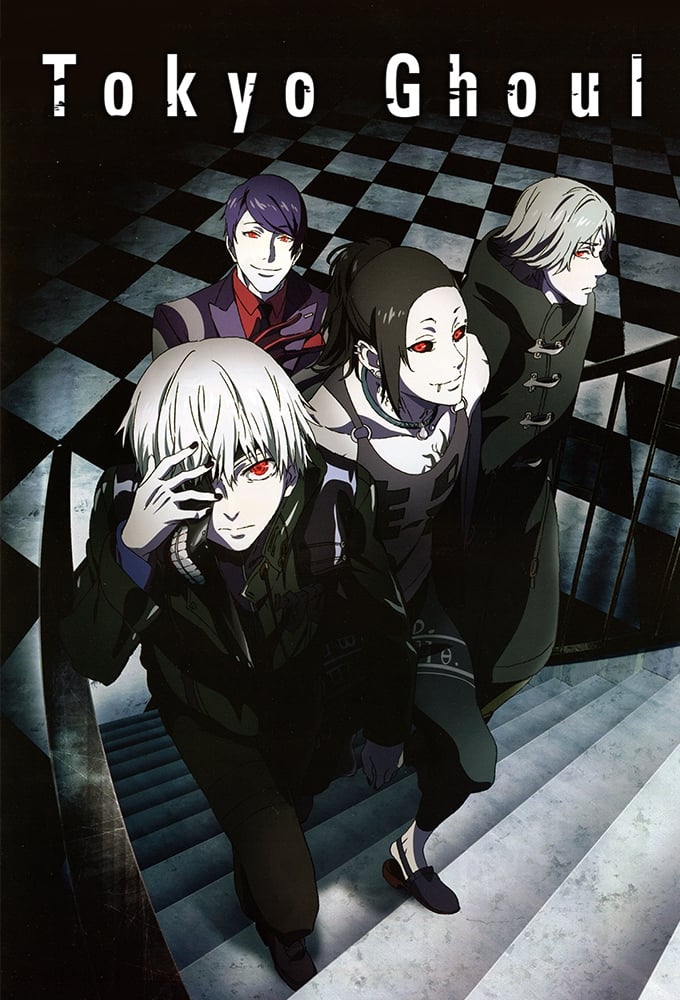
Ghouls possess elevated Rc cell concentrations that manifest as kagune appendages with types—ukaku, koukaku, rinkaku, bikaku—each with trade-offs. Investigators counter with quinque weapons crafted from ghoul organs, retaining kagune traits under human control. Diet, injury, and stress affect Rc density, influencing regeneration and form changes. Masked identities, ward jurisdictions, and organ compatibility define operational boundaries.
‘Blue Exorcist’ (2011–2012) – Exorcist Arts & Demonic Power
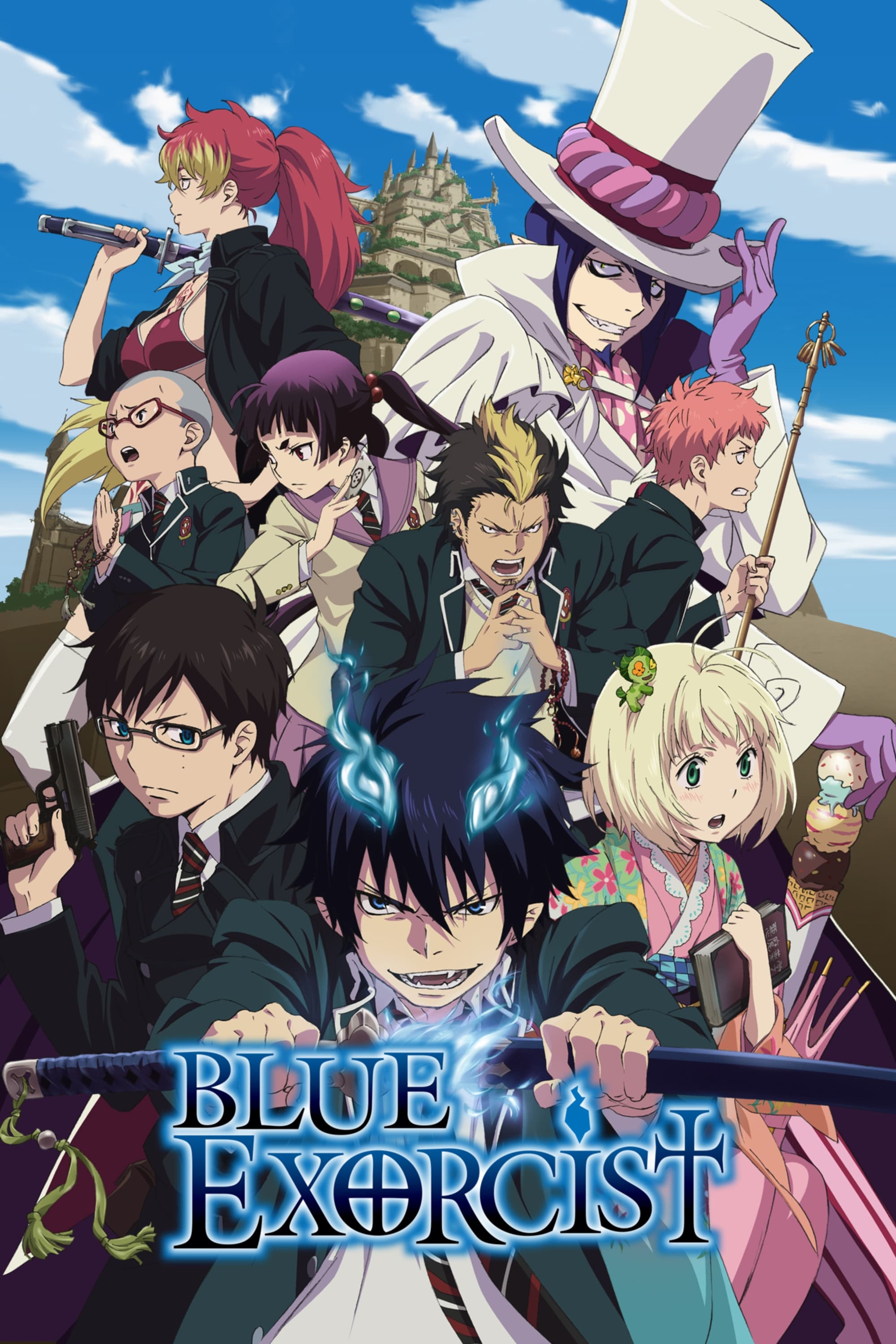
Exorcists train in meister classes—Knight, Dragoon, Tamer, Aria, Doctor—each focusing on weapons, summons, scripture, or support. Sacred gear, seals, and familiars extend capability while adhering to rites and institutional regulations. Demonic lineage introduces innate power that must be stabilized through exorcist techniques and talismans. Missions follow classification tiers with barriers, relics, and teamwork protocols to contain threats.
‘Akame ga Kill!’ (2014) – Teigu Imperial Arms

Teigu are relic weapons forged from rare materials and Danger Beast parts, each with unique rules and activation costs. Users typically synchronize with one Teigu; incompatibility or overuse risks fatal backlash. Some Teigu counter others through hard-coded interactions, creating rock–paper–scissors dynamics. Lost blueprints and limited inventory enforce scarcity and strategic deployment across factions.
‘Seraph of the End’ (2015–2016) – Cursed Gear
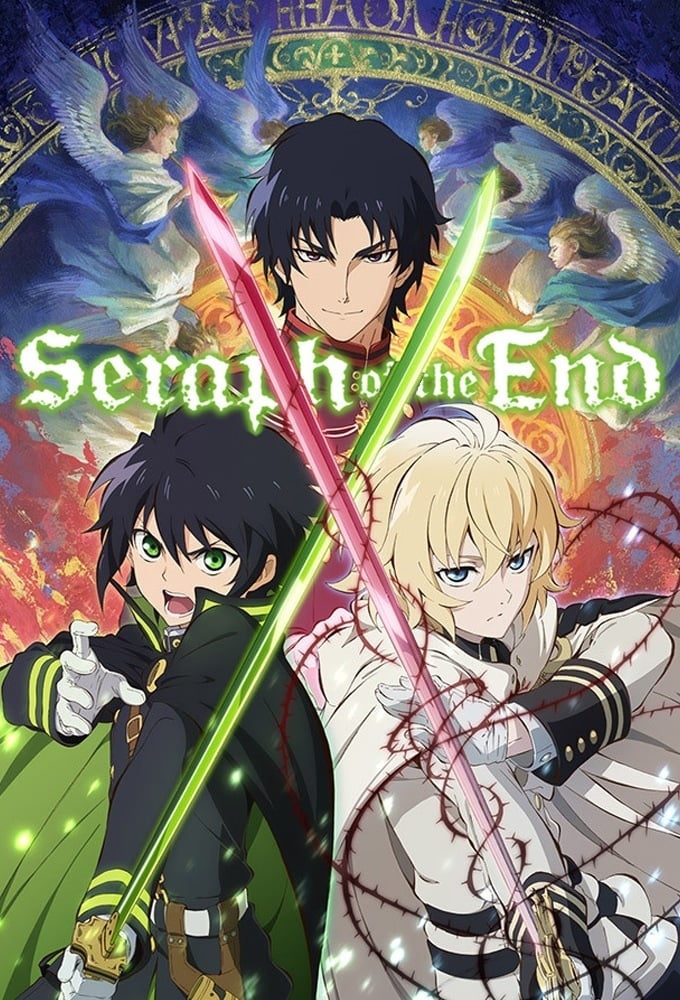
Cursed Gear contains demons bound to weapons, granting power at the risk of possession. Users undergo contracts and continual resistance tests to maintain control during combat. Weapon classes—katanas, spears, firearms—embed distinct demon abilities and synchronization thresholds. Military ranks, squads, and anti-vampire tactics dictate training regimes and safe operation.
‘Bungo Stray Dogs’ (2016– ) – Literary Abilities
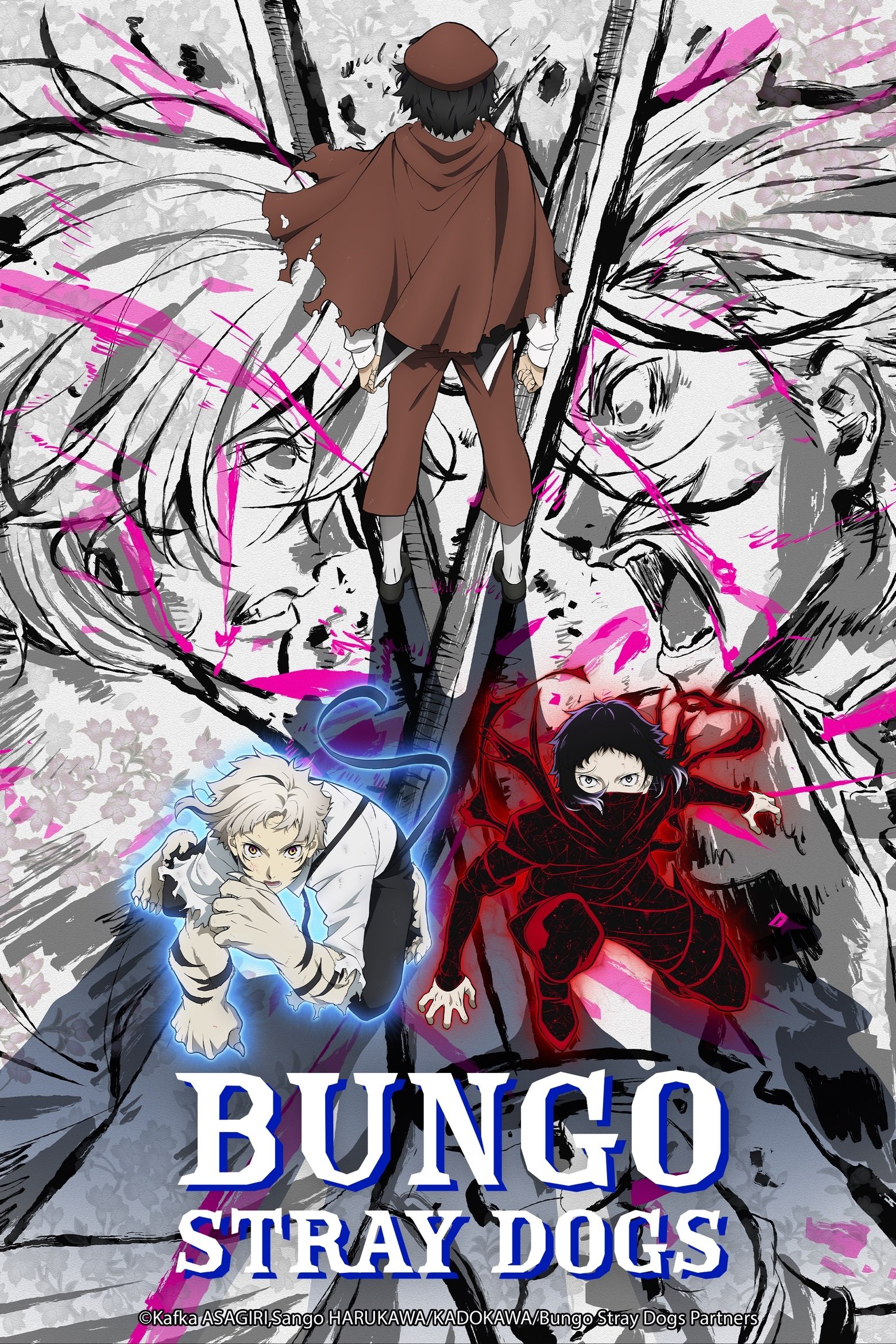
Ability users wield powers named after authors and works, each with explicit conditions and ranges. Agencies and mafia groups regulate usage through permissions, contracts, and mission protocols. Some abilities require triggers—text, tools, or states—while others alter probability or reality under bounded rules. Artifacts and special bullets interact with abilities, providing suppression or amplification under prescribed circumstances.
‘Fire Force’ (2019–2020) – Ignition Abilities & Adolla
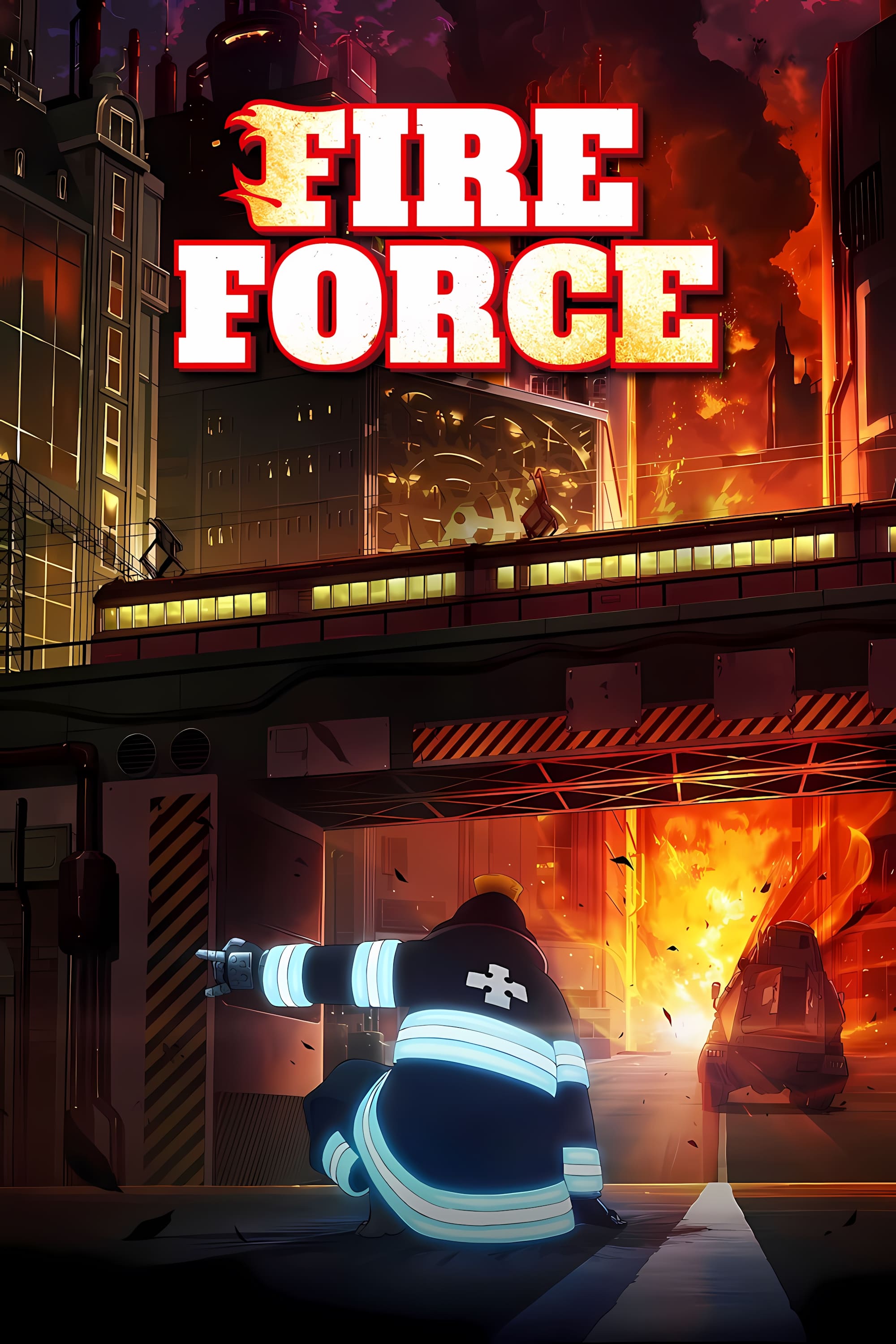
Pyrokinetics are categorized into generations: first generate spontaneous combustion, second manipulate existing flames, third produce and shape fire. Adolla links certain users to an otherworldly plane, enabling phenomena like Adolla Bursts with significant strain. Equipment—cooling gear, insulated fabrics, and weaponized tools—supports safe deployment in urban environments. Regulatory brigades, baptism rites, and compatibility tests formalize certification and team roles.
‘Fairy Tail’ (2009–2019) – Guild Magic & Lacrima
Magic divides into caster types used directly and holder types channeled through items, with lacrima crystals storing or augmenting power. Dragon Slayer Magic introduces physiological adaptations—scent, consumption mechanics, and transformations—tied to specialized training or implantation. Guild rules, teams, and ranked quests structure legal use and advancement. Magic fatigue, counter-elements, and contract terms provide measurable constraints during prolonged engagements.
Share which power system fascinates you most—and why—in the comments!