Most Creative Tournament Rules In Anime


From school sports festivals to underground death matches, anime loves competitions with wildly specific rulebooks. The best examples don’t just decide winners—they shape strategies, power dynamics, and even the story’s stakes. Here are twenty tournaments whose rules are so distinctive that they effectively become characters of their own, steering how fighters battle, how teams form, and how victories are actually judged.
‘Yu Yu Hakusho’ (1992–1995) – Five-on-five team duels with a “best of five” win condition
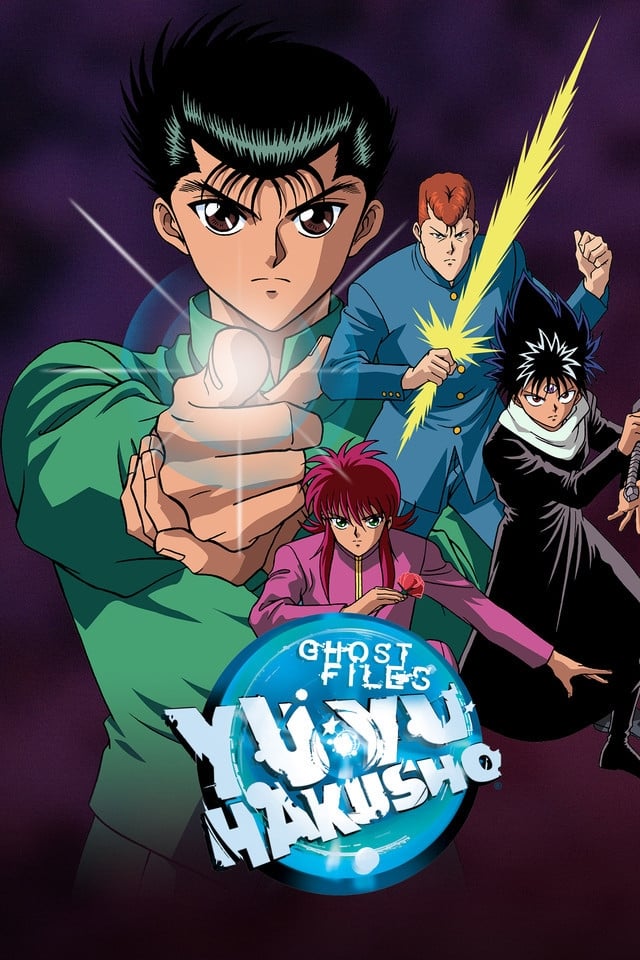
The Dark Tournament pits teams of five against each other, with the first team to three victories advancing. Team captains choose the order of fighters, allowing strategic matchups and substitutions between rounds. Ring-outs, knockouts, and surrenders are valid outcomes, while the demon referees’ rulings are binding during each bout. Audience interference and venue hazards are recognized factors, but official results stand unless a referee overturns a violation on the spot.
‘Naruto’ (2002–2007) – Promotion decided by performance, not just winning
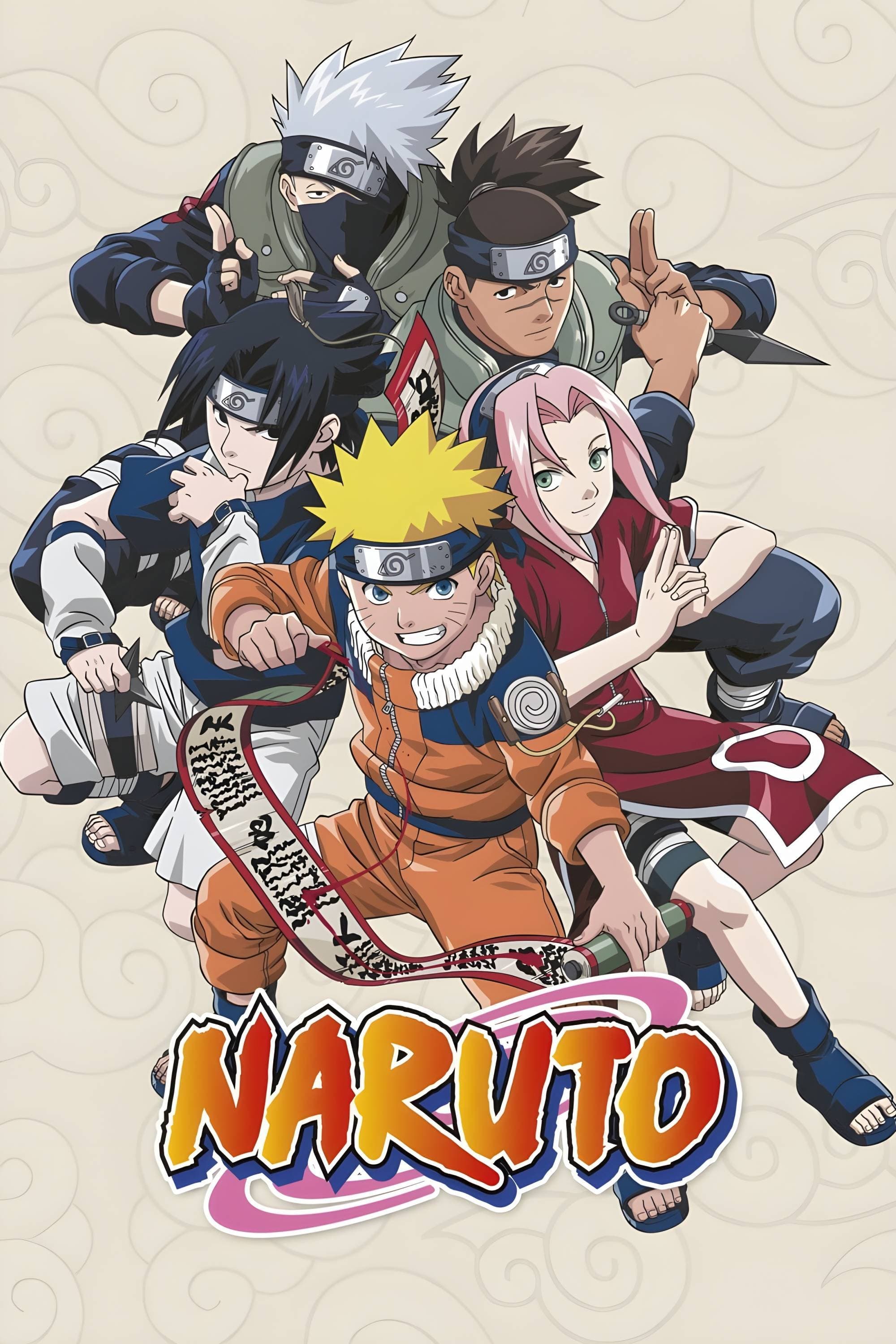
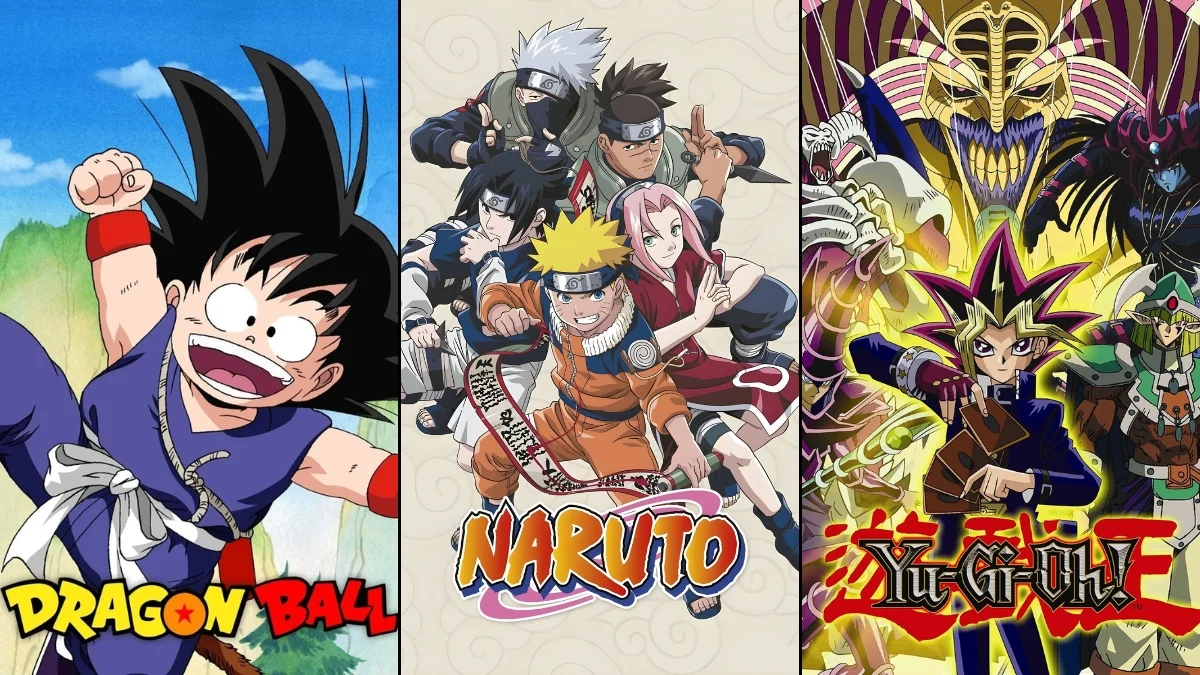
The Chunin Exams culminate in one-on-one matches where proctors can halt fights for safety or rule breaches. Competitors can forfeit at any time, and medical support is provided between bouts to keep the schedule moving. Advancement in rank is based on tactical judgment, leadership, and conduct under pressure rather than solely on match outcomes. The bracket is publicly posted, and match order is randomized after preliminary eliminations.
‘Dragon Ball’ (1986–1989) – Ring-out and ten-count define victory
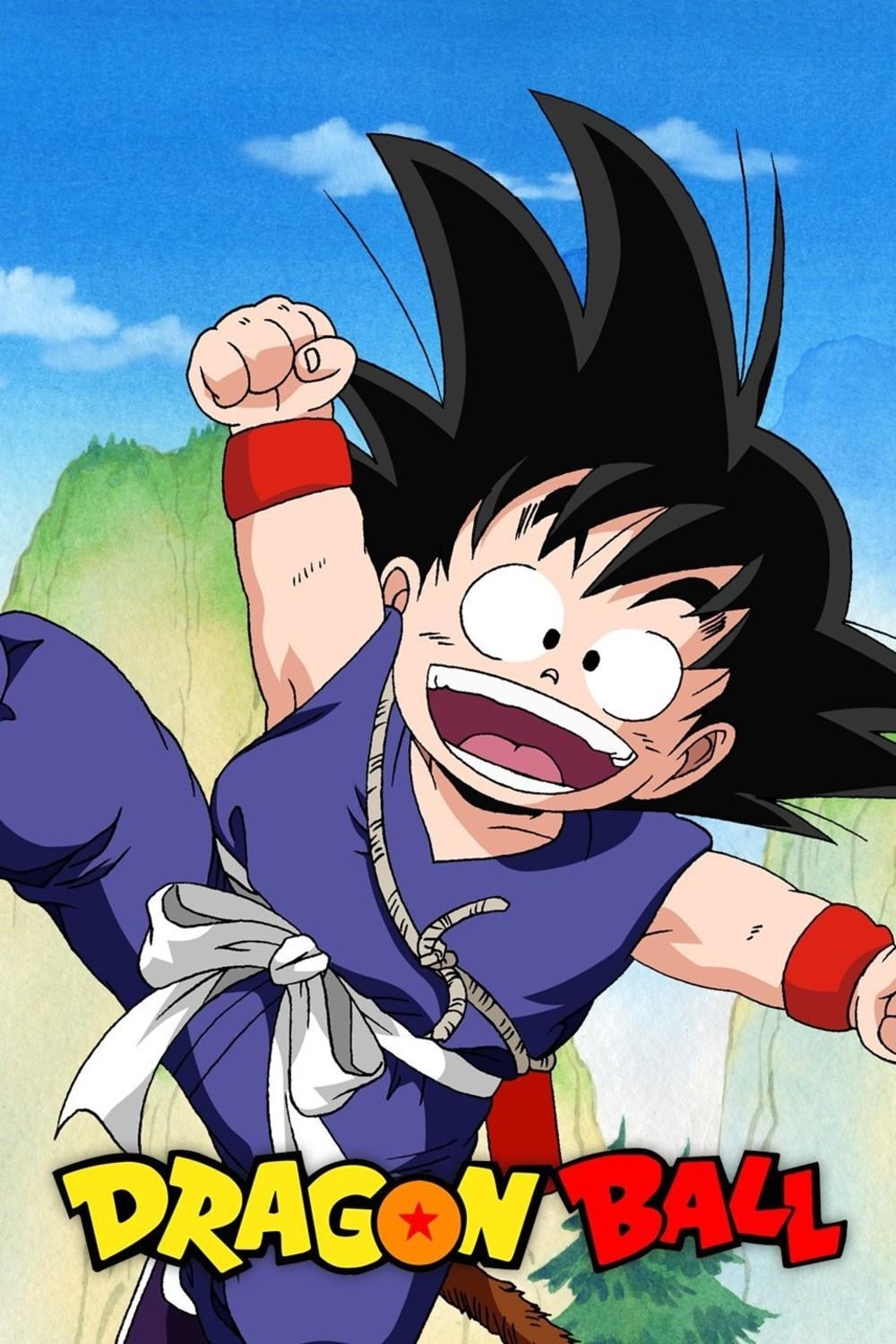
The Tenkaichi Budokai uses a raised arena where touching the ground outside the ring results in an immediate loss. A fighter downed within the ring can be counted out if they cannot stand by a ten count. Lethal force and weapons are prohibited, and a designated announcer-referee enforces infractions. Preliminary eliminations determine finalists who then fight in sequential one-on-one matches on the main stage.
‘Dragon Ball Z’ (1989–1996) – Separate Junior and Adult divisions with the same strict ring rules

The World Martial Arts Tournament adds a Junior Division featuring rapid, multi-contestant eliminations followed by a final. Adult matches retain ring-out, knockout, and surrender as decisive results under a referee’s count and oversight. Draws or double ring-outs can prompt rematches or special rulings to maintain the bracket. Entry requires on-site registration and passing preliminaries before the finals bracket is set.
‘My Hero Academia’ (2016–present) – Multi-stage format mixing obstacle race, cavalry battle, and duels
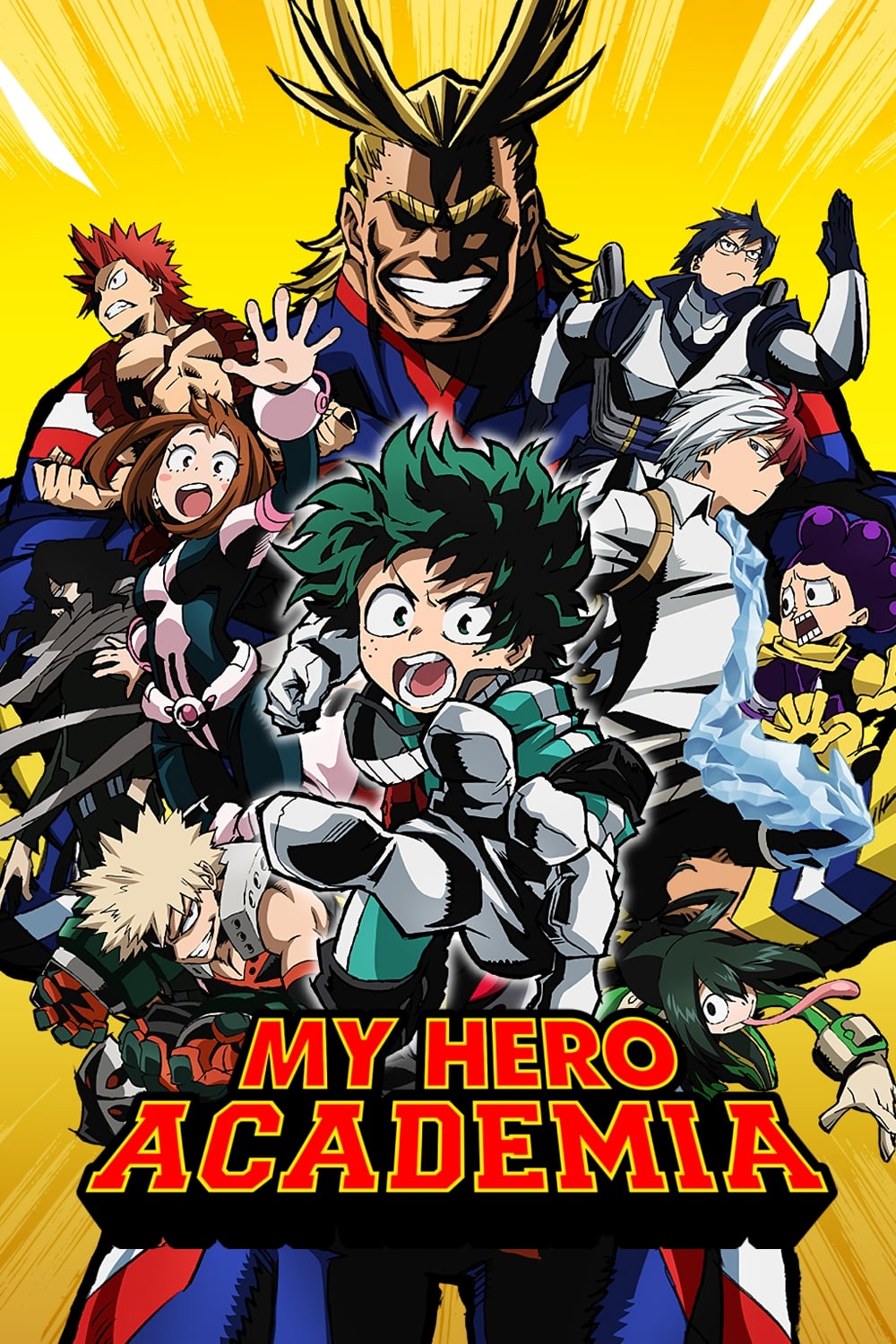
The U.A. Sports Festival opens with an all-participants obstacle race where placement determines point values for the next stage. The second stage is a cavalry battle, where teams attempt to steal headbands whose points mirror prior rankings. The final stage is a single-elimination series of one-on-one matches with faculty proctors empowered to stop unsafe bouts. Quirk usage is permitted within venue boundaries, and match preparations are strictly timed.
‘Kengan Ashura’ (2019–2023) – Corporate-sponsored “anything goes” bouts with medical oversight
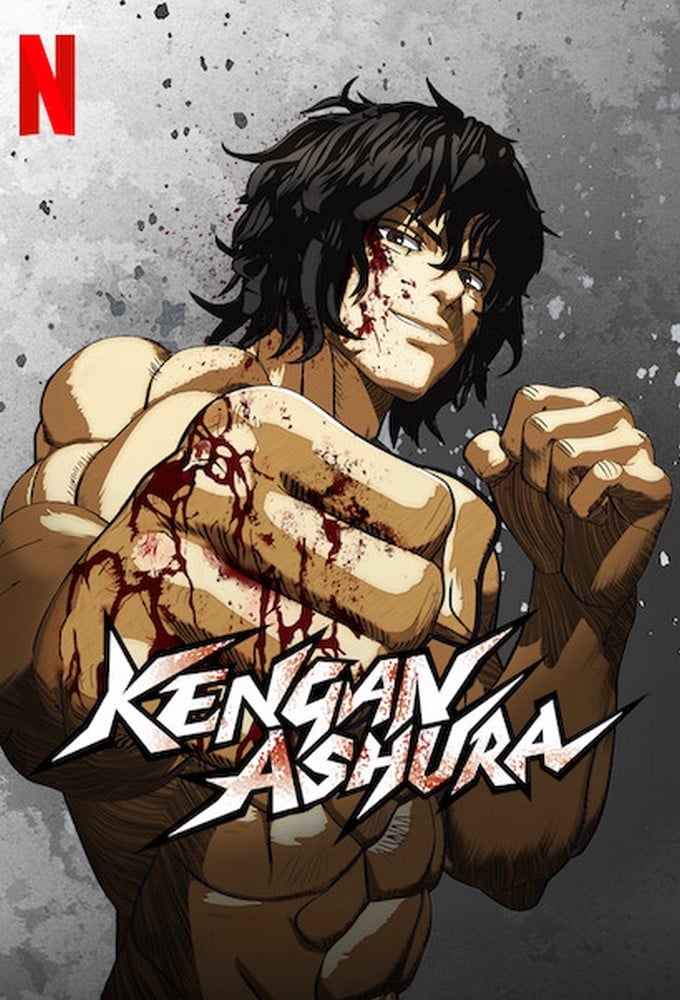
The Kengan Annihilation Tournament registers fighters as representatives of companies, with contracts binding outcomes to business stakes. Matches permit strikes, grappling, and unconventional tactics so long as they occur within the arena. Victory is achieved by knockout, surrender, or referee stoppage, with ringside medics on standby. Brackets are set by an organizing committee, and bouts occur on a private island with controlled security.
‘Baki’ (2018–2021) – Invitation-only Raitai Tournament with barehand rules
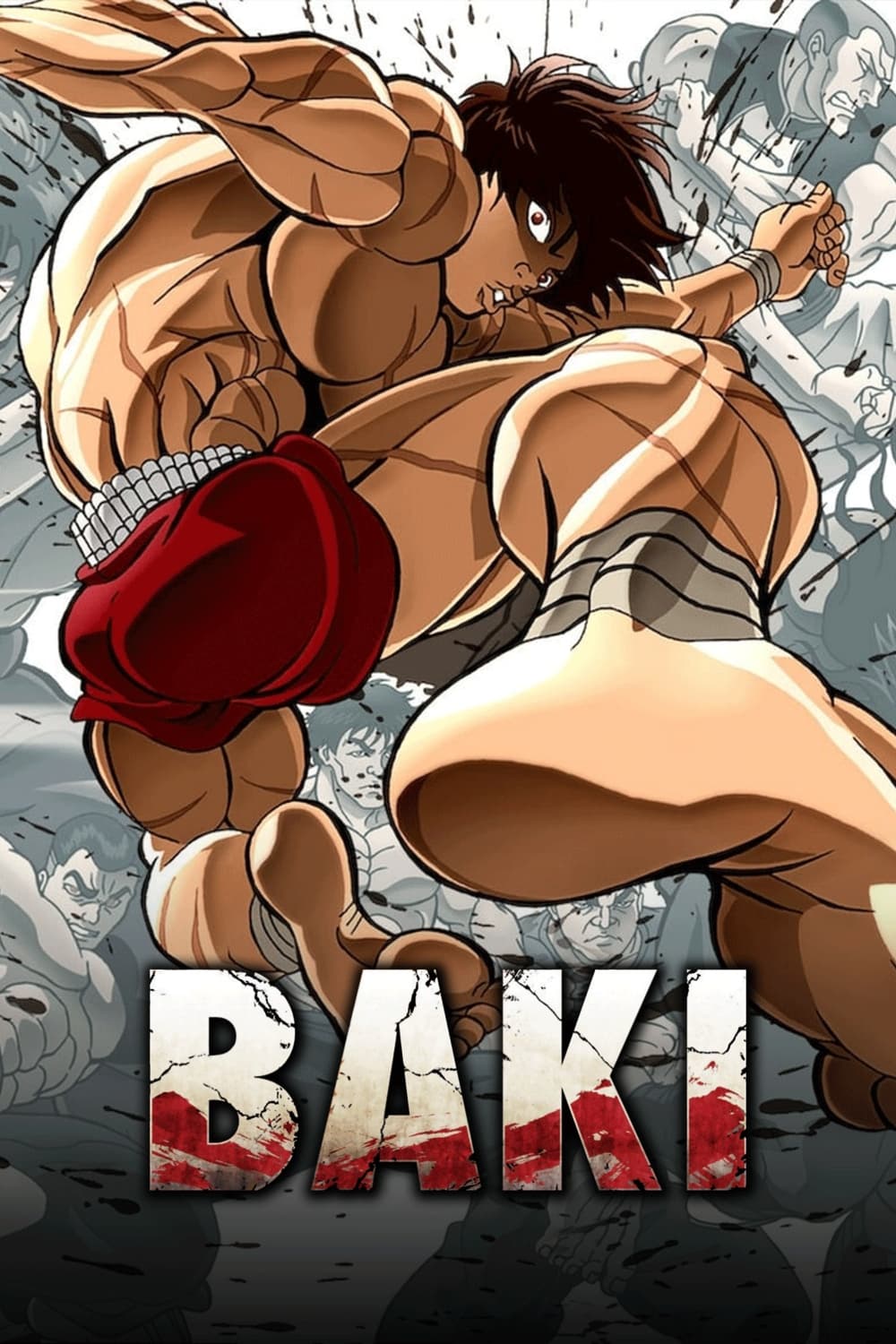
The Raitai Tournament convenes Chinese martial arts masters under a host authority that sets match order and officiates. Fighters compete unarmed, and results are decided by knockout, surrender, or inability to continue. Visiting non-Chinese competitors enter as special invitees, subject to the same conditions and oversight. No weight classes or protective gear are used, emphasizing technique, conditioning, and endurance.
‘Fate/Zero’ (2011–2012) – Seven-team battle royale governed by Command Seals
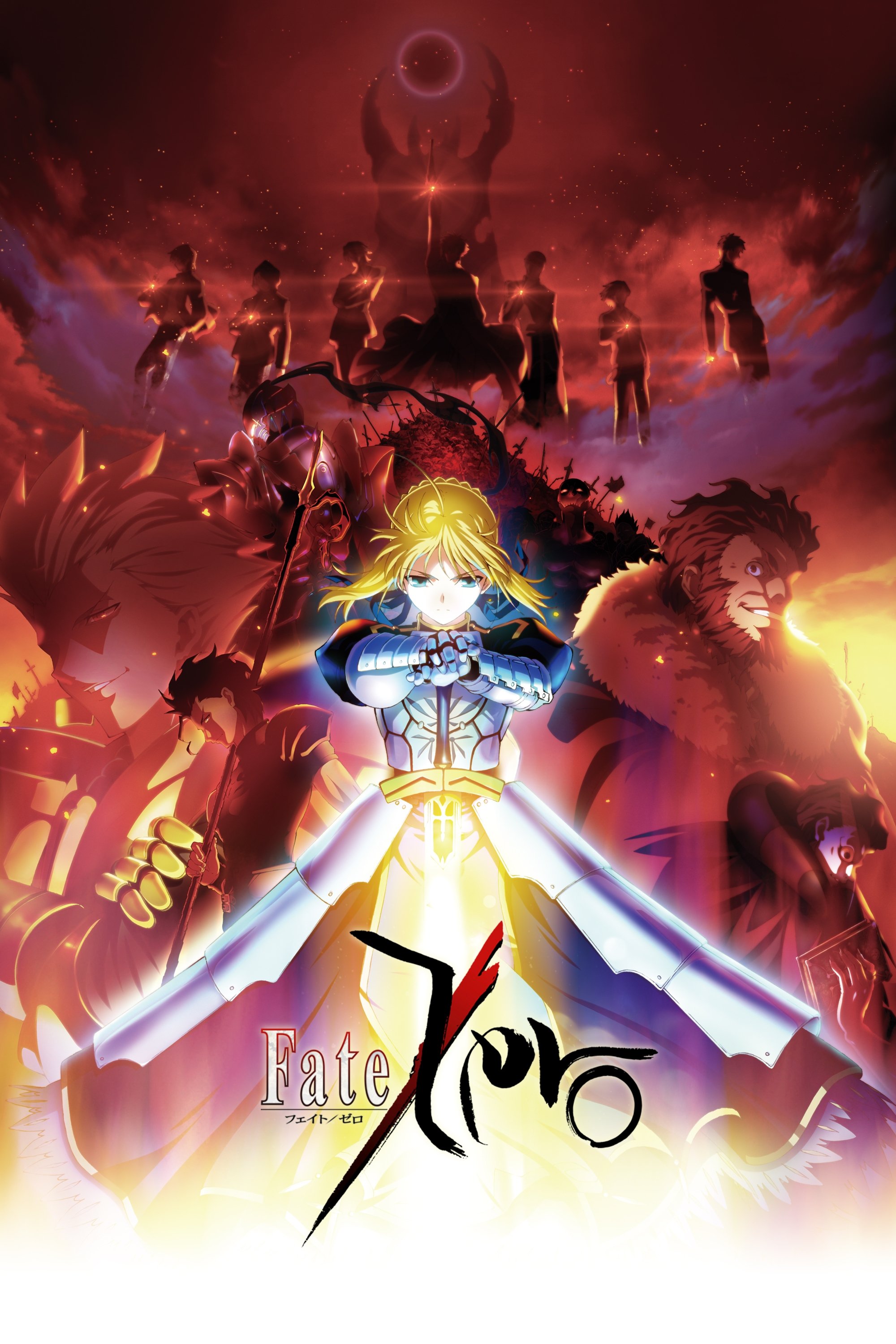
The Holy Grail War recognizes seven Masters, each bound to a summoned Servant of a unique class, and grants Command Seals for absolute orders. Secrecy is mandated, with neutral mediators tasked to keep collateral exposure minimal. The conflict continues until only one team remains, at which point the Grail selects a victor. Territorial wards, familiars, and contracts are permitted provided they do not violate neutrality zones.
‘Yu-Gi-Oh! Duel Monsters’ (2000–2006) – Star chips and field power bonuses define tournament progress
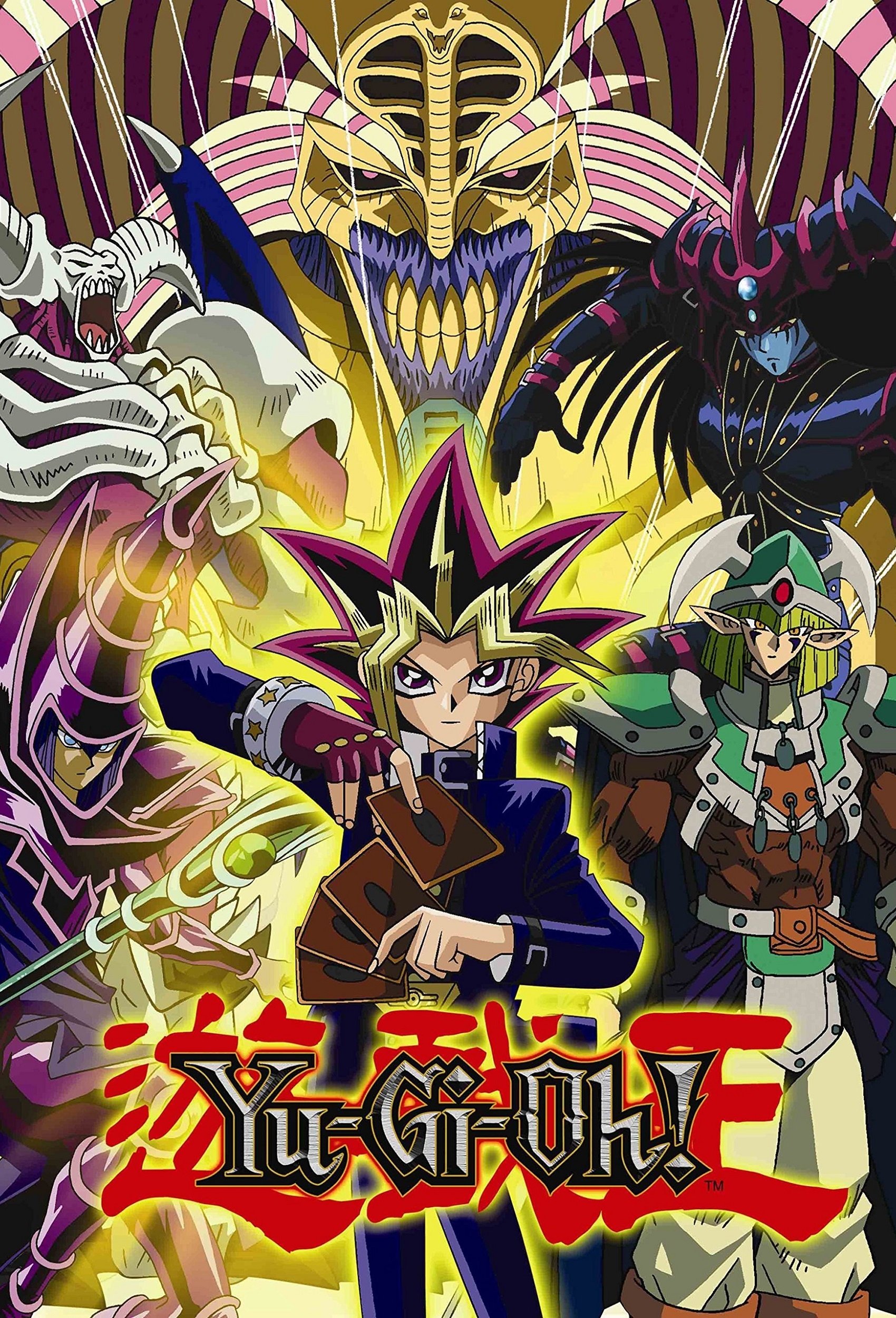
The Duelist Kingdom format requires contestants to collect star chips by winning duels to qualify for finals. Early duels incorporate terrain-based field power bonuses that modify monster strength by location. Wagers are pre-declared, and losses transfer chips or designated ante cards between players. Officiation is handled by the organizer’s agents, who validate wins and ensure finalists meet chip requirements.
‘Beyblade Burst’ (2016–2023) – Point system with distinct victory types, including the “Burst Finish”
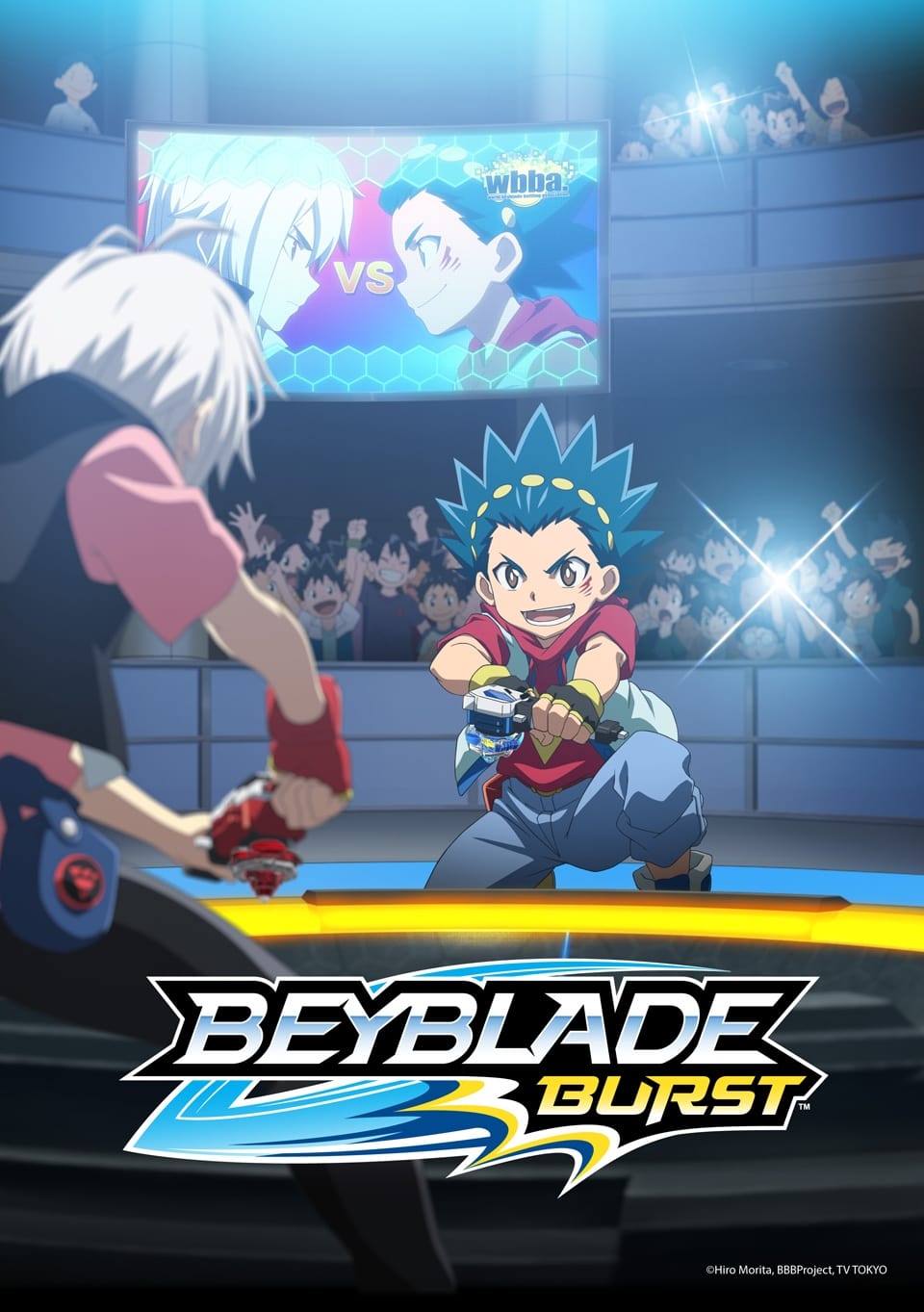
Matches award points by result type: a Burst Finish yields two points, while Ring Out Finish and Survivor Finish each grant one. Tournaments typically use a first-to-two or first-to-three format depending on stage. Launch procedures and stadium types are standardized, with referees judging contact and out-of-bounds calls. Parts customization is legal within competition regulations, and pre-match inspections confirm compliance.
‘Food Wars! Shokugeki no Soma’ (2015–2020) – Theme-limited cook-offs with panel judging

The Autumn Elections require contestants to cook to a specified theme or ingredient constraint within a strict time limit. Dishes are judged by a selected panel that scores based on taste, technique, and concept adherence. Advancement depends on comparative scoring rather than head-to-head elimination in early rounds, then shifts to bracketed matches. Kitchen equipment, pantry access, and plating time are predefined by the organizers for each stage.
‘The God of High School’ (2020) – Wish-granting tournament with evolving rules and team phase
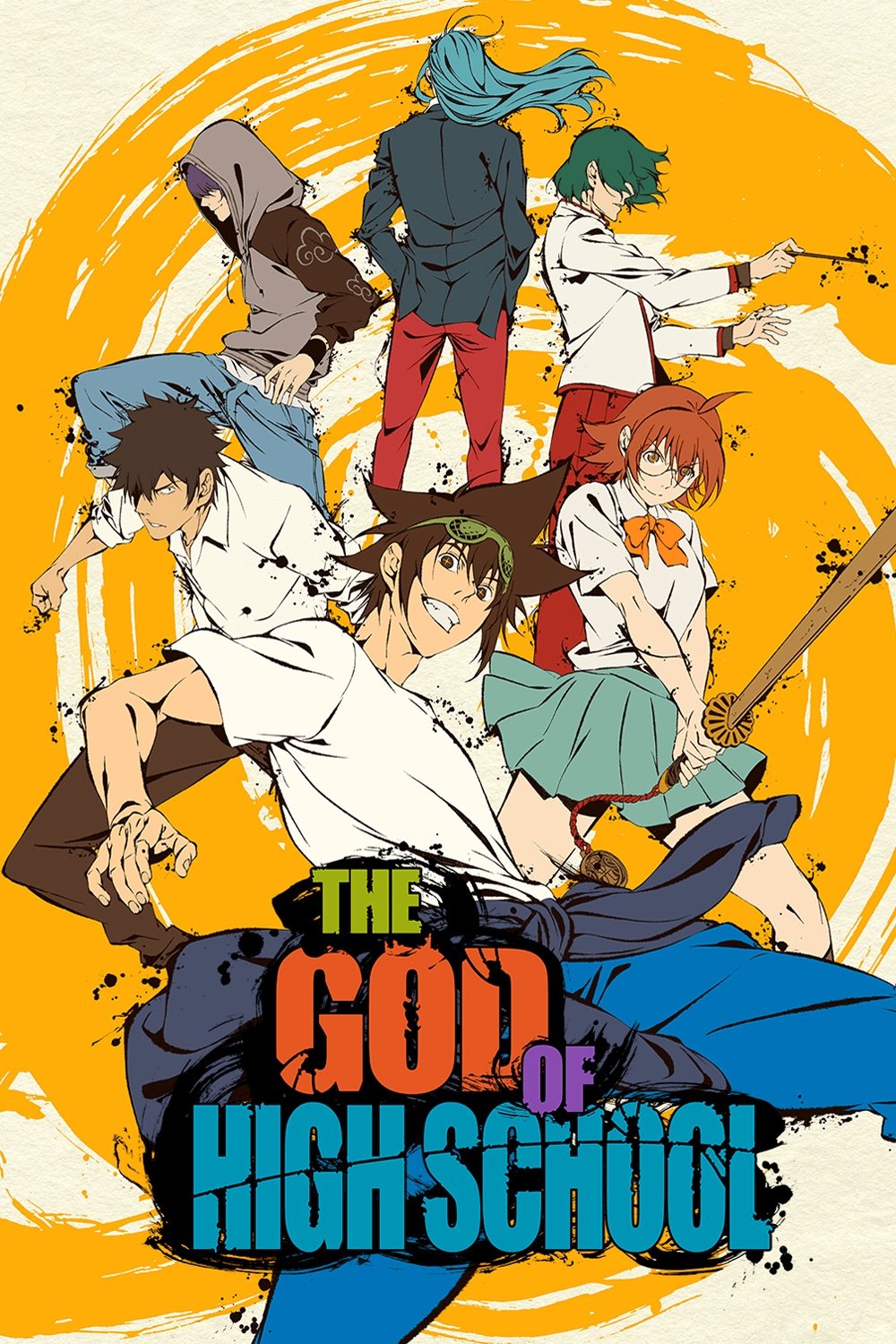
Initial rounds are individual, allowing a wide array of martial arts and weapon styles under referee supervision. Later stages convert to three-person team matches, requiring composite strategies and character role assignments. Victories are by knockout, submission, or point decision if time expires. Organizers authenticate contestants and document abilities, later permitting supernatural contracts within regulated limits.
‘One Piece’ (1999–present) – Block battle royales leading to a finals bout for a single prize
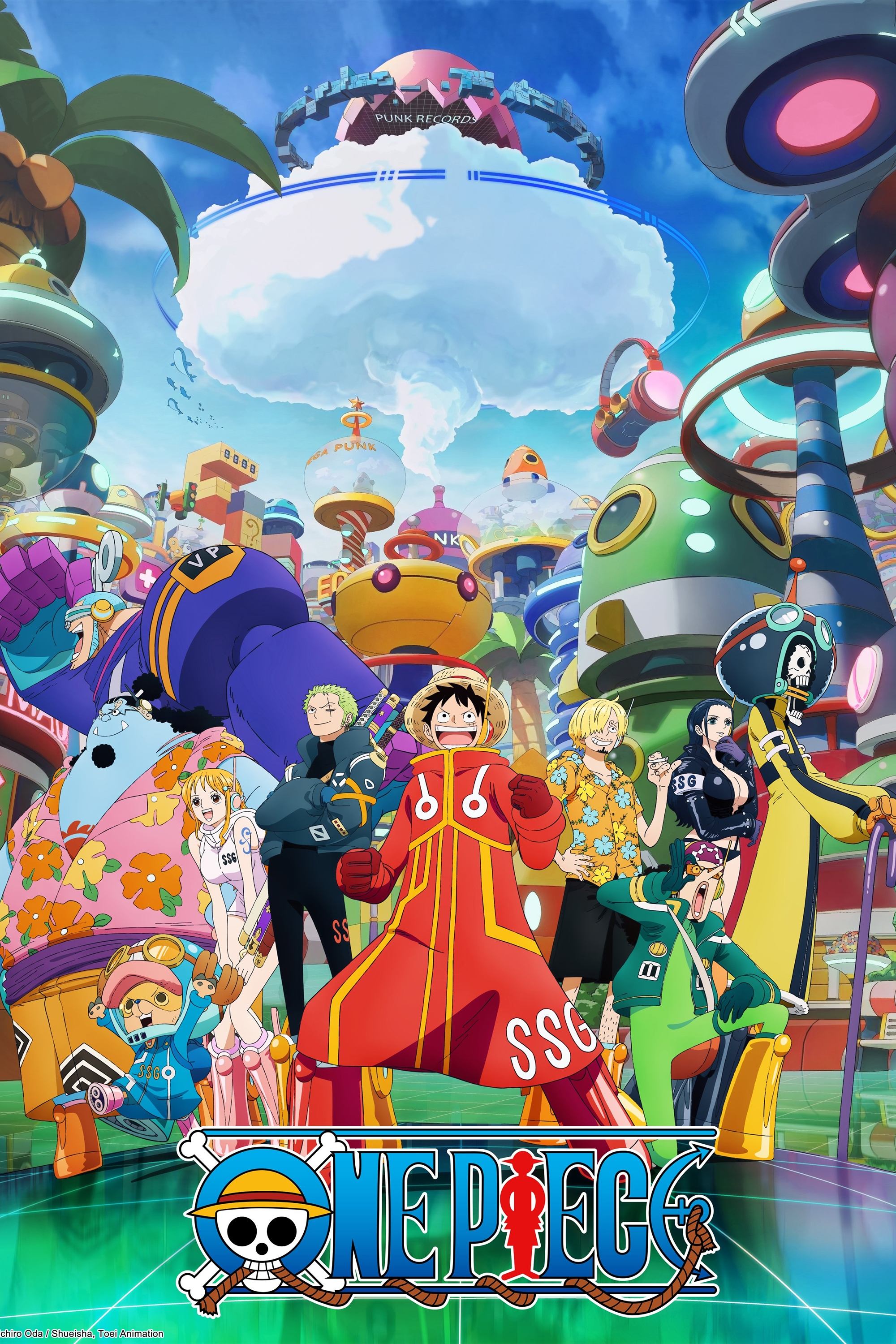
The Corrida Colosseum splits entries into multiple lettered blocks, each resolved via last-person-standing battle royale. Leaving the arena or being incapacitated results in elimination, and block winners advance to the final. The tournament advertises a specific prize for the champion, drawing international entrants. House rules are announced by the colosseum staff, who also enforce disqualifications and handle draws.
‘MEGALOBOX’ (2018–2021) – Gear-enhanced boxing with ranking-based entry to the championship
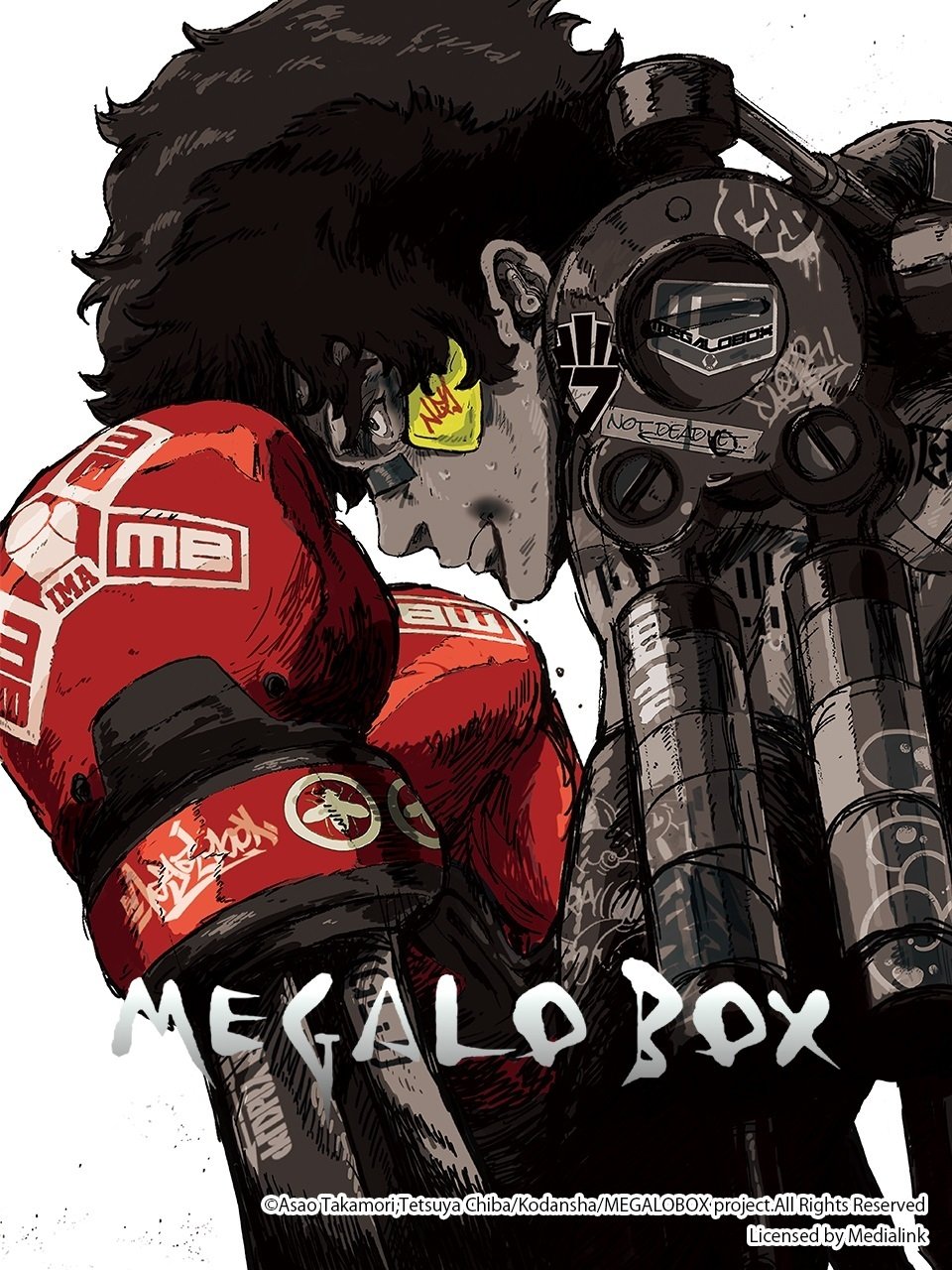
Megalonia requires fighters to use mechanical Gear unless expressly exempted, with matches sanctioned by officials. Qualification depends on rank, which is earned through regulated bouts against licensed opponents. Victory is by knockout, technical knockout, or judges’ decision under standardized scoring. Medical checks and equipment inspections precede fights to verify safety and Gear compliance.
‘Kill la Kill’ (2013–2014) – School-wide ascension battles dictated by uniform tiers
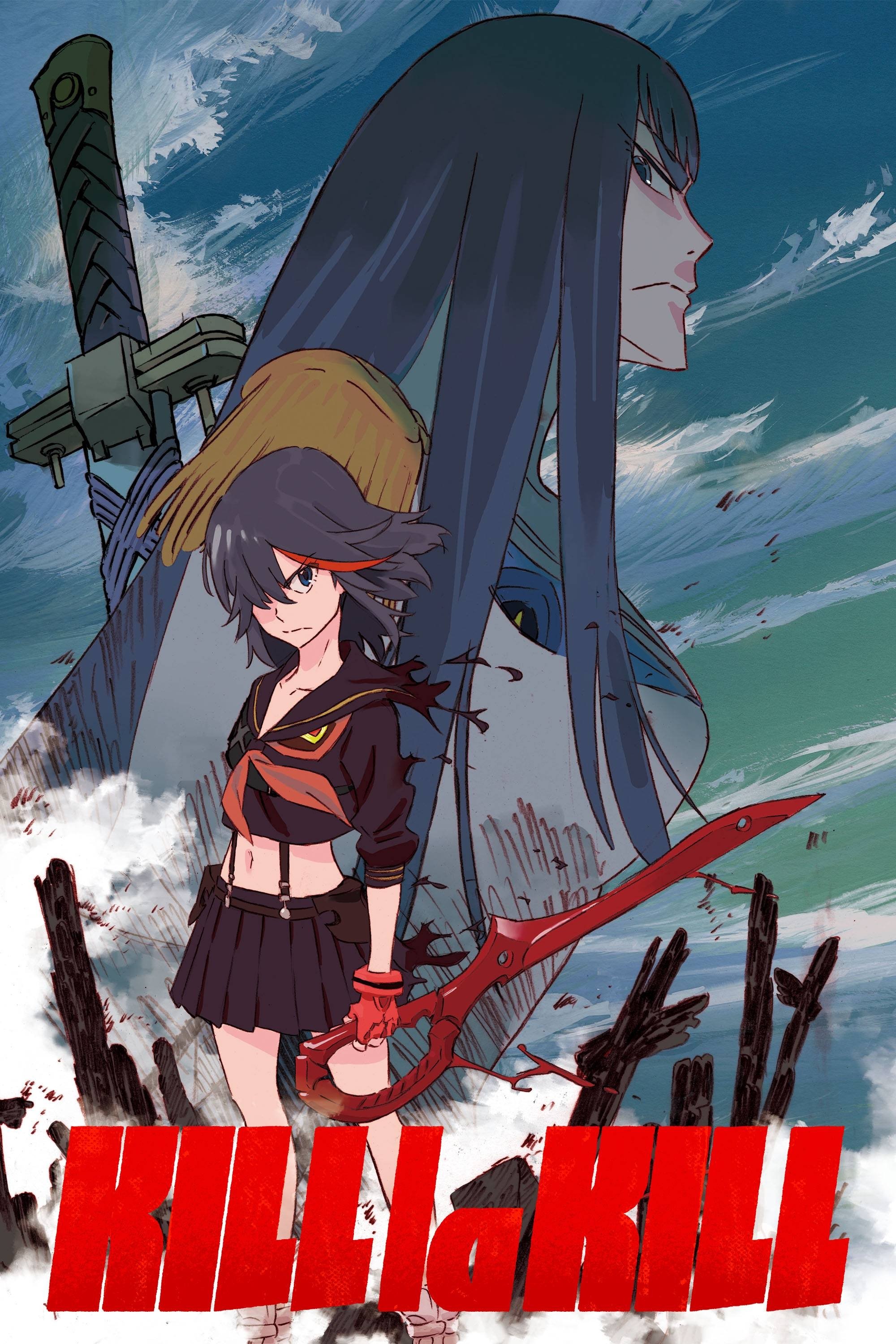
The Naturals Election reorganizes the academy into competitive zones, where students challenge others to climb ranks. Combat is structured around Goku Uniform tiers, with higher stars conferring greater abilities under set constraints. The student council sets challenge formats, time windows, and victory conditions for each district. Results immediately adjust a student’s standing, residence privileges, and resource access according to posted rules.
‘Pokémon’ (1997–present) – Badge-gated league with standardized six-on-six finals rules

Entry into a regional League requires earning a set number of Gym Badges through certified battles. Main-stage League matches typically permit six Pokémon per trainer, with substitutions regulated by the referee. A Pokémon unable to continue is declared fainted, and the trainer must send a replacement until no eligible Pokémon remain. Certain environmental or move restrictions apply per stadium, and tie procedures are defined before each match.
‘Gundam Build Fighters’ (2013–2014) – Model damage settings and battlefield presets govern play
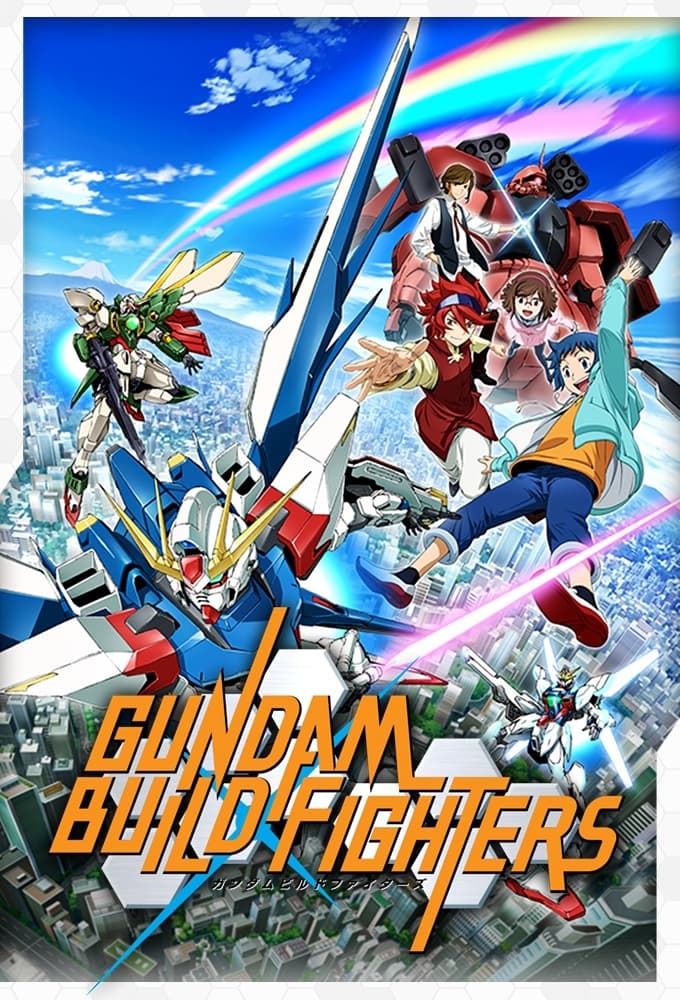
Gunpla Battle uses Plavsky particles to animate models, with organizers setting damage levels that determine how much real wear a kit will suffer. Matches begin after a pre-match scan that locks parts and confirms legality. Battlefields are preselected virtual environments, each with its own terrain and tactical implications. External interference or mid-match physical repairs to the model are grounds for penalties or disqualification.
‘Kakegurui’ (2017–2019) – Vote-chip economy drives an election through gambling matches

The presidential election converts student votes into physical chips that can be wagered in approved games. Candidates may challenge others to matches with mutually agreed rules, subject to an election committee’s oversight. Winnings transfer votes immediately, altering standings on the official leaderboard. Debts and collateral can be formalized before play, and disputes are resolved by designated arbiters.
‘Deadman Wonderland’ (2011) – Organ-stake duels with mandatory “penalty games”
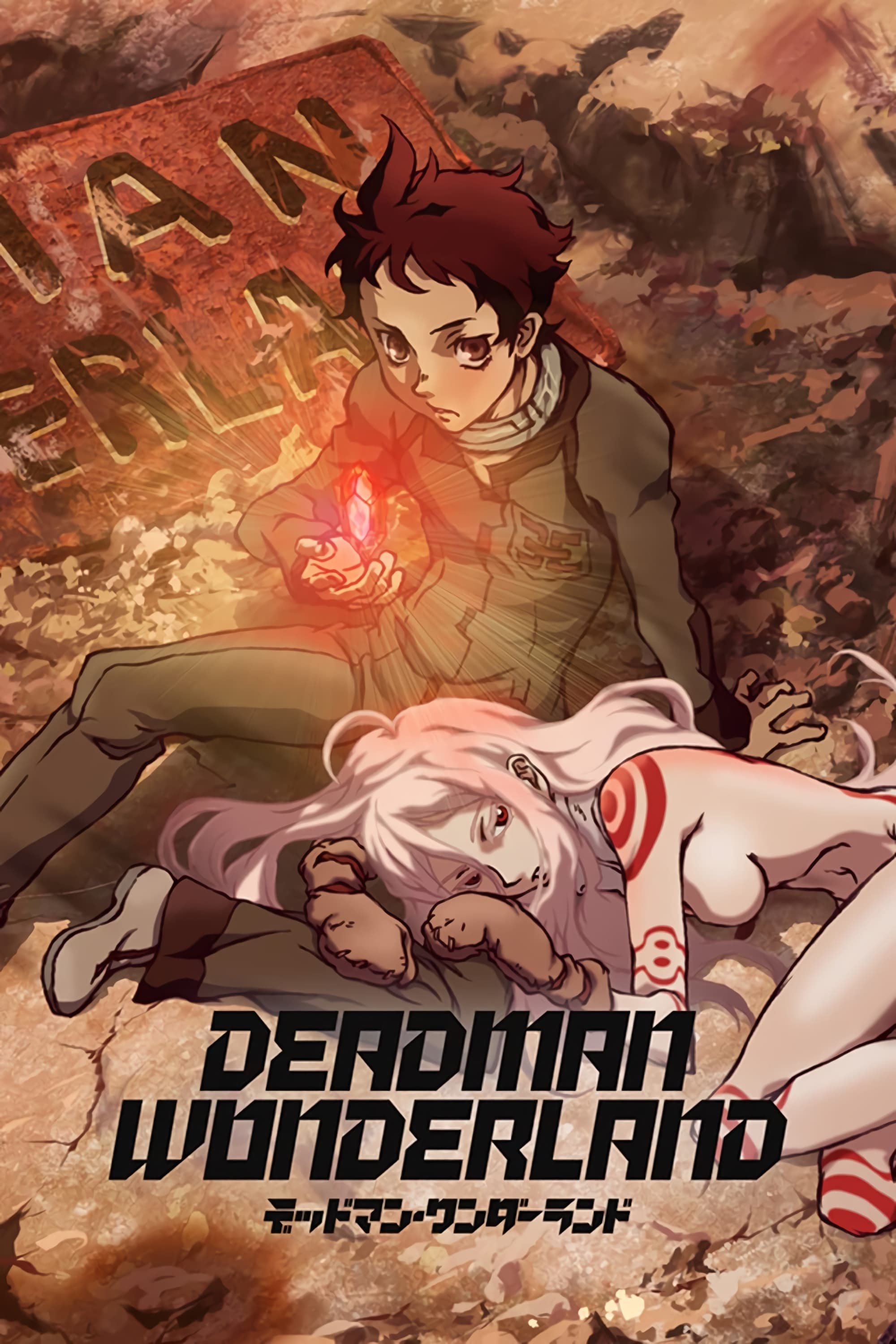
The Carnival Corpse pairs prisoners in secret matches where spectators wager on outcomes, and combatants bet body parts by contract. Victory conditions include knockout, surrender, or incapacitation under an underground referee. Losers undergo a “penalty game” corresponding to the wagered body part, enforced by prison authorities. Matches are recorded for VIP audiences, and participants receive points redeemable for necessities.
‘Kaiji’ (2007–2008) – Limited-card “Restricted RPS” with star tokens and trading

Contestants start with a fixed set of rock, paper, and scissors cards plus star tokens that represent survival. Each duel consumes one card from both players, and the winner may claim a star under agreed terms. Trading of cards and stars is permitted between matches, creating a secondary market that reshapes odds. When the timer ends, those lacking the required number of stars or with remaining cards face elimination penalties.
Share your favorite wild tournament rule in the comments—what ingenious setup did we miss?