Most Creative Uses Of Time Travel In Anime

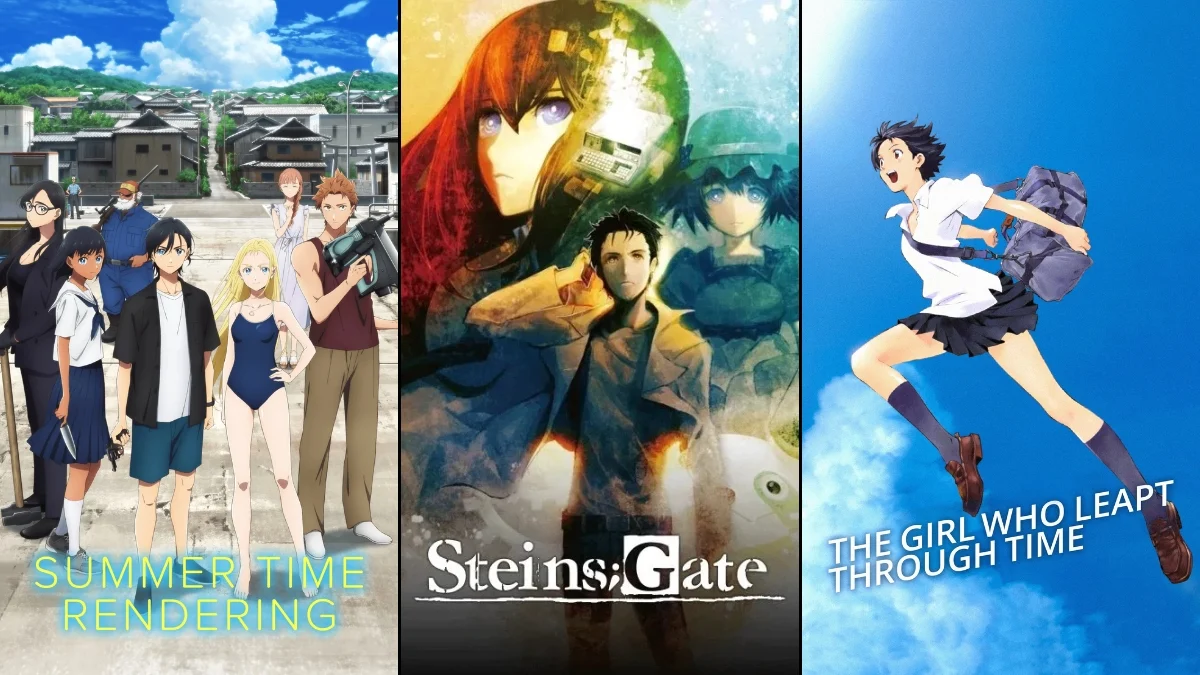

Time travel shows up across anime as time loops, letters from the future, cosmic do-overs, and even history-bending detours, each with its own rules and consequences. From small-scale resets that fix a single mistake to world-altering jumps that reshape entire eras, creators use the concept to drive mysteries, romances, and wars alike. This list gathers twenty-five anime that put time out of order in distinct ways, noting how their mechanisms work and what they’re used to accomplish. You’ll find devices like microwave senders, magical contracts, ancient wells, and more—each a different lens on how story and science (or sorcery) can twist the clock.
‘Steins;Gate’ (2011) – text messages to the past and short “time leaps”
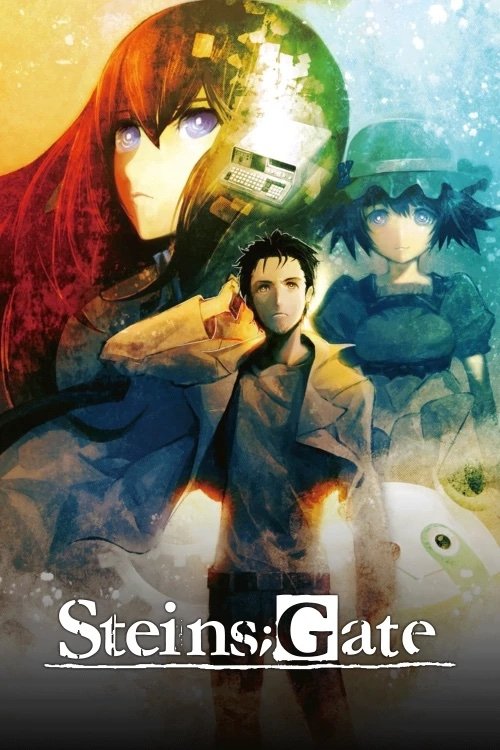
In ‘Steins;Gate’, characters send “D-mails” that alter past events by transmitting text messages to earlier points on a worldline. A separate device enables a user’s memories to “time leap” into their own body in the recent past, preserving knowledge while rewinding circumstances. The narrative tracks diverging worldlines and the conditions necessary to reach a specific target outcome. It also details practical limits, like message size, signal routes, and the ripple effects of even trivial changes.
‘The Girl Who Leapt Through Time’ (2006) – limited time leaps with a visible counter

‘The Girl Who Leapt Through Time’ centers on short-range jumps triggered by a mysterious device that grants a finite number of leaps. The protagonist initially uses these hops for everyday fixes, then faces cascading unintended consequences as earlier choices compound. As the leap count dwindles, the story shows how small edits propagate through relationships and events. The device’s origin and rules form the basis for how conflicts are resolved without paradoxes spiraling out of control.
‘Erased’ (2016) – involuntary jumps tied to preventing imminent harm
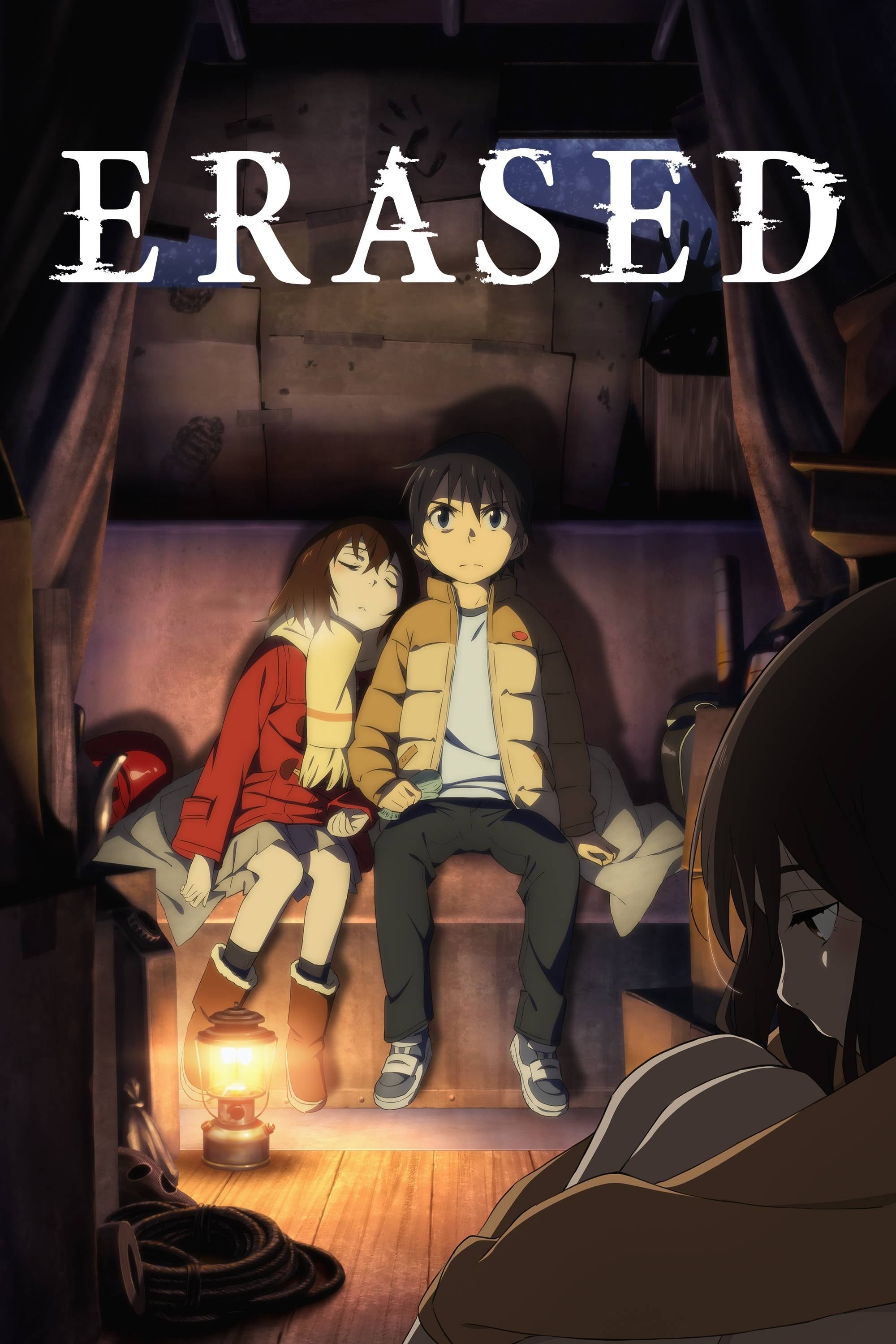
In ‘Erased’, a phenomenon dubbed “Revival” pushes the protagonist back moments—or much further—before life-threatening incidents. The power activates automatically when danger is near, forcing repeated attempts until the triggering cause is corrected. A major jump enables a return to childhood, combining investigation elements with changes to daily routines that steer outcomes. Constraints come from maintaining a cover while gathering evidence and avoiding new collateral damage.
‘Re:ZERO -Starting Life in Another World’ (2016–2021) – checkpoint resets anchored to the protagonist’s death

‘Re:Zero − Starting Life in Another World’ uses a save-point style mechanic called “Return by Death,” setting invisible checkpoints that shift as arcs progress. When the protagonist dies, time resets to the latest anchor while his memories persist. The series documents how information, alliances, and tactics compound across iterations. It also explores limitations, like psychological strain, moving checkpoints, and events that require precise multi-step coordination to change.
‘Puella Magi Madoka Magica’ (2011) – repeated global loops driven by a single user’s wish
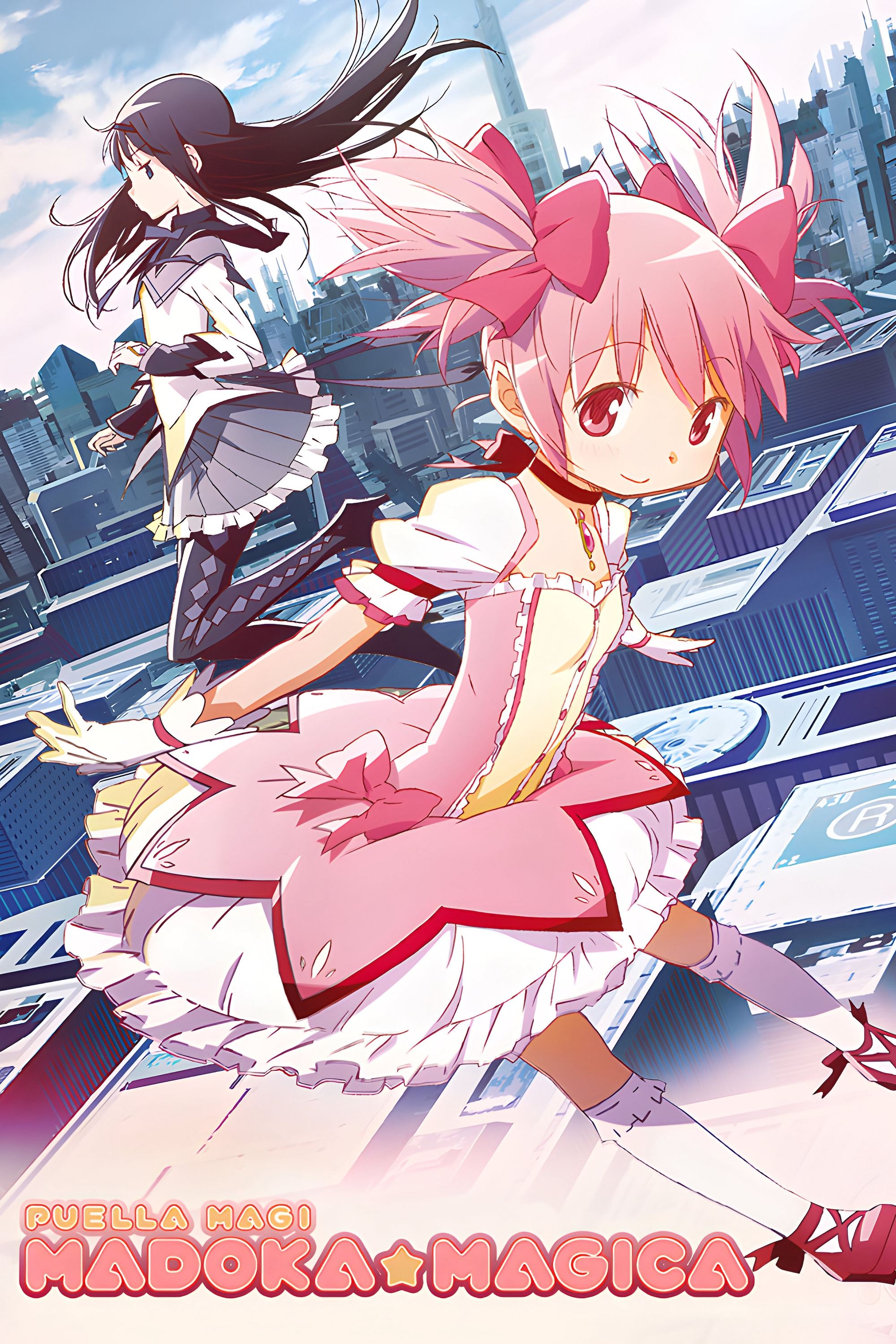
In ‘Puella Magi Madoka Magica’, a time-loop power is granted through a contract, allowing one character to rewind timelines to protect another. Each loop accumulates knowledge while generating different configurations of cause and effect. The system interacts with energy-gathering rules that measure outcomes across universes. The show maps how repeated cycles escalate stakes and alter the metaphysical framework governing magical contracts.
‘Tokyo Revengers’ (2021–2023) – handshake-triggered jumps along a fixed age offset
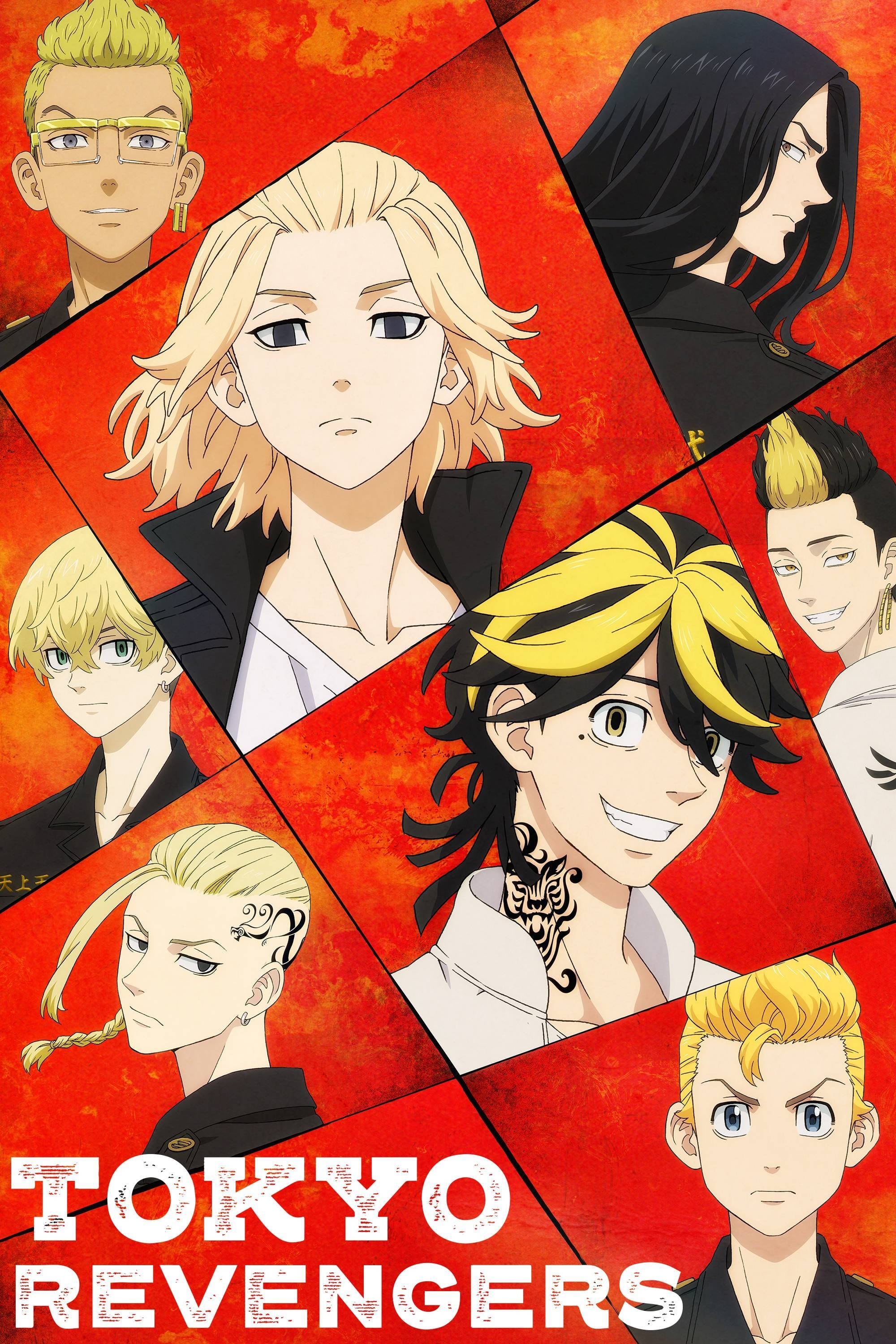
‘Tokyo Revengers’ employs a time-jump mechanism that sends the protagonist exactly the same number of years into the past when he makes physical contact with a specific person. The fixed offset ensures consistent landing points, facilitating targeted interventions in gang conflicts. Changes in the past reflect in the present, revealing branching results after each mission. The series explains constraints like requiring the trigger to jump and the difficulty of syncing plans across eras.
‘Inuyasha’ (2000–2004) – travel through an ancient well linking eras

‘Inuyasha’ connects modern Japan to the Sengoku period via the Bone-Eater’s Well, enabling physical travel rather than memory transfer. The portal’s accessibility depends on spiritual conditions and artifacts tied to the Shikon Jewel. Characters shuttle people and items across time, influencing quests, alliances, and battles. The show details location-based limits and how historical context shapes the effects of time crossings.
‘Summer Time Rendering’ (2022) – iterative loops against an enemy that learns back
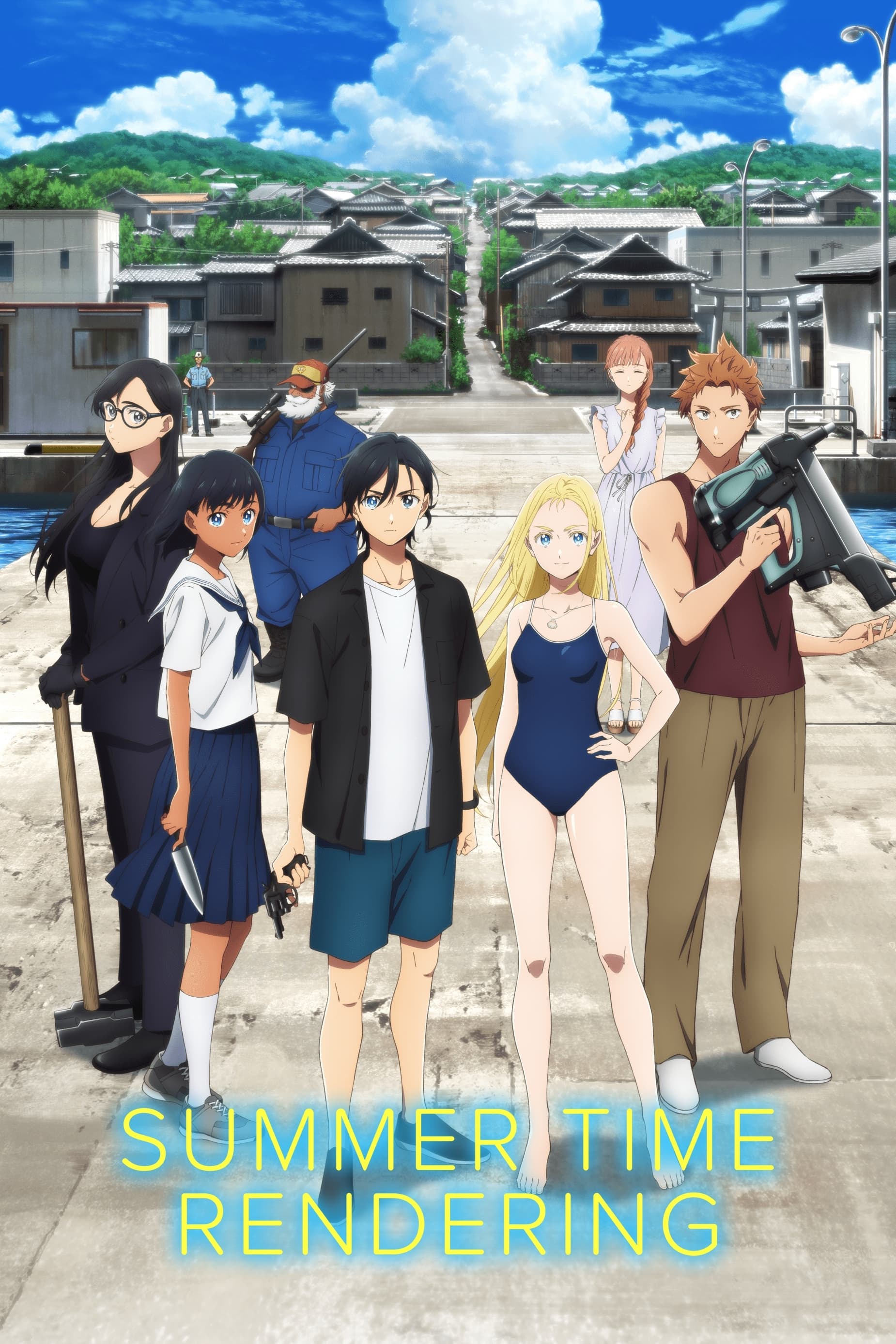
‘Summer Time Rendering’ features a looping ability bound to a fixed starting point that moves forward after key events. The protagonist retains memory, while adversaries—supernatural entities—can copy information across loops, creating an arms race of knowledge. The rules define how far a loop can rewind and what costs apply when the start point advances. Strategy revolves around collecting intel, protecting crucial witnesses, and managing loop attrition.
‘Your Name.’ (2016) – timeline crossing entwined with body-swaps and a celestial event
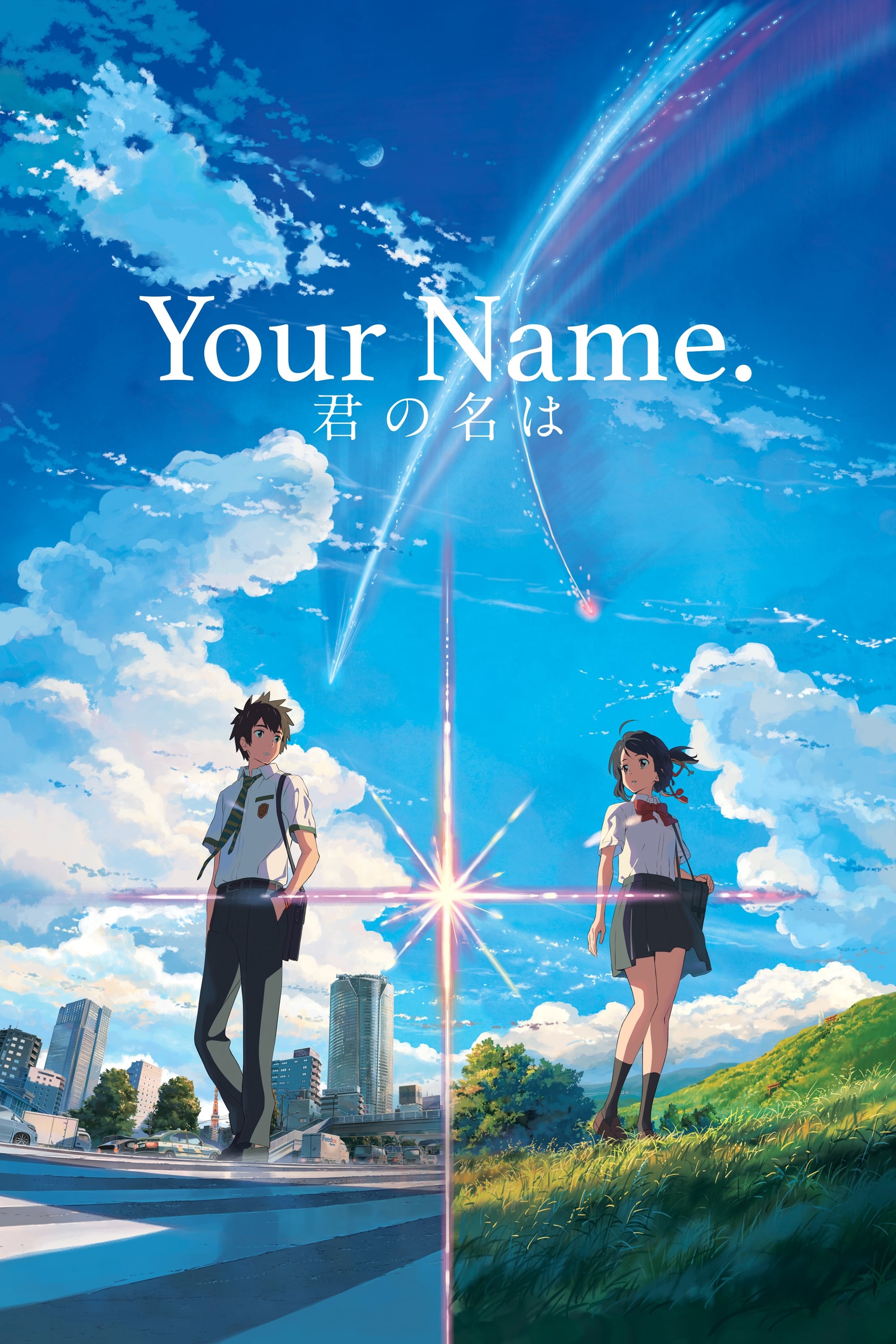
In ‘Your Name’, characters experience non-concurrent body-swaps that bridge two timelines offset by a catastrophic event. Personal logs, written notes, and physical markers preserve information across shifts even as memories fade. The film establishes spatial and temporal rules that must align to enable direct contact. Its resolution depends on synchronizing locations, names, and handcrafted signals to surpass fading connections.
‘Noein: To Your Other Self‘ (2005–2006) – travelers from branching futures manipulating possibilities

‘Noein’ blends multiverse theory with time travel by sending agents from alternate future timelines to influence a pivotal present. The show explains how different potential futures—like La’cryma and Shangri-La—compete through quantum-style selection. Characters deploy technology that detects probabilities and locks in outcomes. The narrative outlines risks of paradox, identity divergence, and the cost of collapsing branches.
‘The Melancholy of Haruhi Suzumiya’ (2006–2009) – closed loops and discreet trips via classified time travelers
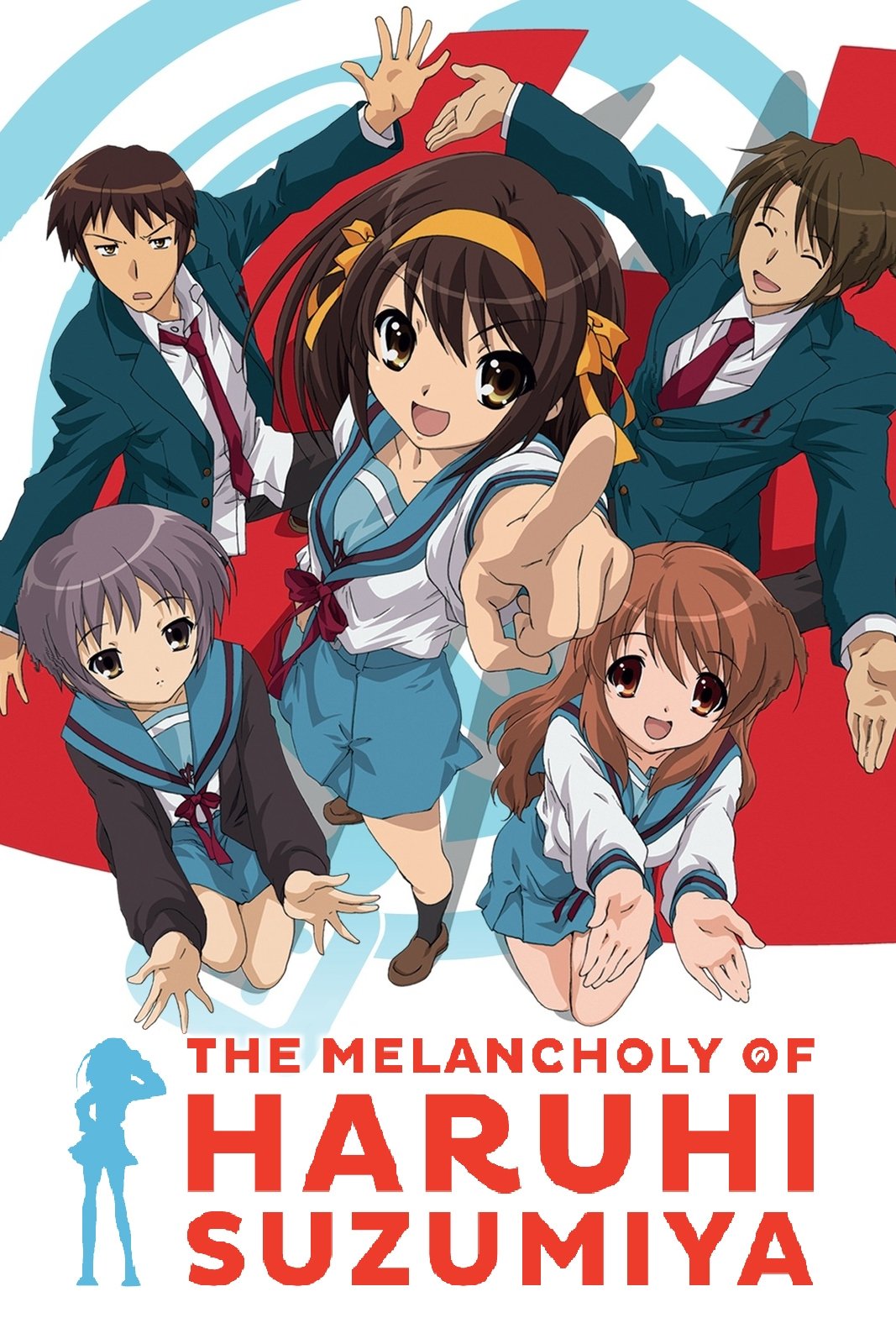
‘The Melancholy of Haruhi Suzumiya’ includes episodes where designated time travelers use sanctioned devices to move between eras for observation and containment. It depicts sealed time spaces and a famous multi-day loop that resets events repeatedly. The rules restrict what can be revealed to maintain stability around a central anomaly. Field protocols, cover identities, and limited mission windows define the scope of interference.
‘Higurashi: When They Cry’ (2006–2021) – repeating timelines that preserve fragments of awareness
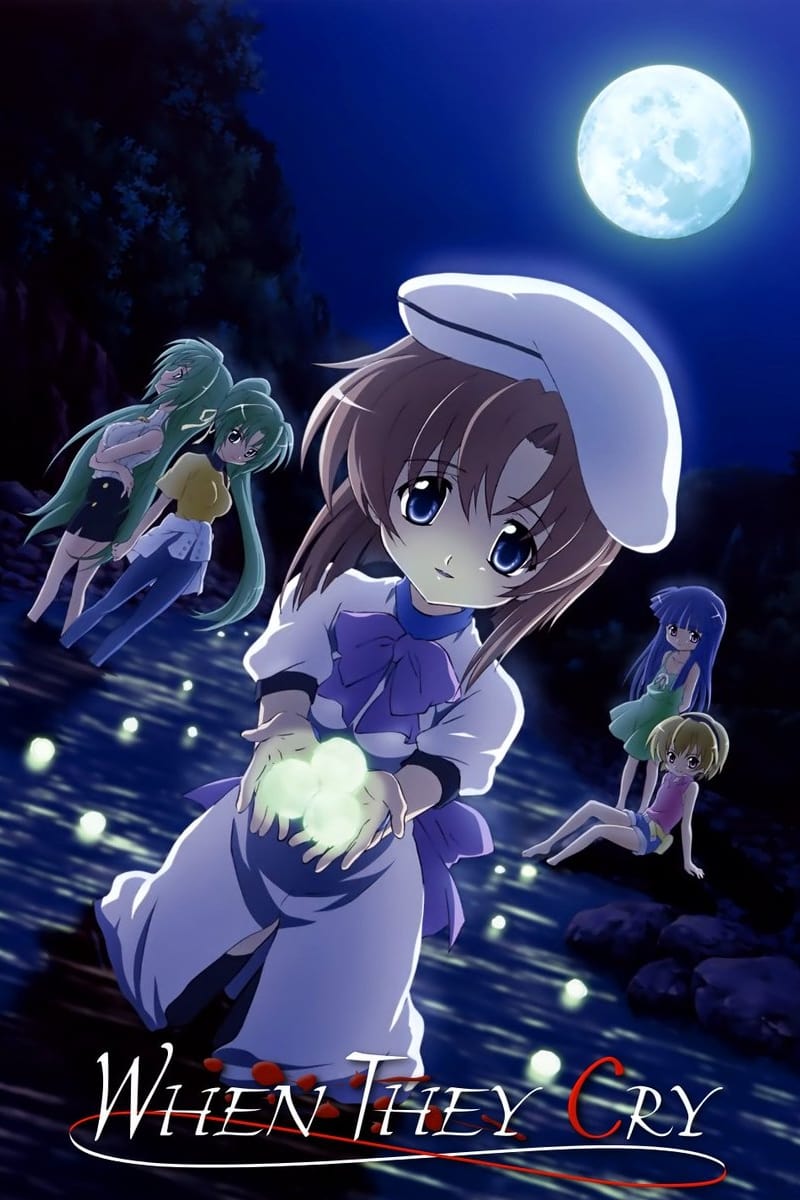
‘Higurashi: When They Cry’ cycles through parallel runs of the same rural summer, with certain characters gradually gaining memory continuity. Each arc alters variables like trust, evidence, and timing to prevent tragedies. The framework treats loops as separate worlds that can share intent and resolve once key conditions are met. Tools like notebooks, confessions, and coordinated schedules become the mechanisms that transfer insight between cycles.
‘Zipang’ (2004–2005) – a modern warship displaced into a historic conflict
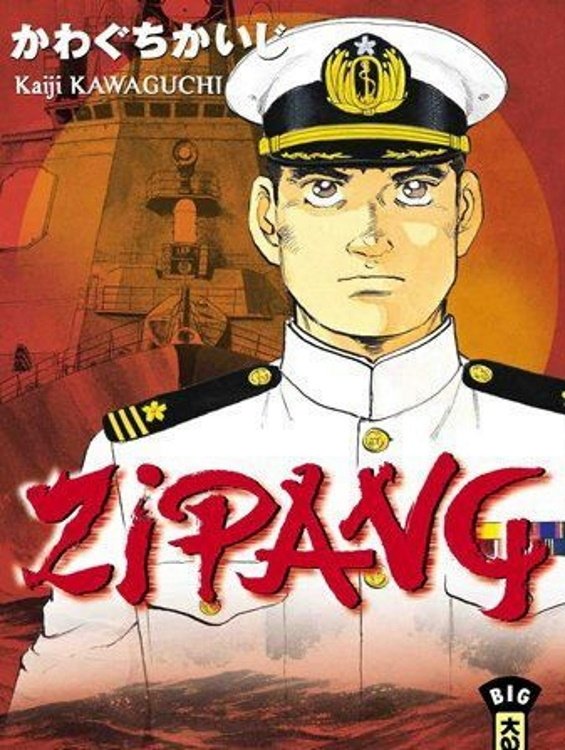
In ‘Zipang’, a contemporary naval destroyer is transported to the Pacific theater of an earlier global war. The crew faces doctrine and ethics challenges while their advanced technology risks rewriting history. Episodes analyze chain-of-command decisions, intelligence dilemmas, and encounters with historical figures. The scenario functions as a sustained study of non-interference versus tactical survival.
‘Nobunaga Concerto’ (2014–2015) – accidental time slip leading to historical substitution
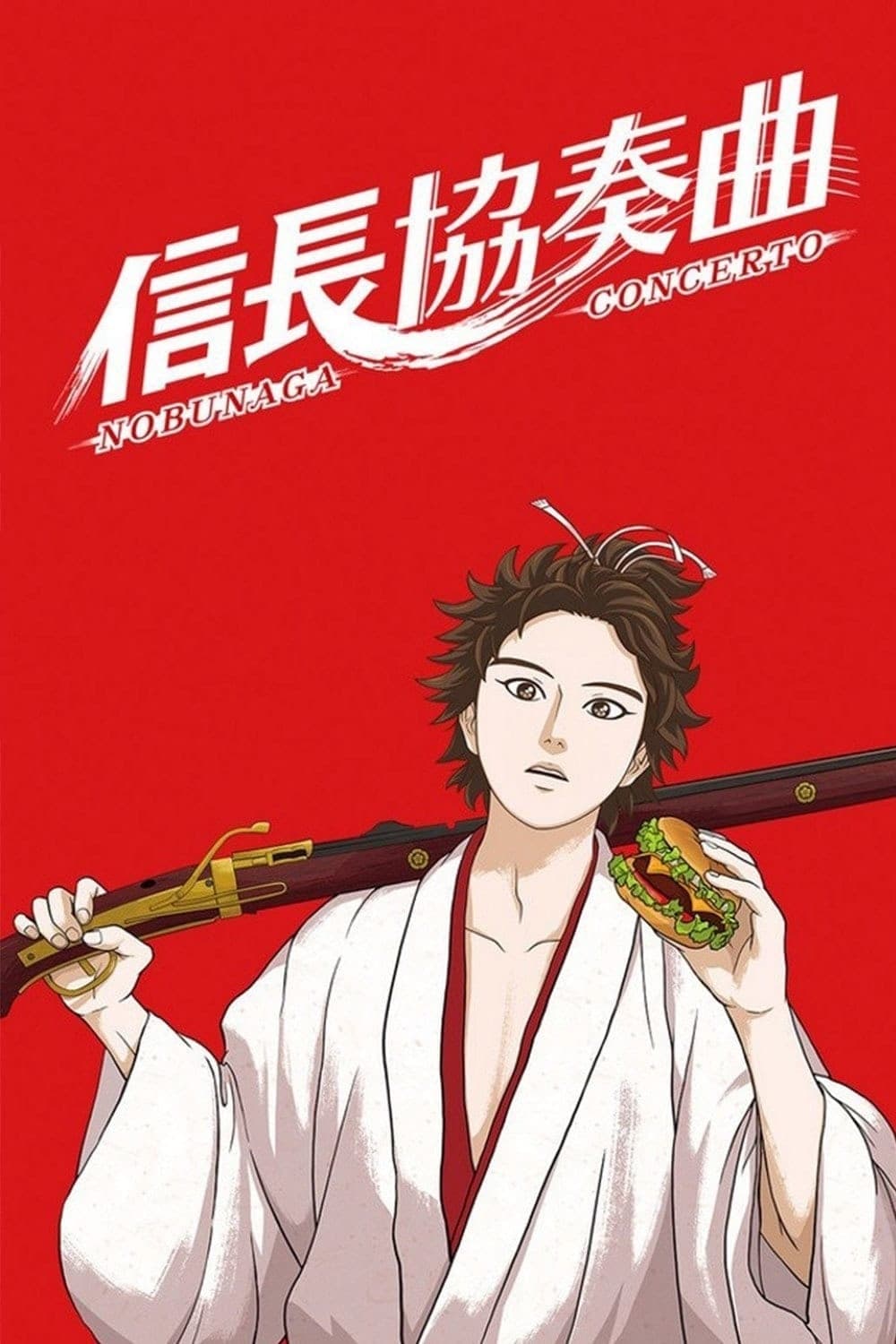
‘Nobunaga Concerto’ follows a student who slips into the past and is recruited to impersonate Oda Nobunaga due to their identical appearance. The story documents administrative reforms, military campaigns, and diplomacy managed with modern knowledge. Constraints include maintaining the disguise and aligning with recorded events to avoid exposure. The premise examines how personal abilities translate into period governance under constant scrutiny.
‘Sagrada Reset’ (2017) – community-bound reset paired with perfect recall

‘Sagrada Reset’ centers on a town where residents possess distinct abilities, including a “reset” that rewinds local reality to an earlier checkpoint. Another character’s flawless memory survives the reset, allowing recovery of lost information. The series details how combining powers produces controlled outcomes to solve cases. Rules include radius limits, checkpoint timing, and permission structures to prevent abuse.
‘Time Bokan’ (1975–1976) – episodic chases through different historical moments
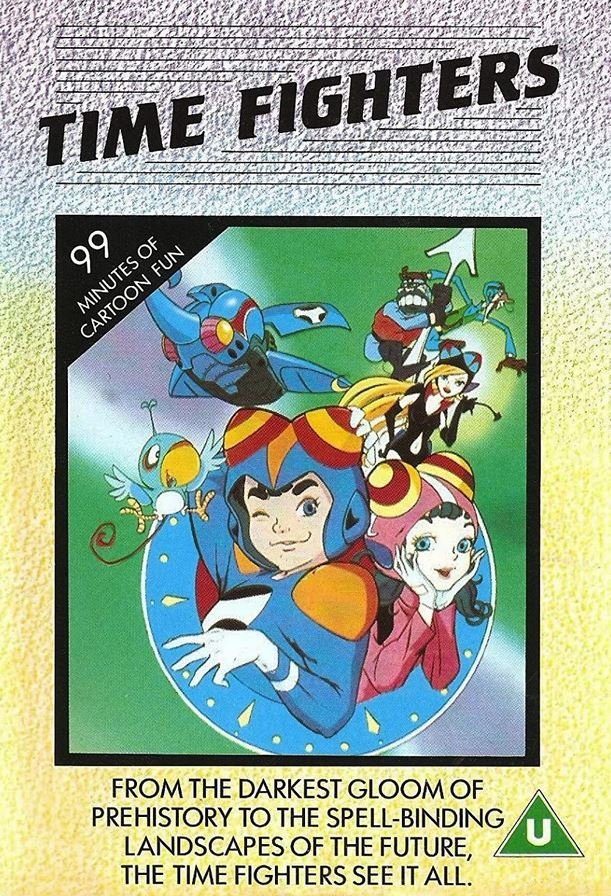
‘Time Bokan’ uses a time-traveling vehicle to visit eras for treasure hunts and comedic capers. Each episode applies simple rules for arriving, exploring, and escaping with a focus on historical setpieces. Gadgets, rival teams, and mission briefs structure conflicts without heavy paradox mechanics. The format demonstrates an early template for adventure-of-the-week time travel in anime.
‘Doraemon’ (1979–2005) – routine trips via a household time machine and gadgets

‘Doraemon’ features a time machine and future tech that enable frequent visits to different eras. Devices like the Anywhere Door and Time Furo offer varied ways to cross distances and periods. Stories highlight practical uses—homework fixes, genealogical visits, and historical sightseeing—alongside cautionary tales about misuse. The series often codifies gadget rules so outcomes hinge on following instructions precisely.
‘Sailor Moon’ (1992–1997) – time gates, guardians, and a distant capital
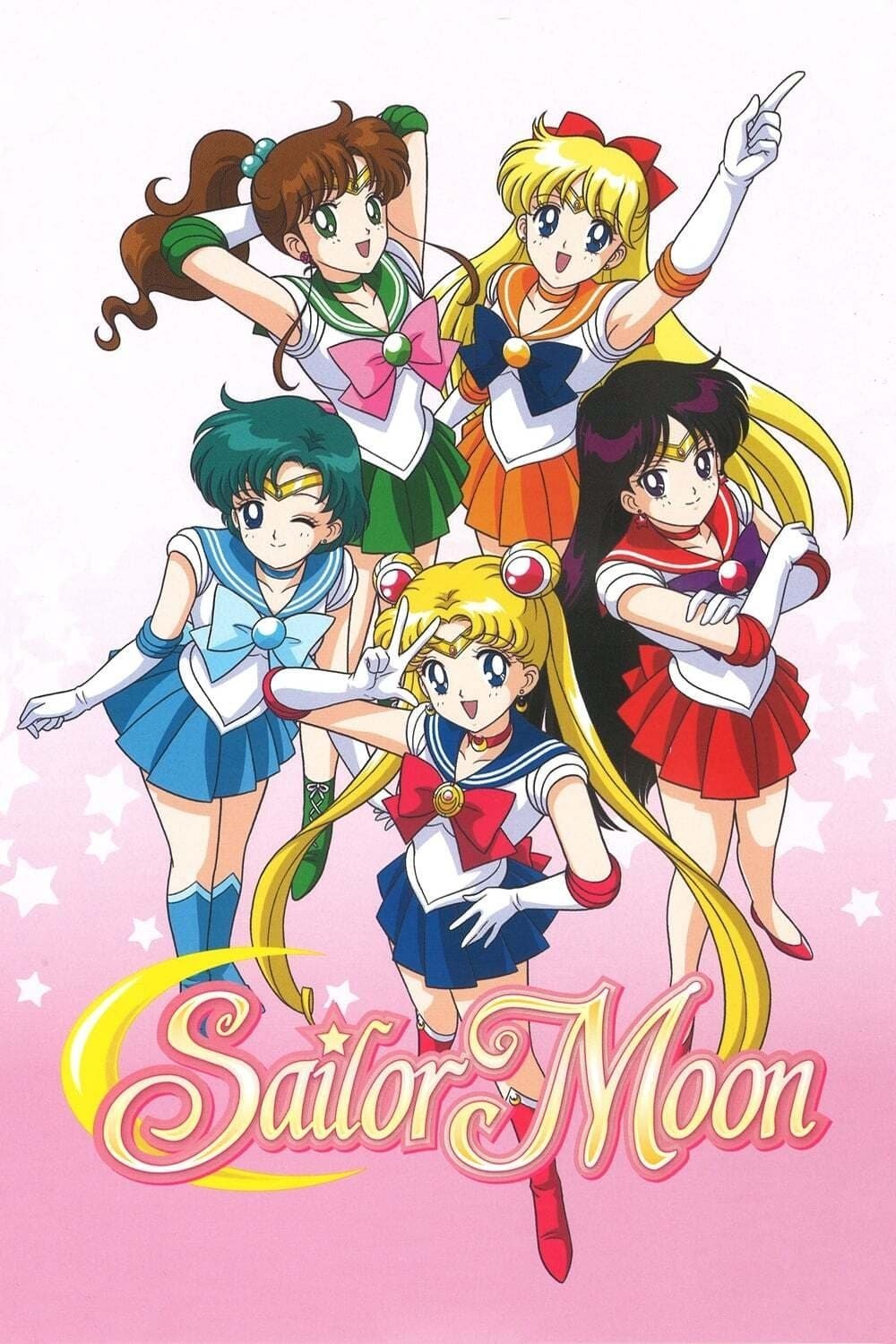
‘Sailor Moon’ introduces a structured time corridor protected by a designated guardian who controls access. The plot connects a future metropolis with the present, establishing lineage, artifacts, and royal protocols that persist across eras. Travel is authorized for specific missions, and unauthorized crossings trigger defenses. Relics, keys, and formal rites define who can pass and how the timeline remains intact.
‘The Tatami Galaxy’ (2010) – recursive college years as a branching-path loop
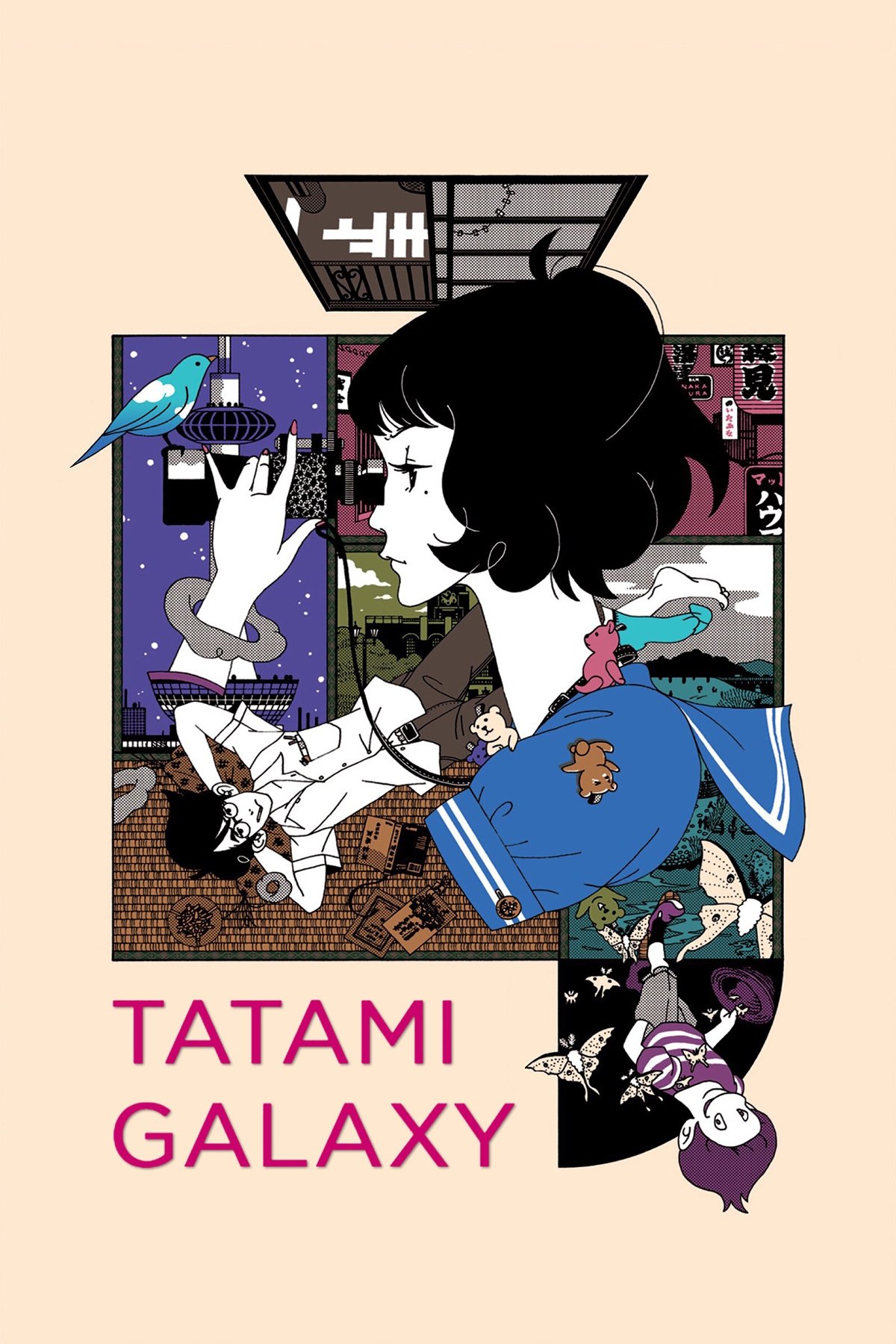
‘The Tatami Galaxy’ replays a student’s campus life across different club choices, creating parallel outcomes with shared motifs. Each reset retains metatextual hints and gradually exposes constants that span the permutations. The structure maps how decisions alter networks, schedules, and opportunities. A final configuration emerges by synthesizing observations collected across loops.
‘The Tatami Time Machine Blues’ (2022) – a literal time machine used to undo a small accident
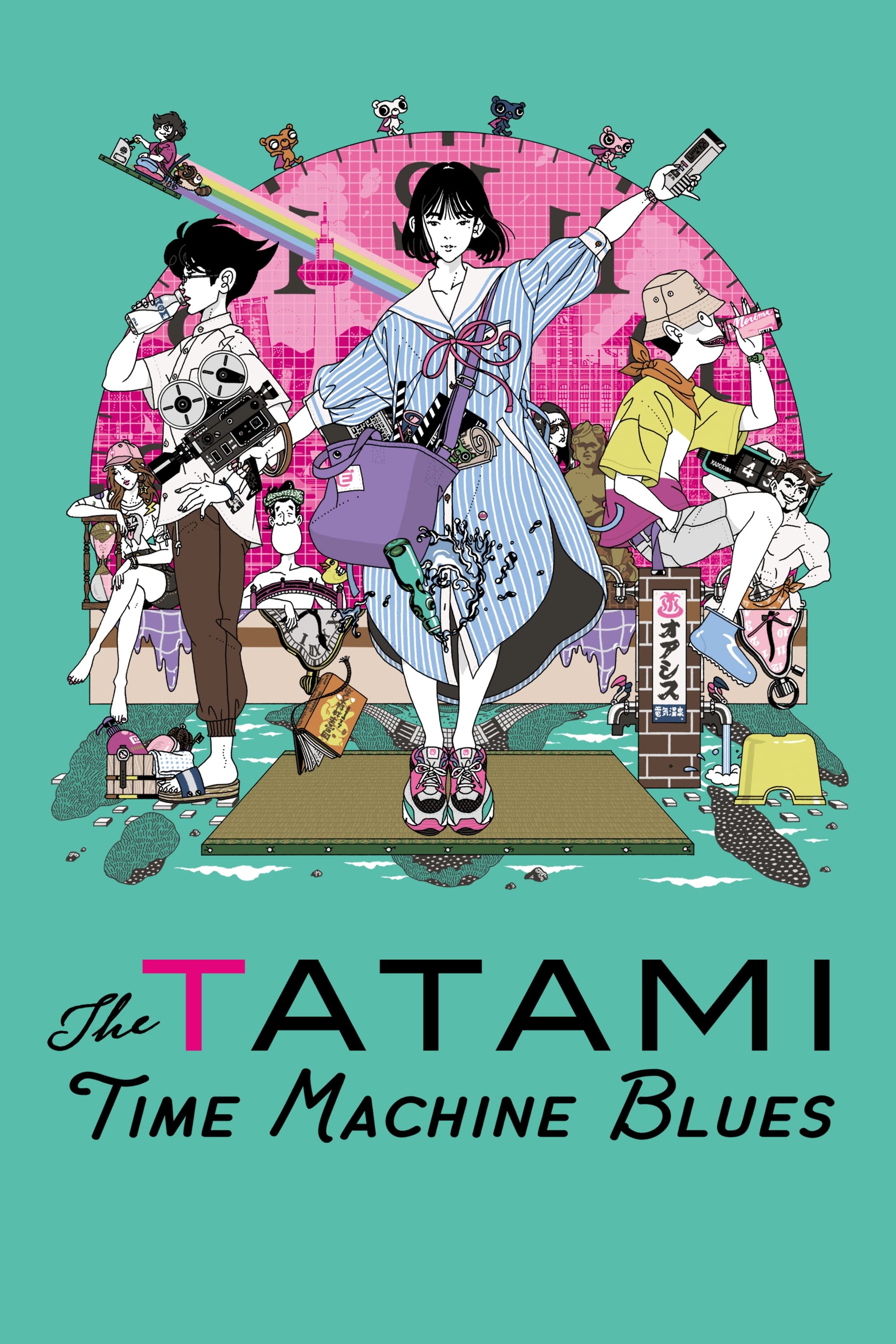
‘Tatami Time Machine Blues’ adds a working device to revisit a sweltering summer day after an avoidable mishap. Characters plan precise movements to avoid meeting themselves while fixing the original error. The story sets rules for limited jumps, duplicate management, and note-passing coordination. It treats time travel as a campus problem-solving tool rather than a cosmic reset.
‘Orange’ (2016) – future letters that alter a classmate’s fate
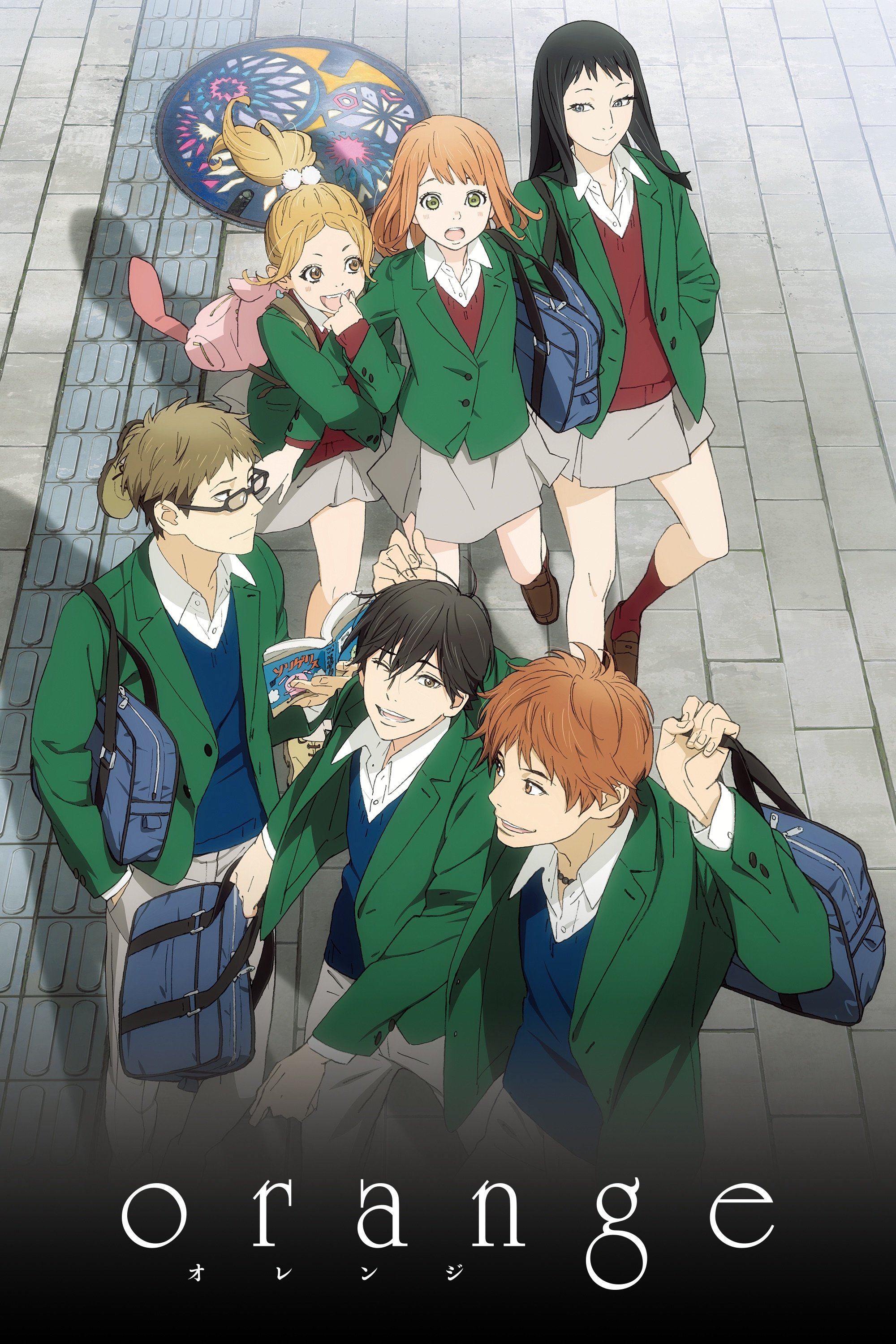
In ‘Orange’, friends write letters from the future to their past selves, detailing events and actions to prevent a loss. The letters provide timestamps, locations, and specific prompts that the recipients attempt to follow. The series tracks how shared knowledge reshapes routines, invitations, and group dynamics. It shows the logistical work—schedules, handoffs, and confirmations—needed to change outcomes.
‘Natsu no Arashi!’ (2009) – ghost-mediated jumps tied to summer sunlight
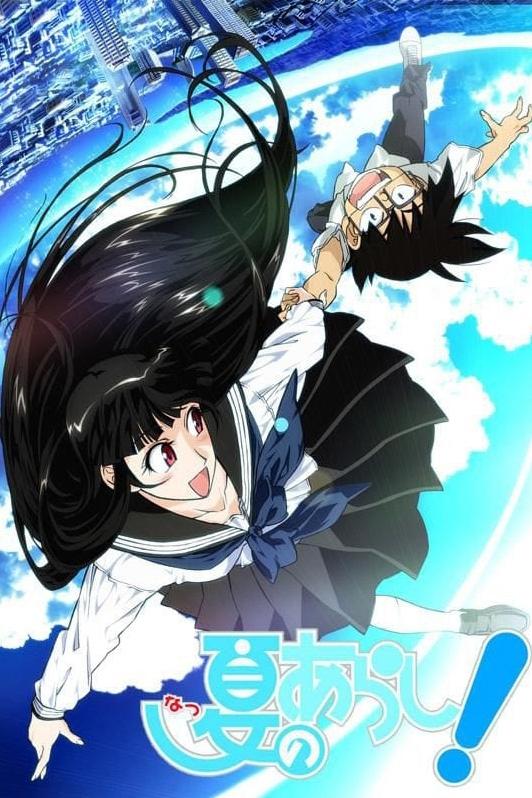
‘Natsu no Arashi!’ enables time travel through contact with spirits under seasonal and light-based conditions. The pairings allow visits to wartime Japan where small interventions can protect individuals or deliver messages. The rules hinge on personal bonds and environmental triggers like direct sunlight. Episodes explore practical constraints such as carrying items, meeting windows, and preserving continuity.
‘Buddy Complex’ (2013) – emergency displacement and causality-linked piloting
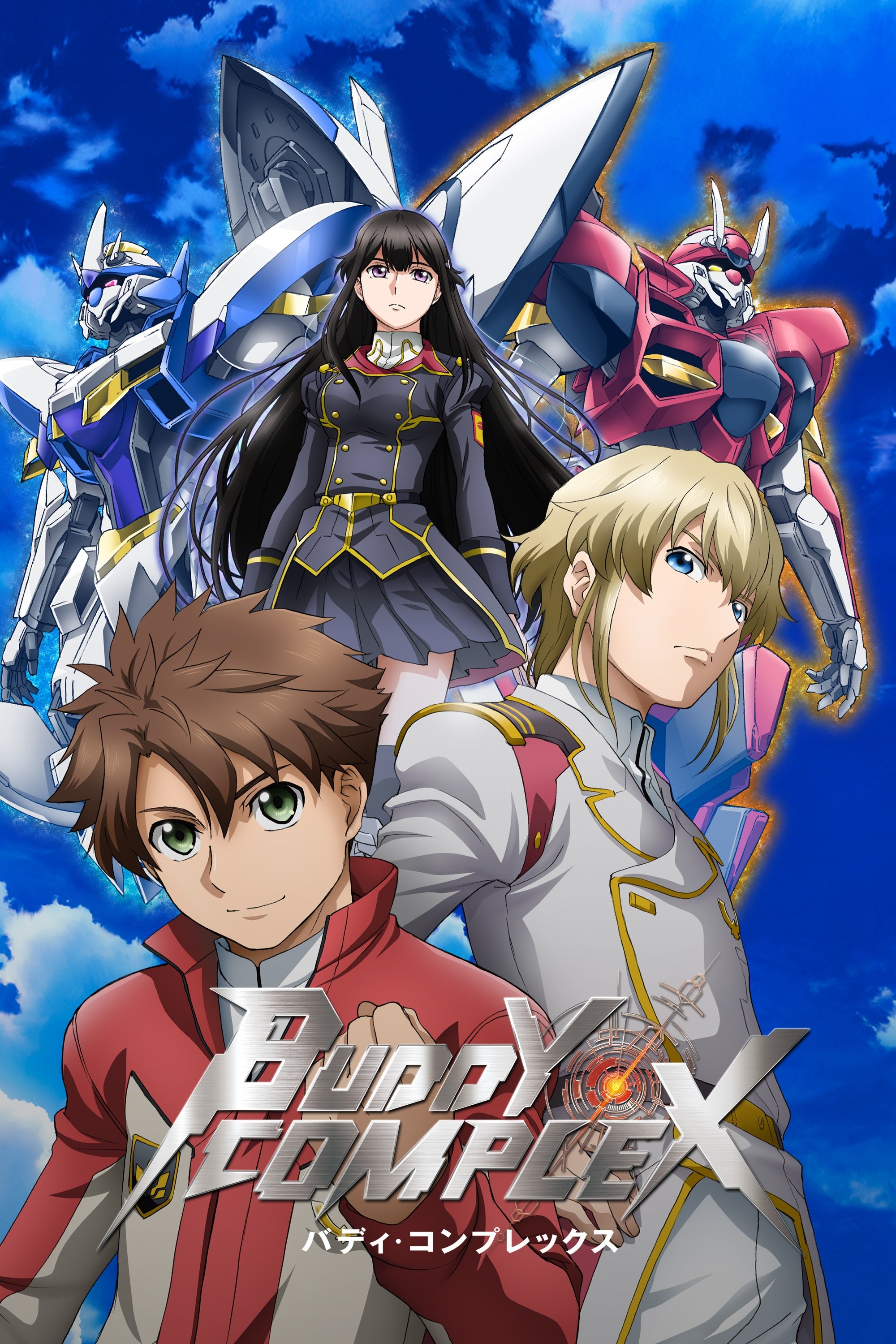
‘Buddy Complex’ begins with a sudden temporal displacement that relocates its lead into a future conflict. Mecha systems rely on a “coupling” mechanic where synchronized pilots share data streams and predictive feedback. Missions often hinge on information advantages gained from the displacement. The show addresses tactical doctrine, chain-of-command integration, and how foreknowledge changes sortie planning.
‘One Piece’ (1999– ) – a Devil Fruit that sends people forward in time
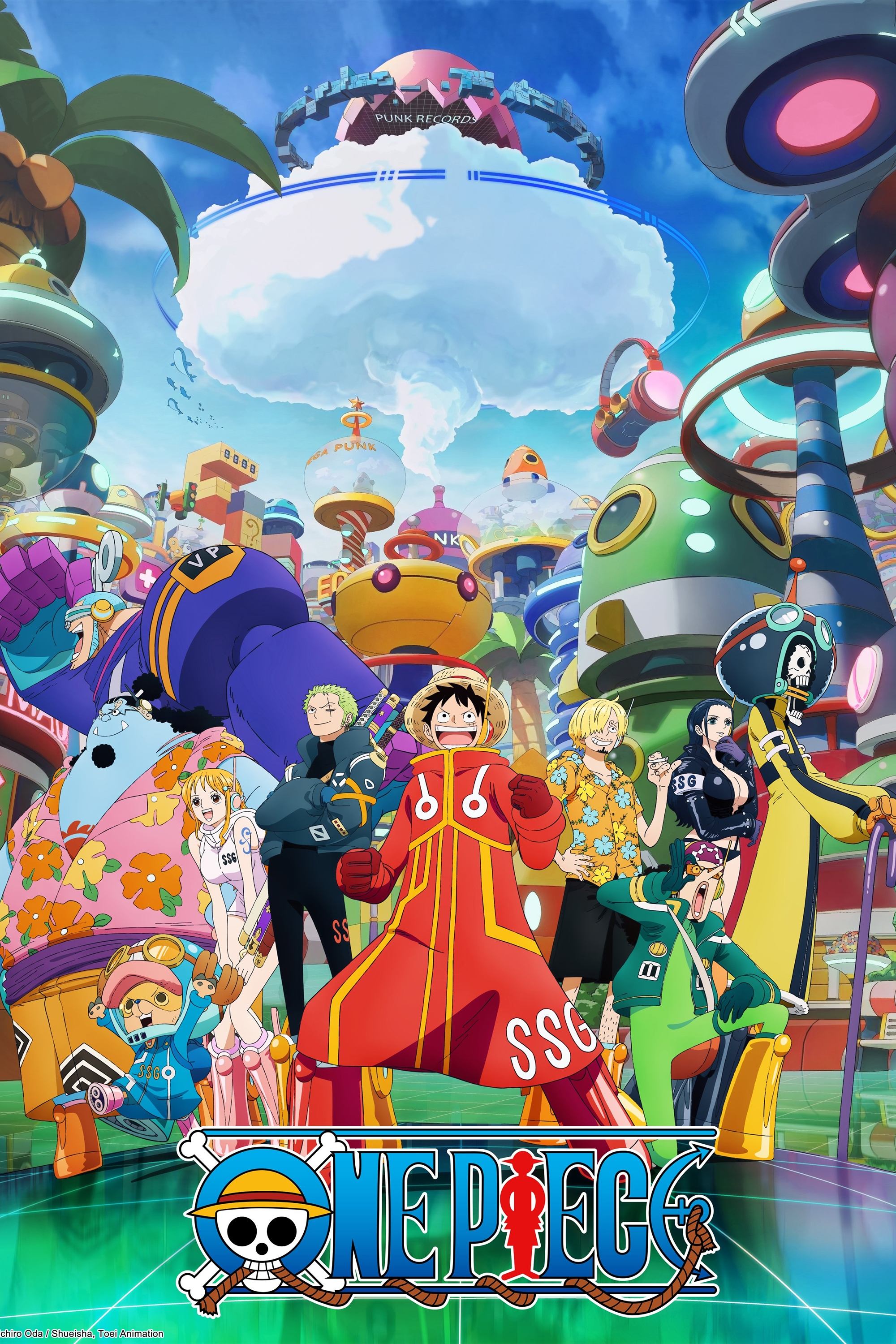
In ‘One Piece’, a character’s Devil Fruit power can project people into the future while preventing travel to the past. The ability is used to preserve a political lineage and to stage a delayed uprising. Its forward-only rule creates gaps that successors must bridge through inherited plans and symbols. The series documents how messages, heirlooms, and sworn helpers carry intent across the intervening years.
‘Mirai’ (2018) – encounters across a family’s timeline within a single household
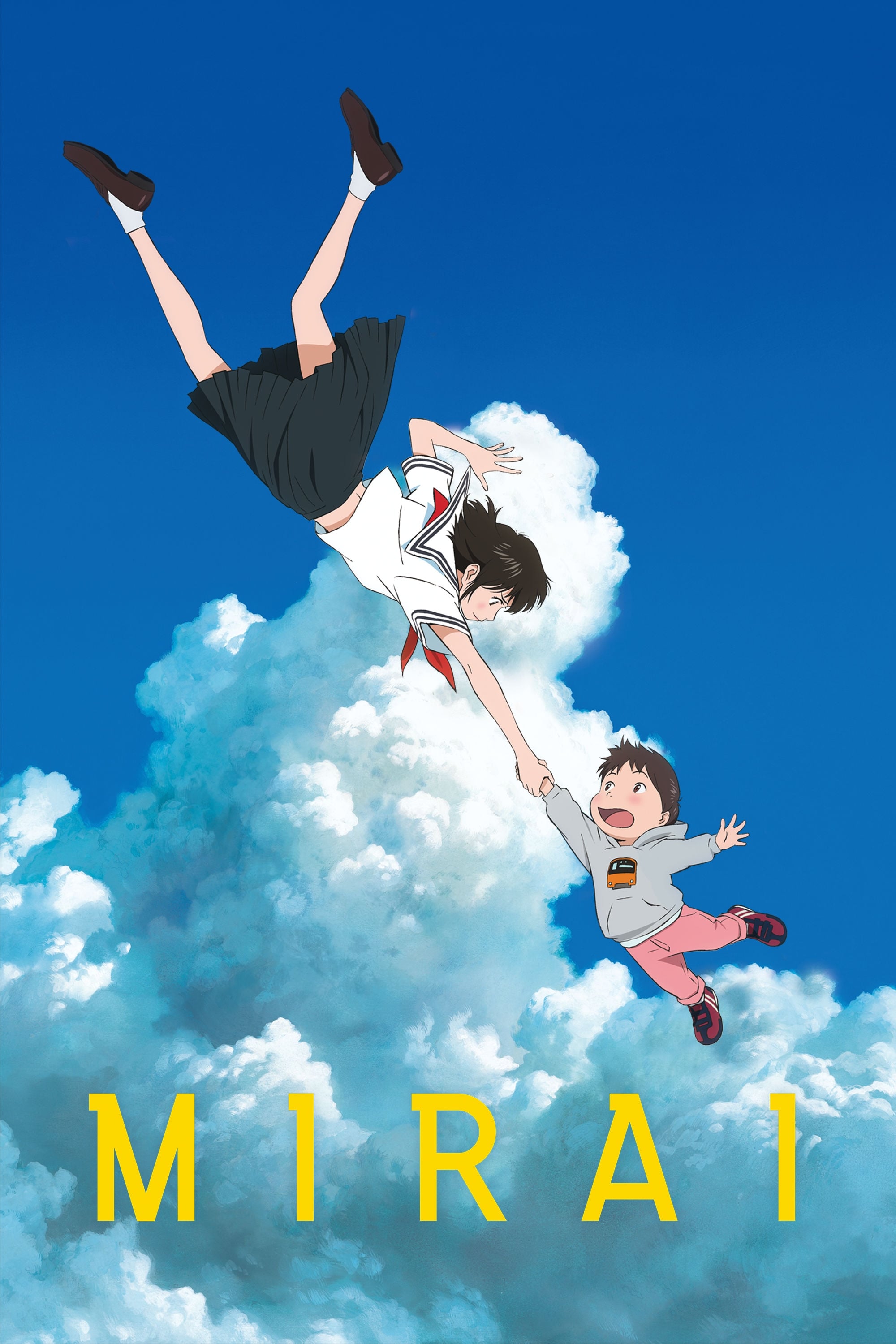
‘Mirai’ uses guided visits to relatives at different life stages, accessed through a garden that acts as a temporal junction. Each encounter provides context for habits, heirlooms, and family roles. The film treats time travel as an educational tour that reframes everyday conflicts. Rules are rooted in personal connections and locations rather than machines or spells.
Share your favorite clever anime time-travel twist in the comments!