

Most Despicable Betrayals in Anime, Ranked

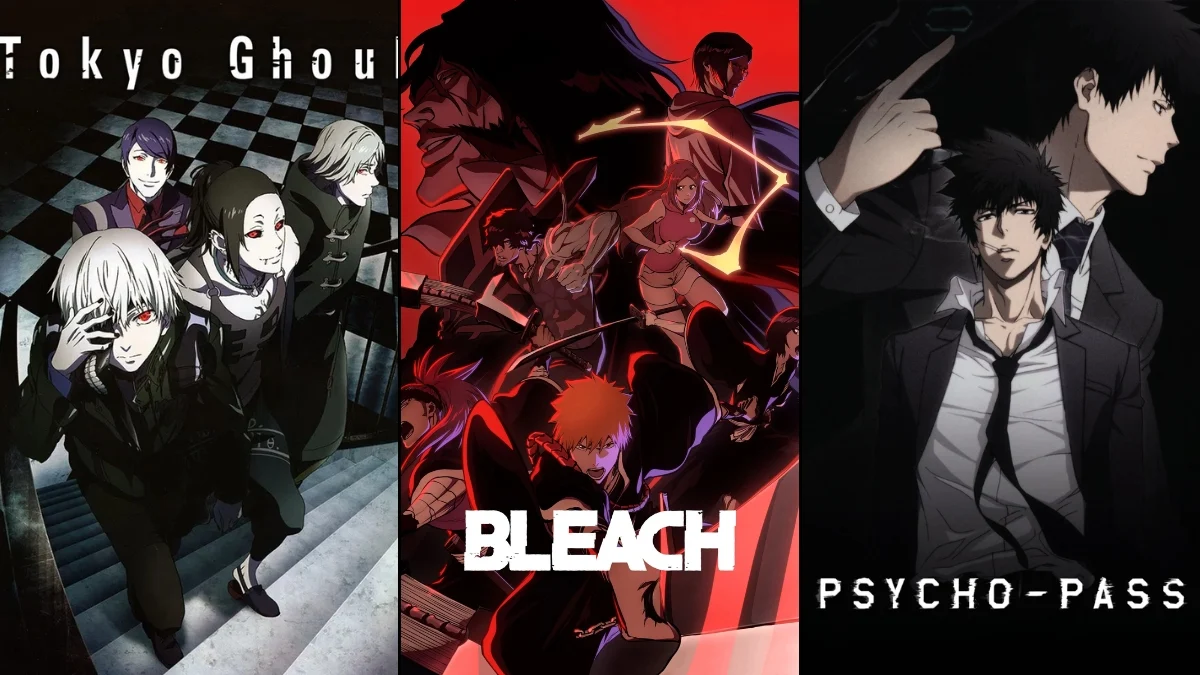


Some twists hit like a truck, but a true anime betrayal changes the whole course of a story—shattering alliances, re-framing entire arcs, and leaving cast and audience picking up the pieces. Below is a countdown of infamous double-crosses and revelations from across classic and modern series. Each entry flags the show and the specific turn, with straight-up facts about when and where it happens in the narrative, who’s involved, and how it reshapes the plot that follows.
‘Mobile Suit Gundam 00’ (2007–2009) – Ribbons Almark’s turn against Celestial Being
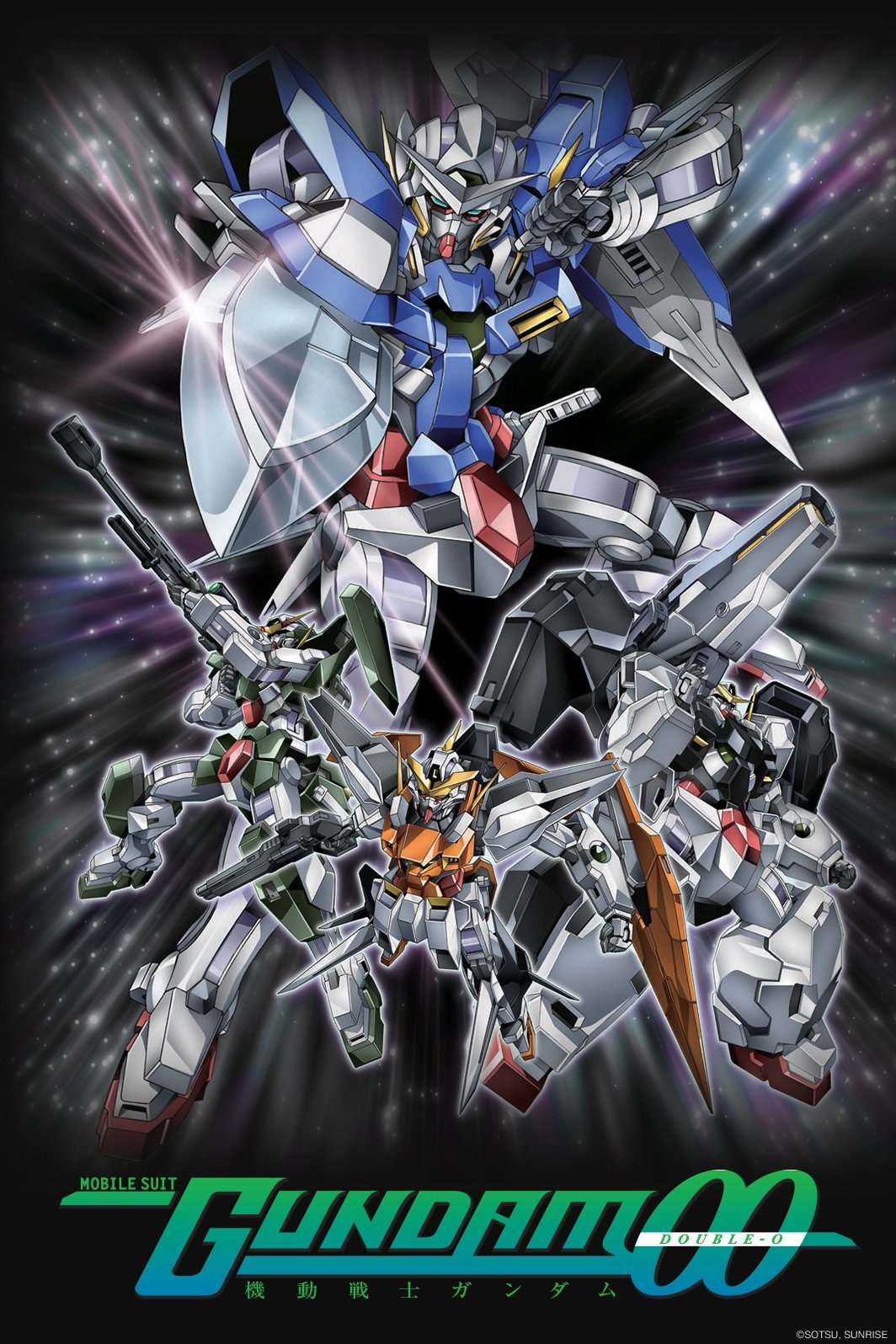
Sunrise’s ‘Gundam 00’ introduces Ribbons Almark as a product of the Innovade program whose hidden agenda opposes the protagonists’ armed interventions. His behind-the-scenes manipulation becomes explicit in the latter half of the first season and drives the time-skip into Season 2. The betrayal reframes A-Laws’ rise and the Innovators’ true role in controlling the world’s orbital systems. The reveal pivots the conflict toward VEDA access and the GN Drive arms race, setting up the series’ endgame.
‘Aldnoah.Zero’ (2014–2015) – Slaine Troyard’s reversal during the Vers–Earth conflict
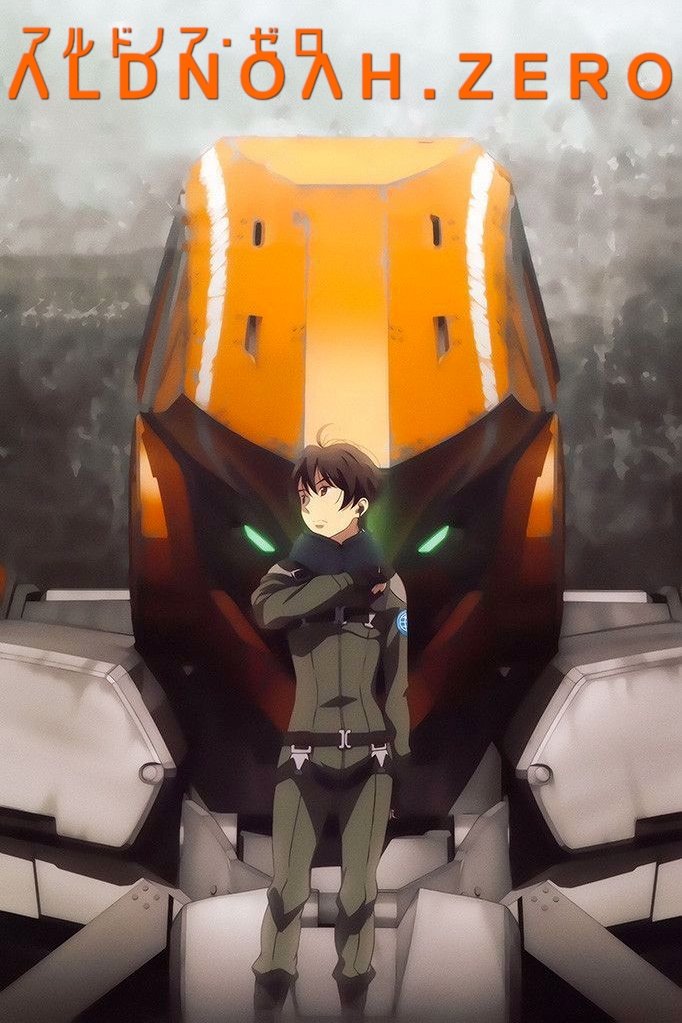
A-1 Pictures and TROYCA’s original series centers on Slaine, an Earth-born boy entangled with Martian royalty. His changing loyalties crystallize during assaults on Earth when he acts against people he previously aided, shifting the power balance within the Vers Empire. The move accelerates the internal coup dynamics among Orbital Knights. It sets the stage for the second cour’s leadership struggle and the realignment of control over Aldnoah technology.
‘Danganronpa: The Animation’ (2013) – The traitor twist within Class 78
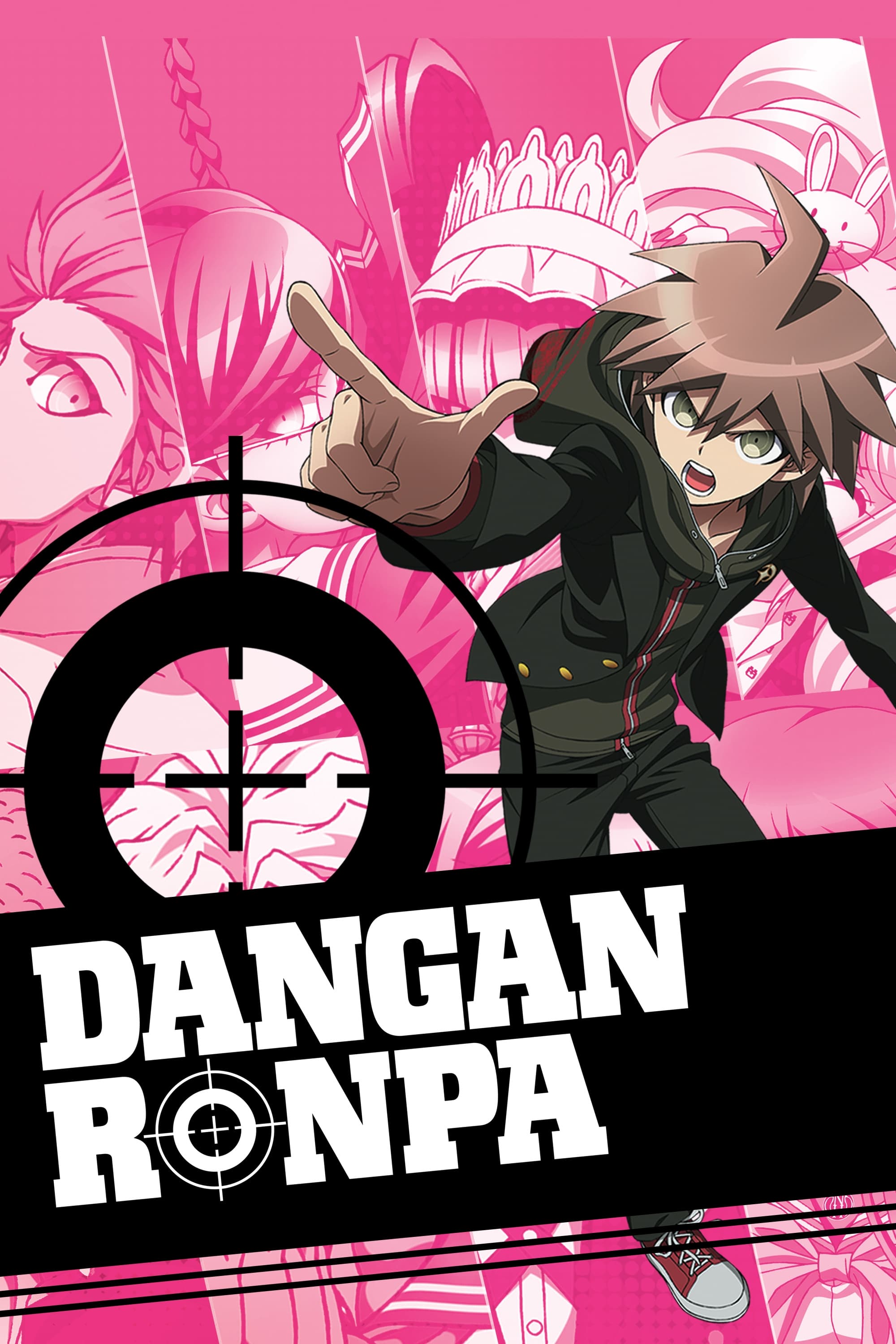
The Lerche adaptation condenses the visual novel’s killing-game structure, including the hidden-traitor element embedded by the mastermind overseeing Hope’s Peak Academy. The traitor’s presence is a structural device that drives several Class Trials and misdirects the group’s investigations. The reveal connects directly to surveillance systems and the academy’s sealed history. It also anchors the transition from individual cases to the overarching conspiracy that concludes the season.
‘Gurren Lagann’ (2007) – Rossiu’s removal of Simon from power
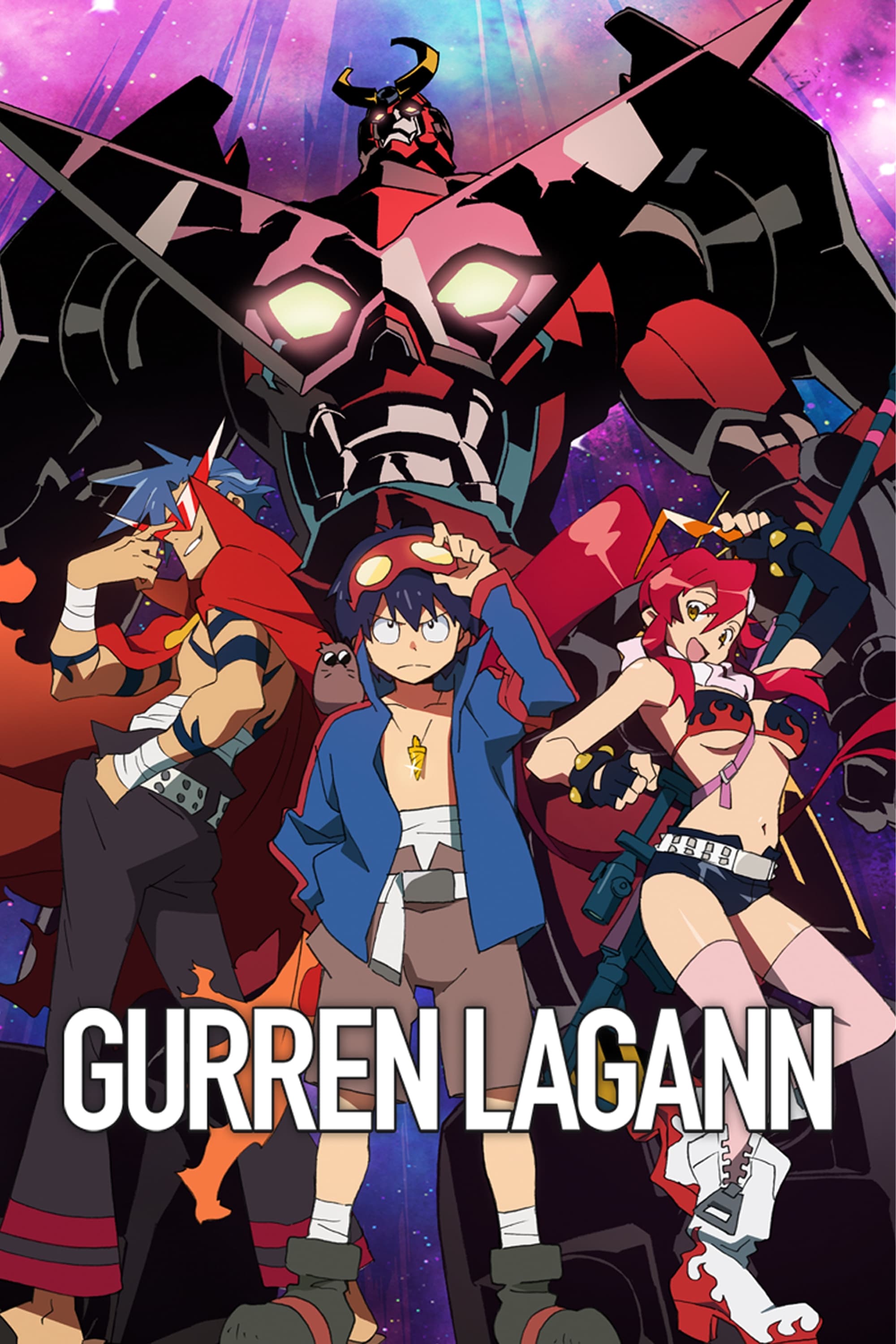
Gainax’s series time-skips to a human-run government where Rossiu, once a teammate, orchestrates a legal ouster of Simon. The move is framed by resource shortages and population-cap policies following the Anti-Spiral threat triggers. This action redirects the cast from frontier heroics to political detention, trials, and emergency governance. It provides the narrative bridge to the space arc and the broader Anti-Spiral conflict resolution.
‘JoJo’s Bizarre Adventure’ (2012–2021) – Kakyoin’s possession and initial attack on the Joestars
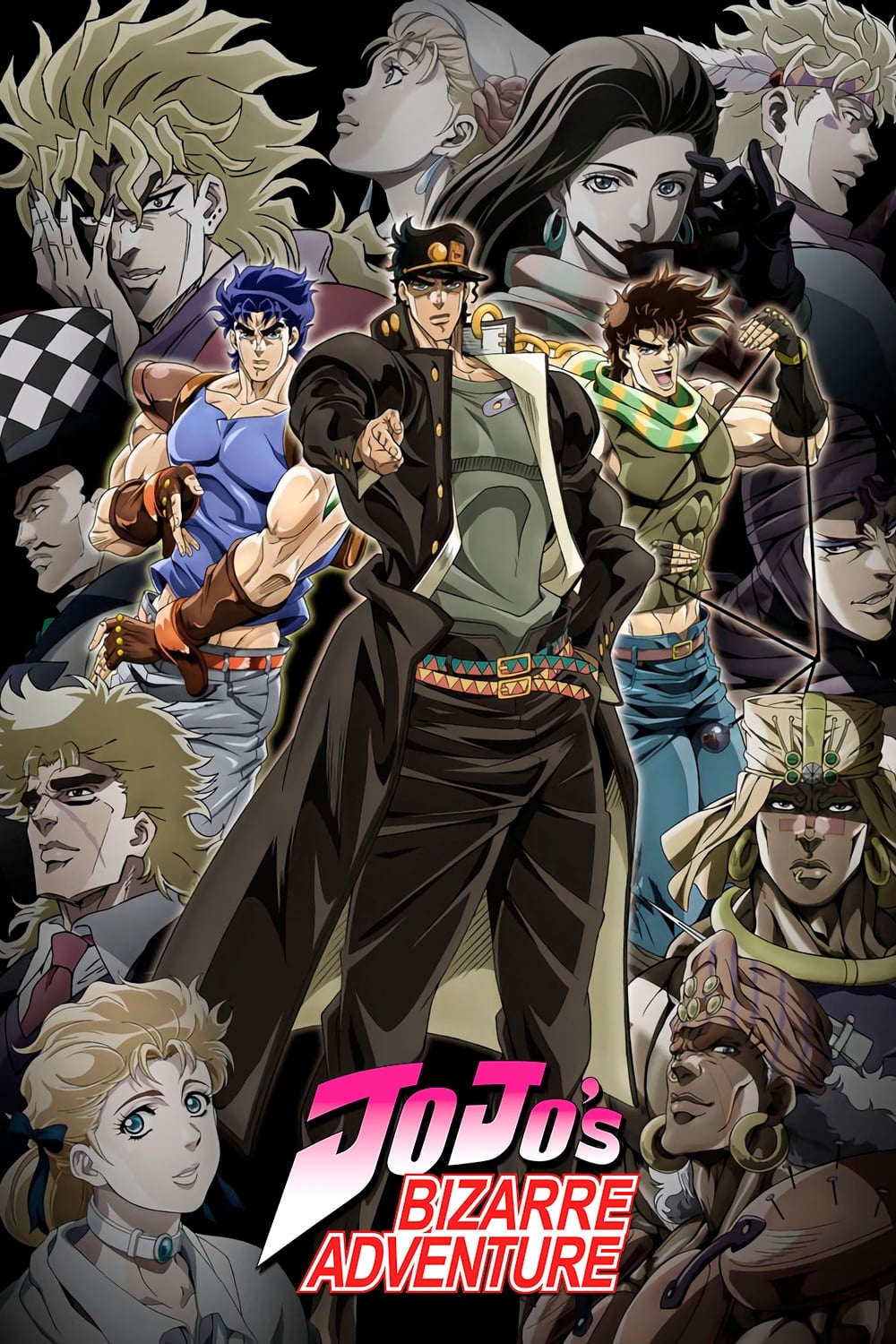
David Production’s adaptation opens ‘Stardust Crusaders’ with Noriaki Kakyoin attacking Jotaro under DIO’s influence. The early betrayal establishes the flesh bud control method, a recurring plot device for enemy Stand users. It also formalizes the global reach of DIO’s network before the Egypt arc. The incident sets up Kakyoin’s subsequent surgery and redemption, which becomes central to the team composition heading into later battles.
‘Tokyo Ghoul’ (2014–2018) – The Aogiri Tree abduction that flips Kaneki’s path
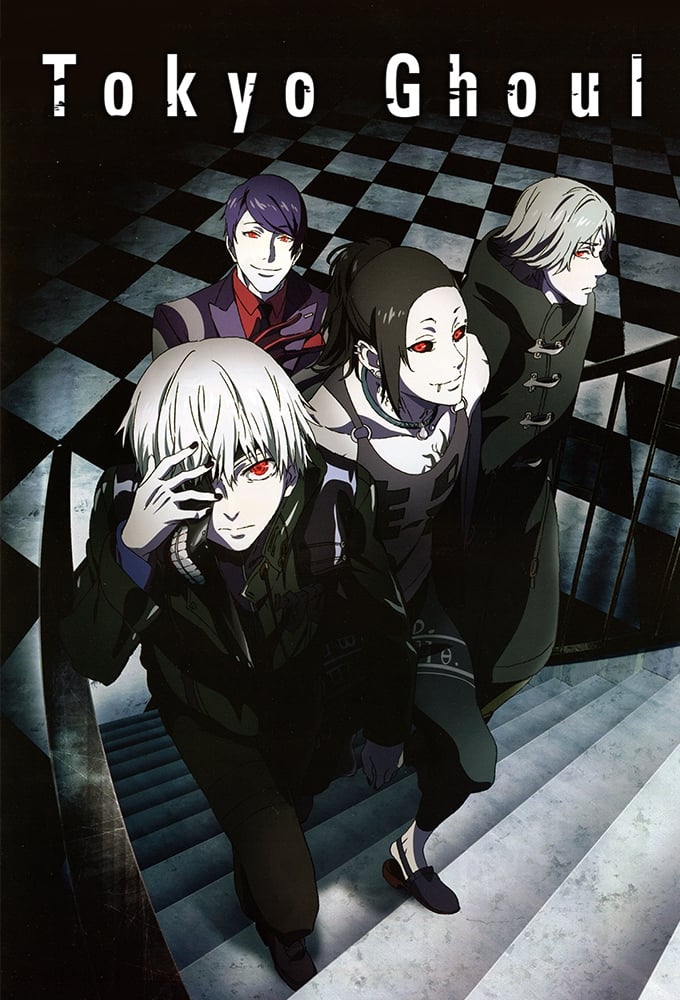
Studio Pierrot’s adaptation uses the Aogiri raid as a turning point where the protagonist’s capture reroutes his loyalties. The incident dismantles Anteiku’s relative stability and introduces deeper factions within ghoul society. This shift in allegiance reorganizes the character’s combat alignment and training focus. It also primes later confrontations with the CCG and the identity shifts that anchor the series’ second phase.
‘Neon Genesis Evangelion’ (1995–1996) – SEELE’s move to seize NERV
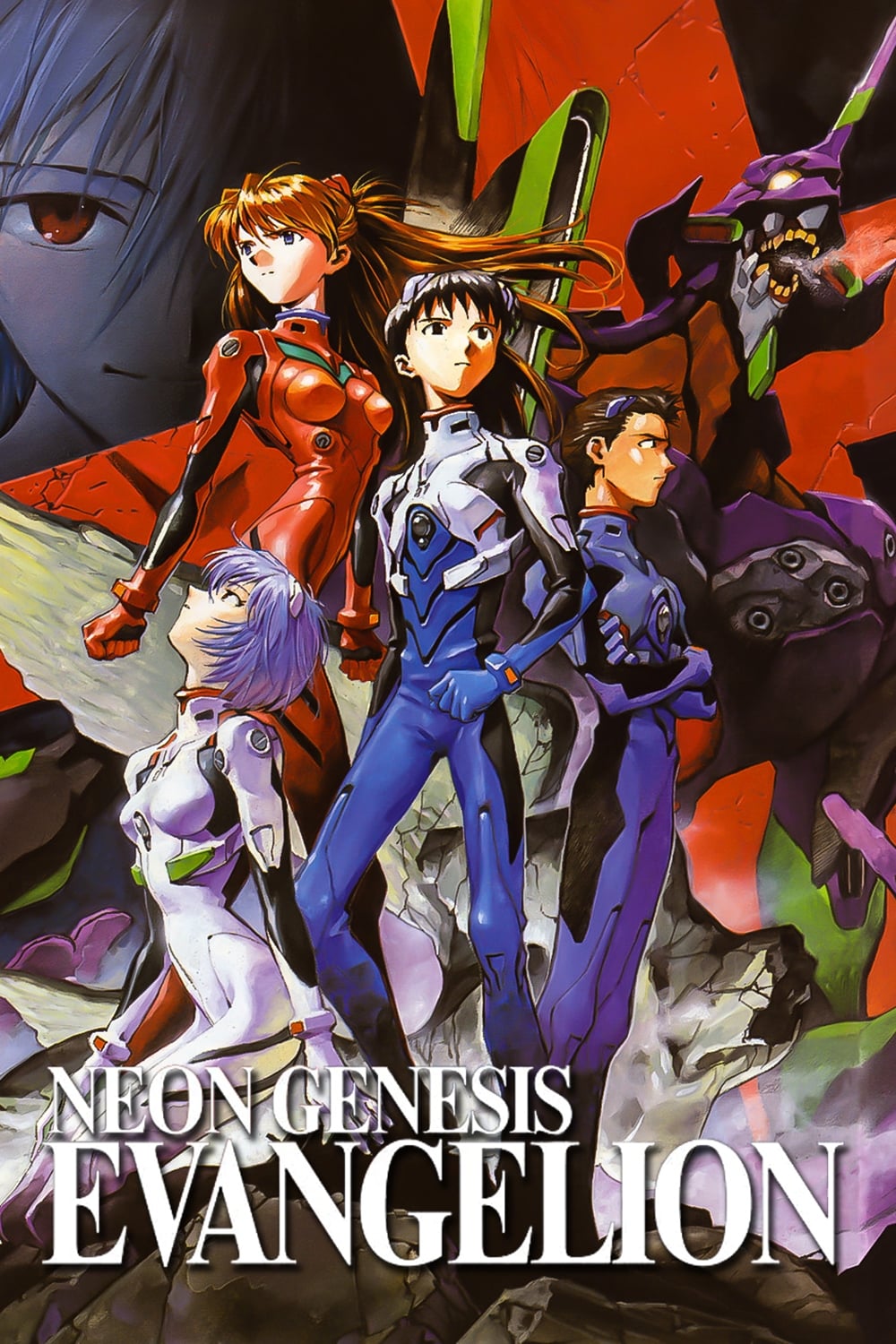
Gainax’s series transitions from monster-of-the-week to organizational conflict when SEELE turns on NERV near the end of the broadcast run. The operation leads to internal security breaches, human casualties within the Geofront, and commandeering of the Eva units. This pivot is the final push toward Instrumentality proceedings. It reframes prior operations as steps in a larger scenario, culminating in the endgame depicted in the finale and its follow-ups.
‘Vinland Saga’ (2019–2023) – Askeladd’s contract killing of Thors after proposing honorable combat
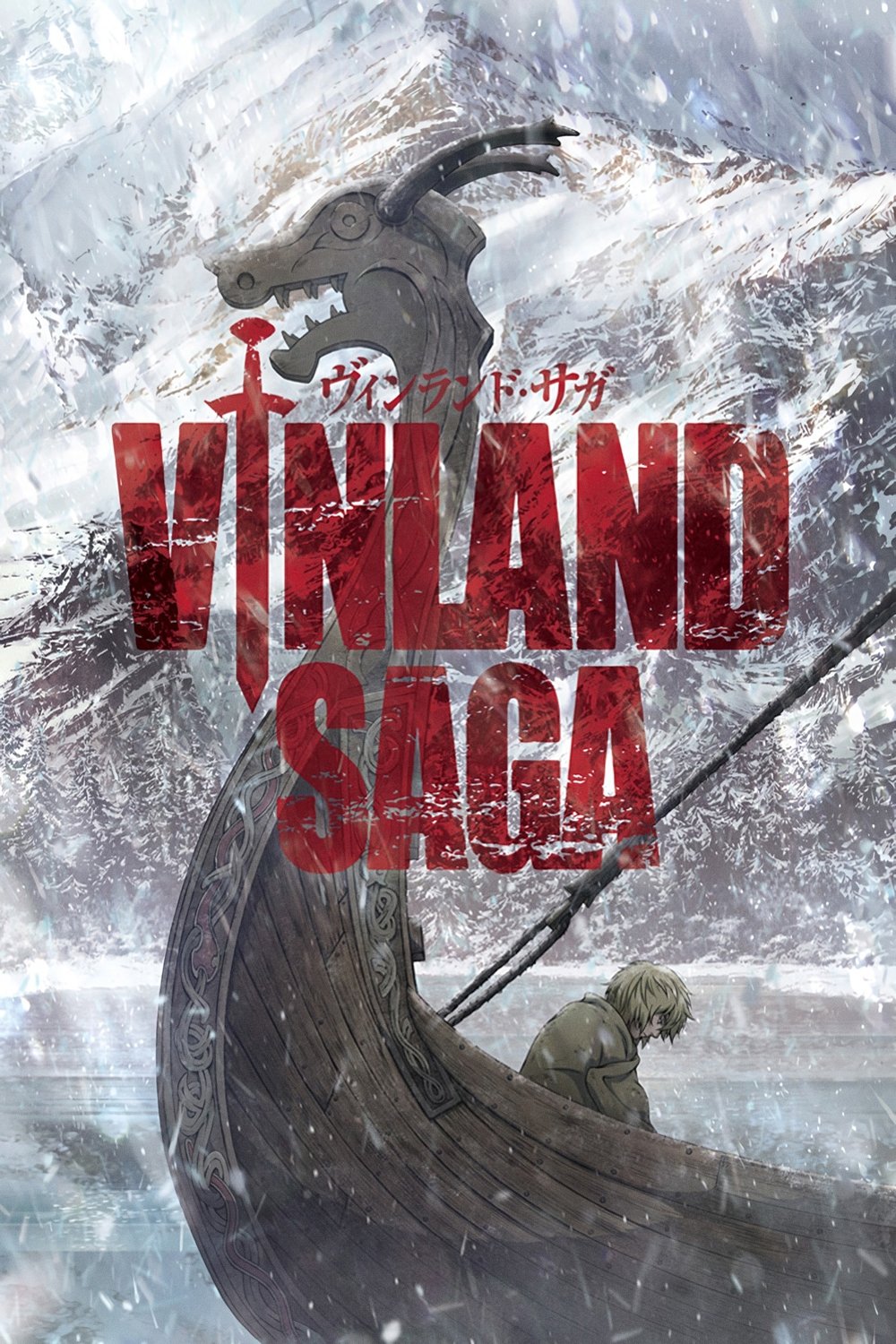
Wit Studio and MAPPA’s adaptation shows Askeladd arranging a formal duel only to spring an ambush that kills Thors. The event occurs during the early prologue arc and establishes the mercenary code that governs later campaigns. It defines Thorfinn’s motivations and the long pursuit that structures Season 1. The betrayal also cements Prince Canute’s arc backdrop by highlighting the period’s shifting allegiances among warbands.
‘My Hero Academia’ (2016– ) – The U.A. traitor revelation inside Class 1-A
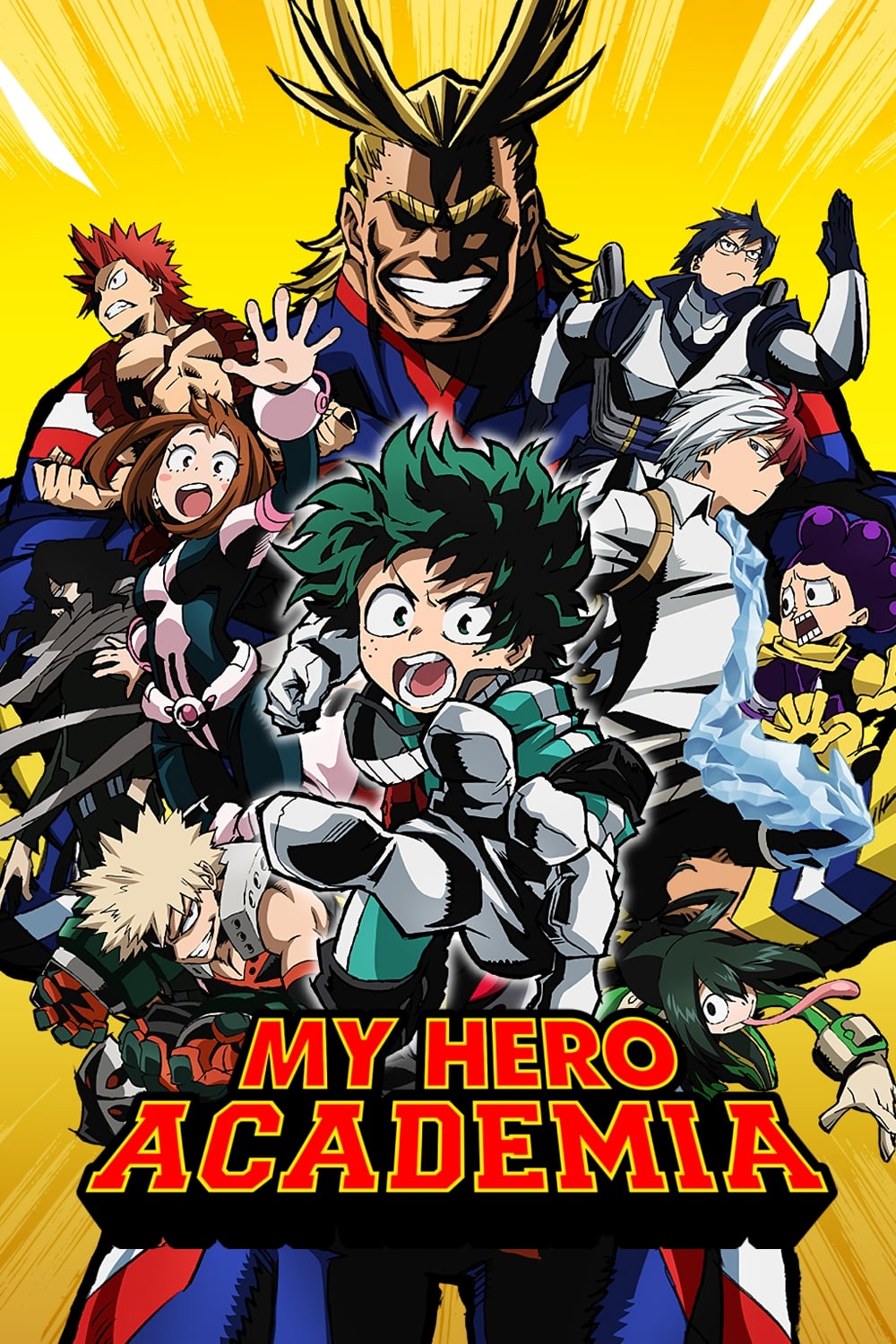
Bones’ long-running adaptation eventually confirms that a student aided the League of Villains under coercion. The reveal folds into the Paranormal Liberation War fallout and the heroes’ relocation strategies. It affects security protocols at U.A. and the public trust subplot that escalates in subsequent arcs. The information reshapes internal dynamics among students and faculty while providing leads on the League’s supply chain.
‘Mobile Suit Gundam SEED’ (2002–2003) – Flay Allster’s handoff of the N-Jammer Canceller data
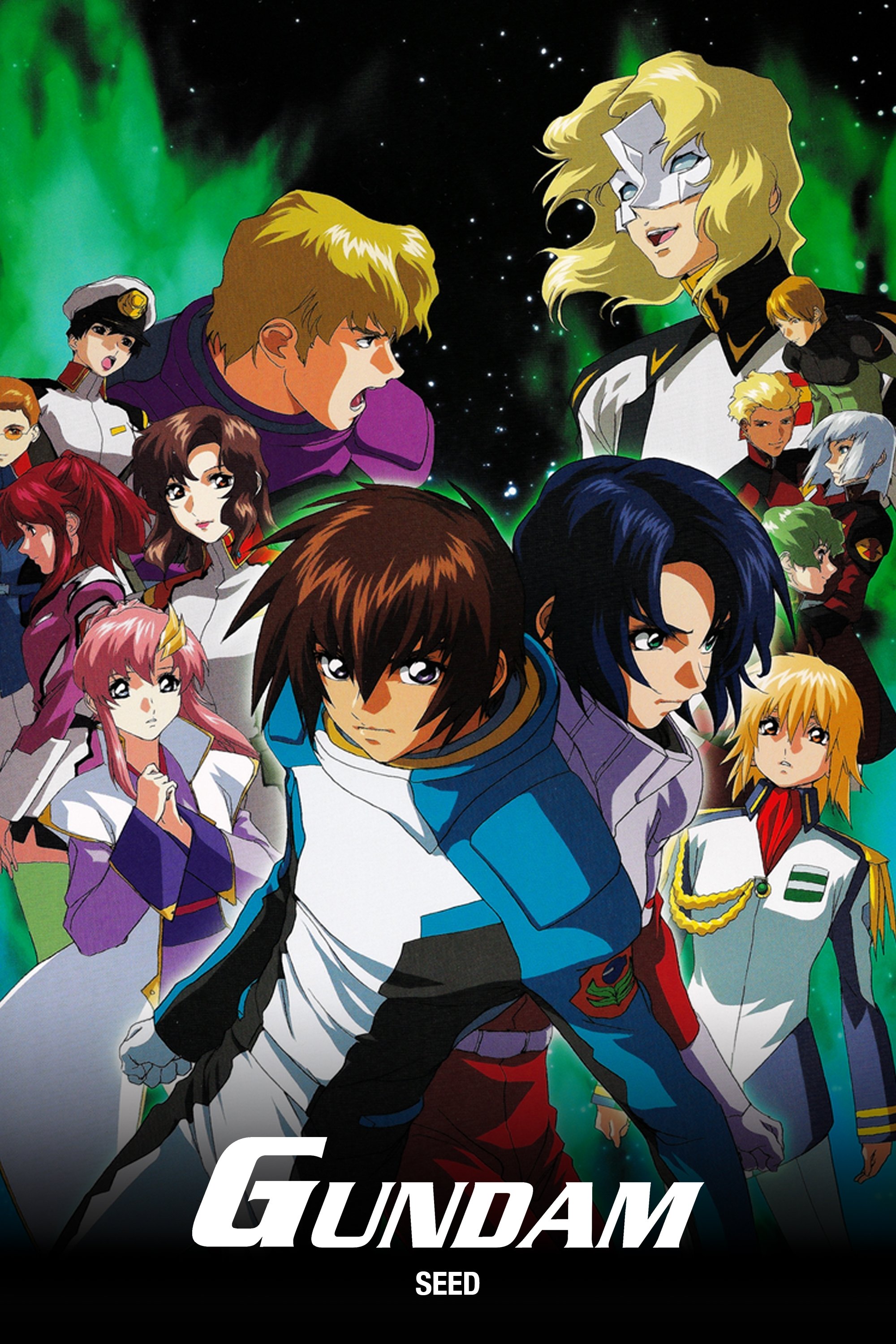
Sunrise’s series positions Flay near key military intelligence after her time aboard the Archangel. Her decision to pass critical data to ZAFT influences the strategic balance of nuclear-capable weaponry. This action drives late-series escalations, including the deployment of Freedom and Justice units against shifting targets. It underscores the franchise’s recurring theme of civilian actors altering interstellar conflict trajectories.
‘Steins;Gate’ (2011) – Moeka Kiryu’s raid under orders from SERN
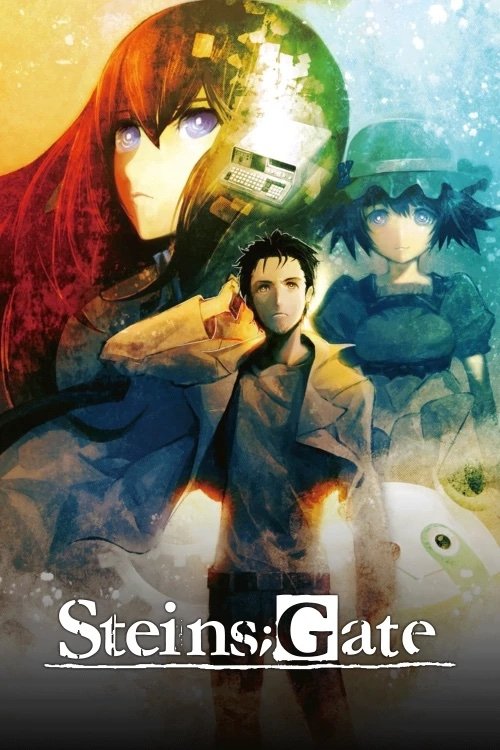
White Fox’s adaptation of the visual novel brings Moeka into the Future Gadget Lab as a quiet observer before the attack. Her role connects directly to SERN’s monitoring of D-Mail activity and the pursuit of the time machine prototype. The assault triggers the world-line hopping that defines the series’ middle third. It also explains the presence of the IBN 5100 subplot as a key leverage point.
‘Fullmetal Alchemist: Brotherhood’ (2009–2010) – King Bradley’s identity as Wrath and his coup
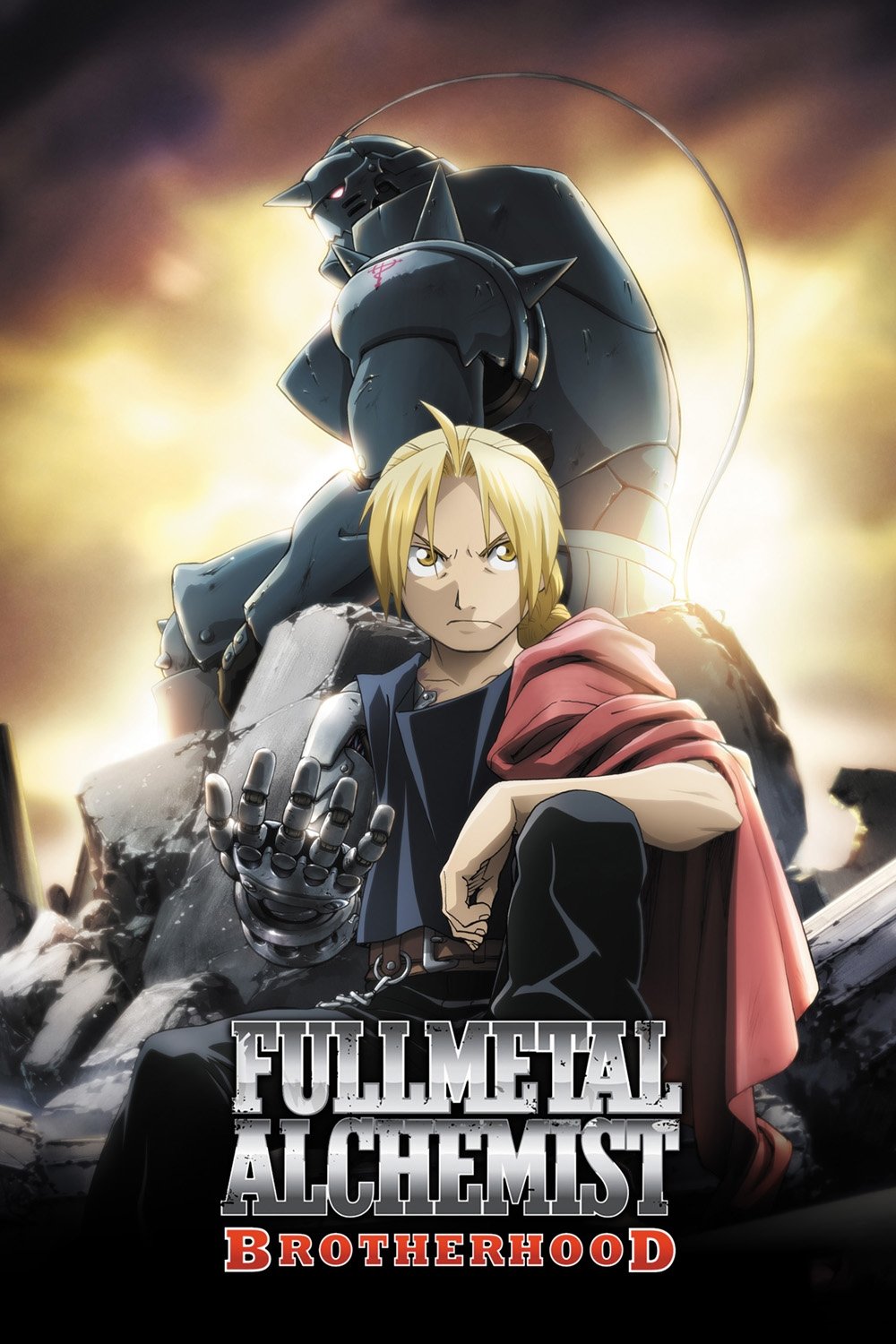
Bones’ retelling reveals Amestris’s Führer as a Homunculus embedded at the state’s highest level. The exposure accompanies city-wide military maneuvers that suppress dissent and secure transmutation-circle sites. This reveal synchronizes with the Promised Day setup and the Homunculi’s unified plan. It consolidates the show’s alchemy politics into a single national conspiracy driving the final arc.
‘Yu-Gi-Oh! Duel Monsters’ (2000–2004) – Marik’s betrayal of his own faction during Battle City
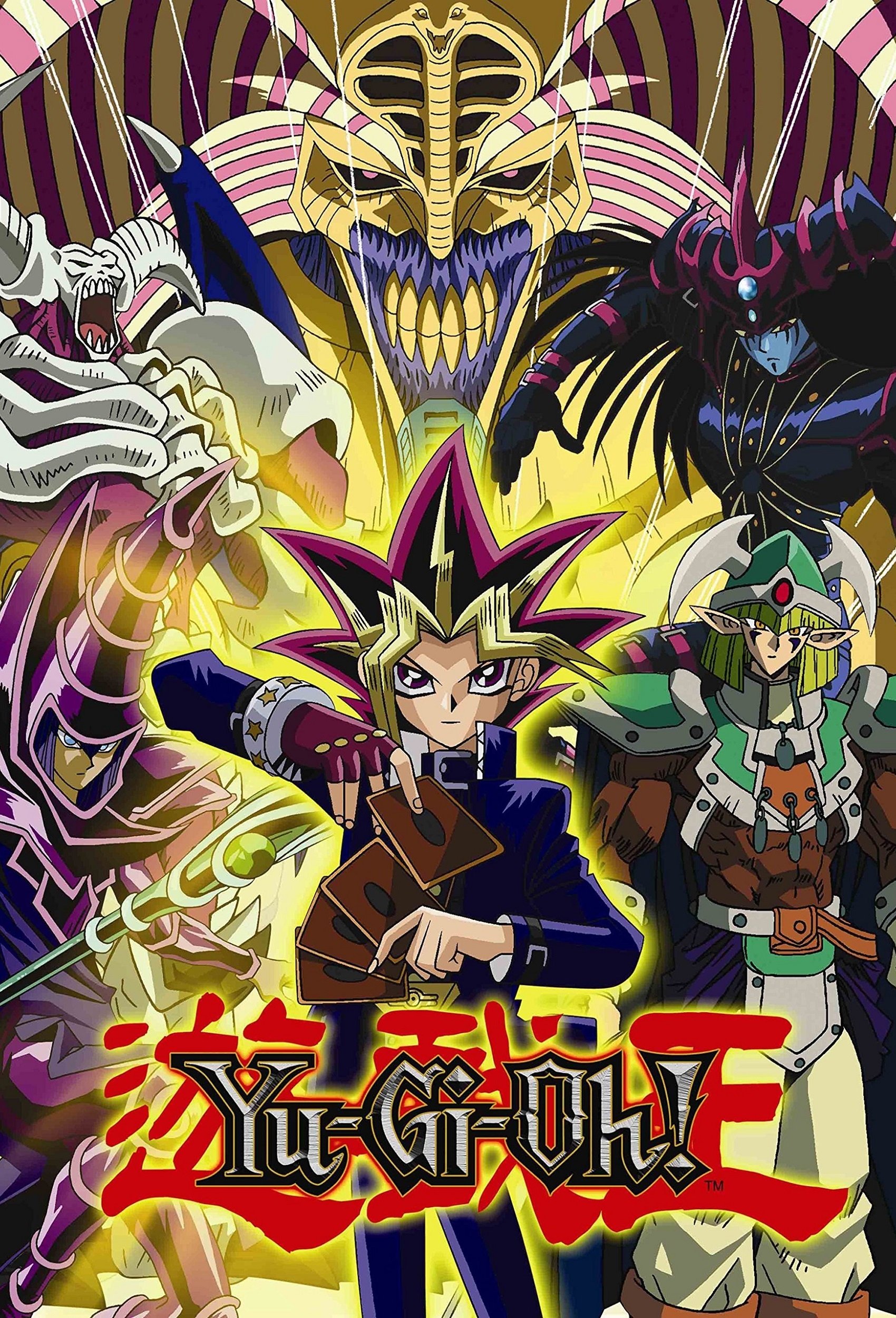
Gallop’s series escalates the Battle City tournament with Marik’s control tactics, including turning allies against one another. The betrayal reorganizes the Rare Hunters and destabilizes the bracket structure. It also introduces key cards and penalty mechanics that become plot-critical in late duels. The twist aligns the finals with the Egyptian lore that anchors the franchise’s mythology.
‘Psycho-Pass’ (2012–2019) – The Bureau’s quiet cover-ups to protect Sibyl’s secret
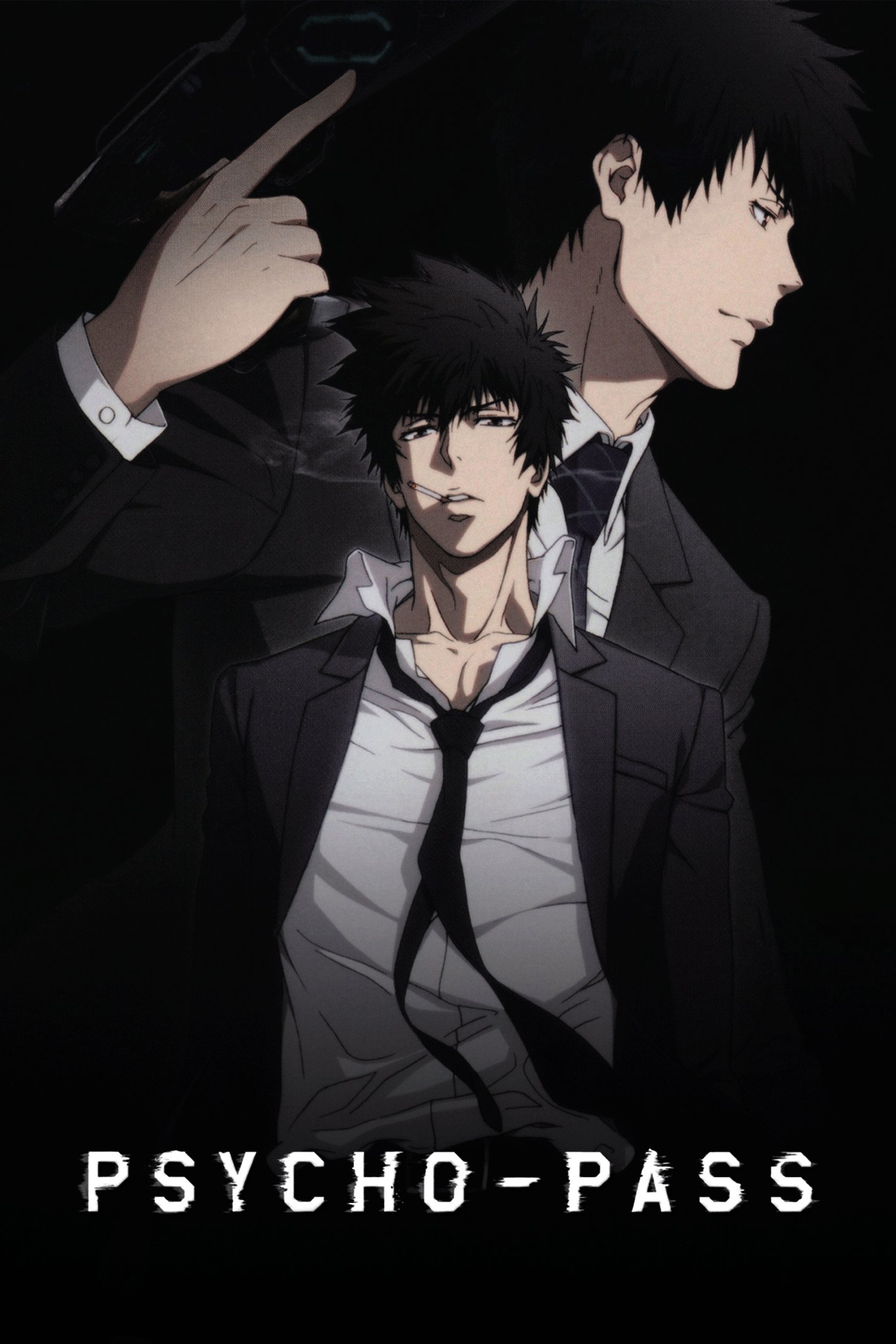
Production I.G’s cyberpunk thriller reveals leadership figures who obstruct investigations to keep Sibyl’s nature hidden. This institutional betrayal becomes explicit as Inspectors and Enforcers run into blocked warrants and altered case files. It shifts Akane’s role from investigator to reluctant guardian of order. The turn reframes criminal profiling as governance policy rather than pure law enforcement.
‘Demon Slayer: Kimetsu no Yaiba’ (2019– ) – The Upper Ranks’ internal treachery amid Muzan’s orders
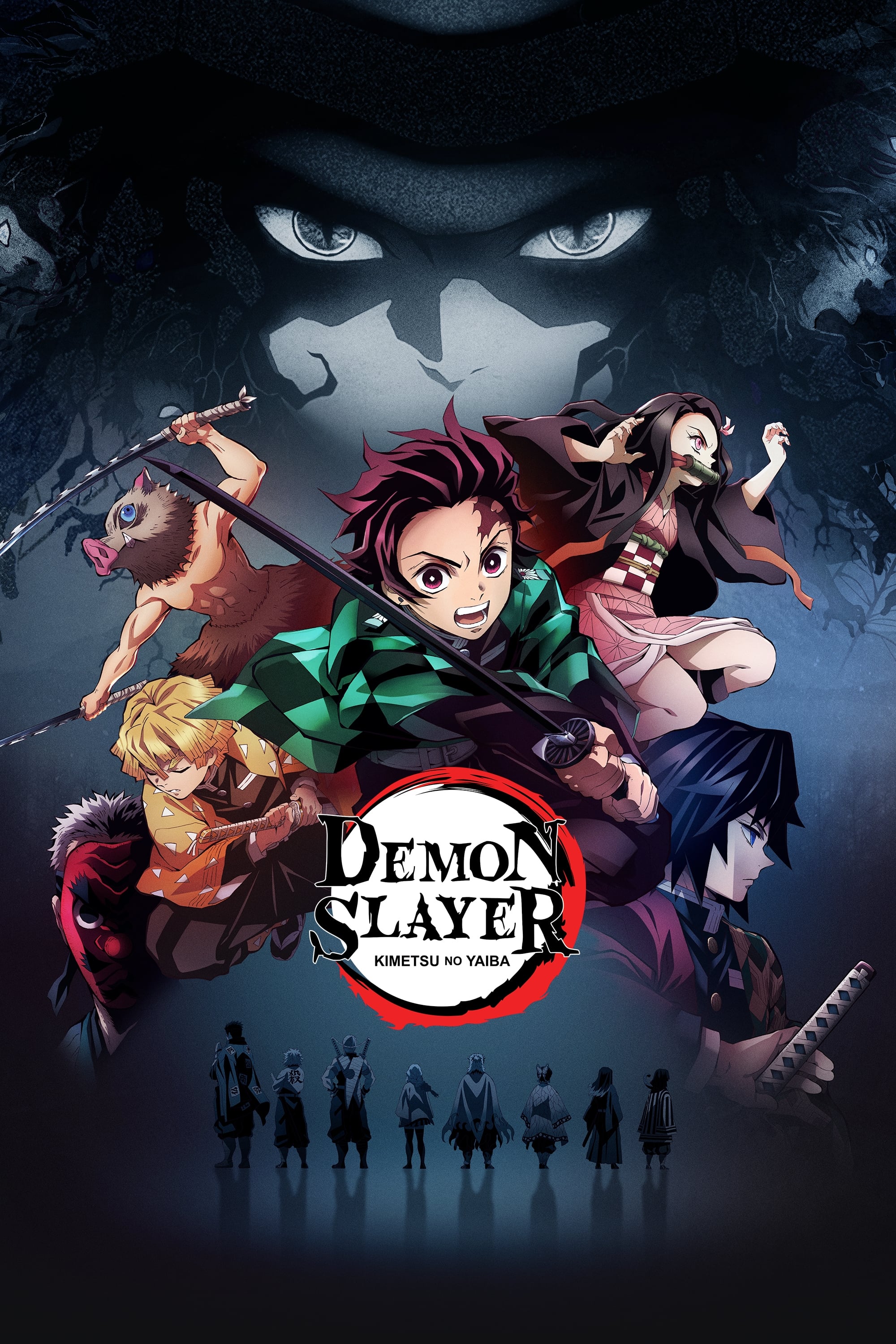
ufotable’s adaptation shows Muzan enforcing loyalty with lethal checks, and certain demons acting against comrades during key arcs. These shifts reconfigure the Twelve Kizuki roster and the distribution of Blood Demon Arts across later battles. The betrayals directly affect Hashira deployments and training priorities. They also set conditions for the Infinity Castle confrontation by pruning and promoting specific antagonists.
‘Mobile Suit Gundam: Iron-Blooded Orphans’ (2015–2017) – Gjallarhorn’s factional backstab on Tekkadan

Sunrise’s ‘Iron-Blooded Orphans’ plants multiple rival blocs within Gjallarhorn, culminating in a crackdown that undercuts earlier détente. The reversal strands Tekkadan without promised political cover. It accelerates the Bael succession gambit and the route to the series’ final stand. The development ties child-soldier autonomy debates to institutional power consolidation in the Post-Disaster setting.
‘Hunter x Hunter’ (2011–2014) – Illumi’s manipulation of Killua’s autonomy
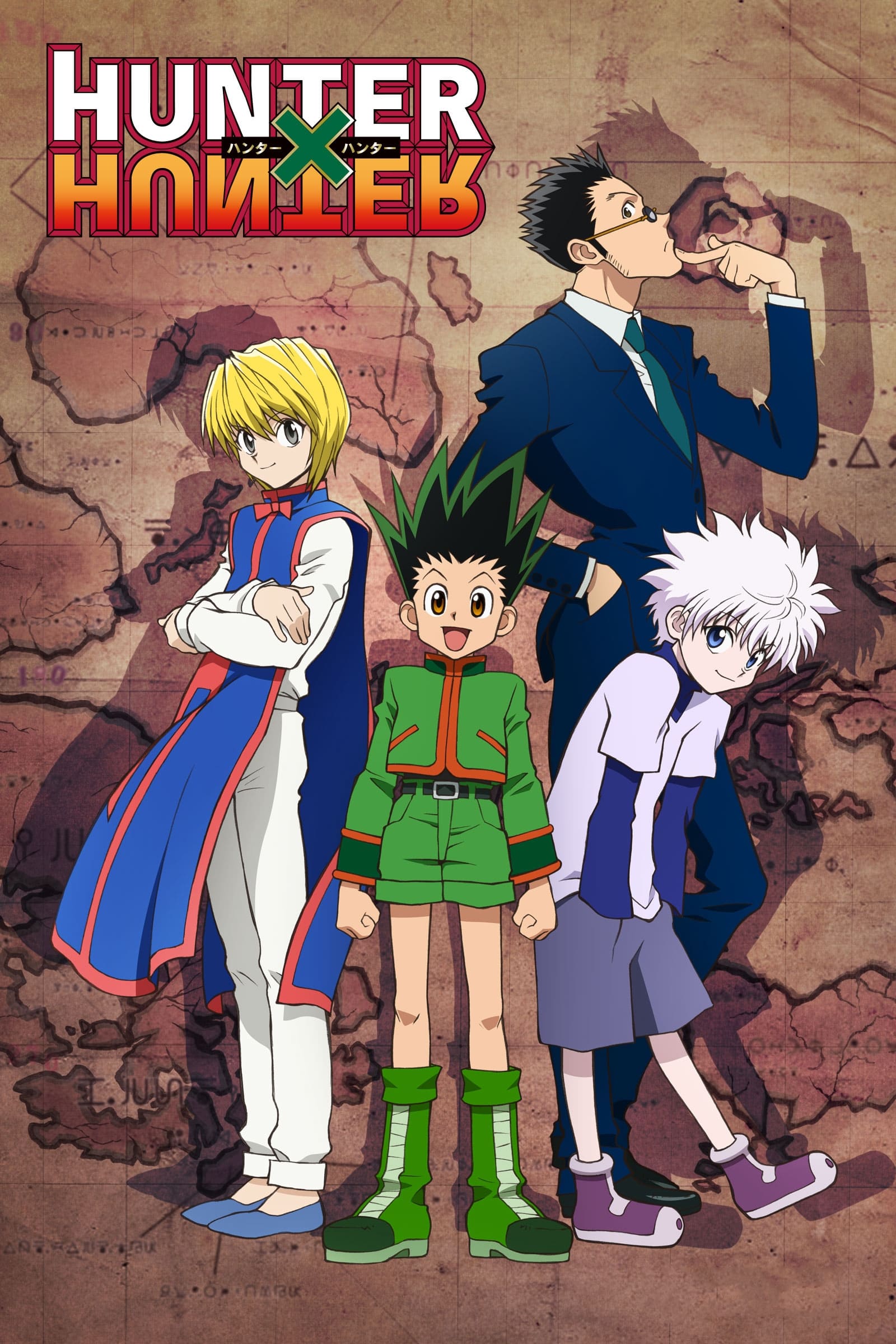
Madhouse’s adaptation details Illumi’s long-term conditioning of his younger brother, revealed during the Hunter Exam and reinforced in later arcs. The constraints explain Killua’s sudden withdrawals from fights and hesitations around orders. This background affects team compositions and mission outcomes across Yorknew and Greed Island. It also contextualizes the need for external mentorship to counteract family control.
‘One Piece’ (1999– ) – CP9’s deep cover in Water 7
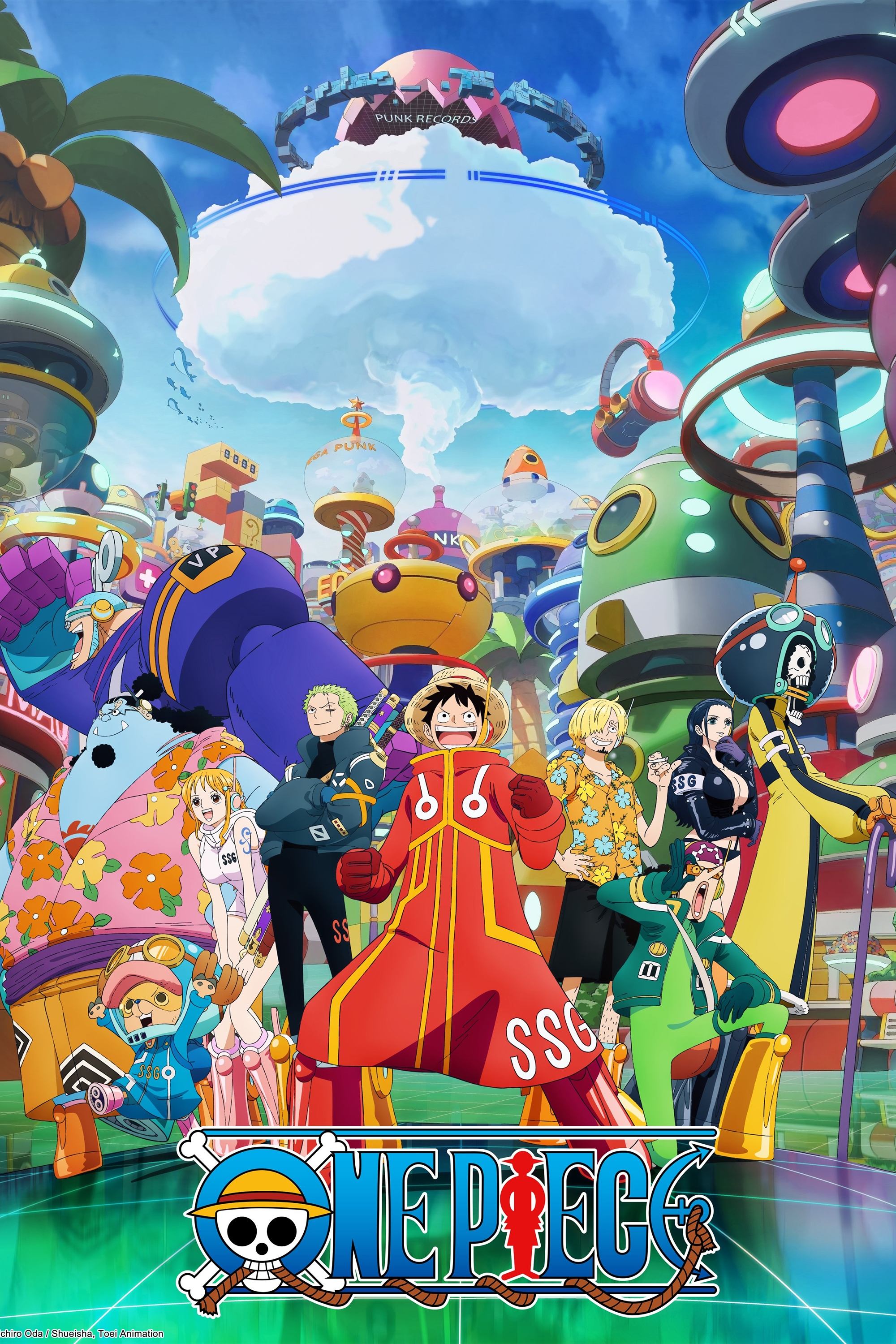
Toei’s long-running series reveals that Galley-La shipwrights Rob Lucci, Kaku, and others are Cipher Pol agents embedded to secure blueprints. The exposure flips Water 7 from a logistics arc into a rescue and government-conspiracy storyline. It leads directly to the Enies Lobby assault and the declaration against the World Government. The twist clarifies CP9’s mandate and the stakes around ancient weapons technology.
‘Code Geass: Lelouch of the Rebellion’ (2006–2008) – Suzaku’s capture and handover of Zero
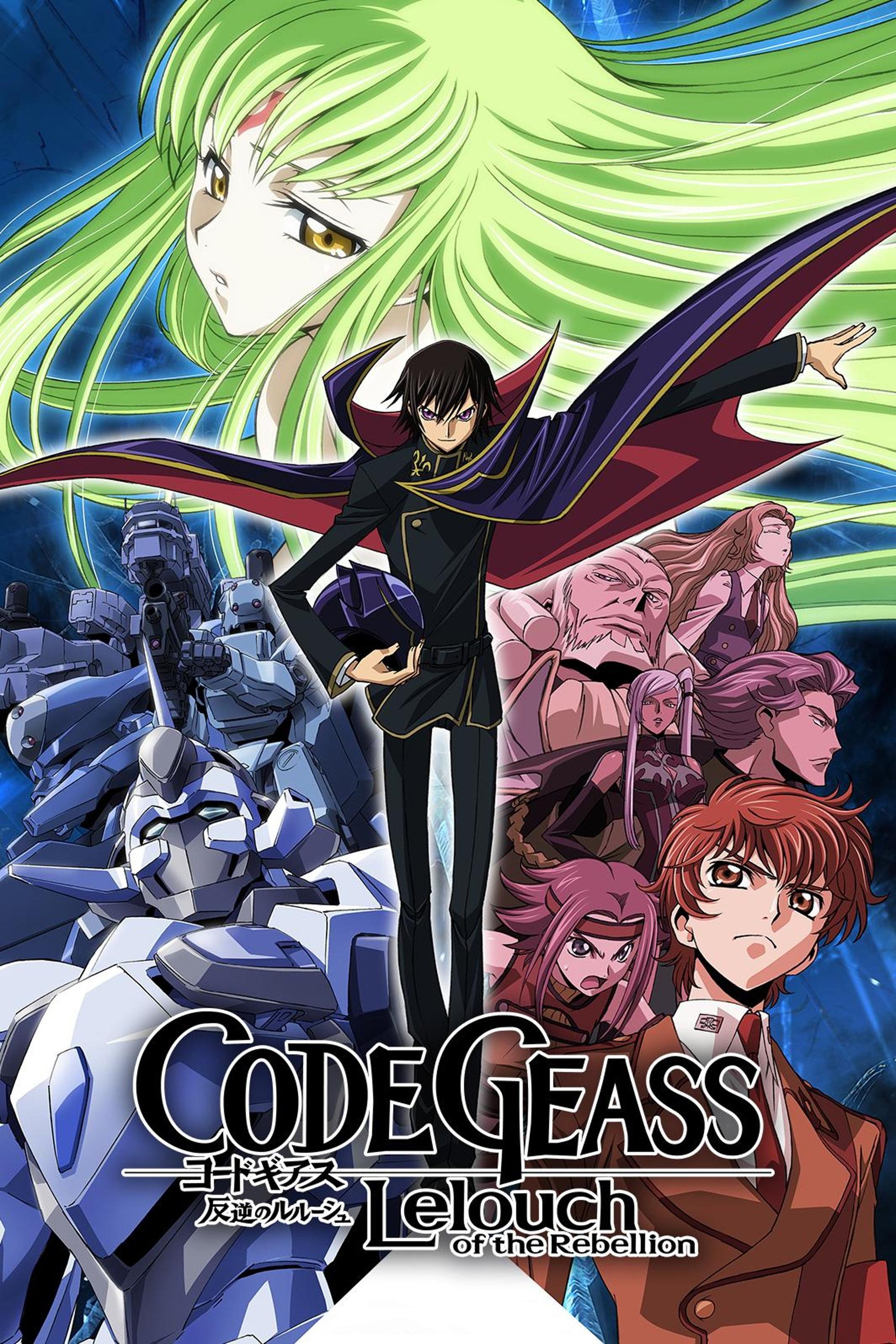
Sunrise’s series positions Suzaku as a Britannian soldier who, upon learning Zero’s identity, participates in operative handovers that reshape the rebellion’s trajectory. The event affects the Black Knights’ trust and the command structure leading into the late-series battles. It also intersects with negotiations involving Schneizel and the planned use of tactical warheads. The fallout sets conditions for the final series of confrontations in the capital.
‘Death Note’ (2006–2007) – Light’s disposal of allies to protect the Kira plan
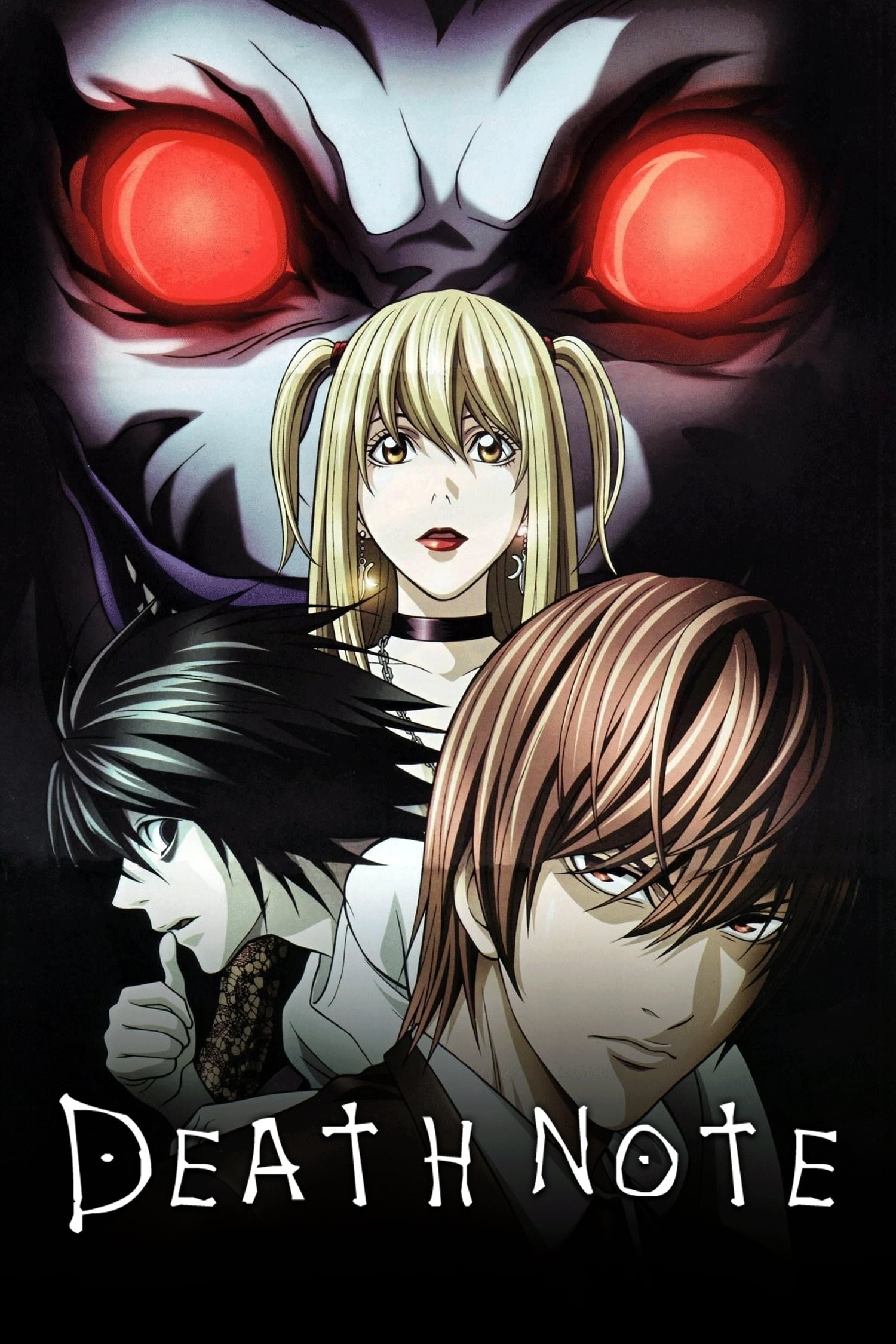
Madhouse’s adaptation shows Light arranging situations that eliminate collaborators once they become liabilities, including key figures tied to media and investigation cells. These actions reconfigure the task force composition and shift investigative leadership abroad. The betrayals are executed through carefully timed trades of Death Notes and custody transfers. They escalate the cat-and-mouse structure toward the Yokohama showdown.
‘Naruto Shippūden’ (2007–2017) – Danzo’s role in the Uchiha downfall and later power grab
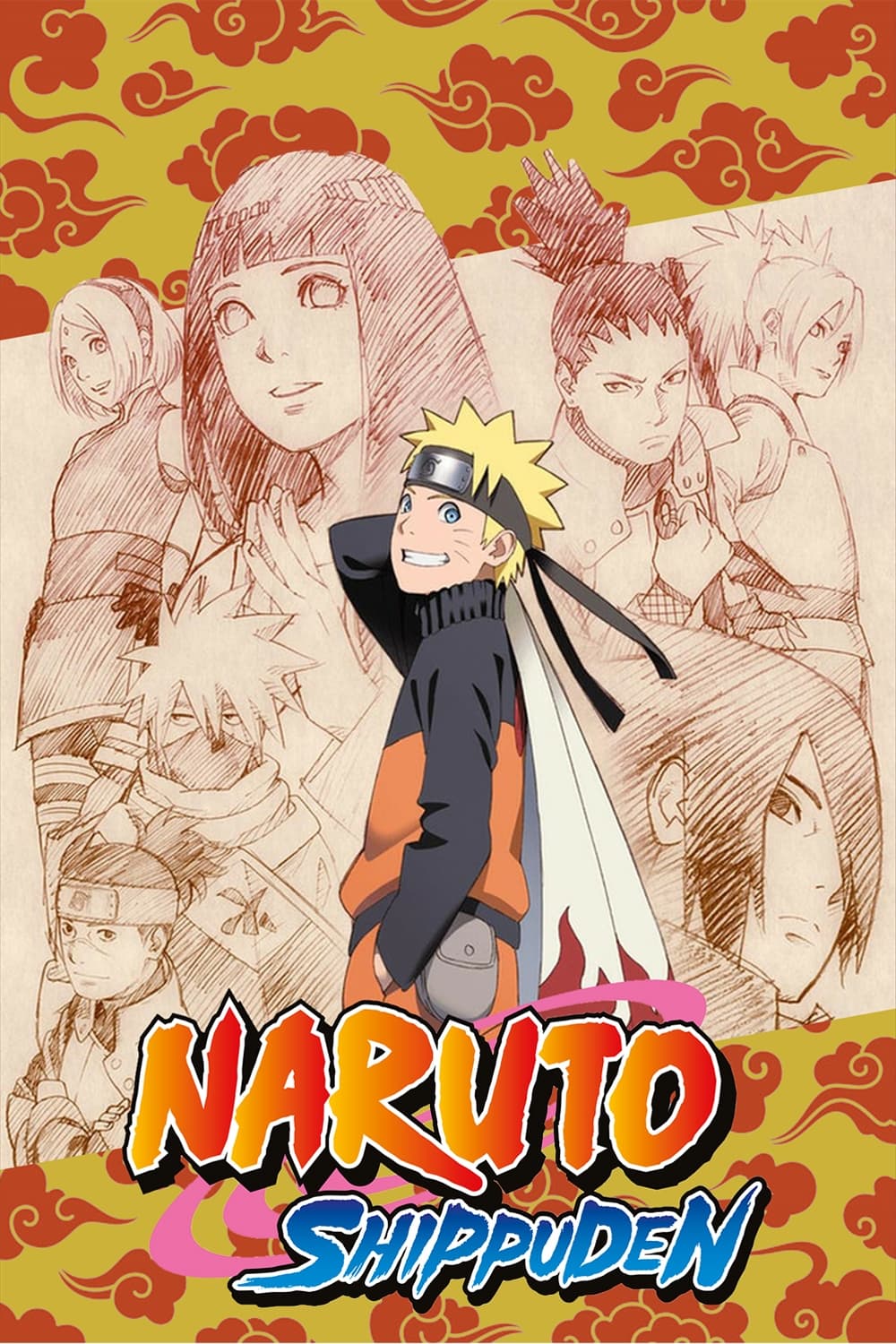
Pierrot’s continuation outlines Danzo’s clandestine Root operations, including actions that contribute to the Uchiha clan’s fate and his later attempt to assume leadership at the Kage Summit. Documentation and testimony within the story attribute key authorizations and cover-ups to him. These developments realign alliances among villages and shape Sasuke’s subsequent targets. The revelations drive the buildup to the Five Kage arc and the Akatsuki escalations.
‘Bleach’ (2004–2012) – Sōsuke Aizen’s defection from Soul Society
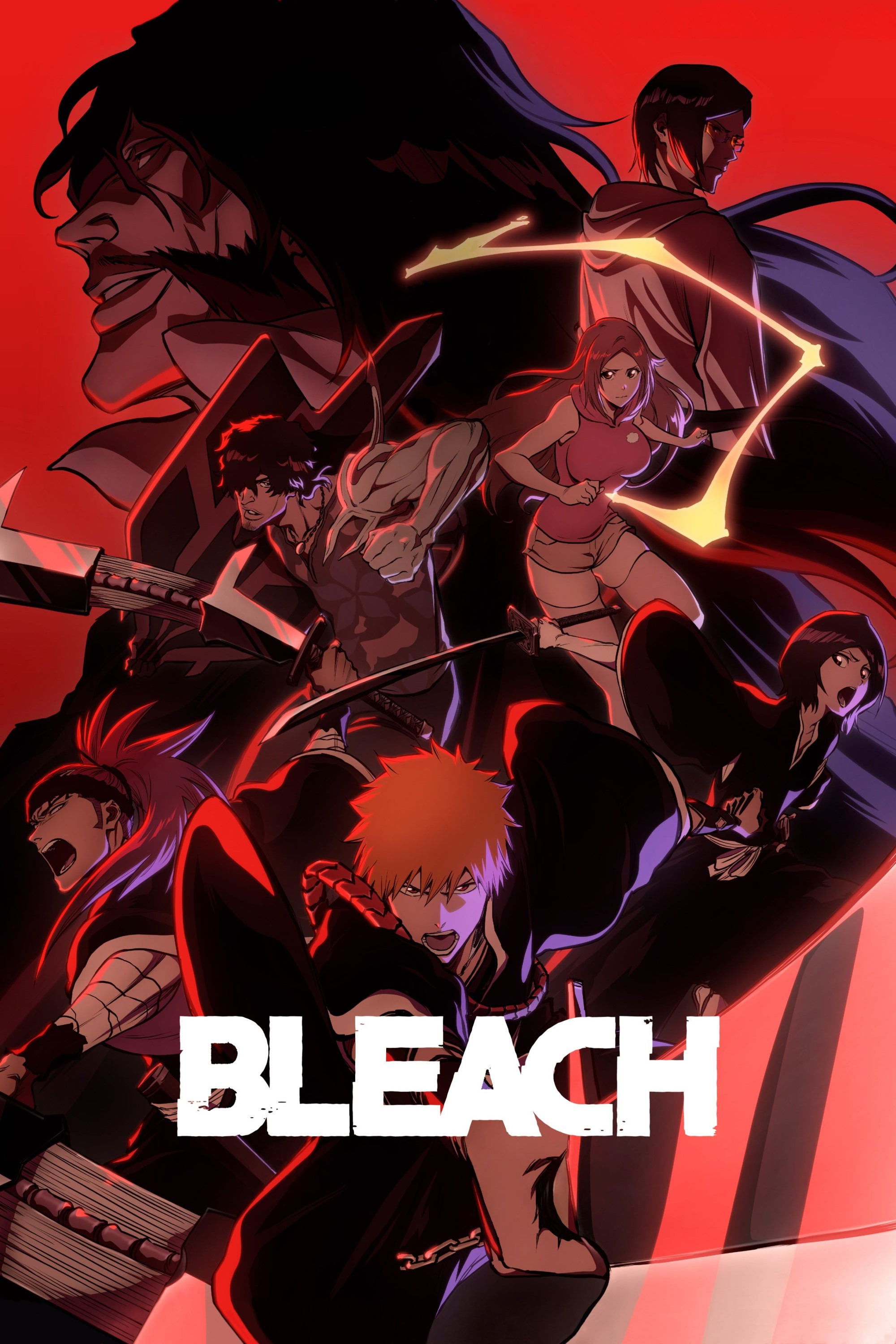
Studio Pierrot’s adaptation culminates the Soul Society arc by revealing Captain Aizen’s forged death and conspiracy with Gin and Tōsen. The turn explains earlier anomalies in the Rukia mission and the Hōgyoku’s placement. It transitions the series into Hueco Mundo by establishing Arrancar leadership. The reveal restructures the captaincy and the balance of power across divisions.
‘Attack on Titan’ (2013–2023) – Annie Leonhart exposed as the Female Titan
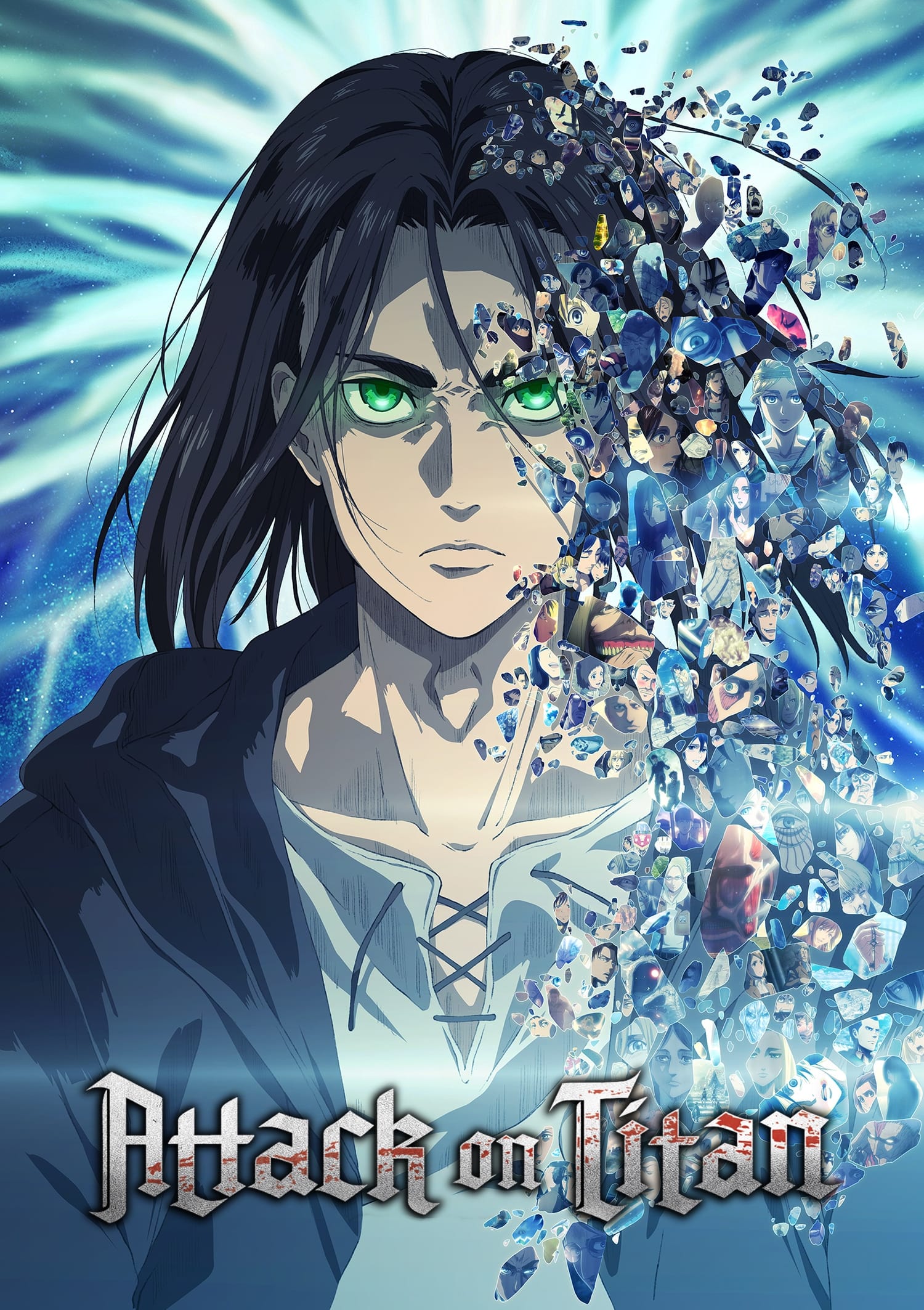
Wit Studio and MAPPA depict the reveal during the struggle to secure humanity’s interior, following city-wide entrapment tactics. The unmasking validates hints from the 104th Cadet Corps training and field behavior. It prompts a destructive pursuit through the capital and results in stasis via crystallization. The event reframes the threat as internal infiltration rather than external siege.
‘Attack on Titan’ (2013–2023) – Reiner Braun and Bertholdt Hoover reveal the Armored and Colossal Titans
The series delivers the admission in a low-key conversation that abruptly pivots into a battle on the Wall. The revelation confirms long-running sabotage and explains the fall of key fortifications. It triggers an immediate split in the 104th and a chase that dominates the subsequent arc. The moment consolidates outside-the-Walls agendas and sets up the coordinate-power pursuit.
‘Berserk’ (1997) – Griffith’s sacrifice at the Eclipse

OLM’s 1997 adaptation reaches the Eclipse, where Griffith sacrifices the Band of the Hawk to ascend as Femto. The event closes the Golden Age arc and explains the origin of the God Hand’s newest member. It permanently alters the status of surviving characters and the series’ supernatural scope. The sequence functions as the franchise’s defining pivot from medieval warfare to demonic cosmology.
Share the moments we missed or your own picks for infamous anime betrayals in the comments below!