Most Effective Nonlinear Storylines In Anime


Nonlinear storytelling pops up across anime in clever ways—from episodes aired out of chronological order, to time loops, fractured POVs, and timelines that keep resetting to reveal new context. The picks below highlight series and films that purposefully shuffle events, use loops or memory shifts, or cross-cut parallel threads so viewers piece the narrative together out of sequence. Each entry notes how the structure actually works—broadcast order versus in-world chronology, the devices that cause jumps, and the arcs most affected—so you can see exactly what makes each storyline nonlinear.
‘The Melancholy of Haruhi Suzumiya’ (2006)
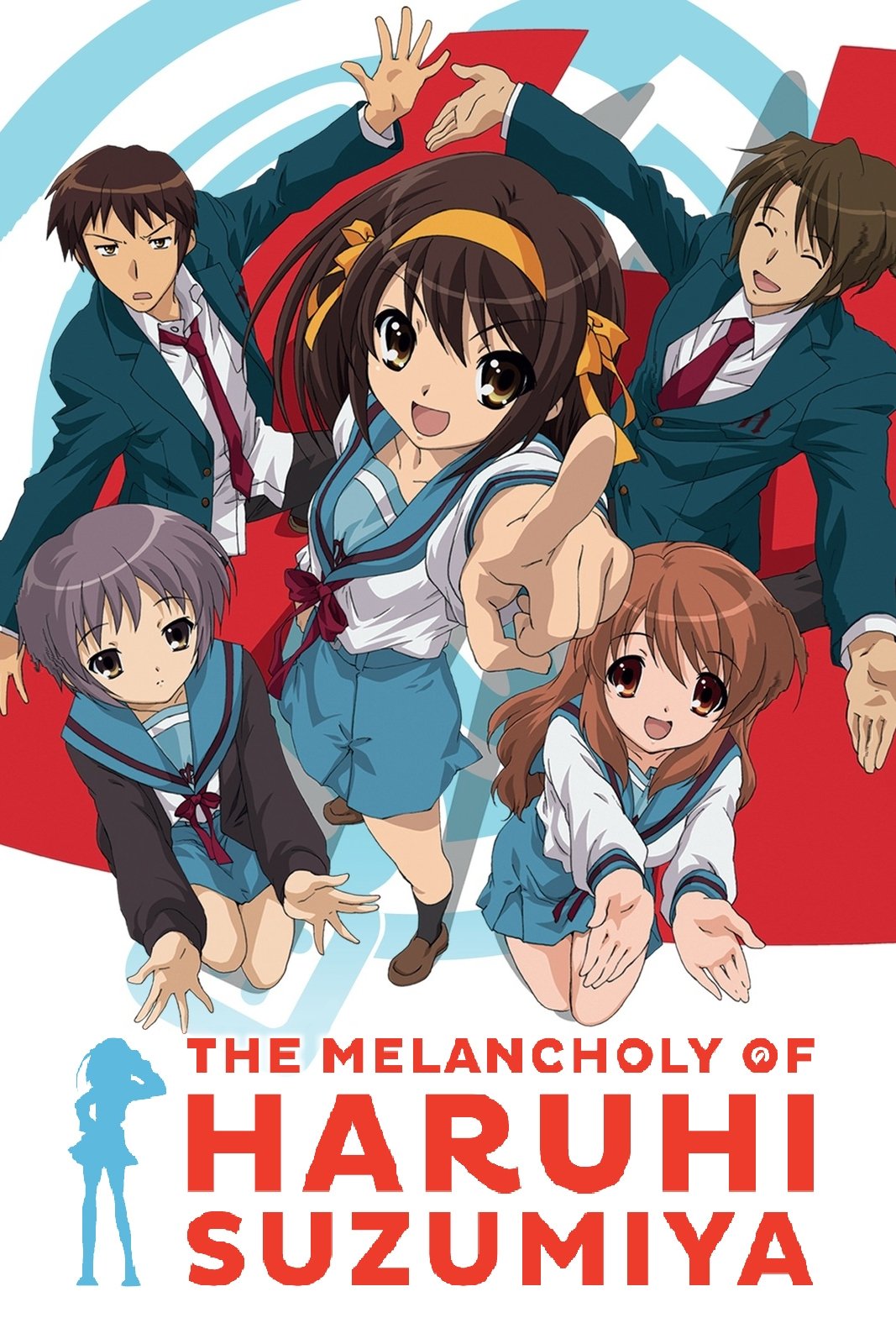
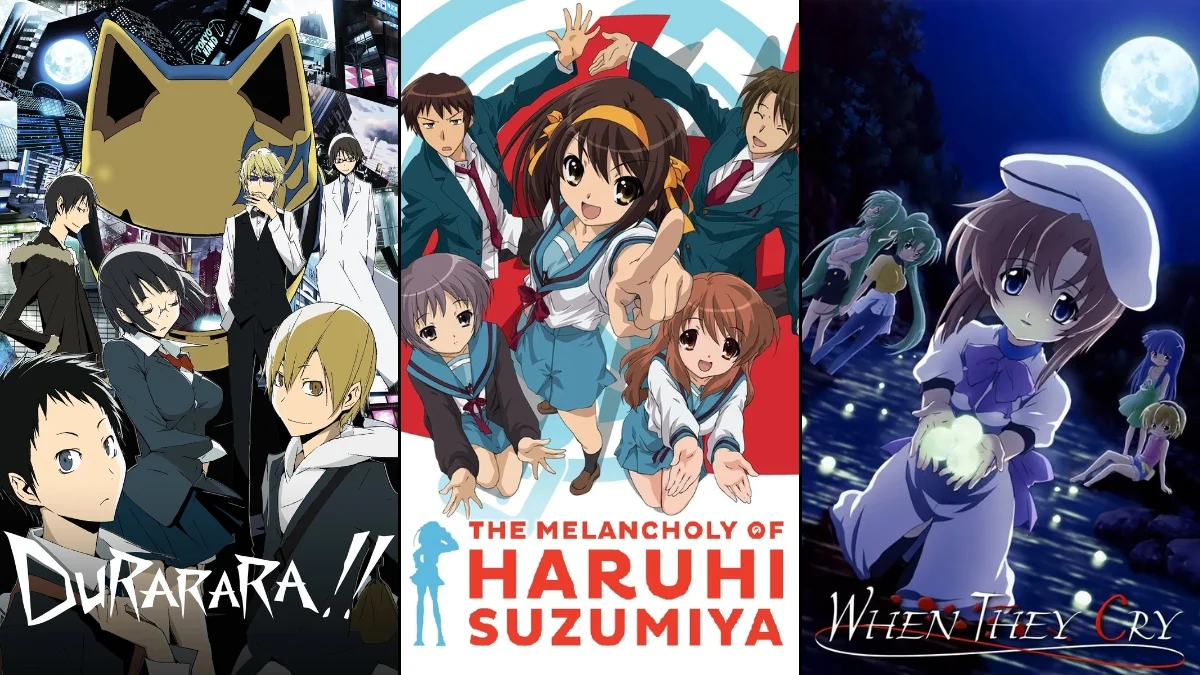
This series originally aired episodes out of chronological order, separating broadcast sequence from the in-world timeline. The most famous arc, often called “Endless Eight,” repeats the same late-summer events with subtle variations, resetting characters to an earlier point each time. Several standalone episodes also take place before the pilot in story terms, creating deliberate continuity gaps. Home video releases present an alternative order that aligns more closely with the timeline, highlighting how the show’s structure can be rearranged.
‘Baccano!’ (2007)
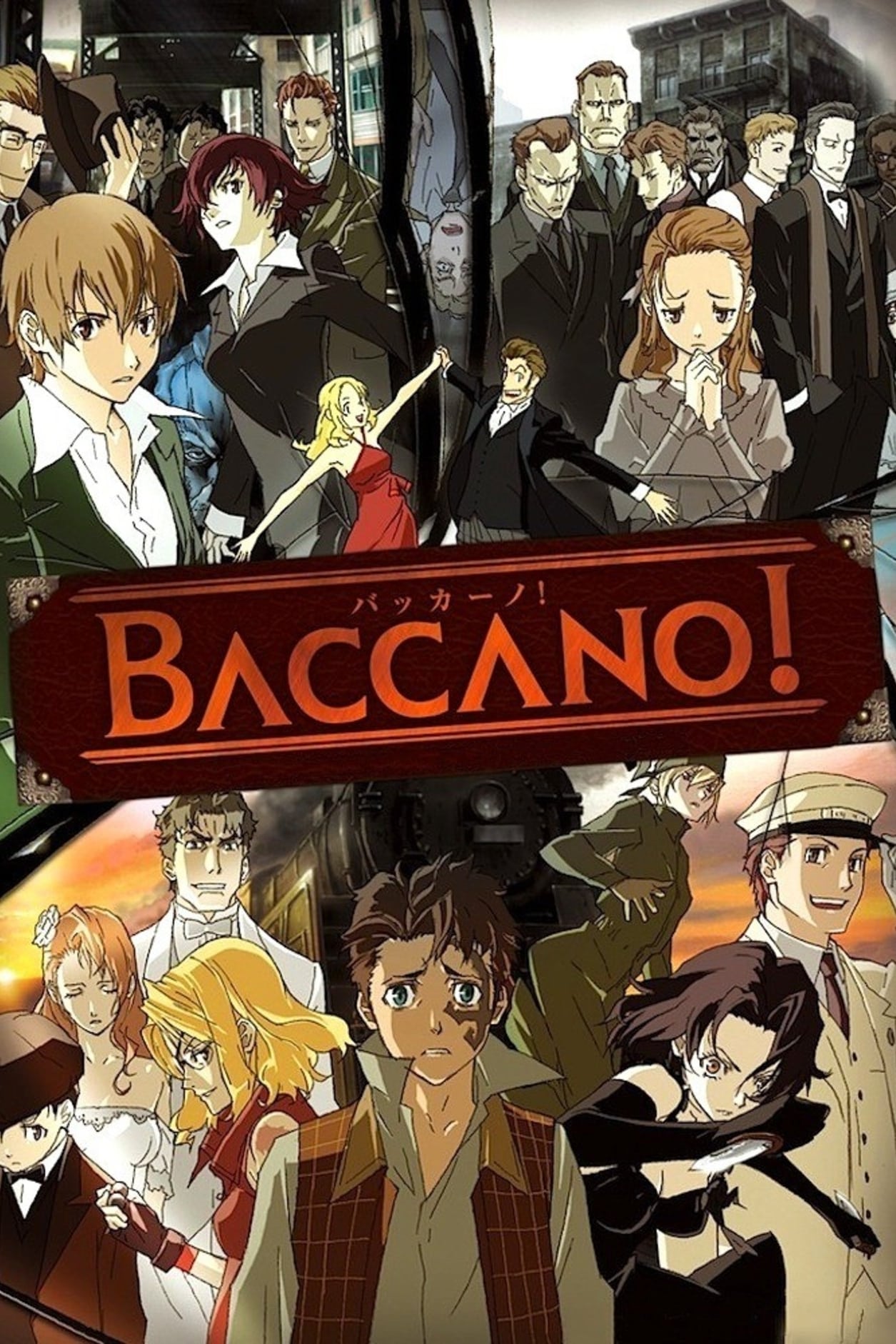
Set across multiple years, this series intercuts train heists, immortality experiments, and mafia feuds without linear progression. Episodes jump between characters and dates, with title cards and recurring motifs acting as anchors for where you are in the story. The narrative uses overlapping scenes from different perspectives to fill in missing information. Extra episodes extend threads introduced earlier, but still maintain the mosaic structure rather than a single straight timeline.
‘Durarara!!’ (2010–2016)
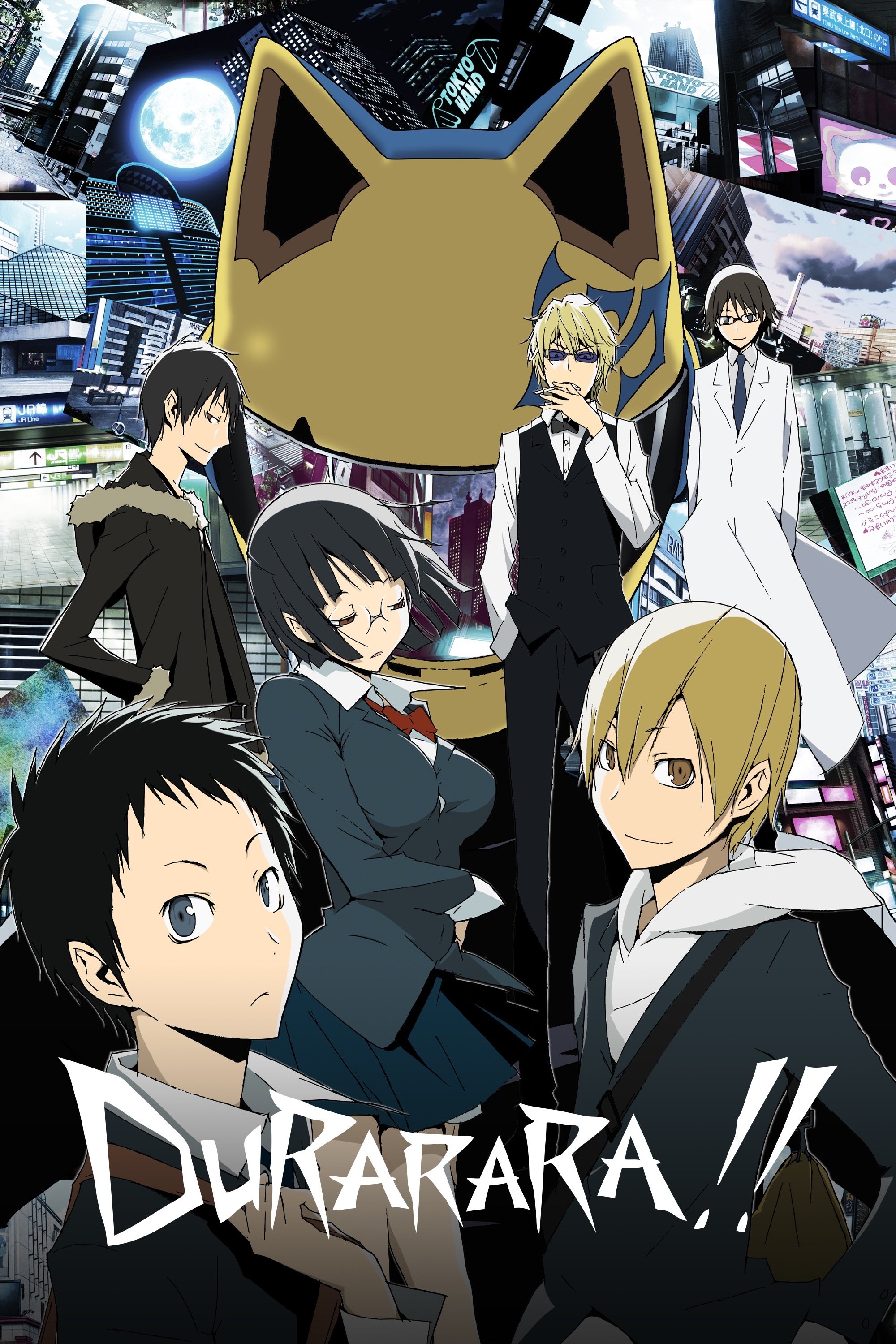
The story weaves urban legends and gang conflicts through character-centered arcs that restart the timeline focus each cour. Events are revisited from several viewpoints, revealing unseen actions that explain earlier scenes. The series uses an ensemble narrator rotation, which means chronology advances in loops as each character’s version catches up. Sequels continue this approach, segmenting the city’s incidents into overlapping, out-of-order strands.
‘The Garden of Sinners’ (2007–2013)

This film series adapts chapters in a non-publication order, placing investigations and confrontations out of sequence. Key character backstory appears only after several case files, reframing earlier events with newly revealed motives and abilities. Repeated imagery and date stamps orient the viewer while the plot jumps between aftermaths and causes. Later releases add epilogues that retroactively clarify relationships established much earlier in the viewing order.
‘The Tatami Galaxy’ (2010)
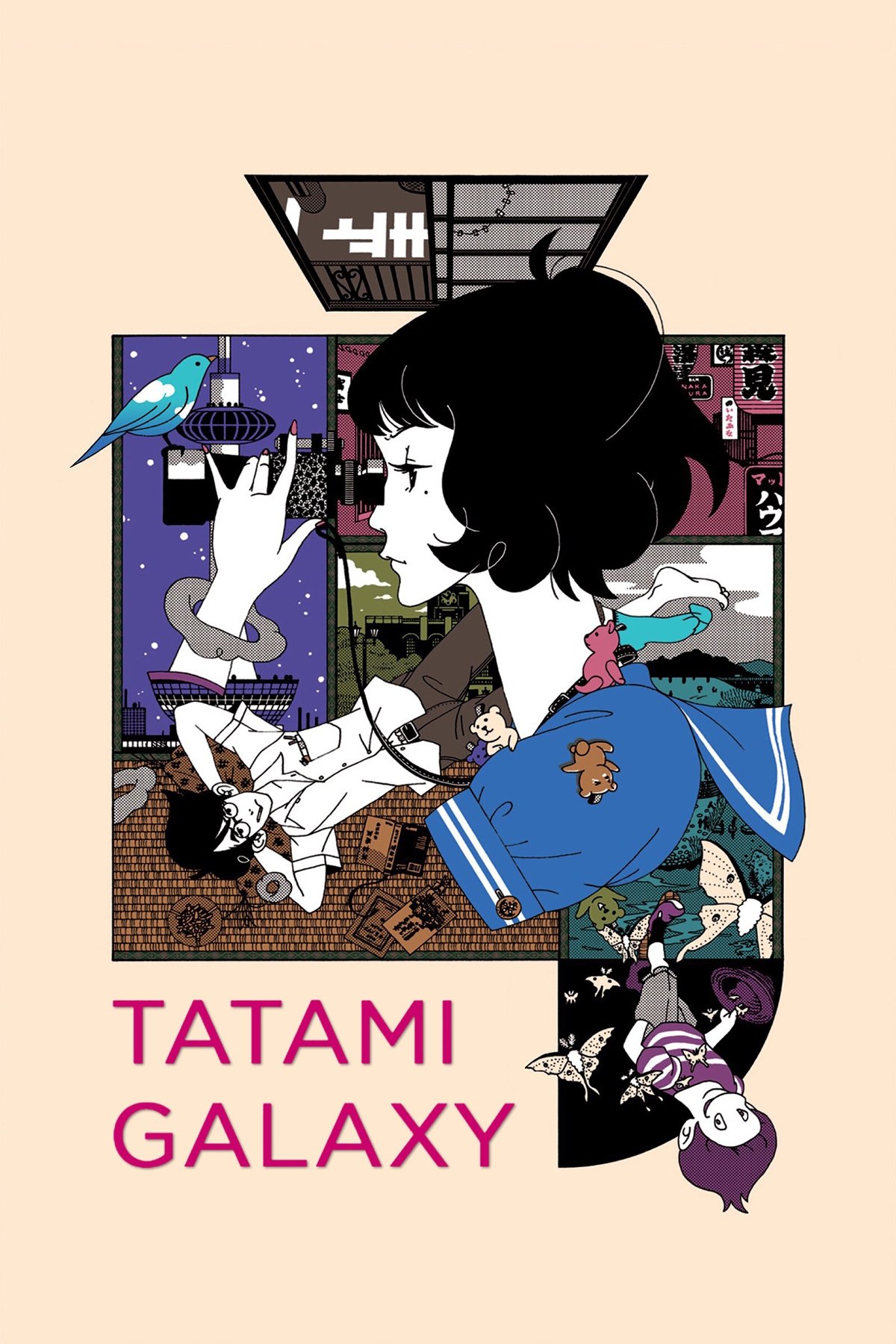
Each episode restarts the protagonist’s college life from the same beginning, branching along a new “what if” path. Characters recur in altered roles as the timeline resets, with small constants—like a fateful festival—serving as fixed points. Clues planted across earlier loops converge in the final episodes to explain how the cycles connect. The structure functions as parallel permutations rather than a single forward march.
‘Steins;Gate’ (2011)
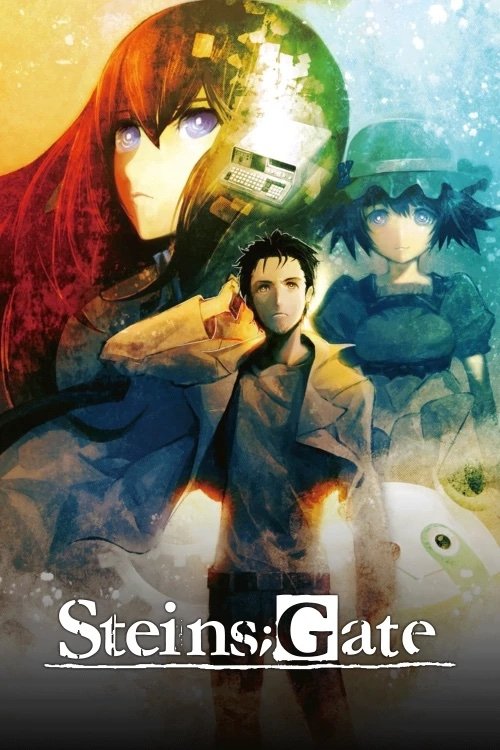
The plot hinges on time-altering messages that split and merge worldlines, so scenes later reappear with changed outcomes. Episode transitions often mark a jump to a new branch, and a device readout inside the story signals when history has shifted. Mid-series events are re-navigated with different choices to recover lost possibilities. Visual cues and consistent cause-and-effect rules hold the nonlinear structure together as characters try to reach a stable path.
‘Re:Zero -Starting Life in Another World-‘ (2016–2021)

The protagonist’s fatal setbacks trigger returns to earlier checkpoints, creating repeating arcs with altered variables. Each loop preserves his memory while resetting other characters, allowing investigations to play out across multiple passes. Major storylines are built as clusters of iterations that gradually map hidden dangers and alliances. Later cours follow the same pattern, expanding the web of cause and effect while maintaining jump-back structure.
‘Puella Magi Madoka Magica’ (2011)
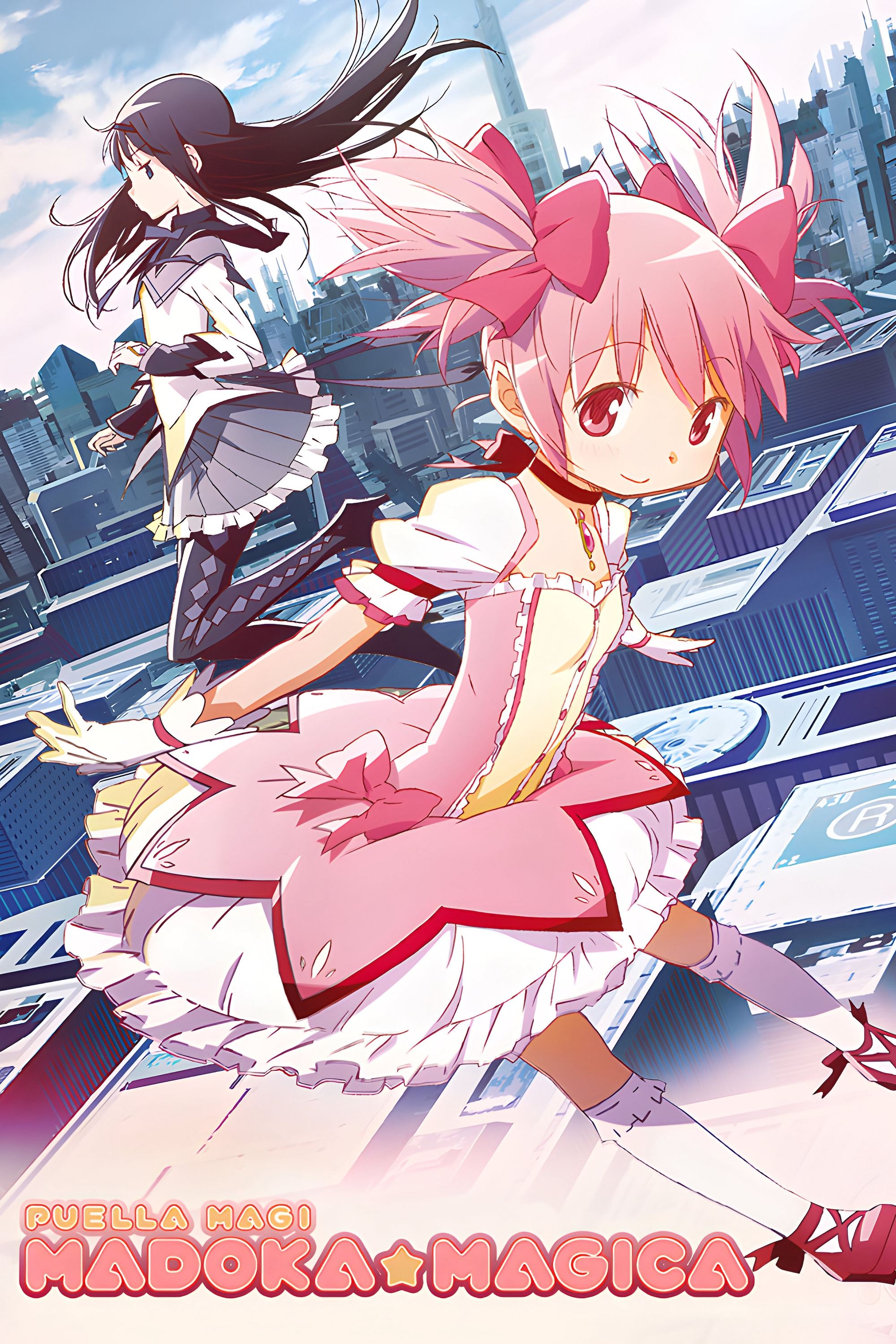
A concealed timeline sits behind the early episodes, later revealed through a character’s repeated attempts to change outcomes. Flashbacks unfold out of order to show prior cycles, recontextualizing initial events and relationships. The show uses motif echoes—identical locations and scenes with different consequences—to indicate prior loops. A concluding arc stitches these fragments into a single, wider view of the timeline mechanics.
‘Higurashi: When They Cry’ (2006–2021)
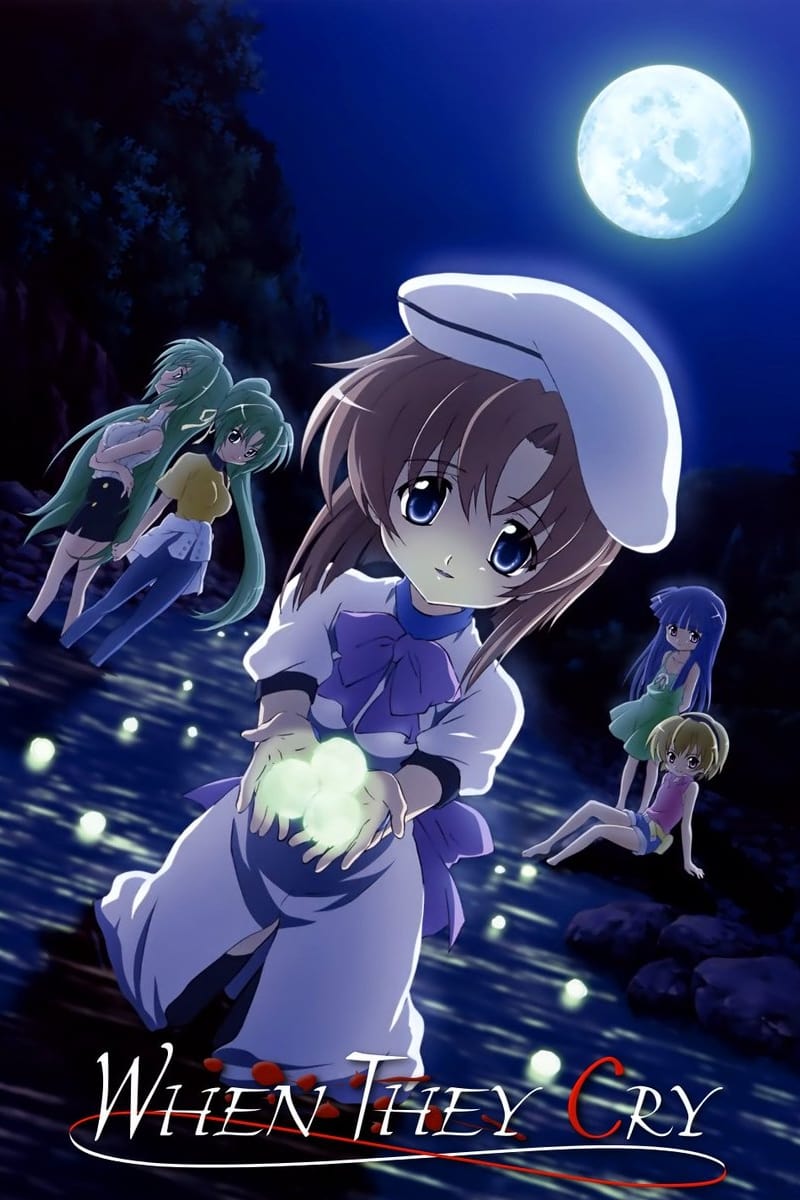
This franchise sequences short arcs that seem disconnected, then revisits the same timeframe with different results. Answers arcs and later installments reveal how resets, memory fragments, and external interventions link the loops. The structure alternates between question and explanation cycles, each reframing earlier mysteries. Character awareness of previous iterations gradually increases, changing how subsequent arcs unfold.
‘Boogiepop Phantom’ (2000)
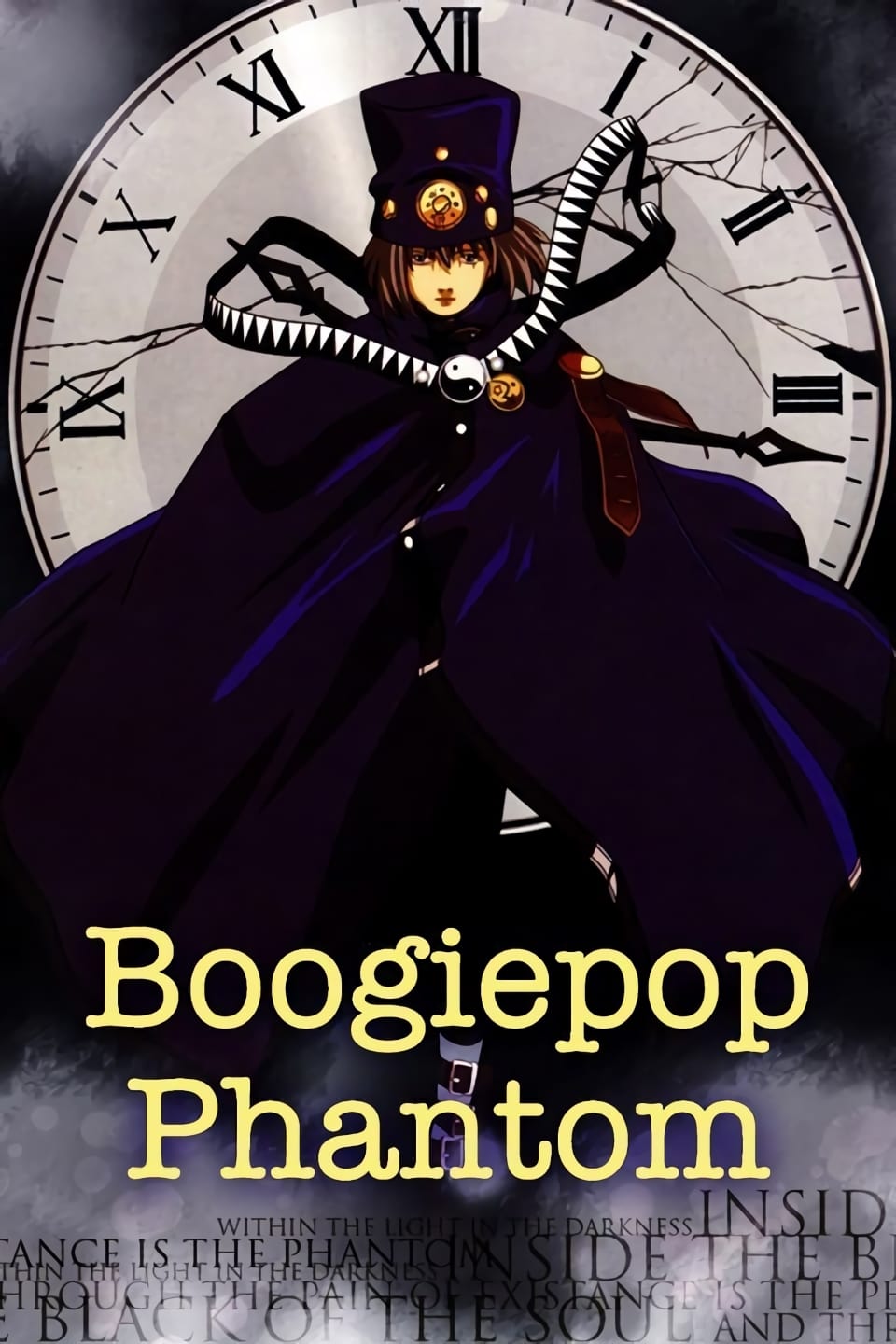
Episodes center on different characters experiencing the same city-wide phenomenon at overlapping times. Nonlinear editing, repeated scenes, and echoing sound cues tie the narratives together. Chronology is intentionally obscured, with later episodes providing missing context for earlier ones. The final picture emerges by merging partial perspectives rather than following a single timeline.
‘Serial Experiments Lain’ (1998)
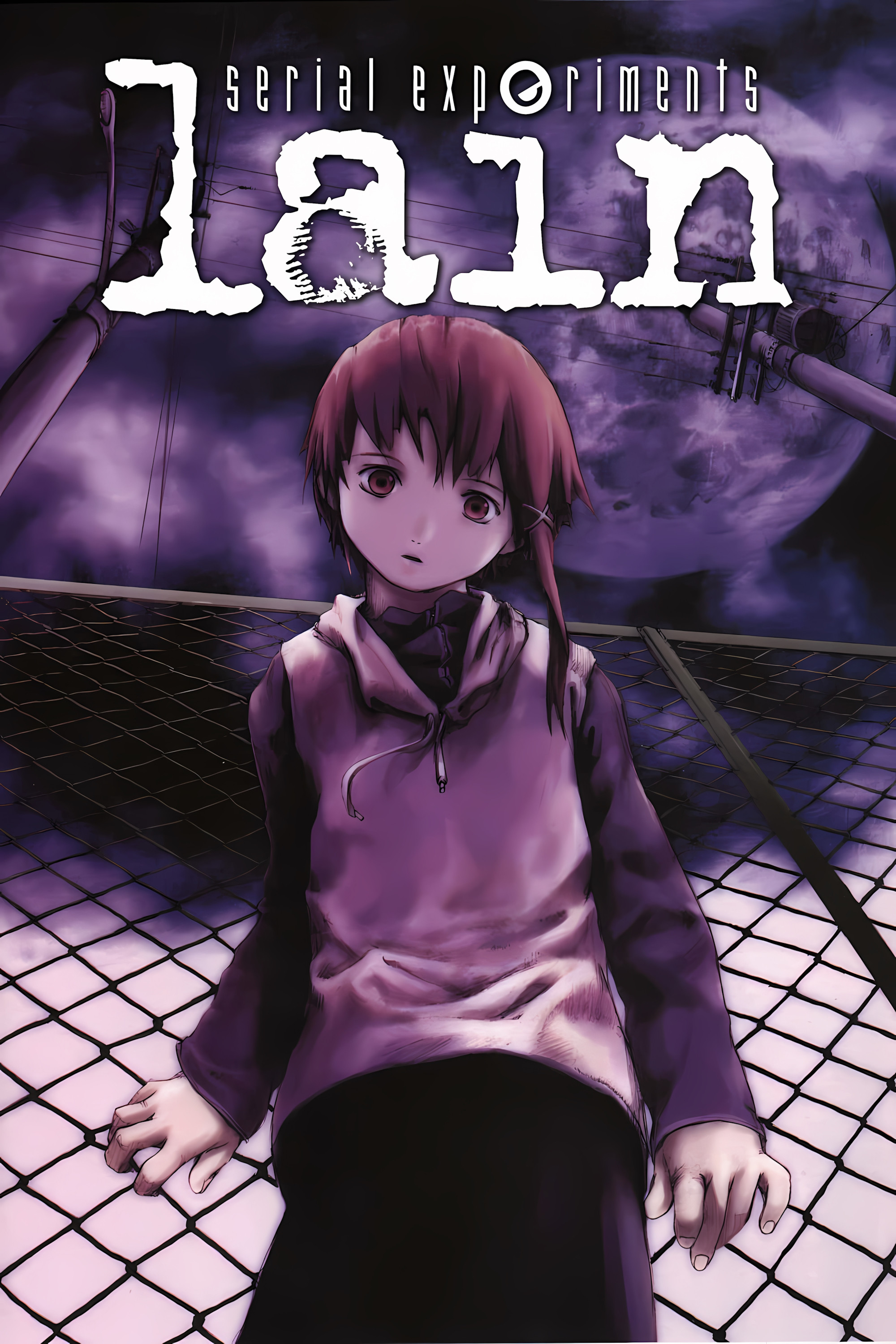
Shifts between physical and networked realities scramble temporal continuity, with events referenced before they visibly occur. Recurring images and system messages hint at resets or overwritten histories. Several episodes function as re-calibrations, inserting backstory that alters the meaning of prior scenes. The show’s structure blurs cause and effect to reflect its theme of identity reconstruction.
‘Paranoia Agent’ (2004)
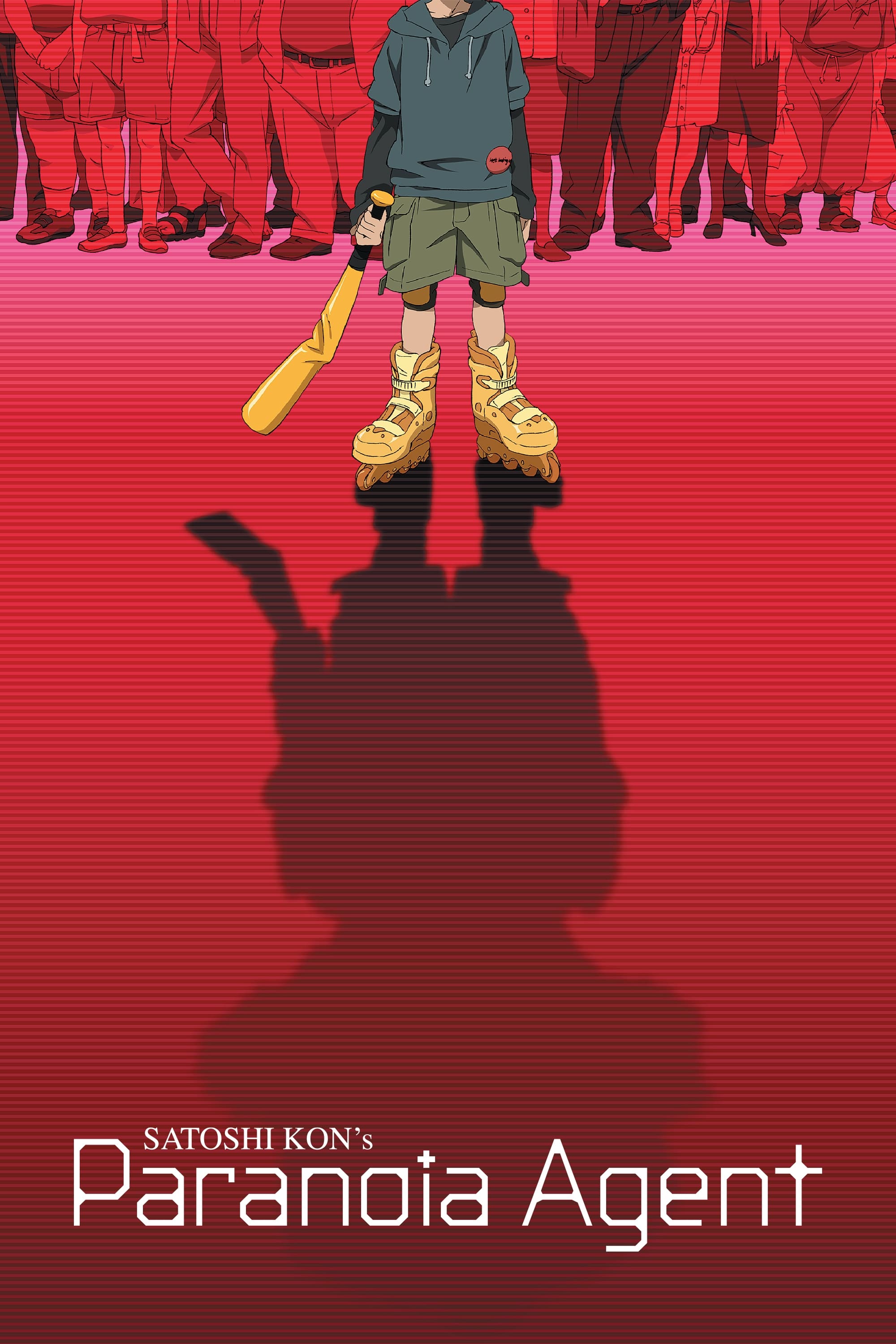
Anthology-style episodes depict different victims and observers of a shared urban legend, with timelines that overlap and backtrack. News reports, police files, and personal recollections contradict each other, requiring cross-episode stitching. Midway, the narrative shifts to origin stories that reframe earlier incidents. The finale knits disparate threads by revisiting touchstone locations with altered context.
‘Monogatari Series’ (2009–2019)
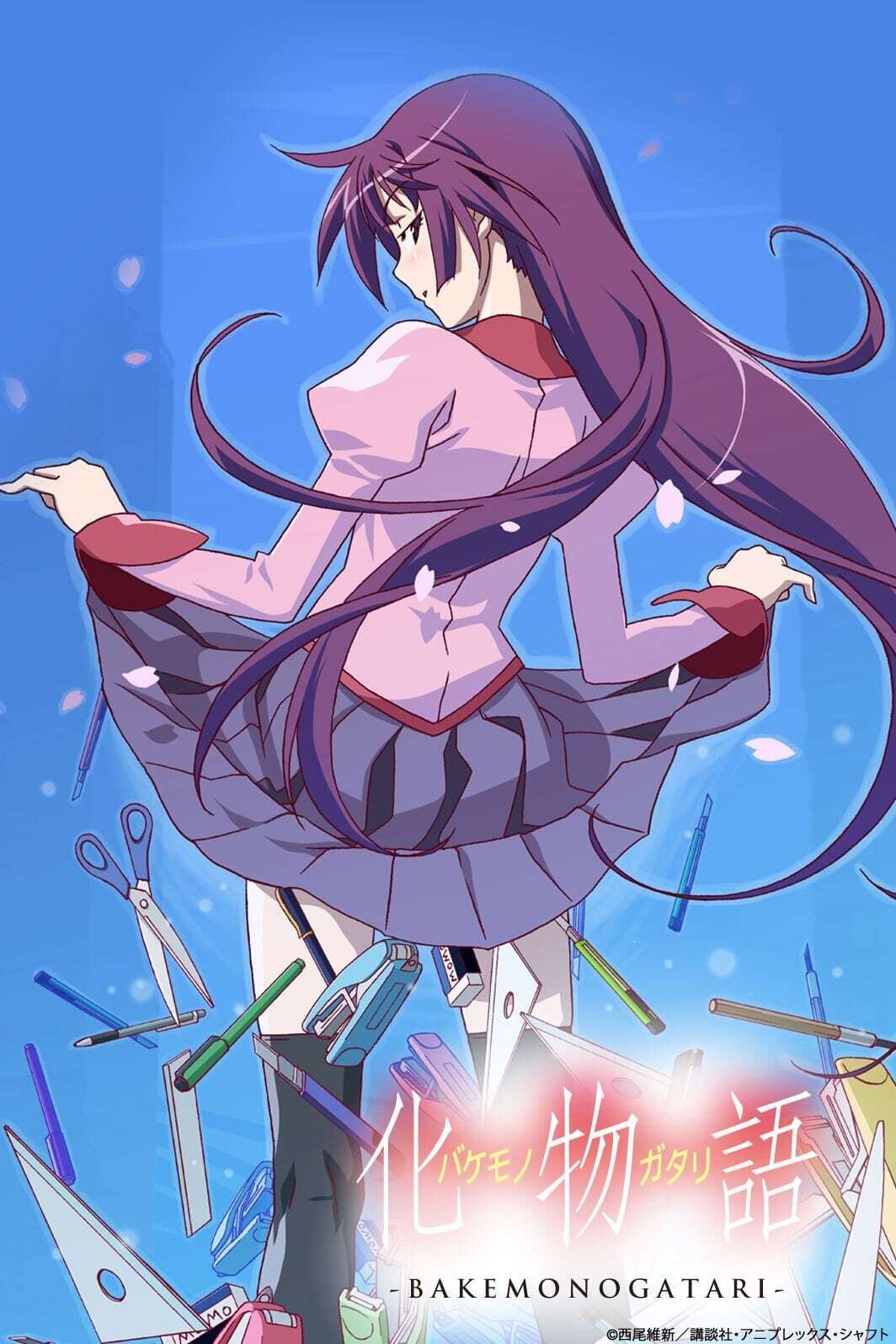
Arcs adapt novels out of chronological order, so the broadcast sequence diverges from the characters’ life timeline. Title cards label arcs, but earlier-aired seasons can occur later in-world, and vice versa. Recurring events are replayed from different character vantage points, adding missing steps or exposing off-screen actions. Official guides often present alternative viewing orders to follow chronology, emphasizing the designed nonlinearity.
‘Kaiba’ (2008)
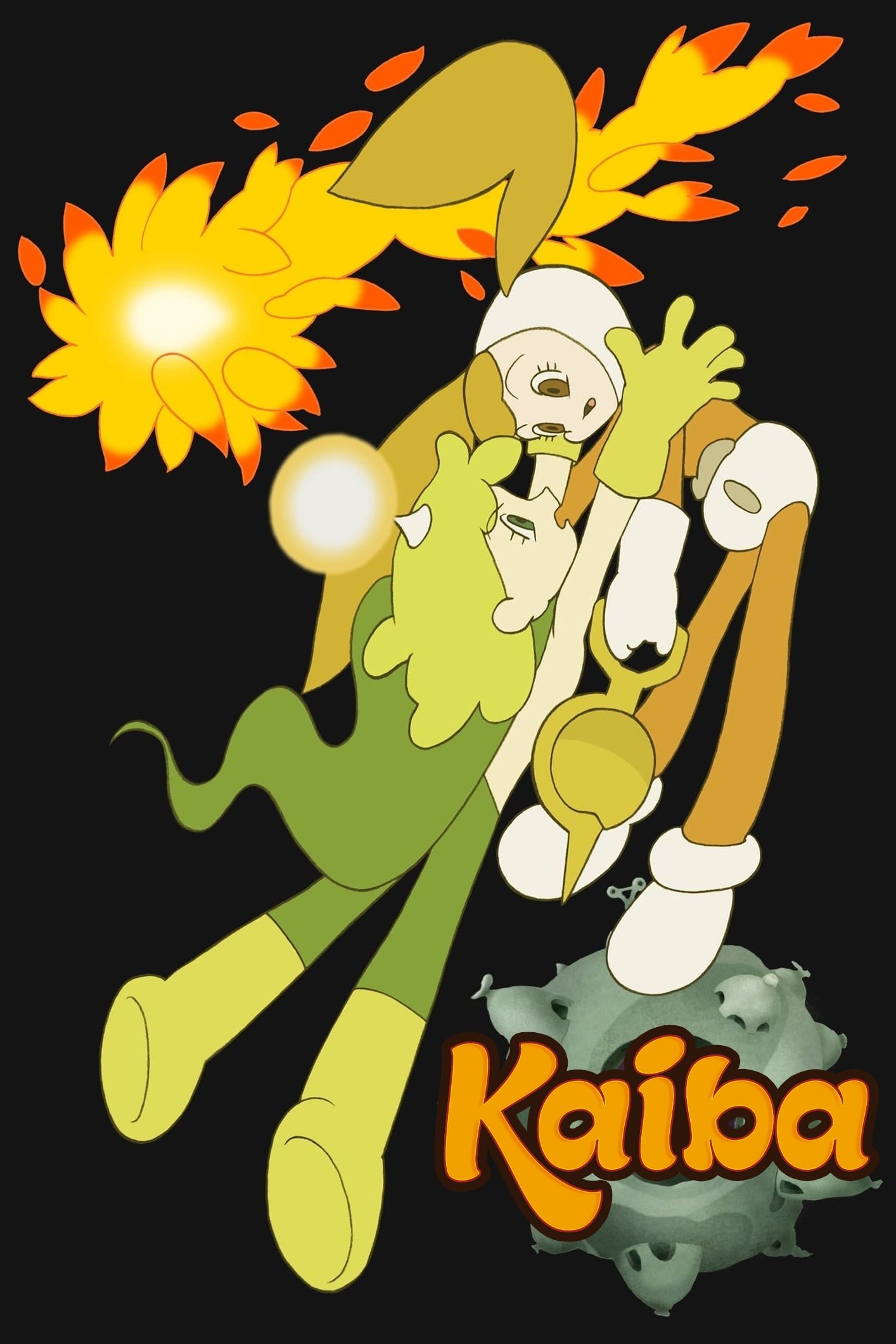
Memory chips allow consciousness to move between bodies, so identity and sequence become decoupled. Episodes jump across locations and lives, with pasts revealed only when memories are recovered or swapped. Visual motifs on artifacts and scars act as continuity markers across discontinuous scenes. Later chapters loop back to origin points that clarify earlier mysteries about the world’s power structure.
‘Mind Game’ (2004)
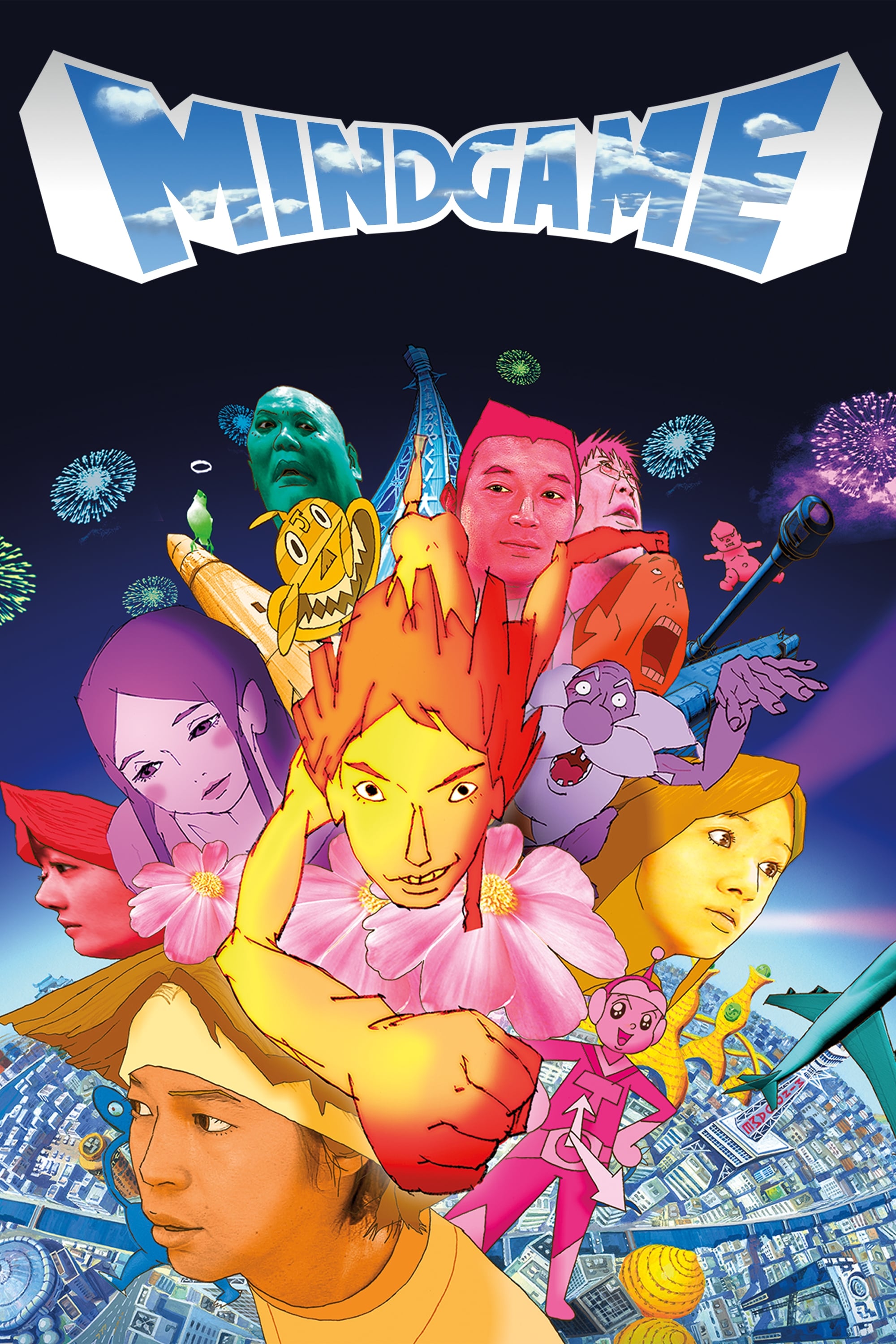
The film opens with a death that immediately branches into an improbable second chance, launching a story that refuses straight chronology. Rapid montages, documentary-style inserts, and jump cuts collapse time, showing alternate possibilities and internal visions as if they co-exist. Sequences revisit moments with different emphases to expose cause chains. The closing passages fold time further by presenting outcomes as parallel snapshots rather than a single ending.
‘Perfect Blue’ (1997)
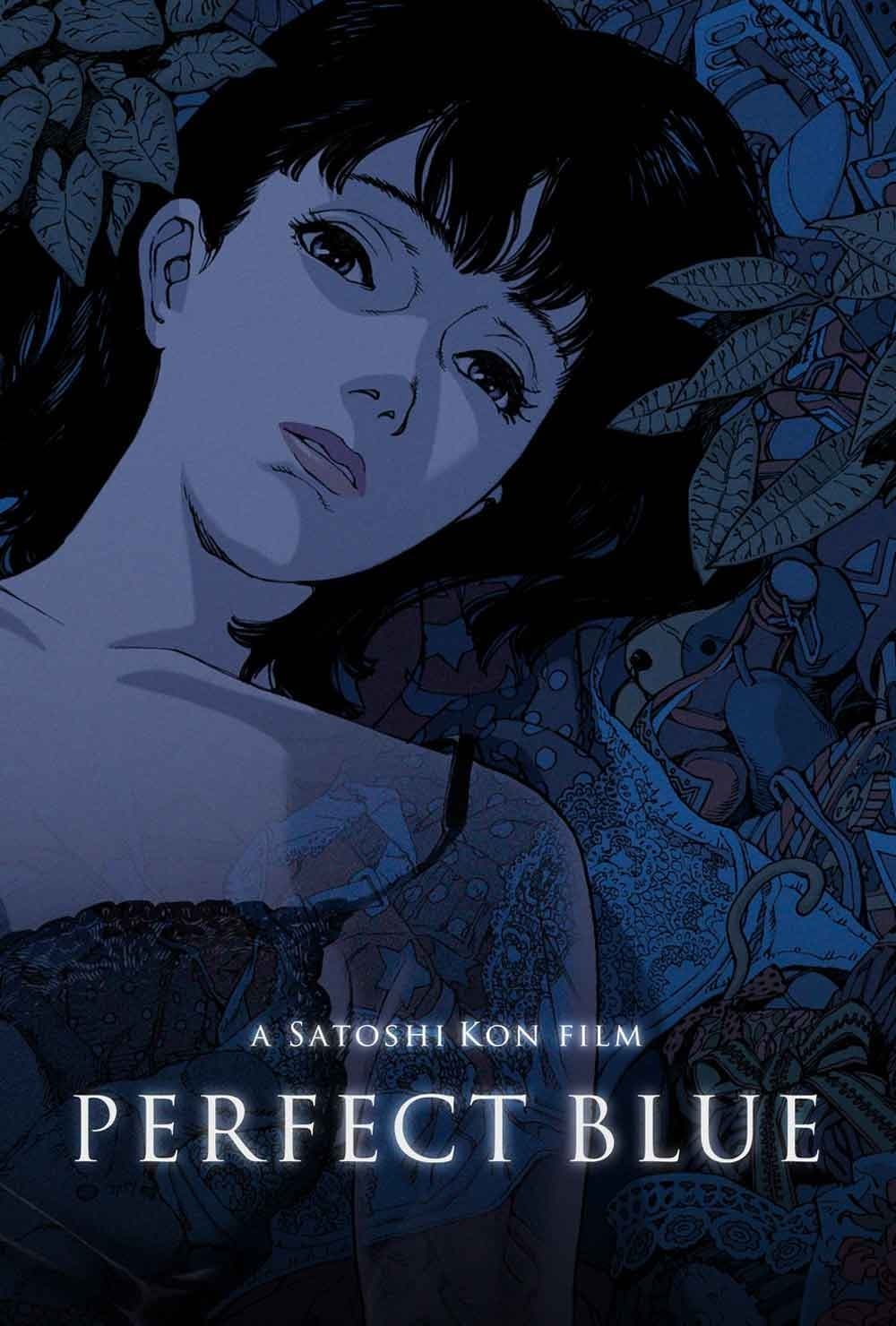
Intercut TV scenes, dreams, and real events scramble the order in which causes and effects are presented. Some shots repeat with altered details, signaling shifts in perspective or unreliable memory. The investigation thread moves forward while the protagonist’s timeline loops through rehearsals and retakes. Viewers reconstruct the sequence by tracking props, wardrobes, and show-within-a-show cues.
‘Paprika’ (2006)
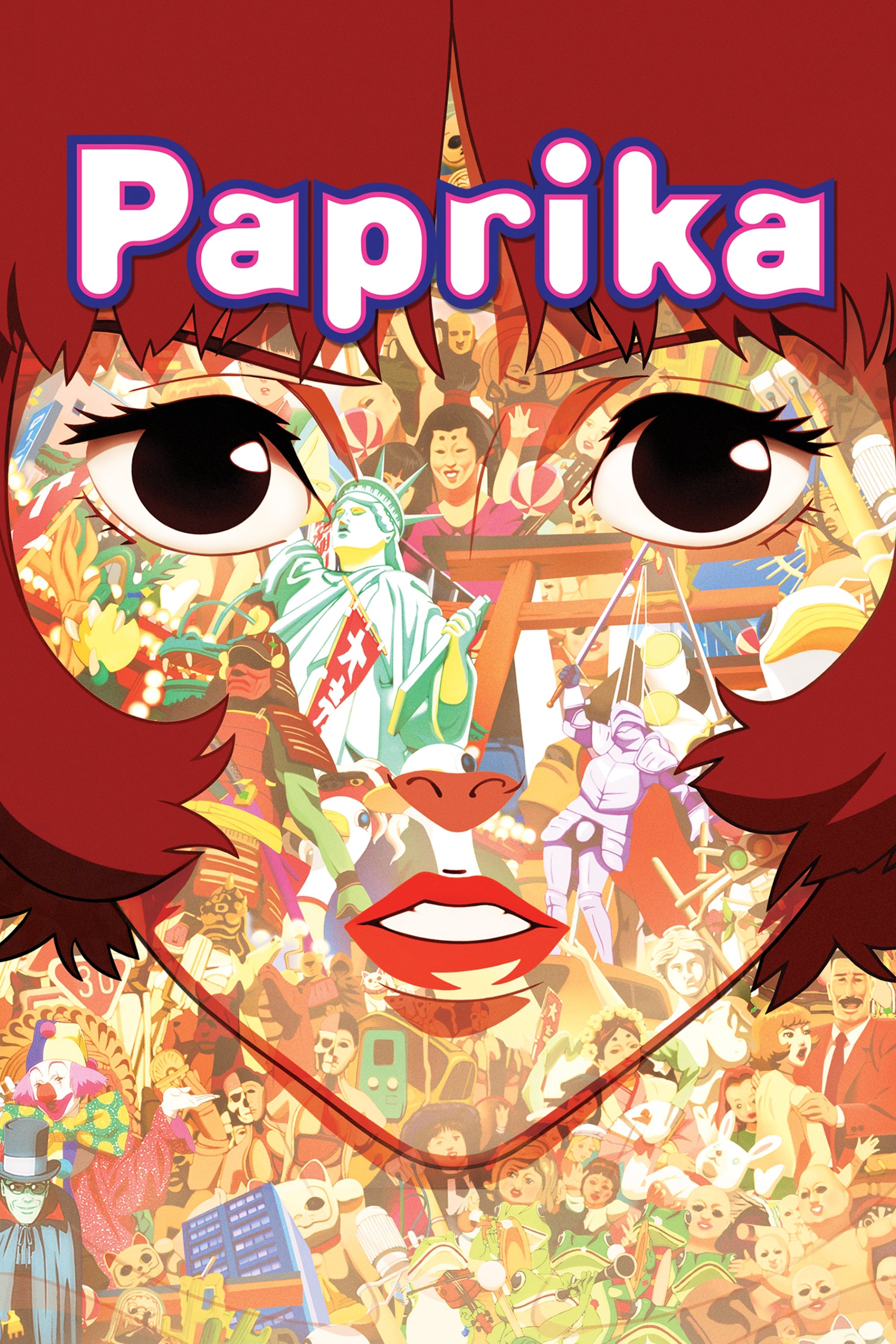
Dream-entering technology lets characters traverse and merge scenes, so actions in one sequence alter another’s chronology. The film aligns edits with dream logic, jumping between spaces and times without conventional transitions. Recurrent parade imagery stitches disparate moments into a single flowing thread. As devices change hands, earlier scenes gain new meanings that clarify when and how intrusions occurred.
‘Penguindrum’ (2011)

Key events repeat with added details, and symbolic sequences stand in for literal timeline changes. Flashbacks are withheld until late arcs, recasting character motivations and links between families. Props—such as diaries and apples—function as anchors across timelines and metafictional scenes. The structure cycles through fate, substitution, and sacrifice, revealing causal chains non-sequentially.
‘FLCL’ (2000–2001)
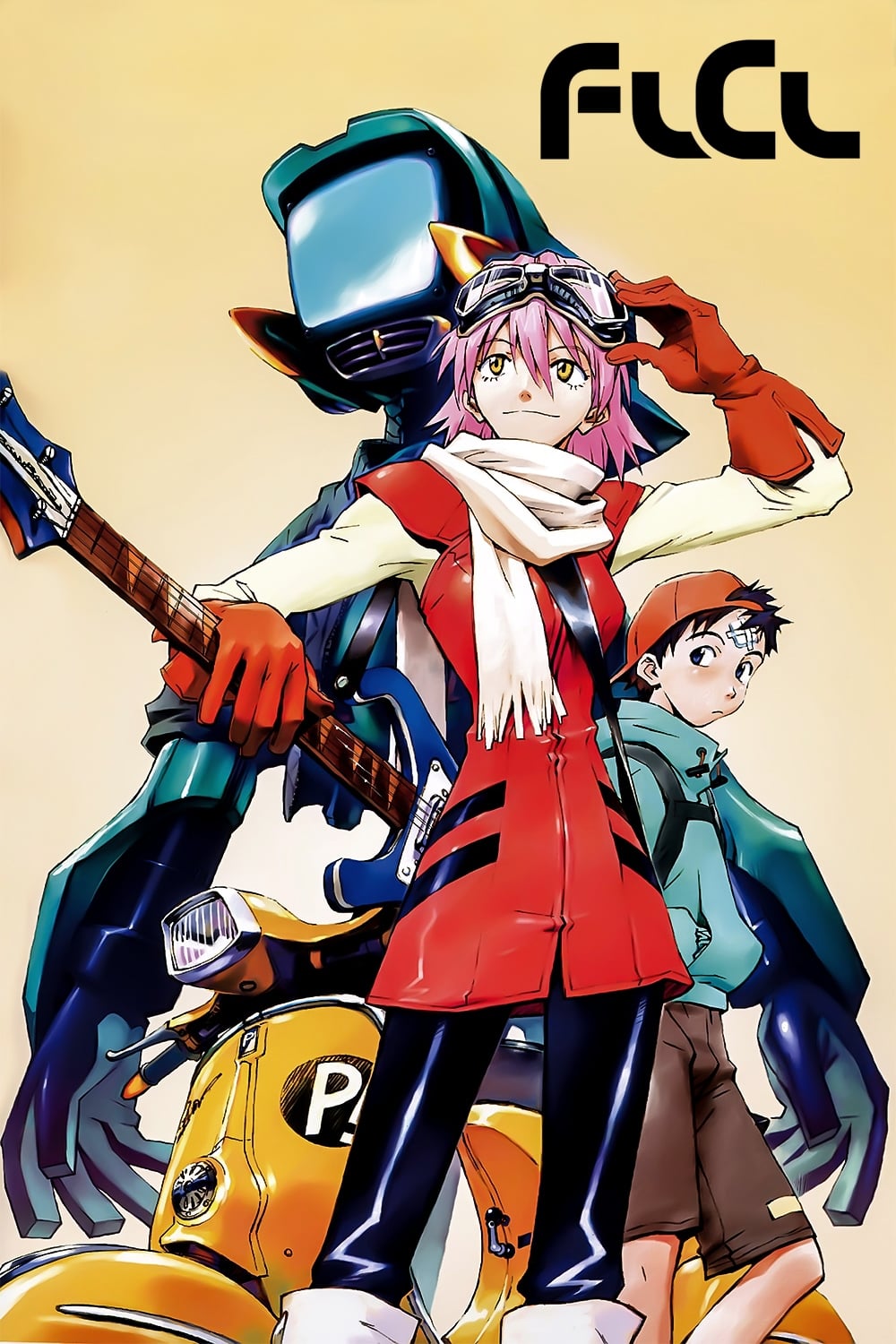
Episodes jump between sudden set pieces, shared hallucinations, and resets triggered by alien encounters. The show recycles locales and confrontations with different outcomes, implying time has folded around character growth. Visual callbacks—like identical entrances or poses—mark loops that revisit pivotal beats. The narrative positions climactic moments before foundations, then supplies context in later episodes.
‘Erased’ (2016)
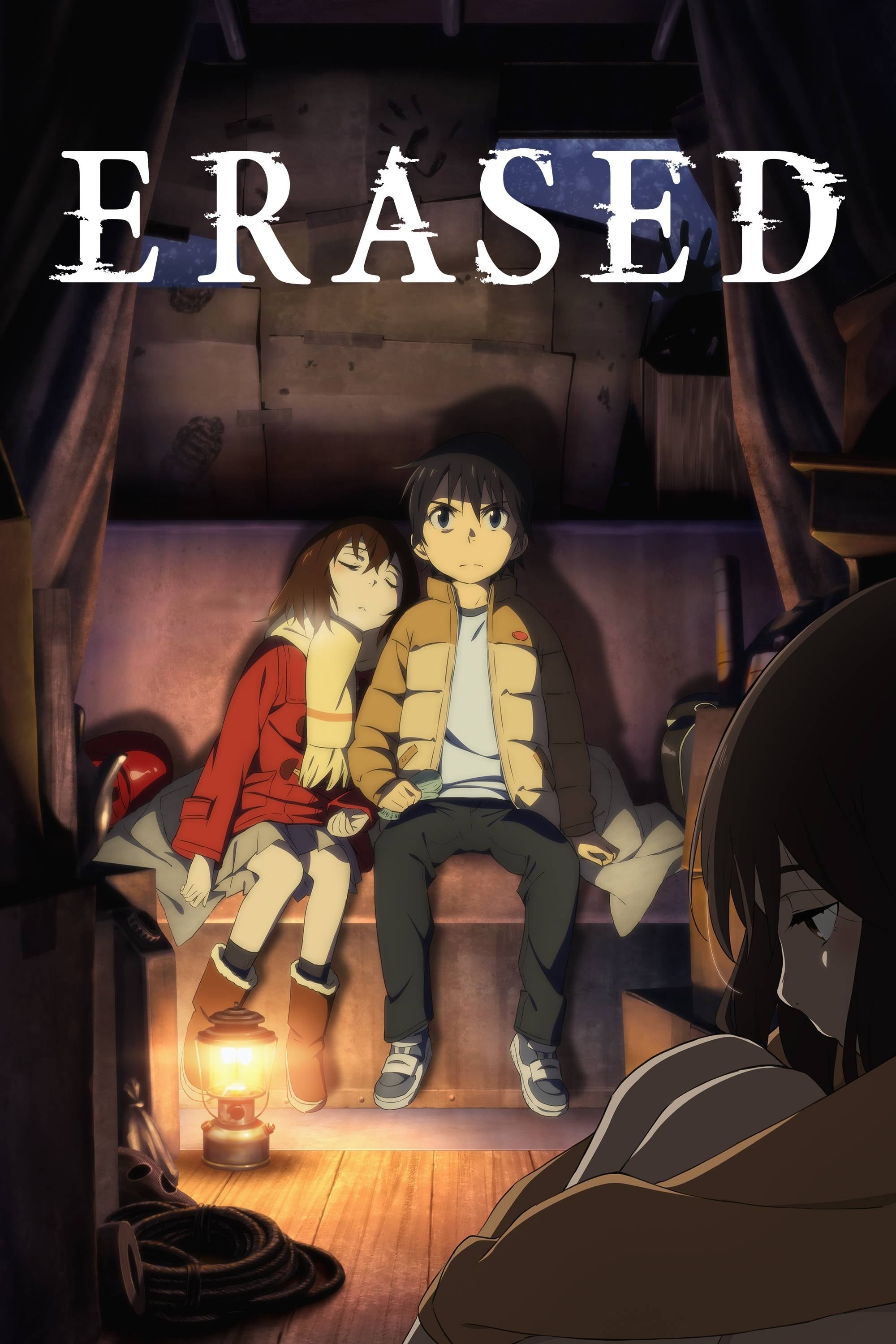
A sudden ability sends the protagonist back to childhood, splitting the narrative between two ages that inform each other. Investigative steps in the present prompt returns to earlier points, where new choices alter the later timeline. Parallel scenes—classrooms, streets, and key meetings—recur with changed details to track progress. The resolution depends on aligning evidence gathered across both eras, rather than proceeding strictly forward.
Share which nonlinear anime stories you think belong on this list in the comments!