


Most Famous Black Bisexual Actresses

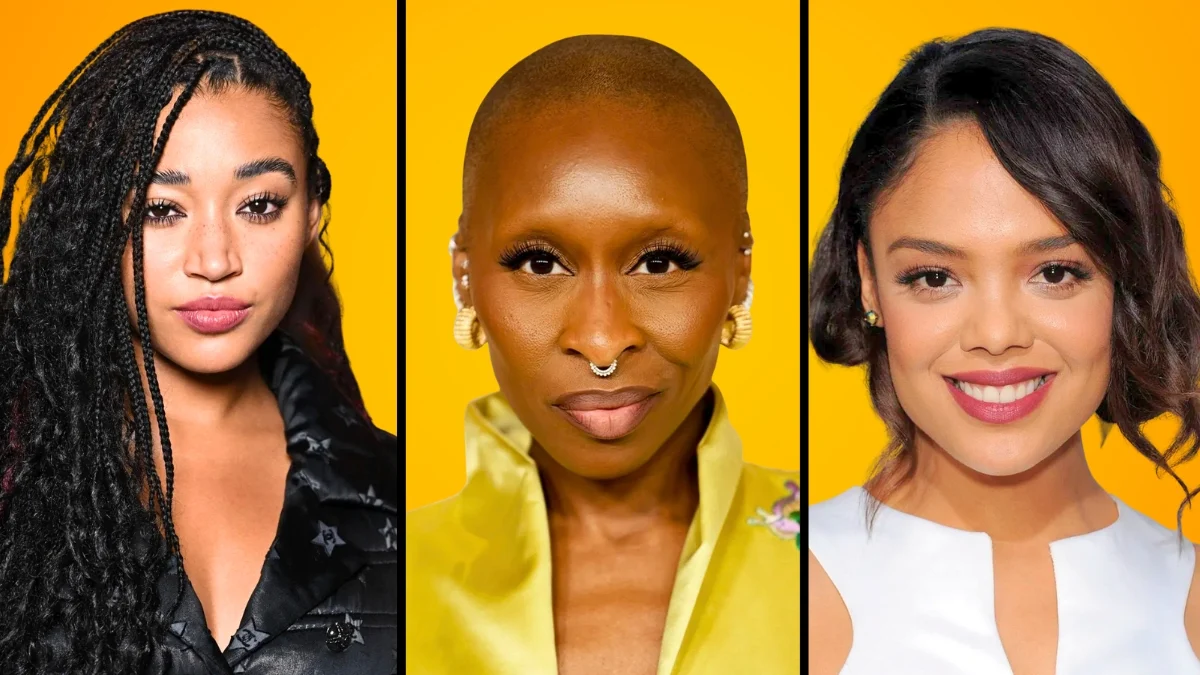


Black actresses across film, TV, music, and stage have helped push bi+ visibility forward in public ways—sometimes by using the word “bisexual,” sometimes by using “pansexual,” and sometimes by rejecting labels while still talking openly about attraction beyond one gender. The names below span eras and industries, but they all connect through work people recognize and a public record of bi+ identity, fluidity, or lived experience.
Cynthia Erivo
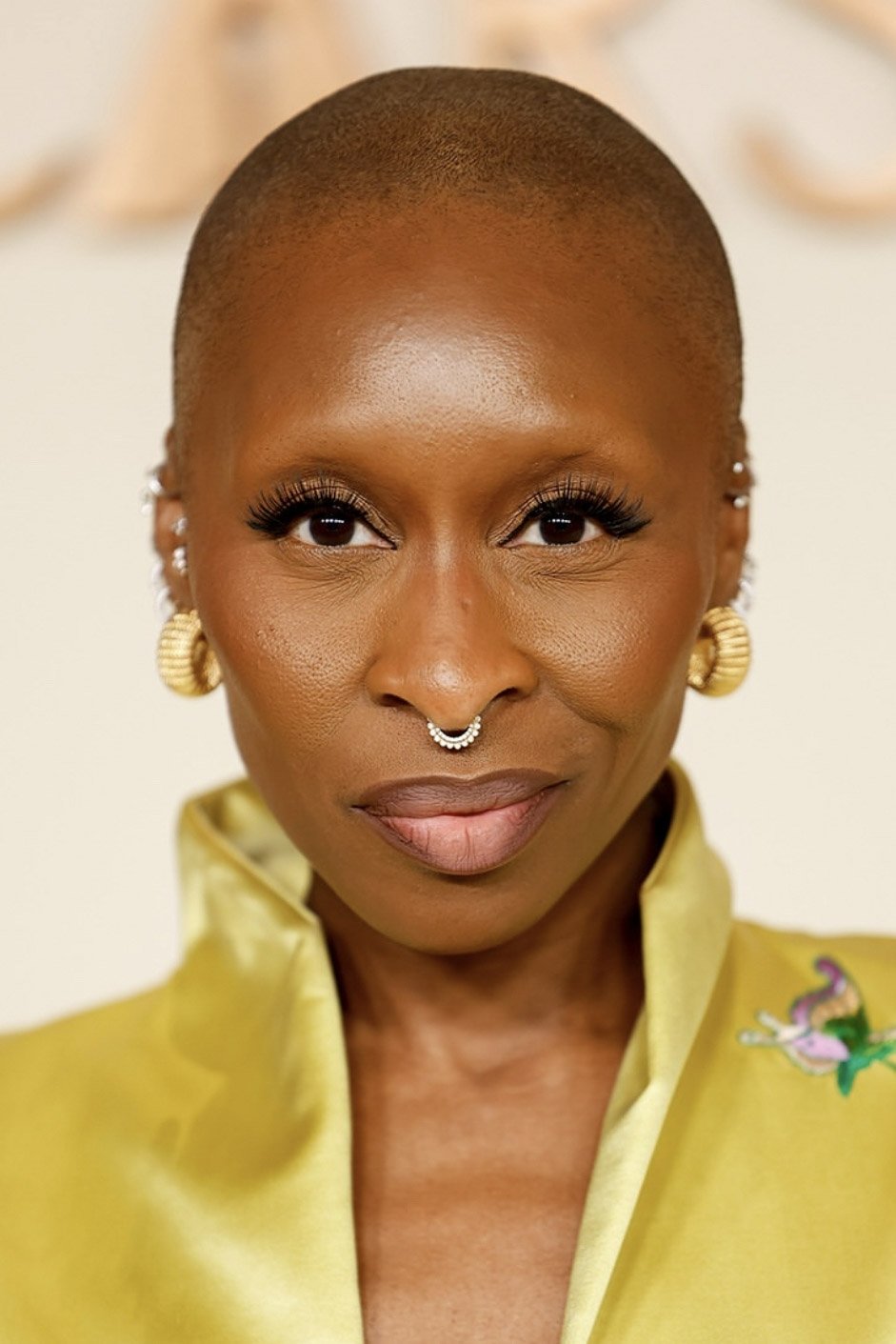
Cynthia Erivo has spoken publicly about being bisexual while building a career that spans West End and Broadway stages, major studio films, and prestige TV. She won a Tony for ‘The Color Purple’ and earned major award recognition for her leading performance in ‘Harriet’. She’s also known for screen work like ‘Widows’ and for starring roles in TV projects that highlight her range. Alongside acting, she records music and has used interviews and public appearances to discuss identity and representation.
Aunjanue Ellis-Taylor
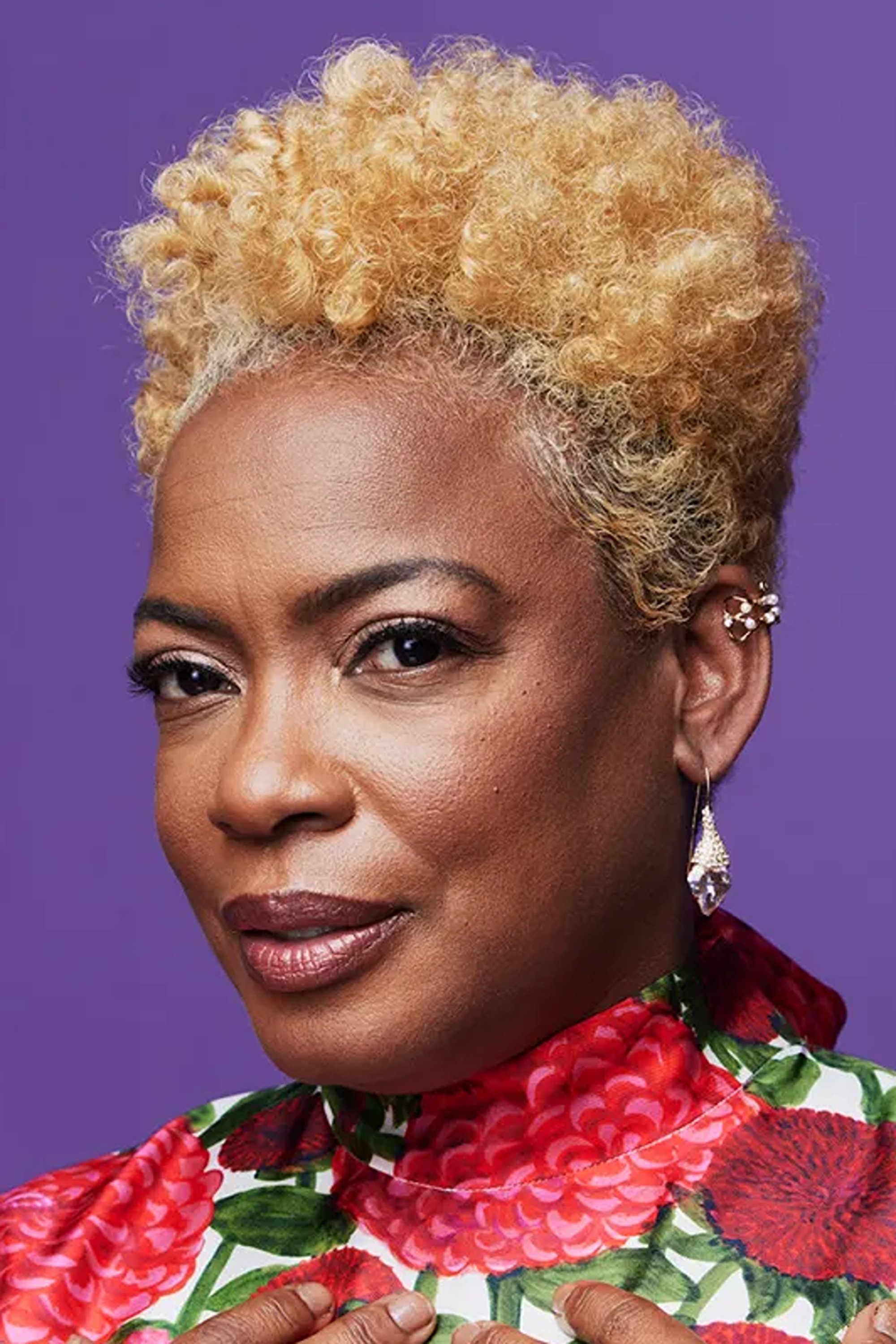
Aunjanue Ellis-Taylor publicly shared that she is bisexual after decades of working across film, TV, and theatre. Her credits include acclaimed roles in ‘King Richard’ and ‘When They See Us’, plus a long list of dramatic performances that made her a familiar face in awards conversations. She has spoken about how being Black and queer is part of who she is, and how visibility matters—especially for audiences who don’t often see themselves reflected. She also continues to take on projects that center Black history and complex character work.
Tessa Thompson
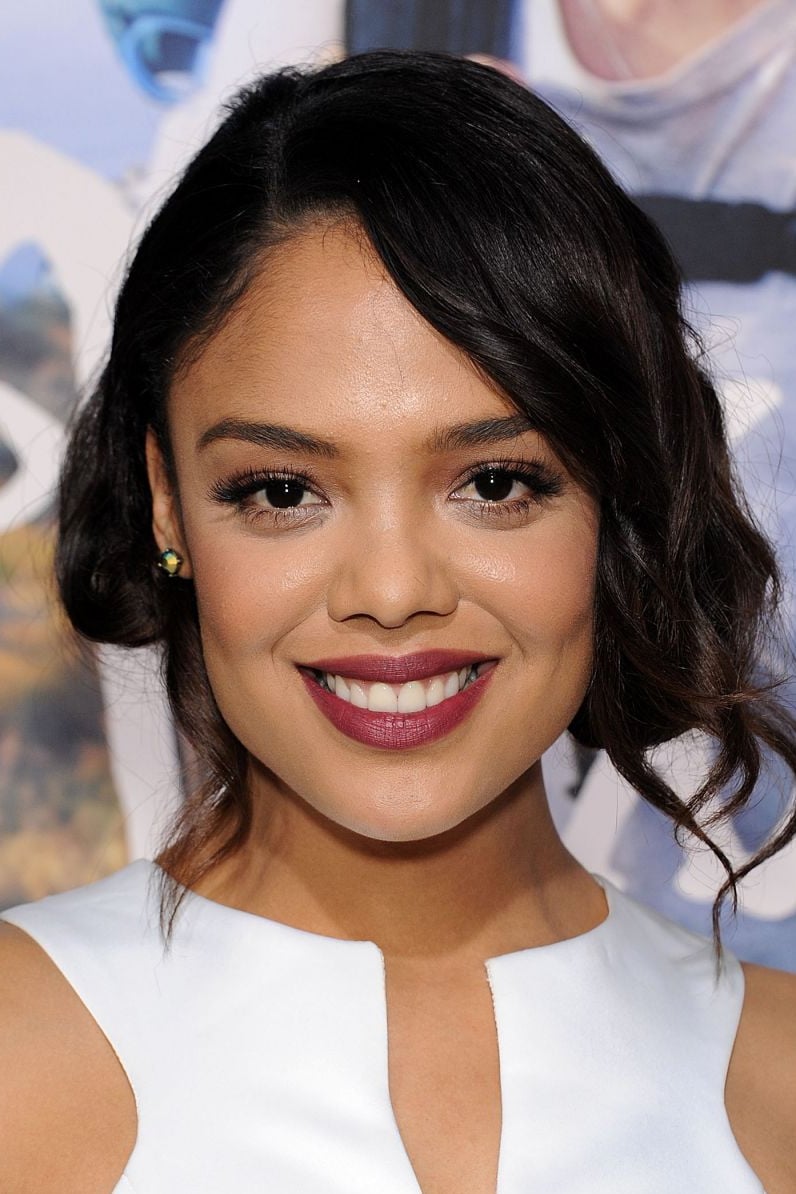
Tessa Thompson has discussed her attraction to both men and women while becoming a mainstay in big franchises and indie films. She’s widely known for ‘Thor: Ragnarok’ and the later ‘Thor’ films, as well as the ‘Creed’ series. She also earned attention for projects like ‘Sorry to Bother You’ and for producing work that supports more inclusive storytelling. Her interviews about fluidity are often referenced in conversations about bi+ visibility in Hollywood.
Amandla Stenberg
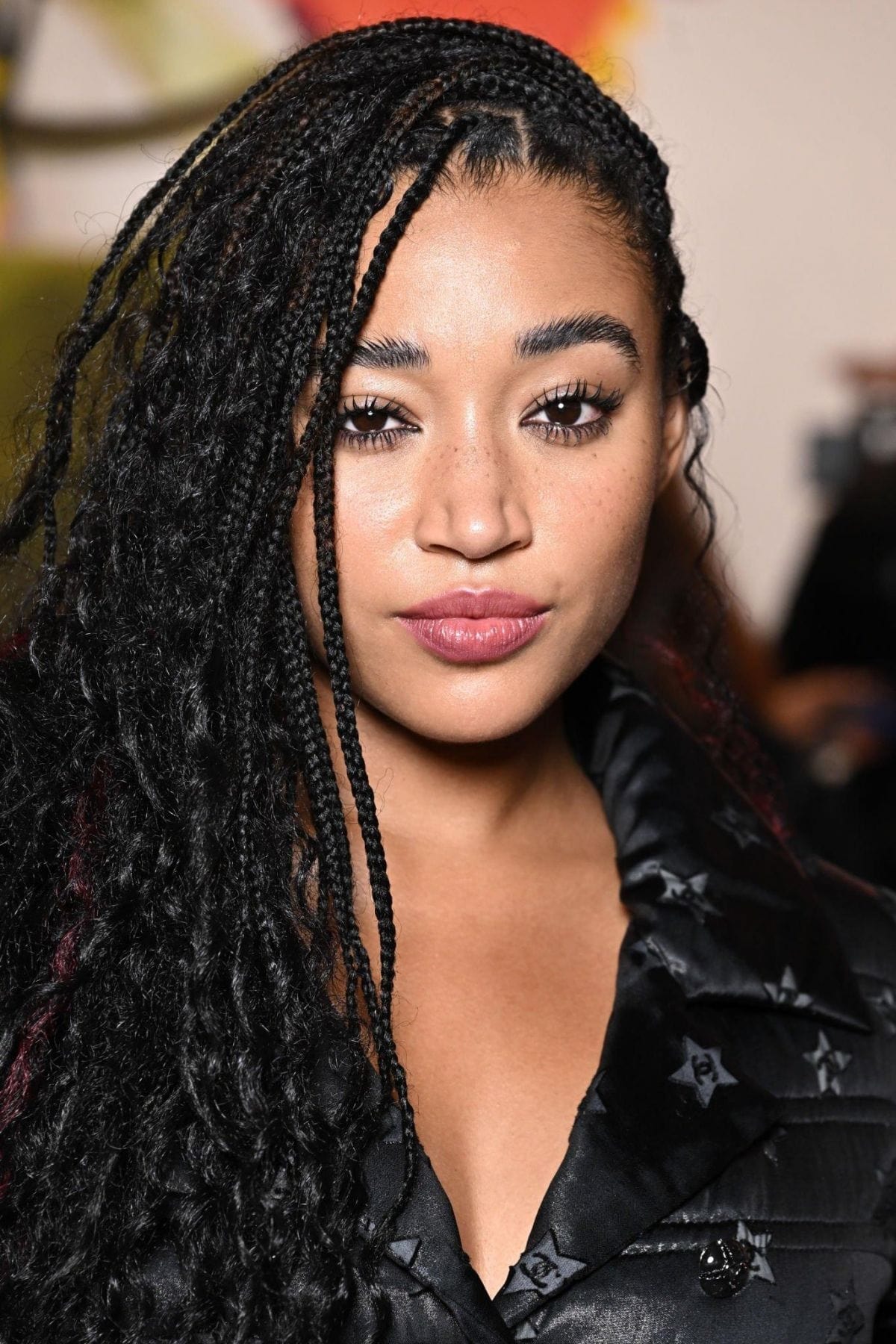
Amandla Stenberg came out as bisexual as a teen and later described her identity evolving, while remaining outspoken about queer and Black representation. She broke out in ‘The Hunger Games’ and later starred in projects like ‘The Hate U Give’. Beyond acting, she’s known for activism and public writing that connects identity, culture, and media representation. Her openness has made her a frequent reference point in discussions of bi+ youth visibility in entertainment.
Javicia Leslie
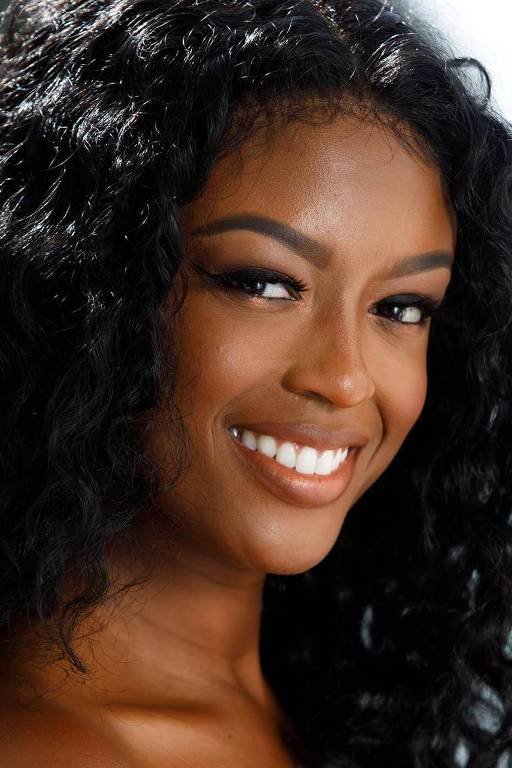
Javicia Leslie is openly bisexual and became widely recognized as the first Black woman to lead ‘Batwoman’. Before that, she appeared in series like ‘God Friended Me’ and continued building her TV résumé with roles that mix drama, action, and comedy. In interviews, she’s spoken about representation and the importance of having visible queer role models, especially for young viewers. Her breakout as a superhero lead put bi+ visibility in a high-profile, mainstream franchise space.
Pearl Mackie
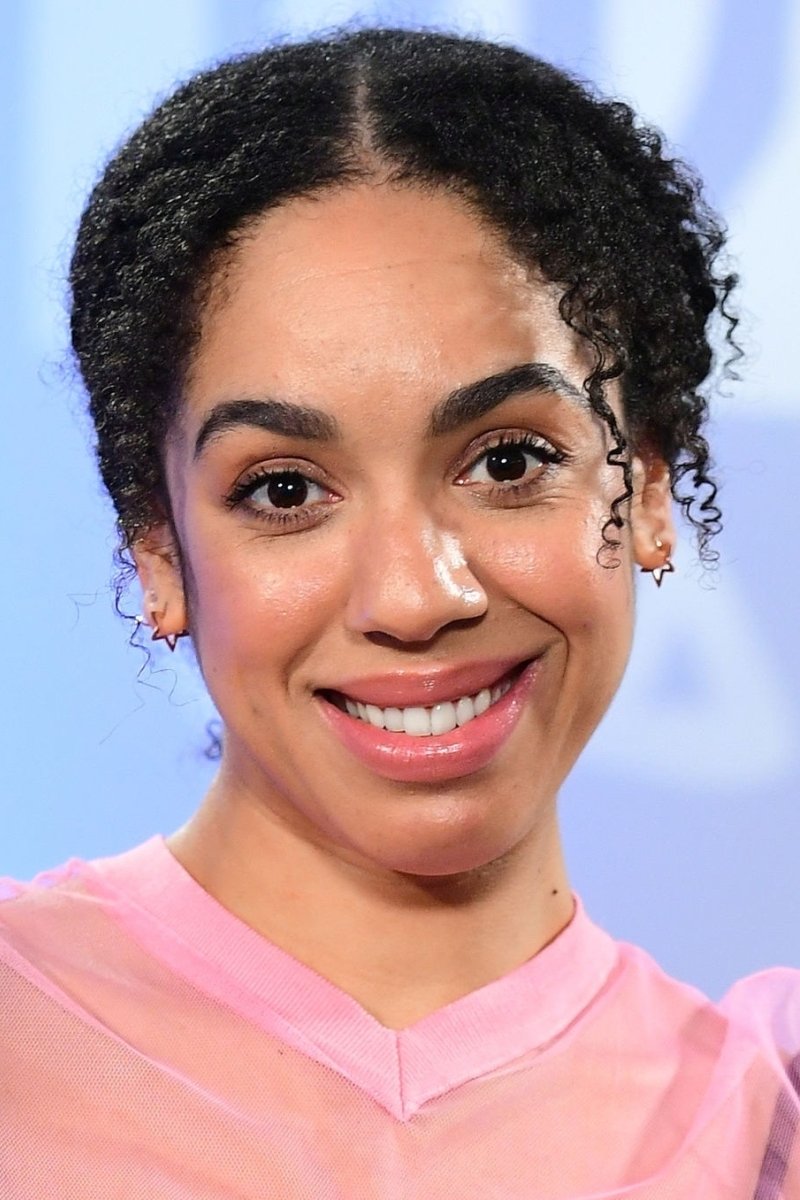
Pearl Mackie has been open about being bisexual while building an international profile through genre TV and British drama. Many viewers know her best as Bill Potts in ‘Doctor Who’, where she became one of the franchise’s most prominent companions of the modern era. She has also appeared in series like ‘Inside No. 9’ and in stage and screen projects that show her versatility. Her openness and her roles have made her a familiar name in UK conversations about LGBTQ+ visibility.
Madison Bailey
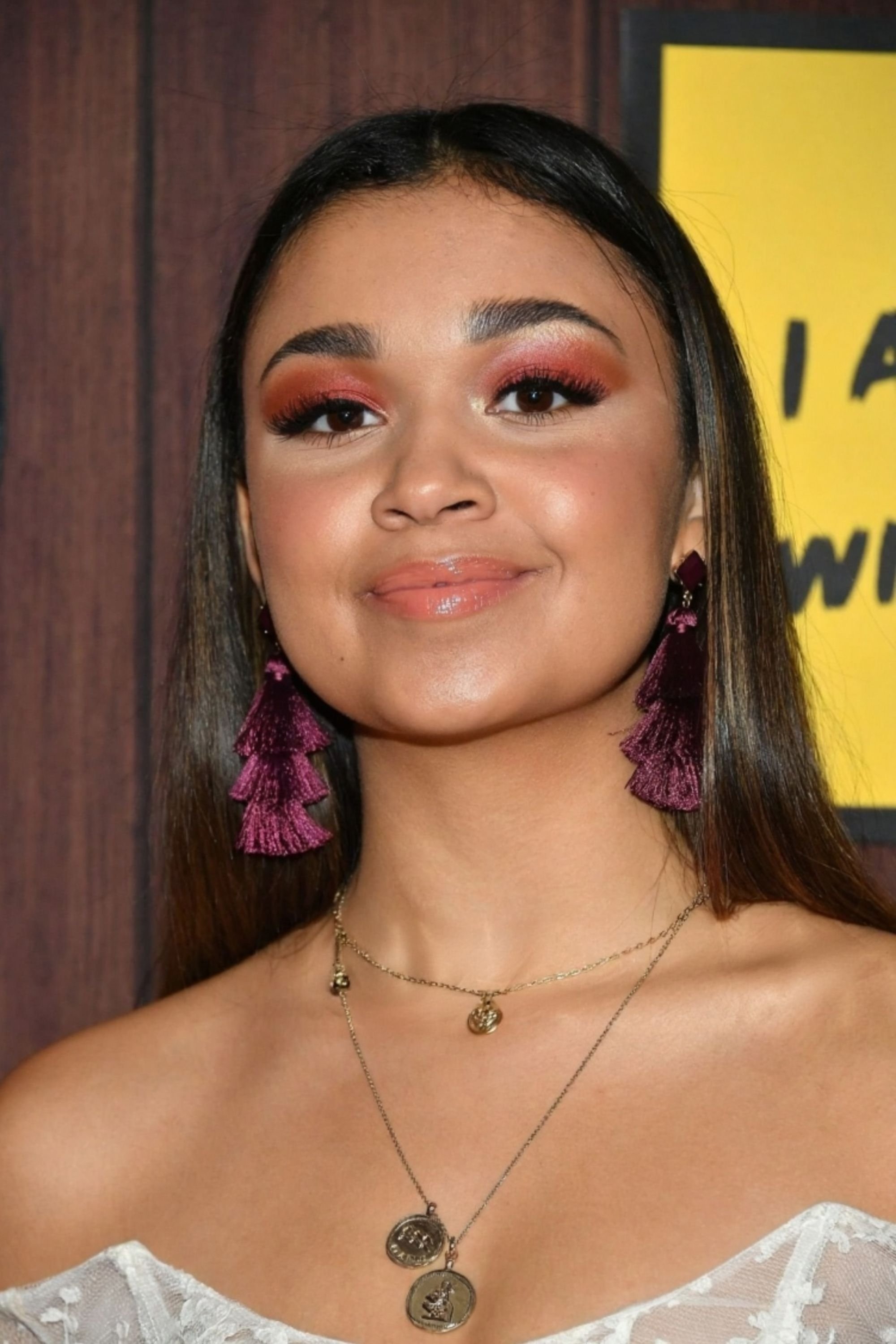
Madison Bailey publicly identified as pansexual while rising to mainstream fame through ‘Outer Banks’. She’s also appeared in other TV projects and continues to expand her work beyond the show that made her a household name for many younger viewers. Her public comments about attraction and fluidity have been widely shared online, especially among fans who track bi+ and pan representation in teen and YA entertainment. She’s also been visible in fashion and media coverage that often overlaps with queer culture spaces.
Janelle Monáe
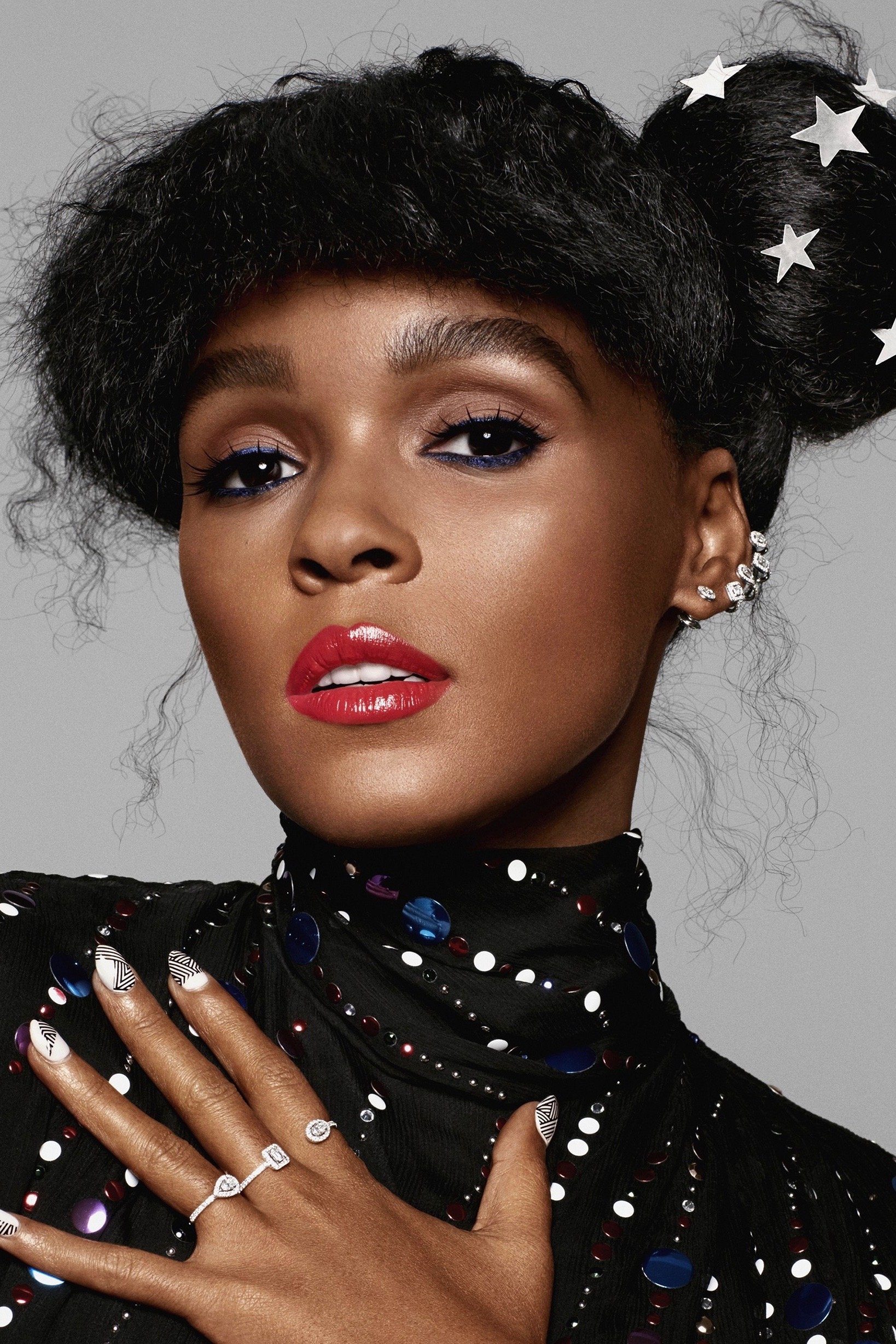
Janelle Monáe has described identifying first as bisexual and later as pansexual while building a career that blends music, acting, and cultural commentary. As an actress, she appeared in major films like ‘Moonlight’, ‘Hidden Figures’, and ‘Glass Onion: A Knives Out Mystery’. She’s also used interviews to talk directly about being a queer Black person in America and how that shapes her art. Her visibility has made her one of the most cited modern examples of bi+ identity in the mainstream.
Tinashe
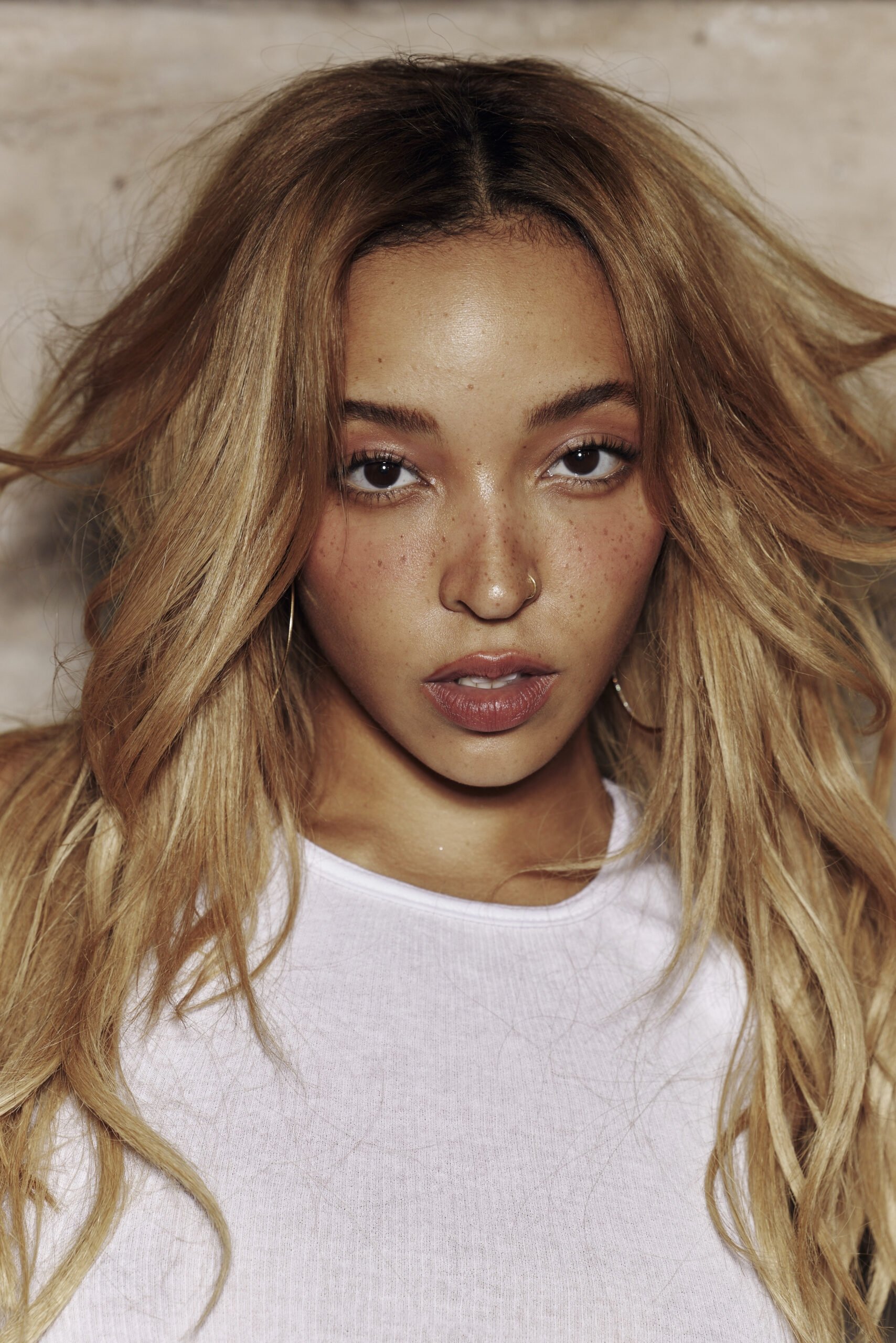
Tinashe has said she is bisexual while balancing music stardom with on-camera work and performance-driven visual projects. She’s known for building a strong fanbase through albums, touring, and high-concept music videos that often function like short films. Media coverage of her bisexuality is frequently tied to her broader comments about avoiding boxes while still being clear about who she is. Her career also includes screen credits and guest appearances that keep her in the actor-singer lane.
Willow Smith
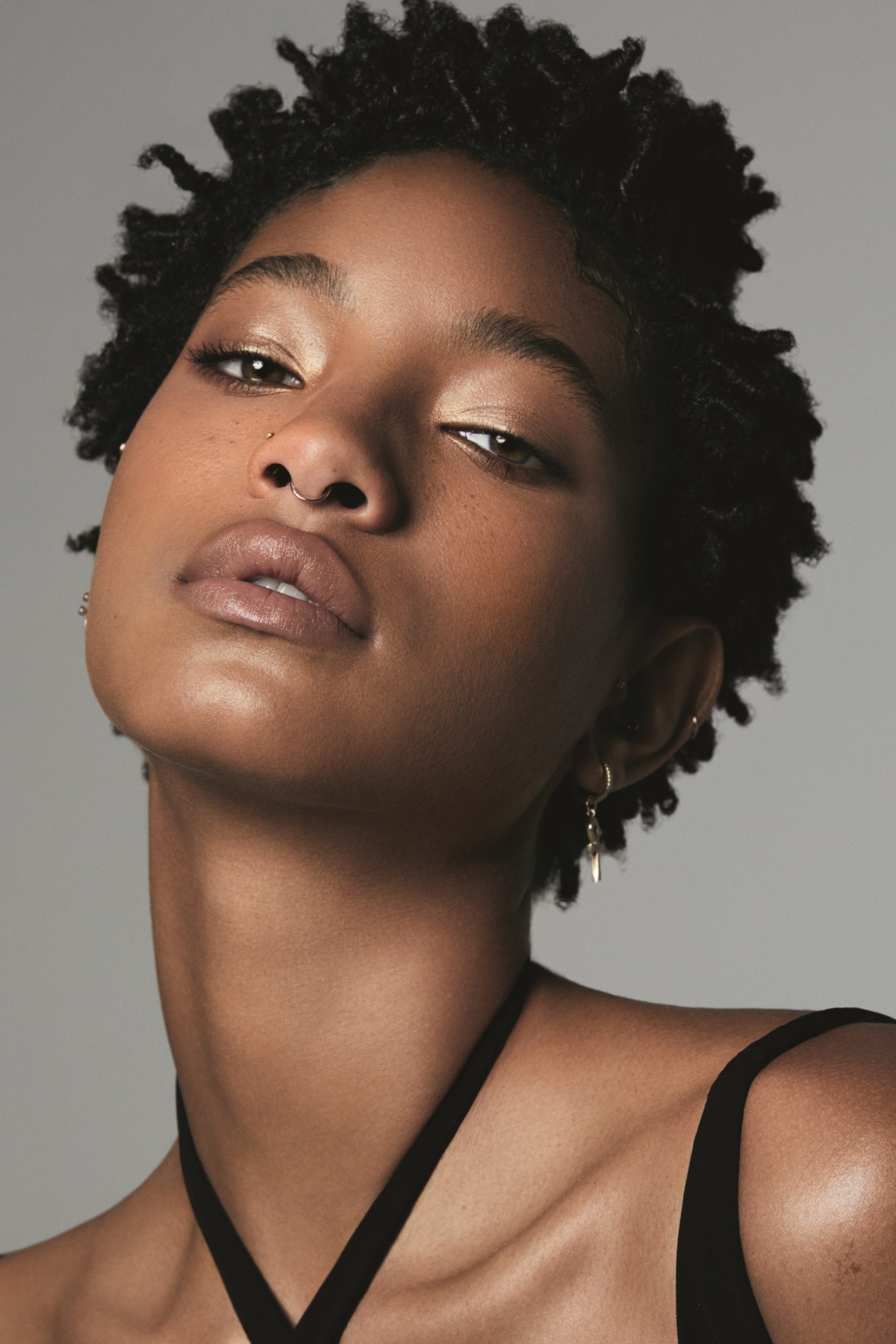
Willow Smith has spoken publicly about being bisexual while growing up in the spotlight with both music and acting work. As an actor, she’s been part of projects like ‘I Am Legend’ and later expanded into music and performance as her primary lane. Her openness about identity has been widely reported and often discussed in the context of young celebrity honesty and evolving labels. She’s also become a recognizable on-camera personality through interviews and talk-format appearances.
Halsey
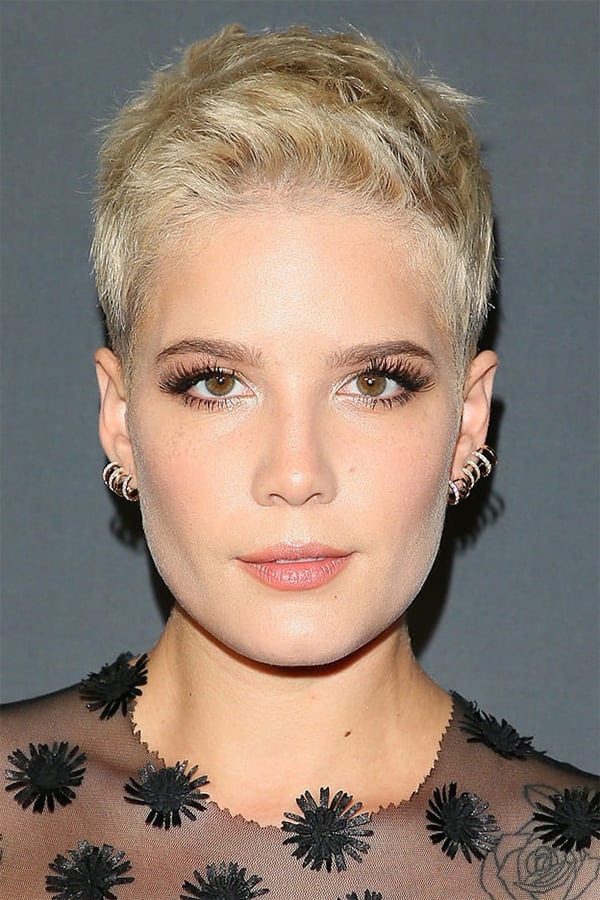
Halsey has publicly identified as bisexual and is also openly biracial, with a career that includes music, voice work, and acting. She’s appeared onscreen in film and television projects alongside her touring and recording career. Coverage of her identity often centers on bisexual visibility and the way audiences respond to queer artists in mainstream pop culture. She’s also known for advocacy and for speaking about representation and mental health in public forums.
Cardi B
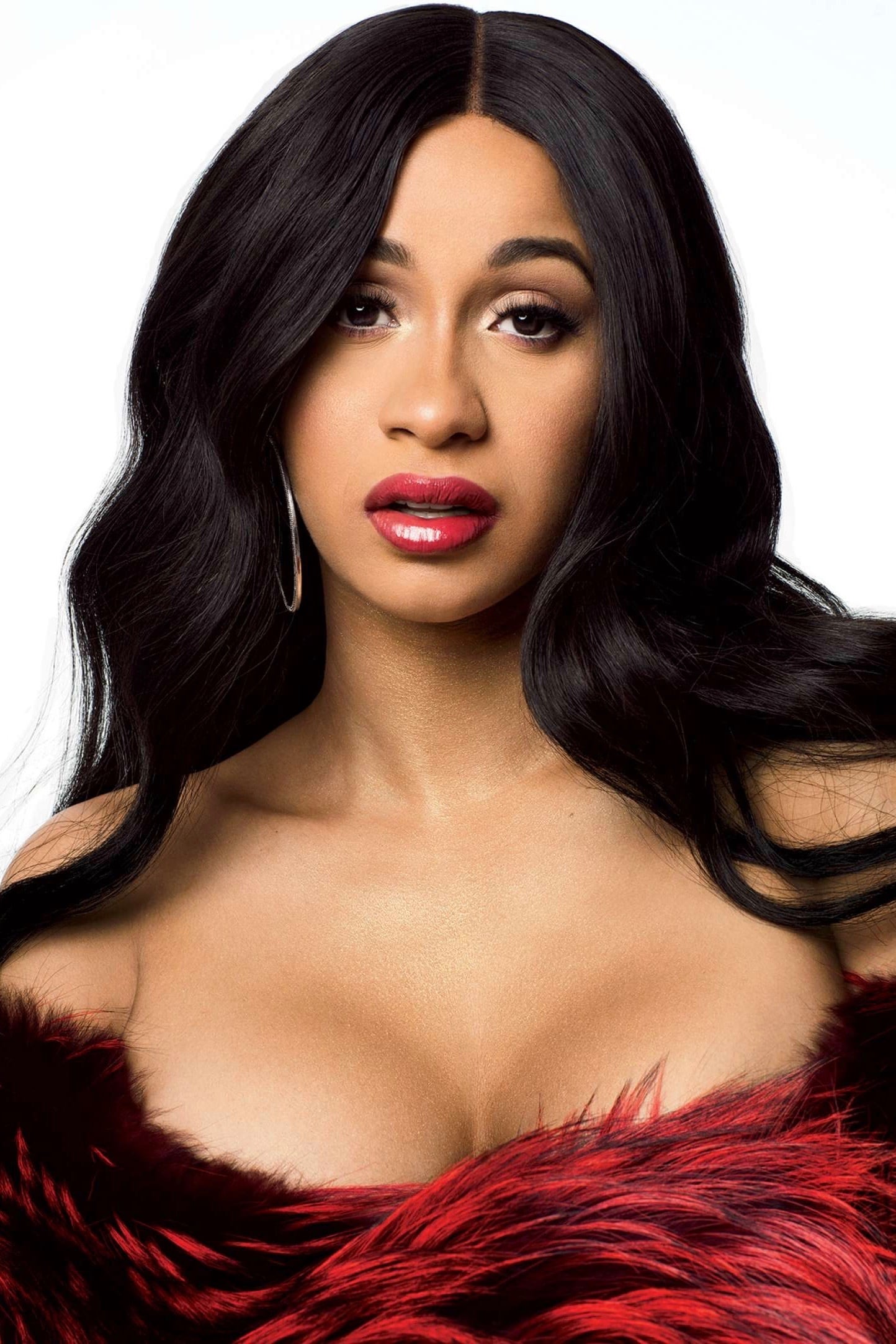
Cardi B has publicly referenced her bisexuality while becoming a global celebrity through music and film. She has acting credits including her role in ‘Hustlers’, and she’s continued to appear in onscreen projects and high-profile media spots. Her public statements about bisexuality often come up in discussions about queer visibility in hip-hop and the double standards women face. She’s also been outspoken about how people police sexuality and demand “proof” from public figures.
Sasha Lane

Sasha Lane came out as bisexual earlier in her career and later described her identity in different terms, while continuing to work as a film and TV actor. She broke out with ‘American Honey’ and later joined major franchise storytelling with her role in ‘Loki’. Her career is a mix of indie projects and mainstream platforms, which has helped keep her in both festival and franchise conversations. Public bi+ visibility has been part of her media narrative since her earliest breakout.
Megan Thee Stallion
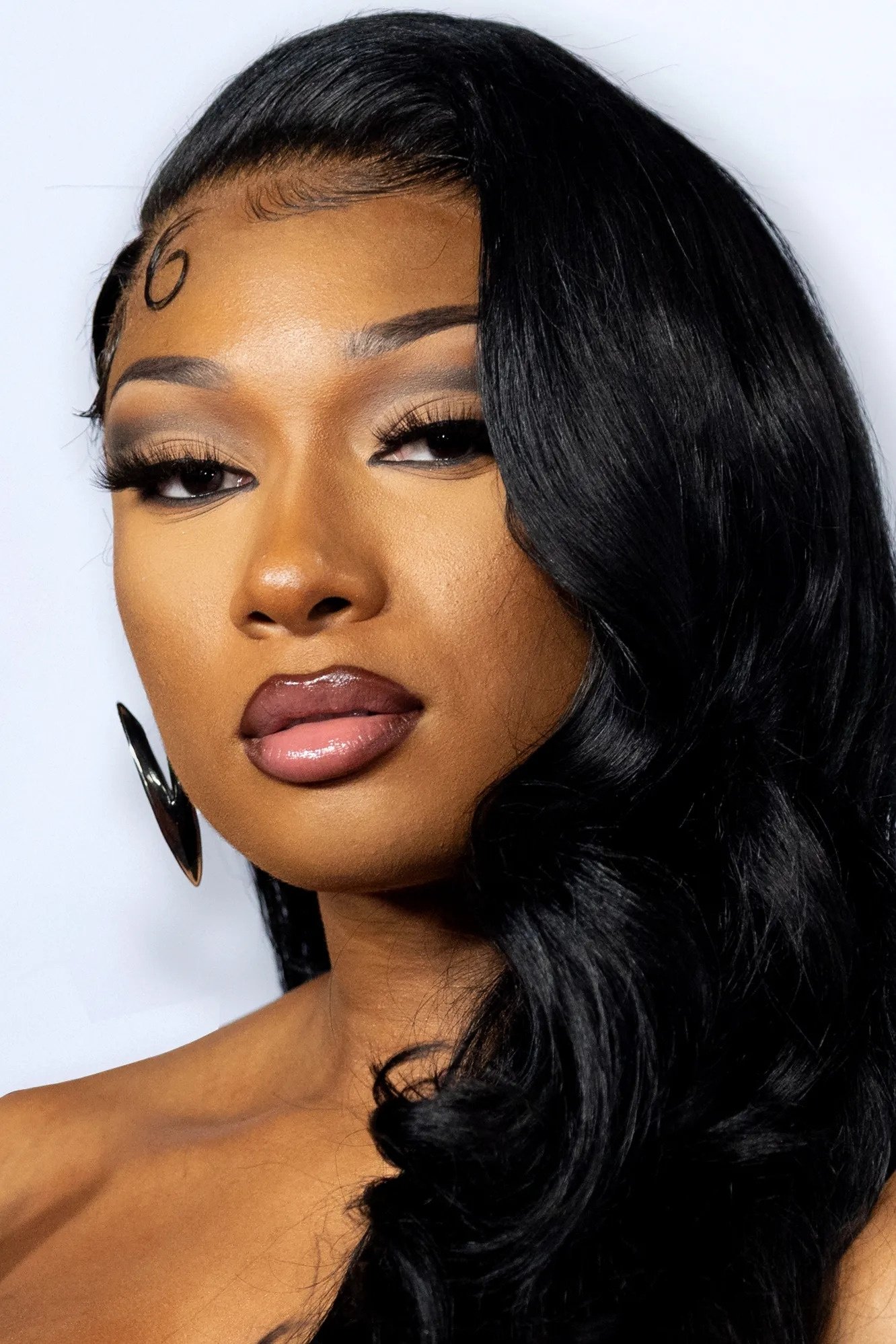
Megan Thee Stallion has been publicly discussed in connection with bisexuality and has spoken openly about attraction beyond one gender in both interviews and her music. Alongside her recording career, she has onscreen appearances that keep her tied to acting and entertainment beyond music alone. Media coverage around her sexuality often focuses on how quickly audiences question or challenge bi+ identities, especially for women in hip-hop. She’s also publicly linked her platform to advocacy work, including mental-health initiatives and support for LGBTQ+ youth.
Victoria Monét
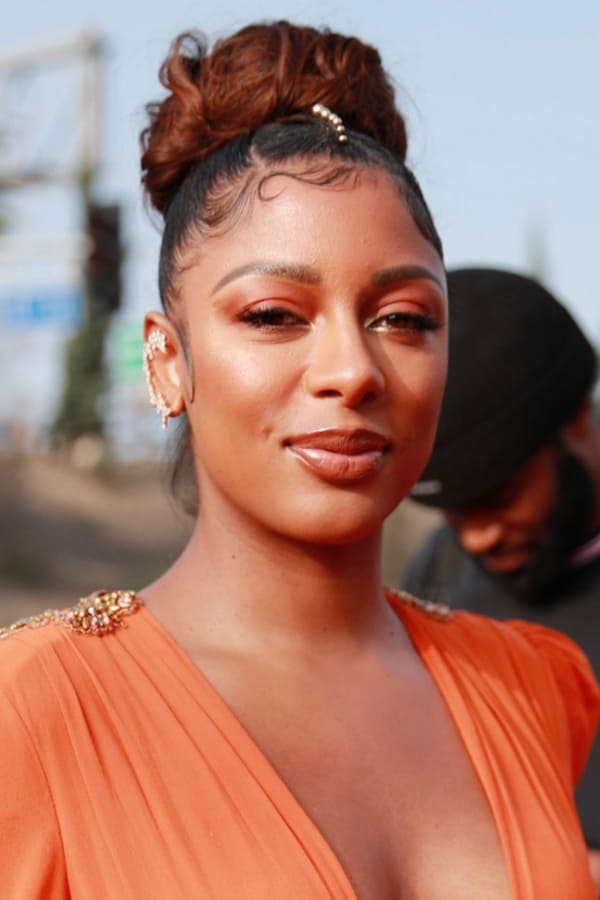
Victoria Monét came out publicly as bisexual and has built a high-profile career as both a performer and a songwriter for major pop artists. While she’s best known for music, she also works heavily in visual performance formats where acting and character work are part of the presentation. Coverage of her coming out is often framed around bi visibility in pop and the importance of not erasing the “B” in LGBTQ+. Her career blends writing, performing, and onscreen presence in a way that keeps her in both music and entertainment media.
Josephine Baker
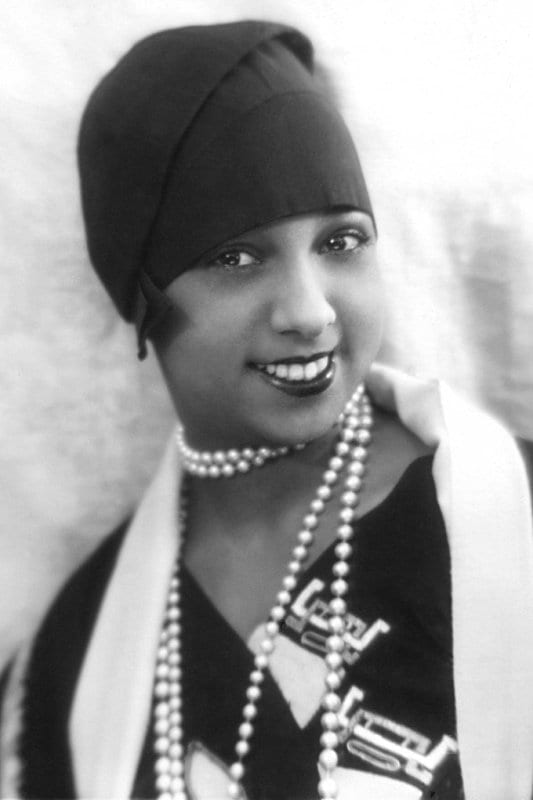
Josephine Baker was a global star whose career spanned dance, music, and film, and she’s often described as openly bisexual in coverage of her life. She made history as an early Black woman lead in a major motion picture and became famous internationally for her stage presence and screen work. Beyond entertainment, she was also involved in activism and wartime efforts, which is a major part of why her name remains iconic. Modern lists and biographies frequently cite her as a foundational figure in both Black stardom and queer history.
Bessie Smith
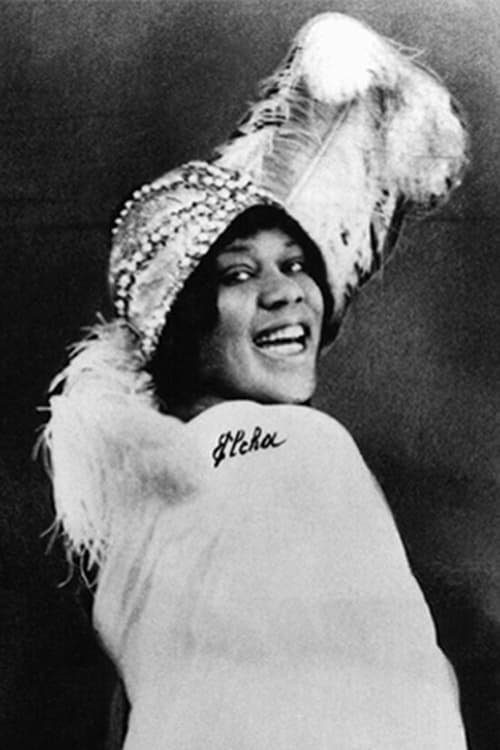
Bessie Smith is widely described as openly bisexual and remains one of the most influential Black performers of the early recording era, with film history tied to her appearance in ‘St. Louis Blues’. She’s remembered for shaping blues music and for a public persona that pushed against respectability politics of her time. Modern historical profiles often highlight how her life and identity expanded ideas of who could be visible and successful. Her legacy continues to be referenced in discussions of queer Black cultural history.
Ethel Waters
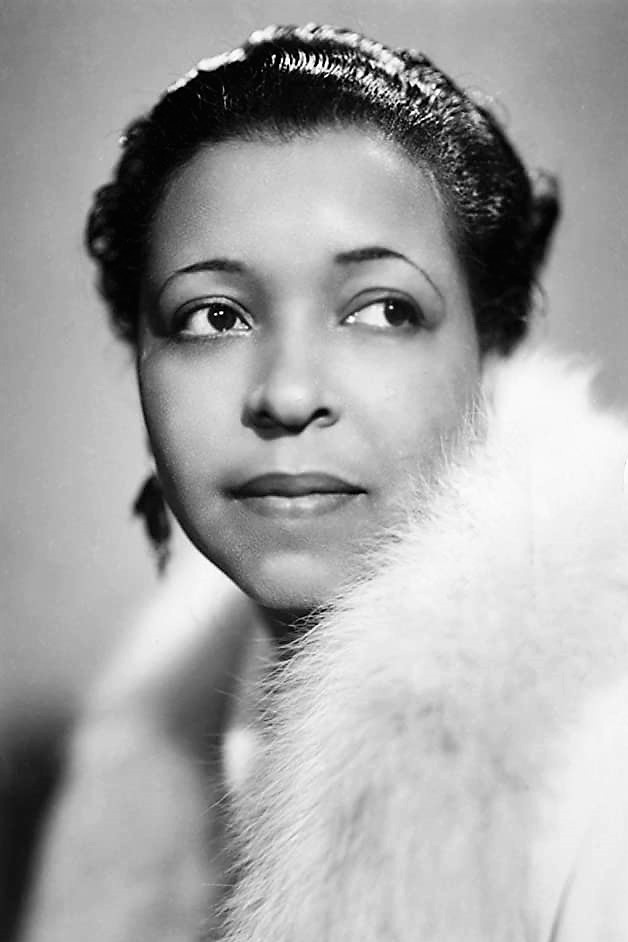
Ethel Waters is frequently described as bisexual in biographical accounts, and she built a career that crossed music, theatre, film, and television. She appeared in major screen projects and became one of the most recognizable Black performers of her era, with a public life that continues to be studied for its cultural impact. Her work helped open doors for later generations of Black actresses in Hollywood and onstage. She’s also often discussed in the context of early queer history in American entertainment.
Drop your picks (and any missing names you think belong here) in the comments so everyone can build an even better must-know list.