


Most Famous Raymonds in the World

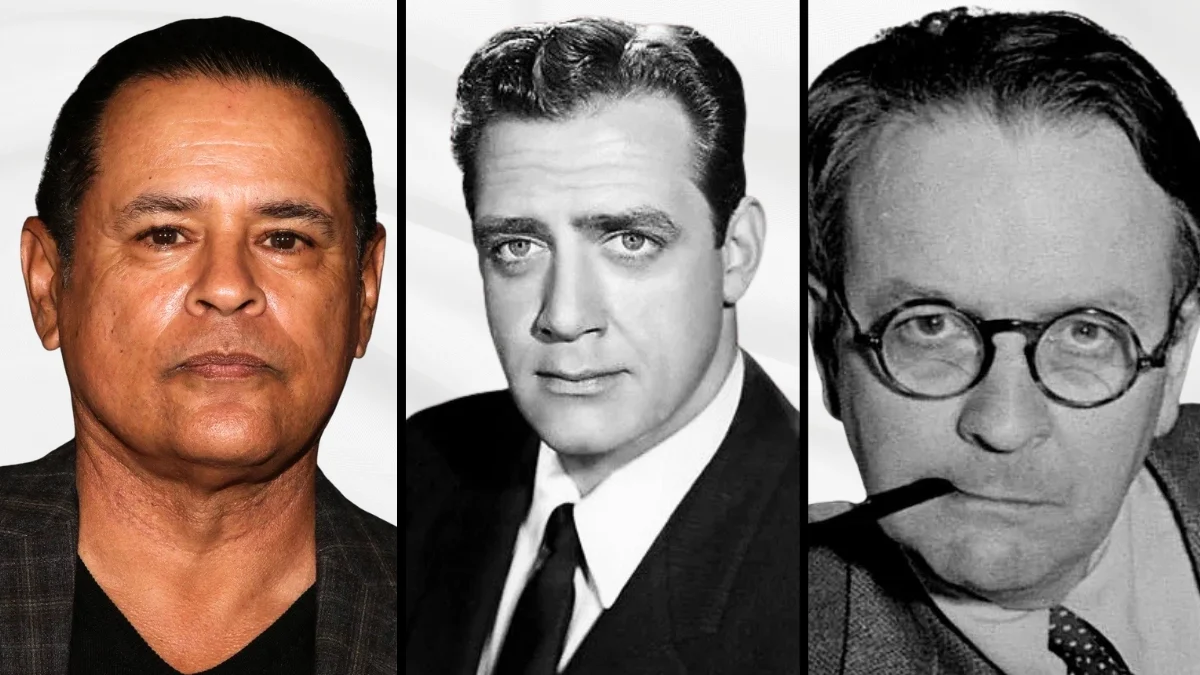


The name Raymond has shown up across film, television, music, and publishing for more than a century. From Hollywood icons to groundbreaking composers and beloved comedians, these Raymonds shaped genres, launched global franchises, and left behind work that people still revisit and discuss today.
Below is a curated roundup of widely recognized public figures named Raymond. You’ll find key roles, milestone projects, and concrete career highlights, with film, TV, and album titles placed in single quotes throughout for clarity and consistency.
Raymond Chandler
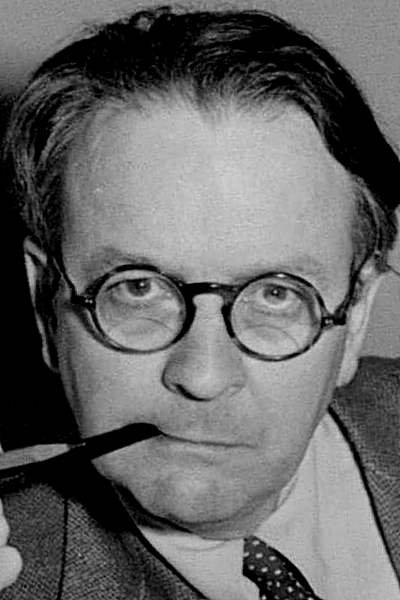
Raymond Chandler is one of the most influential crime writers of the 20th century and a central figure in hardboiled fiction. He created private detective Philip Marlowe in novels such as ‘The Big Sleep’ and ‘Farewell, My Lovely’, whose laconic voice reshaped detective storytelling. His prose style, intricate plotting, and Los Angeles settings helped define film noir and continue to inform contemporary crime writing.
Chandler also worked in Hollywood, where he co-wrote the screenplay for ‘Double Indemnity’ and wrote the original script for ‘The Blue Dahlia’. Several of his Marlowe novels were adapted for the screen, ensuring that both the character and Chandler’s dialogue-heavy style circulated widely beyond publishing.
Raymond Burr
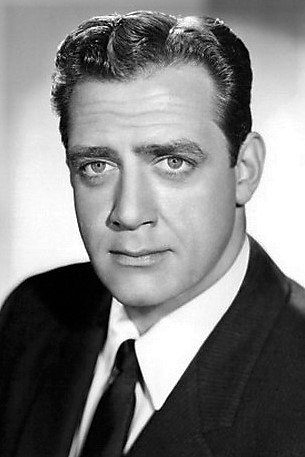
Raymond Burr achieved international recognition as defense attorney Perry Mason in the legal drama ‘Perry Mason’, a role that became synonymous with his name. The show’s courtroom structure and Burr’s measured performance made it a fixture of classic television. Prior to that, he worked steadily in film, including a key role in Alfred Hitchcock’s ‘Rear Window’.
Burr later starred as the titular detective in ‘Ironside’, one of television’s early series to feature a lead character using a wheelchair. Beyond series work, he appeared in features tied to major franchises, including Americanized releases related to ‘Godzilla’, which introduced the character to new audiences.
Raymond Scott
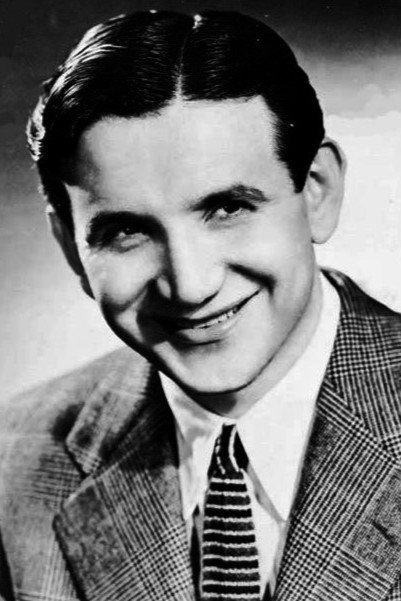
Raymond Scott was a composer, bandleader, and electronic-music pioneer whose compositions like ‘Powerhouse’ and ‘The Toy Trumpet’ became fixtures in mid-century American soundscapes. While not written for cartoons, many of his pieces were later used in animated shorts, embedding his motifs in popular culture. His catchy, mechanically propulsive style proved highly adaptable for media.
Scott also founded Manhattan Research and built innovative electronic instruments, including the Electronium. His later work intersected with the recording industry and advertising, and elements of his approach anticipated techniques in electronic and experimental pop decades ahead of their mainstream adoption.
Raymond Briggs
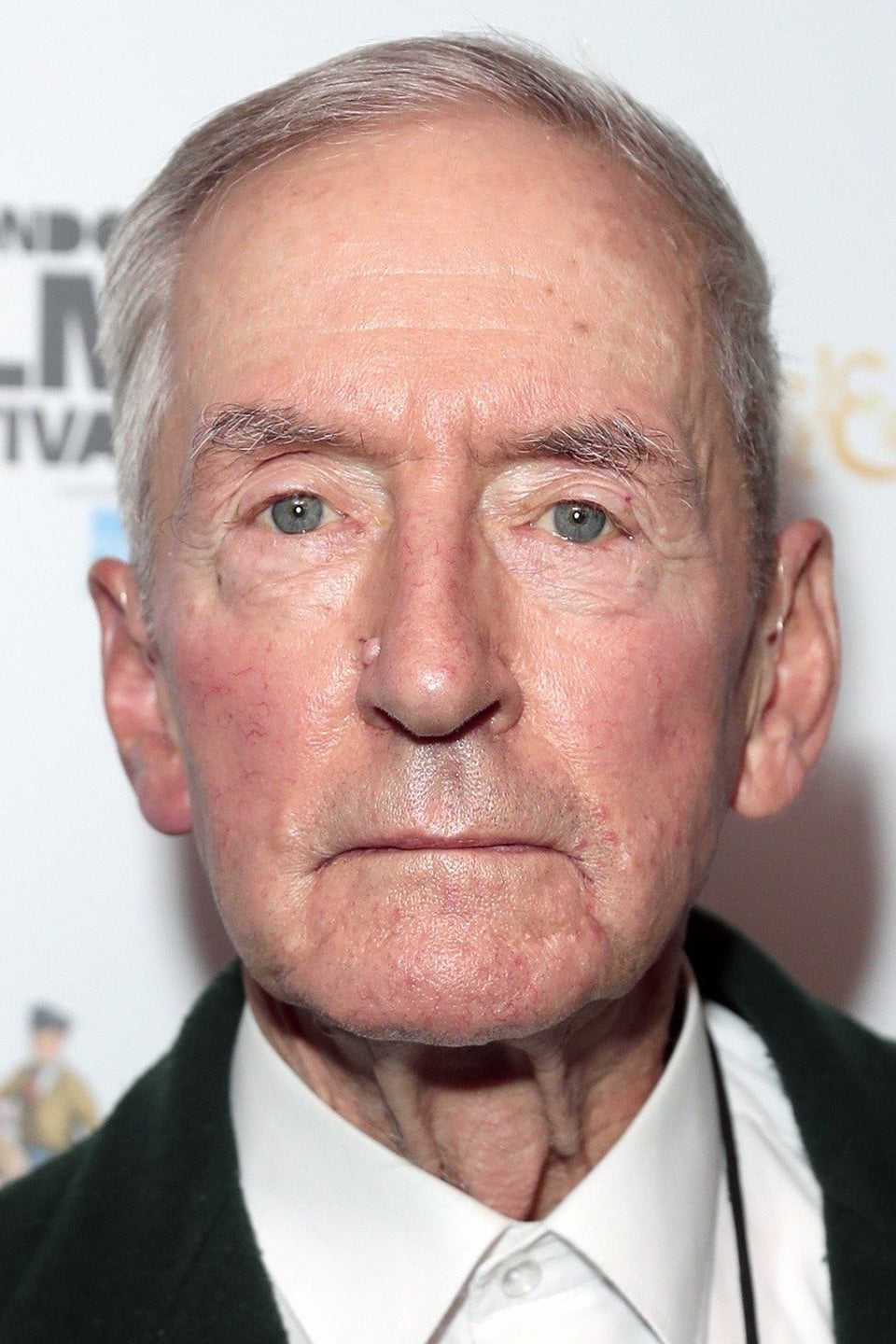
Raymond Briggs was a British author and illustrator whose picture book ‘The Snowman’ became a perennial holiday title and an enduring animated special. His clean, emotive illustration style and wordless storytelling in that work made it accessible to global audiences. Another notable book, ‘When the Wind Blows’, used a domestic setting to depict the human cost of nuclear conflict.
Briggs’s catalog includes biographies in graphic form and children’s literature that balances warmth with realism. Multiple adaptations, stage versions, and reissues have kept his stories in circulation, with ‘The Snowman’ returning to television schedules annually in several countries.
Raymond Cruz
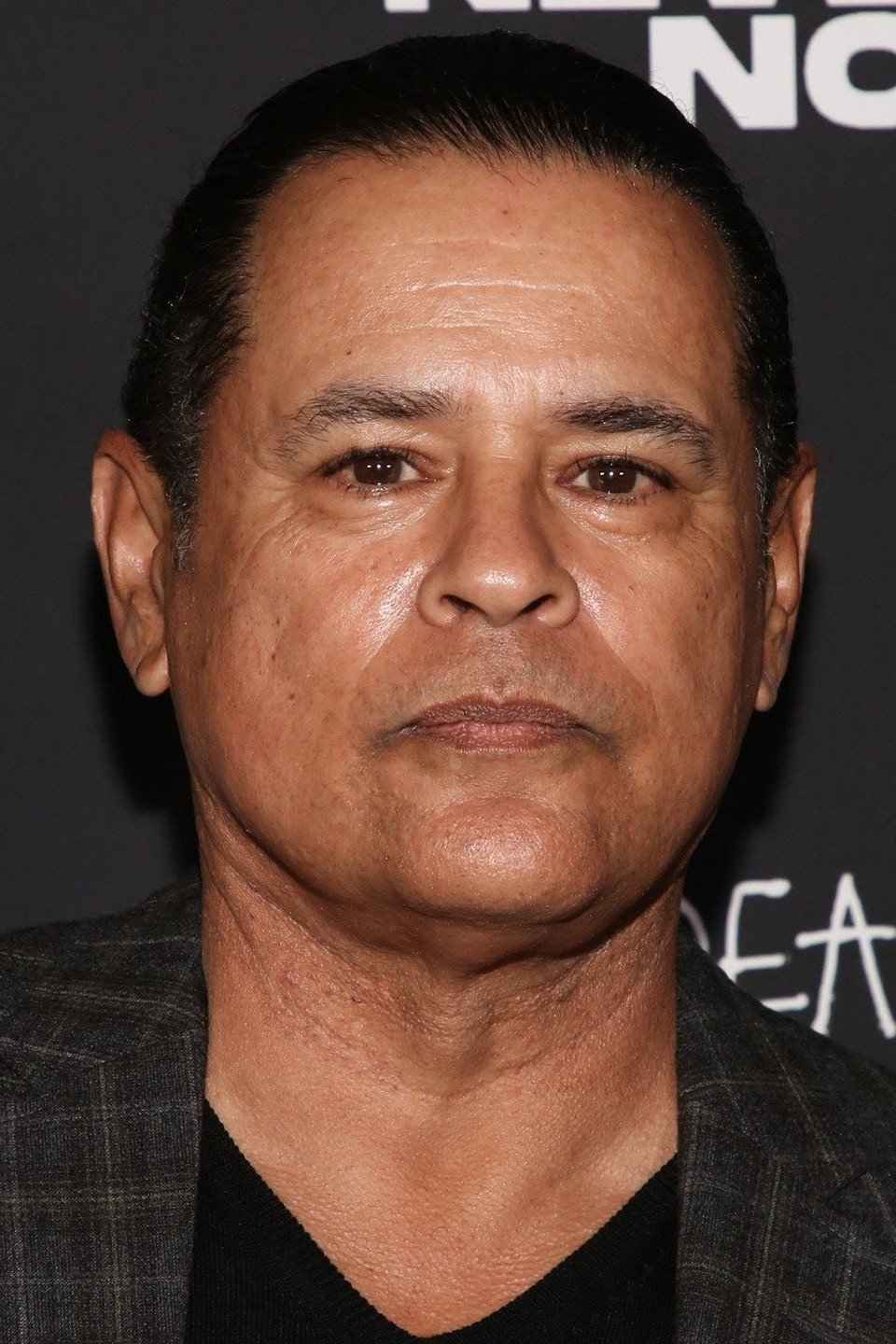
Raymond Cruz is an American actor known for intense character roles in both television and film. He portrays Tuco Salamanca in ‘Breaking Bad’ and ‘Better Call Saul’, a volatile figure whose scenes became focal points in those series. He also had a long-running role as Detective Julio Sanchez on ‘The Closer’ and its spinoff ‘Major Crimes’.
Cruz’s film credits range from action to drama, and he has built a reputation for portraying complex characters in high-stakes narratives. His television work spans network and cable series, with recurring parts that contributed to multi-season story arcs and ensemble casts.
Raymond Massey
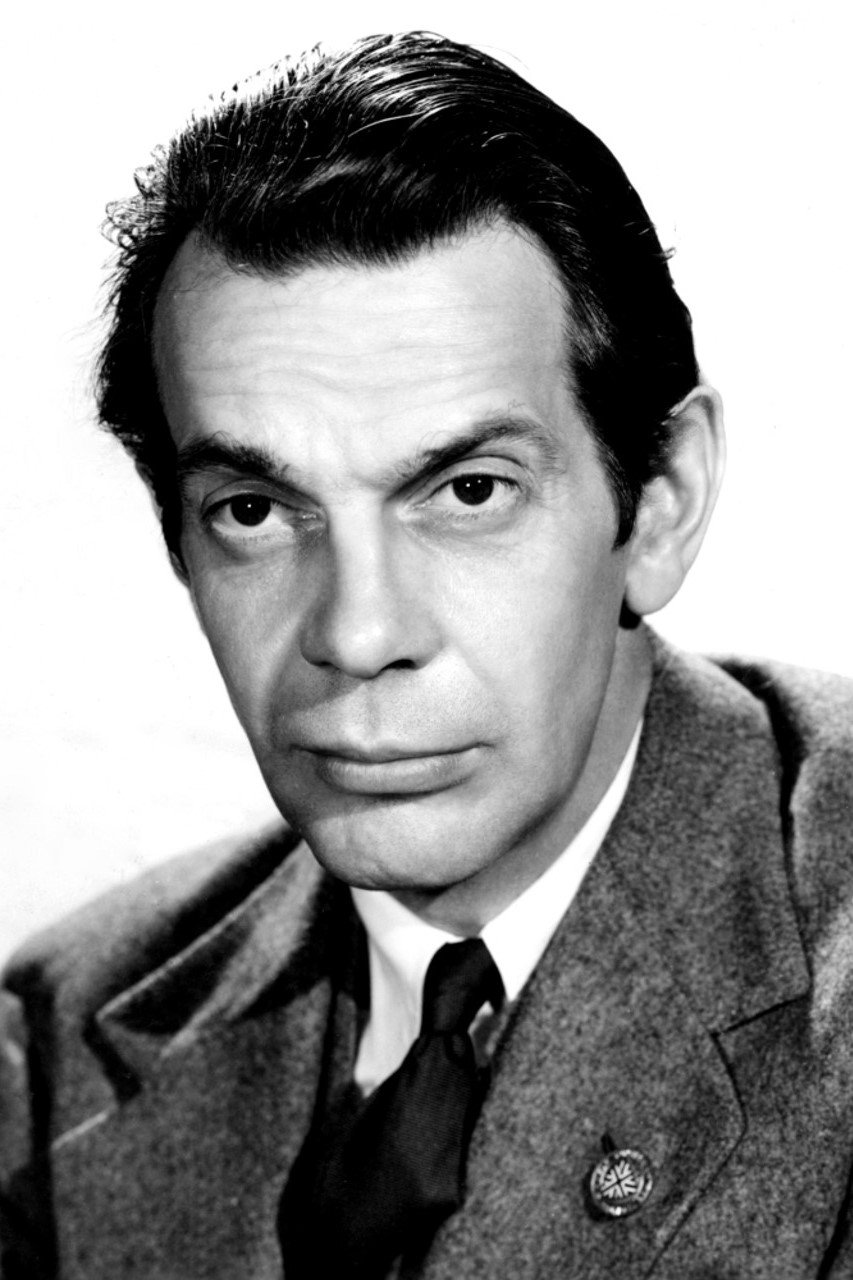
Raymond Massey was a Canadian-born actor who worked across stage, film, and television over several decades. He earned an Academy Award nomination for ‘Abe Lincoln in Illinois’, where he played the future U.S. president. On stage and screen, he took on historical and literary roles, developing a profile as a commanding dramatic presence.
Massey’s filmography includes ‘Arsenic and Old Lace’, ‘East of Eden’, and ‘Things to Come’. He later transitioned effectively to television, where he continued to appear in dramas and anthologies, adding to a versatile career recognized in both North America and the UK.
Raymond Chow
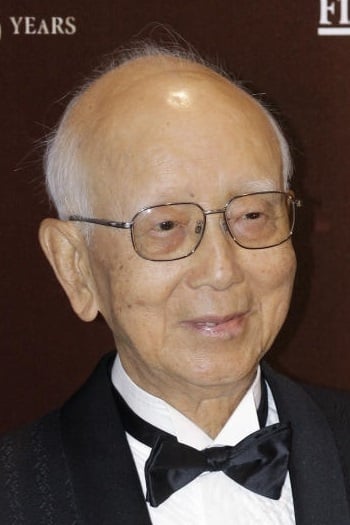
Raymond Chow was a Hong Kong film producer and studio executive who co-founded Golden Harvest after leaving Shaw Brothers. He played a pivotal role in the international rise of martial-arts cinema by backing projects with Bruce Lee, including ‘The Big Boss’, ‘Fist of Fury’, and ‘Way of the Dragon’. Golden Harvest also partnered on ‘Enter the Dragon’, bringing the genre to a worldwide audience.
Under Chow’s leadership, Golden Harvest supported work from filmmakers and stars across Asia that moved into global markets. The studio later fostered careers connected to action-comedy and stunt-driven filmmaking, ensuring Hong Kong cinema’s influence on Hollywood productions for decades.
Raymond Lee
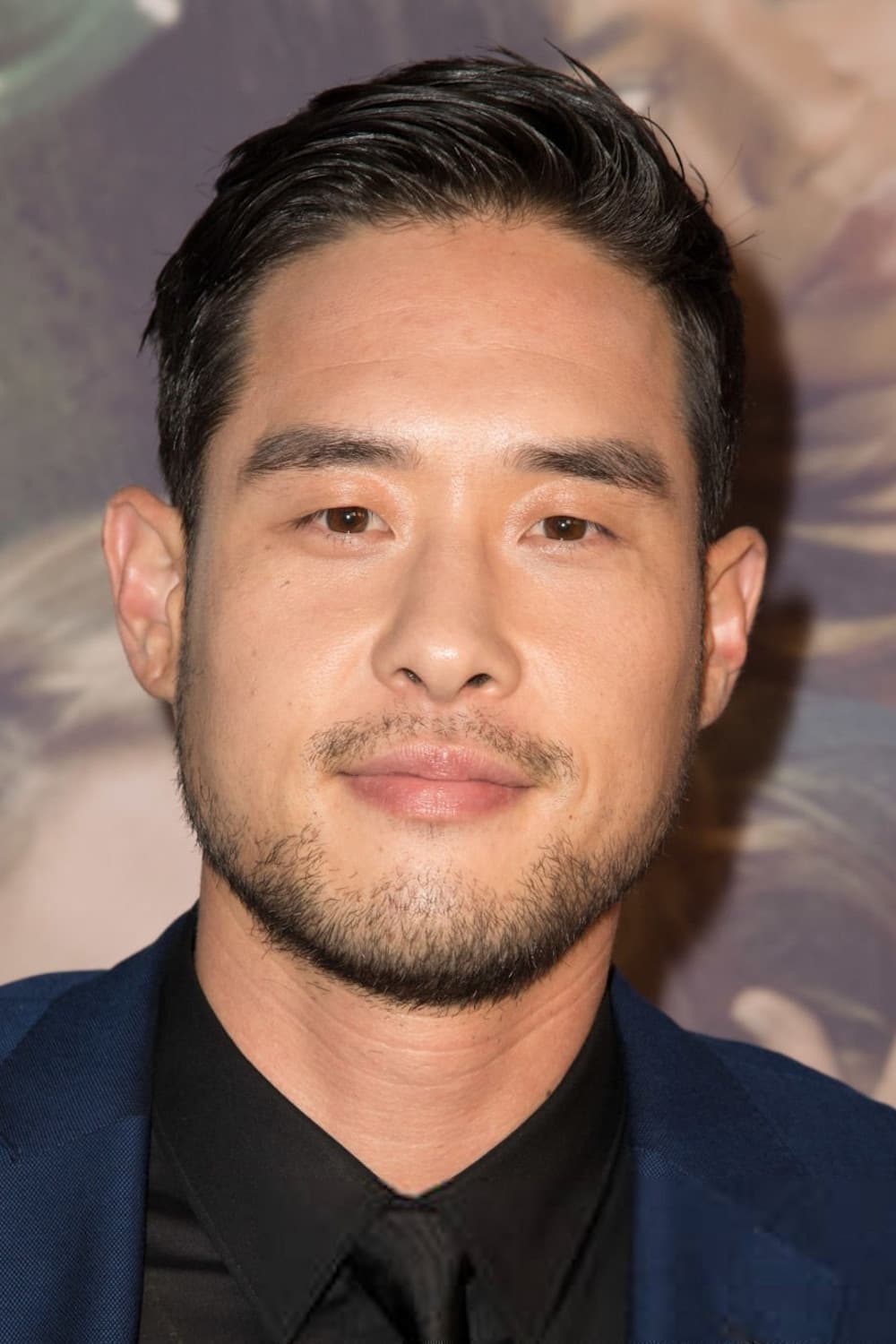
Raymond Lee is an American actor who stars as the lead in the network television revival of ‘Quantum Leap’. The series places him at the center of weekly science-fiction narratives, bringing the franchise to a new generation while nodding to the original show’s time-hopping format. Before that role, he appeared in television series including ‘Kevin Can F**k Himself’.
Lee’s work spans guest roles and recurring parts across drama and comedy. In addition to television, he has stage and screen credits that include independent films, rounding out a resume built through steady appearances in ensemble casts and genre projects.
Raymond Carver

Raymond Carver was an American short-story writer and poet associated with minimalist fiction. His collections, including ‘Will You Please Be Quiet, Please?’ and ‘Cathedral’, are staples in creative-writing programs and have been widely anthologized. He is credited with sharpening a style centered on everyday lives, tight prose, and quiet but powerful turns.
Carver’s stories have been adapted for film and television, and his influence can be traced through contemporary short fiction worldwide. Posthumous editions and critical studies keep his work active in classrooms and literary journals, ensuring continued readership and analysis.
Share your favorites or any other notable Raymonds you think belong on this list in the comments!