


15 of the Most Iconic Movie Cowards in Cinema History



Cowardice on screen can be unforgettable because it often exposes a character’s fears in a way that pushes the story forward. Sometimes it is played for laughs and sometimes it creates real tension, but either way it shows how people behave when things get scary. These roles stick because the characters feel human and their choices have clear consequences that shape what happens next.
This list focuses on characters in movies whose timidity, panic, or self preservation is front and center. Each one makes choices that the audience can track in specific scenes, and those choices become turning points for heroes, villains, and everyone in between. From fantasy quests to war stories and animated adventures, these movie cowards have left a mark that is easy to recognize.
Private Upham
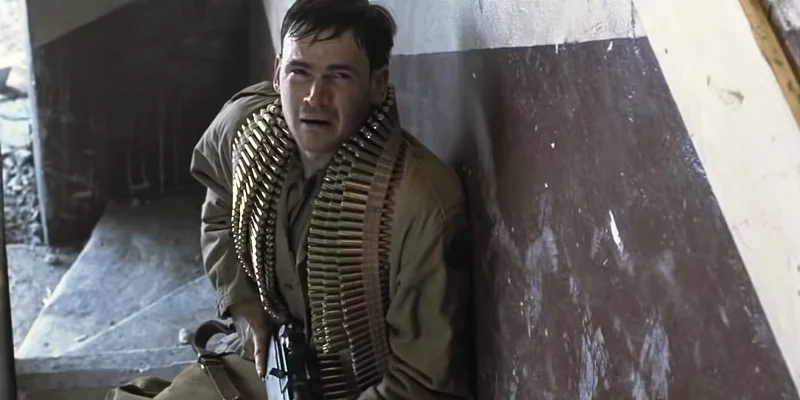
Jeremy Davies plays Timothy Upham in ‘Saving Private Ryan’ as a translator pulled into frontline combat without real experience. The film shows him freezing on a staircase during a critical fight and failing to help a fellow soldier who is overpowered by an enemy. Earlier scenes track his unease with violence and his struggle to keep up with the squad during the mission behind enemy lines.
His fear affects the entire unit and changes how events unfold in the final battle. The story later shows him confronting the same enemy he once spared, which underlines how fear and guilt can drive a person to act in a new way. The character’s arc is documented through clear actions that the audience can follow from the moment he joins the team to the closing moments of the mission.
The Cowardly Lion
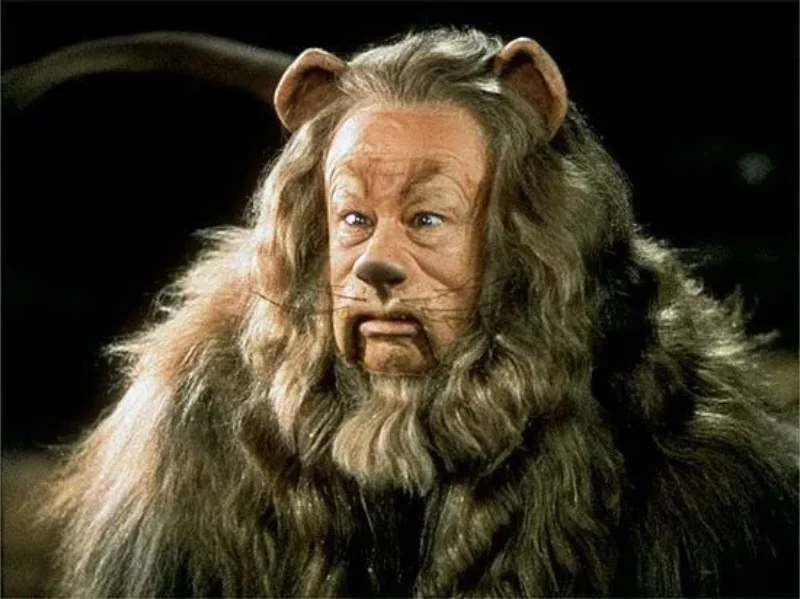
Bert Lahr’s Cowardly Lion in ‘The Wizard of Oz’ is introduced as a wild animal who scares easily and wants the Wizard to give him courage. He trembles at loud noises, jumps at sudden sights in the forest, and admits his fear in front of Dorothy and her friends. The movie follows him along the Yellow Brick Road as he sticks with the group despite his constant worry.
The character’s scenes in the Emerald City and the Witch’s castle highlight how he looks for bravery outside himself. Musical numbers and small gags track his fear in a way that keeps the story moving toward the Wizard’s reveal. The film shows that his courage grows through action rather than a gift, which is clear when he helps the group during the rescue.
Private Hudson
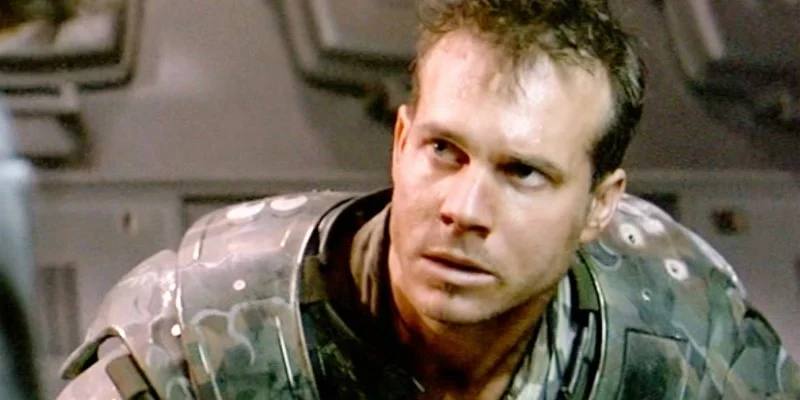
Bill Paxton’s Private William Hudson in ‘Aliens’ is a colonial marine whose panic becomes a running thread once the mission goes bad. After the first clash with the creatures, his outbursts and grim predictions show how his nerves are shot. The dropship crash and loss of heavy weapons push him into open fear that the rest of the squad has to manage.
The movie also records moments where he fights despite that fear, including the lab attack and the tunnel defense. His famous line during a meltdown is followed by later scenes where he reloads and covers the team under pressure. The character works as a measure of how dire the situation is because the audience can see his fear spike in step with each setback.
Beni Gabor
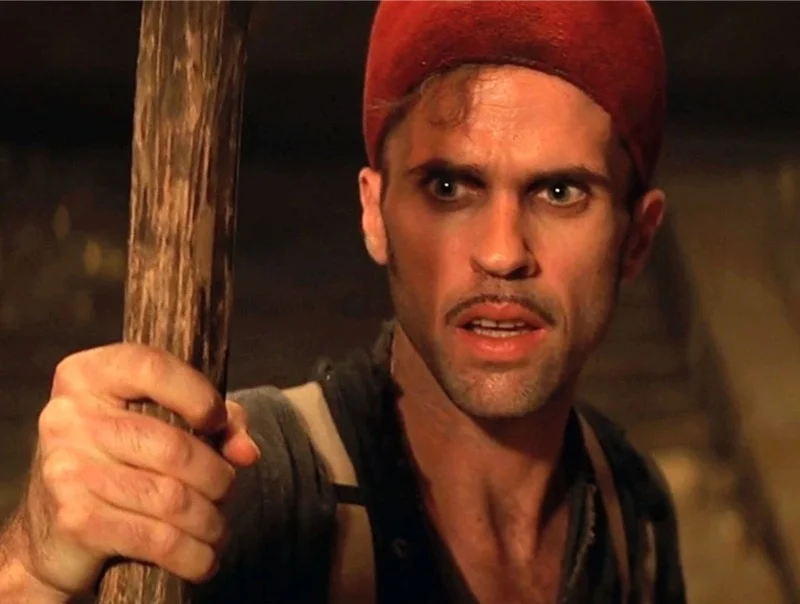
Kevin J. O’Connor plays Beni Gabor in ‘The Mummy’ as a rival treasure seeker who switches sides whenever danger rises. He tries to save himself by flashing religious pendants at Imhotep and bargaining in multiple languages in hopes of a reprieve. The story traces his betrayals through encounters in Hamunaptra and in scenes where he leads the creature to victims.
Beni’s choices move the plot by giving the antagonist information and by separating the heroes at key moments. The film shows him looting treasure during the final escape and getting trapped as the city collapses. His actions make the dangers worse for everyone else, which the audience can follow through clear cause and effect.
Caledon Hockley
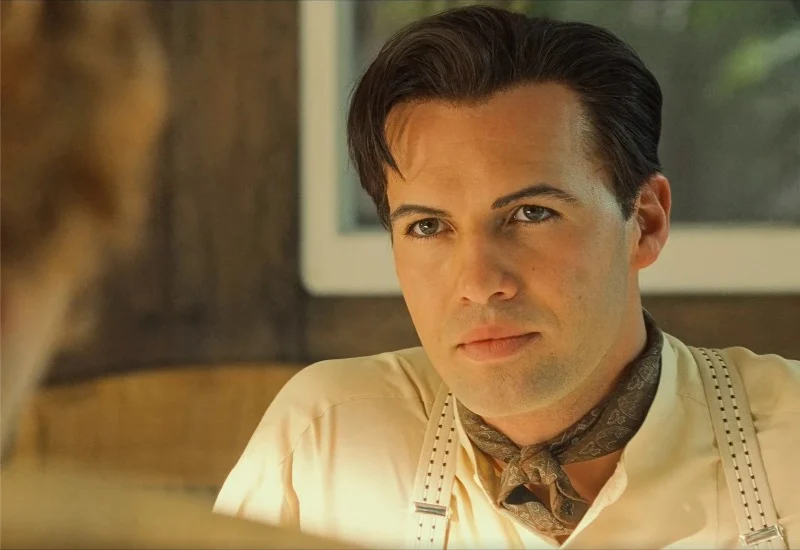
Billy Zane’s Caledon Hockley in ‘Titanic’ is a wealthy passenger who protects his status and safety above all else. He frames Jack with the necklace to keep control over Rose and later chases the couple with a pistol through the flooding ship. The movie presents him using privilege and connections to push past others during the evacuation.
A pivotal scene shows him grabbing a nearby child to access a lifeboat under a rule meant to prioritize families. His behavior is documented through actions on the boat deck, in the suite, and in the final escape. The film closes his thread by showing how he survives the disaster while others do not, which is recorded without softening his choices.
Gilderoy Lockhart
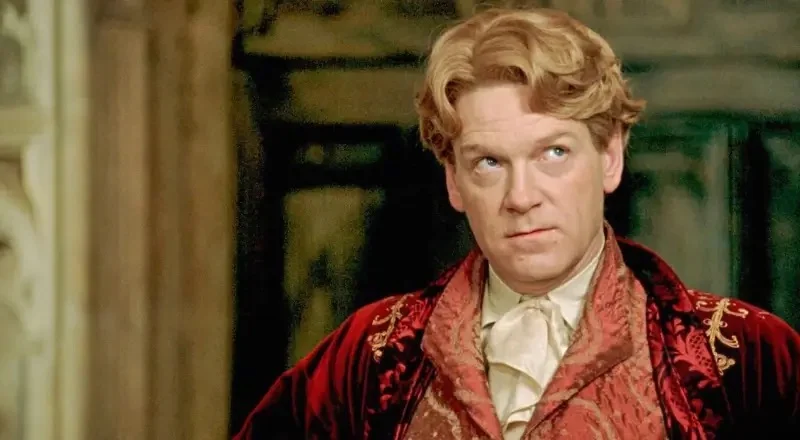
Kenneth Branagh portrays Gilderoy Lockhart in ‘Harry Potter and the Chamber of Secrets’ as a celebrity wizard teacher who avoids real danger. Classroom scenes show staged stories and failed demonstrations that expose his lack of skill. When students go missing, he packs his office to flee instead of helping the search.
In the tunnels he tries a memory charm to erase the truth, which backfires because of a damaged wand. The movie details his fall from fame in the hospital wing where he no longer recognizes his own books. Each step is marked by actions that show image first and safety first, with cowardice recorded in his attempts to run from responsibility.
Sir Robin
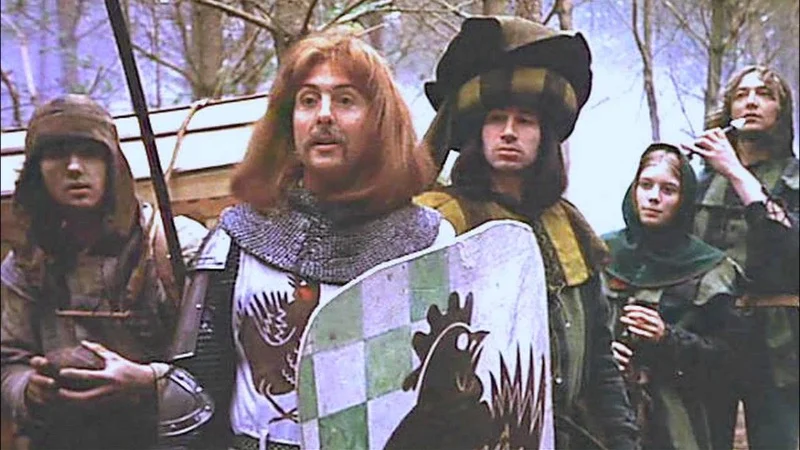
Eric Idle’s Sir Robin in ‘Monty Python and the Holy Grail’ travels with a band of minstrels who recite his retreat in song. He meets a giant with three heads and backs away while the music reports his movements in plain terms. Later scenes place him with King Arthur’s group, where he routinely avoids contact with anything that looks risky.
The film uses repeated gags to mark his fear, including his careful distance in dangerous paths and his quick exits from tense moments. The songs and encounters provide a record of his actions so the audience can track how often he chooses flight over fight. His role helps map the quest by showing what the heroes face when a knight will not engage.
Luther Heggs
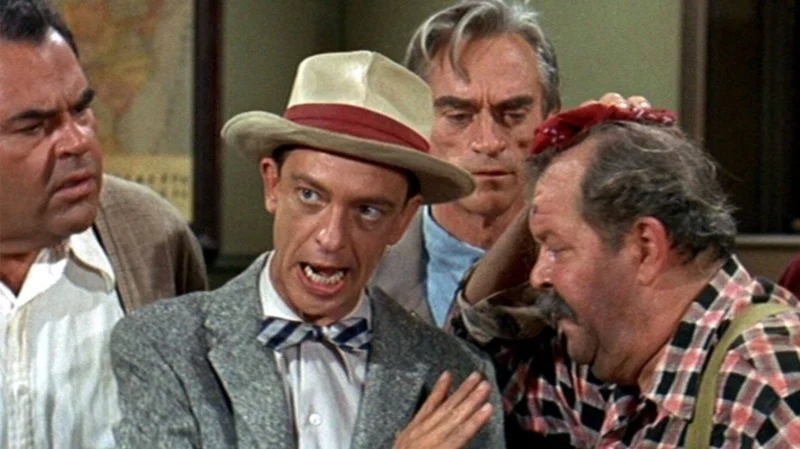
Don Knotts plays Luther Heggs in ‘The Ghost and Mr. Chicken’ as a small town typesetter sent to spend the night in a haunted house. The movie shows him walking through dark hallways with a flashlight, jumping at organ notes, and reporting what he believes he saw to the local paper. His nerves are on display during town meetings and in the newsroom.
As the plot unfolds he gathers clues about the old mansion and the people connected to it. Set pieces in the staircase and the tower record how he stumbles into answers while shaking the entire time. The story follows his effort to print an article and then defend it in public, which keeps his fear central to every development.
George McFly
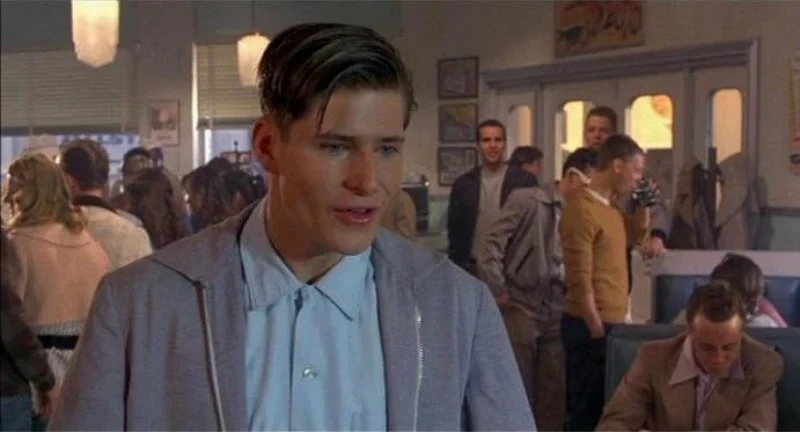
Crispin Glover plays George McFly in ‘Back to the Future’ as a shy student who avoids conflict with the school bully. The film shows him at the diner deferring to Biff and at home writing science fiction in secret. He cannot bring himself to talk to Lorraine until outside help forces a plan.
The dance sequence tracks George’s decisions as he fights off an unwanted advance and then finally asks Lorraine to dance. His actions change his future and his family in a way the movie spells out in the final scenes. The character’s early fear is recorded in a series of choices that the story then rewrites in a single night.
Ichabod Crane
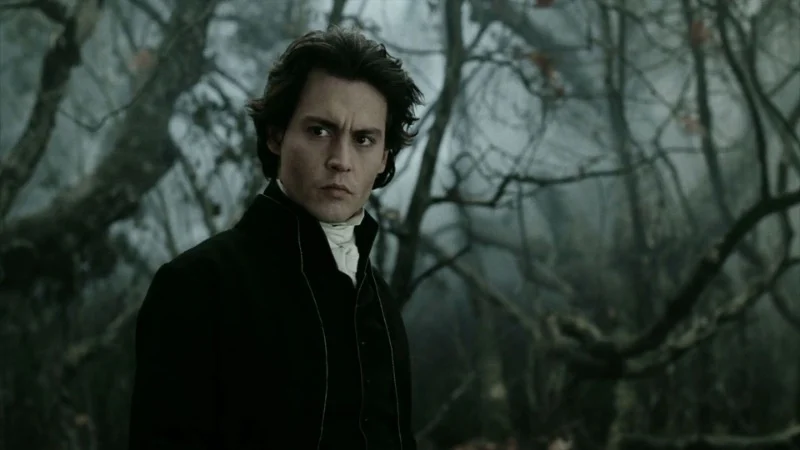
Johnny Depp’s Ichabod Crane in ‘Sleepy Hollow’ is a city constable who faints at the sight of blood and prefers experiments to field work. The film introduces him with a case that sends him to a rural village, where he brings instruments and notes to avoid direct danger. Early autopsy scenes show him swallowing hard and stepping back from the table.
Encounters with the Horseman push him to investigate from a distance and to test tools before entering dark woods. The story documents how each new clue forces him to return to the scene despite obvious fear. His progress is mapped through concrete leads, interviews, and a final confrontation that he only reaches after many stops and starts.
Gríma Wormtongue
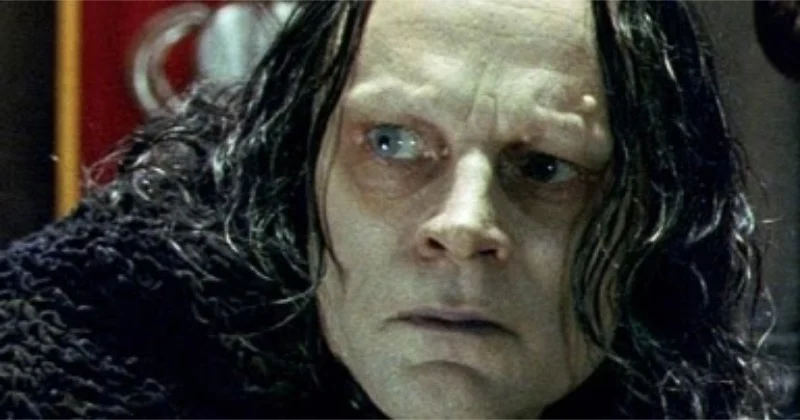
Brad Dourif’s Gríma Wormtongue in ‘The Lord of the Rings’ serves as an adviser who weakens a kingdom by whispering in the king’s ear. The film shows him isolating Théoden from allies, dismissing reports of danger, and keeping Éowyn under watch. When his influence is broken, he collapses and is thrown out without putting up a fight.
Later scenes place him at Isengard under Saruman’s control, where he avoids open battle and shrinks from blame when plans fail. His actions are recorded in the halls of Edoras and at the base of the tower, which allows the audience to see how manipulation gives way to fear once power is gone. The character’s thread is clear from first appearance to final exit.
Prince John
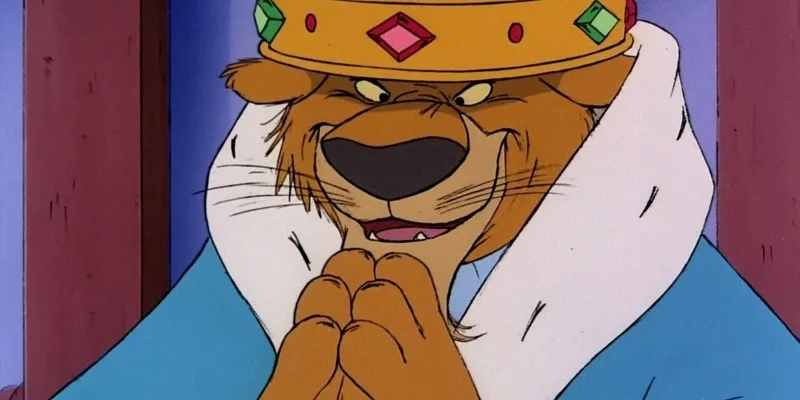
In Disney’s ‘Robin Hood’, Prince John rules in place of King Richard and hides behind guards and taxes to keep control. The movie shows him clutching jewels, sucking his thumb, and ordering the Sheriff to do the dangerous work. He retreats whenever Robin Hood appears and demands more coin to fill the royal coffers.
Tournament and jailbreak scenes track how his orders lead to traps that backfire, leaving him cowering while his forces scatter. The story closes with him punished for his misuse of power once Richard returns. Every beat is easy to follow through his commands and retreats, which mark him as a ruler who talks big and ducks the fight.
Lord Farquaad
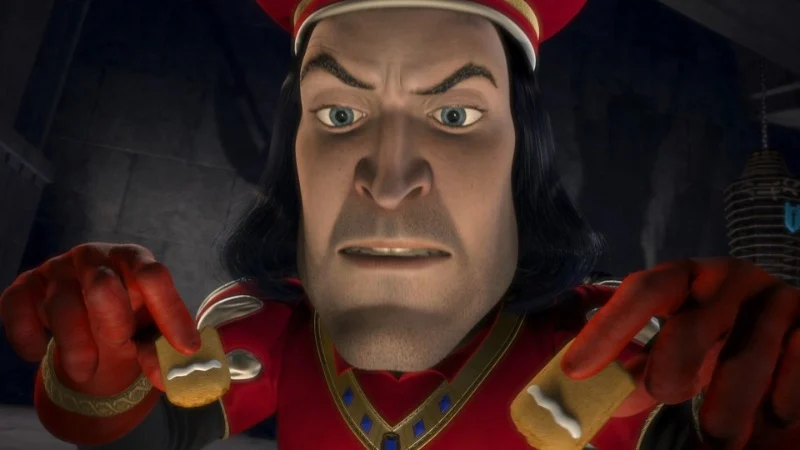
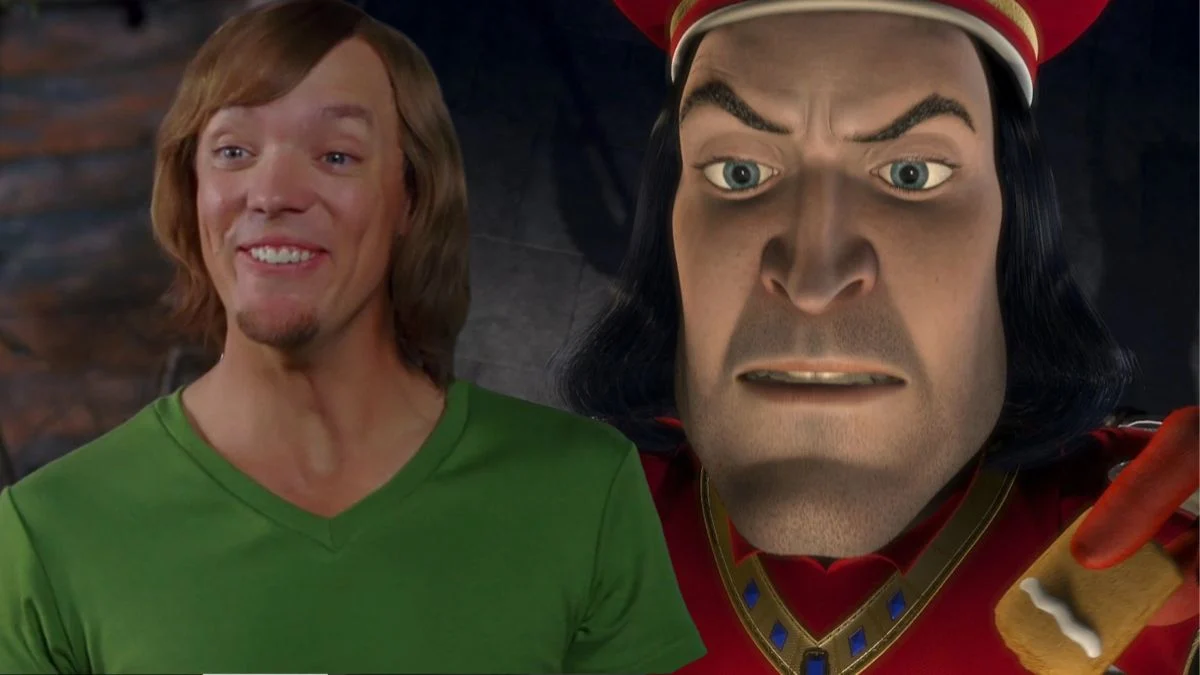
John Lithgow voices Lord Farquaad in ‘Shrek’, a ruler who sends others to face danger so he can gain a crown. He clears Duloc of fairytale creatures by decree and then holds a contest that forces a champion to retrieve Princess Fiona. The movie shows him staying in his tidy city while Shrek and Donkey cross the dragon’s keep.
He plans to marry Fiona for legitimacy and orders executions when people do not fit his rules. The wedding sequence records how quickly he calls for guards once the secret is exposed. His actions are laid out through official proclamations and staged events that keep him far from any real risk.
Shaggy Rogers
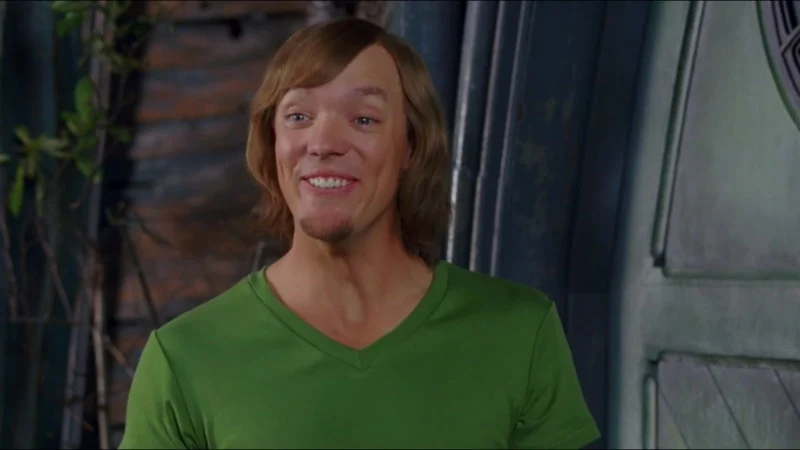
Matthew Lillard’s Shaggy Rogers in ‘Scooby-Doo’ brings a mix of comic fear and loyalty to the Mystery Inc crew. The live action movies show him sprinting from haunted halls, hiding in kitchens, and searching for snacks with Scooby as a way to calm down. He often suggests leaving a scene while the others push forward.
Plots on Spooky Island and back in the city trace how Shaggy still helps unmask villains after a string of retreats. The films show him piloting contraptions, pulling levers by accident, and stumbling into clues that reveal the scheme. His nervous habits and catchphrases are part of the investigation track in nearly every set piece.
Percy Wetmore
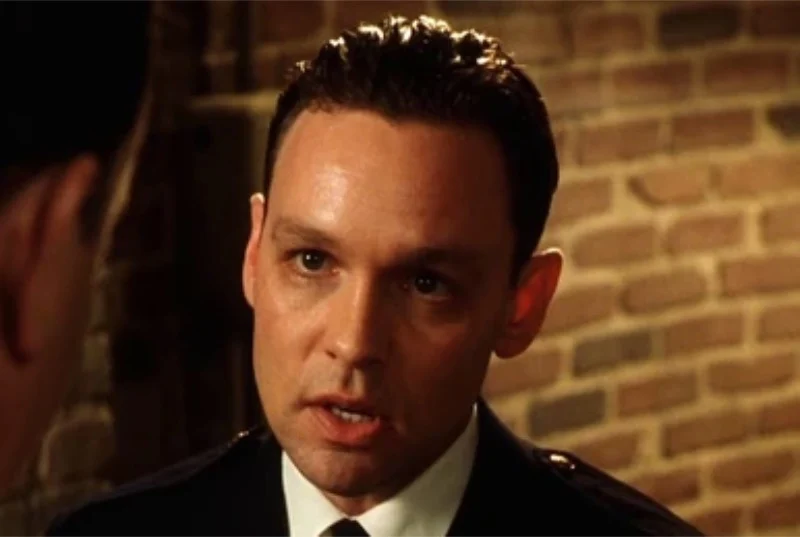
Doug Hutchison’s Percy Wetmore in ‘The Green Mile’ is a prison guard who abuses power but wilts when confronted by stronger people. He hides behind a family connection to keep his job and to avoid discipline for cruelty on the block. The movie shows him taunting inmates and refusing to follow proper procedure.
A key execution scene records his sabotage that causes needless suffering, after which the other guards force him to face consequences. Later events show him breaking down when he is no longer protected. His story is mapped through official duties, complaints from coworkers, and clear acts that define him as a bully who fears accountability.
Share your picks for the most memorable movie cowards in the comments.