

15 Most Memorable Video Game Characters of All Time

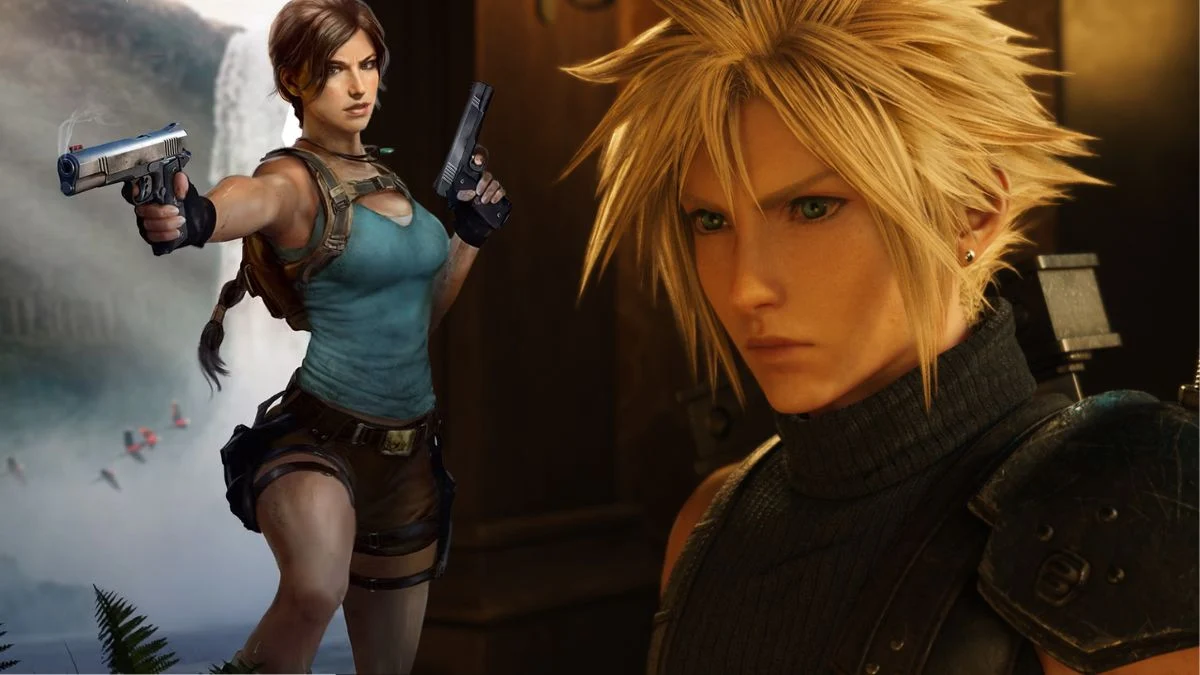


Some characters step out of their games and settle into everyday conversation. You hear a name and instantly picture the outfit, the voice lines, and the signature move that made them stick in your head. These are the faces that show up on controllers, lunch boxes, and convention floors because players across generations know them by heart.
This list gathers figures who defined genres, carried hardware launches, and shaped how games tell stories. You will see platforming pioneers, stealth legends, action icons, and role playing standouts. Each entry notes where they first made waves and highlights the creative teams behind them in a simple, low key way.
Mario
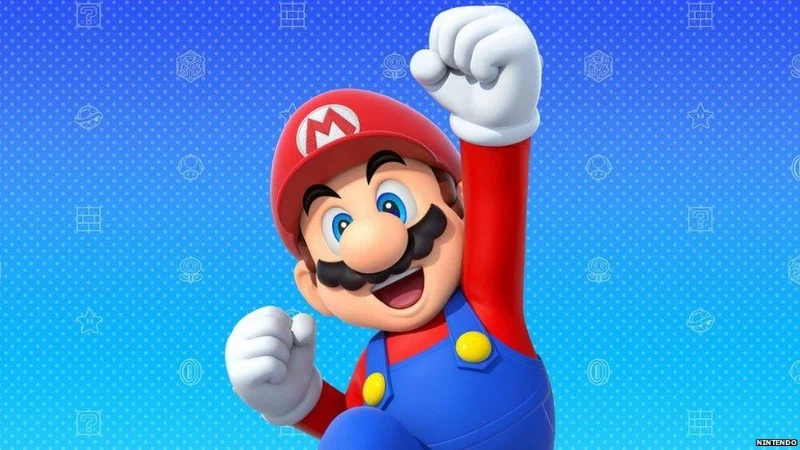
Mario began as a nimble carpenter in ‘Donkey Kong’ before starring in ‘Super Mario Bros’ and shaping side scrolling play for the masses. His move set added depth over time with power ups like the Super Mushroom and Tanooki Suit and with precise jump physics that set a template for platformers.
The character remains a cornerstone of family friendly design from Nintendo, with series branches like ‘Mario Kart’ and ‘Paper Mario’ expanding his reach without changing his clear silhouette and easy to read animations.
Link
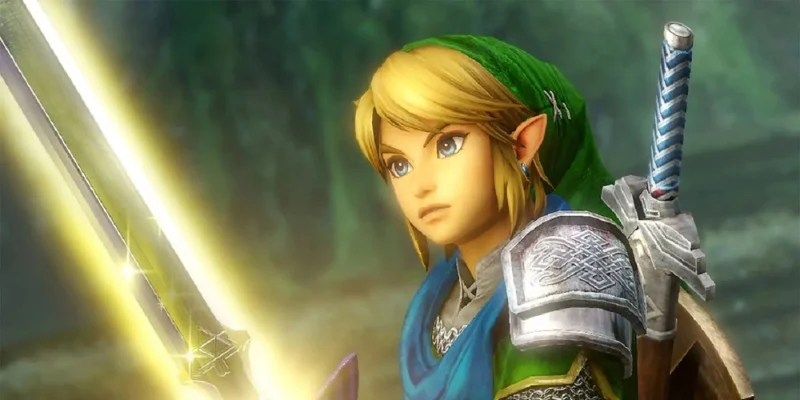
Link is the silent hero of ‘The Legend of Zelda’ who travels across Hyrule solving layered dungeons with a growing inventory of tools. The loop of exploration, puzzle solving, and boss mastery became a hallmark for adventure games.
Nintendo’s teams have kept the character consistent while experimenting with structure in entries like ‘Breath of the Wild’ and ‘Tears of the Kingdom’, where physics driven systems and freeform traversal invited new solutions to classic problems.
Sonic the Hedgehog
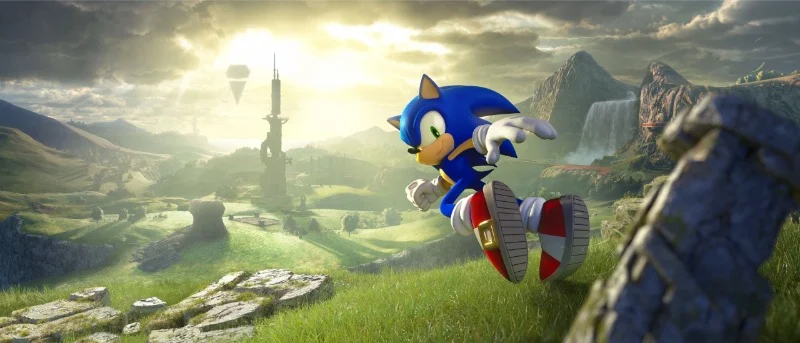
Sonic arrived with a focus on speed and momentum in ‘Sonic the Hedgehog’, turning loops, springs, and ramps into readable tracks. Rings worked as both health and score, creating a distinctive risk and reward rhythm.
Sonic Team at Sega built the character around attitude and clean silhouettes so players could read motion even at high velocity, then extended the brand into 3D attempts, animated series, and community speedrun culture.
Pac Man

Pac Man distilled play to navigation, pursuit, and timing in a single maze. Power pellets flipped the predator prey dynamic for short bursts, which made patterns and ghost behaviors part of the learning curve.
Namco designed the character to be approachable in arcades, with a shape and soundscape that became instantly recognizable and portable to new formats from tabletop units to modern collections.
Lara Croft
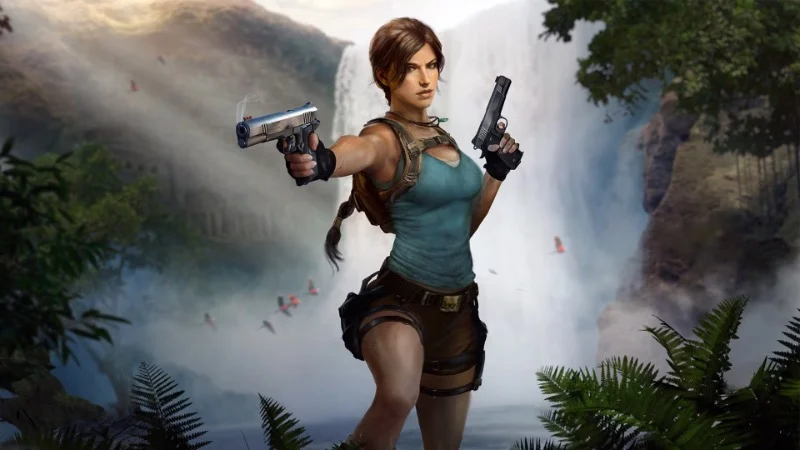
Lara Croft debuted in ‘Tomb Raider’ with climbing, puzzle chambers, and dual pistol combat set in globe spanning ruins. Save crystals, switch based riddles, and secret rooms rewarded observation over brute force.
Core Design introduced her as a 3D platforming trailblazer and Crystal Dynamics later reimagined her origin with a focus on survival mechanics, while keeping traversal and environmental puzzles as the backbone.
Master Chief
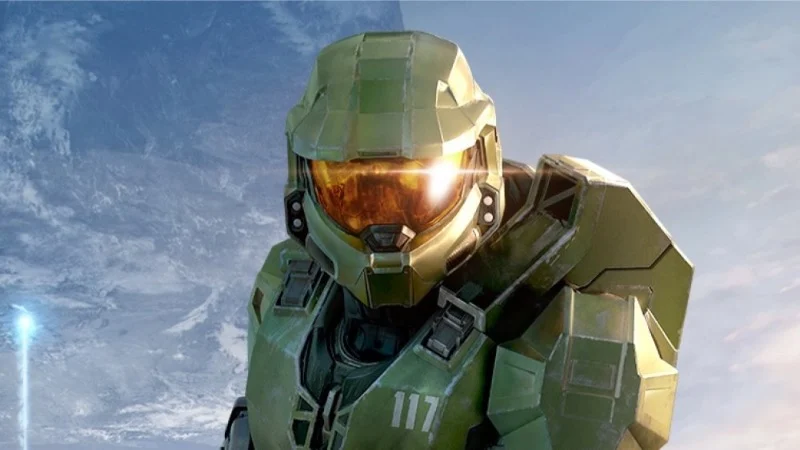
Master Chief led ‘Halo’ with a two weapon limit, rechargeable shields, and enemy AI that encouraged flanking and grenade placement. Vehicle sections flowed naturally into infantry battles, creating a sandbox feel on each mission.
Bungie established the tone and combat dance and 343 Industries continued it with new tools, updated Forge features, and ongoing support that kept the Spartan at the center of Xbox shooter identity.
Solid Snake
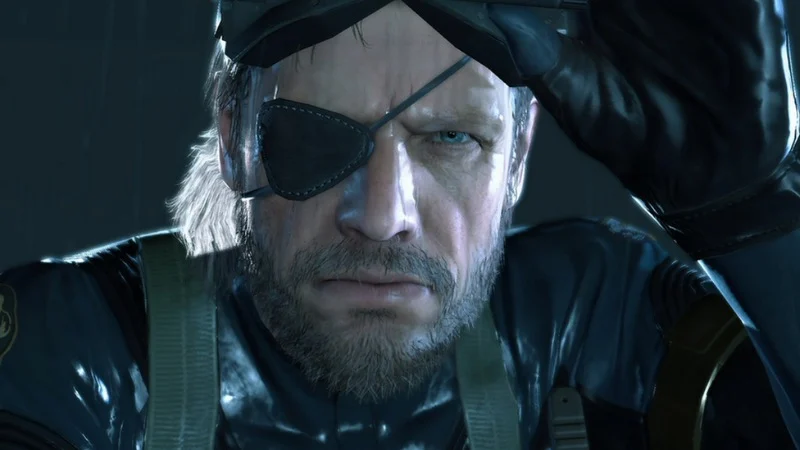
Solid Snake turned stealth into a mainstream approach with ‘Metal Gear’ and ‘Metal Gear Solid’, mixing sight cones, sound cues, and codec guidance to frame infiltration as the primary path. Boss encounters combined mechanical tests with narrative context.
Konami’s Kojima Productions tied the character to themes of information control and military technology, while refining stealth systems across sequels that rewarded patience and situational awareness.
Samus Aran
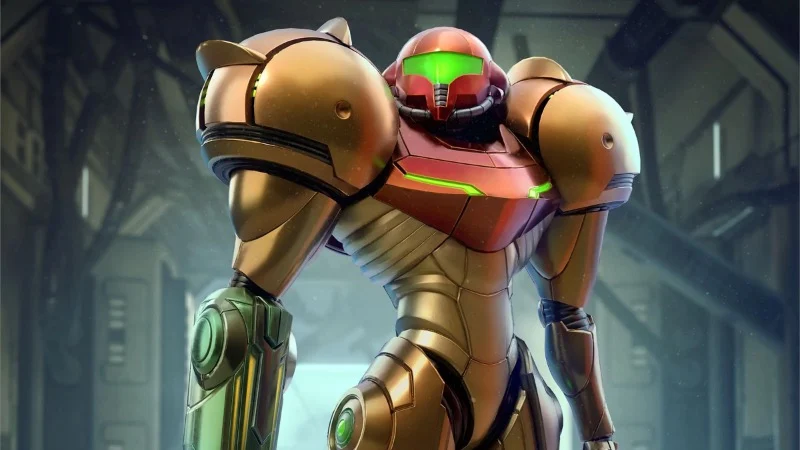
Samus Aran explored interconnected maps in ‘Metroid’, where upgrades like the Morph Ball and Ice Beam opened new paths in earlier areas. The loop of discovery and backtracking encouraged mental mapping and route planning.
Nintendo R D 1 defined the core formula and Retro Studios later translated it into first person exploration in ‘Metroid Prime’, keeping the same emphasis on scanning, environmental storytelling, and suit progression.
Kratos
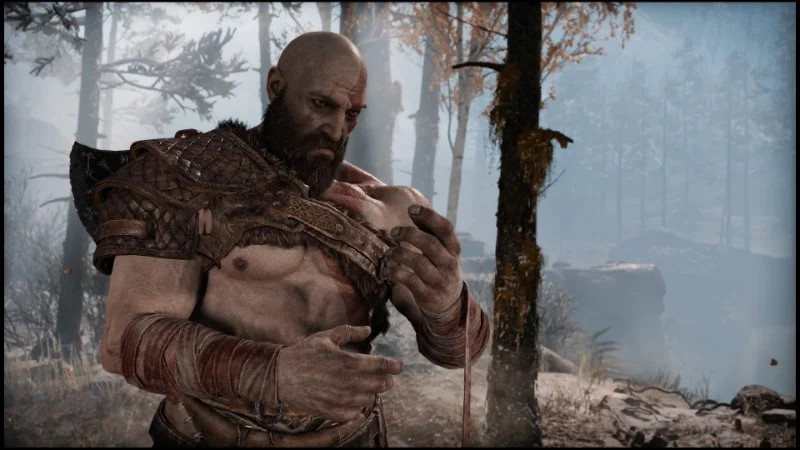
Kratos introduced deliberate combat chains in ‘God of War’, combining crowd control with timing windows and context prompts for large scale foes. Set pieces blended puzzle rooms with traversal and cinematic camera work.
Santa Monica Studio reshaped the character arc in the Norse era while deepening the weapon trees, gear systems, and companion synergy, keeping weighty strikes and readable enemy telegraphs at the forefront.
Cloud Strife
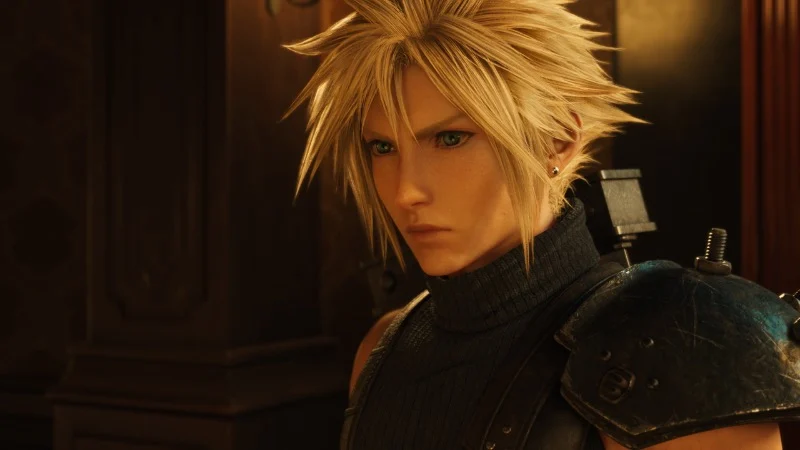
Cloud Strife anchored ‘Final Fantasy VII’, where Active Time Battle pacing, Materia loadouts, and limit breaks offered flexible party builds. The setting mixed industrial sprawl with classic fantasy motifs to support varied encounter design.
Square Enix expanded his story through spin offs and a multi part remake project that modernized combat while preserving recognizable silhouettes, signature weapons, and theme motifs tied to the original release.
Geralt of Rivia
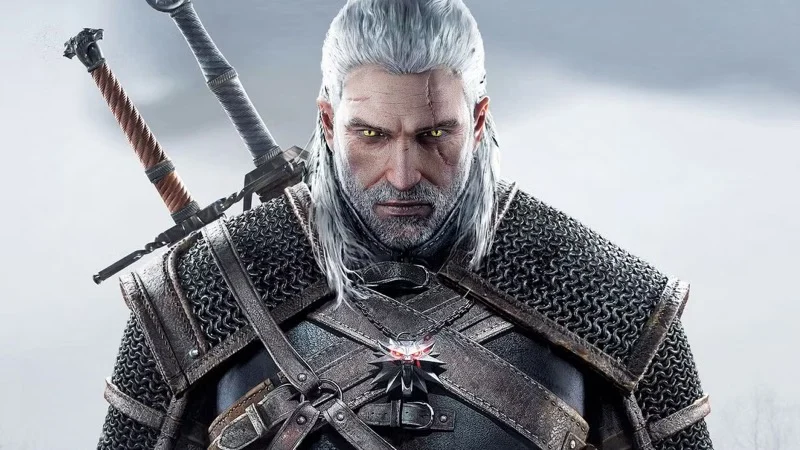
Geralt brought contract based quests and consequence driven choices to ‘The Witcher’ series, with oils, potions, and signs shaping preparation before each hunt. Monster ecology and lore entries reinforced weak points and tactics.
CD Projekt Red connected the character to a dense open world in ‘The Witcher 3’, where quest design favored branching outcomes and quiet human stories, supported by a combat system that blended dodges, parries, and quick alchemy.
Gordon Freeman
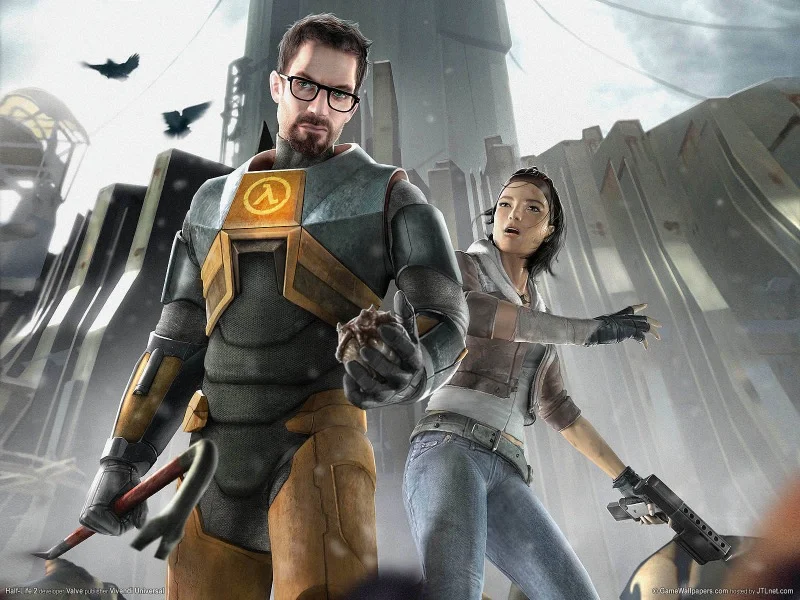
Gordon Freeman moved through ‘Half Life’ with a seamless narrative that avoided cutaway breaks. Environmental puzzles and scripted encounters advanced the plot without removing control, which kept pacing consistent.
Valve integrated physics systems that influenced both combat and problem solving, then used episodic releases to refine rhythm and level flow while keeping the silent protagonist approach intact.
Ellie
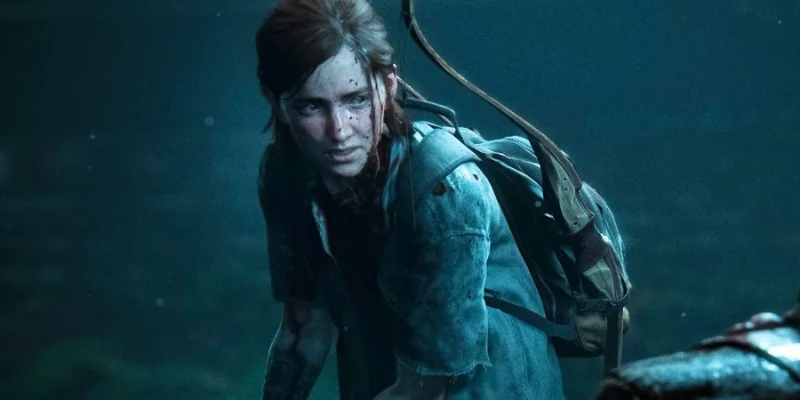
Ellie’s journey in ‘The Last of Us’ highlighted stealth takedowns, resource crafting, and limited ammo that raised tension in every encounter space. Level design used sightlines, listen mode, and cover density to shape optimal routes.
Naughty Dog supported nuanced performance capture and detailed animations that reacted to proximity and contact, while encounter tuning rewarded stealth first and made open conflict a costly decision.
Ezio Auditore
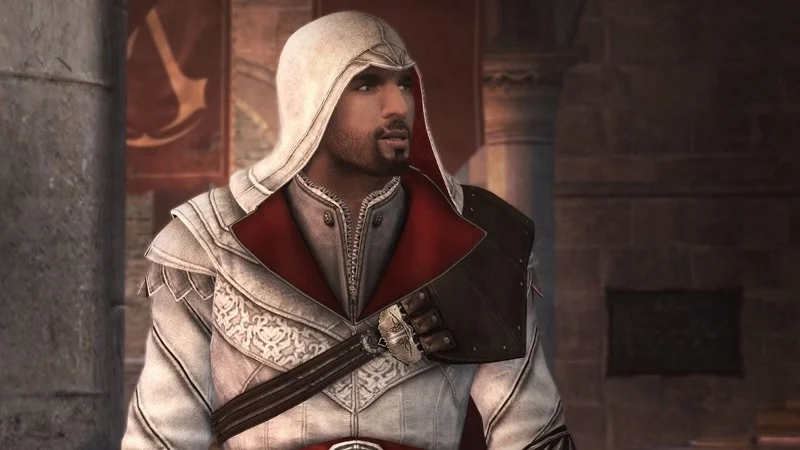
Ezio’s arc across ‘Assassin’s Creed II’, ‘Brotherhood’, and ‘Revelations’ expanded city navigation with freerunning across rooftops, hidden blade counters, and social stealth in crowds. Mission structures blended linear set pieces with open objectives.
Ubisoft Montreal layered economic systems, guild helpers, and base management while keeping climbing and synchronized viewpoints as the fastest way to chart new territories and unlock tasks.
Arthur Morgan
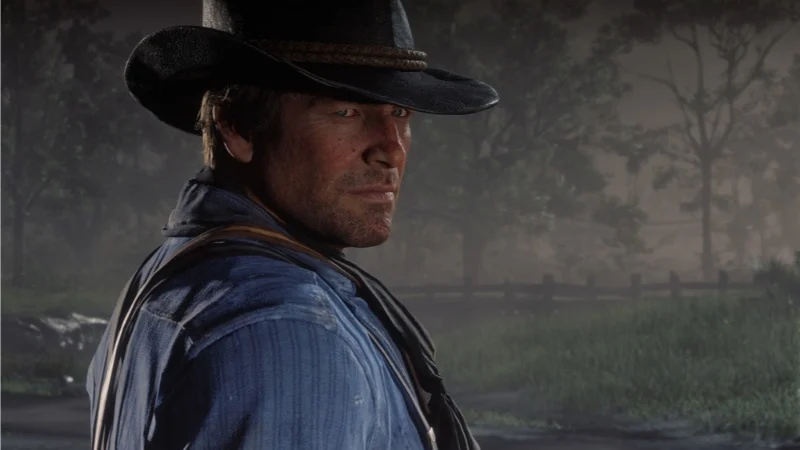
Arthur Morgan carried ‘Red Dead Redemption 2’ with systems that tracked honor, camp upkeep, and weapon maintenance. Horse bonding, staged random events, and detailed animations made travel and routine tasks part of the core loop.
Rockstar Games built a simulation heavy frontier where mission design favored cinematic pacing and clear prompts, while the open world responded to player choices with dynamic law systems and ambient interactions.
Share the characters you would add to this list in the comments and tell us why they belong.