

Most Overlooked Anime Movies You Should Watch




There’s a deep catalog of feature-length anime that quietly shaped the medium, introduced bold techniques, or told unforgettable stories far from the spotlight. This list pulls together films across genres and studios, highlighting directors’ signatures, production contexts, and the core premises that make each entry worth your time. You’ll find stand-alone originals, literary adaptations, and works from major creators made outside their most famous franchises. Use it as a guide to explore corners of anime film history you might have missed.
‘Angel’s Egg’ (1985)
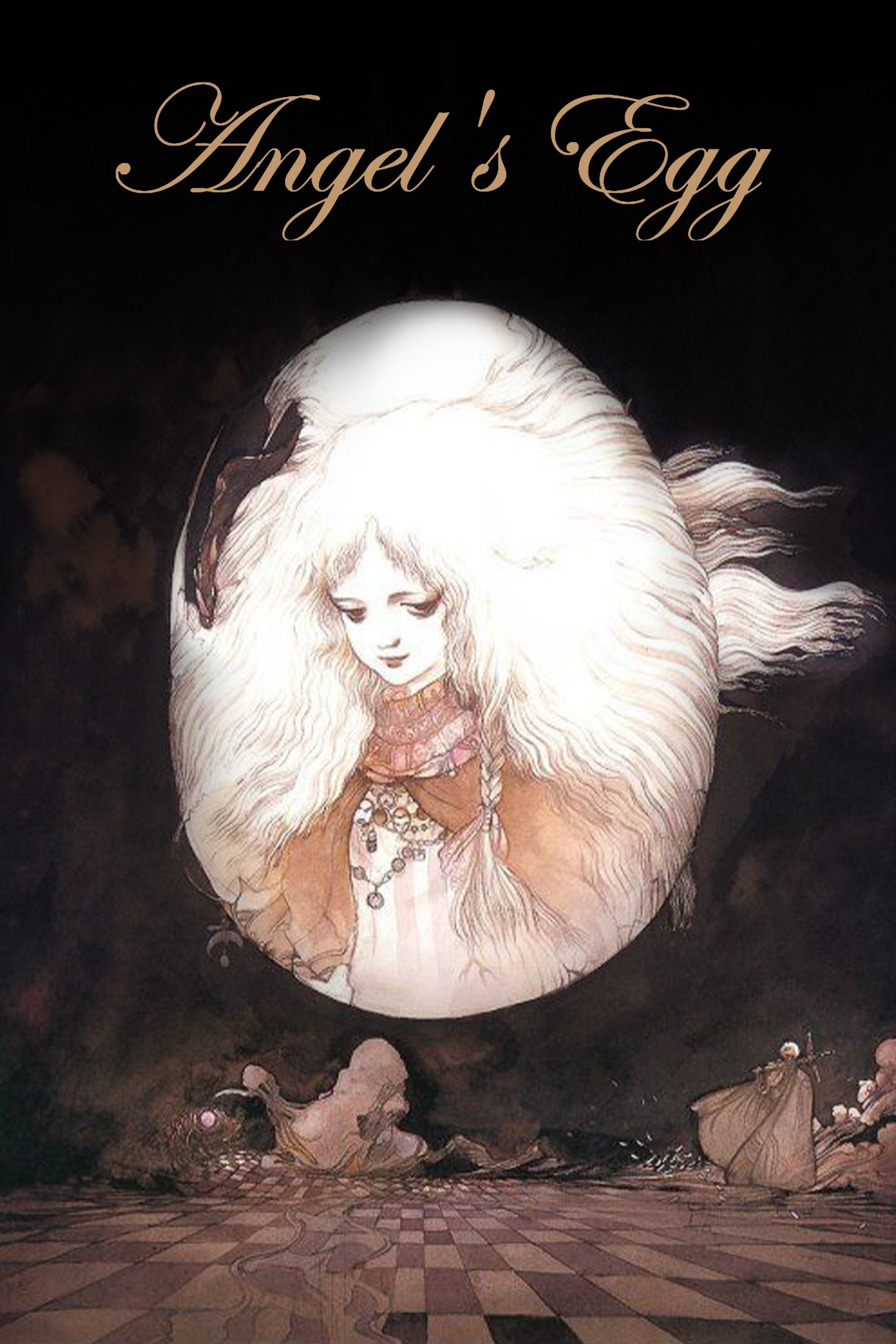
Directed by Mamoru Oshii with character designs by Yoshitaka Amano, this minimalist dark fantasy is known for sparse dialogue and symbolic imagery. The production was backed by Studio Deen and emphasizes painterly backgrounds and long, contemplative cuts. The story follows a mysterious girl carrying an egg through a deserted cityscape and a soldier who accompanies her, raising questions about faith and memory. Its haunting aesthetic has influenced later works by Oshii and other auteurs.
‘Royal Space Force – The Wings of Honneamise’ (1987)
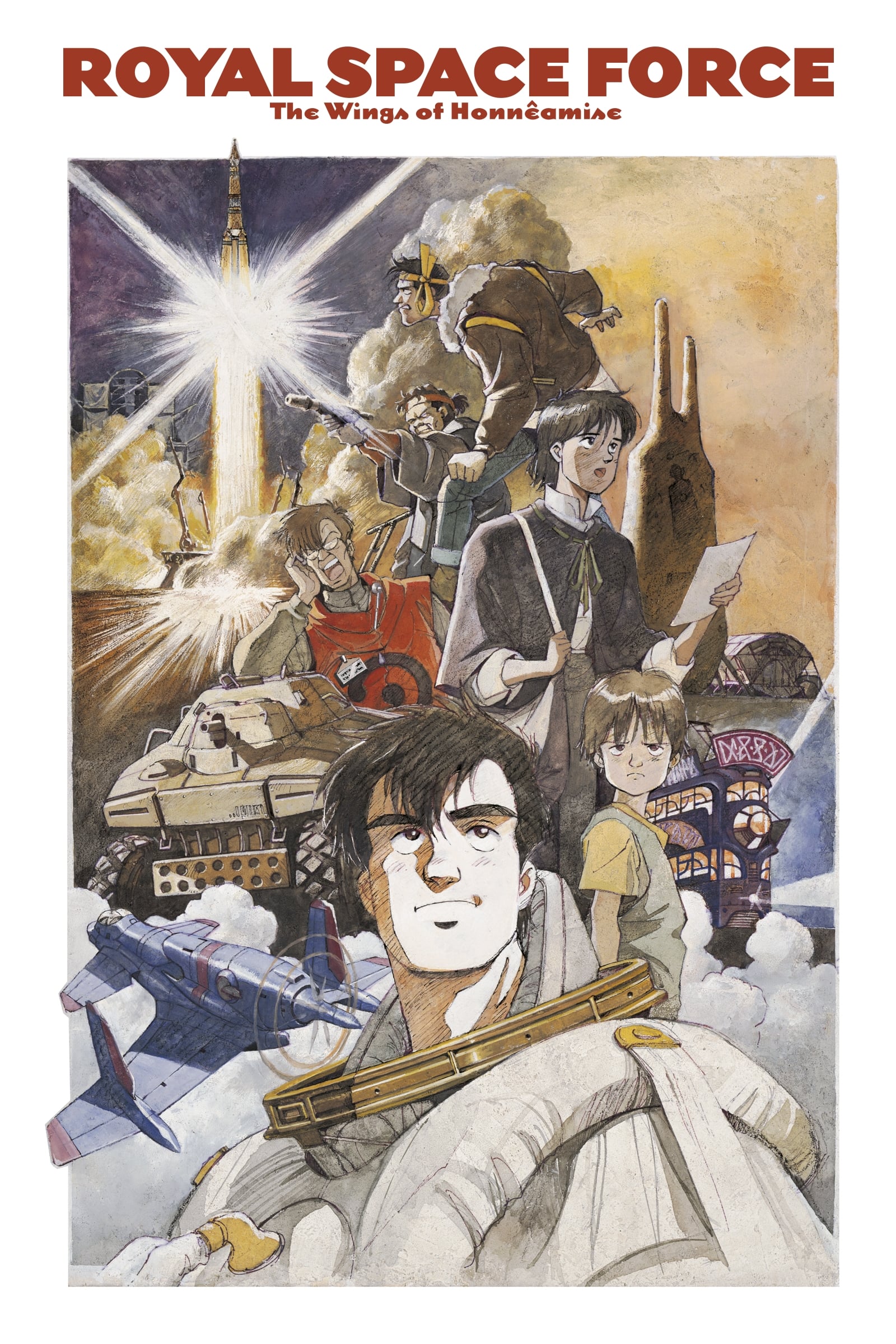
Gainax’s debut feature presents an alternate world’s first crewed space program, focusing on training, politics, and the social costs of exploration. The film showcases meticulous worldbuilding—custom languages, uniforms, vehicles, and bureaucracies. Directed by Hiroyuki Yamaga with mechanical designs by Hideaki Anno, it blends grounded tech with speculative design. The orchestral score by Ryuichi Sakamoto complements large-scale animation set pieces.
‘Night on the Galactic Railroad’ (1985)

This adaptation of Kenji Miyazawa’s novel uses anthropomorphic cats as stand-ins for characters on a metaphysical train journey. Group TAC animates star-dappled panoramas, celestial maps, and quiet cabins to mirror the book’s allegorical tone. The narrative follows two classmates traveling through constellations, encountering scenes that explore friendship and mortality. Its script closely references terms and motifs from the source text’s astronomy and philosophy.
‘Belladonna of Sadness’ (1973)

Part of Mushi Production’s adult-oriented “Animerama” project, this feature mixes watercolor tableaux, limited animation, and psychedelic sequences. The narrative adapts a historical account of accusations of witchcraft, framing it through stylized, often still-image storytelling. Composer Masahiko Satō’s experimental music underscores the film’s avant-garde pacing. Restoration efforts have highlighted its role in mature-targeted animation.
‘Jin-Roh: The Wolf Brigade’ (1999)
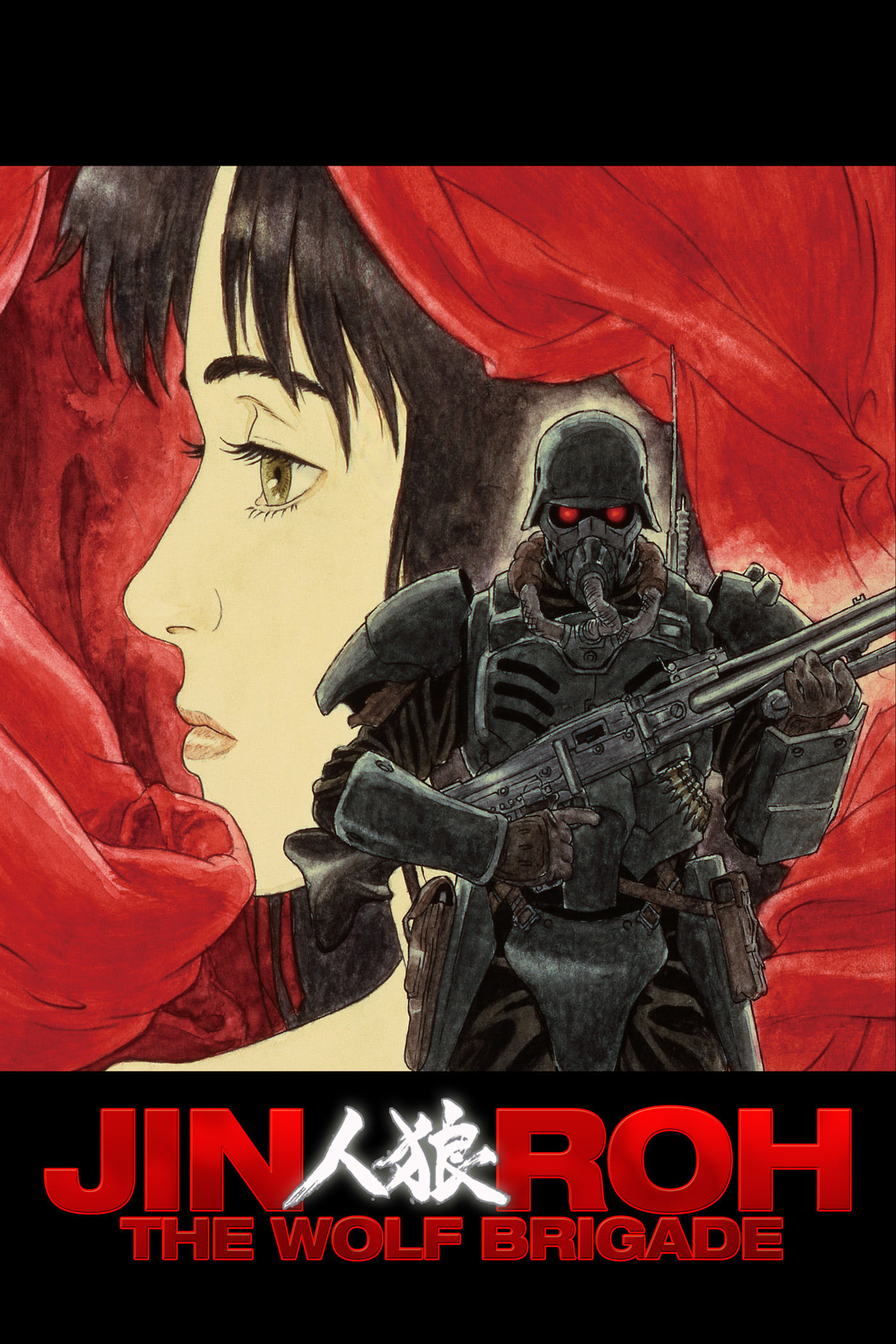
Set in an alternate postwar Japan, this film is scripted by Mamoru Oshii and directed by Hiroyuki Okiura. It centers on a member of a counterterrorism unit and examines security policy, propaganda, and personal trauma. Production I.G’s detailed cityscapes and the armored “Kerberos” gear define its grounded aesthetic. The narrative connects to the broader Kerberos Saga while remaining a self-contained story.
‘Tekkonkinkreet’ (2006)
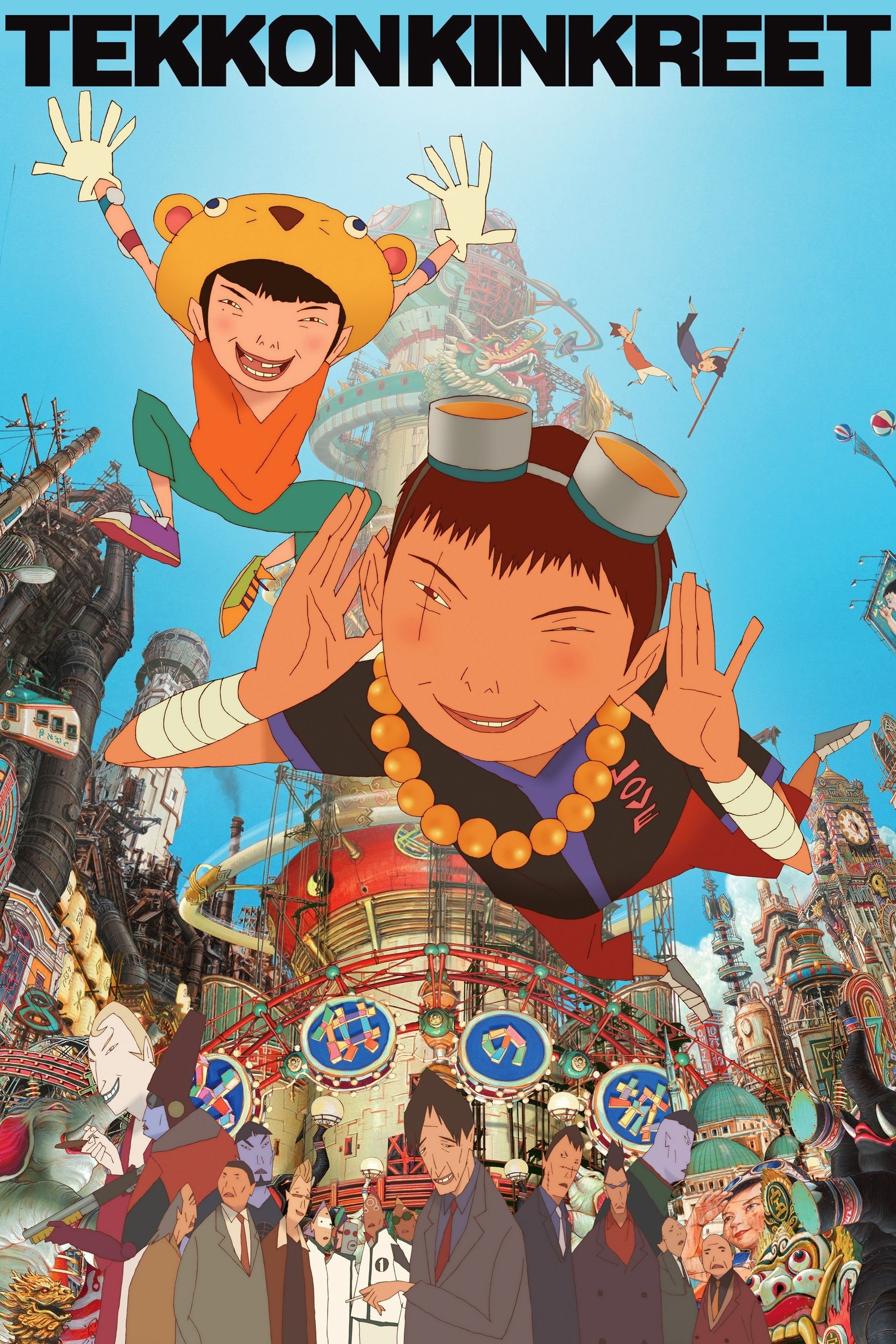
Based on Taiyō Matsumoto’s manga, this Studio 4°C production contrasts a decaying urban playground with sleek redevelopment plans. Director Michael Arias leads fluid camera moves and bold color design to depict the duo of street kids at the city’s center. The soundtrack by Plaid supports the film’s shifting moods between chase sequences and quiet interludes. Its backgrounds and architecture pull from pan-Asian and European influences.
‘Mind Game’ (2004)
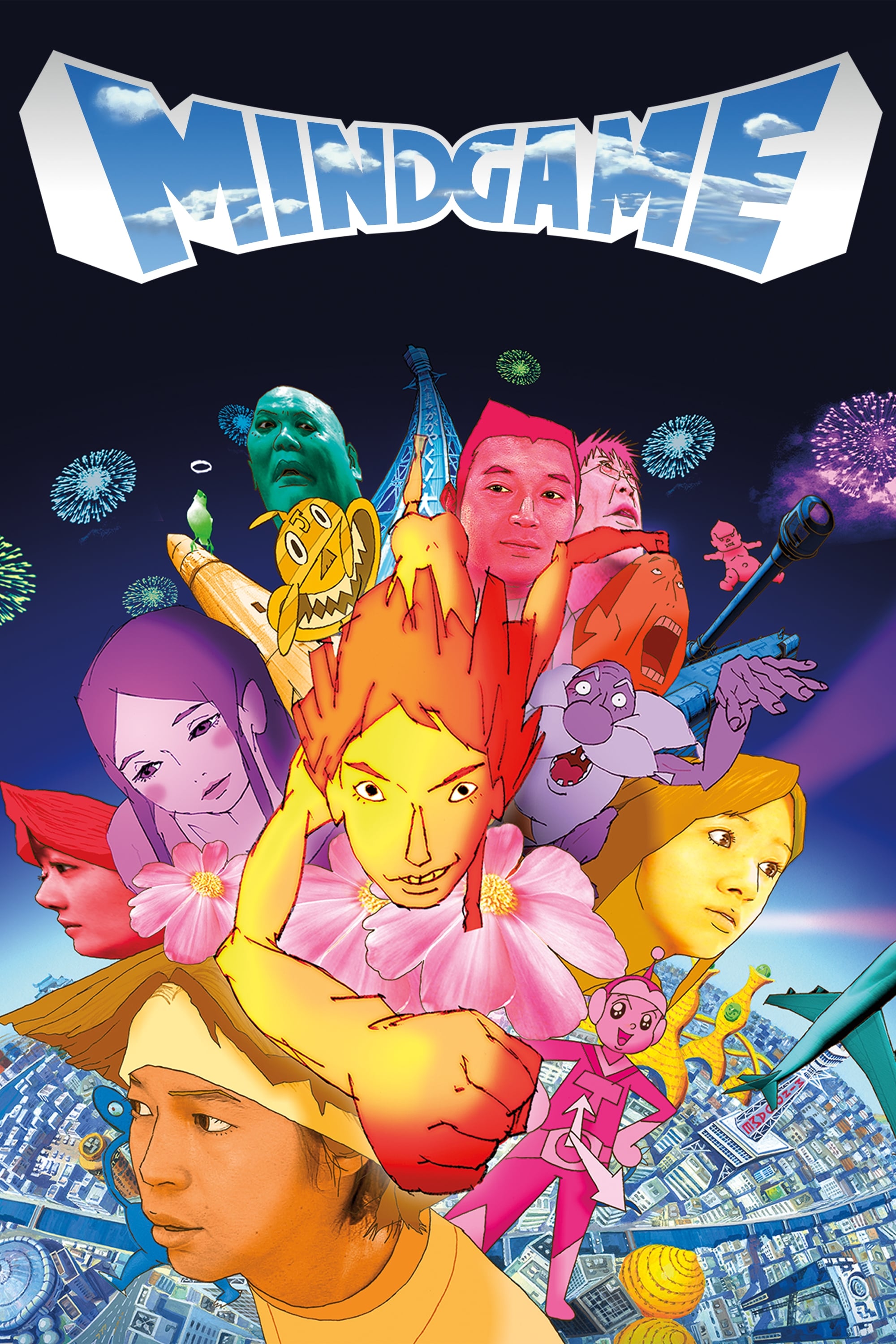
Masaaki Yuasa’s feature debut for Studio 4°C combines mixed-media techniques, abrupt shifts in character design, and wild perspective changes. The plot follows a young man whose brush with death pushes him into a surreal odyssey involving gangsters, a whale, and reinvention. Rapid montage and rotoscoped elements accentuate the story’s improvisational energy. The film helped define Yuasa’s experimental approach seen in later works like ‘The Tatami Galaxy’ and ‘Ride Your Wave’.
‘Redline’ (2009)
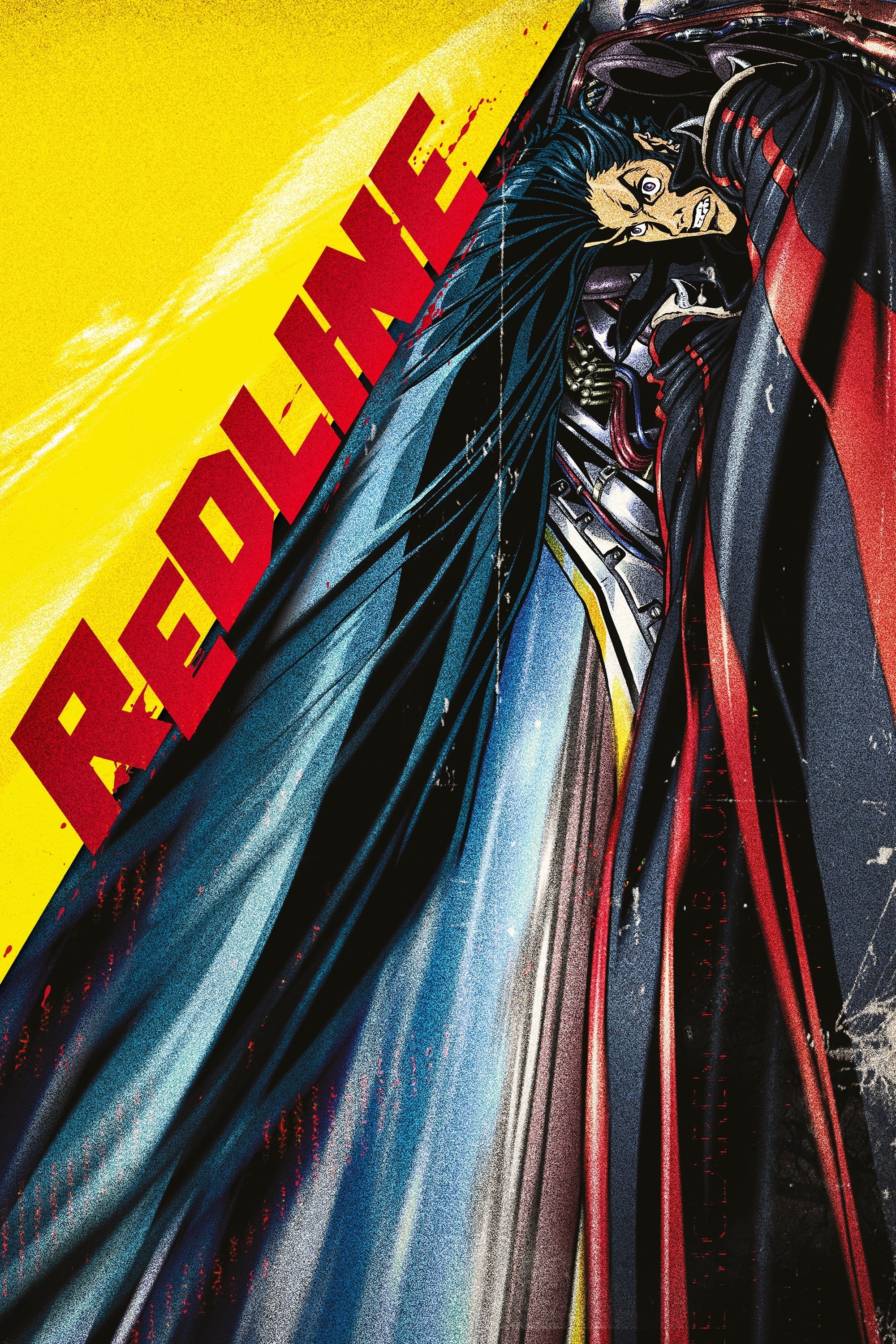
Produced by Madhouse and directed by Takeshi Koike, this hand-animated racing spectacle was developed over several years to achieve its high-density frames. The story centers on an outlaw interplanetary race held on a militarized planet. Thick linework, exaggerated character silhouettes, and kinetic cuts create a distinctive visual identity. Its soundtrack and sound design emphasize engines, crowds, and weaponized vehicles.
‘Colorful’ (2010)
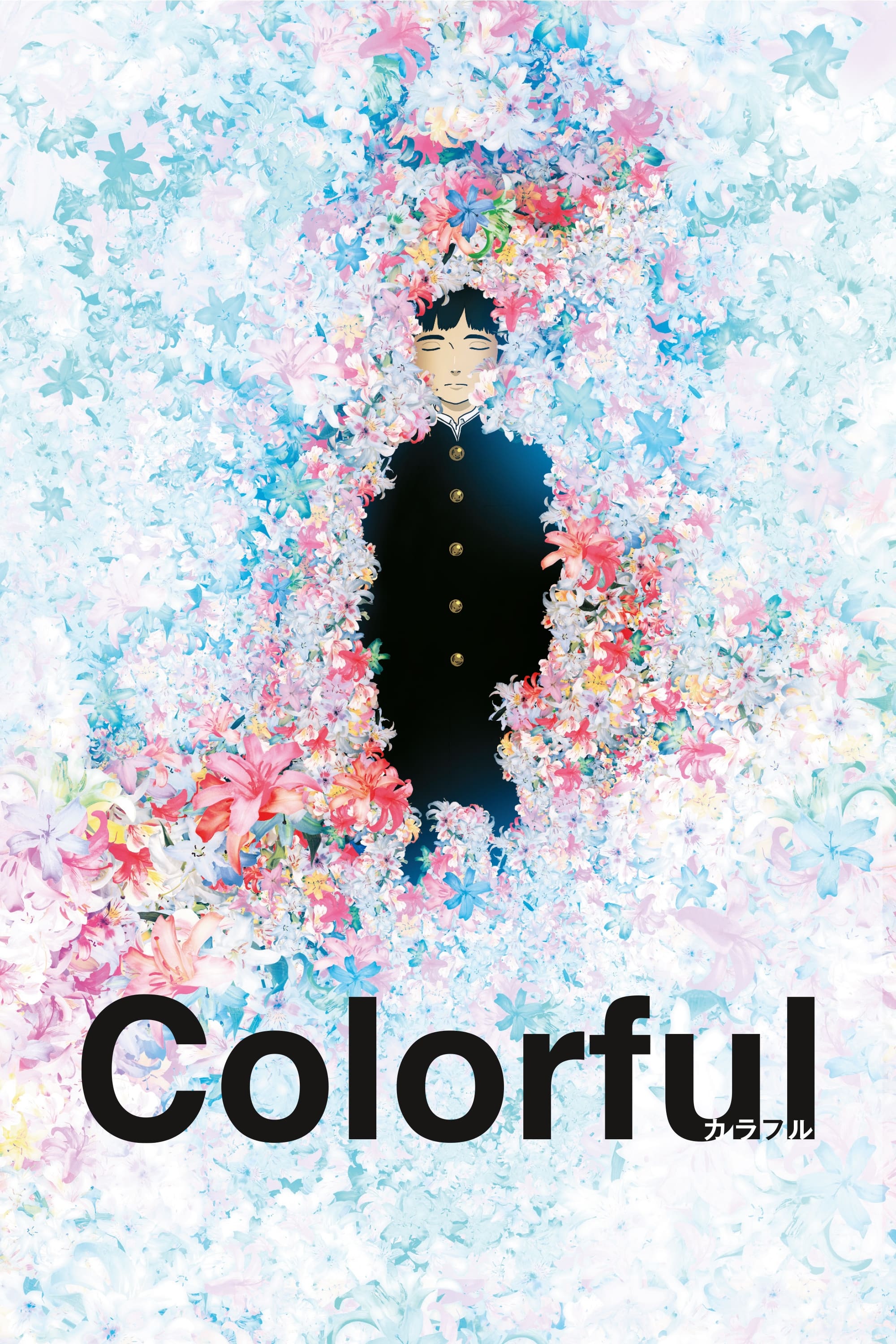
This drama from director Keiichi Hara adapts Eto Mori’s novel about a soul given a second chance inside a teenager’s body. The film explores family dynamics, school pressures, and the process of uncovering hidden truths. Realistic suburban settings and restrained character animation highlight everyday detail. The narrative unfolds as a mystery that gradually recontextualizes the protagonist’s relationships.
‘A Letter to Momo’ (2011)
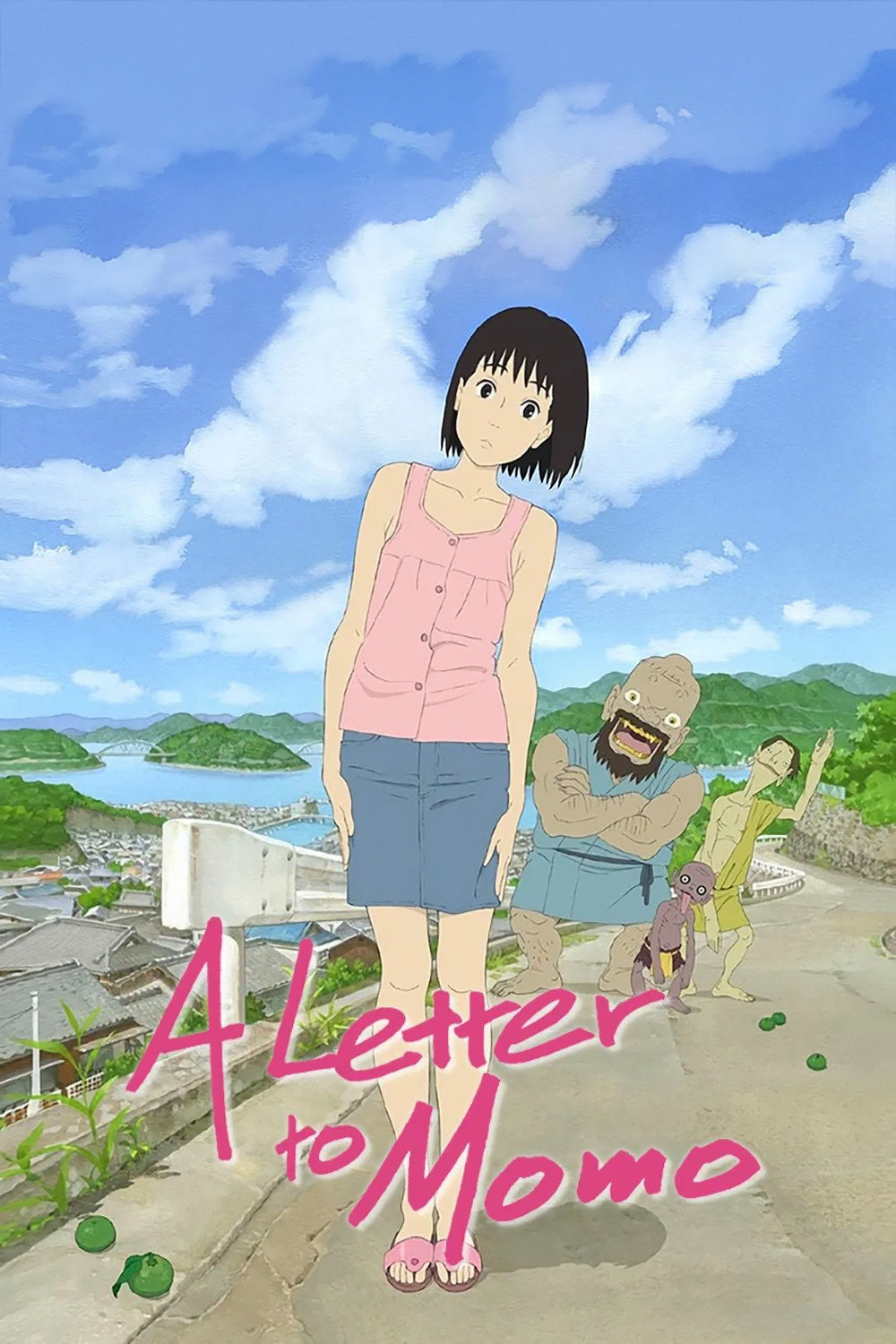
Director Hiroyuki Okiura returned to helm this supernatural coming-of-age story produced by Production I.G. It follows a girl who moves to a remote island and encounters yokai while deciphering an unfinished message from her father. The film emphasizes hand-drawn facial acting and richly observed island life, from markets to traditional homes. Water, clouds, and weather shifts play a major role in scene transitions.
‘Patema Inverted’ (2013)
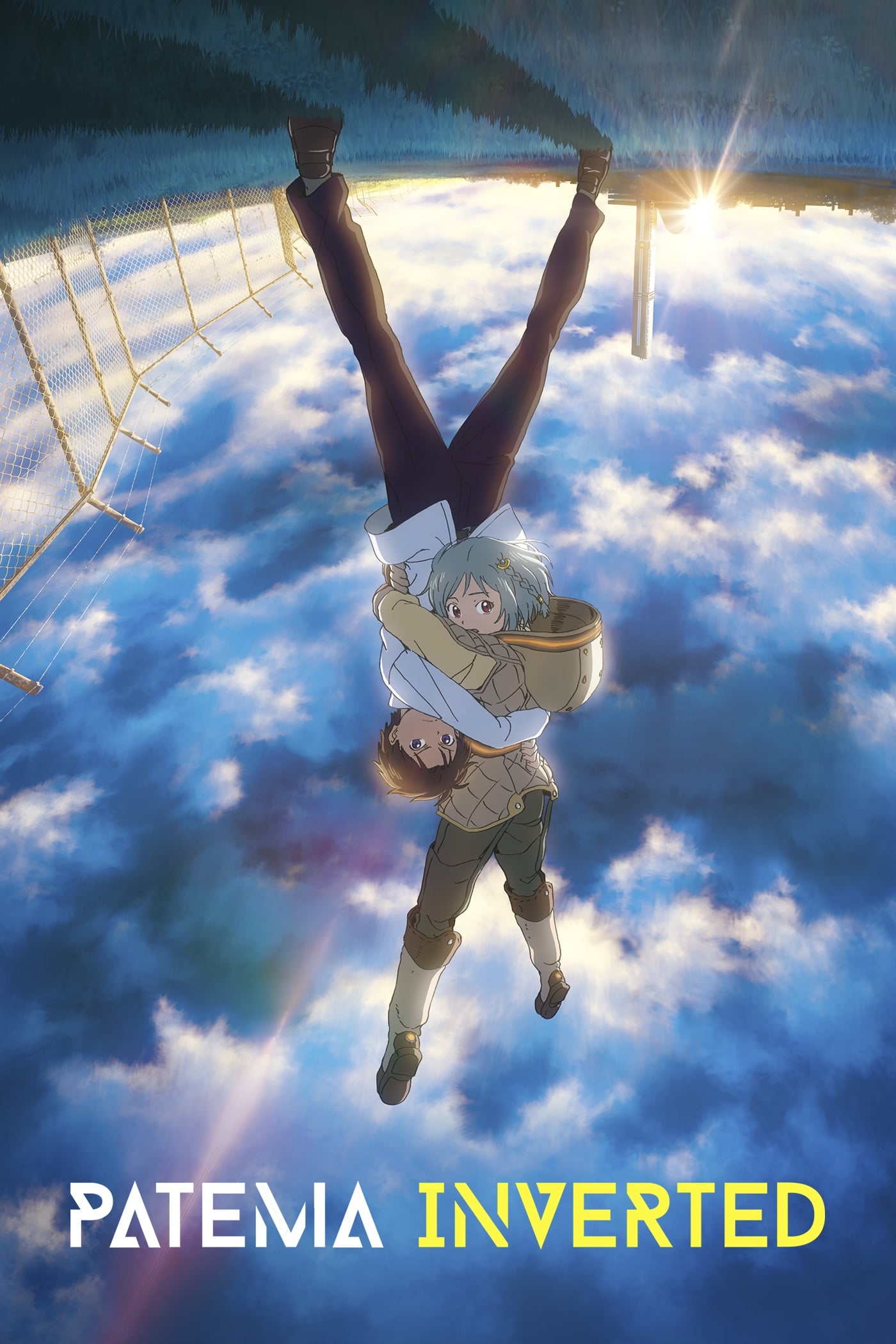
Yasuhiro Yoshiura’s sci-fi adventure hinges on two societies with opposing gravity, leading to inventive staging and layout. The film uses rotated camera frames and inverted horizons to convey the characters’ physical and social barriers. It examines environmental accidents, authoritarian control, and the courage needed to bridge worlds. The original concept grew from web shorts before expanding into a feature.
‘Expelled from Paradise’ (2014)
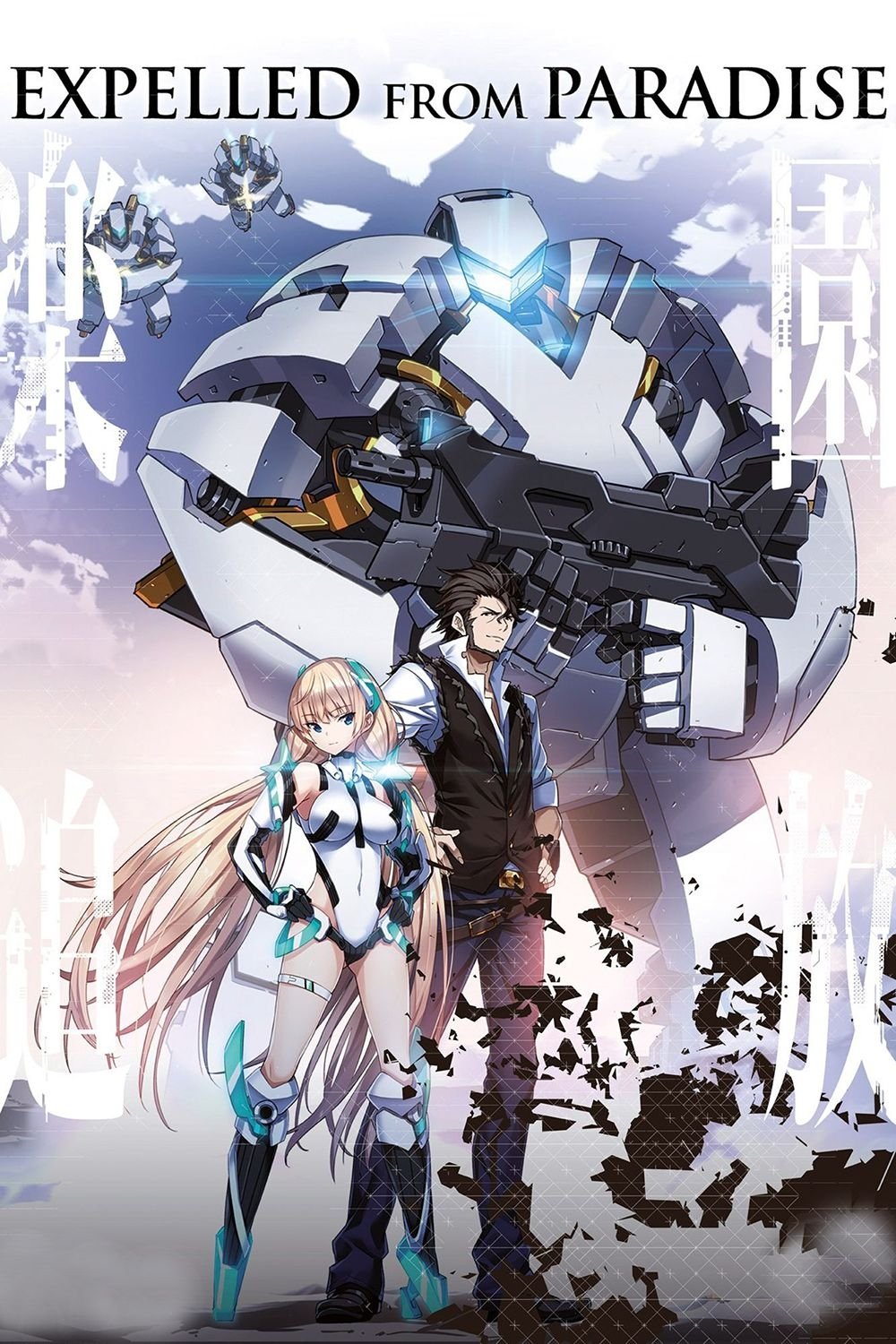
A collaboration between Toei Animation and Nitroplus, this hybrid-CG film is directed by Seiji Mizushima with a screenplay by Gen Urobuchi. The plot pairs a security agent from a digital space habitat with a frontier detective on Earth to track a rogue signal. Action scenes emphasize weighty mecha movement and desert vistas. The story raises questions about identity, embodiment, and governance in post-disaster society.
‘Harmony’ (2015)
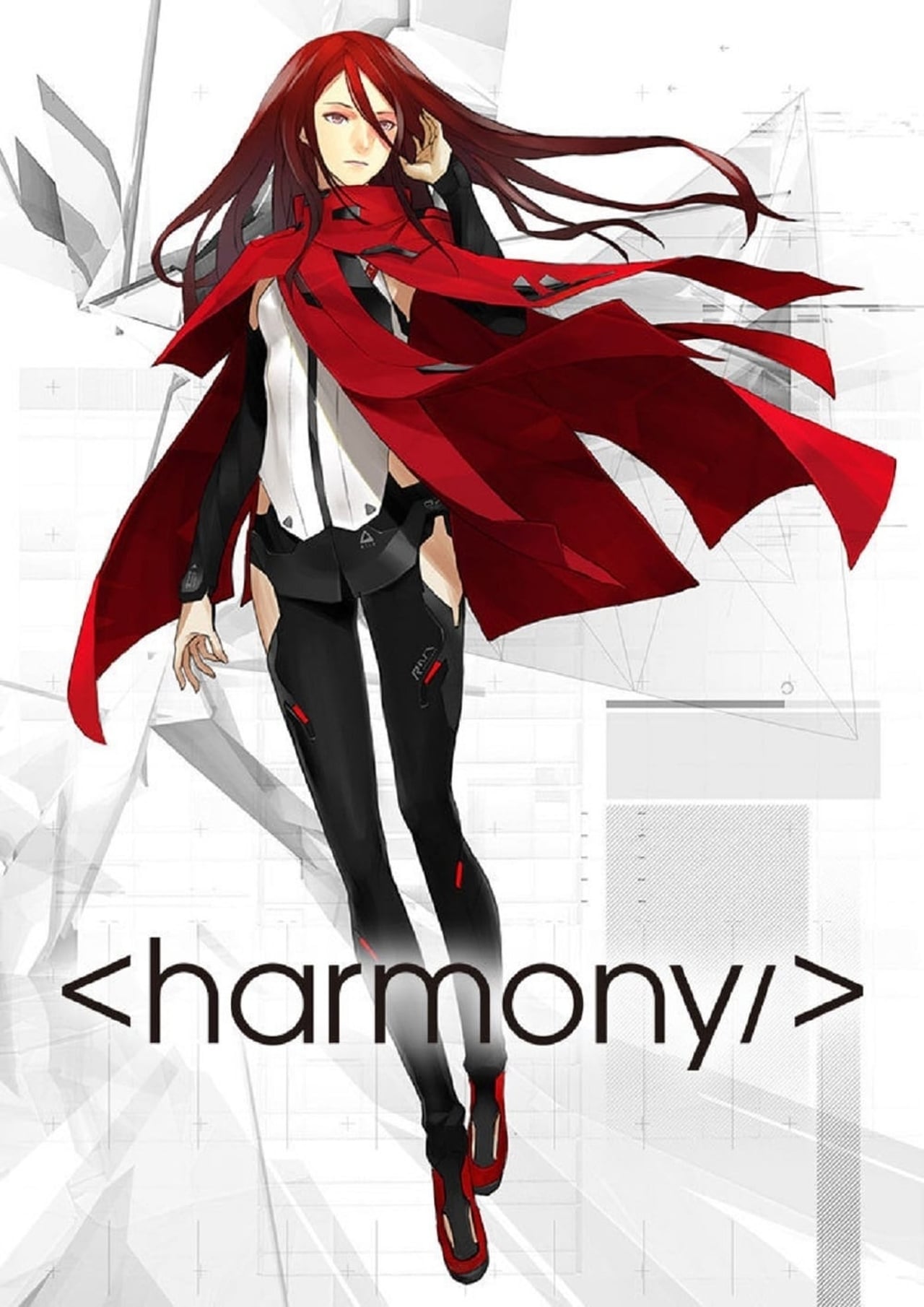
Part of the ‘Project Itoh’ trilogy of adaptations, this film is produced by Studio 4°C and directed by Michael Arias and Takashi Nakamura. It presents a health-optimized utopia maintained by compulsory biomedical oversight. The narrative follows former dissidents confronting a system that equates wellness with compliance. Visual motifs include clean, sterilized architecture contrasted with subversive typography and AR interfaces.
‘Lu Over the Wall’ (2017)
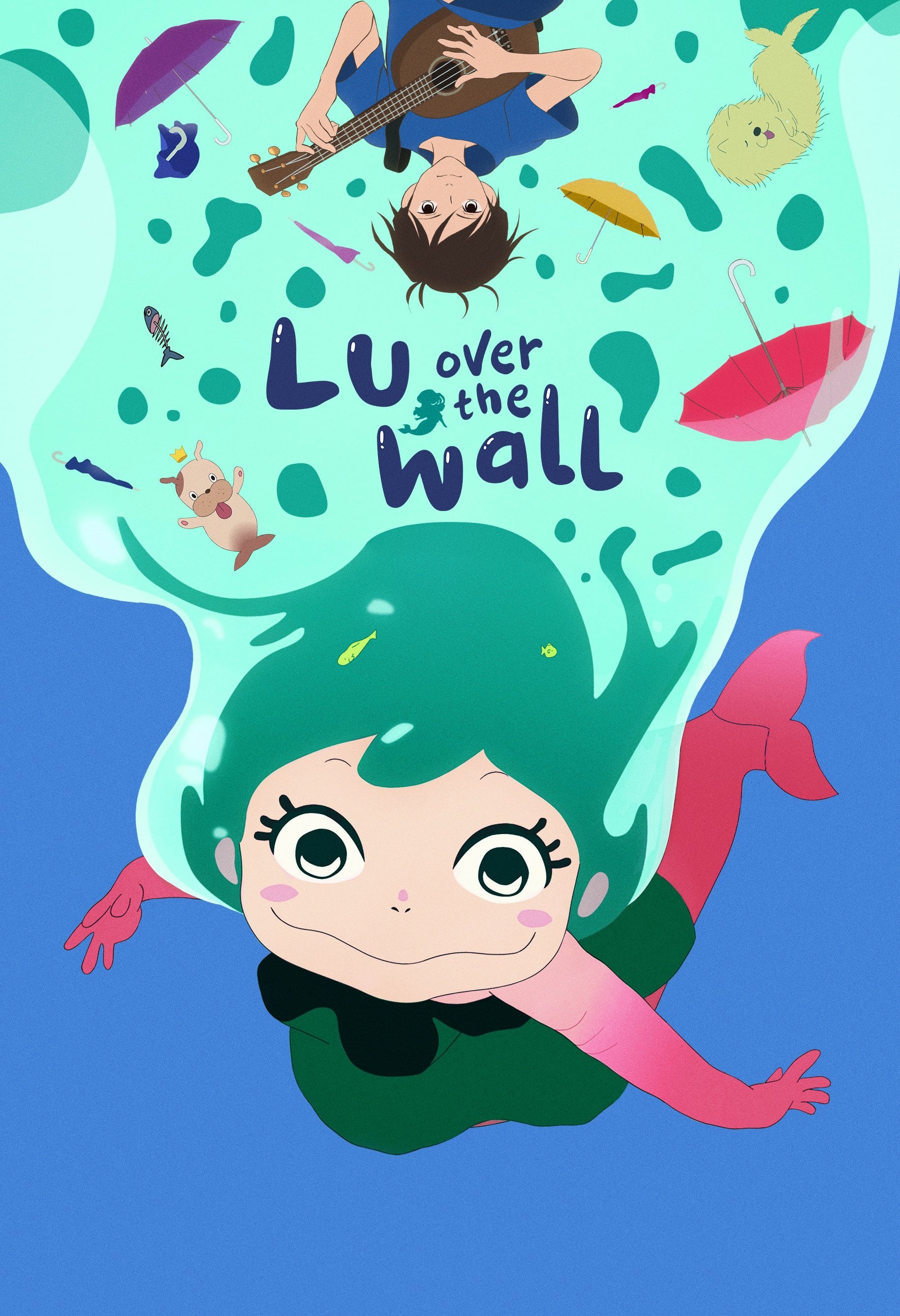
Masaaki Yuasa and Science SARU deliver a musical fantasy about a seaside town and a mermaid whose singing alters tides—and tempers. The film features rubbery, high-tempo animation that shifts into musical set pieces. Coastal festivals, local industries, and flood control infrastructure are depicted with playful exaggeration. Its character designs prioritize elastic motion for dance sequences and crowd scenes.
‘The Night Is Short, Walk on Girl’ (2017)
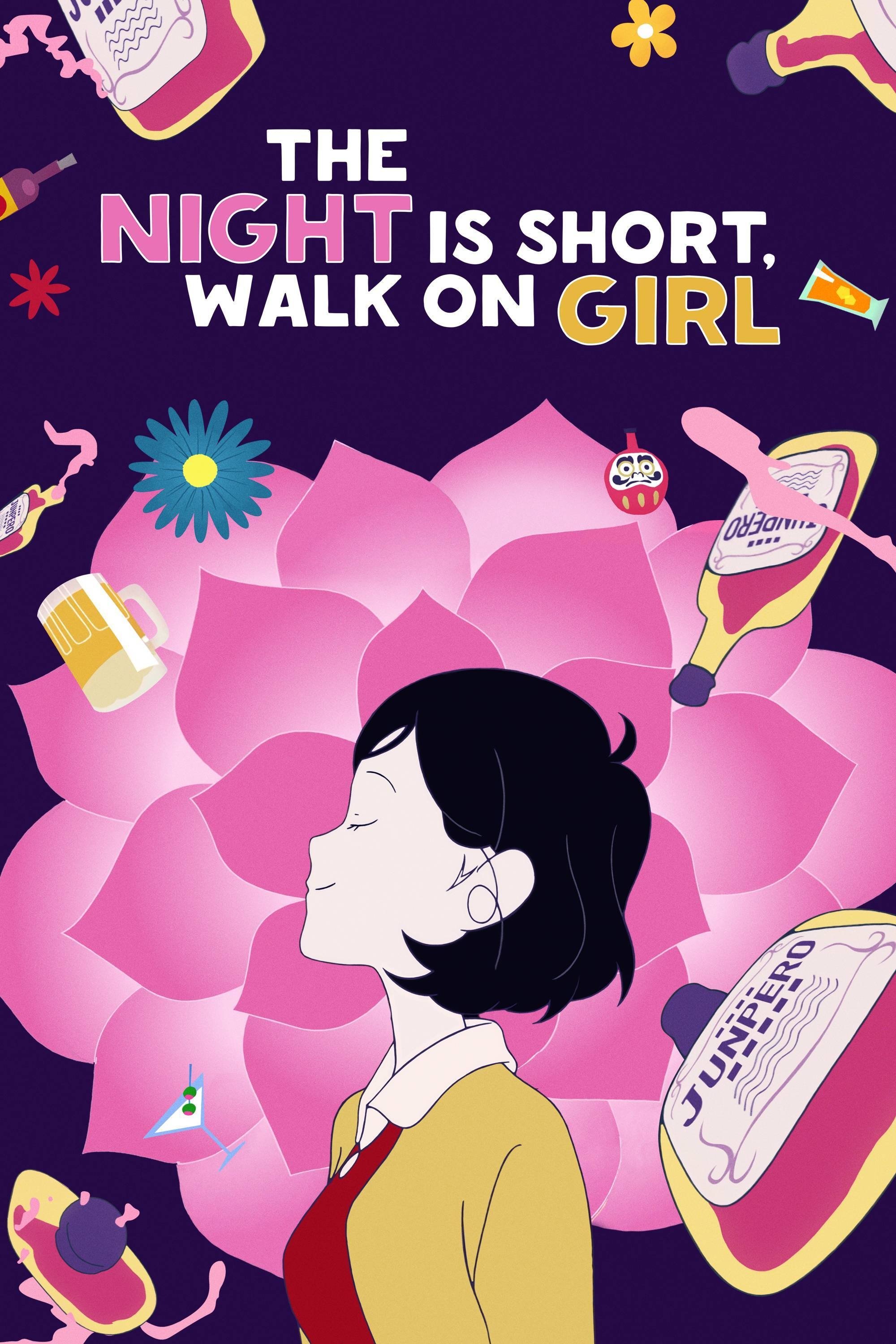
From director Masaaki Yuasa and Science SARU, this adaptation of Tomihiko Morimi’s novel follows an unpredictable night through Kyoto. Visual transitions connect bars, bookstores, and campus events into one continuous, stylized crawl. The ensemble cast includes recurring figures from the shared world of ‘The Tatami Galaxy’. Typography, signage, and stage-like staging guide viewers through each vignette.
‘Penguin Highway’ (2018)
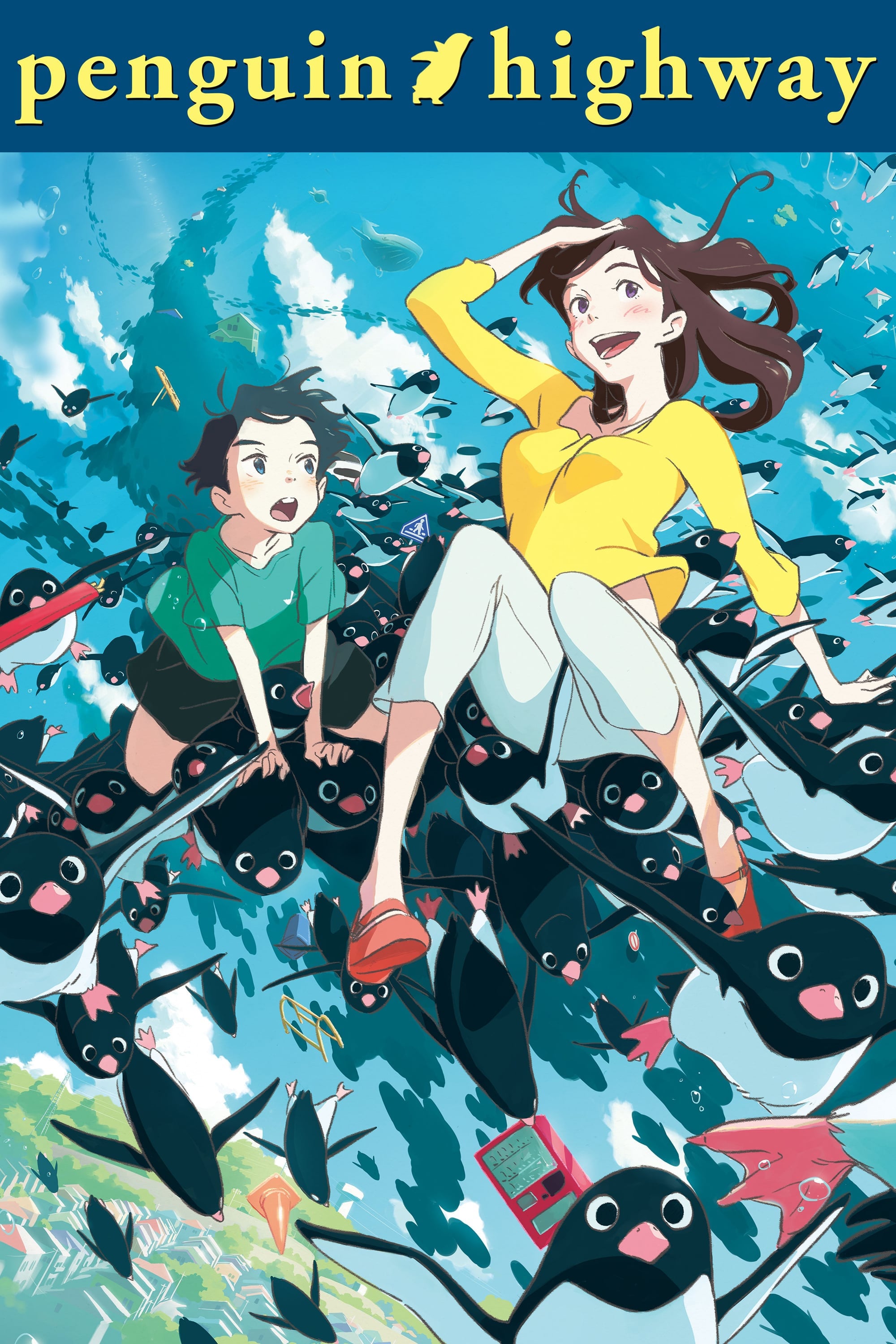
Studio Colorido adapts Tomihiko Morimi’s novel about strange phenomena appearing in a suburban town and a curious boy’s investigation. The film blends observational science notes with playful surrealism. Background art highlights convenience stores, residential streets, and school labs with precise detail. Its central mystery unfolds through experiments, diagrams, and careful fieldwork by the young leads.
‘Ride Your Wave’ (2019)
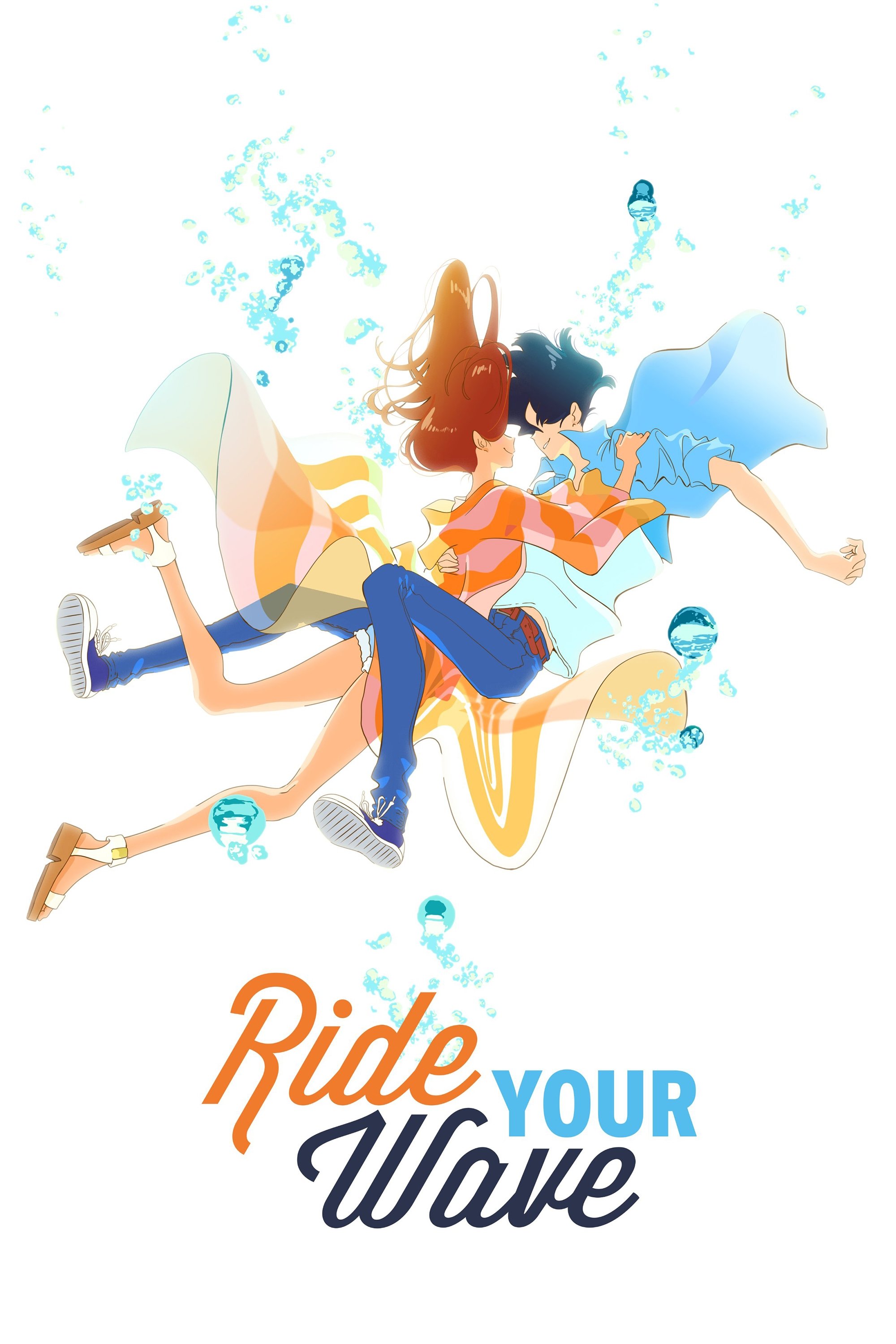
Science SARU and director Masaaki Yuasa craft a romance that uses surfing, firefighting, and water metaphors to track growth and grief. The film’s animation emphasizes fluid simulation for waves and reflective surfaces. City planning, emergency response routines, and beach culture are presented with grounded detail. A recurring pop song ties key moments to character memory and motivation.
‘Children of the Sea’ (2019)
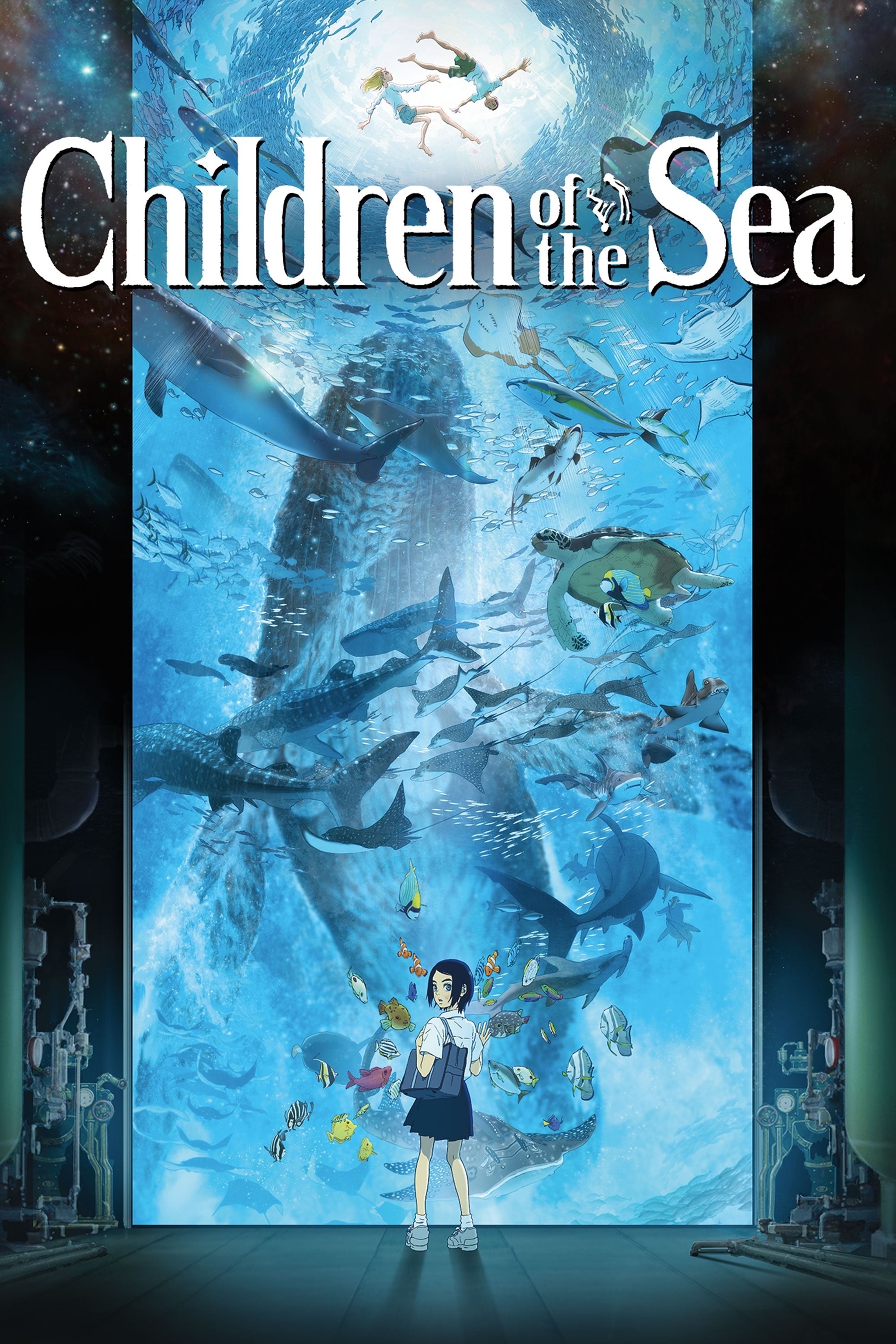
Studio 4°C adapts Daisuke Igarashi’s manga into an oceanic mystery that leans on painterly textures and complex compositing. The story follows a girl drawn into research surrounding two boys with unusual marine connections. Sound design layers whale calls, currents, and harbor ambience into the score. Celestial imagery and natural history exhibits connect planetary cycles to human experience.
‘Words Bubble Up Like Soda Pop’ (2020)
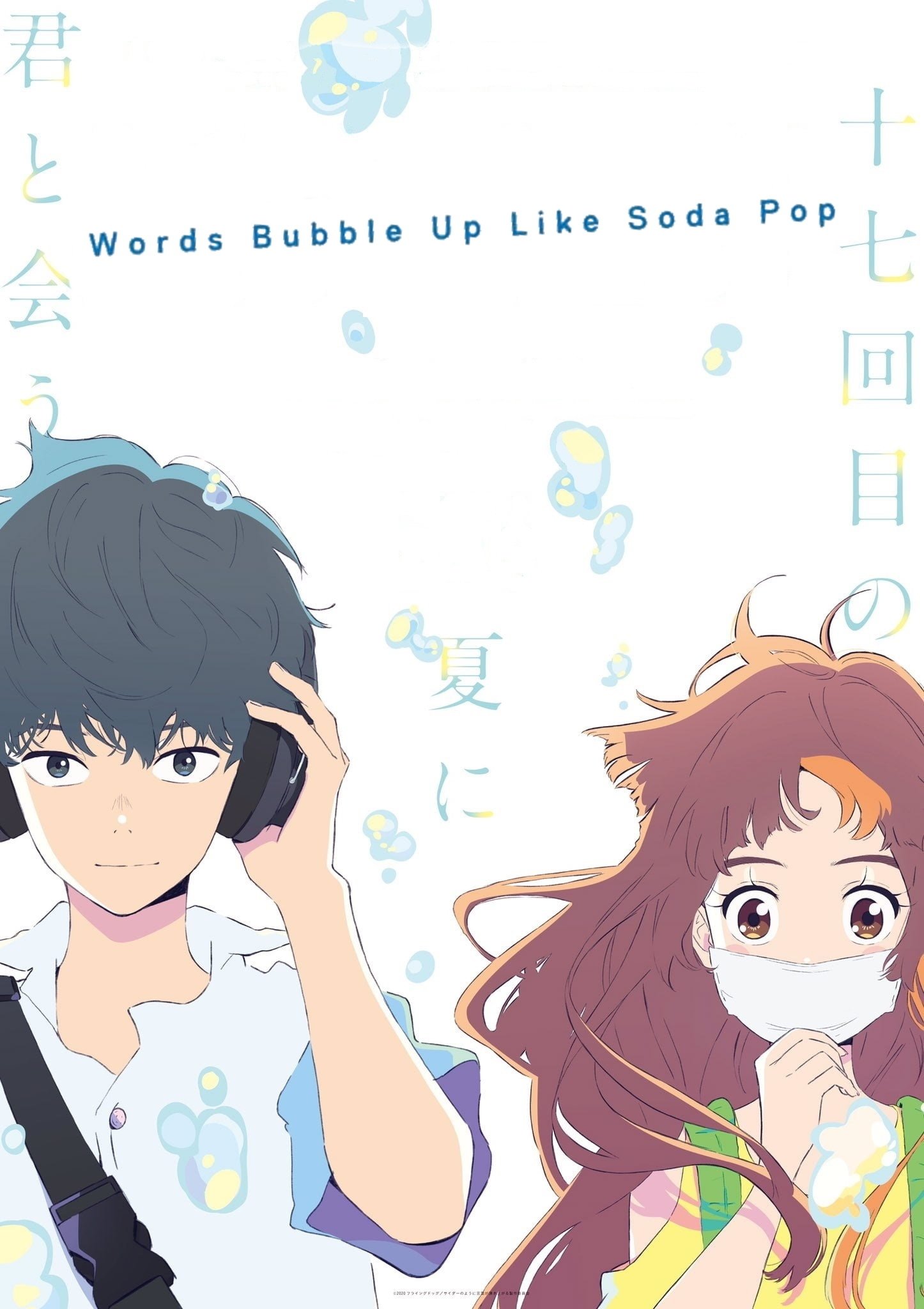
Kyohei Ishiguro directs this bright, graphic feature for Signal.MD and Sublimation about a shy haiku writer and a streamer who hides behind a mask. Pop-art color blocks, large text overlays, and sticker-like UI define its visual grammar. The plot weaves in elder care, community malls, and the preservation of analog media. Haiku structure appears onscreen as the lead refines drafts tied to daily encounters.
‘Summer Ghost’ (2021)
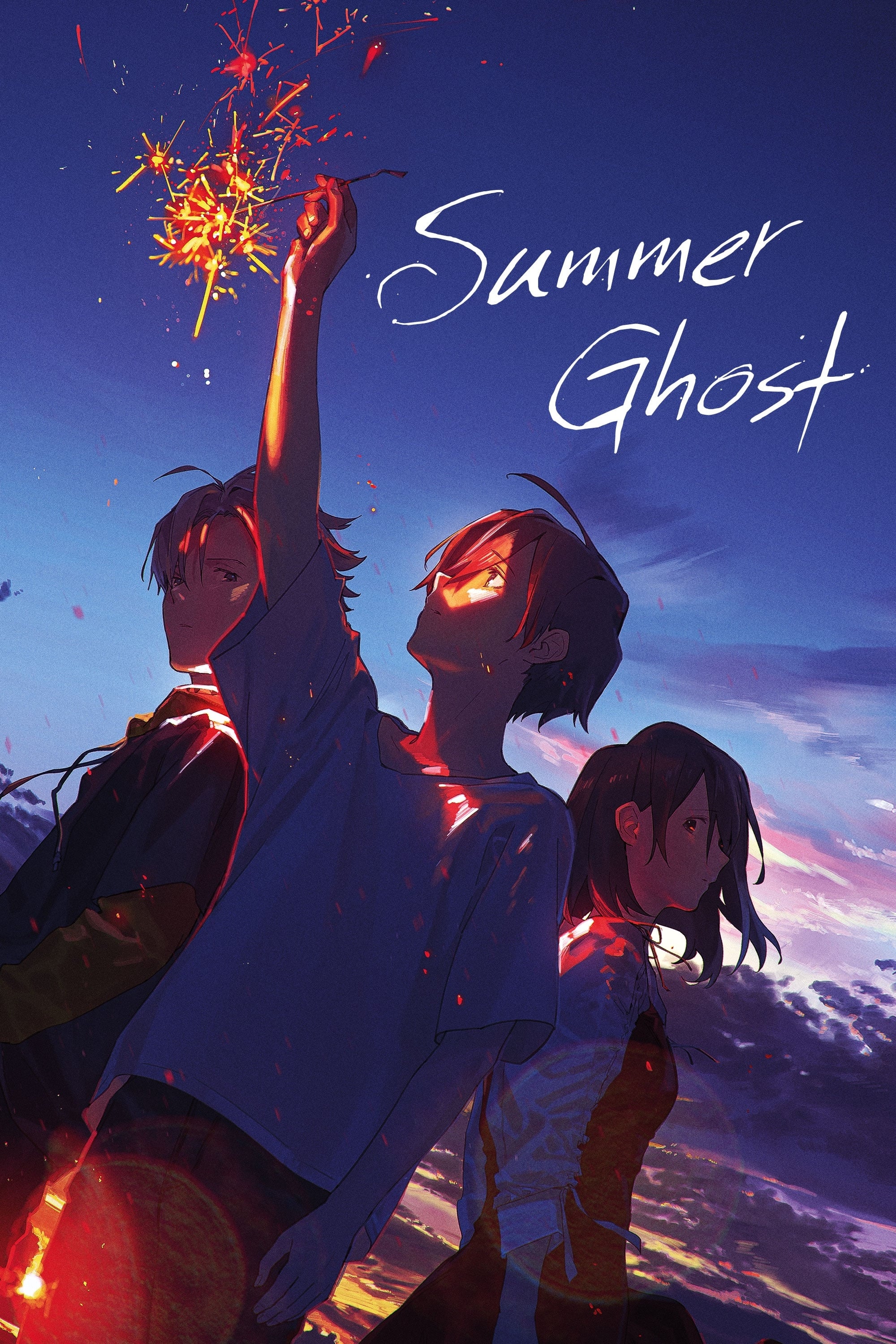
This short feature directed by loundraw and produced by Flat Studio blends hand-drawn characters with soft-focus backgrounds. The story centers on three students who seek a rumored spirit to confront personal crossroads. The production uses restrained sound and minimal effects to foreground conversation and small gestures. Its visual style extends loundraw’s illustration approach, with emphasis on light, dusk skies, and narrow depth of field.
Share your own overlooked favorites in the comments so everyone can discover even more hidden gems.