

20 Most Satisfying “Level Up” Animations

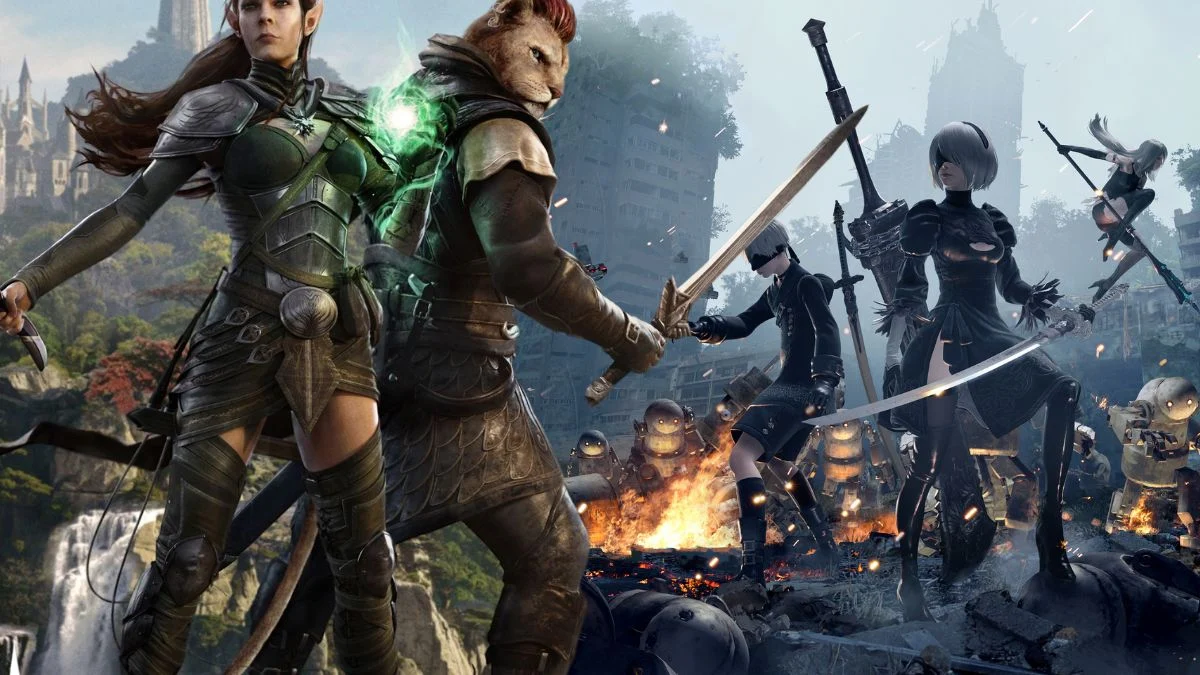


Leveling up is more than a stat boost when the game makes the moment feel earned, and some titles turn that instant into a little celebration you can’t miss. These games pair their progression systems with clear visual cues, sound effects, and UI that tell you exactly what changed and why it matters. You see new skills light up, perk points appear, and combat feedback adjust right away. It all helps players understand their growth and plan the next step without breaking the flow of play.
‘Final Fantasy VII Remake’
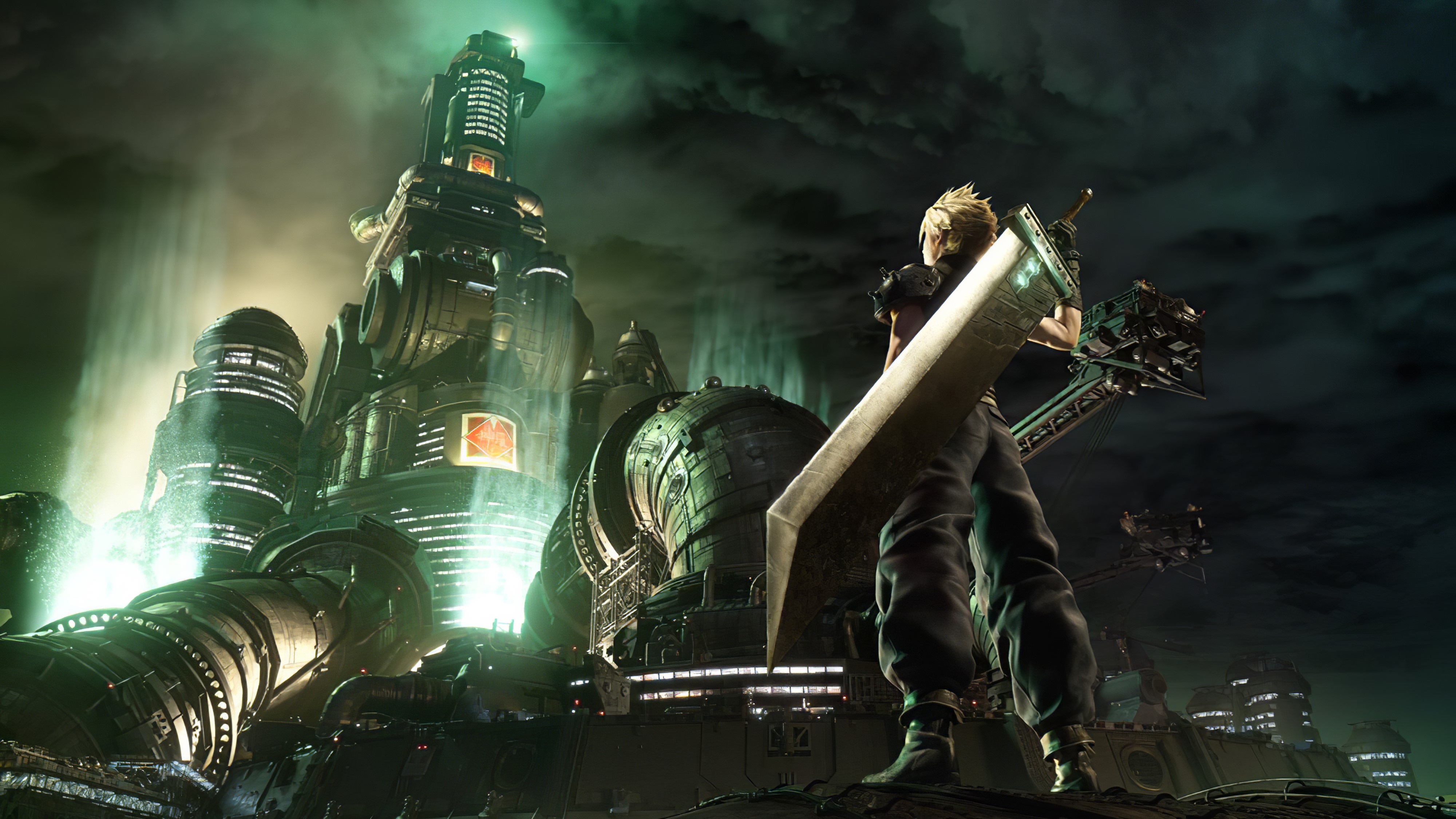
After battles, the results screen highlights experience gains and clearly flags level increases with a bold “Level Up” callout and signature fanfare. The game shows new ability unlocks on weapon upgrade trees so you can spend SP on cores immediately. Materia leveling runs in parallel, and the UI lists AP progress so support spells and command abilities evolve alongside character levels. You can review all changes in the party menu to slot upgraded Materia or reassign roles without hunting through submenus.
‘Persona 5 Royal’

When a Phantom Thief levels up, the post-battle card spread lists stat gains and newly learned skills by name. The game also tracks Persona level growth separately, showing skill acquisitions and resistances right on the results screen. If a skill list is full, the prompt to replace abilities appears right there so you can manage builds without leaving combat flow. Confidant ranks can modify experience and skill interactions, and those effects are summarized in the menu for quick reference.
‘Diablo IV’
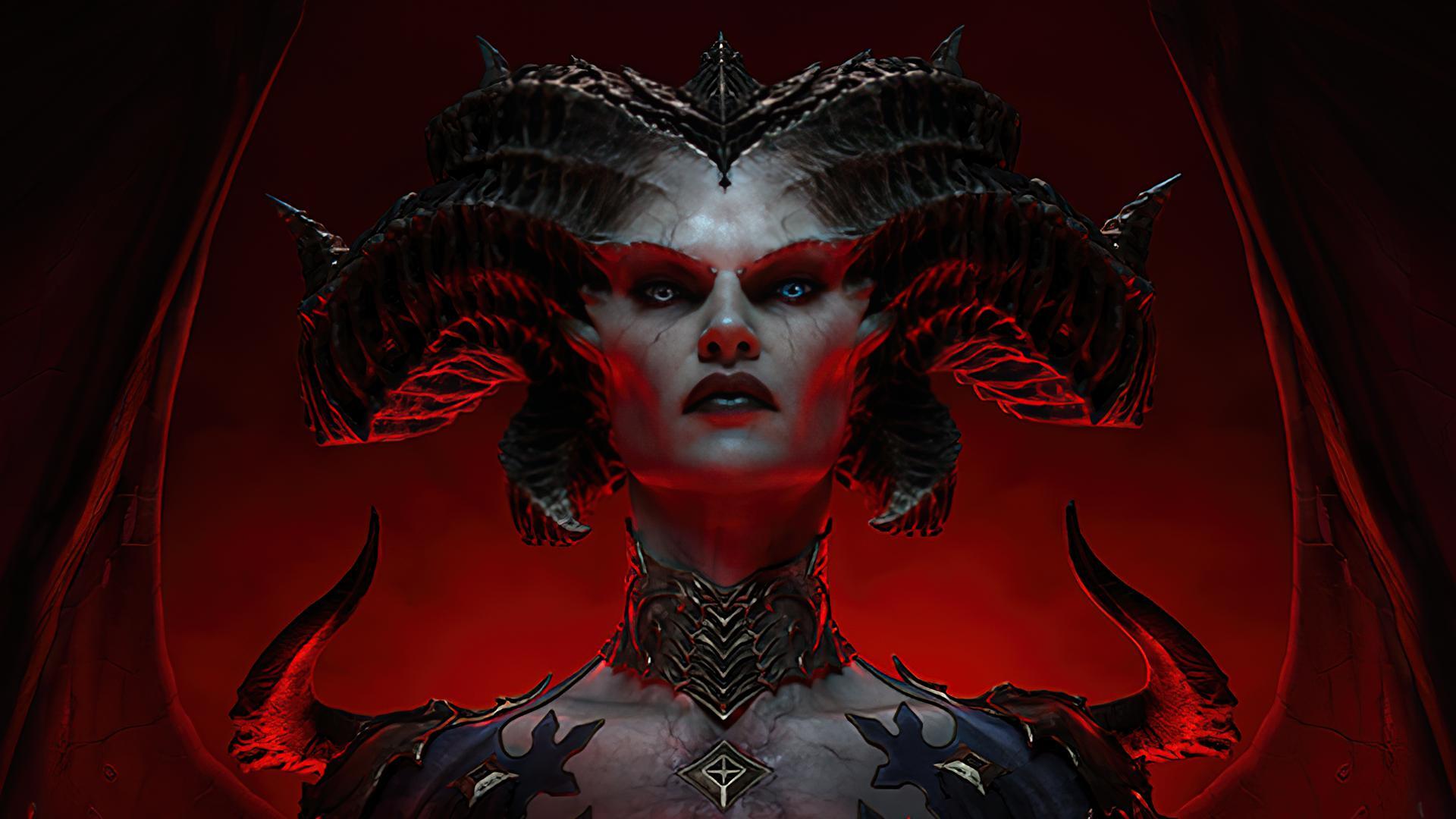
Leveling triggers an on-screen glow and an audio cue, then grants skill points you allocate on a class-specific board. The tree shows new clusters that open at specific levels, and the UI marks recommended paths for core builds. Each level also contributes to renown thresholds that award extra skill and potion capacity, and the journal tracks what activities move those bars. World Tier choices affect experience gains, and the map indicates efficient activities such as Helltides or Nightmare Dungeons.
‘World of Warcraft’

A level increase pops with a center-screen banner and sound cue, then a toast lists any new spells or passives. The spellbook highlights fresh abilities, and trainers or class halls in certain expansions may be referenced if needed. Talent systems vary by expansion, and the current tree immediately shows available picks at the new level. The quest tracker and dungeon finder also update eligibility, so you can queue for new content the moment it unlocks.
‘Hades’
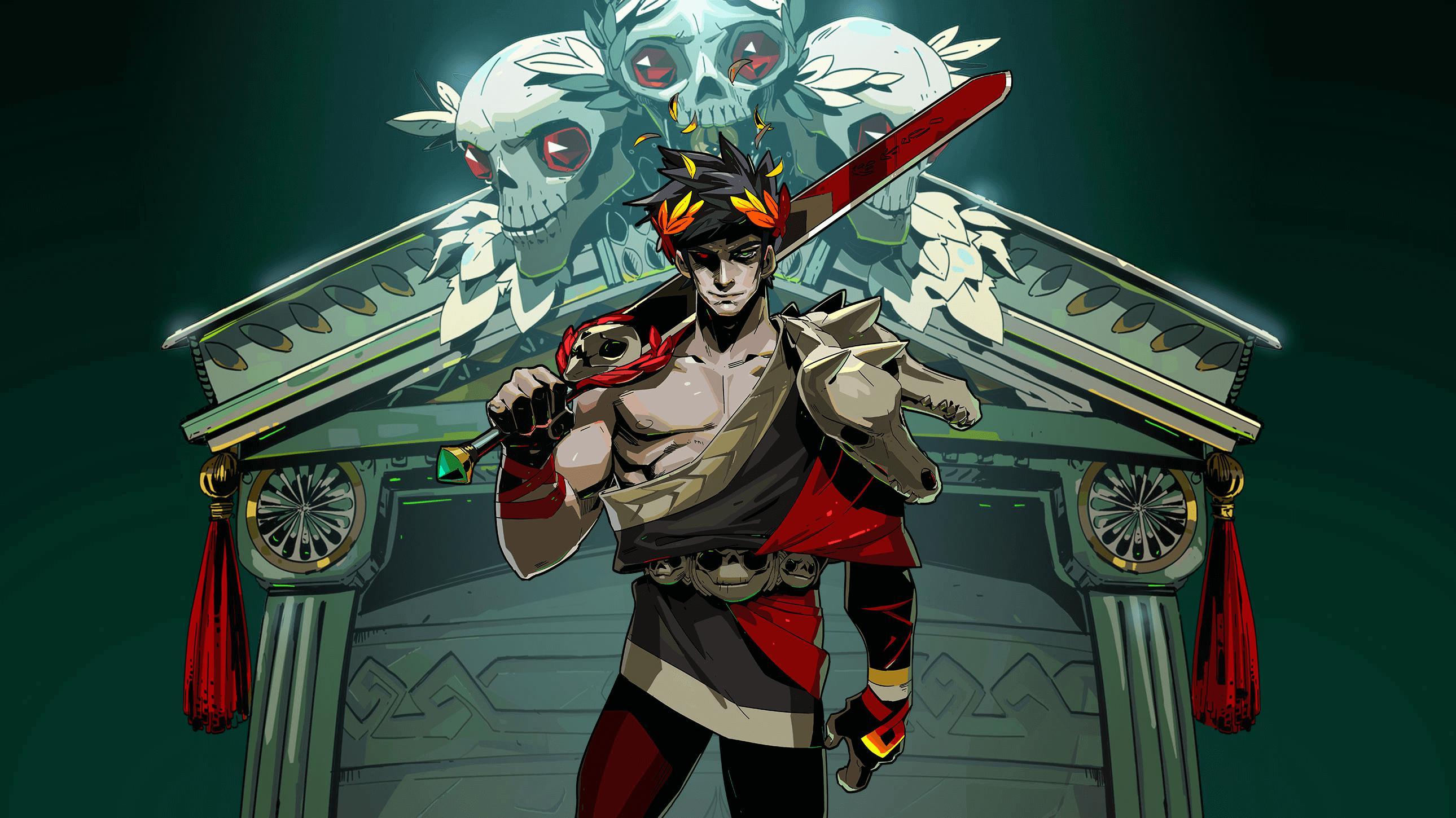
Each escape attempt tallies darkness and experience-like resources, and weapon aspects and Mirror of Night upgrades reflect your growth between runs. Boon keepsakes and contractor upgrades become available in batches that correspond to your progress milestones. The House Contractor and Mirror menus highlight newly affordable upgrades after a successful run. Weapon aspects display level pips and cost, and the armory shows exact changes to attack types so you can compare builds quickly.
‘Genshin Impact’

When a character levels up, the screen shows stat increases and a bright flourish around the portrait. Ascension thresholds display required materials, and the game links those items to domains and bosses for quick routing. Talent level caps and weapon ascensions appear in the same character panel, so the next steps are visible at a glance. Adventure Rank milestones unlock features, and the handbook outlines which activities yield the fastest experience materials.
‘Borderlands 3’

A dramatic on-screen burst confirms the level increase, and you receive a skill point that plugs into the branching action-skill trees. The UI labels augments and new action-skill variants as they unlock, and class mods update stat rolls to match the new level cap. Enemy scaling and gear drops follow your level, and item cards show exact damage or bonus improvements. Guardian Rank progression runs in parallel and grants account-wide bonuses, all tracked in a separate panel.
‘Dragon Quest XI’

The battle results screen displays a clear “Level Up” with a list of stat increases and learned spells. Skill points drop into character panels where weapons and vocation trees expand in visible clusters. Revealed tiles show icons for techniques, passives, and hidden panels, making it simple to plan routes. The party builder indicates new equipment options tied to level, and crafting recipes align with your current stats for steady upgrades.
‘Skyrim’

Leveling fills the central meter, then opens the constellation screen where you assign a perk and choose Health, Magicka, or Stamina. Each constellation highlights perks that meet the new level and skill prerequisites. The UI shows exact numerical effects of perks, such as damage multipliers or cost reductions, so changes are easy to compare. Sleeping grants a restorative bonus for leveling, and standing stones and gear synergize with perk choices shown on the same screen.
‘Fire Emblem: Three Houses’

Unit level-ups trigger during combat with a stat window that lists every increase and highlights strong rolls. Class mastery progresses separately, and the game flags when mastery skills become available. Professor Level and skill training provide additional growth paths, and those meters advance on the calendar with clear summaries. Certification exams become available at stated levels, and requirements appear on the exam screen so you can prep the right skills and seals.
‘Xenoblade Chronicles 3’

Characters level up with a screen overlay that lists stat gains, while class ranks progress independently and unlock arts and master skills. The Class selection menu shows access thresholds and highlights best synergies for each role. Gems, accessories, and fusion arts update to reflect new slots and caps, and the game surfaces these changes in equipment panels. Bonus EXP can be applied at rest spots, with a preview of resulting levels before you commit.
‘Path of Exile’

A level ding triggers a visual pulse and grants passive points for the vast skill atlas, which lights up new adjacent nodes. The game also surfaces gem level-up prompts during combat with clear tooltips showing damage or cost changes. Ascendancy class progress ties to Labyrinth completions, and the panel shows which sub-class nodes become accessible. Map tiers, item level requirements, and crafting bench options update in tooltips as your character advances.
‘Final Fantasy XIV’

A level gain presents a toast listing new actions and traits, and the Actions & Traits menu marks additions by job. Role and job quests unlock at specific levels, and the journal points you to NPCs and locations for those steps. Gear item level recommendations appear for duties, and the duty finder reflects new dungeons or trials. Job gauges and hotbars automatically populate with learned skills, keeping rotations current without manual hunting.
‘League of Legends’
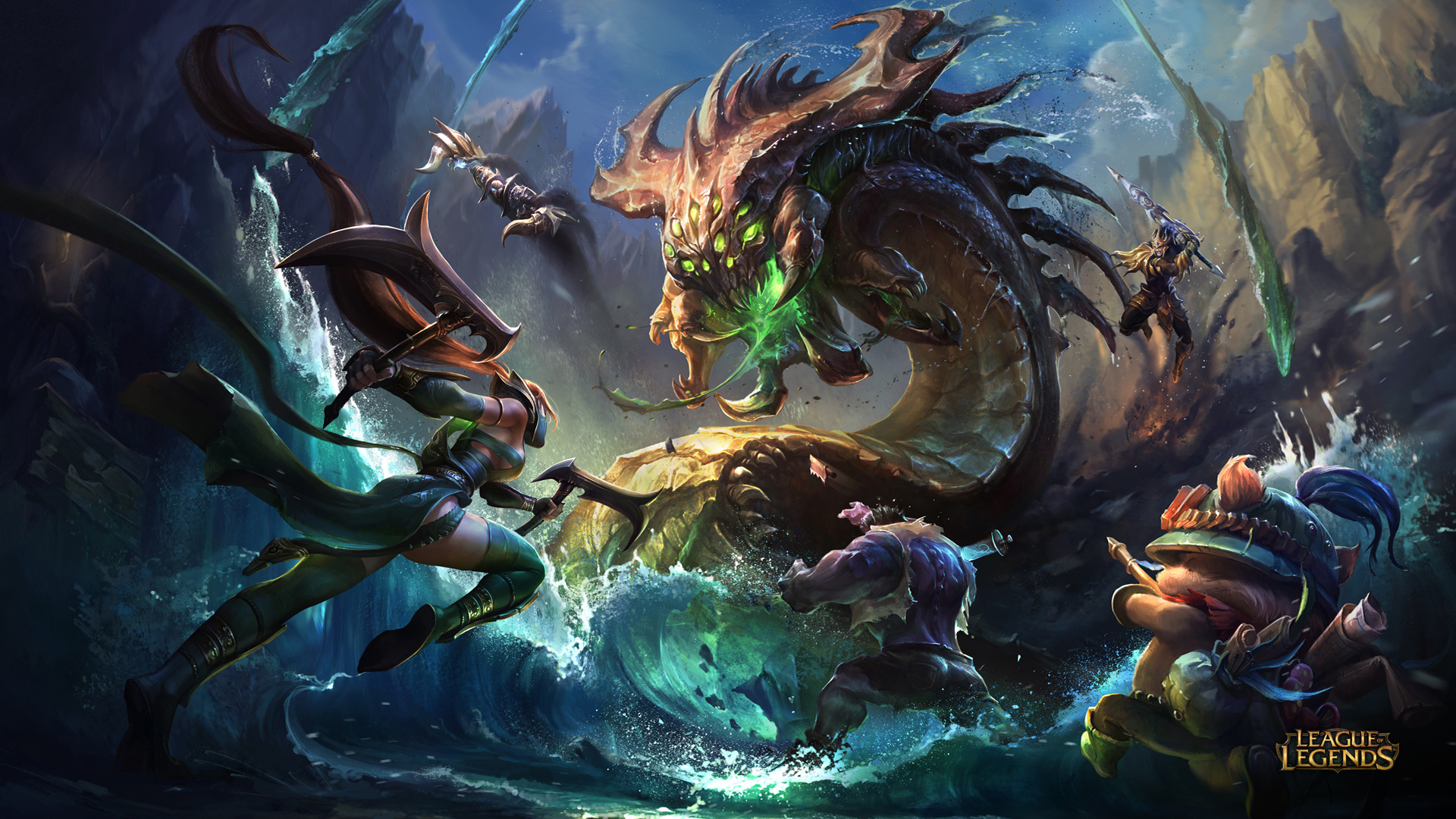
In-match level-ups pulse around the champion and open ability points for Q, W, E, or R. The UI outlines recommended skill leveling orders, and the ultimate becomes available at the set levels with a distinct readiness indicator. Jungle camps, lane minions, and objectives provide predictable experience thresholds displayed on the scoreboard. Item builds and rune choices interact with level breakpoints, and the shop highlights components that fit your current power curve.
‘Assassin’s Creed Odyssey’
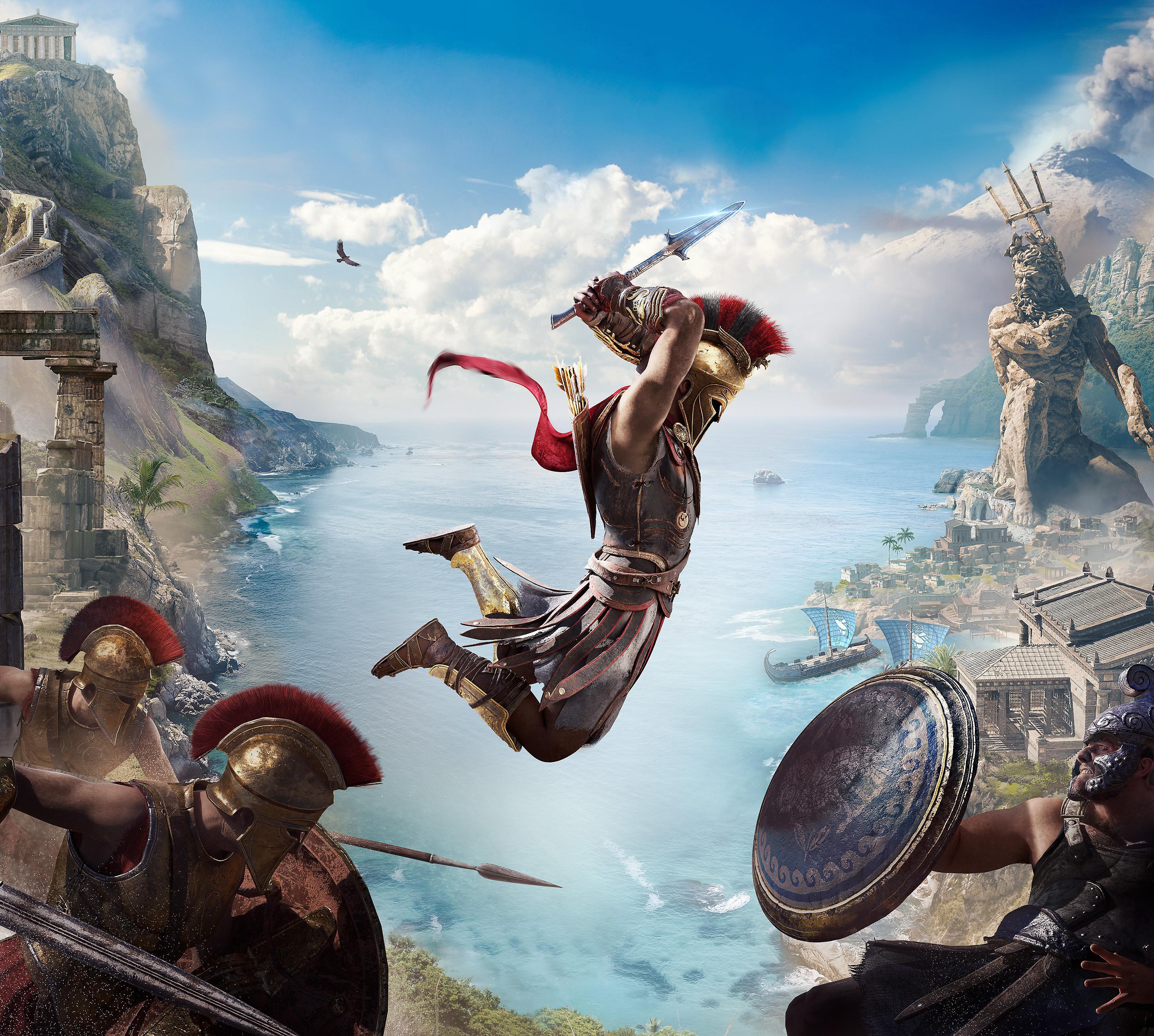
Character levels grant ability points for the Hunter, Warrior, and Assassin trees, with each node previewing exact effects. Engraving tiers and gear quality track to level, and the blacksmith interface reflects new upgrade ceilings. Region and quest recommendations display suggested levels, helping you chart efficient routes. Ship upgrades follow your progression, and the docks panel signals material requirements that align with your character’s current level.
‘Tales of Arise’
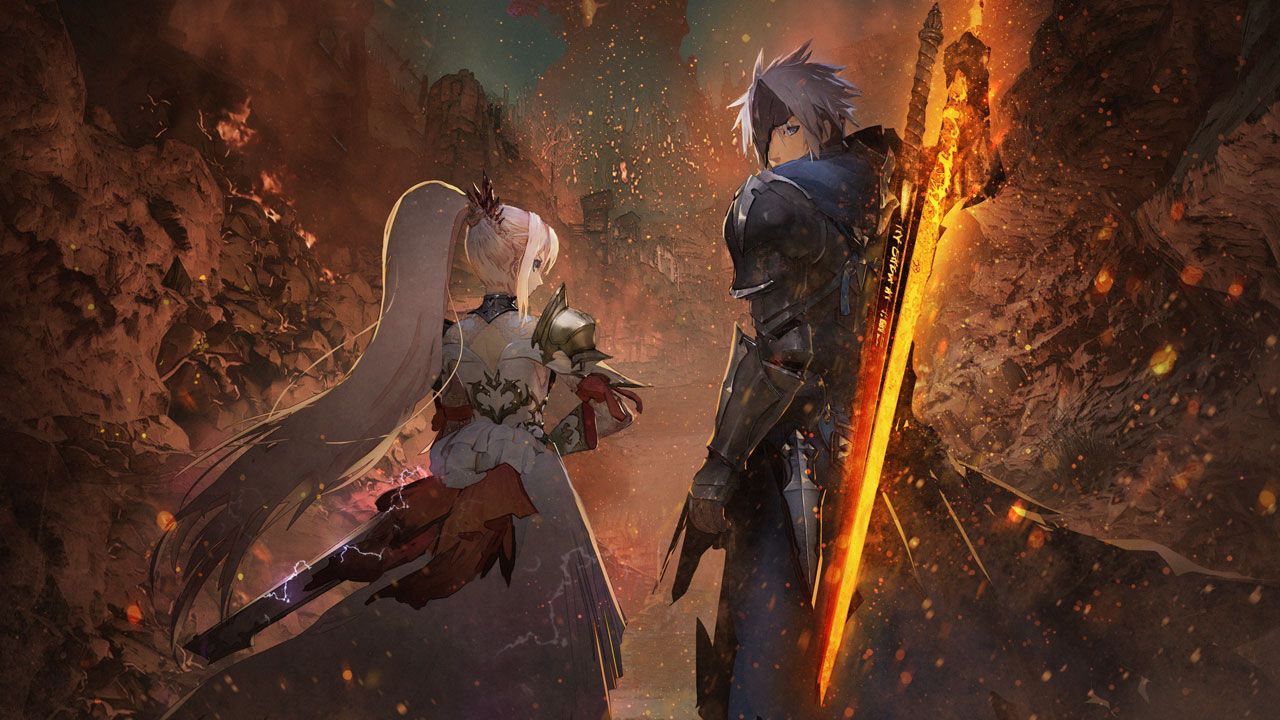
Post-battle results show experience totals and level gains, with titles and skill panels updating to display new perks. The Title system unlocks skills in clusters, and each node shows CP cost and the resulting effect. Arte proficiency grows through use, and the artes panel lists evolutions that become available as you level. Accessory crafting and weapon forging scale with progress, and the menu flags recipes that become craftable at the new level.
‘Destiny 2’

Character power rises through gear rather than traditional levels, but seasonal ranks and artifact levels provide visible progression. When the artifact levels, you gain mod unlocks that the UI lists by column, and the game shows power bonuses from the artifact separately. Powerful and pinnacle reward sources are labeled in the director, aligning activities with your current power band. Post-activity screens summarize progress so you can choose the next playlist efficiently.
‘Nier: Automata’
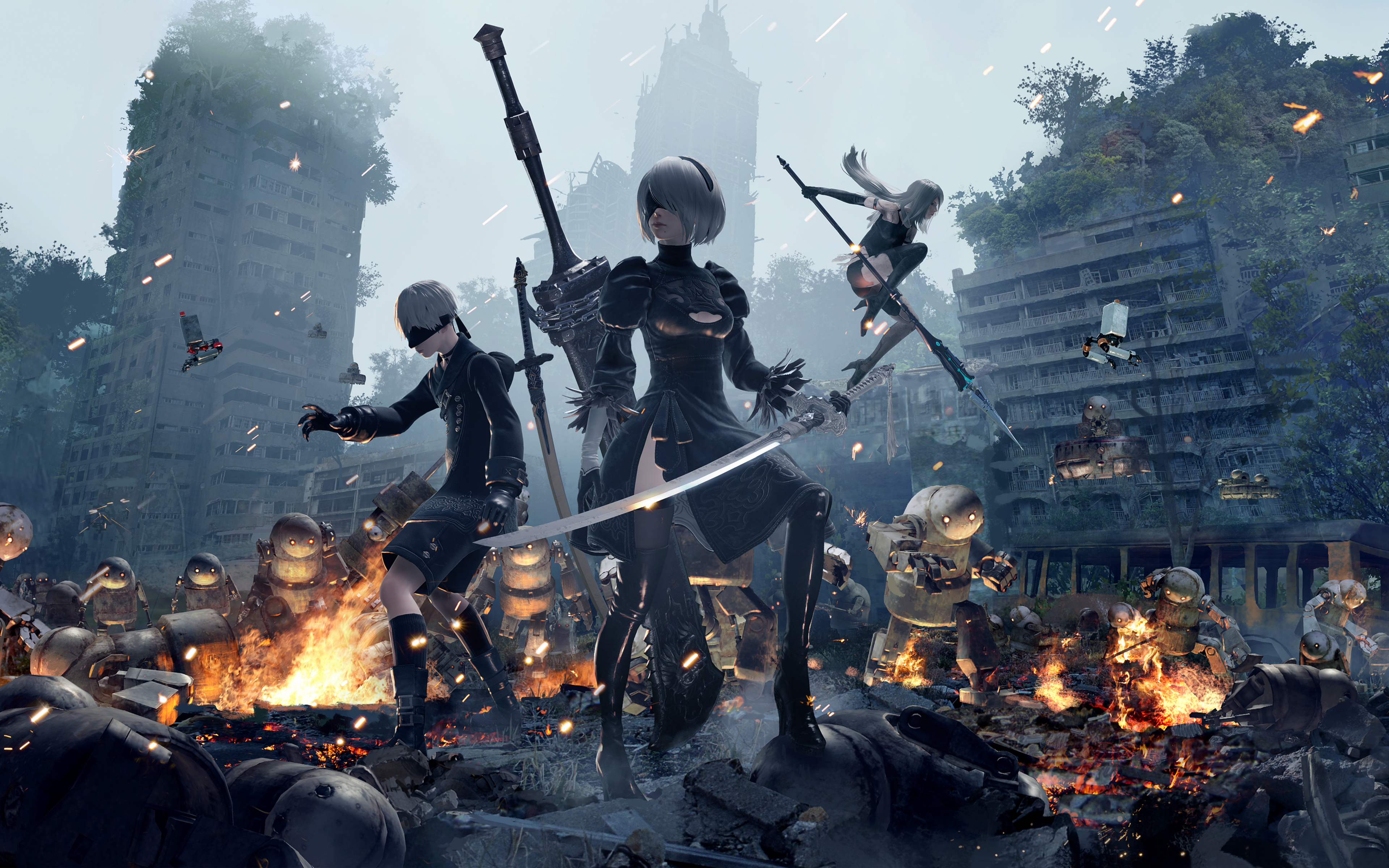
Level-ups produce a brief overlay and stat increase while plugin chips and weapon levels define most build growth. The chips menu shows capacity changes and optimization tools, making it easy to squeeze in stronger effects as you advance. Weapon upgrade screens list material requirements and the numerical boosts for each tier. The intel menu tracks combat gains and unlocks, keeping progression readable without breaking exploration.
‘Monster Hunter Rise’
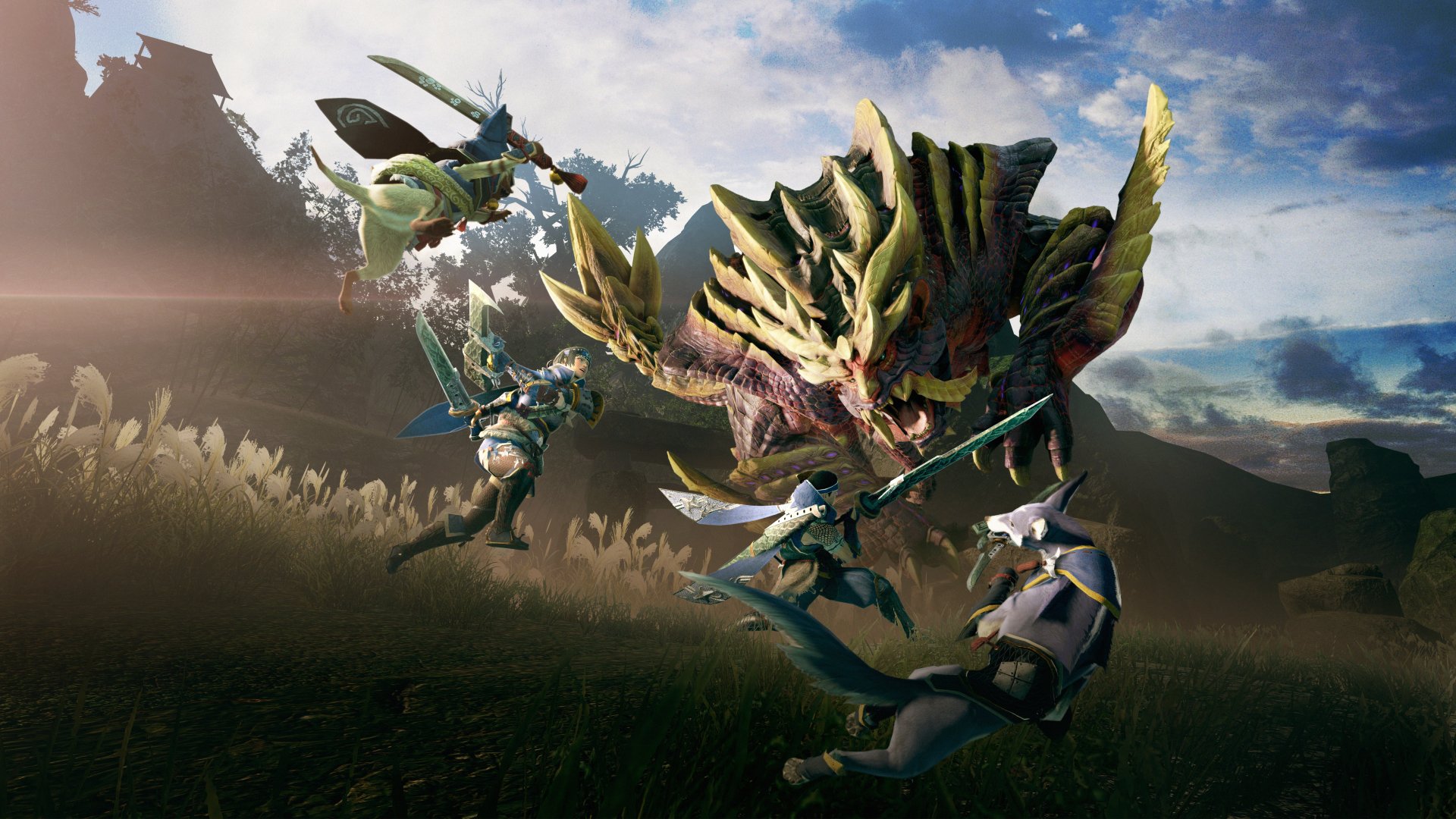
Hunter Rank and Master Rank increases appear after quests with a results panel that shows unlocks such as quests, facilities, and switch skills. The guild card and quest board update eligibility on the spot, so you can pick newly available hunts right away. Armor sets and weapons open at stated ranks, and the smithy flags craftable items that match your progress. Companion and switch skill systems reflect rank milestones, and the training area helps test changes with visible damage numbers.
‘The Elder Scrolls Online’

Leveling triggers a banner and grants attribute points and skill points that feed class, weapon, and guild lines. The Skills panel marks new morphs and abilities, and tooltips preview exact numeric effects before you confirm. Battle leveling and zone scaling keep content viable, and the map indicates quests appropriate for your current level. Riding training, research timers, and crafting writs align with progression, and the journal summarizes what opened at the new step.
‘Octopath Traveler II’
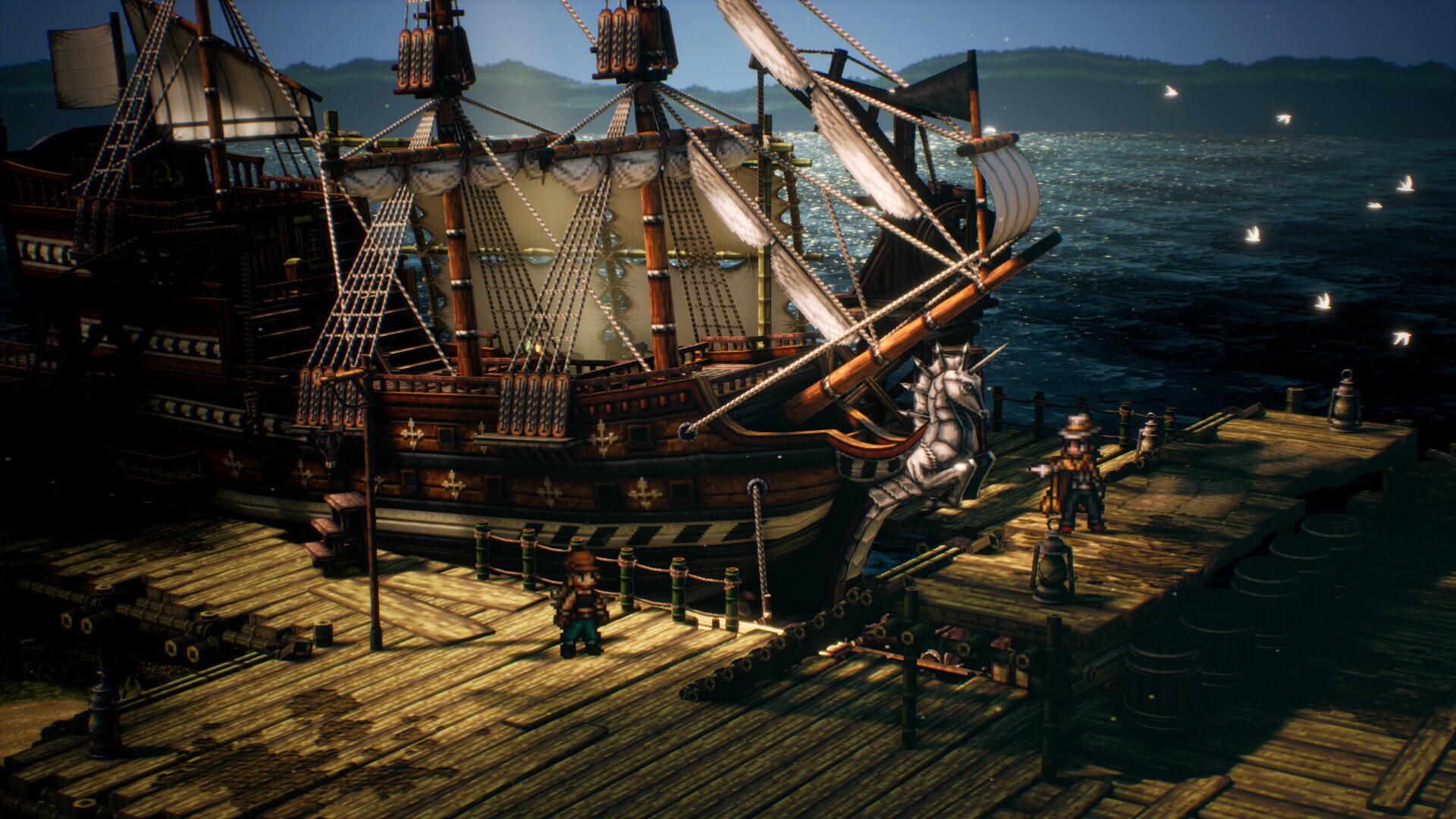
Post-battle, characters gain levels with a clear stat list, while job points accumulate separately for skill unlocks. The Skills menu shows costs and effects, and support skills activate automatically when thresholds are met. Weapons and armor availability track to level across towns, and the shop UI reflects upgrades that suit your current stats. The path actions and latent powers tie into progression pacing, and the party screen keeps all gains visible for quick planning.
Share your favorite level-up moments in the comments and tell us which game’s glow-up you never get tired of seeing.