

10 Most Technical JJK Fights (Domain Math Included)




‘Jujutsu Kaisen’ leans on rules and restrictions that turn big showdowns into puzzles where the right timing beats raw power. The anime lays out how barrier types change hit certainty, how Domain Amplification and Simple Domains bend the field, and how binding vows or probability loops rewrite survival odds. Watching characters respect or exploit those constraints is half the thrill. These anime battles highlight where domain mechanics and technique logic decide everything on screen.
Yuji Itadori and Aoi Todo vs Mahito
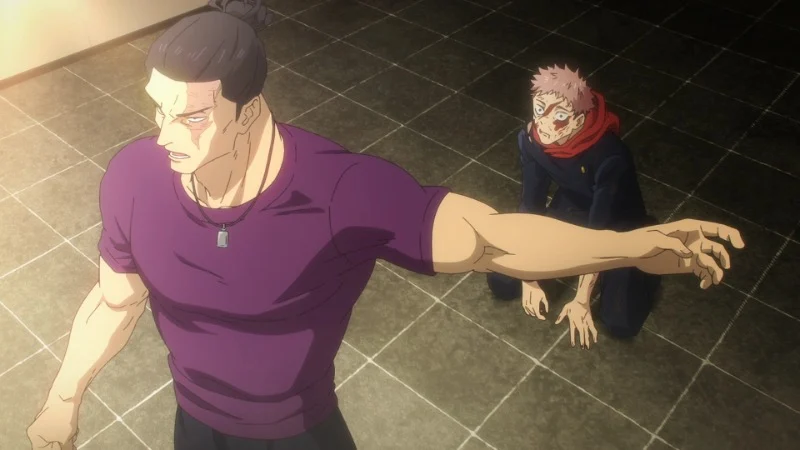
This fight in ‘Jujutsu Kaisen’ hinges on how Idle Transfiguration targets the soul and why Yuji’s contact immunity matters once Mahito splits and recombines. Black Flash spikes output through perfect energy flow, so damage climbs without changing the underlying rules. Todo’s Boogie Woogie swaps break Mahito’s optimal touch windows and force reorientation each exchange. The duo manage spacing and timing so the technique never gets the guaranteed touches it needs to snowball.
Megumi Fushiguro vs Special Grade Finger Bearer
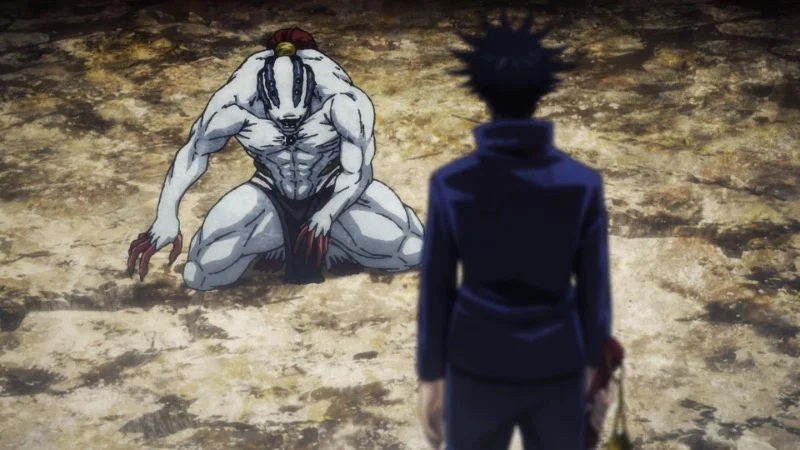
Megumi deploys an incomplete ‘Chimera Shadow Garden’ in ‘Jujutsu Kaisen’ that trades perfect sure-hit for overwhelming terrain control and shikigami routing. The shadow medium lets him stack angles, sink weight, and mask approach vectors while maintaining pressure. Because the domain is partial, he has to pilot position and volume instead of counting on a single guaranteed strike. The win comes from resource math and environmental advantage rather than brute force.
Satoru Gojo vs Jogo

Inside ‘Jujutsu Kaisen’, Gojo demonstrates how a closed-barrier expansion turns certainty into a weapon. ‘Unlimited Void’ overwhelms targets with information so action collapses the moment the barrier seals. Jogo’s innate technique cannot process or counter that load once trapped, which cleanly shows why perfect domains value assurance over size. The sequence becomes a reference point for what a textbook expansion does to agency.
Dagon vs Nanami, Naobito, and Maki, with Toji’s Interference

‘Jujutsu Kaisen’ frames Dagon’s oceanic domain as a sealed arena where shikigami gain near certain targeting. Simple Domain tools and frame-tight movement shave down that advantage but do not erase it until the barrier is disrupted. Toji’s arrival matters because a fighter with no cursed energy slips past the domain’s targeting assumptions. The tide turns when that external variable collapses the sure-hit routing rather than beating it head on.
Ryomen Sukuna vs Mahoraga
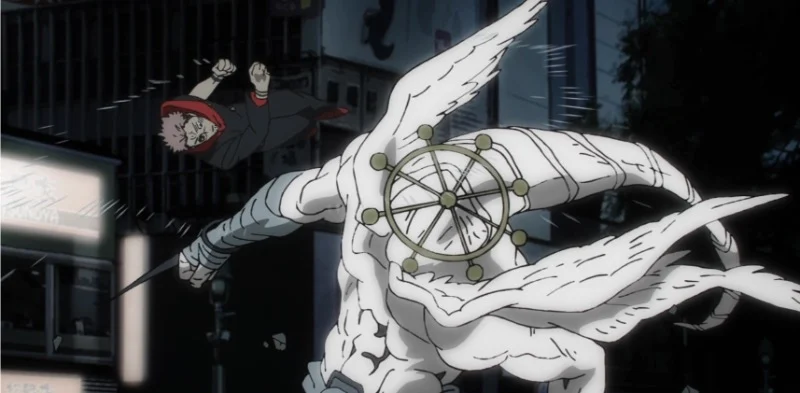
In ‘Jujutsu Kaisen’, Sukuna selects a barrierless domain so continuous slashing applies over a fixed radius instead of waiting on a sealed cage. That constant output forces Mahoraga’s adaptation cycle to chase a moving baseline instead of solving a single technique. Sukuna alternates slash types and timing to outrun the rotation’s convergence. The fight is a race between learning speed and field control.
Satoru Gojo vs Jogo and Hanami at Shibuya

‘Jujutsu Kaisen’ shows curse users using Domain Amplification as a portable nullification that suppresses Infinity at contact range. That trade avoids the cost of a full expansion but demands tight formation and spacing to matter. Gojo manipulates distance and multi target control so their amplification fields cannot stack cleanly. The math comes down to overlap geometry and touch timing rather than raw output.
Ryomen Sukuna vs Jogo

When ‘Jujutsu Kaisen’ pits Sukuna against Jogo, the barrierless expansion projects slashes on interval across city blocks. Jogo’s mobility and output cannot meaningfully exit the radius once the area is defined and refreshed. Because there is no closed barrier to break, the counterplay shifts to escaping tempo and range. The fight becomes a demonstration of how open domains convert space into inevitability.
Mei Mei and Ui Ui vs Smallpox Deity
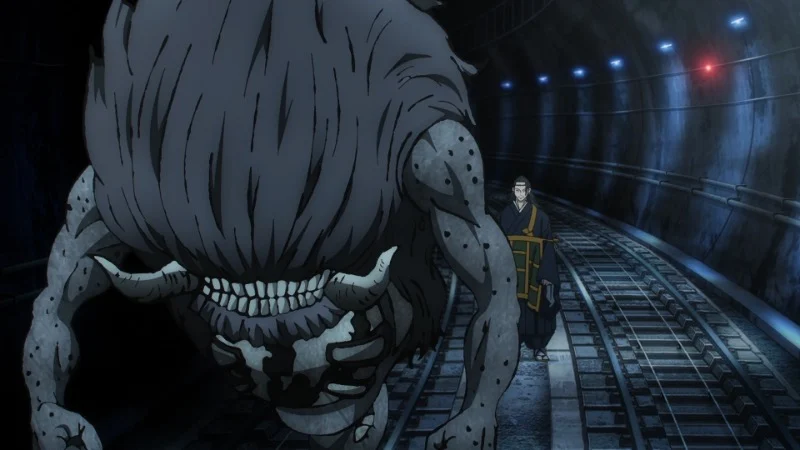
This ‘Jujutsu Kaisen’ battle revolves around a domain that enforces a sickness sequence with coffin and burial conditions. The sure-hit logic is procedural, so surviving requires clearing steps rather than blocking damage. Mei Mei uses technique planning and a binding vow setup to execute a guaranteed strike within those constraints. The duo navigate the imposed steps to flip a deterministic script.
Yuta Okkotsu and Rika vs Suguru Geto

In ‘Jujutsu Kaisen 0’, Yuta leverages binding vows and Rika’s stored energy to amplify output beyond normal limits. Geto’s curse manipulation stacks numbers and variety, which turns the battle into resource accounting rather than a straight duel. Yuta times releases and commitments so the vow’s multiplier lands when it matters most. The turning point is careful budgeting of energy and conditions, not a single overpowering swing.
Megumi Fushiguro vs Awasaka
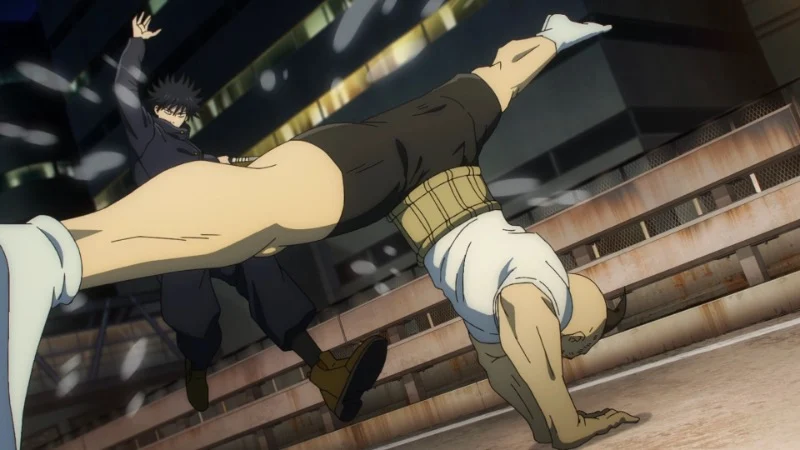
During ‘Jujutsu Kaisen’, Awasaka’s inverse technique punishes strong hits and rewards weak ones, so the entire damage model flips. Megumi tests thresholds until he can land harm by staying under the wrong side of the ratio. Movement choices and feints matter more than raw strength once the rule is understood. The victory comes from reading the function and driving attacks within its safe band.
Share your favorite anime only ‘Jujutsu Kaisen’ thinky fights in the comments and tell us which domain tricks or technique rules impressed you most.