

15 Most Terrifying Creatures In Anime



Anime is packed with nightmarish beings that push human characters to their limits, from city-levelling monsters to uncanny predators hiding in plain sight. These creatures aren’t just scary to look at, they come with rules, biology, and powers that make their worlds feel alarmingly real. Below are fifteen standouts that show how different series build fear with distinct lore, habitats, and survival mechanics. You’ll also see how various studios shaped their menace through design choices, movement, and sound.
Titans in ‘Attack on Titan’

Titans are giant humanoids that devour humans and regenerate from almost any wound, with steam bursting from injuries as they heal. Their origins are tied to Subjects of Ymir, and certain Titans possess unique abilities like hardening or controlling others. Human soldiers rely on vertical maneuvering gear and later anti-personnel weapons to target the nape, the only reliable weak point. The horror lands hard in the Wit Studio and MAPPA adaptations, where scale and motion make urban assaults feel immediate.
Angels in ‘Neon Genesis Evangelion’
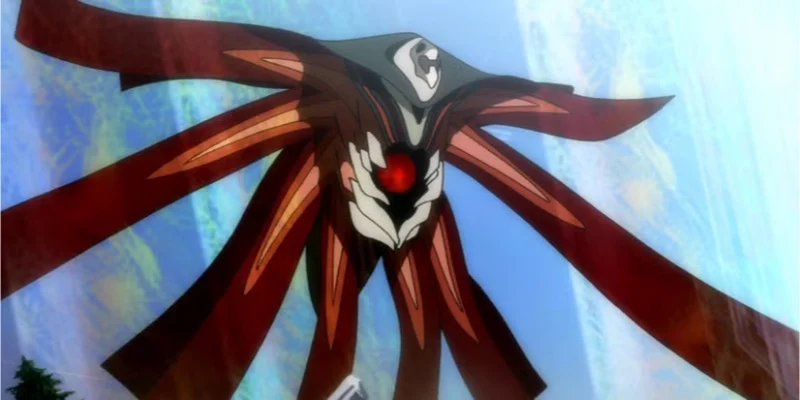
Angels appear in wildly different forms, from geometric constructs to colossal organisms, each protected by an AT Field that resists conventional weapons. Encounters require matching an Angel’s specific pattern, whether it is electromagnetic, biological, or metaphysical. The series details emergency protocols in Tokyo-3, from citywide evacuations to synchronized EVA sorties. Gainax and later Khara render each Angel with distinct movement and sound design that underline their otherworldly threat.
Cursed Spirits in ‘Jujutsu Kaisen’
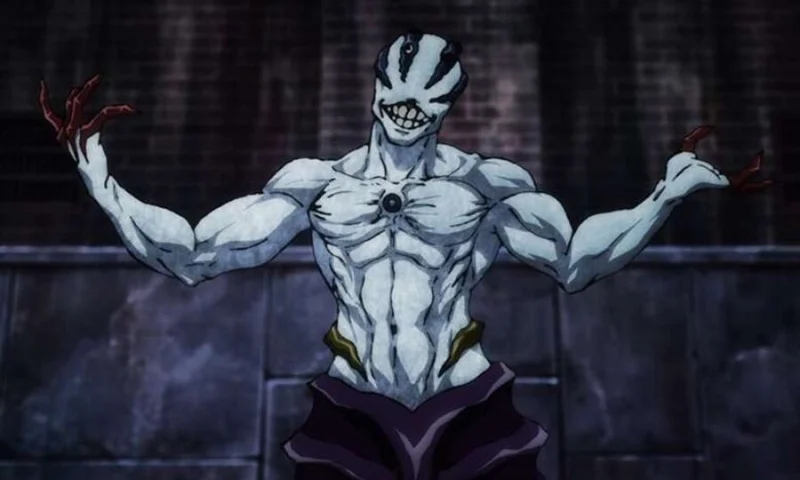
Cursed Spirits are born from concentrated human negativity and are classified from Grade 4 up to Special Grade. They use Cursed Energy techniques and can deploy Domains that guarantee hits within a bounded space. Sorcerers counter them with cursed tools, reverse cursed energy, and domain expansions of their own. MAPPA visualizes these entities with textured, grime-like bodies and jittery motion that communicate corruption.
Hollows in ‘Bleach’
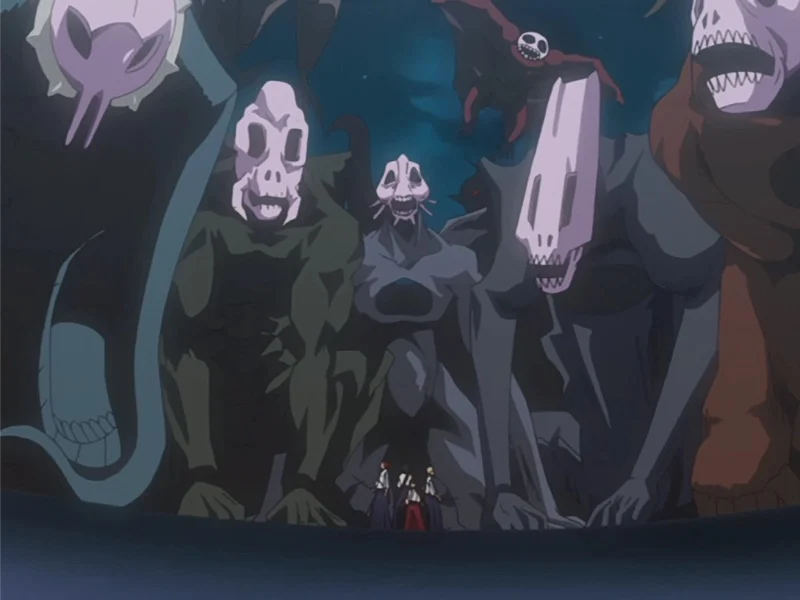
Hollows are corrupted souls marked by a mask and a hole, preying on spirits and humans alike. They evolve into Menos and Arrancar, gaining intelligence and powerful techniques like Cero and Hierro. Soul Reapers use Zanpakuto releases and Kido to purify them, sending cleansed souls to the afterlife. Studio Pierrot emphasizes their masks and resonance to convey the emptiness at their core.
Chimera Ants in ‘Hunter x Hunter’

Chimera Ants begin as a queen that consumes organisms to pass traits to her offspring, leading to rapid, specialized evolution. The colony develops hierarchy with Royal Guards and a King whose aura dominates entire regions. As they learn Nen, individual ants refine Hatsu abilities that mirror their personalities. Madhouse builds tension with meticulous staging of hunts, patrols, and territory control.
Ghouls in ‘Tokyo Ghoul’
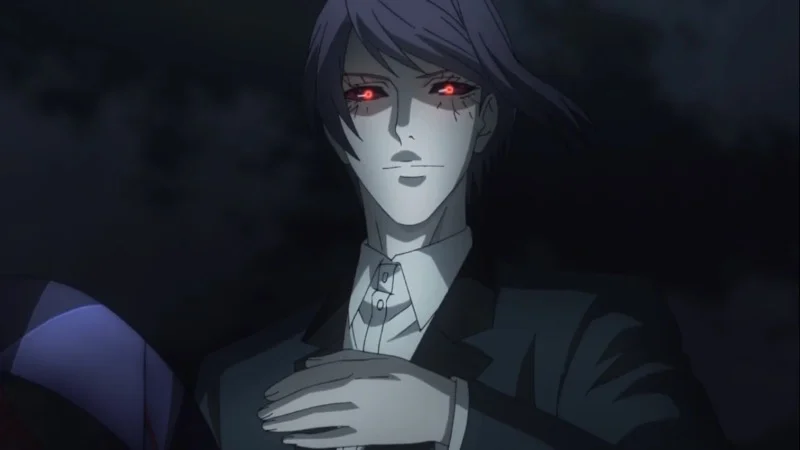
Ghouls look human but must consume human flesh to survive, with RC cells enabling their kagune to manifest as predatory appendages. Investigators fight them using quinque weapons forged from harvested kagune. Social systems like the CCG, ghoul wards, and masked communities structure the conflict across Tokyo. Studio Pierrot’s staging highlights the contrast between everyday city life and sudden alleyway ambushes.
Parasites in ‘Parasyte -the maxim-‘
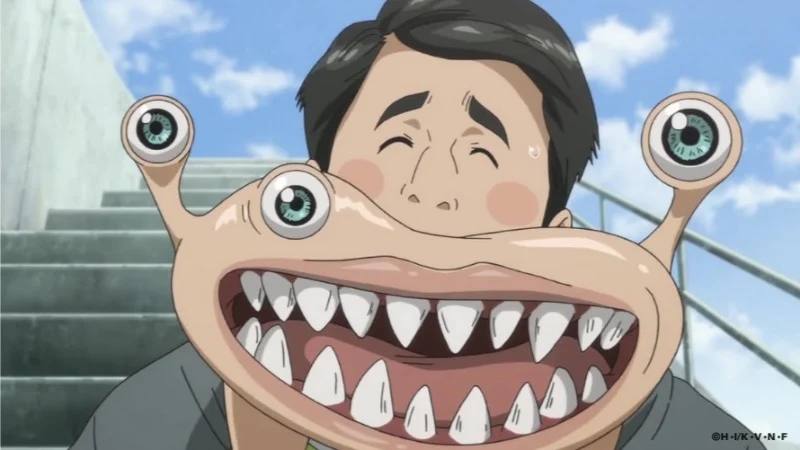
Parasites are alien organisms that enter bodies through orifices and replace the host’s head, reshaping flesh into blades and tendrils. They test human society through covert killings, political infiltration, and experiments on coexistence. Detection hinges on subtle behavioral cues and rare electromagnetic signatures. Madhouse presents their transformations with clinical detail that accentuates biological plausibility.
Demons in ‘Demon Slayer: Kimetsu no Yaiba’

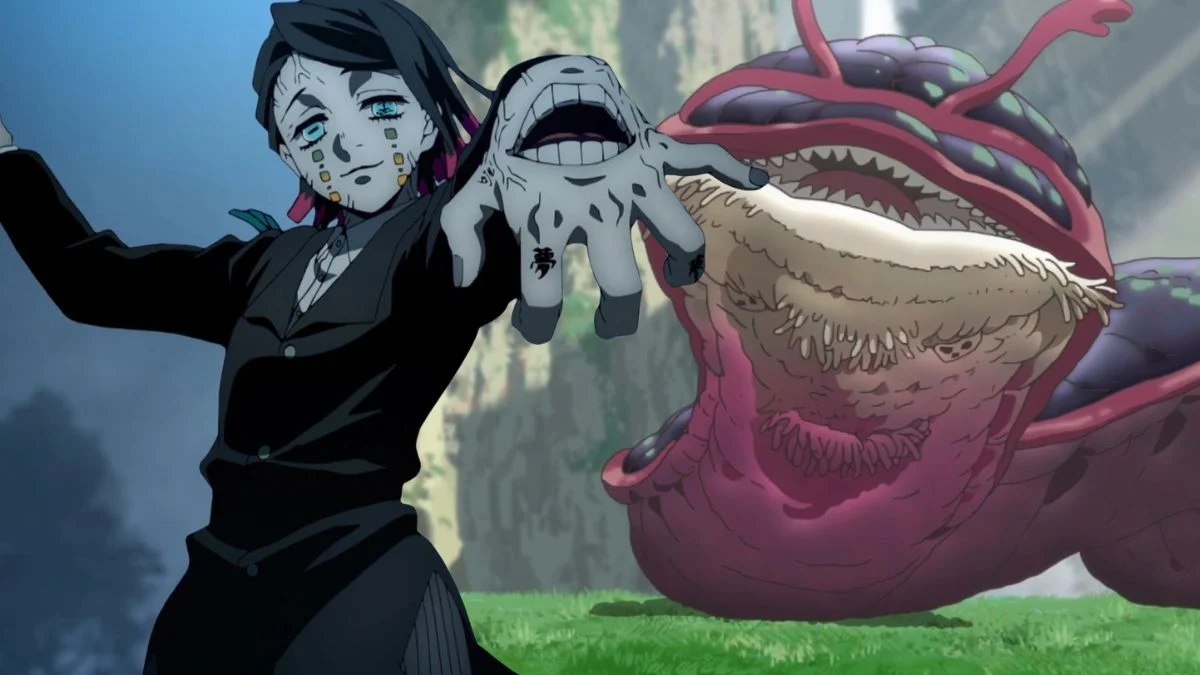
Demons originate from Muzan Kibutsuji’s blood and evolve unique Blood Demon Arts, from thread manipulation to flesh shaping. Sunlight and Nichirin blades are reliable counters, while wisteria and certain poisons create tactical openings. The Demon Slayer Corps organizes by Hashira leadership, breathing styles, and regional patrols. Ufotable’s animation traces motion and impact in ways that make each ability’s mechanics easy to follow.
Witches in ‘Puella Magi Madoka Magica’
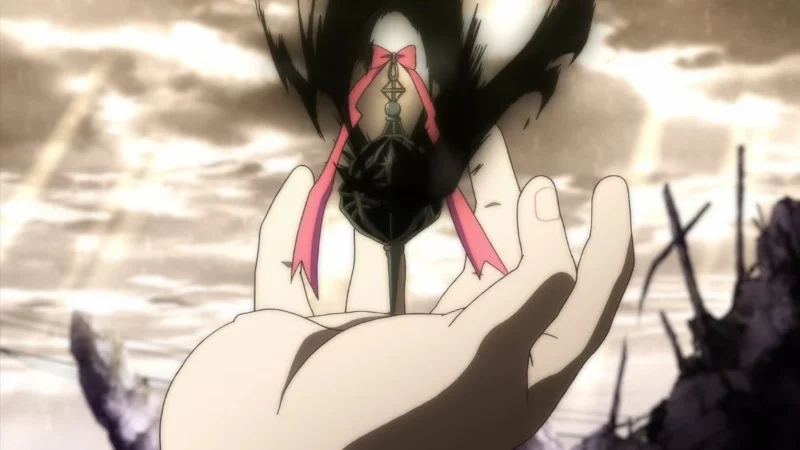
Witches are the final state of magical girls whose grief seeds spawn labyrinths that distort space. Each witch has a barrier filled with symbols and familiars that reflect the girl’s former psyche. Incubators manage contracts that fuel this cycle, creating a closed loop of hope and entropy. Shaft’s collage-like visuals make every labyrinth a readable field of traps and rules.
Devils in ‘Chainsaw Man’
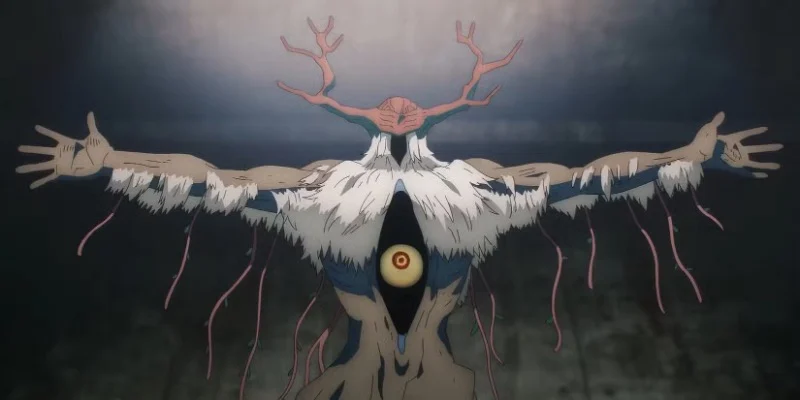
Devils are embodiments of human fears that grow stronger as the world fears their concept more. They form contracts with humans at a price, and some become Fiends by inhabiting corpses. Public Safety divisions catalog threat levels and field hybrid combatants to neutralize incidents. MAPPA frames fights as chaotic urban encounters where collateral damage matters to strategy.
Apostles in ‘Berserk’
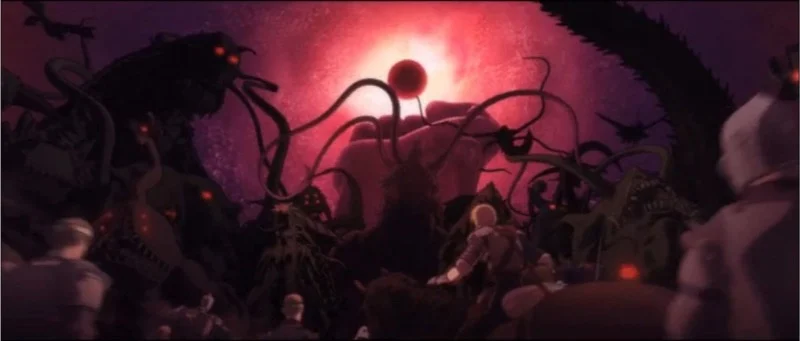
Apostles are humans who sacrificed loved ones with a Beherit to gain monstrous forms and regenerative power. Their abilities vary widely, from shapeshifting to parasitic swarms, and they often warp local societies through cults or feudal control. The God Hand sits above them, intervening at key eclipses and causality nodes. Adaptations by OLM, Studio 4°C, and later Liden Films visualize their grotesque metamorphoses with escalating scale.
Shiki in ‘Shiki’

Shiki are reanimated humans who rise with severe light sensitivity and a need to feed on the living. They infiltrate rural communities by turning doctors, clergy, and civic leaders to control information flow. Resistance leverages medical autopsies, daytime raids, and village-wide coordination. Daume’s production lingers on procedural details like exhumations and blackout preparations.
Demons in ‘The Promised Neverland’
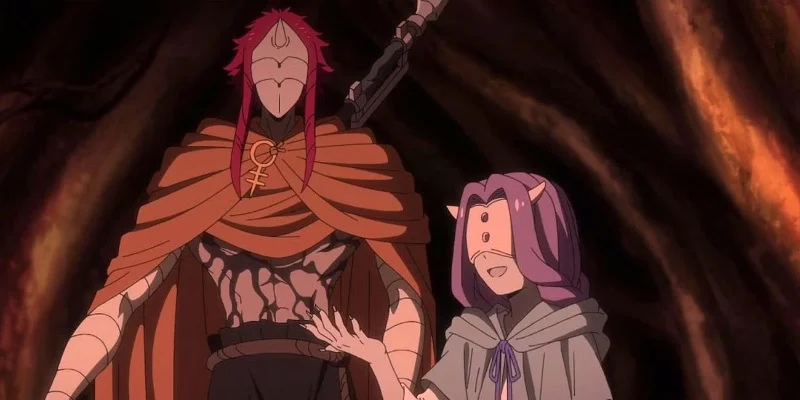
Demons maintain farms where human children are raised for graded harvests, with intelligence tiers determining taste and social status. Security systems include biometric gates, surveillance, and trackers, while the outside is divided among clans with differing ethics. Escape plans exploit map fragments, expedition journals, and coded messages. CloverWorks contrasts pastoral settings with methodical processing to clarify the system’s scale.
Abyss Creatures in ‘Made in Abyss’
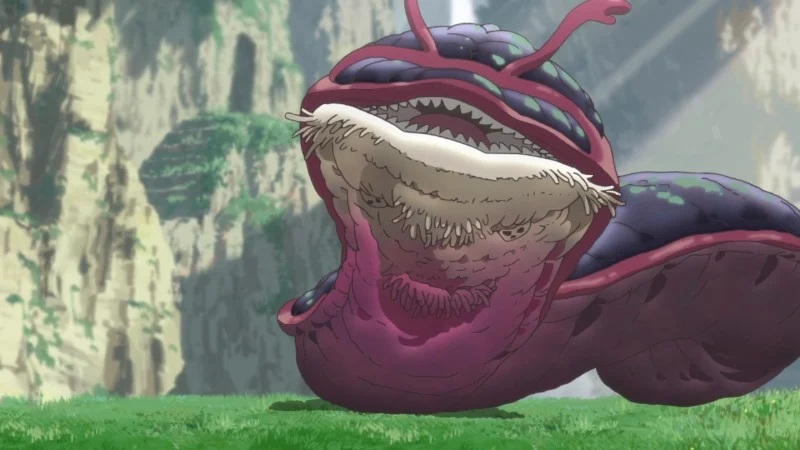
The Abyss hosts species adapted to specific layers, with sensory lures, neurotoxins, and armor suited to the pressure and ecology below. The “curse of the Abyss” inflicts physiological and psychological penalties on ascent, shaping expedition logistics and rescue options. Relic hunters classify hazards by habitat, movement, and aggression patterns before charting routes. Kinema Citrus maps these encounters with topographic clarity that makes each descent feel like fieldwork.
Yoma in ‘Claymore’
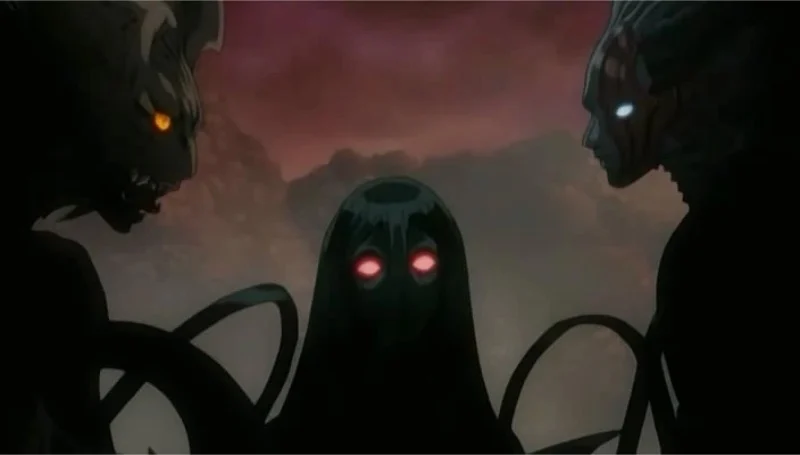
Yoma disguise themselves as humans, feeding on innards and mimicking memories to evade detection. Claymore warriors, implanted with yoma flesh, track them by sensing yoki and risk awakening into stronger beings. Towns contract hunts, set bounties, and maintain witness reports to pinpoint infestations. Madhouse emphasizes the push-pull between suppression tactics and the cost of awakening.
Share the ones that unnerved you most in the comments and tell us which creatures we should add next.