

Most Underrated Anime of the Last 10 Years

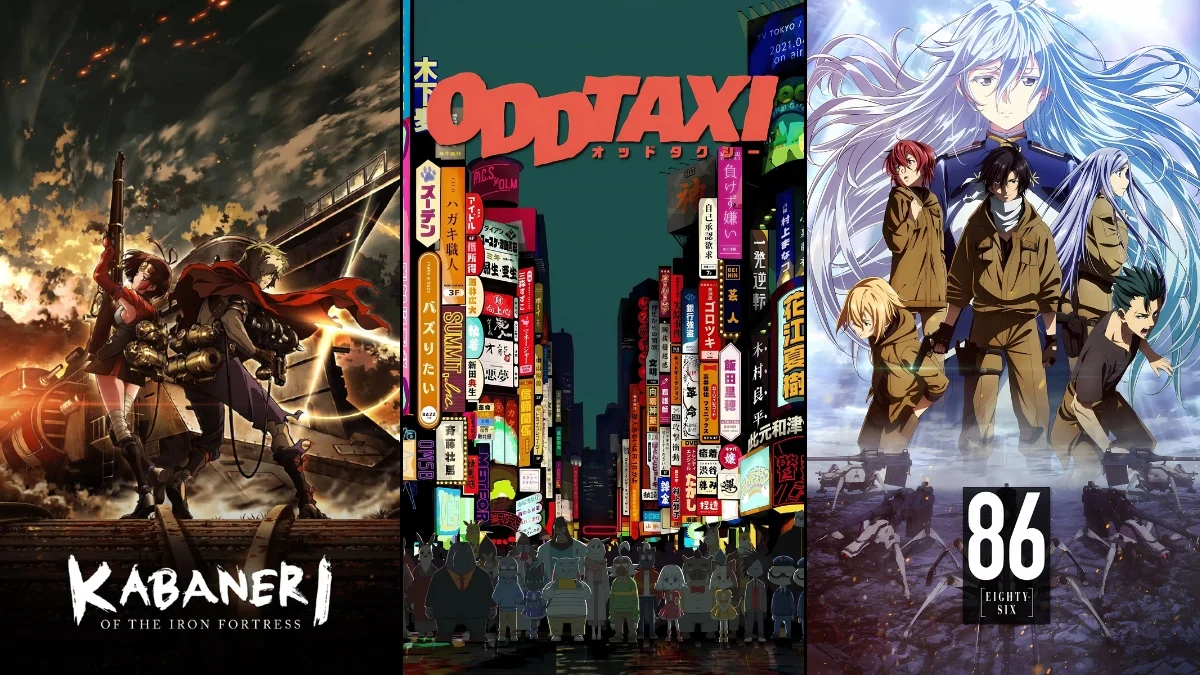


There’s been a flood of inventive anime lately that quietly did remarkable things with storytelling, direction, and worldbuilding while slipping past a lot of viewers. This list spotlights series and films from the last decade that built distinctive identities—through unusual premises, strong craft teams, or sharp source material—without leaning on the biggest franchises. You’ll find originals and adaptations across genres, each with clear hooks like standout directors, unique visual approaches, or tightly focused themes. Use it as a guide to discover shows that might not have dominated timelines but absolutely reward a full watch.
‘ODDTAXI’ (2021)
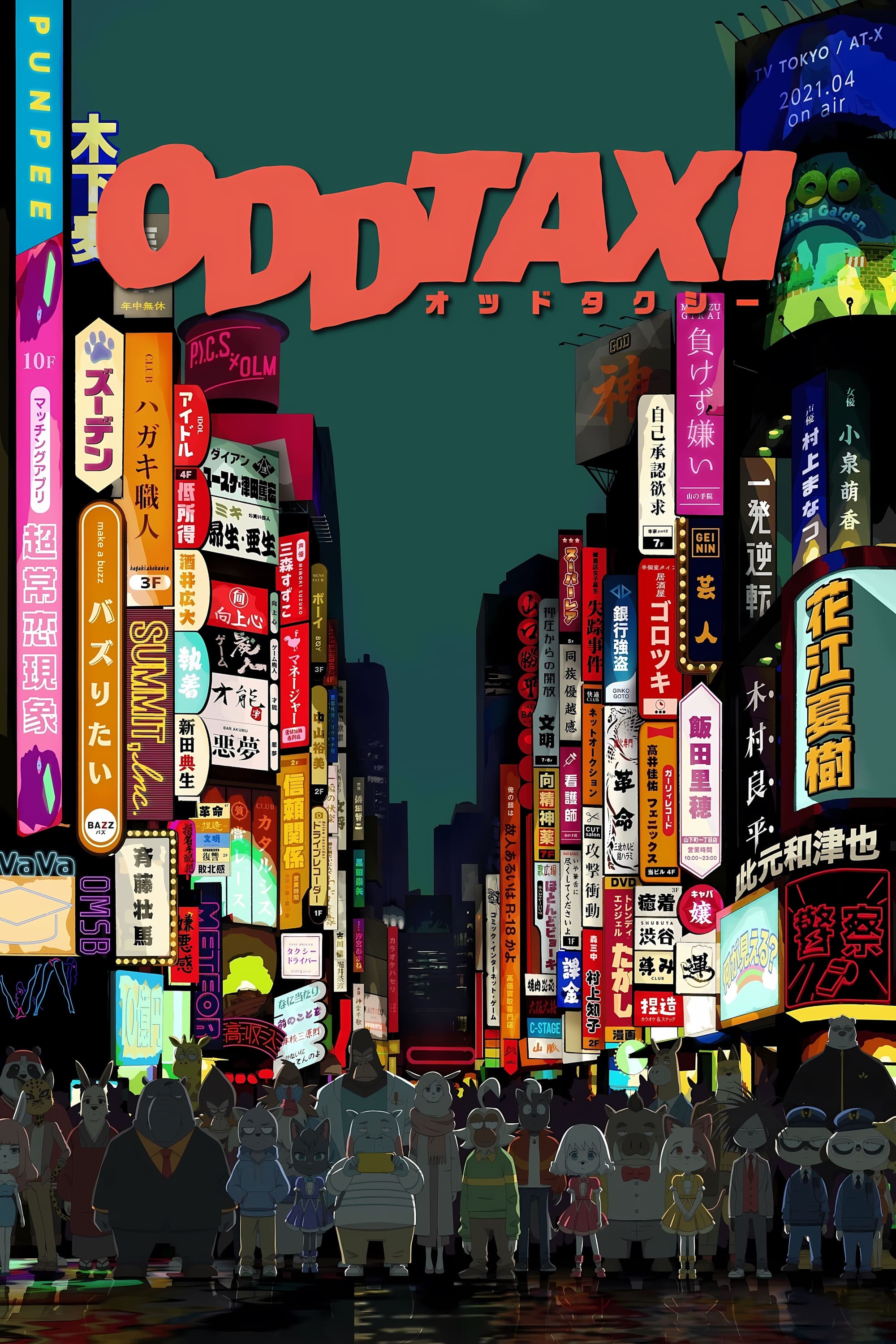
This original mystery follows Odokawa, a taciturn taxi driver, whose nightly fares link multiple disappearances and crimes across a compact city. The production blends grounded dialogue scenes with careful clue placement across 13 episodes. Studio OLM and P.I.C.S. pair minimalist character designs with precise blocking to keep conversations visually engaging. The script uses intersecting timelines and character POVs to resolve a tightly engineered puzzle.
‘Sonny Boy’ (2021)
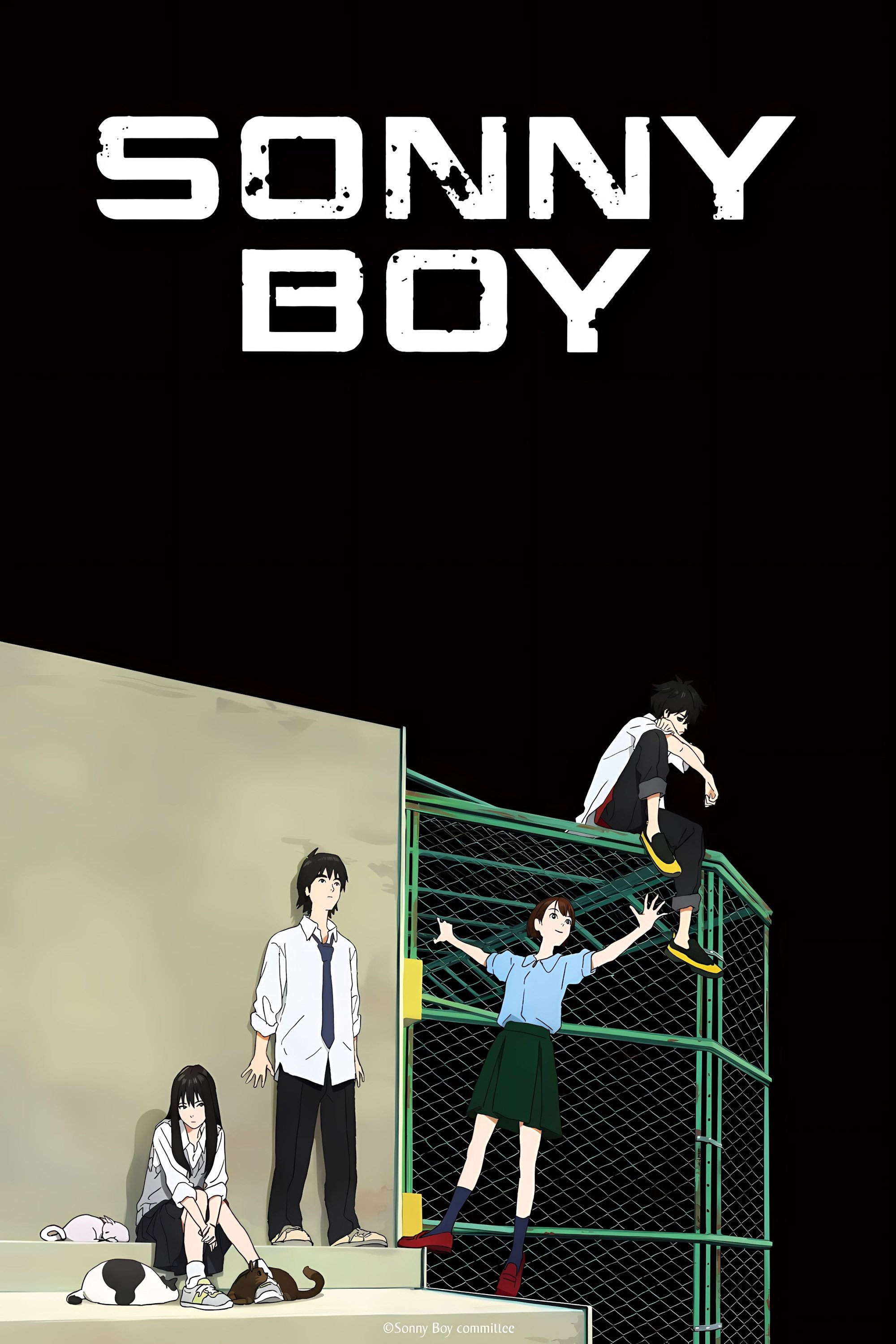
This original from Madhouse strands a class of students in a series of alternate dimensions with shifting rules. Director Shingo Natsume favors sparse backgrounds, long takes, and sudden stylistic shifts to underline each world’s logic. The narrative uses anthology-like arcs that examine leadership, memory, and social order through discrete “rule-of-the-episode” challenges. Composer Sunao Takahashi and featured tracks by other artists accent the show’s mood changes.
‘Deca-Dence’ (2020)
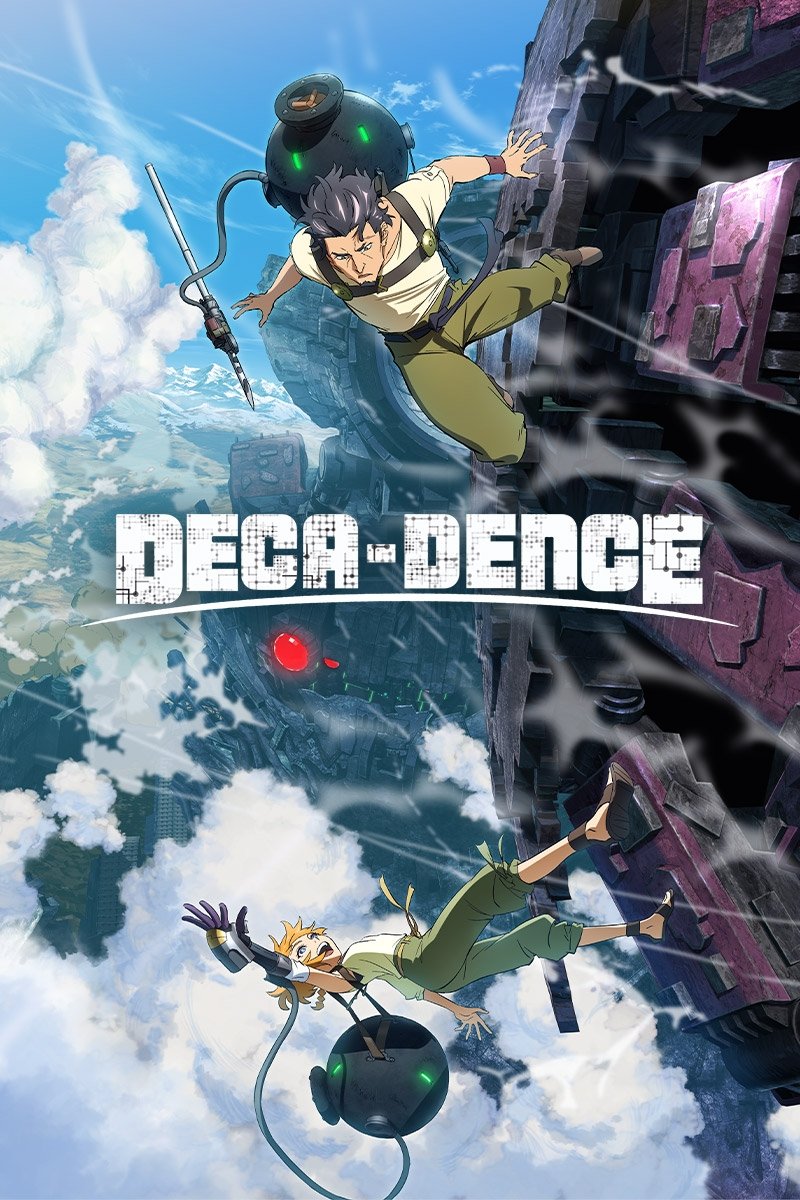
NUT’s original sci-fi action series contrasts human frontline fighters with a hidden society that gamifies conflict against monstrous threats. The production leans on large mechanical setpieces around a mobile fortress and a two-tiered art style to distinguish perspectives. Its midseason structural pivot reframes the premise without breaking continuity. Action direction emphasizes verticality, with cable movement and aerial combat as recurring motifs.
‘Planet With’ (2018)
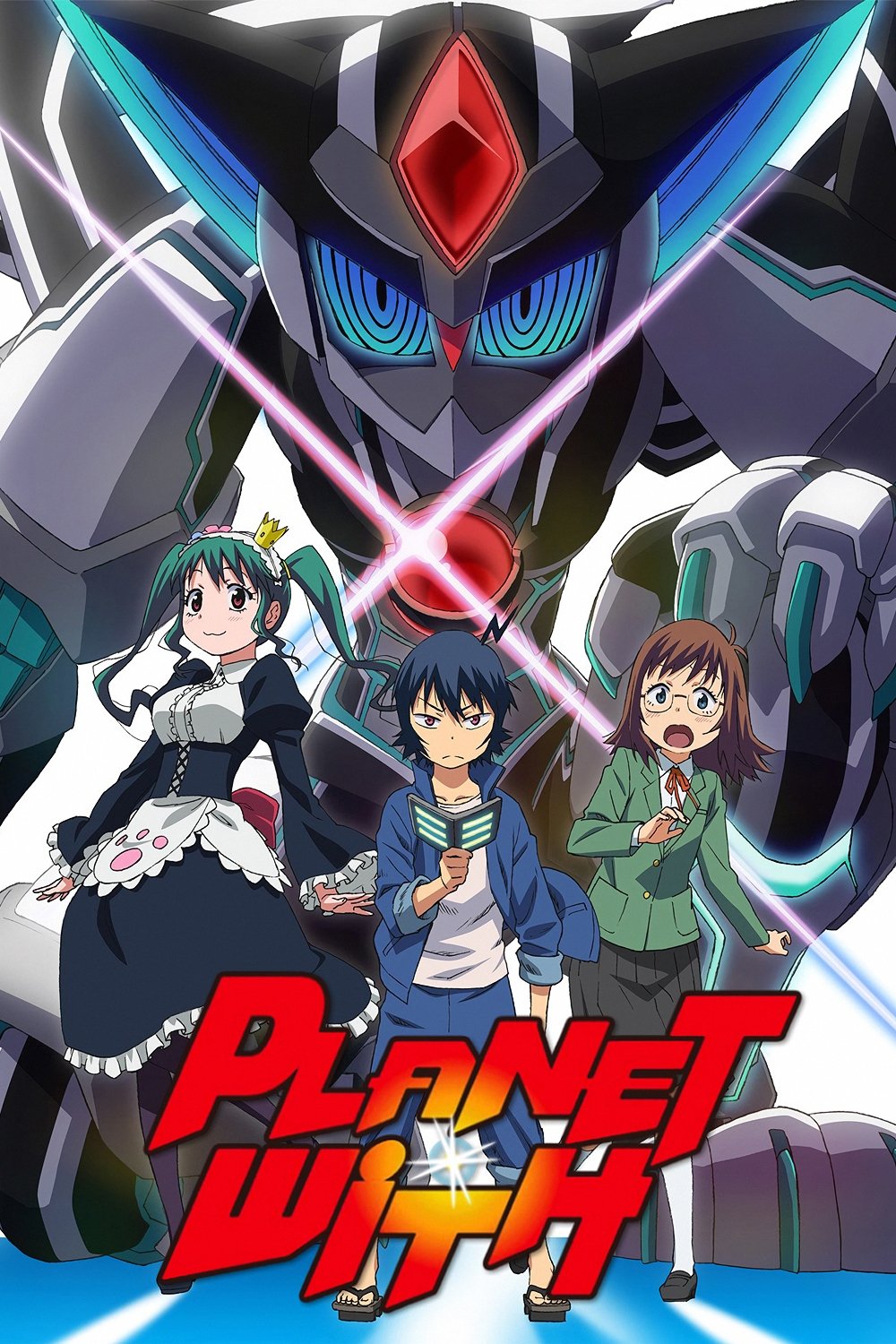
Adapted from a work by Satoshi Mizukami, this mecha series compresses a complete story into 12 episodes. J.C.STAFF delivers stylized CG mecha against painterly skies and tight character animation for emotional beats. The plot reorganizes familiar mecha tropes—alliances, escalation, and ideological conflict—into clear arcs that conclude decisively. The soundtrack punctuates transformations and duel rhythms with recurring leitmotifs.
‘Vivy: Fluorite Eye’s Song’ (2021)
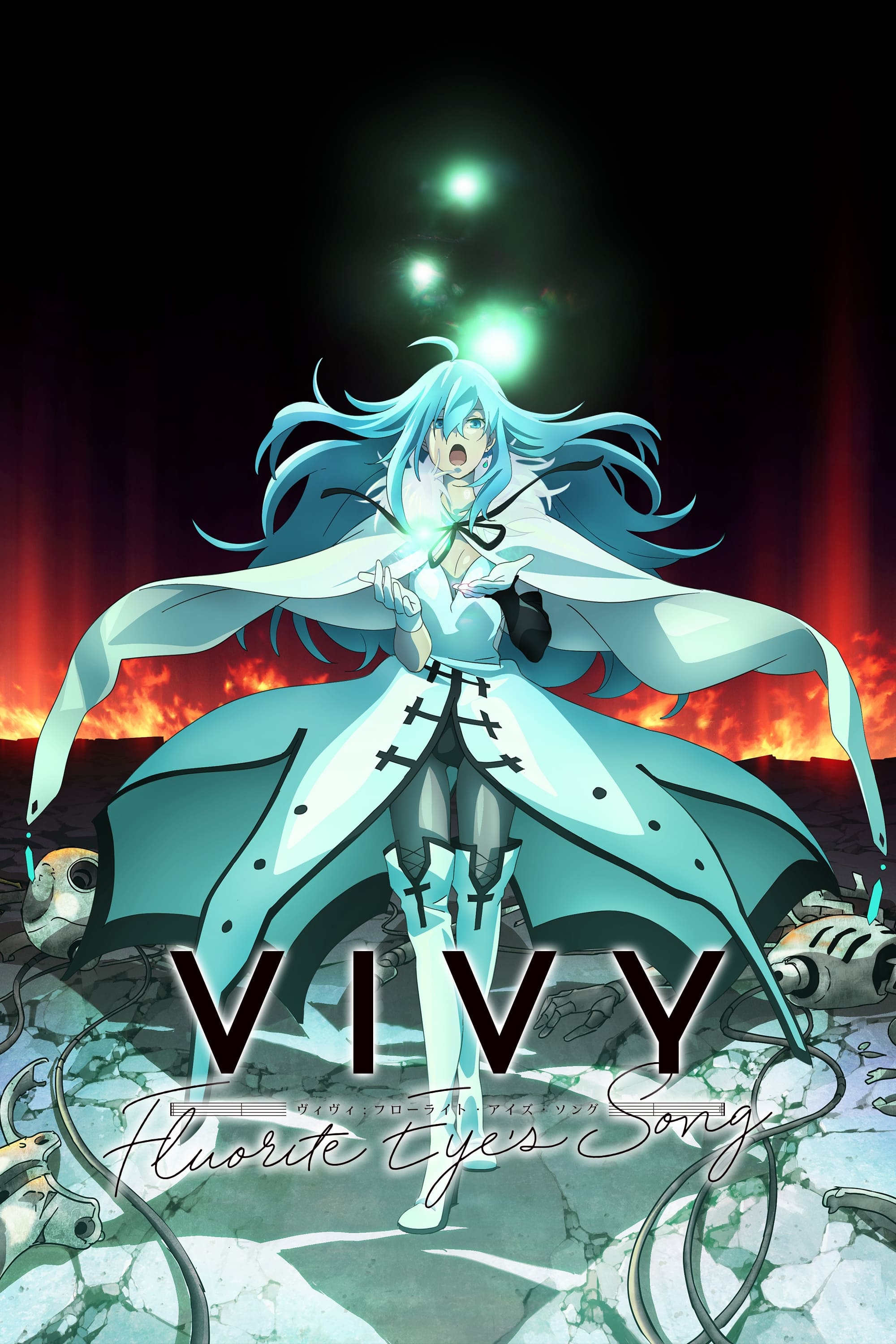
Wit Studio’s original pairs an AI singer with a mission to alter future events through targeted interventions. Episodes function as mini-arcs with distinct settings while feeding a continuous timeline. Action cuts integrate musical performance with combat choreography, highlighting the lead’s programmed purpose versus emergent agency. The series balances speculative technology details with procedural problem solving.
‘ID: INVADED’ (2020)
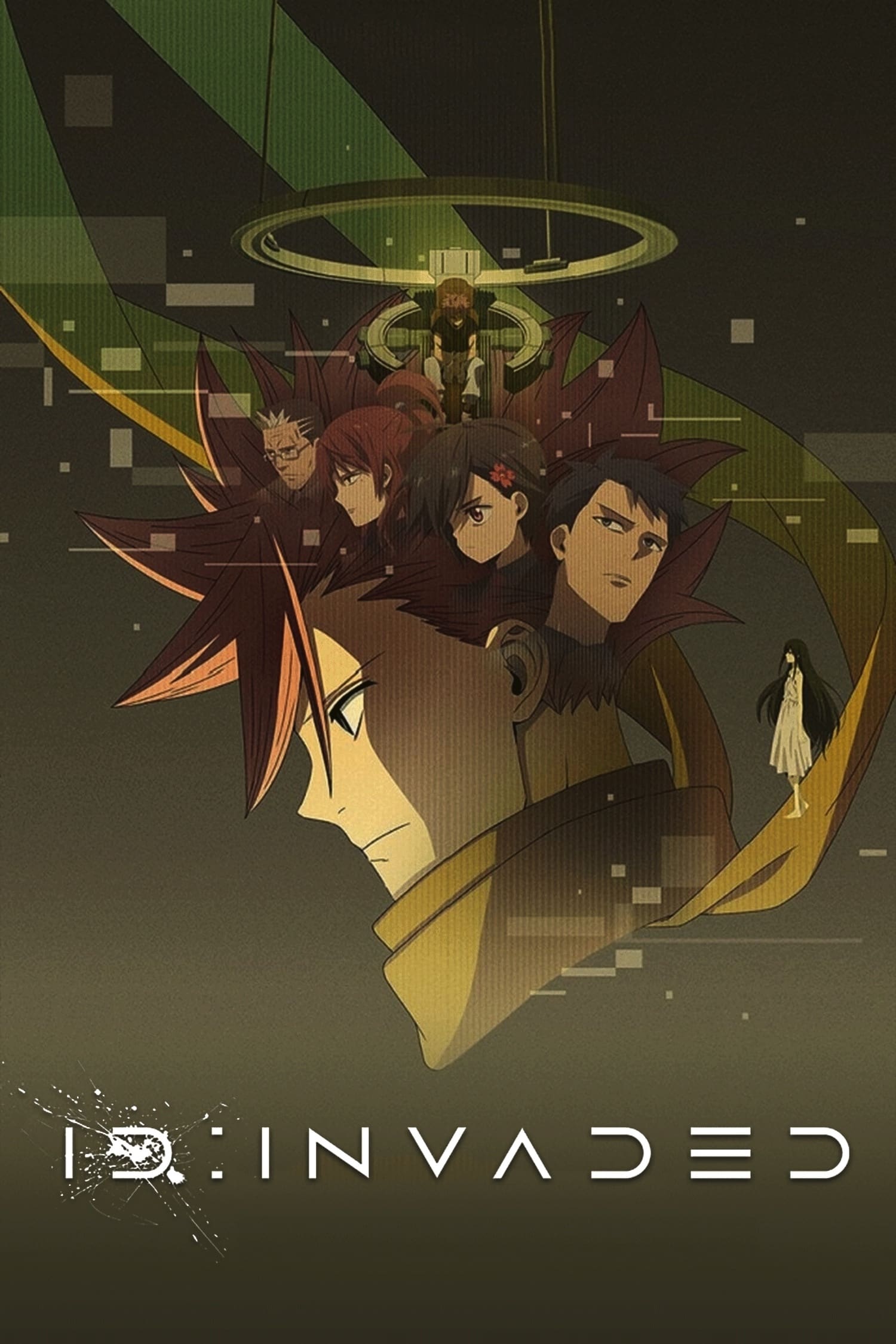
This mystery from studio NAZ builds cases inside psychological “id wells” generated from criminal intent. The production uses a fractured visual language—floating grids, puzzle motifs, and looping geometry—to represent cognition. Investigations proceed with clear procedural steps, mapping clues gathered in the mind spaces back to the real world. Its case-of-the-week structure supports an overarching investigation into the detectives themselves.
‘The Heike Story’ (2022)
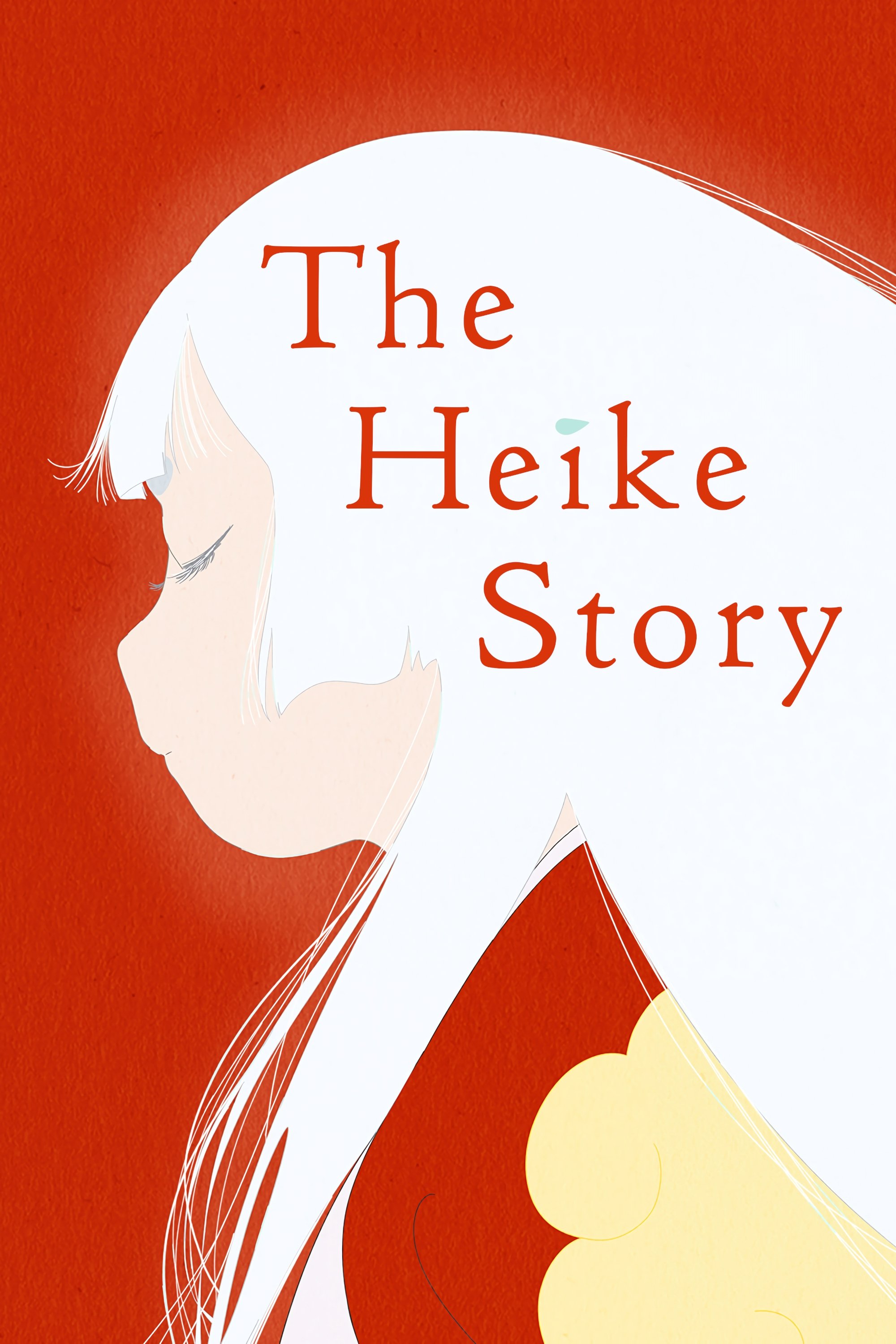
Science SARU adapts the classic epic with a biwa-playing narrator who can perceive the shape of events. The production uses sketch-like linework, subdued palettes, and watercolor flourishes to echo picture scroll aesthetics. Scenes prioritize court ritual, clan politics, and battlefield movement with historical detail. The adaptation frames perspectives through a young attendant, guiding viewers through shifting power centers.
‘Kageki Shojo!!’ (2021)
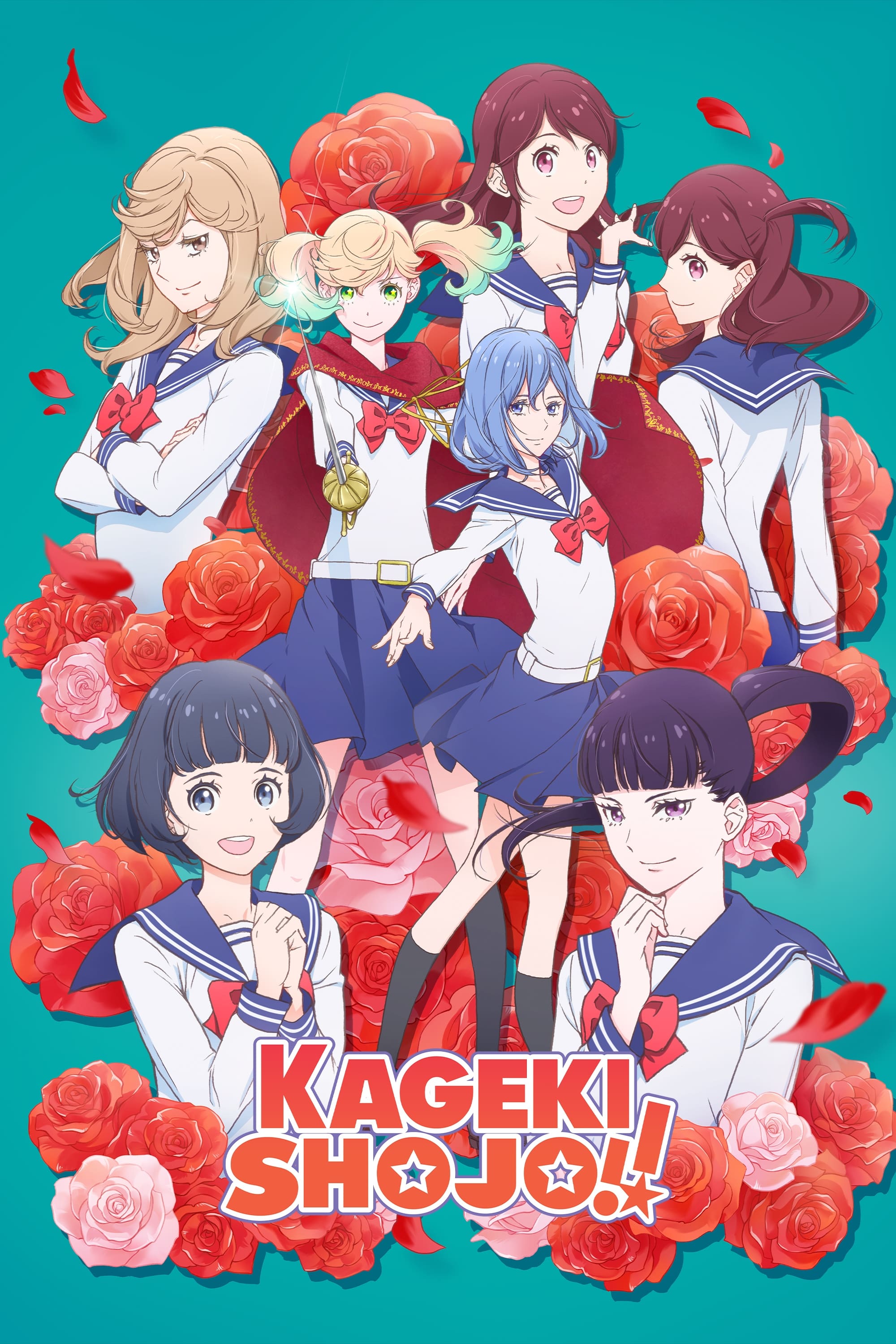
Pine Jam adapts the manga about students training at a prestigious musical theater academy. Rehearsal blocks and casting boards anchor the show’s structure, tracking progression through classes, rivalries, and showcases. The series details voice work, breath control, and stage combat as part of daily regimen. Character arcs align with specific productions, tying technical growth to performance goals.
‘O Maidens in Your Savage Season’ (2019)
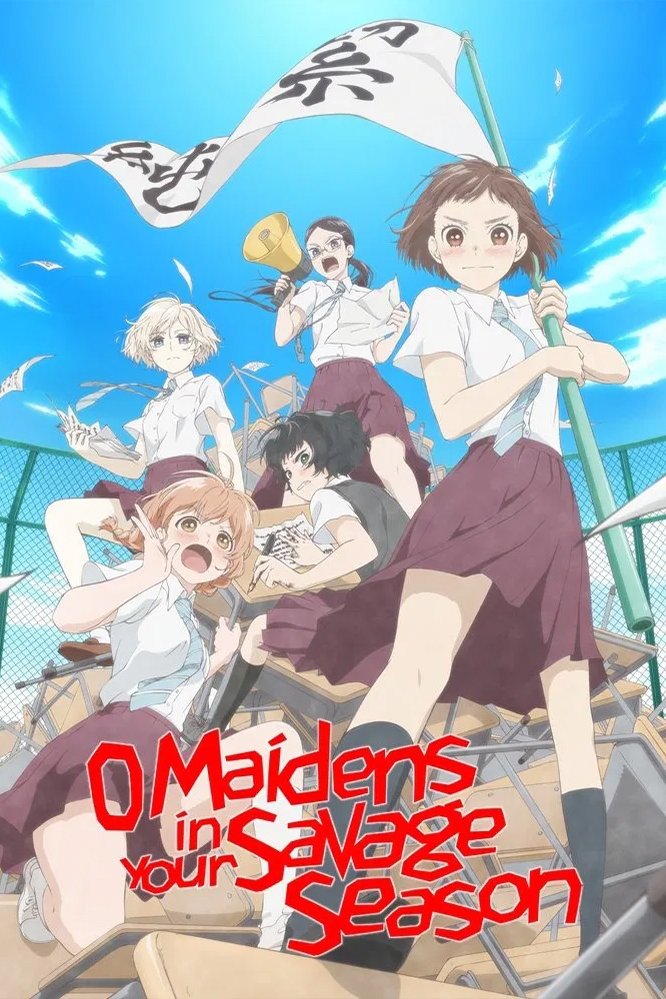
Lay-duce adapts a school literature club manga that treats reading assignments as catalysts for personal change. Meetings, field trips, and festival preparations mark time across the club’s calendar. The series uses matched cuts and book imagery to connect classic texts with present decisions. Ensemble storytelling ensures each member’s subplot advances alongside club activities.
‘Appare-Ranman!’ (2020)

P.A.Works stages a cross-continental race with engineered vehicles and a focus on machine design. The production features schematic inserts and maintenance montages that explain tuning and repairs. Race legs function as episodic challenges—terrain hazards, rival interference, and logistics—while the overall leaderboard keeps stakes clear. Costume and prop design reflect regional stops and driver backgrounds.
‘BNA’ (2020)
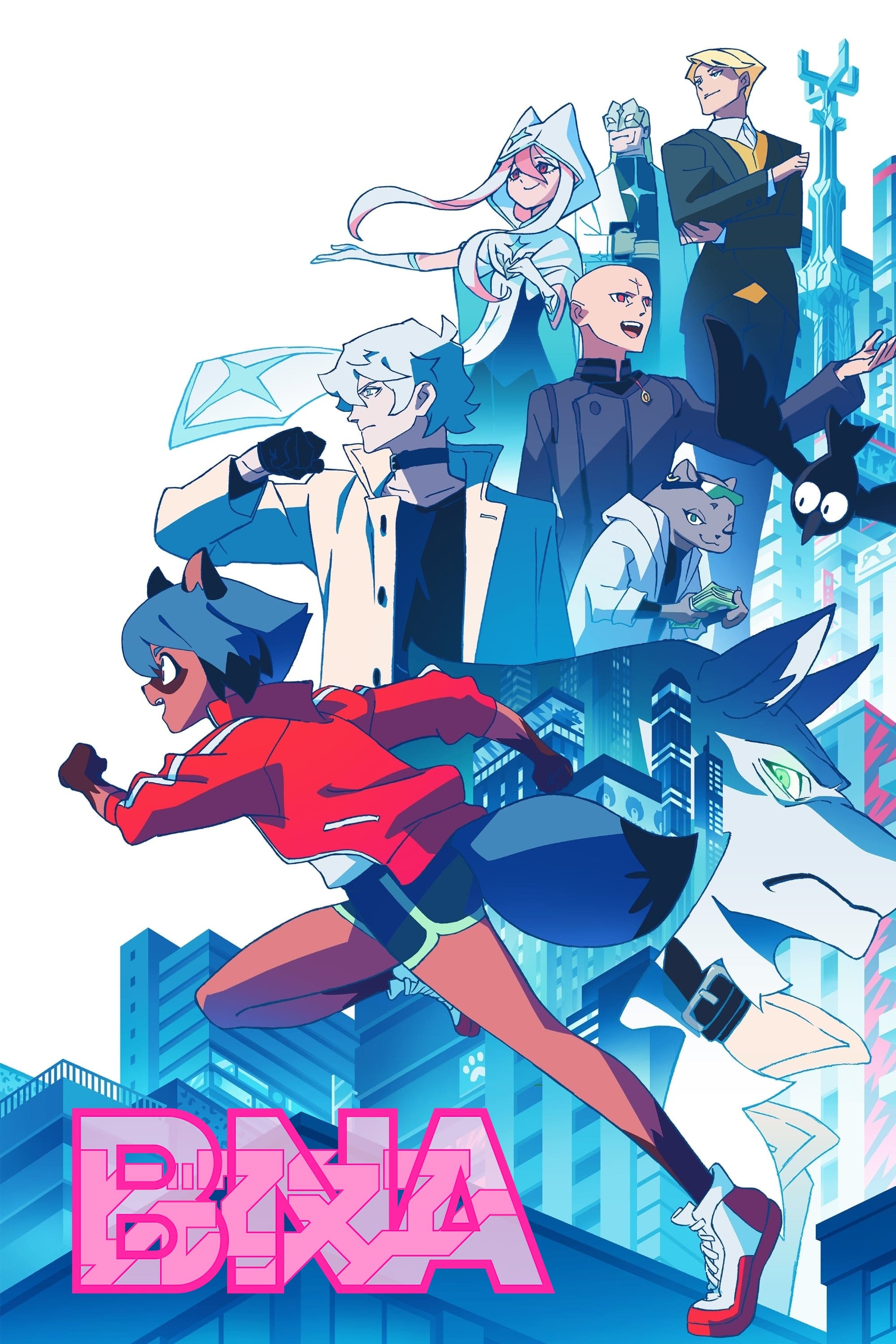
Science SARU’s original follows a human who becomes a beastman and seeks answers in a segregated city. The show’s angular designs and kinetic cuts support chase sequences and city-scale action. Episodes examine legal status, sports leagues, and corporate interests around beastman identity through casefile-like plots. The soundtrack leans on percussive rhythms to underscore urban movement.
‘Revue Starlight’ (2018)
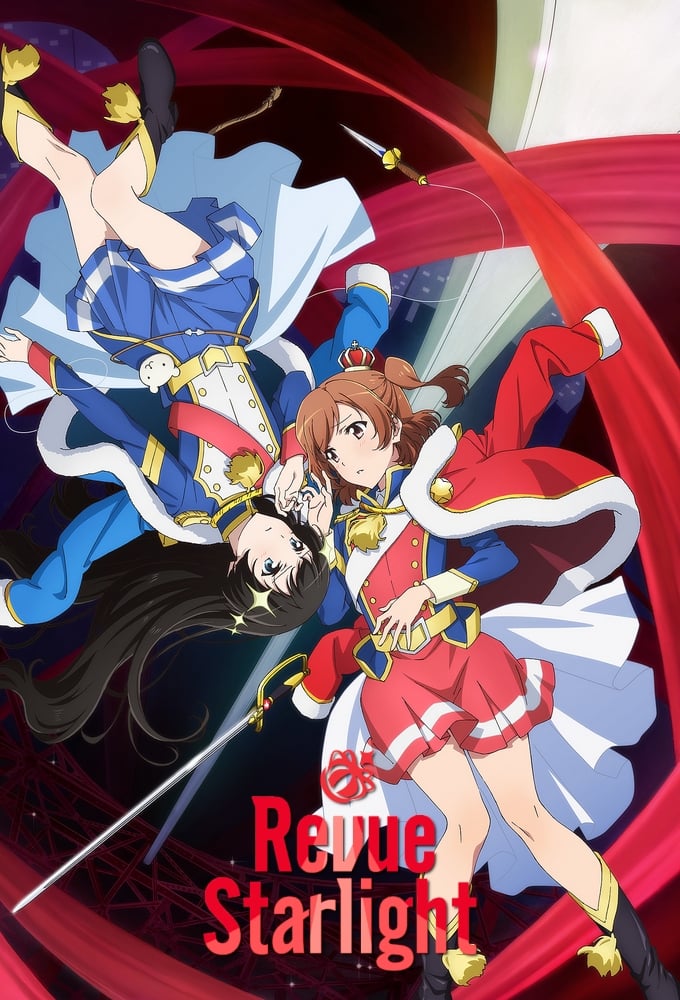
This musical-theater series from Kinema Citrus blends daily training with surreal audition battles on an underground stage. Stagecraft terms, prop work, and blocking are used literally within action scenes. The production employs rotating sets, spotlighting, and costume changes to visualize character objectives. Songs recur as motifs, with reprises marking changes in relationships and status.
‘Girls’ Last Tour’ (2017)
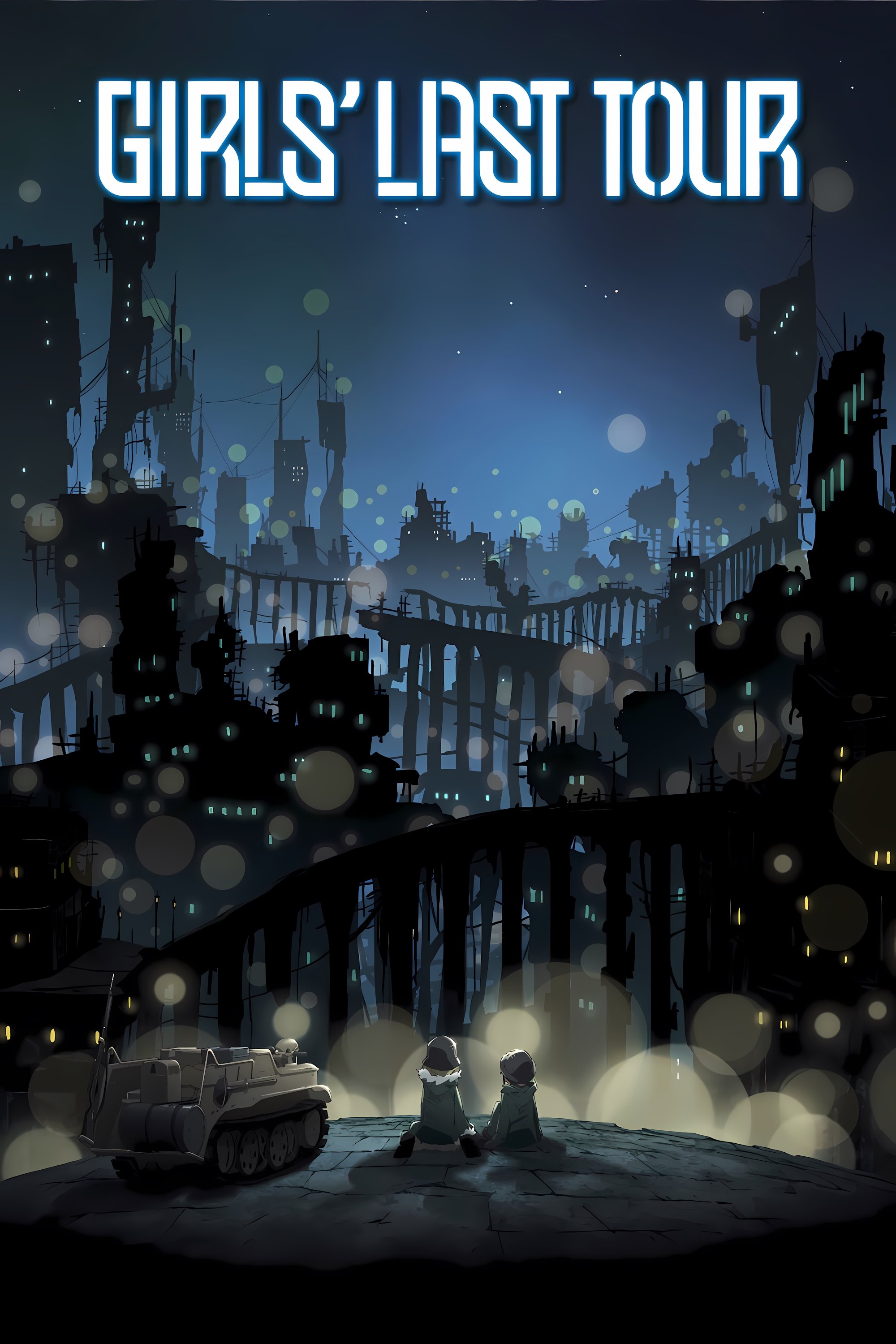
White Fox adapts a manga about two travelers navigating a depopulated cityscape. Episodes follow pragmatic goals—fuel, food, shelter—and demonstrate vehicle upkeep and route planning. Environmental storytelling relies on architecture, signage, and remnants of infrastructure. The score and sound design emphasize mechanical ambience and open space.
‘Land of the Lustrous’ (2017)
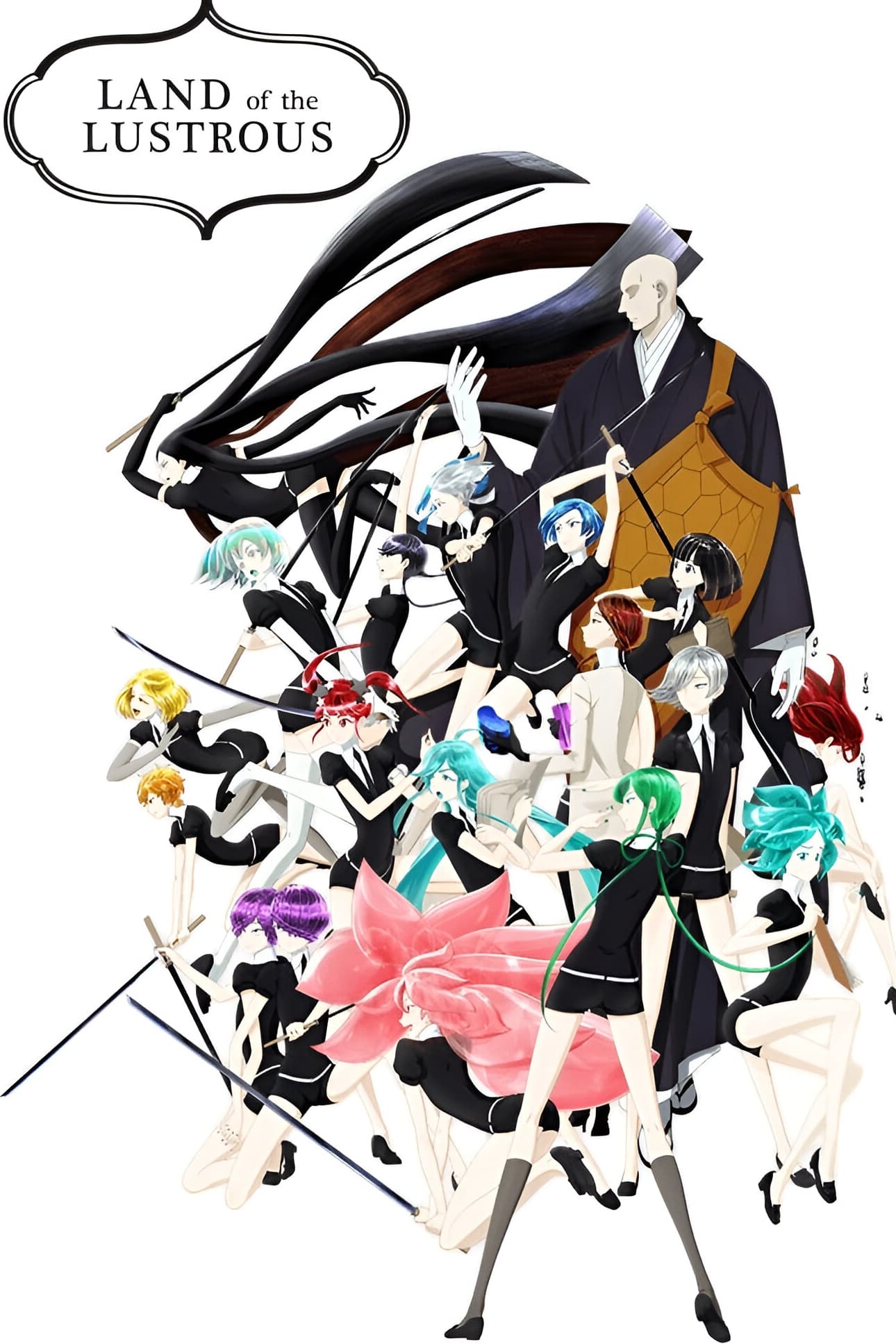
Orange’s CG production adapts a manga where gem-based beings defend against enigmatic attackers. The series showcases flexible, refractive materials and dynamic lighting to depict brittle yet agile bodies. Combat integrates breakage and restoration as tactical elements, with repair sequences explained in detail. Worldbuilding emerges through duties, shifts, and master-apprentice instruction.
‘Boogiepop and Others’ (2019)
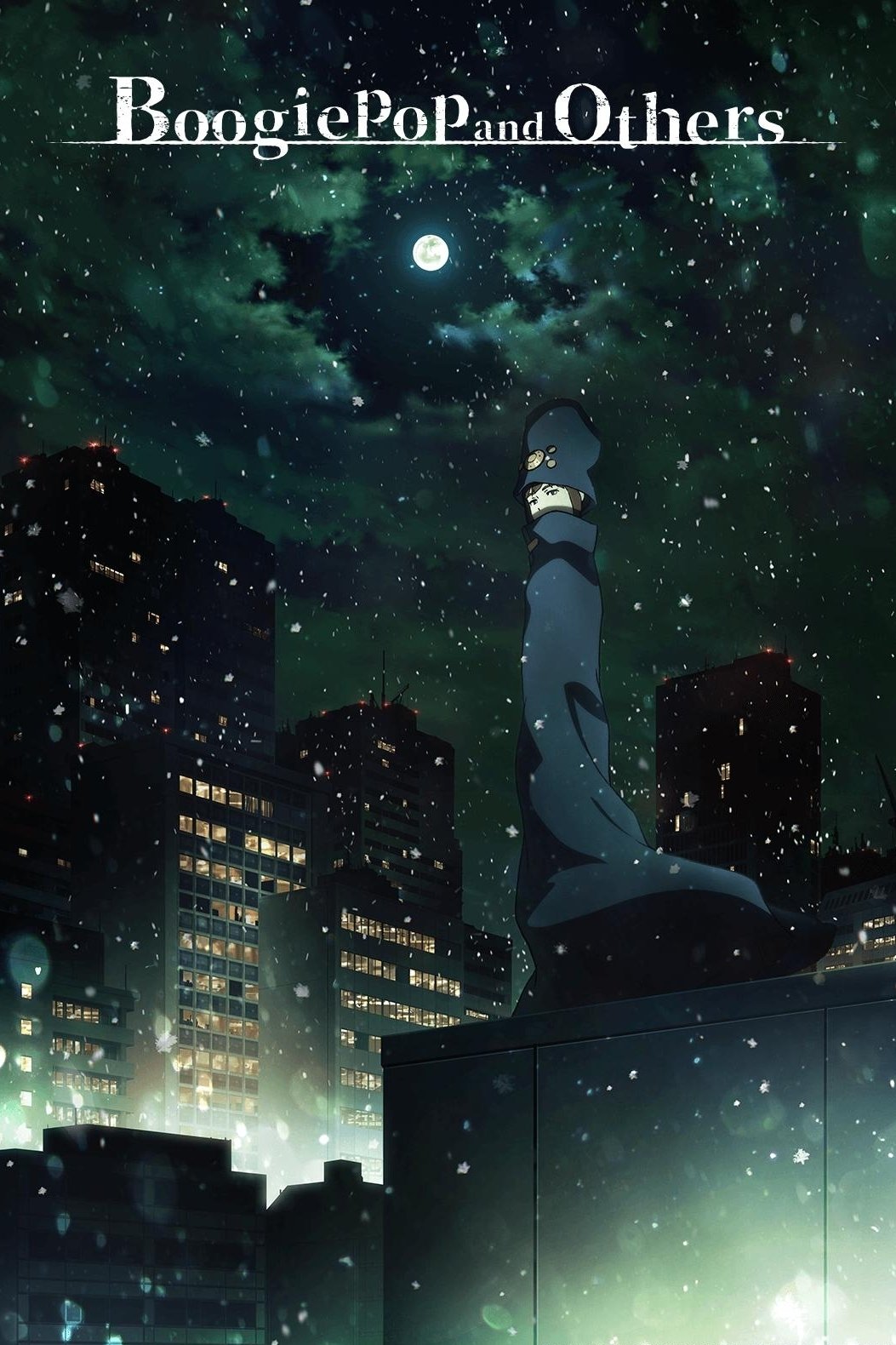
Madhouse presents a non-linear adaptation of light novels centered on urban legends and overlapping incidents. Arcs reset perspectives while preserving timeline continuity through repeating events. The show uses cold opens and episode codes to anchor viewers in the correct segment. Minimalist framing and diegetic clues encourage careful attention to dialogue and setting.
‘Banana Fish’ (2018)
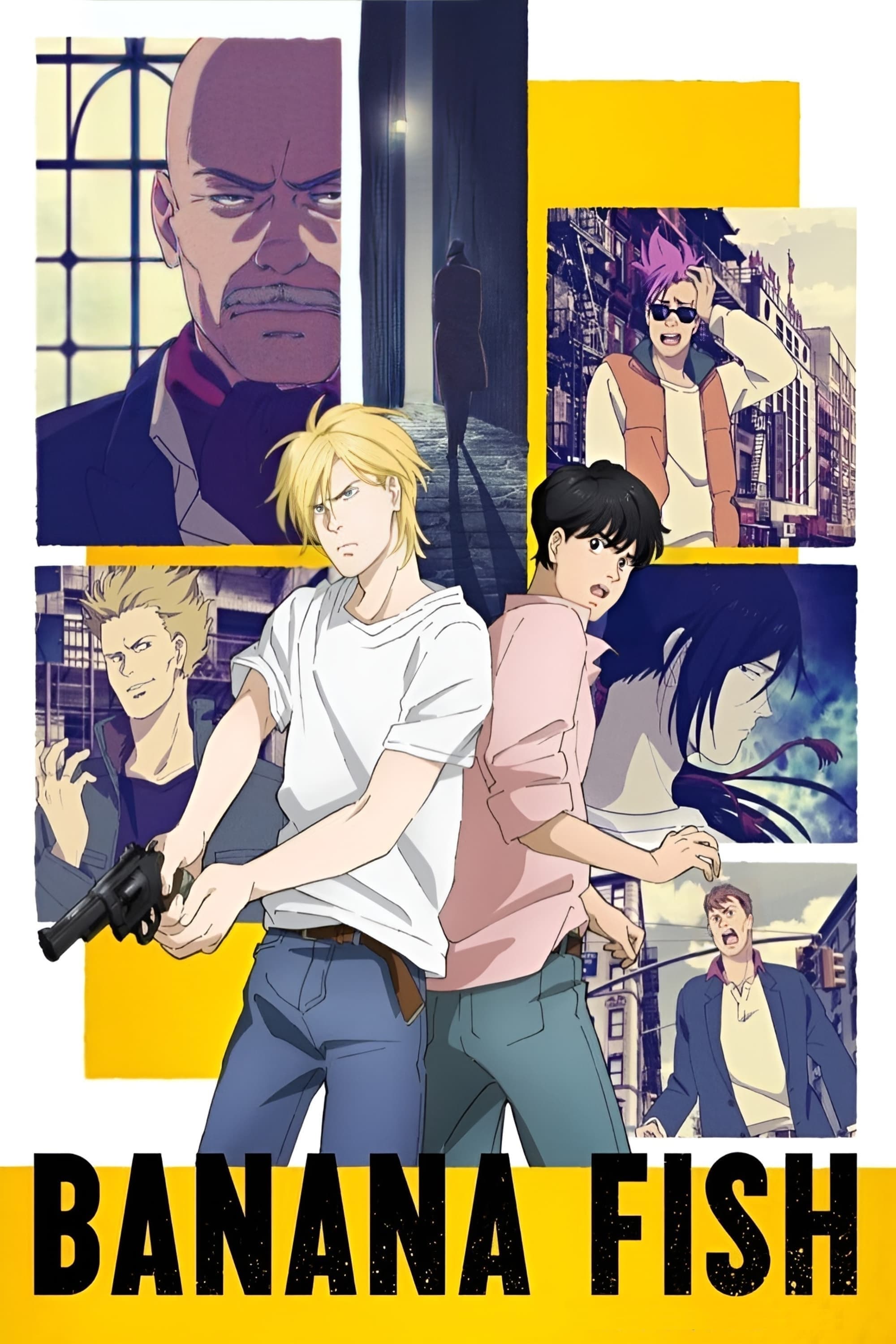
MAPPA adapts the crime manga to contemporary settings while preserving character dynamics and core plotlines. The production stages firefights and chases using real-world weapons handling and urban geography. Investigative threads include evidence gathering, safehouse logistics, and gang politics. The soundtrack shifts between tense underscores and quieter interludes during recovery scenes.
‘The Great Passage’ (2016)
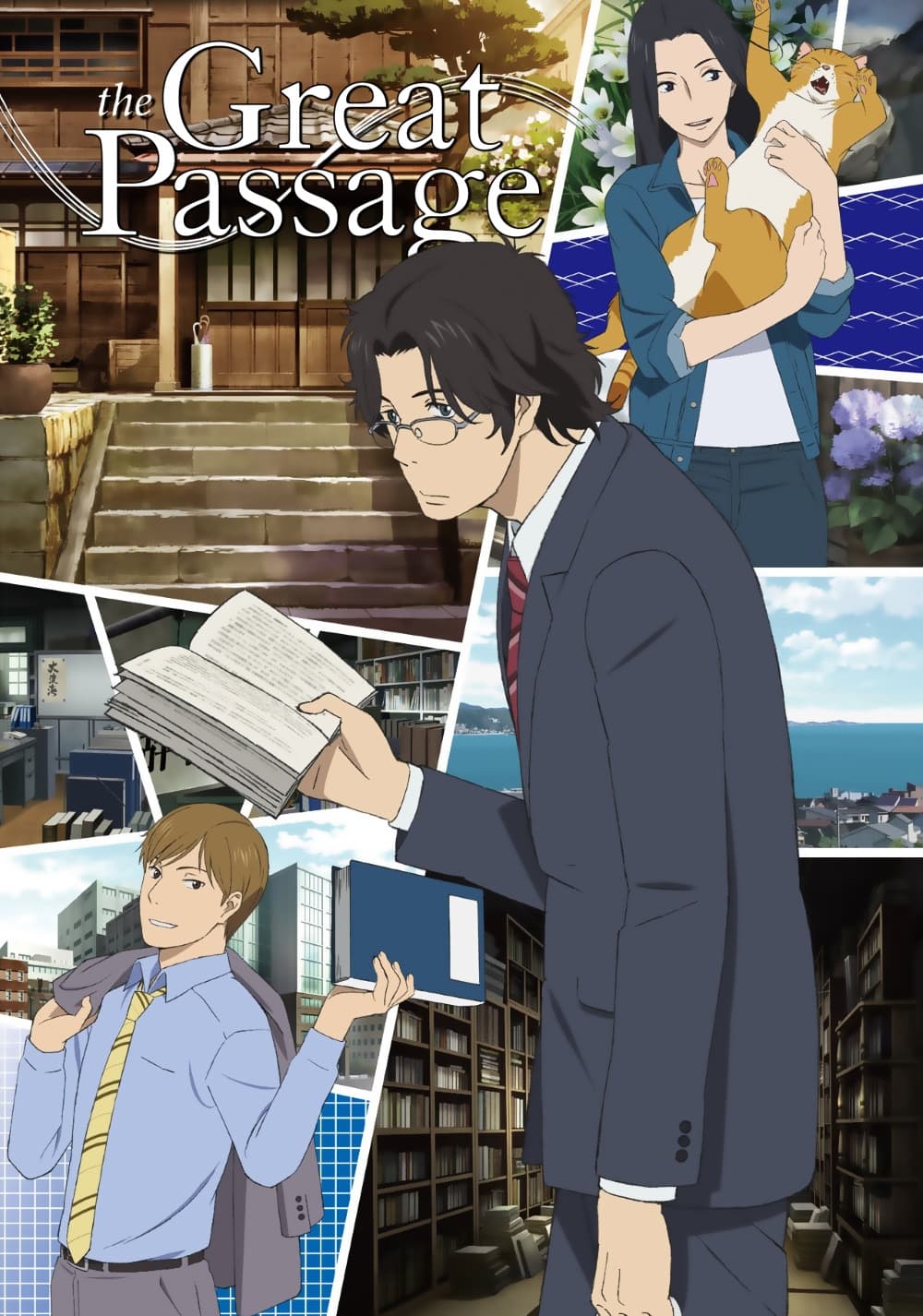
ZEXCS adapts a novel about a team compiling a new dictionary at a publishing house. Episodes detail editorial workflows: corpus collection, definition drafting, and citation verification. Meetings, deadlines, and galley checks form the project’s backbone. The series uses quiet office spaces and typesetting shots to visualize language work.
‘Kabaneri of the Iron Fortress’ (2016)
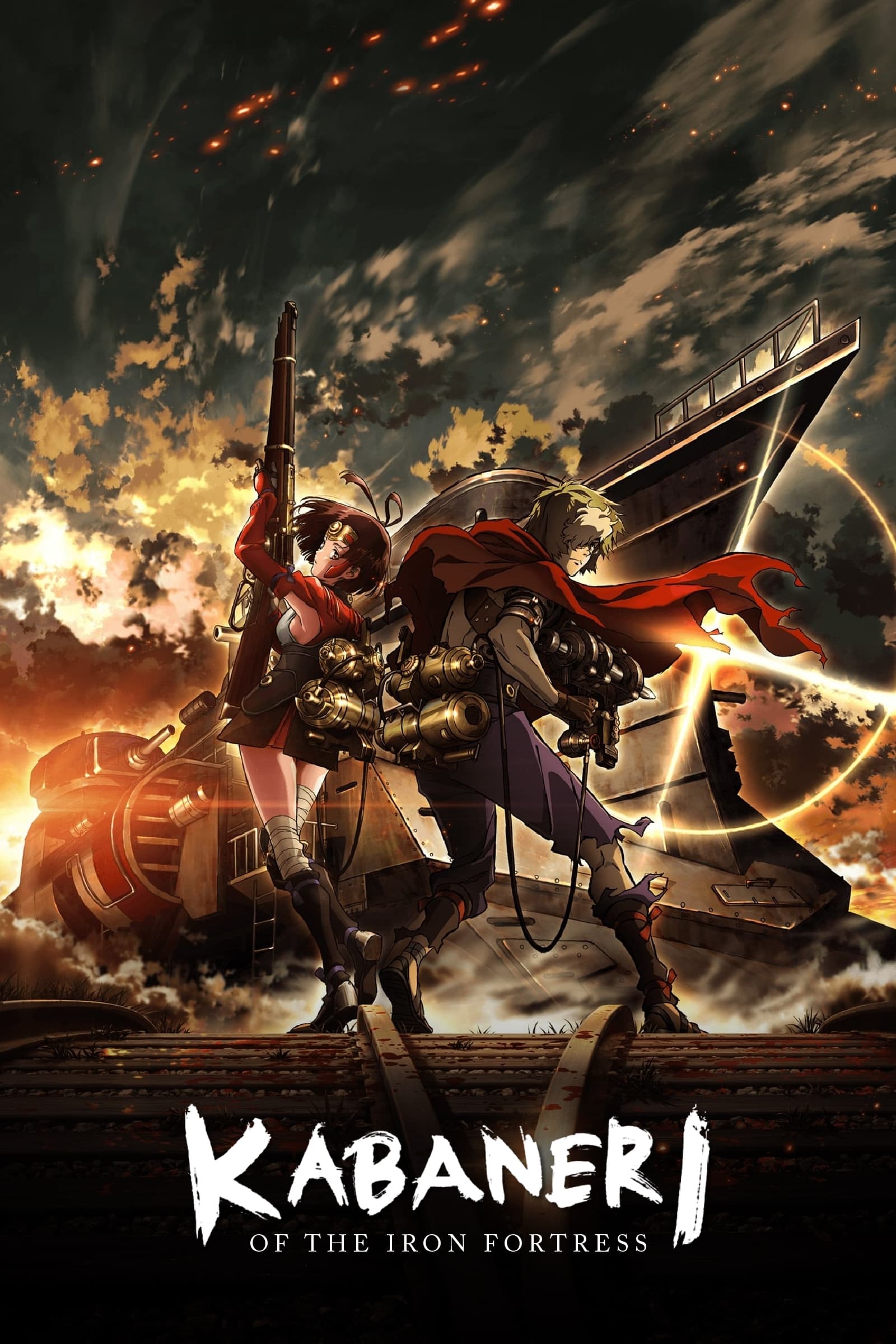
Wit Studio’s action series follows armored trains and fortified stations resisting infected swarms. Equipment schematics explain steam-powered weaponry and reinforcement methods. Setpieces revolve around rail operations—switching, refueling, and bridge crossings—under pressure. Costume and prop design fuse period aesthetics with industrial hardware.
‘Kuromukuro’ (2016)
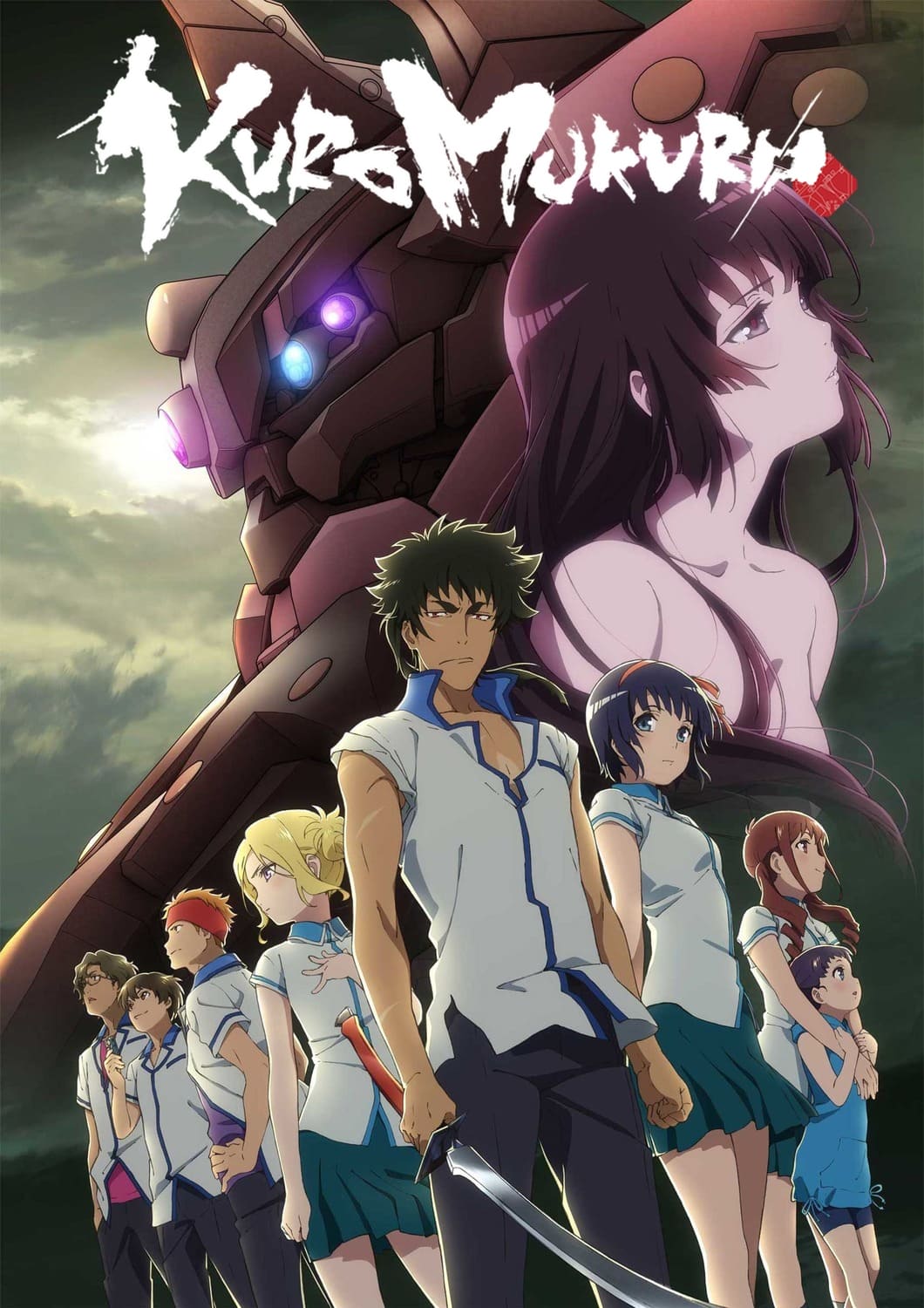
P.A.Works mixes mecha action with a research institute setting near a mountain pass. The show features field deployments, debriefings, and archival analysis to advance plot. Mecha combat combines swordplay with sensor and shield systems that are explained on-screen. Cultural interactions between the displaced lead and modern staff create procedural challenges.
‘Scum’s Wish’ (2017)
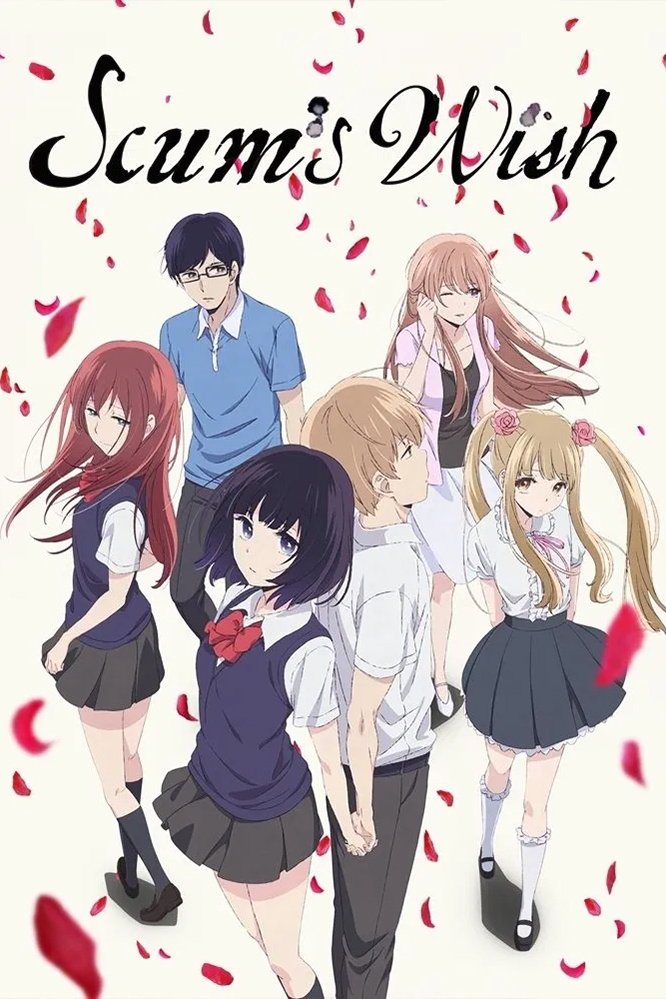
Lerche adapts a romance manga focused on complicated relationships within a close school community. Visual devices like split-screen confessions and text overlays track shifting agreements. The series uses classroom schedules and club duties to maintain proximity and escalation. Framing often isolates characters in familiar spaces to document decision points.
‘A Place Further Than the Universe’ (2018)
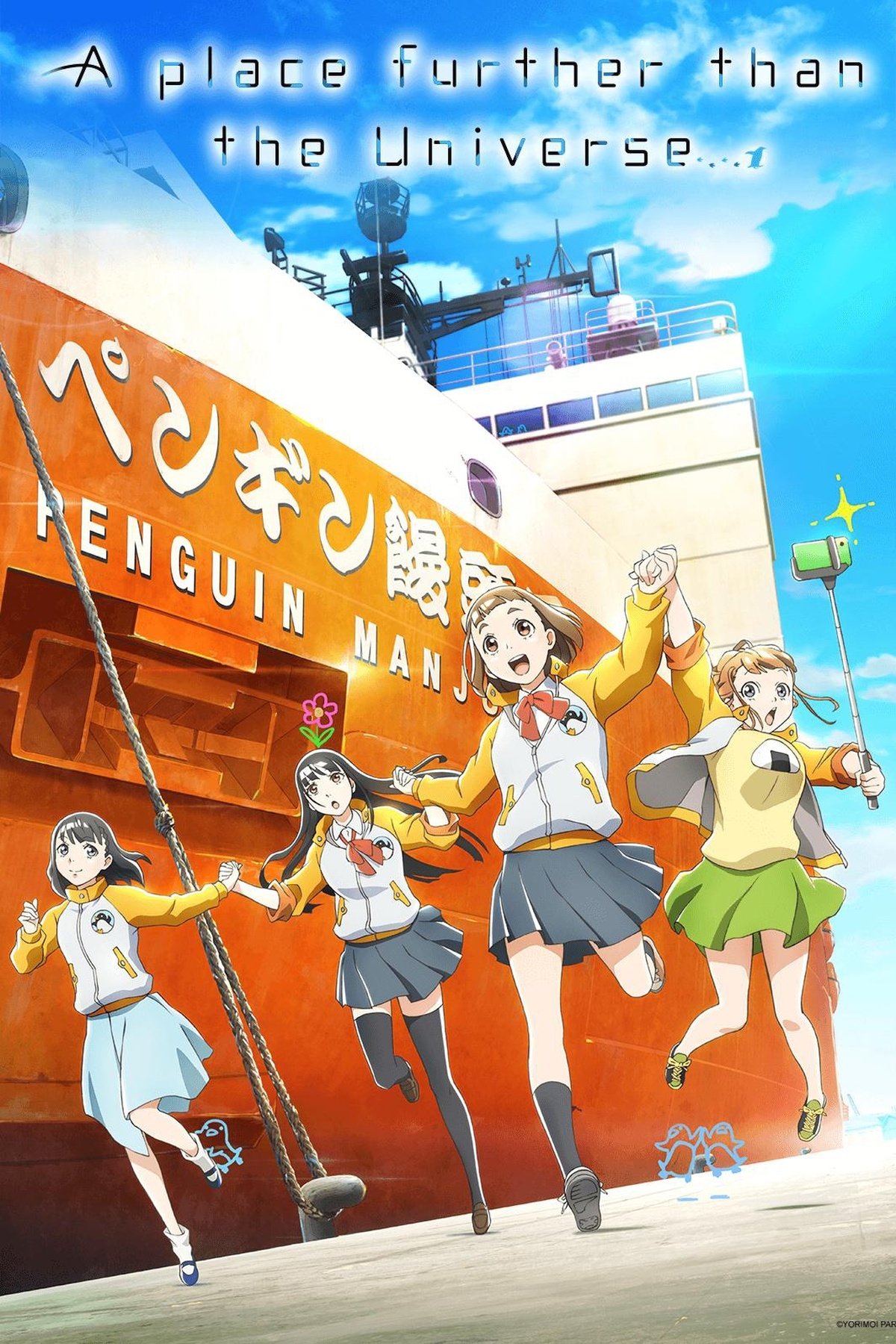
Madhouse follows a student team joining an expedition bound for polar research stations. Training montages cover permits, survival basics, and equipment allocation. Logistics sequences handle funding, travel legs, and convoy coordination. Environmental scenes emphasize navigation tasks and routine duties during deployment.
‘Tsurune’ (2018–2023)
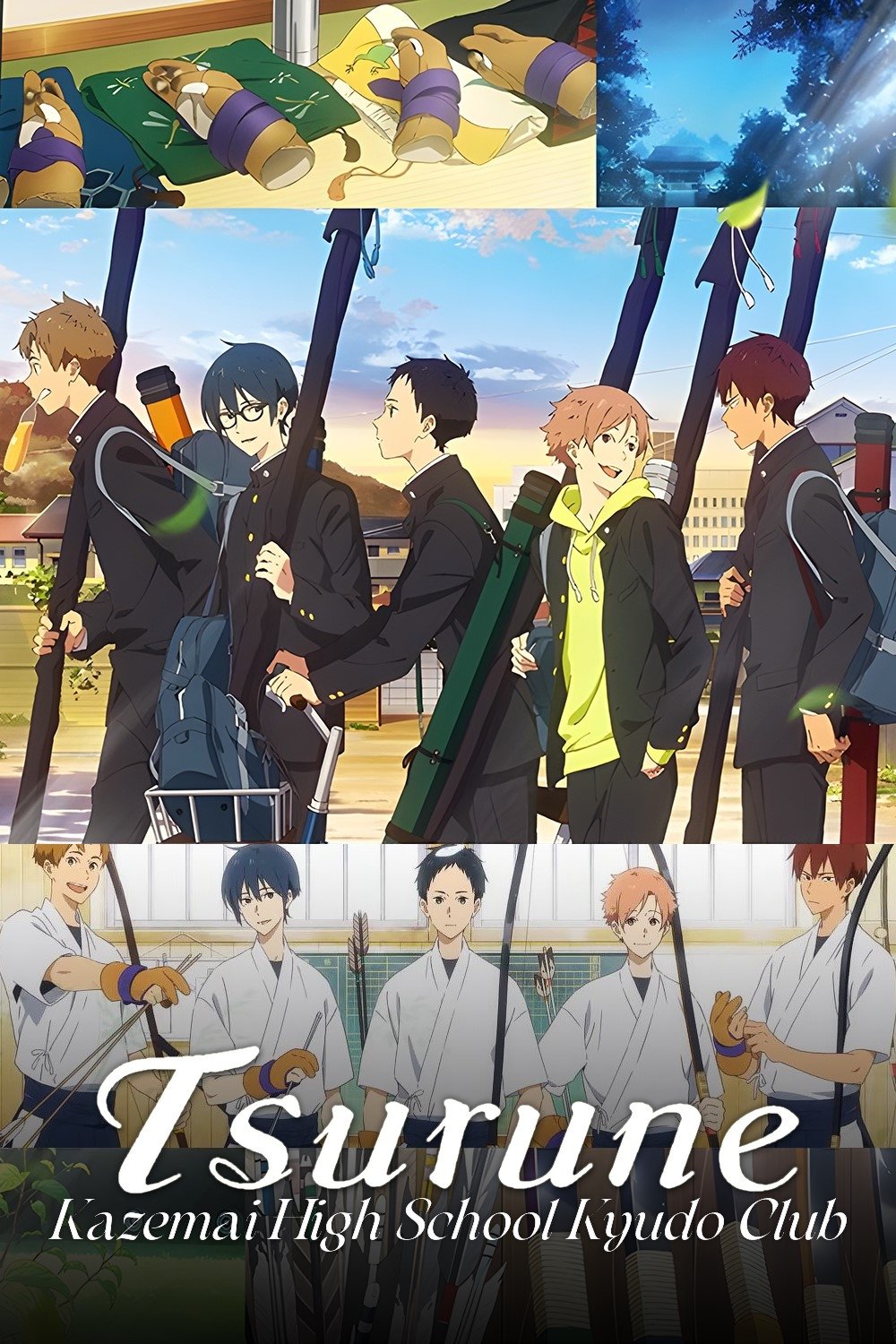
Kyoto Animation adapts a novel about a high-school kyudo club. Practice scenes break down stance, draw, and release with coaching cues and slow-motion analysis. Competitions follow bracket formats, judge calls, and timing rules. Sound design highlights string tension, arrow flight, and range acoustics.
‘MEGALOBOX’ (2018–2021)
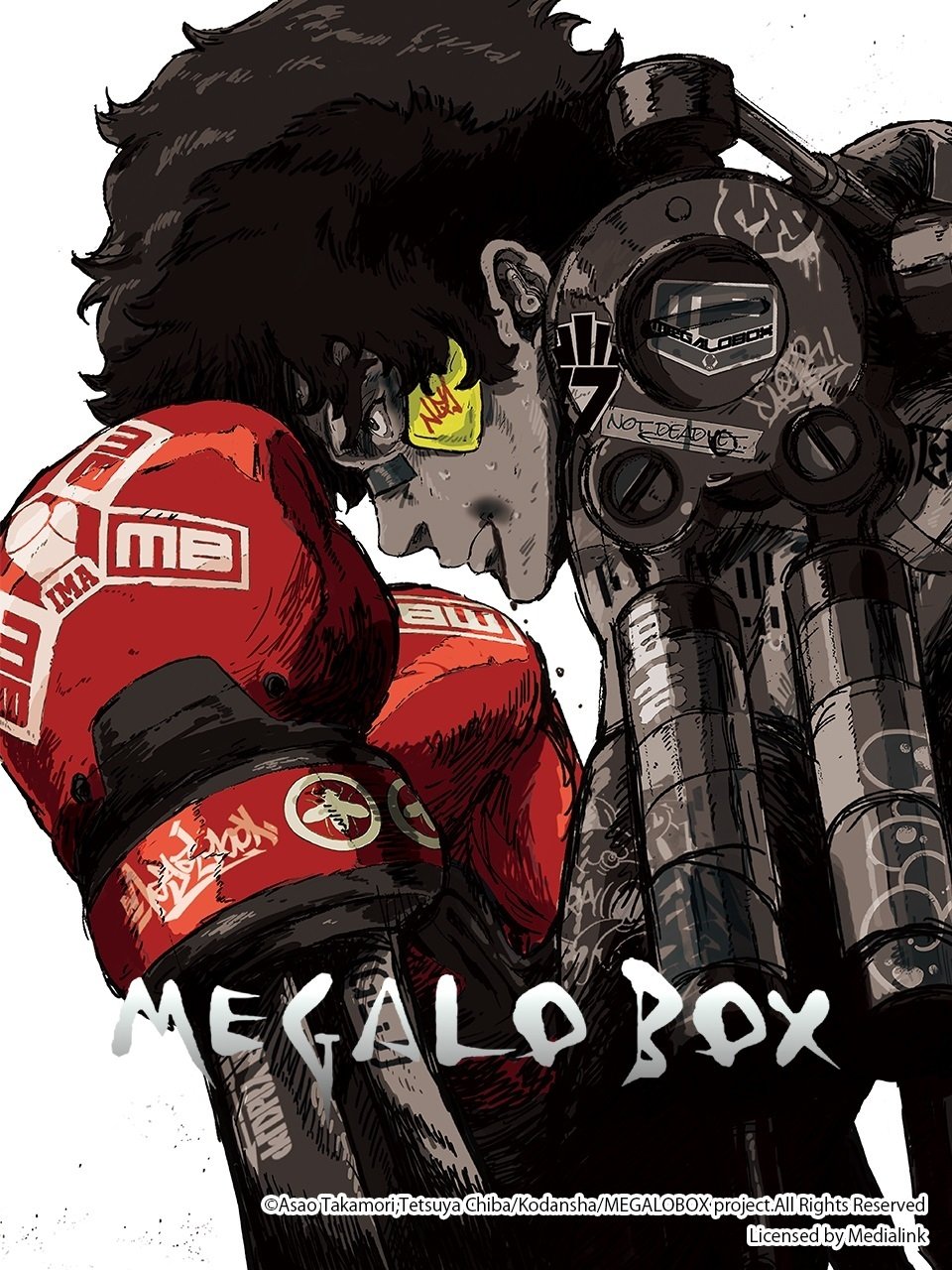
TMS Entertainment reimagines a boxing classic with exo-frame gear augmenting fighters. Bouts are structured around weight classes, rankings, and promotional contracts. Training arcs include roadwork, corner strategy, and equipment tuning. Visual grain and layered backgrounds support a gritty ring atmosphere.
’86’ (2021–2022)
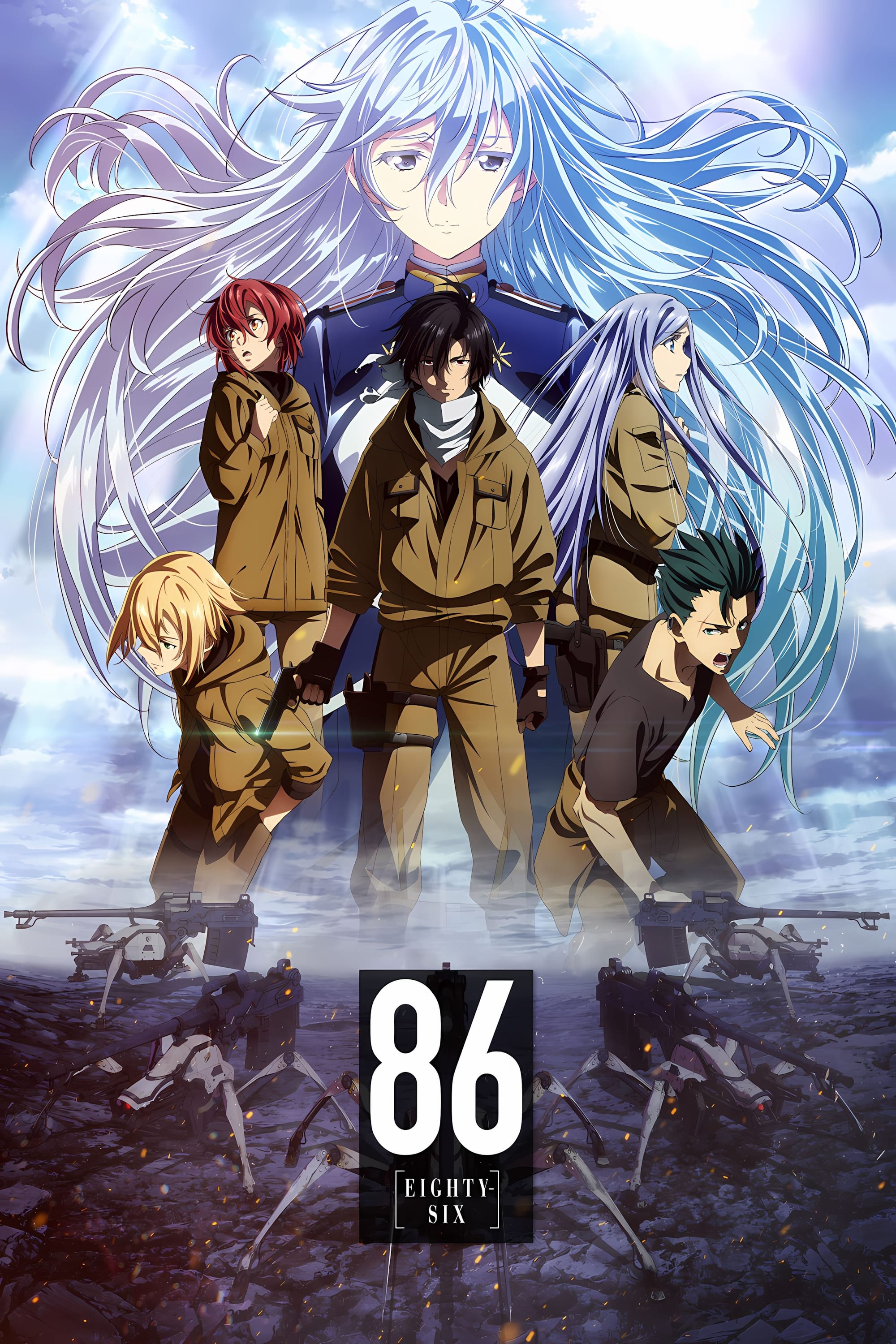
A-1 Pictures adapts a light novel about a remote-operated war and the unit that actually fights it. Command-center scenes cover map tactics, comms protocols, and sortie scheduling. Field operations include maintenance, scouting, and combined-arms maneuvers. The narrative alternates between frontline and rear-echelon perspectives to show policy and practice.
‘Keep Your Hands Off Eizouken!’ (2020)
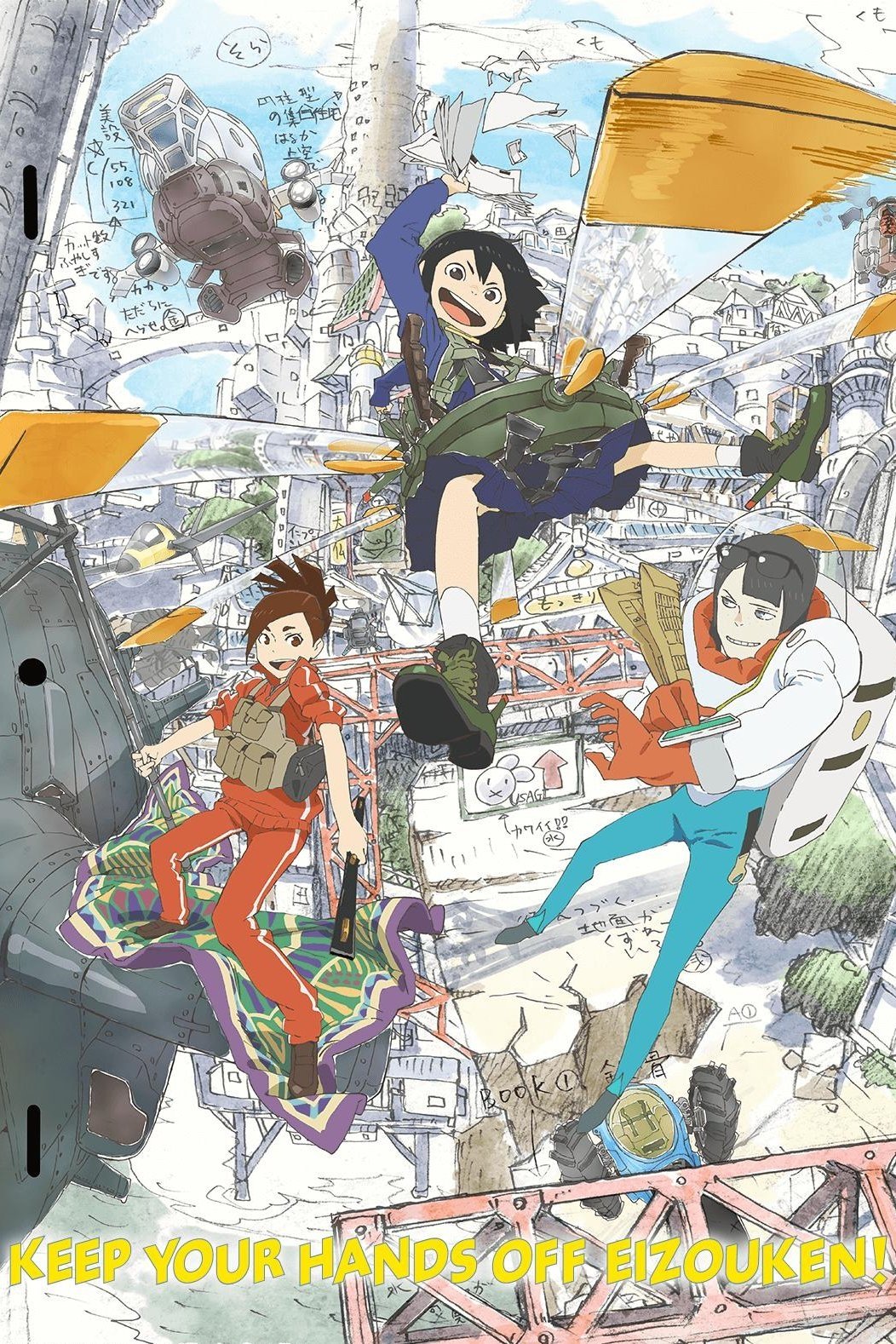
Science SARU adapts a manga about three students building their own animation club. Episodes walk through pre-production steps—location scouting, concept art, and storyboards—before moving to cuts and compositing. Faculty oversight, budgets, and deadline crunches serve as practical constraints. Imagination sequences translate scribbles into moving setpieces that mirror the team’s pipeline.
‘The Tatami Time Machine Blues’ (2022)
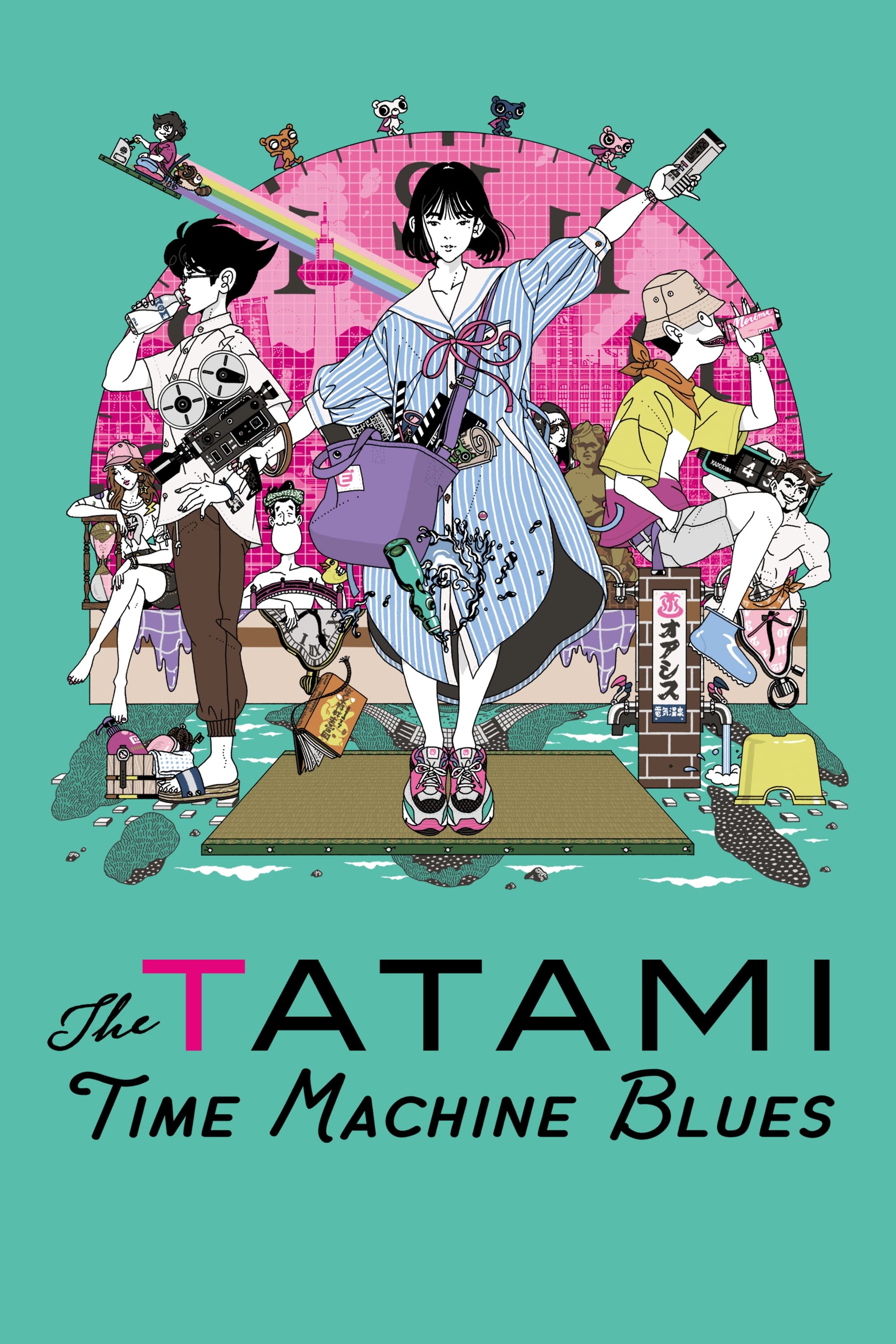
Science SARU adapts the sequel novel to a beloved campus story, centered on a time-travel mix-up involving a remote control. The limited-series structure tracks cause-and-effect across tight locations with recurring props. Visual gags and monologues are timed against clockwork plot beats. The production preserves the narrator’s voice while letting side characters drive immediate goals.
Share your own overlooked favorites from the last decade in the comments so everyone can discover a few more hidden gems.