

Most Unsettling ‘Chainsaw Man’ Scenes Without Gore

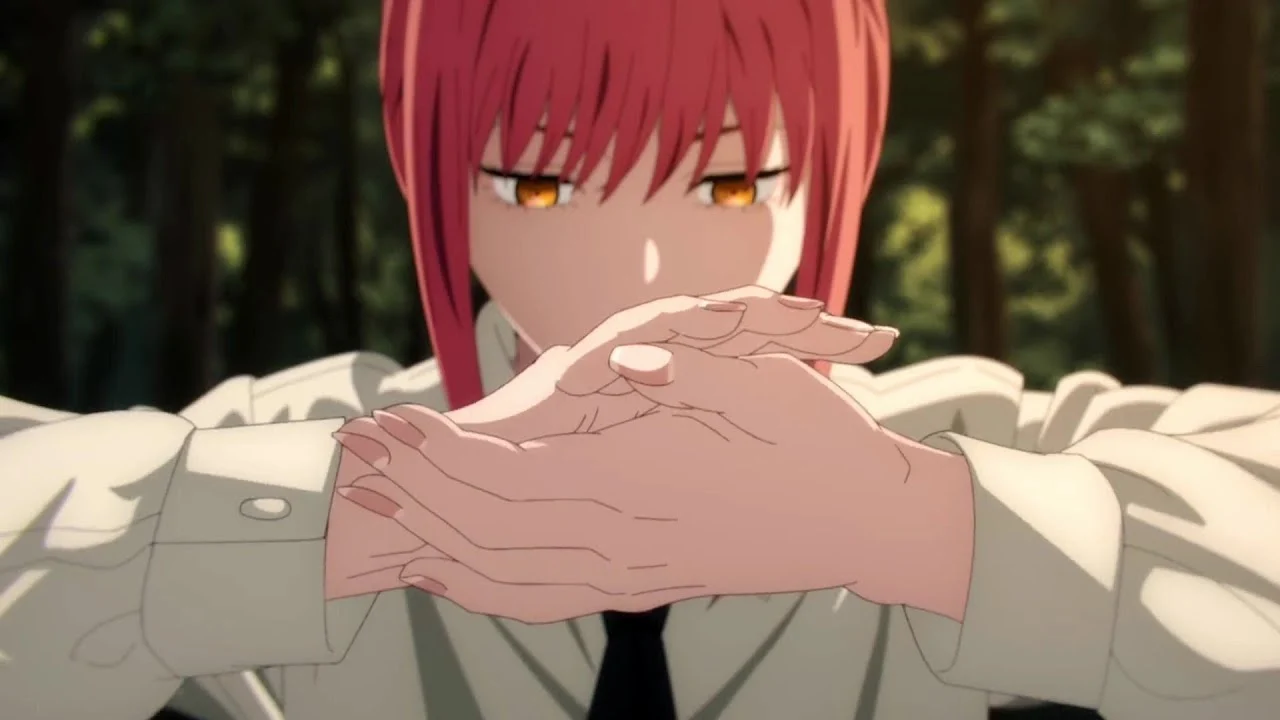


You don’t need splatter to get under the skin—‘Chainsaw Man’ proves it with stretches of quiet dread, coercion, and claustrophobia that linger long after the credits. These ten moments use staging, sound, and character dynamics to build unease while keeping blood off the screen, highlighting how MAPPA’s adaptation leans on atmosphere as much as action. From looping corridors to manipulative whispers, the tension often arrives in low voices and still frames. Here are the sequences that make your stomach drop without a single gory cutaway.
The Hotel’s Endless Hallway Trap (Episode 6)
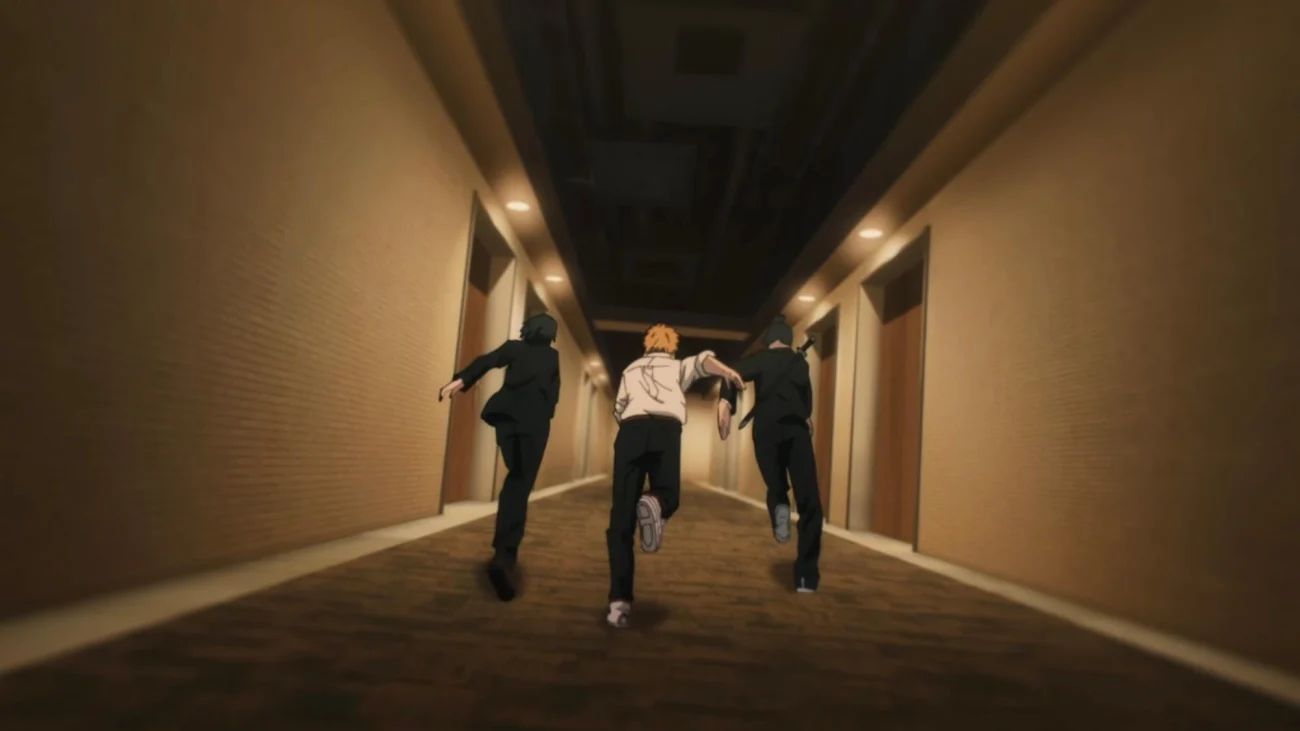
Trapped on the eighth floor, Division 4 discovers the corridor loops back on itself, with clocks frozen at the same time and windows leading nowhere. Camera blocks emphasize symmetry and repetition, while wide angles linger on empty corners to sell the spatial paradox. Dialogue turns practical—mapping routes, testing stairs—yet each failed attempt tightens the noose. The absence of any visible monster creates a contained panic that grows scene by scene.
Kobeni’s Breakdown in the Stalled Search (Episode 6)
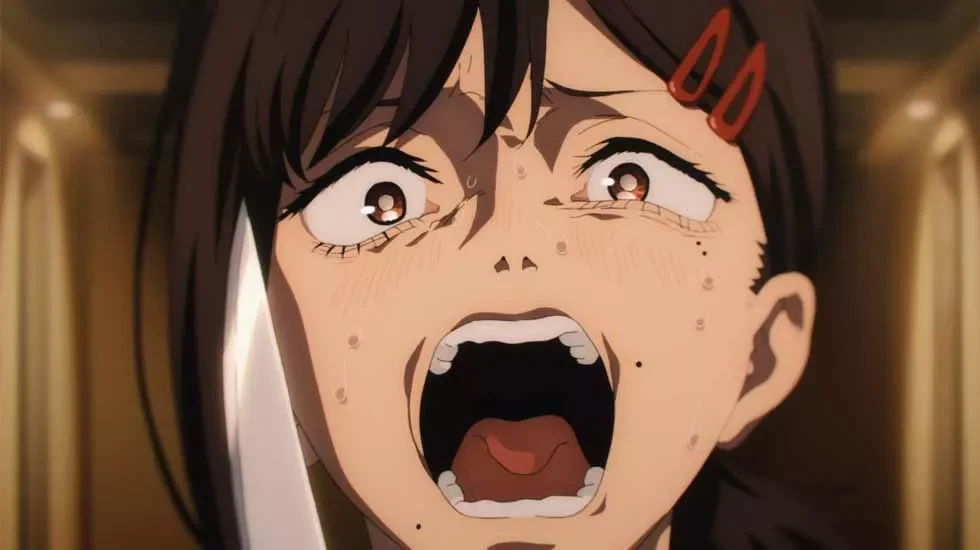
As food and nerves thin, Kobeni spirals, accusing teammates and brandishing a knife while sobbing apologies. The mix of halting breath, trembling hands, and cramped framing sells the volatility without showing harm. Other characters keep distance, negotiating in careful, clipped lines that avoid escalation. The sequence reads like a pressure vessel where any sound might trigger the worst outcome.
Makima’s Car Ride Command: “Be My Dog” (Episode 2)
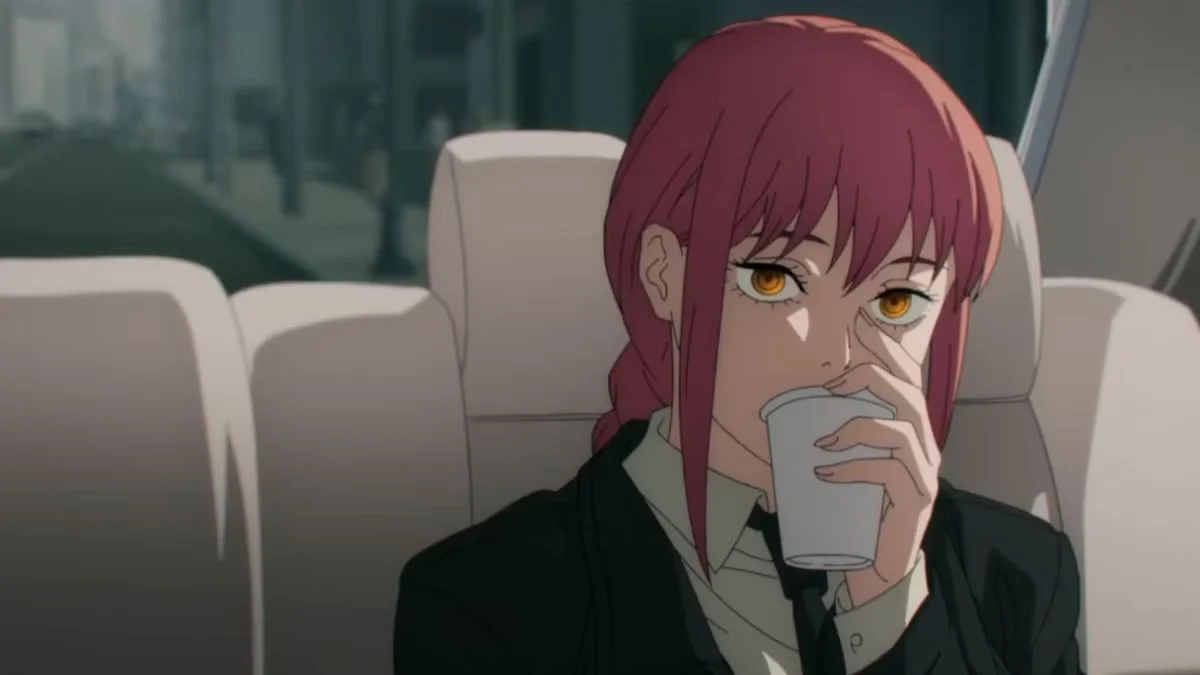
After picking Denji up, Makima lists rules in a level voice, reducing choices to obedience or disposal. The car’s soft hum and neutral daylight contrast with the language of ownership, heightening the power gap. Denji’s fixation on promised food and shelter sets up a transactional bond with clear terms. The scene establishes a control dynamic through tone, posture, and conditional kindness rather than threats.
The Temple Ritual in Kyoto (Episode 9)
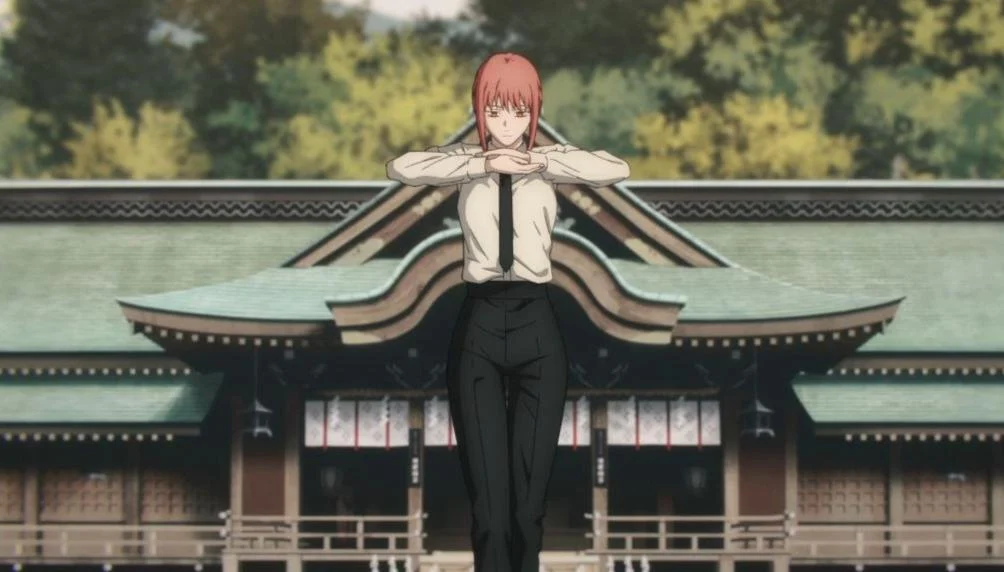
At a secluded temple, Makima lines up blindfolded convicts and has them repeat names while she performs precise hand motions. Targets far away collapse offscreen as wind rises and bells toll, leaving the camera on her stillness and the convicts’ reactions. Guards relay confirmations by phone in flat voices, turning the montage into a mechanical procedure. The sequence communicates lethal reach through ritualized calm and never shows a wound.
Himeno’s Cigarette Pact with Aki (Episode 5)
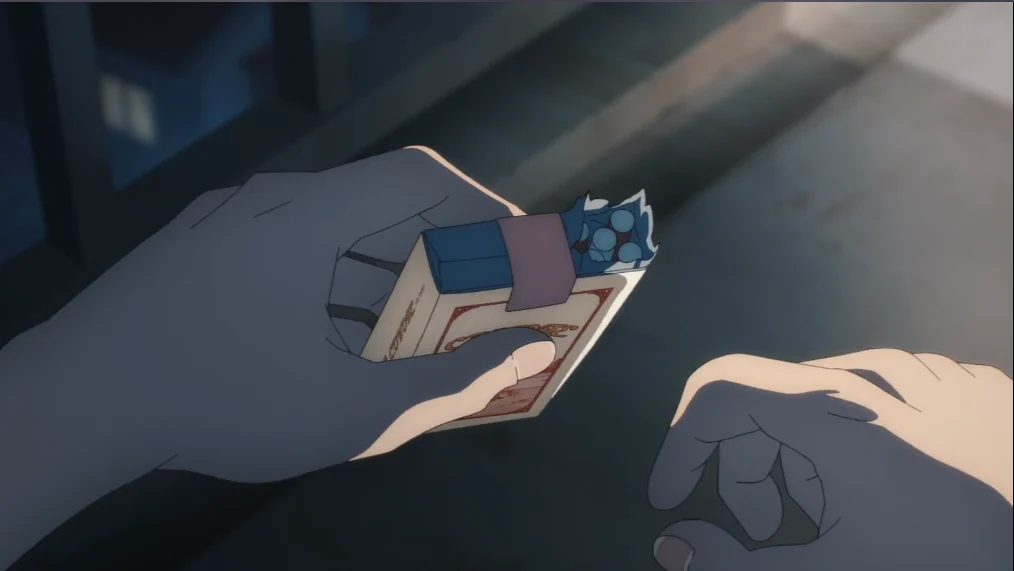
On a quiet balcony, Himeno offers Aki a cigarette as a token of future survival—an exchange that sets rules for who saves whom. The gesture is small, but the pause and framing underscore a pact built on limited options. Their conversation foregrounds the professional cost of fighting devils, not bravado. It foreshadows later stakes by anchoring them in everyday ritual rather than violence.
Denji’s First Normal Breakfast (Episode 4)
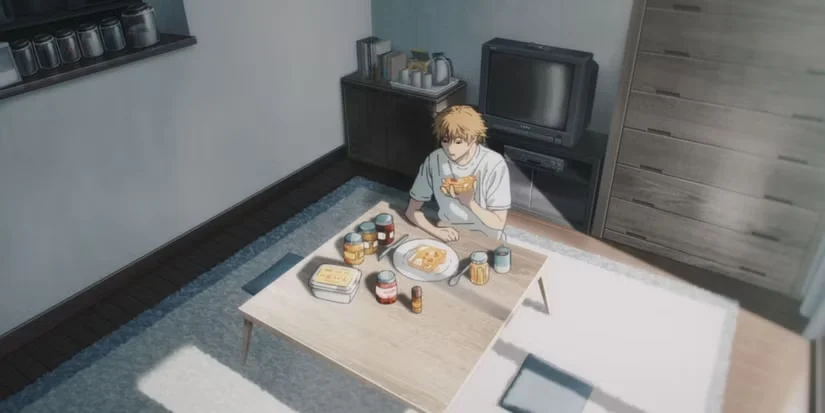
Aki, Power, and Denji share a morning of coffee, toast, and chores, all scored with gentle room tone and clinking dishes. Denji’s focus on jam and simple comforts reframes the series’ goals from heroics to routine. The domestic shots—laundry lines, grocery lists—read like a fragile blueprint for stability. The calm feels precarious precisely because the show has taught viewers how quickly it can vanish.
Power’s Hilltop Confession About Meowy (Episode 3)
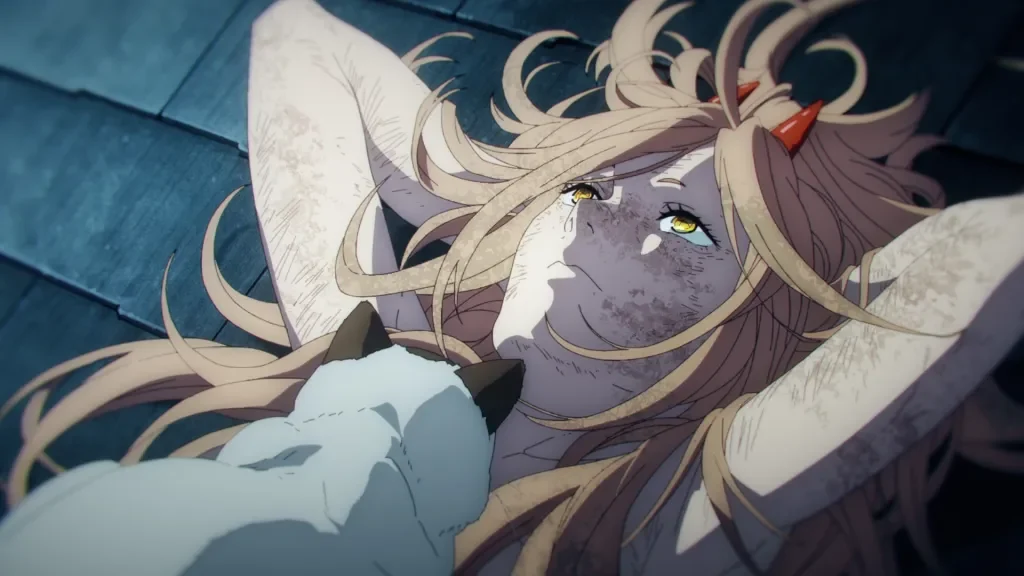
Sitting on a grassy rise, Power explains her attachment to her cat, outlining a solitary life that predates the team-up. The sky, cicadas, and distant traffic make a natural sound bed as she recounts habits and motivations without sentiment. Denji listens with few interjections, letting the silence fill gaps in her story. The scene unsettles by revealing how thin and conditional her human ties truly are.
“Donuts” After Kyoto: The Call (Episode 10)
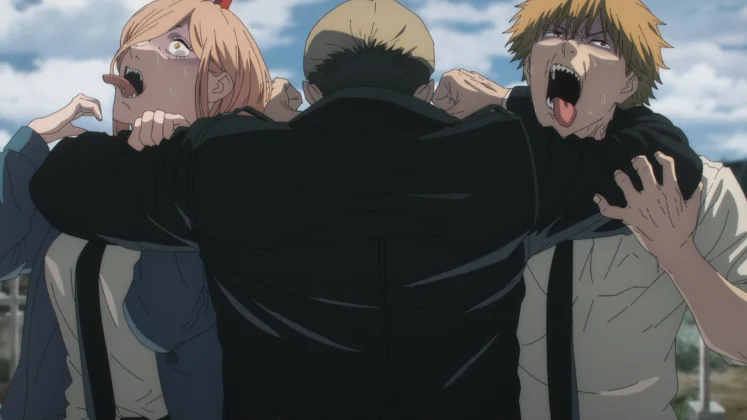
Following coordinated attacks, Makima contacts Tokyo calmly from Kyoto and, in an ordinary voice, mentions getting “donuts.” The mismatch between the crisis and her mundane request sharpens the sense that she operates on a different register. Colleagues respond with clipped confirmations, avoiding questions about methods. The quiet logistics, not the aftermath, carry the weight of what she can do.
The Fox Devil’s Refusal (Episode 9)
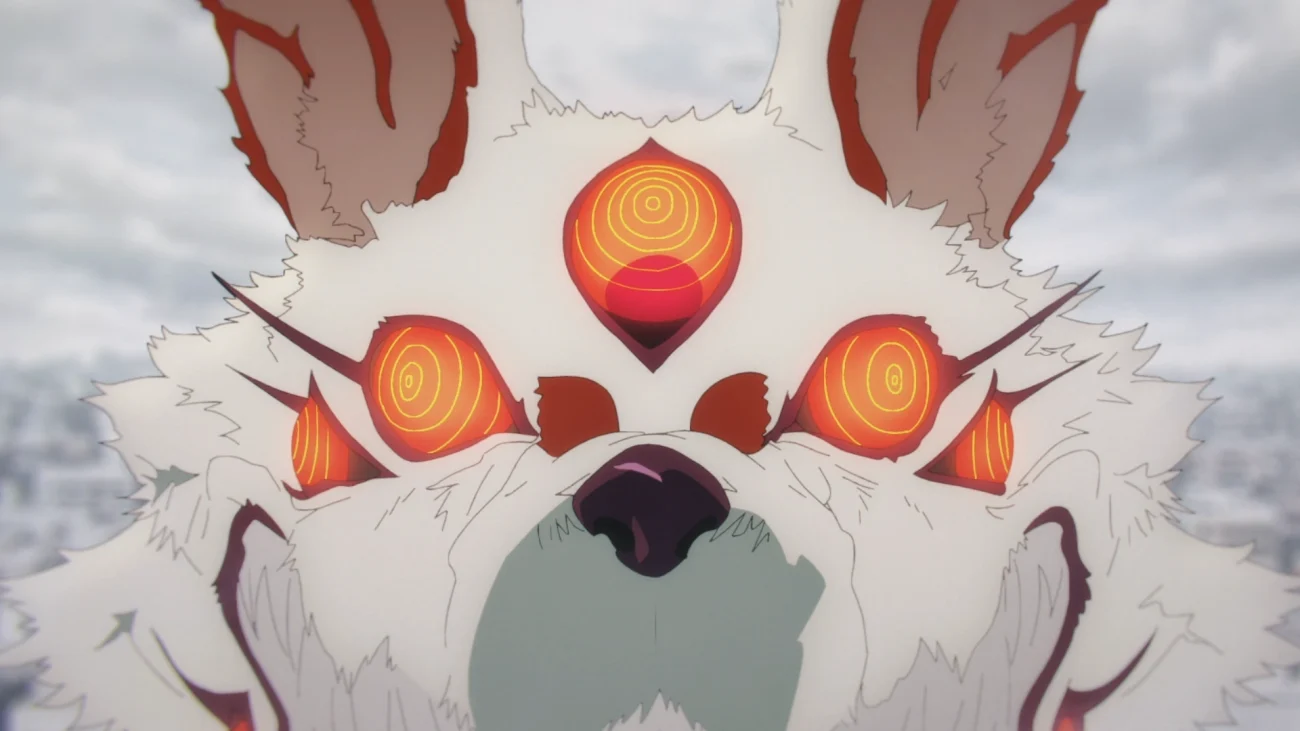
After overreliance on the Fox Devil, Aki tries to summon it again and gets only silence, then a curt reprimand via his handler. The refusal plays out in a standard office corridor and a subdued briefing room, all fluorescent stillness. It’s an administrative consequence—no blood, just revoked privilege. The moment reframes contracts as relationships with limits that can shut without warning.
Fireworks and the Promise of “Normal” (Episode 7)

At a festival, Makima describes ordinary pleasures and asks Denji to define what he really wants from life. The soundtrack lets crowd chatter recede so her questions land softly but precisely. Denji’s answers reveal how malleable his desires are when approval is dangled in front of him. The scene is unsettling because the bargain is made in warm light with no visible threat—only leverage.
Share the ‘Chainsaw Man’ scenes that quietly unnerved you the most in the comments!