

Top 20 Most Violent Video Games




Violence in games shows up in many forms, from clinical dismemberment systems to grim close combat and shocking executions. Some titles push technical boundaries to depict damage on a granular level, while others lean on tone and context to make every hit feel heavy. Together they chart how developers have experimented with mechanics, animation, and sound to portray brutality that players cannot miss.
This list rounds up twenty games known for intense content. For each one you will find practical details like release windows, platforms, standout systems, and the reasons ratings boards and regulators paid attention. Use it to understand what made each game controversial or influential rather than just shocking.
Manhunt

Rockstar North released Manhunt in 2003 on PlayStation 2, with later versions on Xbox and PC. It is a stealth driven action game where the player executes enemies in staged snuff film scenarios using items like plastic bags and garrotes. The game uses a tiered execution system that escalates animations and bloodletting based on how long the player holds the input. Audio design leans on breathing, whispers, and sudden stabs that amplify the sense of menace.
Ratings boards flagged the game for sadistic themes and extreme cruelty. Several regions restricted sales and some retailers pulled stock after public criticism. The camera framing and the scoring of kills for style points encouraged methodical stalking, which kept the focus on deliberate acts rather than chaotic shootouts.
Manhunt 2
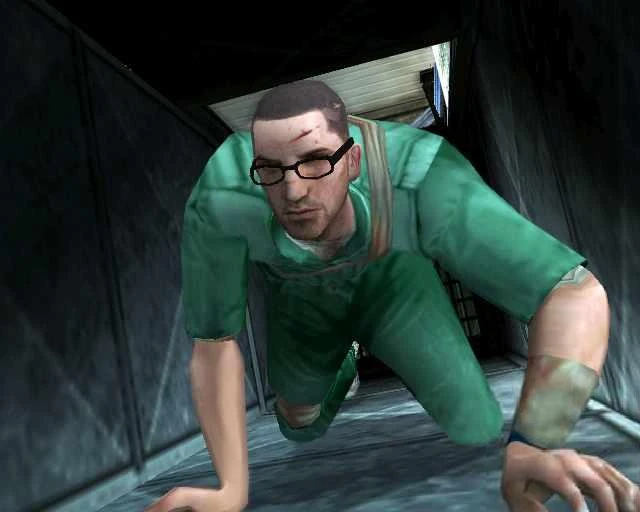
Manhunt 2 arrived in 2007 from Rockstar London on PlayStation 2, PSP, and Wii, with a later PC version. It follows a scientist who escapes a facility and experiences blackouts during violent episodes. Executions returned with an added visual filter in some versions that obscured detail during the most graphic moments. Weapons range from improvised tools to firearms found in the environment.
The game initially received an Adults Only decision in the United States and underwent content changes before release in multiple markets. Europe applied different cuts and age ratings depending on country. The controversy centered on interactive close up killings rather than general combat, which made the game a focal point in debates around depiction of cruelty.
Postal 2
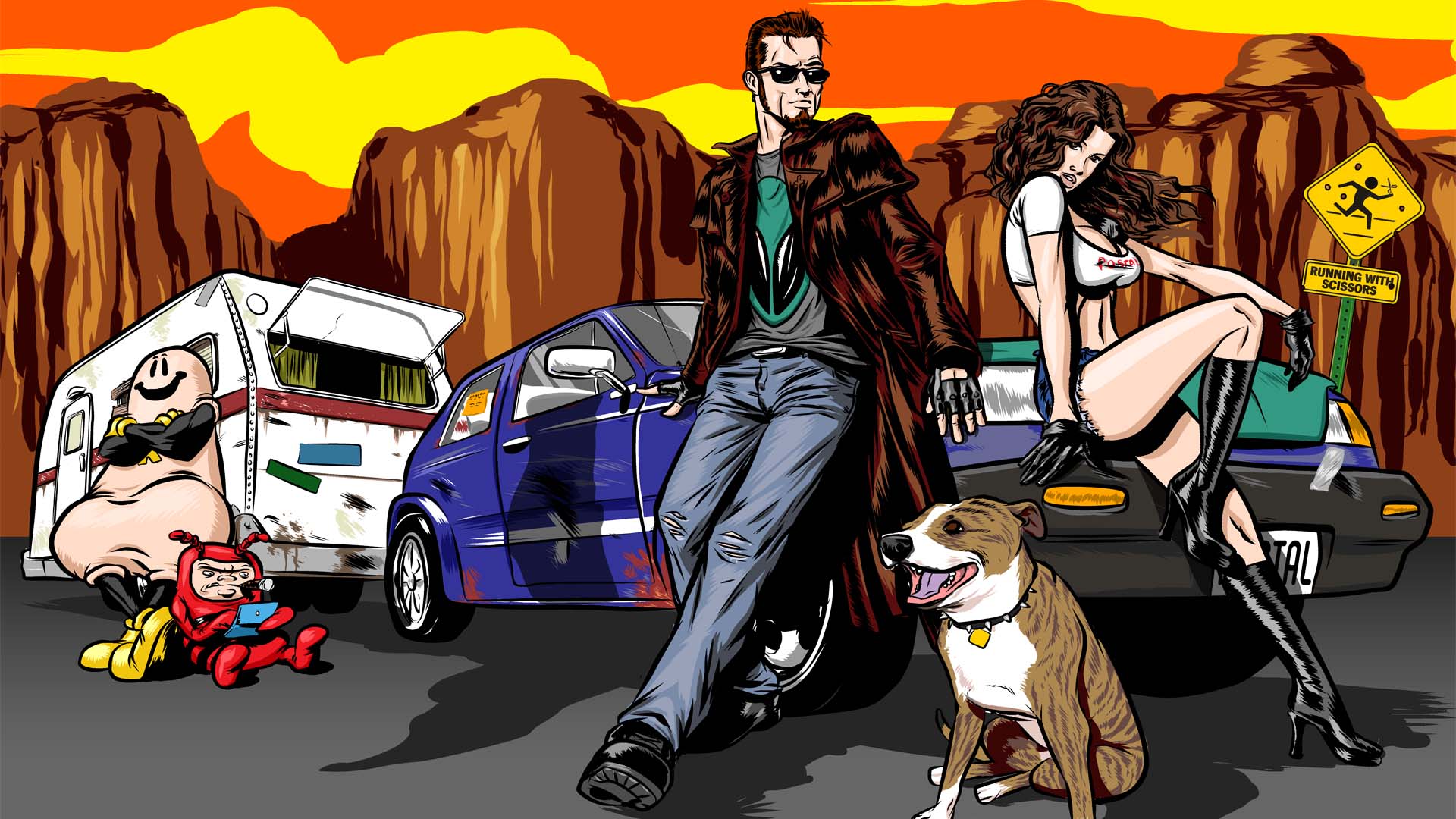
Postal 2 launched in 2003 on PC from Running With Scissors. It is a first person open environment game set over several in game days where mundane errands can turn into violent encounters. Players can attack civilians and law enforcement using firearms, melee weapons, and fire, and the game includes a urine mechanic that interacts with enemies and the world for shock value.
Postal 2 drew bans or temporary prohibitions in a number of countries due to persistent violence and offensive content. Later versions and expansions added more weapons and scenarios that raised the intensity further. The absence of a required body count to progress made the player’s choices central to how violent a playthrough becomes, which kept it in the spotlight.
Hatred
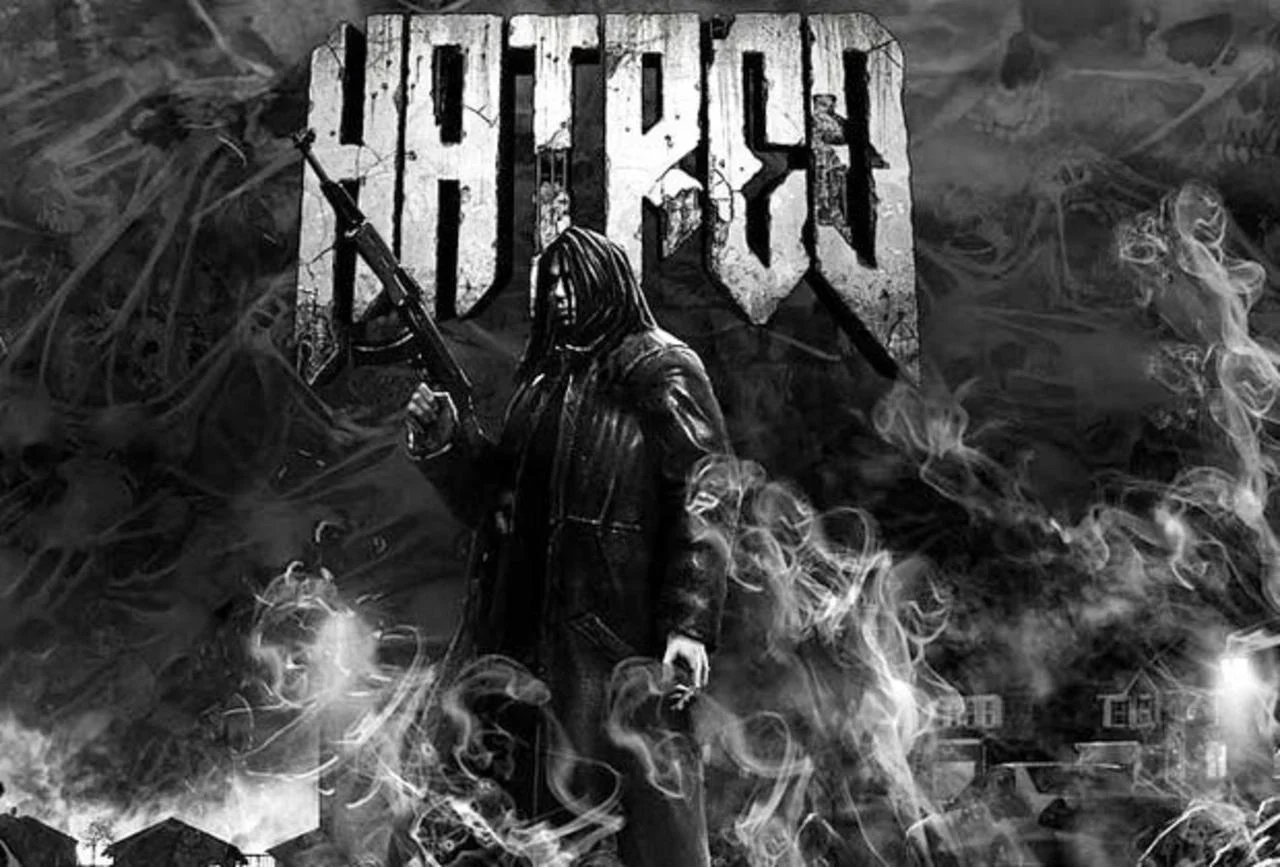
Hatred released in 2015 on PC by Destructive Creations as an isometric shooter. The player embarks on a spree against civilians and law enforcement across suburban maps with firearms, explosives, and executions that restore health. The camera is fixed at a distance yet zooms in for finishing moves, which emphasizes the brutality despite the overhead view.
It became one of the few games to carry an Adults Only rating for violence rather than sexual content in the United States. Digital storefront policies were tested and then reversed to allow distribution. The design focuses on hostility toward noncombatants, which is what triggered both media attention and restrictive ratings in multiple regions.
Mortal Kombat 11

Mortal Kombat 11 arrived in 2019 from NetherRealm Studios on PlayStation 4, Xbox One, Switch, and PC. The fighting system built on precise strings and meter management while adding Fatal Blows that trigger at low health. Fatalities and Brutalities use detailed dismemberment, x ray style internal damage, and elaborate weapon finishers that reference each character’s kit.
Regulators classified the game for strong violence across major territories. Custom variation systems let players equip moves that create new ways to set up cinematic finishers. Frequent slow motion camera cuts and close shots of organs elevate the intensity far beyond typical fighting games.
Doom Eternal
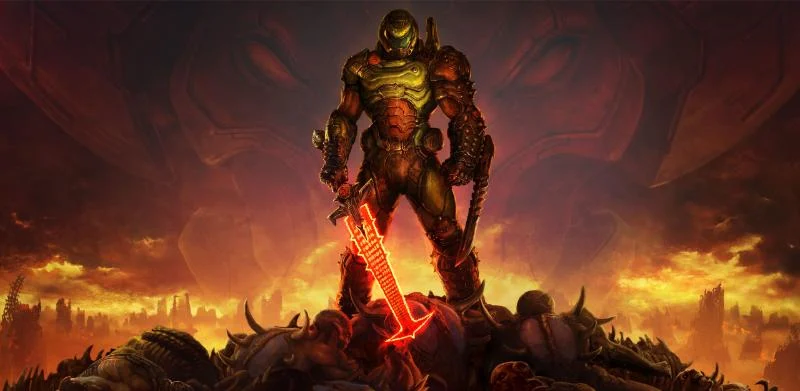
Doom Eternal launched in 2020 from id Software on PC and consoles. It expands on fast movement and aggressive resource loops by tying health and armor to Glory Kills and flame belts. Demons lose chunks of flesh as they take damage and executions feature context sensitive animations that vary by enemy and angle.
The chainsaw returns as a limited ammo tool that restores supplies in a quick burst. Shotgun meat hooks yank the Slayer into melee range to execute midair finishers. The visual damage system makes combat readable but also accentuates gore through progressive dismemberment during extended fights.
Dead Space
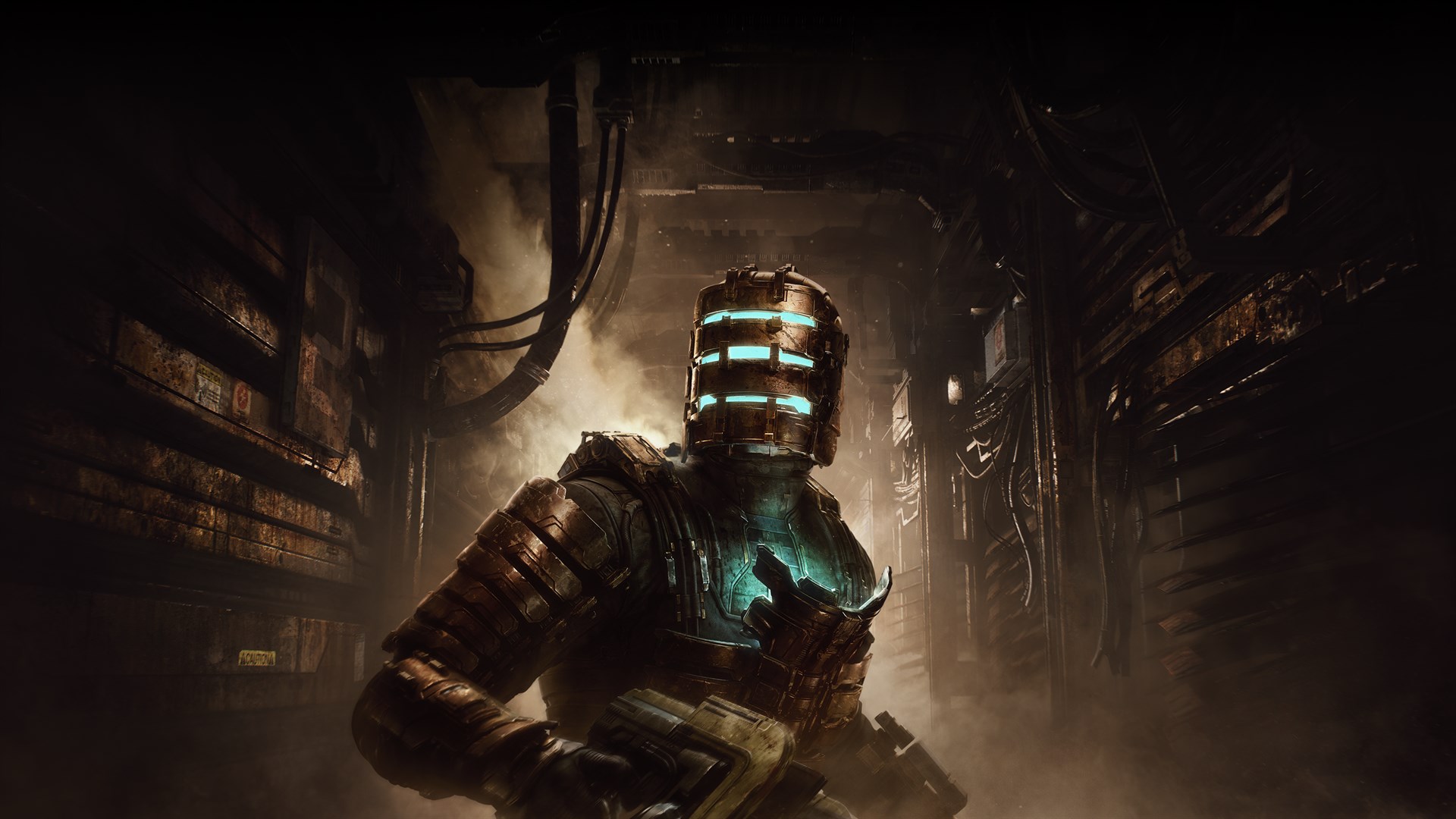
Dead Space released in 2008 from EA Redwood Shores on PlayStation 3, Xbox 360, and PC. Combat centers on strategic dismemberment of necromorphs using tools like the plasma cutter, line gun, and ripper. Limbs must be severed to slow or stop enemies, which pushes players to aim for arms and legs rather than heads.
Zero gravity sections and narrow ship corridors keep enemies close and on screen during cutting and stomping. Audio logs and diegetic UI keep the camera tight on the action. The remake years later retained the core limb removal loop because it defined how the violence felt mechanical and precise.
The Last of Us Part II
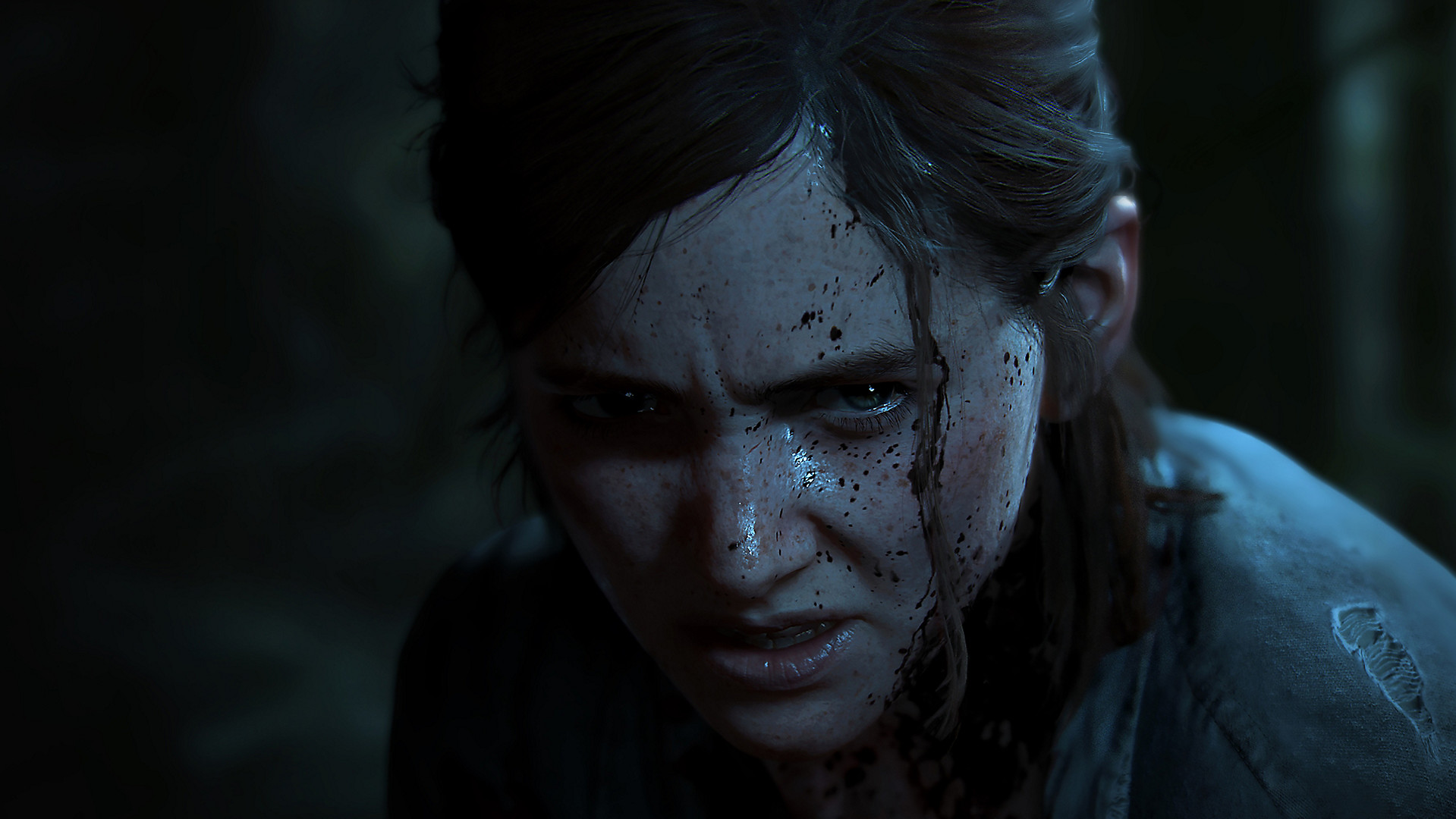
Naughty Dog released The Last of Us Part II in 2020 on PlayStation 4. It uses a grounded third person system with contextual melee, stealth takedowns, and crafting for explosives and incendiaries. Enemies react with named barks and squad tactics that highlight individual deaths, which increases the impact of each encounter.
Animations support dismemberment in set situations and show visible wounds on character models. Dogs track scent and force close quarters engagements. The combination of realistic models, motion captured performances, and slow methodical pacing made routine combat feel stark compared to traditional action games.
Wolfenstein II The New Colossus
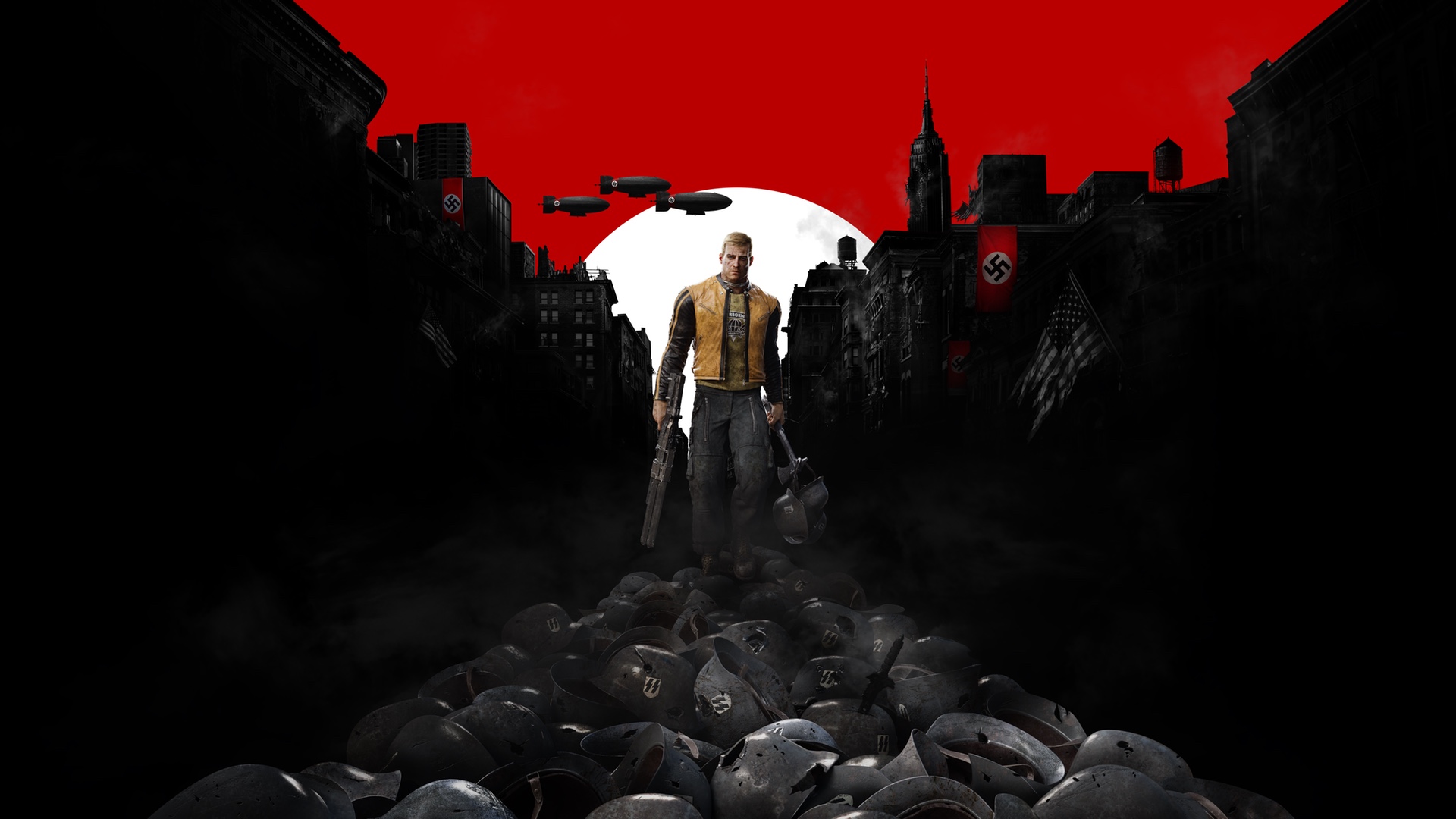
Wolfenstein II The New Colossus arrived in 2017 from MachineGames. It continues BJ Blazkowicz’s campaign with dual wielding firearms, hatchet executions, and heavy weapons that vaporize or dismember enemies. Combat arenas favor forward momentum with health pickups dropped by enemies to reward aggression.
The game features numerous takedown animations with close camera framing. Narrative sequences include graphic scenes that match the intensity of gameplay. Regions applied different content rules and iconography changes, but the core combat remained fast and gory across all platforms.
Soldier of Fortune II Double Helix
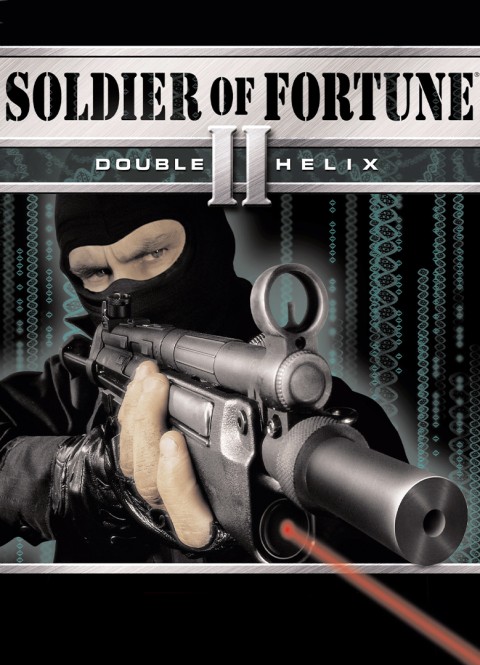
Soldier of Fortune II released in 2002 from Raven Software on PC and later consoles. It uses the GHOUL 2 system for location specific damage that allows limbs to be severed and wounds to appear where bullets land. Firearms range from pistols and shotguns to rifles and explosives that produce visible gore on impact.
Missions span urban streets and jungle settings with enemies that react differently based on hit location. The detail of the damage model became its signature feature and drove most of its notoriety. Later patches and regional versions adjusted content levels, but the locational gore remained central to the experience.
Carmageddon
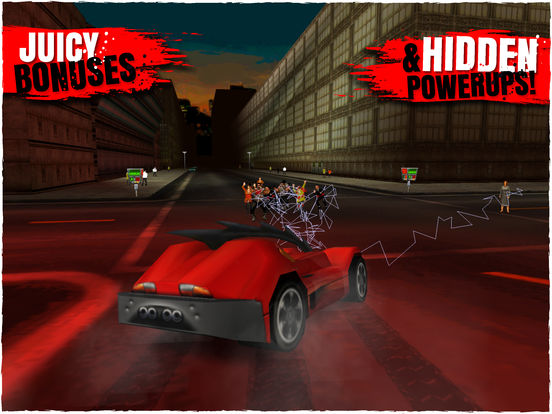
Carmageddon launched in 1997 by Stainless Games on PC and later consoles. It is a vehicular combat racer where players can win by finishing laps, destroying opponents, or running down pedestrians. Points and time bonuses reward impacts with bodies and traffic objects, and power ups exaggerate physics for more carnage.
Publication in several markets replaced pedestrians with zombies or robots to meet regional standards. The combination of arcade driving and pedestrian targets made it a frequent target of censors. Later entries and re releases restored original content where allowed, keeping the series linked with extreme vehicular violence.
MadWorld
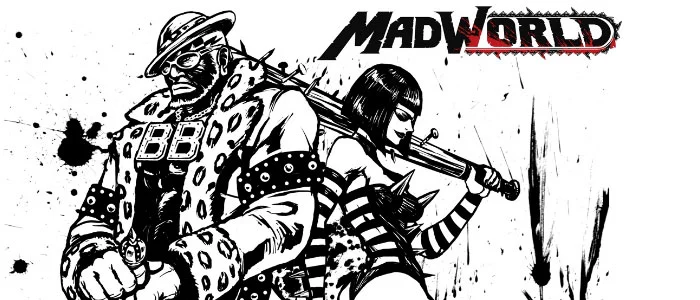
MadWorld released in 2009 from PlatinumGames on the Wii. It presents a black and white world with bright red blood and comic style on screen text. The player wields a chainsaw arm and uses environmental objects like spikes, dumpsters, and street signs to finish foes in stylized executions.
Despite platform constraints the game features numerous interactive hazards that stack into combo kills. Motion controls map to specific finishers in a way that emphasizes player input. Some countries restricted sale while others shipped an edited version, yet the core loop of creative environmental brutality remained intact.
Condemned Criminal Origins
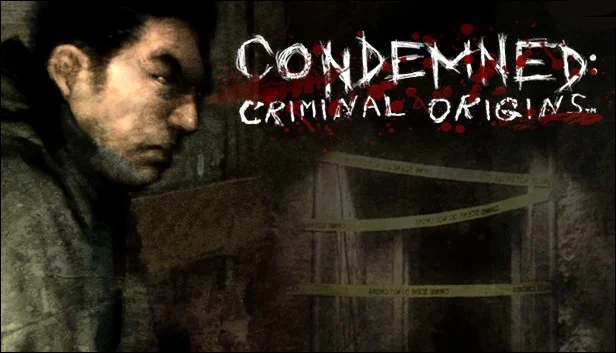
Condemned Criminal Origins launched in 2005 from Monolith Productions on Xbox 360 and PC. It focuses on first person melee with pipes, planks, and sledgehammers rather than firearms. The combat system models weighty swings, blocking, and staggering, which leads to close range finishing moves against deranged enemies.
The investigative segments slow the pace before sudden ambushes in tight spaces. Environmental kills use walls, desks, and rebar for contextual smashes that feel intimate and harsh. The absence of a heads up display and the heavy camera sway increase the sense of physical impact during fights.
The Evil Within

The Evil Within released in 2014 from Tango Gameworks on consoles and PC. It blends survival horror with resource scarcity and traps like explosive bolts and bear traps that dismember both enemies and the player character. Enemies show damage states and collapse in messes of limbs when hit with high powered tools.
The game switches camera distance and letterbox presentation in ways that funnel attention to gore events. Boss encounters feature saws, acid, and explosive hazards that trigger elaborate death animations. Regional copies varied in presentation while keeping the same brutal toolset and upgrade paths.
Outlast
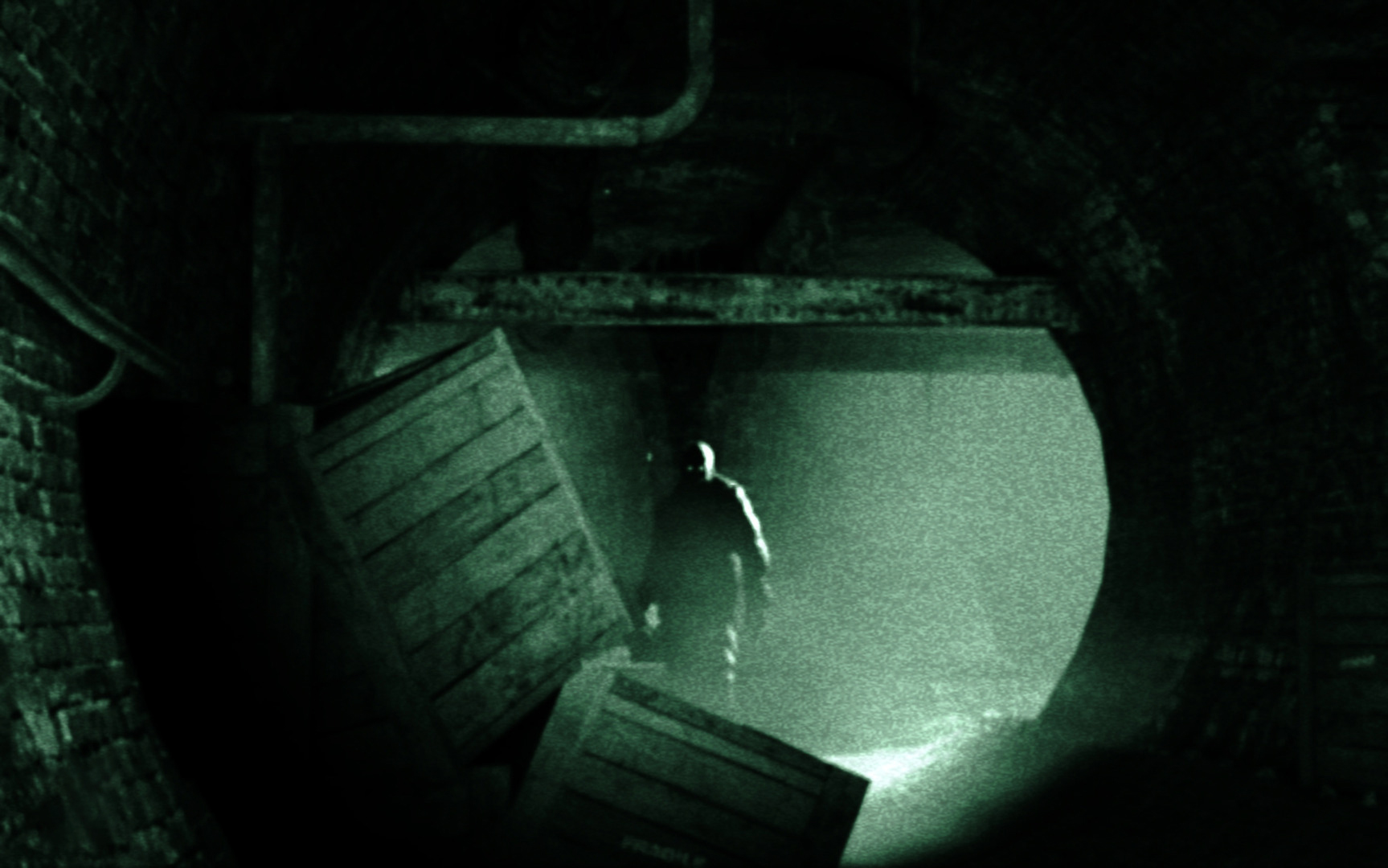
Outlast arrived in 2013 from Red Barrels on PC and later consoles. It is a first person stealth horror game where the player cannot use weapons and must hide or run. The asylum setting features graphic torture rooms, dismembered bodies, and scripted chases that end in violent captures if the player is caught.
The night vision camera limits visibility and creates sudden close range reveals of injuries and executions. The Whistleblower expansion escalates the severity of scenes with new antagonists and set pieces. The lack of combat makes every failure end in a graphic sequence, which reinforces the reputation for extreme content.
Agony
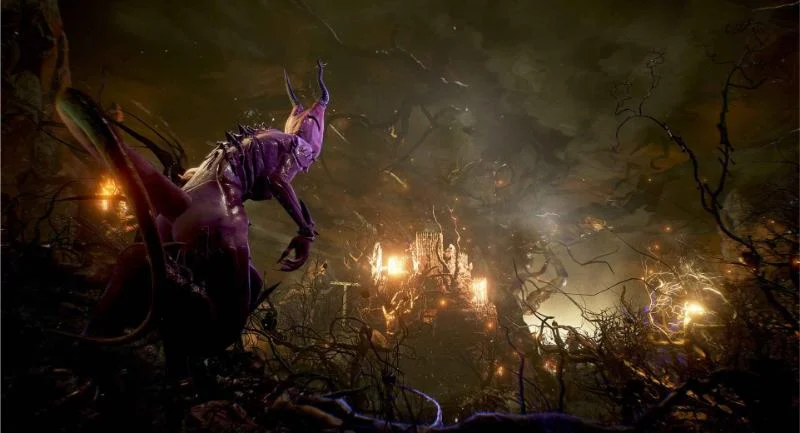
Agony released in 2018 from Madmind Studio on PC and consoles. Set in a vision of Hell, it features demons and tormented souls with explicit depictions of suffering. The player uses possession and stealth to navigate levels filled with impalements, flaying, and ritualistic imagery.
The original version underwent content changes to meet platform rating requirements, with an unrated edition later offering restored scenes on PC. The art direction favors flesh textures and organic architecture that constantly communicates harm. The frequency and detail of grotesque assets keep the intensity high throughout.
Dead by Daylight
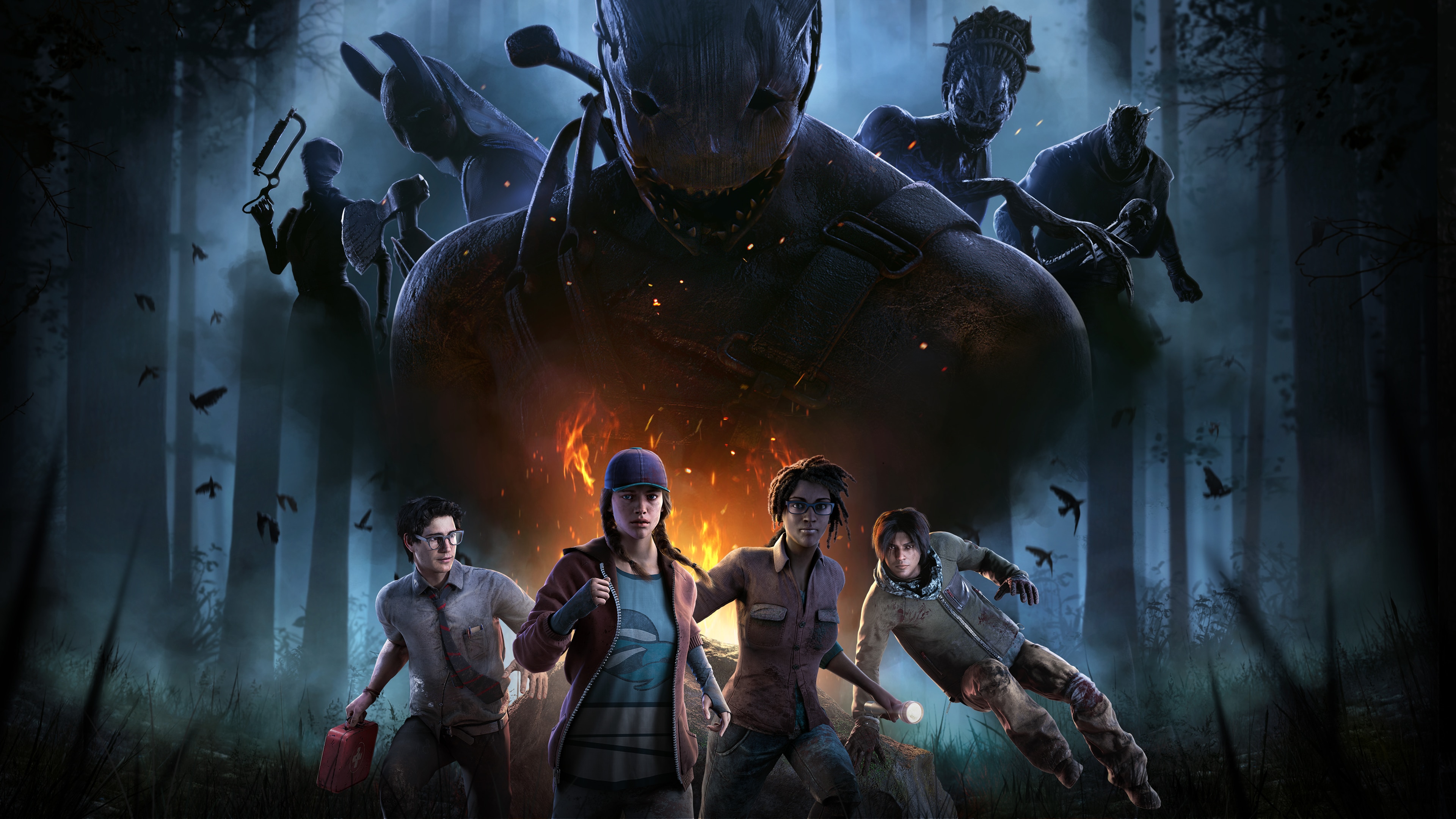
Dead by Daylight launched in 2016 from Behaviour Interactive on PC and consoles. It is an asymmetrical multiplayer game where one killer hunts four survivors. The core loop includes injuring, downing, and hooking survivors on meat hooks to progress sacrifices, with distinct mori executions for each killer that play as short cinematic scenes.
Killers use blades, chains, or spectral powers, and survivors leave blood trails that inform tracking. Licensed chapters brought in well known horror icons while maintaining the same graphic feedback for hits and finishes. Frequent updates expand the roster while keeping the visual language of wounds and hooks at the center.
Prototype
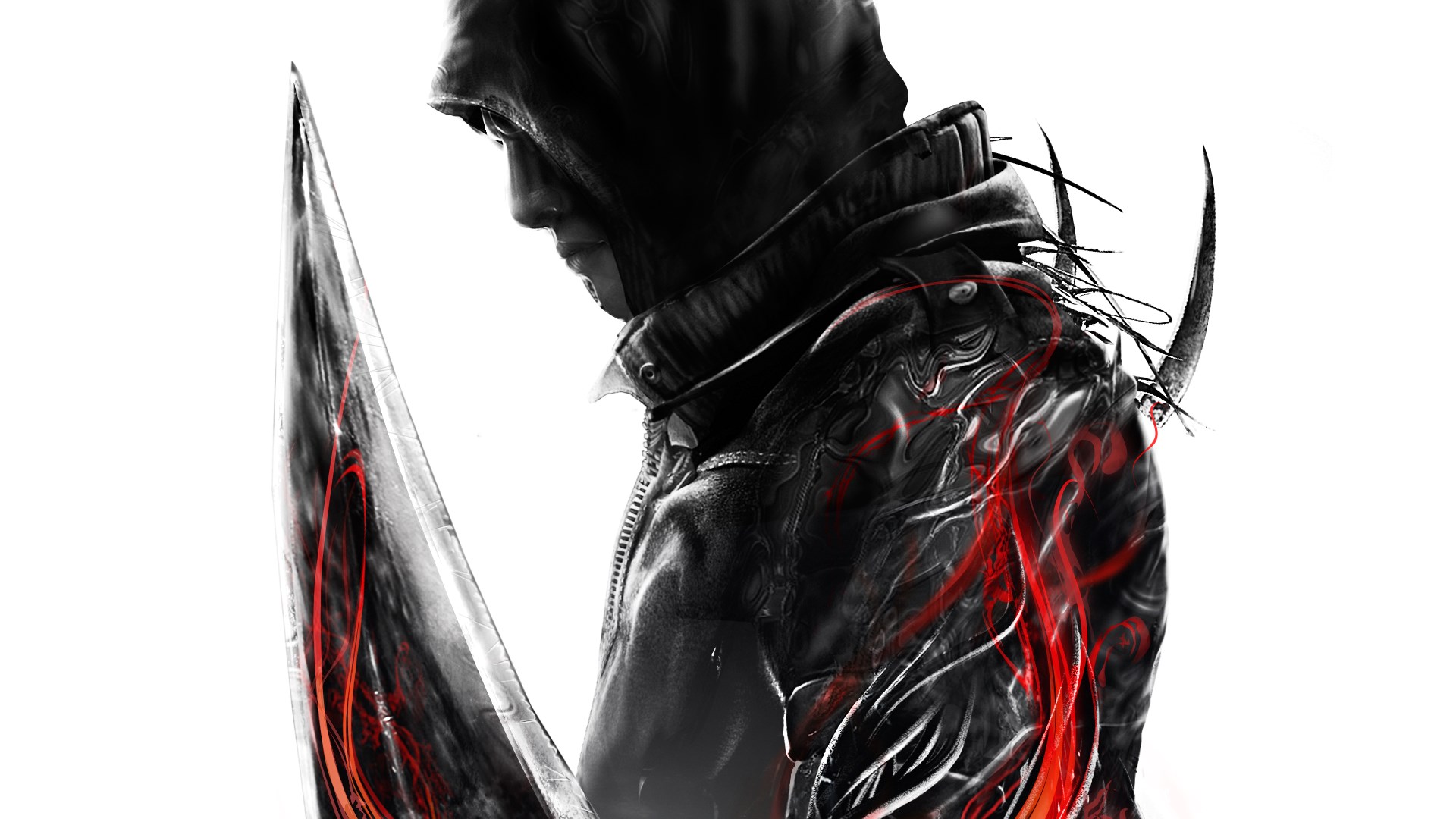
Prototype released in 2009 from Radical Entertainment on PlayStation 3, Xbox 360, and PC. The protagonist shapeshifts into bladed arms, claws, and whips that carve through crowds with heavy dismemberment and sprays of blood. Consumption mechanics let the character absorb targets to gain memories and disguises, often leaving bodies shredded.
Open world traversal encourages high speed dives into groups, which produces large scale gore effects when using area attacks. Military units and infected enemies burst apart under heavy weapons and powers. The upgrade path unlocks increasingly graphic finishers that turn busy Manhattan streets into chaotic battlegrounds.
Ninja Gaiden II
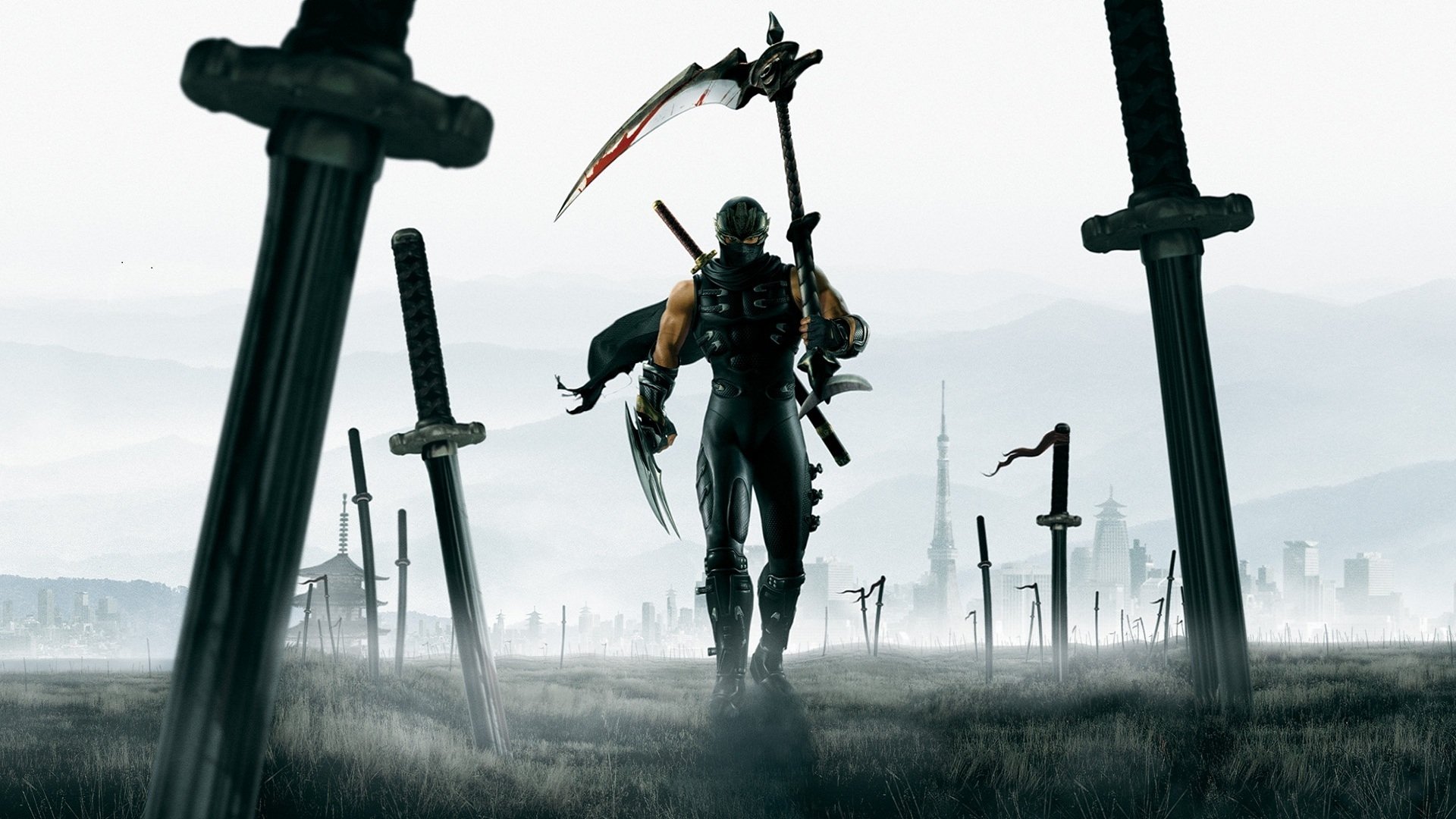
Ninja Gaiden II launched in 2008 from Team Ninja on Xbox 360. It introduced a dismemberment system where enemies continue fighting after losing limbs, which changes their behavior and attack patterns. Weapons like the Lunar staff, Dragon sword, and tonfa can sever arms and legs with precise input timing.
Blood effects and persistent body parts accumulate during extended encounters, creating a visual record of each fight. The later Sigma version on PlayStation 3 adjusted gore levels, while the original release remained notable for intensity and speed. Boss fights amplify the spectacle with multi stage battles that end in decisive finishers.
Gears 5
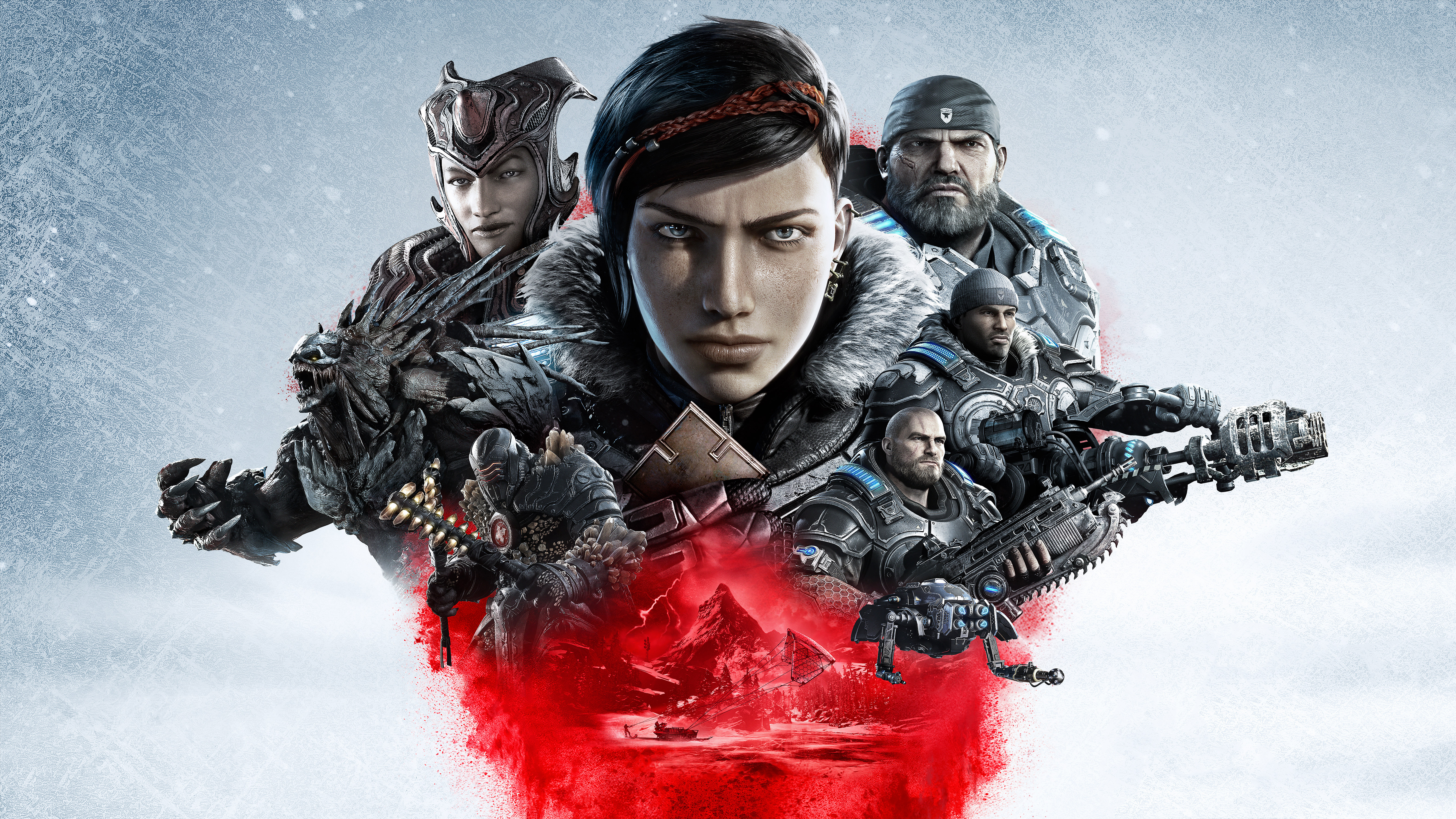
Gears 5 released in 2019 from The Coalition on Xbox and PC. It continues third person cover shooting with the Lancer’s chainsaw executions and the Gnasher’s point blank dismemberment. New weapons like the Breaker mace pulverize enemies into chunks that linger on the ground during firefights.
Execution systems allow context specific finishers when enemies are downed, and the campaign includes set pieces with graphic results from heavy weapons. Multiplayer keeps gore effects while offering toggles for content filters. Across modes the combination of chunky hit reactions and detailed gibs maintains a high level of on screen violence.
Share the games you think push the envelope even further in the comments.