


Movie Flops That Actually Became Cult Classics Years Later



Box office numbers are often used as the primary metric for success in the film industry. Many movies that fail to find an audience during their initial theatrical run fade into obscurity without leaving a mark on pop culture. However, history is full of cinematic gems that were misunderstood by critics or ignored by audiences upon release only to find massive success later. Through home video rentals, television broadcasts, and internet fandoms, these films eventually earned the appreciation they arguably deserved from the start.
‘Bringing Up Baby’ (1938)
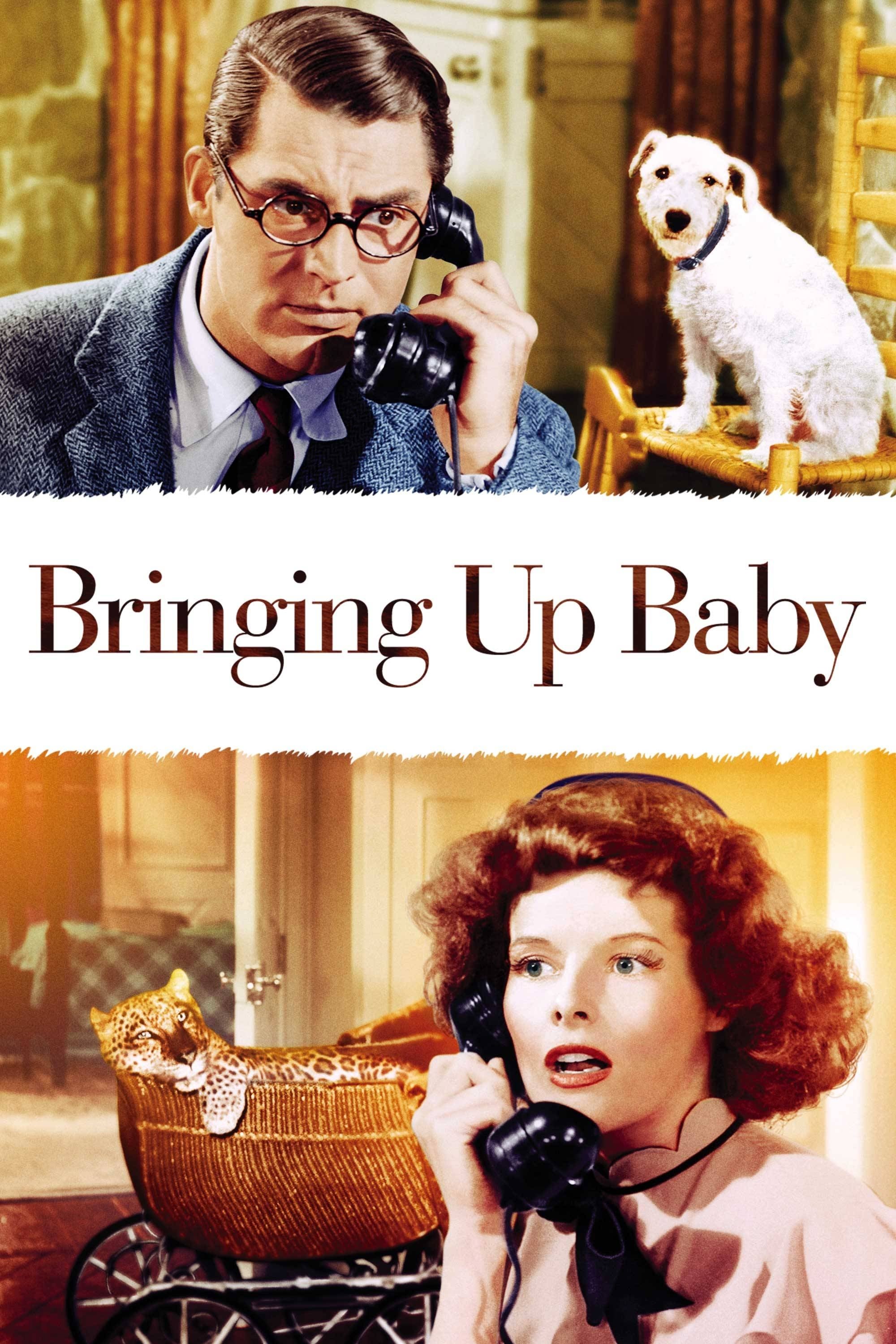
This screwball comedy starring Katharine Hepburn and Cary Grant is now considered one of the greatest films ever made. Audiences at the time did not connect with the manic energy and fast-paced dialogue that define the movie. The commercial failure was so significant that it led to Hepburn being labeled box office poison by theater owners. It took decades of television reruns for viewers to recognize its comedic brilliance and perfect chemistry between the leads.
‘Citizen Kane’ (1941)
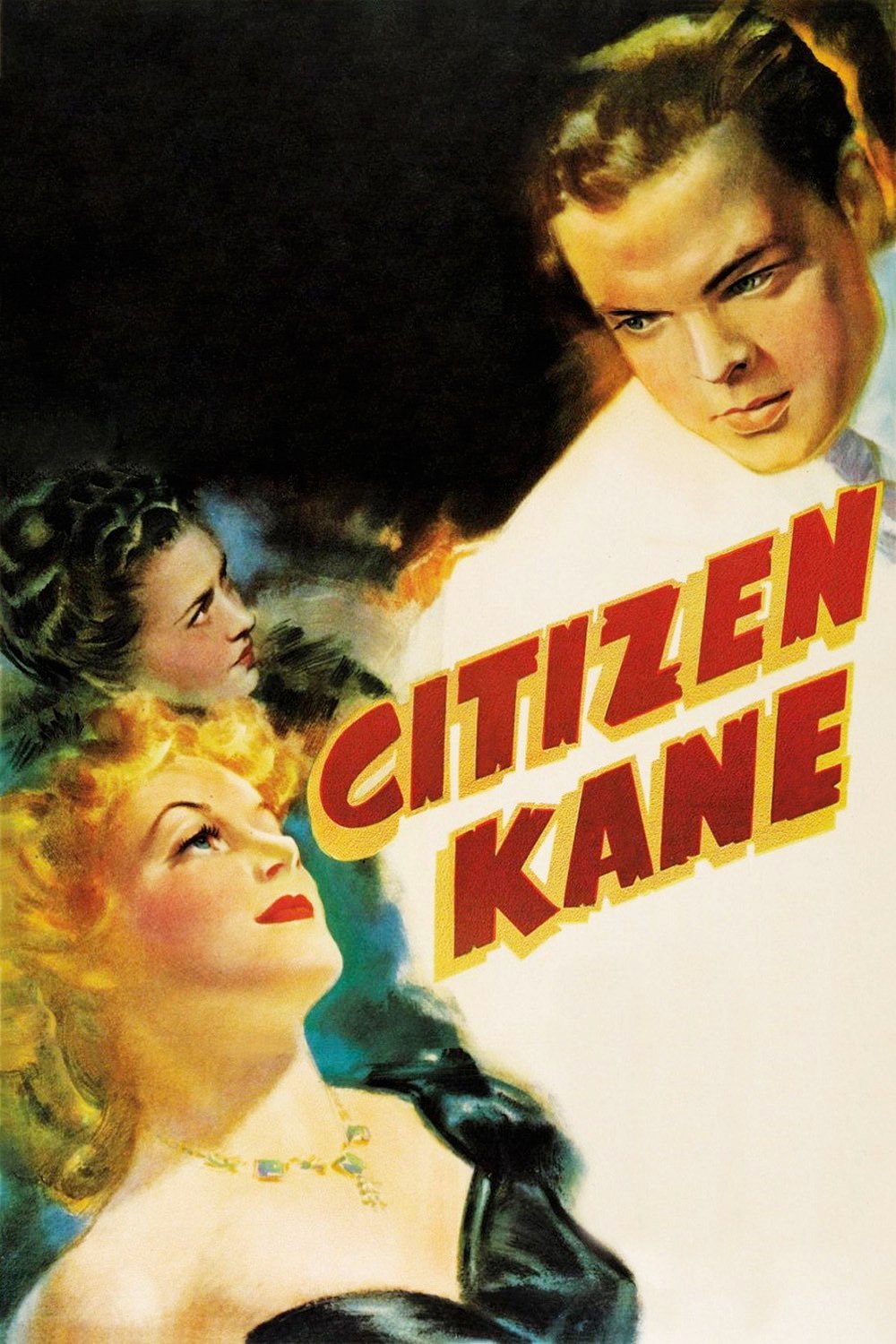
Orson Welles wrote, directed, and starred in this masterpiece that frequently tops lists of the best films in history. The movie faced significant suppression efforts from newspaper magnate William Randolph Hearst who served as the inspiration for the main character. These campaigns limited the distribution and advertising of the film which severely hurt its initial box office performance. Critics and film students later championed the movie for its revolutionary cinematography and narrative structure.
‘It’s a Wonderful Life’ (1946)
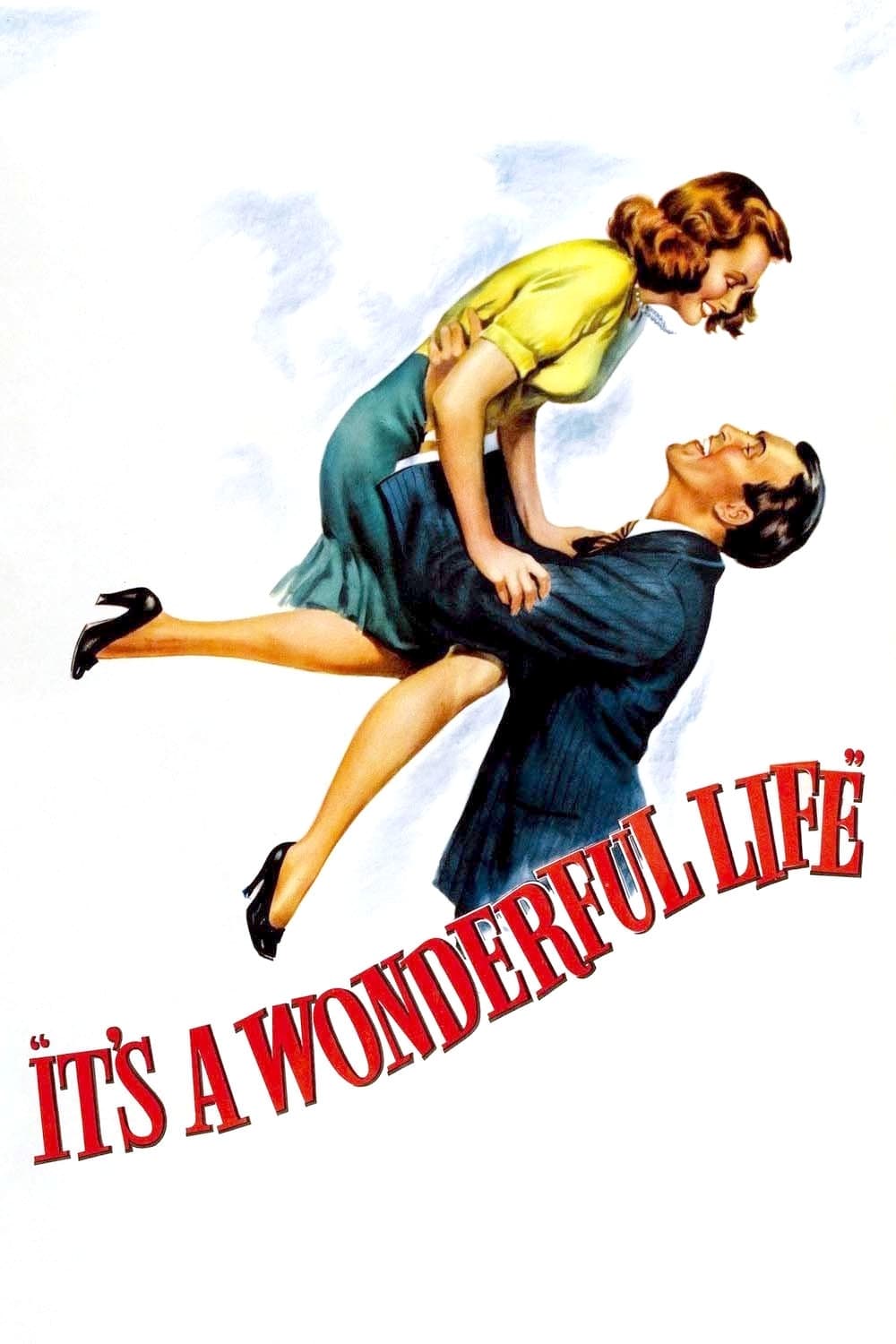
Frank Capra directed this holiday staple that initially resulted in a financial loss for the studio. The film was seen as too sentimental by some critics and failed to compete with other post-war productions. Its status changed drastically when a clerical error allowed the copyright to lapse in the 1970s. Television stations began playing the movie repeatedly during the Christmas season because it was free to broadcast and this exposure turned it into a beloved tradition.
‘Vertigo’ (1958)
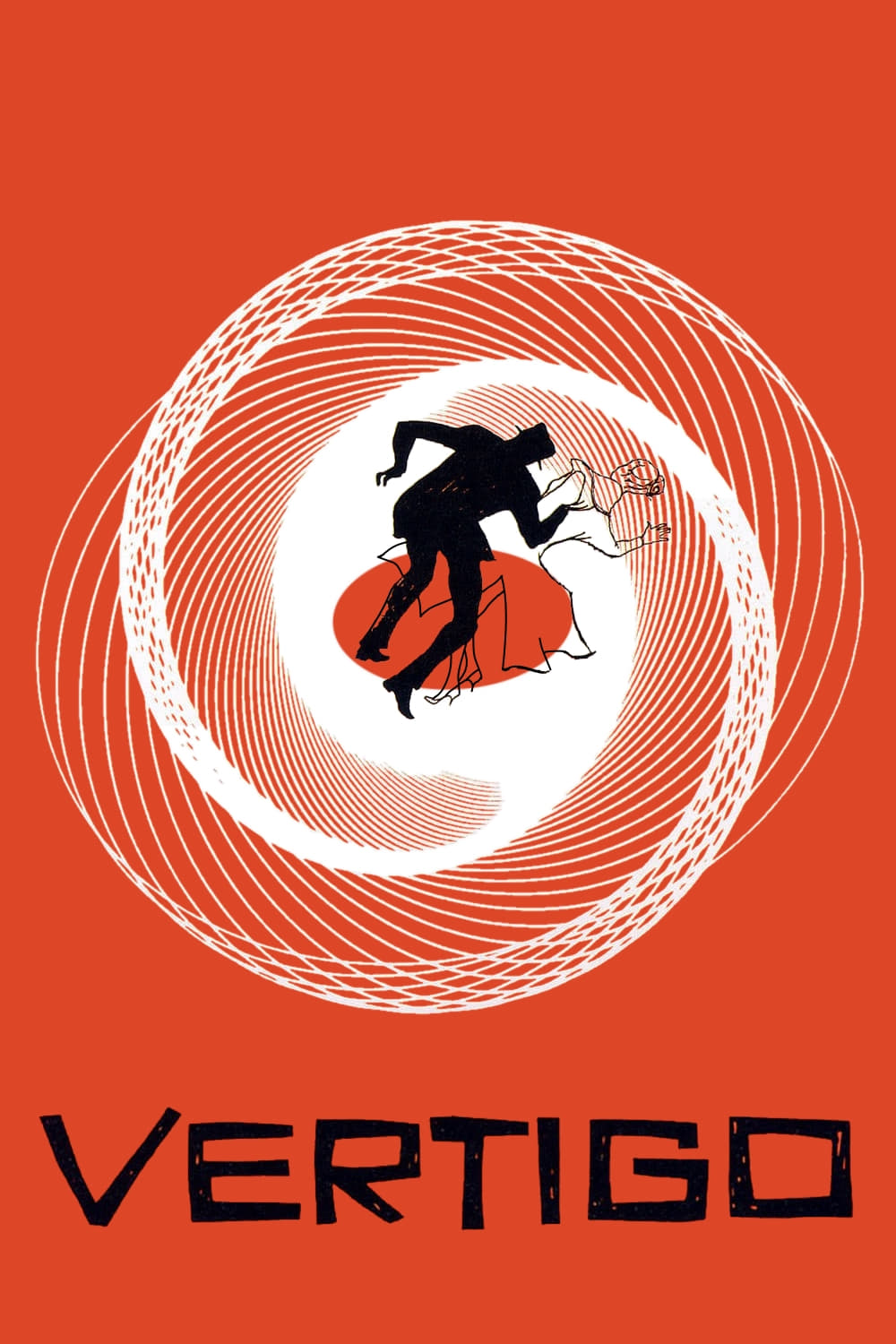
Alfred Hitchcock created this psychological thriller that confused contemporary audiences and received mixed reviews. Viewers were expecting a standard mystery but instead got a complex exploration of obsession and identity. The film broke even financially but was considered a disappointment compared to previous Hitchcock hits. It is now widely regarded as his magnum opus and famously replaced ‘Citizen Kane’ at the top of the Sight & Sound poll in 2012.
‘Peeping Tom’ (1960)
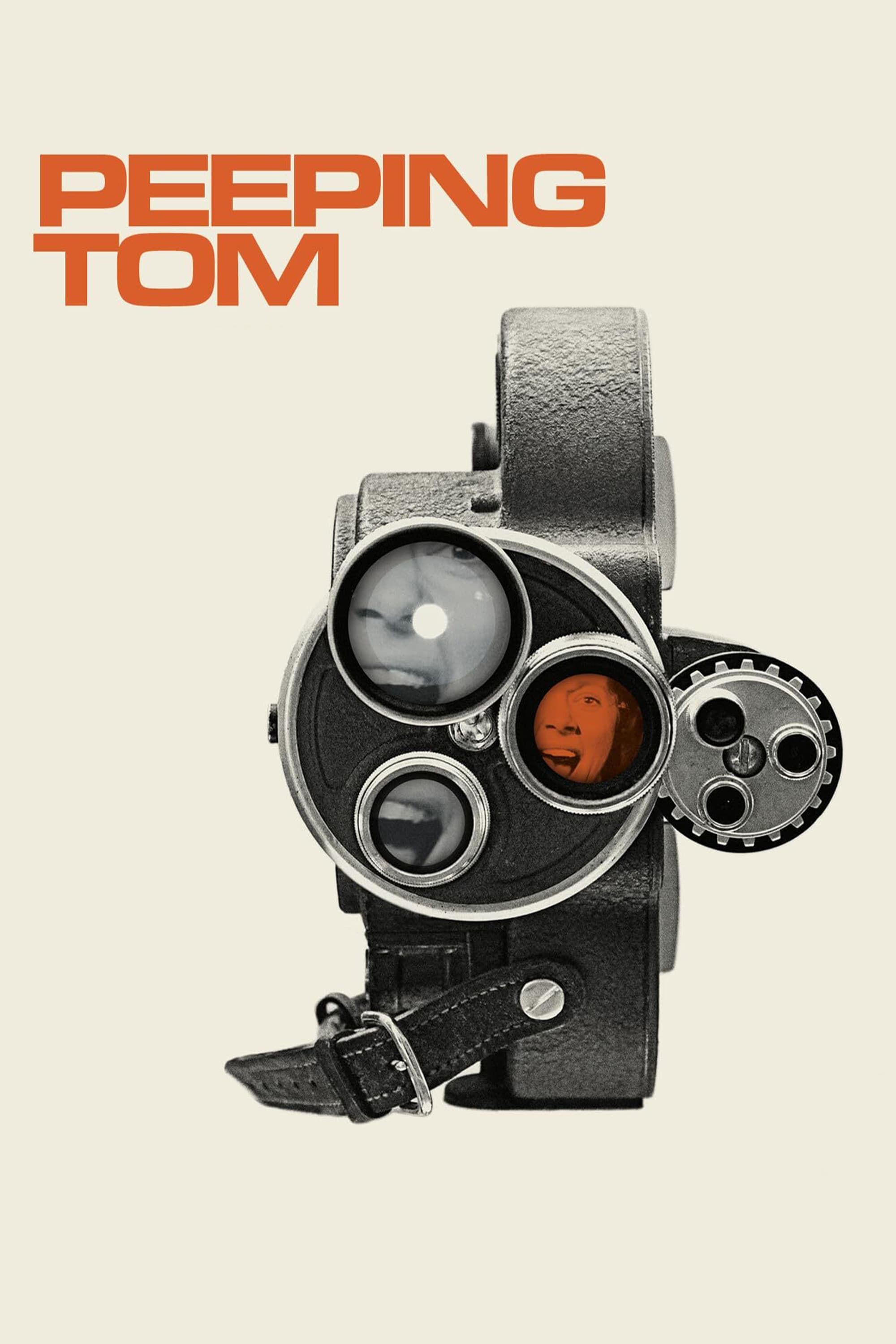
This British horror film effectively ended the career of director Michael Powell due to the intense backlash it received. Critics were repulsed by the voyeuristic themes and the sympathetic portrayal of a serial killer. The movie was pulled from theaters quickly and remained largely unseen for many years. Martin Scorsese later helped facilitate its rediscovery and it is now praised as a groundbreaking ancestor to the slasher genre.
‘Willy Wonka & the Chocolate Factory’ (1971)
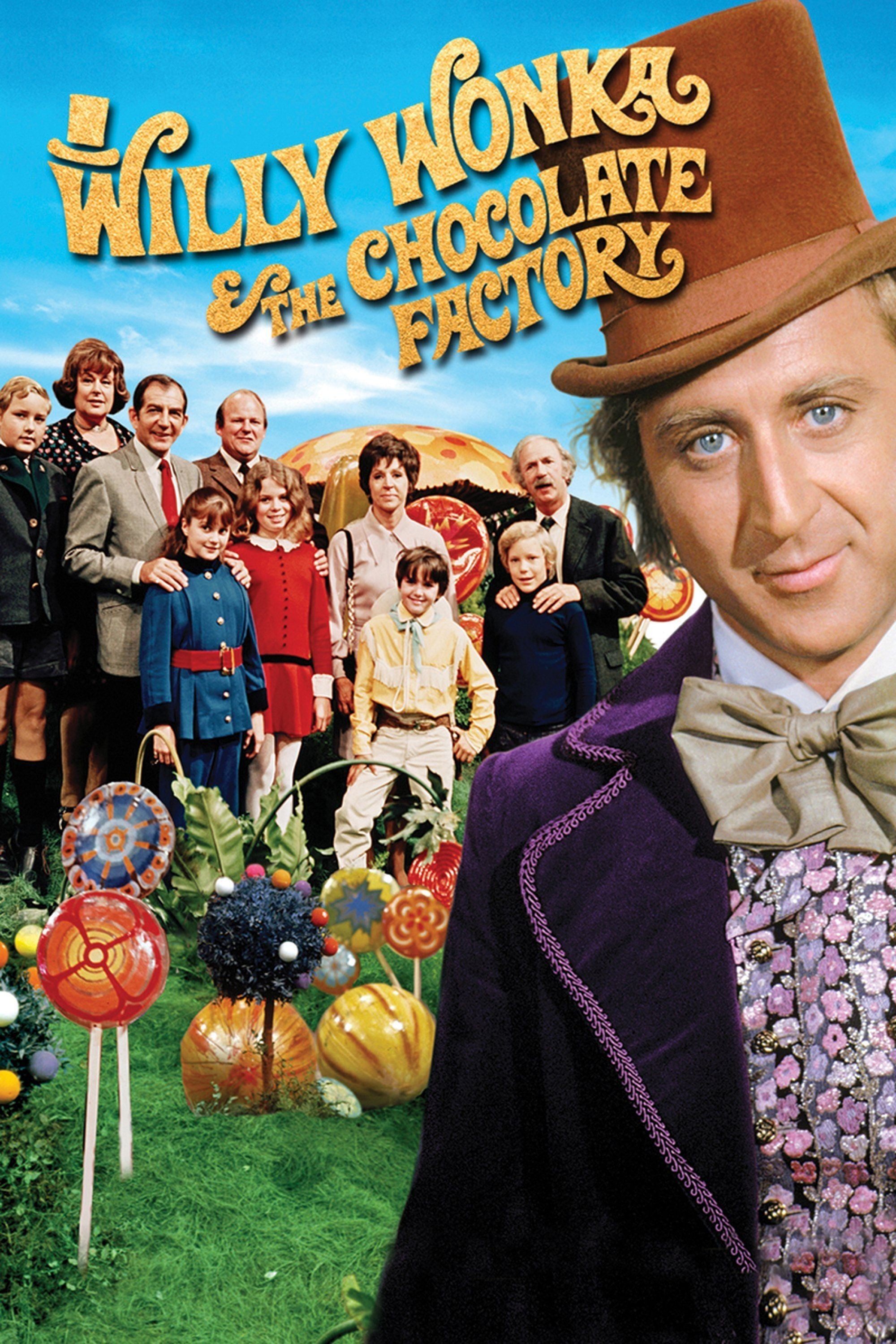
Gene Wilder delivered an iconic performance in this adaptation of the Roald Dahl book that failed to ignite the box office. Parents found the movie somewhat dark and strange while family audiences flocked to other films. Warner Bros. allowed their rights to the film to expire because they did not see much value in the property. Constant television airings eventually introduced the whimsical world of pure imagination to new generations of children.
‘Harold and Maude’ (1971)
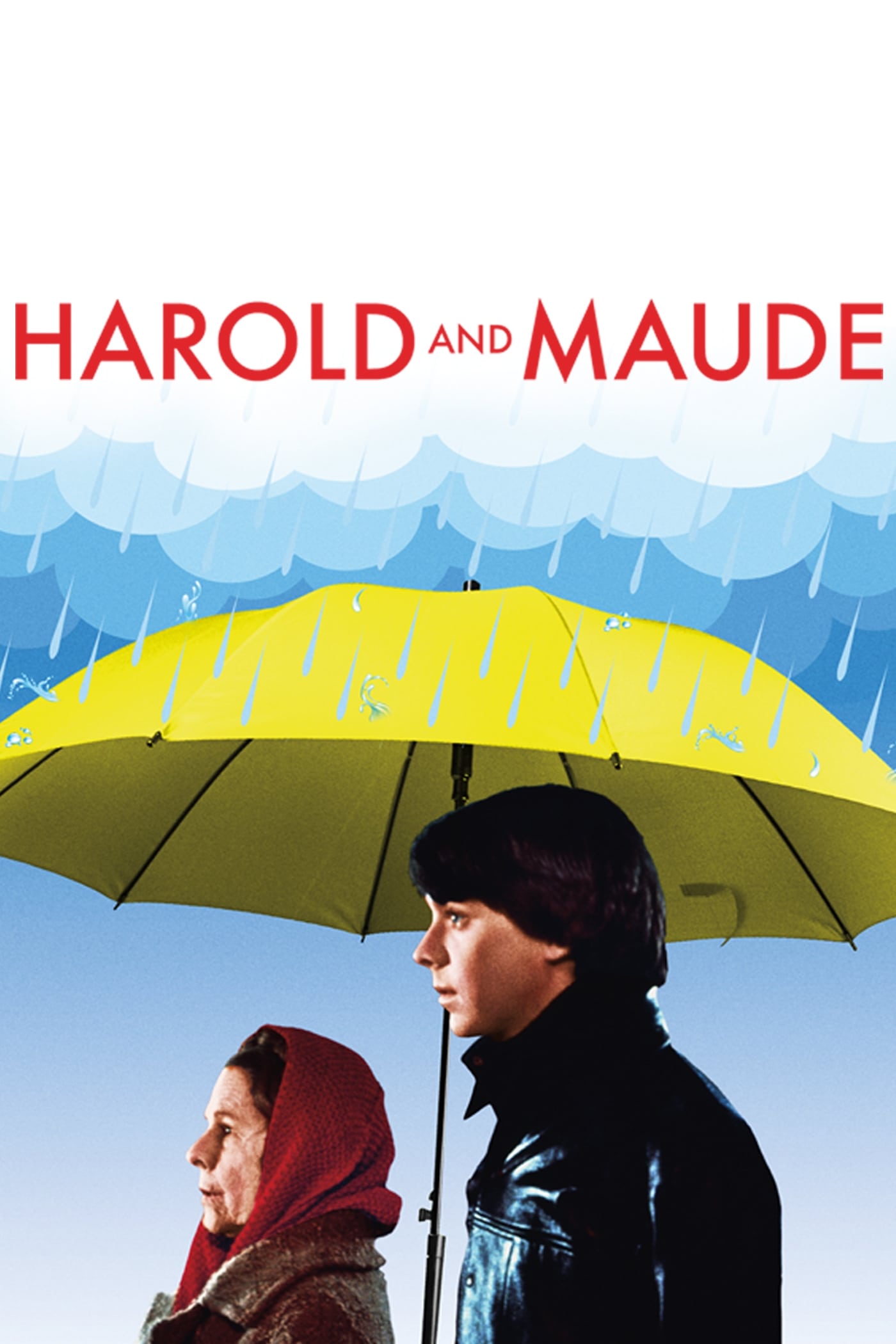
This dark comedy about a romance between a young man obsessed with death and a lively octogenarian baffled mainstream audiences. Critics panned the film for its morbid humor and unconventional central relationship. It took several years for the movie to find its footing on the college circuit and at midnight screenings. The soundtrack by Cat Stevens and the heartfelt script eventually secured its place as a quintessential counterculture classic.
‘The Rocky Horror Picture Show’ (1975)
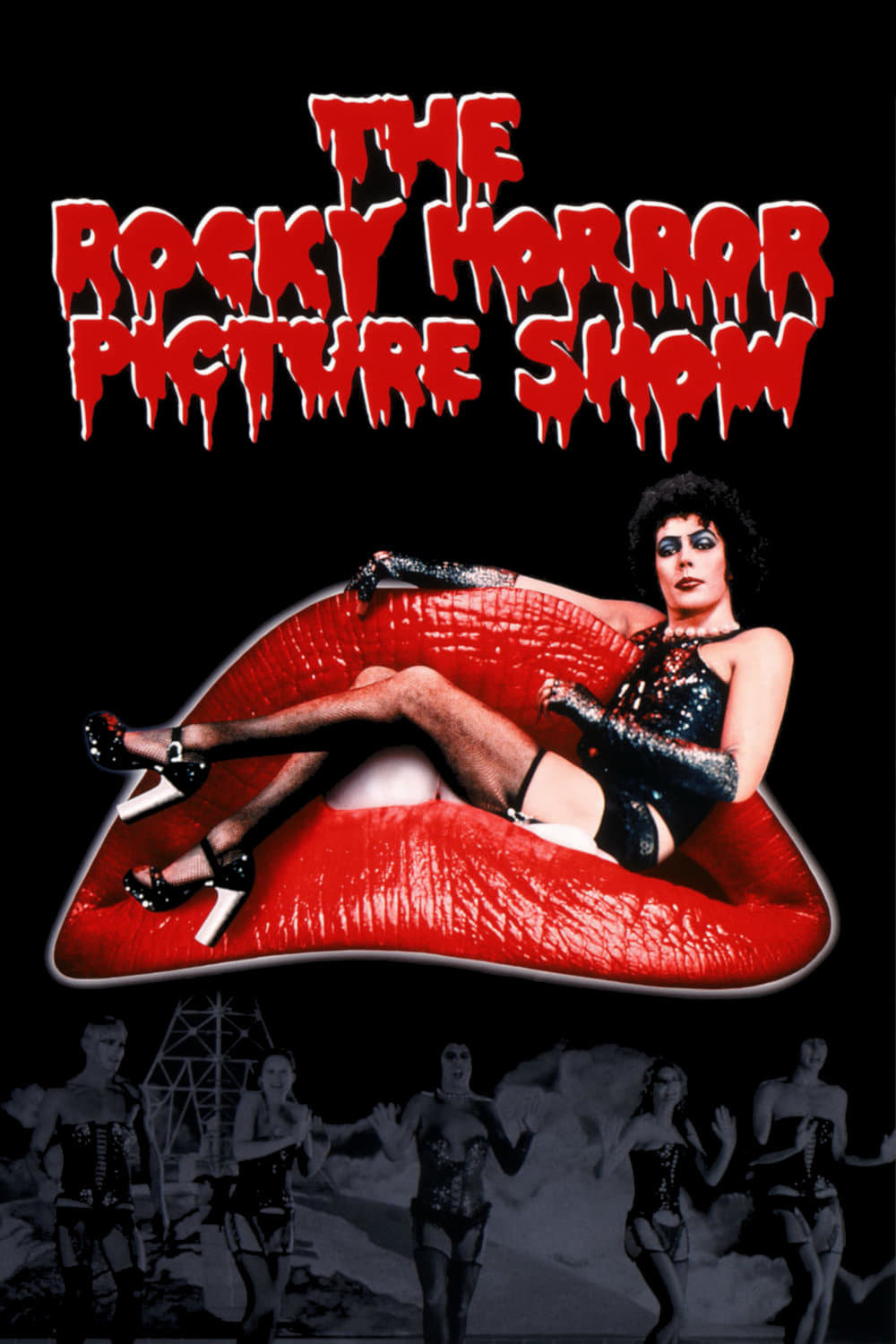
The theatrical release of this musical was largely ignored by the general public. It found its second life almost immediately as a midnight movie where audiences began interacting with the screen. Fans created a unique culture around the film that included dressing up as characters and shouting callback lines. It is now the longest-running theatrical release in film history due to these dedicated interactive screenings.
‘Sorcerer’ (1977)
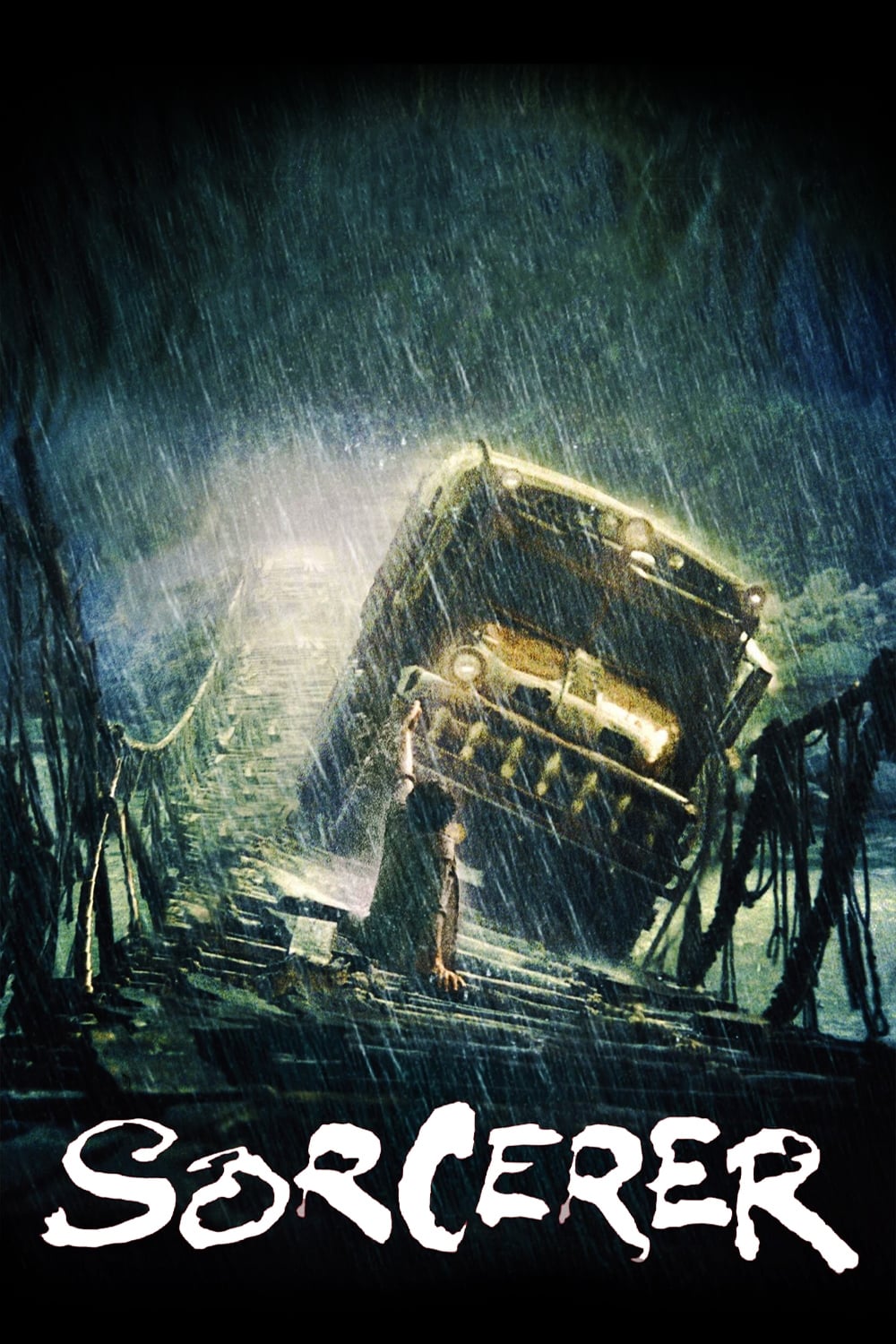
William Friedkin directed this tense thriller about four men transporting nitroglycerin across treacherous terrain. The movie had the misfortune of opening shortly after ‘Star Wars’ completely dominated the cultural conversation. Audiences wanting escapist fantasy had no interest in a gritty and cynical survival film. Modern critics now consider it a masterpiece of tension with one of the best electronic scores ever composed.
‘The Warriors’ (1979)
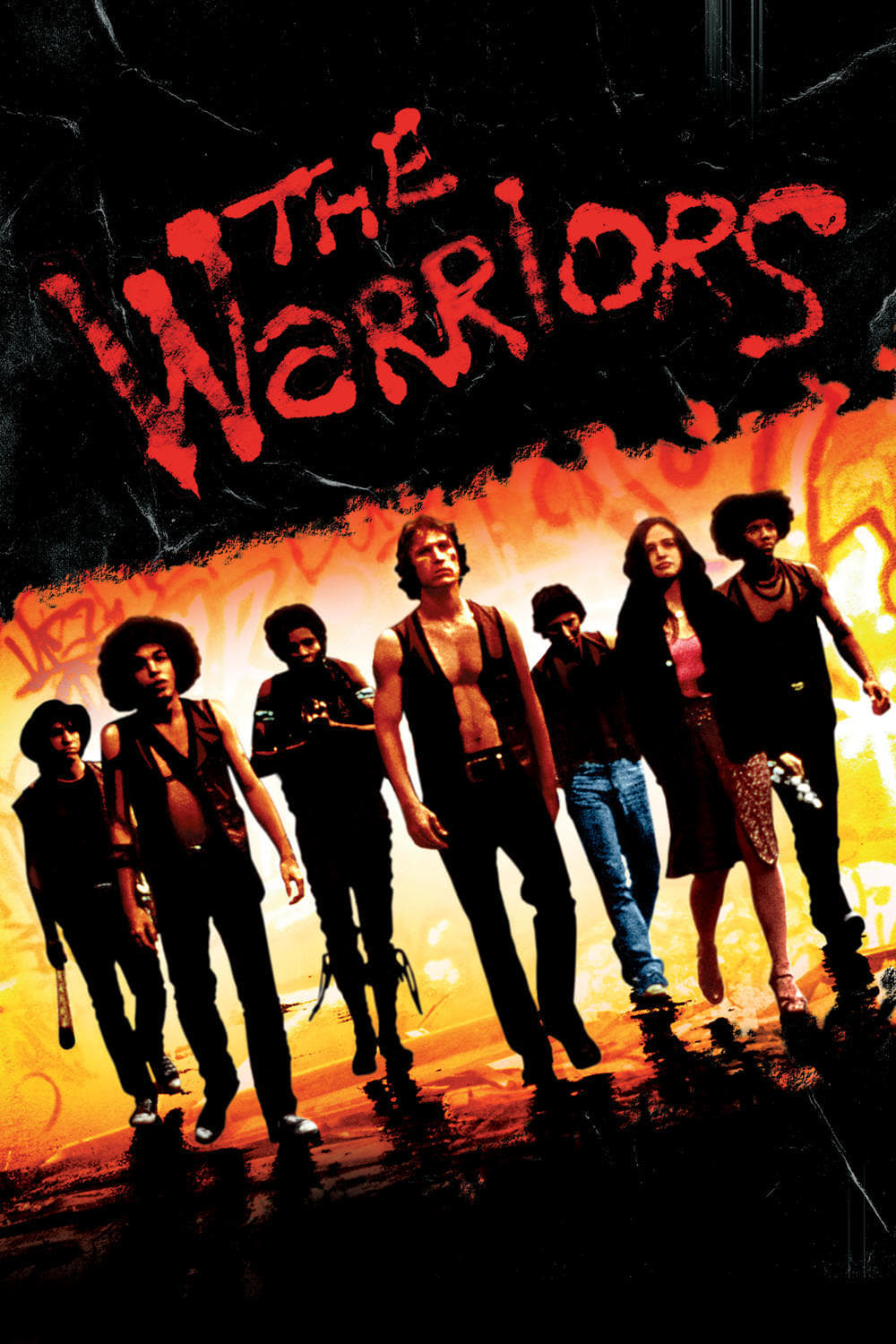
This stylized action film about street gangs trying to return to their home turf sparked controversy upon release. Reports of violence at screenings caused the studio to pause their advertising campaign. The distinct visual style and costumes helped the movie build a dedicated following on home video. It has since influenced countless video games and movies with its unique blend of comic book aesthetics and urban grit.
‘Blade Runner’ (1982)
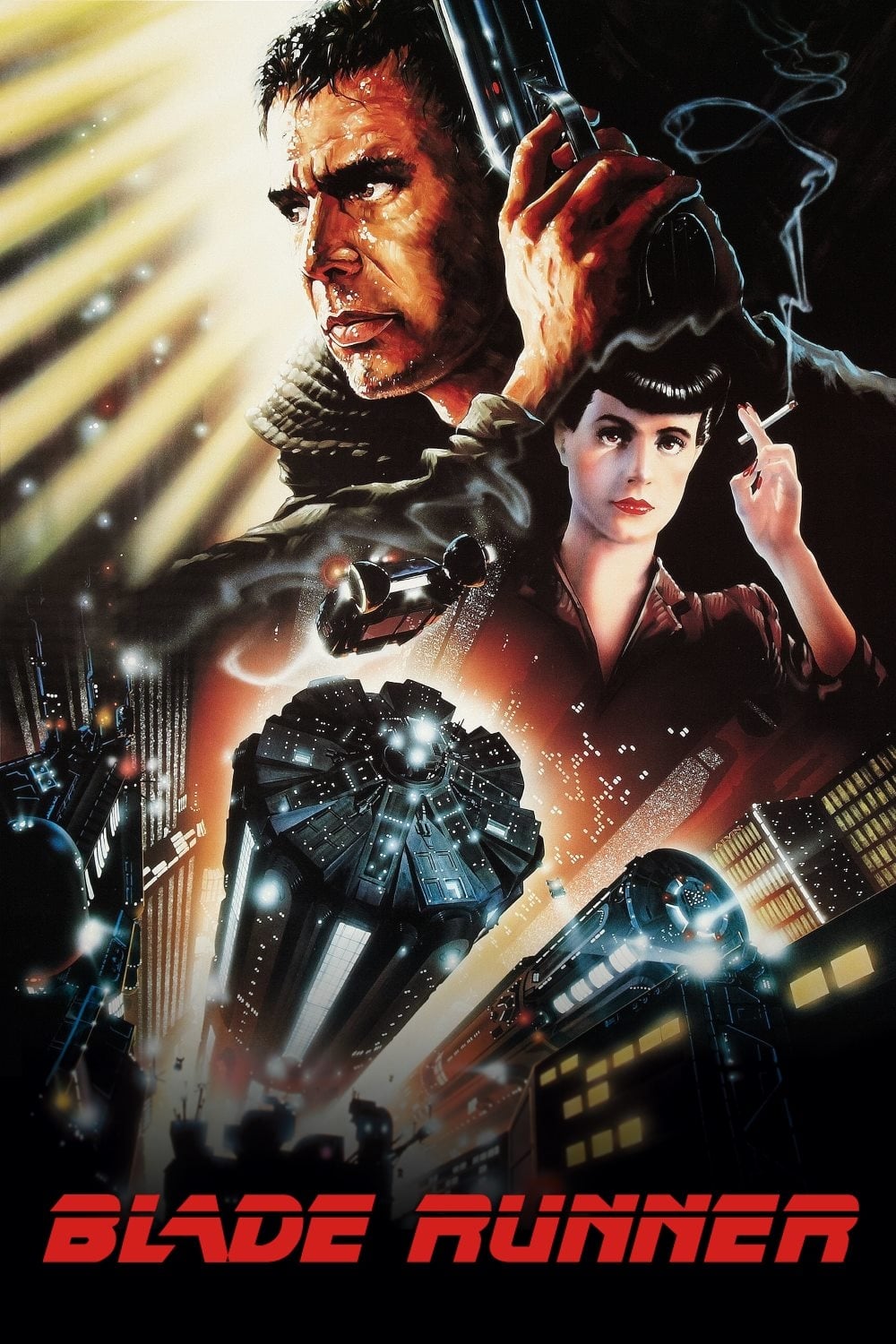
Ridley Scott crafted a visually stunning sci-fi noir that puzzled audiences expecting an action-packed adventure like ‘Star Wars’. The slow pacing and ambiguous themes resulted in a lukewarm commercial reception. Multiple versions of the film were released over the years including a Director’s Cut that removed the unpopular voiceover. Today it is considered one of the most influential science fiction films ever made.
‘The Thing’ (1982)
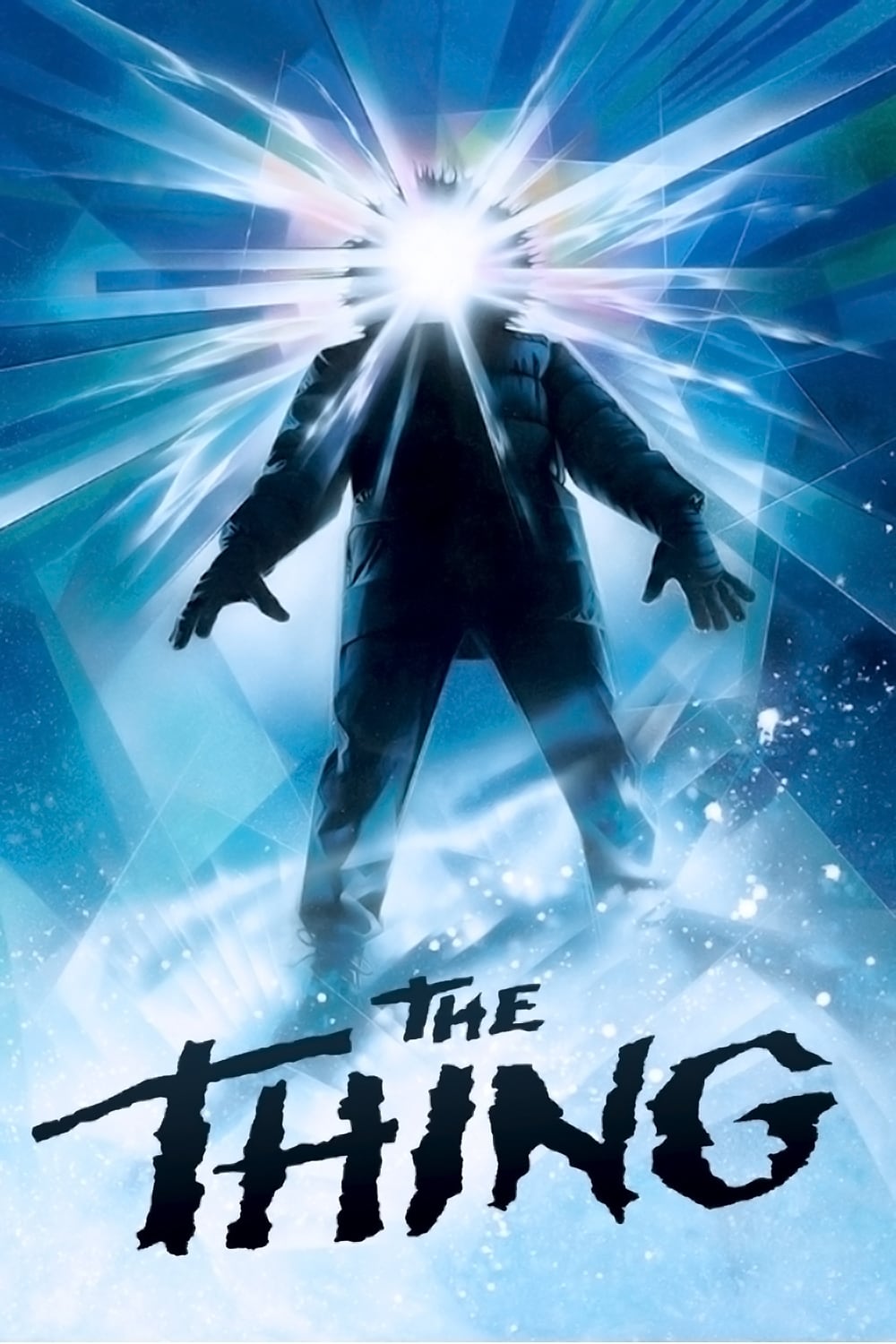
John Carpenter released this sci-fi horror film the same summer as ‘E.T. the Extra-Terrestrial’. Audiences and critics were repelled by the extreme gore and the bleak nihilistic tone of the story. The practical effects by Rob Bottin were dismissed as gratuitous at the time but are now hailed as the gold standard for the industry. It took years of rentals for viewers to appreciate the paranoia and tension Carpenter masterfully created.
‘The King of Comedy’ (1982)
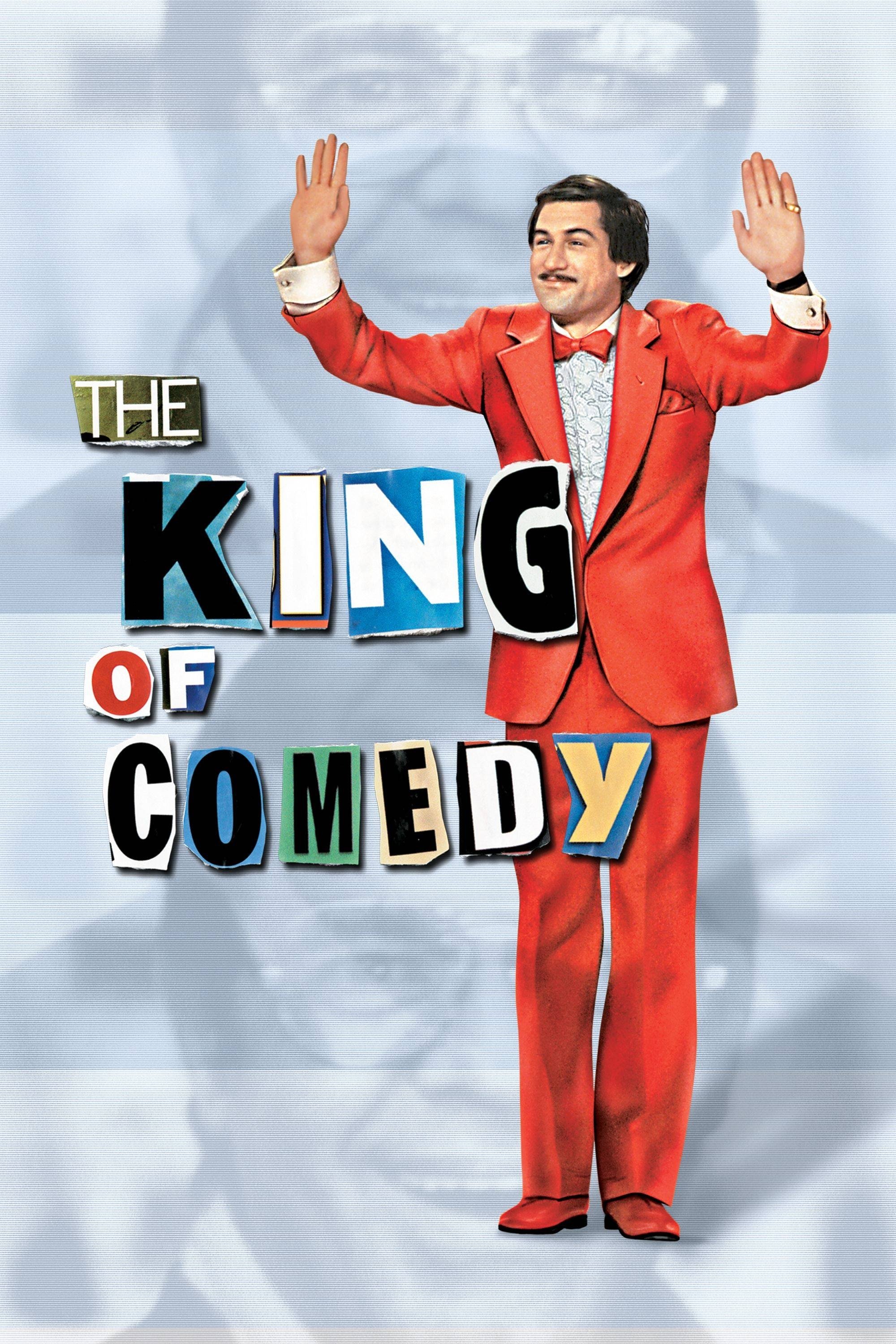
Martin Scorsese and Robert De Niro collaborated on this dark satire about celebrity worship and media culture. The film bombed because audiences were expecting a traditional comedy rather than an uncomfortable character study. It was a massive departure from their previous collaborations like ‘Raging Bull’ and confused the fanbase. The movie has since been recognized as a prophetic look at the lengths people will go to for fame.
‘Scarface’ (1983)

Brian De Palma directed this remake that was initially criticized for its excessive violence and foul language. The movie performed modestly but was far from the blockbuster hit the studio anticipated. It found a massive audience on VHS and became a staple in hip-hop culture. The rags-to-riches story of Tony Montana is now one of the most quoted and referenced films in pop culture history.
‘Dune’ (1984)
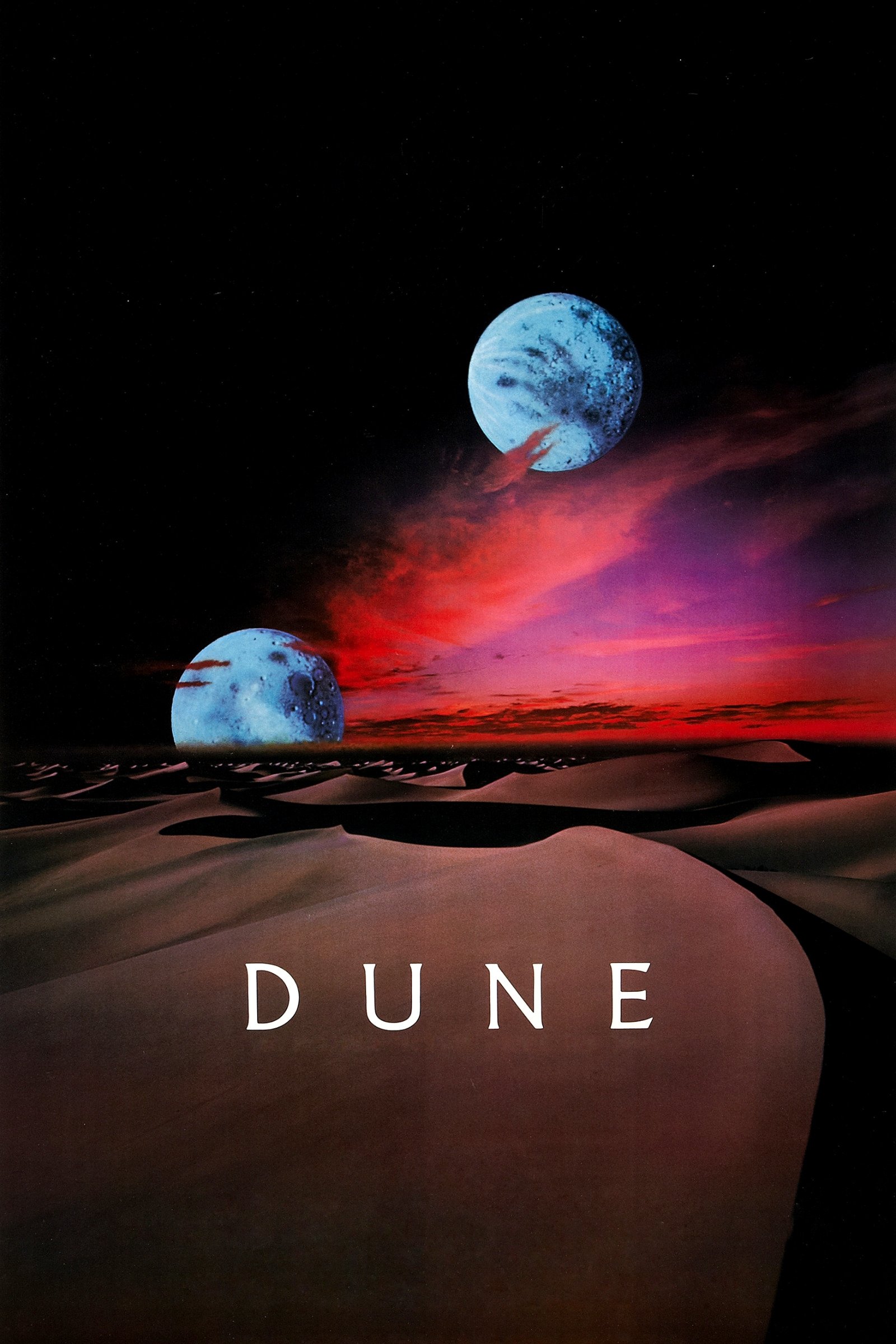
David Lynch attempted to adapt the dense Frank Herbert novel into a single feature film with mixed results. The movie was a financial disaster and critics found the plot incomprehensible and the visuals grotesque. Lynch famously distanced himself from the final cut due to studio interference. Despite its flaws the film developed a following for its ambitious set design and unique atmosphere.
‘Clue’ (1985)
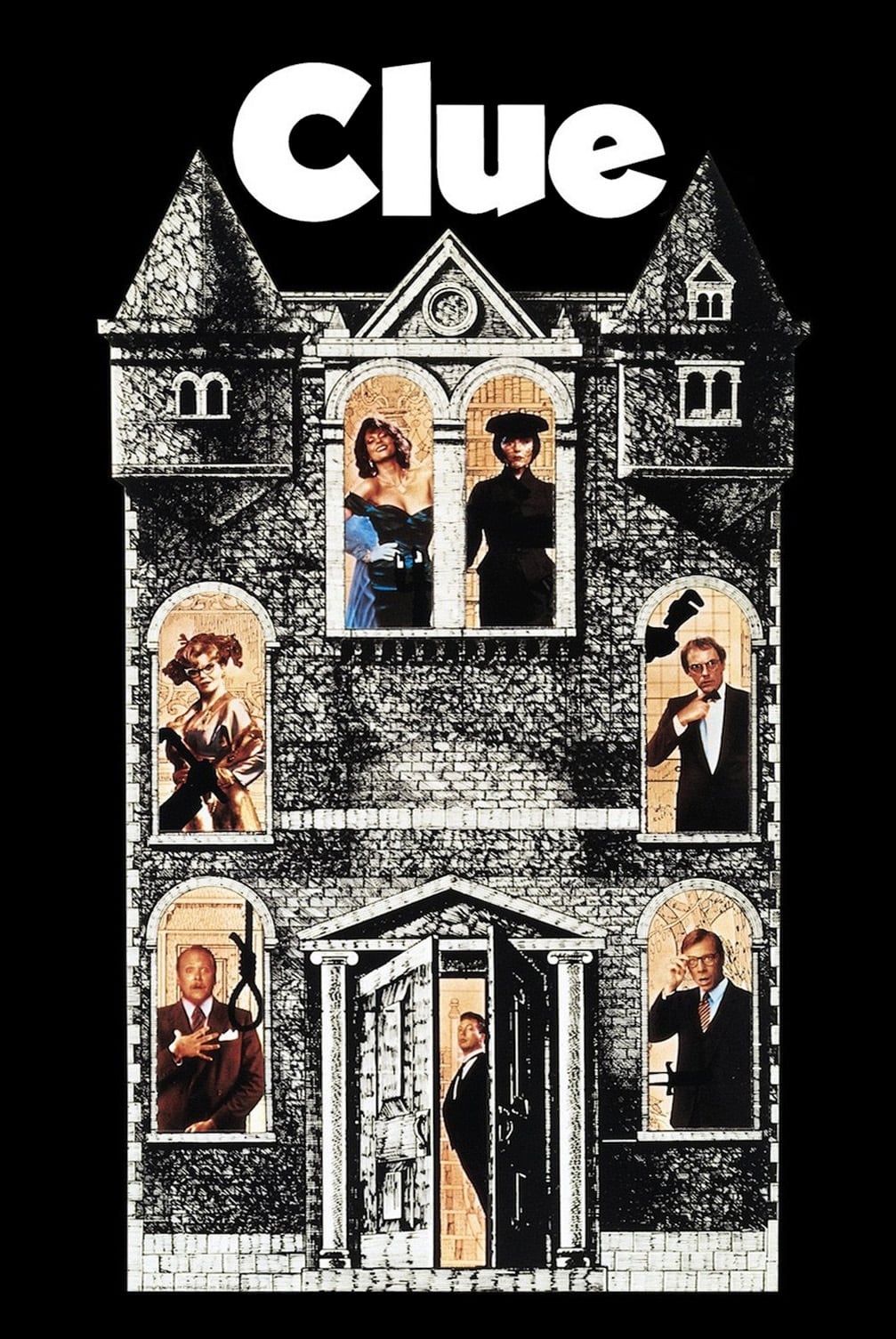
This mystery comedy based on the board game experimented with sending different endings to different theaters. This gimmick failed to drive ticket sales and confused audiences who did not know which version they were seeing. The movie found its true audience on television where all three endings were shown sequentially. The sharp dialogue and rapid-fire jokes have made it a highly quotable favorite among comedy fans.
‘Big Trouble in Little China’ (1986)
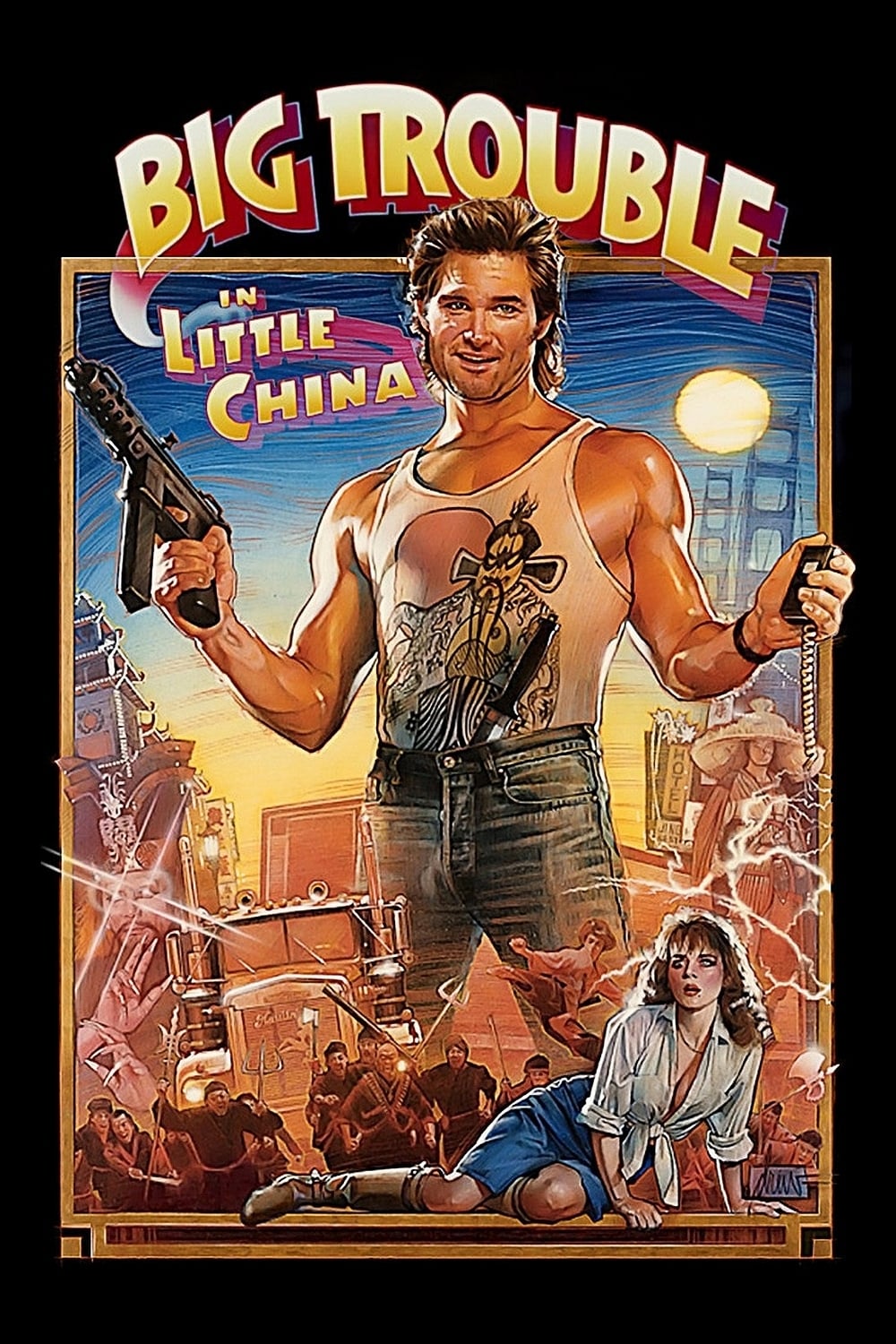
John Carpenter and Kurt Russell reunited for this genre-bending action movie that failed to connect with a wide audience. Viewers did not know what to make of the mix of martial arts fantasy and western tropes. The hero was essentially a sidekick in his own movie which subverted expectations for 1980s action stars. It became a massive hit on home video and remains a beloved example of campy adventure.
‘Labyrinth’ (1986)
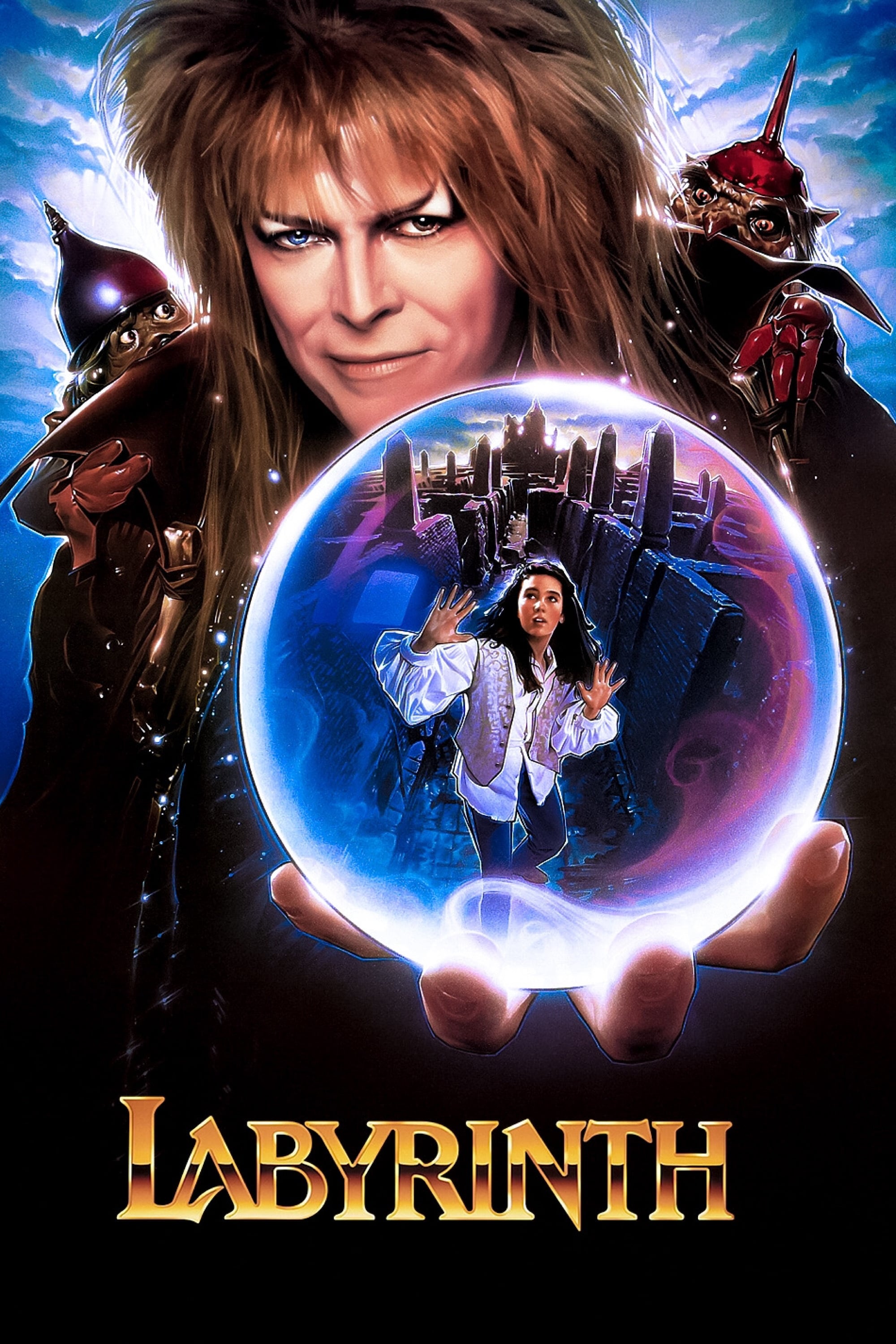
Jim Henson directed this fantasy musical starring David Bowie and a young Jennifer Connelly. The film was a box office disappointment that barely made back half of its production budget. The complex puppetry and darker themes were perhaps too strange for mainstream family audiences at the time. Bowie’s performance and the imaginative world design ensured its longevity as a fantasy staple.
‘Highlander’ (1986)
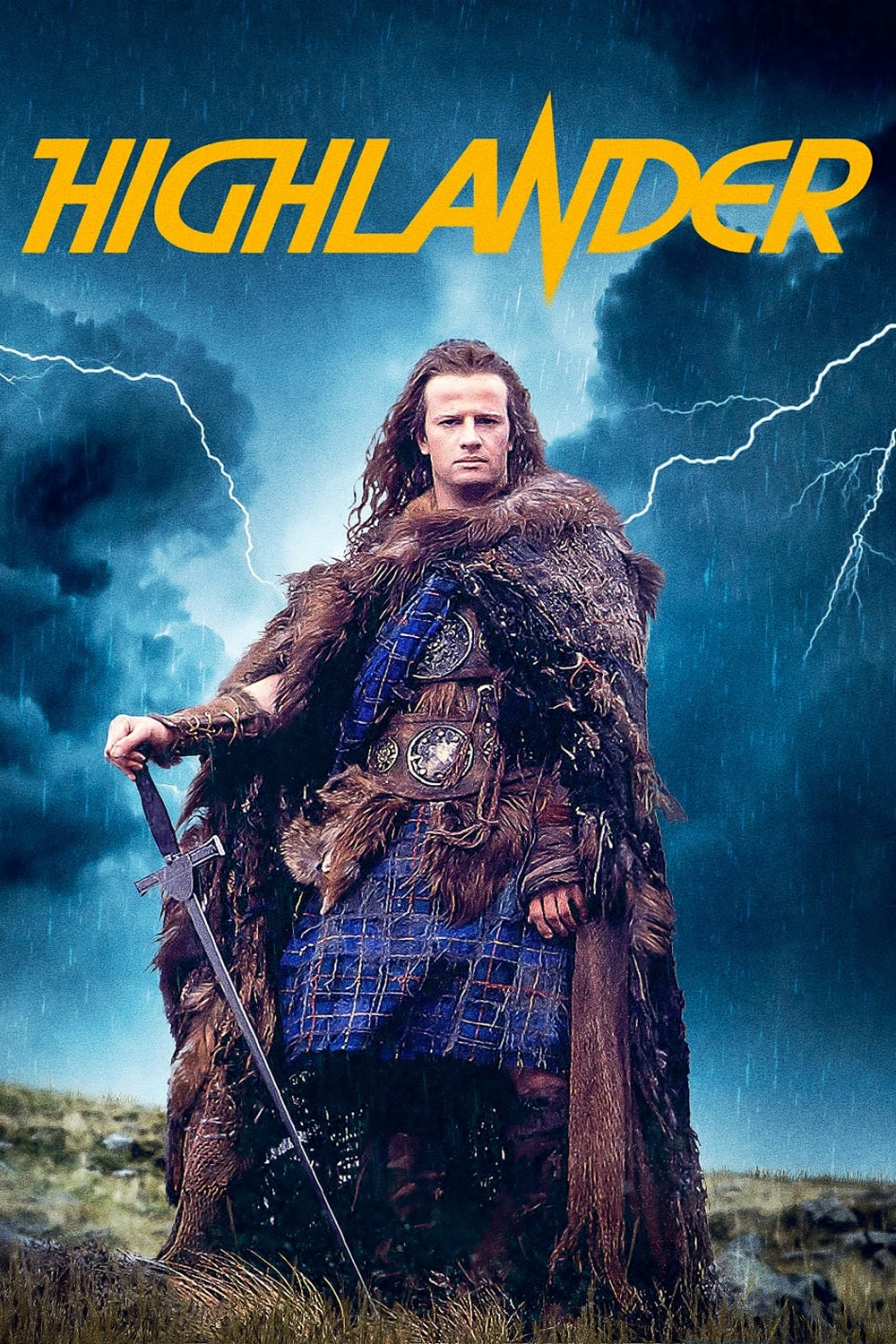
This fantasy action film about immortal warriors fighting through the centuries received poor reviews upon release. The confusing mythology and time jumps alienated casual moviegoers during its theatrical run. However the Queen soundtrack and the unique premise helped it gain traction in the European market and on video. The success eventually spawned multiple sequels and a television series despite the initial flop.
‘The Princess Bride’ (1987)
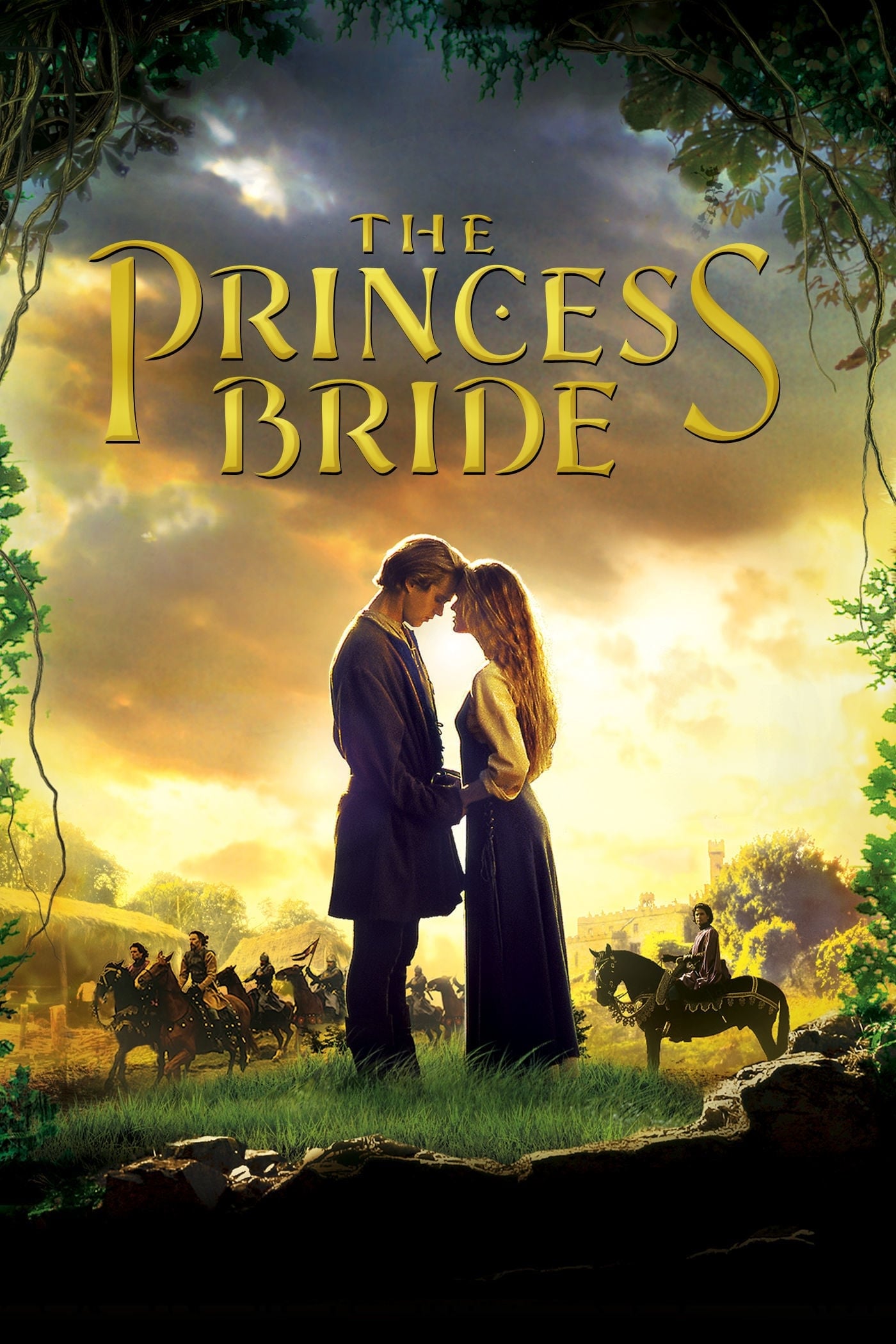
Rob Reiner directed this fairy tale adaptation that the studio struggled to market effectively. They did not know if it was a comedy or an adventure or a romance and the trailer failed to convey the tone. The film did modest business but exploded in popularity once it hit the home video market. It is now considered one of the most universally liked films with a script that is quoted constantly.
‘Heathers’ (1988)
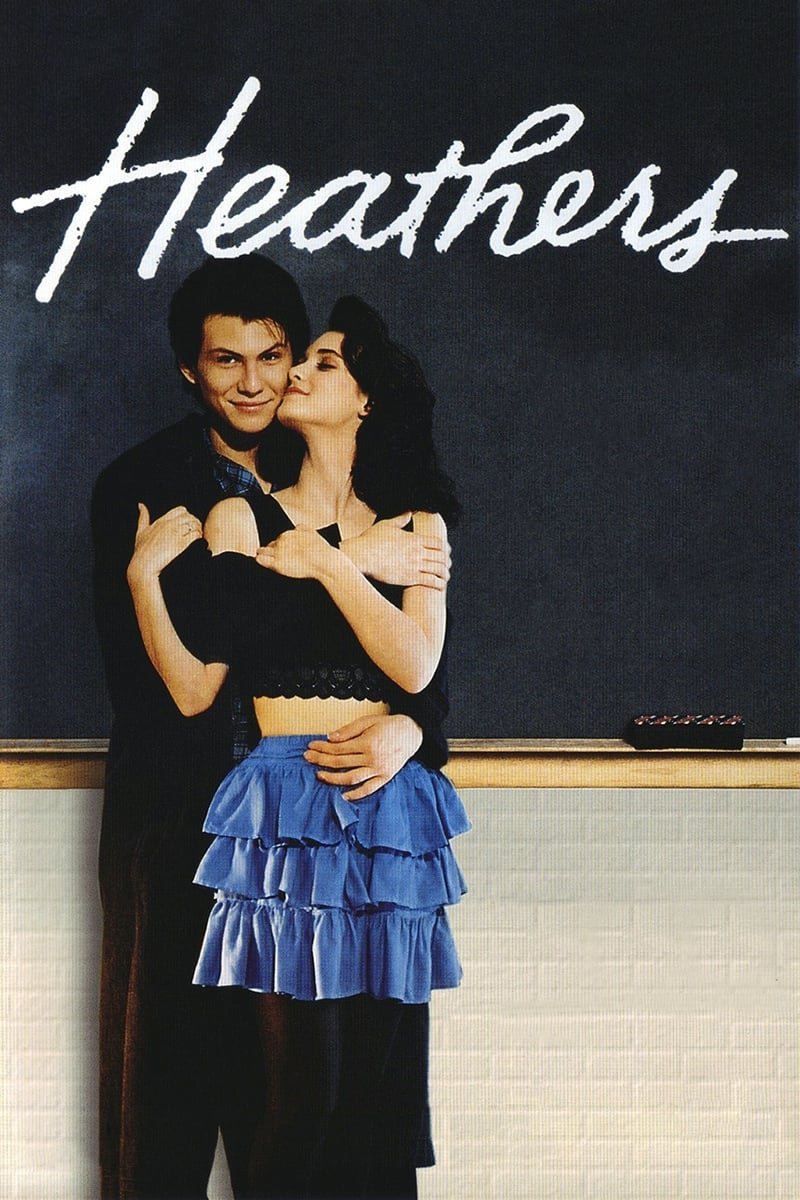
This pitch-black comedy about a high school clique took a cynical look at teen popularity and suicide. The dark subject matter limited its appeal to general audiences and it made very little money in theaters. Video stores propelled the movie to cult status as teenagers discovered its sharp wit and satire. It later inspired a successful musical and influenced the tone of teen comedies for decades.
‘Hocus Pocus’ (1993)
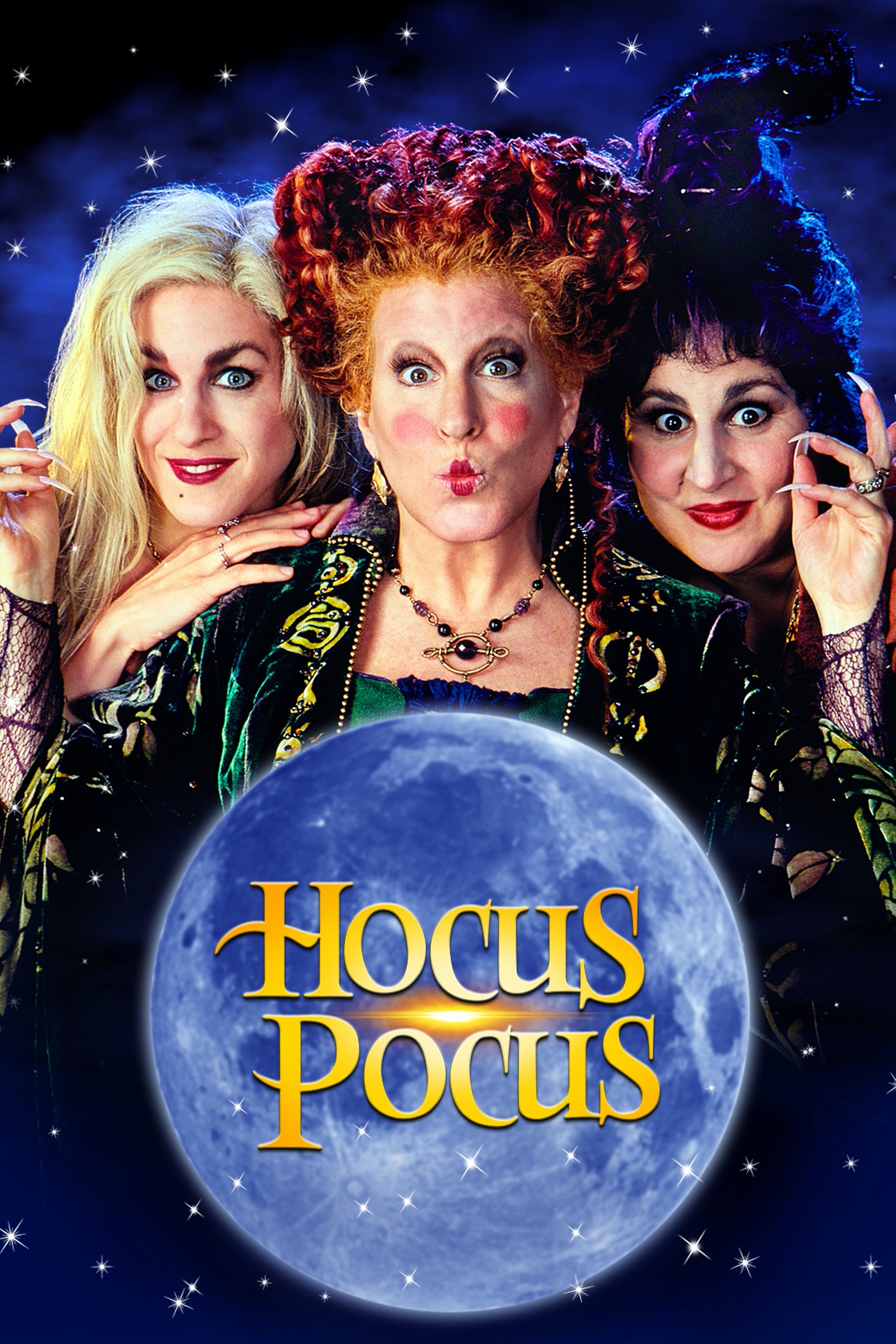
Disney released this Halloween comedy in July which was a baffling marketing decision that hurt its box office chances. Critics were unimpressed by the script and felt the humor was too silly. The Disney Channel began airing the movie annually in October which introduced it to a captivated younger audience. It grew into such a cultural phenomenon that a sequel was produced nearly thirty years later.
‘The Shawshank Redemption’ (1994)
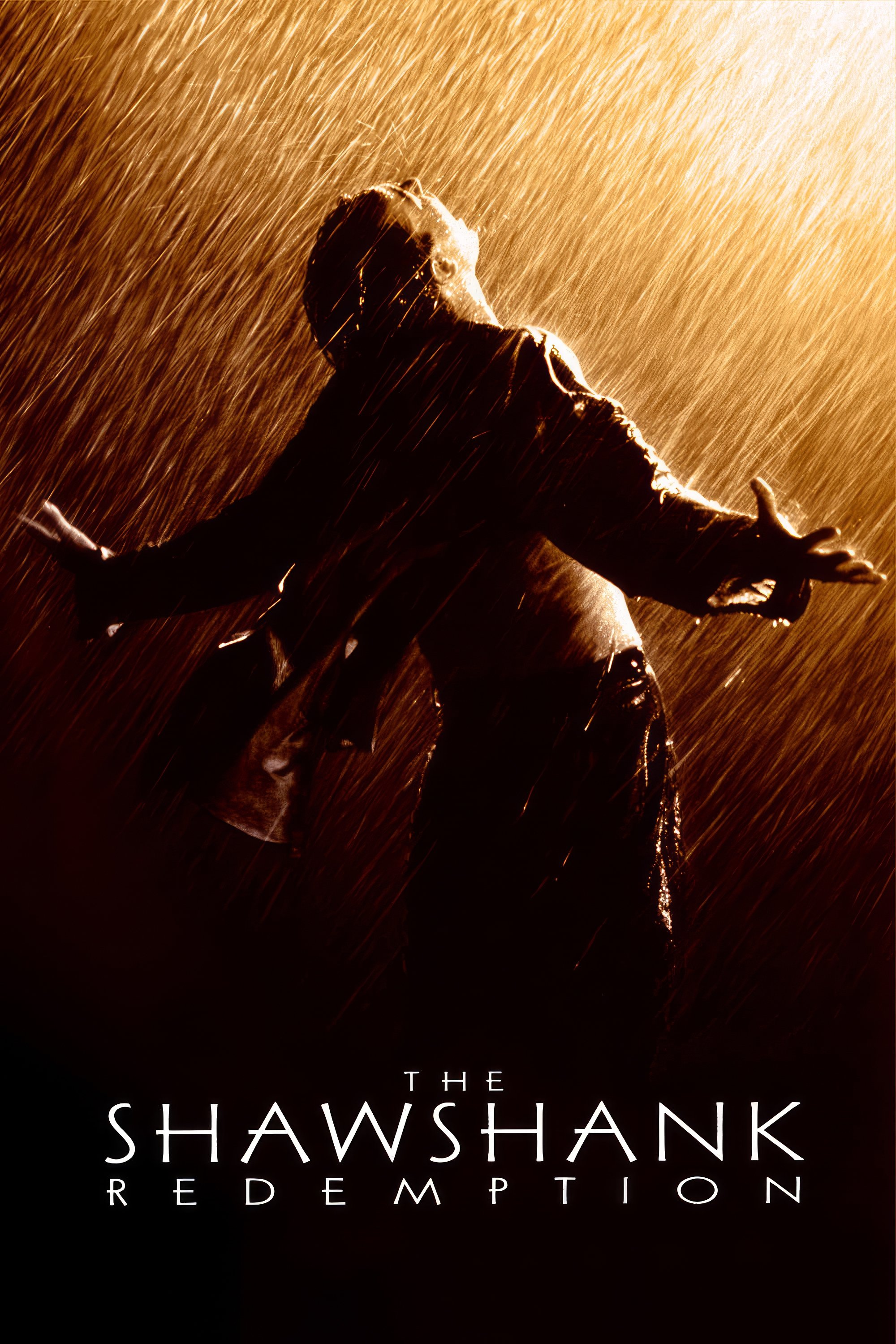
This prison drama is currently the highest-rated movie on IMDb but it was a box office disappointment. It faced tough competition from ‘Pulp Fiction’ and ‘Forrest Gump’ and audiences were unsure about the title. Positive word of mouth and strong rental numbers helped it gain momentum over time. The inspiring story of hope and friendship has since made it a cable television fixture.
‘Mallrats’ (1995)

Kevin Smith followed up his indie hit ‘Clerks’ with this studio comedy that completely tanked. Critics hated the juvenile humor and the movie was pulled from theaters relatively quickly. Fans of his previous work eventually discovered it on video and appreciated the comic book references. It became a key piece of the View Askewniverse and holds a special place in the hearts of 90s kids.
‘Empire Records’ (1995)
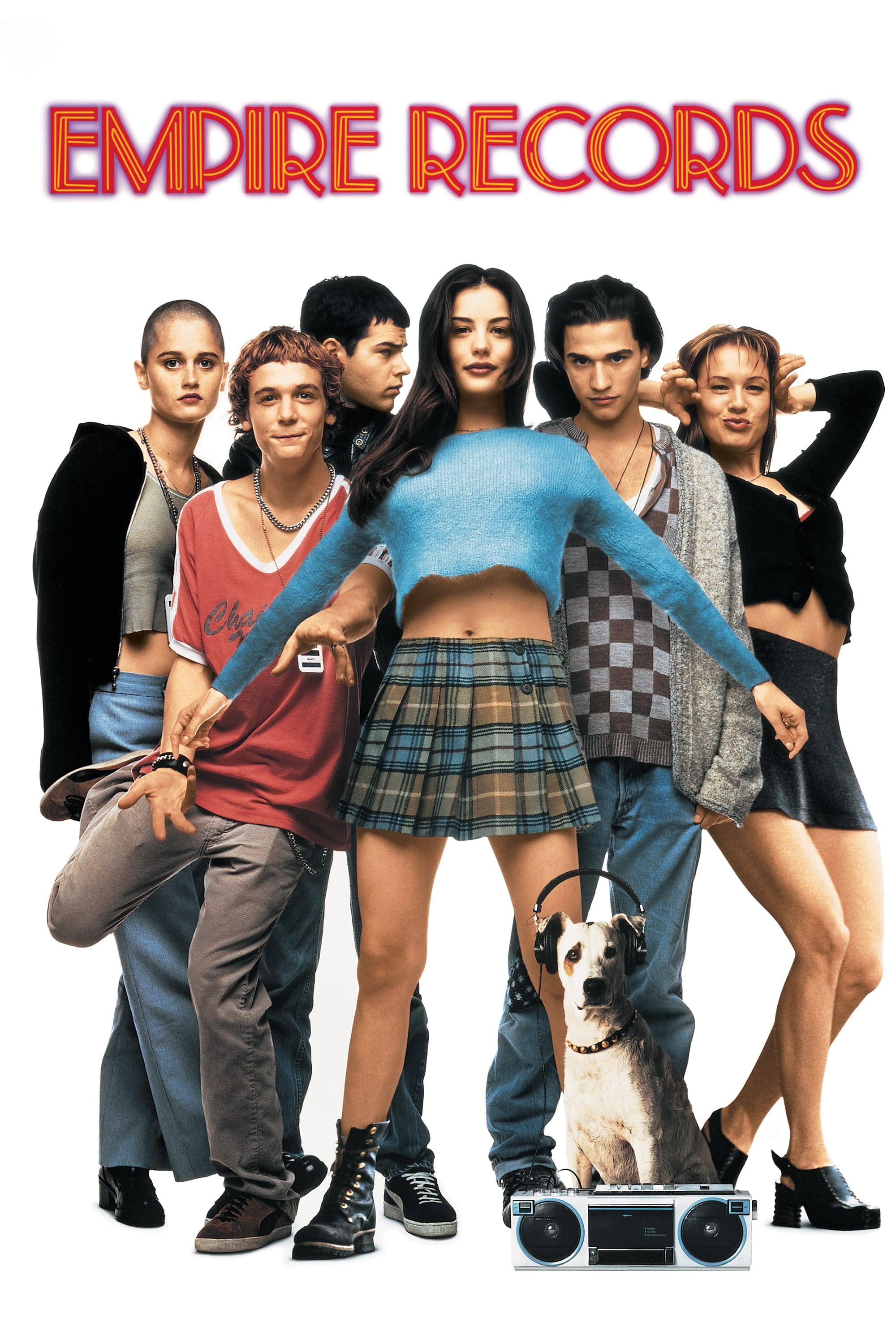
This comedy about a group of record store employees trying to save their shop failed to chart at the box office. Critics dismissed it as a disjointed mess with too many characters and thin plotlines. Teenagers connected with the soundtrack and the rebellion against corporate takeover when it arrived on video. “Rex Manning Day” is now celebrated annually by fans on social media.
‘Showgirls’ (1995)

Paul Verhoeven directed this erotic drama that was universally reviled by critics and ignored by audiences. It became famous for being arguably one of the worst high-budget films ever made. That reputation ironically turned it into a massive success on the home video rental market. People now watch it as a camp classic and appreciate the satirical elements that were initially missed.
‘Event Horizon’ (1997)
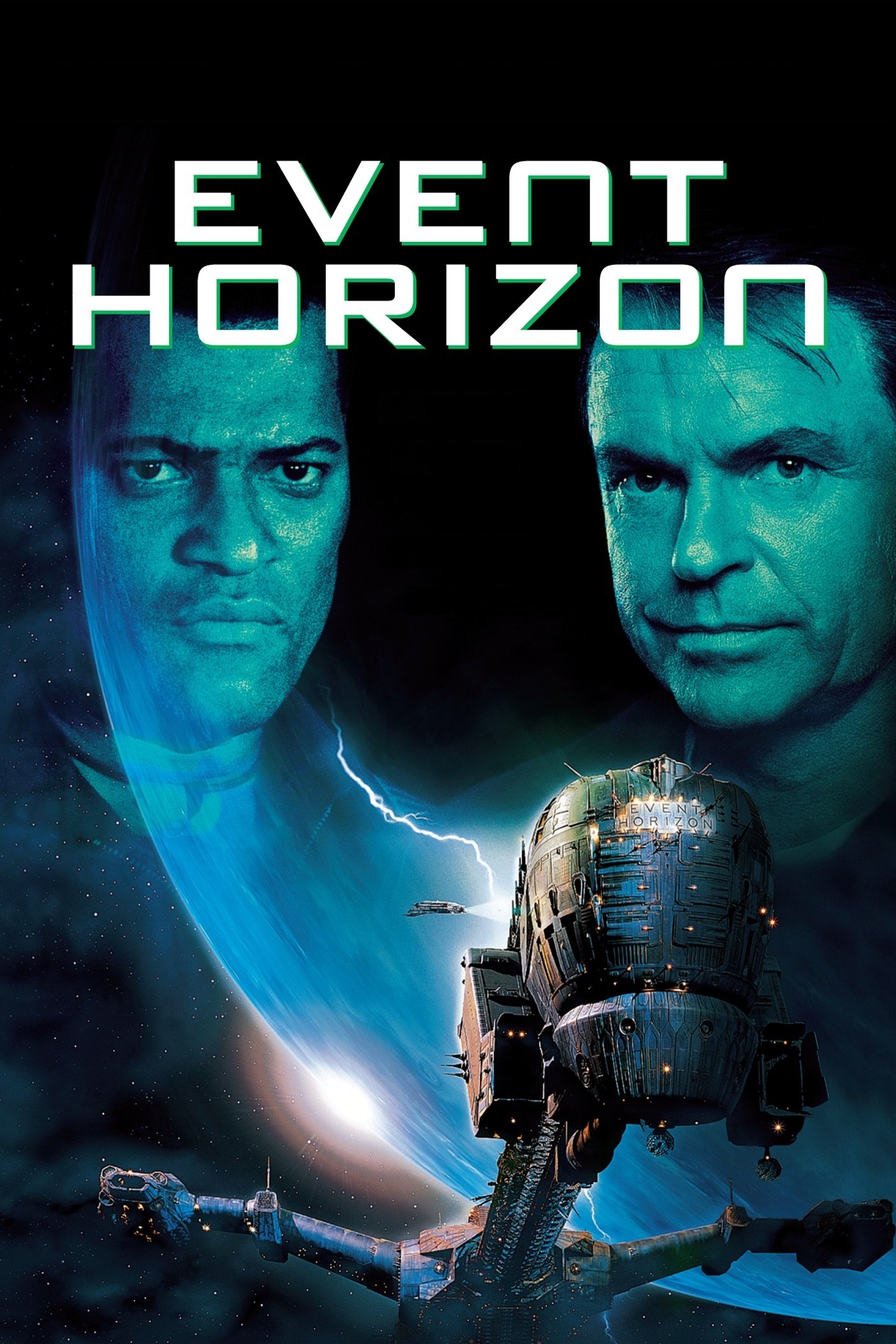
This sci-fi horror film was rushed into production and suffered from significant studio interference. The theatrical cut was a critical and commercial failure that disappointed fans of the genre. Over time the film gained a reputation for its genuinely disturbing imagery and hellish atmosphere. It is now considered a standout example of cosmic horror despite the lost footage that was never recovered.
‘Starship Troopers’ (1997)
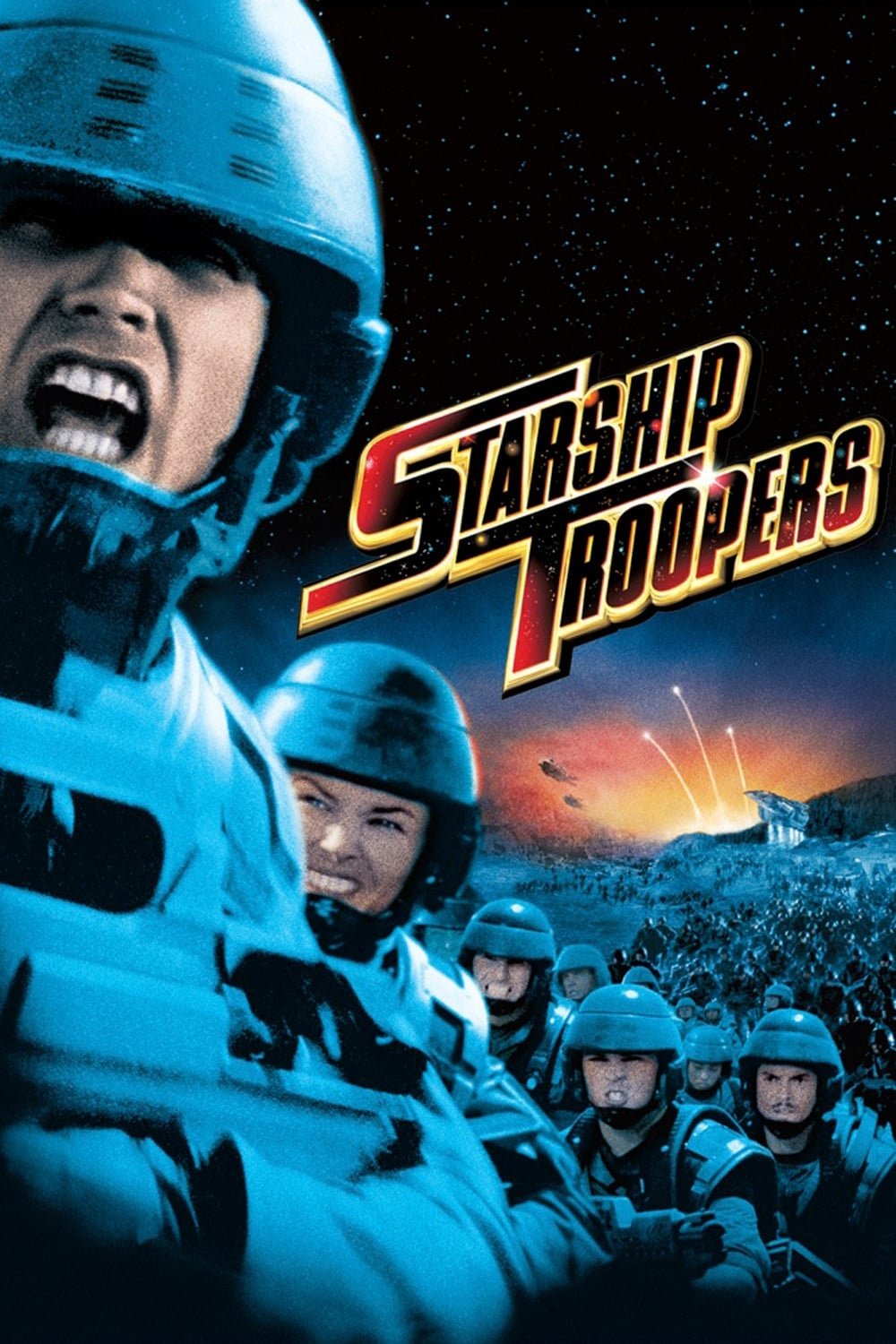
Audiences in the late 90s mistook this Paul Verhoeven satire for a mindless action movie promoting fascism. The irony of the propaganda films within the movie flew over the heads of many critics. It underperformed at the box office but eventually found an audience that understood the political commentary. The special effects still hold up remarkably well and the satire feels even more relevant today.
‘The Big Lebowski’ (1998)
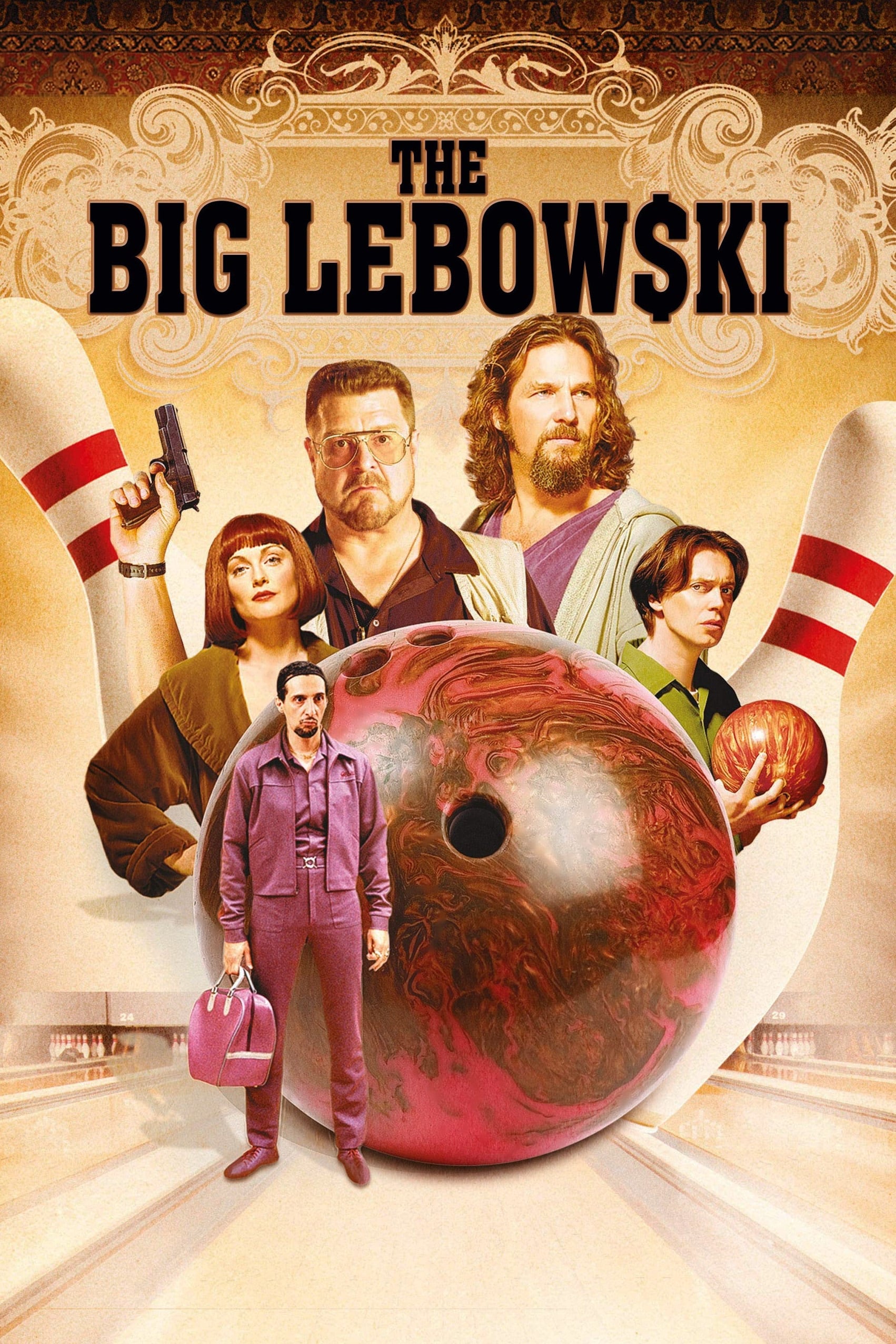
The Coen Brothers followed the serious drama of ‘Fargo’ with this stoner noir that confused viewers. The plot was intentionally convoluted and the pacing was extremely relaxed. It made very little impact financially but slowly built a fanatical following through word of mouth. The film now inspires annual festivals where fans dress as the Dude and drink White Russians.
‘Fear and Loathing in Las Vegas’ (1998)
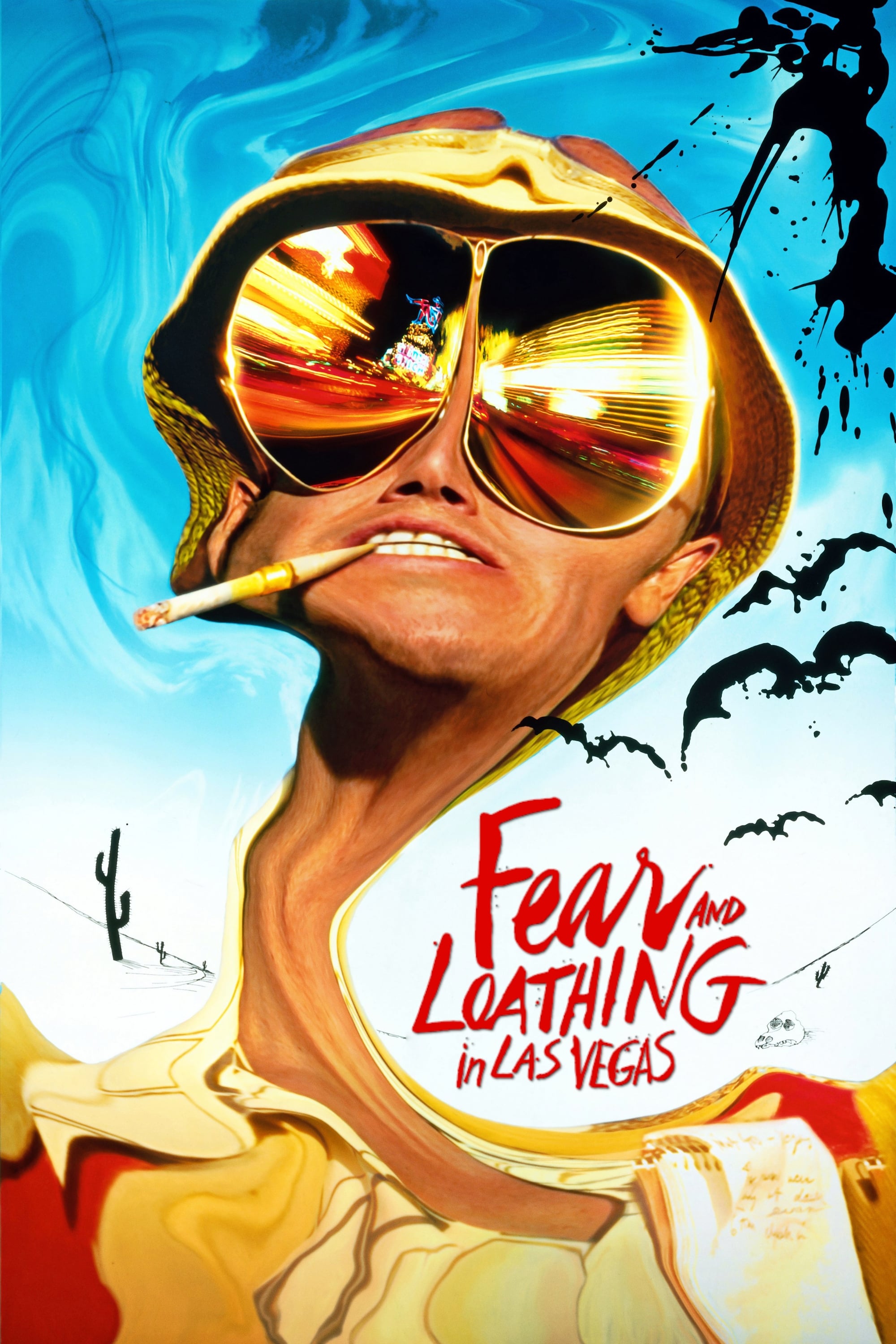
Terry Gilliam adapted the Hunter S. Thompson novel into a psychedelic trip that alienated mainstream audiences. The visual style was chaotic and the narrative lacked a traditional structure. Critics were divided and the film failed to recoup its budget during the initial release. It has since become a rite of passage for college students and fans of counterculture cinema.
‘The Iron Giant’ (1999)
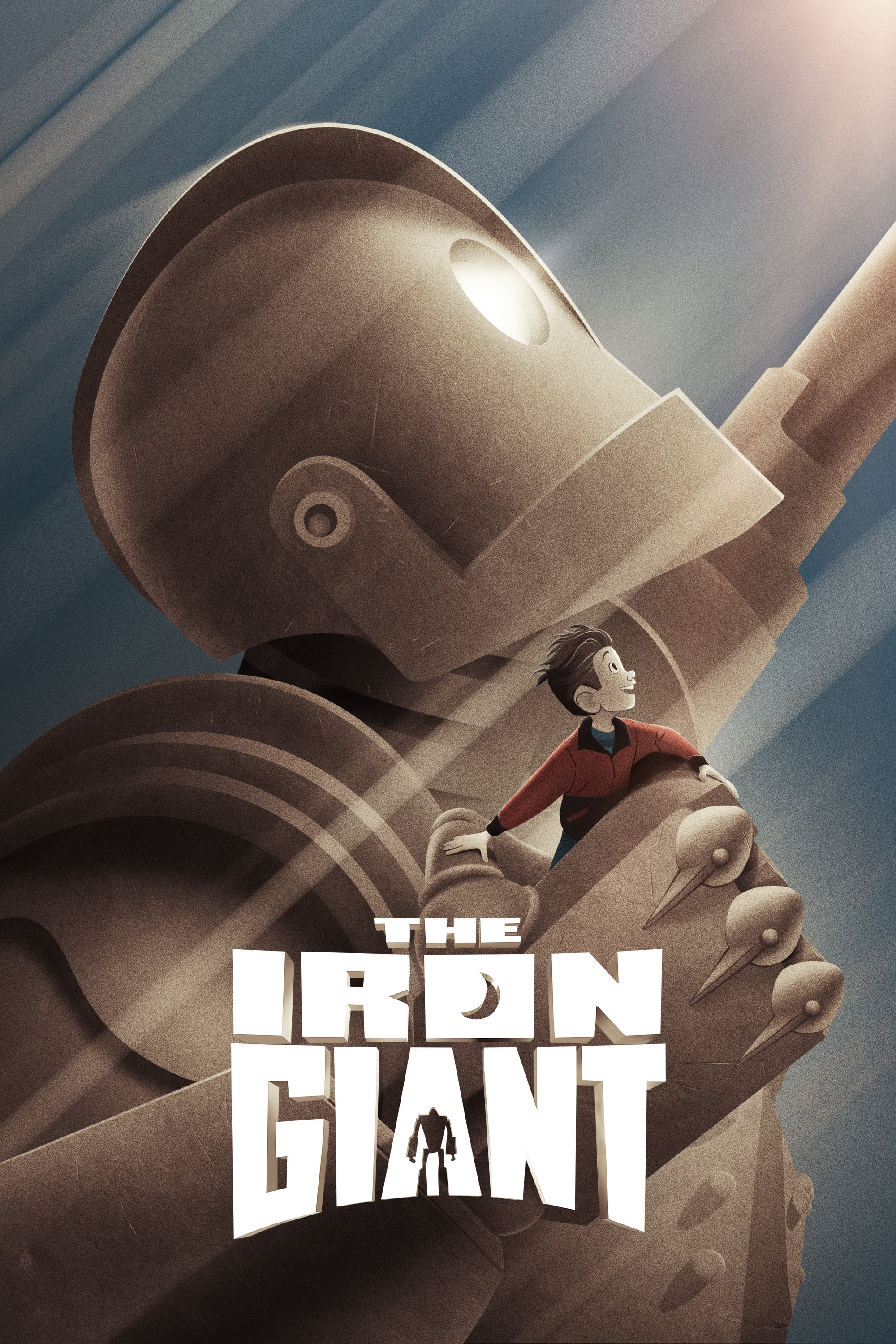
Warner Bros. barely marketed this animated masterpiece which led to it bombing spectacularly. Those who did see it praised the emotional story and the beautiful 2D animation style. It found its audience on television and DVD where it was recognized as one of the best animated films of the decade. Director Brad Bird went on to huge success at Pixar but this remains his most personal work.
‘Fight Club’ (1999)

David Fincher directed this satire of toxic masculinity and consumerism that polarized critics and audiences. The studio marketed it as a standard fighting movie which attracted the wrong crowd and disappointed them. It found massive success on DVD and became a defining film for a generation of men. The philosophical themes and twist ending continue to be debated and analyzed.
‘Office Space’ (1999)
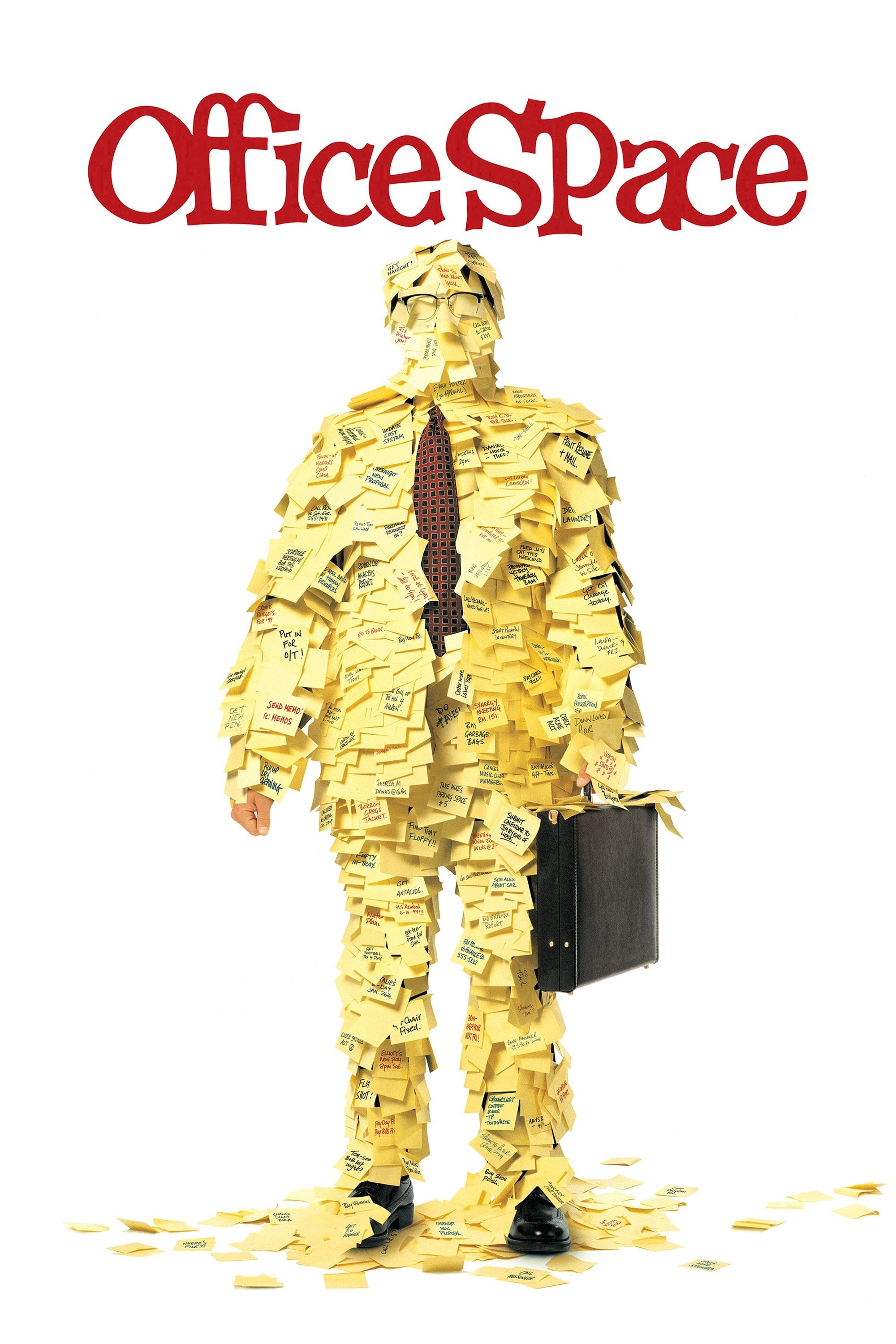
Mike Judge captured the soul-crushing reality of corporate life in this comedy that few people saw in theaters. The marketing campaign was poor and failed to convey the specific brand of humor. It became a runaway hit on video and DVD as office workers everywhere related to the characters. The movie popularized the concept of “flair” and the destruction of the printer is a legendary scene.
‘Donnie Darko’ (2001)

This indie sci-fi psychological thriller was released shortly after 9/11 and suffered due to a plot point involving a plane engine. The confusing narrative and dark tone limited its theatrical appeal. It became a massive cult hit in the UK and on DVD thanks to its mood and soundtrack. The film is now a staple of midnight screenings and internet forums dedicated to explaining the timeline.
‘Wet Hot American Summer’ (2001)
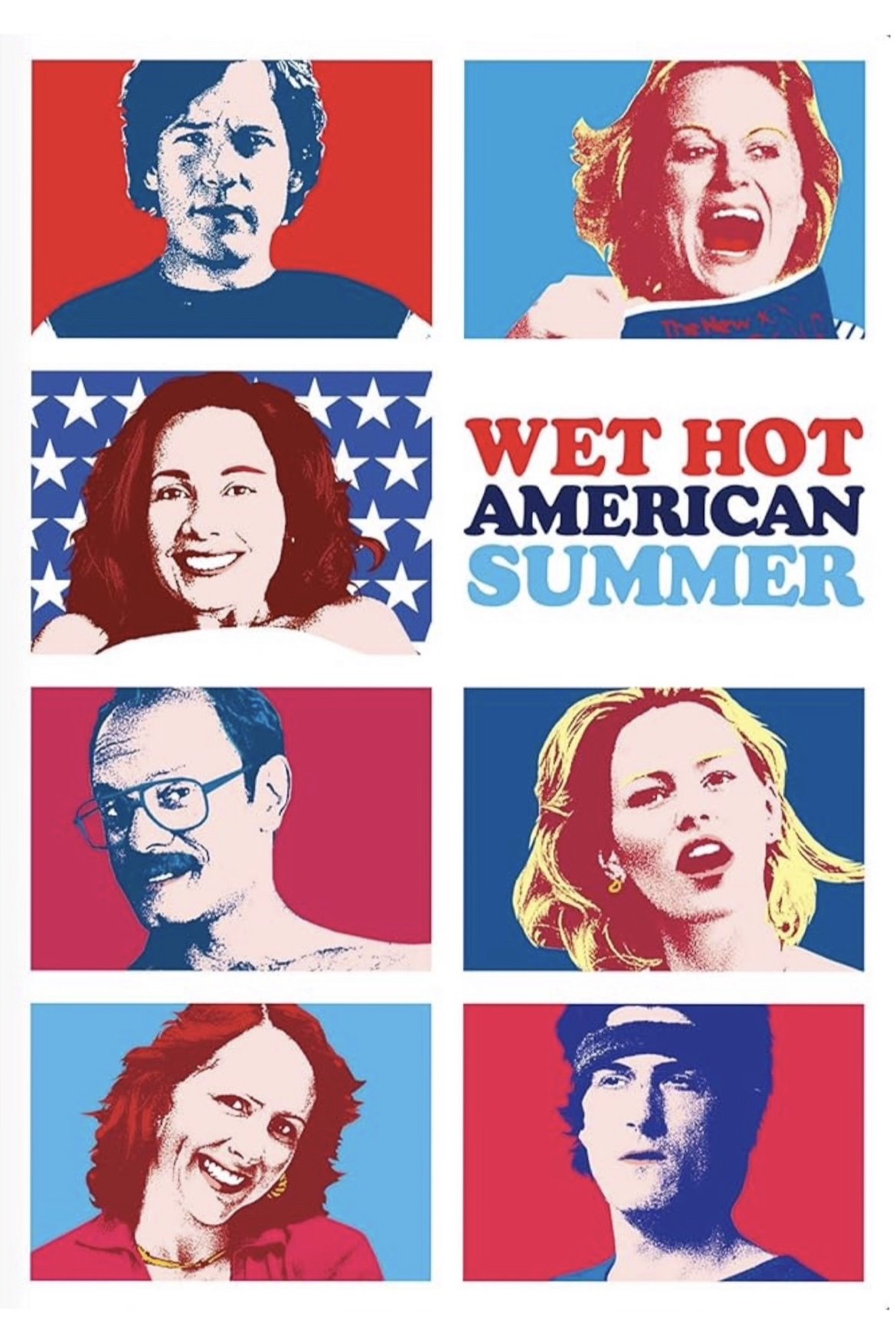
Critics absolutely hated this spoof of summer camp movies when it first premiered. The humor was seen as too absurd and the movie made almost no money. The incredible cast which included Bradley Cooper and Paul Rudd eventually became huge stars which drove interest back to the film. It is now considered a comedy classic and spawned two television series on Netflix.
‘Josie and the Pussycats’ (2001)
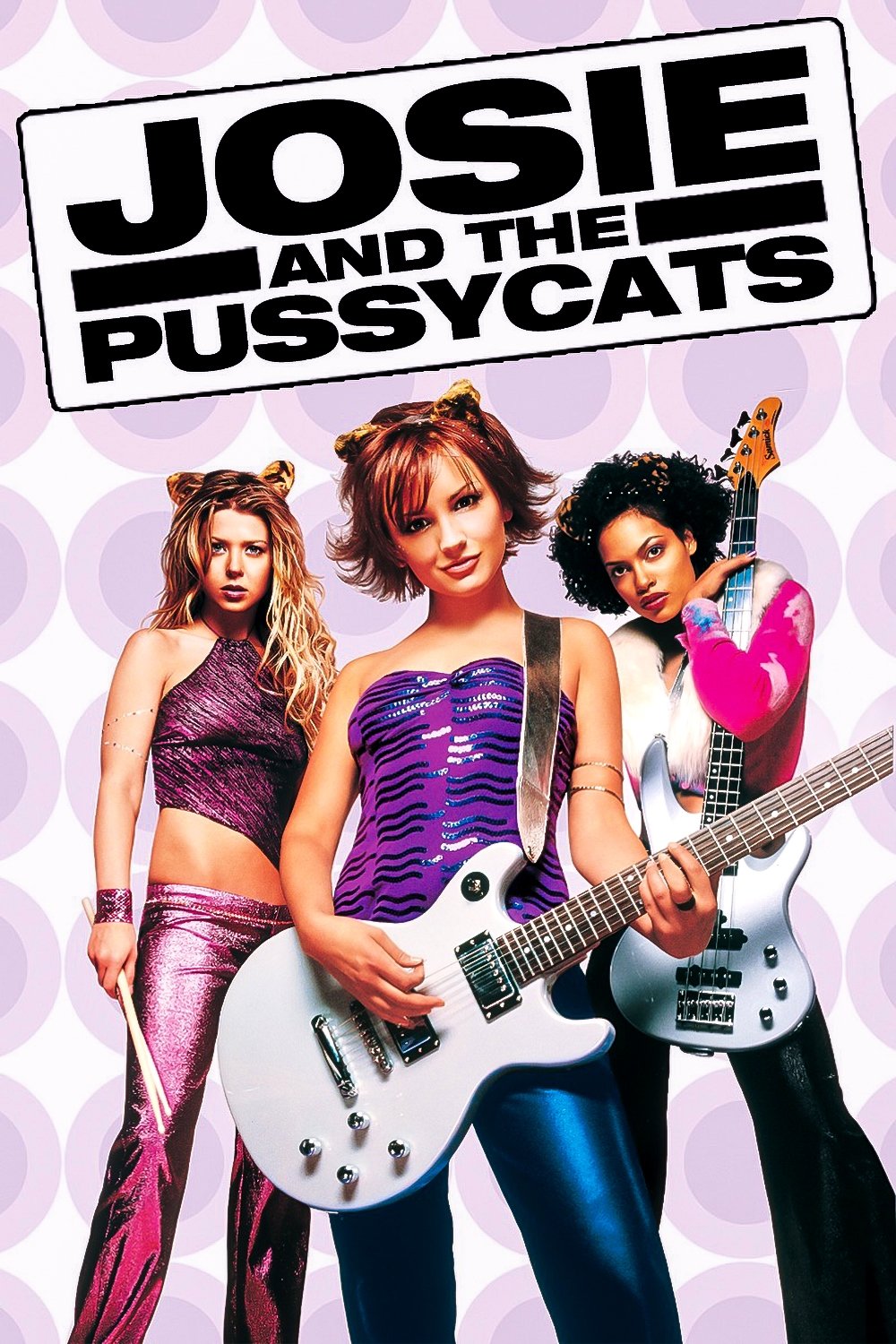
This satire of the music industry was dismissed as a shallow product placement vehicle upon release. Audiences missed the meta-commentary that the film was making about consumerism and trends. The soundtrack was undeniably catchy and the jokes have aged surprisingly well. It has been reclaimed by critics as a smart and subversive comedy that was ahead of its time.
‘Treasure Planet’ (2002)

Disney attempted to mix traditional animation with 3D computer graphics in this sci-fi retelling of ‘Treasure Island’. It was one of the most expensive animated failures in history and effectively killed 2D animation at the studio. Fans later appreciated the unique visual aesthetic and the emotional depth of the story. It remains a visually spectacular film that simply came out at the wrong time.
‘Idiocracy’ (2006)
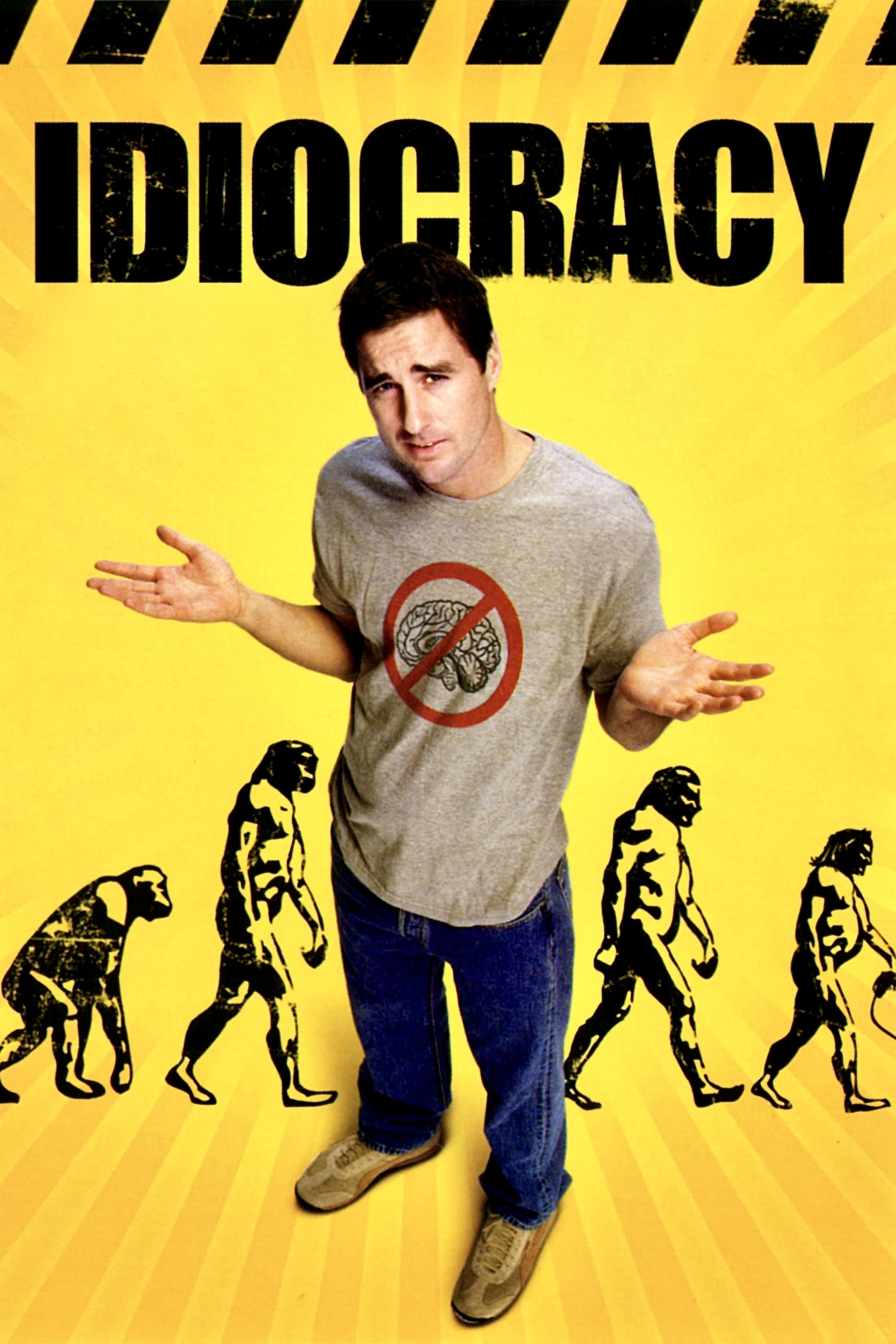
Fox dumped this Mike Judge satire into a handful of theaters with zero promotion because they did not know how to sell it. The movie depicts a future where humanity has become incredibly stupid due to anti-intellectualism. It made almost no money but gained traction as the political climate shifted years later. People often cite the film as a documentary rather than fiction due to its eerie predictive nature.
‘Children of Men’ (2006)
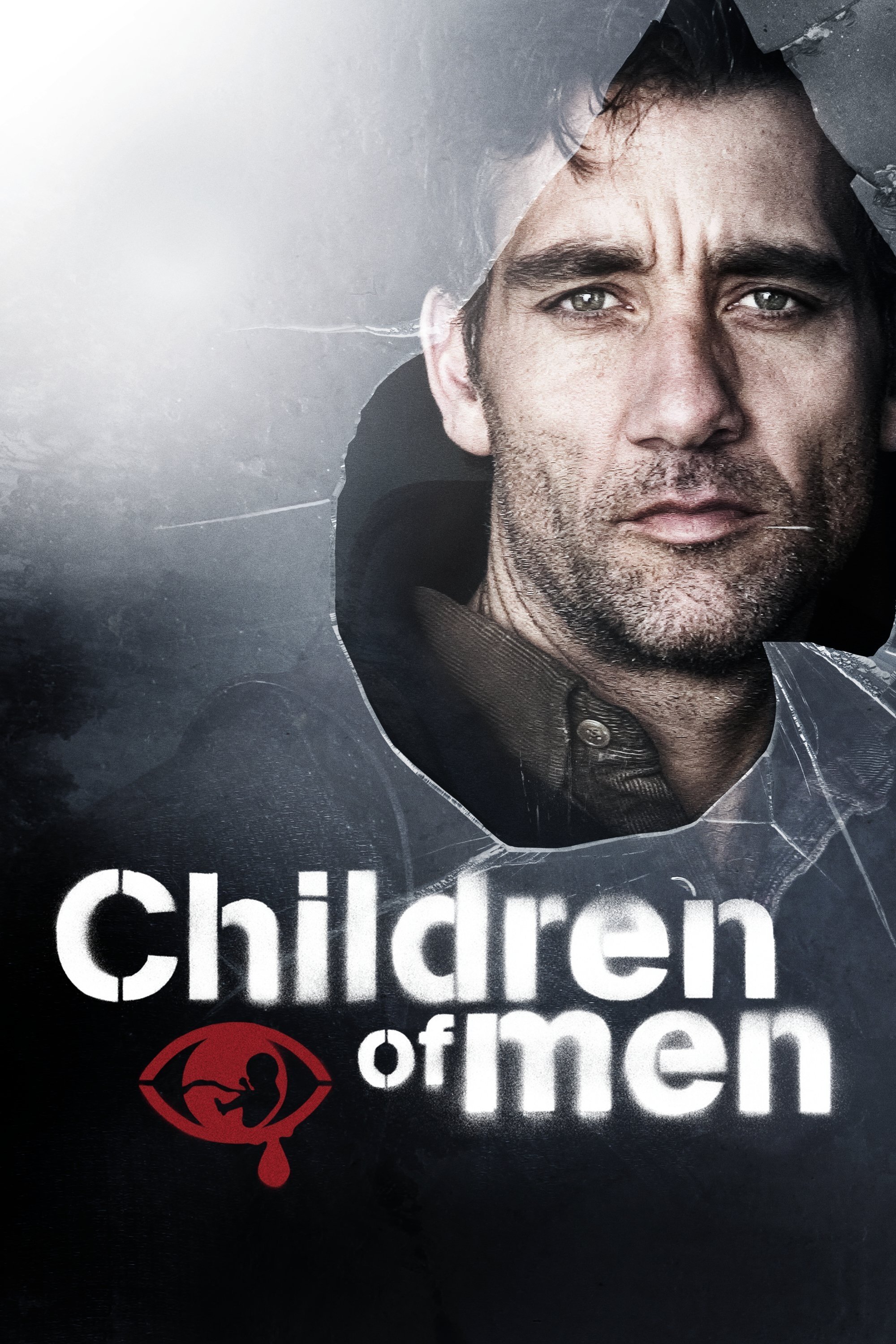
Alfonso Cuarón directed this dystopian thriller that received critical acclaim but failed to draw in general audiences. The bleak subject matter and the lack of a traditional happy ending made it a tough sell. Film enthusiasts kept the conversation alive by praising the incredible long-take cinematography. It is now widely considered one of the best science fiction films of the 21st century.
‘Sunshine’ (2007)
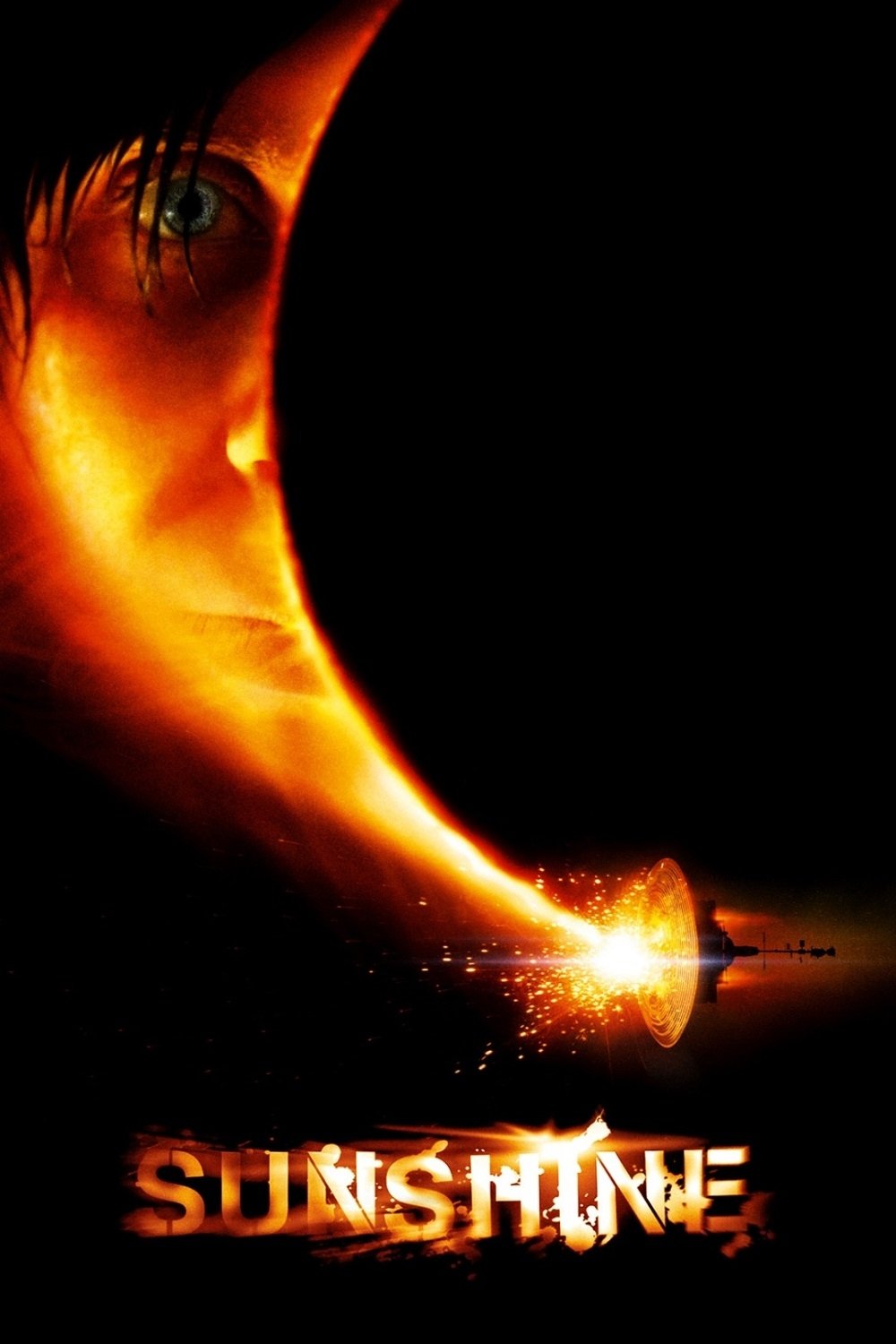
Danny Boyle directed this visually stunning sci-fi film about a mission to reignite the dying sun. The third act shifts into a slasher movie tone which alienated some viewers and critics. It underperformed significantly but found a second life among fans of hard science fiction. The score by John Murphy and Underworld is frequently used in trailers for other movies.
‘Speed Racer’ (2008)
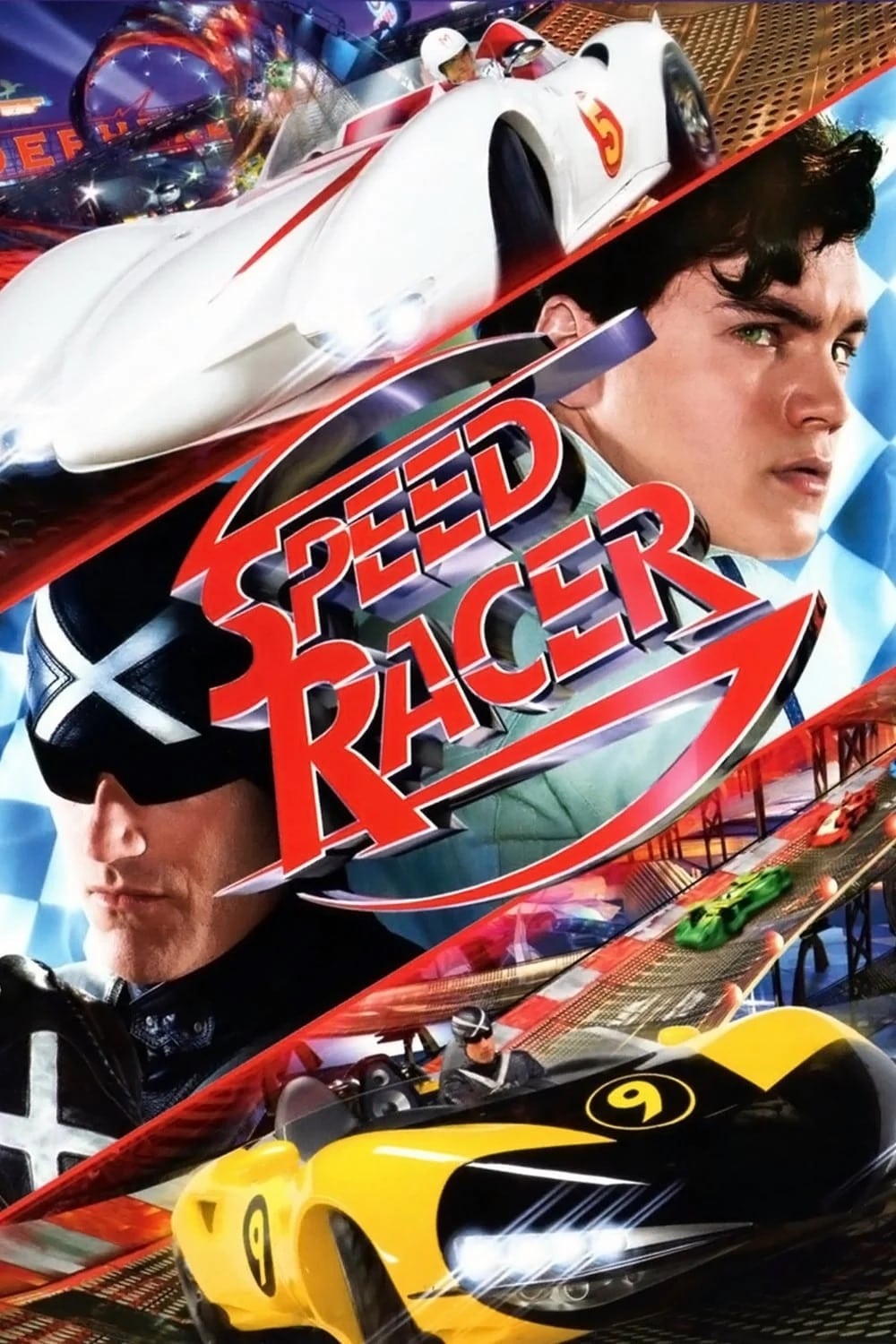
The Wachowskis followed the Matrix trilogy with this hyper-colored adaptation of the classic anime. Critics dismissed the visuals as an eyesore and the film was a major box office bomb. Years later a new generation of critics began to appreciate the unique editing and the heart-pounding racing sequences. It is now defended as a misunderstood experiment in visual storytelling.
‘Jennifer’s Body’ (2009)
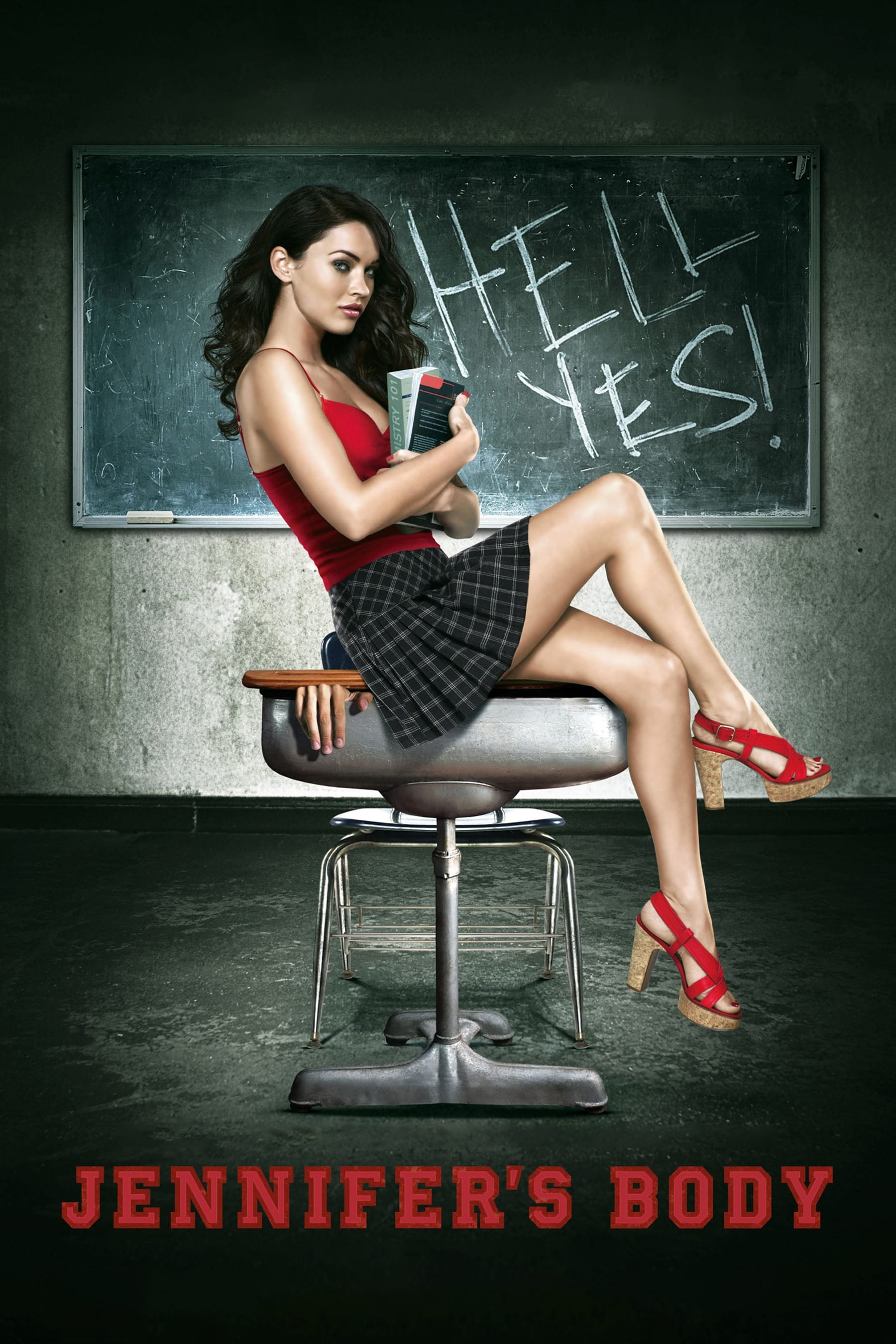
Marketing for this horror-comedy focused entirely on Megan Fox’s sex appeal rather than the feminist themes of the script. It was panned by critics and ignored by the target audience of teenage girls. In the wake of the #MeToo movement the film was re-evaluated as a sharp satire on female friendship and trauma. It is now considered a cult classic with a very devoted fanbase.
‘Scott Pilgrim vs. the World’ (2010)
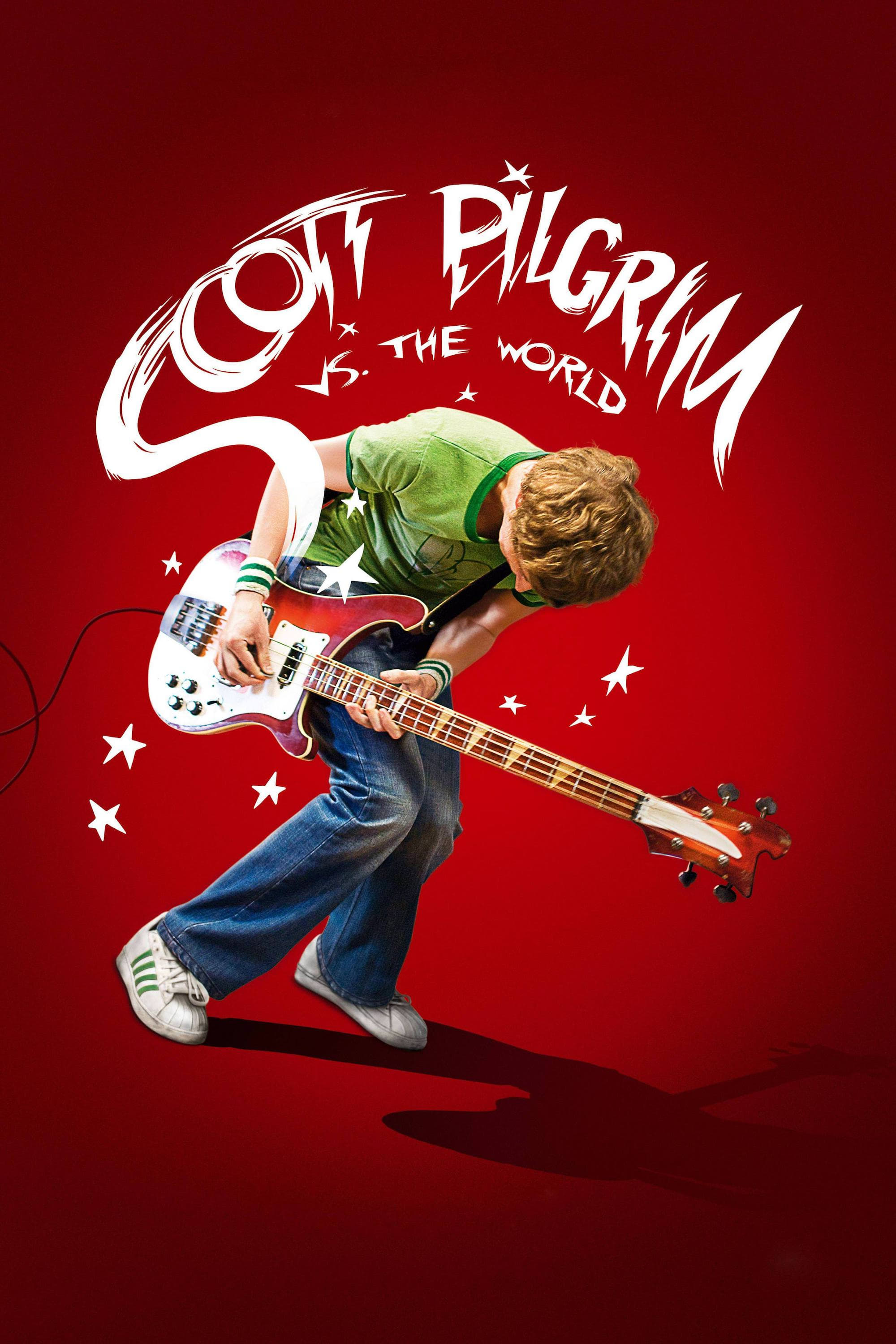
Edgar Wright adapted the popular graphic novel series with a visual style that perfectly mimicked video games and comics. Despite glowing reviews from the geek community it failed to attract a broader audience. The fast-paced editing and incredible attention to detail made it perfect for repeat viewings on home media. It retains a massive following that recently supported an anime adaptation.
‘Dredd’ (2012)
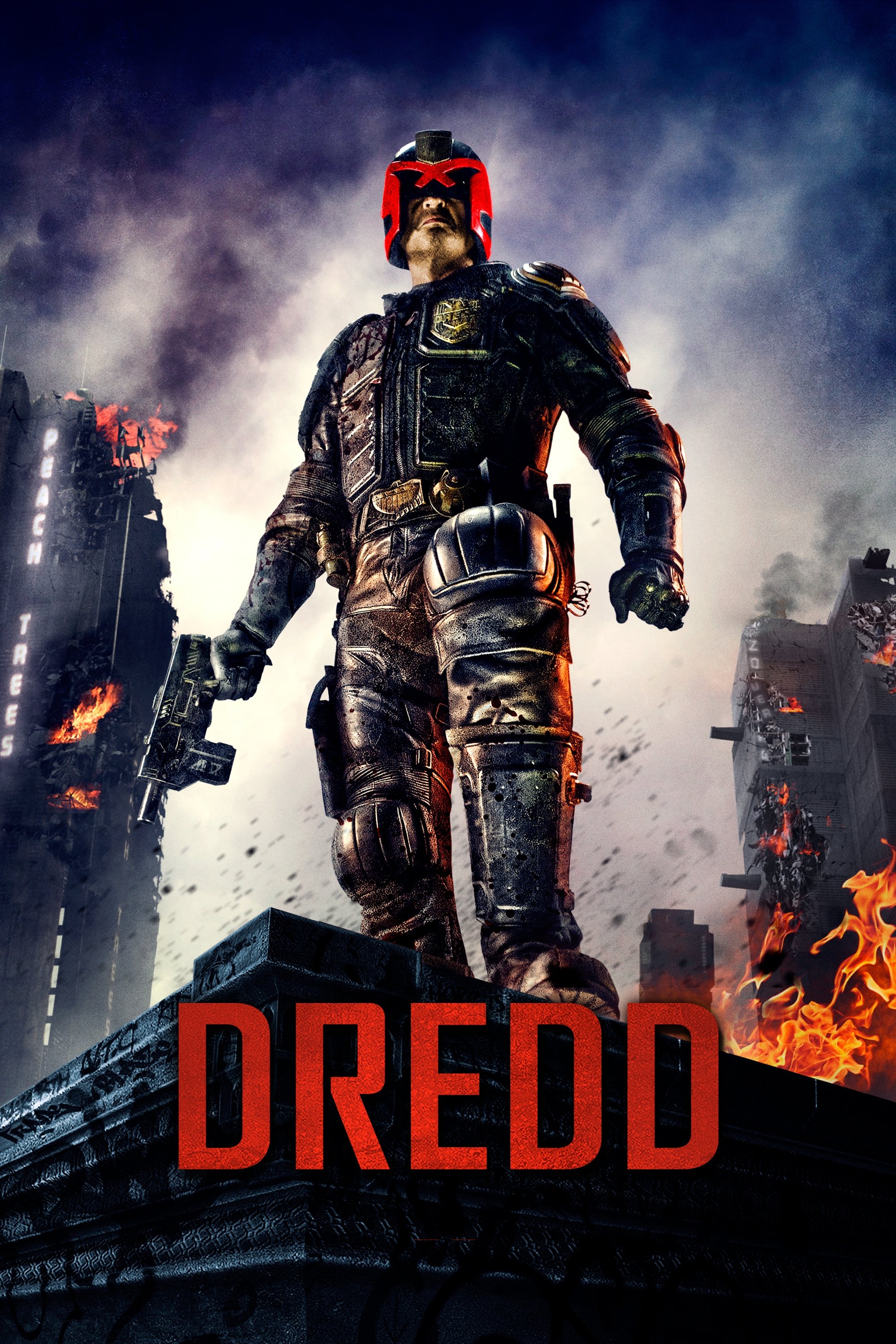
This gritty adaptation of the comic book character was a direct response to the failed 1995 Sylvester Stallone version. Marketing was difficult and the 3D pricing kept some audiences away from theaters. Those who saw it praised the brutal action and Karl Urban’s stoic performance. Fans campaigned for a sequel for years because the film captured the source material so perfectly.
‘Popstar: Never Stop Never Stopping’ (2016)
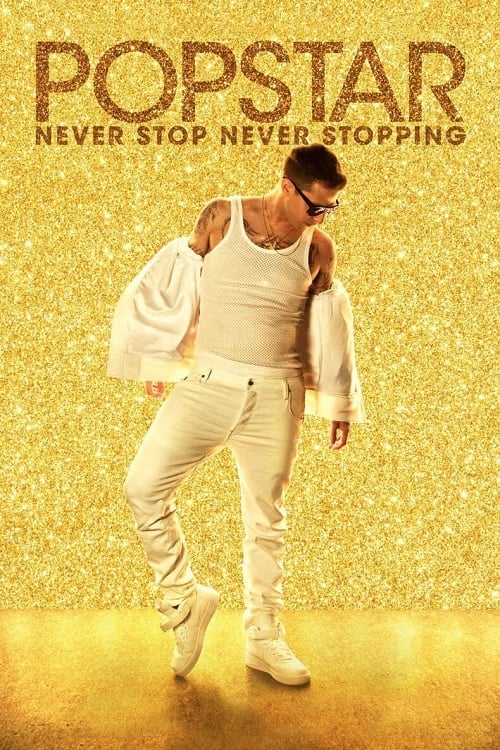
The Lonely Island trio produced this mockumentary that lampooned modern pop star documentaries. It received great reviews but completely flopped at the box office perhaps due to poor marketing. The songs are genuinely catchy and the jokes come at a relentless pace. It has found a dedicated audience on streaming services who quote the lyrics and lines constantly.
‘The Nice Guys’ (2016)
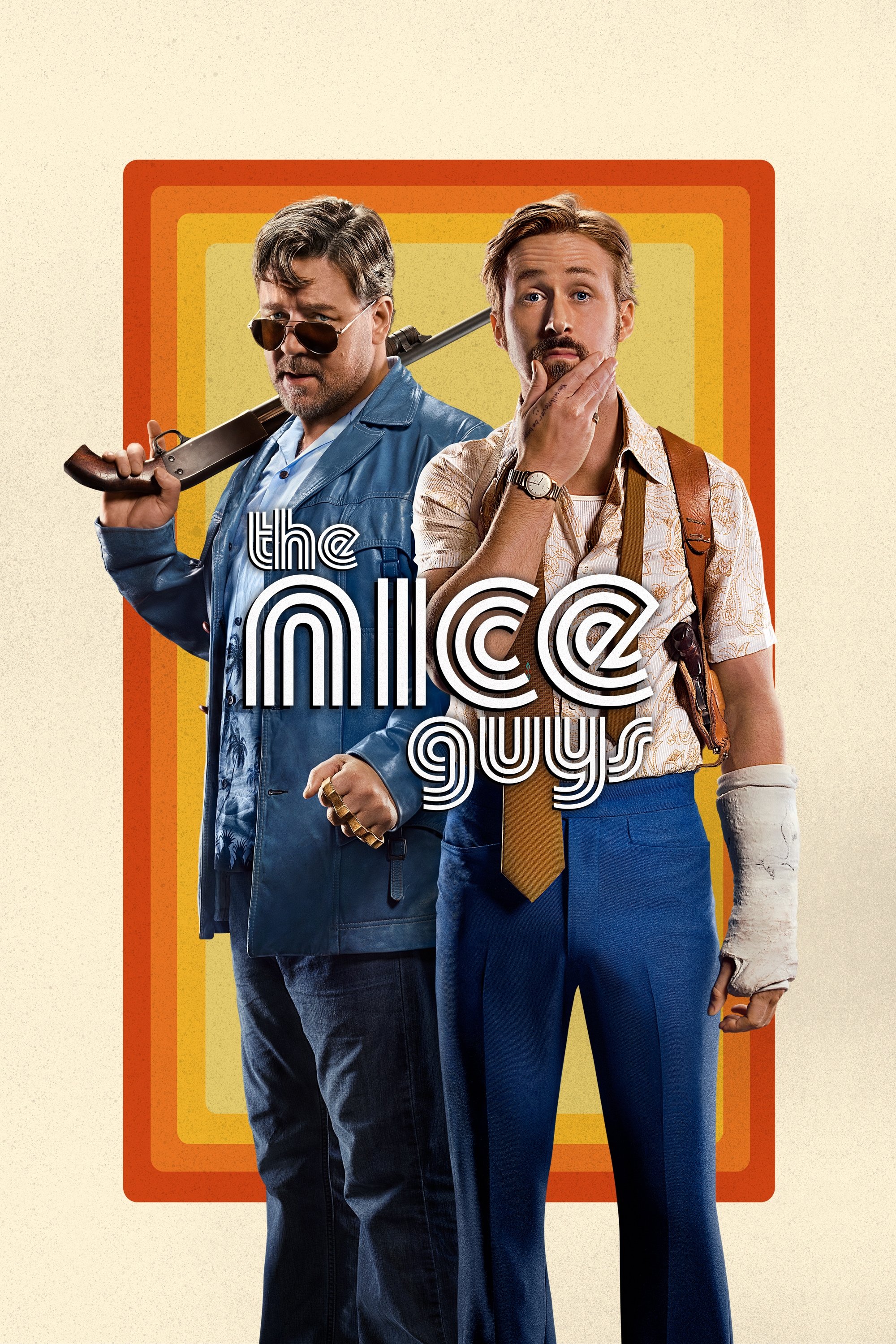
Shane Black directed this 1970s buddy comedy starring Ryan Gosling and Russell Crowe. Despite excellent chemistry between the leads and positive reviews it got buried by superhero blockbusters. The witty dialogue and physical comedy were praised by those who managed to see it. It frequently trends on social media whenever clips of the two stars interacting go viral.
Please tell us which of these cult classics is your personal favorite in the comments.