


20 Movie Records That Will Never Be Broken

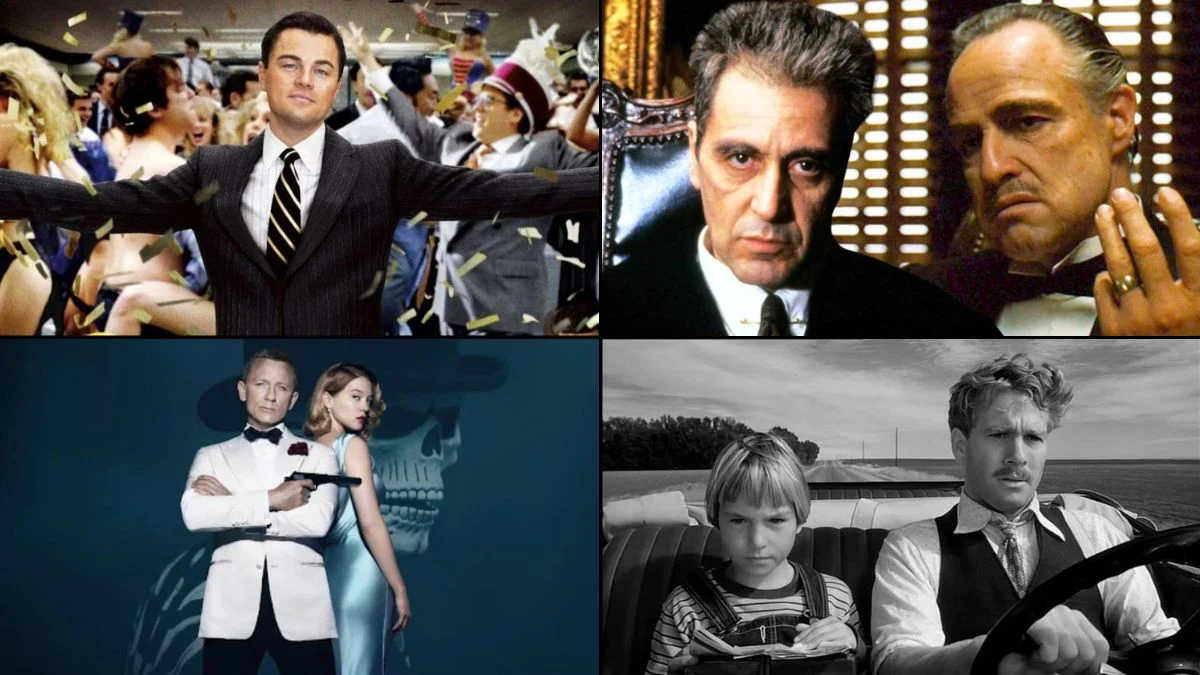


Some film milestones are so towering that it is hard to imagine anyone ever topping them. From box office juggernauts to once-in-a-lifetime awards feats and production achievements that required unbelievable logistics, these records feel untouchable for practical, technological, or historical reasons. Here are the movie benchmarks that look safely out of reach and why they’re likely to stay that way.
Walt Disney’s Unmatched Oscar Wins
Walt Disney earned 22 competitive Academy Awards across shorts and documentaries, a haul no individual has approached since. His studio released dozens of eligible titles annually for decades, giving him an advantage modern creators simply don’t have. Disney also received four honorary Oscars, bringing his total statuettes to 26 overall. The combination of volume, category diversity, and era-specific Academy voting patterns makes this tally effectively unassailable.
‘The Lord of the Rings: The Return of the King’ (2003)
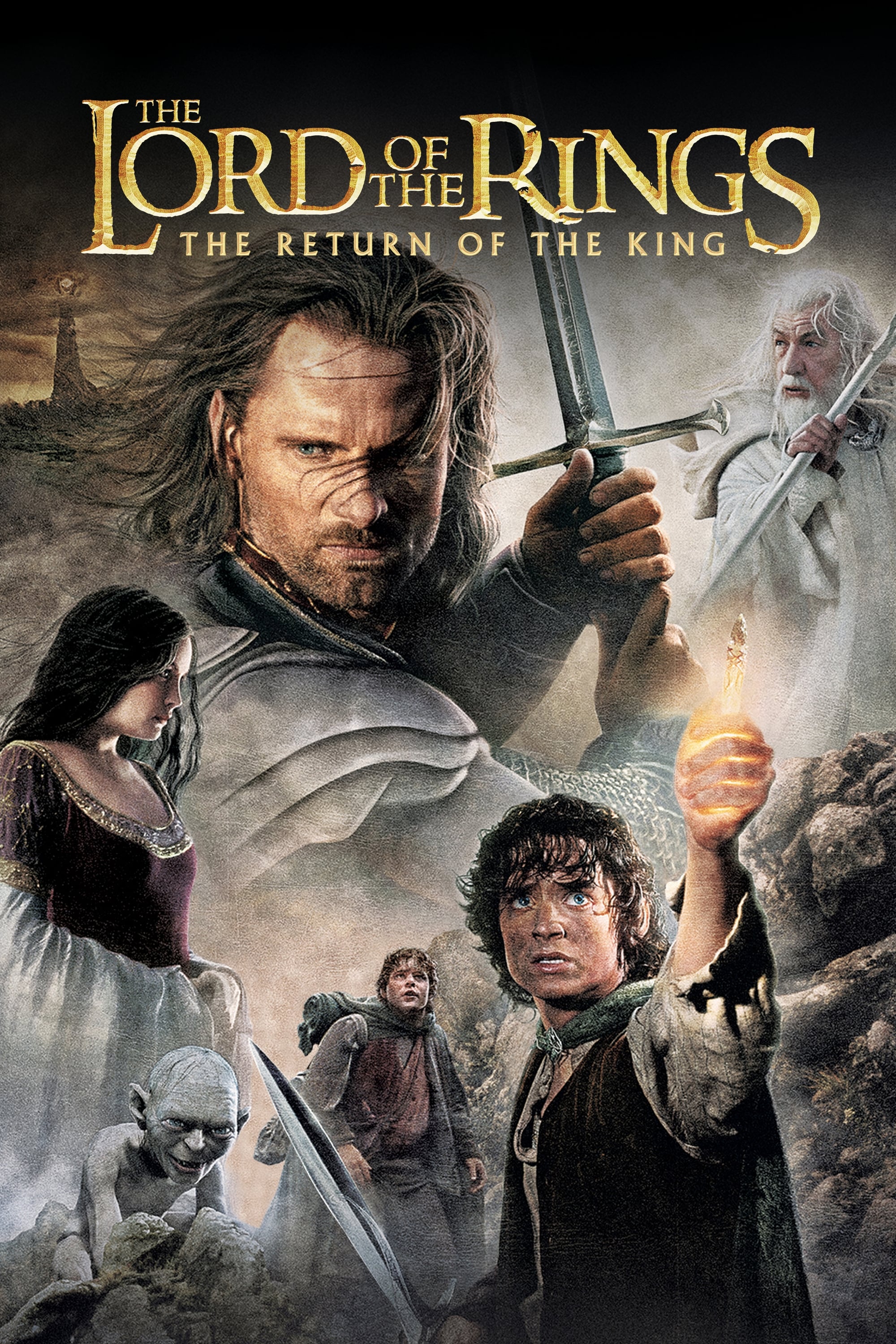
Peter Jackson’s finale swept all 11 of its nominations, including Best Picture and Best Director. No other film with double-digit nominations has gone a perfect 100 percent at that scale. The breadth of categories, from technical crafts to top awards, demonstrates rare across-the-board consensus. With today’s larger voting body and fragmented tastes, another 11-for-11 clean sweep is extraordinarily unlikely.
‘Gone with the Wind’ (1939)
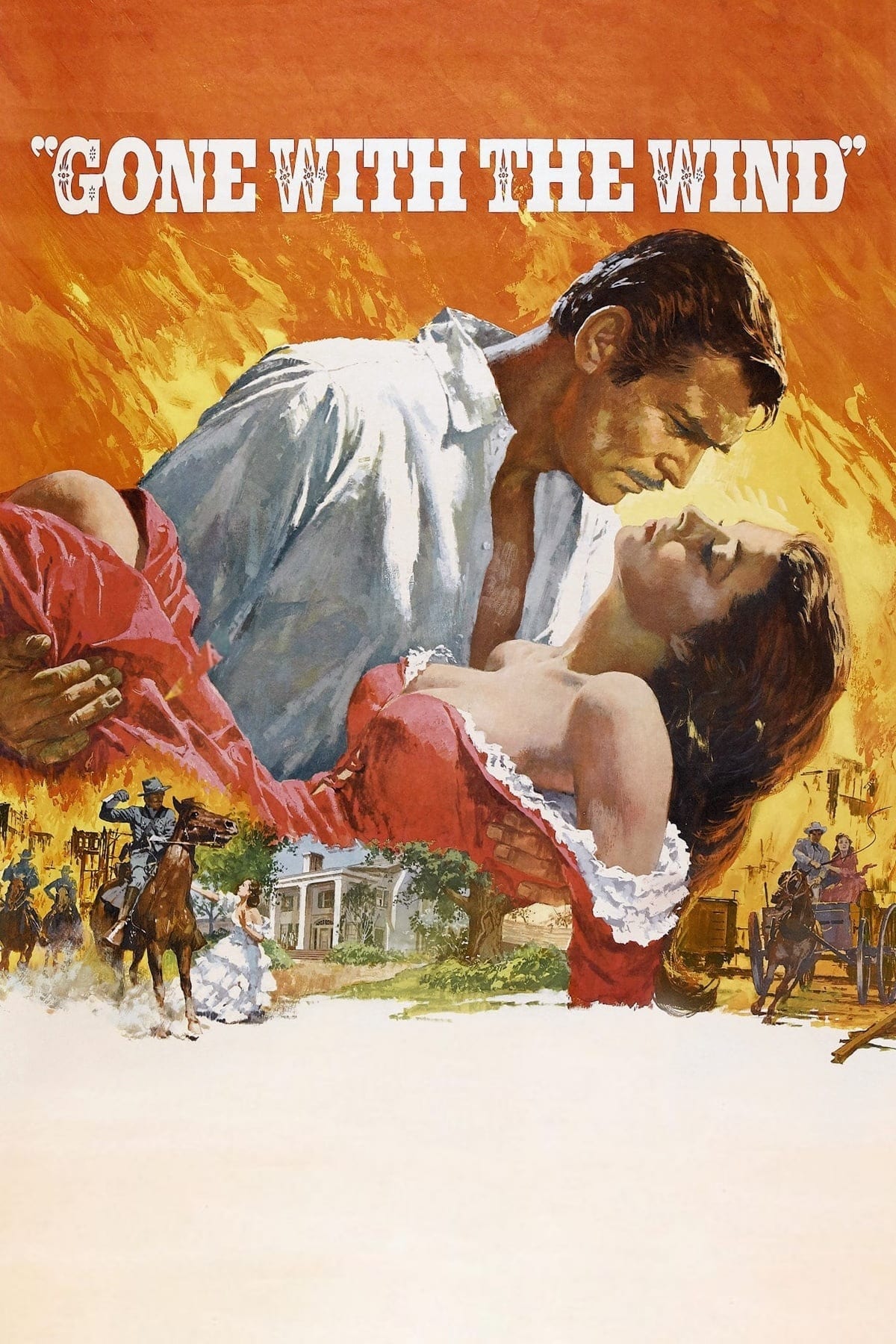
Adjusted for inflation, this film remains the top-grossing movie in history thanks to massive initial attendance and repeated re-releases in the pre-home-video era. Its success was built on a limited entertainment landscape where theatrical draw lasted for months or years. Modern viewing is spread across streaming, international windows, and shorter runs, diffusing box office tallies. Those structural changes make its inflation-adjusted dominance nearly impossible to challenge.
‘Avatar’ (2009)

James Cameron’s sci-fi epic sits at the top of the worldwide box office in nominal dollars after multiple strong theatrical runs and global rollouts. It leveraged groundbreaking 3D, premium large formats, and exceptional legs across markets. Even as more blockbusters cross the billion-dollar mark, matching the same sustained momentum across re-releases is rare. The franchise’s continued presence also reinforces its lead rather than inviting a new challenger.
‘The Rocky Horror Picture Show’ (1975)
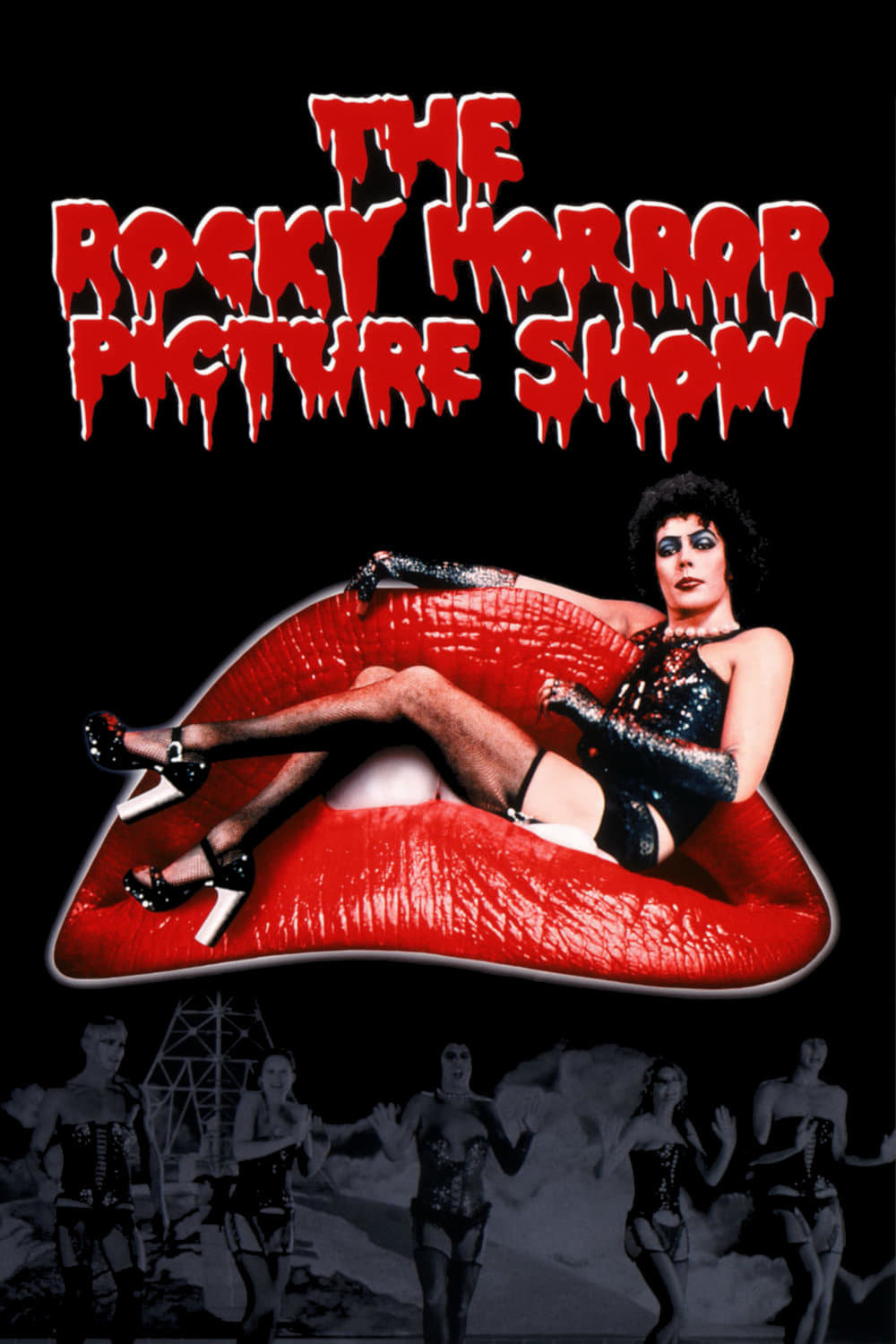
This cult musical has enjoyed an uninterrupted presence in cinemas for decades through midnight screenings and audience participation events. The tradition sustains weekly bookings around the world, an exhibition model other films don’t replicate at scale. Its interactive format keeps drawing new viewers alongside loyal fans. The unique culture around it virtually guarantees the longest continuous theatrical run will stand.
‘Gandhi’ (1982)
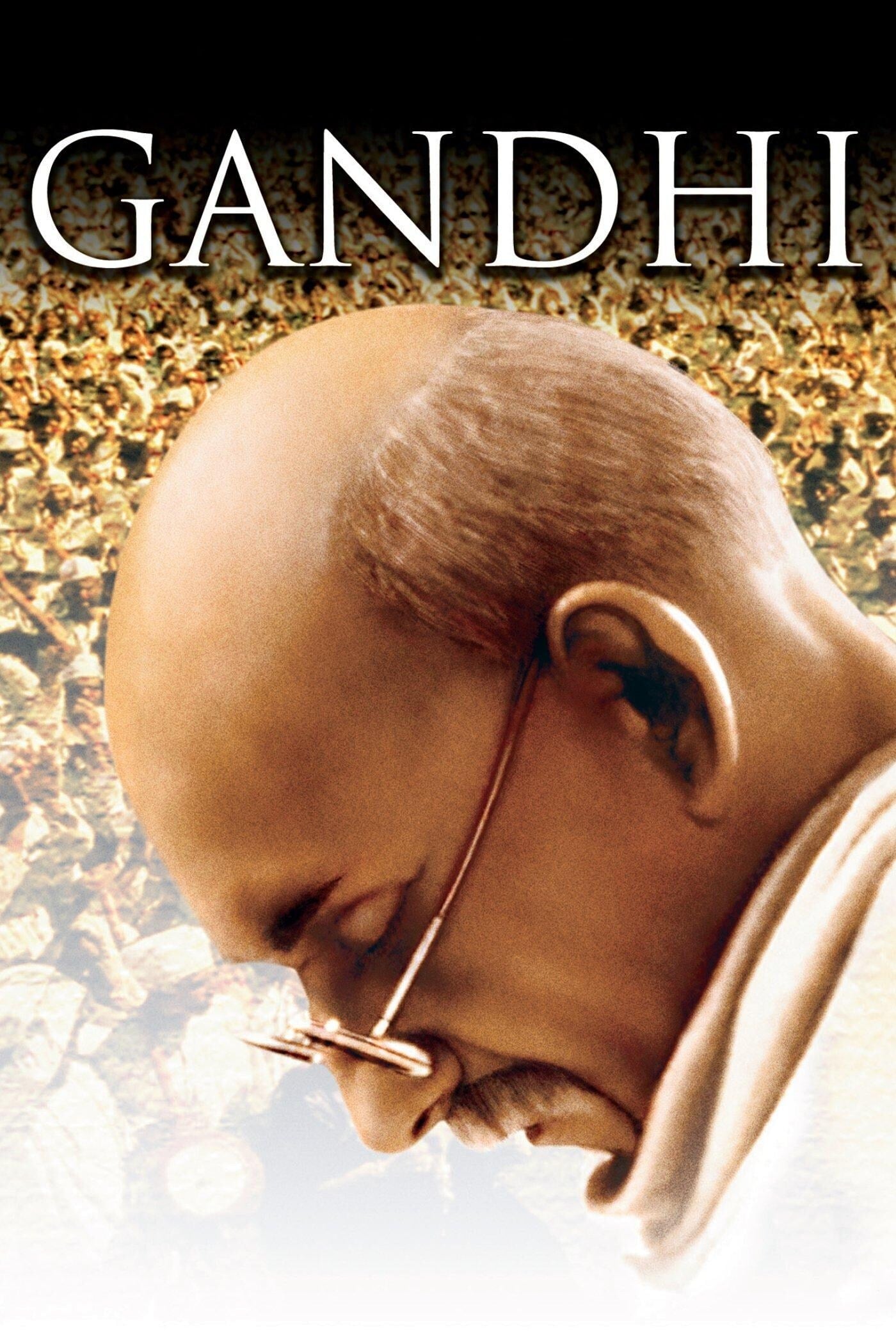
The funeral sequence reportedly used around 300,000 volunteer extras, coordinated with civic partners to stage the colossal crowd. Modern productions lean on digital duplication and visual effects instead of mobilizing humans at this scale. Insurance, security, and logistical costs alone would be prohibitive today. That many people physically on set for a single sequence is a feat unlikely to be attempted again.
John Williams’ Nomination Count
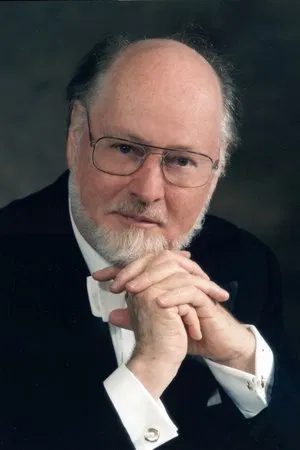
The composer has amassed over 50 Academy Award nominations, the most of any living person and second only to Walt Disney overall. His longevity across eras of filmmaking and collaborations with major directors fueled a decades-long streak. Contemporary composers face stiffer competition and fewer annual nomination slots. Replicating that level of sustained recognition over so many years is extraordinarily difficult.
‘Logistics’ (2012)

This Swedish experimental project runs for about 35 days of continuous viewing, tracking a product’s journey in real time. The concept eclipses conventional definitions of feature length by orders of magnitude. Distribution and audience practicality make longer works even less feasible to exhibit. As a result, its status as the longest film ever released looks secure.
Oldest Acting Oscar Winner
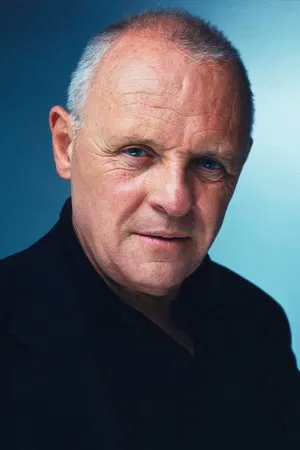
Anthony Hopkins became the oldest winner of a competitive acting Oscar at age 83 for his performance in ‘The Father’. The record reflects both an exceptional late-career role and the Academy’s recognition of nuanced work by senior performers. While veteran actors continue to deliver strong turns, roles of that caliber at that age are rare. This milestone sets a very high bar for any future contender.
Youngest Competitive Oscar Winner
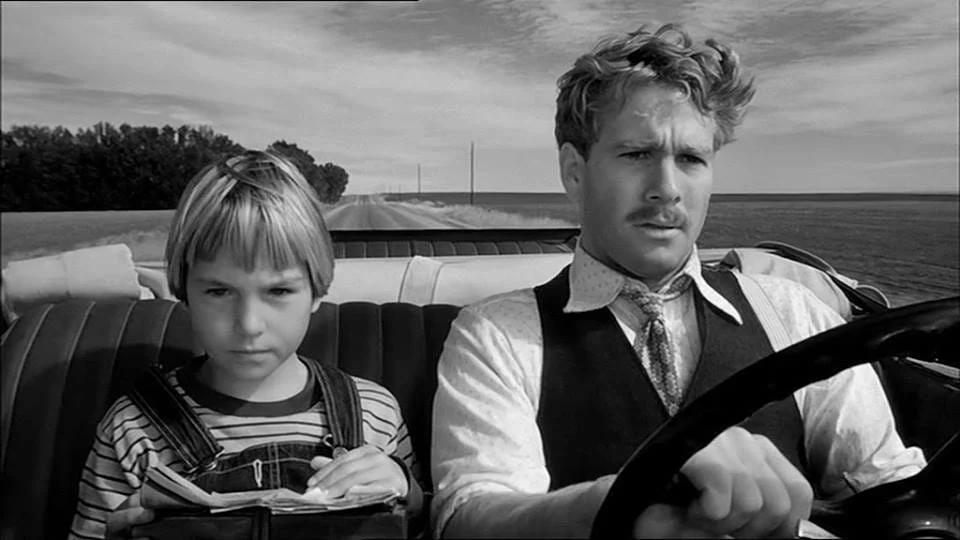
Paramount PicturesTatum O’Neal won Best Supporting Actress at age 10 for ‘Paper Moon’. Casting practices, child labor regulations, and voting tendencies make such an outcome uncommon. Substantial roles for very young performers are limited and often shared or heavily supported. The combination of opportunity and Academy momentum is not easily recreated.
Most Oscars Won by a Single Film

‘Ben-Hur’, ‘Titanic’, and ‘The Lord of the Rings: The Return of the King’ each captured 11 Academy Awards. Hitting that total requires excellence across major categories and a sweep of technical crafts. The broader and more diverse voting body today makes consensus harder to achieve. Matching that peak would require a generational event film with near-universal support.
Only Sequel With Both It and Its Predecessor Winning Best Picture
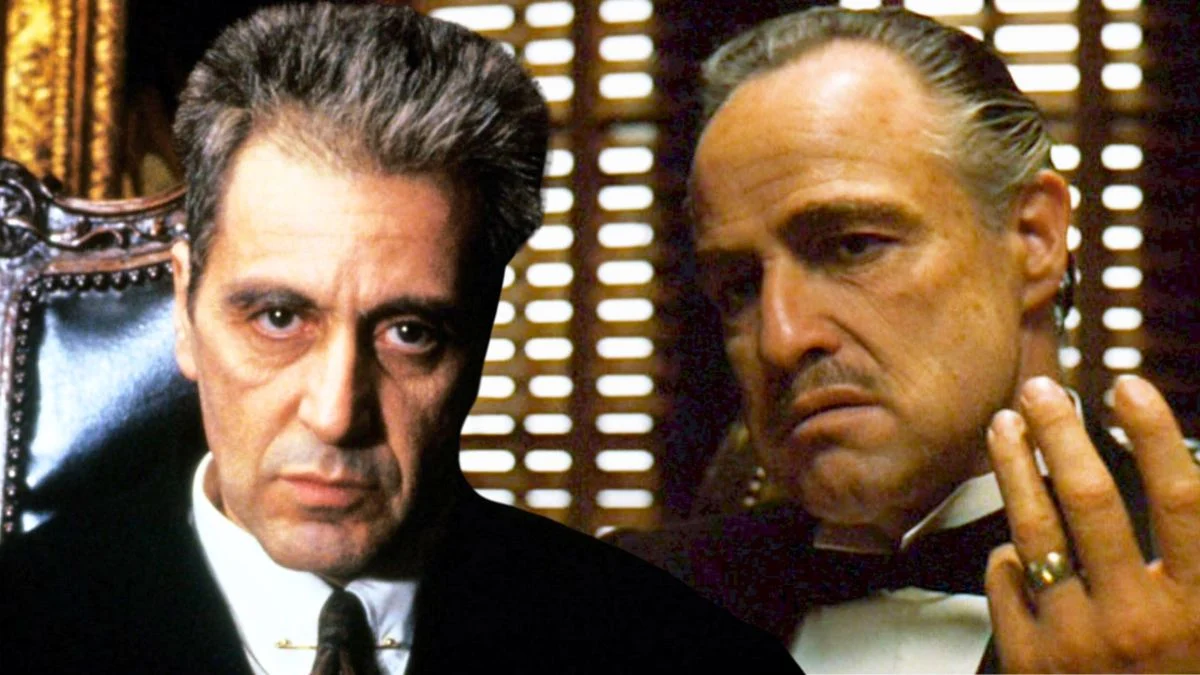
‘The Godfather Part II’ remains the lone sequel to win Best Picture when the original ‘The Godfather’ also won. This scenario requires the rare combination of a sequel matching or exceeding an already crowned masterpiece. Even franchises with critical acclaim rarely secure top honors twice. The Academy’s desire for novelty further reduces the odds of a repeat.
Longest Gap Between Original And Sequel

‘Bambi’ returned with ‘Bambi II’ after roughly 64 years, albeit as a direct-to-video title that still counts as a sequel. Rights stewardship, audience turnover, and shifting corporate priorities make such long gaps unusual. Most franchises either continue steadily or go dormant without revival. A longer officially recognized sequel gap is improbable under modern planning cycles.
Most Uses Of A Certain Expletive In A Narrative Feature
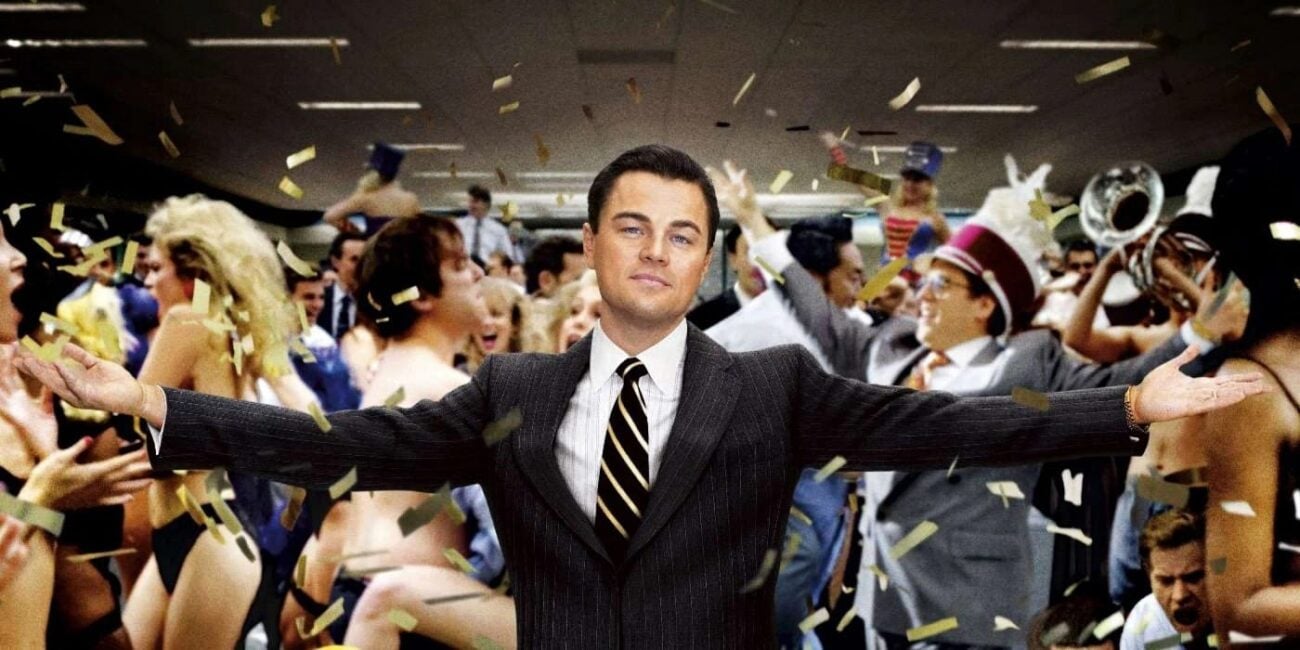
‘The Wolf of Wall Street’ is widely cited for packing hundreds of uses of a particular swear word into a theatrically released narrative film. Its script, tone, and character dynamics make the language central to the storytelling approach. While some projects push boundaries, few mainstream features can sustain that intensity without ratings consequences. The niche documentary-style outlier ‘Swearnet’ exceeds it, but in a different category.
Largest Explosion Staged For A Film

‘Spectre’ set an official mark for the biggest practical explosion used in a motion picture during its desert compound sequence. The production coordinated safety teams, precise demolitions, and specialized equipment to achieve the blast. Visual effects can simulate scale more cheaply and safely today. That economic and safety calculus discourages attempts to top it practically.
First Streaming-Backed Best Picture Winner

‘CODA’ became the first Best Picture winner released by a streaming service, marking a major shift in distribution. The film’s awards campaign proved that at-home platforms can deliver prestige recognition at the highest level. While other streamers have since competed, the “first ever” milestone is immutable. It signals a permanent change in how awards contenders reach audiences.
Most Oscars Won Without Best Picture

‘Cabaret’ earned eight Academy Awards while losing Best Picture, a split that underscores its technical and artistic acclaim. Achieving that many wins while missing the top prize requires a very specific voting scenario. Category by category strength must coexist with a separate consensus choice for Best Picture. The precise alignment that produced this outcome is hard to replicate.
Longest Single-Take Feature Release
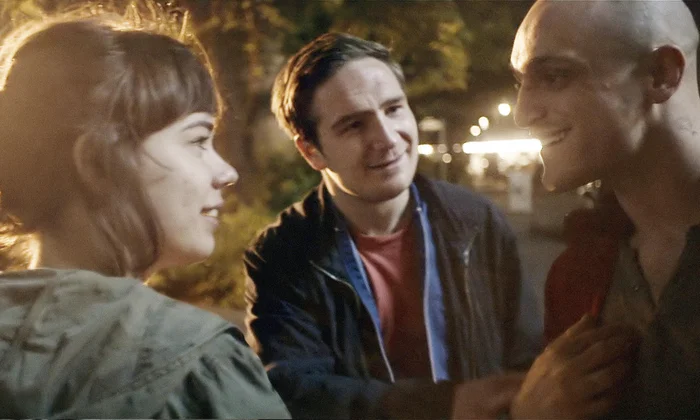
‘Victoria’ presents an entire feature-length story captured in one continuous take without hidden cuts. The production relied on extensive rehearsal, location coordination, and real-time performance precision. Longer one-shot attempts face exponential risks of failure and logistical constraints. As ambitious as filmmakers are, surpassing this in a commercial release remains a tall order.
Most Acting Oscars For One Performer

Katharine Hepburn holds the benchmark with four lead acting wins across an expansive career. The Academy rarely rewards the same performer multiple times at the top level. Contemporary voting spreads recognition widely, which lowers repeat-win chances. Sustaining roles of that caliber over decades is exceptionally uncommon.
Most Acting Nominations For One Performer

Meryl Streep’s total acting nominations surpass the 20 mark, a span covering lead and supporting roles across genres. The figure reflects extraordinary selectivity in scripts and consistent recognition from peers. Modern awards seasons are crowded, limiting repeat nominations. Matching that career-long run of acknowledgment would require a rare blend of longevity and range.
Share the movie record you think is the most unbreakable in the comments.