


Movie Remakes That Are Better Than the Original

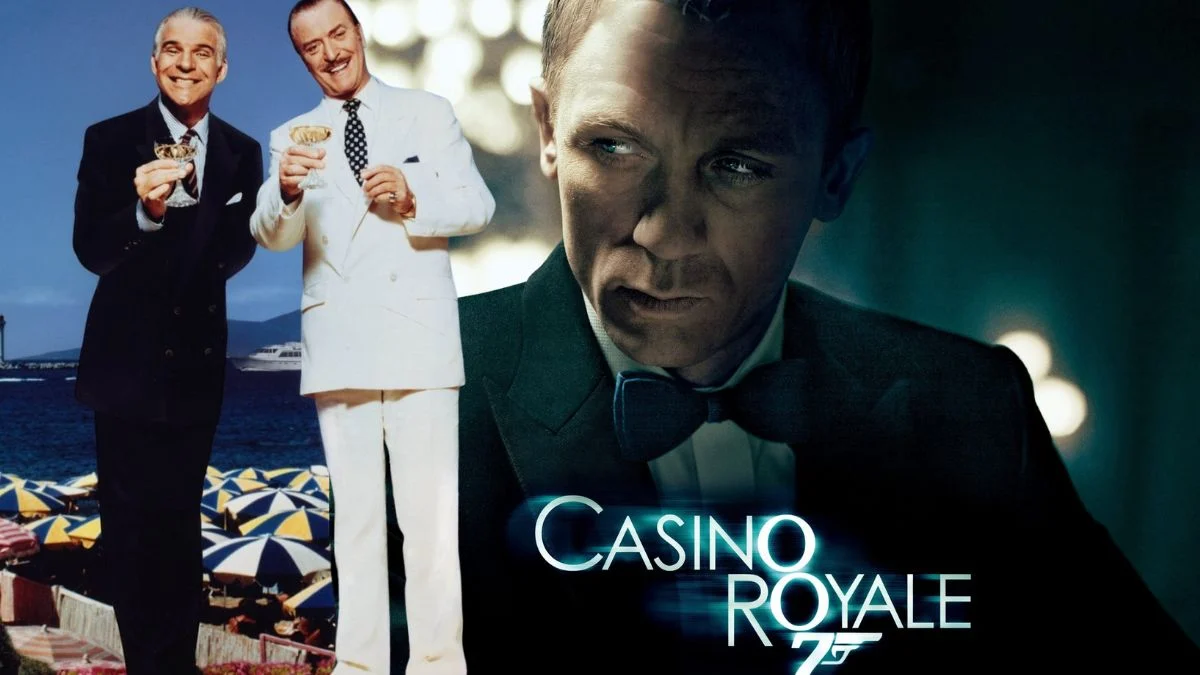


Some stories get a second chance on screen and use it well. New technology, fresh casting, and updated settings can open up a familiar plot in ways that connect with a different generation. Sometimes the new version follows the blueprint closely. Sometimes it rebuilds everything from the ground up while keeping the core idea that made the first one work.
These remakes did the hard work of rethinking tone, character, and craft. Many of them shifted locations, refined plots, and leaned into performances that became career landmarks. Others expanded scale and technique with effects, music, and production design that the earlier films could not attempt at the time.
‘The Thing’ (1982)
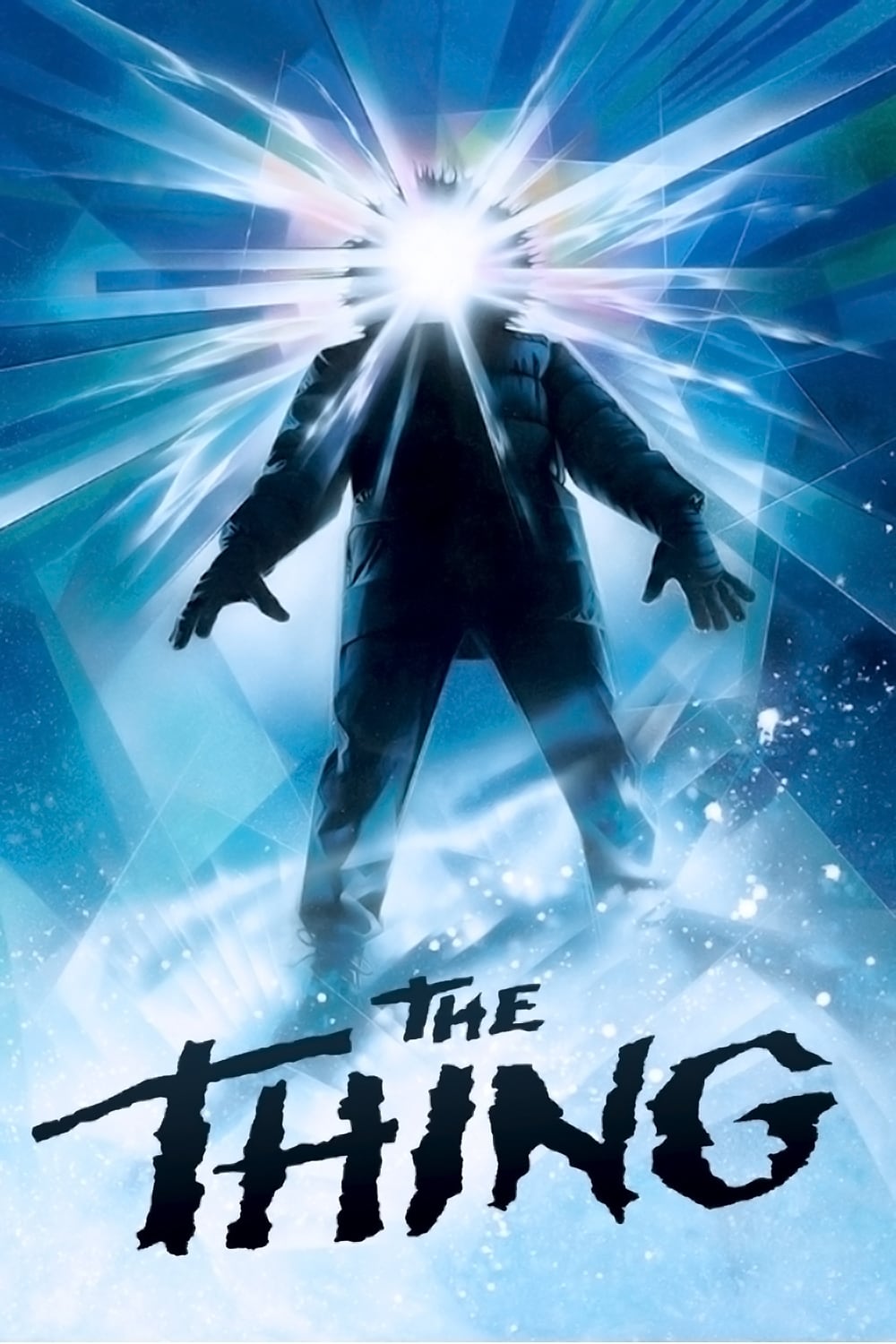
John Carpenter’s film adapts the novella ‘Who Goes There’ and revisits ‘The Thing from Another World’. It relocates a research team to a remote Antarctic outpost and focuses on paranoia inside a small group. Rob Bottin led groundbreaking creature work with a memorable kennel sequence supported by a contribution from Stan Winston.
Ennio Morricone delivered a minimal and unsettling score that underlines the isolation. The film uses practical effects, controlled lighting, and a contained setting to build tension as the researchers test blood samples and question one another.
‘The Fly’ (1986)
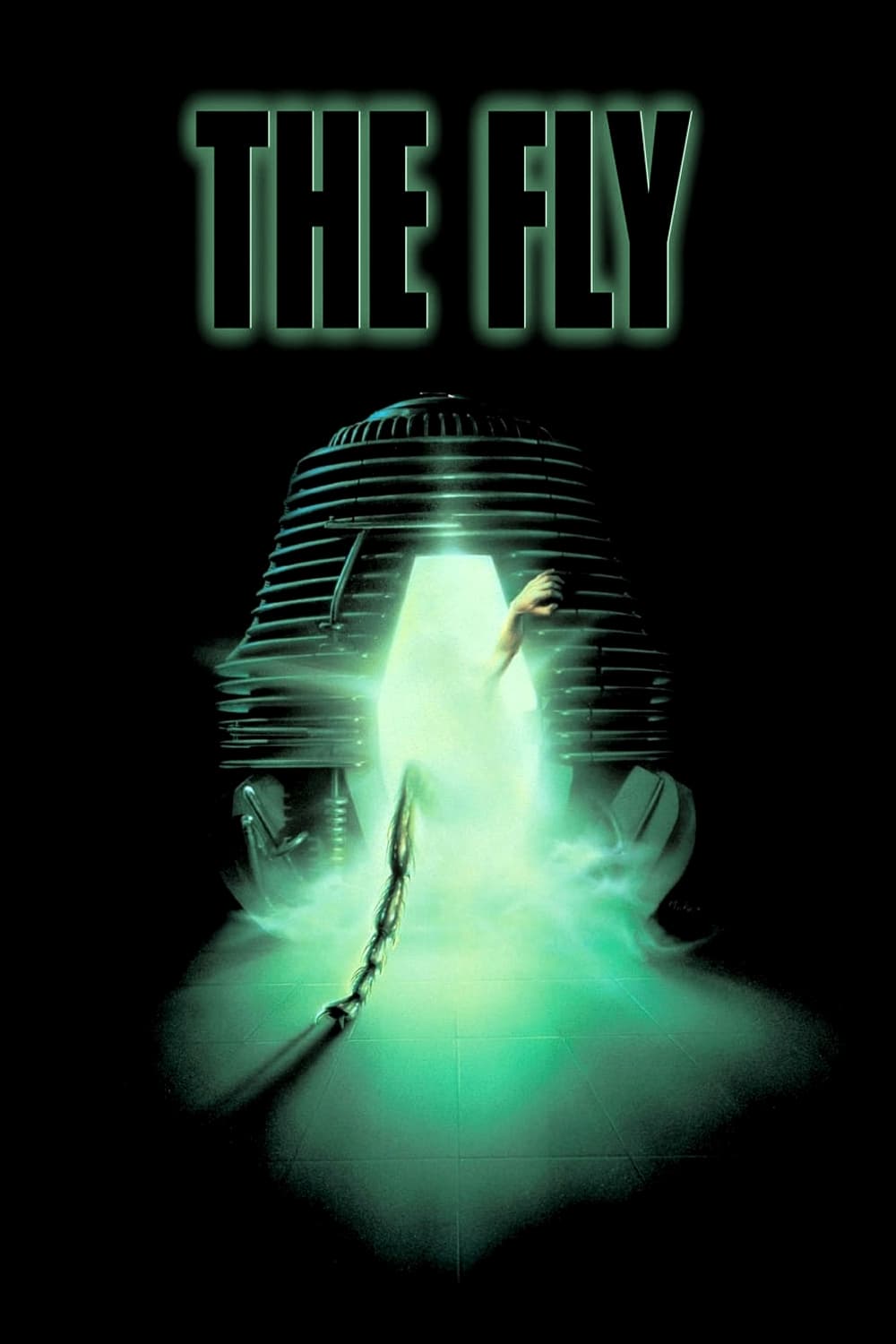
David Cronenberg’s version takes the central idea from the earlier film and turns it into a tragic character study. Jeff Goldblum plays Seth Brundle, a scientist whose teleportation experiment fuses his DNA with that of a housefly. Chris Walas designed transformative makeup that won the Academy Award for Best Makeup.
Geena Davis anchors the human side of the story as the consequences of the experiment escalate. Howard Shore’s music supports a steady shift from scientific curiosity to a deeply personal crisis.
‘Scarface’ (1983)

Brian De Palma reimagines the gangster tale by moving it from Prohibition to Miami’s cocaine economy. Oliver Stone’s screenplay follows Tony Montana from refugee to crime boss and uses the Mariel boatlift as a key backstory element. The film explores power, immigration, and organized crime with a new setting and scale.
Giorgio Moroder’s synth score and a stylized visual approach create a distinct identity. The production emphasizes lavish interiors, neon palettes, and a brutal rise and fall structure that reshapes the crime saga template.
‘Invasion of the Body Snatchers’ (1978)
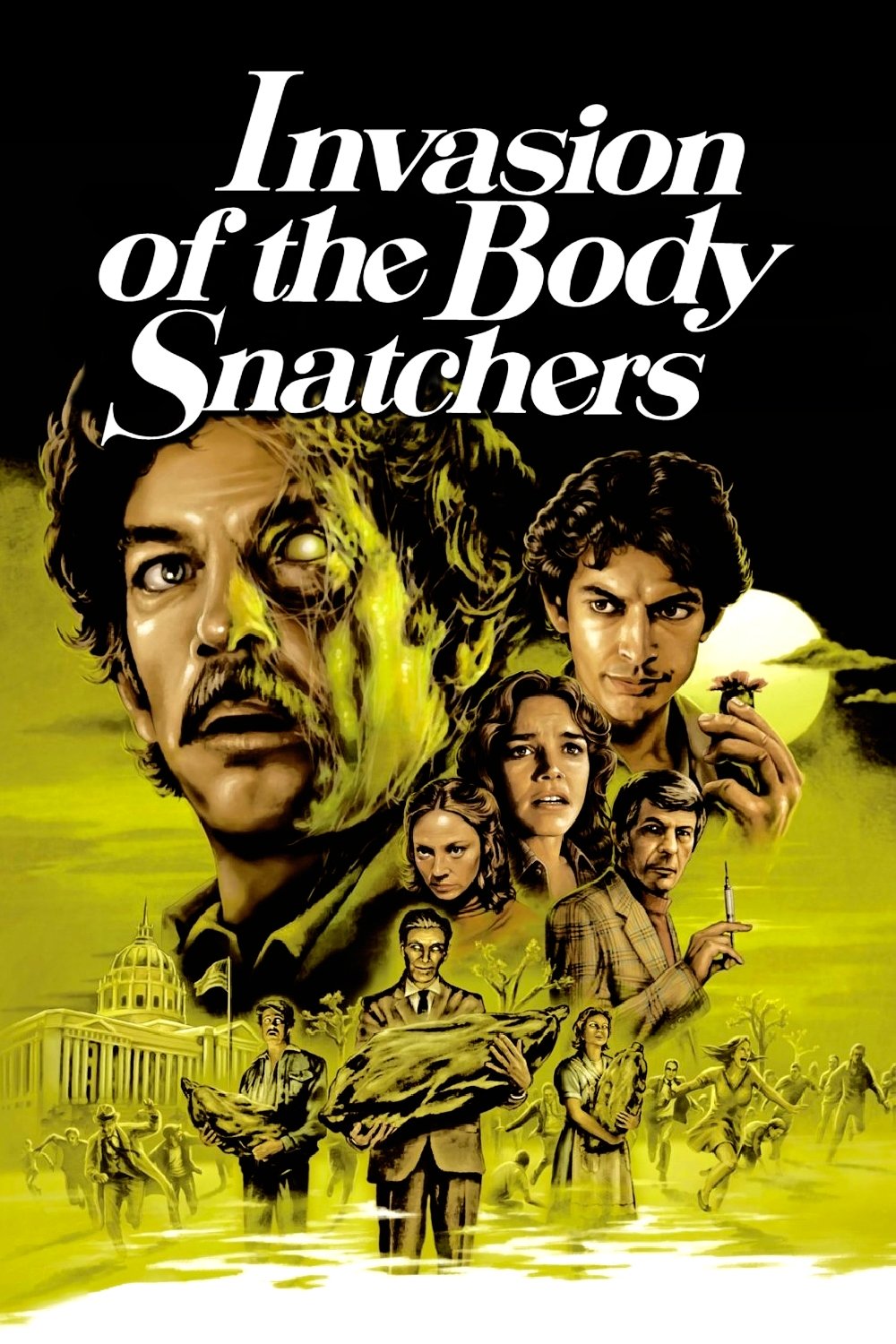
Philip Kaufman relocates the alien takeover from a small town to San Francisco. The update leans into urban anxiety as characters discover that friends and coworkers are being replaced by emotionless doubles grown from pods. The film uses careful sound design and practical effects to track the slow spread.
Donald Sutherland, Brooke Adams, Leonard Nimoy, and Jeff Goldblum lead an ensemble that carries the dread through workplace and domestic spaces. Cameos nod to the earlier adaptation while the new setting expands the scope of the conspiracy.
‘Ocean’s Eleven’ (2001)
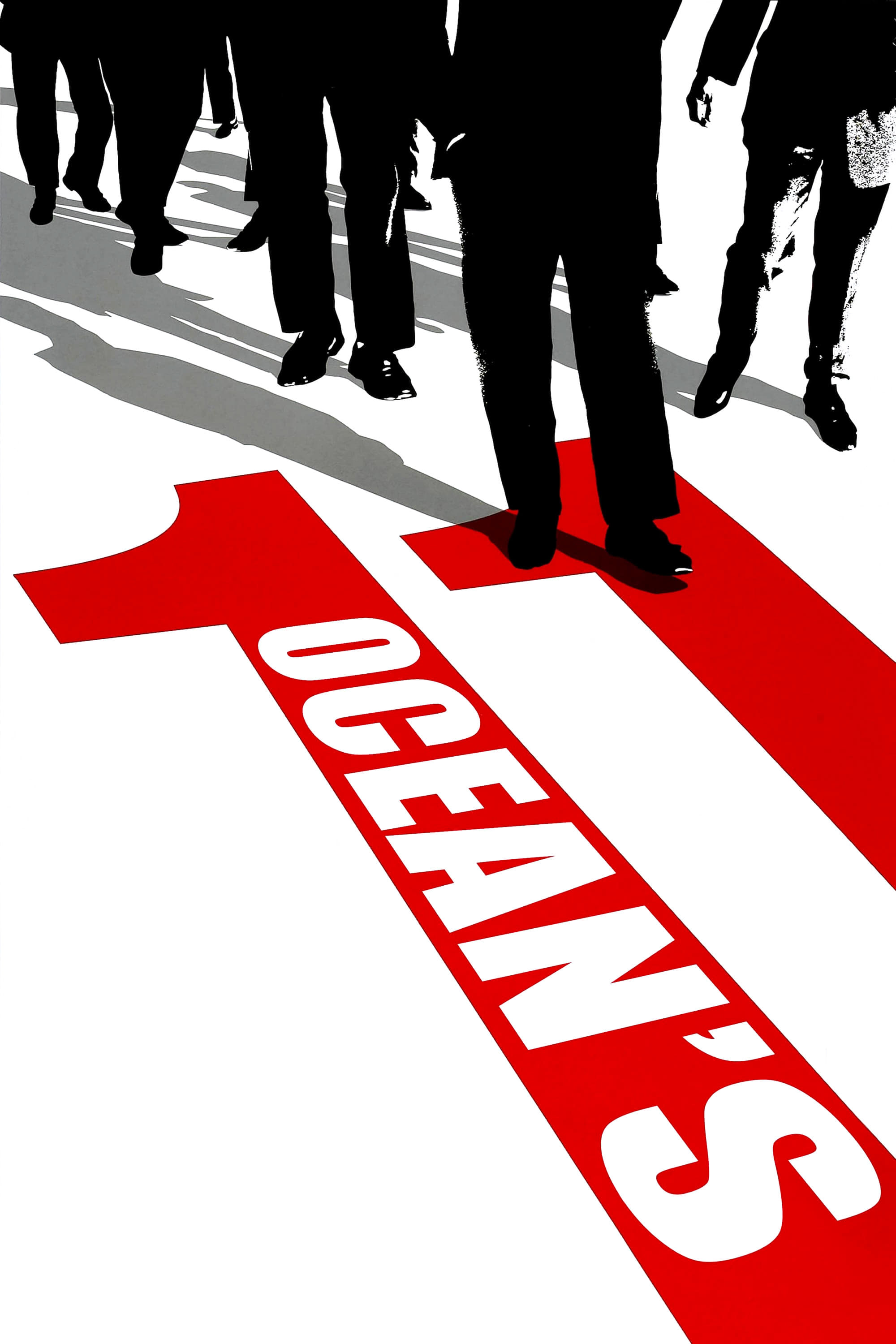
Steven Soderbergh refreshes the heist with a new crew and a three-casino target in Las Vegas. George Clooney, Brad Pitt, Matt Damon, and Julia Roberts head a large ensemble that highlights specialized roles for each team member. The script builds a layered plan with timed diversions and surveillance tricks.
The production favors slick editing and playful camera moves that keep the operation moving. David Holmes’s score and a sharp sound mix establish a confident tone that turned the film into a modern caper blueprint and launched additional outings.
‘True Grit’ (2010)
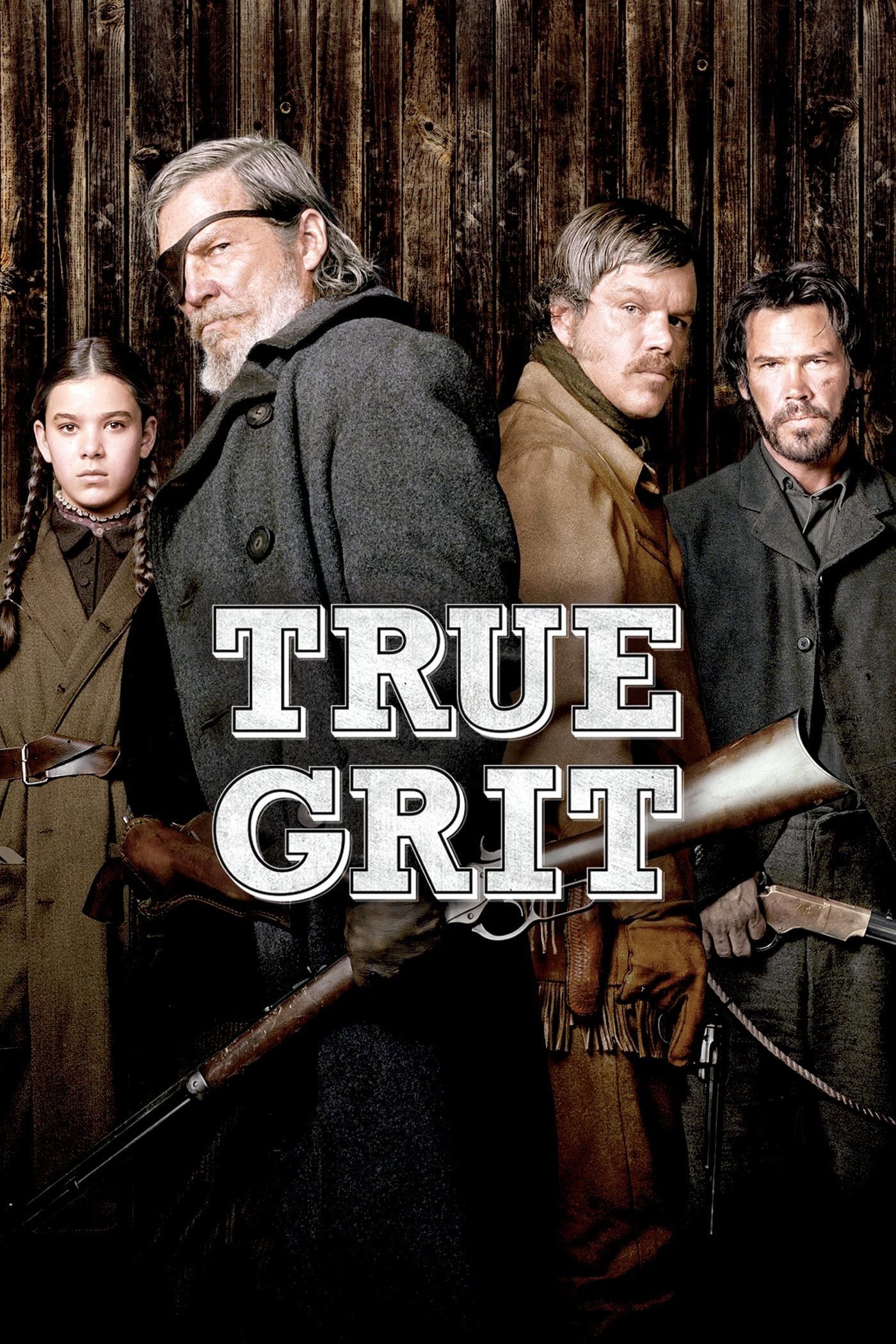
Joel and Ethan Coen return to Charles Portis’s novel with a version that centers the story through Mattie Ross. Hailee Steinfeld’s portrayal emphasizes the character’s resolve as she hires a U.S. marshal to track her father’s killer. Roger Deakins’s cinematography gives the frontier a crisp, wintry look.
The film received multiple Academy Award nominations including recognition for performances and craft. Carter Burwell’s music draws from 19th century hymns, and the dialogue preserves the novel’s rhythm and wit.
‘The Departed’ (2006)
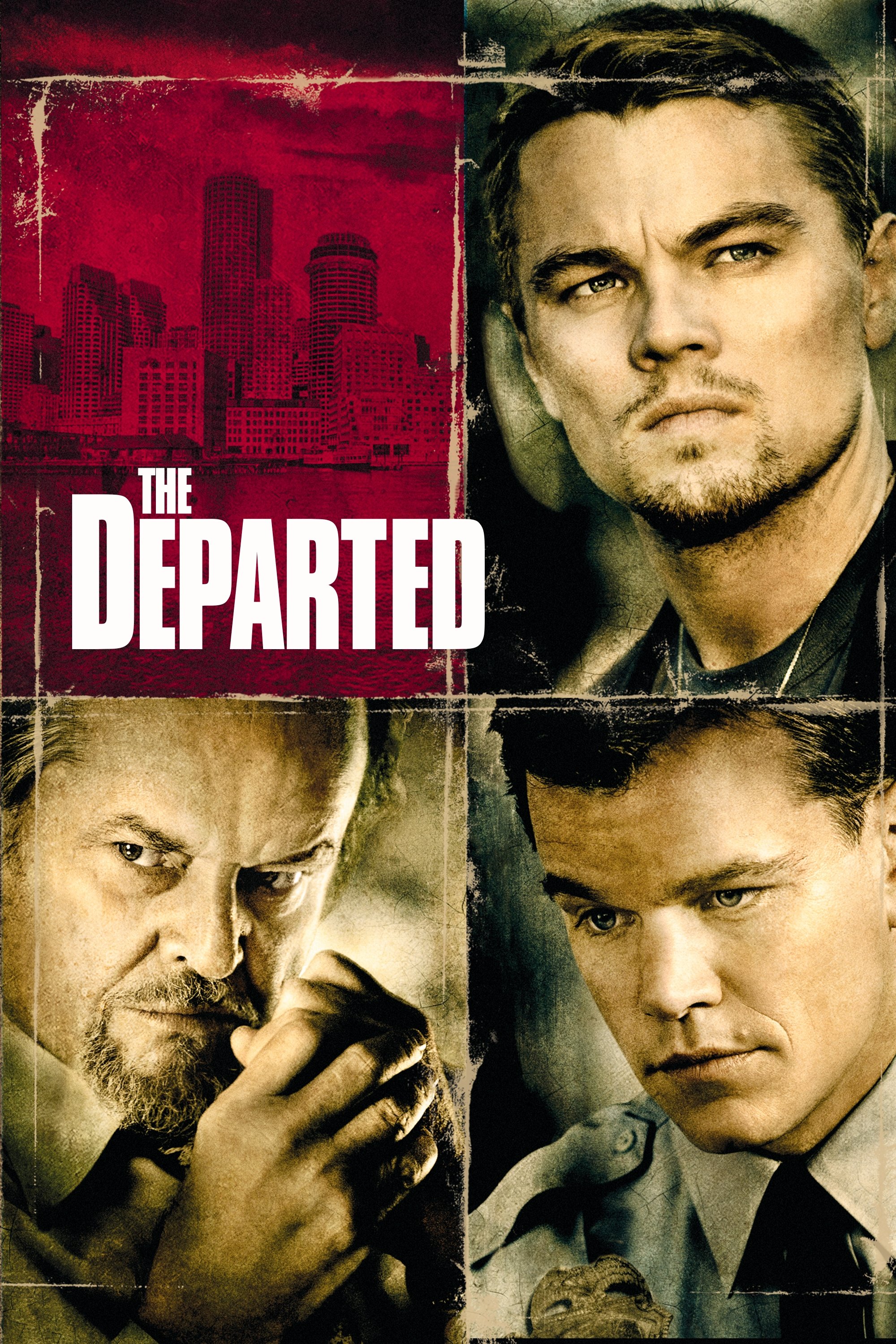
Martin Scorsese adapts the Hong Kong crime thriller ‘Infernal Affairs’ and sets it within Boston’s Irish mob. Leonardo DiCaprio and Matt Damon play mirrored moles on opposite sides of the law, while Jack Nicholson portrays the volatile crime boss. The story uses parallel investigations and coded messages to raise stakes.
The film won Academy Awards for Best Picture, Best Director, Best Adapted Screenplay, and Best Film Editing. William Monahan’s script incorporates local politics and organized crime history to ground the cat and mouse game.
‘The Maltese Falcon’ (1941)
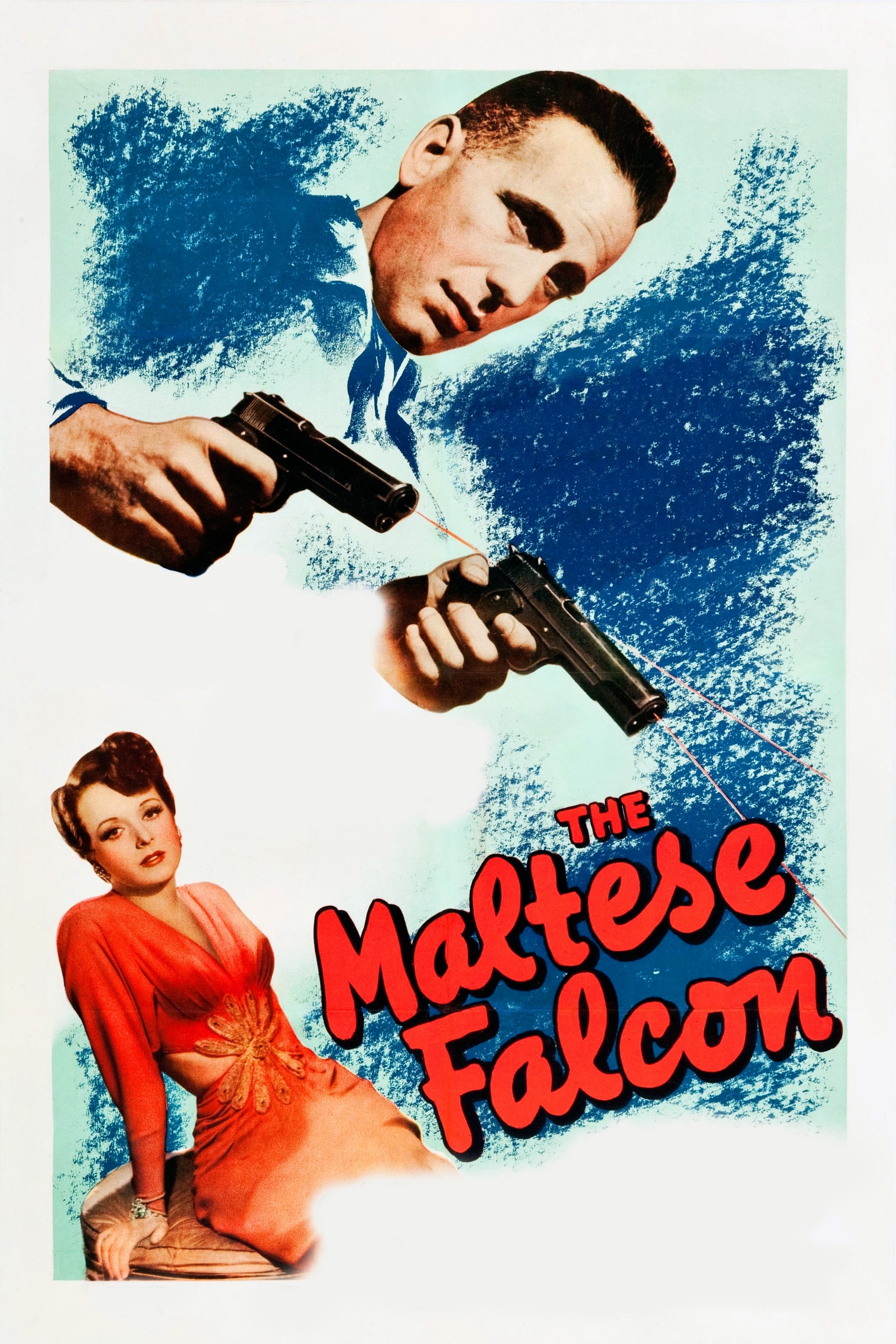
John Huston’s directorial debut adapts Dashiell Hammett and follows private detective Sam Spade as he navigates lies surrounding a jewel-encrusted statuette. Humphrey Bogart, Mary Astor, Peter Lorre, and Sydney Greenstreet define archetypes that became central to film noir.
Earlier versions told the same story with different tones, while this version sharpened the hard-boiled style. Crisp dialogue, a tight structure, and clean visual staging turned the mystery into a template for later detective films.
‘Ben-Hur’ (1959)
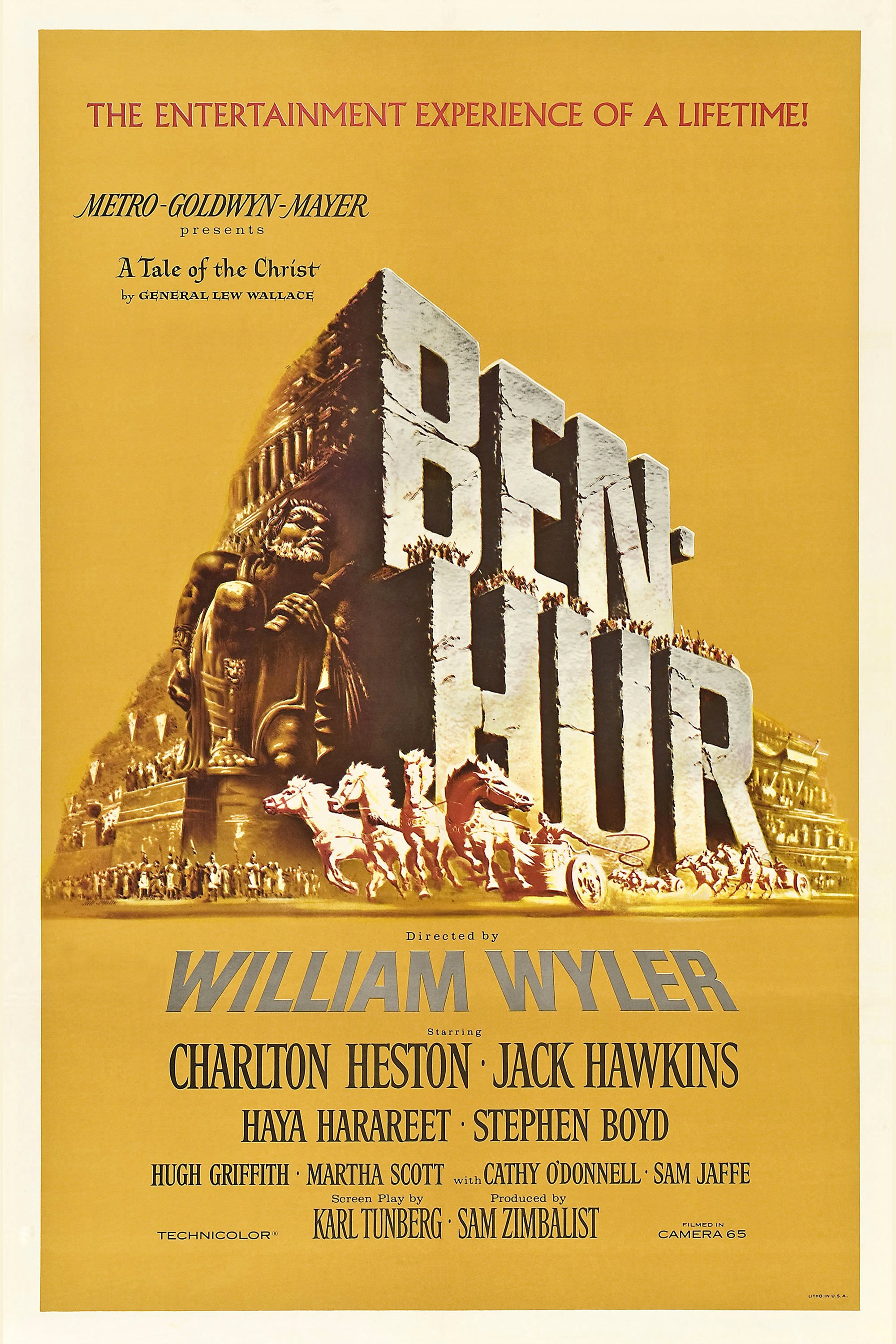
William Wyler’s historical epic revisits the earlier silent adaptation with widescreen scale. The production built massive sets and coordinated thousands of extras for sequences like the sea battle and the chariot race. Yakima Canutt engineered the chariot race with innovative stunt planning that still resonates.
The film won eleven Academy Awards including Best Picture and Best Director. Miklós Rózsa’s score and meticulous art direction support a story of betrayal, survival, and redemption set against the Roman Empire.
‘The Ten Commandments’ (1956)
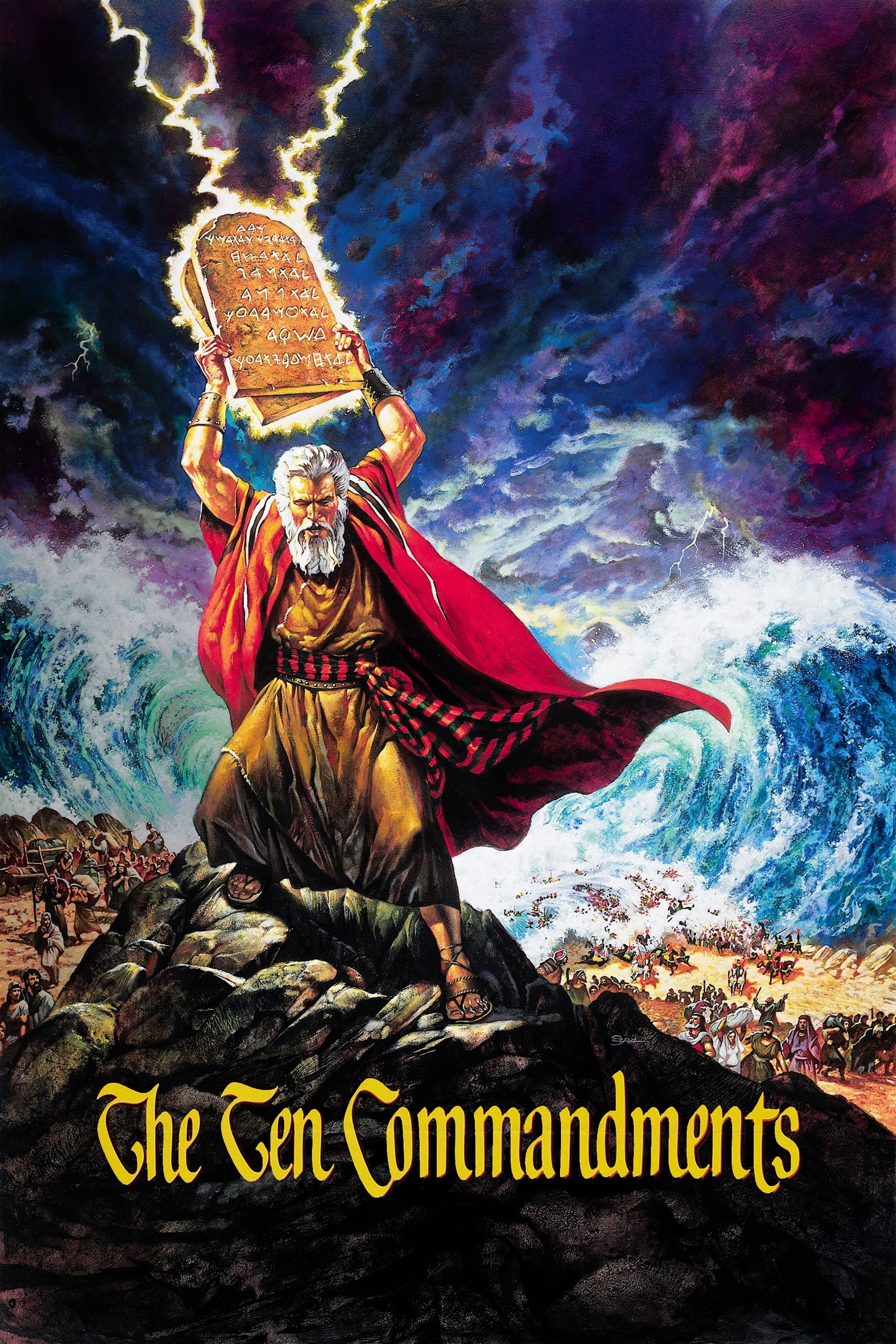
Cecil B. DeMille remakes his own silent film with a larger scope and color photography. Charlton Heston and Yul Brynner lead an ensemble through exodus, palace politics, and desert trials. The production used vast sets, location shoots, and an ambitious visual effects plan for scenes like the parting of the sea.
The film earned multiple Academy Award nominations and won for visual effects. Elmer Bernstein’s music and rich costume design contribute to a pageant style that became central to the biblical epic format.
‘His Girl Friday’ (1940)
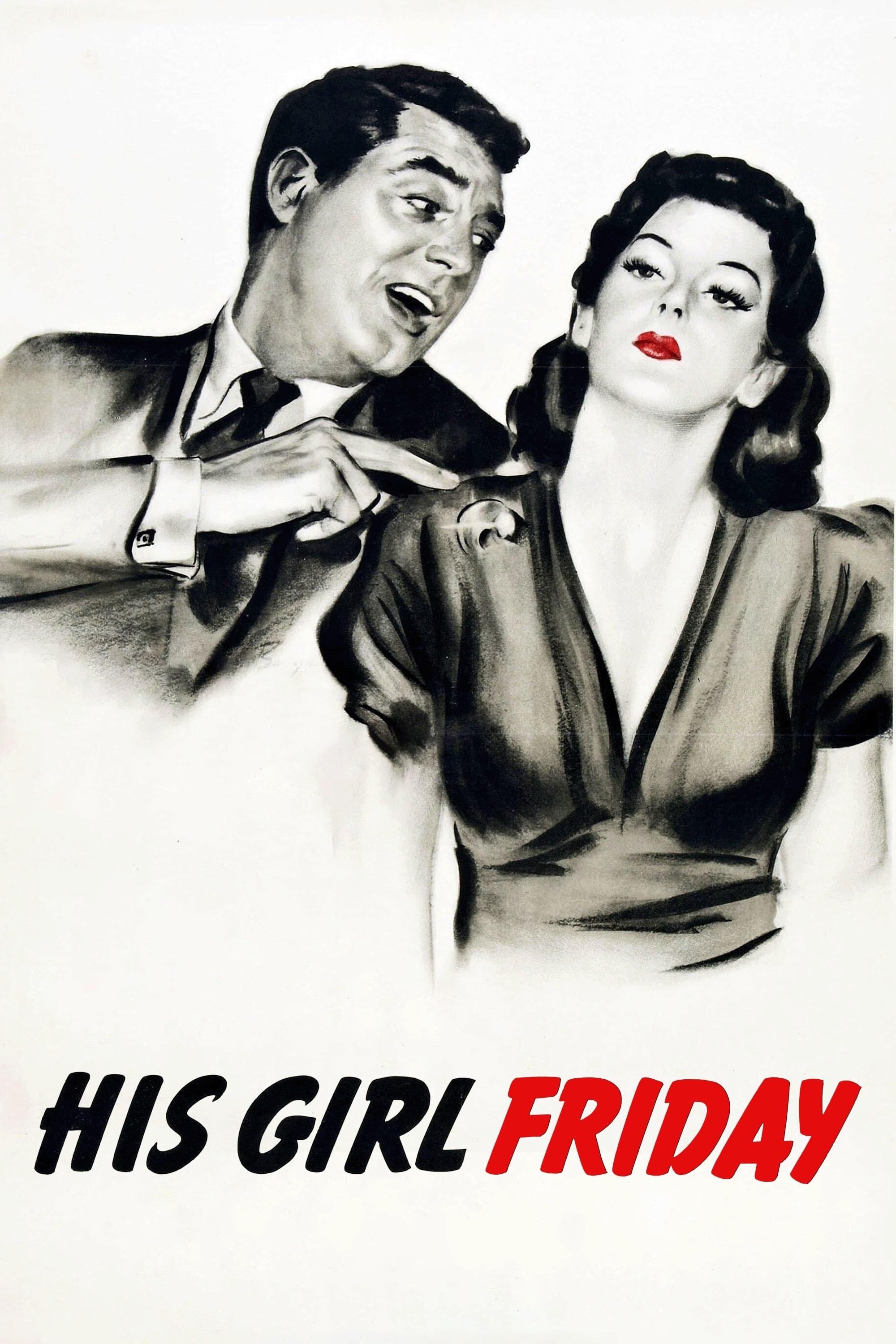
Howard Hawks adapts ‘The Front Page’ and makes a key change by turning reporter Hildy Johnson into a woman. Rosalind Russell plays opposite Cary Grant, which introduces romantic and professional tension that reframes every newsroom exchange. Rapid fire dialogue pushes the pace and highlights verbal timing.
The switch in character dynamics shapes the stakes of the scoop and the divorce plotline. The film demonstrates how a structural change can transform genre without altering the core news story.
‘An Affair to Remember’ (1957)
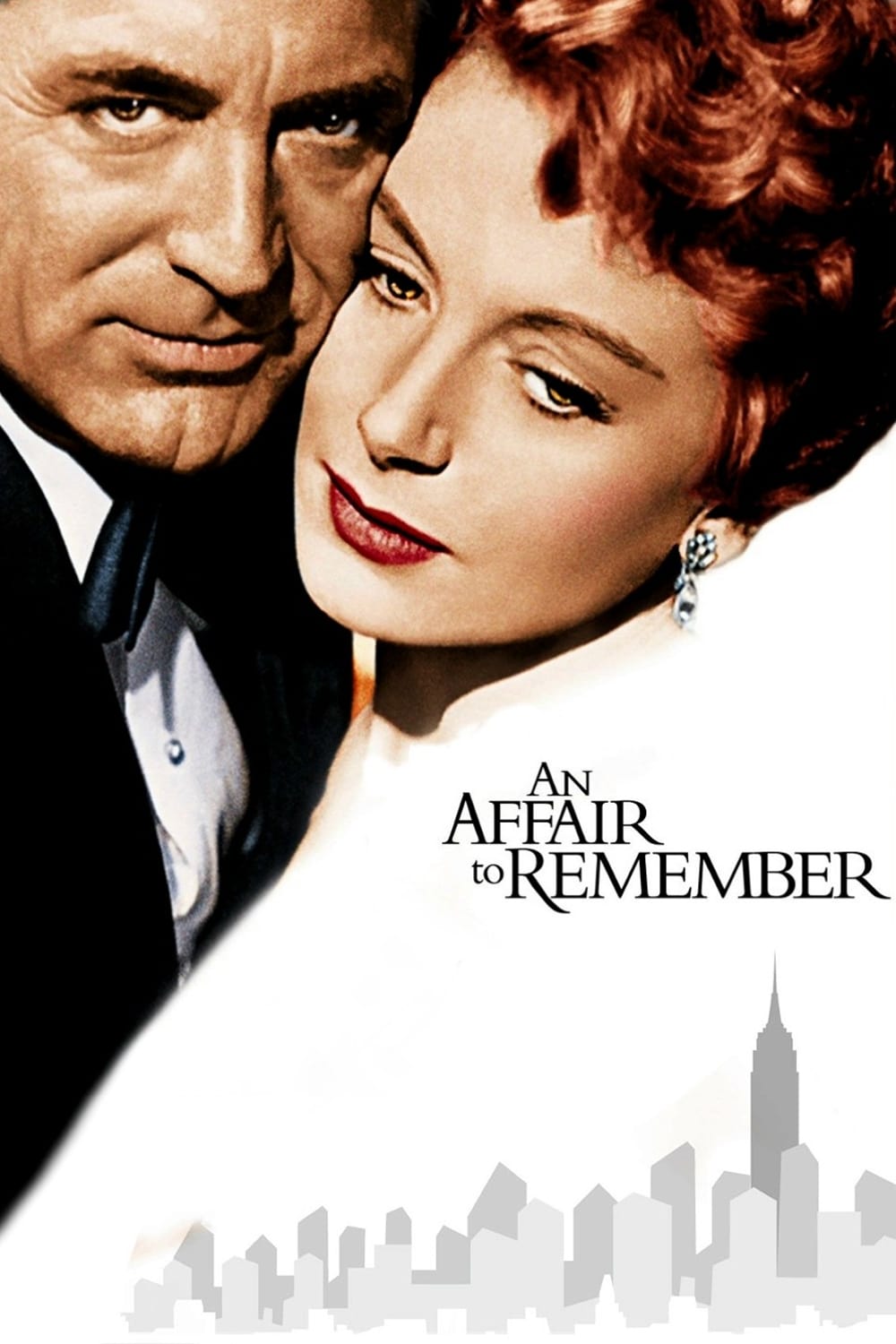
Director Leo McCarey revisits his earlier film ‘Love Affair’ and refines the structure around a shipboard romance. Cary Grant and Deborah Kerr meet by chance and agree to reunite at the top of the Empire State Building after testing their commitment on land. The plan creates a simple but effective second act clock.
The film earned multiple Academy Award nominations including recognition for music and design. Its theme song and New York imagery helped cement the landmark rendezvous as one of cinema’s most referenced meetups.
‘3:10 to Yuma’ (2007)
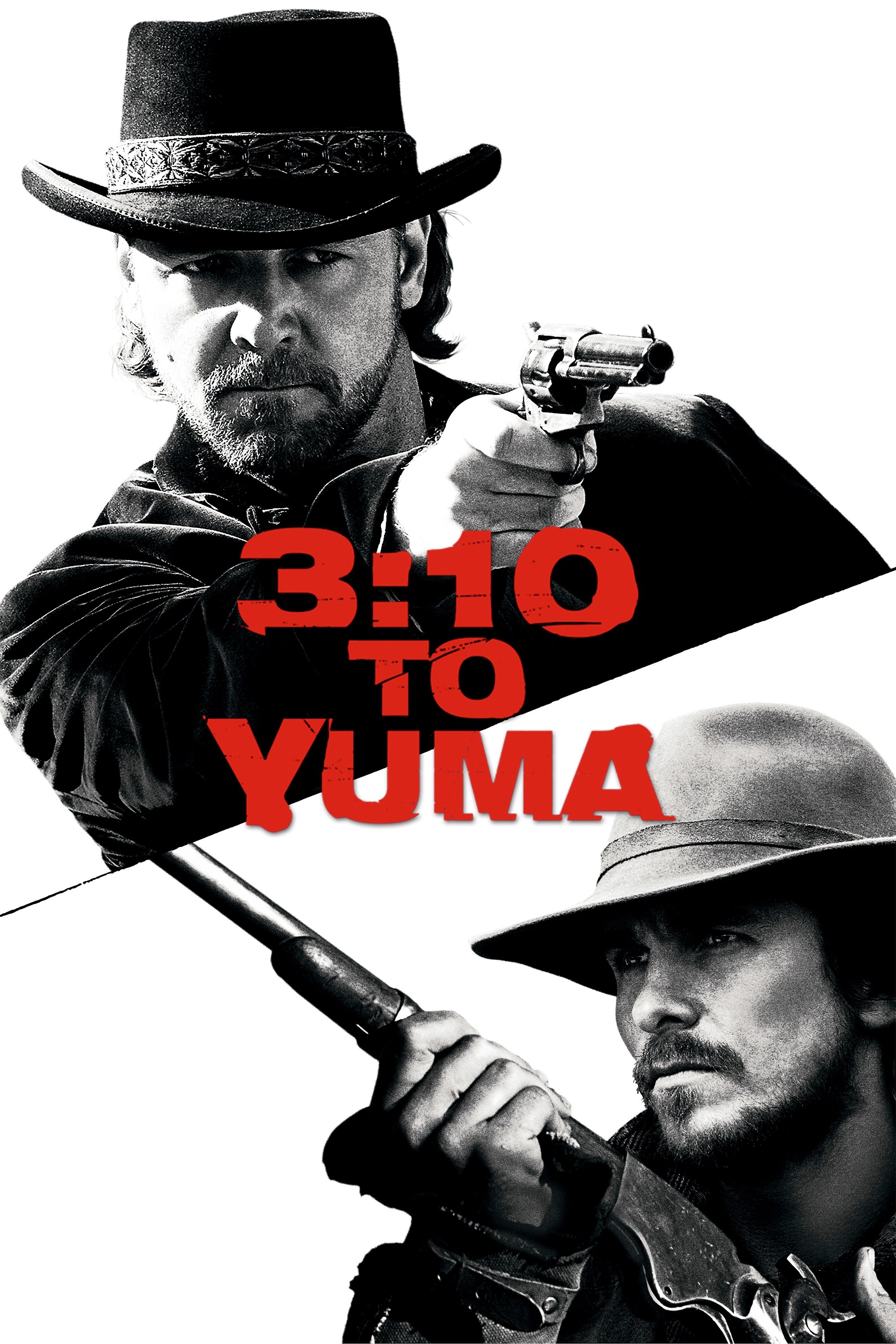
James Mangold returns to Elmore Leonard’s story with a new cast and added character depth. Christian Bale plays a struggling rancher who escorts an infamous outlaw to a departing prison train, while Russell Crowe plays the outlaw whose gang plans a rescue. The journey from town to rail line structures the action.
The film received Academy Award nominations for music and sound. Strong location work, period detail, and a focus on moral pressure give the escort mission urgency without losing the human stakes.
‘The Thomas Crown Affair’ (1999)
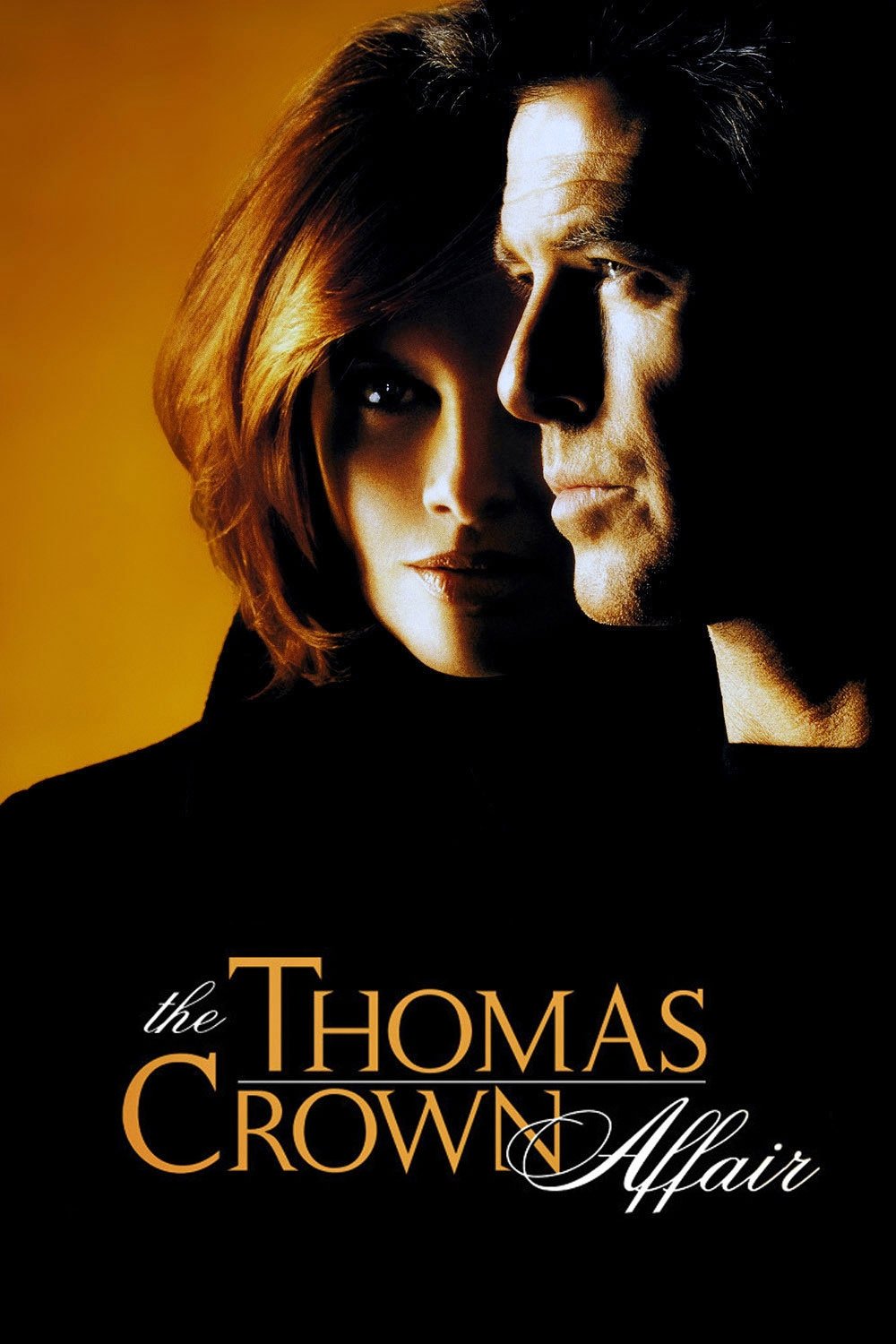
John McTiernan updates the stylish caper with an art heist that targets a major museum. Pierce Brosnan plays a billionaire who steals a painting as a game, while Rene Russo plays an insurance investigator who tracks him through patterns and diversions. A former lead from the earlier version appears in a cameo that links the two films.
The production leans on elegant settings, tailored costuming, and cat and mouse set pieces like the bowler hat misdirection. The soundtrack and staging of the tango scene became one of the film’s defining moments.
‘Dirty Rotten Scoundrels’ (1988)

Frank Oz remakes ‘Bedtime Story’ with new comic rhythms. Michael Caine and Steve Martin play rival con artists who compete for territory on the French Riviera. The contest escalates through training sequences, false personas, and a final twist that rebalances the score.
The film’s Riviera setting, wardrobe, and production design support a polished tone. Its structure later inspired another remake that flipped perspectives while keeping the core con premise intact.
‘Scent of a Woman’ (1992)
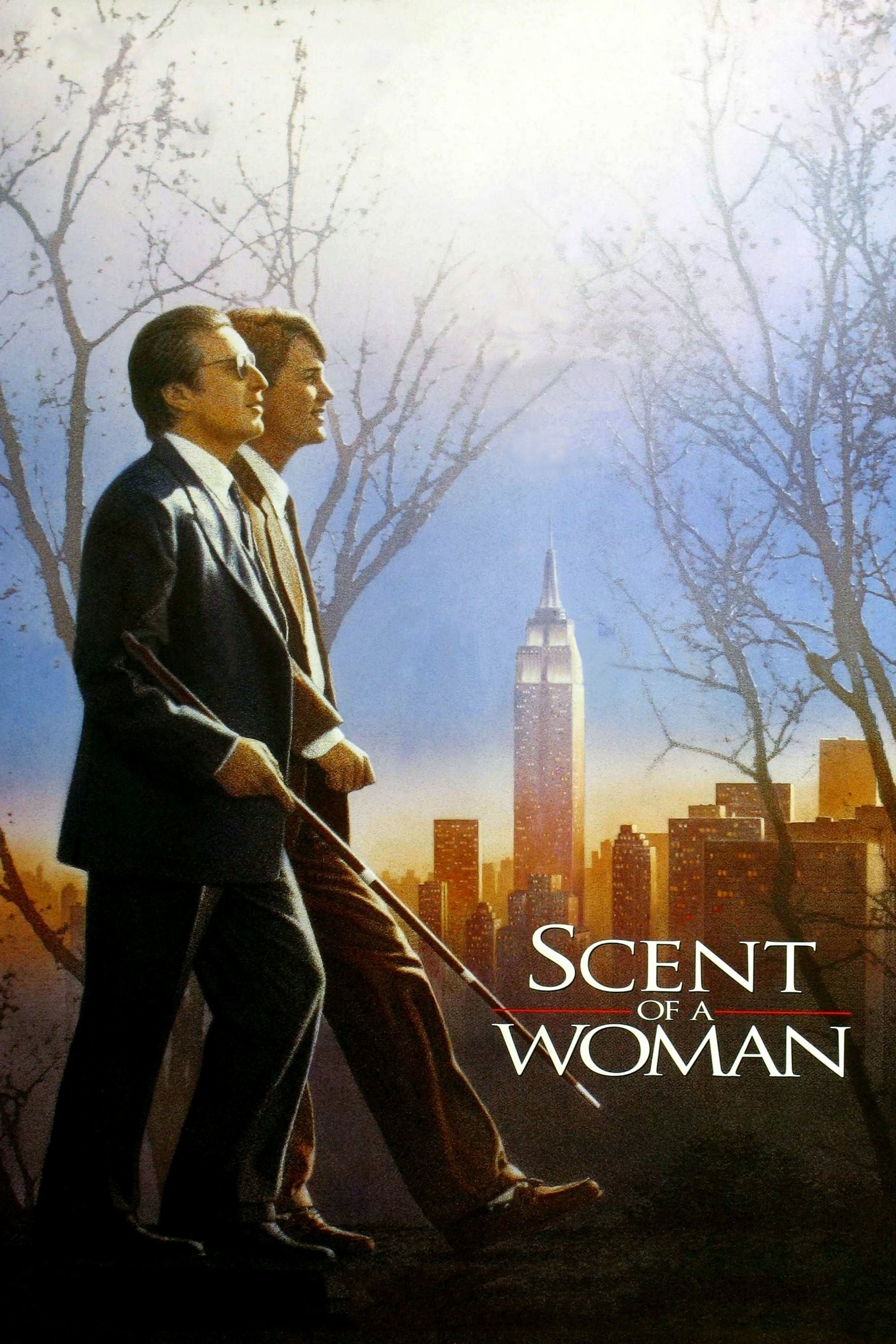
Martin Brest adapts the Italian film ‘Profumo di donna’ and moves the story to an American prep school environment. Al Pacino plays a retired Army officer who is blind and hires a student as an aide for a weekend trip. Their agreement leads to a series of encounters that test both men in public and private spaces.
The film won the Academy Award for Best Actor for Al Pacino. It uses set pieces like a Ferrari drive and a ballroom tango to reveal character while building to an ethics hearing that anchors the finale.
‘The Last of the Mohicans’ (1992)
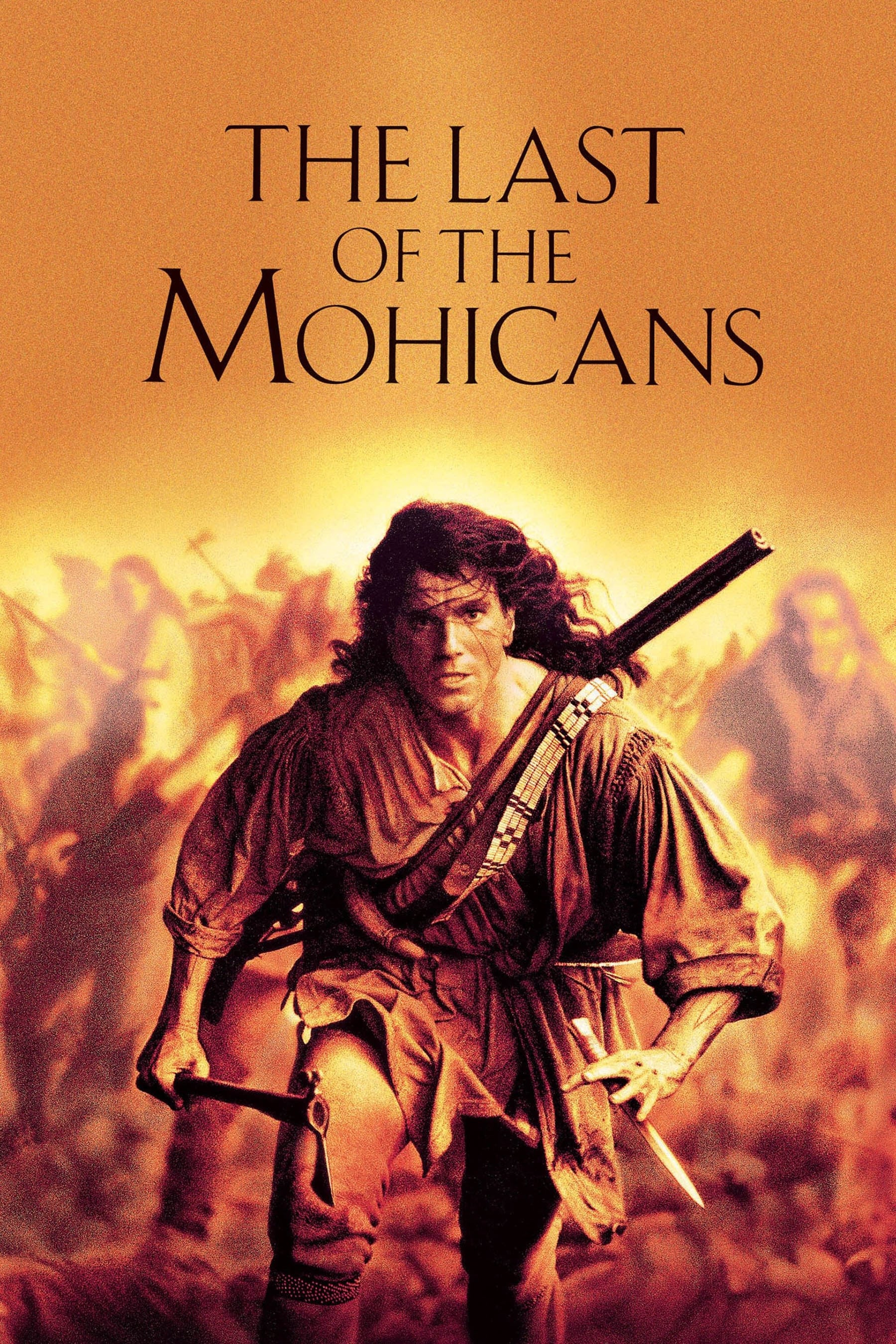
Michael Mann revisits an earlier adaptation of the James Fenimore Cooper novel and places the action firmly within the French and Indian War. Daniel Day-Lewis trained extensively to depict frontier skills and movement, while the production used mountain locations to capture rugged terrain and river routes.
The score by Trevor Jones and Randy Edelman blends orchestral themes with pipes and drums. Careful attention to period weapons, alliances, and fortifications supports large scale siege and pursuit sequences.
‘The Blob’ (1988)
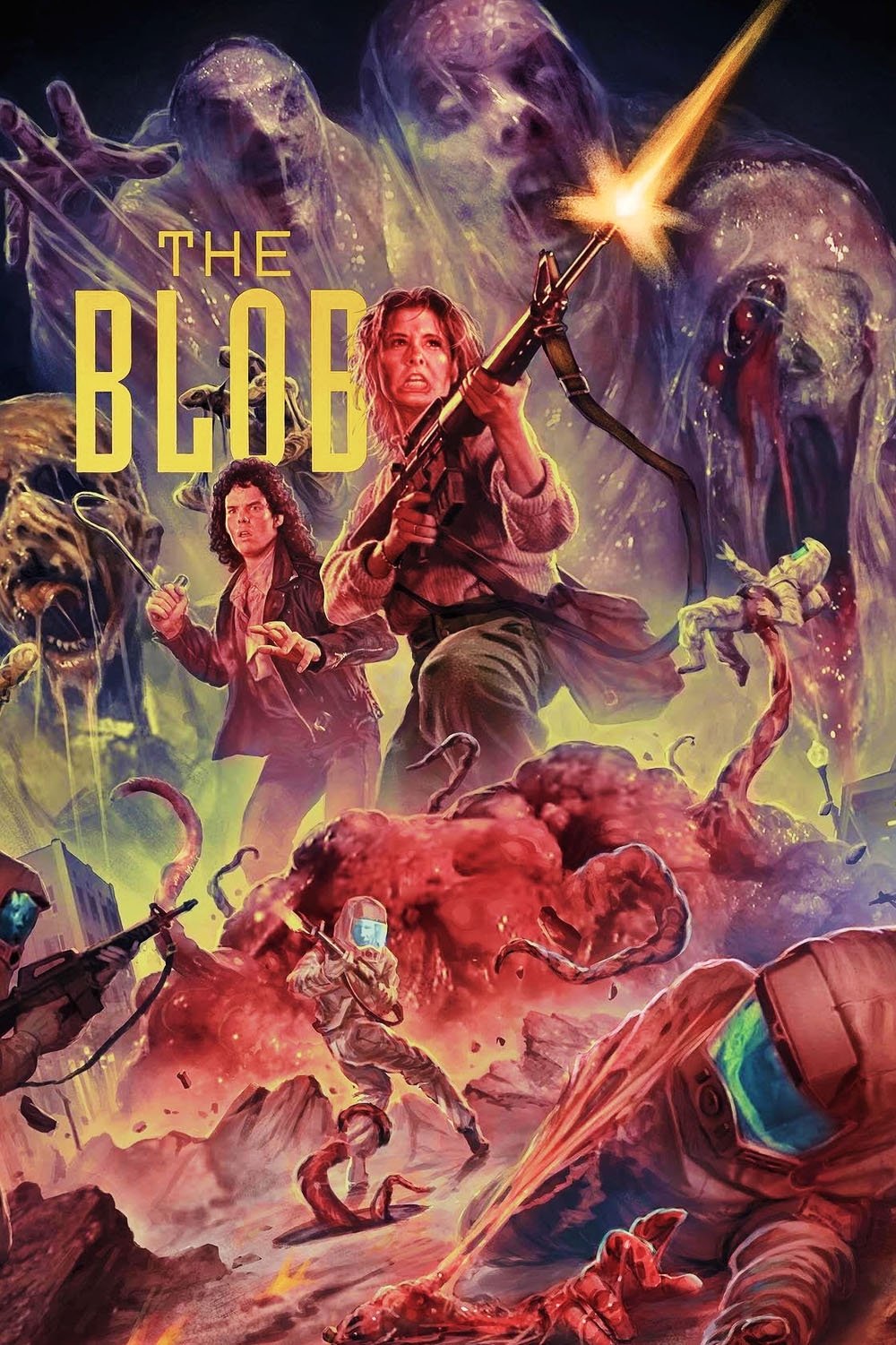
Director Chuck Russell reworks the small town invasion story with advanced practical effects. A meteorite crash releases a gelatinous creature that grows as it consumes victims. Frank Darabont co-wrote the script, which introduces new set pieces like a movie theater and a sewer chase.
The film updates the origin and adds government involvement that changes how the town responds. Miniatures, dissolving prosthetics, and rigged sets create dynamic attacks that the earlier film could not stage.
‘The Hills Have Eyes’ (2006)

Alexandre Aja’s version keeps the desert setting and the stranded family but expands background detail on the antagonists. The update incorporates references to nuclear testing sites and remote ghost towns that sit along forgotten highways. The geography shapes ambushes and counterattacks.
Wes Craven returned as a producer, linking the remake to the original concept. The film’s prop design, makeup work, and harsh daylight photography support a survival framework that moves quickly from shock to planning.
‘The Crazies’ (2010)
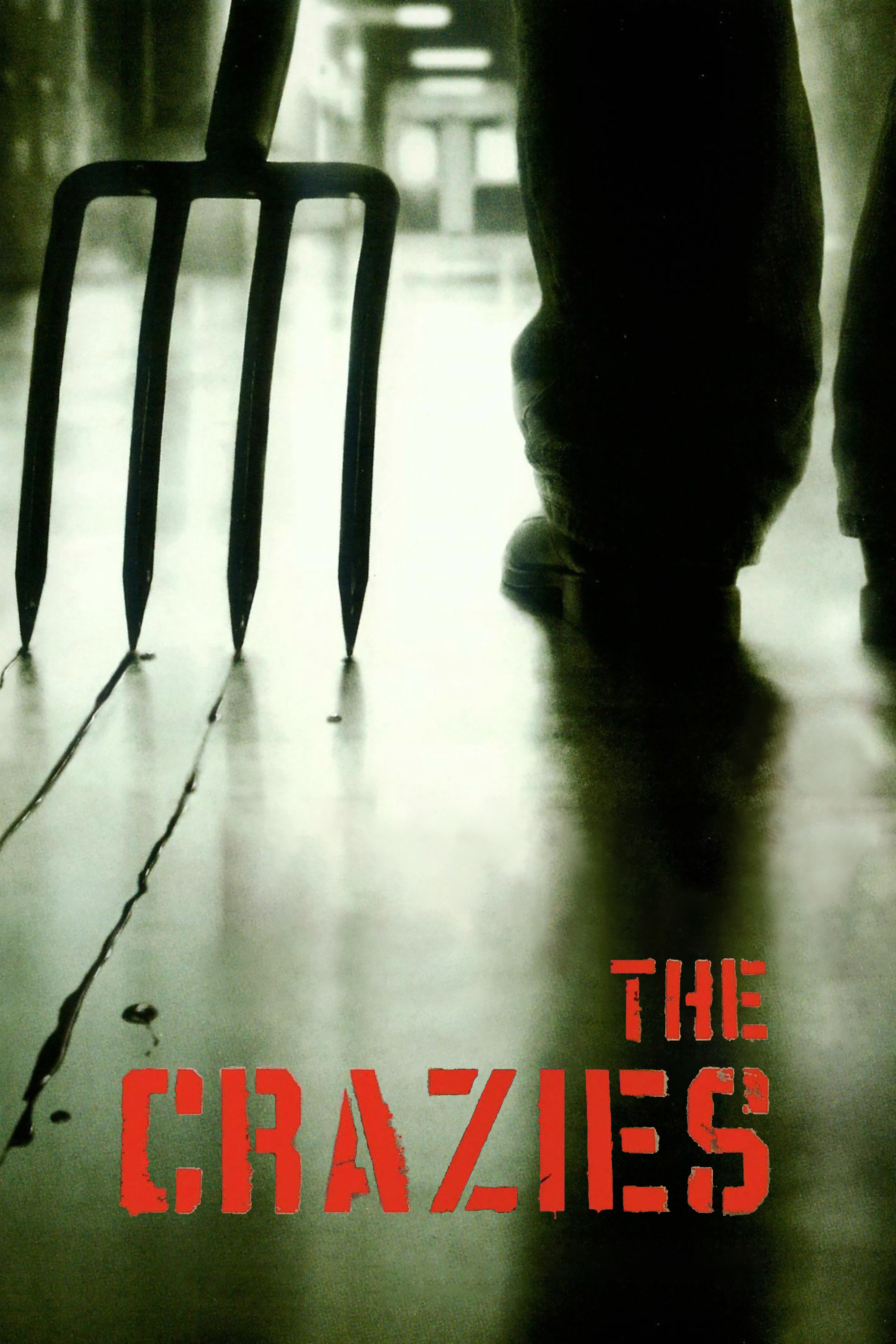
Breck Eisner reinterprets George A. Romero’s outbreak story through the eyes of a small town sheriff and a local doctor. An accident contaminates the water supply, which triggers bizarre behavior and a rapid military quarantine. The narrative follows escape routes through farms, schools, and an unused truck stop.
The film emphasizes procedure and containment through helicopters, decontamination tents, and roadblocks. Its practical stunt work and controlled palette create a steady visual language for a crisis in a rural grid.
‘The Bourne Identity’ (2002)
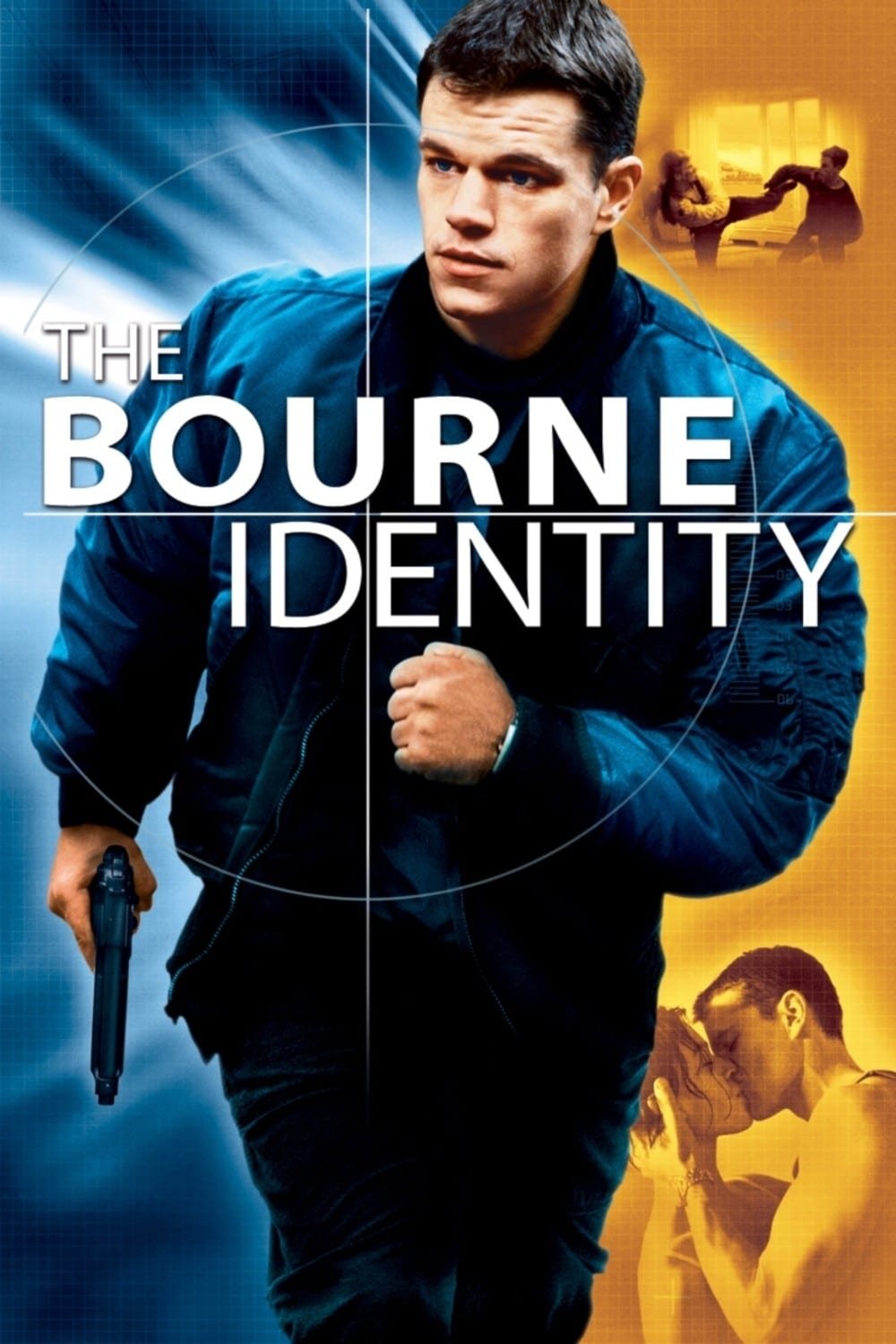
Doug Liman adapts Robert Ludlum and revisits a prior screen version to introduce a grounded approach to espionage. Matt Damon plays an amnesiac operative who pieces together his training and identity while evading European security services. Handheld photography and real locations give the action a tactile feel.
The film launched a long-running series and influenced later spy choreography with close-quarters fights, quick cuts, and improvised weapons. Its use of safe deposit clues, false passports, and coded bank accounts builds a practical spy toolkit.
‘Casino Royale’ (2006)
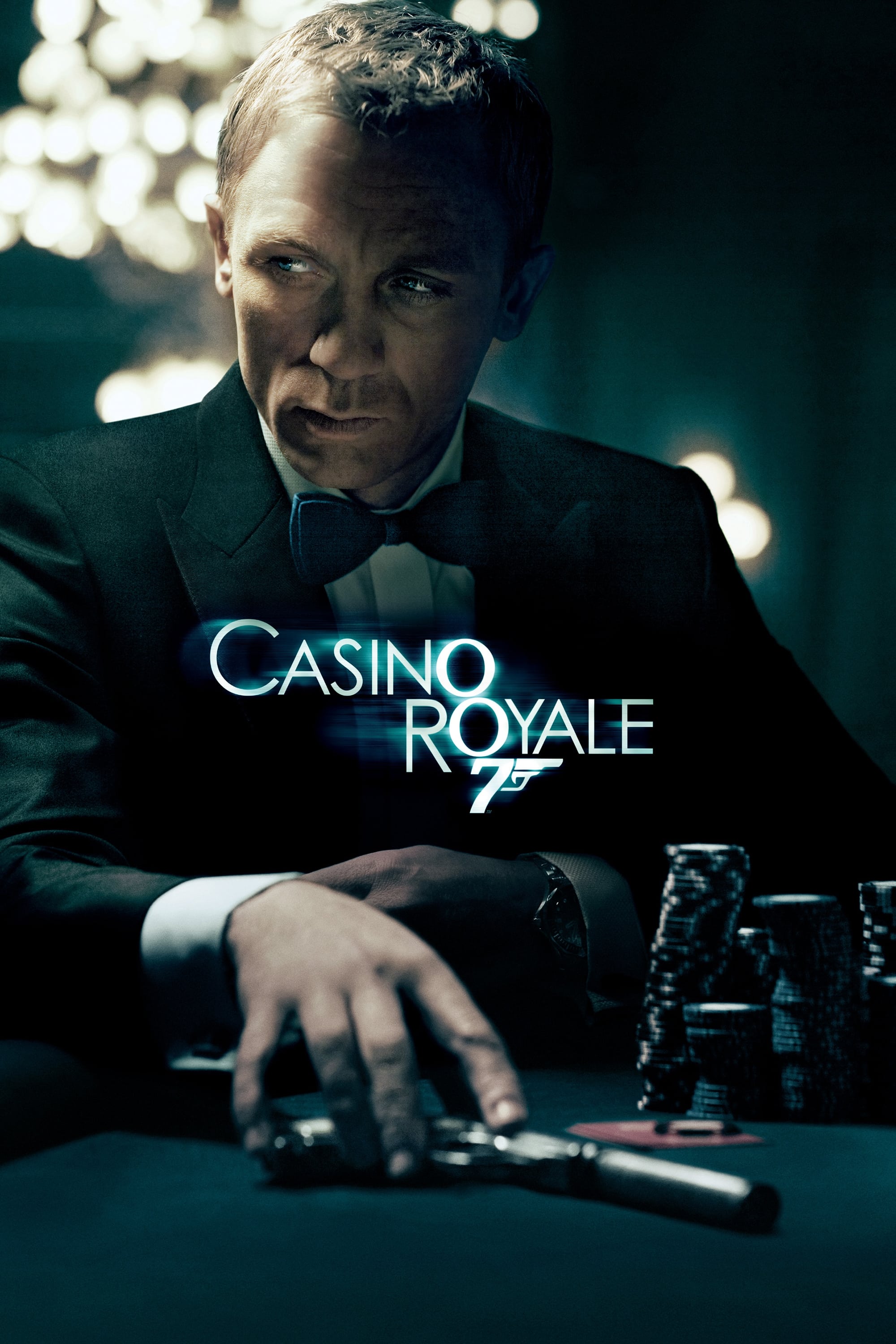
Martin Campbell uses the first Bond novel to restart the character at the beginning of his career. Daniel Craig’s debut establishes a new tone with a black and white prologue, a parkour pursuit, and a tense poker tournament against a financier of terrorism. Eva Green and Mads Mikkelsen add sharp support around the central contest.
Locations in the Bahamas, Montenegro, and the Czech Republic provide varied backdrops for surveillance and interrogation. The film’s approach refreshed production design, music, and stunts, which reset expectations for later entries.
‘Pete’s Dragon’ (2016)

David Lowery reshapes the live action and animation blend into a quiet family adventure set in the Pacific Northwest. The story follows a child who survives a car accident and lives in the forest with a protective dragon. Bryce Dallas Howard and Robert Redford play adults who respond in different ways to the legend.
New Zealand locations stand in for dense American forests and rocky ridgelines. The visual effects team designs the dragon with fur and gentle expressions, which supports scenes of flight over rivers and treetops.
‘Hairspray’ (2007)
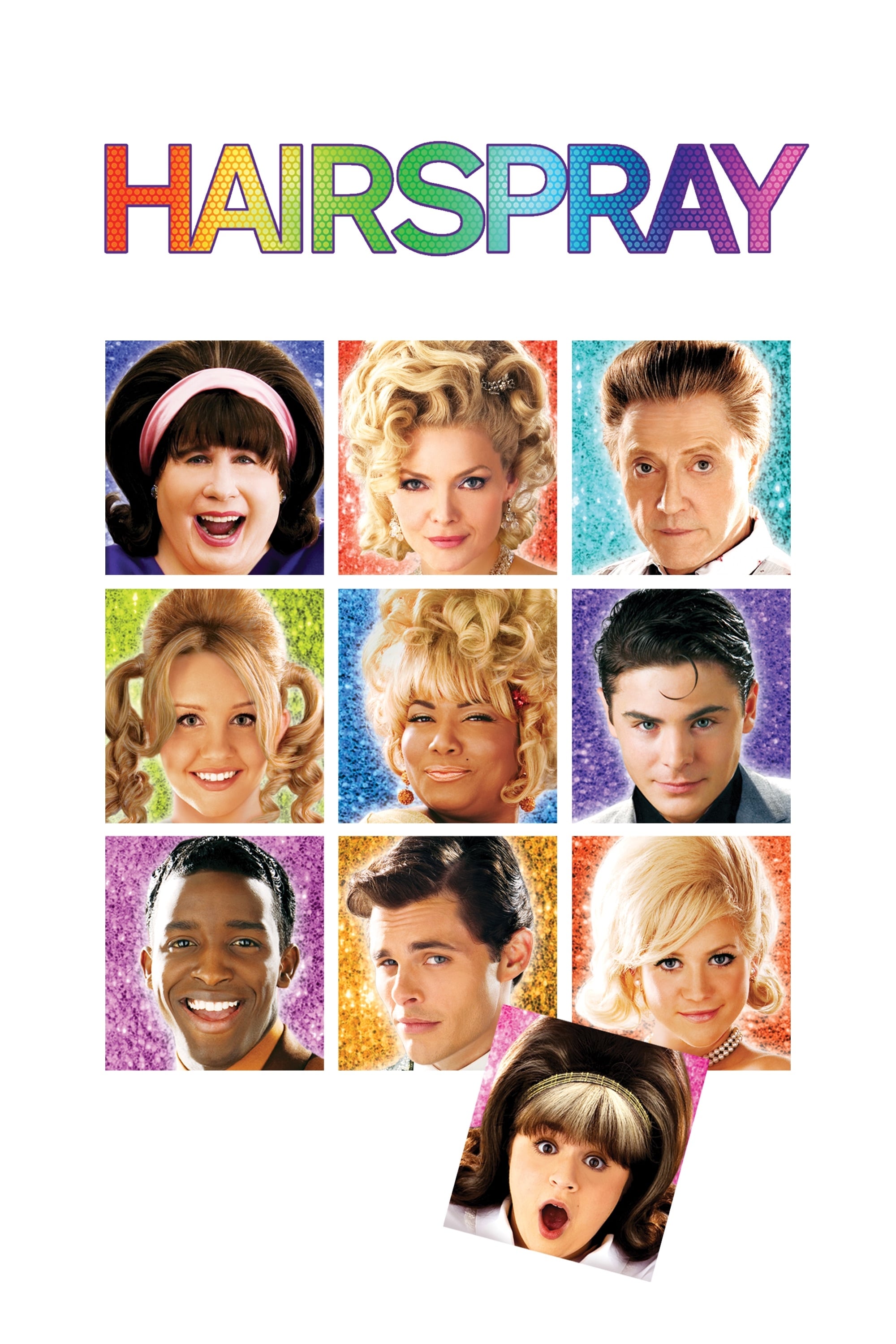
Adam Shankman adapts the stage musical that reimagined John Waters’s film and focuses on a teen who wants to dance on a local TV show. Nikki Blonsky leads a cast that includes John Travolta, Queen Latifah, and Michelle Pfeiffer. The story intertwines entertainment dreams with a push for integration.
Songs by Marc Shaiman and Scott Wittman drive choreography that uses period costumes and sets. The production captures a bright version of early sixties Baltimore while keeping the civil rights thread visible in classrooms and studios.
‘All Quiet on the Western Front’ (2022)
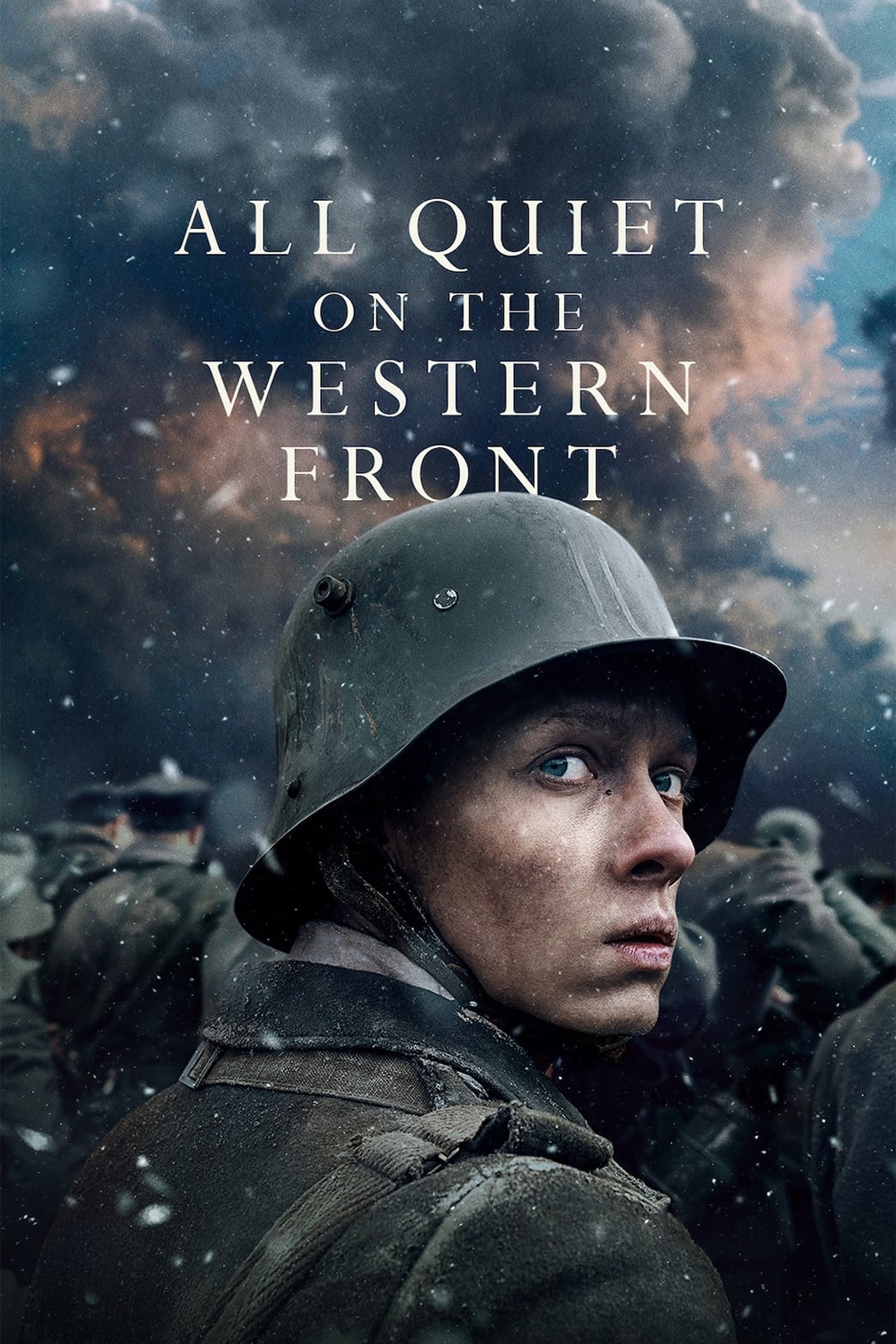
Edward Berger’s German production returns to Erich Maria Remarque’s novel with new emphasis on trench experience and political context. Felix Kammerer plays a young recruit whose enthusiasm gives way to exhaustion as the war drags on. The film contrasts battlefield mud with scenes of armistice negotiations.
It won Academy Awards for international feature, cinematography, production design, and original score. The production uses large outdoor sets, armored vehicles, and careful sound work to depict artillery, tanks, and close combat with modern precision.
Share which remakes you think outdid their predecessors in the comments and tell us the titles you would add next.