


Movies Accused Of Burying Their Gay Characters For Mainstream Appeal



The conversation surrounding LGBTQ+ representation in Hollywood often highlights the tension between creative expression and commercial viability. Many major film studios face accusations of minimizing queer identities to ensure their projects remain palatable for global audiences and conservative markets. This practice frequently involves relegating gay characters to background roles or using ambiguous dialogue that can be interpreted in multiple ways. Critics argue that these fleeting moments of inclusion serve as a marketing tool rather than a commitment to diversity. The following list examines films that have been scrutinized for how they handled their queer characters.
‘Beauty and the Beast’ (2017)
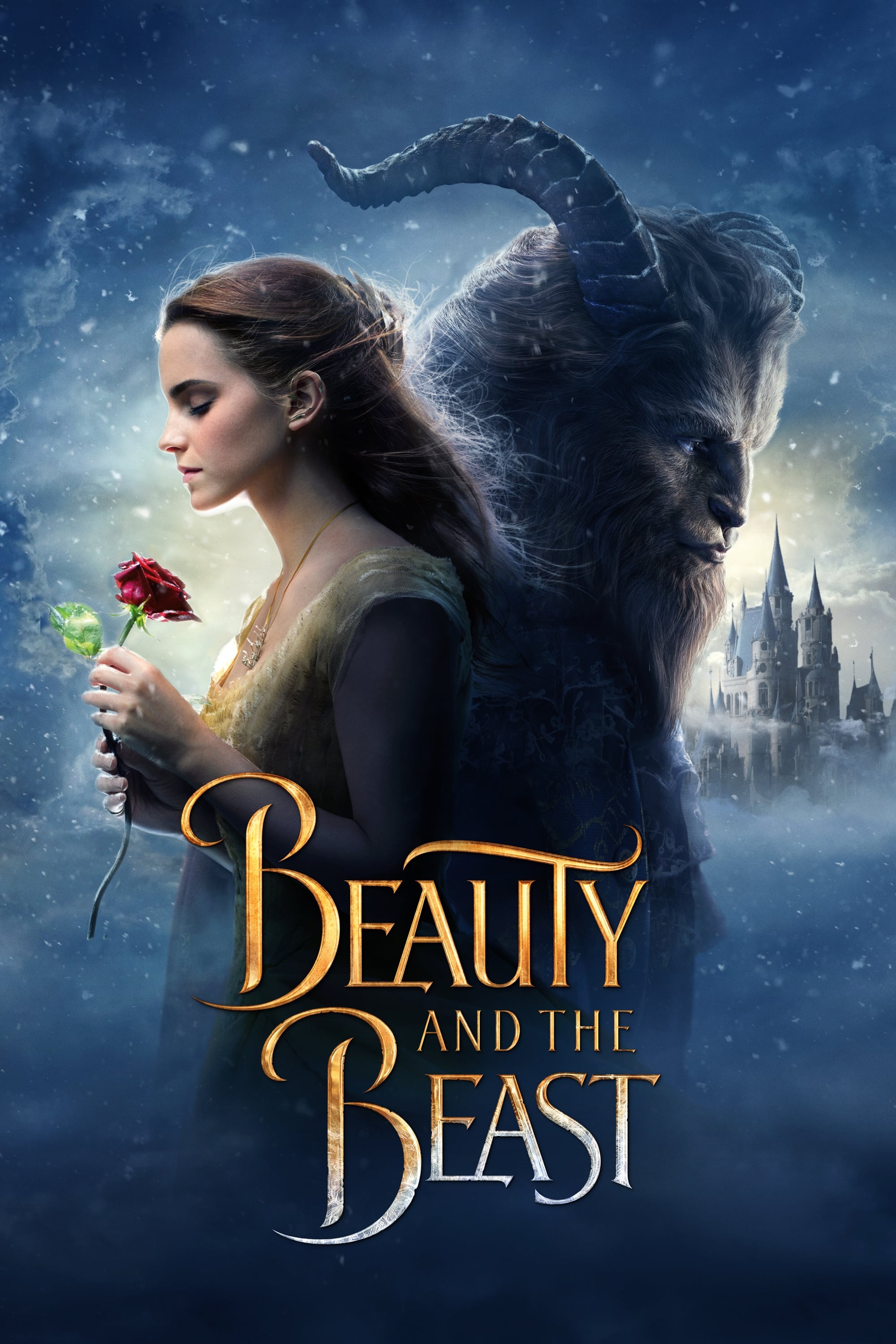
The live action remake of ‘Beauty and the Beast’ features a character named LeFou who was promoted as having an exclusively gay moment. Many viewers noted that the scene lasted only a few seconds during a crowded dance sequence. This brief inclusion was criticized for being easily edited out for international markets that have strict censorship laws. The character arc mostly revolves around his loyalty to Gaston rather than his own romantic identity. It remains a frequently cited example of minor representation in modern blockbuster cinema.
‘Star Wars: The Rise of Skywalker’ (2019)
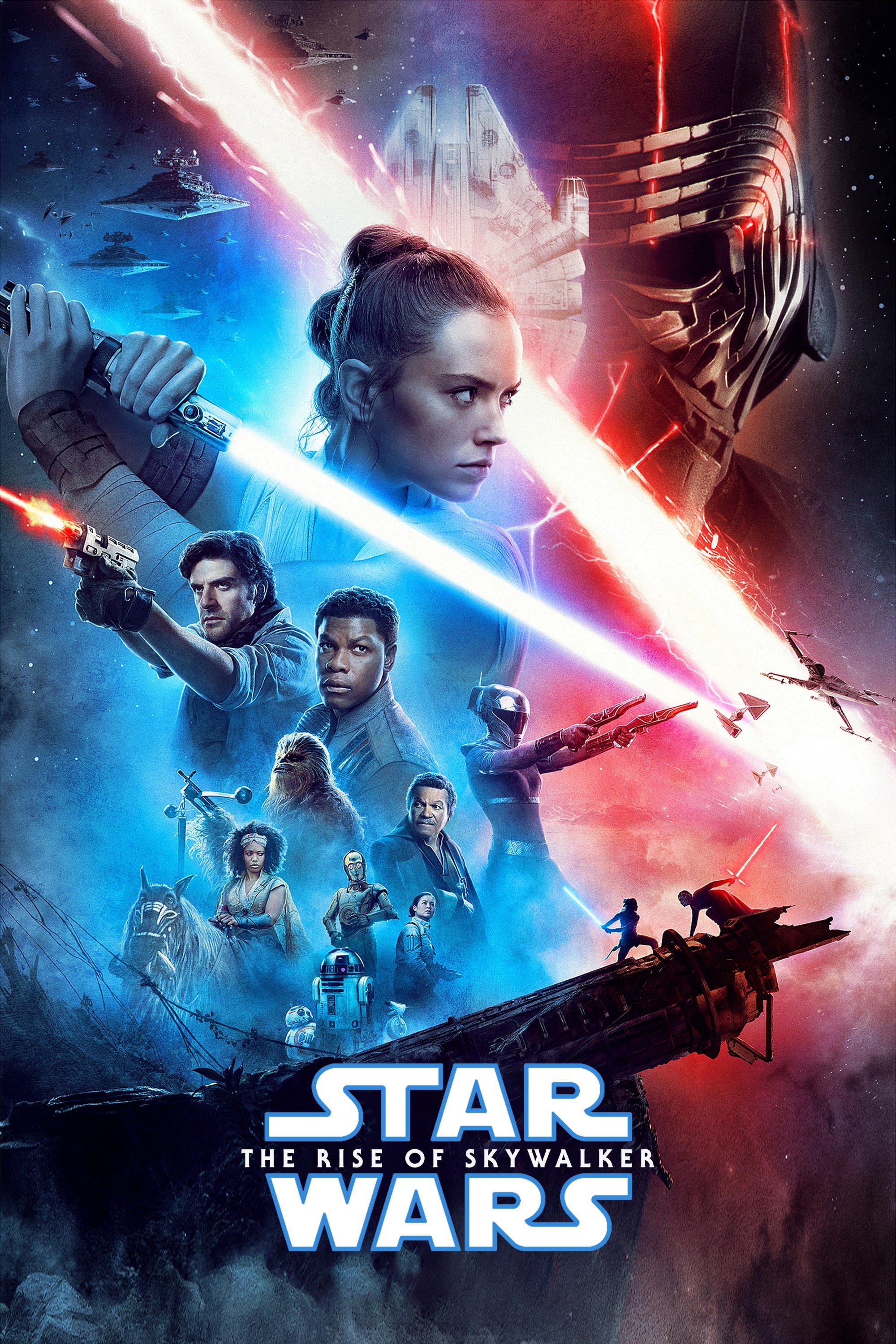
In ‘Star Wars: The Rise of Skywalker’ a celebratory scene at the end of the film includes a kiss between two female resistance pilots. This moment was the first explicit onscreen LGBTQ+ representation in the long running film franchise. Many fans felt the scene was insufficient because it featured minor background characters instead of the lead protagonists. The kiss was reportedly removed from theatrical versions in several countries to avoid controversy. Critics argued that the brevity of the moment suggested the studio was prioritizing global box office numbers over meaningful storytelling.
‘Avengers: Endgame’ (2019)
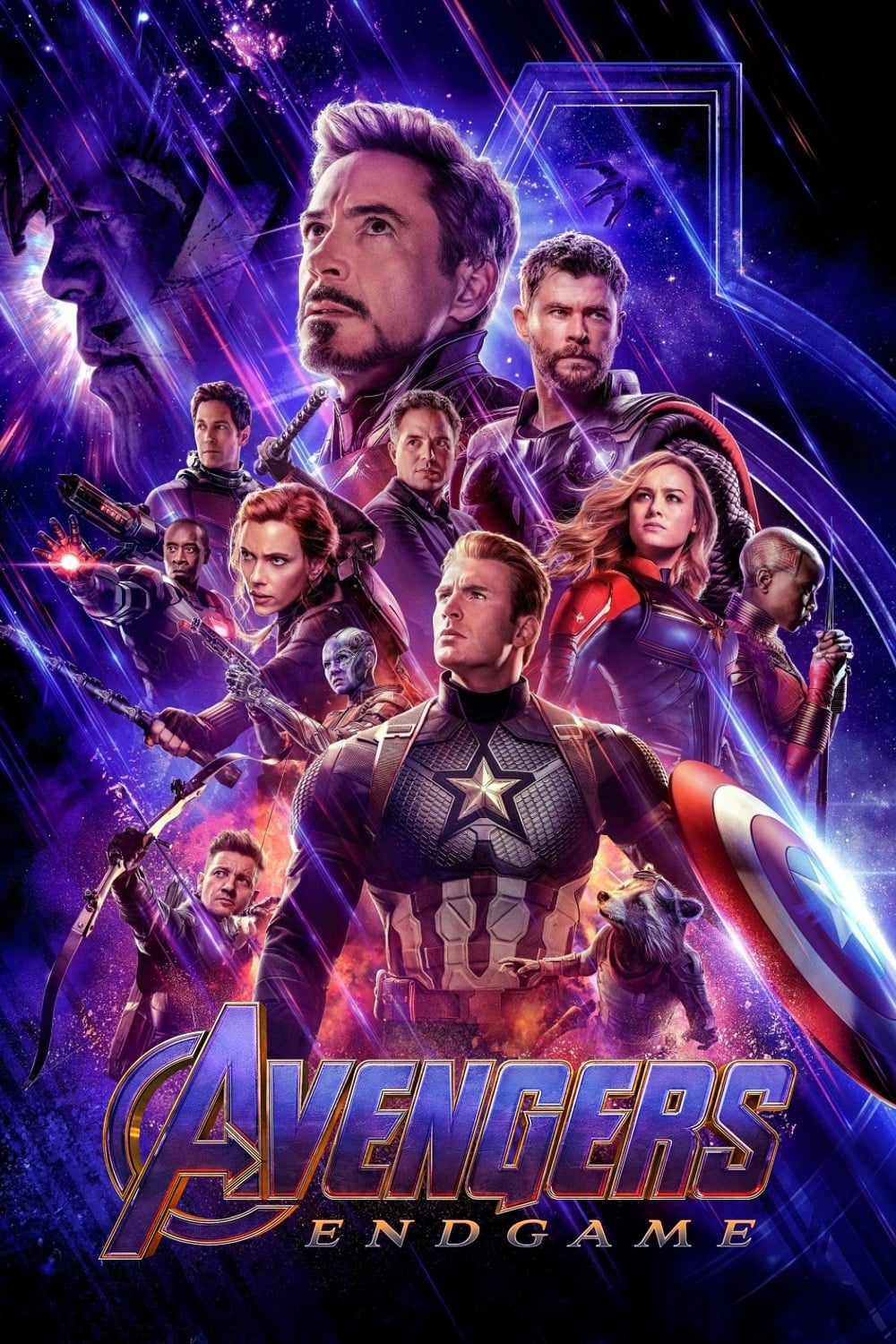
The directors of ‘Avengers: Endgame’ appeared in the film during a support group scene for survivors of the snap. One man speaks briefly about going on a date with another man and mourning his lost partner. While this was technically the first openly gay character in the Marvel Cinematic Universe it was a very small role. Some audiences found it disappointing that a major franchise would choose such a minor character for its first step toward queer representation. The scene was viewed by many as a safe way to claim diversity without affecting the main plot.
‘Thor: Love and Thunder’ (2022)
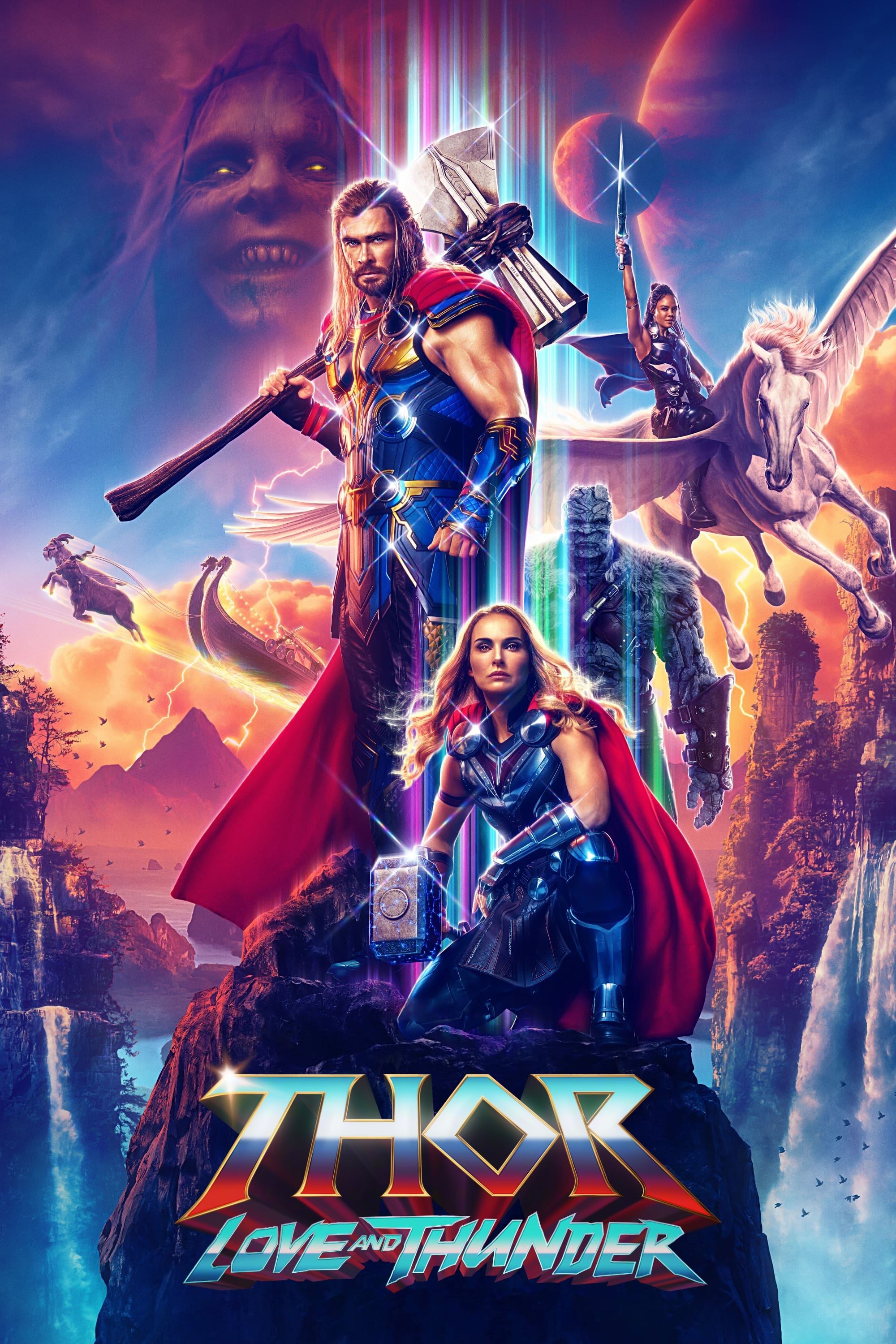
The character Valkyrie in ‘Thor: Love and Thunder’ is canonically bisexual in the comic books and the actress has spoken about her identity. During the film she mentions the loss of her female partner during a past battle. While her sexuality is acknowledged through dialogue it is not a central part of her character development in the story. Some fans hoped for a more explicit romantic subplot for the king of New Asgard. The film was criticized for keeping her queer identity as a footnote in a movie filled with other romantic themes.
‘Jurassic World: Fallen Kingdom’ (2018)

The character Zia Rodriguez was originally written with a line of dialogue that confirmed her lesbian identity in ‘Jurassic World: Fallen Kingdom’. This specific scene was removed from the final cut of the movie for timing reasons according to the production team. The actress later confirmed that her character was queer but the audience never sees this on screen. This omission led to accusations that the studio was hesitant to include an openly gay character in a major action franchise. Without the line Zia exists as a character with no established romantic interests at all.
‘Fantastic Beasts: The Crimes of Grindelwald’ (2018)
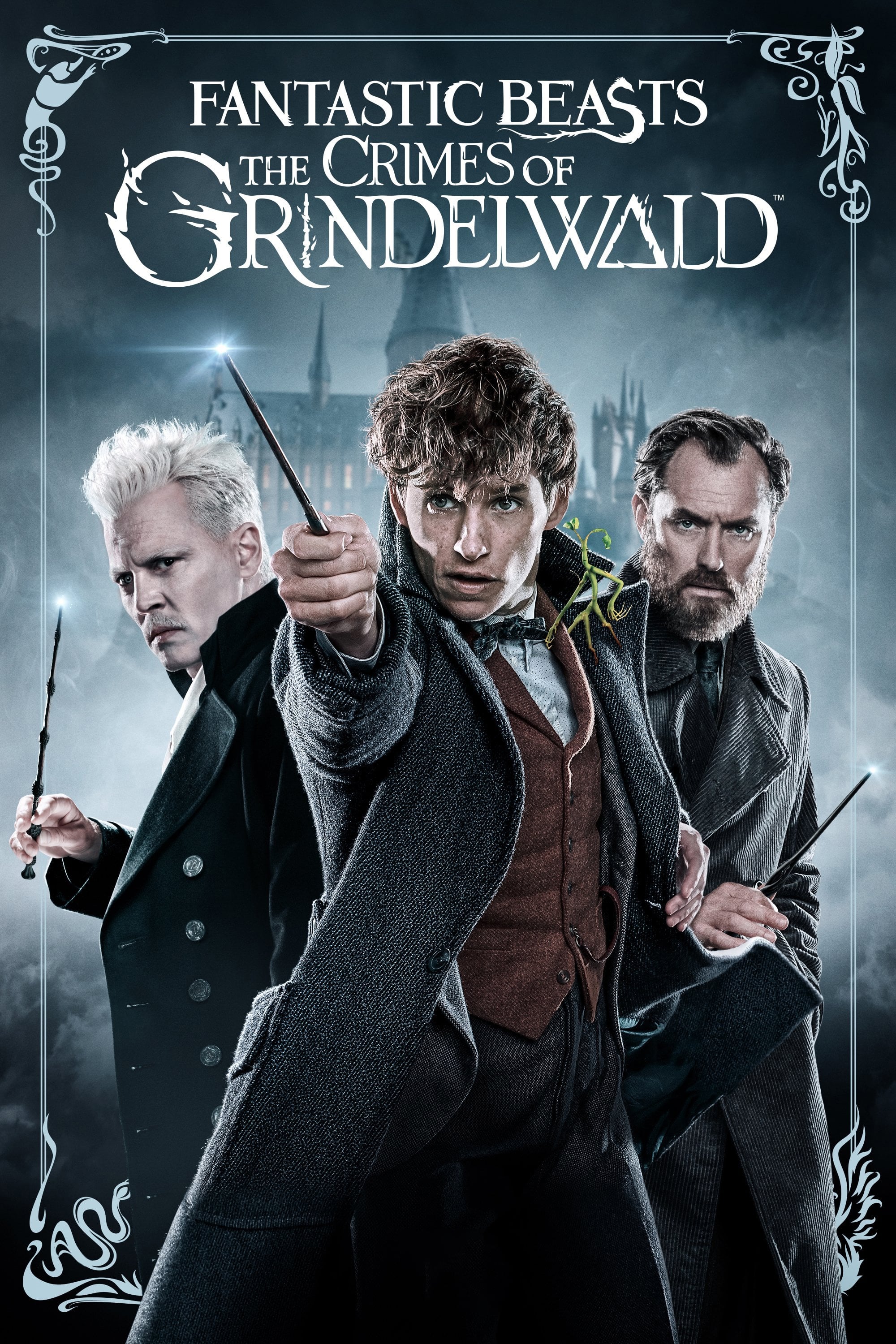
The relationship between Albus Dumbledore and Gellert Grindelwald is a significant part of the lore in ‘Fantastic Beasts: The Crimes of Grindelwald’. Despite the creator previously stating that Dumbledore is gay the film avoids explicit confirmation of their romantic past. The characters are described as being closer than brothers but the nature of their love is left largely to the imagination. Many fans felt this was a missed opportunity to show a complex queer relationship in a high profile fantasy film. The lack of clarity was seen by some as a move to protect the film from international backlash.
‘Black Panther: Wakanda Forever’ (2022)
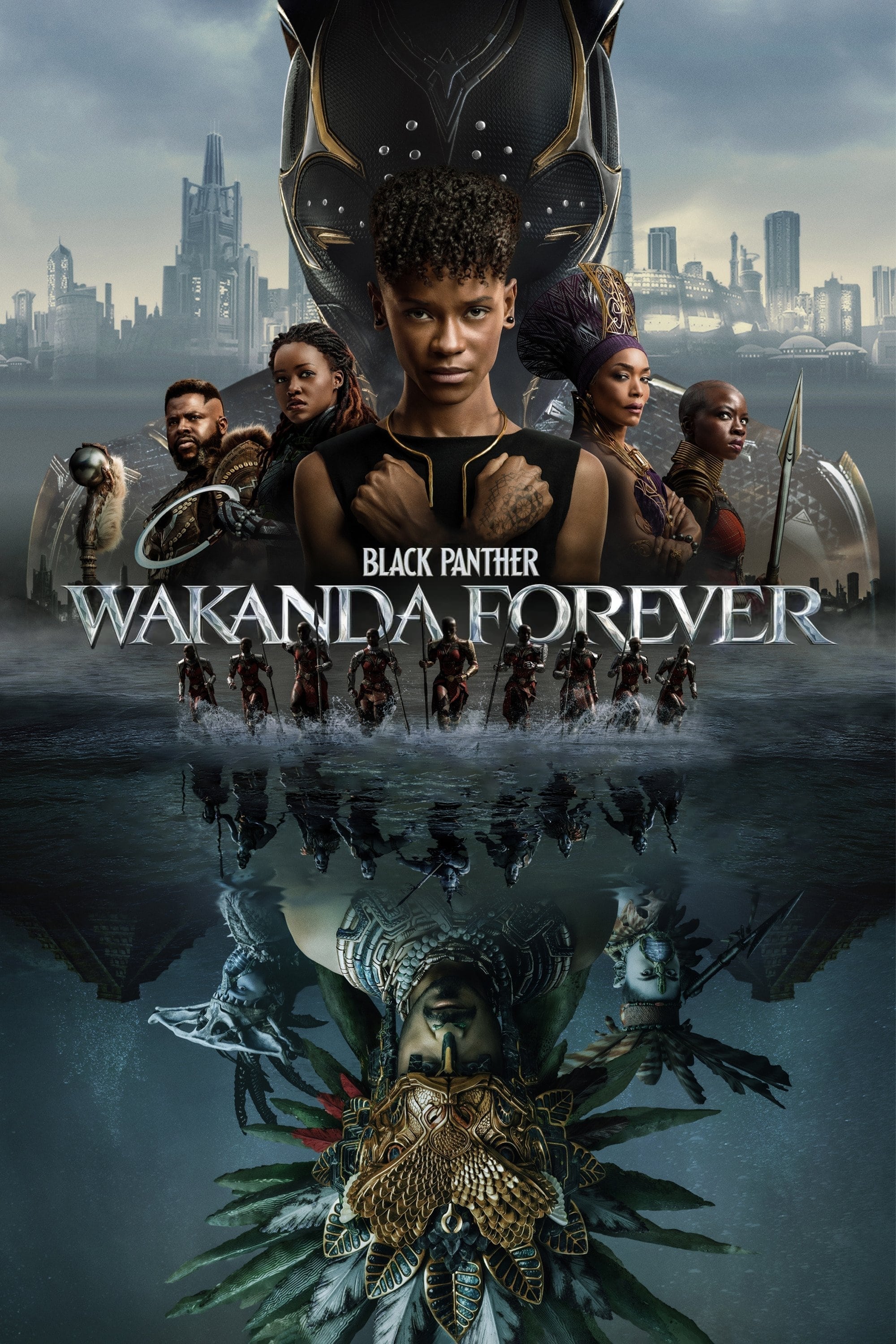
In ‘Black Panther: Wakanda Forever’ the characters Aneka and Ayo are depicted as having a close bond. A brief forehead kiss and affectionate dialogue near the end of the film suggest a romantic relationship between the two warriors. This depiction is much more subtle than the romantic relationship established in the source material comics. Some viewers felt the movie downplayed their love to avoid issues in certain global territories. While the representation exists it remains a very small portion of the overall narrative.
‘Cruella’ (2021)
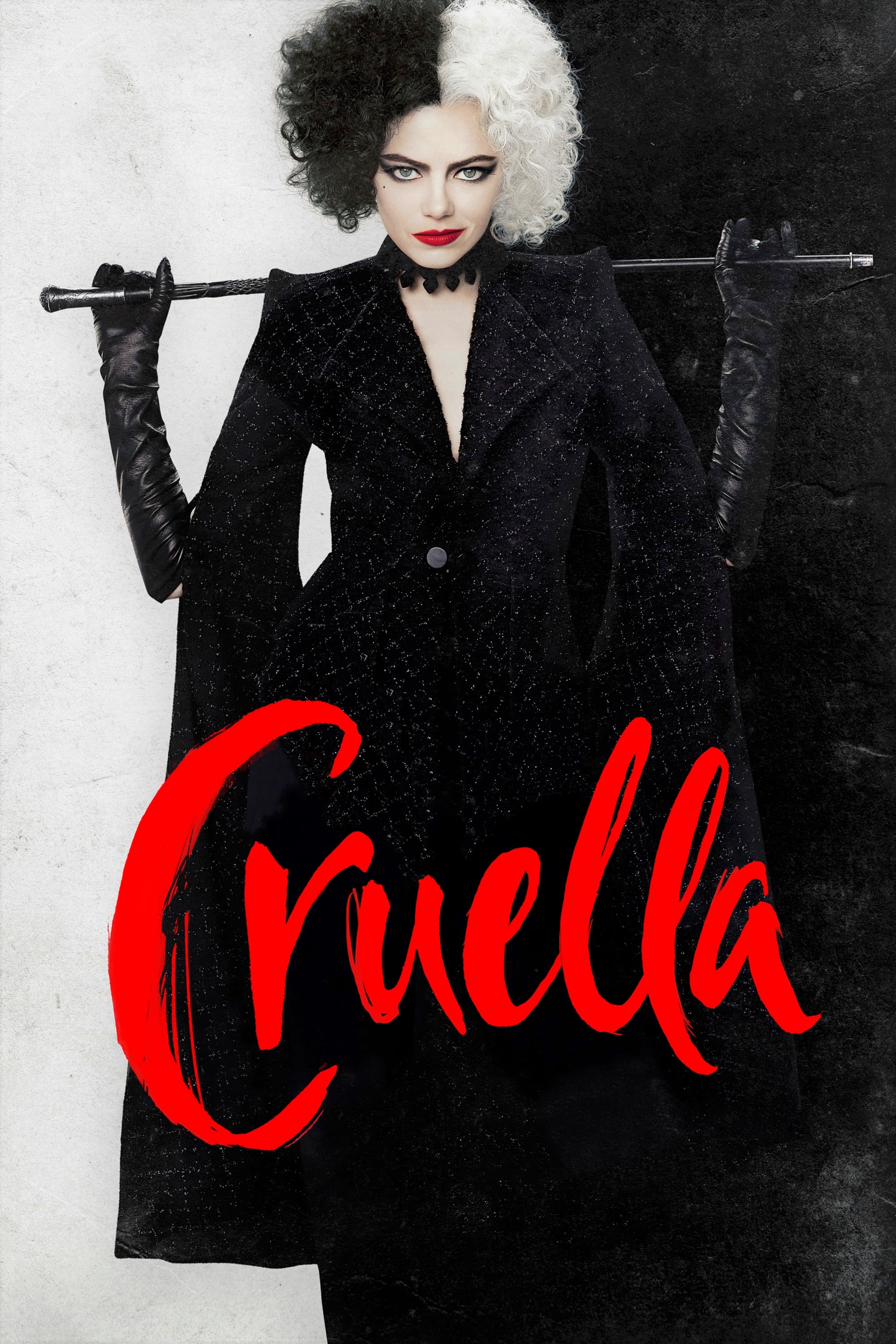
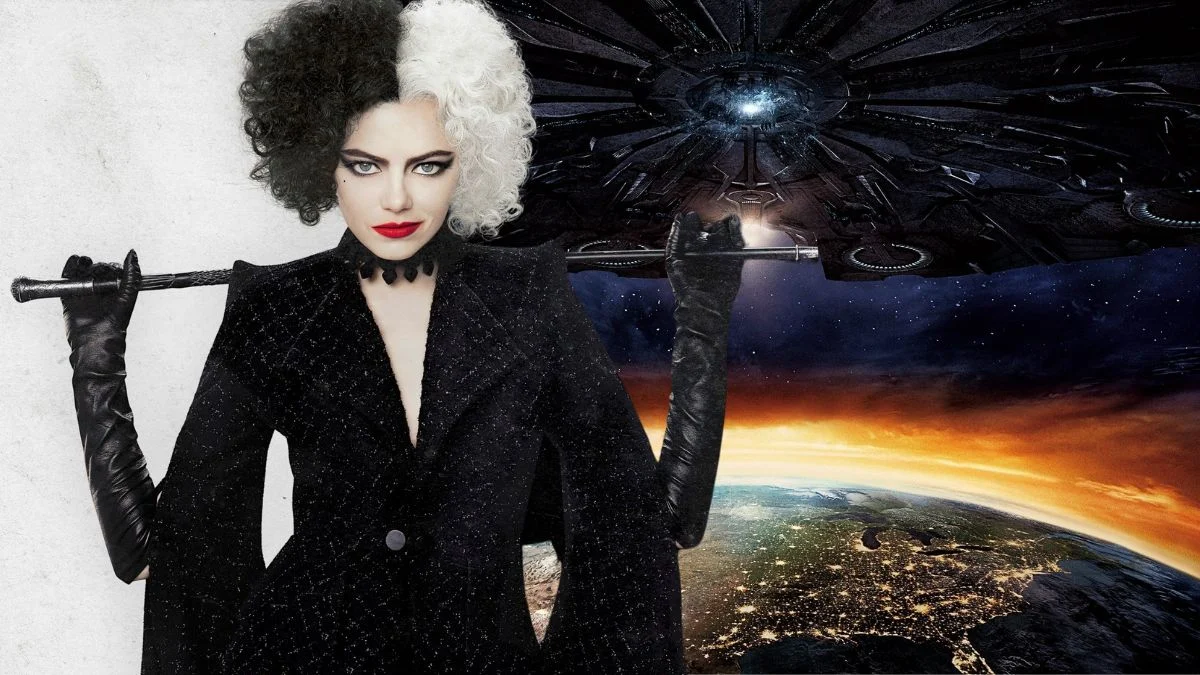
The character Artie in ‘Cruella’ was marketed as the first openly queer character in a live action Disney film. He is a flamboyant fashion store owner who helps the protagonist with her designs. While his style and mannerisms suggest a queer identity the film never explicitly mentions his sexuality. This led to critiques that the movie relied on tropes and aesthetics rather than actual representation. Critics argued that the character could be easily coded as gay without the studio taking any actual risks with the script.
‘Power Rangers’ (2017)
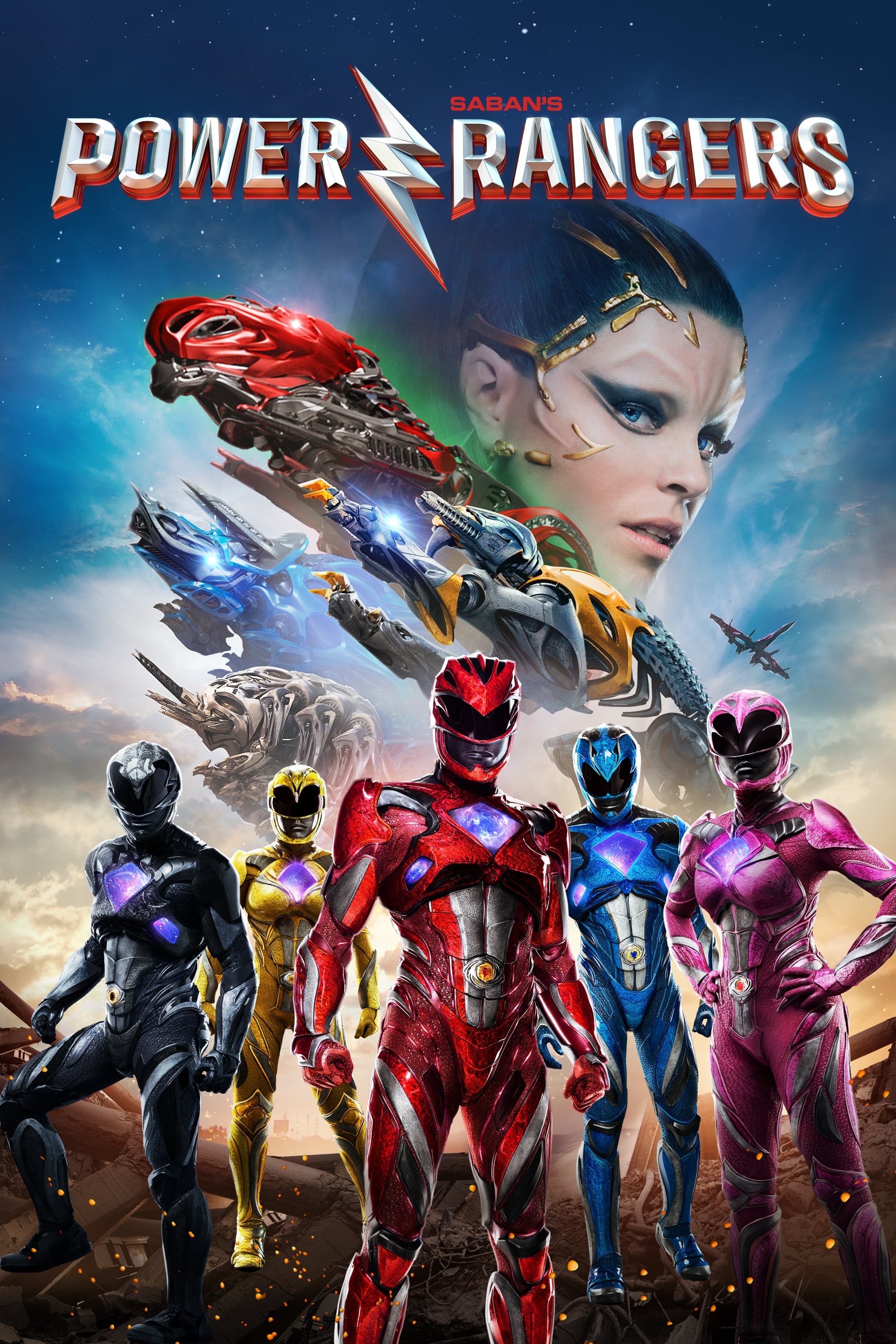
The 2017 ‘Power Rangers’ reboot includes a scene where Trini the Yellow Ranger questions her own identity. Another character asks if she is having boyfriend problems or girlfriend problems to which she does not give a definitive answer. This moment was praised as a step forward for the superhero genre at the time of release. However many fans felt the scene was too vague to provide real representation for LGBTQ+ youth. The film did not explore this aspect of her character further before the credits rolled.
‘Star Trek Beyond’ (2016)

The character Sulu is shown with a male partner and a daughter in a brief scene in ‘Star Trek Beyond’. This creative choice was intended as a tribute to George Takei who played the original character. Some critics felt the moment was too short and did not integrate into the main plot of the adventure. George Takei himself expressed concerns that the change deviated from the original vision of the character creator. Despite the controversy it remains one of the more visible examples of a legacy character being revealed as gay.
‘It Chapter Two’ (2019)
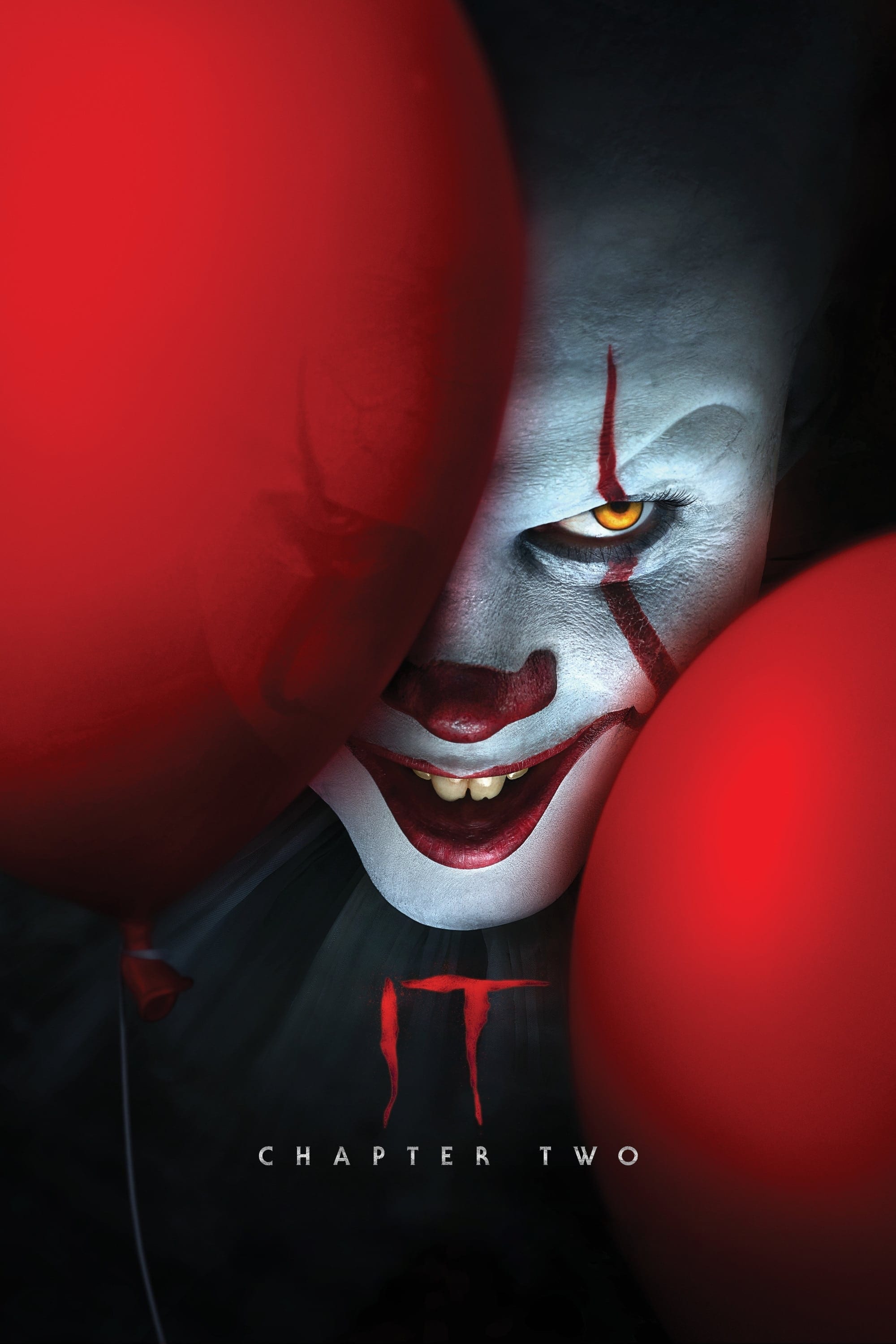
In ‘It Chapter Two’ the character Richie Tozier is revealed to have been in love with his friend Eddie Kaspbrak for years. The film includes scenes where Richie carves their initials into a bridge and struggles with his secret feelings. While the subtext is strong the character never actually comes out to his friends in the present day. Some viewers found the ending tragic because the queer character does not get to find peace or acceptance. The focus on his internal shame was seen by some as a regressive way to handle a gay storyline.
‘Bohemian Rhapsody’ (2018)
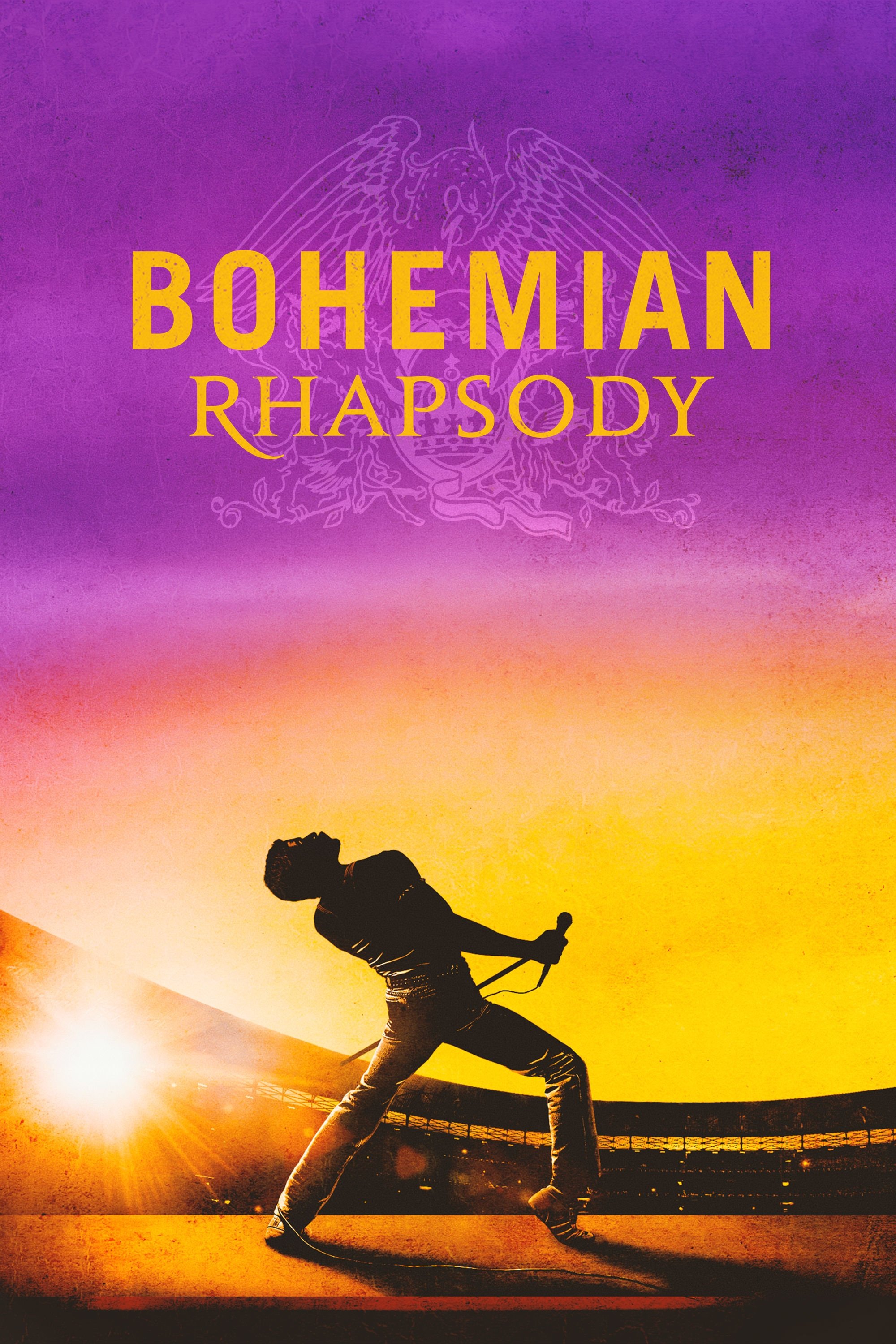
The film ‘Bohemian Rhapsody’ tells the story of Freddie Mercury and the legendary band Queen. Many critics accused the film of glossing over Mercury’s sexuality and his struggle with AIDS. The narrative focuses heavily on his relationship with Mary Austin while portraying his gay lifestyle as a source of conflict and isolation. Some felt the film sanitized his life to make it more appealing to a general audience. This led to a debate about how much truth is owed to the audience in a commercial biopic.
‘Rocketman’ (2019)

While ‘Rocketman’ was praised for being more explicit than other biopics it still faced censorship in international markets. Scenes depicting intimacy between Elton John and his manager were cut in several countries to comply with local laws. The filmmakers and Elton John himself spoke out against these changes and defended the original vision. This situation highlighted the pressure studios face to modify queer content for financial gain. Even with a supportive production team the global distribution process often leads to the burying of gay themes.
‘Doctor Strange in the Multiverse of Madness’ (2022)
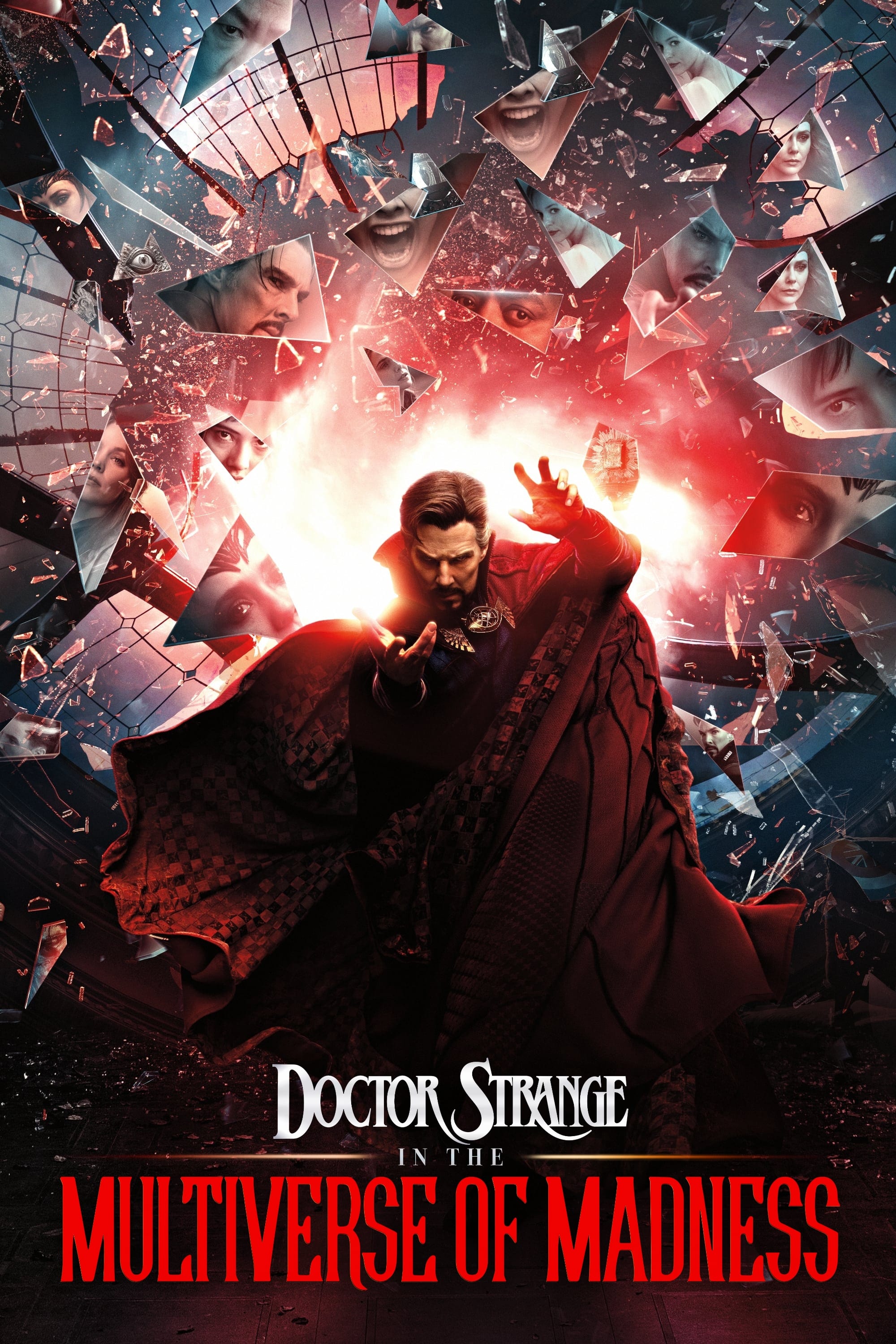
The character America Chavez has two mothers who appear in a flashback sequence in ‘Doctor Strange in the Multiverse of Madness’. The scene is very brief and explains her origin story rather than her own personal identity. This inclusion resulted in the film being banned or heavily edited in multiple countries. Some audiences felt that the mothers were treated as a plot point rather than actual characters. The controversy surrounding the scene overshadowed the actual representation within the film itself.
‘Eternals’ (2021)
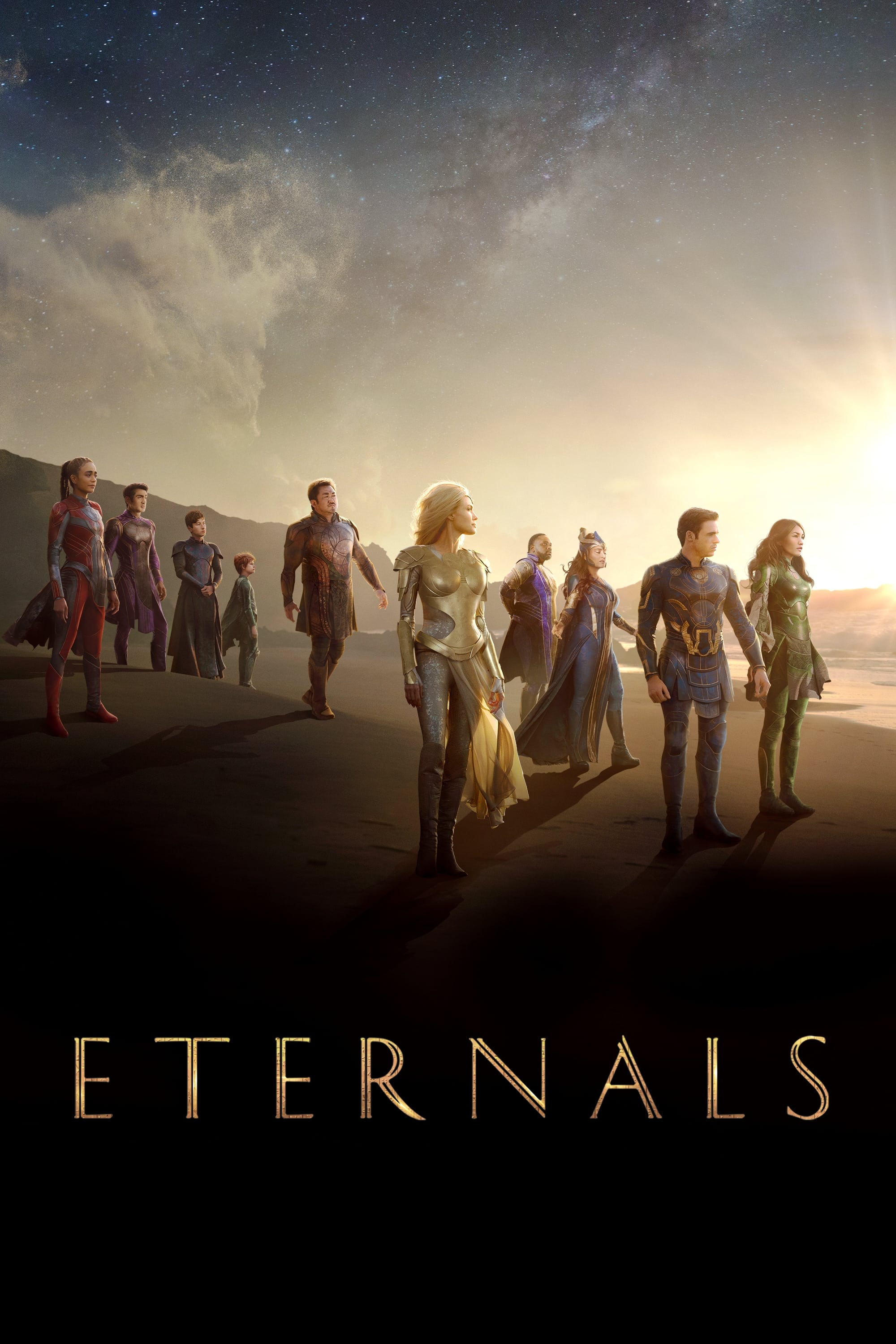
The movie ‘Eternals’ features Phastos who is the first gay superhero in the Marvel Cinematic Universe to have a husband and a child. They share a kiss on screen and have several scenes together as a family. While this was a significant milestone it also led to the film being restricted in various global markets. Some critics argued that Phastos was a secondary character and that his domestic life was kept separate from the main action. The inclusion was bold for a superhero film but still faced the reality of international censorship.
‘Lightyear’ (2022)
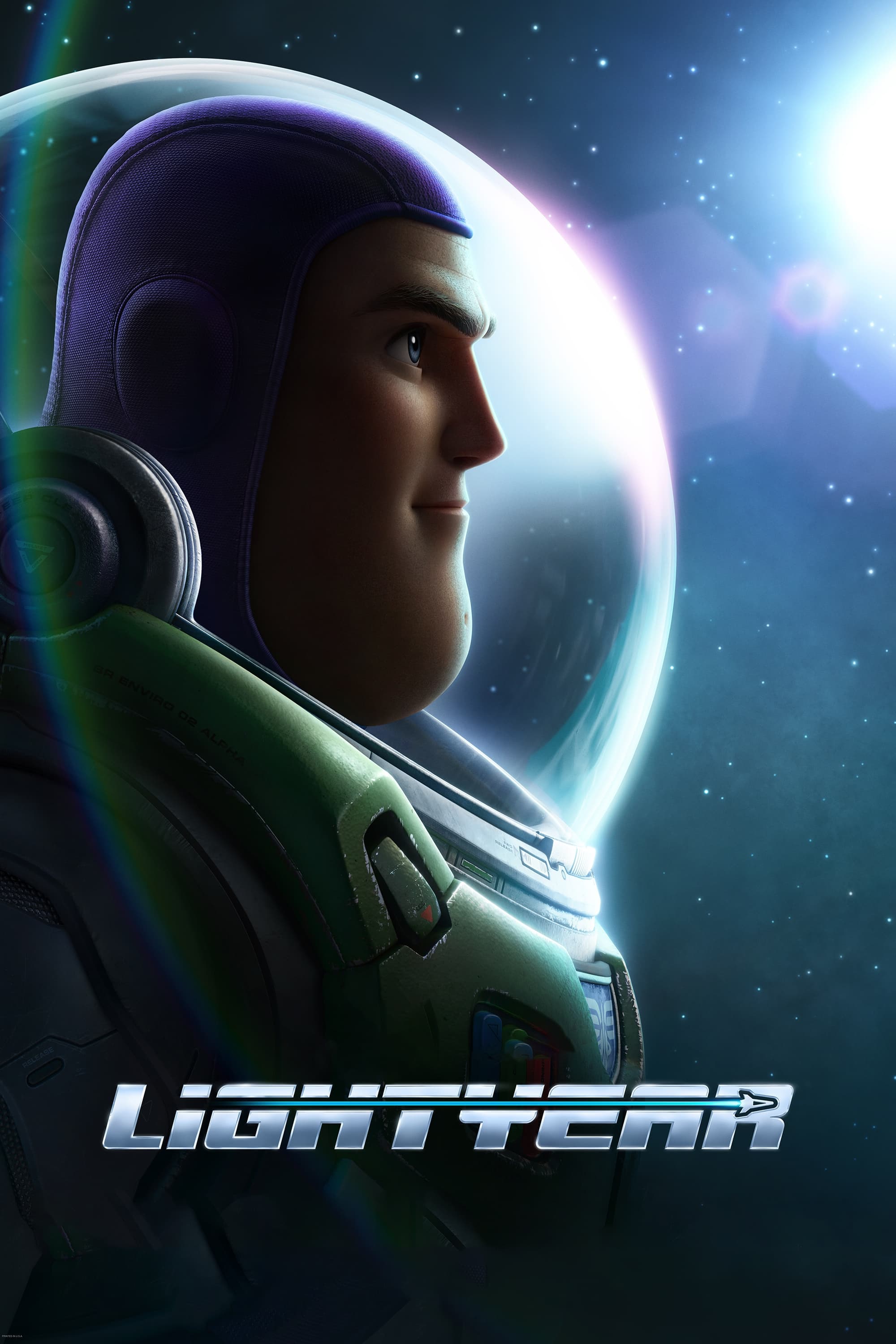
The character Alisha Hawthorne in ‘Lightyear’ is shown building a life and a family with her female partner. A brief kiss between the two characters became a major point of discussion during the film’s release. Reports suggested that the scene was initially cut and then reinstated after internal protests at the studio. The film was eventually banned in several territories due to the inclusion of this one scene. This situation demonstrated how even a small moment of representation can create significant hurdles for mainstream distribution.
‘Mulan’ (2020)

In the live action ‘Mulan’ the character Li Shang was removed and replaced with a new character named Chen Honghui. Li Shang was a fan favorite who many viewed as a bisexual icon due to his attraction to Mulan while she was disguised as a man. The filmmakers stated that the change was made to address power dynamics in a post-Me Too era. Many fans felt this was an excuse to remove a character with queer subtext from the story. The new romantic interest lacked the same layer of ambiguity that made the original character popular.
‘Onward’ (2020)
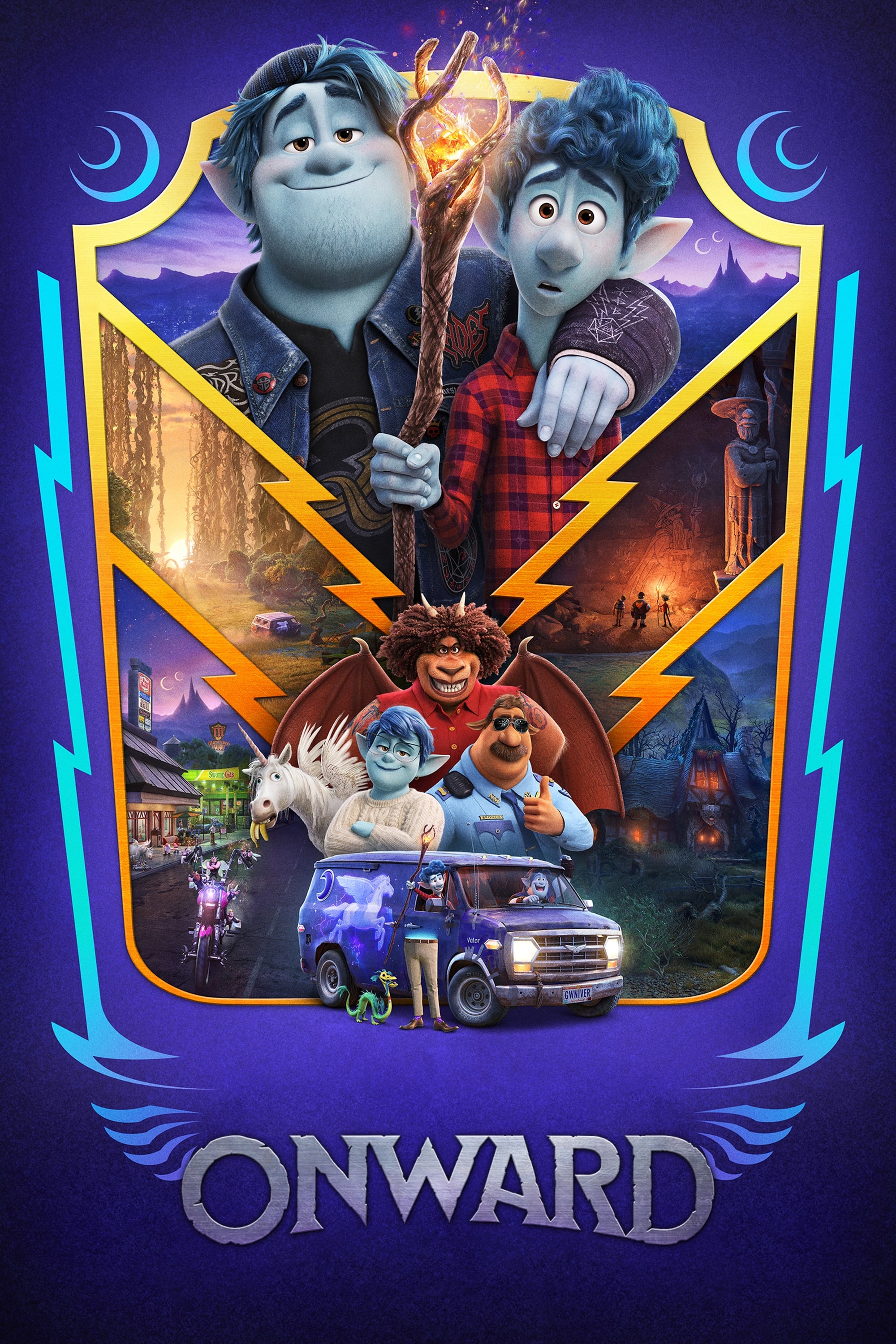
The character Officer Specter in ‘Onward’ mentions her girlfriend in a single line of dialogue while talking to another character. This was Disney’s first self identified LGBTQ+ character in an animated feature film. The line was changed in some international dubs to refer to a partner or a friend instead. Many advocates for representation felt that a one line mention was a low effort attempt at inclusion. The character herself only appears in one short scene and does not impact the overall story.
‘The Imitation Game’ (2014)

‘The Imitation Game’ tells the story of Alan Turing who was a brilliant mathematician and a gay man. The film focuses largely on his work breaking the Enigma code and his platonic relationship with Joan Clarke. Critics argued that the movie downplayed his gay identity and the tragic circumstances of his persecution. The actual depiction of his romantic life is almost entirely absent from the screen. This was seen as an attempt to make the historical drama more accessible to a broad audience by focusing on the war effort.
‘Skyfall’ (2012)
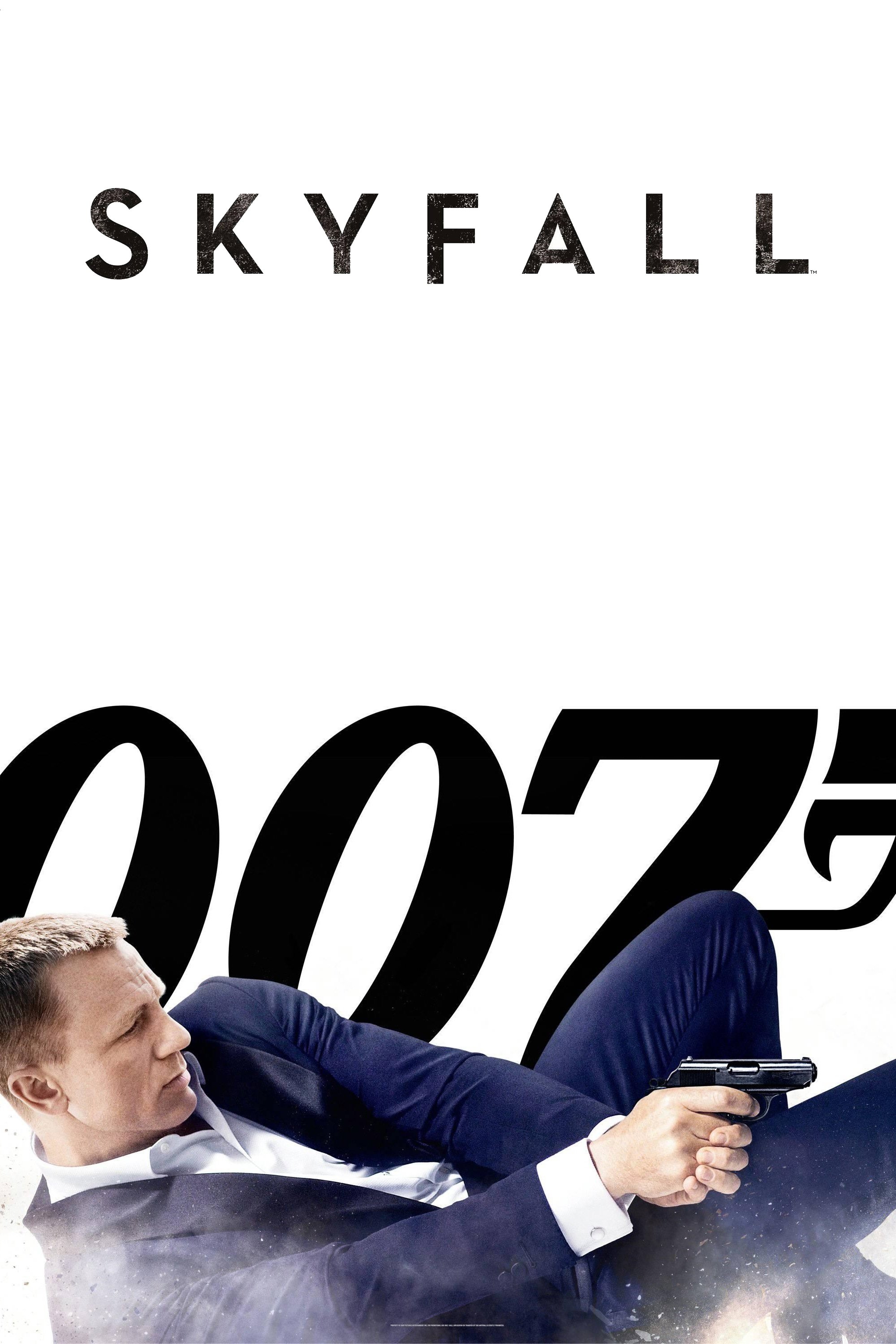
In ‘Skyfall’ the villain Raoul Silva shares a scene with James Bond where he touches Bond’s legs and chest while making suggestive comments. Bond responds with a witty line implying that it might not be his first time in such a situation. This moment was widely discussed as a rare instance of queer coding in the Bond franchise. However the interaction is framed through the lens of a villain trying to intimidate the hero. Some critics felt that using queer subtext only for a villainous character was a tired and harmful trope.
‘Deadpool 2’ (2018)
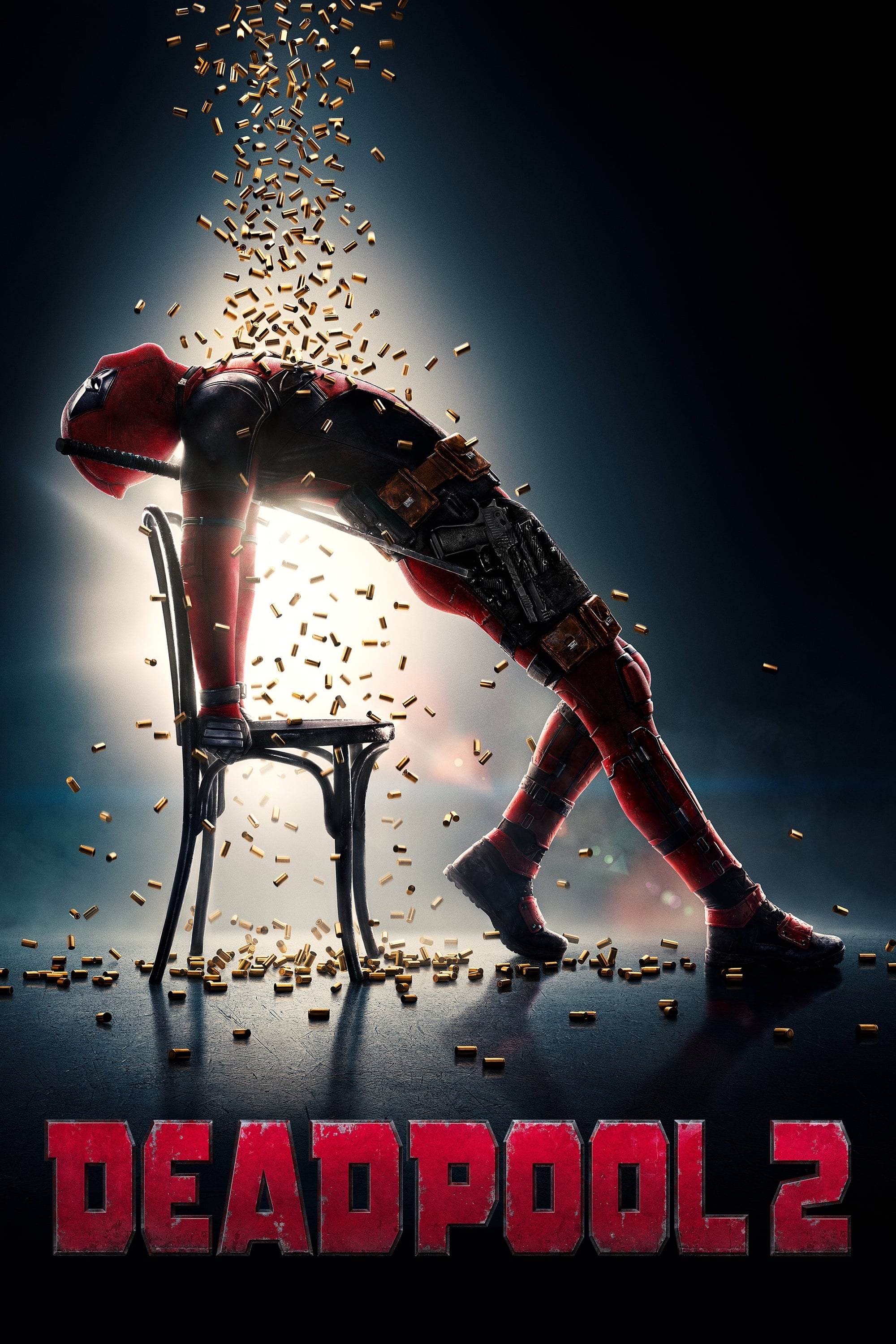
‘Deadpool 2’ features the characters Negasonic Teenage Warhead and Yukio as an openly gay couple. They are shown holding hands and confirming their relationship during several scenes. While this was a positive step for the genre their screen time is relatively limited compared to the main cast. The relationship is treated as a normal part of their lives which many fans appreciated. However some felt that the characters were kept on the periphery of the main plot to avoid making it a central theme.
‘Solo: A Star Wars Story’ (2018)
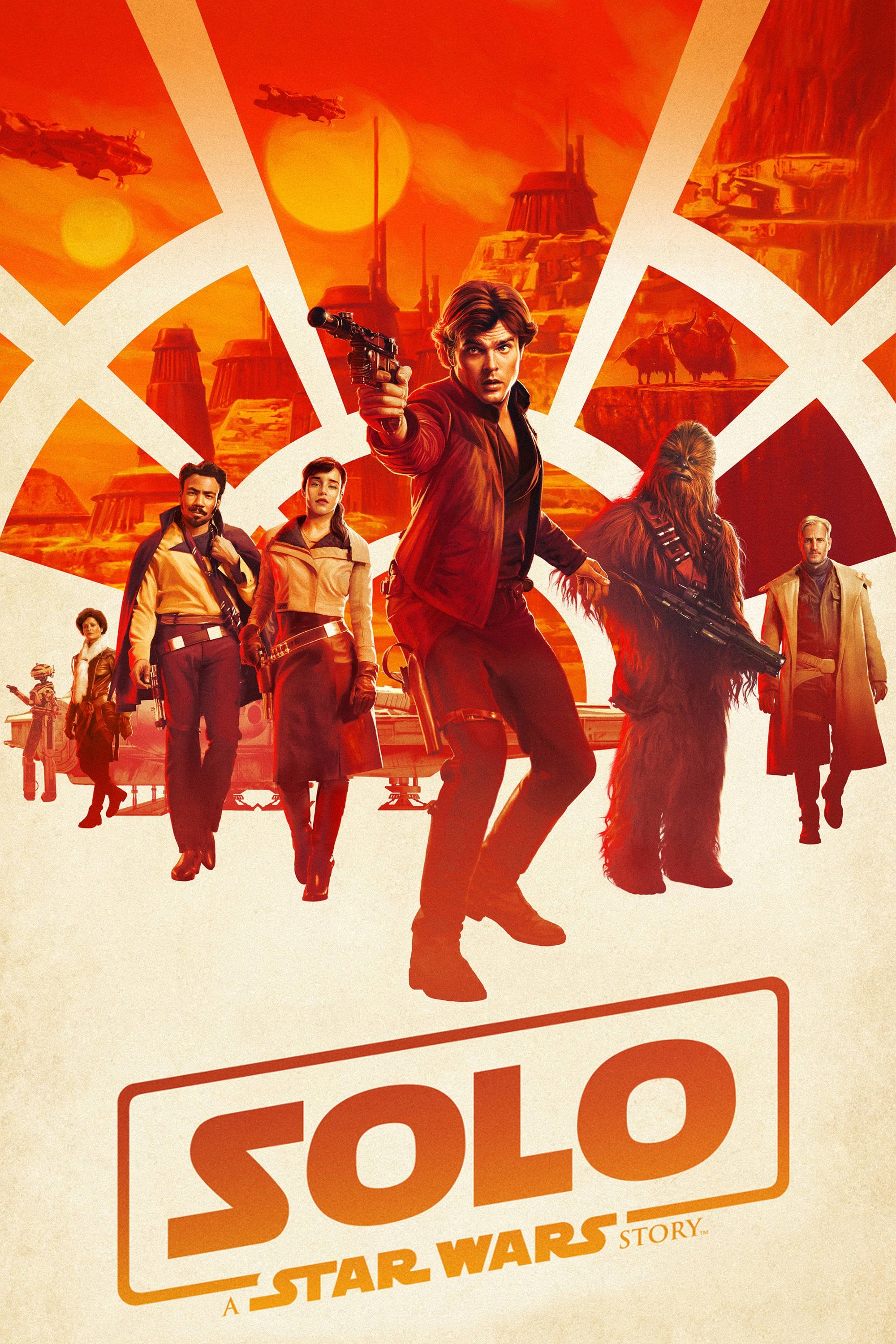
Before the release of ‘Solo: A Star Wars Story’ the writers confirmed that Lando Calrissian is pansexual. In the film Lando has a very close and affectionate relationship with his droid L3-37. This relationship is often interpreted as a romantic bond that transcends traditional categories. Many viewers felt that the film relied on off screen confirmation rather than explicit on screen storytelling. Without the external comments the character’s sexuality might not be obvious to the average viewer.
‘Independence Day: Resurgence’ (2016)

The characters Dr. Brackish Okun and Dr. Isaacs are revealed to be a couple in ‘Independence Day: Resurgence’. Their relationship is confirmed during a scene where one of them is injured and the other shows deep emotional distress. Many fans of the original film were surprised by this revelation as it was never hinted at before. The representation was praised for being natural but criticized for being buried in a large ensemble cast. The film did not spend much time exploring their history together.
‘The Color Purple’ (1985)
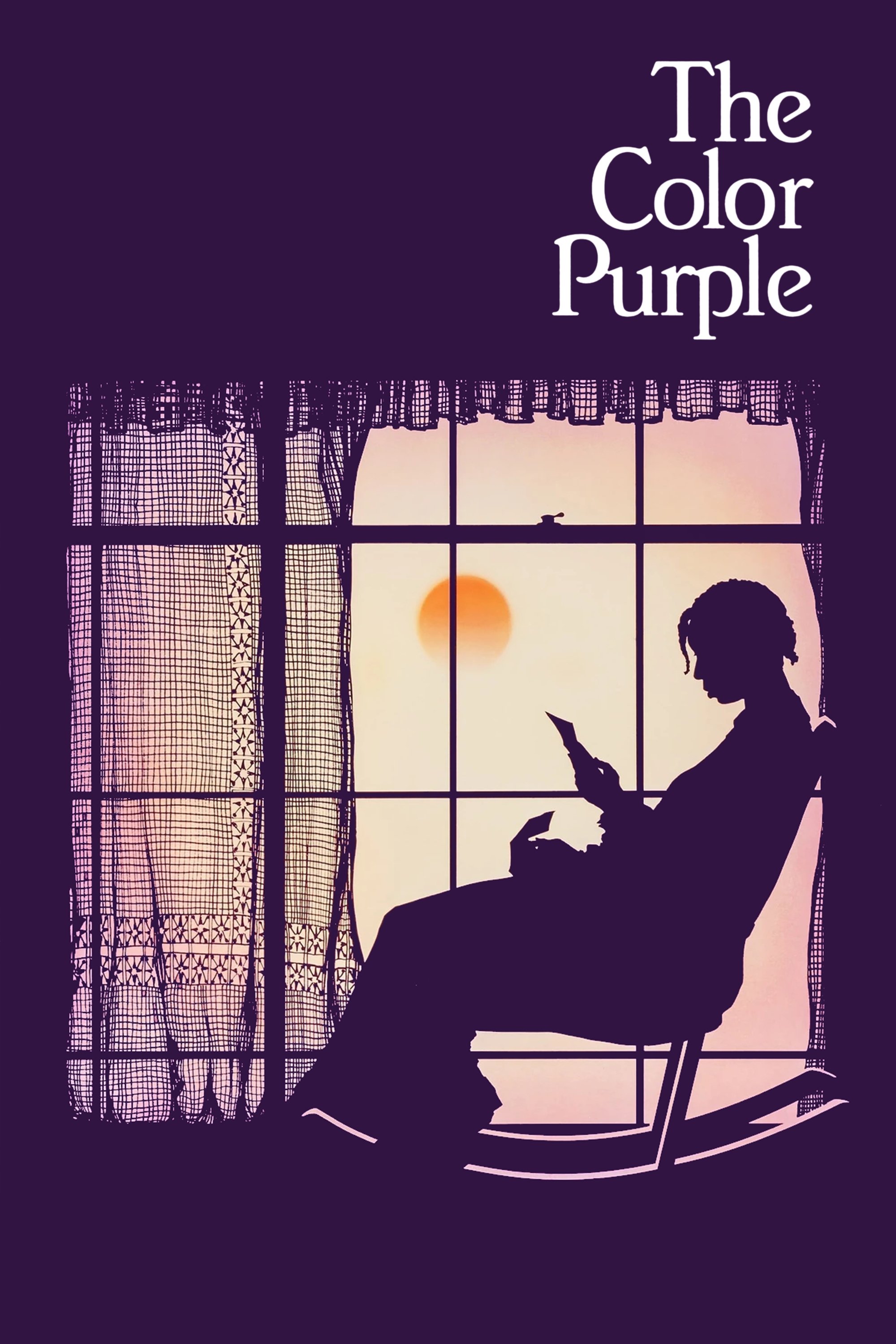
The film adaptation of ‘The Color Purple’ significantly toned down the lesbian relationship between Celie and Shug Avery. In the original novel their bond is deeply romantic and physical. The movie portrays their relationship more as an intense friendship with one brief kiss. The director later admitted that he was hesitant to show the full extent of their romance at the time. This decision has been criticized for erasing a vital part of the protagonist’s journey toward self discovery.
‘Fried Green Tomatoes’ (1991)
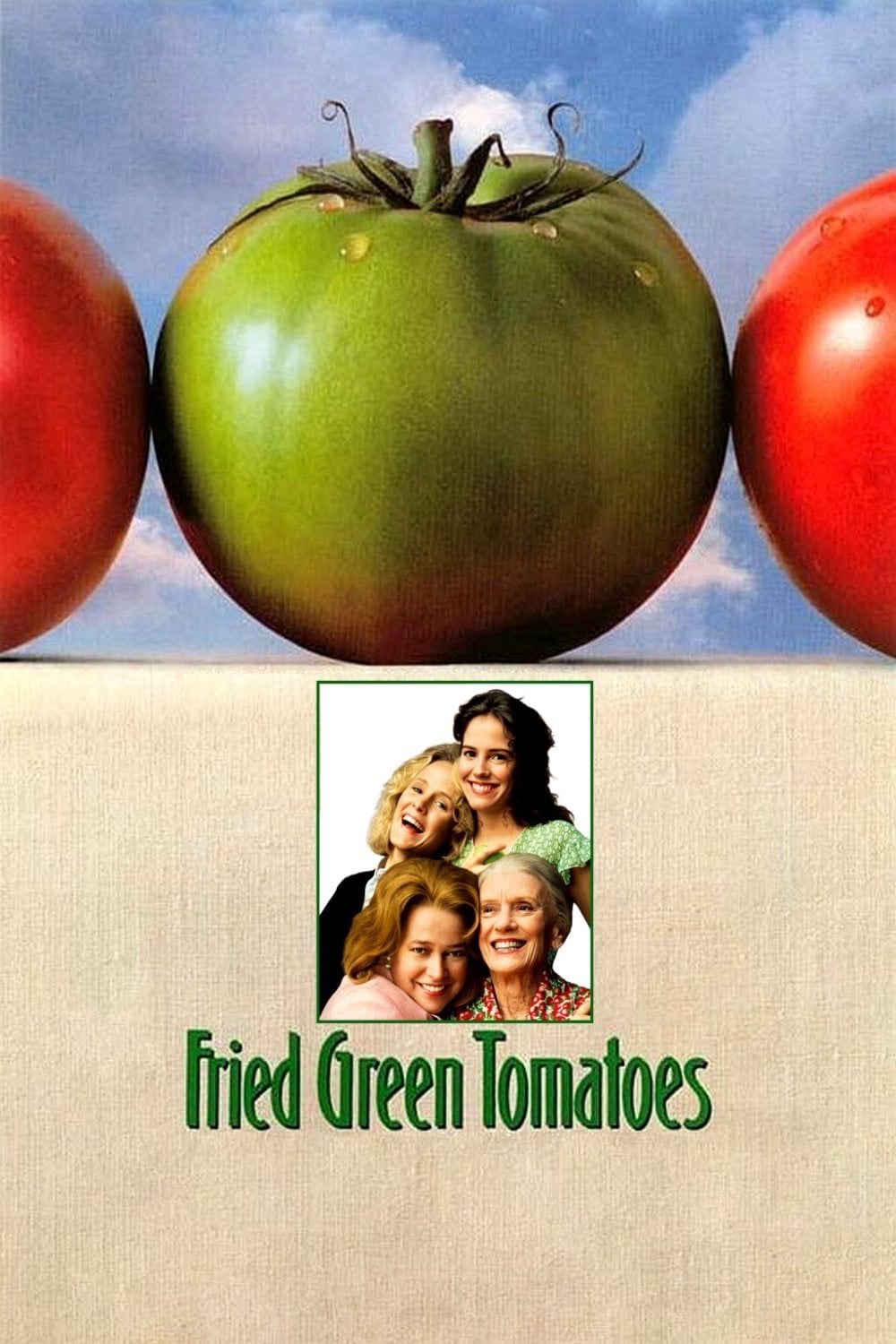
‘Fried Green Tomatoes’ is based on a novel where the two main characters Ruth and Idgie are clearly in a lesbian relationship. The film adaptation chooses to depict them as very close friends who live together and raise a child. While the love between them is evident the word lesbian is never used and their romance is kept as subtext. This change allowed the film to reach a wider audience in the early nineties but frustrated fans of the book. It remains a famous example of Hollywood softening queer themes for the box office.
‘Alexander’ (2004)
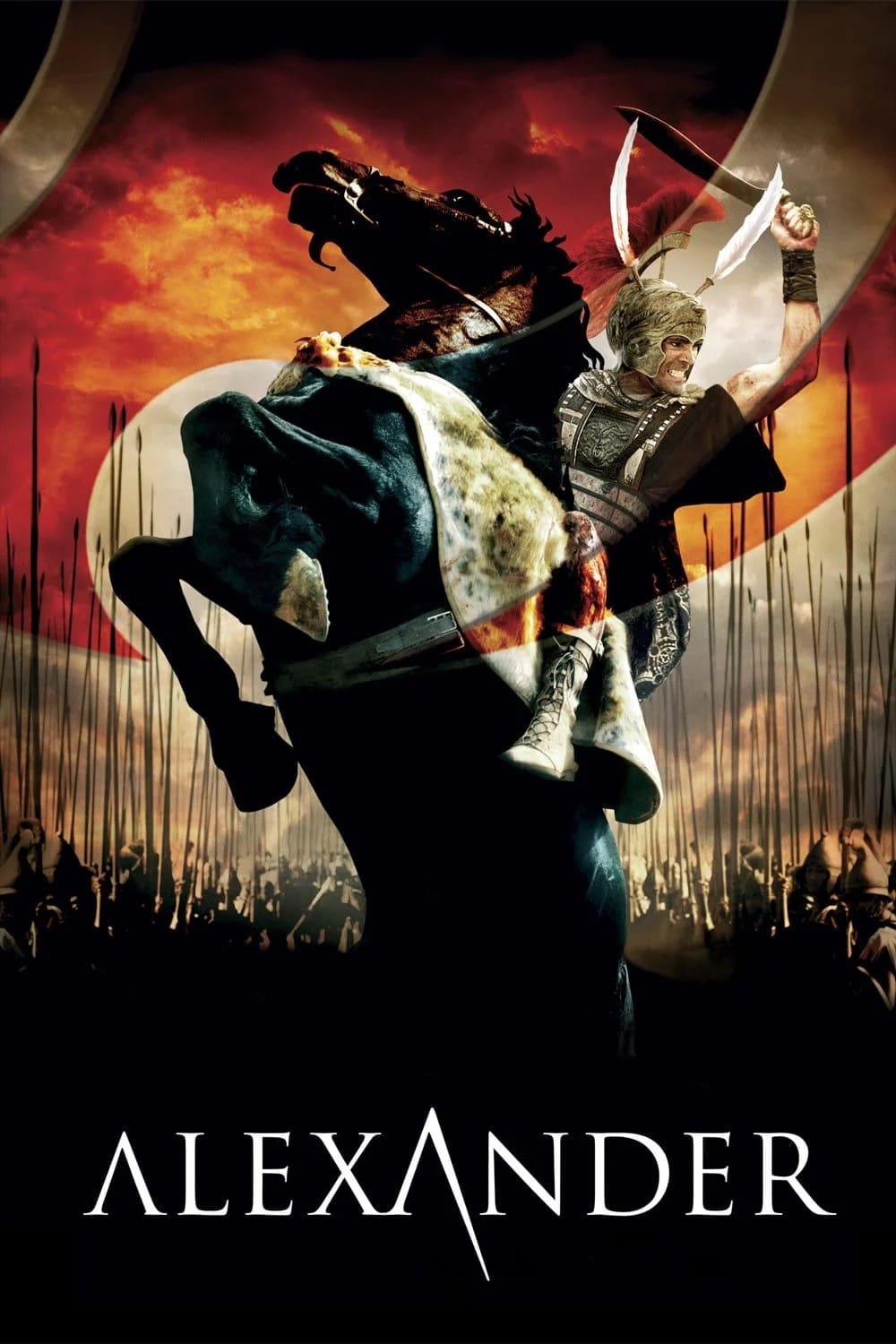
The historical epic ‘Alexander’ explores the life of Alexander the Great and his relationship with Hephaestion. While the film includes intimate scenes and dialogue that suggest a deep love it was still criticized for being too timid. Some viewers felt the movie tried to balance the historical reality of his sexuality with the expectations of a mainstream action audience. The backlash from conservative groups led to the film being a controversial topic upon its release. This resulted in several different versions of the film being edited and released over the years.
‘Atomic Blonde’ (2017)
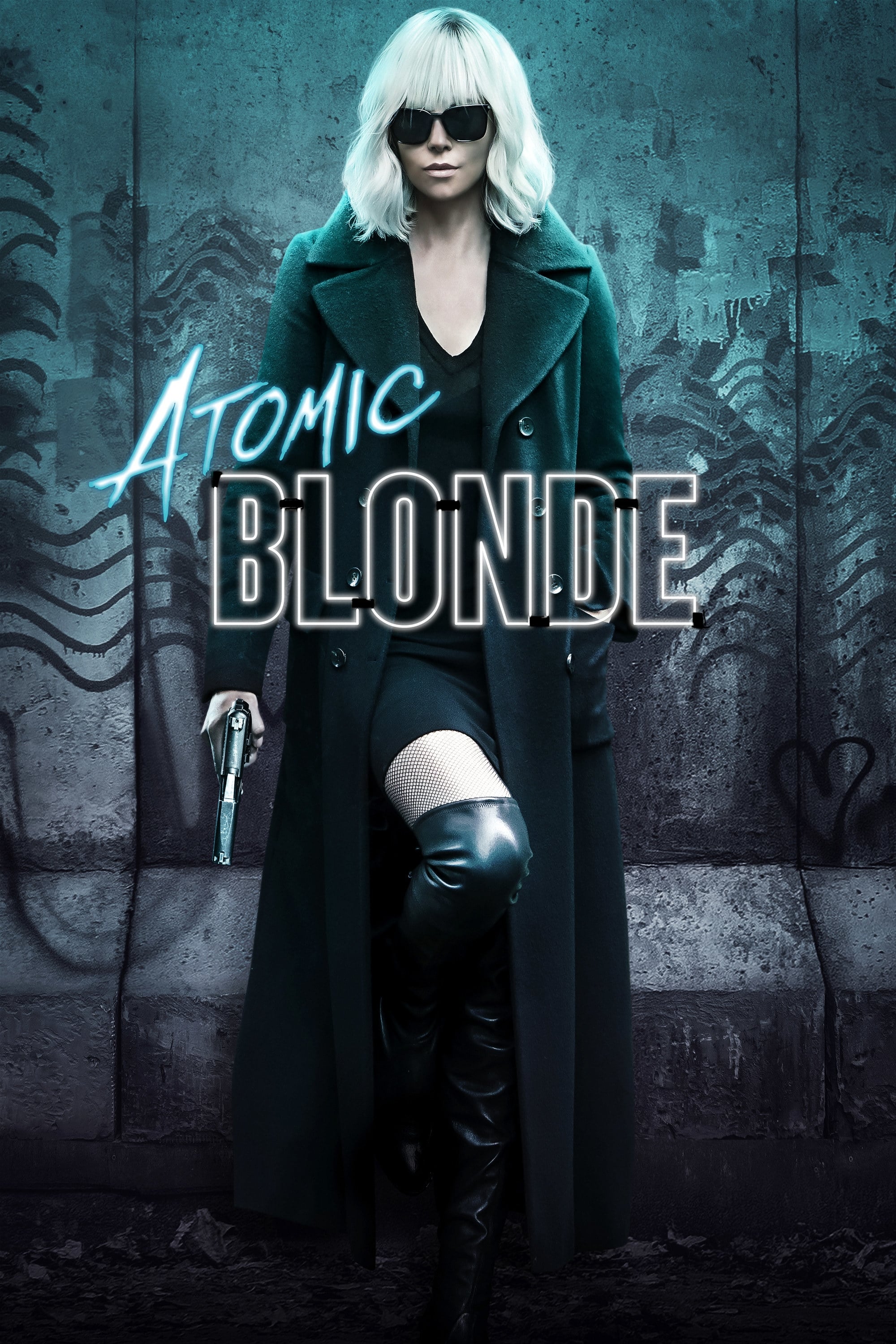
In ‘Atomic Blonde’ the protagonist Lorraine Broughton has a romantic and sexual encounter with another female spy named Delphine. While the scene is explicit the relationship ends tragically when Delphine is killed. This narrative choice was criticized for following the bury your gays trope where queer characters are often killed off. Some critics felt the relationship was used more for style and shock value than for character development. The film focuses much more on the high octane action sequences than the emotional fallout of the romance.
‘Jungle Cruise’ (2021)

The character MacGregor Houghton has a coming out scene in ‘Jungle Cruise’ where he explains why he is loyal to his sister. He describes how he was rejected by his community and family for his romantic preferences. He never uses the word gay but the meaning is clear to the audience. This scene was a rare moment of vulnerability in an otherwise lighthearted adventure film. However some critics felt that the dialogue was written in a way that could be easily ignored by disinterested viewers.
‘The Old Guard’ (2020)
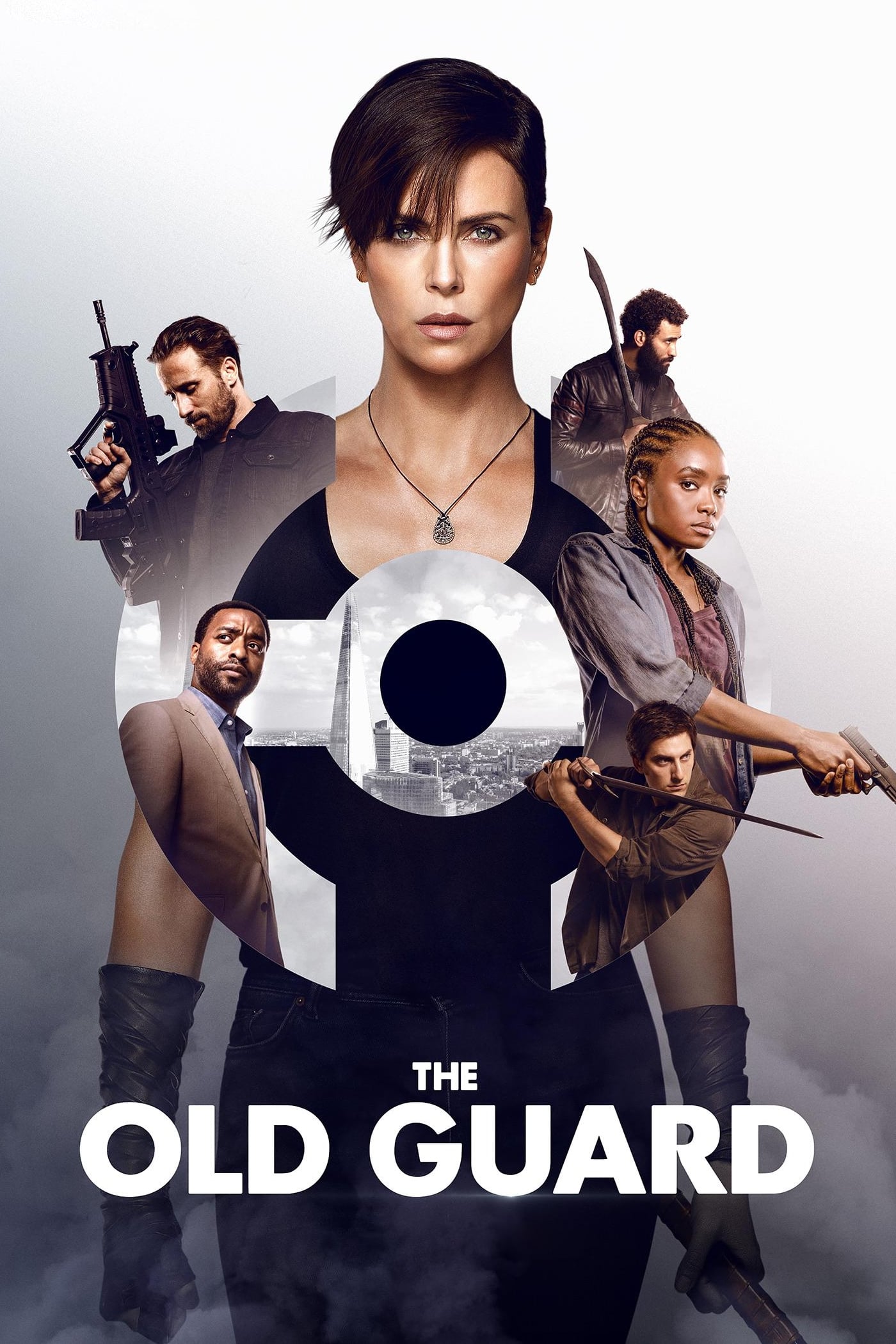
‘The Old Guard’ features Joe and Nicky who are two immortal warriors and a devoted couple. The film includes a scene where they are captured and Joe delivers a powerful speech about his love for Nicky. Unlike many other blockbusters this movie keeps their relationship central to their character motivations. The representation was widely praised for being explicit and unapologetic. It stands as an example of how a mainstream action movie can successfully integrate queer characters into the core plot.
‘The Little Mermaid’ (2023)

The live action ‘The Little Mermaid’ faced some discussion regarding the character of Ursula and her drag influences. The original character was famously inspired by the drag queen Divine. While the new film pays homage to the aesthetic it does not lean into any queer subtext for the character. Some fans hoped for a more explicit nod to the character’s origins within the LGBTQ+ community. The film ultimately stayed very close to the traditional family friendly formula of the original animation.
‘Luca’ (2021)
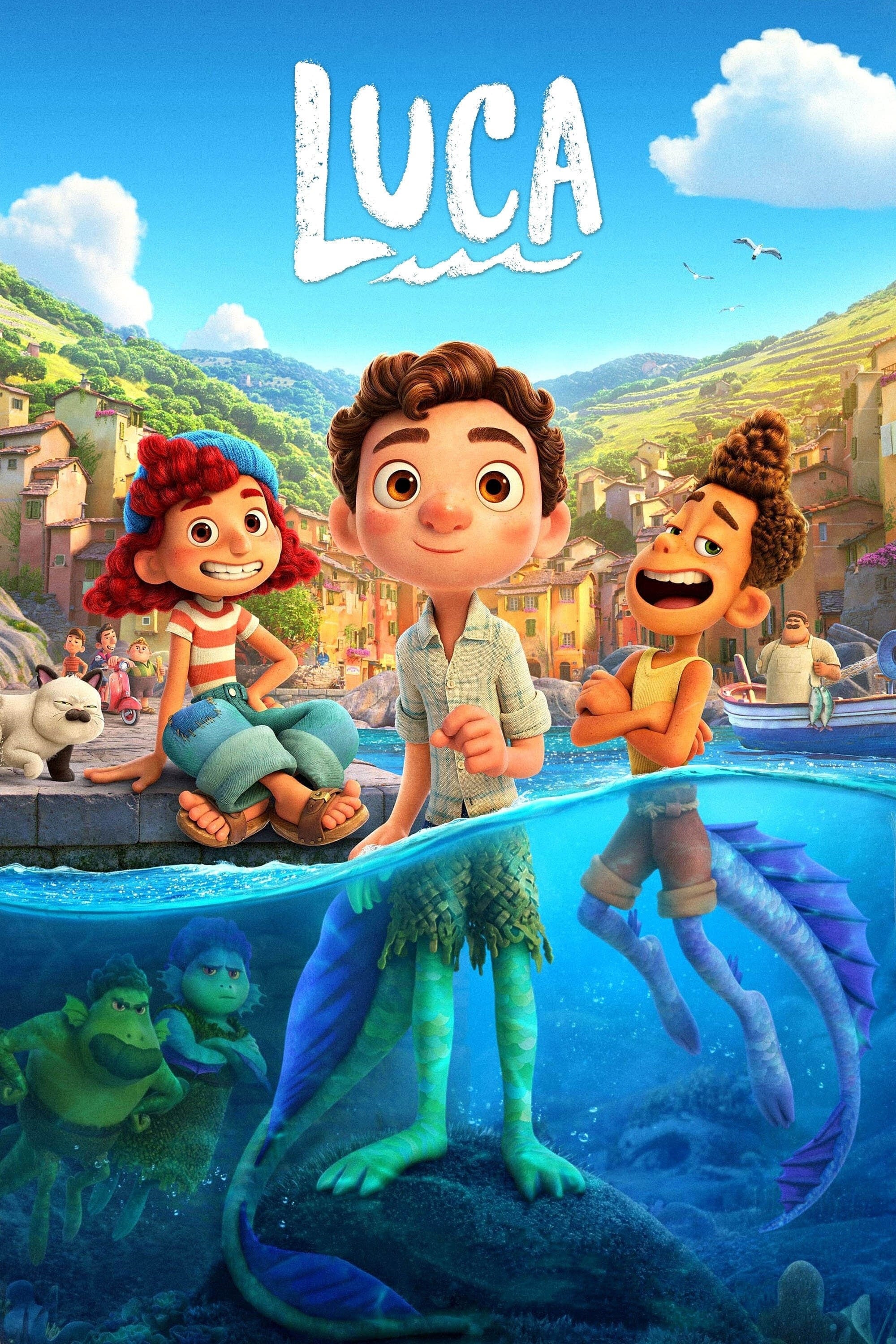
The animated film ‘Luca’ tells the story of two young sea monsters who hide their identities to live among humans. Many viewers interpreted the story as a metaphor for the queer experience of coming out. The director stated that the film was intended to be about platonic friendship rather than romance. This led to a debate about whether the studio was intentionally using queer coding to appeal to diverse audiences without confirming a gay character. The lack of an explicit romantic arc left many fans feeling the representation was only subtextual.
‘Turning Red’ (2022)
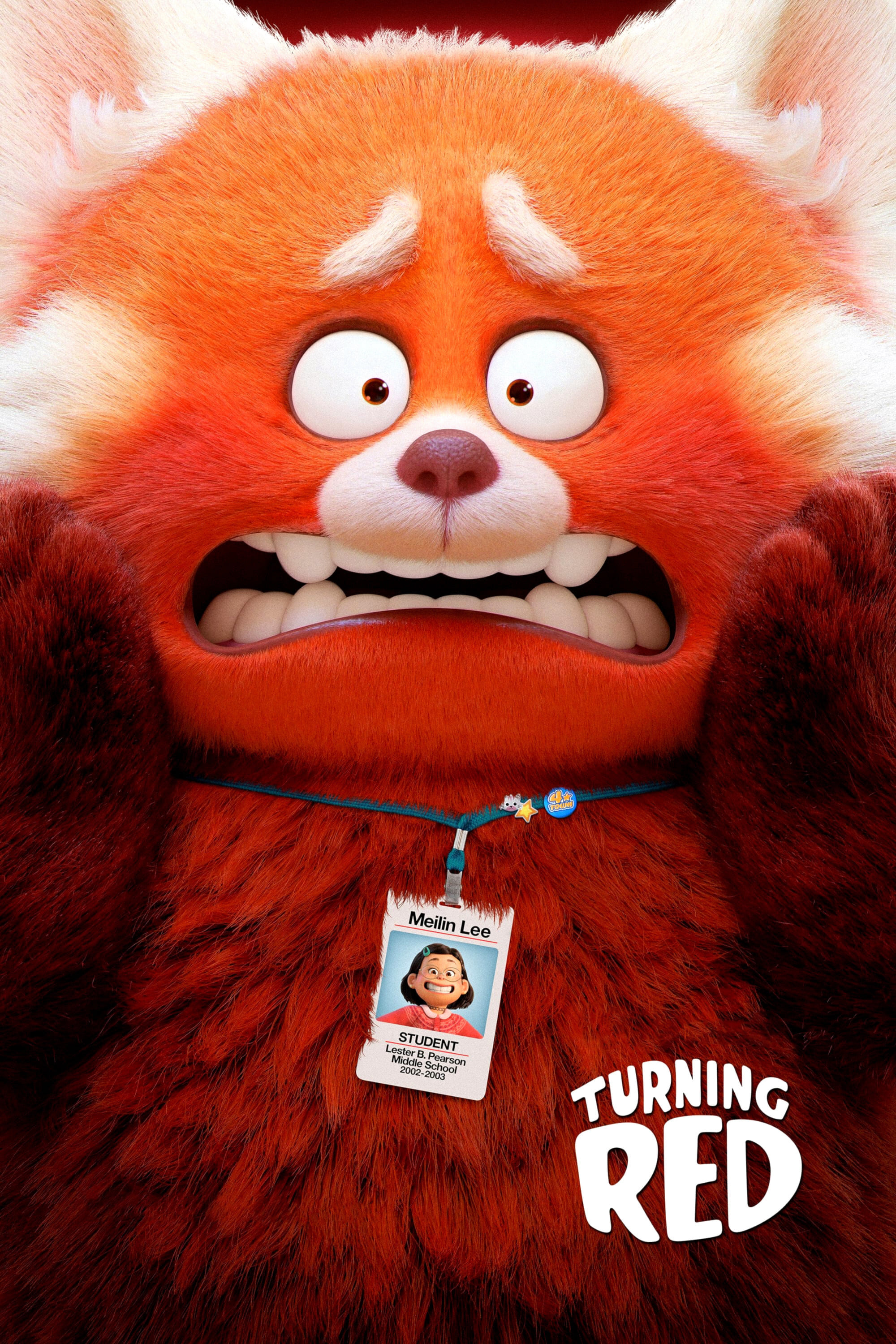
‘Turning Red’ features a character named Tyler who some fans theorized was queer based on his behavior and interests. There were also background characters who appeared to be a same sex couple at a party. The film focuses primarily on the theme of puberty and mother daughter relationships. While the movie was praised for its diversity the queer representation remained in the background. Critics often point to these small details as a way for studios to satisfy modern audiences without taking risks.
‘Toy Story 4’ (2019)
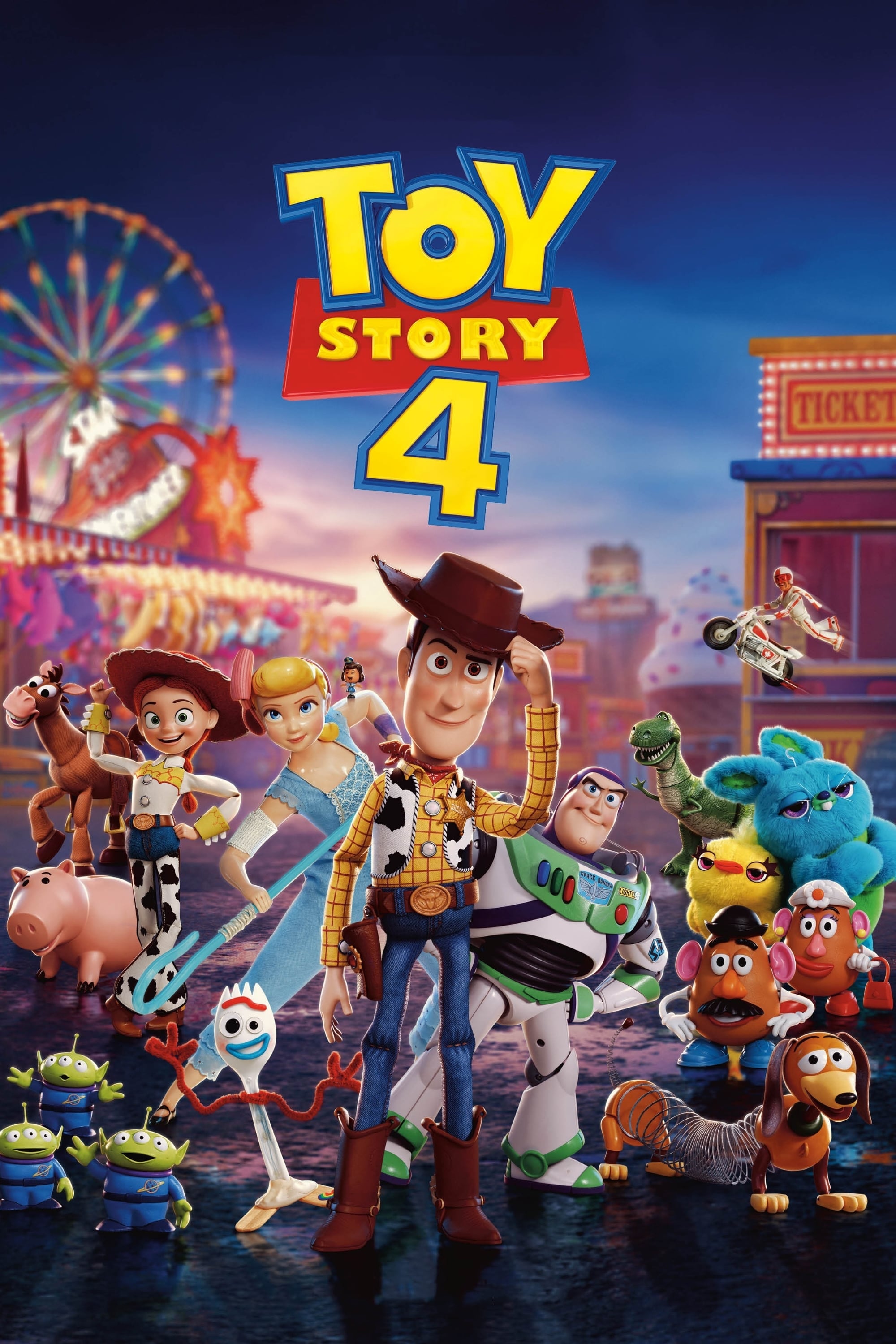
In ‘Toy Story 4’ there is a very brief scene in the background showing two mothers dropping their child off at school. This moment is so quick that many viewers did not notice it during their first viewing. It was celebrated by some as a natural way to show diverse families in a children’s movie. Others argued that such a fleeting moment is not a substitute for actual queer characters with dialogue. The inclusion did not affect the plot or the main cast of toys.
‘Finding Dory’ (2016)
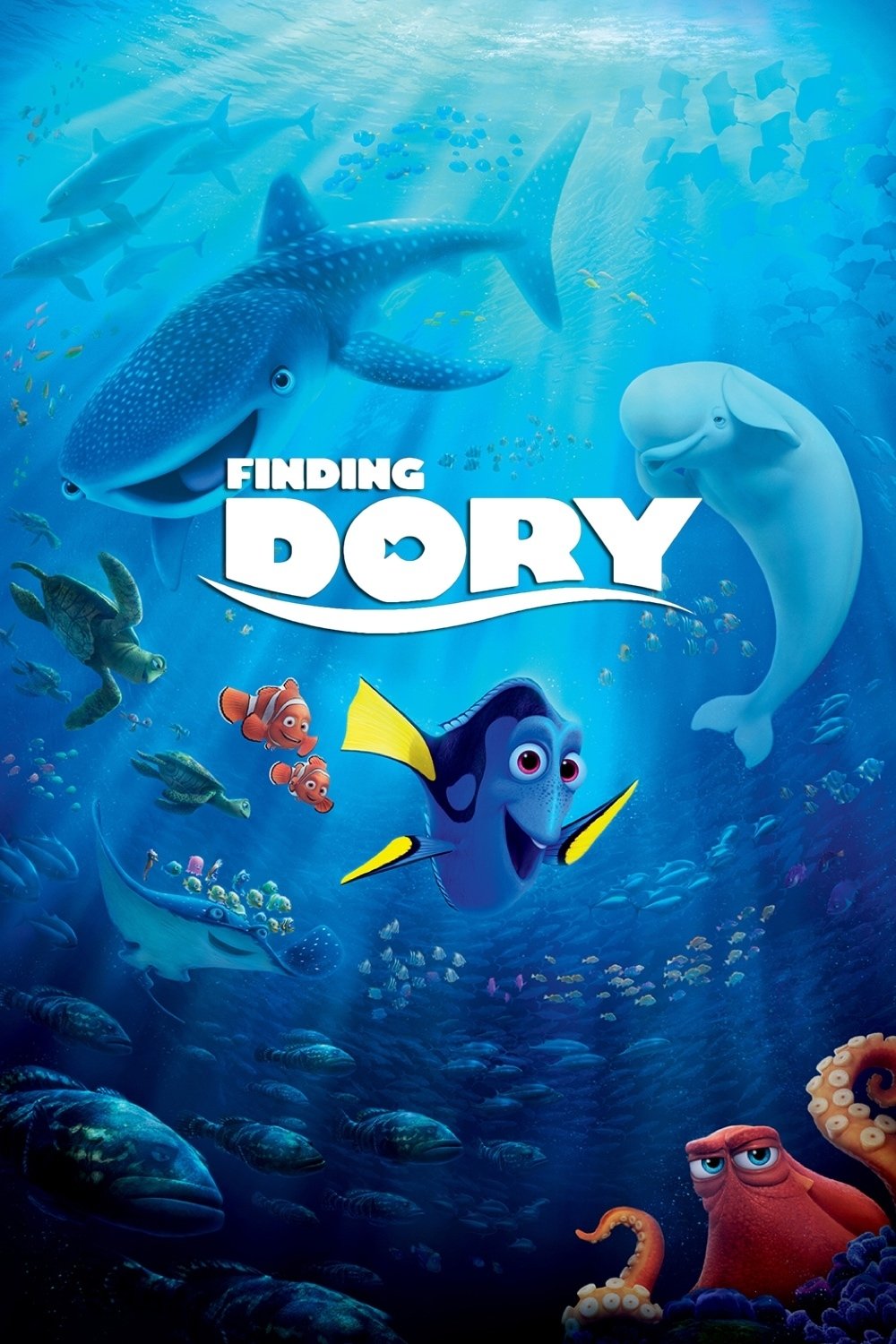
The trailer for ‘Finding Dory’ sparked a massive online debate when it appeared to show a lesbian couple in a park. When the film was released the scene was very short and the relationship between the two women was never confirmed. The director later stated that they could be whatever the audience wanted them to be. This ambiguity was seen by some as a way to avoid the controversy that an official confirmation would bring. It remains a key example of how trailers can sometimes overpromise on diversity.
‘The Legend of Tarzan’ (2016)
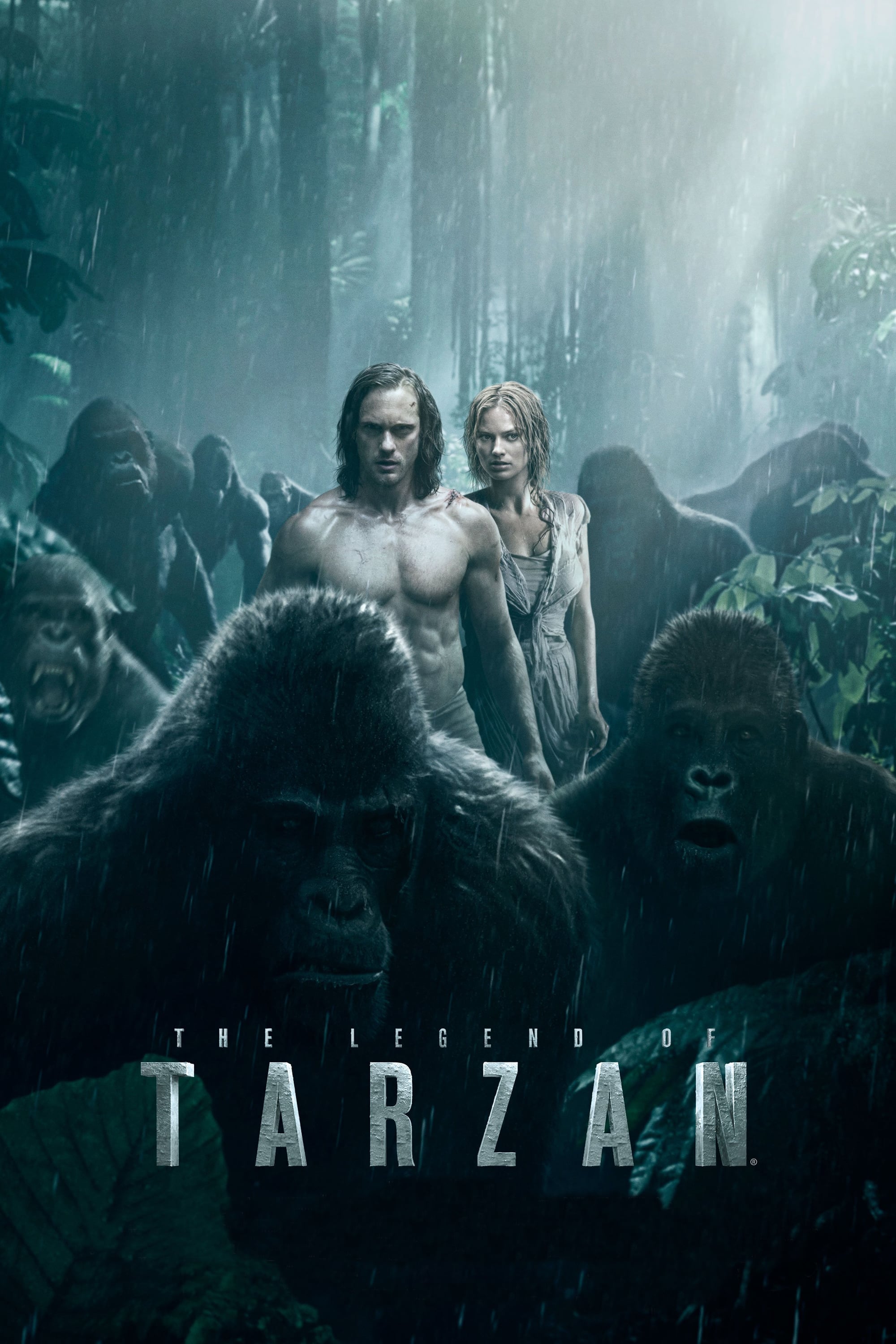
A scene was reportedly filmed for ‘The Legend of Tarzan’ that involved a kiss between Tarzan and the villain played by Christoph Waltz. The director decided to cut the scene because he felt it was too confusing for the audience. He explained that the moment happened while Tarzan was unconscious and was meant to show the villain’s eccentric nature. Some critics felt that removing the scene was a missed opportunity to subvert expectations in a traditional adventure story. The final version of the film contains no queer elements.
‘Interview with the Vampire’ (1994)

The film ‘Interview with the Vampire’ explores the intense bond between the vampires Lestat and Louis. While the source material by Anne Rice is explicit about their romantic and sexual feelings the film keeps it largely ambiguous. The characters share a domestic life and raise a child together but their love is portrayed through a lens of gothic tragedy. Some fans of the books felt the movie played down the queer elements to appeal to a mid nineties mainstream audience. The relationship is often cited as a classic example of queer coding in horror.
‘Strange World’ (2022)
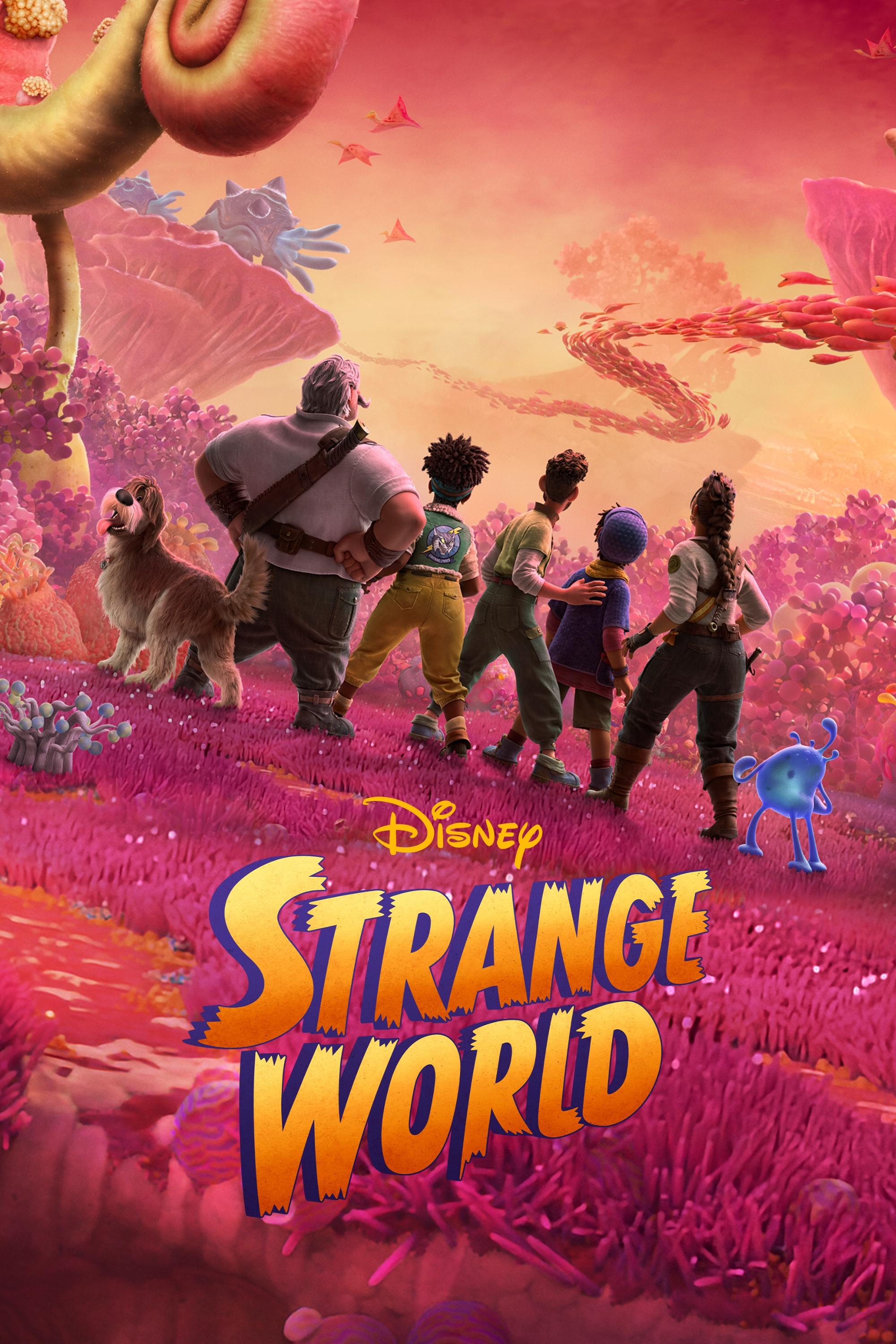
‘Strange World’ features Ethan Clade who is the first lead character in a Disney animated film to have an explicit gay crush. The film shows him being nervous around a boy he likes and his family is entirely supportive of his feelings. This was a major departure from previous films where queer identities were kept in the background. Despite the positive representation the film struggled at the box office and faced bans in some countries. This outcome is often discussed in the context of the risks studios take when centering queer stories.
‘Bros’ (2022)
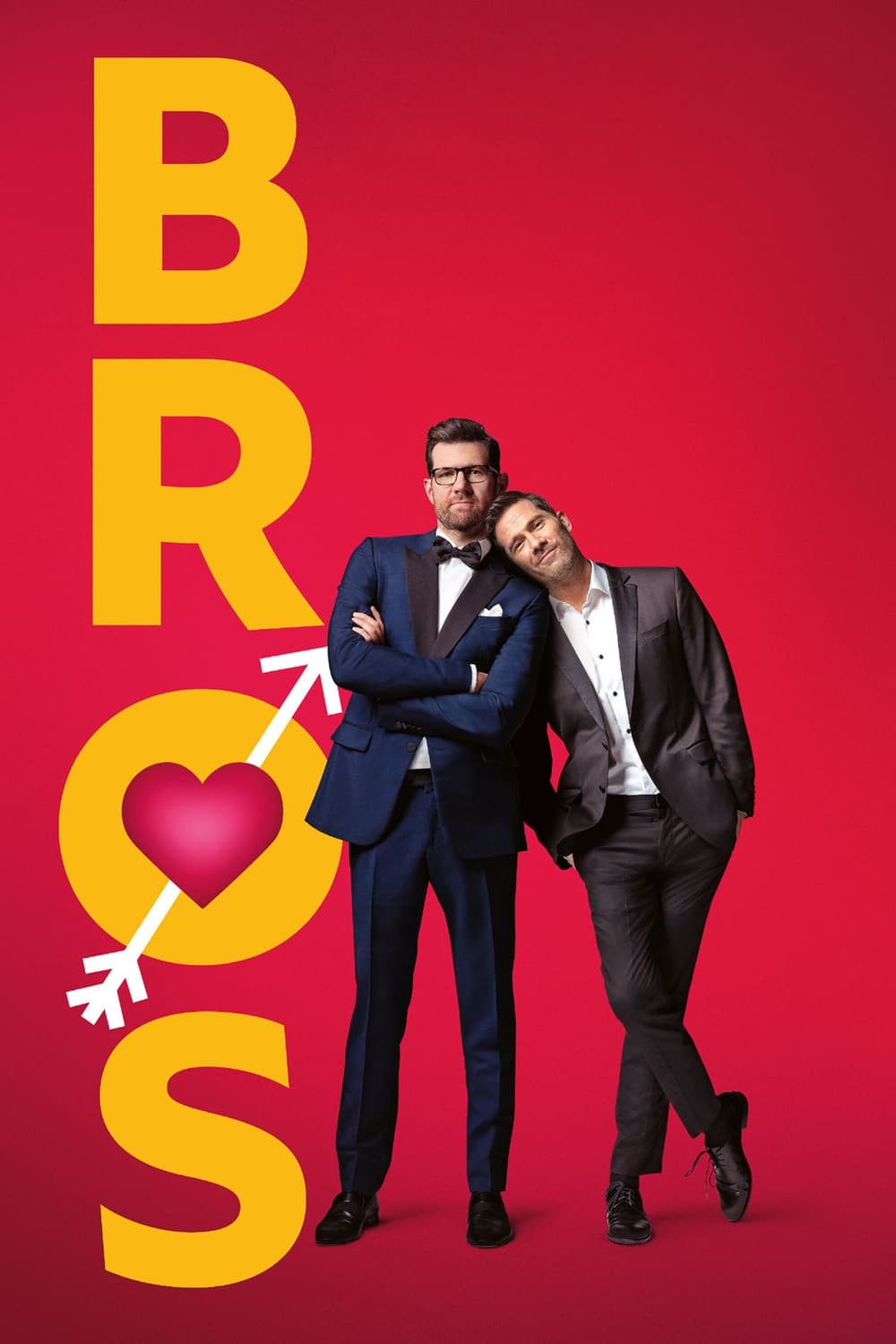
The romantic comedy ‘Bros’ was marketed as the first gay romcom from a major studio with an entirely LGBTQ+ principal cast. The film was explicit in its depiction of gay life and culture in modern New York. Despite receiving positive reviews from critics it did not perform as well as expected at the box office. The lead actor publicly discussed how difficult it is to get mainstream audiences to see queer stories in theaters. This situation highlighted the ongoing challenges of bringing gay characters to the center of commercial cinema.
‘Fire Island’ (2022)

‘Fire Island’ is a modern retelling of Pride and Prejudice set within a famous gay vacation destination. The film was released on a streaming platform rather than having a wide theatrical release. It was praised for its authentic portrayal of queer friendships and class dynamics. Some critics argued that films like this are often pushed to streaming services because studios are afraid they will not appeal to a general theatrical audience. This trend suggests a divide between what is considered mainstream and what is considered niche.
‘The Whale’ (2022)
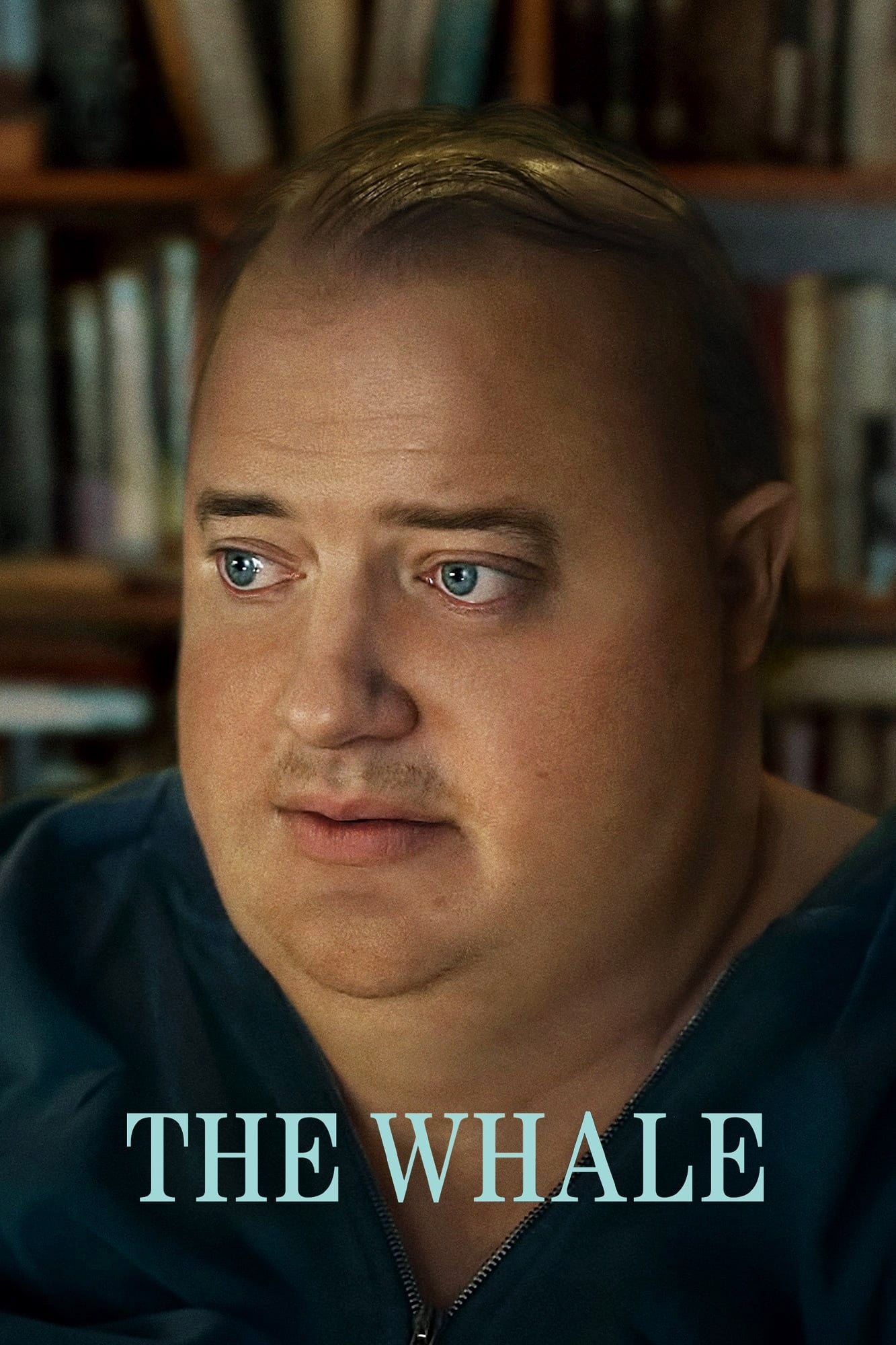
In ‘The Whale’ the protagonist Charlie is a man living with severe obesity who is mourning the death of his male partner. The relationship is the driving force behind his emotional state and his isolation. While the film centers on a gay man some critics felt the portrayal was overly focused on tragedy and pain. There were also discussions about whether the film used the queer backstory to add depth without exploring the joy of the character’s past. The movie won several awards but remained a subject of debate regarding its representation.
Please share your thoughts on these films and their representation of gay characters in the comments.