


Movies Accused Of Tokenizing Disabled Characters For Awards




The intersection of cinema and disability often sparks intense debate regarding representation and authenticity. Many films featuring characters with physical or mental impairments face criticism for using these traits as a shortcut to emotional resonance or critical acclaim. This phenomenon is frequently called inspiration porn because it tends to prioritize the comfort and enlightenment of nondisabled audiences. The following movies represent a collection of projects that have faced accusations of tokenizing disabled characters to secure major industry awards.
‘Johnny Belinda’ (1948)
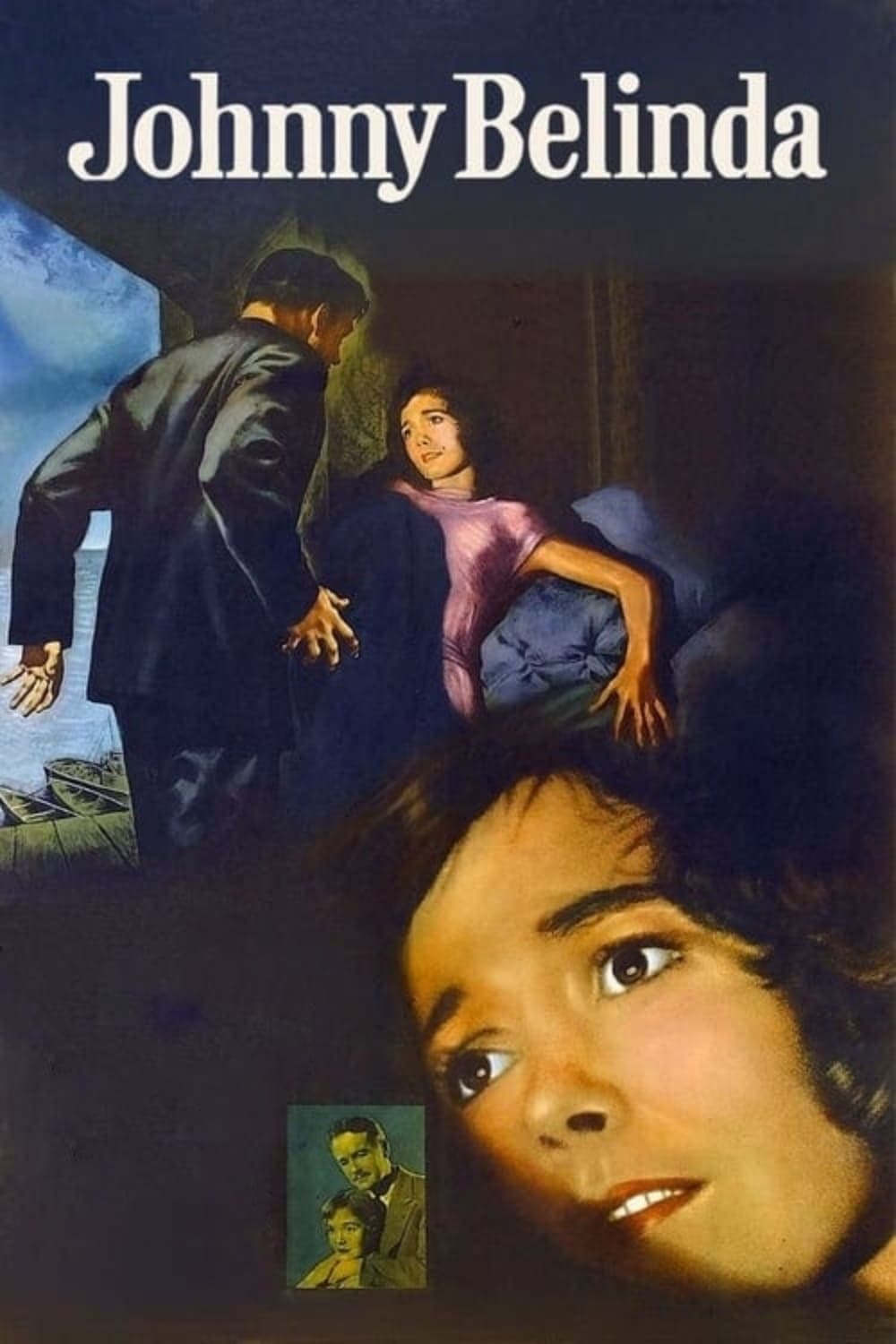
Jane Wyman portrays a deaf woman who lives in a remote farming community. She won an Academy Award for this performance even though she did not share the character’s disability. Critics have noted that the film uses her silence to create a sense of tragic vulnerability for the audience. This remains an early example of the industry rewarding nondisabled actors for playing disabled roles. The movie relies on a sentimental approach to disability that many find outdated.
‘The Miracle Worker’ (1962)

This film depicts the childhood of Helen Keller and her education under Anne Sullivan. While it is based on historical events it is often criticized for emphasizing physical struggle over internal character development. The performances are highly physical and earned several major industry awards. Some advocates argue that the portrayal leans into the trope of a miraculous breakthrough. It focuses heavily on the perspective of the teacher rather than the experience of the student.
‘One Flew Over the Cuckoo’s Nest’ (1975)

The story follows a criminal who feigns mental illness to serve his sentence in a psychiatric hospital. It depicts various residents with different mental health challenges as background characters or foils. The film swept the major Academy Award categories and is considered a cinematic masterpiece. However it has been accused of using mental illness as a metaphor for societal rebellion. This approach often ignores the actual medical realities of the patients depicted.
‘Coming Home’ (1978)
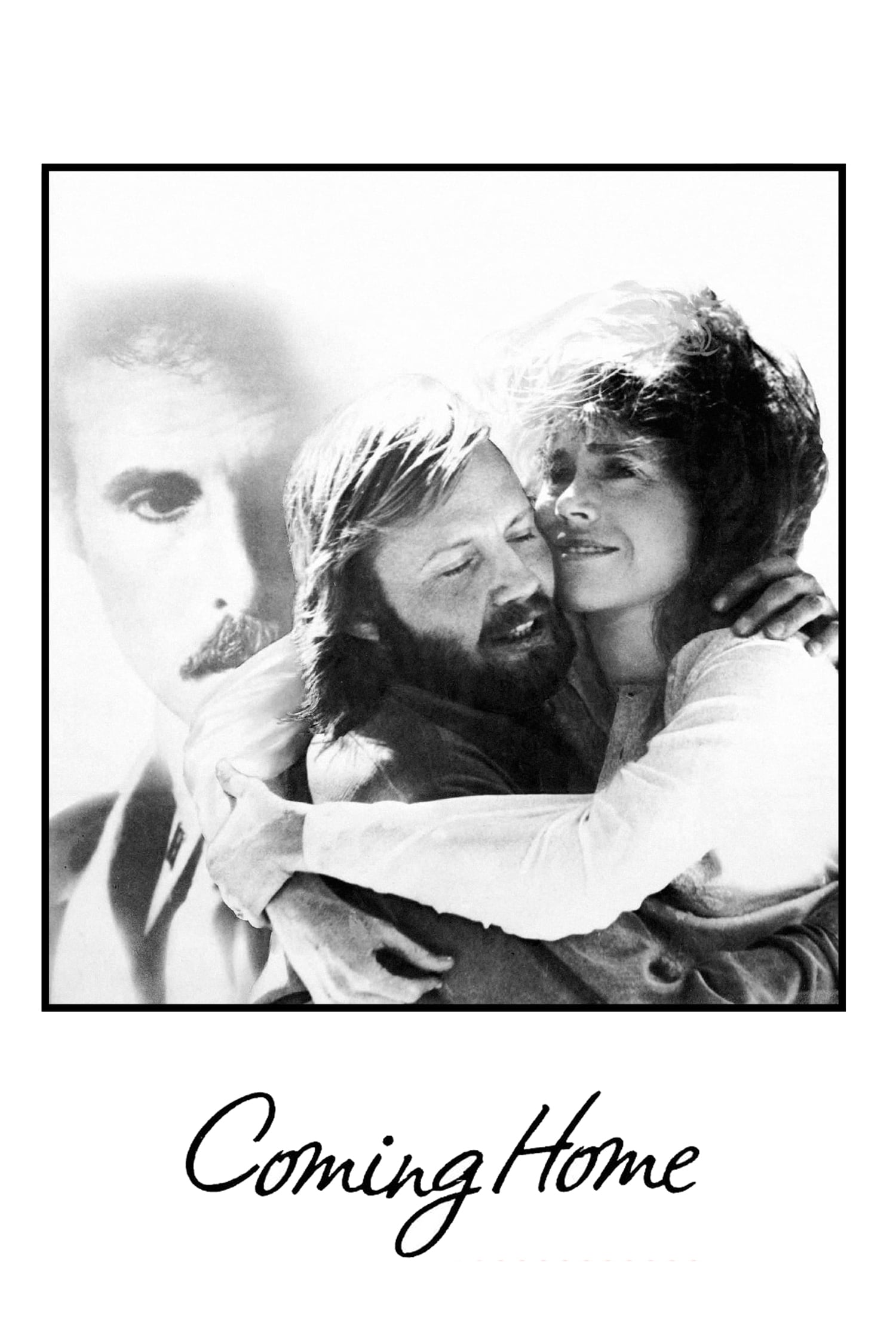
Jon Voight plays a veteran who uses a wheelchair due to a spinal cord injury sustained in the Vietnam War. He won the Academy Award for Best Actor for his portrayal of a man adjusting to life after combat. The film explores his relationship with a volunteer played by Jane Fonda. Critics sometimes argue that the disability serves primarily as a vehicle for anti war messaging. This usage often frames the disabled body as a symbol of national trauma.
‘The Elephant Man’ (1980)
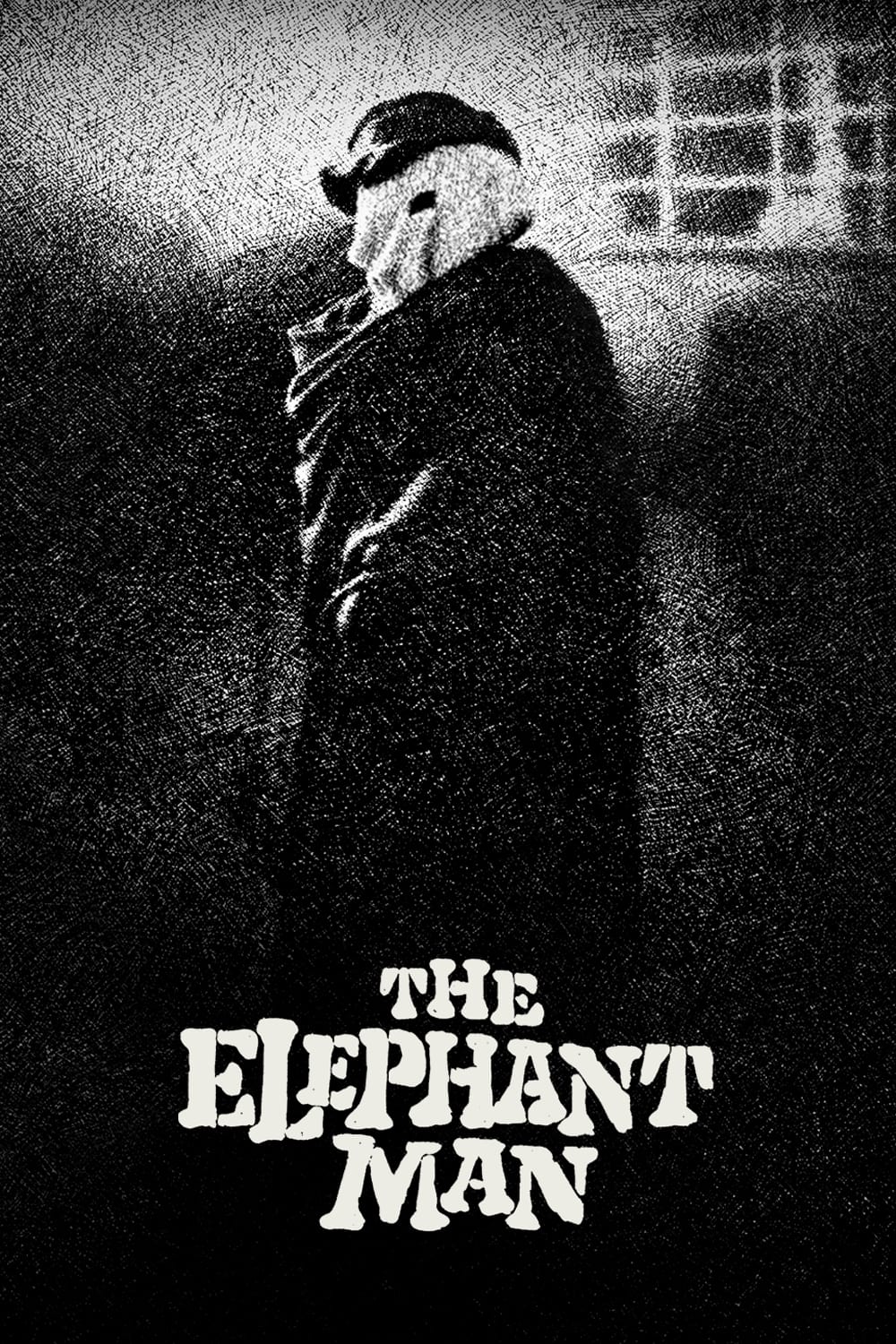
John Hurt portrays Joseph Merrick in a heavily prosthetic performance about a man with severe physical deformities. The movie focuses on the cruelty of Victorian society and the kindness of a doctor. It received many award nominations for its technical achievements and acting. Some reviewers suggest the film positions the protagonist as a tragic figure meant to inspire pity. This dynamic is a common criticism in films about significant physical differences.
‘Mask’ (1985)

Eric Stoltz plays a teenager with a rare bone disorder that causes facial disfigurement. The film follows his attempt to live a normal life while dealing with societal prejudice. It earned critical acclaim and a prize at the Cannes Film Festival. Advocates often point out that a nondisabled actor was cast to play the role. This decision is frequently cited in discussions about the lack of authentic casting in Hollywood.
‘Children of a Lesser God’ (1986)
Marlee Matlin won an Academy Award for her role as a deaf woman working at a school for the hearing impaired. Unlike many other films on this list it features a performer who actually has the disability being portrayed. However some critics argue the plot still revolves around a hearing man’s attempt to change her. The central conflict focuses on communication barriers as a romantic obstacle. It remains a landmark film despite debates over its narrative structure.
‘Rain Man’ (1988)
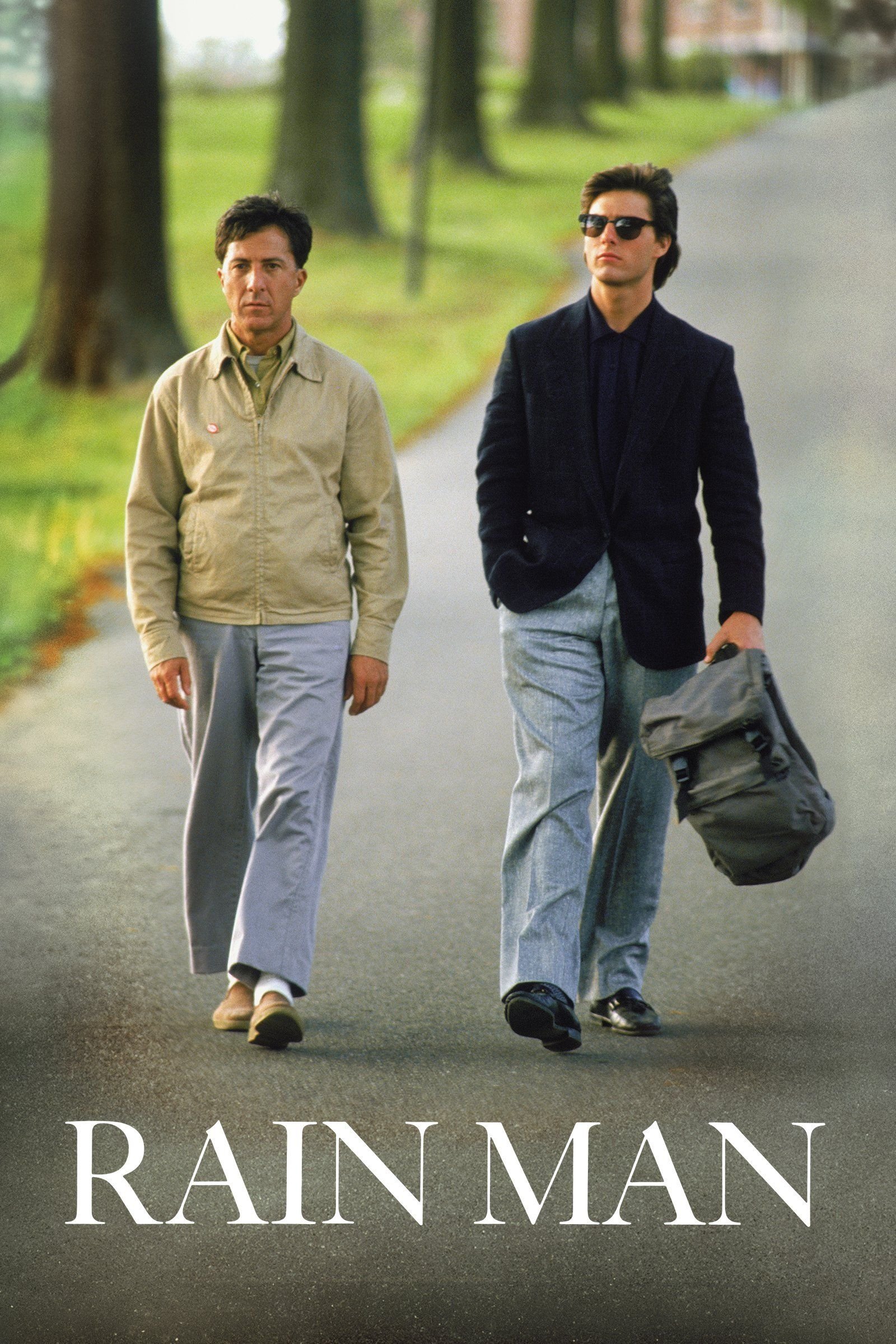
Dustin Hoffman stars as an autistic savant with incredible mathematical abilities. The movie won several Academy Awards including Best Picture and Best Actor. It significantly shaped public perception of autism for decades after its release. Critics frequently argue that the character is treated more like a plot device than a fully realized person. This portrayal helped solidify the stereotype of the autistic savant in mainstream media.
‘Born on the Fourth of July’ (1989)

Tom Cruise plays Ron Kovic who was a veteran that became a paralyzed activist after the Vietnam War. He received an Academy Award nomination for his intense physical performance in the movie. The story uses his injury as the catalyst for his political awakening. Critics have observed that his wheelchair use is often framed as a tragic loss of masculinity. This remains a common theme in war films featuring disabled veterans.
‘Awakenings’ (1990)
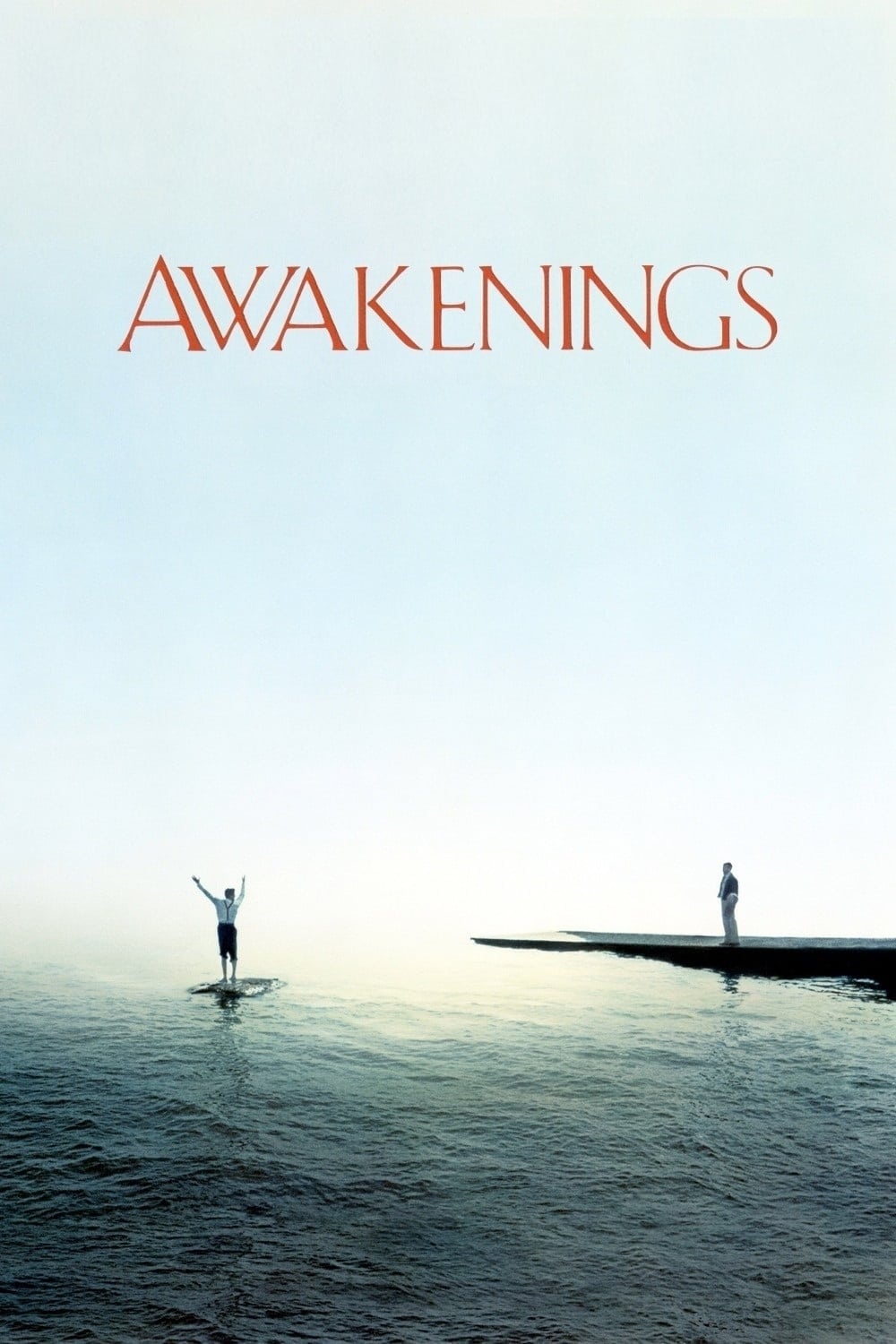
Robert De Niro plays a catatonic patient who briefly regains consciousness after a new medical treatment. The film is based on a true story but was criticized for its dramatic flourishes. It earned several nominations during the awards season. Some reviewers believe the film treats the patients as objects of wonder for the medical staff. The focus remains heavily on the perspective of the doctor played by Robin Williams.
‘Scent of a Woman’ (1992)
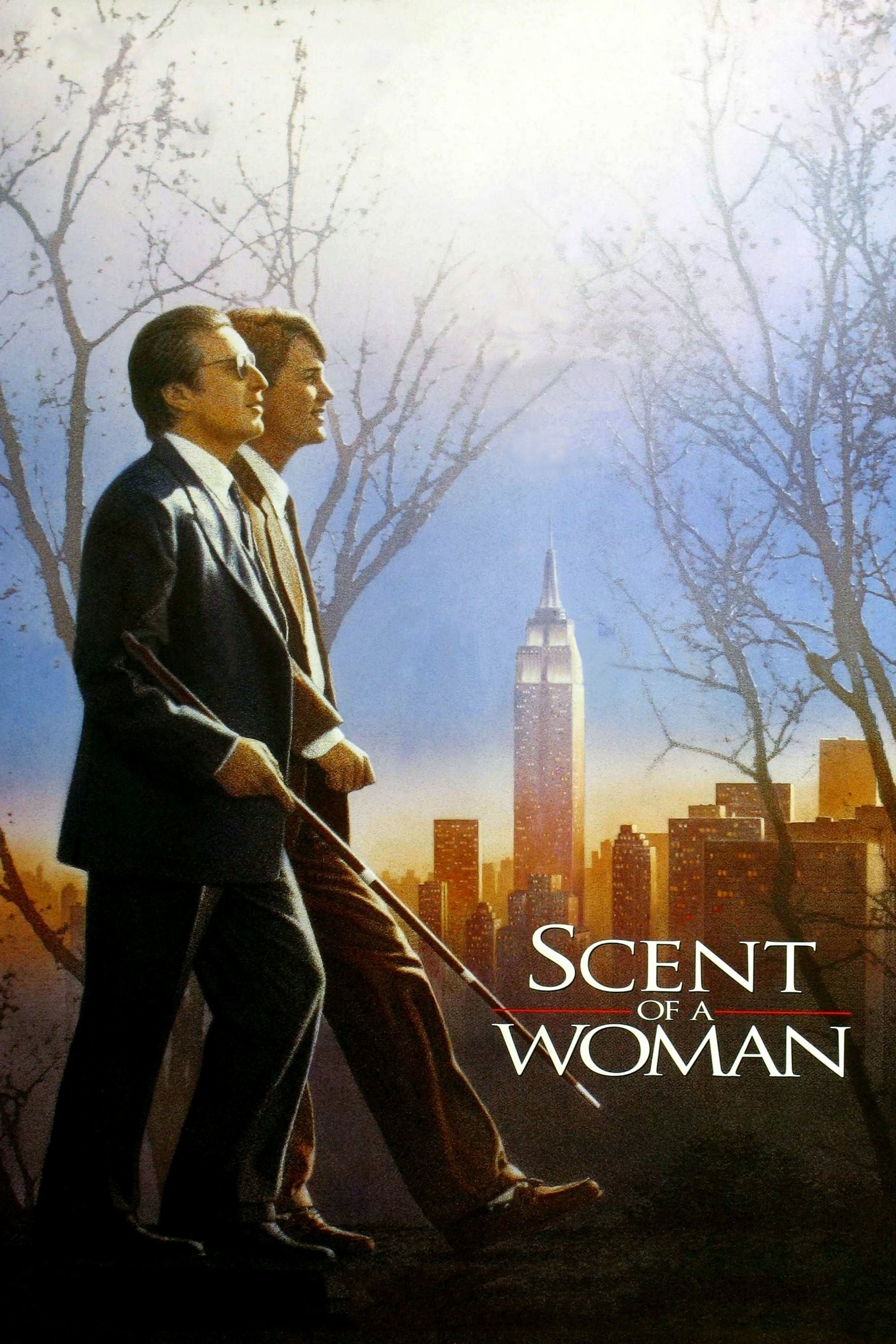
Al Pacino won an Academy Award for playing a retired blind soldier with a volatile personality. The movie follows him as he embarks on a final weekend of luxury in New York City. His disability is often used to showcase his heightened senses and tragic background. Critics argue that the character is more of a caricature than an authentic representation of blindness. This film is frequently cited as a primary example of award bait acting.
‘Of Mice and Men’ (1992)

John Malkovich portrays Lennie Small a man with an intellectual disability in this literary adaptation. The story highlights his dependence on his friend George during the Great Depression. Many critics find the portrayal to be a collection of stereotypes about people with cognitive impairments. The character’s lack of agency serves the tragic arc of the narrative. This film often appears in discussions about the problematic representation of mental disability in classics.
‘What’s Eating Gilbert Grape’ (1993)
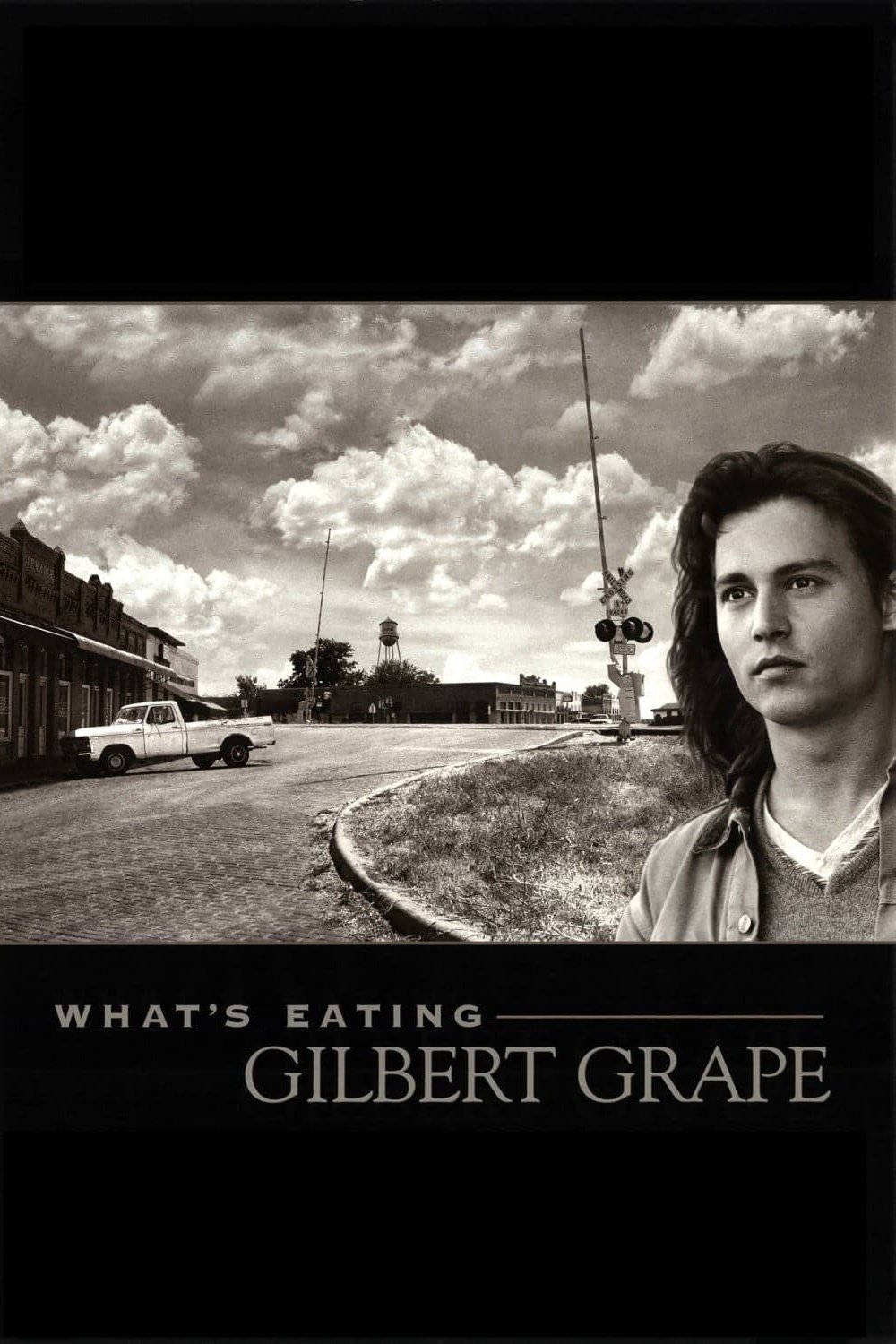
Leonardo DiCaprio received an Academy Award nomination for his role as a teenager with an intellectual disability. The performance was praised for its realism but faced criticism for being another example of a nondisabled actor in a disabled role. His character primarily serves to create obstacles for the protagonist played by Johnny Depp. Many advocates feel the role relies on exaggerated mannerisms for emotional impact. This dynamic is a frequent topic in disability studies regarding cinema.
‘Philadelphia’ (1993)
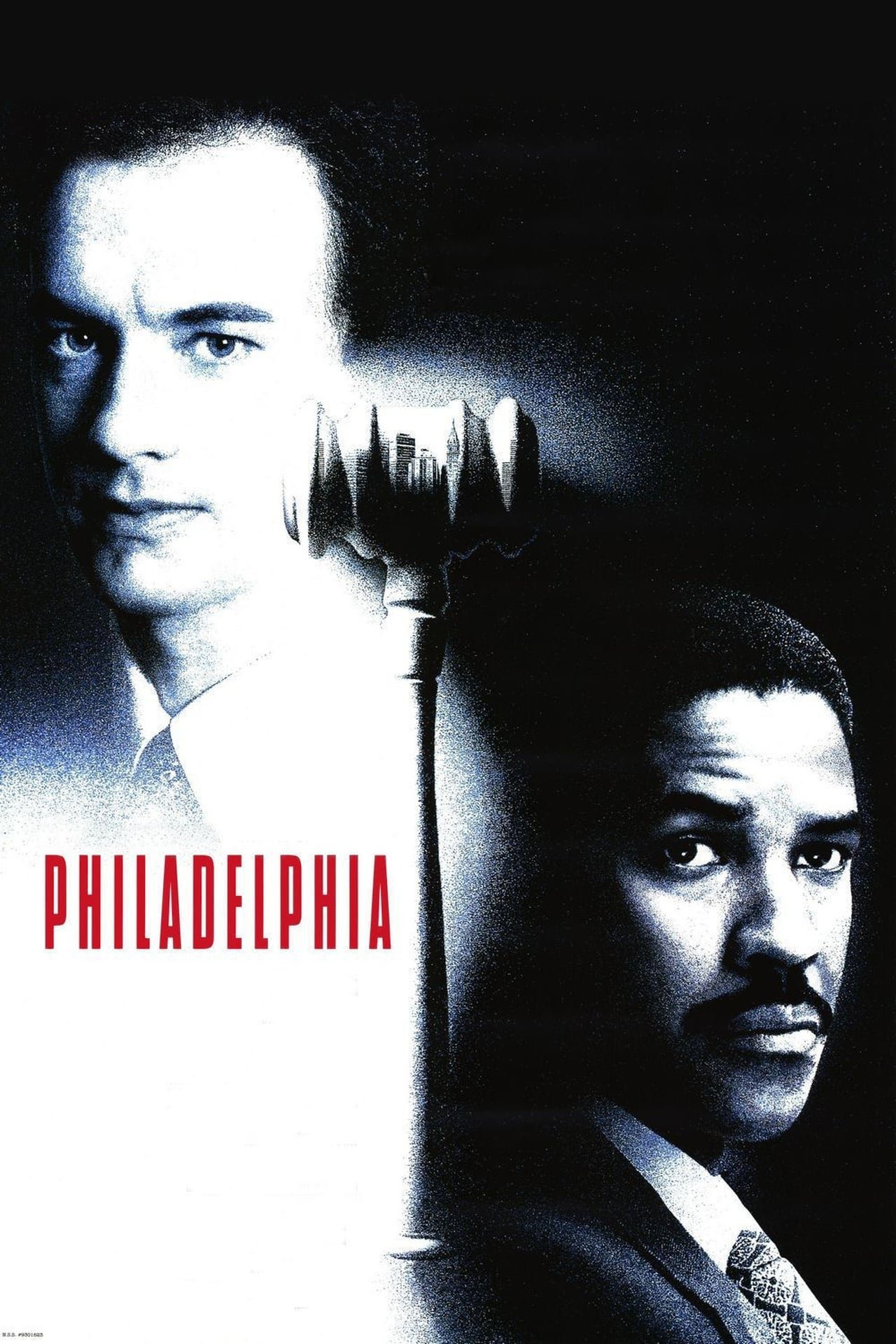
Tom Hanks plays a lawyer who is fired after his employers discover he has AIDS. He won an Academy Award for a role that involved a significant physical transformation. The film was a major milestone for bringing the AIDS crisis to mainstream audiences. However it has been criticized for making the protagonist a saintly figure who suffers for the education of others. This approach is often seen as tokenizing a medical condition for a moral lesson.
‘Forrest Gump’ (1994)
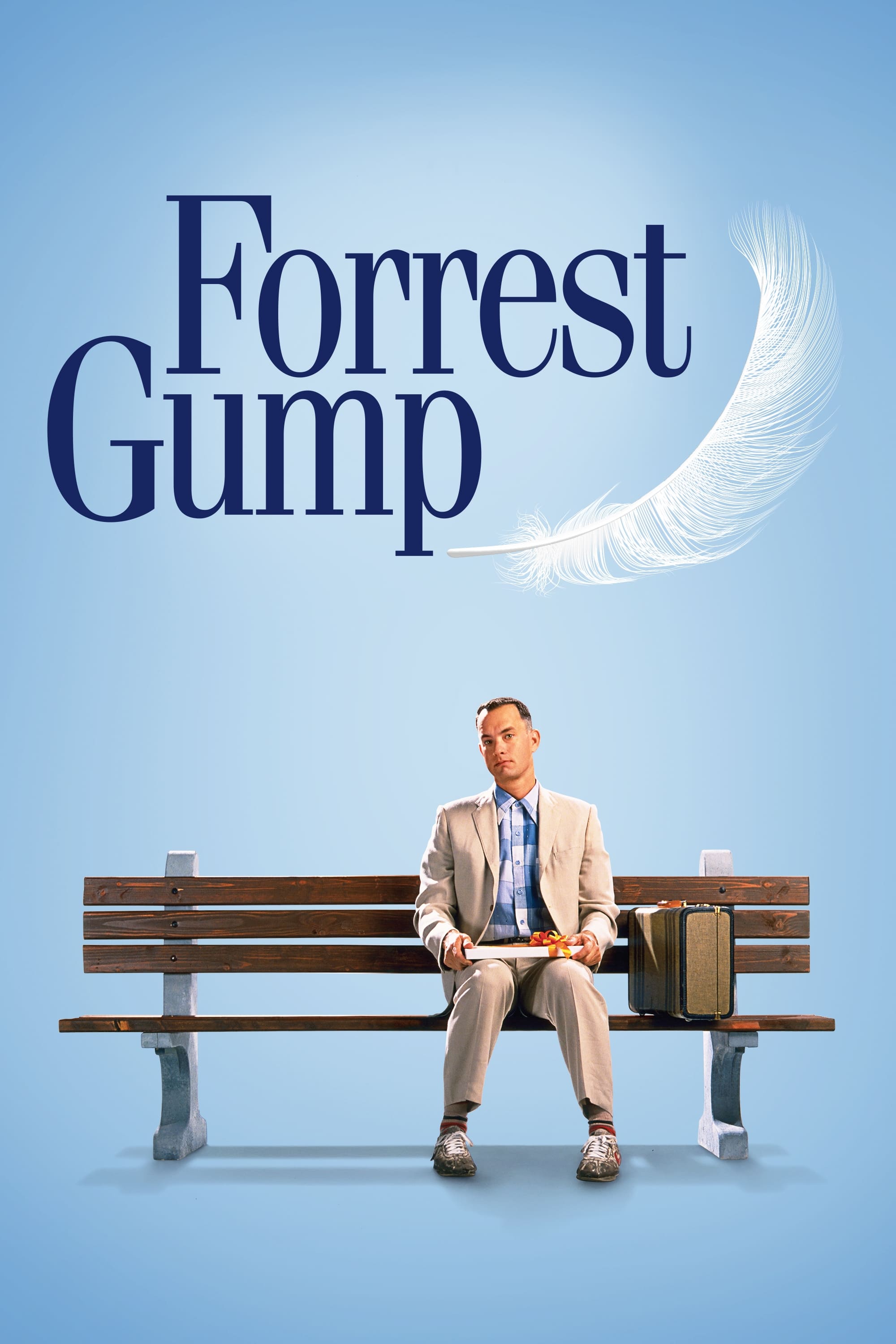
Tom Hanks won his second consecutive Academy Award for playing a man with a low intelligence quotient. The film follows his accidental presence at several historical events throughout the twentieth century. Many critics argue the character is a blank slate meant to reflect the desires of the audience. The narrative suggests that his success comes from his inability to understand the world around him. This portrayal has been labeled by some as a patronizing view of intellectual disability.
‘Nell’ (1994)
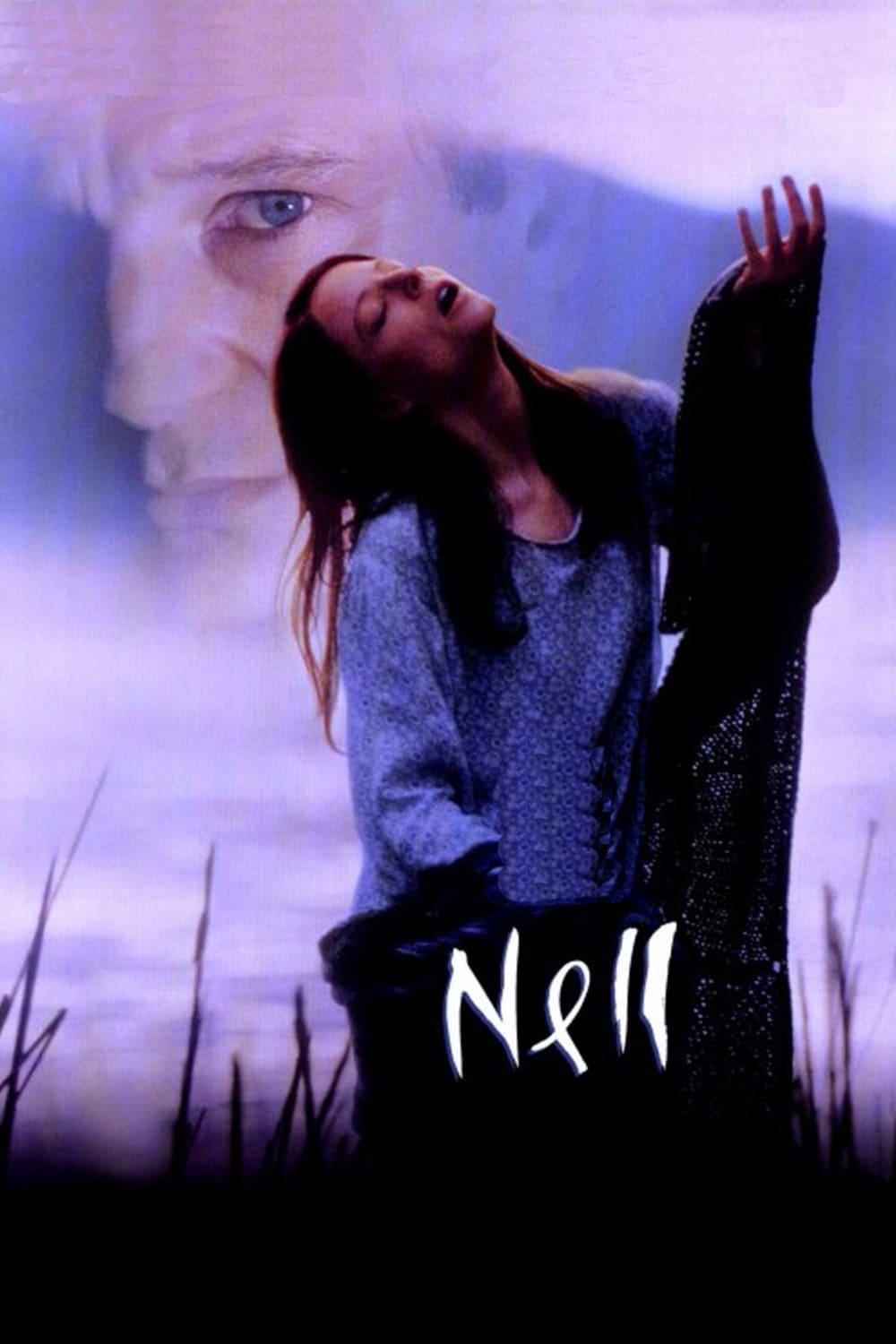
Jodie Foster stars as a woman who was raised in isolation and developed her own language. She received an Academy Award nomination for the role which required intense physical and vocal changes. The story focuses on the attempts of doctors to study her and integrate her into society. Some critics find the characterization to be an exoticized version of neurodivergence. It follows the trope of the wild person who possesses a pure spirit.
‘Shine’ (1996)
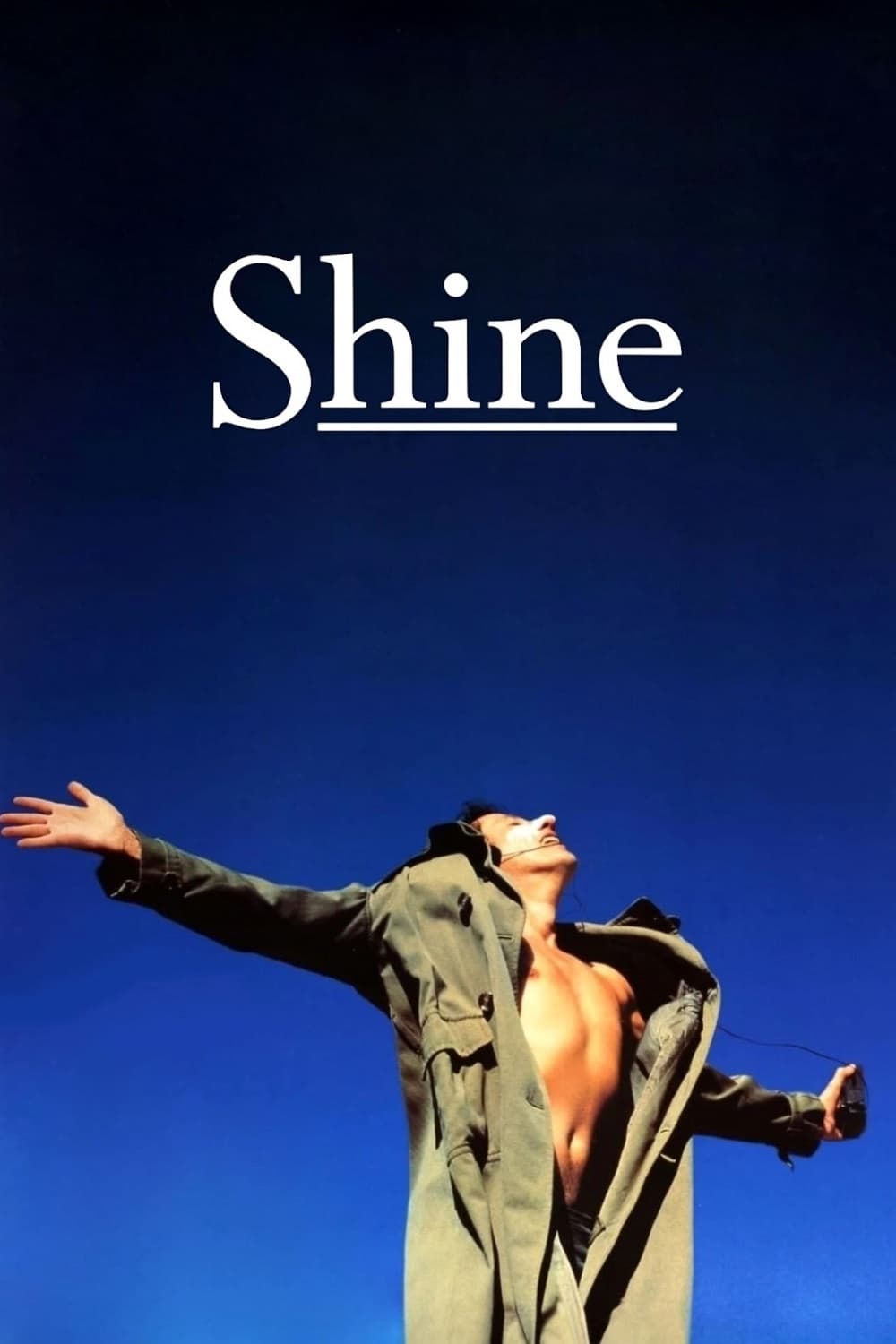
Geoffrey Rush portrays David Helfgott a pianist who experiences a mental breakdown. He won an Academy Award for the performance which depicts his struggle with institutionalization and recovery. The film uses his mental health challenges to create a narrative of a tortured genius. Critics have noted that this trope often overshadows the reality of living with such conditions. The movie received criticism for taking creative liberties with the real life of the musician.
‘Sling Blade’ (1996)

Billy Bob Thornton wrote and starred in this film about a man with an intellectual disability released from a psychiatric hospital. He received an Academy Award nomination for his portrayal of Karl Childers. The character is defined by his distinct speech patterns and violent past. Some reviewers argue that the film uses disability to create a Southern Gothic archetype. This portrayal has been criticized for being a stereotypical depiction of cognitive impairment.
‘The Other Sister’ (1999)
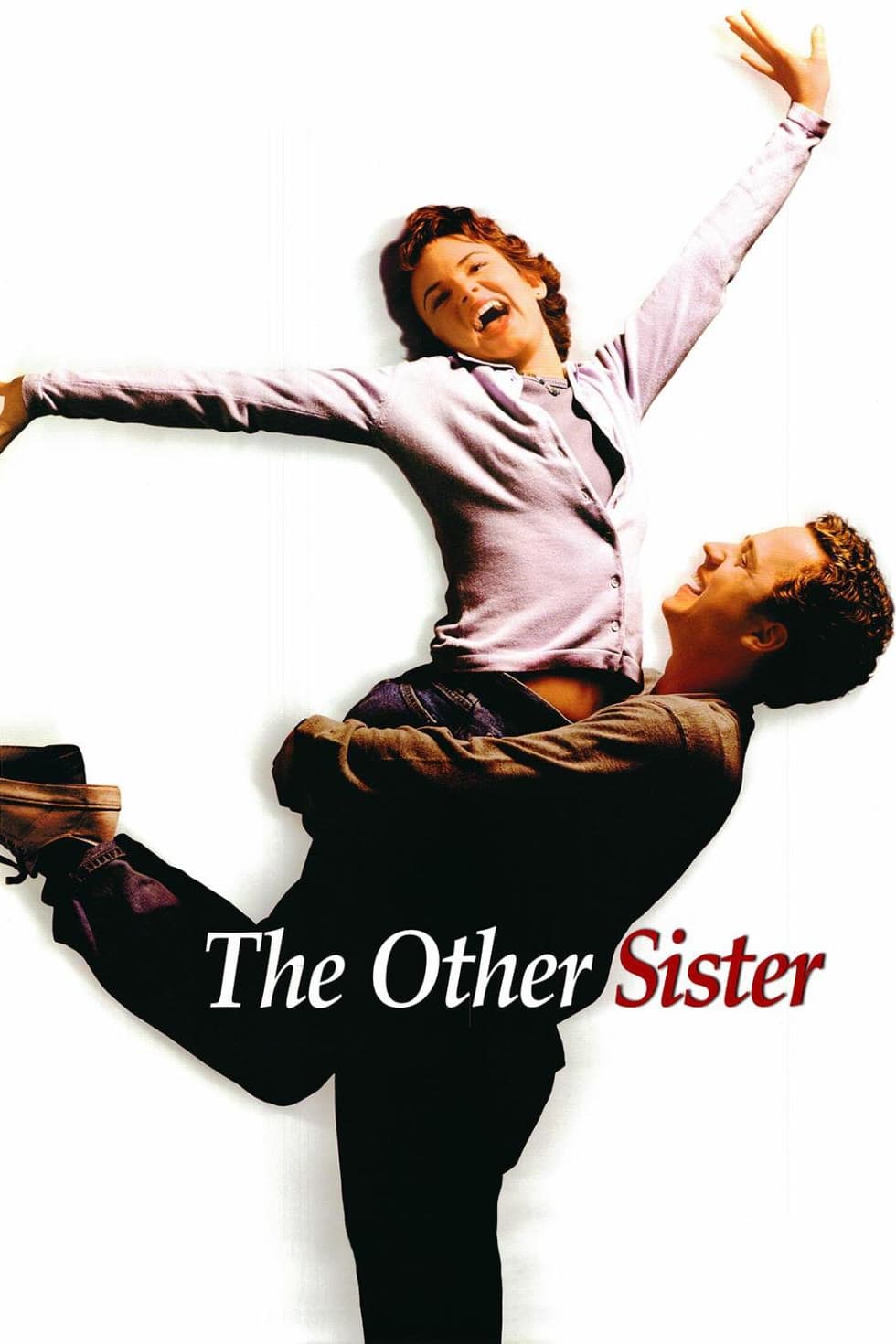
Juliette Lewis and Giovanni Ribisi play a couple with intellectual disabilities attempting to build an independent life. The film was criticized for its use of exaggerated performances and a comedic tone. Many advocates feel it treats the characters in a condescending manner. The narrative focuses on the resistance of their parents rather than their own experiences. This movie is often cited as a missed opportunity for authentic representation.
‘Girl, Interrupted’ (1999)

Winona Ryder and Angelina Jolie star in this film set in a psychiatric hospital in the late sixties. Jolie won an Academy Award for her role as a charismatic patient with sociopathic tendencies. The movie has been accused of glamorizing mental illness for a teenage audience. Critics argue that the disabilities of the supporting characters are used as background texture. This approach can lead to a simplified understanding of complex psychological conditions.
‘I Am Sam’ (2001)

Sean Penn portrays a father with an intellectual disability who fights for custody of his daughter. He received an Academy Award nomination for a performance that many found to be highly stylized. The film has been heavily criticized by the disability community for its manipulative tone. It relies on a soundtrack of Beatles covers and sentimental moments to sway the audience. Many feel it ignores the actual challenges faced by disabled parents.
‘A Beautiful Mind’ (2001)
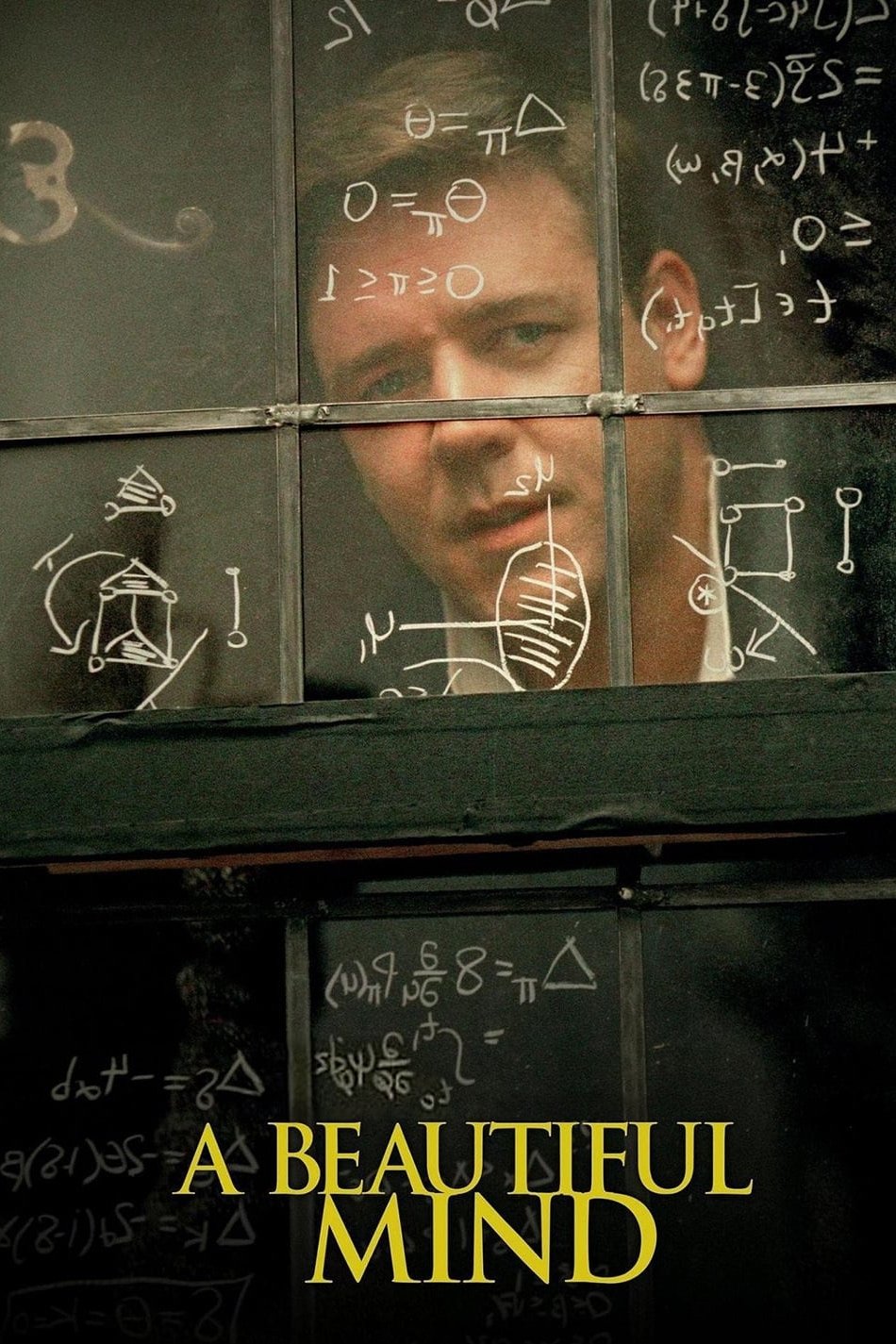
Russell Crowe plays John Nash who was a brilliant mathematician living with schizophrenia. The film won several Academy Awards including Best Picture and Best Director. Critics have pointed out that the movie simplifies the reality of the condition to fit a Hollywood narrative. It uses visual hallucinations to represent a condition that is usually auditory in nature. This choice was made to make the disability more cinematic for a general audience.
‘Radio’ (2003)
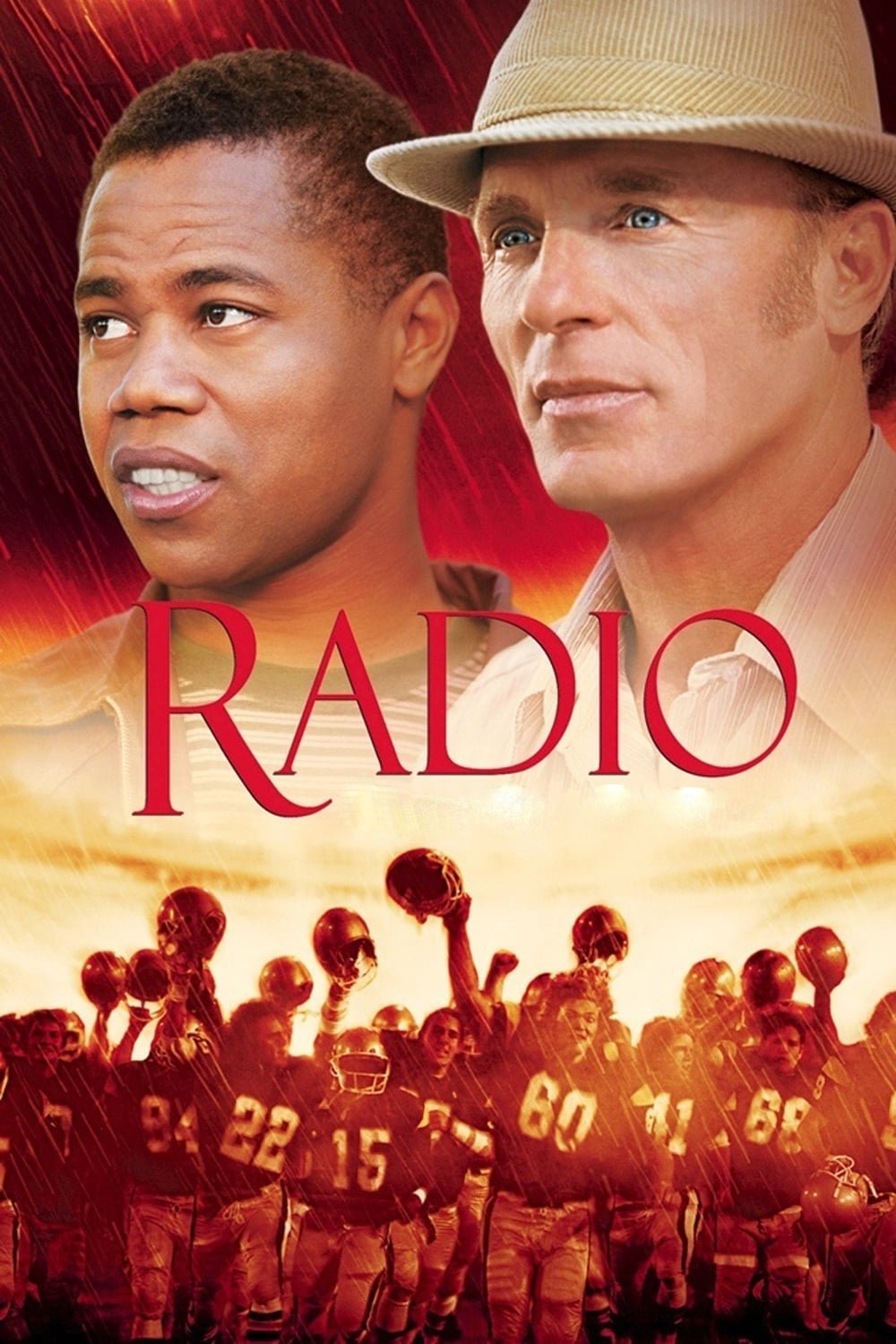
Cuba Gooding Junior stars as a man with an intellectual disability who becomes a mentor to a high school football team. The film is based on a true story but was widely panned for its sentimentalized portrayal. Many critics felt the performance was a collection of tropes designed to win awards. The story focuses on the kindness of the coach rather than the agency of the title character. It is often used as a negative example in discussions about disability in film.
‘Tiptoes’ (2003)
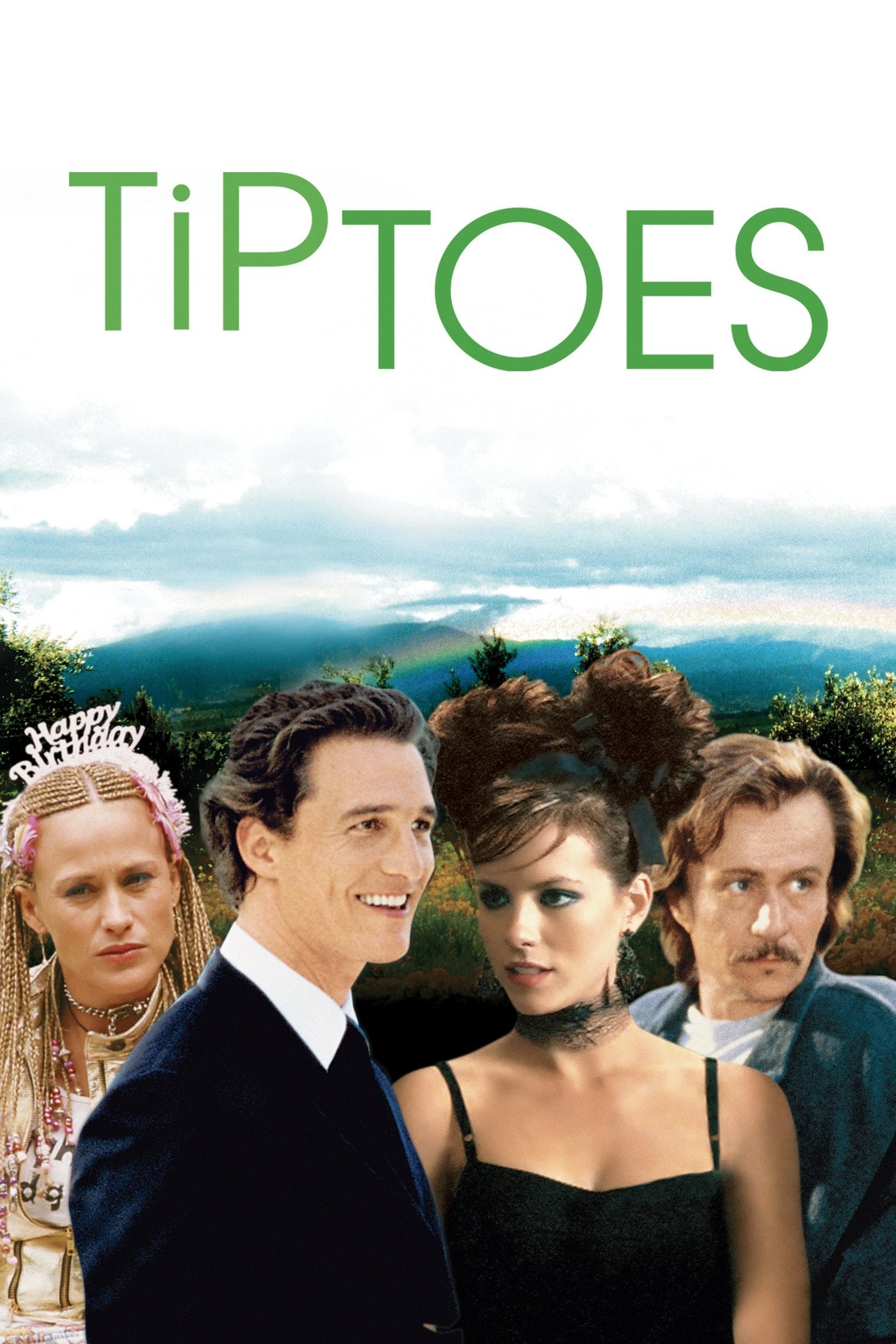
Matthew McConaughey stars in a film about a man whose family has a history of dwarfism. Gary Oldman plays his brother and uses a prosthetic suit to appear as a person with dwarfism. This casting decision caused a massive controversy and is still discussed today. The film was criticized for its tone and its handling of the subject matter. It is often cited as one of the most egregious examples of excluding disabled actors from their own stories.
‘Million Dollar Baby’ (2004)

Hilary Swank portrays a boxer who becomes a quadriplegic after a tragic accident in the ring. The film won several Academy Awards including Best Picture and Best Actress. It faced significant backlash from the disability community for its portrayal of assisted suicide. Many felt the narrative suggested that a life with a disability was not worth living. The movie remains a polarizing topic in the context of disability representation.
‘Ray’ (2004)
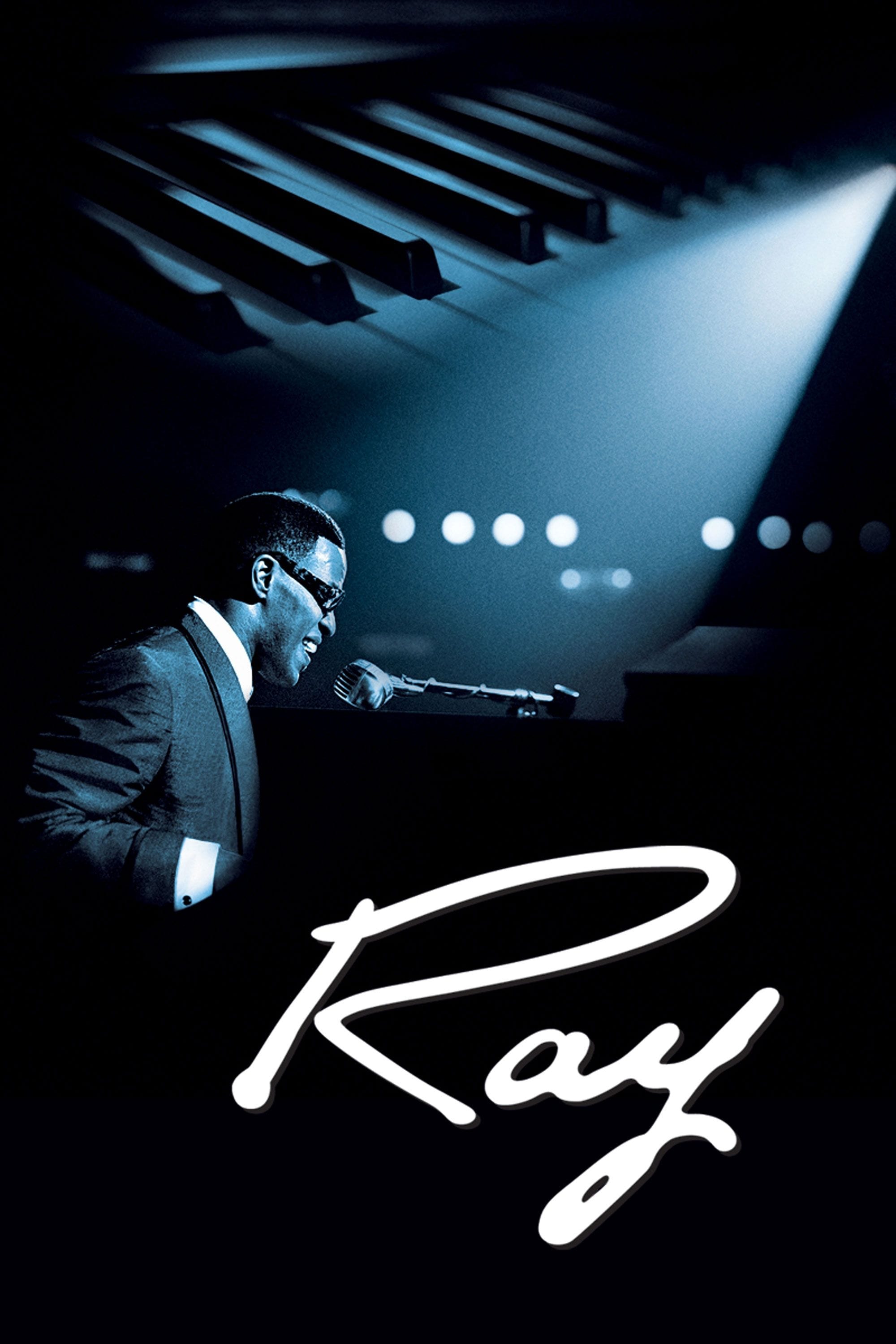
Jamie Foxx won an Academy Award for his portrayal of the legendary blind musician Ray Charles. The film follows his rise to fame and his personal struggles with addiction. While the performance was praised for its mimicry some critics noted the focus on his disability as a source of conflict. The movie uses his blindness to enhance the drama of his life story. This is a common feature in many award winning musical biopics.
‘The Sea Inside’ (2004)
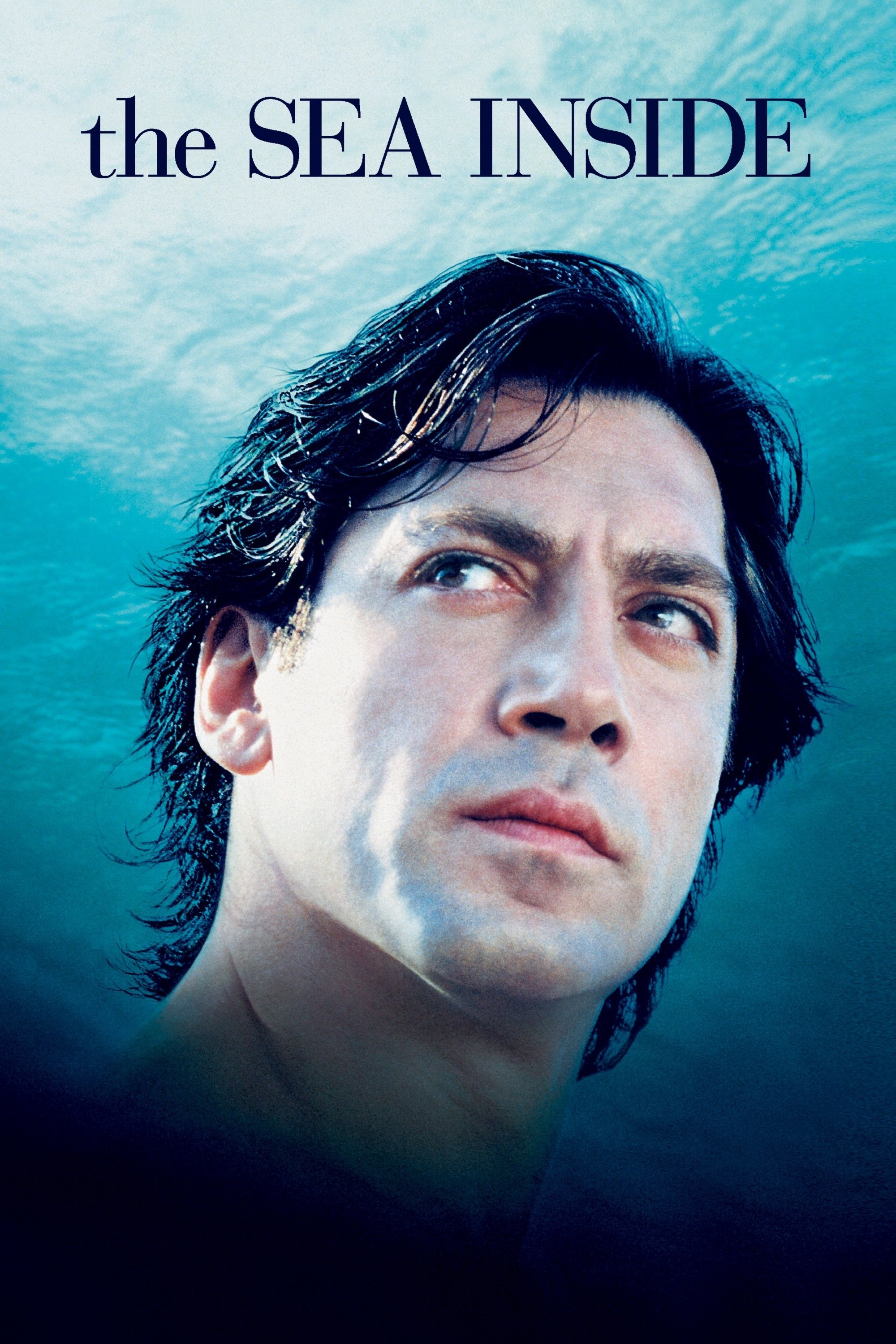
Javier Bardem stars as a man who fought a thirty year campaign for the right to end his life following a diving accident. The film won the Academy Award for Best Foreign Language Film. It is based on the real life of Ramon Sampedro and explores themes of dignity and choice. However the focus on the desire to die remains a sensitive issue for many disability advocates. They argue such films can reinforce the idea that disability is a tragedy.
‘The Diving Bell and the Butterfly’ (2007)
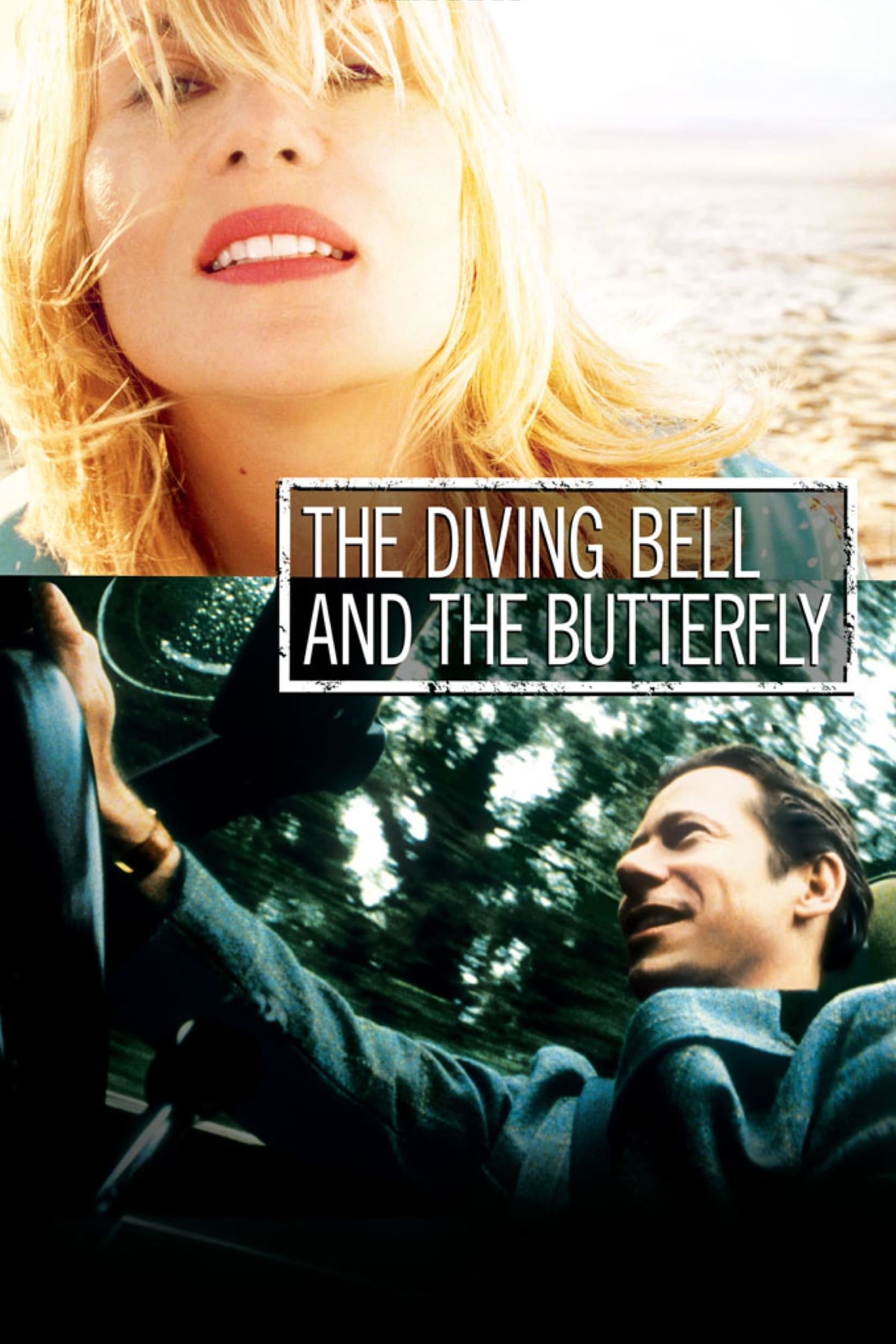
This film tells the true story of Jean Dominique Bauby who suffered a stroke that left him with locked in syndrome. It uses innovative cinematography to represent his limited perspective. The movie received multiple Academy Award nominations and high critical praise. Some critics argue that the film focuses more on the artistic vision of the director than the reality of the condition. It remains a highly regarded piece of cinema that sparks debate about representation.
‘Adam’ (2009)

Hugh Dancy plays a man with Asperger Syndrome who develops a relationship with his neighbor. The film was marketed as a romantic drama and received some critical acclaim. However many in the autistic community found the portrayal to be stiff and stereotypical. The narrative often treats his neurodivergence as a quirk to be managed by the nondisabled protagonist. This approach is frequently seen in independent films seeking emotional resonance.
‘The King’s Speech’ (2010)
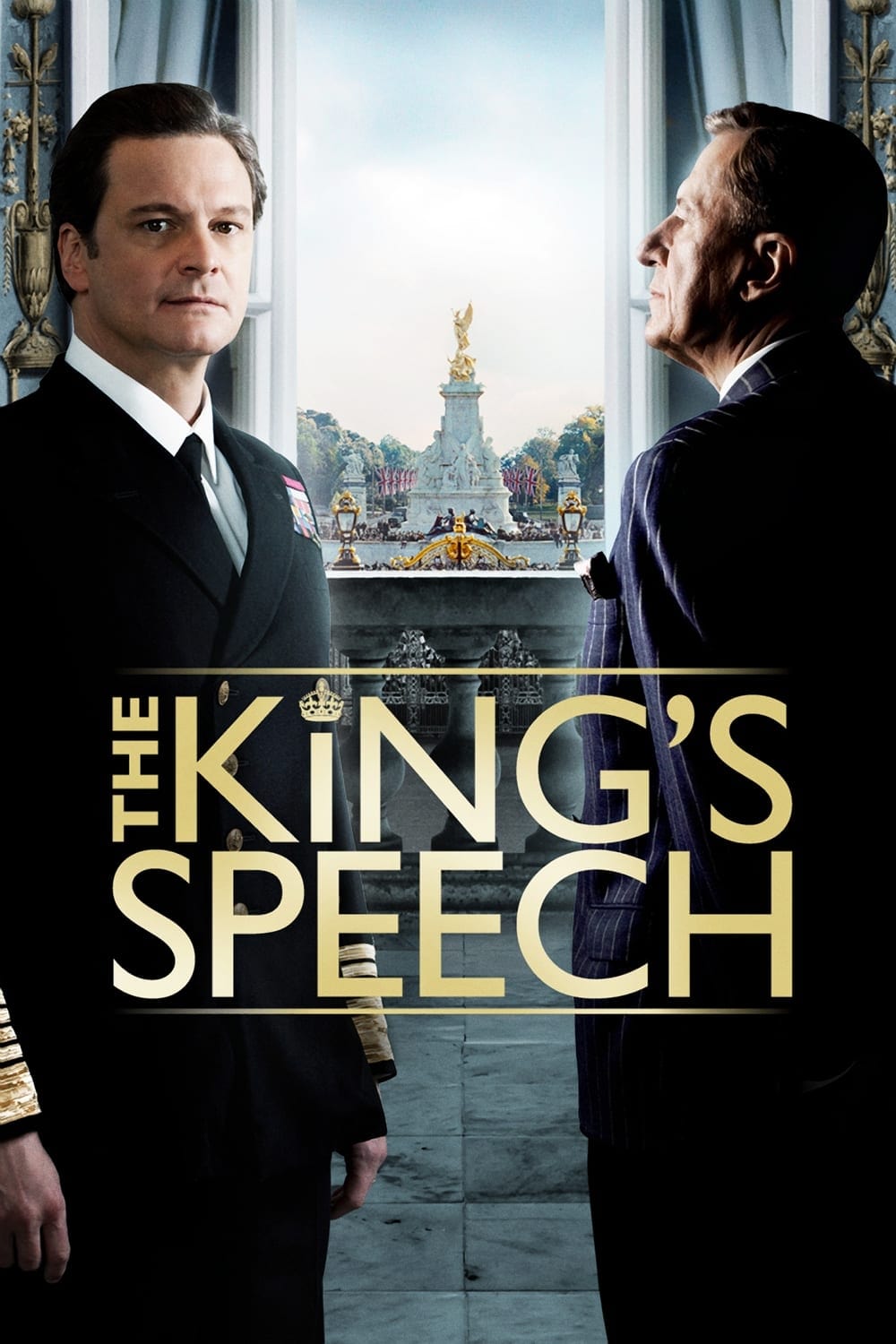
Colin Firth stars as King George VI who struggles with a severe stammer during his ascension to the throne. He won an Academy Award for the role which depicts his sessions with a speech therapist. The film was a major critical and commercial success. Some critics argue the movie treats a speech impediment as a hurdle to be overcome for a moment of triumph. This narrative of overcoming disability is a common trope in historical dramas.
‘Extremely Loud & Incredibly Close’ (2011)
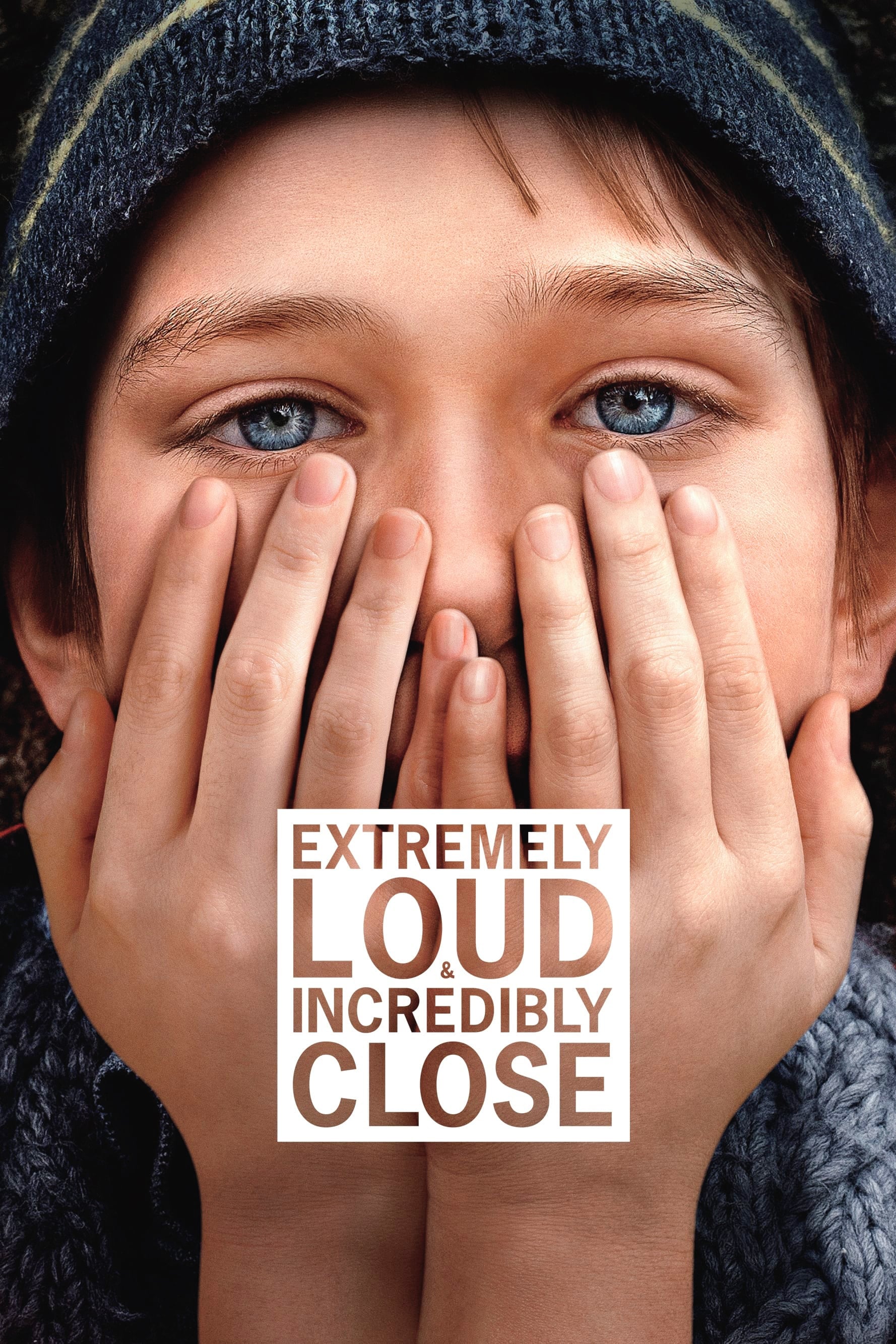
The story follows a young boy with neurodivergent traits who searches for a lock that matches a key left by his late father. The film was criticized for its heavy handed emotional tone and its portrayal of the protagonist. Many reviewers felt the character’s traits were used to make him more sympathetic or unique for the audience. It received an Academy Award nomination for Best Picture despite a mixed critical reception. The use of disability as a metaphor for grief is a recurring theme here.
‘Silver Linings Playbook’ (2012)
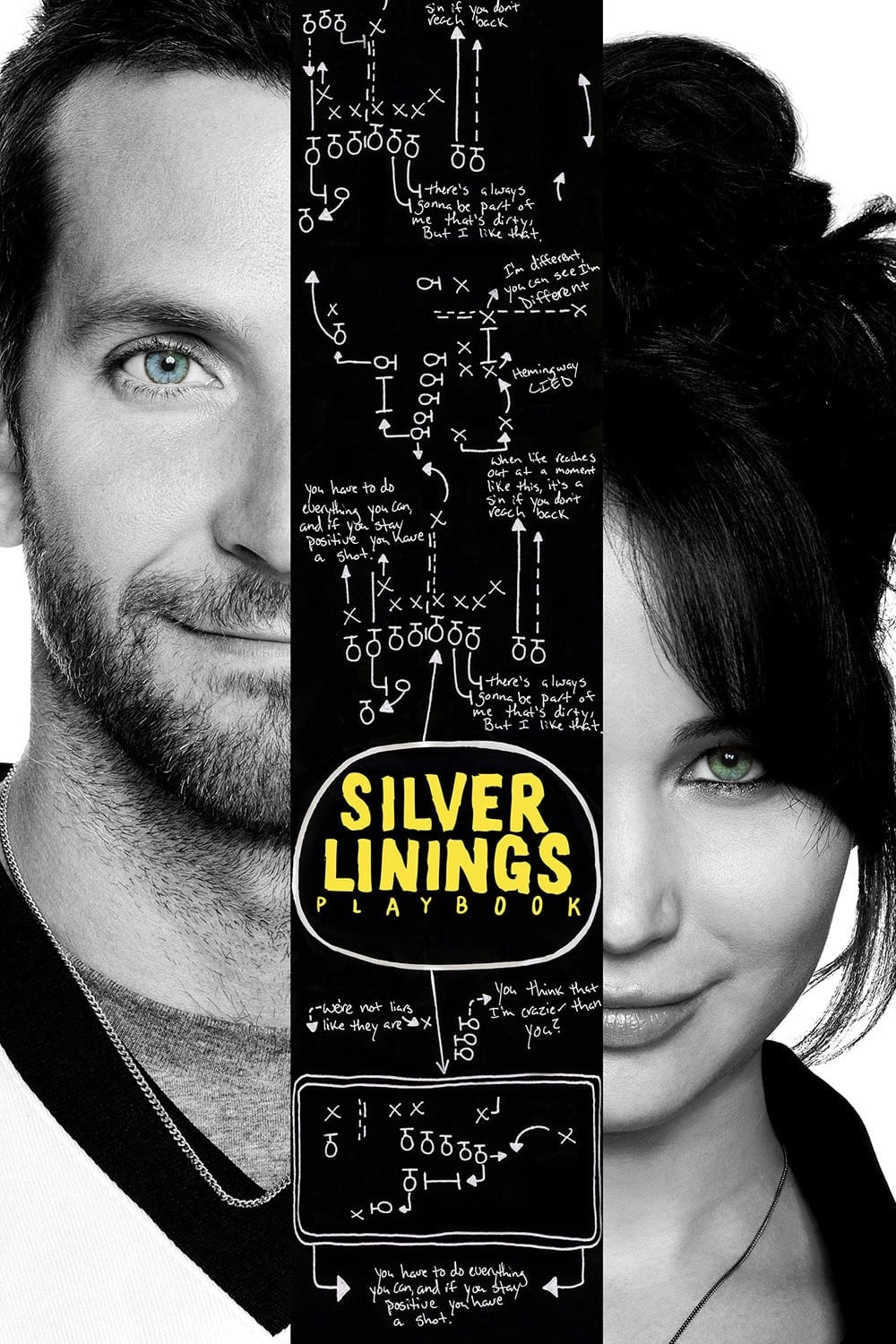
Bradley Cooper and Jennifer Lawrence play characters dealing with bipolar disorder and other mental health challenges. The film was a major awards contender and won an Academy Award for Best Actress. Critics have debated whether the film accurately represents mental illness or uses it for romantic comedy tropes. Some argue that the narrative suggests love can serve as a cure for clinical conditions. This remains a point of contention among mental health advocates.
‘The Sessions’ (2012)

John Hawkes portrays a man in an iron lung who decides to hire a sex surrogate to lose his virginity. He received an Academy Award nomination for his performance in the film. The story is based on the life of Mark O’Brien and deals with themes of sexuality and disability. While it was praised for its frankness some critics still questioned the casting of a nondisabled actor. The narrative focuses heavily on his physical limitations in relation to intimacy.
‘Dallas Buyers Club’ (2013)

Matthew McConaughey and Jared Leto both won Academy Awards for their roles in this film about the early days of the AIDS crisis. Leto played a trans woman living with the disease and faced criticism for his casting. The film emphasizes the physical deterioration of the characters through dramatic weight loss. Critics argue that the movie prioritizes the suffering of its characters to create an award winning spectacle. This often overshadows the political and social aspects of the actual crisis.
‘The Theory of Everything’ (2014)
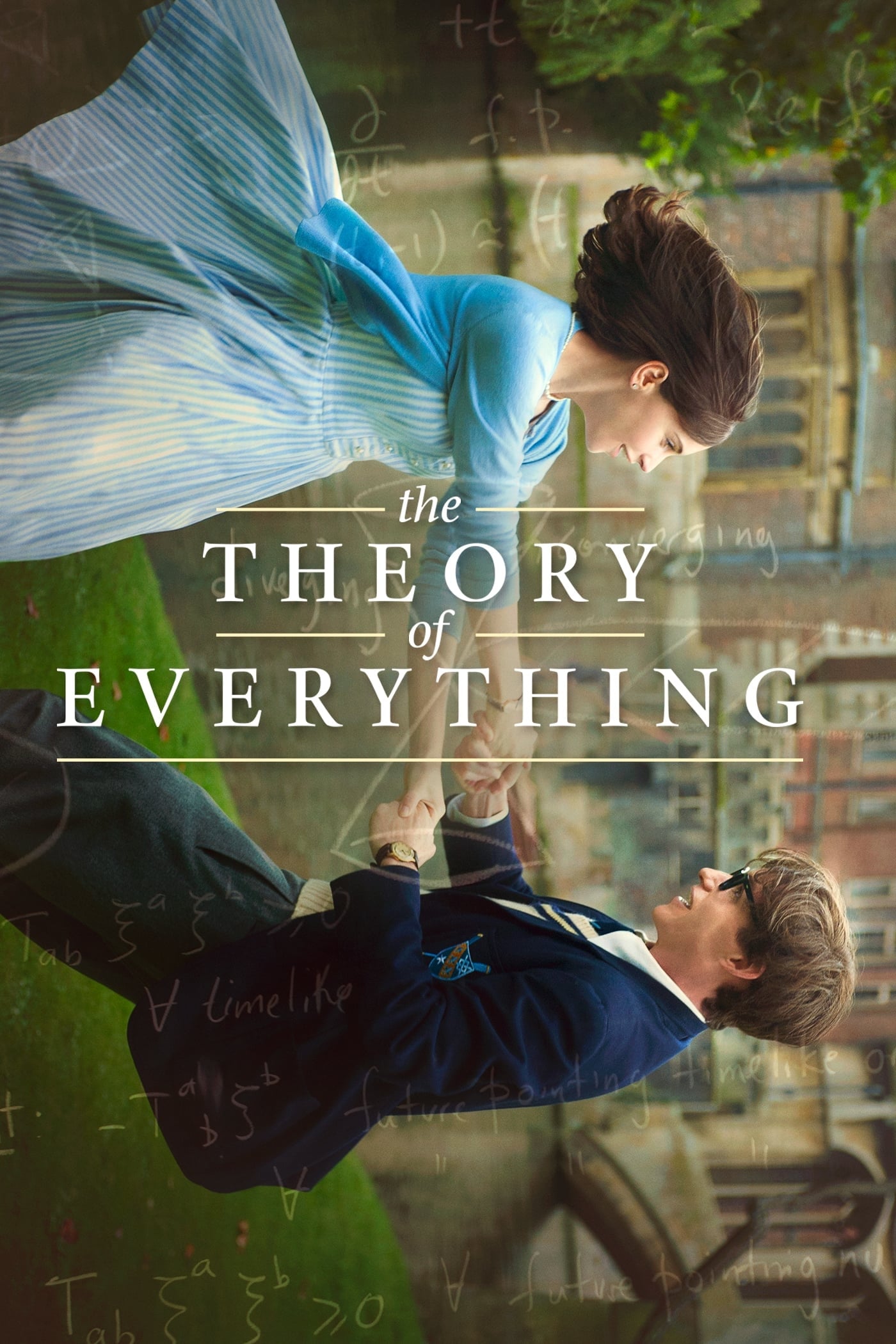
Eddie Redmayne won an Academy Award for his portrayal of physicist Stephen Hawking. The film chronicles his life and his battle with motor neuron disease. While the physical transformation was highly acclaimed it sparked discussions about the exclusion of disabled actors. The narrative focuses on his romantic life and the toll his condition takes on his wife. This perspective is a common choice in biopics about famous disabled figures.
‘Still Alice’ (2014)
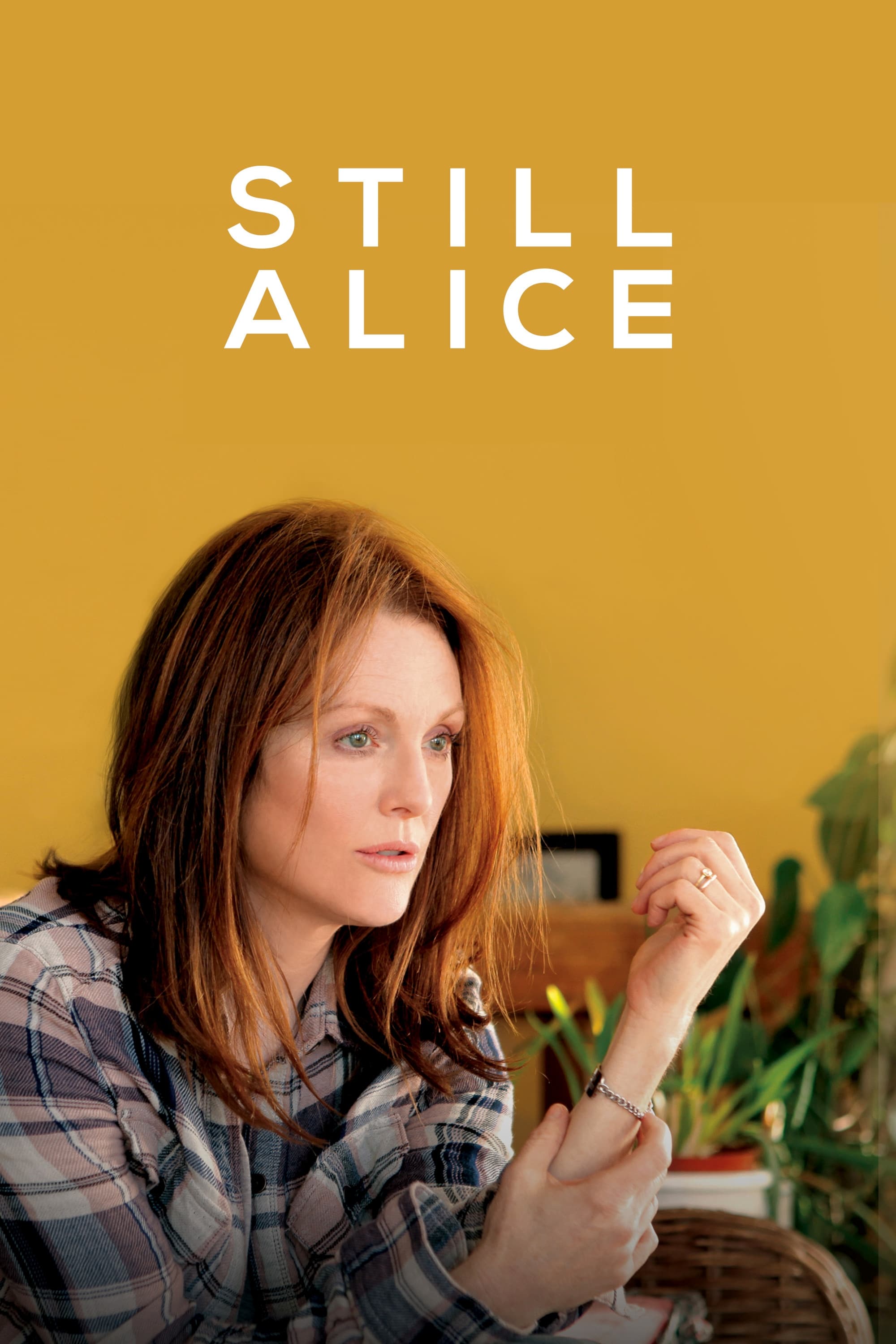
Julianne Moore won an Academy Award for playing a linguistics professor diagnosed with early onset Alzheimer disease. The film depicts her gradual cognitive decline and the impact on her family. It was praised for its sensitive approach but follows the trend of rewarding nondisabled actors for playing illness. The narrative is designed to evoke a strong emotional response from the audience through the loss of self. This is a recurring theme in films focused on degenerative conditions.
‘The Imitation Game’ (2014)

Benedict Cumberbatch plays Alan Turing who is often retrospectively diagnosed as being on the autism spectrum. The film portrays him as socially awkward and unable to understand human emotions. It received multiple Academy Award nominations and was a box office hit. Critics have noted that this portrayal leans into the trope of the socially inept genius. Many feel this ignores the complexity of Turing’s actual personality and social life.
‘Touched with Fire’ (2015)

Two poets with bipolar disorder meet in a psychiatric hospital and begin a romance that tests their stability. The film explores the link between creativity and mental illness. It stars Katie Holmes and Luke Kirby and received mixed reviews from critics. Some advocates argue that the film romanticizes mental health struggles to create a poetic atmosphere. The narrative focuses on the intensity of their condition as a source of artistic inspiration.
‘Me Before You’ (2016)

Sam Claflin plays a wealthy man who becomes paralyzed and decides to end his life. The film was a commercial success but faced immense protests from the disability rights community. Many advocates argued that the film promoted the idea that being disabled is a fate worse than death. The romantic plot was seen by some as a way to sugarcoat a problematic message. This movie is frequently cited in modern debates about ableism in Hollywood.
‘Breathe’ (2017)

Andrew Garfield portrays Robin Cavendish who was a man that became paralyzed from the neck down by polio. The film focuses on his pioneering efforts to live outside of a hospital setting. It was directed by Andy Serkis and aimed for a high degree of emotional impact. Critics noted that the story frames the protagonist as a hero for simply surviving his condition. This kind of inspirational narrative is a common target for criticism regarding tokenization.
‘Stronger’ (2017)

Jake Gyllenhaal stars as a man who lost his legs in the Boston Marathon bombing. The film explores his difficult recovery and his struggle with the fame that follows the tragedy. It was praised for its gritty realism and performances but still utilized a nondisabled lead. Some critics felt the movie focused too much on the trauma of the injury for the sake of a comeback story. The narrative structure follows a traditional path of overcoming adversity for the audience.
‘Wonder’ (2017)

Jacob Tremblay plays a young boy with Treacher Collins syndrome who enters a mainstream school for the first time. The actor wore extensive prosthetics to portray the character’s facial differences. This decision was criticized by members of the craniofacial community who wanted to see authentic representation. The film is designed as an uplifting story about kindness and acceptance. Critics argue that it uses the child’s disability to teach a moral lesson to the other characters.
‘Don’t Worry, He Won’t Get Far on Foot’ (2018)

Joaquin Phoenix portrays cartoonist John Callahan who became a quadriplegic following a car accident. The film was directed by Gus Van Sant and received a positive reception at film festivals. However the casting of Phoenix sparked protests from actors with disabilities. The narrative focuses on his journey through alcoholism and his eventual recovery through art. This portrayal follows the trend of using a famous actor to tell the story of a disabled individual.
‘Joker’ (2019)
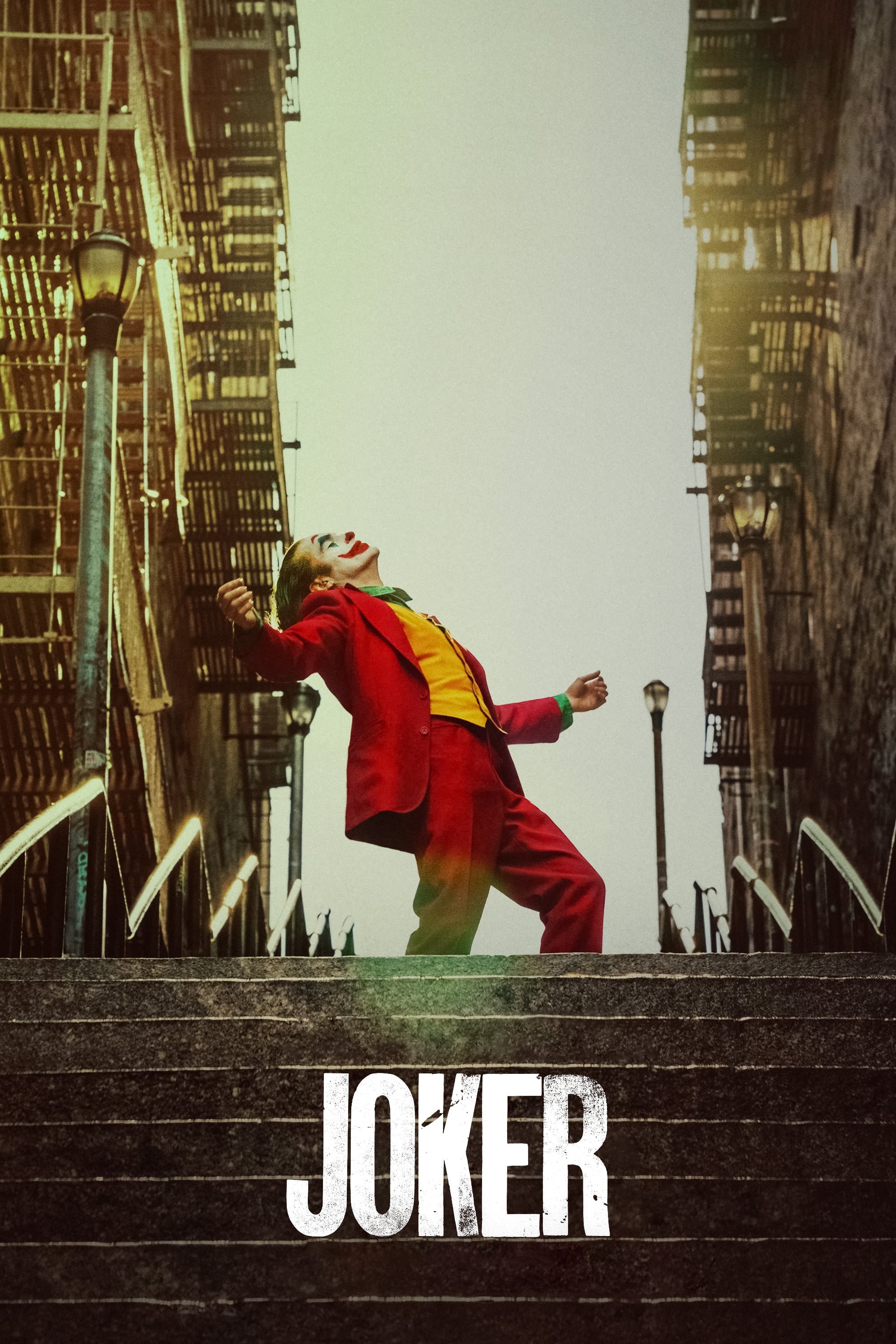
Joaquin Phoenix won an Academy Award for playing a character with a condition that causes uncontrollable laughter. The film explores his descent into madness amidst a decaying urban landscape. Critics have argued that the movie uses mental illness as a shortcut to explain the character’s violent behavior. This connection between disability and villainy is a long standing and harmful trope in cinema. Many feel it stigmatizes actual mental health conditions for dramatic effect.
‘Music’ (2021)

Sia directed this film about a nonverbal autistic girl who is cared for by her sister. The movie faced intense backlash for the casting of Maddie Ziegler and the depiction of physical restraints. It received Golden Globe nominations despite being widely condemned by the autistic community. Critics labeled the film as a vanity project that used disability as a stylistic choice. The controversy surrounding this project highlighted the growing demand for authentic representation.
‘The Whale’ (2022)
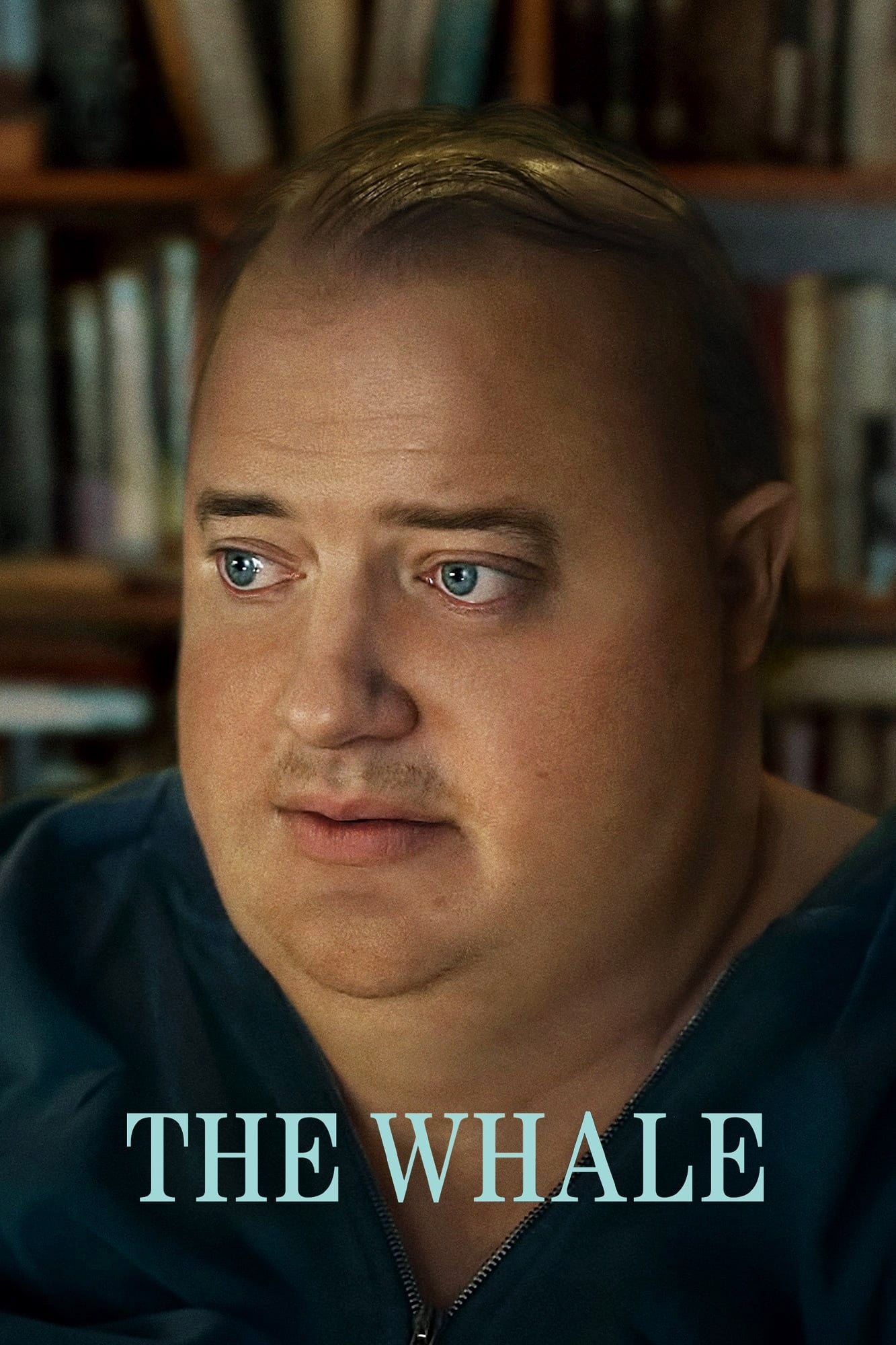
Brendan Fraser won an Academy Award for playing a man with severe obesity who lives in seclusion. The performance involved a heavy prosthetic suit and significant digital enhancements. Many critics and advocates argued that the film treated the character’s body as a source of horror or pity. The narrative focuses on his physical decline and his attempt to reconnect with his daughter. This portrayal has been criticized for being dehumanizing and relying on tropes of the tragic disabled figure.
Please share your thoughts on these portrayals and the importance of authentic casting in the comments.