


Movies Accused of Using Black Characters Only for “Moral Lessons”

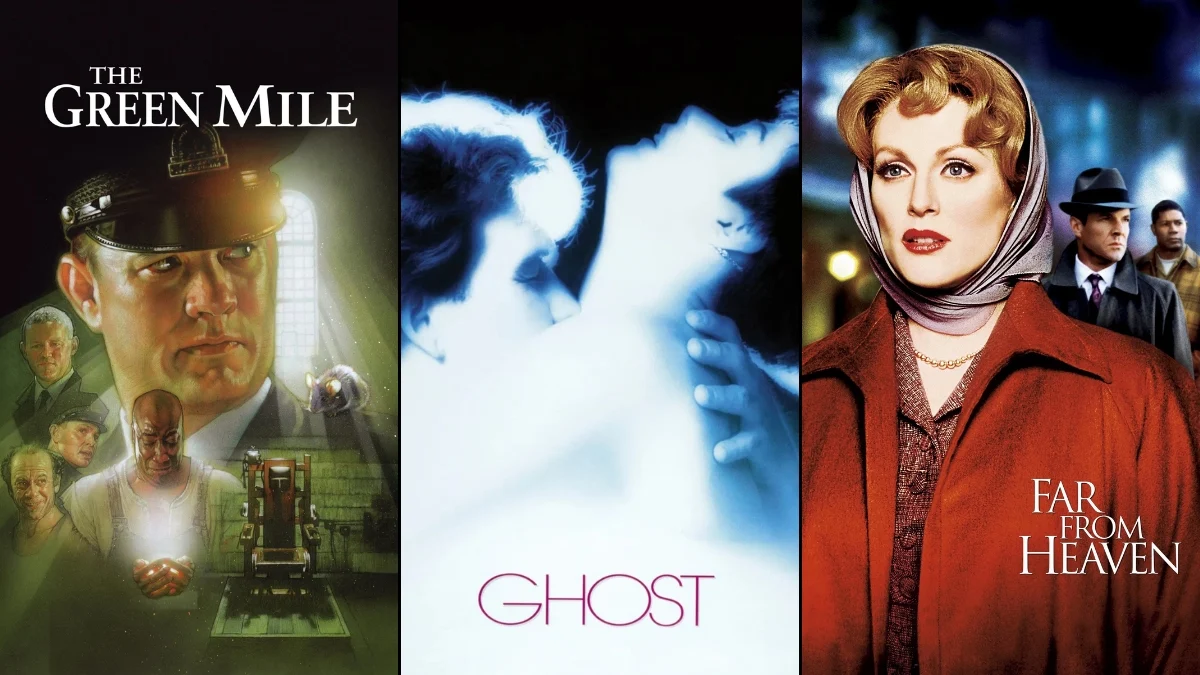


The use of Black characters as catalysts for the personal growth of white protagonists is a recurring subject of film criticism and academic study. Often referred to as the “Magical Negro” or “White Savior” tropes, these narratives frequently depict Black individuals with supernatural abilities, infinite wisdom, or saint-like patience. Critics argue that these roles exist primarily to offer moral guidance or spiritual redemption to the main character while lacking their own fully realized internal lives. From Academy Award winners to box office hits, several high-profile films have faced scrutiny for reducing complex Black identities to instructional tools for a broader audience.
‘The Green Mile’ (1999)
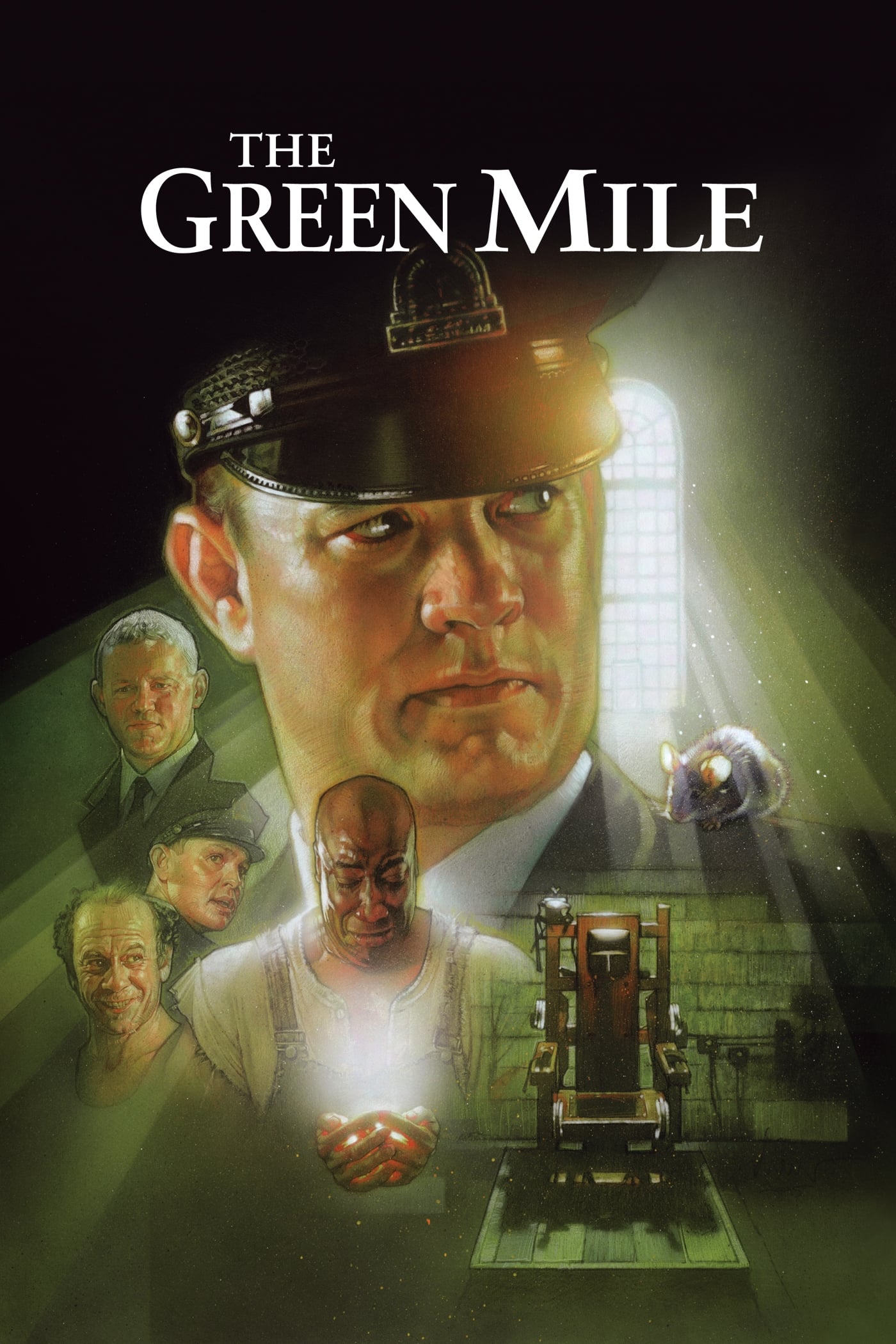
In this adaptation of a Stephen King novel, John Coffey is a Black man on death row with the supernatural ability to heal others. The narrative focuses on how Paul Edgecomb, a white prison guard, finds his perspective on life and humanity transformed by Coffey’s miraculous powers and gentle nature. Critics often point to Coffey as a quintessential example of the “Magical Negro” trope because he sacrifices himself while serving as a moral vessel for the white guards. The character’s primary function in ‘The Green Mile’ is to provide spiritual enlightenment to those overseeing his execution.
‘Driving Miss Daisy’ (1989)
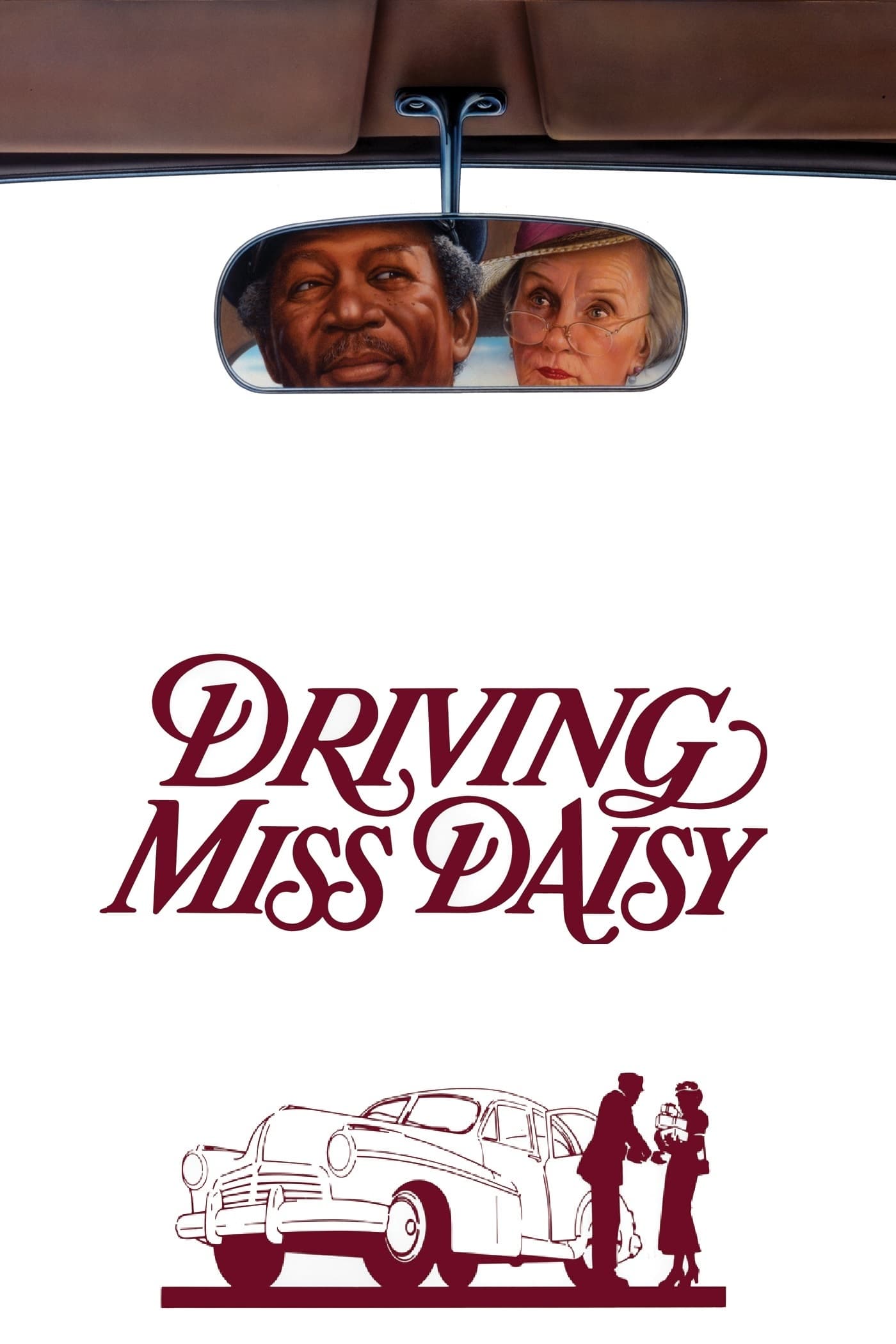
The film depicts the decades-long relationship between an elderly Jewish woman and her Black chauffeur, Hoke Colburn, in the American South. Hoke’s character is characterized by his infinite patience and humility as he navigates the prejudices of his employer. Over time, his presence helps Daisy Werthan overcome her social biases and become a more compassionate person. Scholarly analysis often suggests that Hoke’s own life and struggles remain secondary to Daisy’s arc of moral improvement.
‘The Legend of Bagger Vance’ (2000)
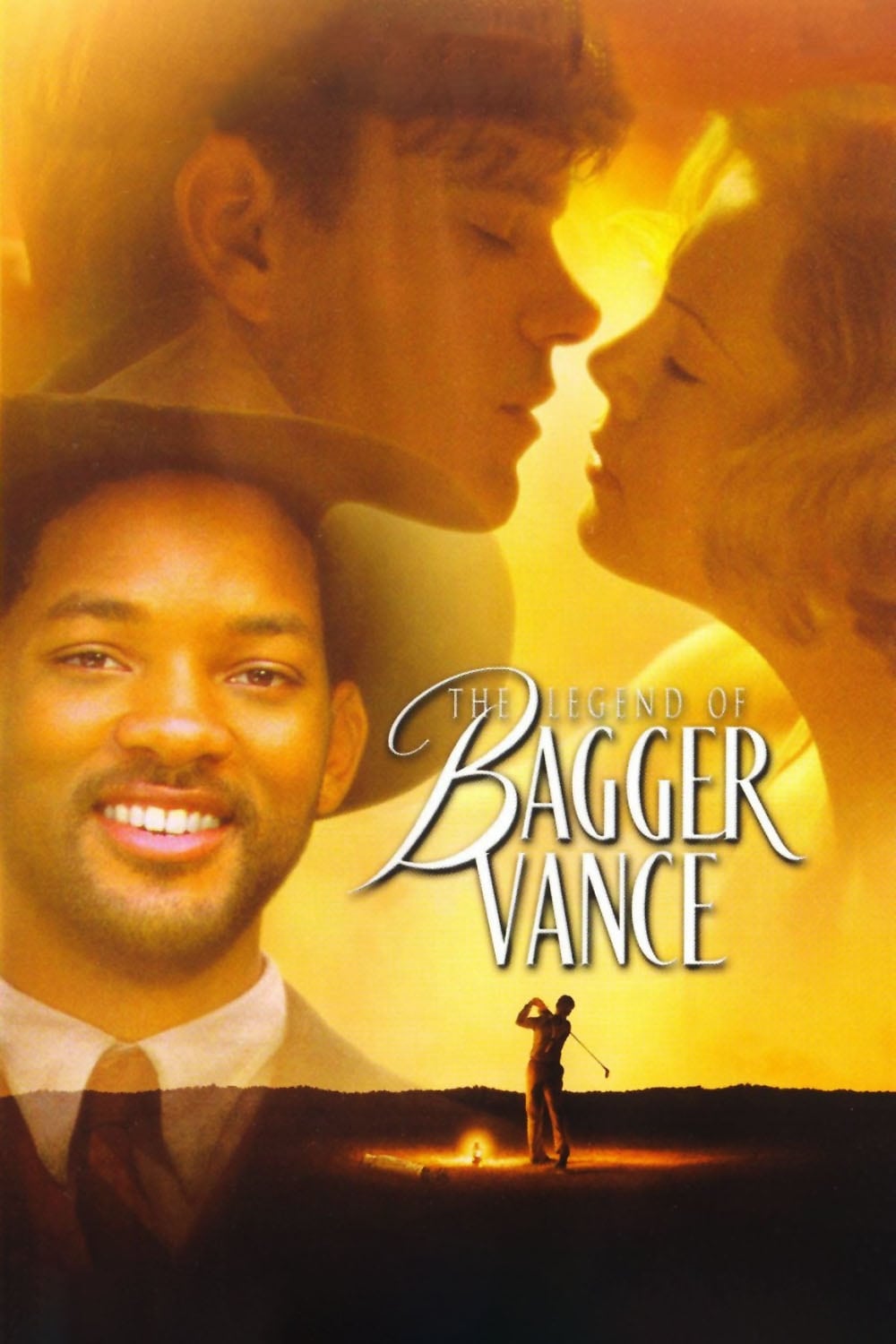
Set during the Great Depression, this film features a mysterious Black caddy who helps a disillusioned white war veteran rediscover his golf swing and his will to live. Bagger Vance uses philosophical metaphors and mystical guidance to steer the protagonist toward success. Film critics have frequently noted that the character lacks a backstory or personal motivations outside of assisting the white lead. The role serves as a spiritual guide designed to facilitate a white man’s psychological recovery.
‘The Help’ (2011)
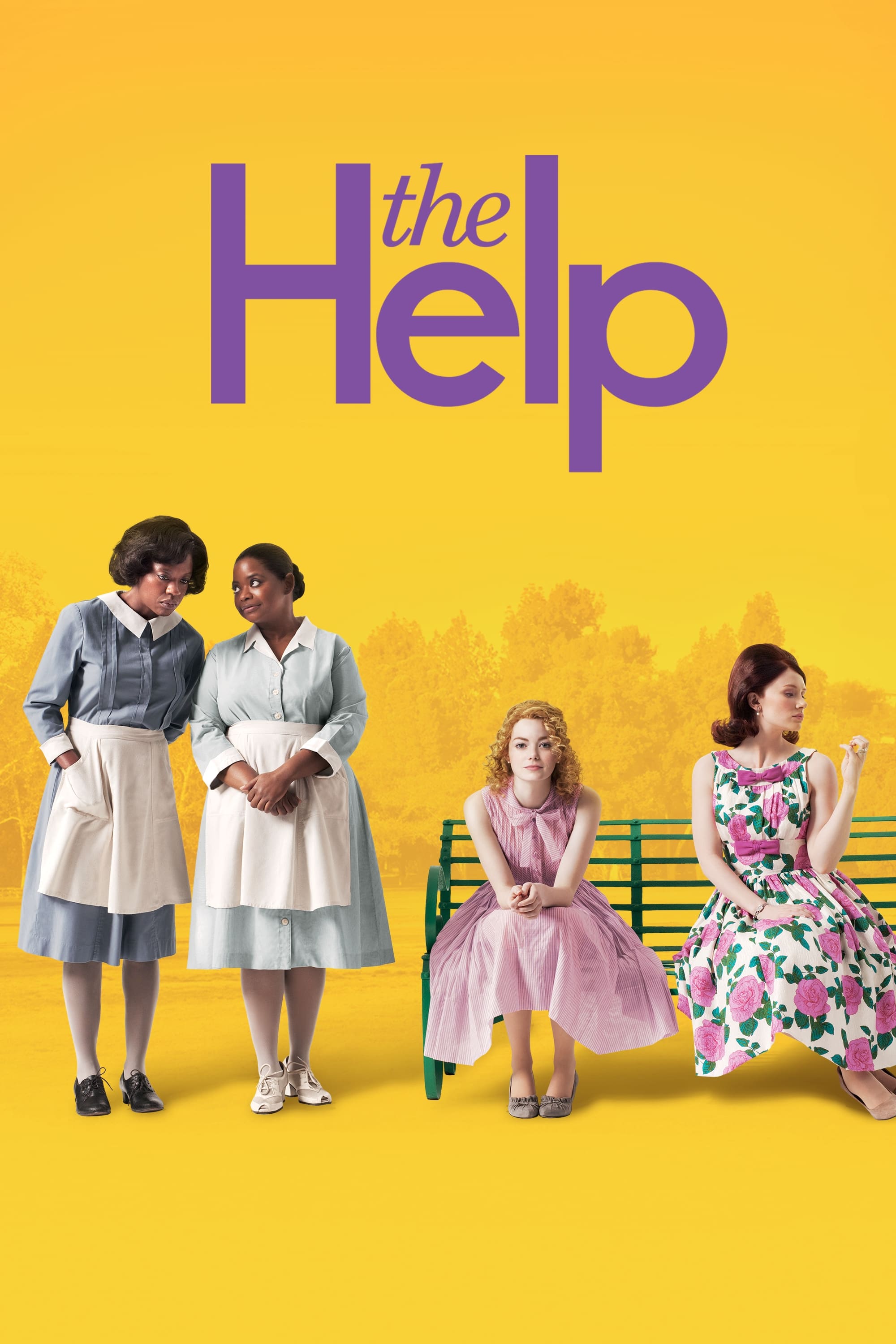
‘The Help’ tells the story of Black domestic workers in 1960s Mississippi who collaborate with a young white journalist to expose the racism they face. While the film highlights the hardships of Aibileen and Minny, much of the emotional weight is centered on the white protagonist’s journey toward becoming a courageous writer. Critics argue that the Black characters are primarily used to provide the moral stakes necessary for the white heroine’s growth. The narrative has been criticized for prioritizing the “White Savior” perspective over the independent agency of the maids.
‘The Blind Side’ (2009)

Based on a true story, this film follows Michael Oher, a homeless Black teenager who is taken in by a wealthy white family and eventually becomes an NFL star. The film emphasizes the altruism of Leigh Anne Tuohy and how her family’s intervention provides Michael with the moral and academic structure he supposedly lacked. Since its release, ‘The Blind Side’ has been scrutinized for portraying Oher as a passive figure who requires white guidance to achieve success. Many commentators believe the film simplifies complex systemic issues into a story about individual white charity.
‘Green Book’ (2018)

‘Green Book’ depicts the real-life journey of Black classical pianist Don Shirley and his white Italian-American driver, Tony Lip, through the Jim Crow South. The plot centers on Tony Lip learning to overcome his prejudices through his exposure to Shirley’s refinement and talent. Conversely, Shirley is shown as someone who gains a sense of “authentic” cultural connection through his association with Tony. Critics argued that the film uses Shirley’s character primarily as a tool to facilitate the moral redemption of his white driver.
‘Ghost’ (1990)

In this supernatural romance, Oda Mae Brown is a psychic who helps the spirit of a murdered white man communicate with his grieving girlfriend. While Whoopi Goldberg won an Academy Award for the role, the character has been analyzed as a plot device that facilitates the white couple’s closure. Oda Mae’s life and safety are frequently put at risk to serve the needs of the deceased protagonist. The character’s spiritual gifts and comedic relief are central to the white leads’ emotional resolution.
‘Bruce Almighty’ (2003)

Morgan Freeman portrays God, appearing to a disgruntled white news reporter to grant him divine powers and teach him a lesson about responsibility. As God, the character is depicted as a calm, janitorial, and wise figure who exists to manage the protagonist’s mid-life crisis. The dynamic places the Black character in a position of ultimate authority that is nonetheless dedicated entirely to one white man’s moral development. Critics cite this as a modernized version of the spiritual guide trope where the Black character has no narrative purpose of his own.
‘The Family Man’ (2000)

In this fantasy drama, a wealthy investment banker is intercepted by a mysterious Black man named Cash, who acts as a supernatural guardian. Cash forces the protagonist into an alternate reality to show him the value of family over material wealth. The character disappears once the protagonist learns his moral lesson and decides to change his life. Cash functions exclusively as a cosmic interventionist for the white lead’s ethical epiphany.
‘Radio’ (2003)
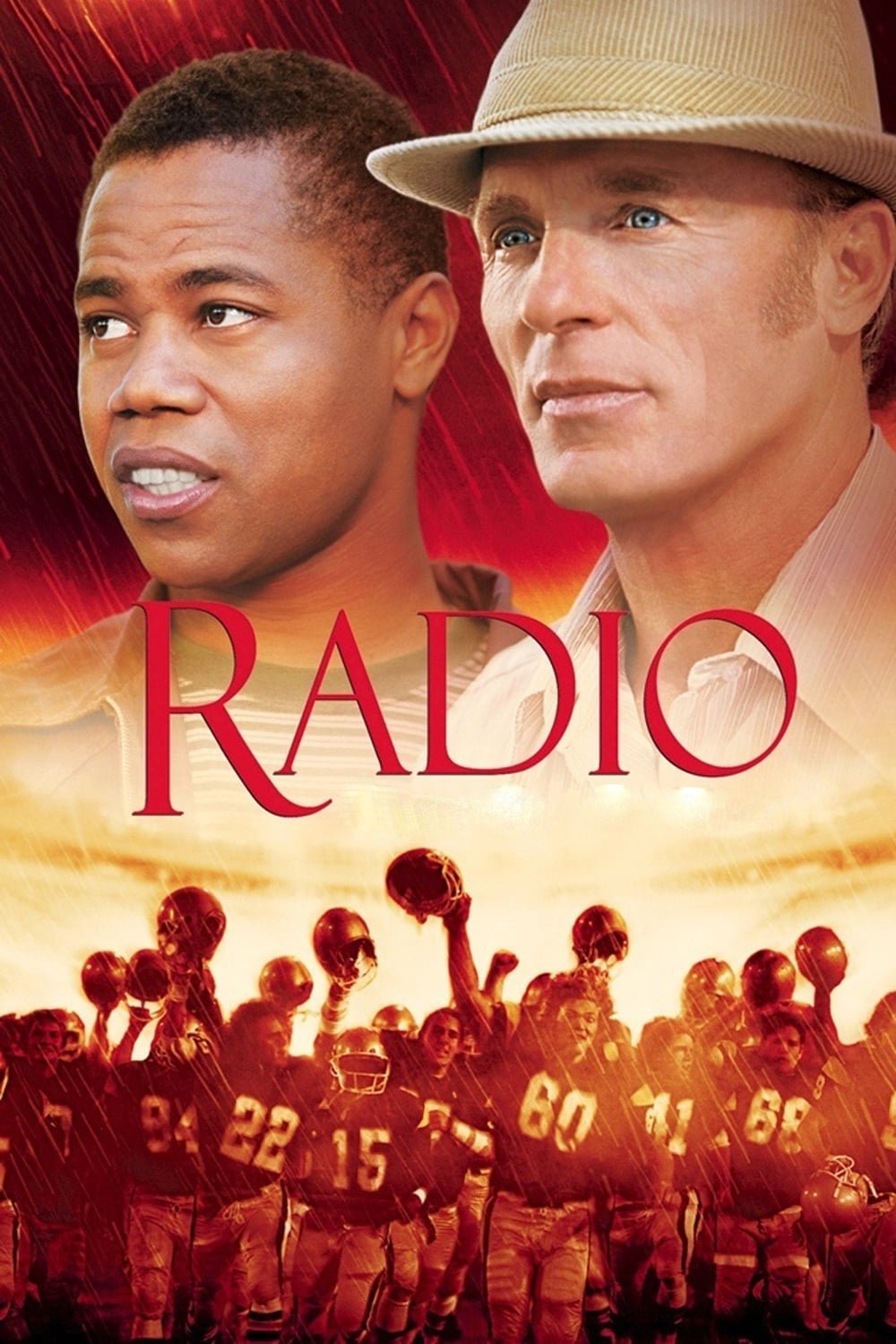
‘Radio’ follows the relationship between a high school football coach and a mentally disabled Black man who becomes a fixture of the team. The coach takes Radio under his wing, using the experience to teach his players and the community about tolerance and kindness. The film has been criticized for using Radio’s disability and innocence as a catalyst for the town’s collective moral growth. Radio is often portrayed as a saintly figure whose primary role is to inspire the white characters around him.
‘The Shining’ (1980)
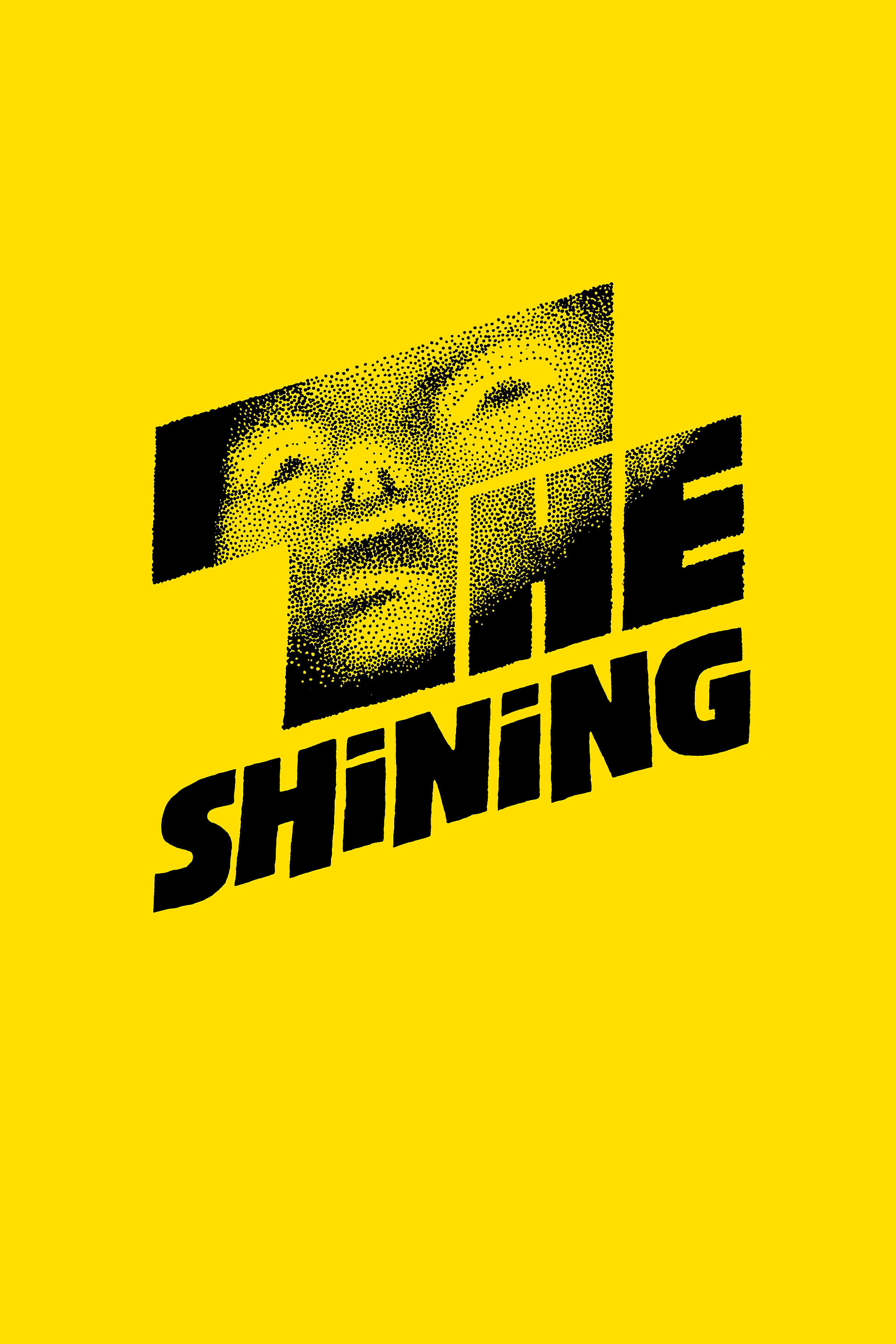
Dick Hallorann is the head chef at the Overlook Hotel who possesses the “shining” and explains the supernatural gift to young Danny Torrance. When the hotel’s malevolent spirits threaten the white family, Hallorann travels across the country to attempt a rescue. He is ultimately killed almost immediately upon arrival, serving as a plot device to heighten the stakes. His character’s specialized knowledge and eventual sacrifice are focused entirely on the survival of the white protagonists.
‘The Bucket List’ (2007)

Carter Chambers is a wise, blue-collar mechanic who shares a hospital room with a billionaire played by Jack Nicholson. Carter uses his philosophical outlook and extensive trivia knowledge to convince the billionaire to find joy in his final days. While both characters are terminal, Carter is framed as the moral compass who guides the wealthy white man toward emotional maturity. The story leans heavily on the trope of the wise Black man teaching the cynical white man how to live.
‘Robin Hood: Prince of Thieves’ (1991)
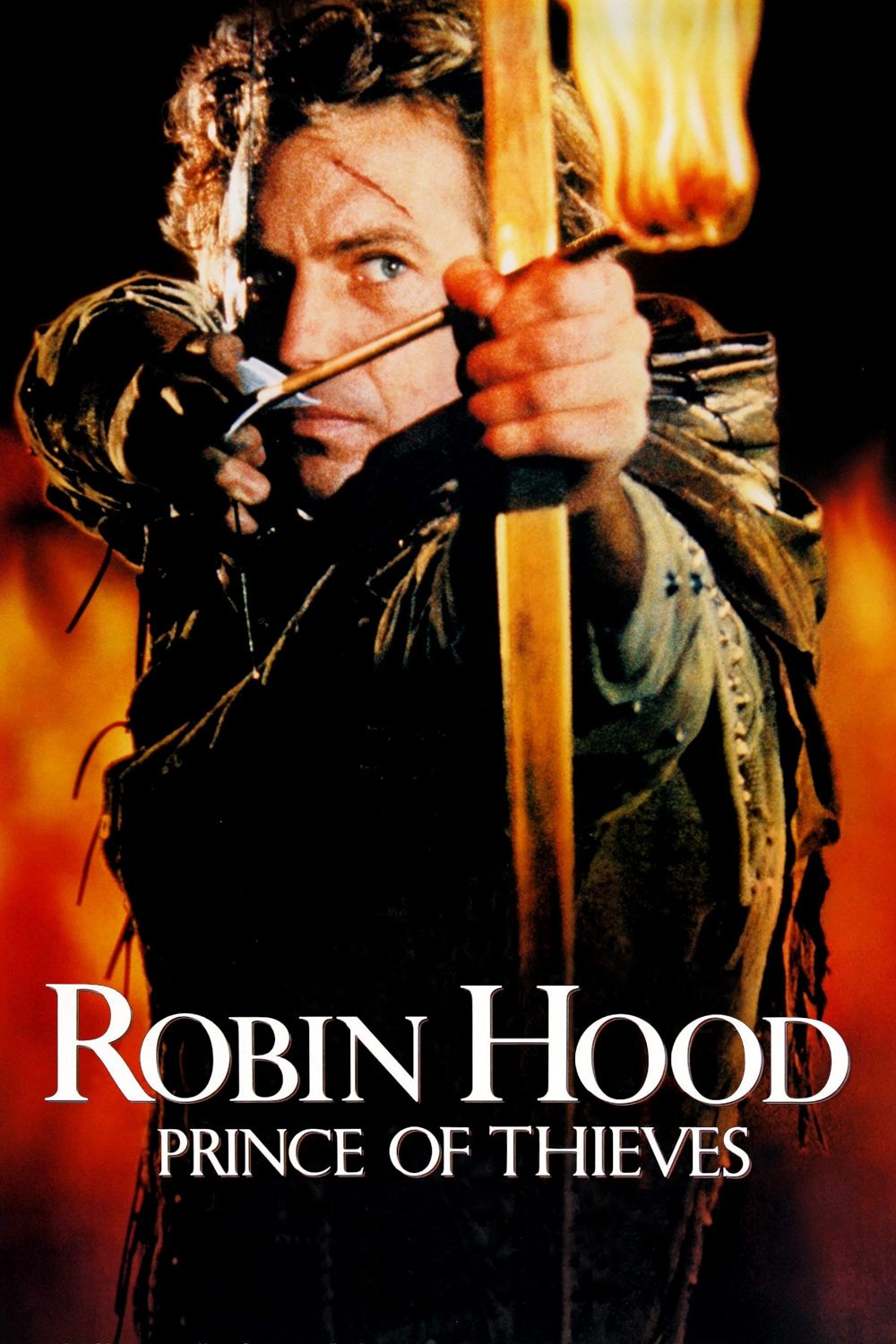
Azeem is a Moorish warrior who accompanies Robin Hood back to England to repay a debt of honor. Throughout the film, Azeem provides Robin with advanced technology, medical knowledge, and tactical wisdom that the English characters lack. Despite his superior skills, Azeem remains a secondary figure whose existence is defined by his loyalty to the white hero. His primary function is to provide the support and moral grounding necessary for Robin to reclaim his status.
‘The Matrix’ (1999)

The Oracle is a mysterious figure who provides Neo with the cryptic guidance he needs to fulfill his destiny as “The One.” Residing in a domestic kitchen and baking cookies, she presents a maternal image of ancient wisdom. While central to the lore, the Oracle exists to serve the prophecy surrounding the white protagonist. Her character fits the “Magical Negro” archetype by providing supernatural insight that moves the hero’s journey forward.
‘Million Dollar Baby’ (2004)

Eddie “Scrap-Iron” Dupris serves as the narrator and moral center of the film, working as a gym assistant for his friend Frankie Dunn. Scrap-Iron provides the wisdom and emotional support that Frankie needs to navigate his relationship with a female boxer. He is depicted as a sage figure who has endured immense physical and professional loss with quiet dignity. His narrative purpose is to provide the philosophical framework for Frankie’s ultimate decisions.
‘The Secret Life of Bees’ (2008)
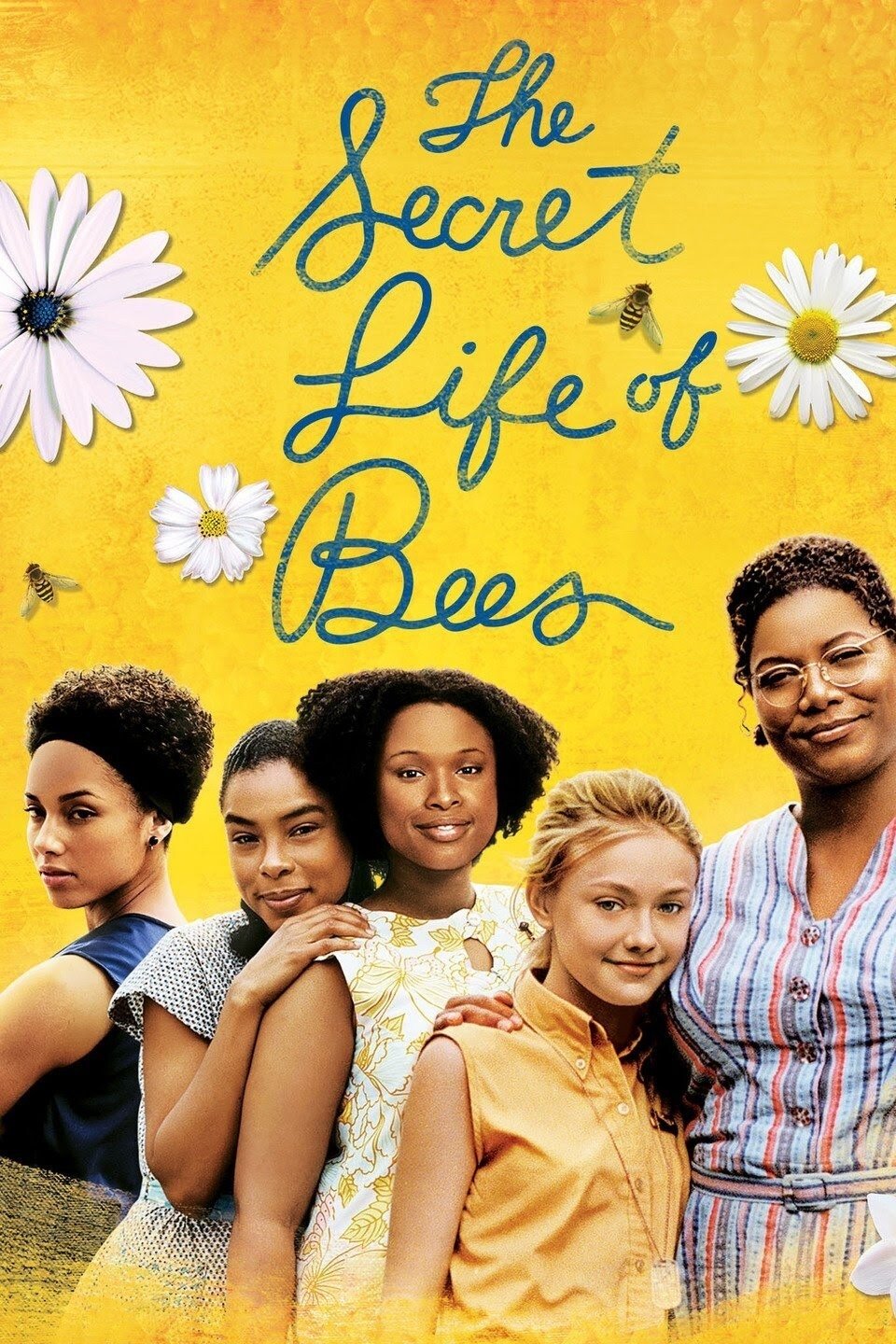
The Boatwright sisters are independent Black women who take in a young white girl named Lily who is fleeing her abusive father. The sisters provide Lily with a spiritual education, a sense of belonging, and the emotional tools to heal from her past. Critics have noted that while the sisters have their own history, the film’s focus remains on Lily’s coming-of-age journey. The Boatwright home serves as a sanctuary where the Black characters exist to facilitate the white lead’s redemption.
‘Corrina, Corrina’ (1994)
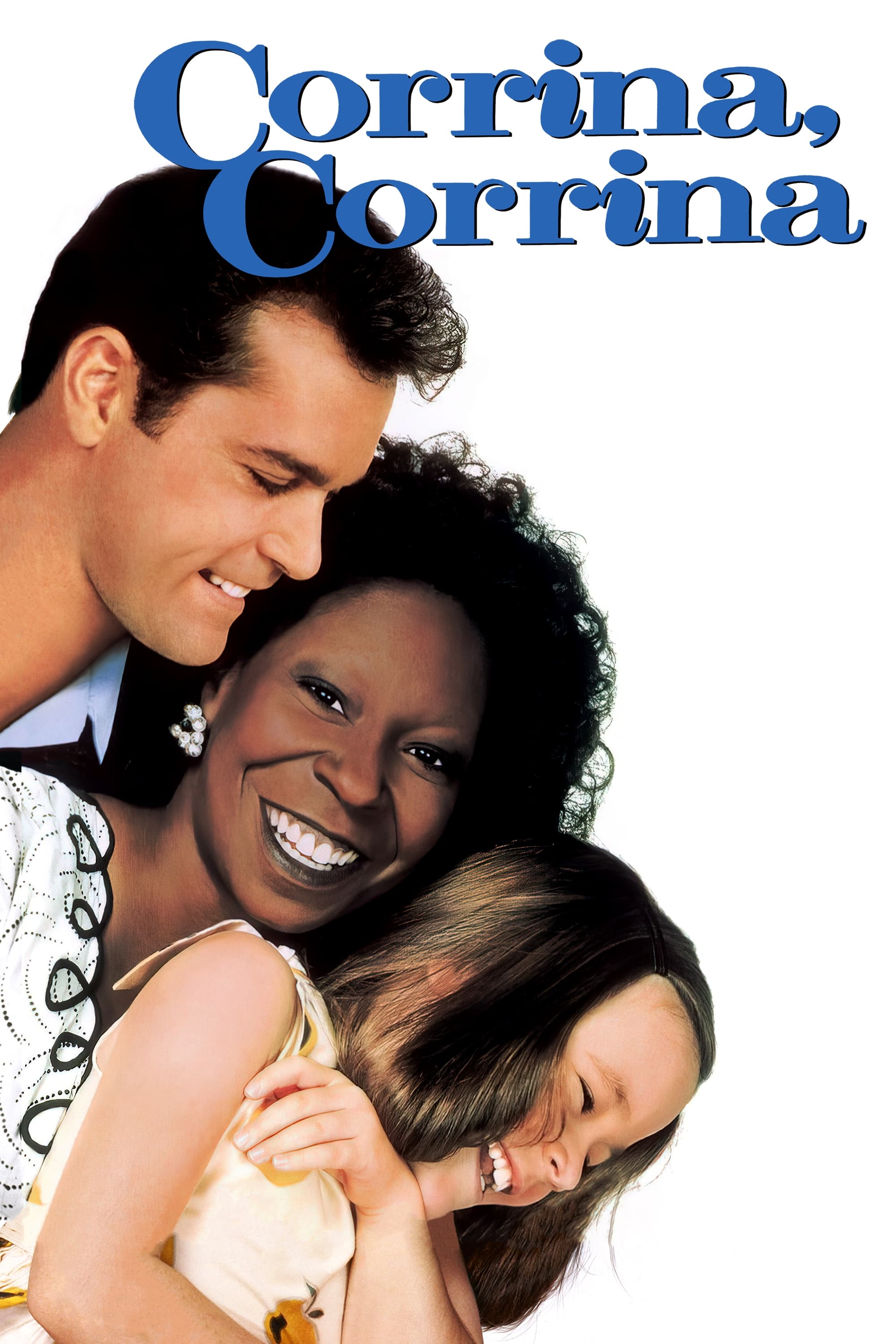
Set in the 1950s, the film follows a Black housekeeper who helps a widower and his daughter cope with their grief. Corrina uses her charm and emotional intelligence to bring music and laughter back into the white family’s household. The plot focuses on how her presence fixes the broken dynamics of the home. Her character is primarily defined by her nurturing role and her ability to heal the white protagonists’ trauma.
‘Finding Forrester’ (2000)
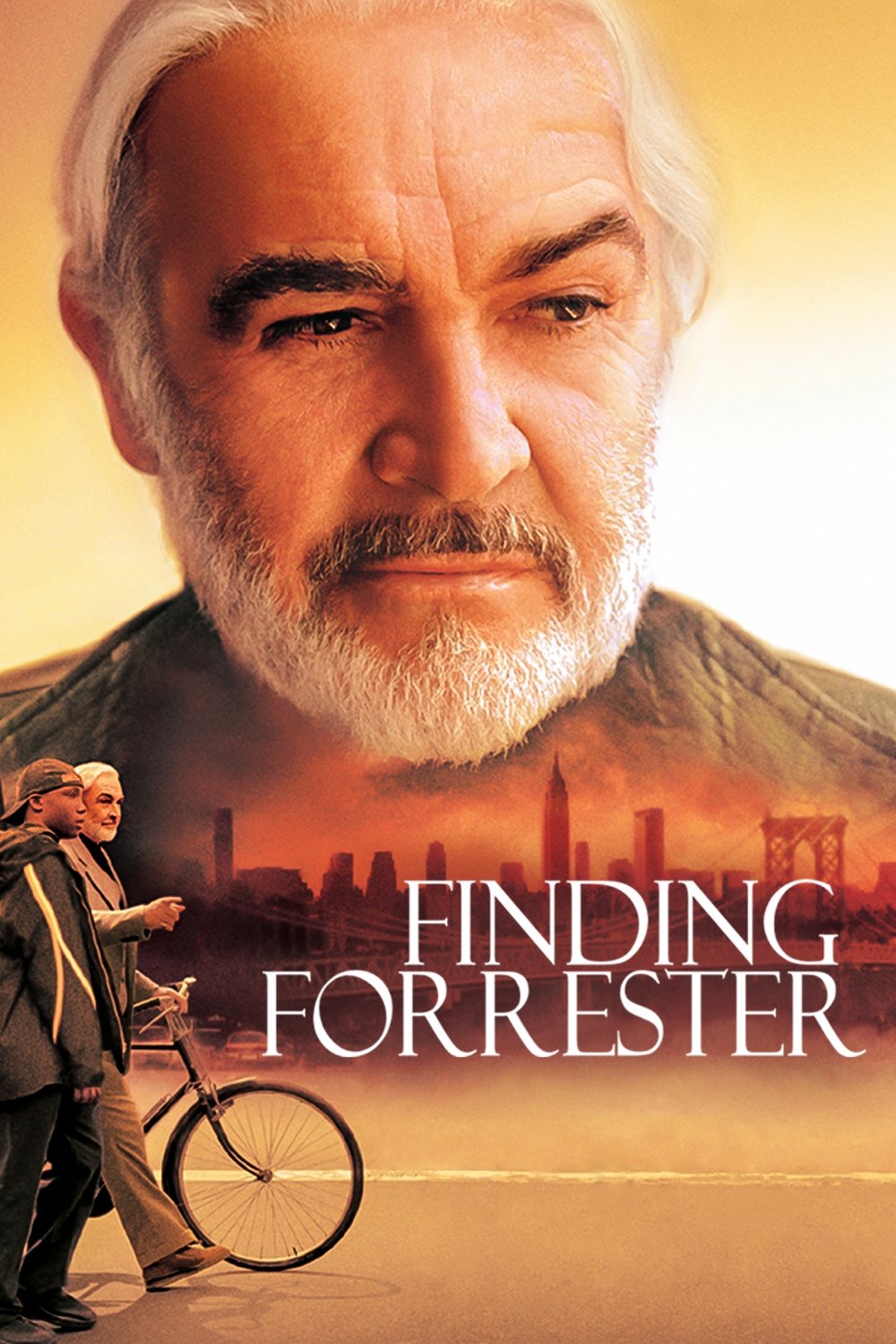
A reclusive, Pulitzer Prize-winning Black author takes a talented Black teenager under his wing, but the film’s moral arc often centers on the author’s own re-emergence. While the student learns to write, the author learns to re-engage with the world and overcome his cynicism. Some critics argue the film uses the Black mentor trope to provide a safe, intellectual space for growth that avoids deeper social commentary. The relationship is framed as a mutually beneficial moral awakening sparked by the mentor’s wisdom.
‘Amistad’ (1997)
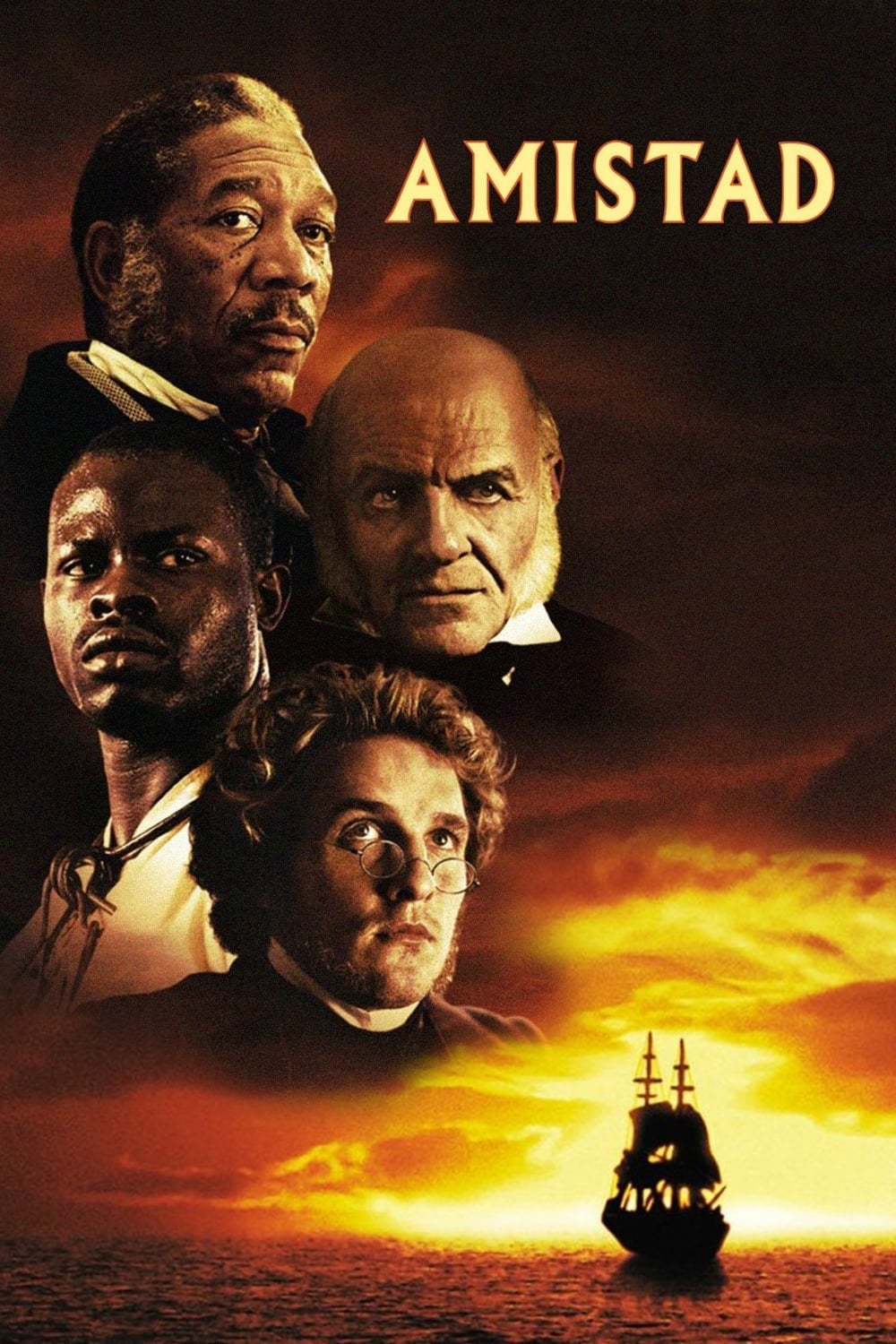
While ‘Amistad’ focuses on a revolt by enslaved Mende people, much of the screen time and narrative agency is given to their white lawyers. The Black characters, including leader Cinque, are often depicted as noble but passive subjects of a legal battle led by white figures like John Quincy Adams. The film uses the suffering and dignity of the Africans to provide a moral platform for the white characters to debate American ideals. Critics argue the film prioritizes the moral growth of the American legal system over the individuals’ personal stories.
‘To Kill a Mockingbird’ (1962)
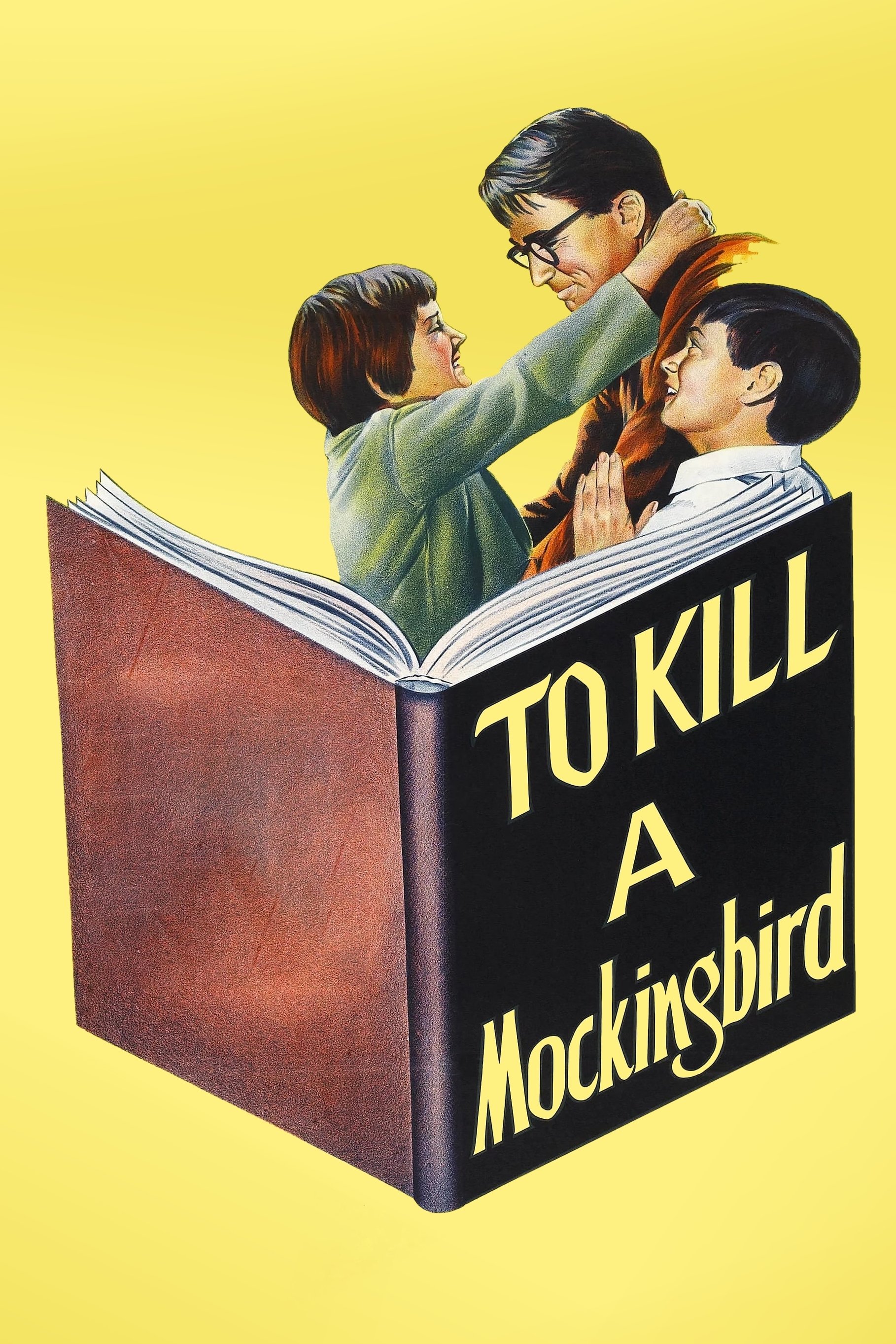
Tom Robinson is a Black man falsely accused of a crime, whose trial serves as the moral centerpiece for Atticus Finch’s lessons to his children. Tom is depicted as a figure of pure innocence and suffering who is unable to save himself. His character’s primary function in the narrative is to act as the “mockingbird” that teaches the white protagonists about injustice. The emotional impact of the story relies on Tom’s tragedy to facilitate the ethical development of Scout and Jem.
‘Far from Heaven’ (2002)

In this homage to 1950s melodramas, Raymond Deagan is a Black gardener who provides emotional support to a white socialite whose life is falling apart. Raymond is portrayed as exceptionally kind, cultured, and understanding, offering a stark contrast to the socialite’s repressed husband. Their relationship serves to highlight the protagonist’s loneliness and the stifling nature of suburban life. Raymond’s character acts as the moral and emotional catalyst for the woman’s self-discovery.
‘Bringing Down the House’ (2003)

In this comedy, a Black woman escaped from prison enters the life of a rigid white lawyer to help him win back his ex-wife and “loosen up.” She uses her street smarts and outspoken personality to transform his uptight household. The film relies on stereotypes to create a scenario where the Black character’s “wild” nature provides a moral and social lesson for the white lead. Her character is designed entirely around fixing the life of the protagonist.
‘The Shawshank Redemption’ (1994)
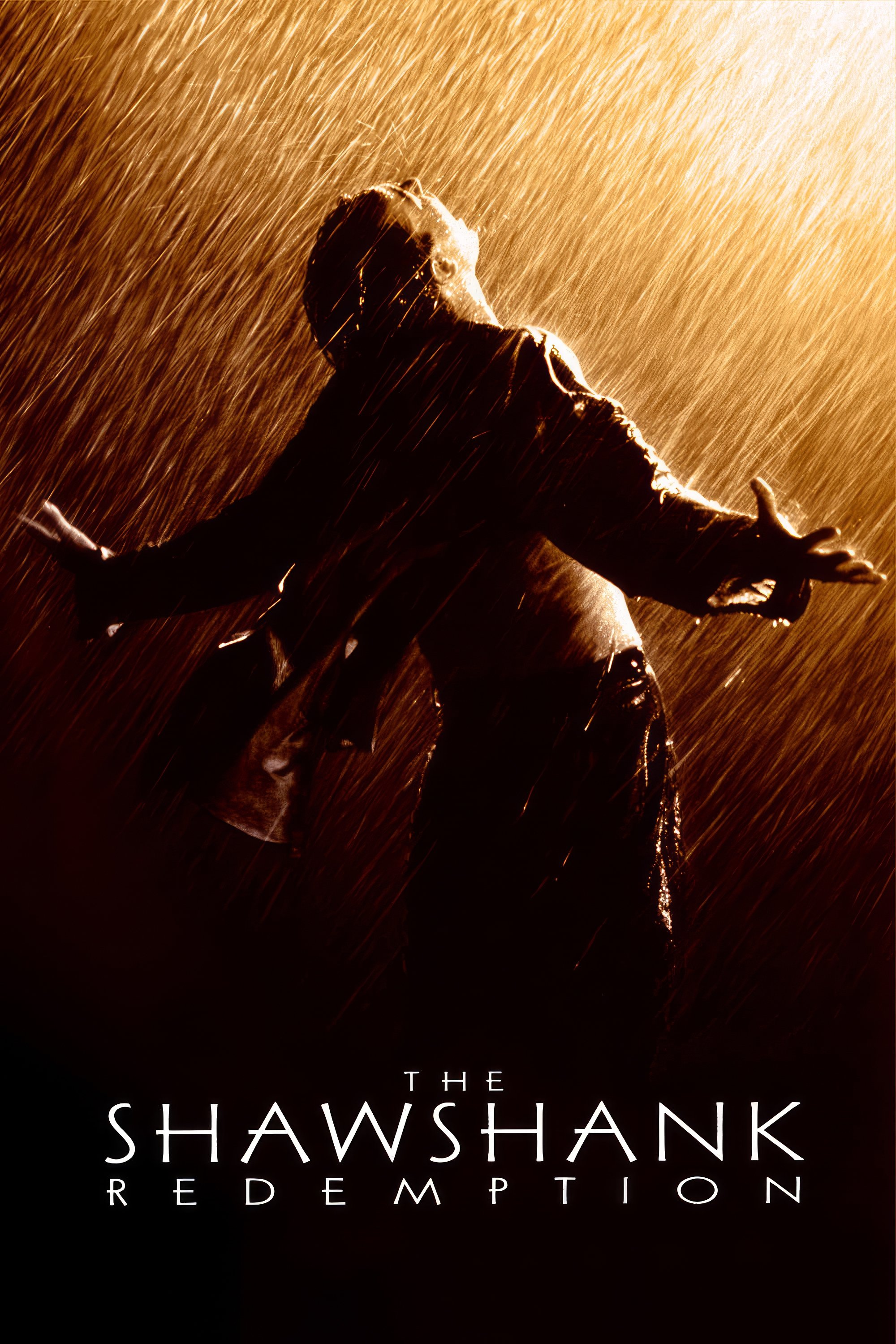
Ellis Boyd “Red” Redding serves as the narrator and the institutionalized soul of the prison who finds hope through his friendship with Andy Dufresne. While Red is a fully realized character, his narrative arc is intrinsically tied to Andy’s stoicism and ingenuity. Red’s growth from a cynical man to one who “hopes” is triggered entirely by the white protagonist’s actions. Many analyses suggest that Red serves as the witness to Andy’s “saint-like” presence in the prison.
‘Seven Pounds’ (2008)
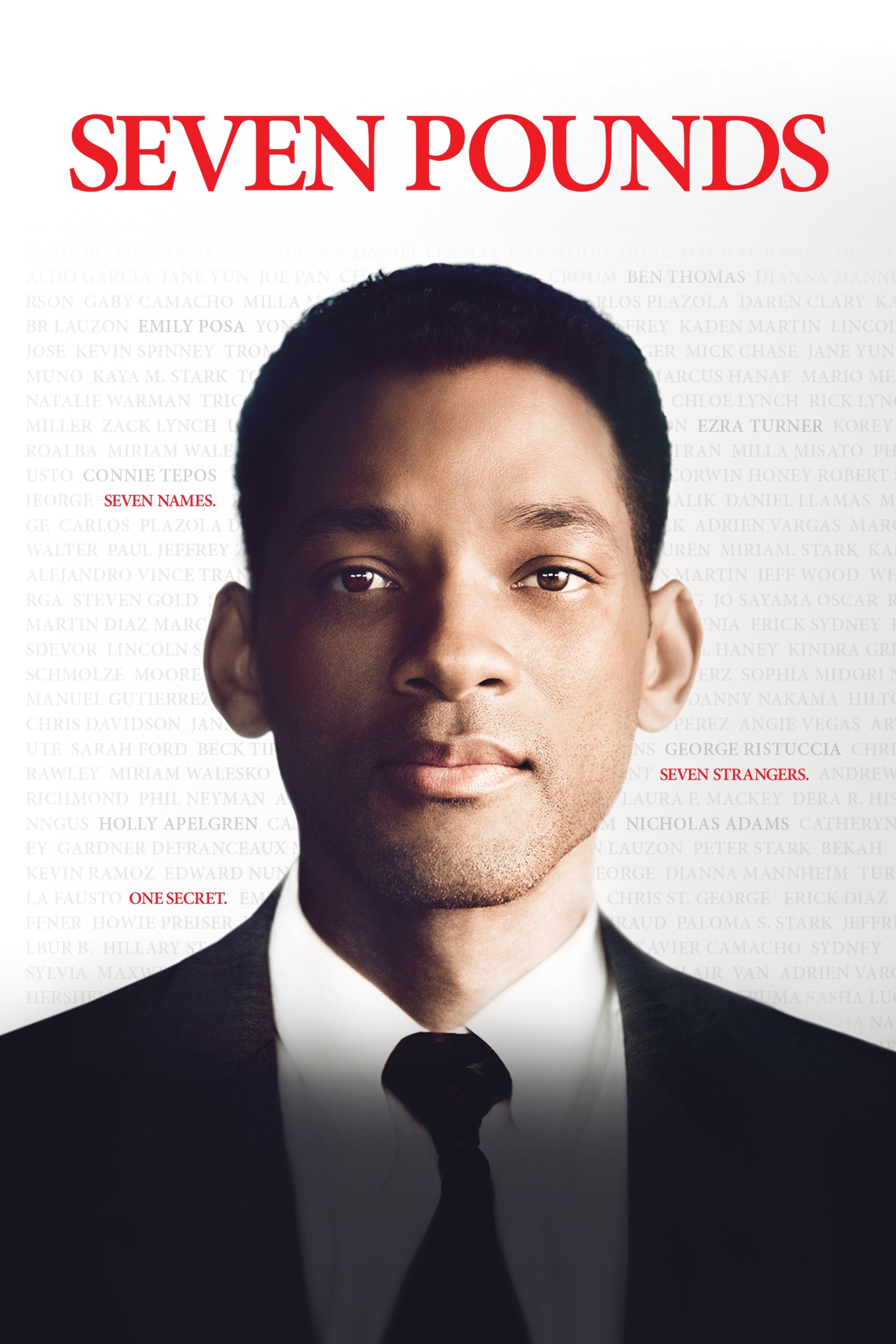
Will Smith plays Ben Thomas, a man who seeks redemption by drastically changing the lives of seven strangers after a fatal accident. The film portrays his character as a martyr who literally gives pieces of himself to others to make amends. This depiction of extreme self-sacrifice is often cited as an example of the “Saintly Black Character” who exists only to provide life-altering gifts to others. The narrative focuses on the moral nobility of his suffering and his eventual death for the sake of others.
‘Babel’ (2006)

This multi-narrative film includes a segment where a Moroccan family’s lives are upended after a tragic accident involving American tourists. The Moroccan characters are primarily depicted through their proximity to the suffering of the white protagonists. Their struggles and legal troubles serve as a backdrop for the emotional climax of the Western characters’ stories. Critics argue that the non-Western characters are used to illustrate a moral lesson about global connectivity and consequence.
‘A Time to Kill’ (1996)
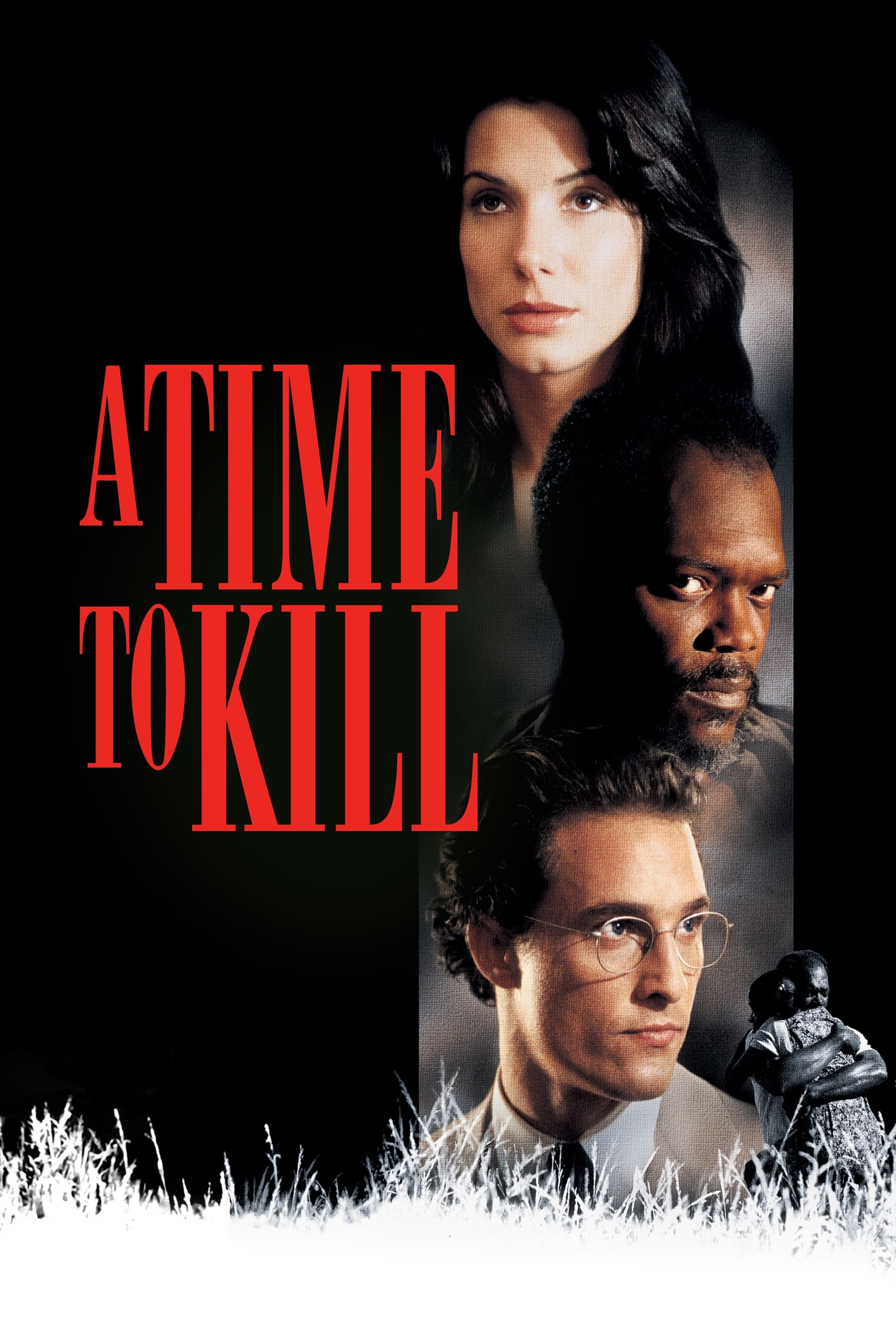
The film centers on a white lawyer defending a Black father, Carl Lee Hailey, who took the law into his own hands after his daughter was assaulted. While Carl Lee’s grief is the catalyst, the narrative focuses on the lawyer’s struggle with his own conscience and his bravery in a racist town. The climax of the film involves a closing argument where the white lawyer asks the jury to imagine the victim is white to find their moral center. Carl Lee serves as the vehicle for the lawyer’s career-defining ethical stand.
‘Hearts in Atlantis’ (2001)

Ted Brautigan is a mysterious elderly man with psychic abilities who moves into a boarding house and mentors a young boy named Bobby. While Ted is played by Anthony Hopkins, the story shares DNA with other Stephen King works that utilize supernatural mentors to teach young white leads about the world. Critics have noted that characters with these specific “shining” traits often follow the same functional pattern as the “Magical Negro” trope. The character exists to provide a bridge between the mundane and the extraordinary for the protagonist.
‘The Soloist’ (2009)

Based on a true story, ‘The Soloist’ follows a journalist who discovers a homeless Black musical prodigy living with schizophrenia. The journalist’s attempts to “save” the musician become the central moral conflict of the film. The narrative explores how the journalist learns about humility and the limits of his own influence through the musician’s life. The Black character’s illness and talent serve as the primary teaching tools for the white protagonist’s personal evolution.
‘The Power of One’ (1992)
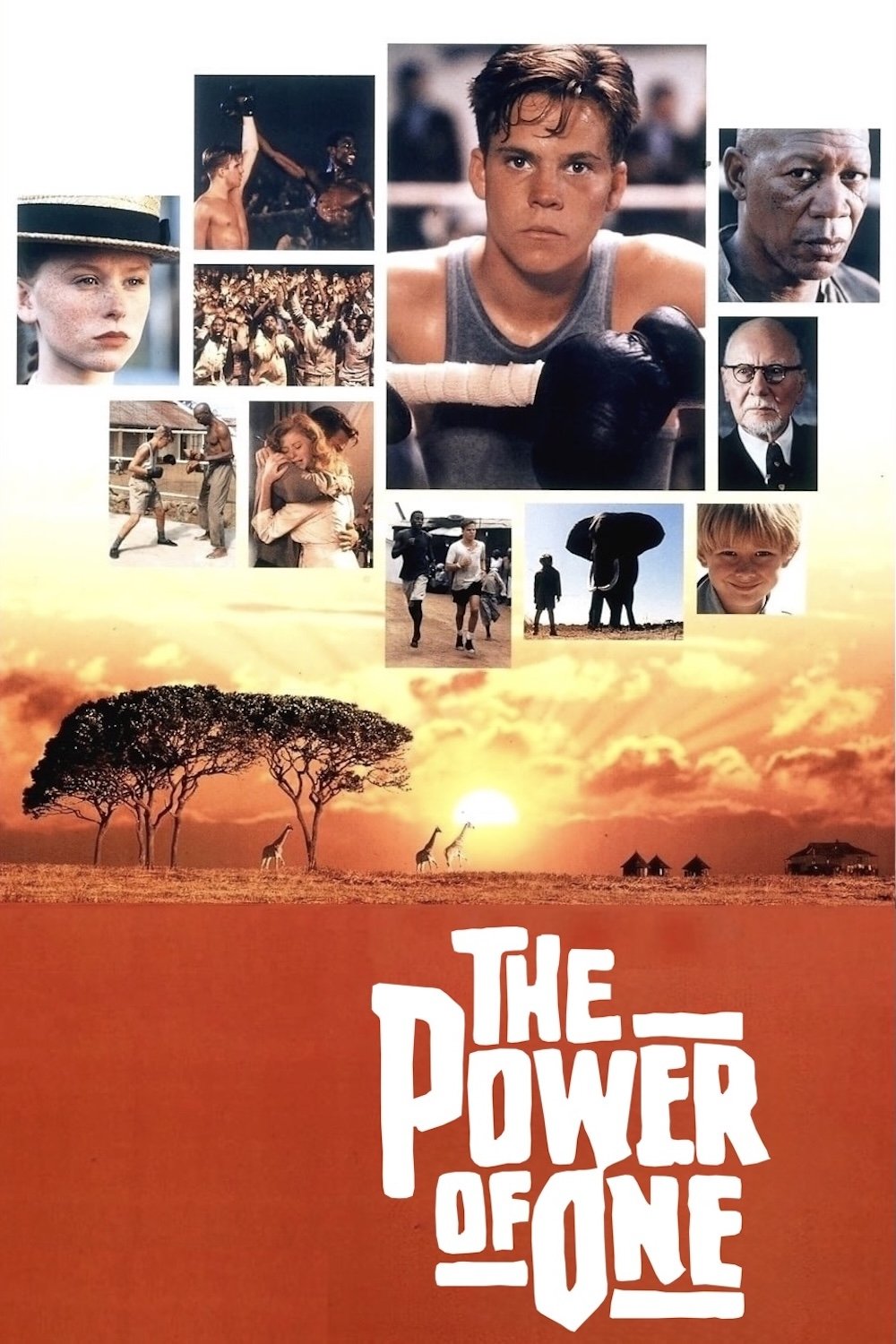
Set in South Africa during the rise of Apartheid, the film follows a young English boy who is mentored by several characters, including a Black prisoner named Geel Piet. Geel Piet teaches the boy how to box and imparts wisdom about resilience and “the power of one.” He eventually sacrifices his life, which serves as a turning point for the protagonist’s commitment to social justice. His death and teachings are framed entirely as instrumental to the white hero’s journey.
‘Blood Diamond’ (2006)

In ‘Blood Diamond’, Solomon Vandy is a fisherman seeking his family amidst a civil war, but he is paired with a white mercenary played by Leonardo DiCaprio. The mercenary’s journey from a cynical diamond smuggler to a man who performs a selfless act is the film’s primary moral arc. Solomon’s desperation and fatherly love provide the emotional weight that eventually redeems the white lead. The narrative uses the Black character’s tragedy to facilitate the white character’s transformation.
Please share your thoughts on these cinematic tropes in the comments.