


Movies Criticized for Handling Grief Over Real Actor Deaths Poorly

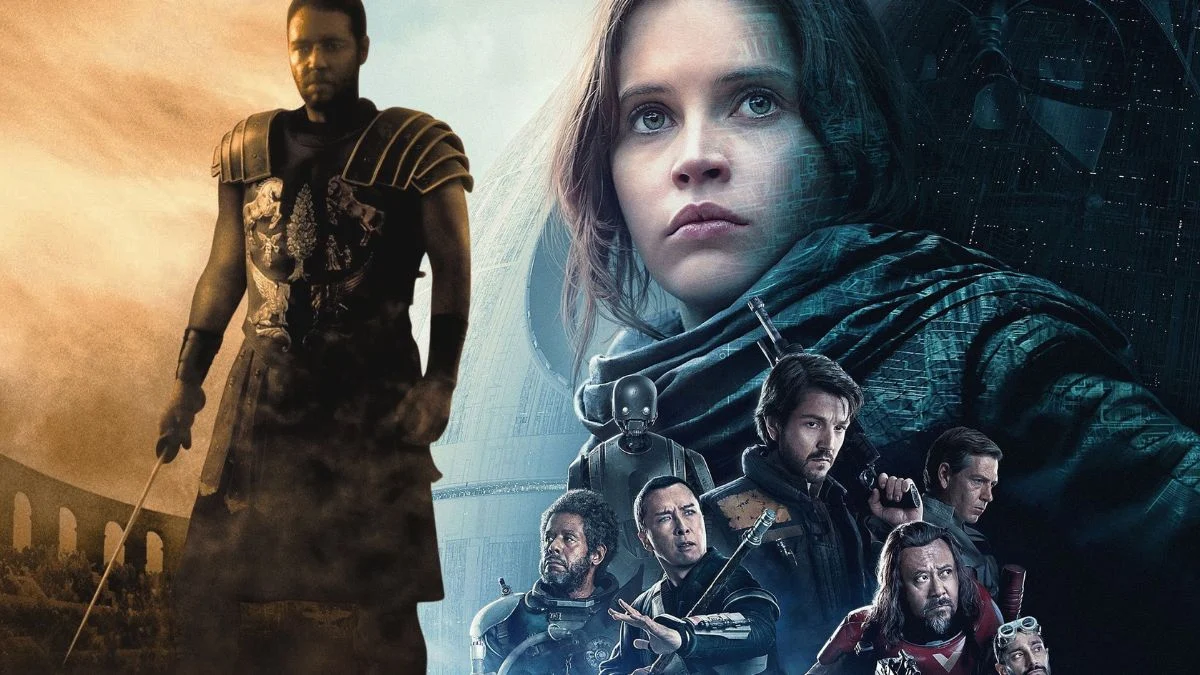


Filmmakers often face difficult choices when a key actor passes away before a production is complete. The rapid advancement of digital technology has allowed studios to resurrect deceased stars with varying degrees of success. Audiences and critics frequently debate the ethics of using computer-generated imagery to replicate a human performance. These creative decisions can sometimes overshadow the narrative and feel like a disrespectful exploitation of a tragedy. The following films sparked significant controversy regarding how they navigated the loss of their cast members.
‘The Flash’ (2023)
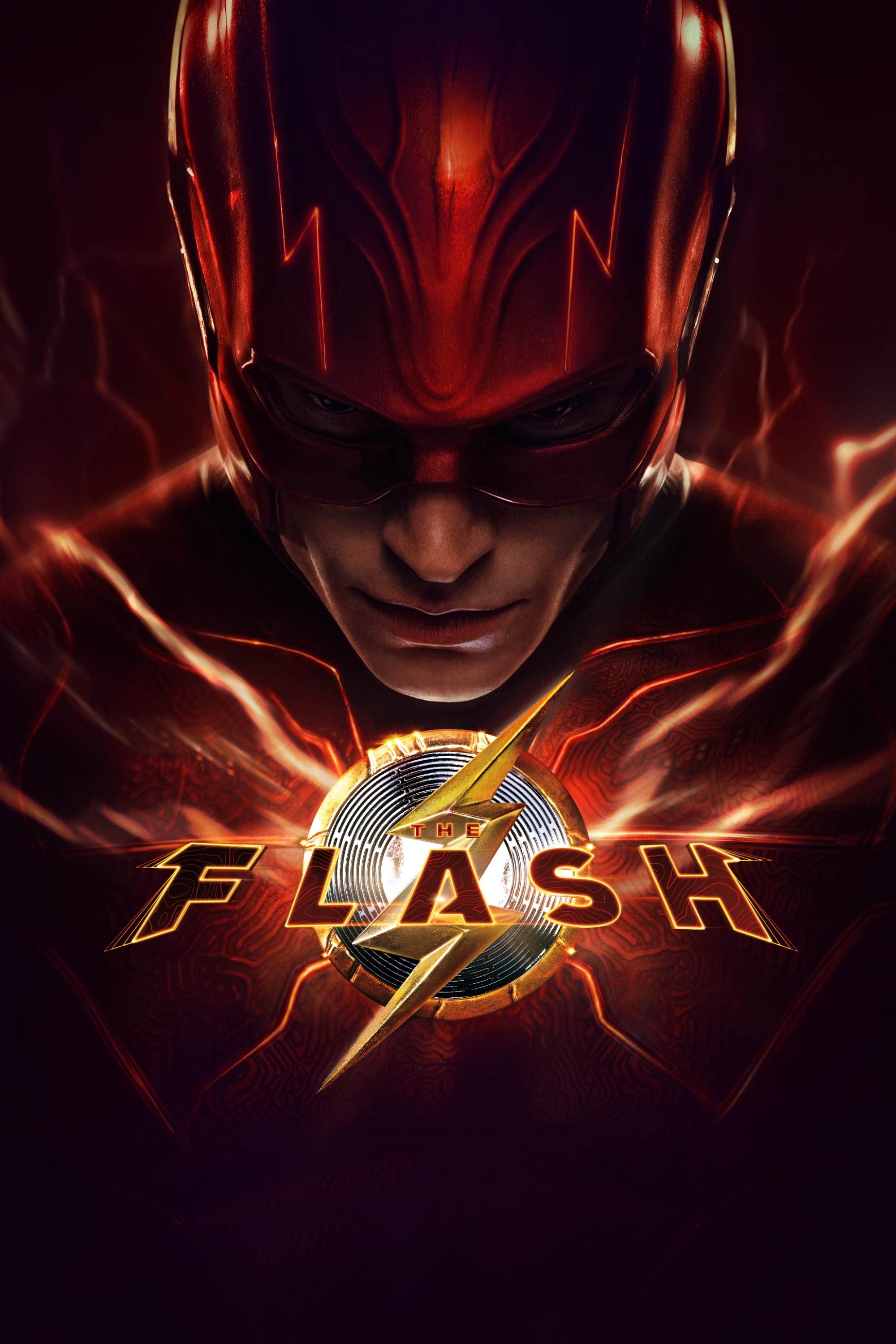
This superhero blockbuster faced significant backlash for its inclusion of digital cameos featuring deceased actors. The film utilized CGI to resurrect Christopher Reeve and George Reeves as Superman alongside Adam West as Batman. Critics and audiences labeled the sequence as ghoulish and ethically questionable. Many felt that using the likenesses of actors who could not consent to their appearance was a disrespectful form of digital necromancy. The visual effects for these cameos were also criticized for appearing uncanny and lifeless compared to the respectful tributes fans desired.
‘Alien: Romulus’ (2024)
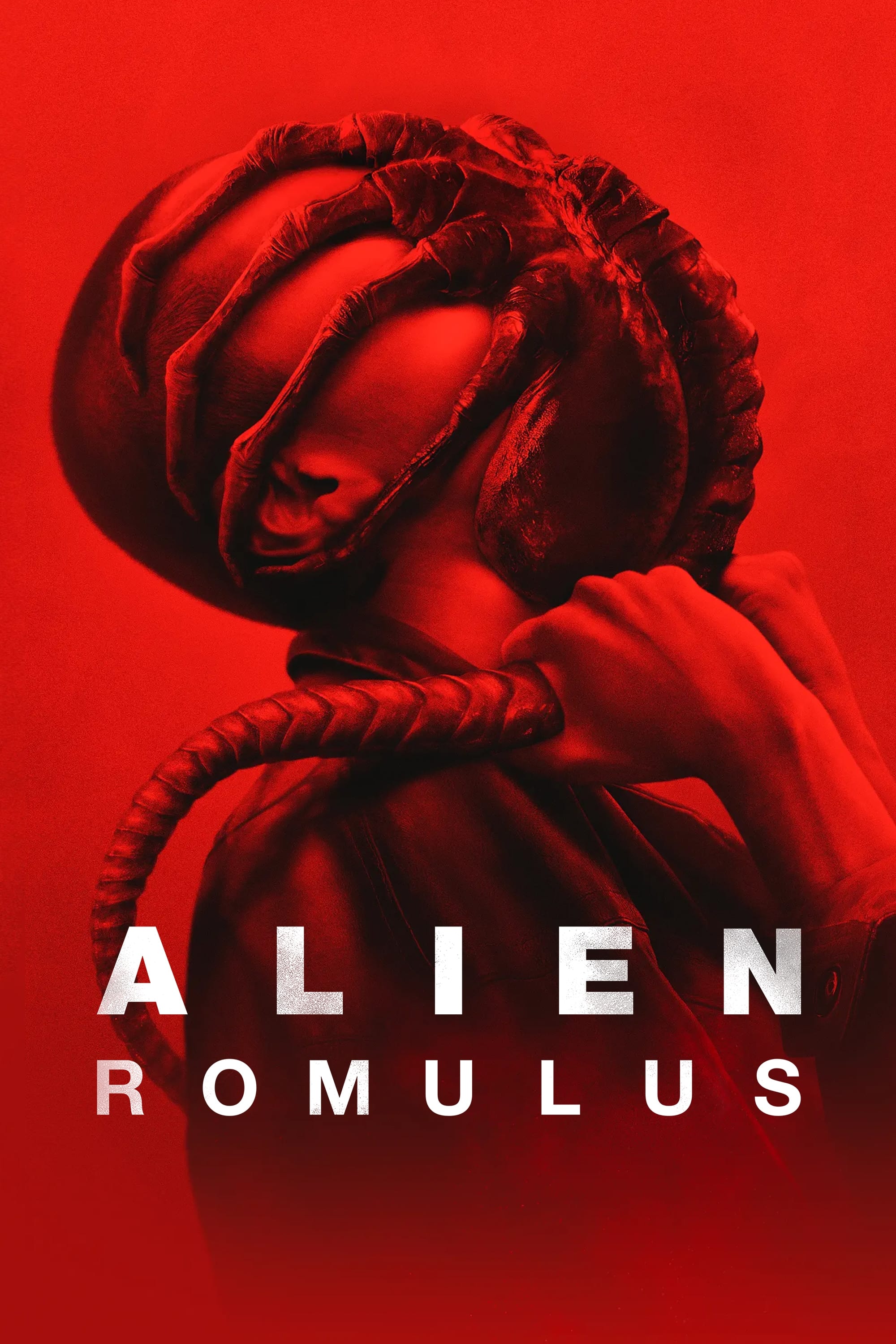
Director Fede Álvarez made the controversial decision to bring back the likeness of Ian Holm for this installment in the sci-fi franchise. Holm had passed away in 2020 but his character Ash was a fan favorite from the original film. The production used a combination of animatronics and CGI to create a new android character named Rook with the face of the late actor. Viewers found the digital recreation distracting and argued that it prevented the film from standing on its own merits. The ethical implications of puppeteering a deceased actor for a new role sparked heated debates online.
‘Game of Death’ (1978)
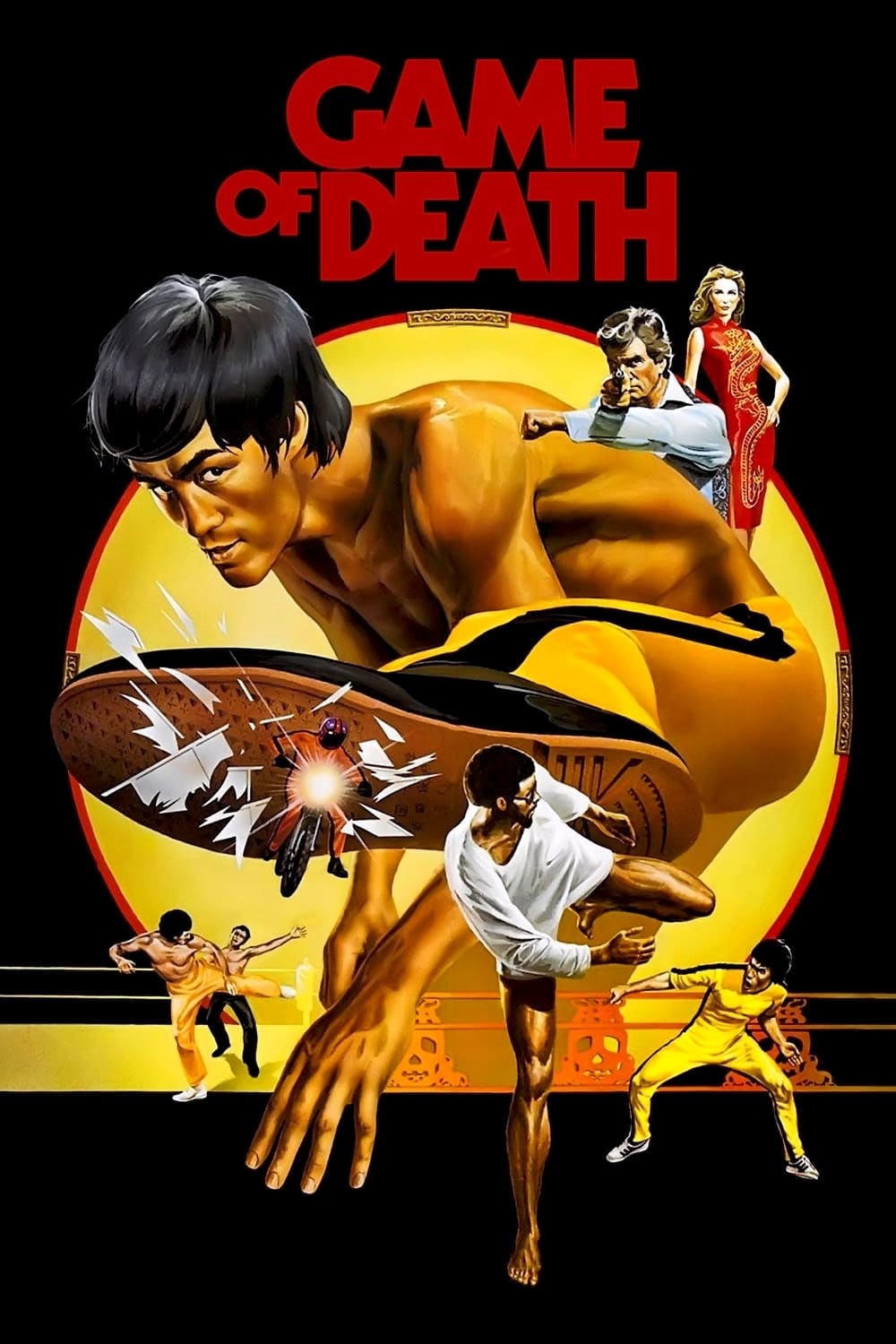
Bruce Lee died before he could complete this martial arts film and the studio decided to finish it using controversial methods. The filmmakers used stand-ins disguised with sunglasses and shadows to double for the martial arts legend. They famously pasted a cardboard cutout of the face of Lee onto a mirror in one shot to mask a double. The most criticized decision involved the inclusion of actual footage from the real funeral of Bruce Lee to explain the death of his character. This exploitation of a real tragedy for a fictional plot remains one of the most infamous examples of poor taste in cinema history.
‘Trail of the Pink Panther’ (1982)
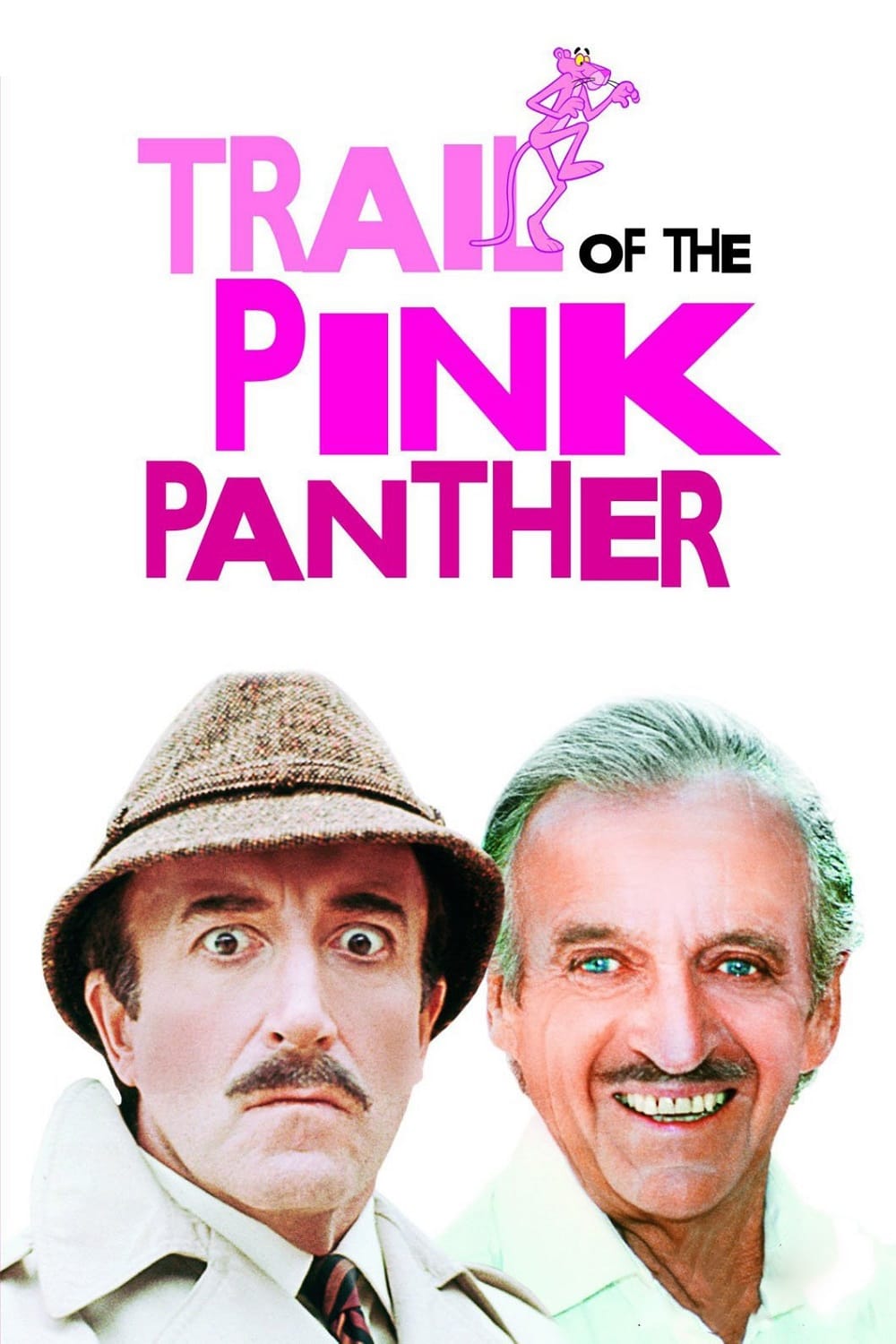
Released two years after the death of Peter Sellers this film attempted to construct a new story entirely around deleted scenes and outtakes from previous movies. The plot felt disjointed as the late actor appeared in scenes that did not match the context of the new narrative. Critics savaged the film for being a blatant cash grab that insulted the comedic legacy of the star. The widow of Peter Sellers successfully sued the production company for diminishing the reputation of her late husband. It stands as a cautionary tale about the dangers of recycling unused footage without the creative input of the performer.
‘Rogue One: A Star Wars Story’ (2016)
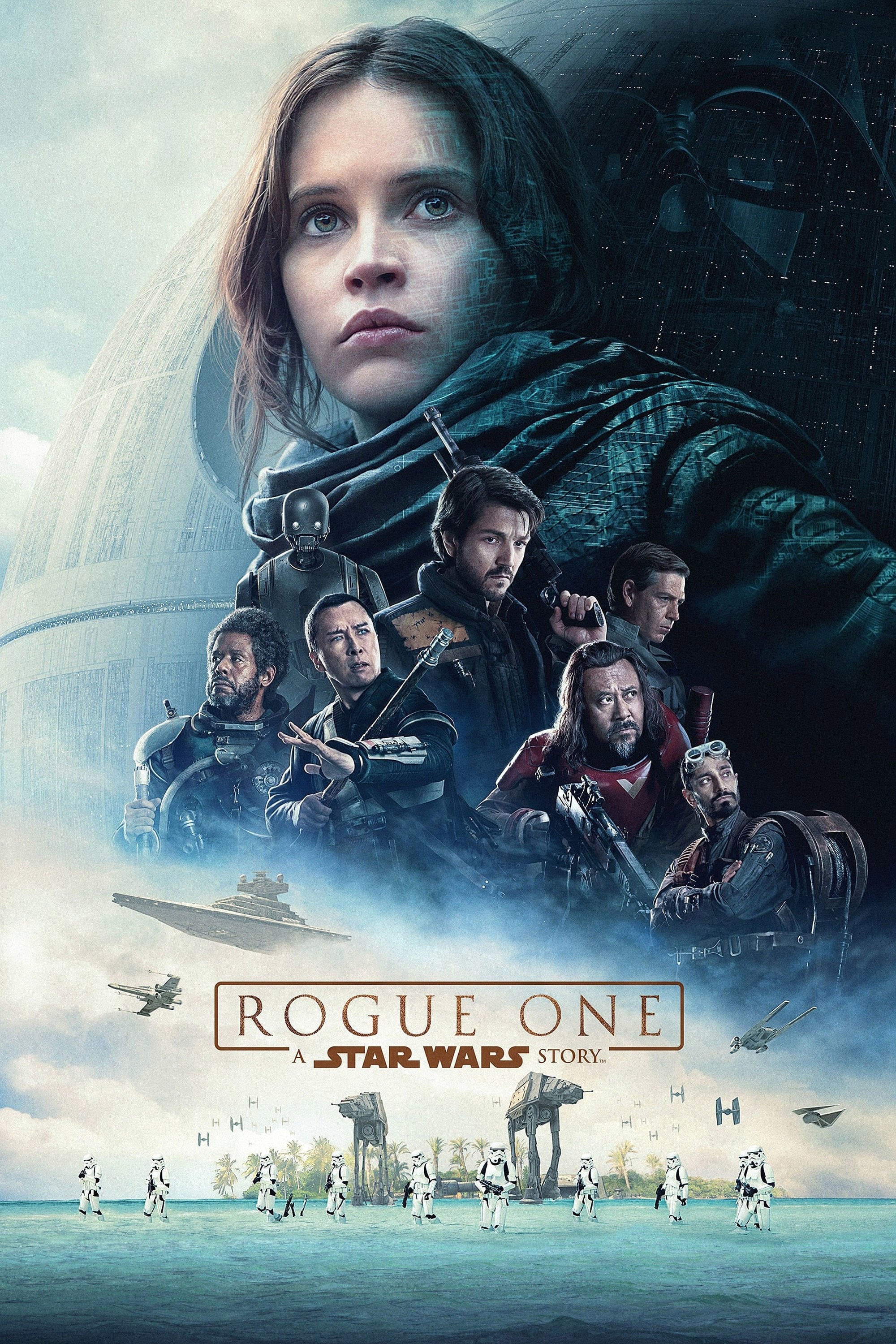
The resurrection of Peter Cushing as Grand Moff Tarkin was a technological milestone that raised immediate ethical concerns. Cushing had died more than two decades prior to the release of the film yet played a significant role through motion capture performance. While the estate of the actor gave permission the uncanny valley effect left many viewers feeling uneasy. Critics argued that the digital mask lacked the nuance of a human performance and felt like a hollow imitation. The debate centered on whether actors should be allowed to rest in peace rather than being digitally immortalized for franchise continuity.
‘Star Wars: The Rise of Skywalker’ (2019)
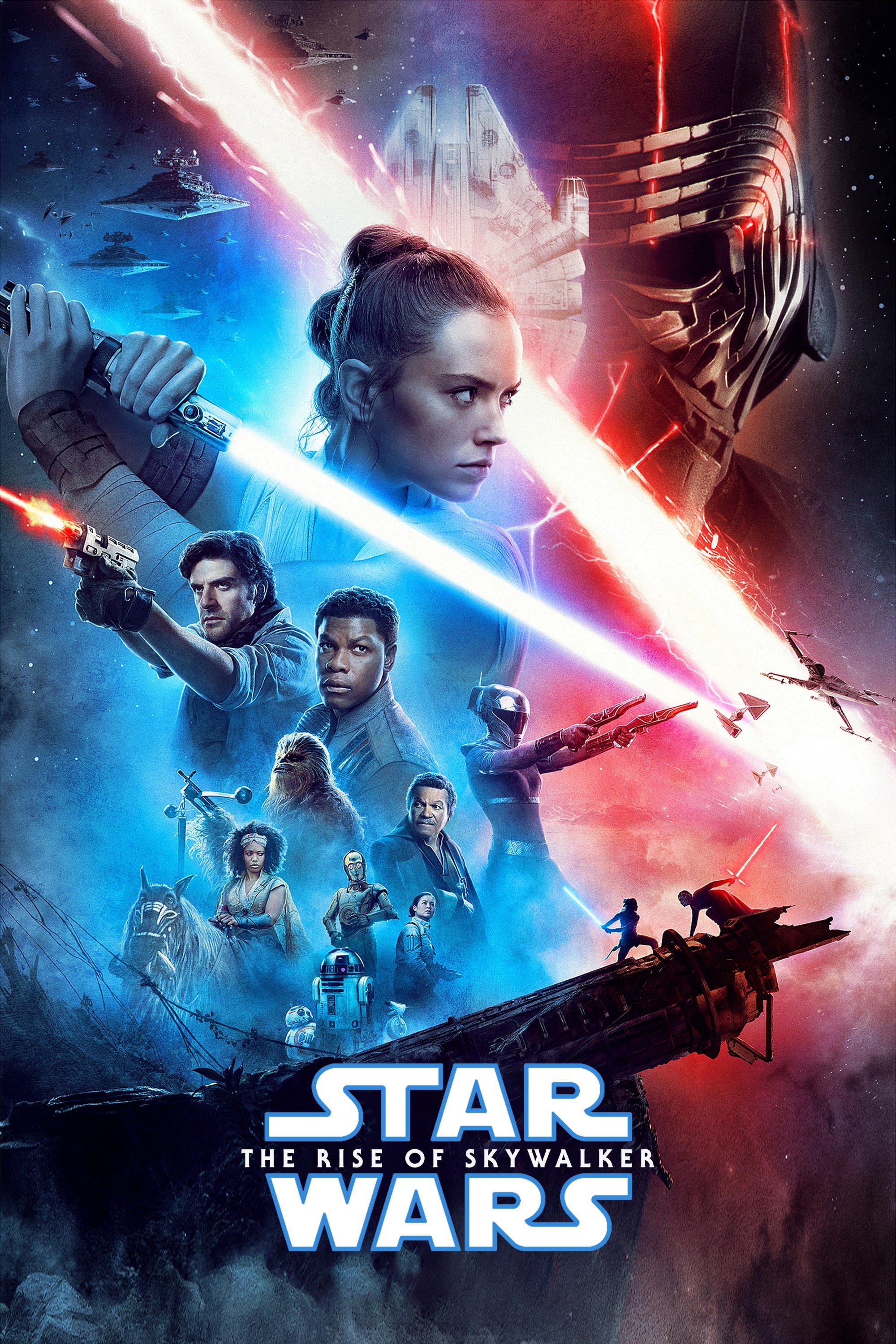
Following the sudden death of Carrie Fisher the filmmakers decided to complete her story using unreleased footage from the previous two movies. The result was a performance that felt rigid and disconnected from the other actors in the scene. Dialogue often seemed vague or generic because the script had to be written around existing lines rather than the other way around. Fans felt that the iconic character of General Leia Organa deserved a more organic conclusion than what the editing room could provide. The constraints of the footage ultimately limited the emotional impact of her final appearance.
‘Ghostbusters: Afterlife’ (2021)
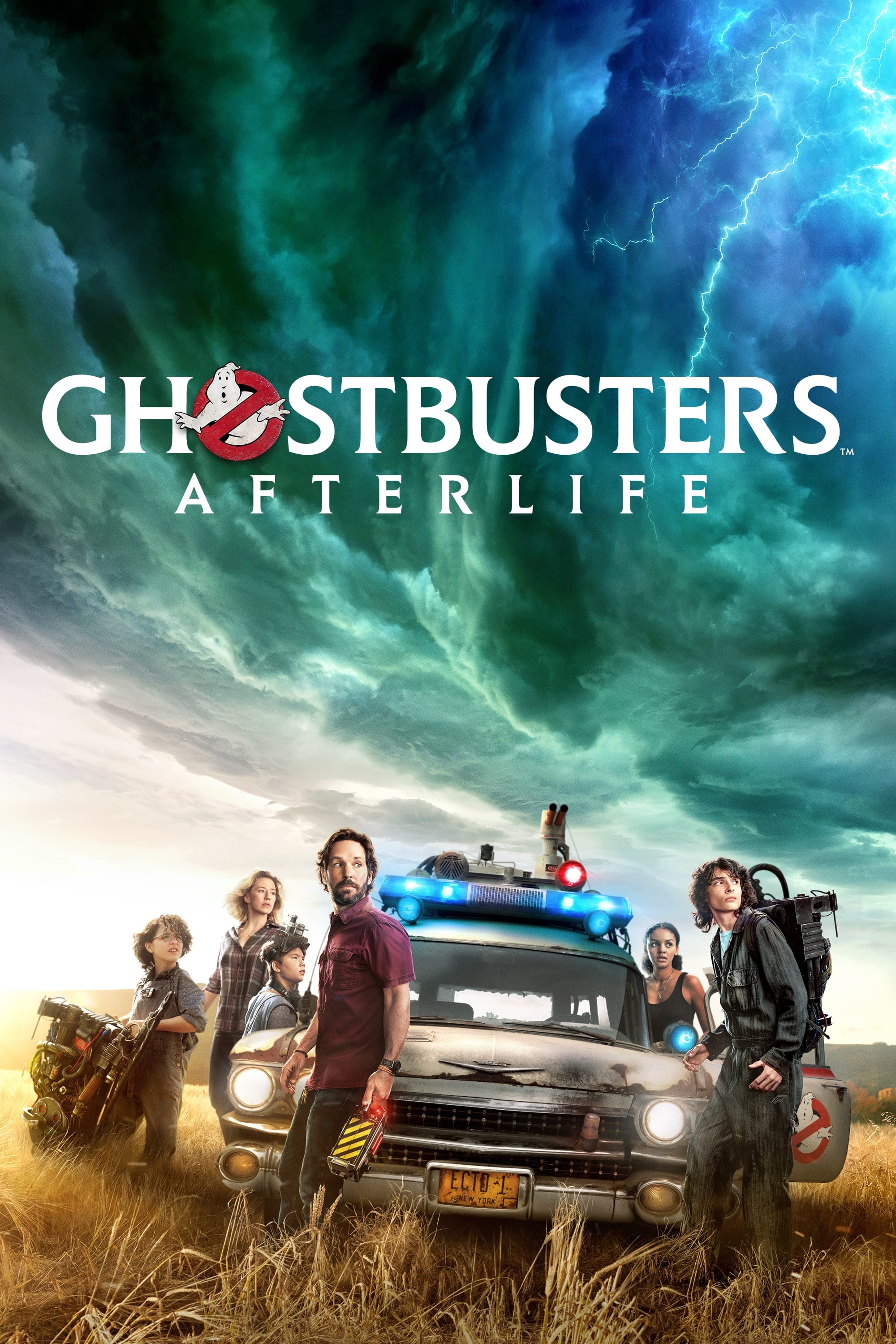
The climax of this legacy sequel featured a CGI ghost of Egon Spengler who was played by the late Harold Ramis. While the director intended the moment as a loving tribute to his father and the co-creator of the franchise it divided audiences. Some viewers found the silent digital spectre to be emotionally manipulative and technically jarring. Critics questioned the necessity of using a digital likeness to provide closure instead of relying on the script and remaining cast. The scene highlighted the fine line between honoring a legacy and exploiting a likeness for fan service.
‘Superman Returns’ (2006)
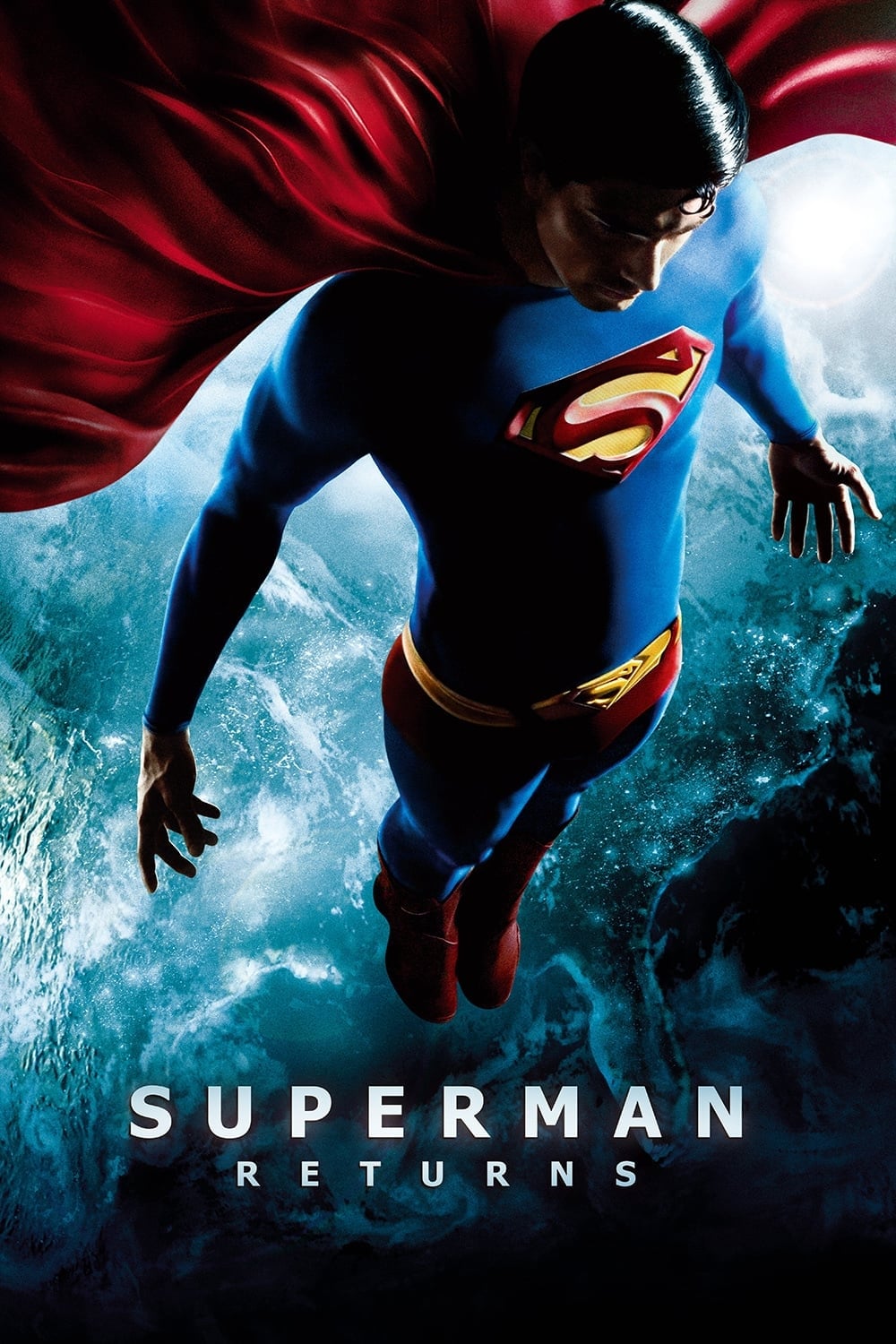
Director Bryan Singer utilized unused footage of Marlon Brando from the 1978 original film to reprise the role of Jor-El. The production manipulated the image and voice of the late actor to make him interact with the new cast. While the visual effects were advanced for the time the digital presence felt ghostly and detached from the emotional core of the movie. Critics argued that the reliance on a deceased icon prevented the film from establishing its own identity. The effort to pay homage ultimately resulted in a performance that felt artificial.
‘Sky Captain and the World of Tomorrow’ (2004)
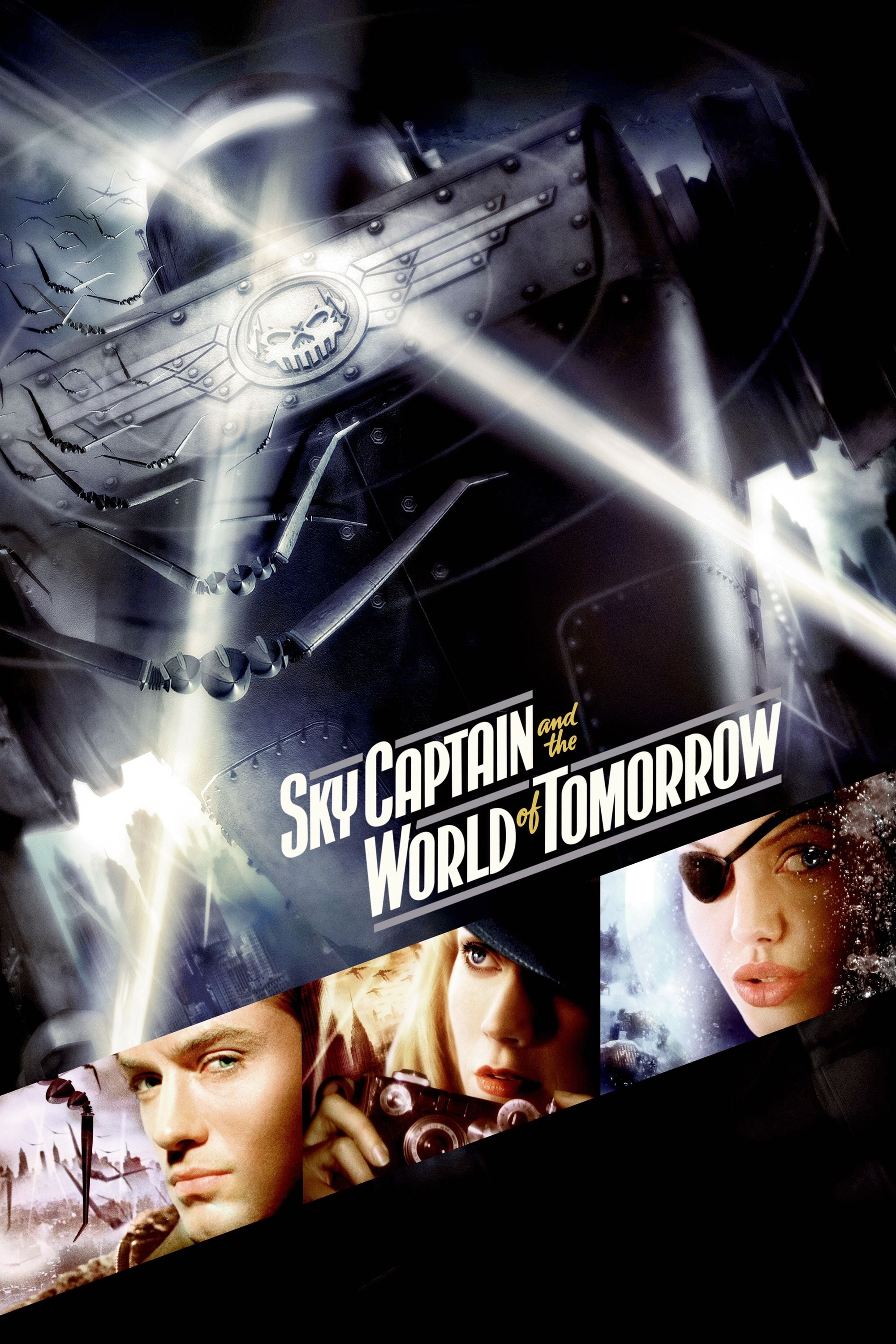
This stylized dieselpunk adventure brought back Laurence Olivier to play the villainous Dr. Totenkopf. The filmmakers used archival footage and audio recordings to create a hologram of the thespian who had died fifteen years earlier. The effect was technically impressive but narrative critics found it to be a distracting gimmick. Using one of the greatest actors in history as a special effect sparked early conversations about the morality of digital acting. The appearance served as a novelty that overshadowed the actual plot of the film.
‘Furious 7’ (2015)
The production of this action sequel was halted when star Paul Walker died in a tragic car accident. Weta Digital was brought in to create a digital double for the unfilmed scenes using his brothers as stand-ins. While the tribute at the end of the film was widely praised the extensive use of CGI during action sequences drew mixed reactions. Some viewers found the digital recreation to be slightly uncanny and difficult to watch given the real-world circumstances of his death. The film is often studied as the primary test case for how to handle the death of a lead actor mid-production.
‘The Crow’ (1994)
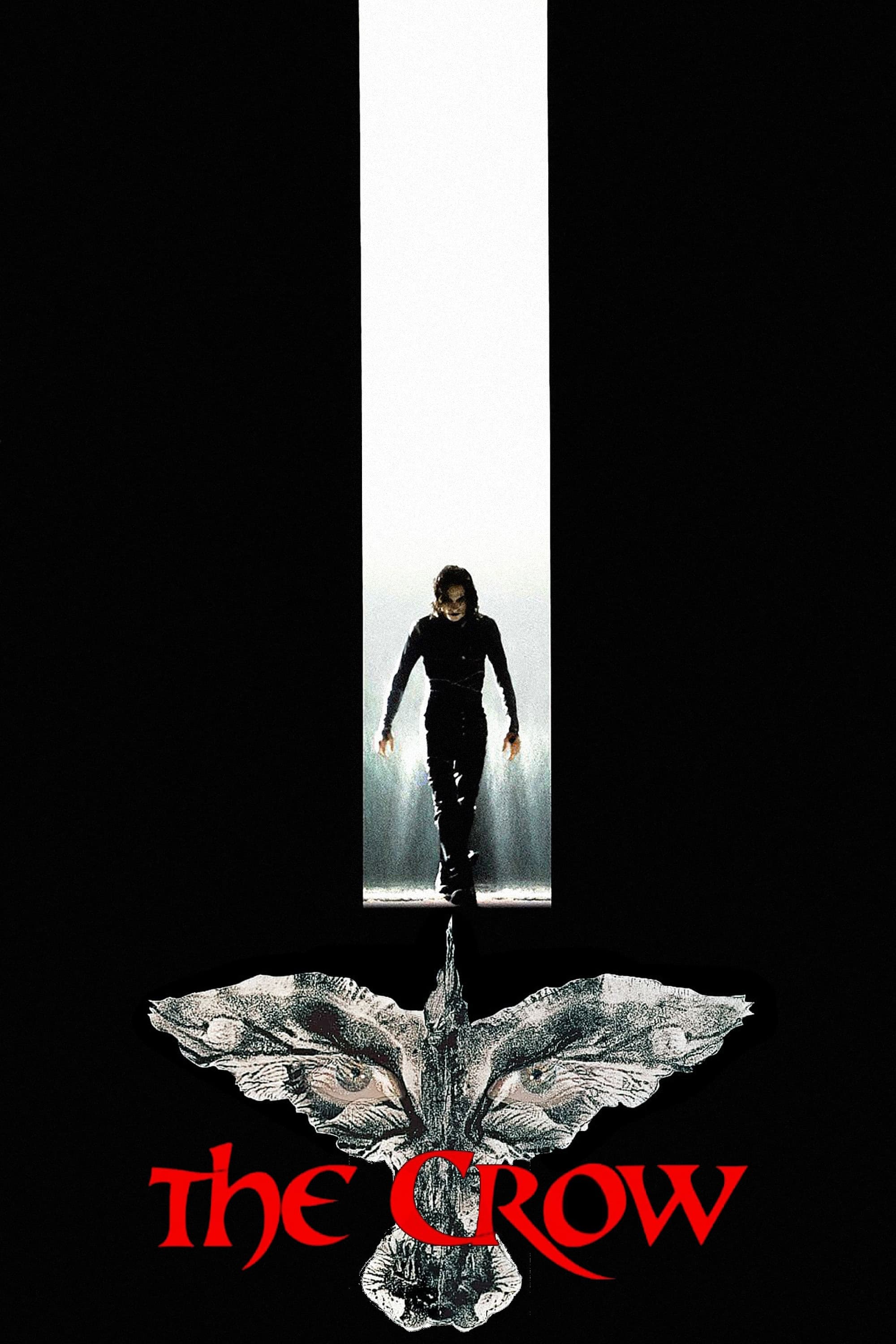
Brandon Lee was killed in a firearm accident on set days before filming was scheduled to wrap. The studio decided to complete the film using stunt doubles and early digital face replacement technology. While the film became a cult classic the decision to release it at all was controversial at the time. Critics and audiences struggled to separate the dark themes of death and resurrection in the movie from the reality of the tragedy. The finished product stands as a haunting memorial but the production remains shrouded in the sorrow of the preventable accident.
‘Gladiator’ (2000)
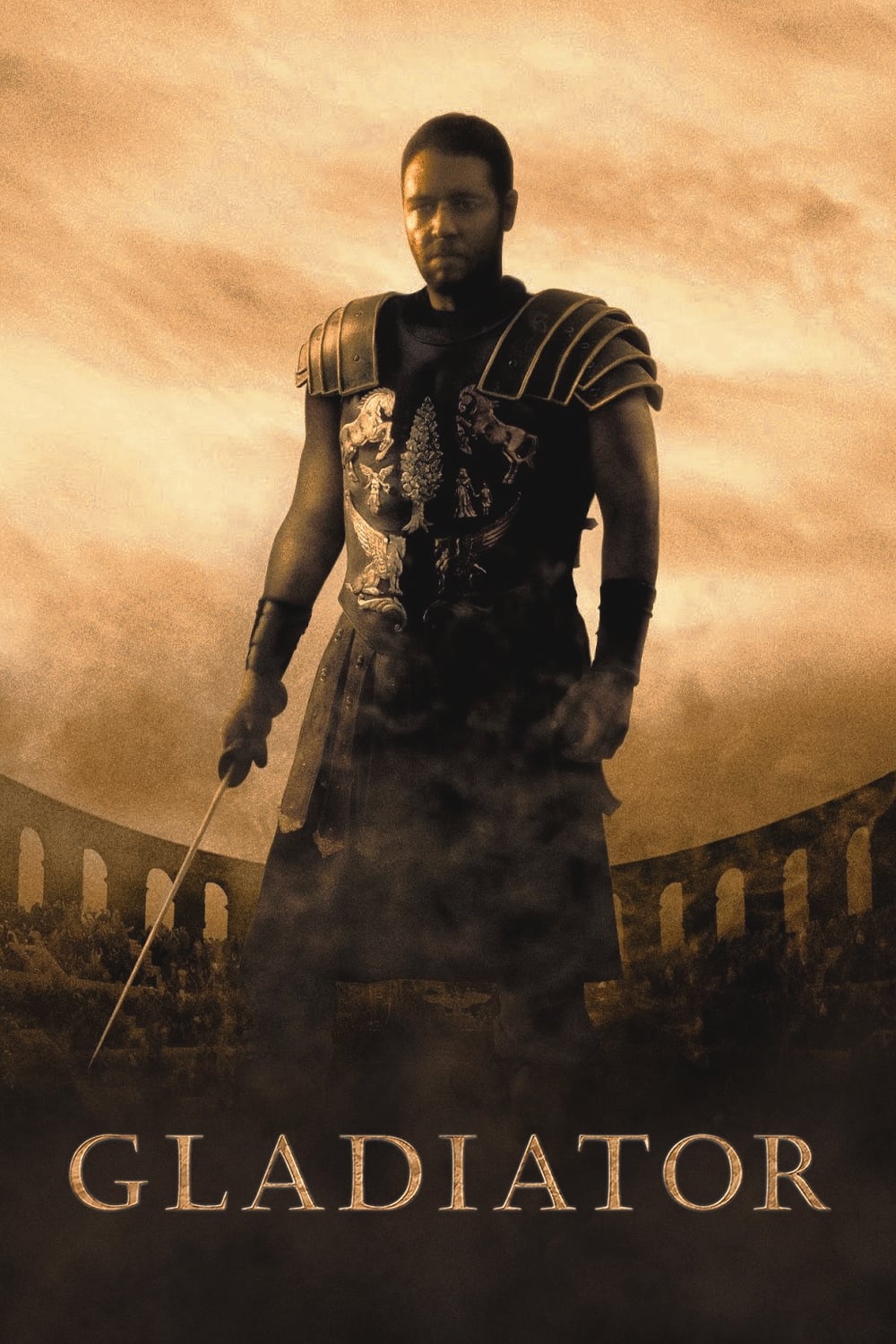
Oliver Reed died of a heart attack before he could film all his scenes as the gladiator trainer Proximo. Director Ridley Scott utilized a body double and a digitally composited mask to finish the character arc. The technique was groundbreaking at the time but the shadowed lighting required to hide the trickery was noticeable to keen observers. Although the performance was praised the knowledge that the actor was not truly present in the final moments affected the immersion for some viewers. It marked one of the first major instances of using digital tools to circumvent a sudden death.
‘Twilight Zone: The Movie’ (1983)
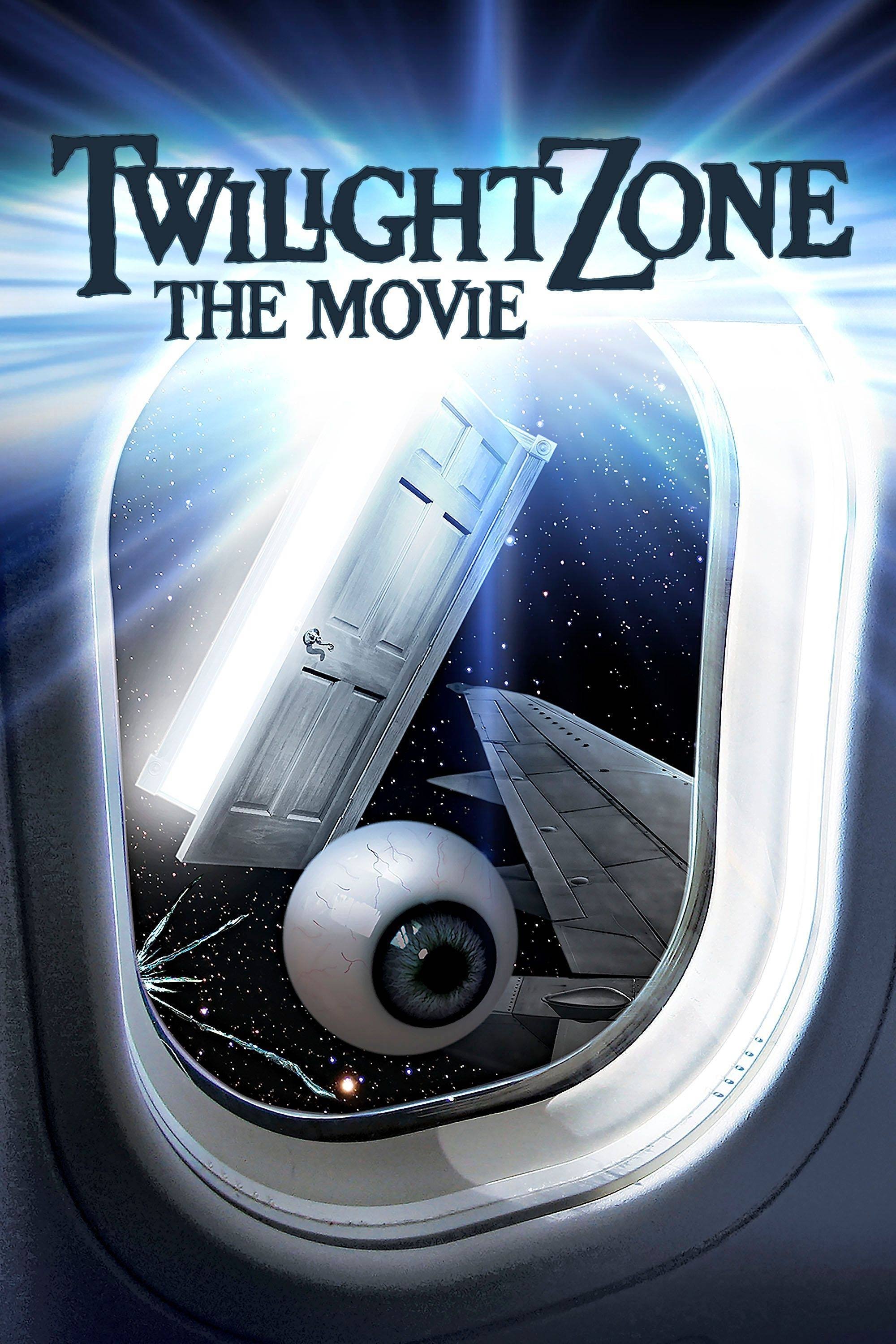
This anthology film is permanently stained by the helicopter accident that killed Vic Morrow and two child actors during filming. The segment starring Morrow was still included in the final theatrical release despite the horrific nature of his death on set. Audiences and critics found it difficult to watch the scenes knowing the negligence that occurred behind the camera. The handling of the tragedy by the studio and the director involved led to years of legal battles and industry reform. The movie itself is rarely discussed without immediate reference to the fatal mismanagement of the production.
‘Brainstorm’ (1983)
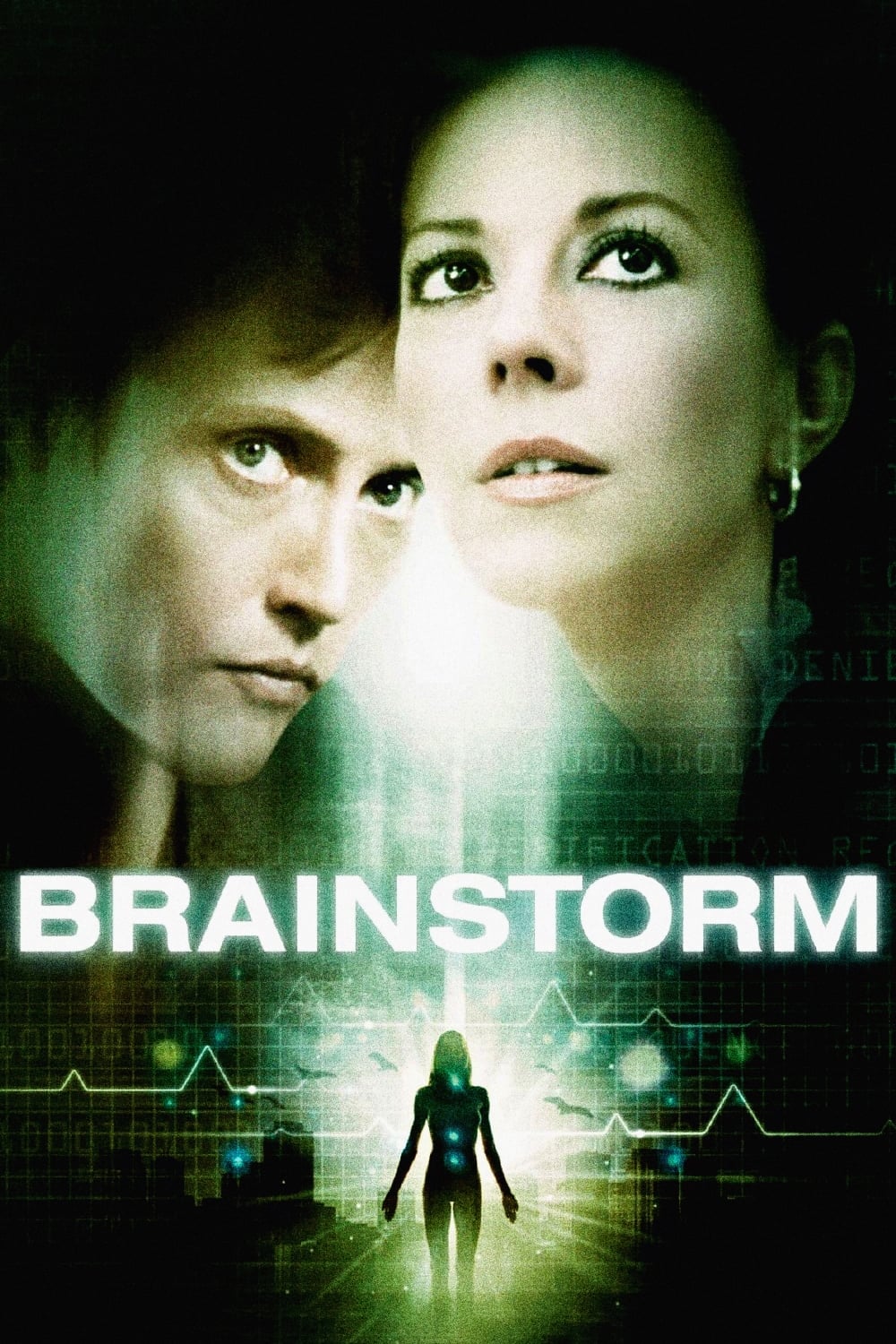
Natalie Wood died by drowning during a break in the production of this sci-fi thriller. The studio initially wanted to scrap the project and claim the insurance money but the director fought to finish it. A stand-in was used for her remaining scenes and shot mostly from behind or in the shadows. The resulting film felt disjointed and the plot regarding after-death experiences felt morbidly coincidental to audiences. The promotional campaign struggled to navigate the mystery surrounding her death and the film failed to connect with viewers.
‘Iron Cross’ (2009)
Roy Scheider died before completing this World War II thriller and the production took a unique but criticized approach. The filmmakers utilized a latex mask on a double and later enhanced it with CGI to finish the scenes. The low budget of the film meant the effects were not up to the standard of major studio releases. Reviews pointed out that the artificiality of the lead performance in the final act was obvious and distracting. It was seen as an unfortunate final credit for an actor known for his gritty realism.
‘Halloween Kills’ (2021)

The horror sequel featured a flashback sequence to 1978 that included the character Dr. Loomis. Actor Donald Pleasence had passed away in 1995 so the production used a lookalike actor with prosthetic makeup. While not fully CGI the uncanny resemblance and the voice imitation felt jarring to fans of the franchise. Critics felt the scene was an unnecessary piece of fan service that did not add enough to the story to justify mimicking a dead actor. The inclusion raised questions about the necessity of resurrecting legacy characters for brief cameos.
‘Cars 3’ (2017)
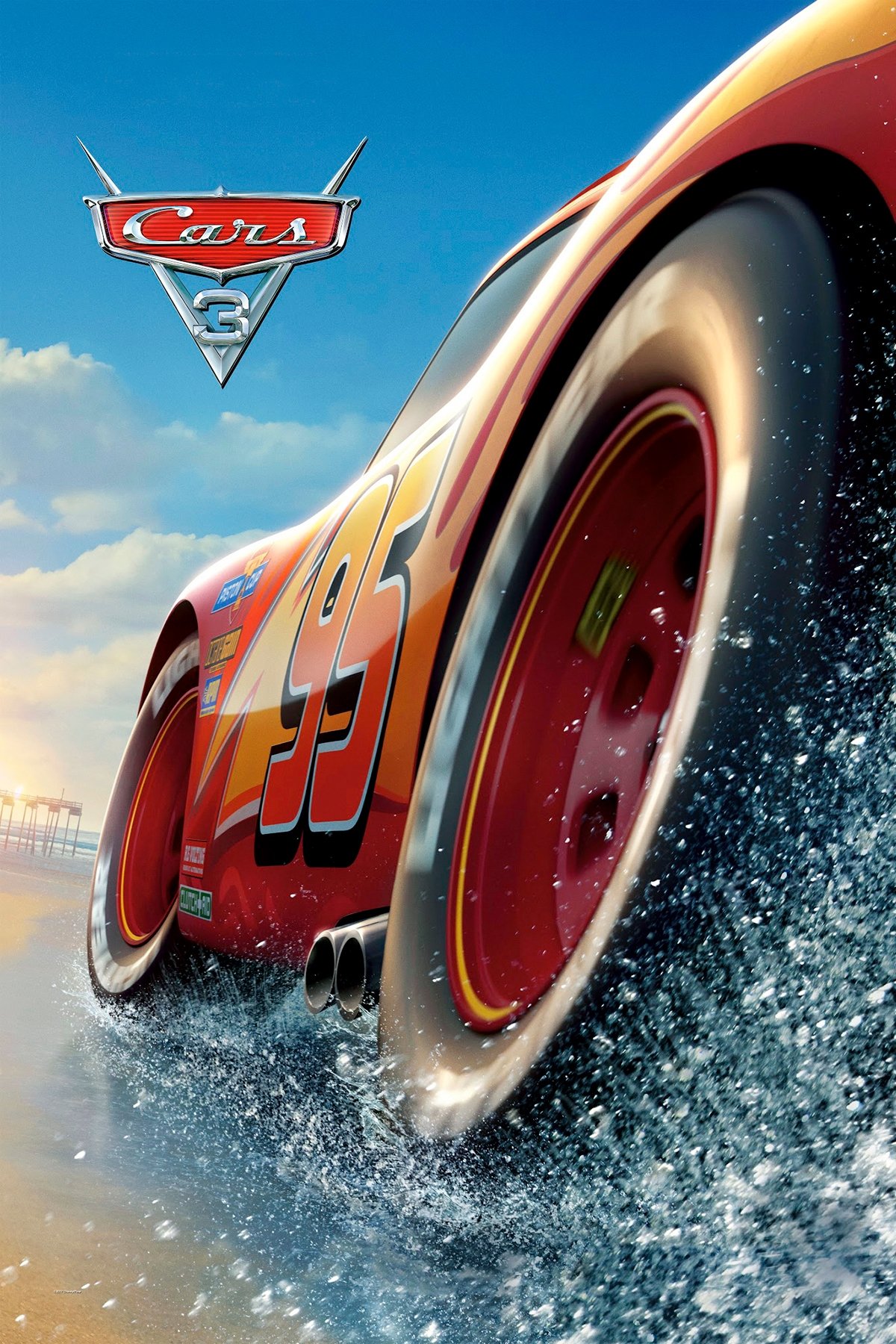
Pixar utilized unused voice recordings of Paul Newman from the first film to give his character Doc Hudson a presence in the third installment. While the intent was to honor the mentor figure the dialogue was limited to generic lines and heavy breathing. Some critics felt that constructing a performance out of scraps from the cutting room floor hollowed out the character. The emotional weight of the scenes relied on the memory of the audience rather than a new performance. It highlighted the limitations of audio archiving when trying to build a narrative arc.
‘Toy Story 4’ (2019)
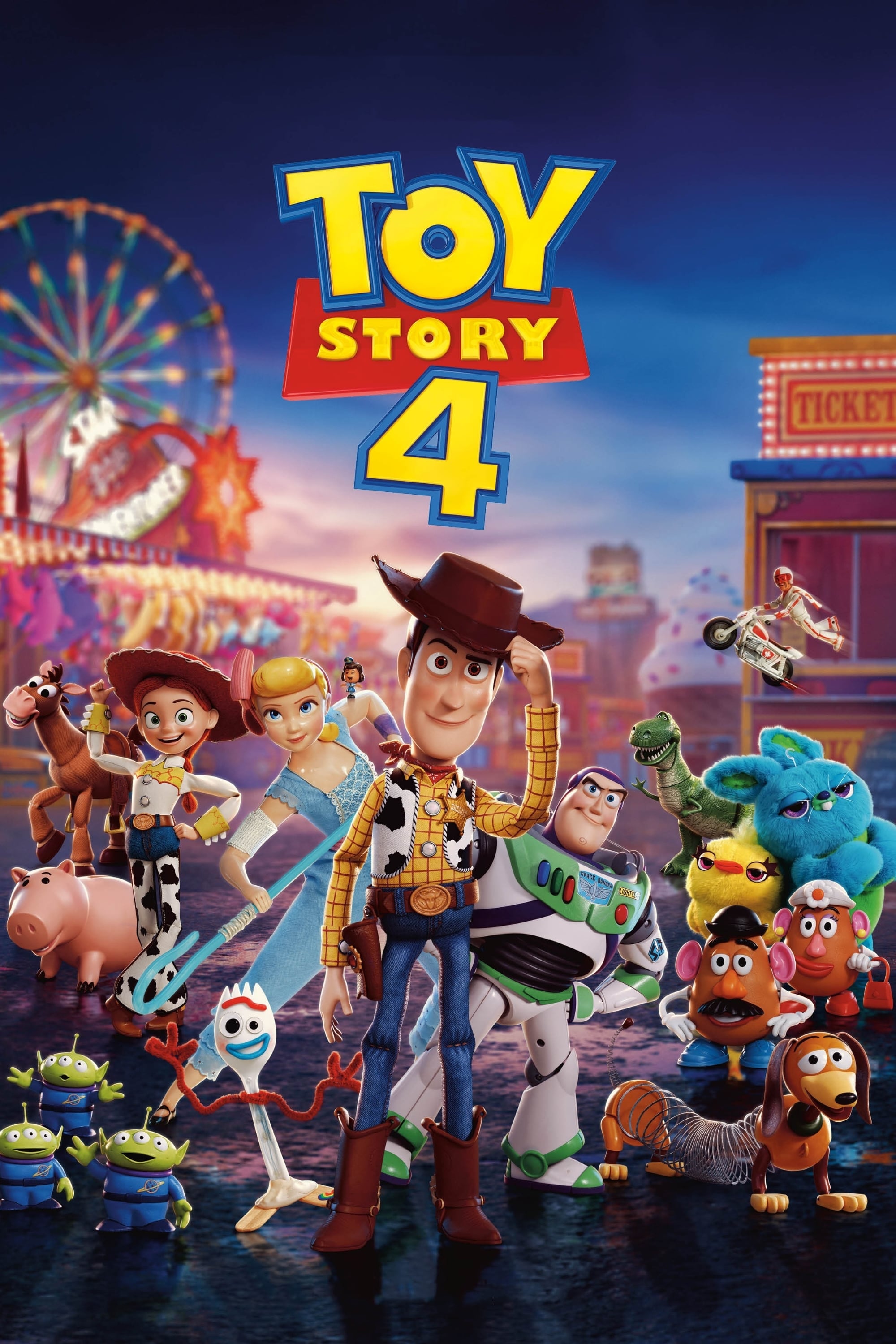
Don Rickles had signed on to reprise his role as Mr. Potato Head but died before recording any new dialogue. The team mined decades of outtakes from previous films, shorts, and theme park rides to piece together his lines. The character was consequently relegated to the background with dialogue that often felt non-specific or reactive. Fans noticed the reduced role and the occasionally awkward phrasing required to make the old audio fit the new script. It was a noble attempt that ultimately revealed how irreplaceable the comedic timing of Rickles really was.
‘Avalanche Express’ (1979)
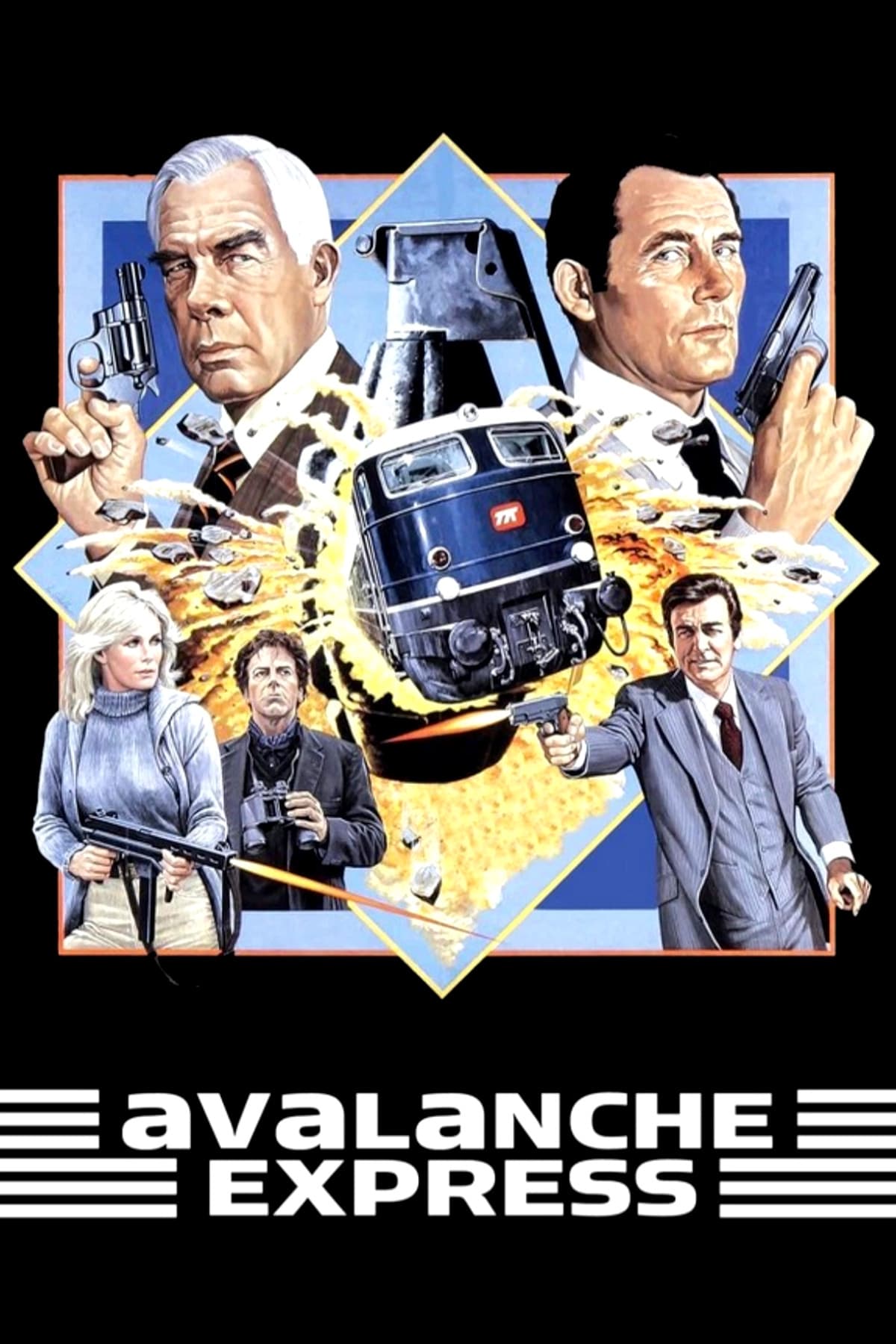
Robert Shaw died of a heart attack during the post-production of this cold war thriller. The film was largely complete but the actor had not yet recorded his loop lines to fix unclear audio. The studio hired an impressionist named Rich Little to dub over large portions of the dialogue of the leading man. The voice mismatch was noticeable to audiences familiar with the distinctive gravelly voice of Shaw. The film was critically panned and the poor audio work was cited as a major distraction.
‘Saratoga’ (1937)
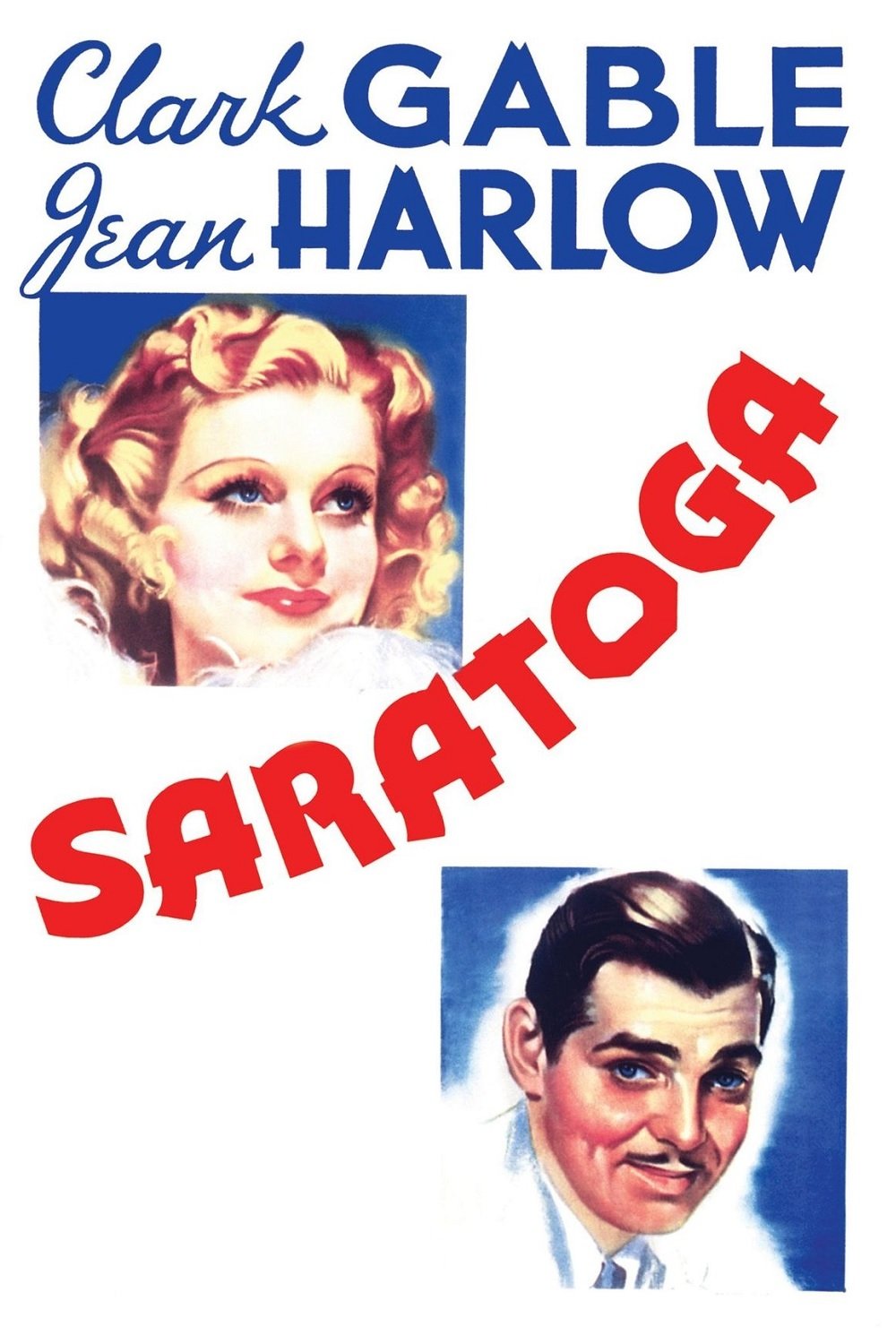
Jean Harlow collapsed on set and died of kidney failure with several key scenes left to film. The studio finished the movie using stand-ins who were filmed from a distance or with their faces obscured by large hats and binoculars. Voice doubles were used to dub the lines for the new footage. The abrupt changes in camera angles and concealment techniques were obvious to the audience of the time. While the film was a financial success due to curiosity it is remembered today for the awkward lengths taken to mask the absence of the star.
‘Curse of the Pink Panther’ (1983)
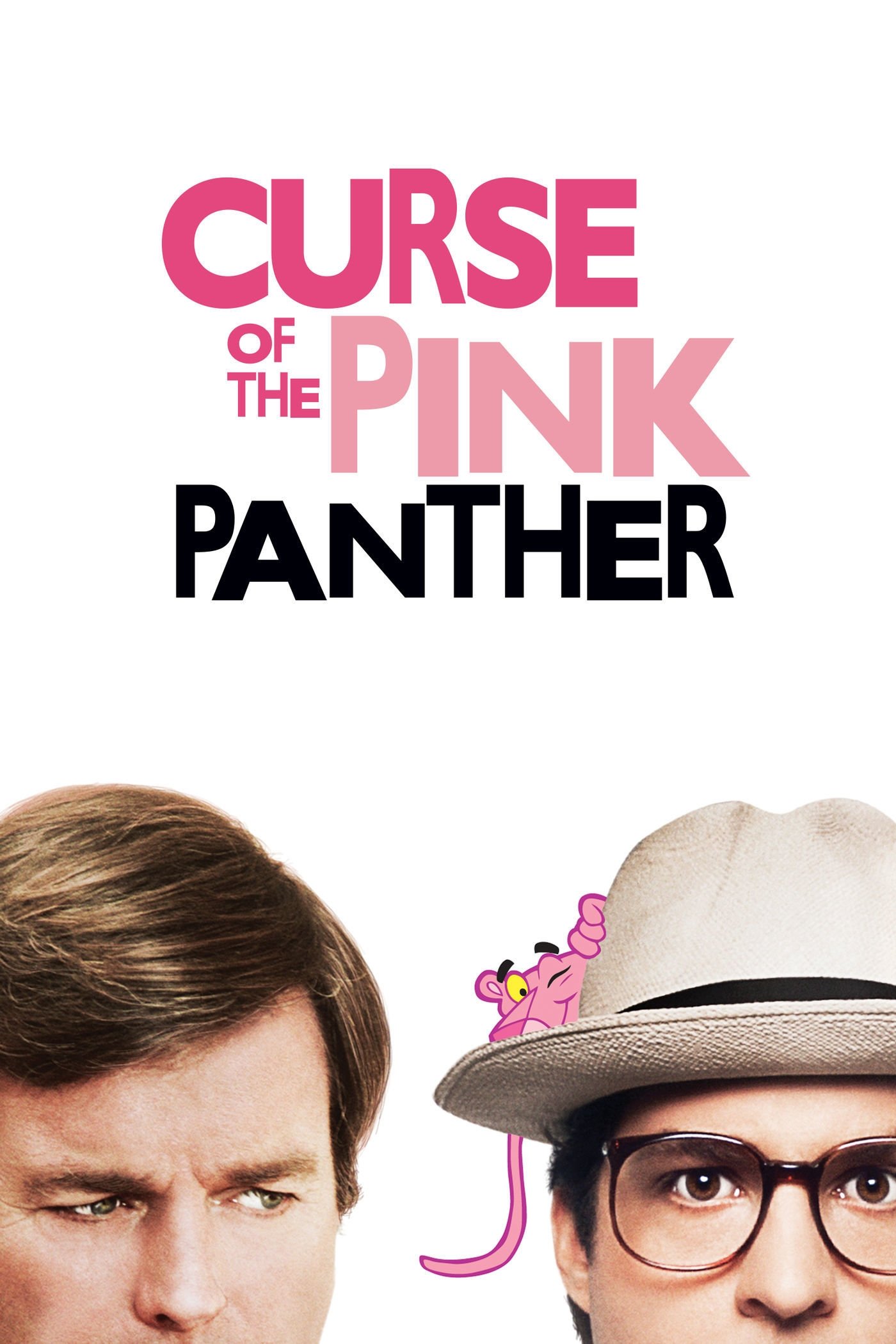
David Niven was terminally ill with ALS during the filming of this comedy and his voice had become too weak to capture. The production decided to have impressionist Rich Little dub the entire performance of the legendary actor. The result was a jarring disconnect between the physical acting of Niven and the energetic voice coming from the speakers. It was a painful viewing experience for fans who were aware of the deteriorating health of the star. The film is often criticized for putting a frail actor in a position where his performance had to be completely erased.
‘Game of Death II’ (1981)
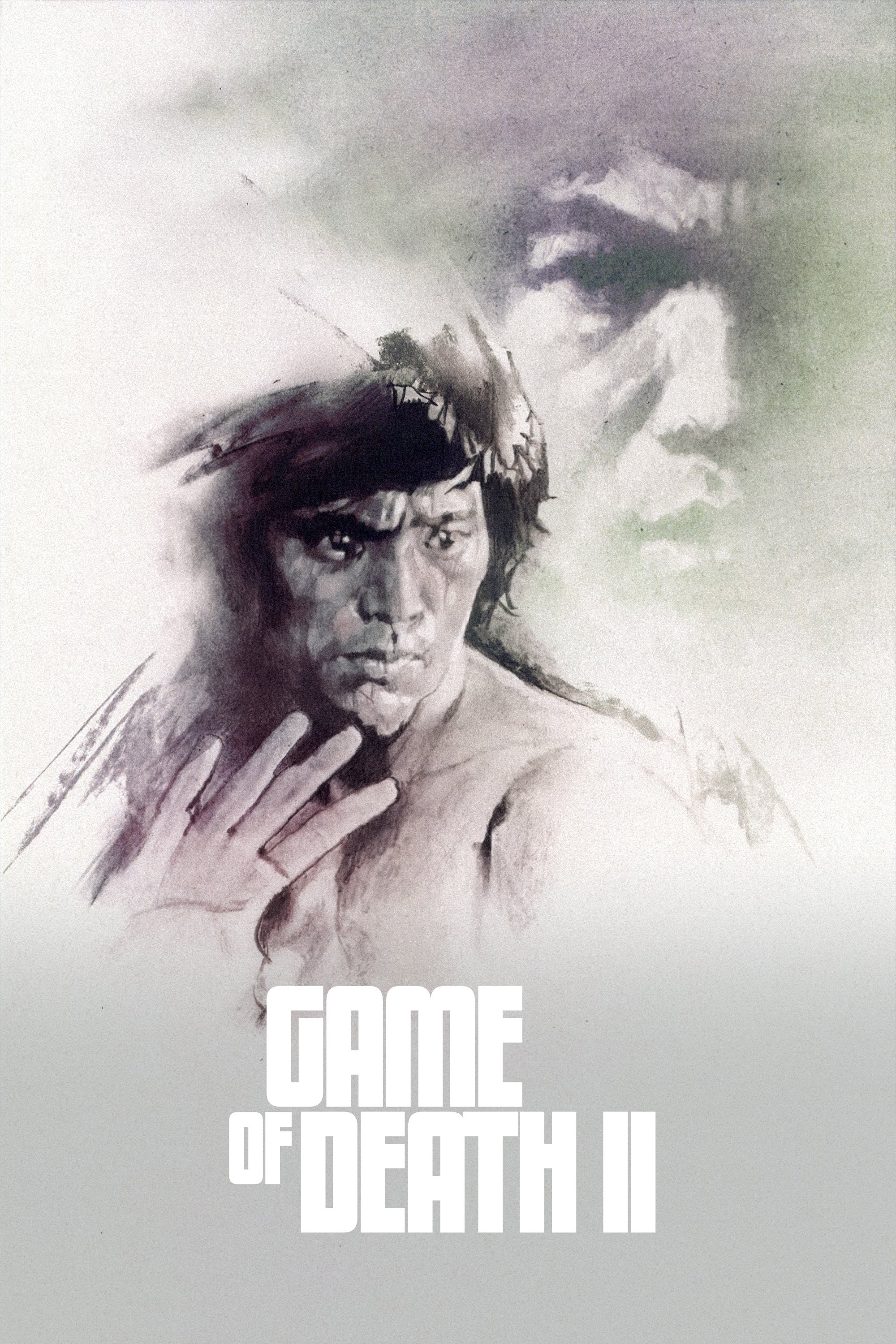
This sequel to the already controversial original attempted to squeeze more money out of the Bruce Lee brand. The film used stock footage from other Lee movies to create a nonsensical opening sequence before killing the character off. The filmmakers even included footage of Lee as a child to pad the runtime. Critics dismissed the movie as a shameless exploitation that had almost no connection to the martial arts philosophy of the actor. It represented the nadir of the “Bruceploitation” subgenre that emerged after his death.
‘Dark Blood’ (2012)
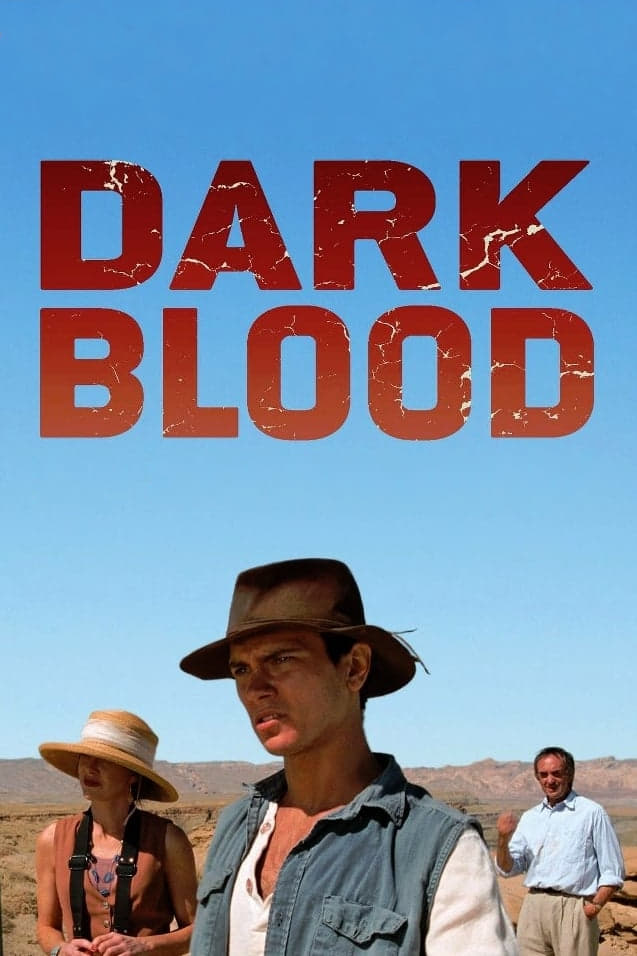
River Phoenix died in 1993 with roughly eighty percent of this drama filmed and the project was abandoned for nearly two decades. The director eventually released a version where he read the missing stage directions over freeze-frames of the scenes that were never shot. While some appreciated the chance to see the final work of Phoenix others found the format difficult to engage with. The narration broke the fourth wall and constantly reminded the audience of the tragedy preventing the story from being told properly. It remains a cinematic curiosity rather than a cohesive film.
‘Roadrunner: A Film About Anthony Bourdain’ (2021)
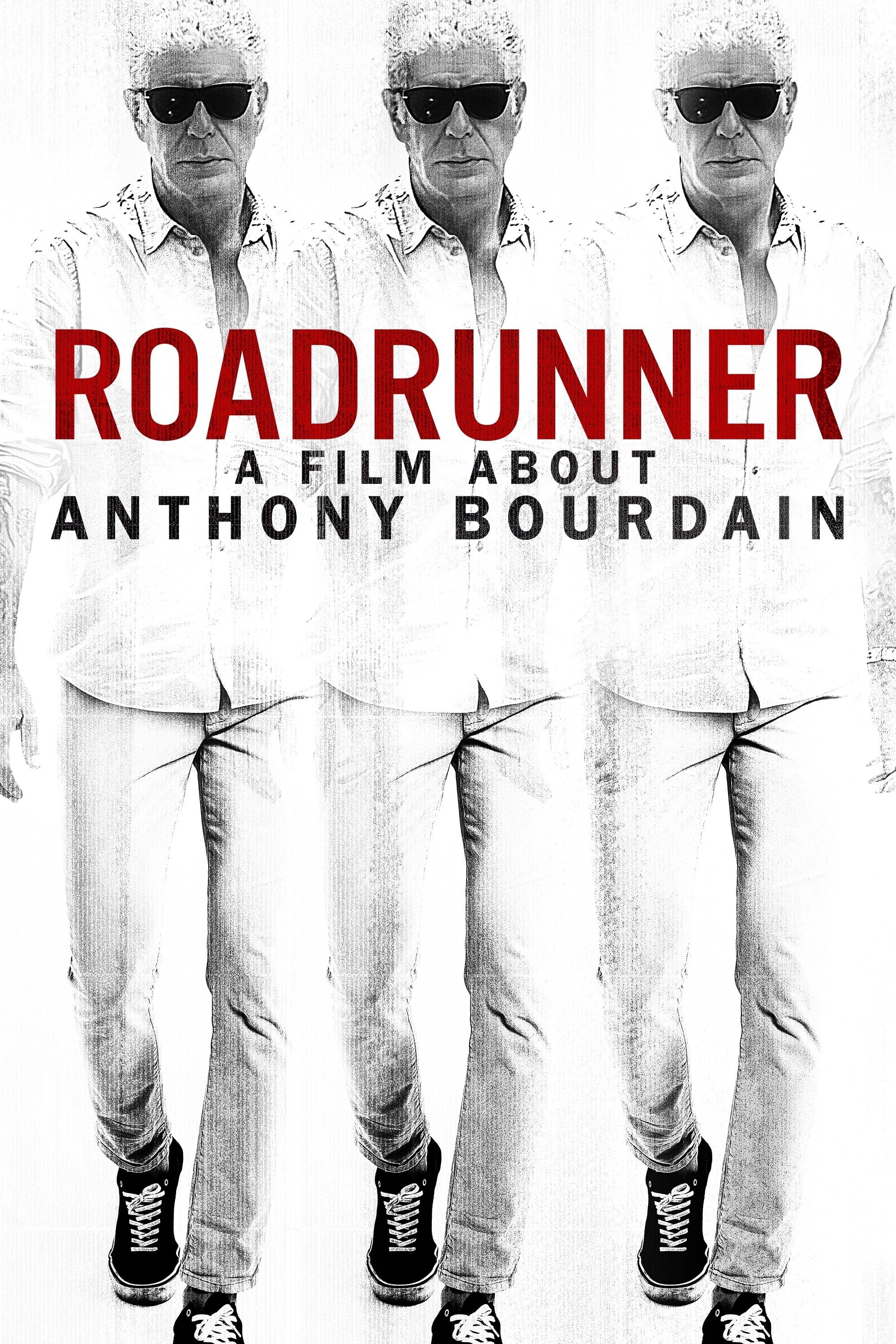
This documentary sparked significant controversy for using AI technology to synthesize the voice of the late chef. The director used the software to make Bourdain speak words he had written in emails but never recorded as audio. Viewers were not initially informed that the voice they were hearing was a computer generation. Critics argued that putting words into the mouth of a deceased subject in a documentary blurred the lines of truth and journalistic integrity. The backlash highlighted the need for transparency when using new technologies to depict real people.
‘Giant’ (1956)
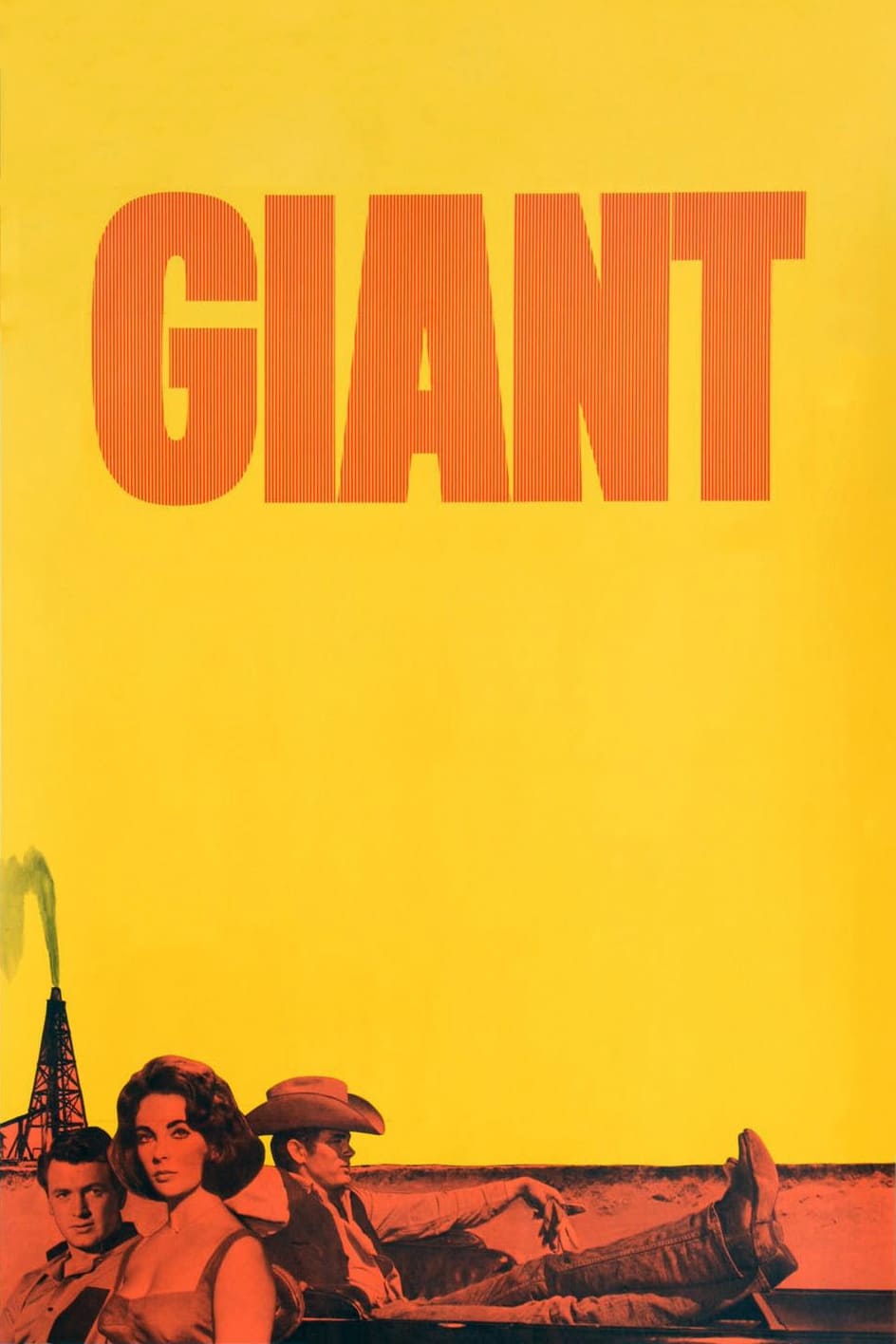
James Dean died in a car crash before post-production was completed on this sprawling epic. For a scene where his character gives a drunken speech the audio was unintelligible and needed to be re-recorded. Actor Nick Adams was brought in to dub the lines for the late star. While the film is a classic the dubbed sequence has always stood out to historians as a moment of artificiality. It serves as a subtle but permanent reminder of the loss that occurred before the movie could reach theaters.
‘Absolutely Anything’ (2015)
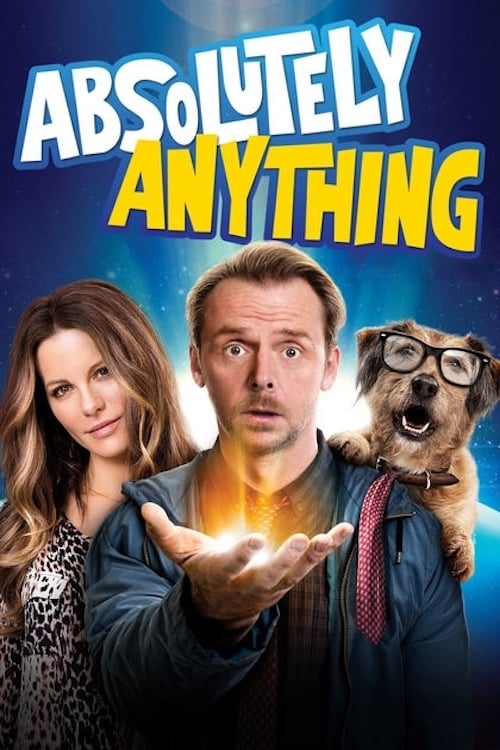
Robin Williams voiced a talking dog in this sci-fi comedy which ended up being his final film role released after his death. Critics lamented that such a brilliant career ended with a juvenile movie featuring lowbrow humor. While the performance itself was energetic the context of it being his farewell depressed many reviewers. The marketing of the film leaned on his involvement which some felt was in poor taste given the quality of the product. It is frequently cited on lists of great actors with regrettable final performances.
‘Solomon and Sheba’ (1959)
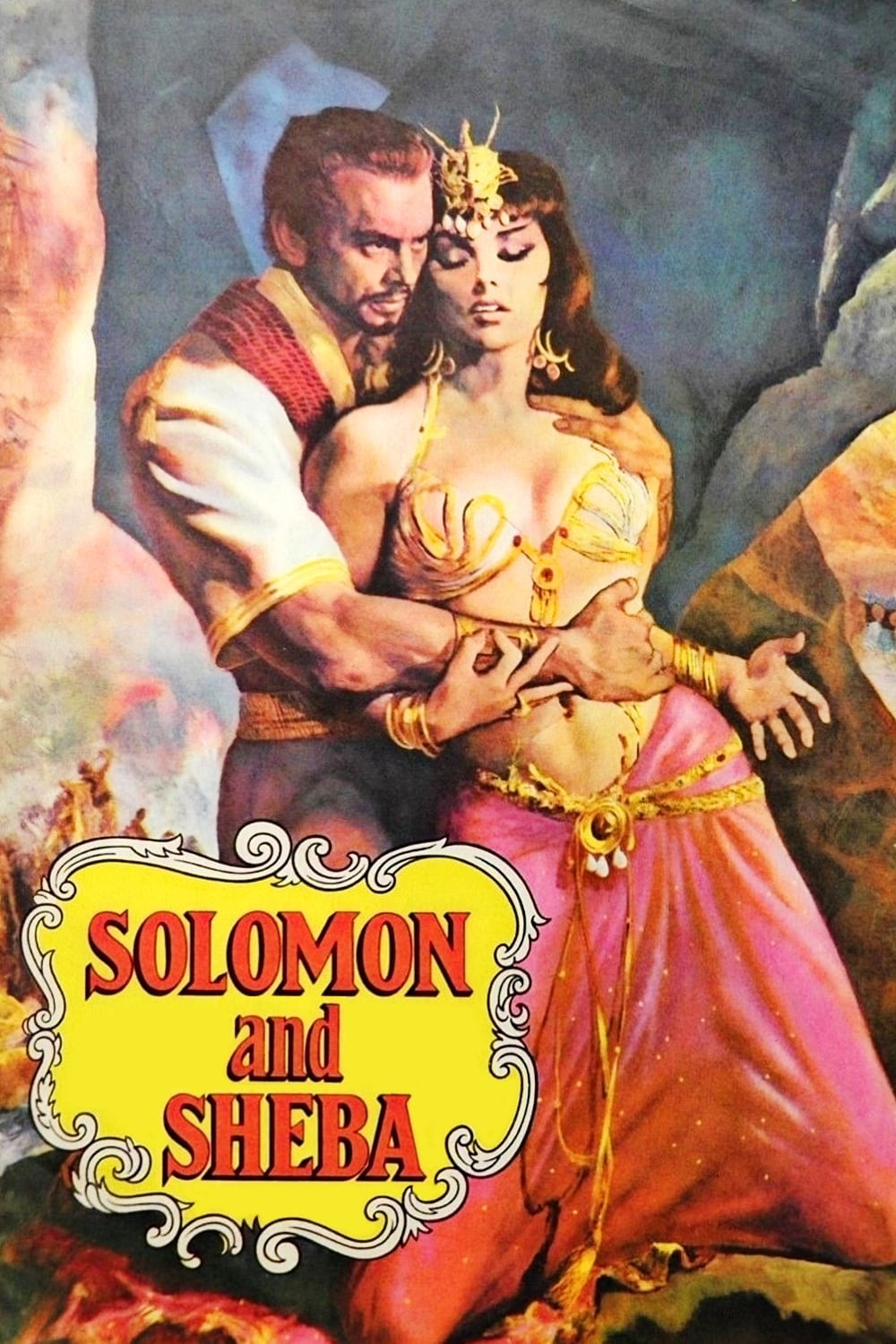
Tyrone Power suffered a fatal heart attack while filming a duel scene for this historical epic. He was replaced by Yul Brynner who had to reshoot almost all of the scenes. However, the production kept Power visible in the long shots of the battle sequences to save money and time. Eagle-eyed viewers can spot the difference in physique and movement between the two actors in the same scene. The decision to leave the deceased actor in the background of his replacement’s film was seen by some as a bizarre editorial choice.
‘The Hunger Games: Mockingjay – Part 2’ (2015)
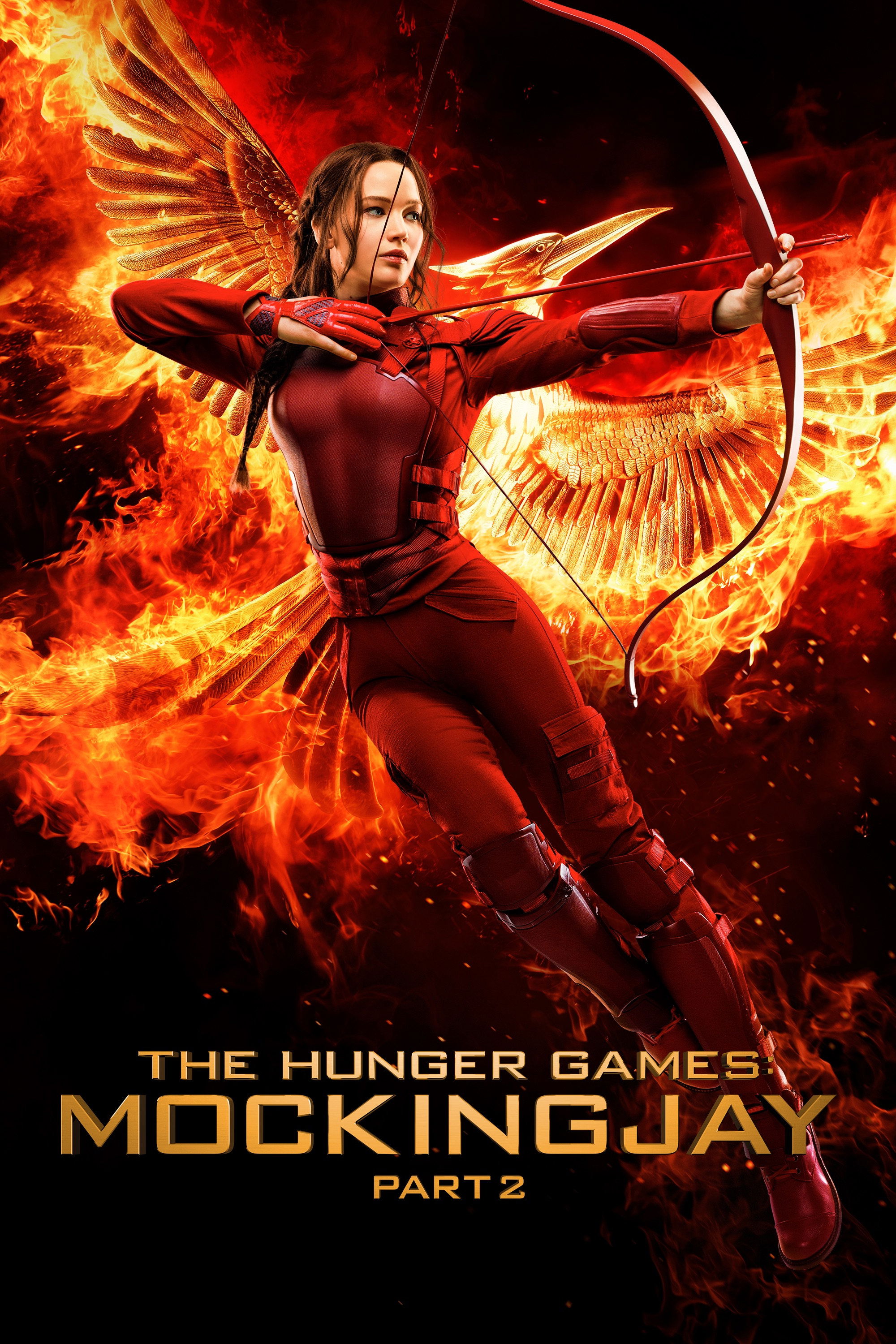
Philip Seymour Hoffman died with one crucial scene left to film involving a conversation with the main character. The filmmakers decided against using a digital double and instead rewrote the scene to have the character Haymitch read a letter from Hoffman’s character. While this was a respectful decision regarding CGI it was criticized dramatically for robbing the audience of a final emotional beat. The exposition dump via letter felt anticlimactic compared to the scene that was intended. It was a compromised solution that highlighted the void left by the actor.
Share your thoughts on which movie handled this difficult situation the best or worst in the comments.