


Movies Critics Say Relied Too Heavily on “Tragic Gay” Tropes




Cinema has a long history of depicting queer lives through a lens of hardship and inevitable tragedy. For decades the presence of gay or lesbian characters in film often coincided with themes of death or extreme isolation. Many critics refer to this as the bury your gays trope where characters are denied happy endings in favor of dramatic suffering. This list explores the films that have been frequently criticized for reinforcing these mournful narratives throughout film history.
‘Suddenly, Last Summer’ (1959)

A young woman is threatened with a lobotomy to prevent her from revealing the truth about her cousin Sebastian. The film depicts Sebastian as a predatory figure who meets a gruesome end at the hands of local youths. The narrative associates queer desire with madness and violent retribution. Critics highlight this as a classic instance of the monstrous queer trope in mid century cinema.
‘Victim’ (1961)

A successful barrister puts his career at risk to confront a blackmail ring targeting gay men. The story is set off by the suicide of a young man who was being extorted for his sexuality. While the film was instrumental in changing British law it relies on the trope of queer misery to elicit sympathy. The central conflict revolves around the fear of exposure and the tragic consequences of living authentically.
‘The Children’s Hour’ (1961)
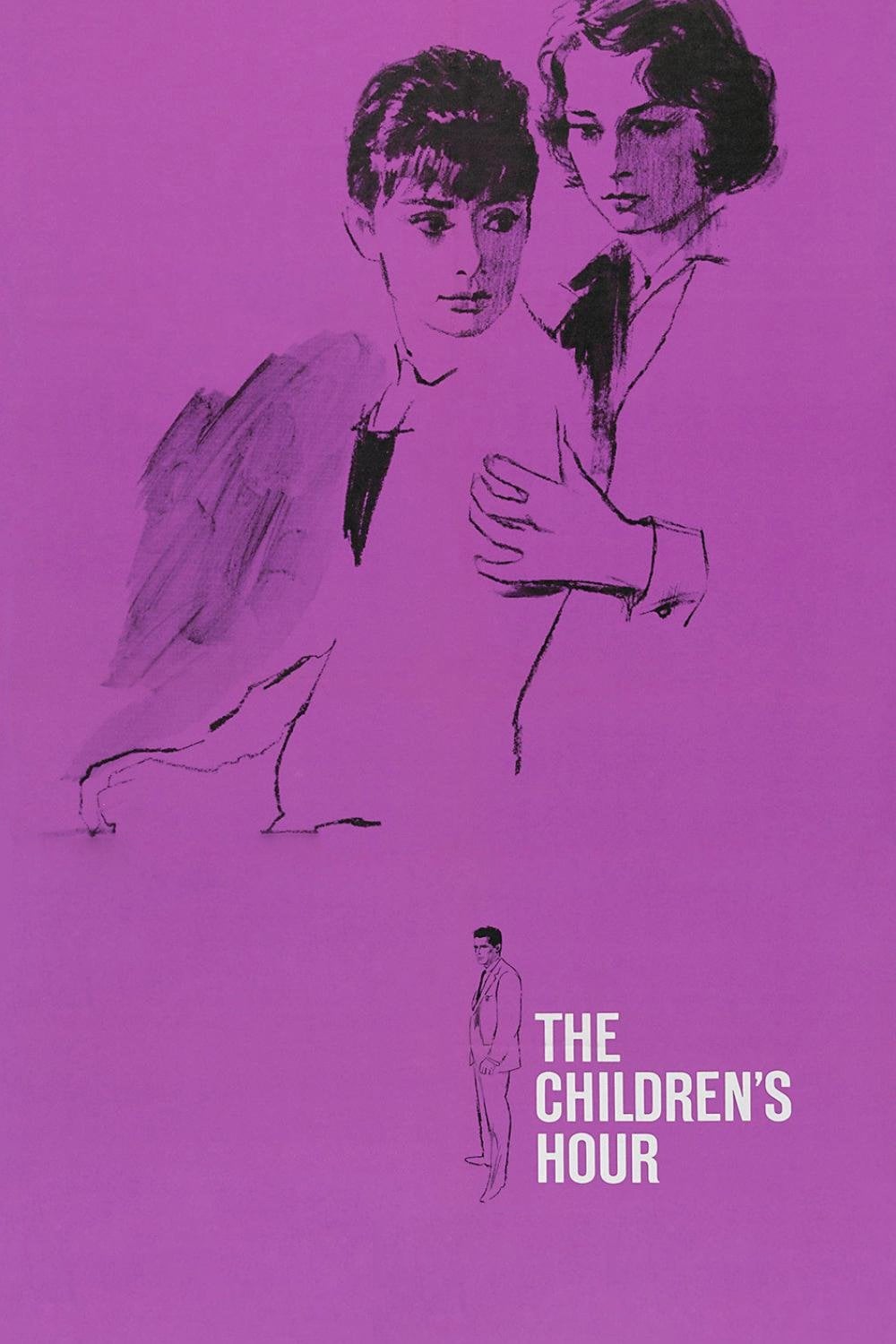
Two teachers find their lives ruined when a malicious student accuses them of having a lesbian affair. The rumor leads to the destruction of their school and their personal reputations. One of the women eventually confesses her true feelings before committing suicide by hanging. This film is often cited as a definitive example of early Hollywood punishing queer characters for their identity.
‘Advise & Consent’ (1962)

A senator is blackmailed over a past homosexual encounter during a high profile confirmation hearing. The character ultimately takes his own life to avoid the public shame and political fallout of the revelation. This narrative choice suggests that a queer past is an insurmountable stain on a person of character. Critics argue that the film uses tragedy to avoid exploring the nuances of the characters identity.
‘The Fox’ (1967)

Two women living on an isolated farm find their relationship disrupted by the arrival of a predatory male stranger. The story concludes with one of the women being killed by a falling tree while her partner leaves with the man. This ending suggests that the lesbian relationship was a doomed phase that had to be physically eliminated. Scholars often point to this as an example of nature or fate punishing queer domesticity.
‘The Boys in the Band’ (1970)
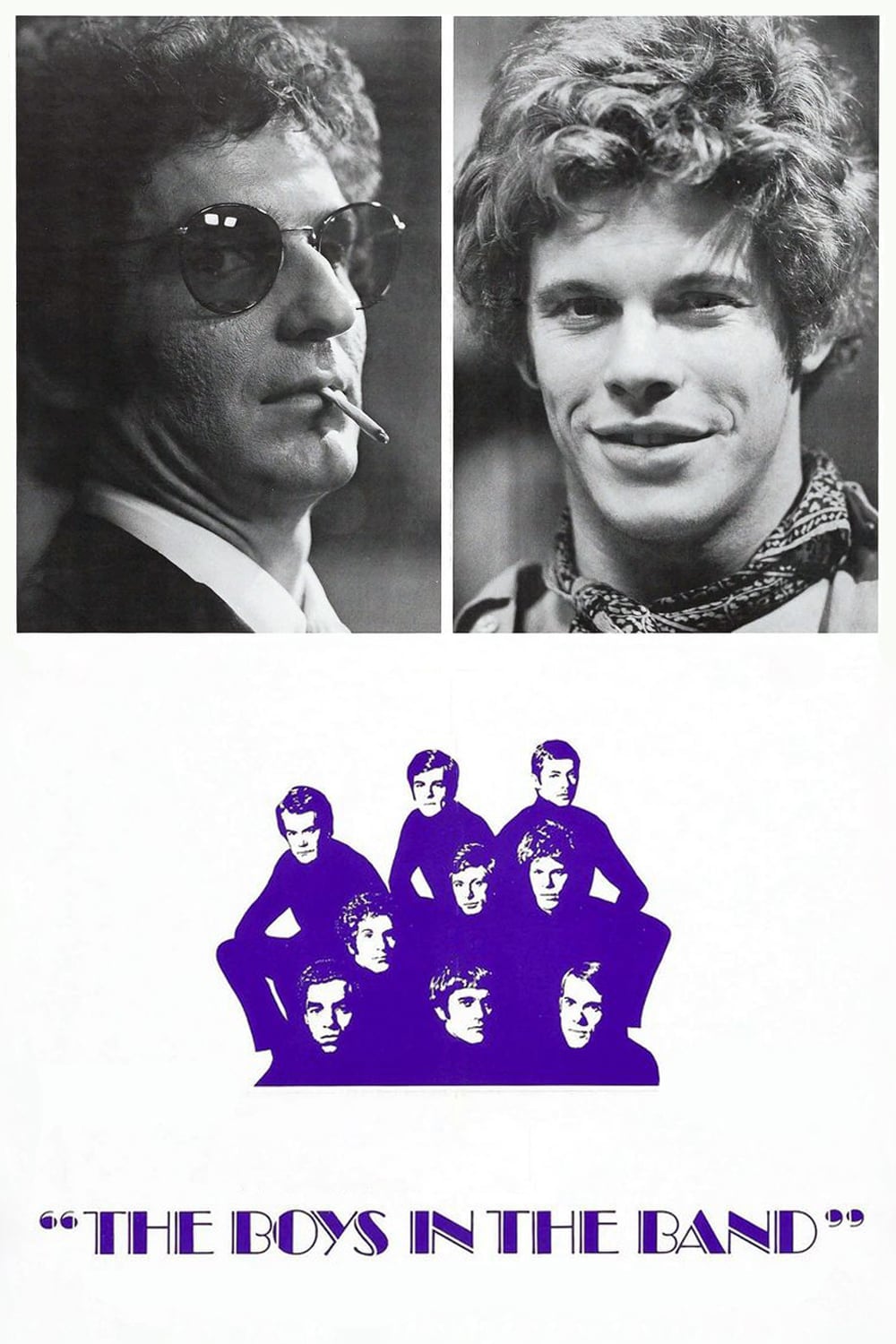
A group of gay men gather for a birthday party that descends into a night of cruel games and emotional breakdowns. The characters express deep levels of internalized hatred and misery throughout the evening. The film portrays queer life as a cycle of loneliness and inevitable self destruction. While it offered rare visibility at the time critics now view it as a showcase of the tragic gay archetype.
‘Cruising’ (1980)
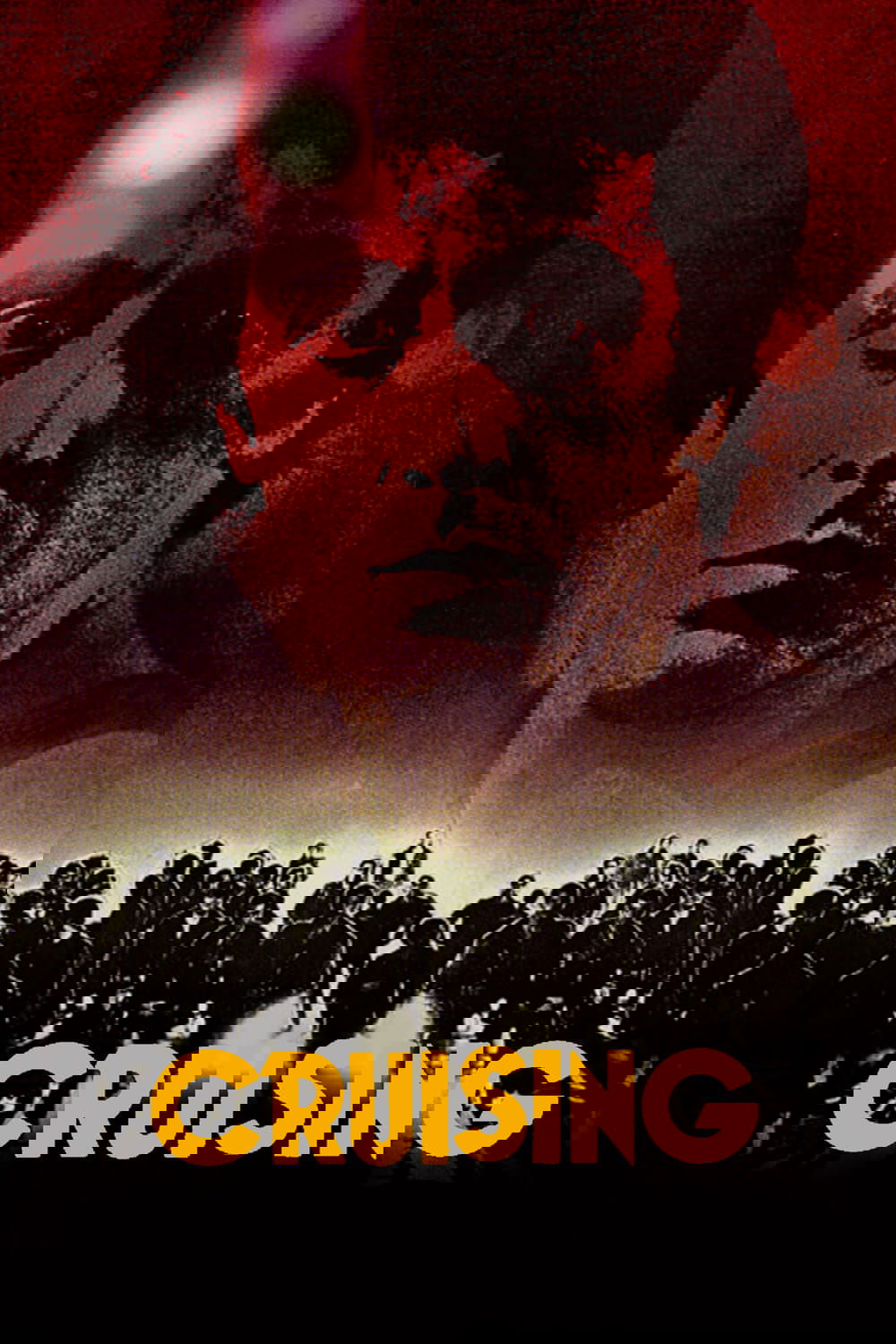
An undercover police officer enters the underground leather subculture of New York City to find a serial killer. The film depicts the gay community as a dark and dangerous world where violence is constant. The narrative links queer identity with pathology and victimhood. Many activists at the time protested the film for its overwhelmingly negative and tragic portrayal of gay life.
‘Another Country’ (1984)

A student at an elite British boarding school faces intense persecution due to his sexuality and political leanings. The protagonist eventually defects to the Soviet Union as a result of the isolation and betrayal he experiences. The film suggests that his queer identity makes him an inherent outsider who cannot find happiness in his home country. The story ends on a note of permanent exile and regret.
‘Maurice’ (1987)

The story follows a young man navigating his sexuality in repressive Edwardian England. While the protagonist eventually finds a partner his first love rejects him to live a life of miserable conformity. The narrative spends a significant amount of time focusing on the pain of repression and the loss of emotional connection. Critics note that even the ending is shadowed by the legal and social tragedies facing the characters.
‘Longtime Companion’ (1989)

The film chronicles the lives of several friends in New York City during the early years of the AIDS epidemic. It depicts the rapid decline and death of multiple characters as the community struggles to find answers. The narrative focuses almost entirely on the trauma of loss and the physical toll of the disease. It became a landmark film for its realistic but devastating portrayal of a community in crisis.
‘My Own Private Idaho’ (1991)

Two street hustlers travel from Portland to Idaho and eventually Italy in search of a lost mother. The protagonist suffers from narcolepsy and experiences constant rejection from those he loves. The film concludes with him alone and unconscious on a desolate road. This ending reinforces the idea of the queer wanderer as a tragic and abandoned figure.
‘Philadelphia’ (1993)
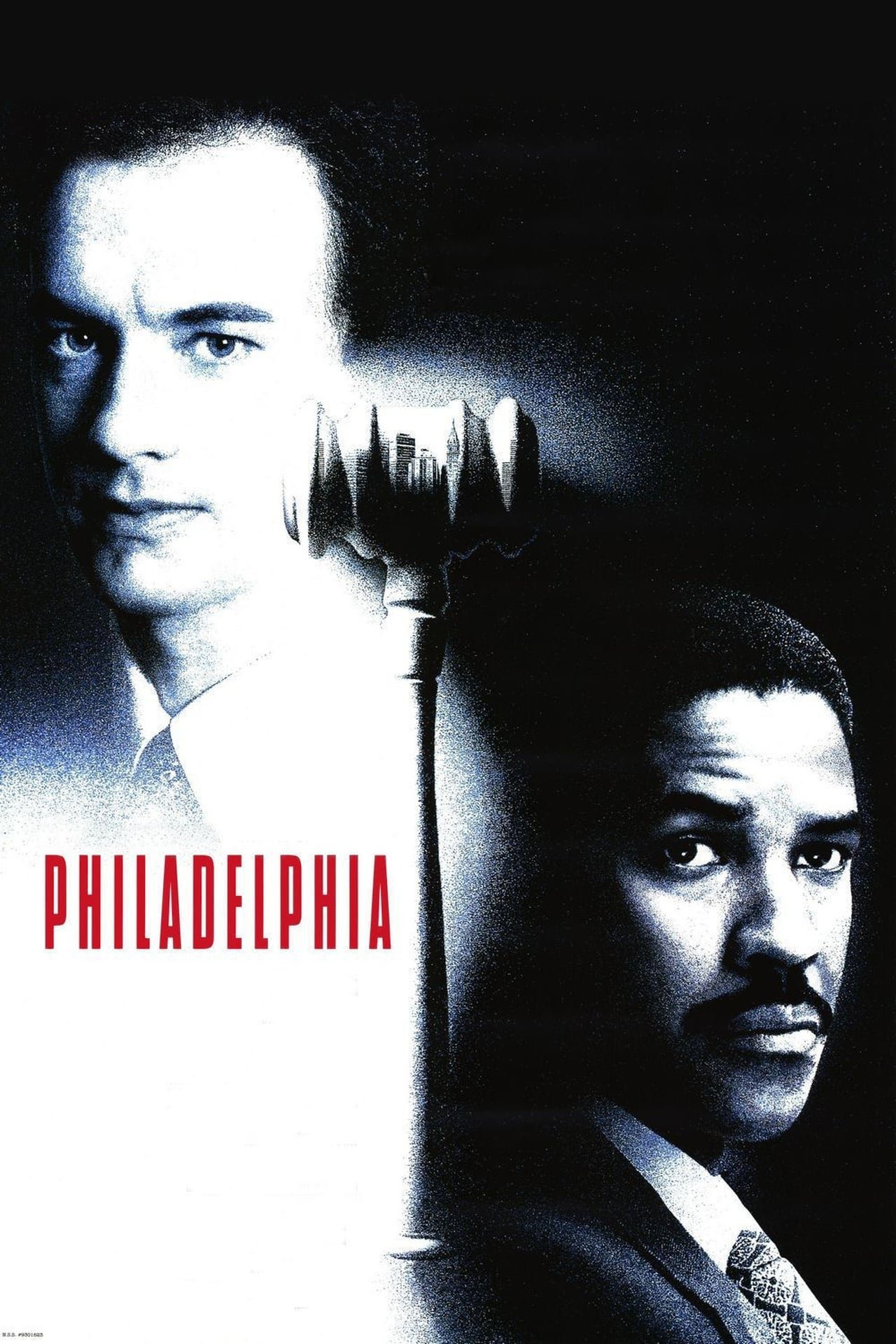
A high ranking lawyer is fired from his firm after his colleagues discover he has contracted AIDS. He hires a personal injury lawyer to sue his former employers for discrimination. The film focuses heavily on the physical deterioration and eventual death of the protagonist. While groundbreaking at the time it solidified the link between queer stories and terminal illness in mainstream cinema.
‘It’s My Party’ (1996)

A man living with AIDS decides to host a farewell party before committing assisted suicide. The film gathers friends and family to say their final goodbyes over the course of two days. The narrative focuses on the preparation for death and the grief of those left behind. Critics have noted that the film adheres strictly to the formula of the tragic queer ending.
‘Bent’ (1997)

A gay man in Nazi Germany is sent to a concentration camp where he attempts to hide his identity. He eventually finds love with another prisoner but the relationship ends in extreme violence and sacrifice. The film portrays the ultimate tragedy of queer existence under a totalitarian regime. The final scene involves a desperate act of suicide that serves as a defiant but mournful conclusion.
‘Boys Don’t Cry’ (1999)

This biographical film tells the story of Brandon Teena a trans man who is brutally murdered in rural Nebraska. The narrative builds toward a climax of horrific violence and betrayal by people the protagonist trusted. Critics have debated whether the focus on the graphic death of a queer person serves as awareness or exploitation. The film remains a prominent example of the tragedy inherent in queer cinematic history.
‘Monster’ (2003)

This biographical drama follows the life of Aileen Wuornos and her relationship with a woman named Selby. Their romance is framed by a series of murders committed by Aileen as she struggles with poverty and trauma. The film ends with the execution of the main character after her partner testifies against her. Many critics have noted how the narrative uses queer identity as a backdrop for extreme violence and ultimate destruction.
‘Brokeback Mountain’ (2005)

Two ranch hands develop a secret emotional and sexual relationship while working in the Wyoming mountains. Their connection spans decades while they maintain separate traditional marriages and families. The story ends with a violent death that leaves one protagonist in mourning and isolation. Critics often point to this conclusion as a prime example of the narrative requirement for queer characters to suffer.
‘Milk’ (2008)
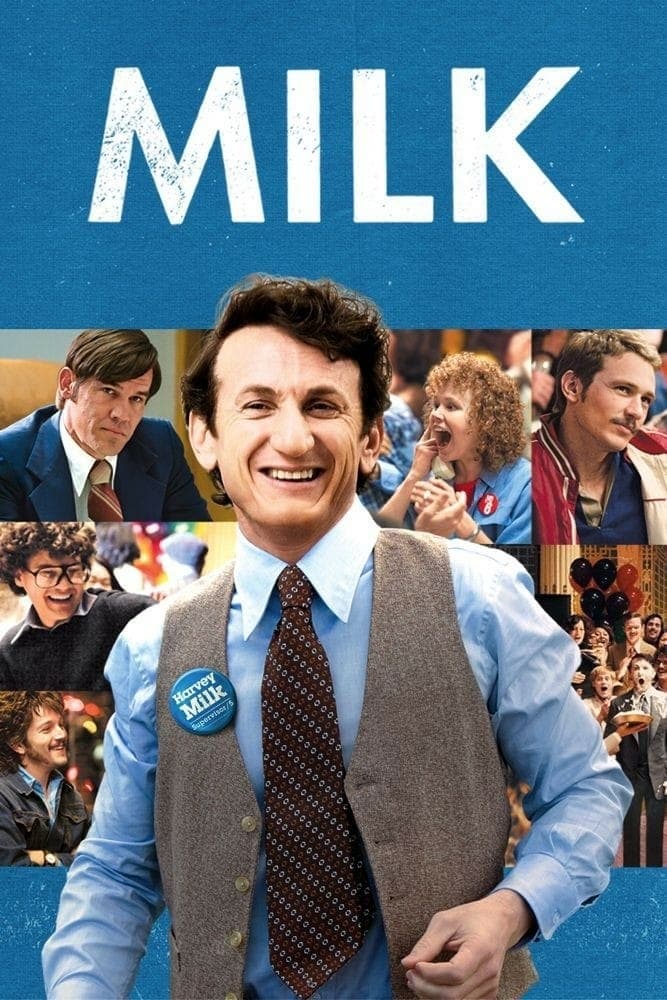
The film follows the life of Harvey Milk as he becomes the first openly gay man elected to public office in California. Despite his political successes the narrative is framed by his eventual assassination at the hands of a colleague. The story emphasizes the high cost of queer visibility and the threat of violence. Critics note that even successful queer narratives in film often culminate in the death of the lead character.
‘A Single Man’ (2009)

A British professor living in California struggles to cope with the sudden death of his long term partner. The film follows him over the course of a single day as he plans to end his own life. Though he finds a moment of connection he eventually suffers a fatal heart attack. This ending is often criticized for being a redundant layer of tragedy for a character already in deep mourning.
‘Prayers for Bobby’ (2009)

A mother struggles with her religious beliefs after her son comes out to her as gay. Her refusal to accept him leads the young man to take his own life in a state of despair. The second half of the film focuses on the mothers grief and her eventual transformation into an activist. Critics argue that the film centers the tragedy of the queer child to facilitate the growth of the straight parent.
‘Blue Is the Warmest Color’ (2013)

A young woman begins a passionate and tumultuous relationship with an older female artist. The film focuses on the emotional exhaustion and heartbreak that follows their eventual breakup. The protagonist ends the story in a state of deep loneliness and social isolation. Critics have noted that the film prioritizes the suffering and emotional trauma of its queer leads.
‘Dallas Buyers Club’ (2013)

The story follows a man who starts a club to provide non FDA approved drugs to people living with AIDS. While the lead is straight the queer characters in the film are depicted as frail and dying victims. One major queer character dies in a hospital setting after enduring significant physical hardship. The film has been criticized for using the tragic queer death to further the arc of the straight protagonist.
‘Stranger by the Lake’ (2013)

A man becomes obsessed with a dangerous stranger at a gay cruising spot by a lake. Despite witnessing a murder he continues the affair and puts his own life at risk. The film ends on a dark and uncertain note as the protagonist is left alone in the dark with a killer. This narrative links queer desire with lethality and inevitable doom.
‘Tom at the Farm’ (2013)

A young man travels to the countryside for the funeral of his lover only to find the family knows nothing of his identity. He becomes trapped in a cycle of psychological and physical abuse with the deceased mans brother. The film explores themes of grief and the violent suppression of queer identity. Critics highlight the story as a particularly grim and claustrophobic depiction of queer suffering.
‘Lilting’ (2014)

A young man attempts to connect with the mother of his late partner who does not know her son was gay. The characters are bonded by their shared grief but separated by a significant language barrier and cultural differences. The narrative is heavy with the sadness of a life cut short and the pain of unexpressed truth. The film focuses on the melancholy of what was lost rather than the hope of what remains.
‘The Imitation Game’ (2014)

The film depicts the life of Alan Turing as he works to crack the Enigma code during World War II. Despite his heroic contributions the narrative focuses on his later prosecution for gross indecency and his subsequent chemical castration. The story concludes with his suicide and a mournful summary of his treatment by the state. Critics argue that the film emphasizes his tragic end over his intellectual triumphs.
‘The Normal Heart’ (2014)

This drama depicts the early years of the HIV AIDS crisis in New York City through the eyes of a passionate activist. The narrative is a relentless series of hospital visits and deaths as a generation of gay men is decimated. The film focuses on the anger and helplessness of those watching their loved ones vanish. It remains a stark example of the tragedy that dominated queer cinema for decades.
‘Freeheld’ (2015)

A police detective diagnosed with terminal cancer fights to leave her pension benefits to her domestic partner. The film is a legal drama centered on the intersection of illness and institutional discrimination. Much of the runtime is spent on the physical decline of the protagonist and the emotional toll on her partner. Critics point to the film as another example of a queer story that can only be told through the lens of death.
‘Holding the Man’ (2015)

The film follows a long term relationship between two men who meet in high school in Australia. Their decades long romance is eventually cut short when both are diagnosed with AIDS. The story details the slow and painful death of both men as they try to support each other. It is a faithful adaptation of a memoir that critics noted for its overwhelming sense of tragedy.
‘The Danish Girl’ (2015)

A fictionalized account of the life of Lili Elbe focuses on her journey as one of the first recipients of gender reassignment surgery. The narrative culminates in her death due to complications from the final procedure. Critics have criticized the film for suggesting that the fulfillment of her identity necessitated her demise. The story follows the pattern of queer and trans narratives ending in medical tragedy.
‘BPM’ (2017)

Members of the activist group ACT UP Paris fight for government action during the height of the AIDS crisis. The film balances political activism with a personal story of a member who is slowly dying from the disease. The final act is a long and intimate look at the process of dying and the immediate aftermath of loss. While praised for its realism the film is deeply rooted in the tragedy of the era.
‘Portrait of a Lady on Fire’ (2019)

An artist is hired to paint the wedding portrait of a young woman on an isolated island in France. The two women fall in love but are ultimately forced to separate by the social expectations of the eighteenth century. The film concludes with the characters living separate and lonely lives while holding onto their memories. Critics note that the beauty of the film is inseparable from the tragedy of the inevitable parting.
‘Ammonite’ (2020)

A fossil hunter and a young woman sent to recover by the sea develop an intense romantic bond. Their relationship is hindered by the social constraints of the Victorian era and their own personal trauma. The film ends on a note of emotional distance and uncertainty about their future together. Critics have labeled it as another entry in the trend of somber and doomed period romances.
‘Supernova’ (2020)

A long term couple travels across England in an old camper van following a diagnosis of early onset dementia. The film focuses on their struggle to maintain their connection as one partner begins to lose his memory and sense of self. The narrative explores the ethics of end of life decisions and the pain of an impending permanent separation. It is a quiet and intimate look at the tragedy of terminal illness.
‘Benediction’ (2021)

The film explores the life of war poet Siegfried Sassoon as he navigates his sexuality and the trauma of combat. The narrative jumps between his youth and his later years as he becomes a bitter and lonely man. His relationships are depicted as fleeting and ultimately unsatisfying within a repressive society. The film portrays his entire life as a long and mournful search for a peace he never finds.
‘Firebird’ (2021)

A young soldier and a fighter pilot engage in a forbidden romance at a Soviet airbase during the Cold War. Their relationship is under constant threat from the authorities and the social pressures of the military. The story concludes with the death of the pilot in a crash and the permanent isolation of the soldier. This ending reinforces the trope that queer love in high stakes environments leads to fatality.
‘My Policeman’ (2022)

A museum curator and a policeman embark on a secret affair while the policeman is married to a schoolteacher. The story spans decades and shows how the discovery of the affair leads to prison and lifelong regret. The characters are reunited in old age but the narrative focuses on the wasted years and the destruction of their lives. Critics highlight the film for its focus on the misery caused by societal repression.
‘Of An Age’ (2022)

A young ballroom dancer has a brief but life changing romance with his friends older brother over a single weekend. The narrative jumps forward ten years to show the characters meeting again only to realize they cannot be together. The film emphasizes the sadness of missed opportunities and the fleeting nature of queer connection. The protagonist is left in a state of melancholy longing as the story ends.
‘Spoiler Alert’ (2022)

A man recounts his relationship with his partner from their first meeting to his partners death from terminal cancer. The film is a romantic drama that is framed entirely by the knowledge of the coming tragedy. While it celebrates their life together the core of the narrative is the process of illness and grief. It follows the established pattern of queer romance being synonymous with medical heartbreak.
‘All of Us Strangers’ (2023)

A screenwriter begins a relationship with a neighbor while simultaneously visiting the ghosts of his long dead parents. The film explores the deep emotional scars of growing up queer in a homophobic environment. The protagonist remains in a state of suspended grief and isolation throughout the narrative. Critics have noted that the film uses supernatural elements to heighten the sense of queer tragedy and loneliness.
Please share your thoughts on these films in the comments.