


Movies Featuring Realistic Workplace Dynamics

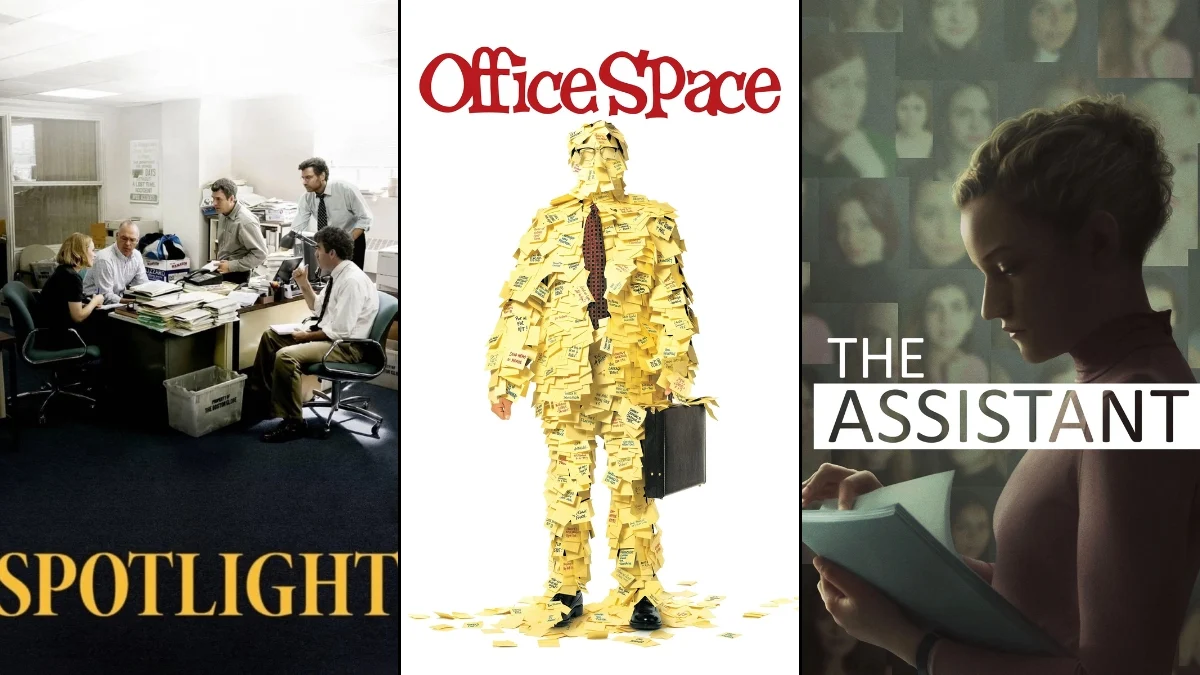


Cinema often serves as a mirror to the professional world, capturing the intricacies of corporate hierarchies, service industry challenges, and the ethical dilemmas found in various careers. These films provide a glimpse into the mundane tasks, high-pressure environments, and interpersonal relationships that define the modern workplace. By focusing on technical accuracy and authentic human interactions, these stories resonate with audiences who recognize their own professional experiences on screen. From investigative newsrooms to high-stakes trading floors, the following films are recognized for their realistic depictions of workplace dynamics.
‘Spotlight’ (2015)

‘Spotlight’ follows the true story of the Boston Globe’s investigative team as they uncover a widespread scandal within the Catholic Church. The film meticulously details the collaborative nature of journalism, including the grind of cross-referencing archives and conducting interviews. It emphasizes the importance of editorial integrity and the slow, methodical process required for high-stakes reporting. The dynamics between the reporters and their editors highlight the professional pressure of pursuing a sensitive story while managing limited resources.
‘Margin Call’ (2011)

‘Margin Call’ examines the initial stages of the 2008 financial crisis through the lens of an unnamed investment bank. The narrative captures the high-pressure environment of corporate finance, where employees must grapple with ethical dilemmas and catastrophic data. It illustrates the hierarchical structure of a major corporation and the internal politics that emerge during a crisis. The film focuses on technical discussions and the strategic decision-making processes of top-level executives attempting to mitigate financial ruin.
‘The Assistant’ (2019)

‘The Assistant’ portrays a single day in the life of a junior assistant at a major film production company. The film captures the subtle nuances of a toxic workplace, focusing on the mundane tasks and the silent complicity of the staff. It highlights the power imbalances and the emotional labor required to navigate an environment where professional harassment is often overlooked. The protagonist’s interactions with her colleagues reflect the isolation often felt in entry-level corporate positions within high-profile industries.
‘Office Space’ (1999)

‘Office Space’ satirizes the daily professional life of software engineers working in a mid-sized company during the late 1990s. The film depicts the frustrations of bureaucratic management, repetitive tasks, and the technical glitches of office equipment. It explores the psychological impact of unfulfilling work and the dynamic between unmotivated employees and their overbearing supervisors. The narrative highlights the disconnect between corporate culture and individual job satisfaction through its focus on mundane office rituals.
‘The Devil Wears Prada’ (2006)

‘The Devil Wears Prada’ focuses on the demanding world of fashion journalism at a fictional magazine. The film explores the mentor-protégé relationship and the personal sacrifices required to succeed in a competitive industry. It illustrates the intensity of administrative support roles and the high expectations set by powerful executives. The professional growth of the protagonist is framed through her adaptation to the workplace’s specific cultural norms and rigorous standards.
‘Glengarry Glen Ross’ (1992)

‘Glengarry Glen Ross’ examines the high-stakes environment of a real estate sales office. The film portrays the intense competition between salesmen who are threatened with termination if they fail to meet specific quotas. It highlights the aggressive tactics and the psychological strain associated with commission-based employment. The dialogue emphasizes the professional jargon and the cutthroat nature of the sales industry where performance is the sole metric of value.
‘Support the Girls’ (2018)

‘Support the Girls’ follows a day in the life of a general manager at a “sports bar with curves.” The film focuses on the challenges of managing a diverse staff while dealing with difficult customers and corporate management. It highlights the emotional labor and protective instincts required in service-oriented leadership roles. The story illustrates the camaraderie among service workers and the constant problem-solving inherent in retail and hospitality environments.
‘Up in the Air’ (2009)

‘Up in the Air’ depicts the life of a corporate downsizer whose job involves traveling across the country to fire employees. The film explores the impersonal nature of corporate restructuring and the psychological toll of professional termination. It contrasts traditional face-to-face business practices with the rise of remote and automated management systems. The workplace dynamics are characterized by the detachment required to perform difficult organizational tasks on behalf of various clients.
‘Nine to Five’ (1980)
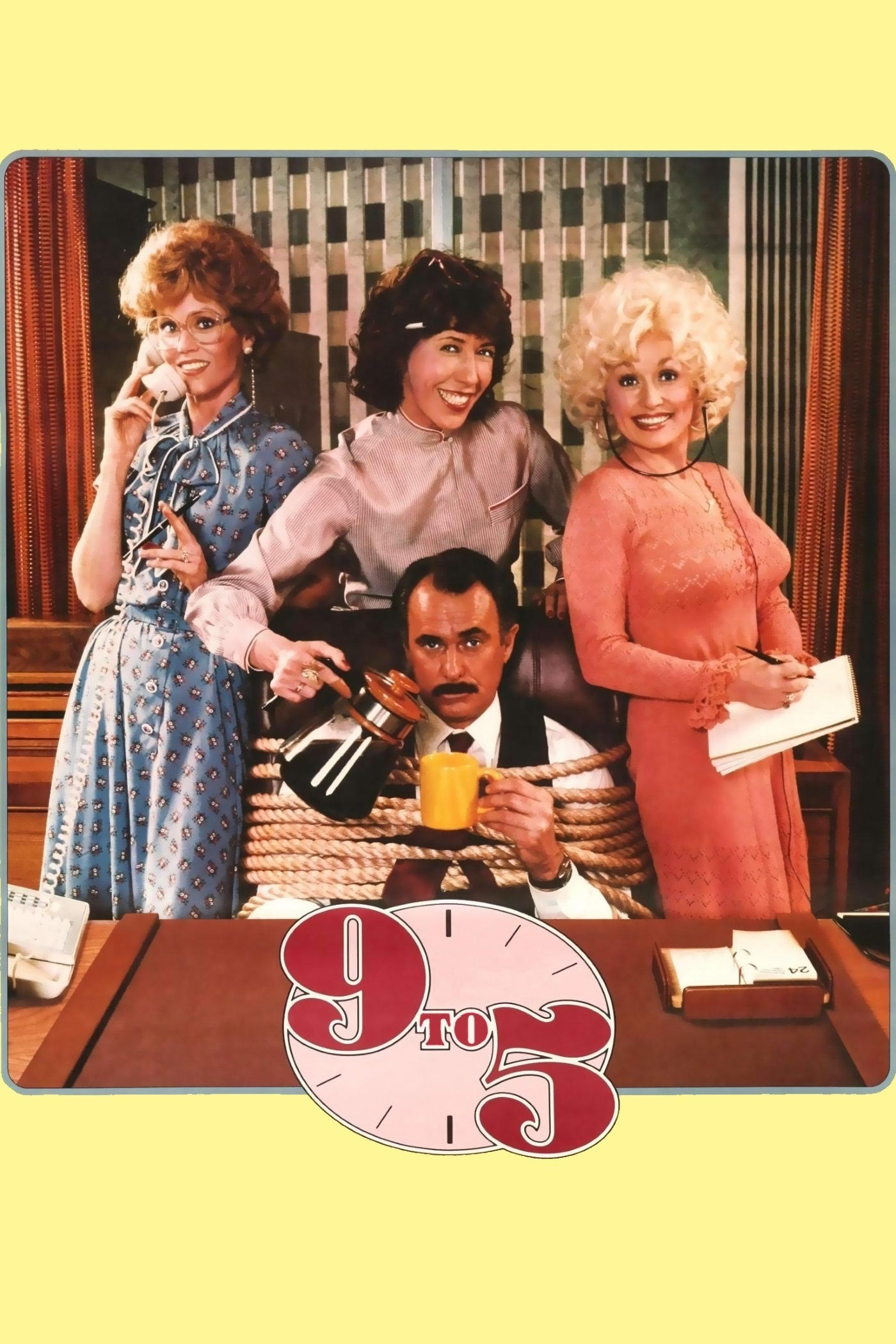
‘9 to 5’ centers on three female office workers who decide to take a stand against their sexist and egotistical boss. The film addresses workplace issues such as unequal pay, sexual harassment, and the lack of promotion opportunities for women. It illustrates how collaborative efforts among staff can lead to significant structural improvements in an office environment. The narrative remains a cultural touchstone for its depiction of clerical work and the pursuit of professional empowerment.
‘Broadcast News’ (1987)

‘Broadcast News’ explores the professional and personal lives of individuals working in a network news bureau. The film examines the tension between traditional journalistic integrity and the increasing demand for entertainment-driven news. It highlights the fast-paced, high-pressure environment of live television production and the specific roles of producers and anchors. The interpersonal dynamics reflect the complexities of working in a field where professional ego and ethics often collide.
‘Nightcrawler’ (2014)

‘Nightcrawler’ delves into the world of freelance crime journalism in Los Angeles. The film portrays the competitive and often unethical practices used to secure sensational footage for local news stations. It illustrates the lack of traditional professional boundaries in the gig economy and the lengths individuals go to for career advancement. The protagonist’s interaction with news directors highlights the transactional nature of modern media employment and the prioritization of ratings.
‘Clerks’ (1994)

‘Clerks’ captures a day in the life of two convenience and video store employees. The film focuses on the mundanity of retail work, the interactions with eccentric customers, and the conversations between colleagues. It highlights the feeling of stagnation often associated with low-wage service jobs and the boredom that drives workplace banter. The narrative provides a realistic look at the lack of professional mobility in certain service sectors during the early 1990s.
‘Moneyball’ (2011)

‘Moneyball’ tells the story of how the Oakland Athletics used statistical analysis to build a competitive baseball team despite a limited budget. The film focuses on the conflict between traditional scouting methods and data-driven decision-making in sports management. It illustrates the challenges of implementing organizational change and the resistance from established professionals within the industry. The dynamics between the general manager and his staff emphasize the importance of strategic innovation in professional environments.
‘Working Girl’ (1988)
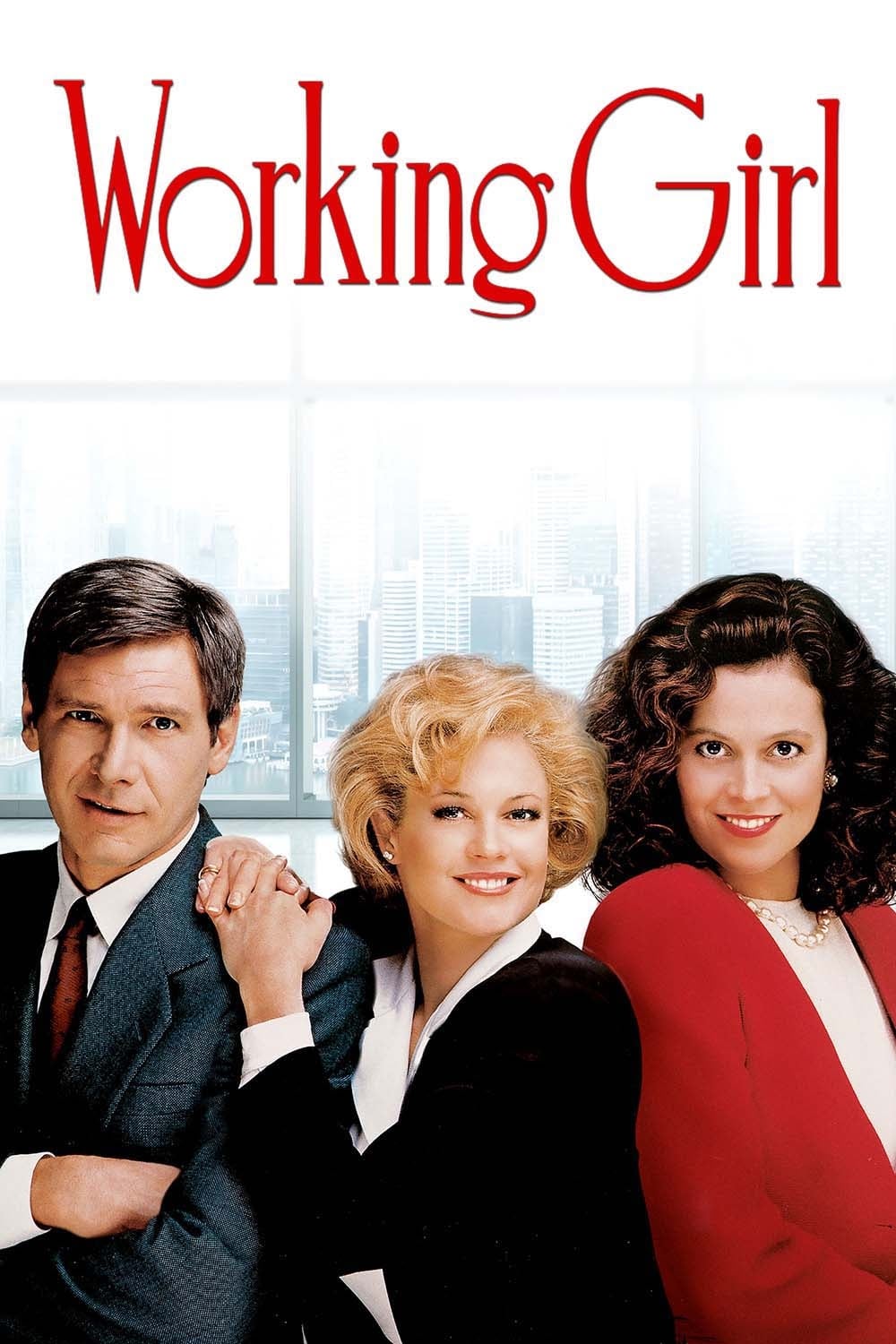
‘Working Girl’ follows a secretary who seizes an opportunity to advance her career when her boss is sidelined by an injury. The film examines the class and gender barriers present in the corporate world of mergers and acquisitions. It highlights the importance of professional networking and the risks associated with bypassing traditional corporate hierarchies. The narrative focuses on the protagonist’s effort to prove her intellectual value in a male-dominated executive environment.
‘The Intern’ (2015)
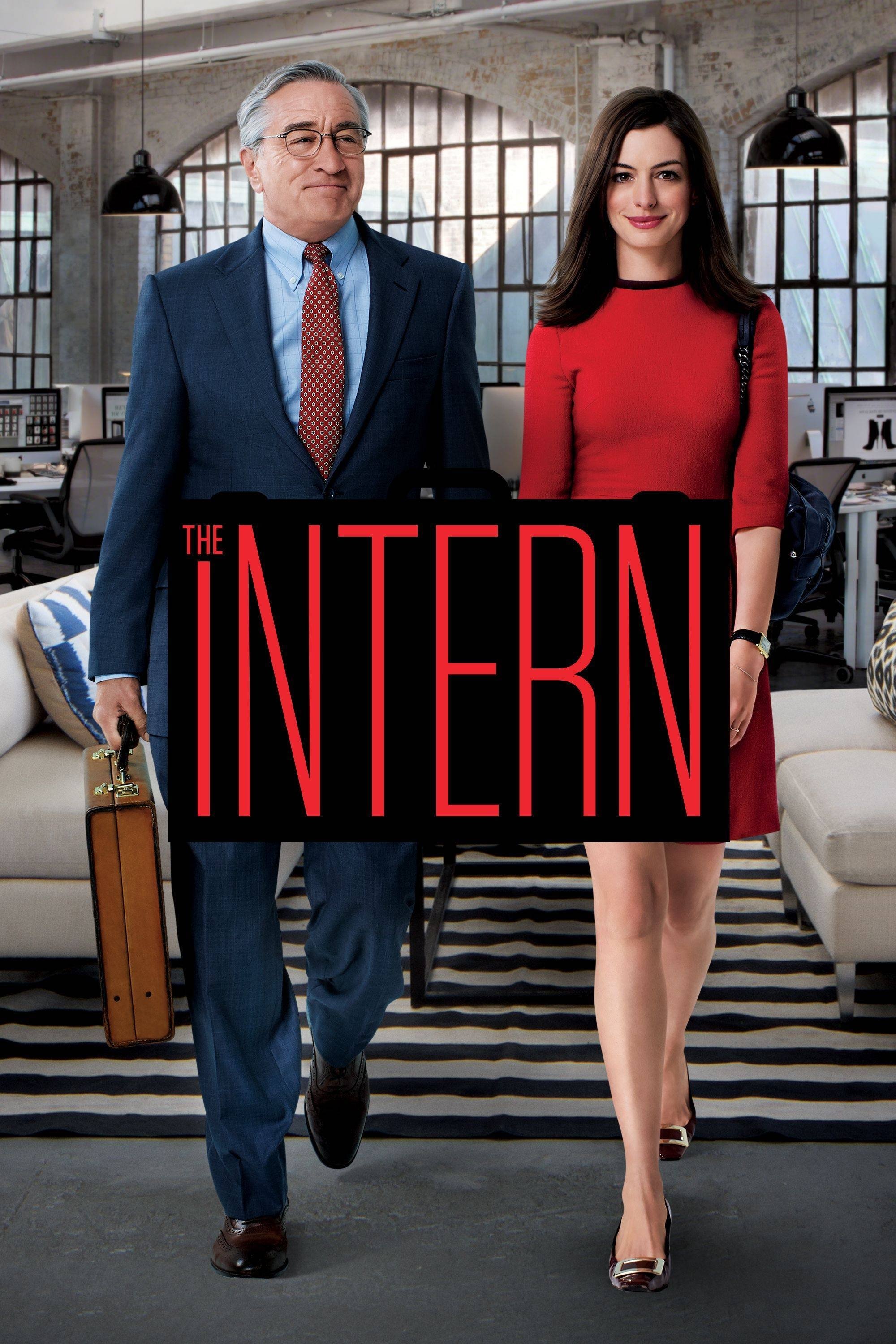
‘The Intern’ features a retired executive who returns to the workforce as a senior intern at an e-commerce fashion startup. The film explores the generational gap in workplace culture and the value of experience in a fast-paced digital environment. It illustrates the evolving nature of leadership and the importance of work-life balance for modern entrepreneurs. The relationship between the intern and the CEO demonstrates the potential benefits of cross-generational mentorship in a modern office.
‘Steve Jobs’ (2015)

‘Steve Jobs’ is structured around three iconic product launches, focusing on the backstage preparations and interpersonal conflicts. The film portrays the high-intensity management style of its subject and the pressure placed on his technical and marketing teams. It highlights the collaborative but often volatile nature of innovation in the technology industry. The professional dynamics focus on the pursuit of perfection and the personal cost of visionary leadership within a corporation.
‘Wall Street’ (1987)

‘Wall Street’ follows a young stockbroker who becomes entangled with a powerful corporate raider. The film examines the ethical boundaries of the financial industry and the allure of insider trading for career growth. It portrays the intense, fast-paced atmosphere of the trading floor and the ruthless tactics used in corporate takeovers. The dynamic between the mentor and the protégé illustrates the corrupting influence of unchecked professional ambition in a high-stakes environment.
‘Network’ (1976)
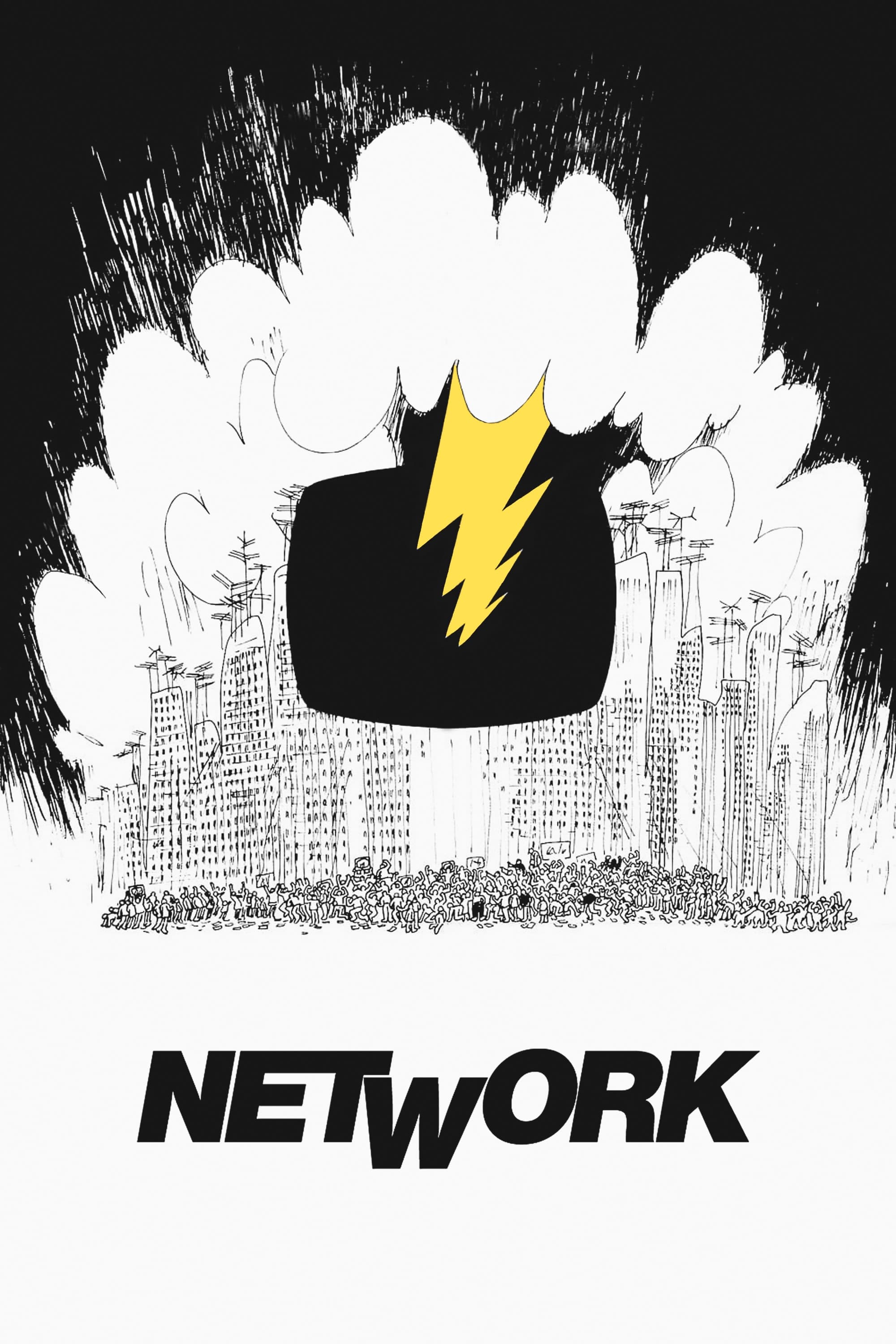
‘Network’ satirizes the television industry by focusing on a struggling network that exploits an anchor’s emotional breakdown for higher ratings. The film explores the corporate prioritization of profit over ethical broadcasting standards and journalistic responsibility. It highlights the power struggles between creative producers and corporate executives within a large media conglomerate. The narrative depicts the cynical atmosphere of a workplace driven primarily by audience metrics and advertising revenue.
‘Jerry Maguire’ (1996)

‘Jerry Maguire’ centers on a sports agent who experiences a crisis of conscience and starts his own boutique agency. The film illustrates the transactional nature of the sports industry and the importance of personal relationships in professional success. It highlights the risks and challenges of entrepreneurship after leaving a stable corporate environment. The dynamics between the agent and his sole client focus on the intersection of personal loyalty and professional survival.
‘Boiler Room’ (2000)

‘Boiler Room’ depicts the aggressive environment of a “pump and dump” brokerage firm. The film explores the psychological tactics used to manipulate both employees and clients in high-pressure sales scenarios. It highlights the toxic culture of greed and the legal consequences of operating outside of established industry regulations. The interactions among the young brokers reflect a competitive and male-dominated professional subculture focused on rapid wealth accumulation.
‘The Social Network’ (2010)

‘The Social Network’ chronicles the founding of Facebook and the subsequent legal battles over its intellectual property. The film focuses on the collaborative yet contentious environment of a tech startup in its early development stages. It illustrates the shift from a casual student project to a global corporation and the strain this puts on professional partnerships. The narrative highlights the role of litigation and contracts in defining corporate ownership and professional boundaries.
‘Sorry to Bother You’ (2018)

‘Sorry to Bother You’ presents a surrealist take on the telemarketing industry and corporate exploitation. The film follows a telemarketer who discovers a “magical” key to success, leading him into the upper echelons of corporate power. It addresses themes of labor rights, unionization, and the racial dynamics present in modern professional settings. The workplace environment is depicted as increasingly dehumanizing as the protagonist climbs the corporate ladder and abandons his peers.
‘In the Company of Men’ (1997)
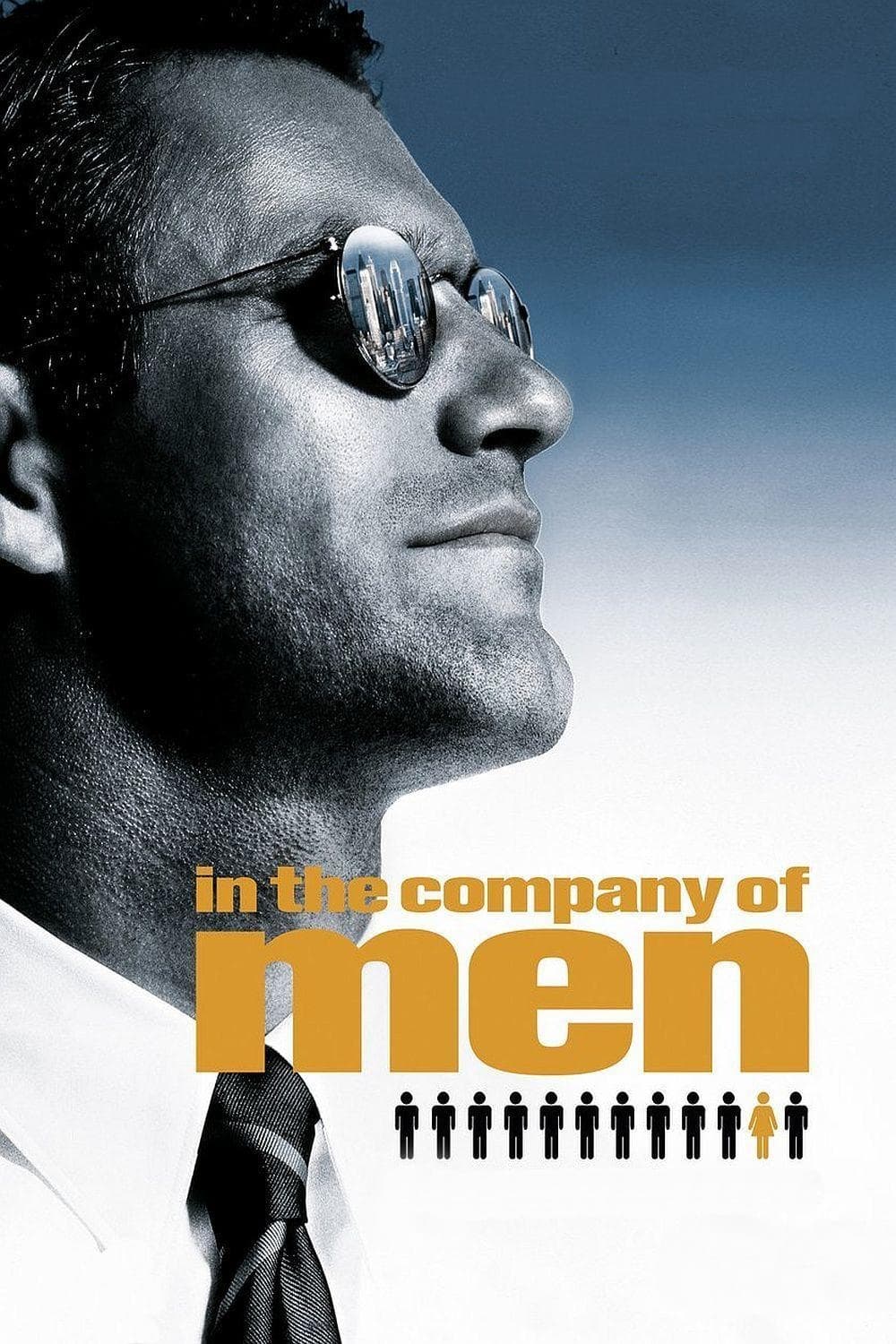
‘In the Company of Men’ explores the toxic behavior of two male executives who are sent to a regional office for a short-term assignment. The film focuses on their misogynistic plan to manipulate a female subordinate as a way to vent their professional frustrations. It illustrates the power dynamics and the potential for abuse within a strict corporate hierarchy. The narrative serves as a dark examination of workplace misogyny and the cruelty that can exist in professional environments.
‘Waiting…’ (2005)

‘Waiting…’ portrays the daily operations and social dynamics of employees at a chain restaurant. The film focuses on the interactions between servers, cooks, and management during a typical shift. It highlights the specific stressors of the food service industry, including dealing with difficult customers and repetitive tasks. The camaraderie among the staff is presented as a primary coping mechanism for the challenges and low wages associated with the job.
‘Empire Records’ (1995)

‘Empire Records’ follows a group of record store employees as they try to prevent their independent shop from being sold to a large chain. The film depicts the unique culture of independent retail and the close-knit relationships formed in a shared professional space. It highlights the conflict between artistic passion and the financial realities of corporate retail management. The story focuses on a single day of high-stakes problem-solving and collective action among a young workforce.
‘Compliance’ (2012)

‘Compliance’ is based on true events and depicts a fast-food manager who follows increasingly invasive instructions from a caller claiming to be a police officer. The film explores themes of authority, obedience, and the breakdown of professional boundaries in a workplace setting. It illustrates how hierarchical structures can be manipulated to bypass individual judgment and safety protocols. The narrative serves as a harrowing look at the psychological dynamics of workplace power and the vulnerability of employees.
‘Swimming with Sharks’ (1994)

‘Swimming with Sharks’ centers on the relationship between a powerful movie mogul and his mistreated assistant. The film portrays the extreme verbal abuse and humiliation that can occur in high-profile entertainment industry roles. It examines the “dues-paying” culture and the psychological toll of working under a narcissistic and demanding leader. The professional dynamic is characterized by a cycle of abuse and the eventual corruption of the subordinate’s own professional ethics.
‘The Wolf of Wall Street’ (2013)

‘The Wolf of Wall Street’ tracks the rise and fall of a stockbroker who builds a firm based on fraudulent activities and aggressive sales tactics. The film depicts a workplace culture defined by hedonism, extreme competitiveness, and a complete disregard for financial regulations. It illustrates the charismatic leadership style of the protagonist and its intoxicating effect on his loyal but misguided employees. The narrative focuses on the chaotic and high-energy atmosphere of an unregulated and ethically bankrupt sales floor.
‘Horrible Bosses’ (2011)
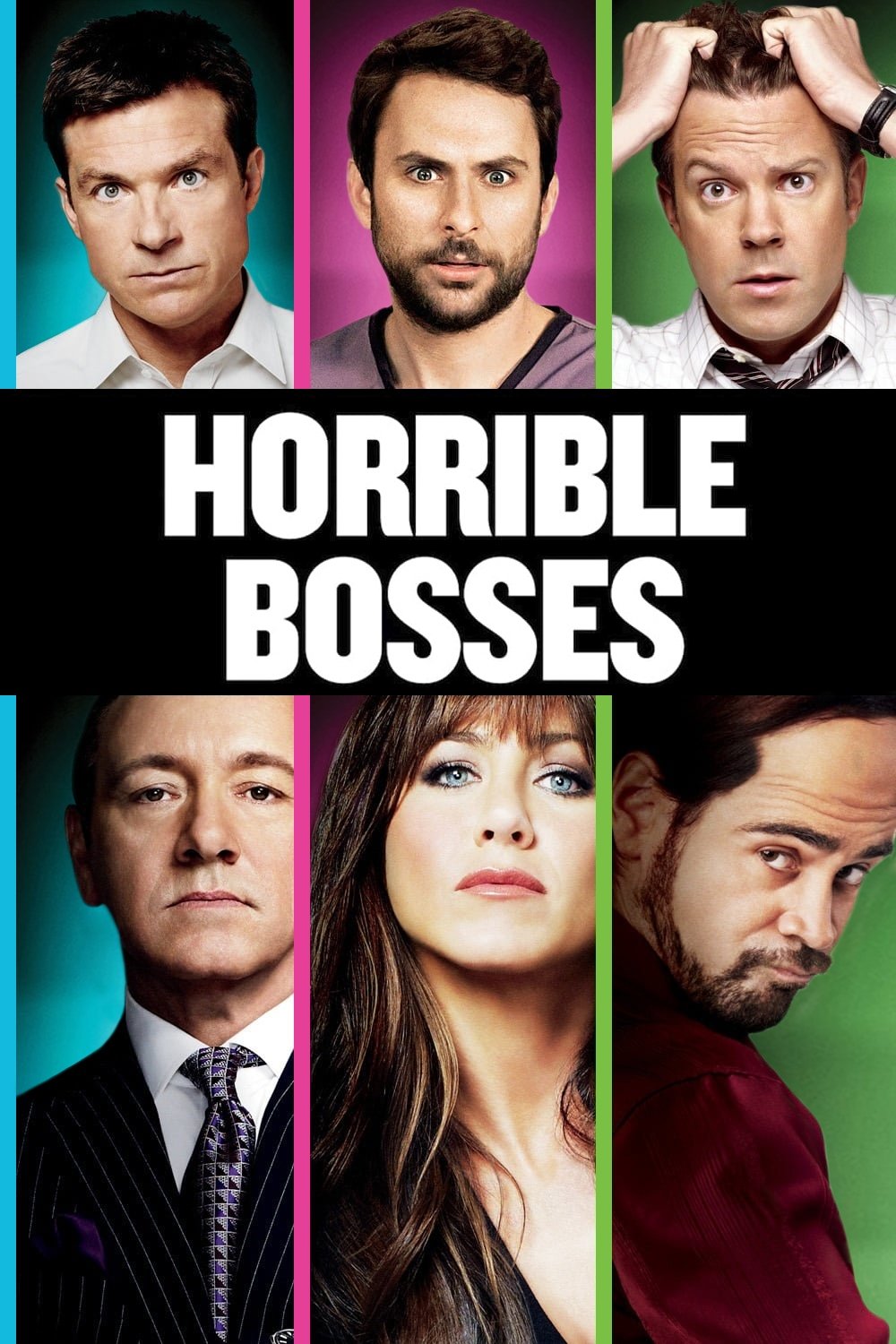
‘Horrible Bosses’ follows three friends who decide to conspire against their respective abusive supervisors. The film explores different types of workplace toxicity, including sexual harassment, professional sabotage, and unrealistic demands. It highlights the feelings of desperation and powerlessness that can arise from working under poor or malicious management. While framed as a comedy, the film addresses common professional grievances and the significant impact of leadership on employee well-being.
‘Modern Times’ (1936)

‘Modern Times’ follows a factory worker struggling to keep up with the demands of an increasingly mechanized industrial workplace. The film satirizes the assembly line process and the dehumanizing effects of industrial efficiency on the individual worker. It illustrates the physical and mental strain of repetitive labor and the disconnect between workers and management in the early 20th century. The narrative remains a foundational critique of modern industrial labor dynamics and the pursuit of productivity at the cost of humanity.
Share your own experiences with realistic workplace depictions in cinema in the comments.