


22 Movies Filmed Chronologically to Capture Real Actor Growth

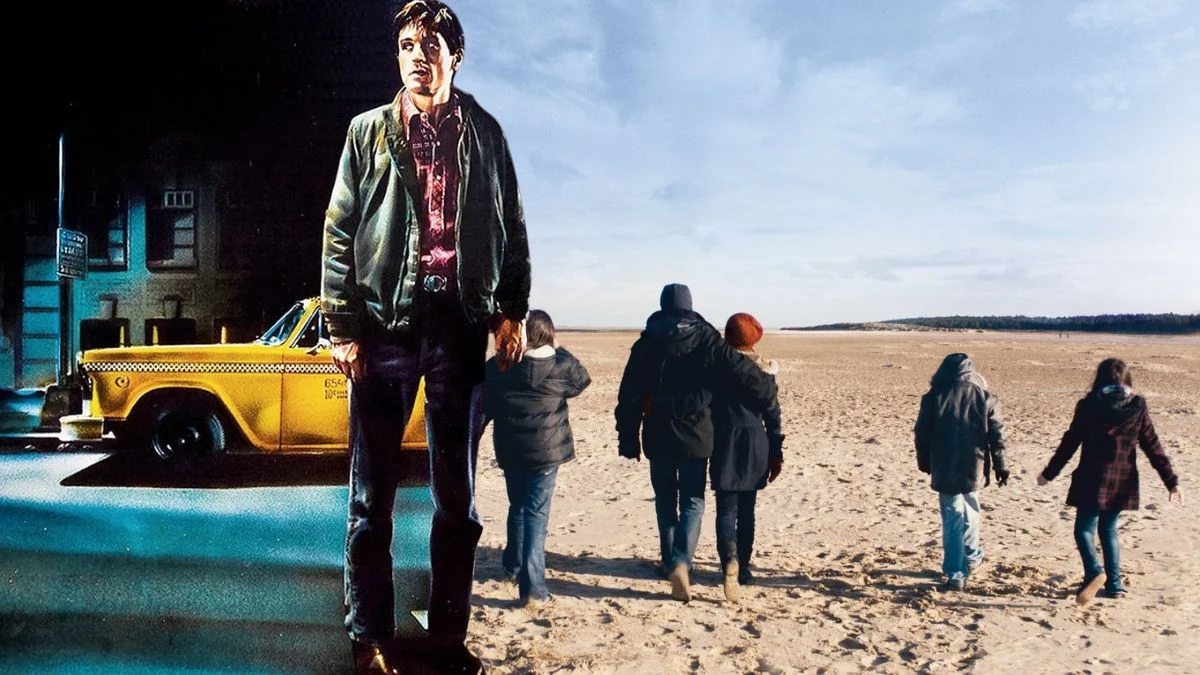


Filmmakers typically shoot movies out of sequence to accommodate budget constraints and actor availability or location logistics. Directors occasionally reject this standard practice and choose to film chronologically to allow the cast to develop their characters organically. This sequential production schedule enables actors to experience the emotional and physical journey of the narrative in real time. The resulting performances often possess a distinct level of psychological continuity and authenticity that is difficult to replicate with fragmented schedules.
‘Boyhood’ (2014)

Richard Linklater filmed this groundbreaking project over twelve years to capture the actual physical aging of actor Ellar Coltrane. The narrative follows a young protagonist growing from childhood into his college years alongside his fictional family. Scenes were shot annually to incorporate the natural maturation of the cast without using prosthetics or digital effects. This unique approach allowed the script to evolve based on the developing personalities and life experiences of the actors.
‘E.T. the Extra-Terrestrial’ (1982)
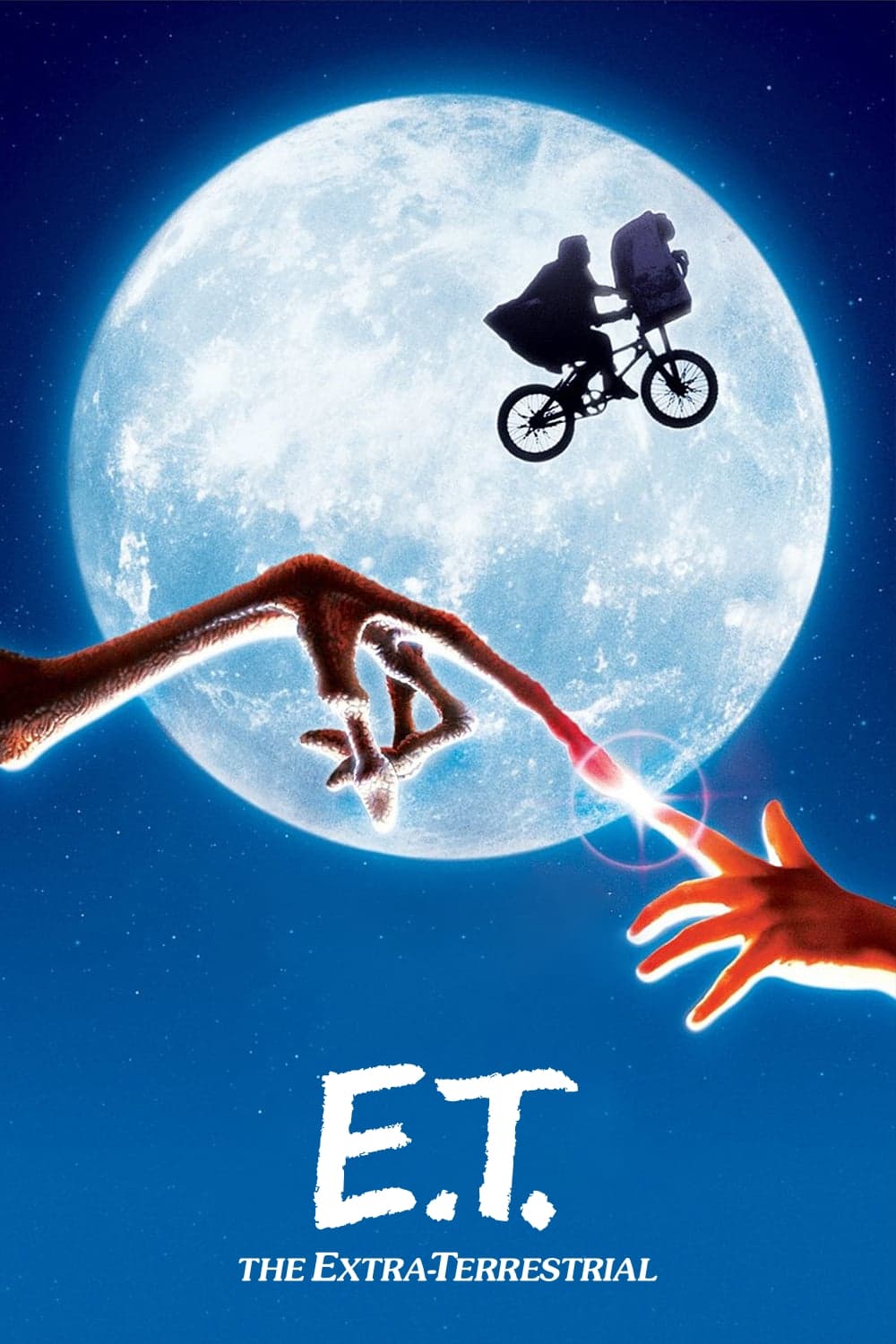
Steven Spielberg chose to shoot this film in strict chronological order to help the child actors maintain emotional continuity throughout the story. The young cast built a genuine bond with the alien puppet as the production progressed toward the emotional farewell. This filming method ensured that the tears shed during the final scenes were authentic reactions to saying goodbye to a friend. The director wanted the audience to experience the adventure through the increasingly invested eyes of the children.
‘The Breakfast Club’ (1985)

John Hughes filmed the scenes in sequence to allow the ensemble cast to develop real relationships that mirrored their characters. The actors began the production as relative strangers and slowly grew closer as the filming schedule advanced. This technique helped the young performers naturally shed the defensive layers of their characters just as the script required. The final emotional breakthroughs in the library reflect the genuine camaraderie established on set over several weeks.
‘The Shining’ (1980)
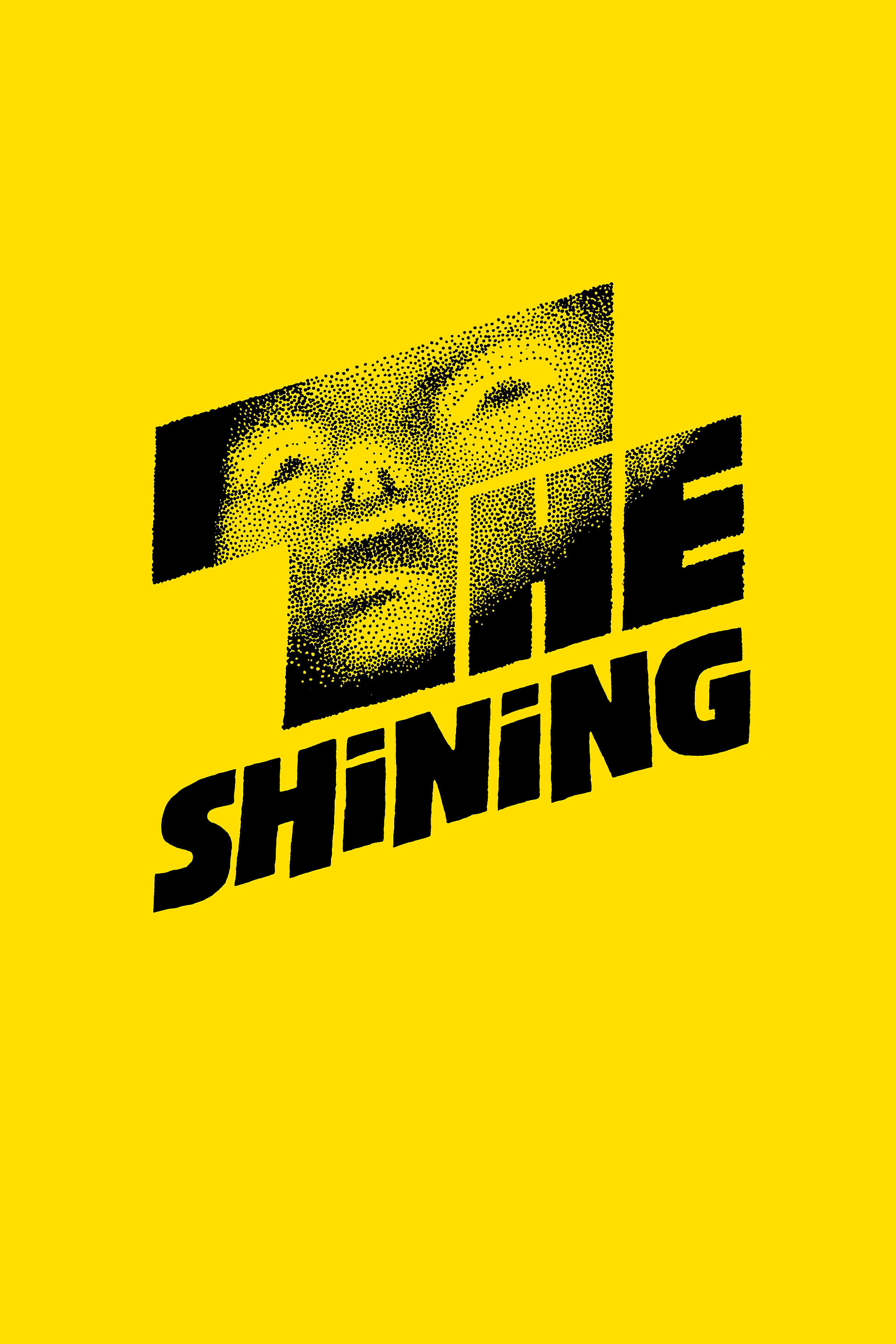
Stanley Kubrick insisted on a largely chronological shoot to systematically break down the psychological defenses of his cast. Jack Nicholson and Shelley Duvall were subjected to an arduous production schedule that spanned over a year. The growing exhaustion and agitation visible in their performances were direct results of the prolonged filming process. The isolation felt by the characters on screen was mirrored by the intense atmosphere maintained on the set.
’12 Angry Men’ (1957)
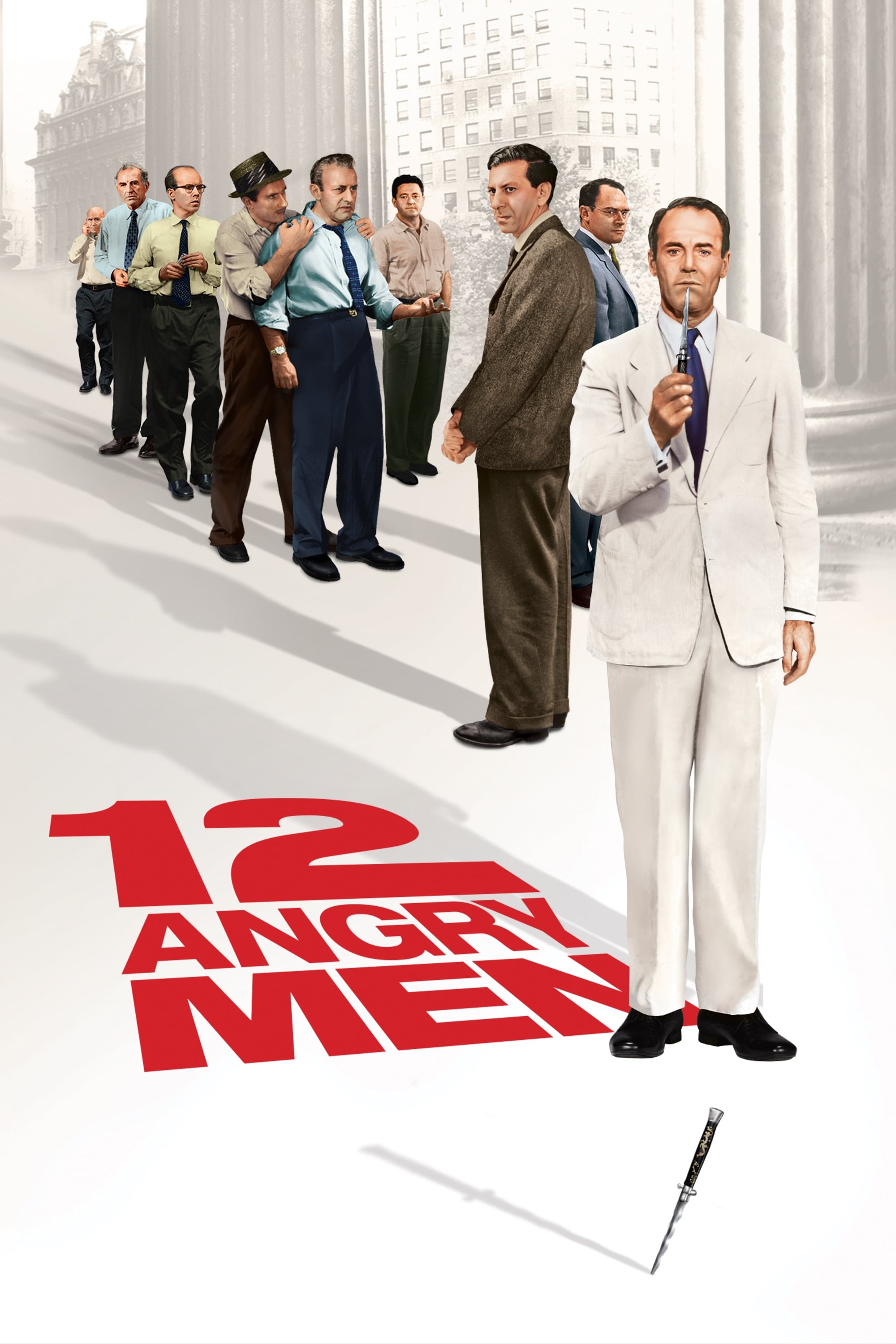
Sidney Lumet filmed the courtroom drama in sequence while gradually changing the camera lenses to create a sense of claustrophobia. The actors spent hours locked in the same room together which naturally heightened the tension and irritability among the group. This method allowed the ensemble to organically build upon the arguments and rising tempers from previous scenes. The visible sweat and fatigue of the characters were enhanced by the chronological progression of the shoot.
‘Taxi Driver’ (1976)
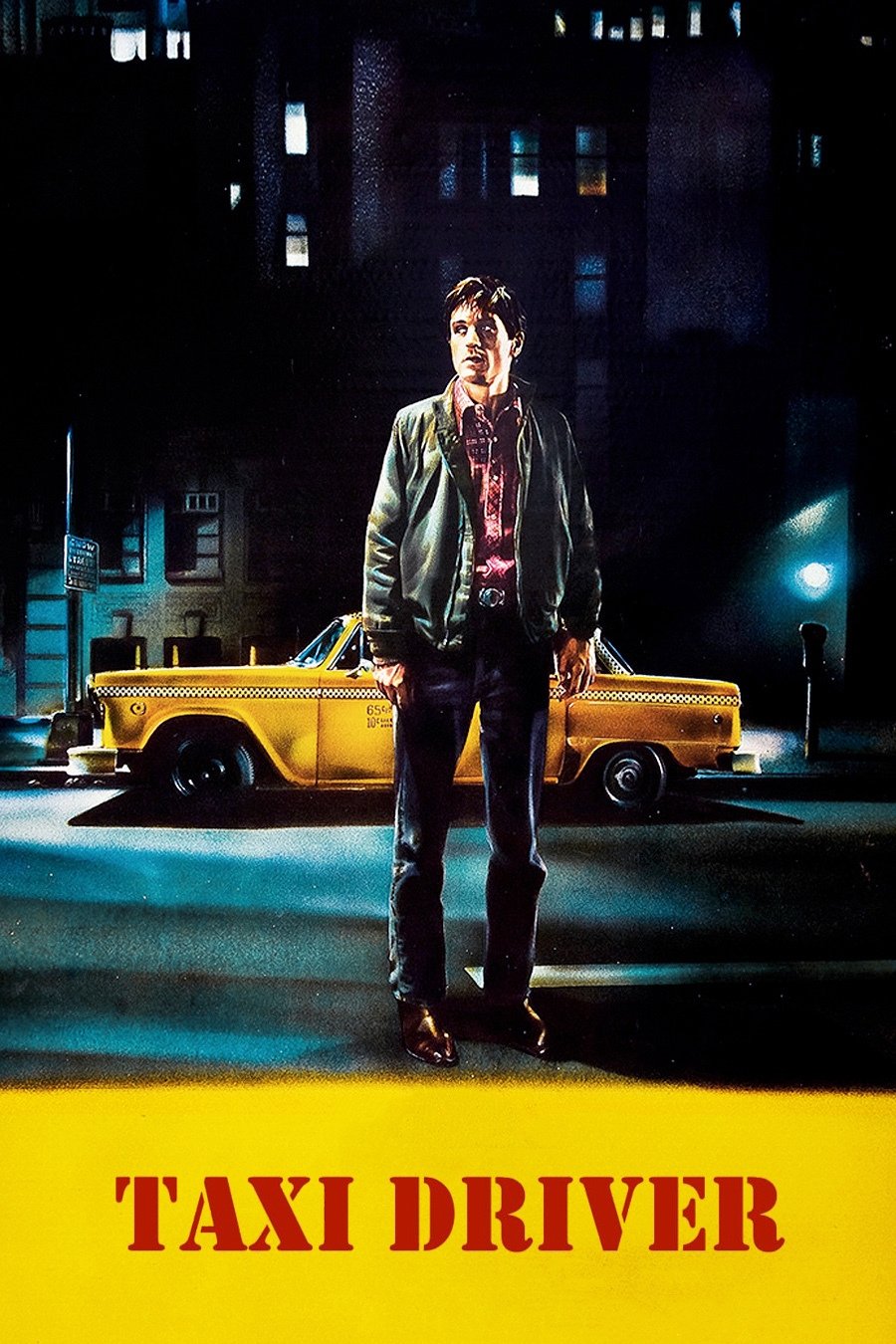
Martin Scorsese filmed the scenes in order to trace the slow psychological descent of Travis Bickle. Robert De Niro utilized the schedule to modulate his performance from a state of loneliness to violent instability. The chronological approach helped the actor layer the character’s growing paranoia and detachment from reality. This linear process ensured that every subtle shift in his demeanor felt earned and cumulative.
‘Come and See’ (1985)
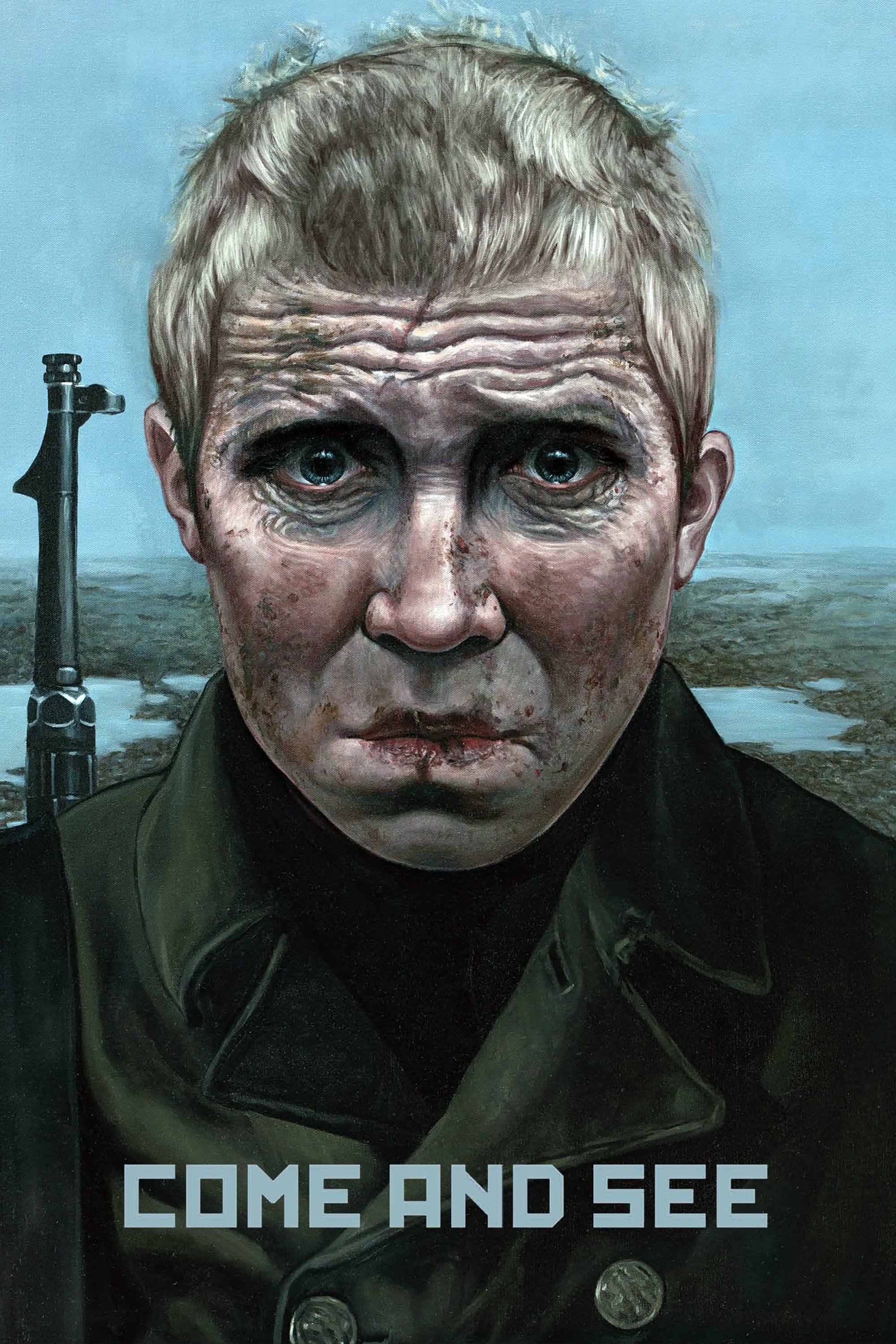
Elem Klimov shot this harrowing war film chronologically to capture the physical and mental deterioration of his young lead actor. Aleksei Kravchenko endured a grueling production that included real ammunition and hypnosis to induce trauma responses. The boy noticeably ages and his hair turns grey by the end of the film due to the extreme stress of the shoot. The haunting transformation on screen is a documentation of the actor’s actual experience during filming.
’28 Days Later’ (2002)
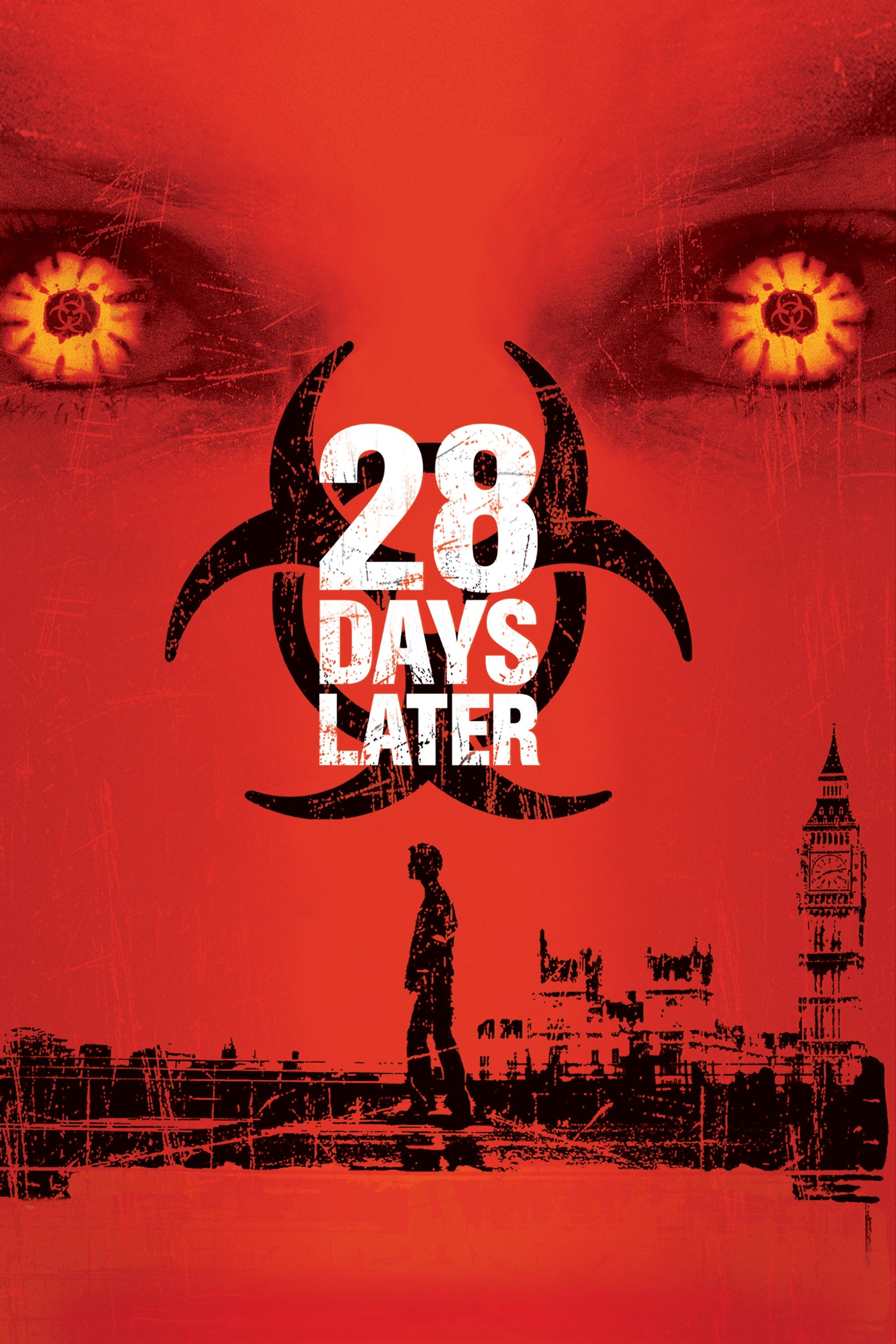
Danny Boyle shot the film in sequence to help Cillian Murphy portray a man gradually hardening in response to a collapsed society. The character begins the story in a state of confusion and vulnerability after waking from a coma. The chronological schedule allowed Murphy to build confidence and physical capability as he navigated the apocalyptic setting. His transformation from a bewildered survivor to a decisive protector feels consistent due to this linear progression.
‘The Graduate’ (1967)
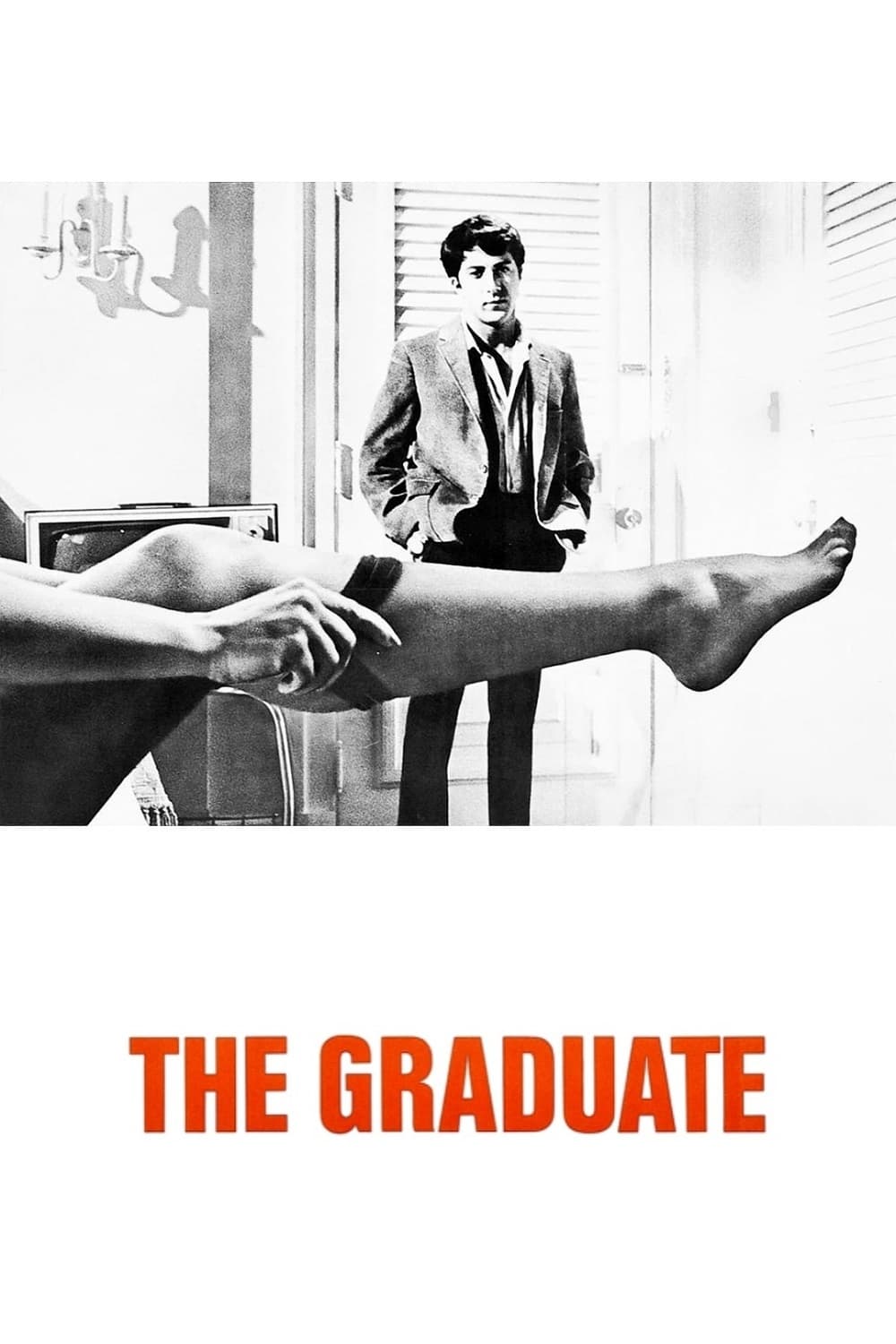
Mike Nichols utilized chronological filming to aid Dustin Hoffman in capturing the anxiety and aimlessness of Benjamin Braddock. The actor was new to film and the sequential schedule helped him navigate his character’s awkward affair and eventual rebellion. Hoffman was able to shed his initial nervousness as the production continued and his character gained resolve. The final scene on the bus carries the weight of the entire journey experienced by the actor.
‘Rosemary’s Baby’ (1968)
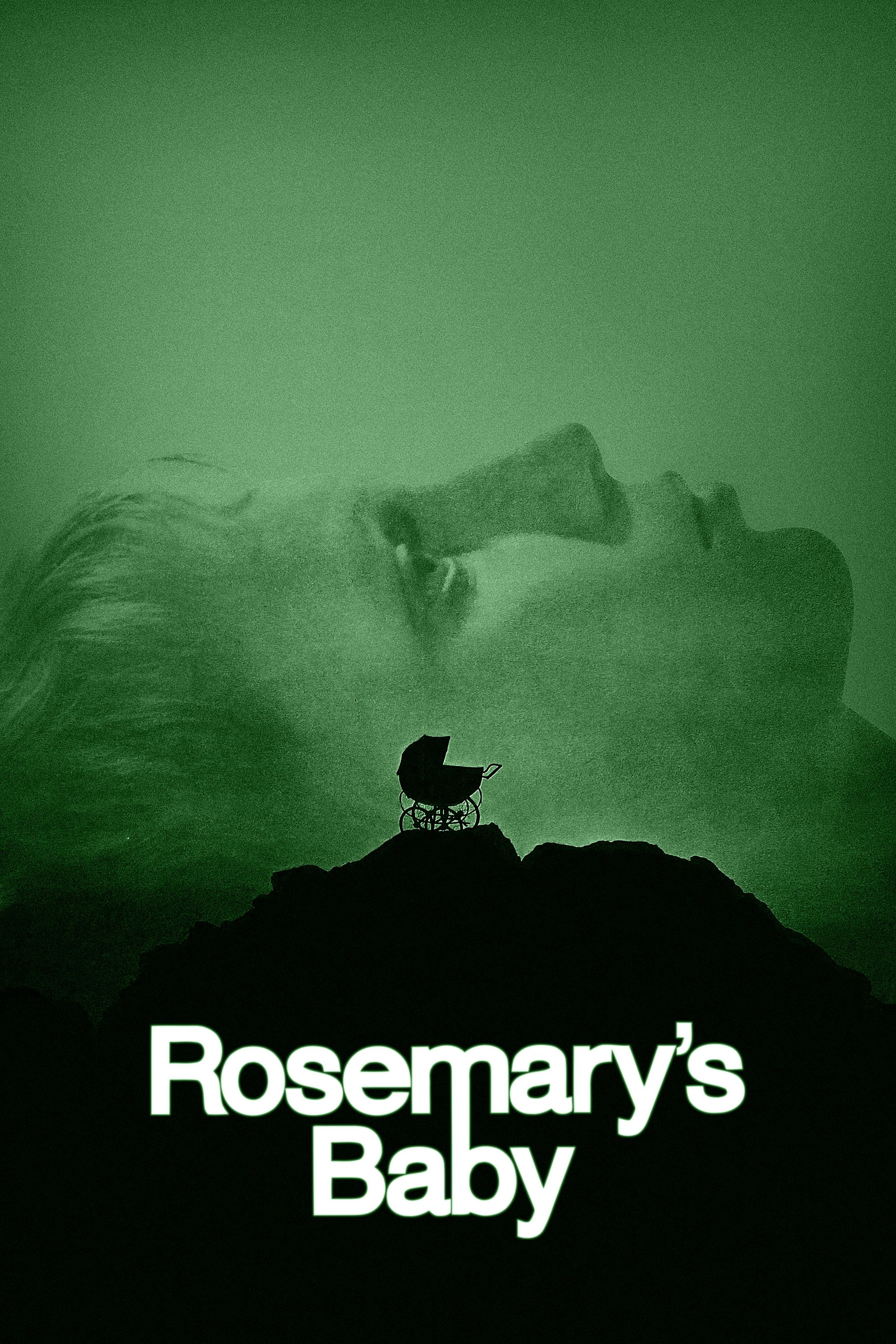
Roman Polanski filmed in order to help Mia Farrow authentically depict a woman losing her grip on reality while physically deteriorating. The actress lost weight and appeared increasingly gaunt as the production schedule advanced. This method allowed the paranoia and isolation of the character to build naturally without the need for feigned emotion. Farrow effectively channeled the stress of the shoot into her performance of a terrified expectant mother.
‘Who’s Afraid of Virginia Woolf?’ (1966)
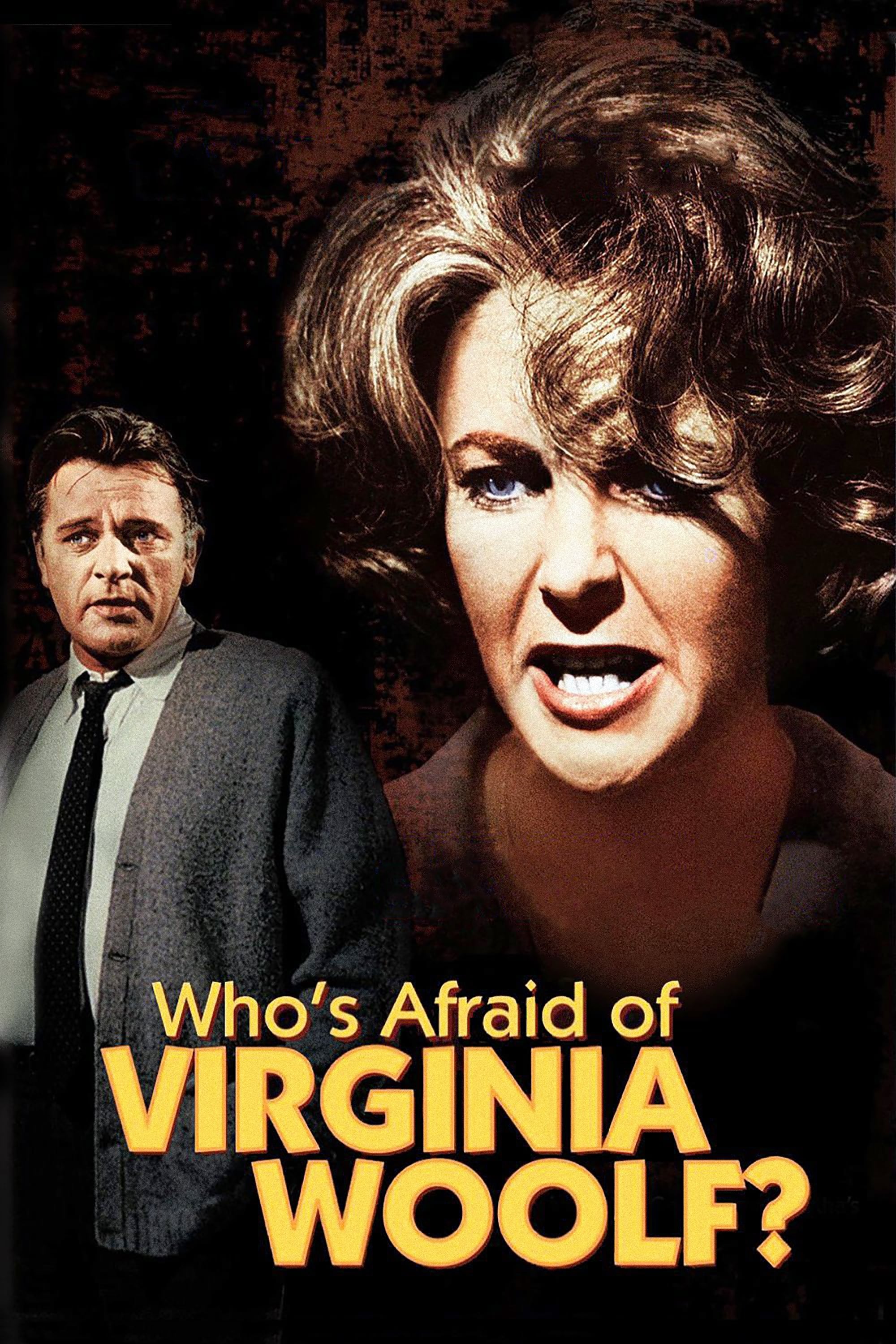
Mike Nichols employed a chronological schedule to capture the escalating drunkenness and exhaustion of the two couples. The actors were able to layer the fatigue and emotional battering of the long night into their performances. Elizabeth Taylor and Richard Burton utilized the linear shoot to intensify their venomous verbal sparring as the film progressed. The result is a seamless trajectory of disintegration that mirrors the structure of the play.
‘Into the Wild’ (2007)
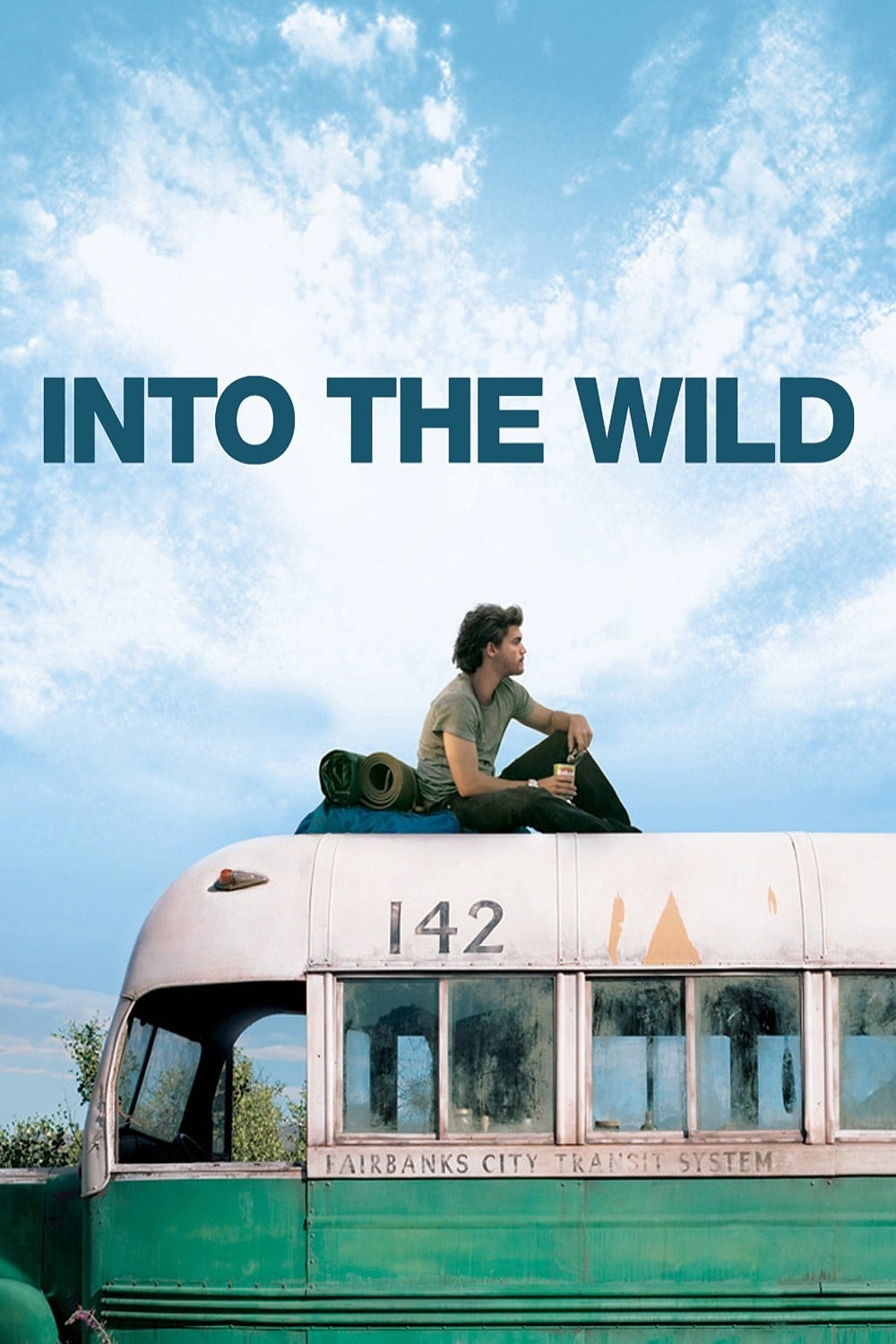
Sean Penn directed this biographical drama sequentially to accommodate the physical transformation of Emile Hirsch. The actor lost a significant amount of weight over the course of the production to portray the starvation of Chris McCandless. Shooting in order allowed Hirsch to experience the changing seasons and physical toll of the journey. The decline in his energy and health on screen was a genuine reflection of his condition during filming.
‘A Woman Under the Influence’ (1974)
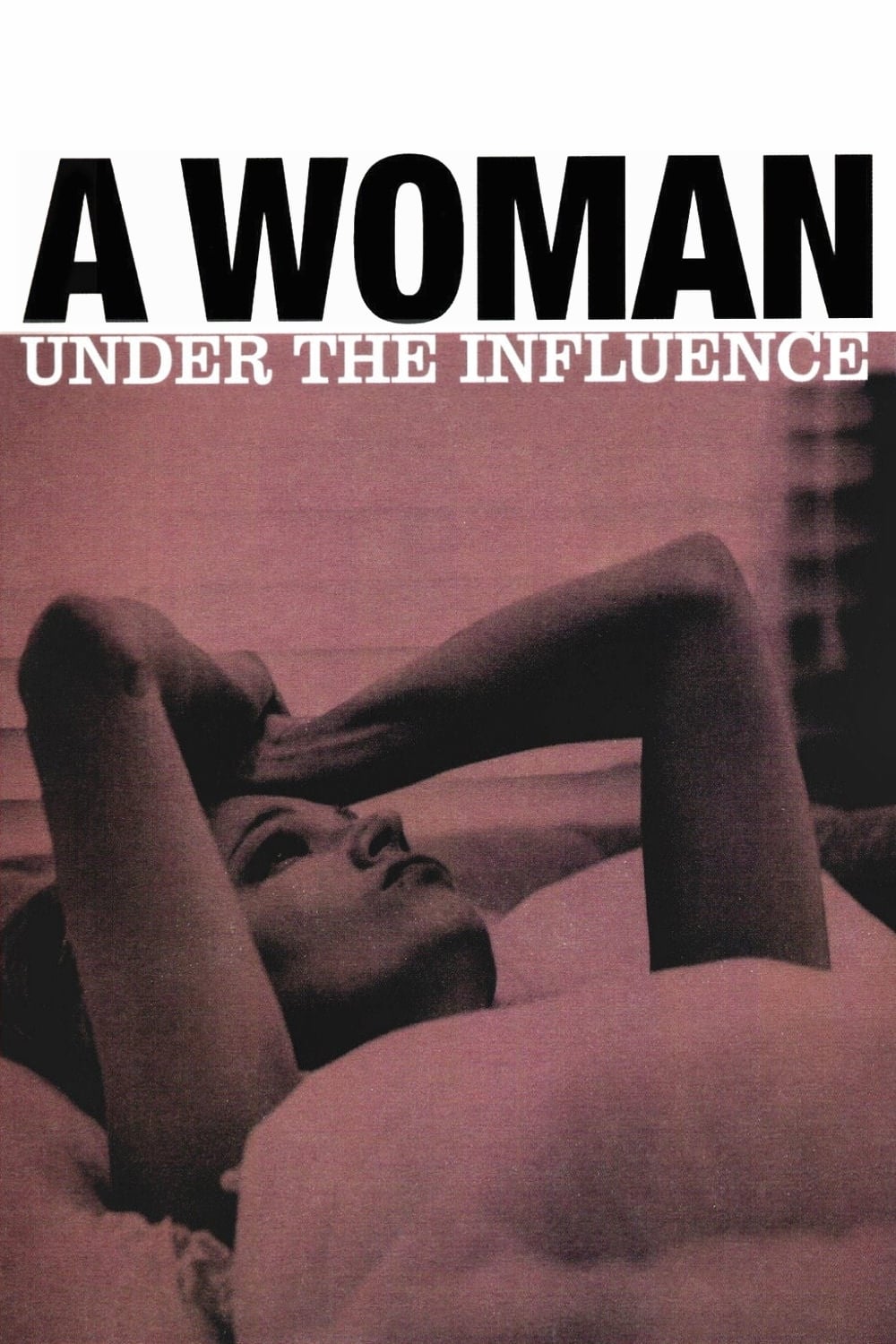
John Cassavetes shot the film in sequence to allow Gena Rowlands to fully inhabit the mental instability of her character. The chronological schedule gave the actors the freedom to explore the volatile dynamics of the marriage without interruption. Rowlands built her performance scene by scene until the emotional weight became overwhelming. This approach resulted in a raw and unpredictable portrayal of mental illness.
‘Everyday’ (2012)

Michael Winterbottom filmed this drama over a period of five years to capture the natural aging of four siblings. The production schedule was broken into small segments shot a few weeks at a time to reflect the passage of years. This method allowed the actors to grow up on screen while the narrative explored the impact of a father’s imprisonment. The physical and emotional changes in the children provide the film with its structural backbone.
‘The Outsiders’ (1983)
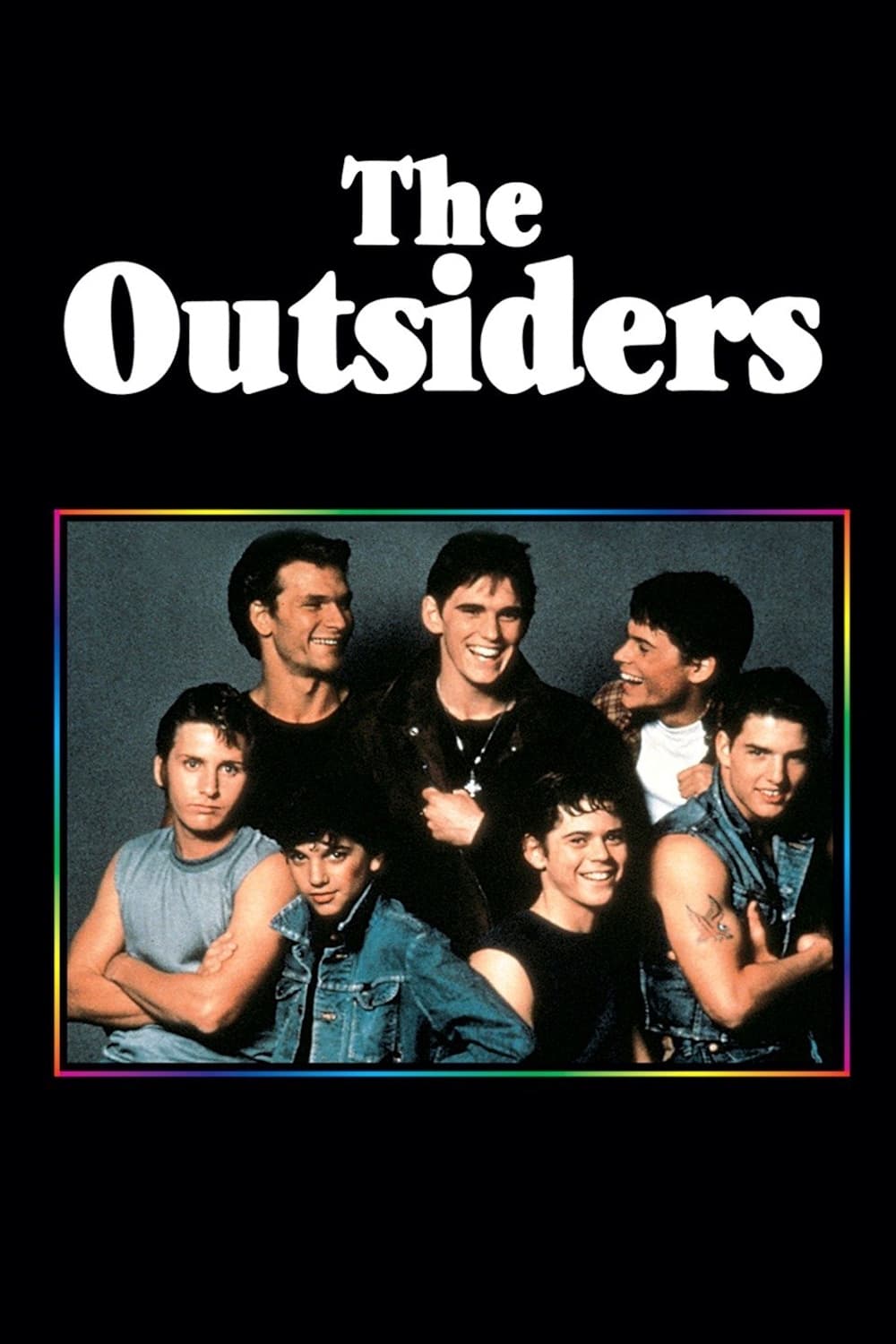
Francis Ford Coppola filmed the story in order and kept the actors playing the rival gangs separated off camera. The young cast members portraying the Greasers bonded naturally during the shoot while maintaining a distance from the actors playing the Socs. This enforced segregation and linear filming helped cultivate genuine tension and loyalty within the groups. The final emotional reconciliations in the film reflect the eventual merging of the cast.
‘Buried’ (2010)
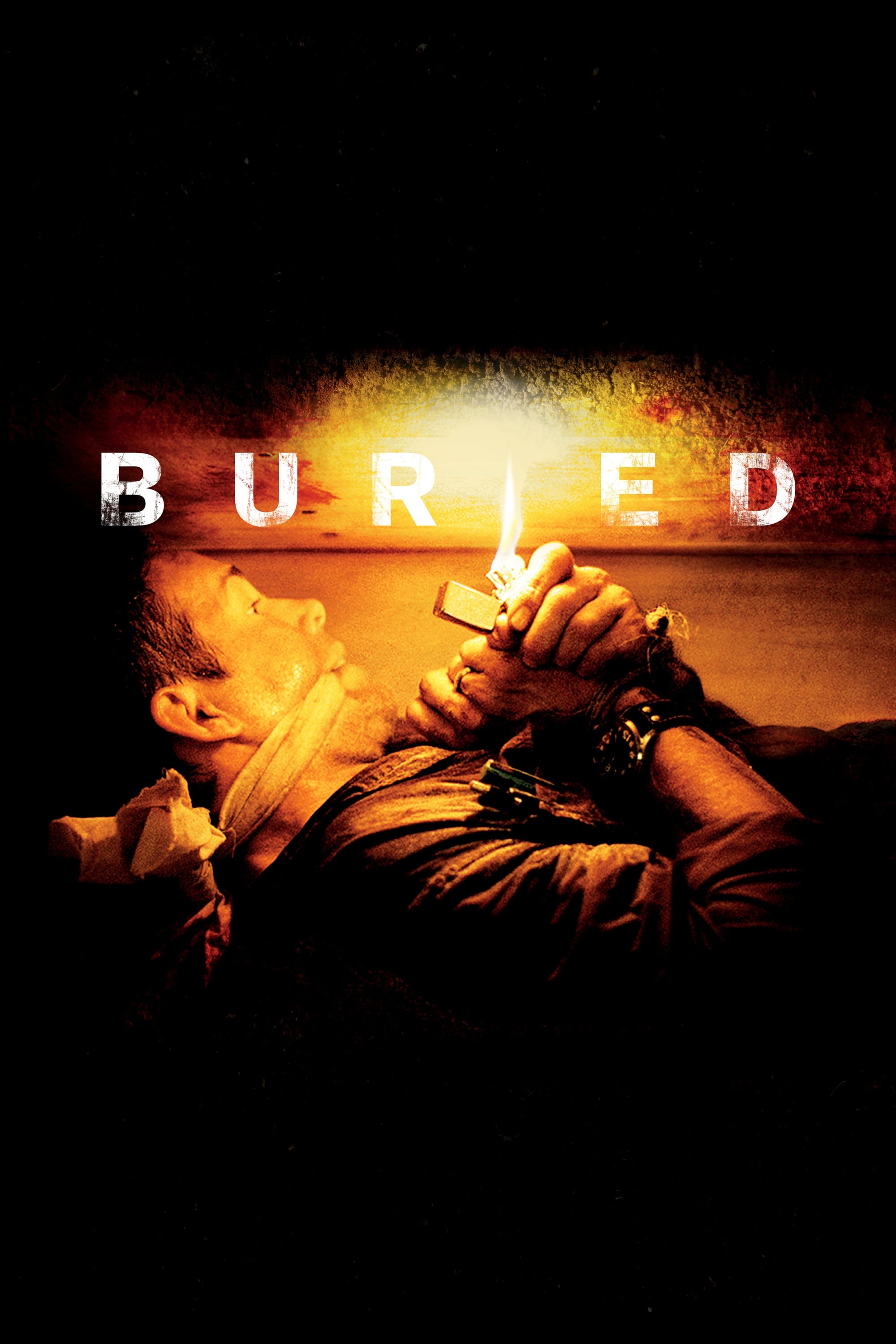
Ryan Reynolds spent the entire production confined inside a coffin while the film was shot in chronological sequences. The actor experienced increasing levels of panic and physical discomfort as the days of filming continued. This method allowed the anxiety and breathlessness of the performance to escalate realistically. The physical limitations of the set wore down the actor in a way that served the terrifying narrative.
‘Hard Candy’ (2005)
The intense psychological thriller was shot in order to facilitate the shifting power dynamic between the two lead characters. Ellen Page and Patrick Wilson needed to navigate a complex relationship that moves from flirtation to torture. The chronological shoot allowed them to track the precise level of knowledge and control their characters held at any moment. This ensured the tension remained tight and the emotional continuity was never broken.
‘Paranormal Activity’ (2007)
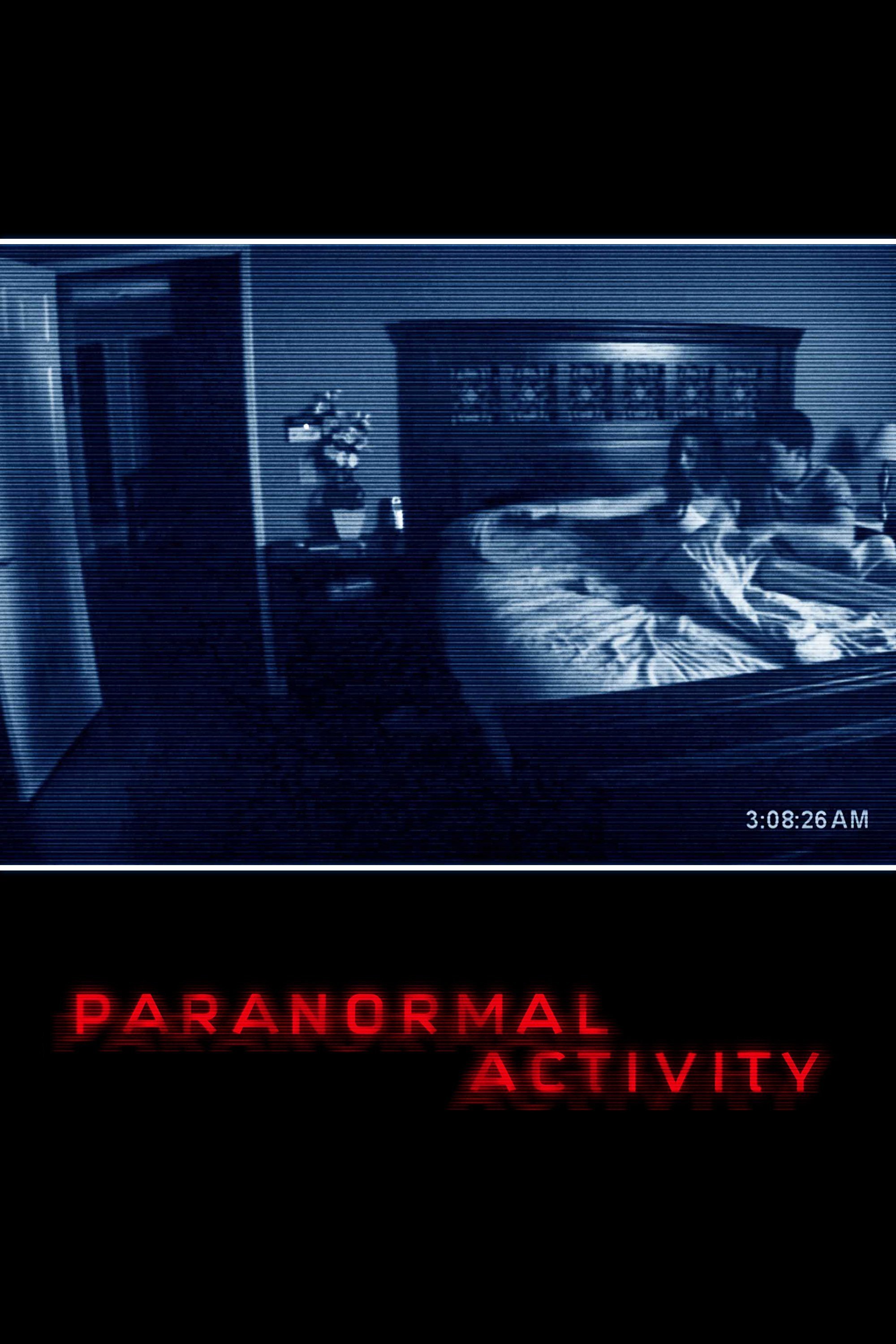
Oren Peli shot the film in sequence to allow the actors to improvise their reactions to the escalating supernatural events. The fear and sleep deprivation portrayed by the couple grew more intense as the seven-day shoot progressed. This approach helped the performances remain grounded and naturalistic despite the fantastical premise. The growing dread on screen mirrors the cumulative stress of the characters living in the haunted house.
‘Woyzeck’ (1979)

Werner Herzog filmed this adaptation in just eighteen days and kept the shoot chronological to maintain high intensity. Klaus Kinski delivered a performance of increasing madness that was fueled by the rapid pace of the production. The exhaustion of the cast and crew contributed to the feverish atmosphere of the final product. The linear schedule ensured that the character’s descent into insanity felt continuous and inevitable.
‘Confessions of a Dangerous Mind’ (2002)
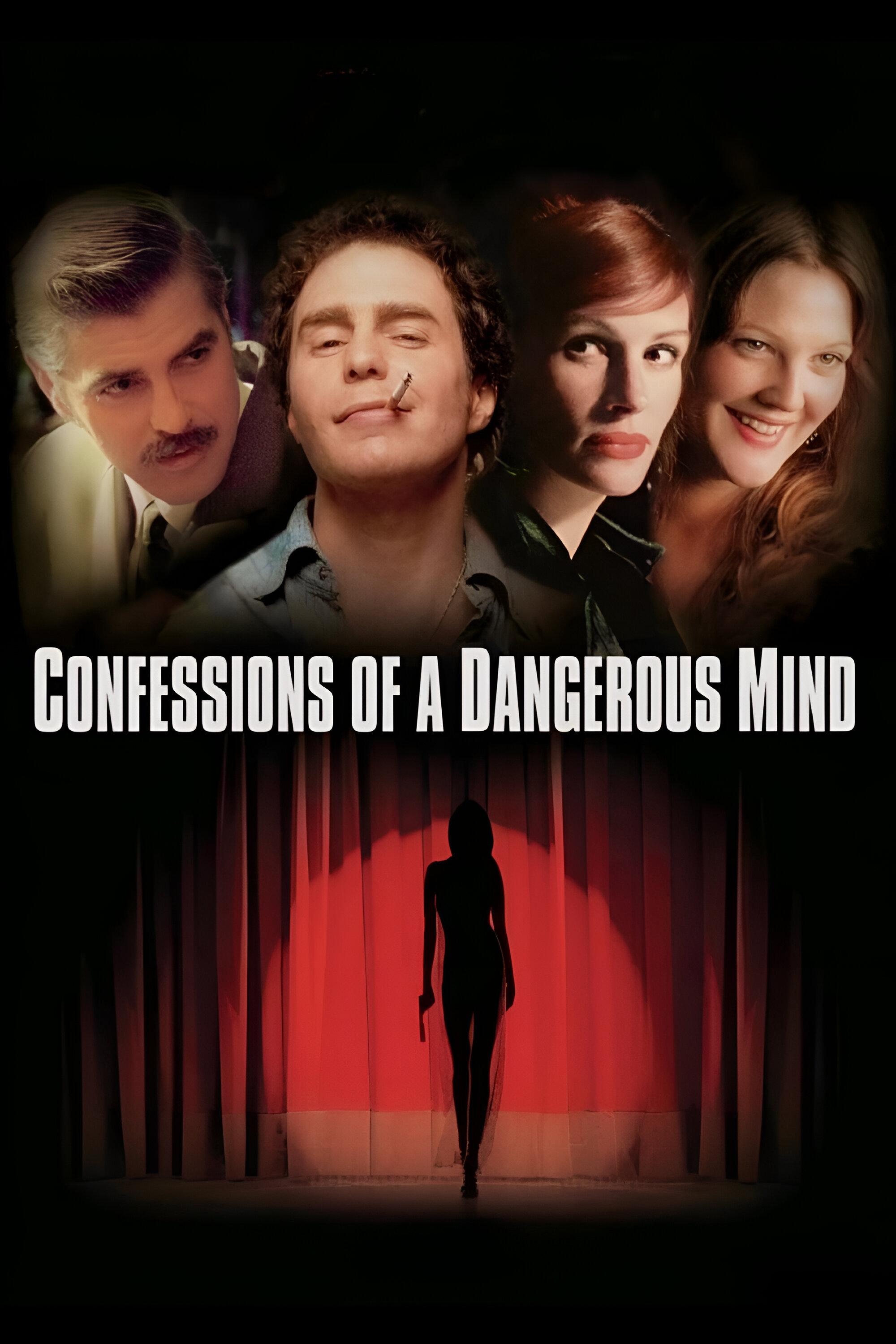
George Clooney directed his debut film in chronological order to help Sam Rockwell navigate the aging and evolution of Chuck Barris. The character transforms from a young energetic producer to a paranoid recluse over several decades. Shooting in sequence allowed Rockwell to subtly adjust his posture and voice to reflect the passage of time. The actor used the schedule to layer the accumulated regrets of the character into his performance.
‘High Noon’ (1952)
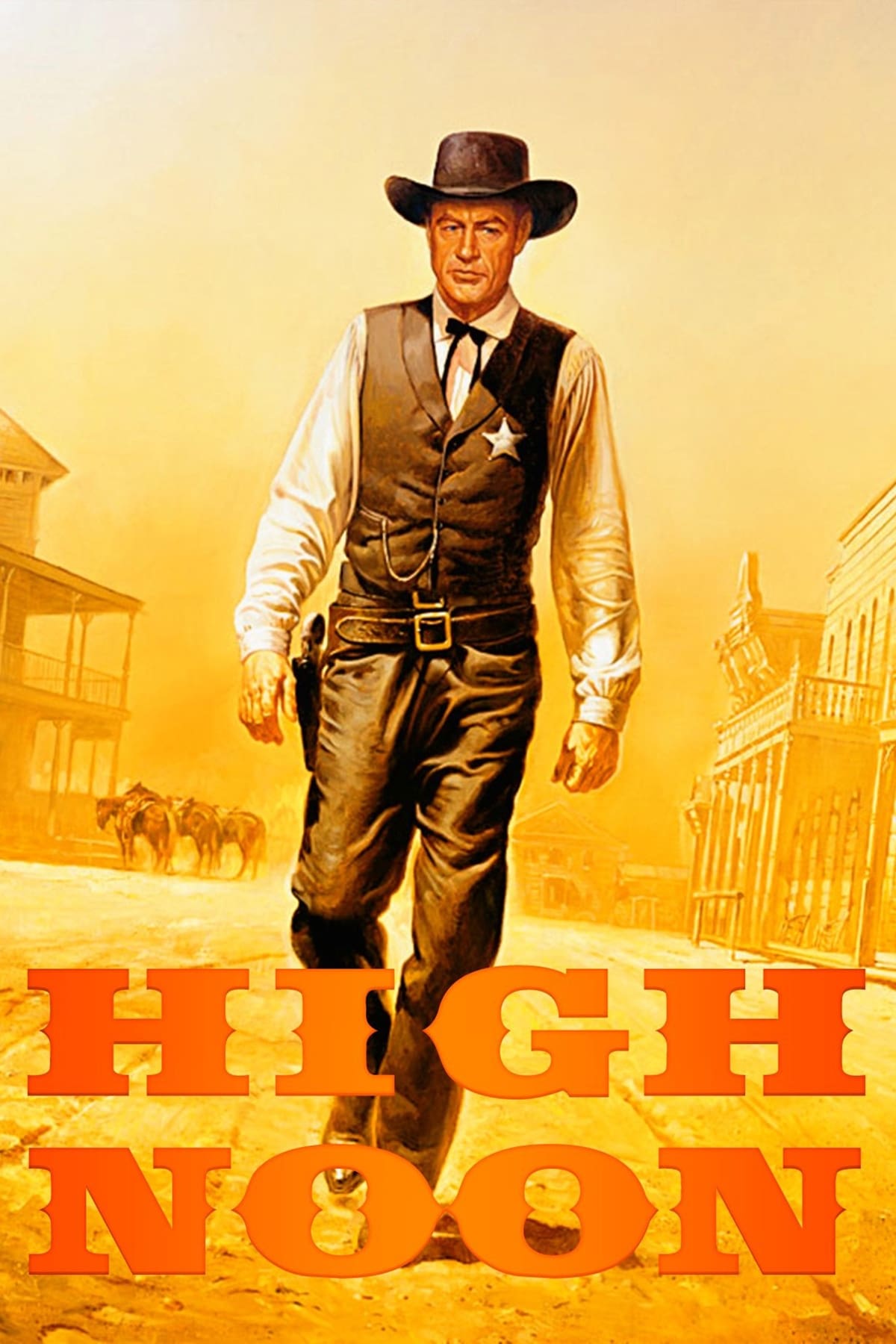
The production was filmed largely in sequence and Gary Cooper was genuinely ill with a bleeding ulcer during the shoot. The physical pain and exhaustion of the actor matched the weary determination of the marshal he portrayed. The story takes place in real time and the chronological shoot helped maintain the ticking-clock tension. Cooper did not have to act tired because the grueling schedule and his health condition did the work for him.
‘The Blair Witch Project’ (1999)
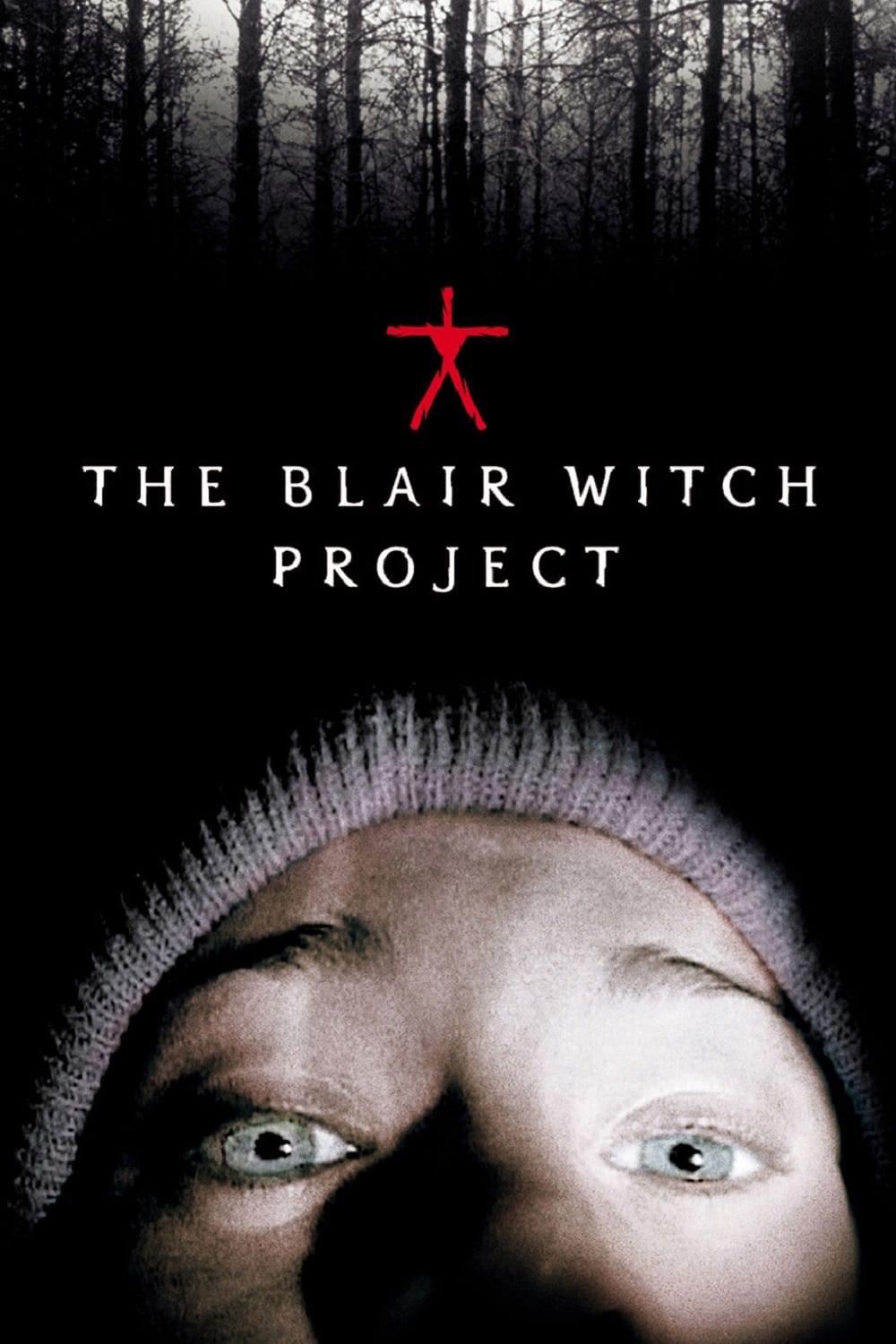
The directors sent the three actors into the woods with cameras and reduced their food rations each day. The film was shot chronologically to capture the genuine hunger and irritability of the cast as they got lost. The fear and frustration seen in the final footage were real reactions to the harsh conditions and manufactured scares. This method created a level of psychological realism that defined the found footage genre.
Tell us which of these performances impressed you the most by sharing your thoughts in the comments.