


25 Movies People Either Adore or Despise

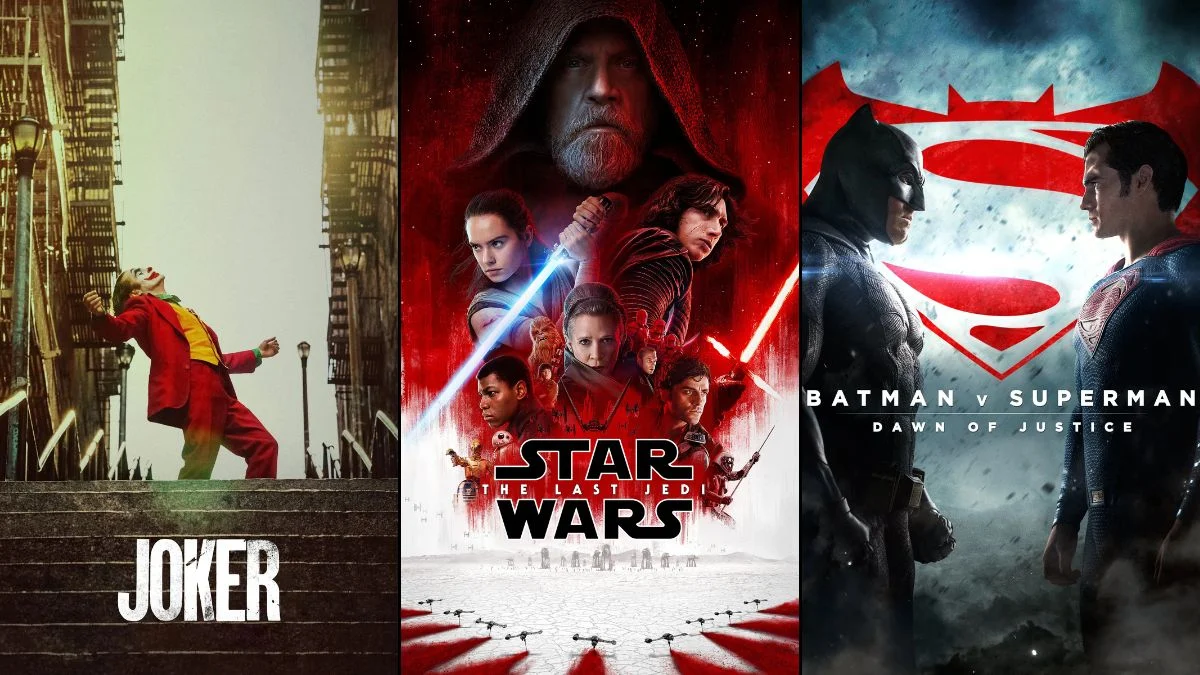


Some movies arrive with big ideas, bold choices, or massive expectations, and that is usually where the split happens. Fans latch on to the daring swings while others push back at the tone, the pacing, or the storytelling choices, and the conversation never really settles.
This list gathers films that sparked intense reactions for all sorts of reasons, from box office campaigns and awards runs to unconventional visuals and storytelling. You will find records broken, premieres that stunned festival audiences, and releases that shaped careers or redirected entire franchises.
‘Star Wars: The Last Jedi’ (2017)
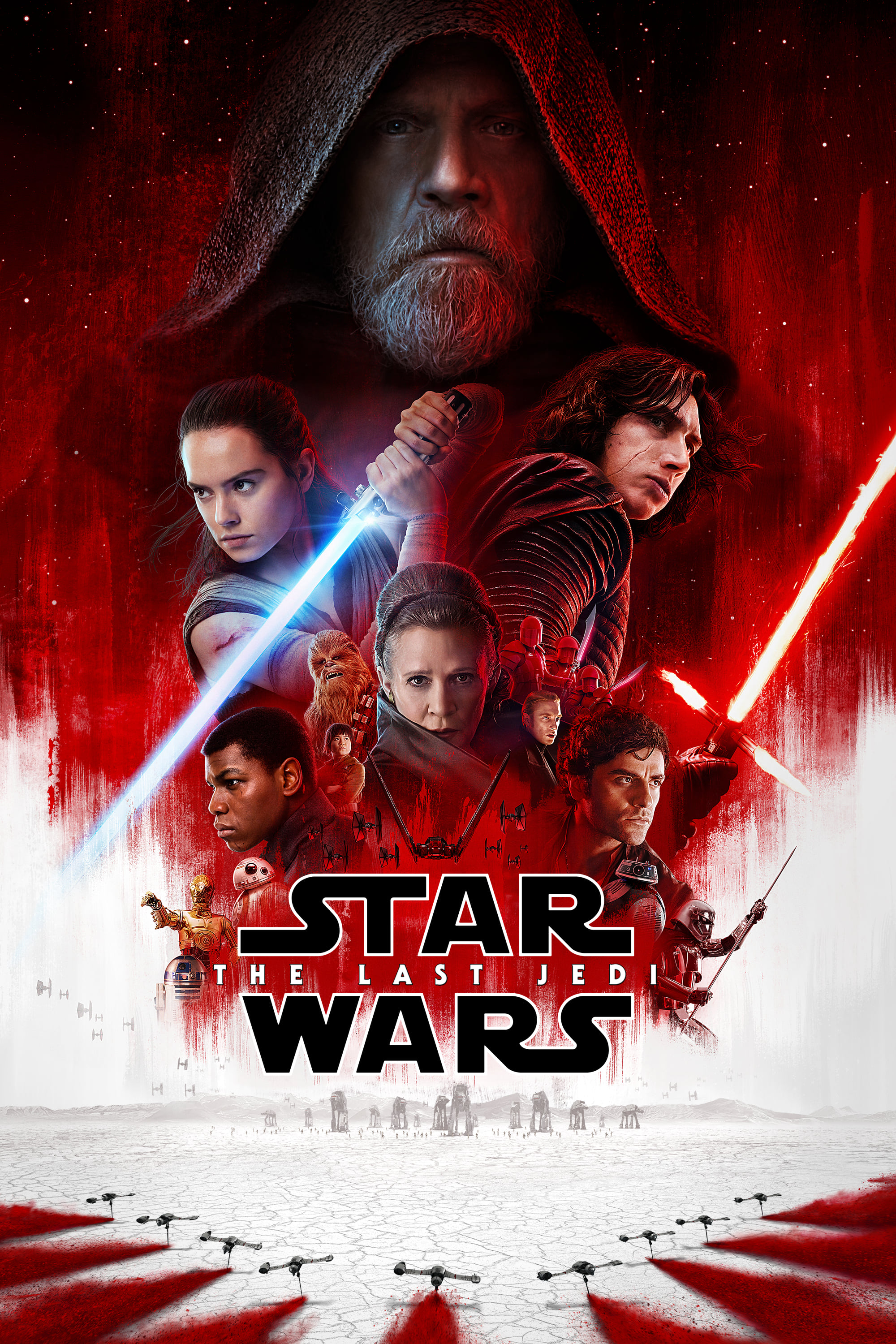
Written and directed by Rian Johnson, this sequel continued the Skywalker saga with new directions for legacy characters and fresh Force lore. It earned four Academy Award nominations and crossed the billion dollar mark worldwide, which placed it among the highest grossing entries in the series at the time of release.
The production used a mix of practical sets and extensive location work, including large scale sequences on salt flats that created the striking red on white battlefield. It sits in the middle chapter slot of the sequel trilogy, which positioned it to set up final payoffs while also closing arcs of its own.
‘Joker’ (2019)
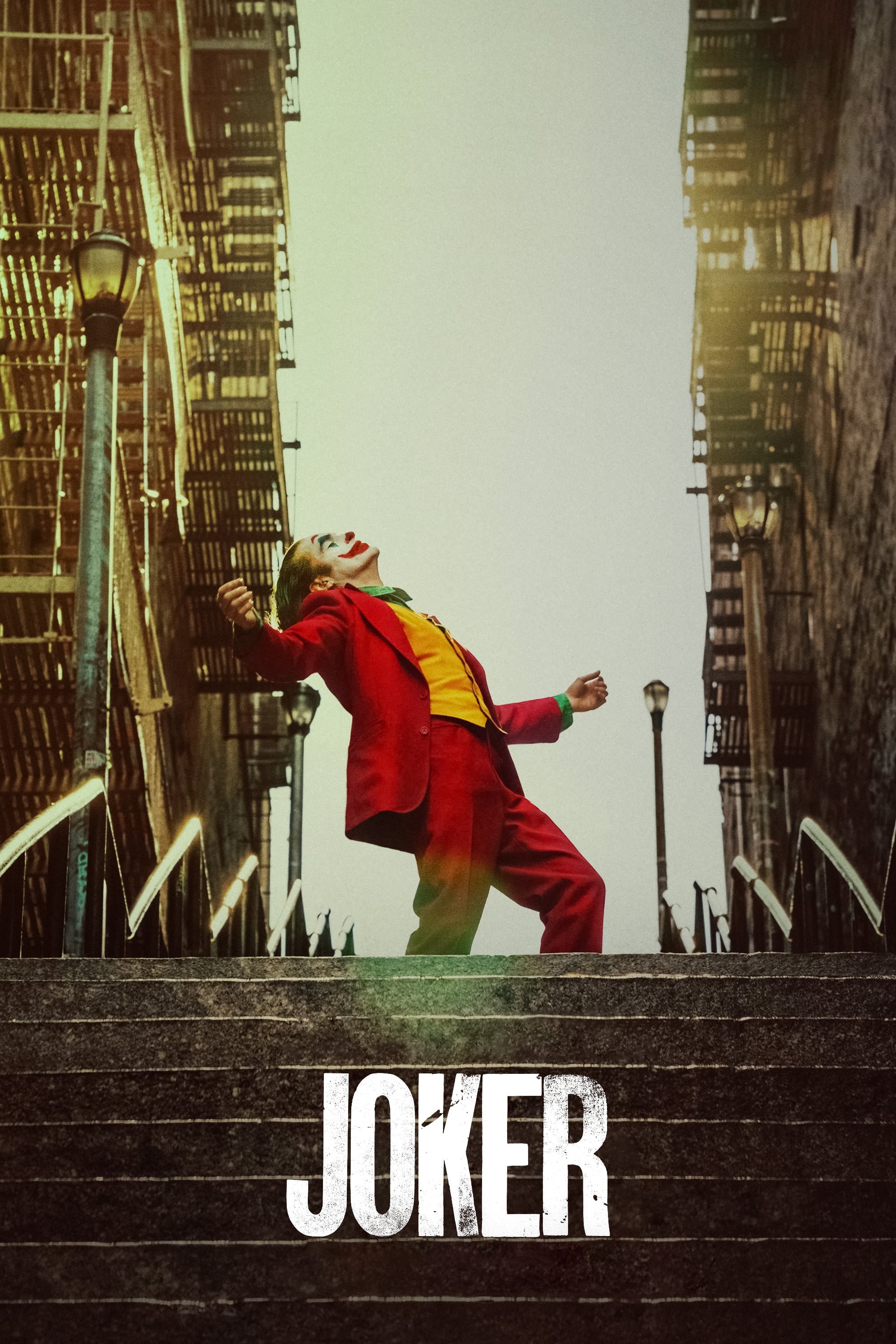
Todd Phillips directed this character study anchored by Joaquin Phoenix, who won the Academy Award for Best Actor. The film premiered with the top prize at the Venice Film Festival and went on to receive eleven Oscar nominations, while also becoming the first R rated film to earn more than one billion dollars worldwide.
Its production design recreated a gritty urban landscape with a focus on handheld photography and long takes that follow the lead character through subways and staircases. Hildur Guðnadóttir’s score became a signature element and won the Academy Award for Original Score, shaping the film’s mood across key set pieces.
‘mother!’ (2017)

Darren Aronofsky built this chamber piece around Jennifer Lawrence and Javier Bardem, staging nearly the entire story inside a single house. The film drew an extremely rare F grade from the CinemaScore audience polling service, a mark shared by only a handful of wide releases.
The production leaned on practical effects for the home’s transformations and used tight aspect ratios to heighten claustrophobia. It premiered at the Venice Film Festival and sparked immediate debate about symbolism, with the marketing campaign keeping the narrative specifics concealed before opening weekend.
‘The Tree of Life’ (2011)
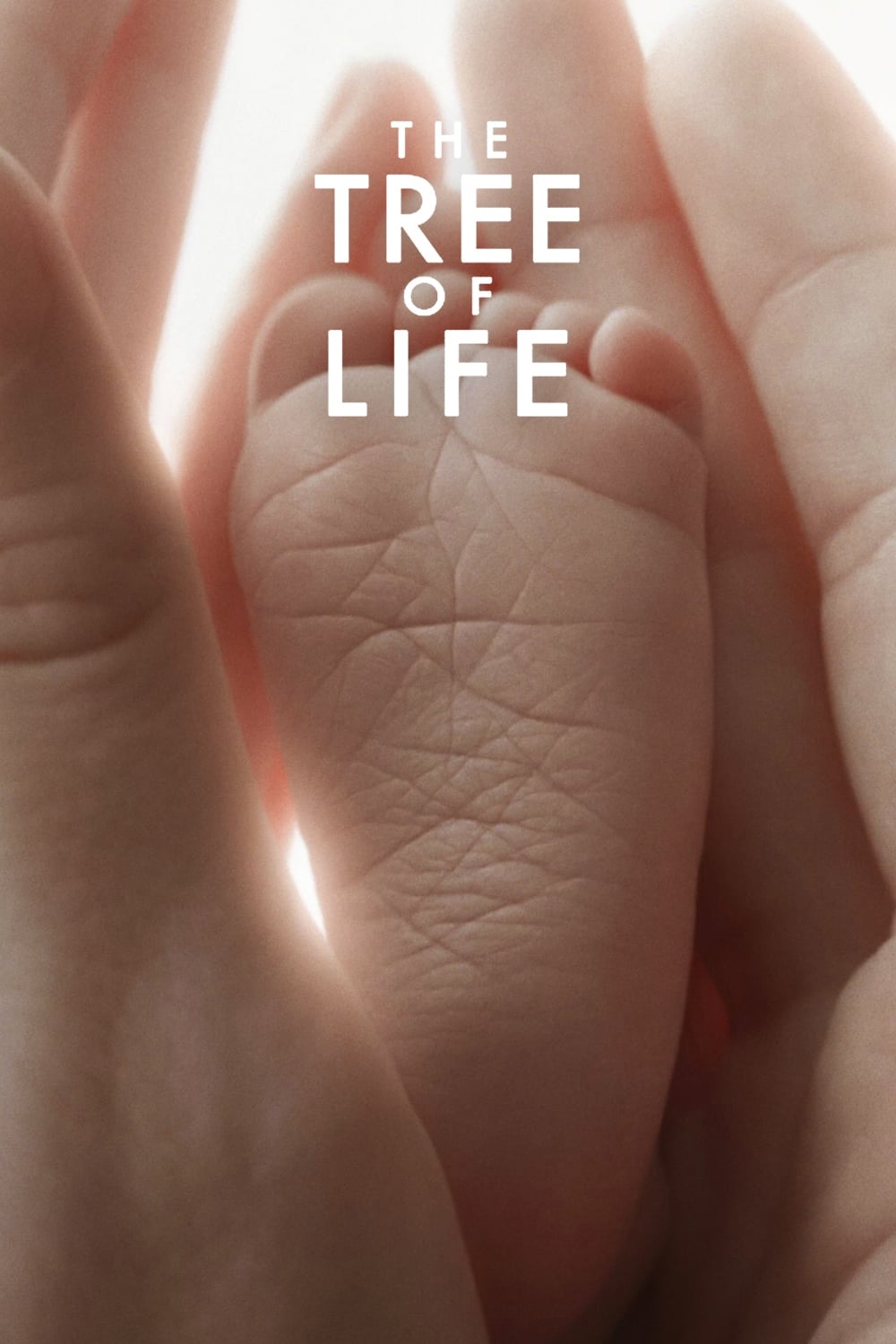
Terrence Malick’s family drama intercuts intimate domestic scenes with sequences that visualize the birth of the universe. It won the Palme d’Or at Cannes and received Academy Award nominations for Best Picture, Best Director, and Best Cinematography.
The film blends natural light photography with voiceover and nontraditional editing rhythms. Visual effects teams created cosmic imagery through both digital work and practical fluid dynamics, giving the origin sequences a distinct texture on screen.
‘Batman v Superman: Dawn of Justice’ (2016)
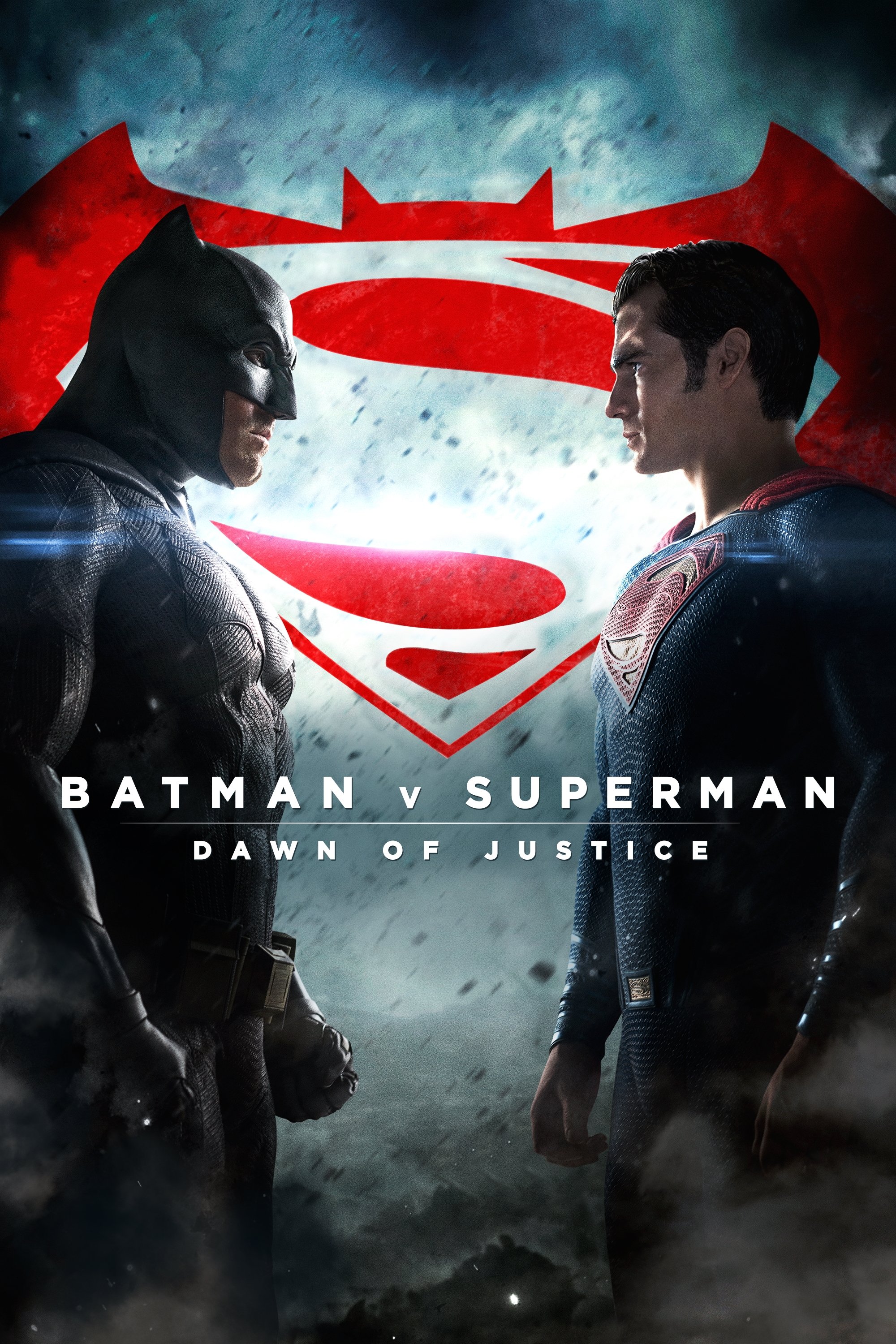
Zack Snyder’s crossover brought Batman and Superman together on screen and introduced key Justice League figures for future entries. The theatrical release was rated PG 13, while an Ultimate Edition added about half an hour of footage and carried an R rating, expanding plot lines and character motivations.
Production spanned large soundstage builds and location shoots with extensive stunt coordination. The film earned hundreds of millions worldwide and drove high interest in the broader DC universe, setting narrative threads that continued in subsequent releases and director’s cuts.
‘The Blair Witch Project’ (1999)
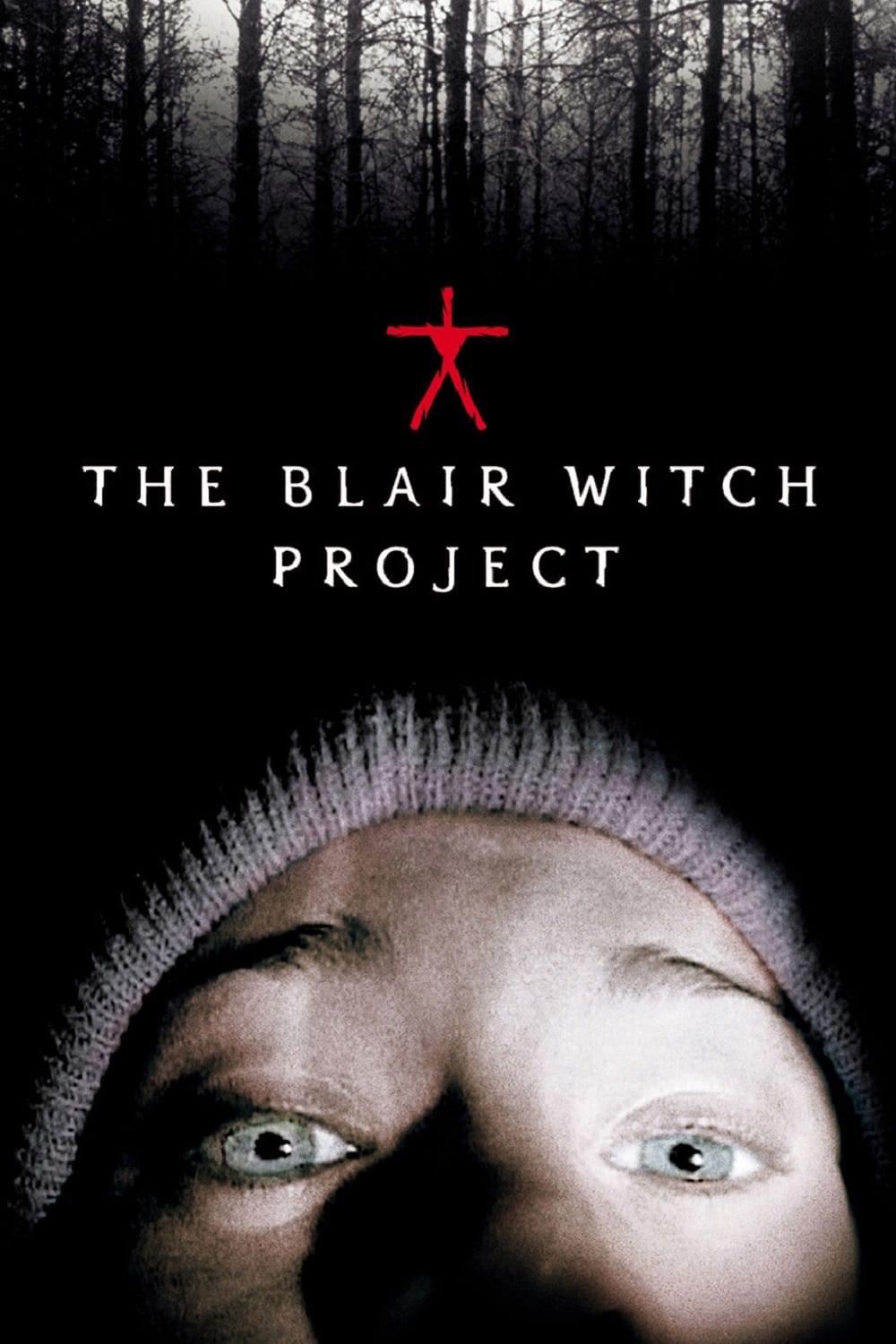
This independent horror film used a found footage approach, presenting the story as discovered tapes from a missing documentary crew. A grassroots online campaign and a minimalist website helped build the illusion of authenticity, and the film became a landmark success against an extremely small initial budget.
Filming placed actors in remote woods with daily notes guiding improvised scenes, which maintained a rough documentary feel. The release became a marketing case study and grossed well over two hundred million dollars globally, transforming microbudget horror economics for years afterward.
‘The Room’ (2003)
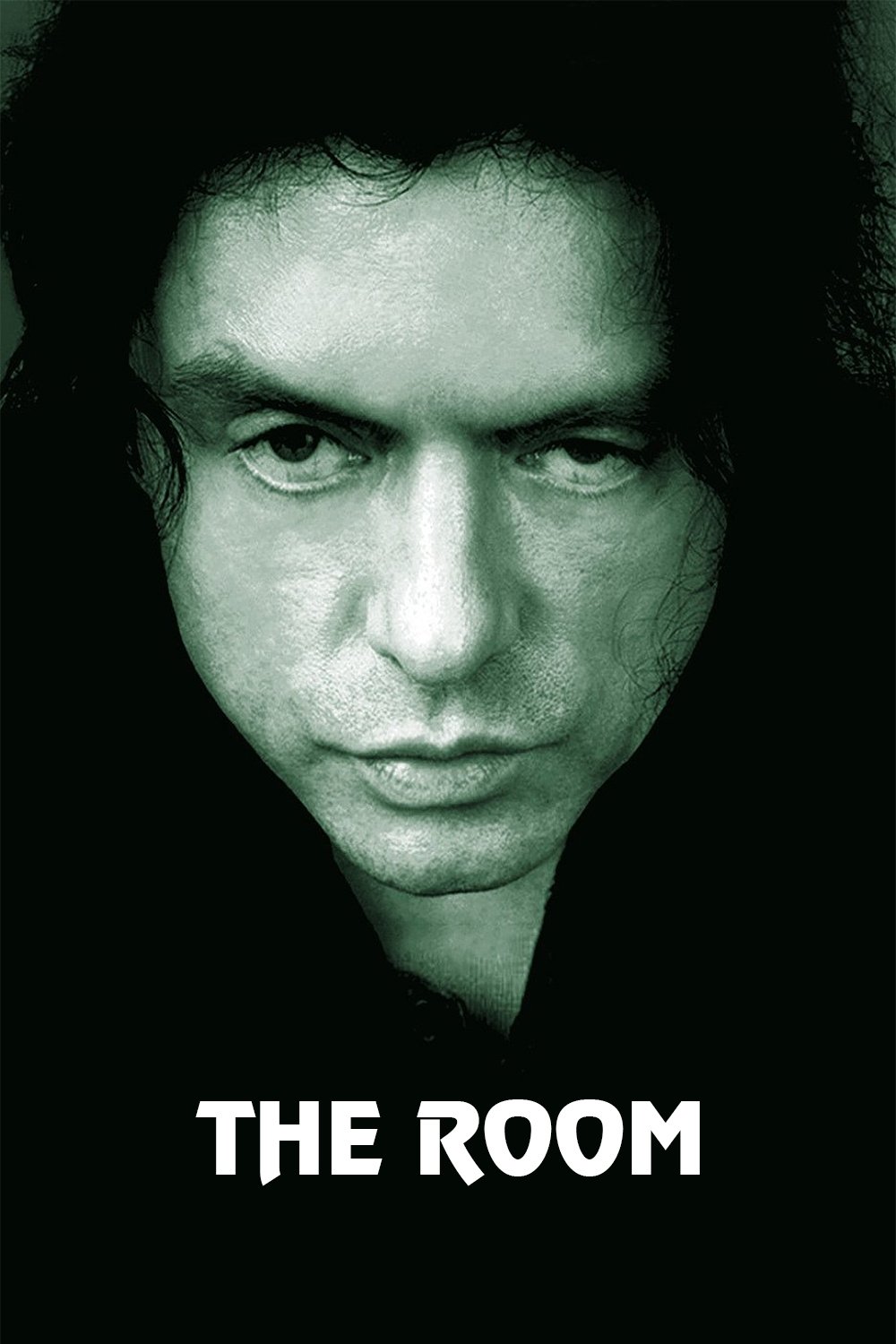
Written, directed by, and starring Tommy Wiseau, this drama gained a second life through midnight screenings and audience participation. The production famously shot simultaneously on 35 mm film and digital video, an unusual and costly decision for an independent project.
The film’s cult status led to the memoir ‘The Disaster Artist’ and the later film adaptation ‘The Disaster Artist’, which documented its making. Sold out revival screenings continue to feature call and response rituals and prop gags, turning a small theatrical run into a long running event experience.
‘Crash’ (2004)
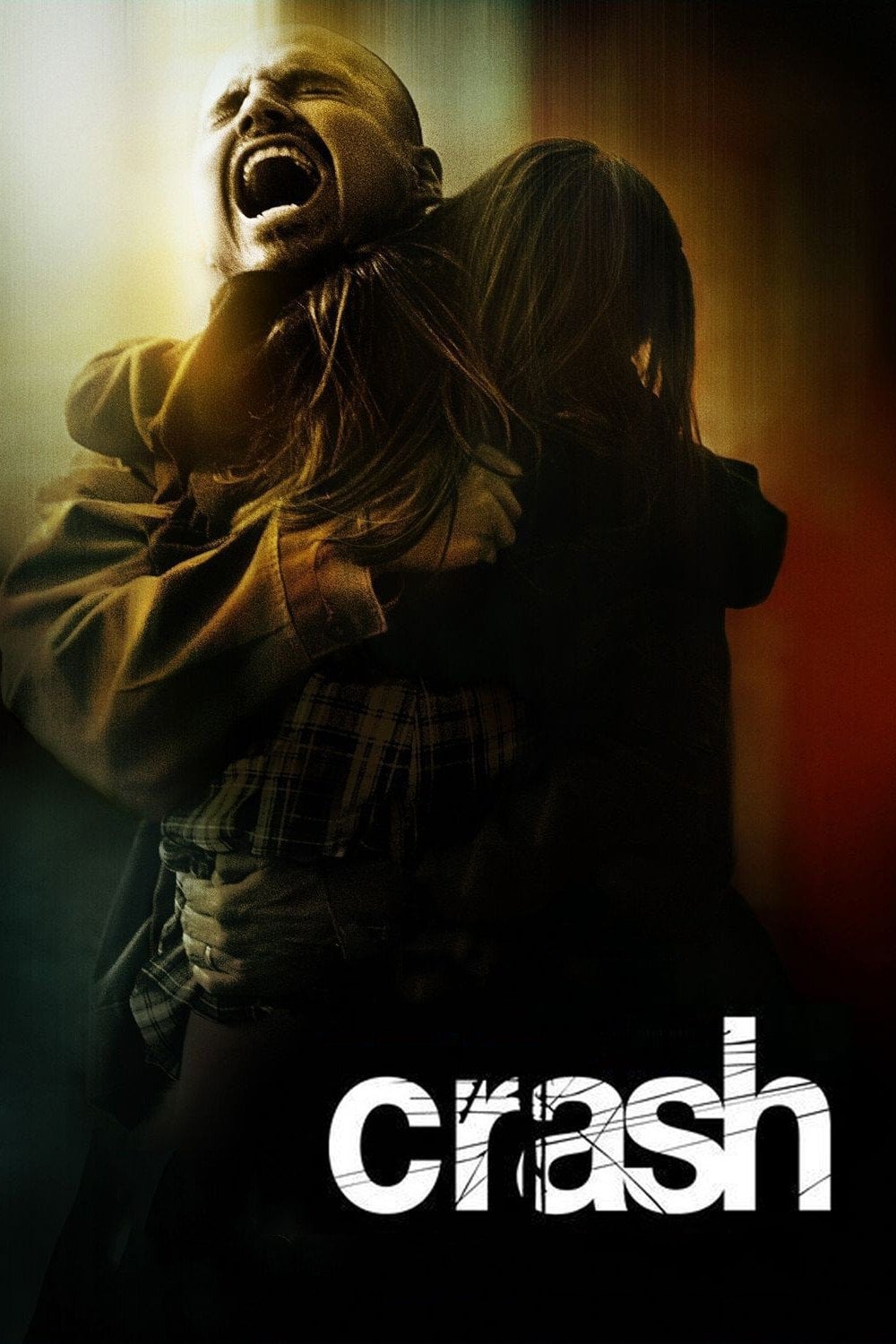
Paul Haggis directed this Los Angeles ensemble drama that interweaves multiple storylines across a single city. It won the Academy Award for Best Picture along with Editing and Original Screenplay, cementing its place in awards history.
The film used a large cast and multiple unit shoots around diverse neighborhoods to sell its intersecting narratives. Its box office performance outpaced expectations for an ensemble drama, and the home release extended its reach through strong rental demand.
‘Green Book’ (2018)
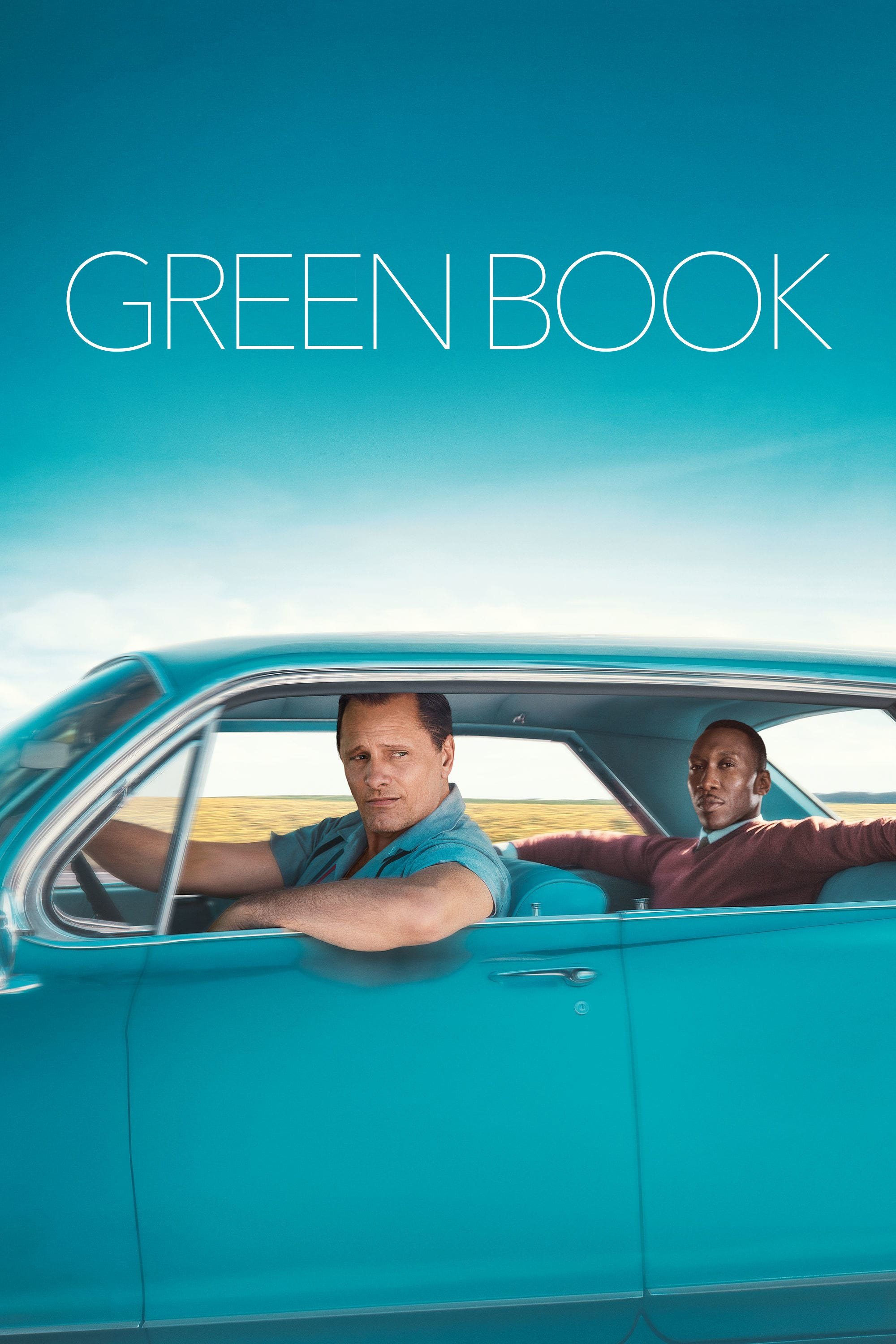
Peter Farrelly directed this road movie about a Black classical pianist and his working class driver on tour in the American South. It won Best Picture at the Academy Awards, and Mahershala Ali won Best Supporting Actor for his performance.
The production relied on period correct cars, wardrobe, and venues to recreate concert halls and nightclubs. It performed strongly in international markets and maintained long legs in theaters, which kept it in the awards conversation through the end of the season.
‘Prometheus’ (2012)
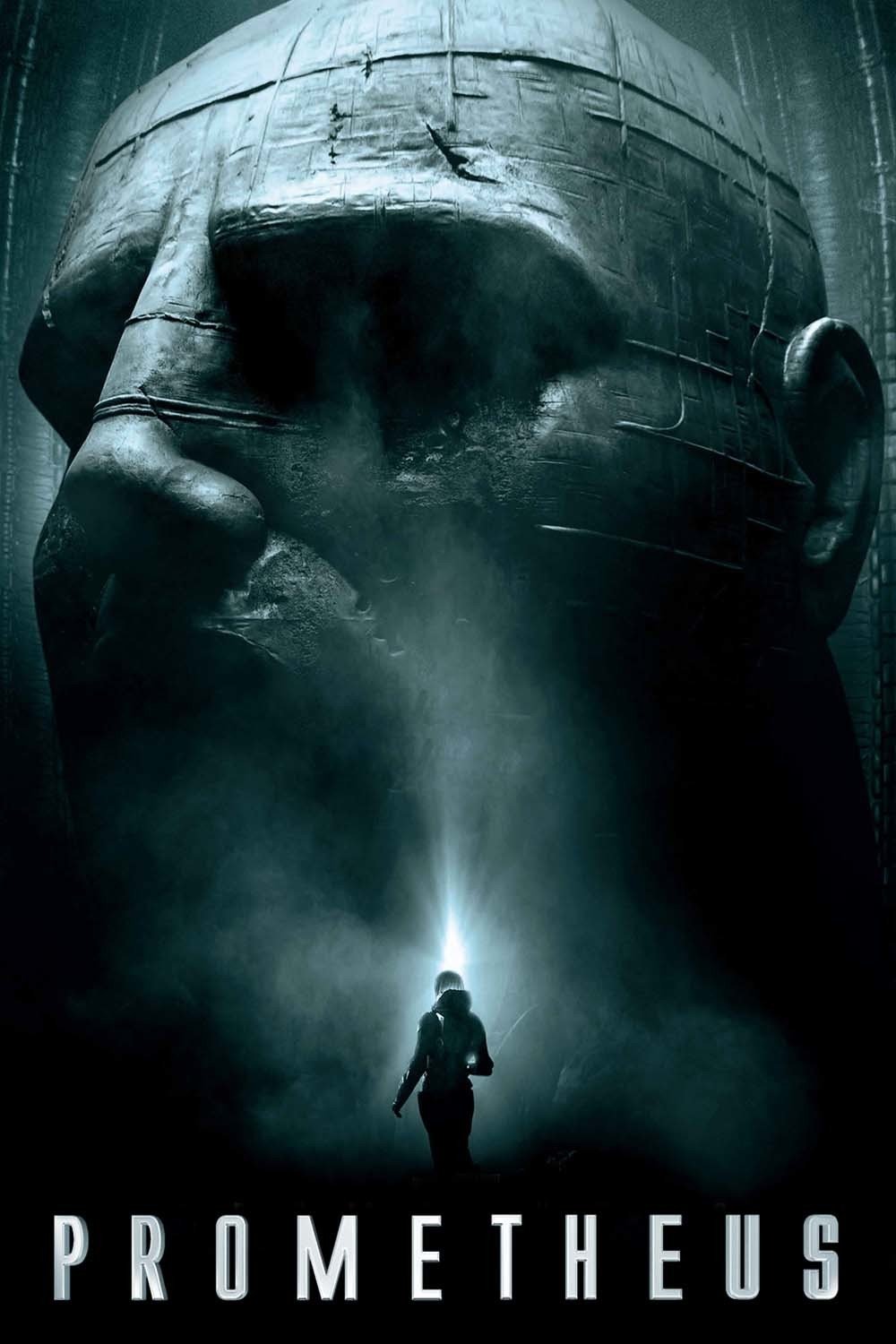
Ridley Scott returned to the universe of ‘Alien’ with a story that explores earlier events connected to that series. The film combined large scale practical spaceship interiors with cutting edge 3D photography, and it performed well at the global box office.
Dariusz Wolski’s cinematography and Arthur Max’s production design established a sleek biotech look for the Engineers and their technology. A follow up titled ‘Alien: Covenant’ continued the storyline and refined creature design elements introduced here.
‘Tenet’ (2020)
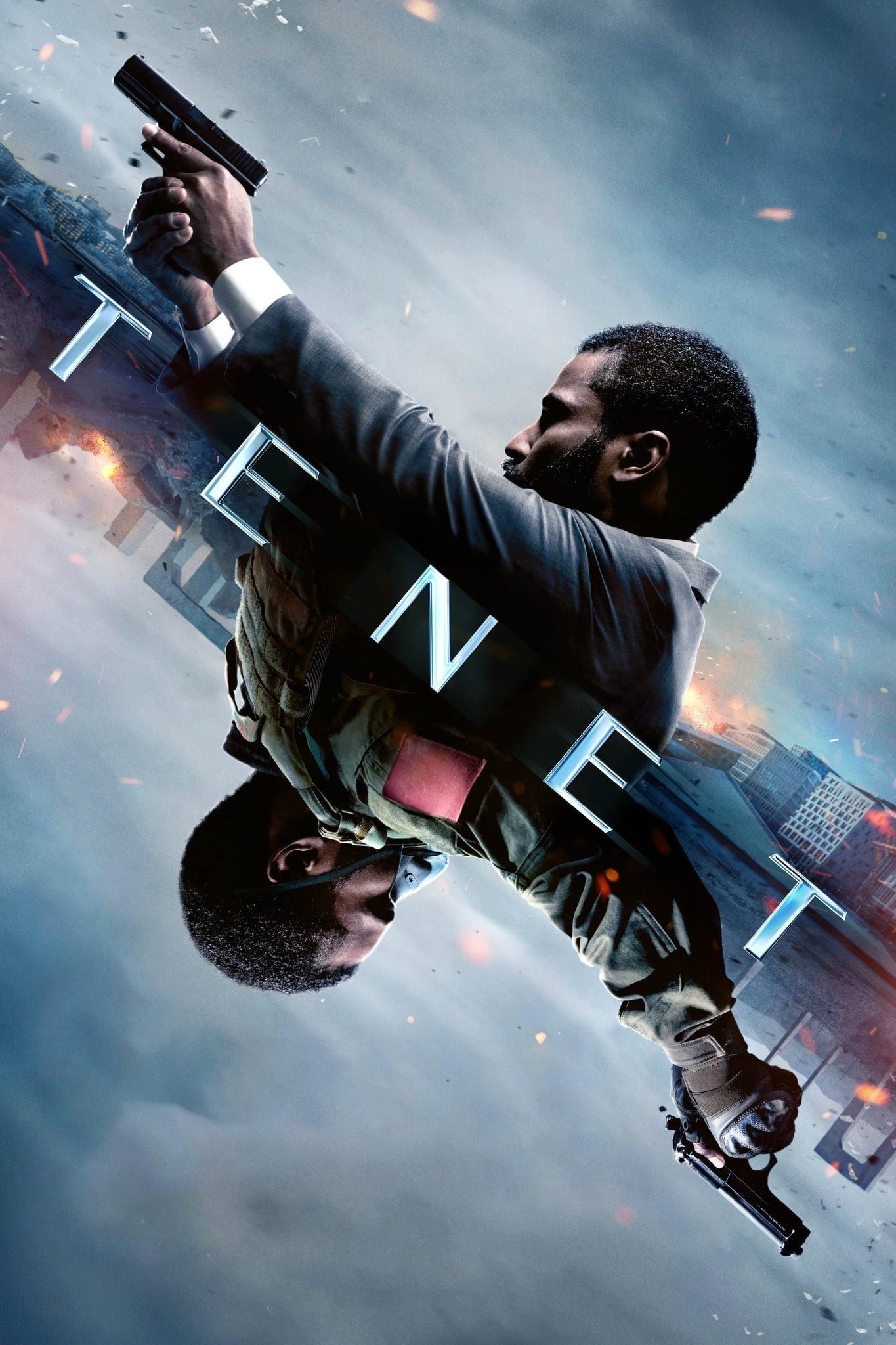
Christopher Nolan crafted a time bending espionage thriller that leaned on practical effects for complex action sequences. It won the Academy Award for Visual Effects and became one of the few wide theatrical releases during a period of significant exhibition disruption.
The production staged large set pieces including an aircraft crash executed practically on a backlot and a highway heist filmed with custom camera rigs. Ludwig Göransson composed the score, and the sound design emphasized mechanical textures that complement the inversion concept.
‘The Witch’ (2015)
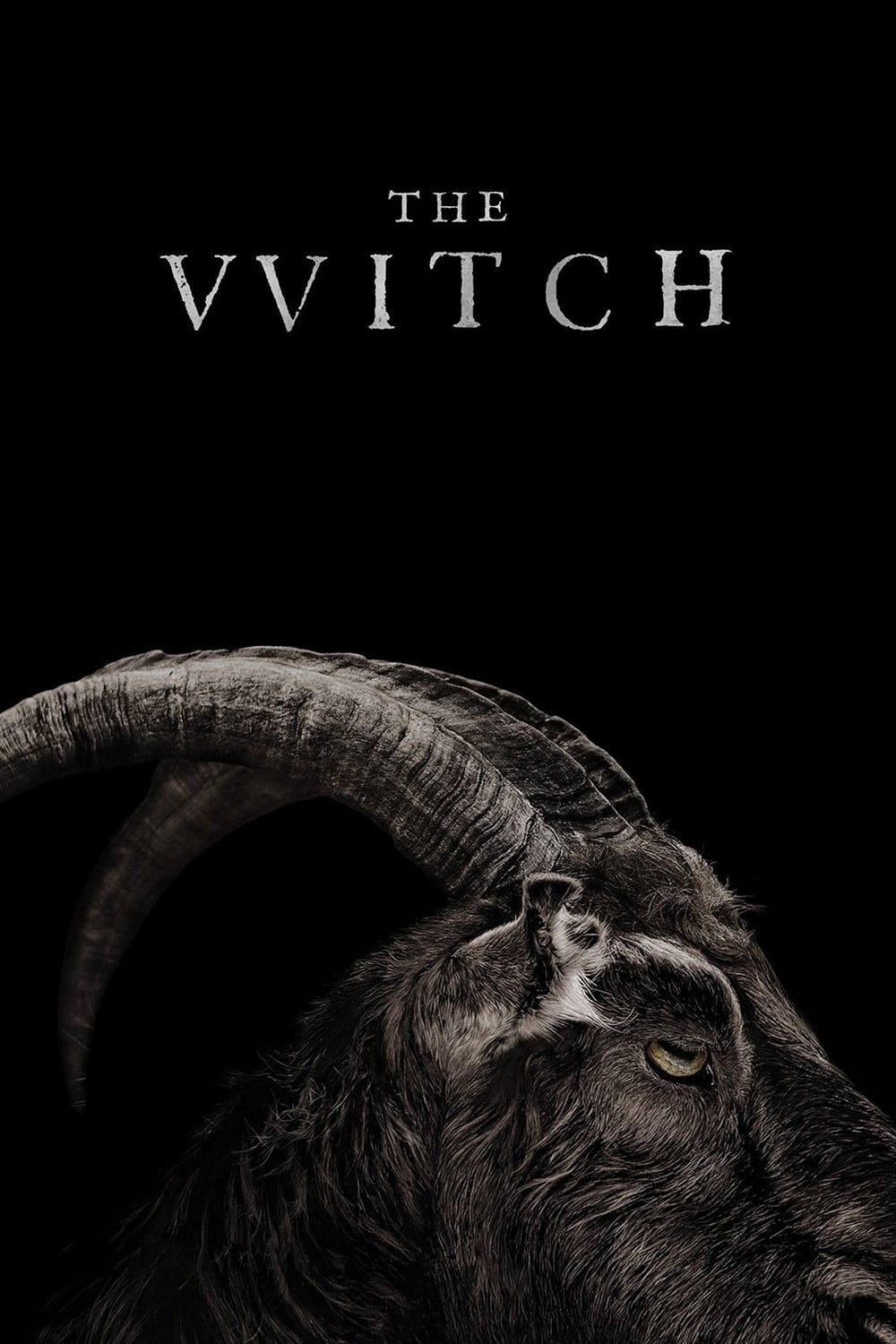
Robert Eggers drew on period diaries and court documents to shape dialogue and detail for this New England folk horror story. The film’s modest budget multiplied many times over at the box office, signaling strong audience interest in atmospheric horror from an emerging distributor.
Its farmstead was built from historically accurate materials, and candlelit interiors were captured with careful low light cinematography. The goat performer that plays Black Phillip required extensive training and safety coordination, which became a memorable production challenge.
‘Midsommar’ (2019)

Ari Aster set this daylight horror tale around a secluded festival in rural Scandinavia, centering on grief and ritual. The film was shot across bright outdoor locations with careful production design that embeds symbols into textiles, carvings, and architecture.
An extended director’s cut added more than twenty minutes of material and played limited theatrical engagements before arriving on home platforms. The supporting cast features international performers, and the costuming team created intricate flower constructions that required specialty rigging for movement.
‘The Neon Demon’ (2016)
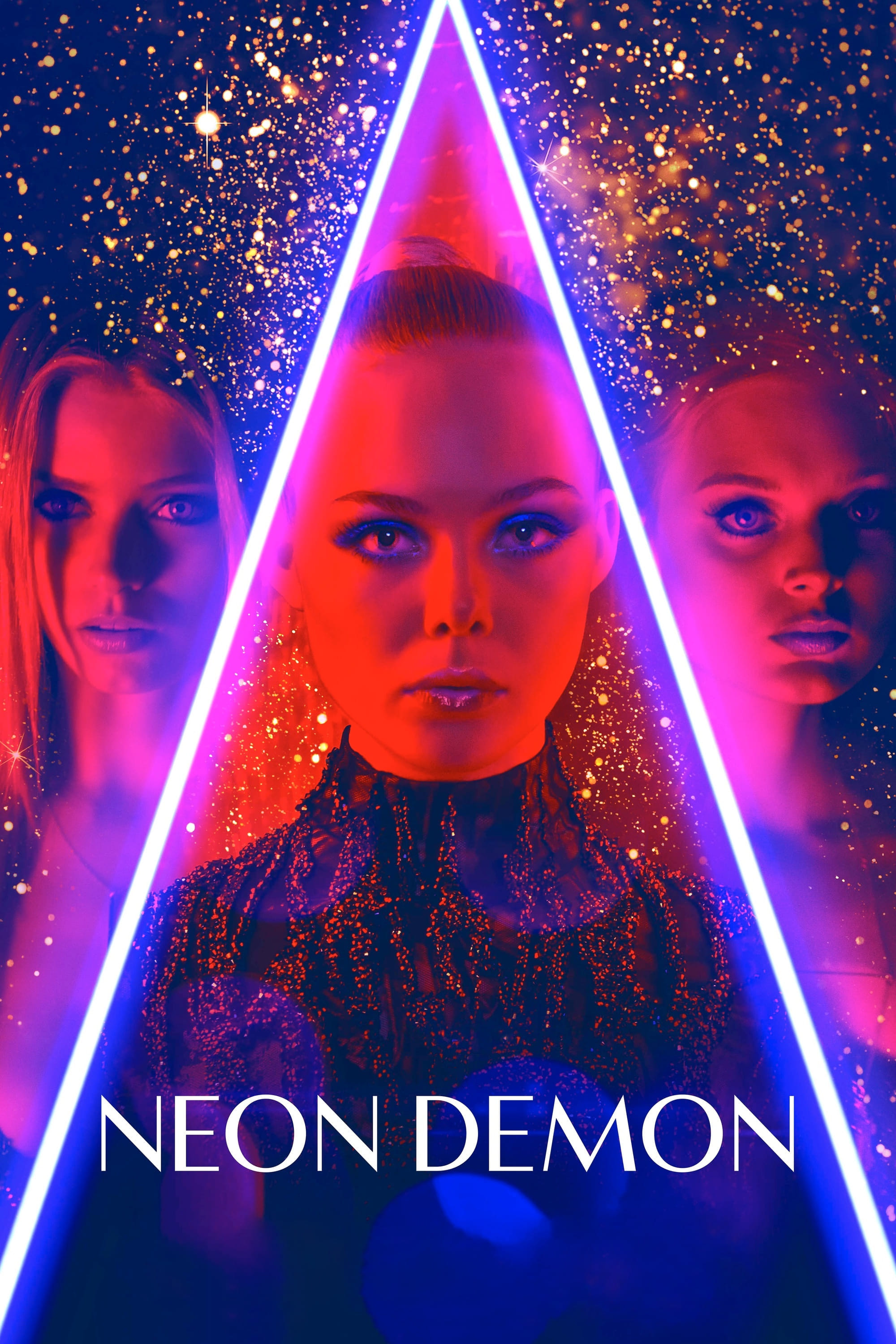
Nicolas Winding Refn explored the modeling world with a stylized thriller that premiered in competition at Cannes. The film’s electronic score and saturated lighting choices work in concert with minimalist dialogue to set a hypnotic tone.
Shooting took place largely in Los Angeles with real fashion spaces and custom built sets. Elle Fanning leads a cast that includes industry veterans and newcomers, and Refn’s production company pushed the film’s distinct brand identity across posters and trailers.
‘Spring Breakers’ (2012)
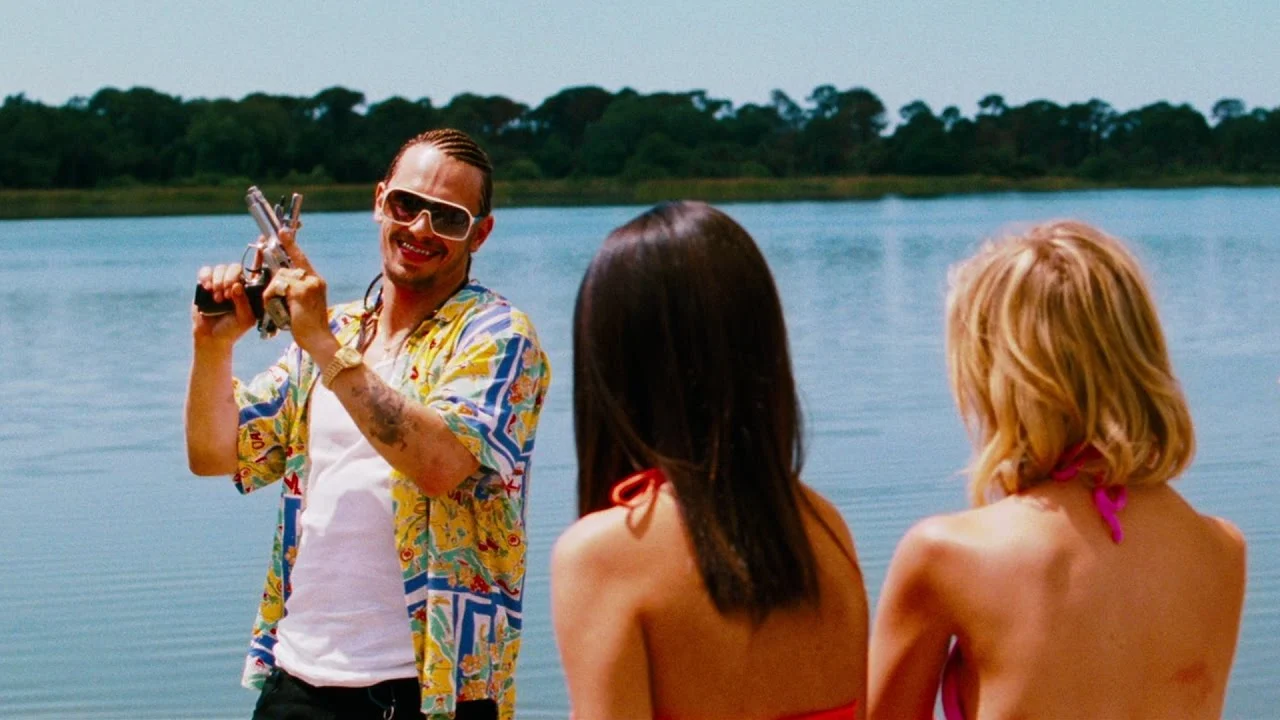
Harmony Korine’s crime drama follows four college students who fall into a spiral of robbery and excess. The film became an early theatrical success for A24, expanding the company’s profile with younger audiences.
James Franco received multiple critics group mentions for his supporting role, and the soundtrack blended original cues with contemporary pop. Neon soaked cinematography and beachside locations created a candy colored aesthetic that contrasted with the story’s criminal turns.
‘Only God Forgives’ (2013)
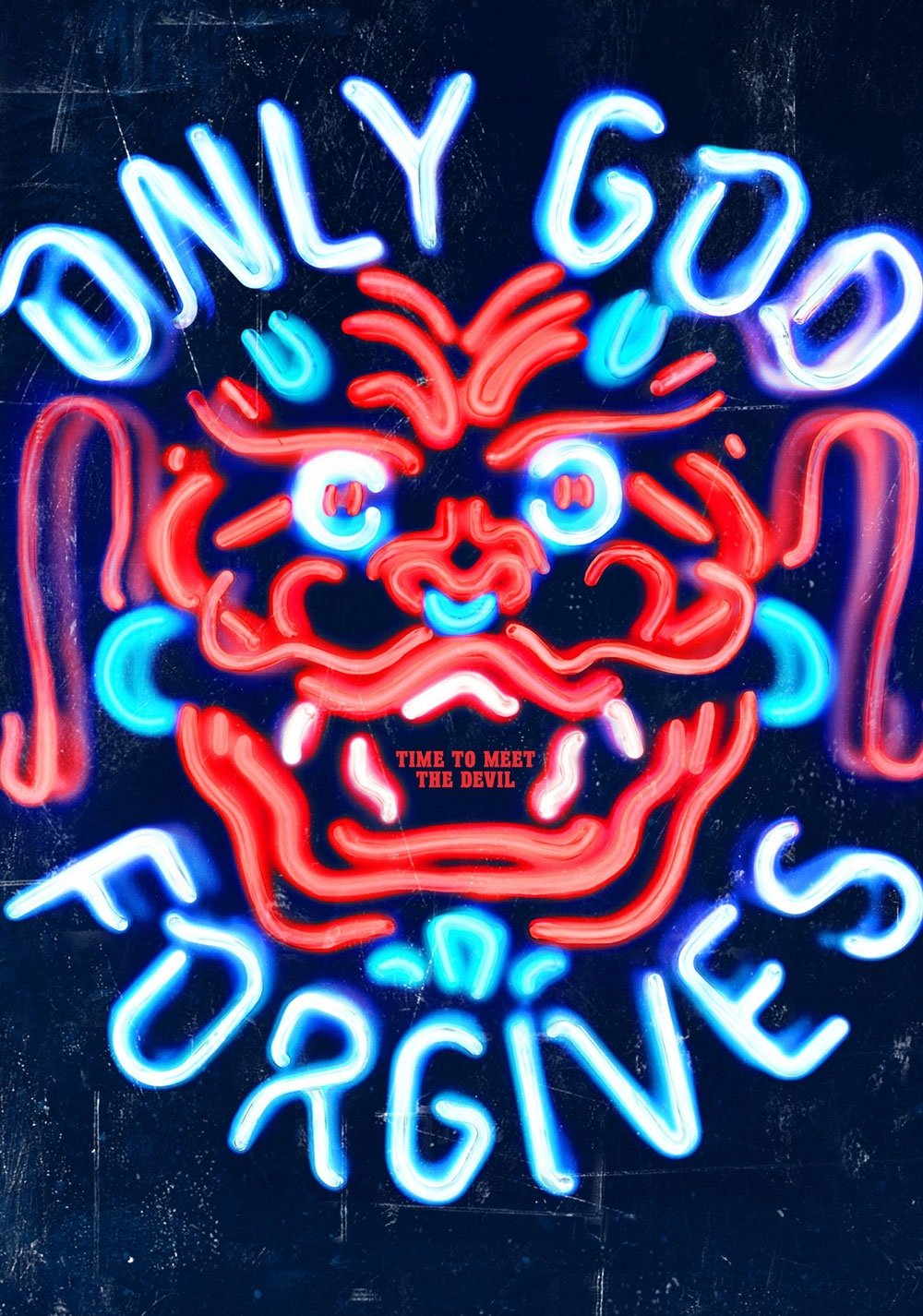
Nicolas Winding Refn reteams with Ryan Gosling for a revenge story set in Bangkok, emphasizing mood and ritual over dialogue. The film’s festival premiere drew highly mixed reactions, and its theatrical run focused on specialty markets.
The production leaned on long takes, stylized color, and precise blocking inside boxing clubs and karaoke rooms. Kristin Scott Thomas delivered a sharp supporting turn, and the fight choreography favored deliberate movement over quick cutting.
‘Natural Born Killers’ (1994)
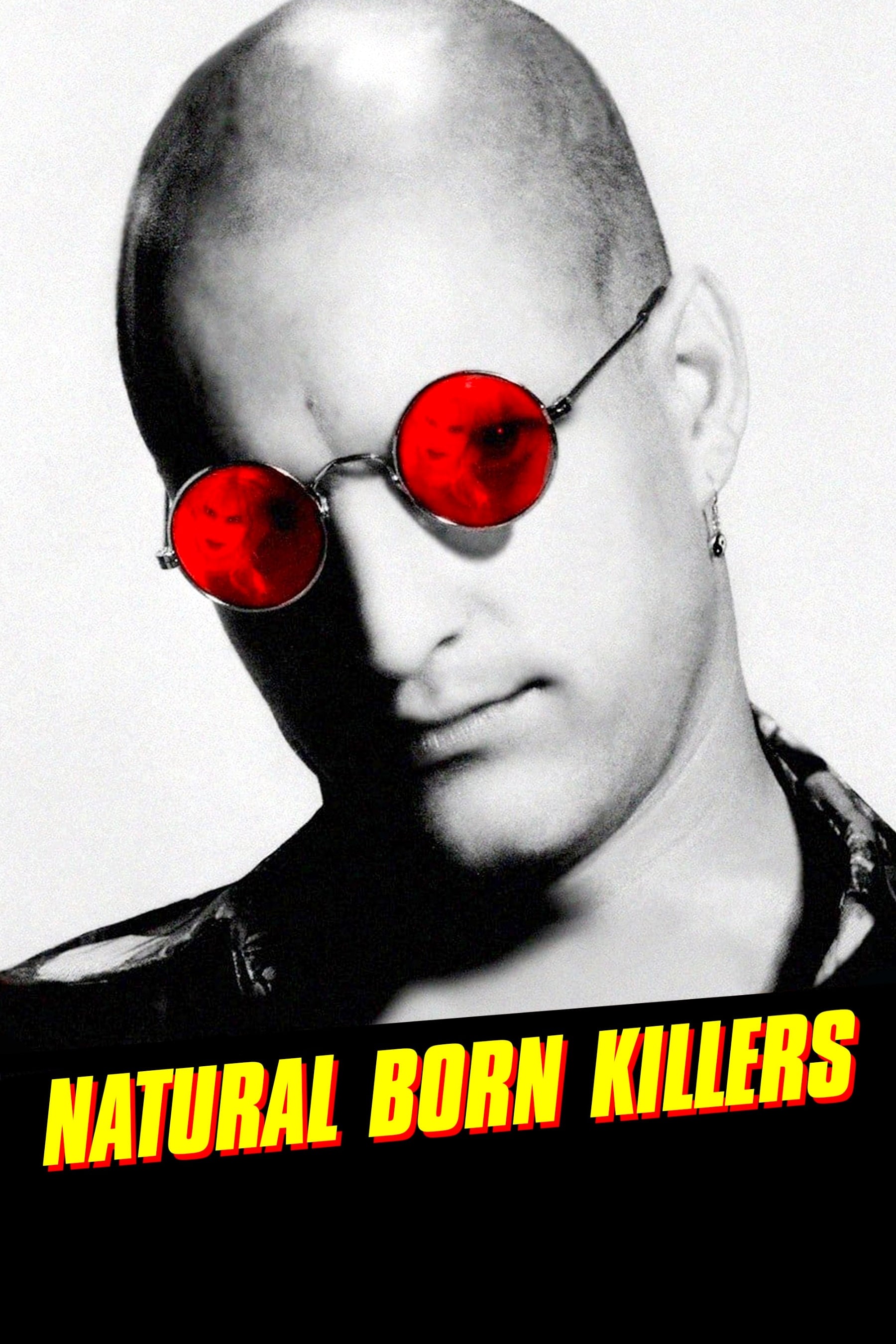
Oliver Stone directed this media satire that follows two lovers turned serial killers across a national manhunt. The film underwent multiple edits to secure an R rating and used a patchwork of visual formats that switch among 35 mm, 16 mm, and video.
The story originated from a script by Quentin Tarantino, with the final screenplay credited to Stone, David Veloz, and Richard Rutowski. The release drew legal and academic scrutiny over depictions of violence, which kept it in public discussion long after its run.
‘A Clockwork Orange’ (1971)
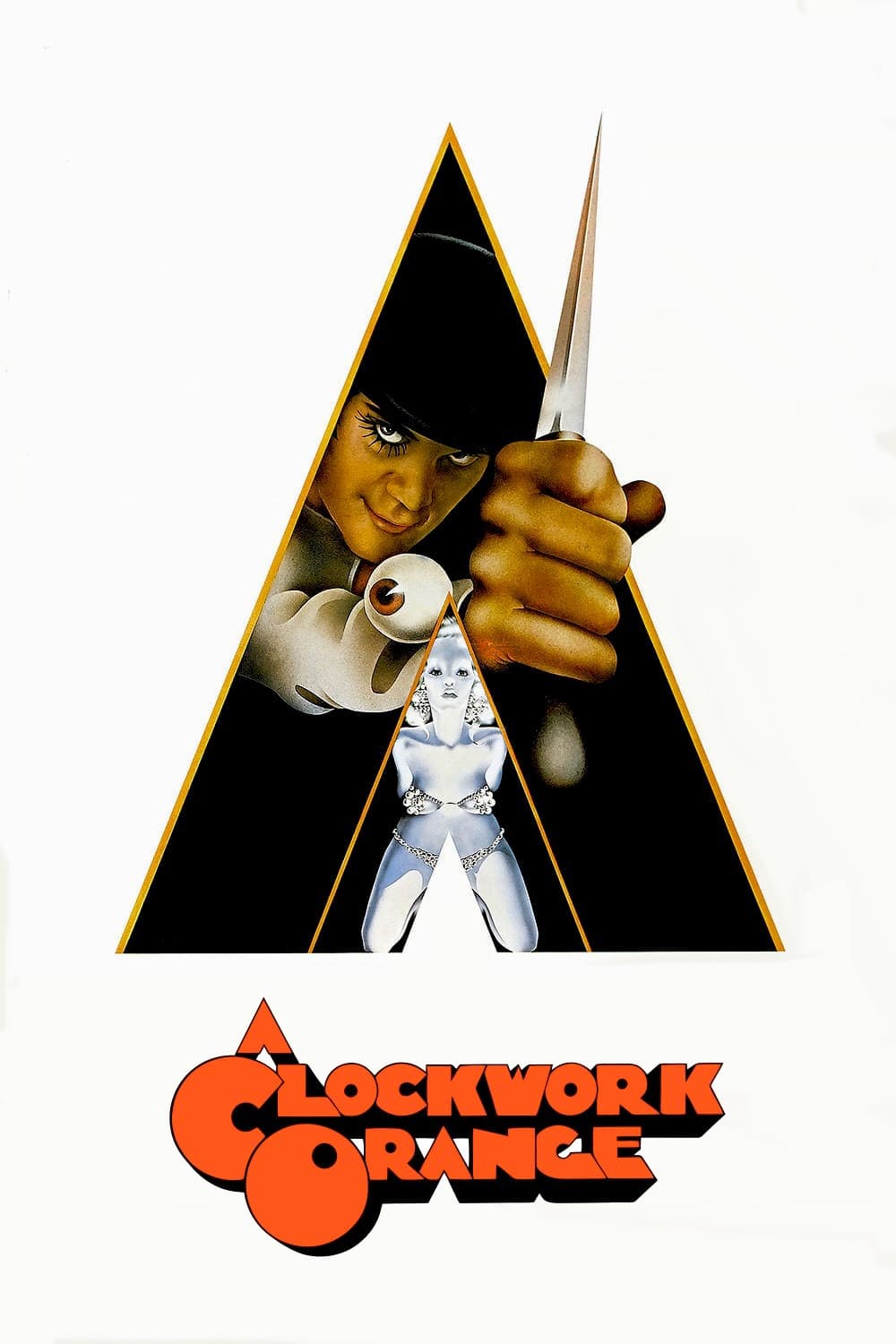
Stanley Kubrick adapted Anthony Burgess’s novel into a stark vision of near future delinquency and state control. The film initially carried an X rating in the United States before later being reclassified to R after changes to the ratings system.
Kubrick withdrew the film from distribution in the United Kingdom for many years, which made theatrical screenings rare in that market. It received Academy Award nominations for Best Picture and Best Director, and the production design influenced generations of dystopian imagery.
‘Cloud Atlas’ (2012)
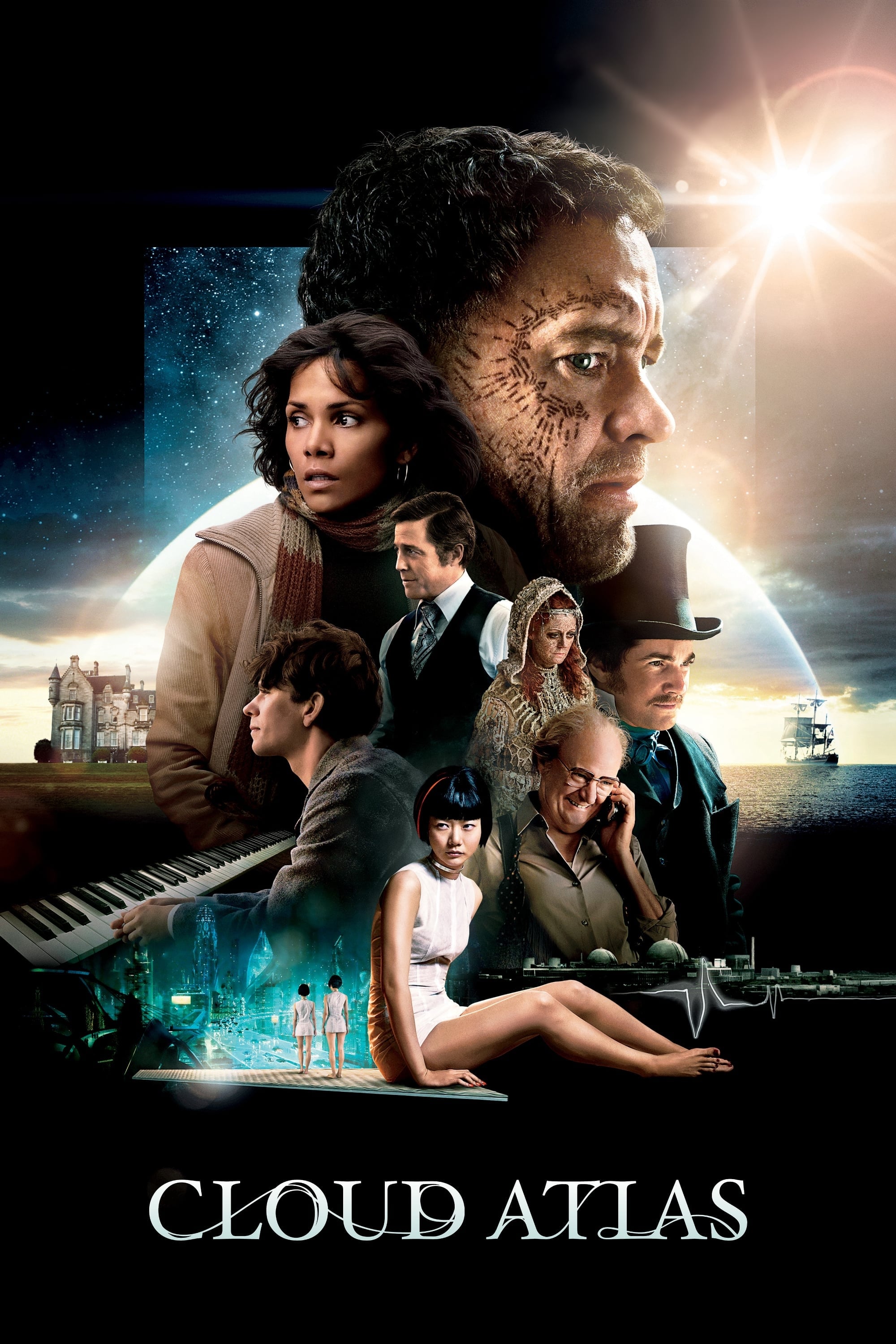
Lana Wachowski, Lilly Wachowski, and Tom Tykwer directed this multi strand epic that casts actors in multiple roles across six timelines. Financing combined independent and international sources, making it one of the costliest non studio productions of its time.
The film used parallel editing to connect eras through visual match cuts and musical motifs. Extensive makeup and prosthetics work transformed performers across age, gender, and ethnicity, which required long application times and careful continuity planning.
‘Speed Racer’ (2008)
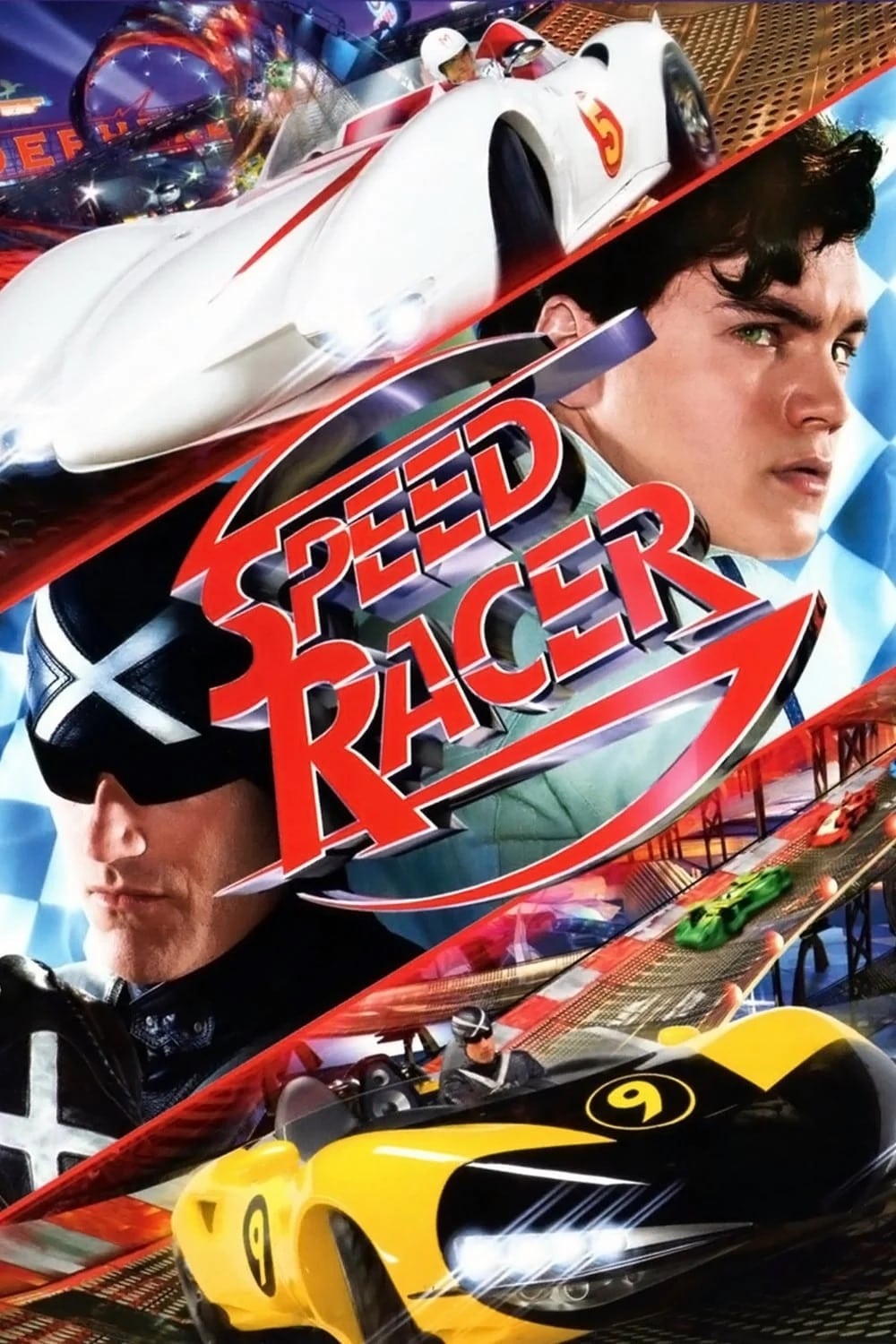
The Wachowskis translated a classic anime into a live action film with a hyper saturated digital aesthetic. Despite a disappointing domestic box office during its initial run, it found a larger audience on home formats and streaming.
Production relied on virtual backlot technology that blended actors with fully digital racetracks and cities. The sound team engineered distinctive engine profiles for each racing team, and the costume department created iconic suits that echoed the original designs.
‘Southland Tales’ (2006)
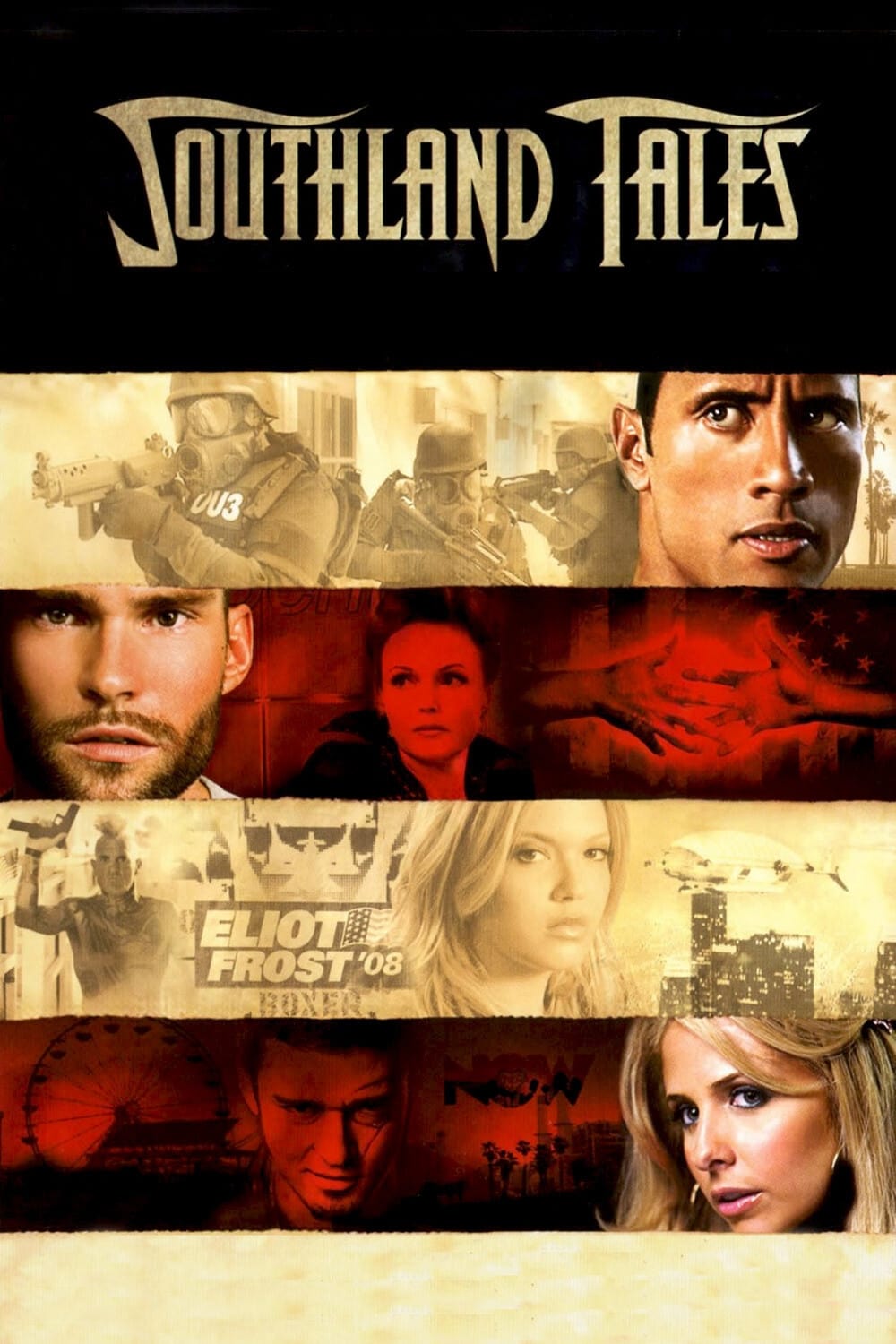
Richard Kelly followed ‘Donnie Darko’ with an ensemble sci fi satire that premiered in an extended cut at Cannes. The film was later reedited for theatrical release and opened in a limited number of theaters with a modest box office return.
Kelly expanded the universe through a set of graphic novels that serve as prequel chapters. The cast includes musicians, comedians, and action stars, and the soundtrack mixes pop tracks with original score to support its apocalyptic mood.
‘The Passion of the Christ’ (2004)
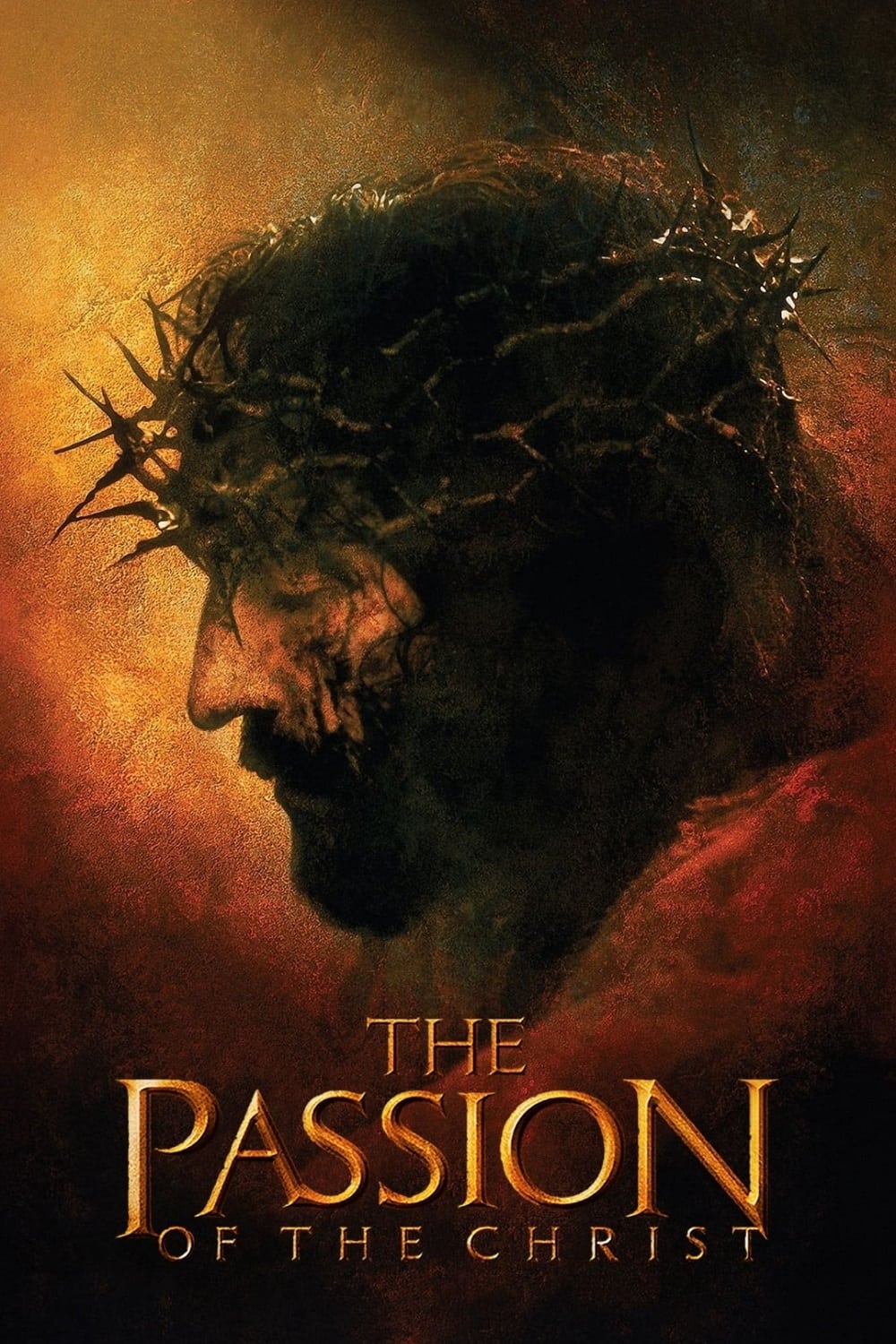
Mel Gibson directed this biblical drama with dialogue in Aramaic, Latin, and Hebrew, using subtitles in most territories. It earned three Academy Award nominations and became one of the highest grossing R rated films in history with more than six hundred million dollars worldwide.
The shoot used locations in Italy and detailed period costuming, while makeup effects teams created extensive prosthetics for the scourging and crucifixion sequences. Its commercial performance demonstrated significant audience demand for faith based films in wide release.
‘Man of Steel’ (2013)
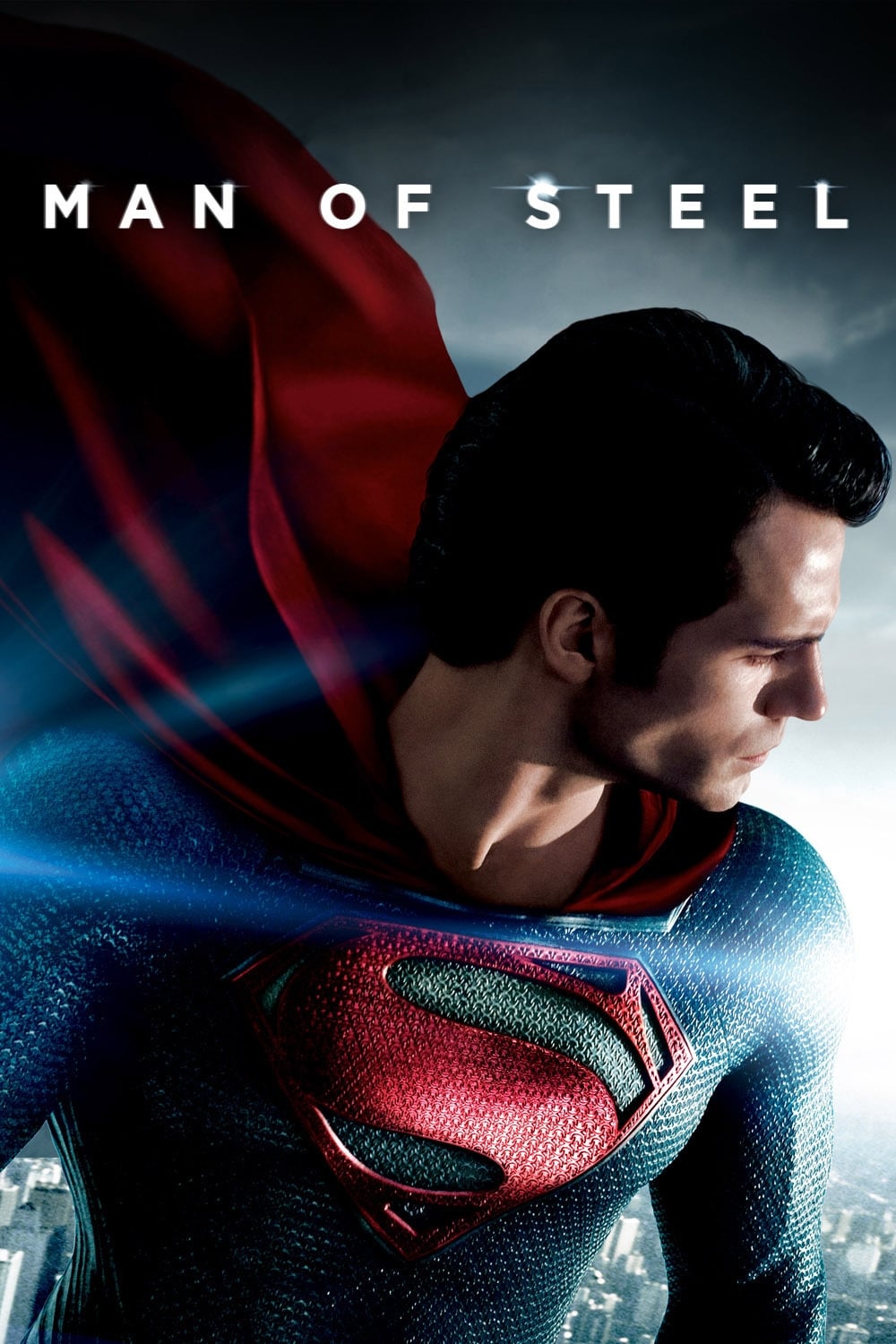
Zack Snyder rebooted Superman with Henry Cavill taking over the role and a tone that emphasized first contact and world response. The film launched a new continuity for DC characters and set plot lines that would continue into later ensemble films.
The production used large format cameras and extensive wire work for flight sequences, along with a distinctive color grade. It earned hundreds of millions worldwide and introduced a new Krypton design language through armor, glyphs, and spacecraft.
‘Eternals’ (2021)
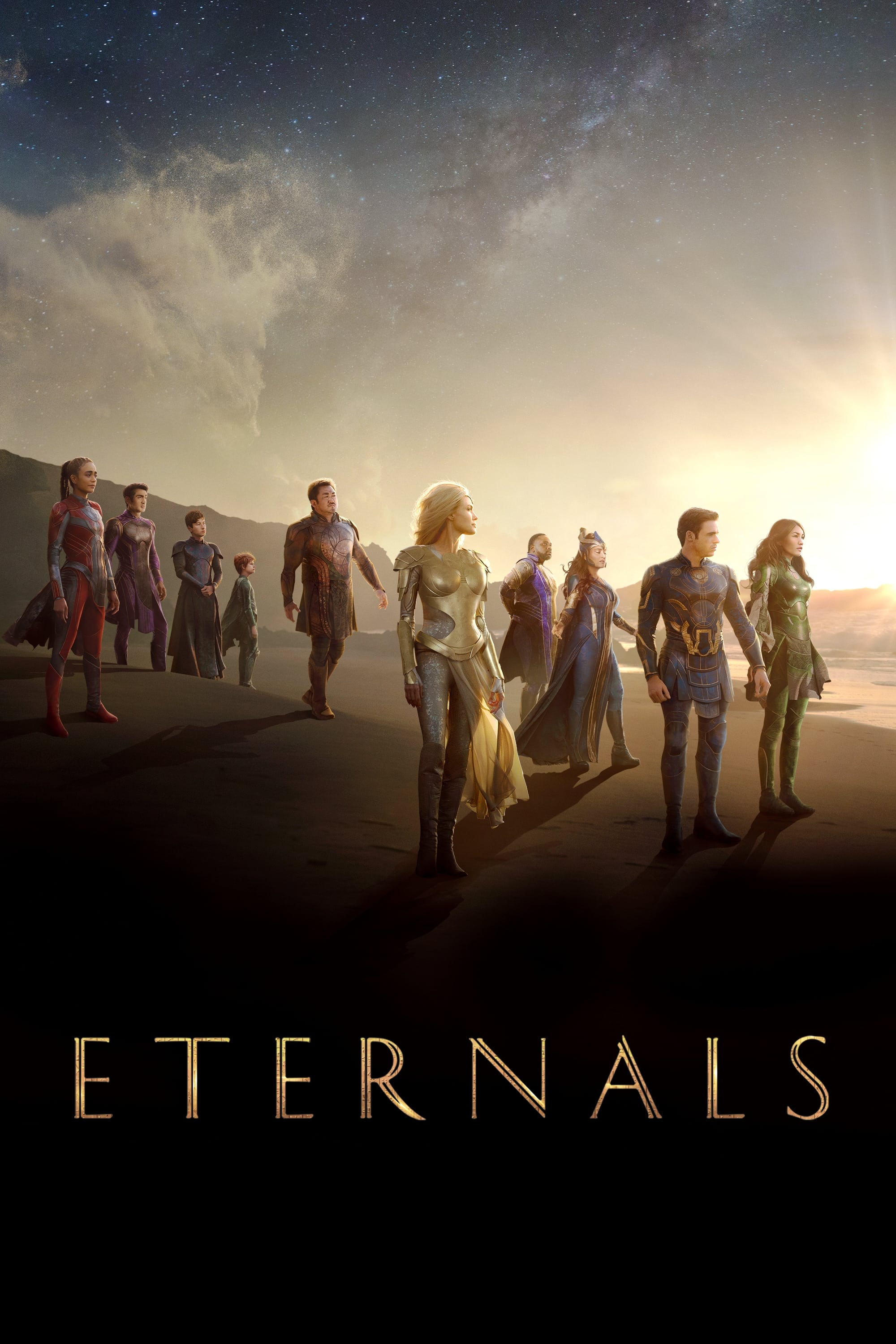
Chloé Zhao directed this Marvel entry about immortal guardians who have lived among humanity for millennia. The ensemble features a diverse lineup of heroes, including the franchise’s first deaf superhero portrayed through American Sign Language in major action scenes.
Zhao favored natural light and on location settings for many sequences, which set it apart from other entries that rely more heavily on stages. The film introduced cosmic entities that expanded the shared universe’s scope and established threads for future stories.
‘Star Wars: The Rise of Skywalker’ (2019)
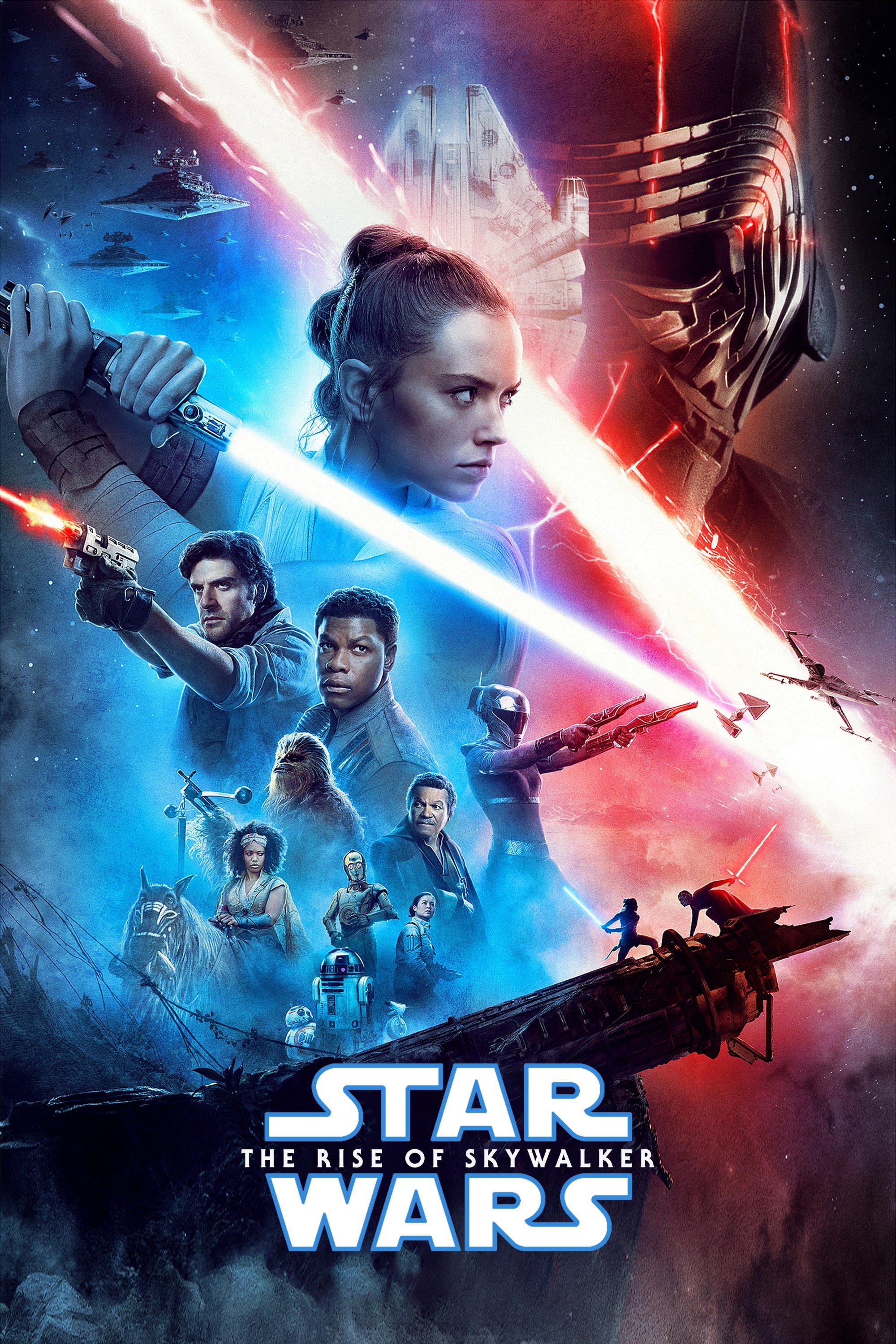
J J Abrams returned to close the nine film Skywalker saga with a story that revisits legacy mysteries and resolves new character arcs. The film earned three Academy Award nominations and crossed the billion dollar threshold worldwide.
Production combined practical creature work with large scale digital environments, and returning cast members filmed new scenes alongside footage captured during earlier entries. The release capped a trilogy that spanned multiple directors, and it completed the mainline narrative that began decades earlier.
Share which of these films you love or cannot stand in the comments and tell us which titles you would add to the list.