


20 Movies Ruined by Studio Interference



Movies are a delicate balance of art and commerce, where a director’s vision can clash with a studio’s desire for profit. Sometimes, studios step in, thinking they know best, only to leave a film’s potential in tatters.
This article dives into films where studio interference disrupted the creative process, often leading to disappointing results. From superhero flops to would-be epics, these stories show how executive decisions can reshape a movie for the worse.
The Magnificent Ambersons (1942)
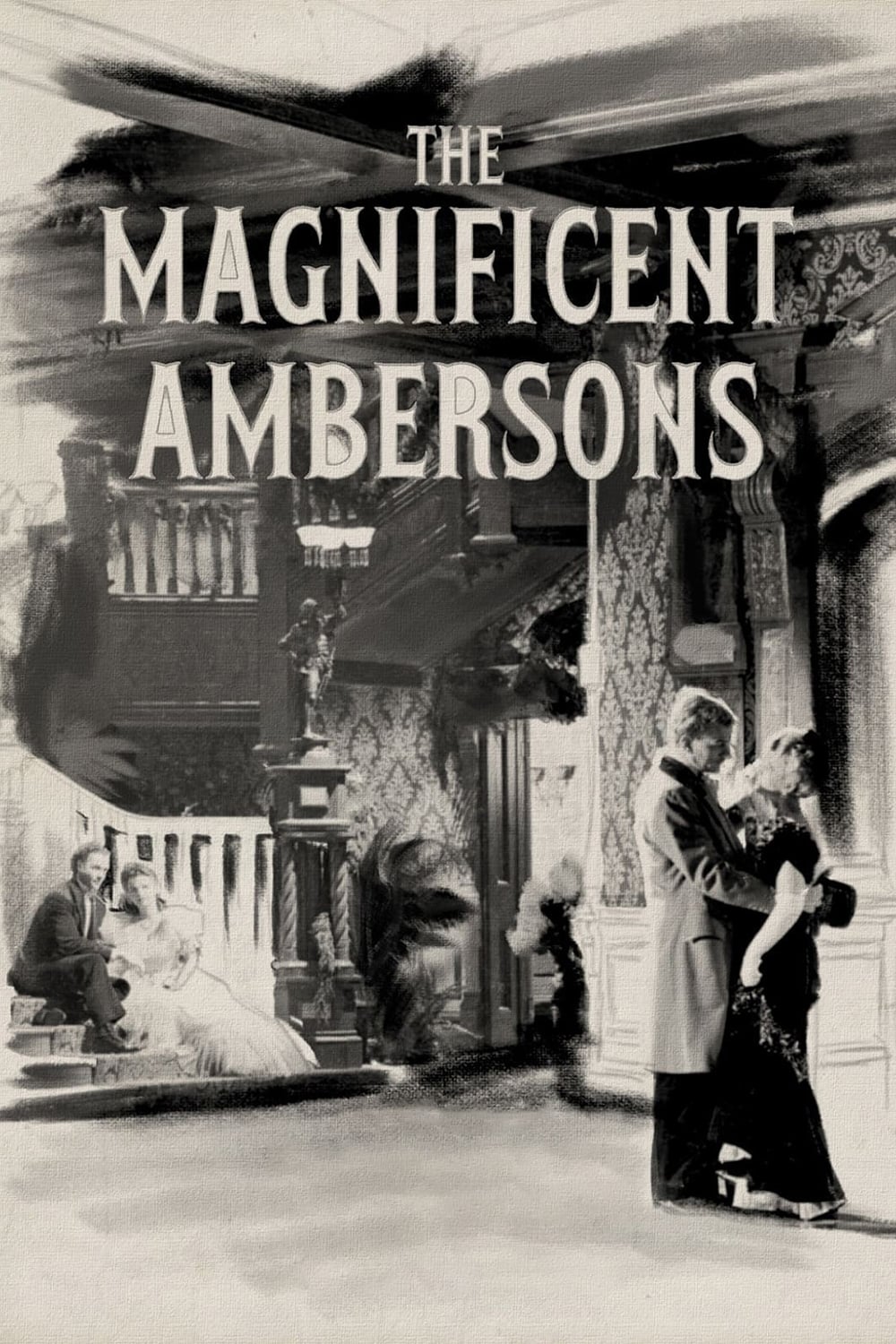
Orson Welles followed up ‘Citizen Kane’ with this tale of a wealthy family’s decline. His original cut was a dark, 148-minute drama, but RKO executives wanted a lighter tone during World War II.
They slashed over an hour of footage, filmed a happier ending, and altered the score while Welles was away in Brazil. The result felt disjointed, and Welles called it a betrayal, leaving a classic marred by studio cuts.
Once Upon a Time in America (1984)
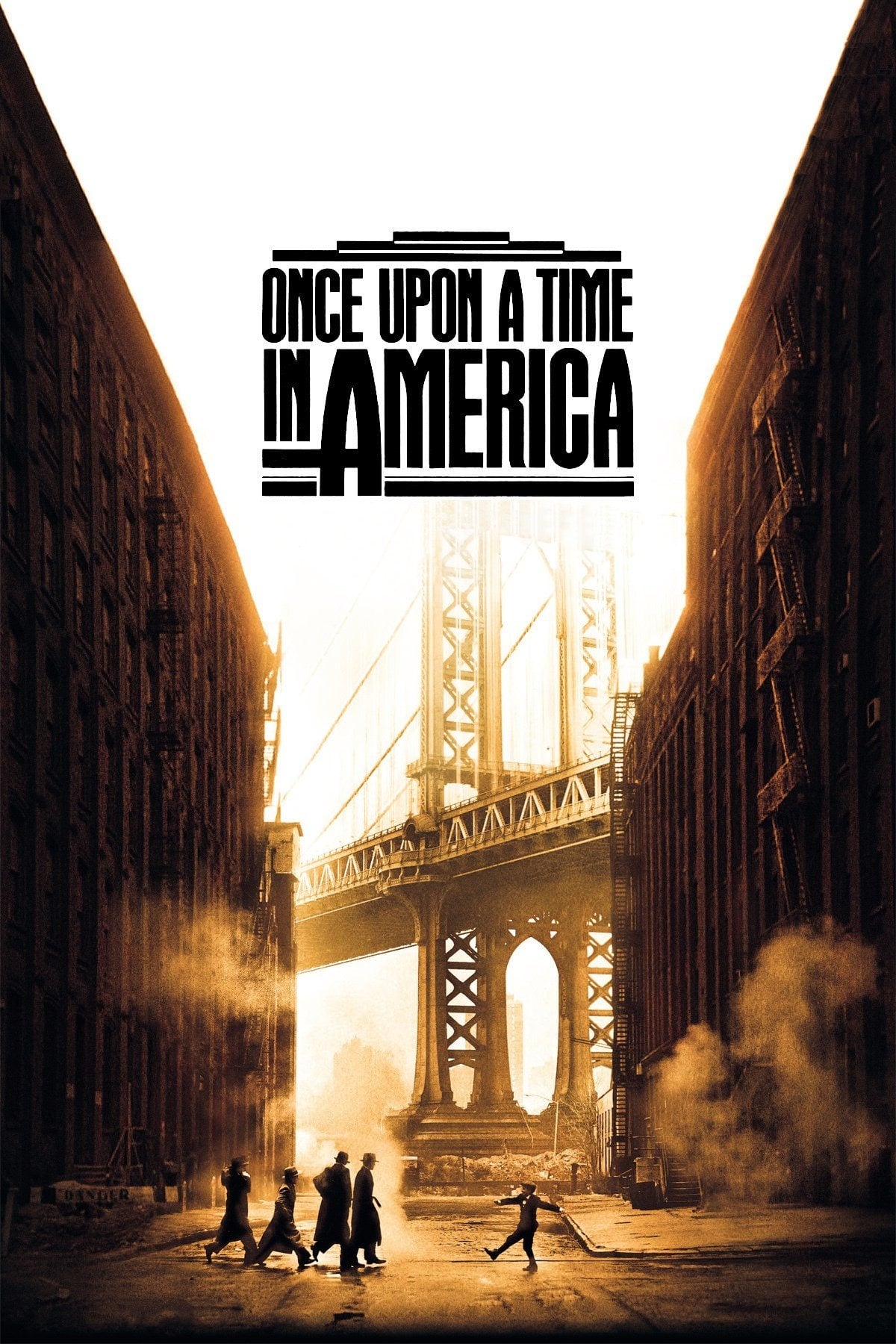
Sergio Leone’s sprawling gangster epic about friendship and betrayal was meant to be a four-hour masterpiece. The studio, Ladd Company, had other ideas, chopping it down to a 139-minute mess.
They reordered scenes chronologically, stripping away Leone’s narrative flow and cutting key moments, making the plot nearly incoherent. A later director’s cut restored much of the vision, but the theatrical release baffled audiences.
All the Pretty Horses (2000)
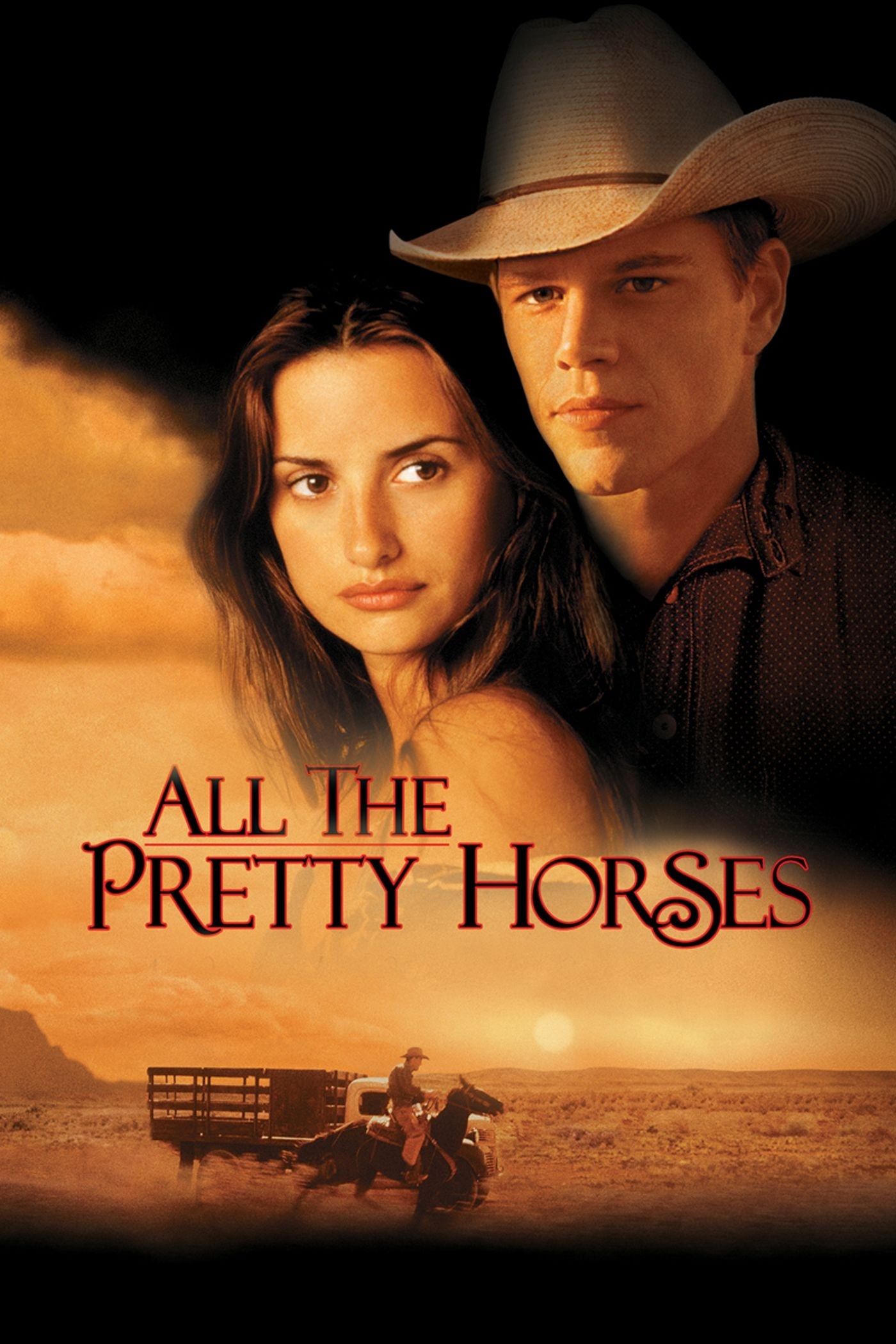
Billy Bob Thornton’s adaptation of Cormac McCarthy’s novel starred Matt Damon as a young cowboy. Thornton envisioned a haunting, three-hour drama, but Columbia Pictures demanded cuts.
They reduced it by over an hour, changed the score, and turned it into a generic romance. Damon himself criticized the studio, saying the cuts gutted the film’s soul, leaving a shadow of its potential.
The Golden Compass (2007)
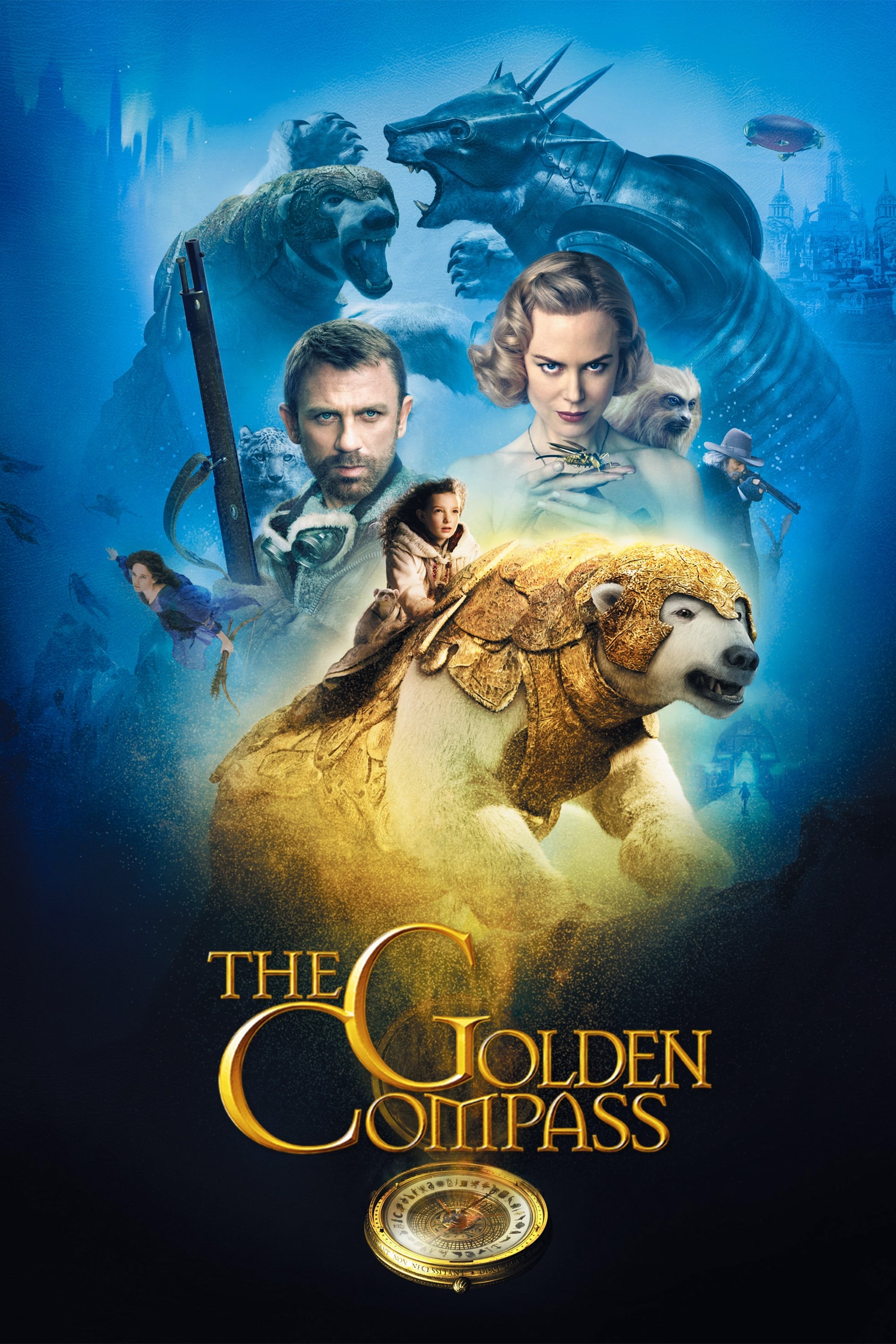
This fantasy adaptation of Philip Pullman’s novel aimed to rival ‘The Lord of the Rings.’ Director Chris Weitz crafted a darker story, but New Line Cinema wanted a lighter, kid-friendly version.
They cut 40 minutes, softened the tone, and removed religious themes, alienating fans of the book. The result flopped, killing plans for a trilogy and leaving a hollow shell of a film.
I Am Legend (2007)
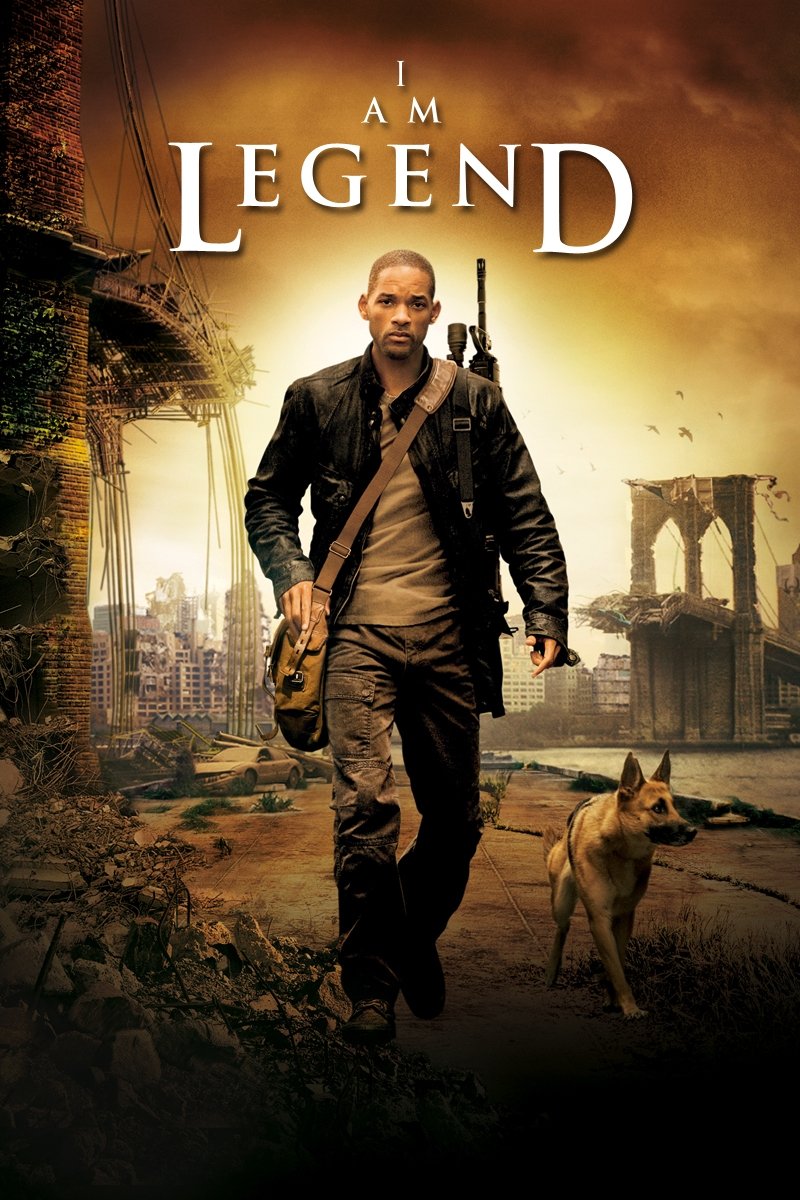
Will Smith starred in this sci-fi thriller about a lone survivor in a post-apocalyptic world. The original ending revealed the infected as sentient, with Smith’s character as the true villain.
Studio executives, spooked by test audience reactions, reshot a generic action climax where Smith sacrifices himself. This erased the story’s thought-provoking twist, turning a bold film into a forgettable monster flick.
Spider-Man 3 (2007)
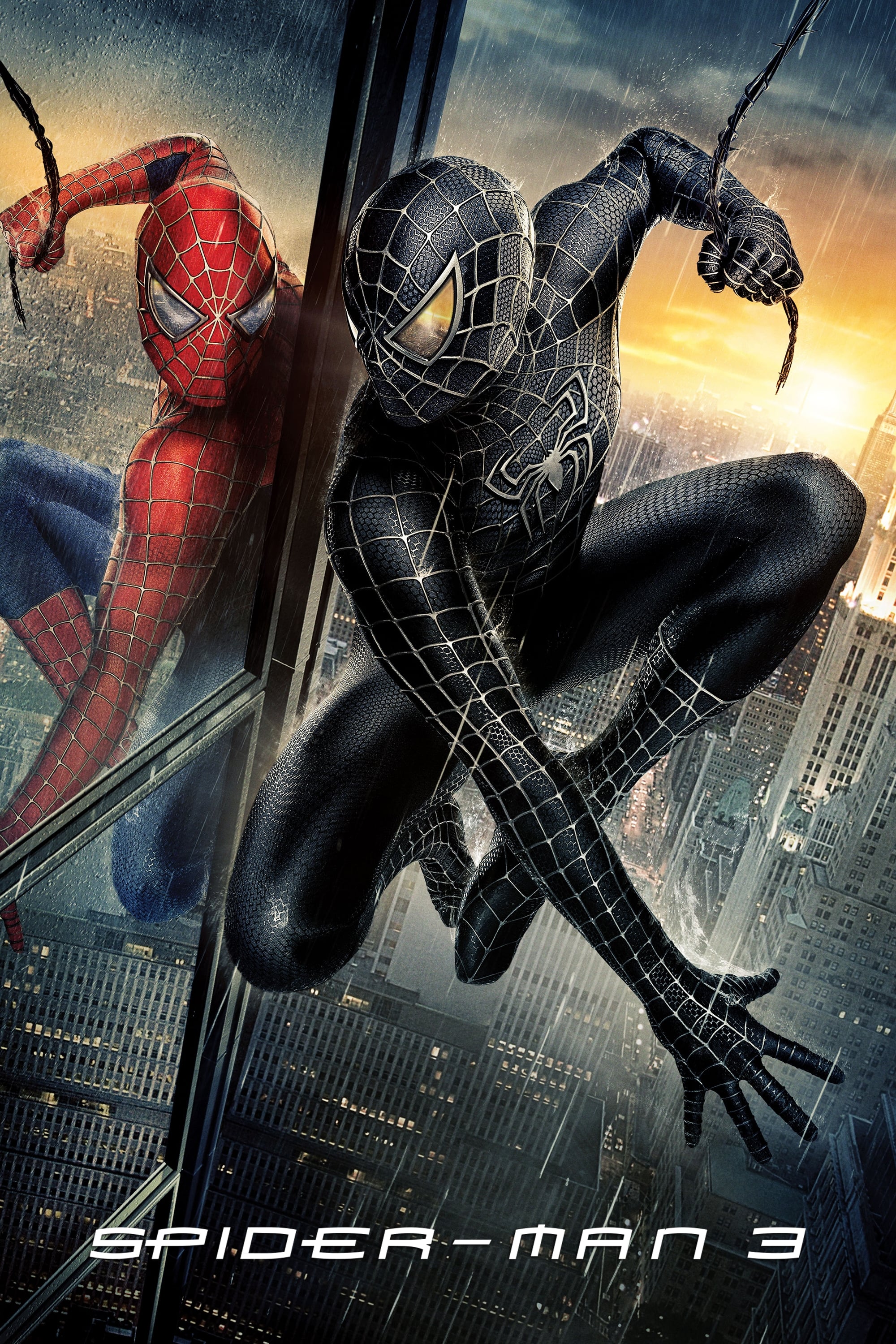
Sam Raimi’s third ‘Spider-Man’ film was meant to focus on Sandman and Harry Osborn. Sony, however, pushed for the inclusion of Venom, a fan-favorite villain, to boost ticket sales.
The overcrowded plot juggled three villains, diluting the story’s emotional weight. Raimi’s frustration with the studio’s demands led to a rushed, messy film that derailed plans for a fourth installment.
The Amazing Spider-Man 2 (2014)

Andrew Garfield’s second outing as Spider-Man had potential for a focused superhero sequel. Sony, eager to build a cinematic universe, crammed in multiple villains and subplots.
The result was a cluttered narrative that confused audiences and critics. Garfield later blamed studio overreach, and the franchise was rebooted again, leaving this chapter as a missed opportunity.
X-Men Origins: Wolverine (2009)
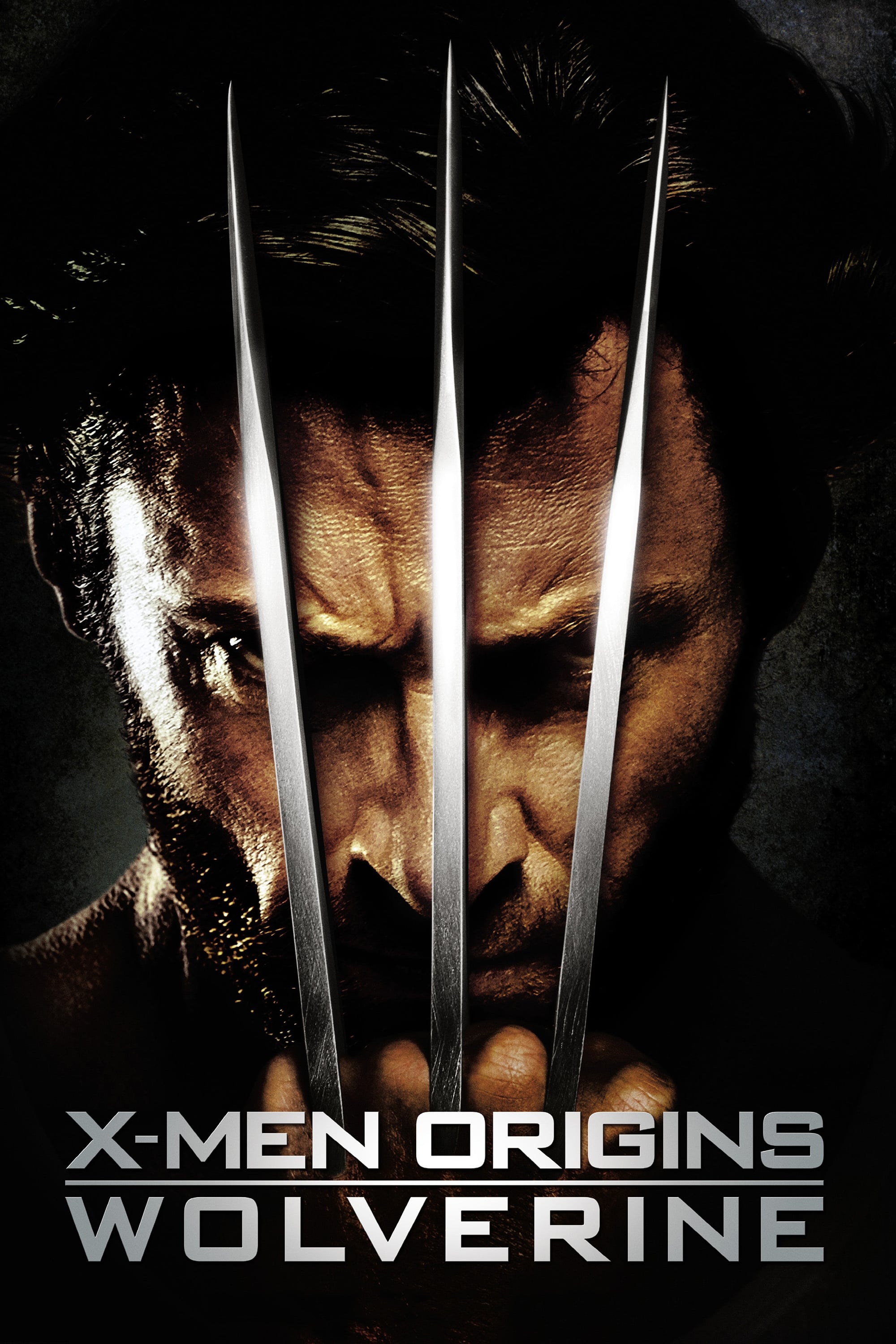
Hugh Jackman’s Wolverine got his first solo film, directed by Gavin Hood for 20th Century Fox. Hood wanted a gritty tale tackling PTSD and war trauma, but the studio demanded a lighter tone.
They even repainted sets behind Hood’s back, creating a disjointed superhero flick. Critics panned it, and the leaked workprint only confirmed the studio’s meddling hurt its potential.
Superman II (1980)
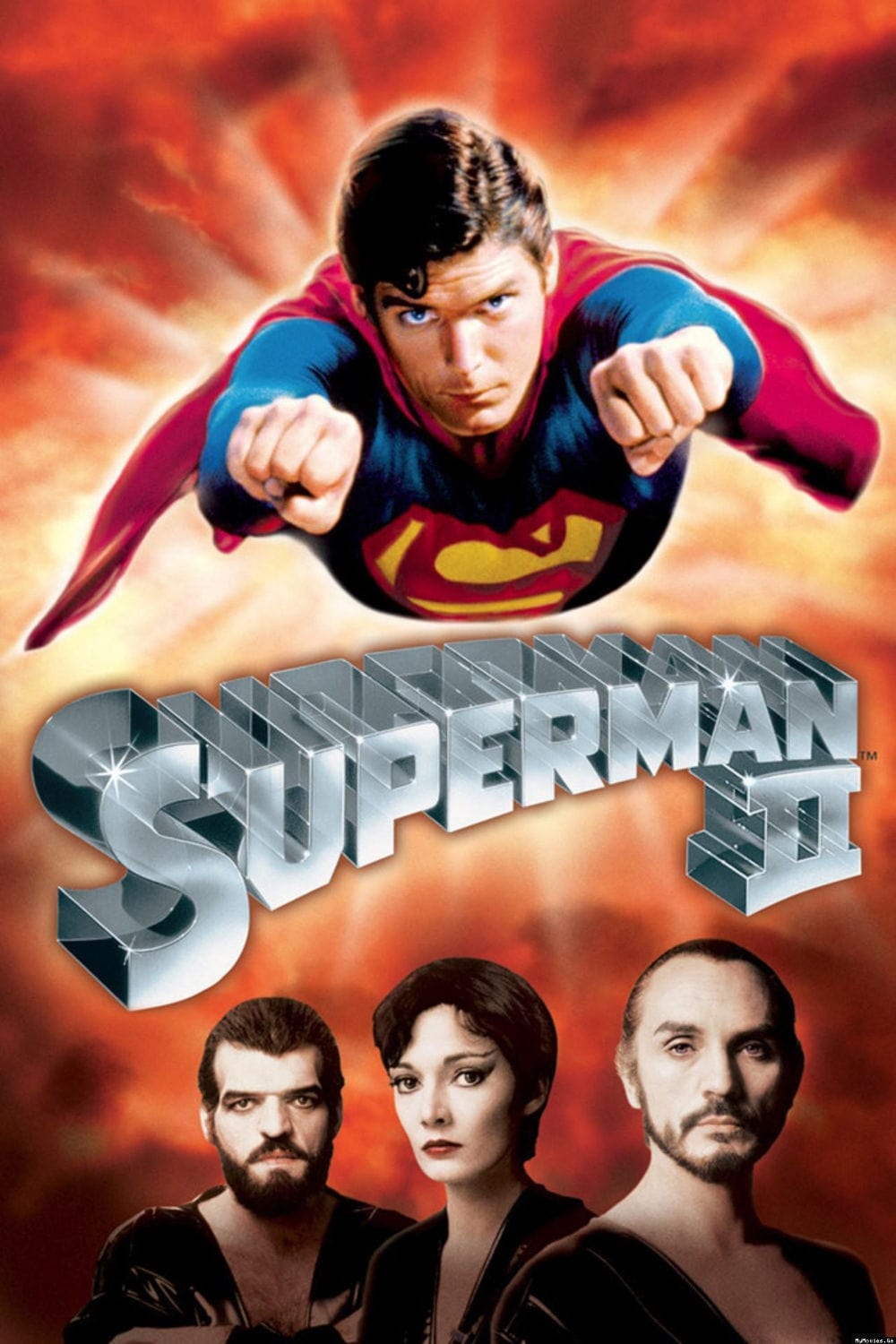
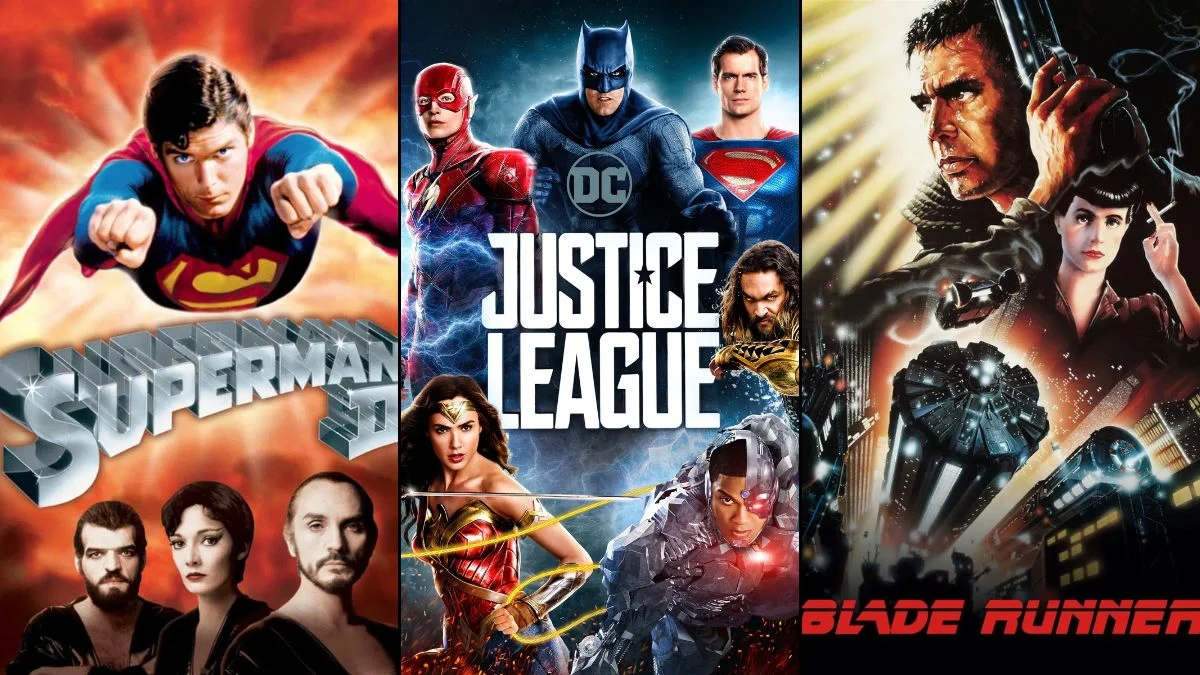
Richard Donner shot most of this sequel alongside the first ‘Superman,’ aiming for a serious, epic follow-up. Producers fired him after budget disputes, bringing in Richard Lester for reshoots.
Lester added slapstick comedy, cut Marlon Brando’s scenes, and altered the tone. The theatrical version felt uneven, though Donner’s 2006 cut showed what could have been a worthy successor.
Blade Runner (1982)
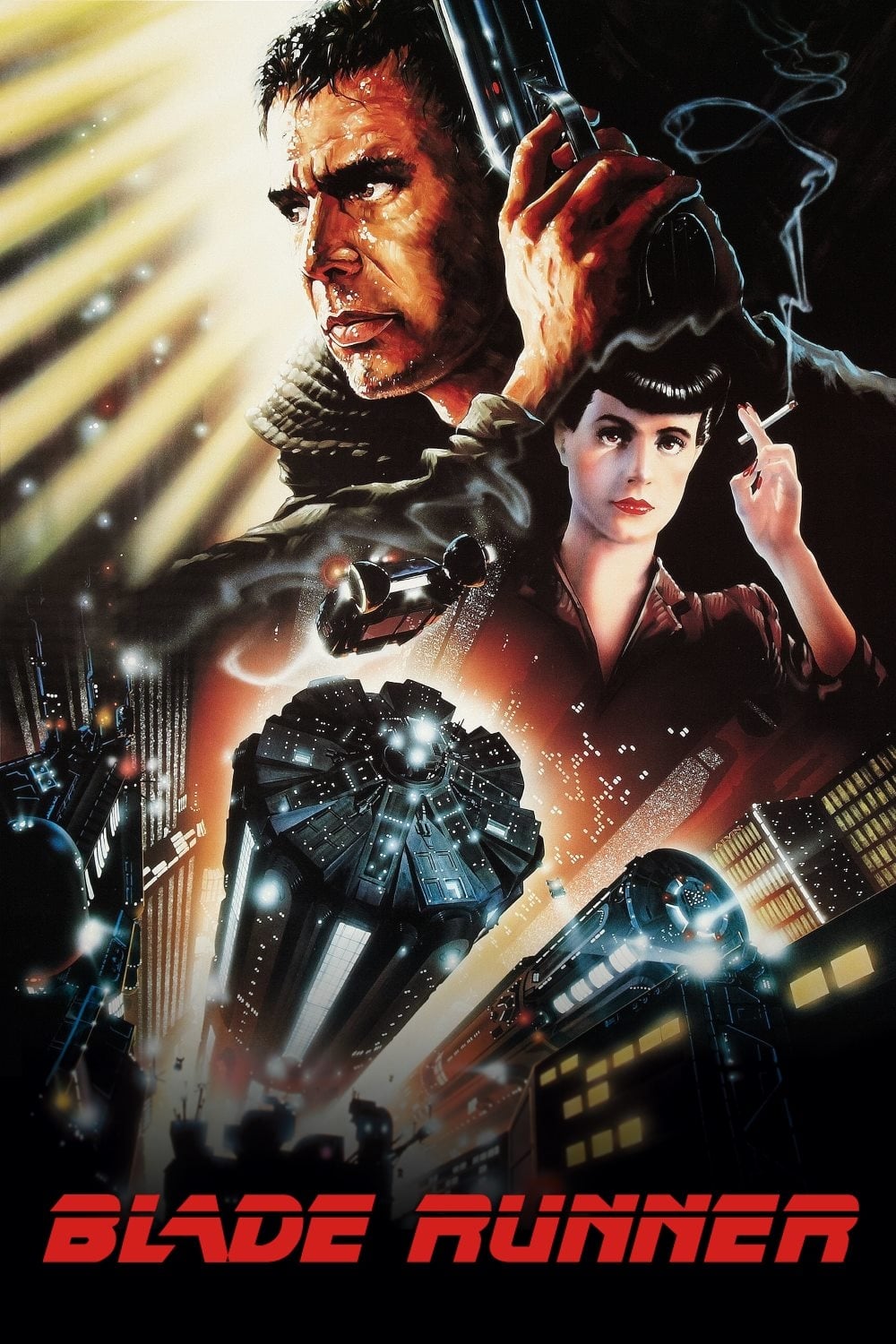
Ridley Scott’s sci-fi classic about a bounty hunter chasing androids faced heavy studio interference from Warner Bros. Test audiences found it confusing, so executives added voiceovers and a happy ending.
Harrison Ford hated the narration, and the changes dulled the film’s edge. Scott’s later cuts restored his dark, ambiguous vision, cementing ‘Blade Runner’ as a cult favorite.
Alien³ (1992)
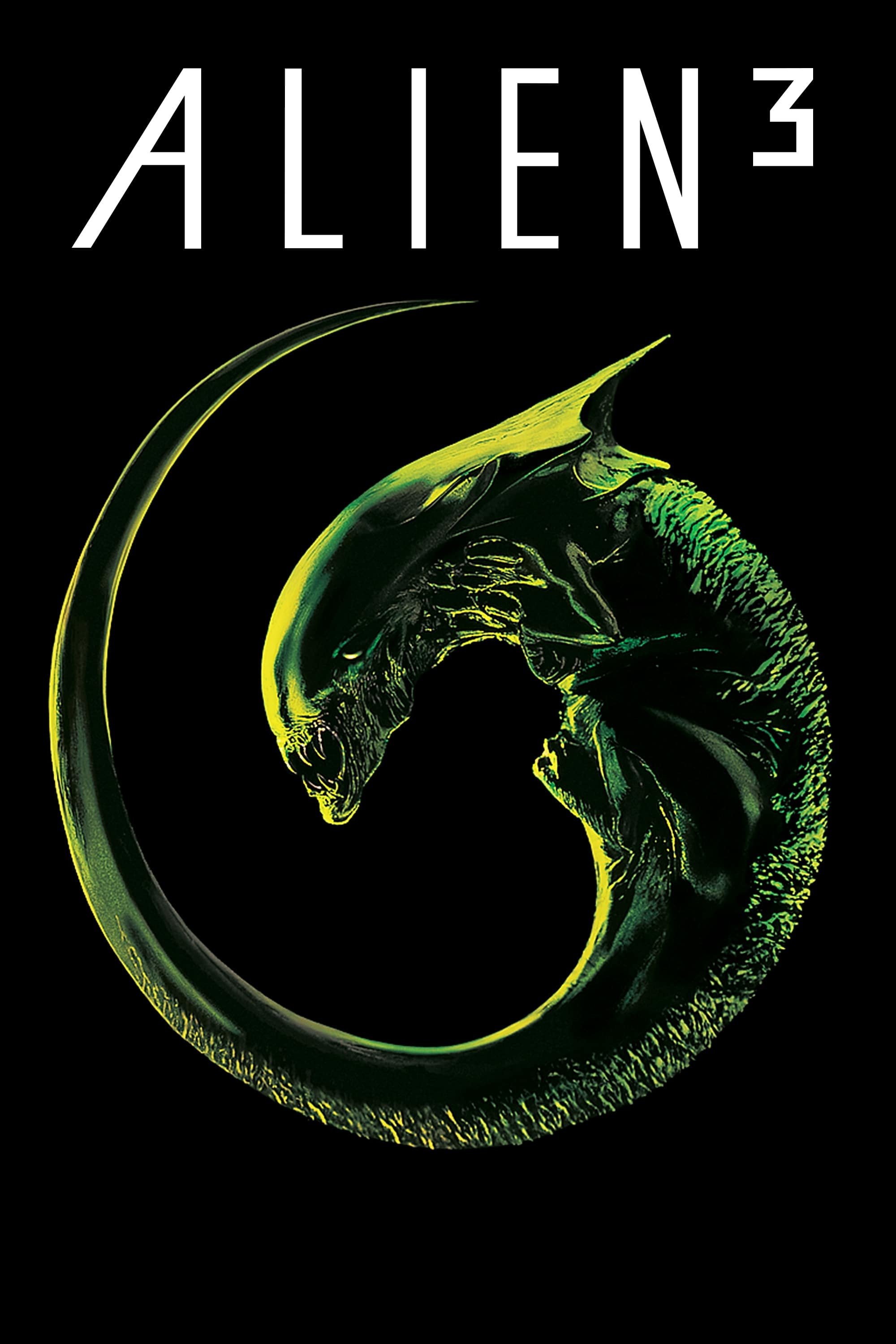
David Fincher’s directorial debut in the ‘Alien’ franchise was a nightmare of studio meddling. 20th Century Fox started production without a finished script, cycling through multiple writers.
They pressured Fincher, cut key scenes, and locked him out of editing. He disowned the chaotic final product, though the 2003 Assembly Cut hinted at the darker, bolder film it could have been.
Justice League (2017)
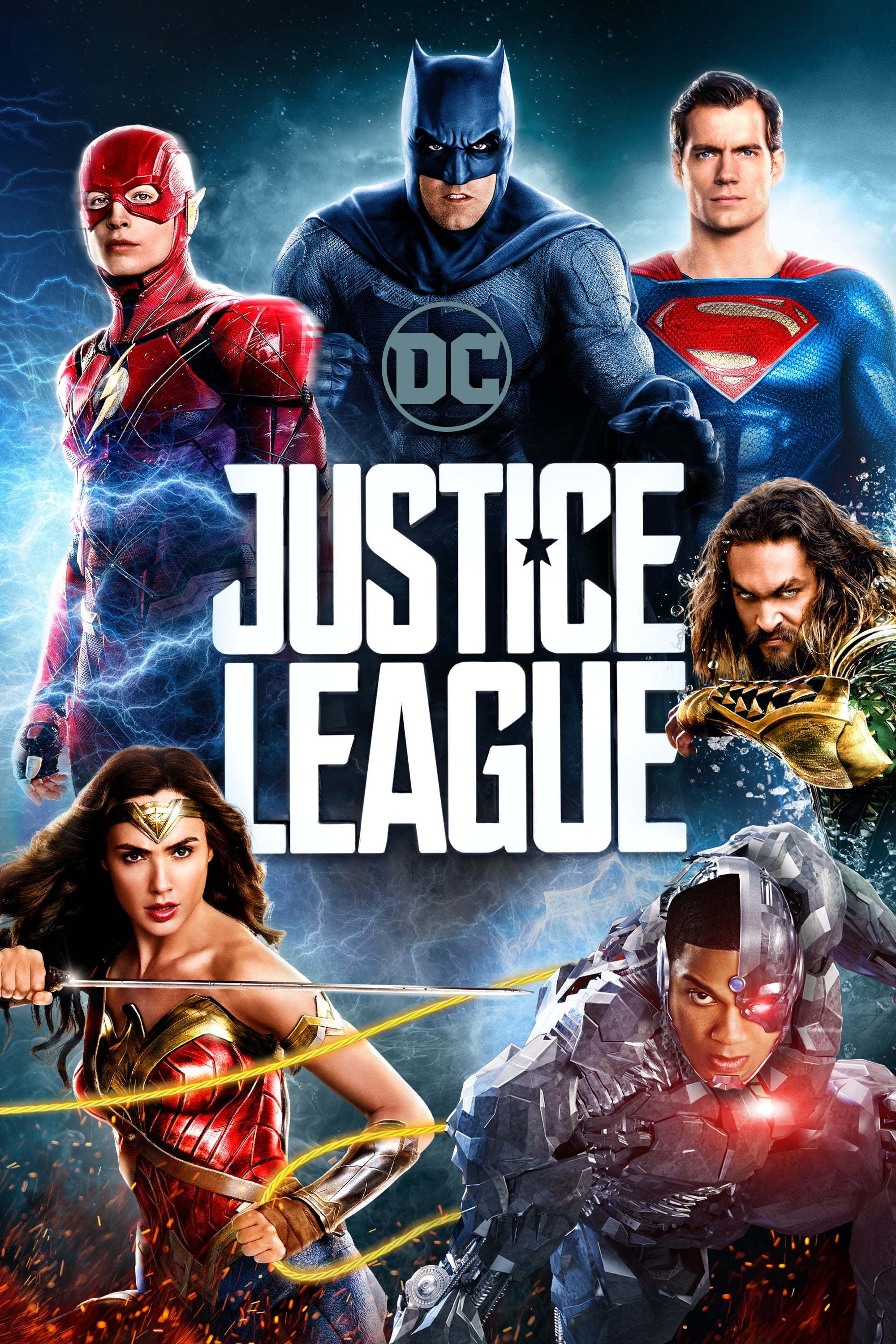
Zack Snyder’s superhero team-up was meant to be a gritty DC epic. After a personal tragedy forced Snyder to step away, Warner Bros. hired Joss Whedon to reshape the film.
Whedon’s lighter tone and reshoots created a jarring, uneven mess. Fans clamored for Snyder’s cut, released in 2021, which proved the studio’s changes diluted a more cohesive vision.
Fantastic Four (2015)
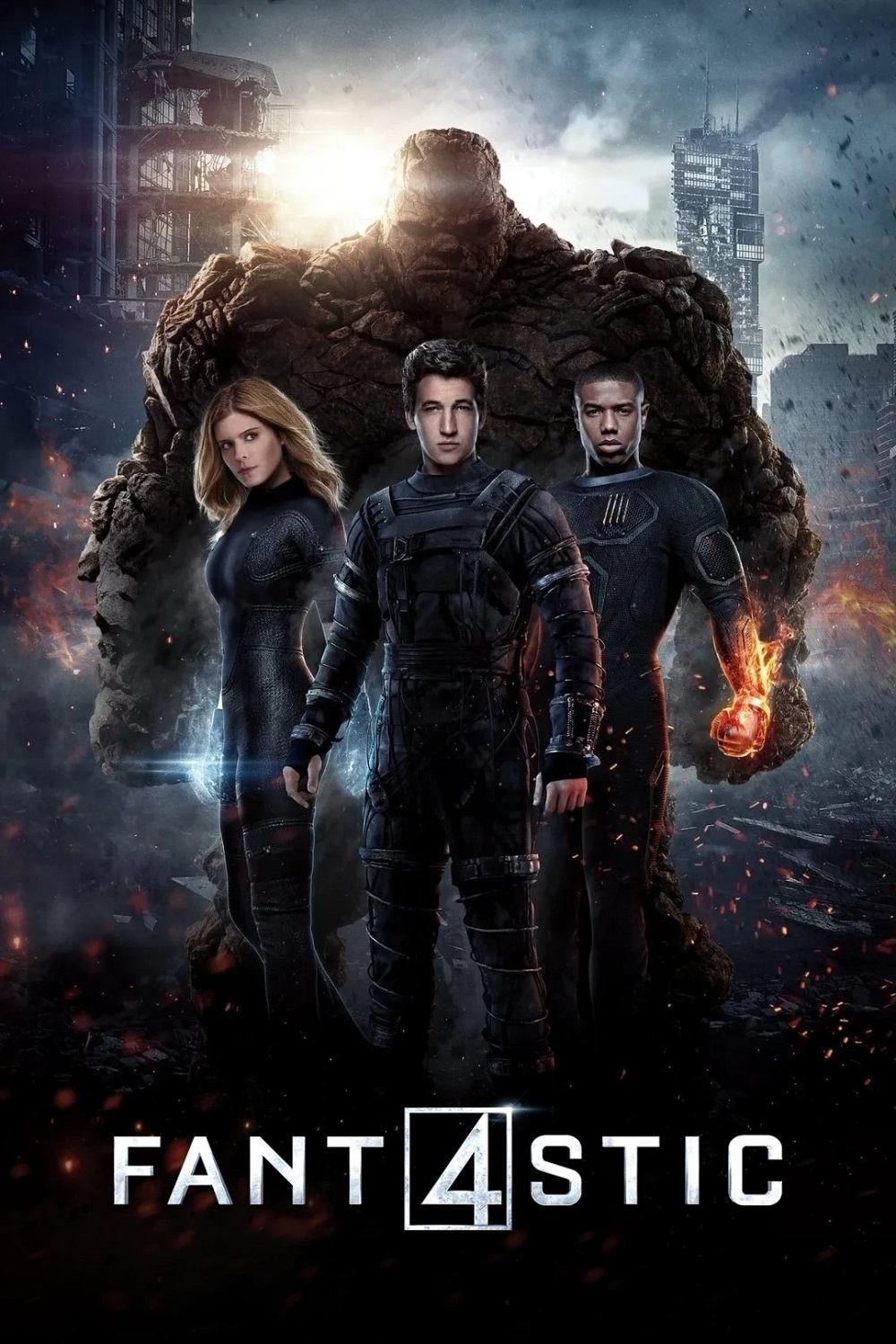
Josh Trank’s reboot of Marvel’s first family had a bold, dark vision. 20th Century Fox, aiming for a broader appeal, ordered reshoots and cut major scenes, including key character arcs.
The result was a critically panned, incoherent film that tanked at the box office. Trank publicly disavowed it, and the franchise stalled, leaving fans frustrated.
The Crow: City of Angels (1996)

Following the success of ‘The Crow,’ this sequel aimed to continue the dark, gothic vibe. Director Tim Pope had a unique vision, but producer Harvey Weinstein took control.
Weinstein’s cuts and reshoots turned a promising story into a muddled mess. The original concept, detailed in later reviews, showed a film that could have honored its predecessor.
Highlander II: The Quickening (1991)
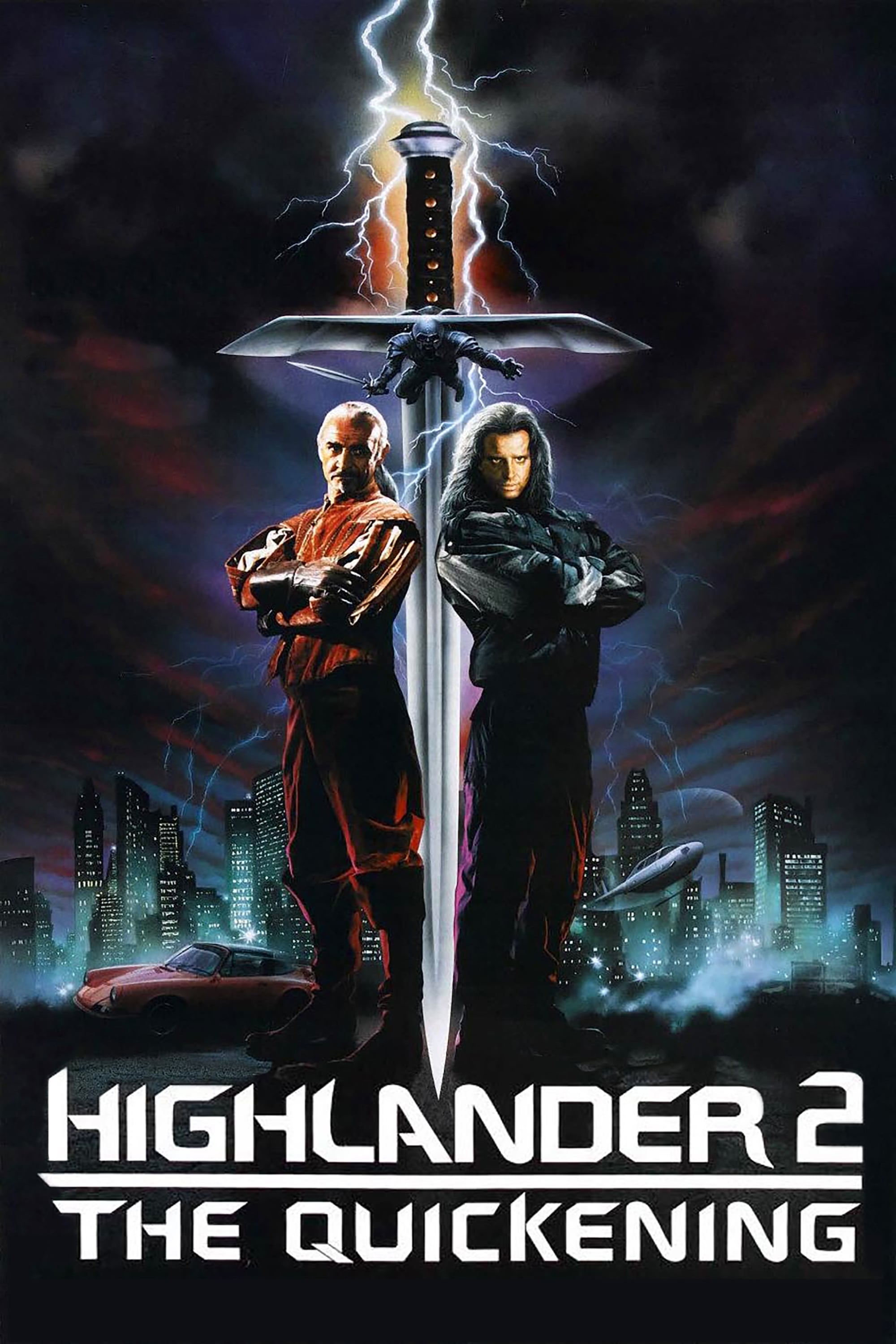
The original ‘Highlander’ was a cult hit, but its sequel fell apart under studio pressure. The creative team retconned the immortals as aliens, a choice forced by executives.
Director Russell Mulcahy later released a Renegade Version, salvaging much of his vision. The theatrical cut, however, was a confusing flop that alienated fans.
Cursed (2005)
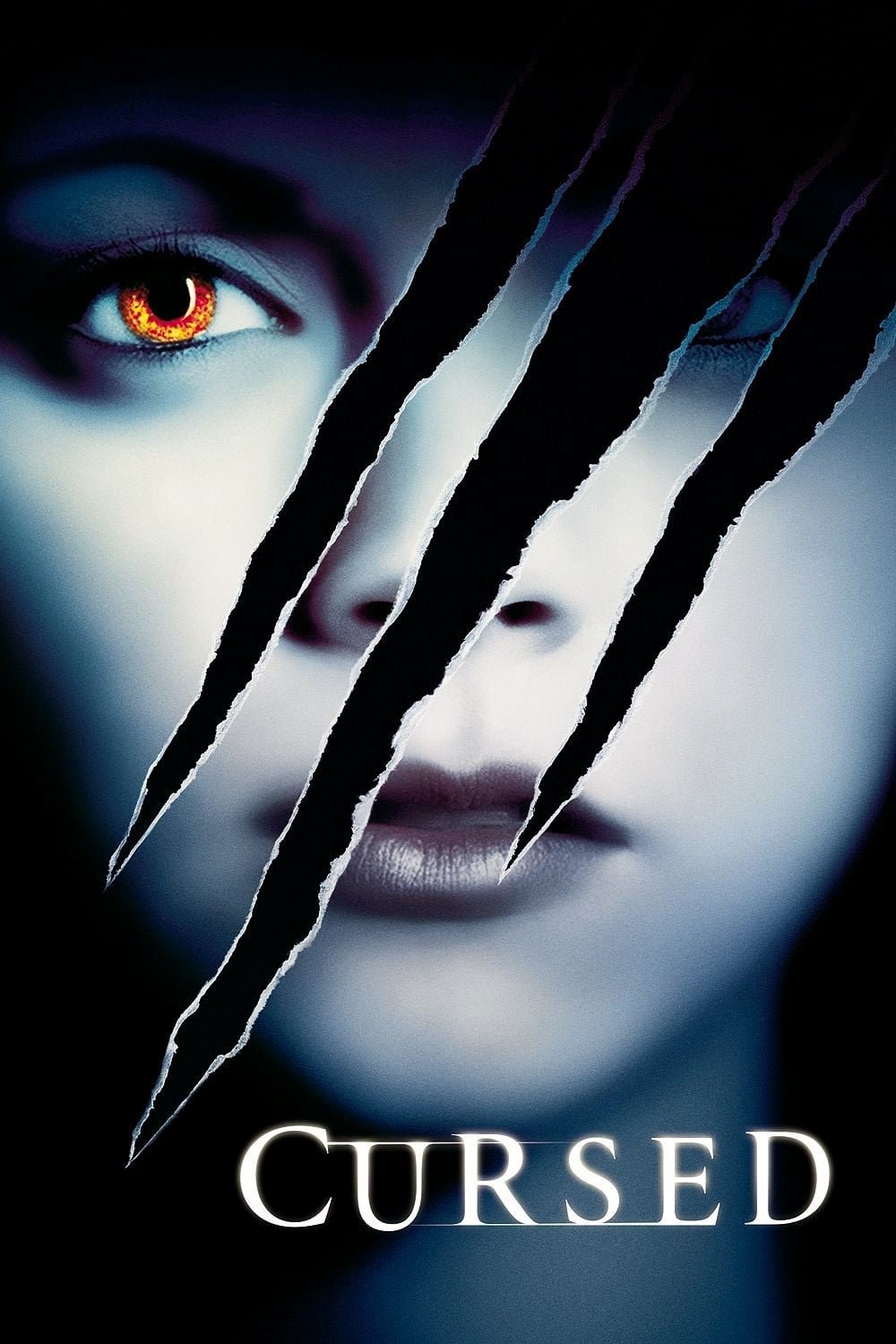
Wes Craven’s werewolf horror film starred Christina Ricci and aimed for a chilling R-rated tale. The studio, unhappy with early footage, ordered massive reshoots to soften it to PG-13.
Only 12 minutes of the original shoot survived, resulting in a generic, forgettable film. Craven’s intended vision was lost, and the movie bombed with audiences.
Suicide Squad (2016)
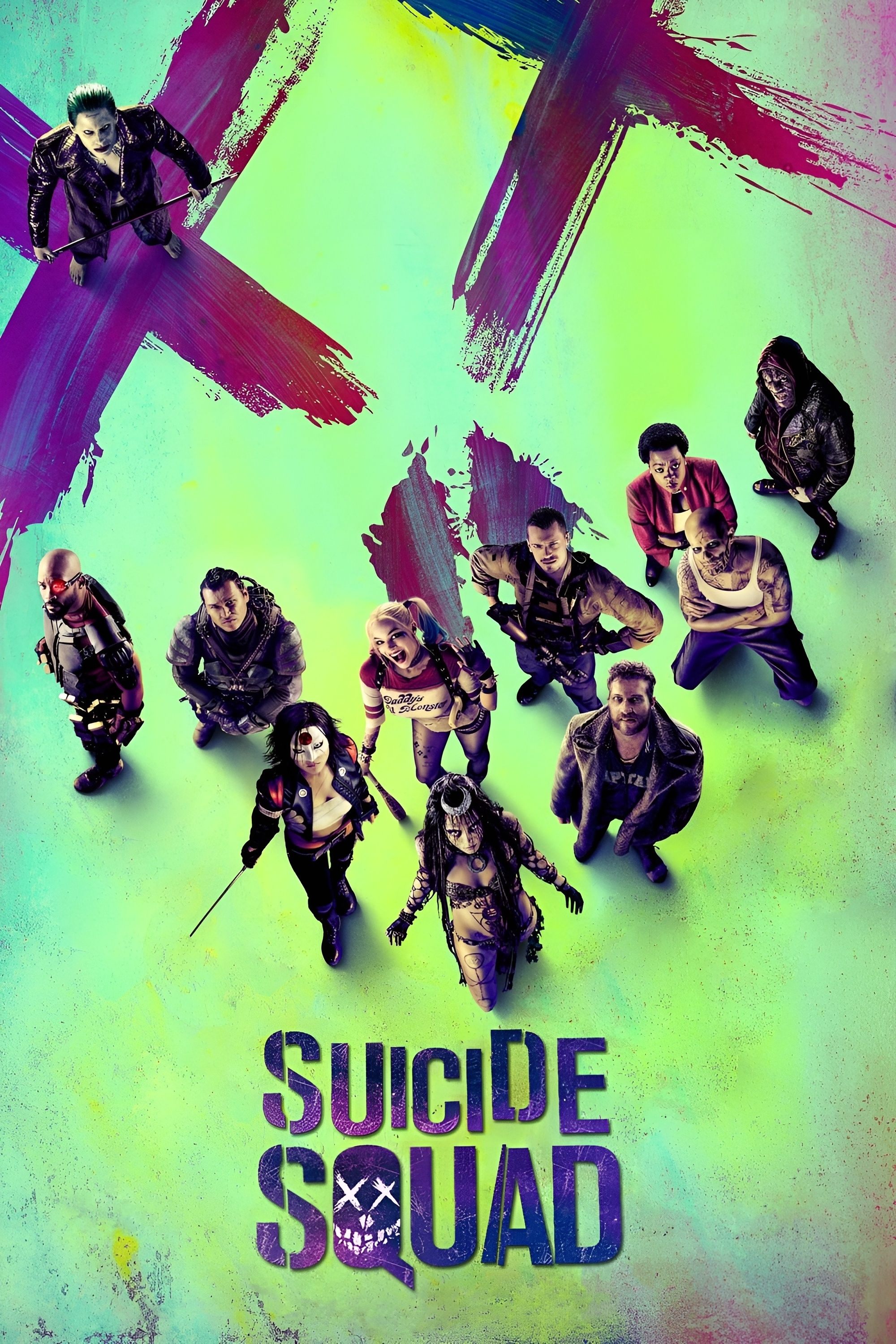
David Ayer’s antihero team-up had a dark, cohesive vision before Warner Bros. intervened. Spooked by ‘Batman v Superman’s’ reception, they recut the film to be lighter and flashier.
Key scenes, including much of Jared Leto’s Joker, were axed, leaving a choppy narrative. Ayer’s unreleased cut has since become a fan rallying cry.
Kingdom of Heaven (2005)
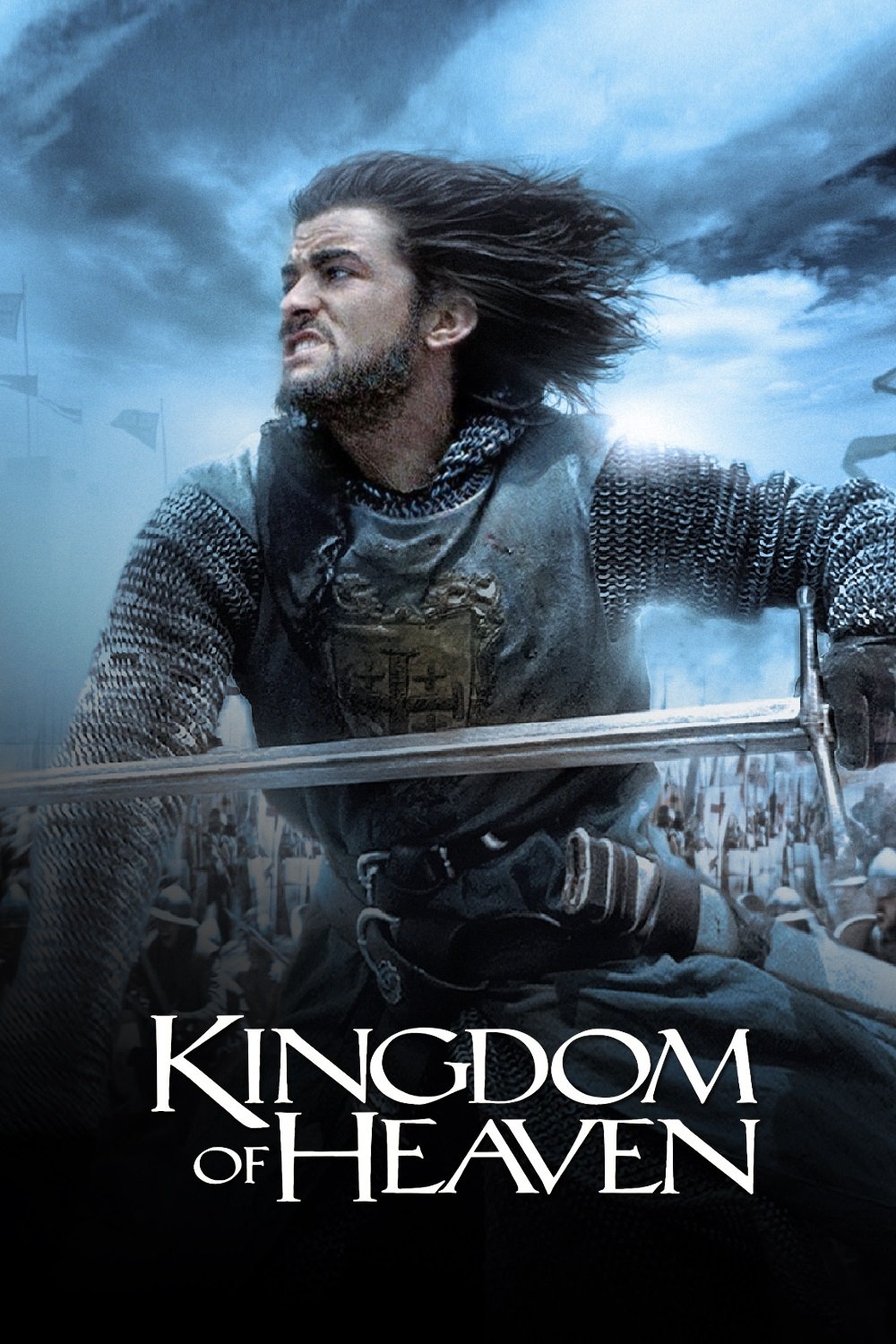
Ridley Scott’s Crusades epic starred Orlando Bloom and a stellar cast. 20th Century Fox, fearing a long runtime, cut 45 minutes, including vital character development.
The theatrical version flopped, with critics calling it shallow. Scott’s director’s cut, released later, restored the depth and earned praise as a far superior film.
Cleopatra (1963)
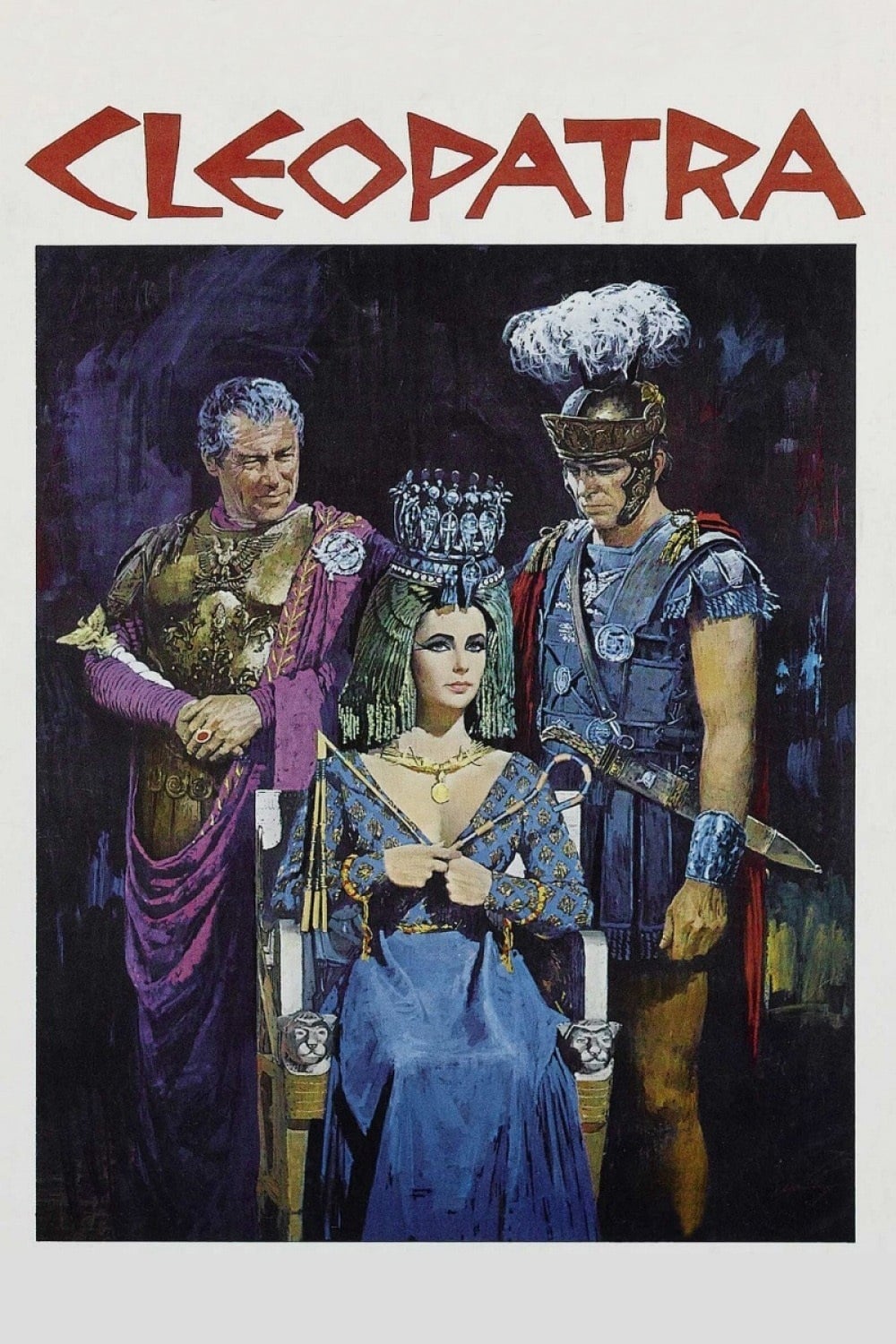
This historical epic with Elizabeth Taylor was meant to be a six-hour spectacle. 20th Century Fox, facing ballooning costs, slashed it to three hours, losing key plot points.
Multiple directors were fired, and sets were rebuilt, creating chaos. Despite becoming a box office hit, the film felt incomplete, a shadow of its ambitious vision.
Heaven’s Gate (1980)
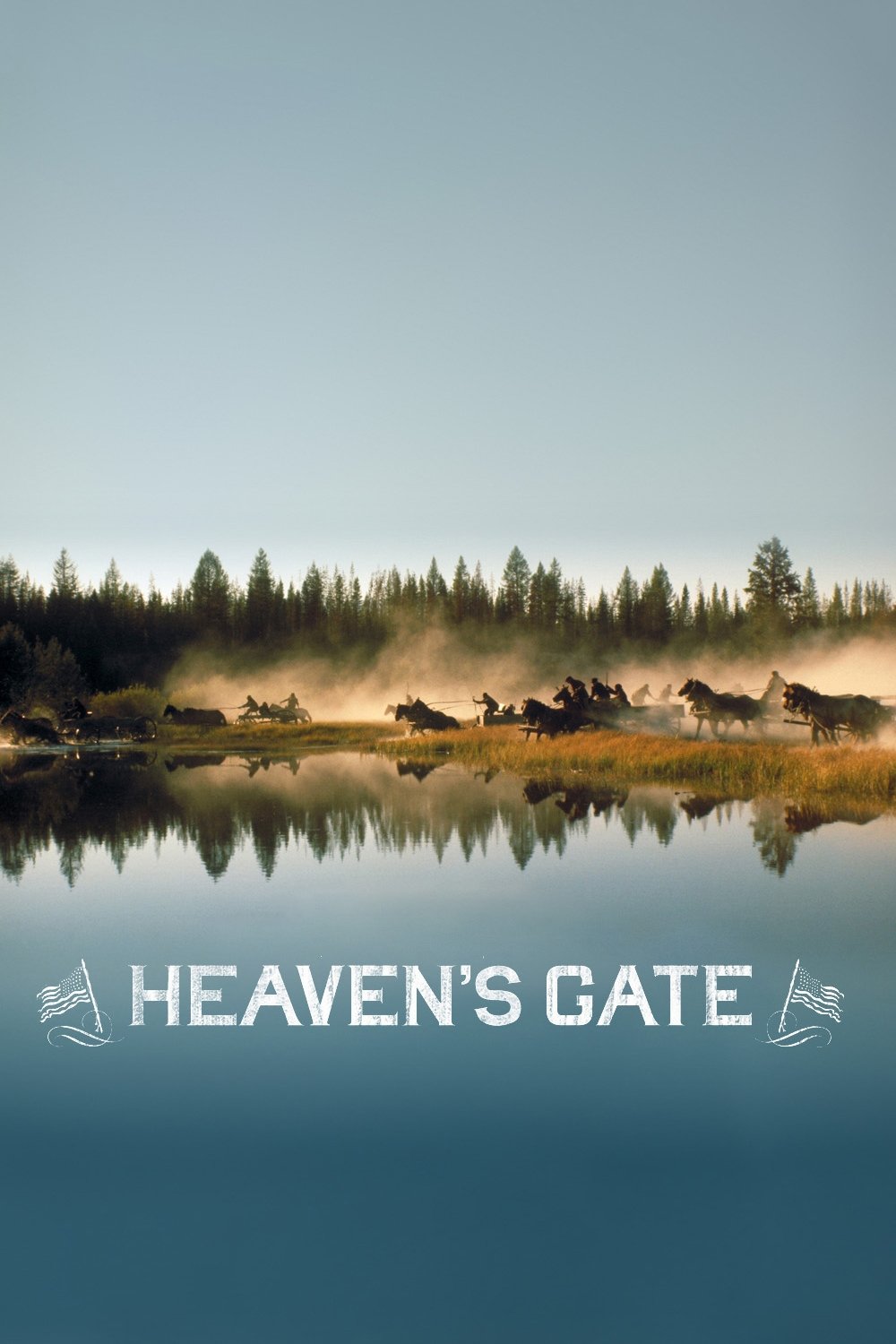
Michael Cimino’s Western epic aimed to redefine the genre with a five-hour cut. United Artists, rattled by costs and length, demanded massive edits, reducing it to 149 minutes.
The rushed release was a critical and financial disaster, nearly bankrupting the studio. Cimino’s longer cut, released later, showed a flawed but far more compelling story.
Which film’s studio meddling frustrates you the most, or is there another movie that got derailed? Drop your thoughts in the comments!