


Movies Slammed for Using Queer Tragedy as Plot Devices Only




Cinematic history contains many examples where LGBTQ+ characters are defined primarily by their suffering or untimely deaths. This narrative pattern often uses queer trauma as a catalyst for emotional impact or to drive the plot forward for other characters. While these stories aim to highlight social injustices, they frequently face criticism for prioritizing misery over lived experience. The following films represent major productions that have been scrutinized for using queer tragedy as a central plot device.
‘Brokeback Mountain’ (2005)

Two cowboys find themselves in a forbidden romance that spans several decades in the American West. Their relationship is marked by constant fear and the eventual violent death of one of the protagonists. This conclusion leaves the surviving character in a state of permanent grief and isolation. Many viewers argue the film reinforces the idea that queer love must end in sorrow. The tragedy serves as the ultimate punctuation to their impossible situation.
‘Philadelphia’ (1993)
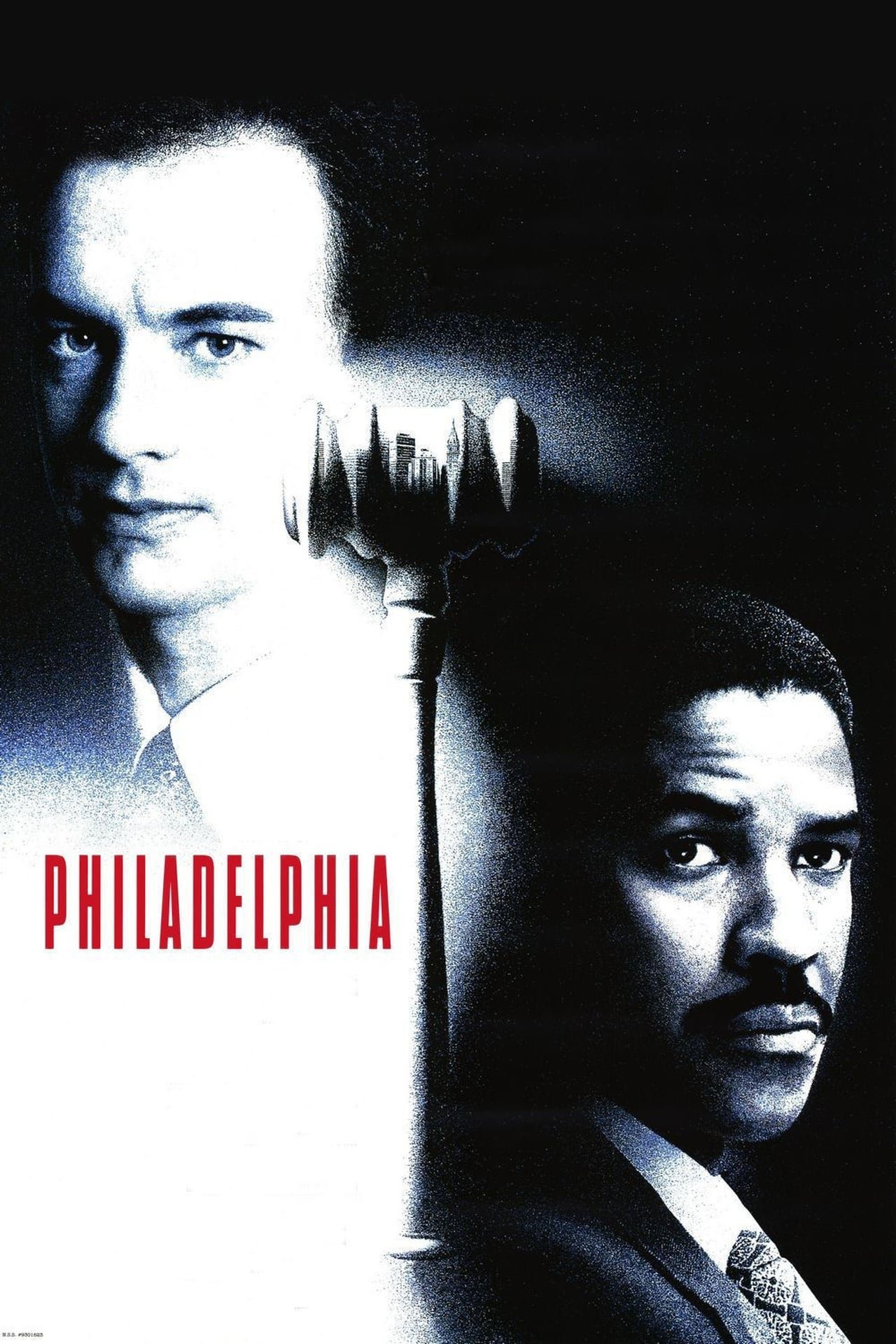
The story follows a lawyer who is fired after his employers discover he has contracted AIDS. He spends the remainder of the film fighting a legal battle while his physical health rapidly declines. The tragedy of his illness serves as the emotional core for the audience and the straight characters around him. This film was a landmark for representation but remains a focal point for discussions on death as a plot necessity. The protagonist dies shortly after achieving his legal victory.
‘Boys Don’t Cry’ (1999)

This biographical film depicts the life and brutal murder of a trans man in Nebraska. The narrative focuses heavily on the violence and prejudice he faces from those around him. While it brought attention to real world issues, the film is often cited as a difficult watch due to its focus on suffering. The plot builds toward a documented tragedy that leaves little room for joy. It serves as a stark example of the victimhood trope in queer cinema.
‘The Danish Girl’ (2015)

The film dramatizes the life of a pioneer in gender reassignment surgery during the early twentieth century. Much of the plot focuses on the physical pain and the emotional distance growing between the lead and her wife. The story concludes with the death of the protagonist following a surgical complication. Critics have noted that the narrative prioritizes the tragedy of the transition over the personal fulfillment of the character. This ending reinforces the historical pattern of trans characters not surviving their own stories.
‘Dallas Buyers Club’ (2013)

The narrative follows a man diagnosed with AIDS who begins smuggling unapproved drugs into the United States. A prominent supporting character is a trans woman who also suffers from the disease and eventually dies. Her death is used to provide emotional growth and motivation for the straight protagonist. Critics argue that her character exists primarily to facilitate the journey of the lead man. This dynamic highlights the use of queer suffering as a secondary narrative tool.
‘The Imitation Game’ (2014)

This biopic tells the story of Alan Turing and his role in cracking the Enigma code during World War II. The film concludes with the tragic details of his prosecution for gross indecency and his subsequent chemical castration. The narrative frames his brilliance as being inseparable from his ultimate state of despair. His suicide is presented as a somber postscript to his massive achievements for the country. Many feel the film reduces a complex life to a final act of institutional cruelty.
‘Milk’ (2008)
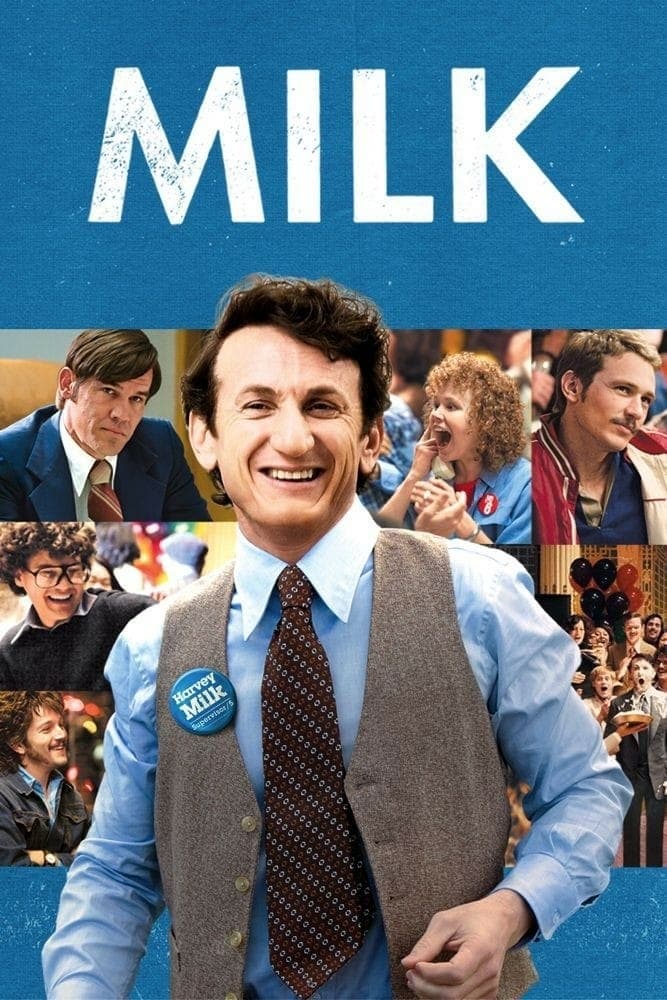
The film chronicles the life of Harvey Milk as he becomes the first openly gay elected official in California. While the movie celebrates his political triumphs, the entire plot moves toward his inevitable assassination. This focus on his death as a historical necessity creates a sense of impending doom throughout the story. The tragedy is used to cement his status as a martyr for the movement. This framing often overshadows the daily life and joy of the characters involved.
‘The Children’s Hour’ (1961)
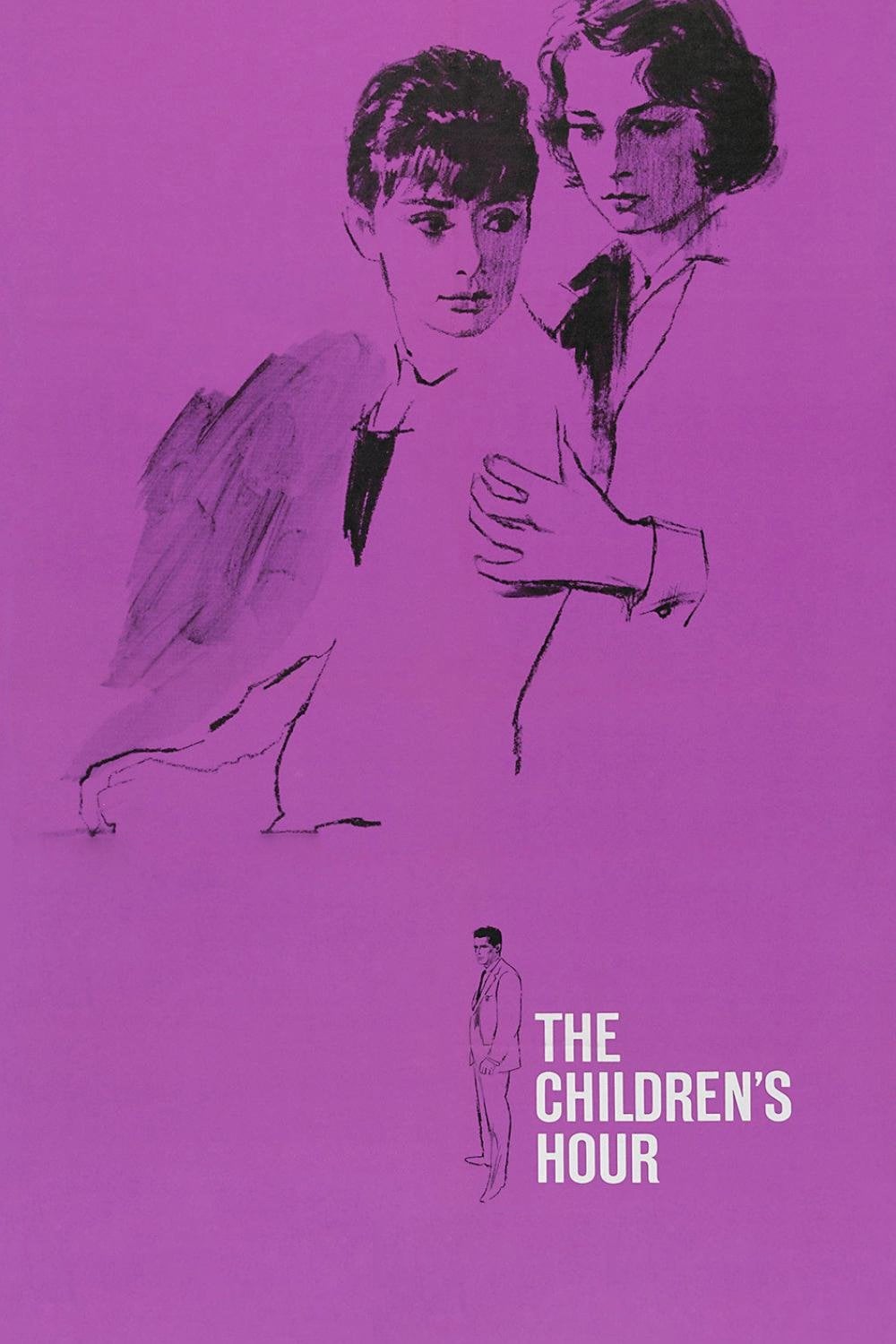
Two schoolteachers have their lives ruined when a student accuses them of having a lesbian relationship. The social stigma and internal shame lead one of the women to take her own life at the end of the film. This narrative choice was a product of its time but remains a classic example of the tragic lesbian trope. The plot suggests that even the accusation of queer identity leads to total destruction. The death serves as a final escape from an unaccepting society.
‘It Chapter Two’ (2019)

The horror sequel begins with a brutal hate crime against a gay couple in the town of Derry. This scene serves as the catalyst for the return of the supernatural entity Pennywise. Many critics felt the graphic violence against the queer characters was unnecessary and used only to shock the audience. The victims disappear from the narrative immediately after the attack concludes. This brief inclusion highlights a recurring trope where queer pain ignites the main plot.
‘Atomic Blonde’ (2017)

This action thriller features a romance between the lead spy and a French operative. The French character is eventually murdered to provide the protagonist with a personal vendetta and emotional stakes. This death follows a long history of killing off queer love interests to motivate a hero. The tragedy is used as a convenient plot point to move the story into its final act. Fans of the genre often point to this as an example of the bury your gays trope.
‘Monster’ (2003)

The film depicts the life of Aileen Wuornos and her relationship with a younger woman. Their bond is presented as a driving force behind a series of murders and the eventual downfall of both characters. The narrative concludes with the execution of the protagonist and the abandonment by her lover. This story links queer identity with criminal behavior and inevitable tragedy. The plot suggests that their relationship was doomed from the very beginning.
‘Rent’ (2005)
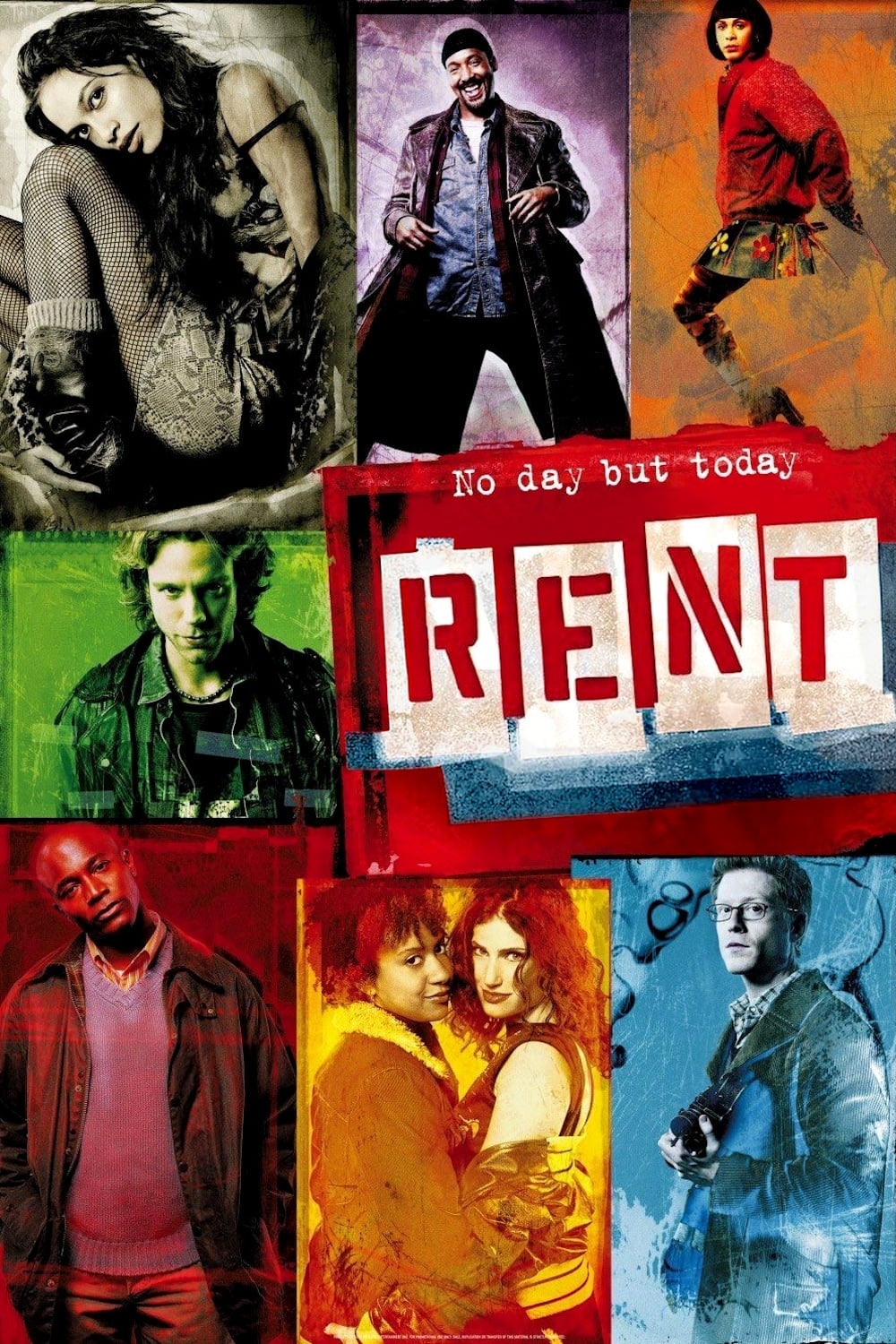
This musical adaptation follows a group of bohemians living in New York City during the AIDS crisis. The plot features multiple queer characters who deal with poverty and terminal illness. One of the most beloved characters dies midway through the story, which serves as a major emotional turning point for the group. The focus on illness and death defines much of the character arcs. This approach has been criticized for making suffering the primary identifier of the queer experience.
‘Holding the Man’ (2015)

The film tells the story of two men who fall in love in high school and remain together for over a decade. Both characters eventually contract HIV, and the latter half of the film focuses on their deteriorating health. The plot follows their journey toward death in a very detailed and somber manner. While it is based on a true story, the narrative structure emphasizes the tragedy of their situation above all else. This focus creates a deeply mournful tone that dominates the movie.
‘Prayers for Bobby’ (2009)

This television movie explores the relationship between a religious mother and her gay son. The son eventually dies by suicide because of the lack of acceptance from his family and church. The remainder of the plot follows the mother as she learns to accept her son after it is too late. The tragedy of the son is used primarily as a tool for the emotional development of the mother. This narrative choice centers the experience of the parent over the life of the queer child.
‘Freeheld’ (2015)

The story follows a police officer who is diagnosed with terminal cancer and fights to leave her pension to her domestic partner. The entire plot is centered on the impending death of one protagonist and the legal struggle that follows. The relationship is defined by the tragedy of the illness and the unfairness of the legal system. Critics noted that the film feels more like a political statement than a character study. The tragedy is the primary engine for the narrative.
‘The Normal Heart’ (2014)

Set during the onset of the AIDS crisis in New York City, the film depicts the desperate fight for medical recognition and help. Many of the characters are shown suffering or dying from the disease throughout the runtime. The plot uses these tragedies to illustrate the government indifference of the era. The constant loss of life creates a sense of hopelessness for the protagonists. It is a stark depiction of a historical tragedy that relies on frequent death scenes.
‘Bohemian Rhapsody’ (2018)

This biopic of Freddie Mercury covers the rise of the band Queen and the personal life of its lead singer. The narrative frames Mercury’s queer identity and lifestyle as a source of conflict and eventual tragedy. His diagnosis with AIDS is used as a somber climax to his personal journey. Some viewers felt the film moralized his illness by linking it to his separation from the band. The tragedy is used to provide a poignant ending to his public career.
‘Cruising’ (1980)
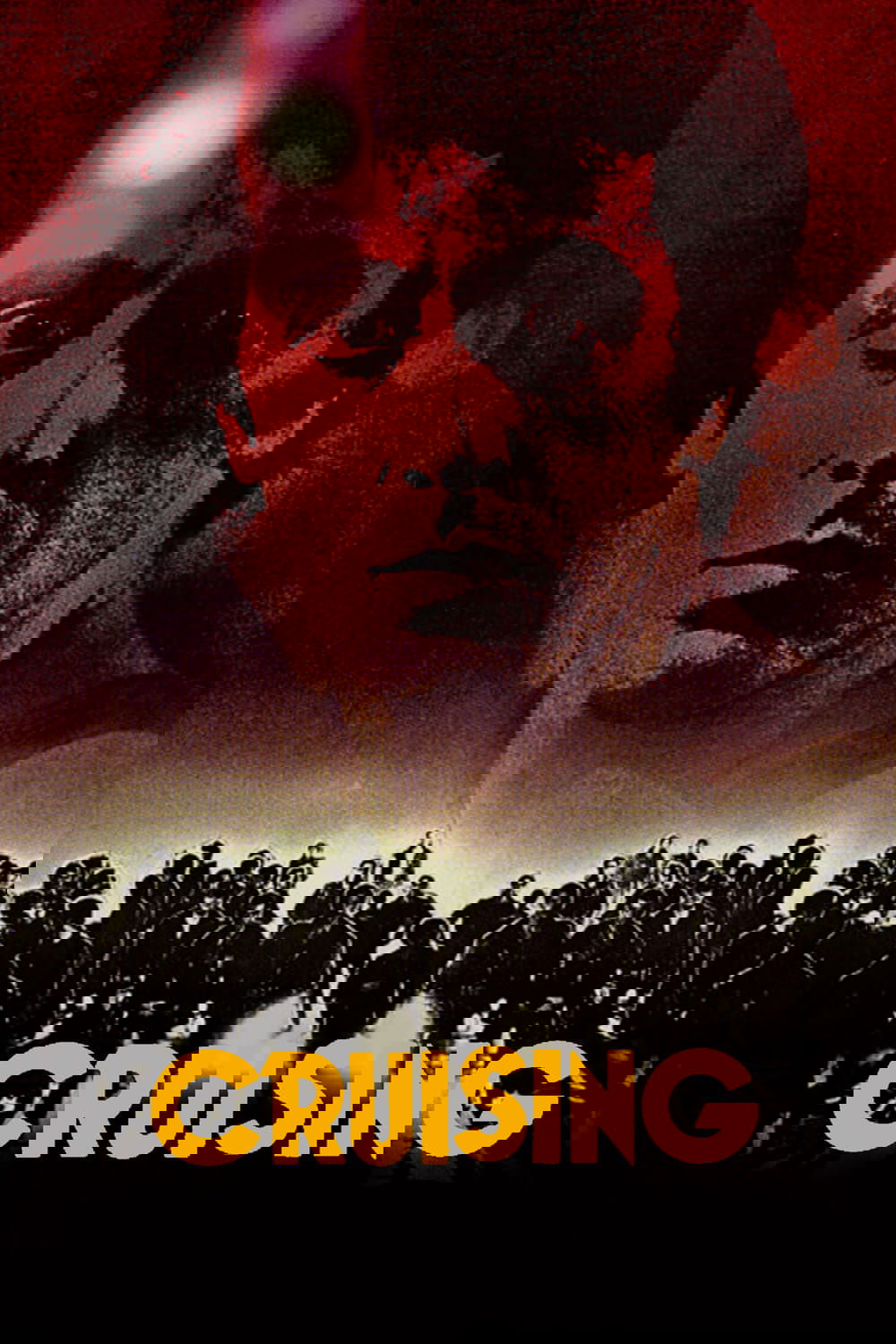
A police officer goes undercover in the underground leather scene of New York City to find a serial killer. The film depicts the queer community as a dark and dangerous world filled with violence. Many queer characters are murdered graphically to establish the stakes of the investigation. The plot associates queer spaces with inherent tragedy and death. This portrayal caused significant protests at the time of its release.
‘Mysterious Skin’ (2004)

The film follows two young men who deal with the long term effects of childhood sexual abuse. Their adult lives are marked by trauma, prostitution, and emotional instability. The narrative explores the deep psychological scars left by these experiences without offering much hope for recovery. The tragedy of their past is the sole defining characteristic of their present lives. It is a heavy look at the intersection of queer identity and profound trauma.
‘Lilting’ (2014)

The story focuses on a mother grieving her son and her attempt to connect with his secret lover. The entire plot is built on the tragedy of a sudden death that has already occurred before the film begins. The characters spend the movie navigating their shared sorrow and cultural barriers. The queer relationship is only explored through the lens of loss and missed opportunities. The tragedy acts as the only bridge between the two main characters.
‘Firebird’ (2021)

Set in the Soviet Air Force during the Cold War, the film depicts a secret affair between a private and a fighter pilot. The constant threat of discovery creates a narrative of tension and ultimate heartbreak. One of the characters eventually dies in a crash, ending the possibility of a shared future. This conclusion follows the traditional path of denying queer characters a happy ending in historical dramas. The tragedy is used to emphasize the oppressive nature of the setting.
‘Tea and Sympathy’ (1956)
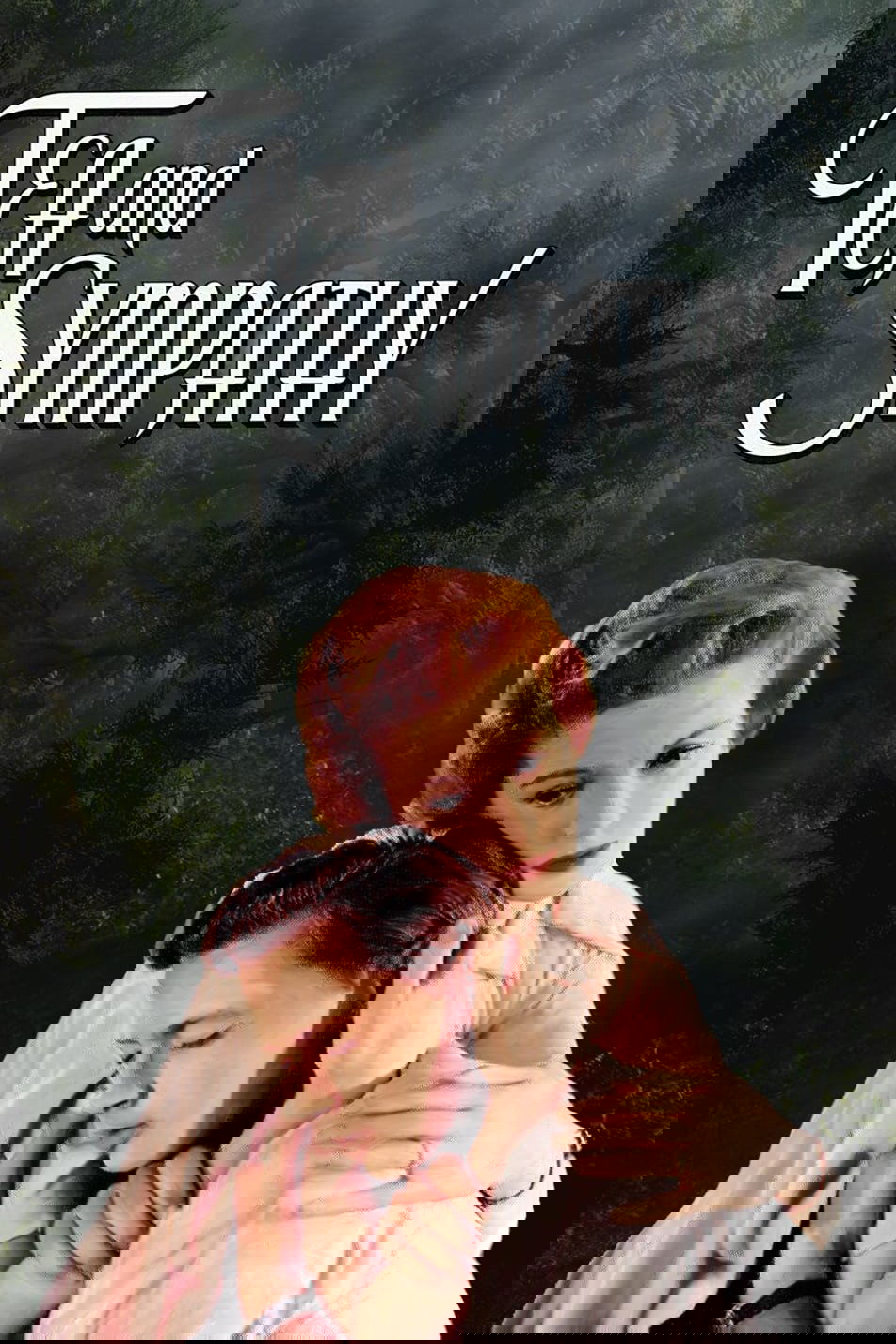
A sensitive prep school student is bullied and questioned about his masculinity by his peers and father. The plot centers on his mistreatment and the attempts to make him conform to traditional male roles. The story frames his experience as a tragedy of misunderstanding and social pressure. While he does not die, his life is defined by the pain of not fitting in. The resolution involves a scandalous encounter intended to prove his heterosexuality.
‘The Fox’ (1967)

Two women living on an isolated farm have their relationship disrupted by the arrival of a male stranger. The tension between the characters leads to a tragic accident where one of the women is killed by a falling tree. This death conveniently removes the obstacle for the remaining woman to be with the man. The plot uses the death of a queer character to resolve a romantic conflict in favor of a heterosexual pairing. It is a classic example of disposing of queer characters to simplify the story.
‘Reflections in a Golden Eye’ (1967)

Set on a military base, the film explores the repressed desires and obsessions of several characters. A major plot point involves an army officer who struggles with his attraction to another man. The story ends in a violent outburst that results in multiple deaths. The narrative suggests that the suppression of these feelings leads naturally to tragedy and destruction. This focus on the dark consequences of queer identity was common in mid century cinema.
‘My Own Private Idaho’ (1991)

The film follows two young street hustlers as they travel in search of meaning and family. One character deals with unrequited love and a debilitating physical condition while living in poverty. The narrative ends with him being left alone on a deserted highway in a state of uncertainty. The plot emphasizes his isolation and the tragic nature of his transient lifestyle. His journey is marked by constant rejection and emotional hardship.
‘American Beauty’ (1999)

A supporting character is a repressed military veteran who lives next door to the protagonist. His struggle with his own queer identity leads him to commit a murder out of shame and confusion. The narrative uses his internal tragedy as the final explosive plot point of the movie. His identity is framed as a dangerous secret that causes the ultimate downfall of the main character. This portrayal links queer repression directly to senseless violence.
‘Skyfall’ (2012)

The villain of this Bond film is a former agent who is portrayed with many queer coded traits. His tragic backstory involves being abandoned and tortured by his former employer. His character is eventually killed off at the end of the movie as part of the hero’s victory. The narrative uses his trauma and ambiguous sexuality to create an unsettling antagonist. His death serves as a resolution to the chaos he caused throughout the plot.
‘The Silence of the Lambs’ (1991)

This thriller features a serial killer who is portrayed with traits associated with gender nonconformity. The narrative links his psychological instability and violent tendencies to his identity struggles. Critics have long argued that this association uses queer identity as a source of horror and tragedy. The character becomes a vessel for societal fears rather than a fully realized human being. His death at the end provides a traditional resolution for the straight protagonists.
‘Cruel Intentions’ (1999)

A side plot involves a young woman who is outed and shamed as part of a cruel game between the lead characters. Her trauma and public humiliation are used to show the ruthlessness of the antagonists. She is treated as a pawn in the narrative rather than a person with her own agency. The plot moves on quickly after her life is disrupted for the sake of the drama. This usage reduces her queer identity to a tool for character development for others.
‘Transamerica’ (2005)

The film follows a trans woman who goes on a road trip with the son she never knew she had. Much of the plot is driven by the son’s struggles with substance abuse and the mother’s fear of rejection. The narrative focuses on the awkward and often painful interactions between the two characters. The protagonist faces various forms of discrimination and physical threats throughout the journey. The story is built on a foundation of family tragedy and personal struggle.
‘Blue Is the Warmest Color (2013)’

This coming of age story explores the intense and often volatile relationship between two young women. The plot focuses heavily on their eventual breakup and the deep emotional pain that follows. The narrative depicts the protagonist in a state of prolonged misery and longing after the relationship fails. Many critics felt the film focused excessively on the suffering and sexualization of the characters. The final scenes emphasize the isolation and sadness of the lead.
‘Alexander’ (2004)

The historical epic depicts the life of Alexander the Great and his close relationship with Hephaestion. The plot frames their bond as a source of tragedy as Hephaestion eventually dies, leaving Alexander in a spiral of grief. This loss is used to explain the downfall and eventual death of the great leader. The queer relationship is defined by its tragic conclusion and the impact it has on the male lead. It follows the pattern of using queer death to drive a historical tragedy.
‘Closer’ (2004)

This drama focuses on the intersecting lives of four people in London and their various infidelities. One of the characters is used as a tool for a cruel prank involving a fake online queer identity. The humiliation resulting from this event is used to further the tension between the main heterosexual couples. The queer themes are introduced only to be mocked or used as a source of conflict. The narrative treats these moments as disposable plot points.
‘Bent’ (1997)

The film is set in a concentration camp and follows the relationship between two gay men. The entire story is a relentless depiction of physical and psychological torture under the Nazi regime. The plot moves toward an inevitable and heart wrenching conclusion for both characters. While it documents a real historical tragedy, the film is often cited as an example of extreme queer suffering. The narrative leaves no room for anything other than total despair.
‘A Single Man’ (2009)

The story follows a professor who is planning to end his life following the death of his long term partner. The plot takes place over a single day and is filled with his reflections on loss and the pointlessness of his existence. The central queer relationship is only seen through flashbacks and the lens of grief. The tragedy of the partner’s death is the sole motivation for the entire movie. The film concludes with another sudden tragedy that prevents any future happiness.
‘Call Me by Your Name’ (2017)

This summer romance follows the relationship between a teenager and a visiting scholar in Italy. The plot is celebrated for its beauty but concludes with the inevitable departure of the older man and the heartbreak of the youth. The final scene shows the protagonist crying in front of a fireplace as he processes the end of the affair. Critics note that while the film is not as violent as others, it still relies on the tragedy of parting as its emotional peak. The sorrow of the ending is the most famous aspect of the narrative.
‘Thirteen’ (2003)

The film explores the downward spiral of a young girl influenced by a rebellious peer. Their relationship includes sexual experimentation that is depicted as a sign of chaos and moral decline. The narrative treats their queer encounter as part of a larger pattern of self destructive behavior. This framing suggests that queer discovery is inherently tragic or harmful. The plot moves toward a conclusion centered on recovery from these influences.
‘Basic Instinct’ (1992)

This erotic thriller features multiple queer and bisexual female characters who are portrayed as dangerous and murderous. The plot uses their sexuality to create an atmosphere of mystery and threat for the male protagonist. Most of the queer characters are either villains or victims who die during the course of the investigation. The narrative associates queer identity with deviance and inevitable violence. This portrayal has been a point of contention for many years.
Tell us which films you believe handle these themes with the most sensitivity in the comments.