


Movies So Anti-Male They Sparked Massive Online Boycotts

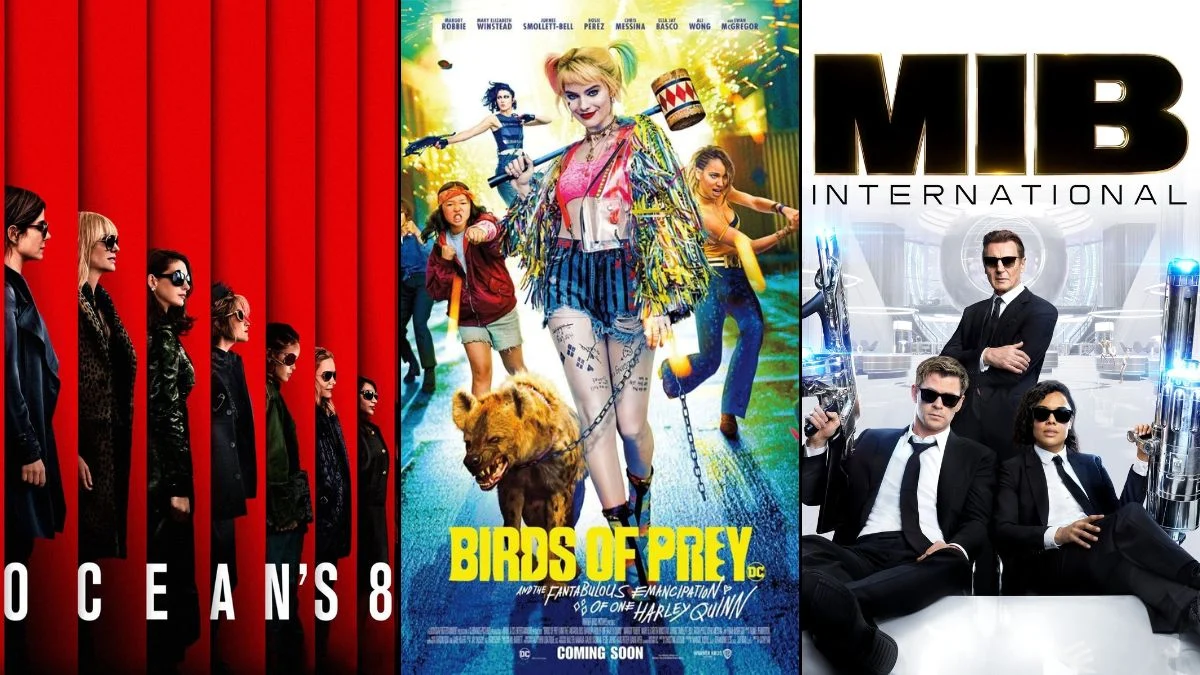


Hollywood frequently faces intense scrutiny from internet communities that believe modern cinema prioritizes political agendas over storytelling. A growing segment of the audience often criticizes films for allegedly sidelining male characters or portraying them in a negative light to elevate female protagonists. These controversies often manifest as organized down-voting campaigns or hashtags encouraging viewers to skip the theatrical release entirely. The following films ignited significant online firestorms due to perceptions of anti-male sentiment or forced diversity.
‘Ghostbusters’ (2016)
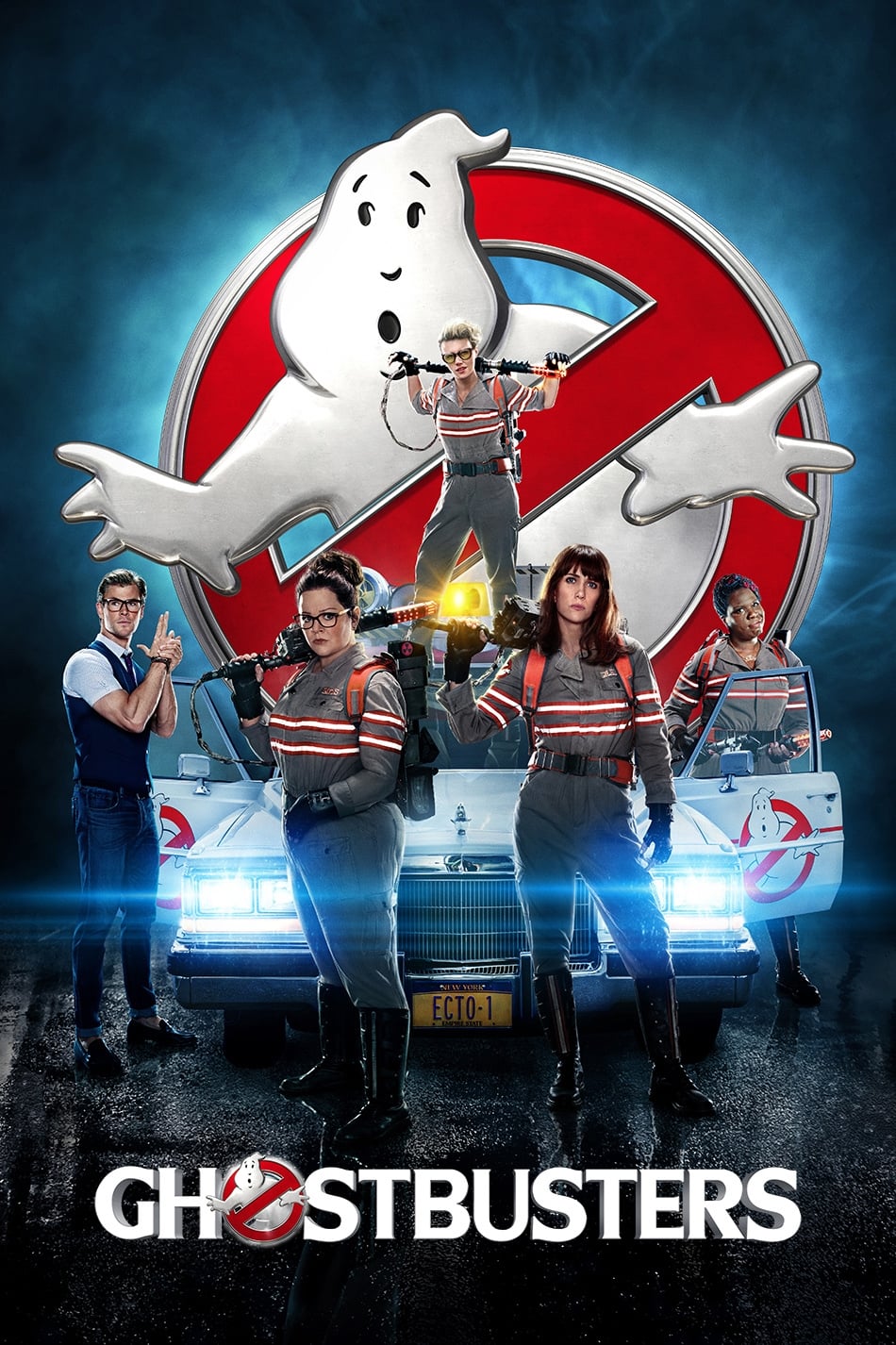
The decision to reboot this beloved 1980s franchise with an all-female cast triggered an immediate and vitriolic backlash across social media. Critics argued that replacing the original male team with women was a gimmick that disrespected the source material. The first trailer became one of the most disliked videos in YouTube history as fans expressed their disapproval in the comments section. Cast members and director Paul Feig faced relentless harassment from those who felt the gender swap was a calculated attack on the original fanbase.
‘Captain Marvel’ (2019)
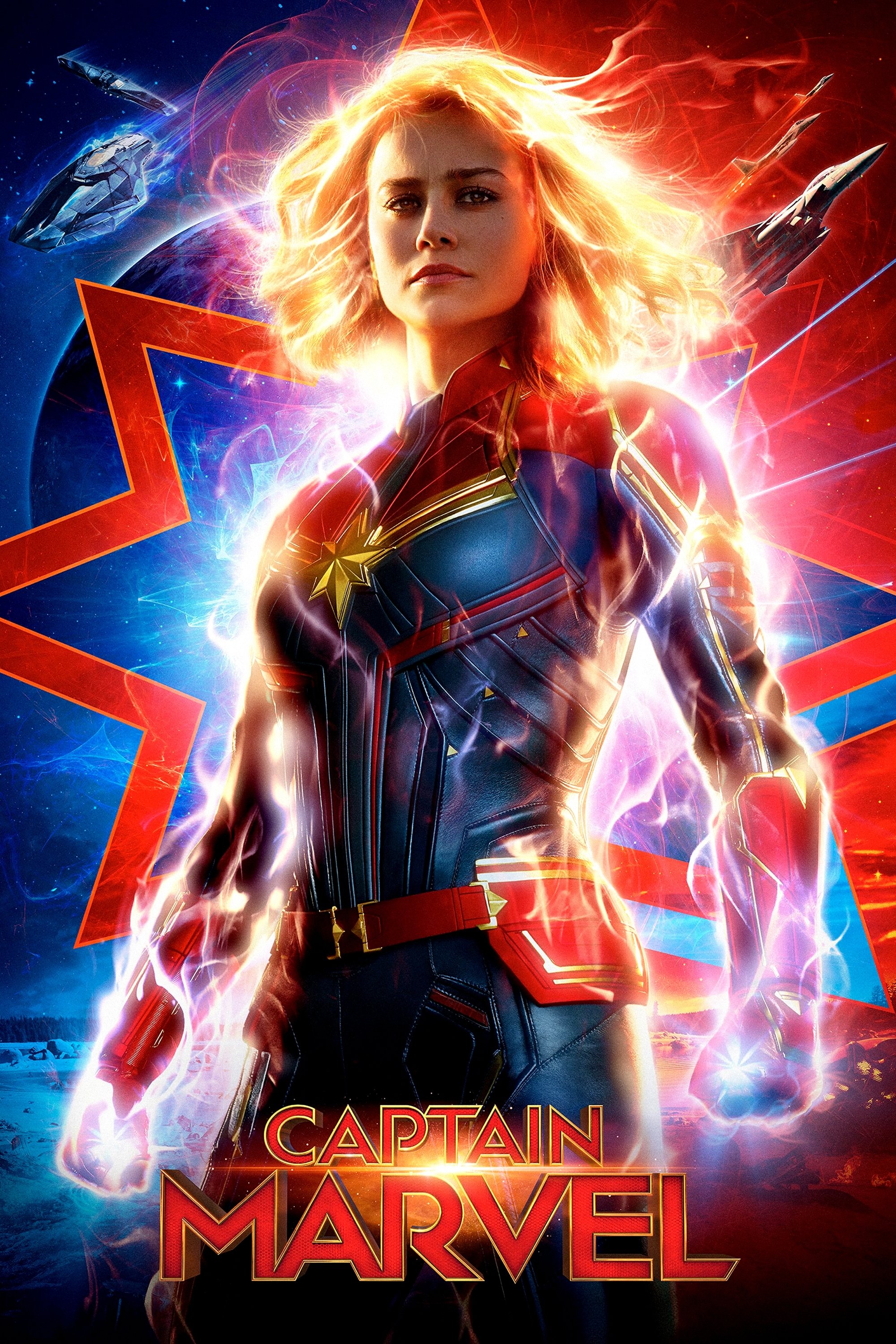
Brie Larson faced a wave of hostility leading up to the release of ‘Captain Marvel’ due to comments she made regarding press tour diversity. Online groups interpreted her desire for more inclusive critics as an attack on white male reviewers. This perception led to a preemptive review-bombing campaign on Rotten Tomatoes before the movie arrived in theaters. The discourse focused heavily on the idea that the film was marketing feminism aggressively at the expense of its male audience.
‘Barbie’ (2023)
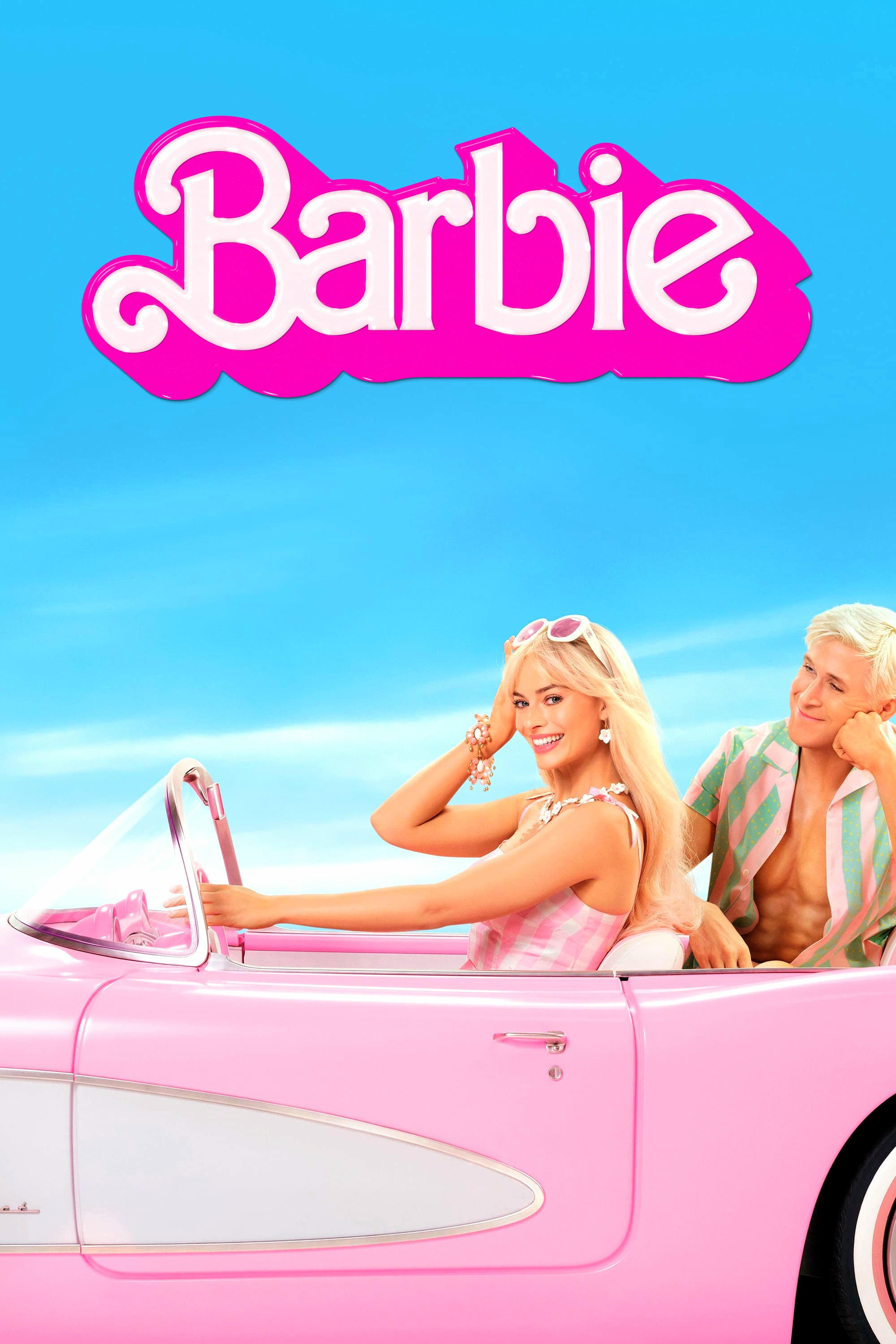
Director Greta Gerwig crafted a candy-colored satire that many conservative commentators labeled as direct anti-male propaganda. The film depicts the Kens as subservient accessories who exist only to seek validation from the Barbies. Several high-profile pundits urged their followers to boycott the movie because they felt it humiliated men and demonized the concept of patriarchy. Despite the vocal opposition and burning of dolls in protest the film shattered box office records globally.
‘Star Wars: The Last Jedi’ (2017)

Rian Johnson directed a chapter in the Skywalker saga that divided the fanbase like never before. Many viewers took issue with the portrayal of Luke Skywalker as a cynical hermit who had given up on the Jedi Order. The introduction of Vice Admiral Holdo and her conflict with Poe Dameron was interpreted by some as a lecture on toxic masculinity. Harassment campaigns targeted the cast and crew as angry fans claimed the film deliberately subverted male heroism.
‘The Marvels’ (2023)
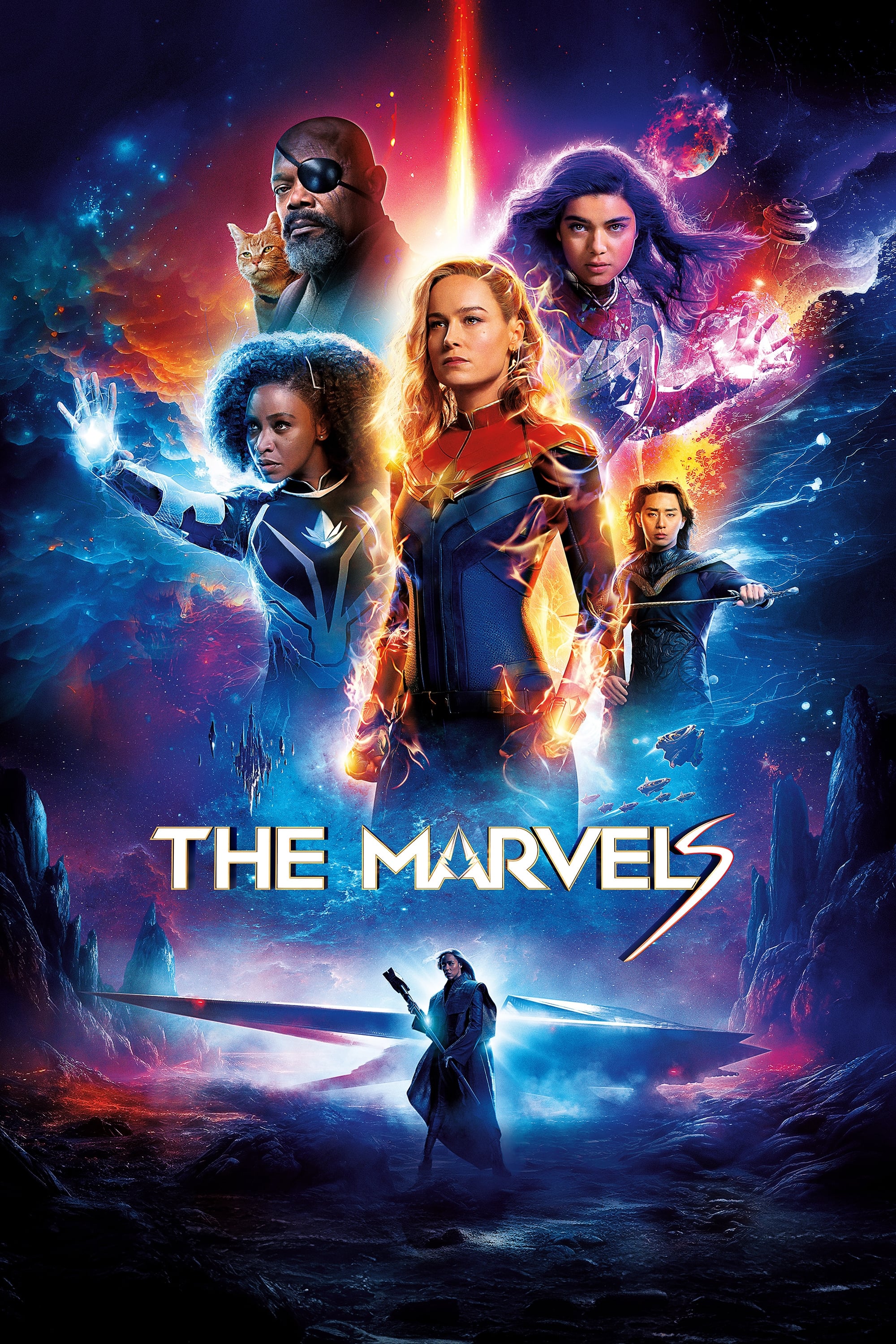
This sequel faced an uphill battle as it featured three female leads and continued the storylines of divisive characters. Online rhetoric centered on the phrase “M-She-U” and claimed that Marvel was systematically replacing male heroes with women. Box office tracking was plagued by negativity from YouTubers who predicted the film would fail due to its focus on female empowerment. The discourse surrounding the movie highlighted the deepening rift between the studio’s creative direction and a vocal segment of its audience.
‘Terminator: Dark Fate’ (2019)
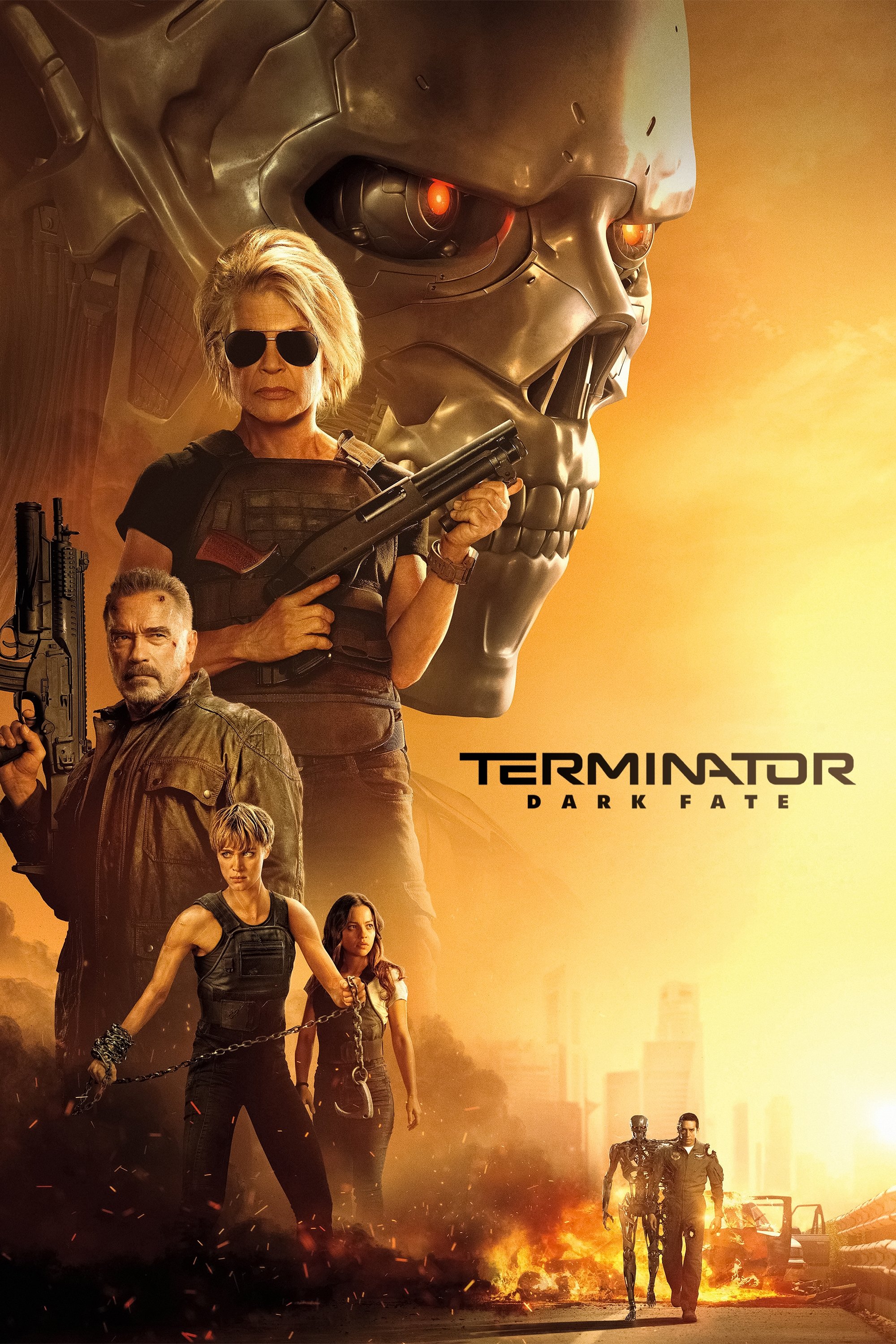
Fans of the franchise reacted negatively to the opening scene that unceremoniously killed off John Connor. The narrative replaced the male savior figure with a new female protector and a female resistance leader. Original director James Cameron and star Linda Hamilton faced criticism for comments that suggested the new film would frighten misogynists. This aggressive marketing stance alienated male viewers who felt the franchise was betraying its core legacy characters.
‘Charlie’s Angels’ (2019)
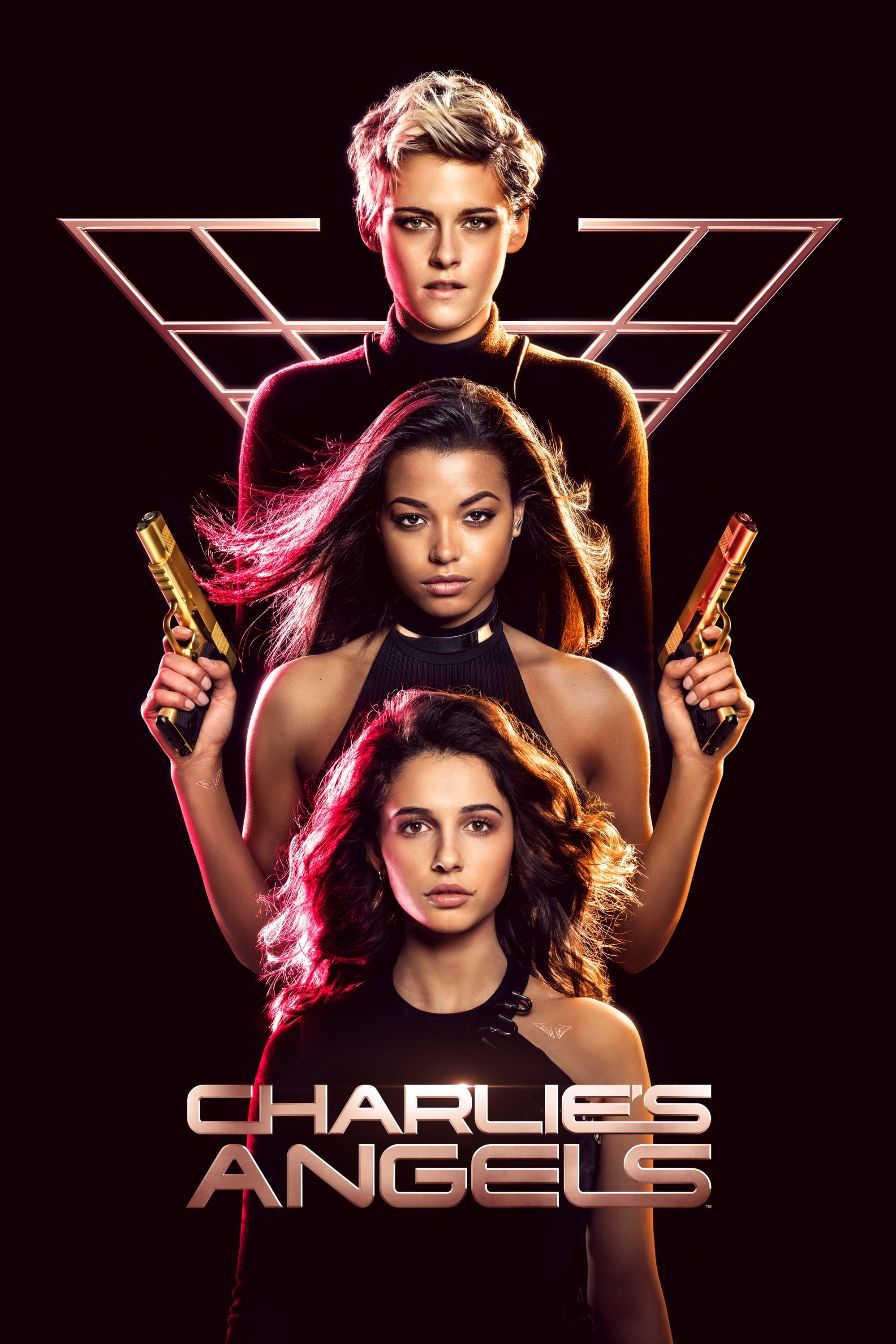
Elizabeth Banks wrote and directed this continuation of the spy franchise with a clear focus on female agency. The marketing campaign emphasized that the Angels could function without the oversight of a singular male Charlie figure. Banks sparked controversy prior to the release by suggesting that men do not support female-led action movies. When the film underperformed at the box office many online detractors claimed it was a direct result of alienating the male demographic.
‘Indiana Jones and the Dial of Destiny’ (2023)
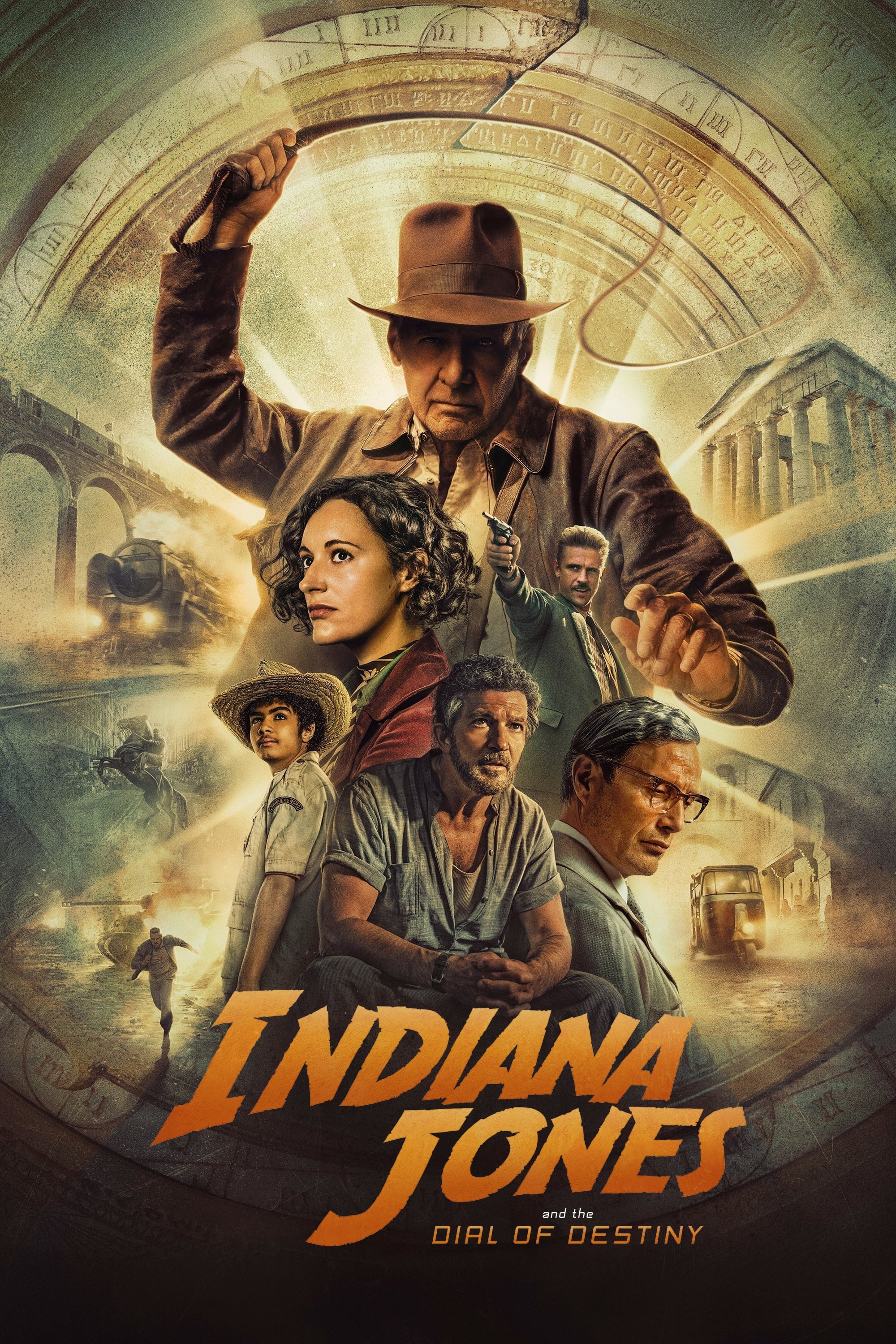
The inclusion of Phoebe Waller-Bridge as the goddaughter of the titular hero raised concerns among skeptical fans long before the premiere. Leaks and rumors suggested that her character Helena Shaw would humiliate Indiana Jones and take over the franchise. Viewers complained that the film deconstructed the iconic hero to make him a depressed and broken man. The backlash focused on the perception that a classic male icon was being dismantled to prop up a new female lead.
‘Mad Max: Fury Road’ (2015)
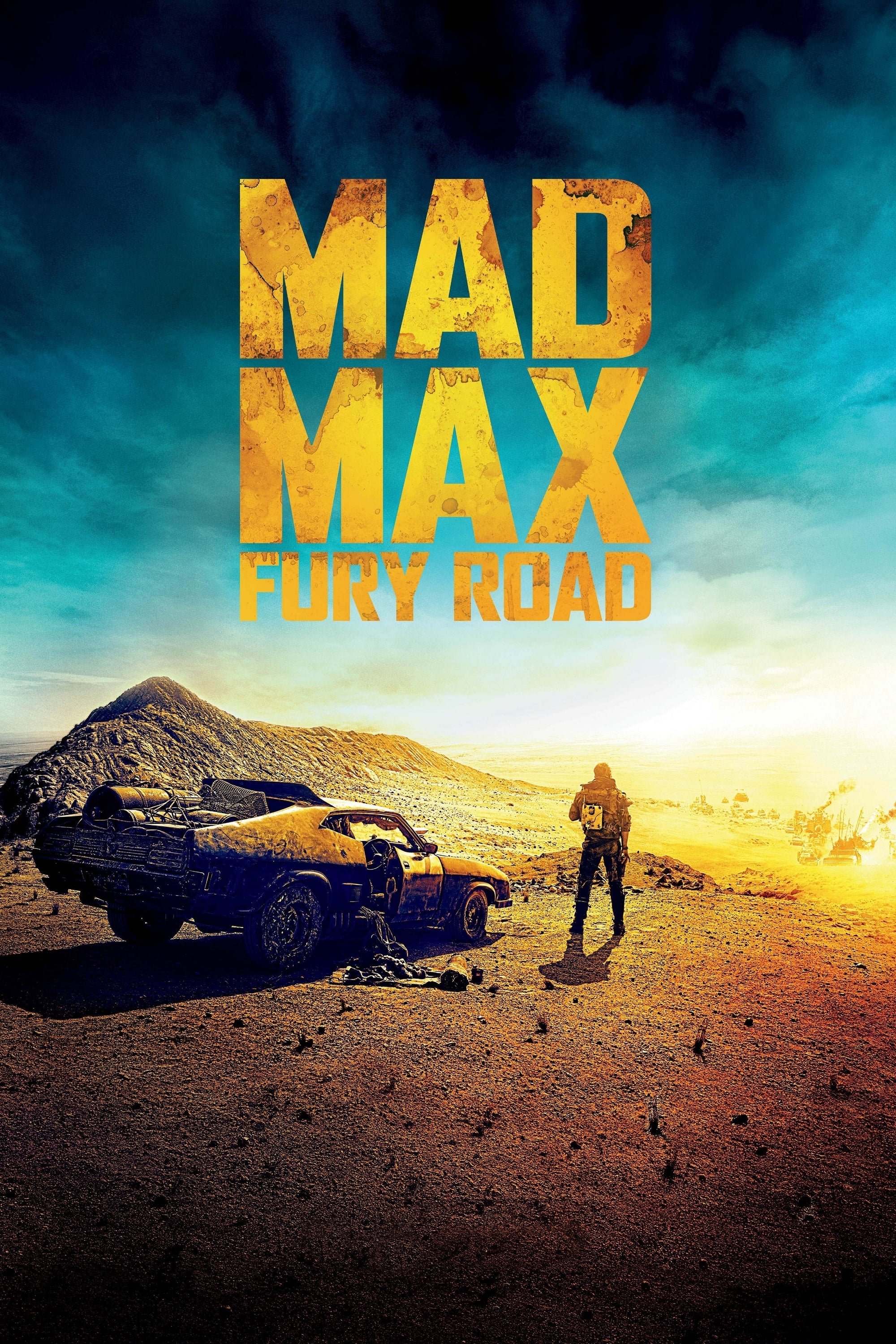
Men’s rights activists called for a boycott of this action film after early reviews revealed the prominence of Charlize Theron’s character. They argued that the movie duped audiences into watching a feminist lecture disguised as a high-octane blockbuster. The complaints centered on Max being a secondary character in his own movie while Furiosa drove the plot. Despite the organized online opposition the film received universal critical acclaim and multiple Academy Awards.
‘Ocean’s Eight’ (2018)
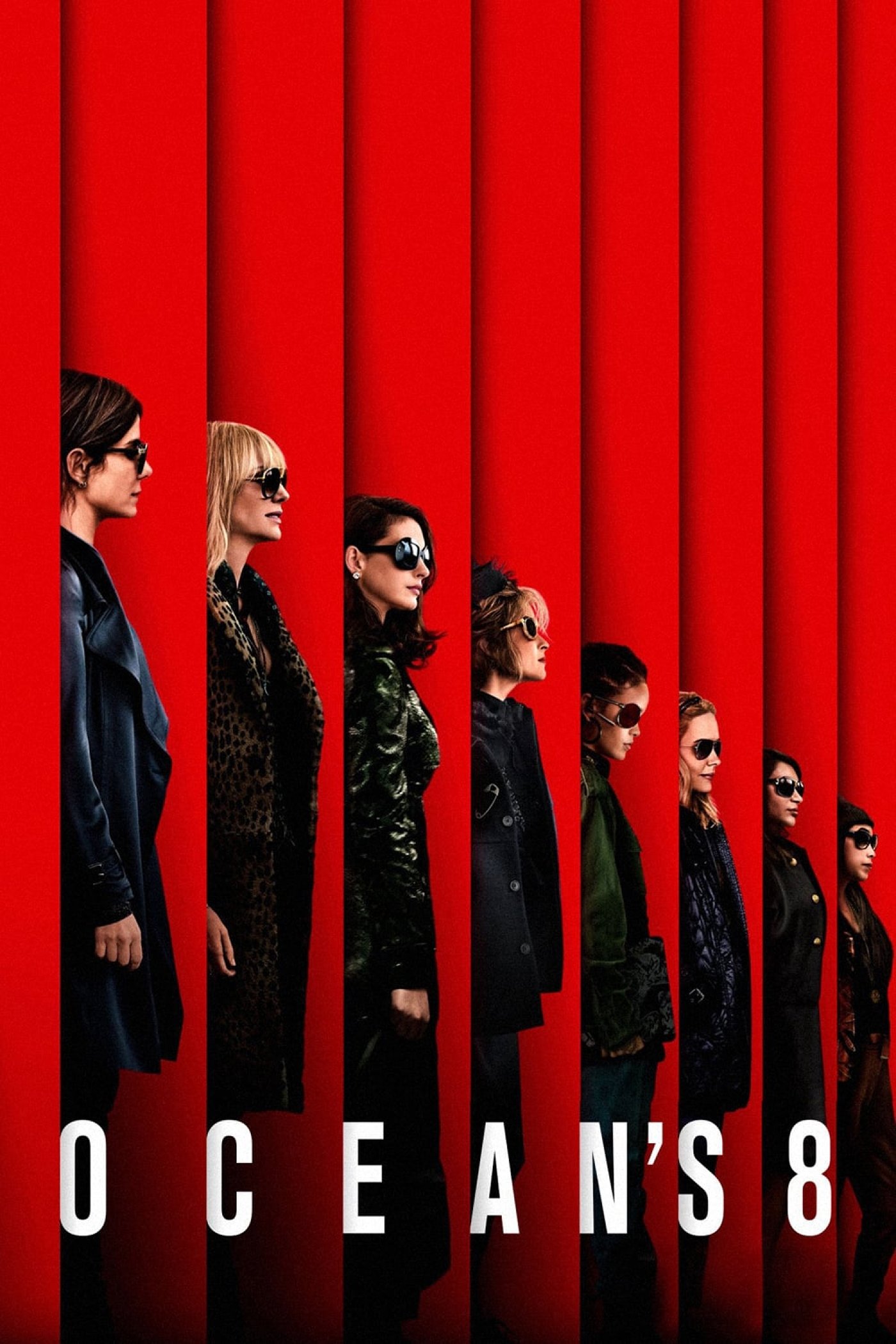
This spinoff replaced the suave male ensemble of the original trilogy with an all-female crew of thieves. Detractors viewed the gender-flipped casting as a lazy attempt to capitalize on an established brand without creating original stories for women. Online forums filled with comments predicting the heist film would lack the chemistry and charm of the male-led predecessors. The project was frequently cited as a primary example of Hollywood’s obsession with rebooting male properties for female audiences.
‘Thor: Love and Thunder’ (2022)
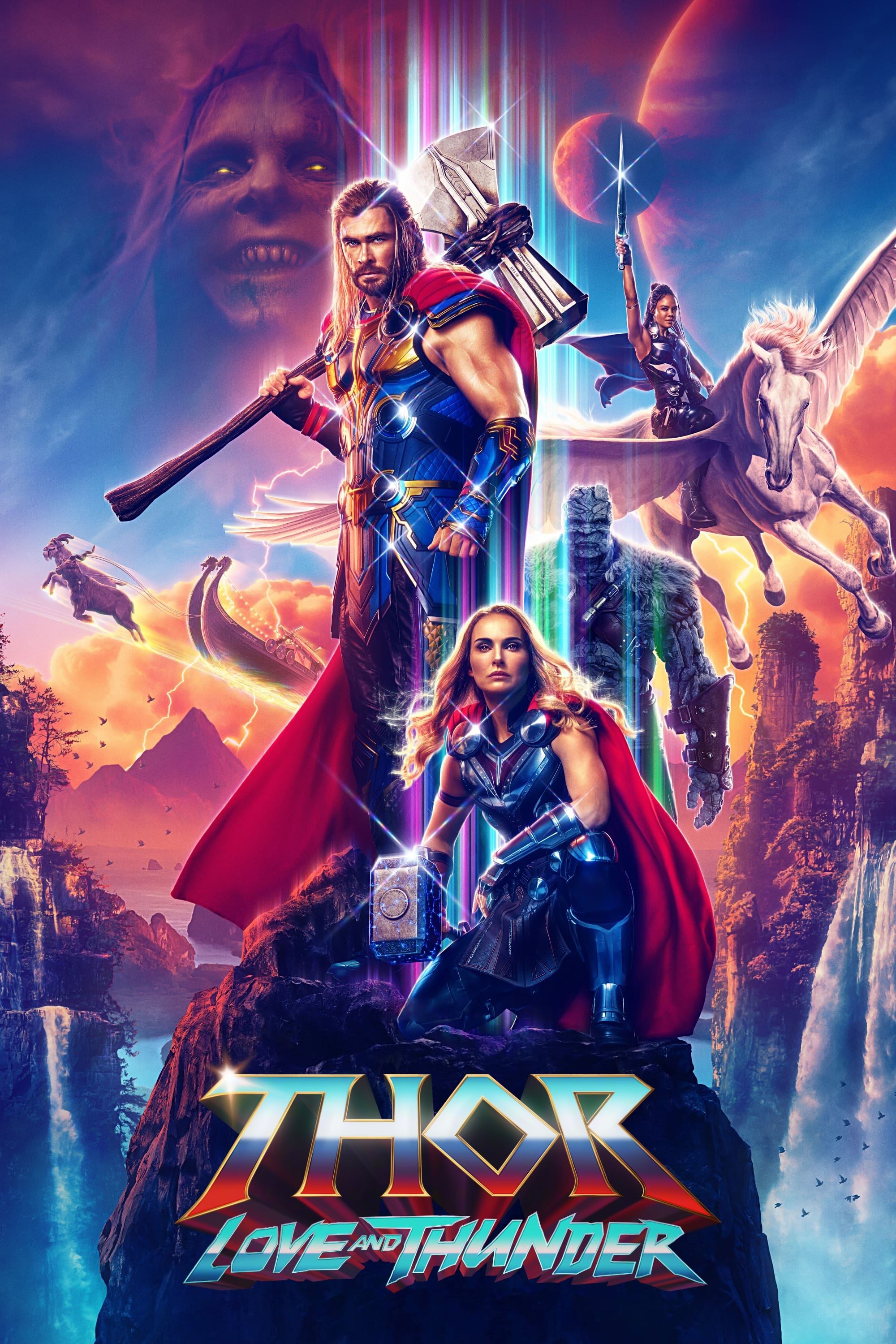
Taika Waititi returned to the franchise with a film that saw Jane Foster wield the magical hammer Mjolnir. Some fans felt the movie emasculated Thor by portraying him as an incompetent buffoon compared to the capable Mighty Thor. The comedic tone was criticized for undercutting the seriousness of the male hero while elevating his female counterpart. This dynamic fueled arguments that the Marvel Cinematic Universe was actively working to diminish its original male avengers.
‘Black Widow’ (2021)
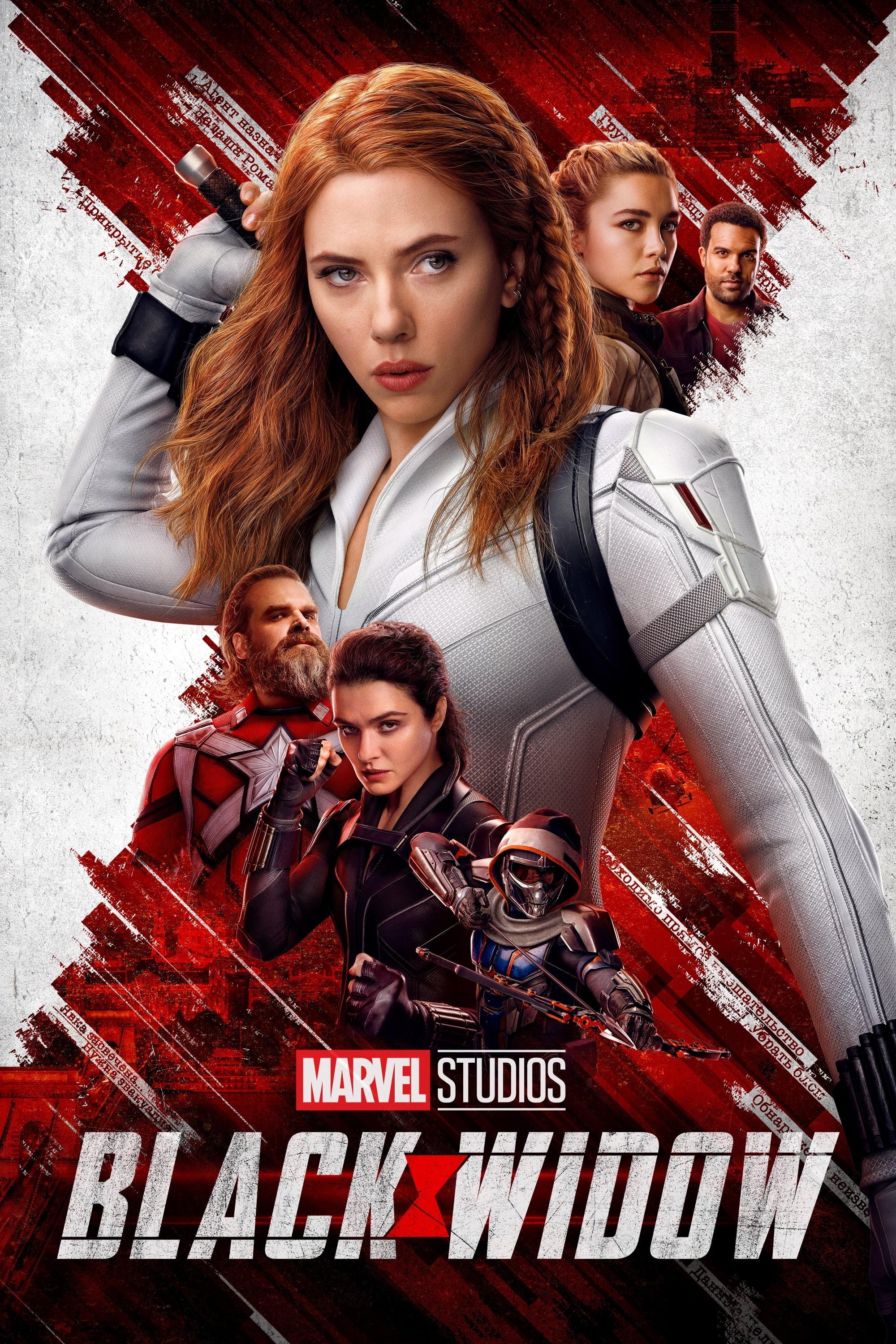
The long-awaited solo film for Natasha Romanoff faced scrutiny for its handling of the villain Taskmaster. Fans of the comic books were upset that the mercenary was gender-swapped from a male character to a female one. The storyline involving the Red Guardian was also criticized for turning a super soldier into a comedic punchline. These creative choices were cited by critics as further evidence of the studio erasing male competency from the narrative.
‘No Time to Die’ (2021)
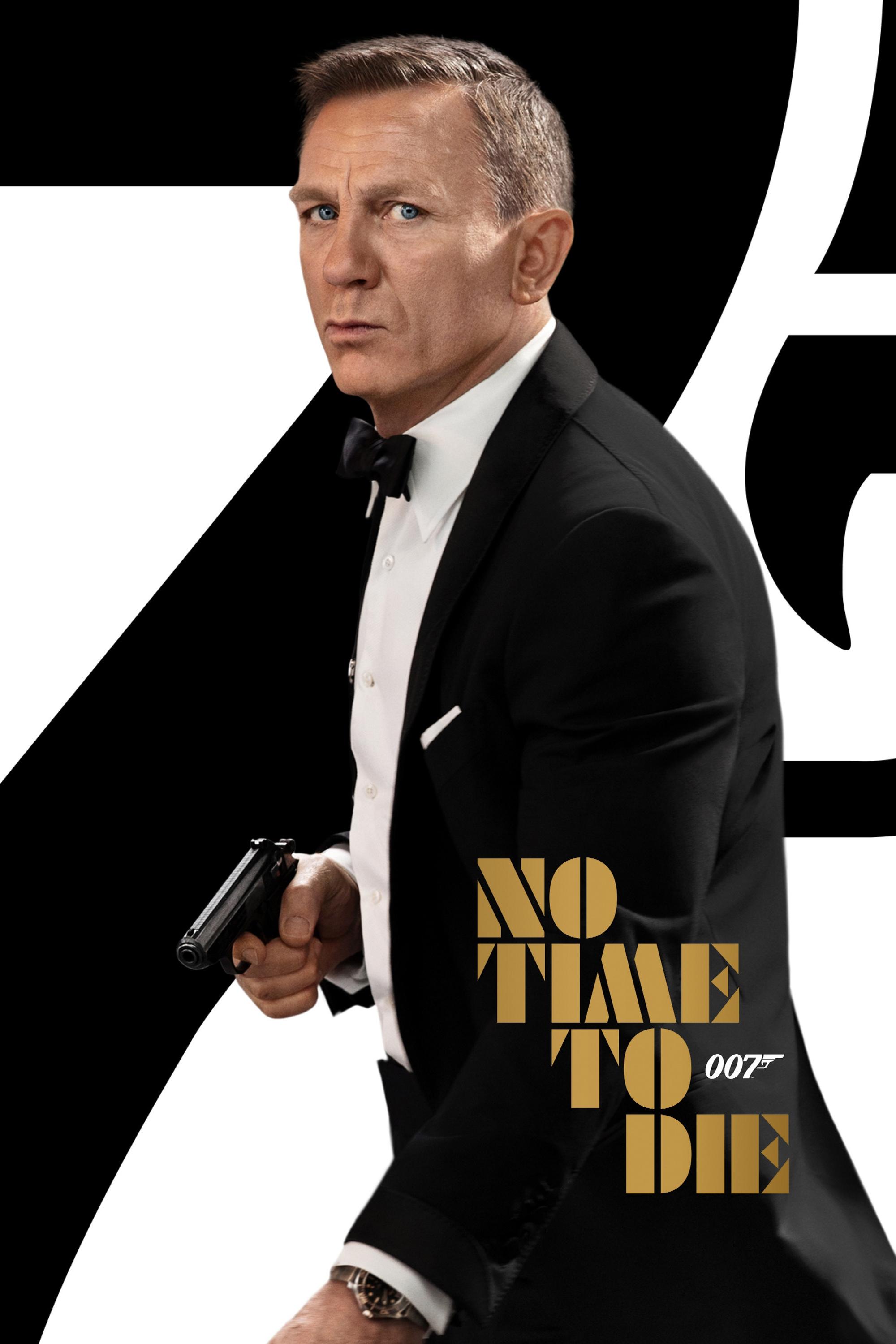
Rumors that a Black woman would inherit the 007 codename sparked outrage well before the film reached cinemas. Traditionalists argued that James Bond and the 007 designation should belong exclusively to a male character. The introduction of Nomi as a highly capable agent who challenges Bond was seen by some as an attempt to lecture the audience on modernity. The eventual release saw the character Nomi voluntarily return the title but the initial backlash remained a significant talking point.
‘Prey’ (2022)

This prequel to the ‘Predator’ franchise featured a young Comanche woman battling the alien hunter with primitive weapons. Skeptics online argued that it was unrealistic for a small woman to defeat a creature that had bested heavily armed male soldiers. The film was mockingly referred to as “woke” fantasy by those who refused to accept the premise of skill overcoming brawn. Despite the review-bombing attempts the movie became the biggest premiere in the history of the Hulu streaming service.
‘Men in Black: International’ (2019)

The fourth installment in the sci-fi comedy series paired Chris Hemsworth with Tessa Thompson. A specific line of dialogue where Thompson’s character jokes about changing the name to “Men and Women in Black” drew sharp ire. Internet commentators seized on this moment as proof that the script prioritized political correctness over humor. The film struggled critically and commercially with many blaming the forced insertion of gender politics.
‘The Matrix Resurrections’ (2021)
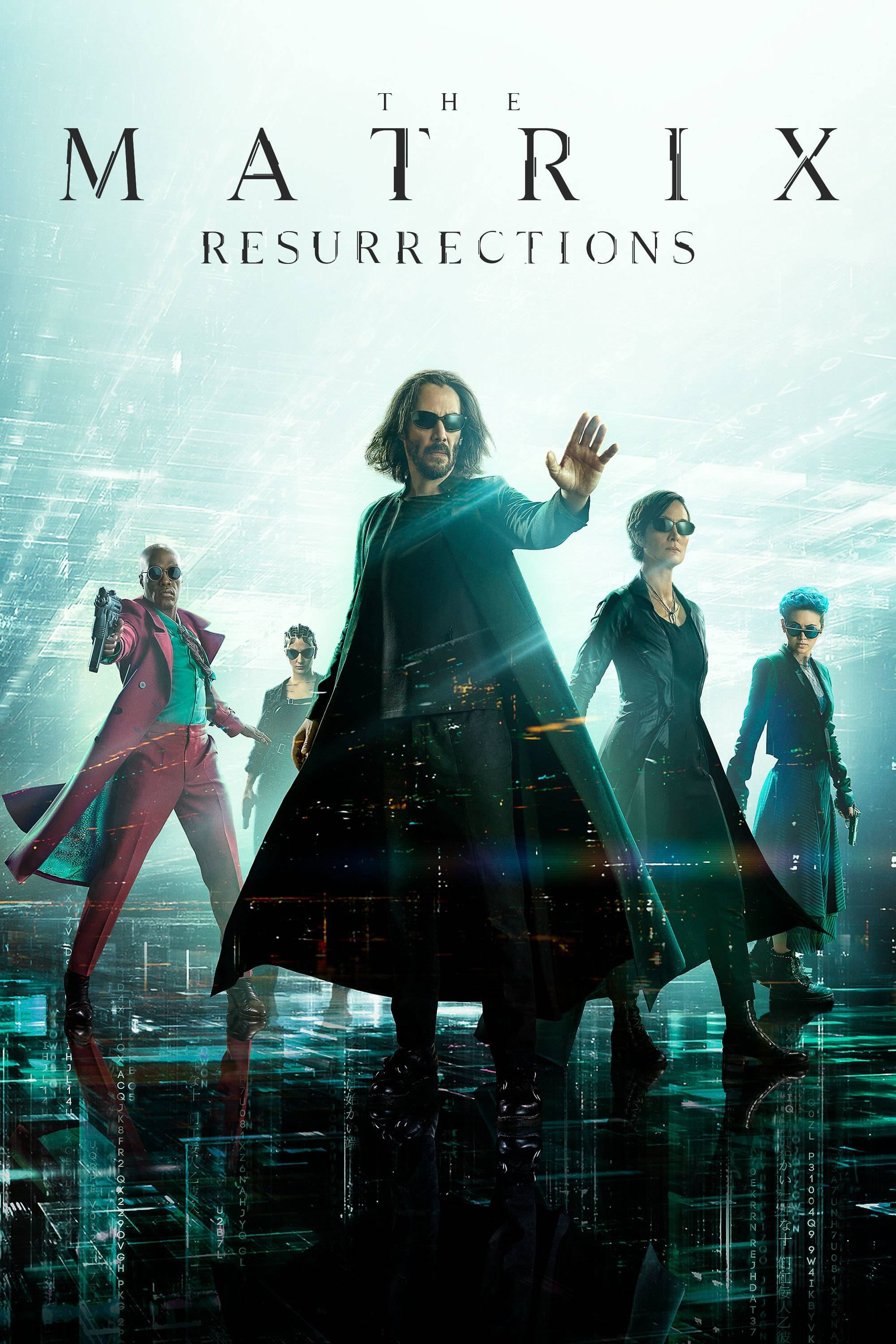
Lana Wachowski returned to the cyberpunk world with a story that significantly empowered the character of Trinity. Some viewers were displeased that Neo appeared weaker and less decisive than his female partner throughout the narrative. The climax reveals that Trinity possesses the same reality-bending powers as the One which angered purists. Critics of the film claimed it retconned the original lore specifically to elevate the female lead above the male protagonist.
‘Birds of Prey’ (2020)
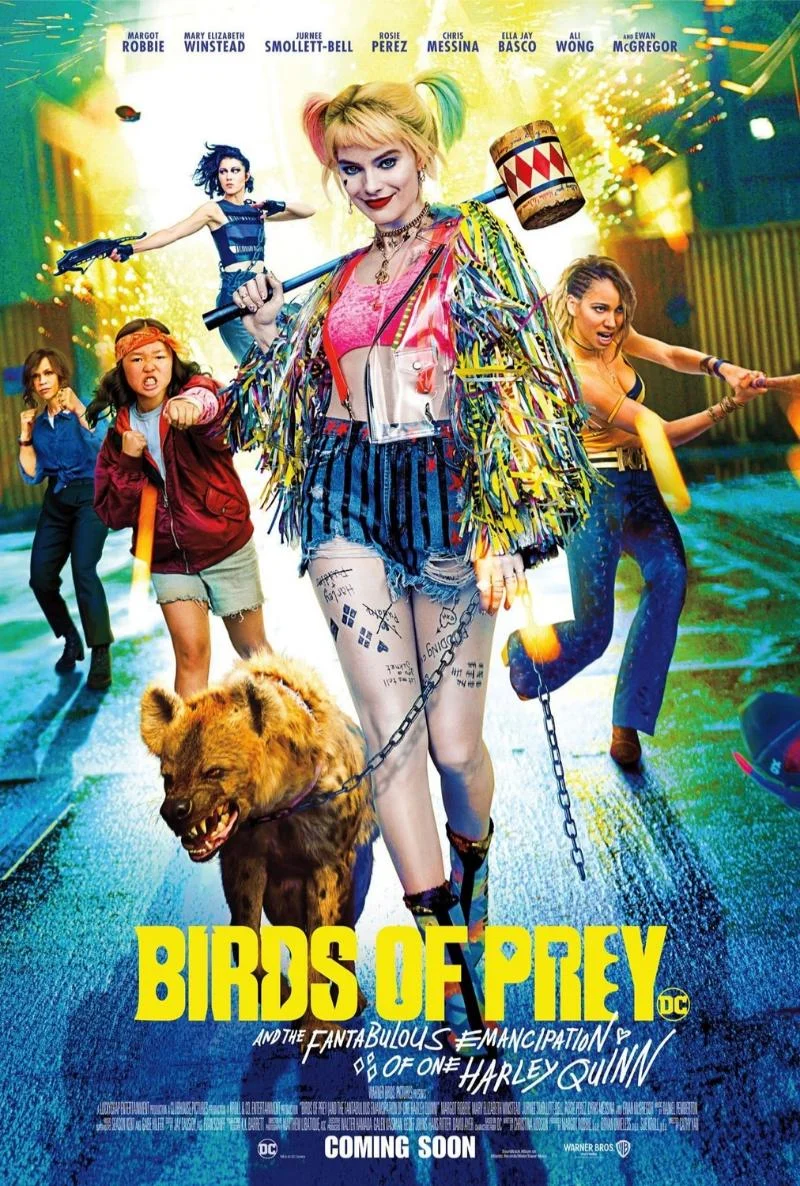
Margot Robbie produced and starred in this R-rated team-up movie that overtly critiqued misogyny within the criminal underworld. The male villains were depicted as grotesque and abusive figures who underestimated the female anti-heroes. Online discussion threads labeled the film as misandrist for its lack of sympathetic male characters. The movie’s box office performance was heavily scrutinized by those eager to declare the “girl boss” genre a failure.
‘Mulan’ (2020)

Disney’s live-action remake removed the character of Li Shang due to concerns about the power dynamics of a commander dating a subordinate. Fans of the original animated film were furious that the primary male love interest and warrior was erased. The decision was viewed as an overcorrection to modern social standards that harmed the story’s integrity. This alteration combined with political controversies involving the cast led to widespread calls to boycott the release.
‘Peter Pan & Wendy’ (2023)
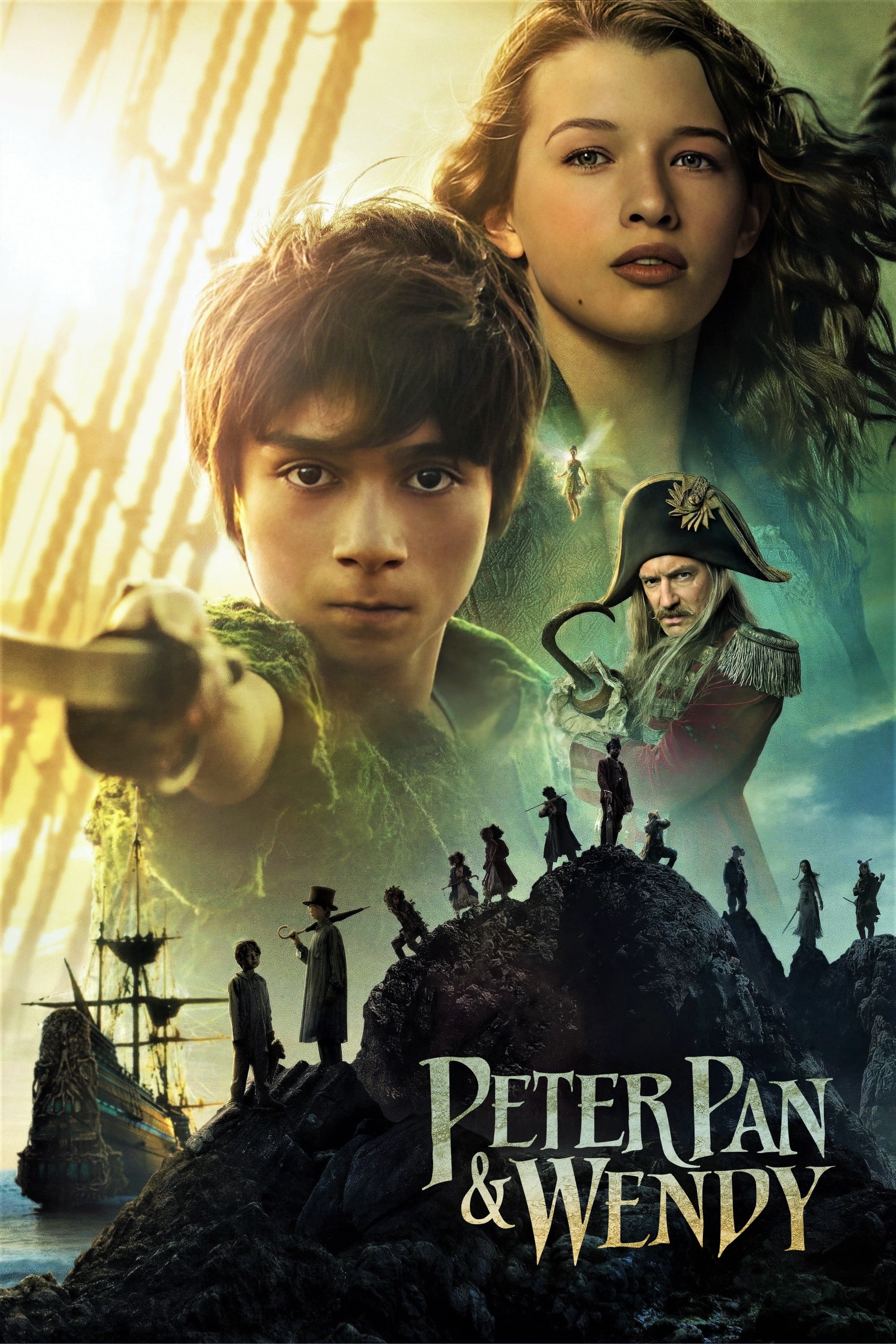
This streaming release faced a barrage of downvotes for including girls among the traditionally all-male Lost Boys. The film explains that the name of the group is outdated but they kept it anyway which annoyed traditionalists. Hook is portrayed with more nuance while Peter Pan was criticized by some as being unlikable and arrogant. The changes were blasted as unnecessary revisions intended to dilute the classic boy-centric adventure.
‘Eternals’ (2021)
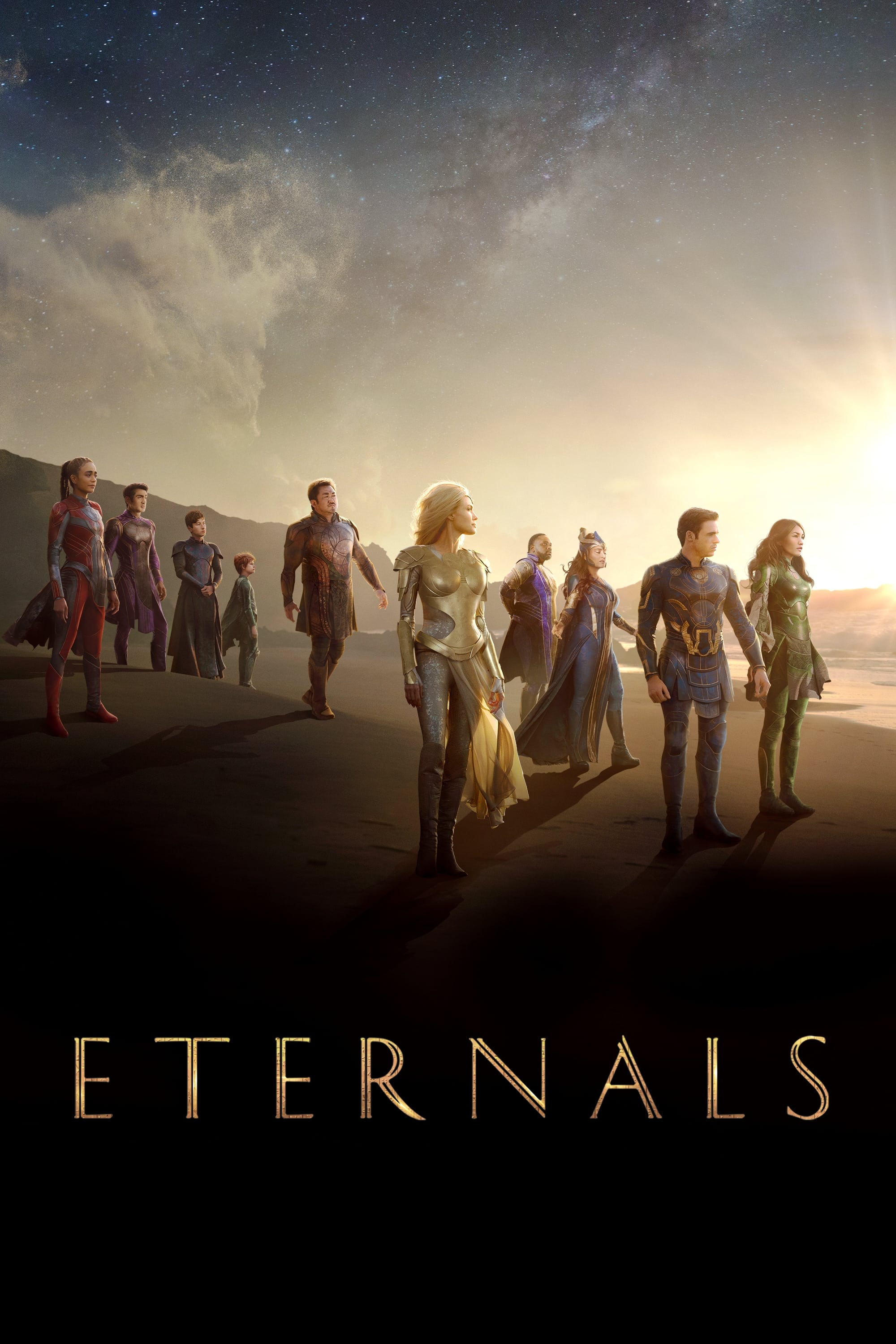
Chloé Zhao directed this ensemble film that changed the genders of several characters from the comic books including Ajak and Sprite. The movie also featured the first gay superhero in the MCU which led to bans in several countries. Online discourse focused on the diverse casting as a box-checking exercise rather than an artistic choice. The film holds one of the lowest audience scores for a Marvel project partially due to this ideological pushback.
‘Enola Holmes’ (2020)

Sherlock Holmes fans took issue with the portrayal of the famous detective and his brother Mycroft in this spinoff. Critics argued that the men were dumbed down or made villainous to make the younger sister appear smarter. The Conan Doyle Estate even filed a lawsuit regarding the emotional depiction of Sherlock. Viewers who preferred the traditional genius of Sherlock felt the film came at the cost of his character’s dignity.
‘The Woman King’ (2022)
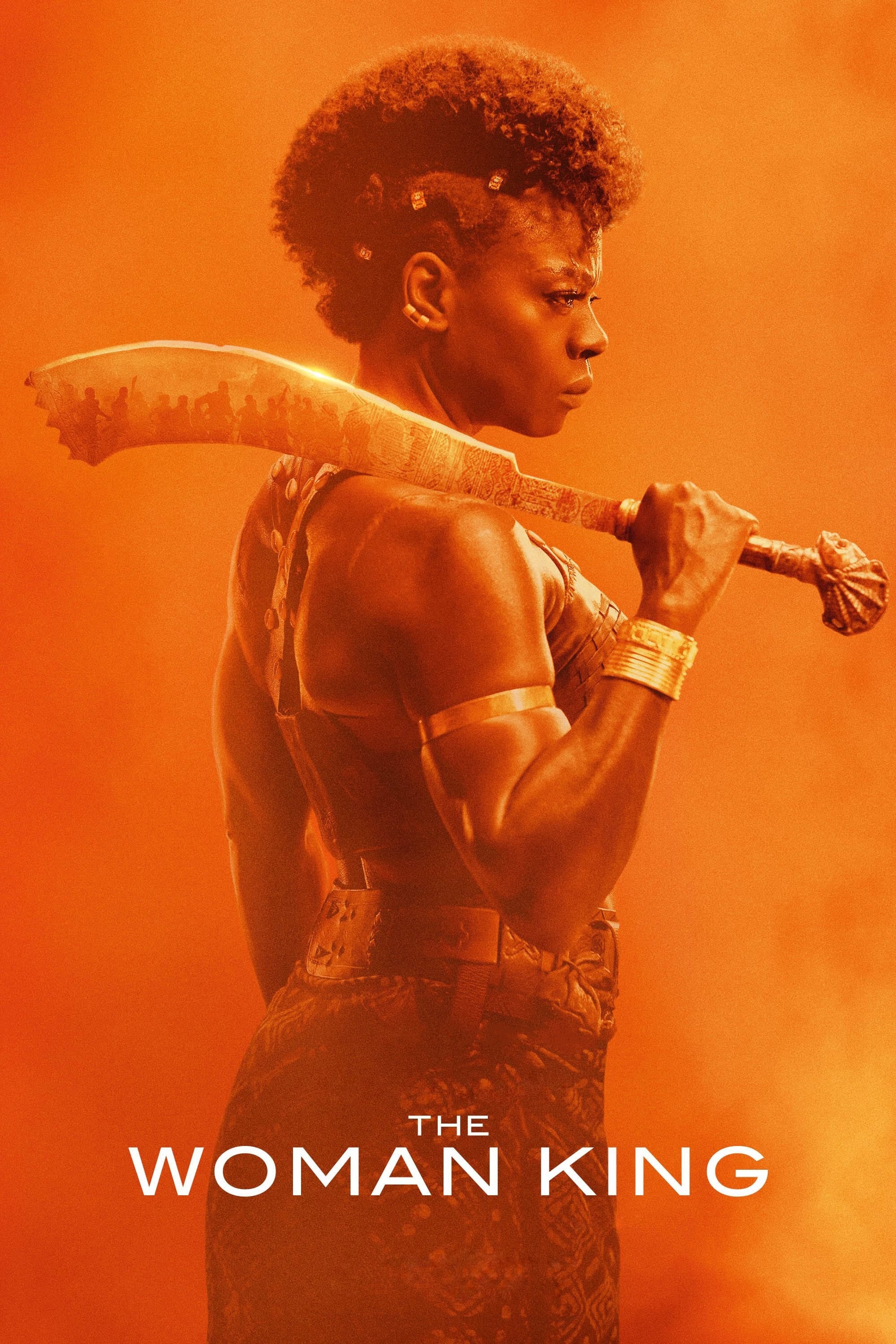
Historical accuracy became the center of the boycott campaign against this action epic about the Agojie warriors. Detractors pointed out that the film minimized the Dahomey kingdom’s role in the Atlantic slave trade and the selling of men. The hashtag #BoycottWomanKing trended as users accused the filmmakers of rewriting history to glorify female warriors. The movie was attacked for presenting a sanitized version of events to fit a modern feminist narrative.
‘Wonder Woman 1984’ (2020)
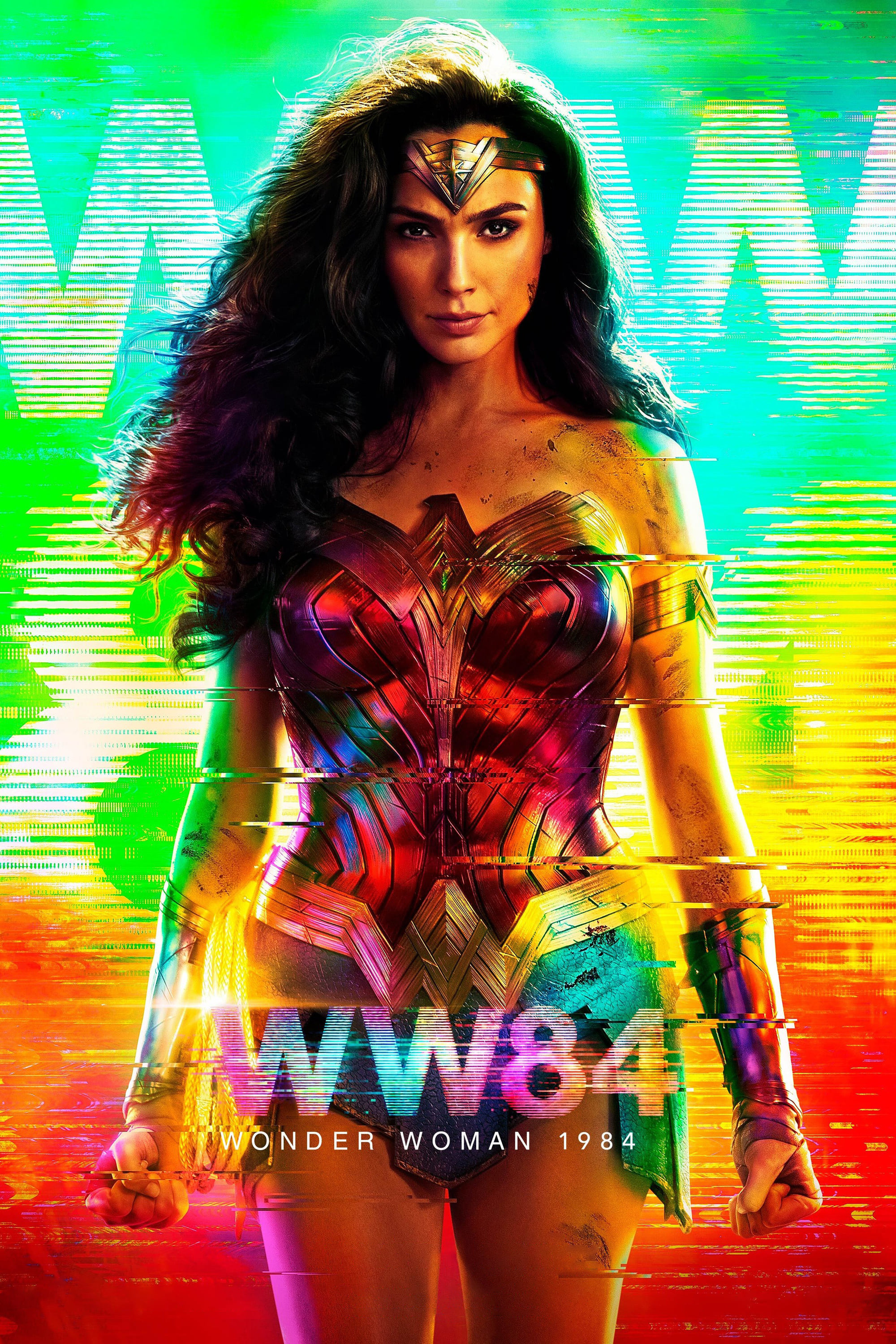
While the first film was well-received the sequel faced criticism for a plot point involving the possession of a man’s body. Steve Trevor inhabits the body of an unwilling stranger leading to ethical questions about consent that the movie ignored. Internet commentators pointed out that the roles would have sparked outrage if the genders were reversed. This double standard became a major point of contention for those tracking gender politics in media.
‘Lightyear’ (2022)

Pixar’s spinoff faced a conservative boycott largely due to a brief same-sex kiss between two female characters. However others were upset that Tim Allen was replaced by Chris Evans as the voice of the space ranger. The recasting was interpreted by some as a lack of respect for the original actor’s conservative political views. The movie’s commercial underperformance was celebrated by groups who adopted the slogan “go woke go broke.”
‘Strange World’ (2022)
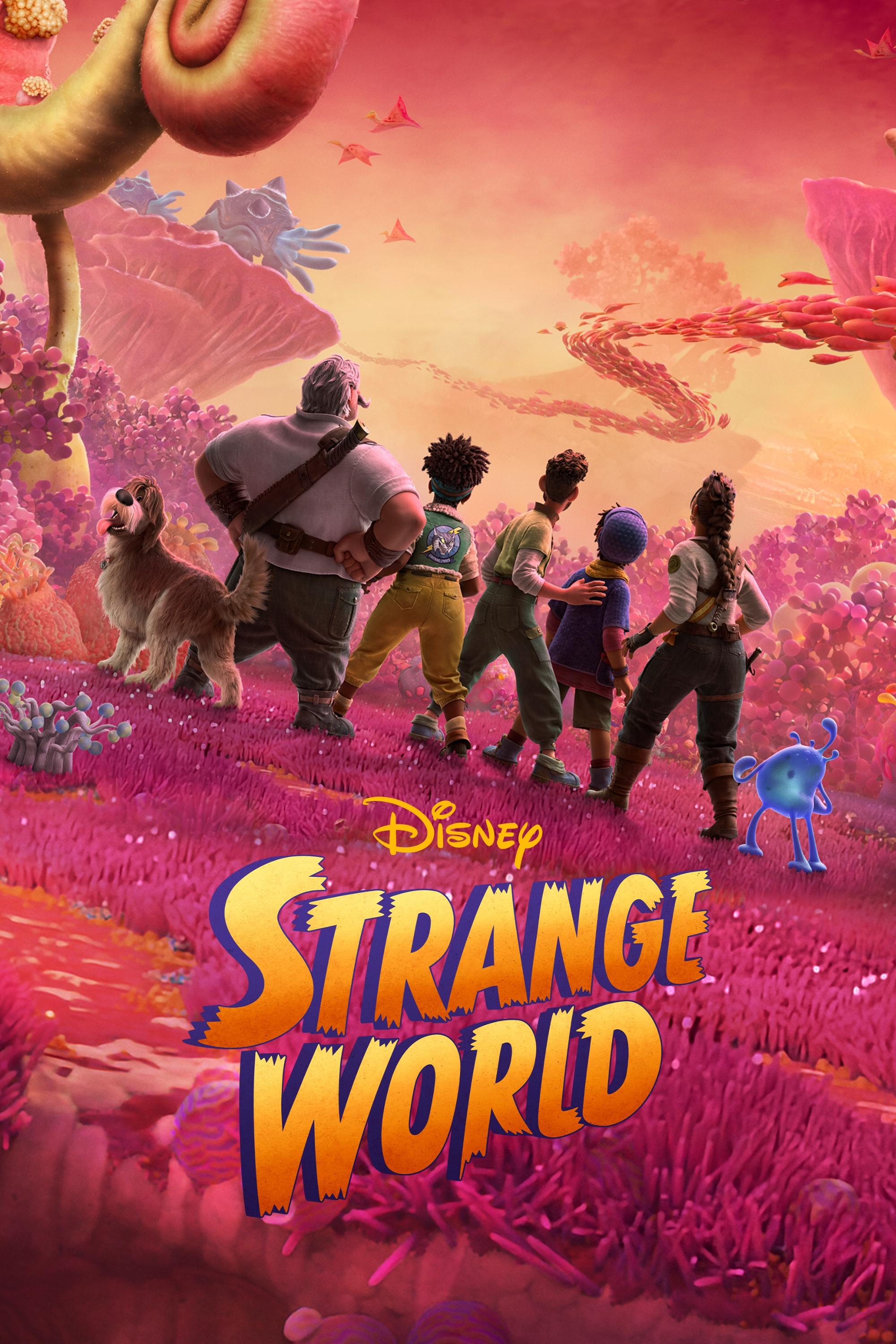
This animated adventure featured a teenage male protagonist who is openly gay and has a crush on another boy. Parents and conservative groups organized online to warn others about the content they deemed inappropriate for children. The film received little marketing support but the backlash was loud across social media platforms. Its failure at the box office was cited by critics as proof that audiences reject modern gender ideology in family films.
‘Promising Young Woman’ (2020)
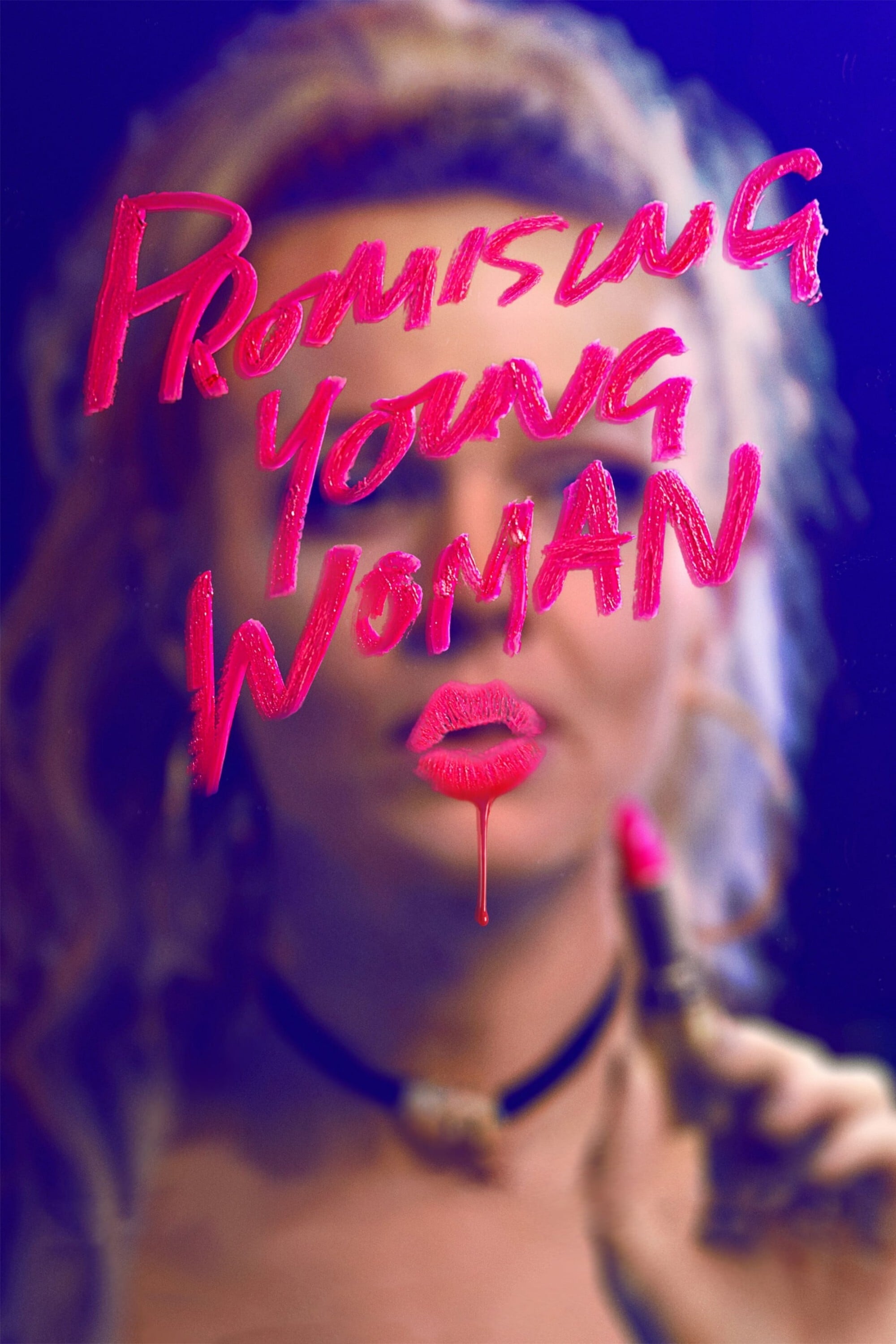
The plot revolves entirely around a woman seeking revenge against men who take advantage of intoxicated women. It sparked heated debates about the portrayal of “nice guys” as complicit predators. Some male viewers felt the film was a blanket attack on men that offered no nuance or redemption. The polarizing ending further fueled the online argument that the film was designed to be deliberately provocative toward men.
‘Hustlers’ (2019)
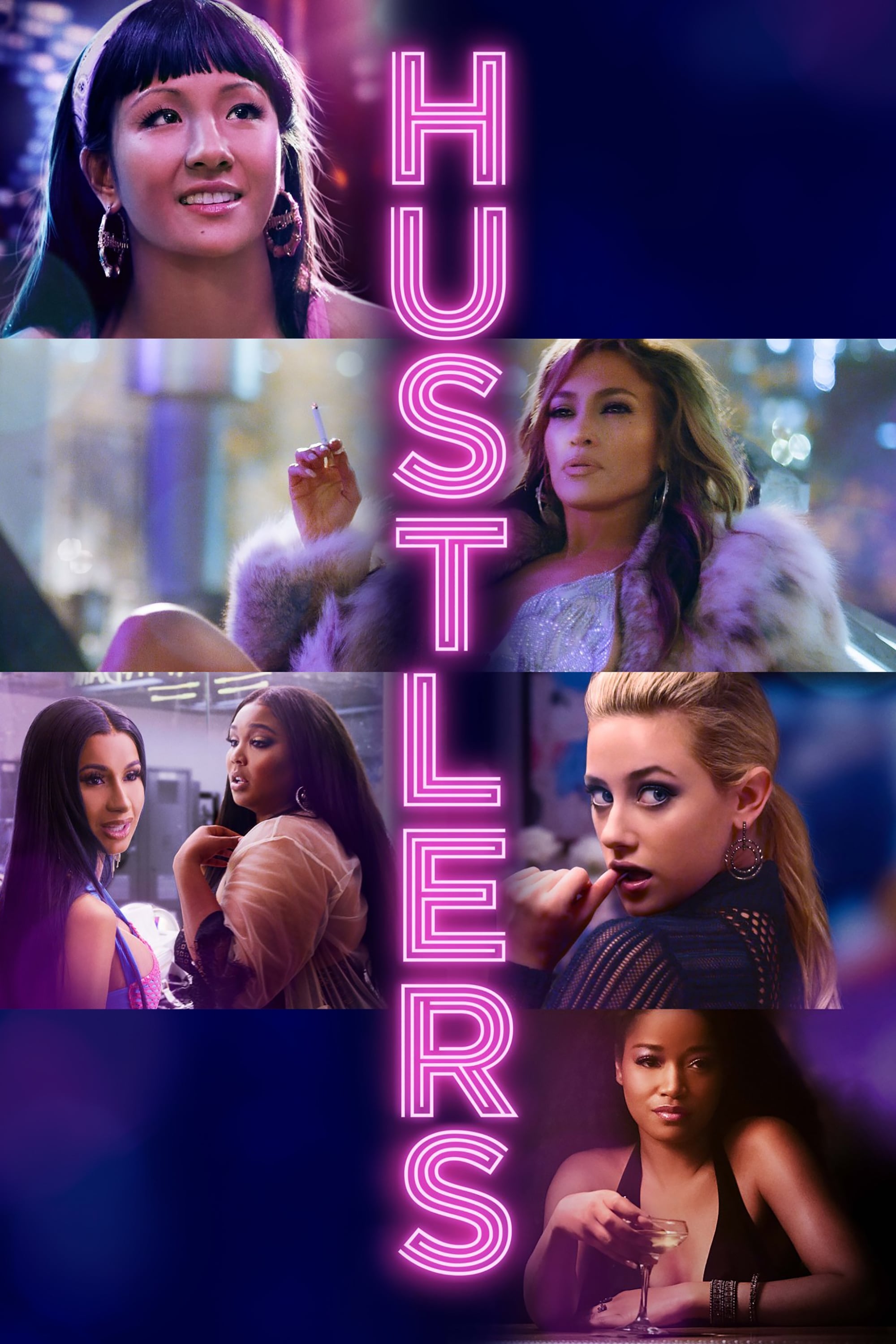
Based on a true story about strippers who drug wealthy male clients and steal their money the film was accused of glorifying misandry. Critics noted that the male victims were portrayed as deserving of the crime because of their Wall Street backgrounds. Internet forums debated whether Hollywood would ever produce a reverse scenario where women were the victims. The film’s celebration of the women’s crimes was seen as a double standard in the #MeToo era.
‘Bros’ (2022)
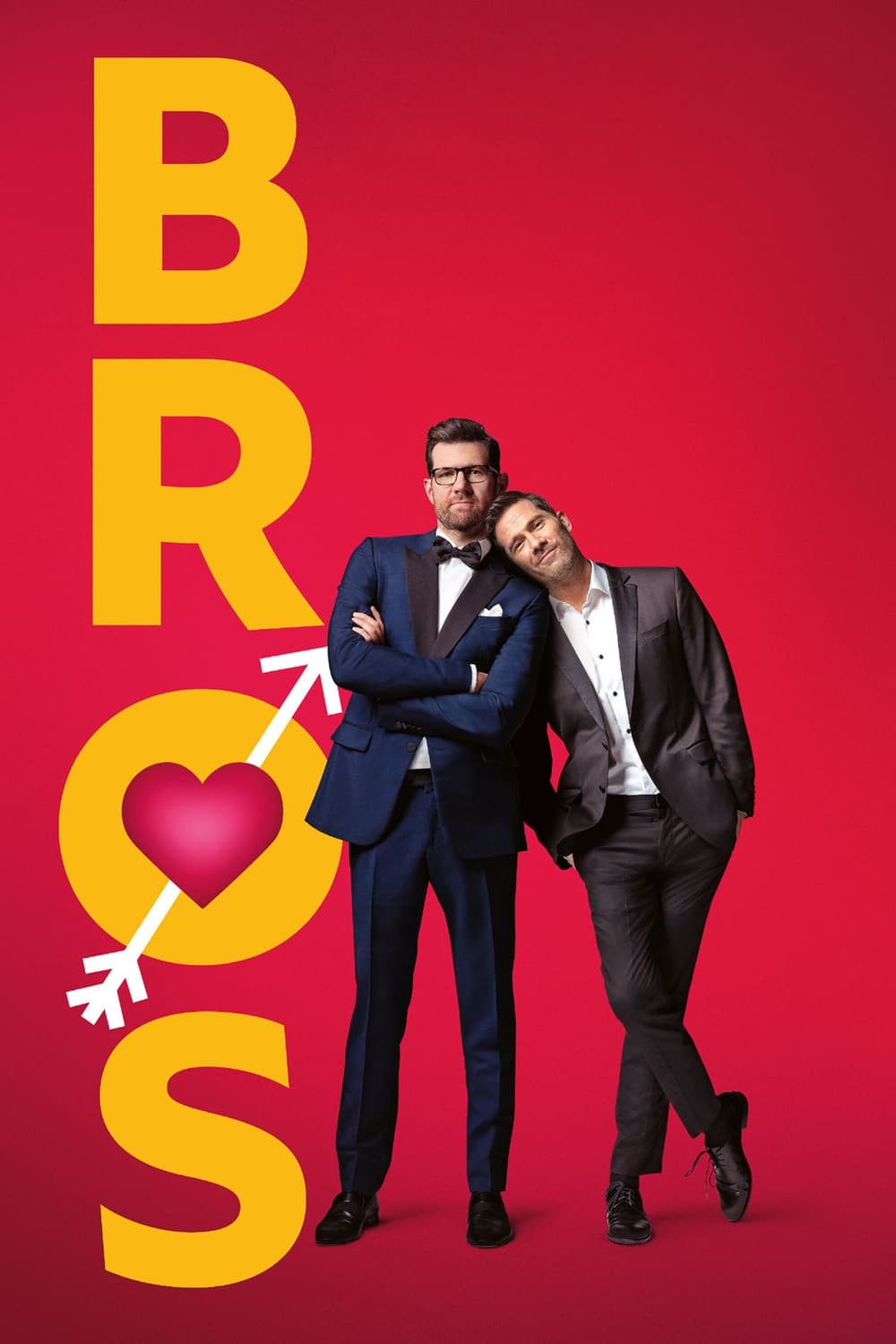
Billy Eichner wrote and starred in this romantic comedy that he aggressively promoted as a historic LGBTQ theatrical release. When the film failed to draw an audience Eichner blamed straight people on Twitter for not showing up. His comments went viral and alienated potential viewers who felt insulted by the blame game. The backlash intensified as users mocked the entitlement of the filmmaker and his attack on the general public.
‘Rough Night’ (2017)
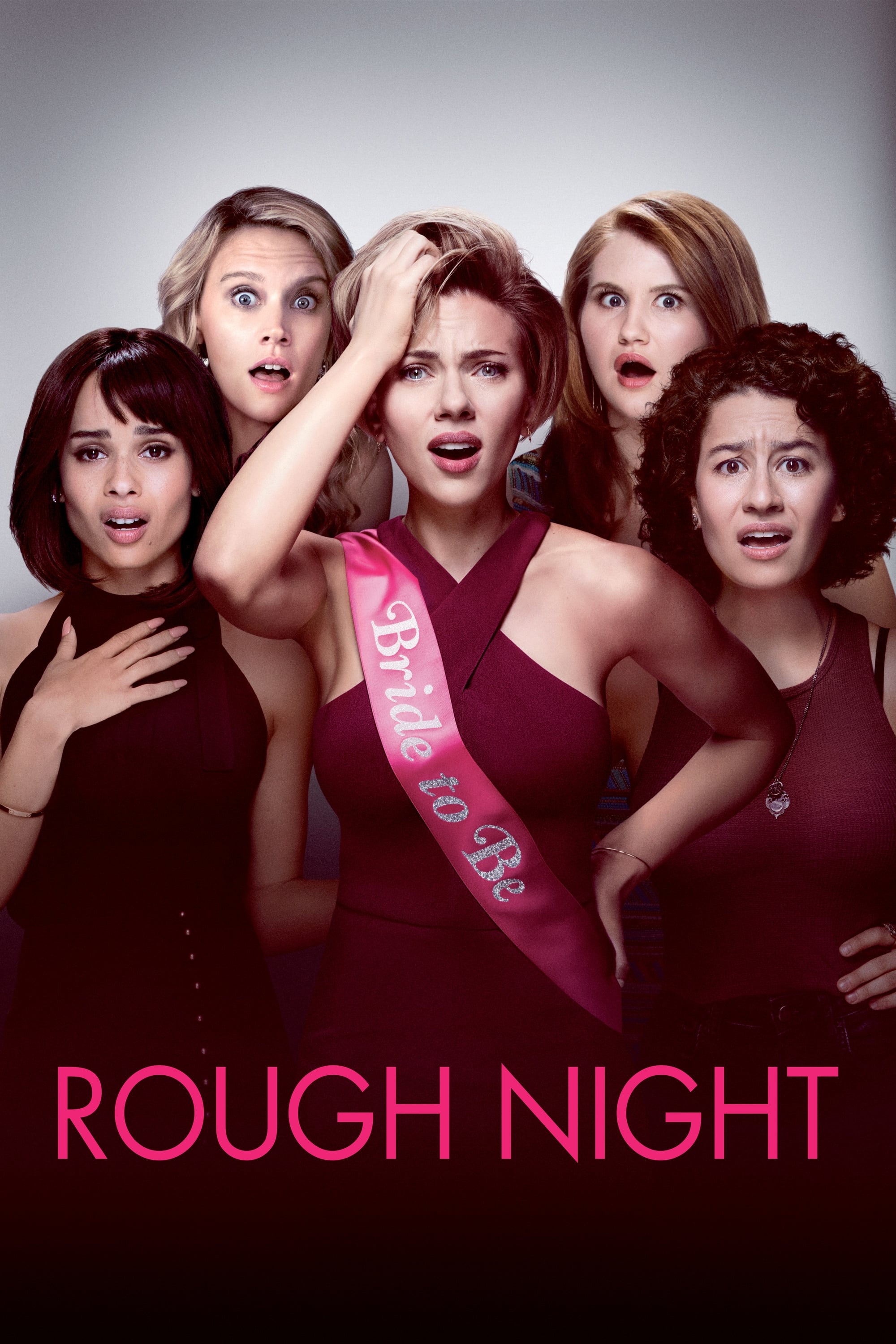
This dark comedy features a bachelorette party that accidentally kills a male stripper and attempts to cover it up. The premise drew criticism for playing the death of a man for laughs in a way that would be unacceptable if the genders were swapped. Men’s rights groups highlighted the movie as an example of the casual devaluation of male life in modern media. The film received mixed reviews and struggled to find an audience amidst the controversy.
‘The 355’ (2022)
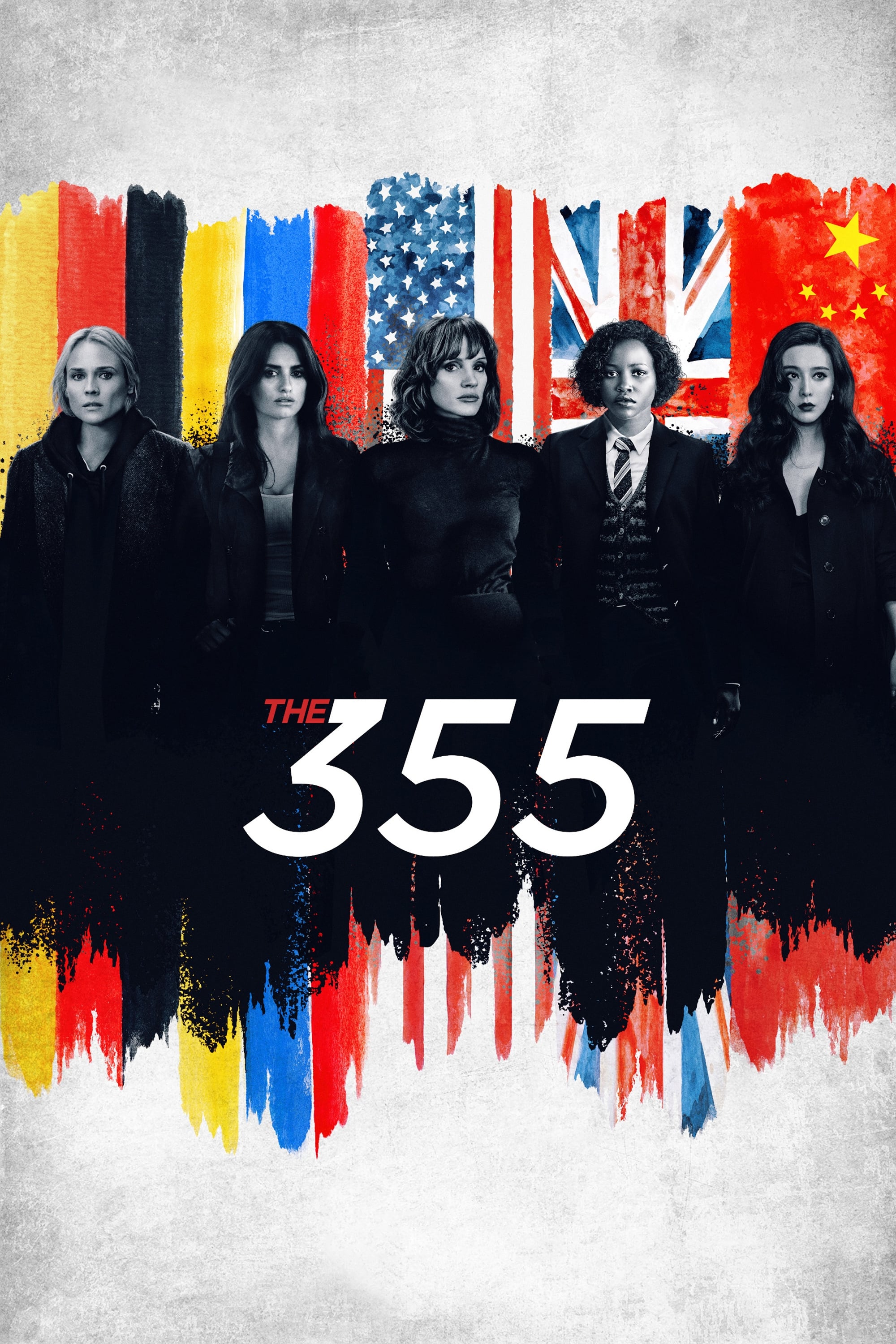
A team of female spies from different international agencies bands together in this action thriller. The marketing emphasized that the women were cleaning up a mess created by men which induced eye-rolls from online critics. It was panned for having a generic script that relied too heavily on the “girl power” gimmick. The film was another entry in the genre that faced immediate dismissal from audiences tired of heavy-handed gender messaging.
Please share your thoughts on these controversies and whether the boycotts were justified in the comments.